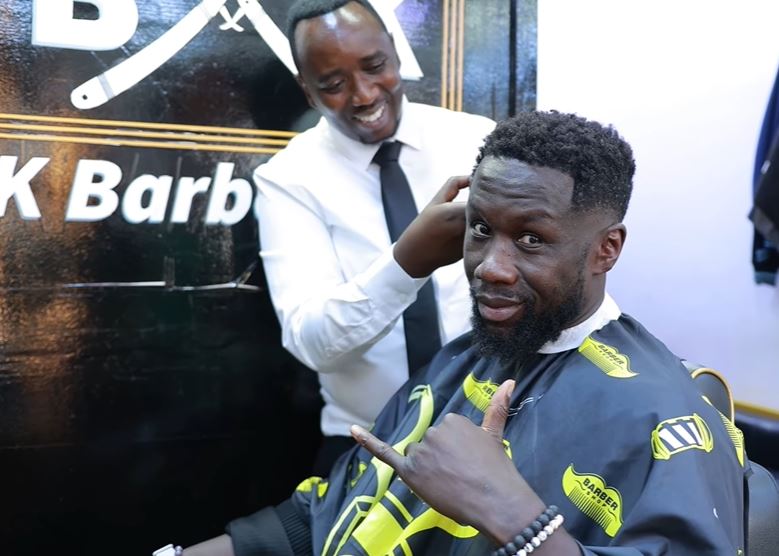
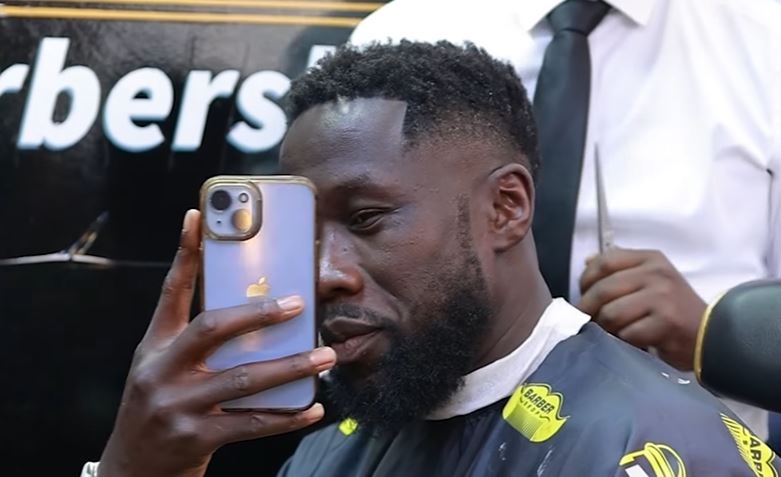
In a heartfelt plea, Abba asked fans, promoters, and well-wishers to rally around his father, who is battling substance abuse and related health complications.
Abba’s emotional appeal comes as Chameleone remains hospitalized at Nakasero Hospital in Kampala. Doctors have diagnosed him with acute pancreatitis, a severe inflammation of the pancreas often linked to alcohol consumption.
While his management has maintained silence on his condition, Abba has stepped forward to highlight the gravity of the situation.
Speaking candidly, Abba acknowledged his father’s flaws but emphasized the need for compassion and accountability. “My father is a flawed human being, like all of us, but he is also someone who has brought joy to many through his music. This is not about enabling his struggles but about helping him overcome them,” he said.
He urged fans and promoters to consider the toll of Chameleone’s declining health. “It’s heartbreaking to see him being booked for performances despite his visible struggles. This isn’t just about money; it’s about his life and well-being,” Abba stated.
Chameleone, a household name in Uganda and beyond, has been instrumental in shaping the country’s music industry. His vibrant career spans decades, earning him a loyal fan base and international acclaim. However, this health crisis marks a turning point, highlighting the urgent need for support from his fans and the broader community.
Abba’s appeal also draws attention to the broader issue of substance abuse in Uganda. According to the Uganda Youth Development Link, 15% of young people aged 13-24 are involved in substance abuse, while the Uganda Alcohol Policy Alliance reports one of the highest per capita alcohol consumption rates in Africa.
Public health experts have emphasized the importance of addressing addiction and its impact on individuals and families. Abba’s message serves as a powerful reminder of the human cost of these challenges, urging collective action to support not only Chameleone but others facing similar struggles.
Meanwhile, plans are underway to airlift the critically ill musician abroad for advanced medical care as doctors at Nakasero Hospital work tirelessly to stabilize his condition. Fans across the globe continue to send messages of love and prayers, hoping for his recovery.
“This plea is a call for unity, compassion, and action, reminding us all of the importance of standing by those who have brought joy and inspiration to our lives,” said one of his fans identified as Kulubya on social media.
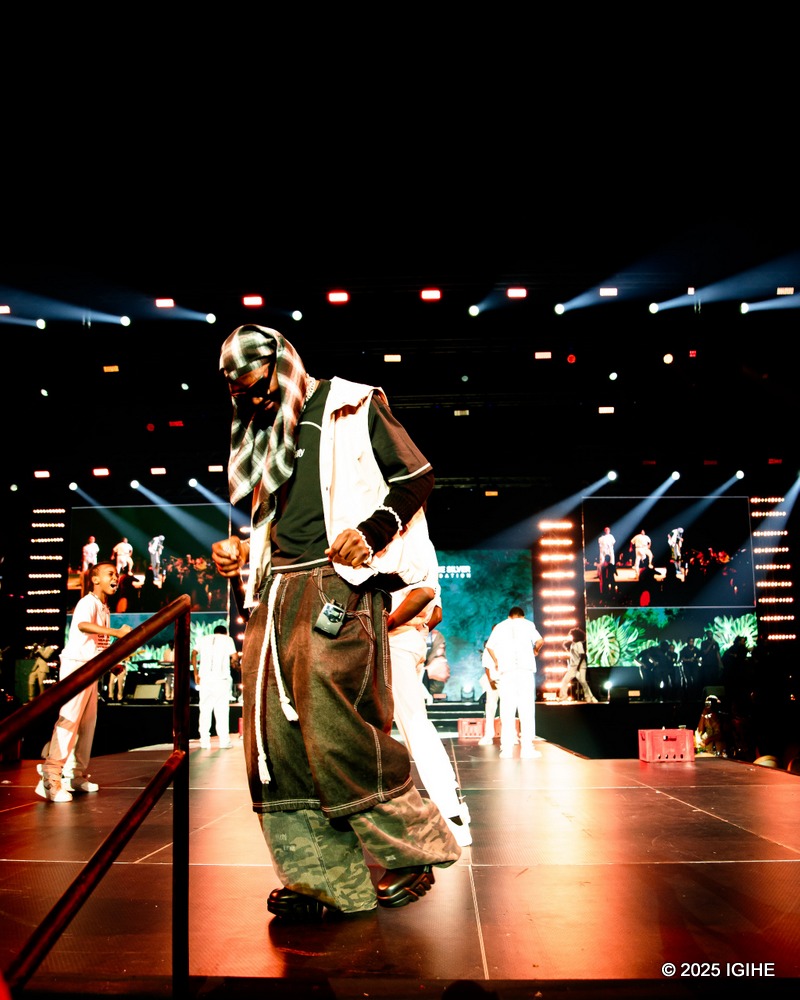
The event, organized by the international advocacy organization Global Citizen, will take place at Kigali’s BK Arena before moving to Lagos, Nigeria, on February 25, 2025.
Move Afrika, a pioneering music touring circuit by Global Citizen, aims to drive economic growth, job creation, and entrepreneurship across Africa through world-class entertainment events. The 2025 tour will expand from East to West Africa, with Rwanda and Nigeria serving as the host countries.
The project also aims to set a new gold standard for entertainment events, boosting demand for international and regional artists to tour Africa.
John Legend, an EGOT-winning artist and longtime Global Citizen ambassador, expressed his excitement about headlining the second edition of the event.
“I’m honoured and excited to perform in Kigali and Lagos as part of the Move Afrika tour – an initiative that not only brings unforgettable shows but also creates entrepreneurship and job opportunities, empowering young people to engage with Africa’s growing music and creative industries,” said John Legend.
“Africa has always been a global cultural powerhouse, and it’s an honour to be part of the future of live music on the continent.”
John Legend is known for a collection of hits that span various genres, blending soul, R&B, pop, and more. His most iconic song, “All of Me,” released in 2013, became a global wedding anthem. The romantic ballad, dedicated to his wife, Chrissy Teigen, topped charts worldwide and solidified his place in pop culture.
Another early hit, “Ordinary People” from his debut album Get Lifted (released in 2005), remains one of his most beloved tracks, showcasing his soulful sound and emotional depth.
{{Move Afrika Impact
}}
Hugh Evans, Co-Founder and CEO of Global Citizen, emphasized the initiative’s impact:
“Our goal is to inspire Africa’s dynamic young population to participate in the live music and creative industries, while building lasting infrastructure for the continent’s international touring circuit,” said Evans.
The first Move Afrika event in Rwanda was held in December 2023 at the BK Arena and was headlined by Pulitzer Prize and Grammy-winner Kendrick Lamar.
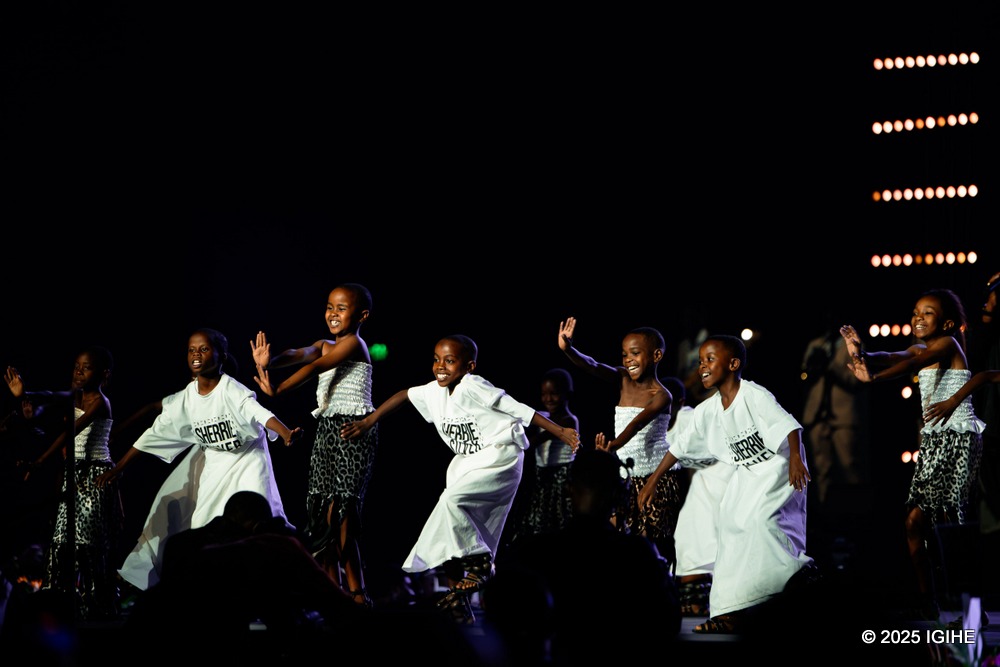
The show, one of the most successful live music events in Rwanda’s history, employed over 1,000 Rwandans and engaged 75% local crew and production staff. It also featured performances by artists such as Zuchu, Bruce Melodie, DJ TOXXYK, Sherrie Silver, Ariel Wayz, Kivumbi King, and Bruce The 1st.
Francis Gatare, CEO of the Rwanda Development Board (RDB), celebrated Move Afrika’s return, saying, “Global Citizen’s return to Rwanda in February 2025 underscores our commitment to showcasing Africa’s creative talent and leveraging the global entertainment industry to address the continent’s development priorities. Our goal is to position Rwanda as an entertainment hub that benefits all African countries, creating youth-focused employment and income opportunities.”
Move Afrika is presented in partnership with pgLang and aims to support sustainable development and economic growth, with a particular focus on strengthening Africa’s health systems.
In collaboration with campaign partners, Global Citizen will advocate for increased domestic health financing, enhanced primary care, and greater investments in health resilience.
The 2025 edition of Move Afrika builds on Global Citizen’s previous events in Africa, including the Global Citizen Festival: Mandela 100 in Johannesburg (2018), Global Citizen Live: Lagos (2021), and Global Citizen Festival: Accra (2022).
The anonymous accuser, identified only as “Jane Doe,” said the assault happened after she was driven to an MTV Video Music Awards after-party.
The federal lawsuit was originally filed in October in the Southern District of New York, listing Combs as a defendant. It was refiled Sunday to include Carter. Texas-based attorney Tony Buzbee, who filed the suit, did not comment.
Carter called the allegations “idiotic” in a lengthy statement Sunday evening and alleged that Buzbee was engaged in unprofessional behavior.
“These allegations are so heinous in nature that I implore you to file a criminal complaint, not a civil one!! Whomever would commit such a crime against a minor should be locked away, would you not agree?. These alleged victims would deserve real justice if that were the case,” Carter said in a statement to NBC News.
A spokesman for the U.S. Attorney’s Office for the Southern District of New York declined to comment on whether the office is pursuing the case when shown NBC News’ report on the lawsuit.
In a statement, legal representatives for Combs called the suits “shameless publicity stunts, designed to extract payments from celebrities who fear having lies spread about them, just as lies have been spread about Combs.”
“As his legal team has said before, Combs has full confidence in the facts and the integrity of the judicial process. In court, the truth will prevail: that Combs never sexually assaulted or trafficked anyone—man or woman, adult or minor,” the statement read.
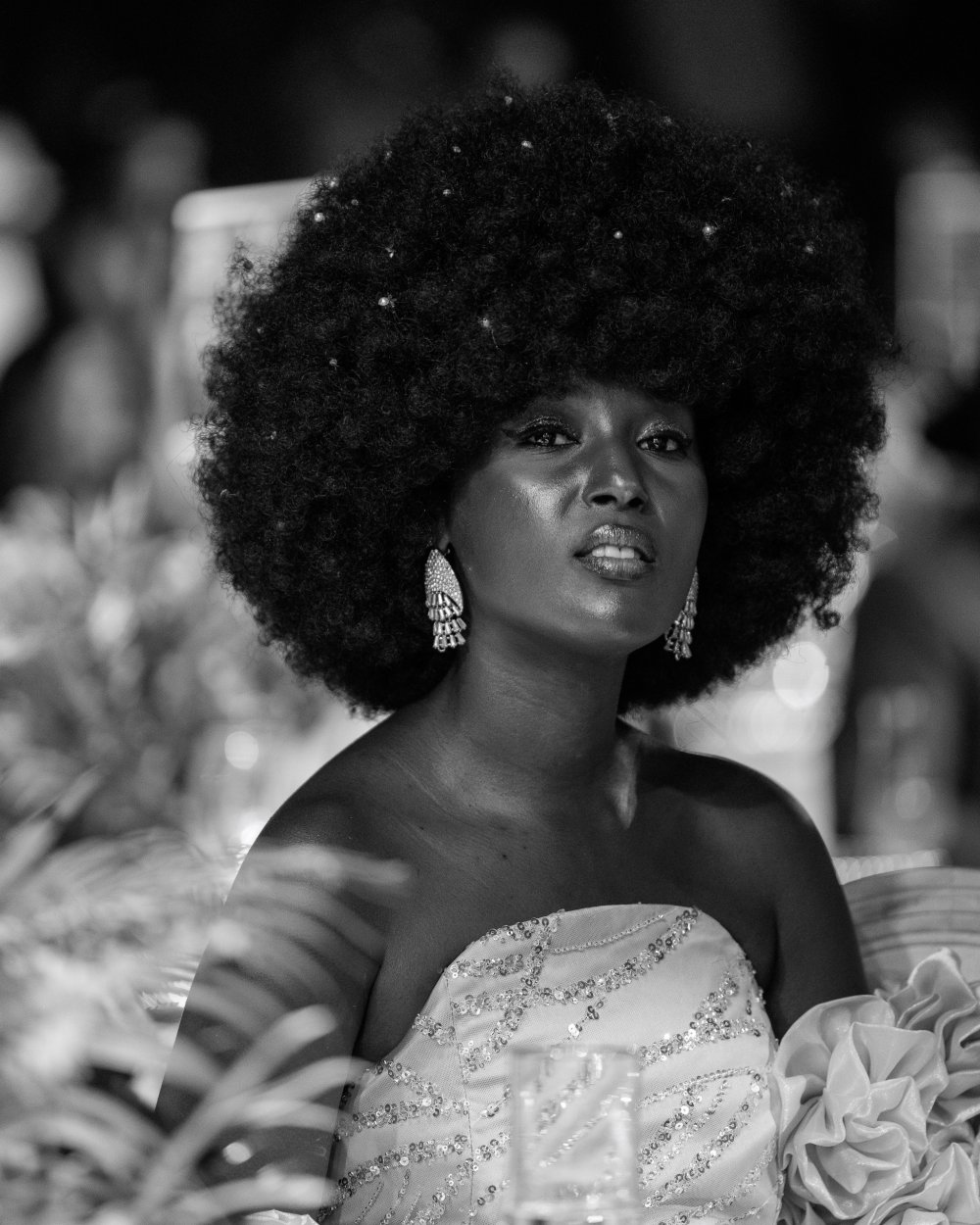
Federal prosecutors in New York criminally charged Combs in September with racketeering, sex trafficking and other offenses, and he is behind bars at Brooklyn’s Metropolitan Detention Center after he was denied bail for a third time last month. His trial is scheduled for May 5, 2025.
The artist teased the concert on social media, revealing that it will be called “The New Year Groove,” and will mark the launch of his new album while ringing in the new year with his fans.
The concert will take place at the BK Arena on January 1, 2025. While he has not revealed the other artists performing at the event, sources close to The Ben told IGIHE that the concert will feature Rwandan artists, particularly those who have collaborated with him on music.
Additionally, there is speculation that Diamond Platnumz, with whom The Ben has collaborated on the song “Why,” may also perform. The two artists have had prior conversations about the possibility of Diamond joining the event, as nothing has changed regarding their plans.
The Ben and Diamond last shared the stage last year during the Trace Awards and Festival in Kigali at the BK Arena, where they performed their collaboration.
The Ben’s new album will be his third, following his debut album “Amahirwe ya nyuma” released in 2009 and “Ko nahindutse” launched in 2016 in Belgium.
The Ben is a household name in Rwandan music, with many hits to his name since he began his music career in 2009, up to his recent releases. His last performance at BK Arena was in 2022 for the “Rwanda Rebirth Celebration Concert,” which followed his 2019 performance at the East African Party event.
DJ Sonia triumphed in the Zikomo DJ category at the awards ceremony held on November 30, outshining 15 other nominees from various African nations.
The 25-year-old expressed heartfelt gratitude for the recognition, promising to put in more work to elevate her craft even to higher heights.
“I’m incredibly honoured to receive this award. It means so much to me because it represents not just my hard work but also the passion I pour into every set,” she told The New Times.
“Being recognized at this level gives me the motivation to push even further, elevate my craft, and inspire others who dream of being DJs. This is not just a win for me; it’s a milestone in my journey and a reminder that music truly connects us all.”
This year’s awards also celebrated other outstanding talents from Africa. Kenya’s Sarah Hassan was named Best Zikomo Actress of the Year for East and Southern Africa, while Malawian musician Onesimus Muzik took home the Artist of the Year accolade.
DJ Sonia’s victory follows her earlier nomination for DJ of the Year at the Youth Excellence Awards (YEA), cementing her place as one of Africa’s leading entertainment figures.
The Zikomo Africa Awards, established in 2020 by Blessing Ouddar in Zambia, honour excellence across various fields, including music, fashion, sports, and humanitarian efforts.
Derived from the Zambian word meaning “thank you,” the awards aim to recognize individuals making significant contributions to their communities while fostering unity and positive change across Africa.
This year’s event featured an expanded roster of categories and high-profile nominees, including Tanzania’s Diamond Platnumz and DR Congo’s Fally Ipupa.
The highly anticipated concert will take place at BK Arena and promises to keep fans entertained well into the night.
The event marks Ruger’s return to Kigali after two years. The ‘Asiwaju’ hitmaker’s last performance in the Rwandan capital was on February 19, 2022, at a concert held at Canal Olympia in Rebero.
The memorable show also featured performances by Rwandan artists, including Gabiro Guitar, Okkama, Kenny K-Shot, Ish Kevin, Ariel Wayz, Gustave Fuel, and Afrique.
Victony, who is making his debut in Kigali, was initially slated as a guest artist for Davis D’s Shine Boy Fest concert held last weekend. However, last-minute changes saw Nasty C being invited instead.
The 23-year-old, born on January 5, 2001, in Orsu, Imo State, effortlessly blends rap and singing. He is known for hits like Soweto, Kolomental, and Stubborn (a collabo with Asake), among many others.
On the other hand, Ruger is currently one of Nigeria and Africa’s most prominent rising stars. The 25-year-old’s career took off after signing with D’Prince’s Jonzing World Record label.
For the Ugandan filmmaker, her first visit to Mashariki was more than a chance to conceptualize her dream. It was a homecoming to the creative community that inspired her to push boundaries and embrace regional collaboration in her storytelling.
“Mashariki opened my eyes to the potential of regional cinema. The films I saw and the people I met encouraged me to think beyond borders and tell stories that resonate across East Africa,” Nankabirwa recalls.
Her newest film, “The Head” is a poignant exploration of the shifting dynamics in East African families.
Tackling the consequences of absent fathers and the evolving roles of women in traditional households.
The film delves into the struggles faced by single mothers and the societal ripple effects of fathers abandoning their roles.
“The title “The Head” symbolizes the role of the father as the head of the family. I wanted to highlight how the absence of fathers disrupts families and impacts society as a whole,” she explained.
Nankabirwa’s filmmaking journey began in Uganda, where she initially trained as a teacher. Over time, her passion for storytelling took precedence, leading her to produce films addressing social issues, children’s rights, and cultural dynamics. “My goal has always been to create films that educate as much as they entertain,” she said.
This vision materialized when she filmed in both Uganda and Rwanda. Featuring actors from both countries and dialogues in English, Kinyarwanda, and Luganda, the film embodies the spirit of East African unity.
“We have so much in common culturally and socially, and I wanted this film to reflect that,” she said. “It’s not just a Ugandan story; it’s an East African story.”
Collaboration was at the heart of the project. She worked closely with Rwandan actors, navigating cultural nuances and building a shared understanding. “It was a learning experience for all of us,” she said. “By blending Ugandan and Rwandan talent, we created something truly unique.”
Despite logistical and financial challenges, including funding constraints and equipment failures, Jennifer remained undeterred. The support of the local Rwandan community proved invaluable during a critical moment of production.
She vividly remembers a scenario when her team’s cameras failed, local people photographers lent them their own equipment, trusting hem to pay later. “It’s something I’ll never forget—a true testament to the generosity and spirit of the Rwandan people,” she recounted.
Leonel Kayitare, the festival coordinator, reflected on the broader impact of Mashariki on filmmakers like Nankabirwa. “The Mashariki Africa Film Festival has always aimed to inspire and connect creatives across the region. We’re thrilled to see filmmakers embracing the festival’s spirit of collaboration and using their platforms to address important societal issues.”
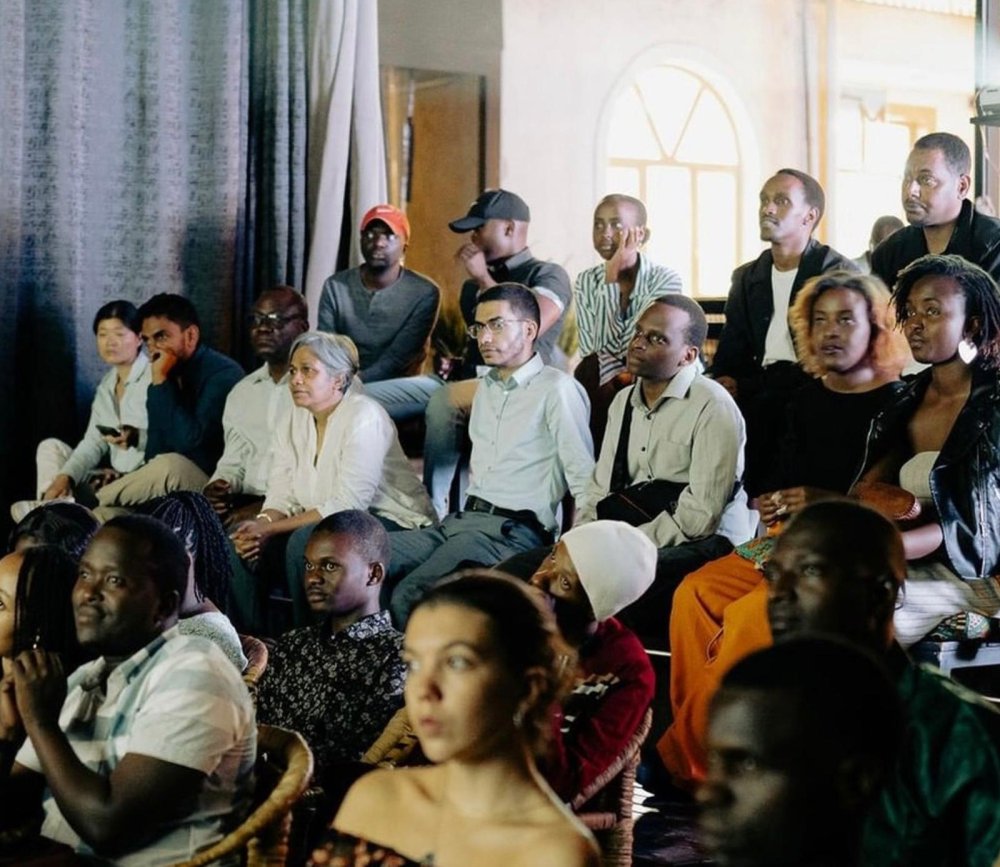
The festival’s growth is evident as the increased audience and enthusiasm grows over the years. It is becoming a hub for African filmmakers to connect, learn, and collaborate. It gives the opportunity to not just showcase individual work, but to inspire one another.
Looking ahead, Nankabirwa envisions a future where cross-border collaborations become the norm in East African cinema. “There are so many untold stories in our region. If we continue to work together, we can create films that not only entertain but also educate and inspire change.”
As a music teacher at Green Hills Academy, he now spends his days teaching piano and music production to young students, sharing his knowledge and passion for the arts. For Konstantin, Rwanda has become a chosen home, a place where he can explore his interests in music, art, and cultural exchange in a way that feels both fulfilling and impactful.
Known among locals as “Nsengiyumva”, a Rwandan nickname he adopted after hearing it in conversation, Konstantin has embraced his new life with genuine enthusiasm. The name, which initially caught his attention because of its unique sound, has since become a friendly identifier that reflects his commitment to integrating into Rwandan culture.
Although he’s still learning Kinyarwanda, he is determined to improve, believing that language is a key part of understanding the place he now calls home.
Konstantin’s journey in music started long before he arrived in Rwanda. He began playing piano as a child and was involved in choirs and even composed his own songs. His love for music led him to study it professionally in Germany, and over the years, he gained experience in music production, composing for theater, and teaching.
“My decision to come to Rwanda was fueled by a desire to work on cultural projects, and I have since found a vibrant community of artists, musicians, and performers in Kigali,” he explains
In his role at Green Hills Academy, Konstantin teaches students not just about music but also about the importance of creativity and discipline in achieving one’s goals. He encourages his students to think of their dreams as “works in progress,” explaining that goals need dedication and practical steps.
“Music, like life, is all about the little steps that make up the big picture. For me, teaching is about more than imparting technical skills; it’s about inspiring my students to find their voice and their confidence through art,” he says.
In addition to his teaching, Konstantin has become somewhat of a social media personality in Rwanda. His videos, which often feature humorous moments as he attempts to master Rwandan customs or speak Kinyarwanda, have earned him a modest following.
“It all started with a playful video correcting a friend’s pronunciation of his nickname, which quickly went viral. From there, I began sharing more lighthearted content, surprising myself with how much people enjoyed my funny takes on everyday Rwandan life,” he recalls.
Outside of his online presence, Konstantin is deeply engaged in Rwanda’s creative scene. He appreciates the country’s efforts to support the arts, noting how the government and various organizations work to provide opportunities for artists and musicians.
“There’s a strong energy here for the arts, and people genuinely enjoy participating in it. However, there some challenges, particularly the gap between well-established artists and those just upcoming. I believe that with more performance venues, mentorship, and funding, young artists could more easily find their way and make a name for themselves,” he advised.
Konstantin also has strong opinions about the role of values in art. For him, creative work should have purpose and integrity, not just a drive for fame or money. He’s cautious of the global trend of social media sensationalism, particularly when it leads to superficial or provocative content for the sake of attention.
“Art should be meaningful and have a positive impact. If it’s just for show, it loses its value. This perspective aligns with my approach to teaching and my belief that creativity can be a powerful tool for personal and social growth,” he says.
Moving forward, Konstantin hopes to continue contributing to Rwanda’s art scene, helping young artists find their way and encouraging a community of creativity. He’s also eager to keep learning Kinyarwanda, deepening his understanding of the country that has welcomed him so warmly.
“In just a few years, I have gone from being a visitor in Rwanda to becoming an active member of the creative community. Rwanda isn’t just a place to live; it’s a place where I can grow, share, and connect with others through the universal language of music and art,” he emphasizes.
Through his teaching, his performances, and his lighthearted videos, Konstantin has found a way to bridge cultures, inspire young minds, and make a lasting impact in a country that has captured his heart.
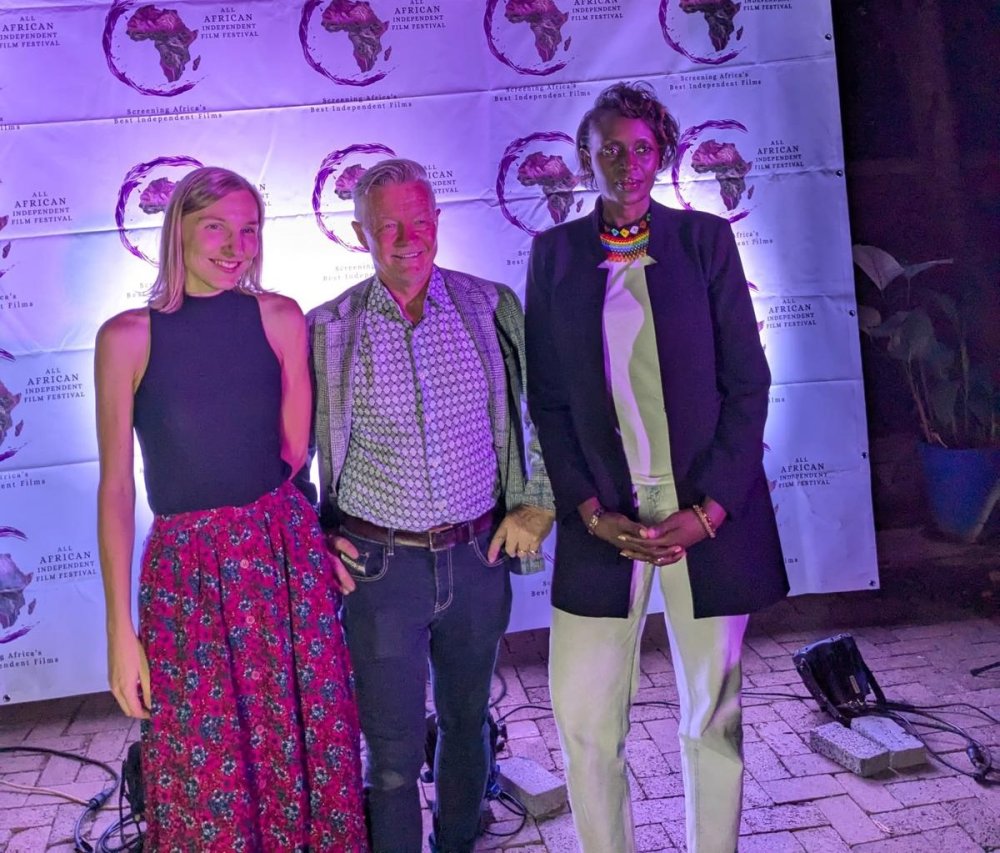
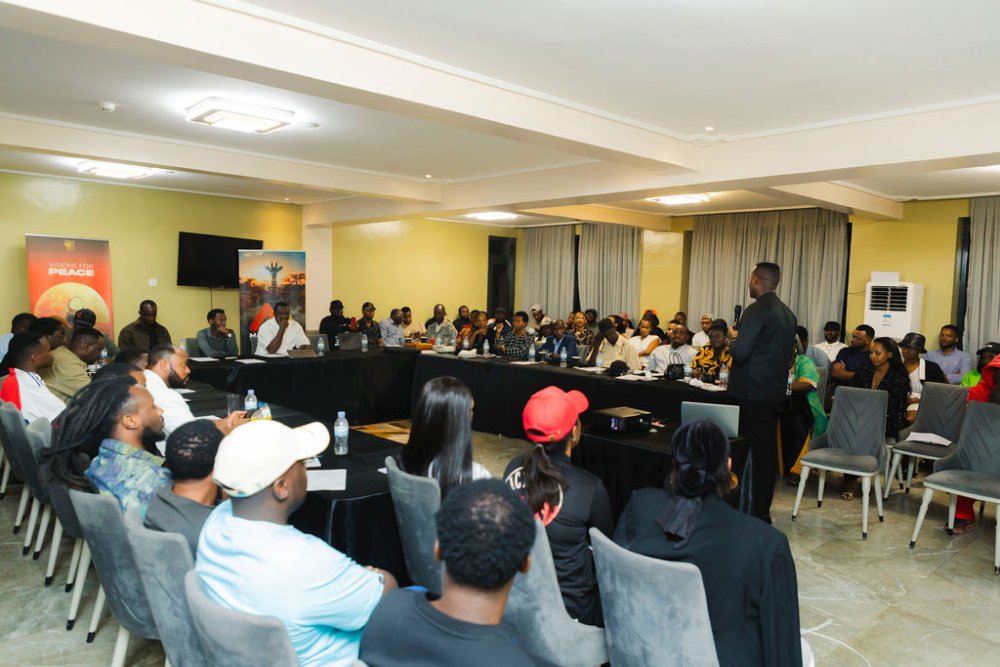
Over the past decade, it has grown from a local event into a cultural beacon that connects, supports, and elevates East African cinema. This year’s anniversary edition is particularly special, with fresh initiatives and industry insights, attracting creatives from different countries.
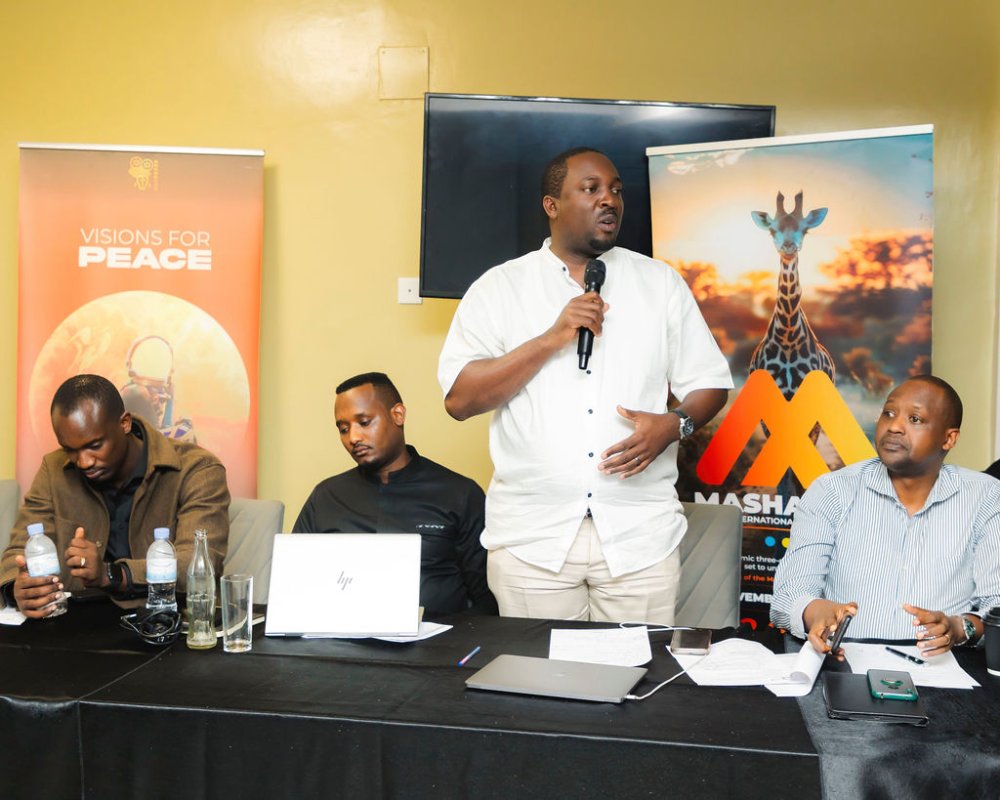
The festival coordinator, Leonel Kayitare, reflected on the growth and regional impact. “Ten years ago, we started with a simple goal: to build a platform where East African filmmakers could share their stories. Now, we’re seeing this platform transform into a community where filmmakers from across the region come together to connect, collaborate, and learn. This 10th anniversary is a celebration of that journey.”
Another major aspect to this year’s festival is “Mashaket,” the Kigali International Content Market, which will run from November 7th to 9th. Designed as a business-to-business (B2B) marketplace, Mashaket allows filmmakers to network with buyers, broadcasters, producers and other industry stakeholders.
Kayitare explained its importance: “This is where East African cinema meets the world. It’s a chance for filmmakers to showcase their work, secure funding, and establish partnerships. It’s a space where we’re not only telling stories but also creating business opportunities.”
Reflecting on the festival’s achievements, Kayitare shared how far the East African film industry has come in the past decade. “When we started, most submissions came from outside Rwanda, primarily from Uganda and Kenya,” he recalled.
“Today, we’re seeing more Rwandan filmmakers stepping up, creating award-winning work that’s making a mark across East Africa. It’s incredibly rewarding to witness that growth and to know that MAFF has played a role in it,” he added.
Among the attendees is a Ugandan filmmaker Jenipher Nankabirwa, whose experience at last year’s festival led her to create a collaborative film project between Uganda and Rwanda.
Nankabirwa, the producer and lead actor of The Head, a new Uganda-Rwanda collaborative film, is thrilled to be back at MAFF this year.
“Attending last year’s festival was a huge source of inspiration. It opened my eyes to the potential of cross-border collaborations, and I left with a vision to make a film that would bring Uganda and Rwanda together on screen. I’m so excited that The Head is now a reality, and I can’t wait to share it with audiences here in Kigali.”
The Head is a family drama that explores the challenges faced by families when the fathers, who are traditionally seen as heads of households become distant or neglect their roles.
The film depicts a Ugandan mother of three daughters, whose husband, is physically distant despite providing financial support. The strained relationship with her daughters, coupled with her resentment towards her husband, pushes her to organize a family trip to Kigali.
In an unexpected twist, they find the husband in Kigali on a business assignment, and the trip becomes a turning point, as the family reconnects and rediscovers their bond.
The story also introduces the woman’s eldest daughter the mother girls who meets a young Rwandan man, during the trip. Their budding connection adds another layer to the story, bridging the two cultures and hinting at a bright future of shared stories and experiences.
Nankabirwa explains that this movie felt like the perfect way to blend Ugandan and Rwandan cultures to tell a story that resonates with families in both countries, something universal yet unique to East Africa. She is glad that MAFF gave her the confidence and platform to pursue her vision.
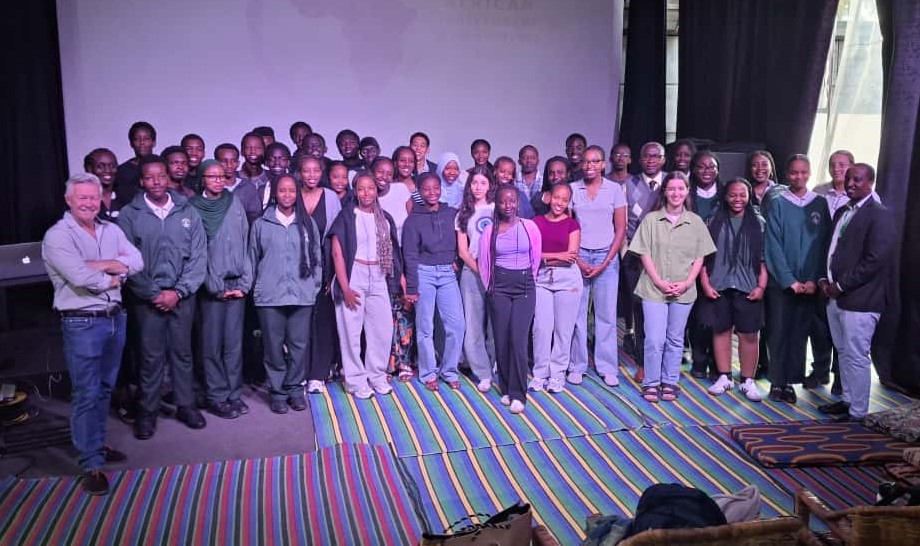
In addition to inspiring films like The Head, MAFF has expanded its programming this year with new capacity-building opportunities. Workshops developed in collaboration with Youth Connect are being held throughout the week, offering insights into various aspects of filmmaking.
“We’re here to support all filmmakers, whether they’re just starting out or have been in the industry for years,” Kayitare said. “These workshops and masterclasses, including those hosted by Sony for cinematographers, provide our filmmakers with the skills they need to create high-quality work that can compete on any stage.”
For attendees like Nankabirwa, MAFF has become an annual highlight and a gathering point for East African filmmakers.
“The festival creates a community. It’s a place where we can exchange ideas, share our stories, and find inspiration. There’s something incredibly powerful about being in a room filled with people who share the same passion for storytelling,” she said
At the 10th year anniversary, it’s clear that the festival has become more than just a showcase, it’s a catalyst for collaboration and a launchpad for East African stories.
With this year’s grand finale set for November 9th, featuring an awards ceremony to recognize the region’s top films, the festival is sure to close on a high note, celebrating a decade of accomplishments and setting the stage for the future of Cinema in Rwanda.
And as Kayitare said, “This is just the beginning. We’re building a foundation that will support our filmmakers for years to come.”
In an exclusive interview with IGIHE, Bunyeshuri revealed that the event, aimed at helping singles find their missing ribs, will be held on Friday, November 29, 2024, from 6 PM until late.
Dubbed ‘Kigali Night of Love,’ the singles party will also feature what the organizer described as ‘Bachelor Games’ and ‘Fun and Flirty Activities for Singles.’
The event will be hosted at Chem Chem Cafe Bar, housed within Rubangura Apartments in Kimihurura, and is expected to attract singles from all walks of life, including the thriving corporate sector in the Rwandan capital.
Admission to the event will cost Frw20,000 for a reserved table. However, those who pay will be able to use the ticket for consumables such as drinks.
Participants will be treated to performances from the Twilight Band, a member of the prestigious International Jazz Festival in Washington, DC. The band specializes in jazz, blues, soul, rhythm and blues, and funk music.
Bunyeshuri, who has hosted similar events in Ethiopia, Uganda, and North America, expressed confidence that the event will provide a relaxed and low-pressure atmosphere, offering singles the perfect opportunity to explore romantic connections while also improving their social interaction skills, especially for those who are busy or shy.
“We are creators of what is burdened to be unburdened and give loving singles a chance to realize their dreams by attending and matching with serious, responsible hopefuls! It’s all in the name of love!” he stated.
Notably, unlike conventional dating, which focuses on longer, one-on-one interactions that allow people to build a deeper connection before deciding to pursue a relationship, speed dating involves meeting a large number of people in a short period to gauge compatibility.
Speed dating events are designed to be engaging, making it a fun way to meet new people rather than the sometimes-intense experience of traditional dating.
During his last appearance on IGIHE’s[ ‘Scoop on Scoop’ entertainment show in September->https://youtu.be/zxCv91XdcMg], Bunyeshuri described the speed dating event held earlier this year as successful, insisting that some of the participants have gone on to build thriving relationships.
“There were so many young diplomats from international embassies in Rwanda, members of the corporate sector, and young entrepreneurs who don’t have time to go to bars and look for someone, or to ask their families to connect them to others. They want to meet in a more corporate environment, and that was the right place for them,” he said, noting that some people who criticized the speed dating event misunderstood its purpose and impact.
He acknowledged that criticism and the fear of being judged are some of the challenges facing emerging trends in modern dating, especially in conservative societies.
“Speed dating in Rwanda, a very conservative country, obviously faces negative talk and criticism from people. This is expected,” he added.