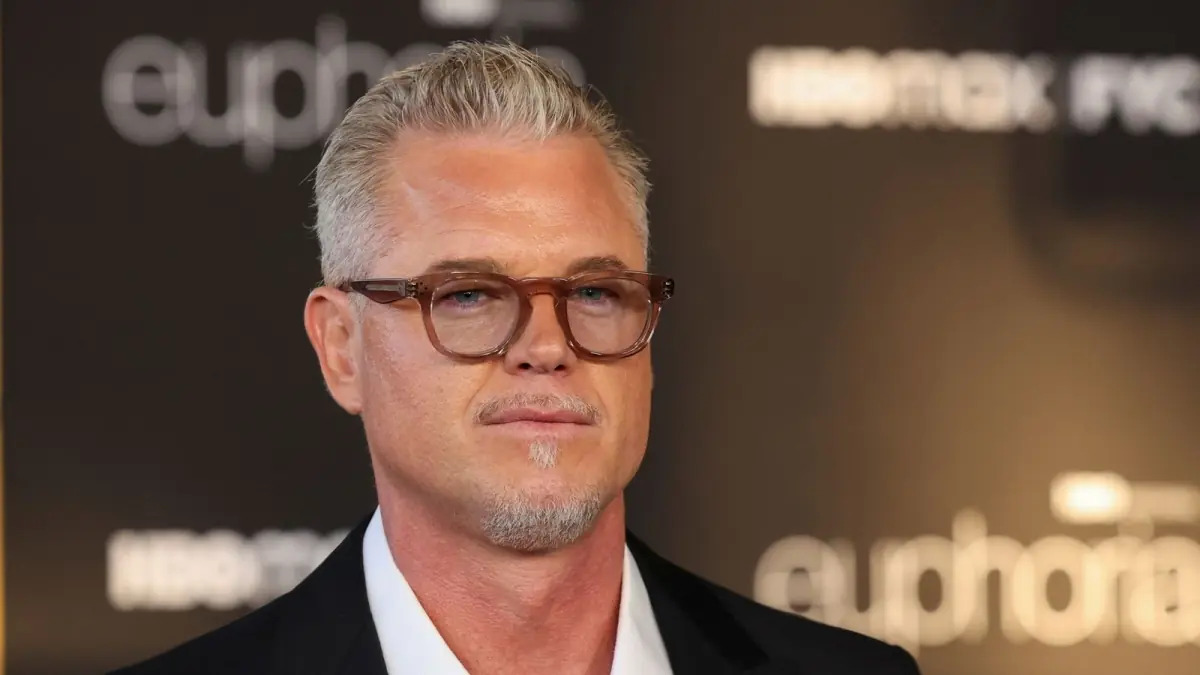
His family confirmed he passed away on Thursday, describing his final months as a courageous fight marked by advocacy and dedication to raising awareness of the disease.
Dane publicly revealed his ALS diagnosis in April 2025 and spent the months that followed using his platform to support patients and research.
Family statements highlighted his determination to make a difference, noting that he focused on fundraising and bringing public attention to ALS, the most common form of motor neurone disease. In recognition of his efforts, Dane was named “Advocate of the Year” by the ALS Network in late 2025.
Born with a versatile talent for television and film, Dane first gained widespread recognition for his portrayal of Dr. Mark Sloan, affectionately nicknamed “McSteamy”, on the long-running medical drama Grey’s Anatomy. Introduced in Season 2, he became a fan favorite, appearing in 139 episodes, and left a lasting mark on pop culture.
He later drew acclaim for his darker, complex role as Cal Jacobs on the hit teen series Euphoria, continuing through the show’s second season and filming scenes for its upcoming third season. Dane also starred as Captain Tom Chandler on the post-apocalyptic action series The Last Ship from 2014 to 2018.
His other work included recurring television roles in Charmed and Gideon’s Crossing, early appearances in The Wonder Years, Roseanne, and Saved by the Bell, as well as film roles in X-Men: The Last Stand, Marley & Me, Valentine’s Day, Burlesque, and Bad Boys: Ride or Die.
Tributes have poured in from co-stars and colleagues, who remembered Dane as a warm, humorous, and intelligent presence on set. Many praised his dedication to ALS advocacy, noting his final months were defined by generosity and purpose.
Dane is survived by his wife and two daughters, Billie and Georgia, whom his family described as the center of his world. His memoir, scheduled for release later this year, will offer a closer look at his life, career, and enduring efforts to make a difference for those affected by ALS.
Dane publicly revealed his ALS diagnosis in April 2025 and spent the months that followed using his platform to support patients and research.
The Grammy-winning rapper addressed the breakup while responding to a social media post from her rival, rapper BIA, during her Little Miss Drama Tour performance in Los Angeles on Sunday. BIA had written amid rumours of the split: “Can u name someone with more bms than receiving yards? I can! and I know that. ykwnvm.”
Cardi B responded firmly to both the rumours and BIA’s jab, telling the crowd, “Let me tell you somethin’, just because I ain’t f–kin’ with my baby daddy doesn’t mean you get to talk about my baby daddy. B*tch this is for you.” She then performed the BIA diss track Pretty & Petty, according to TMZ.
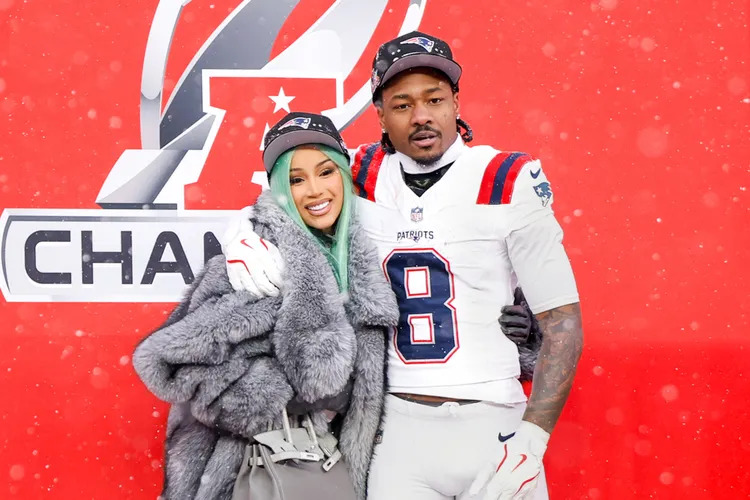
Reports indicate that Cardi B and Diggs ended their relationship after allegations of infidelity on the footballer’s part. Their split comes just three months after the couple welcomed a child together, all while Cardi B navigates a divorce case with her ex-husband, Offset.
The rumours of a breakup intensified following Super Bowl 2026, in which the Seattle Seahawks defeated the New England Patriots 29-13. Both Cardi B and Diggs appeared to unfollow each other on social media after the game. During that season, Diggs, 32, recorded three receptions for 37 yards in his first year with the Patriots after signing a three-year deal in free agency.
Diggs also recently faced legal troubles, appearing in court for an arraignment after being accused of attacking his personal chef. He pleaded not guilty and is set for a pretrial hearing on April 1.
The couple had made their relationship Instagram official in the summer of 2025. Cardi B, 33, continues to tour on her Little Miss Drama Tour, which runs through mid-April, performing across major cities in the U.S.
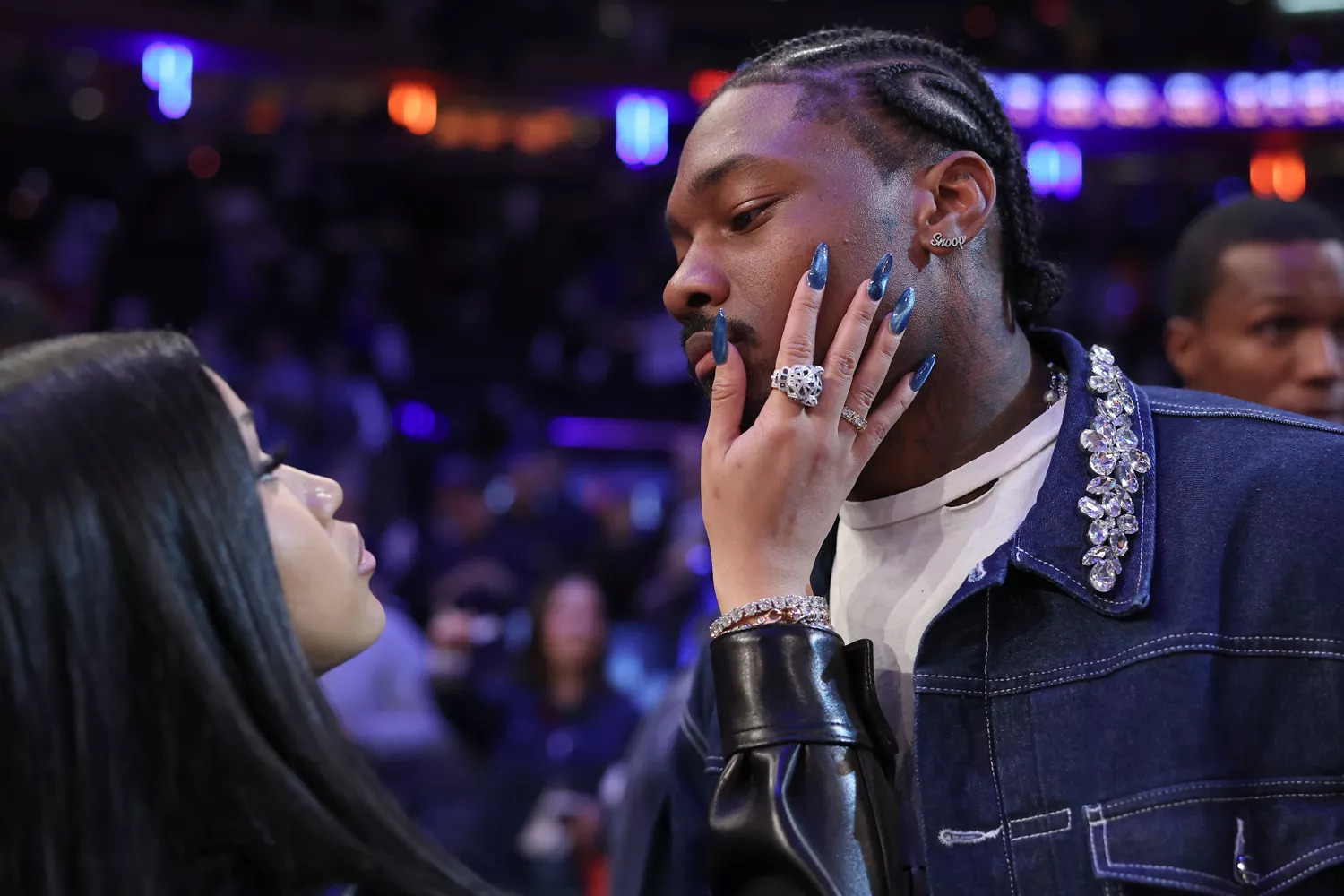
Cardi B and Stefon Diggs at New York Knicks game in May 2025.
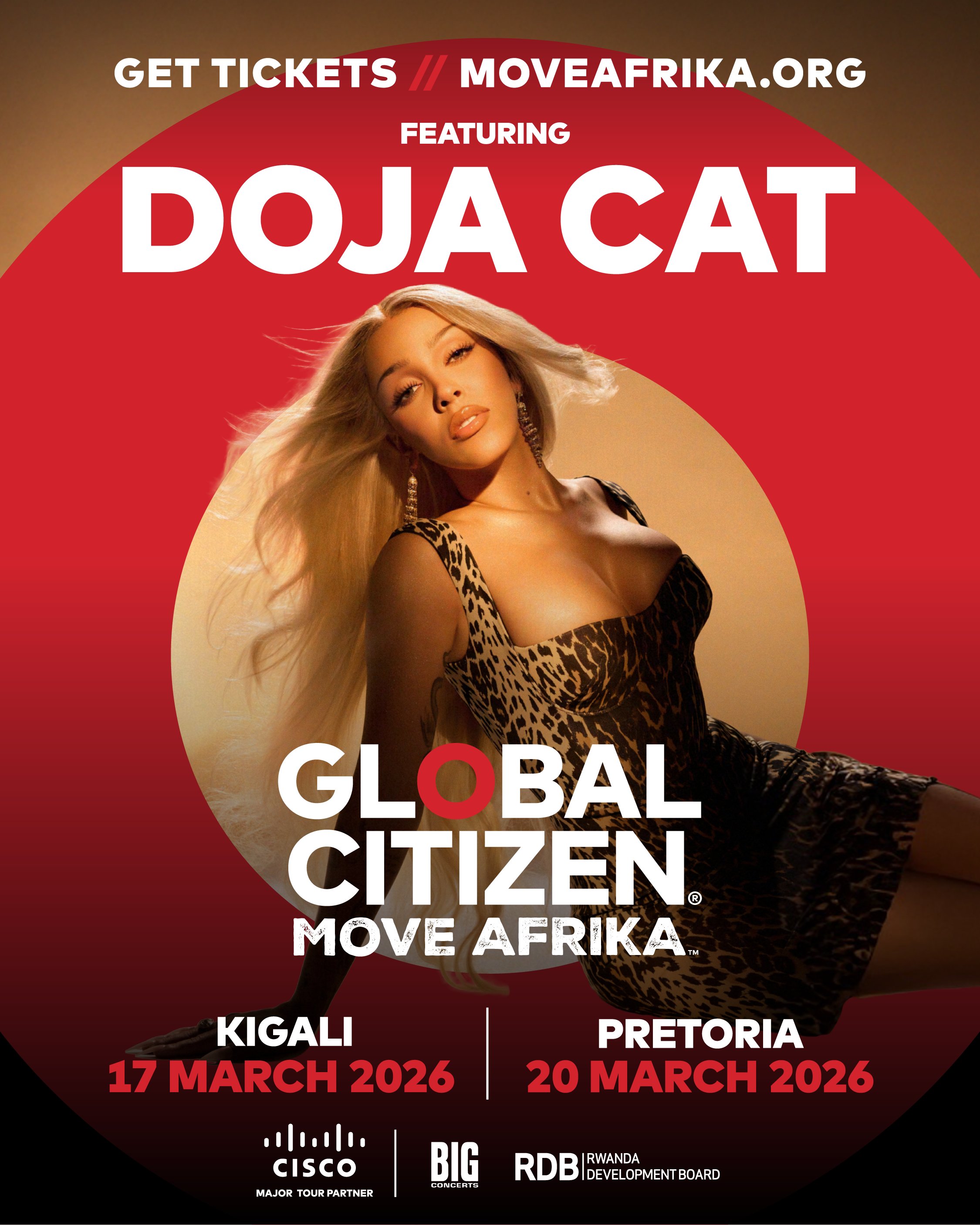
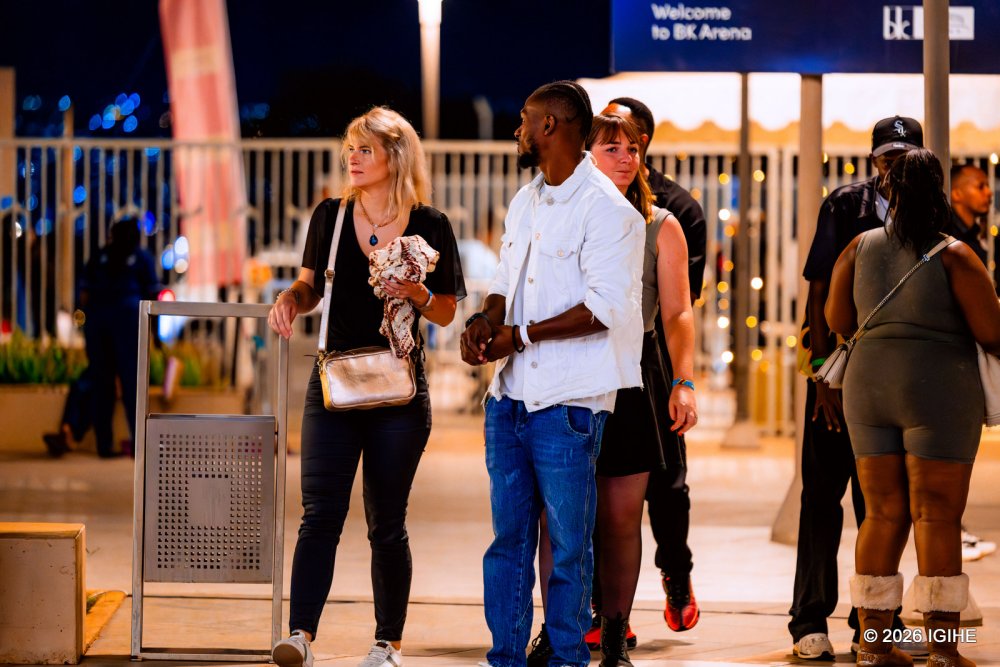
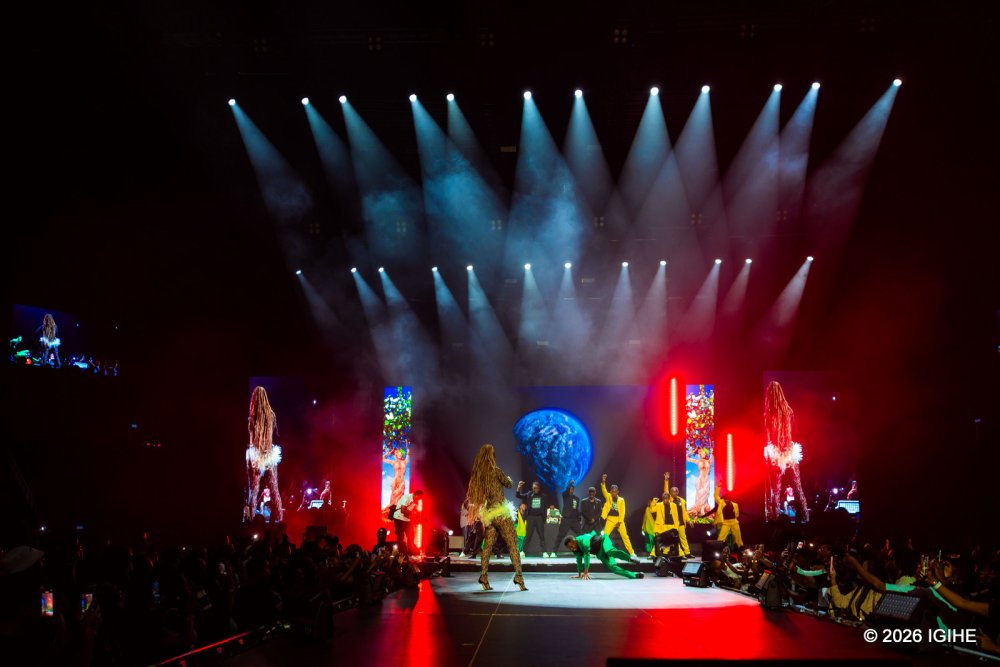
The concert will take place at BK Arena on March 17, before the tour continues to SunBet Arena in Pretoria, South Africa, on March 20.
Move Afrika blends world-class live music with social impact programs, aiming to create jobs, support youth entrepreneurship, and provide skills training across Africa. The initiative also engages local artists, production crews, and vendors, boosting capacity in host cities while delivering a world-class entertainment experience.
The first Move Afrika in Rwanda, held in December 2023, featured Kendrick Lamar and employed over 1,000 Rwandans, with 75% of the production crew sourced locally. The event showcased African talent including Zuchu, Bruce Melodie, DJ TOXXYK, Sherrie Silver, Ariel Wayz, Kivumbi King, and Bruce The 1st.
The 2025 edition saw EGOT-winning John Legend take the stage at BK Arena, performing hits such as “All of Me” and “Ordinary People” in outfits designed by Rwandan fashion brands Moshions and Tanga. That edition employed 90% local production staff and extended the tour to Lagos, Nigeria.
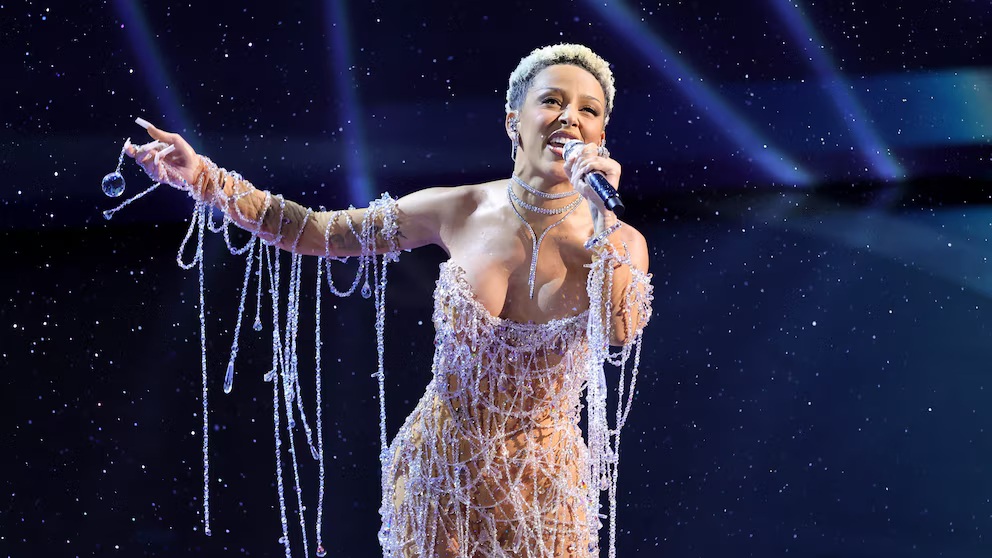
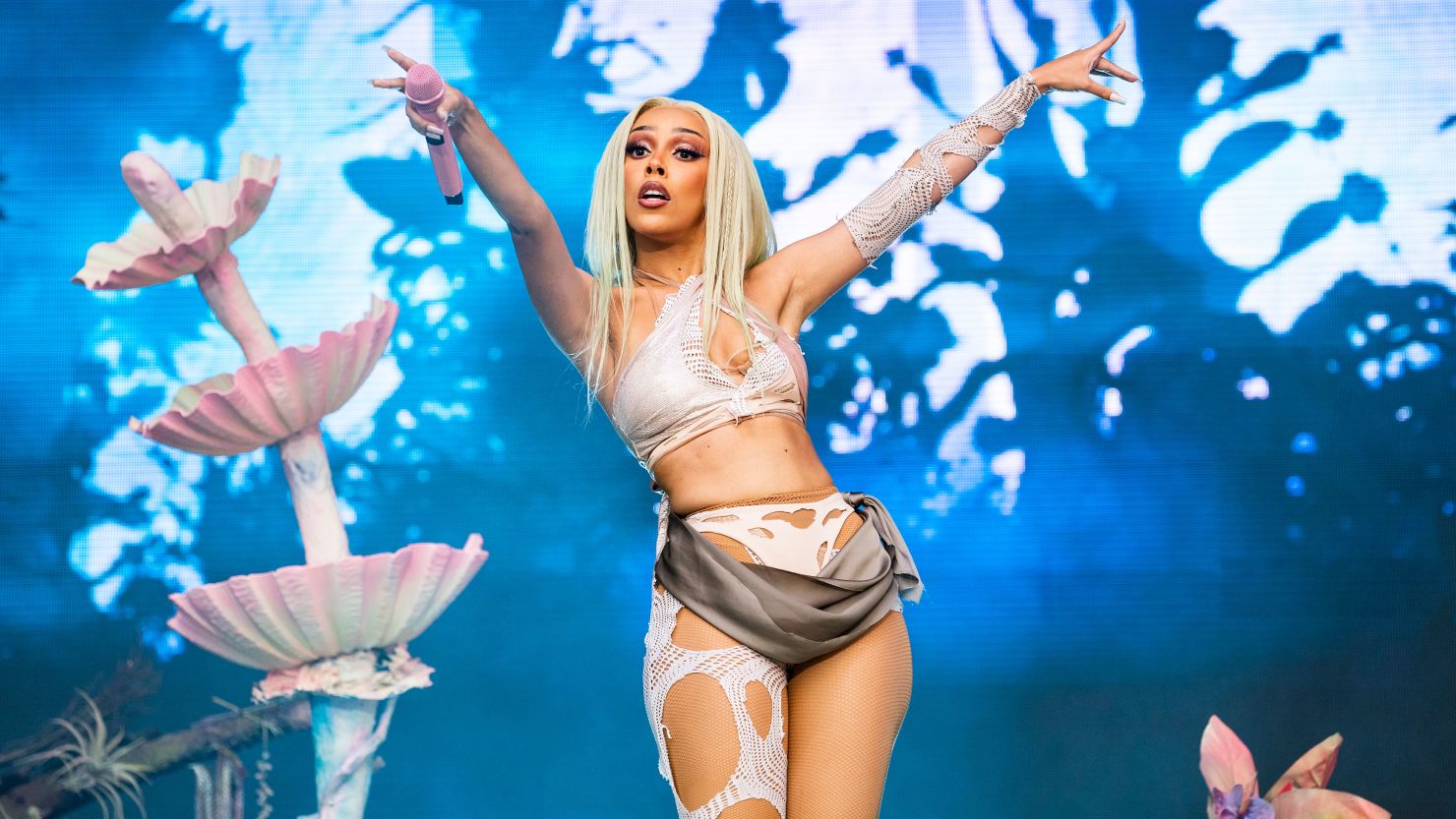
Move Afrika 2026 promises to continue this tradition, with Doja Cat delivering an electrifying performance while supporting local entrepreneurship and skill development. Tickets for Kigali and Pretoria are [already on sale->https://www.moveafrika.org/tour], with fans encouraged to secure their spots early for one of Africa’s most high-profile music events of the year.
{{Who is Doja Cat?
}}
Born Amala Ratna Zandile Dlamini, Doja Cat is an American rapper, singer, songwriter, and producer who has become one of the most prominent figures in modern pop and hip-hop. Known for her “chameleon” ability to switch between hard-hitting rap and melodic pop, she combines eccentric, internet-savvy personality with bold artistic vision.
The 30-year-old first gained massive attention in 2018 with the viral novelty track “Mooo!”, a DIY music video that showcased her talent for creating viral content. Her 2019 album Hot Pink featured the global hit “Say So”, which topped the Billboard Hot 100 after a remix with Nicki Minaj.
The 2021 album Planet Her solidified her superstar status with hits such as “Kiss Me More” (feat. SZA), “Need to Know”, and “Woman”, earning her a Grammy for Best Pop Duo/Group Performance. In 2023, she pivoted to a darker, rap-focused sound with Scarlet, led by the #1 hit “Paint the Town Red”, and her 2025 album Vie returned to her pop-leaning roots while maintaining her experimental edge.
Doja Cat is also known for her visual artistry, treating fashion and music videos as performance art, and her digital-native approach, often interacting directly with fans on social media. A self-taught musician, she learned to sing, rap, and produce after dropping out of high school at 16, using GarageBand to hone her craft.
With Move Afrika 2026, Kigali audiences will get a front-row experience of one of today’s most innovative and genre-defying artists, combining global stardom with a uniquely African stage experience.
If you have ever slow danced to “Mon Soleil” or felt your heart skip to the opening notes of “Je Sais,” mark your calendar. Nicole Nérêt, the Martinican artist known to millions as Princess Lover, is coming to Kigali for one unforgettable night.
On Saturday, 14 February 2026, Mövenpick Hotel Kigali will transform into the most romantic destination in the city as Princess Lover takes the stage for “Charmes de St Valentin,” a live concert that promises to fill the evening with zouk rhythms, R&B soul, and the kind of music that makes you reach for someone’s hand.
{{A night made for love
}}
This is the Season of Love at Mövenpick Kigali, and what better way to celebrate than with live music under the stars? Princess Lover’s voice has soundtracked countless love stories across francophone Africa and the Caribbean. Now, Kigali gets its turn.
Doors open at 6pm, giving guests time to settle in, sip something sparkling, and soak in the atmosphere before the performance begins. Whether you are planning a grand romantic gesture or simply looking for a memorable night out with someone special, this is the kind of evening curated specifically for you.
{{Choose your experience
}}
The concert offers something for everyone, from couples seeking a complete romantic escape to friends who simply want to dance the night away.
The Single Ticket (RWF 150,000) gives you concert access and a glass of sparkling wine to set the mood. Perfect if you are coming with friends or flying solo.
The Couple Ticket (RWF 250,000) is designed for two. You both get concert access and two bottles of sparkling wine, so you can toast to love before the music begins.
VIP Tables (1,000,000 to 10,000,000 RWF) are the ultimate Valentine’s experience. You will enjoy a private table with premium services, a sumptuous set menu dinner, champagne, and accommodation with breakfast included. Arrive for dinner, stay for the concert, wake up to a leisurely morning. No rushing home, no logistics to worry about.
{{Where Swiss precision and Rwandan warmth meet live entertainment
}}
Mövenpick Kigali is quickly establishing itself as more than a place to stay. Sitting on the historic grounds of the former Hotel Umubano, the hotel is becoming a destination for culture, cuisine, and now, world-class live music. This concert marks another chapter in that story.
{{Book now
}}
Packages are limited, and Valentine’s Day waits for no one. Purchase your tickets online at [bossplayakigali.sinc.events/les-charme-2508->https://bossplayakigali.sinc.events/les charme-2508] or call +250 788 211 515 or +250 788 651 818 to reserve.
Some evenings are meant to be remembered. This is one of them.
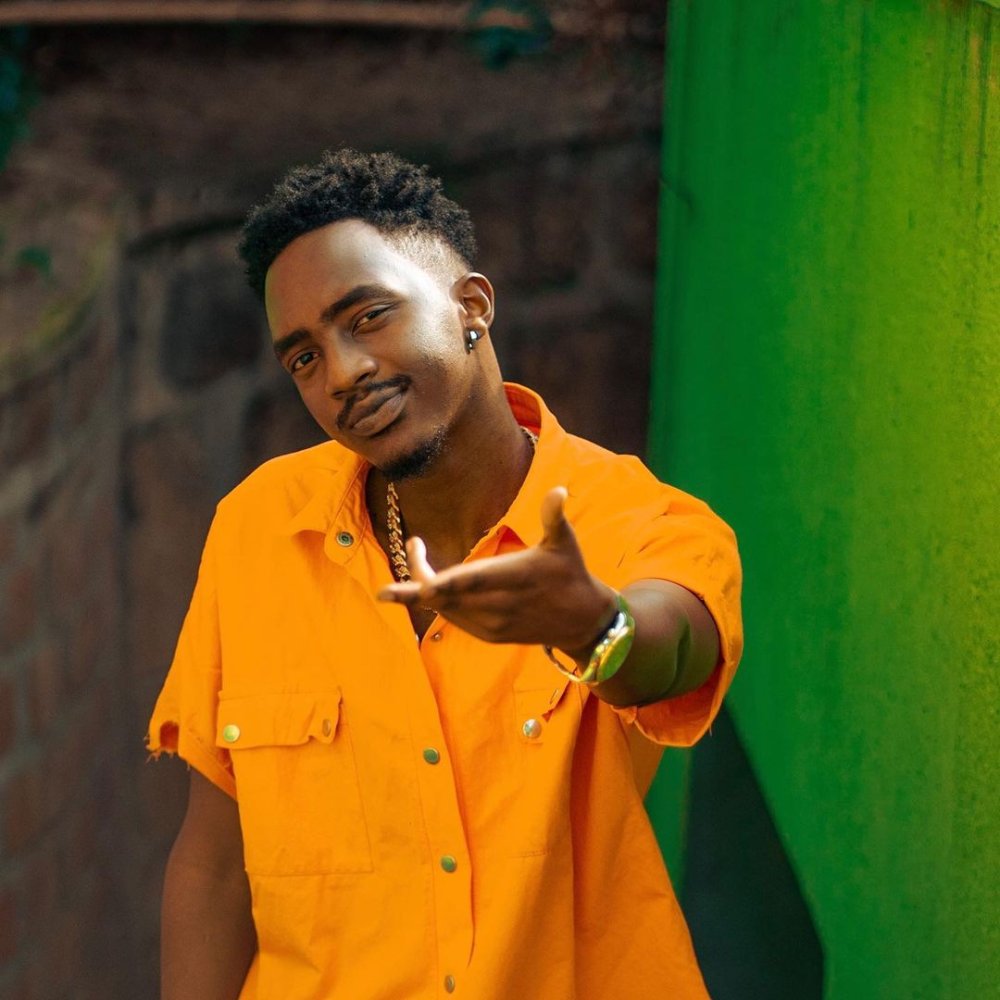
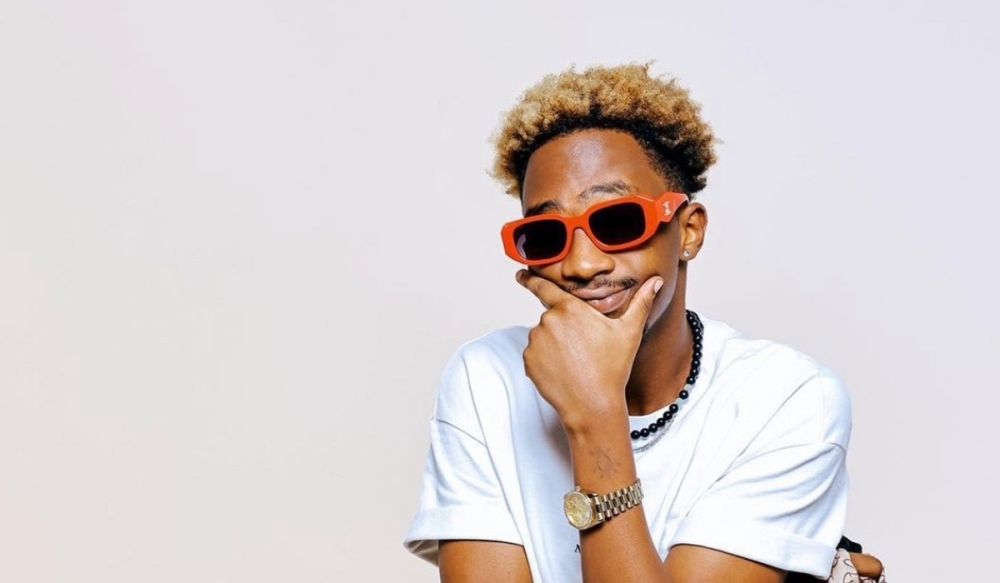
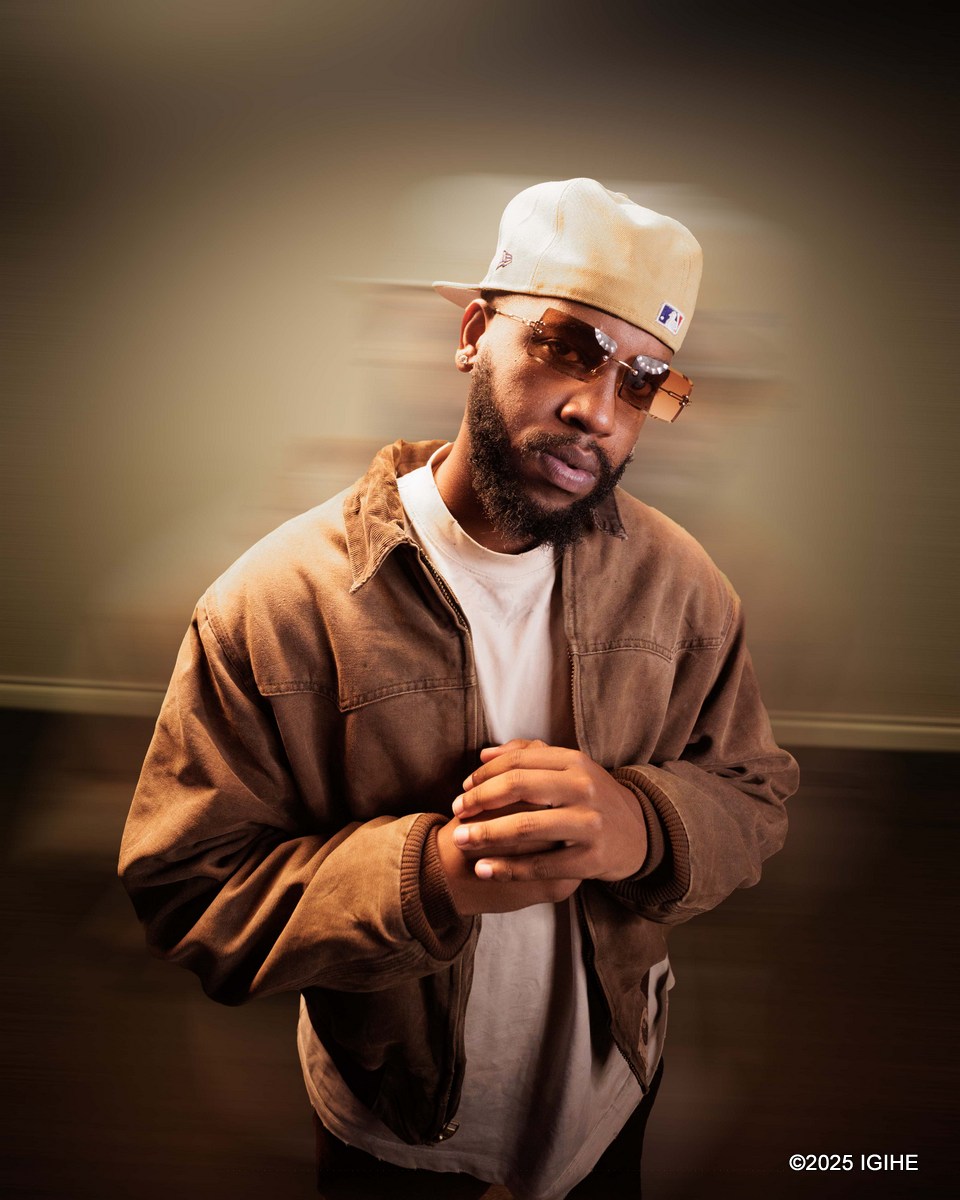
Speaking during a recent exclusive interview with IGIHE at his studio, the Afro-fusion and drill artist opened up about his creative process, the message behind his trending single Treasure, and his steady rise as one of Rwanda’s leading new-generation artists.
“This is where I feel the happiest, the safest, the most me,” Logan Joe said as he worked on new music. “When I’m in the studio making music, if I die here right now, I would go to heaven.”
Asked whether that would be “with a smile,” he responded simply: “A smile and go to heaven.”
{{A career shaped by sound, not pressure
}}
Logan Joe broke through in 2020 and quickly became a familiar name on major concert stages, collaborating with artists including Ish Kevin, Kenny K-Shot, Kivumbi King, and producer Kina Beat. His growing catalogue includes popular tracks such as Kibonumwe, Ibitambo, Whatever, and Treasure.
He says adjusting to the Rwandan music industry was never a challenge.
“I wasn’t trying to prove anything to random people that I can do music,” he explained. “I was just focused on finding the best of my art and proving to myself that I can get what I want.”
That inward focus has become a defining trait of his career, especially as his sound, known for blending Kinyarwanda with modern trap and drill beats, continues to gain traction.
{{Treasure and the message of self-worth
}}
Released in late 2025, Treasure has been trending heavily and is widely seen as one of Logan Joe’s most personal songs to date. According to the artist, the track is about self-validation in a culture that often looks outward for approval.
“I wanted people to know they can be their own treasure,” he said. “Don’t stress your mind searching for validation from someone else. Maybe the treasure you’re looking for is already within you.”
When asked whether he considers himself a treasure, he answered without hesitation: “Yeah. That was the message.”
The response from listeners, he added, has been overwhelming, with many fans telling him his music helped lift them during difficult moments.
“That makes me want to connect with them even more,” he said. “That’s the only thing I want, for people to feel the music the way I intend it.”
{{Inside Logan Joe’s creative process
}}
Despite his emotional sound, Logan Joe says songwriting is often decided in the first few seconds.
“The hardest part is the first line,” he said. “Once I get it and I know what the song is about, then the whole song is done. The first line defines everything.”
After long studio sessions, he keeps recovery simple. “I sleep,” he said. “A long, long sleep.”
He also describes himself as an introvert, though he insists there’s another side of him yet to be seen.
“They’d be surprised to see me dance,” he said, laughing. “I’m a good dancer, but I haven’t made the right song for my moves yet.”
{{What’s next
}}
During the interview, Logan Joe was also recorded working on an unreleased love song titled One in a Million, teasing new material expected soon.
For Fela’s family and friends, some of whom attended the event, the recognition is both a long-awaited tribute and a reminder of the global impact of his work.
“The family is happy about it. And we’re excited that he’s finally being recognised,” said Yeni Kuti, Fela’s daughter. “But Fela was never nominated in his lifetime,” she added, reflecting on the late acknowledgement.
Lemi Ghariokwu, the Nigerian artist behind 26 of Fela’s iconic album covers, described the moment as historic.
“It’s good to have one of us represented in that category, at that level. I’m excited and honoured to witness it,” he said. Yet Ghariokwu admitted he was also surprised. “Fela was totally anti-establishment. And now, the establishment is recognising him,” he noted.
Fela’s family believes he would have been largely indifferent to the accolade. “He didn’t at all [care about awards]. He didn’t even think about it,” said Yeni. “He played music because he loved music. It was to be acknowledged by his people, by human beings, by fellow artists, that made him happy.”
His cousin, Yemisi Ransome-Kuti, added that while the award may not have mattered to him personally, he would have appreciated the broader significance. “He would recognise the fact that it’s a good thing for such establishments to begin the process of giving honour where it’s due across the continent,” she said.
Born Olufela Olusegun Oludotun Ransome-Kuti in 1938 in Ogun State, Nigeria, Fela later adopted the name Fela Aníkúlápó Kuti. He initially went to London to study medicine, but instead pursued music at Trinity College of Music, where he developed his distinctive sound blending jazz, highlife, and traditional African rhythms.
Returning to Nigeria in the 1960s, Fela pioneered Afrobeat, a genre that fused Yoruba music, funk, soul, and jazz. His music was both revolutionary and political, becoming a tool to challenge corruption, military rule, and social injustice.
In the 1970s, he declared his Lagos commune, the Kalakuta Republic, independent from the Nigerian state, and released the scathing album Zombie, which criticised the military, an act that led to violent raids and the death of his mother.
Despite frequent arrests and harassment, Fela became an international symbol of artistic resistance. Amnesty International later recognised him as a prisoner of conscience. When he died in 1997 at age 58, his funeral in Lagos drew an estimated one million people.
Fela’s influence stretches across decades, inspiring artists such as Beyoncé, Paul McCartney, and Thom Yorke, as well as shaping modern Nigerian Afrobeats. His music, fashion, and activism continue to resonate, with his children maintaining his legacy through initiatives like the New Afrika Shrine in Lagos and the annual Felabration festival.
Kuti’s son Femi described the recognition as significant for Africa and global culture, calling his father a figure of international importance.
The Grammy Lifetime Achievement Award places Fela Kuti in a historic spotlight, highlighting his role not only as the father of Afrobeat but also as a fearless advocate for African identity, unity, and creative freedom.
Alongside Fela, the Recording Academy also honoured Chaka Khan, Cher, Carlos Santana, Paul Simon, and Whitney Houston at the Special Merit Awards ceremony, celebrating decades of artistic influence across genres and continents.
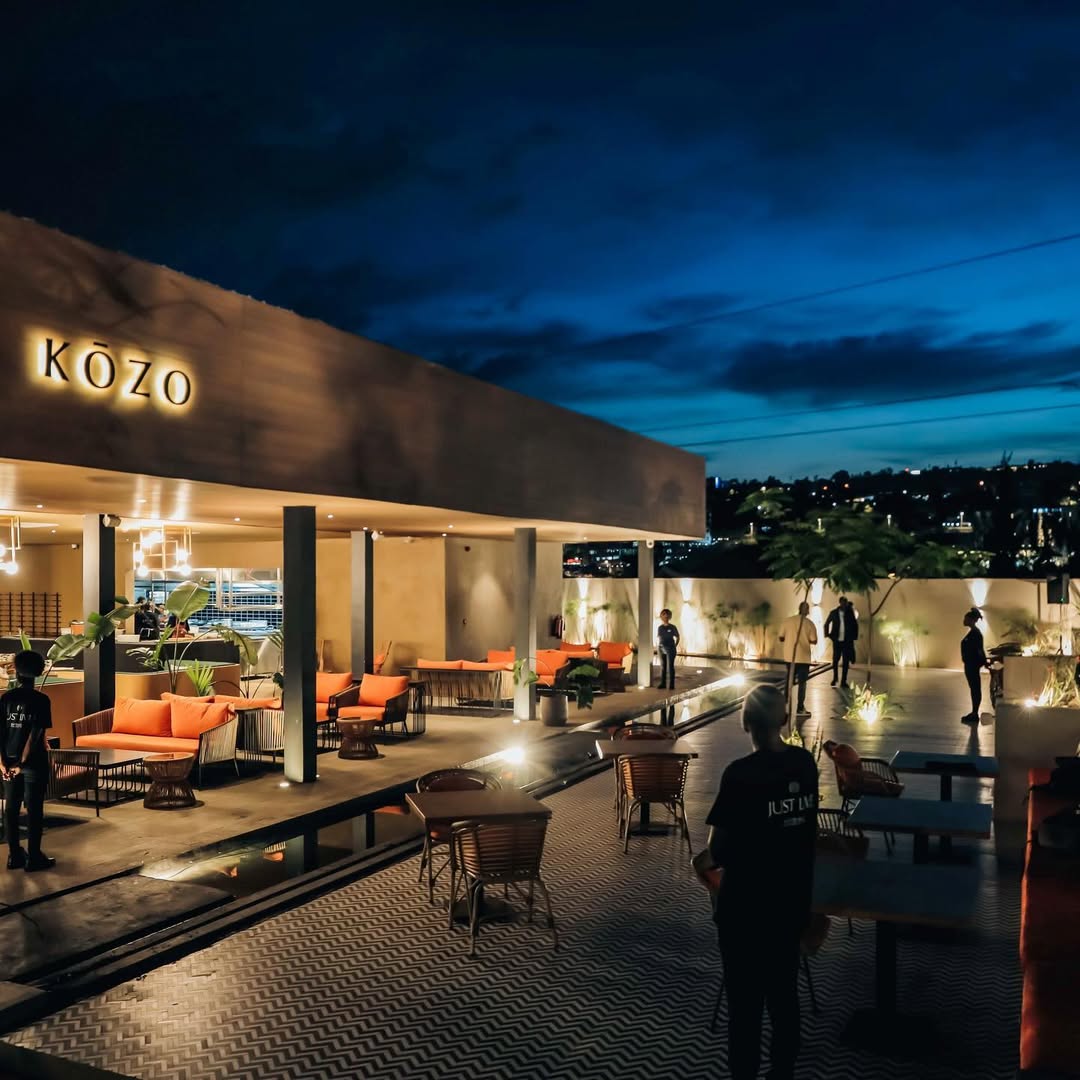
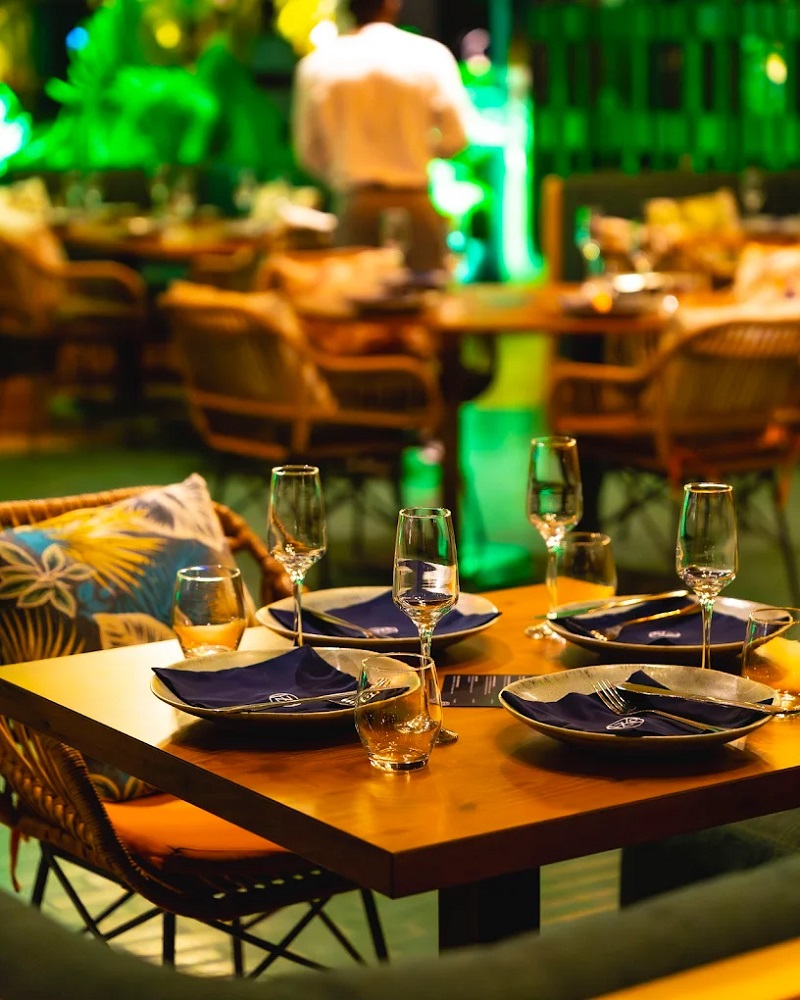
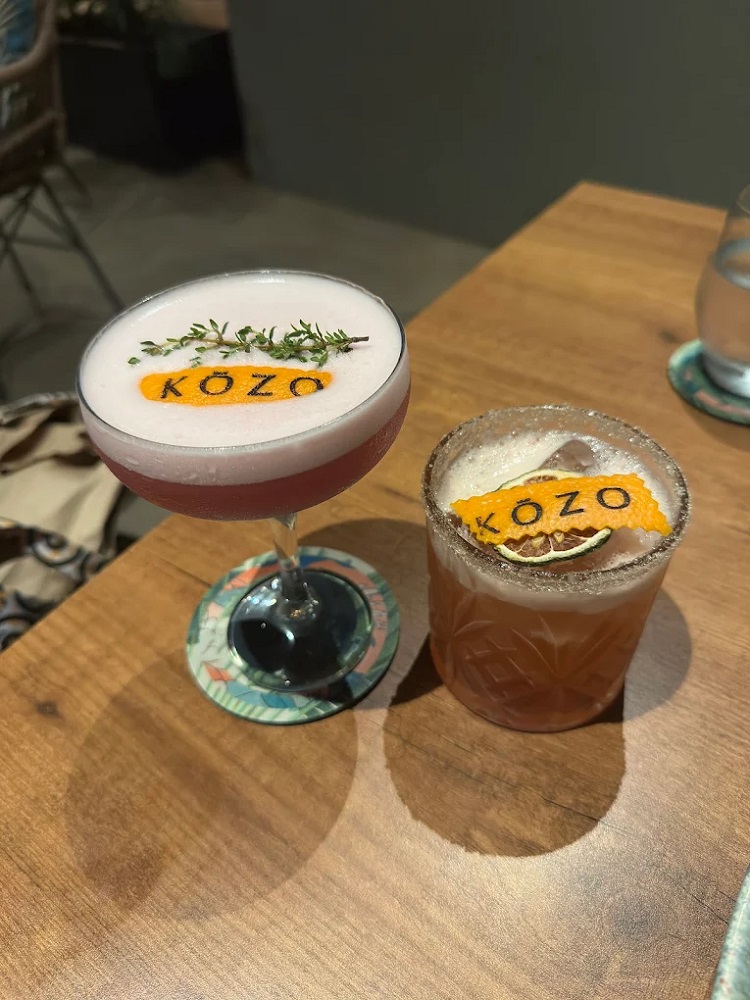
During a recent visit, IGIHE explored the restaurant, its ambience, and the philosophy behind its Afro-Asian fusion cuisine, speaking with Kōzo Kigali’s leadership to understand what makes the experience unique.
Kōzo Kigali officially opened its doors in November 2023, marking the brand’s expansion from West Africa to East Africa. Originally founded in Ghana, the restaurant is the vision of a Ghanaian owner who sought to create a dining experience that leaves a lasting impression.
According to Dinesh Parerao, Director of Operations at Kōzo Kigali, the success of the original restaurant in Ghana sparked the desire to look beyond borders.
“When we realised that this success should not be limited to Ghana, we began exploring different African markets,” Parerao told IGIHE. “When we visited Rwanda, we felt it was the right choice, as it is one of the emerging hospitality markets.”
That sense of intention is reflected in both the food and the overall experience. Kōzo Kigali positions itself as an affordable fine-dining restaurant, recently introducing a lunch set menu designed to fit into Kigali’s fast-paced lifestyle. Priced between 20,000 and 35,000 Rwandan francs, the menu offers a complete dining experience, from welcome drinks to starters, a main course, dessert, and even a digestive at the end of the meal.
“People experience it, and I can say that it is one of the best affordable meals that we can provide in town,” Parerao added.
Kōzo’s identity is defined by its farm-to-table philosophy. The restaurant works closely with local farmers to ensure consistent quality and freshness, while also supporting Rwanda’s agricultural community. For the team, success is measured not only in numbers but in the way guests feel welcomed and cared for.
“One of our proudest moments is simply getting customers through the door and making them feel at home,” Parerao said. “We are also proud to host global brands and personalities who choose Kōzo to celebrate their special moments.”
Over time, Kōzo Kigali has become a hub for international events and high-profile gatherings. From hosting American comedian Dave Chappelle’s pop-up show in May 2024 to events linked to the Basketball Africa League (BAL), the NBA, and Giants of Africa, the restaurant has positioned itself as a bridge between Kigali and the global cultural scene.
Behind the menu is Group Executive Chef Sakorn Somboon, whose culinary philosophy blends deep historical context with creativity and local adaptation. Speaking to IGIHE, Somboon described Indian and Chinese cuisines as the foundations of global culinary art, noting their thousands of years of history compared to Europe’s later adoption of spices and complex techniques.
“At Kōzo, the product is local, and the flavour is African, but the techniques and inspiration come from across Asia,” he explained. “We use ingredients from the African continent and ideas from the whole of Asia, not just one region.”
This Afro-Asian approach, Somboon believes, resonates globally because of shared histories and influences across continents. Menu decisions, he added, begin with availability and the stories behind each ingredient and farmer.
One dish that captures this philosophy is Kōzo’s reimagined chapati. Somboon traced its roots across cultures, from flatbreads found worldwide to a chapati inspired by Indian naan, brought to East Africa via Kenya, and later popularised in Uganda as the famous Rolex. At Kōzo, the team transforms it into a suya chapati taco, blending Asian inspiration with local African ingredients.
“It’s the food I would cook to feel at home as an Asian person living in Africa, using African ingredients,” he said. “Every dish has a story, and after tasting it, guests create their own story and share it with others.”
Beyond the food, the restaurant’s Afro-chic ambience completes the experience. With stylish indoor seating, intimate outdoor corners, water features, and views of Kigali’s skyline, Kōzo Kigali has become a popular spot for sundowner cocktails, celebrations, and relaxed evenings.
Check out the full video below to explore the story and inspiration behind Kōzo Kigali’s Afro-Asian menu.
A rapper and storyteller at heart, Kid’s music reflects the complexities of life, with his lyrics speaking to the everyday struggles, triumphs, and experiences of his community.
In an exclusive interview with IGIHE, Kid from Kigali, born Brian Kimonyo, takes viewers behind the scenes of his latest music video, “Yububu,” featuring soulful vocalist Mike Kayihura. The footage captures the energy, hustle, and personality fans rarely see, while Kid also opens up about life beyond the music.
Released as part of his 2025 album Stories From The Kid, “Yububu” highlights the chemistry between Kid from Kigali’s unique style and Mike Kayihura’s emotive R&B vocals. Produced by Rwandan talents G Flat and Bob Pro, the track’s polished production serves as a centrepiece for an album that explores personal themes of love, heartbreak, and the artist’s journey navigating the highs and lows of life.
{{Kid’s routine
}}
Kid’s day begins at home, where he unwinds with some PlayStation before delving into the creative process. It’s an intimate peek into the daily life of an artist who is just as comfortable with the controller as he is with his pen.
“When I wake up, I make sure to pray and get some fresh air. If I feel inspired, I’ll start writing or call my producer to get to work,” Kid says, offering a glimpse of his calm morning routine.
But the day is far from predictable. As Kid’s schedule fills up, he balances studio sessions, interviews, and meetings with potential brands.
“Now that I’ve finished my album, I’m not going to the studio as much. But when I was wrapping up, I was in the studio every day,” he adds.
After a busy day of content creation and brand-building, Kid heads to the basketball court to clear his mind.
“Basketball is my way to stay grounded,” he explains.
{{Music and personal life intertwined
}}
Despite his busy schedule, Kid still finds time to be a homebody, especially on weekends. “That’s when I can relax if I don’t have a show,” he admits.
When it comes to his music, Kid says, he always tries to remain authentic. He believes that life experiences are at the core of his creative process.
“The inspiration for my music comes from my stories and the life I live,” he explains.
His latest album, Stories From The Kid, reflects his growth as an artist and as a person.
The title of his album, Stories From The Kid, holds a special meaning for Kid from Kigali. “I want everyone from where we’re from to feel represented, like any kid from Kigali, Nyamirambo, Nyamata… anywhere,” he says.
{{“Yububu”, a song for the girls
}}
When it comes to creating his music videos, Kid ensures the visuals reflect the emotion of the track. For “Yububu,” he says, “I want to make it for the girls.”
Despite being three years old, Kid says he often looks to women for their take on music. “Every time I play it for girls…I feel they’re usually the ones who predict what’s good and what’s not,” he adds.
{{Real life inspirations
}}
Kid’s music isn’t just for entertainment; it’s a reflection of his life. From the struggles to the celebrations, his lyrics are rooted in real-world experiences.
“The tracks are from real-life experiences of heartbreak, confidence, and even moments of insecurity,” he says. His fans connect with his authenticity, as they can relate to the stories he tells. In fact, Kid believes that releasing an album allows fans to understand him on a deeper level.
“It’s way more. Because people can listen to a single, they’re like, ‘Ah, this guy’s good.’ You can drop another single, they’re like, ‘He’s good.’ But when you do a project, they get to understand you at a different level because you’re giving them different sides of yourself,” he explains.
One of Kid’s standout tracks, “Late Nights,” encapsulates this raw honesty. “It’s the only song in Rwanda telling people to go home,” he says. “Usually, everyone is telling you to go out, party, and stay out late. But I’m saying, go home and sleep. Kigali isn’t for the weak.”
{{The journey ahead
}}
Now in his mid 20s, Kid has gained significant attention, with his music now reaching fans beyond Rwanda.
“Everything in music or in life is a journey. You have to stay patient… I stayed patient enough to get to the level where the things that I wrote are coming to life,” he reflects.
Although his visibility is growing and his streams are increasing, Kid remains humble about his progress.
“I still have a long way to go,” he says, acknowledging that the journey is far from over, with plenty of milestones yet to come.
For anyone starting out, Kid urges them to stay true to themselves and pursue their music with passion, even when the journey feels scary.
Clips circulating online show the streamer dodging water bottles thrown by fans at the Ultras Algerie FC stadium during a live match. Moments later, Speed left the venue, stating he was not welcome, and cut the livestream without further explanation.
Before the stadium incident, IShowSpeed had visited other parts of Algeria, interacting warmly with locals and fans. He spent time in public spaces, taking photos, joking with people on the streets, and sharing playful moments that were widely circulated online.
The hostile reception at the stadium has sparked discussions online about the unpredictability of livestreaming in different cultural contexts. Some people suggested the reaction from the fans stemmed from the club supporters’ strict privacy rules and aversion to being filmed, rather than any racial motivation.
Extreme supporters of Ultras Algerie, known for their loyalty and intense media restrictions, were reportedly behind the aggressive behaviour.
IShowSpeed was in Algeria as part of his “Speed Does Africa” tour, a 28-day livestream journey across 20 African countries. The American creator has already completed 13 stops, including Rwanda on January 10, as well as Angola, South Africa, Mozambique, Kenya, Ethiopia, Egypt, and Algeria. Seven countries remain on the itinerary: Nigeria, Ghana, Morocco, Senegal, Ivory Coast, Benin, and Liberia.
The tour is scheduled to conclude on Monday, January 26, with a highly anticipated “DNA Reveal” stream, where Speed plans to announce his specific genetic ancestry while in the country indicated by his results, rumoured to be either Nigeria or Morocco.
Wherever he has travelled so far, the internet personality with nearly 50 million followers has attracted large crowds of fans, connecting with them in person and online while sharing his experiences across the continent.
The influencer recently concluded his “Speed Does America Tour”, during which he travelled across 25 states in the United States over a 35-day period. He has previously toured regions including South America, Europe, Asia and Oceania.
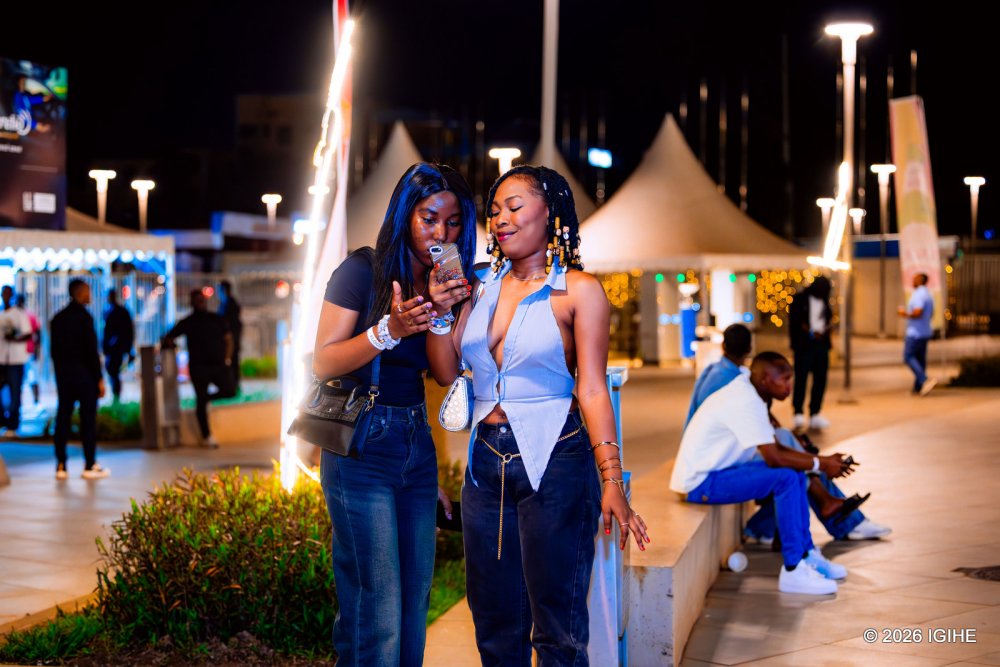
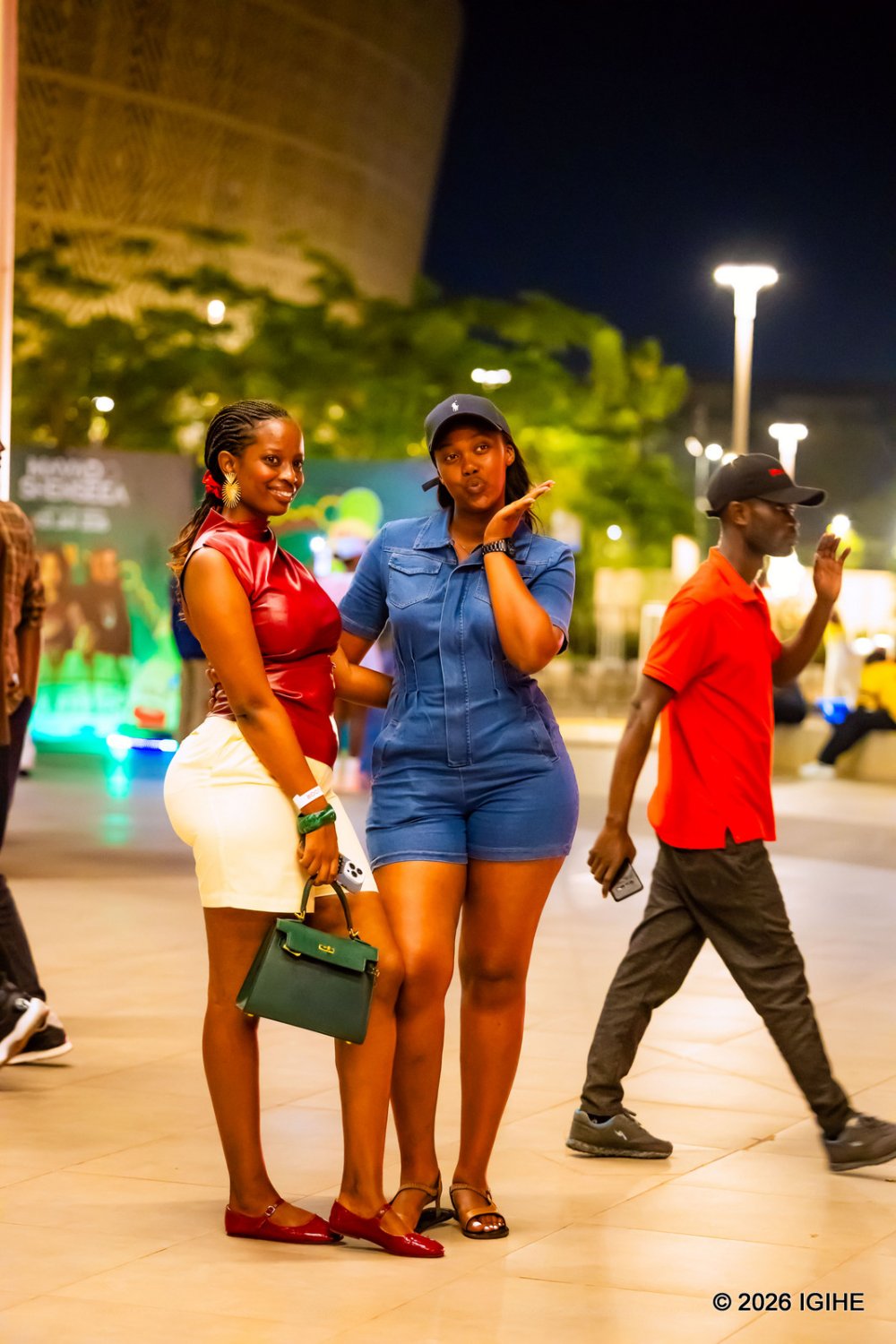
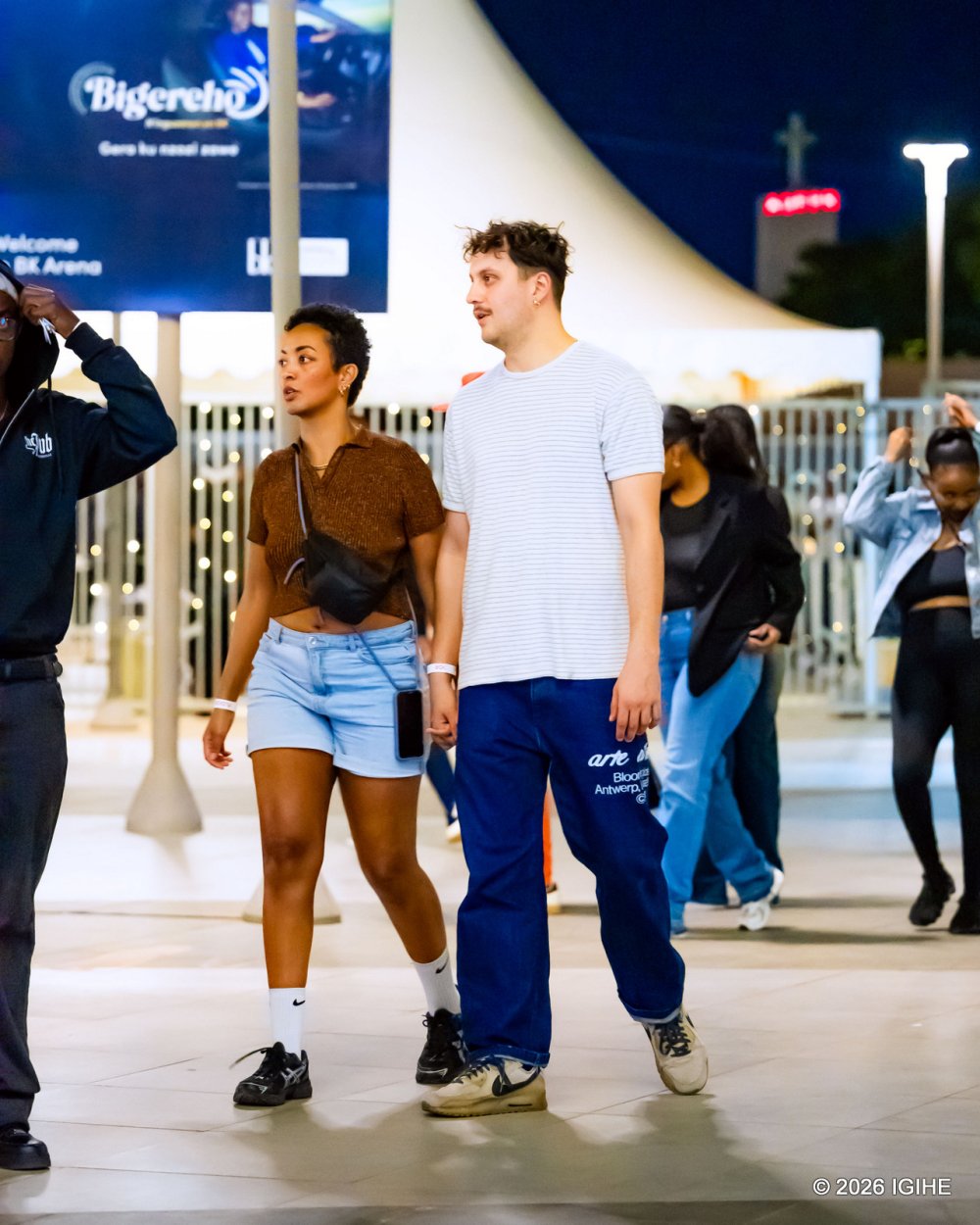
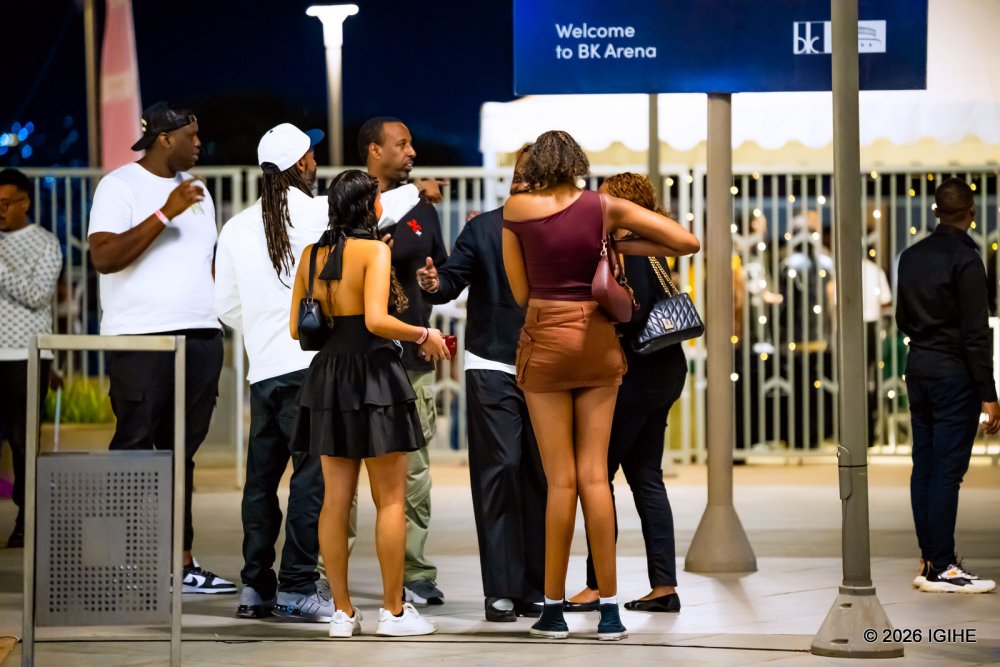
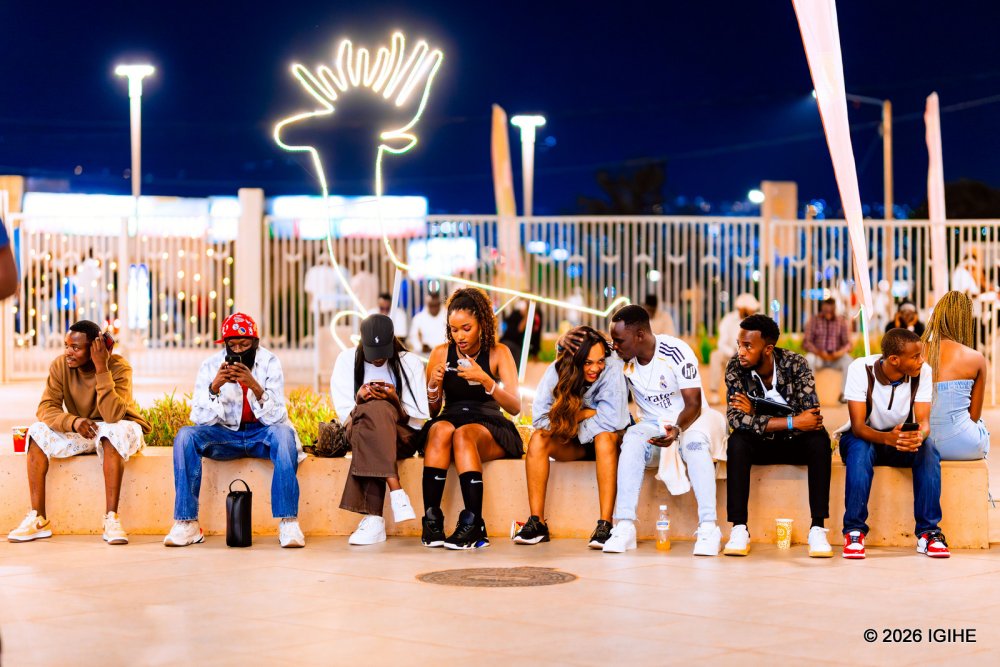
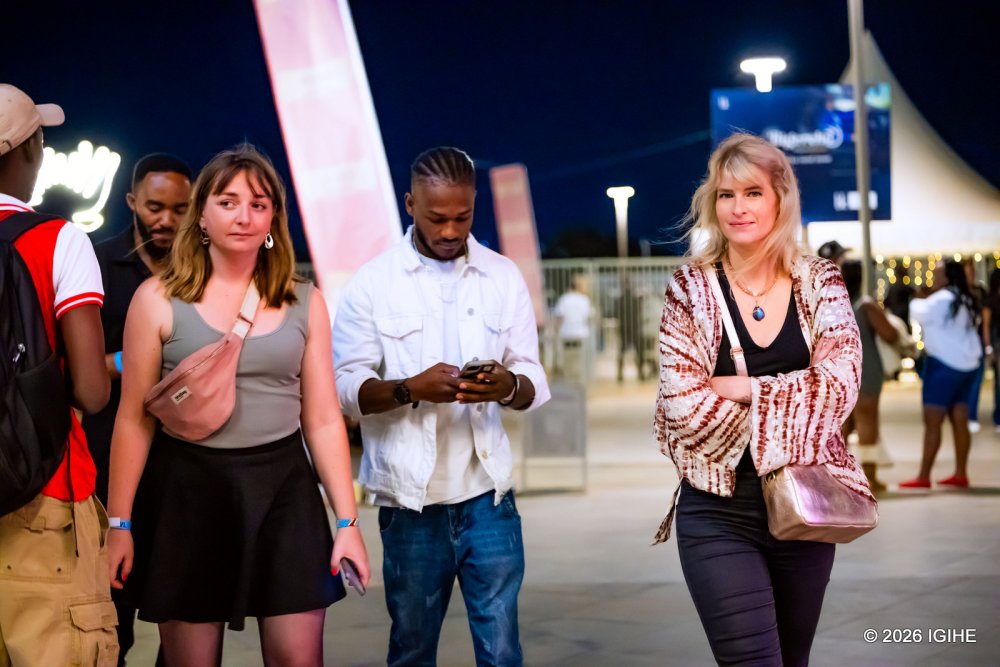
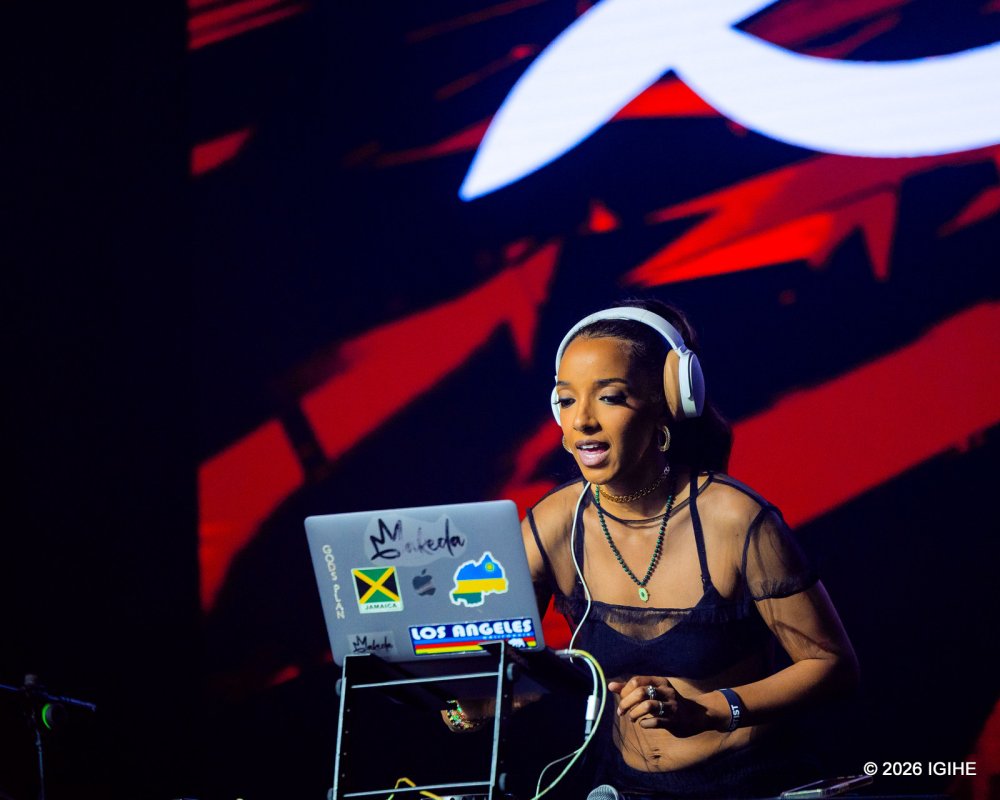
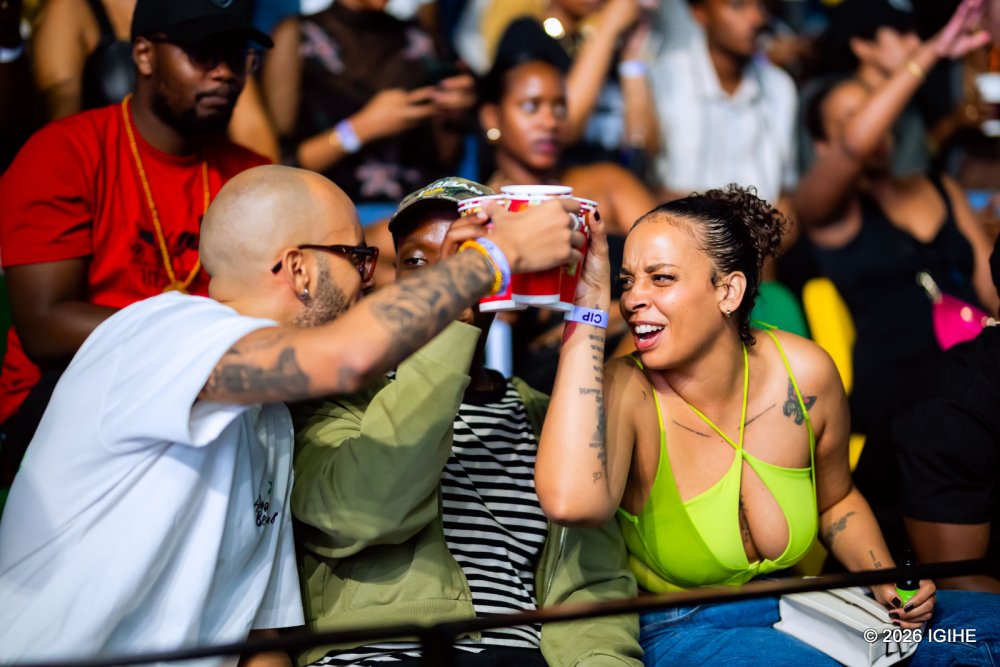
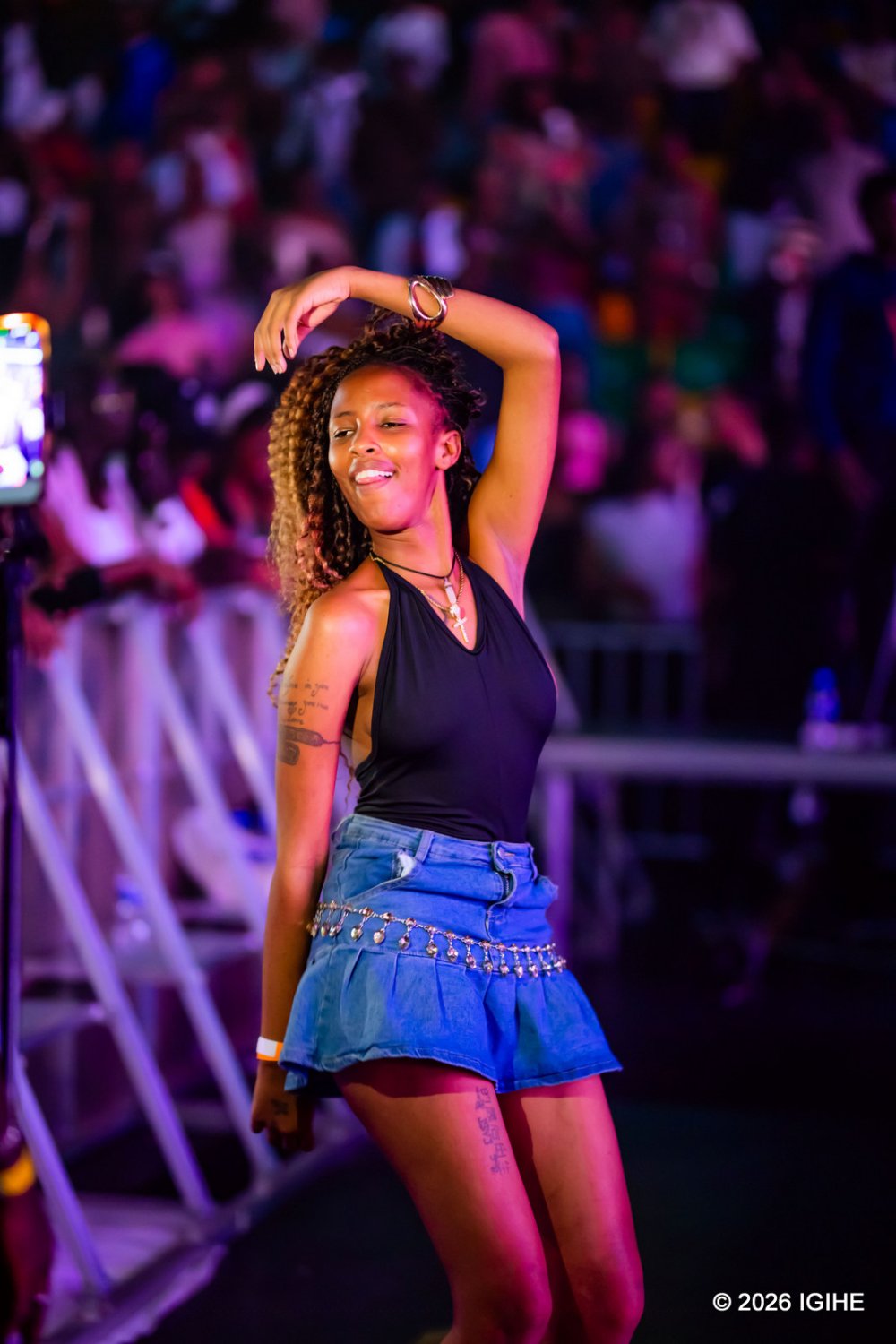
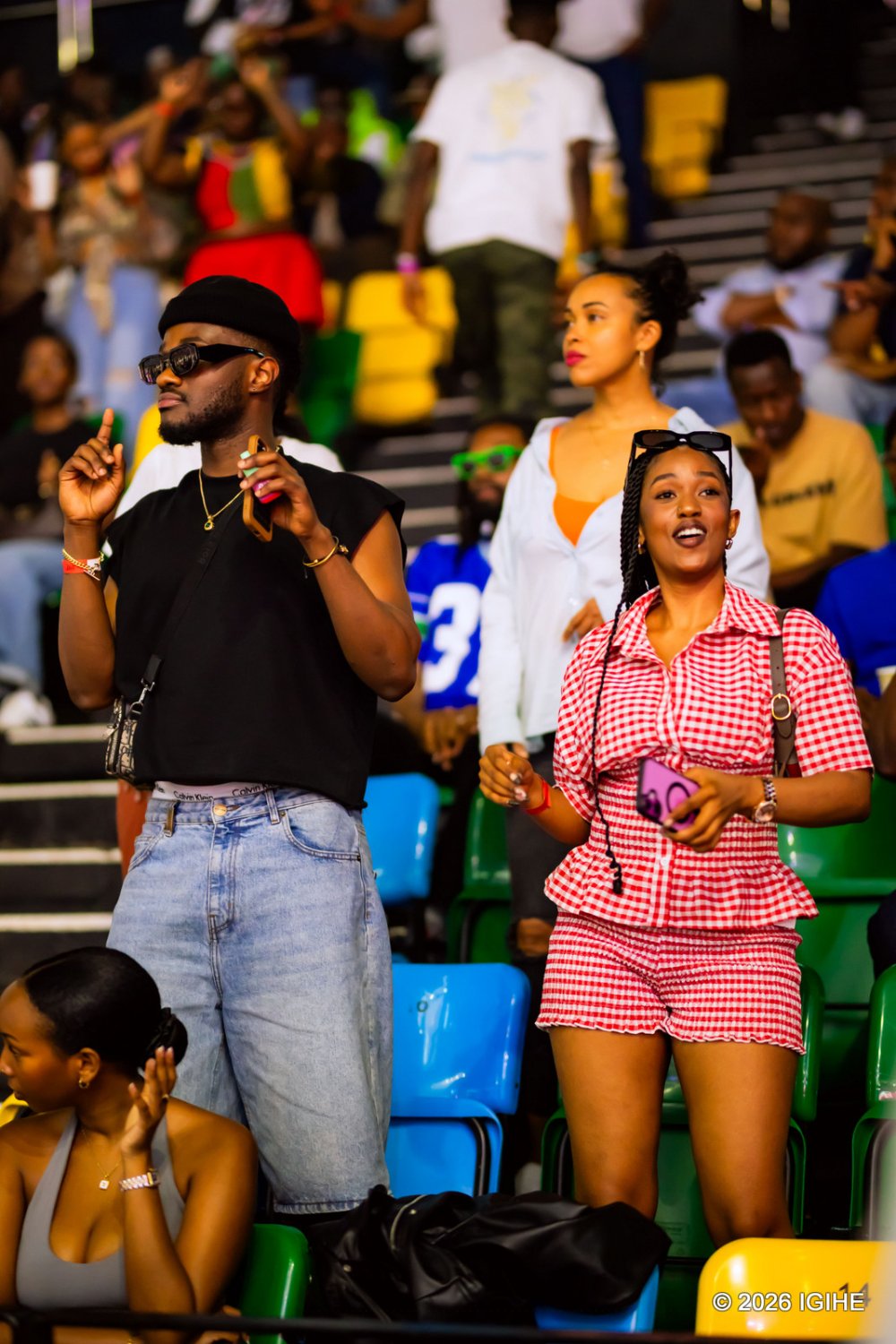
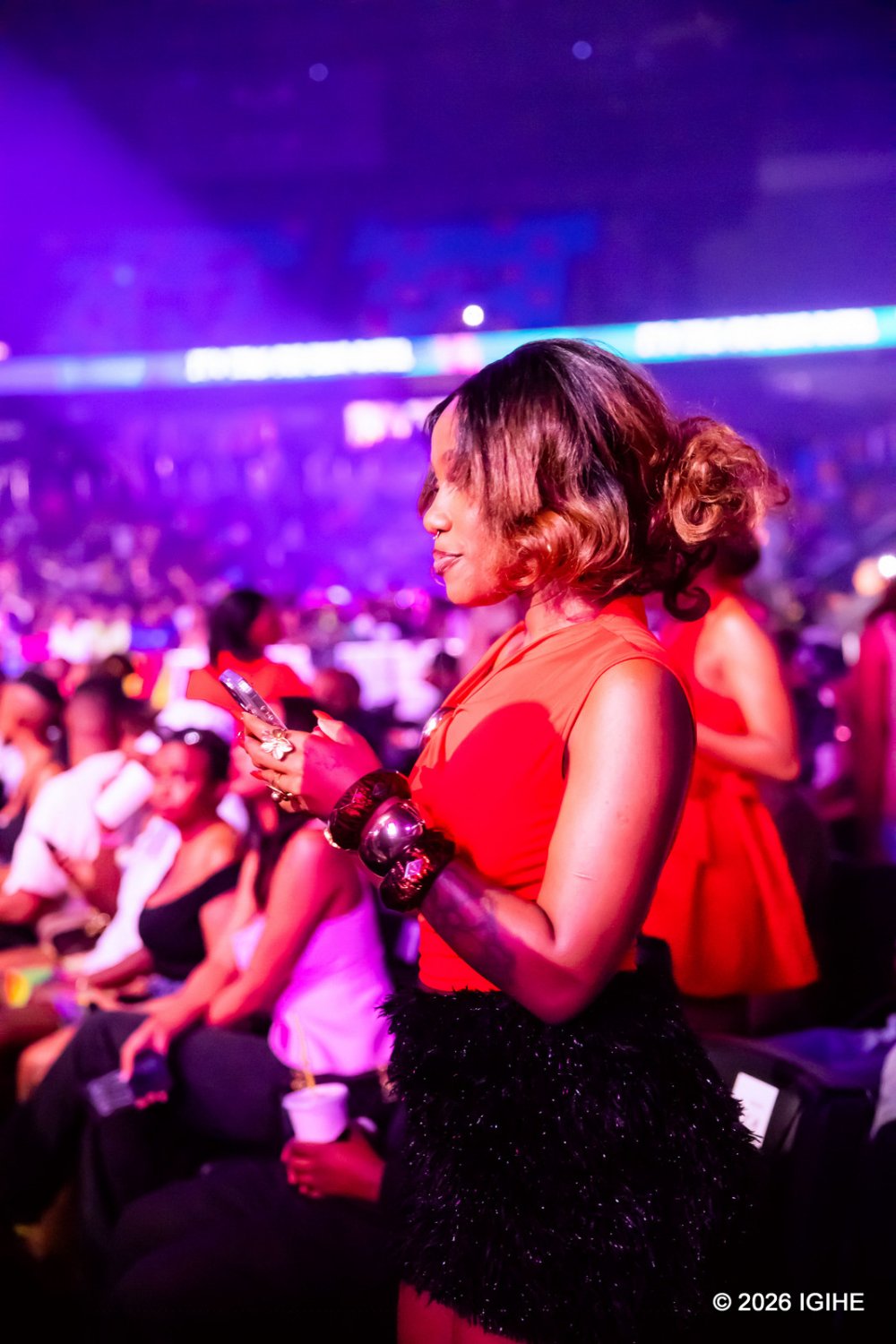
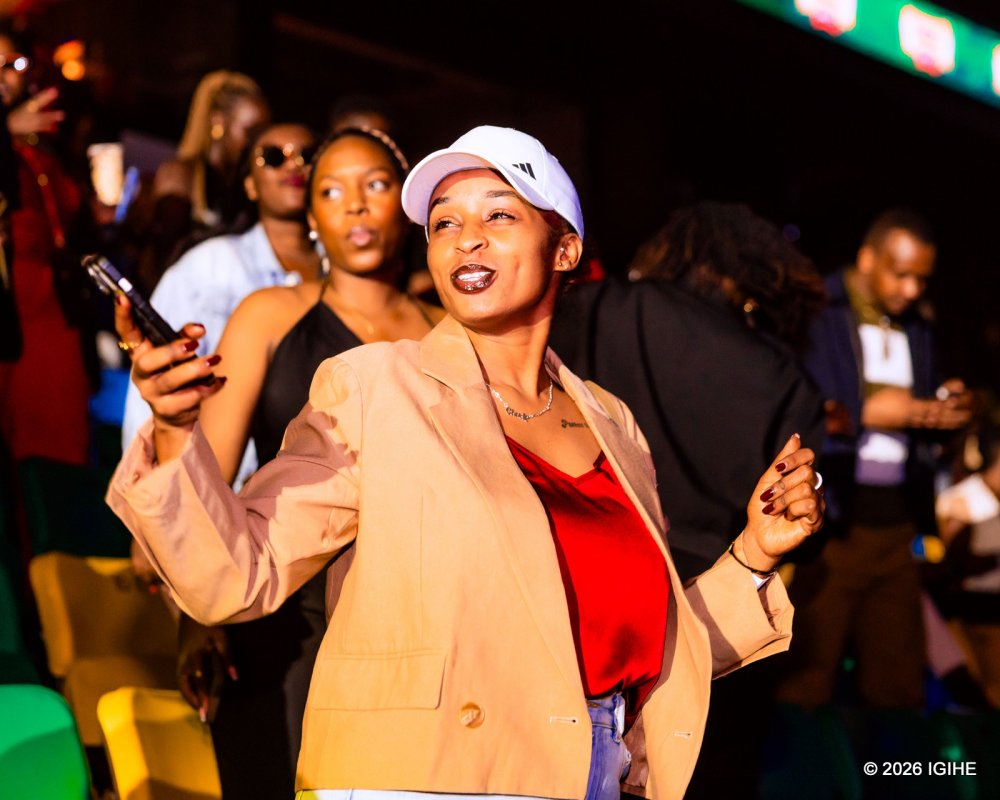
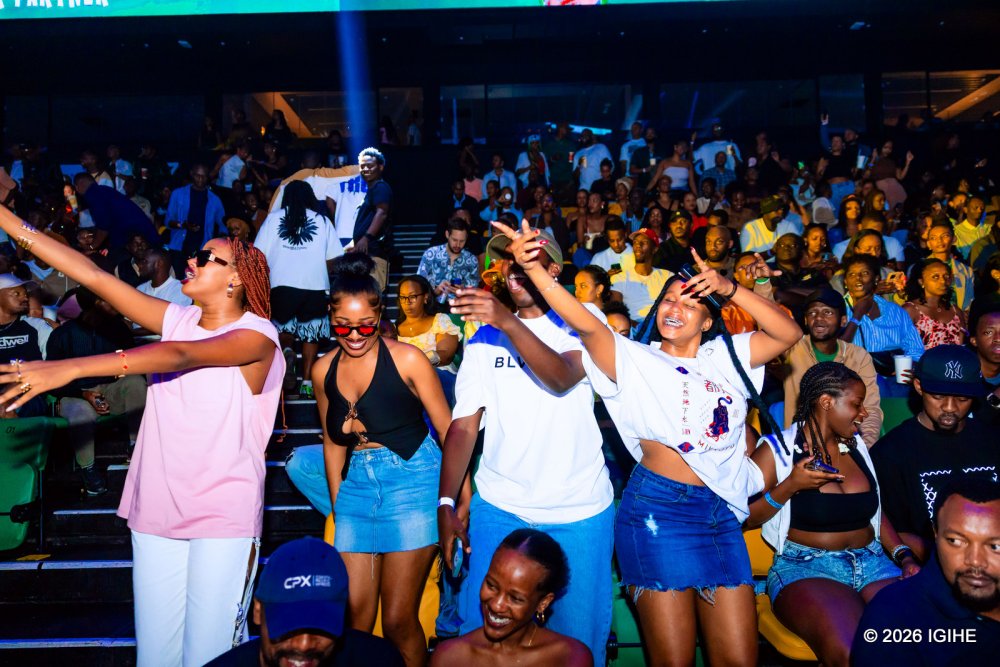
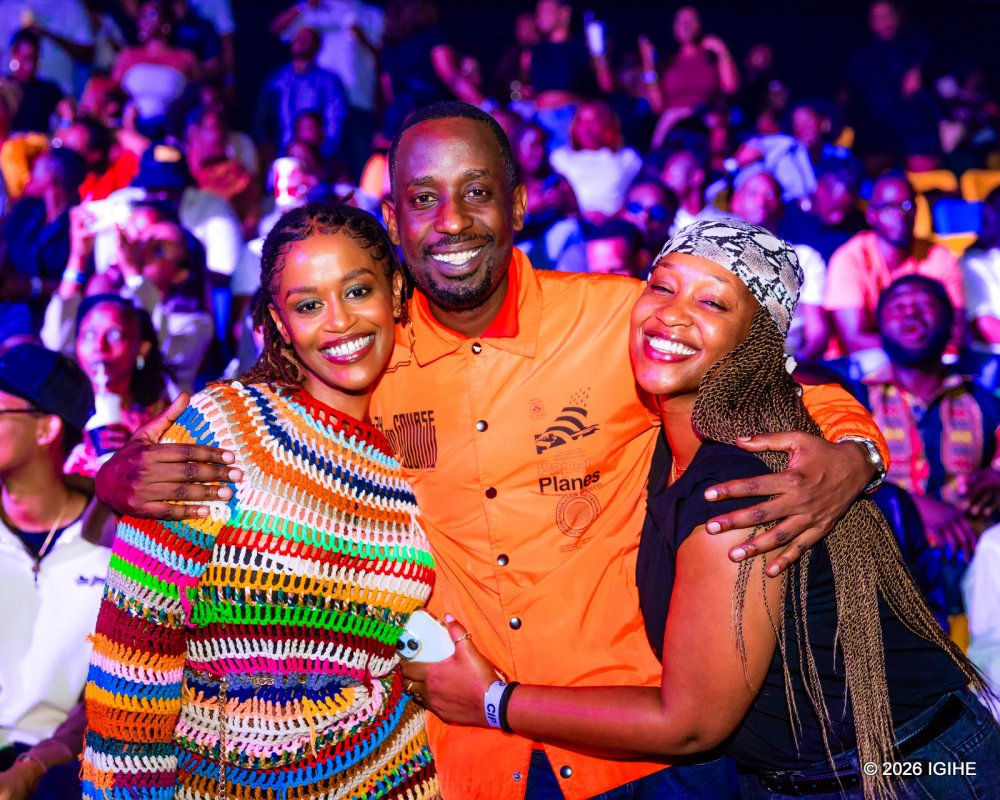
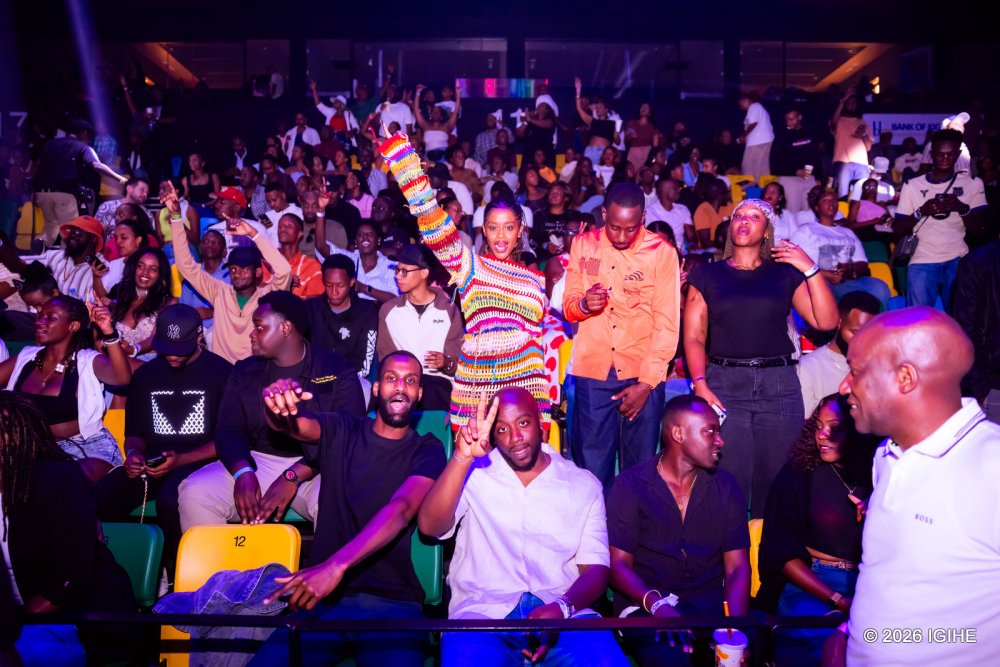
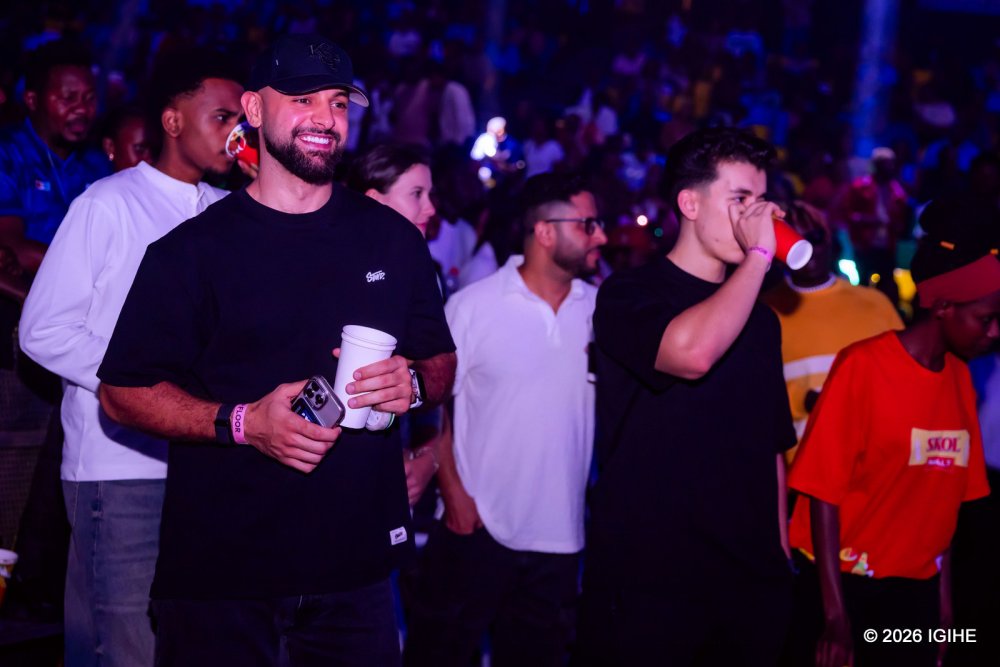
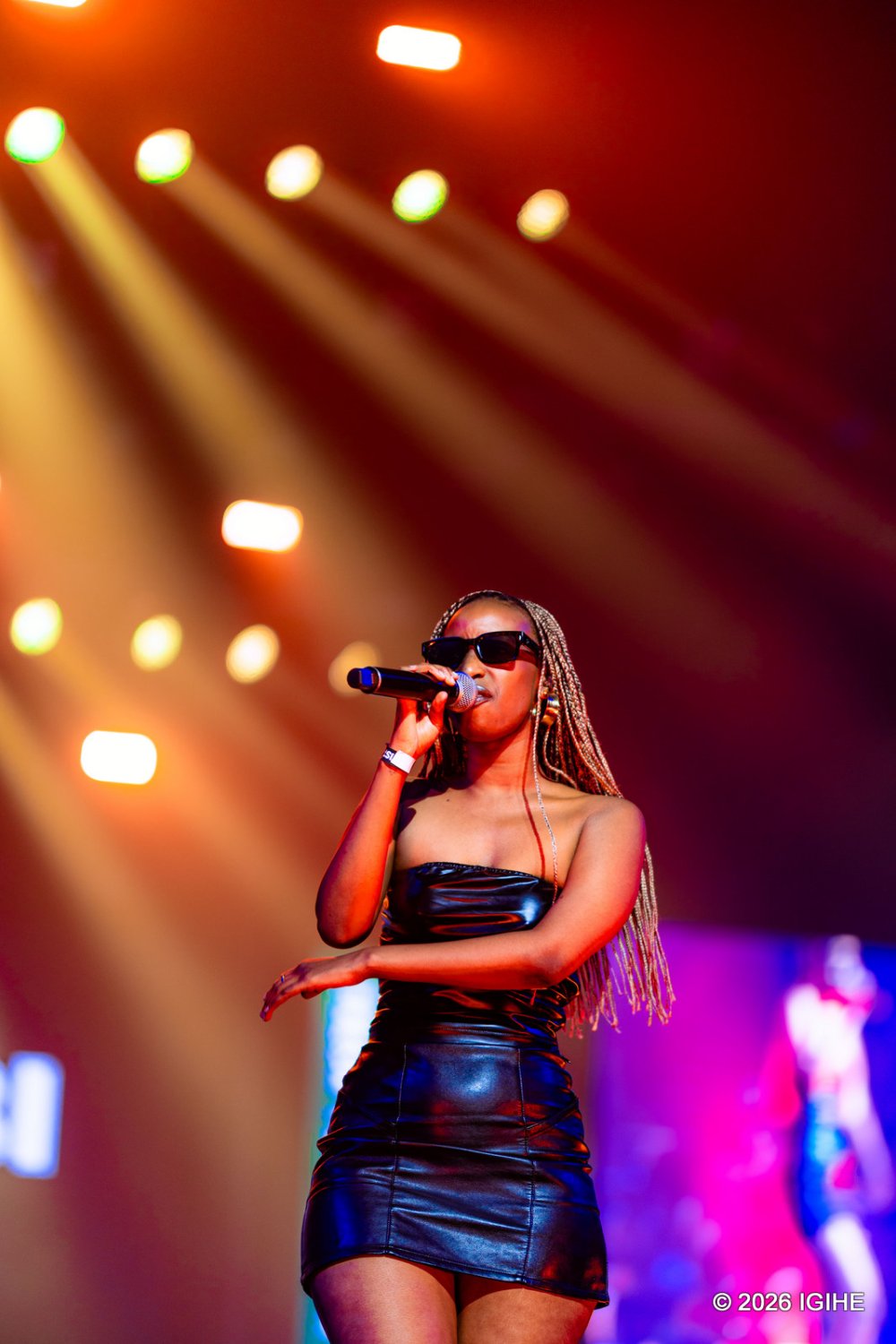
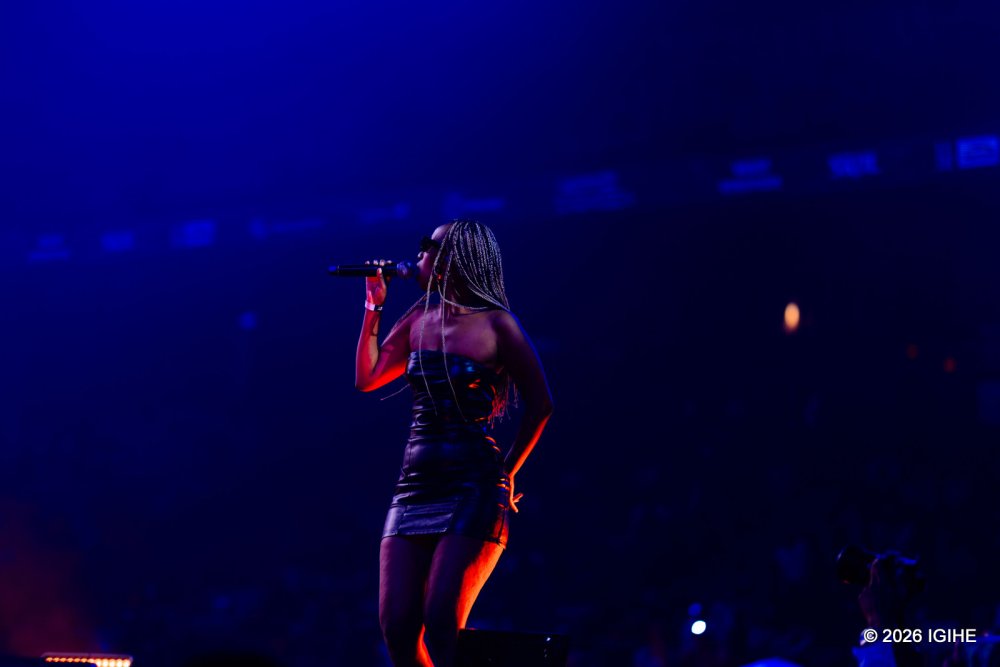
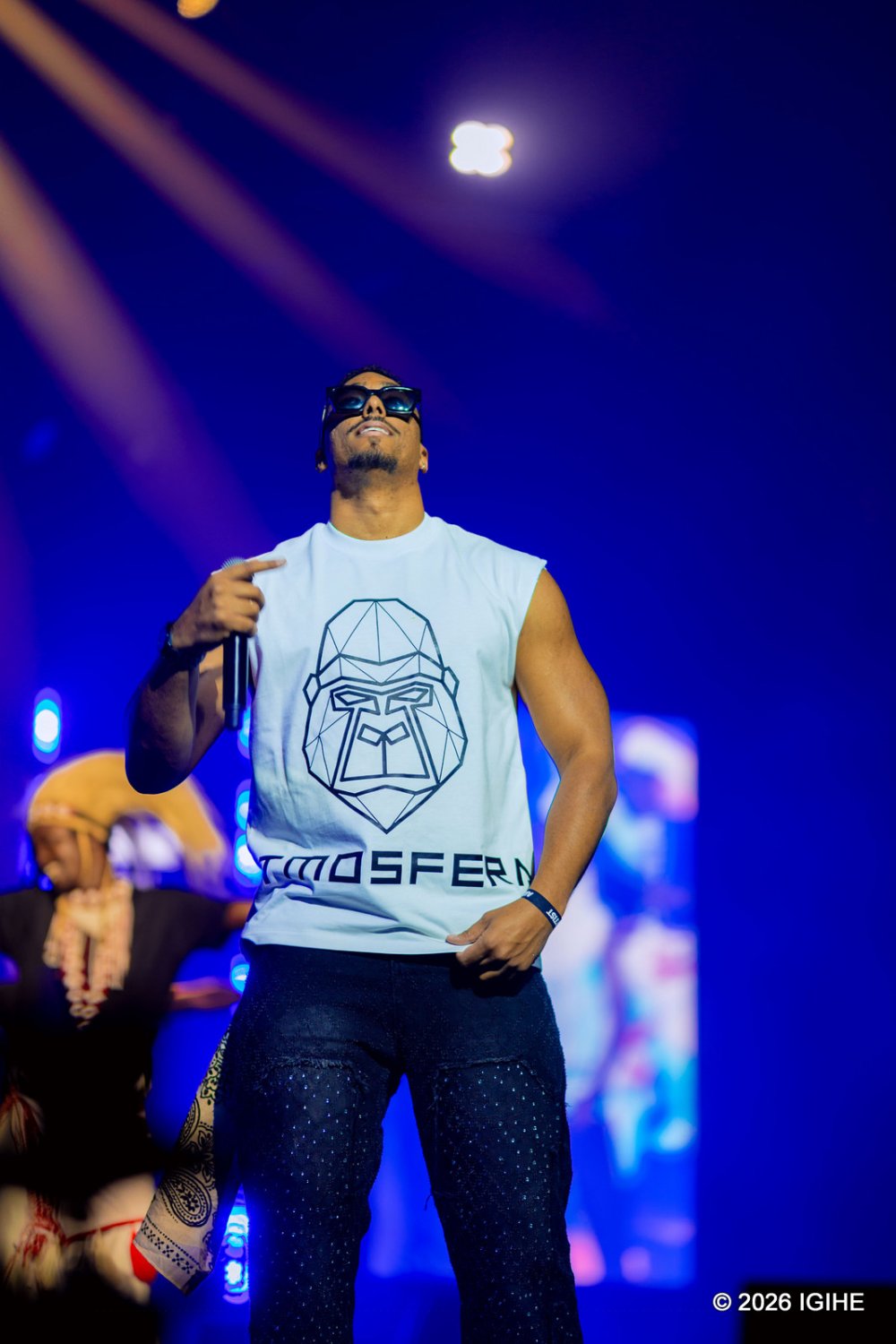
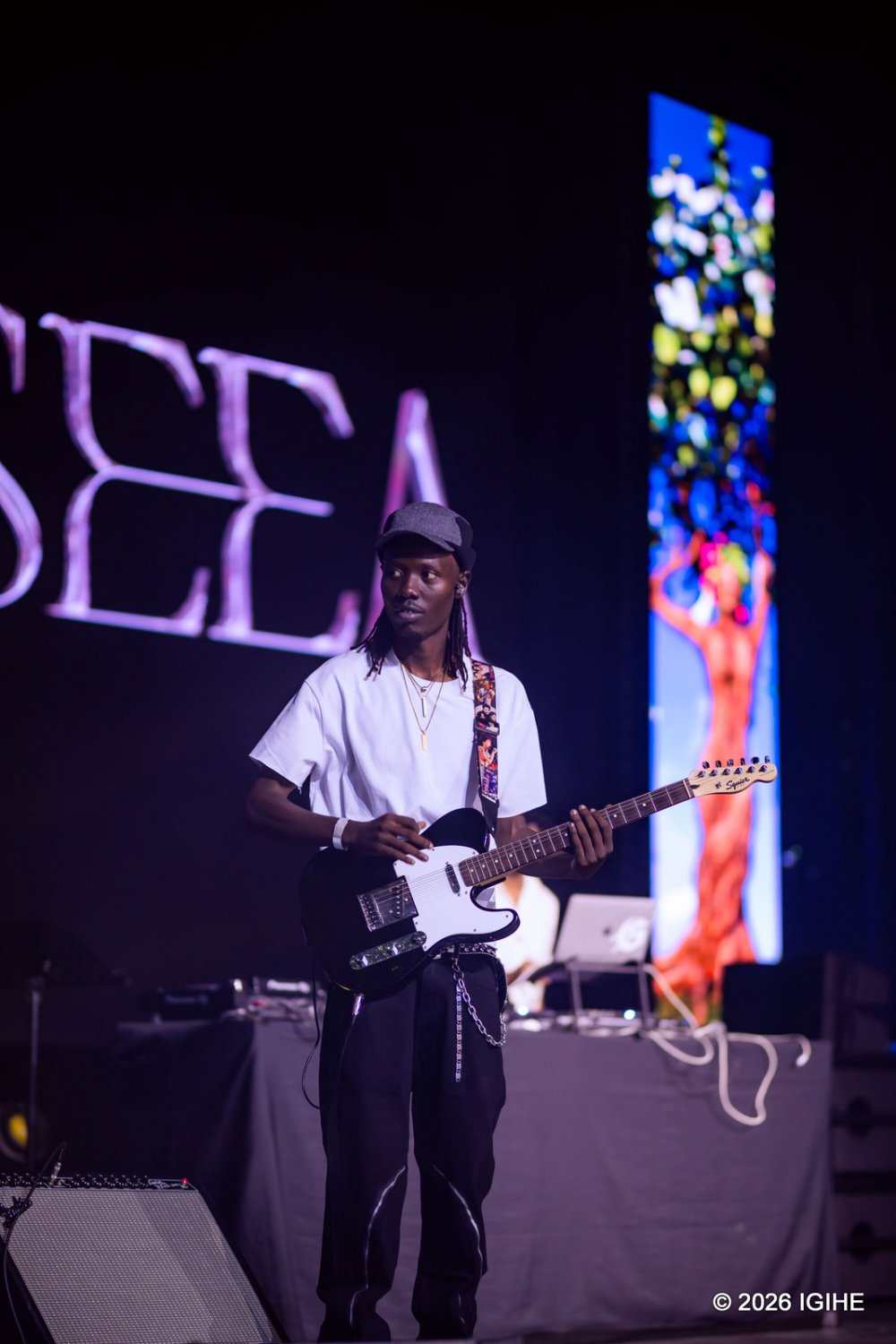
The evening kicked off with Makeda, who took on the challenge of energising a crowd still finding their seats, keeping fans engaged with her lively music mixes.
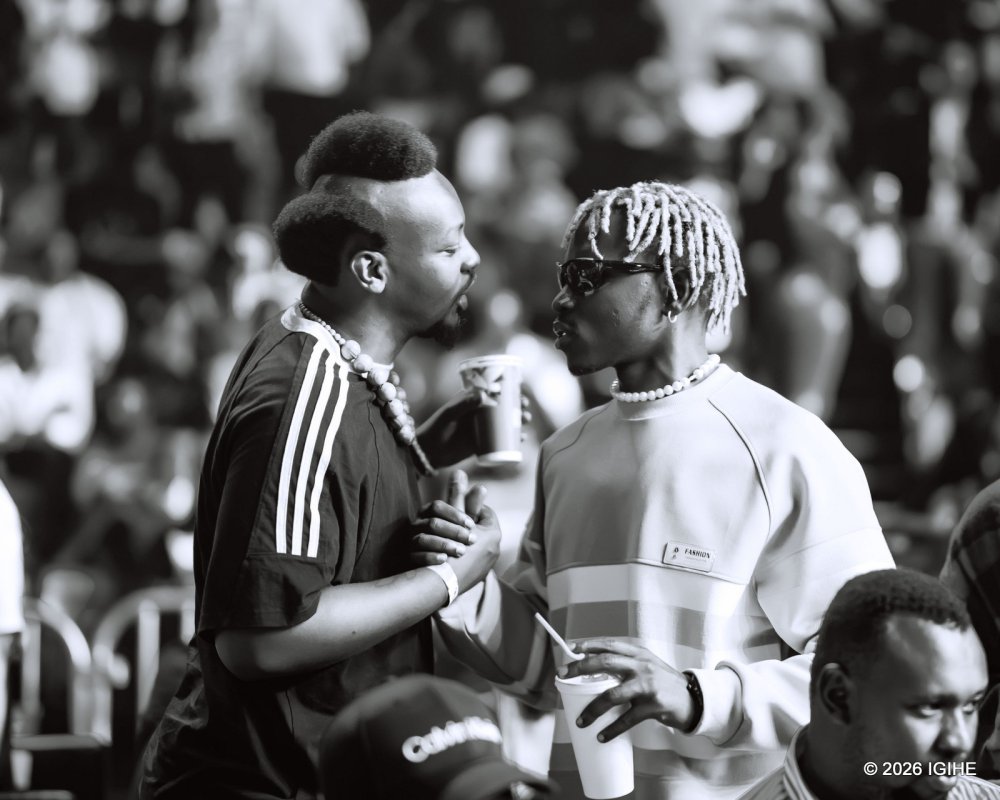
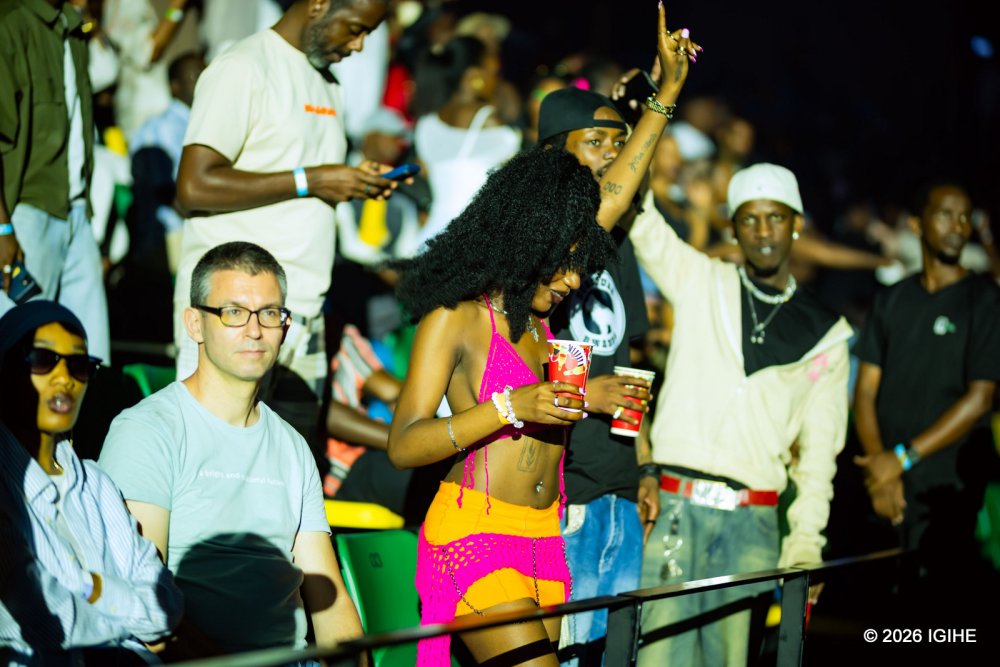
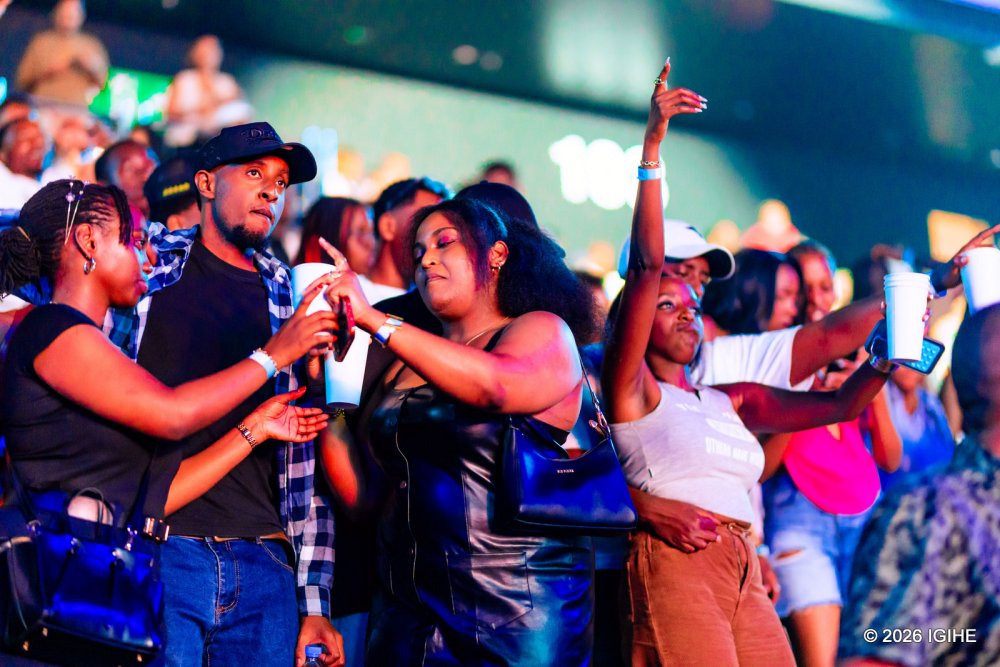
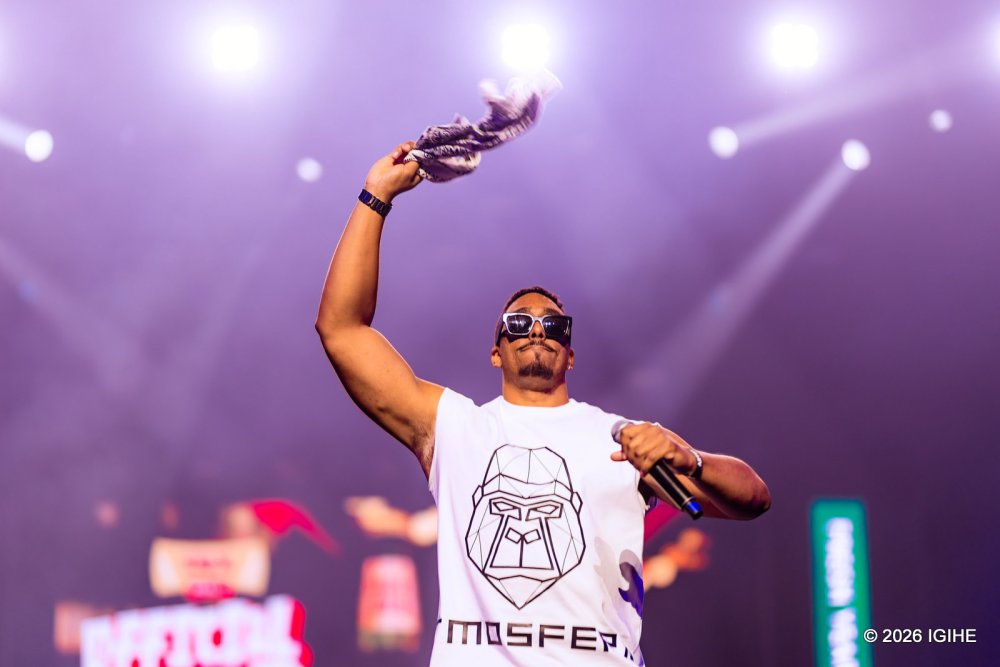
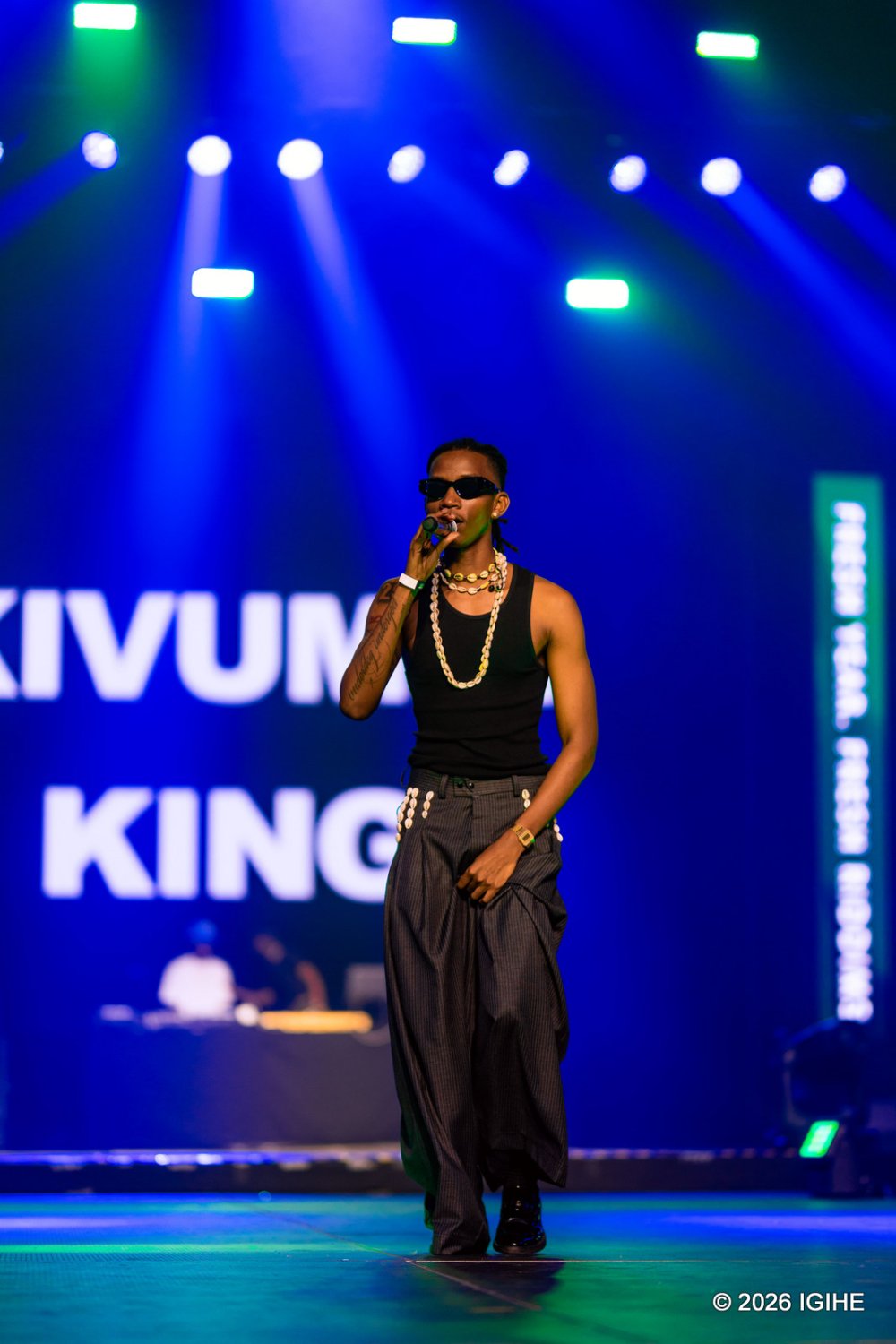
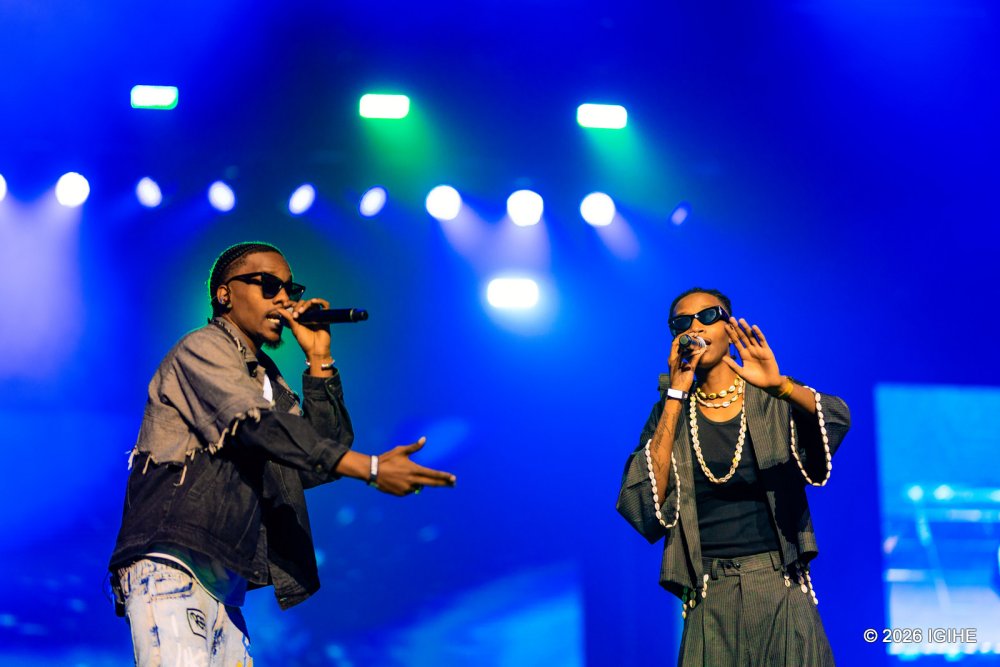
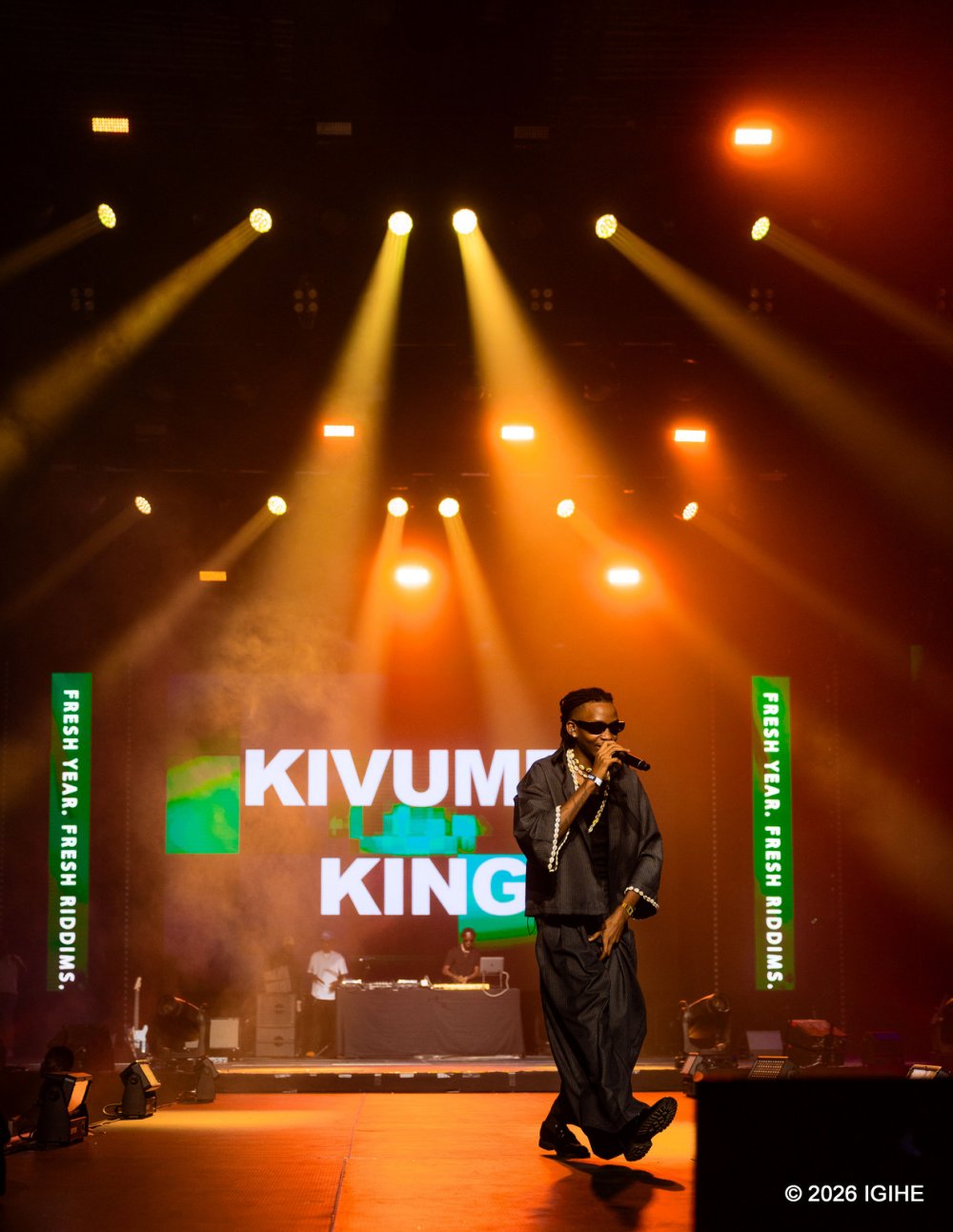
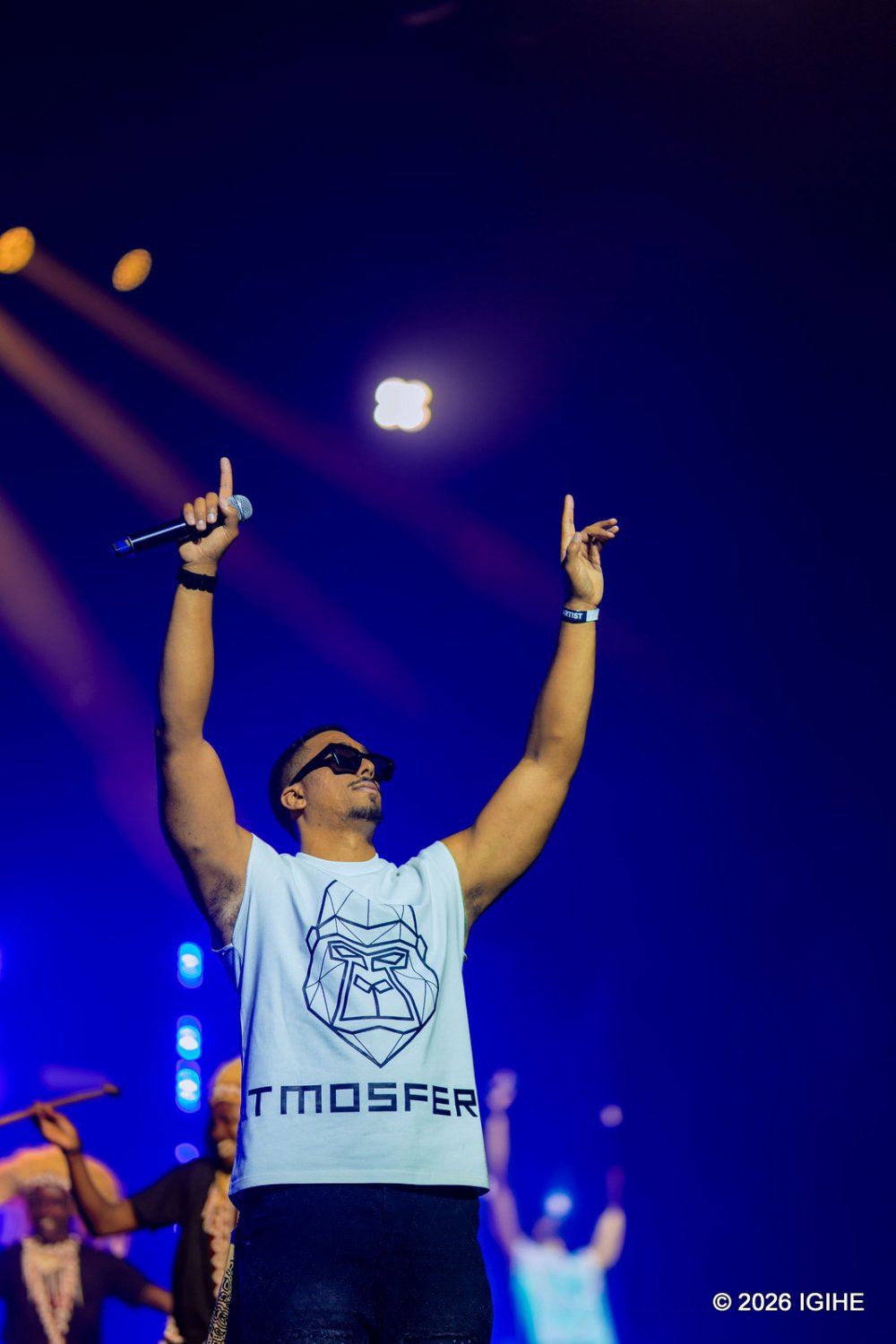
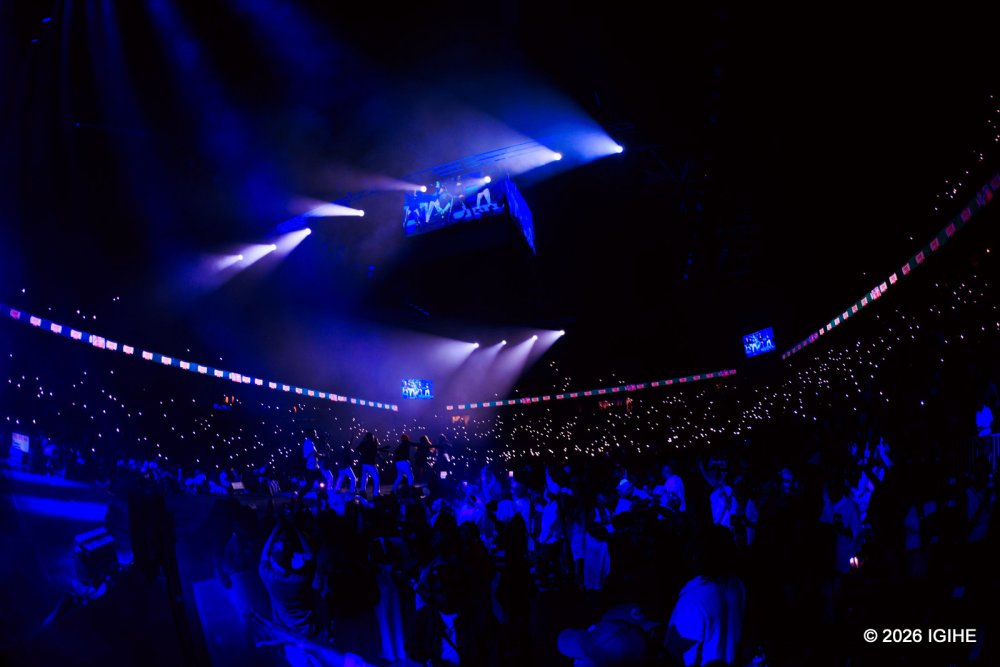
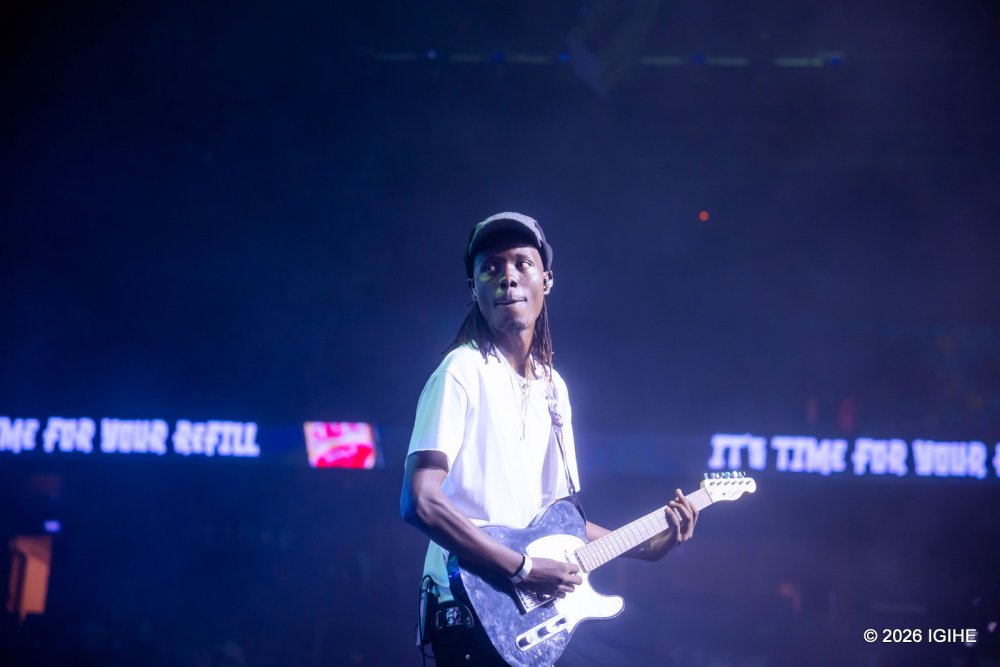
DJ Lamper followed, commanding the stage with a mix of music and dance, supported by the event hosts, including Rock Try. By the time Kivumbi King hit the stage, the arena was packed. He fired up the crowd with his hits, joined by Kenny K-Shot and Angel Mutoni for dynamic collaborations that had fans on their feet.
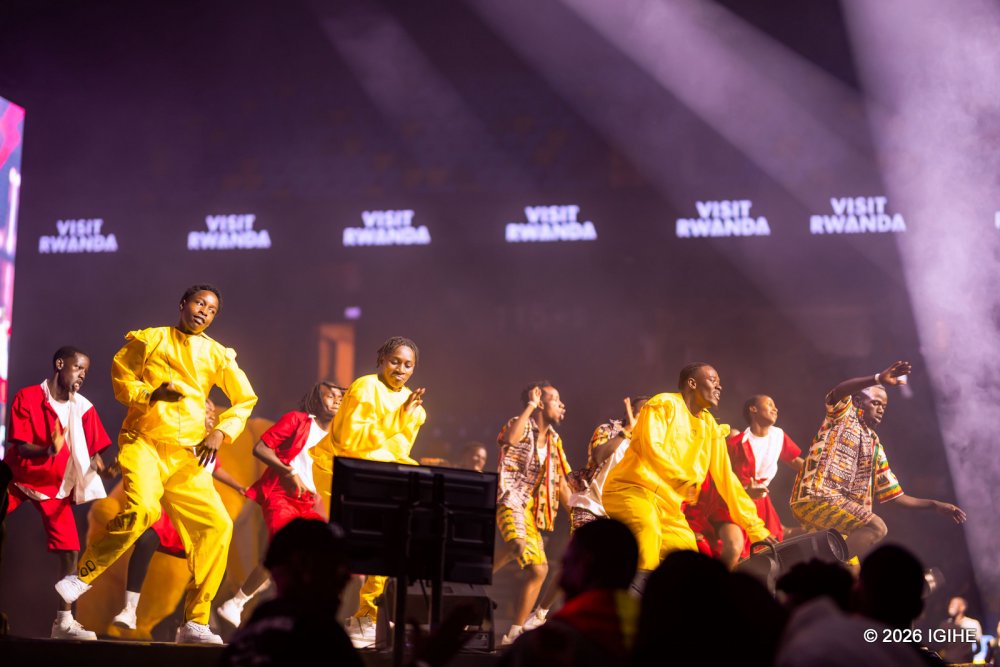
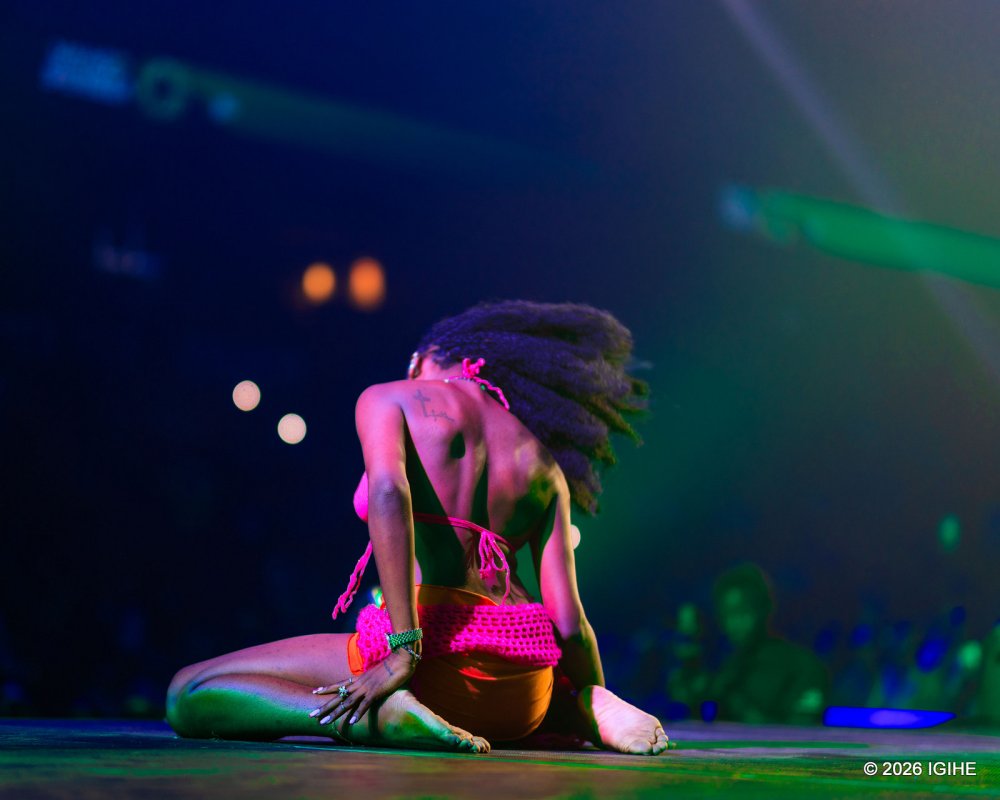
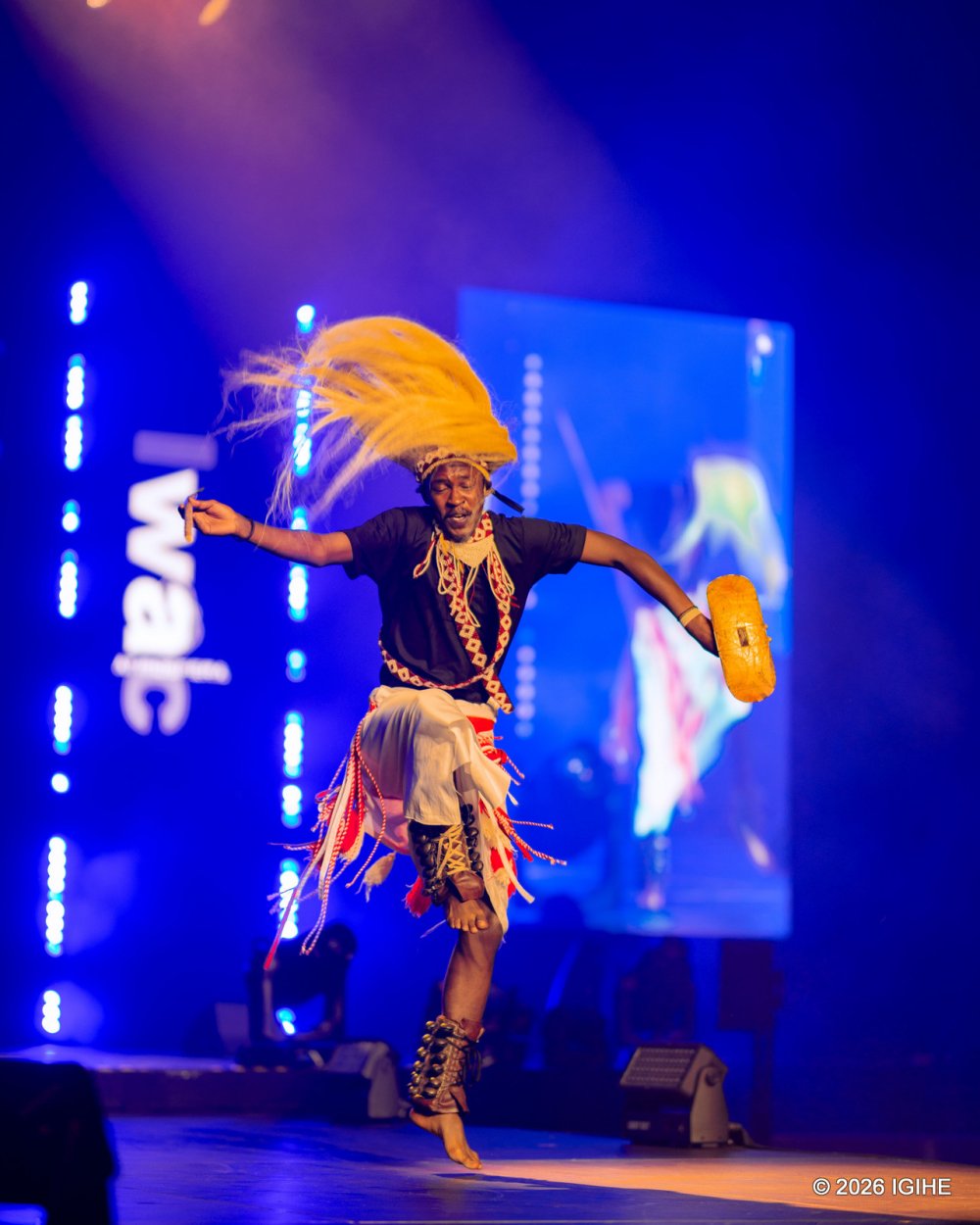
After Kivumbi King’s performance, DJ Lamper returned with even more energy, joined briefly by a dance troupe led by Divine Uwa, adding flair to the night’s entertainment.
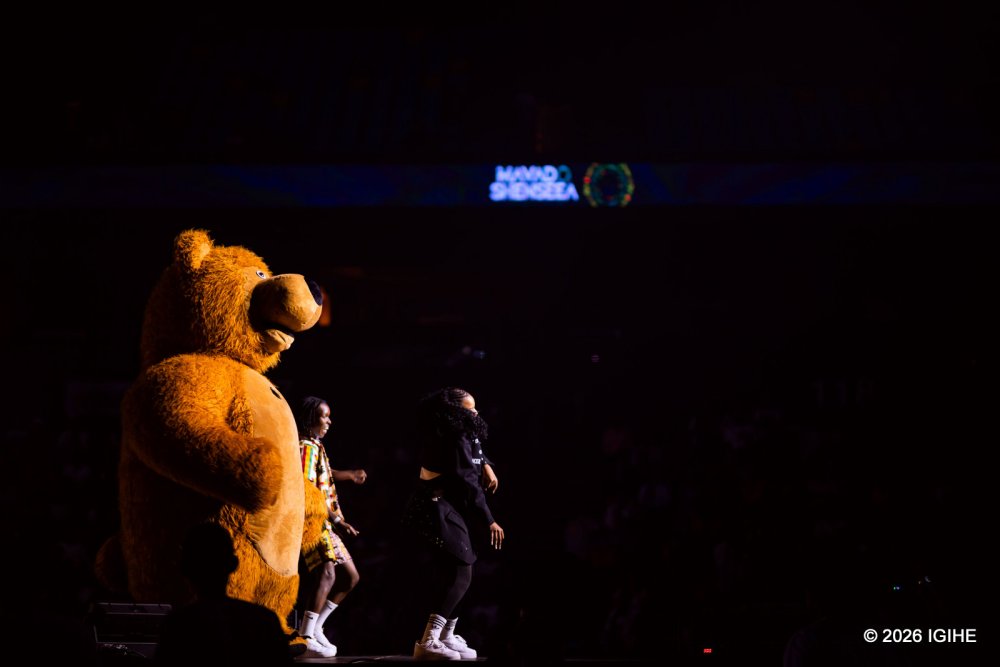
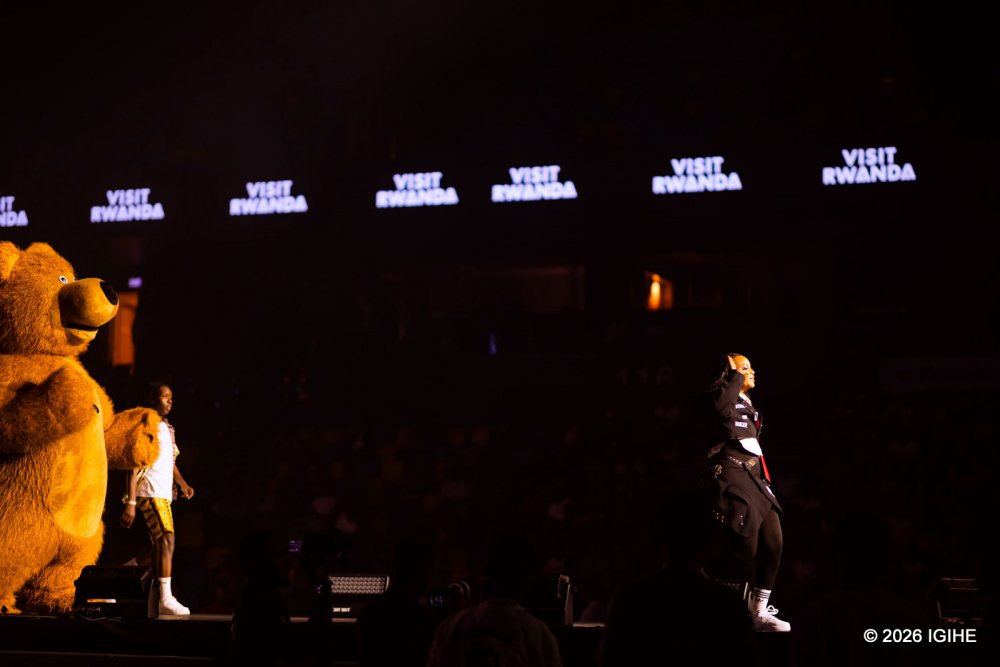
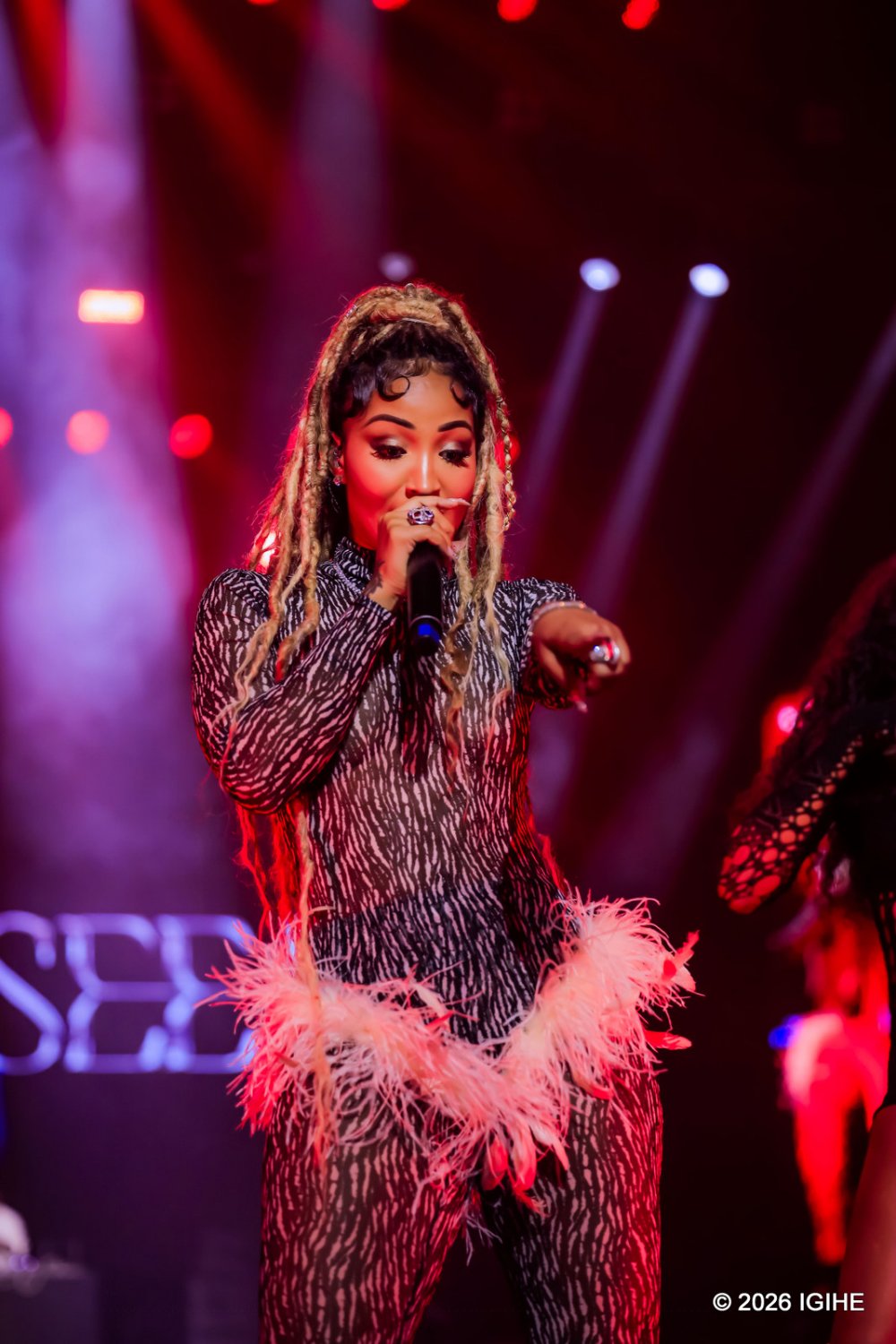
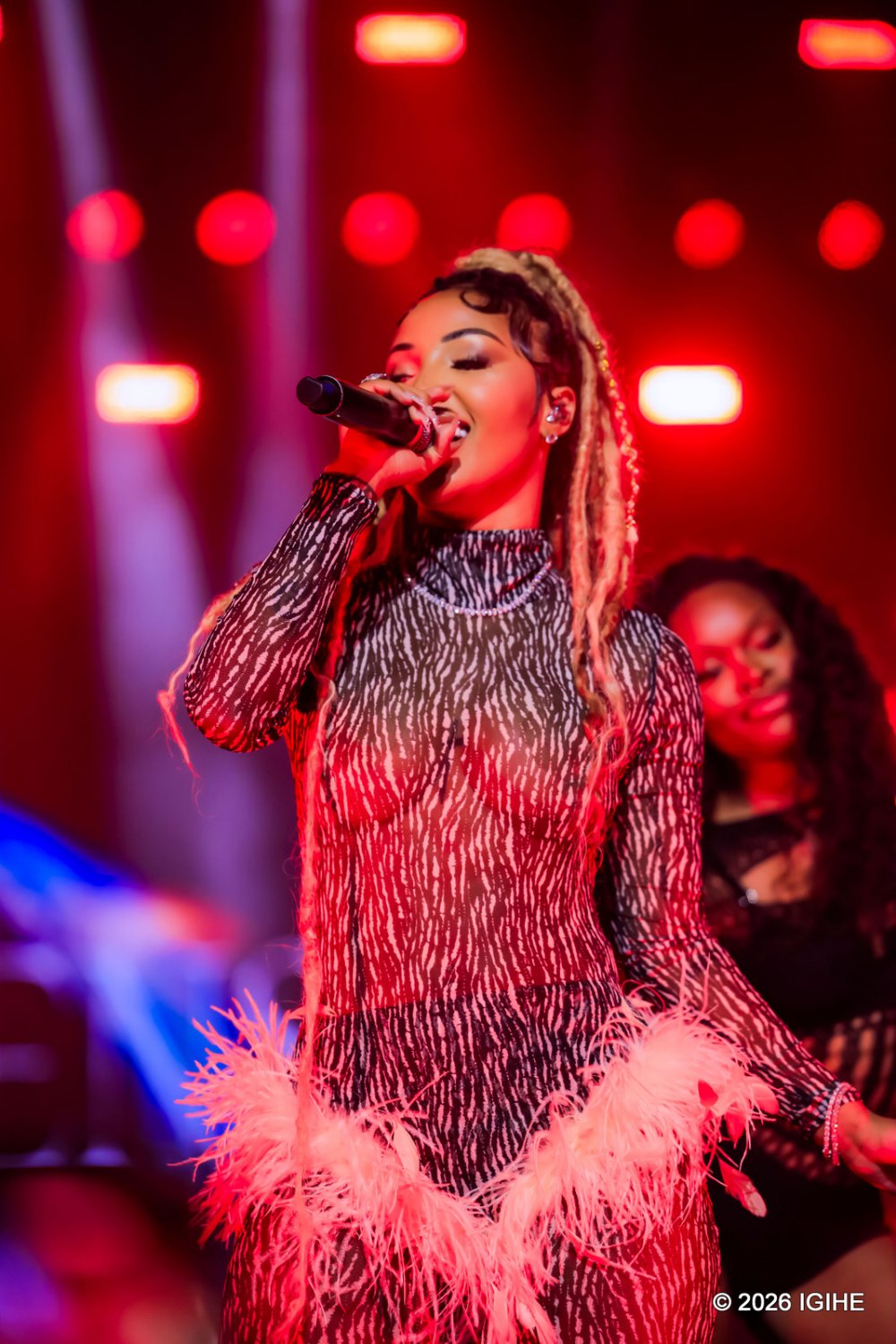
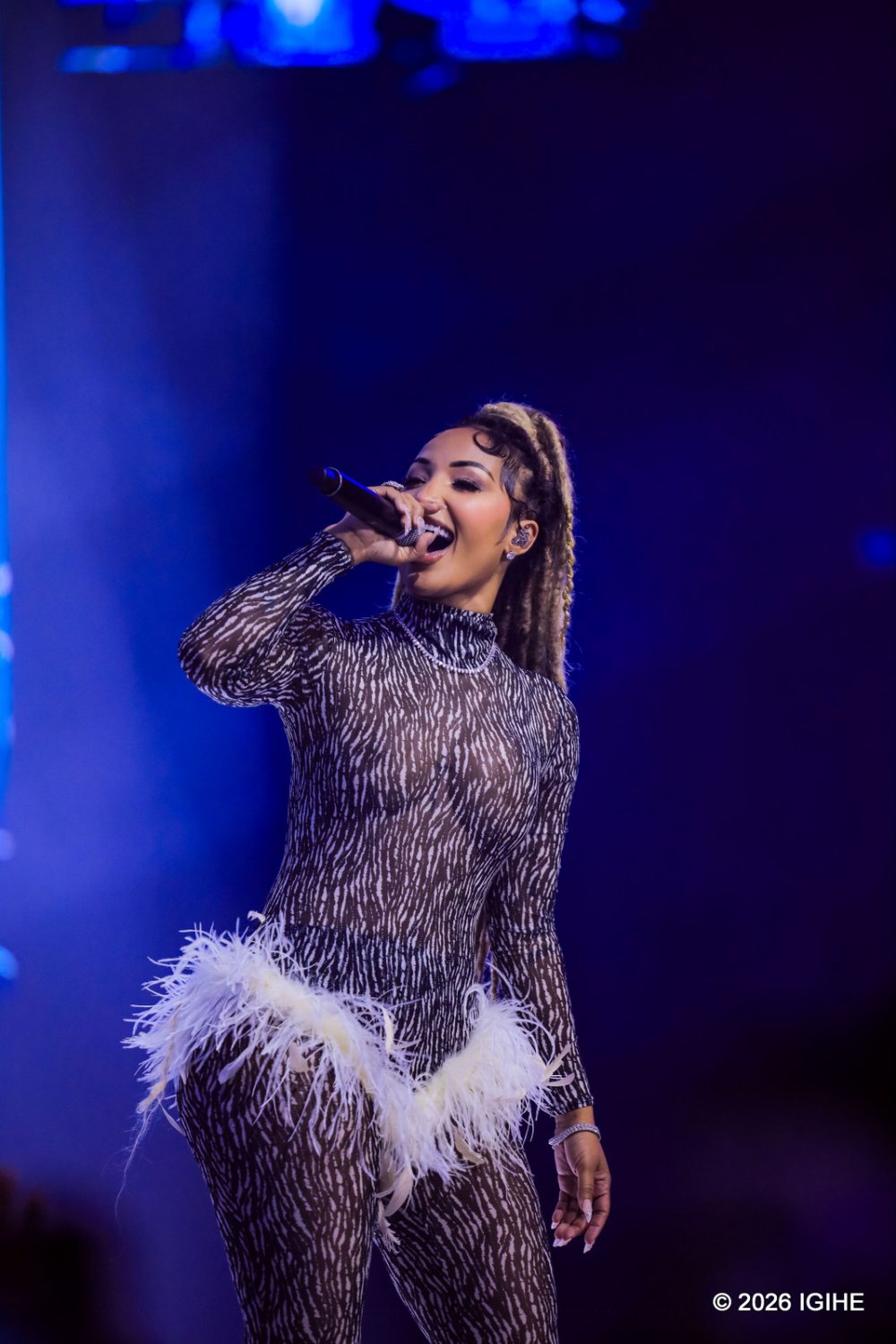
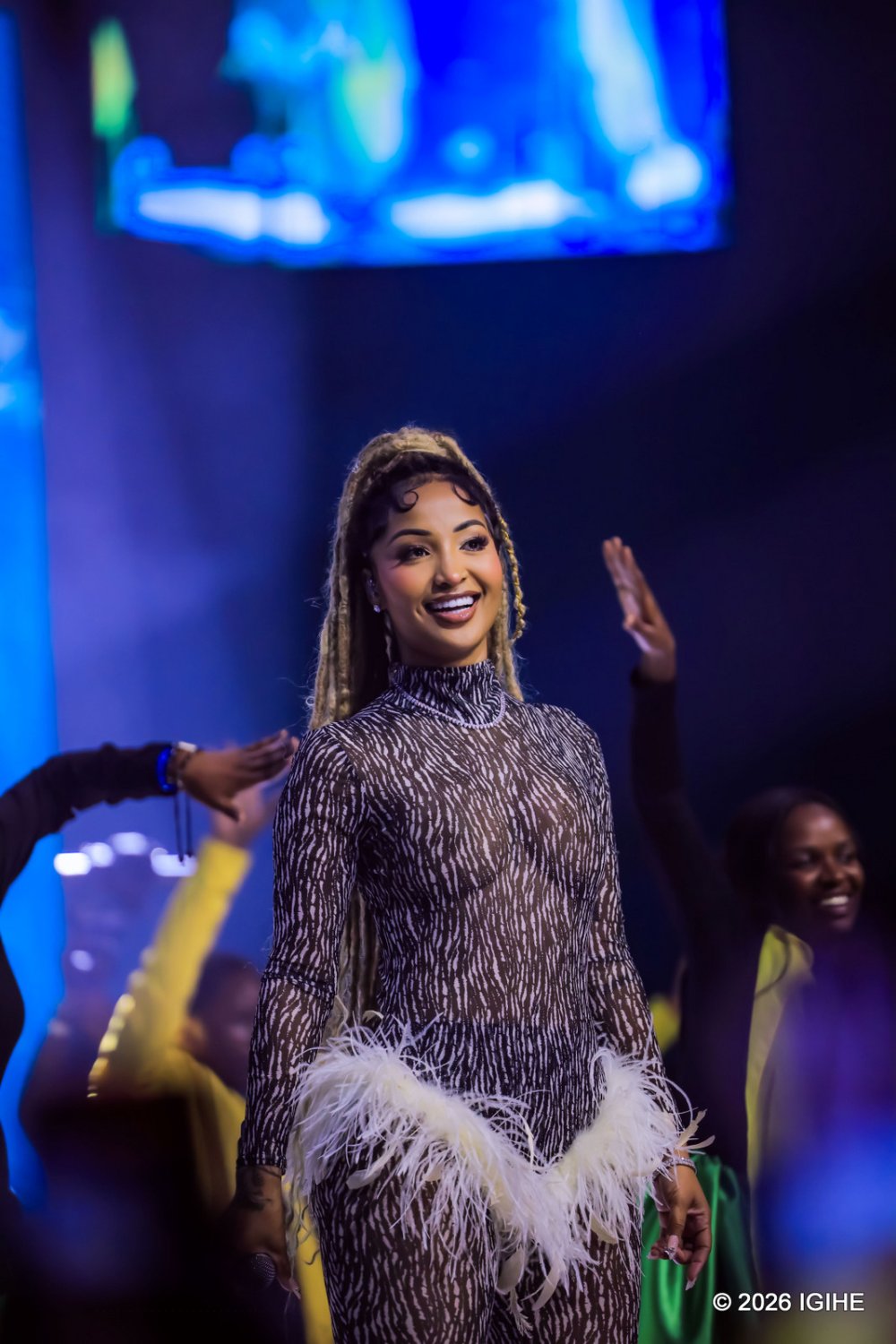
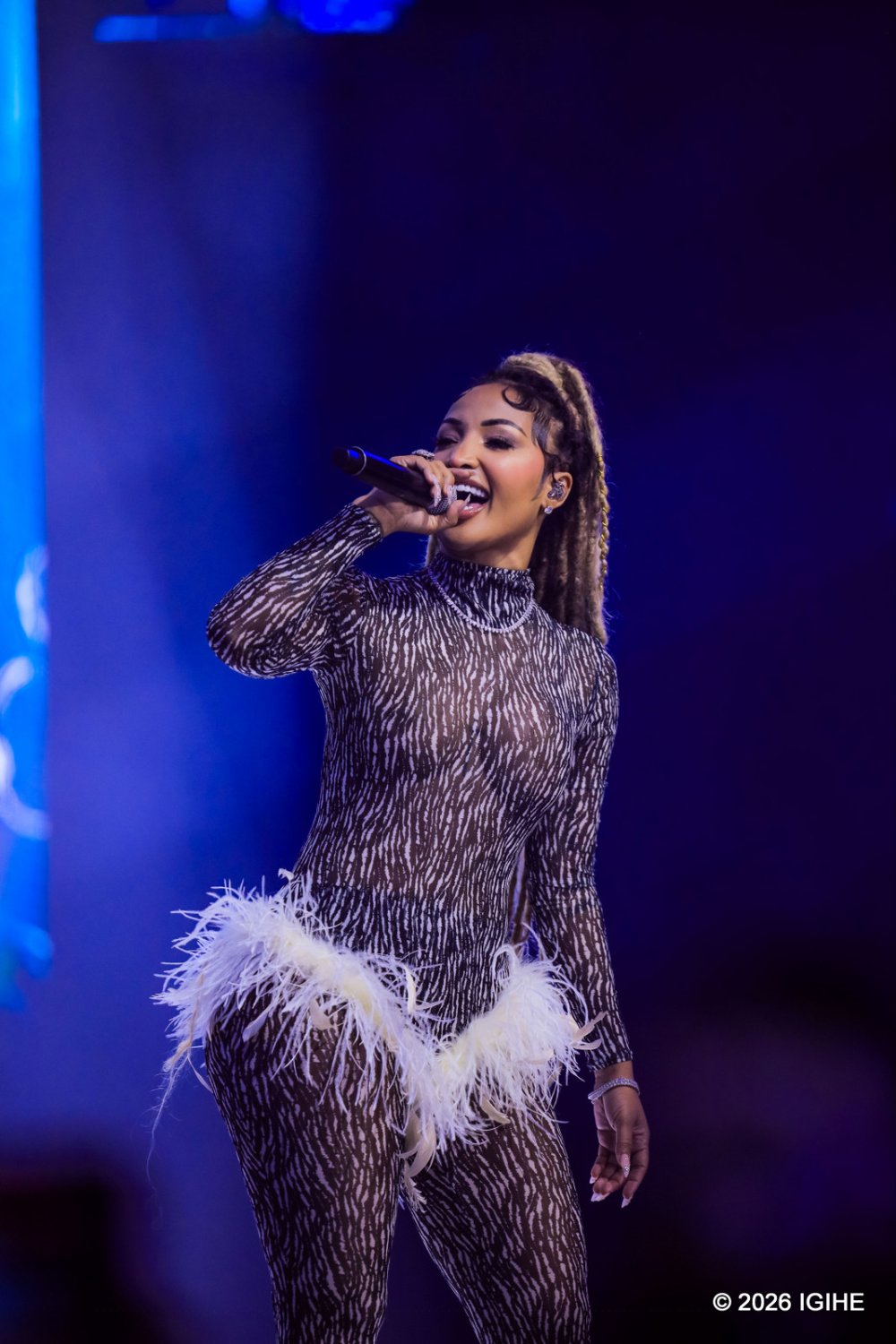
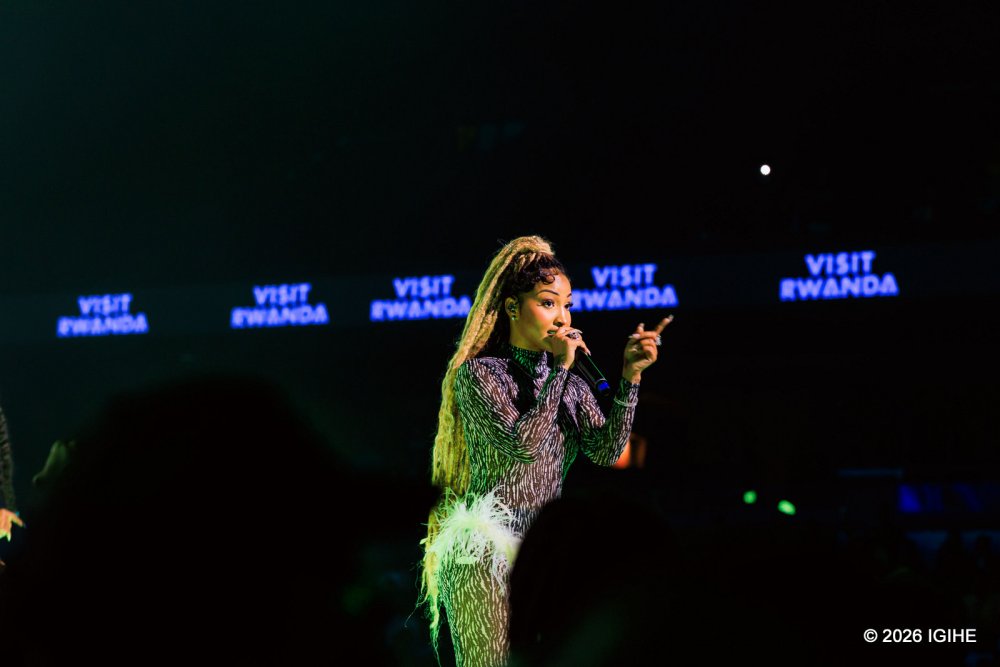
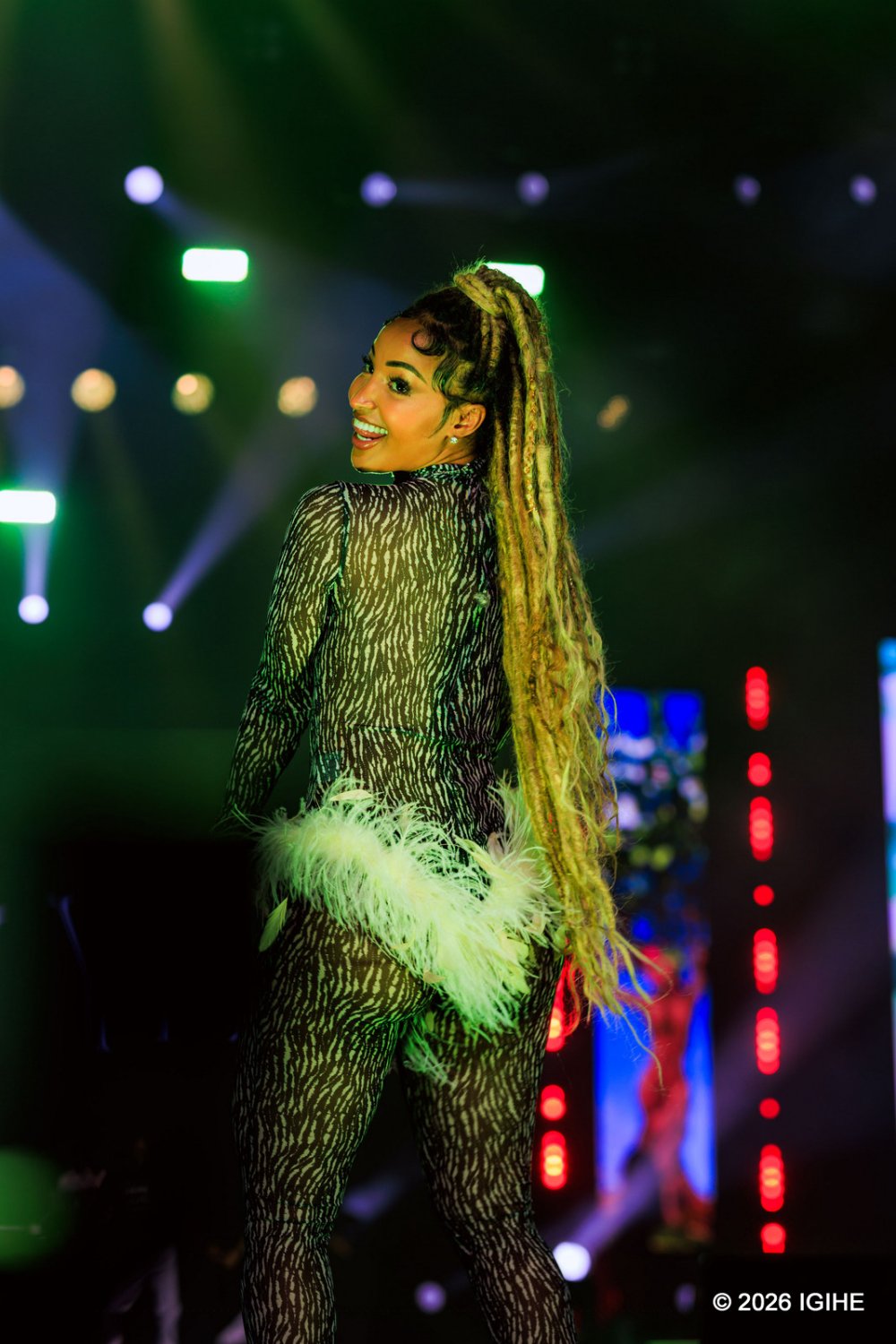
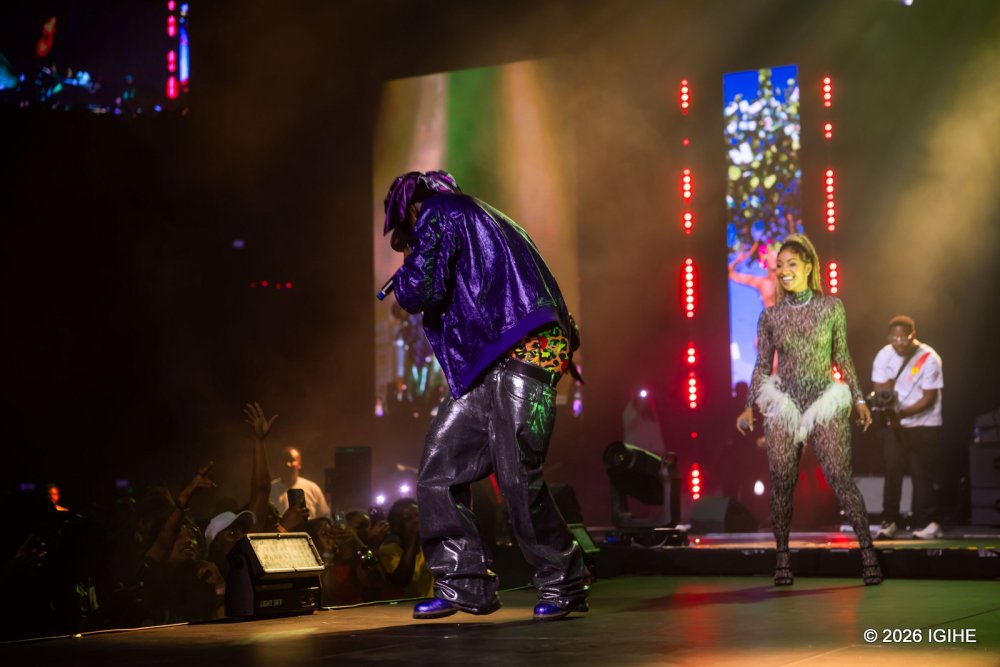
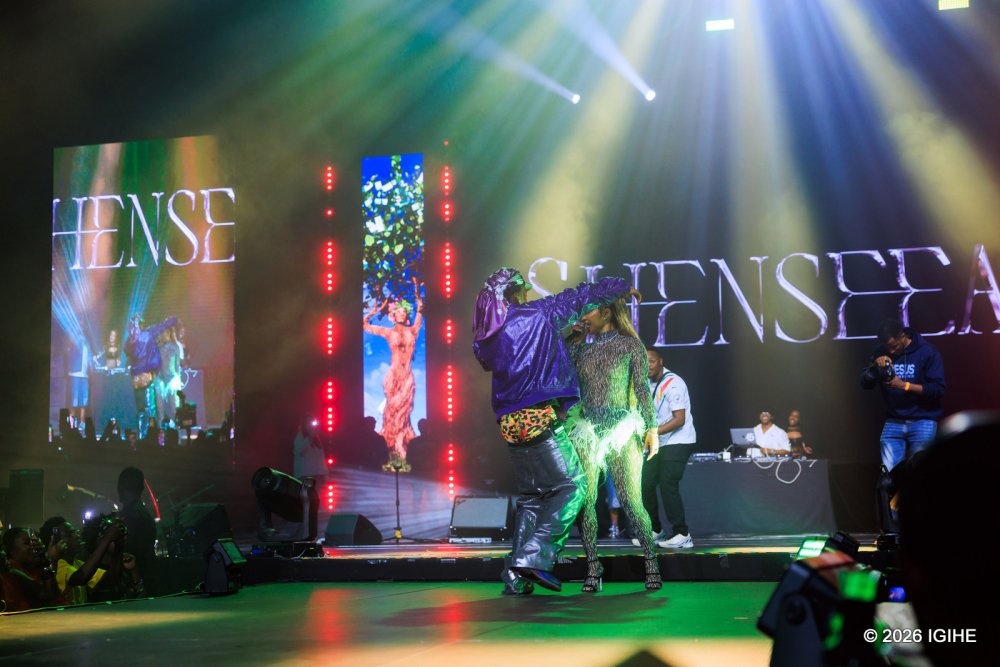
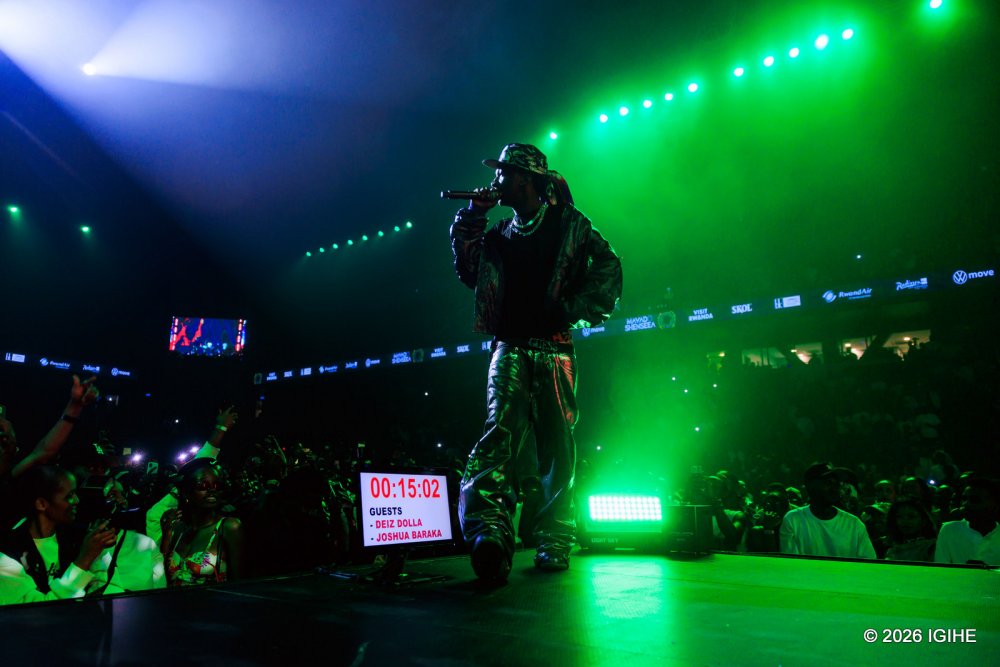
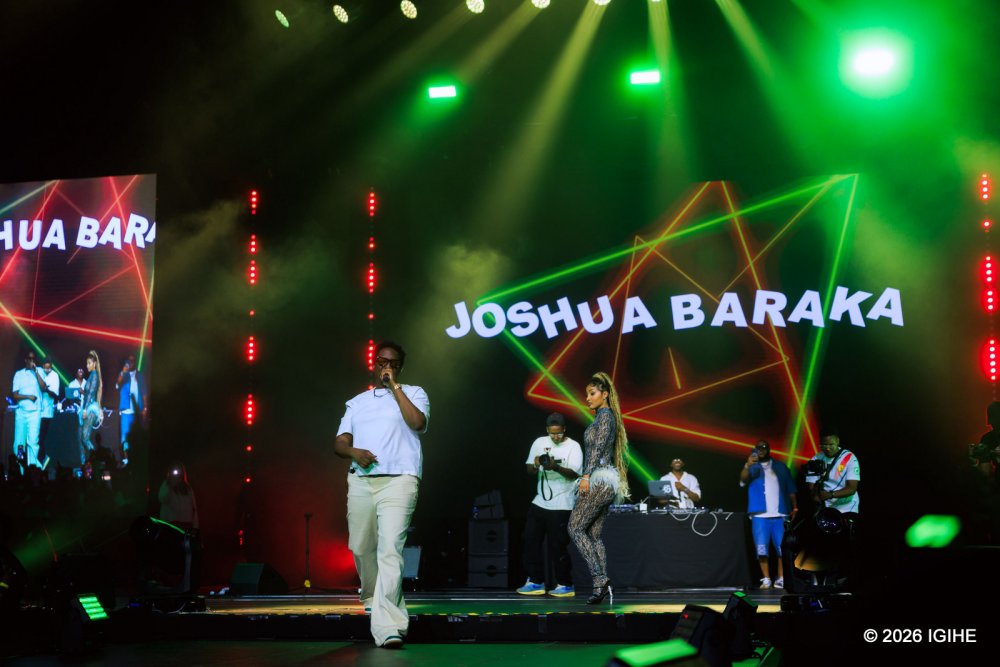
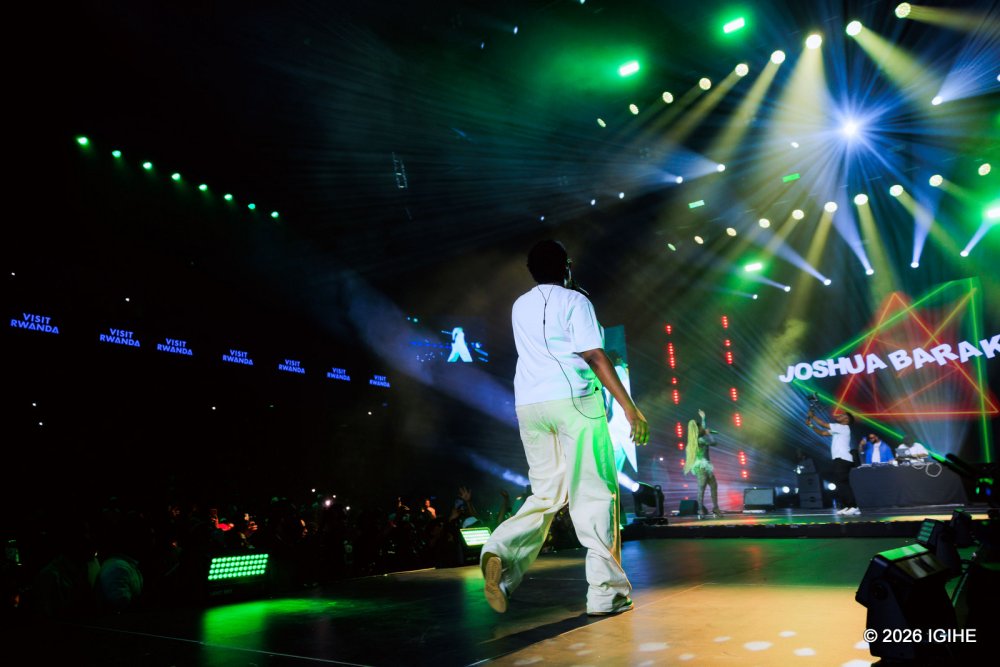
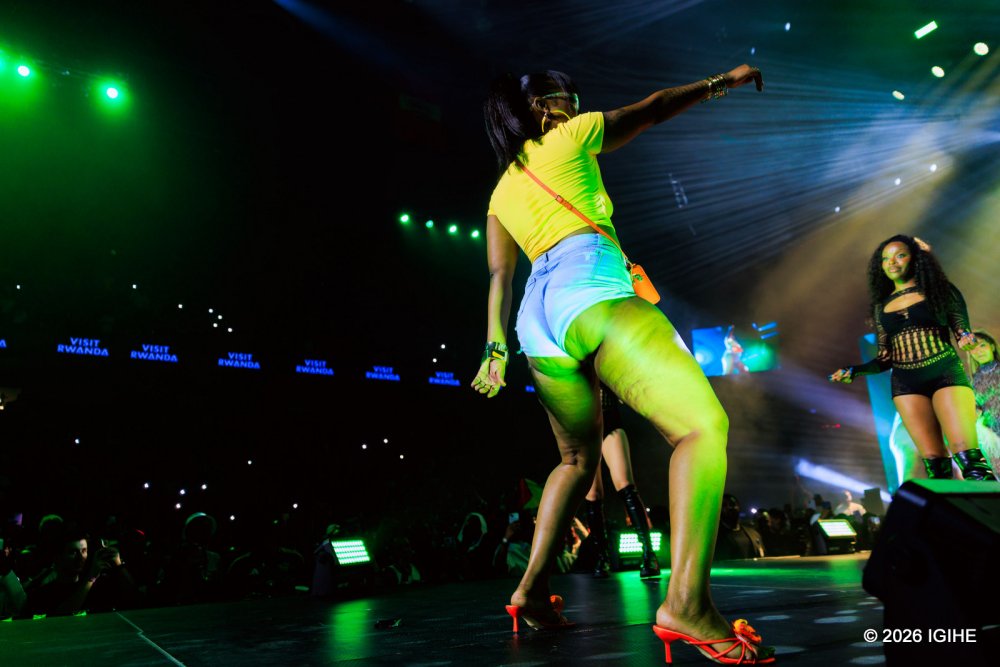
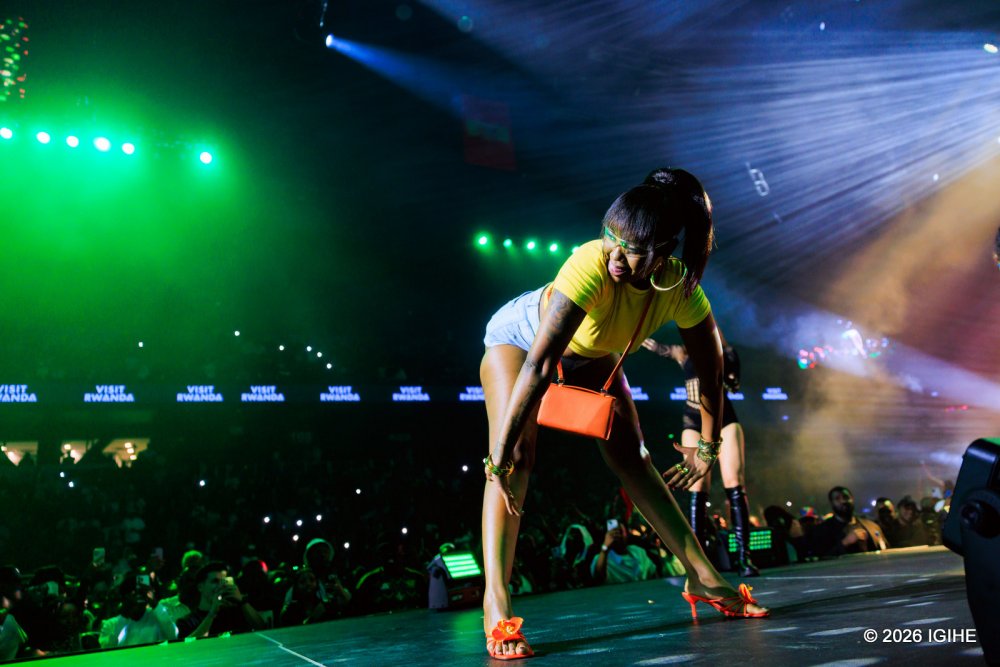
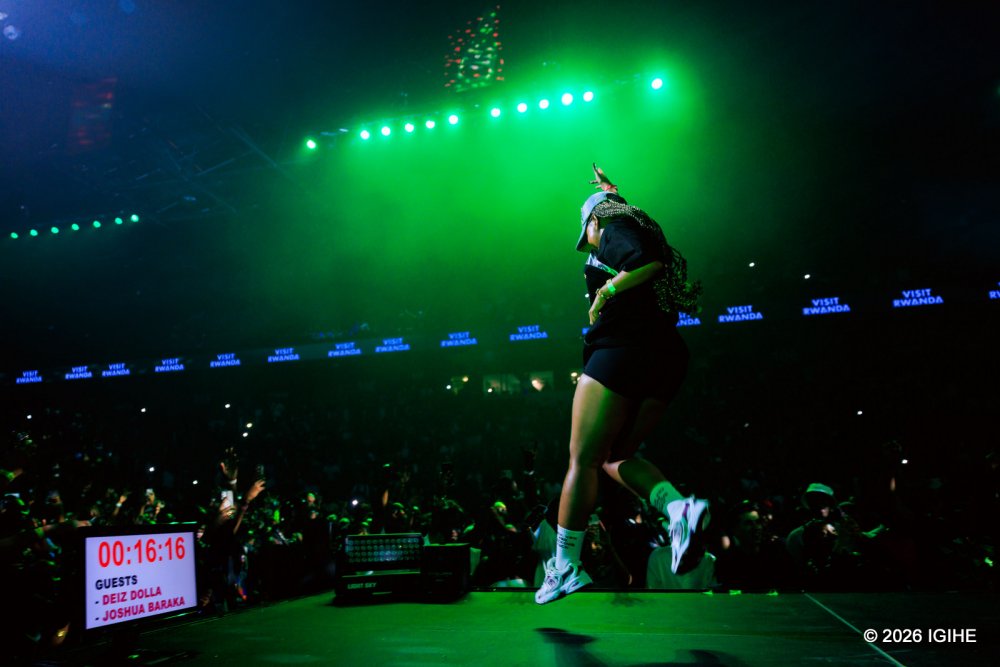
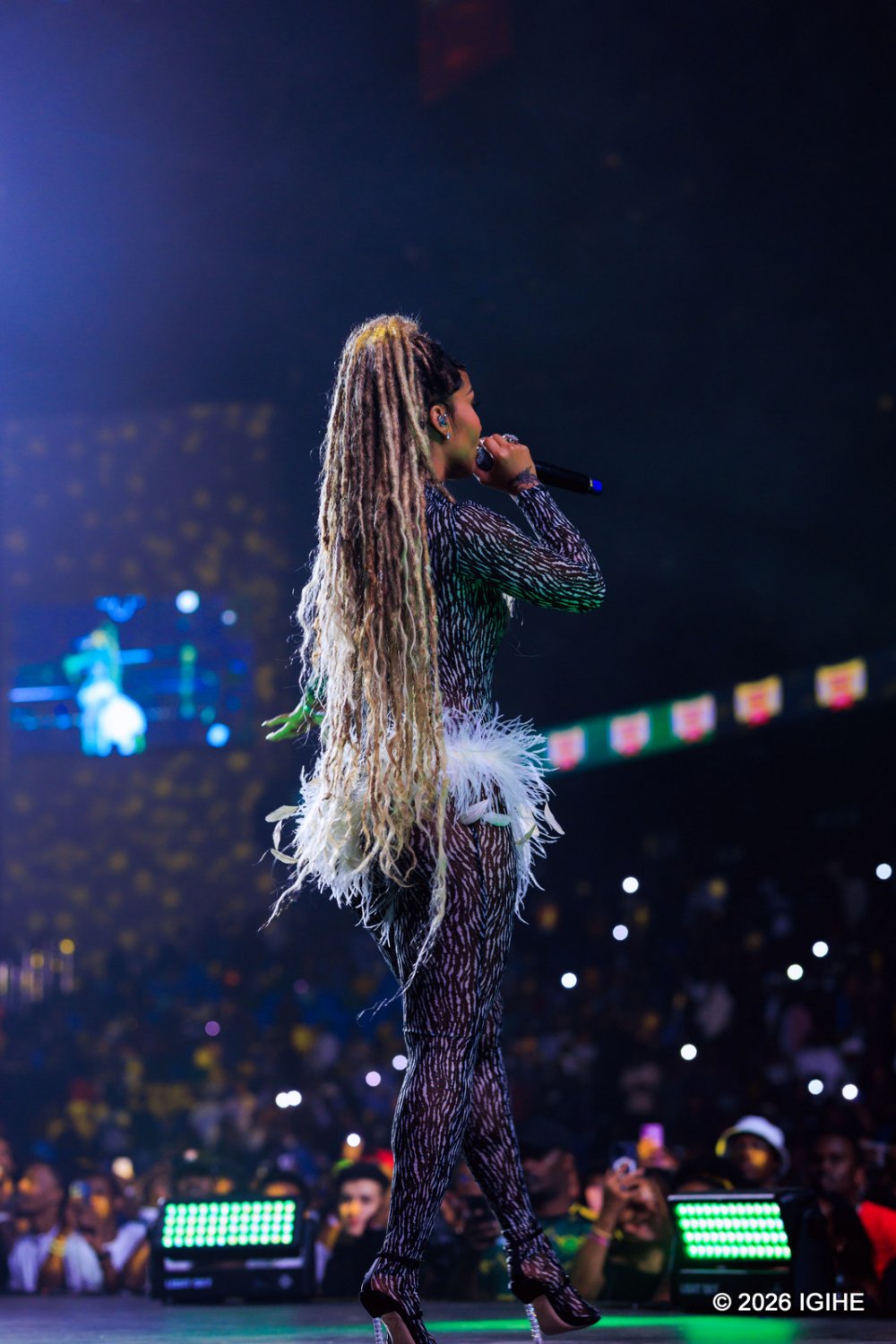
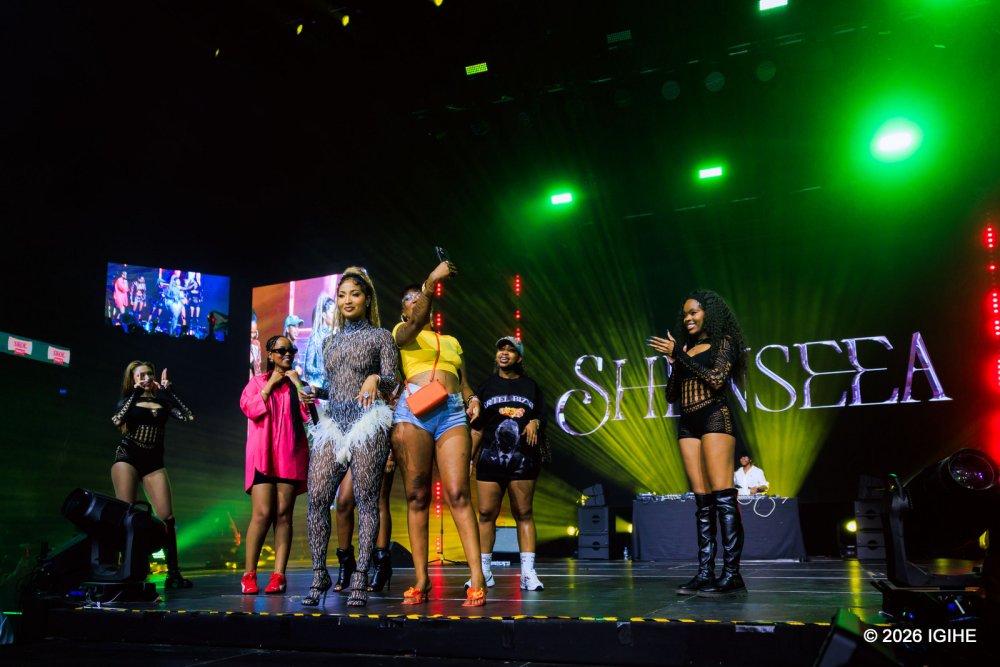
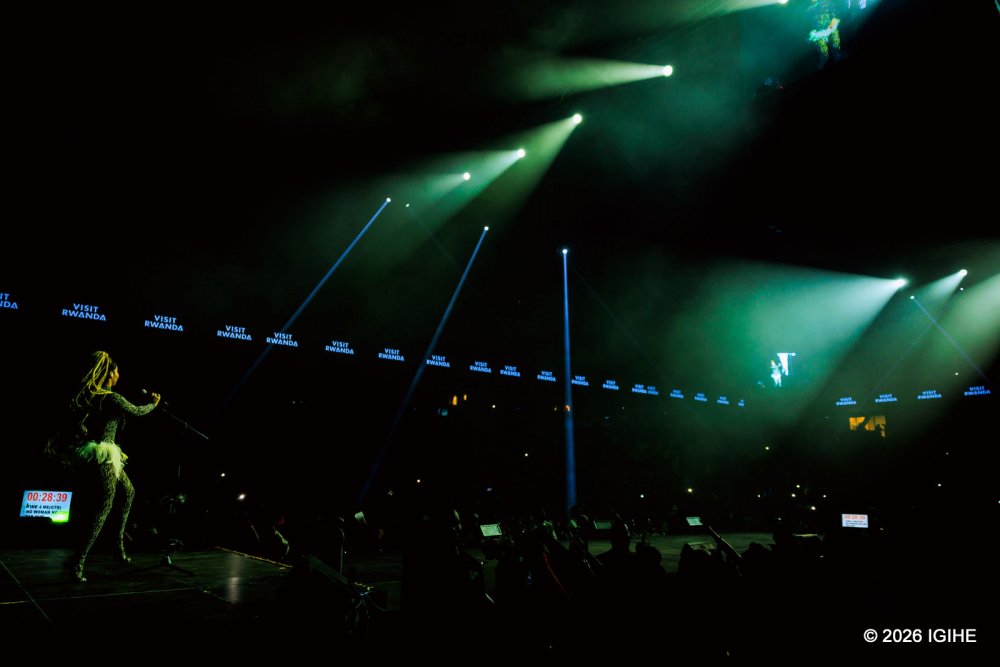
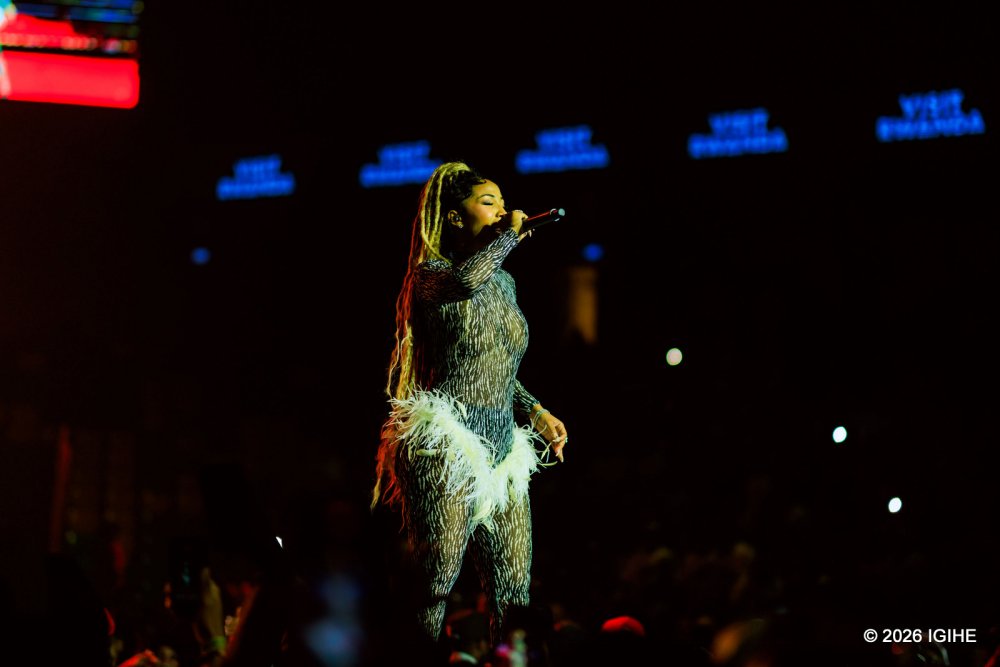
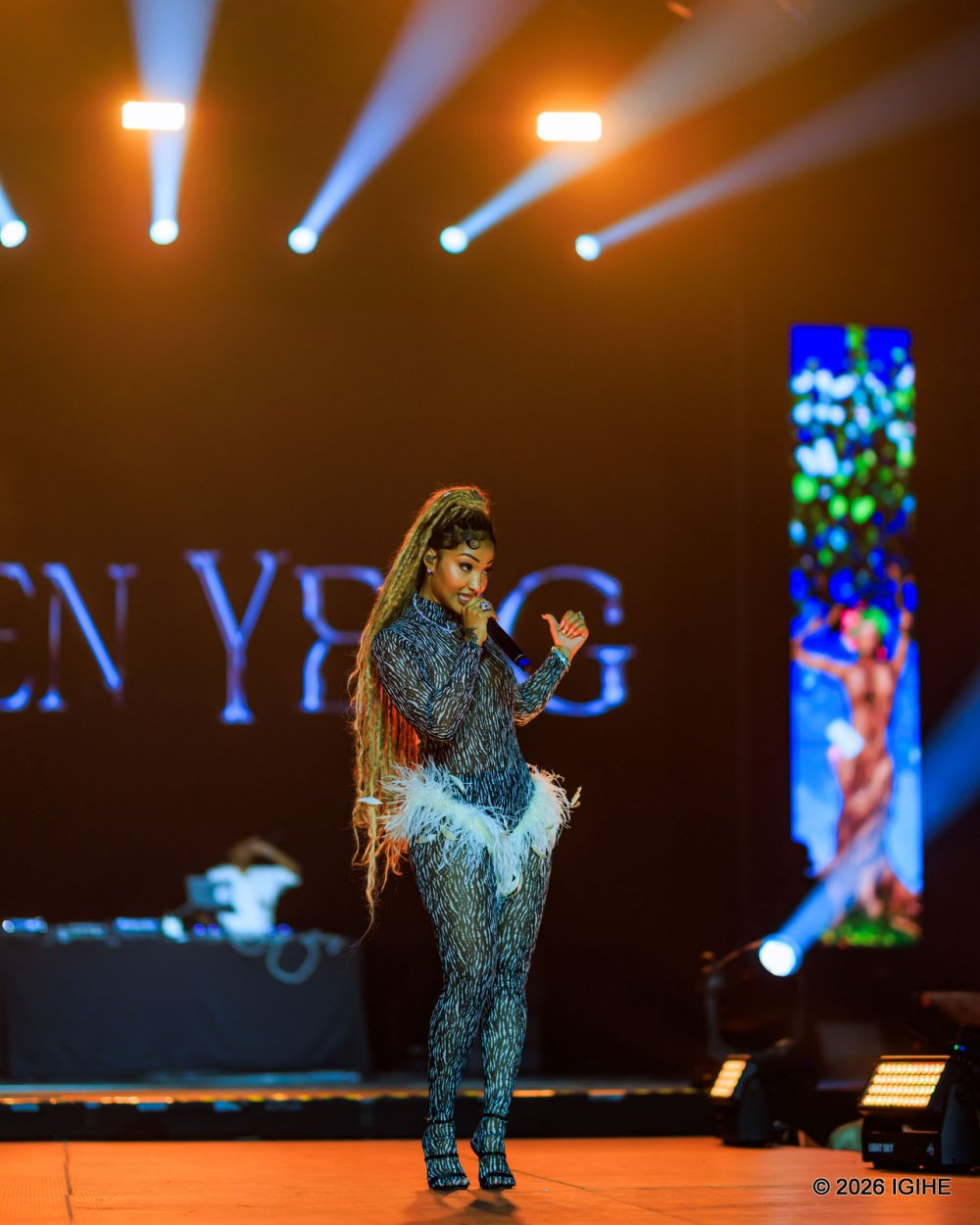
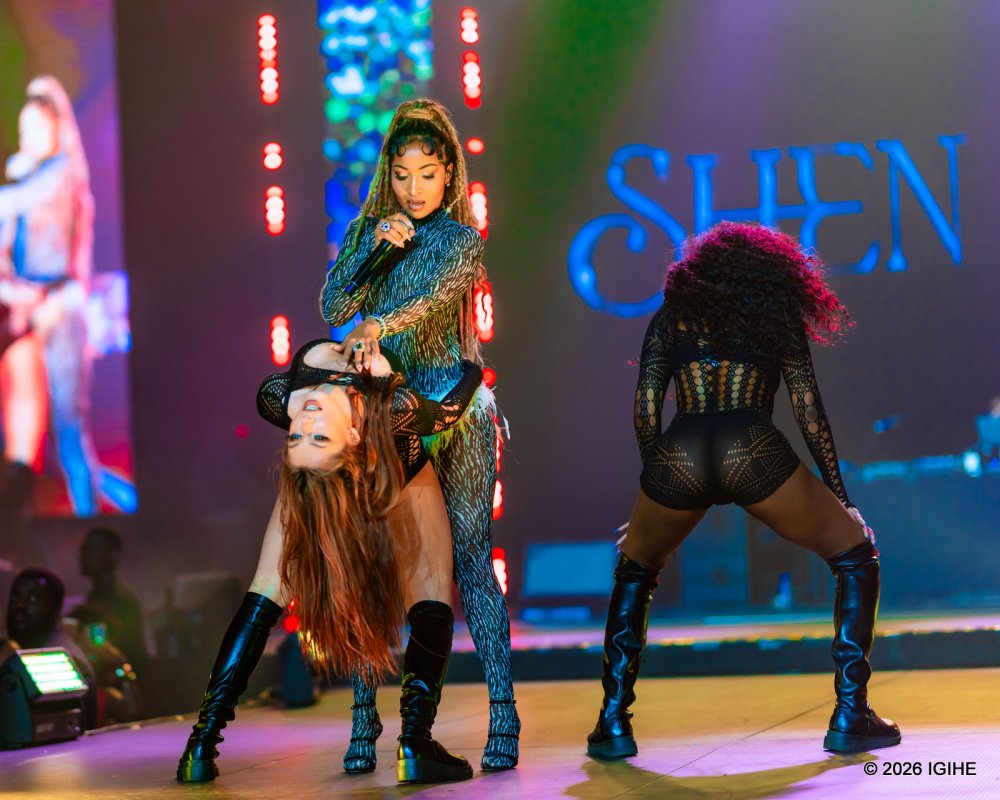
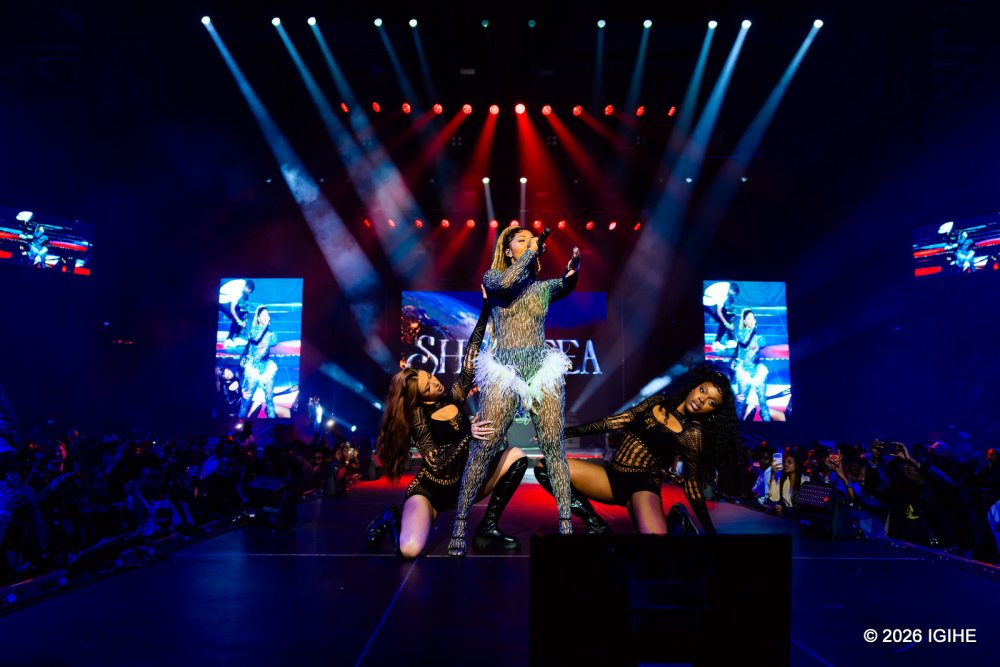
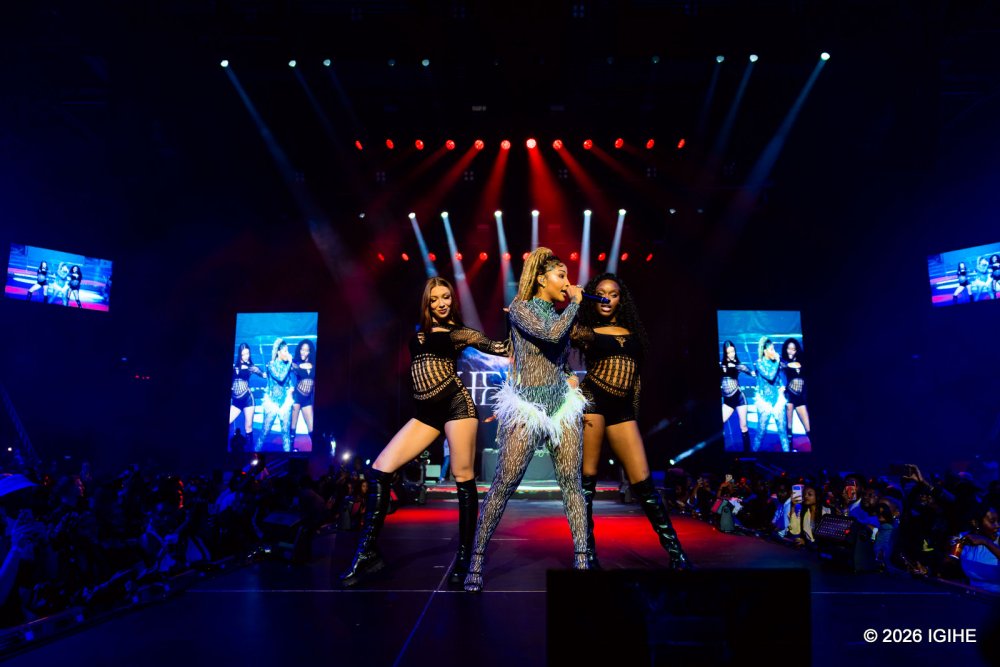
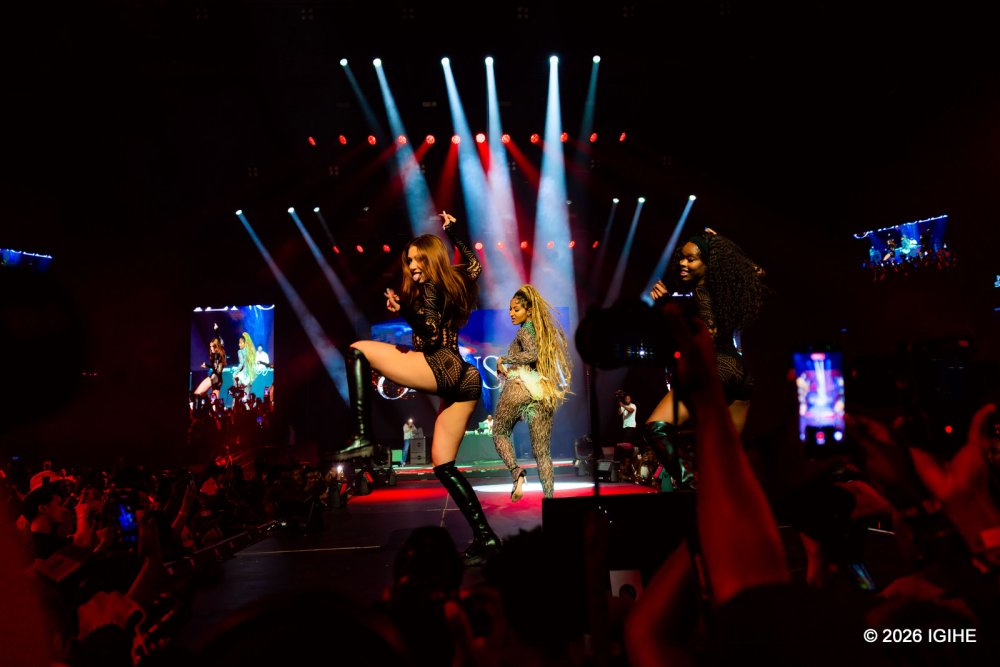
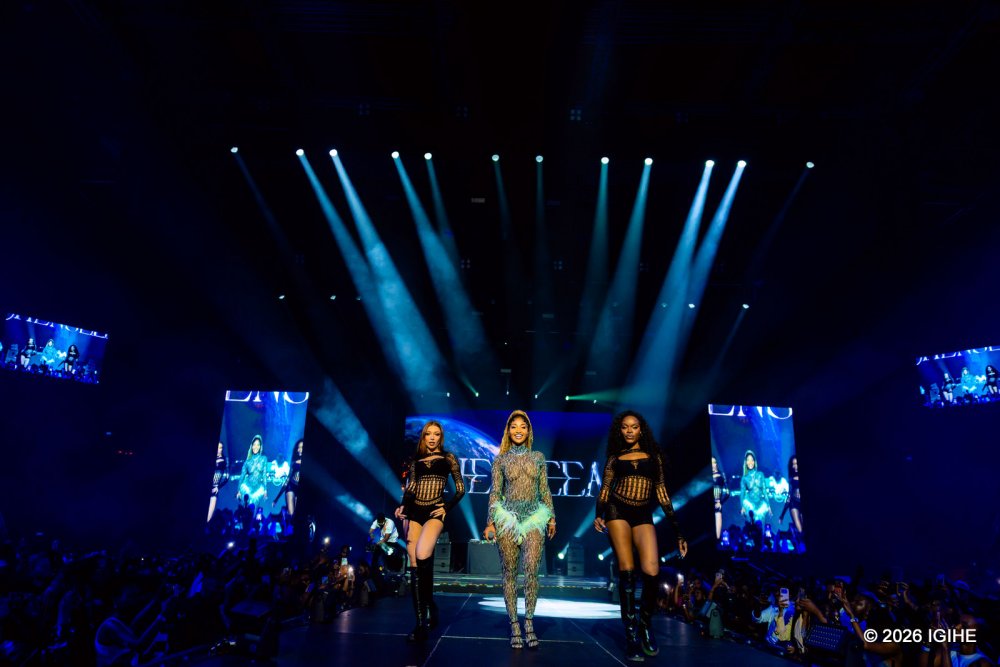
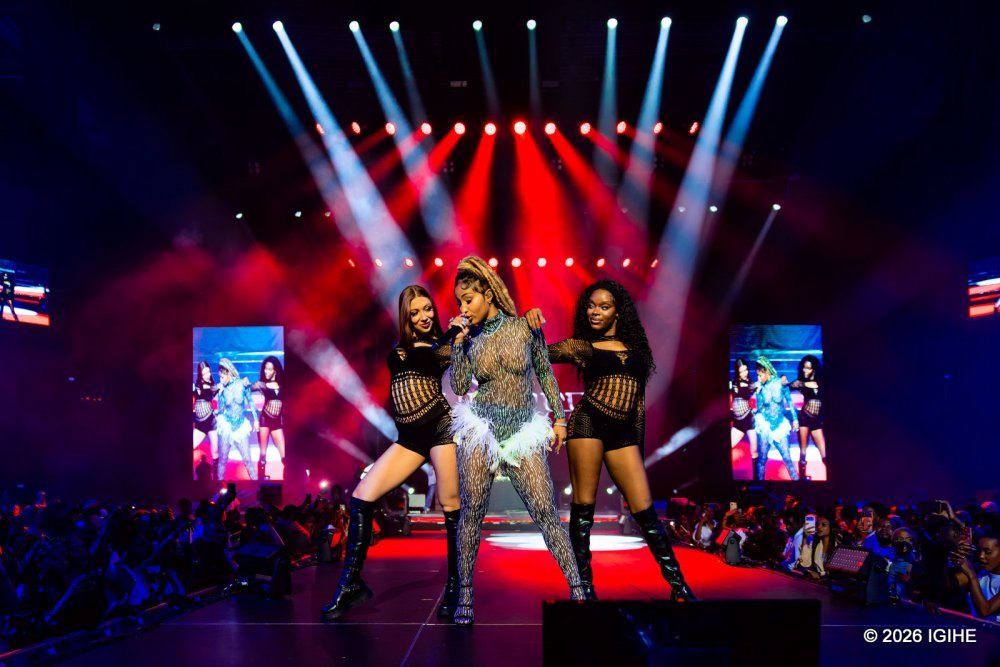
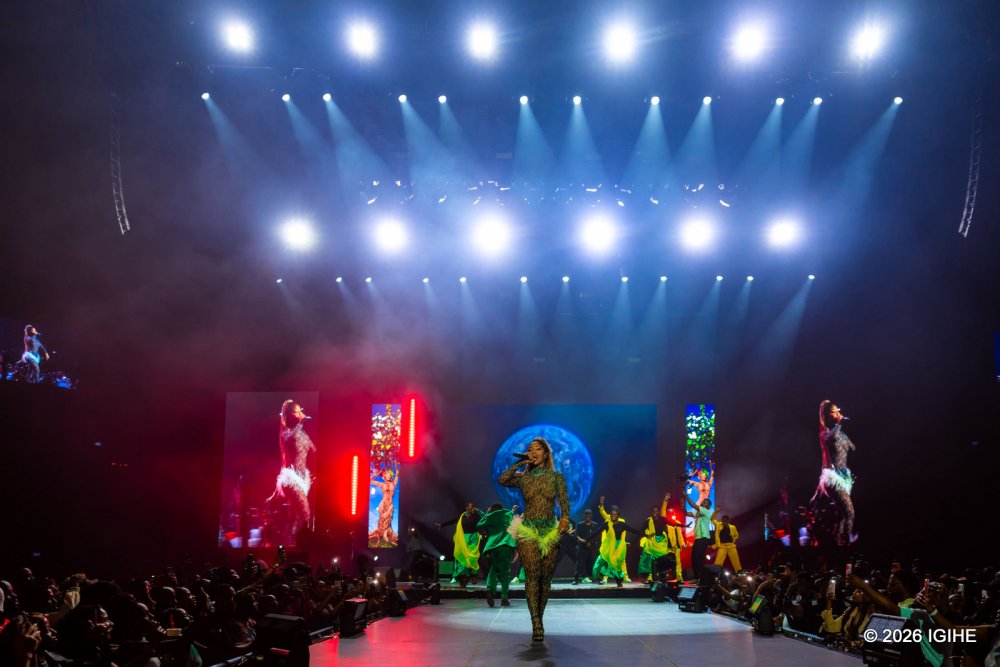
Then it was Shenseea’s turn. The Jamaican sensation delivered a show-stopping performance, opening with a collaborative number alongside children from the Sherrie Silver Foundation. She later invited fans onto the stage, including Amandah Darling and Mutoni Etania, creating interactive, unforgettable moments. Fellow artists Diez Dolla and Joshua Baraka also joined, receiving rapturous applause.
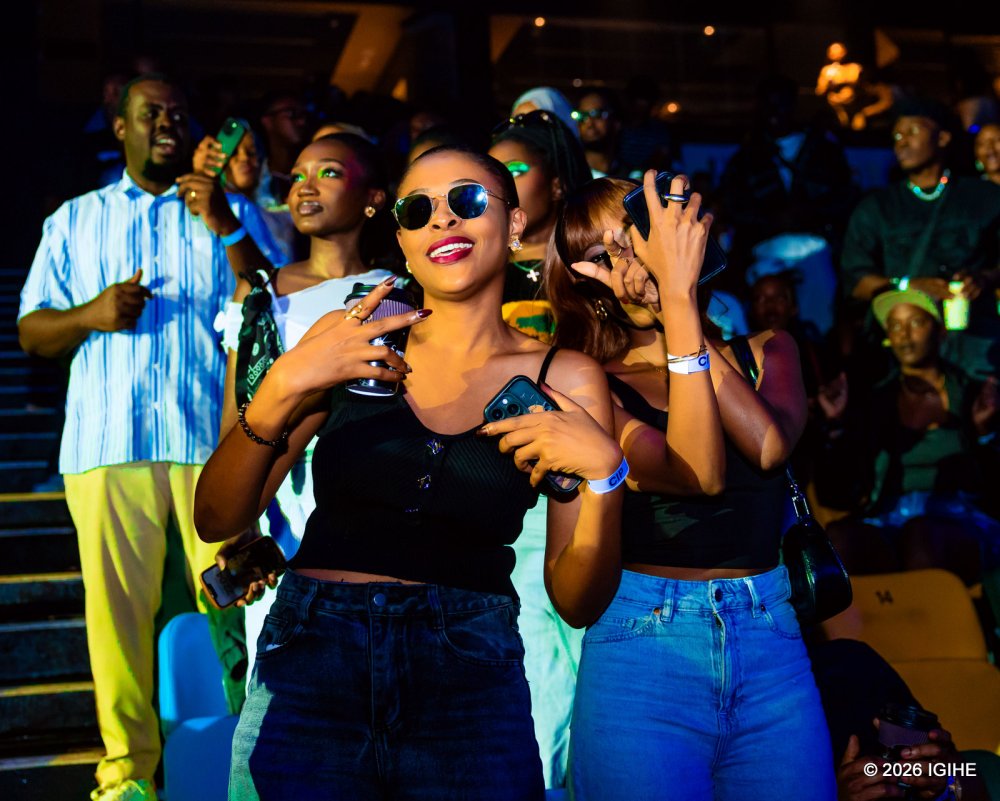
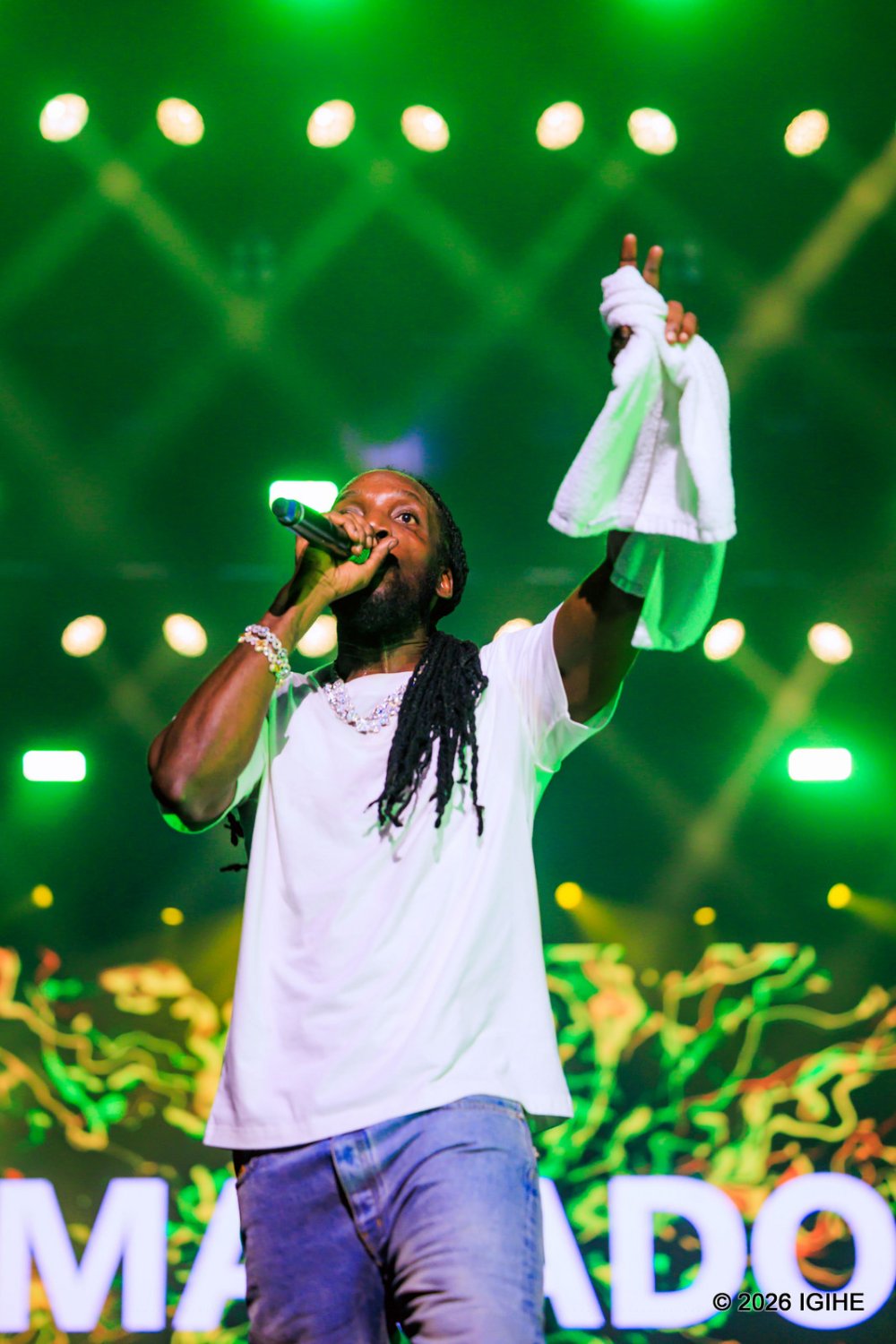
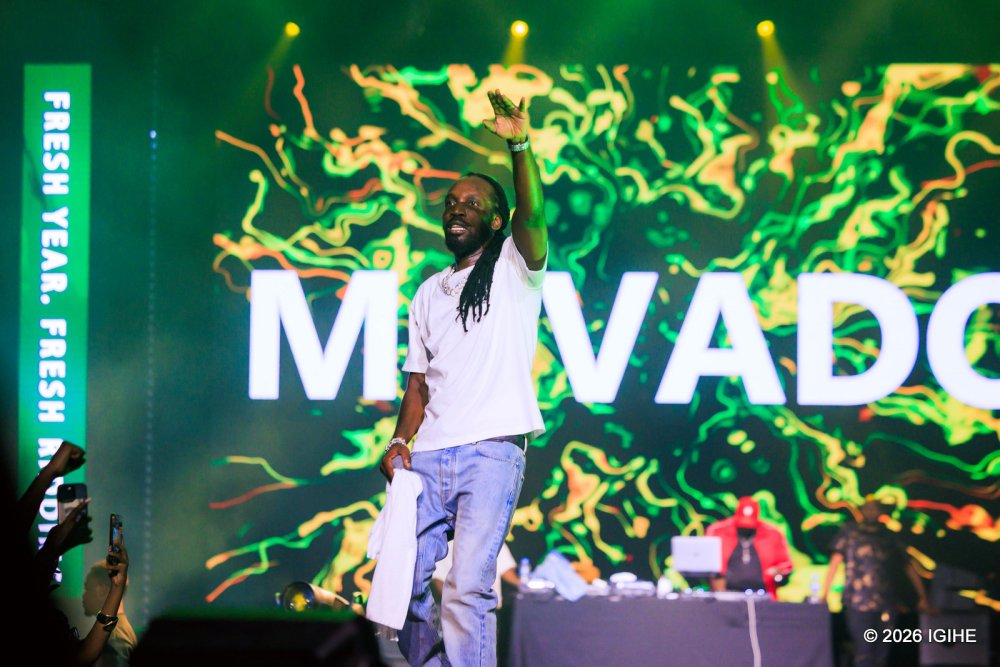
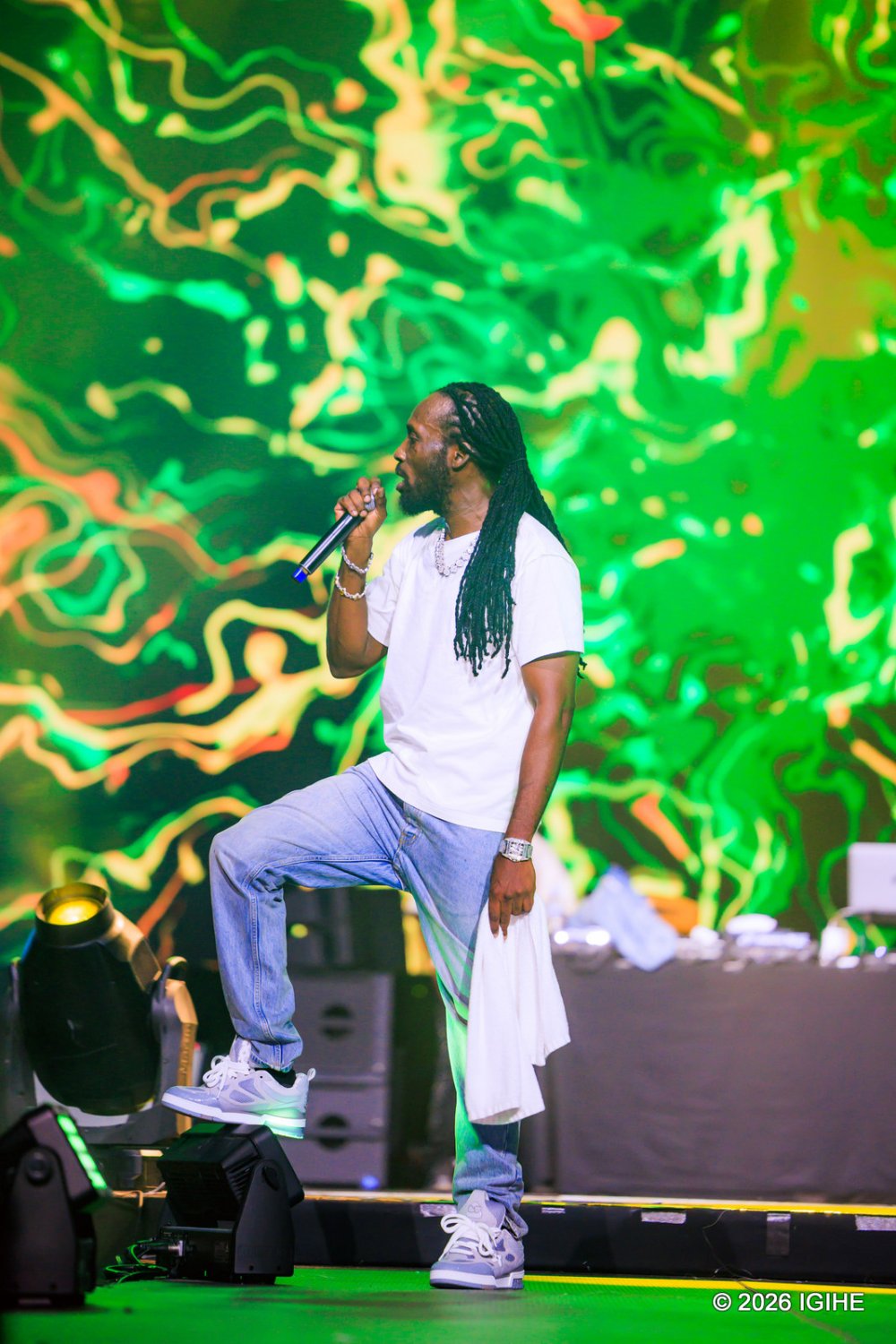
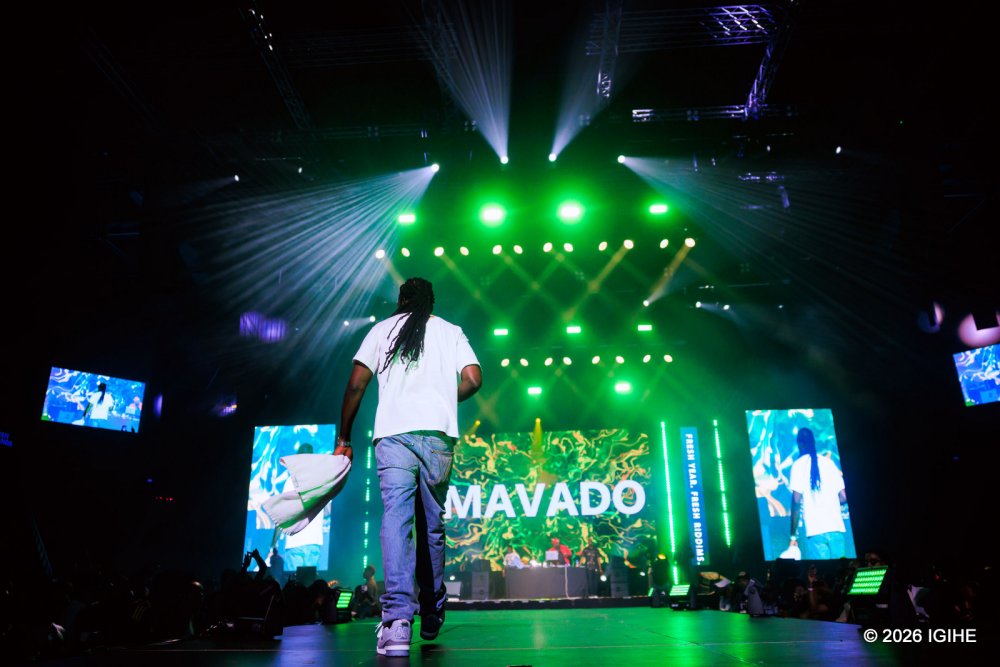
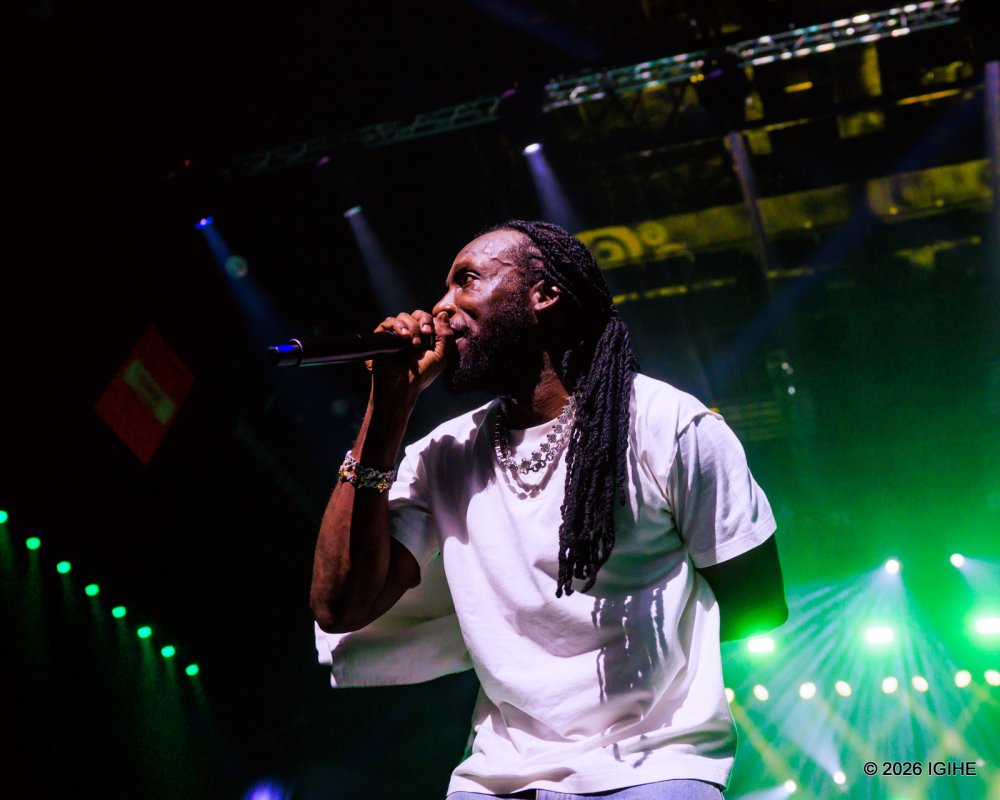
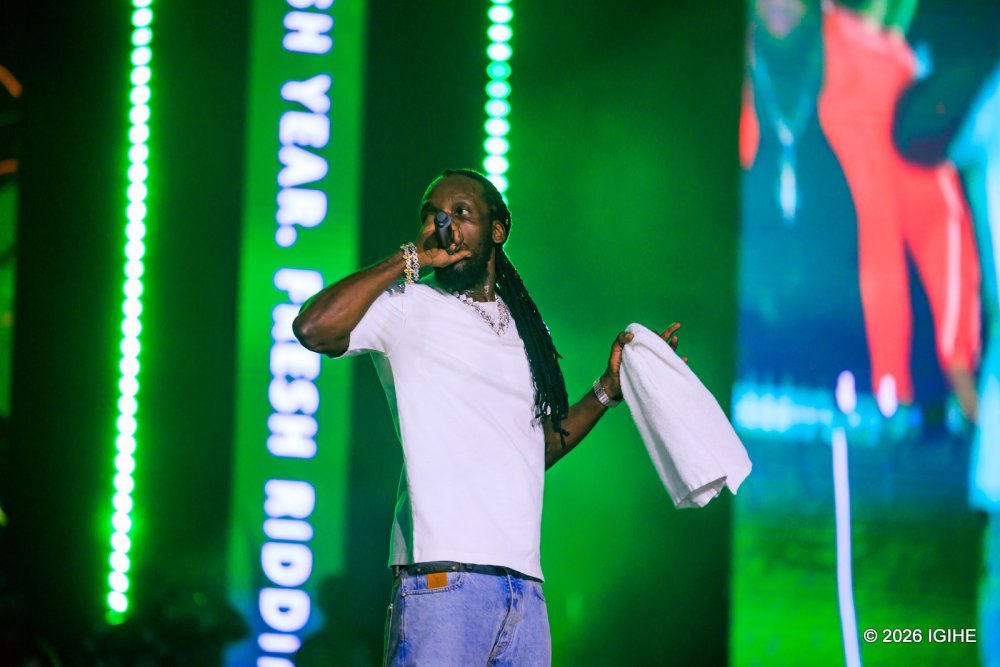
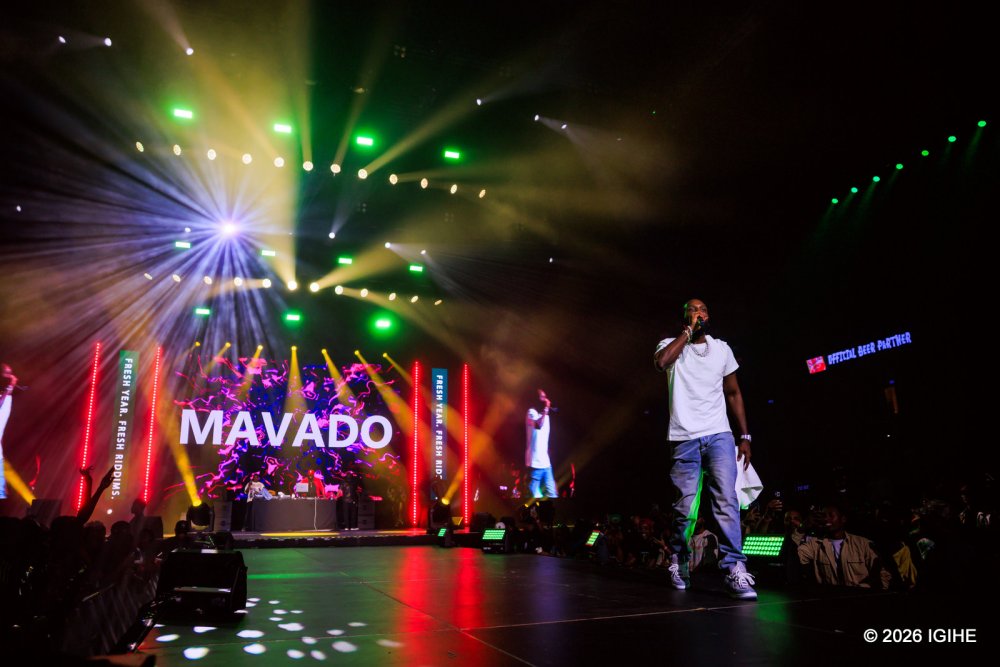
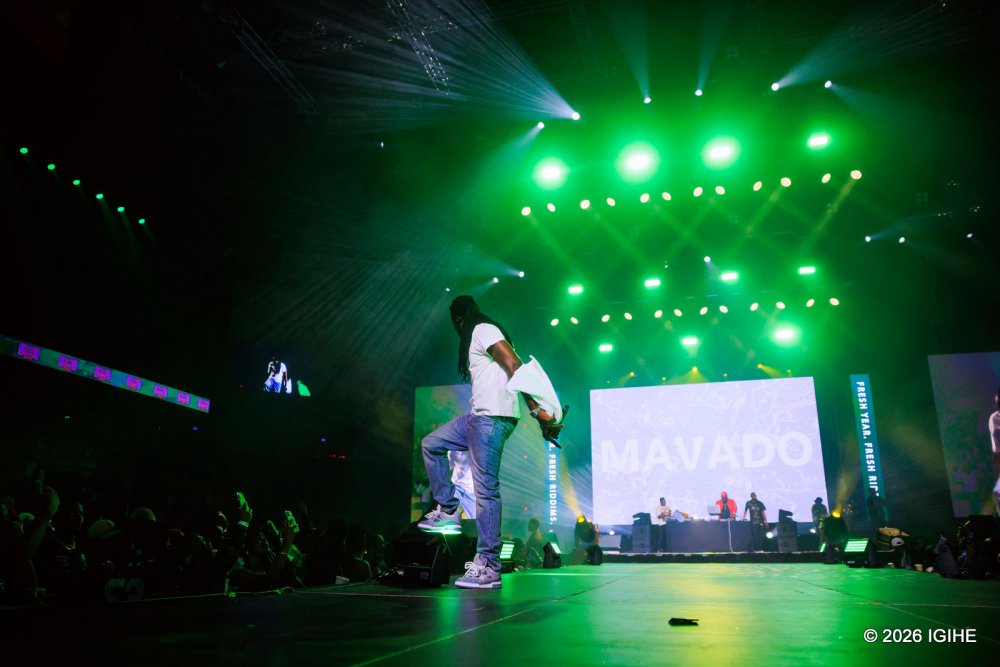
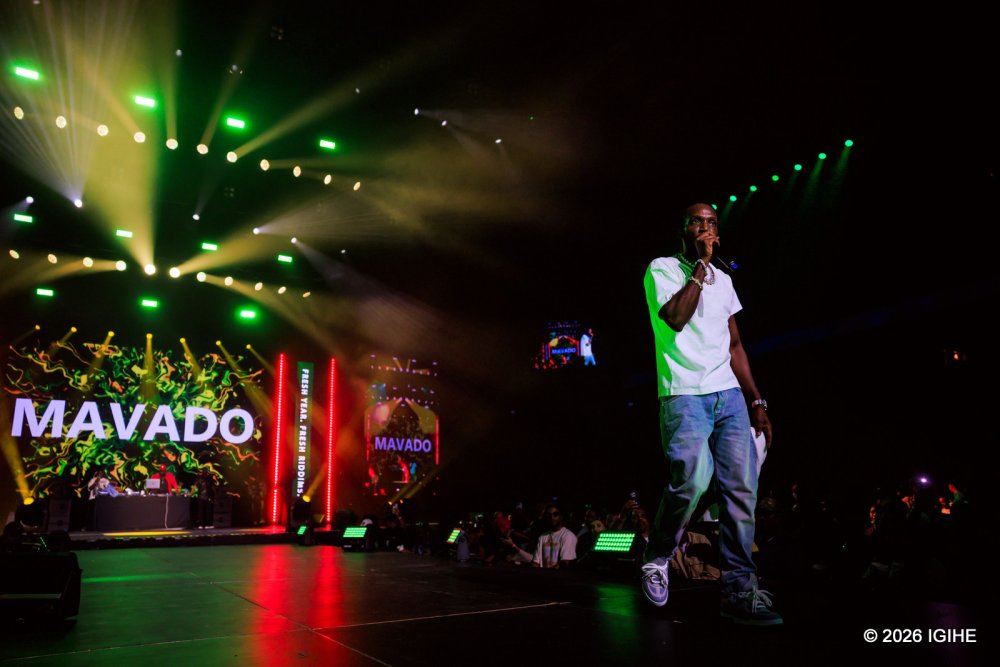
Headliner Mavado closed the night in grand style. Despite some fans seeing him live for the first time, he captivated everyone with his chart-topping hits and commanding stage presence. After over an hour of non-stop performance, Mavado wrapped up the concert around 1:00 AM, leaving fans exhilarated.