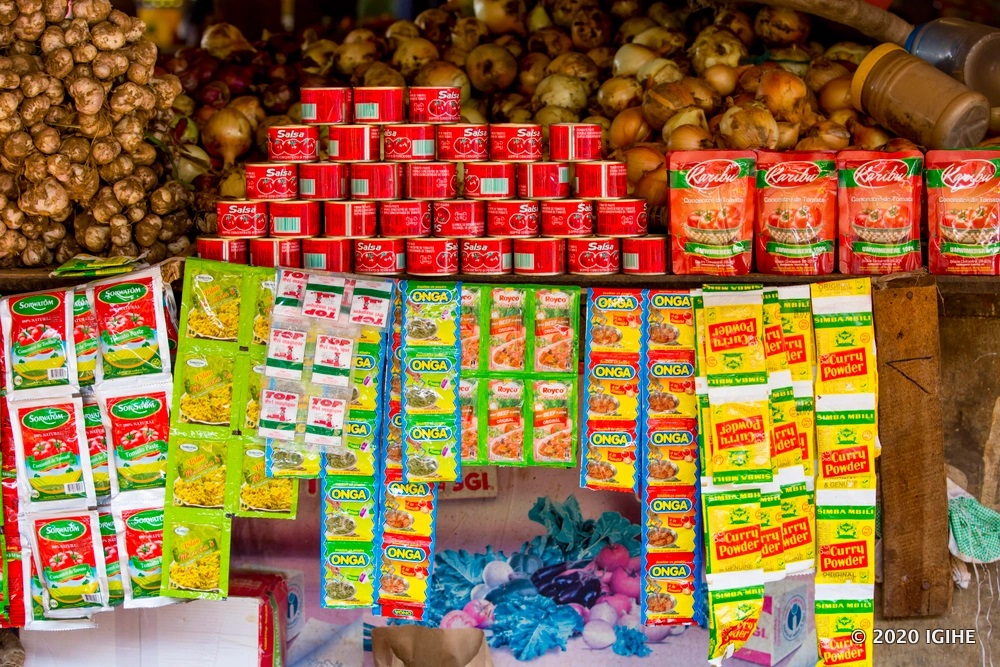
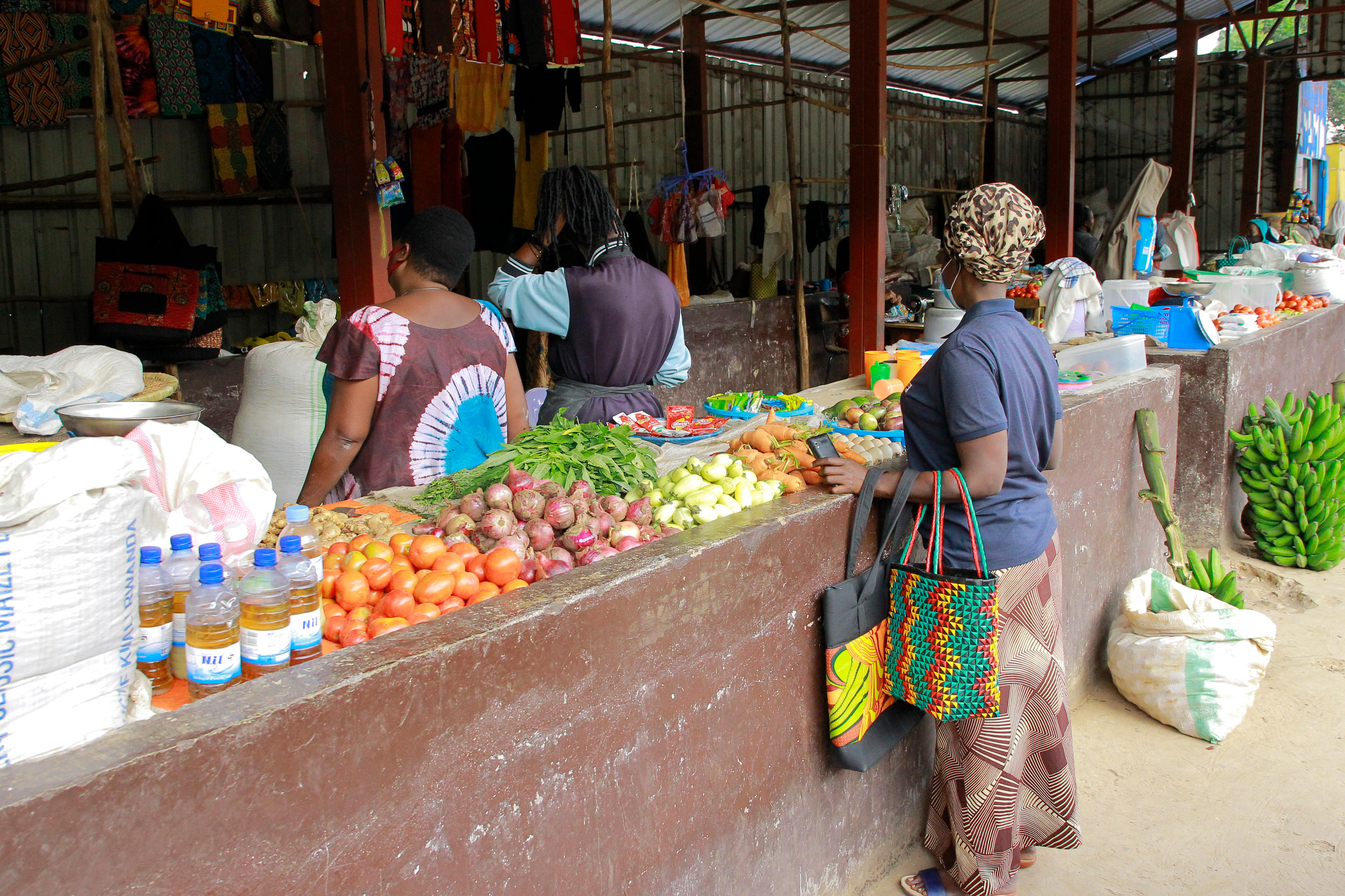
According to the FAO, the Food Price Index for 2024 stood at 122 points, 2.6 points lower than the 2023 average.
Despite a general upward trend in most food categories—such as dairy, meat, and vegetable oils—this increase was not enough to counterbalance the declines in cereals and sugar.
The FAO Cereal Price Index saw a notable decrease of 13.3% in 2024 compared to 2023, while the Sugar Price Index dropped by 13.2% year-on-year.
The report attributes the decline in cereal prices to falling wheat and coarse grain prices, which had a major impact on the overall food price landscape.
The funding is designed to strengthen the private sector while fostering sustainable economic growth in line with Rwanda’s Vision 2050, which emphasizes building a competitive and environmentally sustainable economy.
A key focus of the project is to promote green investments that balance economic progress with environmental preservation.
This includes supporting Rwanda’s climate goals, such as reducing greenhouse gas emissions by 38% by 2030.
Additionally, the funds will help Rwanda prepare for the global carbon market, an innovative platform where emissions reductions can be traded for financial benefits. Such efforts provide opportunities for countries like Rwanda, disproportionately affected by climate change, to secure investments from industrialized nations.
The initiative also prioritizes inclusive growth by targeting support for women-led businesses and small enterprises.
As Rwanda works toward achieving middle-income status by 2035, this investment is seen as a vital step in empowering the private sector to drive national development.
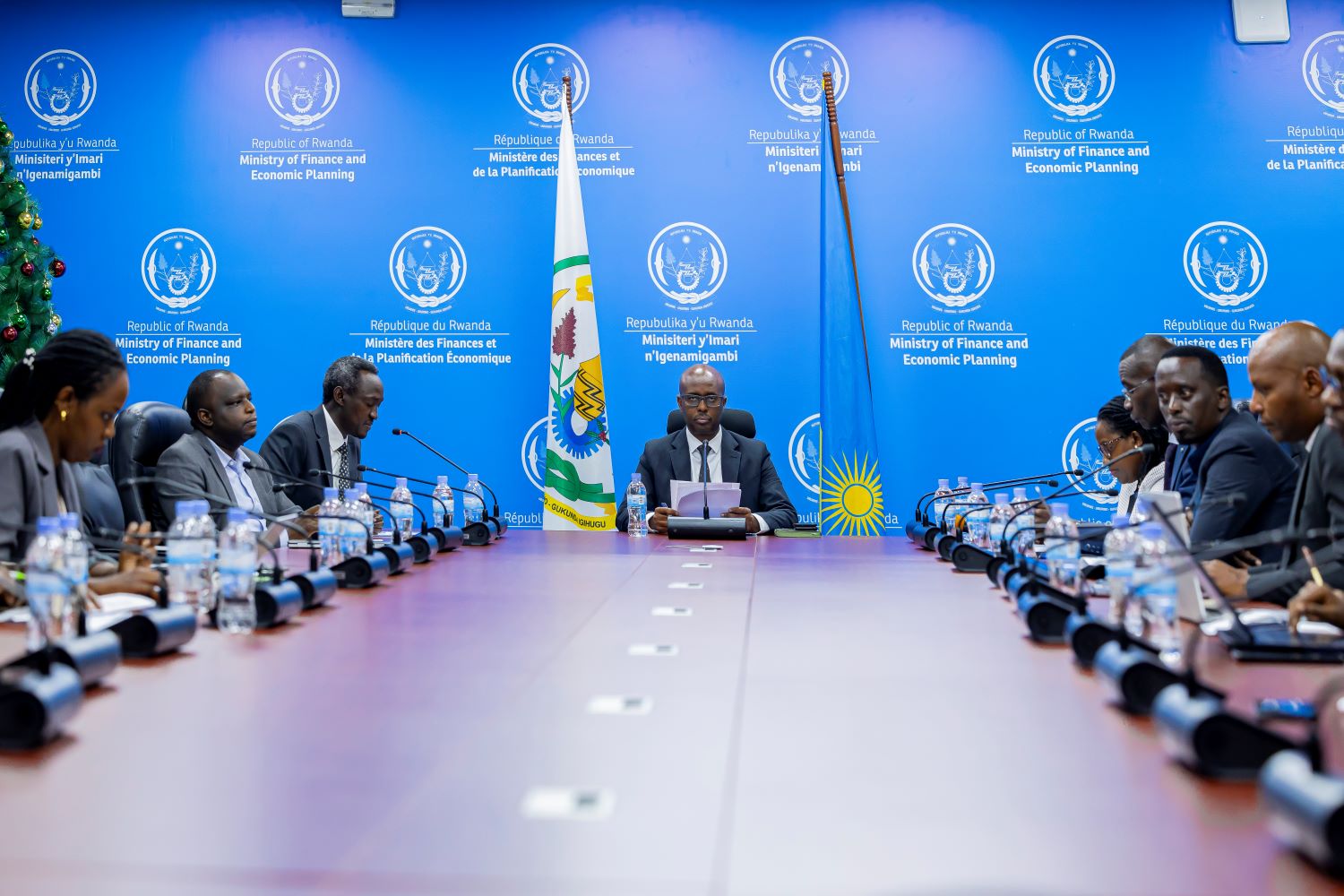
NISR Director General Ivan Murenzi announced the statistics during a joint press conference with the Minister of Finance and Economic Planning, Yusuf Murangwa, on Tuesday, December 17, 2024.
The growth was primarily driven by strong performances in the services and industry sectors, signalling continued economic resilience.
DG Murenzi highlighted that the country’s GDP at current market prices is estimated at Frw 4.806 trillion, a notable increase from Frw 4.246 trillion in Q3 of 2023. The services sector maintained its dominance, contributing 49% to GDP, while agriculture and industry accounted for 24% and 20% respectively.
Rwanda’s Q3 performance builds on earlier successes in Q1 (9.7%) and Q2 (9.8%), bringing the average growth for the first nine months of 2024 to 9.2%.
The services sector emerged as the top performer in Q3, recording a 10% growth. Significant growth within the sector was observed in wholesale and retail trade (19%), hotels and restaurants (17%), financial services (15%), and information and communication services (19%). Additionally, public administration activities increased by 10%, further contributing to the sector’s overall performance.
The industry sector experienced notable growth of 8%, primarily fueled by a significant 26% increase in mining and quarrying activities. Within this segment, exports of key minerals recorded substantial gains, with Coltan exports rising by 42%, Cassiterite exports growing by 27%, and Wolfram exports increasing by 15%.
Manufacturing also showed positive results, particularly in the production of chemicals, rubber, and plastic products, which increased by 20%, while metal products and machinery grew by 14%. However, food processing experienced a slight decline of 1% compared to its strong growth of 16% in Q3 of 2023.
The agriculture sector reported a 4% growth, driven by a 16% increase in export crop production, particularly coffee exports, which surged by 22%. On the other hand, tea production faced a decline of 10% during the period.
The funding was approved by the Executive Board of IMF following the completion of the fourth reviews under the Policy Coordination Instrument (PCI) and the Resilience and Sustainability Facility , as well as the second review under the Standby Credit Facility.
These reviews confirm that Rwanda has made significant progress in areas like fiscal consolidation, inflation control, and climate policy integration.
According to the IMF, Rwanda’s economy grew by 8.2% in 2023, driven by strong performance in services, construction, and a recovery in food crop production.
For 2024, the IMF projects growth will remain strong at 8.3%, with a slight decrease to 7% expected in 2025. Growth is projected to remain steady at 7% in 2026, with an increase to 7.2% in 2027 and a further rise to 7.3% in 2028 and 2029.
Despite a positive growth outlook, external challenges, including inflation and a widening current account deficit, have been a concern.
In 2023, inflation rose to 14%, but the IMF projects that, starting in 2024 and continuing through 2029, inflation will stabilize at around 5%.
This is in line with Rwanda’s strong monetary policies and efforts to keep inflation within the central bank’s target range.
The funding will be vital for maintaining Rwanda’s macroeconomic stability and ensuring fiscal sustainability. It will also help the government accelerate domestic revenue mobilization, which is key to expanding fiscal space and improving Rwanda’s ability to respond to economic shocks.
Additionally, the funding will support further reforms aimed at increasing public investment efficiency, reducing fiscal risks from state-owned enterprises (SOEs), and managing financial sector stability.
The IMF has also recognized Rwanda’s progress in integrating climate considerations into its economic policies.
By establishing frameworks to attract climate financing, Rwanda is positioning itself to address climate challenges and promote sustainable investment. The government is developing a green project pipeline to help attract additional climate resources, enhancing the overall impact of the funding.
Mr. Bo Li, IMF Deputy Managing Director, highlighted Rwanda’s economic resilience, noting its strong growth in key sectors and effective monetary policies.
However, he emphasized the continued need for fiscal reforms, improved revenue mobilization, and oversight of state-owned enterprises to ensure long-term economic stability.
He also praised the country’s work in advancing its climate policy, positioning Rwanda as a leader in integrating climate goals with economic development.
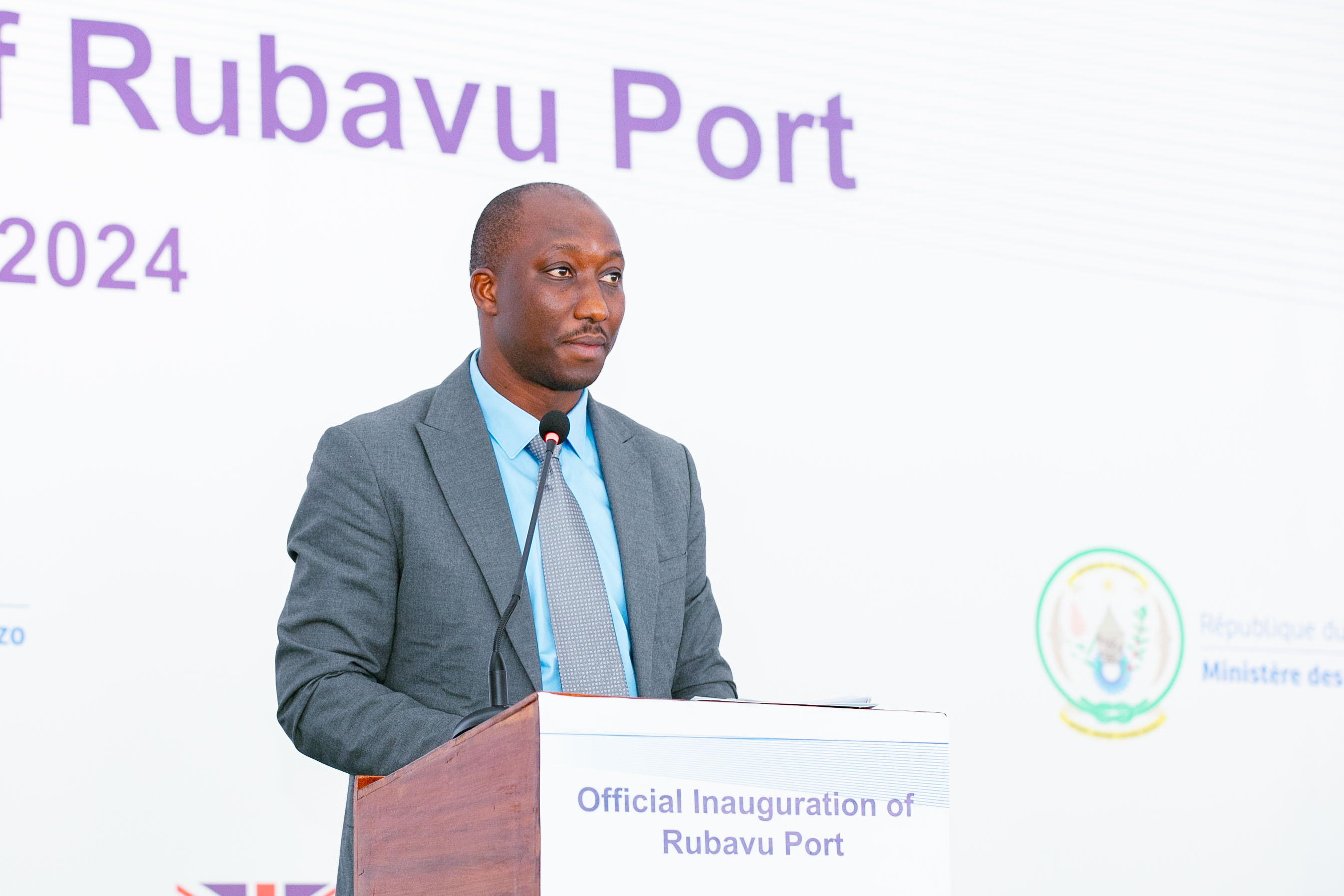
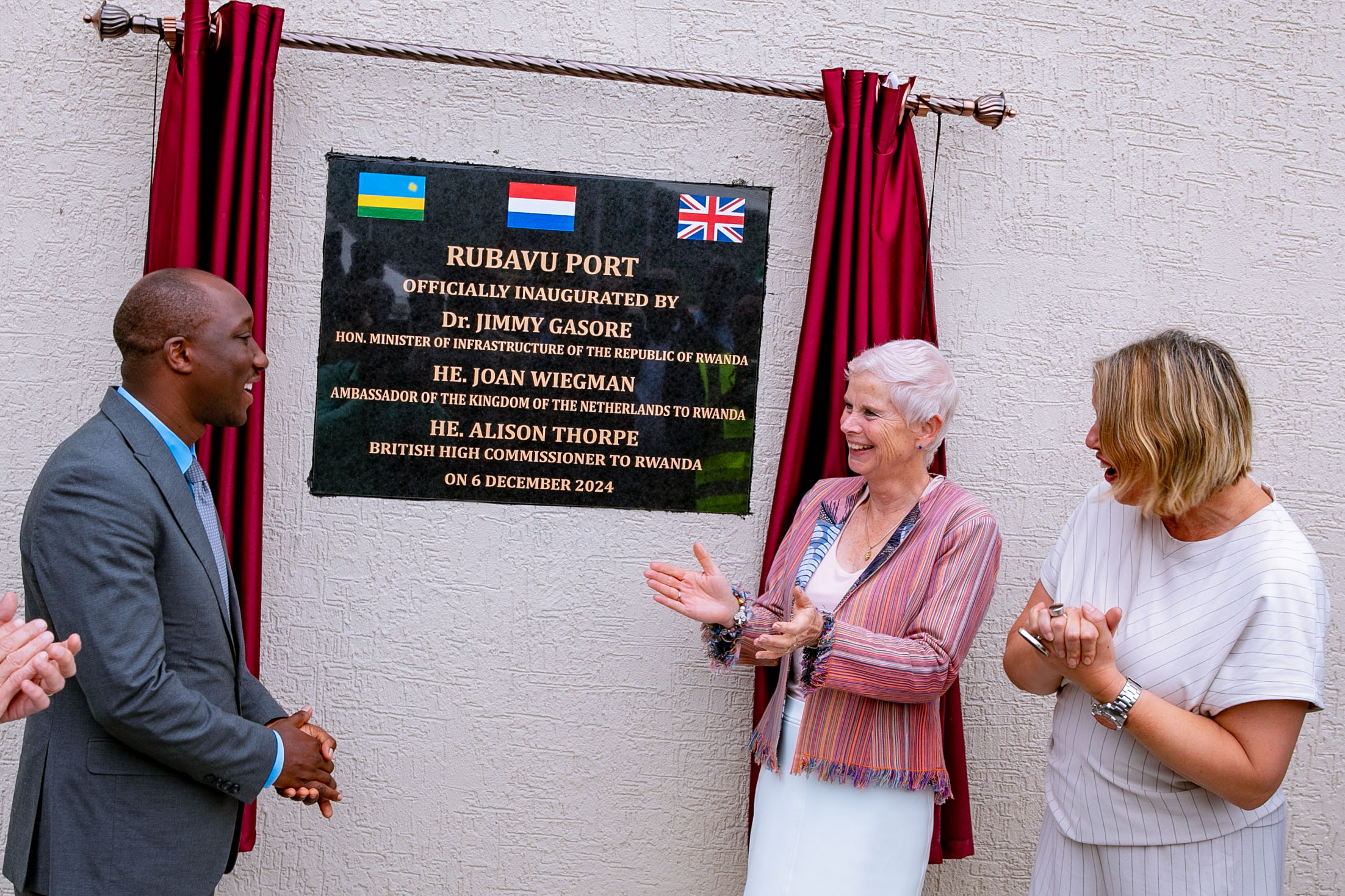
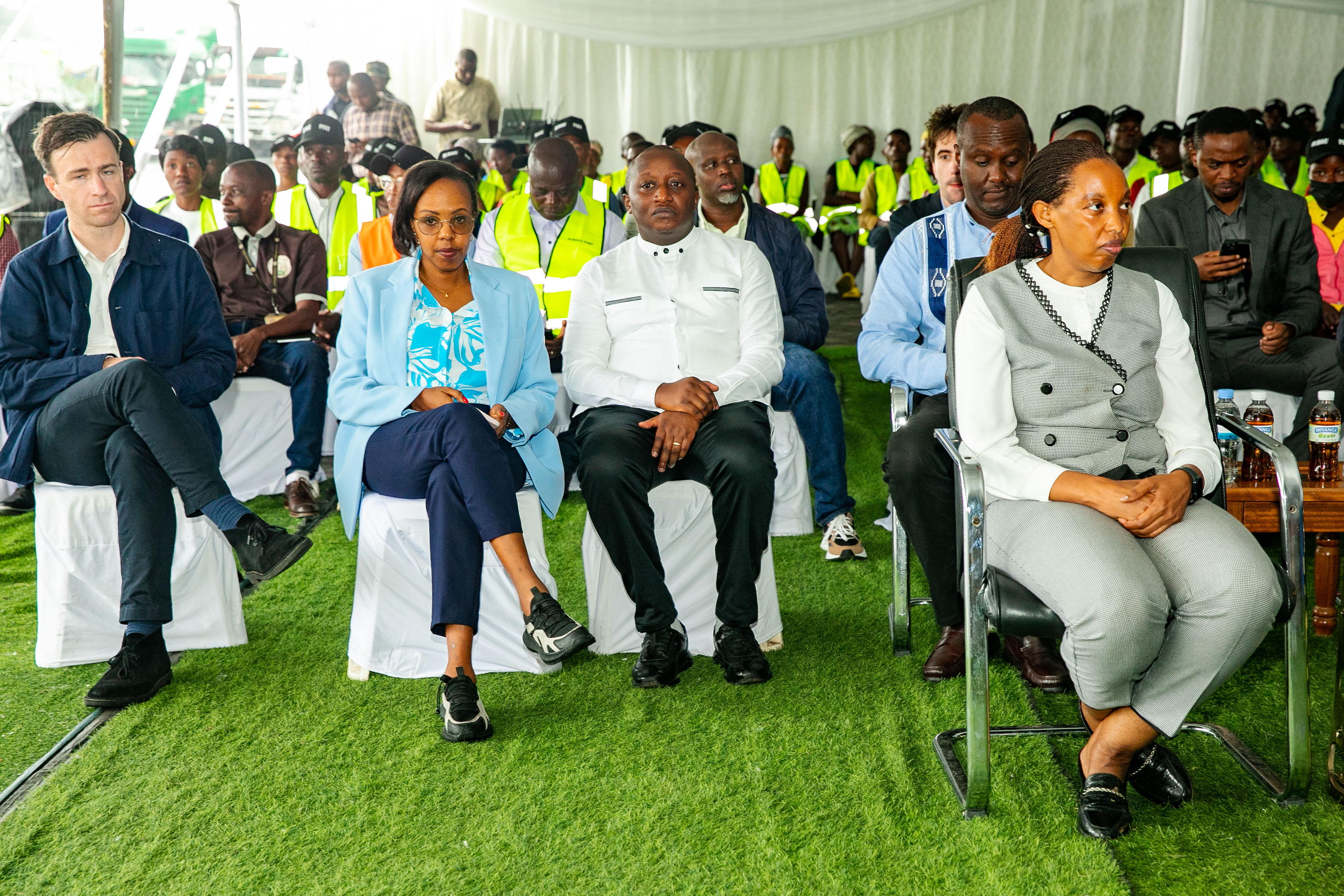
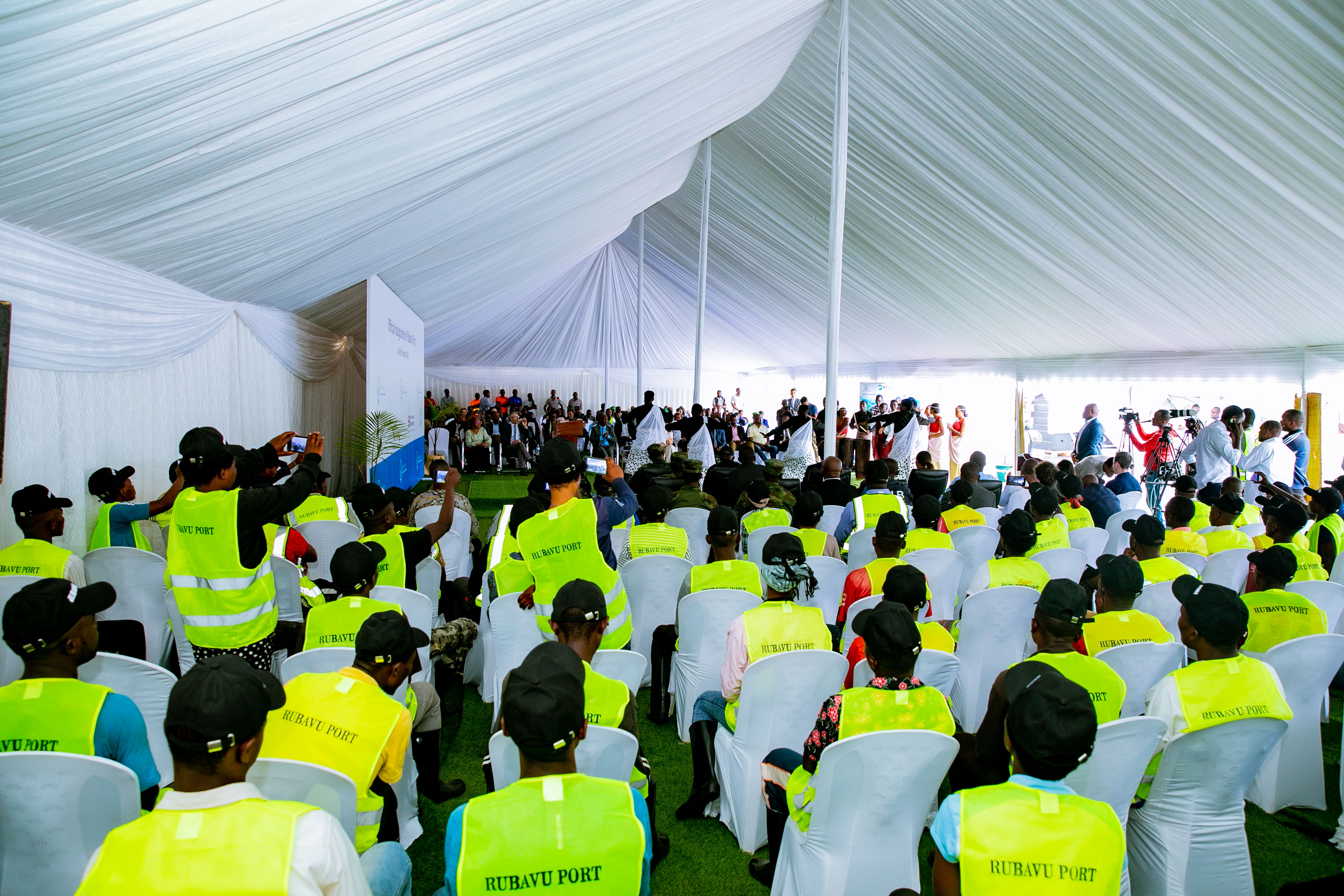
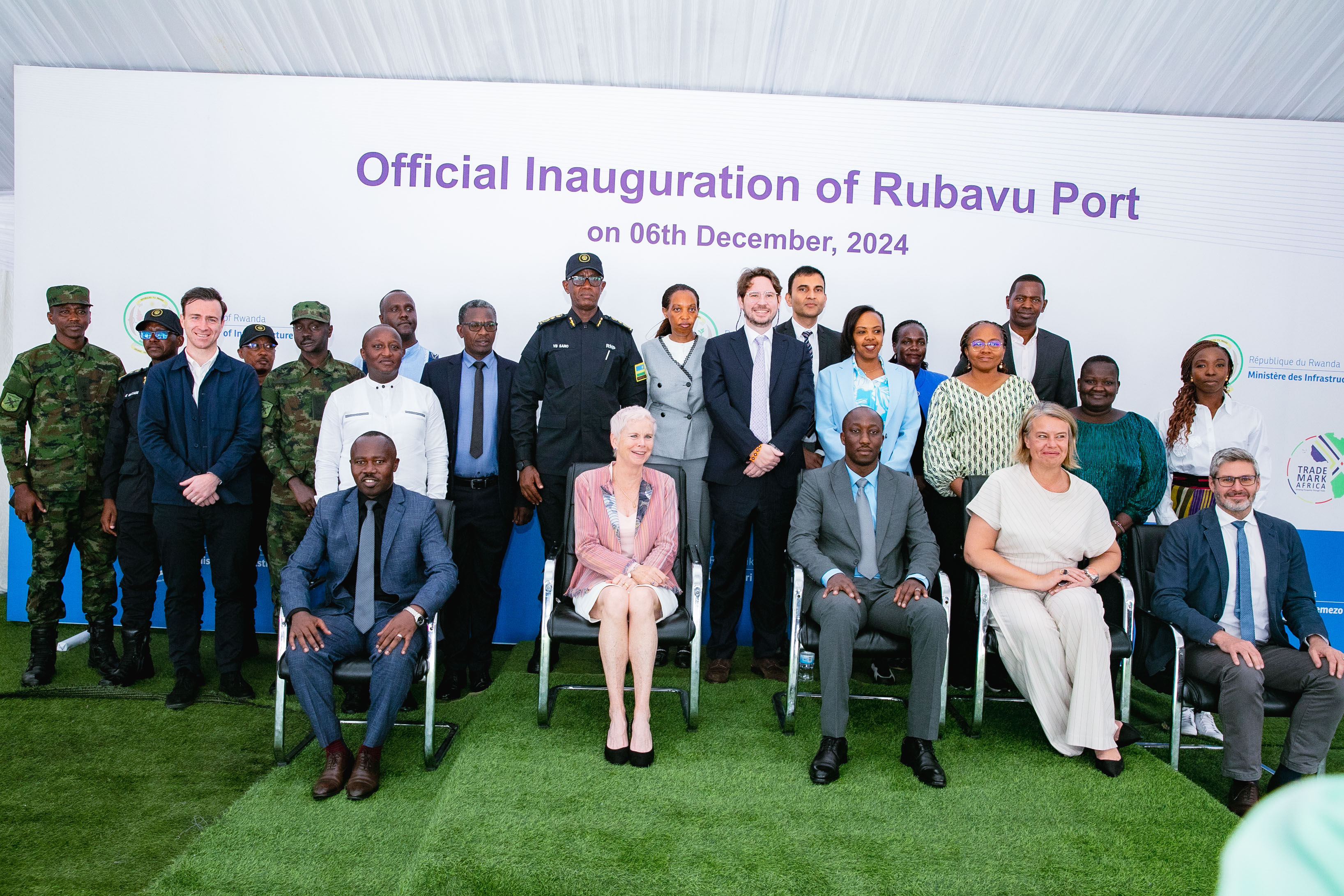
The state-of-the-art facility, located in the Nyamyumba Sector of Rubavu District, was opened on Friday, December 6, 2024, during a ceremony graced by Rwanda’s Minister of Infrastructure, Jimmy Gasore, alongside Joan Wiegman, Ambassador of the Netherlands to Rwanda, and Alison Thorpe, UK High Commissioner.
The port is poised to revolutionize trade and connectivity, particularly between Rwanda and the Democratic Republic of Congo (DRC).
Speaking at the launch, Dr. Gasore hailed the port as a “key milestone” in Rwanda’s commitment to sustainable economic growth and regional integration. He emphasized that Rubavu Port would play a pivotal role in improving community livelihoods by boosting trade and creating job opportunities.
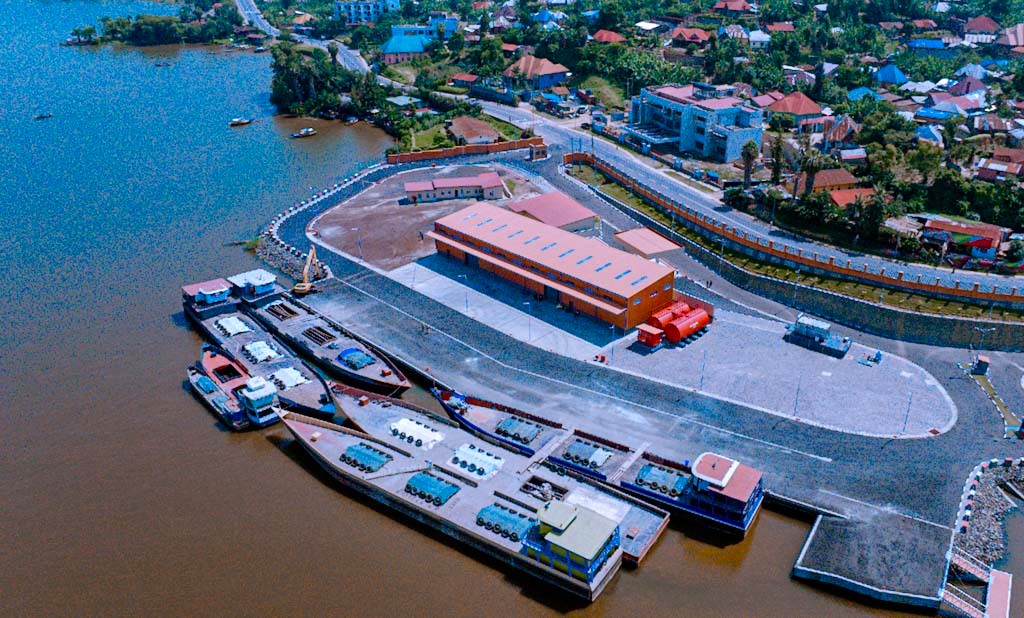
Rubavu Port boasts impressive capabilities, with a capacity to handle 700,000 tons of cargo and 2.7 million passengers annually. The two-hectare facility includes cargo and passenger terminals, a wastewater treatment plant, a petrol station, and accommodations for staff.
Since its pilot phase began in June 2024, the port has been fully operational, with traders already benefiting from its modern infrastructure. The facility also provides significant employment opportunities for Rubavu residents, engaging cooperatives of porters to load and unload cargo.
Rubavu Port operates as a One-Stop Border Post, offering seamless services from agencies such as the Rwanda Transport Development Agency (RTDA), Rwanda Revenue Authority, and Rwanda National Police Marine Unit. Beyond facilitating trade, it caters to tourists exploring the scenic attractions of Lake Kivu in Rwanda’s Western Province.
The port is part of the broader National Strategic Transformation (NST1) plan, which includes the construction of three additional ports on Lake Kivu—Rusizi, Karongi, and Nkora. Once completed, these ports are expected to further ease the transport of goods and passengers, solidifying Rwanda’s position as a regional trade hub.
According to the National Institute of Statistics, the DRC is Rwanda’s second-largest export destination, with $16.2 million worth of goods exported in June 2024 alone.
Traditionally reliant on land routes, the launch of Rubavu Port marks a significant shift toward utilizing Lake Kivu for maritime trade, unlocking new opportunities for regional economic integration and growth.
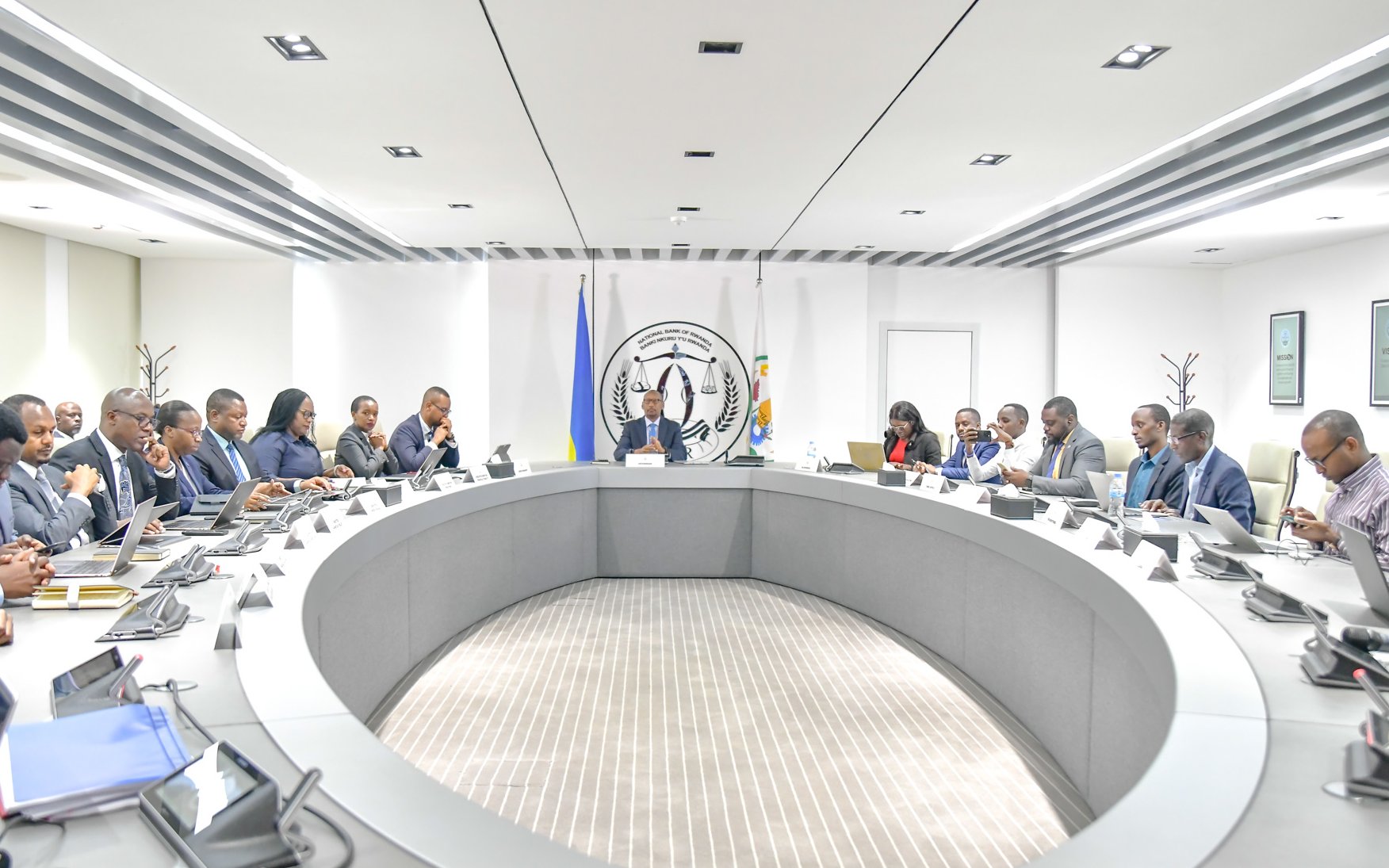
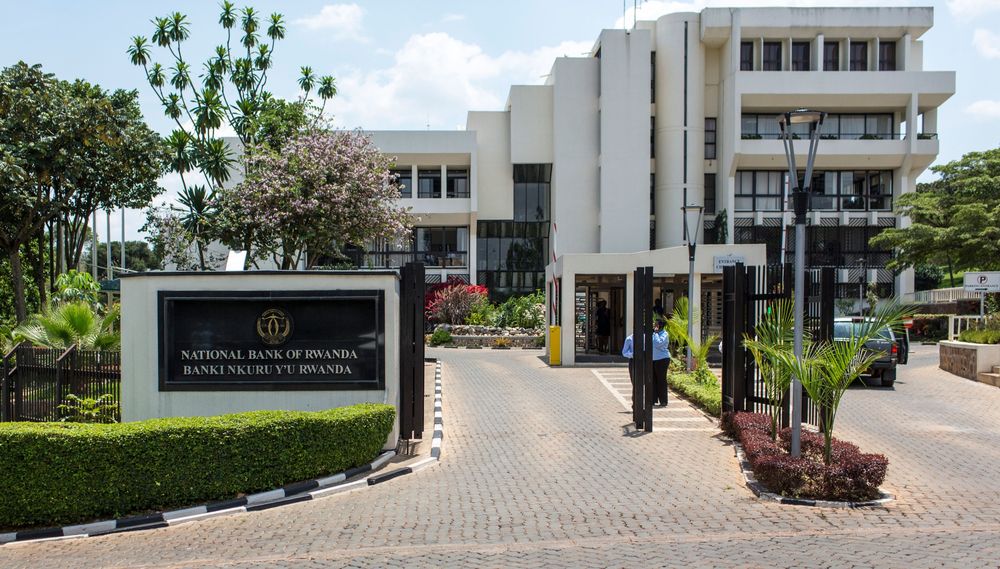
Central Bank Governor John Rwangombwa made the announcement following a meeting of the Monetary Policy Committee (MPC) earlier this week.
Addressing members of the press, Governor Rwangombwa noted that in the third quarter of 2024, headline inflation decreased to 4.1 percent, down from 5.1 percent in the second quarter, and is expected to remain within the target range, averaging around 4.6 percent for the year.
Looking ahead, the Central Bank revised its inflation projection for 2025 upwards, from 5.0 to 5.8 percent, due to expected pressures on food prices from unfavourable weather conditions.
“Due to unfavourable weather conditions this season, we expect the performance of maize and key agricultural products for Season A, beginning in December, to be less favourable than initially projected,” he explained.
The Governor also warned that the projections could be affected by various risks and shocks. Heightened global geopolitical tensions, including conflicts in the Middle East and between Ukraine and Russia, could create uncertainties around international commodity prices.
Looking at the components of inflation for the third quarter, core inflation decreased to 5.3 percent, down from 6.4 percent in the second quarter of 2024. This was mainly due to a reduction in food prices, including rice and sugar.
Energy inflation slightly increased, with the Central Bank Governor attributing the rise to the base effect of solid fuels.
“The prices were very low in the same quarter last year,” he noted.
Fresh food inflation decreased to 0.2 percent from 1.6 percent, due to strong agricultural performance in the first two quarters.
The decision to maintain the country’s benchmark lending rate at 6.5 percent is expected to make borrowing more affordable compared to last year, encouraging increased spending and investments.
This is according to a report by the World Bank and the Government of Rwanda, which highlights the state of the country’s economy and outlines the steps needed to achieve inclusive and sustainable development in alignment with the second National Strategy for Transformation (NST-2).
Gorilla trekking activities are expected to generate the most revenue for the tourism sector, at $200 million in 2024, followed by other leisure activities ($110 million), conferences ($90 million), visiting friends and relatives (VFR tourism/travel) ($86 million), business travel ($68 million), and revenue from other visitors ($46 million).
Nature-based tourism (NBT) is estimated to account for 80 percent of visitors entering Rwanda for leisure or conferences, playing a significant role in job creation, particularly by increasing formal jobs in rural communities near game parks.
The new report, titled Pathways to Sustainable and Inclusive Growth, was launched on Wednesday, November 13, 2024, in Kigali at a ceremony presided over by Prime Minister Édouard Ngirente.
According to the report, the rapid recovery and expansion of the tourism sector following the COVID-19 pandemic, which slowed the country’s biggest foreign exchange earner, is a key objective for the government.
The World Bank said that achieving this will require additional financial resources from the non-state sector to support fast-growing productivity gains.
The report further highlights Rwanda’s human capital as a cornerstone for achieving long-term growth. It recommends sustained investment in education, skills development, and healthcare. The authors of the report note that by nurturing a skilled and healthy workforce, Rwanda can unlock new growth potential across generations.
The report also emphasizes opportunities in nature-based solutions to address climate risks and advance the country’s development goals.
Prime Minister Ngirente expressed the government’s commitment to leveraging lessons learned from the study to address the challenges identified.
“Rwandans are eager for development, and our government is committed to pushing forward toward the aspirations of Vision 2050. Despite facing external shocks and challenges, even in difficult times, we are determined to keep moving forward,” the Prime Minister stated.
The Minister of Finance and Economic Planning, Yusuf Murangwa, affirmed that Rwanda’s impressive progress over the past years has laid a solid foundation for economic growth and social well-being.
“To achieve the ambitious targets set in NST-2, we must now prioritize enhancing productivity, fostering private sector engagement, and investing in our people. The CEM provides a strategic framework to address these priorities, guiding us toward a more inclusive and resilient economy,” he stated.
World Bank Country Manager, Sahr Kpundeh, emphasized the strength of the partnership between the Government of Rwanda and the World Bank, noting that the collaboration underscores a shared commitment to Rwanda’s vision for sustainable growth.
“The Rwanda Country Economic Memorandum (CEM) recommendations provide clear pathways to greater economic resilience and shared prosperity. With strategic policy adjustments, we are confident that Rwanda can foster a diversified economy that benefits all Rwandans,” Kpundeh stated.
The Consumer Prices Index (CPI) report, released on Sunday, November 10, 2024, shows that in October 2024, prices for food and non-alcoholic beverages decreased by 1% year-on-year but increased by 3.7% on a monthly basis.
Additionally, prices for housing, water, electricity, gas, and other fuels rose by 4.8% year-on-year and 0.8% month-on-month, while transport cost increased by 15.9% year-on-year but remained stable month-on-month.
Meat saw a price increase of 22.4% year-on-year, while milk, cheese and eggs, rose by 14.8%.
Prices of alcoholic beverages, tobacco, and narcotics rose by 5.6% annually, while clothing and footwear increased by 5.6%.
The data also indicate that prices for local products increased by 3.3% annually and 1.9% monthly, while imported products rose by 5.5% annually and 0.4% monthly.
Prices for fresh products increased by 0.8% year-on-year and 4.5% month-on-month, while energy prices rose by 1% annually and 0.3% monthly.
Excluding fresh products and energy, the ‘general index’ increased by 5.2% on an annual basis and by 0.7% monthly.
The Urban CPI, considered the primary measure of inflation in Rwanda, is calculated based on approximately 1,622 products across twelve urban centers. In contrast, Rural CPI decreased by 1.5% annually but rose by 2.5% on a monthly basis.
Overall, the national CPI increased by 0.5% year-on-year and by 2.1% month-on-month.
The funds will be made available to Rwanda upon the completion of an economic review by the IMF Executive Board in mid-December.
A team from the IMF concluded a two-week mission on Tuesday, October 22, 2024, to assess the country’s economic performance, praising its strong growth momentum despite external shocks.
The IMF team, led by Reuben Atoyan, stated that Rwanda’s real GDP is projected to grow by 8.3% in 2024. According to the IMF, this growth is driven by strong performances in the services and construction sectors, as well as a recovery in food crop production.
The team observed that despite external challenges, inflation remains under control, staying within the central bank’s target range of 2% to 8% due to favorable food prices and a tight monetary policy.
Atoyan highlighted that the 6.6% depreciation of the Rwandan Franc against the US dollar was a necessary measure for facilitating essential external adjustments, while international reserves stood at 4.5 months of prospective imports by mid-2024, providing a buffer against external shocks.
“Despite the challenging environment, macroeconomic policy performance through the end of June 2024 remained aligned with program objectives under the PCI/SCF arrangement. All quantitative targets were met, and reforms aimed at enhancing the transparency of public investments and strengthening foreign exchange market functioning are progressing well,” Atoyan stated.
The IMF representative emphasized the Rwandan government’s strong commitment to implementing climate-related reforms under the RSF arrangement, with measures for climate budget tagging, improving the climate resilience of public investments, adopting sustainability disclosure standards, and developing a green taxonomy on track for completion in the coming weeks.
The IMF team acknowledged that recurrent shocks in recent years have complicated the government’s goal of rebuilding policy buffers. Fiscal consolidation has progressed more slowly than anticipated, resulting in a continued increase in the public debt-to-GDP ratio.
However, the government has reiterated its commitment to fiscal prudence, focusing on concessional financing and advancing a medium-term revenue strategy to stabilize its fiscal position.
The purchase of the treasury bonds began on October 21 and will close on October 23, 2024.
Treasury bonds are a means used by the government to raise funds for national development activities.
Depending on the required funds, the government determines the value of the treasury bonds issued, which are also seen as investment opportunities for individuals looking to save for the long term.
When a person purchases treasury bonds, they are effectively lending money to the government, receiving interest. They will be reimbursed the amount they spent to buy the bonds when the maturity period ends.
The Rwandan government started the program to raise resources through treasury bonds in 2008.
In Rwanda, the main buyers of treasury bonds include financial institutions, insurance companies, and individual investors, who have increasingly participated in this market, especially after a major awareness campaign explaining their benefits that started in 2014.
The Rwandan government has also put significant effort into providing opportunities for treasury bondholders, as they can use them as collateral in banks to obtain loans that promote their development.