According to the National Institute of Statistics of Rwanda (NISR)’s September 2026 Index of Industrial Production, published in November 2026, the increase was driven largely by growth in electricity generation, mining and quarrying, and water and waste management.
The increase in the formal industrial sector was recorded across all four major activities monitored by NISR, with electricity registering the strongest annual growth of 15.5%, followed by mining and quarrying at 12% and water and waste management at 11.5%.
Manufacturing output grew by a more modest 0.4%, although some subsectors recorded stronger performance, including metal products, machinery and equipment, which increased by 6.1%.
Food processing and beverages and tobacco manufacturing also contributed to the growth, rising by 1.7% and 4.8%, respectively.
Despite the annual increase, manufacturing output declined by 8.1% compared to August 2026, while electricity production fell by 4.4% over the same period. Mining and quarrying, however, increased by 9.2% month-on-month.
The overall industrial output index rose by 0.9% between August and September 2026, while its annual average growth rate stood at 5.6%.
Electricity made the largest contribution to the annual increase in industrial output, accounting for 3 percentage points of the overall 7.2% growth.
Manufacturing contributed 2.4 percentage points, while mining and quarrying accounted for 1.6 percentage points.
Water and waste management contributed 0.2 percentage points. This increase in industrial output comes as the sector continues to play a significant role in Rwanda’s economic growth.
In June 2026, NISR reported that Rwanda’s Gross Domestic Product (GDP) reached Rwf6.346 trillion in the first quarter of 2026, up from Rwf5.276 trillion in the same period of 2025.
During the period, the economy grew by 10%, with industry accounting for 24% of GDP and registering growth of 13%.
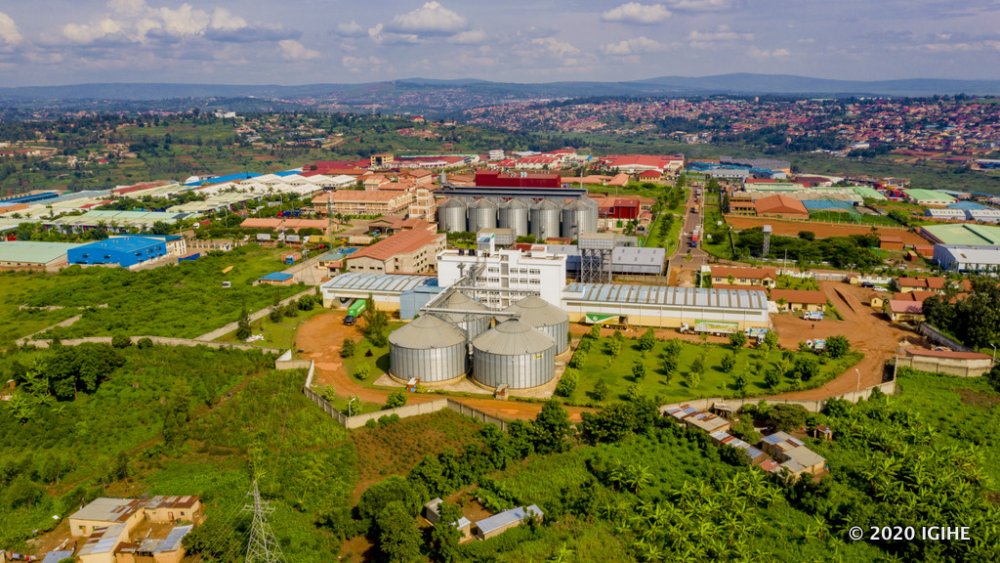
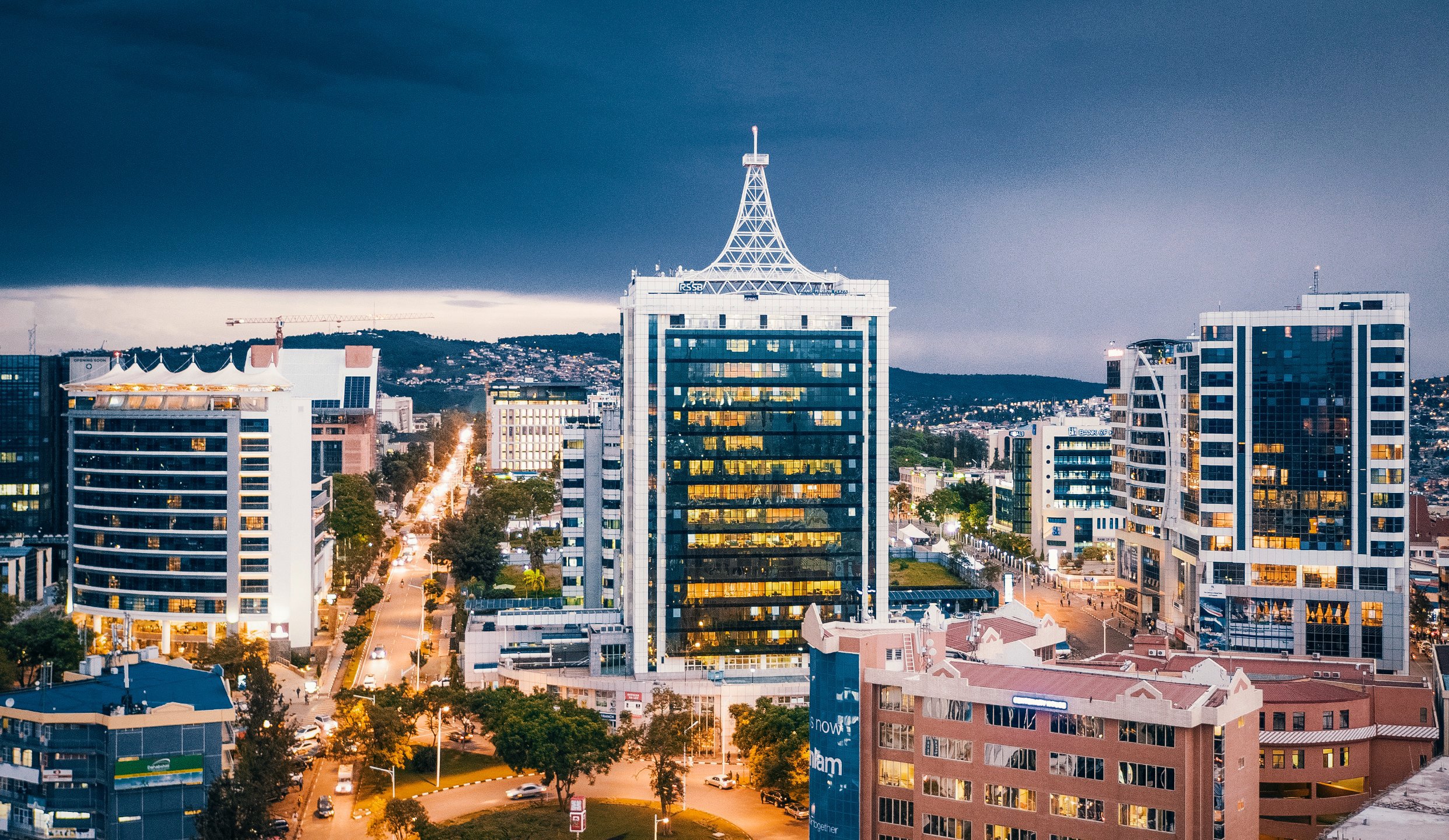
This photo shows the view of Kigali Special Economic Zone in Masoro, Gasabo District.
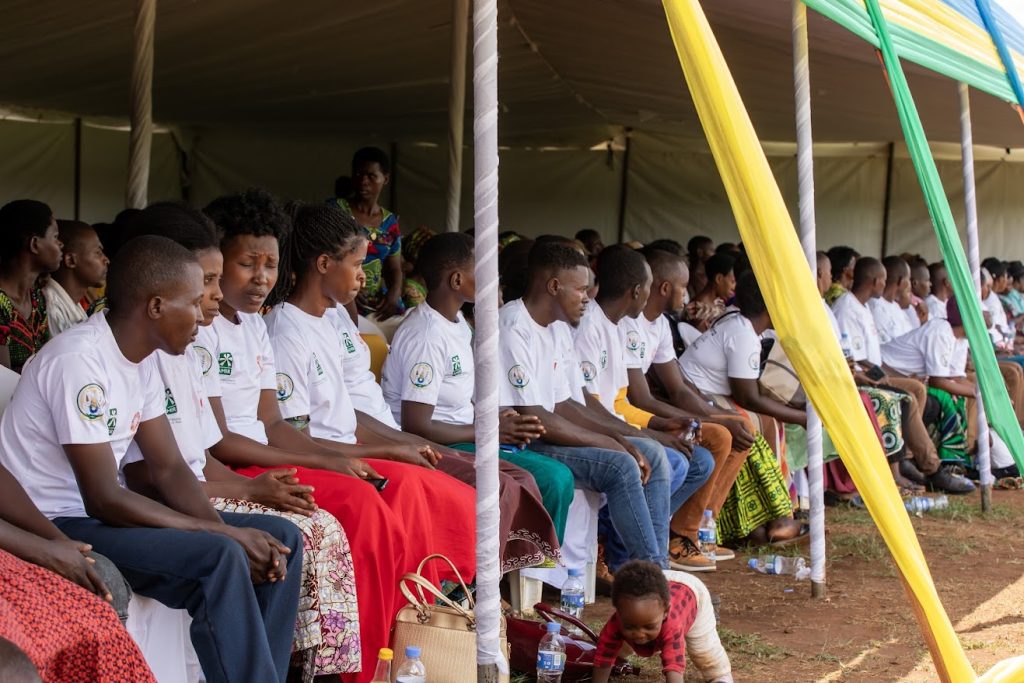
The figures were announced on Thursday, November 5, 2026, during celebrations marking International Savings Day in Mukarange Sector, Kayonza District, under the theme “Saving, the Foundation of Development”.
According to the 2024 FinScope survey, savings in Rwanda accounted for 12.4% of the country’s Gross Domestic Product (GDP), while the country aims to increase this share to 25.9% by 2029.
Hategekimana Cyrille, Director General of Banking and Non-Banking Services at MINECOFIN, said the culture of saving is gaining ground in Rwanda, with residents increasingly using different channels to set aside money.
He said collective savings schemes are the most widely used, followed by Umurenge SACCOs and the Ejo Heza scheme.
“Collective savings schemes are where most people save, followed by Umurenge SACCOs and Ejo Heza. At the Ministry of Finance and Economic Planning, we have so far registered more than 15,000 collective savings schemes, holding over Rwf54 billion in savings contributed by members. Umurenge SACCOs have more than 4.4 million members who have saved Rwf301 billion, showing that people understand the importance of saving,” he said.
Hategekimana added that savings under the Ejo Heza scheme have exceeded Rwf90 billion, describing the figures as evidence of progress in promoting a savings culture.
He urged residents to continue saving even when facing economic difficulties, including rising prices of goods and services.
“You should not save only when life is going well or when you have something left over. If prices have increased, you should find ways to increase your savings as well.
Saving should not stop. Work hard to sustain your livelihood, but also save as much as possible so that you can cope when difficulties arise,” he said.
Residents and officials attended celebrations marking International Savings Day in Mukarange Sector, Kayonza District, on November 5, 2026.
Rising prices weigh on household savings
Despite the overall growth in savings, some residents say rising food prices and the cost of other essential goods have forced them to reduce the amounts they regularly put aside.
Figures from the National Institute of Statistics of Rwanda (NISR) show that market prices increased by 17.2% in September 2026 compared with September 2025, up from an annual increase of 15.7% recorded in August 2026.
Rumenerangabo Jean Paul, a resident of Mukarange Sector, said rising food prices had forced him to halve his weekly savings contribution, from Rwf10,000 to Rwf5,000.
He explained that although he remains committed to saving, the cost of supporting his family has increased, leaving him with less money to put aside.
Nyirahabimana Deborah, a resident of Gahini Sector, also said poor agricultural yields during the previous farming season had affected her ability to save.
A member of a collective savings scheme, she said her weekly contribution had fallen significantly and that there were times when she could not contribute at all.
“I used to save Rwf2,000 every week, but things have become difficult, so I now save Rwf500. Sometimes I cannot even manage that. What we need is rain so that we can plant and get a good harvest,” she said.
Sekera Alex, a resident of Nyamirama Sector, said rising market prices remain one of the biggest obstacles to maintaining a savings culture.
He explained that much of the money households earn goes towards buying food and meeting other daily needs, leaving little to save.
Eastern Province Governor Pudence Rubingisa said prolonged dry conditions in several parts of the province, particularly Mwiri, Ndego and Nasho sectors, had affected agricultural production.
He said authorities are seeking long-term solutions, including encouraging farmers to grow crops that can withstand changing weather conditions and mature within shorter periods.
“The solutions are available. When we encounter these conditions, they should not take us by surprise because they occur every year. We need to prepare by identifying crops that can withstand climate variability. There are cassava varieties, sweet potato vines and bean seeds that mature quickly and can withstand drought. We should avoid planting crops that require a lot of rainfall,” he said.
Rubingisa added that the Government has started implementing irrigation projects in areas frequently affected by drought to help farmers improve production.
He also said efforts are underway to promote other income-generating activities so that household livelihoods do not depend solely on agriculture, which is vulnerable to weather conditions.
Meanwhile, figures from the National Bank of Rwanda (BNR) show that deposits held by Rwandans in banks and other financial institutions reached Rwf8 trillion in June 2026, up from Rwf7 trillion in June 2025.
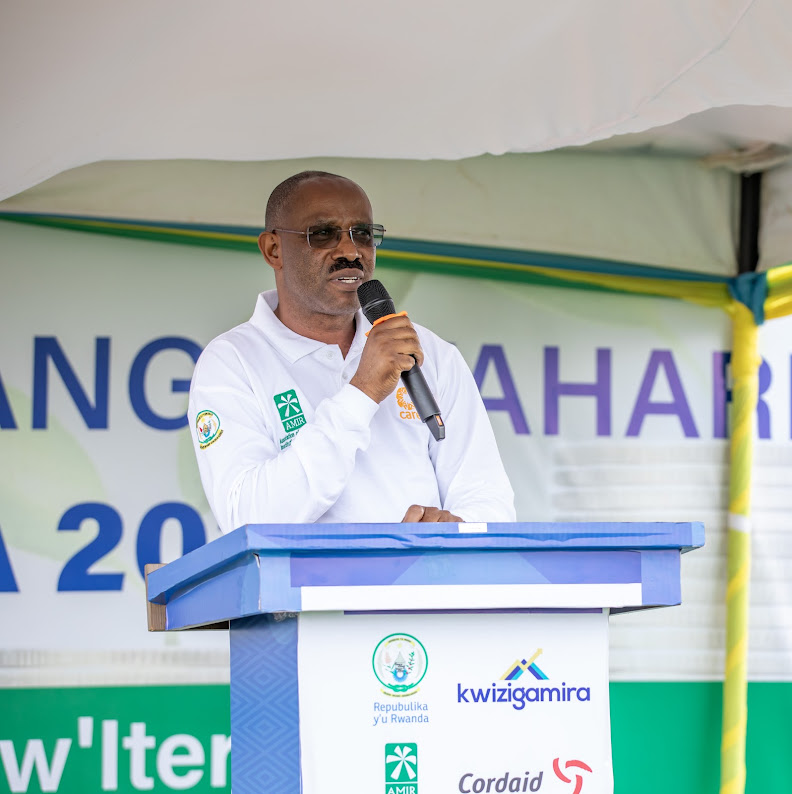
Hategekimana Cyrille, Director General of Banking and Non-Banking Services at MINECOFIN, says more than 15,000 registered collective savings schemes in Rwanda hold over Rwf54 billion contributed by their members.Eastern Province Governor Pudence Rubingisa says the Government is promoting drought-resistant crops and irrigation projects to help farmers cope with changing weather conditions and improve agricultural production.Umurenge SACCOs have attracted more than 4.4 million members who have collectively saved Rwf301 billion, reflecting the growing use of community-based financial services in Rwanda.
While raising the forecast for merchandise trade growth, the WTO’s latest Global Trade Outlook and Statistics report lowered the outlook for commercial services trade in 2026 over the impact of the Middle East conflict.
The forecast for services trade volume growth in 2026 has been revised down to 3.3 percent from 4.8 percent in March.
In 2027, growth rates in volume terms for merchandise and services trade are expected to rise to 4.1 percent and 6.4 percent, respectively, depending on a timely resolution of the Middle East conflict, the report said.
In the report, the WTO projected global GDP growth at 2.6 percent and 2.9 percent in 2026 and 2027, respectively.
WTO Director-General Ngozi Okonjo-Iweala said the figures “reflect trade resilience in action.”
Meanwhile, WTO Deputy Director-General Johanna Hill told a press conference held on the same day that while the system has proven resilient, that does not necessarily mean it is robust.
“Vulnerabilities remain, and WTO members are working to address them. Strengthening the multilateral trading system will help ensure that the global economy is better equipped to deal with future shocks.”
According to the report, merchandise trade volume grew by 3.5 percent in the first half of 2026, exceeding expectations despite the disruption caused by the Middle East conflict.
The performance reflected the ability of supply chains to adapt to shocks affecting energy, fertilizer and transport markets, the report noted.
The report showed that crude oil exports from the Middle East fell by roughly 24 percent and liquefied natural gas (LNG) exports by 47 percent in the first half of 2026. But increased shipments from other suppliers helped limit the decline in global exports to around 6 percent for crude oil and just 1 percent for LNG. Fertilizer markets also adjusted despite severe disruption, the report said.
Another factor contributing to the higher merchandise trade growth forecast is “a stronger-than-expected” surge in AI-related capital investment, said the report.
In the first half of 2026, AI-enabling goods such as semiconductors and servers accounted for 47 percent of global merchandise trade growth, with trade in these products up 67 percent year-on-year, accelerating from already rapid growth in 2024 and 2025.
As the Middle East conflict disrupted transport and travel services, services trade growth slowed from 14 percent year-on-year in value terms in the first quarter of 2026 to 10 percent in the second quarter, the report showed.
It noted that other services, especially digitally delivered services such as computer and financial services exports, remained resilient and continued to support overall services trade growth.
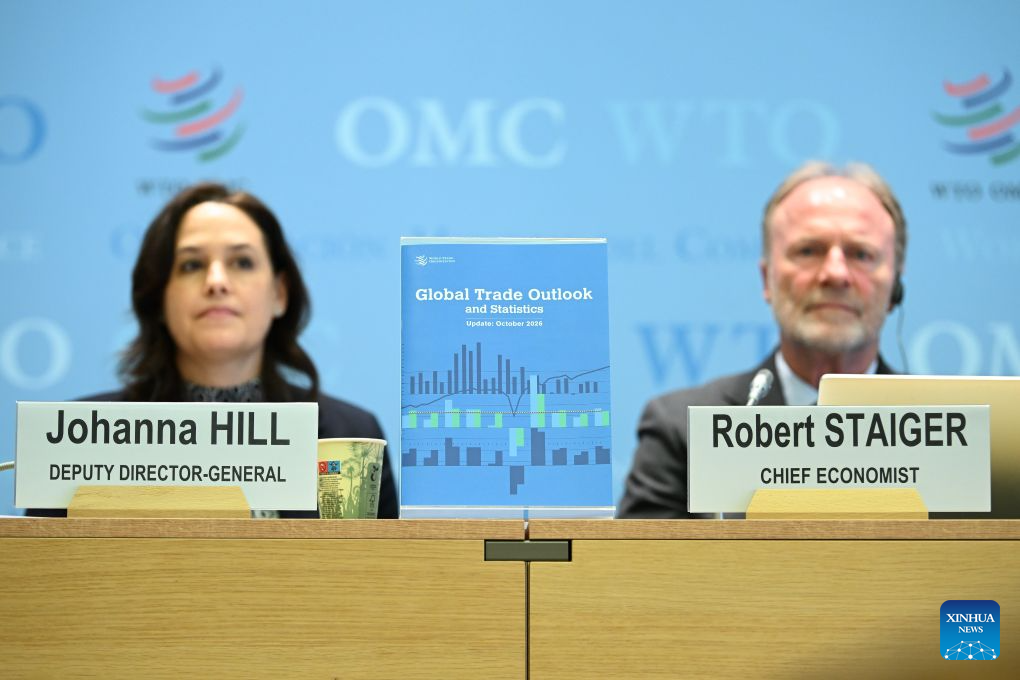
A copy of the World Trade Organization (WTO)’s latest Global Trade Outlook and Statistics report is pictured during a press conference at the WTO headquarters in Geneva, Switzerland, Oct. 8, 2026.
Three decades ago, electricity in Rwanda was scarce. In the mid-1990s, only about 1% of households were connected, and outages were frequent. Today, that picture has changed dramatically. By 2025, electricity access has surpassed 85% of households (almost 100% in urban areas and 60~70% in rural areas), supporting urban development, industrial growth, and improved living standards across the country.
This transformation has been driven first and foremost by Rwanda’s strong national vision and leadership, implemented through institutions such as the Ministry of Infrastructure (MININFRA), Rwanda Energy Group (REG), EDCL, and EUCL. Over the past 20 years, JICA has supported these efforts by providing not only financing but also technical expertise and long-term capacity development.
Two decades of partnership and progress
Since the early 2000s, JICA’s cooperation with Rwanda has evolved alongside the country’s needs. Rather than focusing solely on short-term infrastructure delivery, JICA has taken a long-term approach—strengthening both infrastructure and human capacity to ensure sustainable power supply.
Between 2011 and 2020, JICA implemented a three-phase project to upgrade Rwanda’s substations and distribution infrastructure:
Phase I (2011-2014) focused on rehabilitating substations and expanding networks in key areas such as Kigali, Huye, Musha, and Rwinkwavu, addressing voltage instability and system losses.
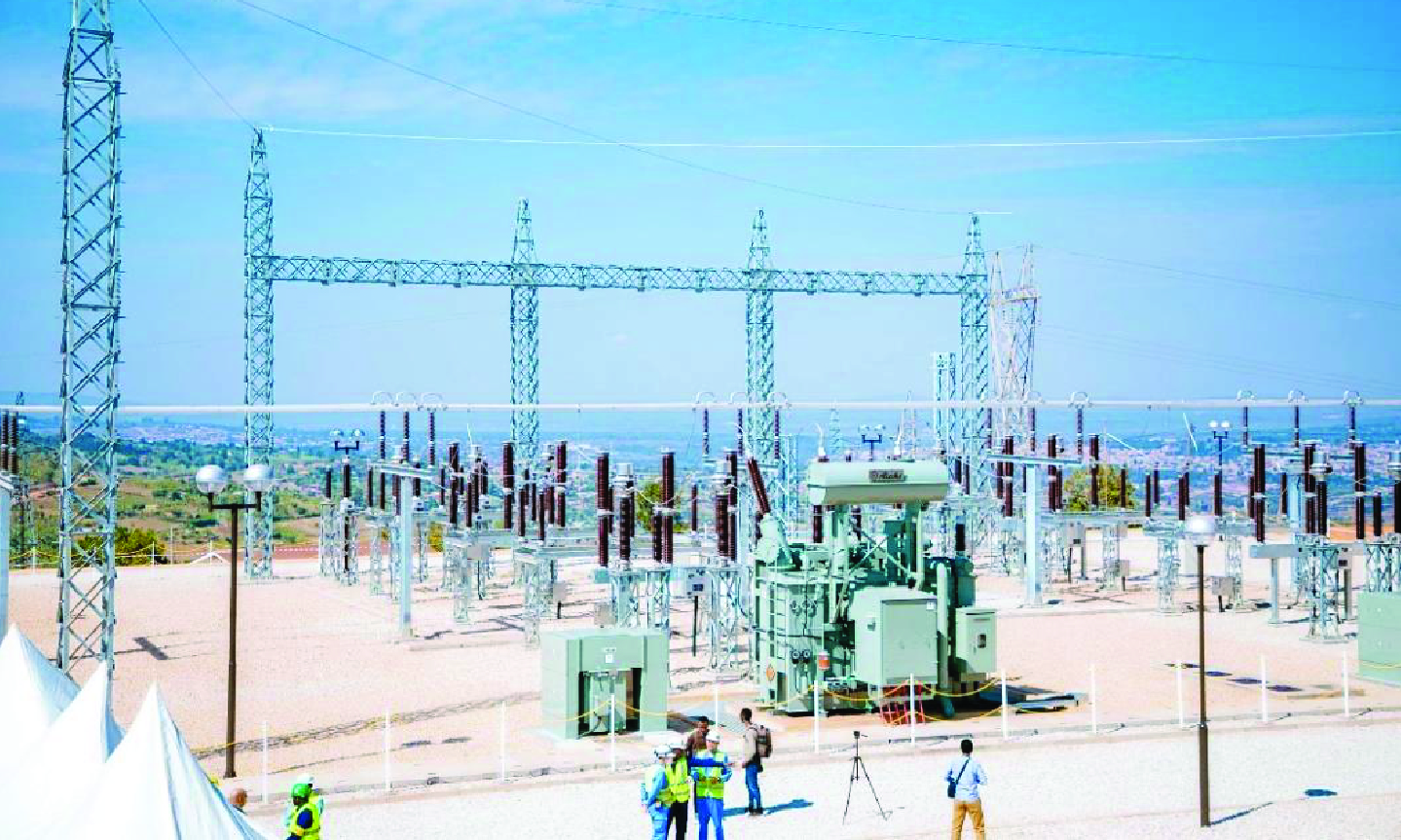
Phase II (2016-2018) introduced new infrastructure, including the Ndera substation and transmission lines, to meet growing demand in high-consumption zones like the Kigali Special Economic Zone.
Phase III (2018-2022) further strengthened the system through the construction of the Gasogi substation and additional distribution facilities.
The Ndera Substation Project, involving the construction of a new substation and 20 km of distribution lines.
These investments came at a critical time, as Rwanda’s electricity demand was rising by roughly 10% annually and urban centers were expanding rapidly.
In Huye, electricity demand grew rapidly in tandem with the population increases of the 2000s and 2010s. However, much of Huye’s distribution infrastructure at the time had been built in the 1980s. Equipment deterioration and aging had progressed significantly, and because the specifications were older than those of other developing cities, spare parts were difficult to obtain. This meant that any malfunction could potentially trigger a large-scale power outage.
The Project for Improvement of Substations and Distribution Network (Phase I), launched in 2011, carried out rehabilitation and upgrades of substations in Kigali, Gikondo, and Birembo at the heart of Rwanda; Musha in the Eastern Province—which encompasses the Rwamagana district where an industrial park development plan was advancing; and the Rwinkwavu substation serving tourism facilities in and around Akagera National Park. In addition, the project extended and upgraded the distribution networks in Kigali City and Huye District.
This project improved the distribution network and made the line standards similar to those used in other cities. As a result, power outages were reduced, and the electricity supply became more stable and reliable.
Jean Paul Karinganire, an engineer involved in the projects, explains how system upgrades transformed operations:
“The new substations improved flexibility by separating feeders. In the past, a fault in one line could disrupt electricity for many users. Now, faults can be isolated, and maintenance can be done without affecting the entire network.”
Reliability that supports growth
At the same time, JICA’s emphasis on “knowledge transfer” has ensured that these systems are effectively managed. Engineers trained through JICA’s technical assistance are now leading operations across Rwanda, maintaining infrastructure and responding to technical challenges with growing expertise.
Impact beyond infrastructure
While substations and transmission lines are often invisible to the public, their impact is deeply felt in daily life.
Reliable electricity has improved healthcare services, particularly at night, created better learning environments for students, expanded digital connectivity, and made communities safer and more productive.
Economic benefits are equally evident. Small businesses—such as salons, welding workshops, and carpentry services—can operate longer and more consistently. Larger industries benefit from fewer interruptions, reduced equipment damage, and increased efficiency.
The expanded capacity provided by projects like the Gasogi substation has supported electricity access for homes, schools, hospitals, hotels, and industrial facilities—helping create jobs and expand economic opportunities.
Building for the future
As Rwanda’s energy system becomes more complex, the importance of technical expertise continues to grow. Over the past 20 years, JICA has contributed not only infrastructure, but also systems for planning and management, including GIS-based tools and improved maintenance practices.
Crucially, these solutions have been adapted to Rwanda’s specific context.
“Japan’s approach is not to replicate, but to adapt,” JICA officials note. “By aligning with Rwanda’s priorities, we ensure long-term sustainability and relevance.”
A Ministry of Infrastructure official stated, highlighting the dual importance of investment and skills development:
“Rwanda’s progress has been driven by national leadership, but partnerships like this have strengthened the technical foundation needed to sustain that progress.”
A milestone and a continuing journey
Over the past two decades, JICA has contributed to Rwanda’s development in many ways, with its impact visible across the country—in upgraded substations, in trained engineers, and in the growing reliability of the electricity network.
But perhaps most importantly, they can be seen in everyday life: in homes illuminated after sunset, in businesses operating without disruption, and in communities increasingly connected to opportunity.
Rwanda’s energy transformation is far from complete. Demand continues to rise, and new challenges lie ahead. Yet the past two decades have demonstrated the value of sustained, collaborative partnership.
As Rwanda advances and modernizes its energy sector, JICA’s two-decade partnership reflects a shared journey—supporting Rwanda’s efforts to strengthen infrastructure and drive long-term growth and resilience.
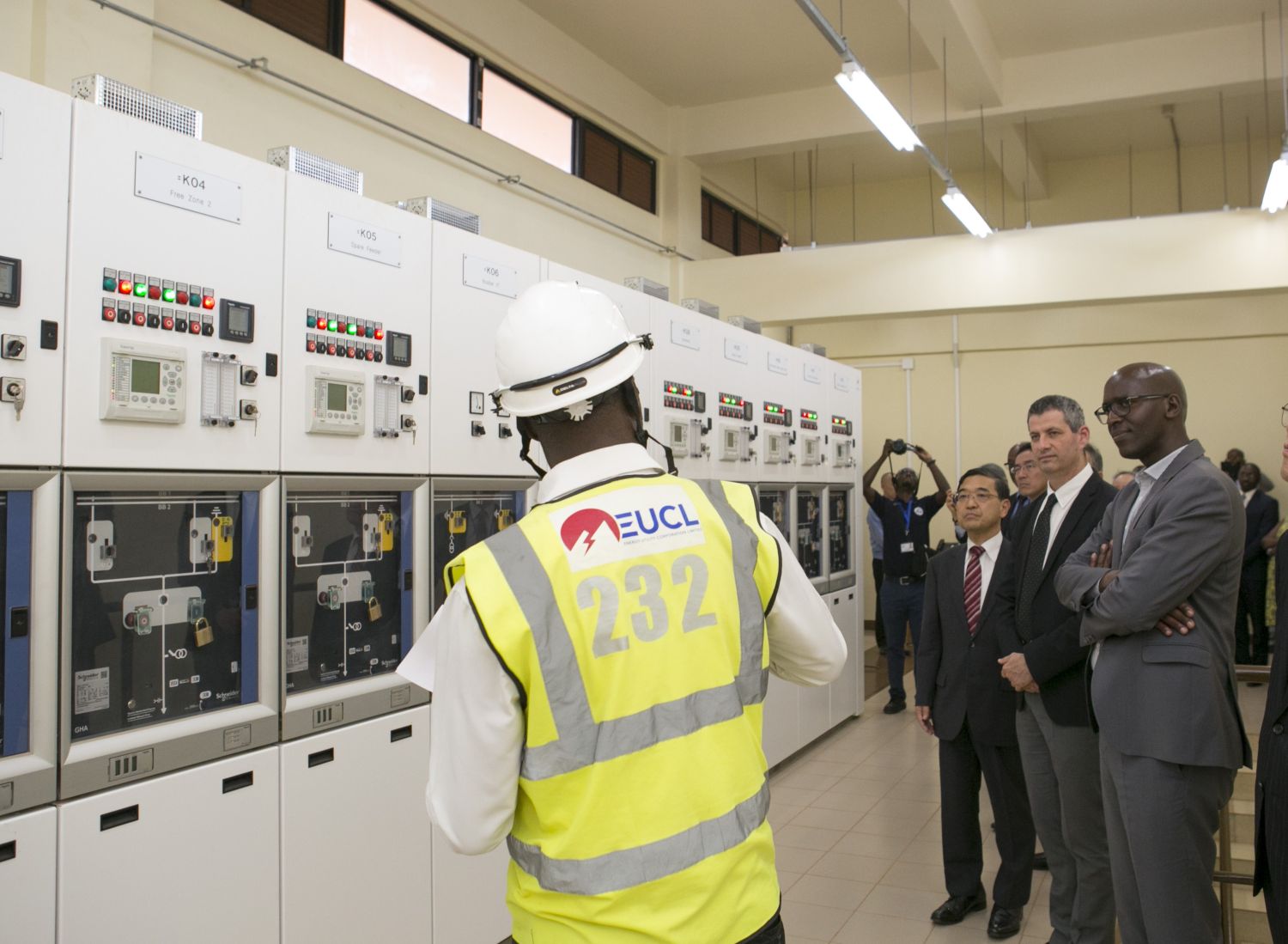
Guided tour of the Gasogi Substation power control room on inauguration day. Between 2011 and 2020, JICA implemented a three-phase project to upgrade Rwanda’s substations and distribution infrastructure.
Among them is Jiangsu, a province whose importance does not come only from its size, but from how complete its economic system has become.
With 85.18 million people, Jiangsu recorded a GDP of approximately 14.235 trillion yuan (approximately US$2.12 trillion) in 2025, growing by 5.3%, while its per-capita GDP reached about 167,040 yuan.
Although the province occupies only around 1% of China’s land area, it contributes more than one-tenth of China’s economic output.
Its economy reflects a balanced foundation, with agriculture contributing 3.8%, manufacturing 42.2%, and services 54%.
But behind these numbers is a broader story: a province where rural communities, industrial centres, universities, technology companies and cultural industries are connected into one ecosystem.
Jiangsu has a coastline stretching more than 1,000 kilometres, 168 higher-education institutions, approximately 2.5 million college students, and more than 51,000 high-tech enterprises.
It is a place where rice fields exist beside robotics, ancient canals coexist with artificial intelligence, traditional textile industries compete in global markets, and historic towns generate modern tourism revenue.
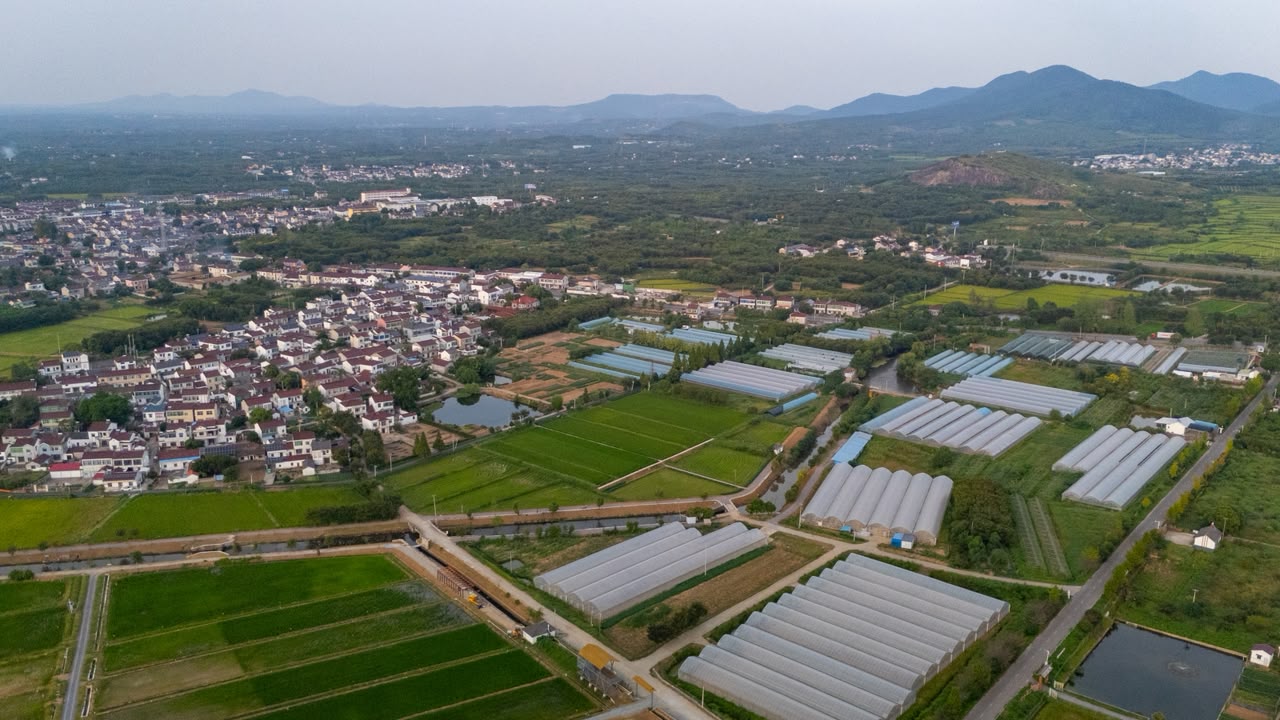
Daizhuang Village’s rice fields demonstrate how ecological farming can improve yields while preserving biodiversity
A journey through China’s high-speed connection
The journey from Beijing to Jiangsu offered the first glimpse into the infrastructure supporting the province’s development.
Covering approximately 1,210 kilometres, the trip took just over four hours by high-speed train.
While route estimates place the distance at about 1,226 kilometres, the road distance is approximately 1,094 kilometres, requiring at least 11 hours by car and between 12 and 15 hours by bus.
China’s fastest high-speed trains can reach speeds of up to 350 kilometres per hour, covering approximately 1 kilometre every 10 seconds.
The journey was not simply about travelling from one place to another. It demonstrated how connectivity allows people, goods, technology and ideas to move rapidly across regions.
Wuxi: Where heritage meets high-tech growth
The first destination was Wuxi, a city where ancient culture and modern economic power exist side by side.
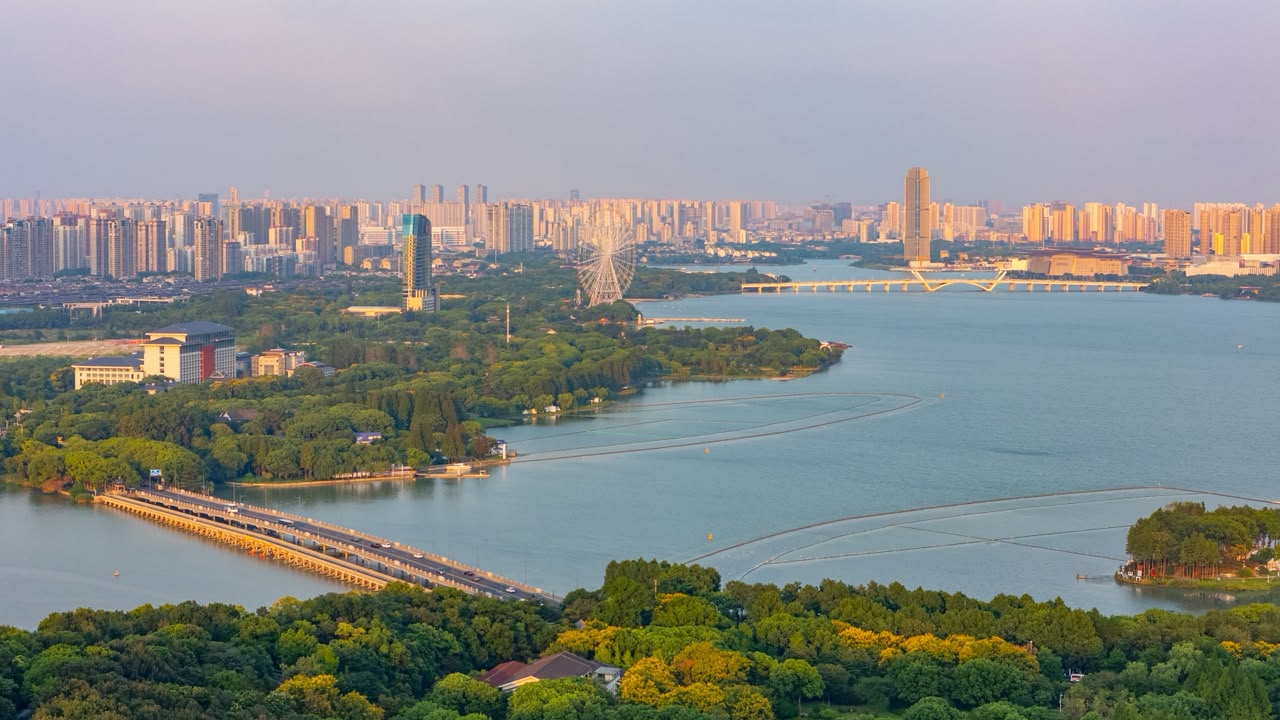
Located between the Yangtze River and Taihu Lake, Wuxi is one of the major economic centres of the Yangtze River Delta, with approximately 7.5 million residents.
The city recorded a 2025 GDP of about 1.68 trillion yuan, while high-tech industrial output reached approximately 1.463 trillion yuan, accounting for 53.97% of industrial output.
Today, Wuxi is driven by advanced manufacturing, integrated circuits, artificial intelligence, biomedicine, digital technology, new energy and international trade.
However, its identity is not defined only by innovation.
Wuxi has more than 3,100 years of recorded history and over 2,200 years since becoming a city. It remains an important centre of Wu culture, Jiangnan culture and Grand Canal culture.
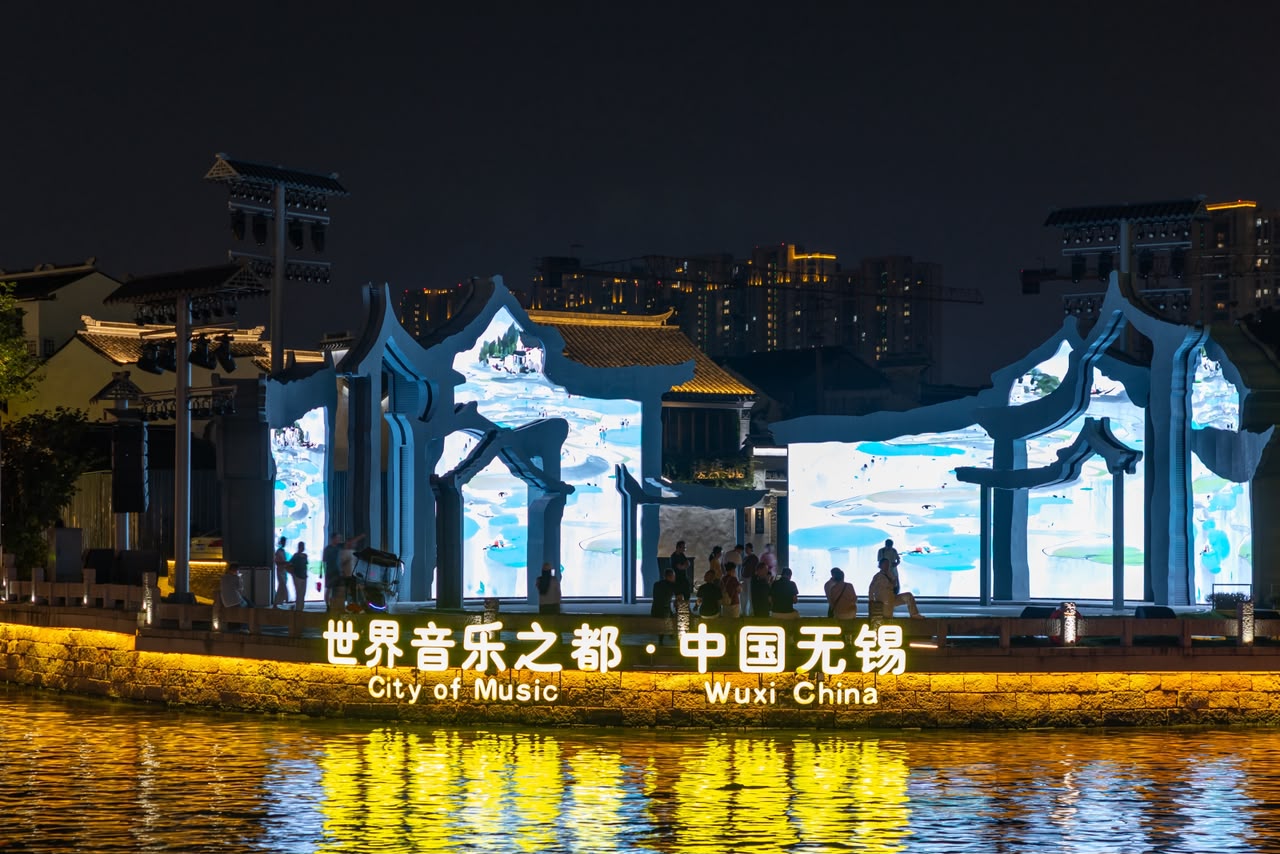
UNESCO recognised Wuxi as a Creative City of Music, and the city is known as the birthplace of the famous musician Abing’s masterpiece The Moon Reflected in the Second Spring.
At night, Wuxi reveals another dimension of its development. Its historic canals become vibrant spaces where culture, tourism, restaurants and entertainment meet.
The Qingmingqiao Historical and Cultural Block has created the “Tonight · Liangxiao” night-time brand, combining shopping, dining, sightseeing, performances and cultural experiences.
The wider Qingmingqiao Ancient Grand Canal scenic area receives nearly 30 million visitors annually, while during the 2025 Spring Festival holiday, the block welcomed approximately 2.2 million visitors.
Wuxi demonstrates that heritage does not have to remain in the past. It can become a living economic asset.
Daizhuang Village: Transforming agriculture through innovation
Jiangsu’s development story is not only written in cities and factories. It is also visible in rural communities.
In Daizhuang Village, located in southern Jurong City, agriculture has been transformed into a model of ecological production and rural development.
The village covers 10.4 square kilometres, with 487 hectares of cultivated land and a population of 2,879, including 1,100 permanent residents.
Its Village Party Committee, established in 2011, manages 3 Party branches with 122 members.
Under the guidance of Zhao Yafu, a delegate to the 20th National Congress of the Communist Party of China and National Model for Poverty Alleviation, Daizhuang developed what is known as the “Daizhuang Experience.”
The model is built around cooperation between farmers, cooperatives and village leadership.
The village has received recognition as a National Civilised Village, National-level Ecological Farm, China’s Most Beautiful Leisure Village, National Model Village for One Village One Product and National Model Farmers’ Professional Cooperative.
In 2024, Daizhuang’s collective income reached 5.2 million RMB, while per-capita income reached 45,000 RMB.
Since the Daizhuang Biodiversity Farmland Project began in 2001, the village has developed ecological agriculture through rice-duck farming, rice-fish symbiosis and sustainable cultivation.
More than 30 new species have been introduced, while monitoring has recorded nearly 150 small animal species and 98 bird species in the rice fields.
Organic rice yields increased from around 4.5 tonnes per hectare to more than 7.5 tonnes per hectare from 1,500 yuan to about 6,000 yuan.
Villagers’ per-capita net income increased from 2,800 RMB in 2003 to 47,000 RMB in 2025.
Daizhuang shows how agriculture can move beyond traditional farming to become a driver of environmental protection, tourism, technology and income growth.
Daizhuang Village represents Jiangsu’s rural transformation, where agriculture, technology and ecological development grow together
A manufacturing bridge between China and Africa
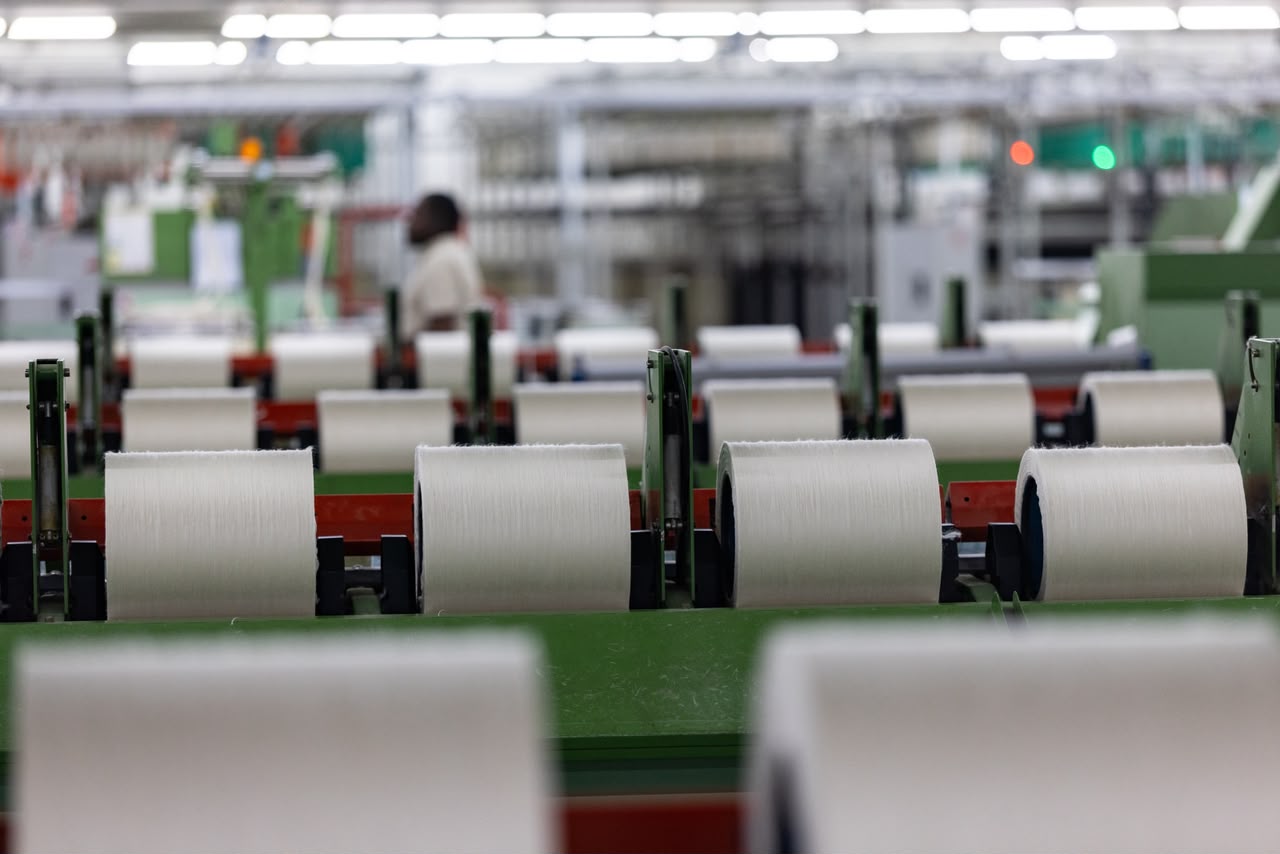
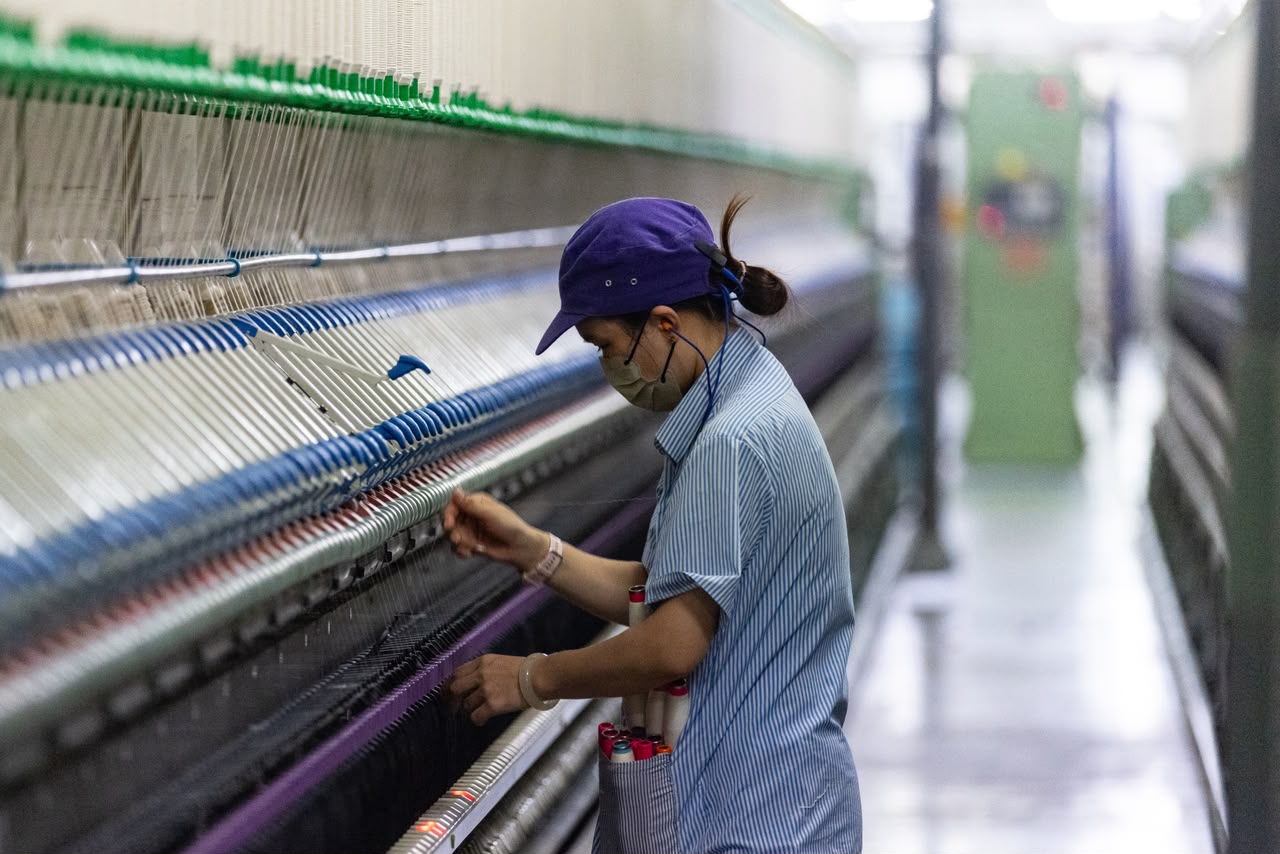
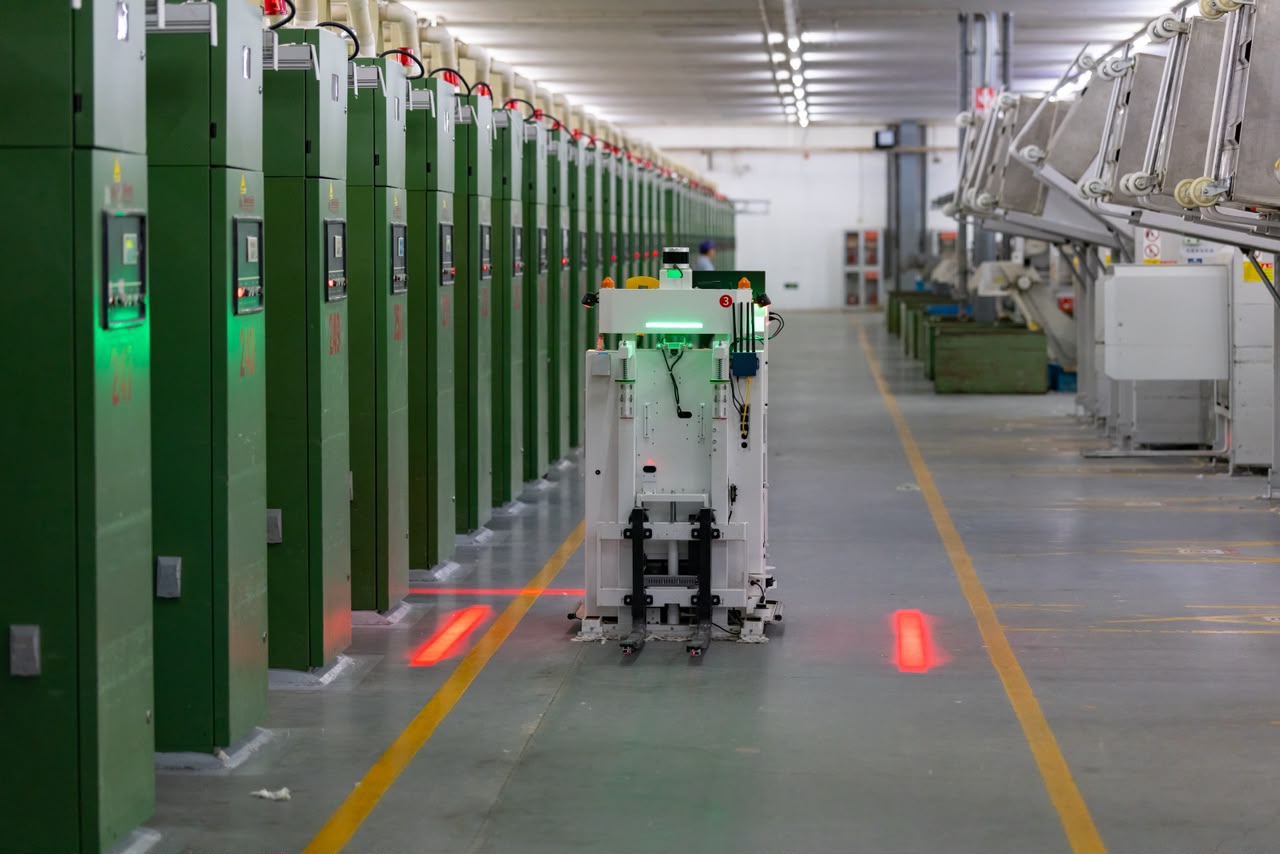
At Wuxi No.1 Cotton Textile Group Co., Ltd., founded in 1919, Jiangsu’s industrial strength becomes clear.
The company operates 700,000 spindles and 500 looms, producing 40,000 tons of high-grade yarn and 50 million metres of premium fabrics annually.
Through the Belt and Road Initiative, the company expanded into Ethiopia, where its Phase I plant with 100,000 spindles began operation in 2019.
The wider Ethiopia project plans a capacity of 300,000 spindles and is expected to create nearly 3,000 jobs.
The company employs 1,100 workers in China and around 600 people in Ethiopia.
Its TALAK brand is registered in 55 countries and regions, serving high-end textile markets worldwide.
The company’s success reflects Jiangsu’s approach: combining traditional industries with technology, innovation and international partnerships.
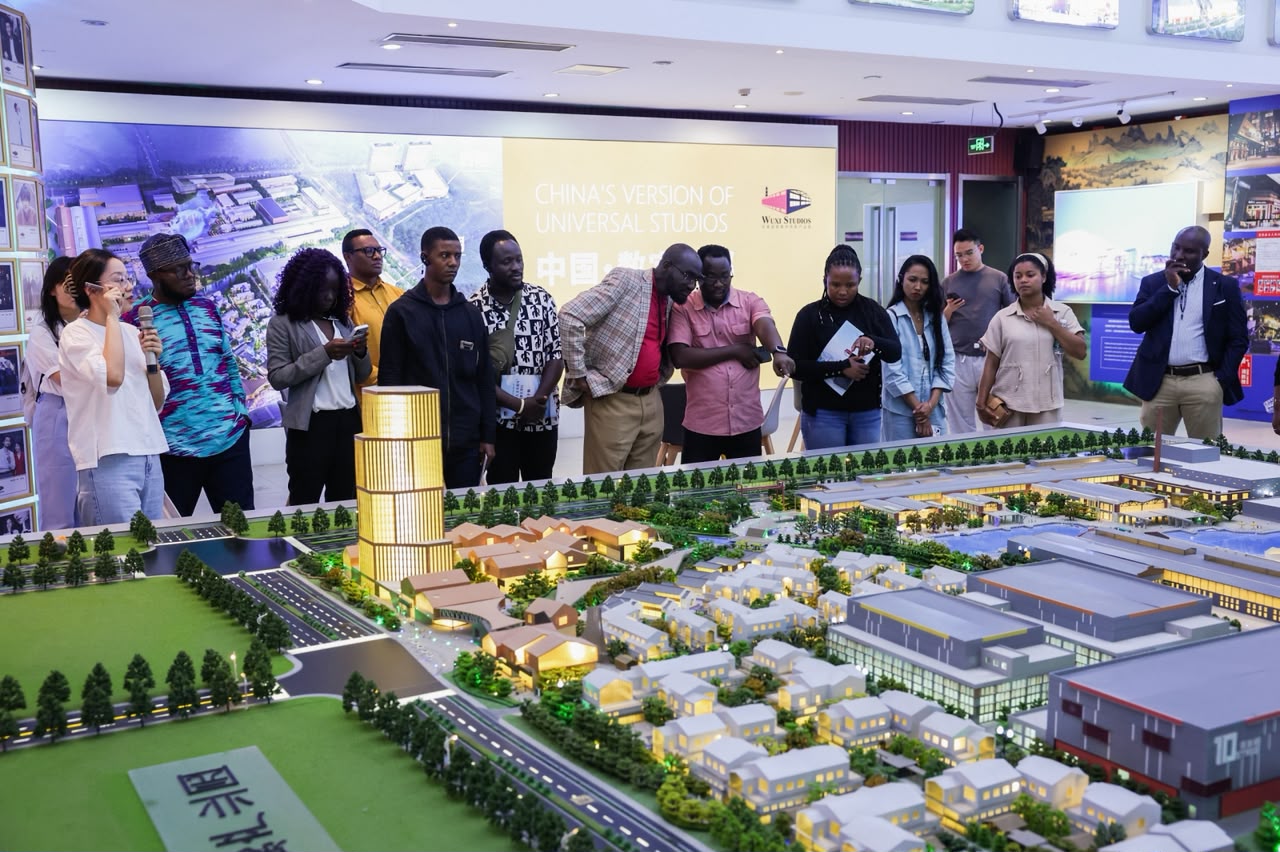
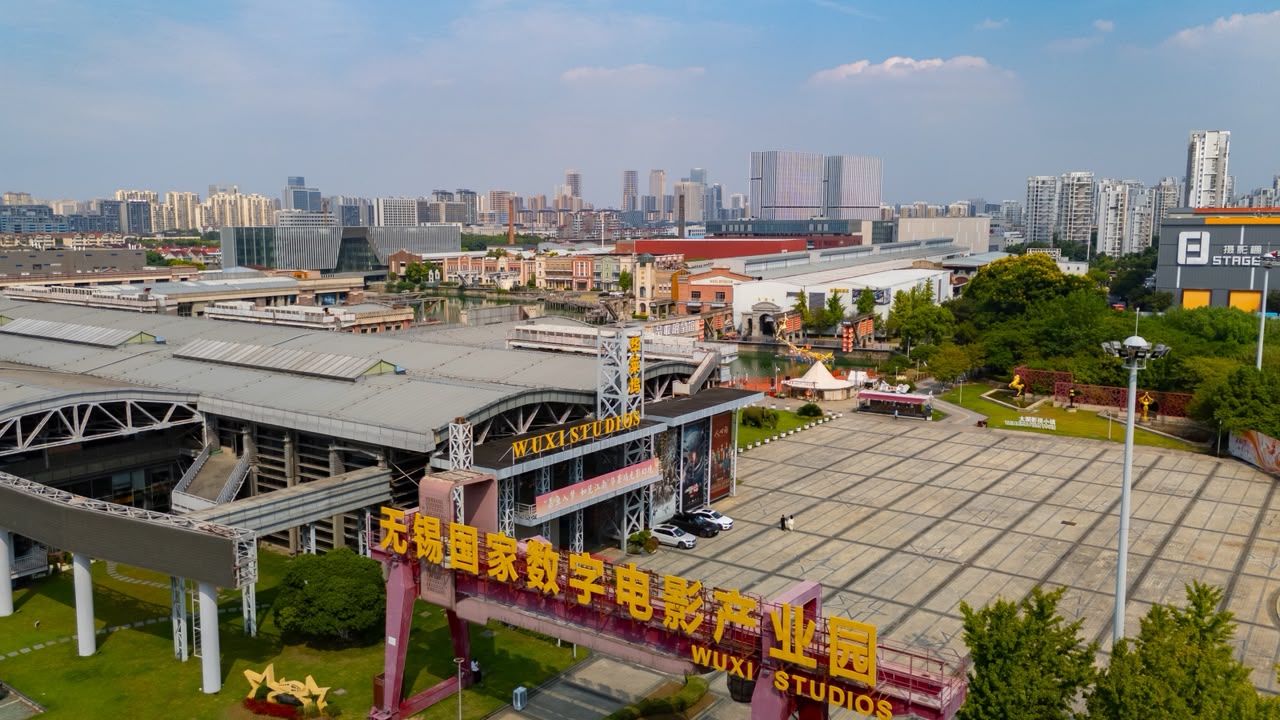
At the Wuxi National Digital Film Industrial Park, known as “China’s Hollywood,” creativity has become a major economic sector.
Opened in 2013, the park covers approximately 39 hectares.
It has supported more than 2,100 films and television programmes and attracted over 1,200 film and cultural enterprises.
Its annual output value is estimated between 6 billion and 8 billion yuan, supported by 15 high-tech studios, virtual production facilities, artificial intelligence applications and a 5G smart virtual cinematography laboratory.
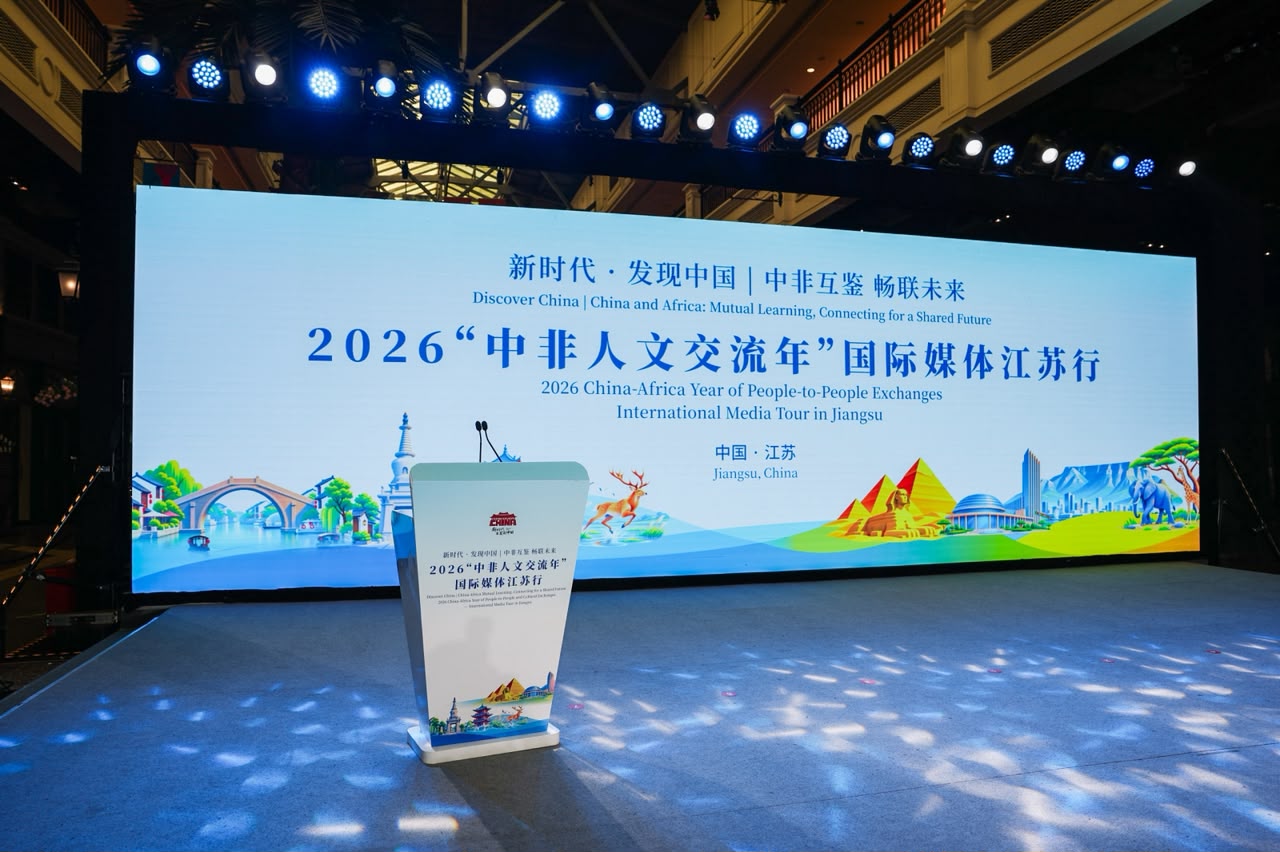
The visit coincided with the 2026 China–Africa Year of Cultural and People-to-People Exchanges, marking 70 years of China–Africa diplomatic relations.
In the first half of 2026, Wuxi’s trade with Africa reached 18.6 billion yuan, increasing by 40.7% year on year.
More than 3,000 fisheries technicians and administrators from over 50 African countries have received training in Wuxi.
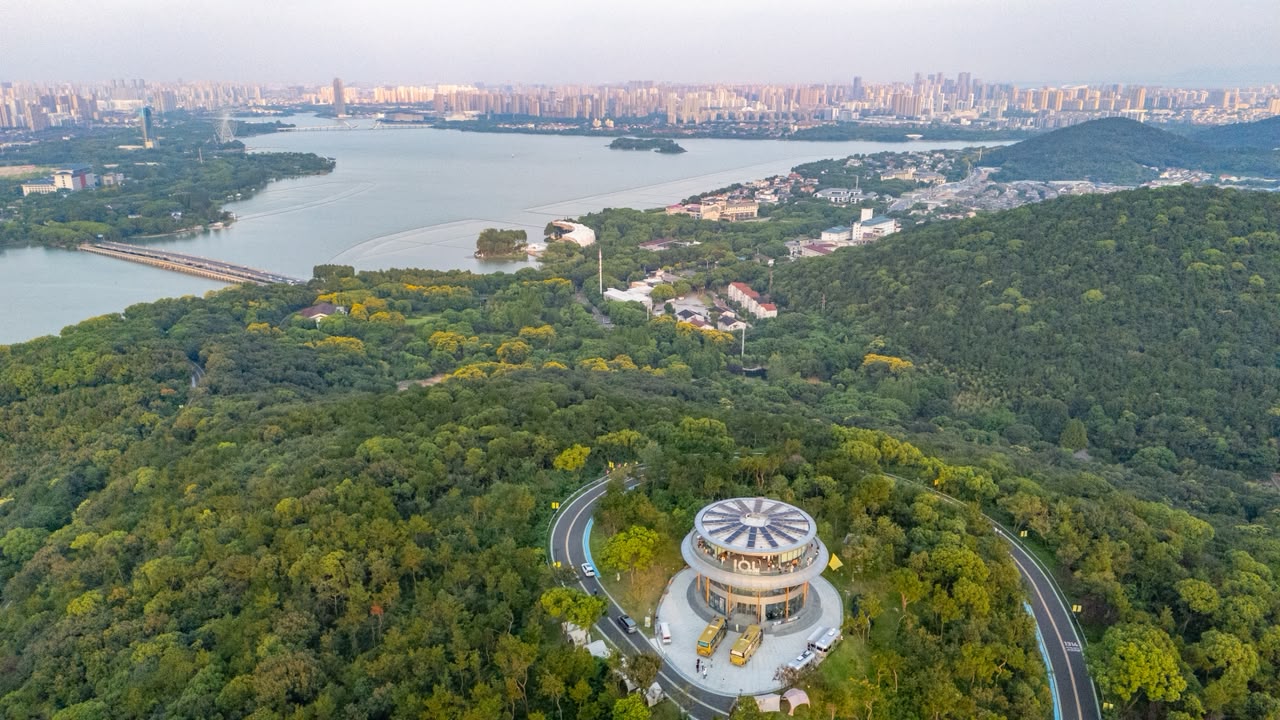
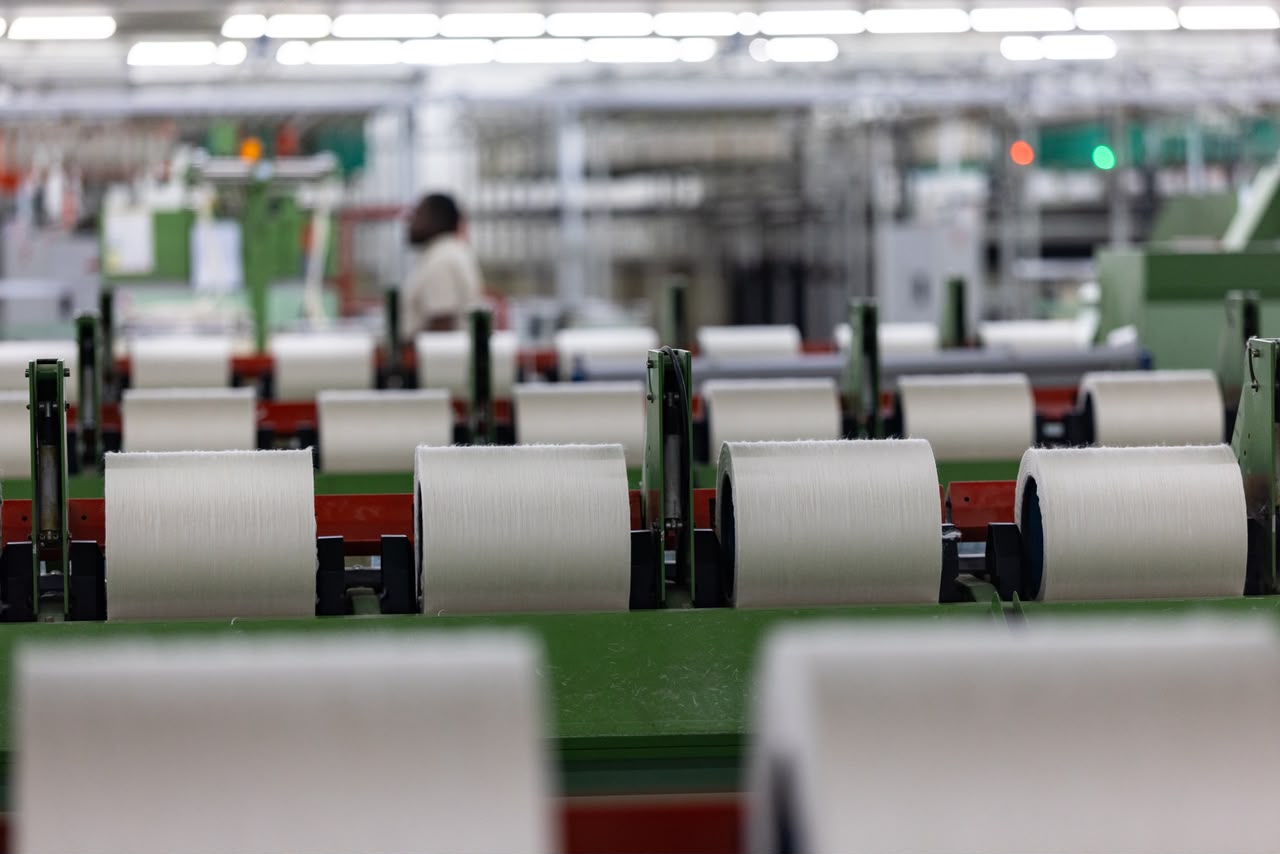
Wuxi has a unique identity, where natural landscapes coexist with one of China’s most dynamic economic regionsWuxi National Digital Film Industrial Park showcases China’s investment in creative industries, technology and future-oriented developmentWorkers remain at the centre of Jiangsu’s textile industry, combining skilled craftsmanship with modern manufacturing systems.Automation and intelligent technology are reshaping traditional industries, increasing efficiency in Jiangsu’s textile sectorWuxi’s landscapes highlight the balance between urban development, ecological protection and sustainable growthDaizhuang Village represents Jiangsu’s rural transformation, where agriculture, technology and ecological development grow togetherWuxi blends economic innovation with cultural heritage, earning recognition as a UNESCO Creative City of MusicInside Wuxi No.1 Cotton Textile Group, advanced looms transform high-quality yarn into premium fabrics for global markets
The warning came in the WTO’s annual flagship publication, World Trade Report 2026: A Critical Juncture for the World Trading System, which examines the achievements of the multilateral trading system over the past 80 years and the challenges it now faces.
“The multilateral trading system has delivered enormous benefits over the past 80 years, helping to create a more integrated and resilient global economy,” WTO Director-General Ngozi Okonjo-Iweala said.
About 72 percent of global merchandise trade still takes place under the WTO’s most-favored-nation terms, she said.
“The global trading landscape has changed significantly but the founding logic of the system, that all economies are better off cooperating rather than acting unilaterally, remains as relevant today as ever,” Okonjo-Iweala said.
She said WTO members are actively discussing reforms and recognize that “the status quo is not an option.”
The report models three possible futures for the global trading system.
Under a strengthened multilateral framework, global GDP could rise 2.9 percent and exports 17.9 percent by 2050 compared with the baseline trajectory.
The other two scenarios envision an erosion of multilateral trade rules. In a “geo-fragmented world,” where trade cooperation is organized around geopolitical blocs, global GDP could fall 5.1 percent and exports 18.6 percent, while in a world where multilateral cooperation is replaced by a network of free trade agreements, GDP could fall 6.9 percent and exports 26.9 percent.
The difference between strengthened multilateral cooperation and erosion of the system could amount to as much as 10 percent of baseline global real GDP, WTO Chief Economist Robert Staiger said.
“If the status quo is unsustainable, as many members believe, this illustrates the potential cost of inaction on reform,” he said.
The report noted that over eight decades, the system has helped lower trade barriers, expand global trade nearly 50-fold and create a more integrated, rules-based global economy.
The World Trade Organization has repeatedly expressed concern about the economic effects of President Trump’s tariffs.
Figures released on Thursday, September 2026, indicate that food and non-alcoholic beverages recorded a 16.3% annual increase in August and rose by 3.7% compared with July.
Housing, water, electricity, gas and other fuels increased by 20.4% year on year, while prices in the category rose by 0.2% on a monthly basis.
Transport prices increased by 24.2% annually and by 0.2% compared with the previous month.
Prices in restaurants and hotels rose by 15.6% year on year and increased by 2% on a monthly basis.
The data show that prices of local products increased by 17.4% year on year and by 2.1% month on month. Prices of imported products increased by 10.8% annually and by 0.7% monthly.
Fresh product prices increased by 20.9% year on year and by 5.8% compared with July.
Energy prices recorded the largest annual increase, rising by 45.4%, while increasing by 0.2% on a monthly basis.
Meanwhile, the general CPI excluding fresh products and energy increased by 11.5% year on year and by 0.7% month on month.
Transport prices rose by 24.2% year on year in August 2026, contributing to Rwanda’s overall inflation rate of 15.7%.
The two loans have a combined value of more than Rwf 280 billion and will be repaid over 15 years, including a six-year grace period during which Rwanda will not be required to repay the principal.
The yen-denominated portion marks the first time Rwanda has secured financing in Japanese yen, opening access to a new pool of investors and capital in Asian markets.
The Ministry of Finance and Economic Planning said the financing is backed by guarantees from the World Bank Group and forms part of Rwanda’s strategy to diversify its borrowing sources while securing funding on favourable terms.
The six-year grace period has been structured so that repayment of the principal begins after Rwanda’s existing Eurobond matures. This is intended to prevent a concentration of major debt repayments within the same period and support smoother management of the country’s debt obligations.
The loan proceeds will be used for general budgetary purposes, supporting priority areas including infrastructure, health and nutrition, education, agriculture, social protection and industrial development.
Finance and Economic Planning Minister Yusuf Murangwa said the transaction demonstrates Rwanda’s efforts to explore new financing options while maintaining prudent debt management.
“This second PBG+ [Policy-Based Guarantee] transaction demonstrates Rwanda’s unwavering commitment to innovative, best-practice funding solutions, as we proactively diversify our borrowing sources while maintaining prudent debt management,” Murangwa said.
The funds secured by Rwanda will be used to finance projects including infrastructure development.
The sharp increase highlights the growing financial contribution of Rwandans living abroad, whose remittances support households while also helping finance businesses, property purchases and other investments in Rwanda.
Investments by Rwandans abroad have contributed to projects such as Inn of The Lac on the shores of Lake Kivu, Isange Estate and Imara Properties, among others.
Another initiative, Girinzu, aims to help Rwandans in the country and abroad access affordable housing.
Speaking to Rwandans living abroad during a meeting on August 14, 2026, Minister of Foreign Affairs and International Cooperation Olivier Nduhungirehe thanked the diaspora for its continued contribution to Rwanda’s development.
Remittances nearly double in five years
BNR figures show that diaspora remittances to Rwanda have generally increased over the past five years.
In 2021, Rwandans living abroad sent $379 million to Rwanda up from $65 million of 2010. The figure rose to $461 million in 2022 and reached $505 million in 2023.
Remittances declined slightly to $502 million in 2024 before recording their strongest annual growth in 2025, when they increased by 27.3% to reach $640 million.
This represents growth of about 69% between 2021 and 2025, bringing diaspora remittances close to twice their 2021 level.
The continued increase underscores the growing role of the diaspora in supporting households and contributing to investment in Rwanda.
The 2024 FinScope survey found that 65% of adults in Rwanda had either sent or received money, with domestic transfers accounting for the largest share.
About 3% of adults received money from outside Rwanda, while 1% sent money abroad. The report found that, for both domestic and international transfers, the proportion of people receiving money was higher than that of those sending it.
Non-bank channels remain the most commonly used means of transferring money. Around 63% of people used non-bank channels, compared with 4%, equivalent to about 309,000 people, who used banks.
Mobile Money was the most widely used channel for sending and receiving funds.
For recipients, remittances are primarily used to meet everyday household needs. About 53% used the money to buy food and clothing, while 10% used it to start businesses.
Another 9% used the funds to pay school fees, 5% invested them, and 4% used them to pay for medicines and other healthcare-related expenses.
The figures show that while diaspora remittances remain an important source of household support, part of the money is also being directed towards businesses, property and other investments, strengthening the economic ties between Rwandans abroad and their home country.
Some remittances sent by Rwandans living abroad are channelled into investments in Rwanda.
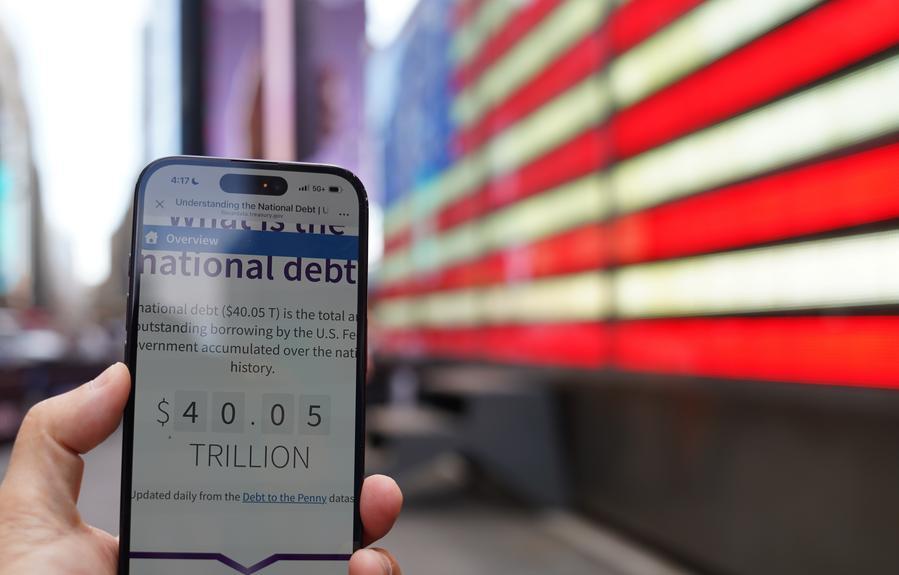
The data shows that debt held by the public and intragovernmental holdings stood at 32.266 trillion dollars and 7.782 trillion dollars, respectively, bringing total public debt outstanding to 40.047 trillion dollars as of Tuesday.
The milestone, reached months earlier than expected, reflects the U.S. federal government’s persistent budget deficits, as spending continues to exceed revenue, adding to the national debt.
The federal government has spent trillions of dollars in response to the COVID-19 pandemic and subsequently pursued tax cuts and increased military spending. As a result, U.S. federal debt has grown rapidly in recent years, raising concerns in the bond market and pushing Treasury yields higher. Rising interest payments have further driven up the total size of the national debt.
A monthly report from the Treasury Department shows that the federal government recorded a fiscal deficit of 1.367 trillion dollars in the first nine months of fiscal year 2026, which began on Oct. 1, 2025. During that period, net interest payments totalled 827 billion dollars, exceeding defense spending of 713 billion dollars and ranking second only to social security spending, which amounted to 1.244 trillion dollars.
U.S. federal government debt surpassed 30 trillion dollars in January 2022, exceeded 39 trillion dollars in March 2026, and hit 39.7 trillion dollars in July 2026.
Local media described the national debt surpassing 40 trillion dollars as an ominous milestone for an economy resting on an increasingly shaky fiscal foundation.
Warning signs are flashing “with debt held by the public recently exceeding the size of our economy, the deficit-to-GDP ratio running twice as high as where it should be, and interest costs exceeding our national defense budget,” Maya MacGuineas, president of the Committee for a Responsible Federal Budget, said Wednesday in a statement.
“Forty trillion dollars of debt doesn’t exist solely on the government’s ledgers; it is felt throughout the economy and finds its way to the pocketbooks of people one way or another,” MacGuineas said. “The more we borrow, the more we exacerbate inflation, squeeze out other priorities in the budget, and leave ourselves vulnerable to emergencies at home and turmoil abroad.”
“Our current fiscal trajectory is plainly unsustainable,” said Margaret Spellings, president and CEO of the Bipartisan Policy Center. “Even in the rosiest scenarios, we’re speeding toward a cliff and refusing to turn the wheel.”
“Federal debt is already raising the cost of living and choking out other spending and investment, threatening our economy and Americans’ long-term prosperity,” she added.
“Forty trillion dollars should be a wake-up call. But neither Congress nor the president have a credible plan to stop it from growing,” said Carolyn Bourdeaux, executive director of Concord Coalition and Concord Action Fund. “We owe the next generation better than this crushing debt and another hollow promise that someone else will deal with it later.”
In a statement responding to the troubling milestone, White House spokesman Kush Desai said U.S. President Donald Trump had pledged to clean up former President Joe Biden’s fiscal mismanagement. “That’s why the Trump administration has been focused on slashing waste, fraud, and abuse in federal spending while accelerating economic growth to get America’s debt-to-GDP ratio trending in the right direction again.”
This photo taken on Aug. 19, 2026 shows the U.S. national debt surpassing 40 trillion U.S. dollars, in New York, the United States. (Xinhua/Zhang Fengguo)