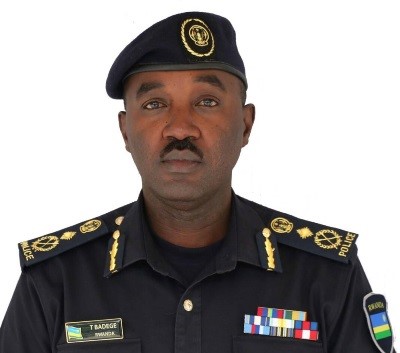
He is among the officials appointed during the Cabinet meeting of April 2, 2026, held at Village Urugwiro and chaired by President Paul Kagame.
CP Badege previously served as spokesperson of the Rwanda National Police at different times. In 2013, he left the role to become the Commissioner for Criminal Investigation Department (CID) within the police force.
In 2016, he was reappointed as police spokesperson, a position he held before taking up duties with Interpol, where he has been serving in recent years.
CP Theos Badege has been appointed as Deputy Commissioner General of RCS
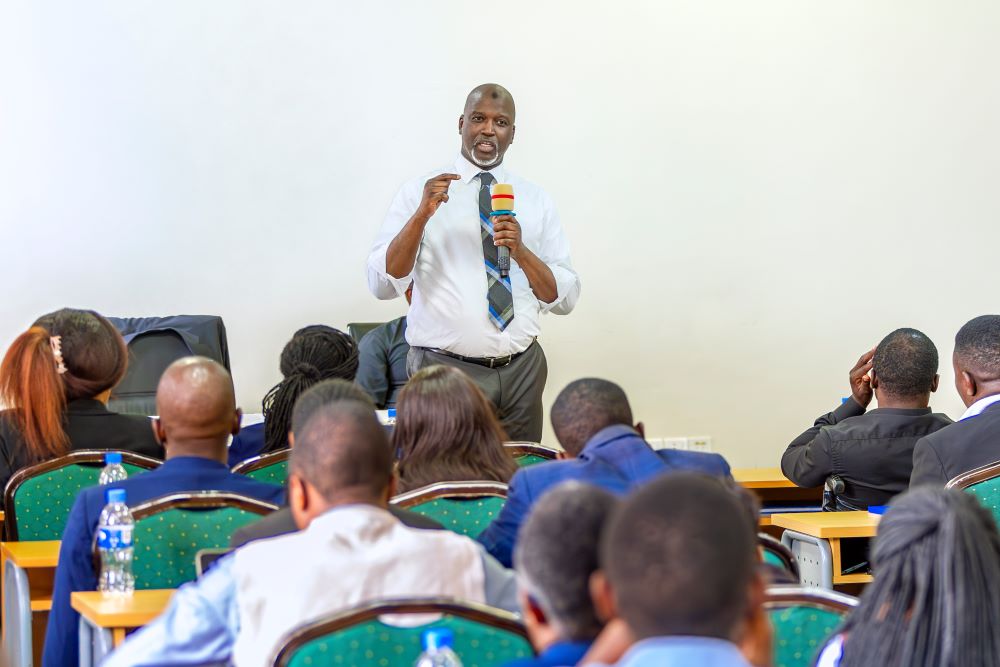
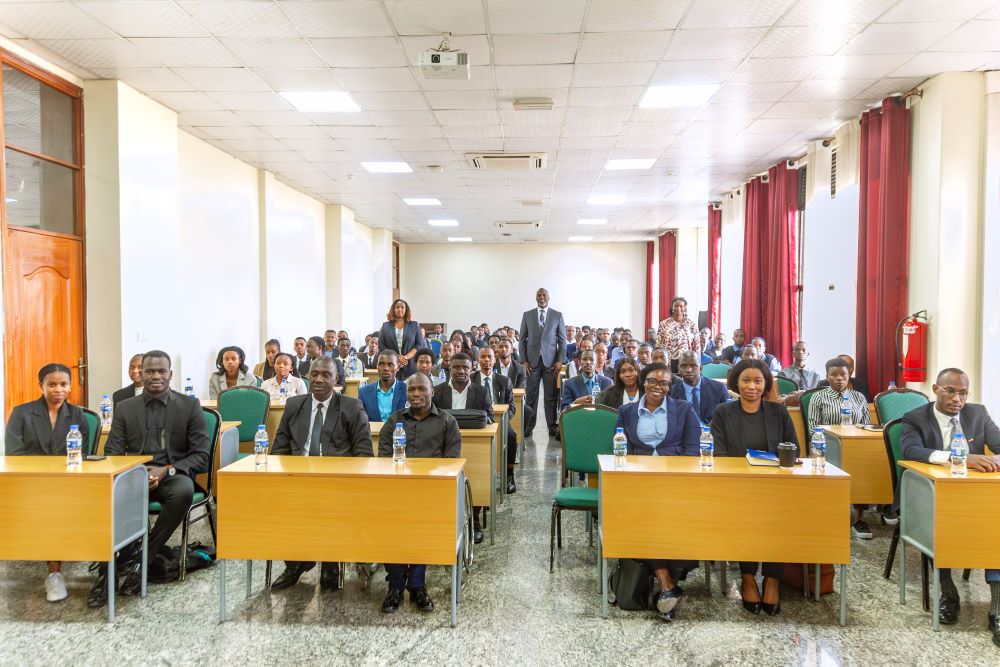
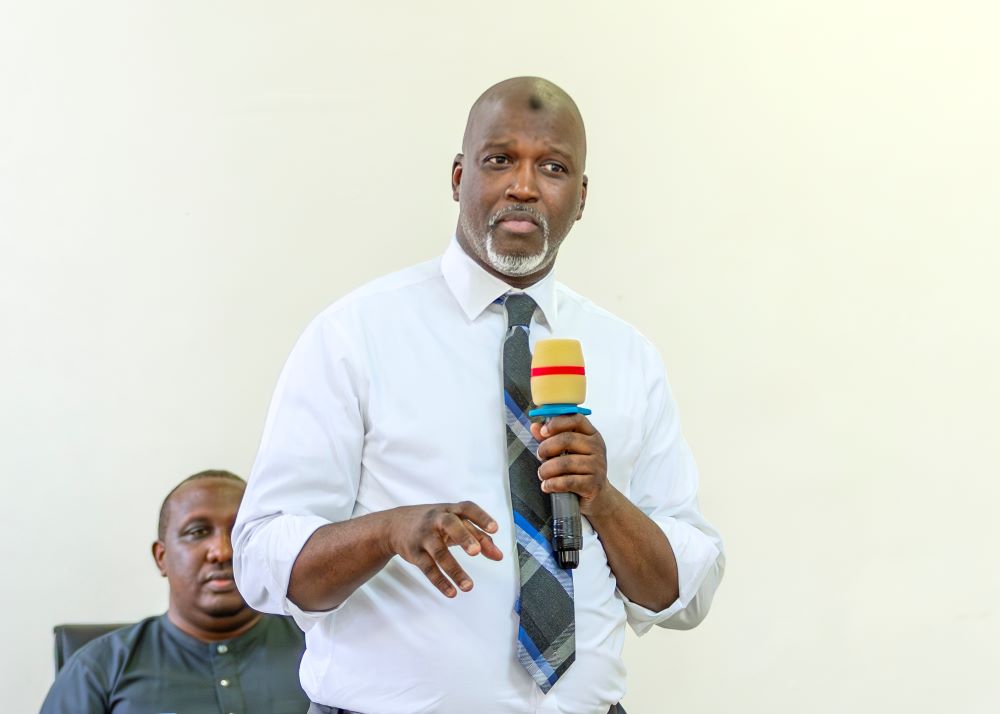
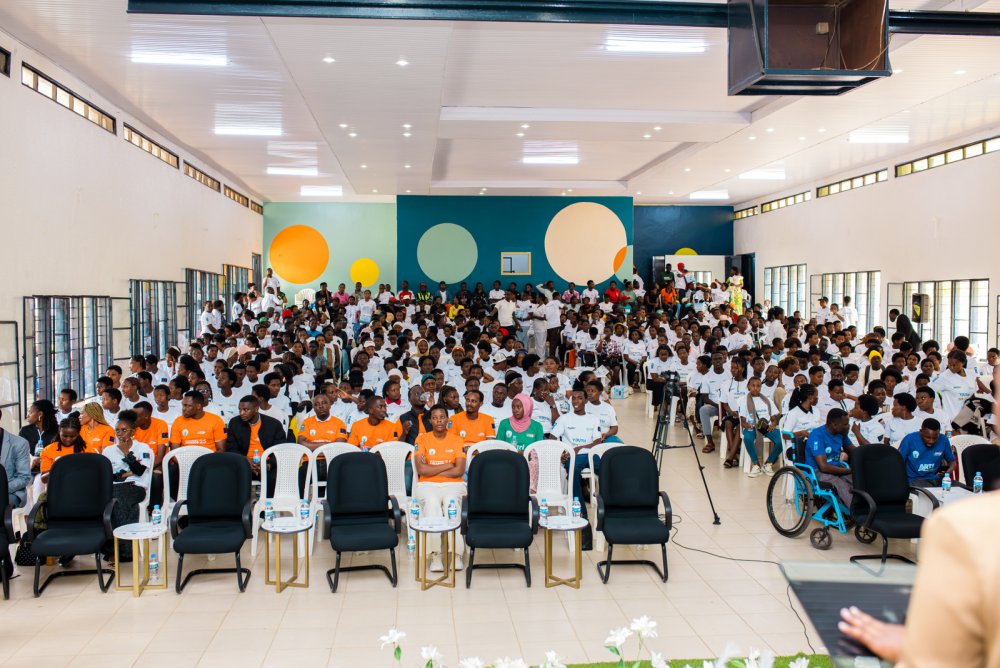
This lecture on “International Criminal Justice and the Genocide against the Tutsi: The Role of the ICTR and the Residual Mechanisms in Upholding Genocidaires Accountable,” was delivered on March 31, 2026 by Mr. Abubacarr M. Tambadou, the Registrar of the International Residual Mechanism for Criminal Tribunals.
The session provided a sweeping look at the pursuit of justice, the evolution of international criminal justice, and the complex human realities of post-genocide accountability.
Established by the United Nations Security Council, the International Criminal Tribunal for Rwanda (ICTR) faced a monumental and logistically impossible task: prosecuting the thousands of perpetrators involved in the genocide. Instead, the tribunal took a pragmatic and deeply symbolic approach.
“By prosecuting those who bore the greatest responsibility particularly top-level leaders in the political, military, religious, and business spheres the ICTR sent a clear message,” the lecture highlighted. “It demonstrated that absolutely no one is above the law, while simultaneously establishing global standards for fair trials and due process.”
Through its international authority, the ICTR successfully compelled nations across the world, especially from Africa and Europe to transfer fugitive suspects many of whom had fled Rwanda back into its custody to face trial.
Beyond individual prosecutions, the ICTR fundamentally reshaped international human rights law. The lecture placed special emphasis on the landmark case of Prosecutor v. Jean-Paul Akayesu.
For the first time in history, this case formally recognized rape and sexual violence as acts of genocide under international law, provided they were committed with the specific intent to destroy a targeted group.
“This ruling expanded the interpretation of the Genocide Convention,” the expert noted during the session. “It set a lasting, irrefutable precedent for all future international tribunals.”
Furthermore, the ICTR cemented the doctrine of command responsibility, ensuring that leaders could no longer turn a blind eye to atrocities, holding them legally accountable when they failed to prevent or punish crimes committed by their subordinates.
One of the most gripping moments of the lecture came from the personal testimony of a former ICTR prosecutor, illustrating the deep emotional toll of the tribunal’s work. Mr. Abubacarr recounted the visceral trauma of reading witness statements, which frequently resulted in recurring nightmares.
“Initially, I struggled so deeply with the horrific nature of the crimes that I refused to even shake the hands of the detained perpetrators,” the former prosecutor shared.
However, a pivotal shift occurred when they realized that cooperation from these lower-level detainees was the only way to build airtight cases against the senior architects of the genocide.
“By setting aside my personal judgment and choosing to treat the detainees with basic dignity, I gained their trust and cooperation,” the prosecutor explained. “It highlighted a difficult but necessary truth: while their crimes were horrific, the perpetrators were still human beings. Acknowledging that complexity transformed my understanding of justice and is essential for long-term reconciliation.”
Emmanuel Manzi, a DLP student in attendance, reflected on how deeply the tribunal’s history connects to the upcoming Kwibuka (commemoration) period.
“This lecture went far beyond legal insights,” Manzi observed. “It served as a powerful reminder of our shared responsibility in preserving memory and promoting unity among all Rwandans.”
As the nation prepares to remember the victims of the Genocide against the Tutsi, the session provided attendees with vital guidance for the days ahead. The core message emphasized the importance of standing in unwavering solidarity with the survivors of the Genocide against the Tutsi while firmly rejecting all forms of discrimination, division, and genocide ideology.
To put these principles into practice, attendees were encouraged to actively participate in national efforts and community events throughout the commemoration week, ultimately fostering an enduring culture of unity, compassion, and healing among all Rwandans.
The lecture ultimately served as a poignant reminder that the legacy of the ICTR is not just an academic or legal exercise. It is a living testament to the necessity of accountability, and a roadmap for a world striving to ensure that “Never Again” is a reality.
The lecture was delivered on March 31, 2026, at the Institute of Legal Practice and DevelopmentMr. Abubacarr M. Tambadou, the Registrar of the International Residual Mechanism for Criminal Tribunals delivered the lecture themed, “International Criminal Justice and the Genocide against the Tutsi: The Role of the ICTR and the Residual Mechanisms in Upholding Genocidaires Accountable.”
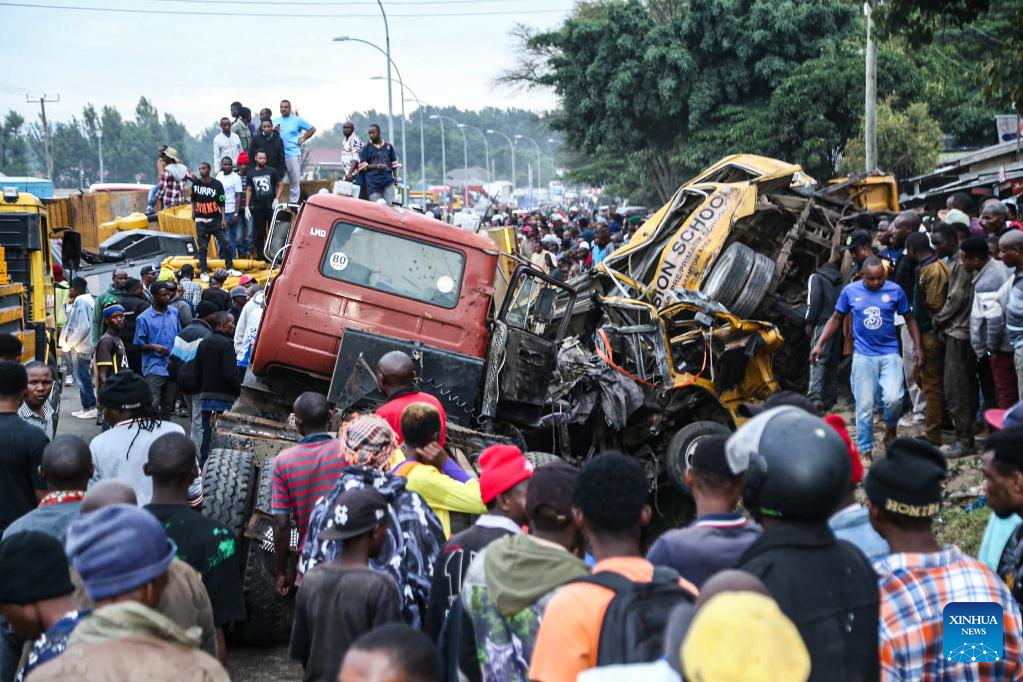
The accident occurred in Mkiwa Village in Ikungi District when a bus traveling from Dodoma to Mwanza hit a pothole in the middle of the road, causing a front tire to burst and the driver to lose control.
Singida Regional Police Commander Amon Kakwale confirmed the incident, saying officers at the scene were instructed to secure passengers’ belongings and establish the identities of the deceased and injured.
Ikungi District Commissioner Thomas Apson said the injured and the bodies of the deceased were taken to Manyoni District Hospital and Singida Regional Referral Hospital for treatment and further procedures.
According to Bwire James, Manyoni district hospital medical officer, the facility received all 55 injured victims — 34 men and 21 women — along with six bodies of those who died at the scene.
This photo taken on Feb. 24, 2024 shows a road accident site in the Ngaramtoni suburb of Arusha, northern Tanzania.
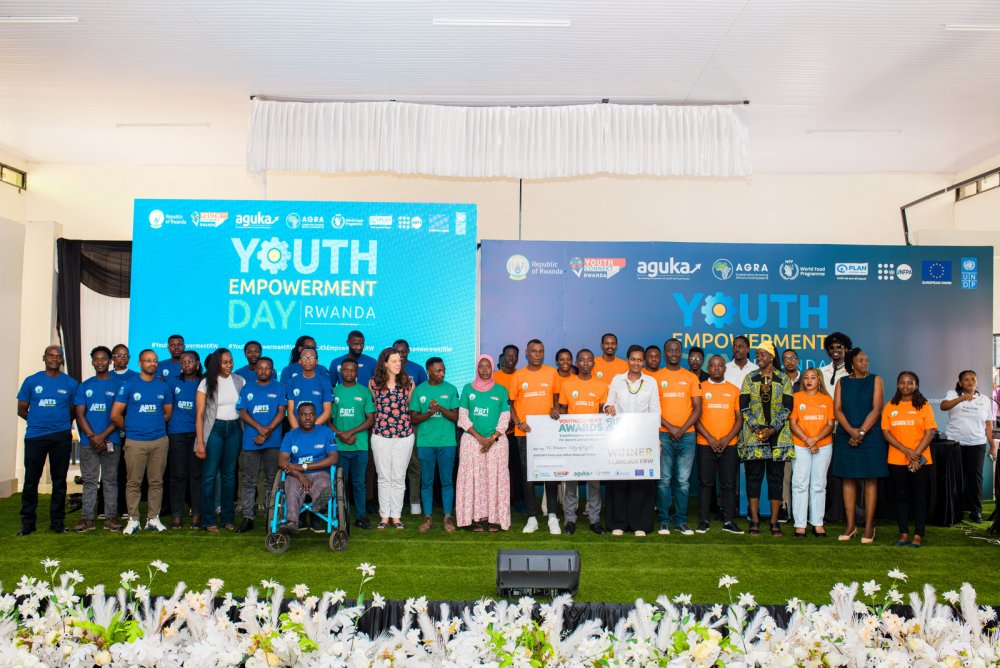
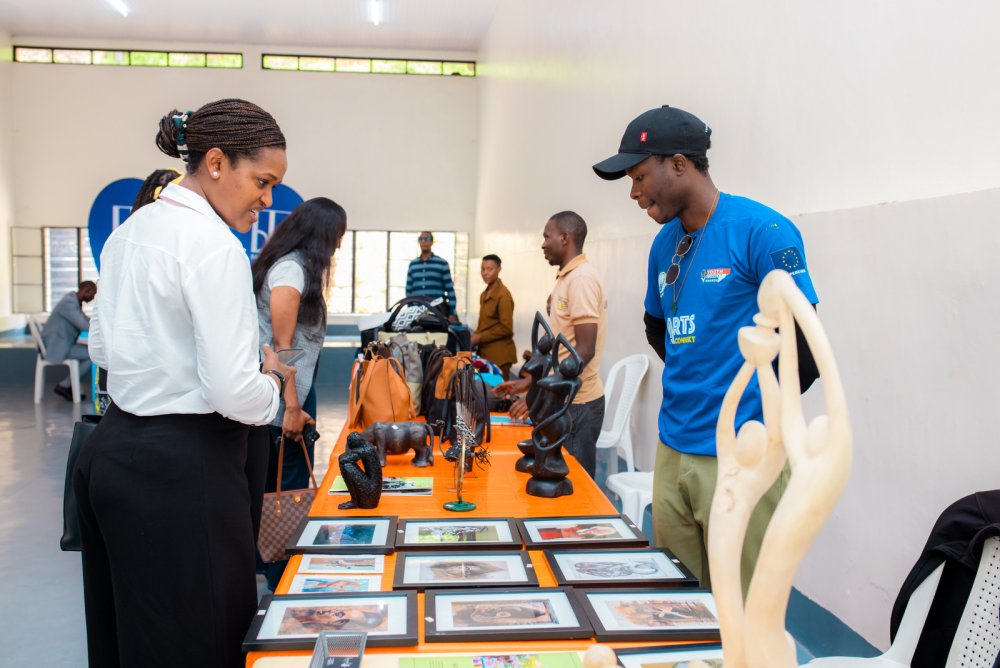
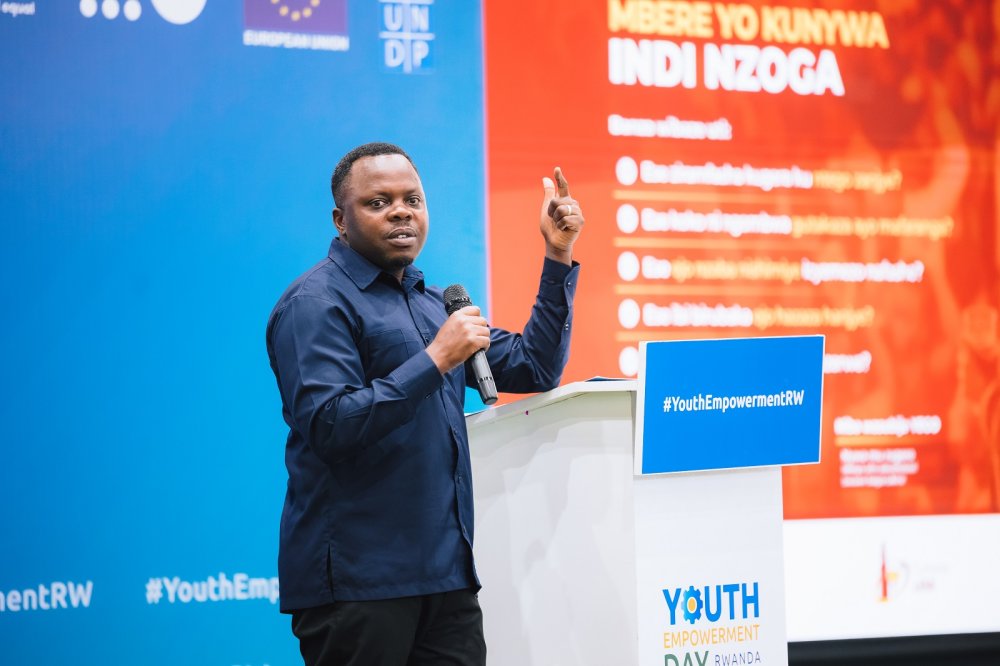
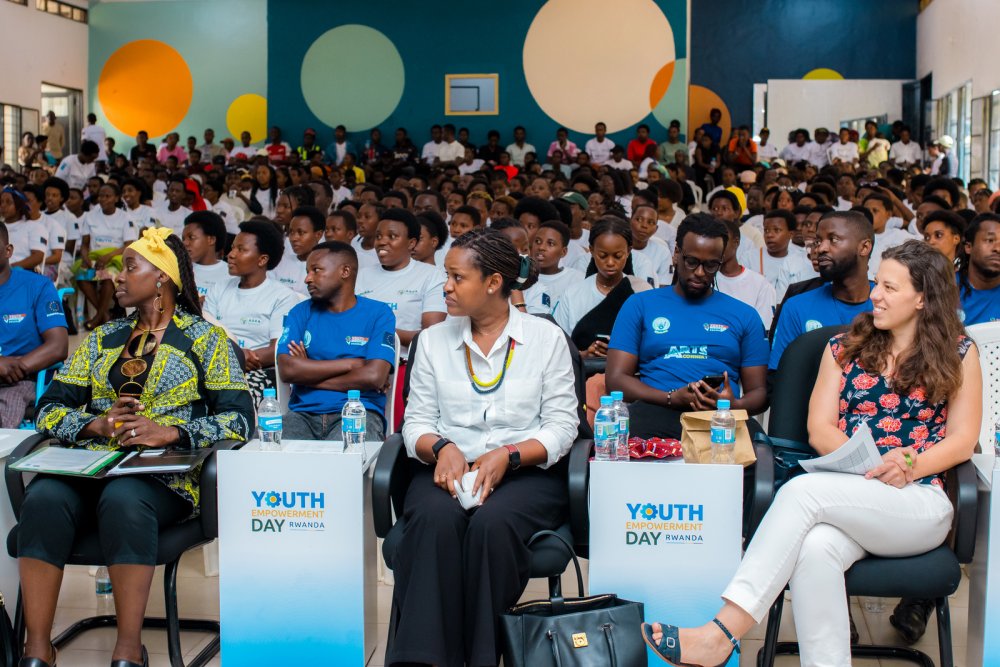
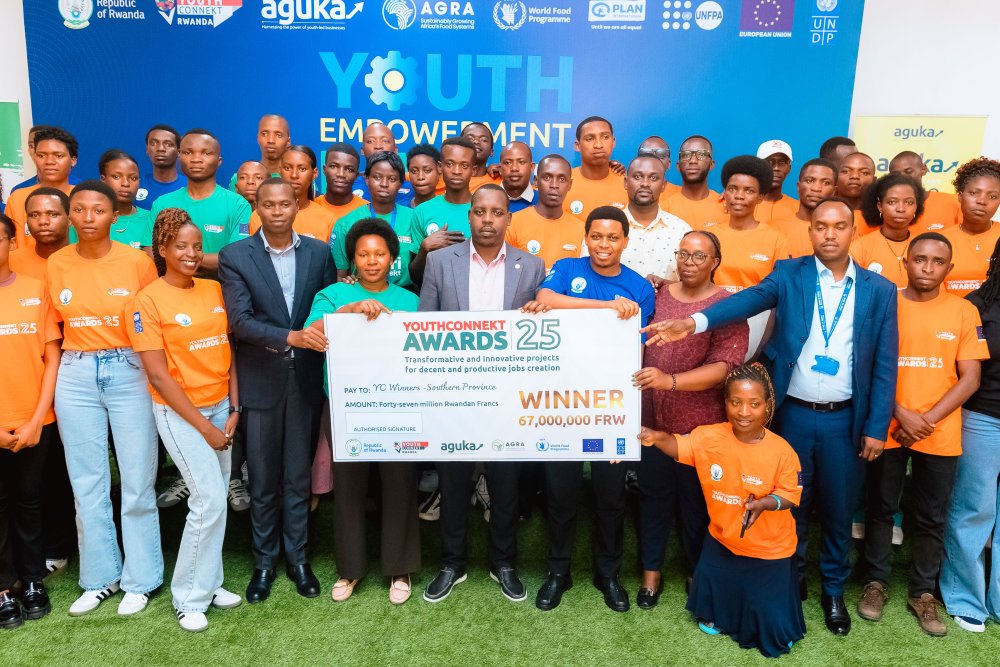
The awards were presented during celebrations marking Youth Development Day, held at Maison des Jeunes Kimisagara in Nyarugenge District on March 27, 2025.
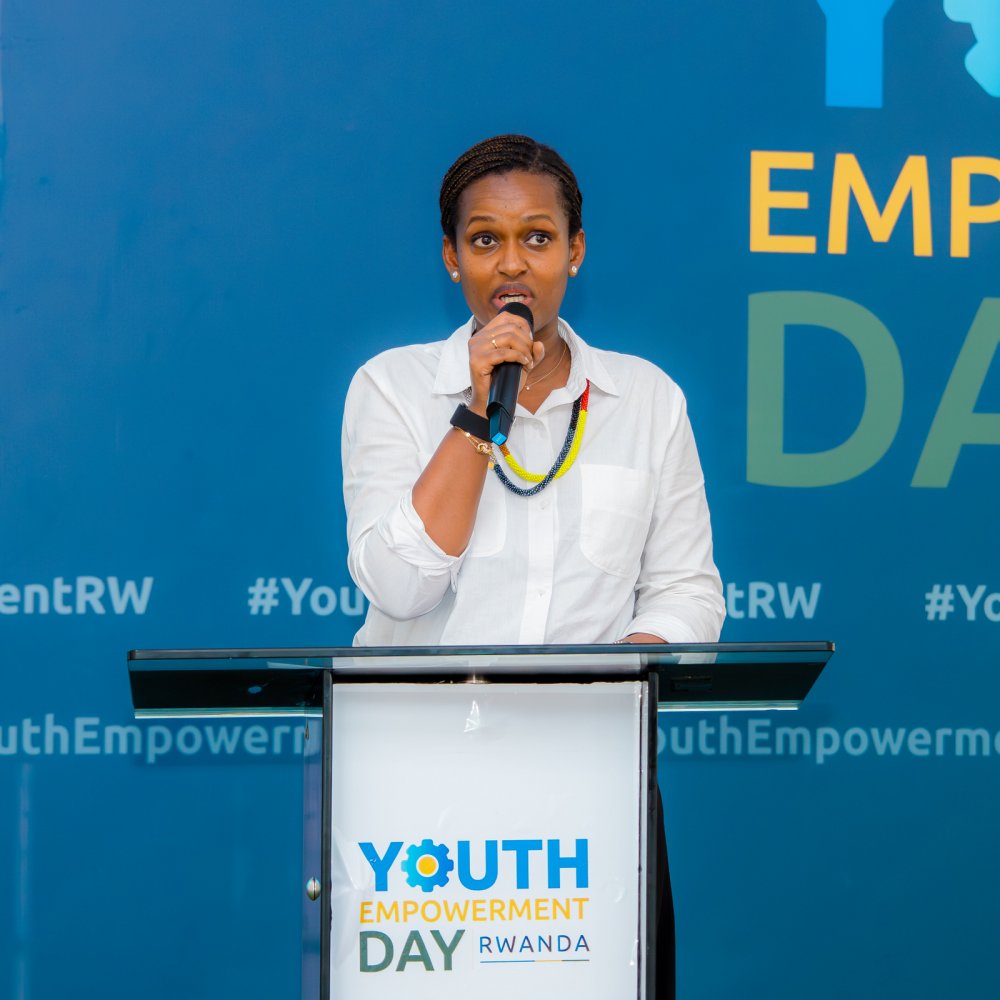
The State Minister in the Ministry of Youth and Arts, Sandrine Umutoni, urged the beneficiaries not to focus only on the financial rewards but to remain committed to their journey of personal growth and national development.
“Today is not only about reflecting on what has been achieved, but also about looking ahead and reminding each one of you that you have a significant role in building the Rwanda we aspire to. […] We thank those who received support today. You have shown that you do not wait for opportunities, you seek them. Keep moving forward and make the most of these opportunities,” she said.
Assoumpta Uwase, founder of Urugero Fashion, a clothing company, is among those who received Rwf 1 million. She noted that the funds will help her expand her business by acquiring additional sewing machines.
“This will help me purchase equipment. There are tools one may not have but knows would improve production. For us, machines are the most important because they help us work faster,” she noted.
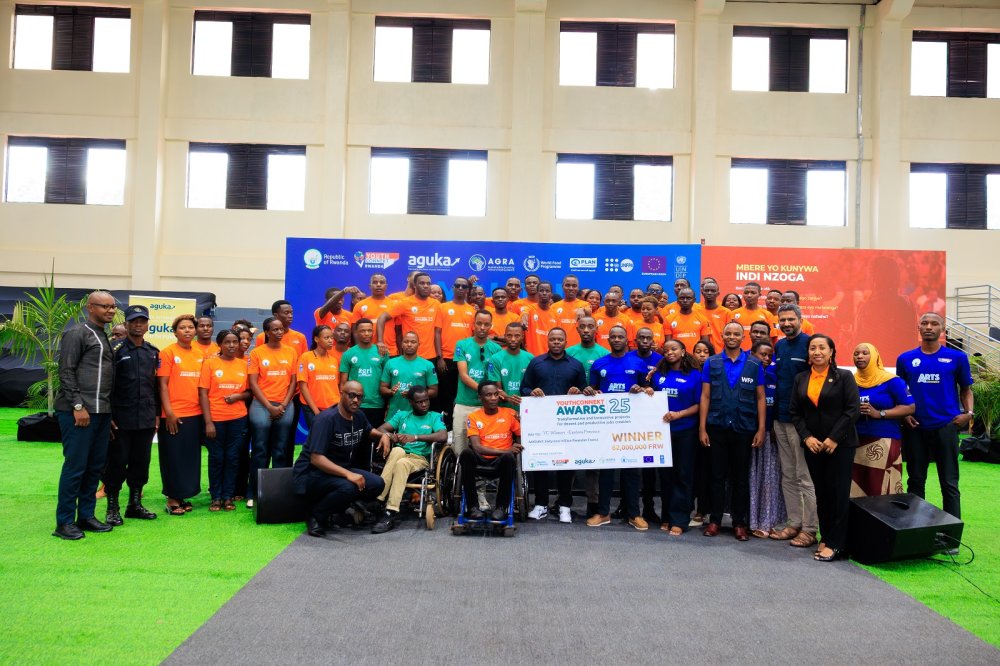
A similar event took place in the Eastern Province, where the Minister of Youth and Arts, Jean Nepo Abdallah Utumatwishima, encouraged young people to be bold and take advantage of available opportunities.
The Governor of the Eastern Province, Pudence Rubingisa, urged youth to explore opportunities in large-scale agricultural projects, particularly in irrigation and livestock, invest in them, and share knowledge with others.
Youth in Northern Province urged to make the most of opportunities
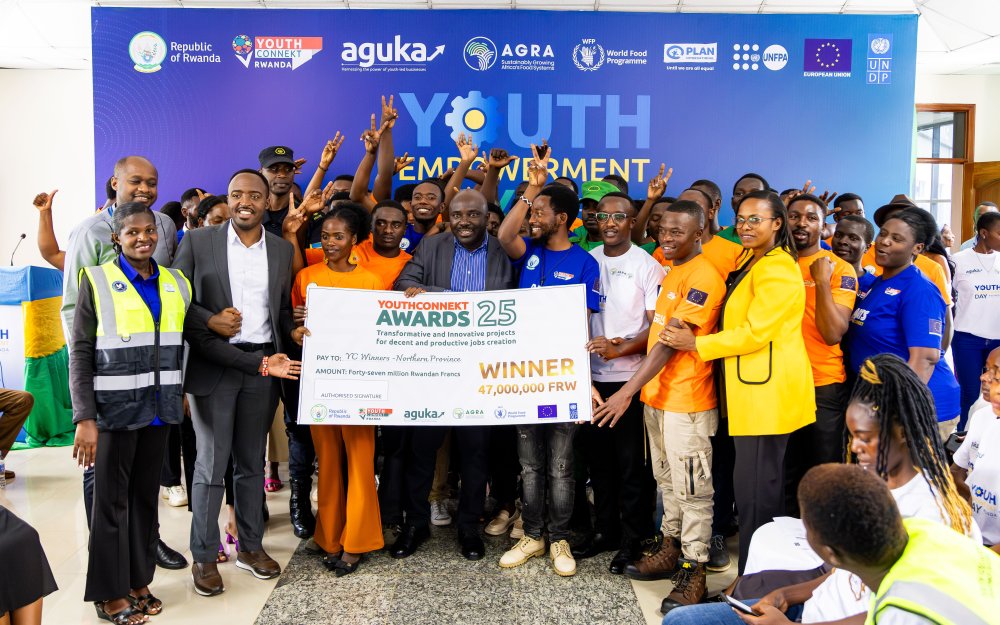
The Governor of the Northern Province, Maurice Mugabowagahunde, called on youth awarded in the Youth Connekt and Arts Connekt Awards 2025 not to waste the opportunities they have received, but to use them to advance themselves and contribute to national development.
He encouraged young people to work hard, avoid bad habits, and build on the unity of Rwandans.
The Permanent Secretary in the Ministry of Public Service and Labour, Clément Kabiligi, said the awarded youth are a strong example that self-development is possible when one takes advantage of available opportunities.
He urged them to maintain discipline and guide others who may stray from the right path.
Southern Province youth advised to act wisely
The Vice Mayor of Nyamagabe District, Thaddée Habimana, encouraged youth to remain patient and avoid making rushed decisions.
He particularly urged them to participate in government programmes such as the monthly Umuganda community service and activities marking the 32nd commemoration of the 1994 Genocide against the Tutsi.
The Governor of the Western Province, Jean Bosco Ntibitura, commended the country’s leadership and partners for their continued support in empowering youth to drive both personal and national development.
He noted that recognizing youth achievements is intended to inspire others to take initiative and improve their livelihoods.
The Youth Connekt competitions are organized in partnership with the United Nations Development Programme (UNDP) and the European Union (EU).
The awarding of top projects in Youth Connekt 2025 also coincided with the official launch of the Aguka Fund, which provides loans to youth-led projects at an interest rate of 9%, with a required collateral of 10% of the total amount needed.
The UNDP Resident Representative in Rwanda, Dr. Fatmata Lovetta Sesay, congratulated all winners for their promising projects, noting that their success marks the beginning of a greater journey, to become competitive in the job market, strengthen the private sector in Rwanda, and contribute to Africa’s economic transformation.
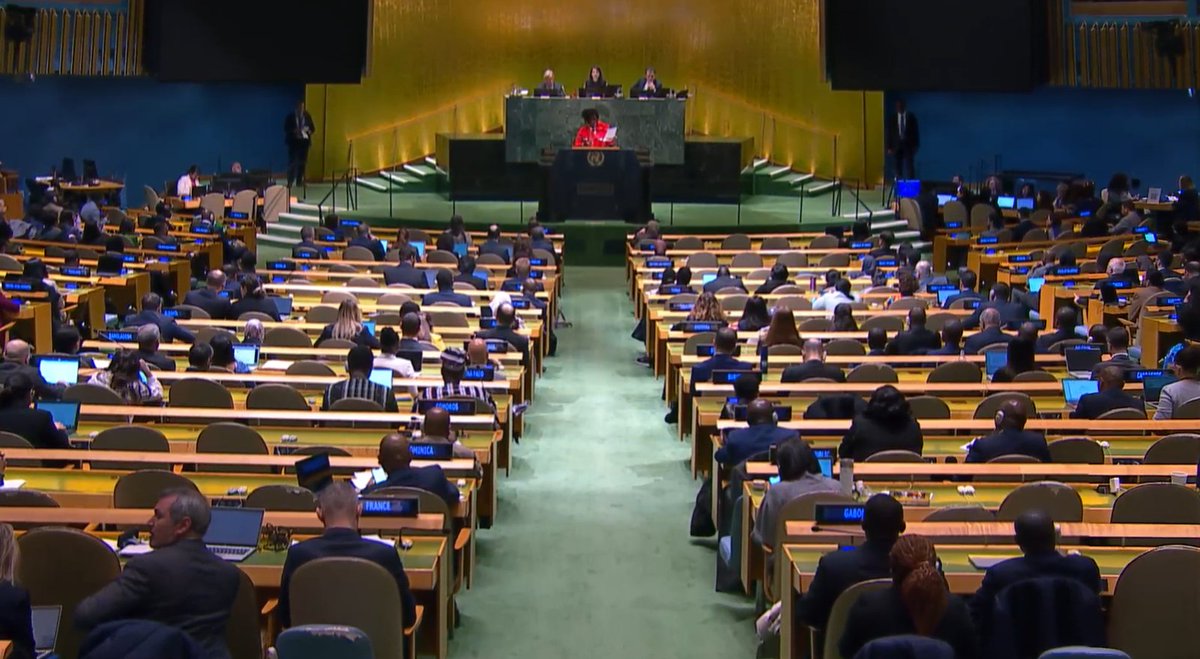
The draft resolution was adopted by a vote of 123 in favor, 52 abstaining and three against. Argentina, Israel and the United States voted against it.
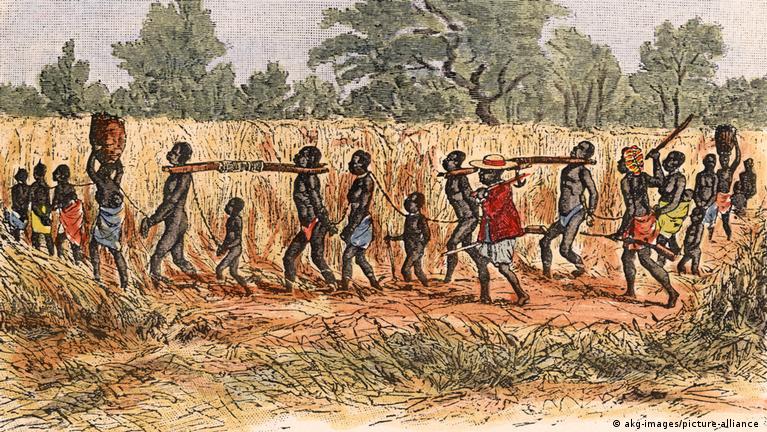
Presented by Ghana on behalf of the African Group, the resolution declares “the trafficking of enslaved Africans and racialized chattel enslavement of Africans as the gravest crime against humanity,” and affirms “the importance of addressing historical wrongs affecting Africans and people of African descent in a manner that promotes justice, human rights, dignity and healing, and emphasizes that claims for reparations represent a concrete step towards remedying historical wrongs against Africans and people of African descent.”
“Today the international community has taken a significant, considerate and historic step forward by adopting this landmark resolution,” Samuel Okudzeto Ablakwa, Ghana’s foreign minister, told reporters after the vote.
With the adoption of the resolution, he said: “We have not simply passed a text, we have affirmed a truth. We have chosen remembrance over silence, dignity over erasure and shared humanity over division. We have advanced the course of justice and we have done that so emphatically.”
In his remarks at the UNGA commemorative meeting to commemorate the International Day of Remembrance of the Victims of Slavery and the Transatlantic Slave Trade, UN Secretary-General Antonio Guterres said: “We will never forget the victims of slavery. And we must never forget the malevolent system that sustained it for so long.”
He welcomed steps taken by some countries to apologize for their role in slavery and to engage in honest dialogue about its lasting consequences, and called for “far bolder action by many more countries,” including respecting African countries’ ownership of their natural resources and ensuring their equal participation and influence in the global financial architecture and the Security Council.
Annalena Baerbock, the UNGA president, said that “the slave trade and slavery stand among the gravest violations of human rights in human history — an affront to the very principles enshrined in the Charter of the United Nations and the Universal Declaration of Human Rights.”
While slavery has been abolished, its consequences endure and continue to shape lives today, she said, stressing that addressing these injustices is a moral imperative, rooted in a collective responsibility to confront past wrongs and to shape a more just future.
The draft resolution was adopted by a vote of 123 in favor, 52 abstaining and three against.
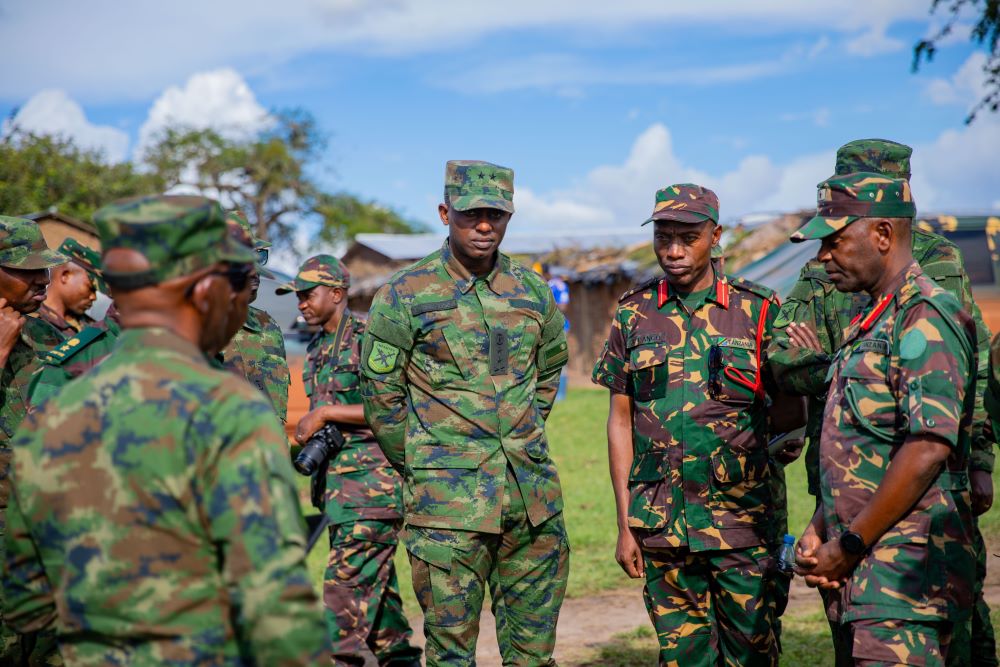
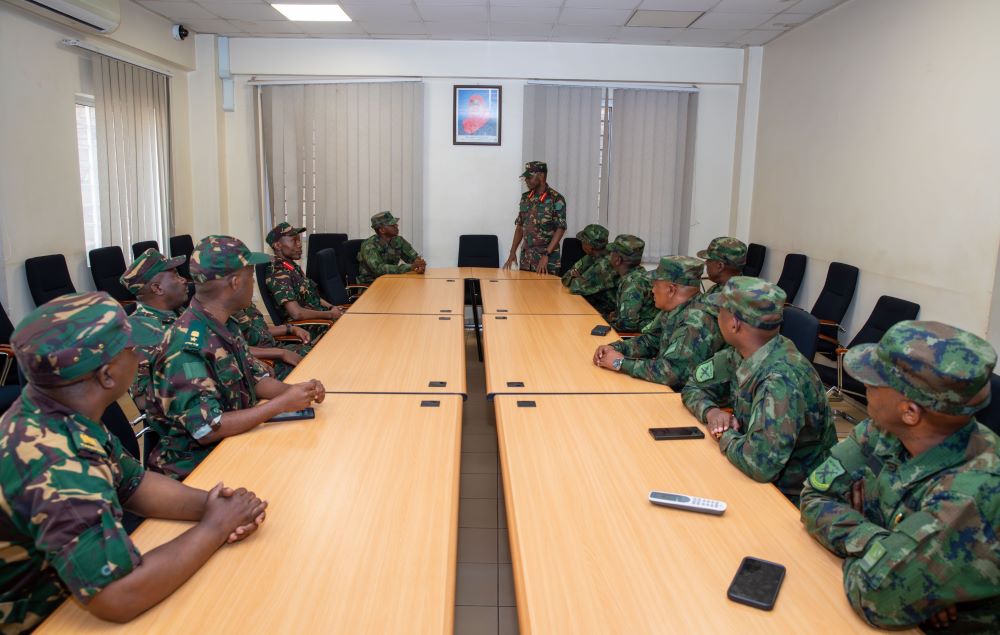
The three-day meeting, taking place from 24 to 26 March 2026, brings together the RDF 5th Infantry Division and the TPDF 202 Infantry Brigade, whose areas of responsibility lie along the shared border between Rwanda and Tanzania.
The RDF delegation is led by Major General Ruki Karusisi, Commander of the 5th Infantry Division, while the TPDF delegation is headed by Brigadier General Gabriel Elias Kwiligwa, Commander of the 202 Infantry Brigade.
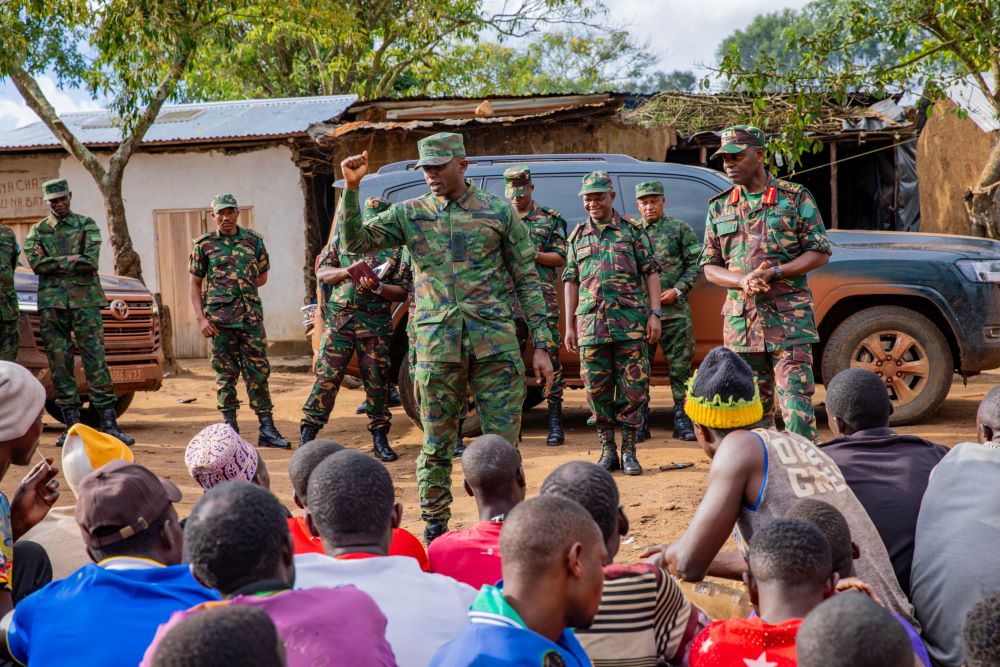
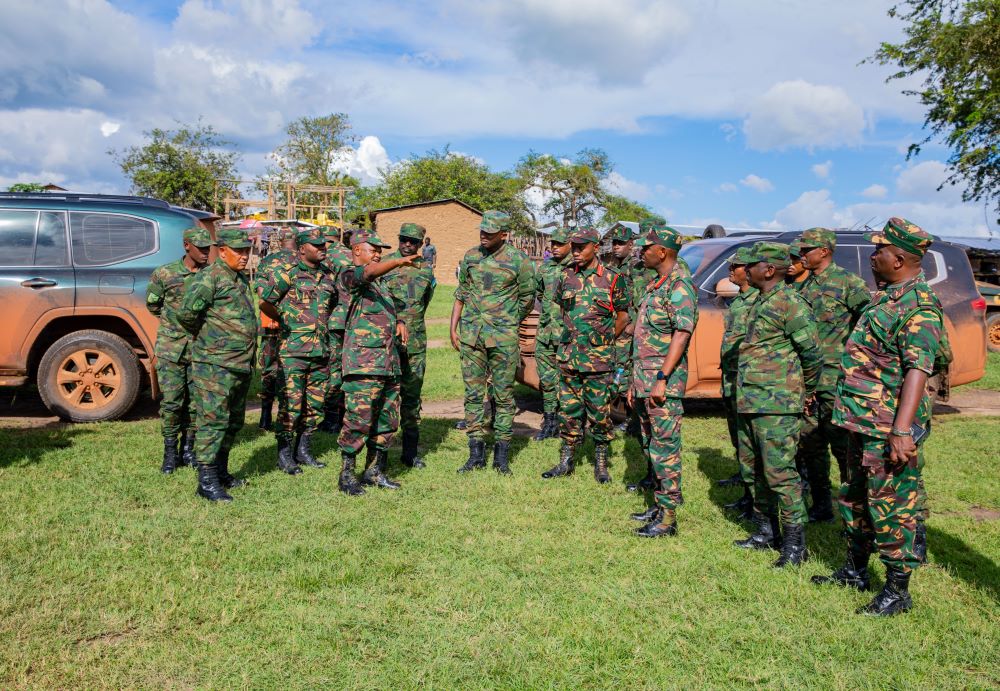
On the first day, commanders conducted joint field visits to key border areas to assess prevailing security challenges and engage with local communities. The visits focused on raising awareness about the dangers of illegal border crossings and unlawful fishing activities in shared water bodies.
The delegations visited border communities including Nyarubare and Katwe villages in Kyerwa District, as well as Nyakakoni Village in Kayisho Sector on the Tanzanian side, opposite Rwanda’s Rwimiyaga Sector.
These areas are characterized by porous borders, with lakes, rivers, and swamps, particularly the Akagera River frequently used for unauthorized crossings.
Commanders identified these locations as hotspots for smuggling and other illicit cross-border activities, emphasizing the urgent need to strengthen preventive measures and enhance joint efforts to curb illegal movements and improve overall border security.
Commanders interact with local communities to raise awareness on illegal border crossings and related risks.Delegations from RDF and TPDF conducted field visits to assess security conditions along the shared border.Military leaders from Rwanda and Tanzania engage in joint discussions during the Proximity Commanders’ meeting.RDF and TPDF officials inspected key border areas identified as hotspots for cross-border activities.
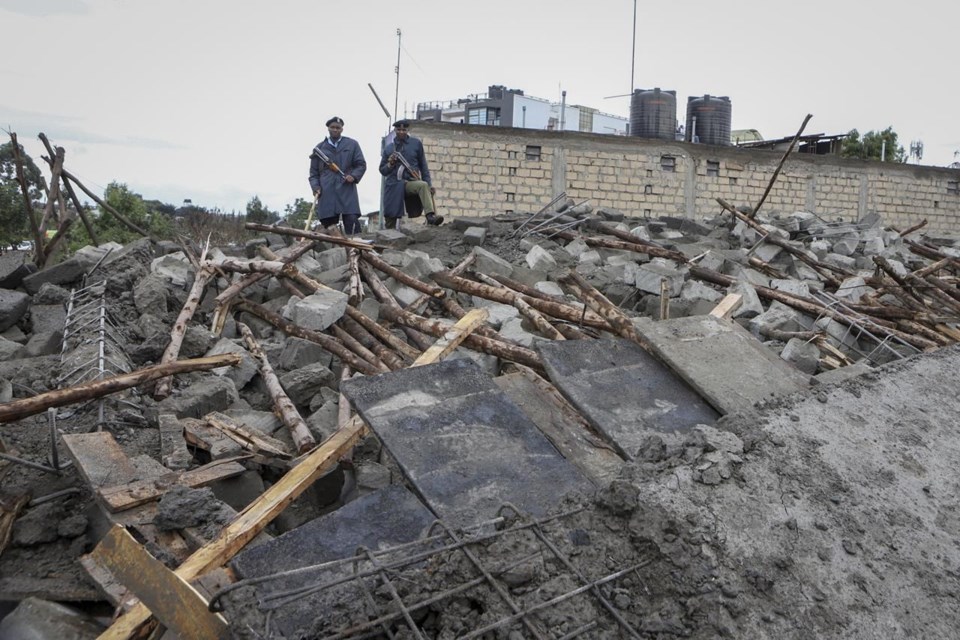
Nairobi County Police Commander Issa Mohamud said the latest incident occurred on Wednesday night in the Westlands area of Nairobi, where the upper section of a 22-storey building partially caved in, leaving one worker dead.
“Investigations are ongoing to establish the cause of the collapse. We have accounted for all workers at the scene,” Mohamud said.
He noted that local authorities were also trying to determine why construction was ongoing at night.
Out of four workers involved, two managed to escape unhurt, one was rescued with injuries, and another succumbed to injuries sustained in the collapse, he added.
Emergency teams, including personnel from the Kenya Red Cross, worked overnight to secure the site and carry out rescue operations, managing to reach those believed to be trapped under the debris.
The incident came hours after a separate tragedy in Kericho County, where another building under construction collapsed, leaving one person dead and several others injured.
Kericho County Commissioner Jeremiah Gicheru confirmed that four workers were rescued and rushed to Kericho County Referral Hospital for treatment.
Photo used for illustration shows Kenyan police attending the scene of a building collapse in Ruaka, on the outskirts of the capital Nairobi, Kenya Thursday, Nov. 17, 2022. (AP Photo)
This concern was raised on March 10, 2026, during a report presented by the Committee on Economic Development and Finance, reviewing the government’s efforts to provide clean water to the public.
The report highlighted that 39.4% of water processed by treatment plants is lost.
The committee also revealed plans for the construction of 25 new water treatment plants, along with an expansion of the water supply network, which is expected to increase from 35,001 kilometers in 2024 to 39,639 kilometers by 2029.
Additionally, the volume of treated water is projected to rise from 329,652 cubic meters per day in 2024 to 688,696 cubic meters daily by 2029.
However, despite these efforts, Nsengiyumva Fulgence, the Chairperson of Committee on Economic Development and Finance, pointed out that the wastage rate of treated water remains alarmingly high, standing at 39.5%. This inefficiency, he stressed, represents a significant loss for the country.
He further stated, “We believe more focus should be placed on accelerating efforts to reduce water loss and finding ways to lower the expected wastage rate of 25% by 2029 to below 15%.”
Senator Nkubana Alphonse emphasized the need for technology to address the issue of water wastage.
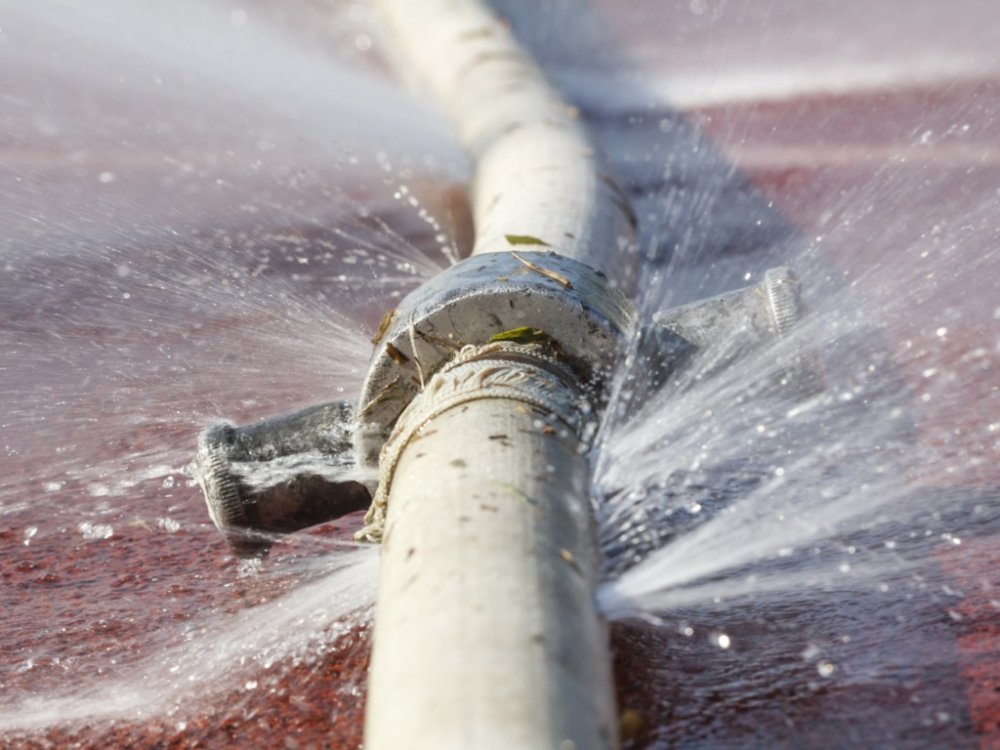
He said, “Our recommendation is to implement technology that can quickly detect leaks. If a pipe bursts, WASAC should be notified immediately, enabling prompt intervention to minimize water loss. Many countries already use technology for fire detection, and we believe such systems would greatly assist in preserving more water.”
He also explained that, aside from the wasted water, the potential damage to infrastructure due to leaks could have serious long-term consequences.
Senator Uwera Pélagie expressed concern about the substantial loss this represents for both the country and its citizens, who are unable to access needed water in a timely manner.
“This is a huge loss to the country and a significant hardship for the people who need water, as they cannot access it as needed, despite the large investments made in the infrastructure. The amount of wasted water should have been reduced,” she stated.
She also highlighted the issue of water pricing at public taps, where RURA’s pricing regulations are often not being followed.
Senator Bideri John Bonds pointed out that supplying clean water to rural areas is relatively simple and that Rwanda is moving in the right direction. He called for significant reductions in water wastage.
Following extensive discussions, the plenary session of the Senate called on the Rwandan government to accelerate the construction of new water treatment plants, the expansion and renovation of water networks, the replacement of outdated equipment, and the implementation of measures to reduce the wastage of clean, treated water.
The Senate also urged the establishment of a reliable system to monitor the quality of all water provided to the public, including water supplied by private vendors in rural areas.
WASAC group urged to swiftly resolve the issue of wasted water.
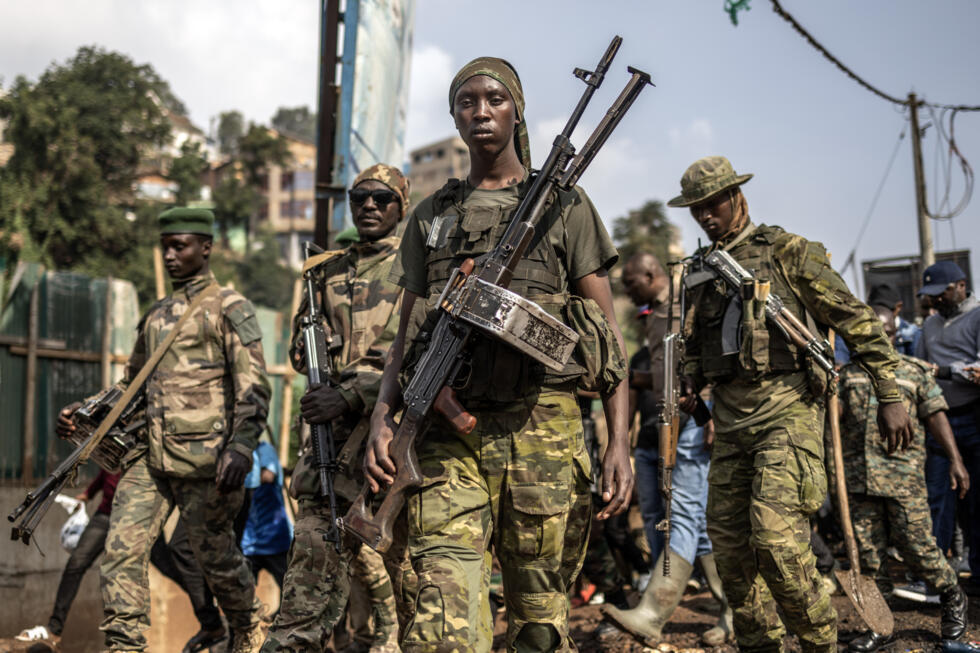
Local sources say the offensive was launched from Kilongo, in Osso Banyungu groupement of Masisi Territory. After hours of clashes, Congolese troops and Wazalendo fighters withdrew from Buhimba, retreating west toward Ngenge.
The fighting forced many residents to flee. Civilians in Ngenge and Kangati, fearing further advances, began moving toward forested areas and nearby localities including Kimua.
AFC/M23 escalated operations after government forces reportedly killed its military spokesperson, Lt Col Willy Ngoma, near Rubaya on February 24, 2026. Since then, the group says it has retaken several positions around Rubaya, accusing Kinshasa of breaching a ceasefire agreement signed in Qatar.
On March 1, four drones targeted Bangoka International Airport in Kisangani. Authorities said the drones were intercepted by the military.
Reports attribute the attack to AFC/M23, mirroring a similar incident reported last month.
Although Bangoka airport mainly serves civilian flights, part of the facility is used by the Congolese military, with its runway supporting combat aircraft and drones conducting operations in North Kivu and South Kivu.
The AFC/M23 rebel coalition recaptured the Buhimba trading center in Walikale Territory, following heavy fighting with forces.
According to the communique, the decision follows a recent stand taken by the Maldivian government, “whereby it no longer recognizes the sovereignty of the Republic of Mauritius over the Chagos Archipelago, its territorial integrity and is now objecting to the Agreement between Mauritius and the United Kingdom.”
The communique said that the decision reflects the commitment of Mauritius to safeguard its national interest and uphold the principles of sovereignty and respect of the UN Charter, international law, peace and stability in the region.
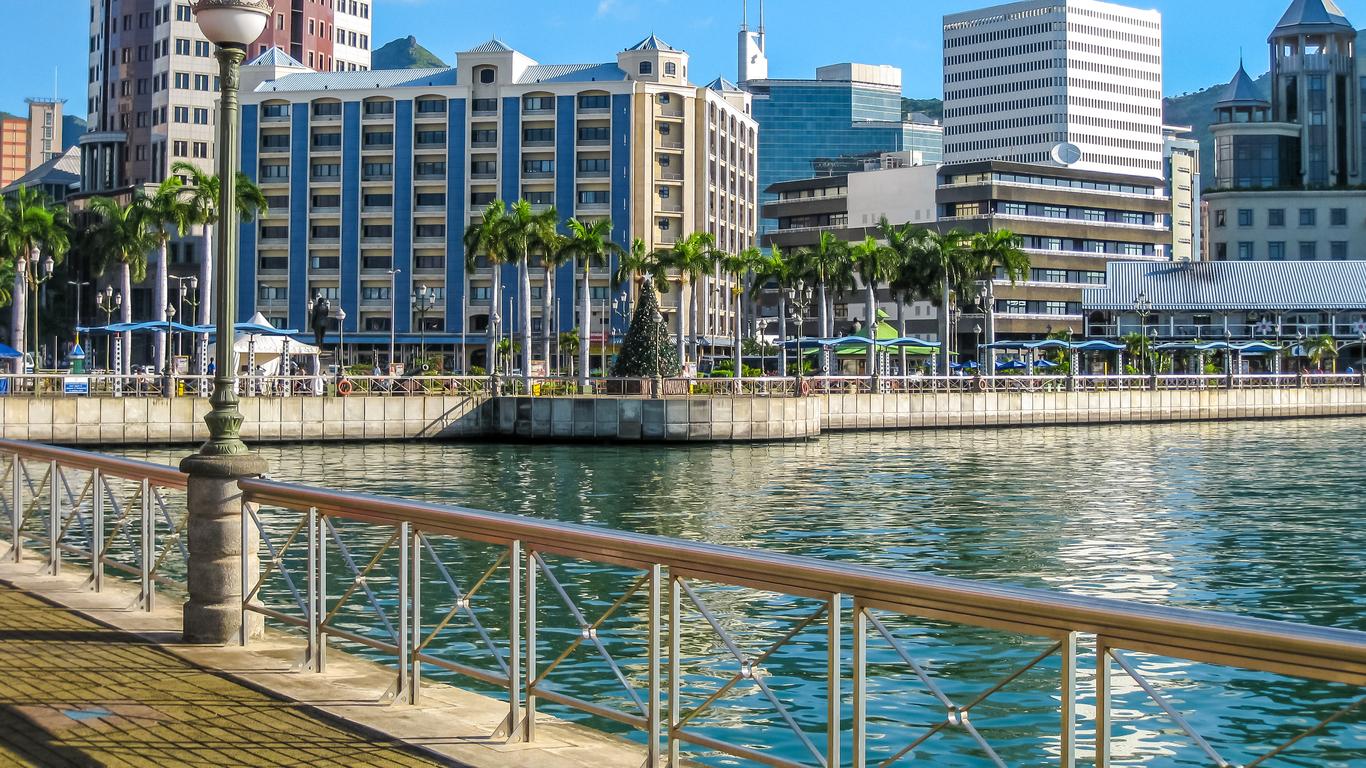
Port Louis is the capital and largest city of Mauritius.