The RWAPSU-7 contingent commander, Chief Superintendent of Police (CSP) Vincent B. Habintwari guided his officers safely back home.
They were replaced earlier in the morning by RWAPSU-8 commanded by Senior Superintendent of Police (SSP) Gilbert Safari.
Commissioner of Police (CP) Costa Habyara oversaw the rotation at Kigali International Airport (KIA), on behalf of the Rwanda National Police (RNP) leadership.
The Rwanda Protection Support Unit deployed in CAR’s capital Bangui, is largely charged with ensuring protection for high profile government and UN officials, including the Prime Minister, President of National Assembly, Minister of State in charge of Justice, and MINUSCA Head of Police component.
It is one of the four Rwandan Police contingents deployed under MINUSCA.
The Rwanda Formed Police Unit One (RWAFPU-1) also of 140 officers, operates in Bangui.
Rwanda FPU-2 is deployed in Kaga Bandoro, more than 300kms from Bangui, while Rwanda FPU-3 of 180 officers operates in Bangassou, about 725kms South East of the capital.
The Basketball Africa League is Africa’s top-tier basketball league, and is a joint effort between the National Basketball Association (NBA) and the International Basketball Federation (FIBA). The third edition saw Dakar, Senegal host the Sahara conference, Cairo, Egypt hosting the Nile conference.
Now eight teams from both conferences gear up to compete for the title in this highly anticipated league from 20-27 May, 2023 at the BK Arena in Kigali.
“We had an incredible journey starting in March where the eight teams qualified for the third consecutive BAL finals in BK Arena. We are super excited today about the matchups and tip off for the BAL in Kigali. I encourage fans to buy tickets for the games at www.bal.nba.com and for those who can’t access the BK Arena, the games are broadcasted in over 200 countries. We look forward to an exciting competition,” says Amadou Gallo Fallo, President of the Basketball Africa League.
“To my fellow Rwandans, the Basketball Africa League is back. Let’s warmly welcome our guests, cheer up REG BBC and all teams competing in this third season of BAL playoffs and finals and enjoy to the fullest the beauty of sport and the good ambiance around the BAL,” says Hon. Aurore Mimosa Munyangaju, Rwanda’s Minister of Sports.
As part of The BAL Season 3 playoffs and finals, Visit Rwanda and partners will unveil a range of initiatives and hold side events that will shape the future of basketball in Rwanda. These include the unveiling of the Kimironko Basketball Court, Jr. NBA coaching clinics, a Special Olympics Unified Game, the Innovation Summit and more.
Rwanda will be represented in the tournament by Rwanda Energy Group (REG) Basketball Club which is keen to make the country proud.
Information on how to buy tickets, game schedules, ticket giveaways, and more fan engagement events during The BAL week can be found on the Visit Rwanda website. The general public, including basketball fans and friends of Rwanda, are encouraged to support their teams and follow @visitrwanda_now and @thebal for instant updates, ticket give-aways and news of The BAL Season 3.
With teams coming from different corners of the continent and fans from around the world, Visit Rwanda looks forward to creating the best tourism experience for all. Rwanda offers a diversity of natural wonders such as gorilla treks at the Volcanoes National Park, mesmerizing canopy walk and trails in Nyungwe National Park, and breathtaking landscapes and the Big Five in Akagera National Park. To access more information on Rwanda’s top tourist destinations and tour packages check out the Visit Rwanda website.
Visit Rwanda and BAL are excited to welcome all to Kigali to experience the thrill and energy of the Basketball Africa League.
{{About Visit Rwanda}}
Visit Rwanda is the tourism arm of the Rwanda Development Board (RDB), which promotes private sector growth to accelerate the country’s economic development. They collaborate with local partners to create tourism products that benefit tourists, communities, and the environment.
{{About the BAL}}
The BAL is a partnership between FIBA and the NBA, featuring 12 club teams from Africa. Headquartered in Dakar, Senegal, it expands FIBA’s regional club competitions and represents the NBA’s first league outside of North America.
As of December 31, 2022, the combined pre-tax profit of regional subsidiaries of Kenyan banks reached Sh32.51 billion, marking an 88.65 percent increase from Sh.17.23 billion reported on December 31, 2021.
The CBK highlighted that Rwanda contributed the most to these earnings, with profits amounting to Sh.10.16 billion. This figure represents 31.26 percent of the total profits. Meanwhile, subsidiaries operating in the Democratic Republic of Congo (DRC) and Uganda contributed 30.10 percent and 16.11 percent of the total profits, respectively. Subsidiaries in South Sudan also played a significant role, contributing 14.28 percent of the total profits.
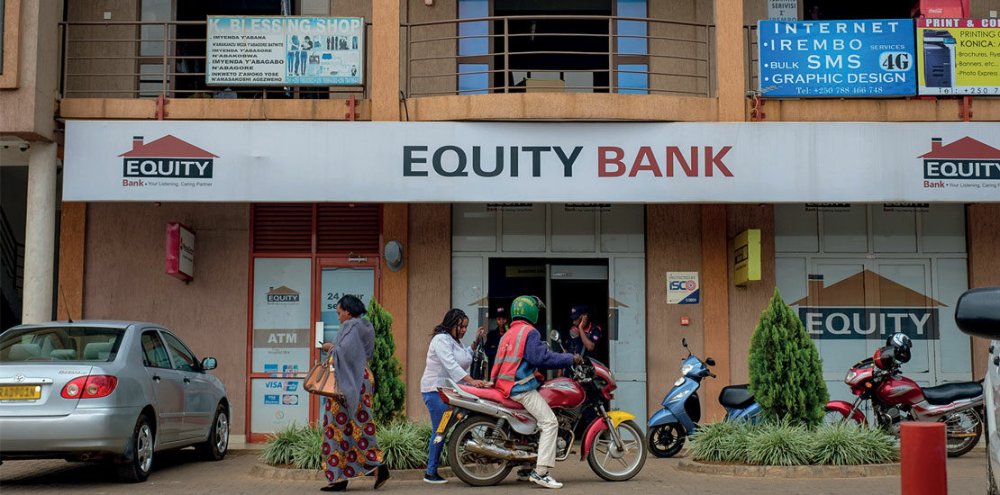
In recent years, numerous Kenyan banks, including KCB Group, Diamond Trust Bank, NCBA, Guaranty Trust Bank Kenya Limited, Equity Group, I&M Holdings Plc, African Banking Corporation Limited, and the Co-operative Bank of Kenya, have expanded their operations within the East African Community (EAC) partner states. They have also ventured into markets such as Mauritius, Malawi, and Mozambique.
Some Kenyan lenders, like I&M and Prime Bank Limited, have even expanded beyond the EAC jurisdiction. For example, I&M holds a 50 percent share in Bank One Limited in Mauritius, while Prime Bank has a 10.6 percent share in First Capital Bank Malawi, a 6.62 percent share in First Capital Bank of Botswana, and a 5.0 percent share in First Capital Bank SA, Mozambique.
The CBK report revealed that Kenyan bank subsidiaries operating in Mauritius, Tanzania, and Burundi were the least profitable, contributing 4.50 percent, 2.82 percent, and 0.93 percent of the total profits, respectively. Furthermore, three subsidiaries experienced a combined loss of Sh2.4 billion, with two operating in Tanzania and one in Uganda, according to the regulator.
As of December 31, 2022, the total assets of Kenyan bank subsidiaries abroad amounted to Sh1.61 trillion, compared to Sh1.21 trillion the previous year. Equity Group Plc’s subsidiary in the DRC, Banque Commerciale Du Congo (BCDC), played a significant role in the asset base, with total assets of Sh442 billion. KCB Group Plc’s subsidiary in the DRC, Trust Merchant Bank, also made a substantial contribution, with total assets of Sh212 billion.
Regarding deposits, Kenyan bank subsidiaries accounted for a combined deposit base of Sh1.28 trillion in December 2022, compared to Sh940 billion in December 2021. The primary contributors to these deposits were Equity’s subsidiary in the DRC, Banque Commerciale Du Congo (BCDC), which accounted for Sh365 billion or 28 percent of the total deposits in host countries, and KCB Group’s subsidiary in the DR Congo, Trust Merchant Bank, which accounted for Sh180 billion or 14 percent of the total deposits in host countries.
As of December 31, 2022, the combined gross loans for subsidiaries in host countries reached Sh725.8 billion, reflecting a 42.2 percent increase from Sh510.3 billion in the previous year. Among the subsidiaries, those operating in the DRC recorded the highest level of gross loans, amounting to Sh.244.5 billion, which accounted for 33.69 percent of the gross loans in all subsidiaries outside Kenya. Subsidiaries in Tanzania accounted for 20.
Nelly Mukazayire, deputy chief executive officer of the Rwanda Development Board (RDB), made the announcement during a CIIE promotion conference held in Kigali, the capital of Rwanda, Wednesday.
Mukazayire emphasized that the CIIE presents an excellent platform for raising brand recognition for Rwandan products and attracting Chinese investors. “This year marks Rwanda’s sixth participation in the CIIE, and the continuous involvement has significantly increased awareness of Rwandan products in the Chinese market,” she said.
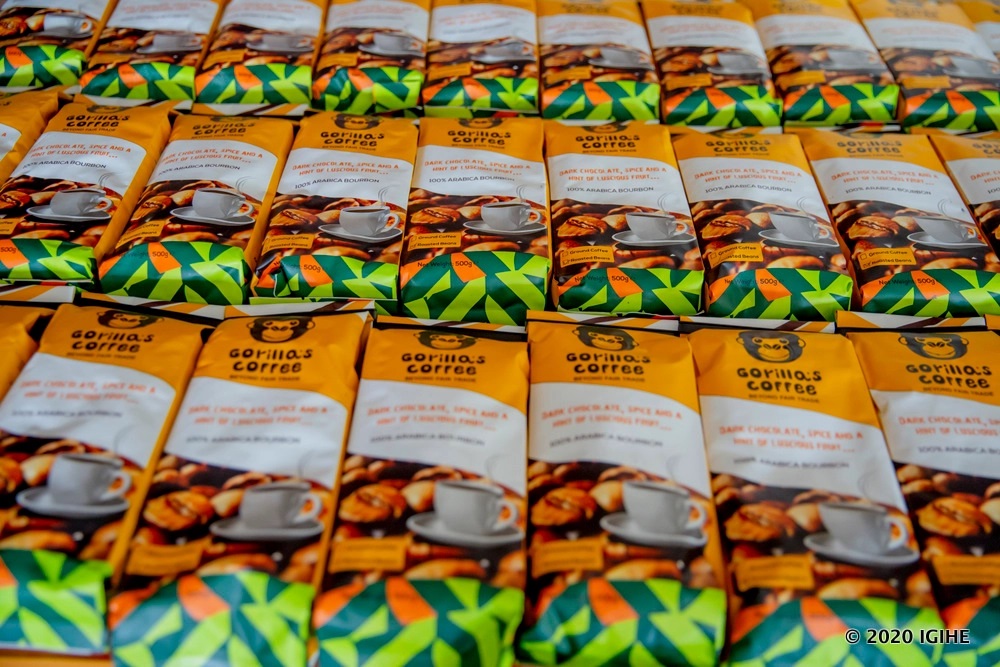
Mukazayire highlighted Rwanda’s active trade partnership with China, citing exports primarily composed of minerals, coffee, and chili.
According to her, the expo enables Rwandan companies to explore additional products that might arouse the interest of the Chinese market, beyond the traditional exports of tea and coffee.
Mukazayire pointed out that China ranked first in terms of investments registered with the RDB in 2022, with 49 projects involving investments amounting to 182.4 million U.S. dollars.
Song Shangzhe, visiting deputy director general of the China International Import Expo Bureau, expressed China’s sincere desire to share its market with Rwanda and the world through the CIIE. He underscored the positive impact of the CIIE on China-Rwanda economic and trade cooperation, facilitating Rwandan enterprises’ access to the vast Chinese market.
“To support Rwandan and African participants, particularly least developed countries (LDCs), CIIE offers various policies and incentives such as a certain number of free standard booths, construction subsidies, and preferential tax policies for the retention and purchase of exhibits,” said Song.
Chinese Ambassador to Rwanda Wang Xuekun emphasized that the CIIE is not merely a week-long exhibition but also an economic forum where dignitaries, international officials, and scholars gather to discuss economic cooperation.
“Bilateral trade between China and Rwanda has seen consistent and rapid growth in recent years, reaching a record high of over 477 million U.S. dollars in 2022, an increase of 31.2 percent,” he said.
Wang said that the CIIE serves as a platform to attract investments from China and other countries, offering opportunities for knowledge exchange and improving output and supply chain management for Rwandan counterparts, while welcoming Rwandan enterprises to participate in the CIIE and assuring the Chinese Embassy’s commitment to facilitating their involvement.
The preparations for the event are progressing as scheduled, and the 6th CIIE is set to take place from Nov. 5 to 10. The contracted Business Exhibition area has exceeded 260,000 square meters, covering sectors including food and agricultural products, automobiles, intelligent industries and information technology, consumer goods, medical equipment and healthcare products, and trade-in services, according to organizers.
The flight will arrive from Frankfurt in Nairobi at 20:30 hours and the returning flight will depart each evening from Nairobi at 22:25 (local time). It arrives the next day in the morning at Frankfurt, with all options for onward connections during the day.
The additional flights between Nairobi and Frankfurt are already bookable through all available sales channels.
“Kenya remains a focus market for Lufthansa in East Africa and the decision to maximise our offering into the country is largely driven by the significant increase in demand and resurgence in travel, coupled with the immense support of the local community within the region”, says Kevin Markette, General Manager East Africa, Lufthansa Group.
Lufthansa was one of the first airlines to restart regular commercial flights to Kenya directly after the Covid-19 pandemic, signifying the important commercial and economic ties between the two countries, as well as Lufthansa’s commitment to maintaining a direct connection for our customers in Kenya and Germany.
{{Eurowings Discover increasing capacity to five weekly flights to Mombasa}}
Not only is East Africa a popular destination and gateway amongst business travellers, but the region is also well known by those travellers seeking an idyllic holiday destination to unwind and relax. For this reason, the Lufthansa Group has decided to enhance the Eurowings Discover flight schedule to Kenya, by increasing the current four weekly flights between Frankfurt and Mombasa, to five weekly flights starting 20 June until 12 September 2023.
The additional capacity to Mombasa comes just in time for the peak travel season and will allow Eurowings Discover to offer holidaymakers the much needed flexibility and choice, when booking their flights.
{{Brussels airlines offering daily flights to Entebbe as well as five weekly flights to Kigali}}
As the Lufthansa Group continues to invest in expanding its network in Kenya through its premium Lufthansa product and its leisure carrier Eurowings Discover, the importance of growing in the entire East African region remains a high priority.
Therefore, a noteworthy highlight is the current capacity increase from four to five weekly Brussels Airlines flights between Brussels and Kigali, which was originally planned to be a seasonal increase, shall now continue all throughout the winter season of 2023.
This capacity adjustment comes on top of the daily flights offered by the airline between Brussels and Entebbe and it complements the existing twice-weekly flights between Brussels and Bujumbura, of which Brussels Airlines proudly remains the only European airline to offer flights to this East African City. With the additional frequencies, the Lufthansa Group is further cementing its commitment to growing in the region and on the African continent.
{{Lufthansa Group committed to sustainability and providing a consistent, high quality travel offer}}
Until 2030, the Lufthansa Group airlines will have at least 190 newly delivered and fuel-saving aircraft in service. This major investment in the future will reduce kerosene consumption and therefore CO₂ emissions by up to 30 percent on each flight.
Leading aviation into a sustainable future and to become carbon neutral by 2050 is the goal of the Lufthansa Group.
“We believe that sustainable aviation will continue to enable us to benefit from a connected world and by expanding the various airline schedules of the Lufthansa Group, we are maintaining a solid foundation and presence within East Africa. Our passion for connecting people, cultures and economies, thus bringing the world within reach, together with providing our customers a consistent, high quality travel offer across an extensive route network remains a top priority for the Lufthansa Group”, adds Kevin.
The Institutional Support for Digital Payments and e-Commerce Policies for Cross-Border Trade Project (IDECT) will evaluate policy gaps in the digital trade and e-commerce ecosystems of Côte d’Ivoire, Benin, Ghana, Liberia, Uganda, South Sudan, Zimbabwe, the Republic of Congo, São Tomé and Príncipe, and the Democratic Republic of Congo.
The project will see to the implementation of regional training and capacity-building programs focusing on cross-border e-payment and e-commerce for governments, private sectors, and Small and Medium Sized Enterprises (SMEs).
These programs are expected to reach 600 participants, with 60% being women and youth. Additionally, a certified gender-sensitive e-learning training program addressing the unique challenges faced by women in digital trade and e-commerce, will be developed and disseminated to 2,500 participants, of whom 60% will be women.
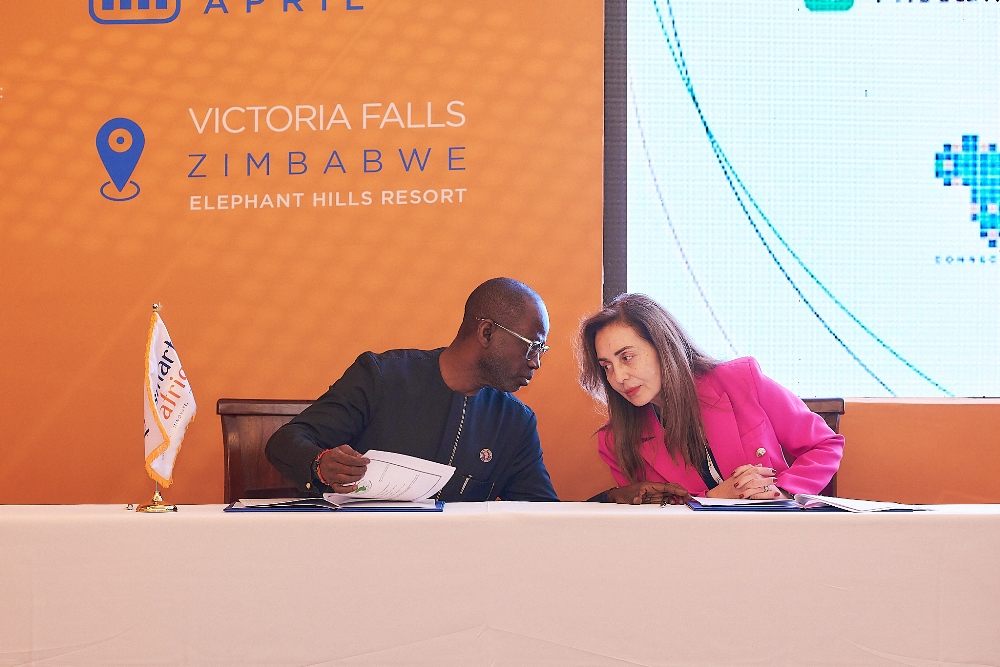
The agreement was signed on Tuesday, 25 April, a day ahead of the 2023 Transform Africa Summit which takes place in Victoria Falls, Zimbabwe, from 26-28 April.
African Development Bank Director General for Southern Africa Region Leïla Mokaddem, described the IDECT as a pivotal step towards strengthening Africa’s digital trade and e-commerce landscape.
“This initiative will bolster the development of harmonized e-payment policies, capacity building, and gender-sensitive frameworks, ultimately fostering a digital trade ecosystem that generates employment opportunities across the continent,” she said.
Lacina Koné, CEO of Smart Africa, said: “The IDECT project demonstrates our commitment to fostering digital transformation and economic growth in Africa. By addressing policy gaps and promoting gender-sensitive training, we are laying the foundation for a thriving digital trade and e-commerce ecosystem.”
{{About the African Development Bank Group}}
The African Development Bank Group is Africa’s premier development finance institution.
It comprises three distinct entities: the African Development Bank (AfDB), the African Development Fund (ADF) and the Nigeria Trust Fund (NTF). On the ground in 41 African countries with an external office in Japan, the Bank contributes to the economic development and the social progress of its 54 regional member states.
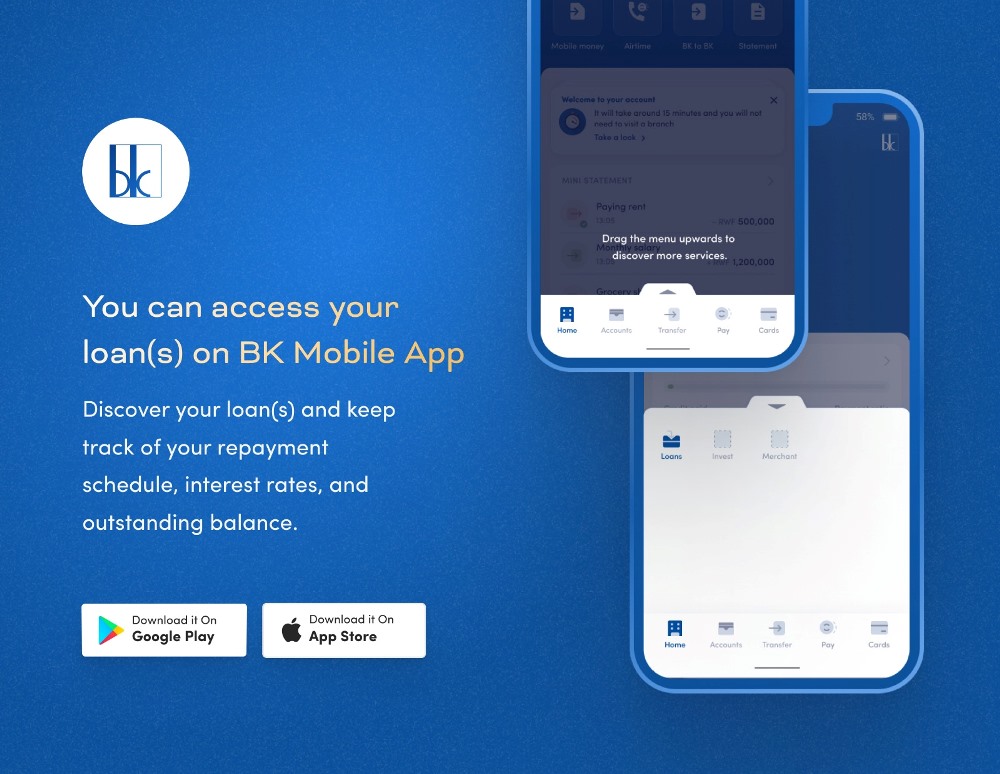
The Loan Repayment Feature on the BK App is designed to provide customers with an exceptional banking experience. The app’s functionality is intuitive and easy to use, ensuring that customers can effortlessly manage their loan repayments on-the-go. The loan amount and schedule adjust automatically, providing customers with real-time updates on their loan status. This transparency ensures that customers stay in control of their finances and make informed decisions about their loan repayment journey.
According to the lender’s management, the BK App’s Loan Repayment Feature aligns with its commitment to delivering convenience and accessibility to its customers.
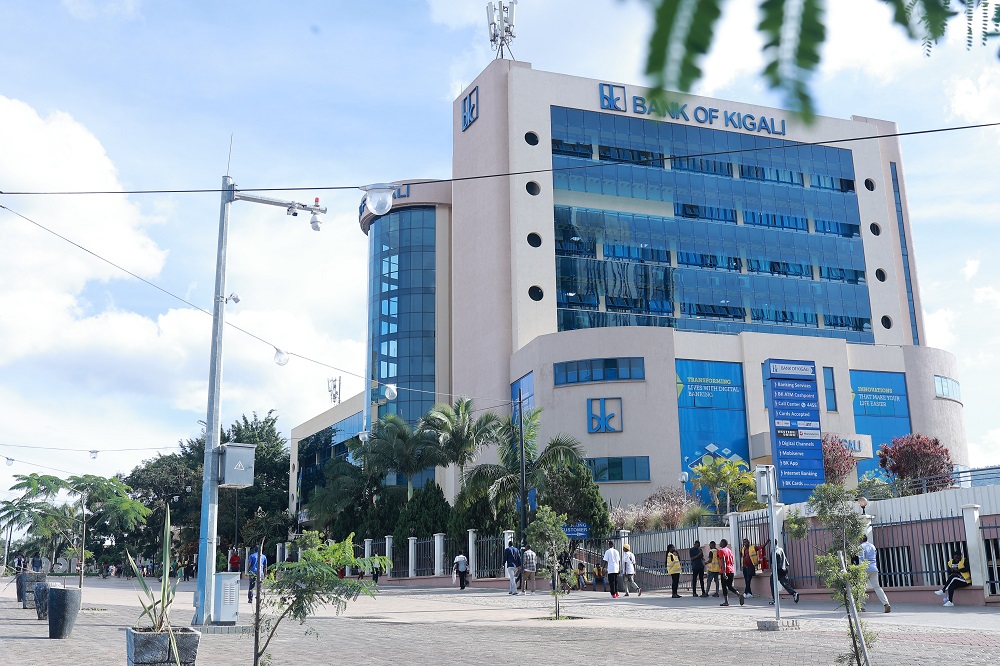
The bank’s CEO, Dr. Diane Karusisi, has been a driving force behind Bank of Kigali’s digital transformation, making it a “Home Bank” for Rwandans.
With the development and launch of new digital products, such as the BK App’s Loan Repayment Feature, the bank continues to demonstrate its unwavering commitment to transforming lives and fostering financial inclusion.
The launch of the Loan Repayment Feature is a significant step towards providing customers with a secure and accessible way to manage their loans. By eliminating the need for branch visits and offering real-time updates on loan status, Bank of Kigali is revolutionizing the way customers interact with their loans. This feature is an example of the bank’s dedication to digital transformation, through its investments in infrastructure, partnerships, and innovative products.
{{About Bank of Kigali Plc}}
Bank of Kigali Plc is the largest commercial bank in Rwanda, by total assets. In 2017, Global Credit Ratings affirmed Bank of Kigali’s long-term and short-term national scale ratings of AA-(RW) and A1+(RW) respectively with a stable outlook.
It has won several back-to-back international and regional banking awards from Euromoney, The Banker, Global Finance Magazine, and EMEA Finance. Bank of Kigali has been recently awarded “Best Bank in Rwanda 2023” by Global Finance Magazine.
The Bank is a licensed commercial bank in Rwanda, with leading market share over 30% across key metrics. The Bank has a distribution network comprising of 68 branches, 13 outlets, 9 mobile vans, 3,044 agents and serves over 361,595 individuals and over 27,117 business entities.
Global Finance, an international magazine with over 35 years of experience in financial reporting, attributed this recognition to the bank’s exceptional customer service, innovative products, and strong financial performance.
The CEO of Bank of Kigali attributed the award to the bank’s commitment to excellence and its unwavering determination to provide customers with top-notch services.
“We are honored to receive the Global Finance Award for the third consecutive time, and we are grateful to our customers, staff, and stakeholders for their continued support,” she noted.
Dr. Karusisi also emphasized that the bank remains focused on driving financial inclusion and contributing to Rwanda’s economic growth and development.
“We will continue to innovate and adapt to meet the evolving needs of our customers,” she reiterated.
Bank of Kigali experienced several significant developments over the past year, which played a critical role in securing the award for the third consecutive year.
These include the release of the new BK Mobile App, the acquisition of the BK Arena naming rights, the establishment of both the Mortgage Center and the SME Center, as well as the introduction of the IKAZE Feedback platform.
In addition, the bank saw a 15.1 percent increase in net profit worth Rwf59.7 billion in 2022 from Rwf51.9 billion in 2021, mainly driven by the 25 percent increase in non-funded income.
This achievement marks another cause for celebration at Bank of Kigali.
The bank’s total operating income also increased by 16% to Rwf72 billion compared to Rwf61 billion in 2021, due to revenue growth in interest income and containment of interest expense. The bank’s loan book grew by 27%, reaching Rwf456 billion in 2022, driven by investments made in manufacturing, trade, and construction.
BPR Bank’s Managing Director, Patience Mutesi, attributed the performance to the consolidation of gains from the merger of the former KCB Rwanda and Banque Populaire du Rwanda, as well as providing customer-centric products and services while implementing technological advancements.
The bank’s Chairman of the Board of Directors, George Rubagumya, noted that the results were achieved through sound financial management, the introduction of new products and services, and a keen focus on customer satisfaction metrics.
BPR Bank has reiterated its commitment to offering quality services in public and private investments, payments, and savings for customers.
Fees and commissions also saw a 20 percent increase year-on-year, attributed to the proper execution of revenue-generating strategic initiatives and digital transactions’ continued growth. Foreign exchange activities revenue also increased by 25 percent due to the increase in volume.
Despite the increase in operating expenses to Rwf25.6 billion from Rwf20.7 billion, I&M Bank’s loan book grew by 4 percent, closing at Rwf231.7 billion, while customers and other financial institutions’ deposits closed at Rwf357.4 billion. The bank’s NPL ratio was well managed at 4.2 percent, resulting in a loan-to-deposit ratio of 63.2 percent.
I&M Bank CEO Robin Bairstow attributed the bank’s success to the I&M Group’s ability to manage various economic challenges while leveraging digital capabilities to provide exceptional customer experiences. He emphasized the bank’s dedication to being a dependable and trusted financial partner for growth while navigating macroeconomic headwinds with resilience and soundness.
I&M Bank’s good performance also earned it the Gender Equality Seal and the Best Bank in Rwanda award for the second year in a row by Capital Finance International (CFI). The bank plans to continue investing in technology to enhance its customer experience and improve operational efficiency.
Based on the financial performance, the board recommended the payment of Rwf1.84 dividends per share, a 55 percent increase compared to the previous year.
The bank’s commitment to creating long-term value for all stakeholders, including customers, shareholders, and the broader community, continues to be a top priority.