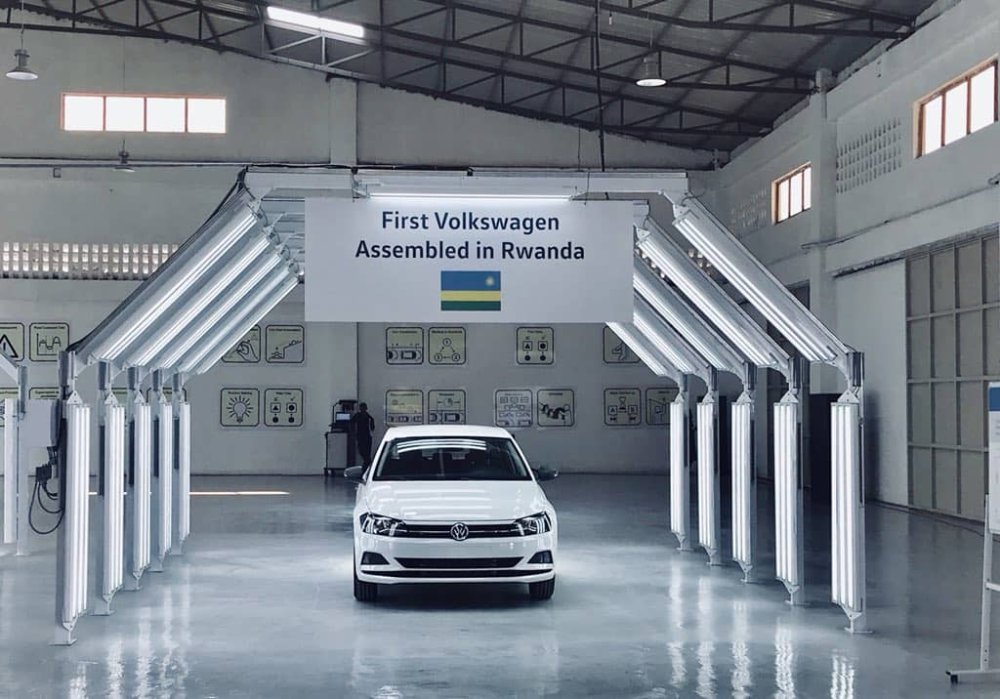
In a statement issued on Tuesday, March 24, the company clarified that it has no intention of ceasing its operations in Rwanda and urged stakeholders, customers, and the general public to disregard the circulating reports.
“The media reports about Volkswagen disinvesting or leaving Rwanda are incorrect and unfounded,” the company stated, reaffirming its continued presence in the country.
The automaker further announced that, effective April 1, 2026, Volkswagen Mobility Solutions Rwanda will relocate to new and larger premises in the Special Economic Zone, signalling continued investment in its local operations.
Volkswagen Group Africa emphasised that it will maintain and expand its business activities in Rwanda, which include mobility services, vehicle assembly, vehicle retail, and after-sales services.
The company also outlined its broader strategy to strengthen its presence in the country by building a regional team to drive its mobility services across Africa.
Reaffirming its long-term outlook, Volkswagen Group Africa said it remains committed to delivering world-class automotive products and services in Rwanda.
Volkswagen Group Africa operates a vehicle assembly plant in Kigali, Rwanda, opened in 2018 in partnership with CFAO Mobility to promote local manufacturing and reduce reliance on used car imports. The plant specialises in assembling models like the Polo, Passat, and Teramont, with a capacity of roughly 5,000 cars per year.
President Paul Kagame inaugurated a Volkswagen assembly plant in Rwanda back in 2018.
Skytrax is a United Kingdom–based aviation research and consulting firm that specializes in evaluating airlines and airports around the world.
According to the report released on March 19, the airport earned its place among the continent’s top performers due to its modern infrastructure, cleanliness, and quality services, including food and beverage offerings. It was also recognized for its calm environment and strong security standards.
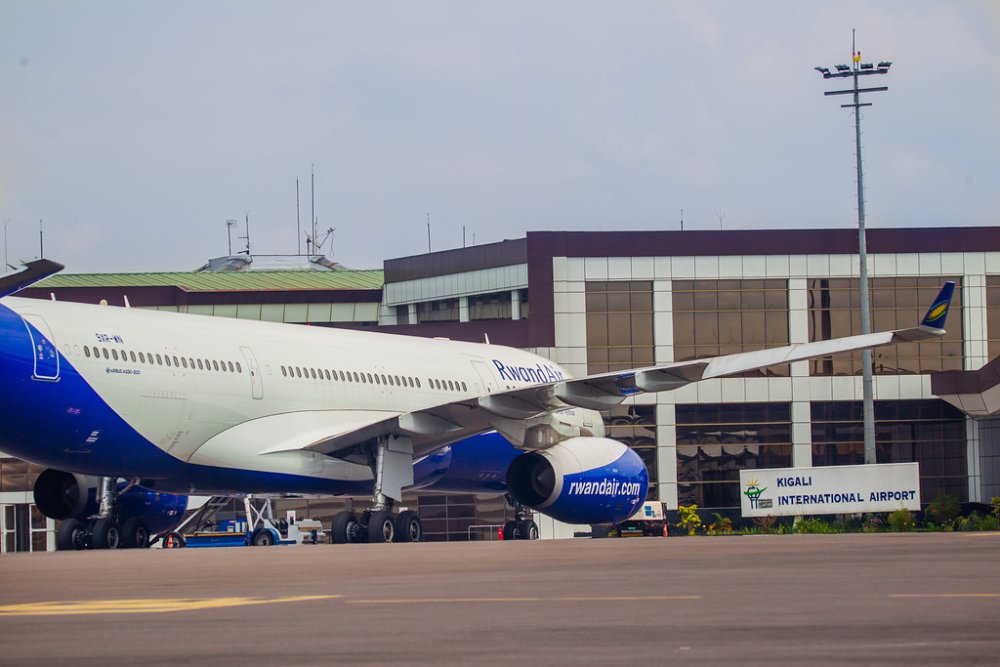
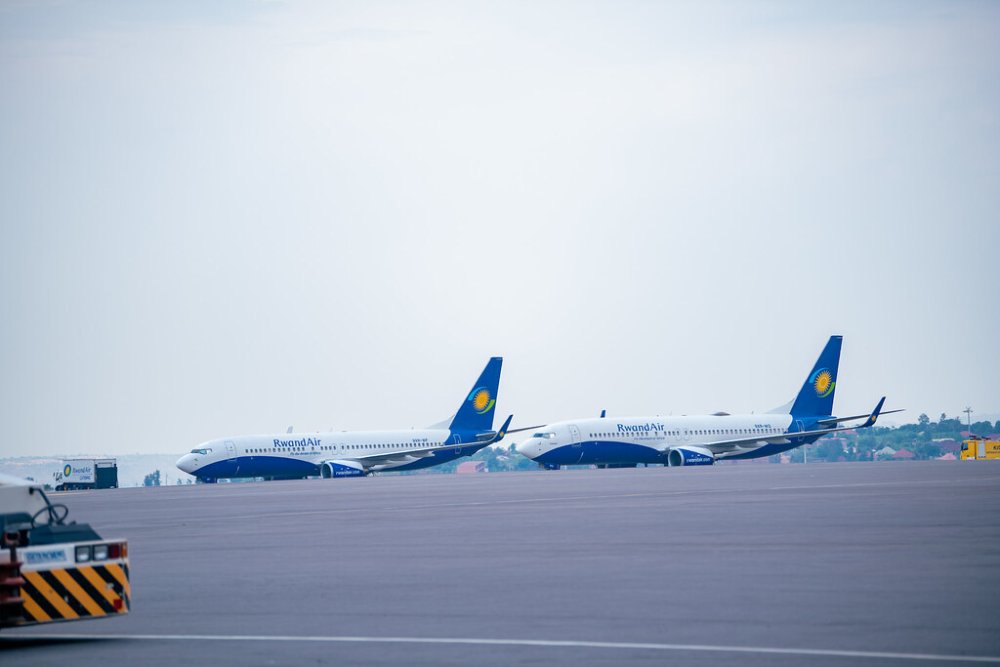
Skytrax noted that while Kigali International Airport is relatively small, it continues to handle a growing number of passengers, largely driven by the expansion of RwandAir.
The ranking is based on a star rating system that assesses various services, with five stars representing the highest standard. Kigali scored particularly well in passenger convenience, including reduced walking distances and efficient communication supported by multilingual staff.
Renovation works launched in July 2022 have also boosted the airport’s capacity, enabling it to accommodate more than 50 aircraft on the ground.
Skytrax noted that Kigali is a relatively small airport, but passenger numbers continue to grow, largely driven by the expansion of RwandAir.
The rankings are based on a star rating system that evaluates different services, with five stars representing the highest standard. Kigali scored highly in areas such as passenger assistance, reduced walking distances, and efficient communication, supported by multilingual staff.
In July 2022, renovation works began to expand the airport’s capacity, enabling it to accommodate more than 50 aircraft on the ground.
Across Africa, Cape Town International Airport ranked first, praised for its modern facilities and premium services. It is the only airport on the continent to receive a four-star rating.
O. R. Tambo International Airport came second due to its high passenger traffic and global connectivity, while Marrakesh Menara Airport ranked third, recognized for its architectural design and passenger comfort.
Other airports listed among Africa’s top ten include King Shaka International Airport in South Africa, Mohammed V International Airport in Morocco, Cairo International Airport in Egypt, and Sir Seewoosagur Ramgoolam International Airport in Mauritius.
Addis Ababa Bole International Airport ranked just behind Kigali but received a lower rating due to concerns over service quality.
Meanwhile, Ivato International Airport placed tenth, with Skytrax noting challenges in accessibility despite adequate basic infrastructure and efforts to provide decent services.
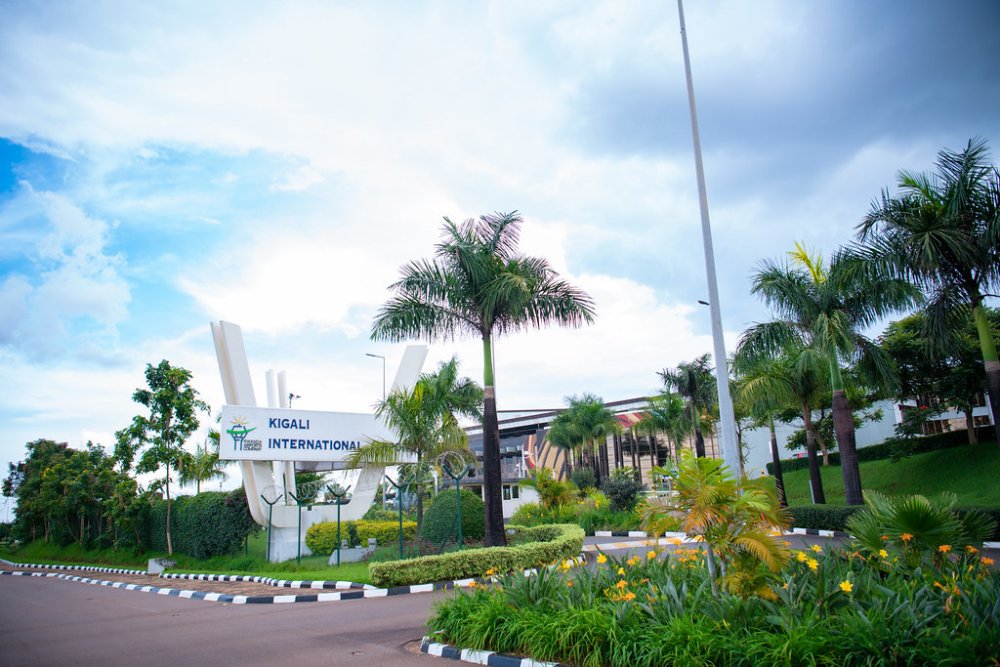
Renovation works launched in July 2022 have also boosted the airport’s capacity, enabling it to accommodate more than 50 aircraft on the ground.Skytrax has ranked Kigali International Airport eighth among the best airports in Africa in 2026.
The upcoming announcement by the Tony Elumelu Foundation will mark the unveiling of the 12th cohort of its flagship programme, which continues to support early-stage entrepreneurs across Africa with funding, training, and mentorship.
According to the foundation, this year’s programme attracted more than 265,000 applications from all 54 African countries, underscoring the strong demand for startup financing and the growing interest in entrepreneurship across the continent. Applicants largely focused on key sectors including agriculture, artificial intelligence, healthcare, and the green economy.
Under the 2026 cohort, a total of 3,200 entrepreneurs are expected to benefit through various TEF programmes implemented in partnership with global and regional organisations. These include collaborations with institutions such as the European Commission, OACPS, BMZ, GIZ, DEG, the IKEA Foundation, UNICEF’s Generation Unlimited, the Dutch Government, as well as the United Nations Development Programme and the Rwandan Ministry of Youth and Arts.
The upcoming announcement by the Tony Elumelu Foundation will mark the unveiling of the 12th cohort of its flagship programme
Each selected entrepreneur is expected to receive $5,000 (approximately 7 million Rwandan francs) in non-refundable seed capital, along with access to business management training through TEFConnect, personalised mentorship, and entry into a continental network of entrepreneurs, investors, and partners.
The selection process is independently conducted by Ernst & Young, ensuring a rigorous evaluation of applicants ahead of the final cohort reveal.
In Rwanda, the 100 entrepreneurs set to benefit from the 2026 cohort, will join a growing group of beneficiaries under TEF-supported initiatives. According to programme data, 300 young Rwandans have benefited from TEF-backed entrepreneurship support to date, receiving funding, training, and mentorship to launch and scale their businesses.
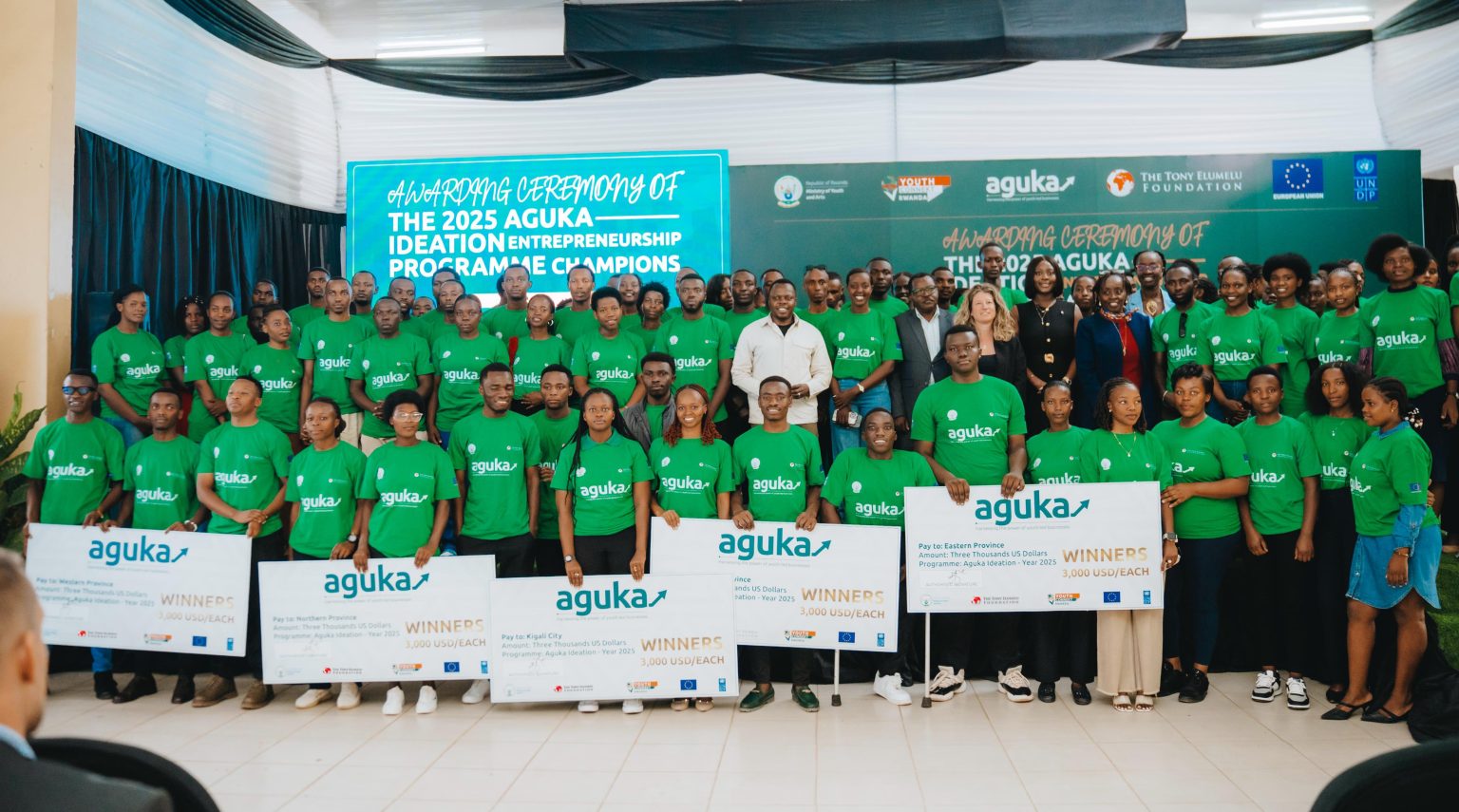
The Rwandan entrepreneurs have benefitted through the Aguka Ideation Entrepreneurship Programme, a partnership involving TEF, UNDP, the European Union, and the Ministry of Youth and Arts, now in its fourth edition. The programme focuses on supporting Rwandan youth to develop ventures in sectors aligned with national development priorities, including technology, agriculture, health, education, and renewable energy.
Applications for the 2026 Aguka cohort opened on November 1, 2025, and closed on January 11, 2026.
Among past beneficiaries, several Rwandan entrepreneurs have already launched impactful ventures. Naomi Iradukunda, founder of Ira EcoSolutions, developed biodegradable packaging using banana fibres, helping reduce plastic waste while creating jobs for women in Musanze District. Jean Bosco Hirwa, through AgriSmart Rwanda, introduced solar-powered irrigation systems for smallholder farmers, contributing to improved agricultural productivity and food security. Meanwhile, Keza Umutoni expanded her Kigali-based startup Tech4Teens, a digital literacy initiative that has trained more than 500 secondary school students in coding and digital skills.
Across Africa, TEF continues to position entrepreneurship as a key driver of economic transformation. Since its inception, the Foundation has empowered over 2.5 million young Africans through its TEFConnect platform, disbursed more than $100 million in seed capital, and supported over 24,000 entrepreneurs who have collectively created millions of jobs and generated billions in revenue.
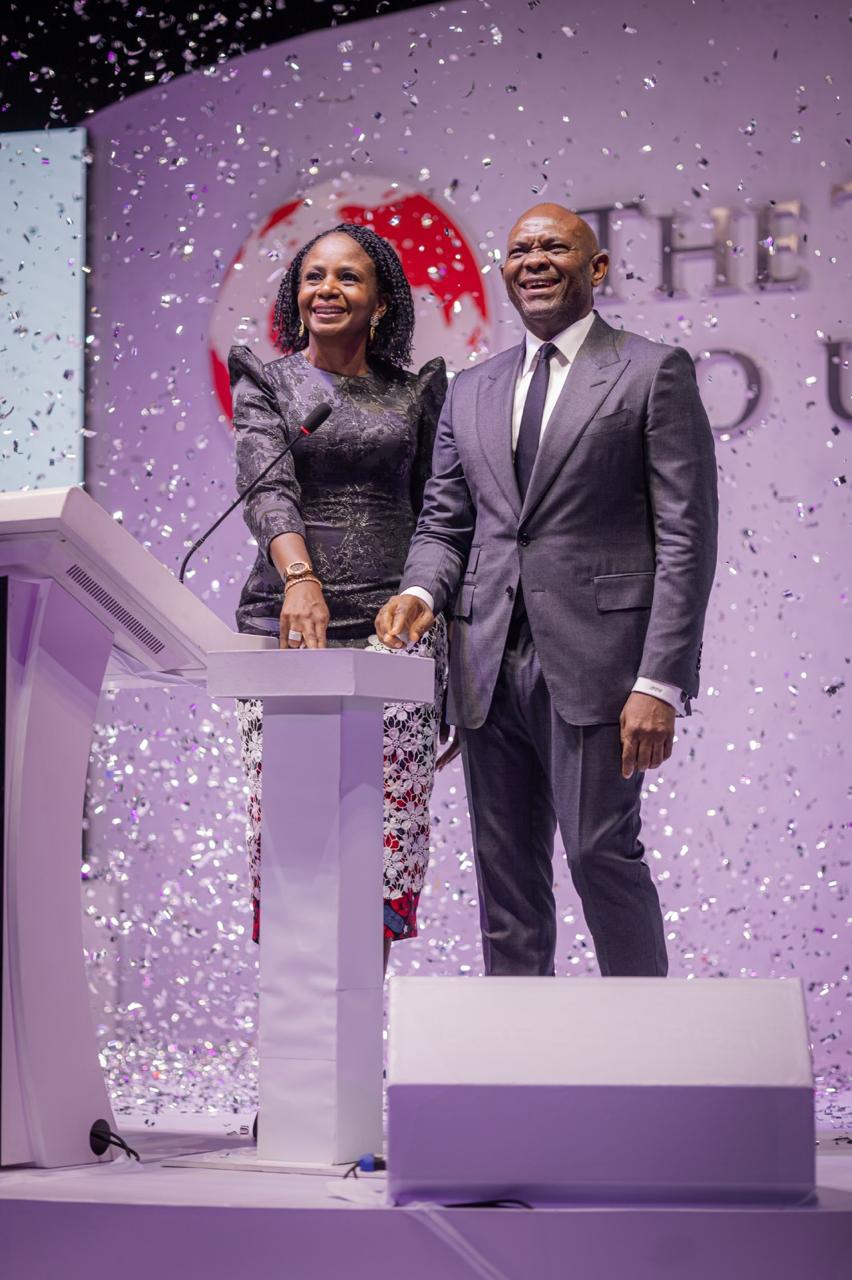
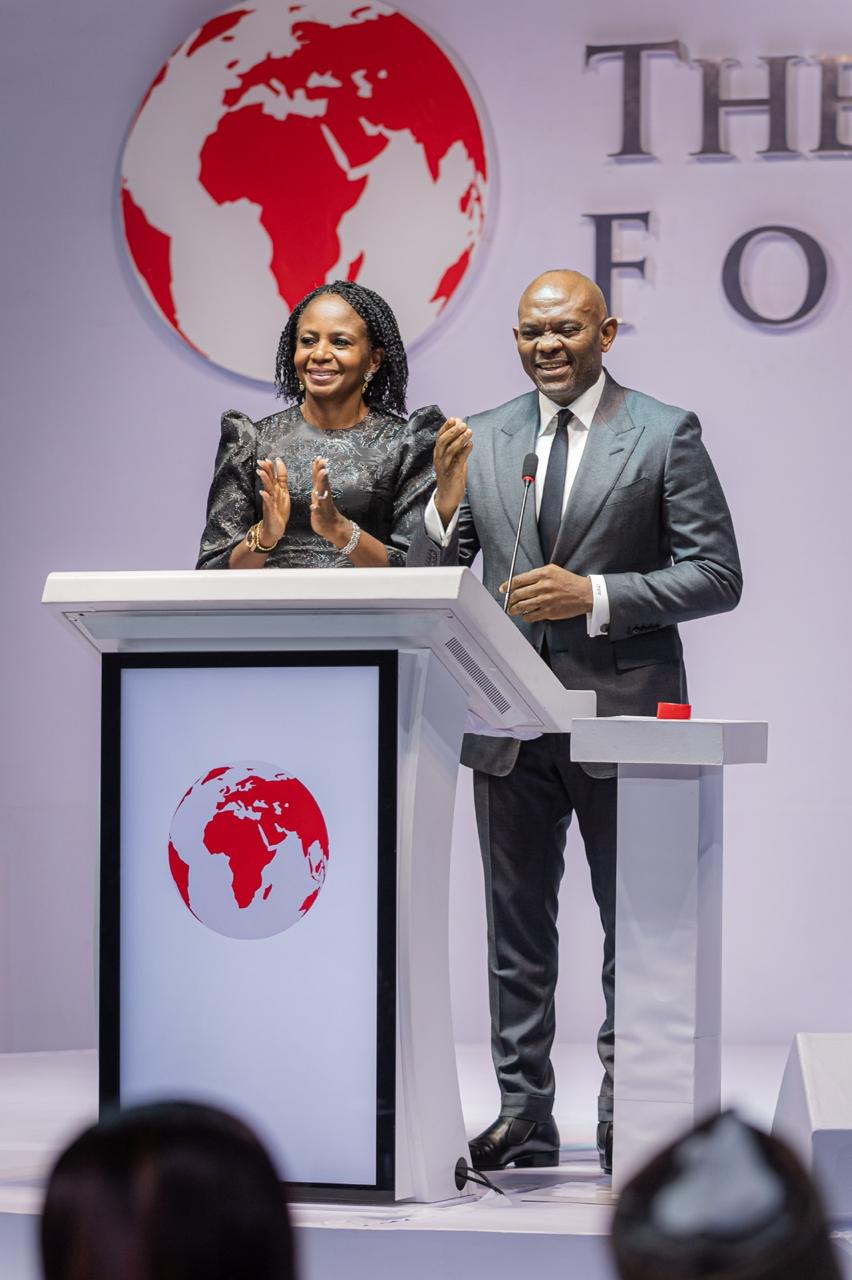
TEF Founder Tony O. Elumelu has reiterated the Foundation’s commitment to supporting young entrepreneurs.
Speaking ahead of the announcement, TEF Founder Tony O. Elumelu reiterated the Foundation’s commitment to supporting young entrepreneurs, noting that empowering business creators remains central to Africa’s long-term economic growth.
“The future of Africa will be built by Africans who create businesses, generate jobs and solve the challenges of our continent. At the Tony Elumelu Foundation, we believe that empowering entrepreneurs is the most sustainable path to Africa’s economic transformation,” Elumelu said, adding, “I look forward to announcing and congratulating the 2026 cohort and witnessing the impact they will create across the continent.”
According to programme data, 300 young Rwandans have benefited from TEF-backed entrepreneurship support to date, receiving funding, training, and mentorship to launch and scale their businesses.
“A well-conceived 15th Five-Year Plan and its effective implementation will ensure we have even stronger foundations for basically achieving socialist modernization by 2035,” Xi Jinping, general secretary of the Communist Party of China (CPC) Central Committee, once said.
Xi, also Chinese president and chairman of the Central Military Commission, stressed that socialist modernization can only be realized through a historical process of gradual and ongoing development. It requires the unremitting hard work of one generation after another.
Building new growth momentum
The world is undergoing accelerated changes unseen in a century, with the challenges of securing peace, development, security and governance intensifying, while geopolitical risks are increasing, and global economic growth momentum remains weak.
Notably, China’s economic transformation and upgrading are deepening, with reform efforts tackling deep-seated problems. In addition, new quality productive forces are being fostered at an accelerated pace.
“Efforts should be redoubled to gain experience in analyzing new situations and solving new problems,” Xi said during China’s “two sessions” earlier this month.
Developing new quality productive forces is an essential requirement for building a modern industrial system and fueling a powerful engine for advancing high-quality development.
As a new driver of future development, new quality productive forces should be cultivated in line with local conditions. It is necessary to leverage local resource endowments, industrial foundations and research capabilities to selectively foster emerging industries, new business models and new growth drivers.
Guided by scientific and technological innovation and anchored in the real economy, efforts should be made to speed up the transformation and upgrading of traditional industries and foster the growth of emerging industries and future-oriented industries, so as to accelerate the development of a modern industrial system.
Meanwhile, improving the national innovation system and stimulating the vitality of various innovation entities remain key priorities. With a focus on the frontiers of global science and technology, sustained efforts should be made to strengthen basic research and enhance original innovation capacity, while intensifying breakthroughs in core technologies in key fields and frontier technologies.
Amid a rapidly changing international environment and various uncertainties, focusing on managing the country’s own affairs well and enhancing its development quality is crucial in ensuring a good start to the 15th Five-Year Plan.
For China, it is imperative to advance high-quality development, build a unified national market and expand high-standard opening up to explore global markets.
China still faces challenges of uneven and inadequate development, including declining labor demand in traditional industries due to technological and industrial transformations, and growing pressure on public services and social security because of an aging population. Addressing these issues is essential for sustaining growth and ensuring that development benefits all.
Global vision of China’s modernization path
“Chinese modernization delivers benefit to the Chinese people and also advances common development of the world. It is a sure path for us to build a stronger nation and realize the rejuvenation of the Chinese nation. It is also a path we must take to seek progress for humanity and harmony for the entire world,” Xi said in a keynote address at the CPC in Dialogue with World Political Parties High-level Meeting in 2023.
These remarks situated Chinese modernization within the historical context of China’s relations with the world, highlighting its inclusive character and pursuit of win-win outcomes.
Chinese modernization is fundamentally characterized by proactive global engagement. Since the reform and opening up, China’s developmental trajectory, guided by successive five-year plans, has been inseparable from international cooperation.
Openness has always been the defining feature of Chinese modernization. From “the world factory” to “the world market,” and from a land for global investment to a global innovation hub, each leap in China’s development drives cooperation with the world into broader areas and deeper levels.
As industrial transformation accelerates, China’s massive market will continue to offer significant demand for countries worldwide. In pursuit of smart, green and integrated growth, China aims to share its manufacturing experience and technical innovations to drive global sustainable development.
Beyond that, the global significance of the Chinese model of modernization lies in its success in shattering the myth that modernization is synonymous with Westernization, thereby creating a new form of human advancement.
“China will do well only when the world does well, and vice versa,” Xi once said.
Leveraging the China-proposed Global Development Initiative, Global Security Initiative, Global Civilization Initiative and Global Governance Initiative, the world’s second-largest economy is committed to the building of an open, inclusive, clean and beautiful world of lasting peace, universal security and common prosperity.
Faced with global changes not seen in a century, China will continue to stand on the right side of history and remain a steadfast, reliable and constructive force in a turbulent world.
CPC leadership as core
Chinese modernization is characterized by unique features: the modernization of a huge population, the modernization of common prosperity for all, the modernization of material and cultural-ethical advancement, the modernization of harmony between humanity and nature, and the modernization of peaceful development.
In advancing Chinese modernization, the key lies in upholding the overall leadership of the CPC, which has been the strong leadership core in developing socialism with Chinese characteristics.
By integrating the basic tenets of Marxism with China’s specific realities and its fine traditional culture, the Party has, through years of dedicated efforts, deepened its understanding of the laws that underlie governance by a communist party, the development of socialism, and the evolution of human society.
The Party has led China in building one of the world’s most complete industrial systems, in eliminating absolute poverty, in growing into an economy of 140 trillion yuan (about 20.32 trillion U.S. dollars), and in becoming a major trading partner for more than 150 countries and regions.
Advancing Chinese modernization requires solid work and sustained efforts over time, and sound planning must go hand in hand with effective implementation. Party members and officials are urged to establish and practice a correct view on governance performance, remain committed to serving the public and improving people’s well-being, make well-grounded decisions, and focus on practical work.
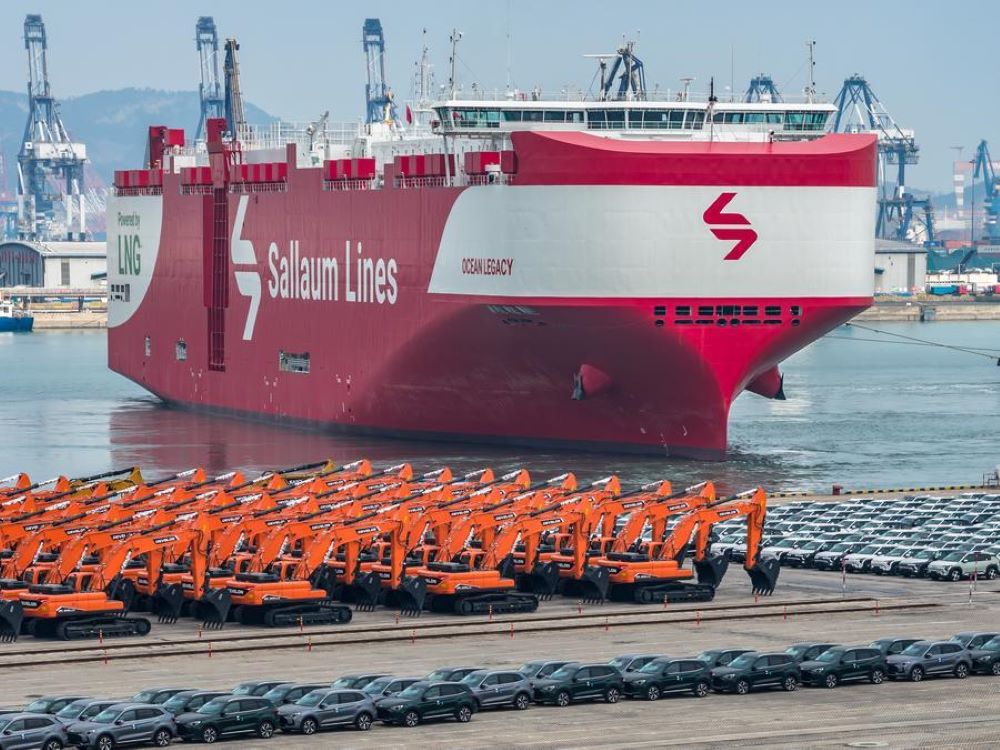
An aerial drone photo taken on Feb. 10, 2026 shows a dual-fuel car carrier loaded with vehicles for export setting sail at Yantai Port in Yantai, east China’s Shandong Province.
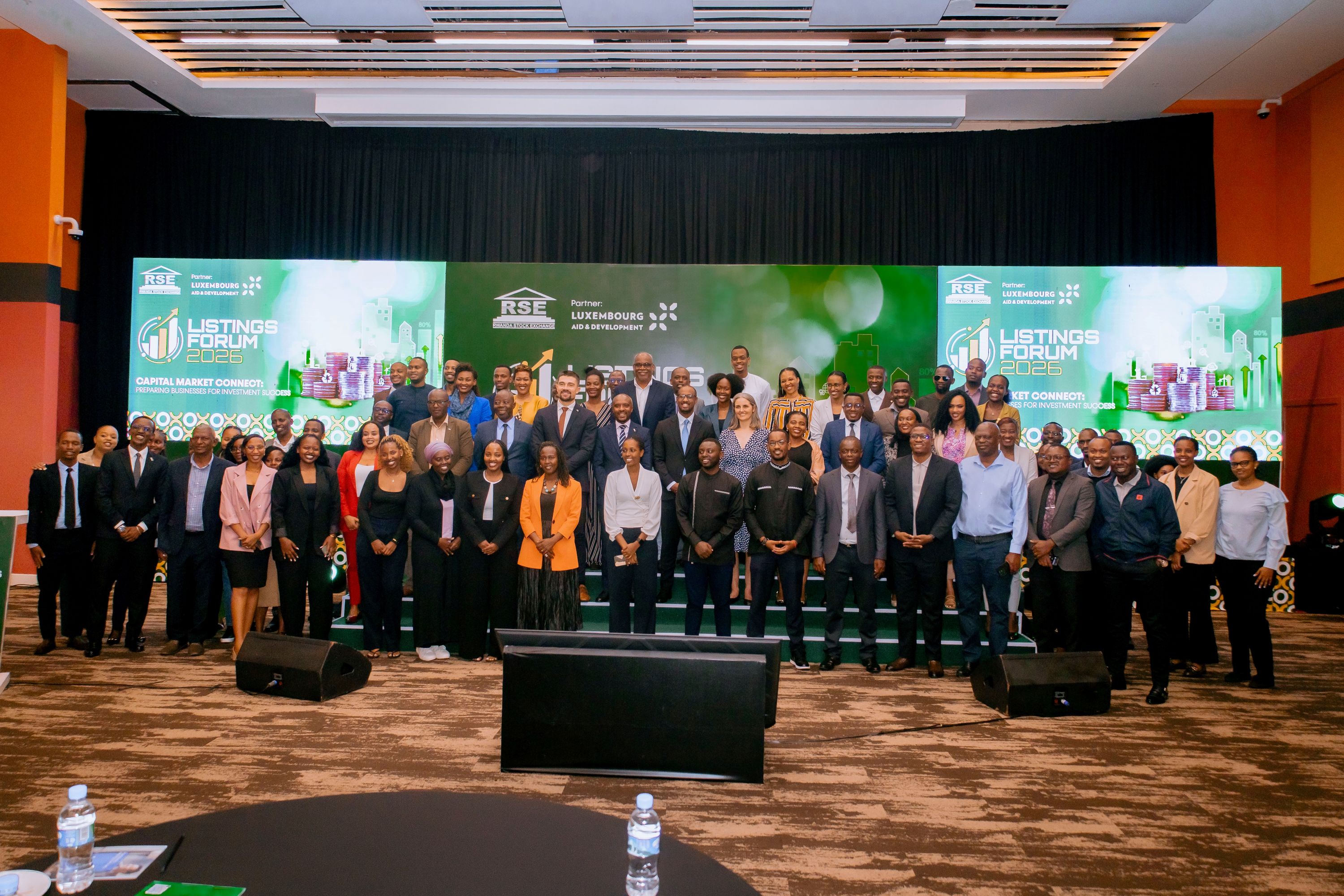
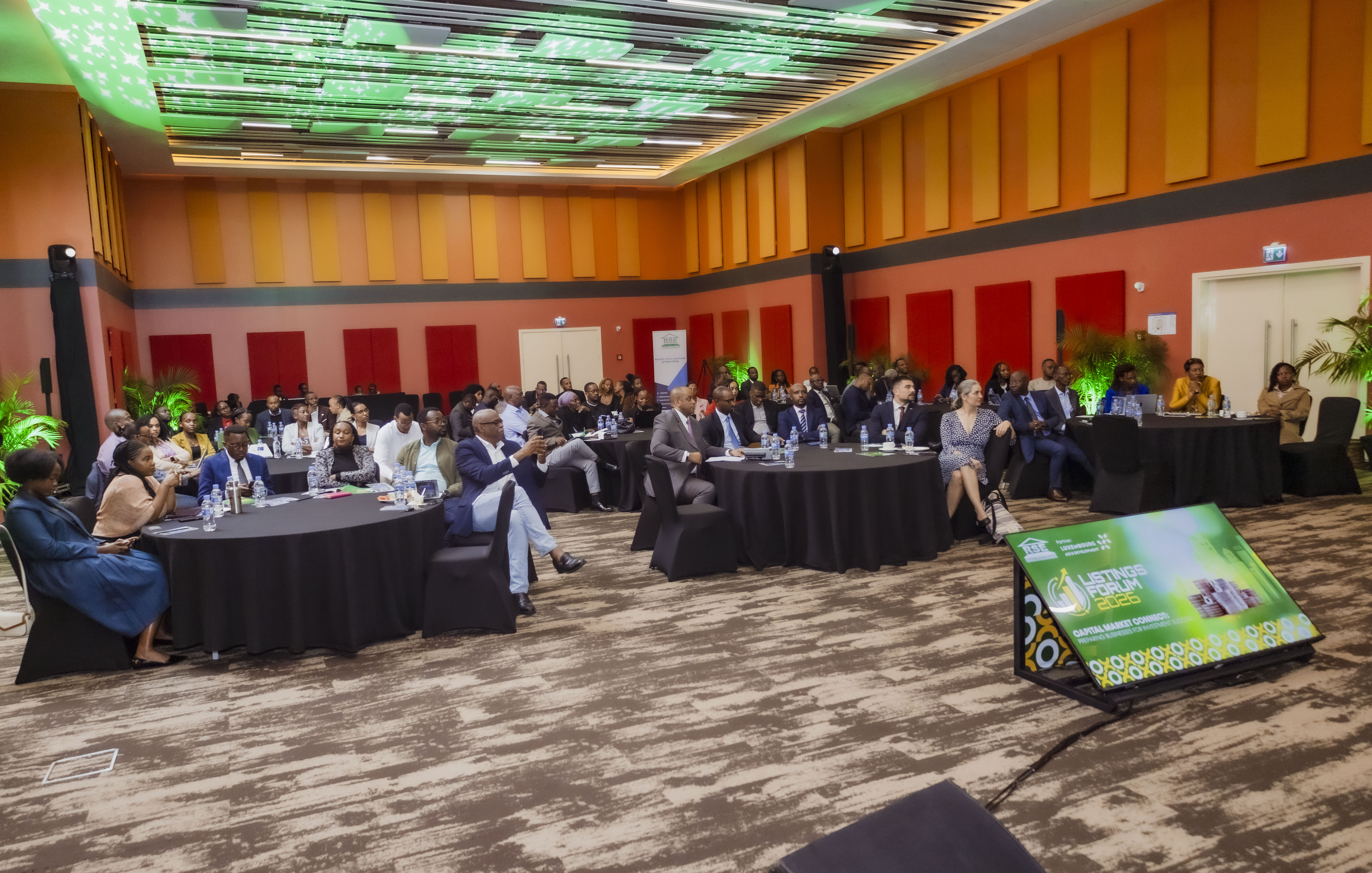
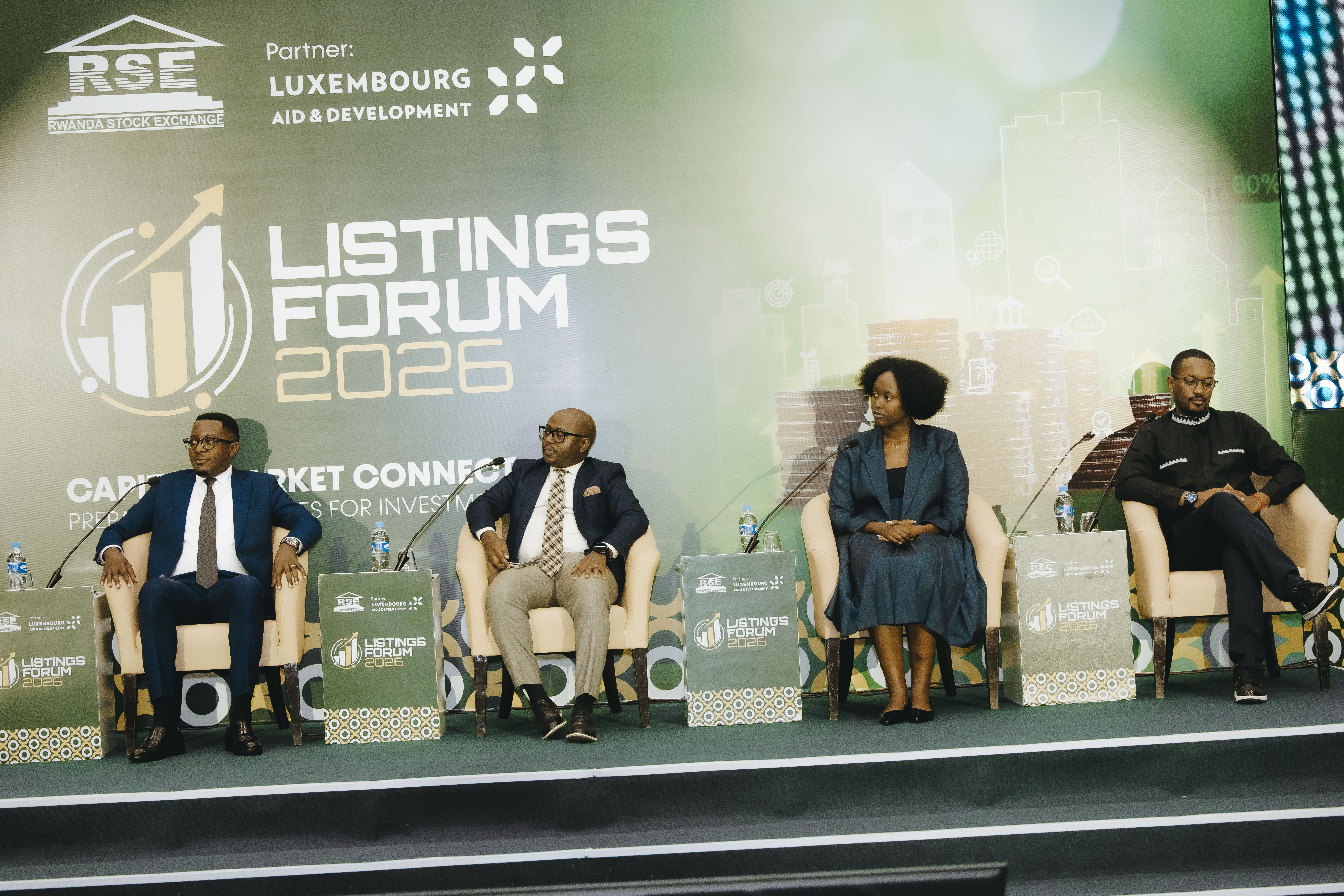
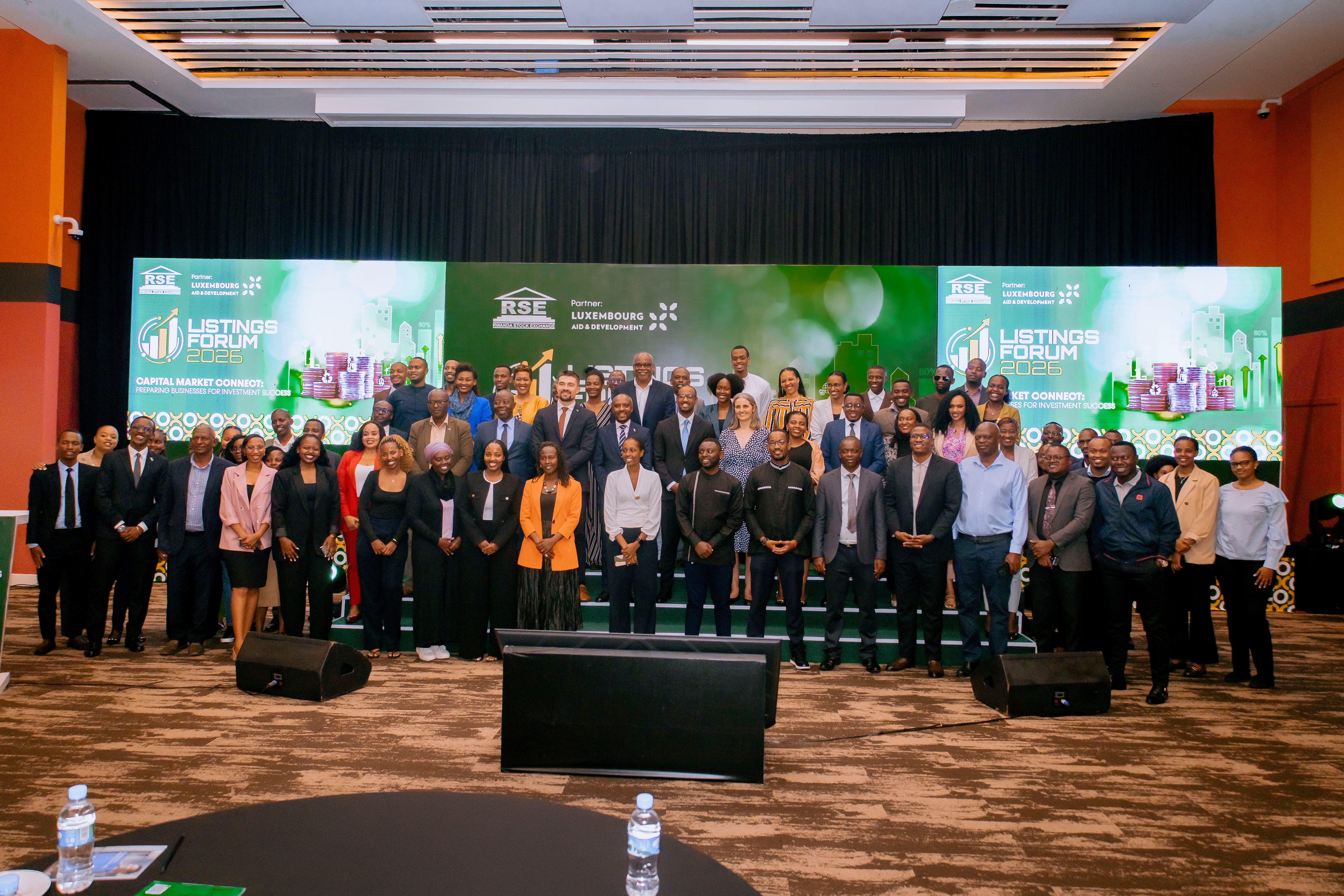
Held on Thursday under the theme “Capital Market Connect: Preparing Businesses for Investment Success,” the forum brought together entrepreneurs, investors, policymakers, and development partners to explore how Rwanda’s private sector can access long-term financing through the stock market and related instruments.
The event underscored the growing role of capital markets in supporting business expansion, improving corporate governance, and enhancing investor confidence, key elements considered essential for attracting both local and international investment.
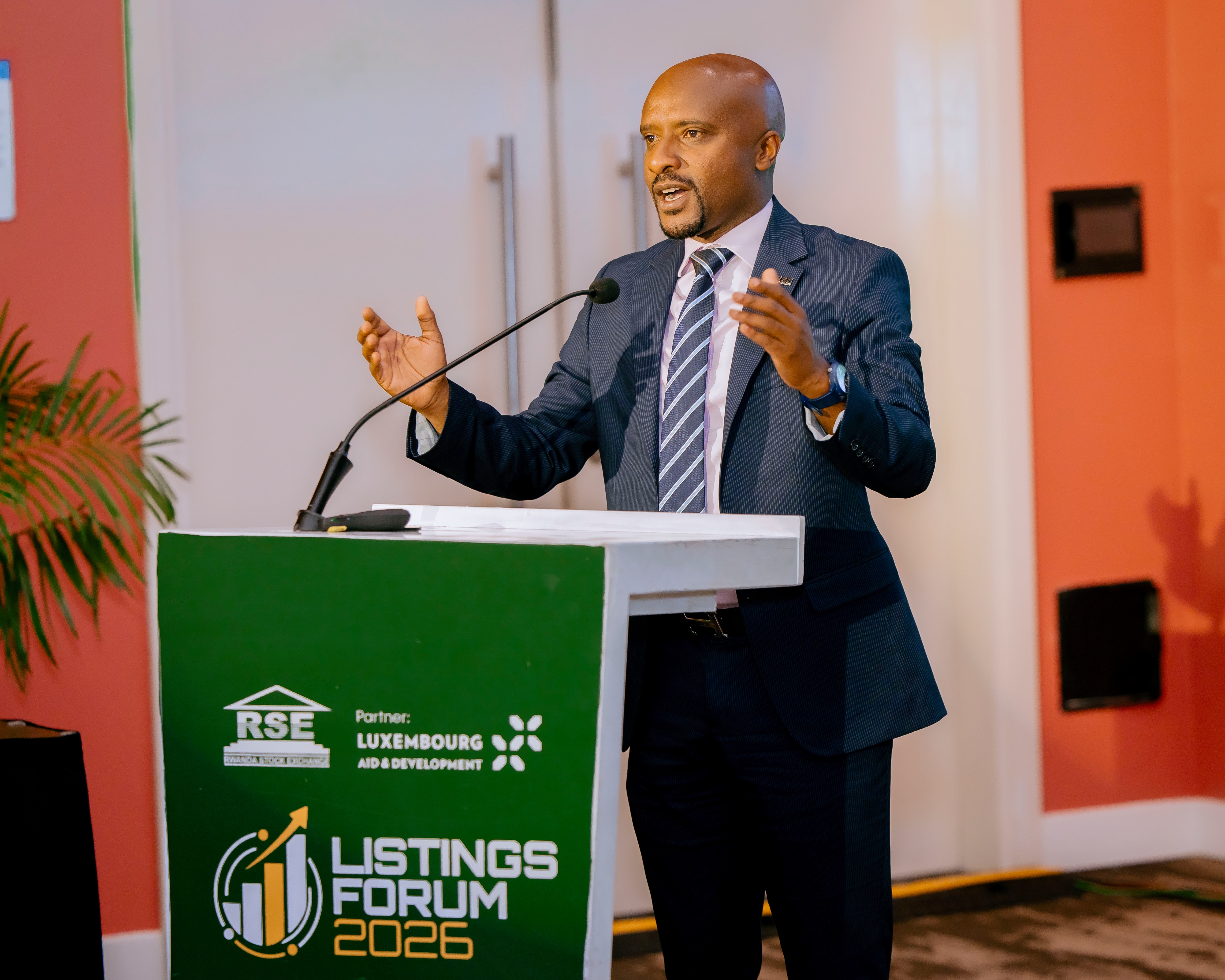
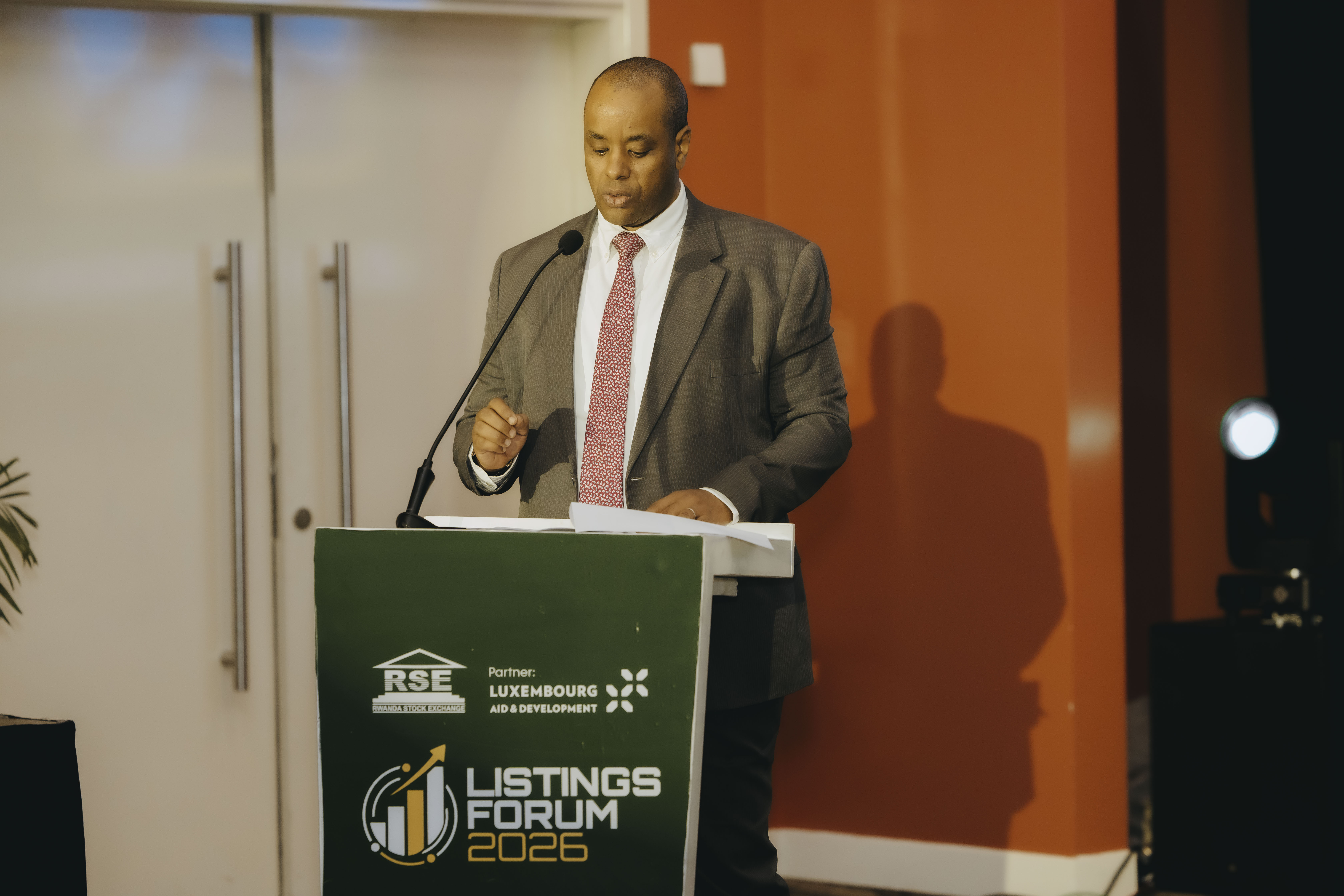
Opening the forum, Rwanda Stock Exchange Chief Executive Officer, Pierre Celestin Rwabukumba, said capital markets remain central to linking ideas with financing and enabling businesses to scale.
“Good businesses require access to great capital. Capital markets allow ideas to become companies, and companies to become industries,” he said, emphasising that market development is a strategic pillar for national economic growth.
He noted that the Listings Forum serves as a platform to engage businesses across sectors and raise awareness about the value of listing on the stock exchange, including access to long-term funding, broader investor participation, and strengthened governance structures.
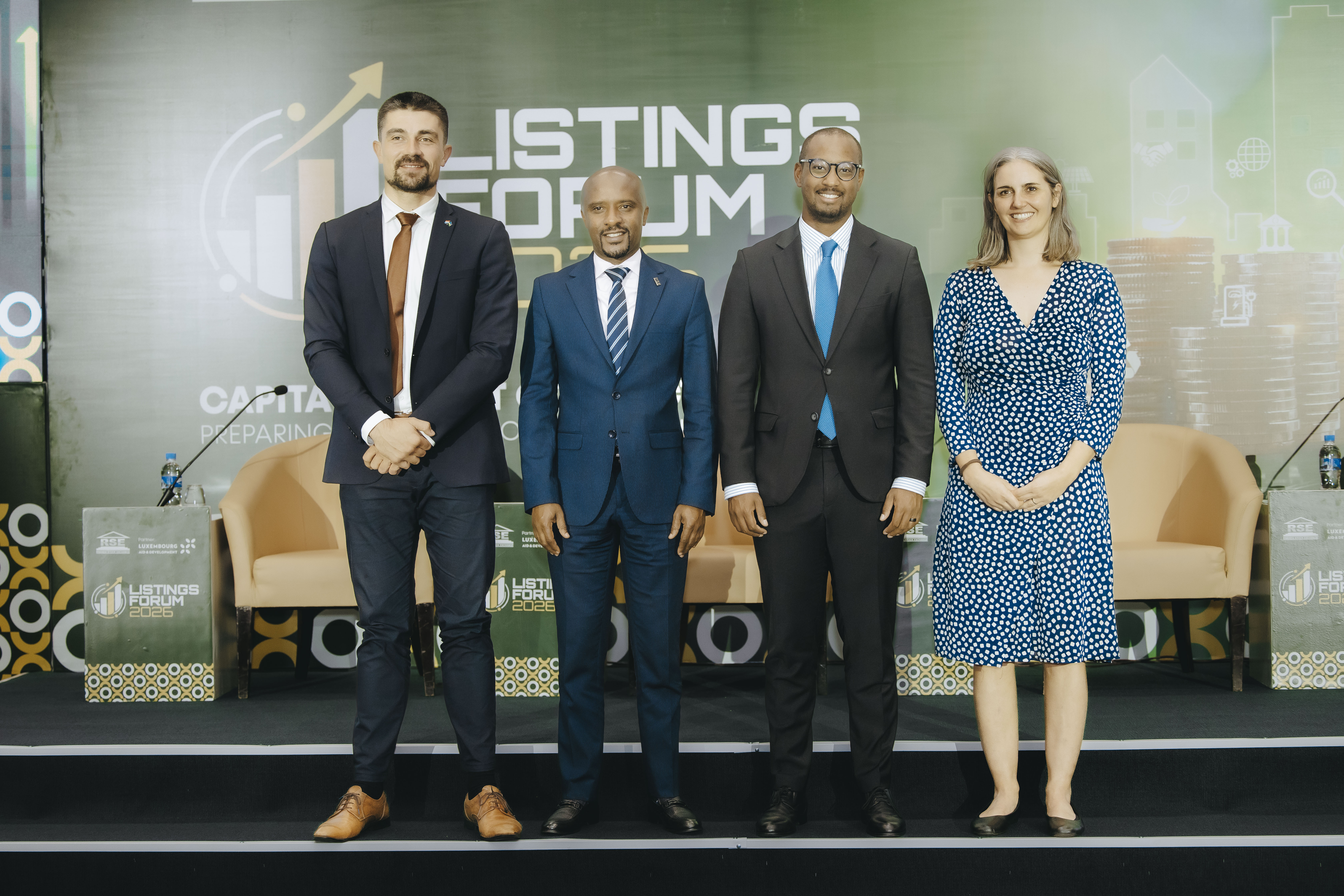
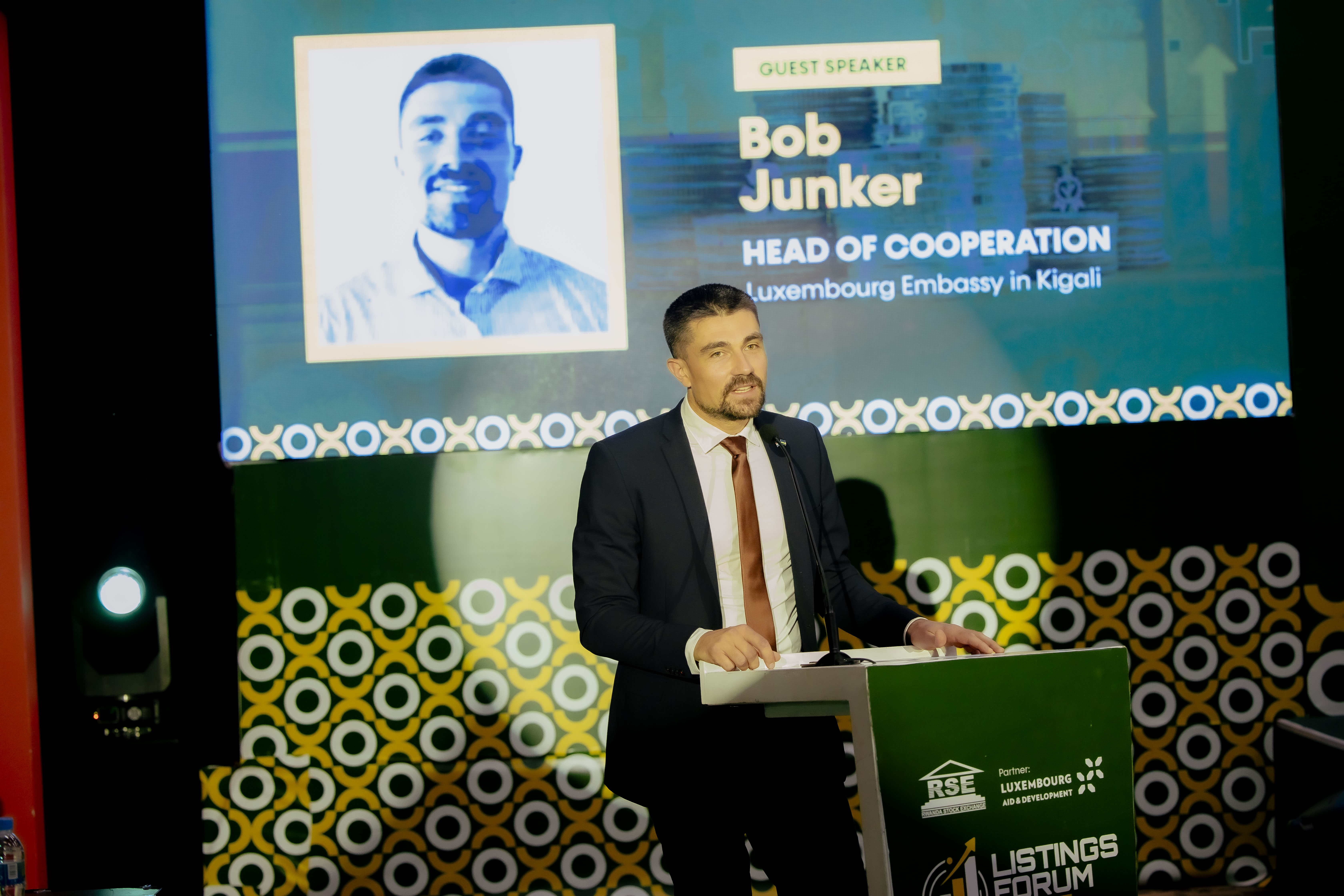
Bob Junker, Head of Cooperation at the Luxembourg Embassy in Kigali, reaffirmed the international community’s support for Rwanda’s financial growth, highlighting the importance of capital markets in driving innovation and competitiveness.
“Capital markets play a critical role in enabling businesses to grow, to innovate, and to compete,” he said, adding that listing on a stock exchange also improves transparency and visibility for companies seeking to scale sustainably.
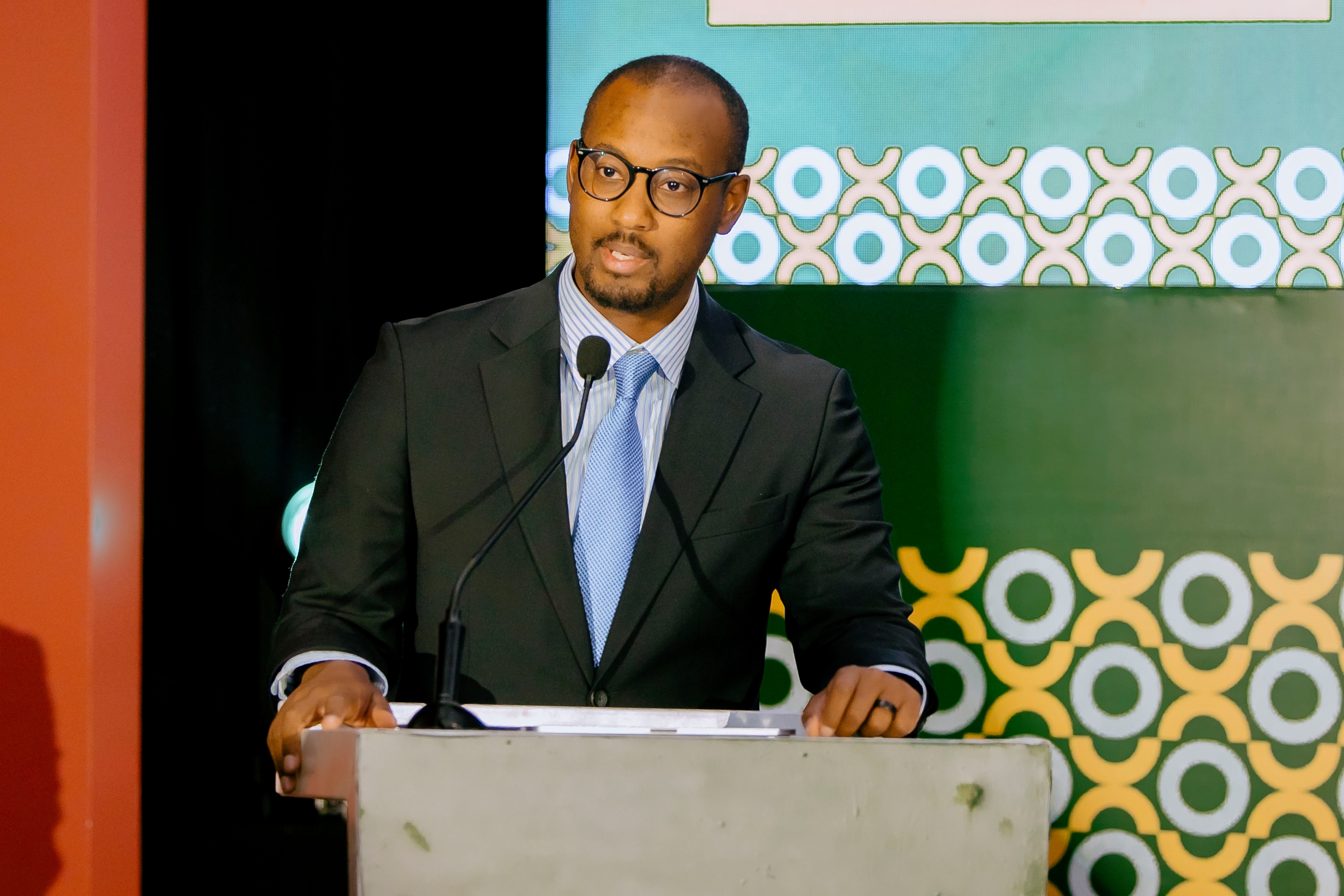
From a policy perspective, Antoine Marie Kajangwe, Permanent Secretary at the Ministry of Trade and Industry (MINICOM), emphasised that capital markets provide alternative financing options beyond traditional lending, including equity listings and corporate bonds.
He noted that Rwanda Stock Exchange initiatives, such as the Investment Clinic, are helping businesses meet the standards required by investors by strengthening financial reporting, governance, and internal management systems.
“A key barrier is meeting corporate governance standards. Investments follow preparation,” he said, pointing to the need for SMEs to formalise operations and improve compliance in order to access capital market financing.
The forum also highlighted the challenges faced by small and medium enterprises (SMEs), particularly in meeting due diligence and governance requirements. Stakeholders noted that programs like the Investment Clinic are designed to bridge these gaps by equipping firms with the tools needed to become “investment ready.”
Capital Market Authority Rwanda representatives reiterated that investor trust depends on strong regulatory frameworks and transparent business practices.
Eric Karekezi Ngabonziza, Head of Market Development at the Capital Market Authority, highlighted that regulations are designed to create the right conditions for investment, noting that “we are not here to create barriers. We are here to build the conditions that make investment possible.”
The Listings Forum forms part of RSE’s broader efforts to expand awareness of capital markets across Rwanda’s business community and encourage more companies to consider listing as a viable financing option.
Rwanda Stock Exchange, established in 2005, currently lists more than 100 securities, including equities, government treasury bonds, and corporate bonds, and continues to play a central role in mobilising capital for economic development.
As Rwanda’s economy continues to grow, stakeholders at the forum emphasised that stronger capital markets will be critical in connecting businesses with investors, fostering innovation, and supporting long-term, inclusive economic growth.
Rwanda Stock Exchange (RSE), together with its partners, urged businesses to leverage capital markets as a pathway to sustainable growth. Rwanda Stock Exchange CEO, Pierre Celestin Rwabukumba, said capital markets remain central to linking ideas with financing and enabling businesses to scale.Bob Junker, Head of Cooperation at the Luxembourg Embassy in Kigali, reaffirmed the international community’s support for Rwanda’s financial growth.Antoine Marie Kajangwe, Permanent Secretary at the Ministry of Trade and Industry (MINICOM), emphasised that capital markets provide alternative financing options beyond traditional lending.Eric Karekezi Ngabonziza, Head of Market Development at the Capital Market Authority, highlighted that regulations are designed to create the right conditions for investment.The forum was interactive, allowing attendees to engage with the panellists.The forum brought together entrepreneurs, investors, policymakers, and development partners to explore how Rwanda’s private sector can access long-term financing through the stock market and related instruments.
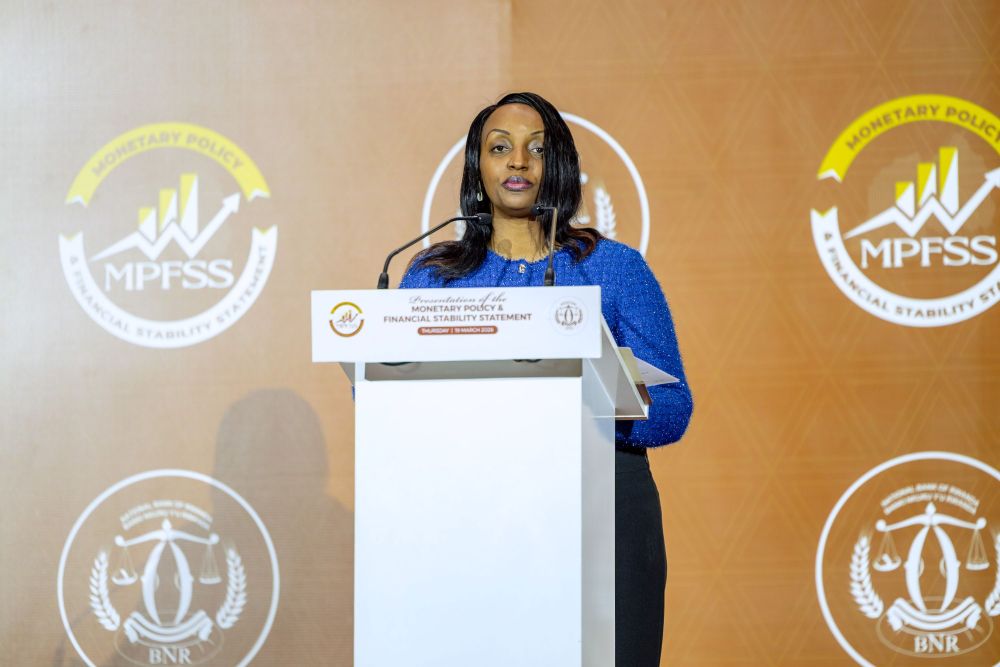
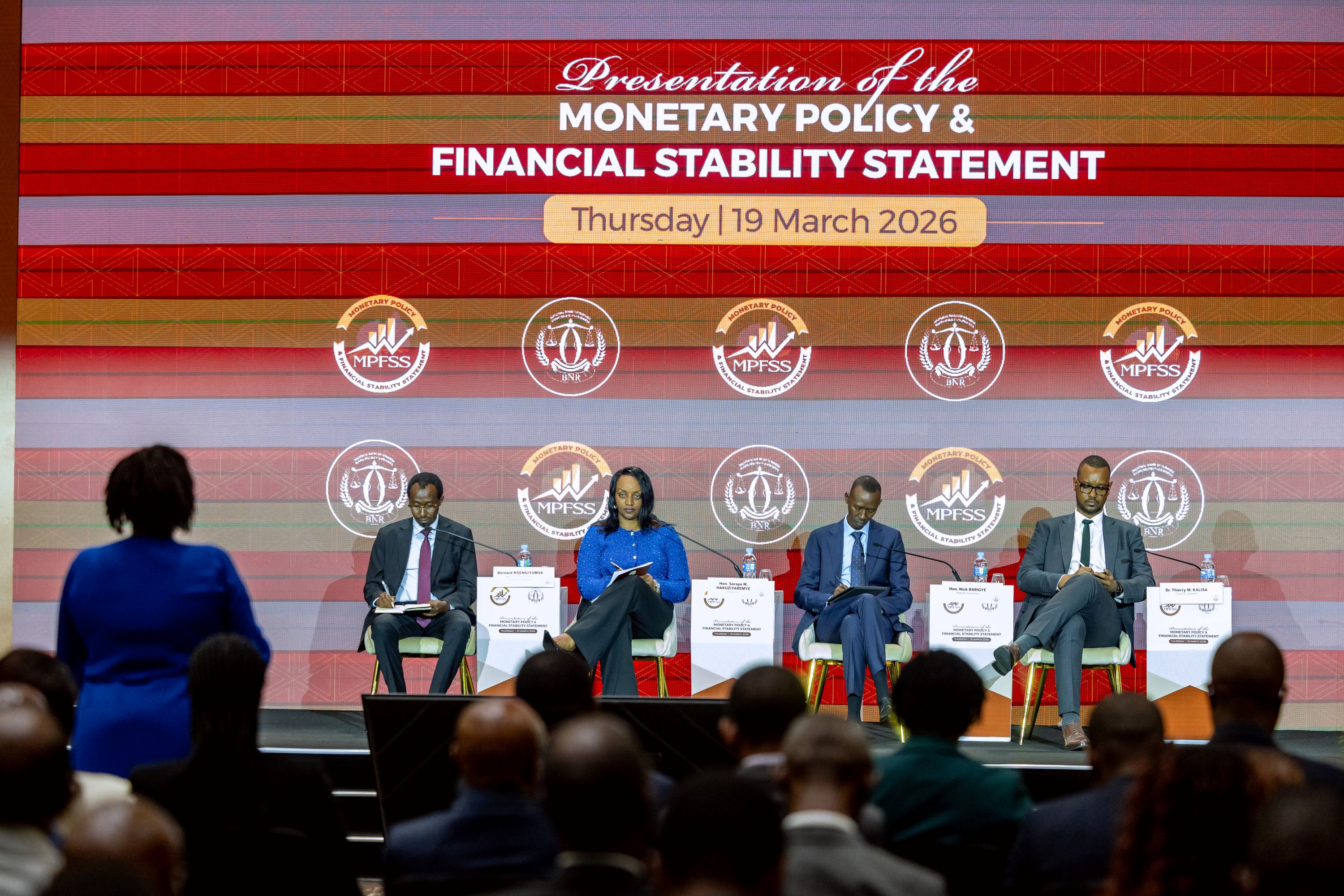
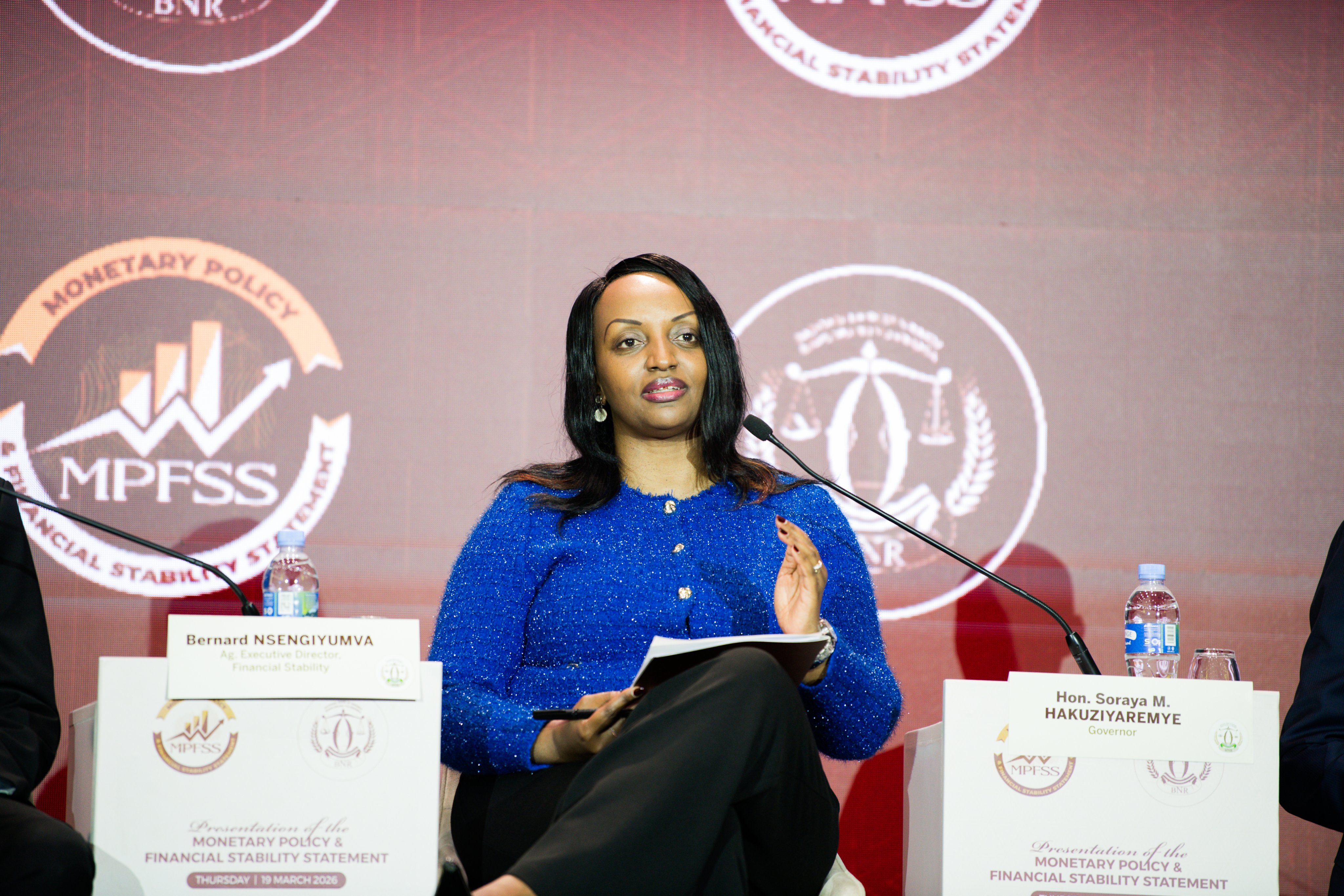
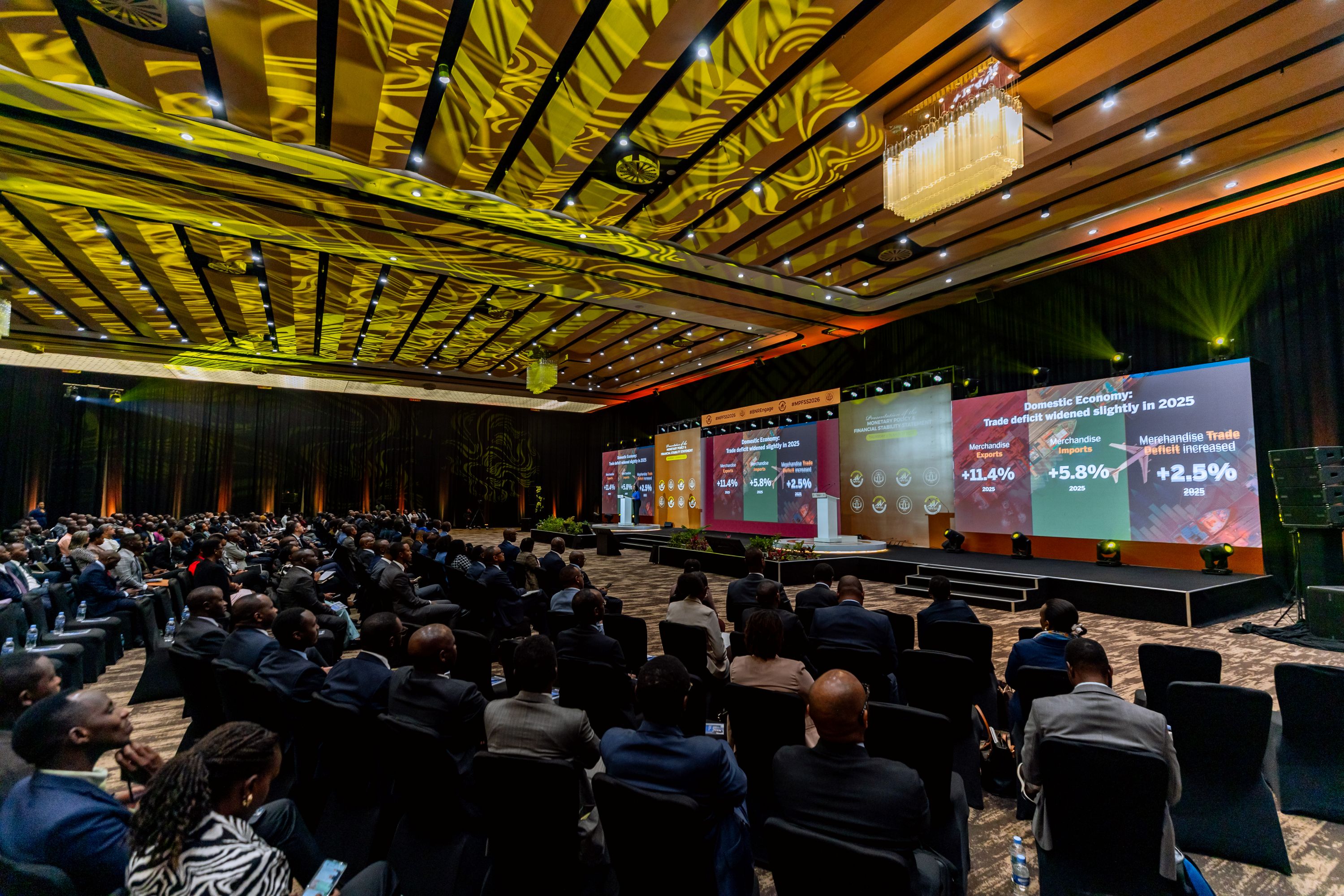
Delivering the National Policy and Financial Stability Statement (NPFSS) 2026 on Thursday at the Kigali Convention Centre, Governor Hakuziyaremye addressed members of the public and stakeholders from various sectors, emphasising the Central Bank’s mandate to maintain price stability and promote a sound and inclusive financial system.
“We meet at a time when the global economic environment is marked by elevated uncertainties, in particular geopolitical tensions, volatile stock markets, and commodity markets. These developments continue to shape global and domestic inflation dynamics, financial conditions, and growth prospects around the world and in Rwanda,” the governor stated.
The ongoing Middle East conflict began in late February 2026, when US and Israeli strikes on Iranian military targets escalated tensions in the region. This disruption triggered sharp increases in global energy prices.
The Governor noted that disruptions in oil and gas flows via the Strait of Hormuz have triggered sharp price increases, with crude oil rising 43% from $72 to $103 per barrel, and natural gas up 64% from $32 to $52 per megawatt-hour. She warned that these energy price shocks elevate risks to inflation and could slow economic activity if the conflict persists.
Despite global pressures, the Rwandan franc depreciated against the US dollar at a much slower pace in 2025, with a 4.4% decline compared to a 9.4% drop in 2024. This relative stability was supported by a stronger current account, boosted by tourism receipts and remittances, reforms in the domestic foreign exchange market, and a weakening of the US dollar globally.
Governor Hakuziyaremye also addressed concerns about the potential impact of the Middle East crisis on food and agriculture. When asked about fertiliser supply, which largely comes from the Middle East, she said that imports for upcoming agricultural seasons B and C are secure. However, the Central Bank and government will continue to monitor potential effects on season A, which starts in September.
“As a country, we diversify sources of fertiliser, and there are always ways to access raw materials when a region is impacted,” she explained.
Rwanda’s economy remained strong in 2025, with GDP growth of 9.4%, surpassing the Second National Strategy for Transformation (NST2) target of 9.3%. Growth was driven by industry (11%), services (8.5%), and agriculture (7.4%), supported by exports of coffee, minerals, and other industrial and digital services.
The Governor also highlighted developments in Rwanda’s financial sector, which recorded nearly 24% growth in total assets to 15.9 trillion Rwandan francs in 2025. Lending rose 25% to support households and businesses, with trade, construction, personal loans, and manufacturing accounting for 70% of total credit. Digital financial services expanded rapidly, with the eKash platform nearly tripling transaction values to 136 billion francs.
Looking ahead, the Central Bank remains vigilant against global and domestic risks, including geopolitical tensions, energy price shocks, virtual assets, operational and cyber threats, and limited financing in strategic sectors.
Inflation remains above target, with headline inflation at 9.2% in February 2026, slightly above the upper bound of 8%. The Governor said inflation is expected to remain elevated in the near term but gradually return to the target range of 2–8% by the end of 2026.
“In spite of global headwinds, the central bank remains confident in Rwanda’s macroeconomic stability, sustained growth, and the soundness of the financial system to support the financial resilience of households and businesses,” Governor Hakuziyaremye assured.
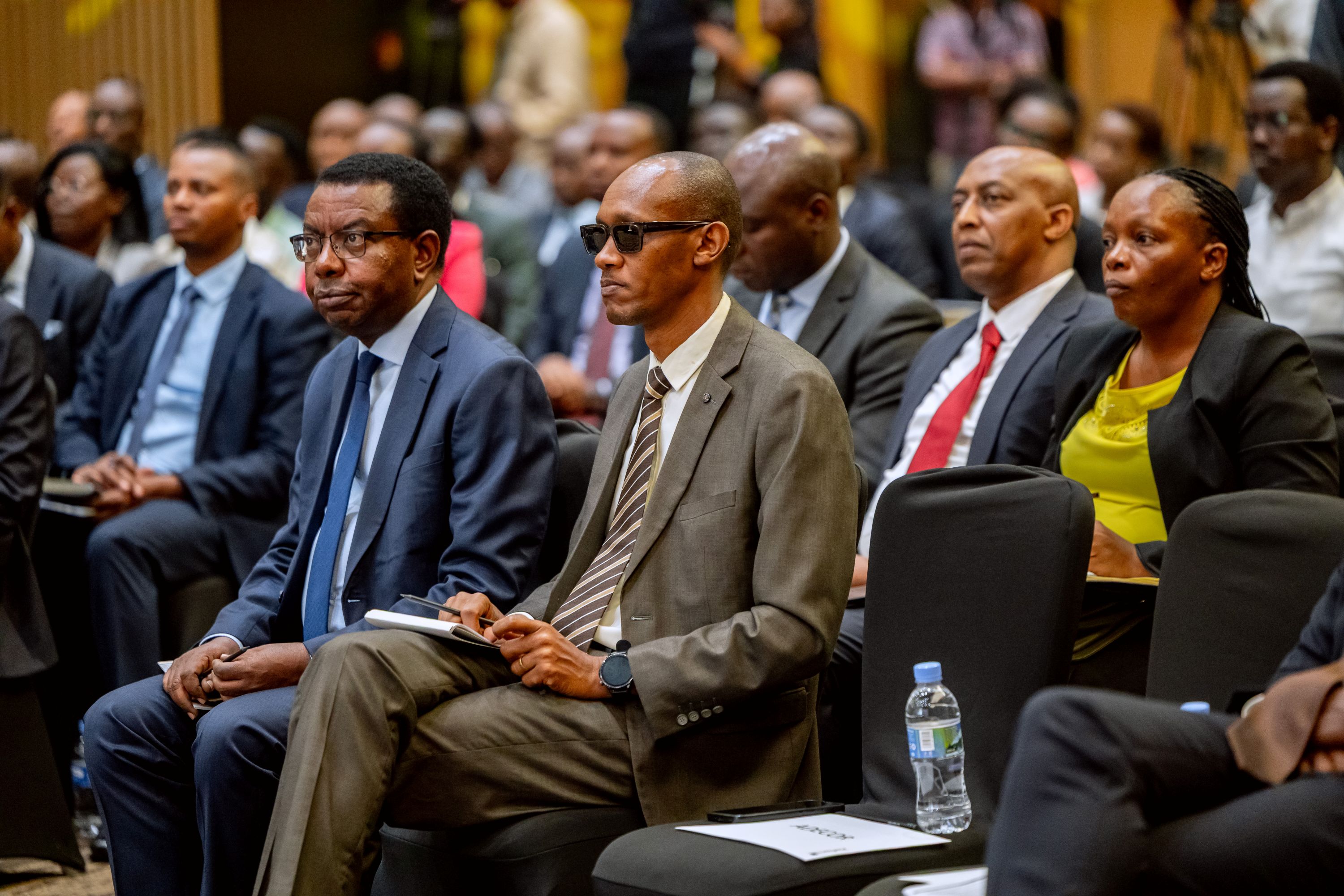
Governor Hakuziyaremye and her team from BNR addressed members of the public and stakeholders from various sectors.She emphasised the Central Bank’s mandate to maintain price stability and promote a sound and inclusive financial system.The meeting was attended by stakeholders from various sectors.
Nowhere is this more critical than in the movement of money. Banking has evolved from cash, to cards, to digital wallets, where today, a fingerprint or a glance at your device can move funds in seconds. As financial services become faster and more seamless, the responsibility to secure them becomes even greater.
At the center of Rwanda’s financial ecosystem, RSwitch Ltd has taken deliberate steps to meet this responsibility.
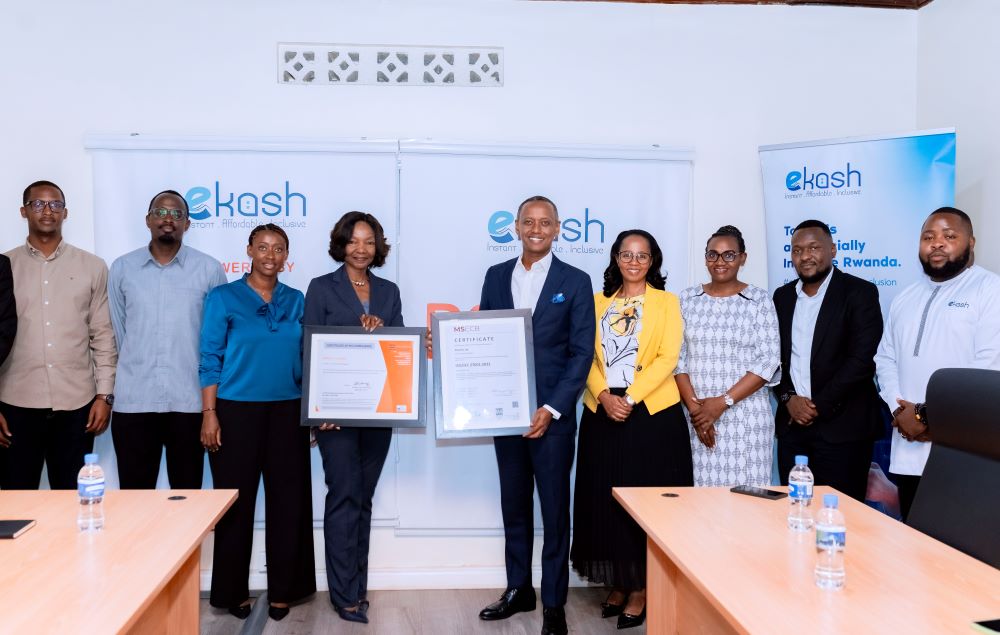
Through rigorous training, testing, and independent assessment, RSwitch has achieved both PCI DSS and ISO/IEC 27001:2022 certifications globally recognized benchmarks for security and data protection.
What is PCI DSS?
PCI DSS (Payment Card Industry Data Security Standard) is an international certification that ensures organizations handle card transactions securely. It requires adherence to 12 strict security controls designed to protect cardholder data from fraud and breaches.
What is ISO/IEC 27001:2022?
ISO/IEC 27001:2022 is a global standard for information security management. It confirms that an organization has implemented systems, processes, and controls to manage risks, protect data, and ensure long-term resilience against cyber threats.
Why should people care?
At its core, this is not about technical certifications; it is about trust. By achieving ISO/IEC 27001:2022 and PCI DSS, RSwitch is demonstrating that every transaction moving through its systems is protected by globally recognized safeguards. In practical terms, this means people can send money, make payments, and use digital financial services with confidence, knowing that their funds are not only secure, and their personal data is handled with the highest level of care.
Beyond individual transactions, these certifications signal something bigger: reliability and accountability at a national level. They show that RSwitch’s infrastructure has been independently tested and meets international benchmarks for security and resilience, even under pressure. For users, this translates into a system that works consistently and safely; for partners and investors, it positions Rwanda as a trusted, globally competitive player in the digital financial ecosystem.
As Rwanda continues its journey toward a cashless and inclusive economy, solutions like SmartCash and eKash are leading the way. With globally recognized certifications now in place, RSwitch is not only powering these innovations it is securing them for the future.
RSwitch has achieved both PCI DSS and ISO/IEC 27001:2022 certifications globally recognized benchmarks for security and data protection. RSwitch Ltd has taken deliberate steps to secure financial services.
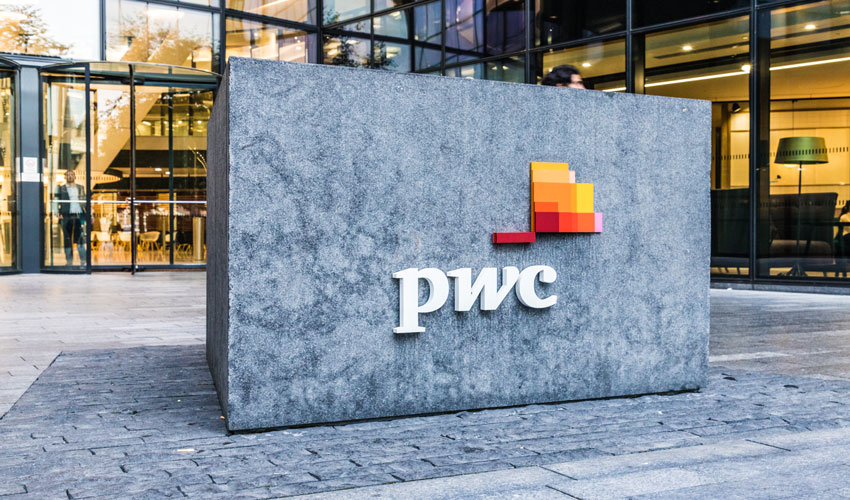
The sanctions, announced on Wednesday, March 18, 2026, target Mauritius-based PwC Associates Africa Ltd., PricewaterhouseCoopers Limited, Kenya, and PricewaterhouseCoopers Rwanda Limited. They are tied to the Eastern Electricity Highway Project under the First Phase of the Eastern Africa Power Integration Program in Ethiopia.
The project, designed to increase the volume and reduce the cost of electricity supply in Kenya while generating revenues for Ethiopia through electricity exports, was intended to boost regional power integration and reduce energy costs for consumers.
According to the World Bank, the PwC firms, prominent for providing audit, tax, and advisory services, “obtained confidential procurement information from project officials to improperly influence the award of a consultancy services contract in 2019” for implementing International Financial Reporting Standards at the Ethiopian Electric Power Corporation.
Investigators also found attempts by the firms to influence the award of a contract for Fixed Asset Inventory and Revaluation for the Ethiopian Electric Utility (EEU FAIR Contract). During the selection and execution of that contract, PwC Associates “misrepresented the availability, qualifications, and employment status of key experts, and failed to fully disclose all subconsultants.” The Bank said these actions “constitute collusive and fraudulent practices under the Bank Group Consultant Guidelines.”
As a result, the three firms and any affiliates they control are barred from participating in World Bank-financed projects and operations. The debarment is part of a settlement agreement under which the companies admitted to wrongdoing.
The World Bank noted that the reduced debarment period takes into account the firms’ “admission of misconduct, cooperation, strengthening of aspects of their existing integrity compliance program, and voluntary remedial actions,” including internal investigations, disciplinary measures against responsible staff, training, and ceasing business with involved subconsultants.
PwC firms must also implement or enhance integrity compliance programs aligned with the Bank’s guidelines and continue full cooperation with the Bank’s Integrity Vice Presidency to regain eligibility. PricewaterhouseCoopers Africa Limited, which oversees PwC network firms in Africa, signed the agreement as a non-sanctioned party.
The Bank added that the debarment “qualifies for cross-debarment by other multilateral development banks” under the 2010 Agreement for Mutual Enforcement of Debarment Decisions, raising the potential for wider repercussions across Africa.
The sanctions target Mauritius-based PwC Associates Africa Ltd., PricewaterhouseCoopers Limited, Kenya, and PricewaterhouseCoopers Rwanda Limited. They are tied to the Eastern Electricity Highway Project under the First Phase of the Eastern Africa Power Integration Program in Ethiopia.
The race will test riders’ speed, endurance, and determination as they navigate the rugged terrain. Open to all motorcycle enthusiasts, the event welcomes both experienced racers and newcomers eager to experience the thrill of enduro racing.
Spectators can expect a day filled with high-energy action as riders take on the demanding track. With free entry for all attendees, the event promises an exciting outdoor atmosphere, where fans can enjoy watching powerful bikes tackle the course while sipping on ice-cold Virunga Beer.
For those interested in competing, registration is open by calling 0789 628 762. Sponsored by Virunga Beer, the event is set to be an unforgettable gathering for motorsport fans, combining adrenaline-fueled racing with the vibrant energy of the crowd.
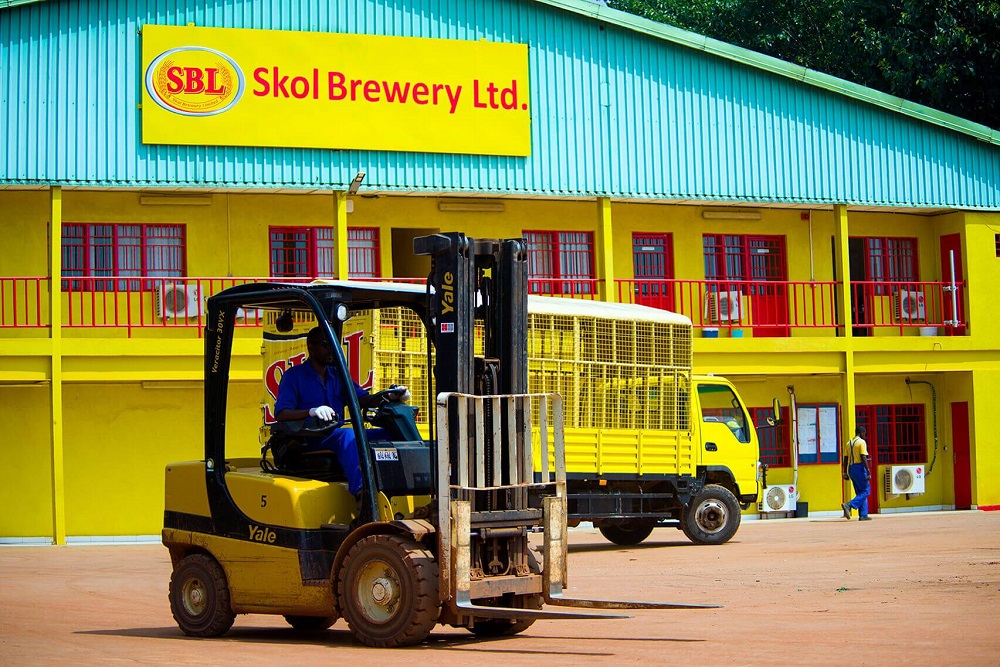
The event is sponsored by SKOL BREWERY through Virunga Beer brand
This growth highlights the success of the Group’s strategic transformation, which includes diversified revenue streams, enhanced efficiency, and strong regional contributions.
The Group’s balance sheet expanded by 9% to KSh1.97 trillion, with customer deposits rising by 4% to KSh1.46 trillion and net loans increasing by 8% to KSh882.5 billion. Additionally, the number of customer accounts grew to 22.4 million, supported by a robust regional distribution and digital ecosystem.
Equity’s total income increased by 12% to KSh217.7 billion, reflecting strong performance across various income streams, including a 17% rise in net interest income and a 7% growth in non-funded income.
Operational efficiency saw a notable improvement, with the cost-to-income ratio dropping from 58.2% to 51%. Over 98% of customer transactions were processed outside branches, with 88.4% of these through digital channels, demonstrating the continued demand for digital services.
Dr. James Mwangi, Equity Group’s Managing Director and CEO, attributed the performance to the Group’s successful transformation into a diversified regional financial services group.
“Our regional subsidiaries now contribute about half of our banking profitability, demonstrating the value of our pan-African footprint,” he said.
Equity’s regional operations, including those in the DRC, Uganda, Rwanda, and Tanzania, contributed significantly to the Group’s profitability, with profits rising by 58% in the DRC and 500% in Uganda.
Subsidiaries accounted for 51% of banking profit before tax and 48% of banking profit after tax.
Equity Bank Kenya Limited (EBKL) also posted a strong performance, with a 63% increase in PAT to KSh39.2 billion, driven by a 28% rise in net interest income. The Bank’s leadership in MSME financing was recognized at the Kenya Bankers Association Sustainable Finance Initiative (KBA SFI) Awards, where it was named the Best Bank for MSME Financing, contributing 45% of all bank lending to SMEs.
The Group’s insurance subsidiary, Equity Insurance Group, also saw substantial growth, with gross written premiums rising 75% to KSh9.17 billion. Profit Before Tax for the insurance unit grew by 36%, and insurance revenue surged by 150%.
Equity’s strong performance is underpinned by its commitment to social impact. Through the Equity Group Foundation (EGF), the Group supported 1,115 scholars with global university scholarships, empowered nearly 1 million entrepreneurs, and provided over KSh401 billion in credit to MSMEs.
Additionally, EGF is training over 600,000 youth in AI, machine learning, and data analytics, further contributing to the continent’s sustainable growth.
As part of its growth strategy, Equity Group continues to execute its 2030 vision, which includes expanding its operations to 15 countries and serving 100 million customers by 2030. The Group is positioning itself as a “Transformation Finance Institution,” mobilizing capital and driving inclusive prosperity across Africa.
Dr. Mwangi concluded, “Through our Africa Recovery and Resilience Plan, we are investing in next-generation digital and AI-enabled capabilities that enhance customer experience, strengthen risk management, and lower the cost-to-serve, while extending access to affordable credit, insurance, and investment solutions.”
Equity Group remains focused on building a future-ready institution that drives inclusive, sustainable growth across Africa, leveraging digital transformation and strategic partnerships.
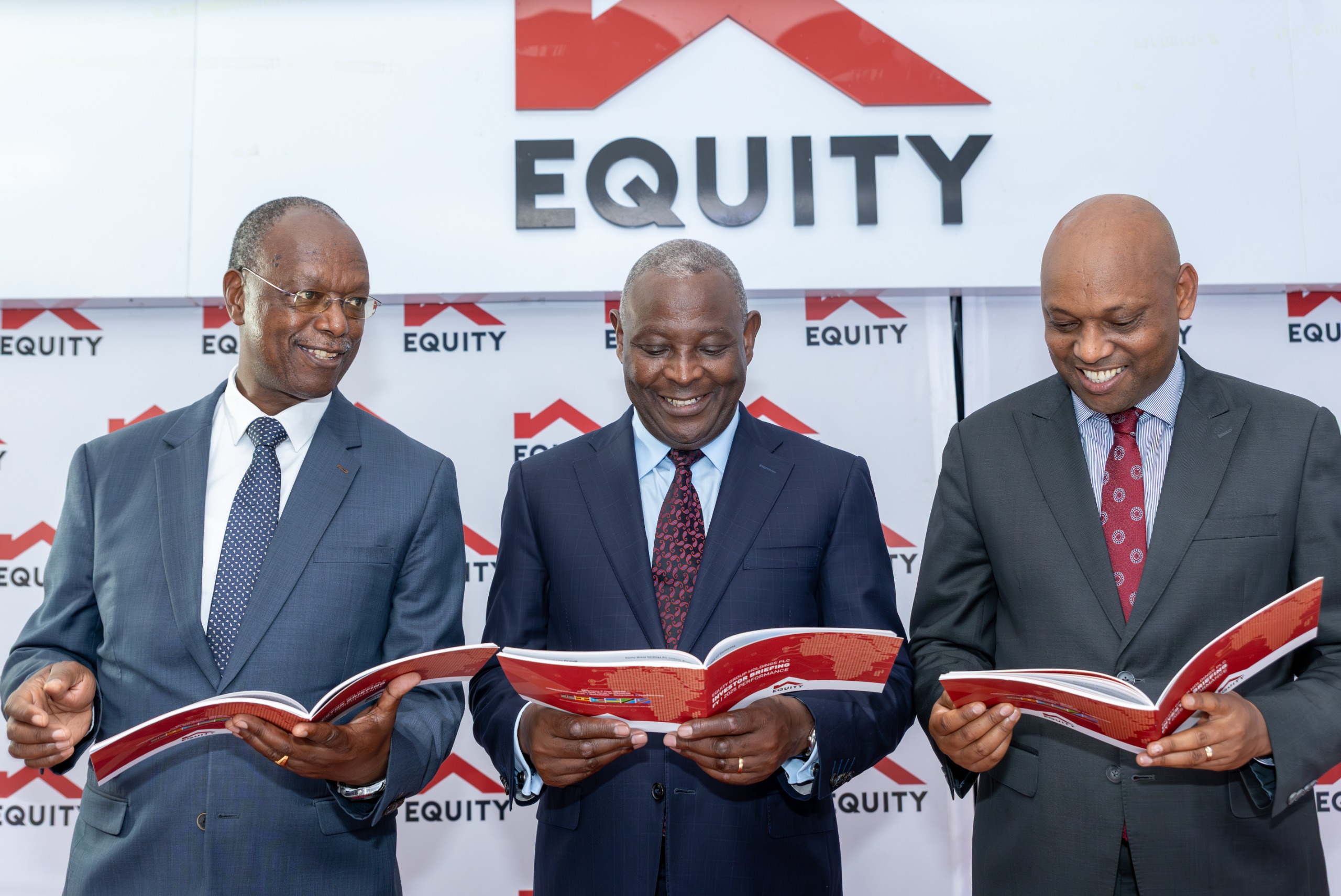
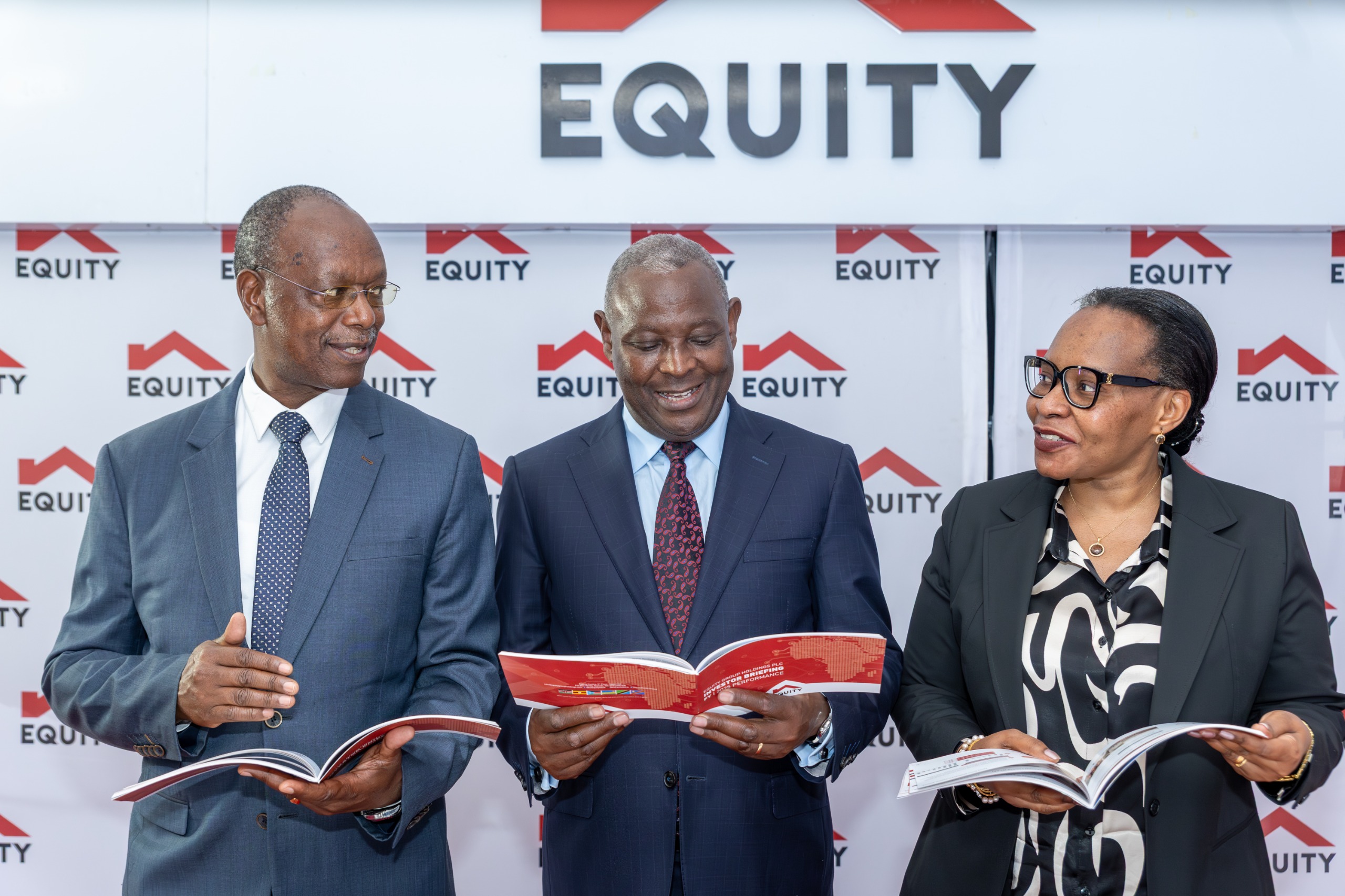
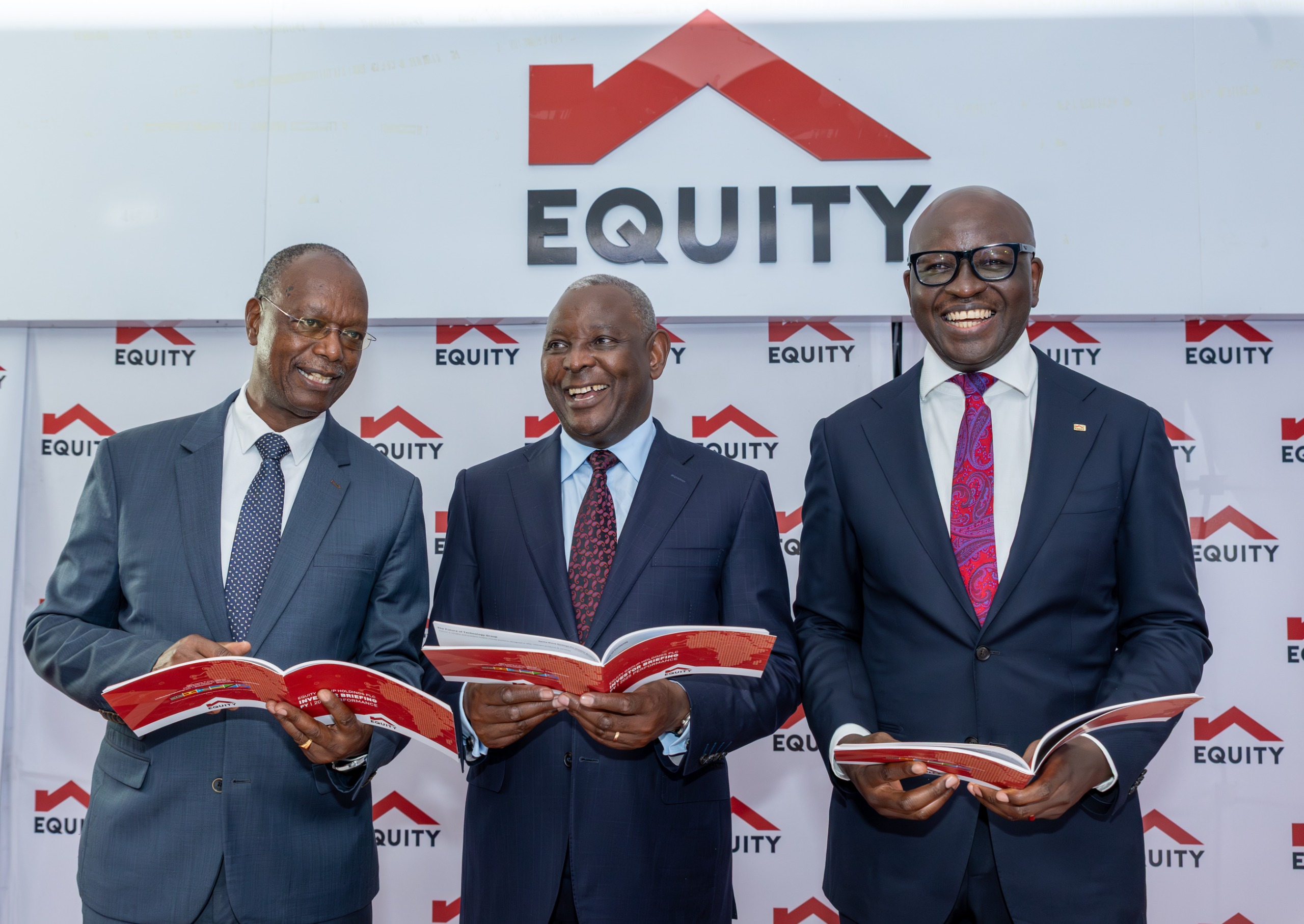
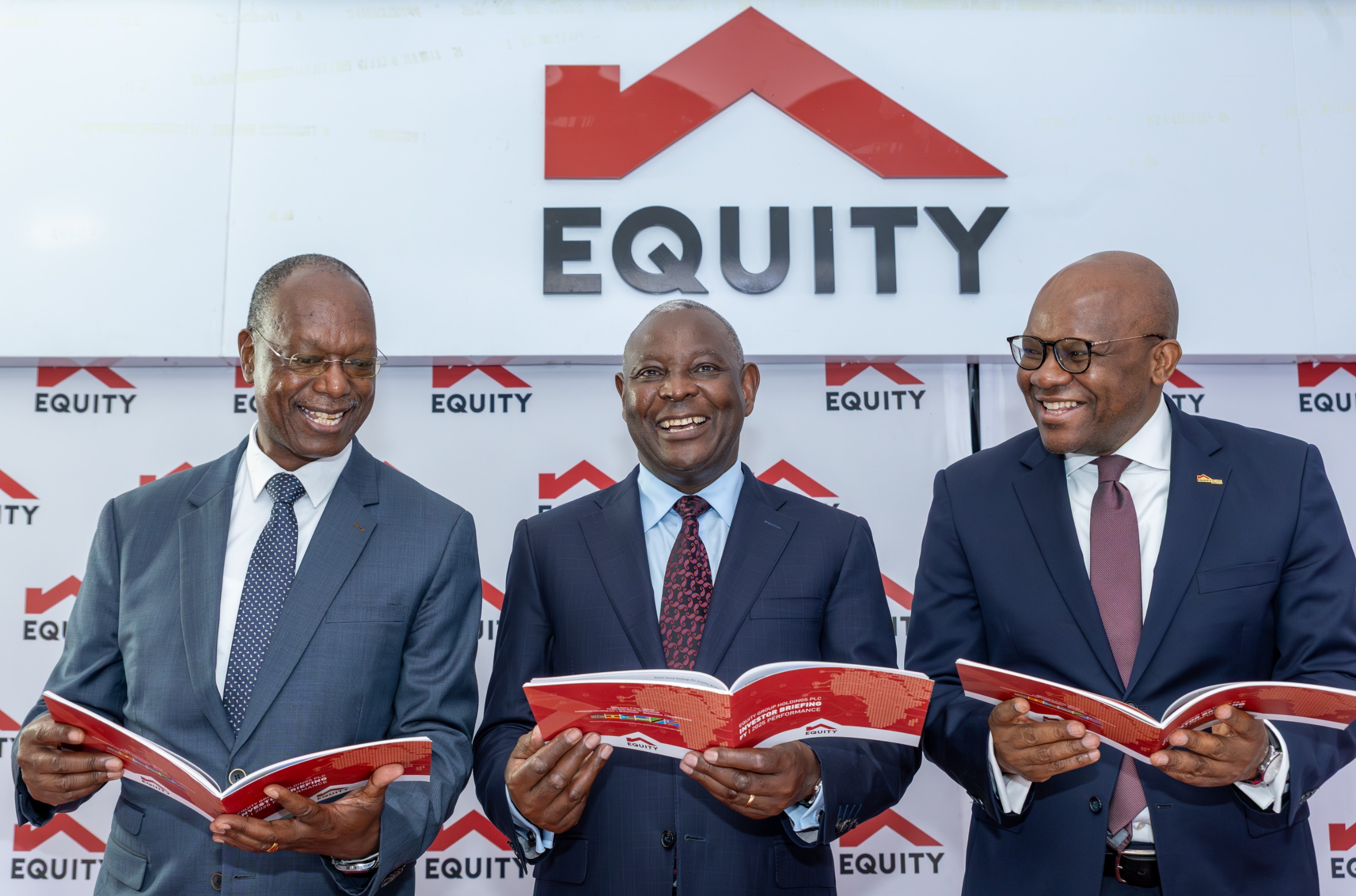
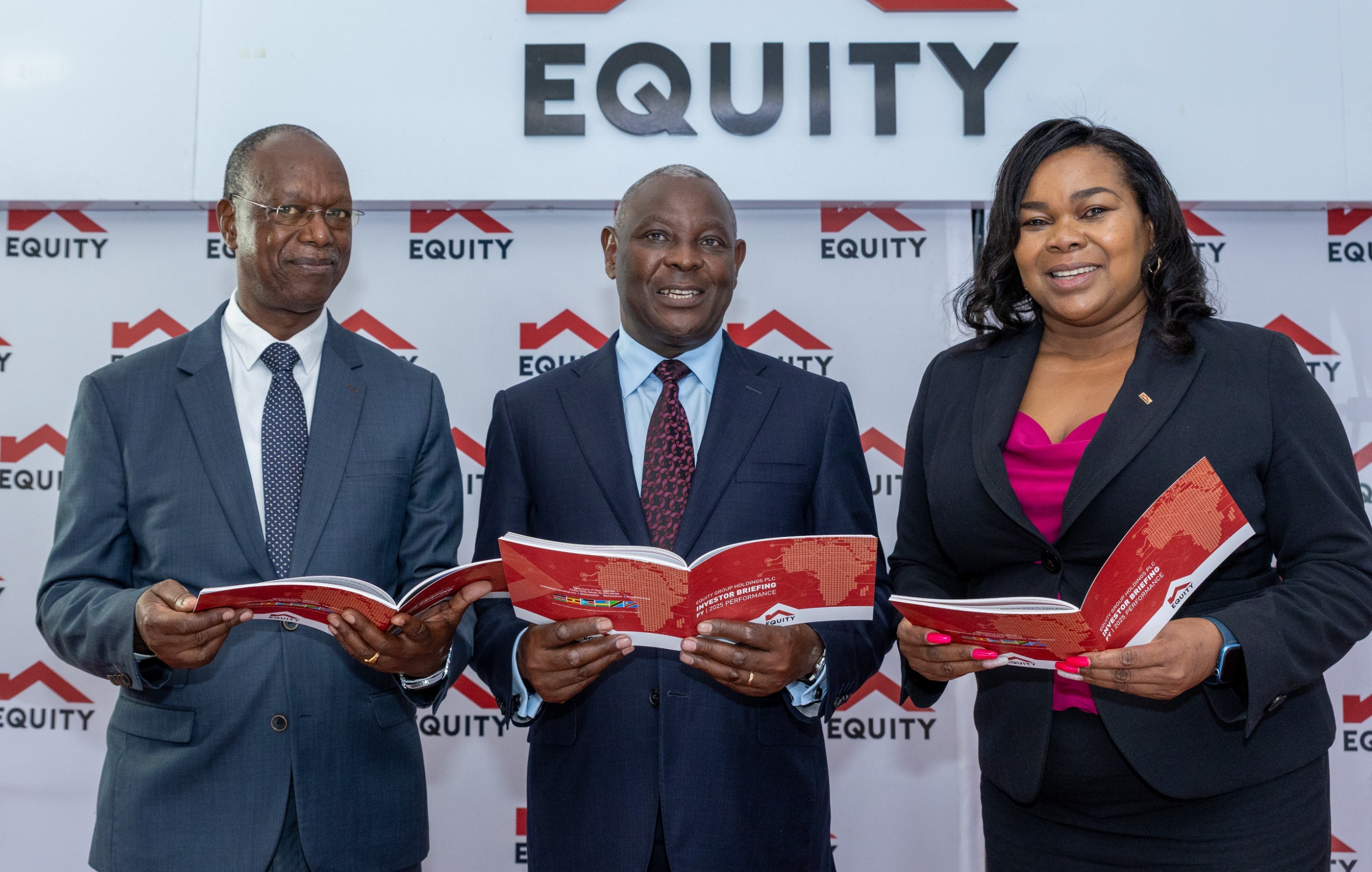
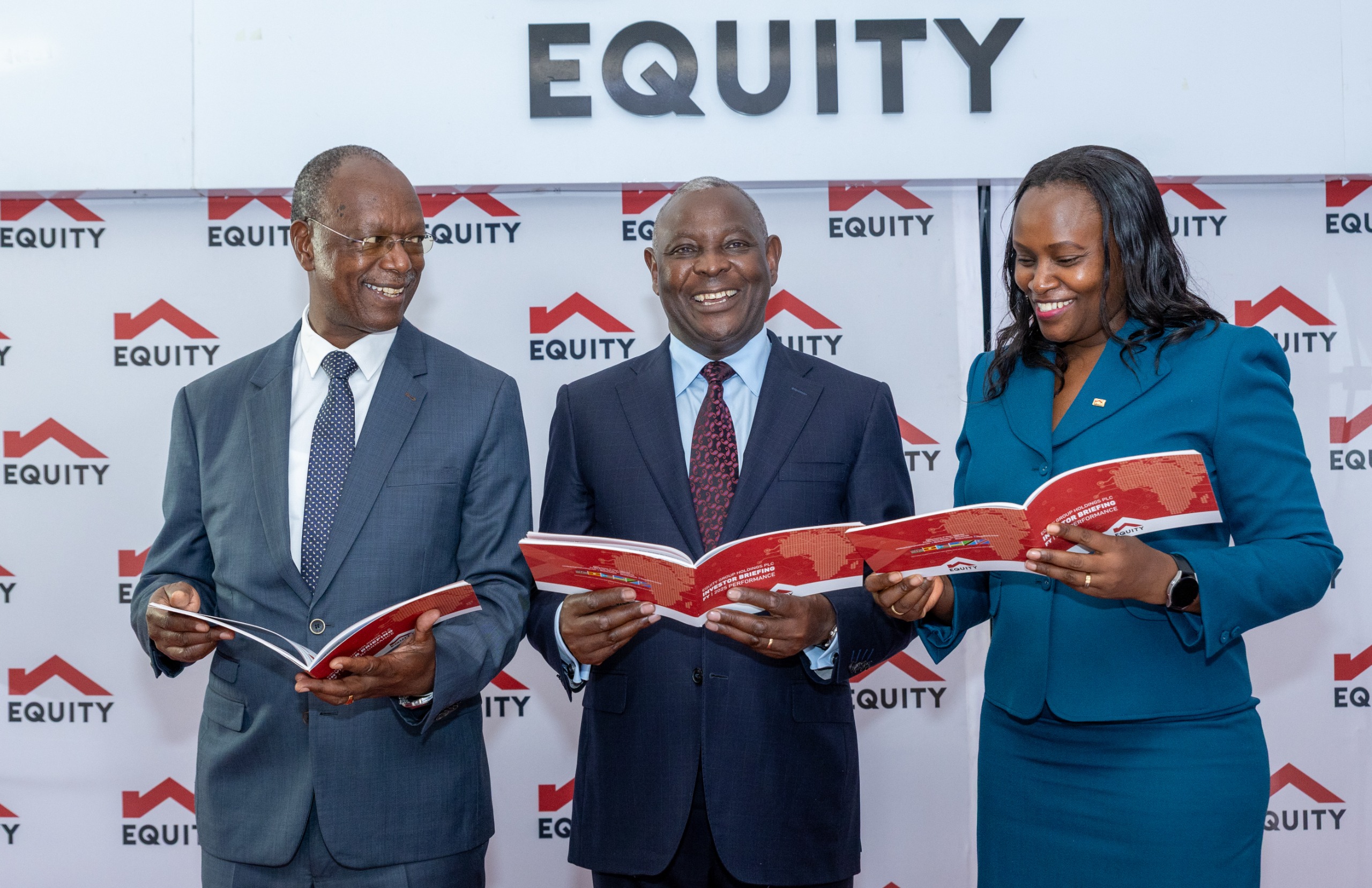
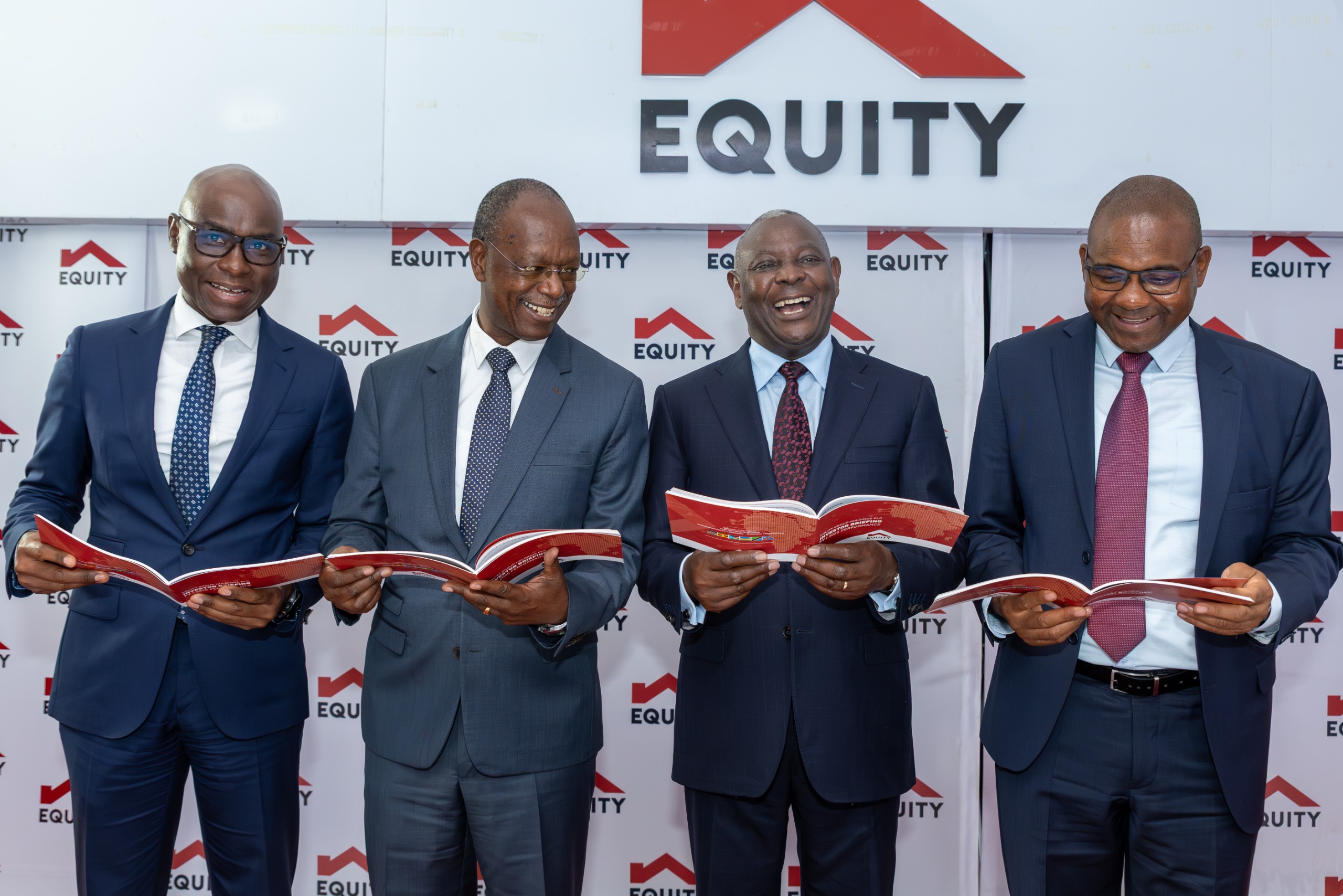
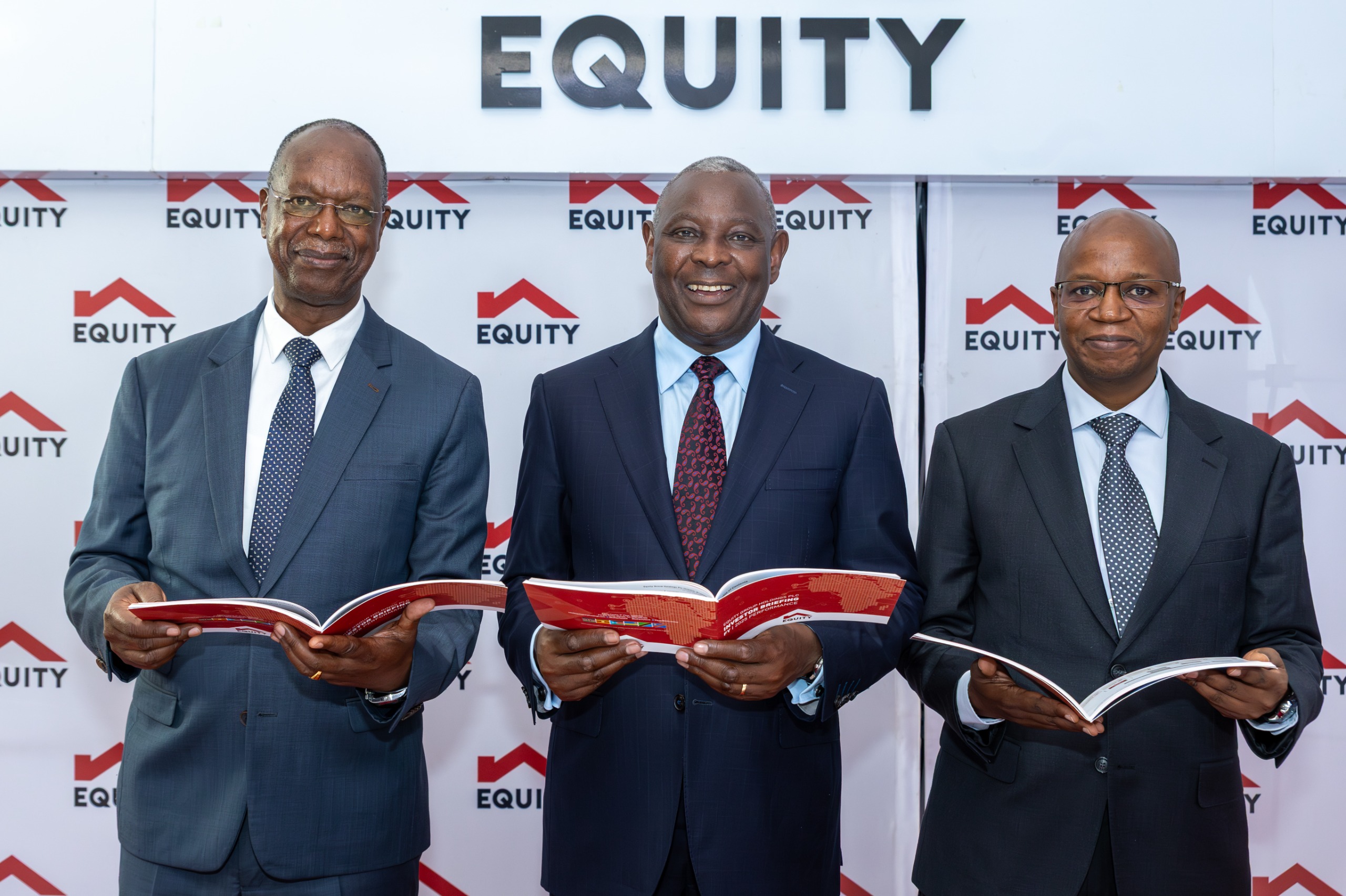
From L-R: Equity Group Chairman, Prof. Isaac Macharia, Group Managing Director and CEO, Dr. James Mwangi and Equity Bank Tanzania Managing Director, Isabela Maganga, during the FY 2025 Investor Briefing event.From L-R: Equity Group Chairman, Prof. Isaac Macharia, Group Managing Director and CEO, Dr. James Mwangi and Equity Bank Rwanda Managing Director, Hannington Namara, during the FY 2025 Investor Briefing event. From L-R: Equity Group Chairman, Prof. Isaac Macharia, Group Managing Director and CEO, Dr. James Mwangi and Equity Bank Kenya Managing Director, Moses Nyabanda, during the FY 2025 Investor Briefing event.From L-R: Equity Group Chairman, Prof. Isaac Macharia, Group Managing Director and CEO, Dr. James Mwangi and EquityBCDC Managing Director, Willy Mulamba, during the FY 2025 Investor Briefing event. From L-R: Equity Group Chairman, Prof. Isaac Macharia, Group Managing Director and CEO, Dr. James Mwangi and Equity Life Assurance Kenya Limited Managing Director, Angela Okinda, during the FY 2025 Investor Briefing event.From L-R: Equity Group Chairman, Prof. Isaac Macharia, Group Managing Director and CEO, Dr. James Mwangi and Director Equity Group Foundation Operations, Dr. Joanne Korir, during the FY 2025 Investor Briefing event. From L-R: Equity Bank Uganda Executive Director, Claver Serumaga, Equity Group Chairman, Prof. Isaac Macharia, Group Managing Director and CEO, Dr. James Mwangi and Equity Bank Uganda Managing Director, Gift Shoko, during the FY 2025 Investor Briefing event.