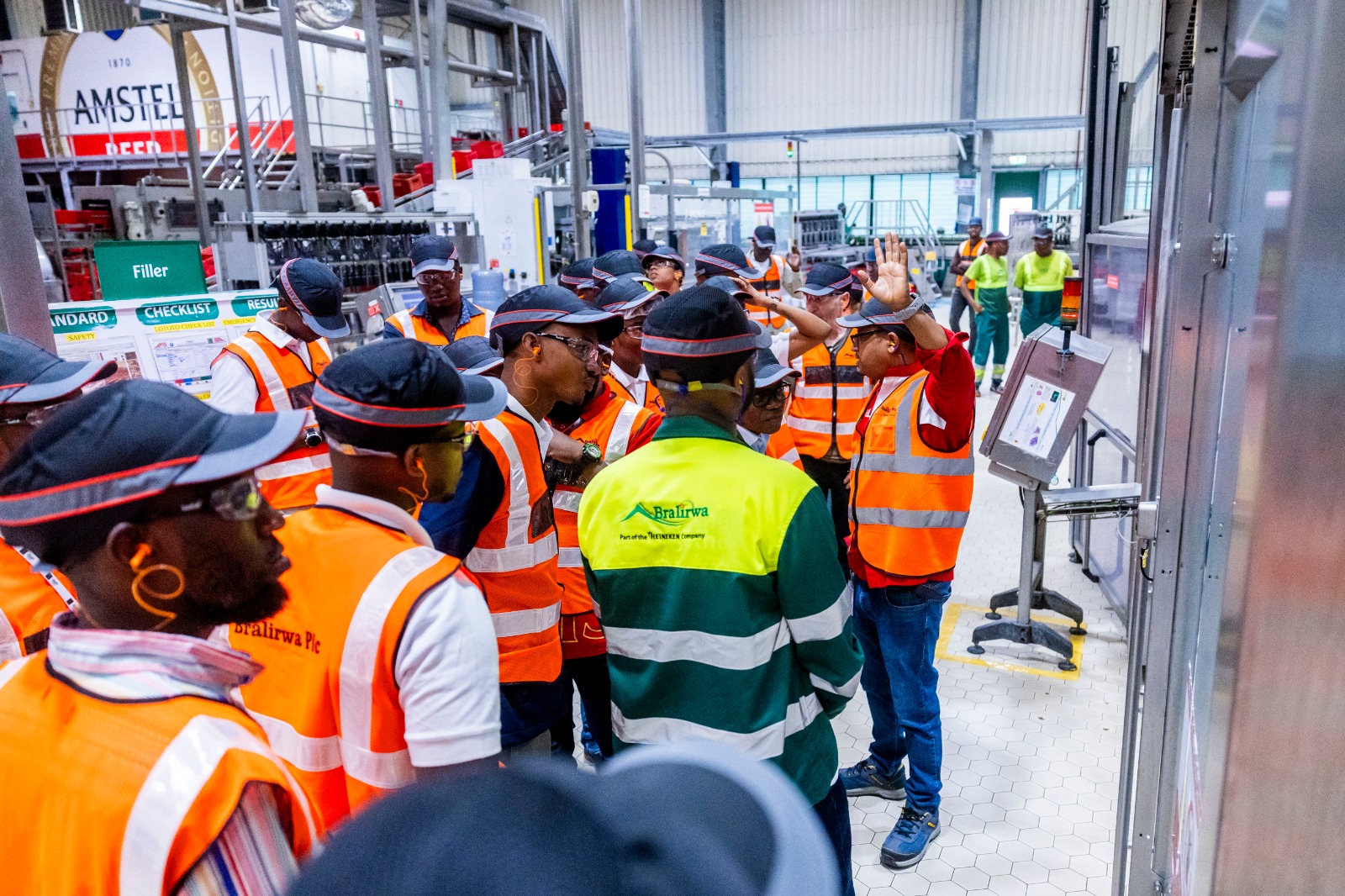
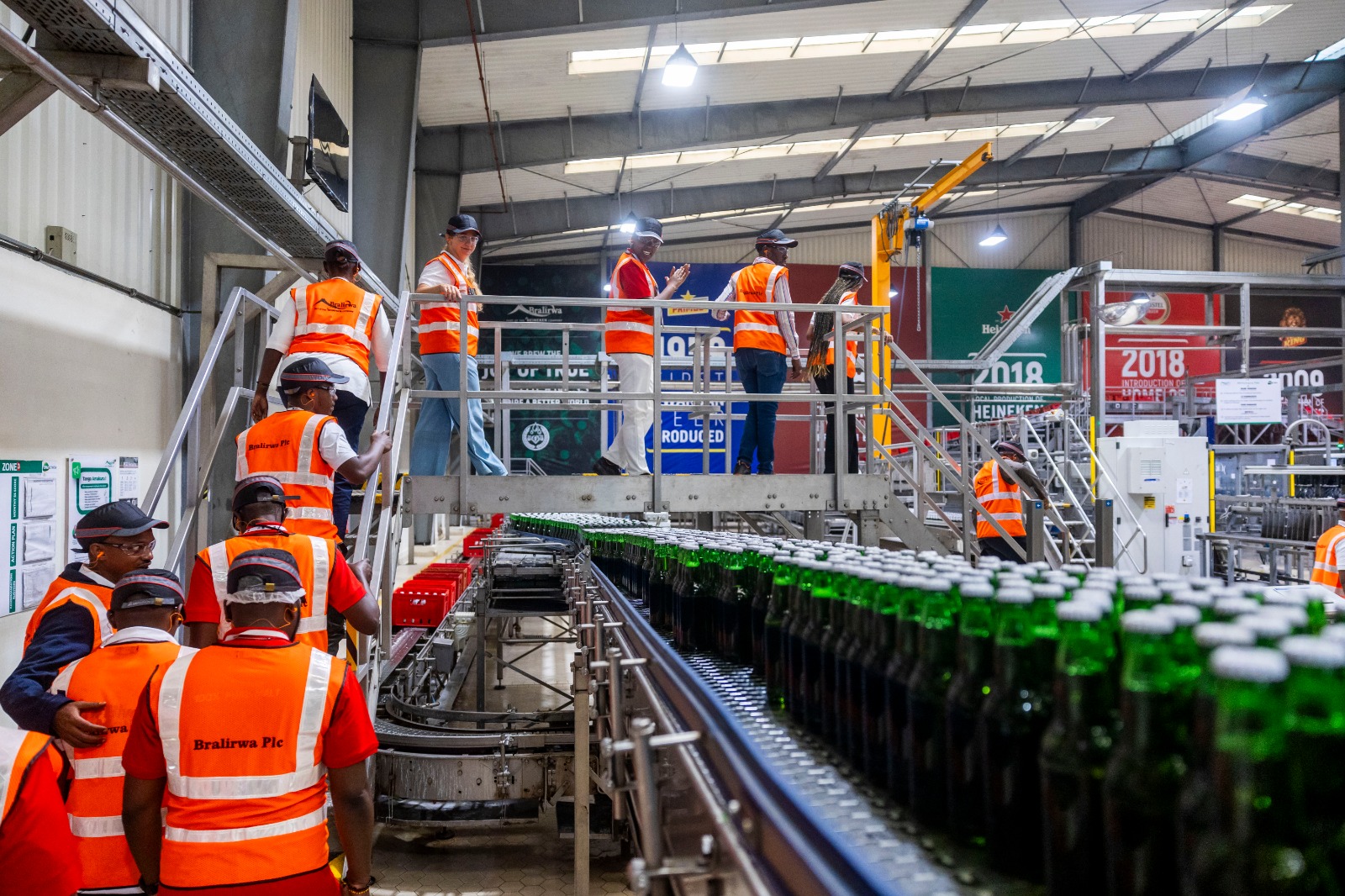
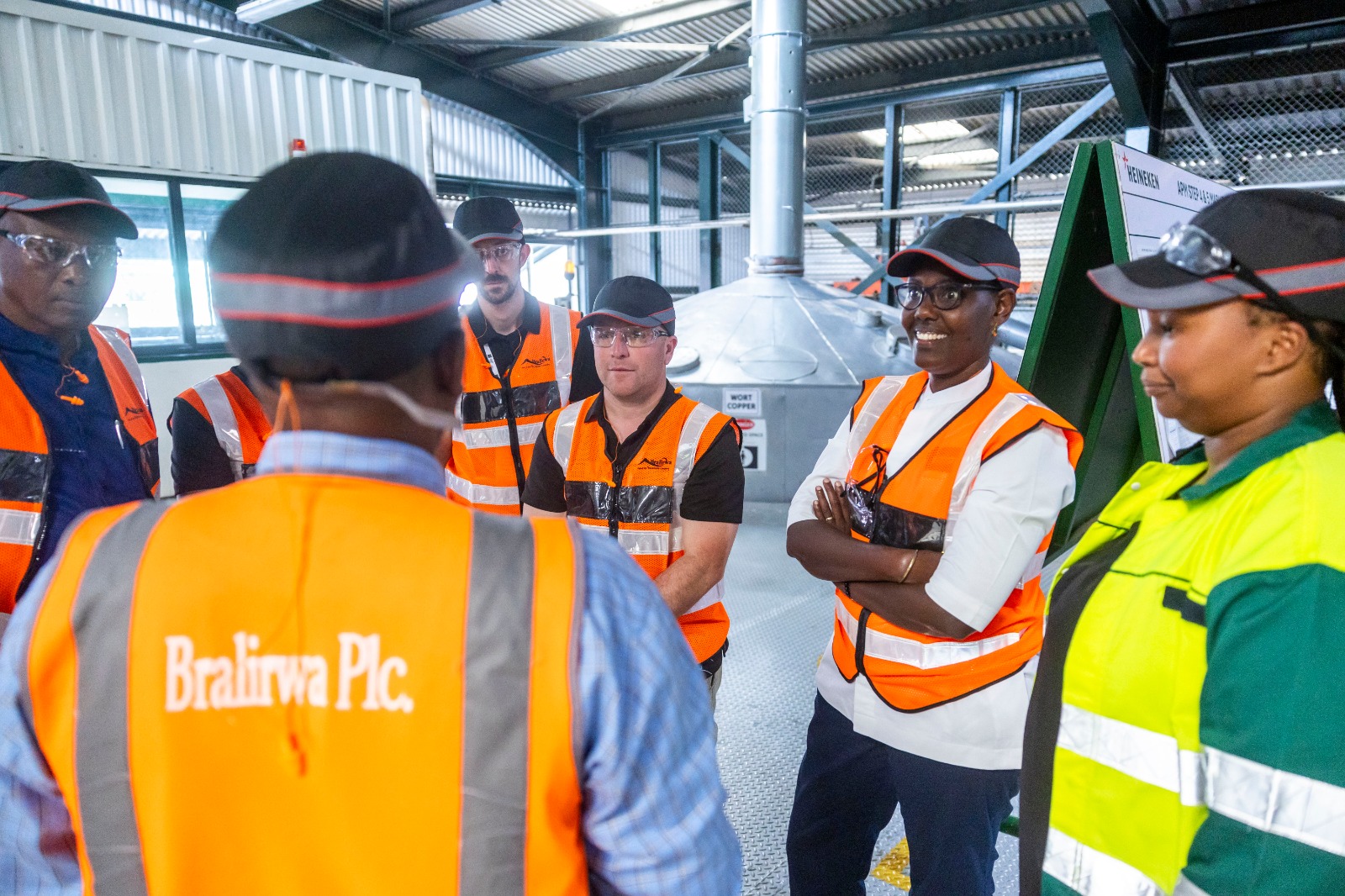
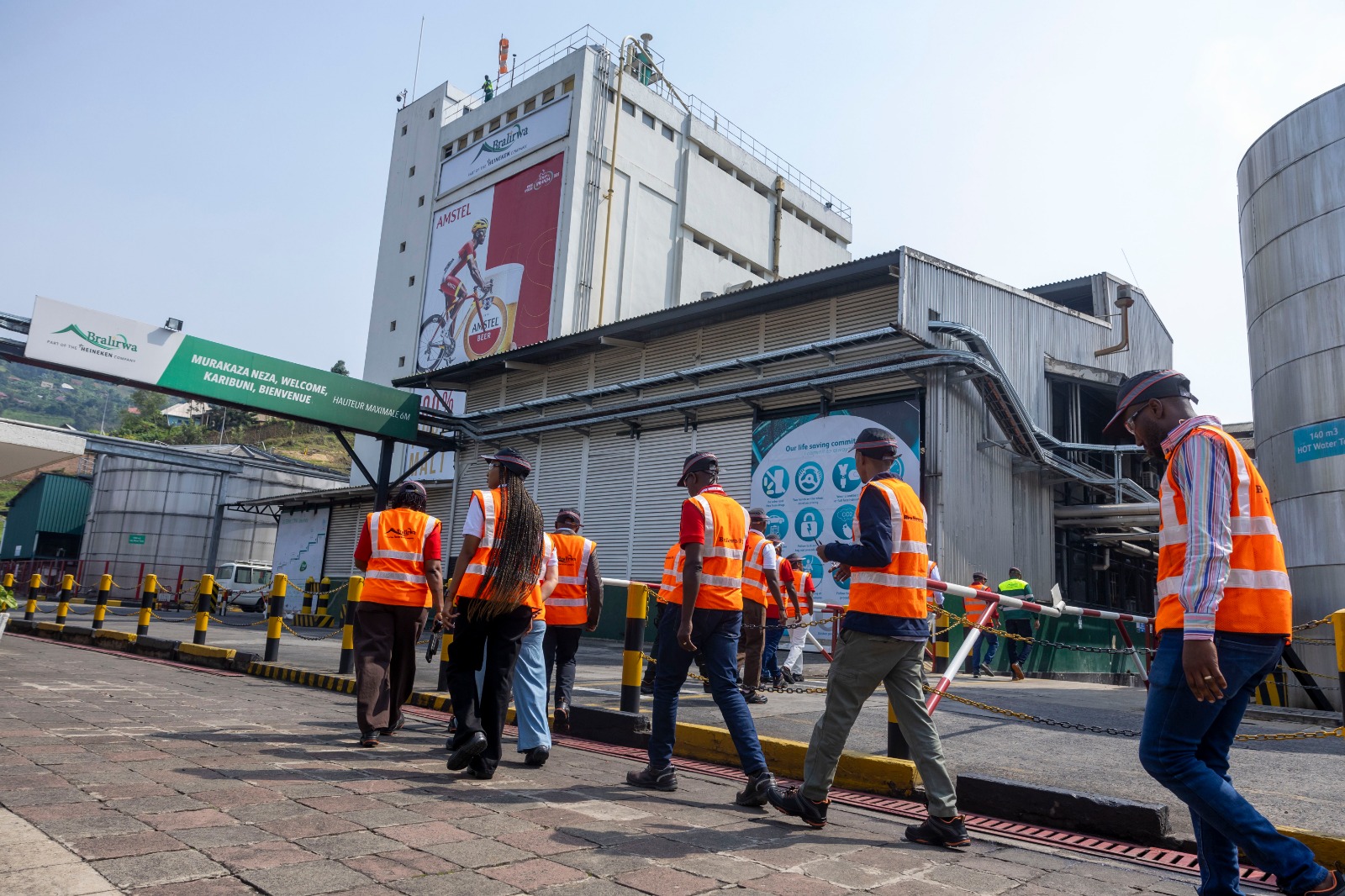
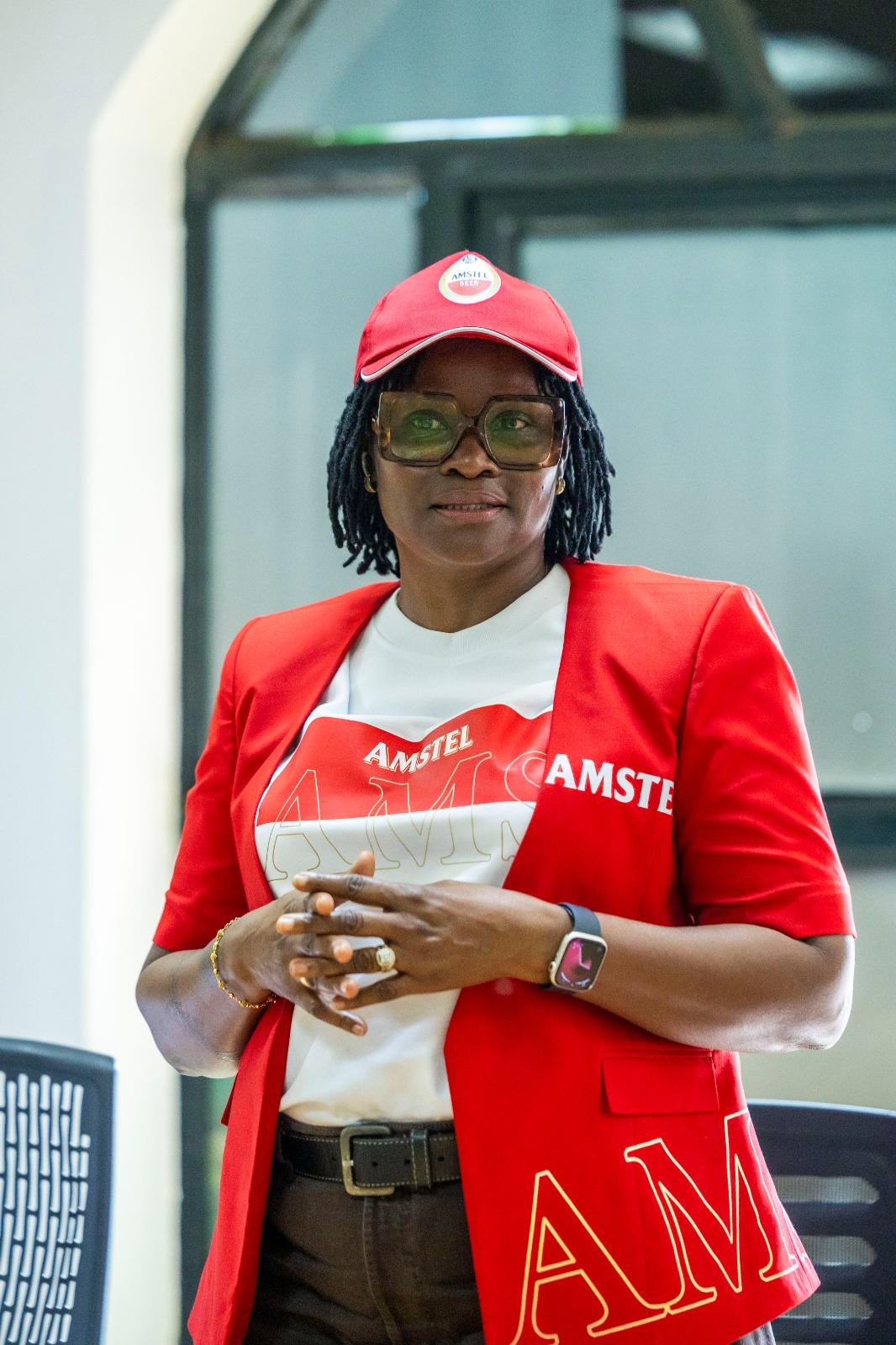
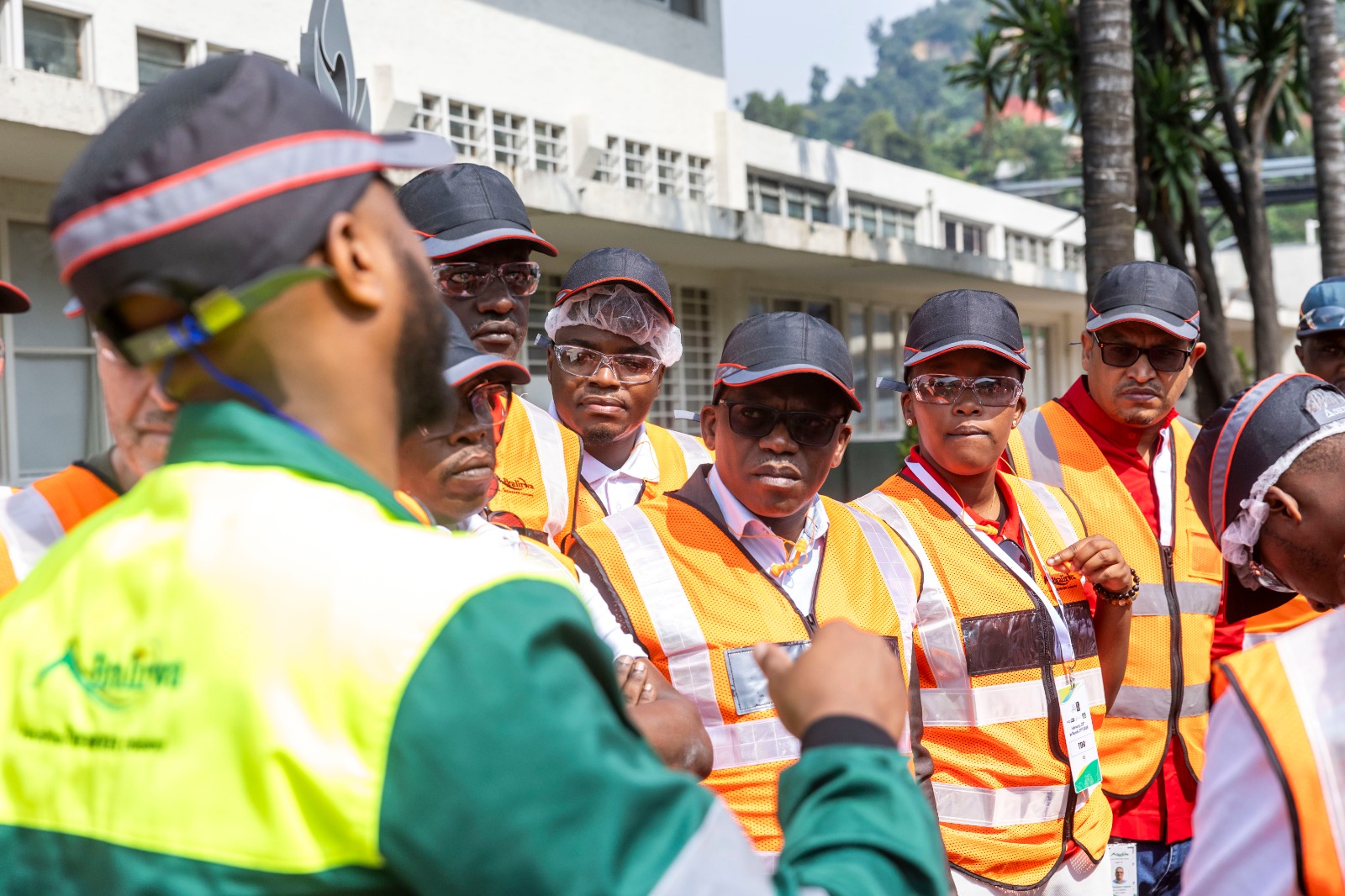
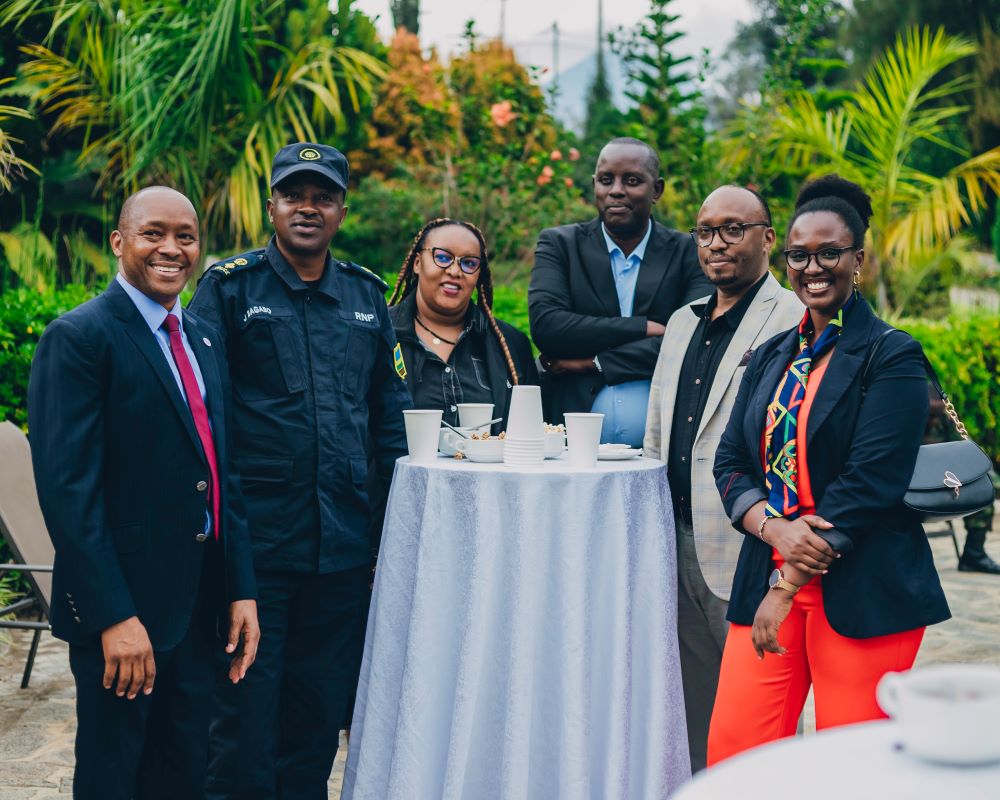
The visit provided guests with a guided tour of the brewery, where they were introduced to the detailed journey of beer production – from the brewing process to packaging – showcasing the craftsmanship, expertise, and quality standards that define BRALIRWA’s brewing heritage.
For many of the visitors, the experience offered a deeper appreciation of the work behind the brands that continue to play a visible role during the Tour du Rwanda through fan experiences and nationwide activations.
The visit also served as an opportunity to strengthen relationships between BRALIRWA and the partners supporting the Tour du Rwanda, reinforcing the spirit of collaboration that helps deliver one of Africa’s most exciting cycling events.
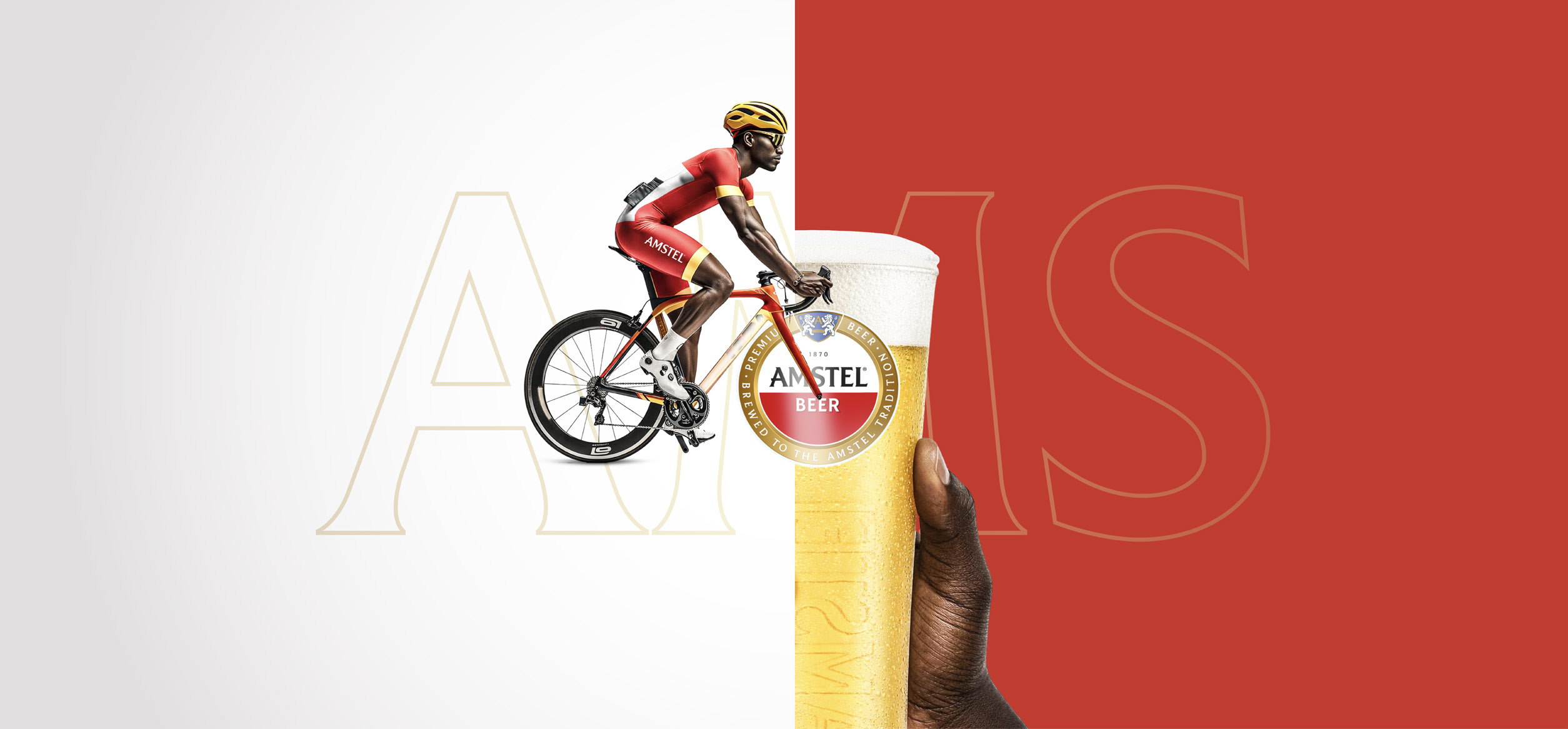
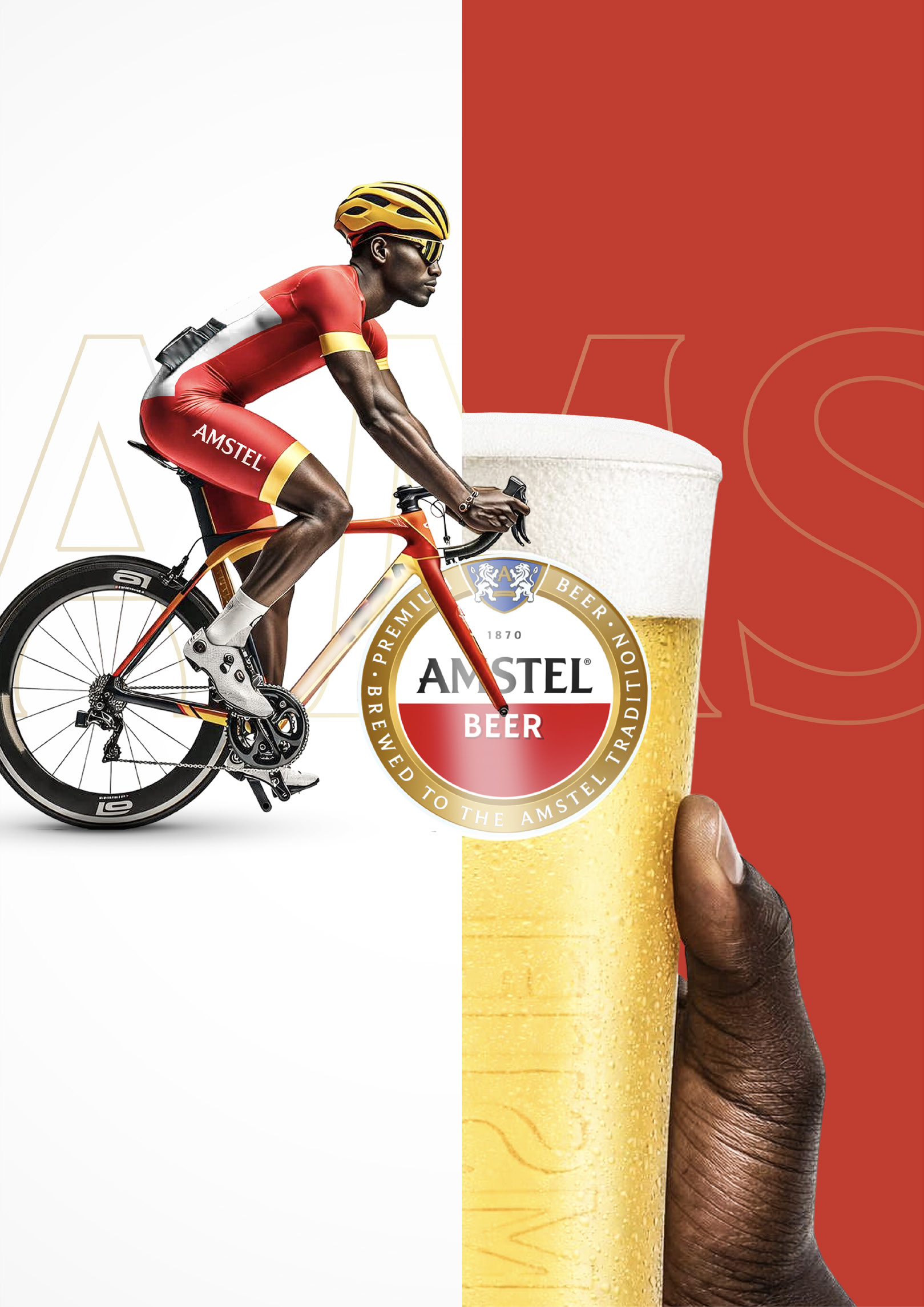
As a Gold Sponsor of the Tour du Rwanda, Amstel – 100% Pure Malt – remains part of the celebration of cycling across Rwanda by bringing fans together through engaging experiences, including fan zones, community activities, and social rides.
The visit to the brewery in Rubavu therefore marked not only a moment of discovery for the guests but also a reminder of the partnerships and shared commitment that continue to make the Tour du Rwanda a growing symbol of sport, tourism, and community pride in Rwanda.
The visit to the brewery in Rubavu therefore marked a moment of discovery.The visit provided guests with a guided tour of the brewery, where they were introduced to the detailed journey of beer production. For many of the visitors, the experience offered a deeper appreciation of the work behind the brands that continue to play a visible role during the Tour du Rwanda.Guests arriving at the plant based in Rubavu District.
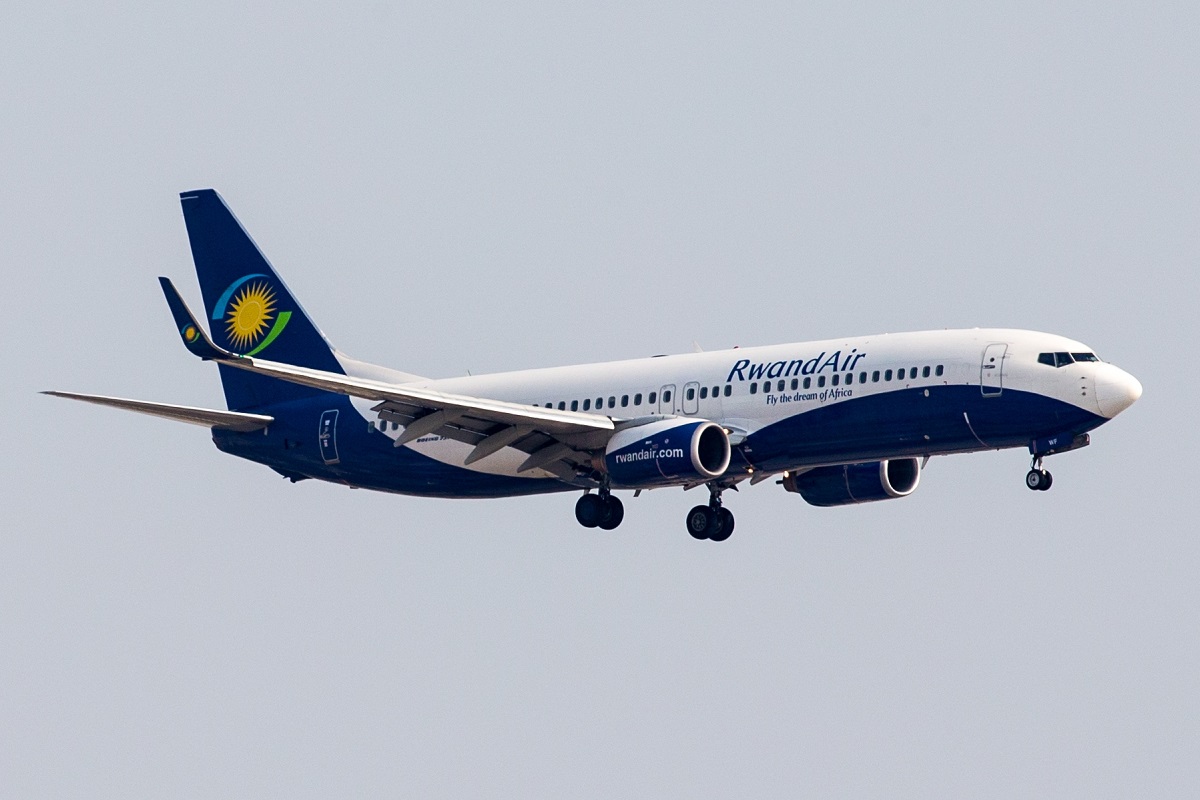
The announcement, made on February 28, 2026, follows a major strike by Israel and the United States on Iran, dubbed “Operation Roaring Lion.”
RwandAir said passenger and crew safety remains its top priority and urged affected passengers to reschedule their flights.
“ We are closely monitoring the situation and will provide further updates as more information becomes available. Affected passengers may reschedule their tickets for a later date,” reads a statement shared on X.
As Iran began retaliating, several neighboring countries; including Qatar, Kuwait, Syria, and the United Arab Emirates,closed their airspace.
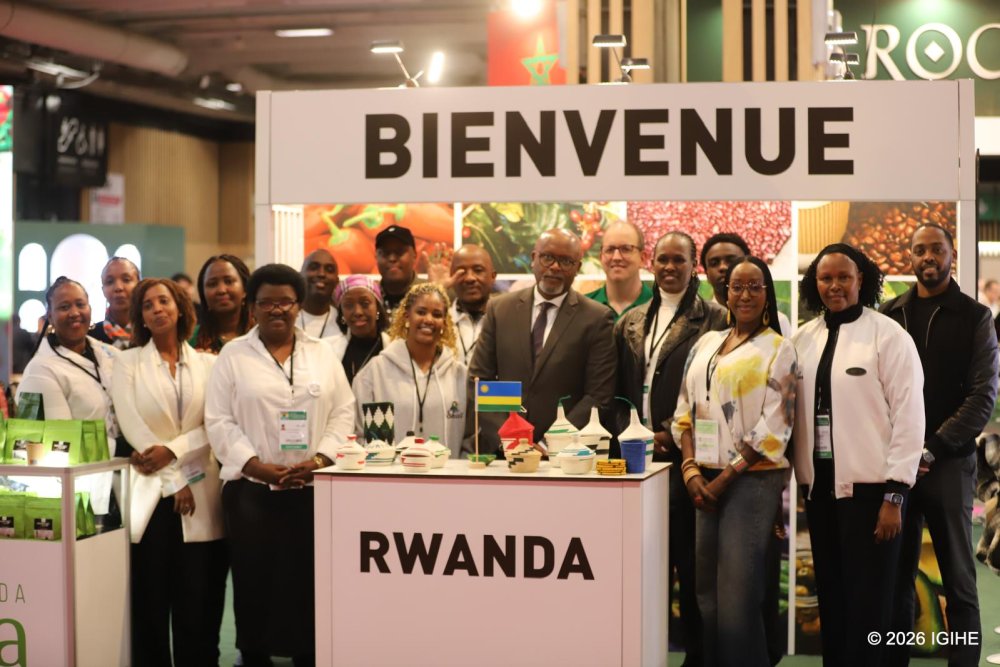
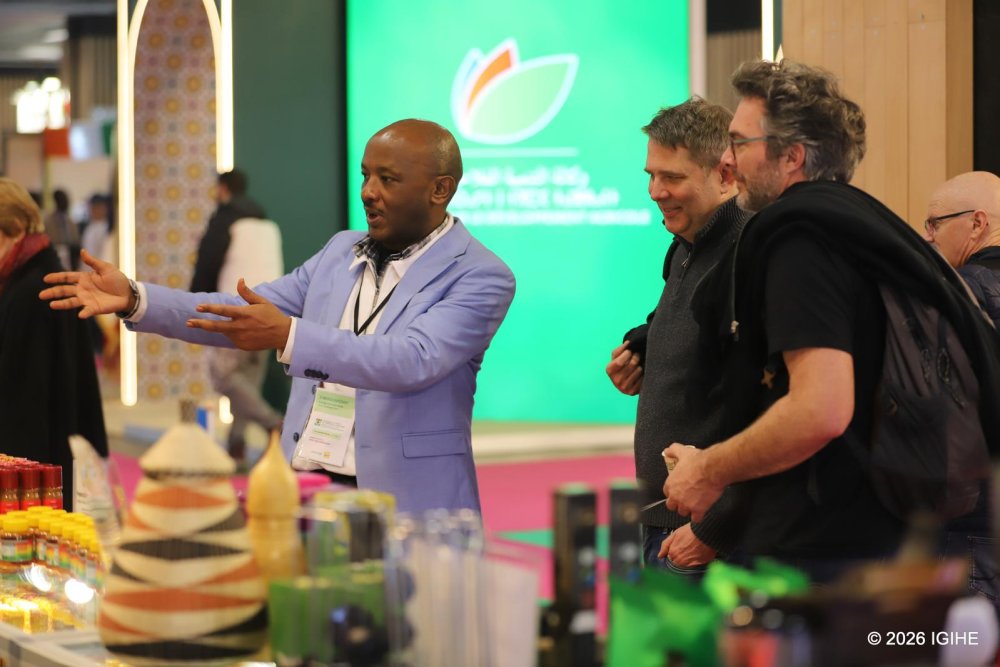
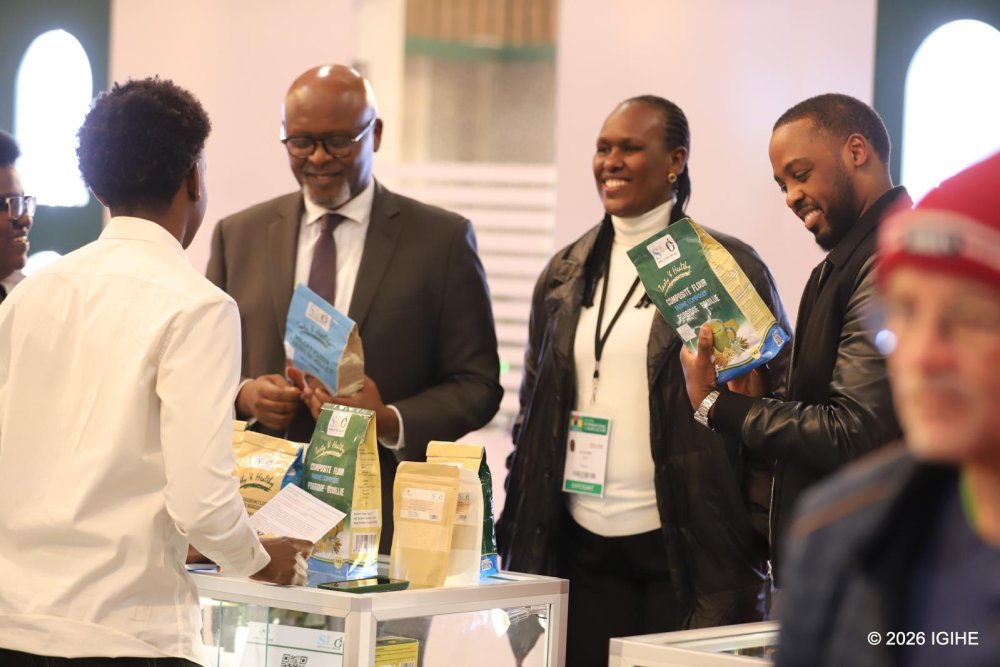
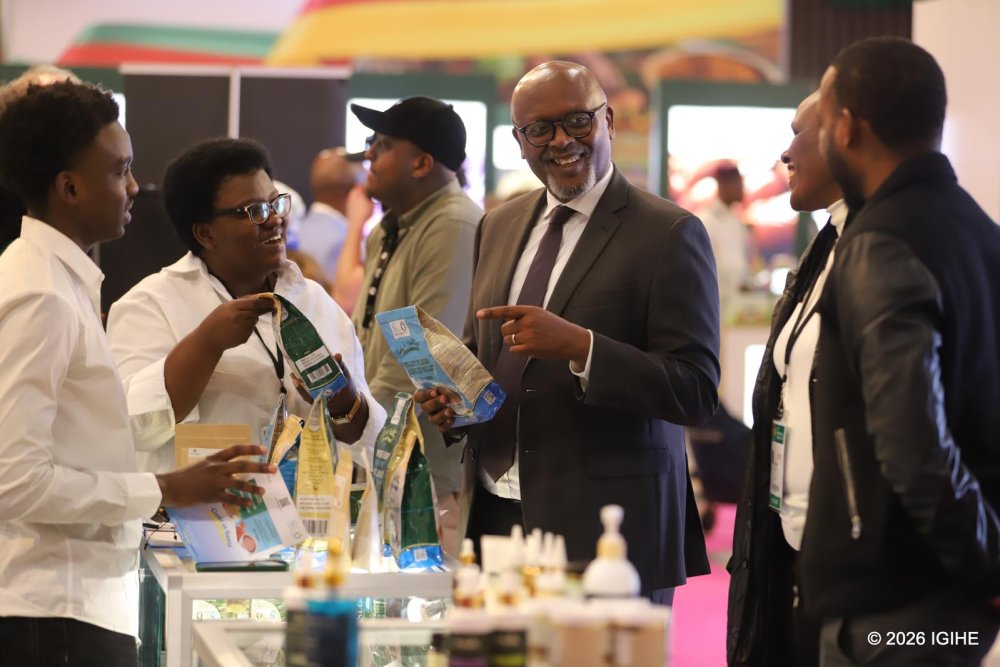
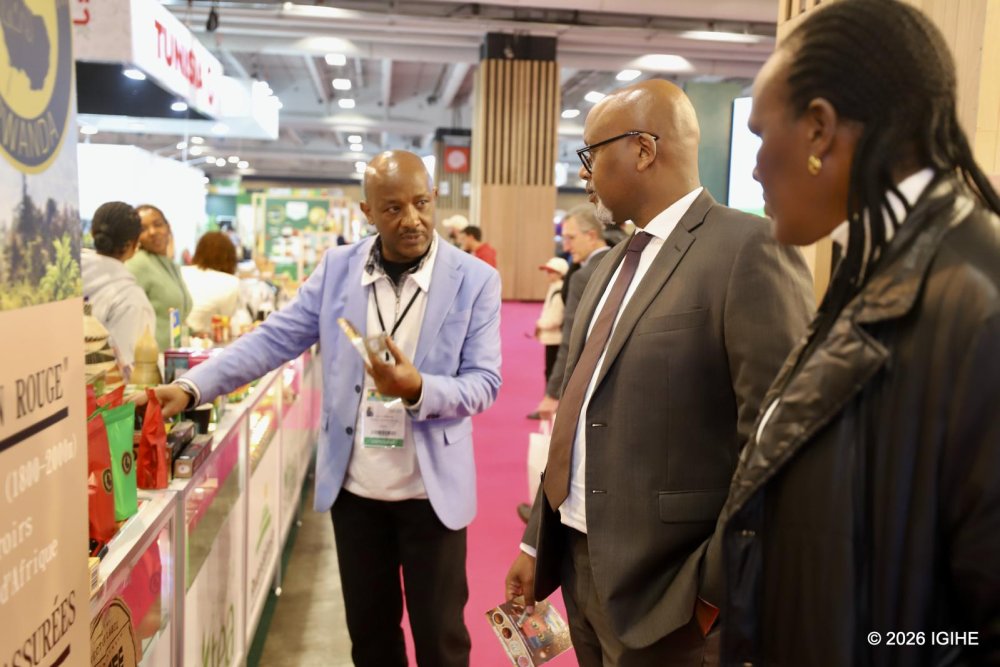
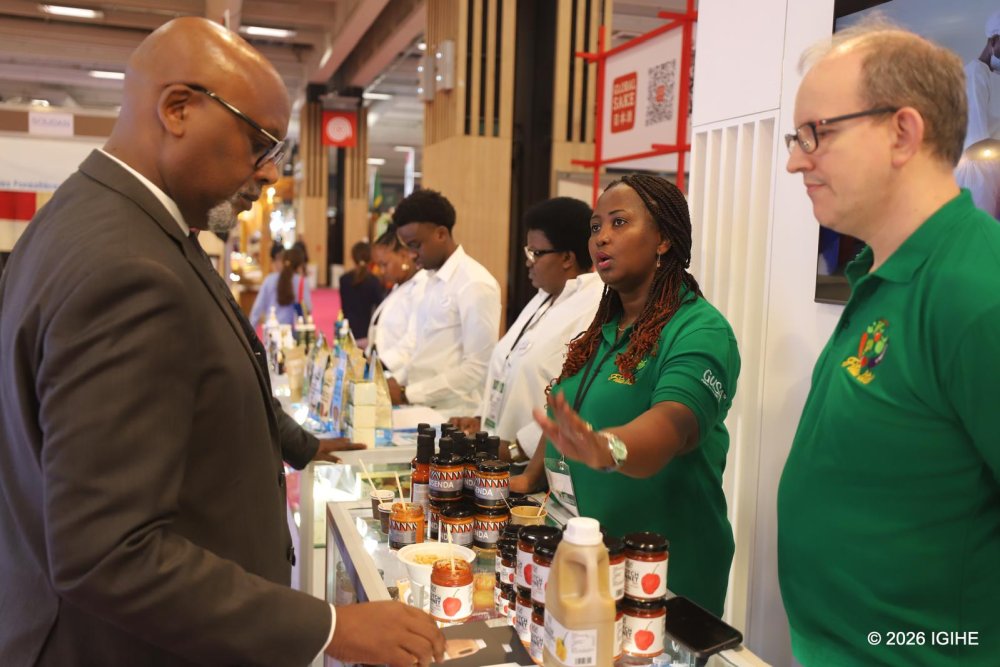
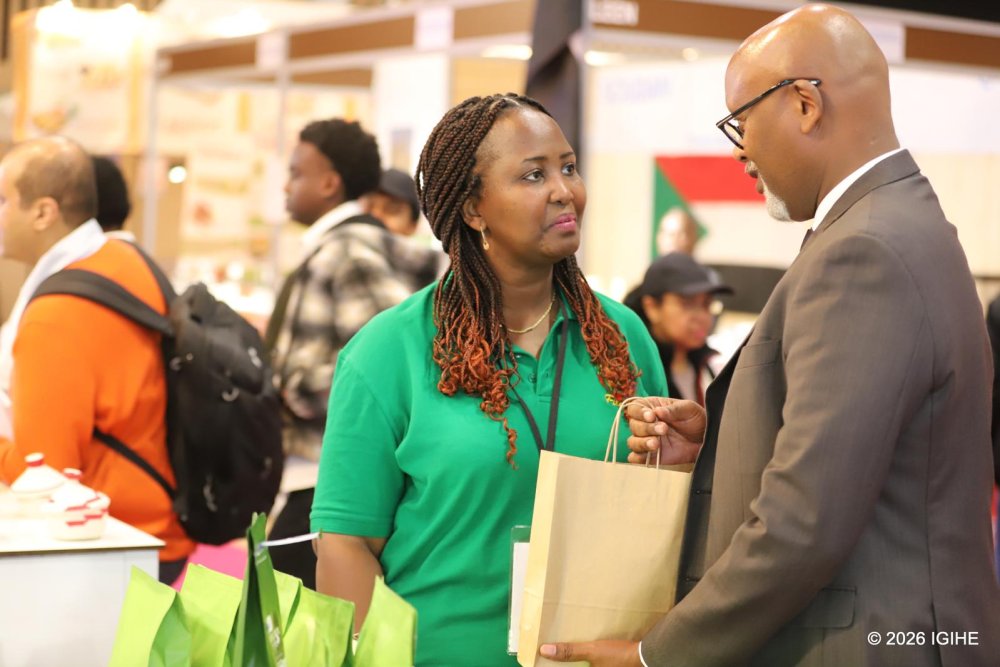
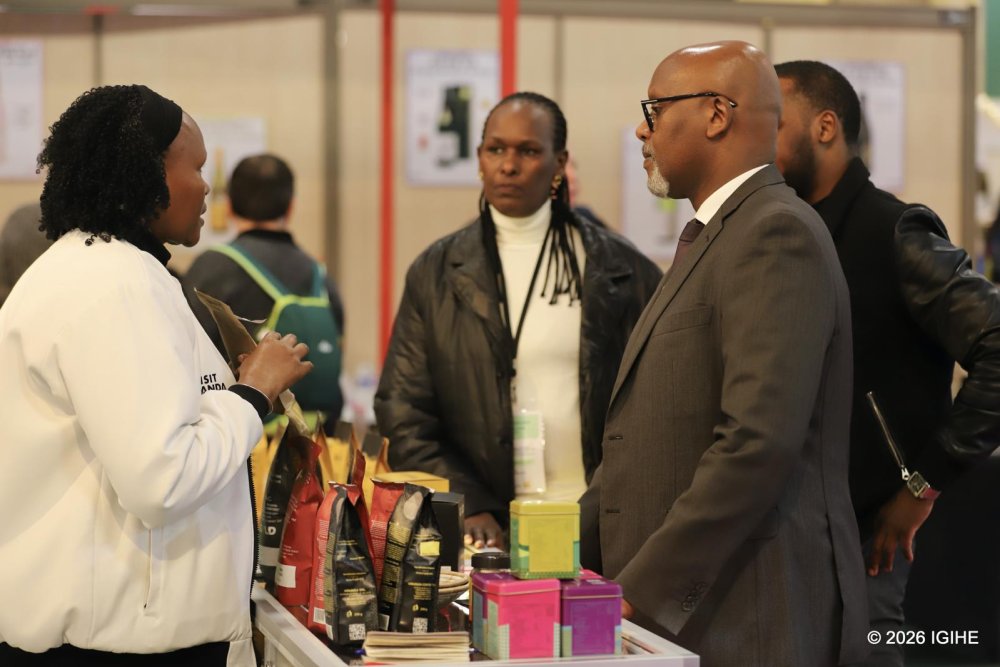
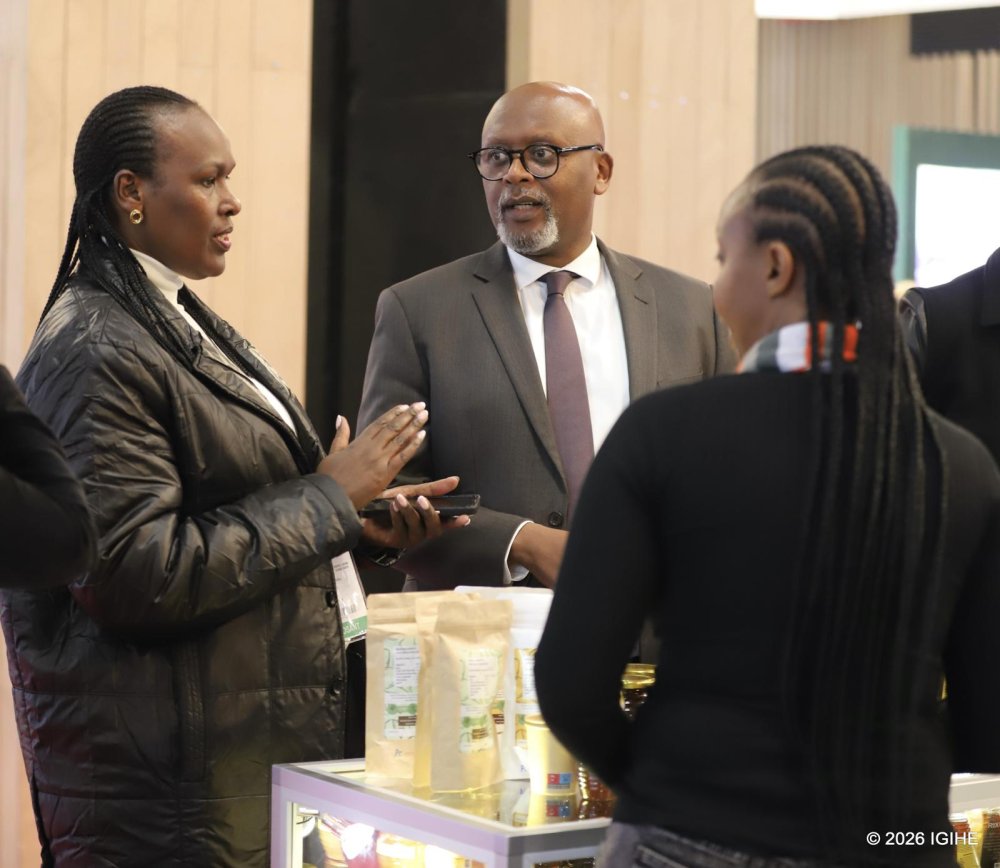
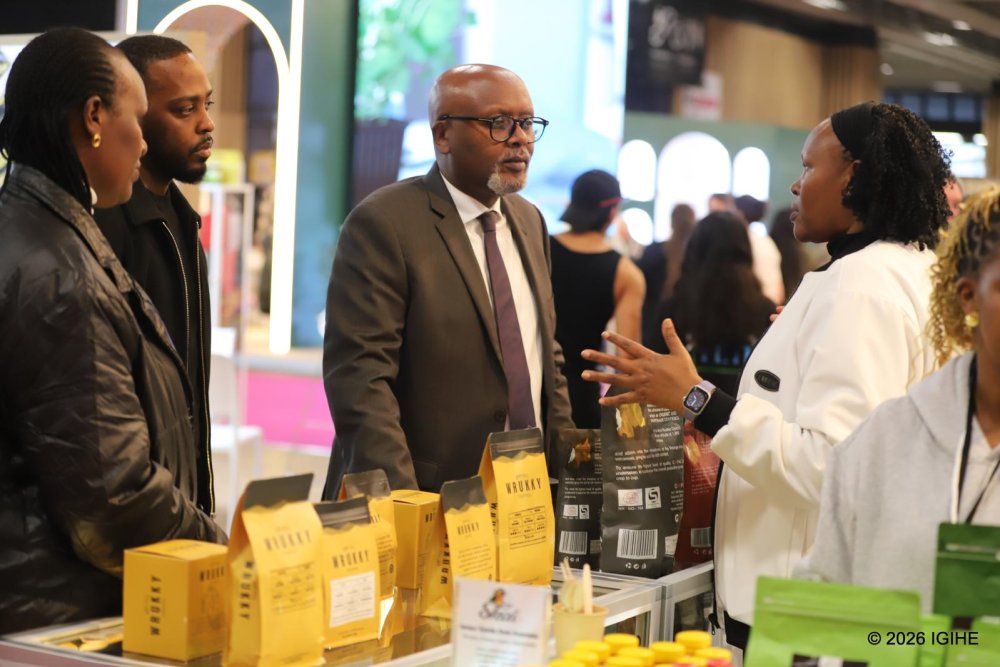
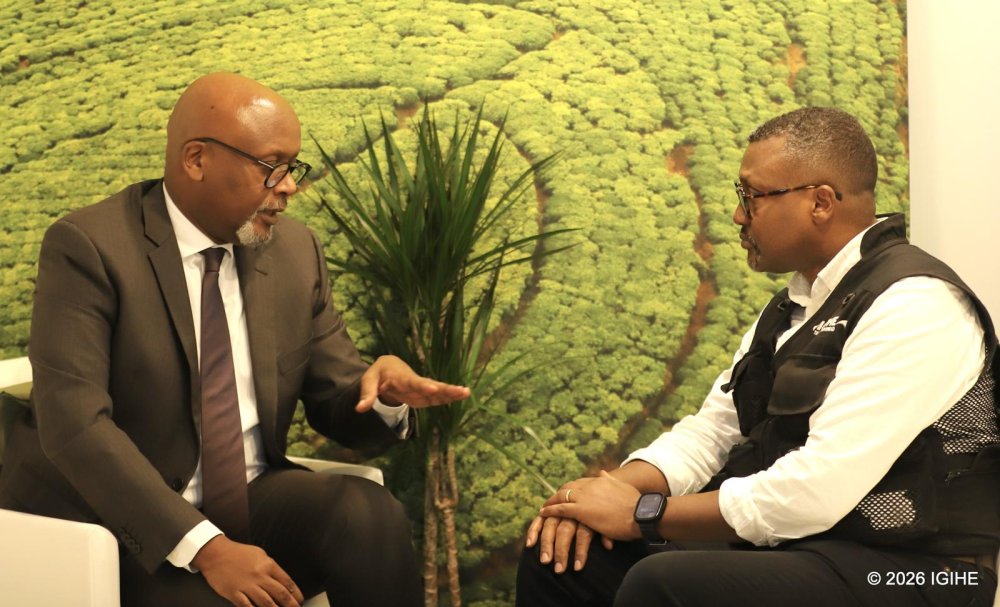
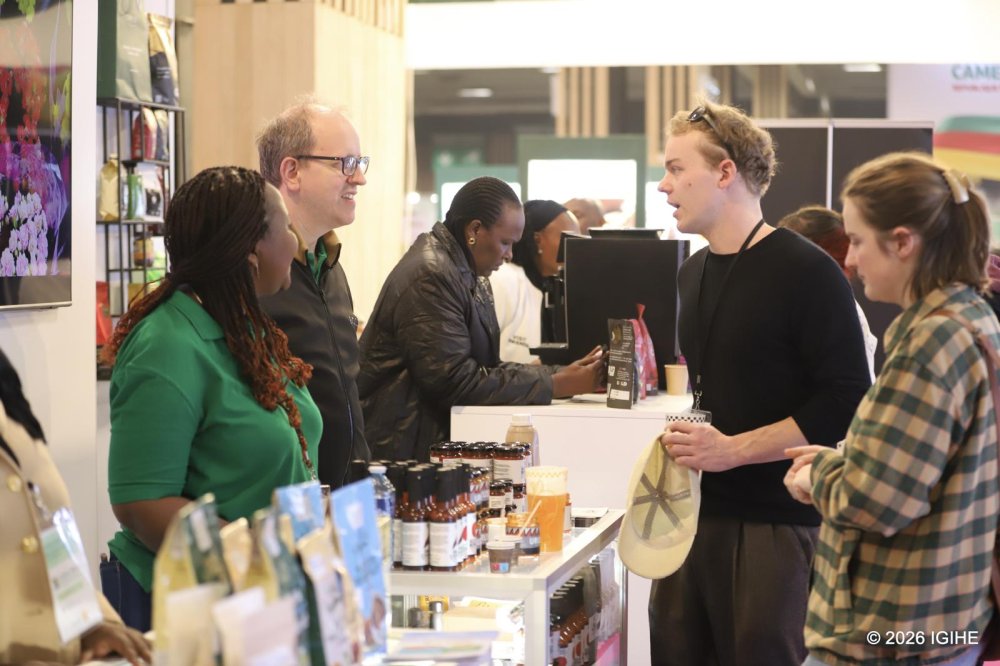
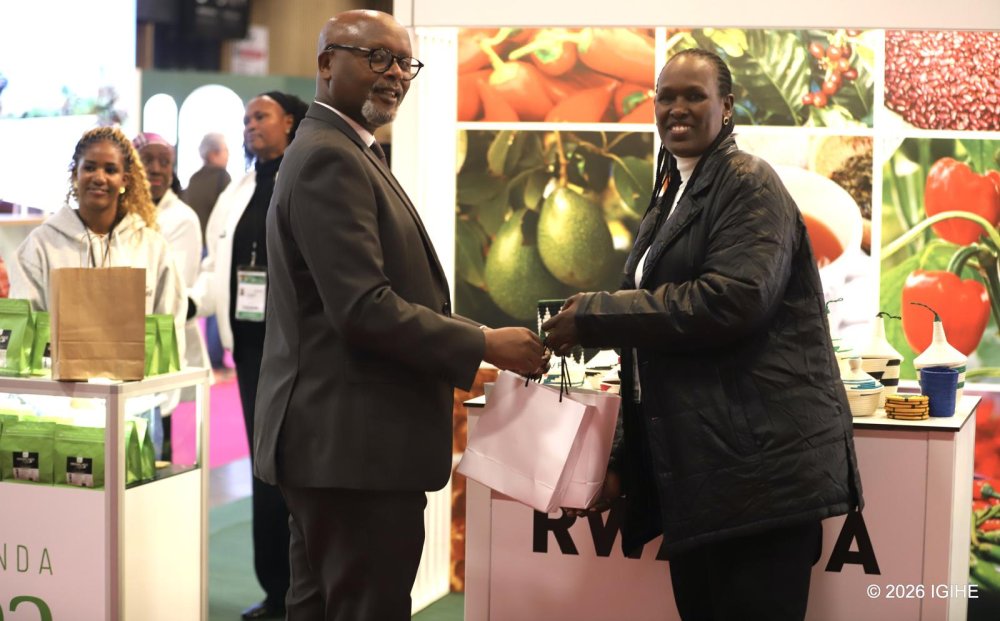
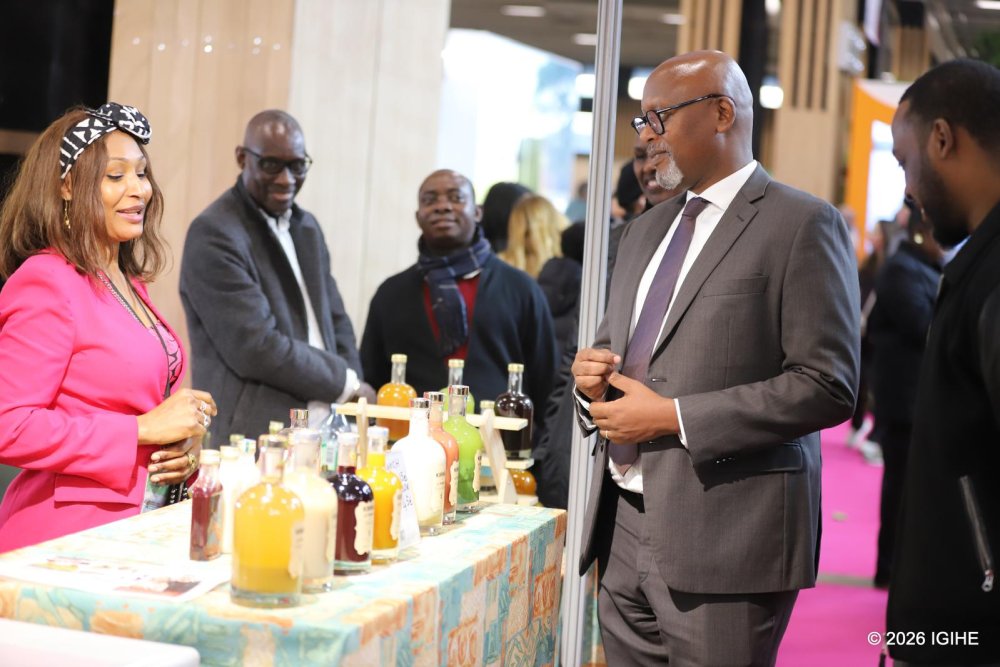
This was emphasized during a visit by Rwanda’s Ambassador to France, François Nkulikiyimfura, who toured the Rwandan pavilion and engaged with exhibitors about the benefits from it.
The ambassador noted that France is a major player in agriculture and livestock, stressing the value of establishing business partnerships. He also assured participants that the Rwandan Embassy would continue to support them in accessing new markets in France.
Amb. Nkulikiyimfura was accompanied by Janet Basiima, the Head of the Export Market Development and Innovation Division at the National Agricultural Export Development Board (NAEB).
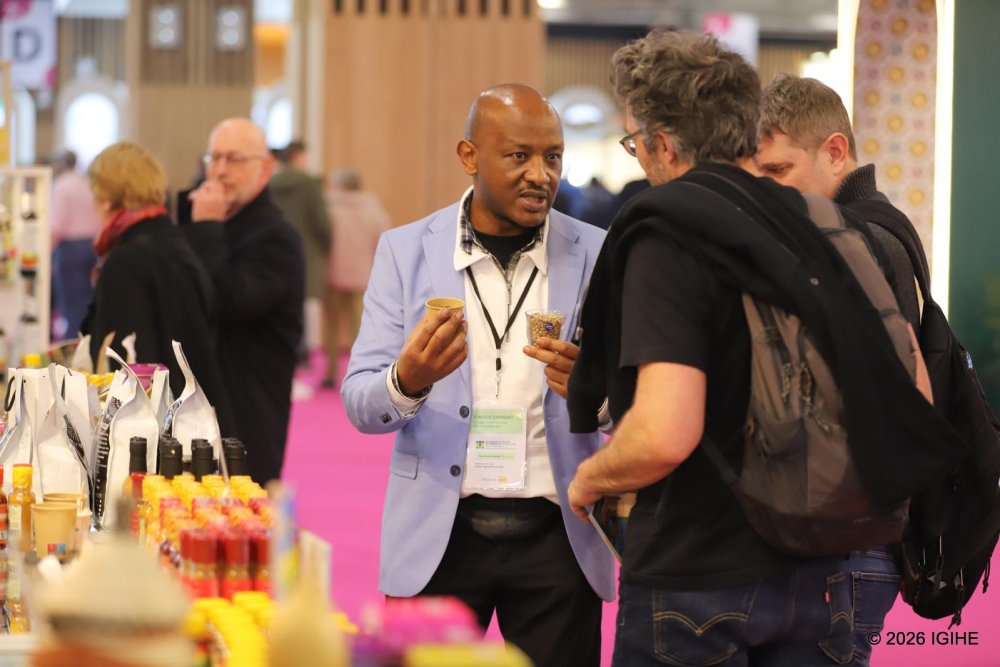
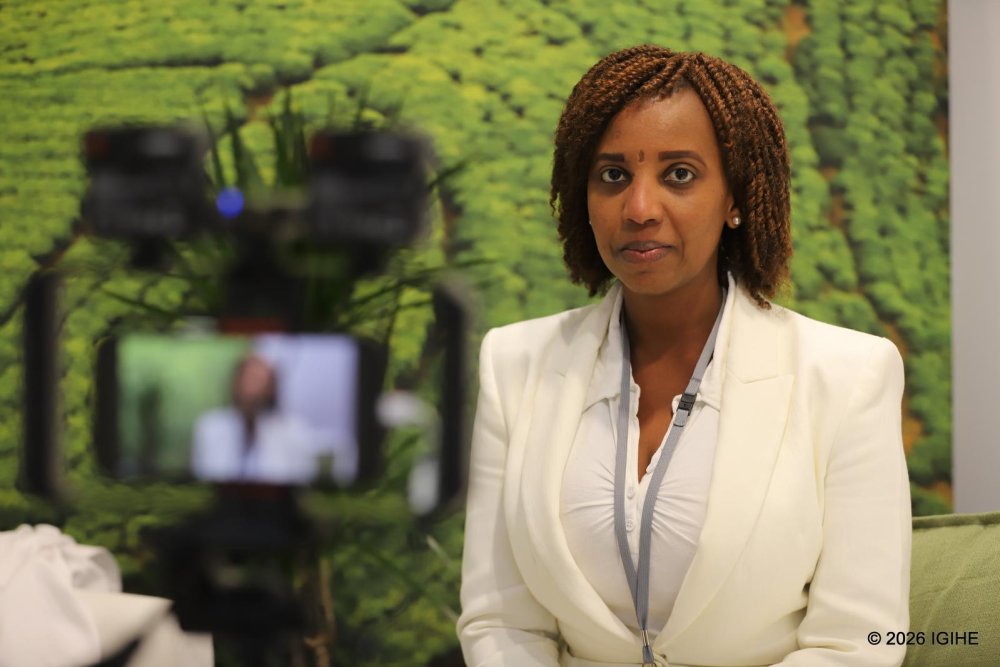
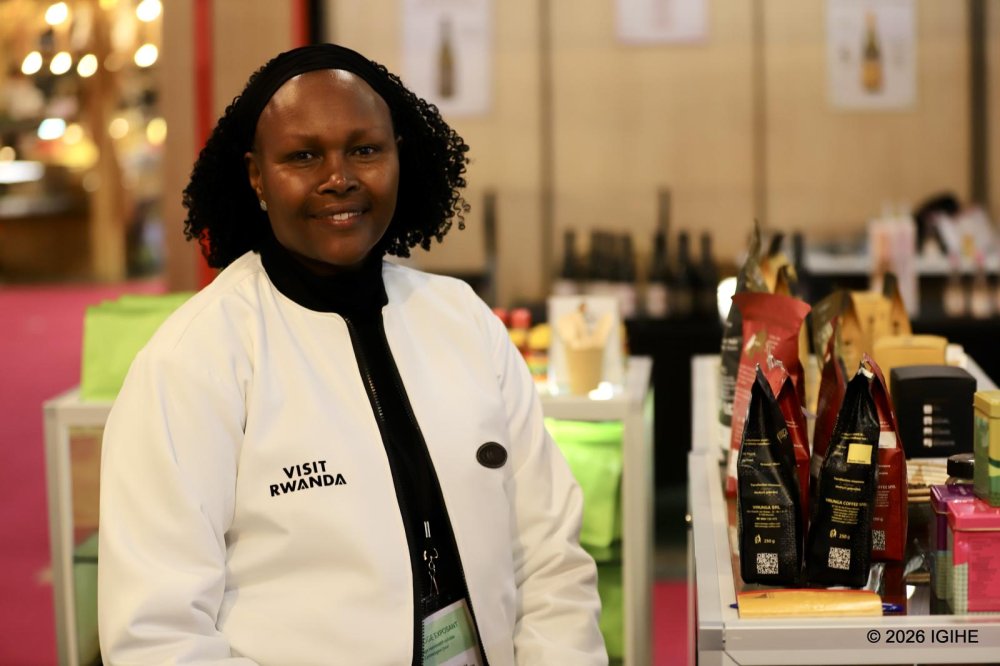
Among the exhibitors was Ritha Umutoni, CEO of Rixu Rwanda Coffee, who told IGIHE that participating in such fairs helps promote Rwandan products on international markets.
“Attending is not just about meeting buyers,” she said. “We also engage in planned activities, meeting executives from large importing and exporting companies worldwide. It’s a place to learn, visit other key markets in France, and expand our business ideas and practices.”
Umutoni also praised Rwanda’s governance under President Paul Kagame, saying it enables Rwandans to participate confidently on international platforms.
Stephanie Kayirangwa, Managing Director of Fita Ltd, which grows and exports agricultural products including chili, commended NAEB for facilitating access to the fair and the embassy for ongoing support.
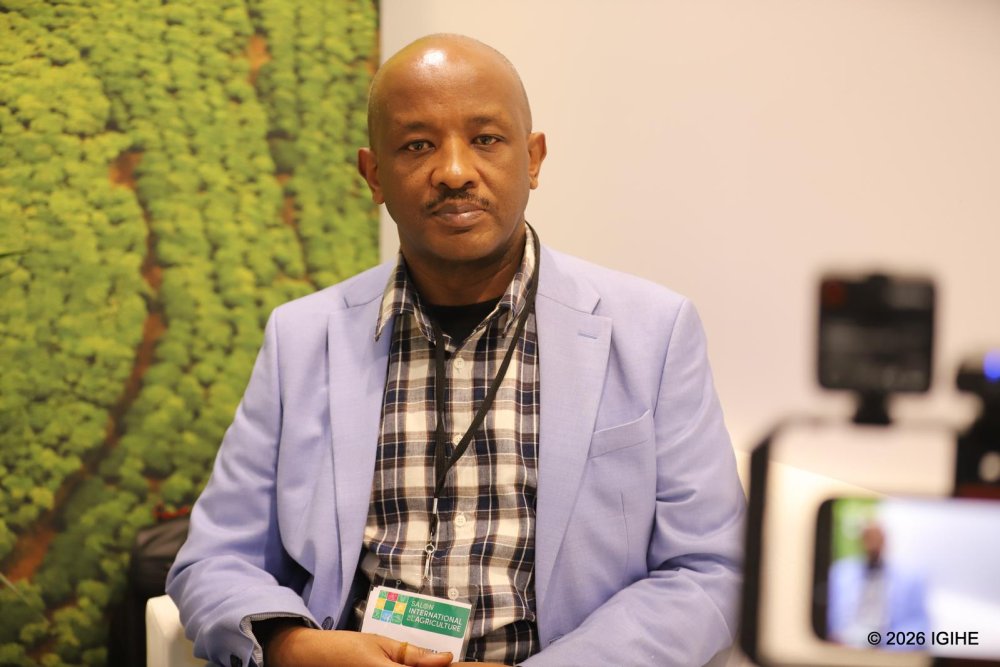
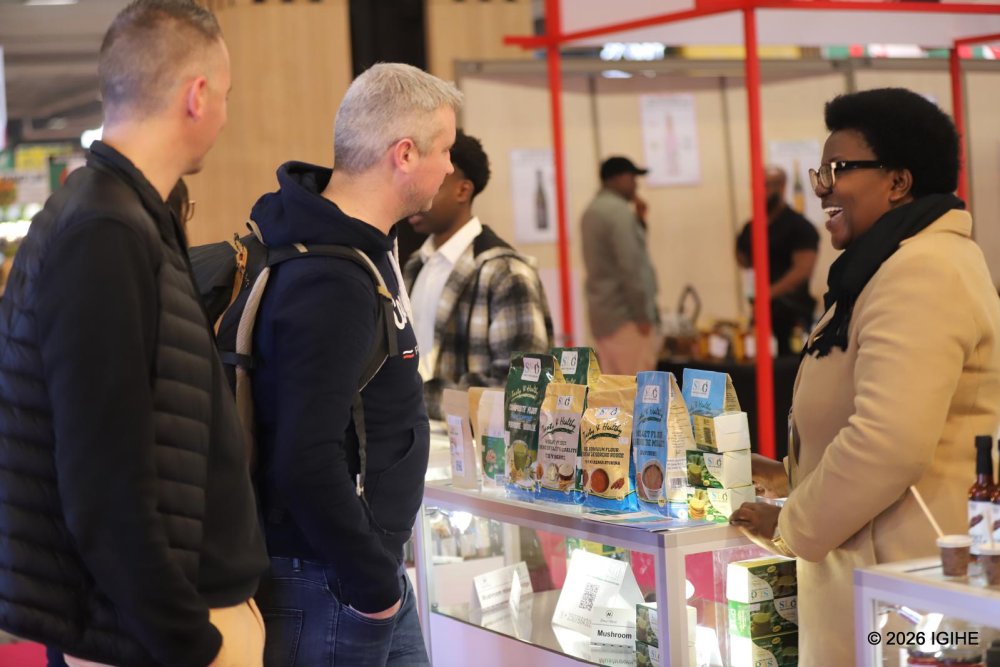
Aloys Rubayiza, Managing Director of Rwanda Mountain Coffee, noted that this was his first time at the show but was impressed by the attention Rwandan products received.
“This was Rwanda’s fifth participation, and we noticed buyers returning for Rwandan coffee and tea because they enjoyed it. It confirmed that our coffee is gaining recognition internationally,” he said.
The fair, held annually at Paris Expo – Porte de Versailles from late February to early March, showcases agricultural and livestock products, related technologies, partnerships, and innovations.
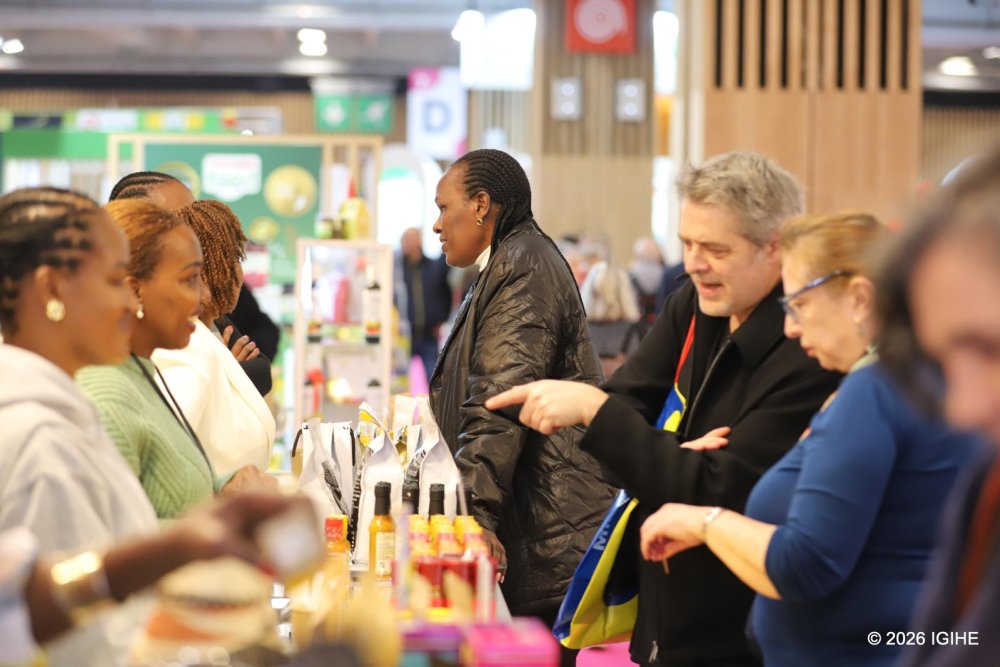
The 2026 edition opened on February 21 with the presence of French President Emmanuel Macron. Rwanda was allocated the seventh pavilion among over 100 participating countries, highlighting its progress in promoting agricultural and livestock exports.
Rwanda was represented by NAEB, the Rwandan Embassy in France, and 15 companies showcasing products such as coffee, tea, honey, and more.
The exhibition provides a valuable platform for farmers, entrepreneurs, and investors to share experiences and explore investment opportunities.
SIA spans nine days and attracts more than 1,000 exhibitors and thousands of visitors. In 2025, over 607,503 people attended the event, making it one of France’s most attended fairs.
The exhibition also features 4,000 animals, including cows, sheep, pigs, and horses.
Agricultural exports continue to grow. In December 2025, Rwanda’s Ministry of Agriculture and Animal Resources reported that exports of these products had generated over $893.1 million.
Under Rwanda’s Second National Strategy for Transformation (NST2), the country aims to increase foreign currency earnings from agricultural exports to $1.5 billion annually by 2029.
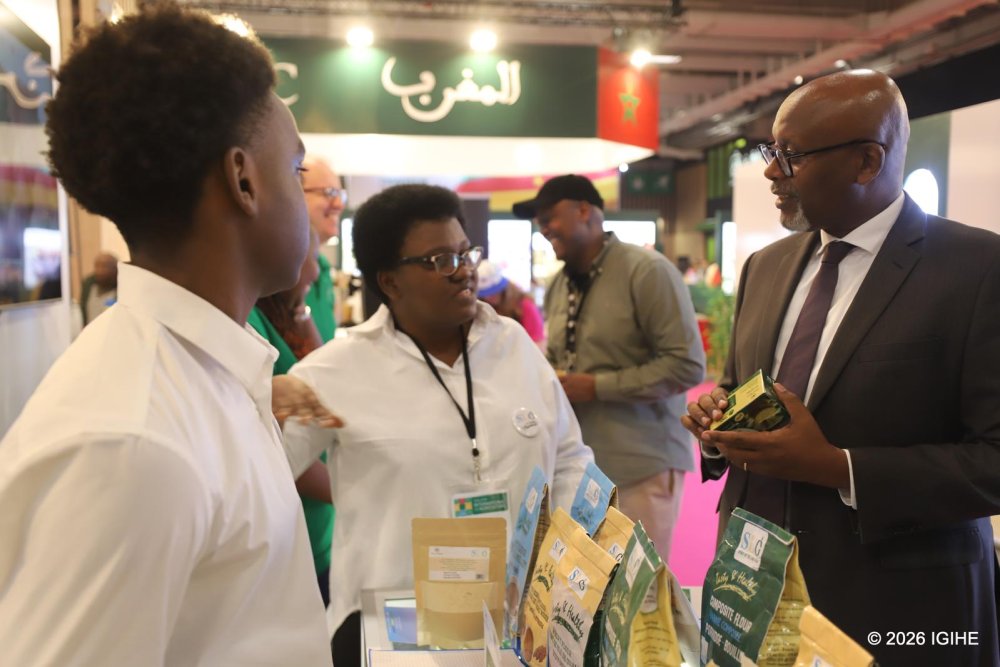
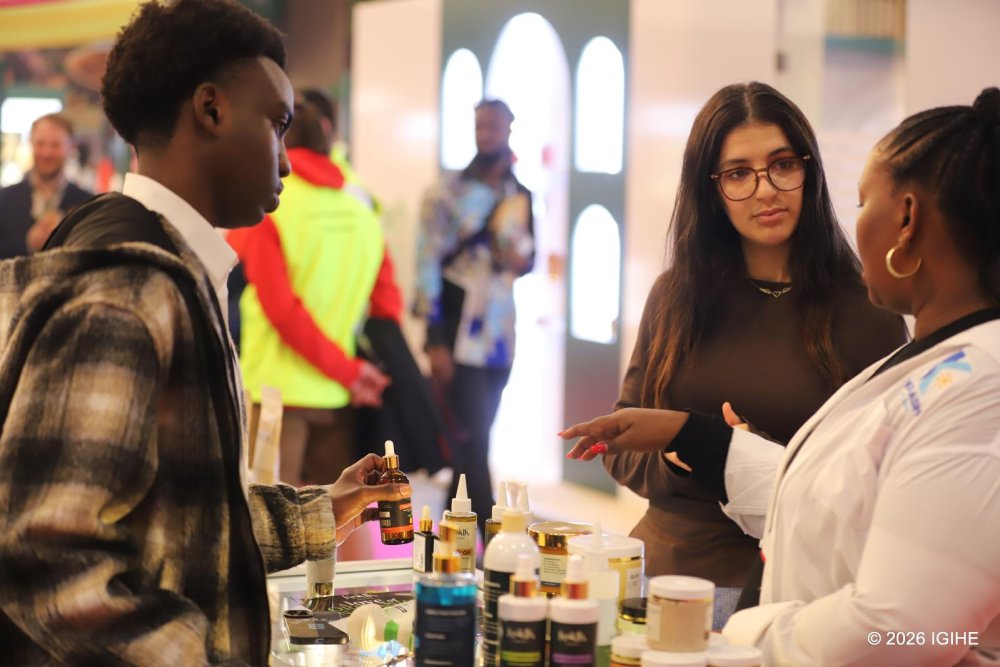
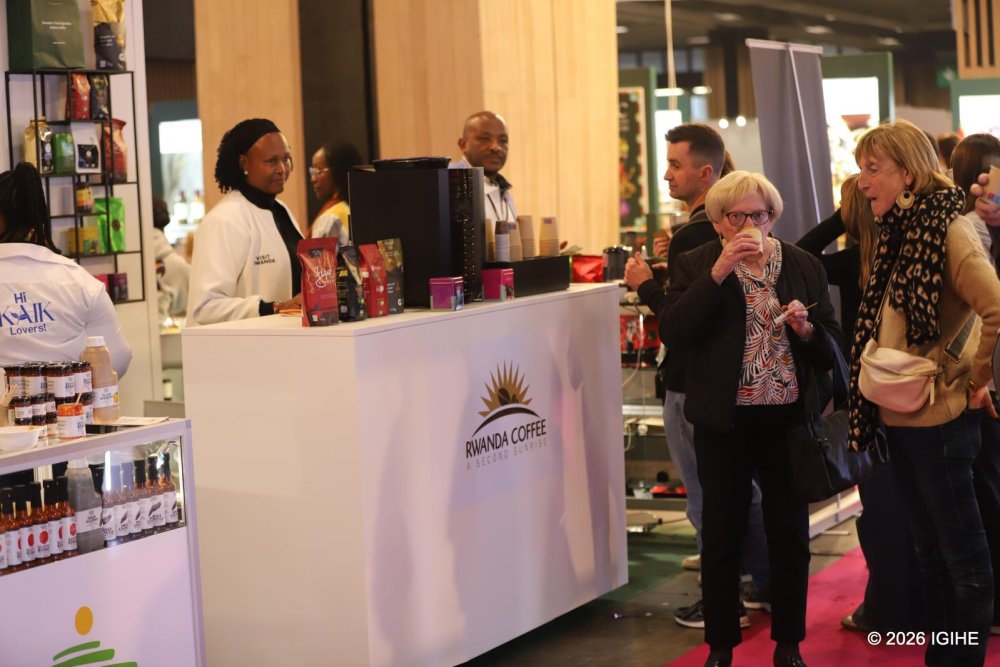
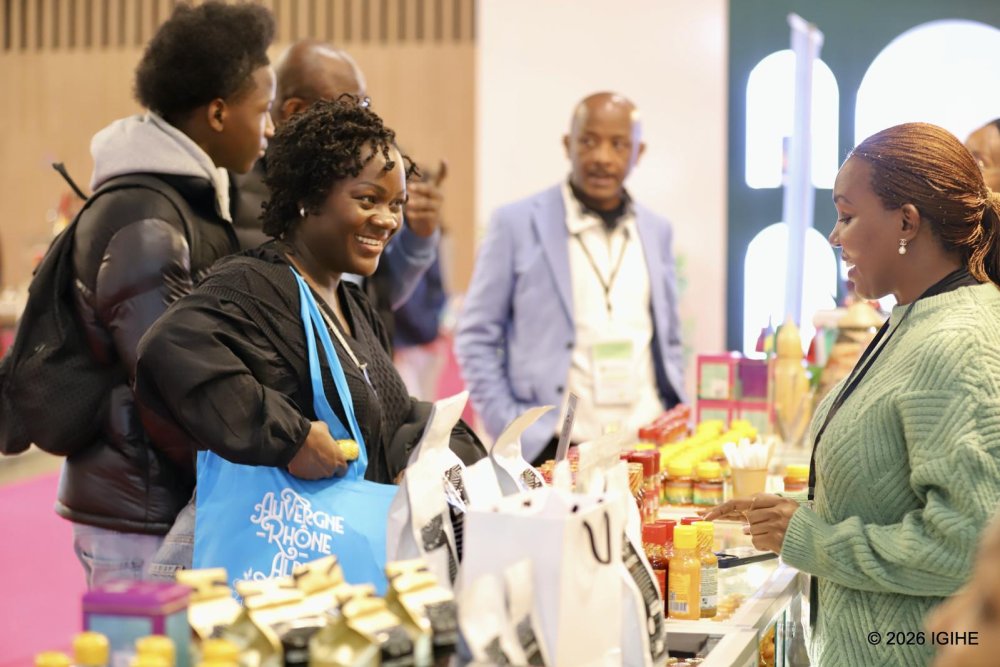
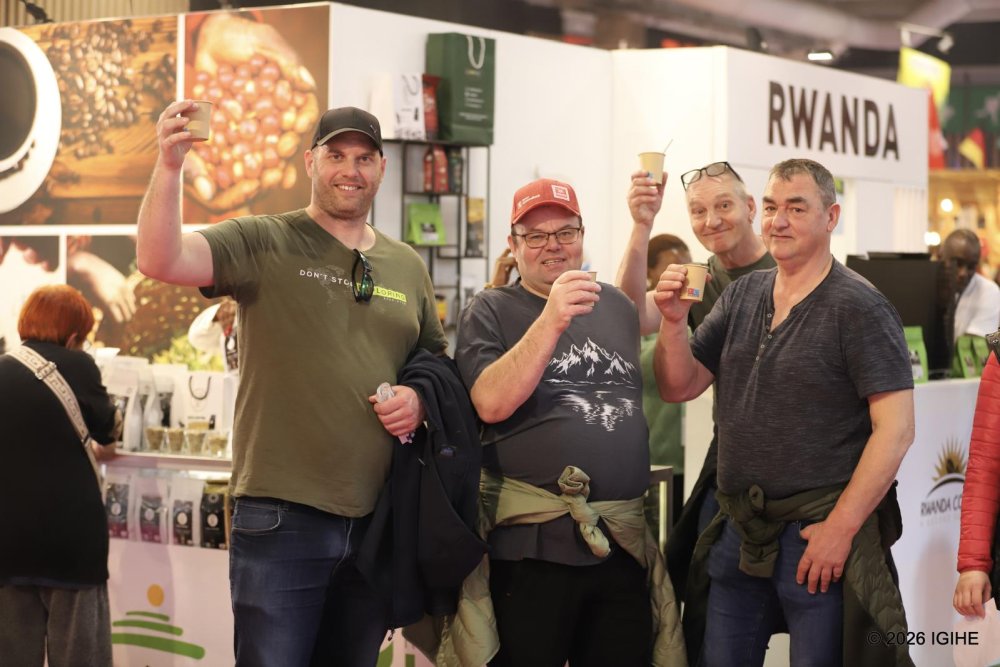
Rwandans at SIA 2026 trade fair have been pleased with the available opportunities. Visitors were impressed by Rwandan coffee. Rubayiza Aloys, the Managing Director of Rwanda Mountain Coffee, showcasing his products to visitors. Rwanda is participating in SIA trade fair in France for the fifth time.Rwanda’s Ambassador to France, François Nkulikiyimfura, promised support to those seeking expanded market opportunities in the country. Amb. Nkulikiyimfura speaks with Stephanie Kayirangwa, CEO of Fita Ltd, which produces chili and various flavors.Amb. Nkulikiyimfura talks with participants, including coffee exporter NzungizeAmbassador François Nkulikiyimfura in conversation with IGIHE.Ritha Umutoni, CEO of Rixu Rwanda Coffee, told IGIHE that the main reason for attending such fairs is to promote “Made in Rwanda” products.Rubayiza Aloys, the Managing Director of Rwanda Mountain Coffee, welcomed the attention Rwandan exhibitors receive from foreign visitorsRwanda’s pavillion received significant attention. Rwandans were pleased with opportunities to expand markets in Europe.Swiss visitors admired Rwandan coffee
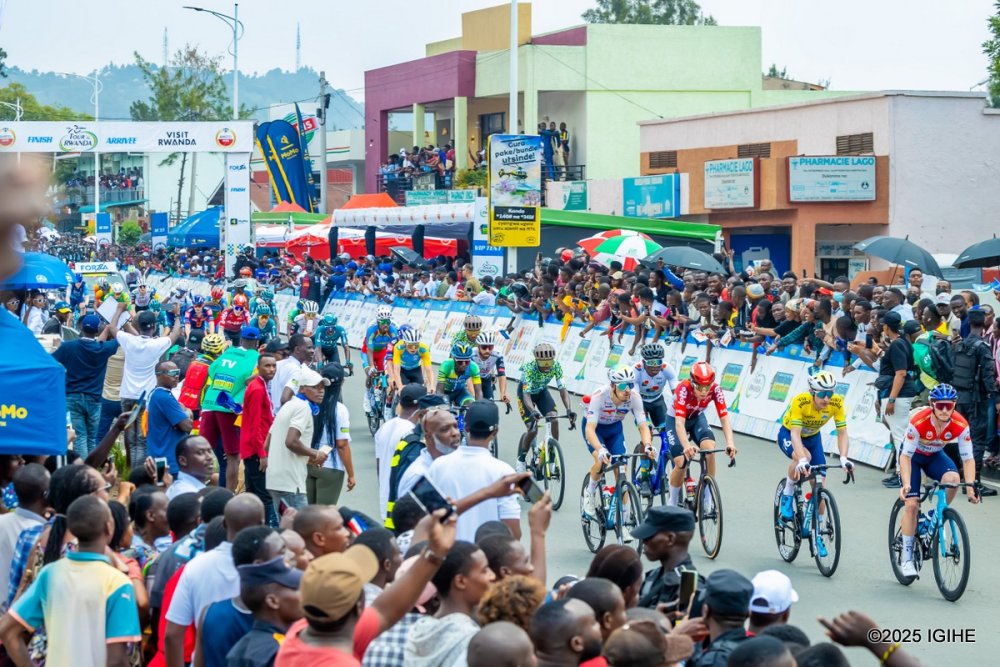
The 18th edition of this international cycling race, which tours across Rwanda, is scheduled to conclude on March 1, 2026. As an official sponsor, Amstel awards the winner of each stage.
Following each stage, Amstel also hosts entertainment events as part of the Tour du Rwanda Festival, which kicked off in Huye and will continue in Rubavu, Musanze, and Kigali.
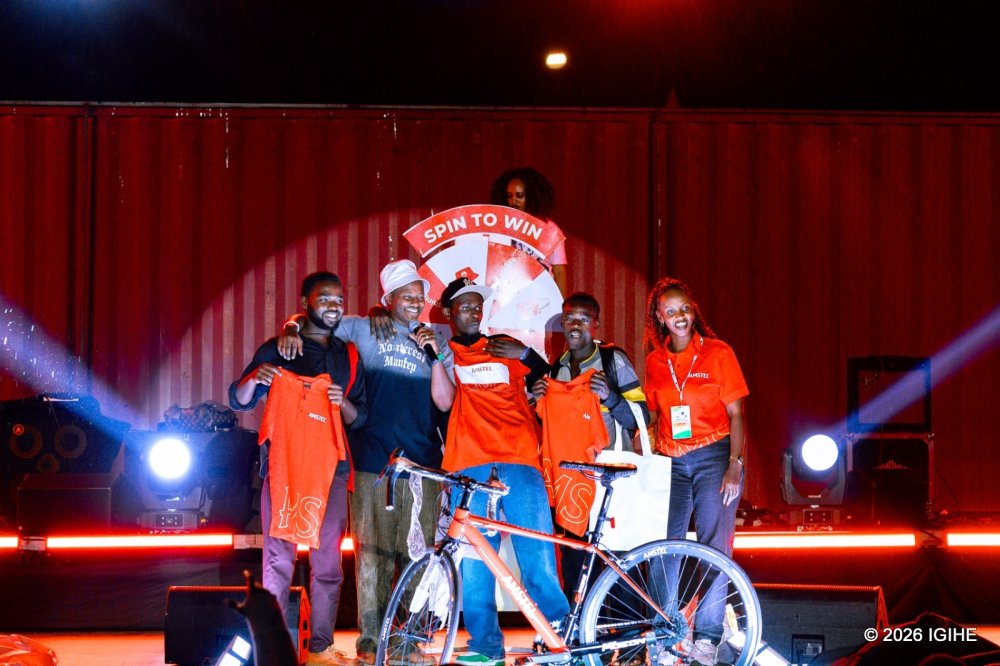
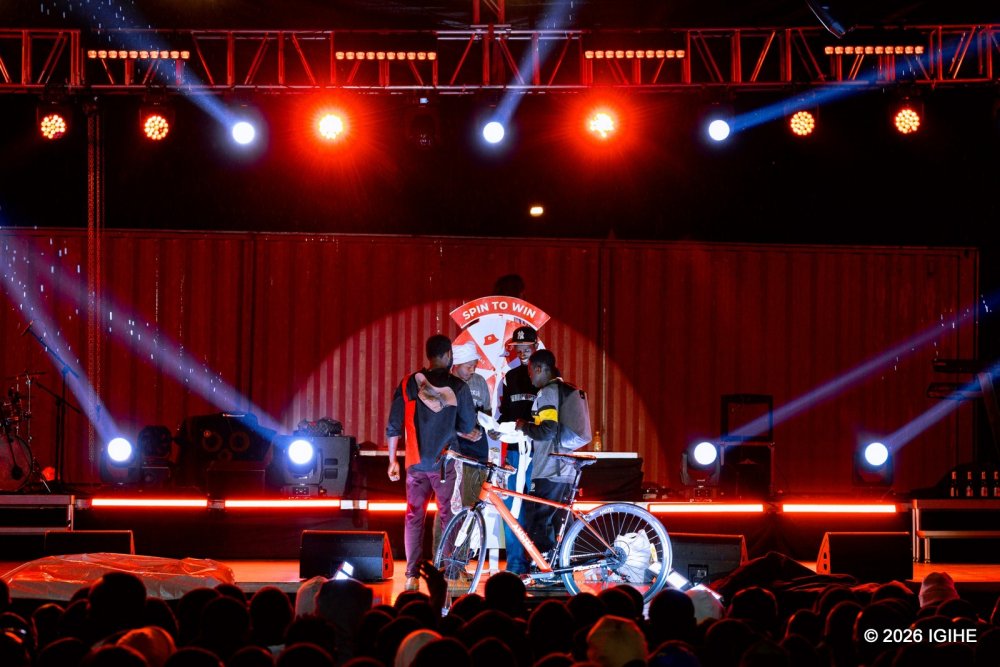
Prizes are awarded to winners of various competitions, including E-Cycling challenge. At the Huye event, the top performer in E-Cycling received a bicycle, while other participants were given additional prizes.
This year, Amstel has also organized a ‘social ride’ for amateur riders and cycling fans. The event is scheduled for February 26, 2026, in Rubavu and will conclude in Kigali on March 1, 2026. The top two performers in the social ride will each take home a bicycle.
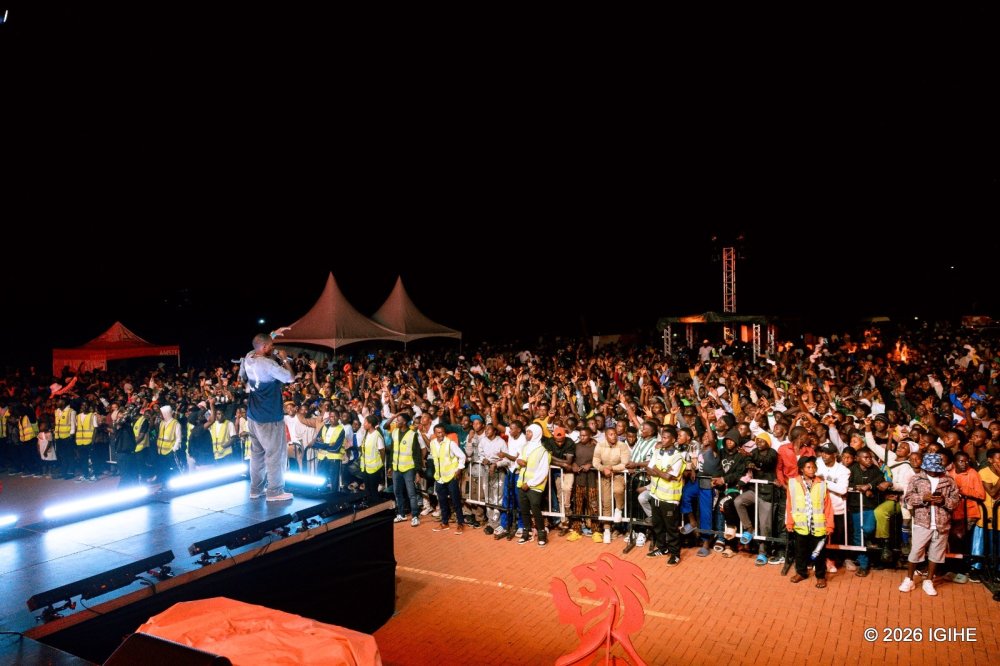
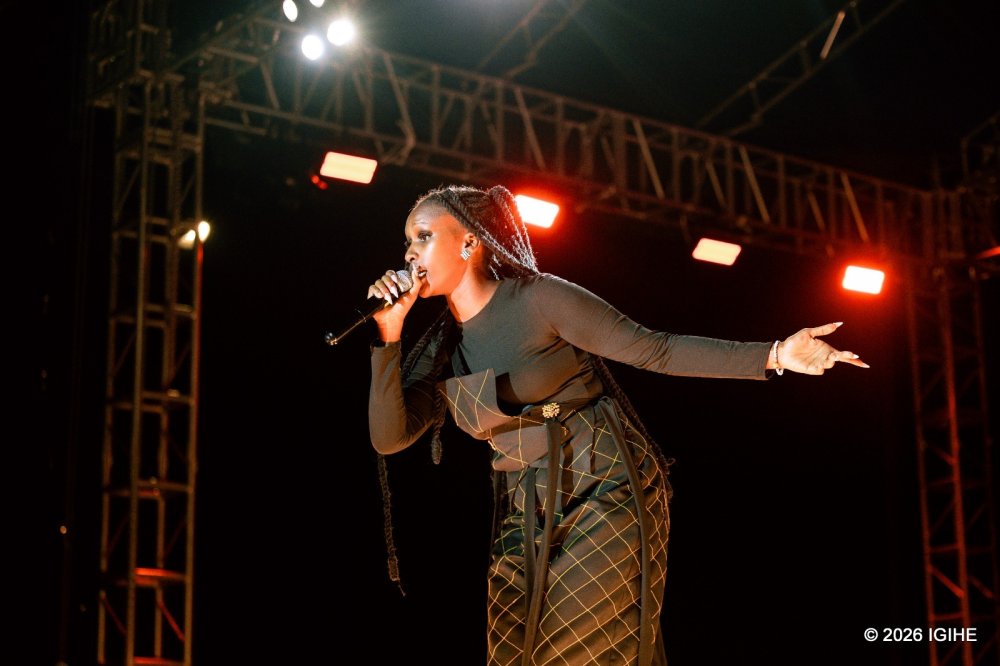
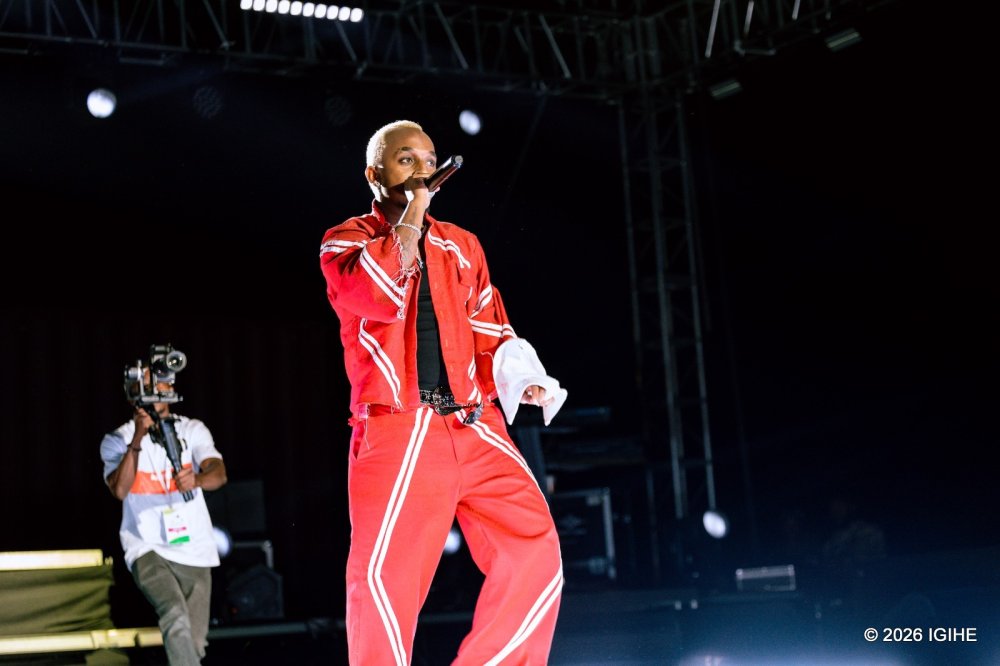
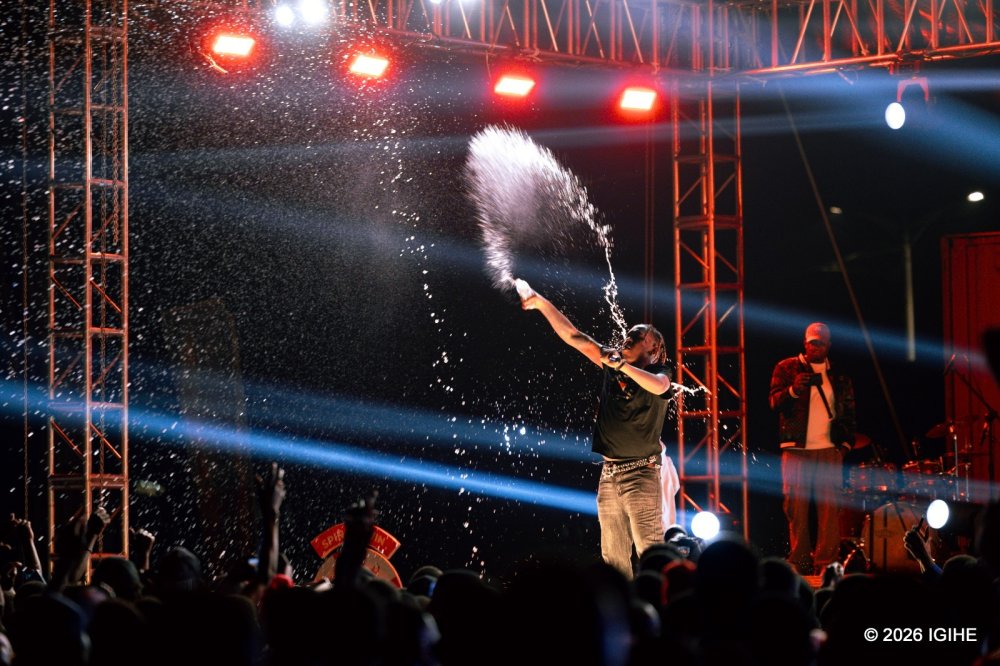
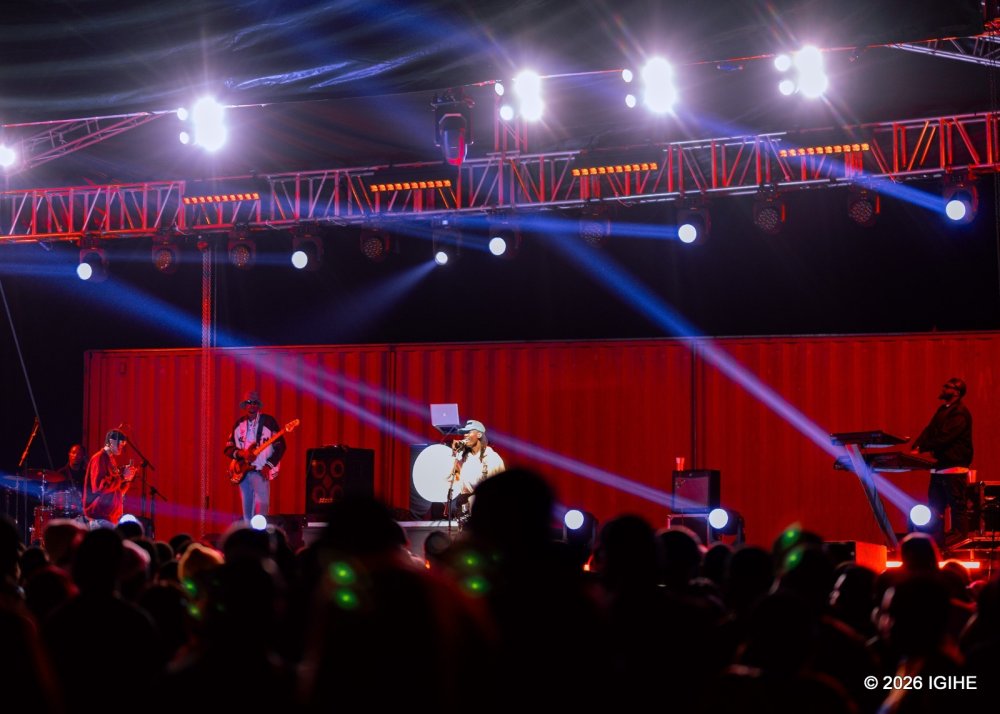
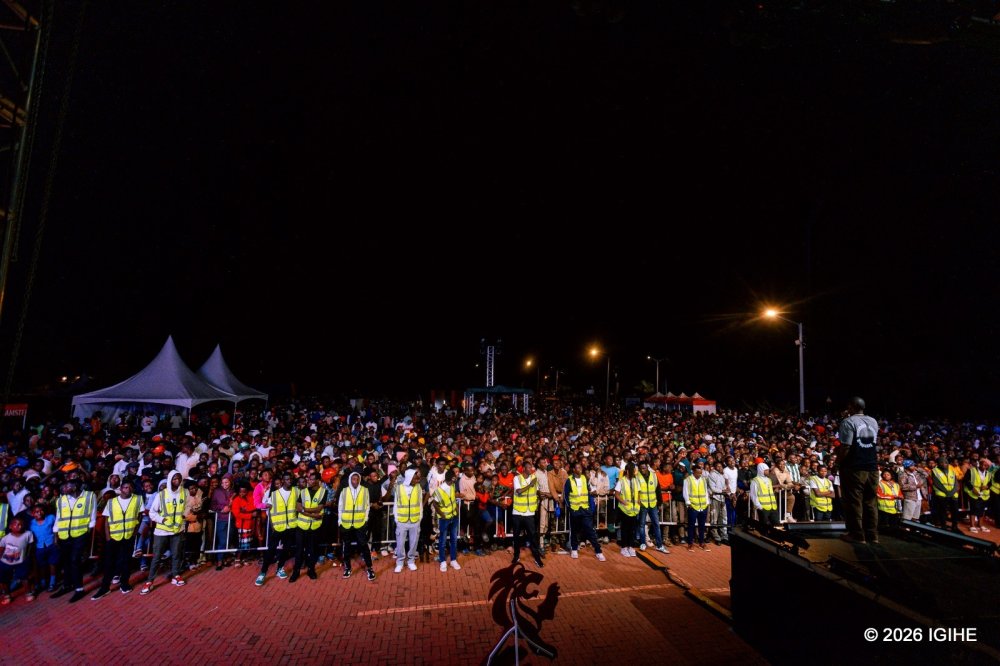
Huye residents turned out in large numbers for the concert.Bwiza thrilled the audience with her performance.Kenny Sol kept the crowd entertained throughout the event.Amstel customers receive prizes during the cycling race.Bushali delighted fans with an energetic performance.Amstel, a key Tour du Rwanda partner, spreads joy wherever the race goes.The Amstel concert in Huye captivated the audience.At the Huye event, the E-Cycling champion was awarded a bicycle.
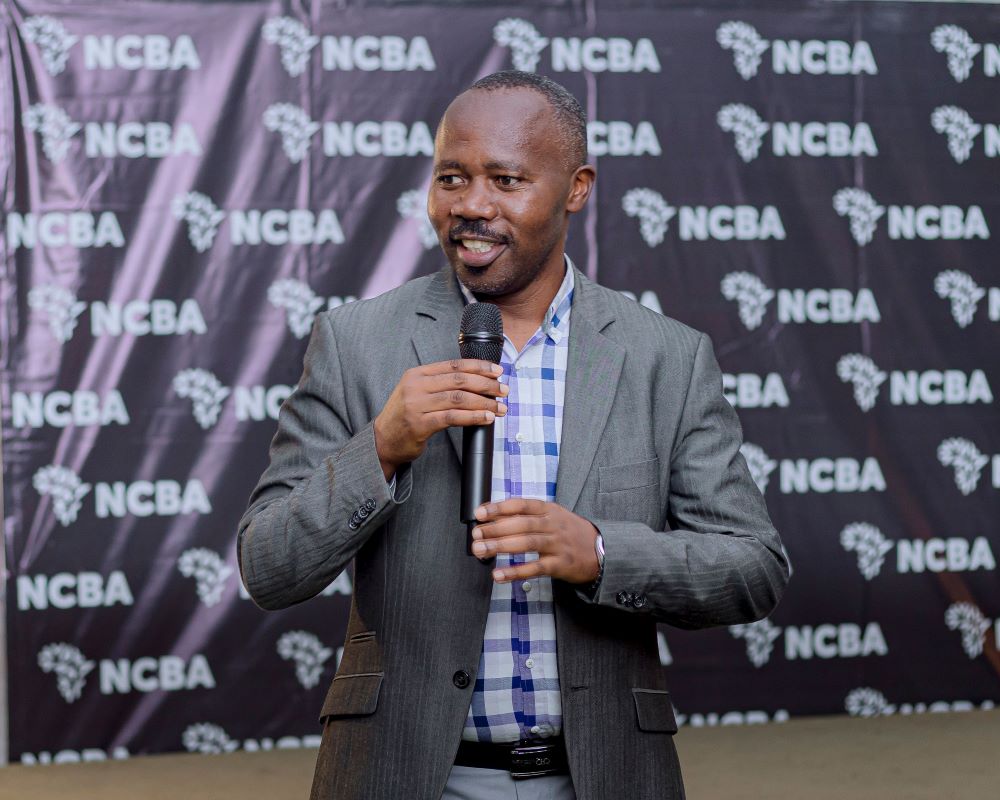
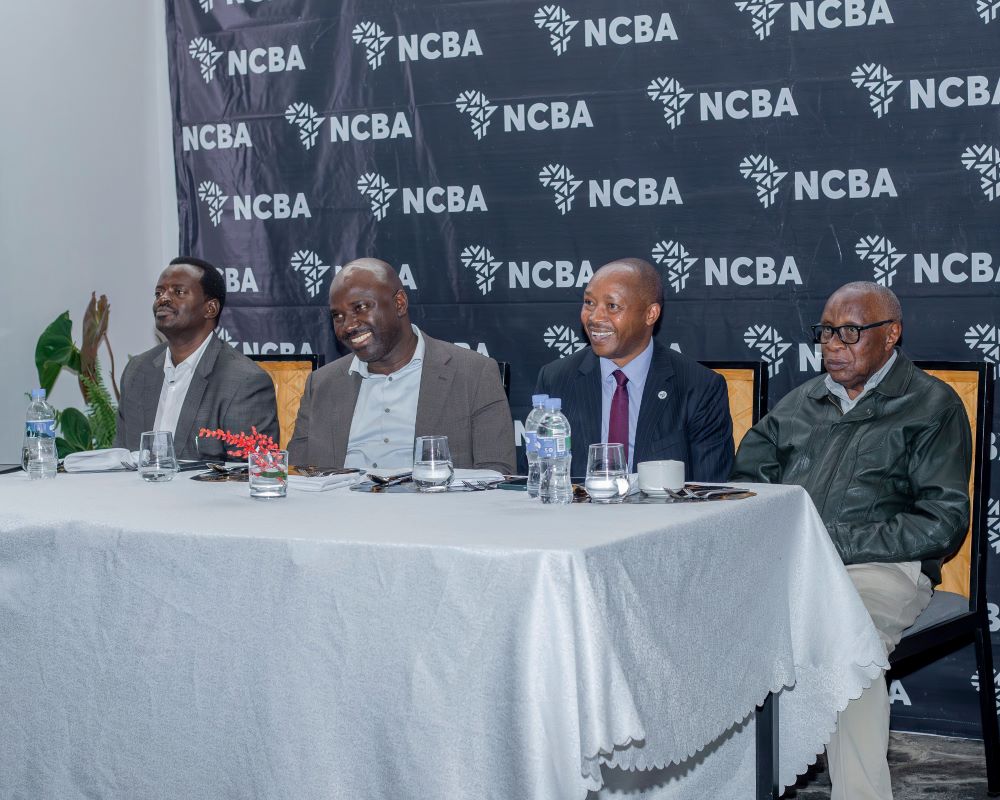
NCBA underscored this commitment during a customer engagement forum in Rubavu attended by local government leaders, business owners, cross-border traders, logistics operators, and entrepreneurs.
The forum created space for practical discussion on the realities of running businesses in a border economy; working capital pressures, currency flows, digital payments, supply chain delays, and the need for financing that matches the speed of opportunity.
Rubavu’s identity is distinct. Where other cities are built primarily around domestic markets, Rubavu is built around movement of goods, people, and demand. It is Rwanda’s western doorway into the Great Lakes region, and a city whose economic pulse is driven by cross-border trade with the Democratic Republic of Congo. But Rubavu is changing.
“We are excited to collaborate with NCBA as we enter Rubavu’s next chapter of growth which is about shifting from a border town to a regional trade hub,” said Rubavu Mayor Mulindwa Prosper.
During the event, NCBA committed to supporting investors and enterprises in the district and held direct talks with manufacturers, processors, warehouse operators, distributors, and SMEs.
In his remarks, NCBA Rwanda’s Managing Director Maurice Toroitich agreed with the Mayor’s sentiments. “With our physical and digital presence across East Africa, NCBA is the right bank to enable entrepreneurs to scale trade beyond the traditional routes. We are present in Kigali, Kampala, Busia, Eldoret, Nairobi and all the way to Mombasa and that’s the same on the Dar-es-Salaam route. “So, for cross-border trade, import and export we can provide you with one experience wherever you are. We also have capabilities to connect you across Africa and the world,” he noted.
Re-anchoring growth on industry and urban redevelopment
The vice mayor in charge of economic development Nzabonimpa Deogratias also thanked NCBA for coming in at a critical time and taking initiative to collaborate with the area’s traders and industrialists.
“Rubavu is entering a different era,” Nzabonimpa said. “Trade will always be our strength, but industry is its multiplier. We are currently developing Rugerero Industrial Park which is a platform for value addition, jobs, and businesses that can scale beyond the district.” he said.
“We thank NCBA for its bold decision to drive multi-sectoral investments in Rubavu and invite our entrepreneurs to take these opportunities seriously. During our next forum, we will be taking stock of the commitments we make today,” he added.
Rubavu is not just growing, it is reorganizing. The city’s urban redesign signals an intent to modernize infrastructure, strengthen city planning, improve commercial order, and attract a new class of investment into hospitality, retail, and real estate development.
NCBA affirmed its commitment to backing this transition by supporting businesses and developers aligned with Rubavu’s masterplan, through financing for property development.
As Rubavu upgrades its physical form, the private sector must upgrade its capacity. That requires capital that is fit for purpose and financial partners like NCBA.
NCBA’s message in Rubavu was clear: this is not a transactional relationship, it is a long-term commitment to a city whose economy is strategic to Rwanda’s growth.
NCBA Bank Rwanda is a subsidiary of NCBA Group, a regional banking group providing a broad range of financial products and services to corporate, institutional, SME, and consumer banking customers. NCBA Group operates 115 branches in five countries ; Kenya, Uganda, Tanzania, Rwanda, and Ivory Coast, serving over 60 million customers and ranking as the largest banking group in Africa by customer numbers.
In Rwanda, NCBA operates branches in Kigali, Musanze, Nyagatare, Rubavu, Kayonza, and Rusizi. Through its partnership with MTN Mobile Money Rwanda Ltd on MoKash, NCBA has attracted over 5 million customers, making it the country’s largest retail digital bank and a central catalyst for financial inclusion.
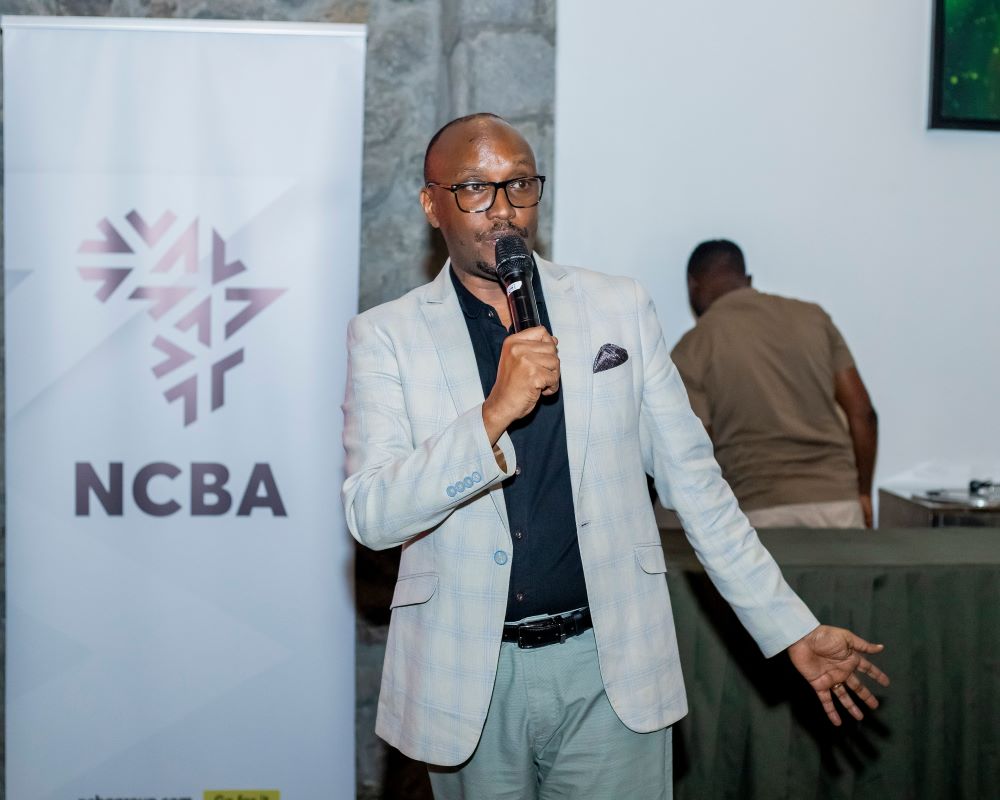
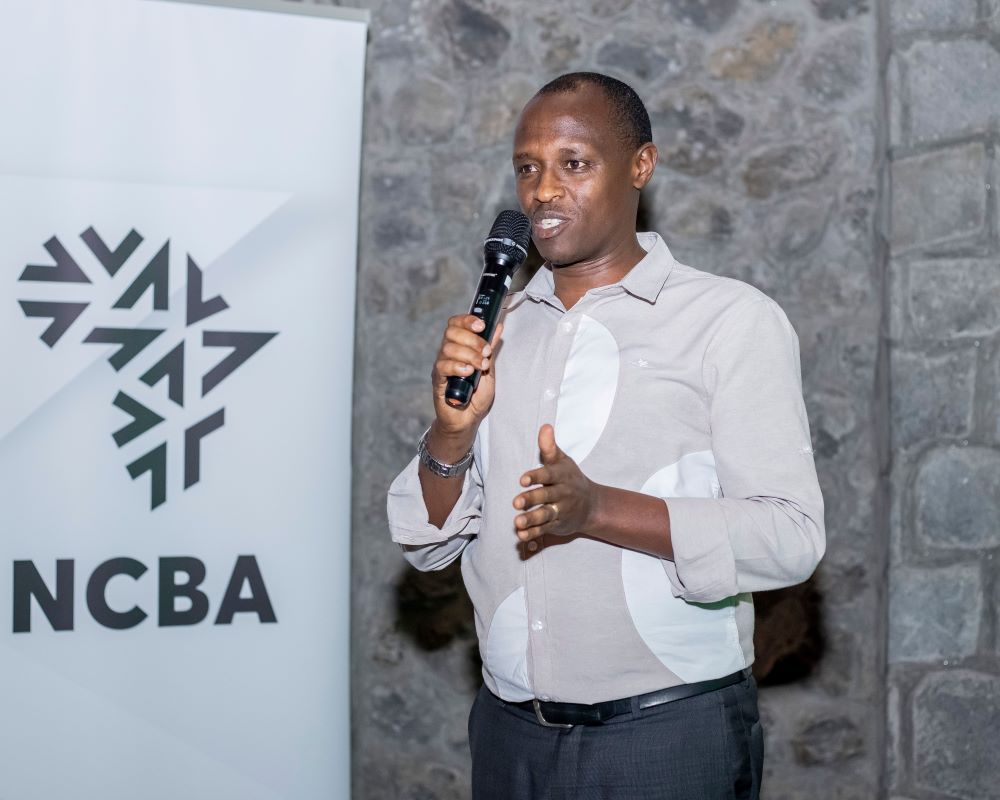
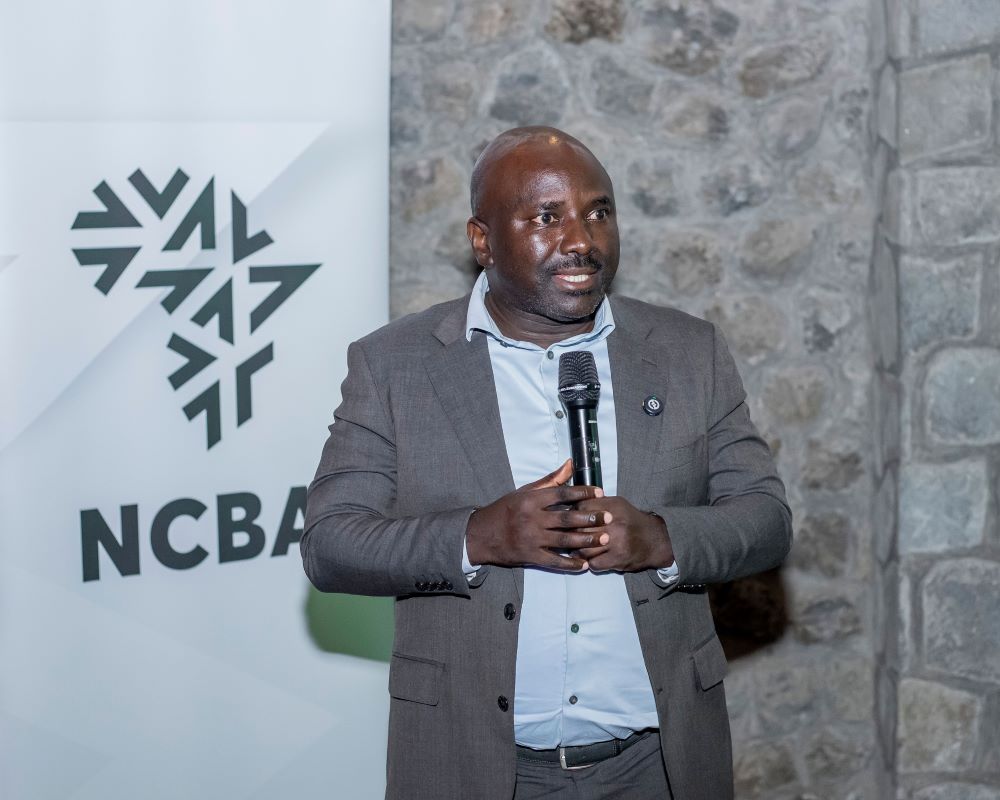
Rubavu Mayor Mulindwa Prosper expressed delight at collaborating with NCBA as the district enters the next chapter of growth.NCBA Rwanda’s Managing Director Maurice Toroitich speaking at the event.
The funding supports farmer training, capacity building, and modern production techniques aimed at strengthening food security and raising farm incomes.
The progress was highlighted during a consultative meeting that brought together SAIP-supported farmers from Huye District on February 24, 2026. The meeting focused on exchanging experience and identifying practical ways to further increase yields.
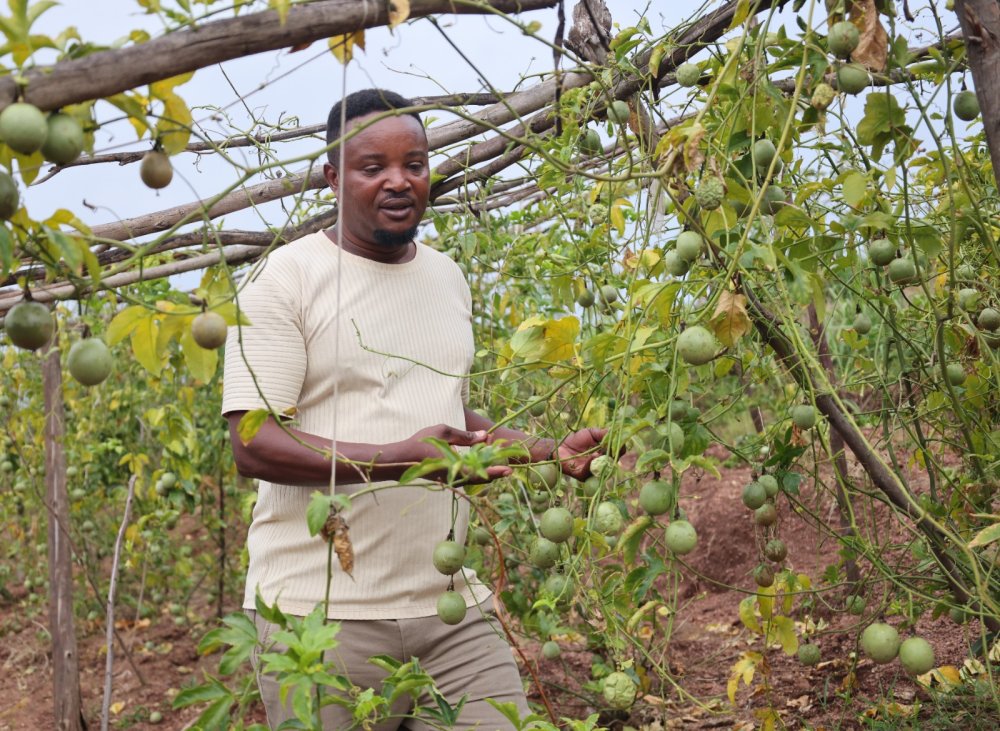
Launched in 2024, SAIP II operates in 20 districts across Rwanda. Among beneficiaries is farmer Darius Havugarurema, who grows fruits on more than five hectares. Before receiving SAIP training, the land had largely remained idle, producing only once every seven years.
With project support, he received over 7,000 fruit seedlings, including tomato trees, passion fruit, and avocado, along with a diesel-powered irrigation system and more than 800 meters of piping. The investment totaled nearly Rwf 40 million, half of which was subsidized by the project. He said the transformation allowed him to fully commit to commercial farming, with initial harvests generating between Rwf 6 and 7 million.
Support has also extended to agro-processing. Entrepreneur Mutabaruka Théophile, who operates a rice processing plant in Sovu Industrial Zone in Huye District, said SAIP backing helped expand his operations.
He has since established a Rwf 650-million-animal feed factory, receiving Rwf 140 million in project support. The facility is expected to process six tons per hour.
He noted that by-products from rice processing that were previously discarded will now be converted into livestock feed, while strengthened links with maize and soybean farmers supported by SAIP will ensure a steady supply of raw materials.
Farmer cooperatives have also benefited. The Tuzamurane Cooperative, which grows maize, beans, and vegetables in Ruvungirana Marshland in Ruhashya Sector, received training that reached all members.
Cooperative leaders say new practices, such as planting protective vegetation along roadsides to prevent flooding, have improved resilience while creating additional income sources.
Members were also equipped with harvesting tents that allowed them to gather and protect crops from post-harvest losses.
SAIP Project Coordinator at RAB-SPIU, Mutabaruka Ezra, said the initiative aims to expand sustainable agriculture by improving irrigation, particularly small-scale irrigation, while strengthening post-harvest handling, storage, and market access.
Beyond field production, the project is supporting broader agricultural infrastructure, including the construction of eight storage facilities, cold rooms and cold trucks for transport of fruits and vegetables, construction of more than 200 greenhouses, and modern farming machinery, investments expected to deliver long-term gains in food production.
Overall, SAIP II represents a $20 million investment, with irrigation alone accounting for $5.7 million.
Darius Havugarurema grows fruits on more than five hectares.
The commitment was underscored during a high-level customer engagement forum hosted by NCBA in Musanze, which brought together senior government officials, provincial leadership, business owners, investors, faith leaders, and entrepreneurs from across the Northern Province.
Held at Grotta Resort, the engagement served both as a platform for dialogue and a reaffirmation of partnership as Musanze continues to emerge as one of Rwanda’s most dynamic growth centers.
The Governor of the Northern Province, Maurice Mugabowagahunde, graced the event and expressed appreciation for NCBA’s continued collaboration.
“In Musanze, we are proud to be the heart of the country’s tourism economy, but we have even bolder ambitions to become a commercial hub that attracts investment in real estate, trade, and hospitality. Partnering with NCBA will enable entrepreneurs to invest in new infrastructure while supporting implementation of our master plan, ultimately driving economic growth across the region,” he noted.
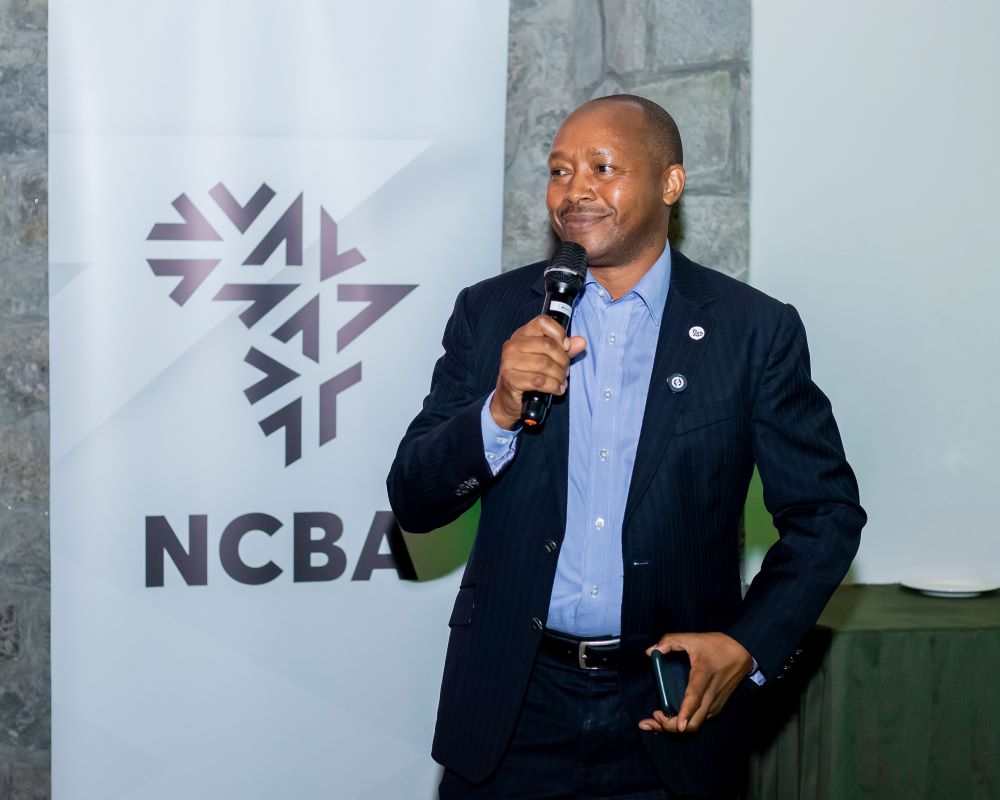
Addressing stakeholders during the engagement, Maurice Toroitich, Managing Director of NCBA Bank Rwanda, emphasized the bank’s role in aligning financing solutions with regional development priorities.
“NCBA’s role is to align financing solutions with Musanze’s development ambitions. We are here to reaffirm our readiness to support Musanze in scaling both rapidly and responsibly while contributing to Rwanda’s broader economic vision,” he said.
Within three years of operations in Musanze, NCBA has deepened relationships with customers and local institutions. The bank currently finances developers investing in hospitality infrastructure, SMEs expanding operations, contractors driving construction activity, and entrepreneurs building businesses that sustain the local economy.
Musanze’s growth reflects Rwanda’s broader national vision of balanced regional development, where secondary cities evolve into sustainable economic centers supported by investment, infrastructure, and enterprise.
As the city’s skyline continues to rise, and its economic potential expands, NCBA reiterated its commitment to working alongside government, investors, and communities to ensure the city’s growth remains structured, inclusive, and sustainable. The evening concluded with renewed partnership among stakeholders united by a shared vision for Musanze’s continued progress.
Connecting Musanze to regional opportunity
As part of a regional banking group operating across five African markets and serving over 60 million customers, NCBA encouraged entrepreneurs in Musanze to extend their ambitions beyond geographic boundaries.
The Bank’s Head of Business, Samuel Nkubito, highlighted NCBA’s strengthened regional trade and advisory capabilities, positioning Musanze-based enterprises to access cross-border trade opportunities and investment linkages across East and West Africa.
The engagement also provided an opportunity for NCBA leadership to reassure clients of ongoing investments aimed at improving service delivery and digital banking performance.
As businesses increasingly rely on digital transactions and real-time liquidity management, the bank confirmed that enhanced mobile and corporate internet banking platforms will soon be introduced to strengthen reliability, efficiency, and overall customer experience.
The open forum allowed customers to directly share feedback with senior leadership, reinforcing transparency, trust, and relationships built since the establishment of the Musanze branch. Mobile Money–to–Bank integration remains a strategic priority, particularly for SMEs and traders whose daily operations depend on seamless digital payments. NCBA confirmed continued collaboration with ecosystem partners to improve performance and stability across these critical transaction channels.
NCBA Bank Rwanda is a subsidiary of NCBA Group, a regional banking group providing a broad range of financial products and services to corporate, institutional, SME, and consumer banking customers.
NCBA Group operates 115 branches across five countries; Kenya, Uganda, Tanzania, Rwanda, and Côte d’Ivoire, serving over 60 million customers and ranking among Africa’s largest banking groups by customer numbers.
In Rwanda, NCBA operates branches in Kigali, Musanze, Nyagatare, Rubavu, Kayonza, and Rusizi. Through its partnership with MTN Mobile Money Rwanda Ltd on MoKash, NCBA has reached over 6 million customers, making it the country’s largest retail digital bank and a key catalyst for financial inclusion.
Maurice Toroitich, Managing Director of NCBA Bank Rwanda, emphasized the bank’s role in aligning financing solutions with regional development priorities. The engagement also provided an opportunity for NCBA leadership to reassure clients of ongoing investments.The open forum allowed customers to directly share feedback with senior leadership.The Bank’s Head of Business, Samuel Nkubito, highlighted NCBA’s strengthened regional trade and advisory capabilities.The Governor of the Northern Province, Maurice Mugabowagahunde, graced the event and expressed appreciation for NCBA’s continued collaboration.
Mozambique is among countries in the Southern African region looking to benchmark with nations like Rwanda, which has successfully rolled out an e-government portal handling over 100 government services, making service delivery to citizens easier, more convenient, and paperless.
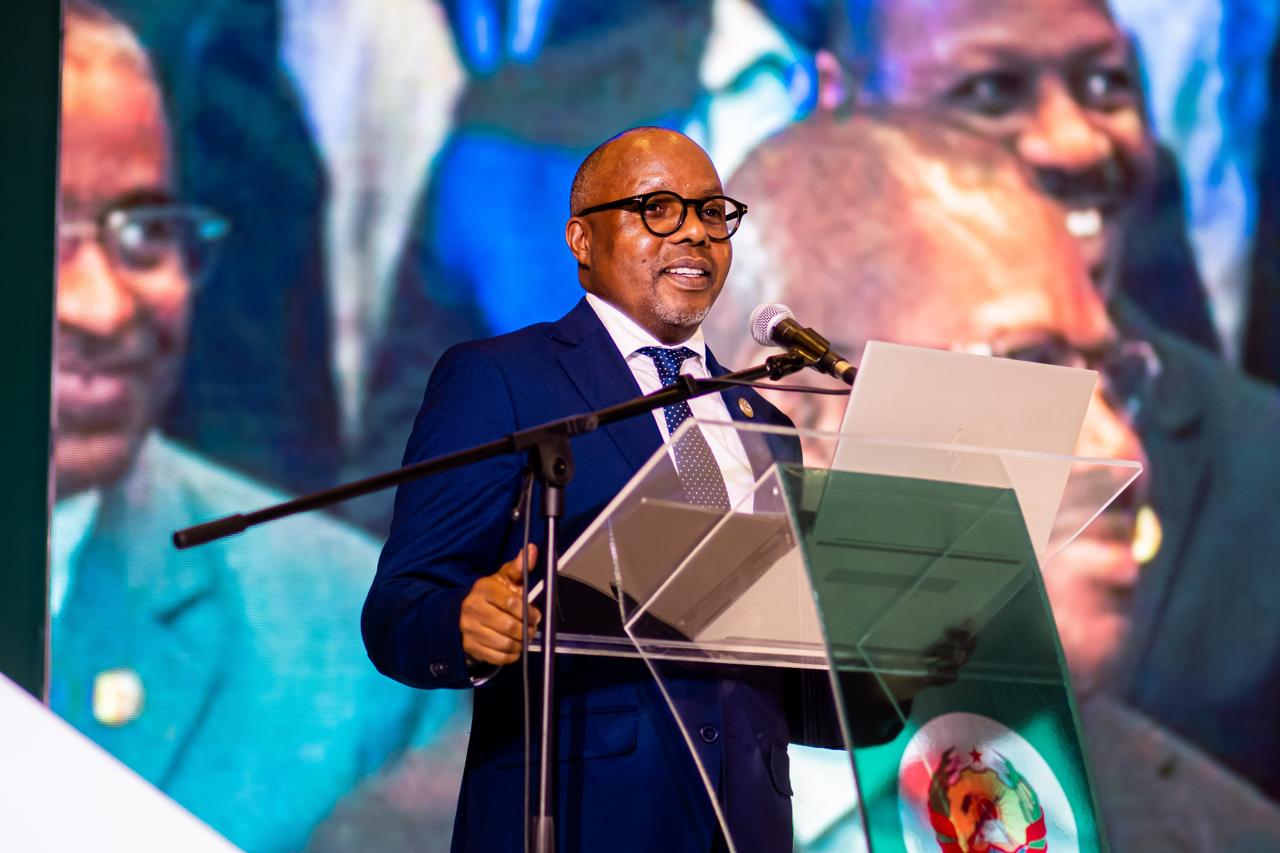
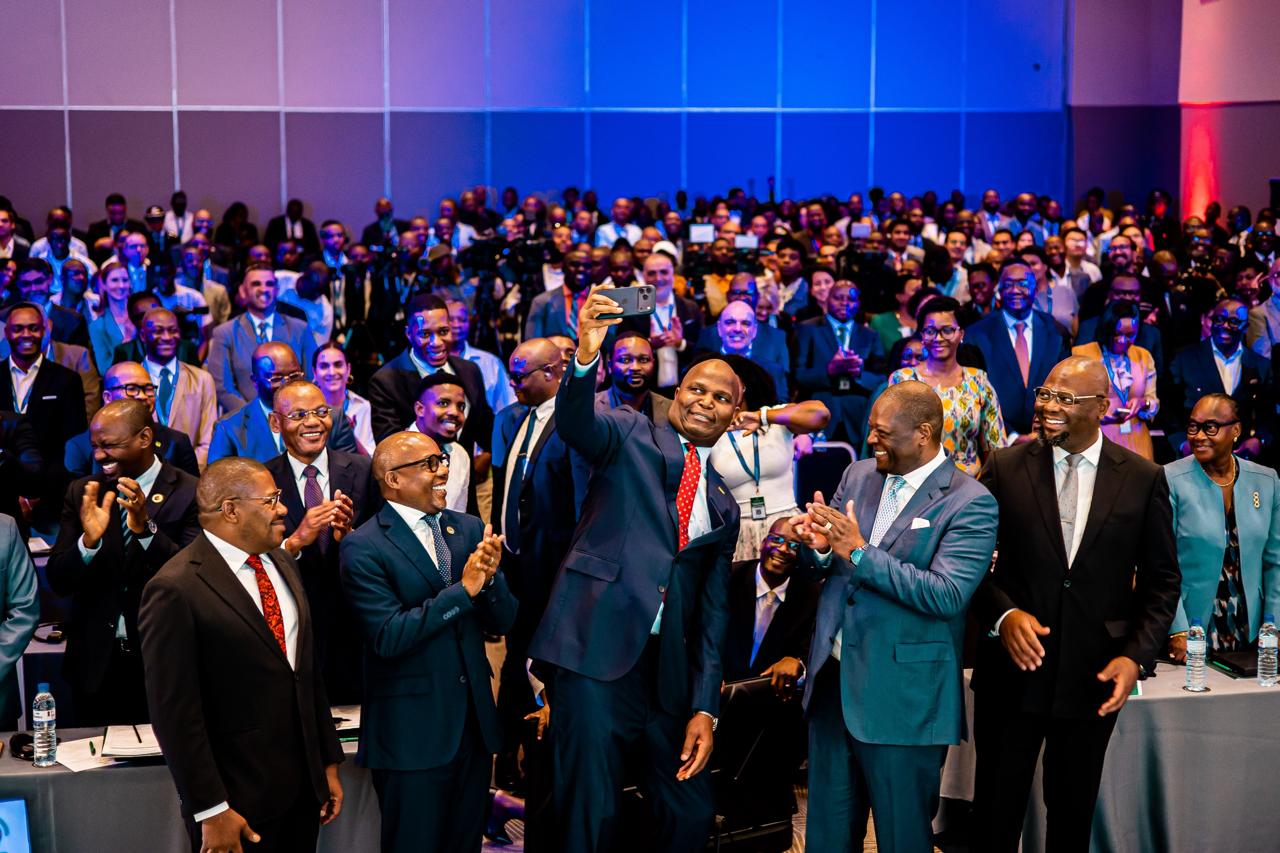
Speaking after the First National Conference on Digital Transformation, Américo Muchanga, Minister of Communications and Digital Transformation, said the government is learning from other countries’ experiences to overcome challenges and deliver high-quality digital services.
“We want to move at the same pace as those ahead, learning from those who have done it already, learning from the challenges they faced and how they overcame them to bring about the same level of services that you can find in those countries,” the minister said.
He acknowledged that the path ahead will not be easy but emphasised that Mozambique is prepared to combine political will, digital infrastructure, and private-sector involvement to make the transformation a reality.
The minister also outlined opportunities for investors and companies, saying, “Mozambique is open for business. All our tenders for digital systems and infrastructure are international. We invite companies in the technology sector to look to Mozambique as a place to invest and deliver the services we need as a nation.”
Mozambique’s digital agenda includes the creation of a Multi-Sector Technical Commission to develop a national roadmap for integrating public services. The government aims to enable citizens and businesses to access services such as identity documentation, licensing, tax payments, and business registration through interoperable platforms and a central Citizen Portal, reducing bureaucratic delays and improving transparency.
Muchanga highlighted the role of technology in disaster management, noting Mozambique’s recent floods and cyclones.
“We are using telecommunication networks to send messages to people in affected areas, and we employ drones to assess damage and locate stranded citizens. Technology has a crucial role in saving lives and building resilient communities,” he said.
As Mozambique advances its digital transformation agenda, the government hopes that partnerships with regional and international technology players will accelerate the rollout of integrated public services, strengthen resilience to natural disasters, and bring the country closer to its goal of building a seamless, citizen-centred digital state.
Mozambique’s President, Daniel Francisco Chapo, has framed digitalisation as a governance reform rather than a purely technological upgrade.
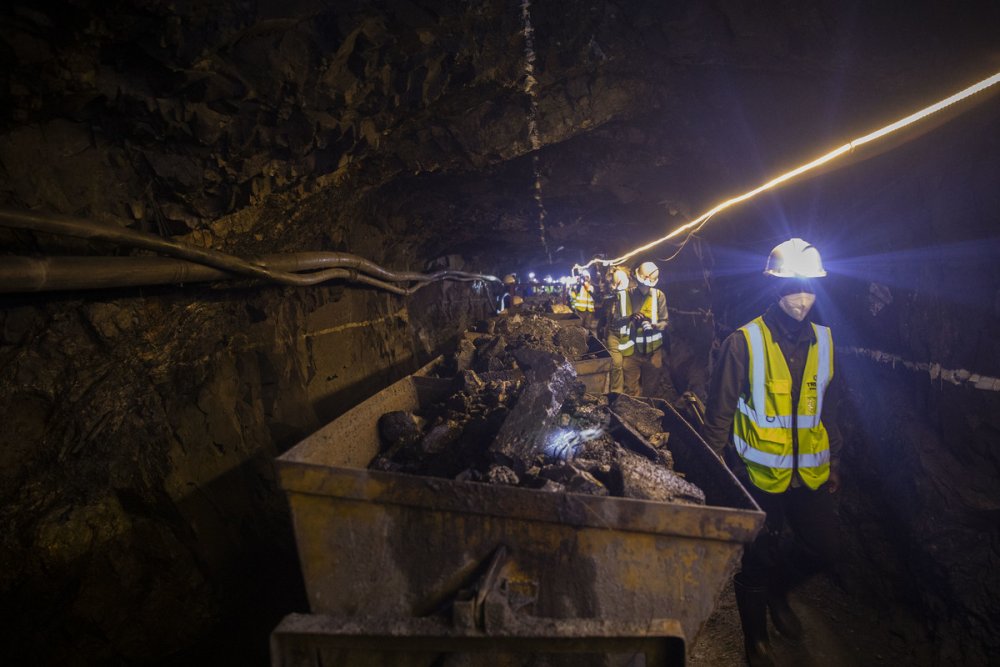
In mid-2025, at least 73 applications were received for 10 mining blocks, underscoring growing enthusiasm for the country’s mineral resources.
The new blocks are available for field visits from February 16 to 20, 2026. Interested investors must submit signed applications by March 3 through the Rwanda Mines, Petroleum and Gas Board (RMB).
“From our previous experience, competition was intense. We hope to see even more investors this time,” said Alice Uwase, CEO of RMB.
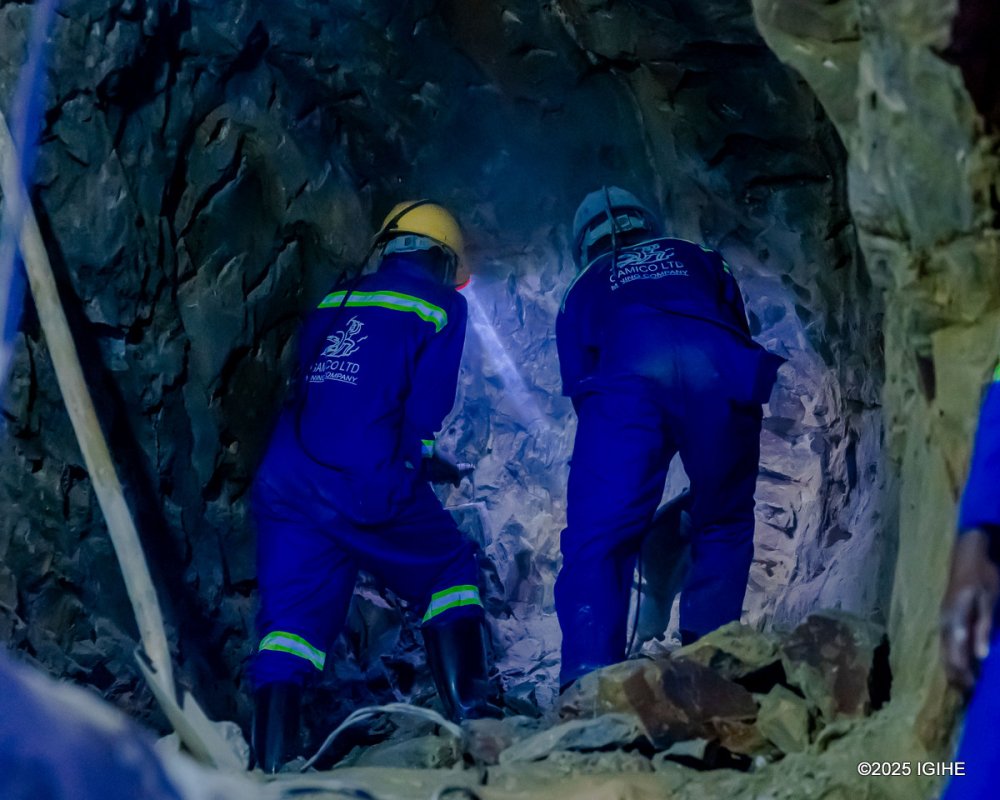
The newly available blocks include Bihembe, Rubiha, Musenyi, Nyamyumba–Kivumu, Shyorongi & Binyeri, Kanama, Minazi, Bushekeri–Rangiro, and Kabagari–Kinihira. Four of the blocks have been explored previously and are considered highly promising, targeting tin, tantalum, tungsten, beryllium, and lithium. Four others are earmarked for fresh exploration focusing on the 3Ts, while two blocks are dedicated to gemstones, including sapphires.
RMB emphasised that technical expertise and local capacity remain key for successful bids.
“Finances alone are not enough—you need the right people and equipment on the ground. This is what we assess first,” Uwase said, urging investors to consider joint ventures to strengthen compliance and operational capacity.
Each block offers unique opportunities: Binyeri and Musenyi show strong potential for lithium, beryllium, cassiterite, and columbite-tantalite. Rubiha and Minazi are rich in tin and tantalum, with Minazi also featuring gemstones and gold.
Shyorongi and Bihembe are linked to rare metals, including niobium and tungsten, while Bushekeri–Rangiro and Kanama are focused on gemstones such as sapphire, ruby, and tourmaline.
By promoting exploration and investment in these new blocks, Rwanda aims to attract a broader pool of investors, foster technical partnerships, and accelerate growth in its mining sector, moving closer to its goals for increased mineral production and export revenue.
In mid-2025, at least 73 applications were received for 10 mining blocks, underscoring growing enthusiasm for the country’s mineral resources.
Over the years, BRALIRWA’s involvement in Tour du Rwanda has evolved beyond sponsorship, becoming an integral part of the race’s identity and fan experience.
For the 2026 edition, scheduled to take place from February 22 to March 1, the leading beverage company will participate through its premium beer brand Amstel, which has long been a Gold Sponsor of the race for several consecutive years.
Celebrating performance and authenticity
At the heart of BRALIRWA’s Tour du Rwanda engagement is Amstel 100% PURE MALT, a brand whose values of authenticity, craftsmanship, and consistency align naturally with the discipline and endurance of professional cycling.
As part of its sponsorship, Amstel will once again award the daily stage winners, a tradition that has become a defining moment of each racing day, celebrating excellence, resilience, and achievement on Rwanda’s demanding routes.
Beyond the competitive aspect, BRALIRWA continues to elevate the Tour du Rwanda experience for fans by hosting After-Race Experiences at stage finishes. These moments bring spectators together to celebrate the day’s racing, reinforcing Tour du Rwanda as not just a sporting competition, but a shared national celebration.
Bringing fans closer
In line with its commitment to shared moments and friendship, BRALIRWA, through Amstel, will actively participate in the Tour du Rwanda Social Ride, a unique experience allowing cycling enthusiasts to ride selected race routes ahead of the professional peloton.
The Social Rides will take place on February 26 and March 1, 2026, with participants standing a chance to win exciting rewards. Across the two rides, four sports bicycles—two per ride—will be given away, alongside branded goodies and prizes, making the experience both inclusive and rewarding for cycling fans across the country.
BRALIRWA’s presence will further extend to the Tour du Rwanda Festivals, which will be hosted in four locations nationwide, including: Kigali, Huye, Rubavu, and Musanze.
At each festival stop, Amstel will add to the excitement by giving away one sports bicycle per festival, reinforcing its support for grassroots cycling enthusiasm while celebrating the diverse communities that make Tour du Rwanda a truly national event.
Responsible celebration at the core
As a leading beverage company, BRALIRWA has stated that all Amstel activities during the upcoming Tour du Rwanda 2026 will follow regulatory requirements and responsible drinking guidelines.
Alcoholic beverages will not be sold to persons under 18 or to pregnant women. The company also emphasizes the messages “Drink Responsibly” and “Don’t Drink and Drive,” highlighting its commitment to public safety and responsible consumption.
BRALIRWA’s partnership with Tour du Rwanda continues to blend world-class cycling, fan engagement, and responsible brand leadership, cementing Tour du Rwanda as a celebration that extends far beyond the race itself.
As part of its sponsorship, Amstel will once again award the daily stage winners. BRALIRWA, through Amstel, will actively participate in the Tour du Rwanda Social Ride, a unique experience allowing cycling enthusiasts to ride selected race routes ahead of the professional peloton.