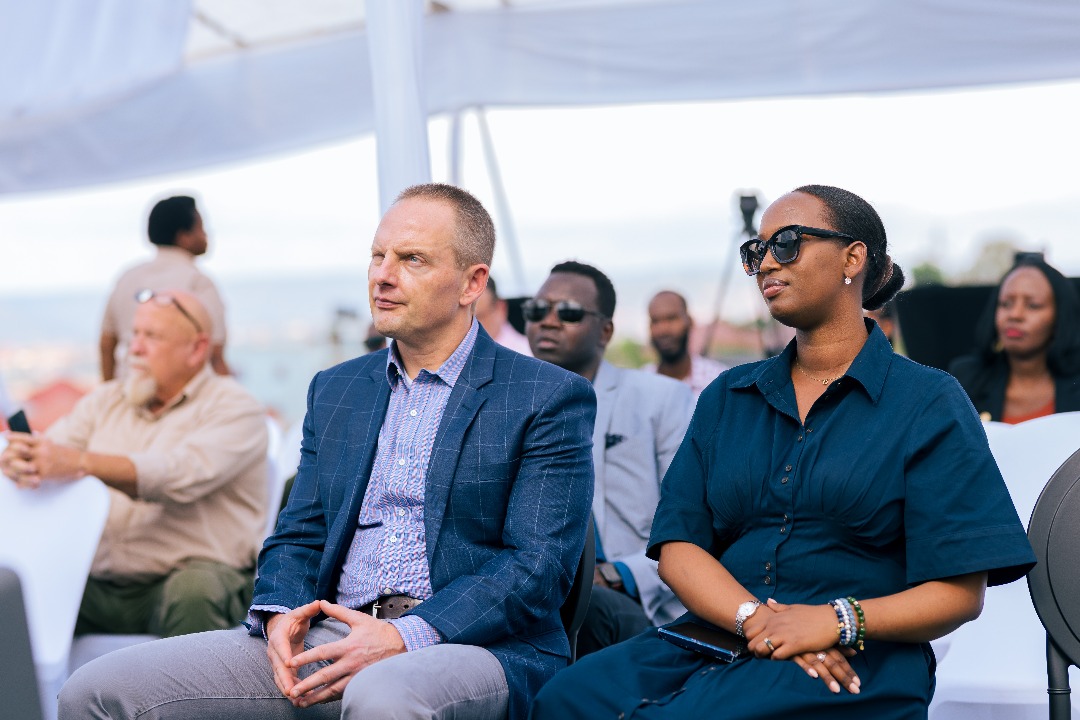
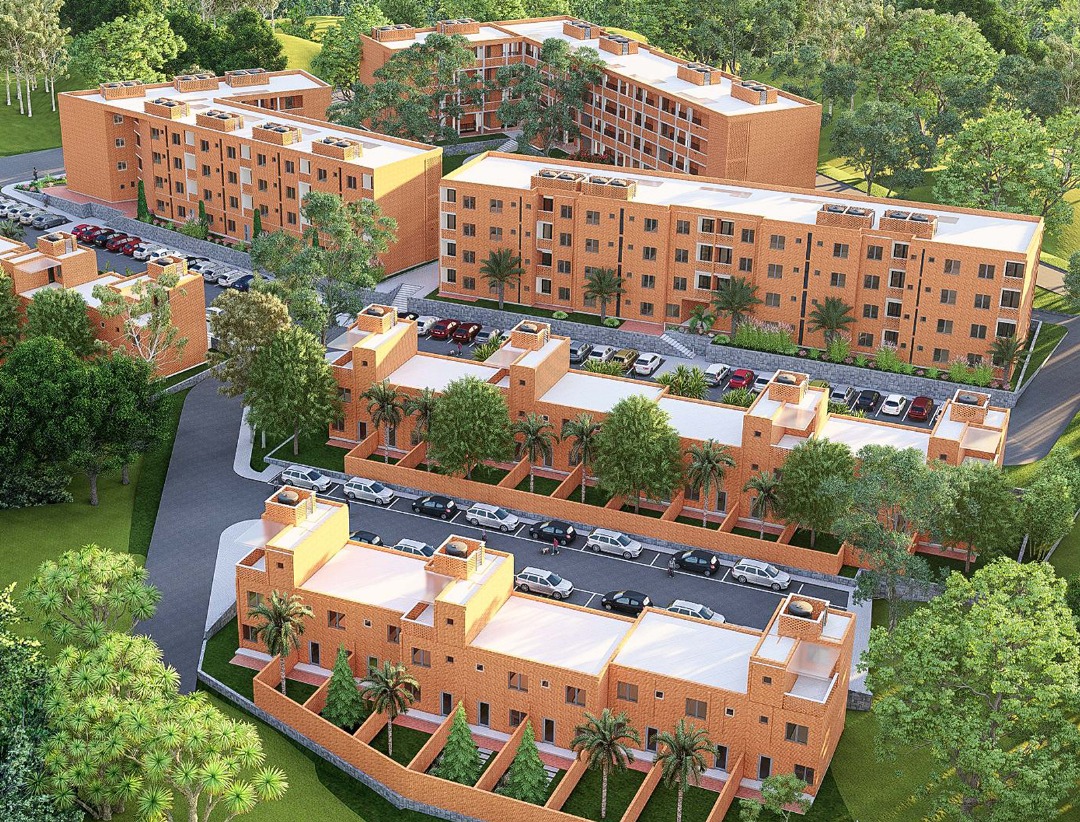
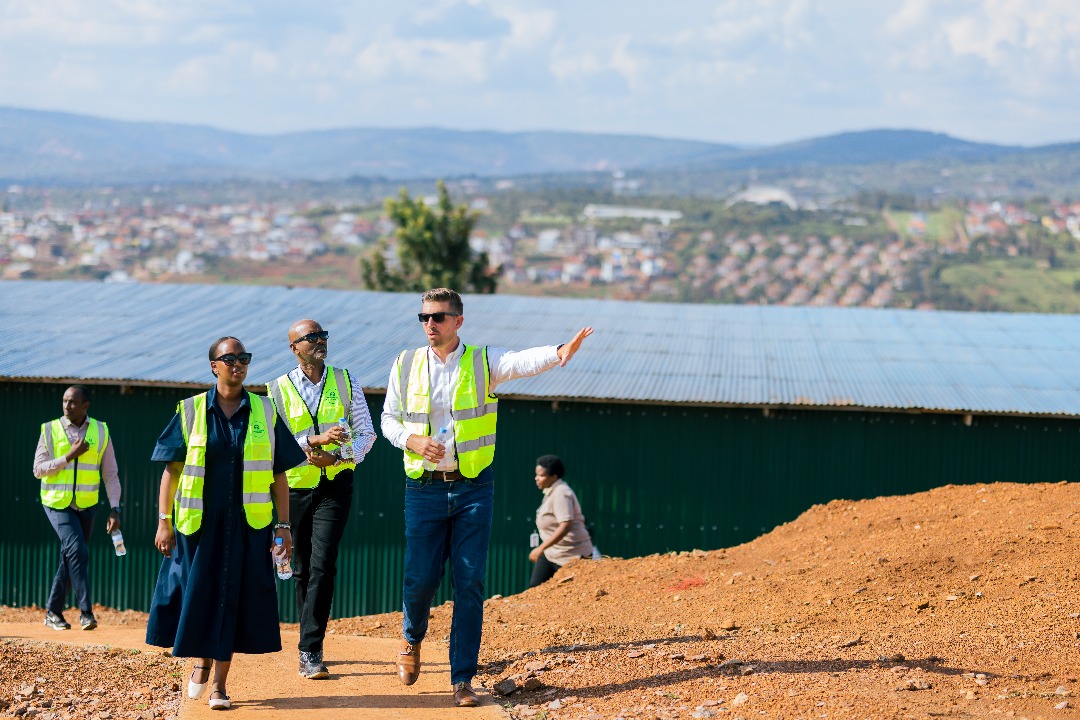
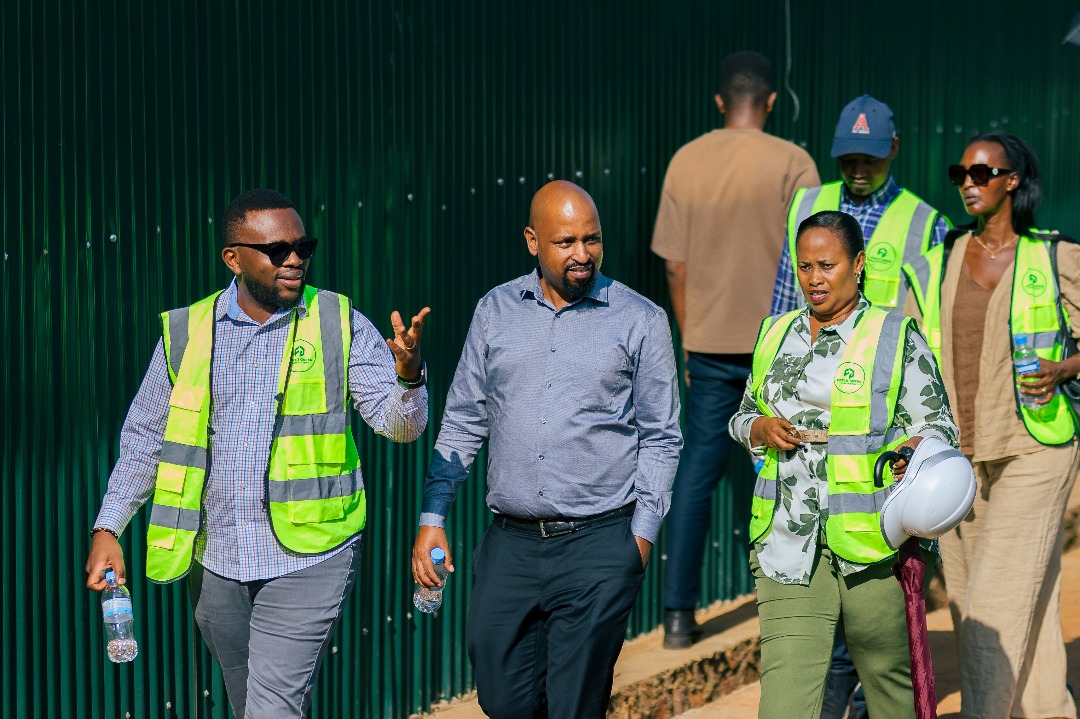
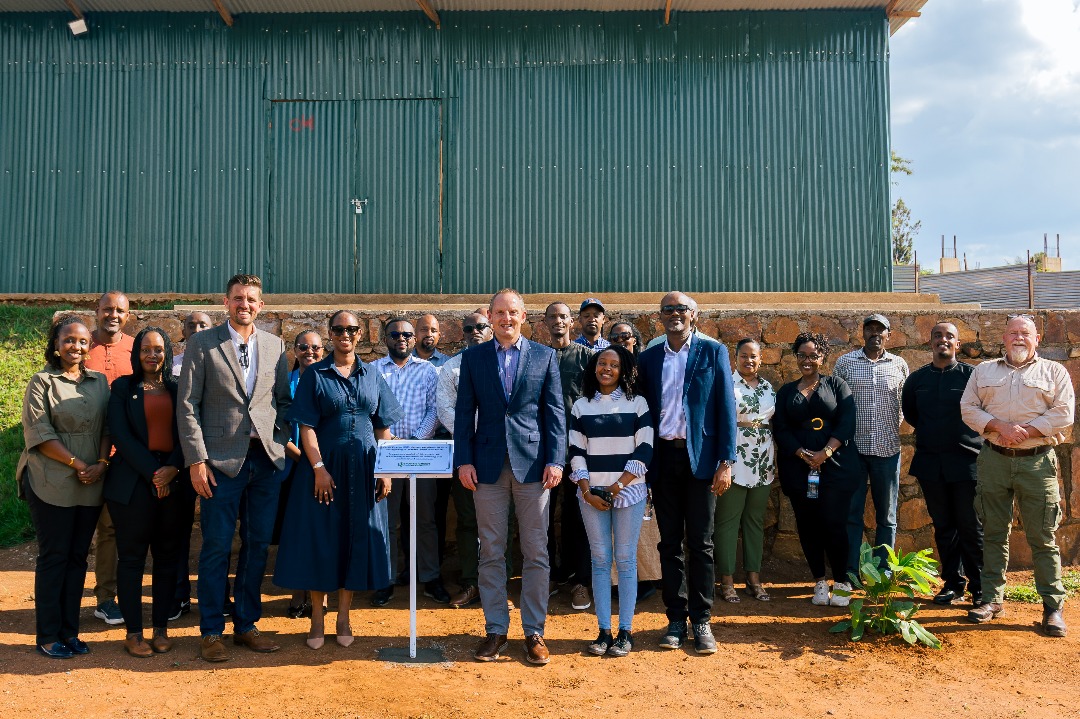
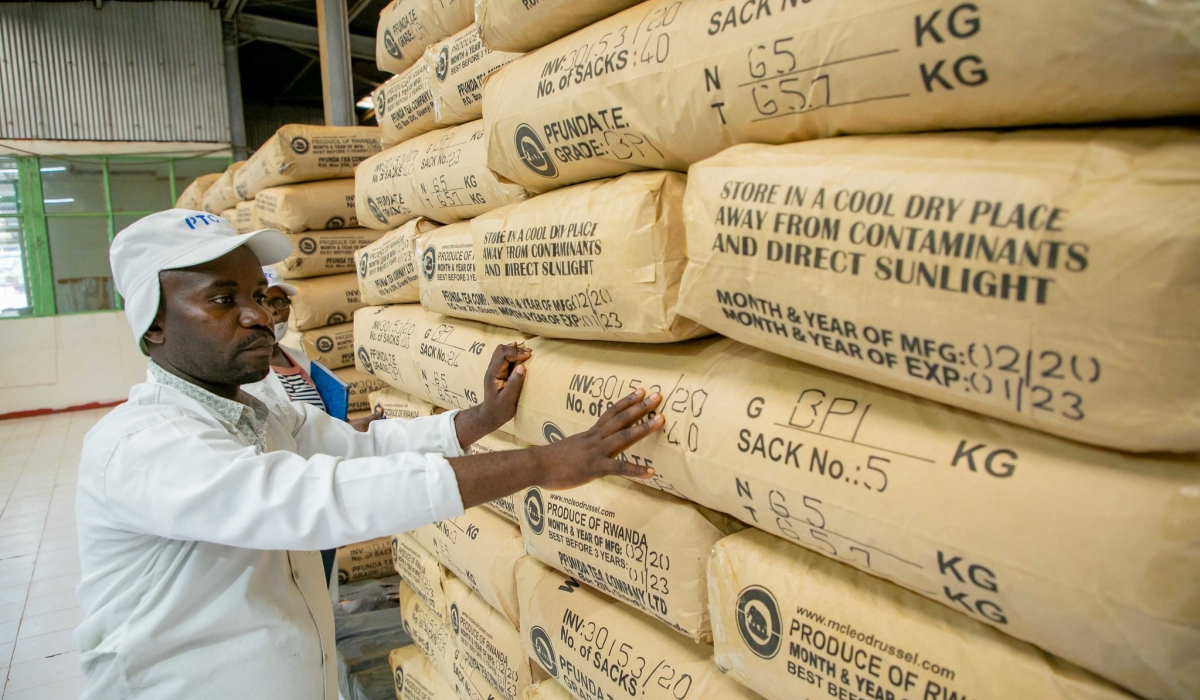
The Hakan Power Plant, located in Mamba Sector next to the Akanyaru marshes, was launched in 2021 after four years of construction. Despite its design capacity of 80 megawatts—70 of which were meant to be fed into the grid—the plant currently generates only about 23 megawatts.
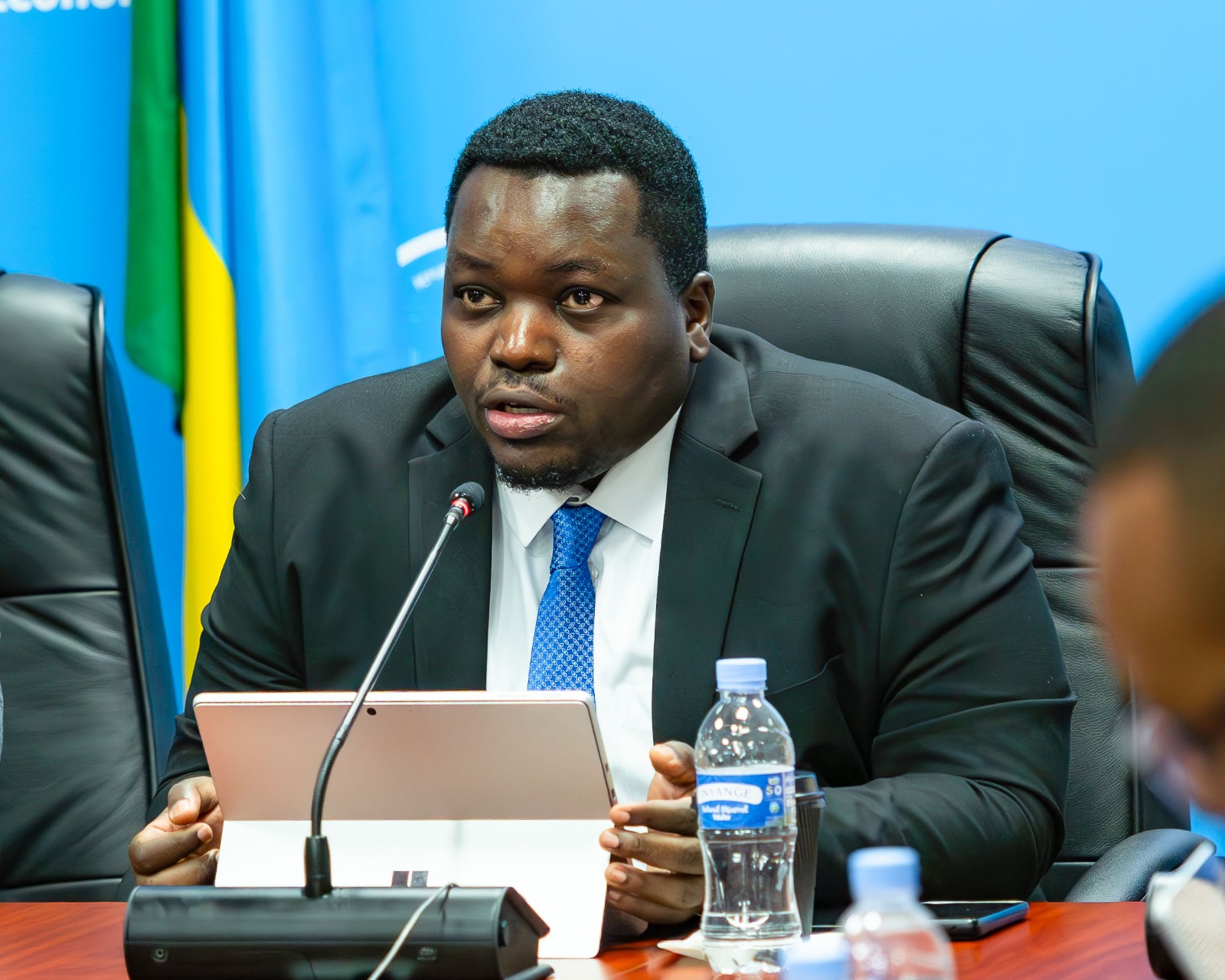
According to the project manager, Tonci Tadic, the main challenge has been the unreliable supply of peat. Initial feasibility studies suggested that the Akanyaru River would not disrupt peat extraction, but rising water levels linked to heavier rainfall have washed away significant deposits.
“What we have observed over the past four years is the impact of climate variability on the Akanyaru River,” Tadic said. “The earlier study showed the river’s width at 3.5 meters, but it has since expanded to 4.9 meters, causing floods that sweep away our peat.”
Seasonal rains have compounded the problem, making peat mining nearly impossible for three to four months a year. The company also faces a shortage of specialized equipment to extract and transport peat, further limiting operations.
Calls for new investment
Tadic revealed that so far, about $450 million ( approximately Frw 500 billion) has been invested in the plant, but an additional $25 million is needed to expand capacity and resolve the bottlenecks.
“To deliver the 70 megawatts expected to the grid, we must expand the mining area from the current 300 hectares to 800 hectares,” he said. “We also need at least 40 additional machines to support peat extraction and transportation. With $25 million invested over three years, I believe the plant could finally supply the full 70 megawatts.”
The investor also called for smoother cooperation with the Rwanda Energy Group (REG), which buys the electricity generated by the plant. He noted that while contracts stipulate payment within 45 days, delays have stretched to as long as four months.
“Meanwhile, the Rwanda Revenue Authority still counts penalties for late tax payments, even though REG itself has not paid us on time,” Tadic said.
The Rwandan government has pledged to support the company in addressing these challenges, with discussions underway on how to strengthen collaboration with other agencies.
{{Broader peat potential
}}
Hakan Power Plant is not the only facility using peat in Rwanda. The Gishoma power plant in Rusizi District also produces 15 megawatts from peat.
Studies indicate that Rwanda holds an estimated 155 million tonnes of peat reserves covering about 50,000 hectares. According to REG data, about 77% of the country’s peat resources are concentrated in the Akanyaru and Nyabarongo wetlands, as well as the Rwabusoro valley.
The agreements were formalised on Tuesday, September 23, during President Paul Kagame’s official visit to Egypt, hosted by President Abdel Fattah Al-Sisi.
The accords cover priority sectors including investment promotion, water resource management, urban development, and housing. Under the land allocation agreement, Rwanda had previously committed to grant Egypt 10 hectares in Kirehe District, near the Tanzania border, while Egypt committed equivalent land for Rwandan ventures.
In his address, President Kagame said the reciprocal land allocation was a “significant step” that would strengthen economic cooperation and expand market access in Africa.
He underlined that Rwanda and Egypt share a vision of transforming the continent’s natural resources into value-added products to generate sustainable prosperity.
“Rwanda regards Egypt as a strong partner and our cooperation is tangible and steadily growing,” Kagame noted, highlighting ongoing joint projects such as the construction of a state-of-the-art heart treatment center in Kigali.
“We believe there are numerous opportunities our two countries can explore, from food processing to advanced technology.”
The President also praised Egypt for providing advanced training to Rwandan medical professionals and for its support in pharmaceuticals and vaccine production, describing Egyptian firms in the health sector as “excellent partners.”
Earlier on Monday, September 22, the Rwanda Development Board (RDB) had urged Egyptian investors to tap into Rwanda’s diverse opportunities.
Speaking at the inaugural Egypt–Rwanda Business Forum in Cairo, RDB CEO Jean-Guy Afrika invited Egyptian businesses to use Rwanda as a gateway to the wider East African and continental markets.
The forum brought together business leaders, investors, and policymakers from both sides to explore opportunities, foster partnerships, and promote trade and investment. Key areas of interest included energy, agriculture, pharmaceuticals, and infrastructure.
According to officials, the updated framework is designed to balance household affordability with the need to strengthen national production, encourage industrial efficiency, and support investment in green infrastructure.
In a statement released on Wednesday, RURA Director General Evariste Rugigana announced the expansion of the first block of household consumption from 15 kilowatt hours to 20 kilowatt hours per month, while the tariff for this essential band remains unchanged at 89 Frw/kWh.
This measure is intended to protect vulnerable households and promote universal access to electricity. Beyond this, however, significant adjustments are introduced: households consuming between 20 and 50 kWh will now pay 310 Frw/kWh, up from 212 in 2020, while those using more than 50 kWh per month will pay 369 Frw/kWh, compared to 249 under the previous schedule.
For non-residential customers, tariffs have also been reviewed upwards. Those consuming up to 100 kWh will now pay 355 Frw/kWh, while usage above 100 kWh is charged at 376 Frw/kWh, compared to 227 and 255 respectively in 2020.
At the same time, RURA has introduced preferential rates for health facilities, schools and higher learning institutions, setting their tariff at 214 Frw/kWh, significantly below the general non-residential rate to ease operating costs for critical services.
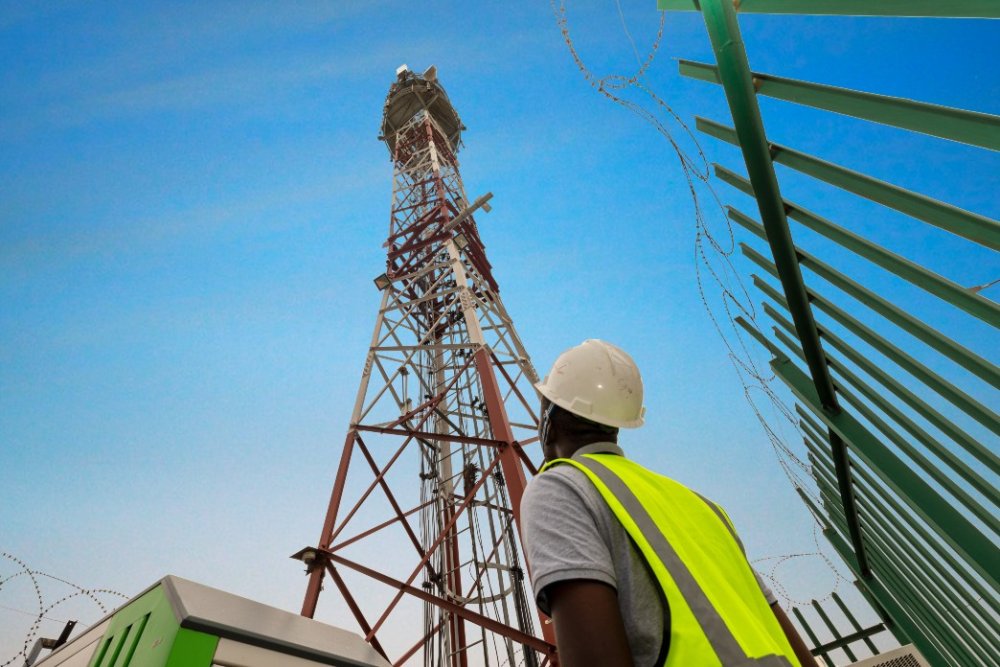
Sector-specific customers will also see changes. Telecom towers will now pay 289 Frw/kWh, up from 201, while broadcasters face an increase from 192 to 276 Frw/kWh. Hotels have been split into two categories: those consuming less than 660,000 kWh annually will pay 239 Frw/kWh, while larger hotels are grouped with small industries and charged at 175 Frw/kWh. Commercial data centres, which paid 179 in 2020, will now also pay 175 Frw/kWh.
Industries face a mix of higher energy charges but also new incentives to shift usage to off-peak hours. Small industries will now be charged 175 Frw/kWh, up from 134, while medium industries rise to 133 Frw/kWh from 103.
Large industries move to 110 Frw/kWh, compared to 94 previously, while steel, mining and cement industries consuming more than one million kWh annually will pay 97 Frw/kWh.
Crucially, while maximum demand charges during peak and shoulder hours remain unchanged—11,017 Frw/kVA for small industries, 10,514 for medium, and 7,184 for large industries during peak hours—off-peak demand charges have been cut to zero.
Previously, industries were required to pay between 886 and 1,691 Frw/kVA for off-peak consumption. This represents a major policy shift designed to encourage night-time production and reduce strain on the grid during peak hours.
For industrial customers without smart meters, prepaid flat rates have also risen. Small industries will pay 175 Frw/kWh, up from 151, medium industries 156 Frw/kWh compared to 123, and large industries 124 Frw/kWh up from 106.
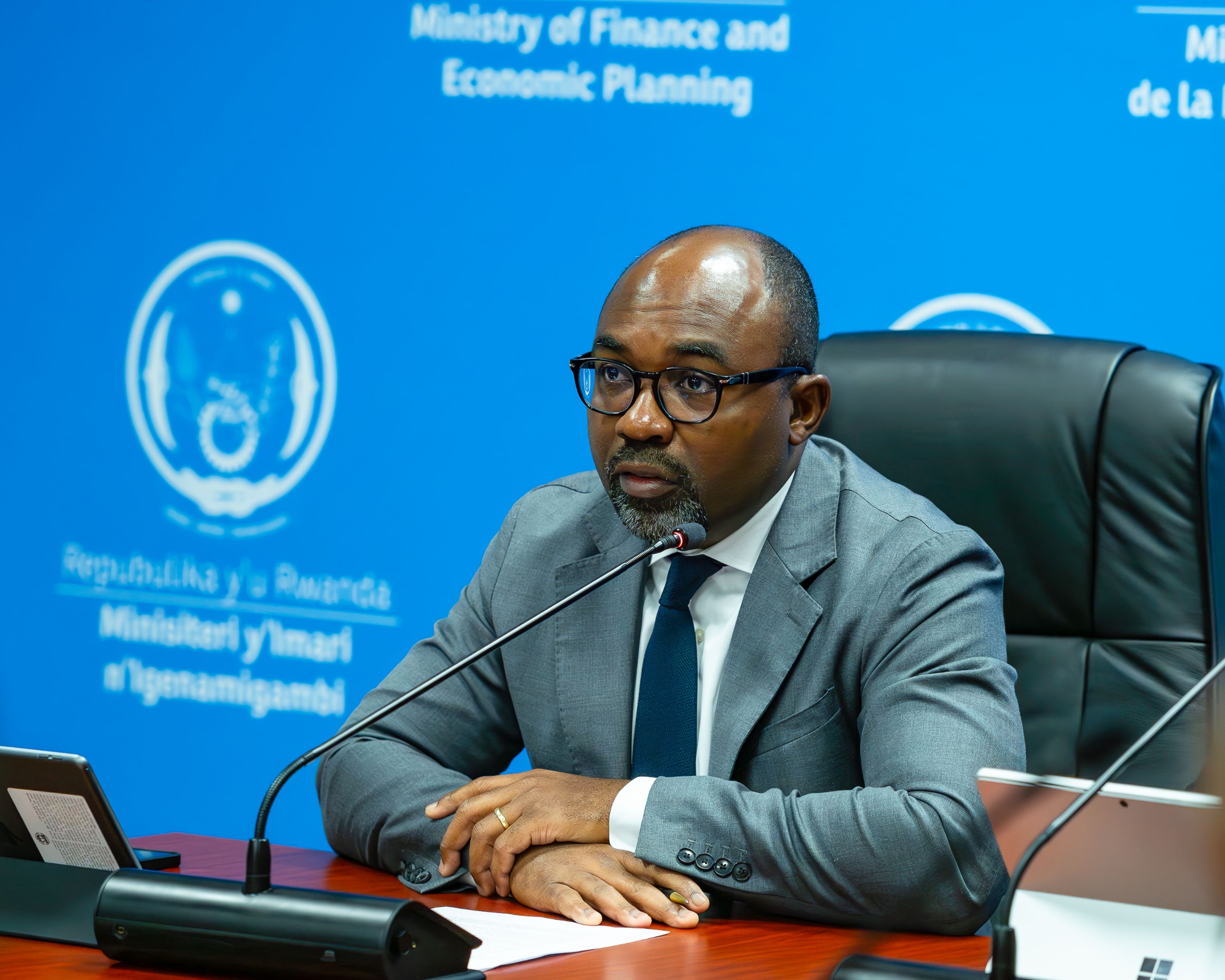
Speaking after the announcement, Minister of Finance and Economic Planning, Yusuf Murangwa, said the new tariff adjustments are intended to boost national production by guaranteeing factories affordable and reliable power. He underscored that the Government of Rwanda remains committed to ensuring that households retain affordable access to electricity despite the increases in higher consumption bands.
Murangwa further noted that the tariff revision is only one element of a broader energy strategy. He pointed to ongoing efforts to expand Rwanda’s electricity grid and highlighted the country’s exploration of nuclear energy development as part of long-term plans to diversify supply, improve reliability, and lower costs.
By combining household protection, targeted social sector support, and industrial incentives, the revised tariff framework is expected to provide a more sustainable foundation for Rwanda’s energy sector. RURA emphasised that the changes also align with the country’s climate and economic goals, particularly by promoting investment in green infrastructure and e-mobility charging stations.
In a statement shared on X, the partners said the first U Express outlet is scheduled to open in early 2026. It will be located within Inzovu Mall, a 40,000-square-meter mixed-use development in Kigali’s Kimihurura business district. The mall sits strategically near the Kigali Convention Centre and is being constructed on the former site of Rwanda’s Ministry of Justice and Supreme Court.
Construction spearheaded by Groupe Duval began in August 2023, with the development expected to be completed by September 2025 and open to the public in December 2025. The total project cost is estimated at $68–71 million, financed through a combination of Groupe Duval’s investment and external loans from the International Finance Corporation (IFC) and Proparco, each contributing $17.5 million.
The mall aims to attract both international and local brands. The U Express store will span 3,000 square meters, providing consumers with quality products at fair prices and closer links to local producers.
{{Economic impact and job creation
}}
The partnership is expected to generate significant employment opportunities. Groupe Duval estimates that the U Express stores will create over 500 jobs, while the Inzovu Mall development will support more than 700 positions during construction and operation. The project is also expected to boost Rwanda’s retail sector, contribute to tax revenues, and support local infrastructure.
Inzovu Mall is being developed as a high-end, mixed-use hub that combines retail, leisure, hospitality, and office spaces. The mall will offer between 21,000 and 26,000 square meters of retail and leisure space, hosting restaurants, entertainment facilities, and anchor tenants such as Intermarché and a BUT store.
A four-star Odalys hotel, covering 5,000 square meters and featuring 95 rooms, will be integrated into the development, allowing guests to access the mall directly from their rooms.
The project also includes 6,000 square meters of Grade A office space and extensive parking facilities, with between 400 and 667 spaces, including a basement accommodating 450 vehicles.
Sustainability is a core component of the development, with energy-efficient lighting, solar power, water recycling systems, and other green technologies. Inzovu Mall is targeting IFC EDGE certification, which recognises environmentally sustainable building practices.
He was speaking at a press briefing on Wednesday, where RSSB officials presented the institution’s overall performance from 2021 to 2025.
Rugemanshuro highlighted that RSSB’s total assets have doubled in five years, climbing to Frw 3 trillion as of June 2025.
The return on investment also rose sharply, moving from 1.4 percent in 2021 to 14.2 percent in June 2025.
Investment portfolio increased to Frw 2.846 trillion in 2024/2025, translating into an increase by 16.7 percent compared to the previous year.
“Over the last five years, RSSB has reshaped its investment approach by focusing on long term income and making sure every new investment goes thorough strict viability test,” Rugemanshuro said. “The results are clear, and this is the strategy we intend to maintain.”
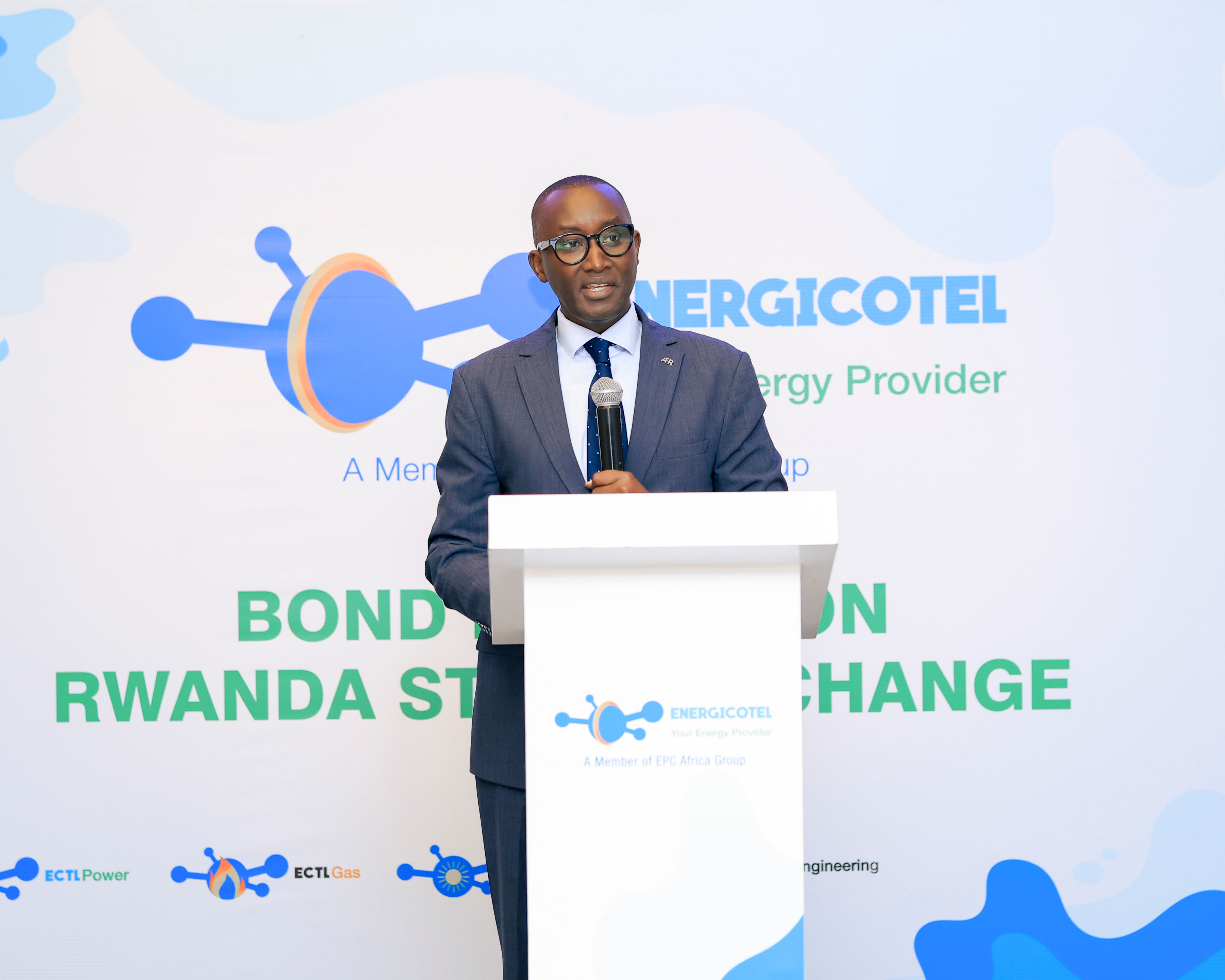
He added that in addition to reviving underperforming assets, the institution successfully exited certain investments at a profit.
Rugemanshuro also dismissed past criticism that RSSB was operating at a loss, saying current results demonstrate sound financial management.
“This confirms that members’ contributions are being well protected, invested for their benefit , and used to support job creation and national development,” he emphasized.
The report further showed an expansion in healthcare partnerships. The number of health facilities working with RSSB under the Community-Based Health Insurance scheme (Mutuelle de Santé) increased from 953 in 2021 to 1,182 in 2025, while those under the Rwandaise d’Assurance Maladie (RAMA) scheme rose from 810 to 1,152.
RSSB indicates that although investments in real estate are still generally lagging behind, they account for 10% of its total investments.
“This is an area where we need to intensify efforts. Despite achieved progress, delays in project implementation remain an issue, from project initiation to completion, due both to follow-up capacity and needed improvements in the construction sector,” he said.
Among the ongoing projects is Heza Estate, where 70 percent of the houses have already been reserved by buyers even as works near completion.
RSSB is also planning to expand developments on land near the Kigali Golf Course, with plans including a five-star hotel and other projects in collaboration with private investors.
Rugemanshuro concluded that, while there is room for improvement, the last five years have shown remarkable progress,with significant contribution to Rwanda’s broader development goals.
The launch event, held at the Marriott Hotel, brought together key stakeholders, including regulators, industry leaders, and Apex Group executives, to celebrate the company’s commitment to Rwanda and its role in supporting economic growth and innovation across East Africa.
The event featured remarks from prominent figures, including Alan Keet, Regional Head of Africa for Apex Group, Soraya Hakuziyaremye, Governor of the National Bank of Rwanda (BNR), Hortense Mudenge, CEO of the Kigali International Financial Centre (KIFC), and a video message from Peter Hughes, Apex Group’s Founder and CEO.
Apex Group, with a global presence spanning 52 countries and 112 offices, services over $3.4 trillion in assets and employs more than 13,000 people worldwide. The opening of its Kigali office, the seventh in Africa alongside locations in Botswana, Namibia, and South Africa, marks a key expansion of the company’s footprint on the continent.
“It makes me tremendously proud that we have expanded now into Rwanda… It shows Apex’s commitment to Africa, which, as Africans, is a real feather in our cap,” Alan Keet, the Apex Group’s Regional Head of Africa, stated.
The Kigali office will offer a comprehensive suite of services, including Fund Administration, Corporate Services, Compliance Solutions, and Environmental, Social, and Governance (ESG) advisory services, pending regulatory approval.
The services cater to a broad range of fund structures, from private equity and real estate to open-end funds like Exchange-Traded Funds (ETFs) and mutual funds, as well as innovative digital finance solutions such as tokenisation and digital ledger technology.
Keet emphasised the company’s ability to address complex challenges, noting, “We are yet to find a conundrum or a challenge that we can’t solve within the Apex Group globally.”
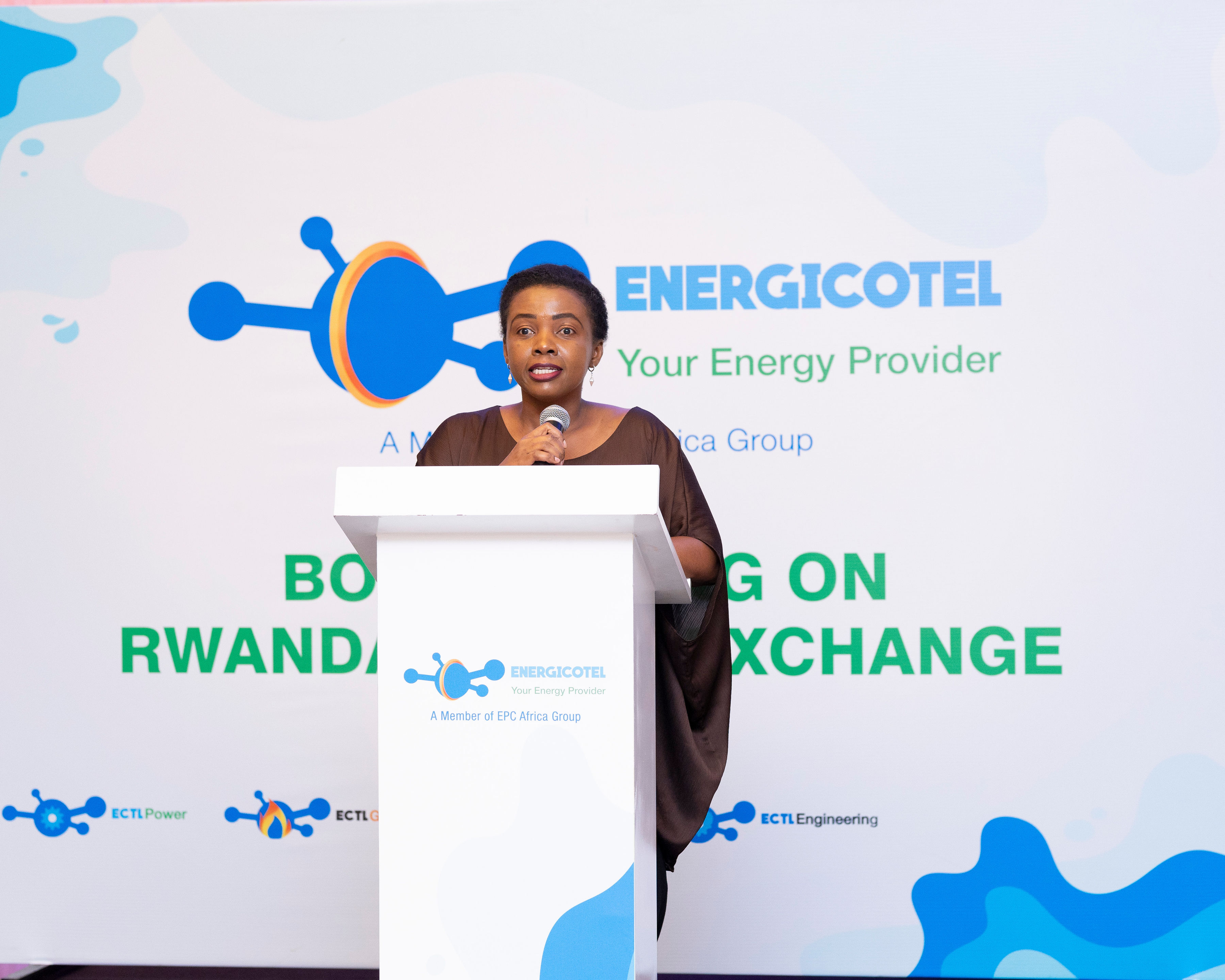
The launch of Apex Group’s office aligns with the ambitions of the Kigali International Financial Centre (KIFC), which aims to position Rwanda as a leading hub for cross-border investment and sustainable finance.
Hortense Mudenge, CEO of KIFC, described the event as “a pivotal moment in Rwanda’s journey of becoming a key financial hub on the continent.”
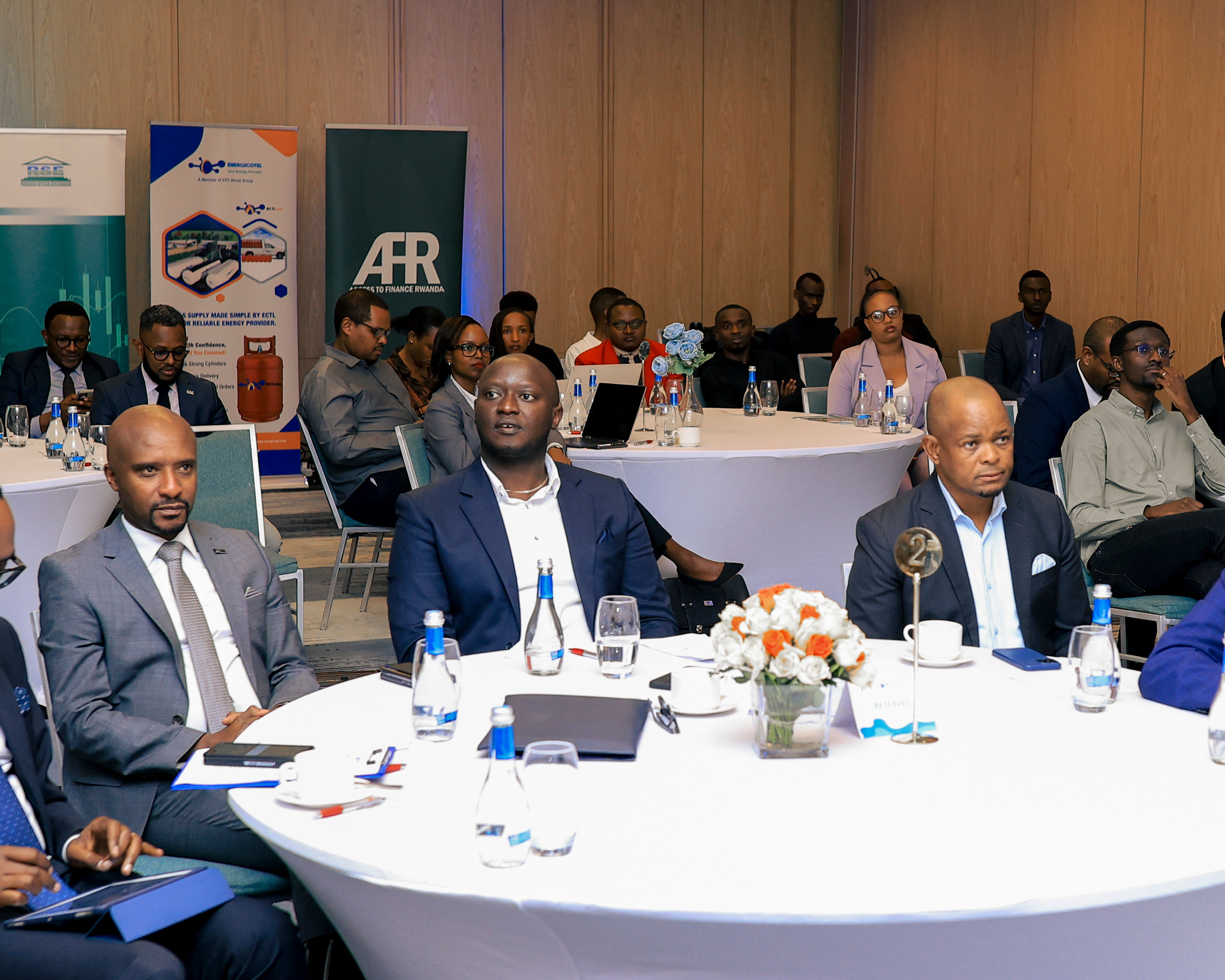
She highlighted the full-circle nature of Apex’s entry, which began with discussions in late 2024 and culminated in the office opening, signalling growing confidence in Rwanda’s progressive business environment.
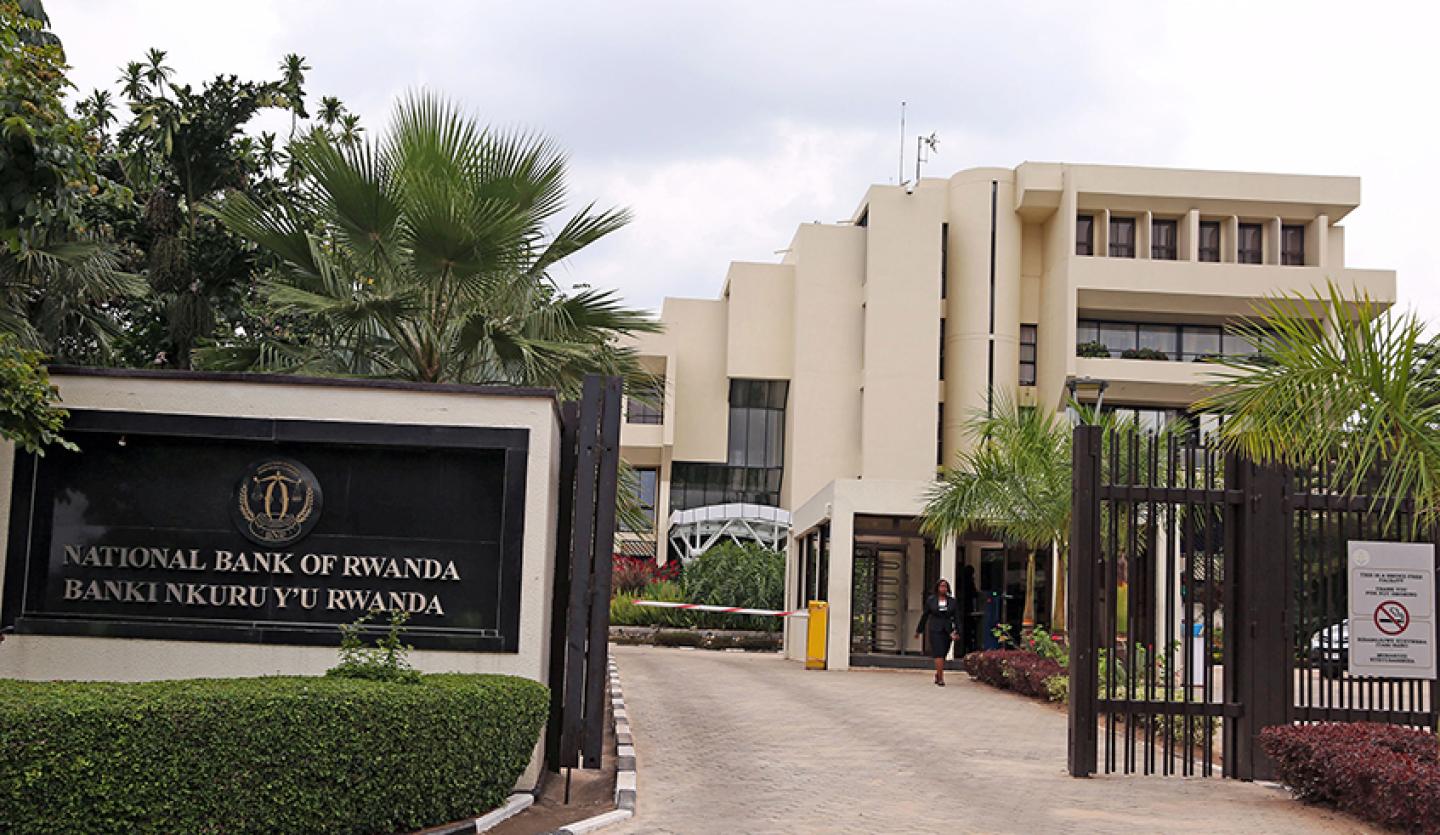
Soraya Hakuziyaremye, Governor of Rwanda’s central bank, delivered a keynote address in which she echoed this sentiment, stressing the country’s strategic efforts to build a robust financial ecosystem.
“You can’t have a financial centre if you don’t have international players,” she said, noting Apex’s role in complementing traditional banking and pension funds with innovative services.
She also praised Rwanda’s macroeconomic stability and digital ambitions, stating, “The use of technology and digitally-driven financial services… is something that we value, as Rwanda is ambitiously aiming to become a digital hub for the continent.”
{{Investing in local talent
}}
Apex Group officials emphasised that its entry into Rwanda is not only about expanding its global footprint but also about investing in local talent and contributing to economic development. With approximately 1,200 of its 13,000 employees based in Africa, the company affirmed its commitment to creating employment opportunities and upskilling local professionals.
Keet praised Emma Msowoya, the Country Head of Apex Group in Rwanda, for her “tenacious, well-organised, and great people skills,” which he believes will drive rapid growth in the region. KIFC’s Mudenge also highlighted the opportunities for local professionals, noting Apex’s focus on “upskilling, capacity building, and talent development.”
Peter Hughes, in his video message, underscored the strategic importance of the Kigali office, which he said will deliver “world-class asset servicing across both traditional assets and DeFi assets.”
He highlighted Emma’s 15 years of experience at Apex and her role leading the Rwanda operations, emphasising the company’s intent to leverage experienced talent to expand its presence and strengthen Rwanda’s financial ecosystem.
{{A collaborative future
}}
The launch event also highlighted the collaborative spirit between Apex Group, KIFC, and Rwandan regulators. Governor Hakuziyaremye expressed confidence that Apex’s presence would attract more global asset management players, stating, “You can count on our support and our engagement in the different forums that we organise.”
KIFC CEO Mudenge added, “As much as you have expectations of us, we also have expectations of you to leverage and use Rwanda as the base to support further investment and capital deployment, not just in Rwanda, but in the region as a whole.”
In a communiqué issued on Friday, RURA said the revised tariffs will take effect from September 6, 2025, at 6:00 AM. The maximum retail price for gasoline (petrol) has been set at Frw 1,862 per litre, up from Frw 1,803, while diesel will retail at no more than Frw 1,808 per litre, up from Frw 1,757.
RURA explained that the adjustments were necessary in response to rising international petroleum prices. The regulator emphasised that the Government of Rwanda continues to implement measures to mitigate the impact on consumers.
“In response to rising pump prices influenced by global trends, the Government of Rwanda has continued to strengthen fuel reserves and prudent macroeconomic management to protect consumers and maintain market stability,” RURA Director General Evariste Rugigana stated.
The new price caps will remain in effect until the next scheduled review in two months.
In an advisory issued on Tuesday, September 2, MINICOM encouraged businesses to view the championship as an opportunity to boost trade and deliver high-quality services to participants, visitors, and cycling fans from around the world.
“Your active participation and preparedness are essential to the success of this world-class event,” the advisory reads in part.
Businesses were advised to stock up goods in advance to avoid disruptions during temporary road closures, and to schedule deliveries during night hours when roads will be open. Truck drivers will also be facilitated during night operations, the ministry added.
The 2025 championship will mark the first time the prestigious global cycling event is held in Africa, positioning Rwanda as a hub for international sporting activities and sports tourism.
To ensure smooth logistics, the government has announced temporary road closures along designated race routes during specific hours. Alternative and detour routes will be clearly marked in coordination with traffic authorities. Fan Zones will also be set up across Kigali, allowing residents and visitors to follow the action up close.
Further measures include the closure of schools across Kigali City during the competition, coordinated by the Ministry of Education, and a shift to remote work for public servants and private institutions where possible. Essential services will continue uninterrupted.
The UCI Road World Championships is one of cycling’s most prestigious annual competitions, bringing together national teams from across the globe under the Union Cycliste Internationale (UCI). First held in Copenhagen, Denmark, in 1921, the championship most recently took place in Zürich, Switzerland, in 2024.
Rwanda’s edition is expected to attract a large influx of athletes, delegations, and fans, alongside visitors keen to explore the country’s tourism offerings. Authorities say the event is not only a milestone for sports but also an opportunity for local businesses to showcase Rwanda’s hospitality and entrepreneurial spirit.
The deal, signed with Global Tungsten and Powders (GTP), part of the Plansee Group in Pennsylvania, and Trinity’s offtake partner Traxys, marks a major step in establishing a reliable supply of high-grade tungsten from the Great Lakes region of Africa to the U.S. market.
GTP, with over a century of experience, is one of the world’s largest tungsten processors, producing tungsten and tungsten carbide powders as well as heavy alloy powders for the aerospace and defence industries.
Shawn McCormick, Chairman of Trinity Metals, highlighted the significance of the agreement for both the company and the U.S. market.
“As the largest producer of tungsten on the continent, we are very pleased to be working with both Traxys and America’s largest tungsten refiner, GTP, on this historic agreement, which marks the first time that a consistent and reliable supply of this high-grade mineral from the Great Lakes region of Africa will flow to the United States.”
Eric Rowe, Plansee Group Director of Global Raw Materials, added that the agreement strengthens American national security by adding responsibly produced tungsten to the U.S. industrial base.
“We are very pleased to be partnering with Trinity Metals, which has strong support from both the United States and Rwandan governments,” he remarked.
Traxys CEO Mark Kristoff described the partnership as a model of aligned corporate values and long-term commitment.
Trinity Metals, established in 2022 through the merger of the Nyakabingo Tungsten Mine, Rutongo Tin Mine, and Musha Tin and Tantalum Mine, is Rwanda’s largest producer of these three critical minerals.
The latest agreement follows a related development in May 2025, when Trinity Metals signed a letter of intent with U.S.-based metals firm Nathan Trotter to export Rwandan tin to the United States for the first time under this framework.
The signing took place at the U.S. Department of State and was witnessed by Kim Harrington, Acting Principal Deputy Assistant Secretary in the Bureau of Energy Resources.
The initiative aims to develop a sustainable, transparent supply chain for Rwandan tin, classified by the U.S. as a critical mineral, in support of national security and economic objectives.
These agreements come amid growing economic cooperation between Rwanda and the United States, reinforced by Rwanda’s recent engagements in [regional partnerships->https://en.igihe.com/news/article/inside-the-rwanda-drc-economic-integration-framework] with the Democratic Republic of Congo (DRC). The deals signal the U.S’ increasing interest in securing strategic mineral inputs from Africa to support domestic manufacturing in sectors ranging from electronics to electric vehicle batteries.
The closure, which followed customer complaints about poor service and negligence during a wedding ceremony in early July, surprised many, who questioned how a hotel that had been in operation for years could continue without proper authorisation.
At the time of the announcement, RDB warned that if the hotel continued operating beyond July 22, 2025, it would be in violation of national laws, a breach that could attract heavy penalties. The agency further explained that reopening would only be considered once the hotel had fulfilled all requirements to obtain an operating license in the tourism sector and complied fully with the relevant laws.
The revelation that such a prominent establishment lacked a valid operating license shocked the public, given that the hotel was well-known and had been welcoming guests for some time.
Speaking to IGIHE, Irène Murerwa, Chief Tourism Officer at RDB, explained that the situation was not unusual, pointing out that Rwanda’s 2014 Tourism Law allows investors to begin their projects while still working toward fulfilling conditions for an operating license, depending on the type of investment.
She clarified that beginning operations does not automatically mean an establishment is licensed in the tourism sector.
“In this case, the issue is not complicated. Registering an investment is simple and can be done online within six hours. But the key question is: what type of investment is it? A hotel, a restaurant, a nightclub, or apartments? The license granted depends on the category, and in their case, they were operating without ever applying for the proper license,” Murerwa said.
She added that although RDB was aware of the hotel’s investment activities, the owners had not completed all requirements needed to secure a tourism license.
“Anyone could see their doors open and assume they were licensed. Of course, RDB knew about them, just as we know many investors. We don’t close businesses the moment they open. We first conduct visits, hold discussions, and agree on timelines. Some investors fulfil requirements quickly, while others encounter delays. That was the case here,” she explained.
According to Murerwa, after an establishment begins operations, RDB reviews whether it meets the standards required for its specific category of tourism business.
“When challenges are communicated, we listen and allow time to address them, because our role is both regulatory and developmental. But once the grace period expires and compliance is still lacking, then closure becomes necessary,” she said.
Murerwa confirmed that Château le Marara had been inspected several times and was repeatedly reminded of what it needed to comply with. However, despite discussions, the hotel continued to report difficulties in meeting the legal requirements.
“We visited them and held discussions. But at some point, it became clear they were not treating the requirements with the seriousness of legal obligations. People wondered how such a well-known hotel, recognised by the community and local authorities, could lack RDB approval. The truth is that while they had the right to invest, they did not have the license to operate in the tourism sector,” she said.
Currently, investors registering in the tourism industry are required to fulfil up to 22 conditions, in addition to specific requirements depending on the category of business. These include registering the investment, employing qualified staff, and adhering to hygiene, safety, and environmental standards, among others.
While she did not disclose which specific requirements Château le Marara had failed to meet, Murerwa emphasised that any failure to comply constitutes a violation of the law.
“In tourism, there are many conditions to meet. If out of more than 20, you have fulfilled only five, you are still violating the law. While much attention is on Château le Marara, many other establishments have not met all conditions, and these cases must equally be reported to the authorities,” she concluded.
According to RDB officials, an establishment may be suspended for several reasons, such as employing workers without contracts—which is prohibited by law—or when clients suffer health complications due to non-compliance with required standards.
By law, RDB may grant an establishment a grace period during which it continues to operate while working to meet the required conditions. However, if follow-up inspections reveal ongoing non-compliance and no valid justification is provided, the institution risks suspension.
Murerwa explained: “There are instances where, for example, an employee mistreats a guest. That alone does not immediately warrant closure. In such cases, we conduct visits, issue warnings, and give time for correction. But if a client suffers health complications because the establishment failed to meet hygiene or safety requirements, then it becomes a serious matter, and closure is enforced immediately.”
She emphasised that closure is not necessarily permanent. Once the owner fixes the violations and meets all required conditions, they may request reopening. The application is reviewed through an inspection by a joint team from RDB, the Police, and other relevant agencies. If the team confirms compliance, the establishment is granted a license to resume operations.
Currently, a tourism operating license issued by RDB costs 80,000 Rwandan francs, although the fee may change in the future as part of an ongoing legal review process.
Château le Marara is located in Karongi District, on the shores of Lake Kivu.
RDB clarifies the reasons behind the closure of Château le Marara.
A month has now passed since Château le Marara was ordered to close its doors