In a notice to the public, the authority stated that White Vinegar and HLAAL White Vinegar, produced by Tamu Tamu Heat Spices LTD and Cheetah Group LTD, are no longer allowed to be produced, distributed, or sold on the Rwandan market.
The directive follows inspections that established the two companies were illegally operating as food processing facilities and did not comply with safety requirements set by the Rwanda FDA.
“Rwanda FDA orders immediate closure of both facilities and a complete halt to the production, sale, distribution and use of their food products, including but not limited to Discovery White Vinegar and HLAAL White Vinegar, produced by Tamu Tamu Heat Spices LTD and Cheetah Group LTD, respectively,” reads a statement issued by FDA on August 17, 2024.
“For the sake of protecting public health, the general public is informed that the two products indicated above (all lots) are not allowed to be produced, distributed, and sold on the Rwandan market.”
The Rwanda FDA has urged consumers who have purchased the products to immediately stop using them and dispose of them properly.
Additionally, the public has been cautioned against consuming other products produced by the affected companies.
“The general public is also informed that all other food products processed by the aforementioned facilities are likewise prohibited from entering the Rwandan market,” the authority said.
Rwanda FDA was established in February 2018 to safeguard public health by regulating human and veterinary medicines, vaccines and other biological products, processed foods, poisons, medicated cosmetics, medical devices, household chemical substances, tobacco, and tobacco products.
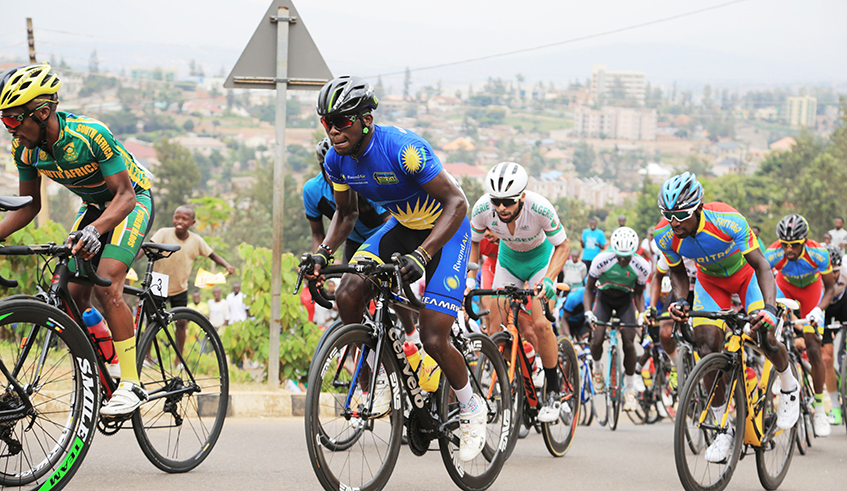
In a public notice issued Friday, August 16, the police announced that the road will be used by racing cyclists from 9:00 a.m. to 11:00 a.m. on both days and urged motorists and other road users to bear with the traffic disruption.
Road users have also been urged to cooperate with traffic police officers who will be on-site to direct traffic flow.
“We would like to inform the public that due to the “2024 National Championship” scheduled from 17 to 18 August 2024, the road: Batsinda – Nyacyonga – Marenge back to Batsinda will be temporarily used by racing cyclists from 0900hrs to 1100hrs,” the notice read in part.
“We urge road users to bear with these changes.”
The two-day cycling competition is organised by the Rwanda Cycling Federation (FERWACY).
The annual competition was initially scheduled for June 22 and 23 before FERWACY changed the dates.
Several top local cyclists are expected to participate in the race. In last year’s edition, Patrick Byukusenge of Benediction Club and Diane Ingabire were crowned winners in the men’s and women’s categories, respectively.
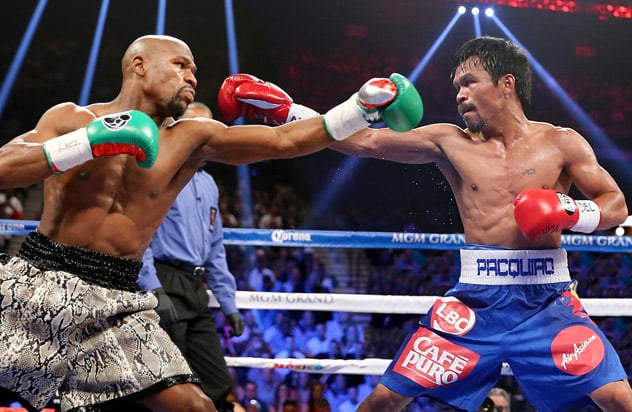
This follows claims by Ugandan veteran journalist and renowned political commentator, Andrew Mwenda that Mayweather’s manager confirmed an upcoming fight between the renowned boxers in Kigali in November 2024.
Mwenda made the comments during a recent interview with Sanny Ntayombya on his famous podcast- The Long Form.
In an exclusive interview with IGIHE on Friday, August 16, 2024, Kalisa pointed out that the managements of the two boxers were yet to formally notify the federation of their plans but affirmed that the country has the necessary infrastructure to host the high-profile bout or even bigger tournaments.
“With the infrastructure we have in place, we are prepared to host an event of this magnitude,” Kalisa remarked, as he promised to release more details later.
He highlighted some of the fights the country has hosted before, including the Genocide Memorial Tournament (GMT) held in June. Boxers from various regional countries competed for glory at the tournament held at Kigali Universe.
“So far, we’ve had the Eastern Africa Police Chiefs Cooperation Organization (EAPCCO) Games, which gave us a good experience and with the available infrastructure, we are definitely ready,” he affirmed.
The GMT Tournament is an annual boxing event organized to honour the victims of the 1994 Genocide against the Tutsi. This year’s tournament featured professionals and amateur boxers from Rwanda, Ethiopia, and South Sudan.
Mwenda, who shares a fond relationship with Rwanda’s top leadership, had earlier claimed that he became aware of Mayweather’s plans because he is “hooked into the international communication system.”
The Ugandan scribe also disclosed that Mayweather plans to visit Rwanda in September to convey his congratulations to the Head of State upon his re-election. Thereafter, preparations for the fight will commence.
“They [Mayweather and Pacquiao] want to host their match here in Kigali,” Mwenda stated, adding that South African-born American billionaire Elon Musk also plans to visit Rwanda in October, drawn by President Kagame’s transformative leadership.
“Everyone is attracted to Rwanda because President Kagame is a shining example of enlightened leadership in Africa. He has demonstrated to the world an incredible lesson in achieving high levels of development. This man has lifted Rwanda from obscurity and placed it not just on the African map but on the world map,” he emphasized.
If Mwenda’s words come to pass, then the November bout will be a highly anticipated rematch between Mayweather and Pacquiao, following their clash on May 2, 2015. Often referred to as “The Fight of the Century,” the fight took place at the MGM Grand Garden Arena in Las Vegas, Nevada.
The fight had been discussed for years, with fans and pundits eagerly awaiting a showdown between the two greatest boxers of their generation. Negotiations were complicated, with disagreements over money, drug testing, and other factors delaying the match for several years.
Mayweather won the fight against Pacquiao by unanimous decision, with all three judges ruling in his favour. He pocketed a whopping $180 million from the fight which generated more than $600 million.
In 2017, about two years after their fight, Mayweather announced his retirement from professional boxing following his victory over Conor McGregor. He retired with an undefeated record and 15 major world championships across weight classes from super featherweight to light middleweight.
Pacquiao continued his career in the welterweight division before announcing his retirement in 2021. Although there were several hints from both boxers about a potential rematch, it never materialized.
Despite their retirement from professional boxing, the two boxers could still make a comeback for exhibition matches, which are more about entertainment than official records.
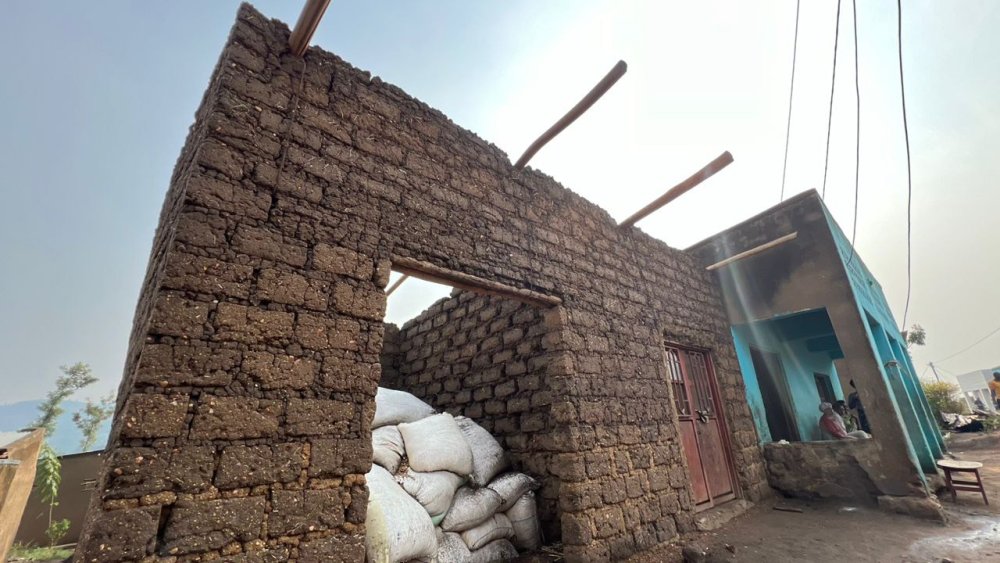
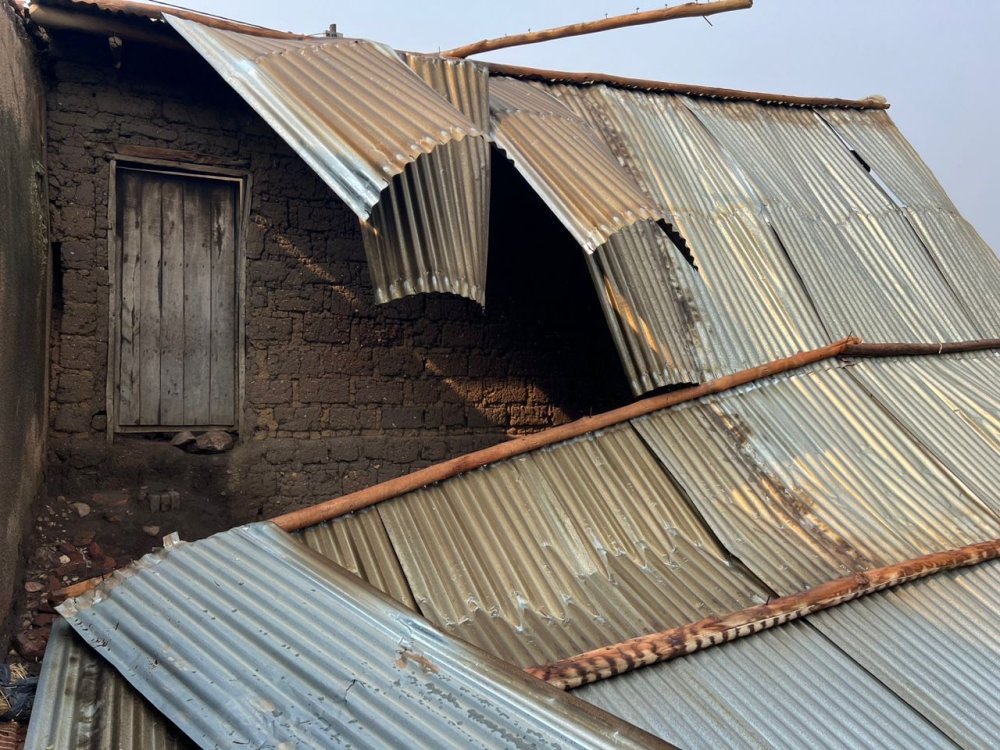
The affected residents are from Nyagitabire Cell, located in Nyagihanga Sector, Gatsibo District in the Eastern Province.
The Mayor of Gatsibo District, Richard Gasana, confirmed the damage, noting that authorities are actively working to assist those affected.
“The residents whose homes were affected are currently being sheltered by their neighbours. We have dispatched a team, including district employees and Red Cross staff, to assess the damage and provide the necessary assistance,” Gasana said.
He also urged residents to securely fasten their roofs as the rainy season approaches, and prevent them from being blown away by strong winds.
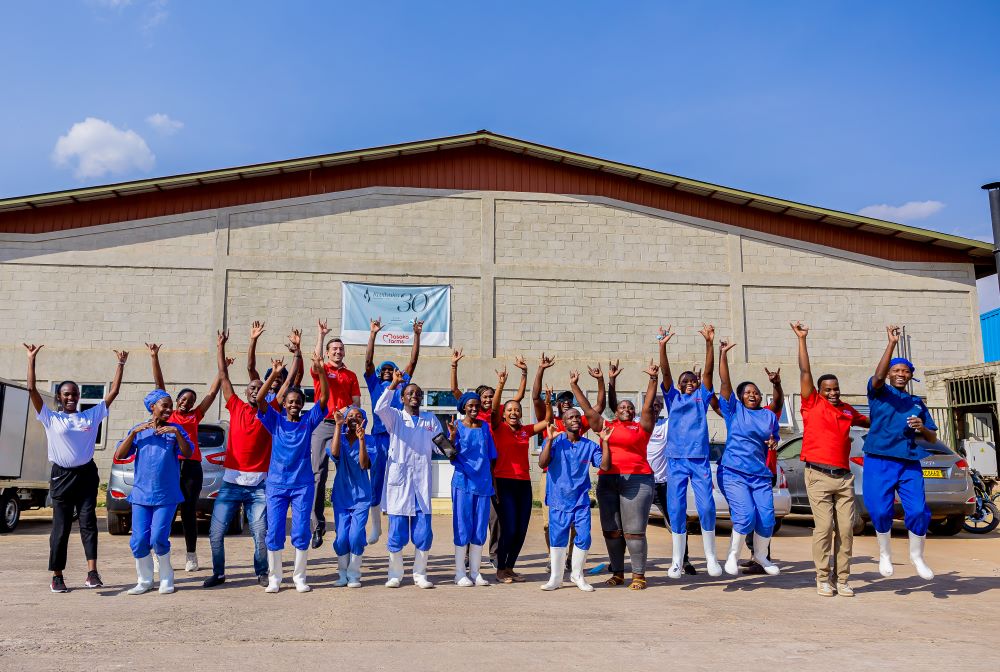
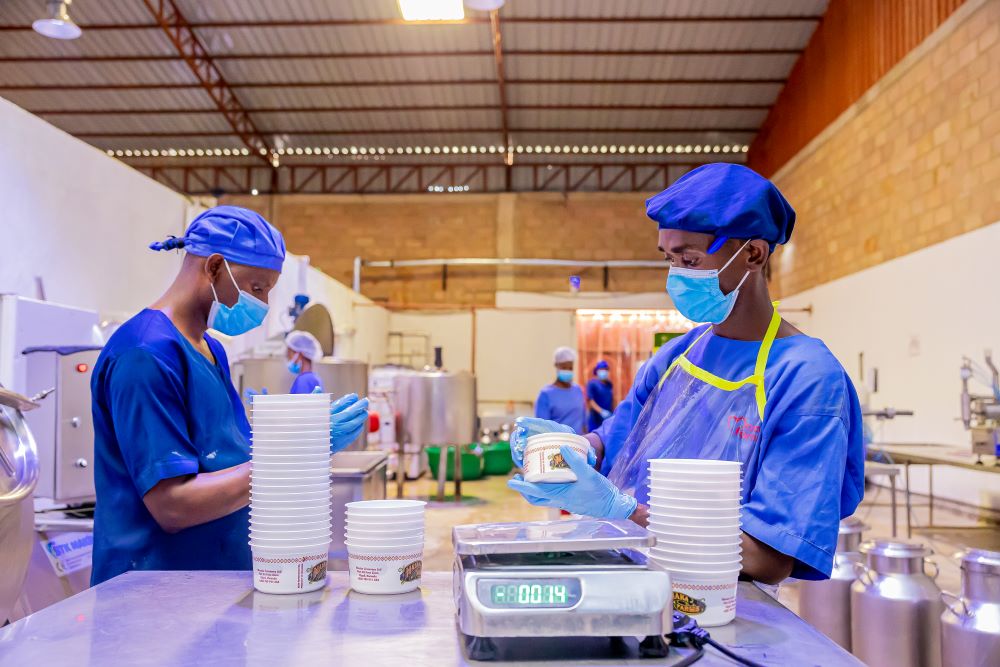
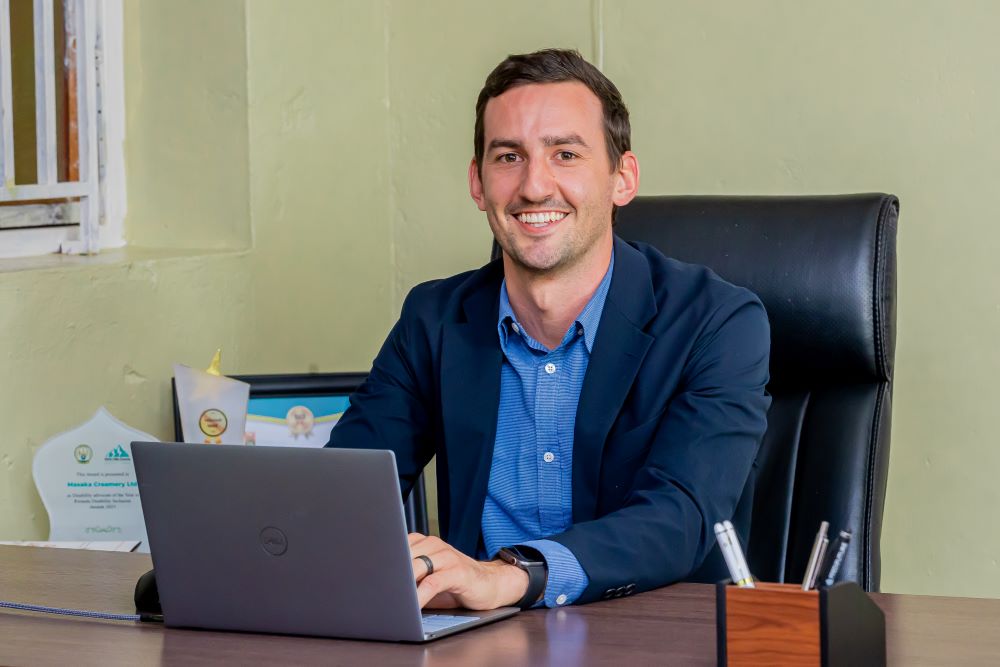
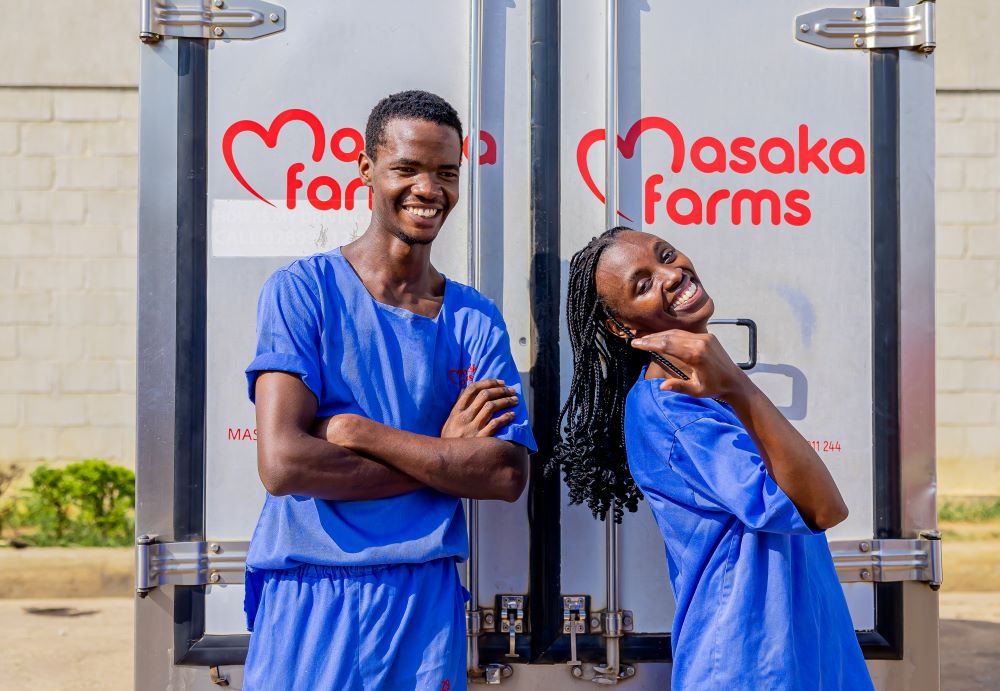
Luke Lundberg, CEO of Masaka Farms, states that the company employs over 40 Deaf individuals, who make up 60% of the workforce.
“Since the company was founded in 2016, we have intentionally provided employment to the Deaf community and now have over 40 Deaf employees,” Lundberg emphasized, affirming the company’s commitment not only to continuing its inclusive workforce culture but also to delivering quality dairy products in Rwanda.
This inclusive workforce has not only enriched the company’s operations but also set an example worth emulating for the entire corporate community.
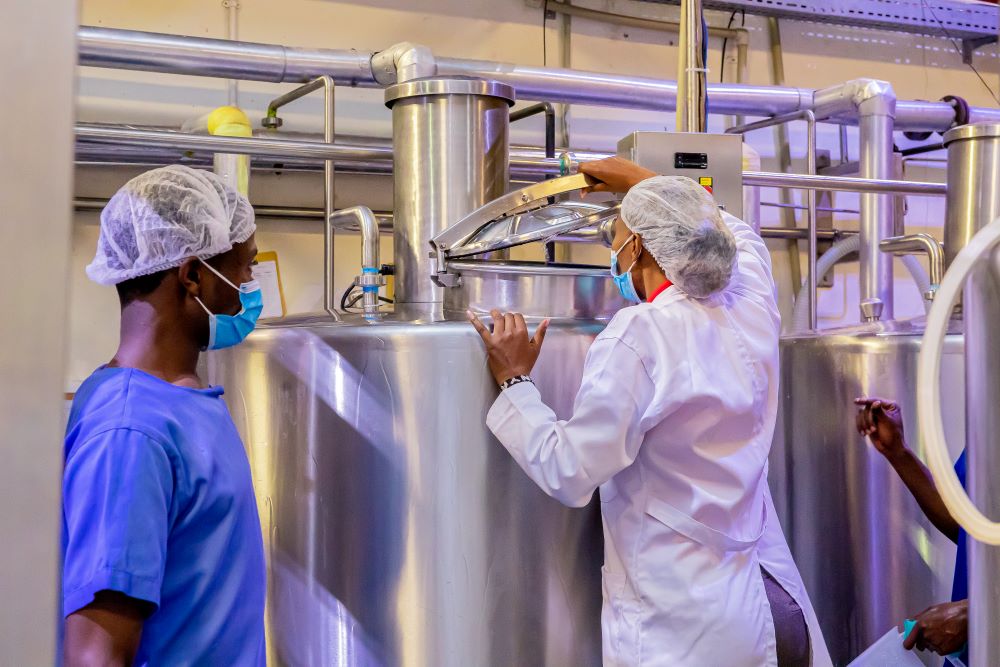
Serge Ndabikunze, an Assistant Production Manager at Masaka Farms, confirms that the lives of employees with disabilities have significantly improved since joining the company located in the Kigali Special Economic Zone.
“Some of us are now able to rent houses, and those who were living in difficult conditions are now able to improve their lives. Thanks a lot to Masaka Creamery,” Ndabikunze revealed.
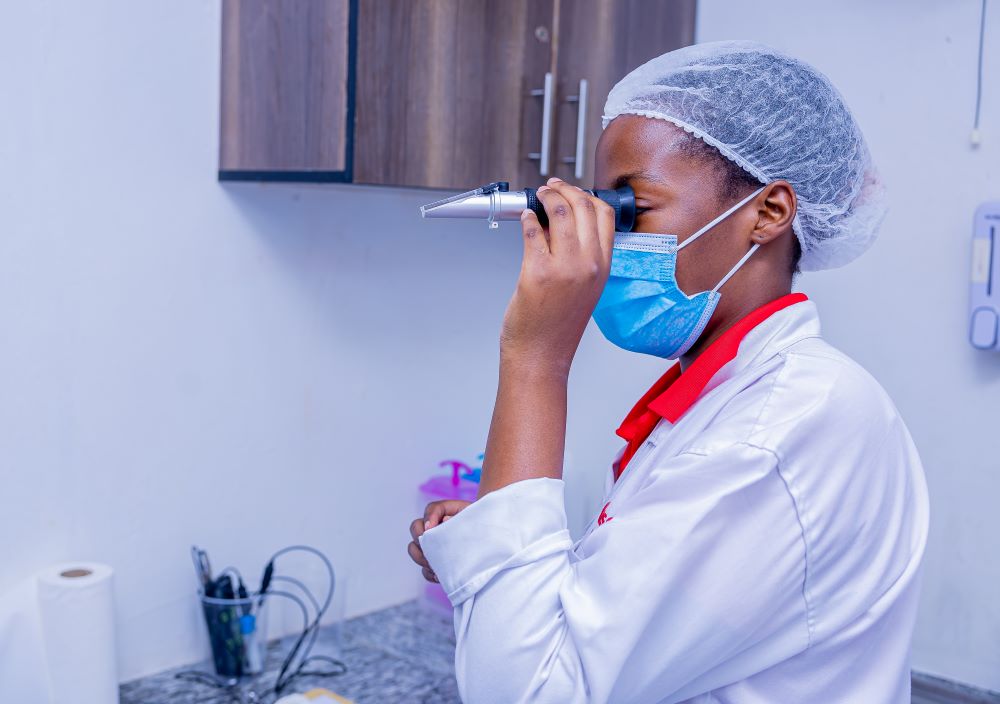
Masaka Farms values the skills and contributions of hardworking employees like Ndabikunze, who play a vital role in ensuring the quality and innovation of their products. The company promotes continuous development for these employees by offering advanced training and educational opportunities.
The company’s commitment to an inclusive work environment has not only made it a household name but also earned it several prestigious awards, including the UNHCR Gold Seal for Gender Equality and recognition as Disability Advocate of the Year.
As Masaka Farms continues its impressive growth, Brand Marketing Specialist Peace Tumusiime told IGIHE that the company is rebranding to reflect its growth, innovation, and commitment to offering high-quality products.
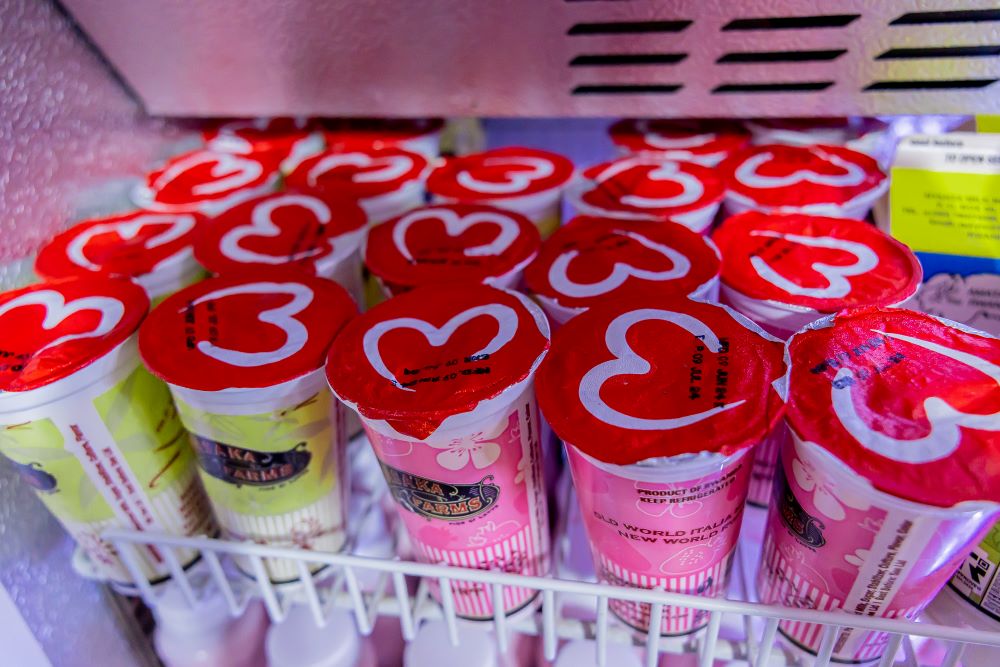
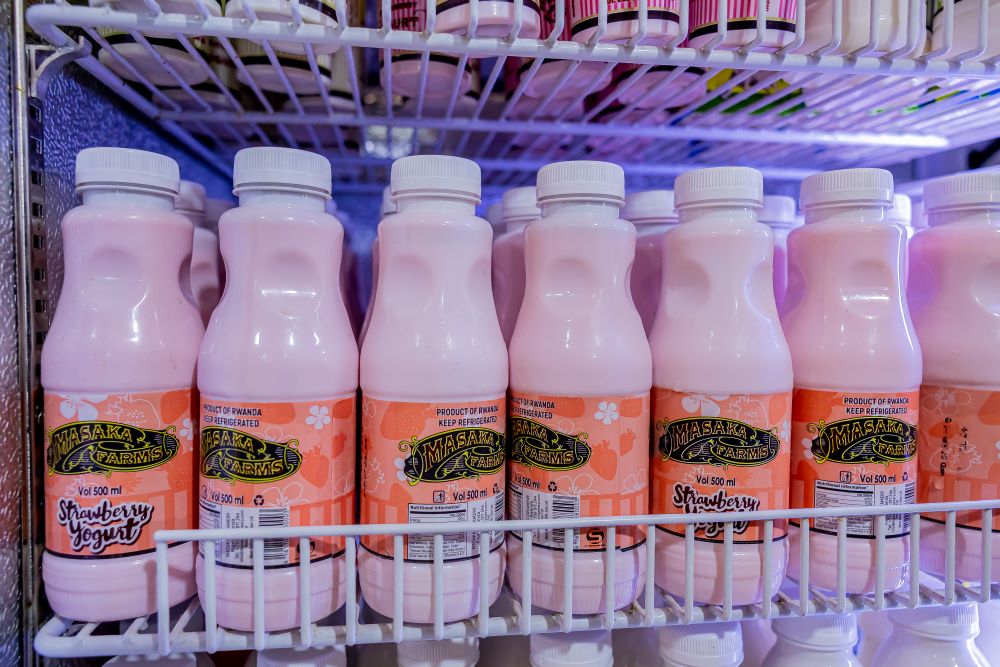
The rebranding will include a new logo, updated packaging, and the introduction of new flavours to their line of dairy products. Currently, the company produces yogurt (flavoured, plain, and Greek), fresh cream, sour cream, mascarpone, butter, cow ghee, and fermented milk products.
“The rebrand represents an evolution of the company’s identity as it expands its product range beyond dairy,” Tumusiime revealed.
She added, “The updated brand aims to connect more deeply with consumers by showcasing a fresh, modern look and emphasizing quality, inclusivity, and local heritage.”
IGIHE understands that the rebranding is also a strategic move to strengthen Masaka Farms’ presence in the market, ensuring that its products resonate with both existing and new customers.
With the rebranding, Gilbert Abagiraneza, Sales and Business Development Manager at Masaka Farms, assures that the company will continue delivering new and high-quality products traditionally imported from abroad.
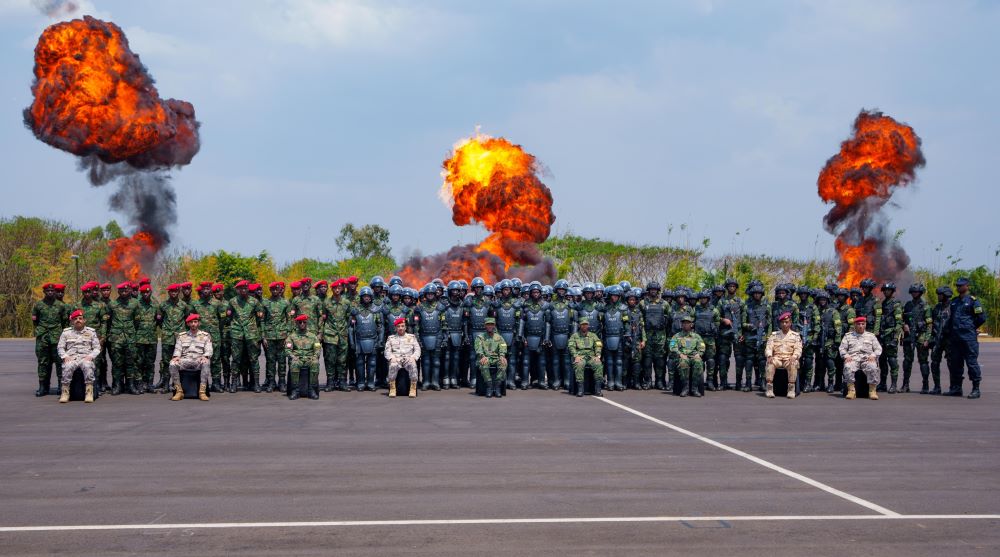
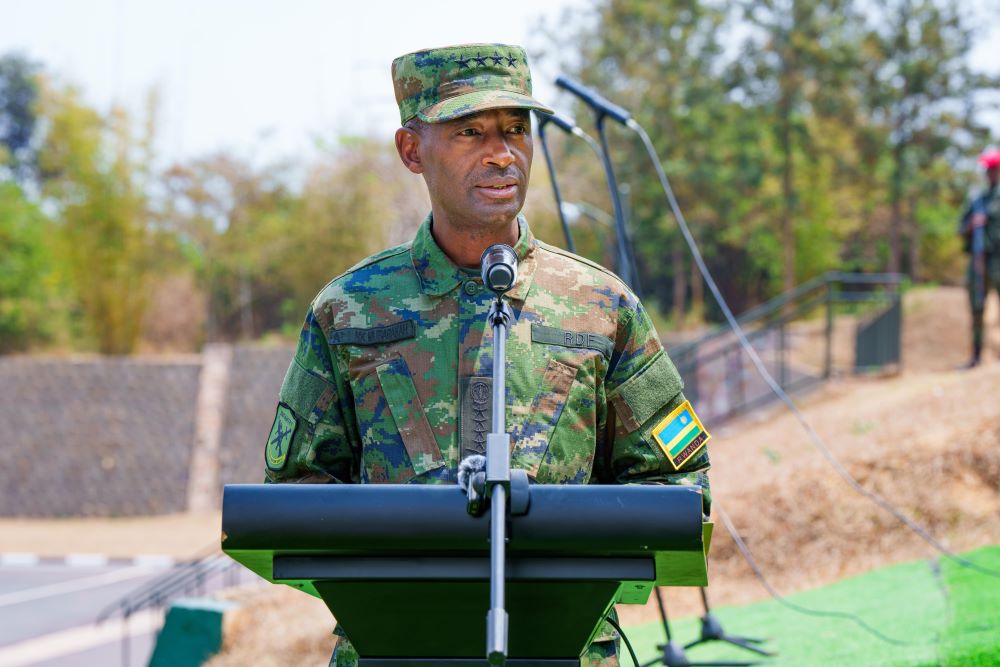
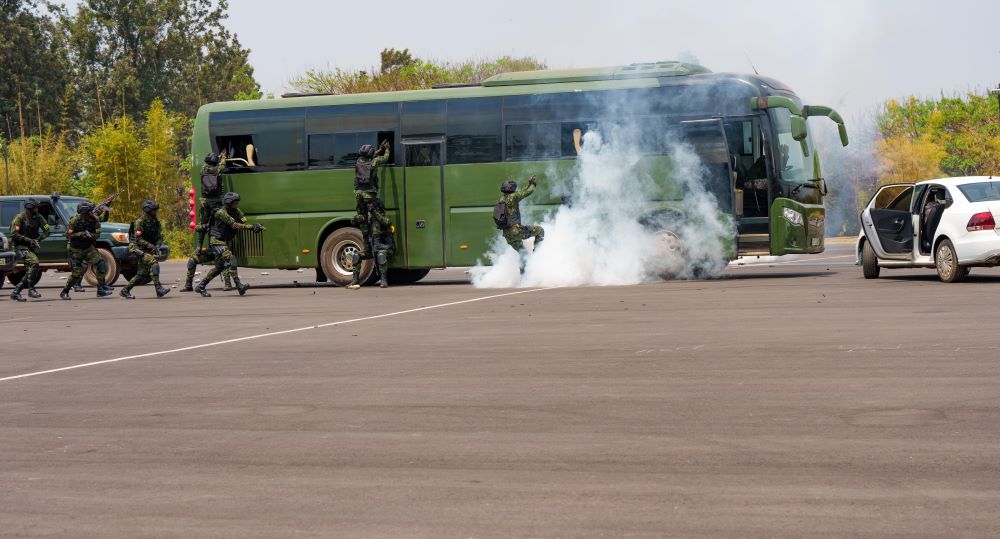
The officers received their training at the Rwanda Military Academy GAKO, in a partnership between RDF and Qatar Armed Forces.
In a statement, the RDF emphasized that the joint initiative highlights the strong bilateral ties between Rwanda and Qatar and their mutual commitment to enhancing security capabilities.
RDF noted that the training was aimed at equipping personnel with advanced skills to effectively handle emerging security challenges, safeguard high-profile individuals, respond to terrorism threats, and manage riots, all to contribute to security and stability within Rwanda, in mission areas, and to strengthen regional security efforts.
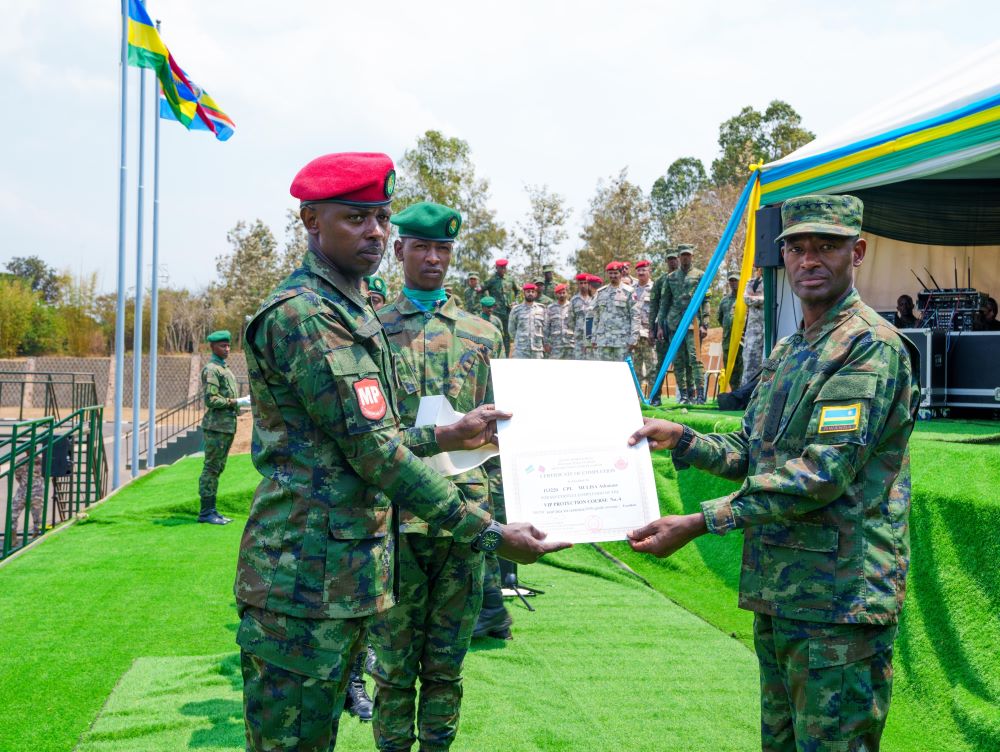
The RDF Chief of Defence Staff, Gen. MK Mubarakh, who presided over the pass-out ceremony, congratulated the new trainees for their dedication and discipline, which contributed to their success throughout the course.
The RDF boss urged the officers to use the acquired skills and knowledge to effectively discharge their duties.
“I take this opportunity to congratulate you on this milestone. There is no doubt that you will now perform better and fulfill your duties,” he said, further expressing his appreciation to the Qatar Armed Forces for sharing their skills with RDF personnel and for the strong collaboration between the two countries.
Capt Abdulla Al-Marri, the Chief of Training, praised the RDF for strengthening the partnership between Qatar and Rwanda through collaborative efforts like the just completed training program.
The ceremony was also graced by RDF generals, senior and junior officers, along with a delegation from the Qatar Armed Forces.
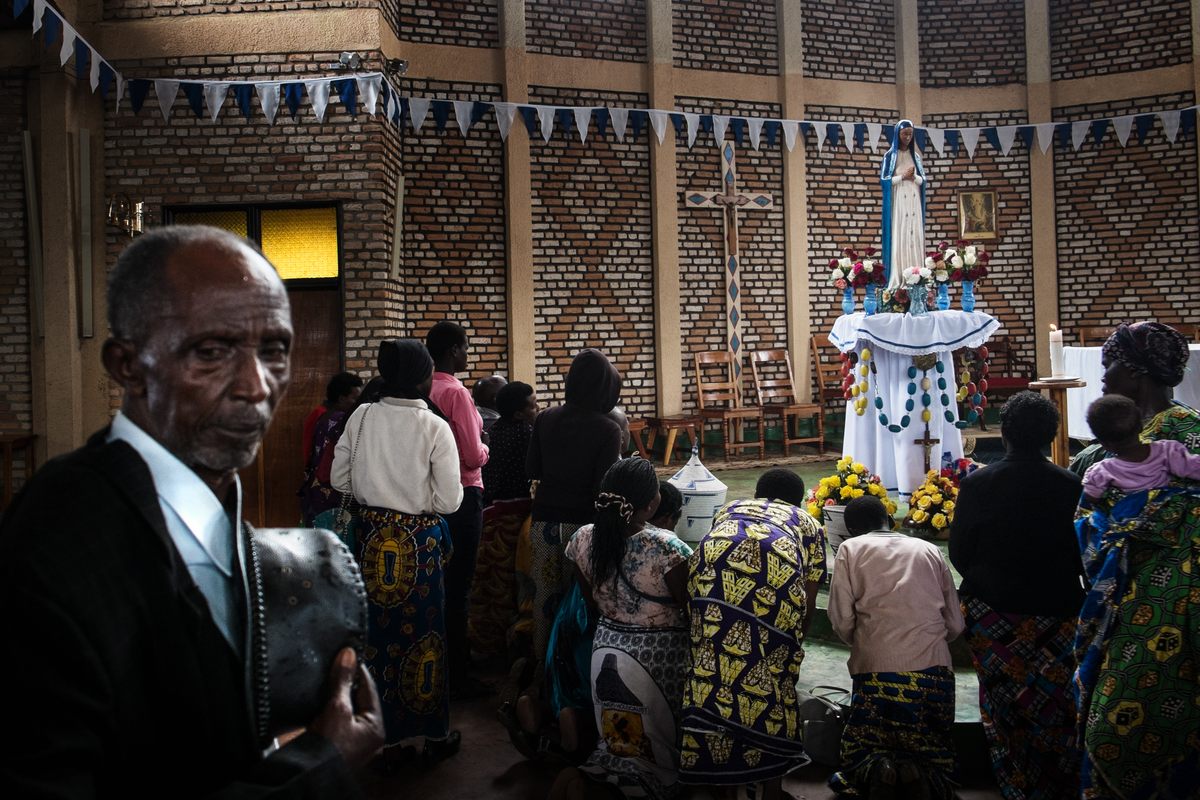
Celebrated on August 15 every year, the day commemorates the belief that Mary, the mother of Jesus, was taken up into Heaven, body and soul, at the end of her earthly life.
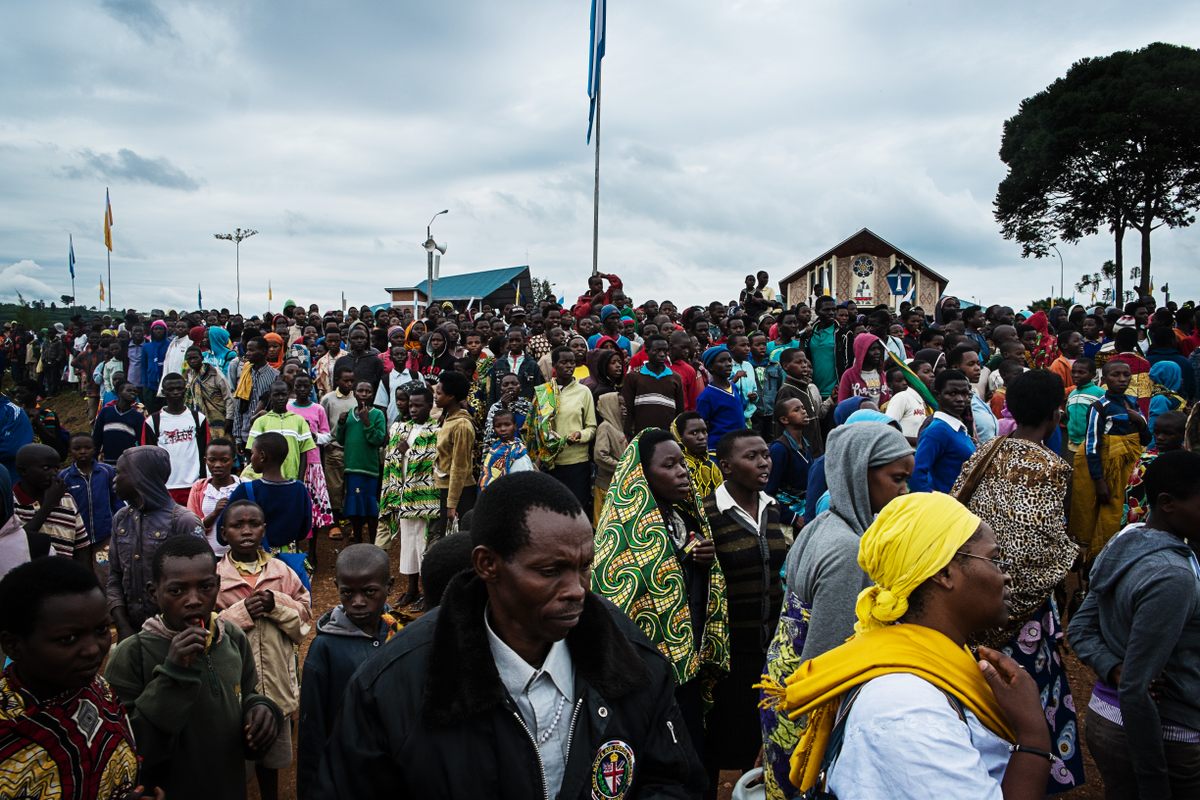
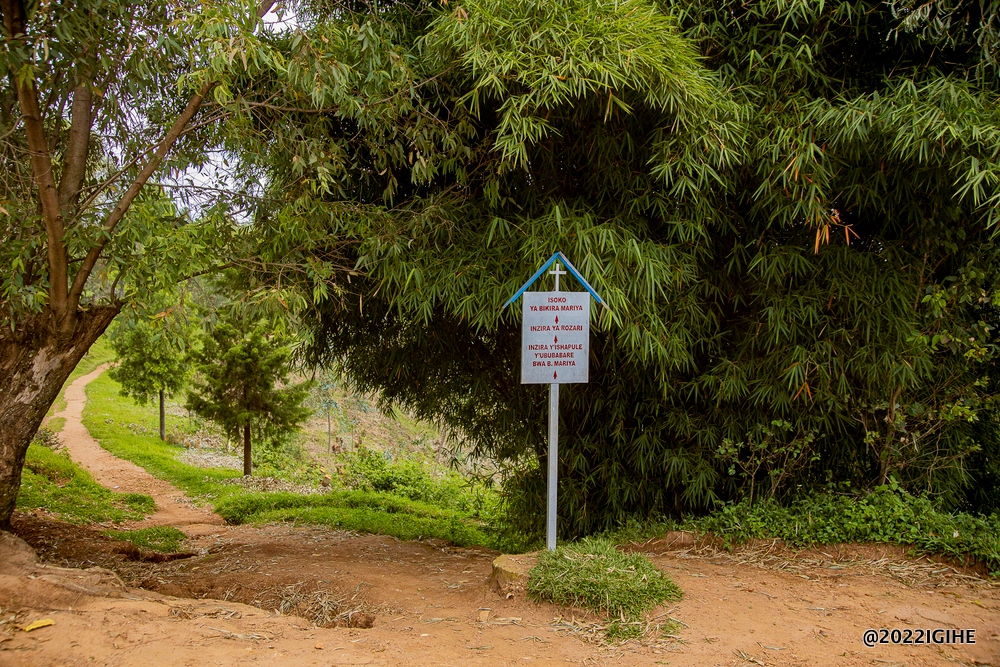
In Rwanda, the day is particularly special to the members of the Catholic Church, as thousands of pilgrims often throng the Kibeho Holy Land, renowned for the apparitions of the Virgin Mary.
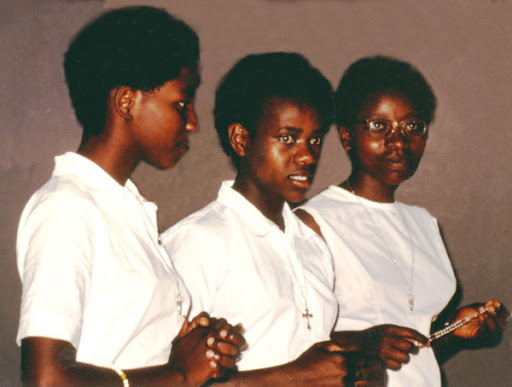
The ‘Holy Land,’ situated in the Nyaruguru District of Southern Province, rose to prominence four decades ago following reported apparitions of Mary to three high school girls.
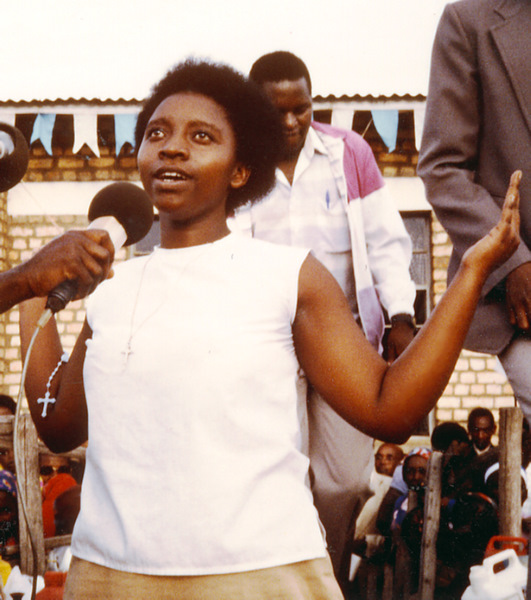
Alphonsine Mumureke was the first to claim that she saw a Lady of incomparable beauty, who presented herself as ‘Nyina wa Jambo’ (Mother of the Word), while in the cafeteria of the Catholic boarding school Kibeho College, Rwanda, on November 28, 1981. The 16-year-old girl said that she immediately recognized the Lady as the Blessed Virgin Mary.
Mumureke’s claims were initially met with scepticism, with some people dismissing her as crazy or possessed by evil spirits. Others accused her of fabricating the story to gain favour at the school run by the Benebikira Sisters.
Amid the scepticism, two other students at the school, Marie Claire Mukangango and Nathalie Mukamazimpaka, also reported the phenomenon, further deepening the mystery.
From May 1982, the phenomenon was reported outside the college of Kibeho with some visionaries claiming to have seen Mary and others Jesus.
The growing number of visionaries prompted an inquiry by the Catholic Church, led by Mgr. Jean Baptiste Gahamanyi, former Bishop of the Diocese of Butare, to which Kibeho belonged at the time.
As part of the investigations into the reported apparitions, two separate commissions were established by the local Catholic Church. A medical commission began its inquiry on March 20, 1982, while a theological commission was installed on May 14, 1982.
The main mandate of the two committees was to investigate the events with all objectivity, patience, serenity and without taking into account their personal emotions.
While conducting their probe, it’s documented at the Kibeho Sanctuary that the two commissions were guided by instructions given by the Holy See: The “Norms for Judging Alleged Apparitions and Revelations”, published by the Congregation of the Doctrine of Faith on February 24, 1978 in Rome. The Holy See is the central governing body of the Catholic Church worldwide.
Given the large number of supposed visionaries, the commissions had to prioritize the first eight cases—those from the first year of the apparitions at Kibeho, which occurred between November 28, 1981, and November 28, 1982.
“This choice, however, was a working hypothesis, not a presumption of authenticity for such a large number of visionaries,” Kibeho Sanctuary explains on its website.
In the months and years that followed, the commissions released reports about the apparitions, and on August 15, 1988, Augustin Misago, the Bishop of Gikongoro, approved public devotion linked to the apparitions at Kibeho.
To promote the already authorized public worship, Mgr. Misago presided over the laying of the foundation stone for the future chapel of the apparitions on the esplanade of the shrine during the first anniversary of the apparitions on November 28, 1992.
On May 31, 1993, the very first official Diocesan pilgrimage to Kibeho took place with the intention of praying for peace in Rwanda. This was at the height of the liberation war between the Rwandan Patriotic Army (RPA) and government forces.
On November 20, 1993, about one year after the laying of the first stone for the Shrine of Kibeho, the Bishop blessed and inaugurated a provisional Chapel in one of the dormitories of Kibeho Secondary School, nicknamed the “dormitory of the apparitions”.
Sadly, in April 1994, during the Genocide against the Tutsi, Kibeho Parish Church became a site of massacre. Many victims, who sought refuge there, were killed in what should have been a safe haven for them.
After the country’s liberation and the beginning of the nation’s healing journey, pilgrimages started at Kibeho on Christmas Eve of 1995.
Nearly six years later, on June 29, 2001, Bishop Misago declared the authenticity of the Kibeho apparitions, paving the way for even more pilgrimages to the site.
“Yes, the Virgin Mary appeared at Kibeho on November 28, 1981, and in the months that followed. There are more reasons to believe in the Apparitions than to deny them… The Apparitions of Kibeho are now officially recognized… The name given to the Marian sanctuary at Kibeho is Shrine of Our Lady of Sorrows,” the late bishop declared in his judgment.
He added, “That Kibeho become a place of pilgrimage and of encounter for all who seek Christ and who come there to pray, a fundamental centre of conversion, of reparation for the sins of the world and of reconciliation, a point of meeting for ‘all who were dispersed’, as for those who aspire to the values of compassion and fraternity without borders, a fundamental centre that recalls the Gospel of the Cross.”
Today, tens of thousands of pilgrims from around the world visit the site each year to seek blessings.
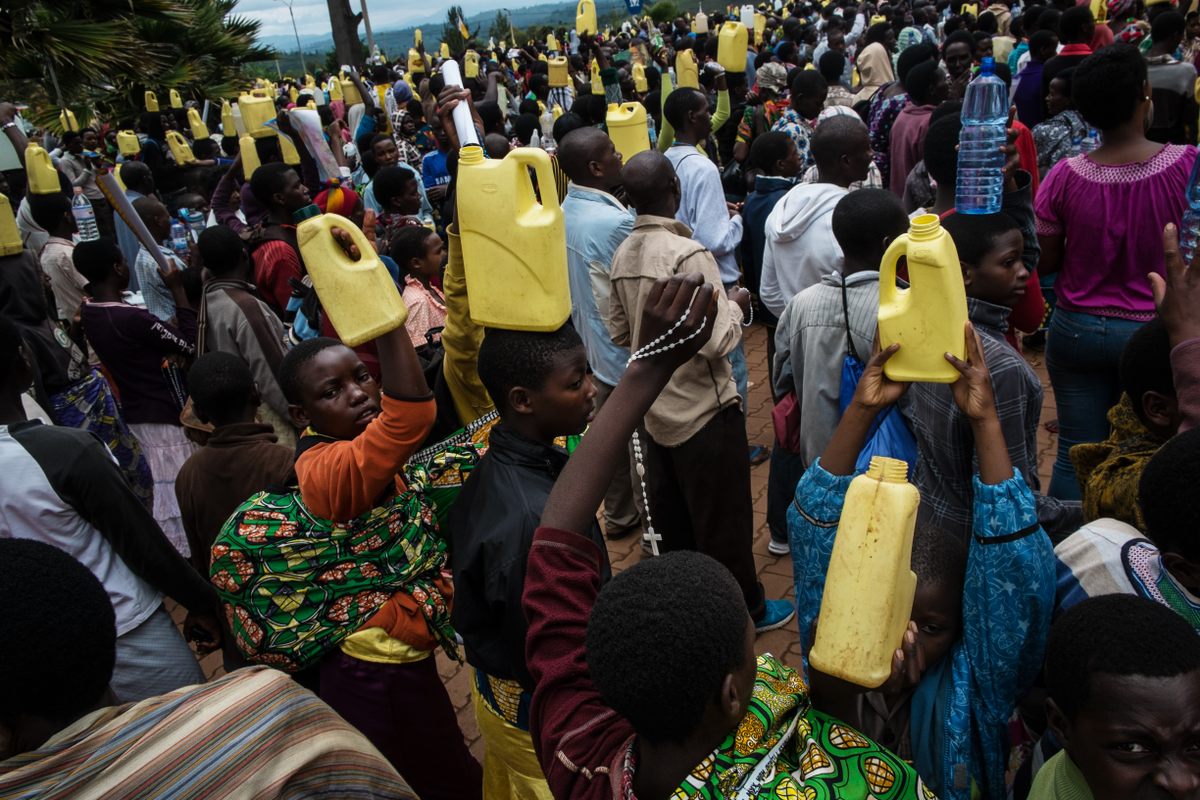
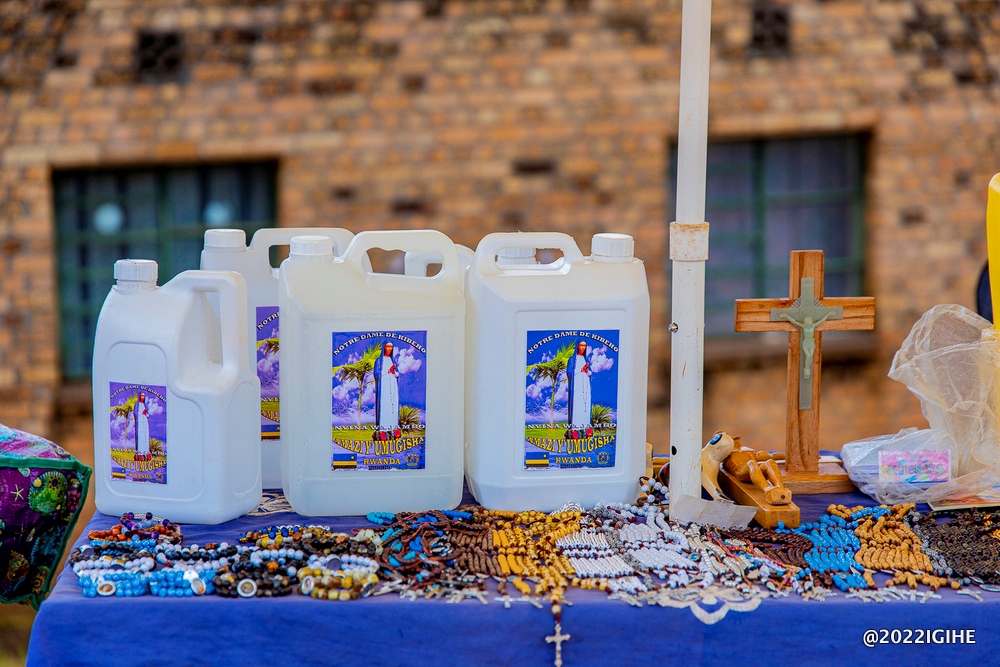
The Assumption Day celebrations are marked by a Mass and prayers led by devotees. Water from the fountain near the church is said to have miraculous properties. Pilgrims collect it in jerry cans, have it blessed by the priest, and take it with them when they depart.
In a landmark ruling delivered on Monday, August 5, 2024, Federal Judge Amit Mehta ruled that Google violated antitrust law in the US by illegally suppressing competition and stifling innovation.
The judge concurred with the Justice Department’s argument that Google relied on anticompetitive payments to companies such as Apple, Samsung and AT&T to ensure its search engine is enabled by default on most smartphones. The company was reported to have spent $26.3 billion on this campaign in 2021 alone.
Google’s practices were found to have violated Section 2 of the Sherman Antitrust Act in the markets for general search services and general text advertising. The judge noted that the default search engine deals ‘are exclusive and have anticompetitive effects.
Following the recent judgement, Bloomberg reports that the Department of Justice attorneys could ask the presiding judge to order Google to sell portions of its business. This could lead to Google selling off parts of its business, including its Android operating system, Chrome web browser, and advertising platform AdWords, to restore competitive balance in the market.
Citing sources within the DOJ, Bloomberg reports that U.S. authorities are also considering ‘less severe’ options that would require the company to share data with rival search engines like Microsoft’s Bing and DuckDuckGo.
Other options on the table include pushing for restrictions on Google’s artificial intelligence products to prevent the company from gaining an unfair advantage over its rivals.
Meanwhile, as the feds ponder on the next move Googe has already announced plans to appeal the recent judgment.
Google, owned by Alphabet Inc, enjoys a massive user base worldwide, with billions of daily active users across its platforms, including the Google Search Engine, Gmail, Android OS, and YouTube.
The company has in the past defended itself against the accusations, stating that its market dominance is primarily due to its superior products.
“People don’t use Google because they have to — they use it because they want to,” Kent Walker, one of Google’s top lawyers and its president of global affairs, said last year.
He added, “It’s easy to switch your default search engine — we’re long past the era of dial-up internet and CD-ROMs.”
If the DOJ moves forward with the proposal to break up Google, it would be the first time in over two decades that federal authorities have pursued such an action. The last major instance occurred when the DOJ secured a victory in an antitrust case against Microsoft, though the bid to split the company was abandoned in 2001.
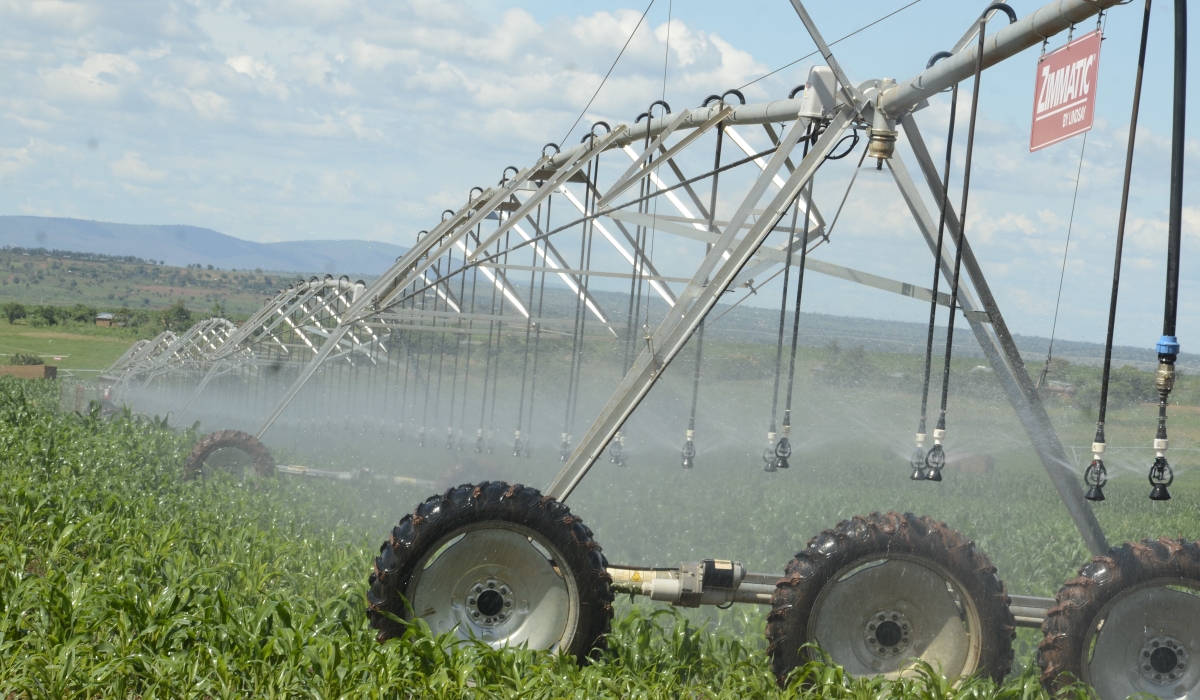
The grant, offered by the Organisation of African, Caribbean, and Pacific States (OACPS) will benefit agripreneurs from dozens of other states on the African continent.
“Through our Matching Grant Fund (MGF), you can secure funding to realize your project idea. For all MGF projects, the maximum contribution provided through Agri-Business Facility (ABF) can cover up to 50% of the total project budget, with contributions reaching up to €100,000,” the organization said in a statement.
OACPS noted that while all its 79 member states are eligible to apply, priority will be given to projects from countries with no or few previously selected projects to ensure regional balance.
Agripreneurs from Rwanda stand a better chance of receiving the grant, as no project has been selected from the country before.
Seventy-one projects have been awarded the fund previously. Some of the countries that have benefited from the funding before include Tanzania (9 projects), Democratic Republic of Congo (6), Kenya (5), Côte d’Ivoire (5), Zambia (5), Uganda (4), and Nigeria (2).
To qualify for the grant, the submitted idea should aim to make the sector more inclusive, particularly for women and youth.
{{Who Can Apply?
}}
OACPS encourages group applications, as single-applicant submissions will only be considered in exceptional cases.
According to the organization, lead applicants must be legally registered private sector entities, such as processing companies, agricultural producers/farmers’ organizations, or national and international retailer companies.
Additionally, consortium partners may include private sector foundations, qualified NGOs, training or research institutions, or extension agencies.
Interested agripreneues are required to submit their applications, comprising a concept note, letter of intent and proof of legal registration of the lead applicant by 12:00 pm on August, 18, 2024. The application documents should be submitted via email using the address abf-fund@giz.de.