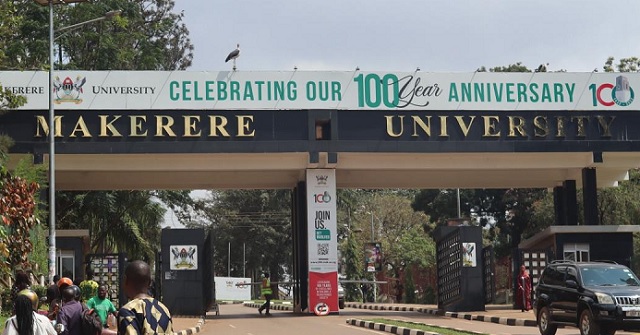
According to the study, 53.7% of first-year students and 46.7% of continuing students at Makerere University have remained committed to positive values, including abstinence or faithfulness to their marital partners.
The survey also found that 37.8% of the first-year students who participated in the survey identified as virgins, slightly higher than their continuing counterparts.
“Among the interviewed first-year students, 37.8% were virgins, while 36.6% of continuing students were virgins. An equally good number of students were secondary virgins,” said Barbara Kaija, Co-Chair of the Emerging Leaders Programme, when presenting the findings on Friday, September 27, 2024, at Makerere University during the launch of the ELP initiative.
On the other hand, the study revealed that 46.3% of first-year students and 53.3% of continuing students have been making negative sexual choices, driven by peer and financial pressure.
The survey included a sample of 473 first-year students and 1,041 continuing students from various key colleges and faculties at Makerere University.
The study also revealed that at least 101 students (13.5%) believed they might have been exposed to HIV at Makerere by having sex with a student who was HIV positive.
“Twenty-seven percent of first-year students had more than five sexual partners in one year, with 11% having ten or more partners in the same period,” the report reads.
Among continuing students, 32% had more than five sexual partners in one year, and 12% had ten or more in that timeframe.
Additionally, the survey showed that 57 first-year students, representing 6.8%, are currently using drugs, while another 17 (3.6%) had used drugs in the past but reported having quit. Among continuing students, 80 (7.7%) are using drugs, and 69 (6.6%) said they had used drugs in the past but had since stopped.
The ELP programme was launched to instil character development and leadership skills in university students. The launch was attended by Uganda’s First Lady and Minister of Education and Sports, Janet Museveni.
In a set of guidelines issued on Wednesday, October 2, 2024, the ministry said the decision is aimed at minimizing close contact and curbing the spread of the disease. Visits will resume after an assessment by MINEDUC and health authorities.
Parents have been asked to use alternative means to provide their children with supplies, where necessary.
“In case a student urgently needs supplies, the parent will work with the school administration to send them through other means, including digitally where possible,” the ministry announced.
Parents have also been urged to keep a student displaying any symptoms of Marburg virus at home.
“Take the student with symptoms to a health center immediately, and do not return them to school until cleared by a medical professional,” the ministry advised.
Additionally, MINEDUC directed school administrators and teachers to monitor students and help them access medical facilities if they report symptoms such as high fever, fatigue, severe headaches, nausea, muscle aches, vomiting, or diarrhea.
Other measures include encouraging students to practice good personal hygiene, such as frequent handwashing; preventing students from sharing clothes and personal items; and communicating to students not to panic but to follow all the preventive measures.
Students are required to comply with all preventive measures to help stop the spread of Marburg virus disease.
Rwanda confirmed its first-ever Marburg outbreak six days ago, with 29 cases and 10 deaths reported as of Tuesday, October 1, 2024.
To control the spread of the virus, the government has introduced several general measures, including the suspension of hospital visits, the banning of wakes and home vigils (locally known as Ikiriyo) in cases of Marburg-related deaths, and limiting burials related to Marburg deaths to a maximum of 50 people.
Additionally, all healthcare facilities have been directed to implement a protocol for receiving and providing services to clients exhibiting symptoms of Marburg virus disease, with strict adherence to infection prevention and control (IPC) measures.
Salvos of missiles rained down on Israel at around 19:30 local time (1630 GMT), triggering sirens and sending residents running for shelter. Loud explosions were heard in Jerusalem as Israeli air defense systems successfully intercepted some Iranian missiles, as witnessed by Xinhua correspondents.
A Palestinian man was killed by shrapnel in the occupied West Bank, Israel’s state-owned Kan TV news reported. Israeli rescue service Magen David Adom said two people in Tel Aviv sustained minor injuries. There have been no immediate reports of fatalities within Israel.
Traffic on Jaffa Road, a major street in Jerusalem, returned to normal shortly after the attacks, though a heavier-than-usual police presence remained, according to Xinhua correspondents.
Israeli Prime Minister Benjamin Netanyahu vowed that Israel would retaliate against Iran’s missile attack. “Whoever attacks us — we will attack him,” Netanyahu told a Security Cabinet meeting focused on potential counter-attacks and the ground military campaign in Lebanon.
Iran’s Islamic Revolution Guards Corps (IRGC) said that if Israel retaliates by attacking Iran, it will face “crushing and destructive” attacks.
In a statement posted on social media platform X after the attack, United Nations Secretary-General Antonio Guterres condemned the “broadening of the Middle East conflict, with escalation after escalation.”
“This must stop. We absolutely need a ceasefire,” he wrote.
{{LONG-ANTICIPATED ATTACKS}}
This marks the second round of Iranian missiles fired at Israel. The first round in April was the first-ever direct Iranian strike on Israel, launched in retaliation for an Israeli attack on Iran’s consulate in Damascus that killed seven IRGC officers.
The previous round of Iranian missiles was intercepted with assistance from the U.S. military and other regional countries. Israel responded with airstrikes in Iran, but a broader escalation was avoided.
The latest Iranian attacks followed high-profile assassinations of anti-Israel figures who have close ties to Iran.
Iran vowed to retaliate after Hamas leader Ismail Haniyeh was assassinated in Tehran in late July while attending the swearing-in ceremony of Iranian President Masoud Pezeshkian.
On September 27, Iranian-backed Hezbollah leader Hassan Nasrallah was killed in Israeli airstrikes. In response, Iran’s Supreme Leader Ali Khamenei vowed to avenge Nasrallah’s death.
The two rounds of attacks have resulted in no heavy damage within Israeli territory, though both sides assess their impact differently.
In a statement published on its official news outlet Sepah News, the IRGC claimed that 90 percent of the missiles fired on Tuesday successfully hit their targets, including several air and radar bases and the “conspiracy centers” involved in planning the assassinations of leaders like Haniyeh and Nasrallah.
Israeli military spokesman Daniel Hagari said several missiles hit central and southern Israel, and “quite a few” were intercepted by air defense systems.
{{ISRAEL’S EXPANDED WARFRONT}}
After the missile attacks on Tuesday, Israel’s military vowed to “carry out attacks throughout the Middle East tonight” in retaliation.
Israel has been engaged in a yearlong war with Hamas in the Gaza Strip. In the waters off Yemen’s coast, the Houthi group is attacking ships that have links with Israel.
Following frequent exchange of fire with Hezbollah on the Lebanese border since the outbreak of the Israeli-Palestinian conflict in October last year, Israel has escalated its intensive airstrikes on Hezbollah strongholds and other targets since September 23.
In addition to the explosions of communication devices that have injured many Hezbollah members — an act Israel has not openly claimed responsibility for — the country is considering a ground offensive following weeks of heavy bombardments in Lebanon.
The latest confrontation between Israel and Iran has raised fears of another expansion of Israel’s warfront and a broader regional war, while the United Nations and many world leaders are pushing for a ceasefire in both Gaza and Lebanon, as well as de-escalation in the Middle East.
However, both Israel and Iran have shown little willingness to back down.
“Iran made a big mistake tonight, and it will pay for it,” said Netanyahu during Tuesday’s Security Cabinet meeting.
Iranian President Masoud Pezeshkian said after the attacks that his country is not a warmonger but “will stand decisively against any threat.”
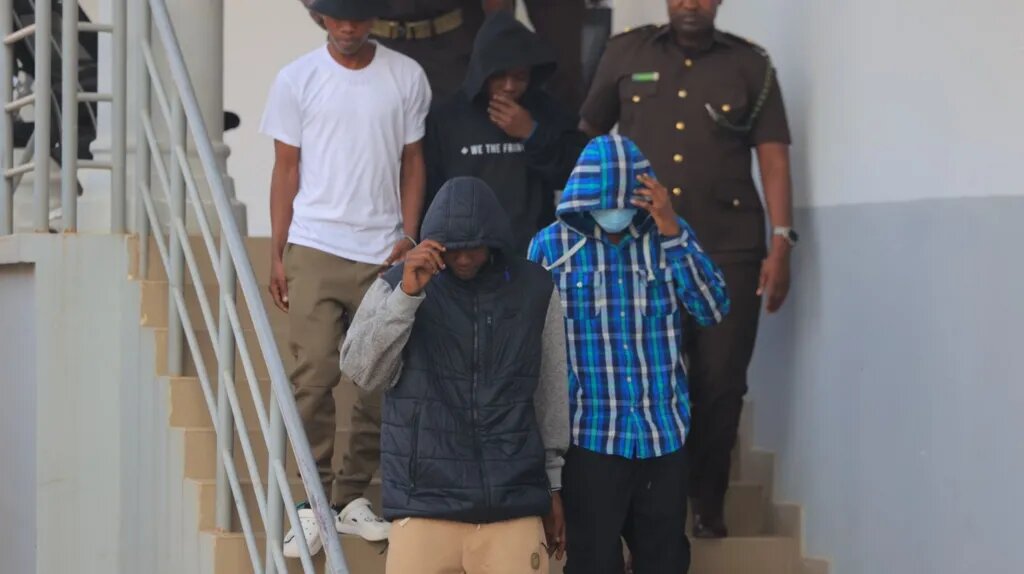
The convicts were identified as Clinton Damas, a soldier with the Tanzania People’s Defence Force, and Praygod Mushi, a prison officer. The other two convicts are Nickson Jackson and Amin Lema.
In addition to the life sentences, the court ordered each of the convicts to pay 1 million Tanzanian shillings ($370) to the victim.
The four were charged with gang rape and sodomy of a girl under the age of 18.
The incident occurred in May, but the video began circulating on social media in August, prompting widespread condemnation from netizens and human rights groups.
The perpetrators were arrested a few days later and charged in Dodoma, where they pleaded not guilty.
Following Monday’s sentencing, defense attorney Godfrey Wasonga stated that he was prepared to appeal if the defendants requested.
“There are several legal deficiencies in the charge sheet that the court did not consider,” he said.
The fifth suspect in the horrific incident, a senior policewoman accused of ordering the attack, is set to face trial later this month.
The motion, sponsored by Kibwezi West MP Mwengi Mutuse, was endorsed by 291 signatures from members of Parliament.
The proponent of the motion has levelled 10 charges against Gachagua, who has been under heavy criticism from President Ruto’s allies in recent weeks for allegedly undermining and causing divisions within the ruling administration.
The first charge against Gachagua is making statements that divide Kenyans along ethnic lines. Mutuse cites several instances where he likened the government to a company in which certain regions hold more shares than others.
“The utterances are highly inflammatory and inciteful, significantly undermining national unity and the peaceful co-existence of Kenya’s diverse communities,” the motion reads in part.
In the second charge, Gachagua is accused of undermining President Ruto and the Cabinet by making remarks that contradict Cabinet resolutions in which he participated. This includes opposing the Nairobi River Riparian Evacuation orders, which the Cabinet had approved.
The deputy president is also accused of undermining the leadership of the Nairobi County government by opposing the relocation of traders from one of the city’s markets.
Other charges include gross misconduct, bullying, and intimidating state officers. In one incident, Gachagua allegedly intimidated a contractor to divert materials meant for the construction of a public road to tarmac a private road leading to his beach resort in Kenya’s coastal region.
The Speaker of the National Assembly is expected to give direction on how the impeachment motion will be processed before it is passed to the Senate for hearing and determination.
The motion must garner the support of 233 MPs, representing two-thirds of the total 349 MPs, before being transmitted to the Senate for consideration.
Gachagua, who brought in significant votes for Ruto from Kenya’s populous Mt Kenya region in the August 2022 election, insists that he is innocent.
He has been touring the region, cautioning President Ruto against allowing the impeachment plot, saying that doing so would betray the electorate.
“Let us not reintroduce the politics of betrayal,” Gachagua stated recently. “Ruto is a beneficiary of Mt. Kenya’s disdain for betrayal. Our people hate it and are unforgiving.”
President Ruto is yet to publicly comment on the matter, though his silence is being interpreted as an endorsement of the motion.
Expected to conclude on October 29, 2024, approximately 60 witnesses are expected to testify during the trial.
Rwamucyo, 63, previously headed the Public Health Department at the National University of Rwanda (UNR) and worked as a doctor in Lille before relocating to Maubeuge, France. He also practised medicine in Belgium.
Rwandan prosecution accuses Rwamucyo of forming death squads, inciting people to commit genocide, providing weapons for the killings, and taking Tutsi women and girls hostage.
In September 2009, a Gacaca court sentenced him to life imprisonment in absentia after determining that his crimes were connected to the 1994 Genocide against the Tutsi.
French prosecutors have charged Rwamucyo with genocide, complicity in genocide, involvement in planning genocide, crimes against humanity, and conspiracy to commit genocide.
Emmanuel Daoud, a lawyer representing the human rights organizations LDH and FIDH, stated that Rwamucyo committed these crimes as he openly supported the government that planned the genocide.
“He was openly anti-Tutsi and publicly expressed his support for the genocidal government,” Daoud said.
However, Dr. Rwamucyo’s lawyer, Philippe Meilhac, has maintained that his client is innocent of the charges.
Rwamucyo was arrested by Interpol in May 2010 but was released on bail after four months.
The Court of Appeal in Versailles ruled that he would stand trial in France due to his French citizenship.
If found guilty, he could face life imprisonment.
Rwamucyo’s trial is the eighth in France related to the 1994 Genocide against the Tutsi in Rwanda, which claimed the lives of more than one million people.
In a statement issued on Monday, September 30, 2024, the agency announced that it is deploying experts to assist Rwanda’s investigation and response to the Marburg outbreak.
“The staff will use experience from responding to outbreaks of Marburg virus disease and similar diseases in other countries to support epidemiology, contact tracing, laboratory testing, disease detection and control along borders, and hospital infection prevention and control,” the statement reads in part.
The CDC is part of the United States Department of Health and Human Services (HHS) and is headquartered in Atlanta, Georgia. Its primary role is to protect public health by controlling and preventing the spread of diseases, particularly infectious diseases. It also addresses health issues related to non-communicable diseases, environmental health, occupational safety, injury prevention, and health promotion.
The agency established its office in Rwanda in 2002 and has, over the years, worked with the government to strengthen health systems and prevent communicable diseases. This includes training scientists through the Field Epidemiology Training Program (FETP), which enhances Rwanda’s capacity to investigate disease outbreaks.
The CDC has also collaborated closely with the Rwandan government to implement the President’s Emergency Plan for AIDS Relief (PEPFAR) and the President’s Malaria Initiative, co-implemented by the United States Agency for International Development (USAID).
The agency noted that these past investments and partnerships have strengthened core capabilities, which can now be utilized in response to the current outbreak.
Rwanda confirmed its first-ever Marburg outbreak four days ago, with 26 cases and eight deaths reported as of Sunday, September 29, 2024.
The government has since announced measures to curb the spread of the virus, including the suspension of hospital visits, the banning of wakes and home vigils (locally known as Ikiriyo) in cases of death caused by Marburg, and the restriction of burials related to Marburg deaths to a maximum of 50 people.
Additionally, all healthcare facilities have been directed to implement a protocol for receiving and providing services to clients exhibiting symptoms of Marburg disease through the strict application of infection prevention and control (IPC) measures.
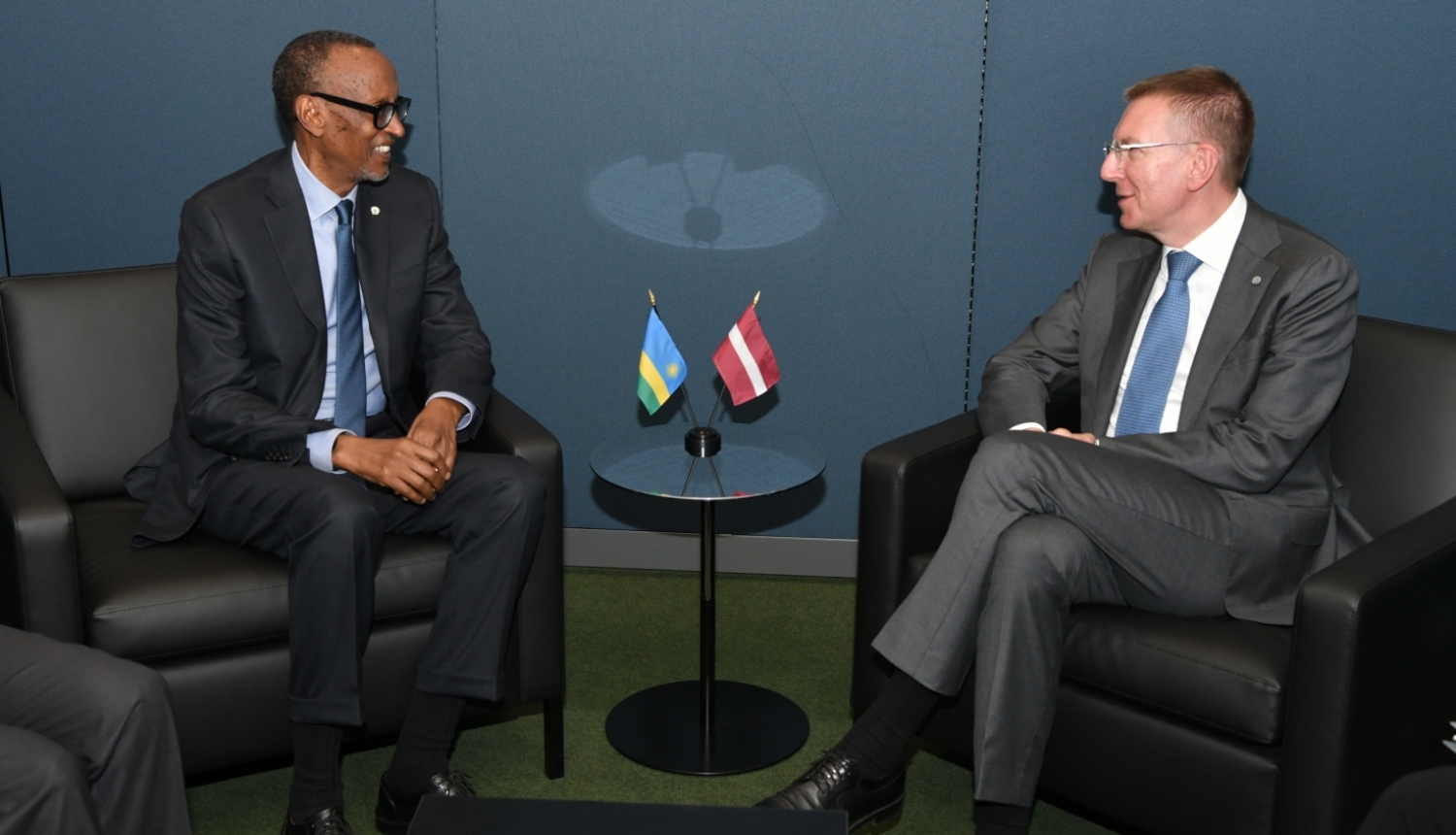
The visit to the country was confirmed by Foreign Affairs Minister Olivier J.P. Nduhungirehe and the office of Latvia’s President, Edgars Rinkēvičs, on Monday, September 30, 2024.
Nduhungirehe described the visit as historic as it marks the first official visit by a Rwandan president to the Baltic States, which comprise Latvia, Estonia, and Lithuania. It is also the first official visit by an African president to Latvia.
During the visit, President Kagame will meet with Latvia’s highest-ranking officials, including President Edgars Rinkēvičs, Speaker of the Saeima (the Parliament of the Republic of Latvia), Daiga Mieriņa, and Prime Minister Evika Siliņa.
Additionally, during President Kagame’s visit, a memorial plaque dedicated to the victims of the 1994 Genocide against the Tutsi in Rwanda will be unveiled at the Latvian National Library on Wednesday, October 2, 2024.
Talks between Presidents Kagame and Rinkēvičs will focus on bilateral relations between Rwanda and Latvia, current security challenges in Africa and Europe, and cooperation within international organizations.
The two heads of state last met at the 78th session of the UN General Assembly in New York in September 2023. At that meeting, they discussed Rwanda’s regional engagements in Africa, particularly in peace efforts in Mozambique and the Central African Republic, as well as its involvement in UN peacekeeping missions.
President Rinkēvičs expressed Latvia’s appreciation for Rwanda’s firm stance on protecting international law and voiced interest in educational cooperation.
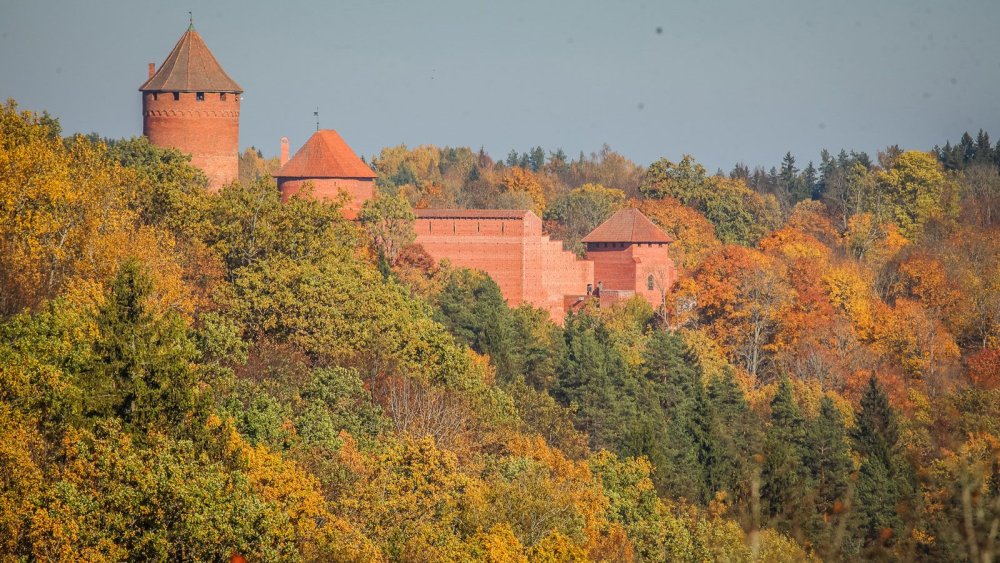
Latvia, located in northeastern Europe, is one of the smaller countries on the continent, covering an area of 64,589 square kilometers. It shares borders with Lithuania to the south and Estonia to the north and has a population of approximately 1.88 million people.
The country gained independence from the Soviet Union in 1991 after decades of occupation. Latvia’s landscape features rolling hills, dense forests, and sandy beaches along the Baltic Sea coast.
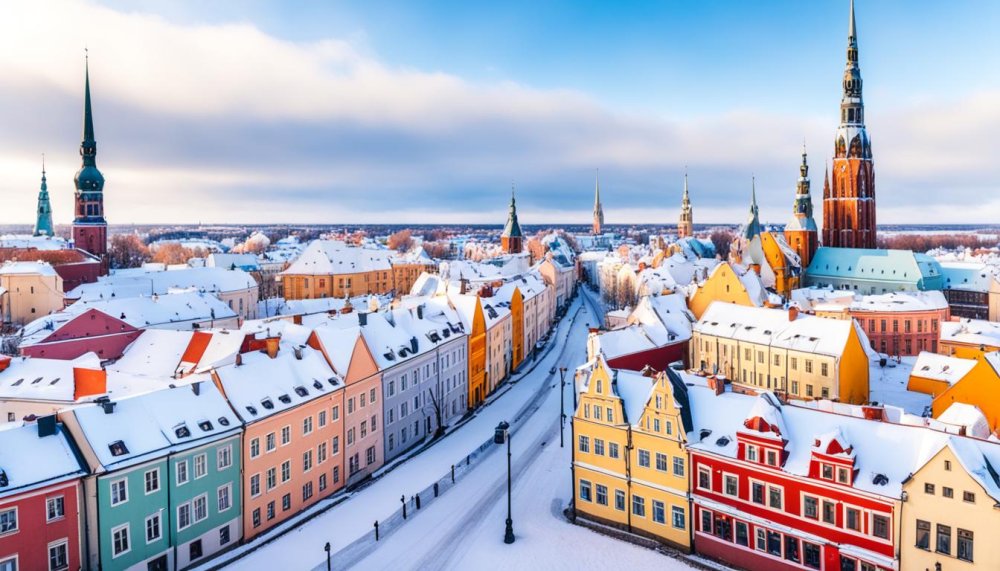
Riga, the capital and largest city of Latvia, is renowned for its stunning architecture, which includes Art Nouveau buildings and medieval churches. The official language, Latvian, is a Baltic language with ancient roots.
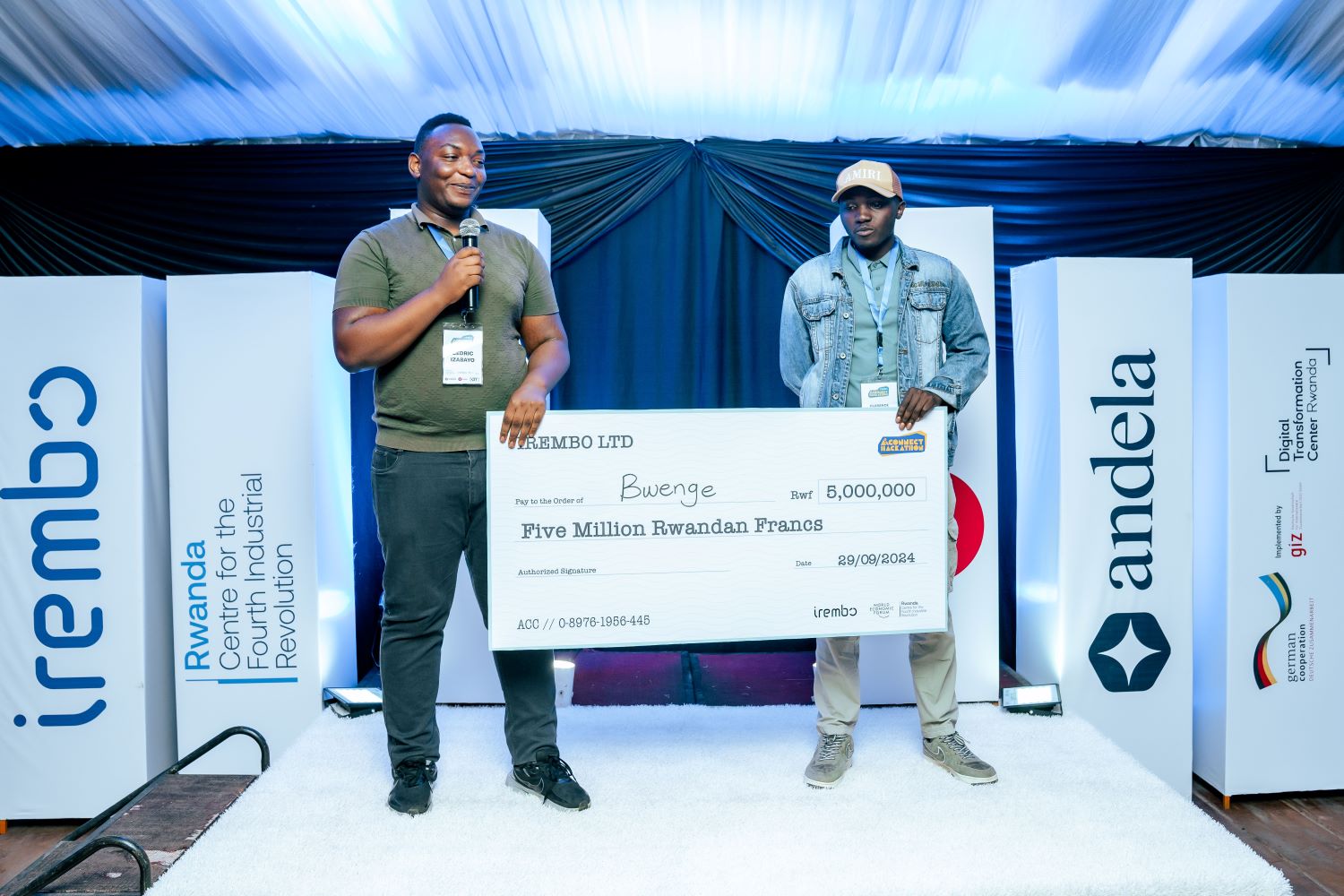
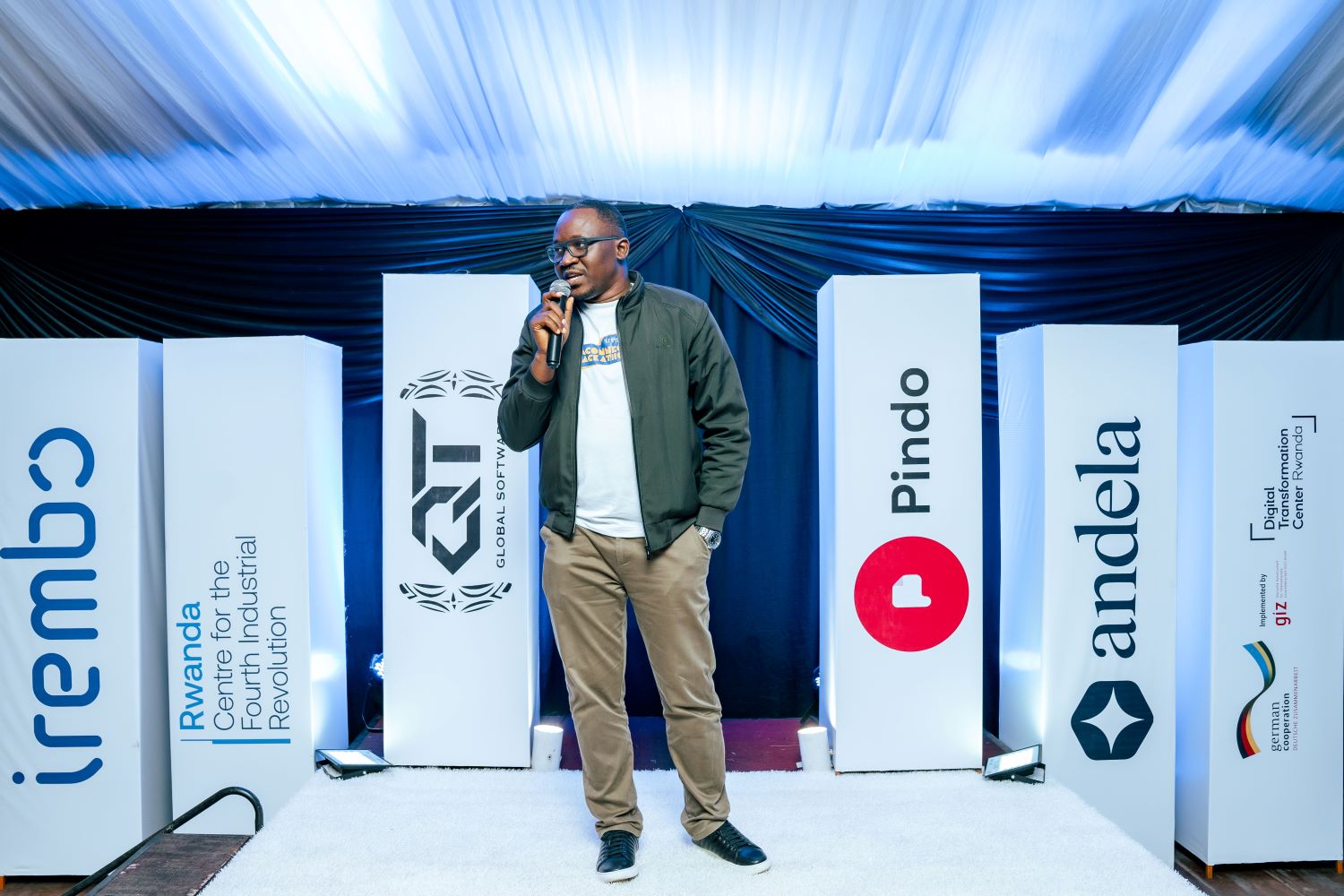
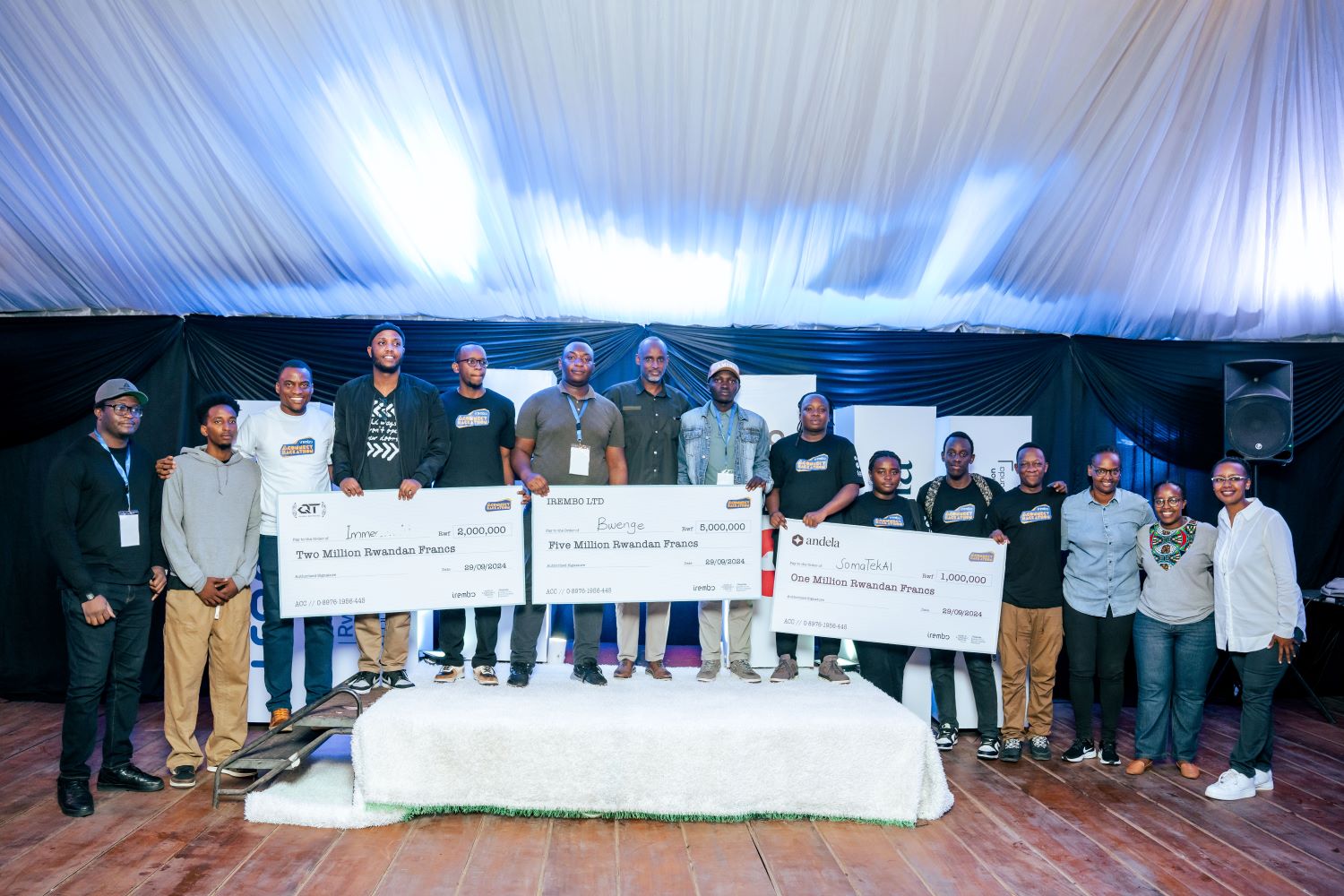
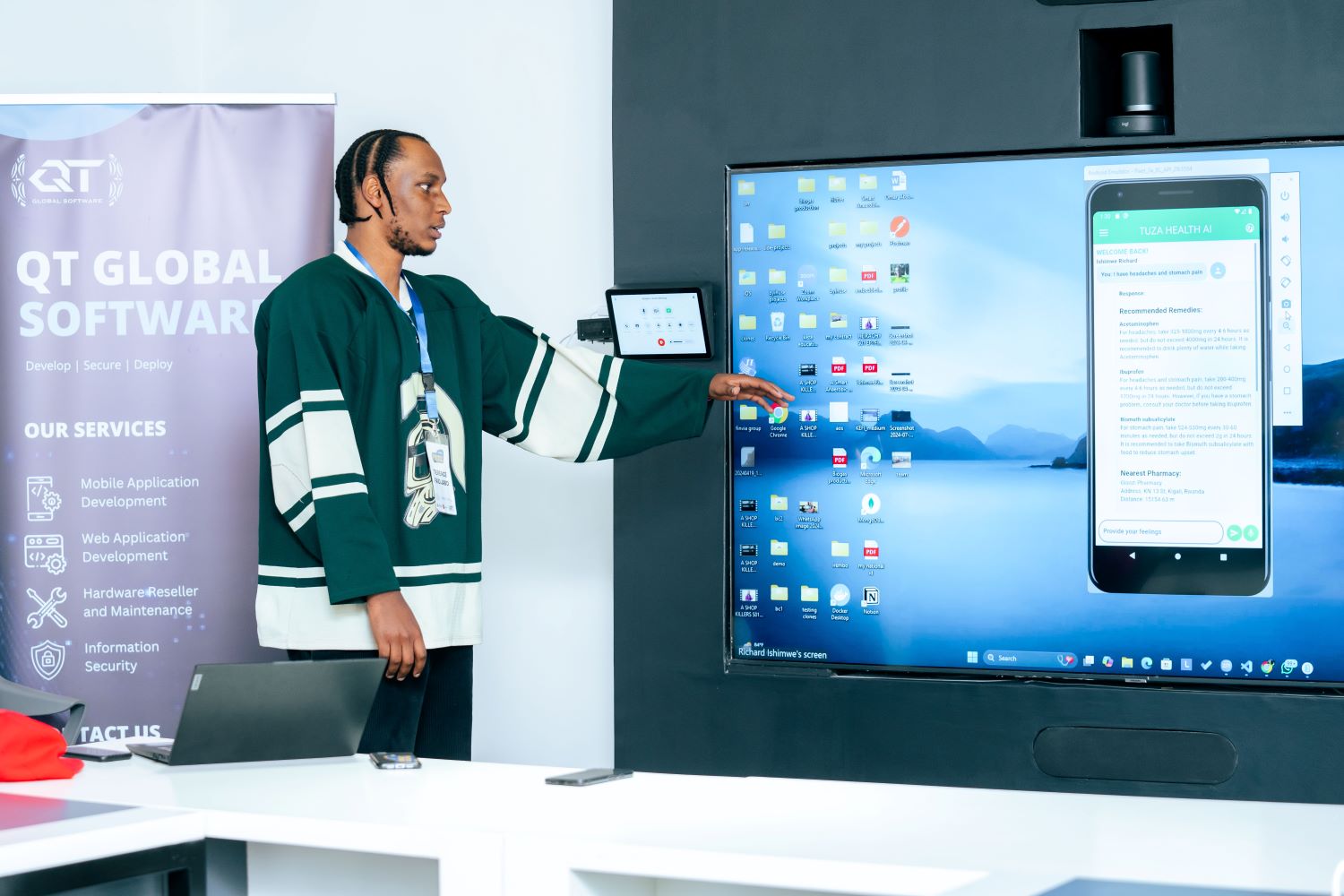
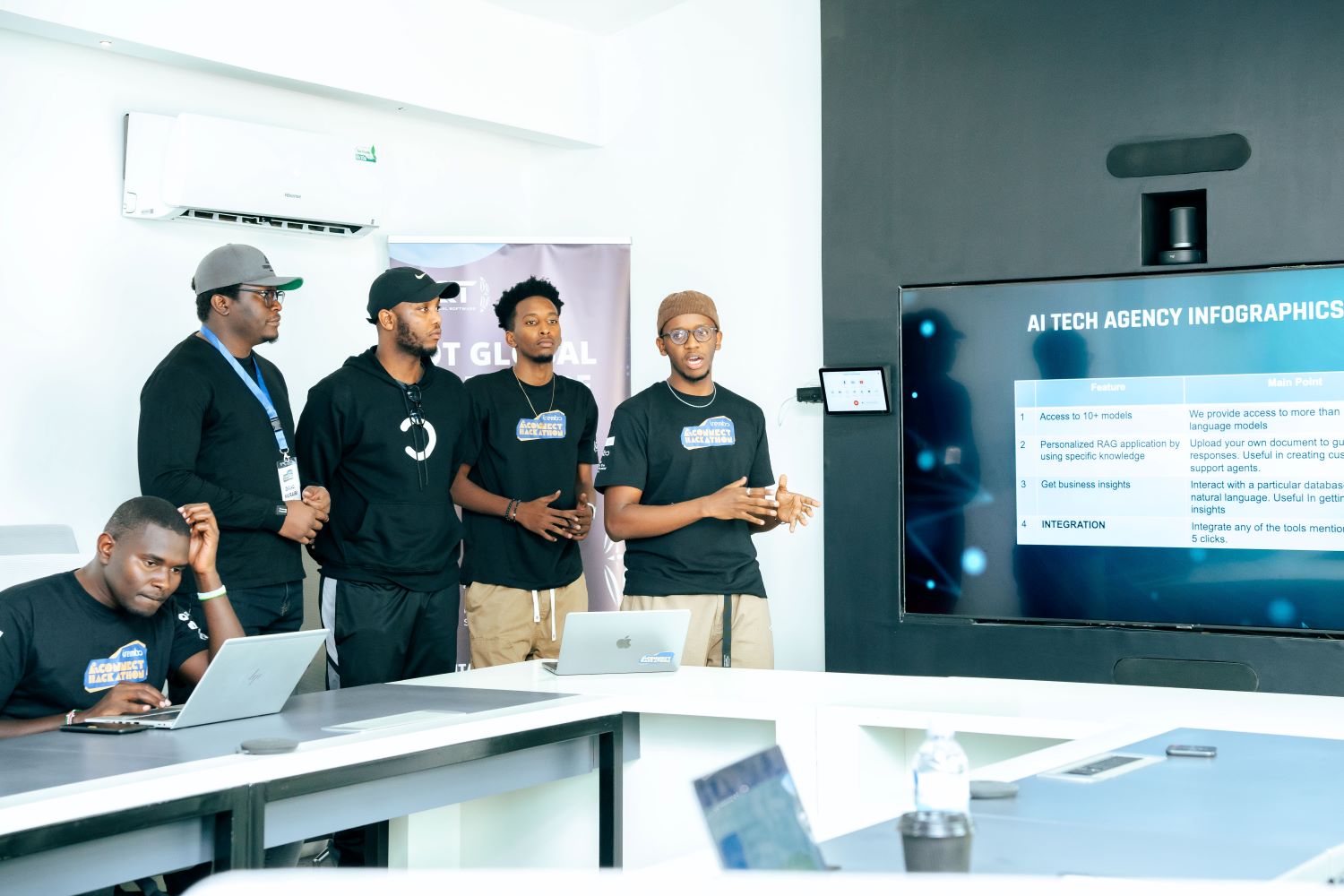
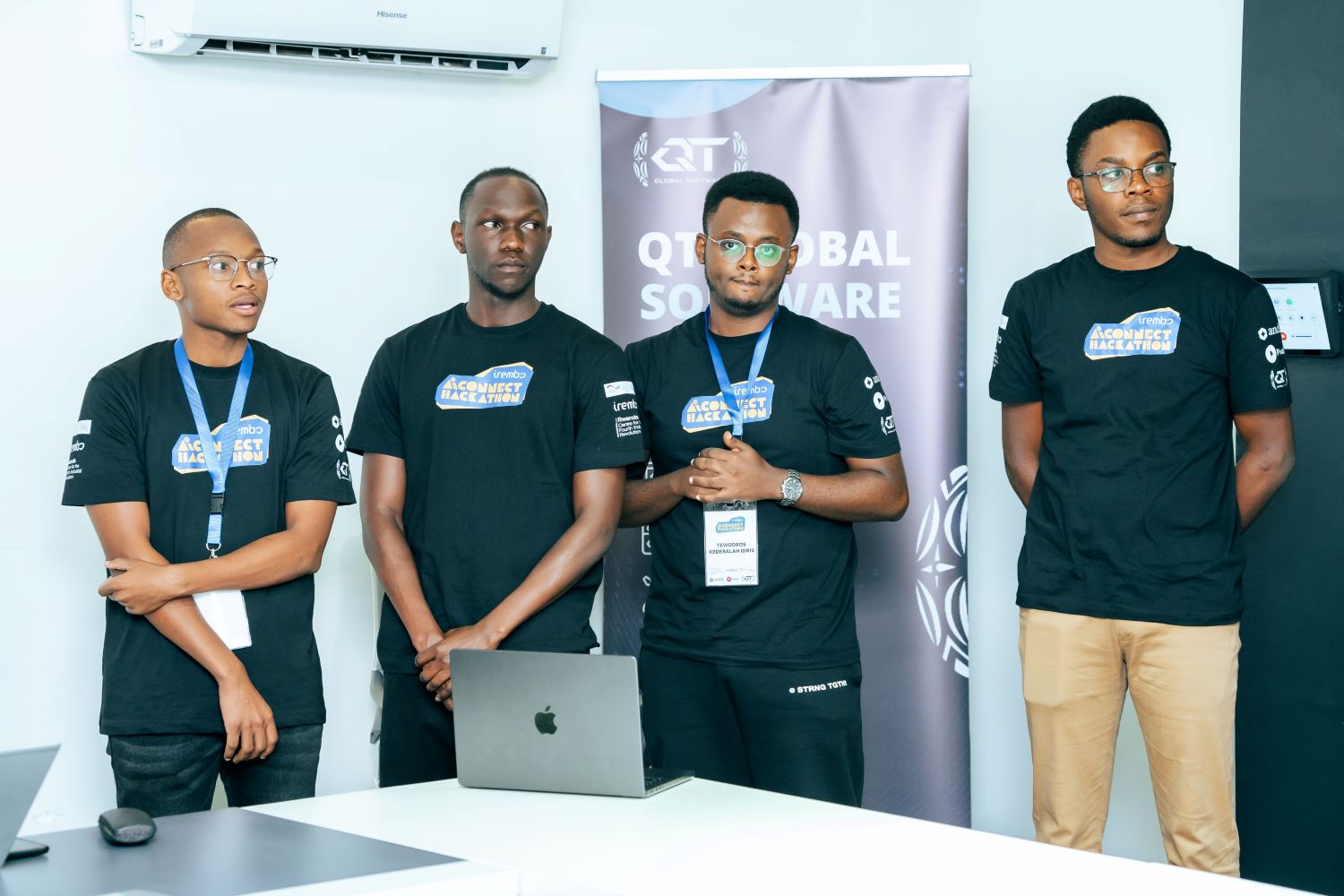
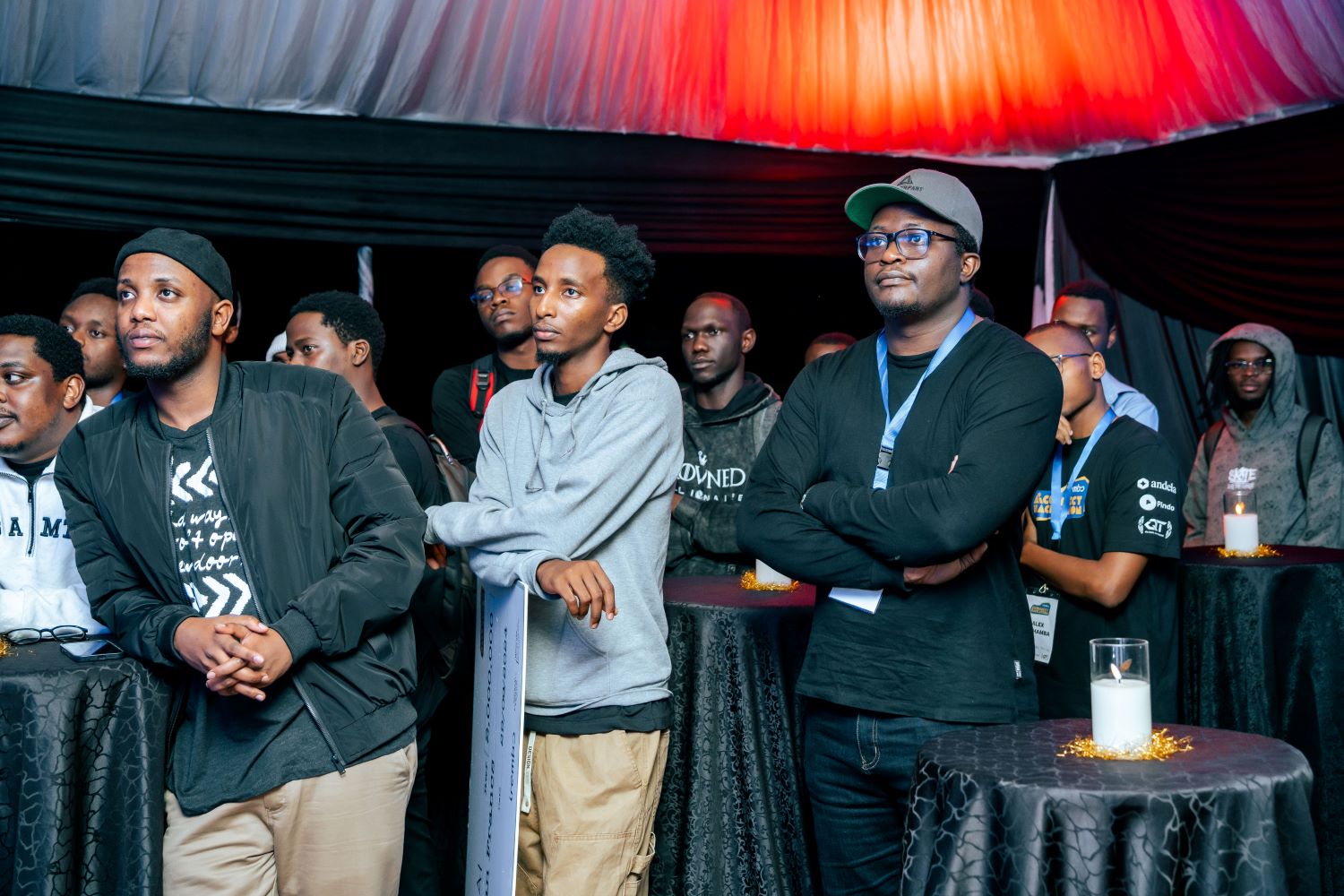
The 21-year-old software engineers’ AI project, dubbed Bwenge, was ranked first among 18 projects reviewed by judges in the 48-hour competition on Sunday, September 29, 2024, securing them Frw 5 million in cash prizes and VIP passes to the Global AI Summit on Africa in April 2025.
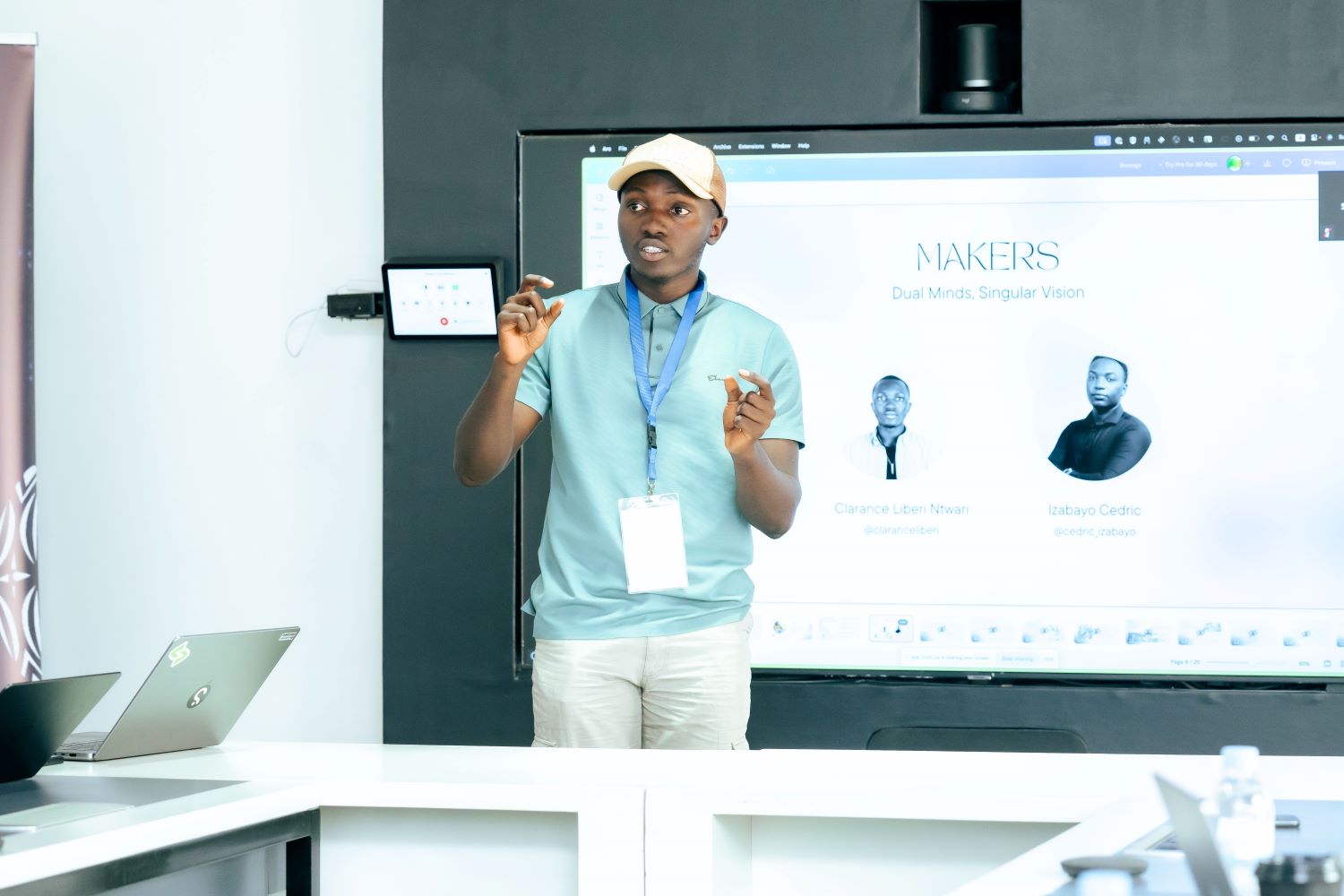
Bwenge is an AI-powered chatbot that allows any citizen with a phone, even without internet access, to make a call and access digital government services. The bot has been integrated with IremboPay, a payment solution for Rwanda’s one-stop shop for government services, to ensure seamless payments.
“You can ask the bot how to do things, for example, how to start a business in Rwanda, and it will provide you with a detailed guide,” Izabayo explained.
“You can also request an SMS on how to pay for an application, and it will send you a direct text. You can then call, and the system will prompt you to make a payment through mobile money (MOMO).”
Another interesting feature of the chatbot is its telephone agent, which allows two people who speak different languages to have a conversation on a call, with the bot translating for each of them.
Izabayo and Clarence are graduates of the Rwanda Coding Academy and work at Pivot Access and Rwanda Social Security Board (RSSB), respectively. The two young software developers could not contain their excitement after winning the top prize on their very first attempt at such a competition.
“This journey was really interesting; it showed us what we can accomplish in less than 48 hours. We were thinking about what we could do to provide value to the whole Rwandan society, especially for those who don’t have access to the internet,” Clarence beamed, adding that ironically they were among the last groups to apply for the hackathon, just a few hours before the application deadline.
The duo is open to collaborating with other partners to implement and explore other ideas leveraging artificial intelligence.
“We have the ability to do more things. Now we are using a phone, but one can use WhatsApp to send requests. The possibilities are endless,” Izabayo concluded.
Peter Charles Djomga, Director of Software Engineering at Irembo, said the project has the potential to revolutionize access to information, especially for persons with limited internet access.
“The project can have a huge impact in Rwanda because the way it’s deployed allows people without internet to access information by just calling a phone number. It can have a huge impact in urban and rural areas,” Djomga stated, emphasizing that the pioneering event was organised to create solutions that address real-world challenges and drive meaningful impact in Rwanda.
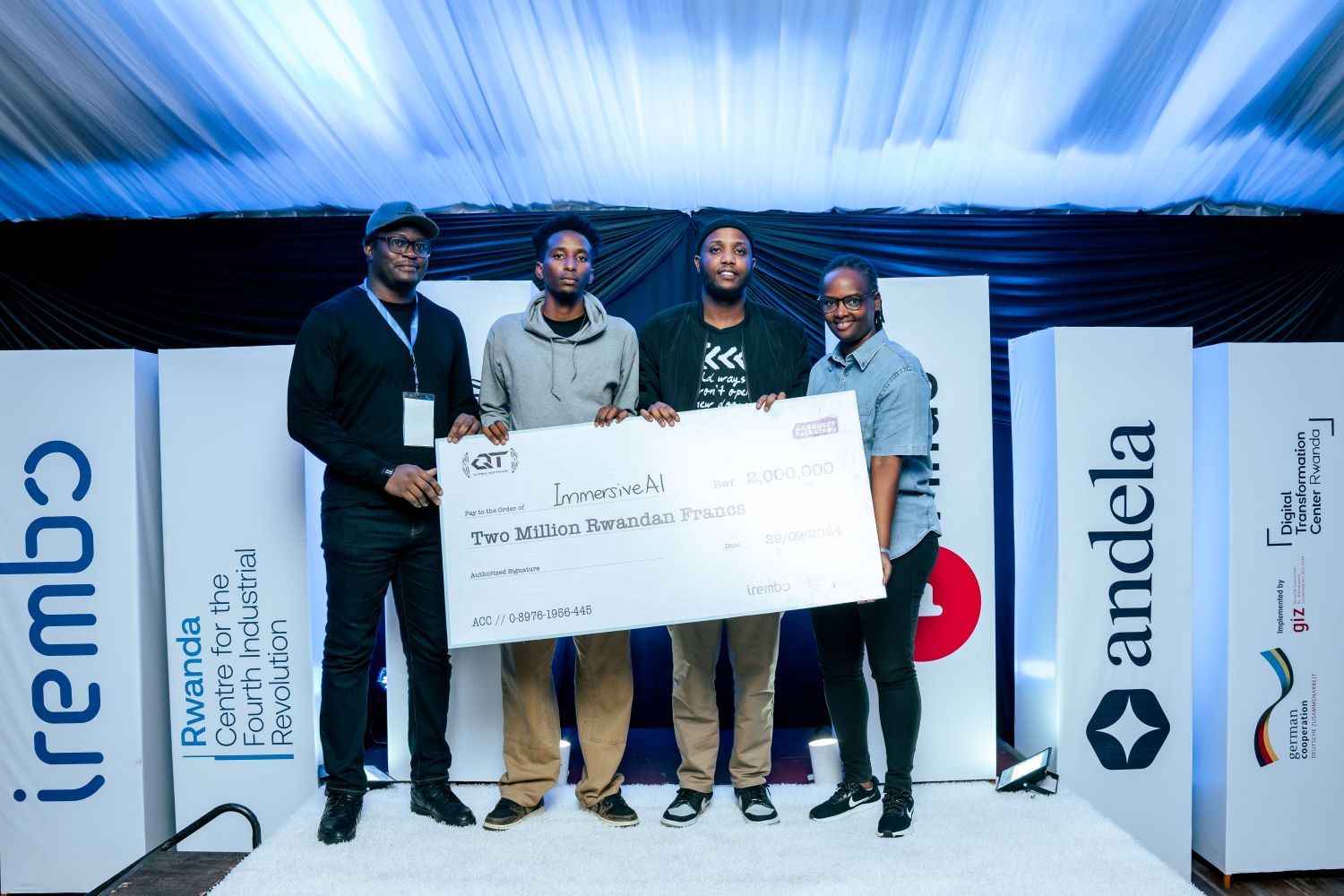
The second place went to a team of four developers with a technology titled Immersive AI. It’s a platform that enables businesses and individuals to create their own AI workflow agents to automate processes and improve productivity. The project developers included Dirac Murairi, Landelin Gihozo, Julien Barezi and Kevin Nkusi.
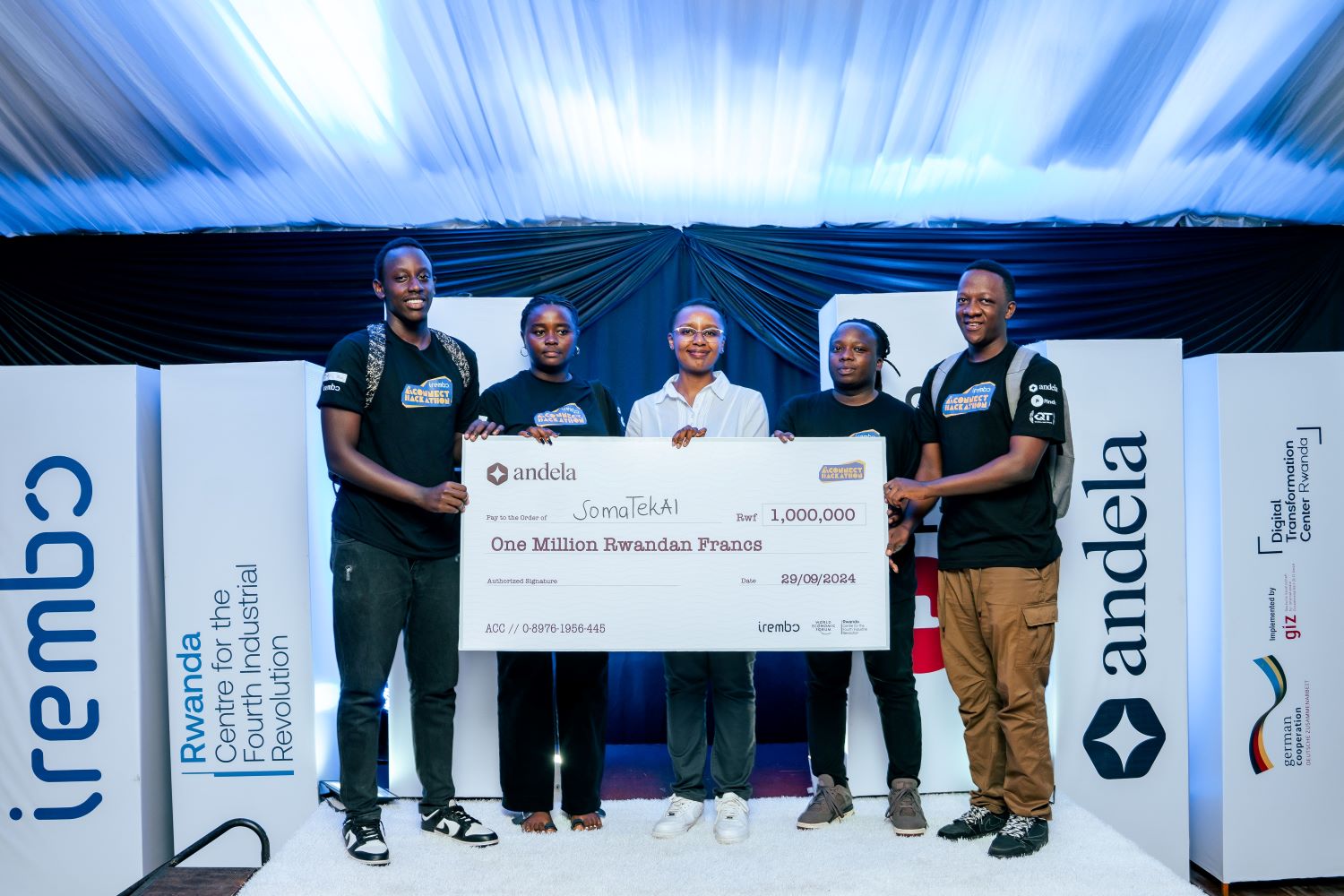
Somatek AI clinched the third place. The project was also undertaken by group of four young software developers, who built an AI-powered browser extension that simplifies complex technical documentation. The team, comprising Janvier Ntwali, Laura Celine Ishimwe, Dean Daryl Murenzi, and Leny Pascal Ihirwe, developed the extension to assist the government in its recently rolled-out scheme to train one million coders under the second National Strategy for Transformation (NST2) by 2029.
“Given that most Rwandan youth are low-proficient English speakers, we decided to create a solution for them to transcribe technical documentation to their level for better understanding and learning experiences,” the team explained.
The two teams won Frw 2 million and Frw 1 million, respectively.
In developing practical AI solutions, the participants leveraged large language models (LLMs) and locally built technologies. Teams had the opportunity to access IremboPay APIs to integrate cutting-edge digital payment solutions into their projects. Pindo, a partner of the event, also provided access to its latest speech-to-text and text-to-speech AI models for voice-enabled applications.
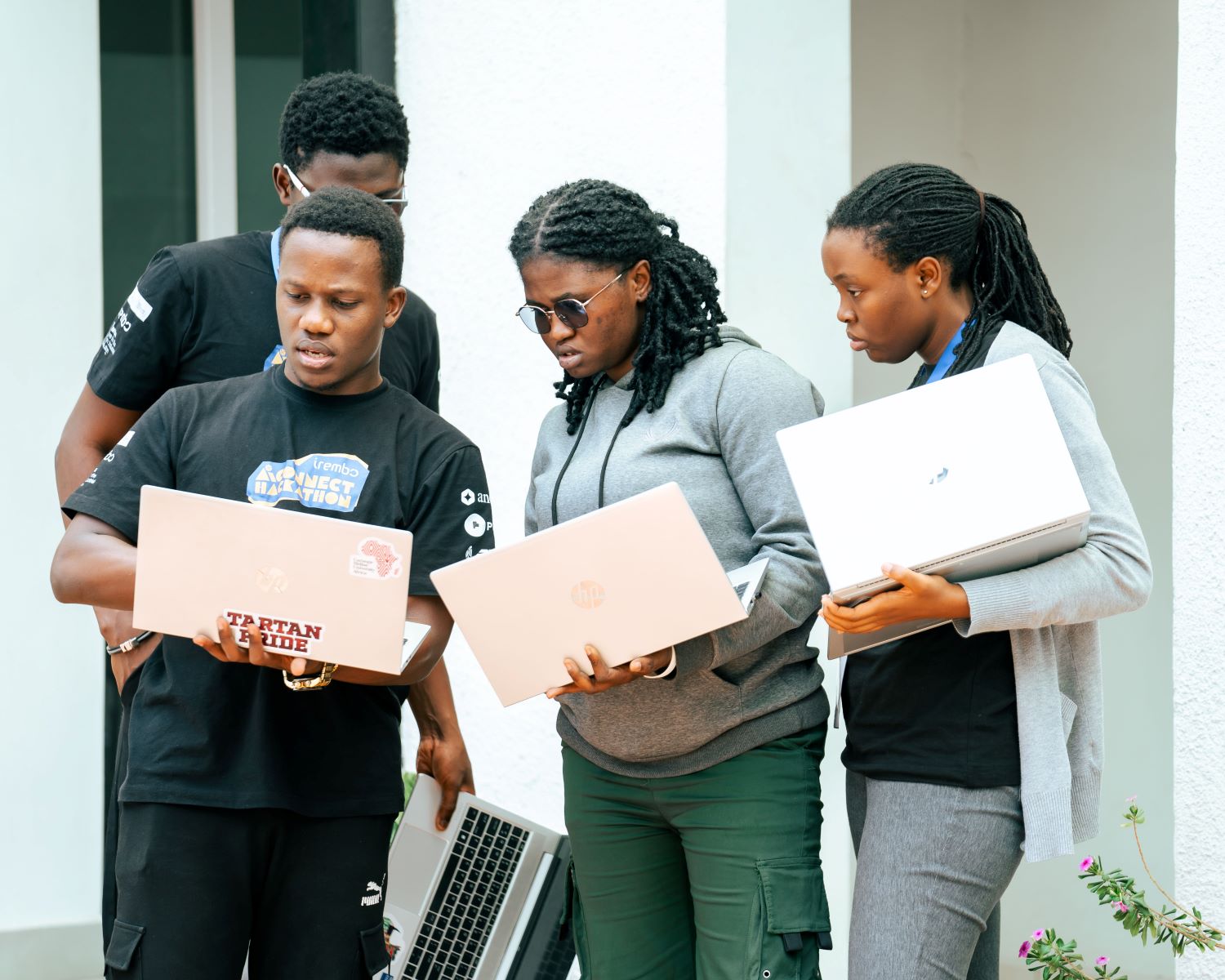
Twenty teams comprising 63 individuals were initially selected to participate in the competition from a pool of more than 130 teams, but only 18 teams made it to the final stage and had their projects reviewed by a panel of eminent judges from Irembo, C4IR, and RSSB, among other partners.
Esther Kunda, the Director General of Innovation & Emerging Technologies at the Ministry of ICT and Innovation in Rwanda and Alain Ndayishimiye, Project Lead for AI/ML at C4IR Rwanda, were among the judges.
Ndayishimiye commended the dedication of all the teams in the competition, highlighting the creativity in their projects.
“Over the past 48 hours, we have witnessed remarkable technical ingenuity, creativity, and collaboration, turning many ideas into real MVPs that address some of the country’s most pressing challenges,” he remarked.
He emphasized that every participant, irrespective of the contest’s outcome, should take pride in their accomplishments and push themselves to achieve even more.
“Regardless of the results, you should be proud of your achievements. We look forward to more initiatives like this, aligned with the AI policy, to support local talent and foster meaningful change,” he added.
Rwanda confirmed its first-ever Marburg outbreak five days ago with 26 cases and eight deaths registered as of Sunday September 29, 2024.
To control the further spread of Marburg, the Ministry of Health announced on Sunday night that only one caregiver would be allowed per patient at a time.
All healthcare facilities have been directed to implement a protocol for receiving and providing services to clients exhibiting symptoms of Marburg disease through the strict application of infection prevention and control (IPC) measures.
Other new measures introduced include the banning of wakes and home vigils, locally known as ‘Ikiriyo’, in cases of death caused by Marburg.
Additionally, funeral services for those who have died from Marburg will be limited to no more than 50 attendees.
The government also stated that in the wake of the MVD outbreak, open-casket viewings will not be permitted in homes, churches, or mosques. These will only be held in designated areas within health facility premises, and with a limited number of people.
Furthermore, the Ministry of Health emphasized that normal business and activities will continue, with a strong focus on reinforcing personal hygiene measures.
The ministry urged the public to avoid close contact with symptomatic individuals. The main symptoms of the virulent disease are high fever, severe headaches, muscle aches, vomiting, and diarrhoea.
“By diligently following these guidelines, each one of us is making an invaluable contribution to protecting ourselves and each other,” the Ministry stated, adding that additional measures will be announced in the coming days.
Earlier on Sunday, Health Minister Dr. Sabin Nsanzimana said the government had identified approximately 300 people who had contact with infected individuals, all of whom are being tested to determine whether they are infected.
“We have many contacts, and the number continues to grow as we trace them. Nearly 300 people have been identified so far, and that number may increase because the interactions vary. They might have had casual contact, such as greeting each other, or closer contact, like caring for or being a patient,” Minister Nsanzimana added.
The contacts include both those who live with the infected and others from different areas.
The minister urged the public to stay calm and continue their daily activities as usual, reassuring them that the measures being taken to combat the MVD outbreak are promising.