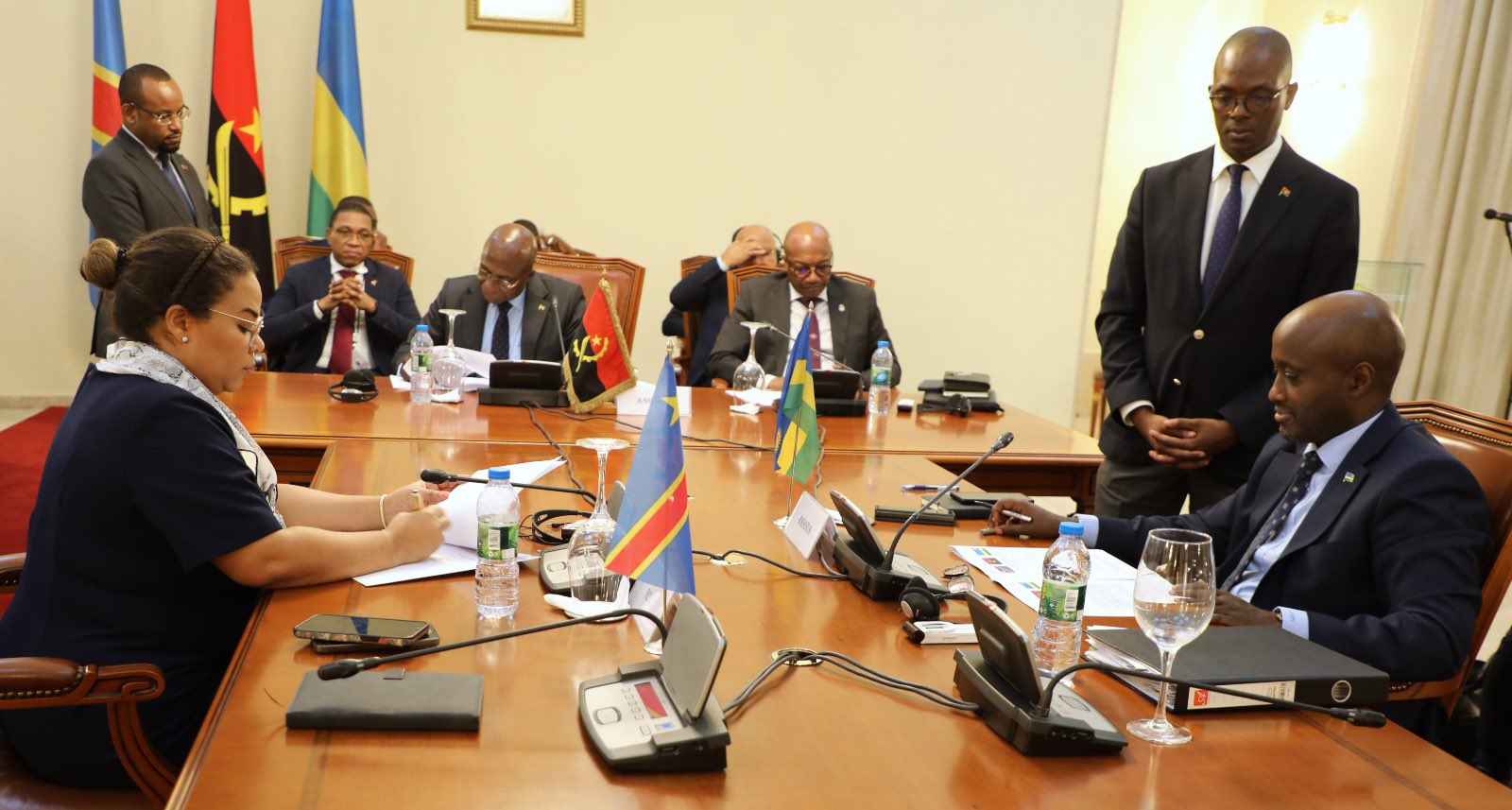
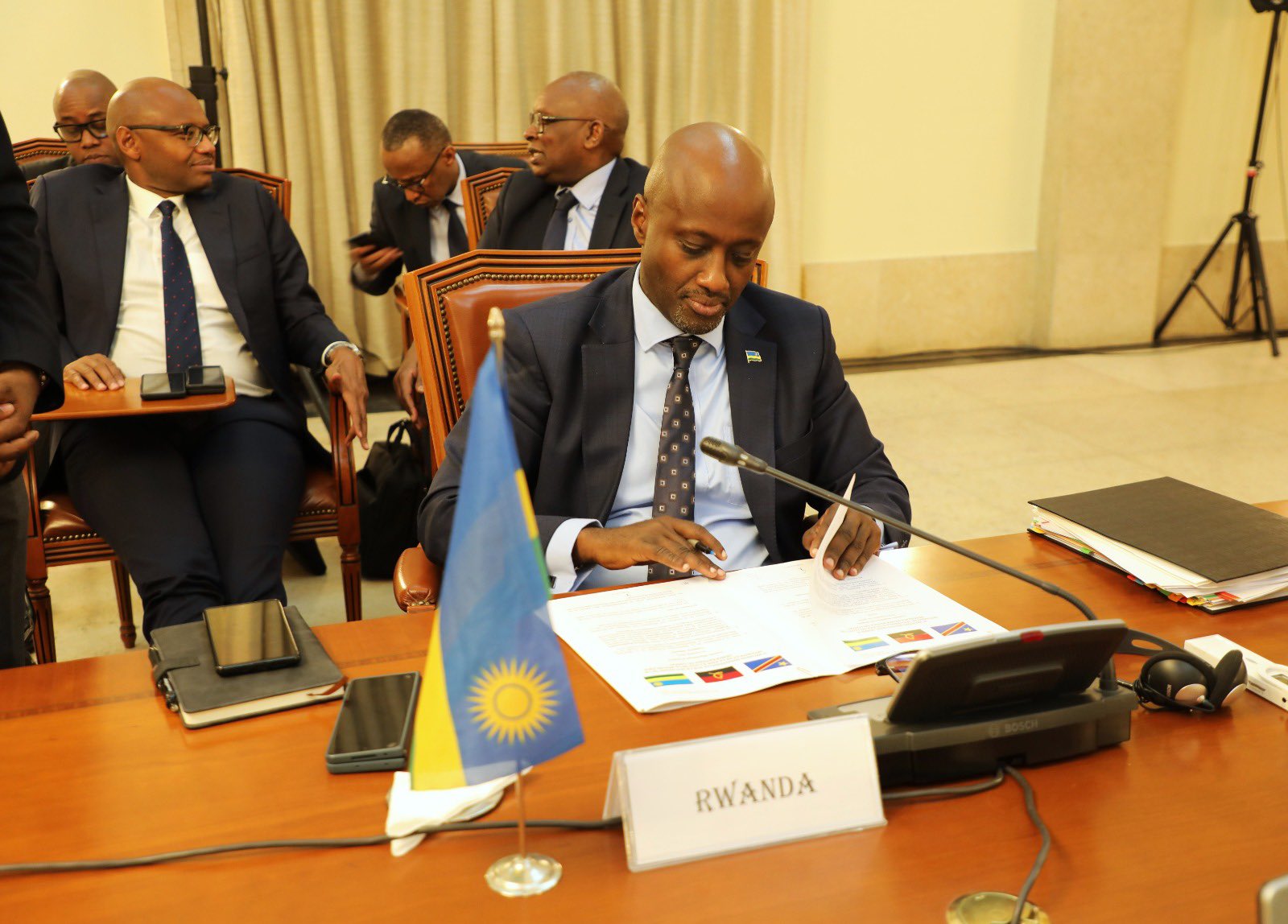
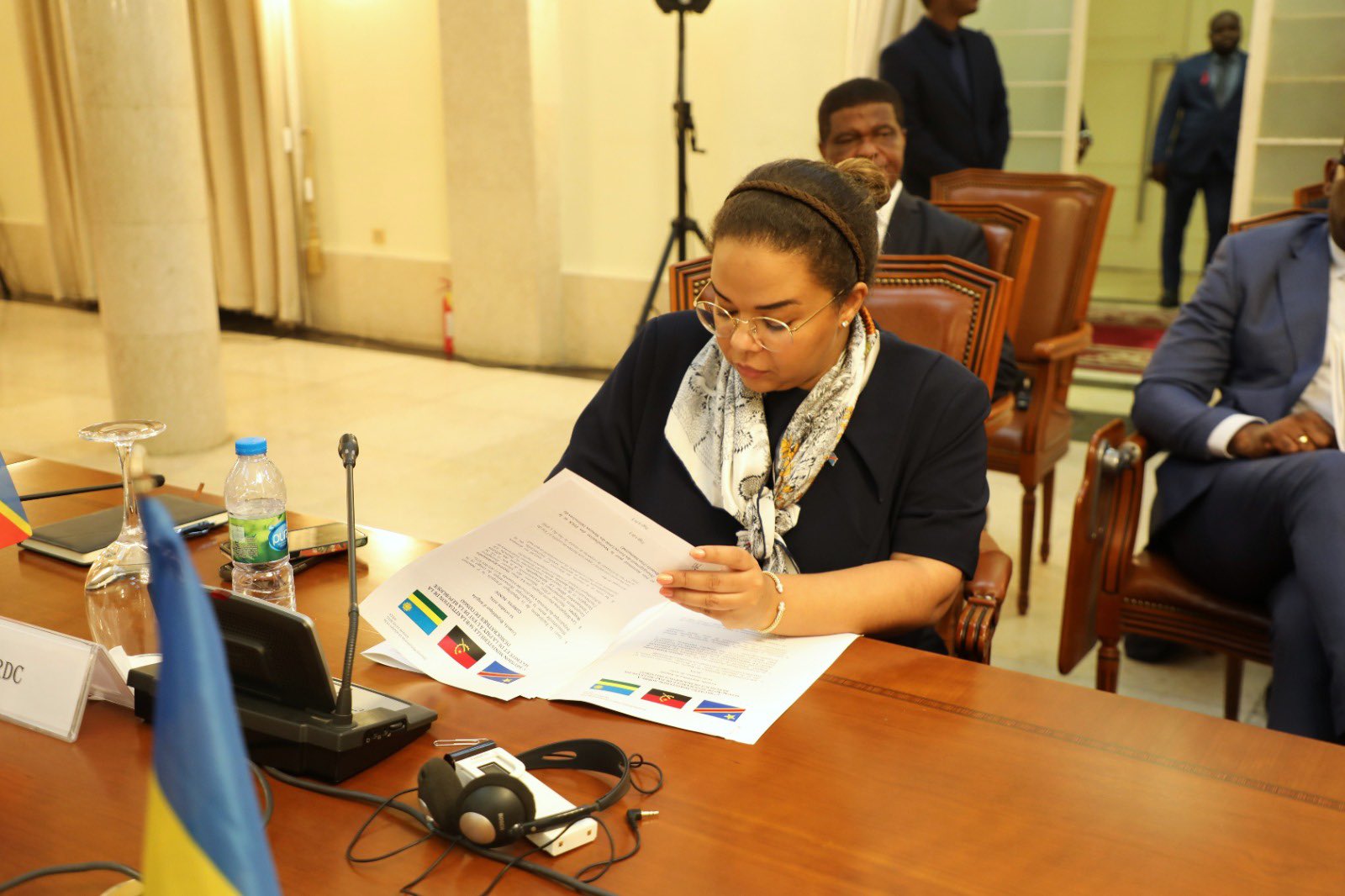
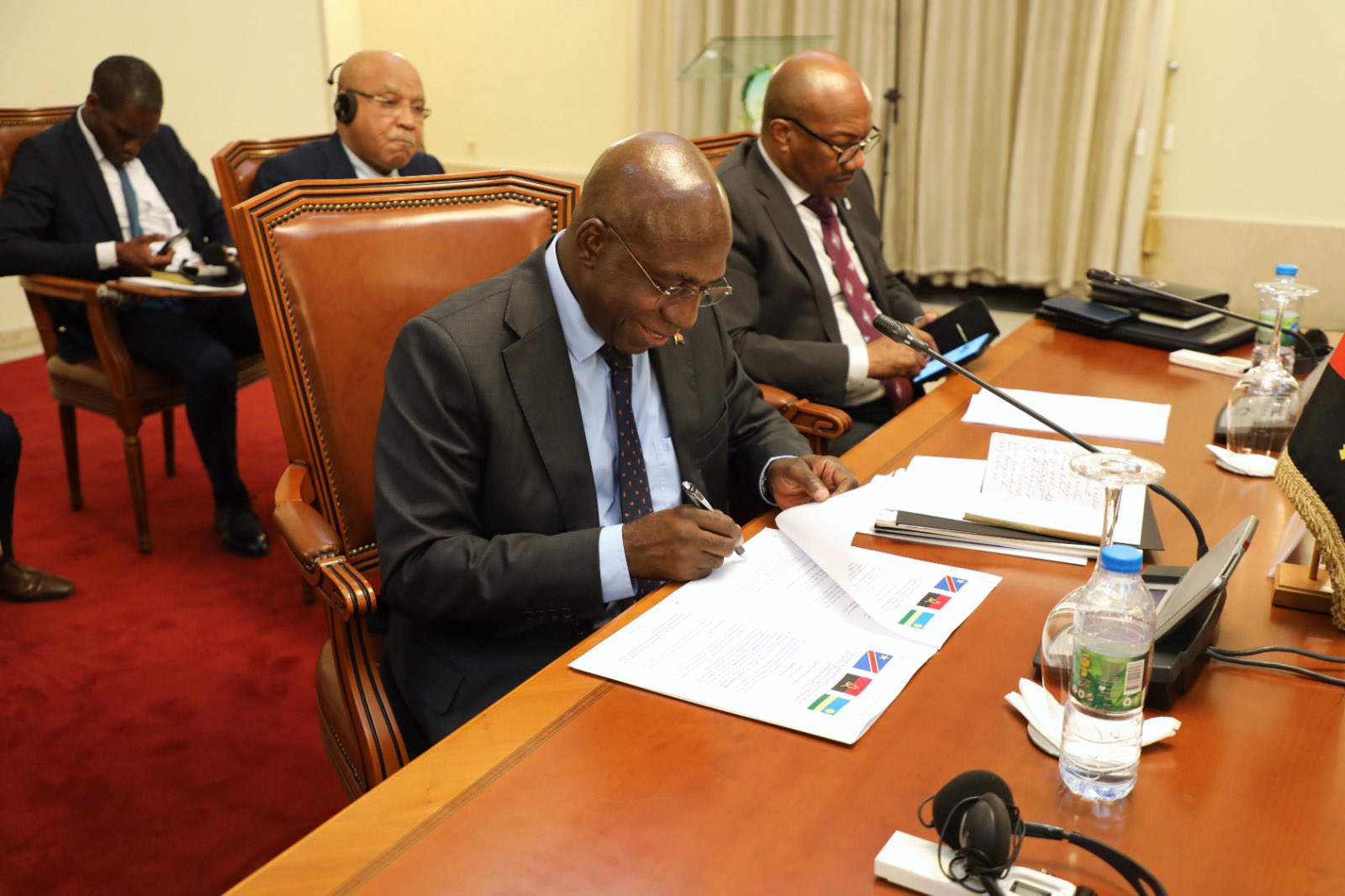
The resolutions were signed on Saturday, October 13, 2024, during the Fifth Meeting held in Luanda, Angola, a country tasked with mediating and easing the tensions that have persisted between Rwanda and the DRC.
The ministers signed off on a plan that had been proposed by security experts from the three countries involved, who met at the end of August and the beginning of September this year.
The plan outlined the methods to be used in eliminating the FDLR, a group that has long collaborated with the DRC’s military and has been disrupting Rwanda’s security.
A ministerial meeting was held on September 14, 2024, to ratify the plan, but the DRC refused to sign following directives Minister Kayikwamba allegedly received from President Felix Tshisekedi in Kinshasa, instructing her not to sign.
As a result, another meeting that was supposed to bring together security experts in early October 2024, which was meant to finalize the methods and timeline for dismantling the FDLR, was postponed.
Rwanda has stated that if the plan to eliminate the FDLR is finalized and implemented, it will revise its defense strategies accordingly.
Minister Nduhungirehe announced that the signing of the Fifth Meeting’s resolutions marks a positive step toward peace and security in the region.
It is expected that security experts will meet again to refine the plan to get rid of the FDLR, and their conclusions will be reviewed at the next ministerial meeting.
Mpox broke out in the Democratic Republic of the Congo (DRC) in May 2022, with several cases reported in neighbouring countries, including Burundi, Uganda, Kenya, the Central African Republic, and Rwanda in recent months. Rwanda also reported its first-ever Marburg outbreak late last month.
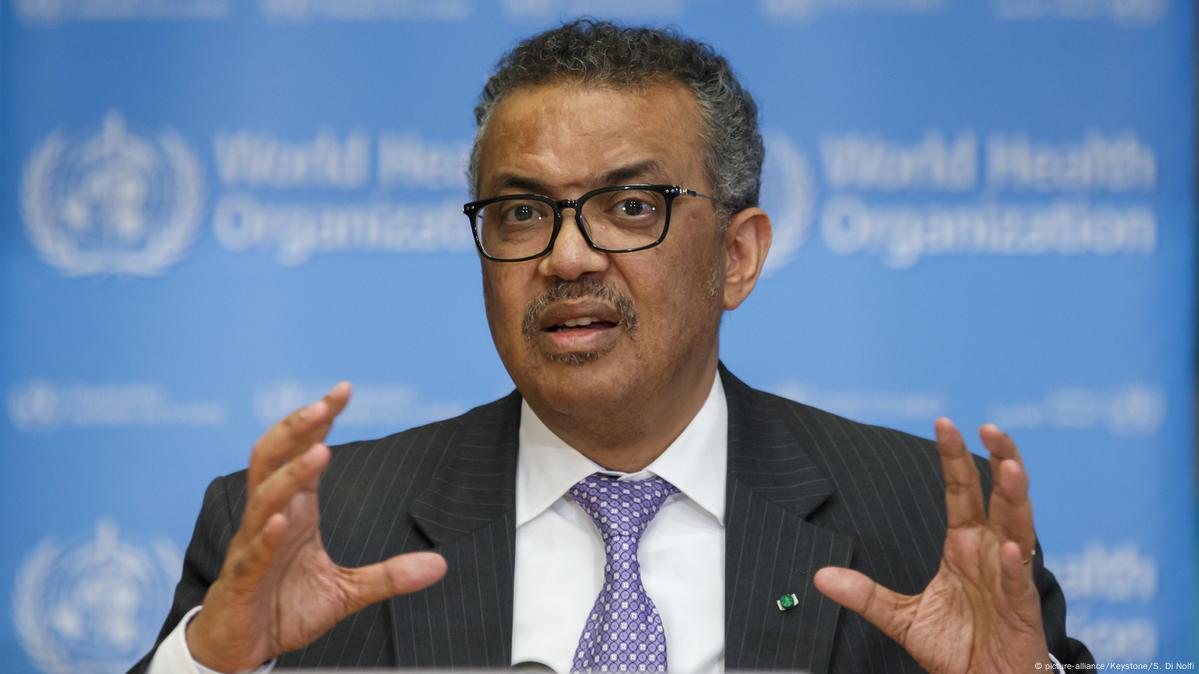
In a statement on Friday, October 11, 2024, WHO Director-General Dr. Tedros Adhanom Ghebreyesus noted that the organization had assessed the current Mpox and Marburg outbreaks and determined that no travel or trade restrictions are necessary.
According to WHO, priority should be given to public health measures and collaborative efforts to contain the outbreaks.
“Based on the current Mpox and Marburg outbreak risk assessments, WHO advises that no travel and trade restrictions are needed,” the organization stated.
WHO’s statement follows a condemnation from the Africa Centres for Disease Control and Prevention (Africa CDC) regarding a travel advisory issued by the United States government against Rwanda.
The Centers for Disease Control and Prevention (CDC), a national public health agency in the United States, issued a Level 3 travel advisory on Monday, October 7, 2024, urging its citizens to reconsider nonessential travel to Rwanda due to the Marburg outbreak.
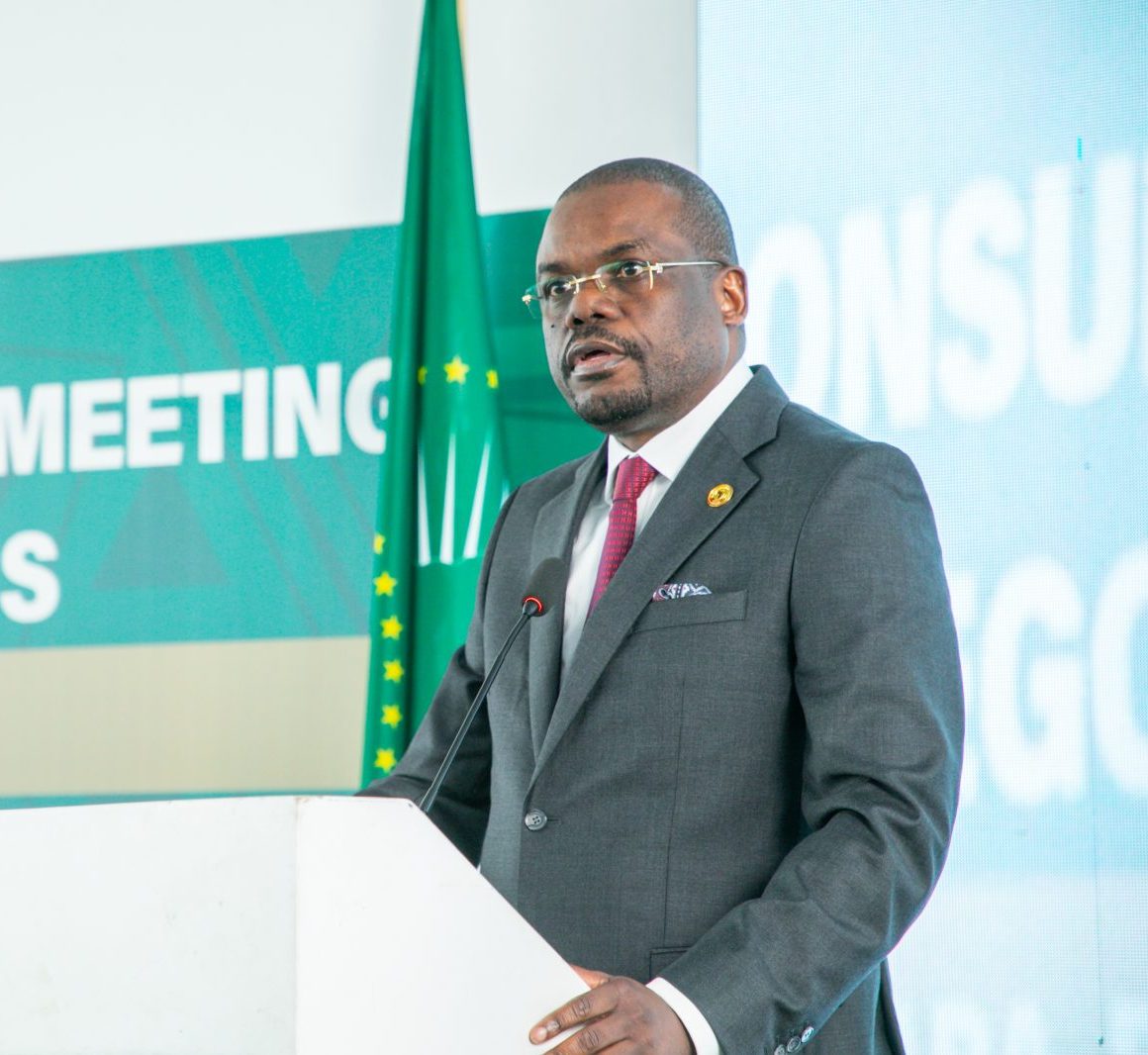
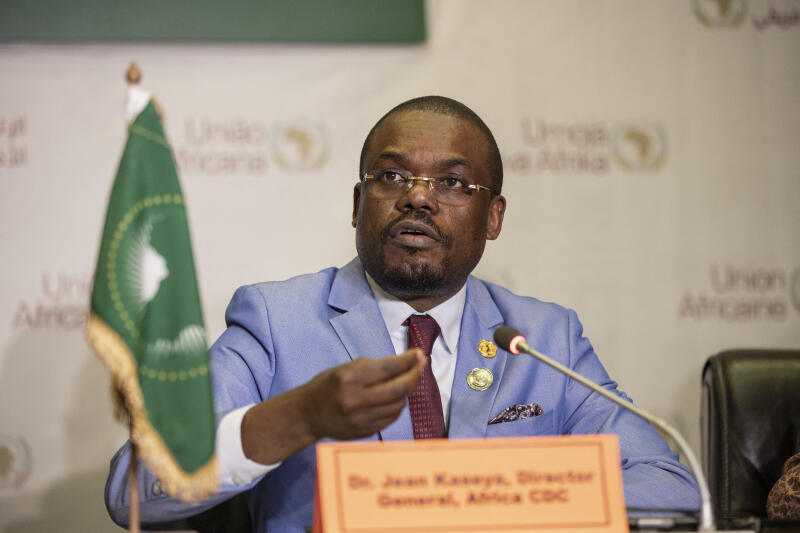
During a virtual meeting attended by the Rwandan Health Minister and journalists on Thursday, October 10, 2024, Africa CDC Director General Dr. Jean Kaseya termed the advisory unfair. He emphasized that decisions during the ongoing outbreak must be guided by scientific facts to avoid causing panic.
“The decision taken by the US government was not fair, and we believe this is not the treatment that Rwanda and Africa deserve,” he stated.
“By issuing a Level 3 advisory, we are creating unnecessary panic—in Rwanda, in neighboring countries, and even globally,” he protested.
Dr. Kaseya noted that US authorities had committed to consulting the Africa CDC before making such decisions in the future.
“We think this is disrespectful to us. I conveyed this clear message to US senior officials. More importantly, we agreed on a way forward, and I believe I received their commitment that in the future, they will not make such decisions again without consulting us,” he added.
The Africa CDC Director praised the measures implemented by the Rwandan government, stating that the outbreak is under control and there is nearly zero risk of Rwanda spreading the disease to other countries.
“It’s almost zero risk. I say ‘almost’ because we cannot say 100% for sure, but I can say that there is a 95% certainty that there is zero risk for Rwanda spreading the disease out of Rwanda. The mechanisms they have put in place to monitor contacts mean no contact can fly out of Rwanda. This is remarkable because they are monitoring these contacts on a daily basis,” he stated.
Rwanda has so far confirmed 58 Marburg cases, 13 deaths, and 15 recoveries.
The electric Robotaxi also referred to as Cybercab will cost less than $30,000 (approximately Frw 40 million), Tesla CEO and tech mogul Elon Musk revealed during the unveiling ceremony held at Warner Bros. Studios in Burbank, California, on Thursday night.
Musk revealed that, unlike traditional ride-hailing services requiring a driver, the Cybercab will operate fully autonomously.
“You could fall asleep and wake up at your destination,” Musk stated.
The Robotaxi will utilize Tesla’s Full Self-Driving (FSD) software, allowing it to autonomously navigate highways, city streets, intersections, and perform tasks like lane changes, parking, summoning, and responding to traffic signals.
Tesla’s self-driving technology relies on a powerful neural network that gathers data from millions of Tesla vehicles, constantly learning from real-world driving conditions to improve the vehicle’s safety and decision-making capabilities.
The Cybercab, a two-seater with butterfly wing doors and no steering wheel or pedals, lacks a rear window. Musk mentioned that Tesla has produced 21 of these vehicles and that 50 fully autonomous vehicles were present at the launch.
Most of the prototypes displayed at the event featured a gold finish. The Cybercab also showcased matrix-style headlights integrated into a front light bar, similar to the Tesla Cybertruck’s design.
While further details were limited, it’s expected that the Cybercab will be Tesla’s first vehicle to feature wireless induction charging as a standard option.
However, some experts believe that the self driving technology still faces hurdles.
Garrett Nelson, a senior equity analyst at CFRA Research, cautioned, “A car capable of functioning as a self-driving taxi is still several years away, with numerous technological hurdles, safety tests, and regulatory approvals standing in the way.”
Tesla isn’t alone in the race for autonomous taxis. In China, Baidu is testing its own self-driving taxis on public roads. Meanwhile, Waymo, a subsidiary of Google’s parent company, has been operating driverless taxi services, recently reporting over 100,000 weekly rides in cities like San Francisco, Phoenix, and Los Angeles.
General Motors’ Cruise resumed its autonomous taxi testing following a previous incident, and Amazon’s Zoox is developing a driverless van without a steering wheel, aiming to launch a paid service soon.
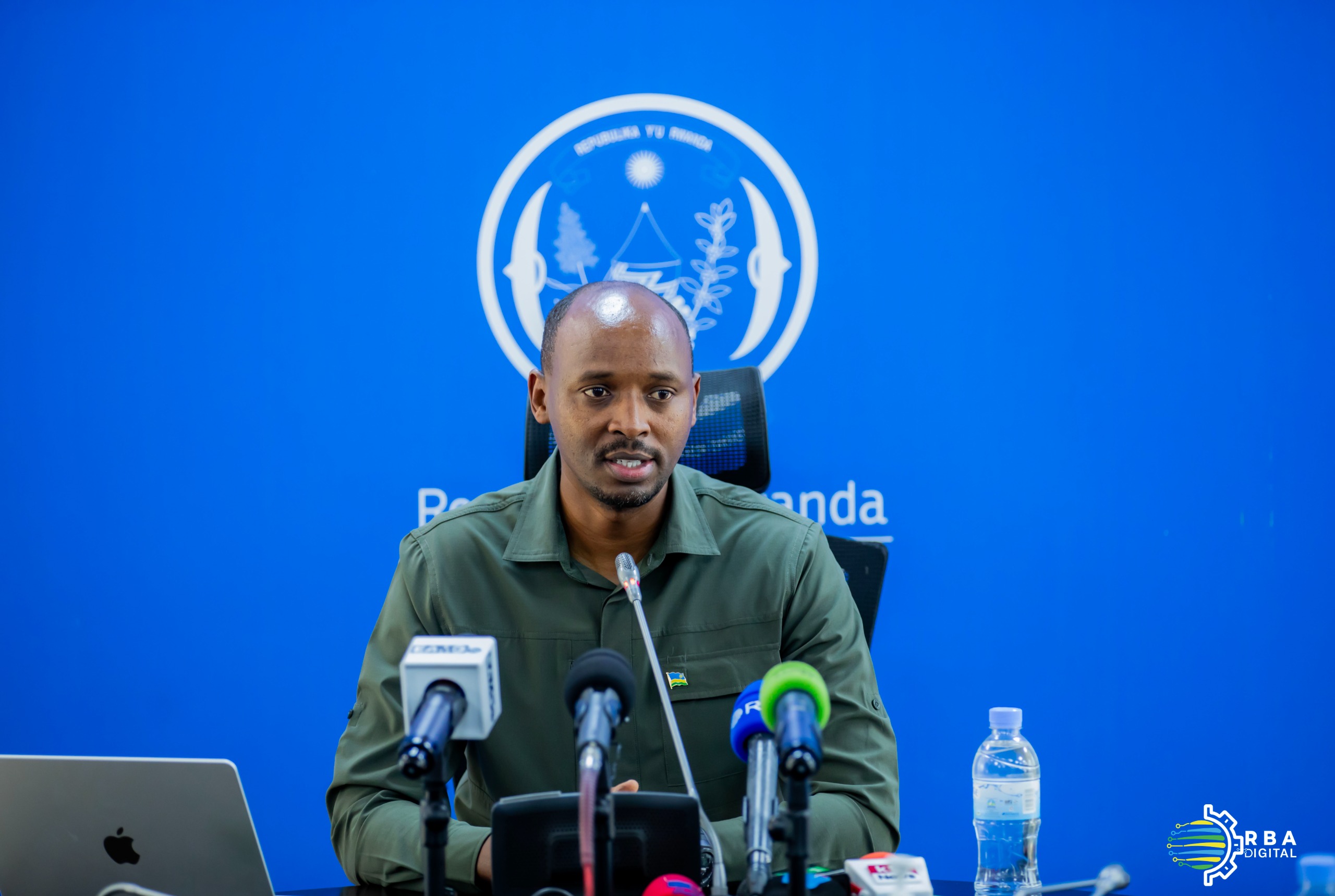
Rwanda’s Health Minister, Dr. Sabin Nsanzimana, made the remarks during a virtual session with journalists attended by the Director-General of the Africa Centers for Disease Control and Prevention (Africa CDC), Dr. Jean Kaseya, on Thursday, October 10, 2024.
During the briefing, Minister Nsanzimana was asked about reports suggesting that Rwanda had initially concealed the discovery of individuals infected with the virus in the country. In response, the minister stated that the claims were unfounded.
“I would like to clarify that the information suggesting these tests were done earlier and not communicated is not true. The truth is that the tests were conducted on September 26, confirmed the same night, and announced publicly on the 27th. Everything happened within 24 hours, and the process followed international protocol guidelines. So, this is the fact and the truth, just as was done in previous outbreaks,” the minister explained.
He added that Rwanda is currently investigating the source of Rwanda’s first-ever Marburg outbreak which was confirmed on September 27, 2024.
“The process of tracing the origins of the first patient and the virus is still ongoing. In the next few days, we will complete this investigation, along with additional testing such as ELISA and serology. We are combining multiple efforts, including collaboration between One Health teams, epidemiologists, and veterinarians,” he said.
The minister also highlighted Rwanda’s significant progress in vaccination efforts and monitoring to prevent the further spread of the outbreak.
“So far, we’ve already vaccinated more than 200 people, and more are being vaccinated. We initially received 700 doses for the most at-risk groups. We expect this to protect those in treatment centers, as well as healthcare workers in the affected hospital departments, and contacts of confirmed positive cases, in a strategy known as ring vaccination,” he stated.
Dr. Nsanzimana further mentioned that, despite the outbreak, various activities, including meetings, will not be disrupted.
“There are ongoing meetings; for instance, yesterday, I was with the Director-General of Africa CDC at a major conference called Biashara Africa, as well as several other meetings. We are monitoring the outbreak as people come to Rwanda for these gatherings. Measures have been put in place to monitor individuals infected with the disease who are in two hospitals. We see no reason to avoid travel or suspend meetings,” he said.
Rwanda has so far confirmed 58 cases of Marburg, with 13 deaths and 12 recoveries.
The Centers for Disease Control and Prevention (CDC), a national public health agency of the United States, issued a Level 3 travel advisory on Monday, October 7, 2024, urging its citizens to reconsider nonessential travel to Rwanda due to the Marburg outbreak.
Speaking during a virtual meeting attended by the Rwandan Health Minister and journalists on Thursday, October 10, 2024, Dr. Kaseya said that decisions during the ongoing outbreak must be guided by scientific facts to avoid spreading panic.
“The decision taken by the US government was not fair, and we believe this is not the treatment that Rwanda and Africa deserve,” he stated, adding that Rwanda had implemented satisfactory measures to contain the spread of the disease.
“By issuing a Level 3 advisory, we are creating panic—an unnecessary panic—in Rwanda, in other regions, in neighbouring countries, and even globally,” he protested.
Dr. Kaseya noted that US authorities had committed to consulting the Africa CDC before taking such steps in the future.
“We think this is disrespectful to us. I conveyed this clear message to US senior officials. But more importantly, we agreed on a way forward. I believe I received their clear commitment that in the future they will not make such decisions again without consulting us,” he added.
Besides the Level 3 travel advisory, the US government also recently suspended in-person services at its embassy offices in Kigali, allowing its staff to work from home following the confirmation of Marburg cases in Rwanda. The suspended services include American Citizen Services and visa interviews.
In the Thursday briefing, Minister Dr. Sabin Nsanzimana stated that Rwanda is making significant progress in vaccination efforts and monitoring to prevent the further spread of the outbreak.
“So far, we’ve already vaccinated more than 200 people. Others are still being vaccinated. We initially received 700 doses for the most at-risk groups. We expect this to protect those in treatment centers, as well as departments in the hospitals most affected, particularly healthcare workers and contacts of confirmed positive cases, which is known as ring vaccination,” the minister stated.
As of Thursday, October 10, 2024, Rwanda has confirmed 58 cases, 13 deaths, and 12 recoveries.
Speaking during a virtual meeting attended by the Rwandan Health Minister and journalists on Thursday, October 10, 2024, Dr. Kaseya lauded the measures put in place by the government, stating that there is nearly zero risk of Rwanda spreading the disease to another country.
“It’s almost zero risk. I say ‘almost’ because we cannot say 100% for sure, but I can say that there is a 95% certainty that there is zero risk for Rwanda spreading the disease out of Rwanda. The mechanisms they have put in place to monitor contacts mean no contact can fly out of Rwanda. This is amazing because they are monitoring these contacts on a daily basis,” the Africa CDC boss stated.
Dr. Kaseya said recent reports showing zero new cases and fatalities were encouraging, even as the fatality rate remains low at 22% compared to previous outbreaks in other countries.
“I have to say that the outbreak in Rwanda is controlled. Yesterday, I was amazed to receive a report indicating that there were zero new cases and zero deaths. It means we are expecting to see Rwanda out of this outbreak very soon,” Dr. Kaseya noted.
“The case fatality rate is 22%. Let me remind you that in 2023, during the outbreaks we experienced, the case fatality rate was more than 65%. If we go back to 2022, the case fatality rate was more than 80%,” the Africa CDC boss explained.
“You can compare that and confidently state that Rwanda is putting in place all necessary mechanisms.”
At the same time, Dr. Kaseya condemned a recent travel advisory issued by the United States, insisting that any decisions taken must be guided by scientific facts to avoid spreading panic.
“The decision taken by the US government was not fair, and we believe this is not the treatment that Rwanda and Africa deserve,” he stated, adding that Rwanda had implemented satisfactory measures to contain the spread of the disease.
“Today, by issuing a Level 3 advisory, we are creating a panic mode—an unnecessary panic mode—in Rwanda, in other regions, in other countries in the region, and also in the world,” he protested.
He noted that the US authorities had committed to consulting the Africa CDC before taking such steps in the future.
“We think this is so disrespectful for us. I conveyed this clear message to the US senior officials. But more importantly, we agreed on a way to move forward. I believe I received their clear commitment that in the future they will not make such decisions again without consulting us,” he added.
The US Centers for Disease Control and Prevention had Monday, October 8, issued a level 3 travel notice for the country and said next week it would begin screening travellers who have recently been in Rwanda.
In the briefing, Minister Dr. Sabin Nsanzimana stated that Rwanda is making significant progress in vaccination efforts and monitoring to prevent the further spread of the outbreak.
“So far, we’ve already vaccinated more than 200 people. There are others being vaccinated. We initially received 700 doses for the most at-risk groups. We expect this to protect those in treatment centres, as well as in the departments of these hospitals that have been most affected for healthcare workers, and the contacts of confirmed positive cases, which is known as ring vaccination,” the minister stated.
As of Thursday, October 10, 2024, Rwanda has confirmed 58 cases, 13 deaths, and 12 recoveries.
Initial symptoms of Marburg virus disease include high fever, severe headache, muscle and joint pain, and fatigue, followed by gastrointestinal symptoms such as nausea, vomiting, and diarrhoea. As the disease progresses, it can lead to severe haemorrhaging, organ failure, and shock.
To prevent infection, health experts recommend strict hygiene practices, such as frequent handwashing and avoiding contact with personal items or bodily fluids of individuals showing symptoms of Marburg virus disease.
The airline confirmed the incident in a statement on Wednesday morning, identifying the deceased pilot as 59-year-old Ilcehin Pehlivan.
Airline spokesperson Yahya Ustun stated that Pehlivan fainted, prompting the crew of the TK204 flight to decide on an emergency landing while attempting to revive him.
Unfortunately, Pehlivan died before the plane could land in New York City. The cause of death is yet to be revealed.
Pehlivan had worked with Turkish Airlines since 2007. The spokesperson explained that the pilot passed a medical examination in March indicating he had no health issues.
“A periodic health examination was carried out on March 8, 2024, at the Aviation Medical Center authorized by the General Directorate of Civil Aviation, and no health problem was detected that would prevent him from working,” the spokesperson wrote in a post on X.
He added, “As the Turkish Airlines family, we wish God’s mercy upon our captain and patience to his grieving family, all his colleagues, and loved ones.”
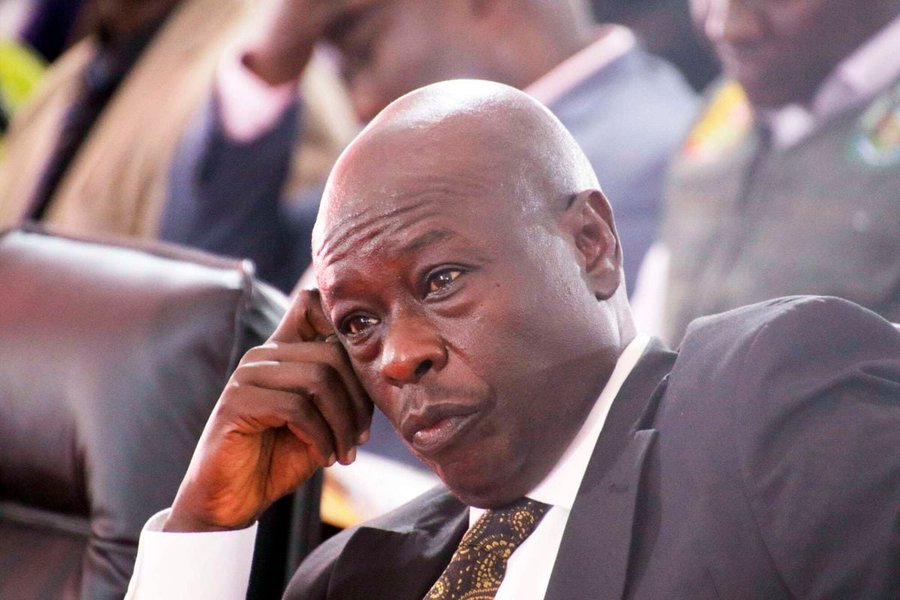
Two hundred and eighty-one lawmakers voted in favour of the motion to remove Gachagua, while 44 opposed it, with only one member of the House abstaining. The motion required support from 233 MPs, representing two-thirds of the total 349 members, to pass through the House.
The motion to impeach Gachagua was tabled in the National Assembly last week, having garnered a total of 291 signatures.
The sponsor of the motion, Kibwezi West MP Mwengi Mutuse, sought Gachagua’s removal on 11 grounds, including gross violation of the Constitution, undermining President William Ruto and the Cabinet, undermining devolution, and compromising judicial independence by publicly attacking a judge.
Other charges included making inciteful statements, committing economic crimes, spreading false, malicious, divisive, and inciteful remarks and bullying state and public officers.
Appearing in the House on Tuesday evening, Gachagua dismissed the charges as “outrageous and baseless propaganda” aimed at tarnishing his reputation and unfairly hounding him out of office.
He dedicated significant time to responding to allegations of corruption. He denied the claim that he had amassed Ksh5 billion worth of wealth within two years through corrupt means, insisting that the listed property belonged to his late brother, who had named him as one of the administrators of his vast estate.
With the National Assembly having pronounced itself on the matter, the motion now moves to the Senate for consideration. For the motion to pass in the Senate, it must garner support from two-thirds of the senators.
If the Senate upholds any of the charges against Gachagua, he will become the first Deputy President to be removed from office through an impeachment process in Kenya.
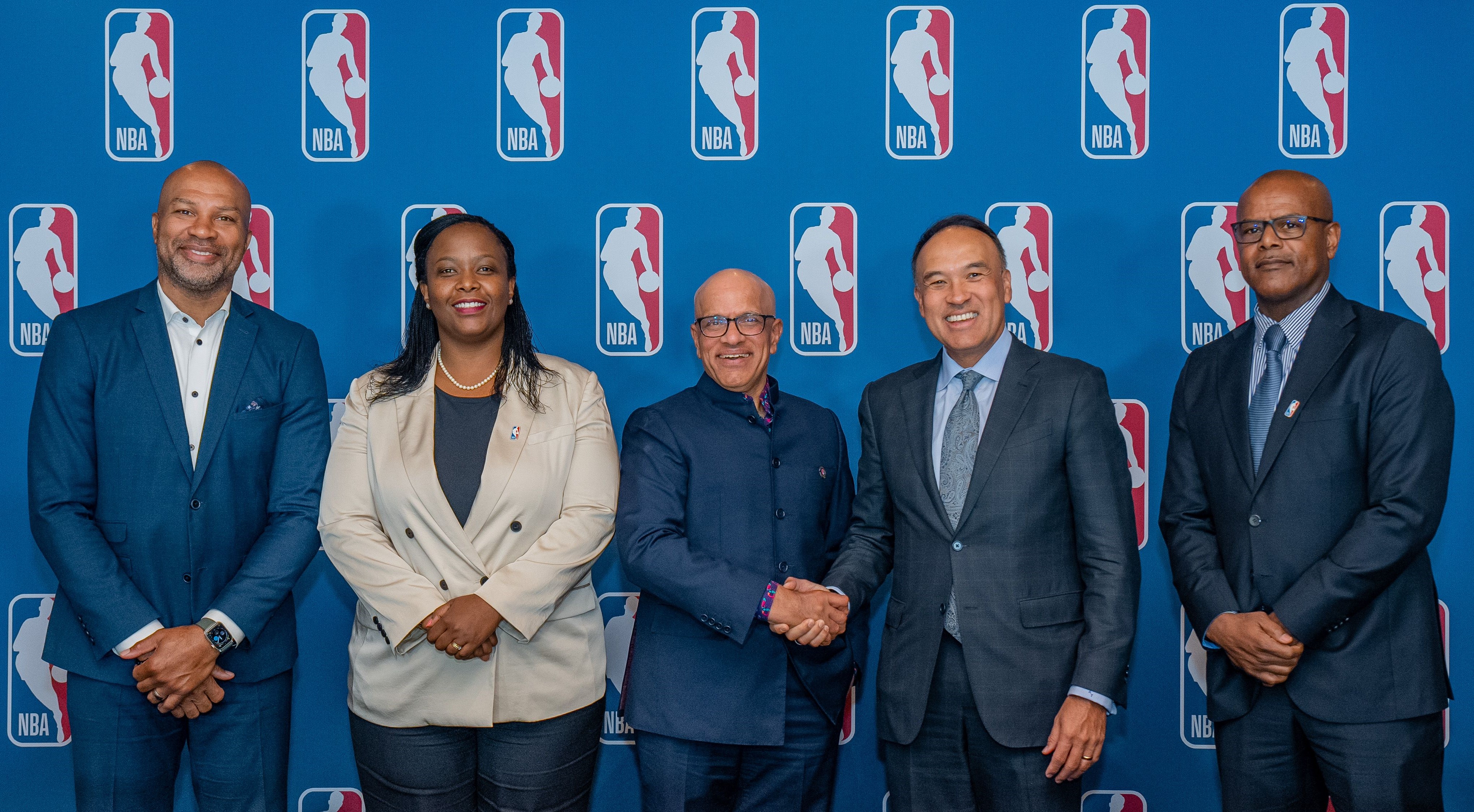
The collaboration was announced by NBA Deputy Commissioner and Chief Operating Officer Mark Tatum, Opportunity International CEO Atul Tandon, and five-time NBA champion Derek Fisher at a press conference in Nairobi, Kenya, on Tuesday, October 8, 2024.
As part of the partnership, the two institutions have committed to building the courts and hosting basketball clinics in 2025. Each court will host a Jr. NBA/Jr. WNBA coaches clinic aimed at elevating and upskilling 100 teachers and coaches in each city.
According to NBA Africa, an affiliate of the National Basketball Association (NBA), the collaboration aligns with its commitment to building 1,000 courts across Africa over the next decade.
NBA Africa and Opportunity International explained that the development for coaches and teachers in both cities is aimed at providing them with skills and best practices in coaching, refereeing, game operations, event management, program administration, and more.
“Our collaboration with Opportunity International reflects our commitment to investing in local basketball ecosystems across Africa and providing youth with the resources and opportunities to develop their leadership and basketball skills,” Tatum said.
“We look forward to working together to create safe spaces where Kenyan and Rwandan youth can play the game and participate in programs that help develop the next generation of coaches and mentors.”
Opportunity International is a global nonprofit organization that develops innovative programs using financial services, training, and support to address some of the greatest challenges faced by those living in poverty around the world.
The company’s CEO, Atul Tandon, noted that the new partnership will help bring world-class basketball courts and coaches to Africa.
“This initiative is key to our longstanding commitment to bring more education and opportunities to the youth of Africa, and we are grateful to NBA Africa, NBA Deputy Commissioner Tatum, and our longtime friend and partner Sam Garvin for coming together to help build a rising Africa,” Tandon stated.
The Jr. NBA, the league’s global youth basketball participation program for boys and girls, teaches fundamental skills and the core values of the game at the grassroots level to help grow and improve the youth basketball experience for players, coaches, and parents.
Last year, Jr. NBA programming directly reached more than 170,000 youth across Africa.
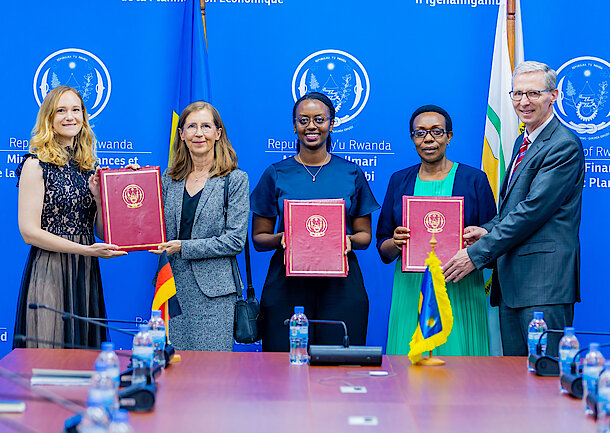
The two countries signed a funding agreement on October 8, 2024, with the German Development Bank KfW representing the German Government during the signing ceremony held at the Ministry of Finance and Economic Planning (MINECOFIN) in Kigali.
In a statement, MINECOFIN stated that the funds will be channelled into the Pro-Poor Infrastructure Basket, aimed at supporting rural districts by financing essential local infrastructure to improve the living conditions of citizens.
The new funding builds on Germany’s initial contribution of €16 million to launch the basket and complements contributions from other development partners, such as AFD (France) and LuxDev on behalf of the Government of Luxembourg.
The Inclusive Pro-Poor Basket, implemented by the Local Administrative Entities Development Agency (LODA), focuses on improving access to basic public services, rehabilitating infrastructure, providing employment opportunities, improving climate resilience, and making a positive impact on women.
The districts earmarked to benefit from the initiative include Gisagara, Nyanza, Ngoma, Nyaruguru, Gatsibo, Nyamagabe, Ruhango, Kamonyi, Rulindo, Gakenke, Burera, Gicumbi, Rutsiro, Nyabihu, Ngororero, and Nyamasheke.
Minister of State in Charge of Public Investments and Resource Mobilization, Mutesi Rusagara, who was among high-ranking officials who attended the signing ceremony, welcomed the additional funding, expressing optimism that it will enable LODA to support local governments in investing more effectively in local economic development projects.
“The Government of Rwanda has set ambitious targets in NST2 to enhance service delivery, reduce poverty, and promote economic growth. The Pro-Poor Basket is an efficient and effective tool to contribute to these goals and, thus, to the implementation of NST2,” she stated.
LODA’s Director General, Claudine Nyinawagaga, highlighted the long-standing working relationship with KfW, noting that setting up and implementing the Pro-Poor Basket in close cooperation with KfW, AFD, and LuxDev marks an important milestone in achieving the socio-economic development of Rwanda’s rural population.
Dr. Simon Koppers, Head of the Central Africa Division at the German Federal Ministry of Economic Cooperation and Development (BMZ), emphasized that Rwandan-German development cooperation has long focused on improving public services and infrastructure for the poor and vulnerable.
He noted that the additional funding for the Pro-Poor Basket is a testament to the enduring strong ties between the two countries.