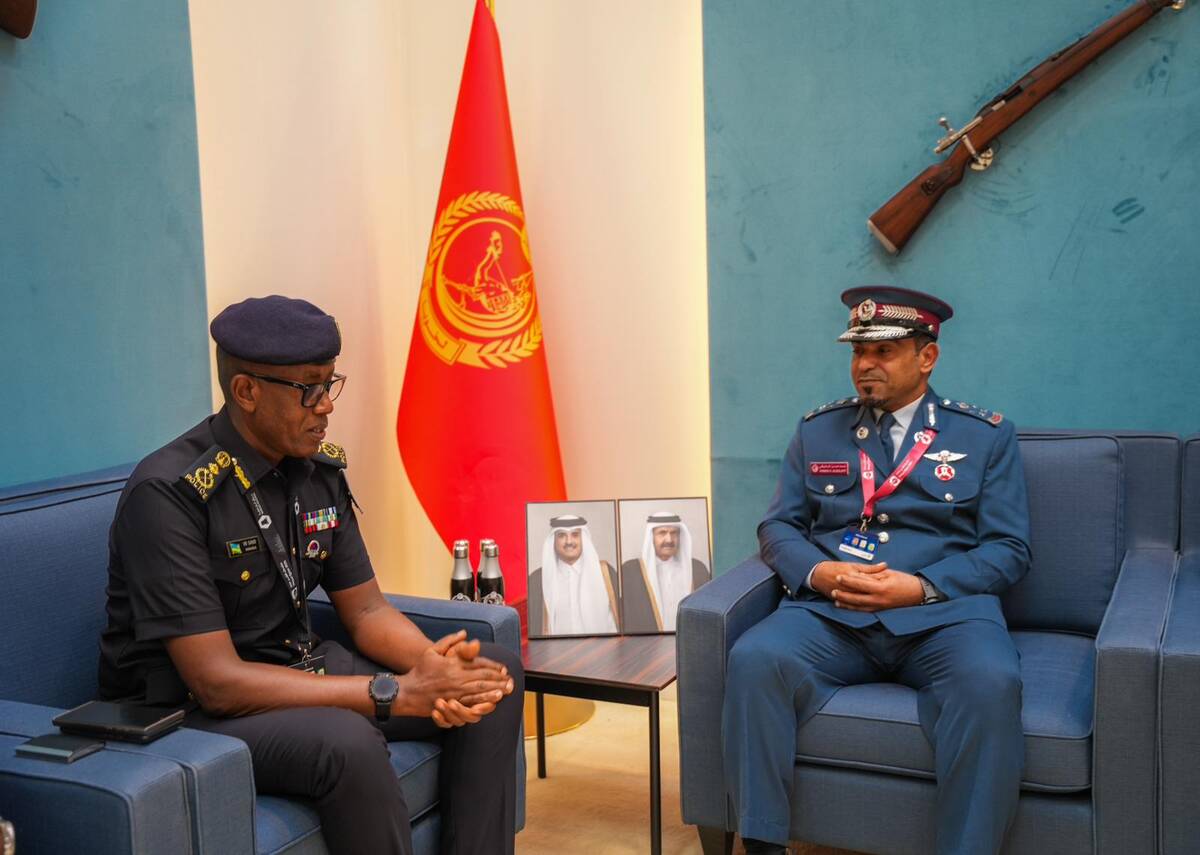
The agreement, between Rwanda National Police and Qatar Internal Security Force, was signed in Doha on Tuesday, October 30, 2024, during Milipol Qatar 2024, a global exhibition and conference focused on homeland security and safety.
Deputy Inspector General of Police (DIGP) in charge of Operations, Vincent Sano, and Major General Hamad Hassan Al Sulait signed the MoU on behalf of the two institutions.
Rwanda’s Minister of Interior, Dr. Vincent Biruta, and Commander of Lekhwiya, Qatar’s Internal Security Force, H.E. Sheikh Khalifa bin Hamad bin Khalifa Al Thani, witnessed the signing.
In a statement, the Rwanda National Police noted that the agreement paves the way for the RNP and Lekhwiya to exchange expertise on operational procedures and training in internal security systems.
“The two parties committed to further provide mutual support and to explore the latest technologies,” the statement reads.
The agreement also opens additional channels for deeper cooperation and joint efforts to address emerging security challenges.
Officers from Rwanda’s security forces have recently benefited from the deepening ties between the two countries.
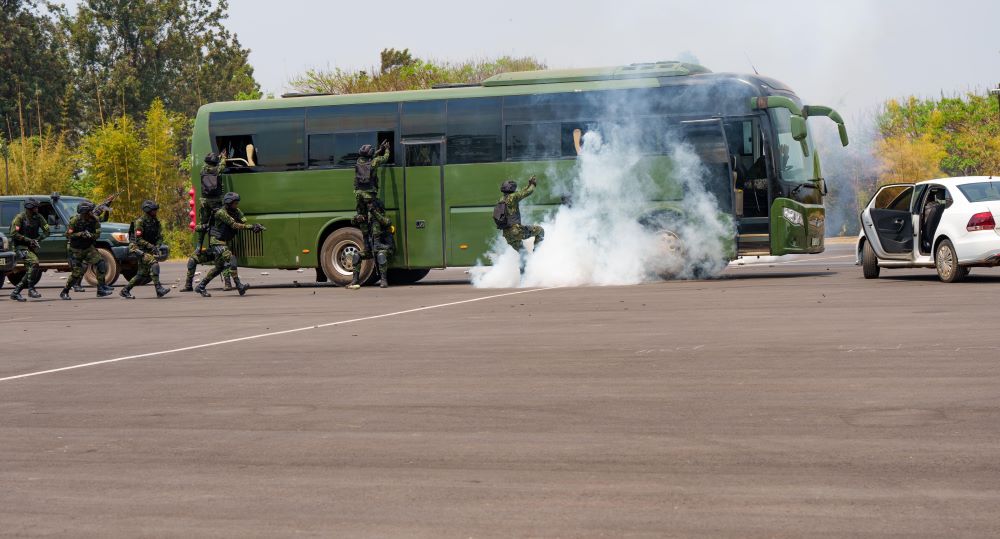
In August, 100 personnel from the Rwanda Defence Force (RDF) Military Police completed a six-week intensive training program focused on counter-terrorism, VIP protection, and anti-riot tactics.
The training, held at the Rwanda Military Academy Gako, was part of a partnership between the RDF and Qatar Armed Forces.
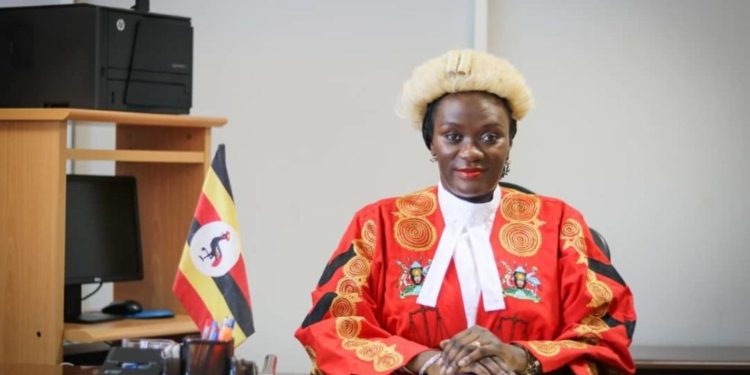
Justice Lydia Mugambe of the High Court of Uganda is reported to have been arraigned in court on August 7.
Reports of her prosecution surfaced earlier this week on Ugandan media outlets, a few days after Thames Valley Police confirmed on October 22, 2024, that a woman with the same name had been charged with three counts related to modern slavery.
The charges brought by the UK’s Crown Prosecution Service include one count of conspiring to facilitate the commission of a breach of UK immigration law by a non-UK national. The 49-year-old was also charged with one count of arranging or facilitating the travel of another person with intent to exploit, and one count of requiring a person to perform forced or compulsory labour.
In response to the media reports linking Mugambe to the incident, the Chief Justice of Uganda issued a statement late on Tuesday, October 29, 2024. The Chief Justice’s office noted that the Judiciary had reached out to UK authorities to ascertain the facts of the case and would release a detailed statement soon.
“The attention of the Chief Justice of Uganda has been drawn to media reports that Hon. Lady Justice Lydia Mugambe, of the High Court of Uganda, has been charged in a UK court,” stated Chief Justice Alfonse Owiny-Dollo. “The Hon. Chief Justice is engaging relevant government authorities regarding the matter, after which a formal communication will be issued.”
Mugambe’s trial is scheduled for February 10, 2025, and is expected to last for three weeks.
Family sources who spoke to the Daily Monitor suggested that Mugambe could be a victim of a scheme by a girl she helped travel to the UK.
According to the sources, the girl had intended to go elsewhere but was advised by her friends upon arrival in the UK to report that she was being held against her will to gain permanent residence and employment benefits.
“…That was her first stop when she arrived in the UK, and she got comfortable there. But she wasn’t supposed to stay. She was advised by other girls in the neighbourhood that she could obtain permanent papers and more opportunities if she claimed she was being held against her will, which wasn’t the case at all,” a source was quoted as saying.
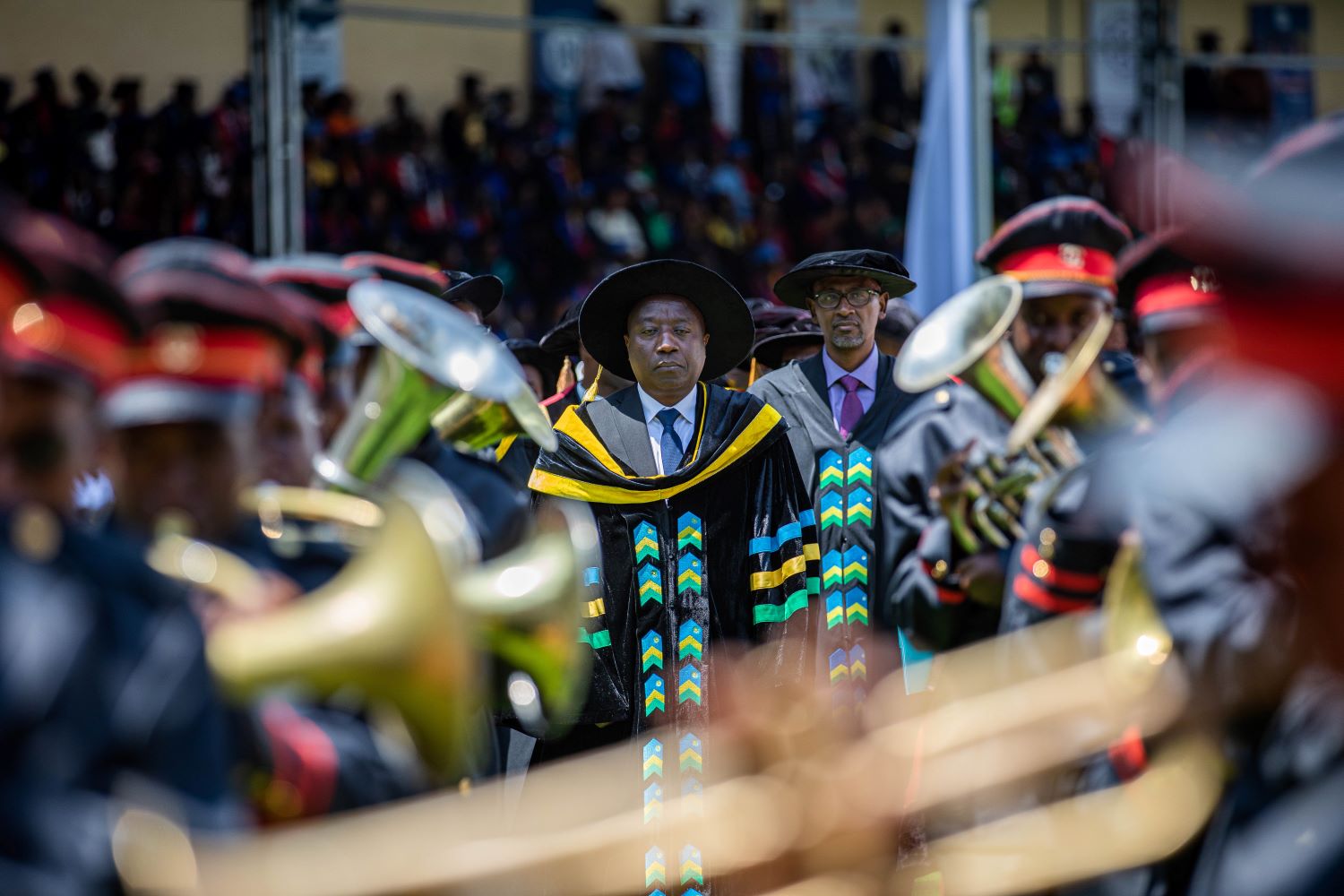
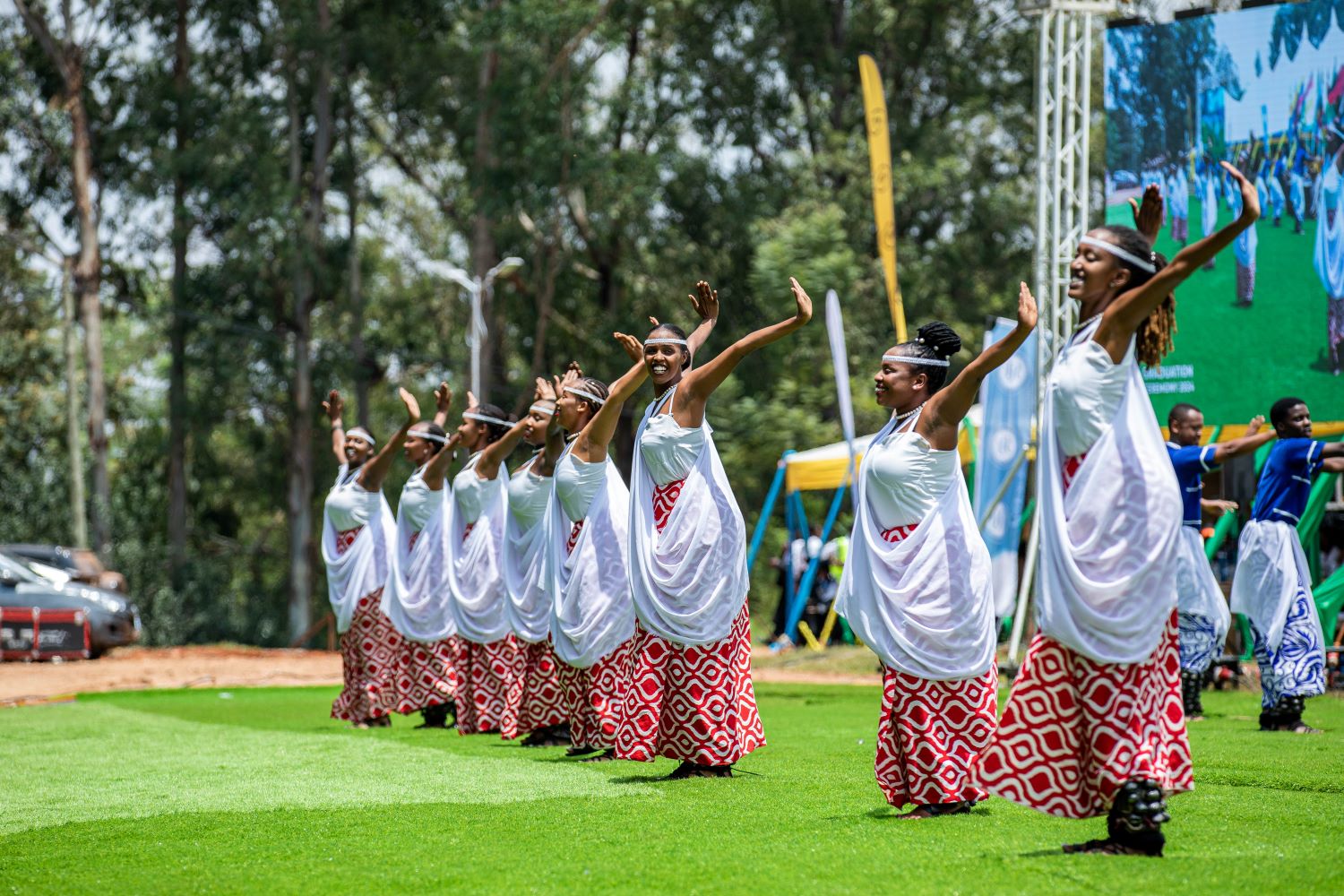
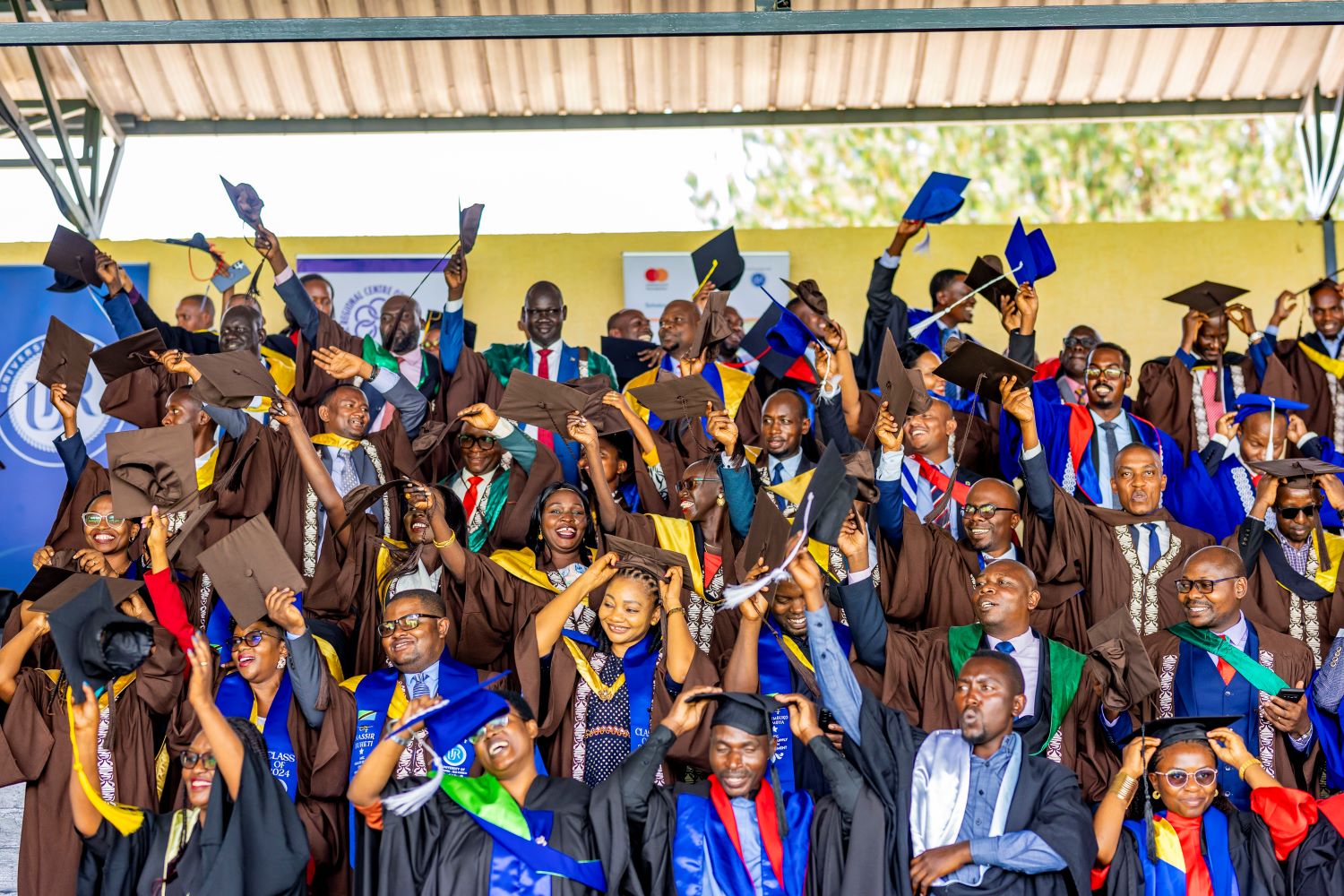
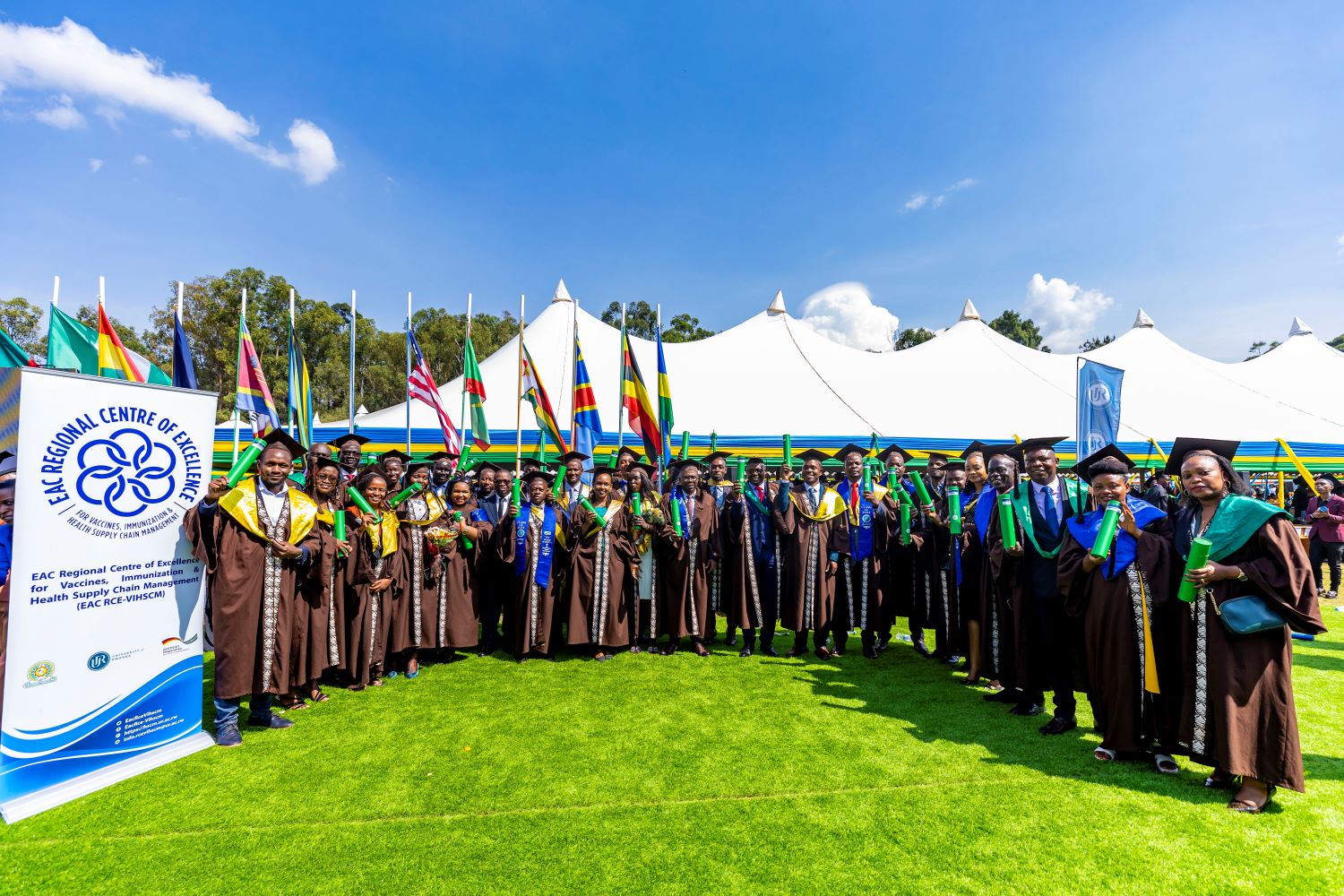
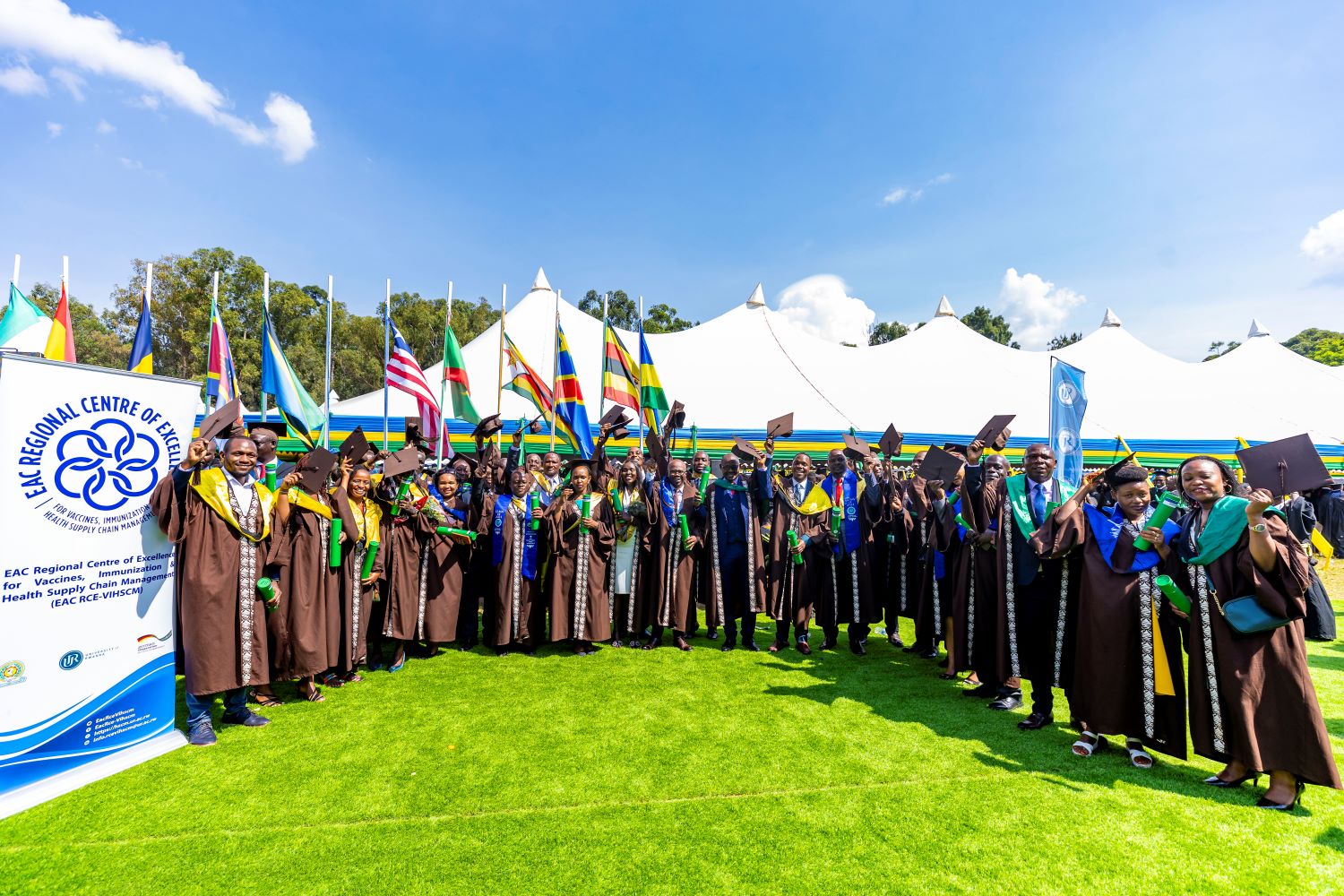
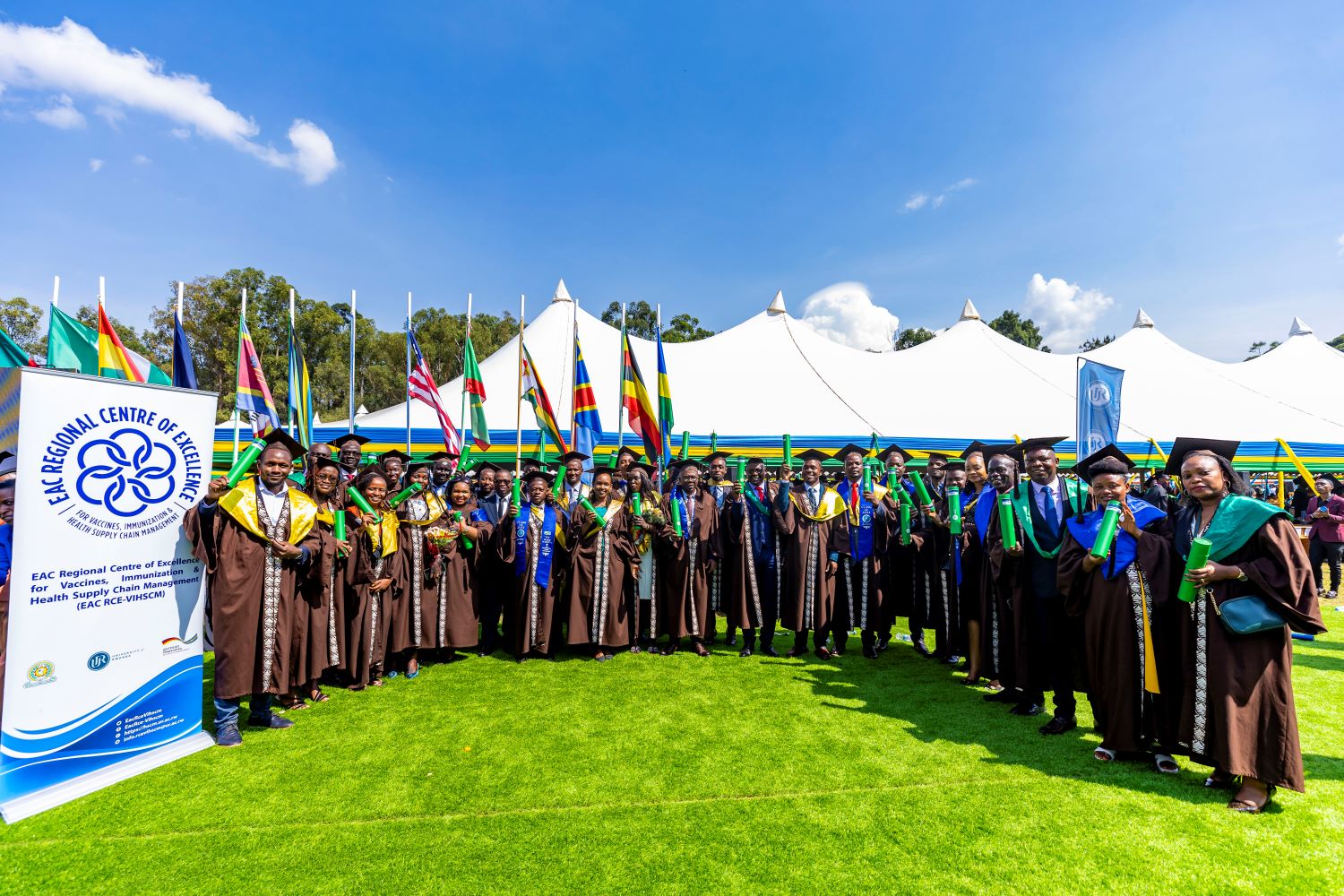
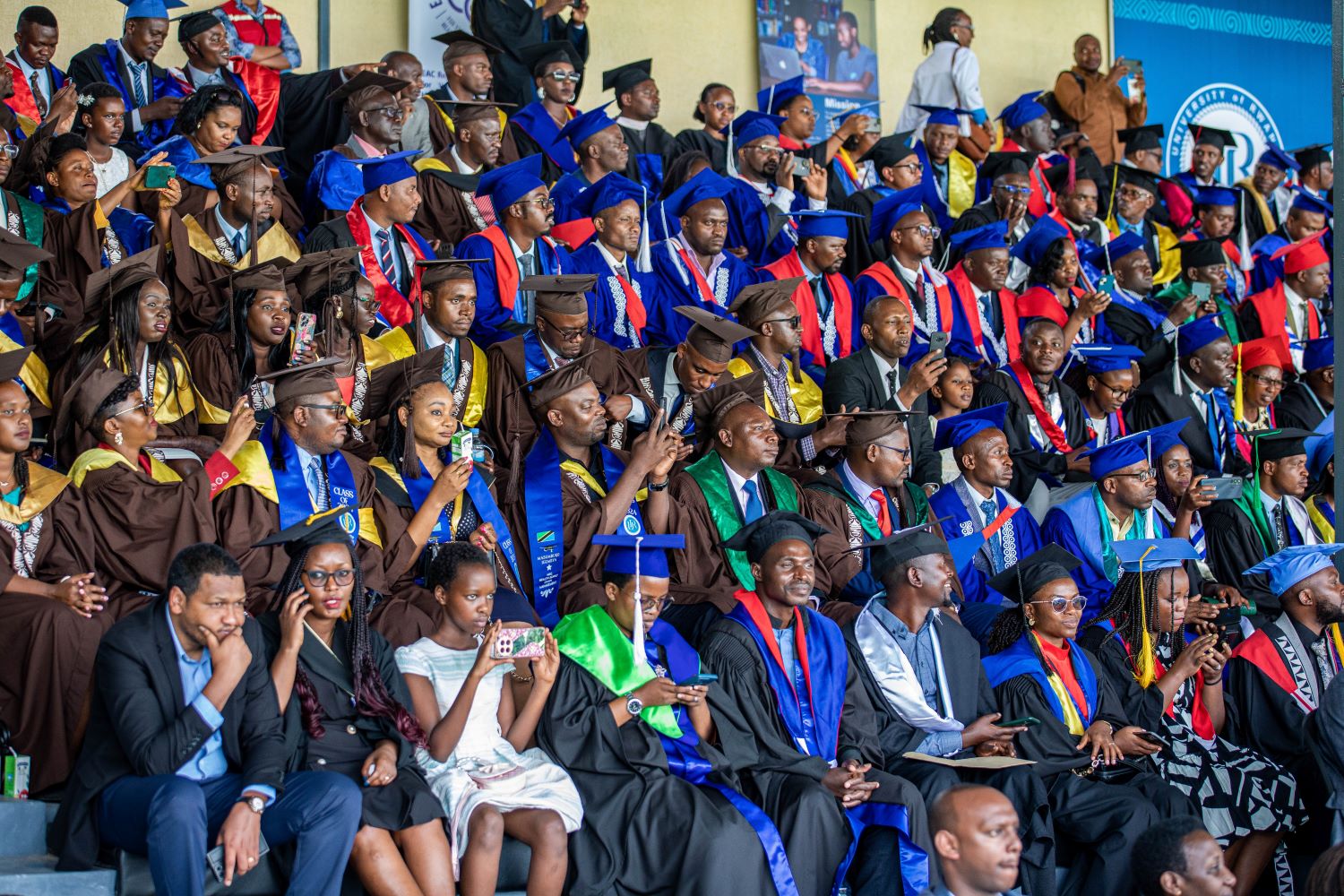
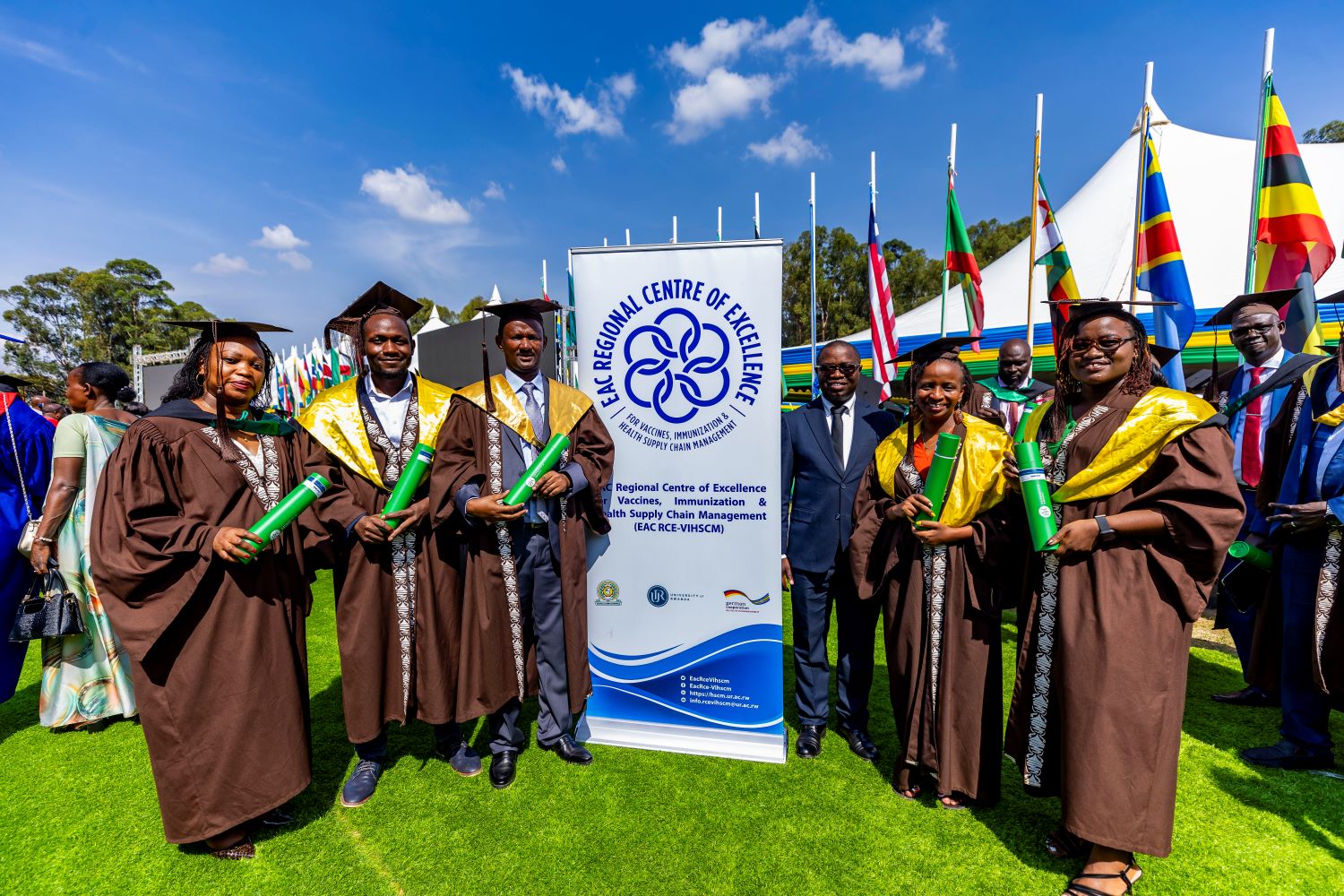
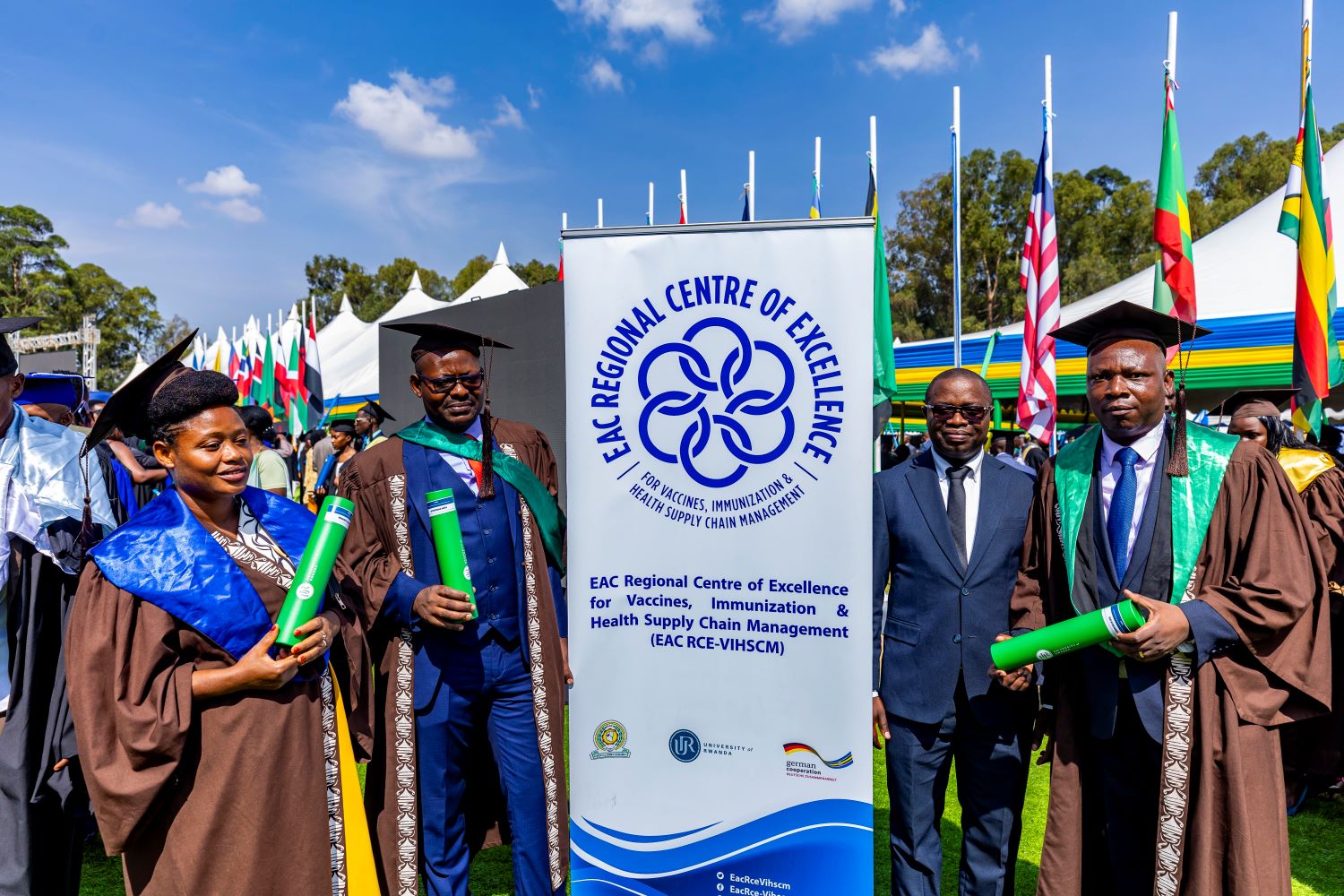
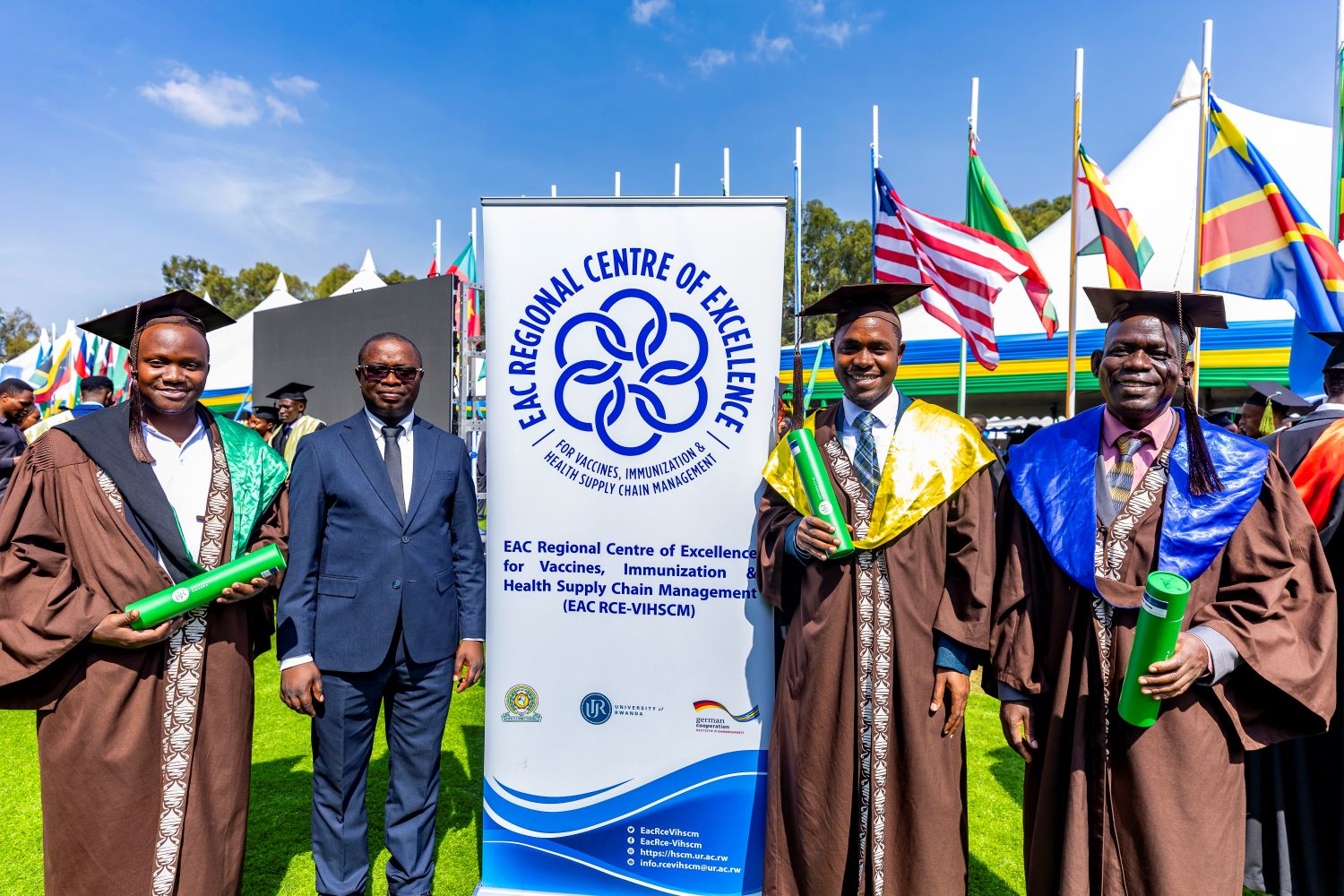
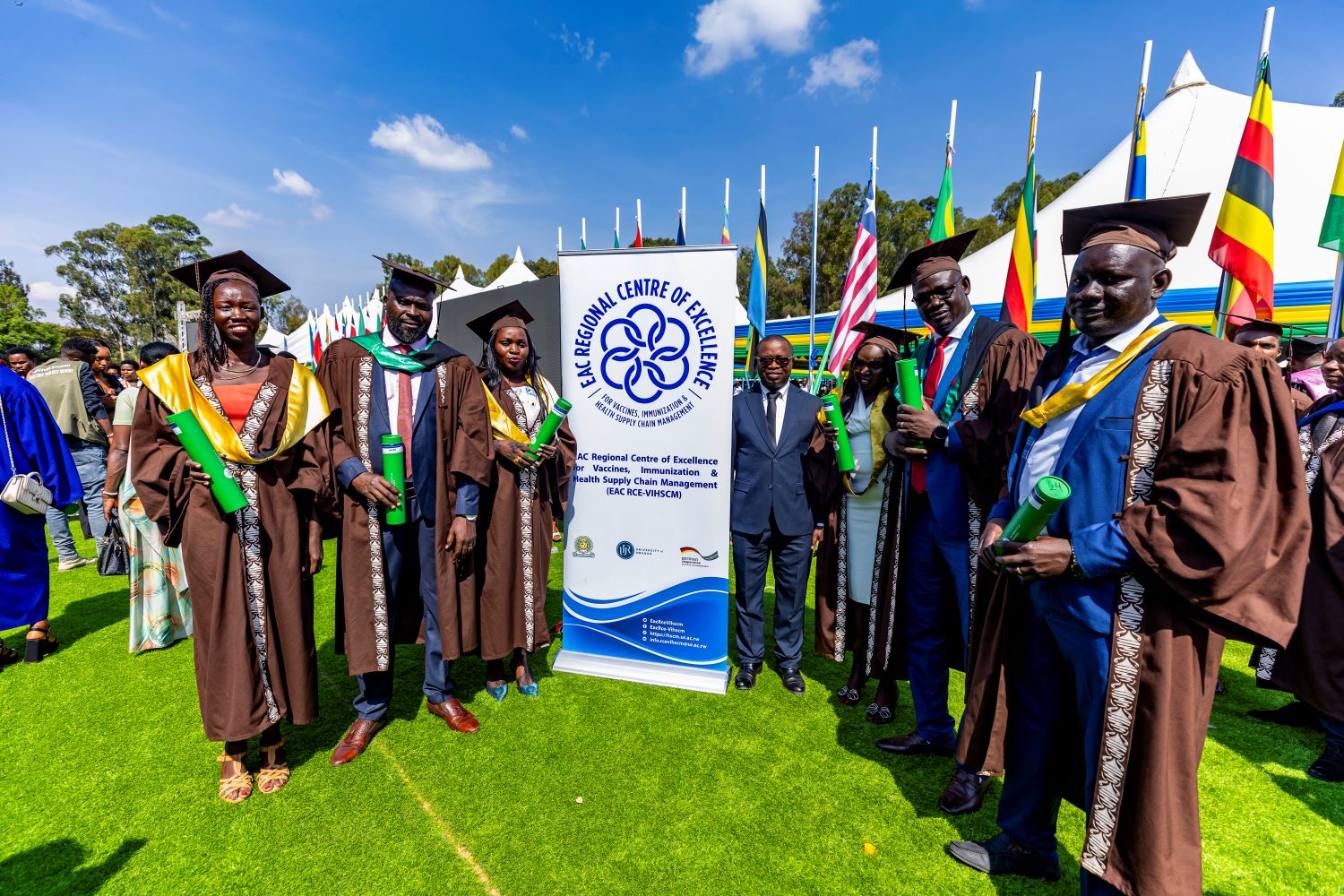
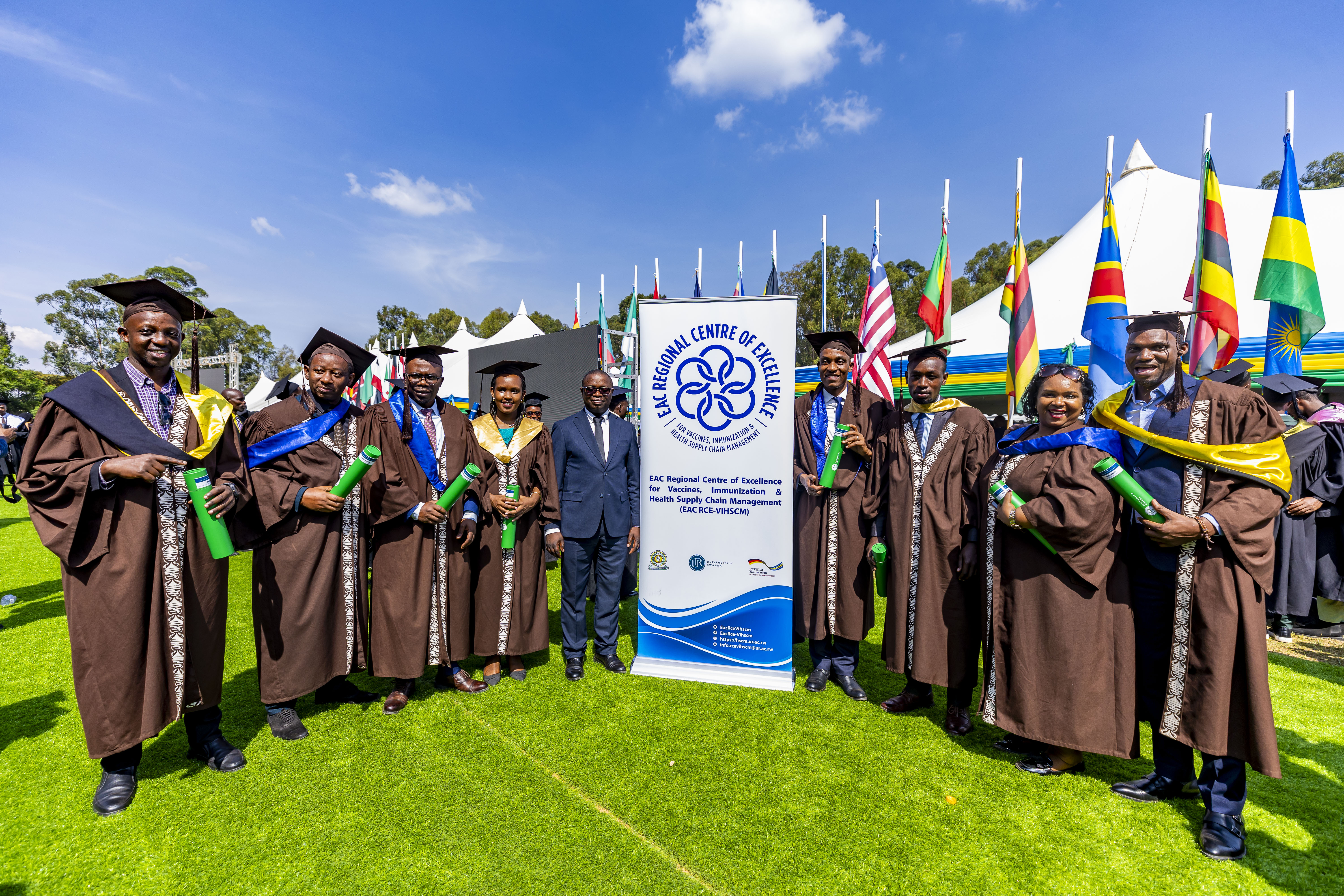
A total of 38 students from EAC Partner States graduated with a Master’s Degree in Health Supply Chain Management, bringing the total number of graduates to 135 since the program was launched in 2017. The ceremony was presided over by Prime Minister Édouard Ngirente.
The Master’s in Health Supply Chain Management (MHSCM) program is delivered through a blended learning approach, combining face-to-face instruction, online learning, and field placements over four semesters. According to EAC RCE, this structure ensures optimal knowledge transfer while minimizing disruptions to participants’ work commitments in their home countries.
The EAC Vaccines Centre lauds the graduates’ efforts throughout the two years of study, highlighting their zeal to engage in comprehensive course works, hands-on projects, and collaborative research which equipped them with essential skills to improve health supply chain systems in the region.
The training coordinator at the Centre underscored the significance of the program to the region’s health development goals.
“The Master’s in Health Supply Chain Management programme was designed to address the critical challenges facing health supply chain systems in the East African Community. With this milestone, we are confident that these graduates now possess the skills and knowledge necessary to make meaningful contributions to our healthcare systems in the region”, noted Dr. Jean Baptiste Nyandwi.
The Centre is steadily growing, having started a Master of Science in Pharmaceutical Analysis and Quality Assurance in November 2023. It is also set to launch two other programs soon, namely the Master of Science in Vaccinology and the Master of Science in Medical Products Regulatory Affairs.
With funding from the German Development Cooperation and the German Development Bank through various grants since inception, the EAC RCE-VIHCM has been able to advance its talent development efforts in creating a conducive environment for vaccine manufacturing in the EAC region and beyond. It is thanks to this support that the Centre can equitably award full scholarships worth €15,000 to each deserving public servant from the EAC.
Established in 2014, the UR/EAC RCE-VIHSCM aims to address challenges in health supply chain management within the EAC region through research and training initiatives.
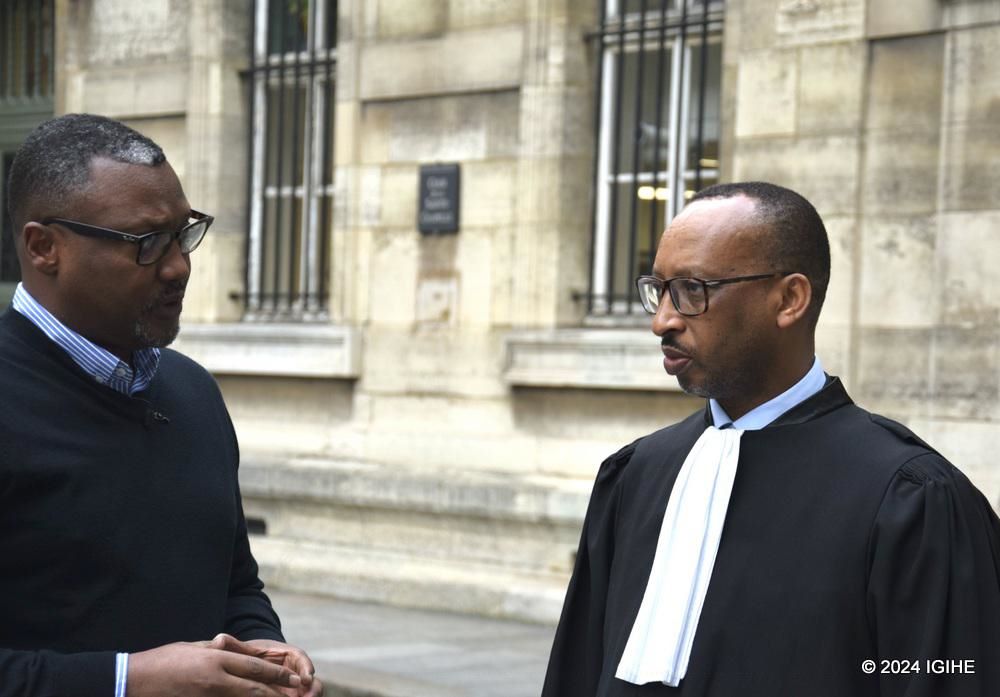
At the heart of this historic trial, Eugène Rwamucyo, born on June 6, 1959 in Gatonde (Rwanda), faces charges of genocide, complicity, involvement in a conspiracy to commit genocide, and crimes against humanity.
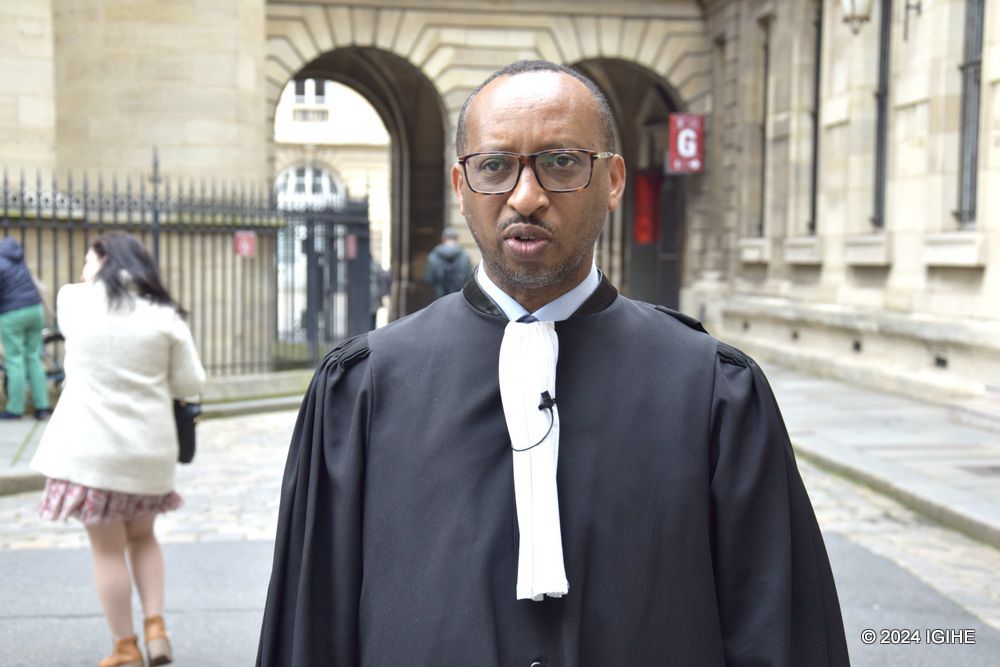
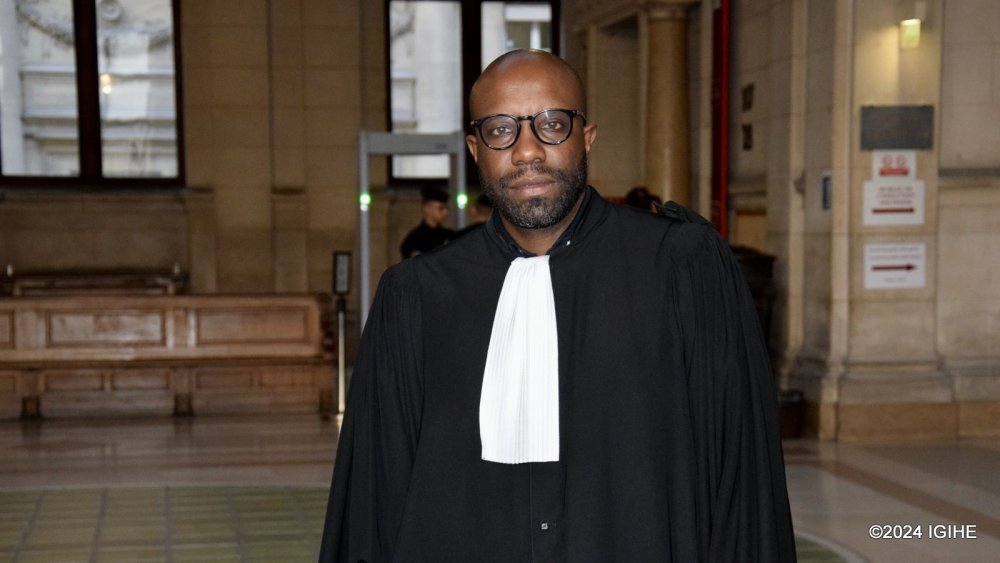
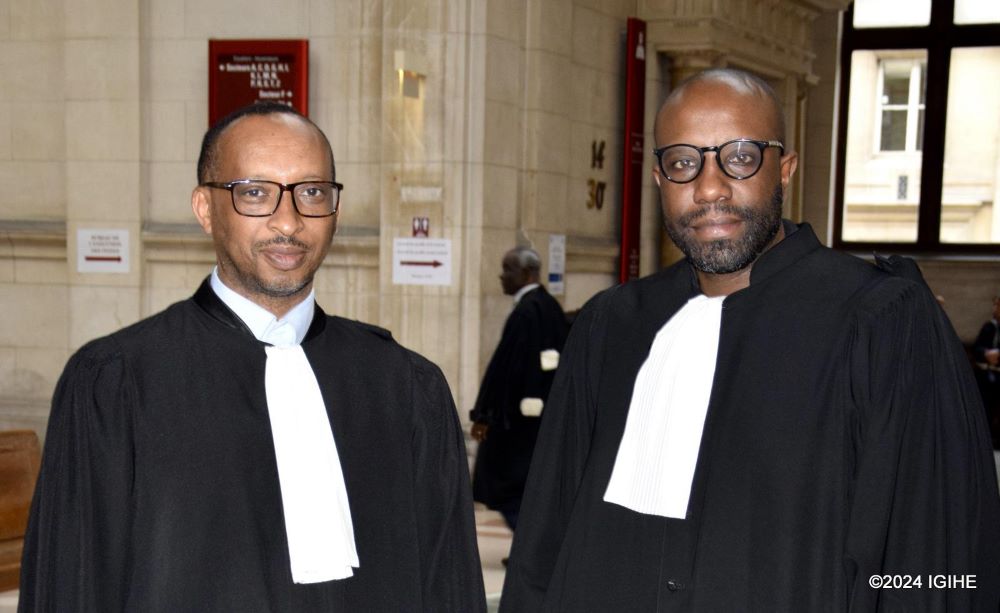
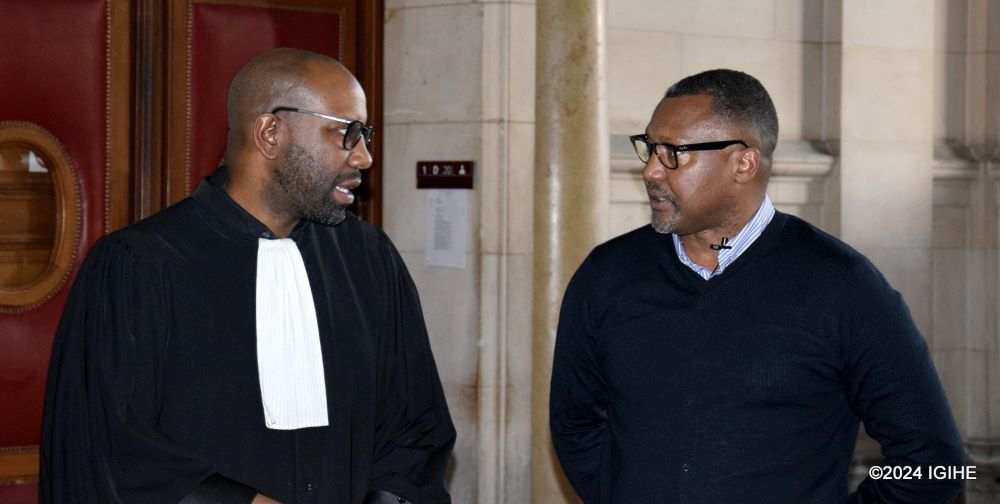
André Martin Karongozi, a Lawyer for the civil parties, made an impassioned plea to the jury: “Do not let Mr. Rwamucyo perpetuate the genocide committed against the Tutsi through his denial; do not let Mr. Rwamucyo falsify history.”
He added emphatically: “When you retire to deliberate, the hundred thousand souls of the victims killed in Butare will join you on the steps of this palace: a hundred thousand victims far exceed the capacity of the Stade de France, which is 80,000 people.”
For the families of the victims, the stakes go beyond just Rwamucyo’s trial. According to Karongozi, it is about “preventing other enemies of freedom” and affirming that “never again is not an illusion.”
In the courtroom, the weight of words resonated. Richard Gisagara, also a lawyer for the civil parties and a fervent defender of the victims’ memory, spoke of the doctor’s association with what he described as a “death enterprise.”
He emphasized the methodical and systematic violence of this destruction project, which, in his view, “aimed to erase a part of the Rwandan population, even the memory of their victims.”
For Gisagara, this trial is an opportunity for France to show its refusal to become “a safe haven for genocide perpetrators.”
To support his remarks, Gisagara reminded the jury of European tragedies, drawing a parallel with the Holocaust: “What happened in Rwanda is akin to what took place a little over 80 years ago when France and Europe witnessed the horror of the Holocaust and Nazi crimes.”
In this appeal, the lawyer wants the same dignity and recognition be accorded to Rwandan victims: “May the view you take of these facts, and of the victims, be the same as you would take for a victim of the Holocaust or Nazi crimes.”
For the civil parties, this legal battle is also a fight for truth. The context of this trial dates back to 2009, when Rwamucyo was sentenced in absentia to life imprisonment by a Gacaca court in Rwanda.
The charges against him are severe: he is alleged to have formed extermination groups, incited the population to perpetrate Genocide, provided weapons, and participated in the abduction of Tutsi women and girls. In France, his trial began in October 2024 after several years of legal proceedings and controversy.
Emmanuel Daoud, representing the organizations LDH and FIDH, emphasizes the importance of holding this trial in France, asserting that Dr. Rwamucyo “publicly supported the regime responsible for the genocide.”
Despite this, Philippe Meilhac, the defense lawyer, continues to deny his client’s involvement, arguing that these accusations are unfounded.
As deliberations continue, attention turns to the verdict. For the families, survivors, and the Rwandan community in France, Dr. Rwamucyo’s trial is more than a simple judgment; it is an act of remembrance and a message of hope that justice can prevail, even thirty years after the events.
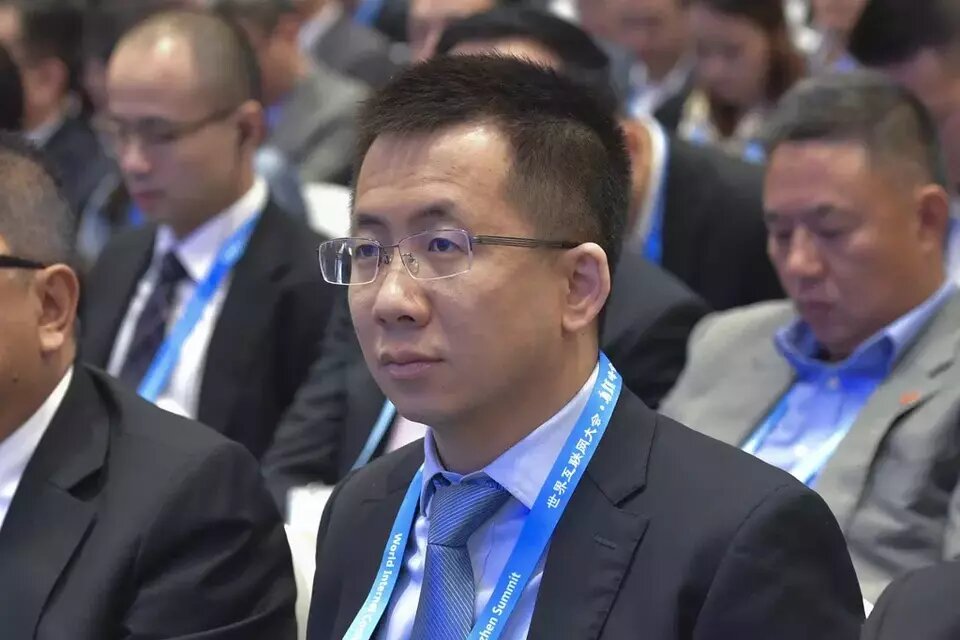
Yiming’s net worth rose to $49.3 billion—a 43% increase from 2023—making him the wealthiest individual on the Hurun China Rich List.
The 41-year-old’s fortune has grown largely due to TikTok’s rising influence, fueling ByteDance’s financial growth, with global revenue reaching $110 billion in 2023.
TikTok continues to expand despite U.S. concerns over its Chinese ties. The U.S. has indicated plans to ban TikTok by January 2025 unless ByteDance sells it.
Yiming founded ByteDance in 2014, launching TikTok two years later. Now available in over 150 countries, TikTok has offices in cities like Beijing, Los Angeles, and Tokyo.
While Yiming stepped down as CEO of ByteDance in 2021, he retains a 20% stake in the company.
In the latest rankings, Yiming surpassed Zhong Shanshan of Nongfu Spring, whose wealth has declined to $47.9 billion.
Tech conglomerate Tencent founder Pony Ma ranks third with a net worth of $44.4 billion, as the gaming firm saw rising revenues.
Other Chinese billionaires who have appeared in previous lists, including the 2024 Forbes list, are Colin Huang ($38.9 billion), William Ding ($33.5 billion), Ma Huateng ($30.2 billion), He Xiangjian ($25.1 billion), Jack Ma ($24.5 billion), Eric Li ($16.8 billion), Qin Yinglin ($15.5).
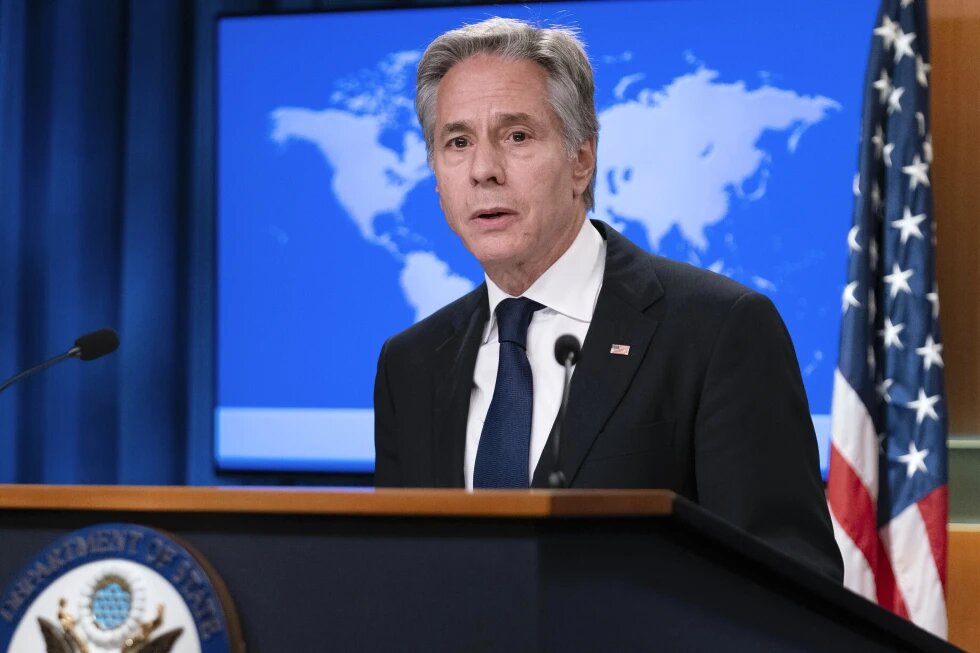
Antony Blinken, the U.S. Secretary of State, announced a new visa restriction policy targeted at Ghanaian leaders on Monday, October 28, 2024.
“This policy will take effect in advance of Ghana’s presidential and parliamentary elections scheduled to take place on December 7, 2024,” Blinken stated.
Blinken clarified that the visa restriction policy would apply only to specific individuals who undermine democracy and is not directed at the Ghanaian people or the Government of Ghana.
“Ghana has achieved three decades of democratic elections and the peaceful transfer of power between parties – a record to be proud of and a model to cherish. The United States’ readiness to impose visa restrictions if circumstances warrant is an example of our support for the aspirations of all Ghanaians for a peaceful, transparent, and credible electoral process that reflects the will of the people,” he added.
According to Blinken, the policy aims to punish individuals believed to be responsible for, or complicit in, undermining democracy in Ghana. This includes actions such as manipulating or rigging the electoral process, using violence to intimidate, coerce, or prevent people from exercising their rights to freedom of association and peaceful assembly, and intimidating political party representatives, voters, civil society members, or the media. Certain family members of such individuals may also be subject to these restrictions.
“Persons who undermine democracy in Ghana — including in the lead-up to, during, and following Ghana’s 2024 elections — may be found ineligible for visas under this policy,” he added.
Ghana has held peaceful, free, fair, and transparent elections for nearly two decades. However, with just two months to the polls, Ghana’s biggest opposition party, the National Democratic Congress (NDC), has alleged a plot to rig the elections.
Last month, the opposition held nationwide protests demanding an audit of the voter roll, alleging thousands of unauthorized transfers and deletions of voter names.
Former President John Dramani Mahama, who lost in the 2016 and 2020 elections, is running on the opposition party ticket to succeed President Akufo-Addo, who is stepping down this year after his second and final four-year term. Mahama will face off against Vice President Mahamudu Bawumia of the ruling New Patriotic Party in this year’s polls.
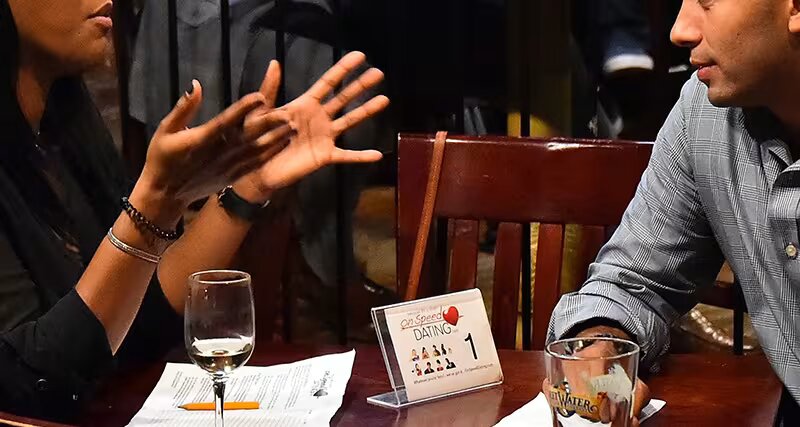
In an exclusive interview with IGIHE, Bunyeshuri revealed that the event, aimed at helping singles find their missing ribs, will be held on Friday, November 29, 2024, from 6 PM until late.
Dubbed ‘Kigali Night of Love,’ the singles party will also feature what the organizer described as ‘Bachelor Games’ and ‘Fun and Flirty Activities for Singles.’
The event will be hosted at Chem Chem Cafe Bar, housed within Rubangura Apartments in Kimihurura, and is expected to attract singles from all walks of life, including the thriving corporate sector in the Rwandan capital.
Admission to the event will cost Frw20,000 for a reserved table. However, those who pay will be able to use the ticket for consumables such as drinks.
Participants will be treated to performances from the Twilight Band, a member of the prestigious International Jazz Festival in Washington, DC. The band specializes in jazz, blues, soul, rhythm and blues, and funk music.
Bunyeshuri, who has hosted similar events in Ethiopia, Uganda, and North America, expressed confidence that the event will provide a relaxed and low-pressure atmosphere, offering singles the perfect opportunity to explore romantic connections while also improving their social interaction skills, especially for those who are busy or shy.
“We are creators of what is burdened to be unburdened and give loving singles a chance to realize their dreams by attending and matching with serious, responsible hopefuls! It’s all in the name of love!” he stated.
Notably, unlike conventional dating, which focuses on longer, one-on-one interactions that allow people to build a deeper connection before deciding to pursue a relationship, speed dating involves meeting a large number of people in a short period to gauge compatibility.
Speed dating events are designed to be engaging, making it a fun way to meet new people rather than the sometimes-intense experience of traditional dating.
During his last appearance on IGIHE’s[ ‘Scoop on Scoop’ entertainment show in September->https://youtu.be/zxCv91XdcMg], Bunyeshuri described the speed dating event held earlier this year as successful, insisting that some of the participants have gone on to build thriving relationships.
“There were so many young diplomats from international embassies in Rwanda, members of the corporate sector, and young entrepreneurs who don’t have time to go to bars and look for someone, or to ask their families to connect them to others. They want to meet in a more corporate environment, and that was the right place for them,” he said, noting that some people who criticized the speed dating event misunderstood its purpose and impact.
He acknowledged that criticism and the fear of being judged are some of the challenges facing emerging trends in modern dating, especially in conservative societies.
“Speed dating in Rwanda, a very conservative country, obviously faces negative talk and criticism from people. This is expected,” he added.
In a notice released on Monday, October 28, 2024, the government agency stated that the impersonators have been making phone calls, falsely claiming to offer sponsorships, assist with international travel, or expedite the processing of important documents, including passports and visas.
“It has been observed that some individuals are falsely claiming to represent the Rwanda Development Board (RDB) to deceive the public. They often create a sense of urgency, pressuring victims to pay unauthorized entities,” the notice reads in part.
RDB asserted that the agency does not request service payments through phone calls or unofficial channels.
“All legitimate communications from RDB will come from official contact details, and any required fees must be paid exclusively through authorized government channels,” RDB stated.
“Be cautious of unsolicited calls, especially those requesting urgent payments or offering special opportunities.”
Members of the public have also been urged to always verify the identity of anyone claiming to represent RDB by contacting official channels before taking action. They should report suspicious calls or messages to RDB or relevant law enforcement authorities immediately.
“To report suspicious communications claiming to be from RDB, please contact: RDB Call Center: 1415; Email: info@rdb.rw; Office Address: RDB Building, 1 KG 9 Ave, Kigali,” RDB advised.
RDB was established in 2008 to accelerate Rwanda’s economic growth by facilitating private sector development.
RDB’s core functions include:
-* One-Stop Services: Providing comprehensive services for businesses and investors, including registration, licensing, and permit issuance.
-* Investment Promotion: Attracting foreign direct investment and promoting domestic investment.
-* Export Development: Supporting businesses in exporting Rwandan products to international markets.
-* Tourism and Conservation: Developing the tourism sector and promoting sustainable conservation practices.
-* Skills Development: Upgrading the skills of the Rwandan workforce to meet the demands of the modern economy.
By streamlining processes and offering a range of services, RDB aims to create a conducive business environment and drive economic growth in Rwanda.
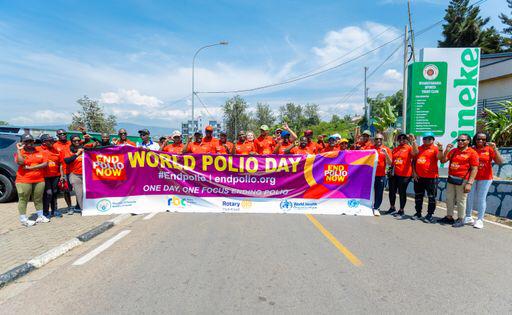
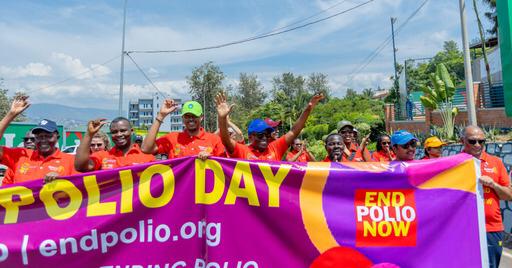
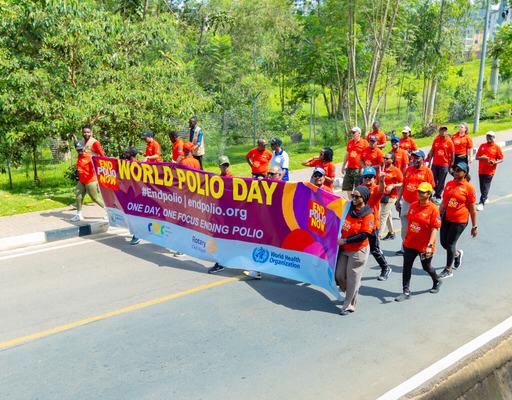
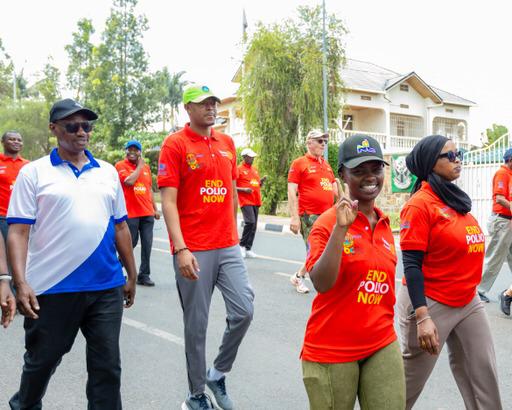
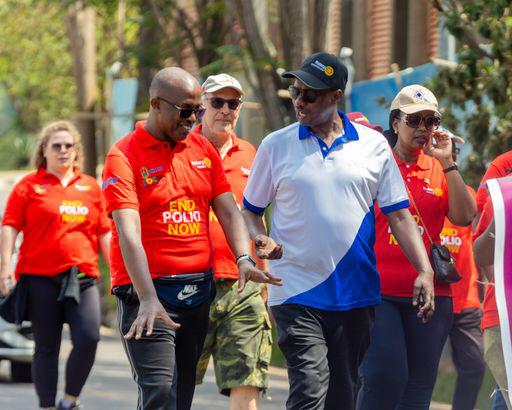
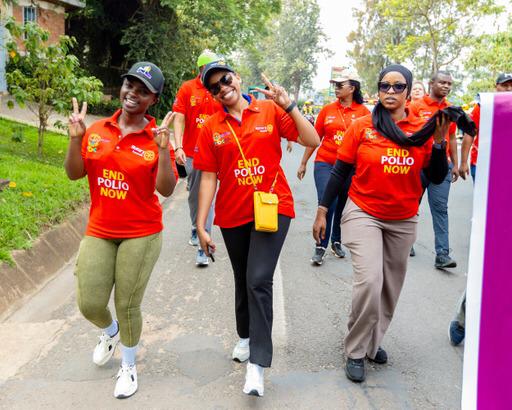
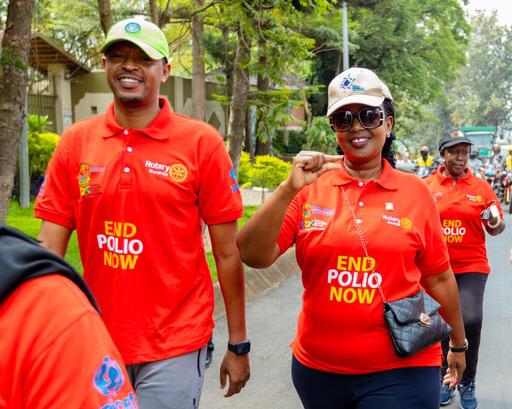
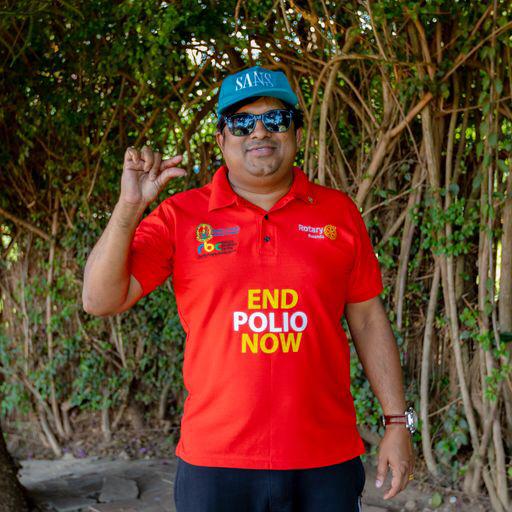
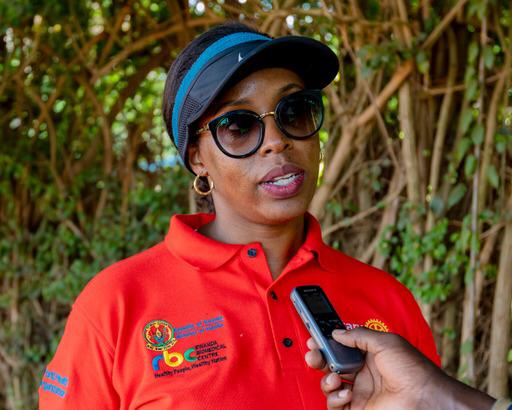
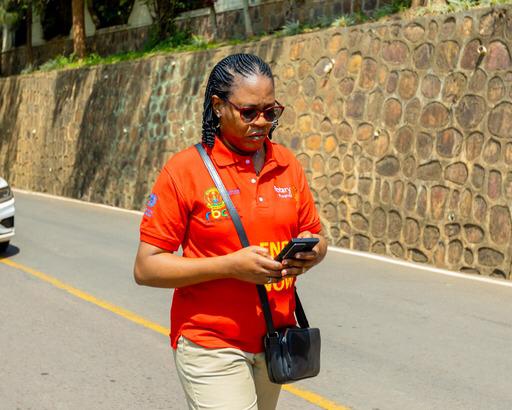
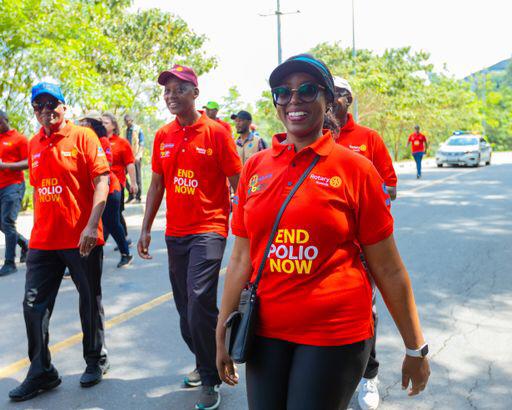
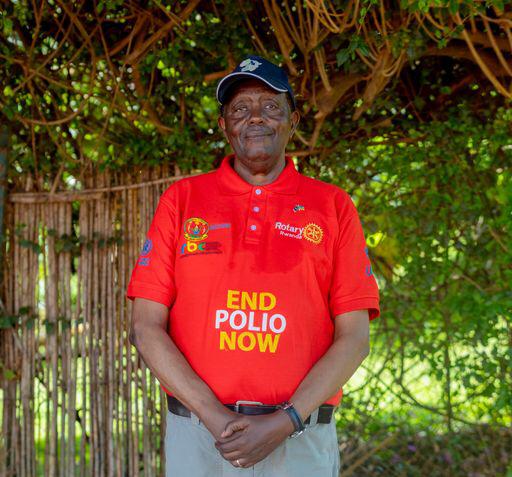
The march took place on Sunday, October 27, 2024, with members of Rotary Club Rwanda and its partners starting from Amahoro Stadium to Tennis Club in Nyarutarama.
The event was attended by Dr. Kayondo King, a member of the Government appointed Committee for polio eradication, and Dr. Langa Nelia, a representative of the World Health Organization (WHO).
Dr. Alex Muderevu, head of the Polio Eradication Commission at Rotary Club Rwanda and a physician, stated that while polio has been eliminated in Rwanda, efforts to combat it have not ceased.
He said, “Although polio has not been present in Rwanda since 1993, we aim to emphasize the need for constant vigilance, as the disease is still present in other countries. We must strengthen our advocacy to enhance prevention, especially since we interact with these other countries.”
He explained that polio is generally transmitted through food or drink contaminated with the virus, primarily affecting children under five and others with low immunity. Once contracted, polio often leaves the arms or legs paralyzed, resulting in disability.
Muderevu urged the public to maintain hygiene as a preventive measure and to vaccinate all children, noting that there are sufficient vaccines available as a primary defence against the disease.
Carole Karema, representing the District Governor of Rotary District 9150, which includes Rwanda, expressed pride in the organization’s efforts to fight polio globally and particularly in Rwanda.
She said, “For the past 35 years, Rotary International has been engaged in the fight against polio worldwide. We are over 1.4 million members, each contributing $25 annually to combat the disease.”
She added that the funds collected by Rotary Club are used to support government efforts in purchasing polio vaccines and to finance awareness campaigns in various areas to promote prevention.
She noted that the ten countries in Rotary District 9150, including Rwanda, are currently raising $60,000 to intensify the fight against polio.
Karema also praised the collaboration between the Rwandan government, Rotary Club, and partners such as WHO and UNICEF in combating polio in the country.
Suman Alla, Deputy Governor of Rotary District 9150 in Rwanda, highlighted Rotary International’s commitment to fighting polio as one of the diseases that can severely impact human health, with Rotary having invested around $2.1 billion globally over the past 35 years.
He added that Rotary International has helped to vaccinate over 3.1 million children against polio, and the campaign to completely eradicate the disease worldwide continues.
To declare a country polio-free, at least three consecutive years without new cases must be observed.
Globally, polio remains present in Pakistan and Afghanistan, while in Africa, many countries have eradicated it, though a few have not officially been declared polio-free.
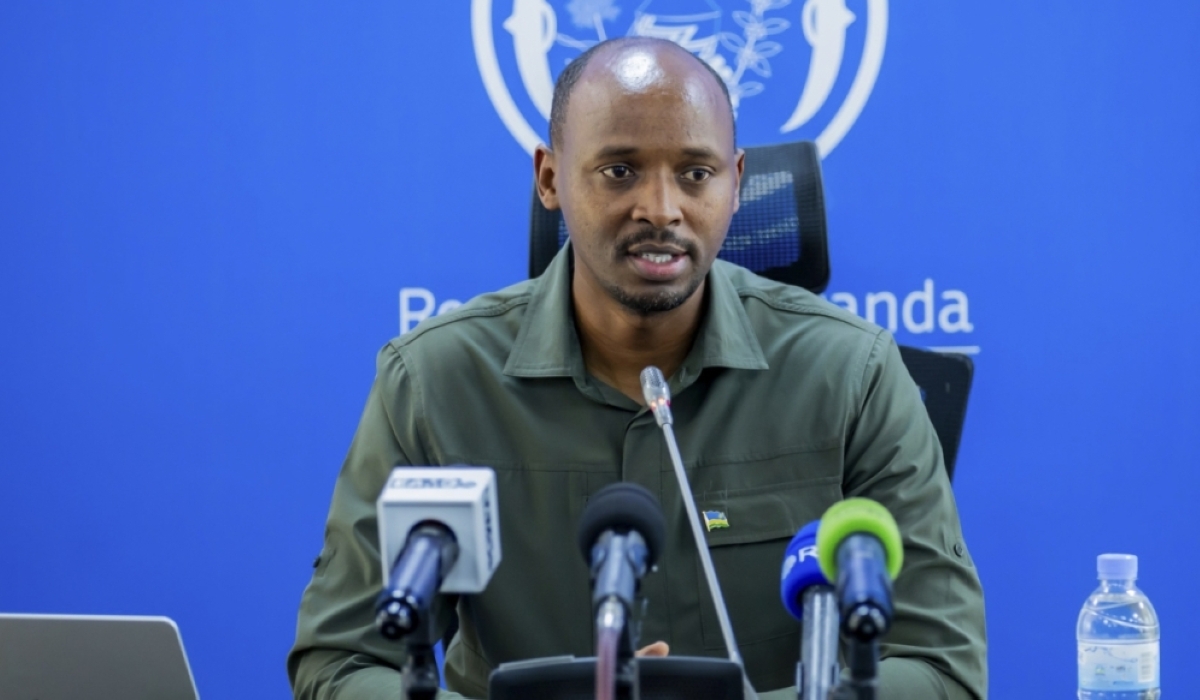
Health Minister Dr. Sabin Nsanzimana had [initially linked the outbreak to a zoonotic origin ->https://en.igihe.com/news/article/rwanda-s-marburg-virus-outbreak-linked-to-animal-origin?var_mode=calcul] on October 20, 2024, while noting that investigations were still ongoing.
In a recent update, Dr. Nsanzimana confirmed that the virus had jumped from animals to humans, with the 27-year-old index case traced back to a cave where mining activities had been ongoing.
“We managed to trace back and find that this outbreak came from a zoonotic origin, and we were also able to find the cave where these particular fruit bats were living, with human activity—particularly mining—taking place. That’s where we found our index case,” Dr. Nsanzimana stated without specifying the cave’s location.
Dr. Nsanzimana explained that extensive research, including genomic sequencing, epidemiological investigations, and environmental testing, pointed to a zoonotic origin.
“The focus now is to ensure that these fruit bats living in caves are not interacting with humans and to share sequencing information that can be useful for other parts of the world where these species are living,” he added.
The Health Minister also revealed that all mining activity at the cave has been halted, and assessments are being conducted on the people who worked there to ensure they don’t become ill.
“We’ve brought together different teams from veterinary science, epidemiology, genomic surveillance, and lab diagnostics to test these animals and also the people,” he said. “It’s very important for the scientific community to study the animal perspective, humans, and the environment.”
The Marburg virus is a highly contagious disease that causes severe hemorrhagic fever. While outbreaks are rare, they often result in high mortality rates and pose serious public health challenges.
During the earlier press conference on October 20, 2024, attended by World Health Organization (WHO) Director-General Dr. Tedros Adhanom Ghebreyesus, Dr. Nsanzimana said the outbreak in Rwanda was first identified after the index case was hospitalized at King Faisal Hospital, where he was treated in the intensive care unit. Healthcare workers attending to him soon exhibited symptoms, prompting an investigation into the source of the virus.
“Identifying the index case has been the result of several efforts. We are very happy to have reached this point because, in many outbreaks, it is extremely difficult to do so,” the minister revealed.
Since the first-ever outbreak was declared in Rwanda on September 27, 2024, a total of 65 cases, 15 deaths, and 47 recoveries have been recorded.