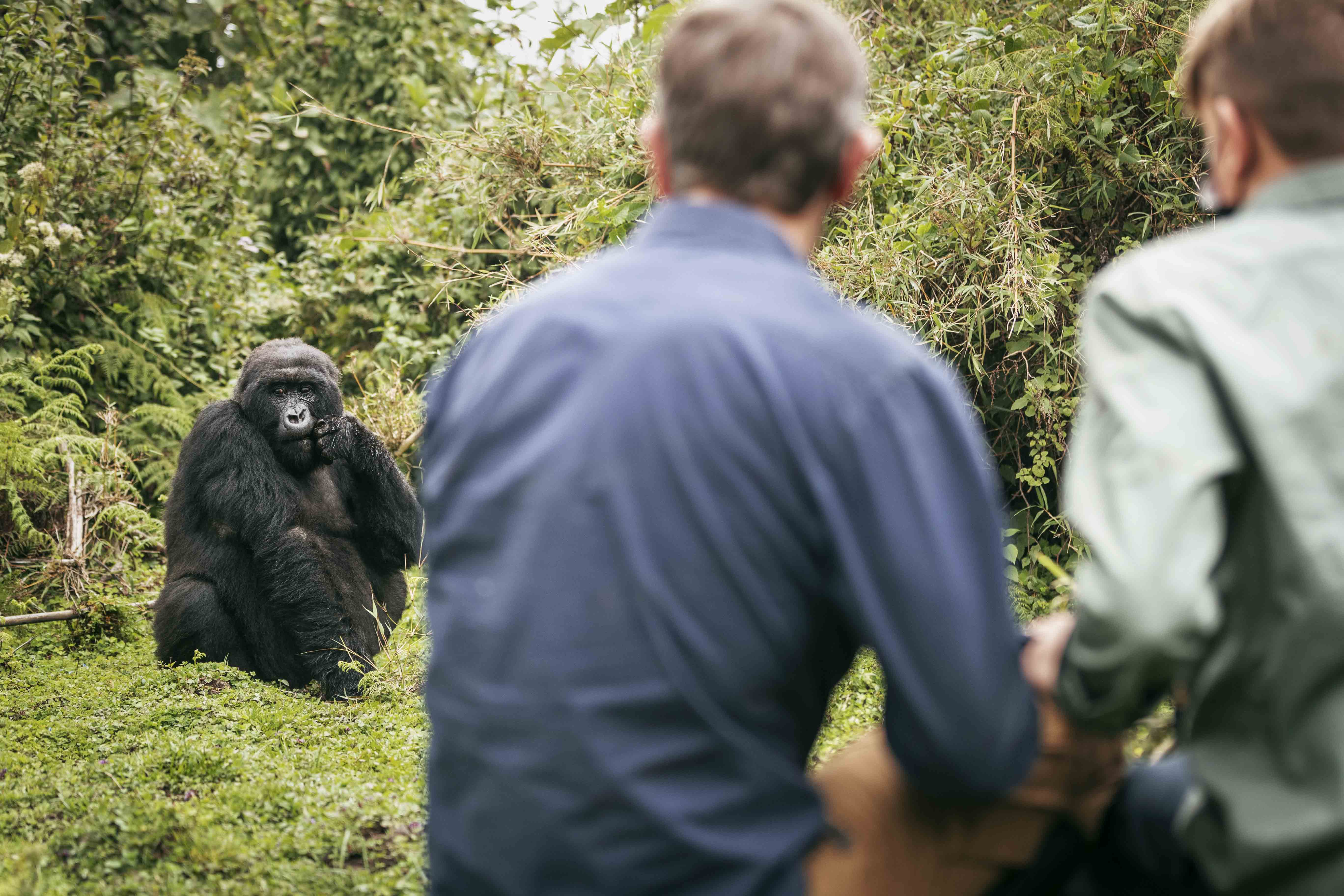
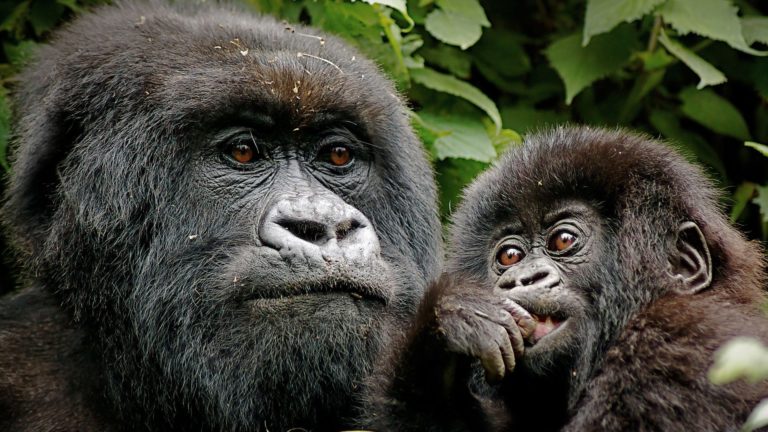
The program, currently being piloted at Volcanoes National Park, allows tourists to make symbolic financial contributions during real-time interactions with mountain gorillas through digital wallets, similar to accounts provided by mobile money platforms like MoMo. The funds can be used to protect gorilla habitats and enhance their well-being.
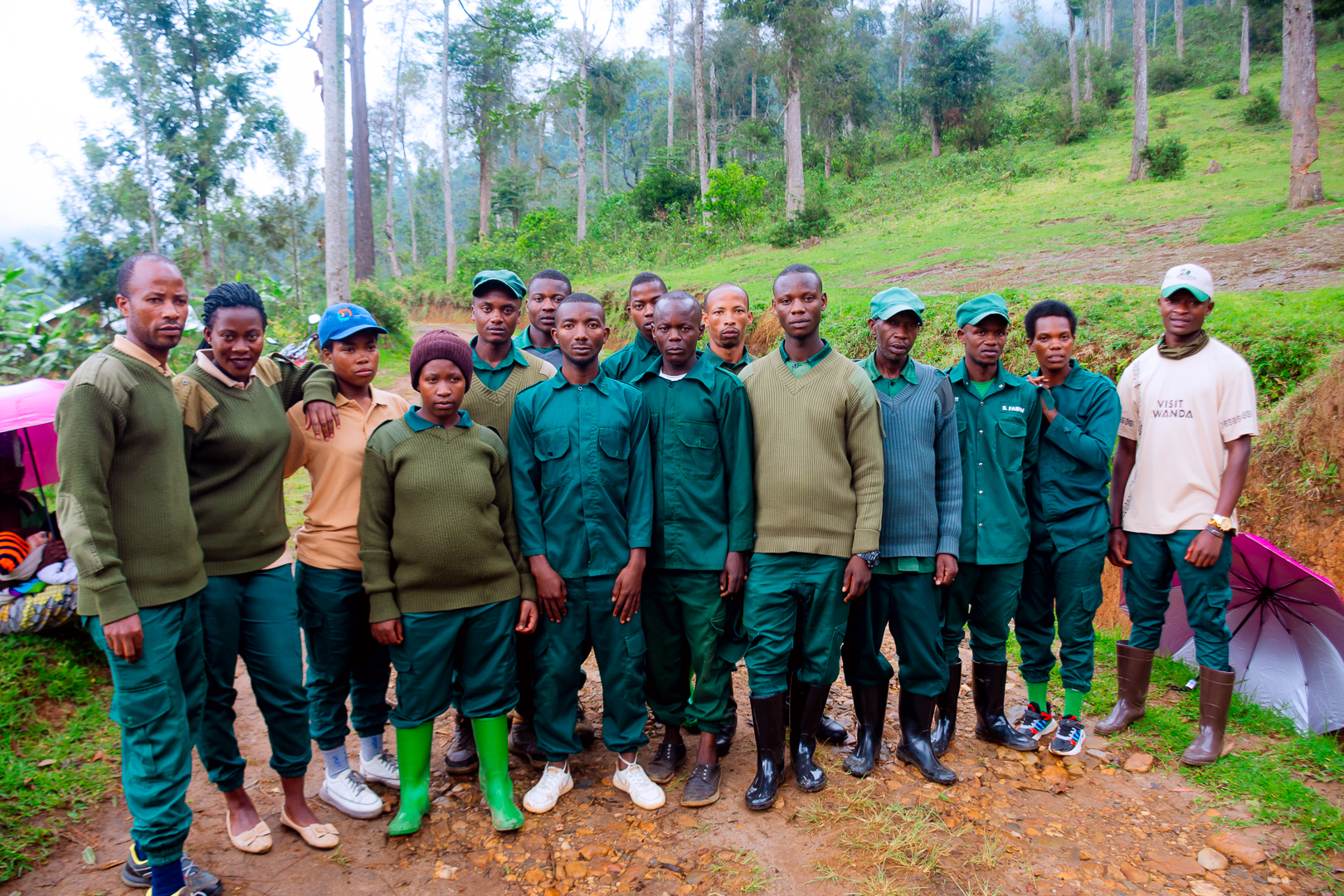
So far, 20 mountain gorillas in Volcanoes National Park have been successfully integrated into the system, enabling the apes to “pay” for essential conservation services like hiring park rangers who protect them.
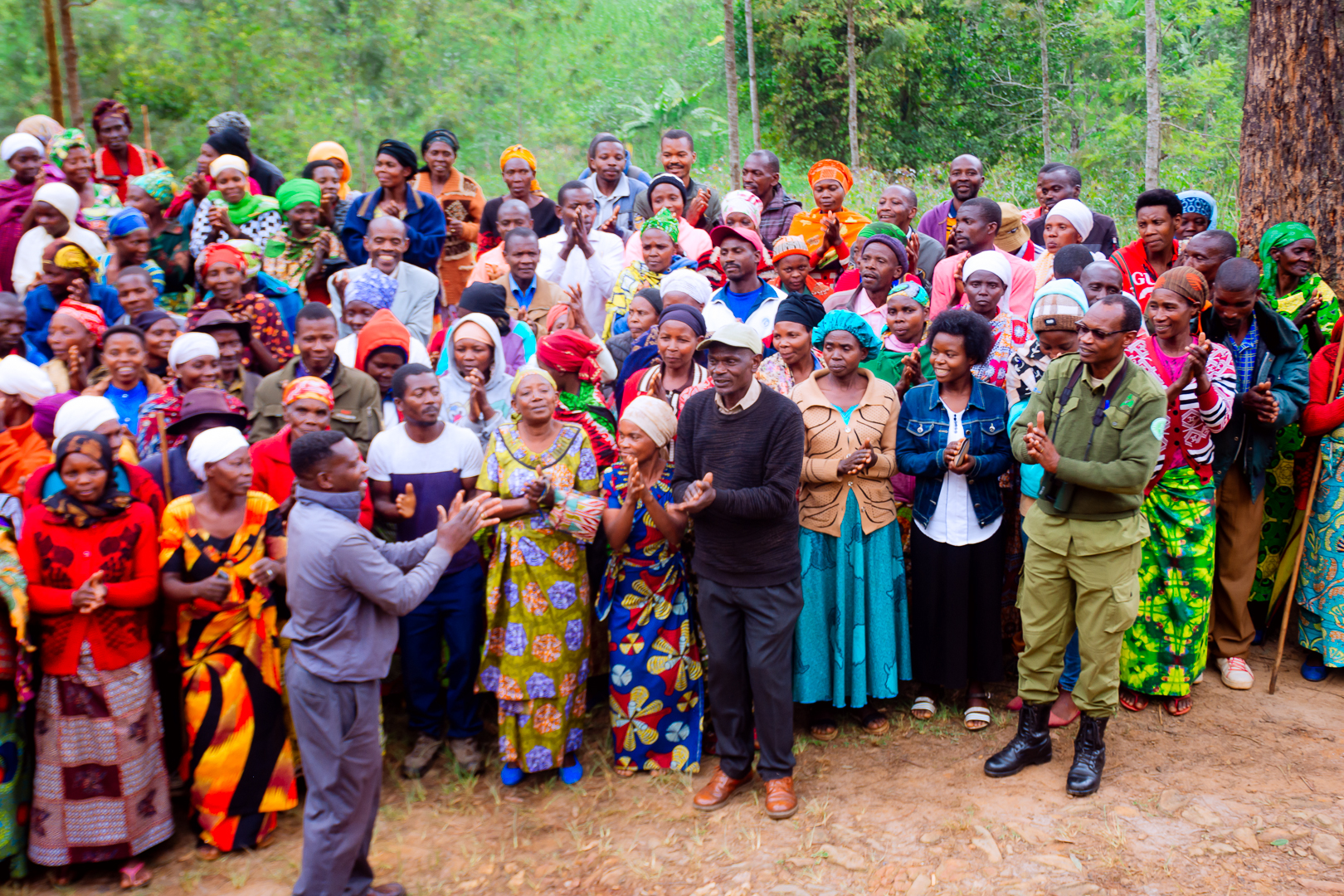
Developed by Africa-based startup Tehanu, the initiative also incentivizes local communities to participate in wildlife conservation. For example, residents near the park can earn income by undertaking ecosystem-supporting tasks like photographing wildlife, recording animal sounds, or reporting sightings of specific species.
Jonathan Ledgard, the CEO and co-founder of Tehanu, told a local daily that the initiative not only enhances conservation funding but also deepens the connection between visitors and Rwanda’s iconic primates, offering a new dimension to eco-tourism in the region.
“By integrating both wildlife and humans into the financial system, the interspecies money initiative aims to create a circular economy that fosters mutual prosperity,” Ledgard told The New Times.
He added: “In Kigali, you can send money to your village using Momo. Now imagine a bat, a tree, or even a gorilla being able to receive and spend money, all for services that benefit them.”
In developing the digital platform, Tehanu leveraged artificial intelligence to understand the specific needs of the gorillas.
Gorilla tourism remains a key revenue stream for Rwanda, with visitors paying a minimum of $1,500 per person for gorilla trekking permits, which grant access to the park and an hour spent with the gorillas.
In 2023, the number of tourists visiting gorilla sites reached a historic high, growing by 29.4% to 25,927 visitors, according to an April report by the Rwanda Development Board (RDB).
The tourism sector also saw impressive growth, generating $650 million (Frw 832 billion) in revenue, marking a 35% increase compared to 2022.
Tehanu estimates that Rwanda’s mountain gorilla population has a financial value of approximately $1.4 billion, equivalent to about 10% of the country’s GDP.
In the [2024 rankings->https://www.visaopenness.org/] by the African Visa Openness Index (AVOI), Rwanda ties at the top position with Benin, Seychelles, and The Gambia, all offering visa-free access to all African travellers.
Rwanda introduced visa-free access for travellers from all African countries in January 2018.
The visa-free policy is part of the country’s efforts to promote Pan-Africanism, regional integration, and ease of movement across the continent. It allows citizens of African Union member states to enter Rwanda without requiring a visa.
Ghana ranks fifth, while Cape Verde and Nigeria share the sixth position. The three countries have mixed policies, offering visa-free access to some African nations and visa-on-arrival options for others.
Completing the top 10 are Guinea-Bissau, Mauritania, and Mauritius, each showcasing a blend of policies.
Other countries that made it into the top 20 include Burundi, Mozambique, Sierra Leone, Djibouti, Comoros, Senegal, Madagascar, Somalia, Ethiopia, and Tanzania.
Interestingly, Kenya’s introduction of new visa policies earlier this year, which the government claimed would simplify access, has instead made the country less accessible.
The East African economic powerhouse has dropped 17 places on the index and now ranks 46th out of 54 African countries.
Notably, the 2024 report highlights the disparities in visa policies among African countries and their impact on regional integration. It underscores how restrictive visa policies hinder free movement, contradicting the aspirations of the African Continental Free Trade Area (AfCFTA) and the AU Agenda 2063.
According to the report, lower-income nations are generally more open to liberal visa policies. In contrast, several higher-income countries continue to maintain restrictive visa regimes, possibly due to concerns that visa openness could incentivize inbound travel for purely economic reasons or create pathways for irregular migration.
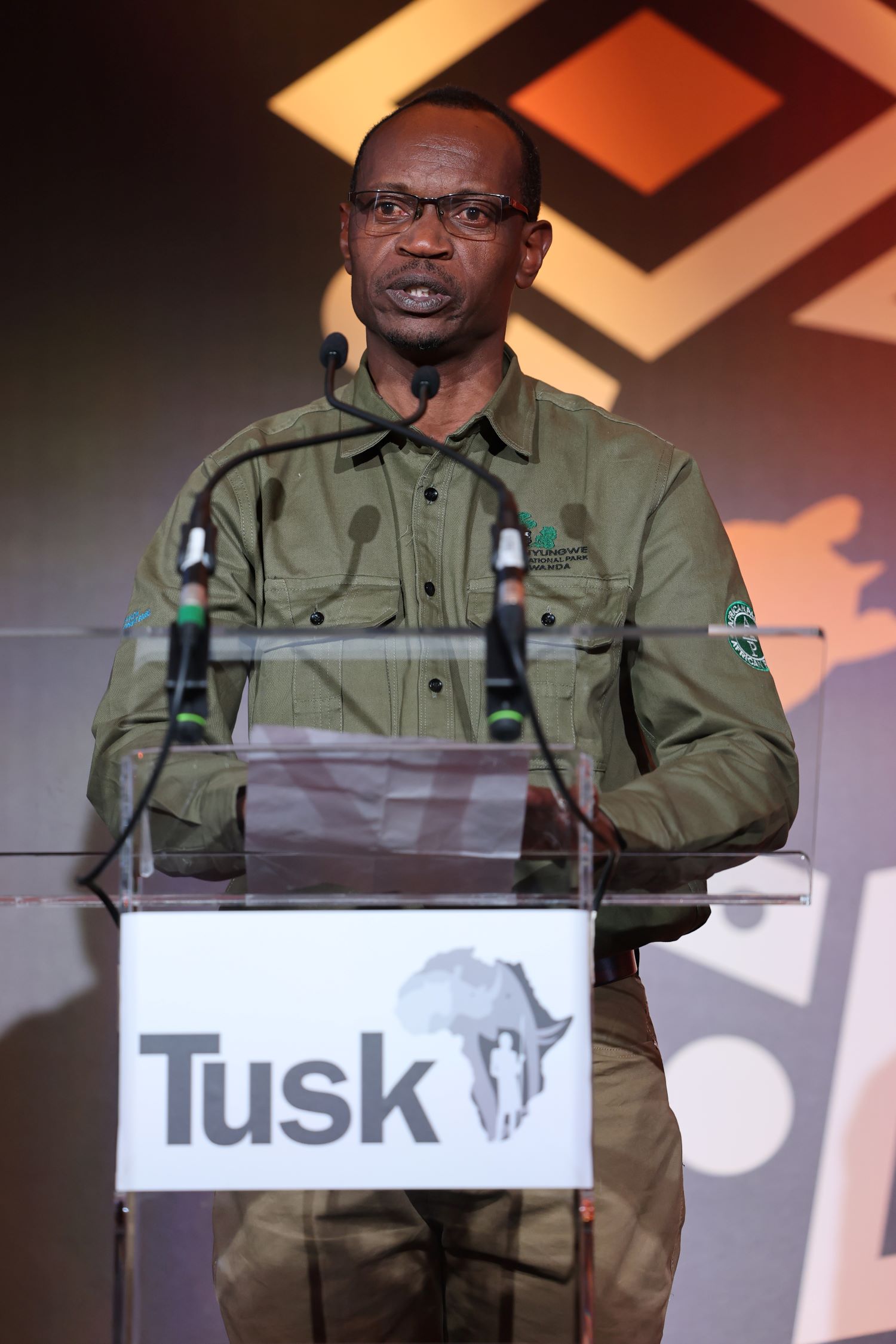
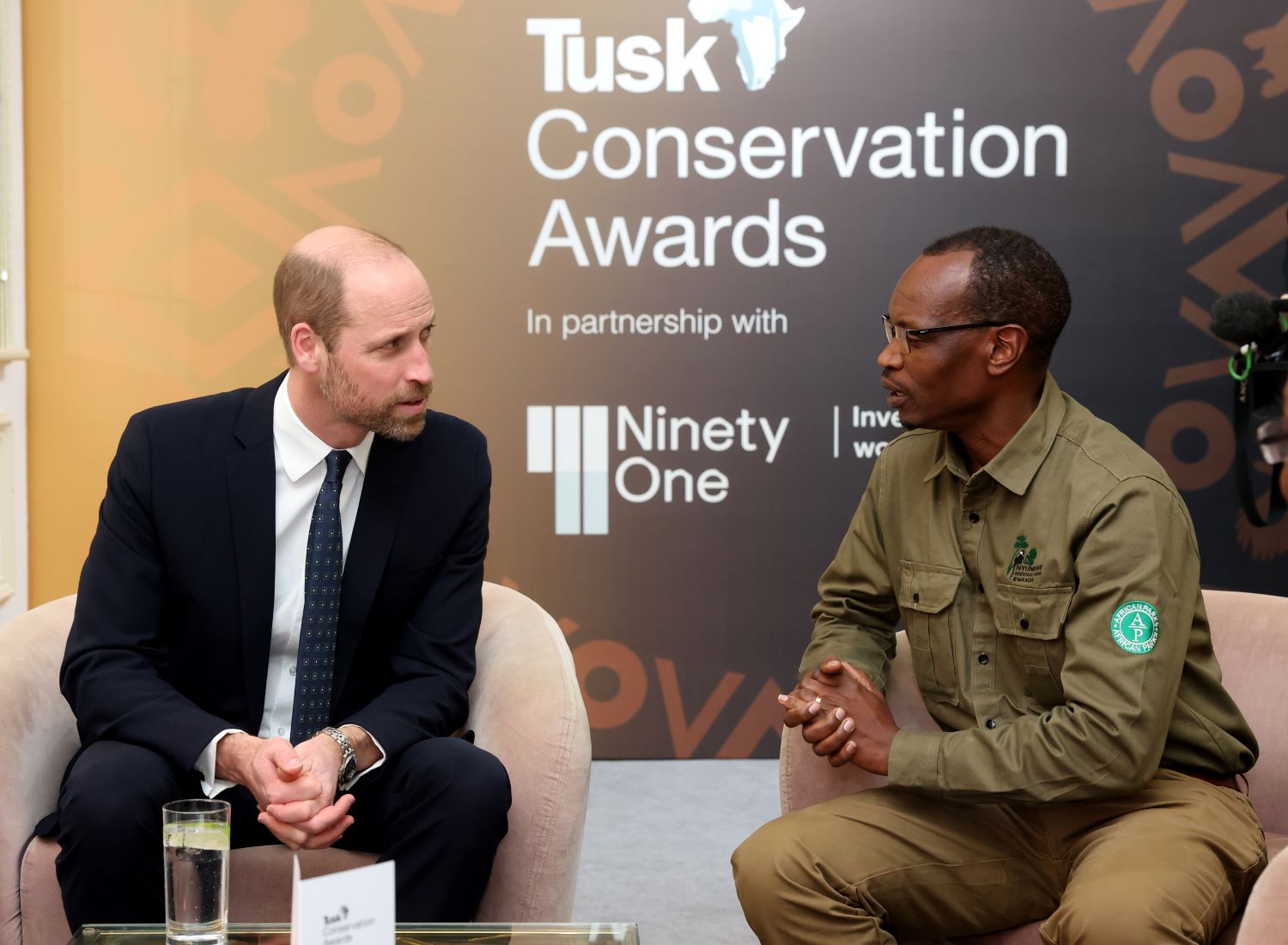
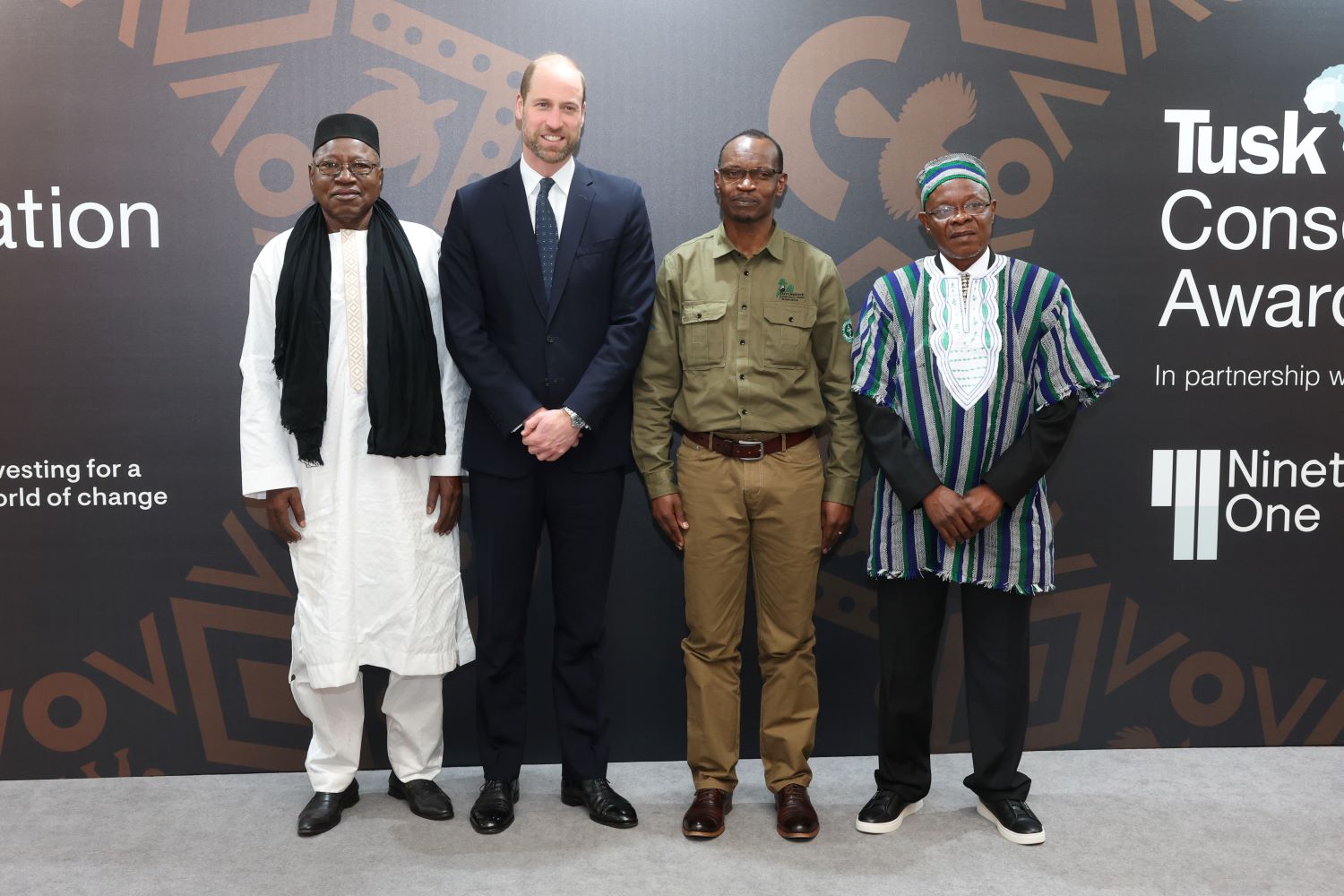
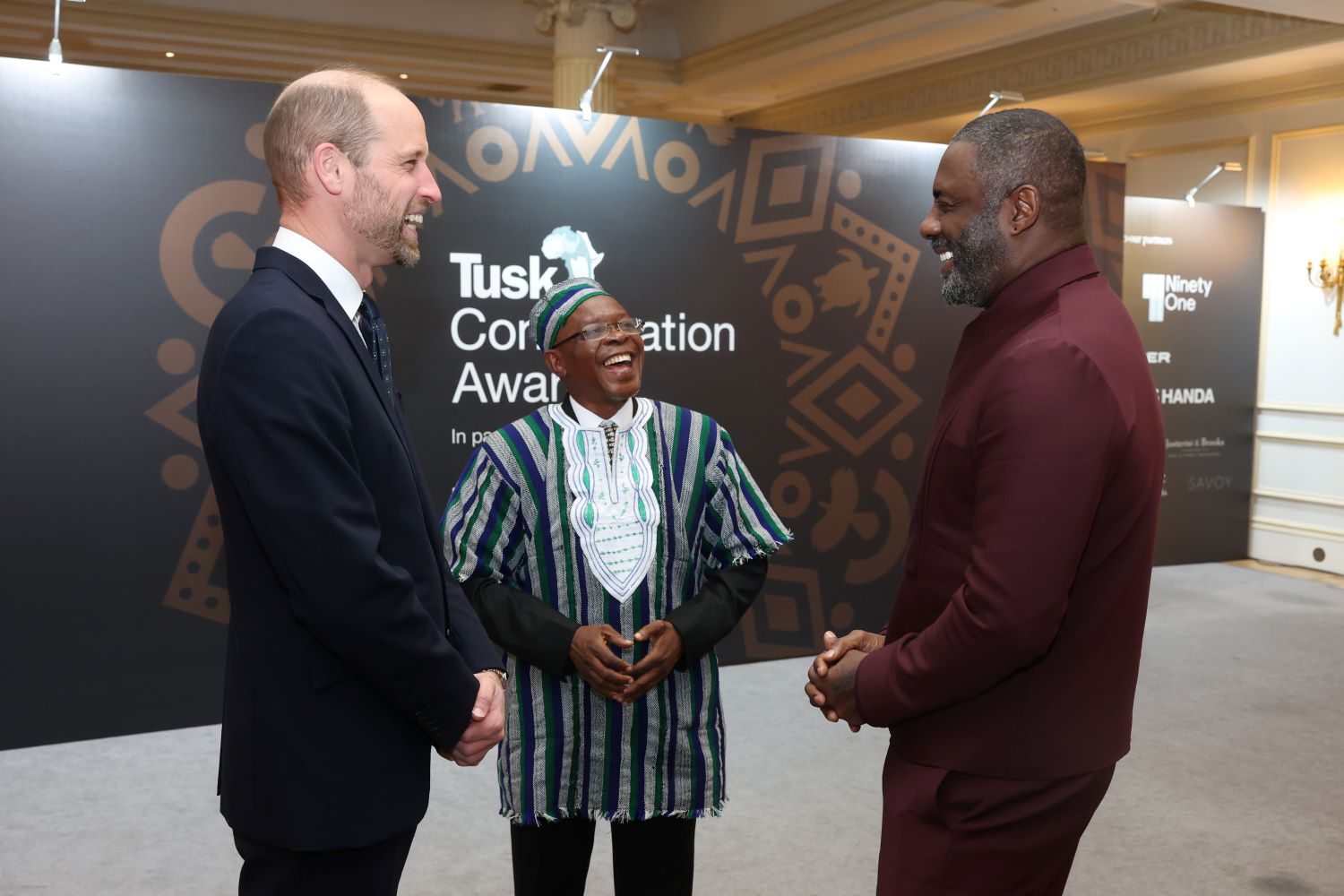
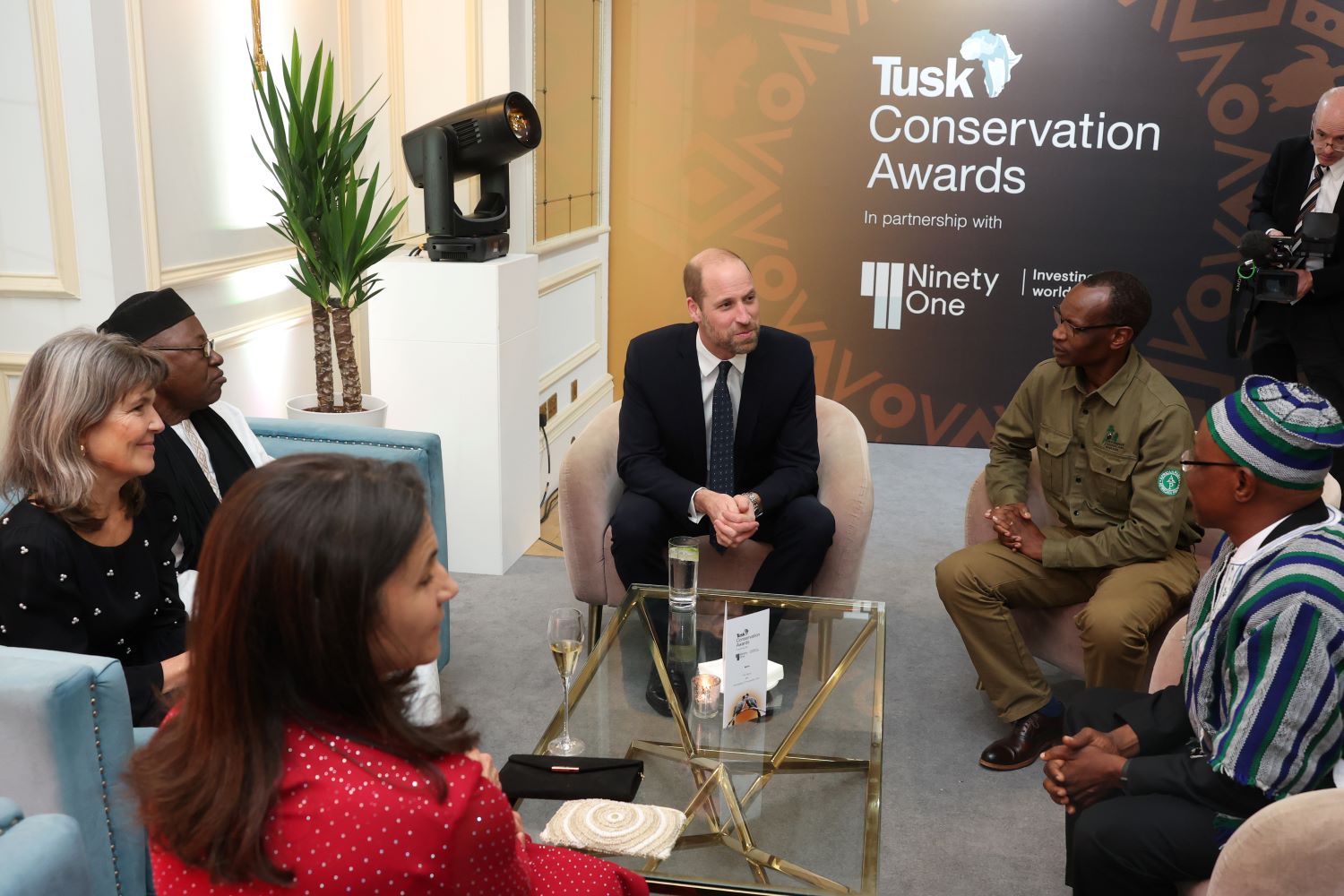
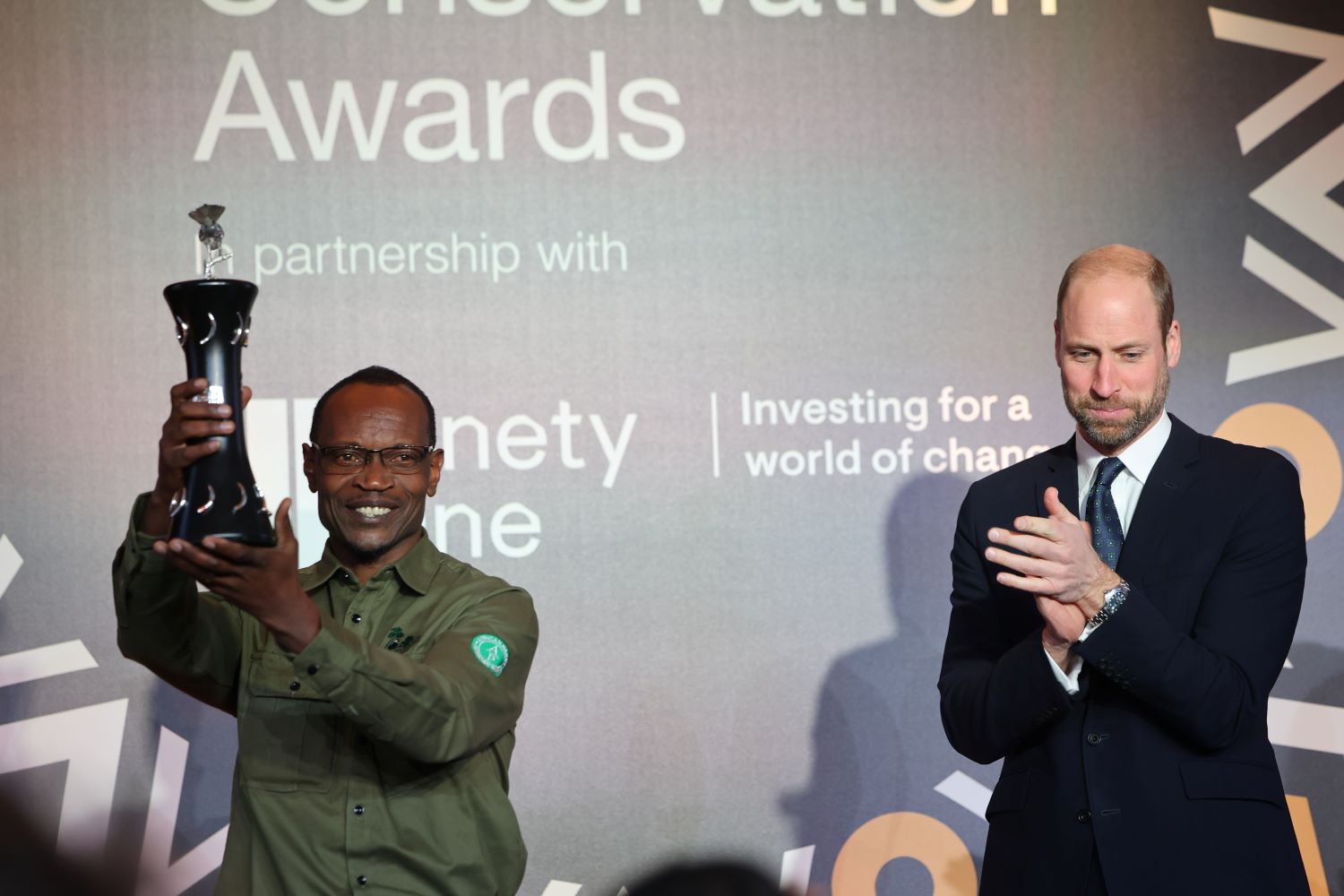
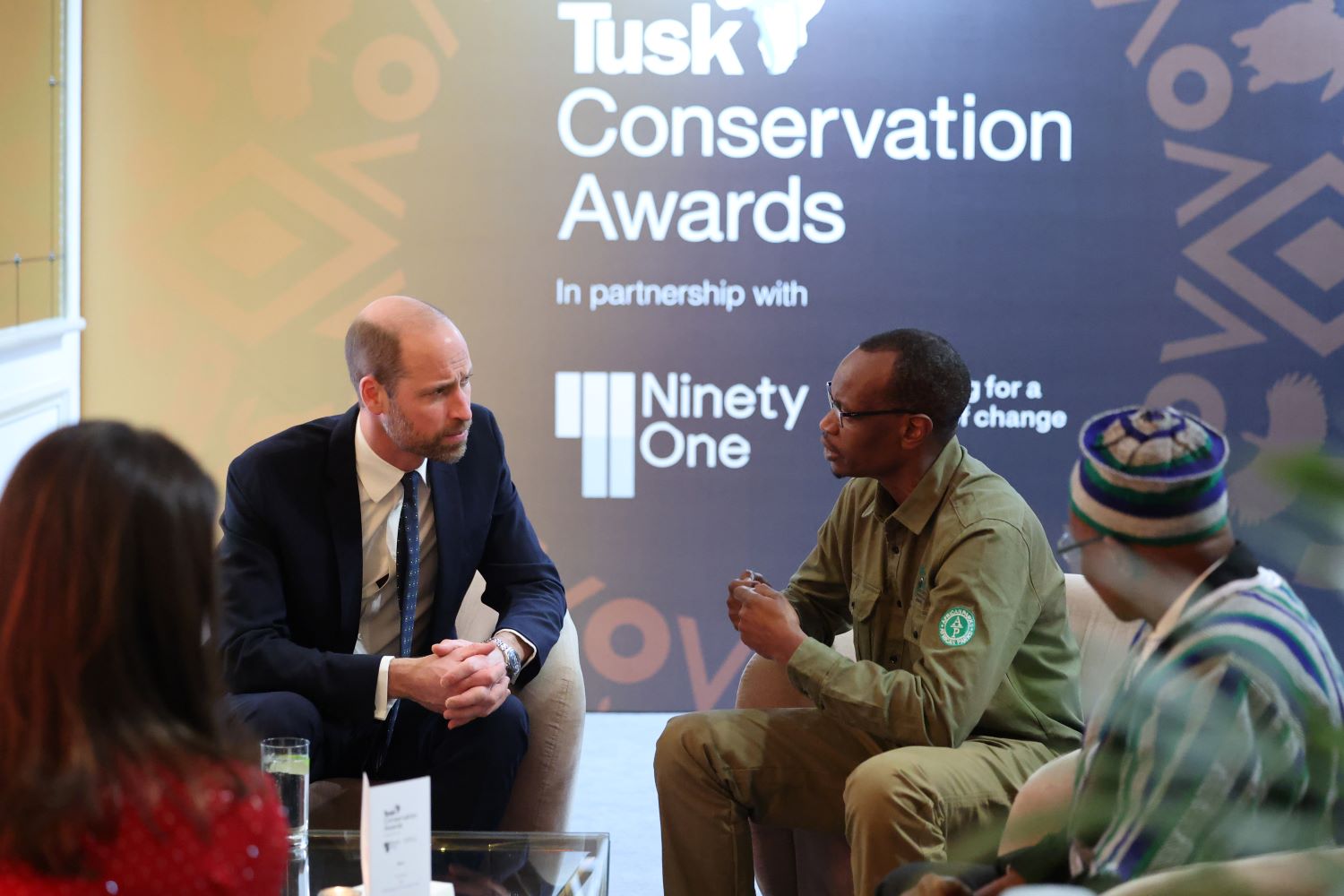
The 51-year-old was one of three top African conservationists honoured by Prince William at the Tusk Conservation Awards ceremony held at The Savoy Hotel in London, the United Kingdom (UK), on the night of Wednesday, November 27, 2024.
The Tusk Wildlife Ranger Award, sponsored by the Nick Maughan Family Foundation, gives international recognition to the dedication and commitment of individuals who work in the field to protect Africa’s wildlife.
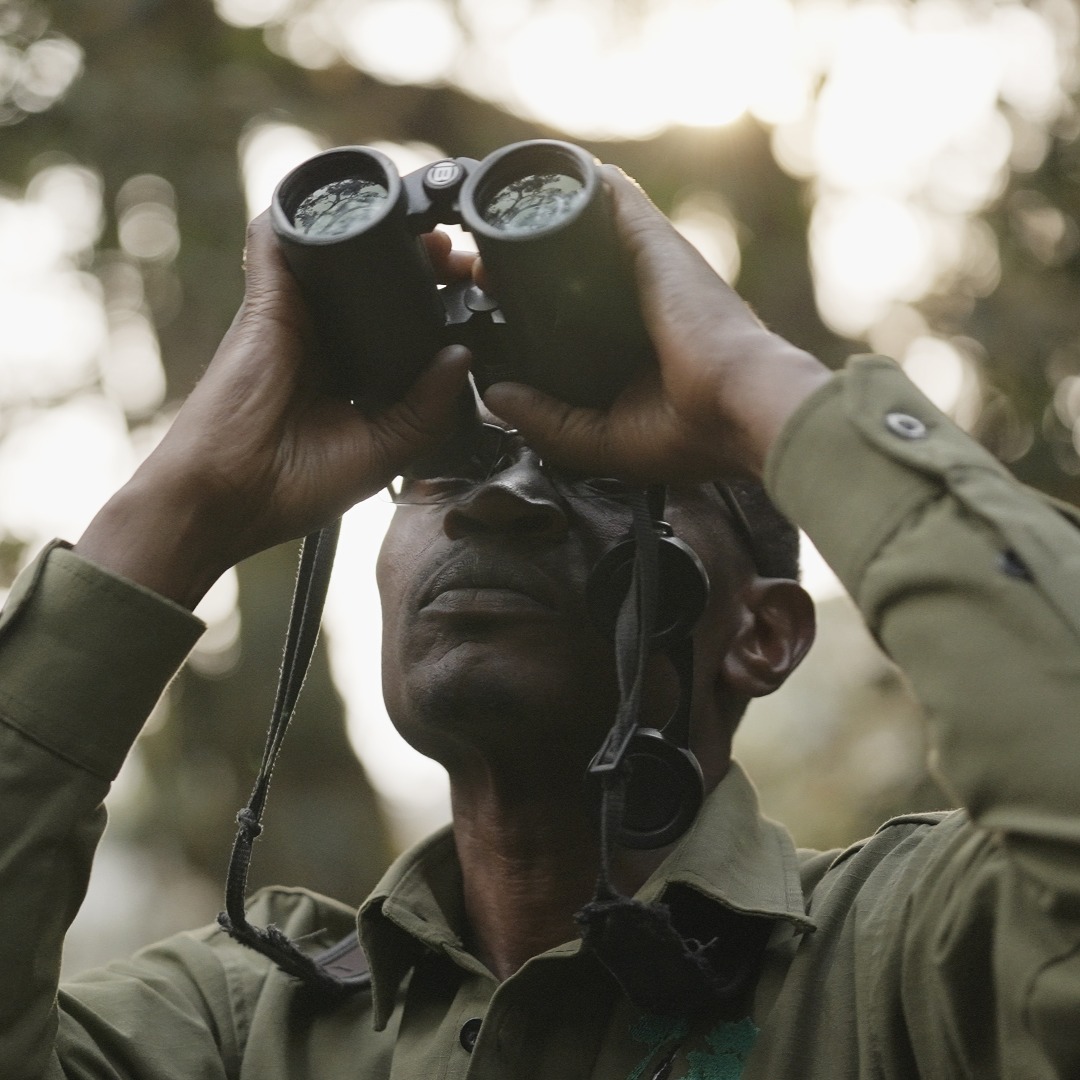
Born near the [Nyungwe forest he now protects->https://en.igihe.com/tourism/article/from-forest-curiosity-to-global-conservation-hero-claver-ntoyinkima-s-journey?var_mode=calcul], Ntoyinkima combines his deep ecological knowledge of the park’s bird population with a passion for educating and inspiring others.
As a ranger, he has played a vital role in primate habituation and anti-poaching patrols, while also guiding scientific research and bird conservation efforts across Rwanda.
The father of four is also keen to extend his legacy to the next generation through conservation clubs he founded for local youth, promoting a lasting commitment to Rwanda’s natural heritage.
He expressed his joy at winning the international award, saying: “I am truly grateful to be a finalist for the 2024 Tusk Conservation Awards; there are no words to describe how proud I am to win this award. The acknowledgement of my dedication and efforts to give back to the community is truly inspiring. I am very grateful for this historical support and recognition of the conservation efforts made by field-based actors like me.”
The 2024 Tusk Conservation Awards also recognized two other exceptional African conservationists: Nomba Ganamé from Mali, who was awarded the Prince William Award for Conservation in Africa for his groundbreaking work in protecting desert elephants, and Edward Aruna from Sierra Leone, who received the Tusk Award for Conservation in Africa for his efforts in marine turtle conservation.
Prince William commended the winners for their relentless dedication and contributions to the preservation of nature, highlighting their pivotal roles in safeguarding Africa’s wildlife and ecosystems.
“Now is the time to support those globally who work to prevent future generations from becoming disconnected from nature. We live in a world in which incredible wildlife exists, and I want that for the generations that follow. I want my children to live in a world where swallows still migrate, gorillas still live in the cloud forests of Uganda, and rhinos still roam the arid rangelands of Namibia.
“It will be thanks to extraordinary leaders – such as those that we are celebrating today – that this will happen. They remind us of the importance of living at peace with nature; they should guide and inspire us all to drive change,” the Prince of Wales stated.
Nick Bubb, CEO of Tusk, emphasized the critical role of conservationists in protecting Africa’s biodiversity.
“Africa is still rich in animal, plant, and marine biodiversity. Tusk’s vision is a future where the continent’s wildlife and human communities not only coexist peacefully, but positively thrive. Tonight we once again celebrate the remarkable, courageous, and committed individuals on the ground who safeguard Africa’s natural heritage day and night, and who demonstrate to us all the power of understanding, respecting, and protecting the natural world,” the CEO remarked.
Hendrik du Toit, Founder and Chief Executive of Ninety One, also spoke about the urgent need for continued conservation efforts, stressing the precarious state of the natural world.
“The endless degradation of the natural world is pushing our planet dangerously close to a series of tipping points that will lead to a less hospitable Earth for people and wildlife.
“Congratulations to all of those who have been recognized at the Tusk Awards. Their dedication to conservation plays a vital role in preserving Africa’s endangered environments and species, and it is essential that we continue to support their unwavering commitment to this task.”
The 12th edition of the awards, organized in partnership with Ninety One, an Anglo-South African asset management firm, was hosted for the second year running by wildlife biologist and presenter Liz Bonnin.
Previous winners of the Tusk Wildlife Ranger Award include Jealous Mpofu from Zimbabwe (2023), Neddy Mulimo from Zambia (2022), Suleiman Saidu from Nigeria (2021), Amos Gwema from Zimbabwe (2020), Benson Kanyembo from Zambia (2019), Julius Obwona from Uganda (2018), Solomon Chidunuka from Zambia and Lucky Ndlovu from South Africa(2017), Manuel Sacaia from Angola (2016) and Edward Ndiritu from Kenya (2015).
The competition is set to run from November 28 to December 2, 2024, in the city of Durban.
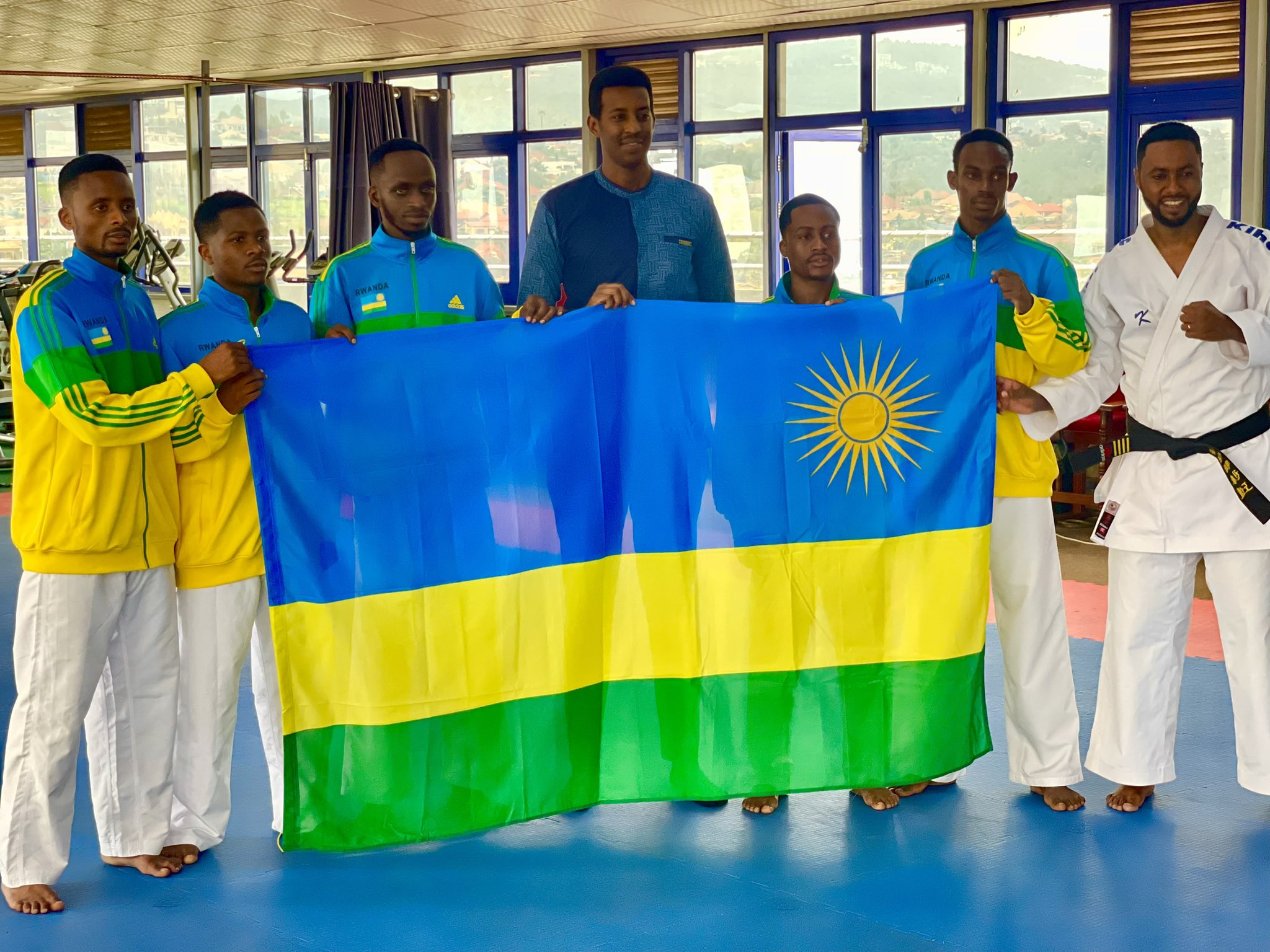
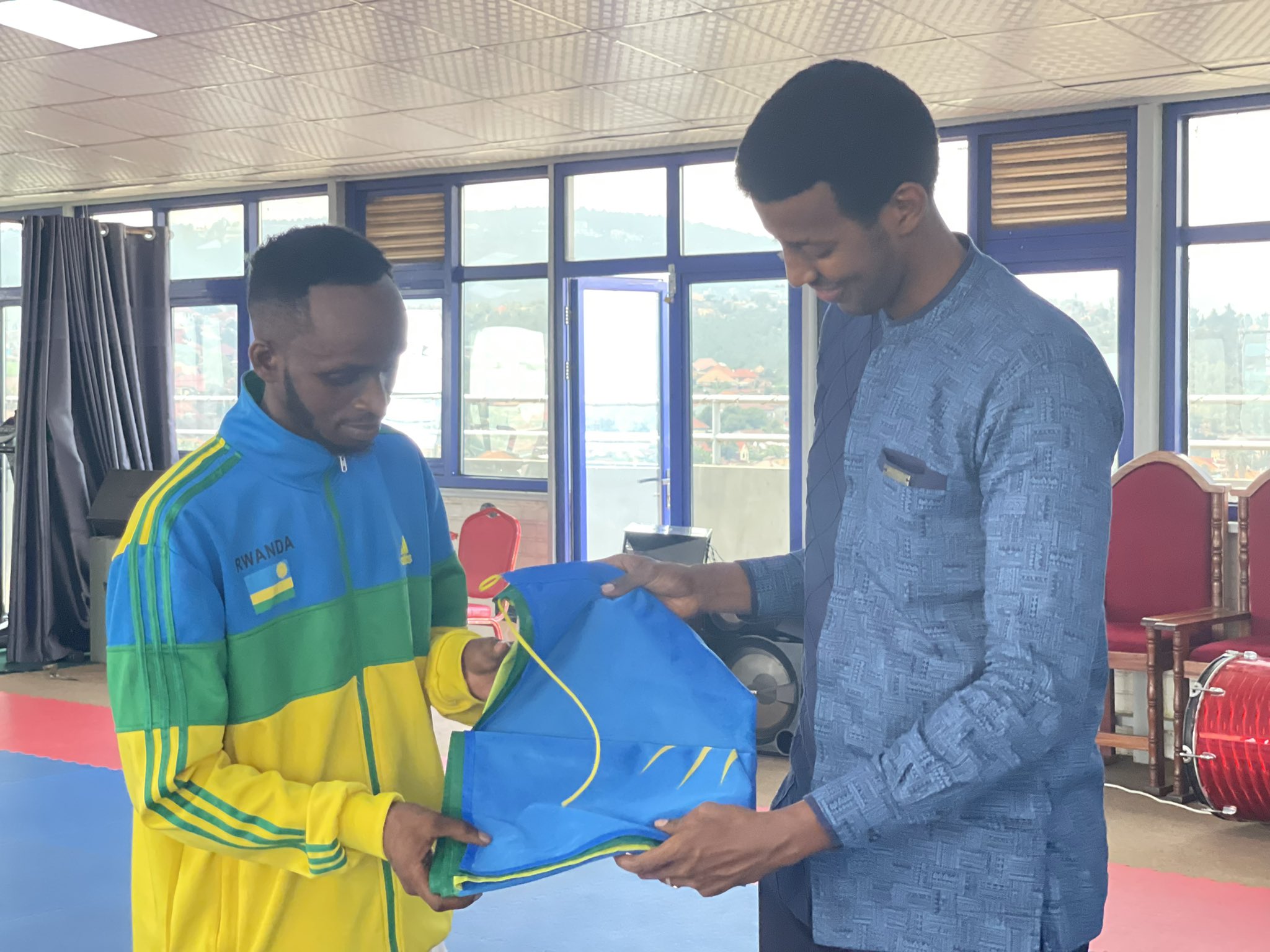
The five athletes, coached by Christian Kamuzinzi, were flagged off by Rwego Ngarambe, Director General in charge of Sports Infrastructure Development and Management at the Ministry of Sports.
While presenting the Rwandan flag to the team, Rwego encouraged the athletes, reaffirming the nation’s full support and confidence in their abilities.
He urged them to give their best effort and aim for medals in the tournament.
The 2024 Commonwealth Karate Championships will bring together athletes from across the Commonwealth for an exciting display of skill and competition.
Competing nations include England, Scotland, Canada, Australia, New Zealand, Trinidad and Tobago, Sri Lanka, Bangladesh and Rwanda among others.
Hosted by Karate South Africa, the event marks a significant milestone as it serves as both a platform for elite karatekas and an opportunity to promote the sport’s growth within the region.
The tournament will feature categories for juniors, seniors, and veterans, showcasing inclusivity across various age groups.
Athletes will compete in Kumite (sparring) and Kata (forms), showcasing diverse styles and techniques.
The event also includes networking opportunities for national karate federations to discuss the development and integration of karate into broader sports systems.
Makolo’s remarks were in response to a viral video of Congolese Justice Minister Constant Mutamba, who was captured inciting inmates at Munzenze Prison in Goma against Rwandan President Paul Kagame and Congolese Tutsis, whom he referred to as “Banyarwanda.”
In the shocking video, the minister called for violent actions against the Rwandan Head of State and those associated with Rwanda. He was also heard promising to free prisoners who help identify “traitors” and “foreigners,” who would then be “arrested and killed.”
Makolo termed the minister’s violent rhetoric a reflection of the constant tensions Rwanda has to deal with daily.
“How sick is the DRC justice system? So sick that the DRC justice minister Constant Mutamba wore a mask to stem the stench of rot in the Munzenze prison in Goma, a stone’s throw from the Rwandan border, while he spewed, in Kiswahili, hate speech and incited the prisoners to hunt, denounce, and kill ‘Banyarwanda,’ including the President of Rwanda, in exchange for freedom. This is what Rwanda has to deal with every day. This is why Rwanda’s defensive measures remain in place,” the spokesperson wrote on X, while taking a swipe at DRC’s justice system.
Rwanda has in the past put in place defensive measures citing constant threats from the FDLR group, which comprises remnants of the perpetrators of the 1994 Genocide against the Tutsi in Rwanda.
The FDLR militia group has been accused of collaborating with the Congolese government to persecute Congolese Tutsis, many of whom have sought refuge in Rwanda. The persecution led to the rise of the M23 rebel group in 2012, which said it was fighting for the rights of the Tutsi minority in eastern Congo.
The fight between the government forces and the rebels has heightened tensions in the region as the Congolese leadership accused Rwanda of supporting M23. Rwanda denies the claim.
The situation was exacerbated after the Congolese political and military leadership, including President Tshisekedi, repeatedly declared their intention to invade Rwanda and change the country’s elected government by force.
Yesterday, there was progress in the ongoing peace talks between the two countries after an agreement was reached, outlining how the Democratic Forces for the Liberation of Rwanda (FDLR) militia will be dismantled.
The agreement also includes Rwanda lifting the security measures it had put in place due to concerns over its security arising from the political tension in eastern DRC.
The signing of the agreement followed discussions between the two parties in Luanda, Angola. Rwanda was represented by Minister of Foreign Affairs, Olivier Nduhungirehe, while the DRC was represented by Foreign Minister Therese K. Wagner. The meeting was also attended by Angola’s Minister of Foreign Affairs, Tete António, who acted as the mediator.
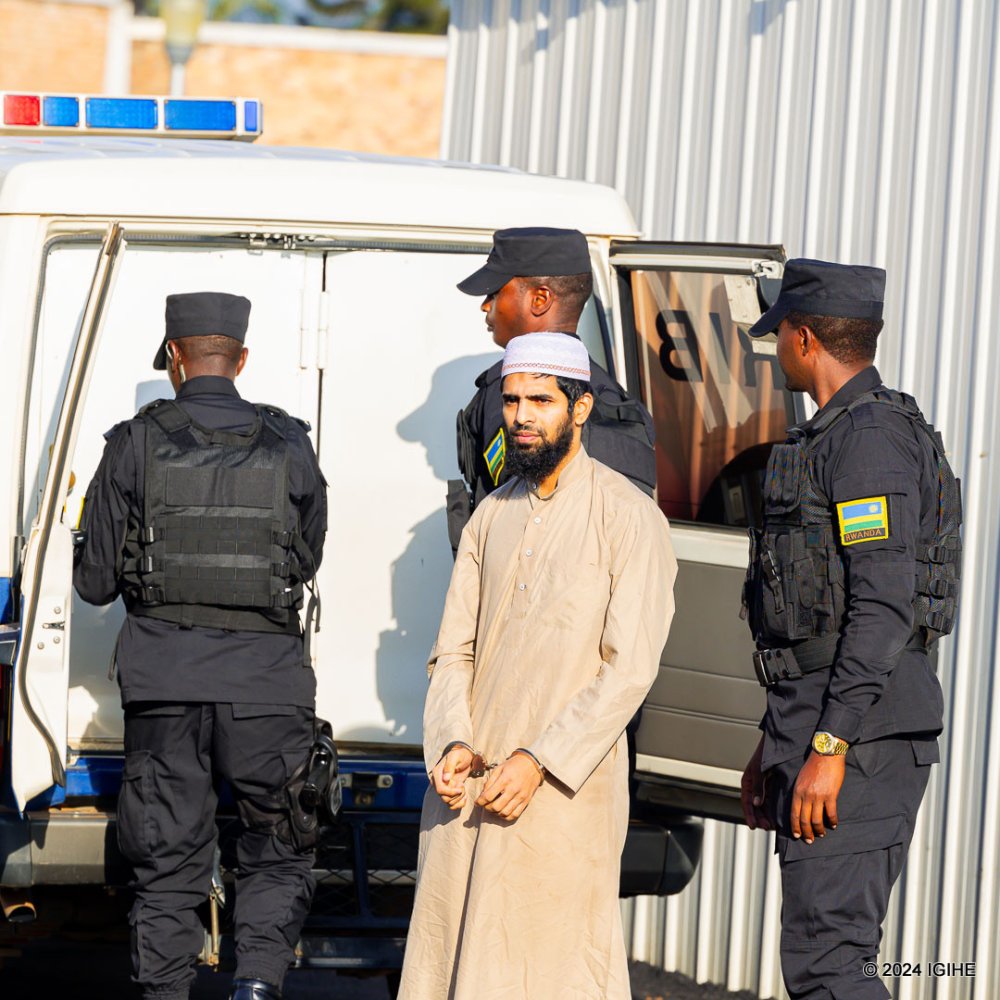
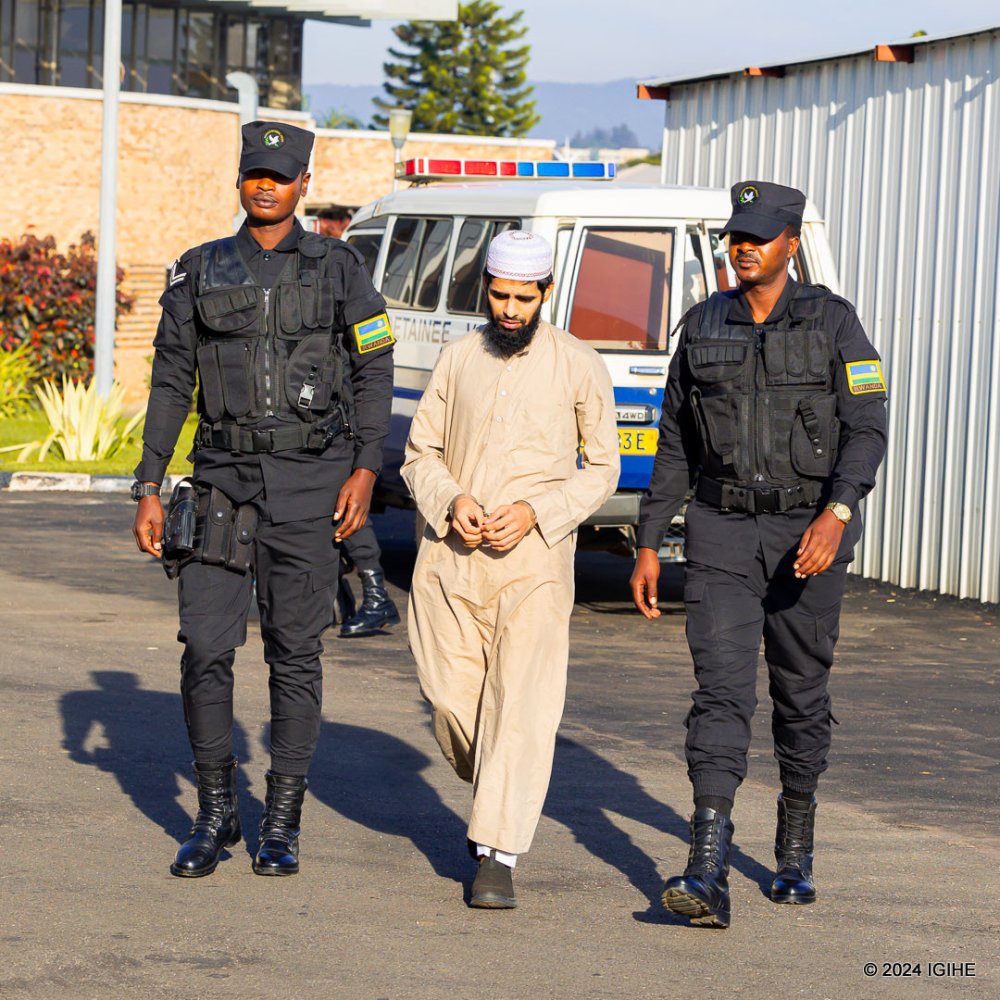
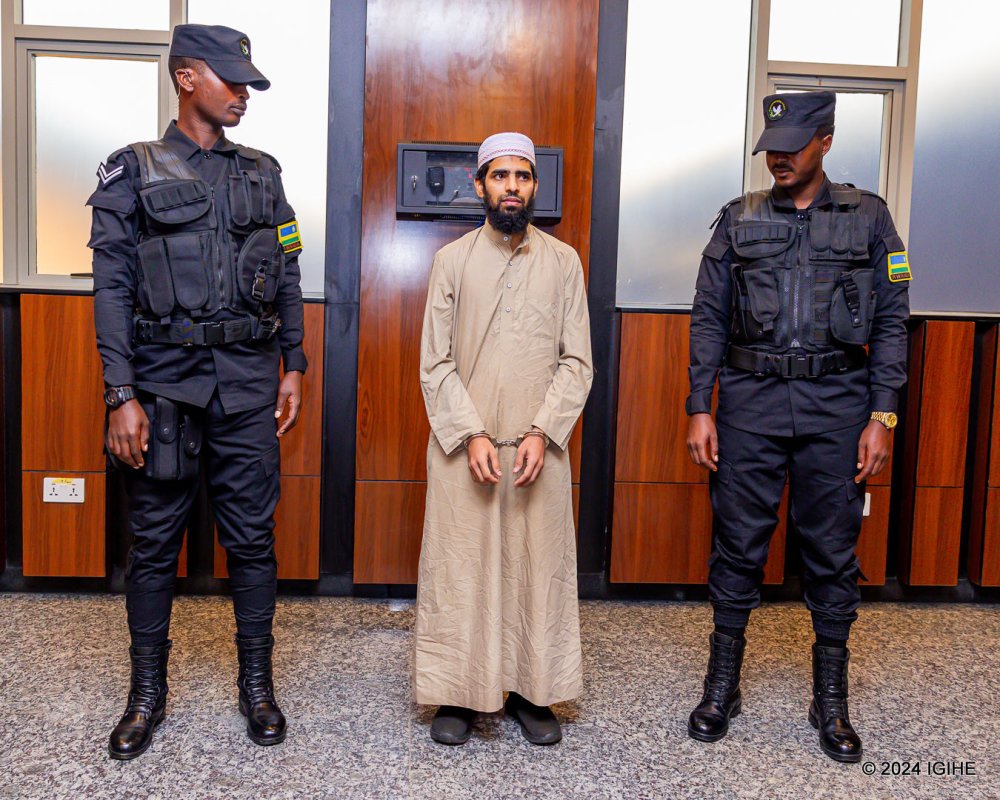
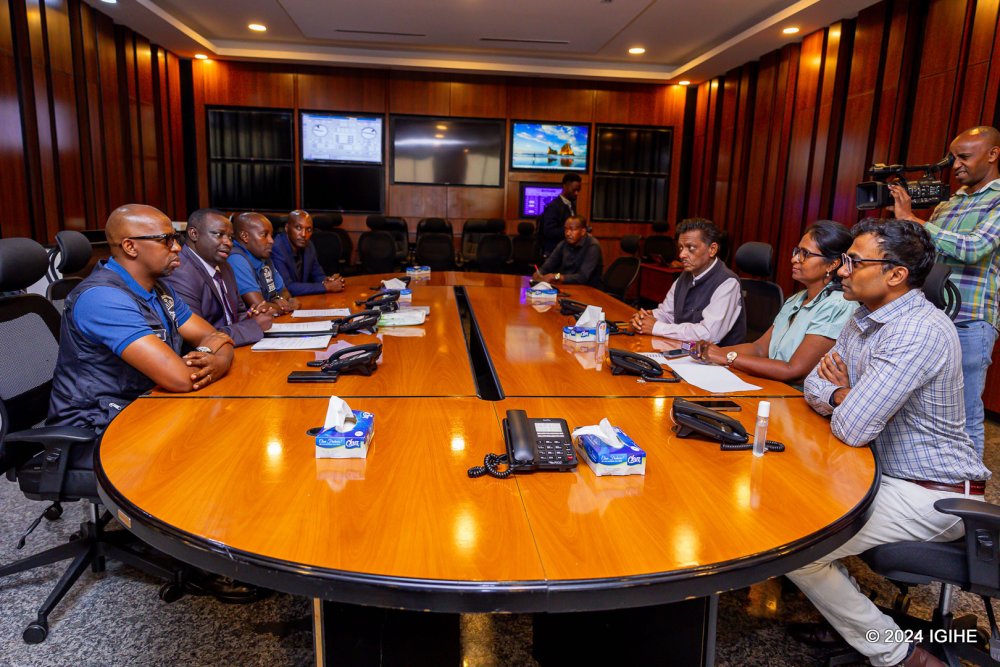
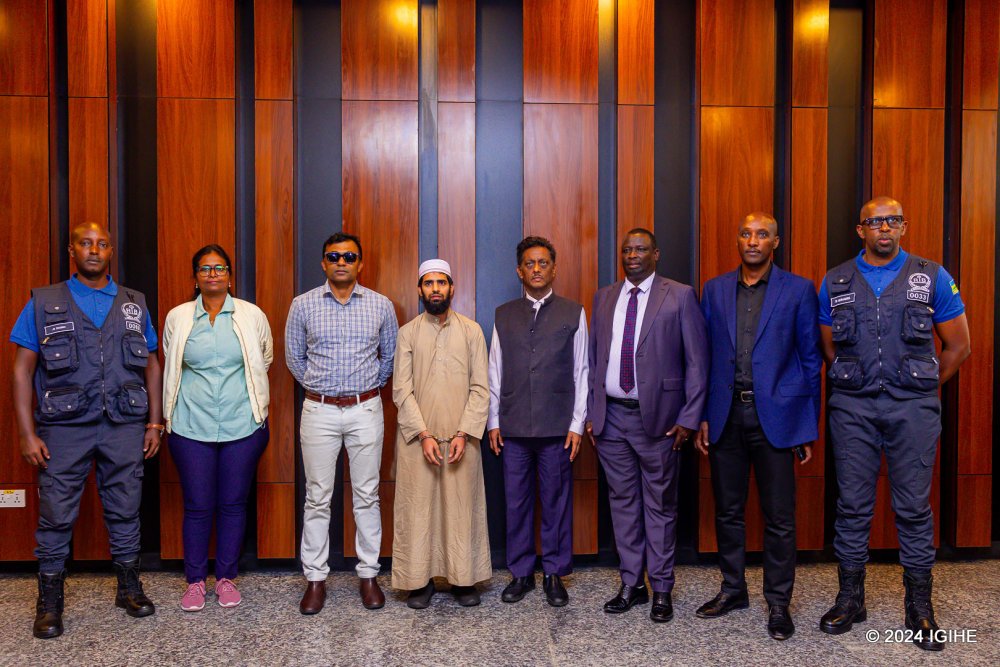
Jean Bosco Siboyintore, Rwanda’s National Prosecutor, told the media at a press conference in Kigali that Salman Khan was arrested at the request of the Government of India through the International Criminal Police Organization (INTERPOL).
“India submitted a request indicating that Salman Khan is wanted for terrorism charges. While some suspects are already detained in India, he attempted to flee to Rwanda,” Siboyintore explained.
The suspect was tracked down by officers from INTERPOL’s branch in Rwanda and arrested on September 9, 2024. Rwanda then notified the Indian government of his detention.
India submitted a formal request for Khan’s extradition on October 29, 2024. The request was reviewed and approved by Rwanda’s Ministry of Justice on November 12, 2024.
Despite the absence of an extradition treaty between Rwanda and India, Rwandan law permits extradition based on mutual agreements.
“Although Rwanda and India lack a formal extradition treaty, our laws provide provisions for such cases through mutual agreements. Similarly, if Rwanda requests a suspect’s extradition, we expect the same cooperation,” Siboyintore noted.
He emphasized that Rwanda does not serve as a haven for fugitives.
“Rwanda is not a hiding place for criminals. It is not a country where you can commit crimes elsewhere and seek refuge here,” he said.
Siboyintore highlighted that Rwanda extradited Khan, just as other countries have done in cases involving suspects of the Genocide against the Tutsi.
He also underscored the importance of international cooperation in addressing global challenges such as terrorism, human trafficking, and money laundering.
This is the first extradition request Rwanda has received from India.
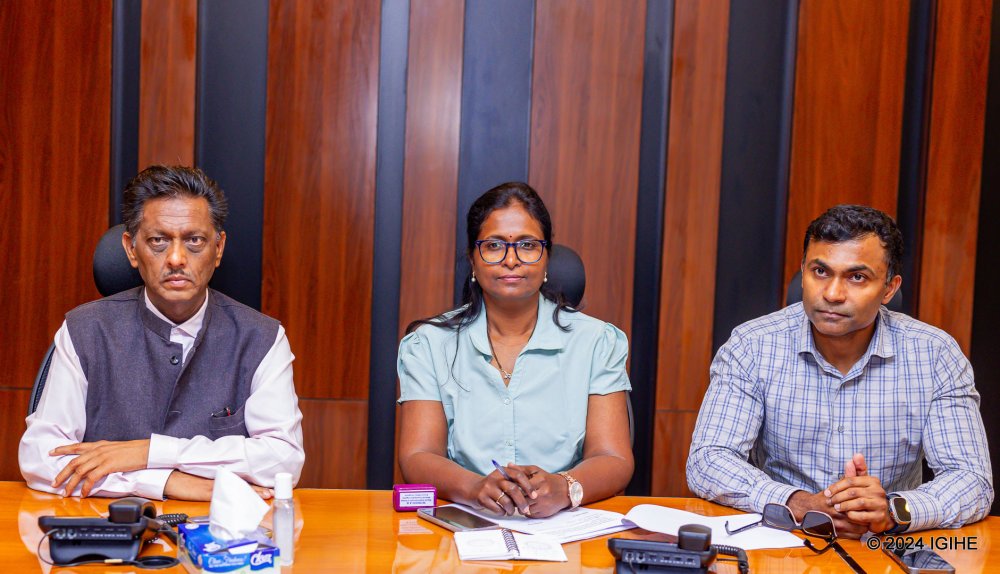
A representative from India’s Ministry of Justice commended Rwanda’s cooperation despite the lack of a formal extradition treaty between the two countries. He expressed hope for future agreements.
“Terrorism is an issue that India does not tolerate, and Rwanda shares the same stance. Rwanda’s approach sets a positive example on the international stage,” the Indian representative remarked.
Besigye, a renowned opposition figure in Uganda, and his close ally Obeid Kamulegeya are currently in remand following their controversial abduction in Nairobi by Ugandan authorities, who accuse them of engaging in activities that undermine Uganda’s security.
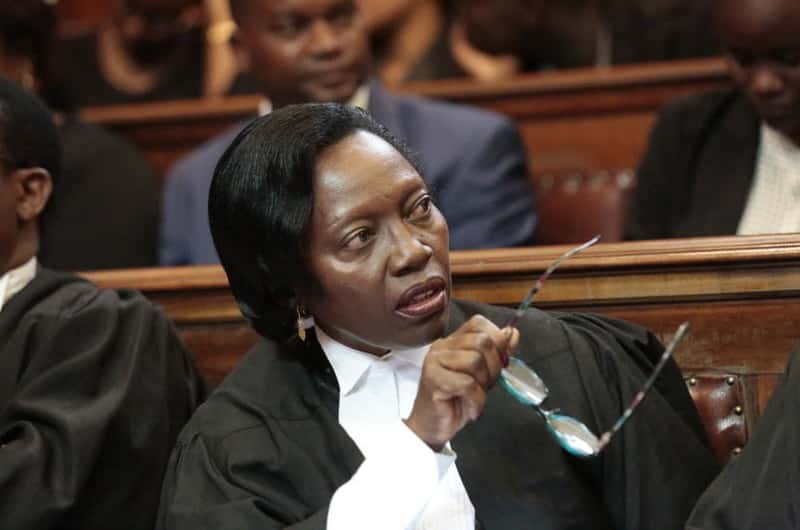
Karua is expected to lead a team of 50 lawyers in mounting a spirited defence for the two men, who were arrested by Ugandan security agents in Nairobi while attending the launch of the former Justice Minister’s book on November 16, 2024.
She takes over the lead role from Kampala Lord Mayor Erias Lukwago, who confirmed the leadership change during a press briefing on Monday.
The star-studded legal team includes representatives from notable organizations such as the Pan-African Lawyers Union (PALU) and the International Commission of Jurists (ICJ).
“This team is a demonstration of our commitment to justice,” Lukwago stated. “Hon. Martha Karua has graciously agreed to lead this team, and her extensive legal expertise will be invaluable in this fight against what we believe are politically motivated charges.”
Lukwago also explained that arrangements are underway to obtain a temporary practising certificate required for Karua to participate in legal proceedings in Kampala, in accordance with Uganda’s Advocates Act.
He noted that, as Kenya is part of both the East African Community and the Commonwealth, the process is expected to proceed without hitches.
“We’ve already submitted Karua’s application and are confident it will be finalized swiftly. For now, the legal team will be attached to Lukwago and Company Advocates to ensure seamless collaboration between Ugandan and Kenyan lawyers,” he added.
Besigye and Kamulegeya were arraigned in a military court in Kampala on November 20 and remanded until December 2 on charges related to security, including illegal possession of two pistols and eight rounds of ammunition.
The prosecution told the General Court Martial, chaired by Brig. Freeman Mugabe, that the two committed the offences in Nairobi (Kenya), Athens (Greece), and Geneva (Switzerland).
In the first count, the prosecution alleges that Besigye, Kamulegeya, and other suspects still at large held meetings in Geneva, Athens, and Nairobi between October 2023 and November 2024 to solicit logistical support and identify military targets in Uganda, intending to undermine the security of the Uganda People’s Defence Forces (UPDF).
In the second and third counts, the two are accused of illegally possessing firearms, contrary to Uganda’s Firearms Act, at Riverside Apartments in Nairobi, Kenya, on November 16, 2024. The prosecution claims they were found with two pistols: a Model 27KAL No. 765 and an HB 10414 1953, both classified as restricted weapons under the monopoly of the Defense Forces.
They also face an additional charge of unlawful possession of eight rounds of ammunition.
Karua, alongside several rights groups in Uganda and Kenya, has been at the forefront in condemning the charges, which they argue are politically motivated.
Besigye, a four-time presidential contender, has been arrested numerous times for leading anti-government protests in Uganda and charged with inciting violence.
In the latest incident, Ugandan security agents allegedly tracked him to Nairobi following intelligence reports that he was planning to meet with arms dealers as part of a plot to target President Yoweri Museveni, who has been in power since 1986.
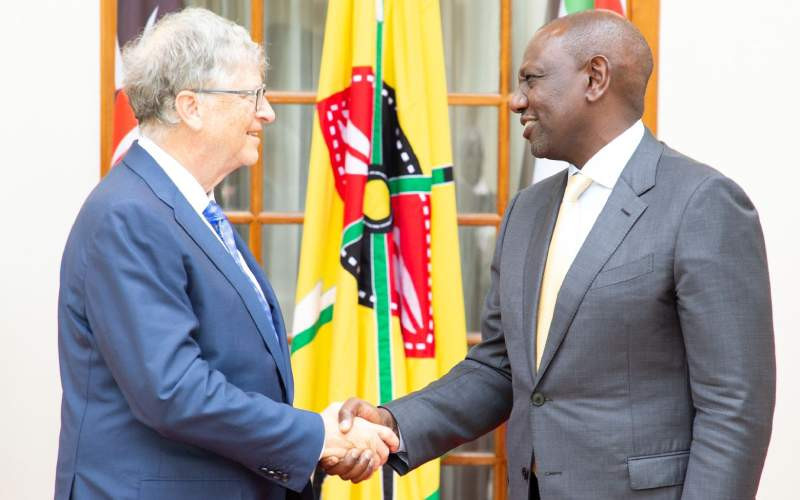
The immunity, granted through a gazette notice on October 4, 2024, had earlier been defended by Prime Cabinet Secretary Musalia Mudavadi, who cited the foundation’s “significant” contributions to development as the basis for the special status.
However, on Monday morning, the court issued orders suspending the privileges pending the hearing and determination of a case filed by the Law Society of Kenya (LSK), which seeks to have the status declared null and void. The LSK has raised concerns over the legality of granting such privileges to a private entity.
The special status afforded the foundation’s officials immunity and protection while conducting its operations in Kenya. The government’s decision sparked public controversy and raised questions about power and accountability. Typically, such privileges are reserved for diplomatic missions.
While defending the government’s decision earlier this month, Mudavadi insisted that the privileges were granted after careful consideration of the foundation’s philanthropic contributions to Kenya.
“We take the concerns of our citizens seriously. I wish to clarify the rationale behind our decision: diplomatic privileges and immunities are tools, not trophies. They are meant to facilitate the seamless operation of organizations advancing the public good, much like the foundational principles of the Vienna Convention,” Mudavadi stated.
He further explained that the foundation, as a charitable trust addressing poverty, disease, and inequality in over 140 countries globally, qualified under Section 11 of the Privileges and Immunities Act to receive such benefits.
The Bill and Melinda Gates Foundation, one of the world’s largest private philanthropic organizations, was founded in 2000 by Microsoft co-founder Bill Gates and his then-wife, Melinda French Gates. Its headquarters are based in Seattle, USA.
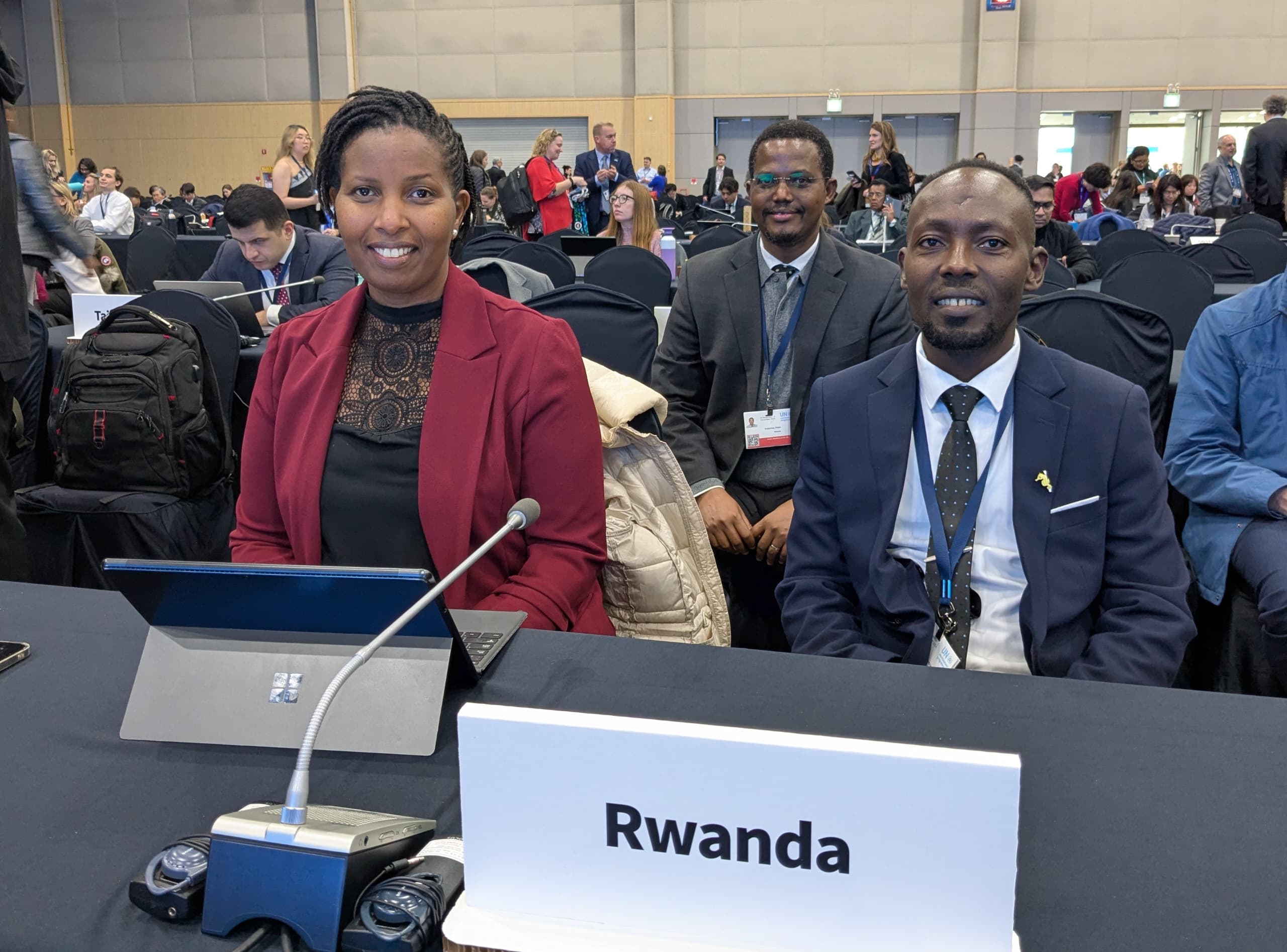
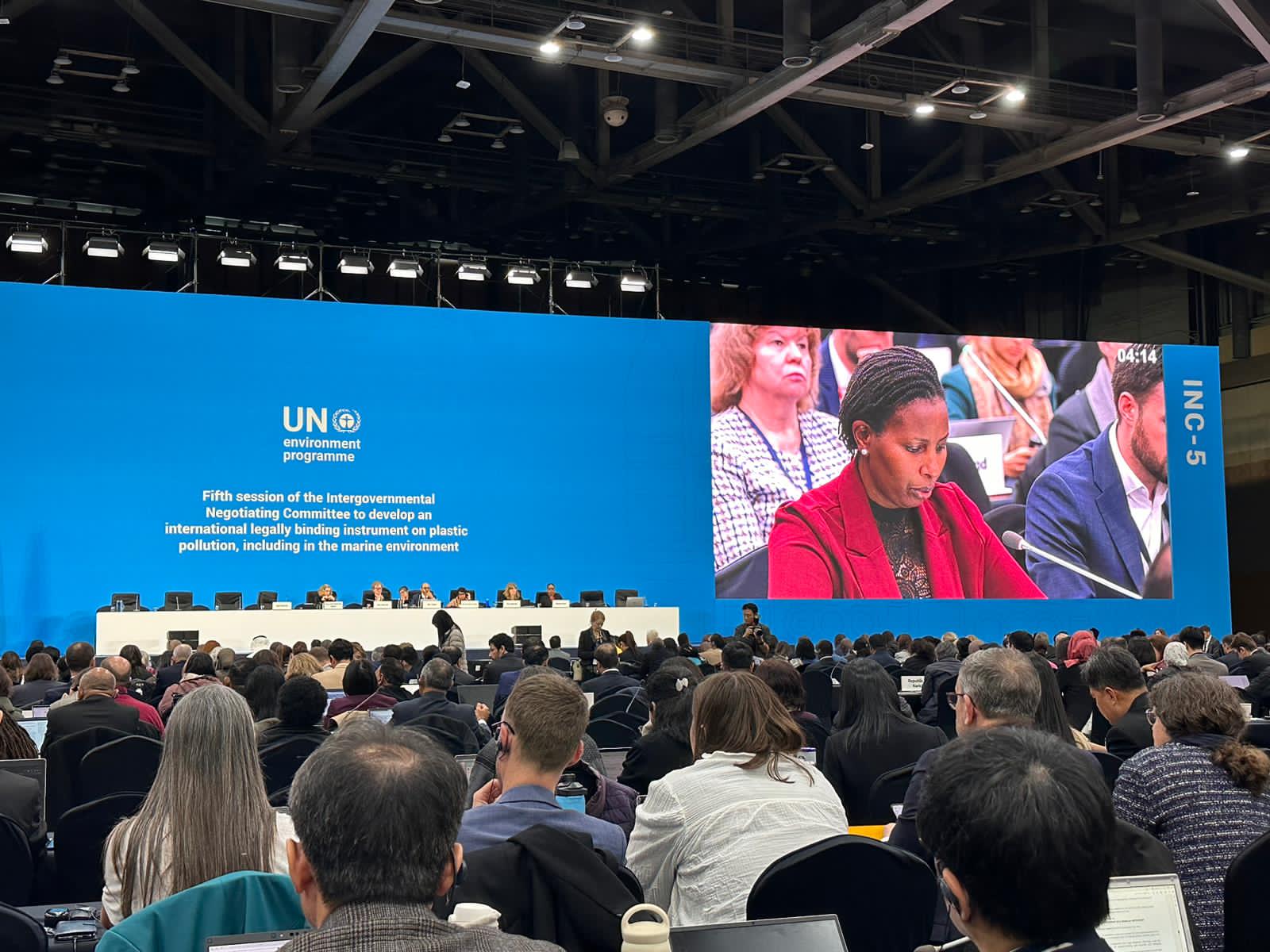
The INC-5 meeting is scheduled to run from November 25 to December 1, 2024, at the Busan Exhibition and Convention Center.
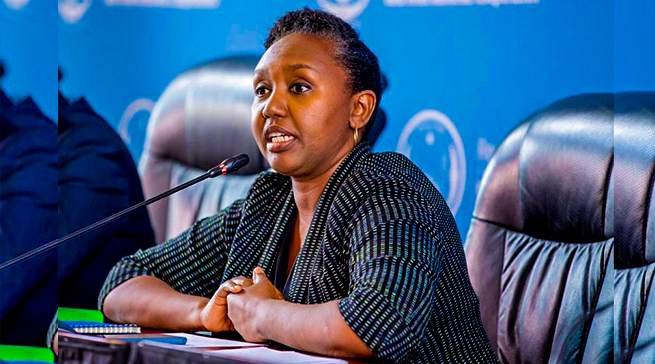
In a statement ahead of the gathering, Rwanda, as co-chair of the High Ambition Coalition to End Plastic Pollution, reaffirmed its commitment to championing a comprehensive treaty that addresses the root causes of plastic pollution and emphasizes accountability.
“Rwanda is calling for ambitious, just, and enforceable global rules to end plastic pollution and safeguard the health of people and the planet,” reads the statement in part.
Rwanda seeks a treaty that encompasses the entire lifecycle of plastic, setting global targets to reduce plastic production to sustainable levels, promoting sustainable alternatives, and fostering vibrant circular economies. The country also stresses the need for legally binding commitments, robust monitoring mechanisms, and accountability frameworks to ensure effective implementation and meaningful progress.
Rwanda is advocating for a start-and-strengthen approach, which would allow for increasing ambition over time. The treaty must also protect and empower the most affected communities while ensuring a just transition for waste pickers and informal workers who play vital roles in managing plastic waste.
Additionally, Rwanda is proposing the establishment of a dedicated Multilateral Fund capable of supporting developing countries in meeting their treaty obligations. This would be complemented by mechanisms to attract broad-based financing to address plastic pollution comprehensively.
In the negotiations, Rwanda aims to leverage its 2008 ban on plastics to inspire global action in addressing environmental challenges and promoting sustainability.
“For two decades, Rwanda has demonstrated its commitment to tackling plastic pollution through bold national policies and regional leadership. We are now taking these home-grown innovations to the world,” said Dr. Valentine Uwamariya, Rwanda’s Minister of Environment.
“At INC-5, we call on the global community to unite behind an ambitious and enforceable treaty that delivers a future free from plastic pollution,” she added.
The ban which prohibits the production, sale, and use of non-biodegradable plastic bags and packaging in Rwanda has had significant positive impacts, including cleaner streets, a boost in tourism, and enhanced environmental protection. Kigali, Rwanda’s capital, has earned recognition as the cleanest city in Africa as a result of these measures.
As the INC-5 negotiations mark the final stage of the treaty development process, Rwanda is urging all stakeholders to seize this historic moment to secure an agreement that safeguards humanity and nature.
At the tender age of ten, he would sit outside his home in Banda village in Nyamasheke District, often wandering along the edge of Nyungwe National Park, Rwanda’s largest national park, renowned for its rich biodiversity and stunning landscapes. The cacophony of bird calls and the soft rustle of primates moving through the undergrowth constantly piqued his curiosity.
During weekends and school holidays, he played with his mates but often paused to admire the Wildlife Conservation Society (WCS) staff as they ventured into the dense canopy of Nyungwe Forest. They were engaged in conservation activities under the Projet Conservation de la Forêt de Nyungwe (PCFN).
Some of the staff were his neighbours, and Claver Ntoyinkima dreamed of one day joining their ranks.
In the early 1990s, one of his older brothers was recruited to work with WCS, further fueling Claver’s ambition to be part of a team that mitigated threats to the forest and promoted its conservation.
“My brother used to educate the whole family on why we have to conserve the forest. So, I was really interested,” Claver recalls with nostalgia.
As he grew older, his passion for conservation deepened. He got his first opportunity to work in the park while in secondary school, where he assisted researchers and cleaners during school holidays. He also founded and led his school’s environmental club, collaborating with PCFN leaders who often took students into the forest to learn about conservation.
“I worked closely with the PCFN leaders and managers. They would bring their cars to the school, take us to the forest, explain everything, and then bring us back,” he remembers.
After completing secondary school, Claver trained as a teacher and worked as a primary school teacher for one and a half years. However, his passion for conservation led him to transition first to a multilingual receptionist role at the Rwanda Development Board (RDB) and later, in 2000, to the position of park ranger and tourist guide.
Twenty-four years later, his steadfast commitment to preserving the natural world has earned him international recognition. He was recently selected as the sole global winner of the prestigious Tusk Wildlife Ranger Award for his work on bird and primate conservation in Nyungwe National Park.
The 51-year-old father of four will be honoured on November 27, 2024, in London at a ceremony addressed by Prince William and attended by other category winners from across Africa.
Over the past decade, the Tusk Wildlife Ranger Awards have celebrated African conservation heroes, recognizing the dedication and risks rangers face daily to protect wildlife and fragile ecosystems.
Previous winners include Jealous Mpofu from Zimbabwe (2023), Neddy Mulimo from Zambia (2022), Suleiman Saidu from Nigeria (2021), and Amos Gwema from Zimbabwe (2020). This year, the award celebrates Claver’s contributions to Nyungwe National Park, where he has risen through the ranks to become a Senior Ranger and Guide.
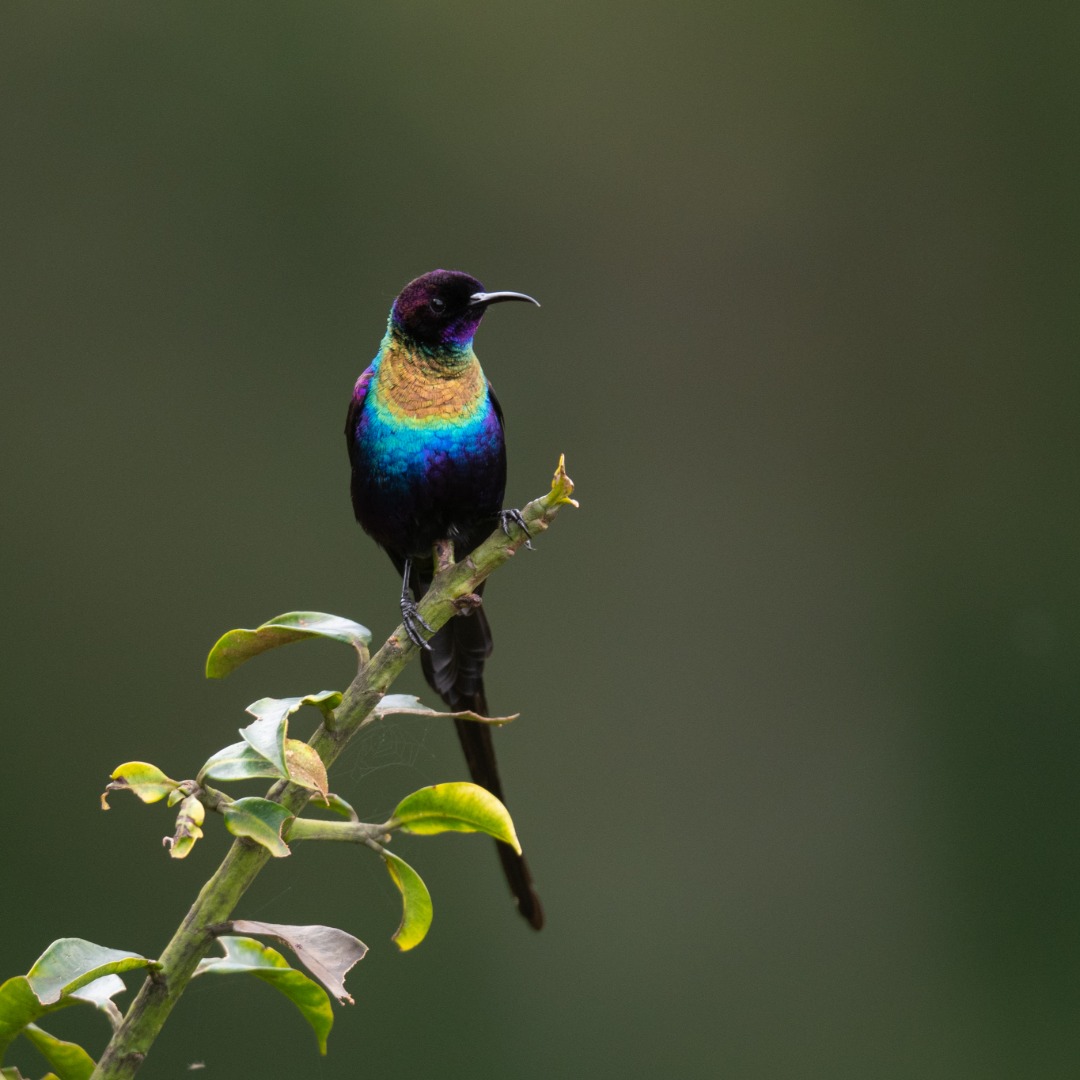
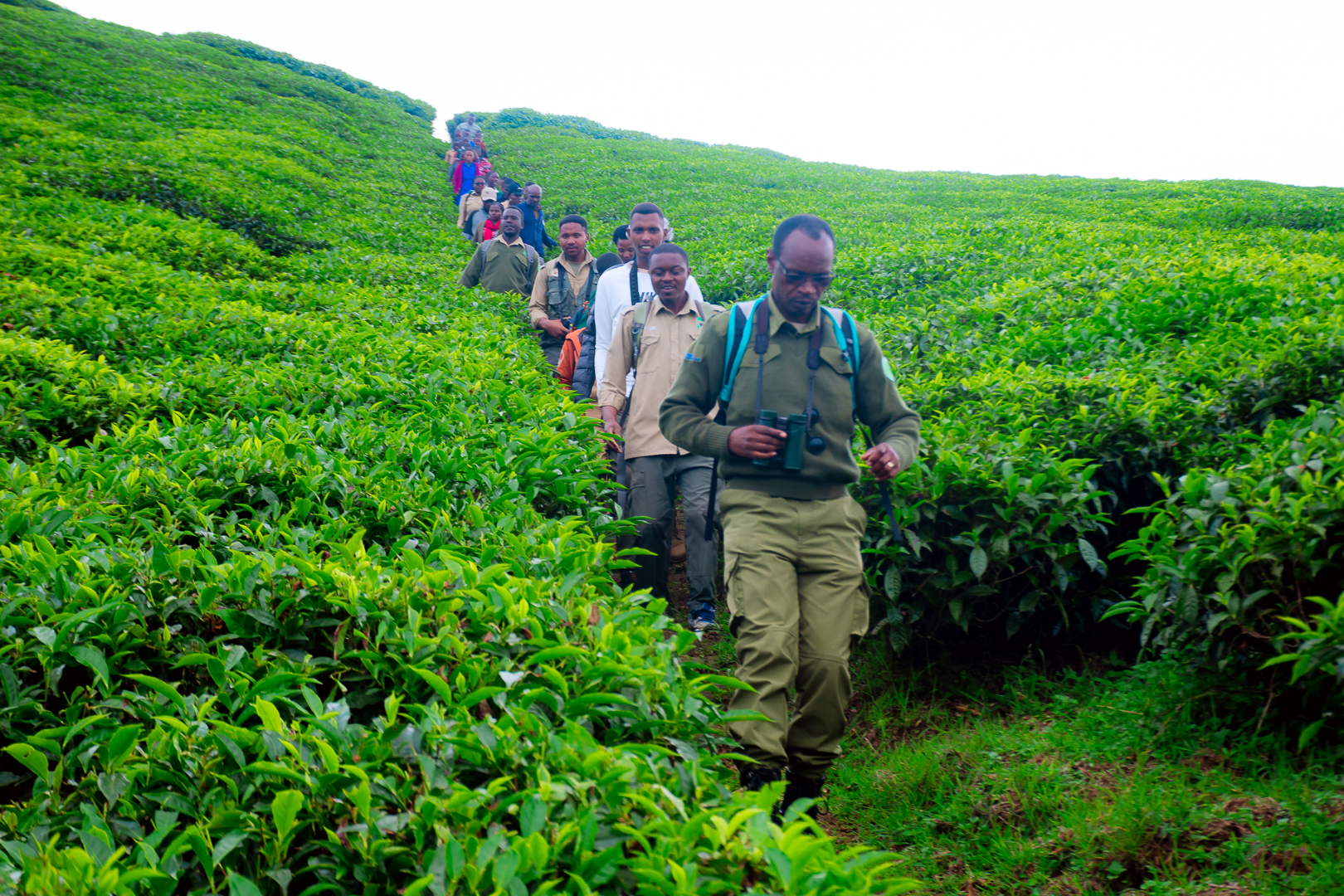
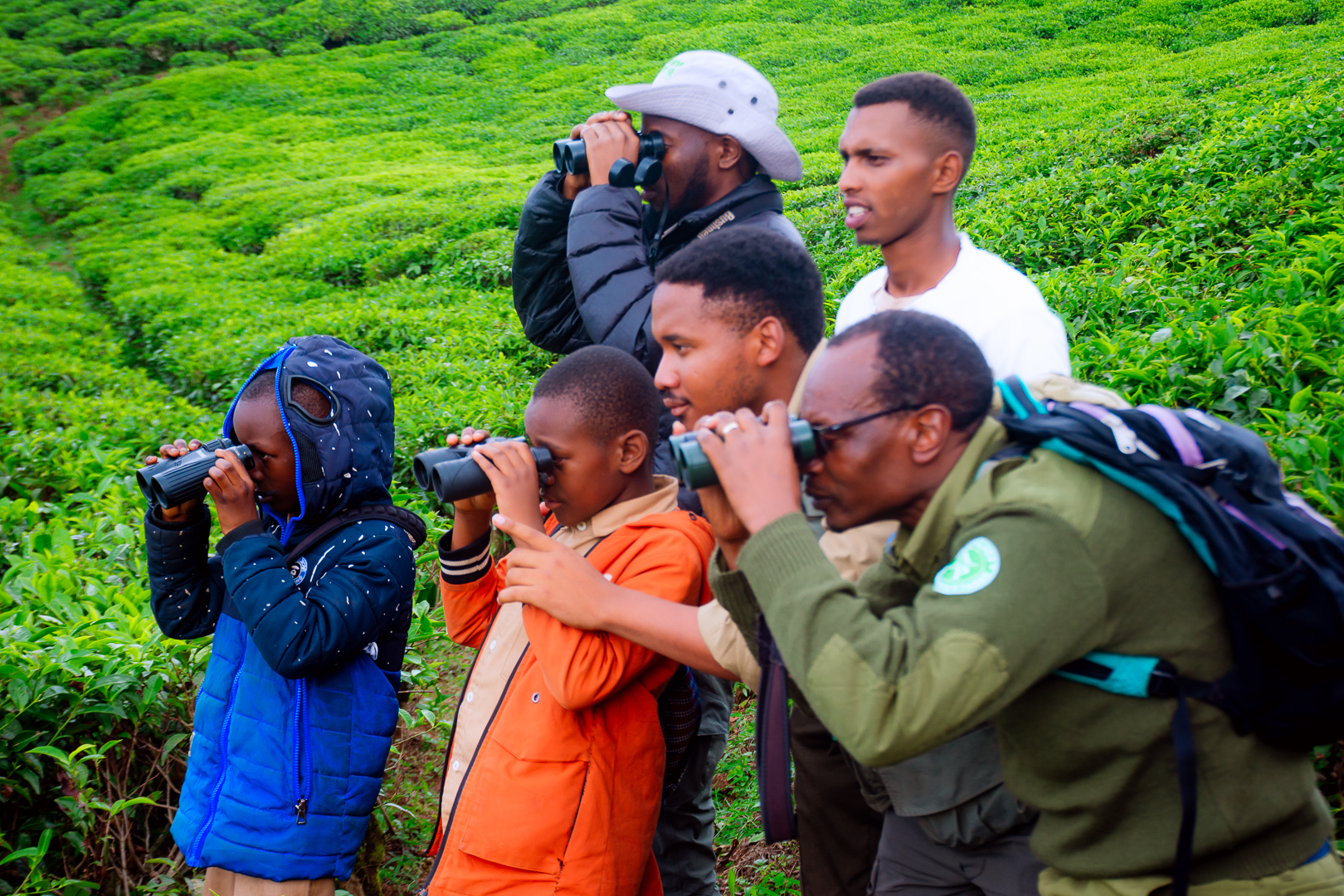
Throughout his career, Claver’s diligence, hard work, and honesty have earned him the respect of colleagues and the community. Some of his notable achievements include habituating colobus monkeys and chimpanzees and launching birdwatching clubs at schools surrounding the park, such as GS Gisakura. Through these clubs, he mentors students to develop a deeper understanding of and commitment to protecting Nyungwe’s ecosystem which includes over 300 bird species.
“Some students from the birdwatching clubs have gone on to become park rangers and guides,” notes Protais Niyigaba, the park manager.
Niyigaba describes Claver as a selfless conservationist whose initiatives have reduced poaching and overdependence on park resources.
“Claver is a naturalist. Born near the park, even his name, Ntoyinkima, reflects his connection to wildlife—it means ‘I’ve luckily found a monkey.’ His work bridges the needs of the community and the park, promoting coexistence,” he says.
Claver has accomplished this through initiatives such as providing goats to local communities in Nyamasheke and promoting goat farming as an alternative to poaching. He also supported the establishment of a cooperative for former poachers, now trained as freelance guides, enabling them to earn livelihoods connected to conservation.
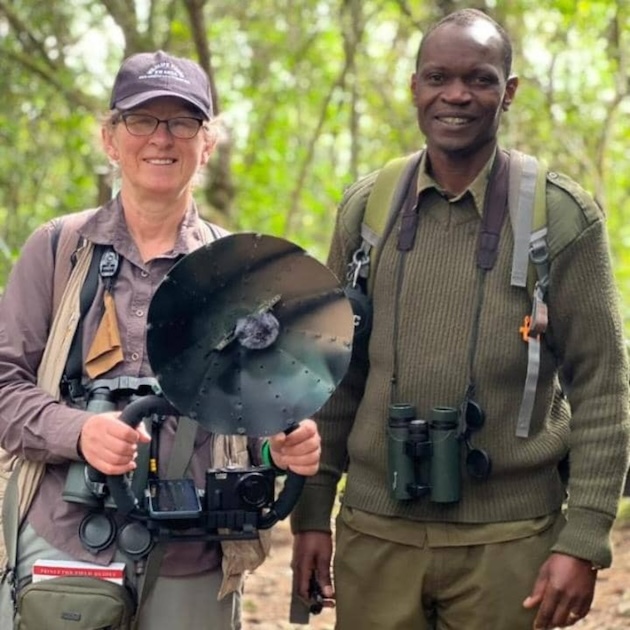
With more than two decades of experience, Claver is known for his expertise, kindness, and mentorship. He collaborates with researchers and shares his extensive knowledge, particularly on bird conservation, contributing to research projects across Rwanda, including those in Volcanoes and Akagera National Parks.
“These initiatives improve livelihoods while protecting nature. Claver doesn’t just do his job for a salary—he goes beyond, creating opportunities for his community,” Niyigaba adds.
Additionally, local communities benefit from government projects funded through tourism revenue-sharing programs, such as constructing classrooms and water infrastructure. These efforts have promoted a sense of ownership and responsibility for conserving the park.
“Now, the communities see the park as a source of support. Some even help control poaching by others who don’t yet understand,” Claver explains.
Claver’s award includes 30,000 pounds (approximately Frw51 million) prize, which he plans to reinvest in community projects.
“There are projects I couldn’t achieve due to limited resources. This award will allow me to take those projects forward and encourage more community involvement in conservation,” he says with optimism.
This is Claver’s first international award and his second overall. In 2007, he received the Rhinoceros Recognition for his conservation efforts.