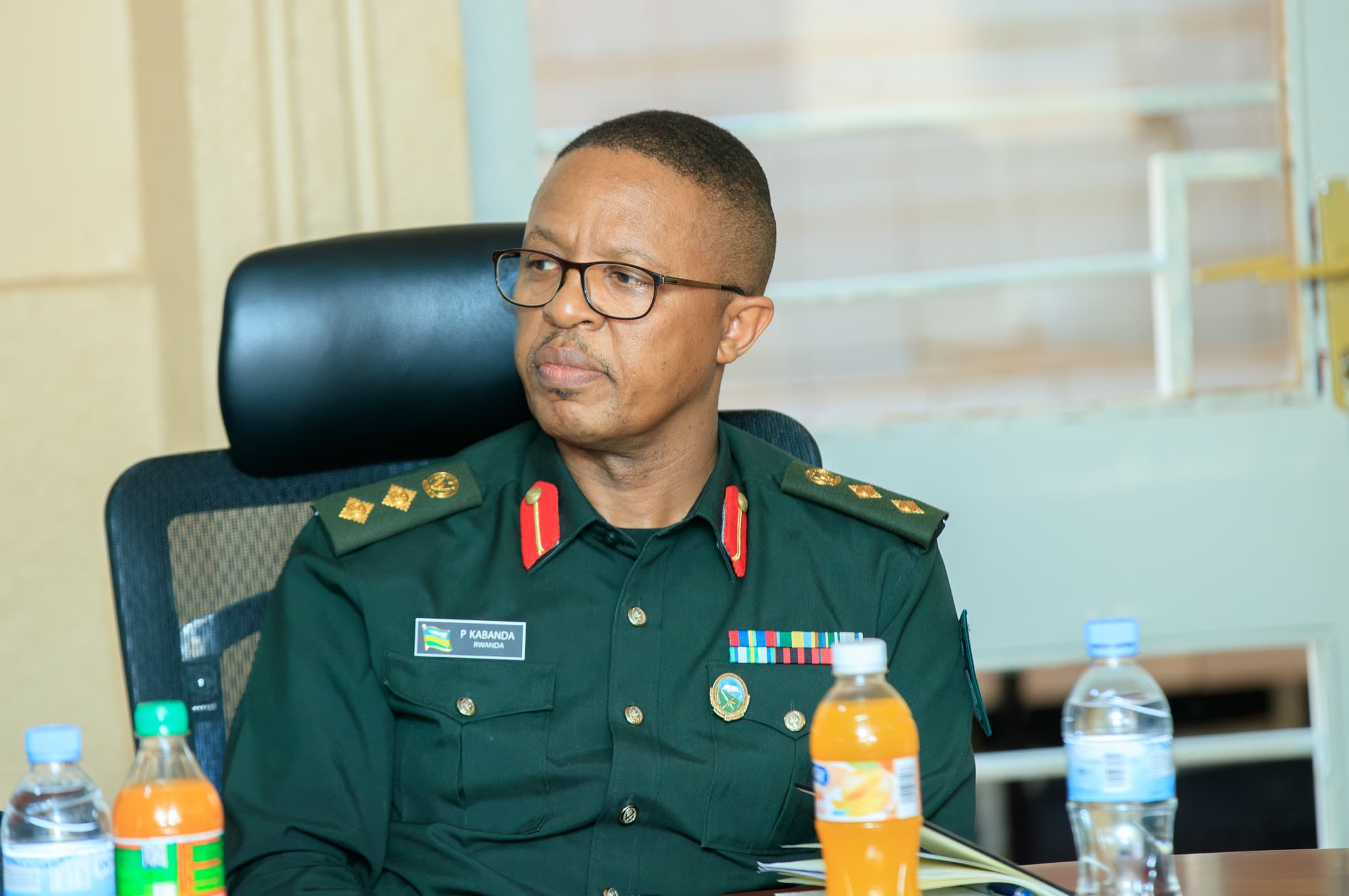
The appointment was made during a cabinet meeting chaired by President Paul Kagame on Wednesday, March 26, 2025.
As head of RIB, Col. Kabanda will oversee the overall direction and operations of the bureau, including leading investigations, ensuring accountability, and upholding the rule of law.
In addition to Col. Kabanda’s appointment, the cabinet also confirmed several other key positions across different institutions, including the reappointment of Oda Gasinzigwa as chairperson of the National Electoral Commission (NEC). She will be deputized by Kizito Habimana.
Other members of the commission include Fortunée Nyiramadirida, Nicole Mutimukeye, Carine Umwali, Jean Bosco Mutijima, Faustin Semanywa, Françoise Kabanda Uwera, and Judith Mbabazi.
During Wednesday’s meeting, the Cabinet also appointed Jeanne Umuhire as the new Deputy Director General at the Rwanda Biomedical Centre (RBC).
Nassi Agaba Bisengo was appointed Deputy Director General at the Rwanda Technical and Vocational Education Training Board (RTB).
In the Ministry of Education, John Bosco Nkuranga was named Strategic Projects Implementation Unit Coordinator.
Dorian Cyubahiro joins the Ministry of Finance and Economic Planning as Chief Technical Advisor.
At the Rwanda Atomic Energy Board, Dr. Joram Ndayishimye will head the Nuclear Technologies and Research Development Department, while Capt. Agnes Mutoni will lead the Nuclear Safety and Security Department. Eng. Alexis Ruhinda steps into the role of Manager of the Research Reactor Division, and Eng. Yves Butera becomes Manager of the Nuclear Power Production Development Division.
In the Office of the Prime Minister, Chantal Tuyishimire takes on the role of Senior Policy Analyst, with Françoise Niyigena, Oscar Uwayo, and Ornella Rwaniza all appointed as Policy Analysts.
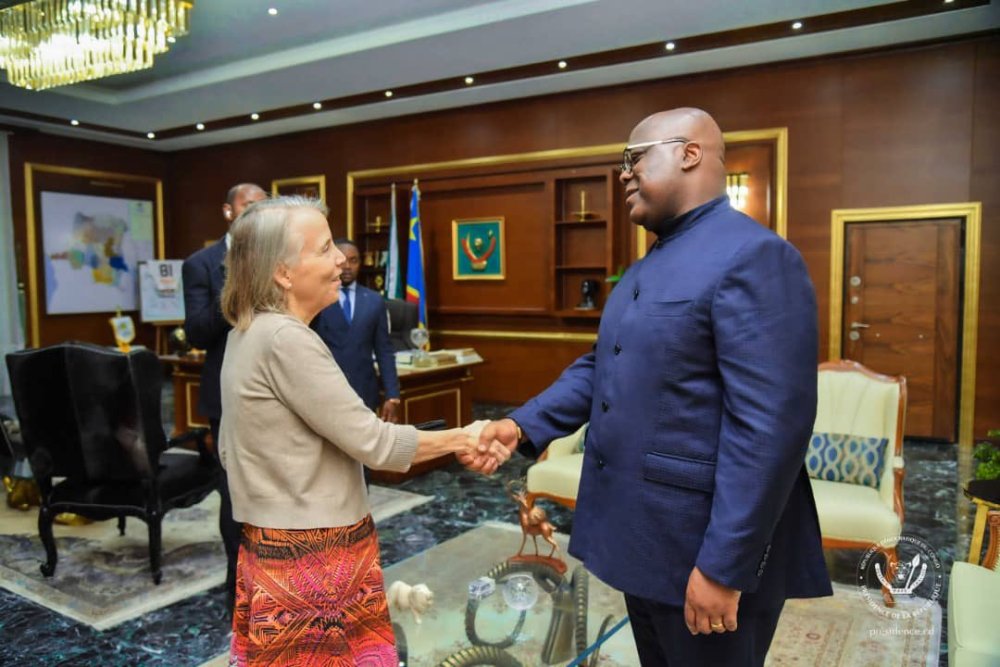
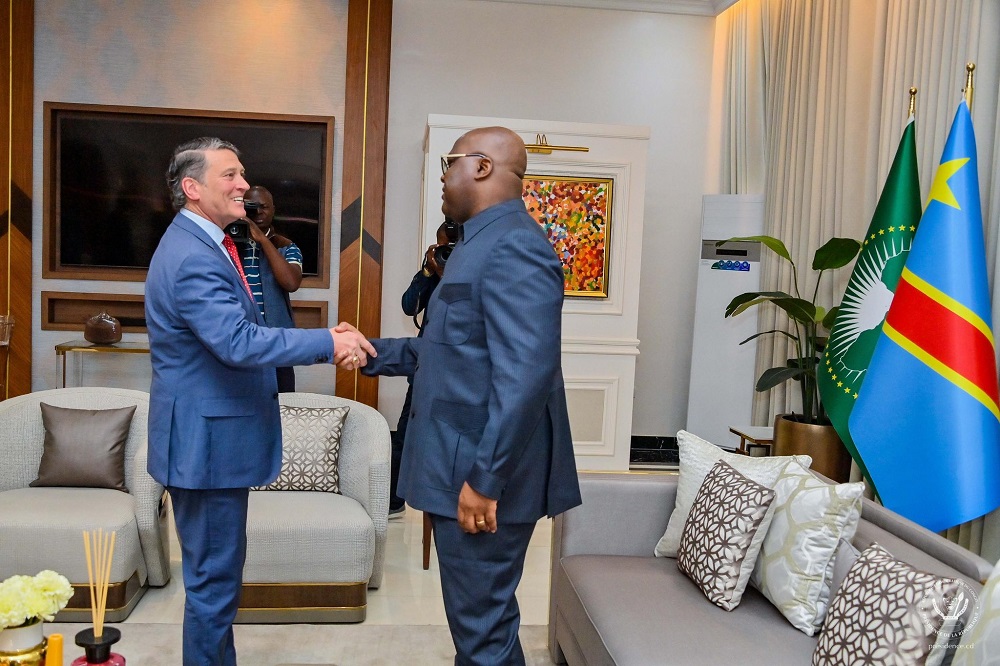
On March 16, 2025, Tshisekedi’s office announced that it had welcomed Congressman Dr. Ronny Jackson and discussed security in eastern DRC as well as development issues.
“On this Sunday, President Félix Tshisekedi met with Mr. Ronny Jackson, the Special Envoy of the President of the United States, Donald Trump, and a member of the U.S. Congress,” the office of the president said in a statement.
Dr. Jackson, who also chairs the U.S. Congress Intelligence and Special Operations Committee, visited Rwanda, Burundi, and Uganda to understand the root causes of insecurity in the region.
After concluding his visit on March 23, Dr. Jackson explained to his fellow U.S. lawmakers that the insecurity stemmed from colonial-era border changes in the 19th century, which resulted in some land being allocated to the DRC.
Dr. Jackson stated that due to these altered borders, some Congolese in eastern DRC, including many members of the M23 armed group, are not recognized as full citizens, which has led them to take up arms to fight for their rights.
“For lasting peace, the Congolese government must integrate M23 fighters into the military and recognize the people of eastern DRC as full citizens with legitimate rights,” he added.
His remarks angered some Congolese social media users, who criticized the U.S. Embassy in Kinshasa, questioning how a special envoy from Trump could make such statements.
The outrage stemmed from the fact that Dr. Jackson did not distort the region’s history as some Congolese politicians and their foreign allies have often done.
On March 26, the U.S. Embassy in Kinshasa clarified that Dr. Jackson was not a special envoy of Trump but had visited the region as a member of the U.S. Congress.
“The Embassy wishes to clarify that Mr. Ronny Jackson is an elected member of the U.S. Congress and not an official envoy appointed by the President and confirmed by the Senate,” the statement read.
Dr. Jackson’s remarks could potentially shift the perspectives of some U.S. politicians who previously believed that the conflict between the Congolese army and M23 was solely driven by the struggle for mineral resources, rather than by the fight for the rights of marginalized Congolese communities.
Liège authorities have traditionally joined Rwandans in commemorating the genocide and had scheduled the event for April 12, 2025. However, they have now decided to withdraw from the event.
According to state broadcaster RTBF, the city’s decision was based on a warning from the Liège police.
The police cited tensions between the Democratic Republic of the Congo (DRC) and Rwanda, suggesting that individuals from the two countries residing in the city could clash during the event.
“An analysis of the potential issue was conducted. The Liège police provided an unfavourable recommendation. The international political climate is unstable,” Jadranka Lozina, the spokesperson for the Liège police, was quoted as saying.
While Rwandans will still be allowed to gather privately for the commemoration, Liège Mayor Willy Demeyer will not attend. Authorities have also warned that if public order is threatened, the gathering will not be permitted.
The decision comes amid strained diplomatic relations between Rwanda and Belgium. Rwanda recently cut ties with Belgium due to the latter’s alignment with the DRC in calling for sanctions against Rwanda, accusing it of supporting the M23 rebel group—an allegation Rwanda has strongly denied.
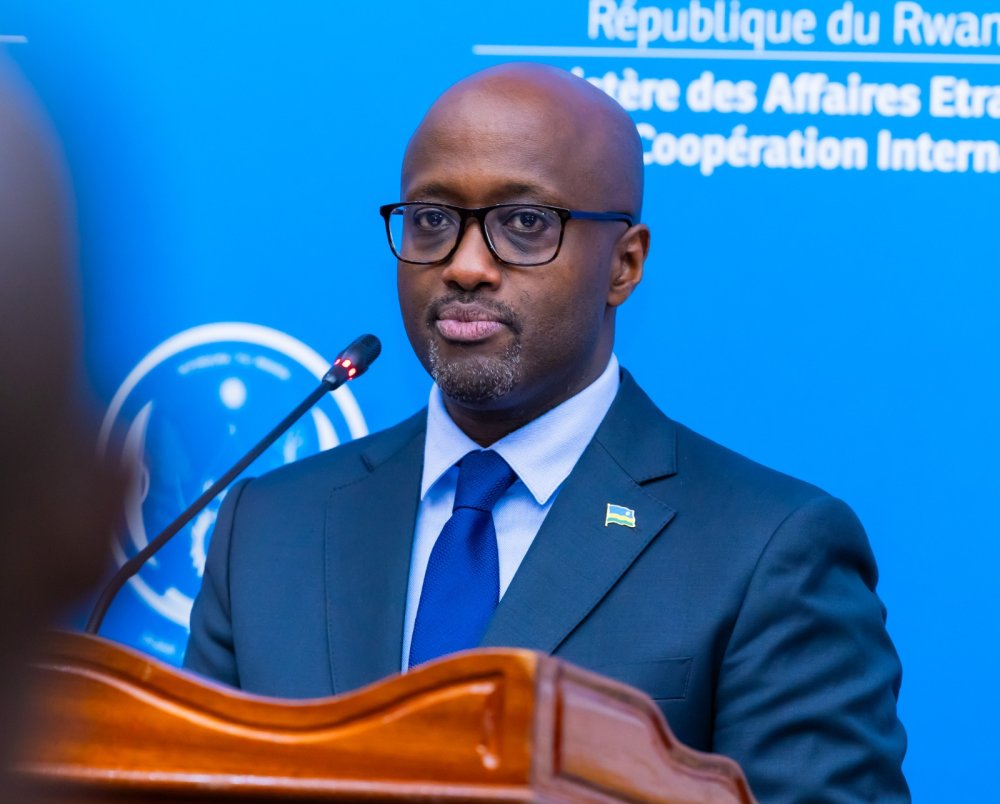
Minister Nduhungirehe condemned the move, arguing that it demonstrates how the genocide denial narrative, propagated by DRC authorities and their Belgian supporters, is rapidly spreading within Belgium.
“It is evident that the denial virus, spread by the Congolese government and its supporters in Belgium, is rapidly taking hold in the Kingdom of Léopold!” the minister wrote on X.
Nduhungirehe further pointed out that Liège is governed by the Socialist Party (PS), which includes Lydia Mutyebele, a DRC-born MP known for her hostility towards Rwanda and genocide denial, as well as André Flahaut, who has recently shown support for Kinshasa’s leadership in the ongoing regional tensions.
He also reminded that April 7 is an internationally recognised day, designated by the United Nations General Assembly, for the world to join Rwandans in commemorating the 1994 Genocide against the Tutsi.
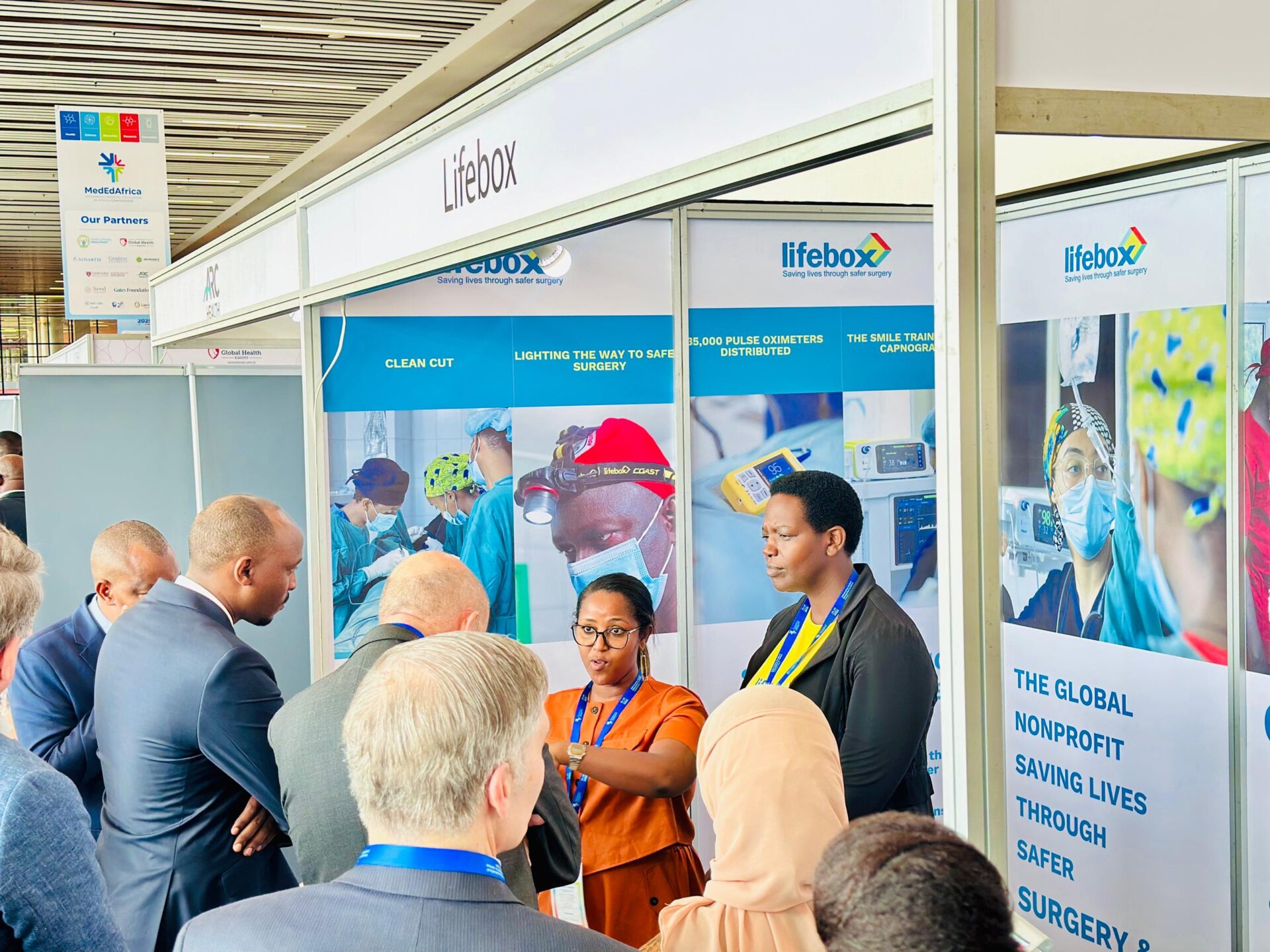
With five out of seven people lacking access to safe surgery and 4.2 million dying within 30 days of operations each year, experts at the inaugural Advancing Medical Education in Africa Conference (MedEdAfrica 2025) this week highlighted how these interventions, paired with innovative training, are reducing risks and reshaping healthcare education.
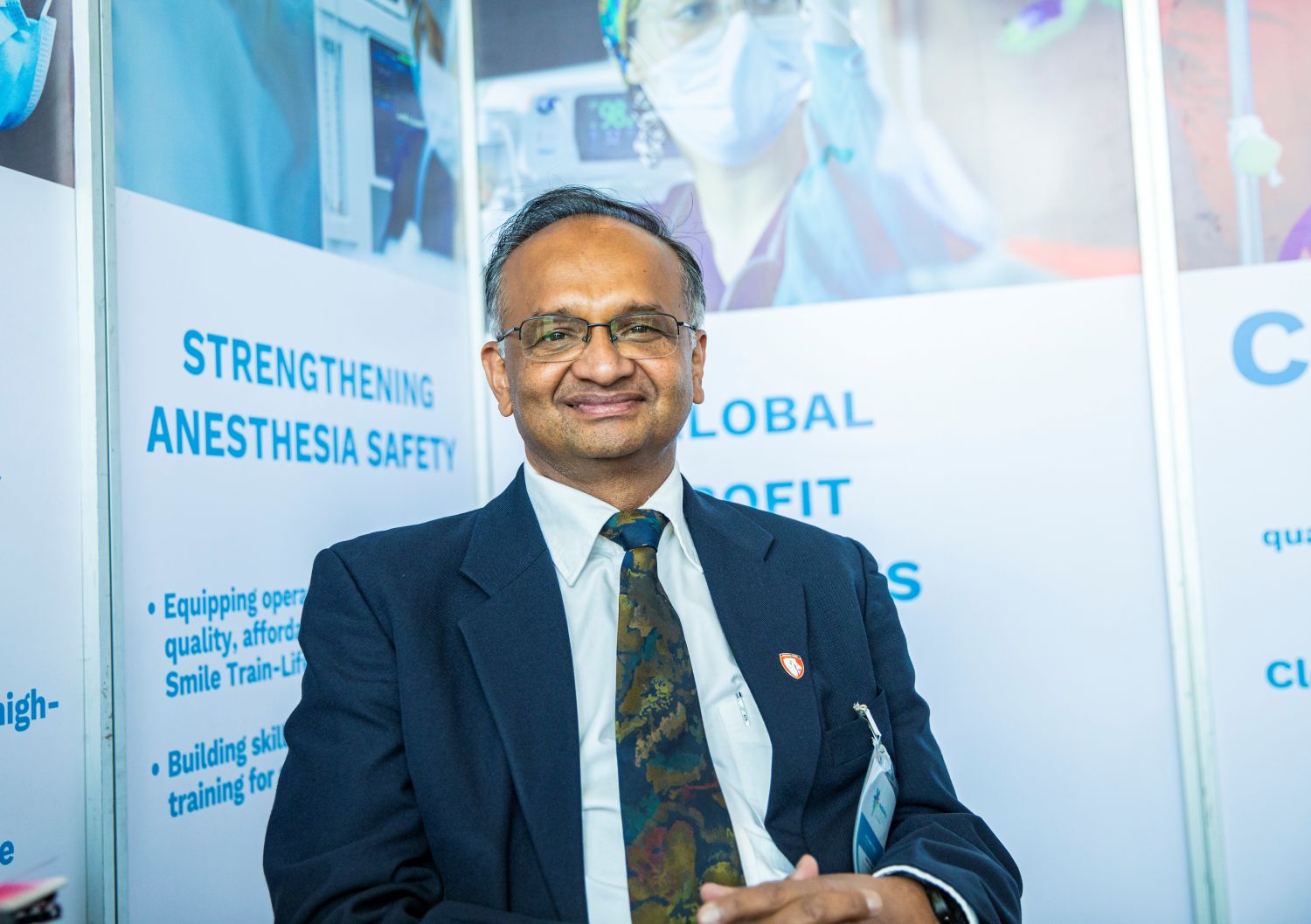
“When the lights go off mid-operation, our headlamp comes on, and we continue,” said Professor Nobhojit Roy, a Lifebox governing board member and surgery professor at the University of Global Health Equity (UGHE).
Lifebox’s headlamps, distributed across 116 countries, tackle a universal hurdle: power interruptions.
In Rwanda, like many other countries in the region, they have illuminated operating theaters, with Prof. Roy describing them as a “practical fix” in cases of power hitches, ensuring surgeries can continue uninterrupted even with the slightest interruption.
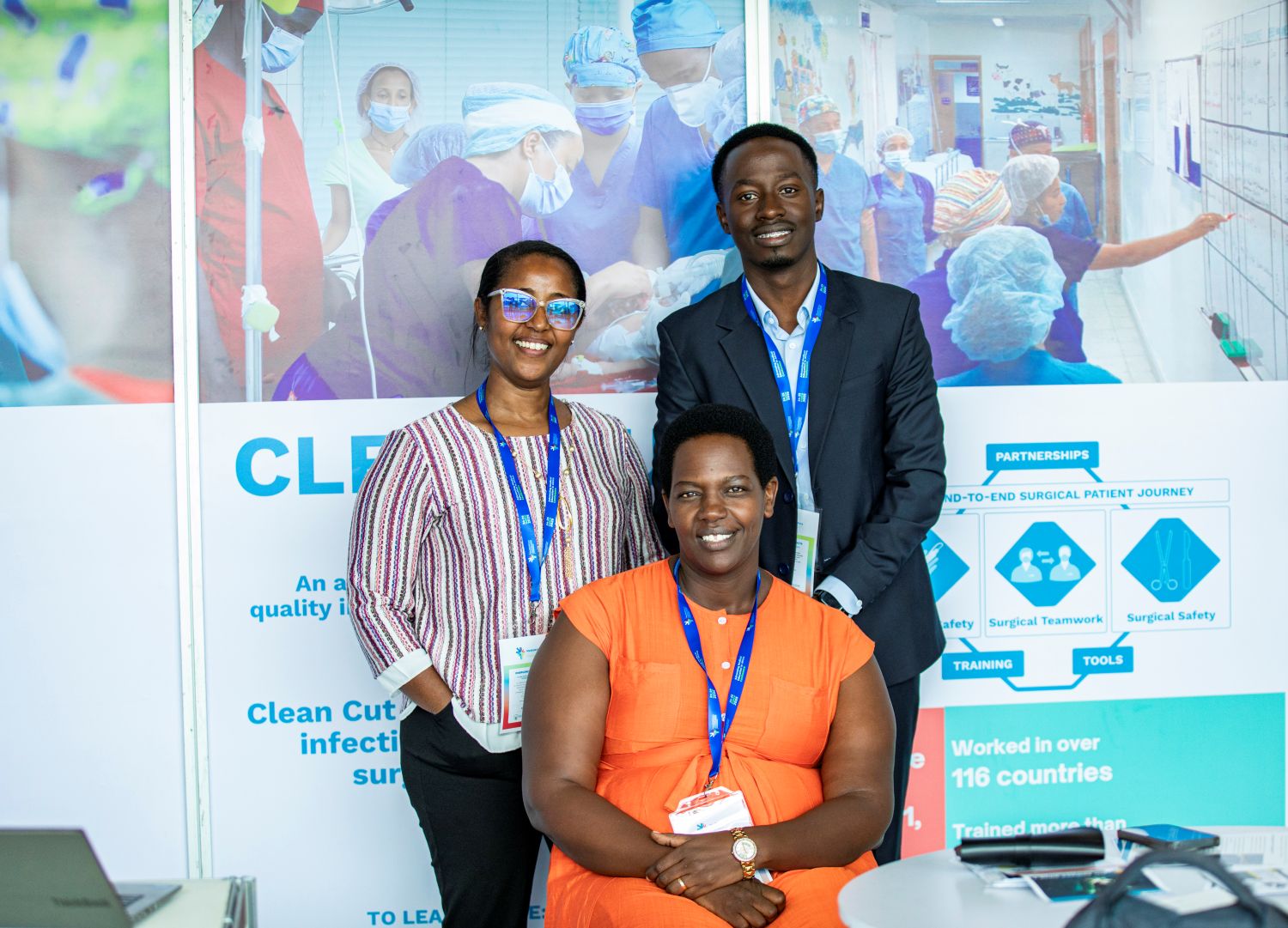
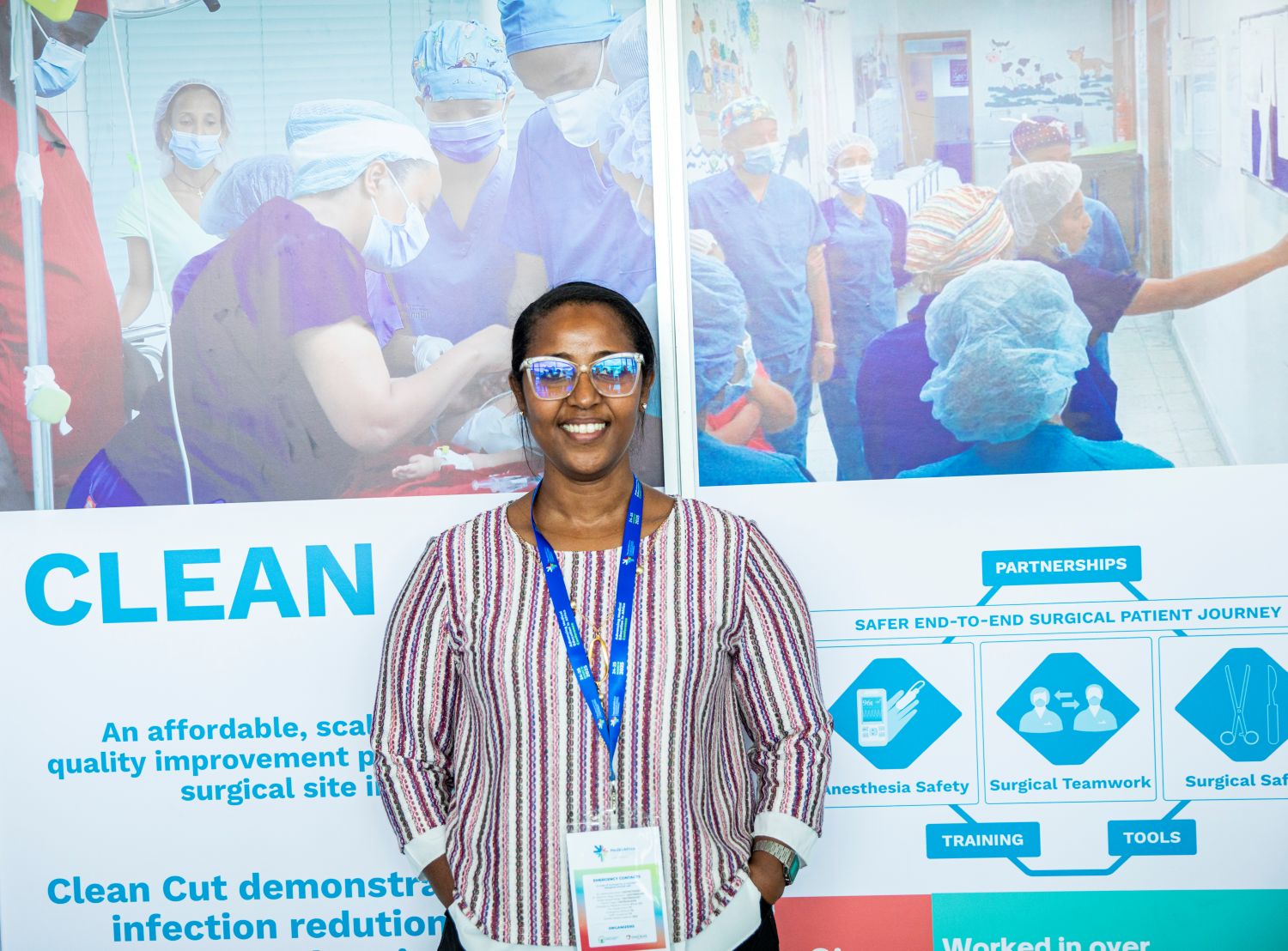
Senait Bitew Alemu, Lifebox’s Chief Programme Officer, highlighted the WHO Surgical Safety Checklist as a cornerstone of their Clean Cut project, which includes components such as proper hand hygiene, skin antisepsis, sterile equipment and environment, and timely antibiotic prophylaxis.
In Rwanda, the non-profit organization focused on improving the safety of surgery in low-income countries has been implementing the Clean Cut program in four facilities, including CHUK, Kabgayi, Kigeme, and Kirehe. According to the organization, globally, Clean Cut has demonstrated a 35% reduction in infections among all patients.
“A patient shouldn’t return with an infection,” Alemu said, emphasizing the importance of safer recoveries for mothers post-cesarean.
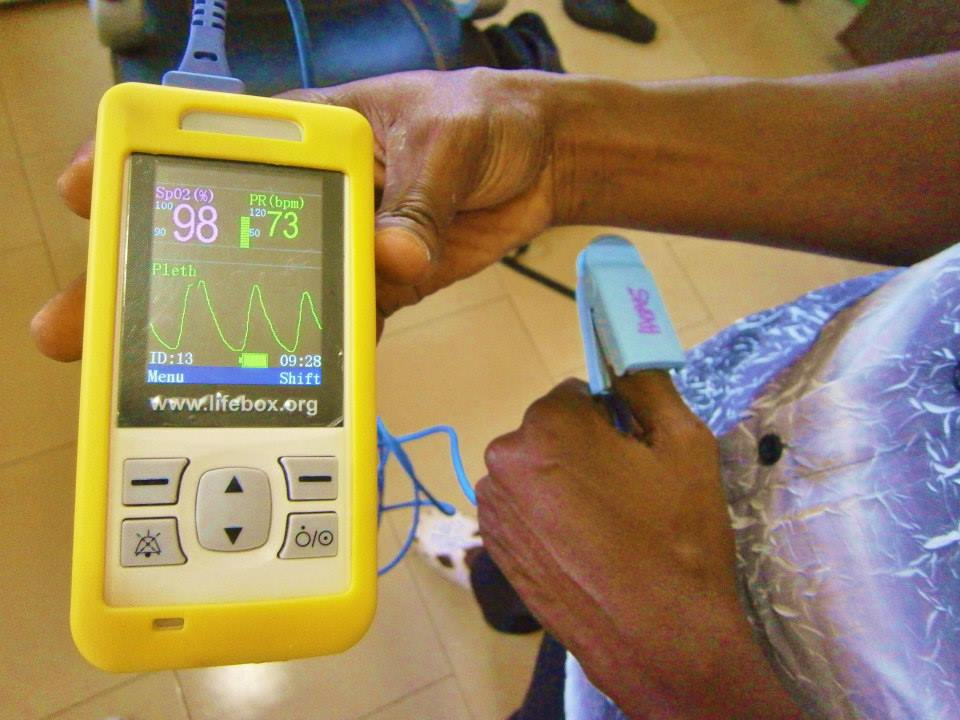
Pulse oximeters, which monitor oxygen levels, have also played an important role in safer surgeries.
“It’s a device you saw during COVID,” Prof. Roy noted.
A pulse oximeter is the only piece of equipment included on the WHO Surgical Safety Checklist and is a minimum standard for safe anesthesia. Yet, operating rooms across the world still lack this essential device, putting millions of lives at risk, according to Lifebox experts.
Since 2011, Lifebox has distributed more than 35,000 pulse oximeters in 116 countries. Coupled with the training of more than 14,000 healthcare providers on safe surgeries, these efforts are making surgery safer for more than 200 million patients.
Additionally, as part of efforts for safer surgeries, Lifebox, in partnership with Smile Train, is equipping 650 operating rooms with Smile Train-Lifebox Capnographs. These essential monitors ensure patients receive adequate oxygen during anesthesia. While they have been used universally in high-income countries for decades, they remain absent in many low-resource operating rooms.
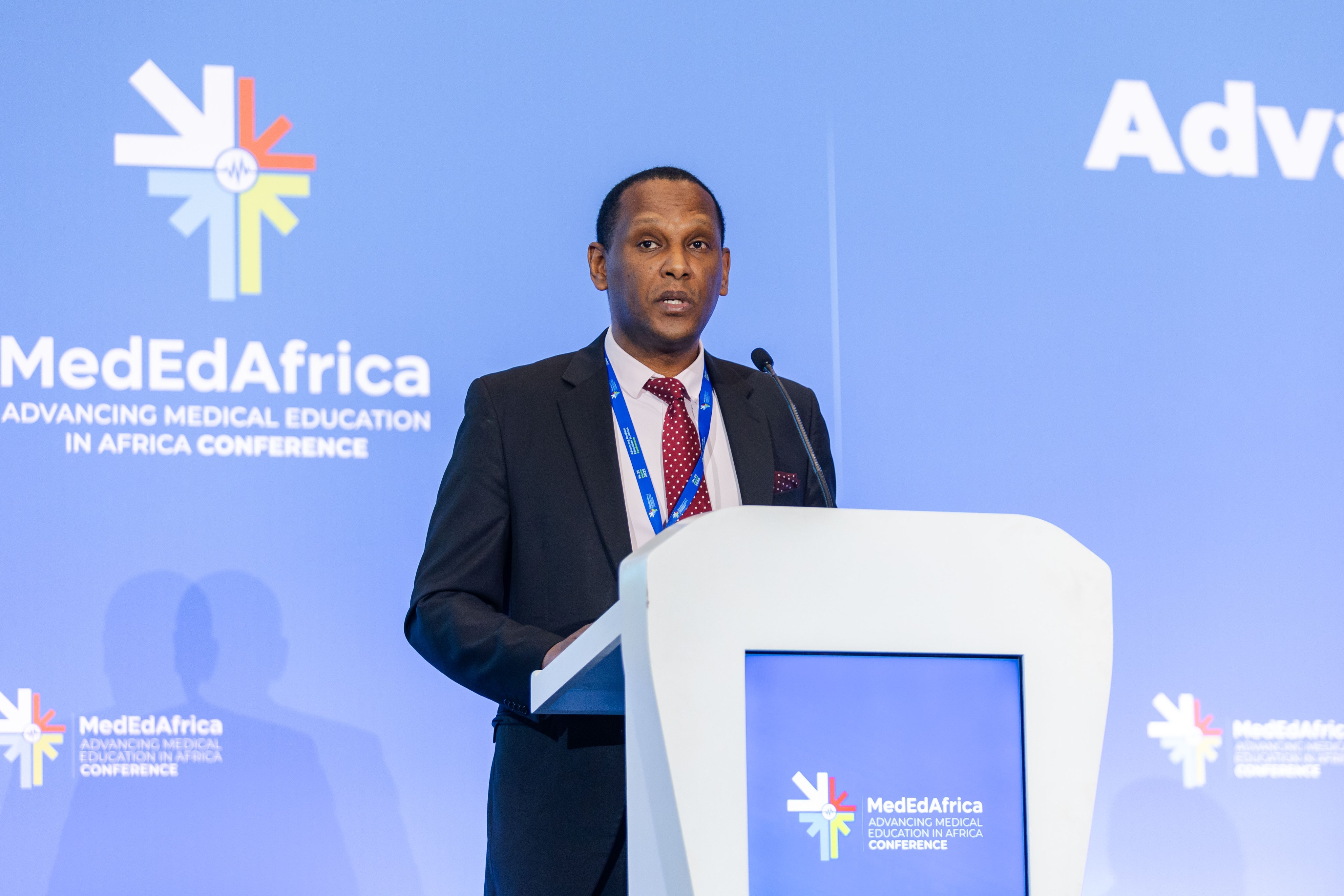
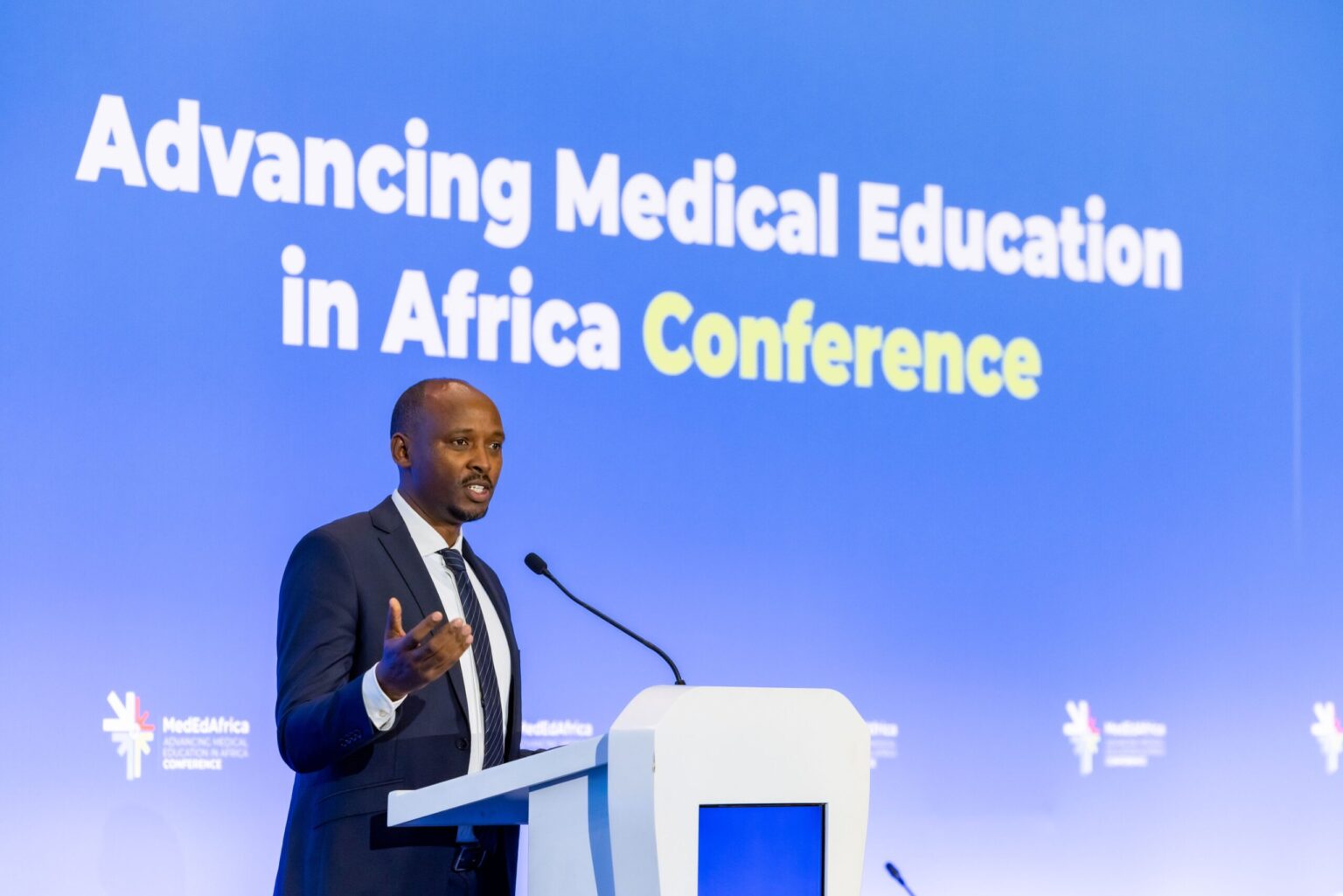
The MedEdAfrica conference, launched Monday at the Kigali Convention Centre, drew over 600 medical educators, students, healthcare leaders, and policymakers from Africa and beyond.
Hosted by UGHE, the Ministry of Health, and partners, it birthed the Consortium of Medical Schools in Africa (COMSA) to foster collaboration.
Speaking during the opening of the conference, Health Minister Dr. Sabin Nsanzimana stressed the importance of evolving education to meet a shifting health landscape.
“Diseases have moved from malaria to cancer as life expectancy rises,” he said. “We need specialists, and fast.”
Lifebox supports the ministry through a nine-month nursing fellowship at Butaro Teaching Hospital, which began two months ago and is ongoing.
“Nurses are the backbone,” Alemu affirmed. “We’re training them in safety, leadership, and sterilization,” she added.
The Lifebox training program, targeting general nurses in perioperative roles, aims to cascade training across Rwanda, with five initial trainees set to mentor others.
{{Reforms on medical training
}}
Professor Abebe Bekele, UGHE’s Dean and COMSA co-chair, emphasized the need for education reform across Africa to address existing gaps.
“Africa can’t afford 15-20-year training timelines,” he said, advocating for shorter, intensive programs and multi-level training to meet rural healthcare demands.
He termed the reforms as crucial to supporting initiatives such as the 4×4 program launched in July 2023, which aims to quadruple the number of healthcare workers in the country within four years, with a target to achieve this by 2027.
Thomas Weiser, a Stanford surgeon and Lifebox collaborator, echoed this call for change: “We’ve trained doctors the same way for 120 years—it’s too slow.” He proposed simulation and task-sharing with non-medical doctors, noting, “Nurse anesthetists handle 80% of rural US anesthetics.”
Minister Nsanzimana pushed for a tech-driven overhaul, stating, “The demand is growing, and we must respond by aligning medical education with healthcare needs. There is no debate—medical education is crucial. The burden of disease is increasing and evolving. We have moved from primarily dealing with malaria, HIV, and tuberculosis to addressing chronic illnesses like cancer and organ failure. These shifts are recent—perhaps in the past decade—but they are significant.”
He added, “AI is already transforming fields like radiology and pathology. Should we continue training the same number of specialists in these fields, or should we adapt to the changing landscape? Technology is not replacing healthcare professionals, but it is shifting how we work. We must integrate these advancements into medical education.”
Prof. Roy reinforced this urgency: “With population growth, we need faster training—15 years won’t cut it.”
In a statement released on Tuesday, March 25, UNICEF Rwanda confirmed that the UN agency dedicated to promoting and protecting the rights of children worldwide is not involved with the concert and will not receive any proceeds from it.
“UNICEF is not associated with the planned ‘Solidarité Congo’ charity concert. UNICEF will not receive any proceeds from the event, and no person associated with UNICEF is part of the concert,” the statement clarified.
The organizers of the concert say the event is intended to support children affected by the conflict in eastern Democratic Republic of Congo (DRC), where the Congolese army has been fighting the M23 rebels.
However, UNICEF reaffirmed its commitment to humanitarian principles, stating that it remains “a non-political organization whose work strictly adheres to the humanitarian principles of neutrality, impartiality, and independence.”
The concert, featuring Congolese artists such as Maître Gims and Youssoupha, has sparked significant backlash due to its scheduled date coinciding with the annual commemoration of the 1994 Genocide against the Tutsi in Rwanda.
The date, recognized by the United Nations, marks the beginning of the 100 days of commemoration of the genocide, in which over a million people were killed.
Paris Mayor Anne Hidalgo has called for the event’s cancellation, citing concerns over public order and the emotional impact on the Rwandan community.
In a letter to the city’s police chief, Hidalgo emphasized the inappropriateness of hosting the concert on such a significant day, especially in light of “recent hateful rhetoric targeting Rwandans and Tutsis circulating online.”
The concert has also faced criticism from the Rwandan diaspora in France, Rwanda’s Ambassador to France, François Nkulikiyimfura, and survivor organizations, who argue that holding the event on April 7 undermines genocide remembrance efforts.
Critics have further accused some performers, including Maître Gims and Youssoupha, of previously expressing controversial views about Rwanda, intensifying tensions between the Rwandan and Congolese communities in Paris.
The Rwandan government has previously denied the Congolese government’s claims that it is backing M23 rebels, insisting that its main concern is the FDLR militia—comprising remnants of the perpetrators of the 1994 genocide—which continues to operate in eastern Congo, posing a security threat to Rwanda.
McFadden’s appeal follows concerns raised by his constituent, Alexis Kiray, who represents approximately 2,300 Banyamulenge refugees resettled in the UK.
In a letter to Lord Collins of Highbury, Minister for Africa, McFadden stated that Kiray is concerned about the ongoing violence and human rights abuses against the Banyamulenge people and Tutsis in the eastern Congo.
“He [Kiray] is deeply concerned with the continuing persecution and displacement of the Banyamulenge community in the DRC, with many being arbitrarily detained and some executed. External observers have noted the risk of ethnic cleansing taking place in the DRC,” wrote the MP representing Wolverhampton South East.
McFadden highlighted that Mr. Kiray seeks clarification on the UK Government’s response to the situation.
“Mr Kiray wishes to know what action the UK Government is taking to protect the Banyamulenge and Tutsi from this treatment, and what can be done to prevent crimes against humanity from taking place.”
The Banyamulenge refugees, whom Kiray represents, were resettled in the UK through a partnership between the UK Government and the International Organisation for Migration (IOM).
The Kinyarwanda-speaking communities in the DRC, whose presence traces back to the colonial era’s arbitrary border-drawing, have faced decades of persecution for decades.
The AFC/M23 rebel group, which has recently captured large swaths of territory in the eastern region, says it is fighting for the rights of this minority group.
Alarmed by the escalating conflict and violence, regional leaders and the international community have renewed calls for dialogue between the parties to settle the conflict.
Speaking to Italian daily Corriere della Sera, Alfieri revealed that the Pope experienced a violent bronchospasm in which he aspirated vomit, endangering multiple organ systems.
The medical team faced a critical decision: whether to halt aggressive treatment or to push forward with interventions that carried the risk of damaging other organs.
“We had to choose whether to stop and let him go, or push forward with every available treatment—despite a high risk of damaging other organs,” Alfieri stated. “We chose to go forward.”
Massimiliano Strappetti, Francis’ longtime health aide, played a crucial role in the decision, urging doctors not to give up.
The Pope remained alert and aware during the crisis, though at one point, doctors feared he might not survive the night. The medical team employed a non-invasive aspiration procedure to clear his airways, followed by an intensive regimen of medications. While concerns loomed over potential kidney and bone marrow damage, the treatment ultimately succeeded in stabilizing his condition.
Three days later, Francis suffered a second pair of acute respiratory episodes. Doctors inserted a specialized tube to remove mucus from his lungs, once again averting a life-threatening situation.
The Vatican took an unusually transparent approach during the Pope’s hospitalization, releasing detailed daily updates. According to Alfieri, Pope Francis himself insisted on honesty.
“He wanted the truth about his condition to be shared. Nothing was hidden or omitted.”
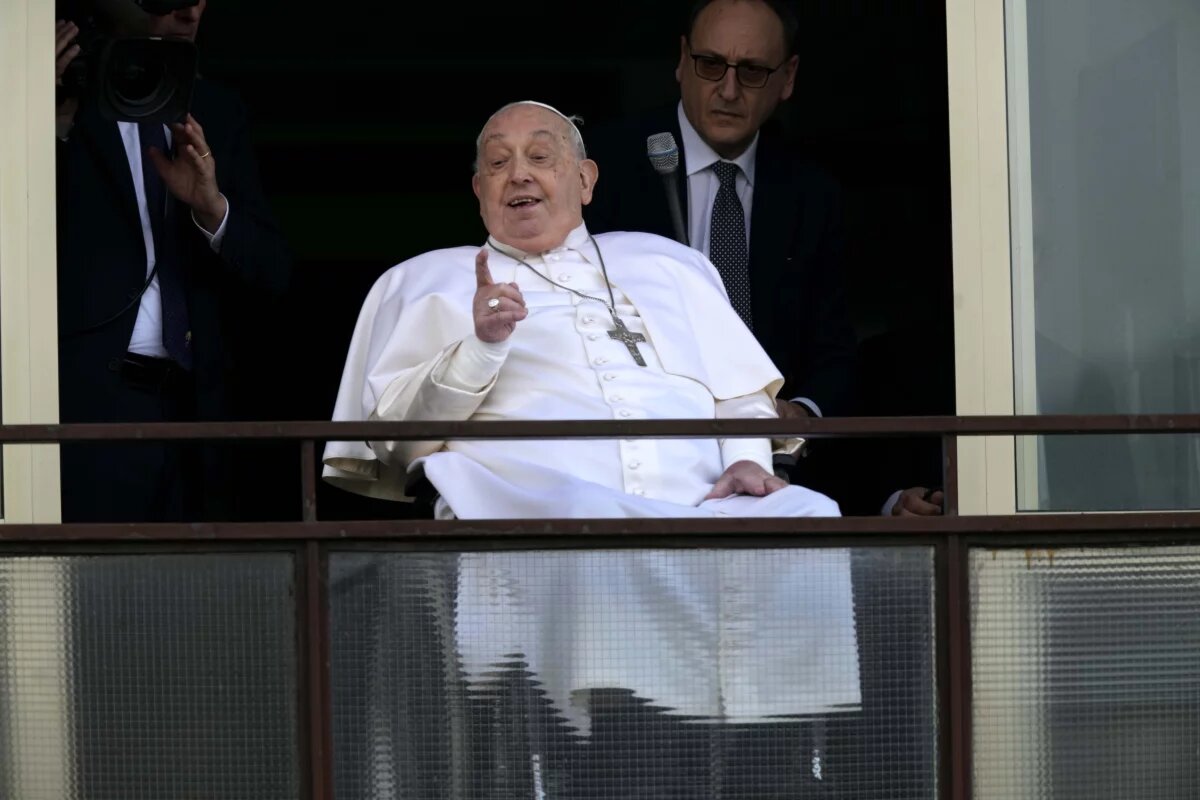
After 38 days in the hospital—the longest stay of his papacy—Francis was discharged on March 23. Appearing frail but resolute, he greeted well-wishers from a hospital balcony, thanking them for their prayers.
The Vatican has since confirmed that the Pope will undergo a strict two-month recovery period at his Vatican residence, Casa Santa Marta. His doctors have recommended continuous medical supervision and oxygen support during his convalescence.
It remains uncertain whether the Pope will participate in upcoming events such as King Charles III’s planned visit to the Vatican or the Holy Week celebrations. Francis has not publicly led the Angelus prayer in weeks but has continued to offer reflections online, recently calling for global peace.
In a message on social media, he expressed gratitude for the prayers that supported him through his ordeal.
“Let us pray together for peace,” he wrote, citing ongoing conflicts in Ukraine, Israel, Palestine, Lebanon, Myanmar, Sudan, and the Democratic Republic of Congo.
Reflecting on the Pope’s remarkable recovery, Alfieri credited both science and faith. “Science backs it up—prayer can have real effects,” he said. “Twice we thought we had lost him, and then it happened like a miracle.”
The minister made the comments following President Ndayishimiye’s interview with the BBC, in which he claimed to have reliable information suggesting that Rwanda is planning an attack on Burundi through the RED Tabara rebel group, which operates in South Kivu province in the Democratic Republic of Congo.
In the interview, President Ndayishimiye intensified his rhetoric, suggesting that Burundi is prepared to attack Rwanda.
“We know that Rwanda is attempting to attack us via Congolese territory, using the RED Tabara group. But we are telling them that if they want to attack Bujumbura through Congo, Kigali is not far from us through Kirundo,” he stated.
Nduhungirehe expressed concern that such comments contradicted the progress made in talks between the two countries to de-escalate tensions.
“This statement by H.E. the President of Burundi is unfortunate, especially since the military and intelligence authorities of both countries are currently in discussions and have even agreed on the need for a military and verbal de-escalation,” Nduhungirehe stated, referring to the talks, with the most recent meeting taking place in Kirundo Province on March 10, 2025.
The minister also noted that he had discussed the matter with his Burundian counterpart during a recent joint East African Community (EAC) and Southern African Development Community (SADC) ministerial meeting in Zimbabwe.
“I also discussed this matter with my Burundian counterpart on the sidelines of the joint EAC-SADC ministerial meeting in Harare on March 17, 2025, and we were fully aligned on this issue,” Nduhungirehe added.
Despite the setbacks, Nduhungirehe emphasized that Rwanda remains committed to peace with Burundi and the broader Great Lakes region.
“Rwanda will continue its commitment to peace with Burundi and in the Great Lakes region, while hoping for more calm and restraint in official statements from across the Akanyaru River,” he stated.
The relations between Rwanda and Burundi have been strained for years, particularly due to Rwanda’s refusal to extradite individuals accused of attempting to overthrow former President Pierre Nkurunziza’s government in 2015. Rwanda maintains that these individuals are refugees protected under international law, preventing their extradition.
Since January 2024, Burundi has closed its land borders with Rwanda, accusing it of supporting attacks by RED Tabara—a claim that Rwanda has consistently denied, asserting it has no connection with the armed group.
However, one experience stood out above the rest: my encounter with traditional Chinese medicine (TCM), particularly acupuncture.
Traditional medicine is an integral part of every culture. In Rwanda, I have often heard about traditional healing practices, but I had never personally explored them. However, when I travel, I make it a point to experience new things firsthand.
So, when the opportunity arose to visit Beijing Massage Hospital, I knew I had to try acupuncture—one of the most renowned components of TCM.
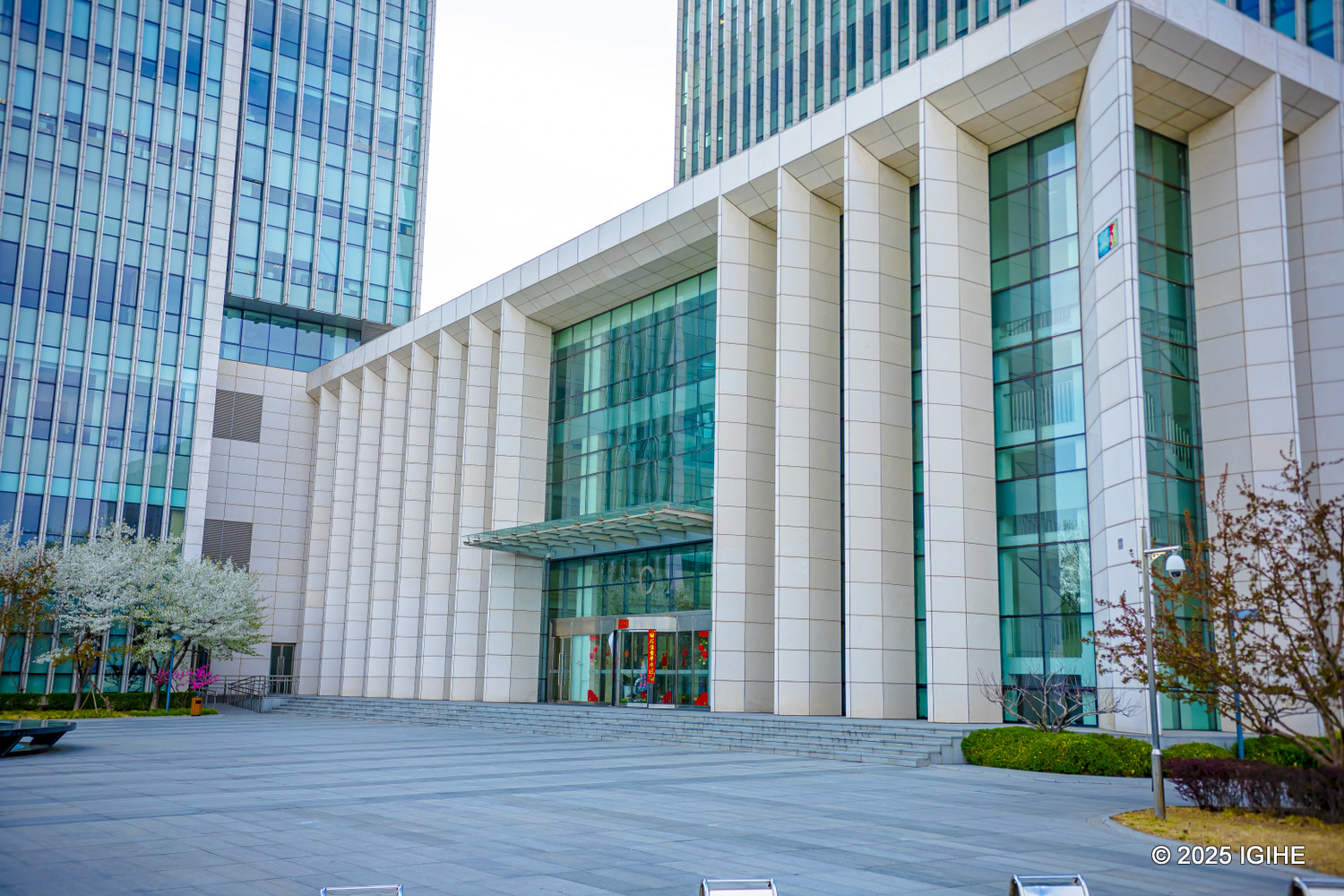
Located in Beijing, Beijing Massage Hospital is a premier institution specializing in massage therapy, acupuncture, and rehabilitation.
Established in 1958, the hospital has built a stellar reputation for integrating TCM practices with modern rehabilitation techniques. It is particularly known for treating musculoskeletal disorders, neurological conditions, and chronic pain through methods such as tuina (therapeutic massage), acupuncture, and herbal medicine.
Acupuncture involves inserting thin needles into specific points on the body to promote healing and relieve pain. While some people dismiss it as quackery, I was eager to judge for myself.
What made my experience even more interesting was that, on the morning of my visit, I woke up with a nagging pain in the upper right part of my back. Whether from poor posture or an awkward sleeping position, it seemed like the perfect opportunity to test acupuncture’s effectiveness.
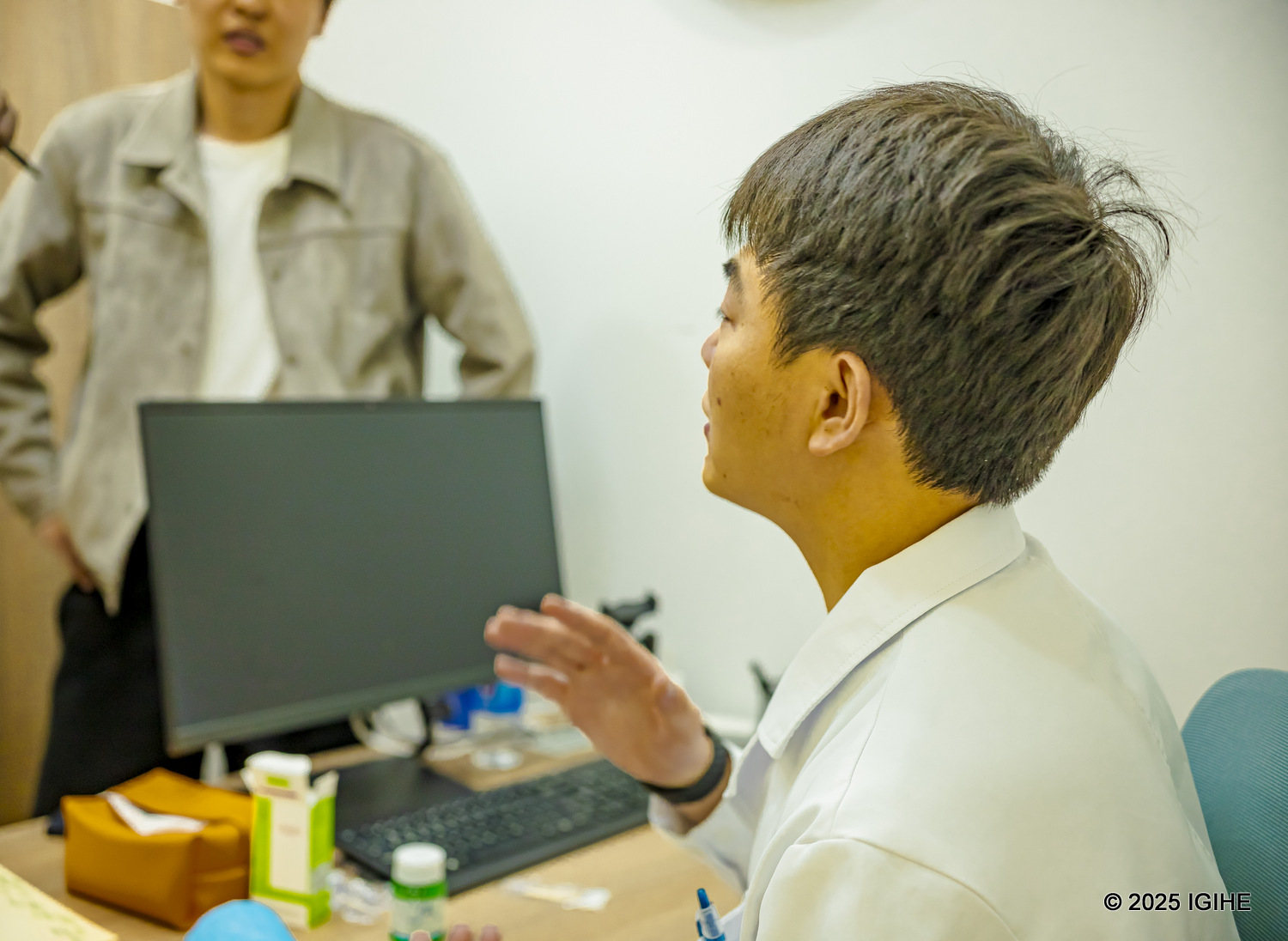
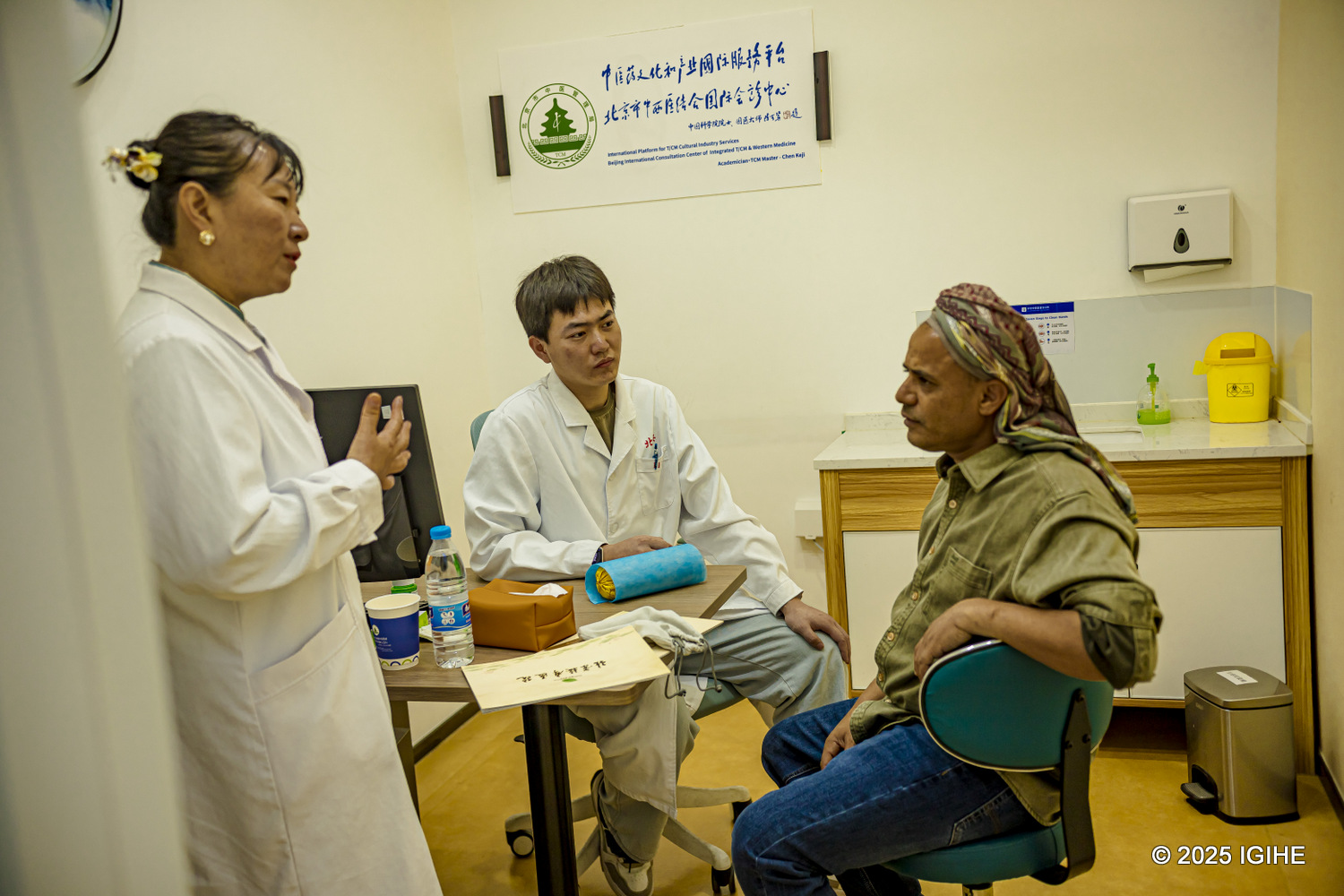
Walking into Beijing Massage Hospital, I was immediately struck by its calm and orderly atmosphere. After a brief consultation, I was guided to an acupuncture specialist who assessed my condition and explained how the treatment could help relieve muscle tension and improve circulation.
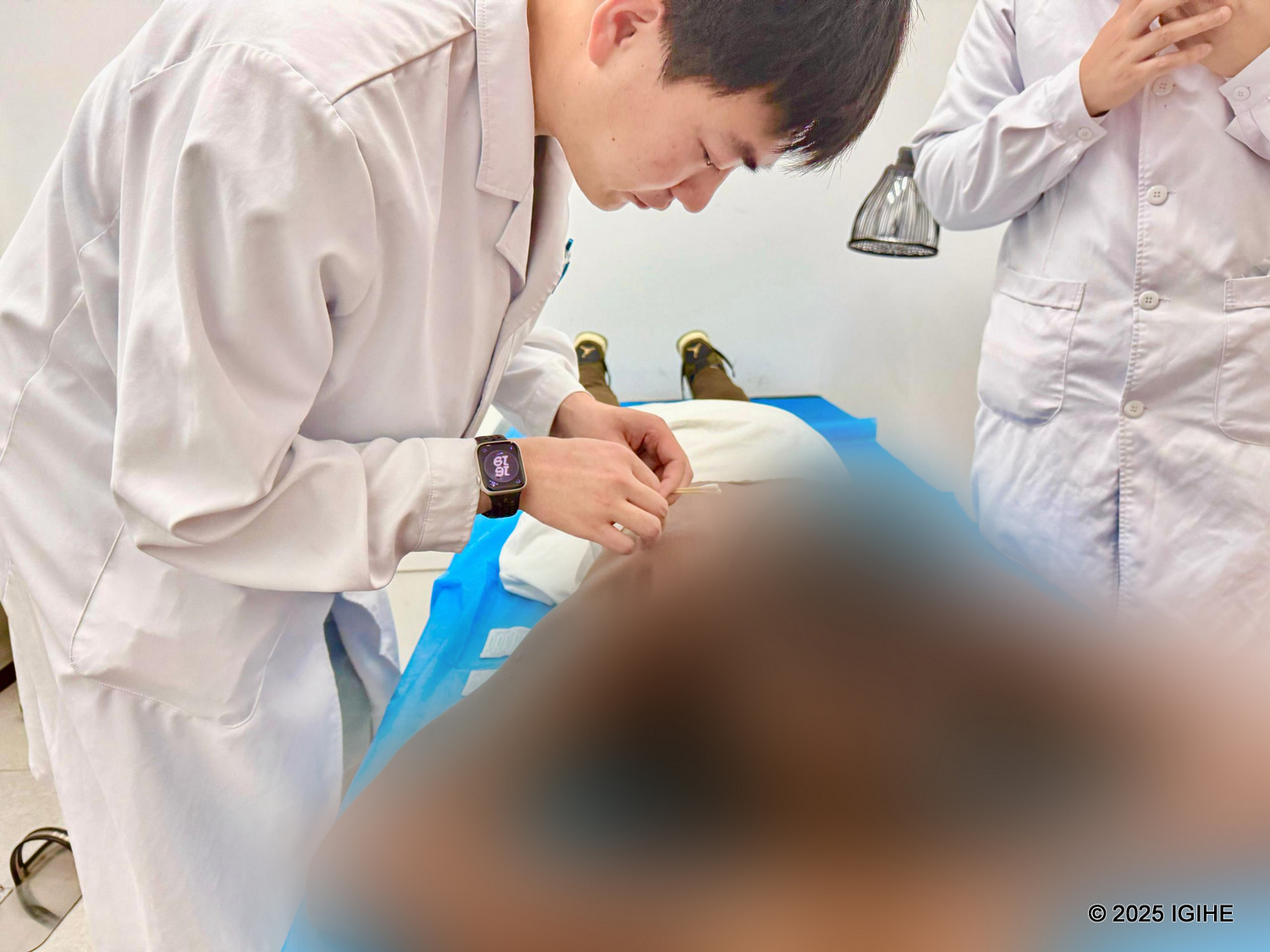
As the session began, I felt a slight prick as five thin needles were inserted into targeted points on my back. Contrary to my expectations, there was no real pain—just a mild tingling sensation.
I lay still, breathing in the serene environment as the needles worked their magic. The entire process lasted about 10 minutes. While I wasn’t instantly cured, I felt a noticeable sense of relief and a soothing warmth where the needles had been placed.
Just before my session, a friend who accompanied me opted for a general health check-up using traditional Chinese diagnostic techniques. What I witnessed was nothing short of fascinating.
The doctor placed two fingers on her right wrist, closed his eyes briefly, and then asked her to open her mouth so he could examine her tongue. After only two minutes of assessment, he confidently diagnosed her with digestive issues, sensitivity to cold, and a need for more exercise.
To my amazement, my friend confirmed that all his observations were accurate. It was incredible to witness the precision of this ancient diagnostic method, which relied solely on pulse reading—a practice that has existed in China for thousands of years.
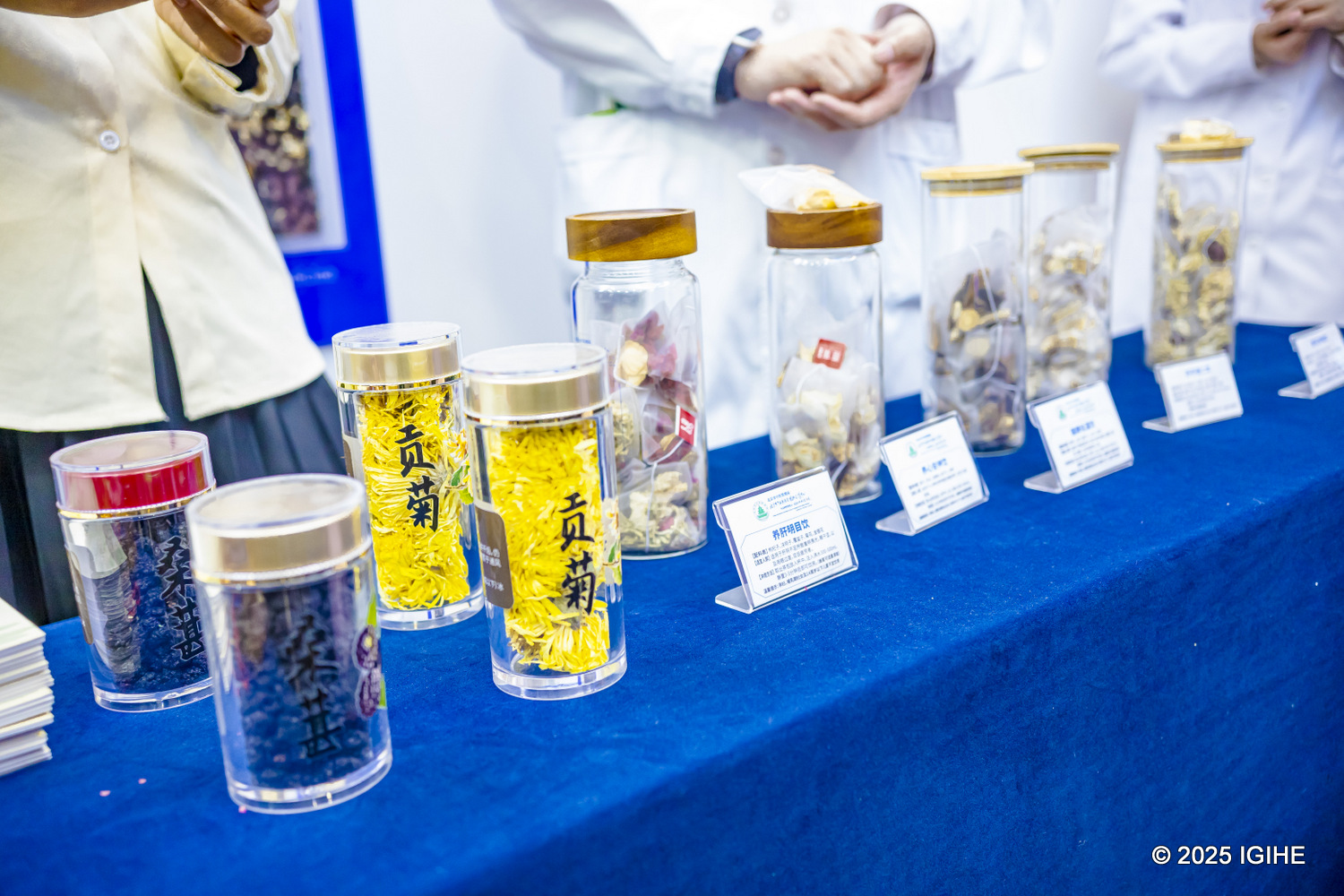
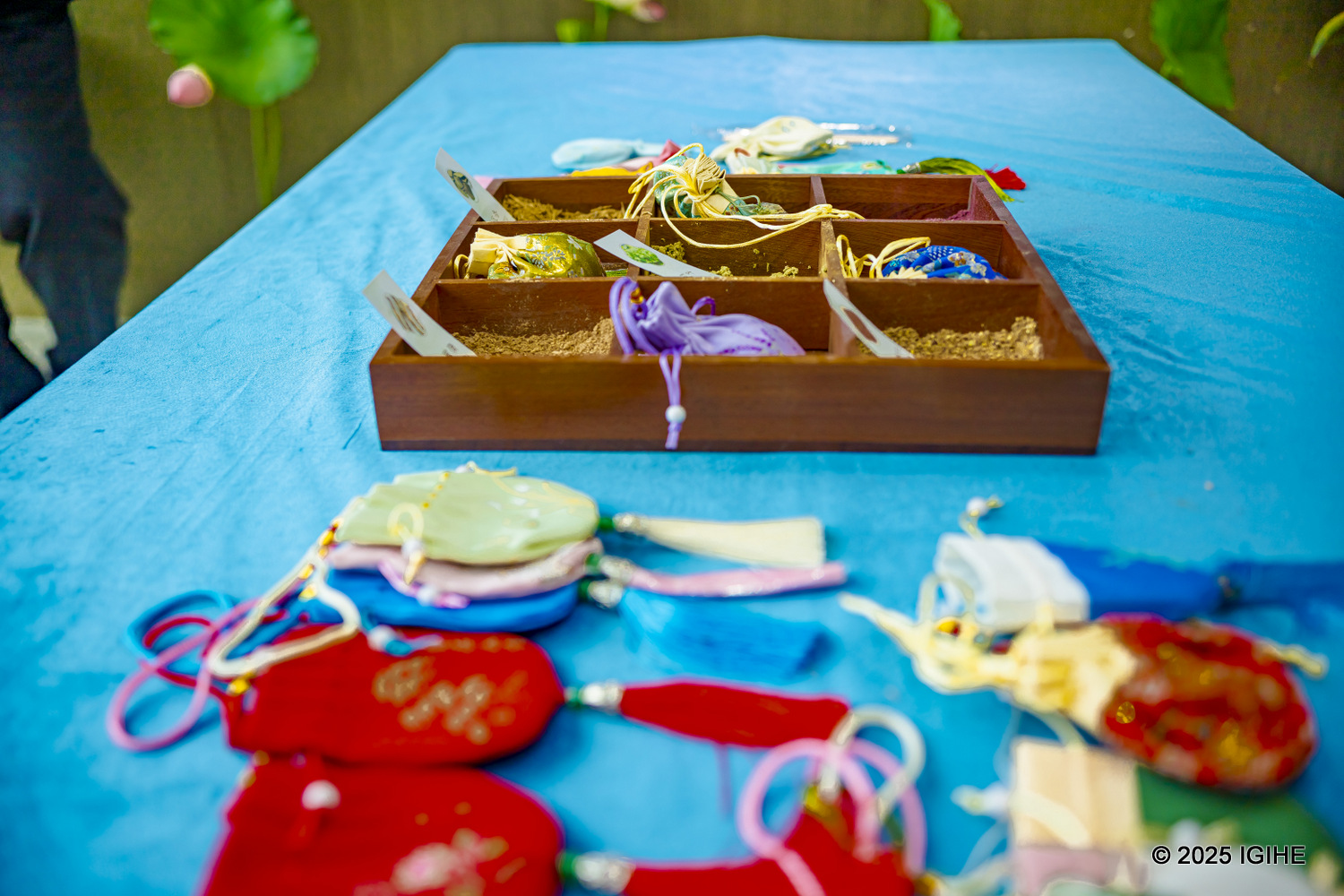
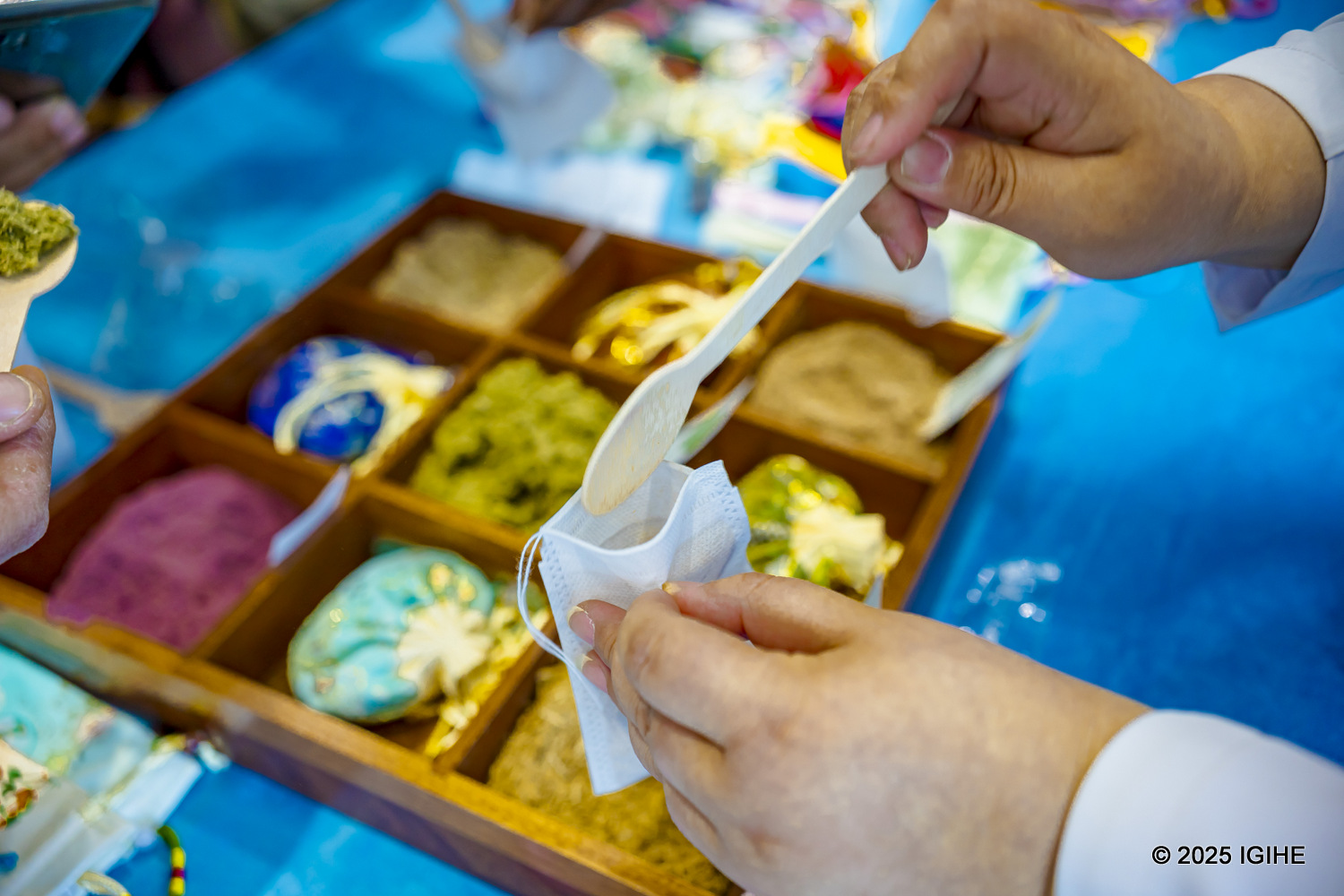
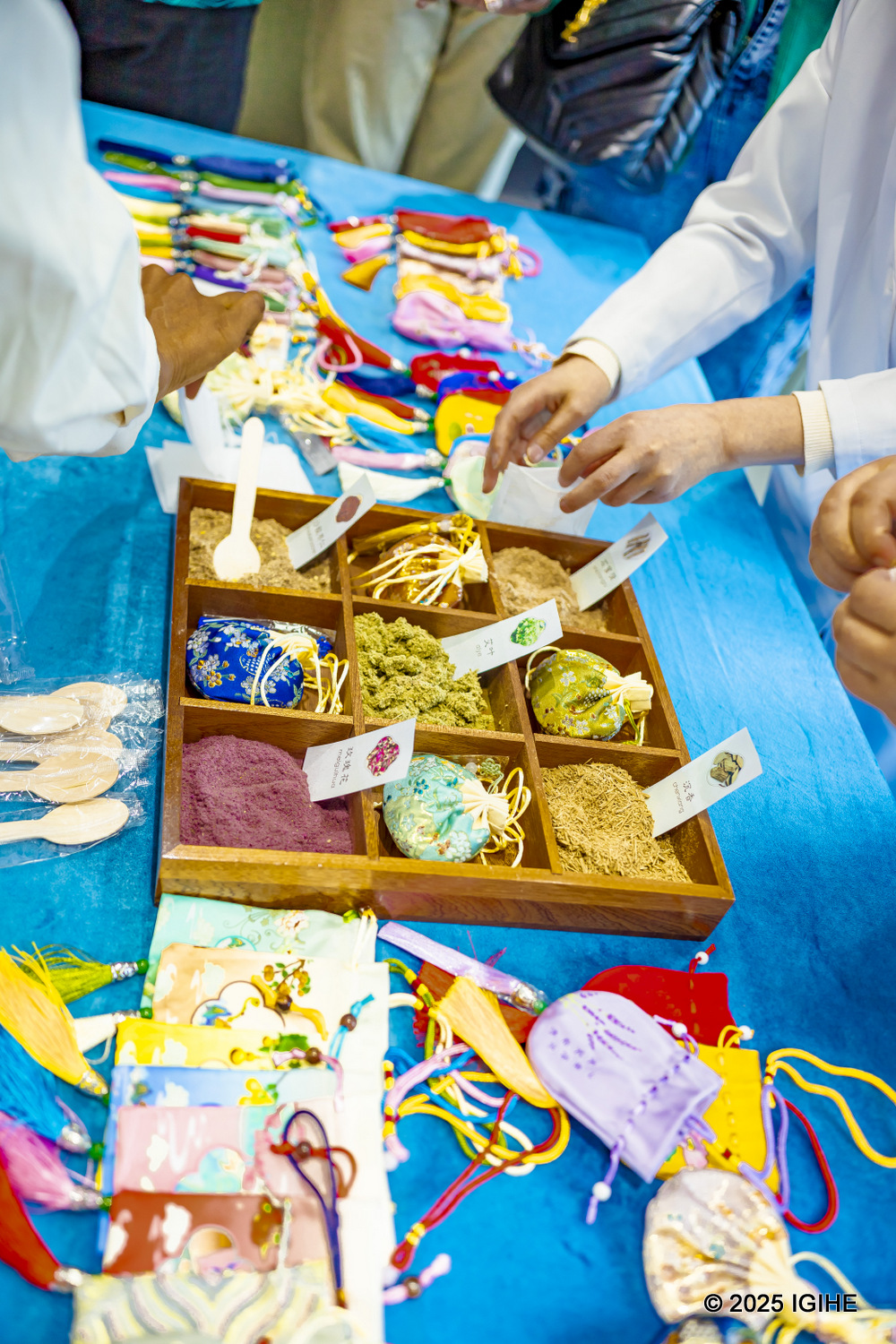
Beijing Massage Hospital offers a wide range of TCM treatments beyond acupuncture, including medical massage (tuina), moxibustion, rehabilitation therapy, and traditional Chinese medicine consultations, among others.
My experience at Beijing Massage Hospital was eye-opening and reaffirmed a saying in my native Kinyarwanda: “Buri gahugu n’umuco wako,” which means each country has its own culture and practices.
Speaking on Sanny Ntayombya’s “Long Form” podcast, Sellars shared insights from his global career and recent research in Rwanda. He offered a roadmap for leaders to harness the potential of this new generation while addressing entrenched habits holding the country back.
Sellars, who has led teams across Australia, Asia, the U.S., and Switzerland, founded T.E.S. to distill decades of leadership lessons into practical tools.
In Rwanda, he has worked with 33 leaders across the banking, construction, and health sectors, surveying 200 peers and reports. His findings reveal that Rwandan leaders excel in people-oriented skills like achievement, self-actualization, humanism, and affiliation, surpassing global averages.
“These leaders are well above the world averages,” he said, attributing this to “a level of awareness of others and a consciousness of what needs to be done.”
He, however, noted that some leaders’ reluctance to take risks could hinder the government’s broader agenda to transform Rwanda into a regional economic powerhouse.
Sellars observed that Gen Z—a generation he describes as opinionated, emotionally intelligent, and eager for happiness—has much to offer. According to him, Unlike their predecessors, who were shaped by fear and survival, these young Rwandans enter the workforce with security and ambition.
“They’re probably the first generation to have that since God knows when,” Sanny interjected, noting their contrast with leaders “trained by trauma.”
Sellars sees opportunity here, but it demands adaptation. “They get bored quickly,” he said. “If you don’t challenge them, they’ll check out or leave.”
So, how can Rwandan leaders turn Gen Z into an asset? “Delegate effectively,” Sellars advised.
“Set clear expectations upfront, not late-stage control. Move people across functions. A cameraman in marketing brings fresh visuals, while a marketer in sales crafts better messaging.”
He emphasized accepting failure without punishment. “Magic happens between silos, but it requires risk,” he said.
For a generation that doesn’t defer to authority—“they don’t call you sir, they don’t title emails properly”— he emphasizes that leaders must let go of their egos.
“The most effective leaders are incredibly hard to offend,” he said.
This shift, Sellars argues, could also ease another Rwandan leadership trap, which he describes as overworking.
“The most senior people are working 12-hour days, most of the weekend,” he said. “My hope is that the message I’m sharing is: You are doing a great job—slow down. Those extra 20 hours destroy more value than they create.”
His own sabbatical story drives this point home. After leaving his Australian team for three months, he returned to find them delivering their best performance yet.
“You created a team that was independent and brilliant,” his boss told him, giving him the highest rating of his career.
Sellars’ recent research highlights Rwanda’s strengths and weaknesses. While aggressive styles like competition and opposition, common in the U.S. and Australia, are less prevalent in Rwanda, he notes that passivity remains a persistent challenge.
“The most effective leaders in Rwanda are the ones investing heavily in helping their people succeed,” he said.
Sellars tested his ideas at leadership retreats in Nyamuhazi last year, and he believes they worked. Leaders opened up about their struggles, and one even reported that her team performs better now that she’s stopped micromanaging.
Looking ahead, Sellars connects Rwanda’s future to its leaders and how they tap into Gen Z’s potential.
“Build a space where they can grow, even if they’re not ready to do it themselves,” Sellars advised.
The leadership guru believes Gen Z’s tech skills and confidence can thrive if leaders guide them the right way.