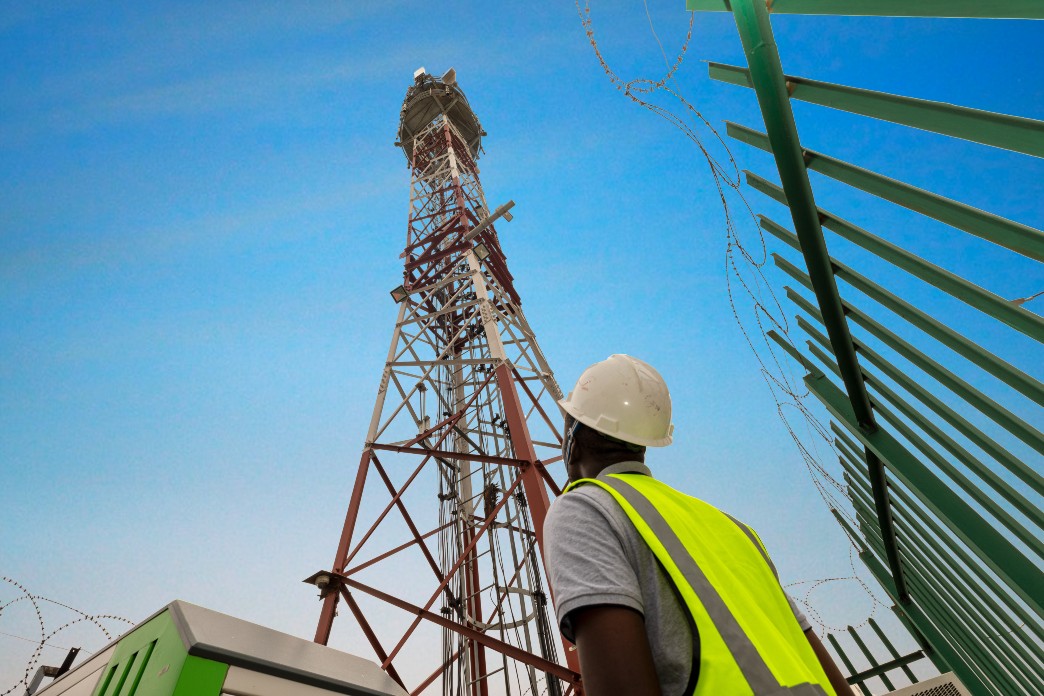
The deal, announced on Tuesday, May 20, 2025, will see Paradigm Tower Ventures acquire 100% of IHS Rwanda Limited, which operates approximately 1,465 tower sites across the country.
The transaction remains subject to government and regulatory approvals and is expected to be completed in the second half of 2025.
The transaction reflects an enterprise value of $274.5 million, representing a multiple of 8.3 times IHS Rwanda’s adjusted EBITDA after leases. The valuation is considered a significant premium compared to the broader IHS Towers group’s current market multiple.
“The agreement to sell our Rwanda operations to Paradigm Tower Ventures was carefully
considered as part of our strategic initiatives targeted at shareholder value creation options and highlights the value of our Rwanda operations within our wider portfolio,” said IHS Towers Chairman and CEO Sam Darwish.
In a statement reflecting on the company’s successful journey in Rwanda, the IHS boss expressed appreciation for the partnerships and conducive environment that have supported the firm’s growth over the years.
“We have enjoyed more than 10 years of commercial success in Rwanda. We are deeply appreciative to our colleagues and customers, in addition to the Government of Rwanda for its exemplary and investor-supportive framework, who have all helped make IHS Rwanda the success it is today,” he added.
Paradigm Tower Ventures, which is making its first investment under a new platform dedicated to wireless infrastructure growth in Sub-Saharan Africa, hailed Rwanda as a promising market.
“Rwanda represents an exciting market with high demand for shared wireless infrastructure,” said Stephen Harris, Co-founder of Paradigm Tower Ventures.
“The Paradigm team is very much looking forward to building a strong customer-focused business providing high-quality and secure infrastructure to mobile network operators.”
Founded in 2019 by seasoned industry executives Stephen Harris, Hal Hess, and Steven Marshall, Paradigm Infrastructure has been involved in various tower acquisitions and operations across Africa.
IHS Towers, listed on the New York Stock Exchange, operates more than 39,000 towers across eight markets, including Brazil, Cameroon, Colombia, Côte d’Ivoire, Nigeria, South Africa and Zambia.
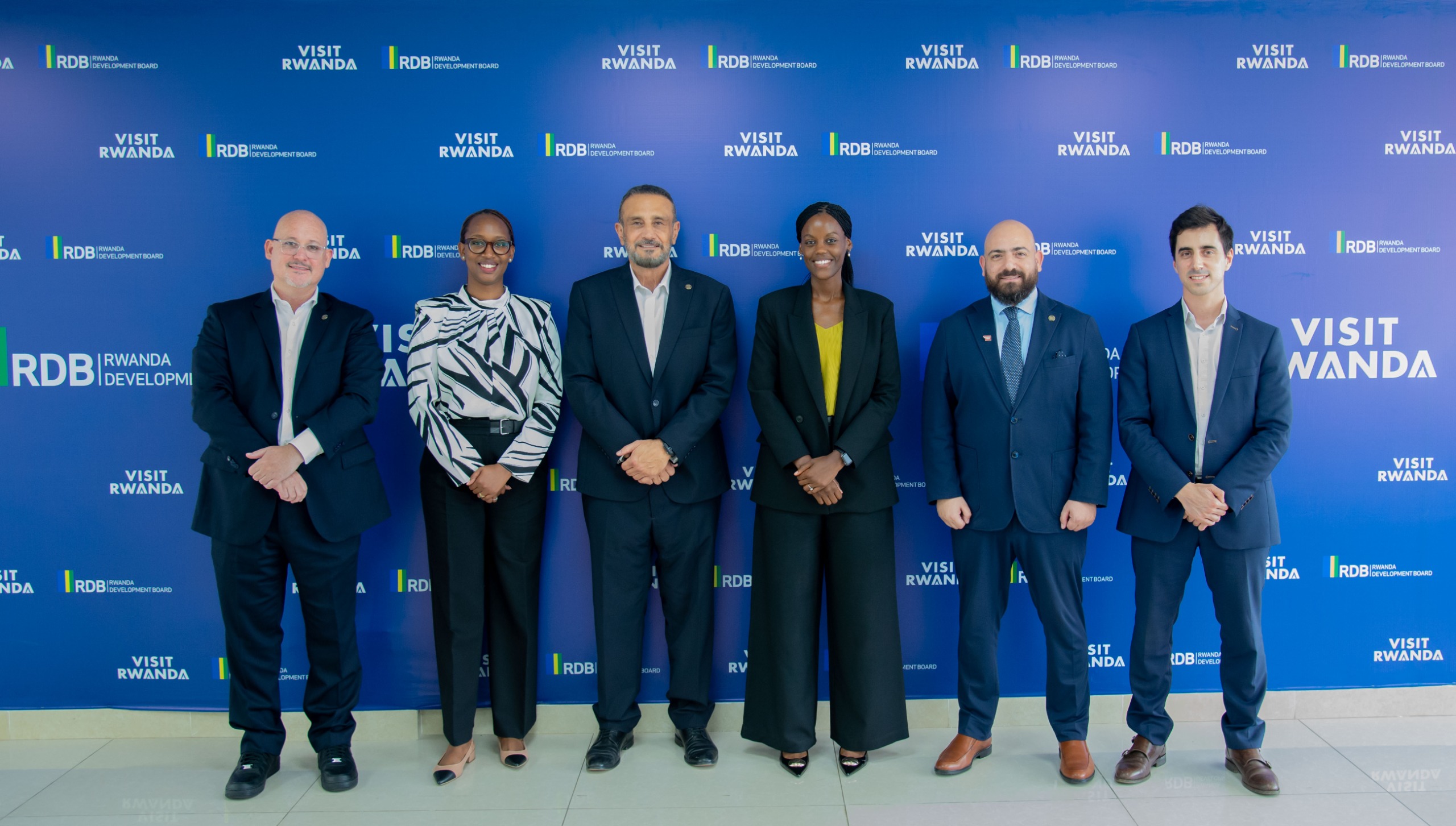
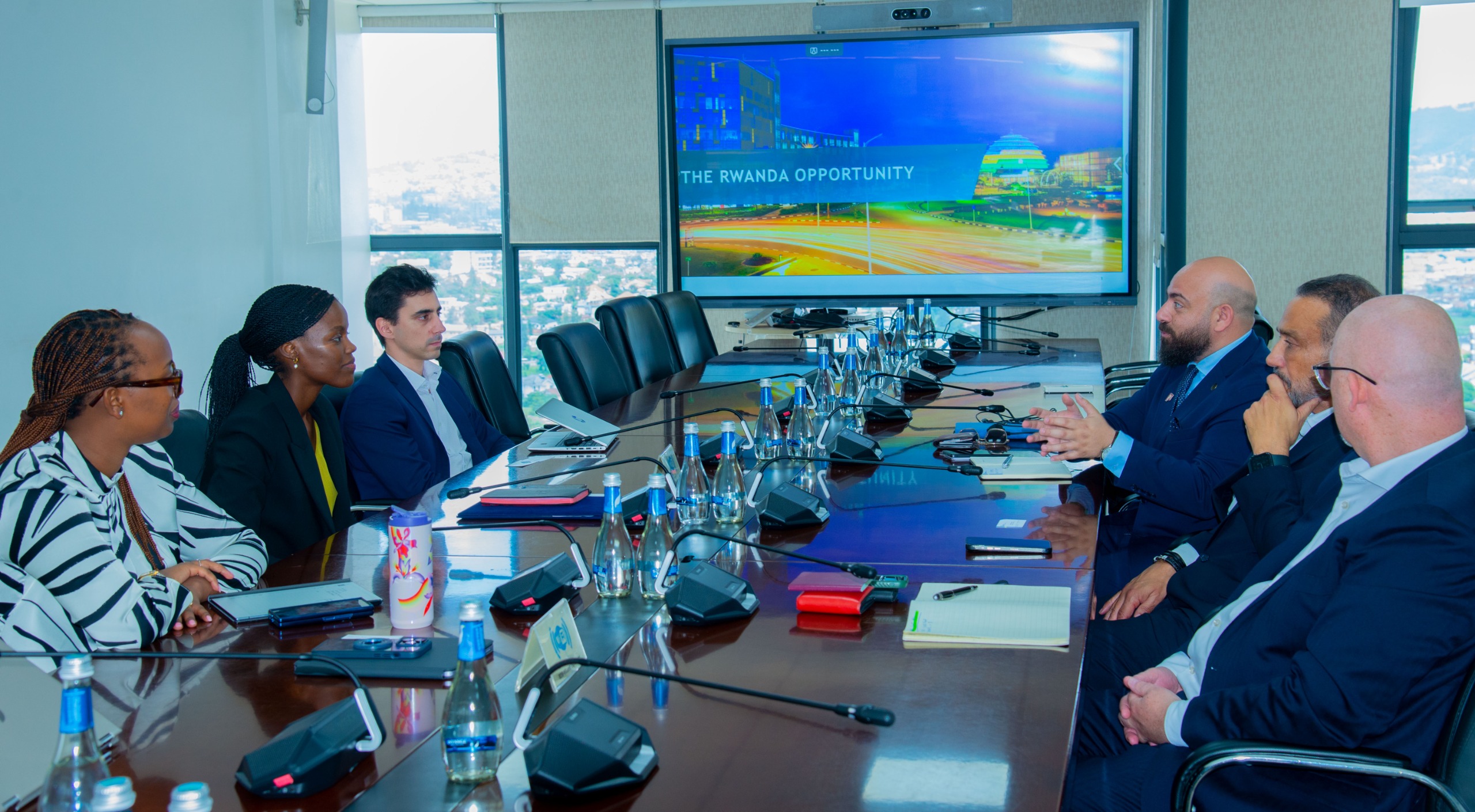
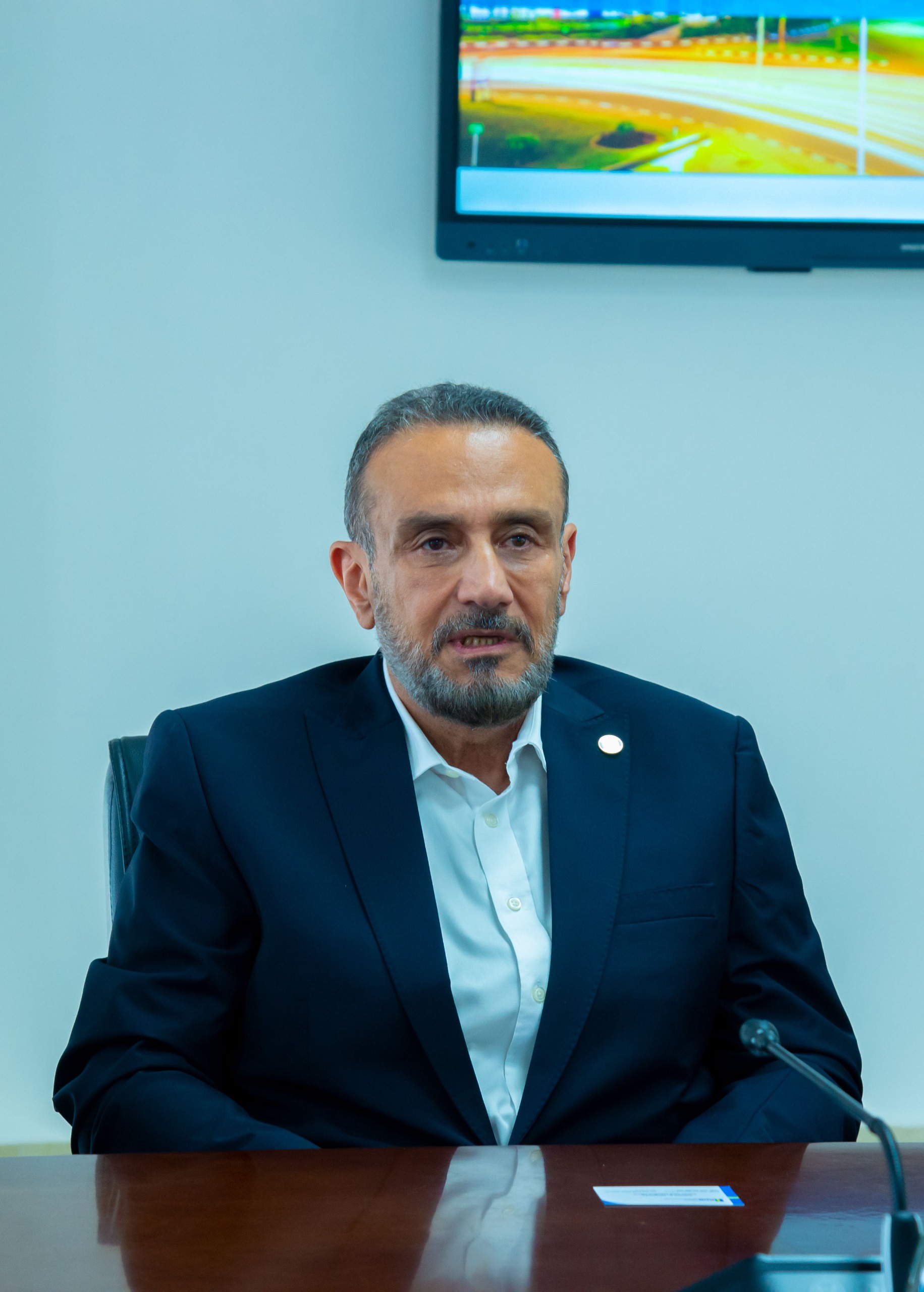
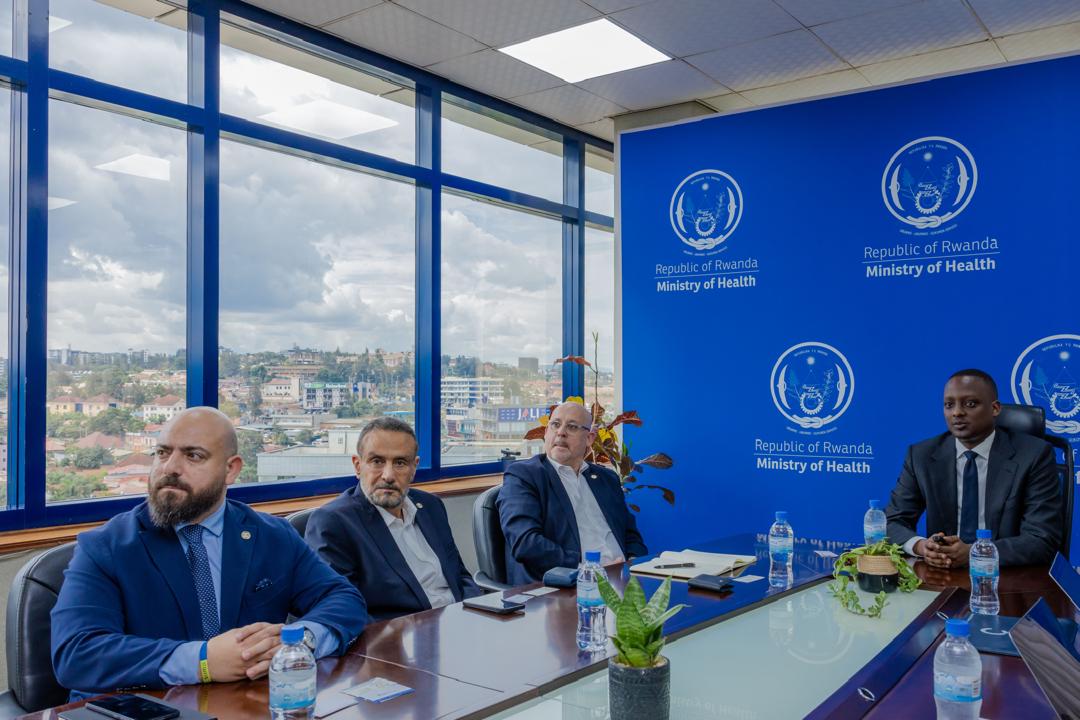
The delegation, led by Dr. Imad Al-Khoury, CEO of AQI, met with Rwanda Development Board (RDB) Deputy CEO Juliana Muganza on Monday. The group expressed interest in the pharmaceuticals, manufacturing, real estate, and agriculture sectors.
The delegation also met separately with the Minister of State in the Ministry of Health, Dr Yvan Butera, in a discussion focused on investment opportunities in Rwanda’s pharmaceutical production, local manufacturing, and regional health security.
Also in attendance were Waseem Hamad, CEO of Philex Pharmaceuticals, and Lee Farrelly, General Manager of Manal Food Factory.
AQI was established in 2002 and operates across a wide range of industries, including construction, oil and gas, manufacturing, and medical services. The company is known for providing strategic and operational solutions across its portfolio, and has a growing interest in expanding into new markets.
The visit by AQI and its partners marks a continued strengthening of economic ties between Rwanda and Qatar, with both governments actively facilitating cross-border investments to drive innovation, create jobs, and boost sustainable development.
The visit also reflects Rwanda’s growing appeal to international investors, driven by its strong global rankings in business climate.
According to the World Bank’s 2024 Business Ready (B-READY) report, Rwanda is among the [top-performing countries in terms of ease of doing business->https://en.igihe.com/economy/article/rwanda-ranked-among-top-performers-in-new-world-bank-business-report].
The country ranked 3rd globally for Operational Efficiency, scoring 81.31%, and 8th in Public Services with a score of 67.37%. It also placed 17th worldwide in Regulatory Framework, earning a score of 70.35%.
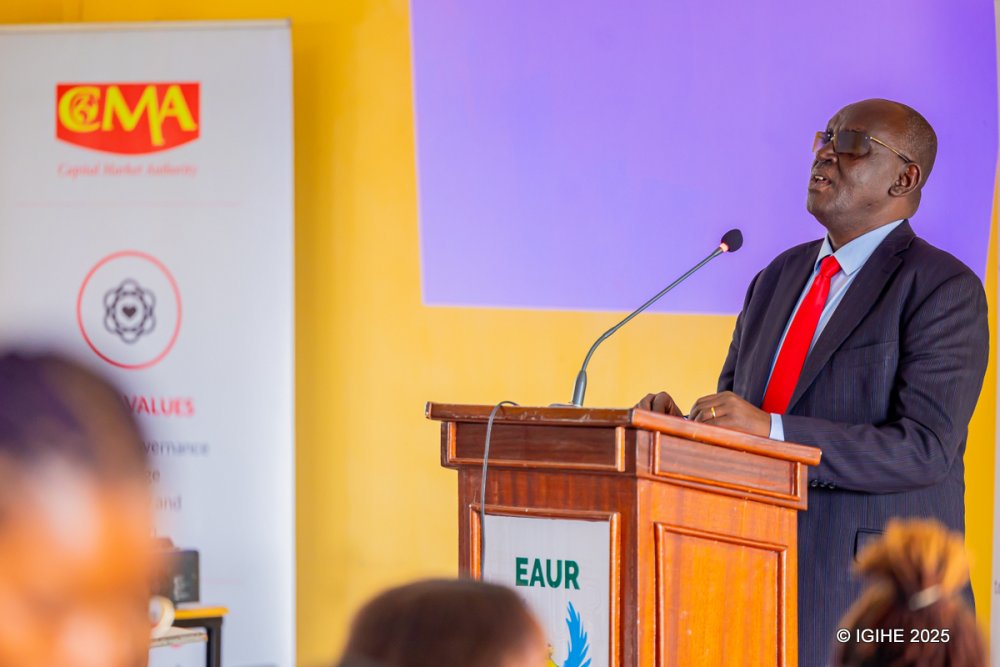
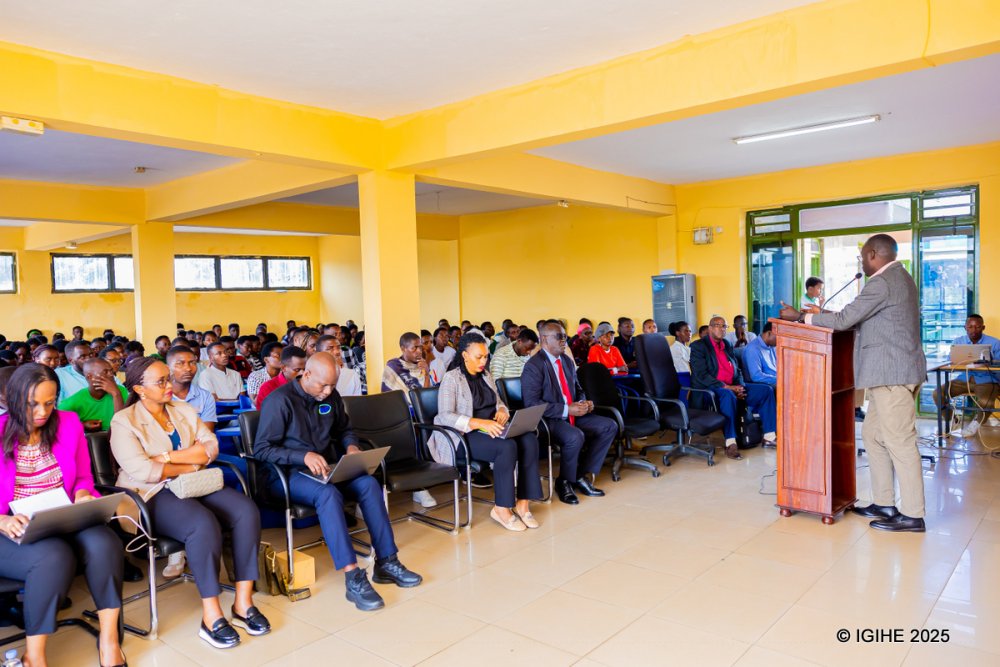
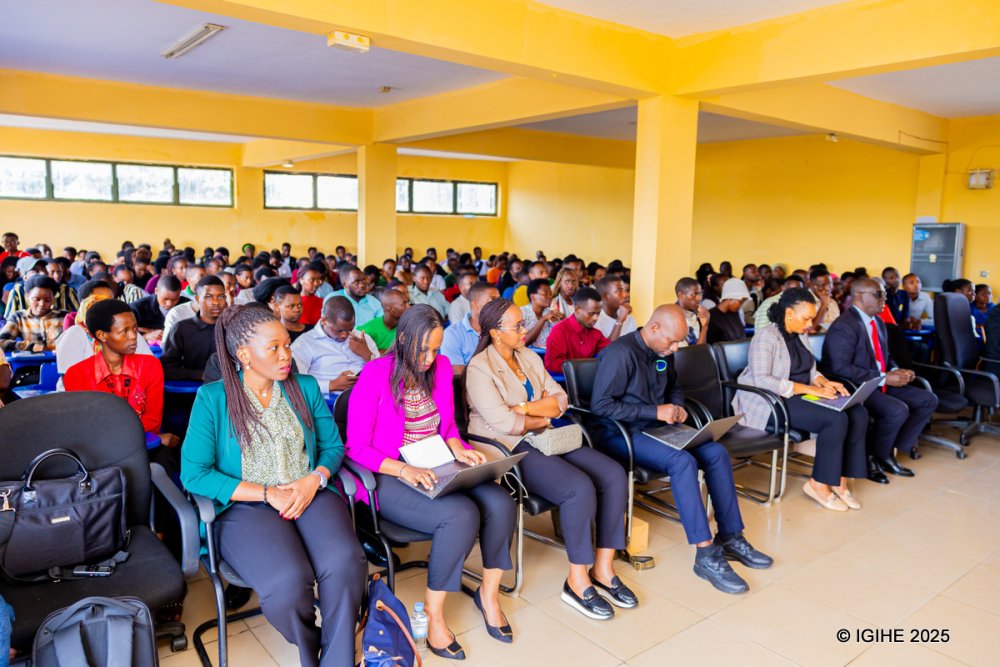
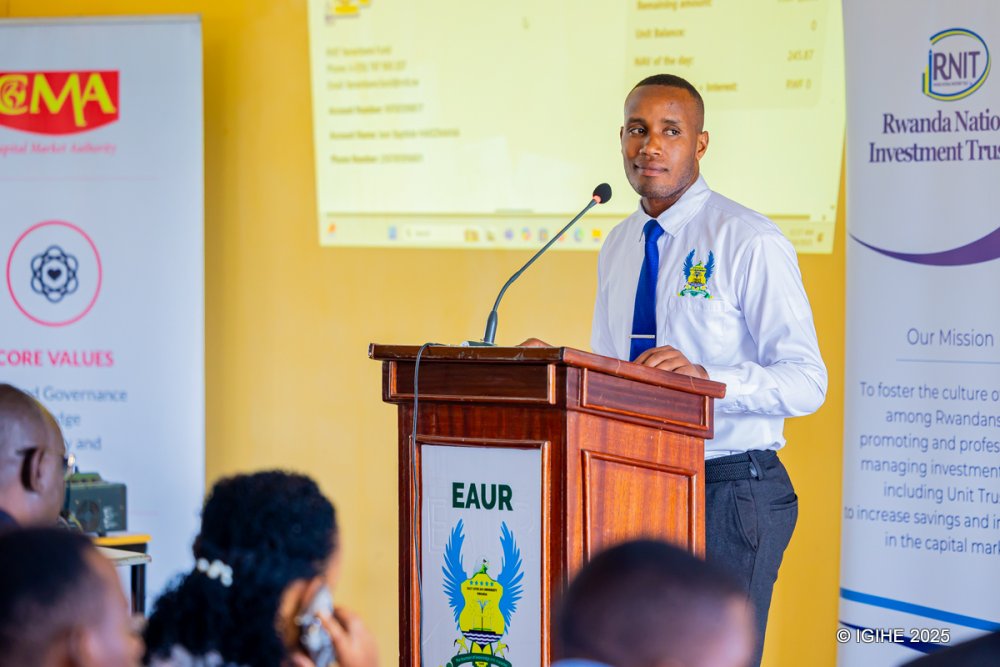
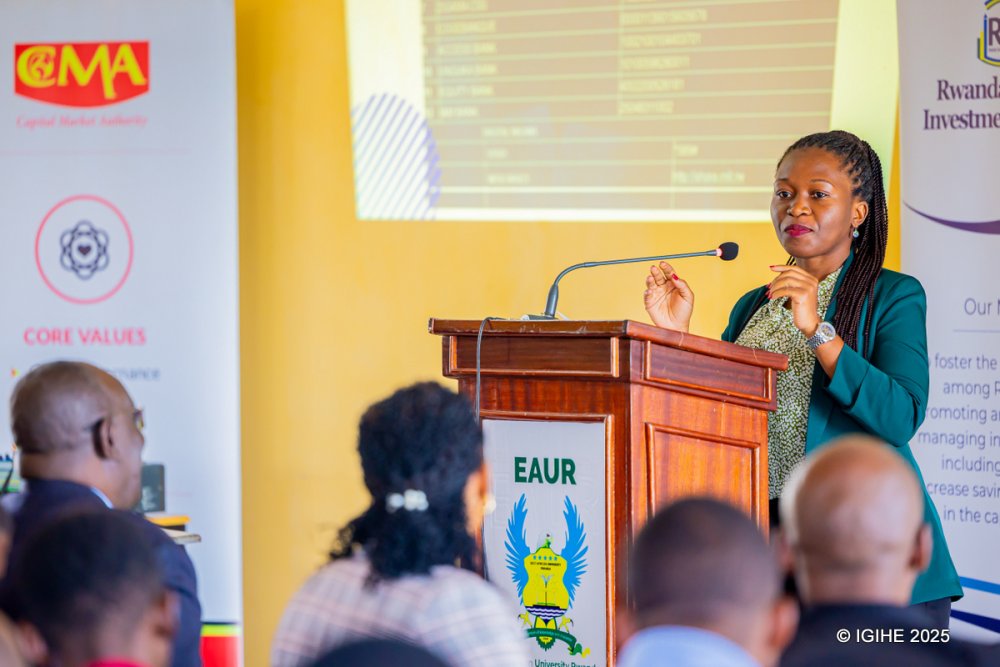
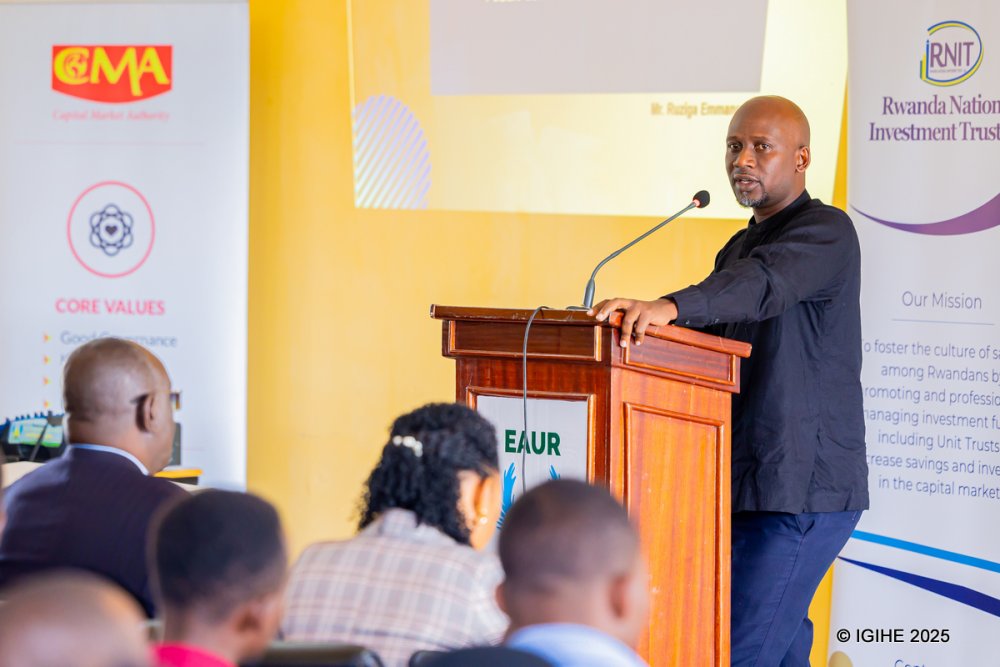
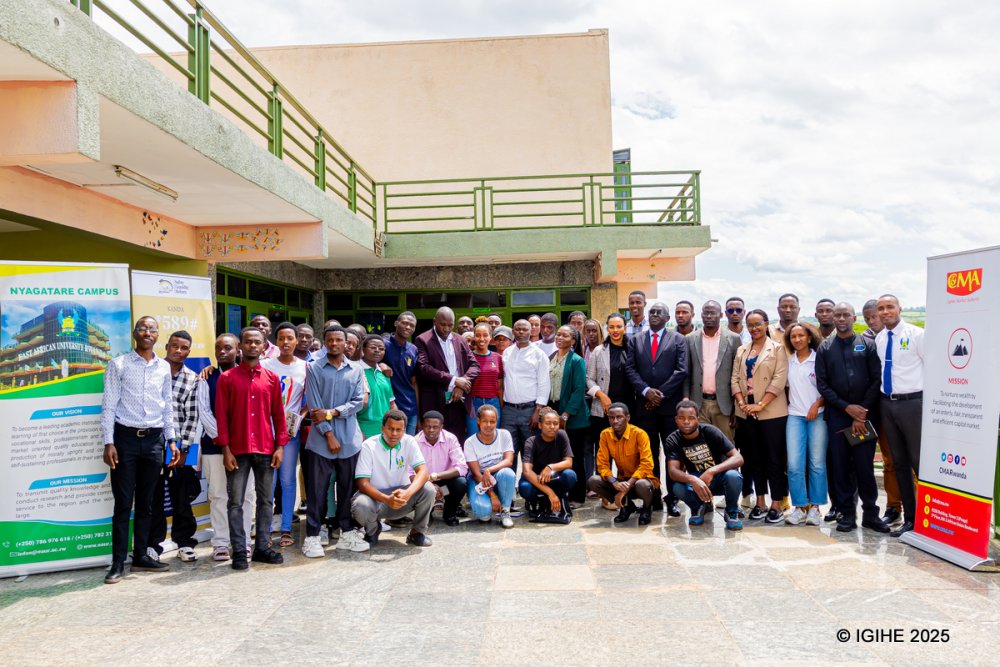
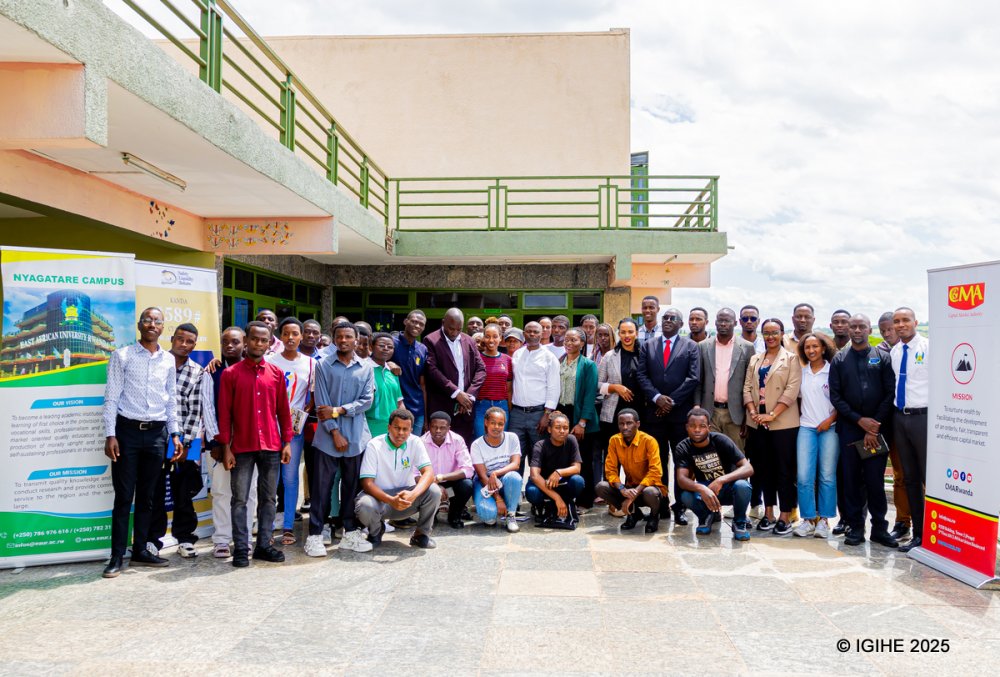
The campaign was officially launched at the East African University Rwanda (EAUR) Nyagatare campus on May 16, 2025. It is being implemented through the Capital Market Youth Forum, a platform that introduces young people to capital market opportunities.
The initiative, conducted by CMA in collaboration with various partners, will extend to other universities across the country.
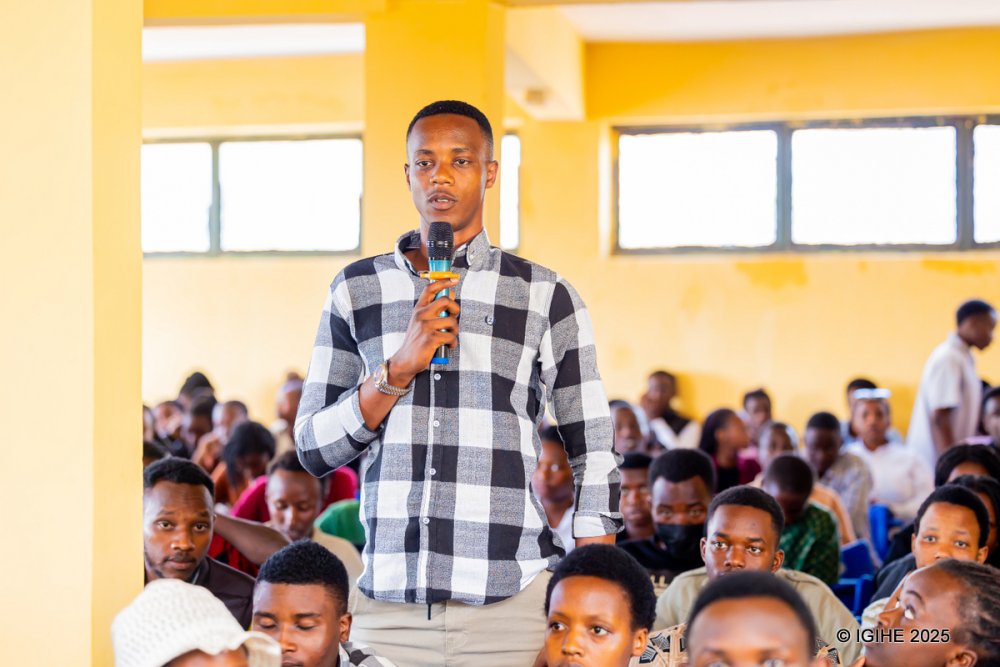
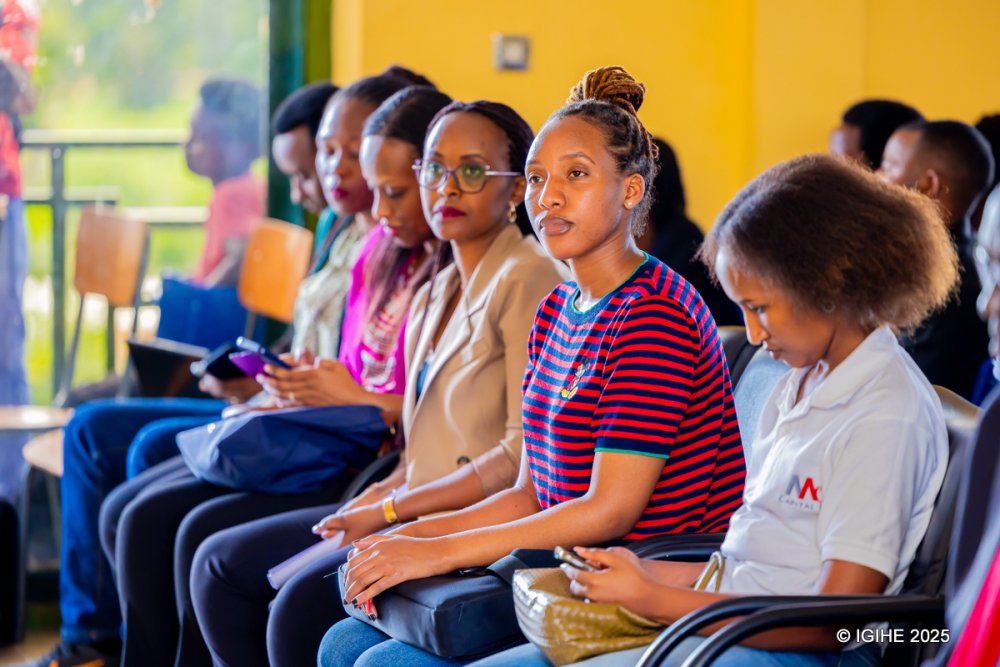
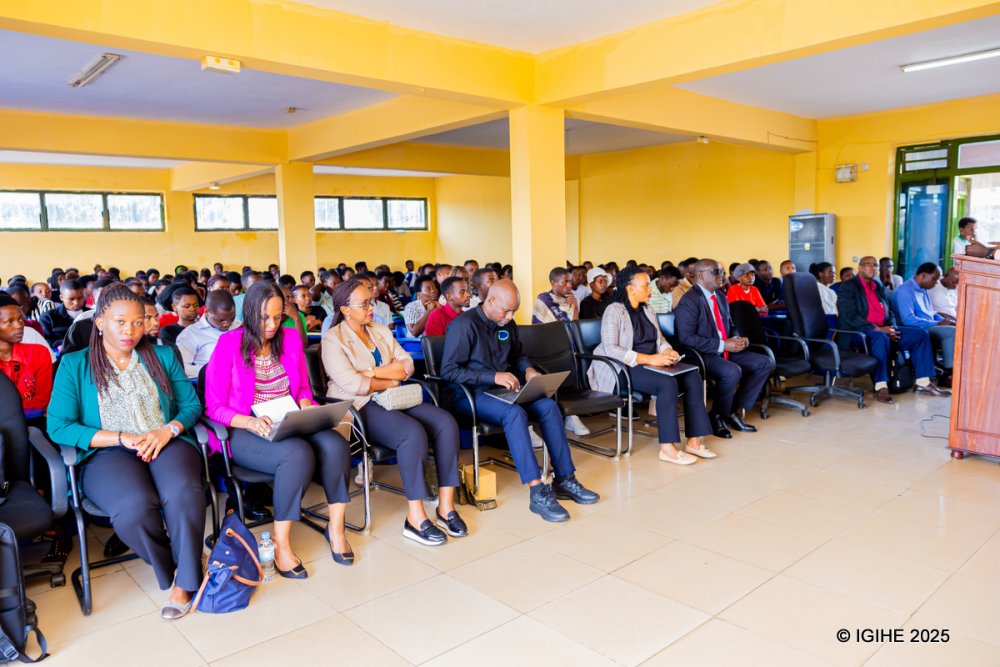
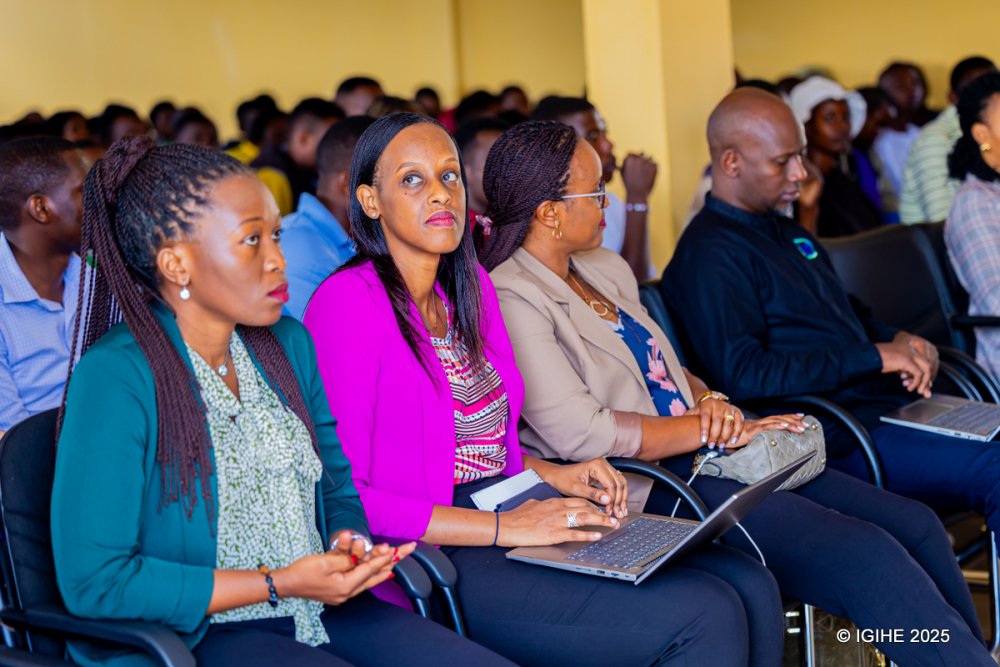
During the campaign, students received in-depth insights into how the capital market functions, including strategies for saving through investment, and participated in interactive discussions to deepen their understanding.
Freddy Rukundo, an Accounting student, shared that he learned how to save and invest starting with small amounts of money, and he now plans to join the stock market.
“I used to think that anything under 100,000 Rwandan francs wasn’t enough to invest, but now I know it’s possible. I’ve registered to start investing in the Rwandan capital market, and I hope to graduate with savings that will make it easier to enter the job market,” Rukundo remarked.
Esperance Muhoza, who also registered as an investor, said she learned how to invest while saving at the same time.
“For instance, when parents give us money, I can set aside a small portion and start saving it by investing in capital market products. After school, I’ll use those funds to join others in investing in a business or opportunity,” she explained.
David Mugabo, a Business Administration student and student representative, said EAUR students were impressed by how CMA taught them to become investors using the limited resources they currently have. He noted that they saw great potential and opportunities for future development.
“We have gained knowledge in mid-growth markets as well as investment. The saving culture will provide a better future for the youth of today,” he revealed.
Dr. James Ndahiro, Technical Advisor at the CMA, emphasised that university students were specifically targeted because they are at a pivotal stage, transitioning from academic life into the workforce, making it the right moment to influence their financial mindset.
“Youth, particularly those at the university level, have the capacity, the drive, and the ability to understand important concepts. This is especially true as they are in a critical phase, transitioning from school to the workplace. We are preparing them to not only navigate that transition but also to recognise opportunities beyond traditional employment,” Ndahiro said.
On the importance of financial discipline, he added: “Before they begin investing, we emphasise the importance of learning how to save, shifting from a culture of consumption without saving to one of saving before spending.”
Emmanuel Masantura Ruziga, Head of Marketing and Sales at the Rwanda National Investment Trust (RNIT) Iterambere Fund—one of CMA’s partners in the campaign—noted that a segment of Rwandans still lacks sufficient awareness and education about saving.
He affirmed that RNIT, a government-established company created to promote a culture of saving among Rwandans, is committed to addressing this gap.
“We believe that there is a generation that has missed out on many opportunities to learn about saving. However, we are confident that with collective efforts and collaboration across all industry players, we can mobilise as many people as possible to understand, adopt, and strengthen this important culture of saving,” Ruziga noted.
“If we want to build a society rooted in a strong saving culture, we must start by engaging young people, especially students in schools, colleges, and universities. Together, we must sit down with the Ministry of Education to ensure that financial literacy and the culture of saving are integrated into Rwanda’s national education curriculum,” he added.
Following the awareness campaign taking place in May, members of the Capital Market Youth Forum will gather in Kigali on June 20, 2025, for a joint training session.
Trump made the remarks in a social media post after the two-hour phone call about the war in Ukraine, saying Russia and Ukraine would start a negotiation in which the conditions could only be set by the two sides themselves.
“Russia and Ukraine will immediately start negotiations toward a Ceasefire and, more importantly, an END to the War,” Trump wrote.
“The conditions for that will be negotiated between the two parties, as it can only be, because they know details of a negotiation that nobody else would be aware of.”
Trump noted that Russia wants to “do large-scale TRADE with the United States” when the current catastrophic situation is over and he expressed the belief Ukraine could benefit from trade as well.
“There is a tremendous opportunity for Russia to create massive amounts of jobs and wealth. Its potential is UNLIMITED. Likewise, Ukraine can be a great beneficiary on Trade, in the process of rebuilding its Country,” the post read.
Trump also said he shared details of the call with Ukrainian President Volodymyr Zelensky and other leaders, including President of the European Commission Ursula von der Leyen, French President Emmanuel Macron, Italian Prime Minister Giorgia Meloni, German Chancellor Friedrich Merz and Finnish President Alexander Stubb.
Mons is a city located in the French-speaking region of Wallonia, in the province of Hainaut.
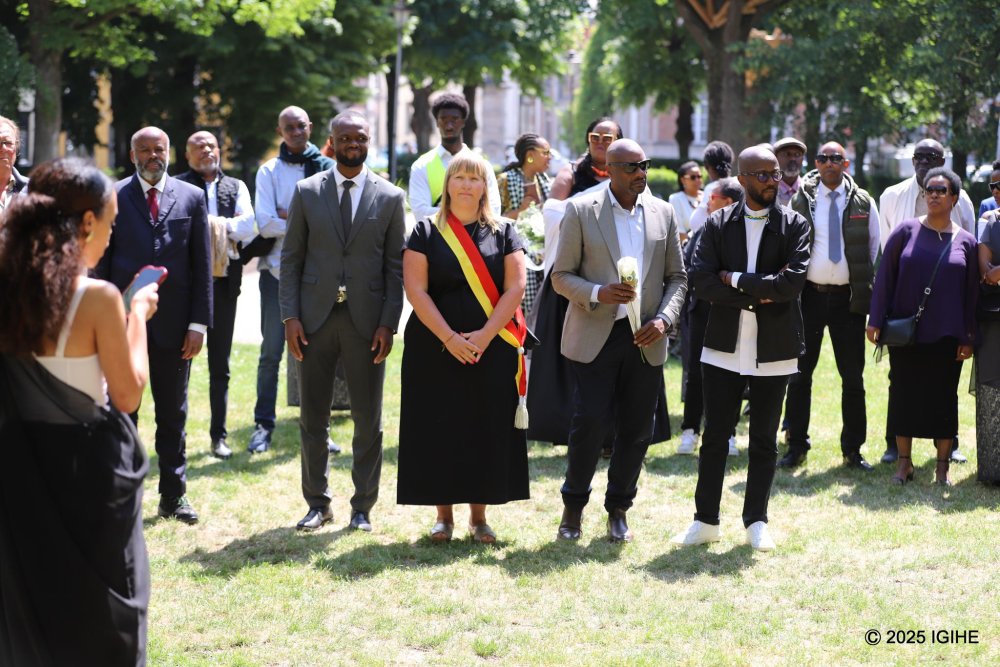
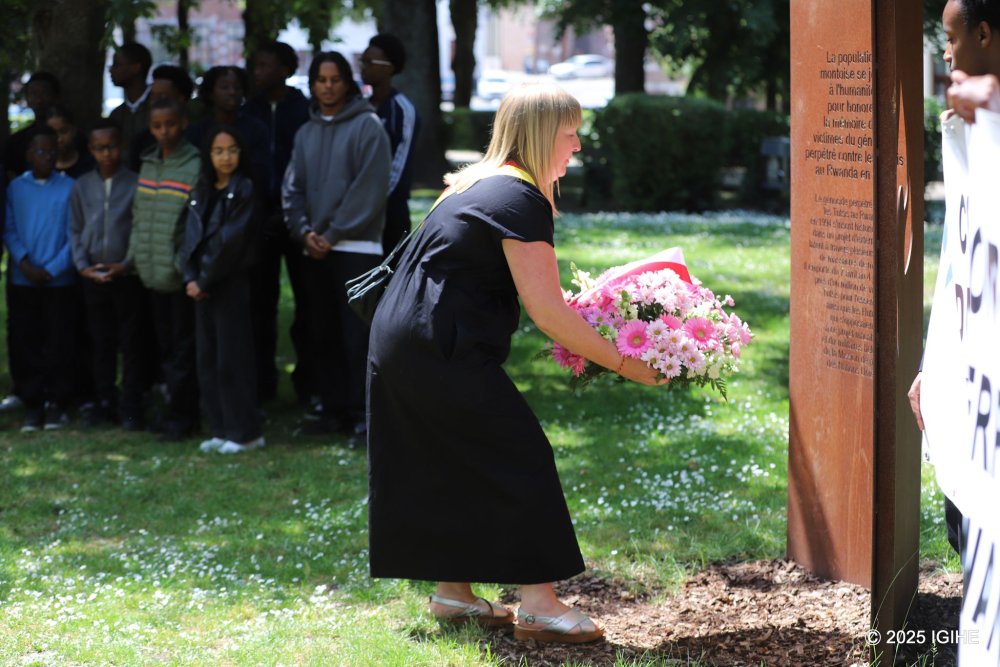
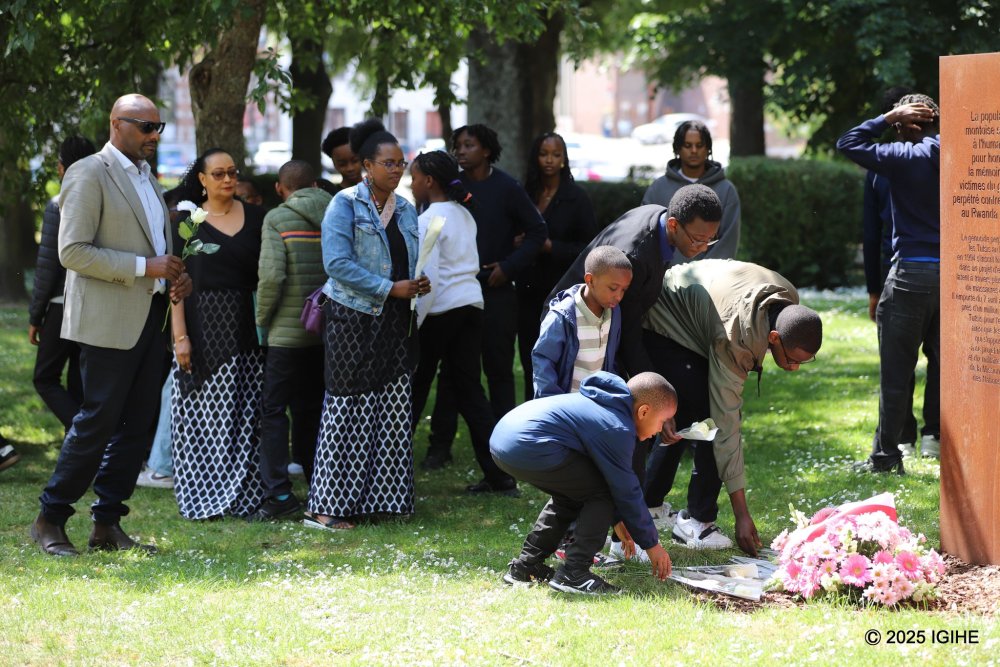
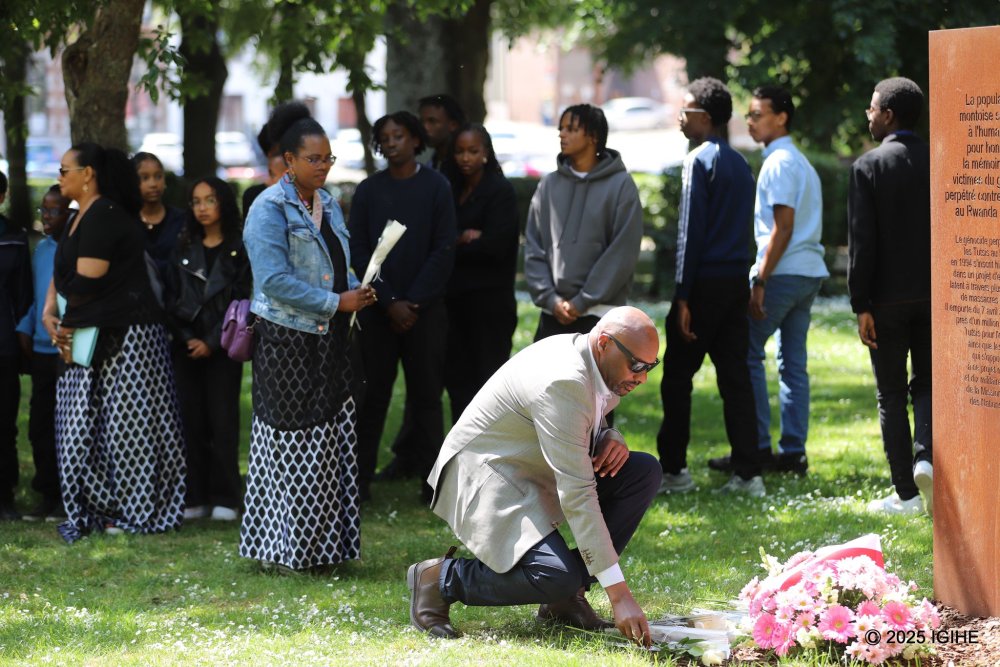
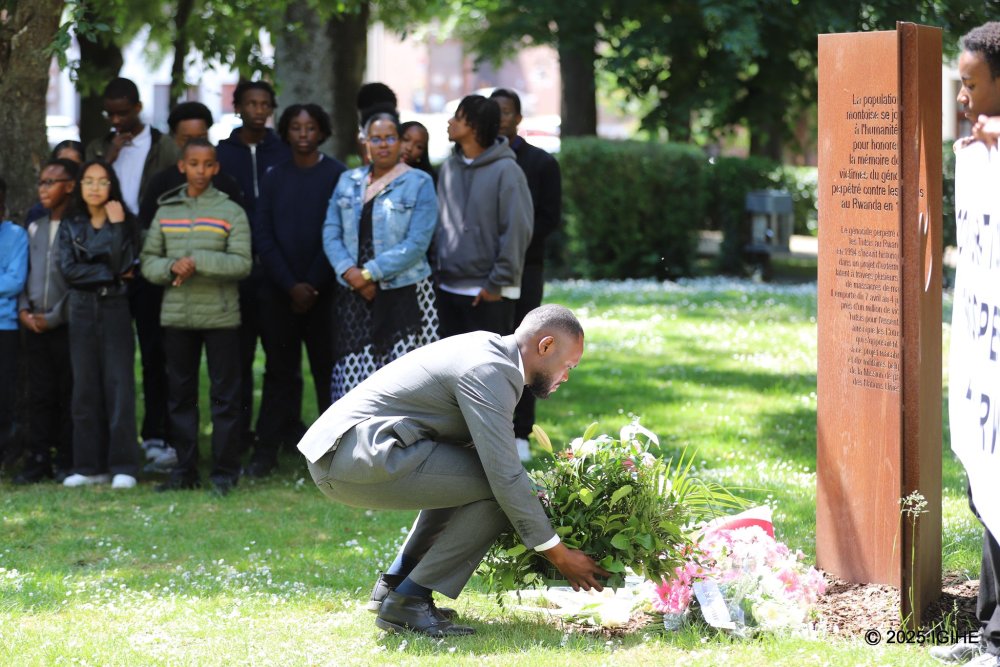
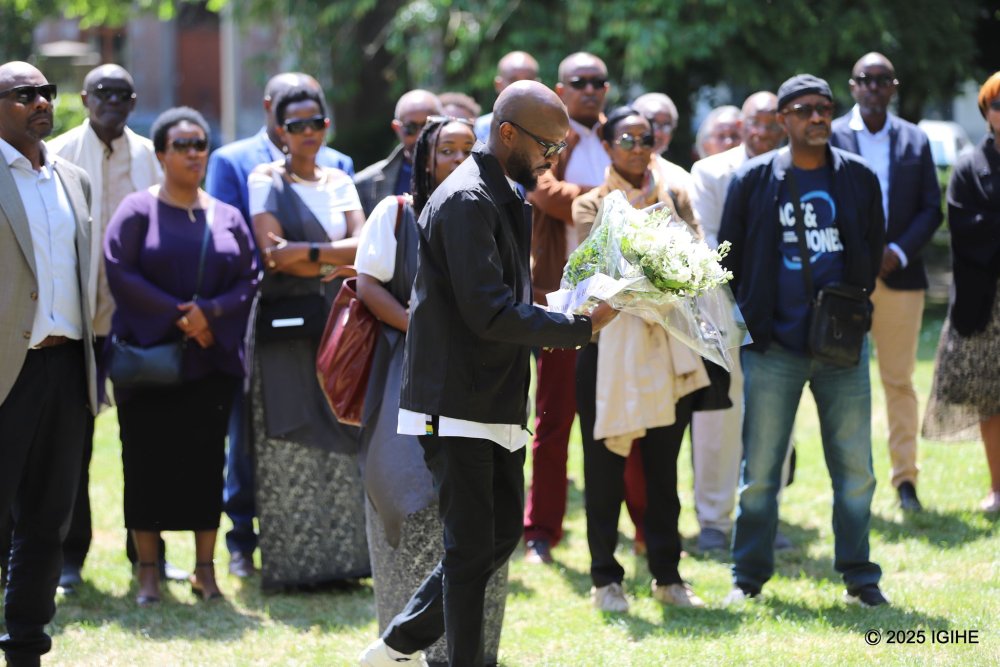
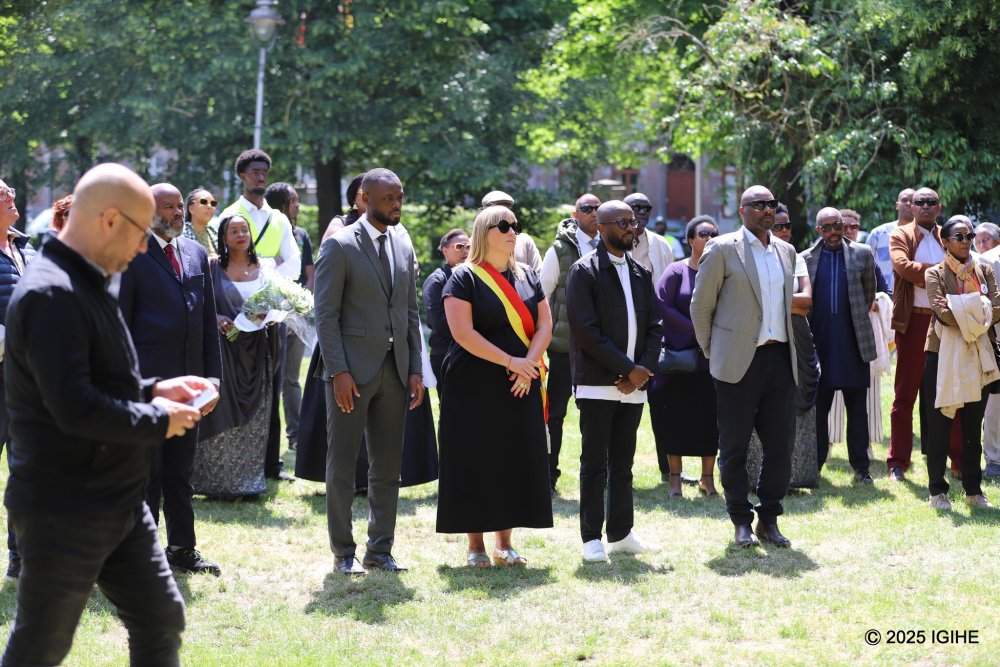
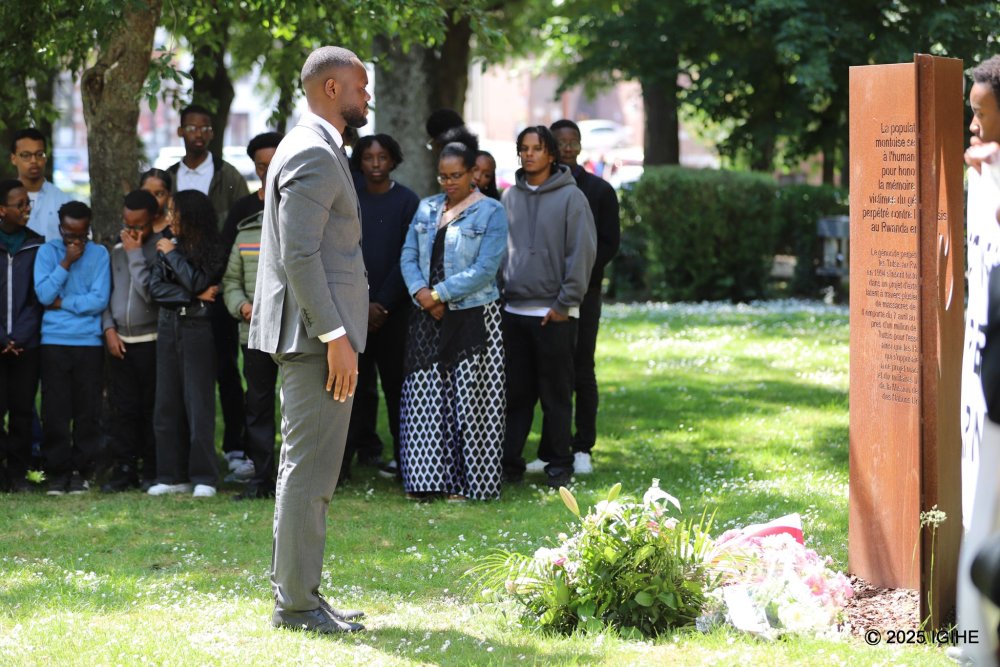
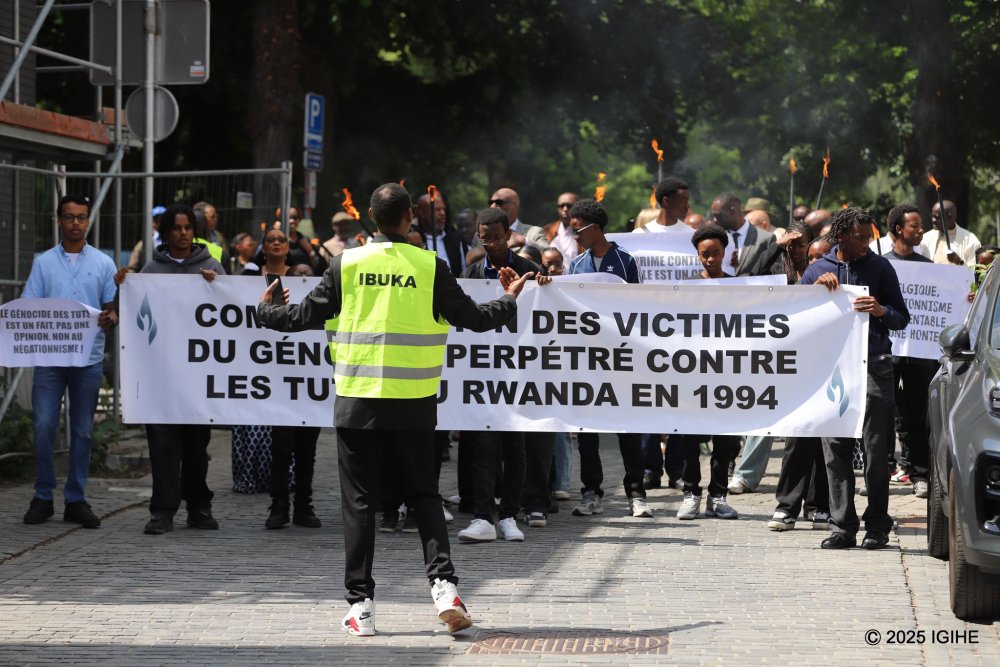
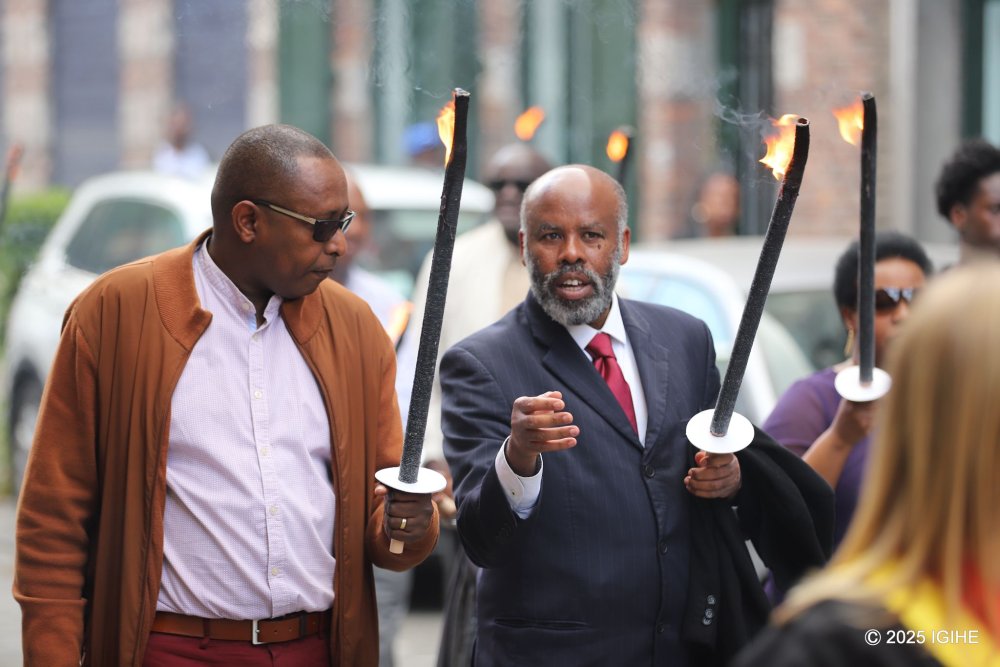
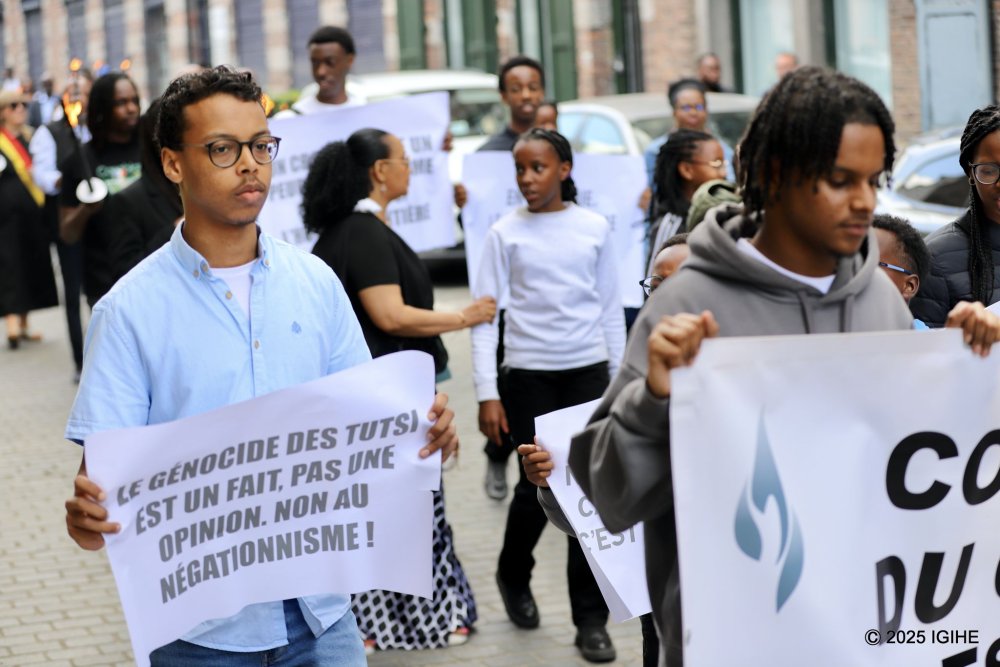
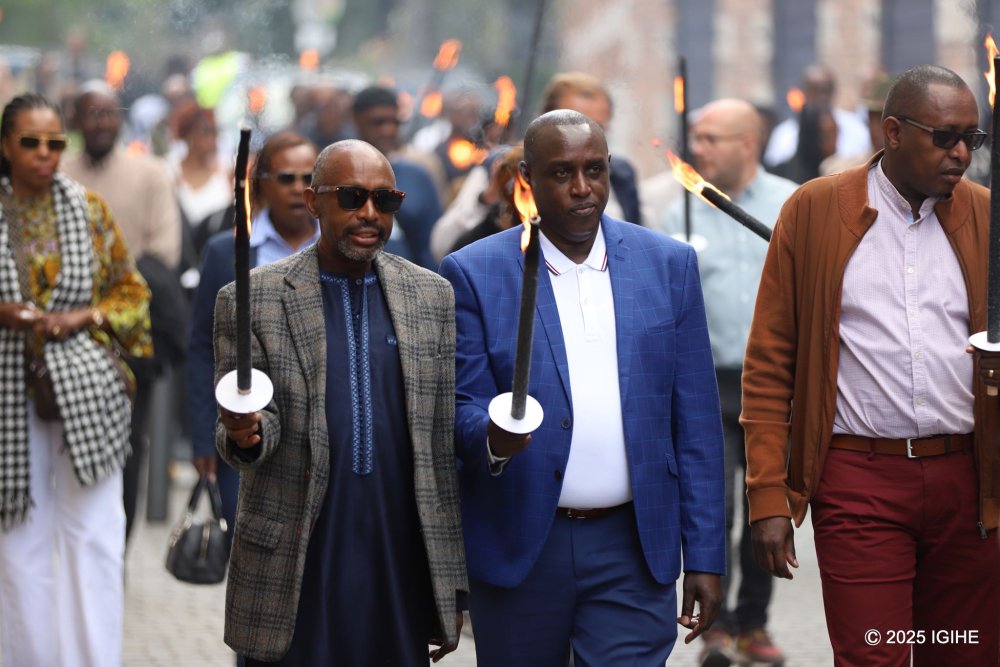
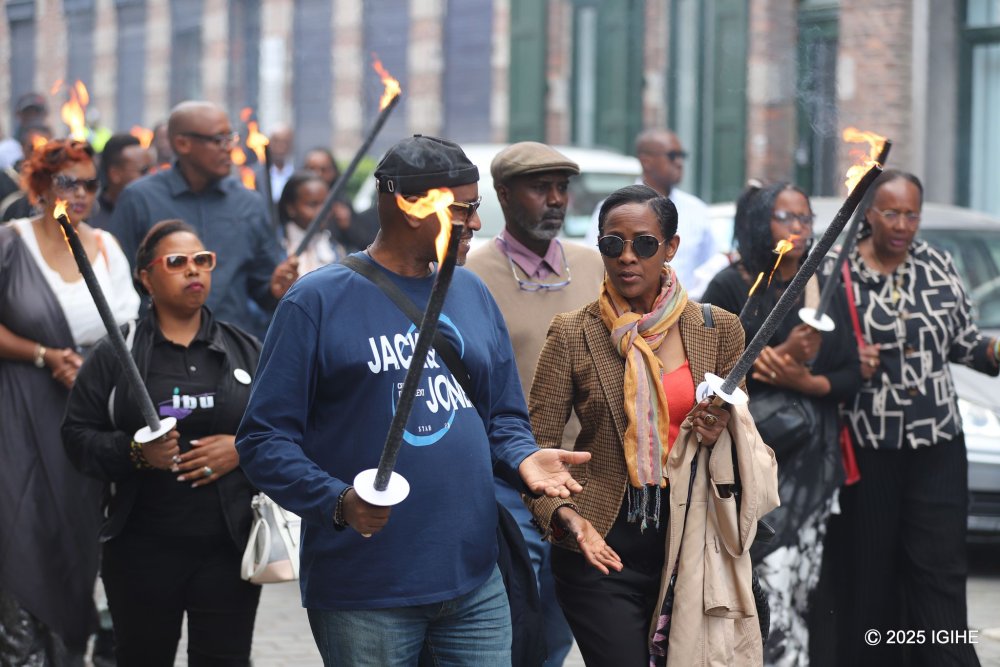
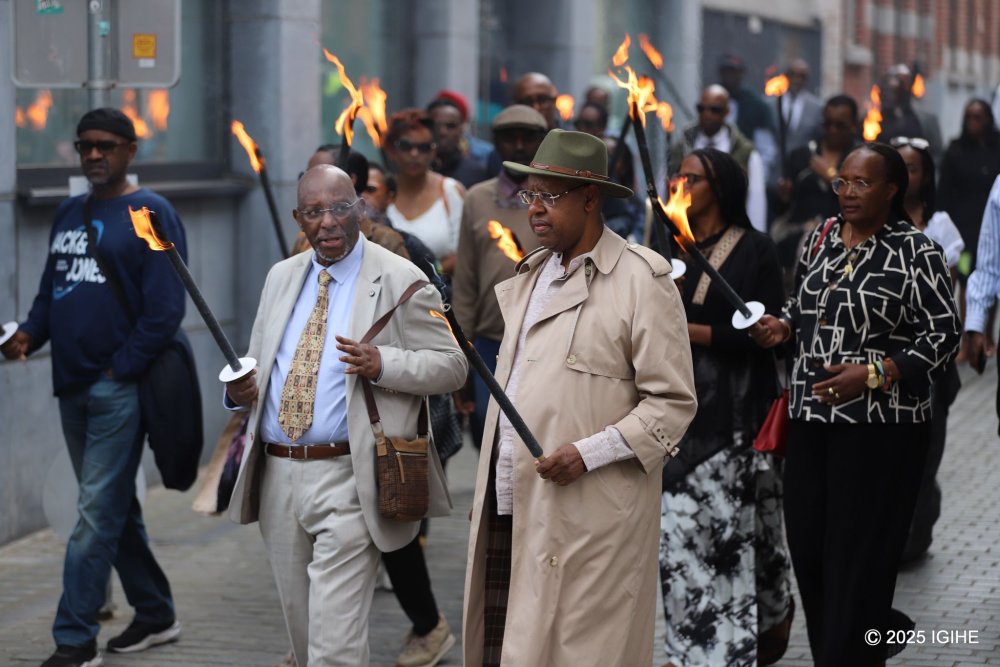
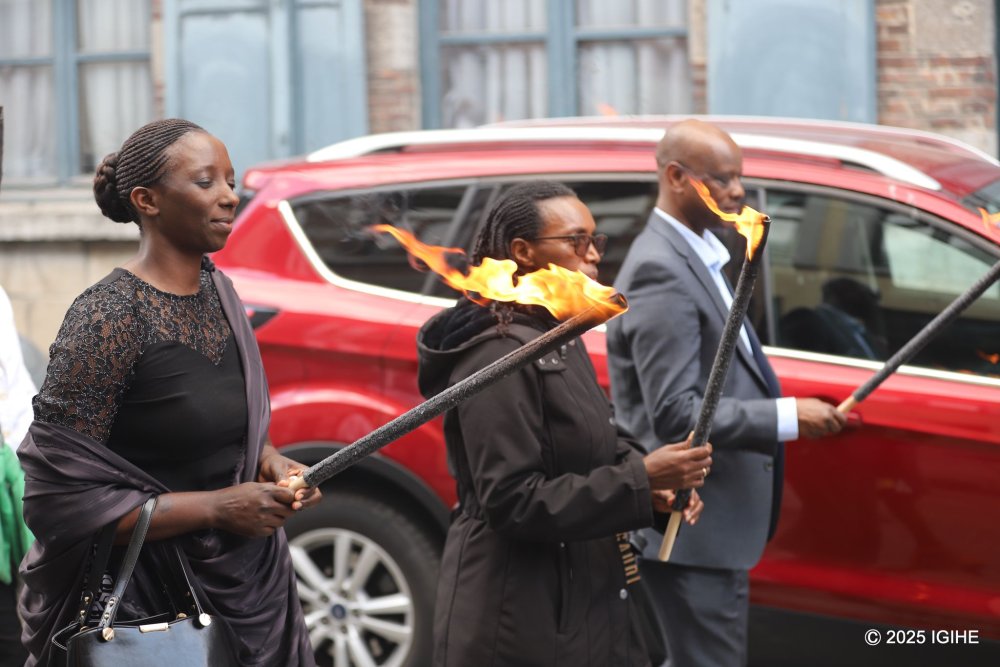
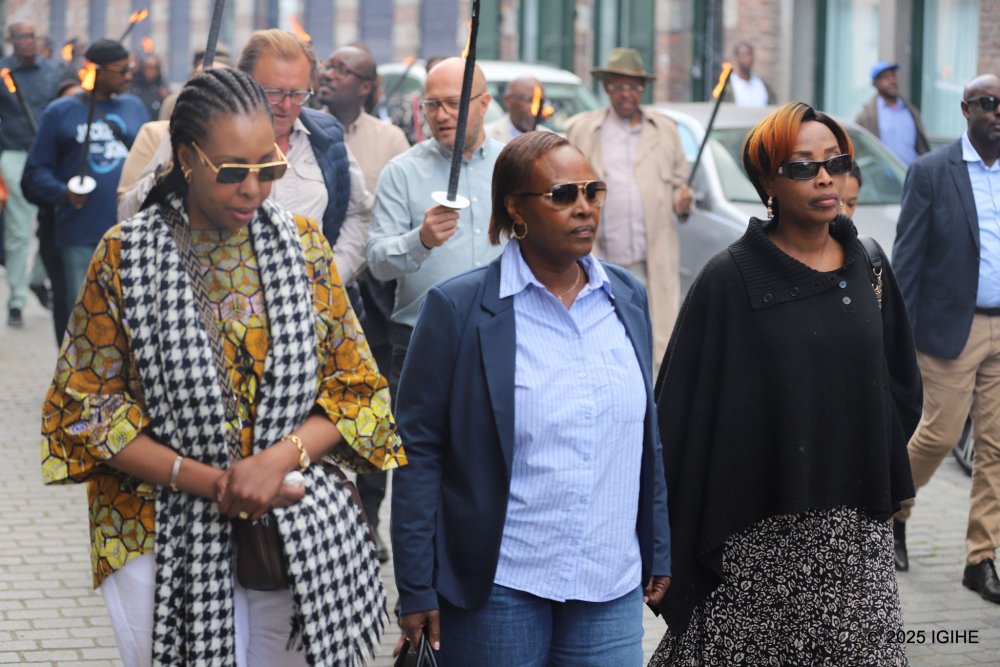
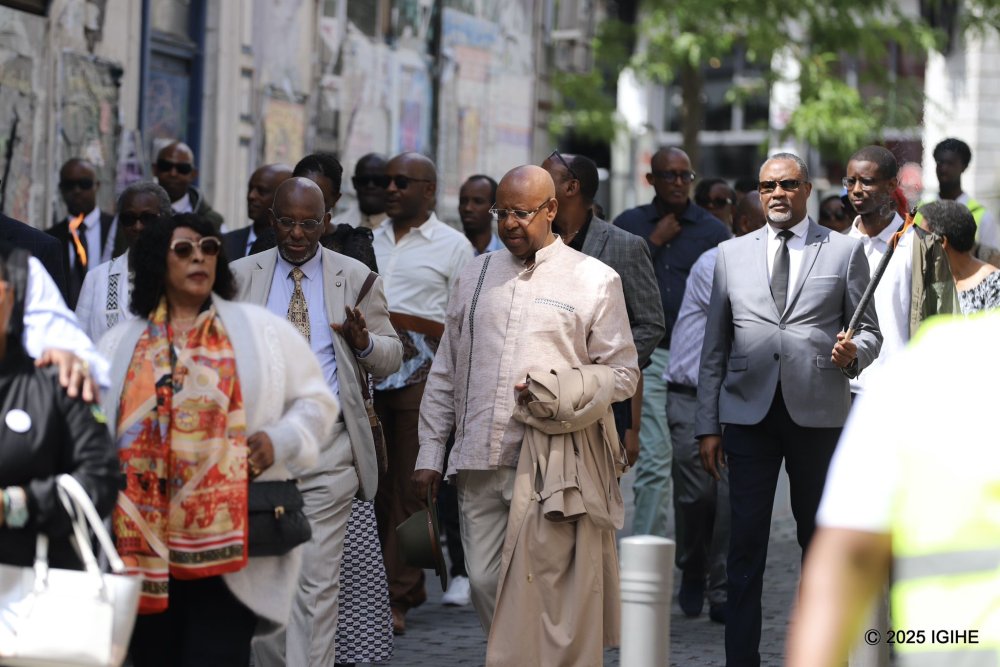
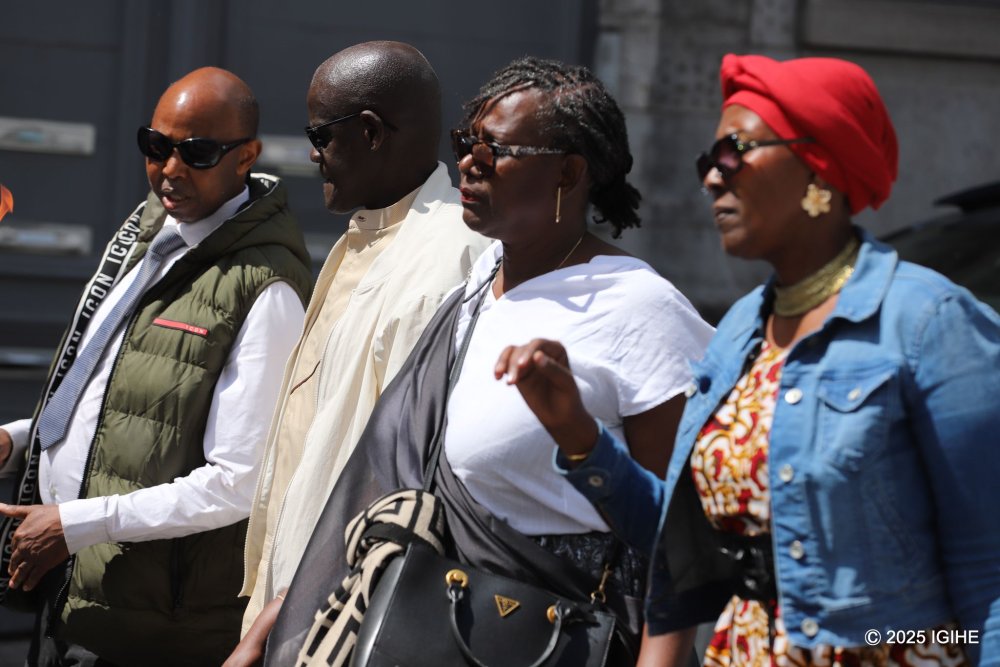
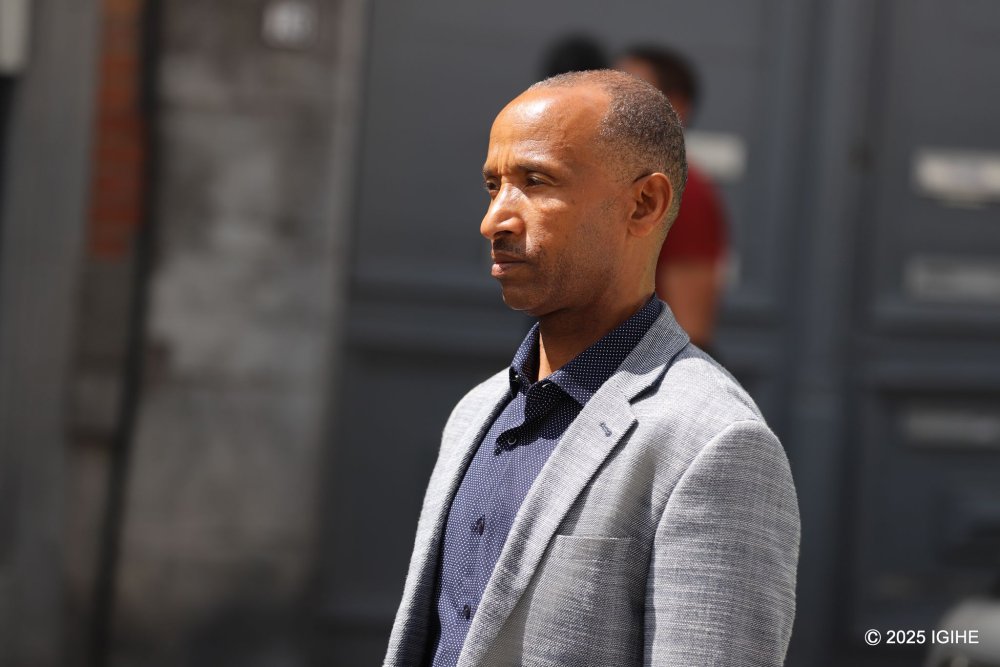
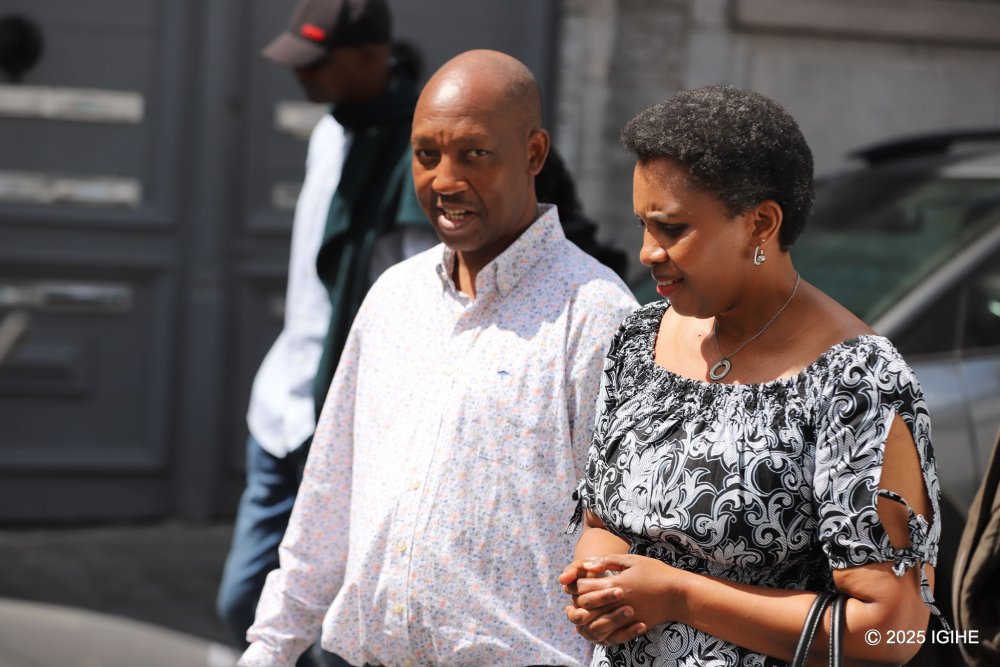
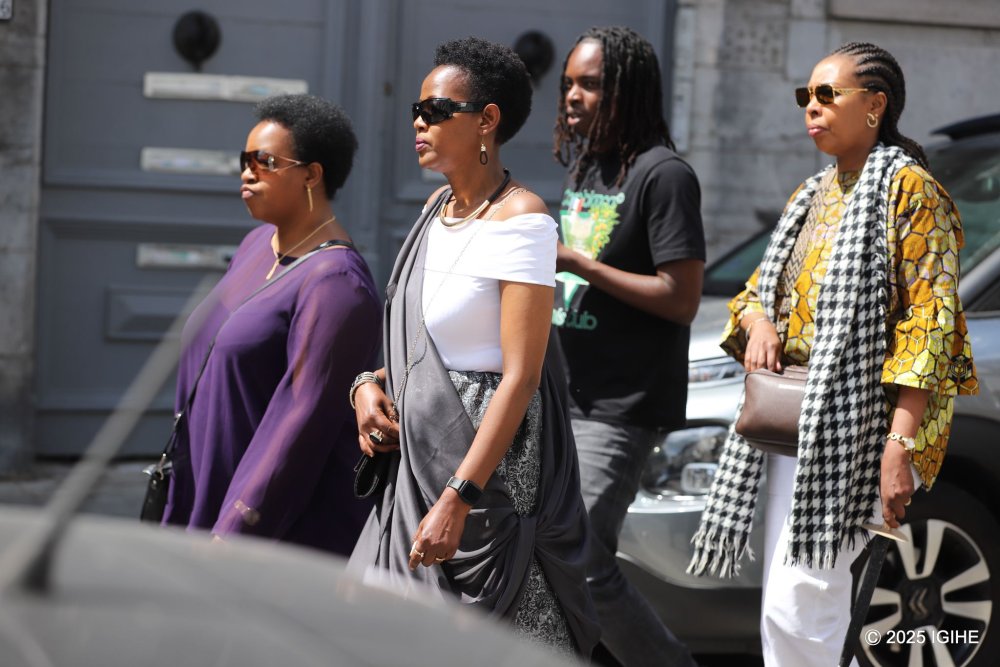
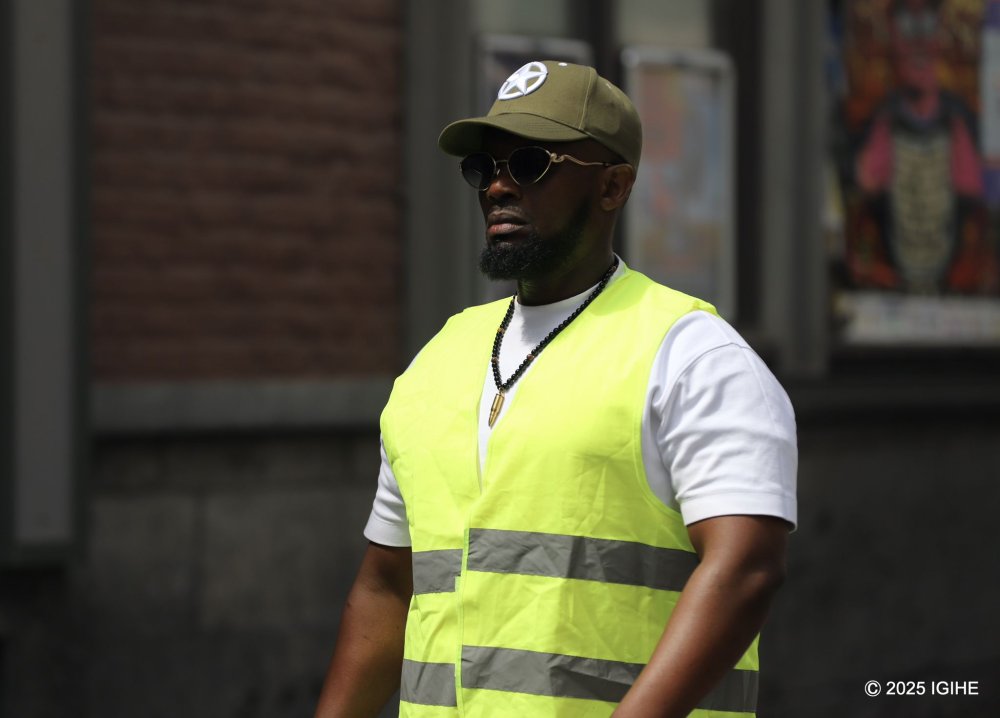
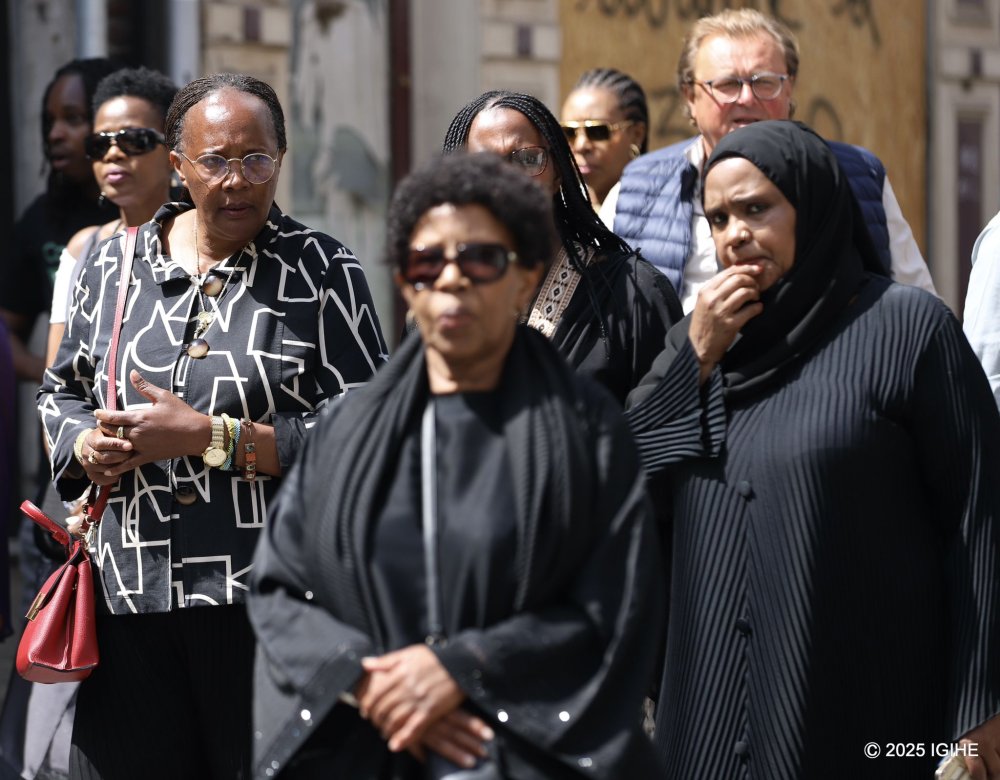
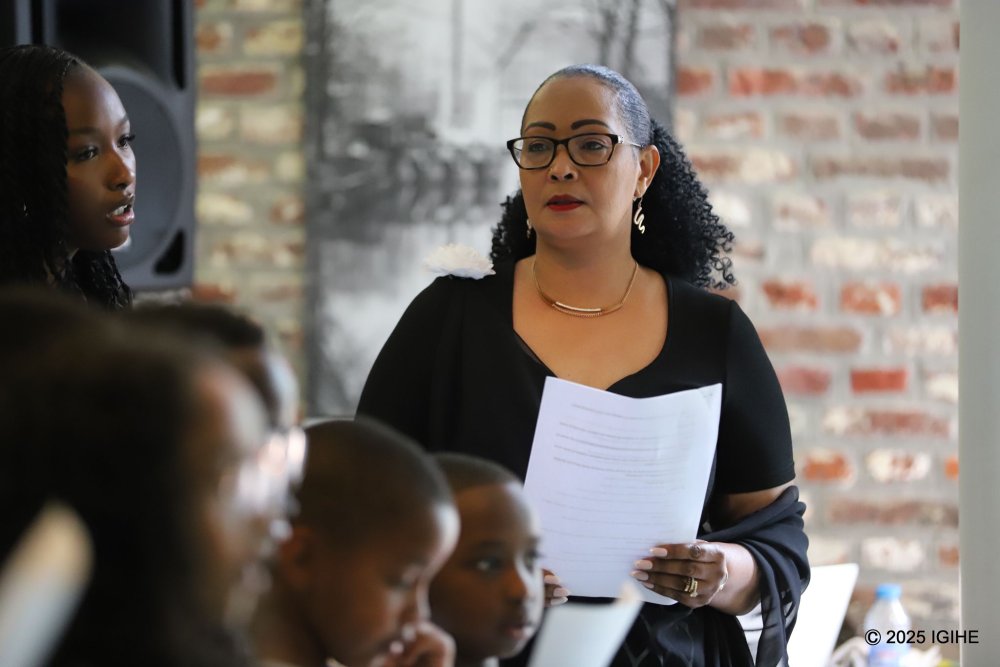
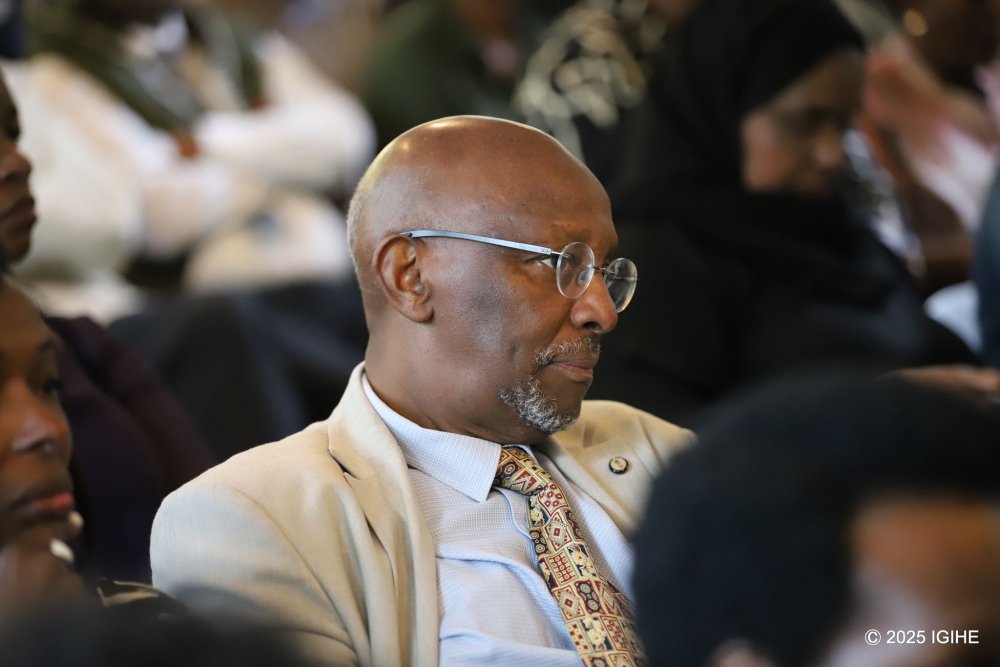
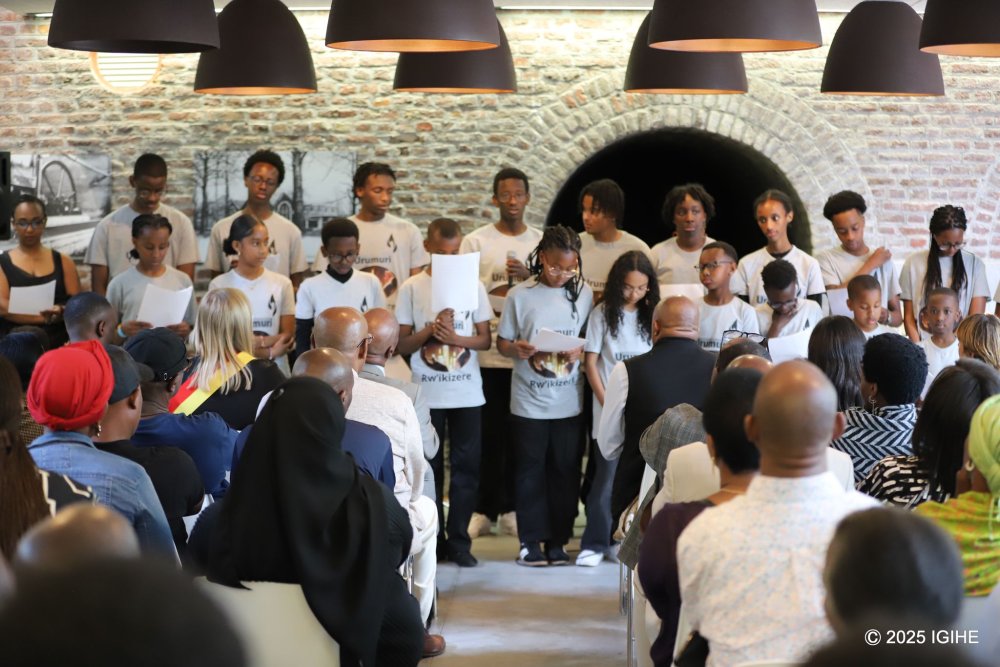
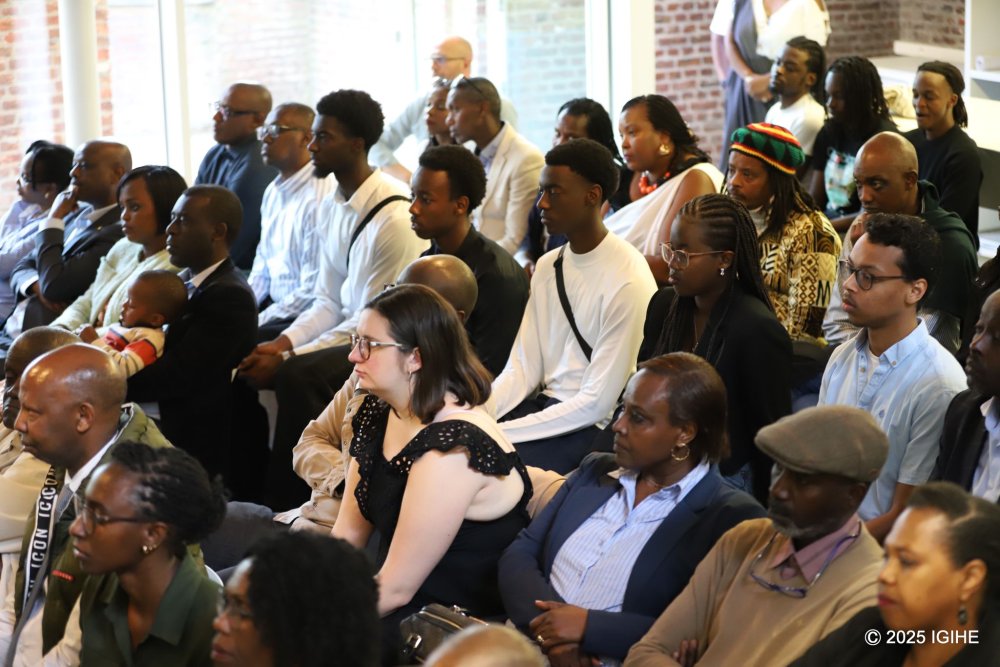
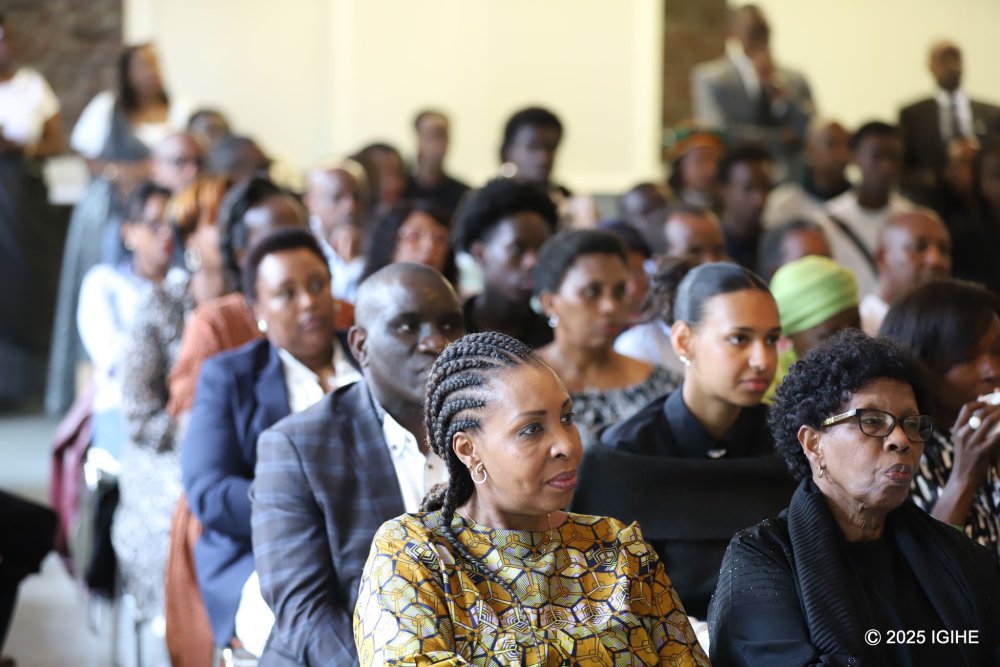
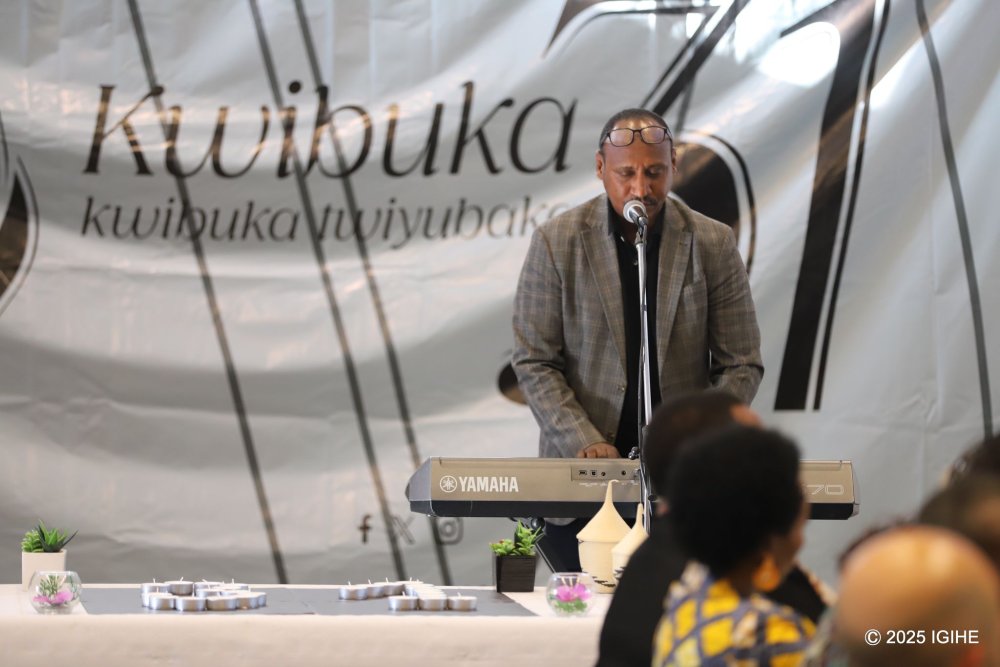
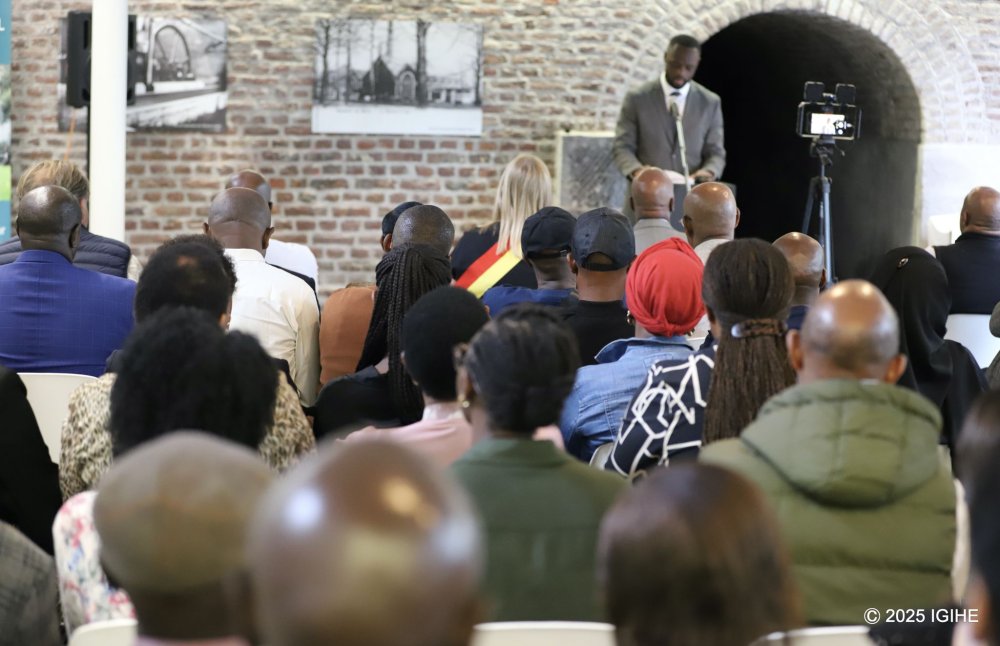
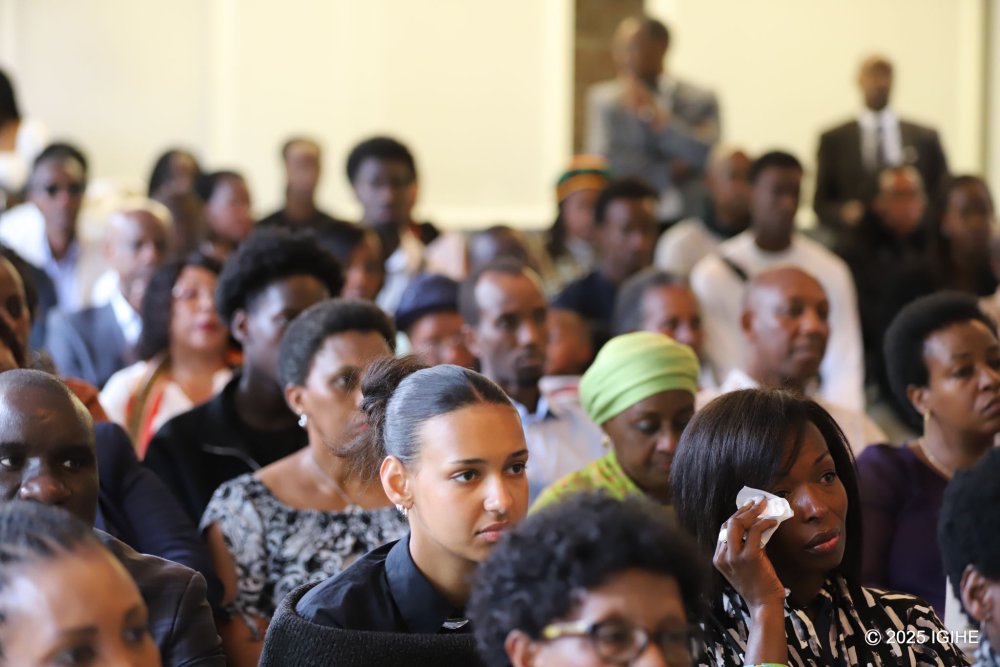
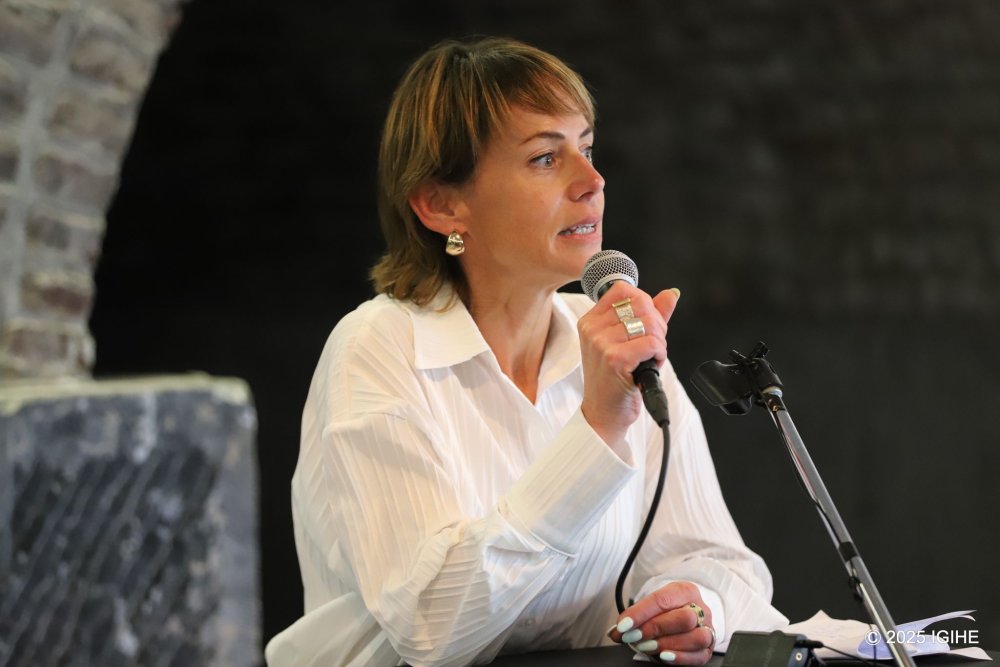
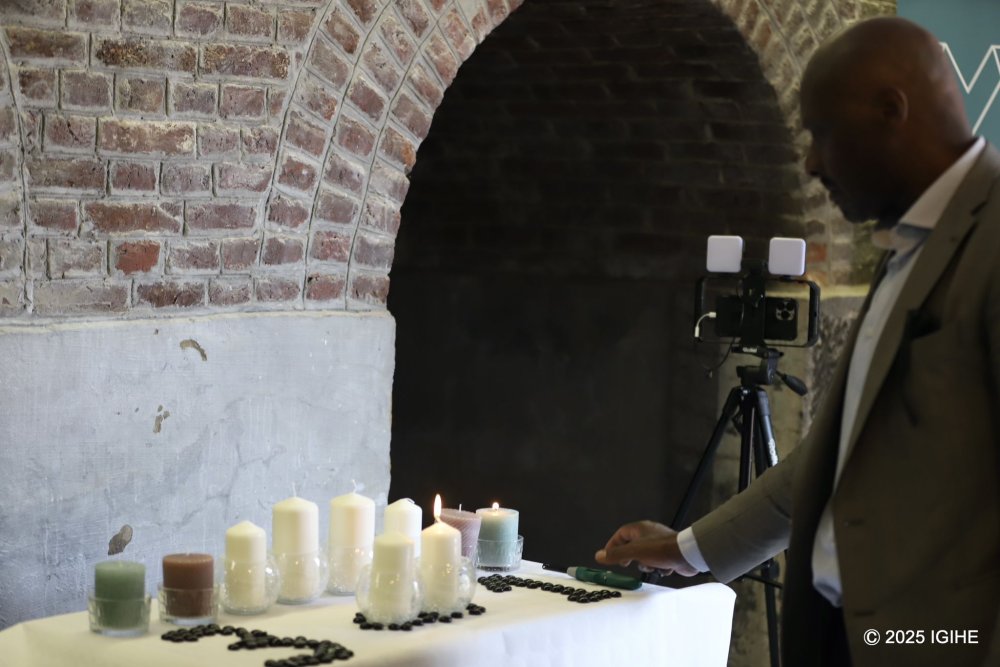
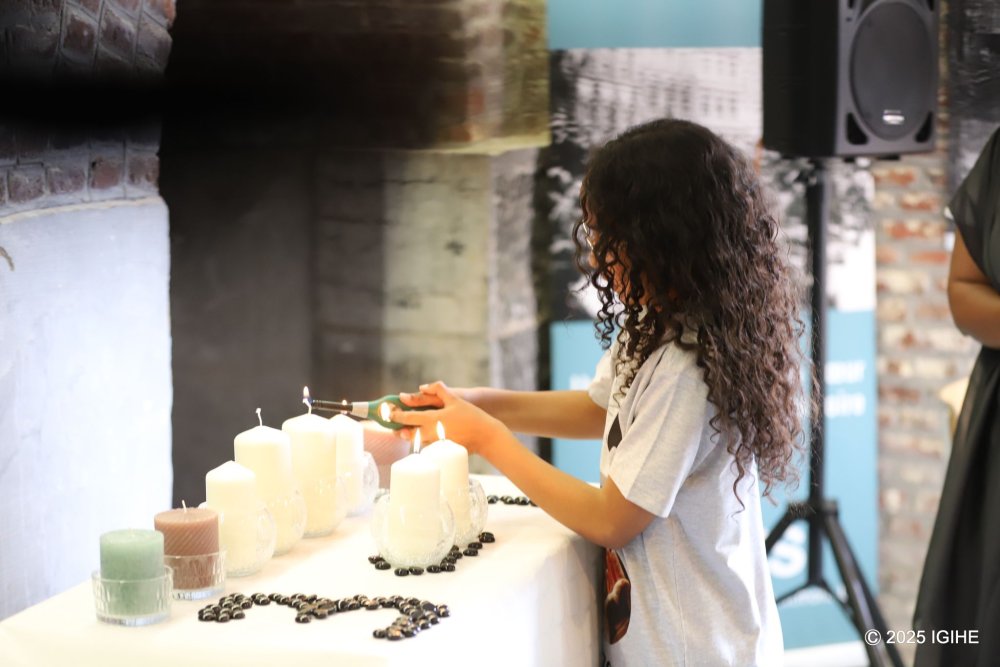
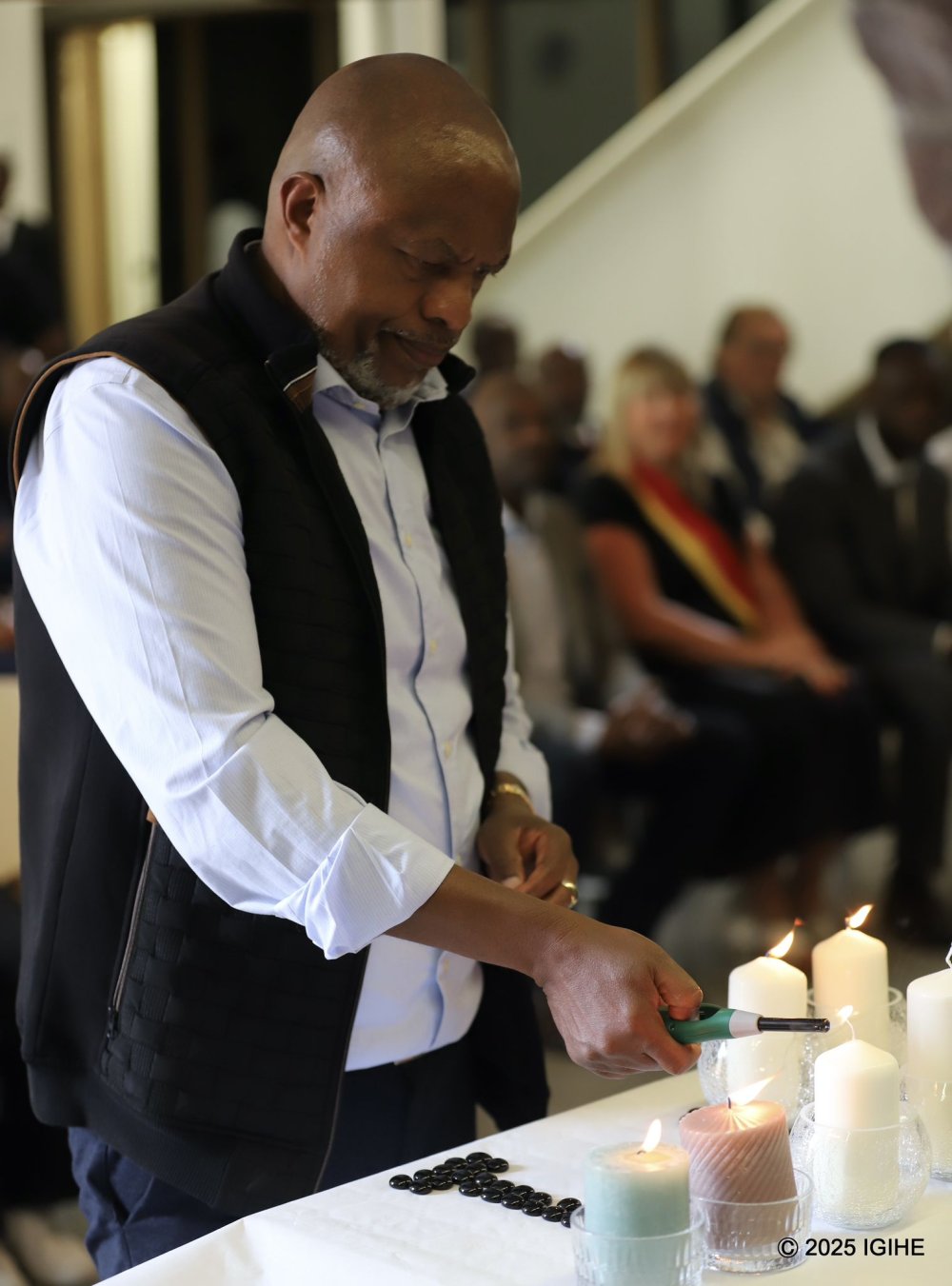
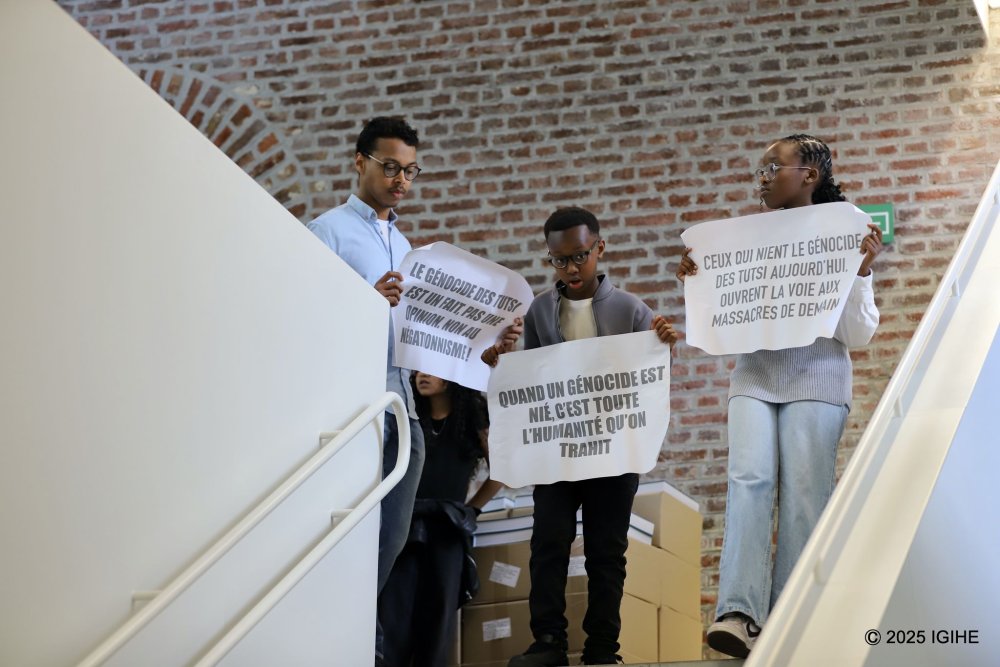
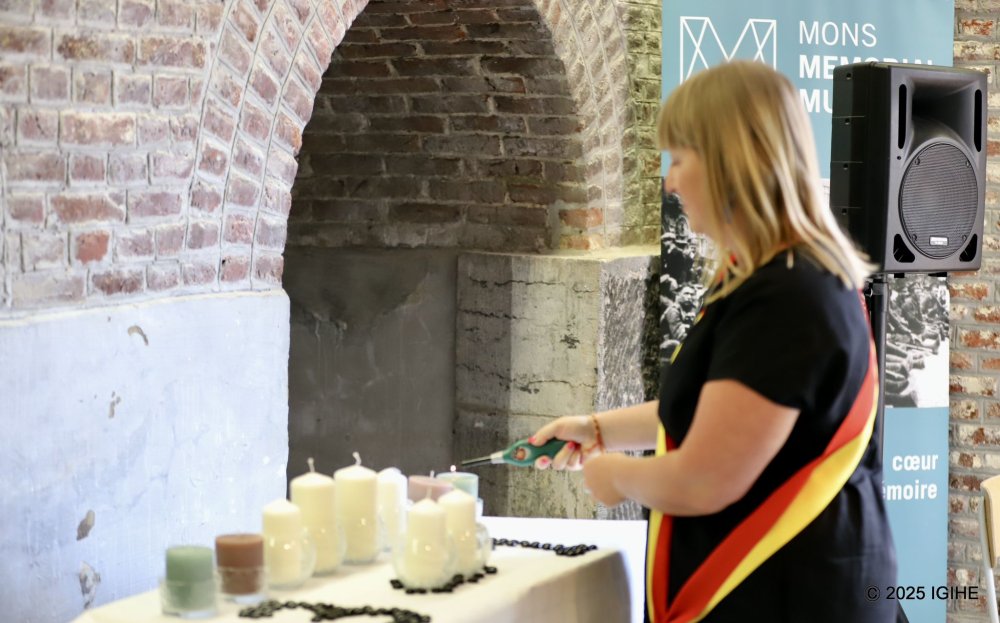
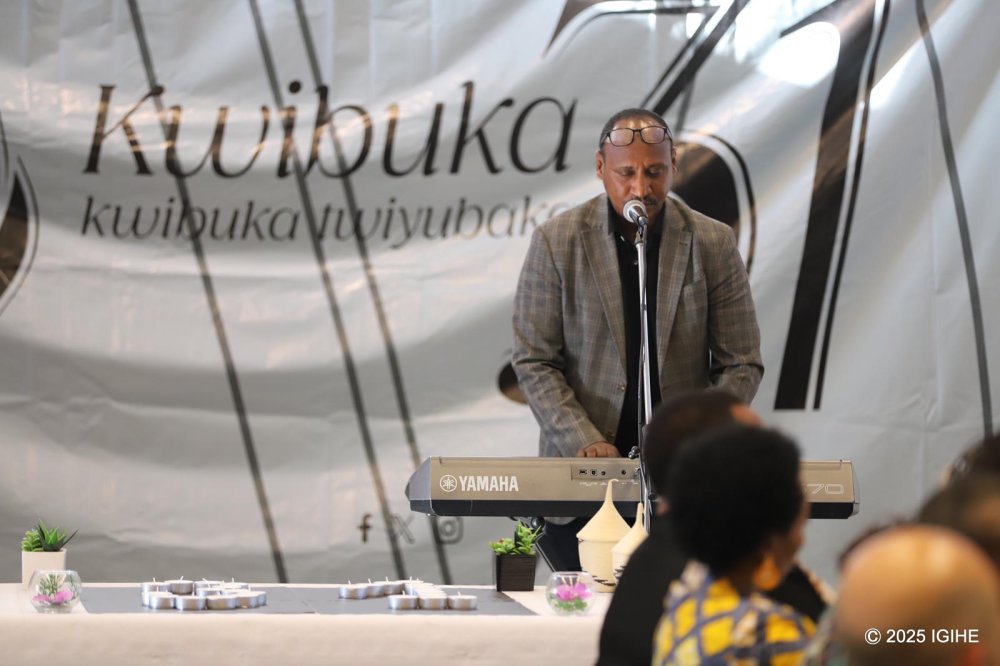
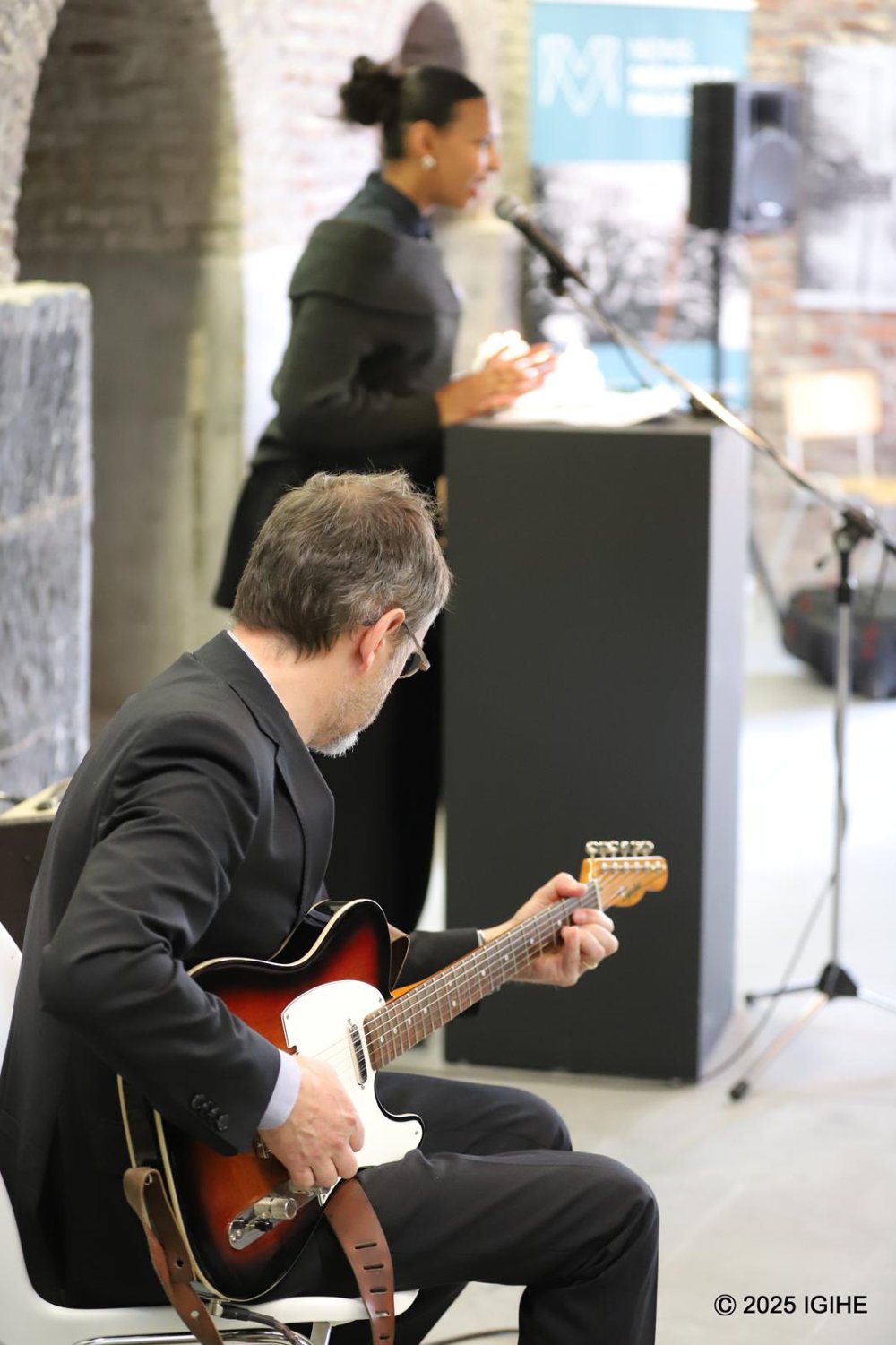
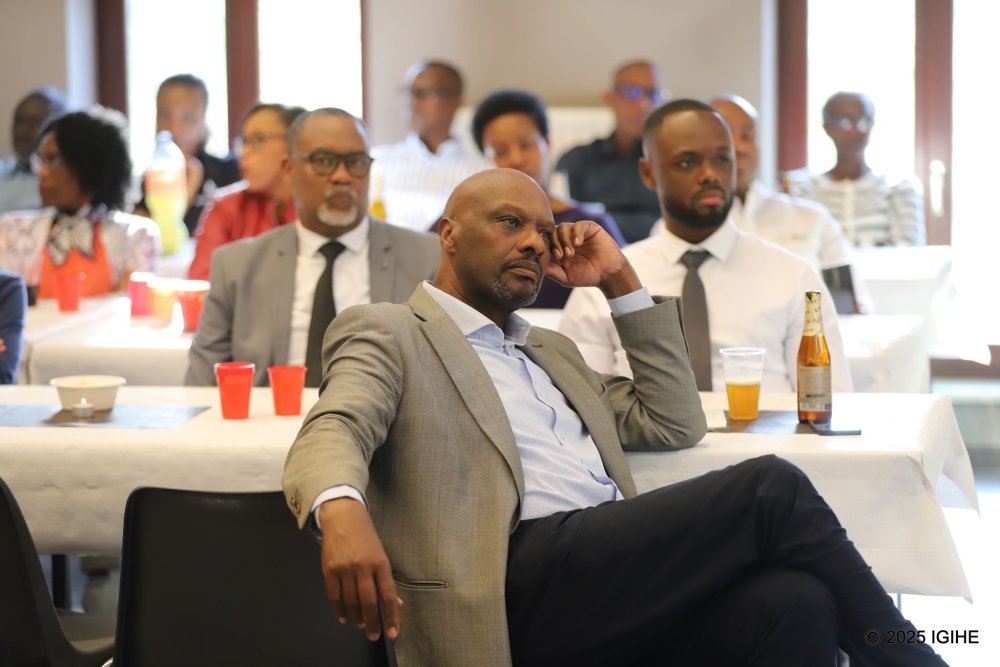
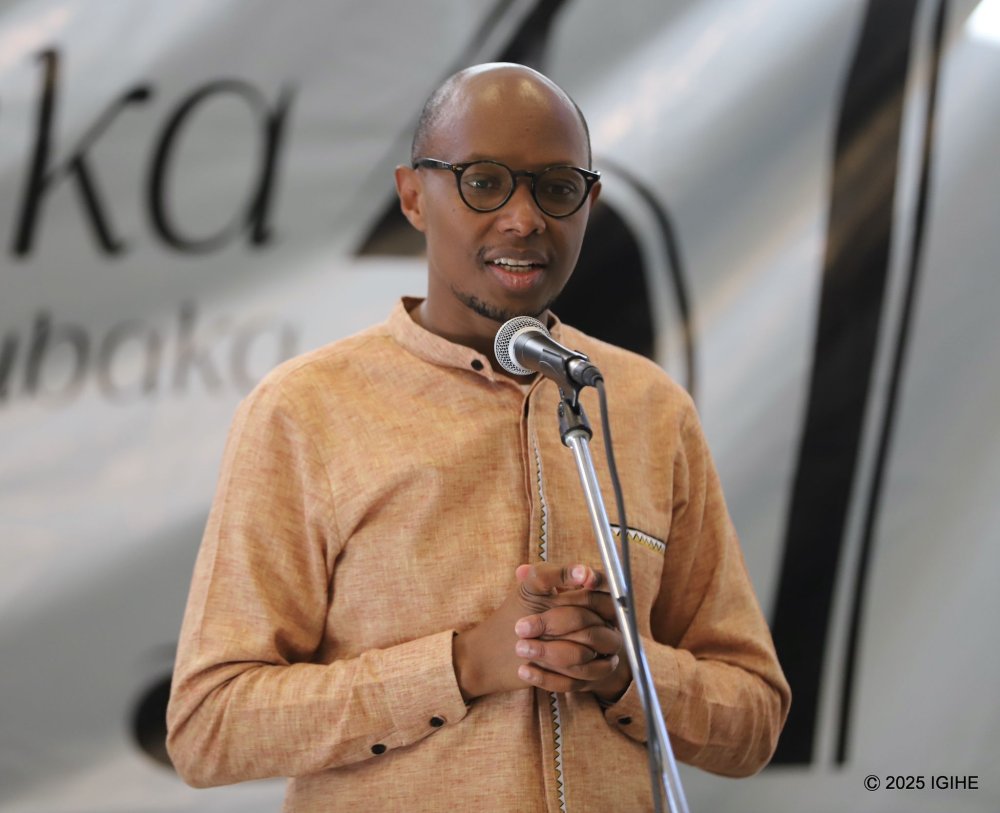
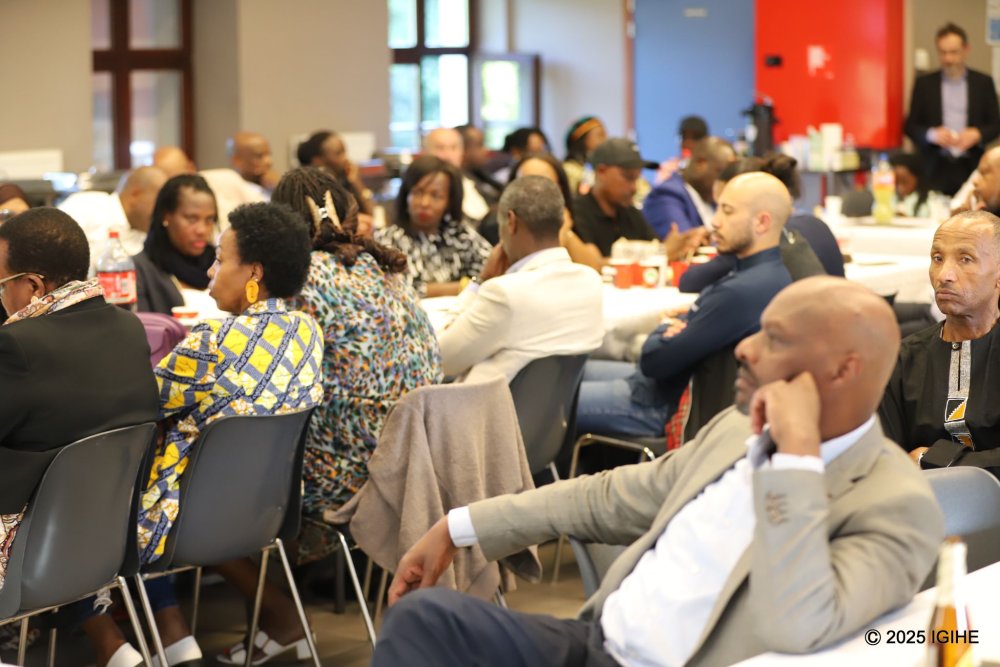
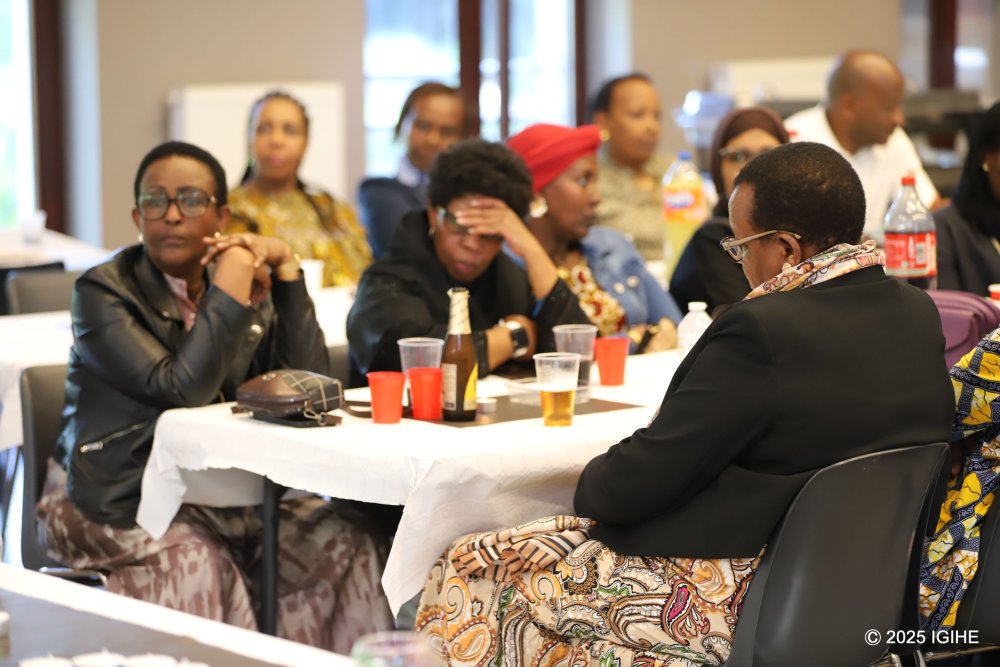
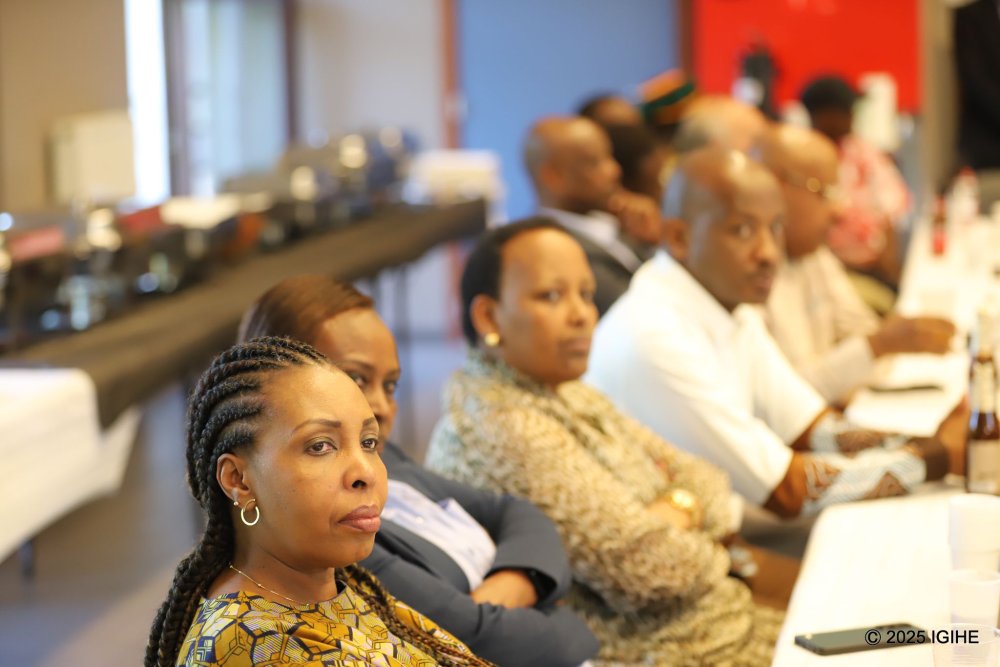
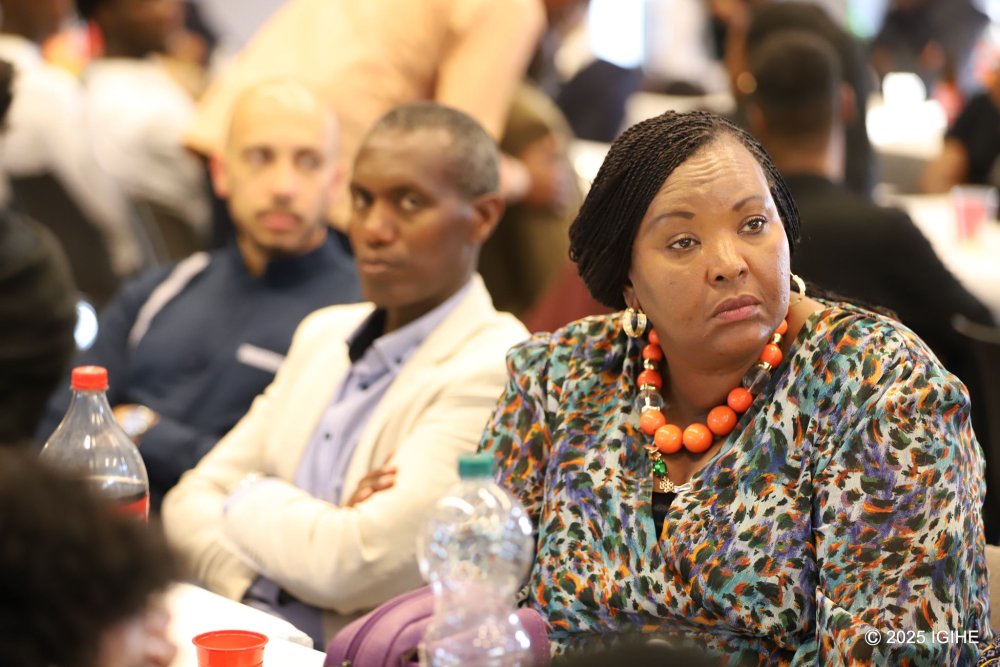
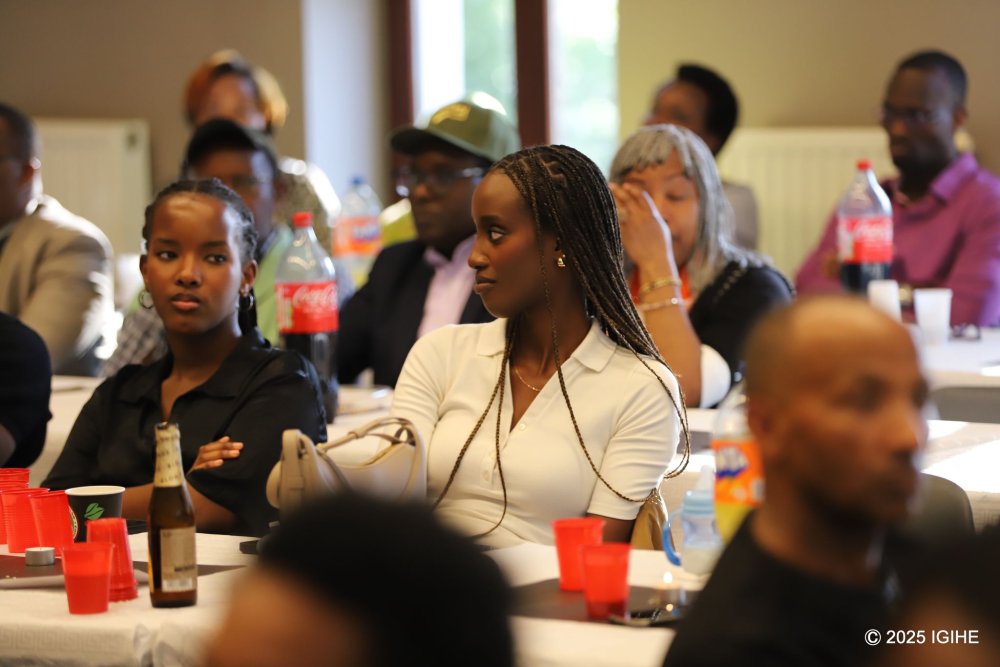
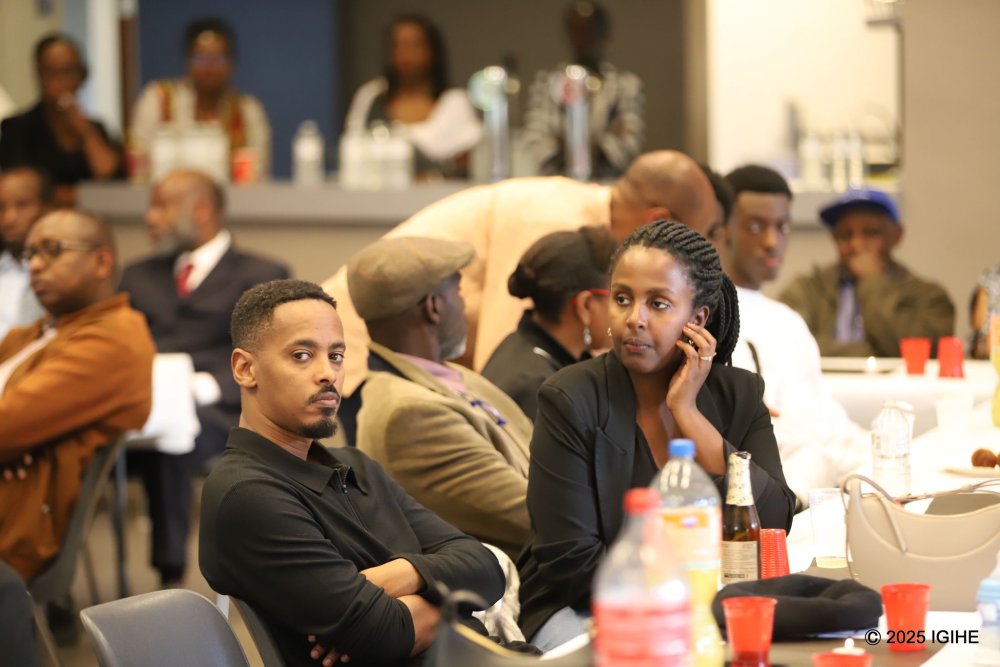
The commemoration began with the laying of wreaths at the Genocide Memorial site located at Place du Parc. The event was also attended by Natacha Vandenberghe, representing the City of Mons.
This year’s ceremony was organised by a group of Rwandan Genocide survivors in collaboration with the Rwandan Diaspora.
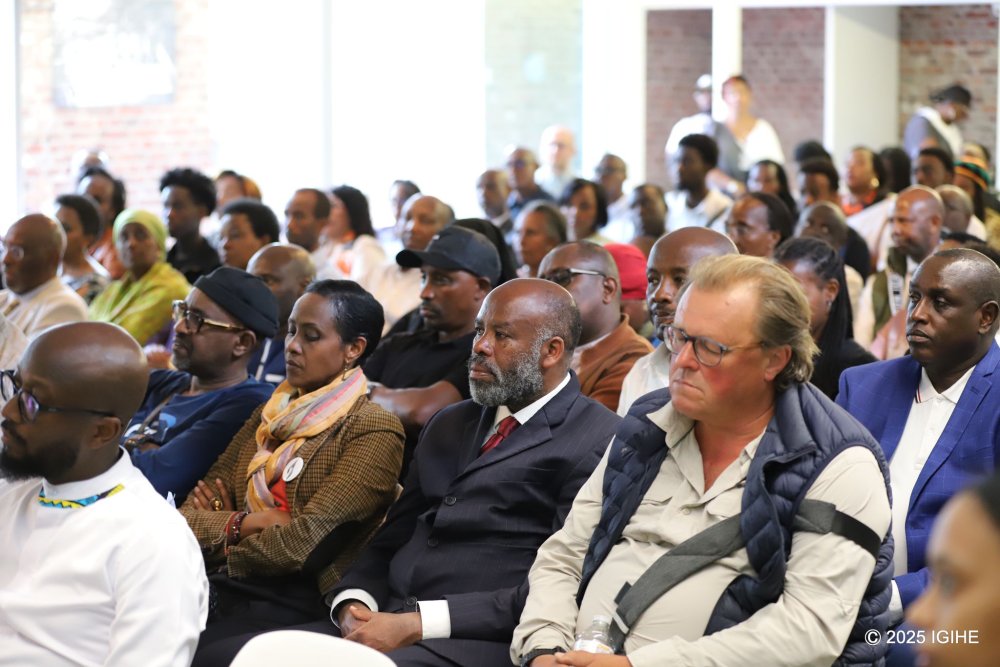
Also in attendance were Twagira Mutabazi, President of Ibuka-Mémoire et Justice-Belgique; Ernest Gakuba, head of the Rwandan Diaspora in Belgium; Irène Kamanzi, President of Isôko, an association of Tutsi from the DRC in Europe; Arnold Turagara, head of DRB-Rugari in the Mons region; and other representatives of various organisations.
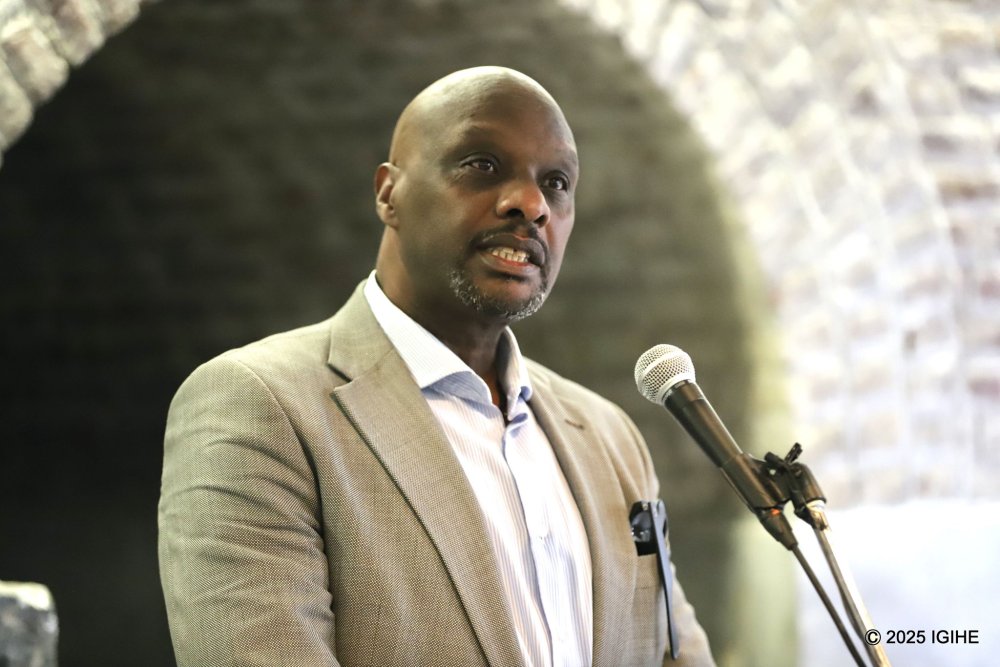
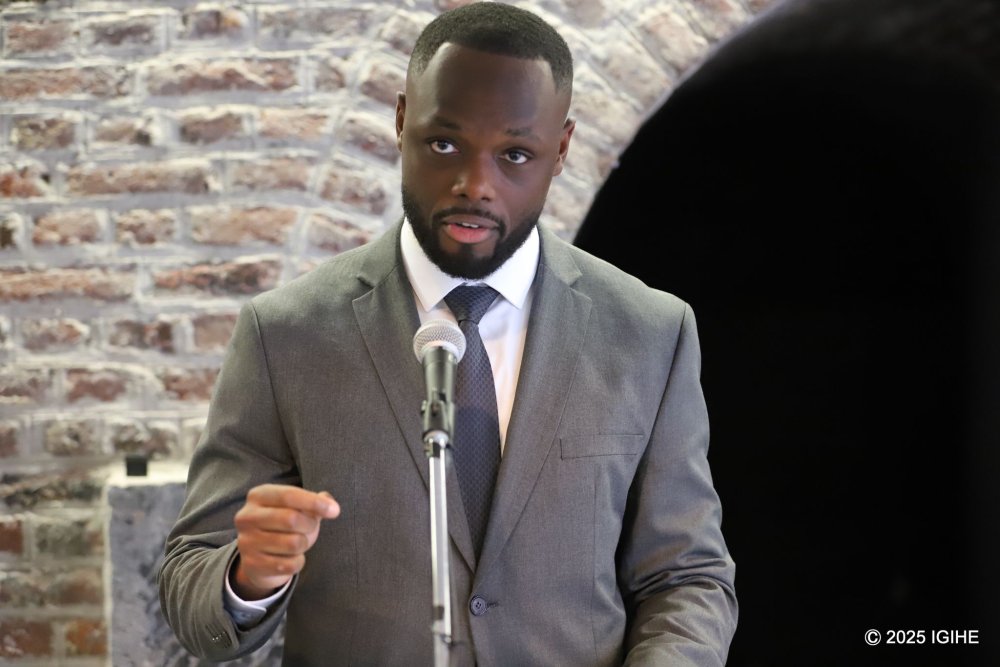
Ernest Gakuba, President of DRB-Rugari, commended the City of Mons for its principled stance during the commemoration, contrasting it with other localities that he said have politicised remembrance events.
“We thank the leadership of the City of Mons, which did not act like some other municipalities that mixed politics with remembrance. But history will judge them harshly when the time comes. Mons chose the path of unity and humanity,” he stated.
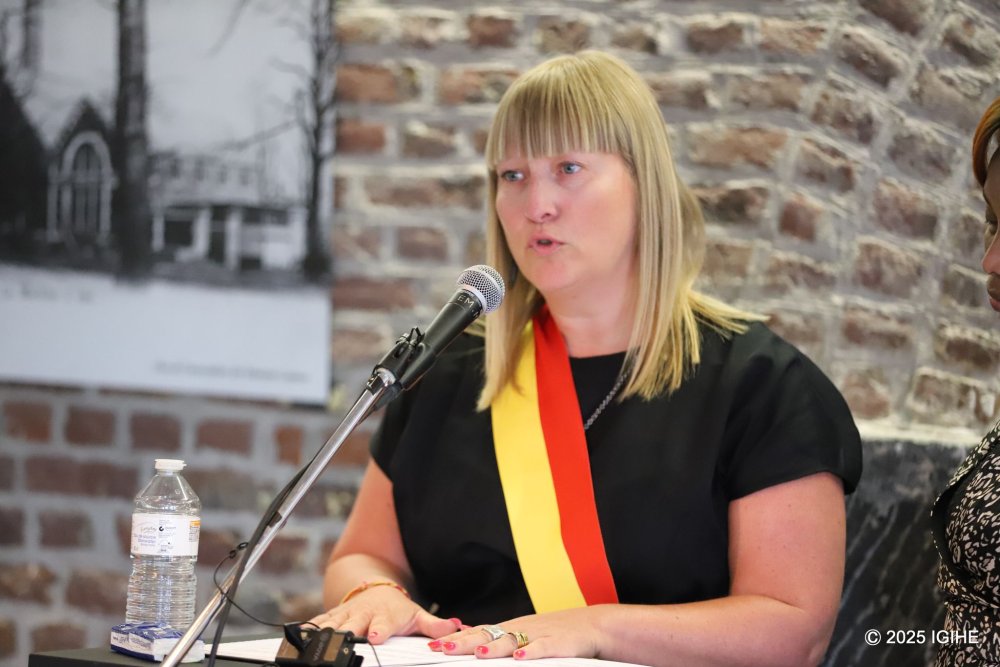
Natacha Vandenberghe, representing the City of Mons, reminded attendees how the Tutsi were killed simply because of their identity and how they were abandoned.
“It was killing those who could not fight back — this was not a war between opposing sides. It was premeditated and organised with the intent that the Tutsi must be exterminated. Even the United Nations has recognised this,” she stated.
Vandenberghe urged people to speak the truth about what happened:
“Let’s call the Genocide by its rightful name. Let us remember, and let us help young people understand this history.”
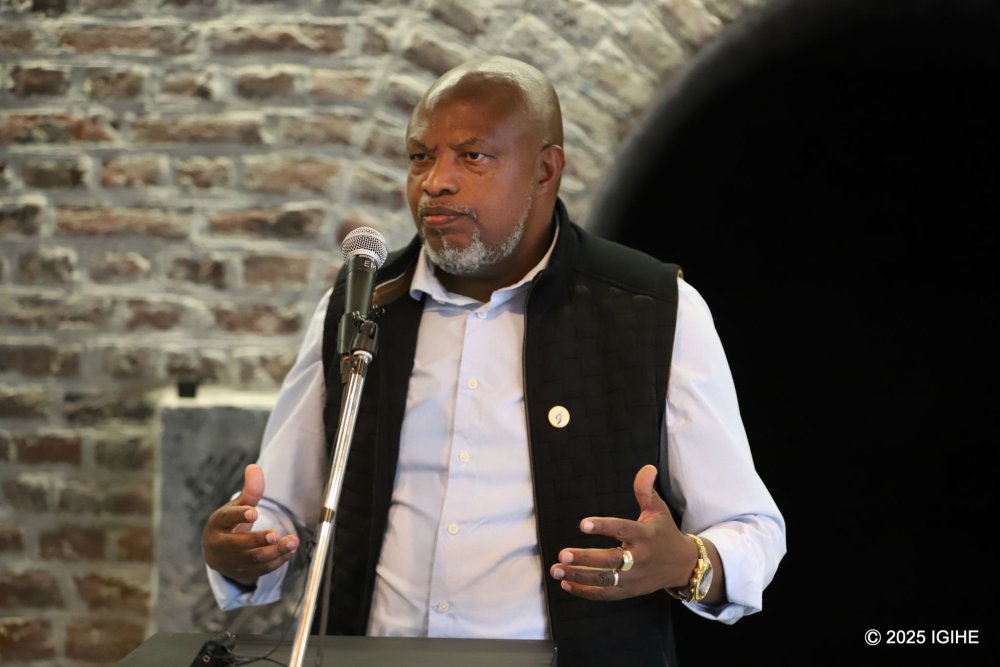
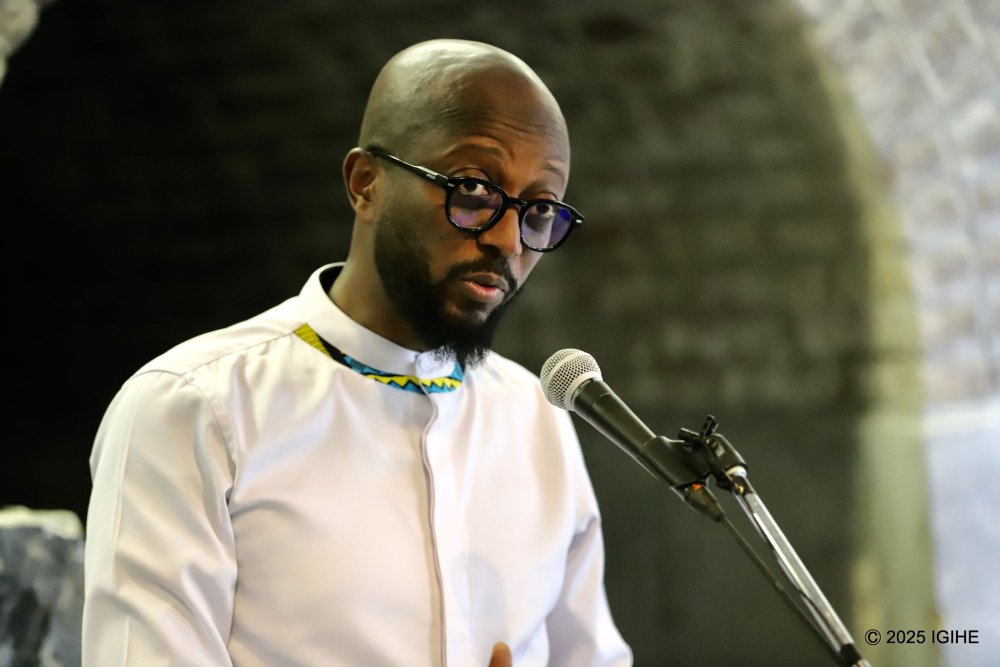
In his remarks, Twagira Mutabazi, head of Ibuka-Mémoire et Justice-Belgique, discussed the importance of remembrance and the need for survivors to continue rebuilding their lives. He also highlighted recent challenges facing Genocide remembrance efforts in Belgium.
“This commemoration helps young people to continue honoring the eternal value of those we lost in the Genocide against the Tutsi.”
Mutabazi also revealed that he has requested the repatriation of the remains of King Yuhi V Musinga, currently in Belgium, so they can be properly buried in Rwanda.
“I have asked the Rwandan government to do everything possible to bring back King Yuhi V Musinga’s remains to Rwanda, to be reburied at Mwima in Mushirarungu,” Mutabazi said.
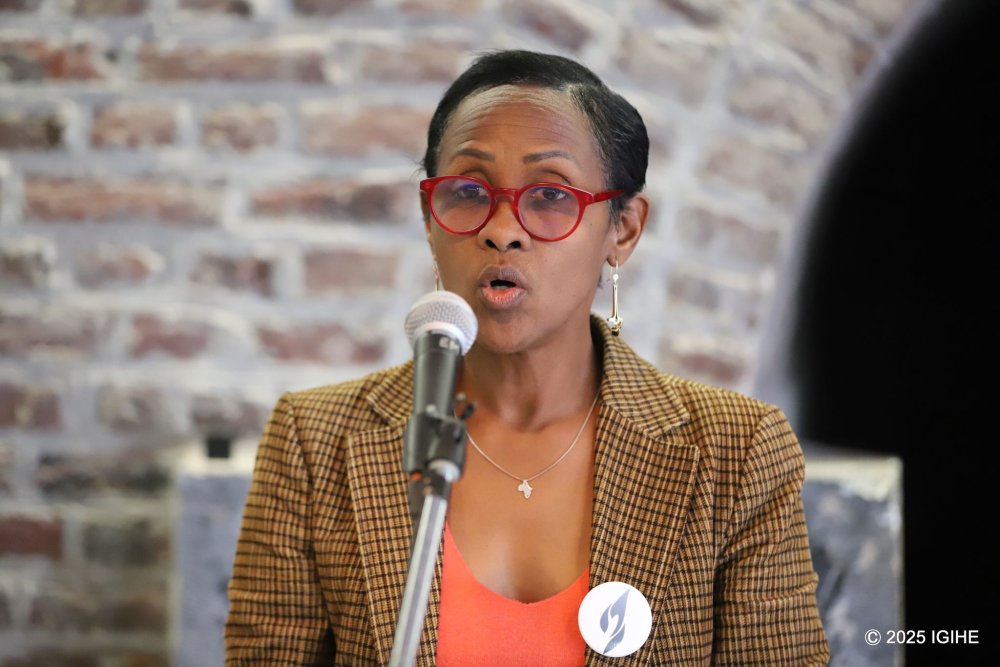
Irène Kamanzi, President of Isôko, said she attends these commemorations because she understands their value, but also because she wants to raise awareness that the horrors of the 1994 Genocide are recurring today.
“It is heartbreaking that I am here to speak about what is happening just across Rwanda’s border in the DRC. The killings there are beyond human comprehension, and the Congolese government is watching silently, just as the world did in 1994. Those who once fled Rwanda are now killing us again and establishing a government of genocidaires. I am here to denounce that loudly,” she remarked.
Arnold Turagara, head of DRB-Rugari in the Mons area, said:
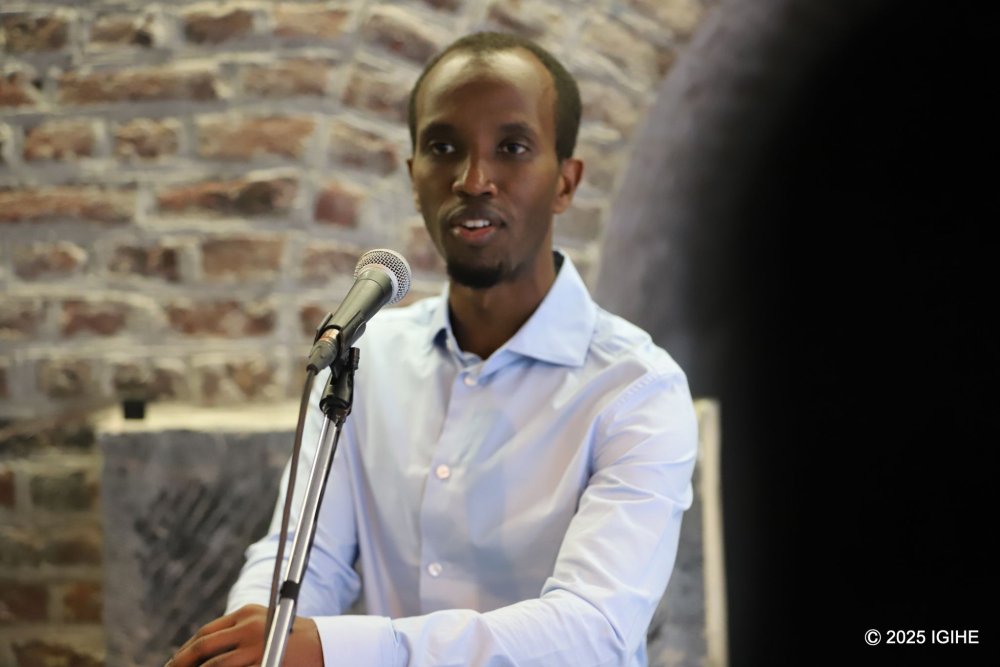
“Today, 31 years later, we have gathered again here in Mons to remember our loved ones killed in the 1994 Genocide against the Tutsi — infants, children, the elderly. But we are not here to weep; we are here to bear witness to the atrocities committed.”
He emphasised that this is to help the younger generation understand what happened, pursue justice, and restore the value of human life.
He thanked the RPF-Inkotanyi for not standing idly by like the international community, but instead choosing to rescue those who could still be saved. He reminded everyone that young people played a key role in that mission and should be seen as role models.
Turagara also expressed gratitude to all who stood in solidarity with them, particularly the City of Mons for its continued support.
Olivier Munyengango, a survivor from Mukarange Parish, shared his testimony during the event. He lost his entire immediate family in the Genocide and was the only one left. His family included five children and their parents. Many extended family members were also killed.
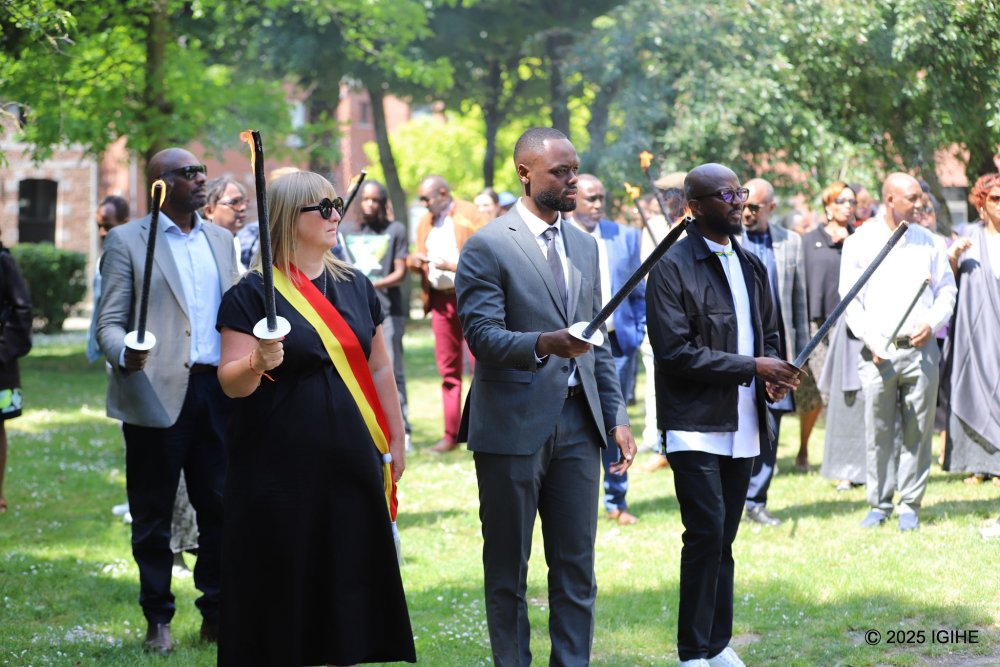
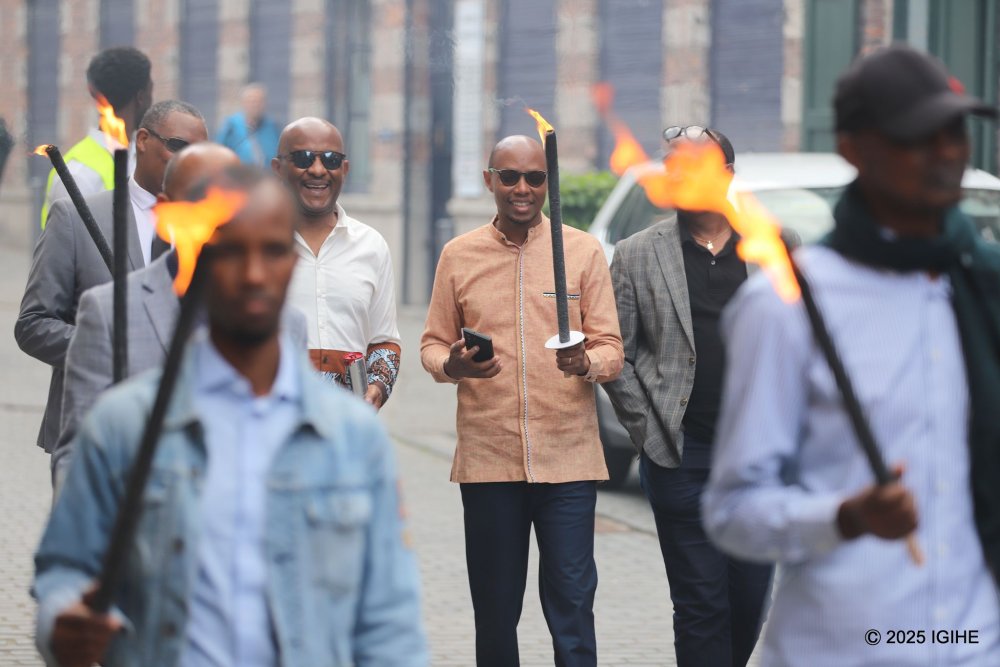
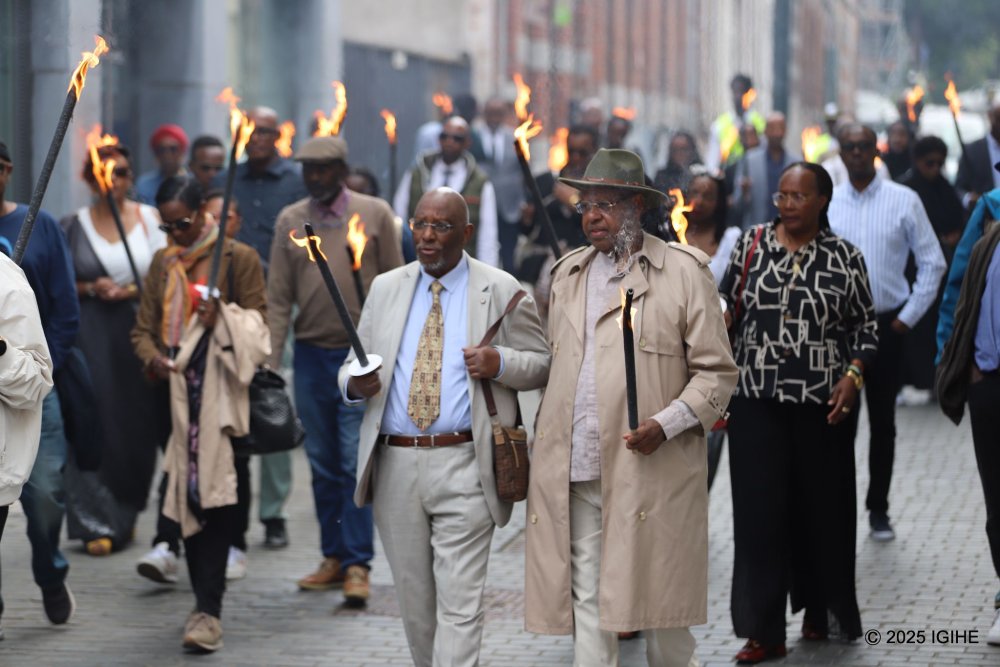
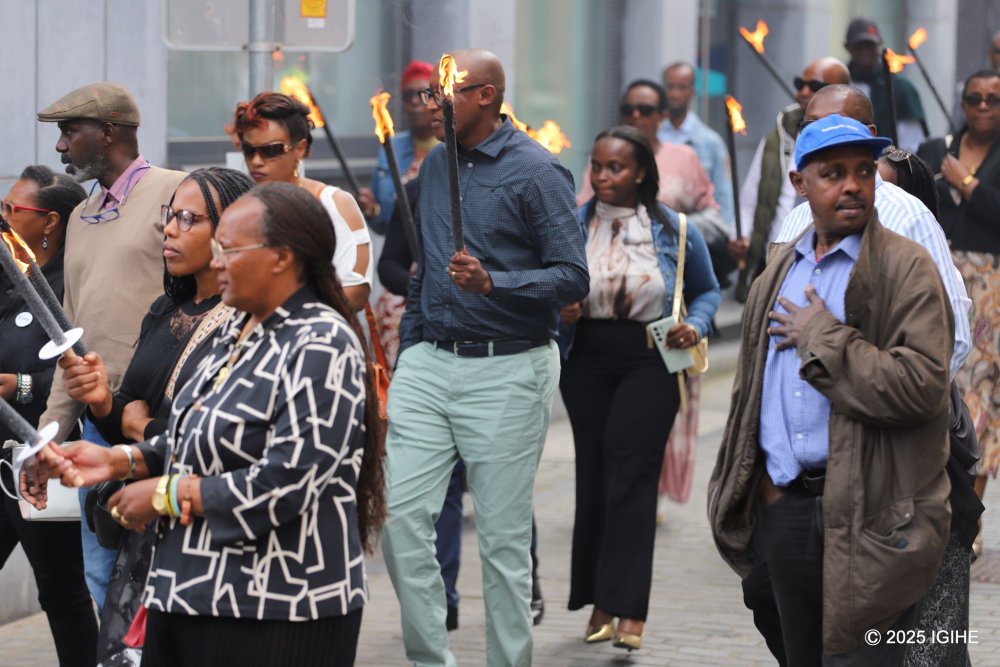
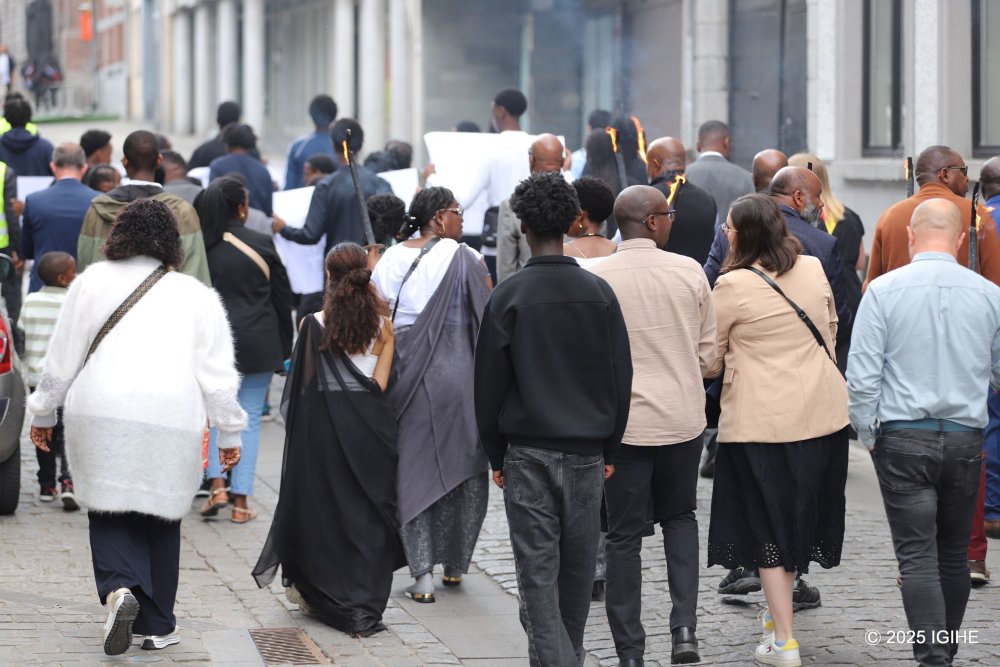
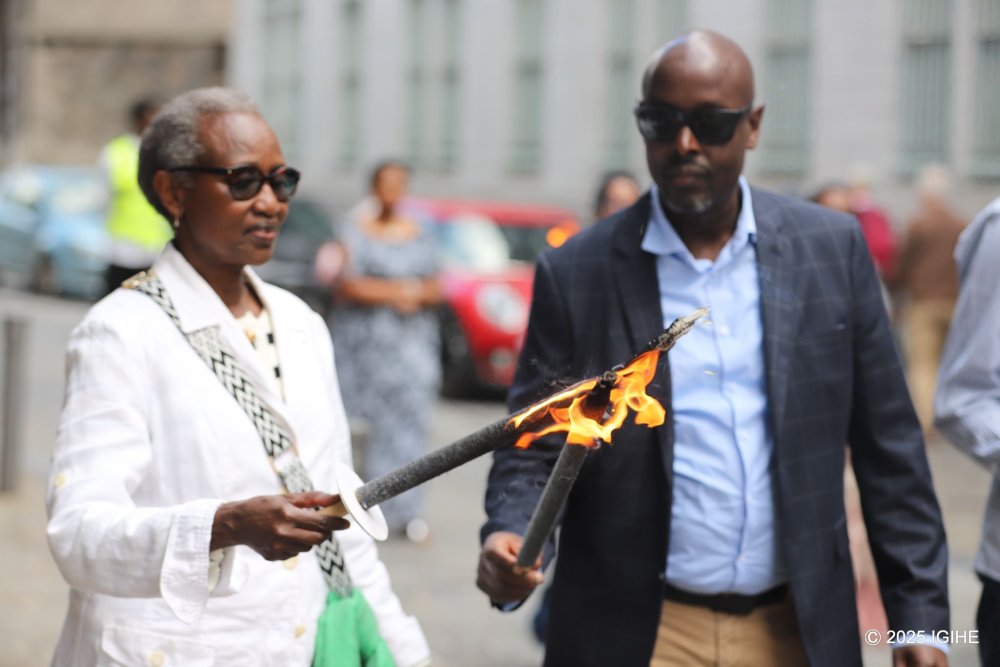
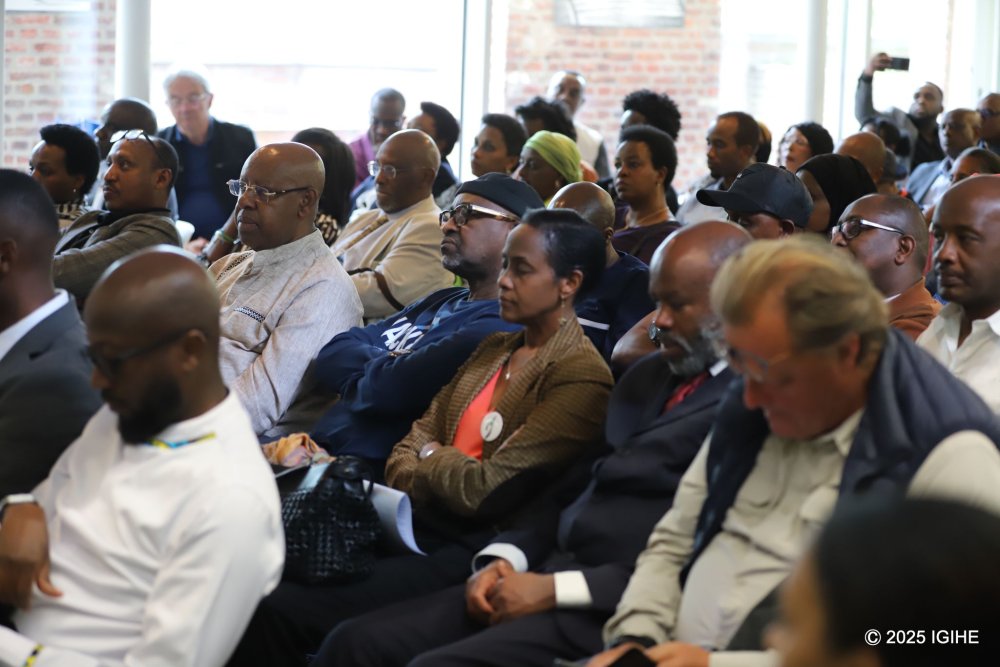
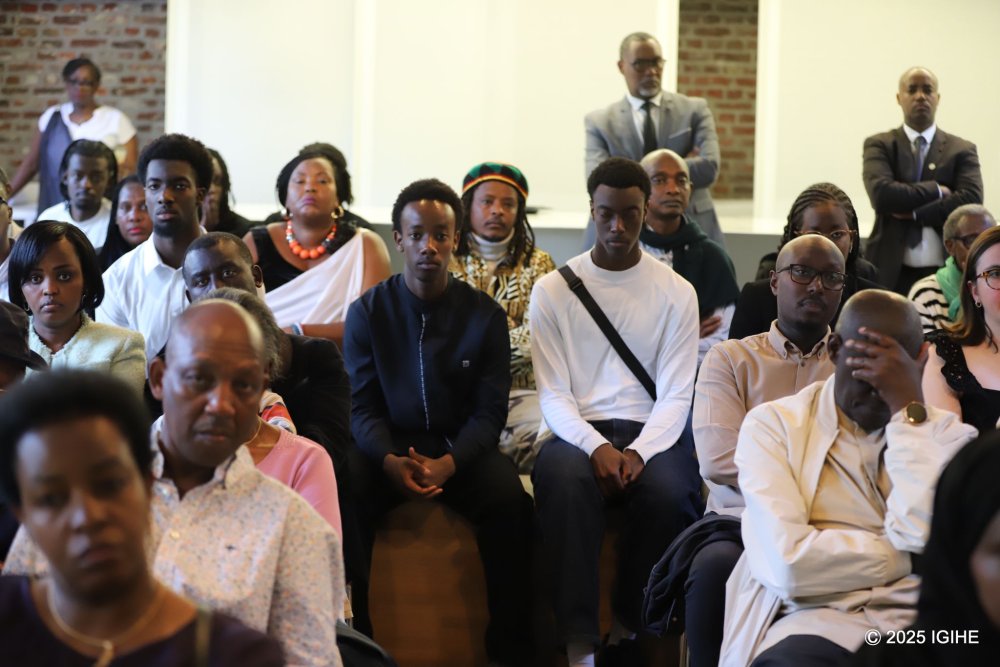
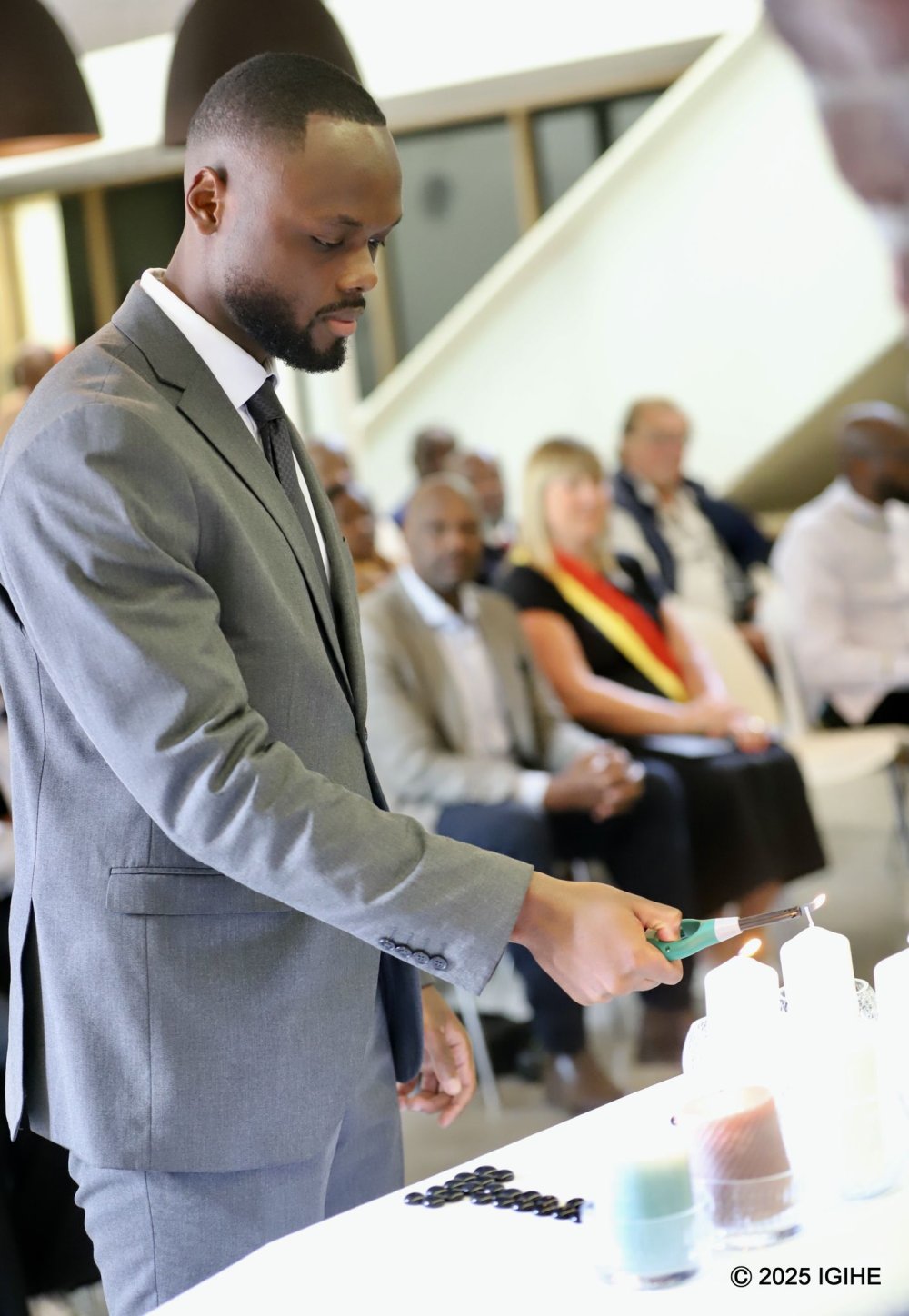
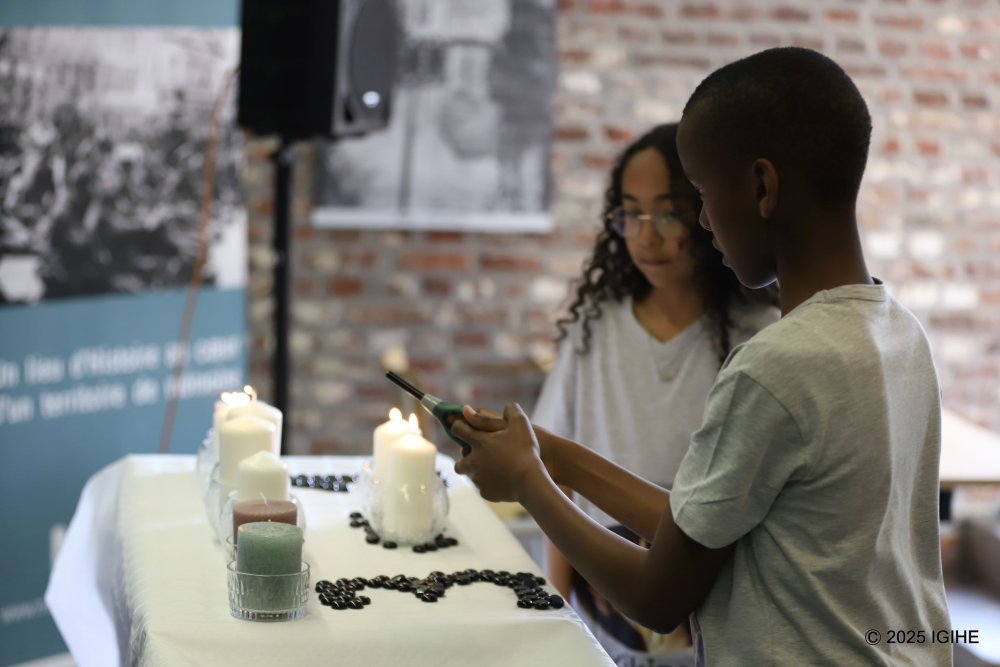
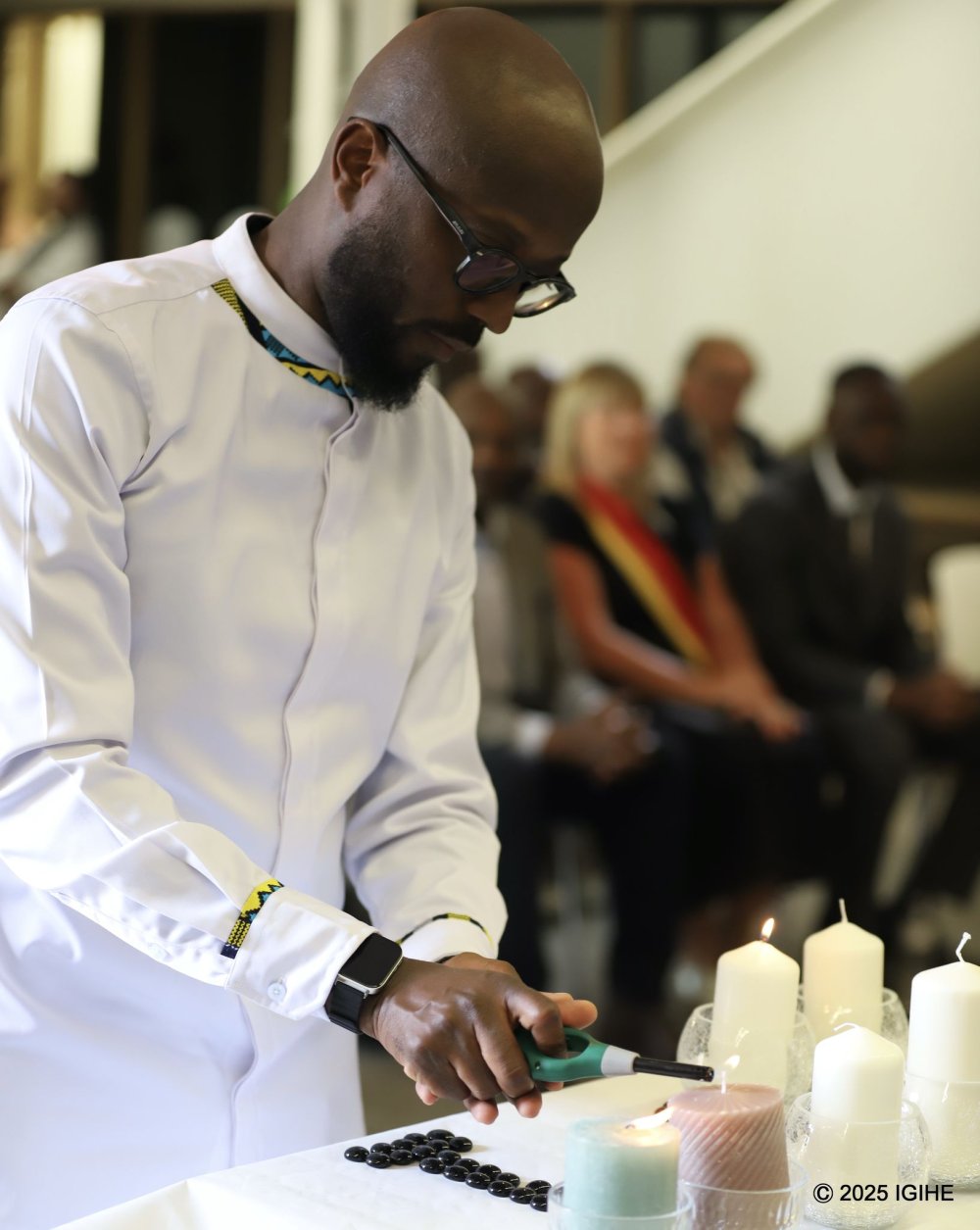
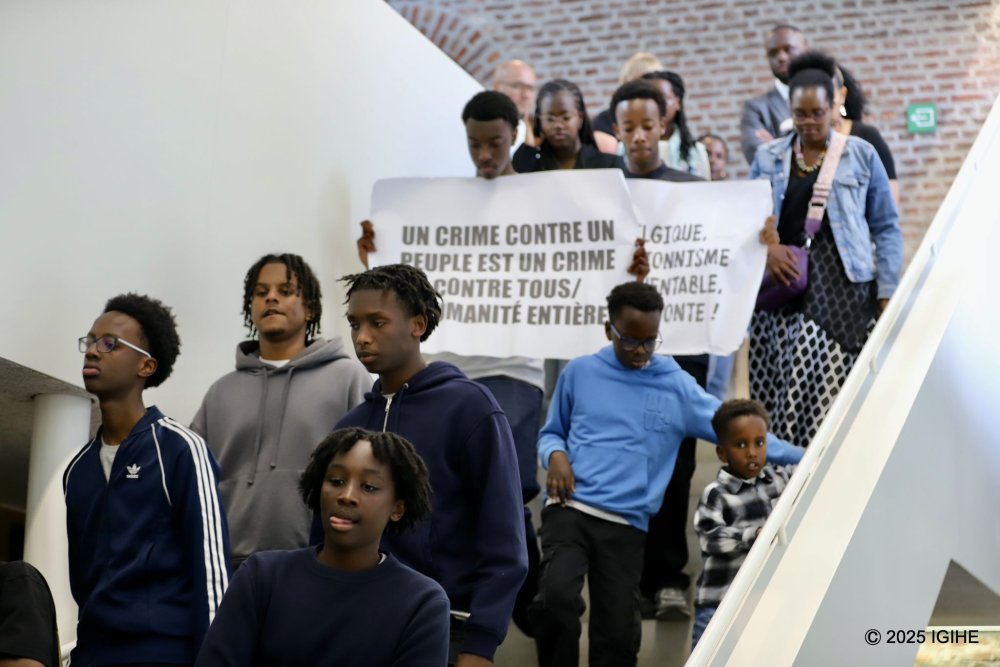
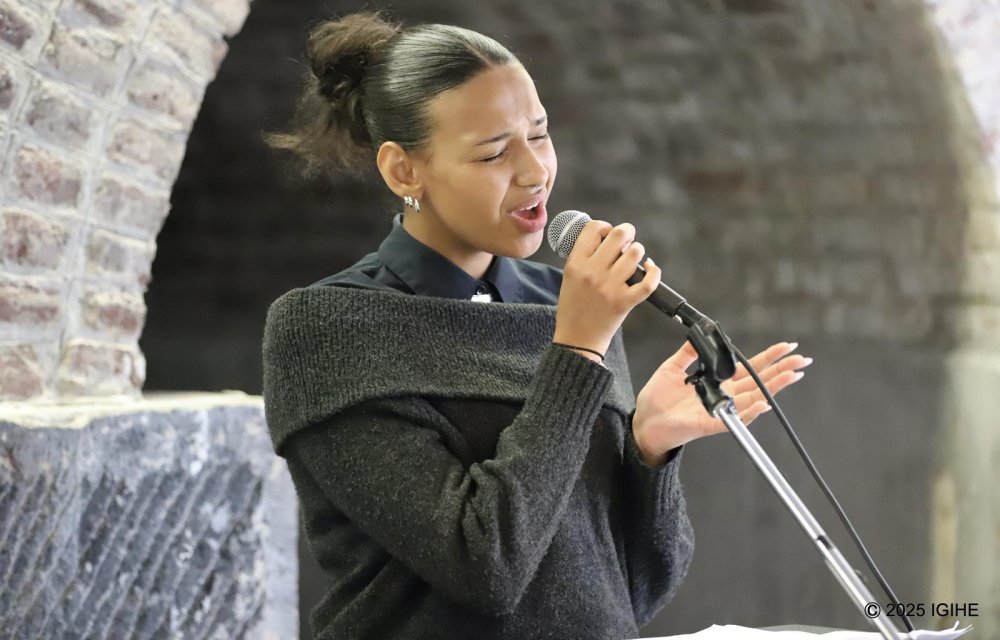
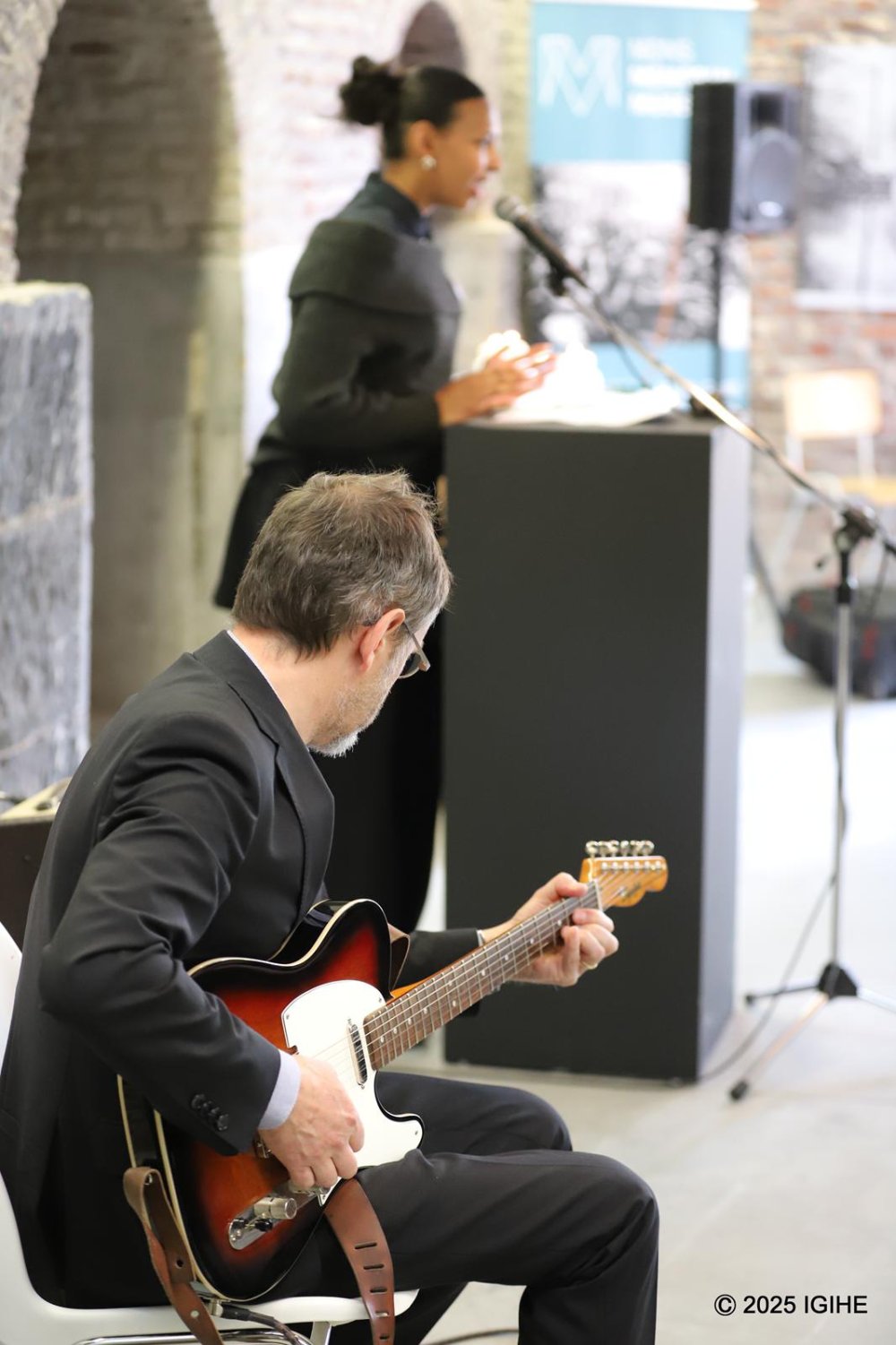
The 31st commemoration event in Mons was held in three parts: a remembrance walk, testimonies and discussions at the Mons Memorial Museum, and a third part in the Jemappes district, where a night vigil and symbolic flame (Igicaniro) took place.
The Igicaniro program featured testimonies, moments of reflection, and a display of photos of both murdered and wiped-out families to highlight their lives and legacies.
This commemoration in Mons is one of many held across Belgium this year, with previous events in cities like Brussels, Liège, Namur, Bruges, Ottignies-Louvain-la-Neuve, and Antwerp. Upcoming commemorations will be held in Charleroi on May 24, Tournai on May 31, and Leuven on June 10.
{{Photos from the first part of the event: laying flowers and the remembrance walk.}}
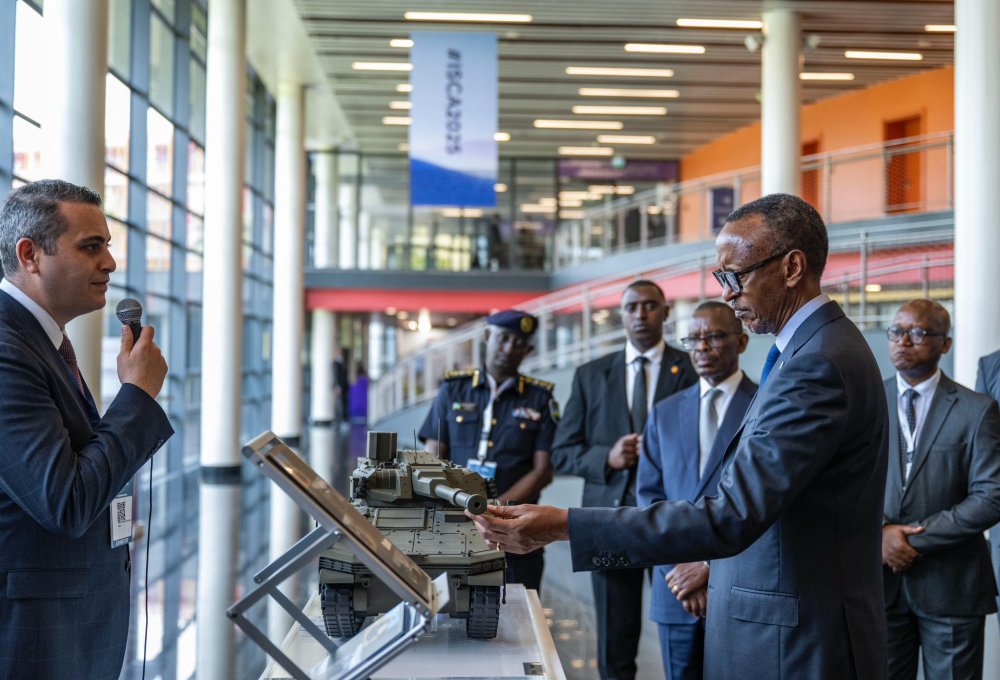
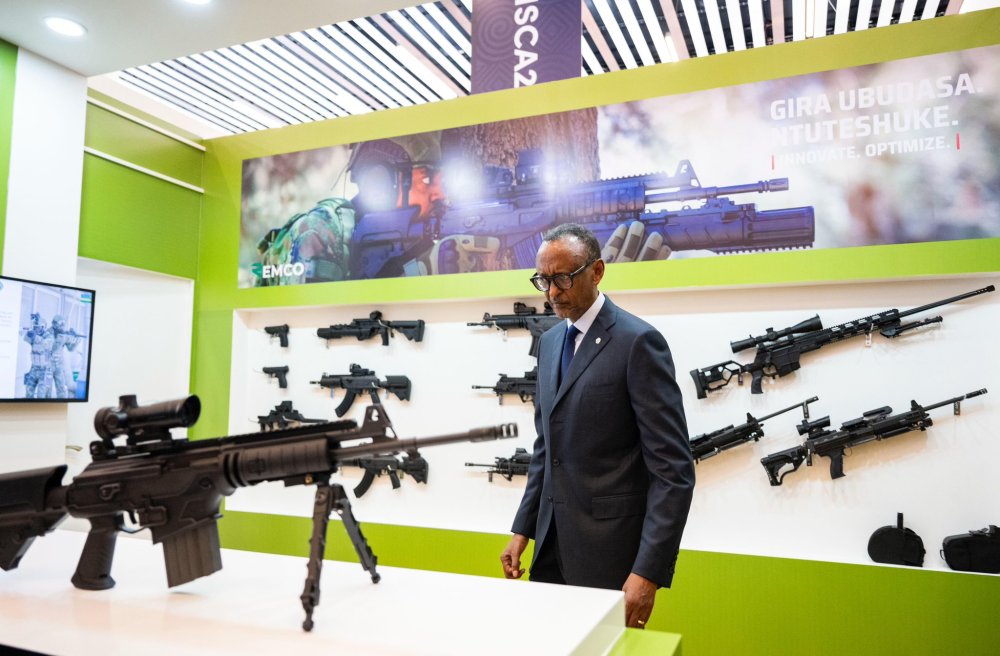
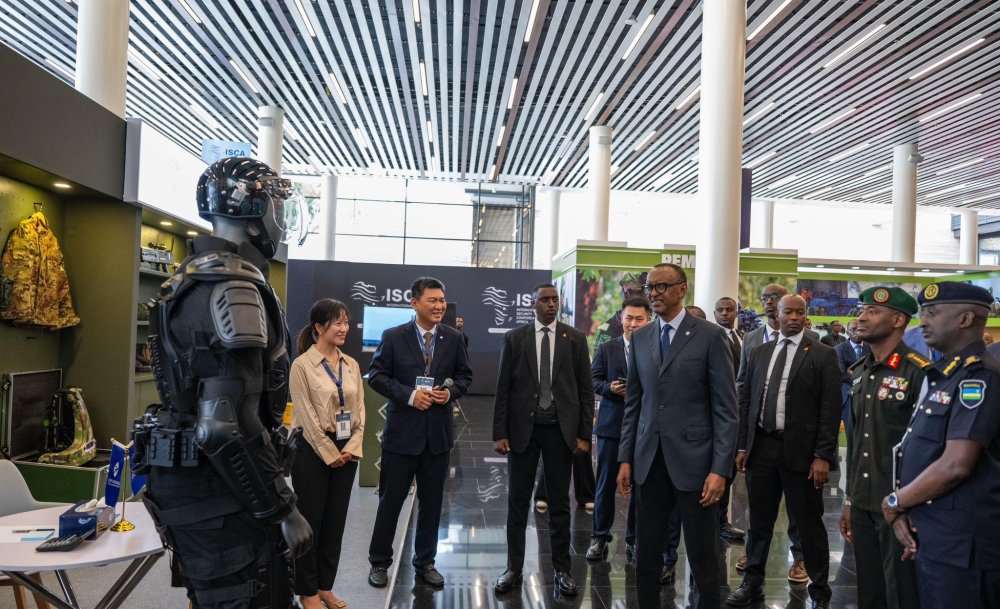
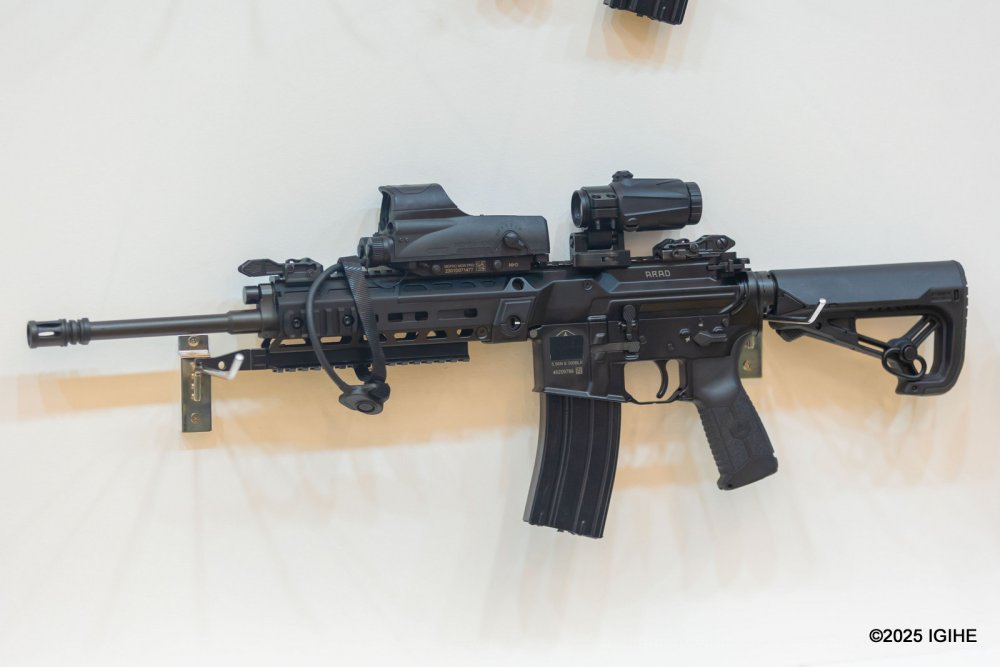
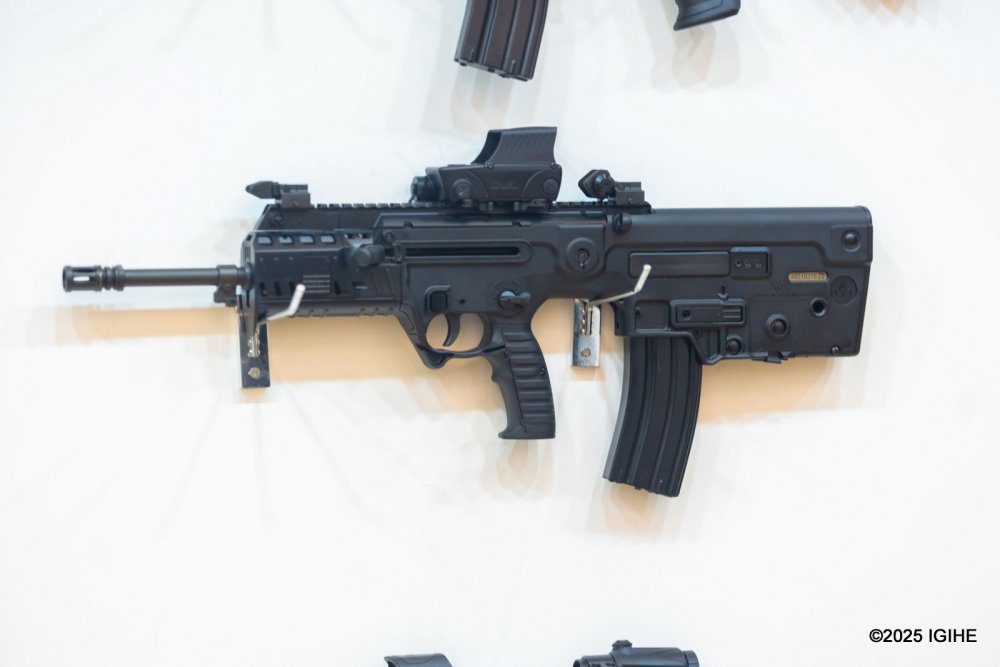
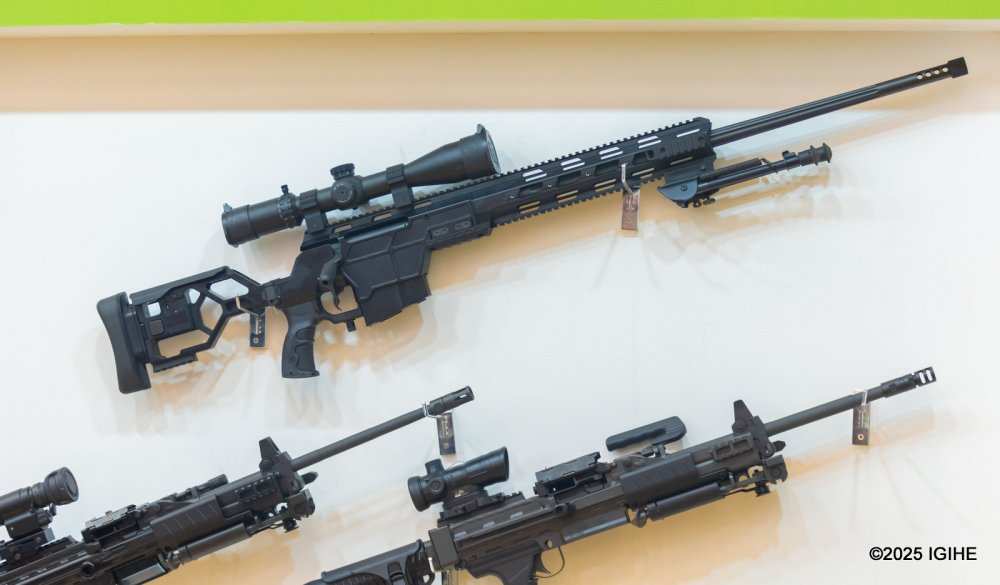
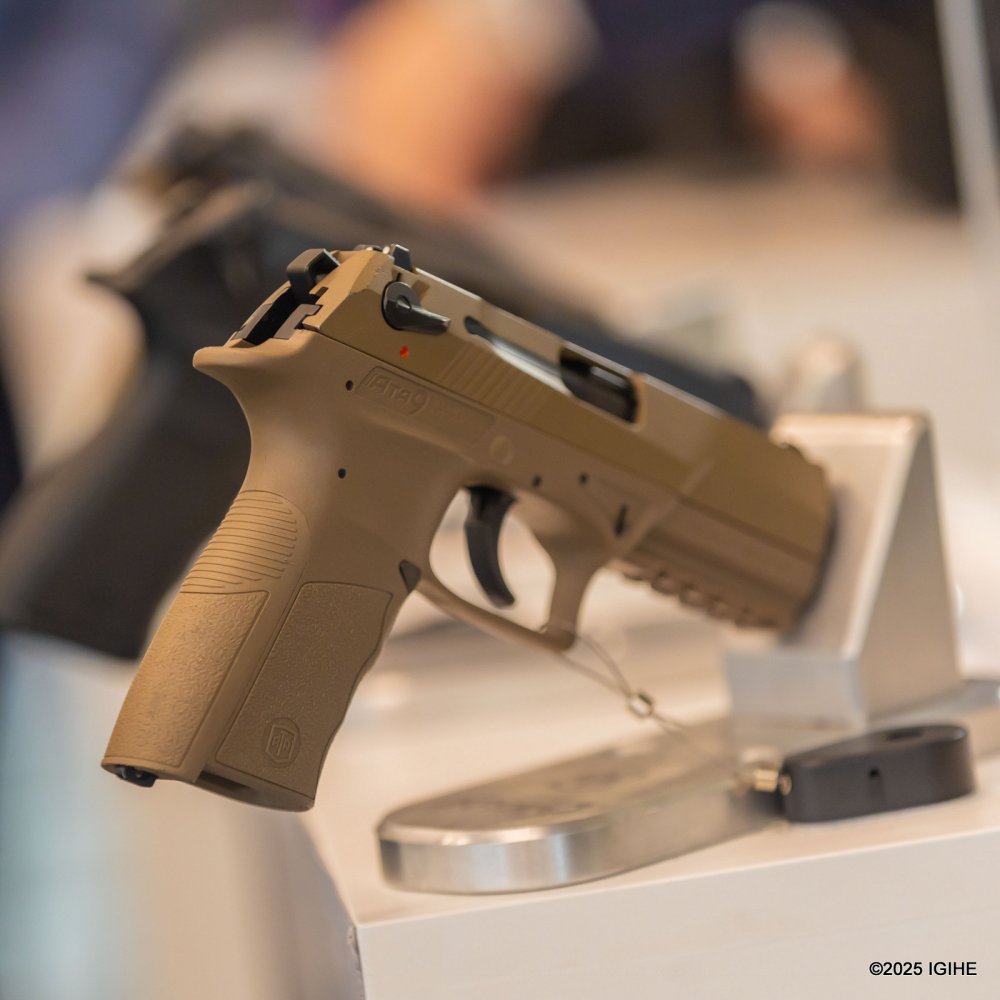
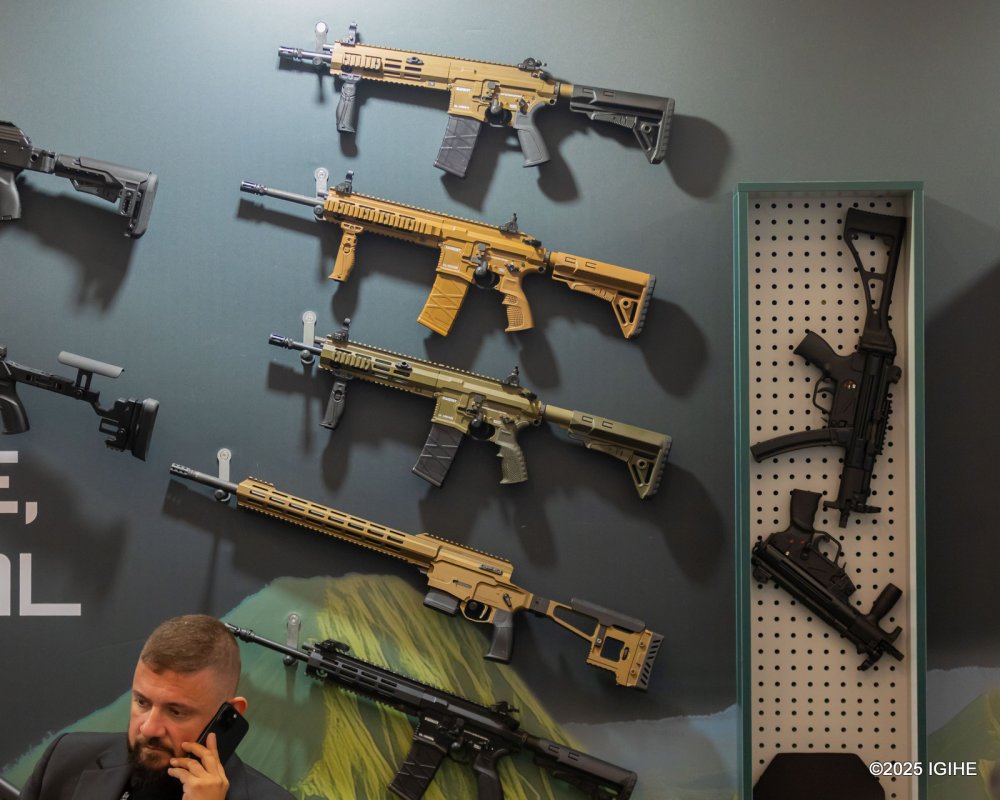
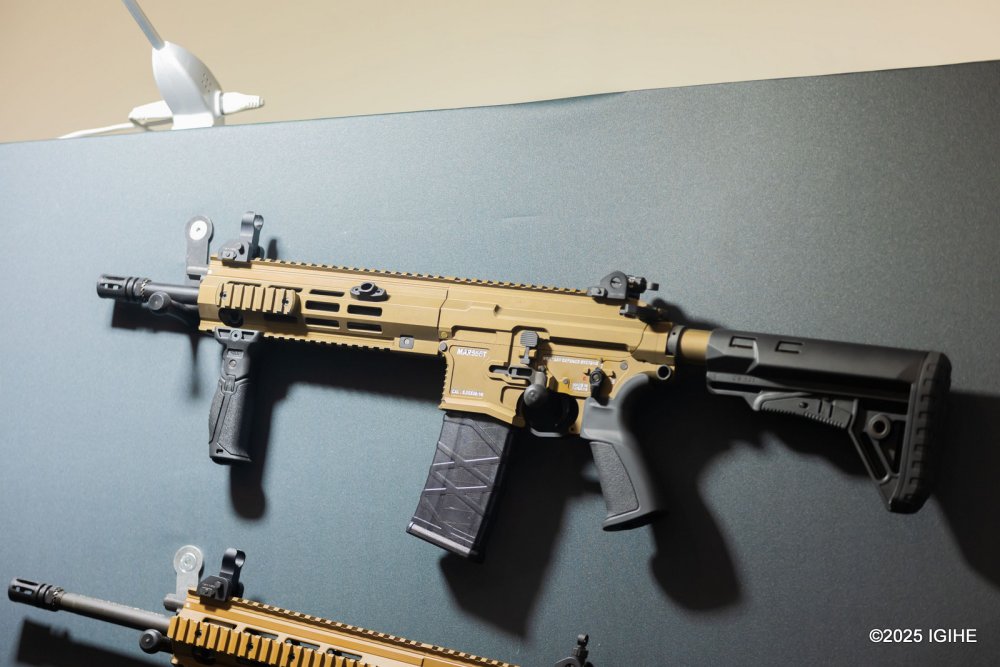
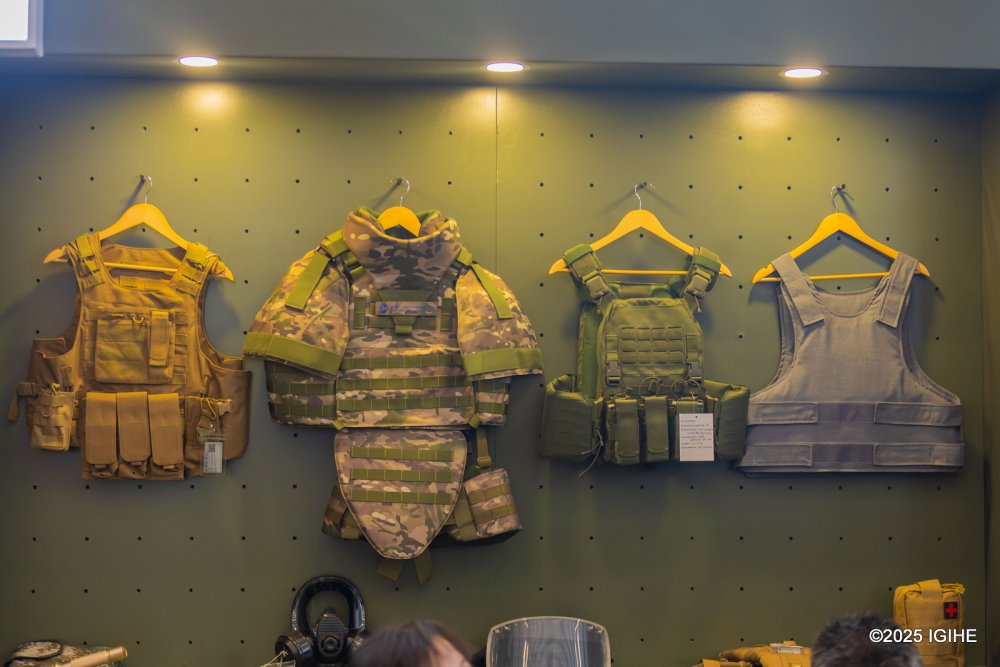
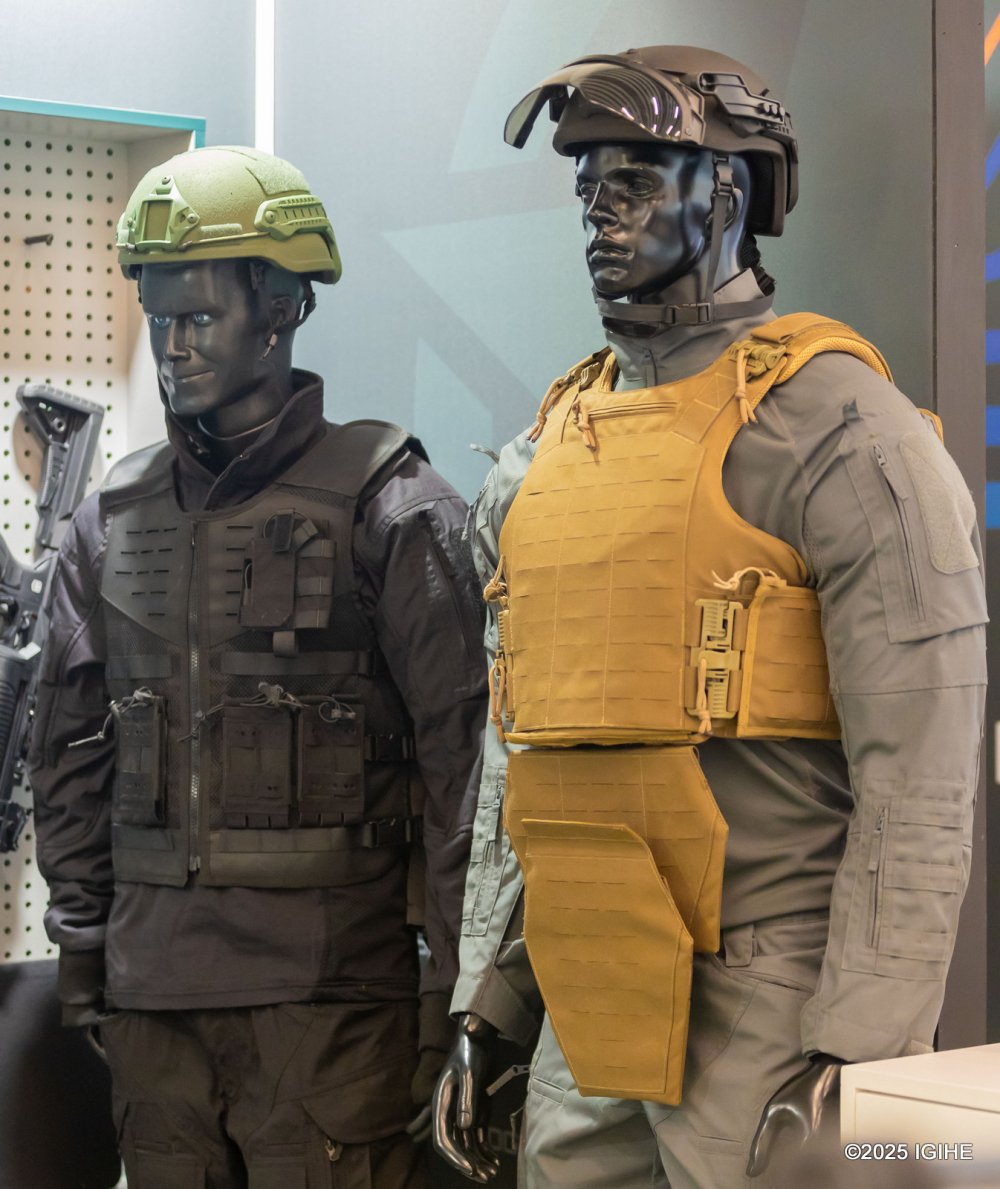
Among the highlights at the two-day summit were products from the Rwanda Engineering and Manufacturing Corporation (REMCO), a government-established arms manufacturer tasked with producing military equipment for the Rwanda Defence Force (RDF) and supporting friendly nations with their defence needs.
REMCO, based in Kigali’s Gasabo District within the city’s industrial zone, manufactures a wide array of equipment tailored for infantry units, special operations, counter-terrorism, anti-riot missions, and metal shooting targets used in training.
The factory operates in partnership with Israel Weapon Industries (IWI), a globally recognised arms manufacturer.
The weapons produced through this collaboration are battle-proven and currently in use by both the RDF and the Israel Defence Forces (IDF).
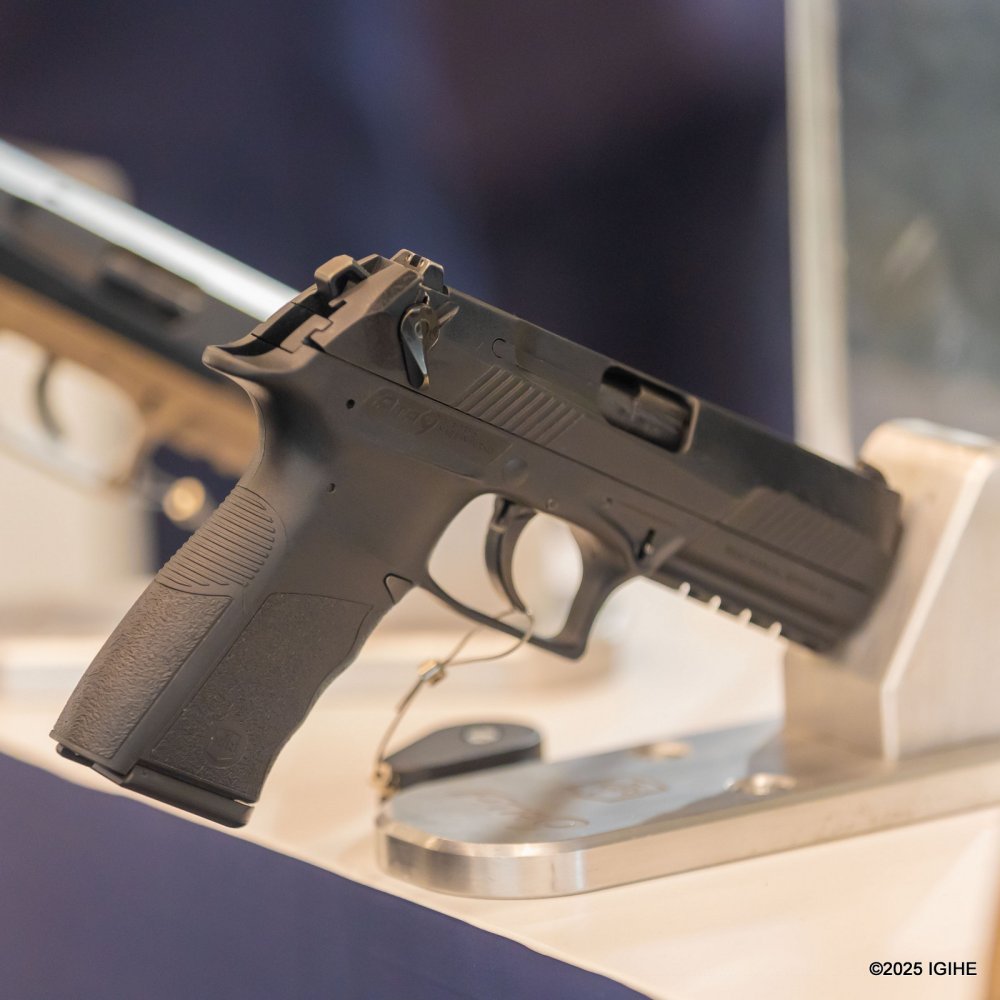
Among the weaponry manufactured in Rwanda are pistols and assault rifles with effective ranges of up to 500 metres, including models such as the ARAD5/300BKL. Long-range sniper rifles like the ACE SNIPER and ARAD SNIPER, capable of hitting targets up to 800 metres away, are also part of REMCO’s arsenal.
Additionally, the factory produces machine guns, such as the NEGEV ULMG, and advanced night vision sights for improved visibility during night operations.
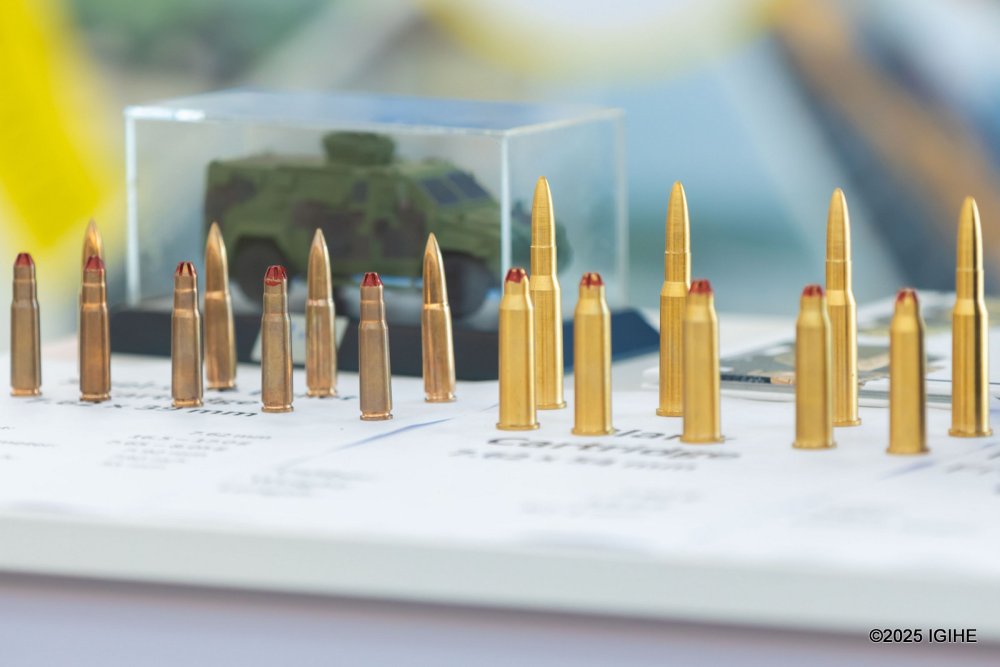
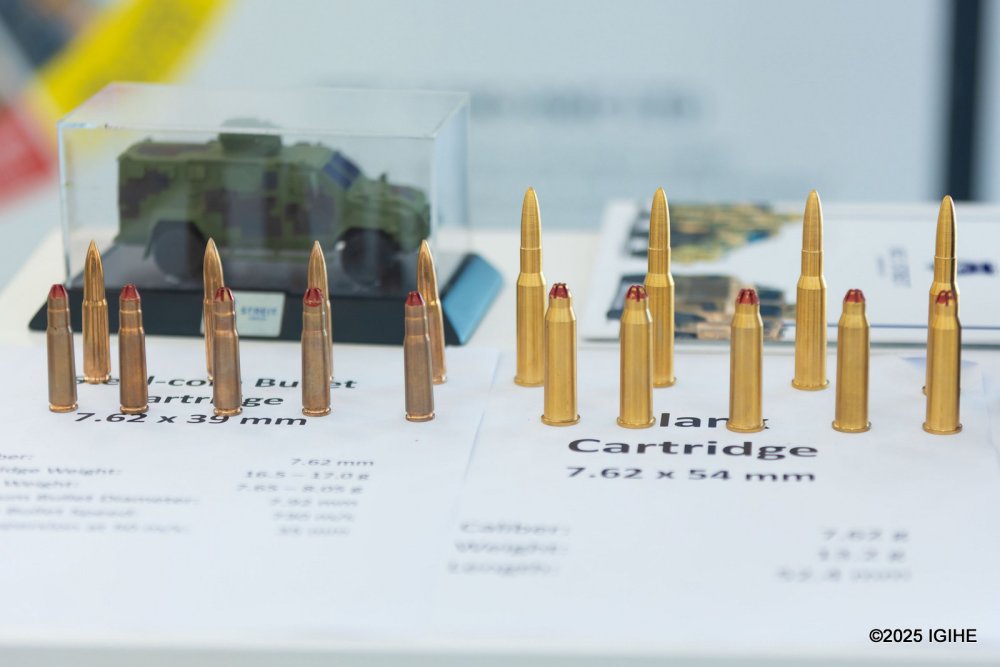
While most components of these weapons are manufactured domestically, a few — including bullets, magazines, and lenses — are currently imported.
REMCO has expressed readiness to supply its products to regional partners based on their operational needs and preferences, reinforcing Rwanda’s ambition to play a greater role in regional security and defence innovation.
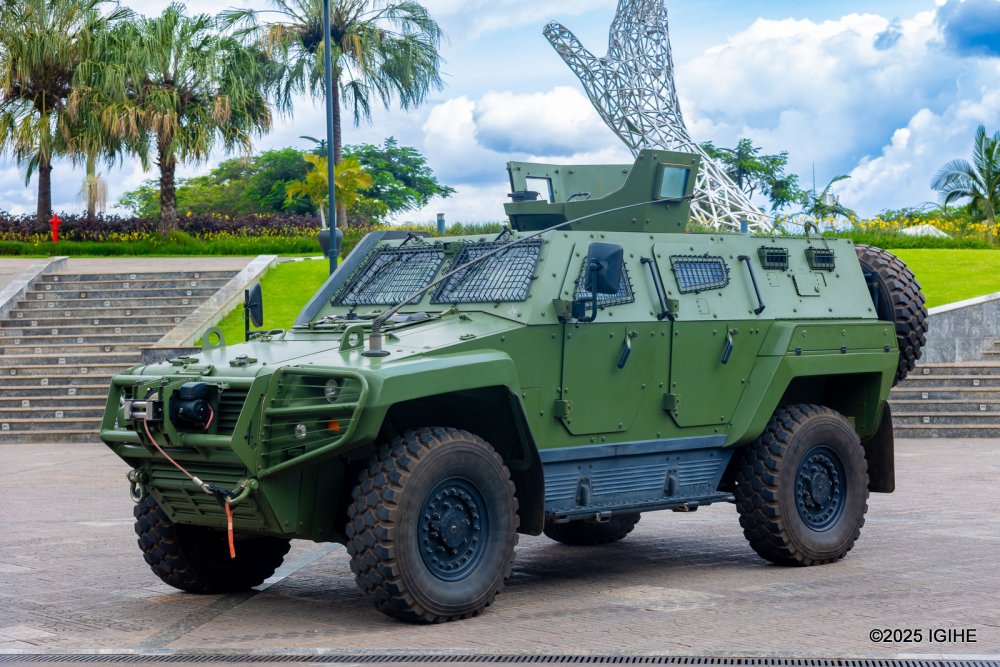
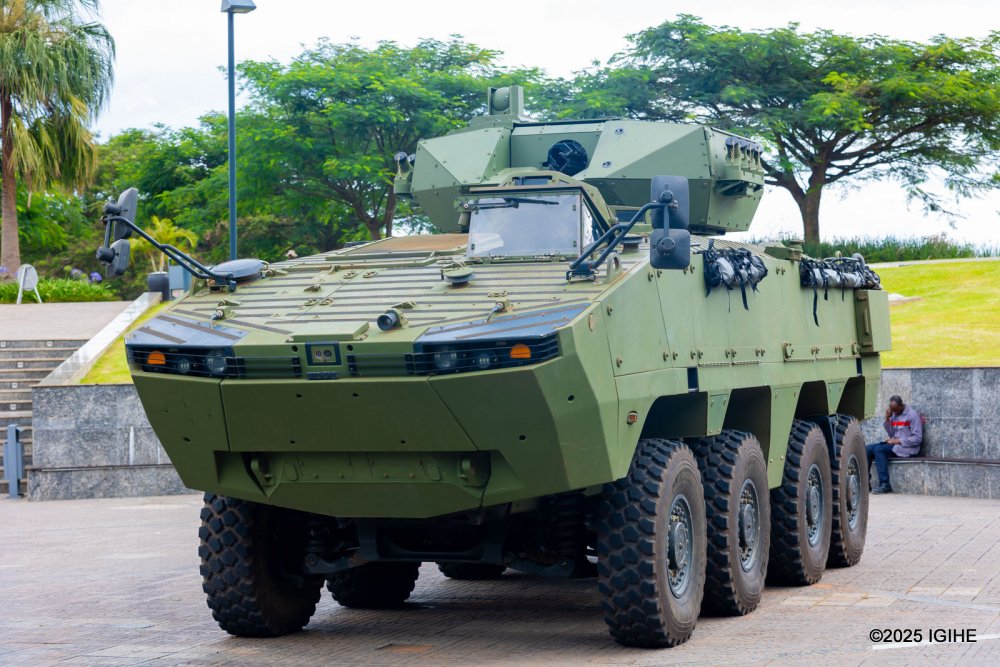
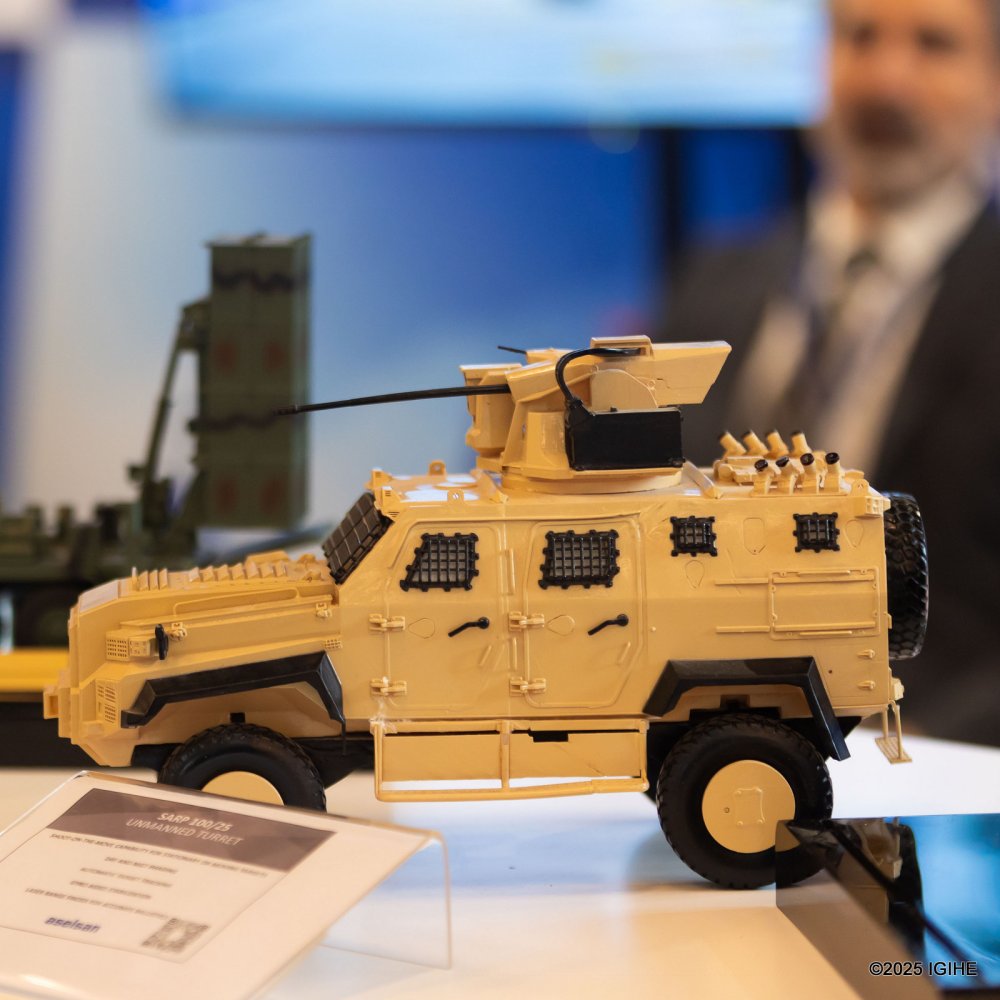
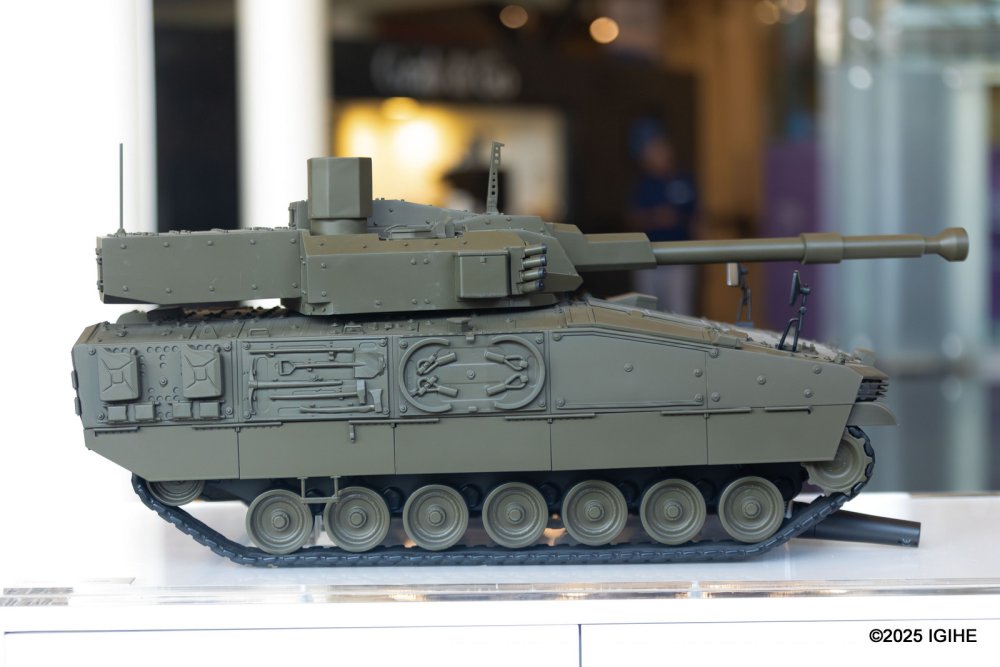
Alongside the Rwandan-made weapons, ISCA also featured modern arms from other nations, including Egypt and Turkey, positioning the event as a major platform for Africa’s evolving security and defence landscape.
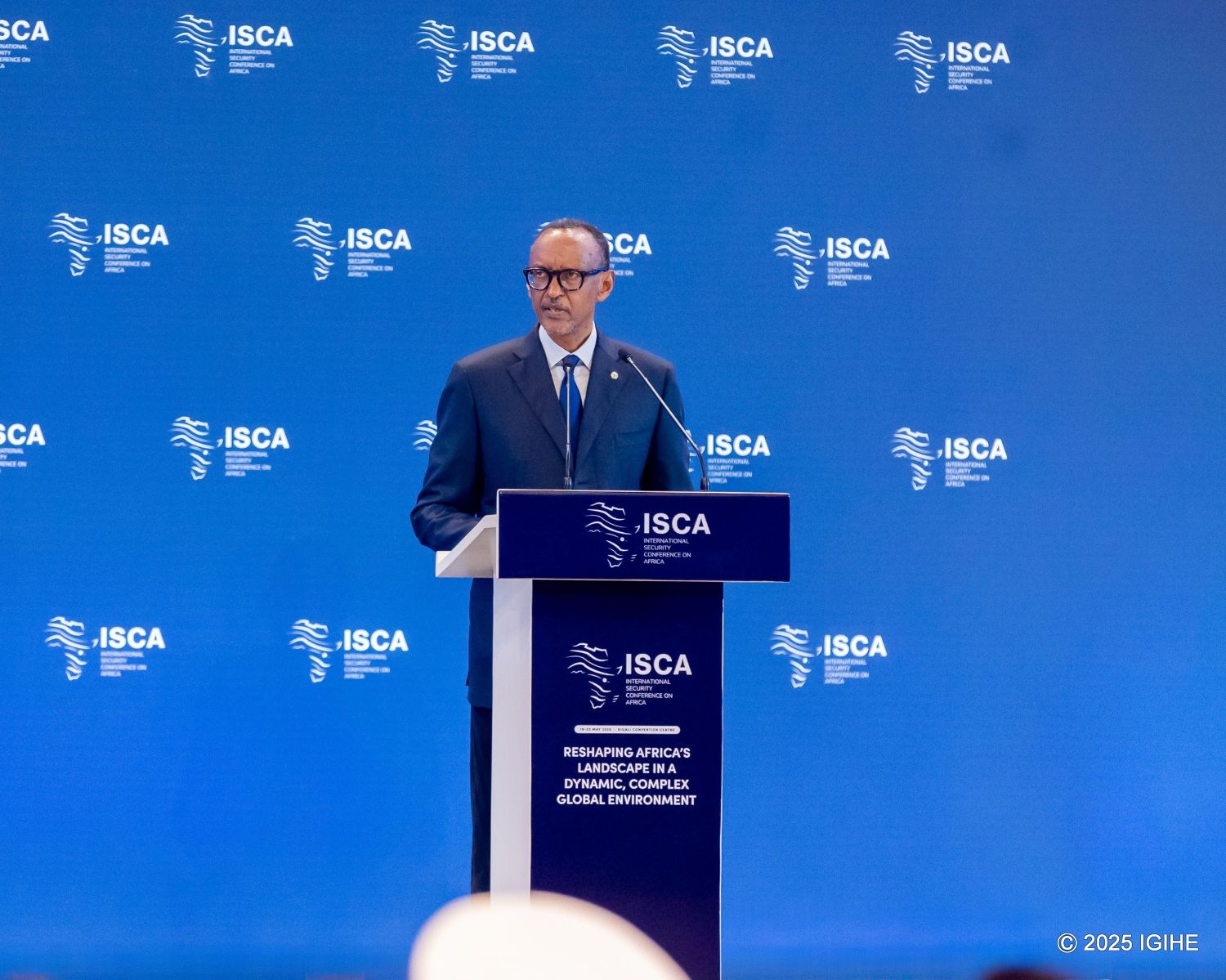
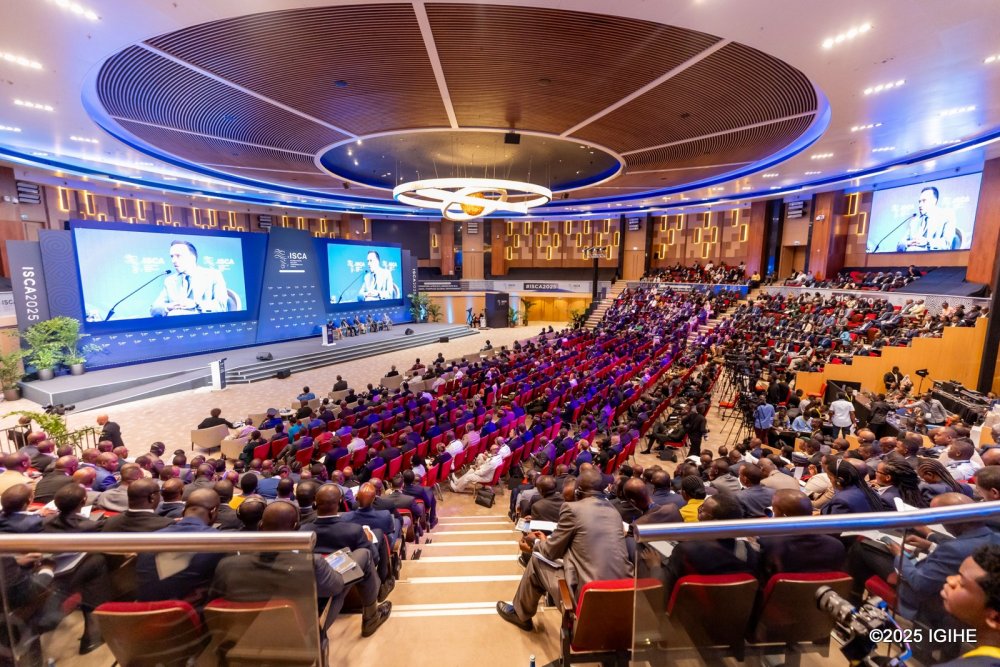
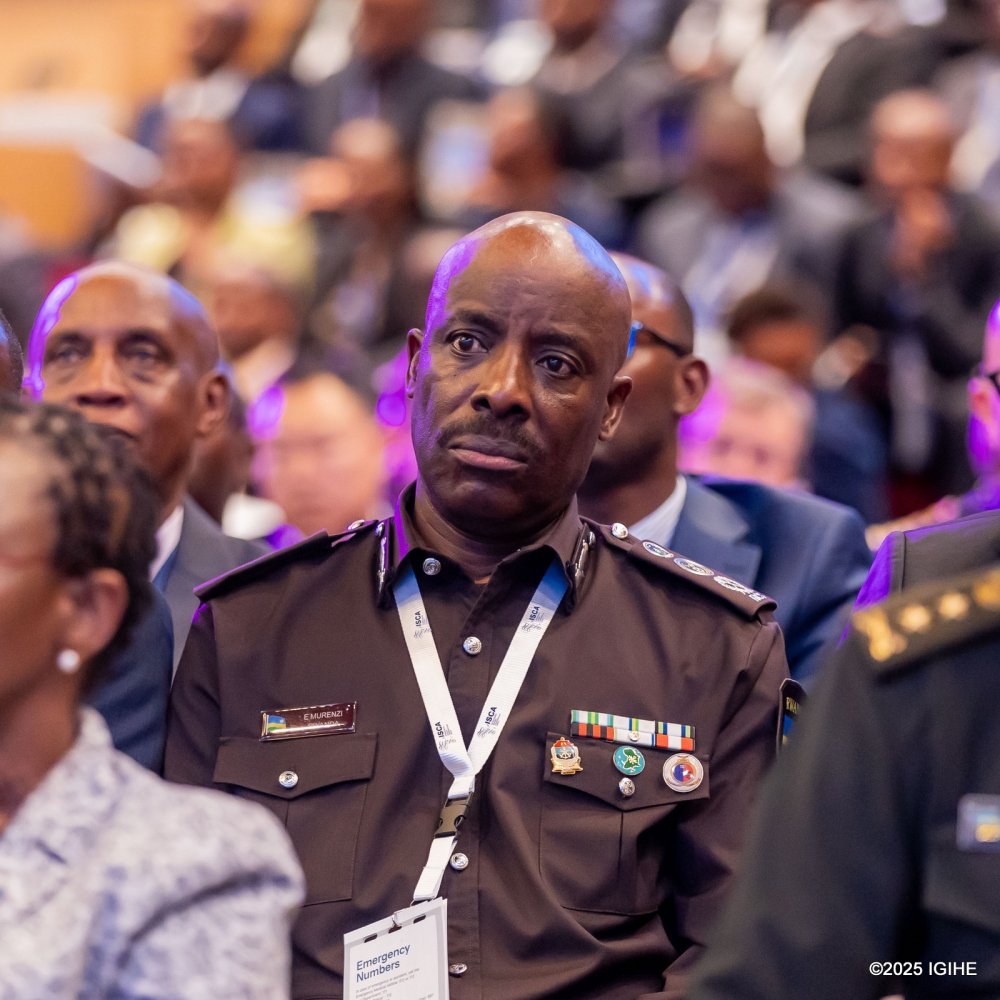
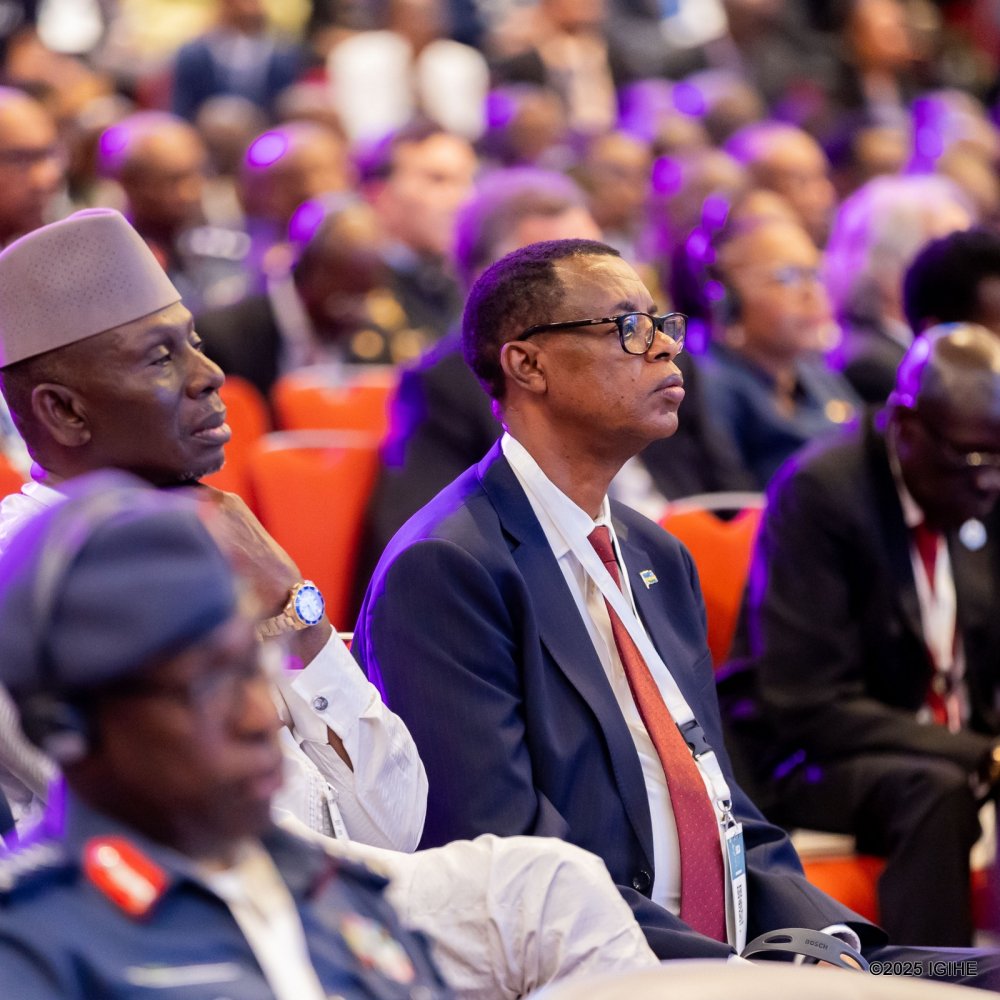
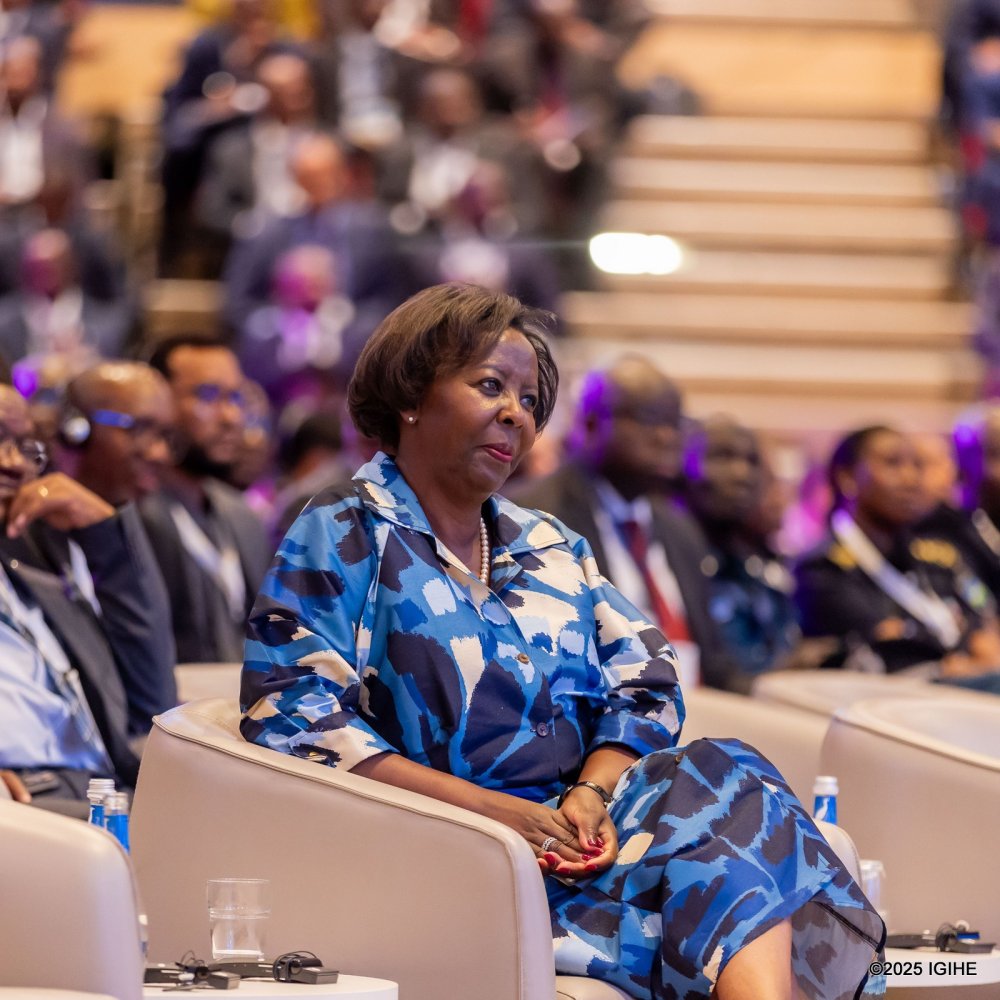
Held under the theme “Reshaping Africa’s Landscape in a Dynamic, Complex Global Environment,” ISCA brings together continental and global defence, intelligence, and security leaders to tackle urgent challenges and craft joint solutions.
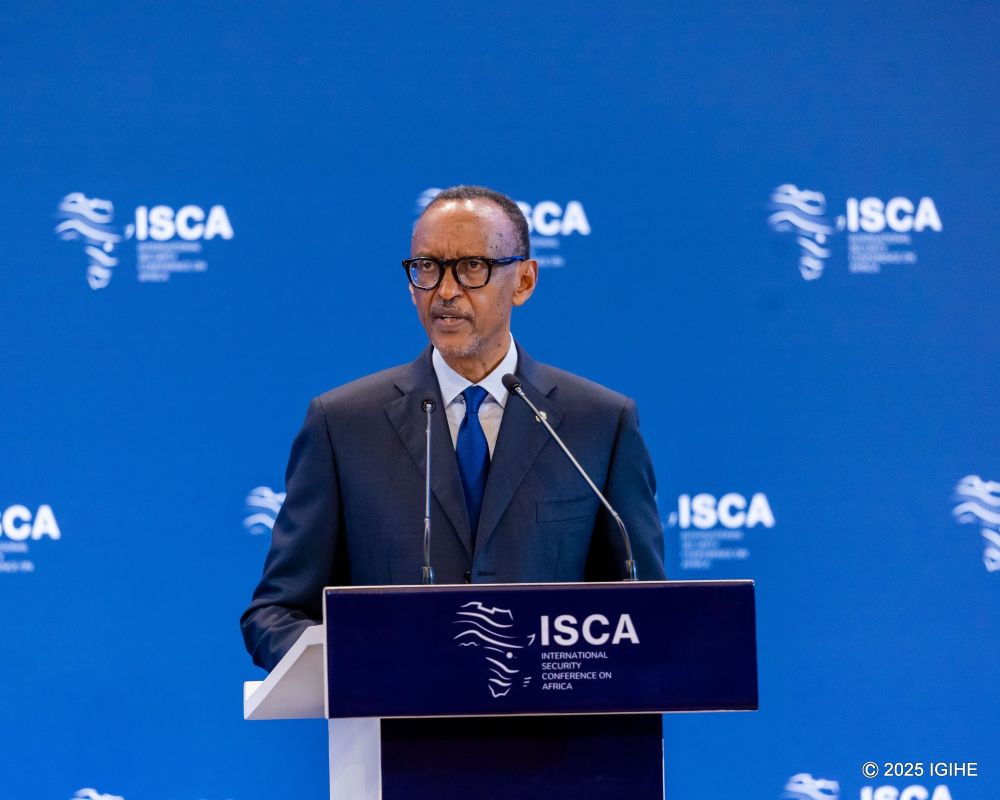
Speaking at the opening ceremony at the Kigali Convention Centre, President Kagame called for a fundamental shift in Africa’s approach to security, urging the continent to take full ownership of its future and move away from reliance on external solutions.
The Head of State identified ownership of security agendas, governance, and cooperation as three crucial pillars for Africa’s enduring peace and stability.
“Africa’s future, particularly in matters of peace and security, cannot be outsourced,” Kagame told the delegates.
“For far too long, our security has been treated as a burden to be managed by others, often without our context or consent. This approach has failed to deliver — both for Africa and for the world.”
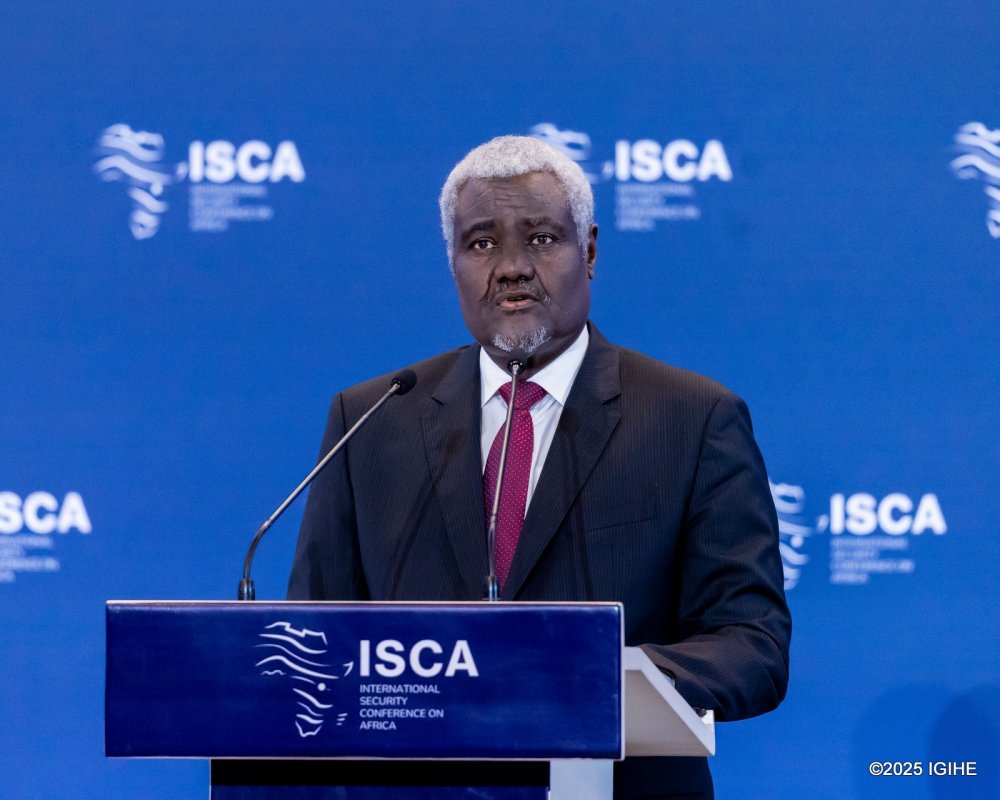
Also speaking at the opening session was Moussa Faki Mahamat, former Chairperson of the African Union Commission and Chair of the ISCA Advisory Council. He hailed the launch of ISCA as “a turning point” for Africa, describing it as a long-overdue strategic space for reflection and dialogue on peace and security matters.
“Africa’s security cannot rely on imported solutions,” Faki said. “We often say and repeat: African solutions to African problems.”
The ISCA conference continues on Tuesday with high-level panels and closed-door sessions expected to define strategic pathways for a more secure and self-reliant Africa.
Speaking at the opening ceremony of the inaugural International Security Conference on Africa (ISCA) in Kigali on Monday, May 19, Kagame outlined three key pillars he said are vital for Africa’s long-term peace and stability: ownership, governance, and cooperation.
Held under the theme “Reshaping Africa’s Landscape in a Dynamic, Complex Global Environment,” the two-day forum at the Kigali Convention Centre brought together continental and global defence, intelligence, and security leaders to tackle urgent challenges and craft joint solutions.
“Africa’s future, particularly in matters of peace and security, cannot be outsourced,” Kagame told the delegates.
“For far too long, our security has been treated as a burden to be managed by others, often without our context or consent. This approach has failed to deliver — both for Africa and for the world.”
{{Ownership and responsibility
}}
Kagame stressed that the first step is for African nations to take full ownership of their security agendas. He cautioned against blaming foreign interference while simultaneously creating the conditions that invite it.
“Sovereignty is not just about defending borders — it’s about taking responsibility for our security, as individual states and collectively as a continent,” he noted.
The President called for strengthened continental institutions, particularly the African Union and its Peace and Security Council, to ensure that Africa is equipped to handle its internal challenges.
{{The governance-security nexus
}}
The second pillar, Kagame emphasised, is the interdependence of governance and security. He noted that when one fails, the other is inevitably weakened.
“Security is not just about the absence of threats. It is about creating an environment where people can live with dignity, enjoy their rights, and look to the future with hope and confidence.”
He highlighted the need for governments to build trust by ensuring effective institutions, equitable development, and inclusive politics.
{{Cooperation and innovation
}}
The third pillar Kagame emphasised is cooperation. In an increasingly borderless world threatened by terrorism, pandemics, cybercrime, and climate-related disasters, he argued no country can secure itself alone.
“Cooperation must be strategic, intentional, and innovative. The key to overcoming security challenges lies in our ability to produce our own solutions,” he said.
He pointed to the exhibition attached to the conference as evidence of the innovation possible when Africa invests in its own capacity and technology.
“Where we have capacity, we must scale it. Where we lack it, this is the time and place to build it — and to cooperate.”
Kagame also appealed to delegates to match political will with technical expertise, aligning national interests with continental priorities.
“Let us leave here not just informed, but more resolved to do more and better,” he added.
Also speaking at the opening session was Moussa Faki Mahamat, former Chairperson of the African Union Commission and Chair of the ISCA Advisory Council. He hailed the launch of ISCA as “a turning point” for Africa, describing it as a long-overdue strategic space for reflection and dialogue on peace and security matters.
“Africa’s security cannot rely on imported solutions,” Faki said. “We often say and repeat: African solutions to African problems.”
The former AUC boss warned that instability, broken promises, and marginalisation of youth are not merely development failures but drivers of insecurity. Echoing Kagame, he called for clear mandates, sustainable funding, and proactive approaches to regional threats.
Faki said the Institute for Security and Conflict Analysis (ISCA) fills a critical gap by offering a platform for data-driven decision-making, policy innovation, and rigorous debate.
“The future we hope for cannot emerge by chance. It must be shaped with rigour, clarity, and method — but above all, it must be built together.”
The ISCA conference continues on Tuesday with high-level panels and closed-door sessions expected to define strategic pathways for a more secure and self-reliant Africa.
The election comes after the sudden passing of Dr. Faustine Ndugulile, the Regional Director-elect, who died in November 2024 before taking office.
Prof. Janabi was nominated by President Samia Suluhu Hassan and emerged as the successful candidate among a competitive field, which included Dr. N’da Konan Michel Yao of Côte d’Ivoire, Dr. Mohamed Lamine Dramé of Guinea, and Prof. Moustafa Mijiyawa of Togo.
Prof. Janabi’s nomination will be formally submitted for appointment during the 157th session of the WHO Executive Board, scheduled for May 28–29, 2025. Once appointed, he will serve a five-year term, with the possibility of renewal.
In his acceptance remarks, Prof. Janabi affirmed his commitment to regional unity and health system strengthening.
“Thank you for your trust in me. I will not let you down. Your support underscores our collective resolve to build a healthier, stronger, and more united Africa. As we face challenges ranging from infectious diseases, noncommunicable diseases to climate change and limited health financing, we must harness African resilience and unity,” he stated.
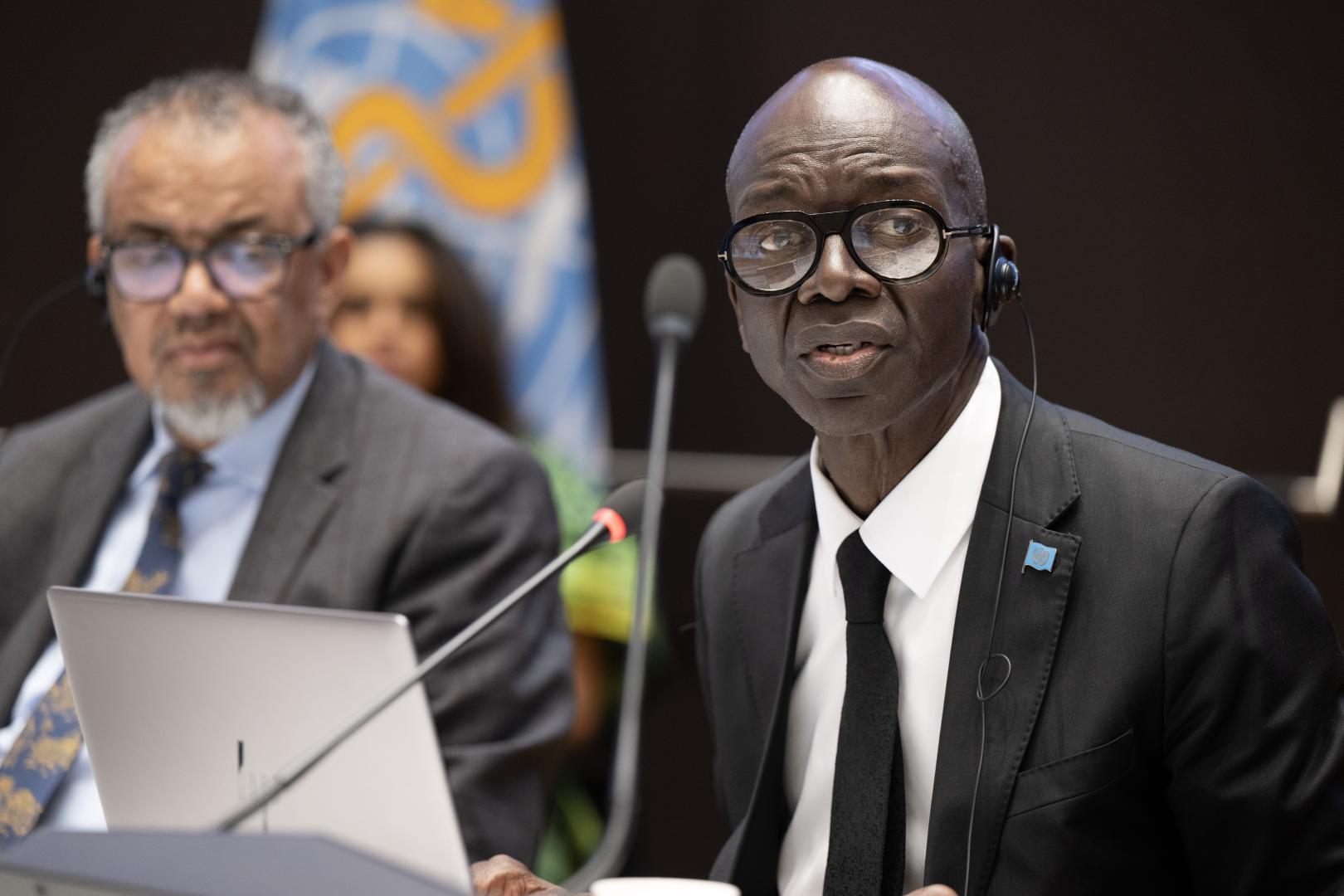
WHO Director-General Dr. Tedros Adhanom Ghebreyesus welcomed the nomination, praising both Prof. Janabi and the other candidates:
“I offer my warm congratulations to Professor Janabi on his nomination as Regional Director for Africa, and also to the United Republic of Tanzania. He will take the reins at an unprecedented time for the African Region, and WHO as a whole. We are grateful for his experience and expertise.”
Dr. Tedros also acknowledged the contributions of Dr. Chikwe Ihekweazu, Acting WHO Regional Director for Africa, for his leadership during the transitional period following the end of Dr. Matshidiso Moeti’s term.
A leading figure in Tanzanian and African healthcare, Prof. Janabi brings over 30 years of experience spanning clinical cardiology, public health leadership, and health system reform. He is a vocal advocate for equitable healthcare access in low- and middle-income countries.
Prof. Janabi steps into the role amid growing health challenges across the continent, including emerging disease threats, climate-induced health crises, and funding gaps. His leadership is expected to play a pivotal role in driving regional health priorities and reforming health systems for resilience and equity.
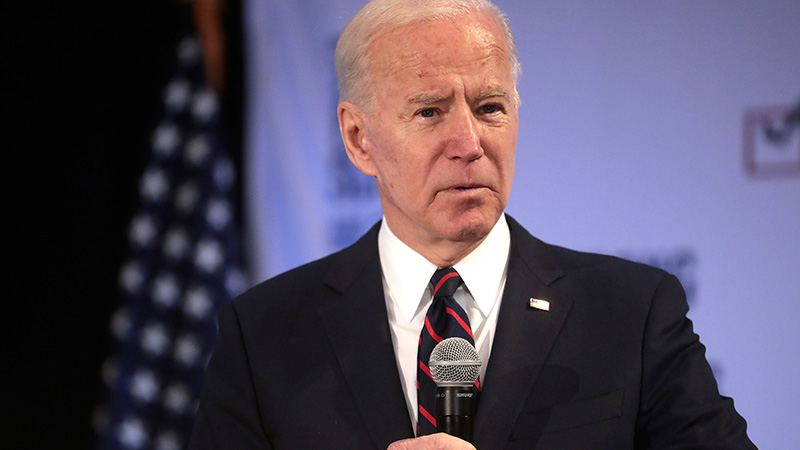
A statement released by Biden’s office on Sunday revealed that the cancer has metastasised to his bones.
The announcement follows Biden’s recent medical evaluation after experiencing increasing urinary symptoms on Friday, May 16, 2025.
“On Friday, he was diagnosed with prostate cancer, characterised by a Gleason score of 9 (Grade Group 5) with metastasis to the bone,” the statement read.
According to his physicians, although the diagnosis indicates a more advanced and aggressive form of the disease, the cancer is hormone-sensitive, which allows for potentially effective treatment options.
Biden and his family are currently reviewing treatment plans with his medical team.
Joe Biden served as the 46th President of the United States from January 20, 2021, to January 20, 2025.
He chose not to seek re-election in the 2024 presidential race, citing a desire to pass the baton to a new generation of leadership. At the time, Biden, then 81, also acknowledged the increasing demands of the office and the need to prioritise his health and family after more than five decades in public service.
The decision to withdraw from the race came after increasing pressure and concerns, particularly following a debate performance that raised questions about his fitness for office.
Since leaving office, the former president has maintained a relatively low public profile, occasionally commenting on political developments and emerging global issues.
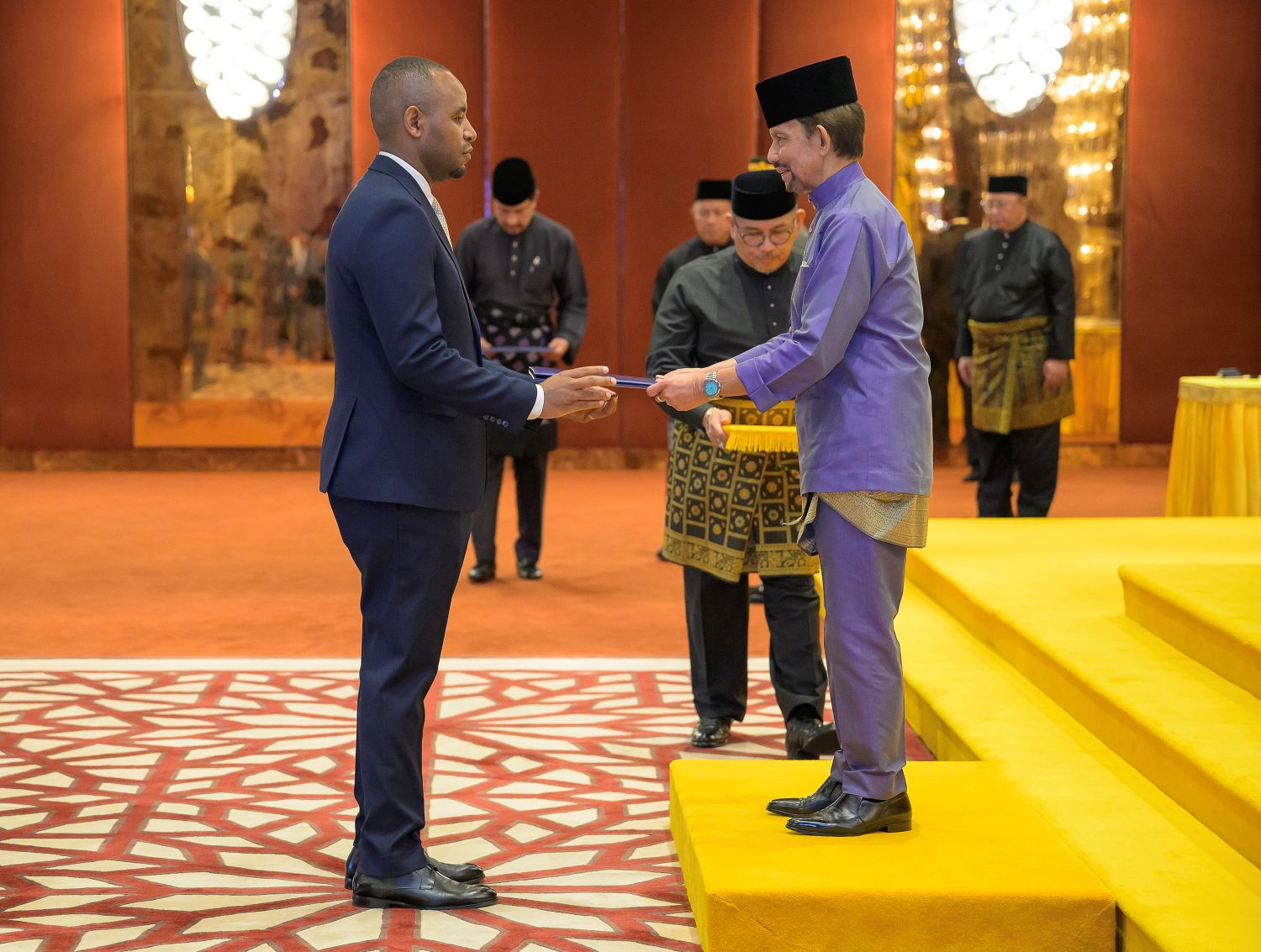
High Commissioner Jean de Dieu Uwihanganye has presented his letters of credence to the Sultan of Brunei, Haji Hassanal Bolkiah Mu’izzaddin Waddaulah, accrediting him as Rwanda’s representative to the country.
The ceremony took place at the royal palace, Istana Nurul Iman, on Saturday, May 17, 2025.
Amb. Uwihanganye, who is based in Singapore, also represents Rwanda in Australia and New Zealand. He becomes the first High Commissioner to represent Rwanda in Brunei since the two countries established diplomatic relations nearly five years ago.
During his visit to Brunei, Amb. Uwihanganye also met with Dato Seri Paduka Abdul Manaf, the Minister of Primary Resources and Tourism (MPRT). Their discussions focused on fostering bilateral cooperation in the tourism sector.
The High Commissioner is also scheduled to meet with other high-ranking officials in Brunei to discuss cooperation in various sectors, including construction, agriculture, and finance.
Rwanda and Brunei are both members of the Commonwealth. The two countries initiated diplomatic relations in December 2020.
In June 2022, President Paul Kagame met with Sultan Haji Hassanal Bolkiah Mu’izzaddin Waddaulah during the 26th Commonwealth Heads of Government Meeting (CHOGM) held in Rwanda. The two leaders discussed issues of mutual interest.
During that visit, the Sultan of Brunei was accompanied by Prince Abdul Mateen.
Brunei is a small but wealthy country located in Southeast Asia, with a population of just over 455,000 people.
For many years, Brunei’s economy has been largely dependent on the export of petroleum and natural gas, with over half of its GDP coming from oil and gas revenues.
Additionally, Brunei’s domestic economy is supported by significant income from foreign investments, mainly managed through the Brunei Investment Agency (BIA), which operates under the Ministry of Finance.
Analysts consider Rwanda an attractive destination for Brunei’s investments, largely due to Rwanda’s investor-friendly legal framework that facilitates foreign direct investment.
This aligns with Brunei’s long-term strategy to diversify its economy beyond oil and gas.
Currently, the two countries are in discussions about cooperation agreements in the education sector and the potential for a visa waiver arrangement for their citizens.