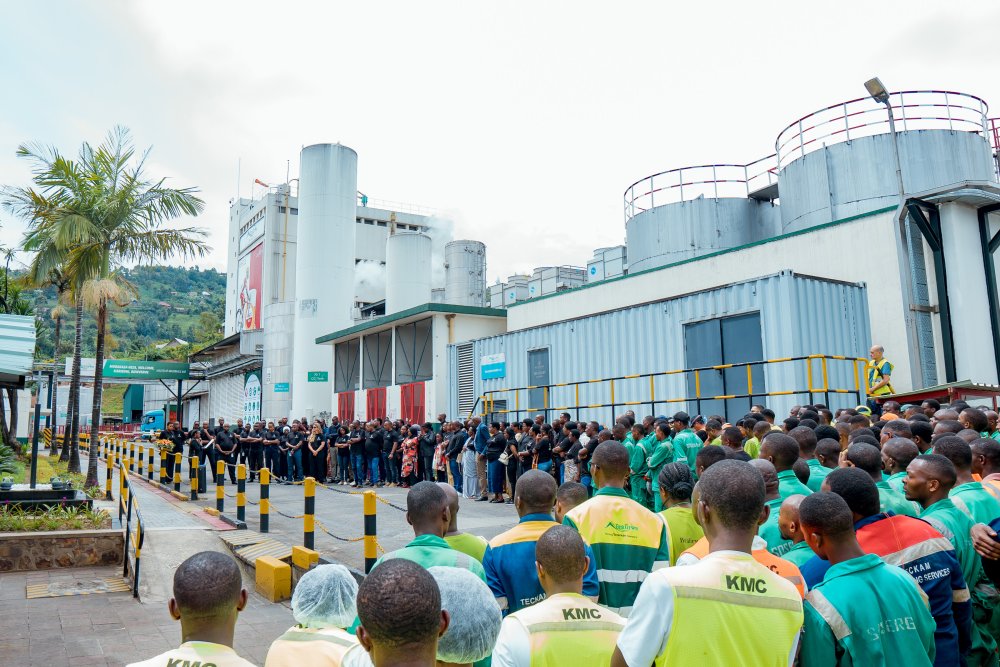
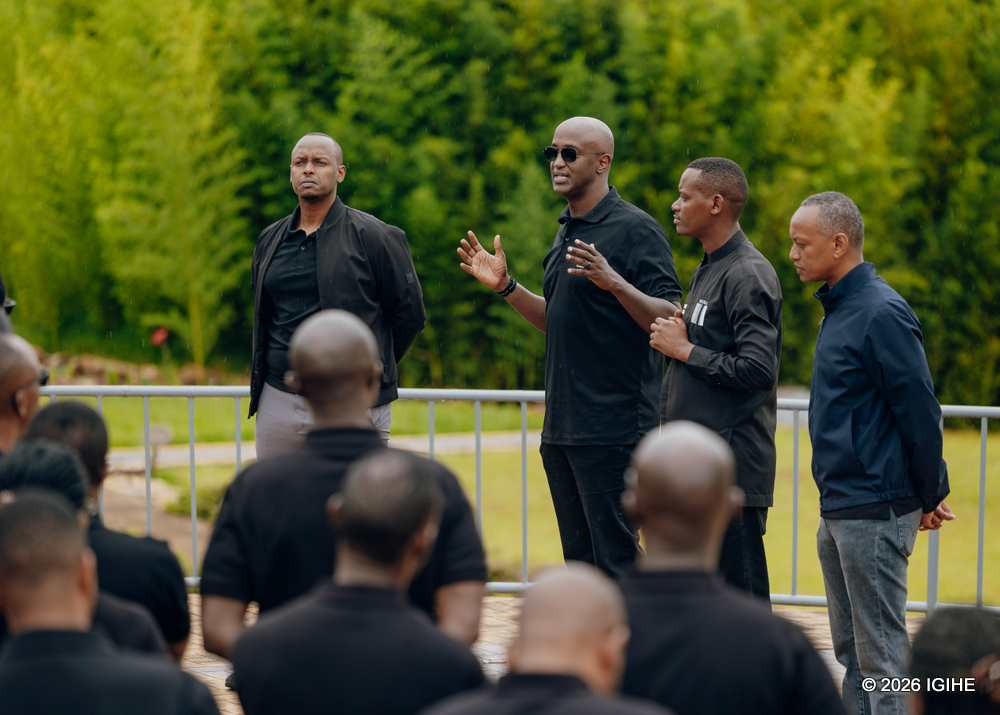
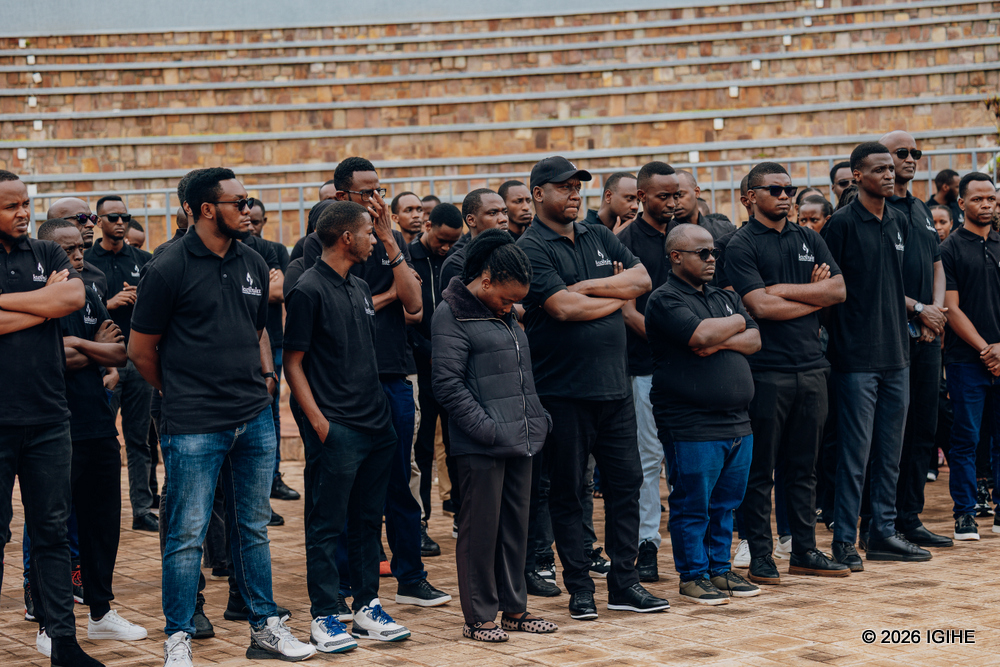
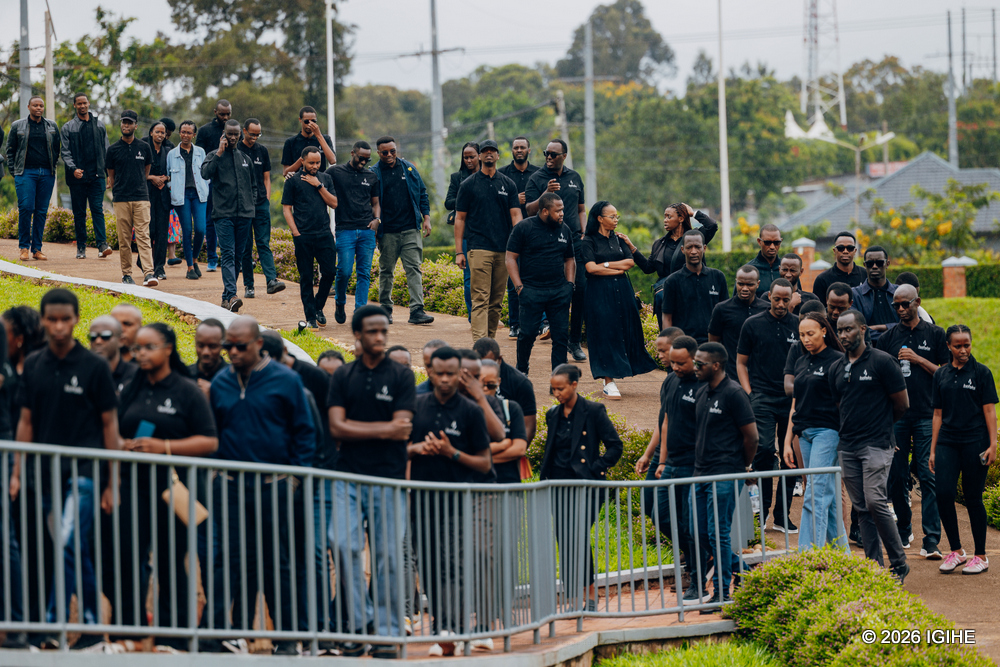
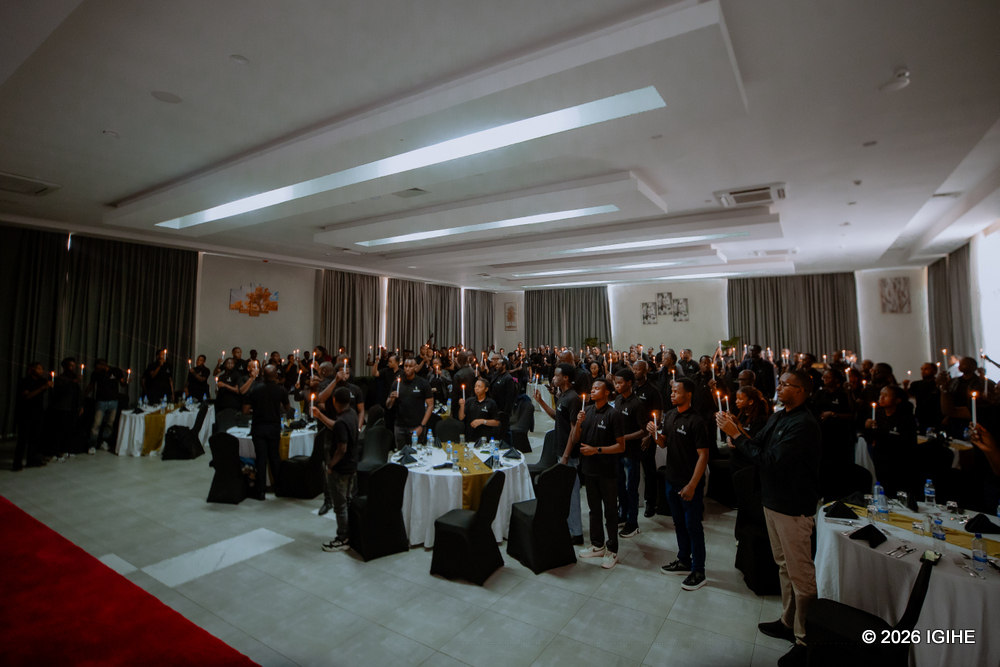
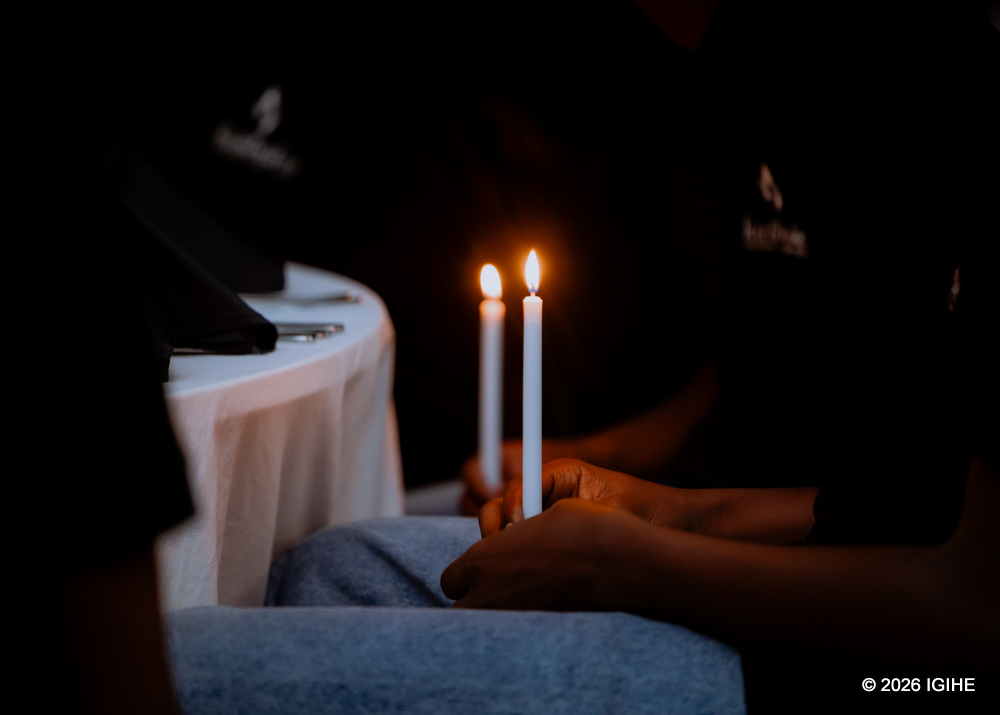
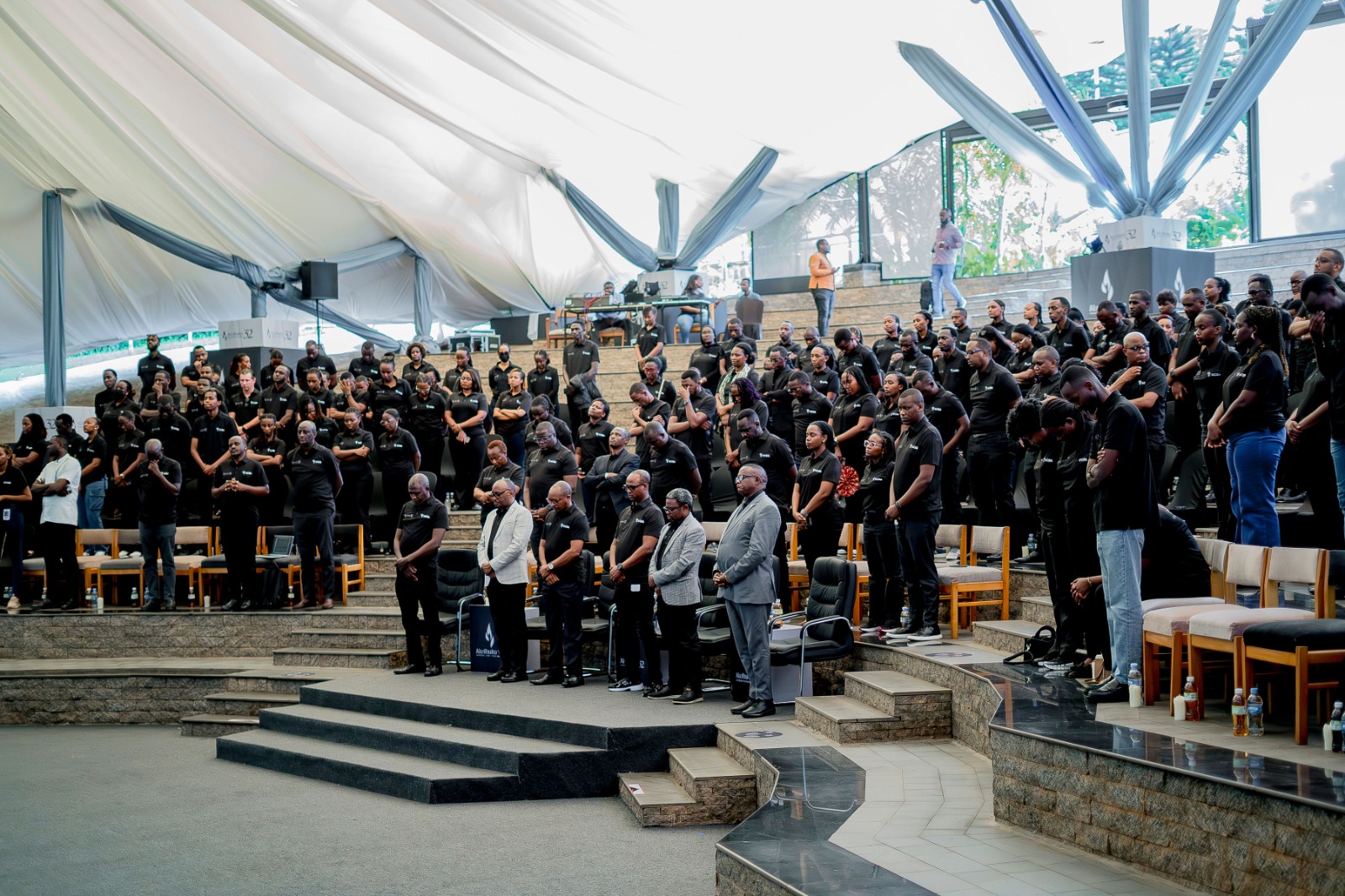
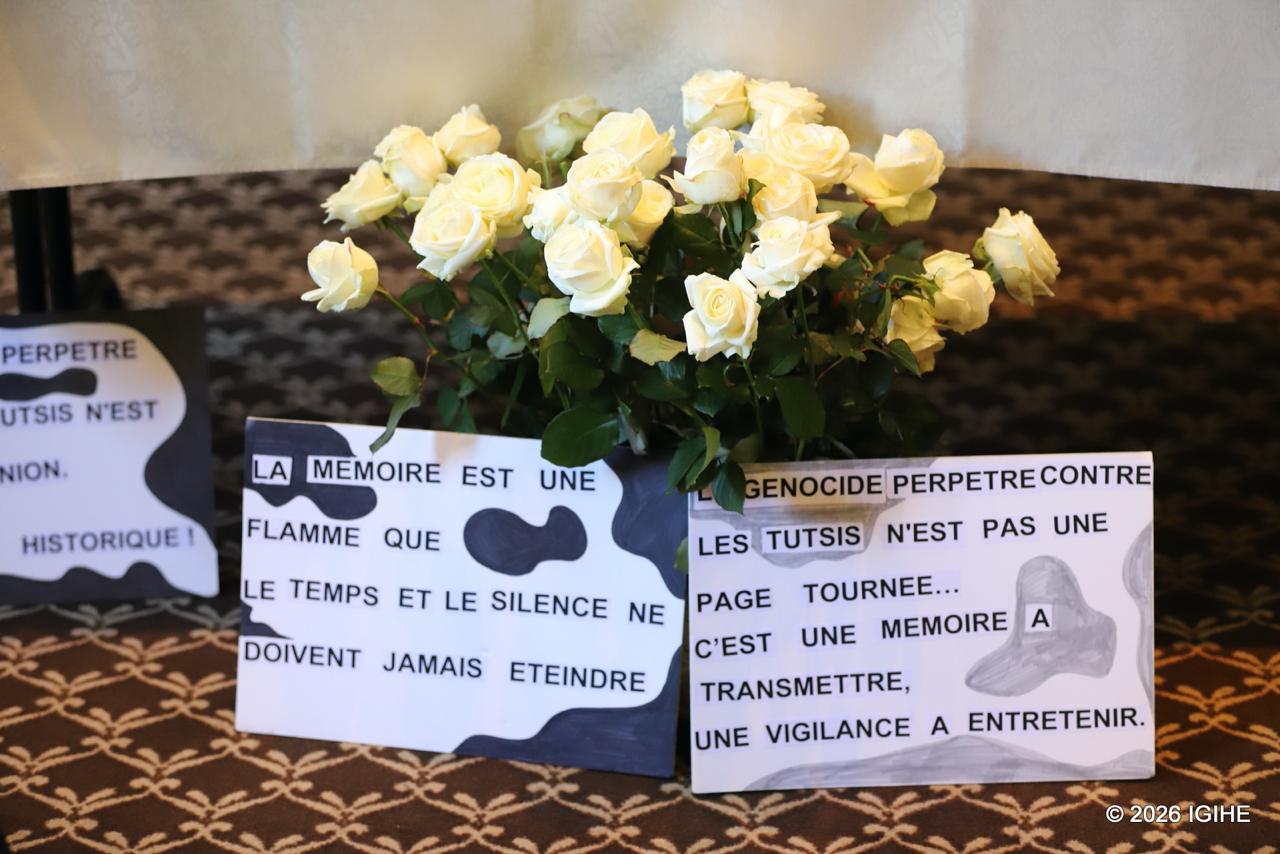
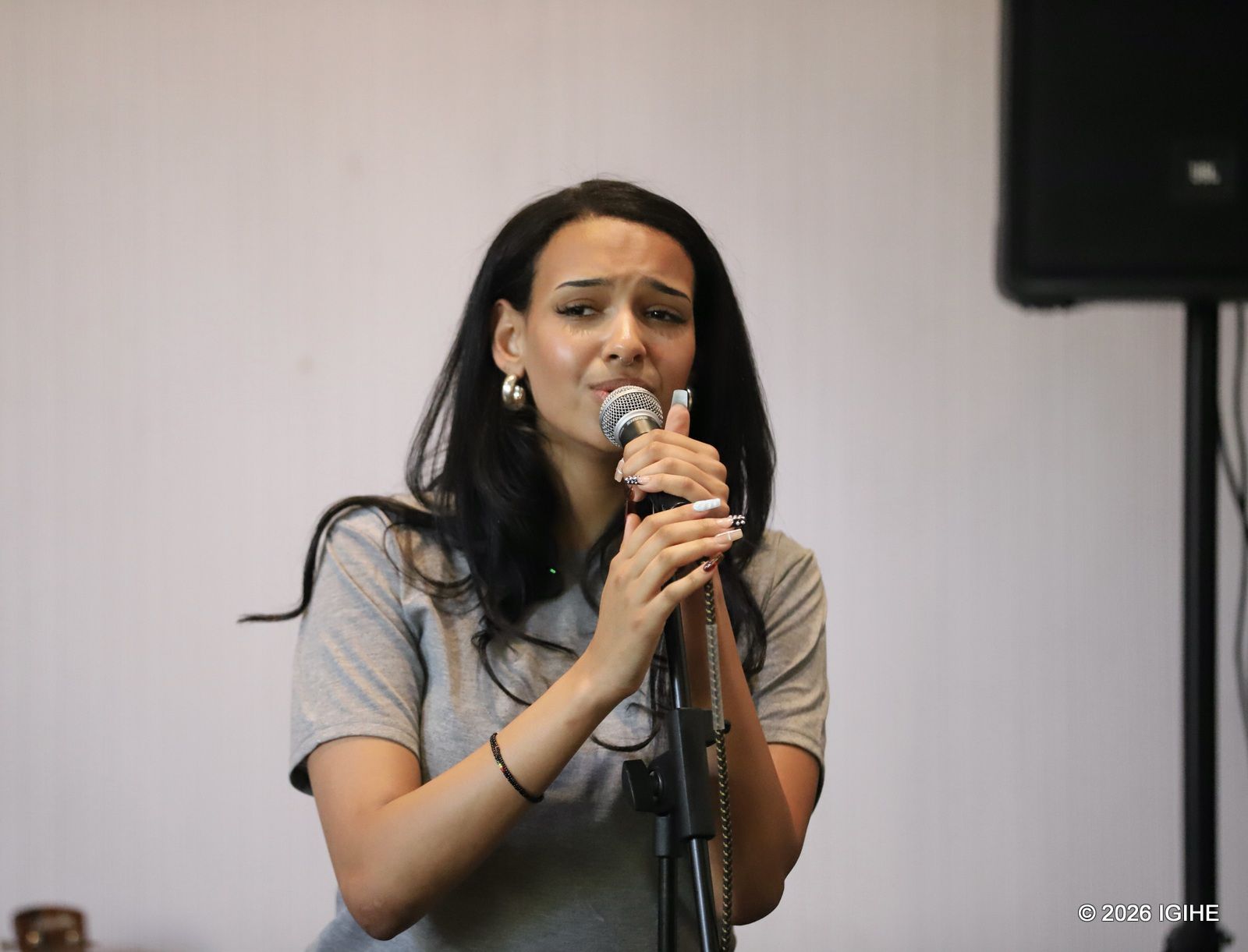
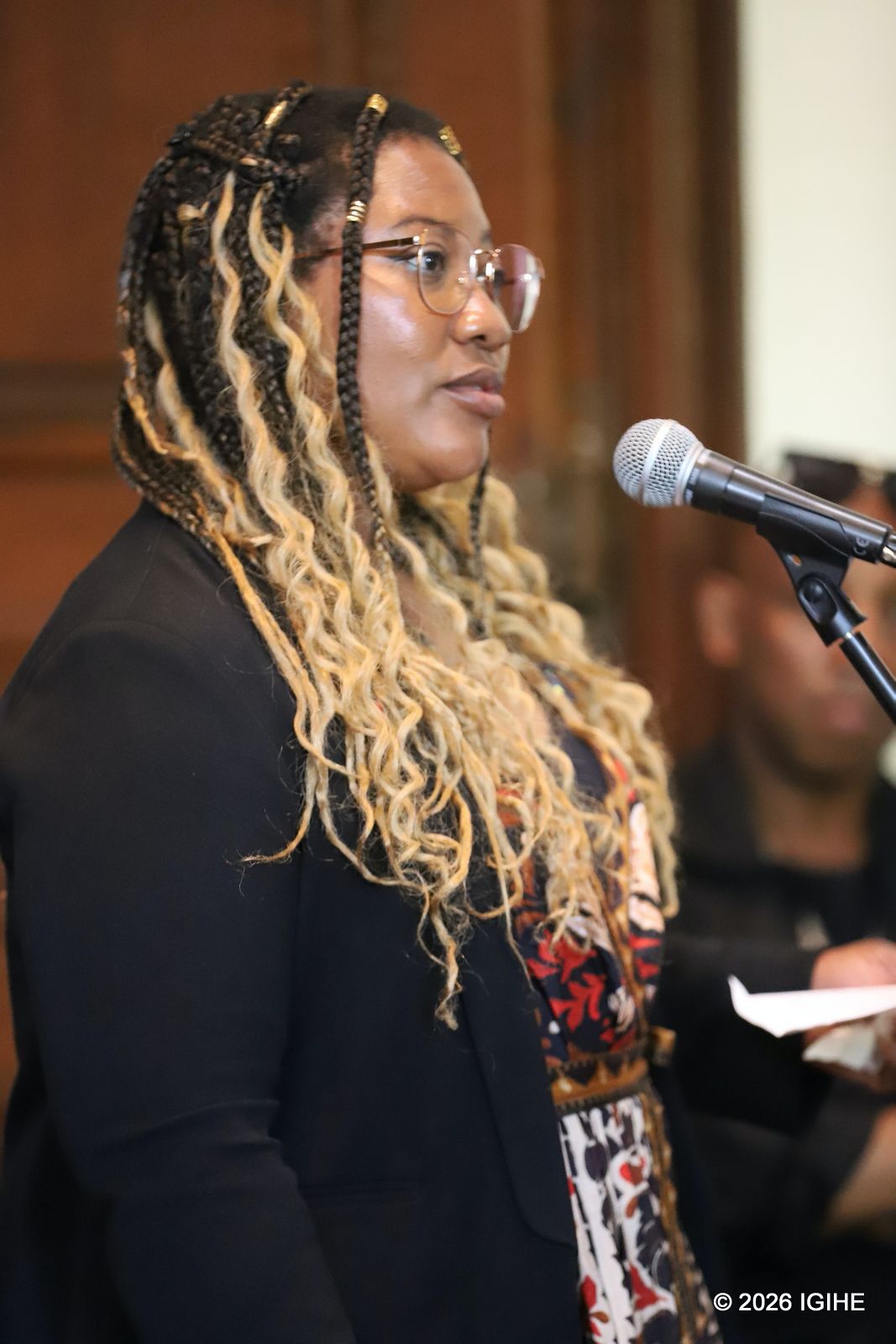
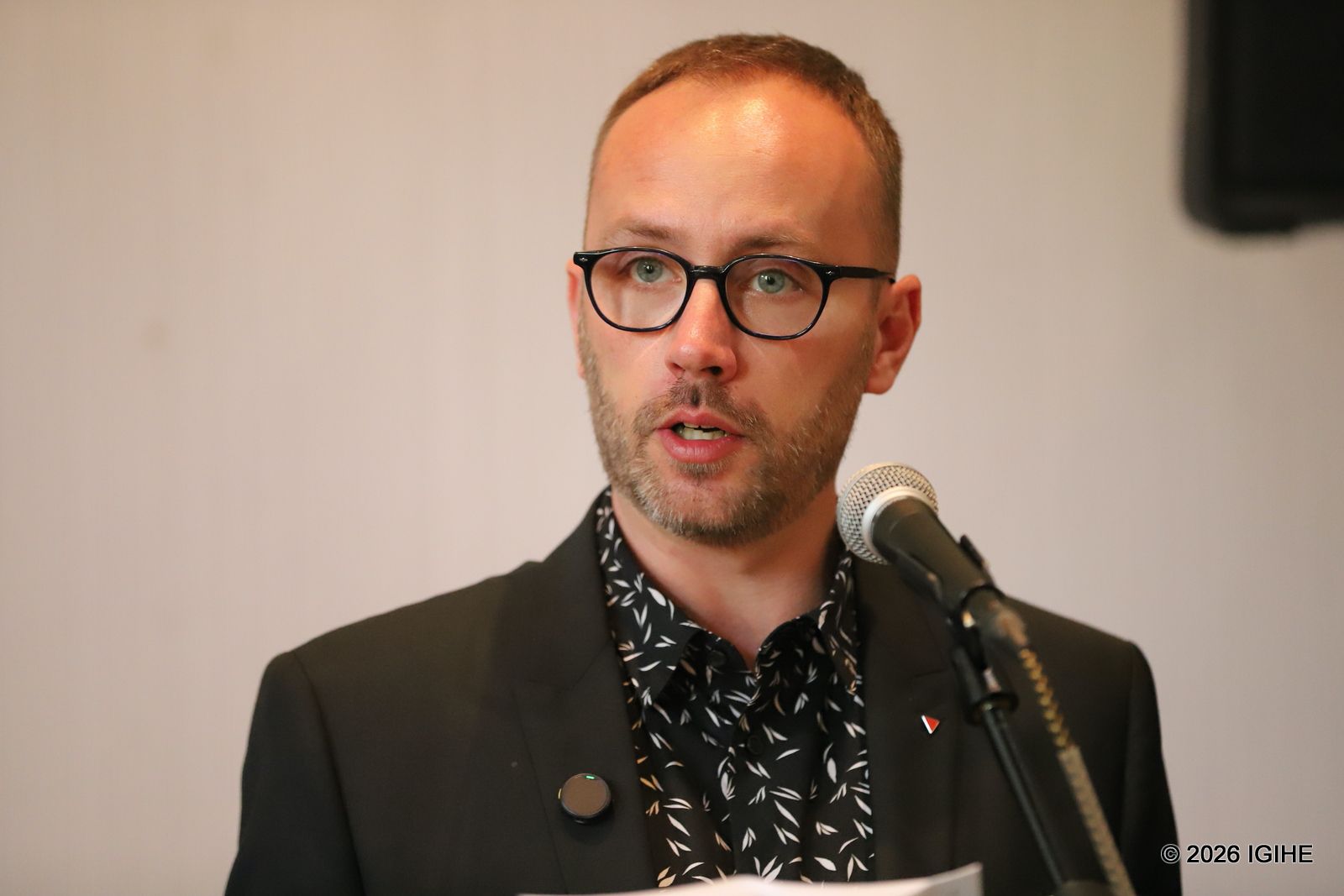
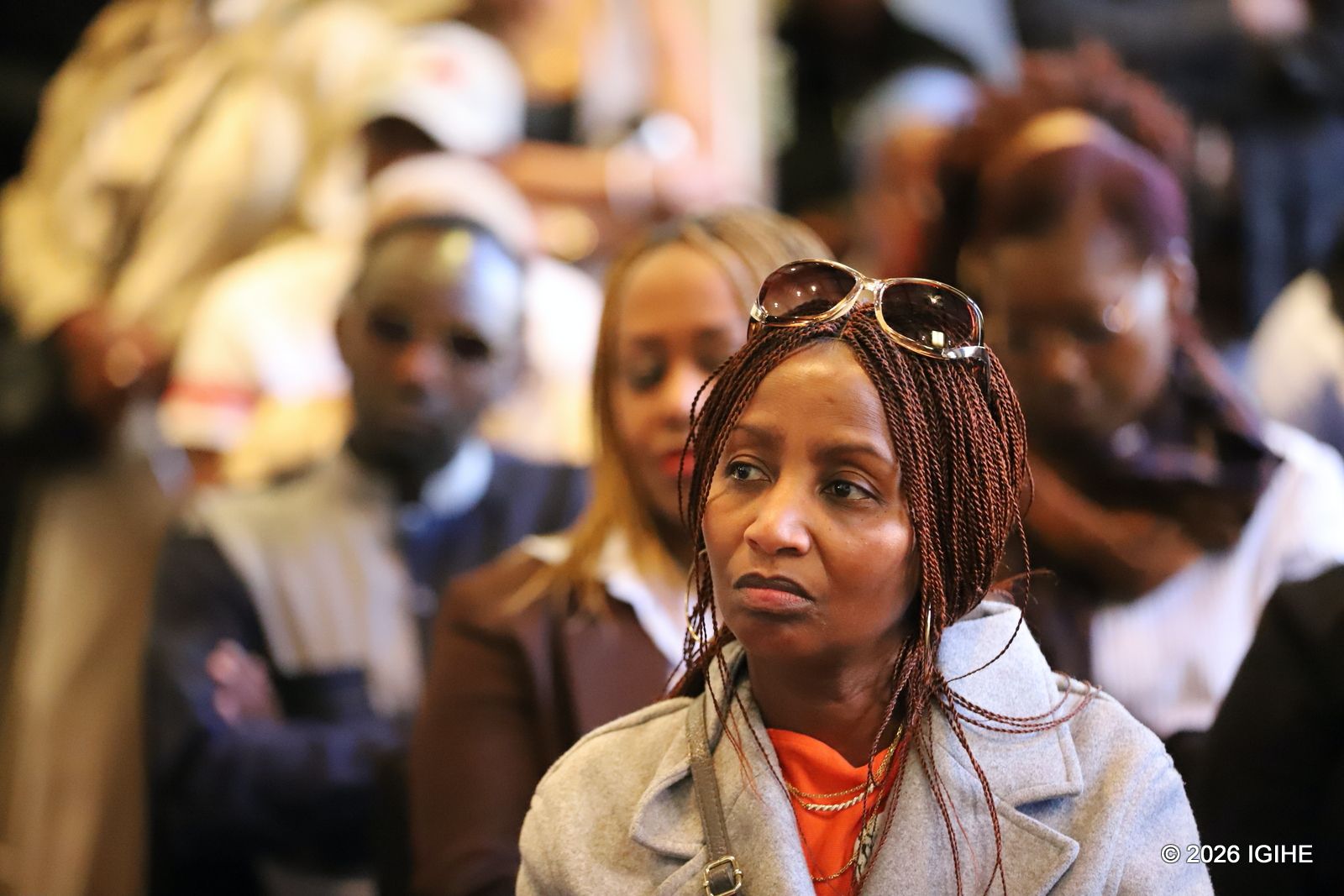
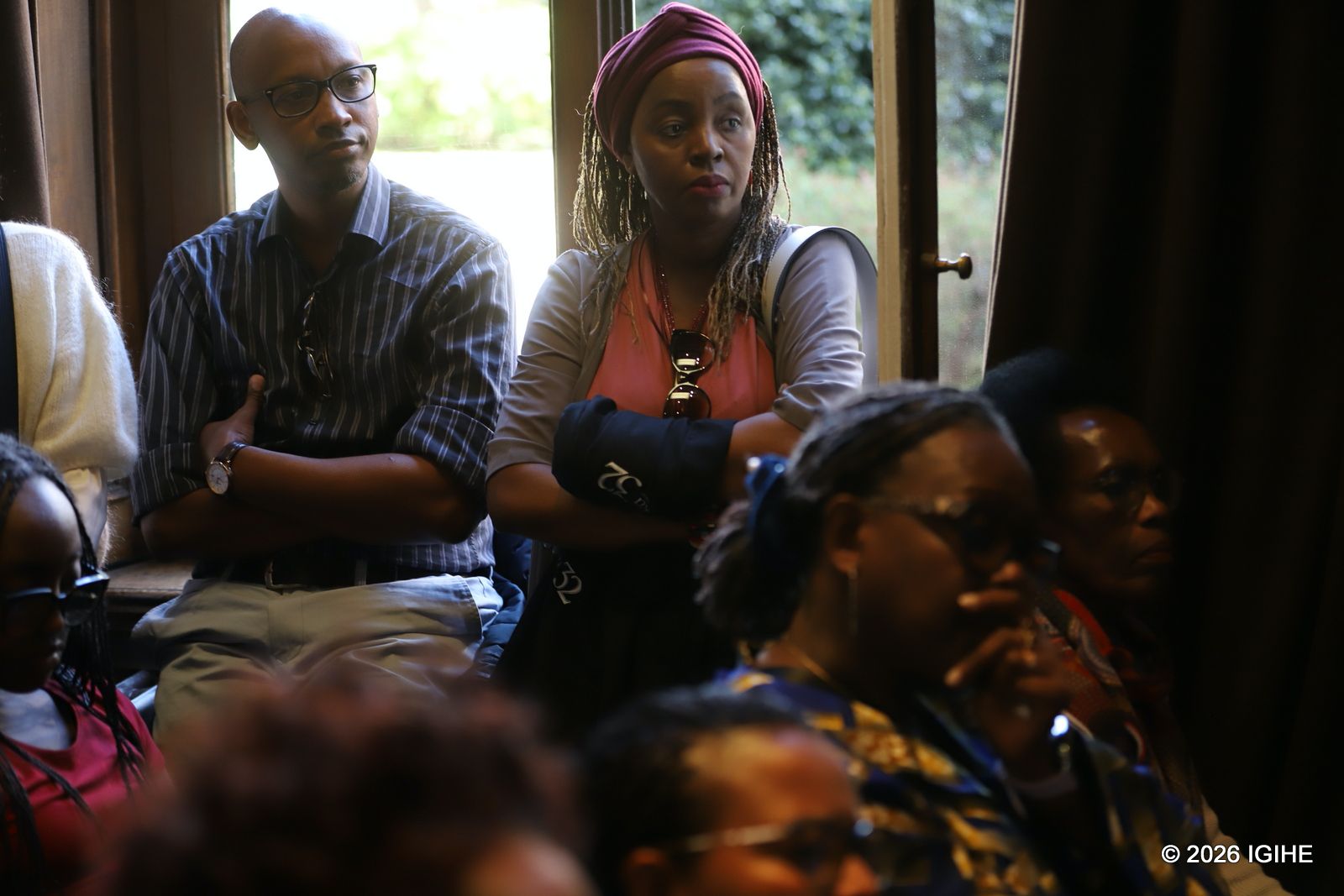
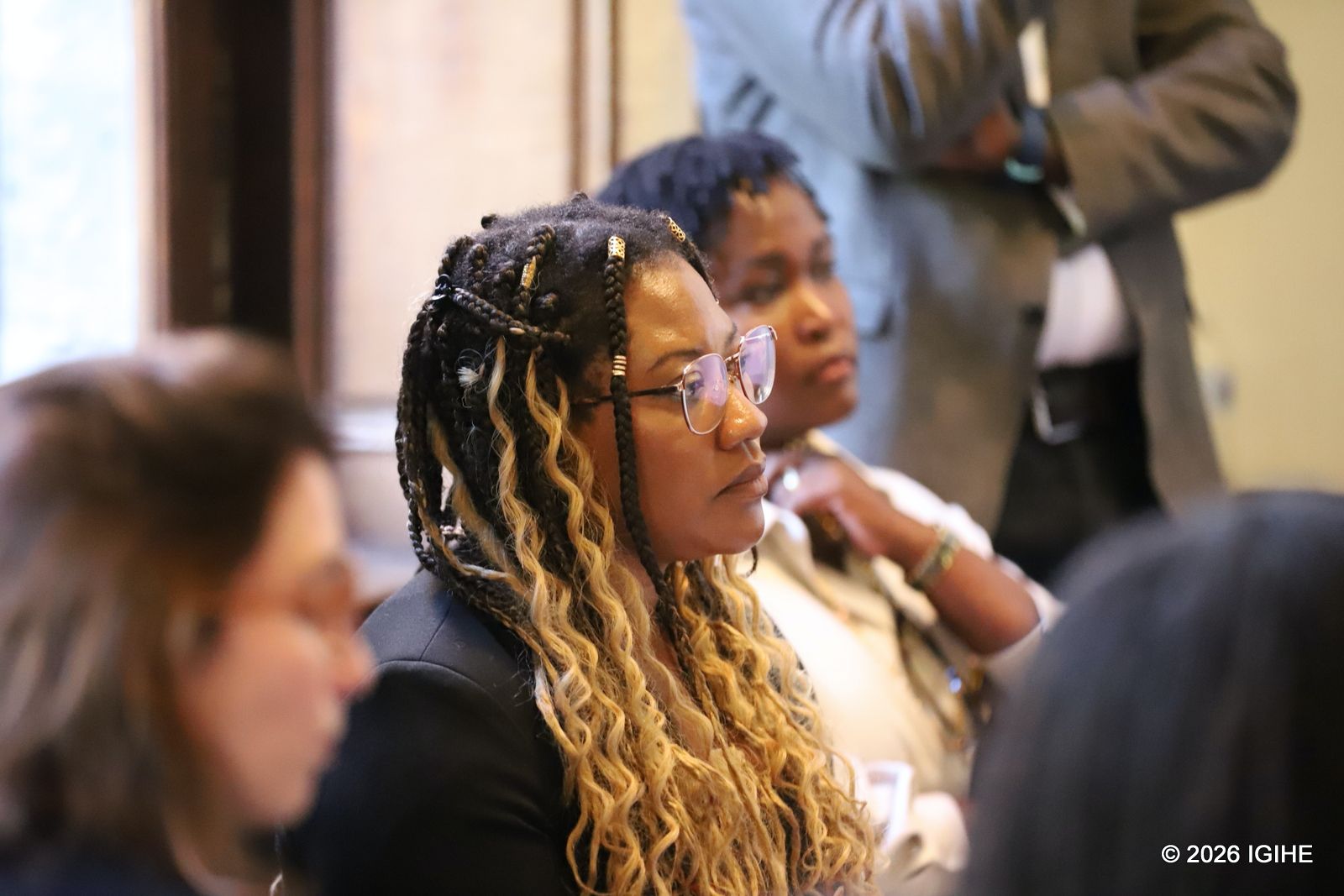
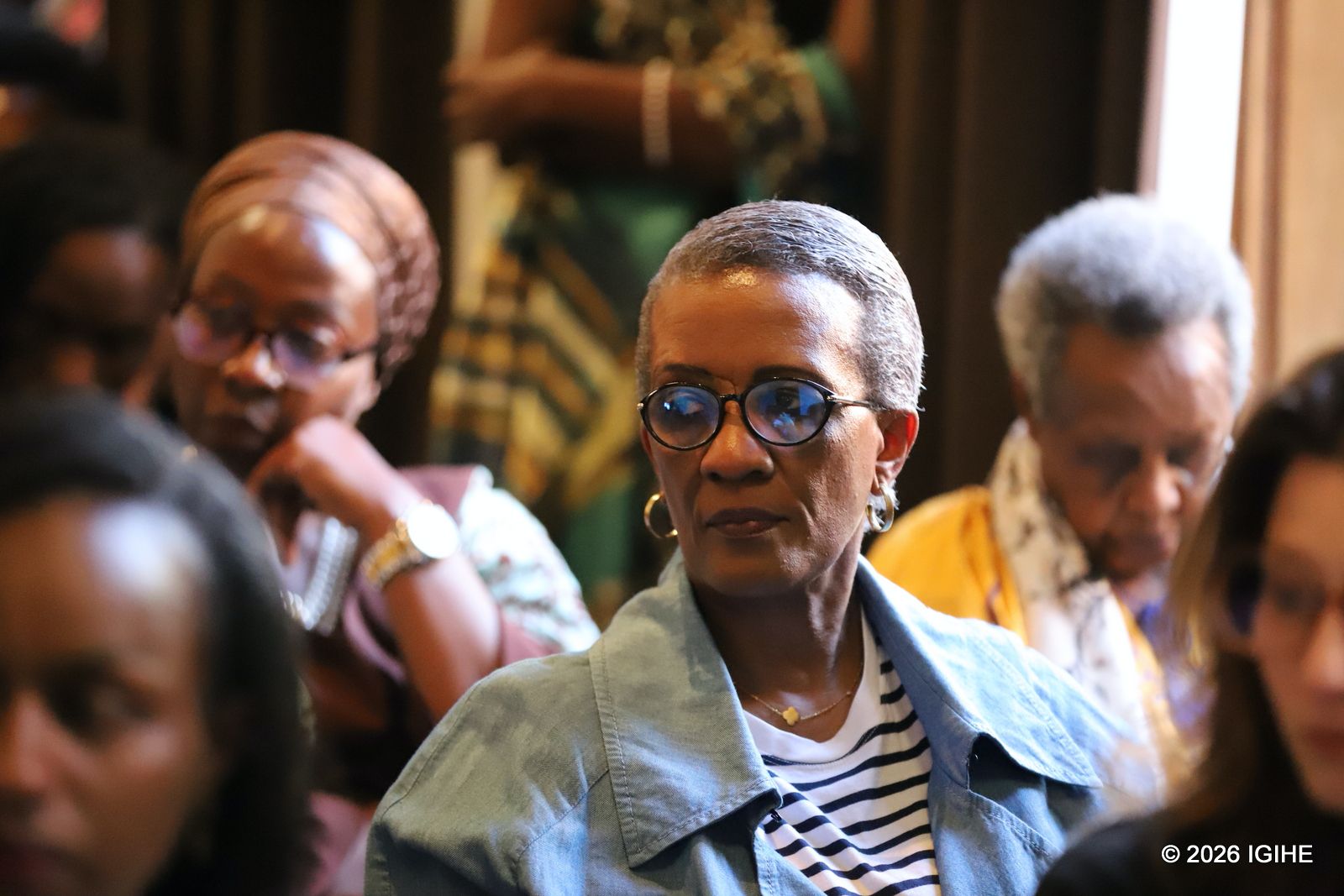
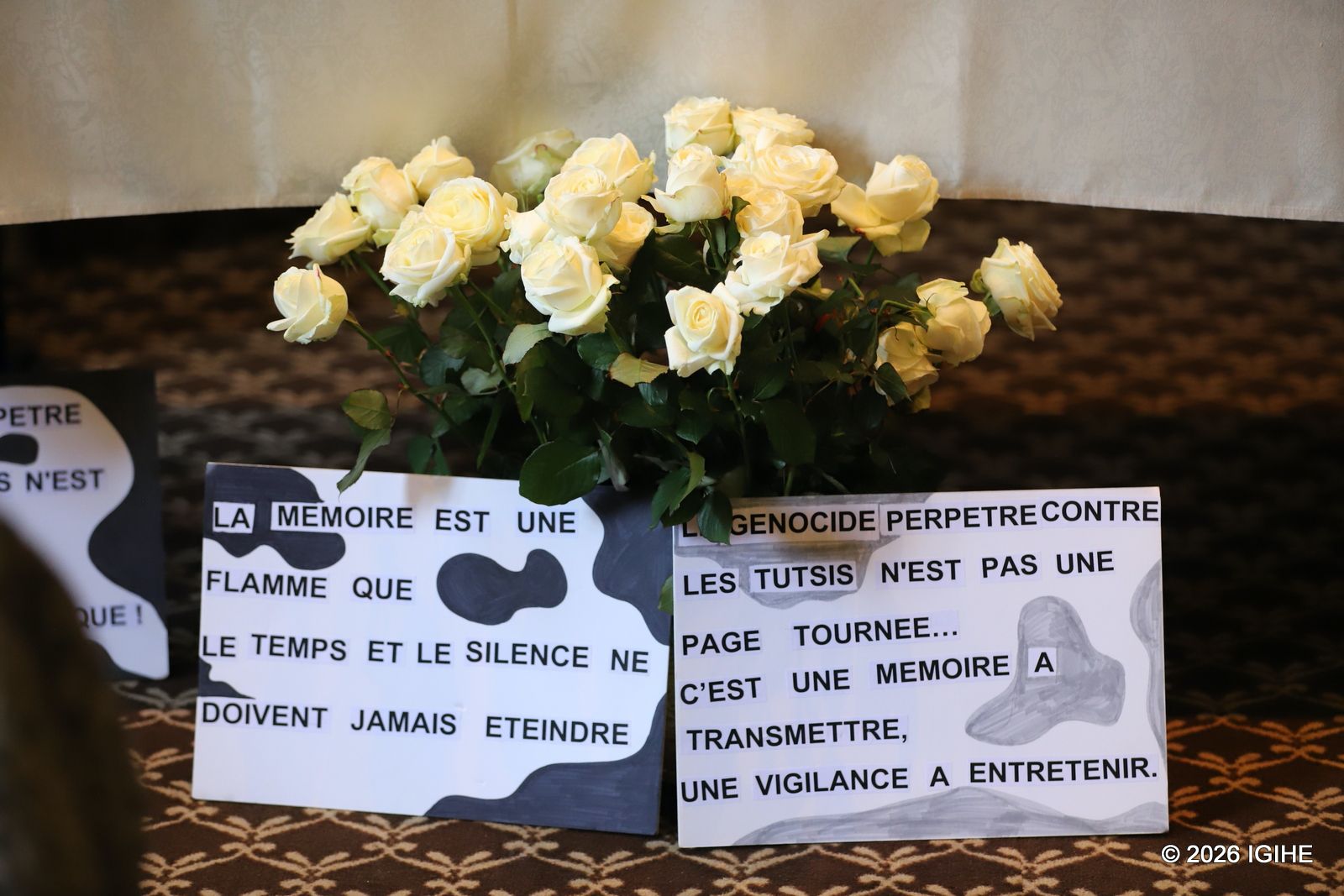
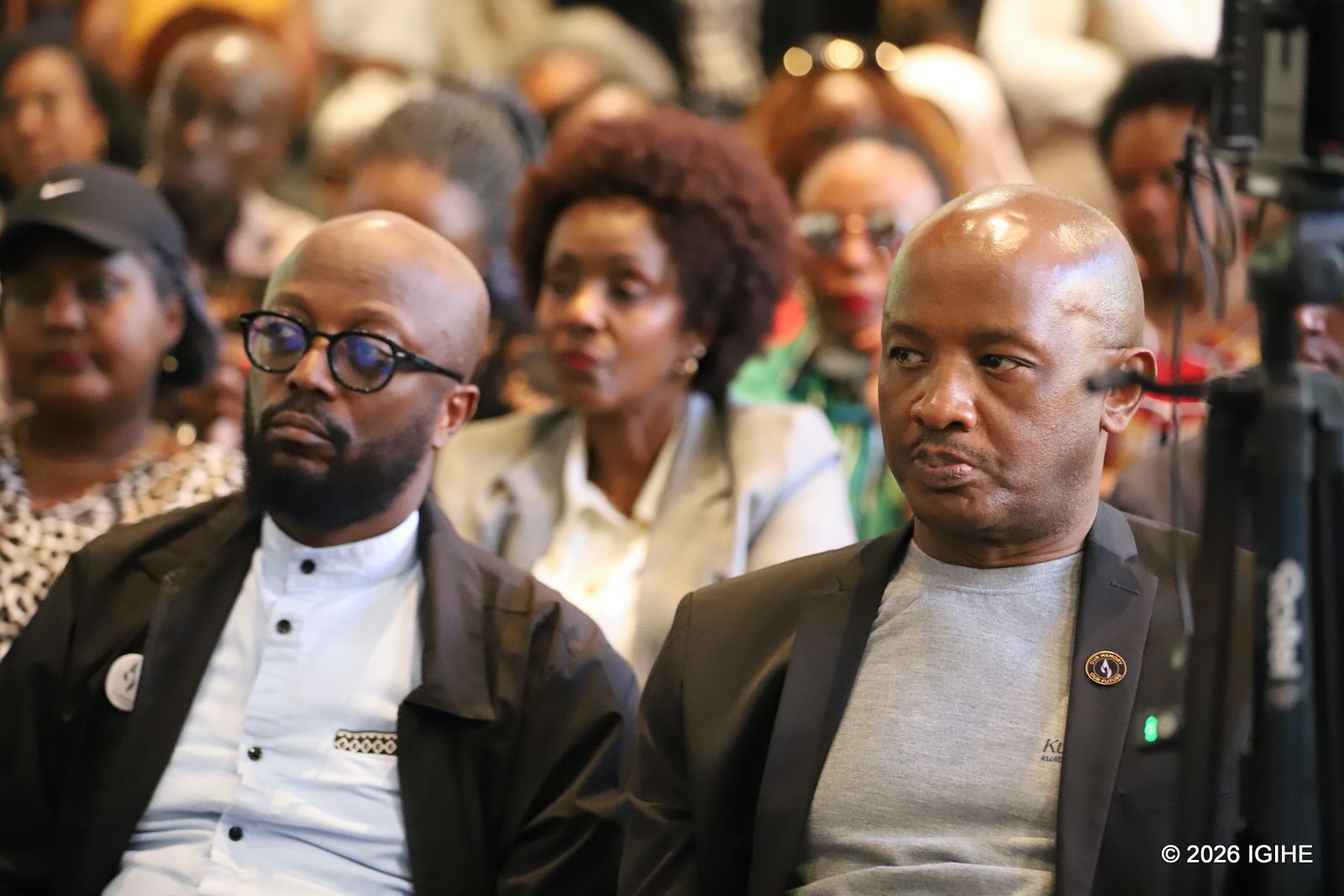
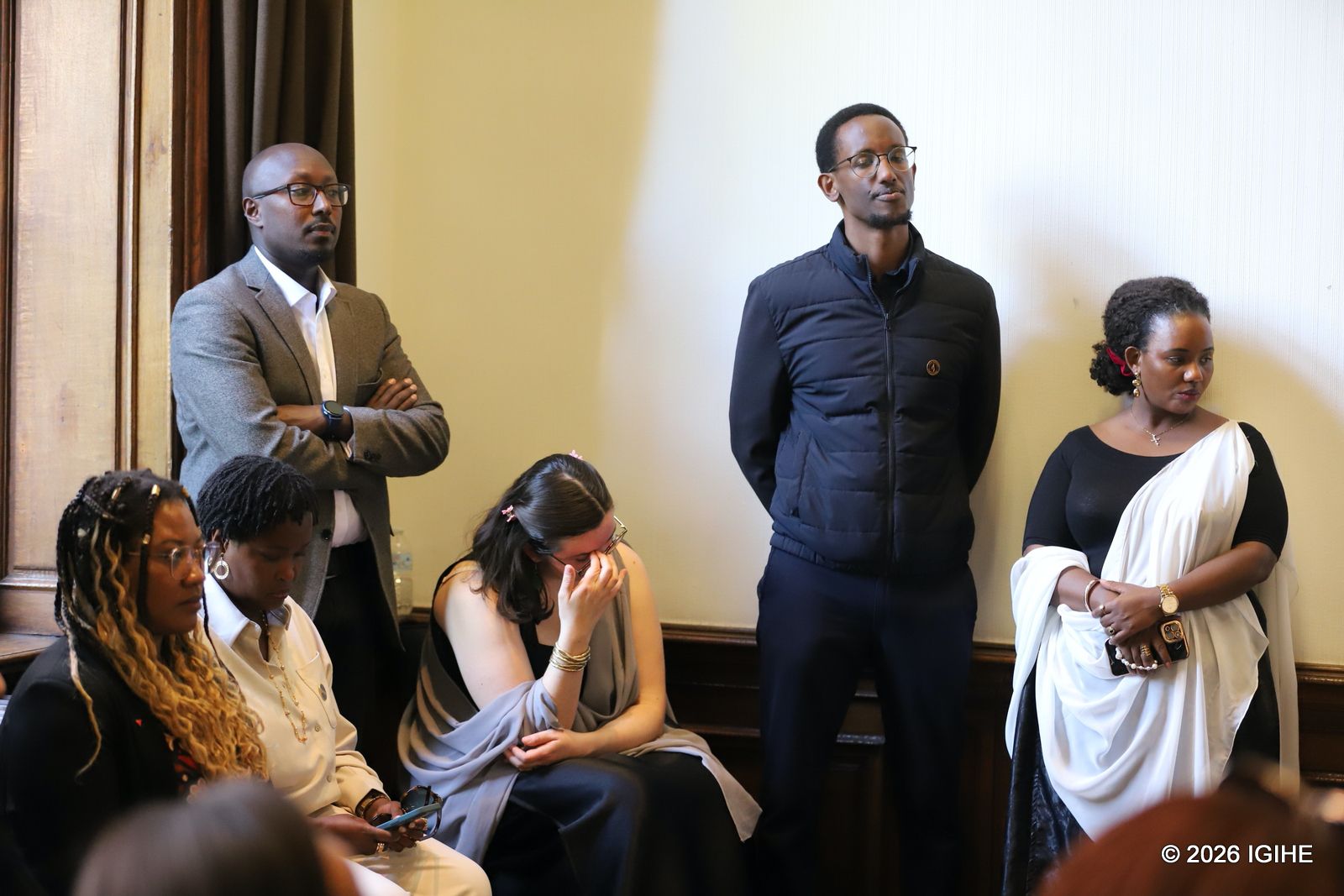
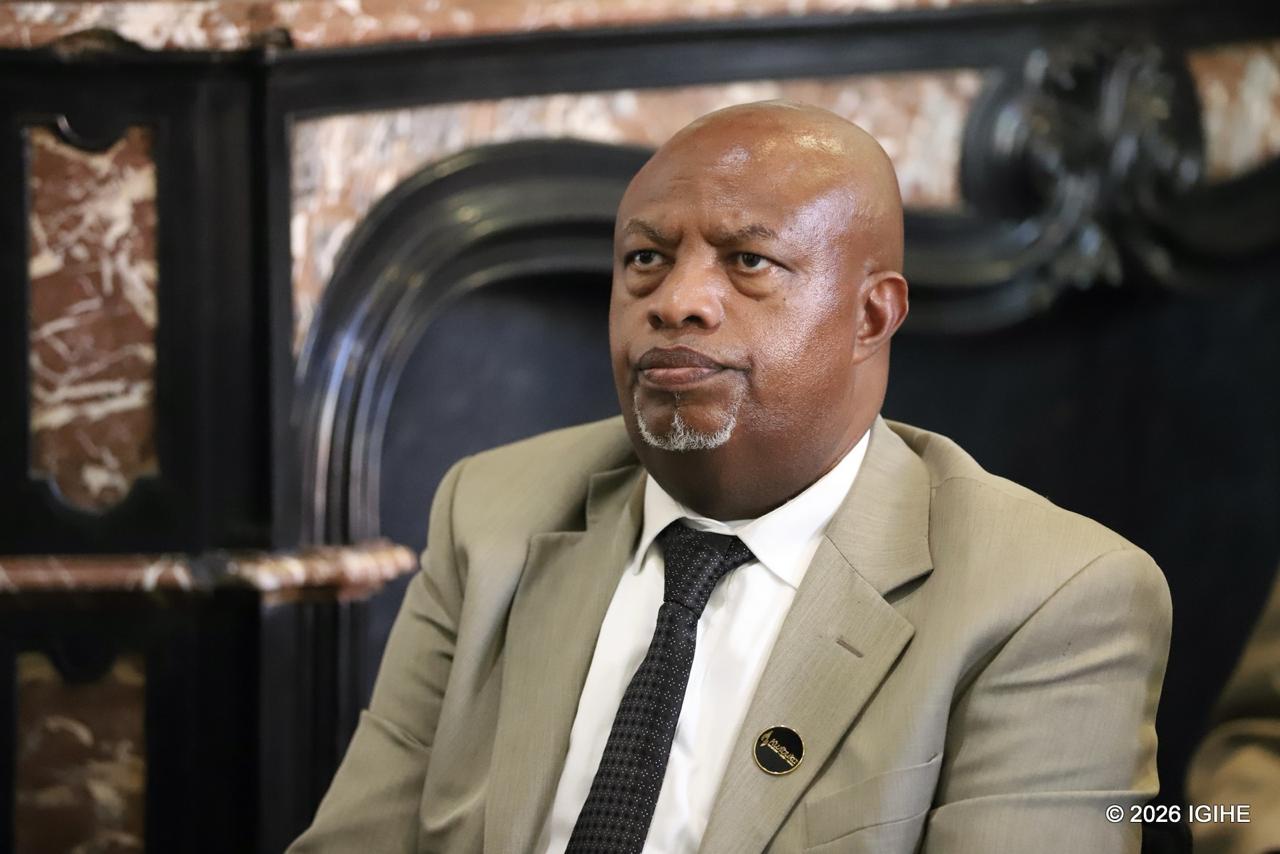
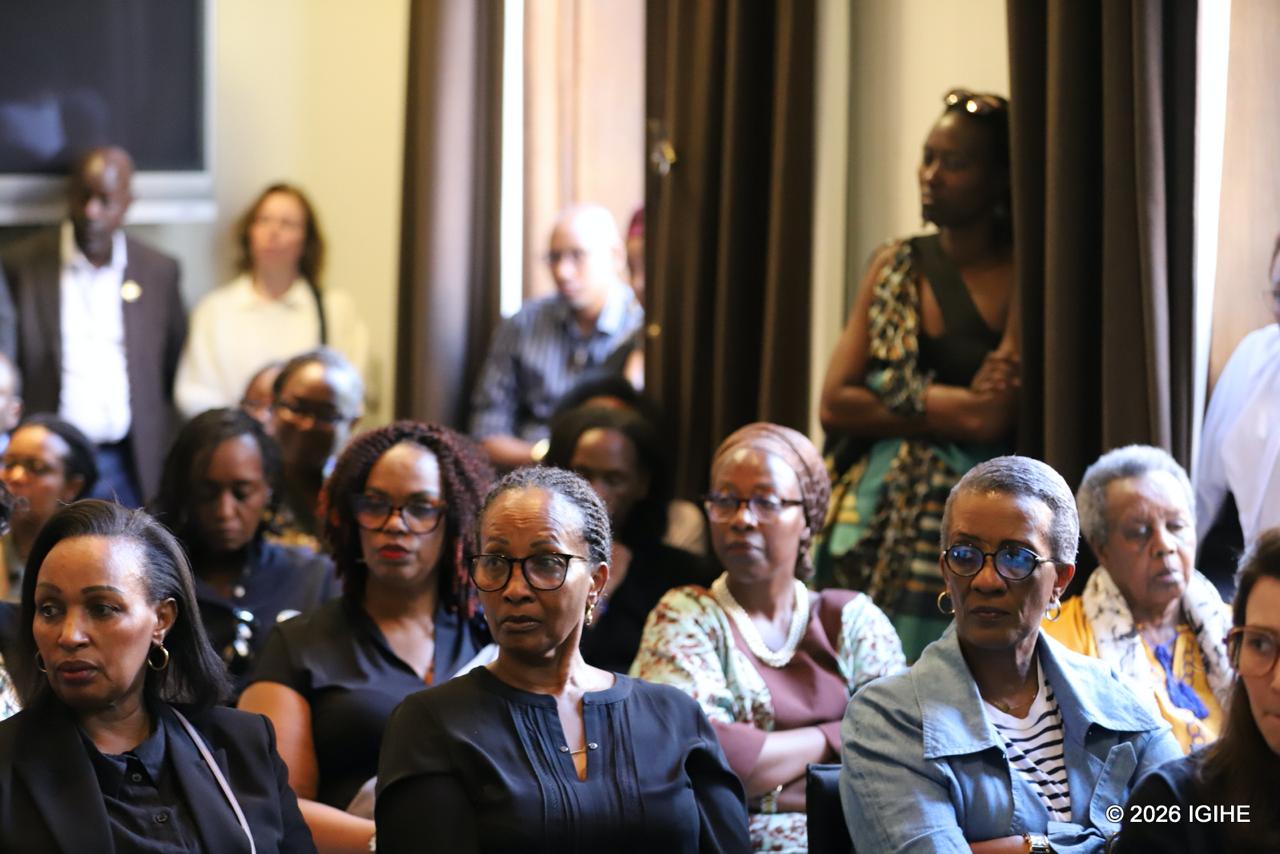
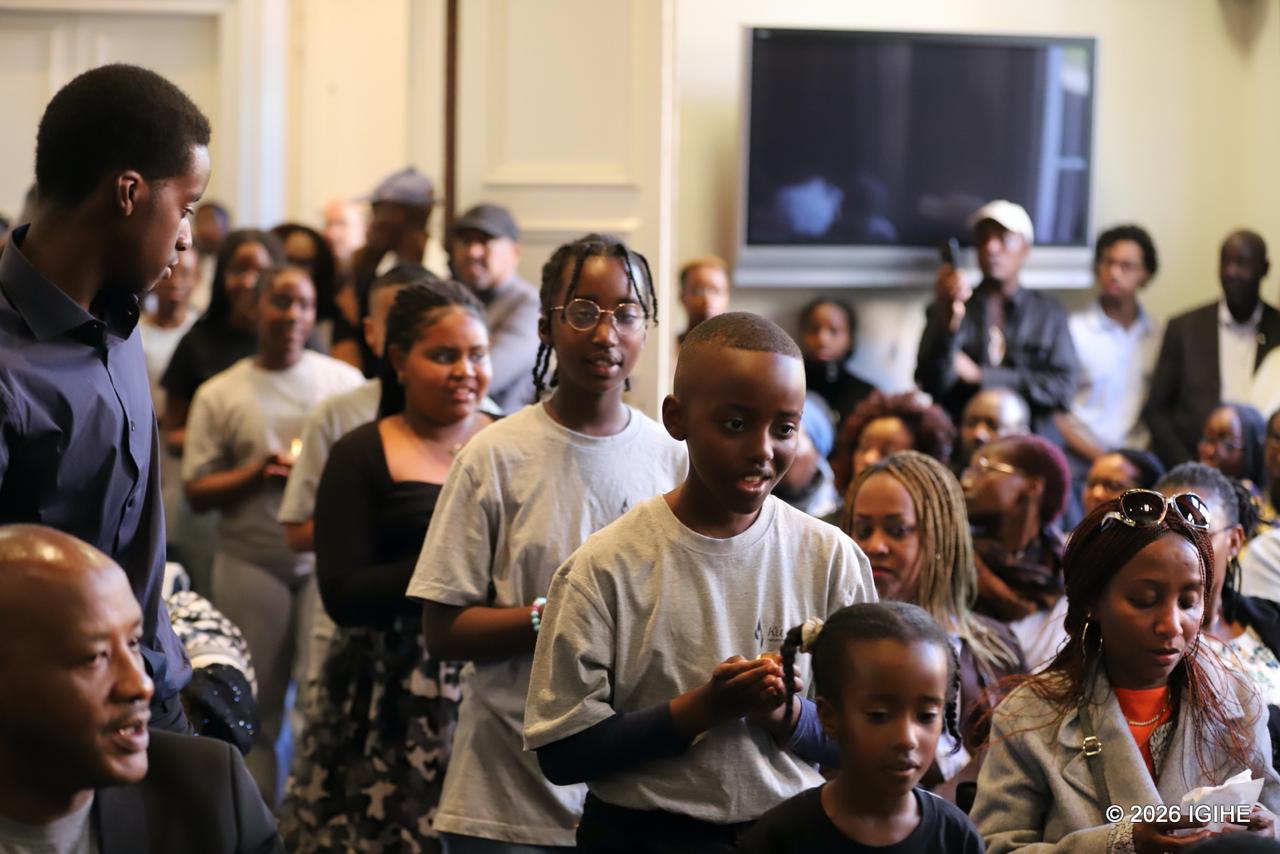
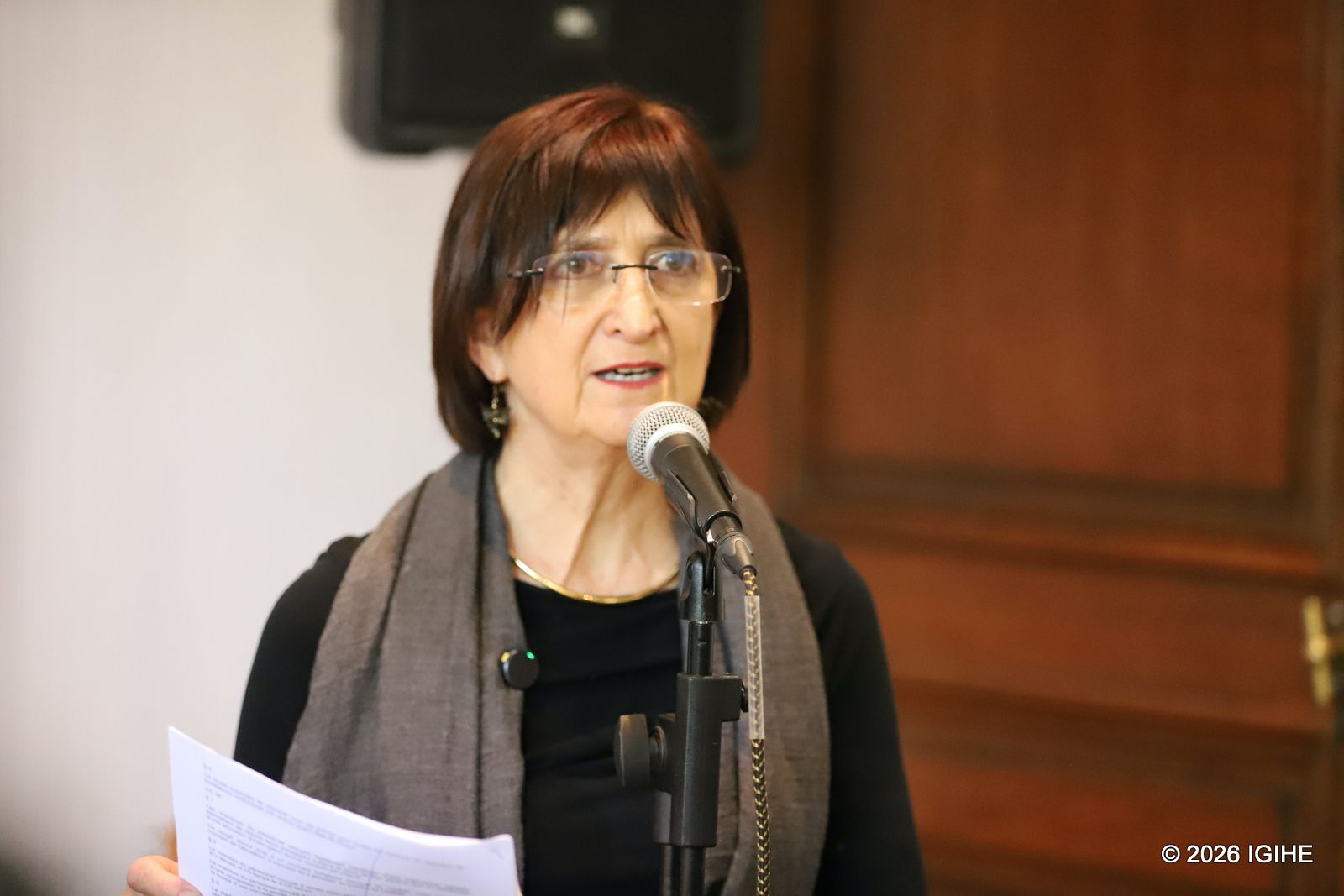
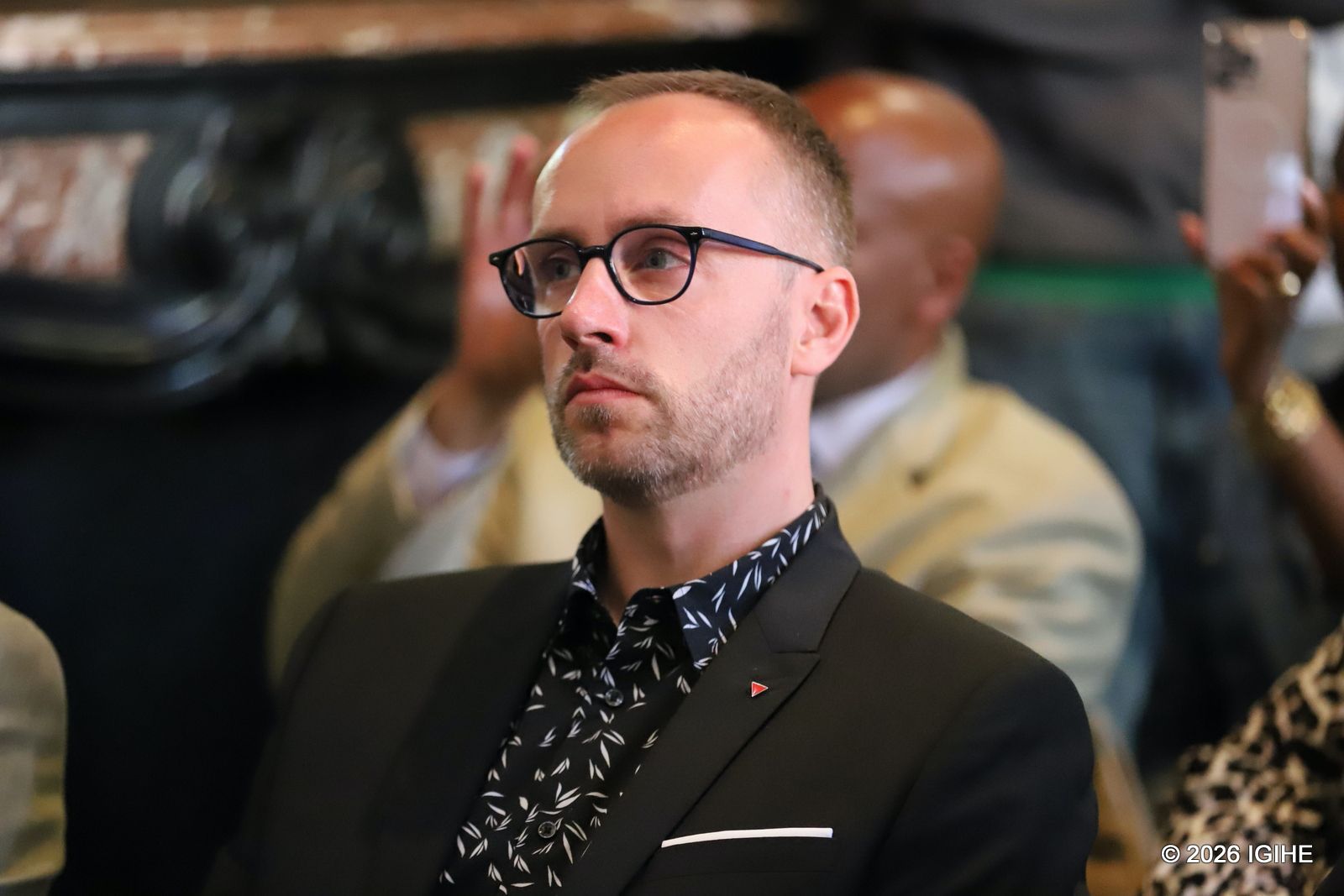
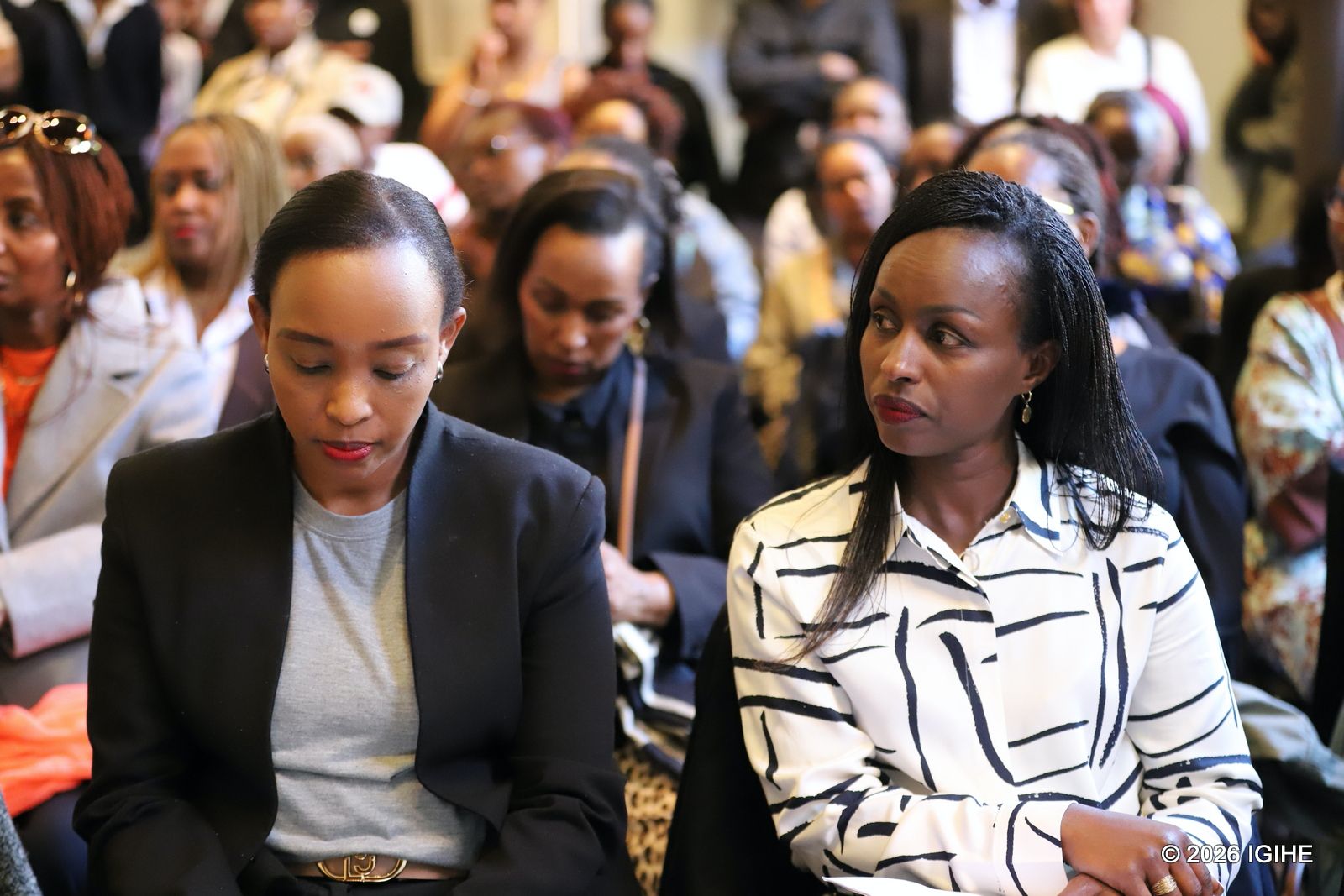
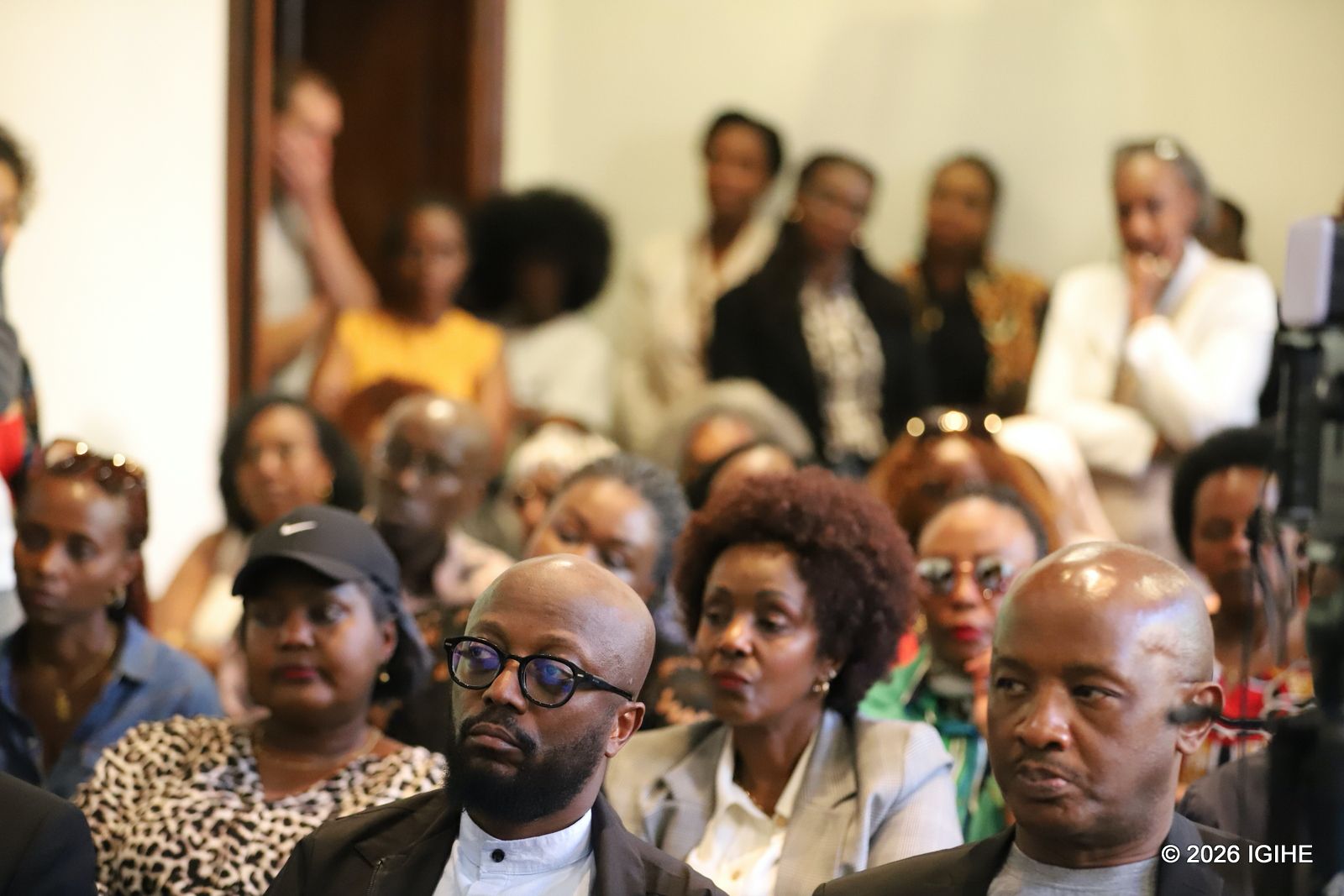
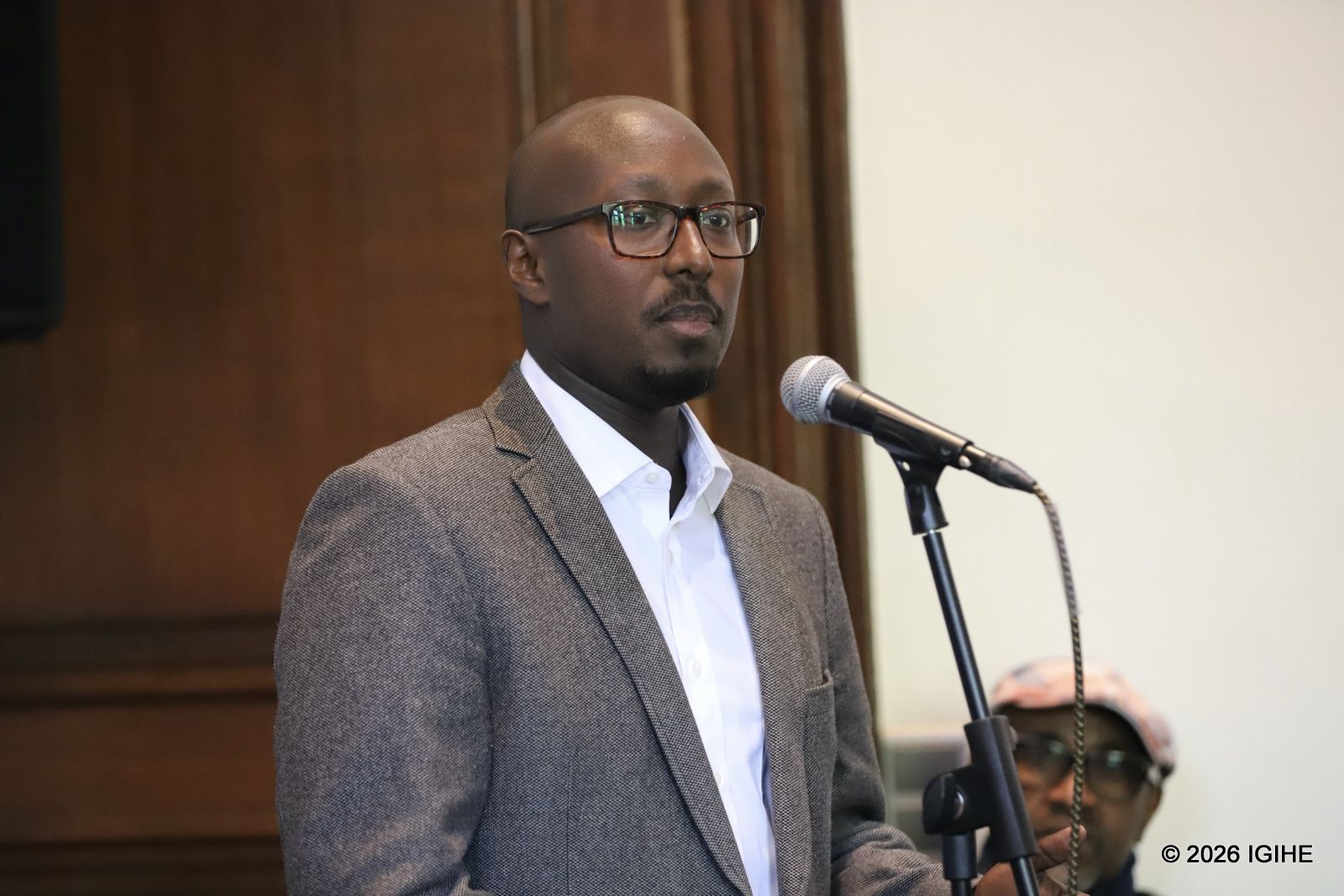
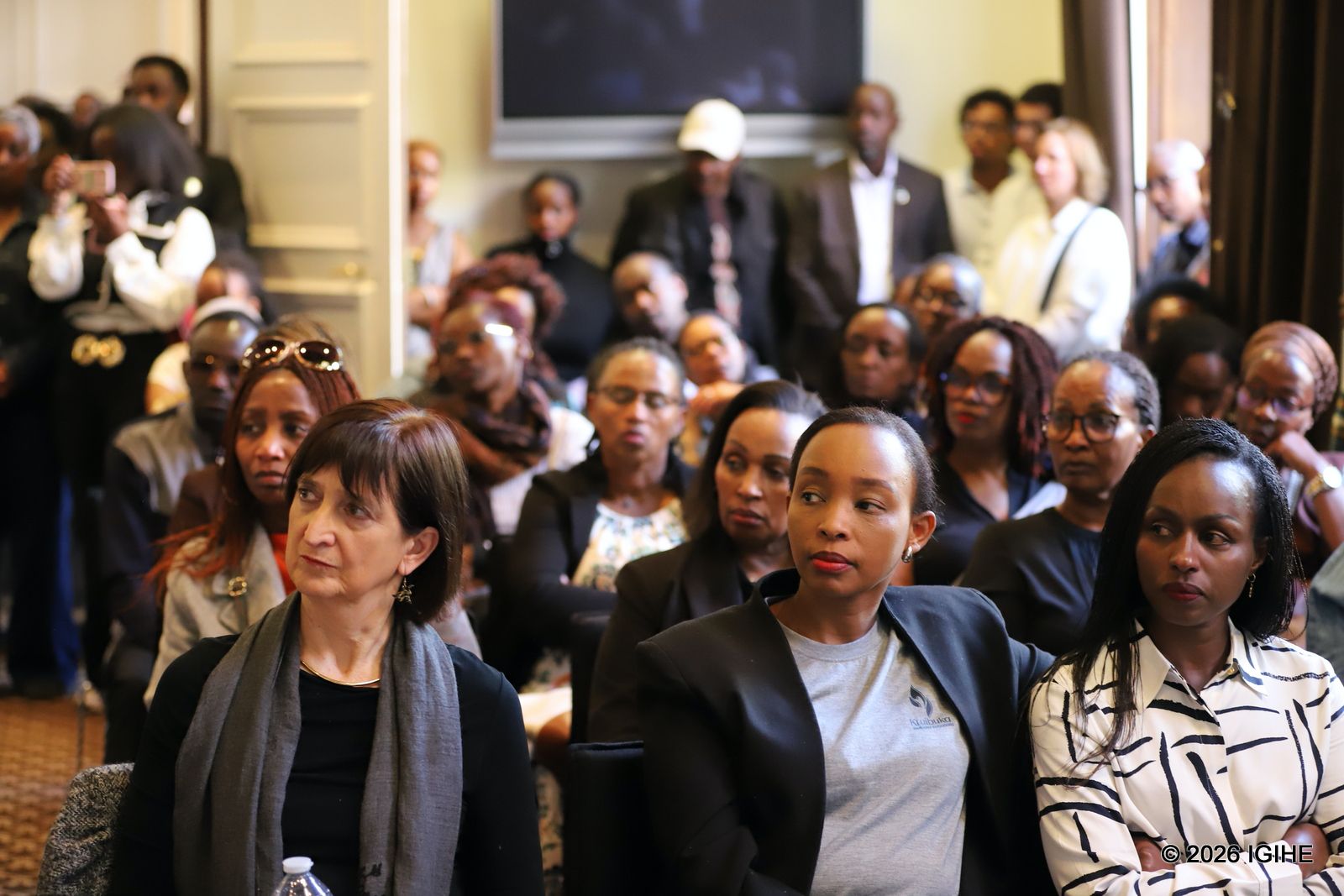
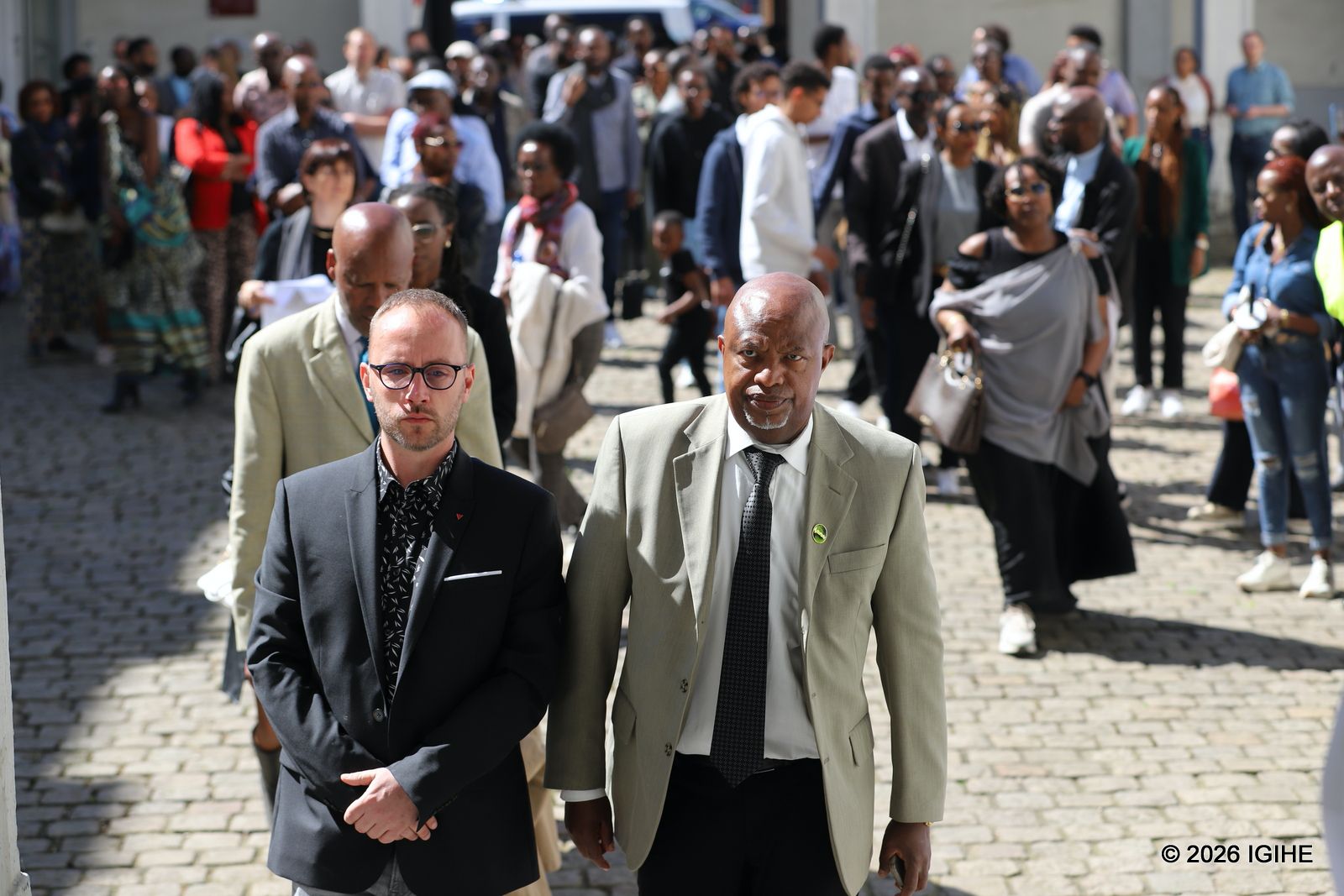
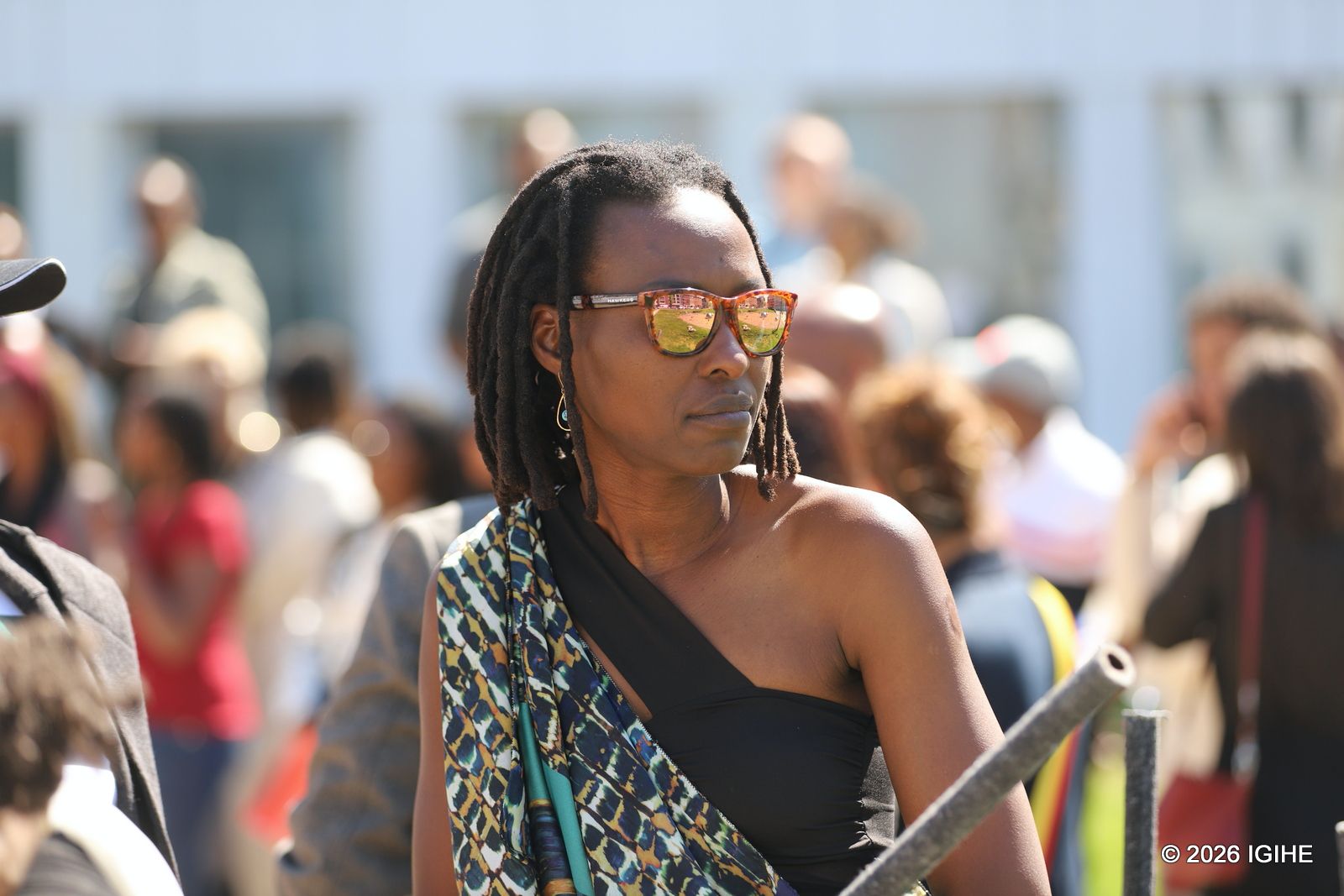
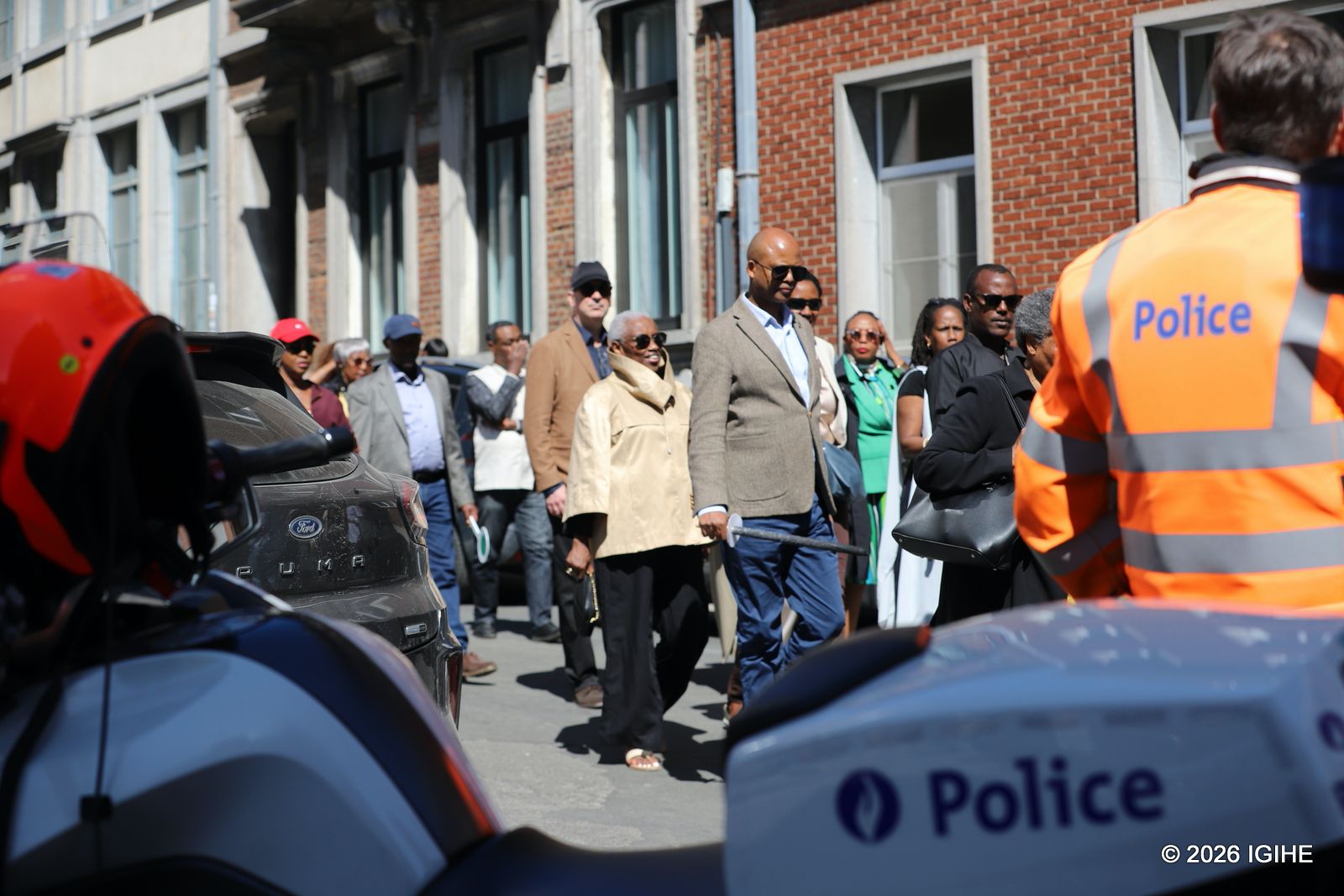
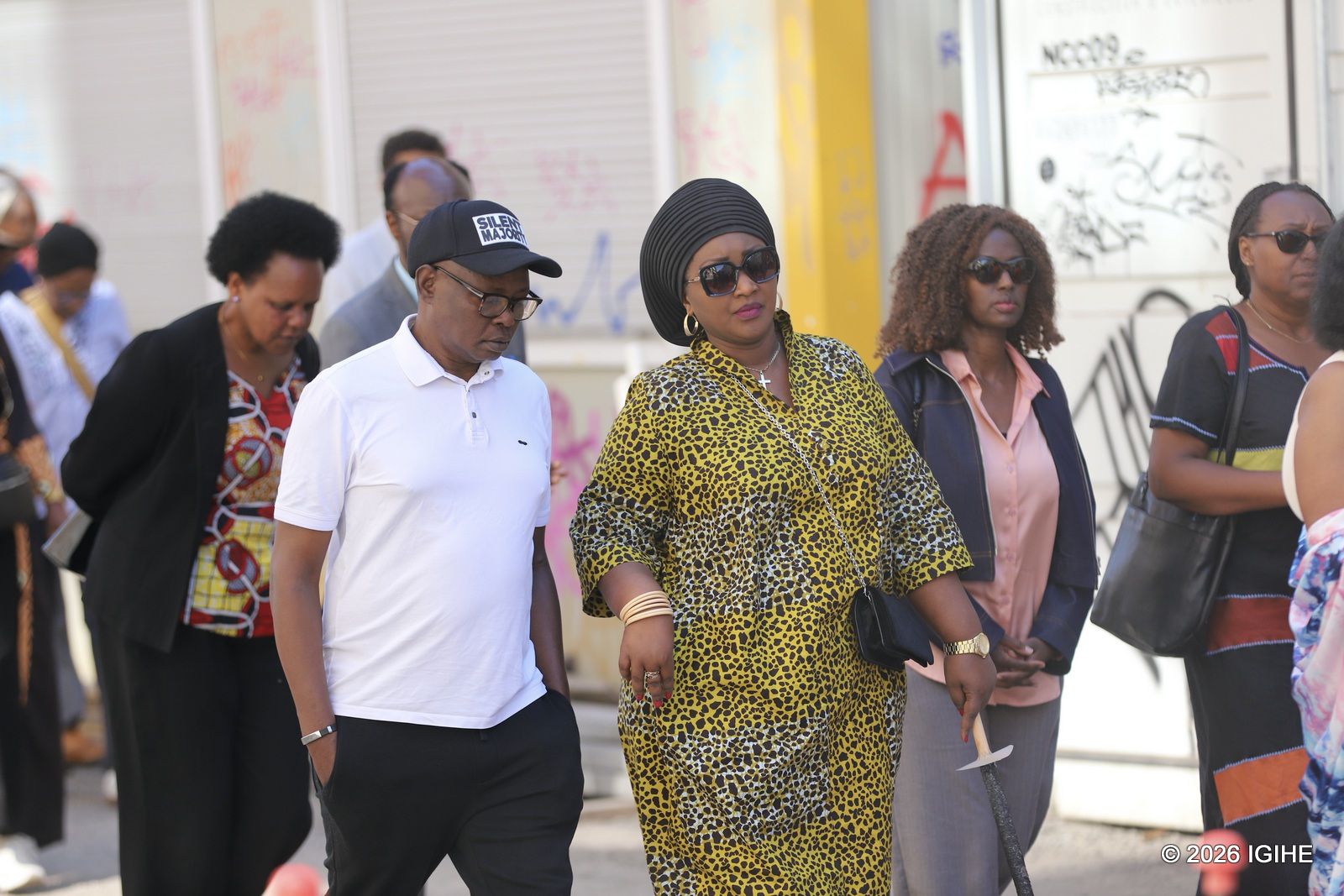
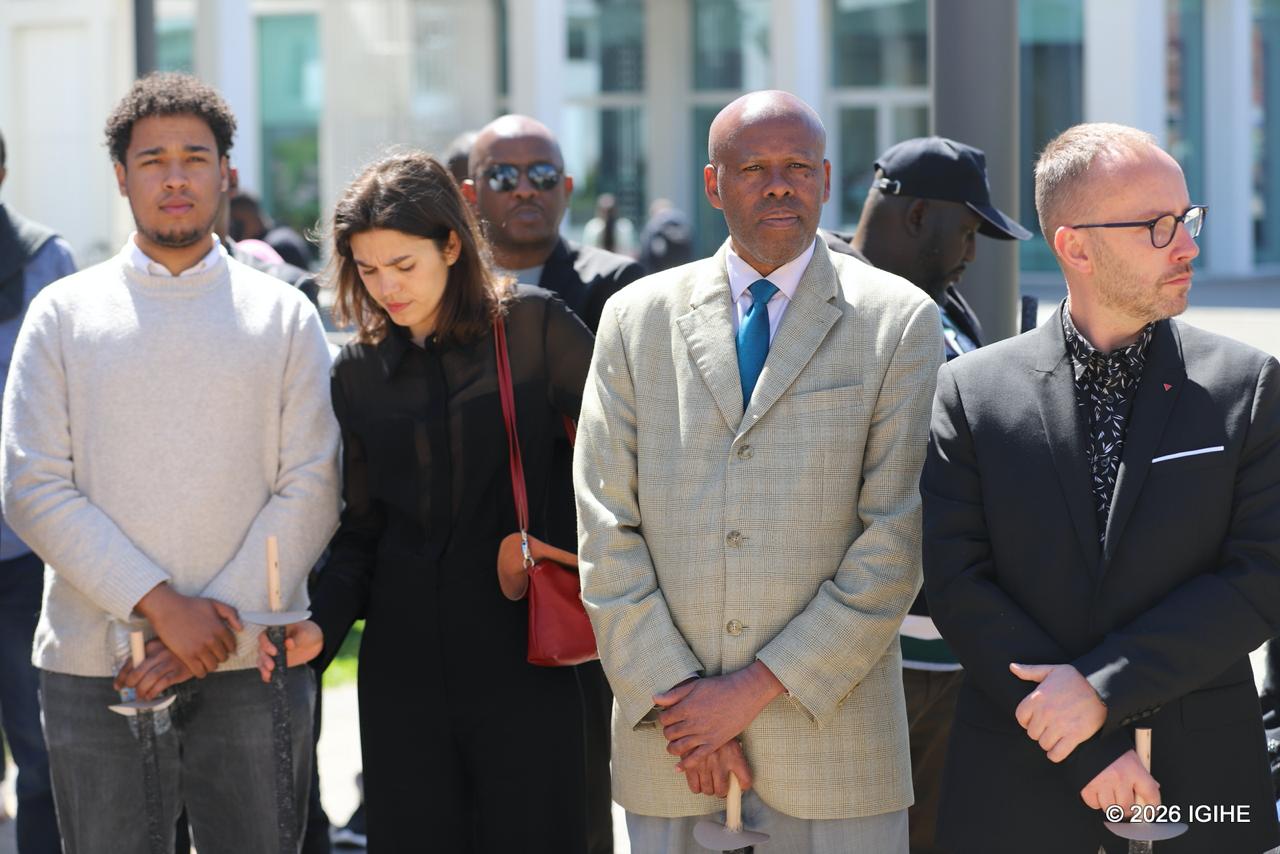
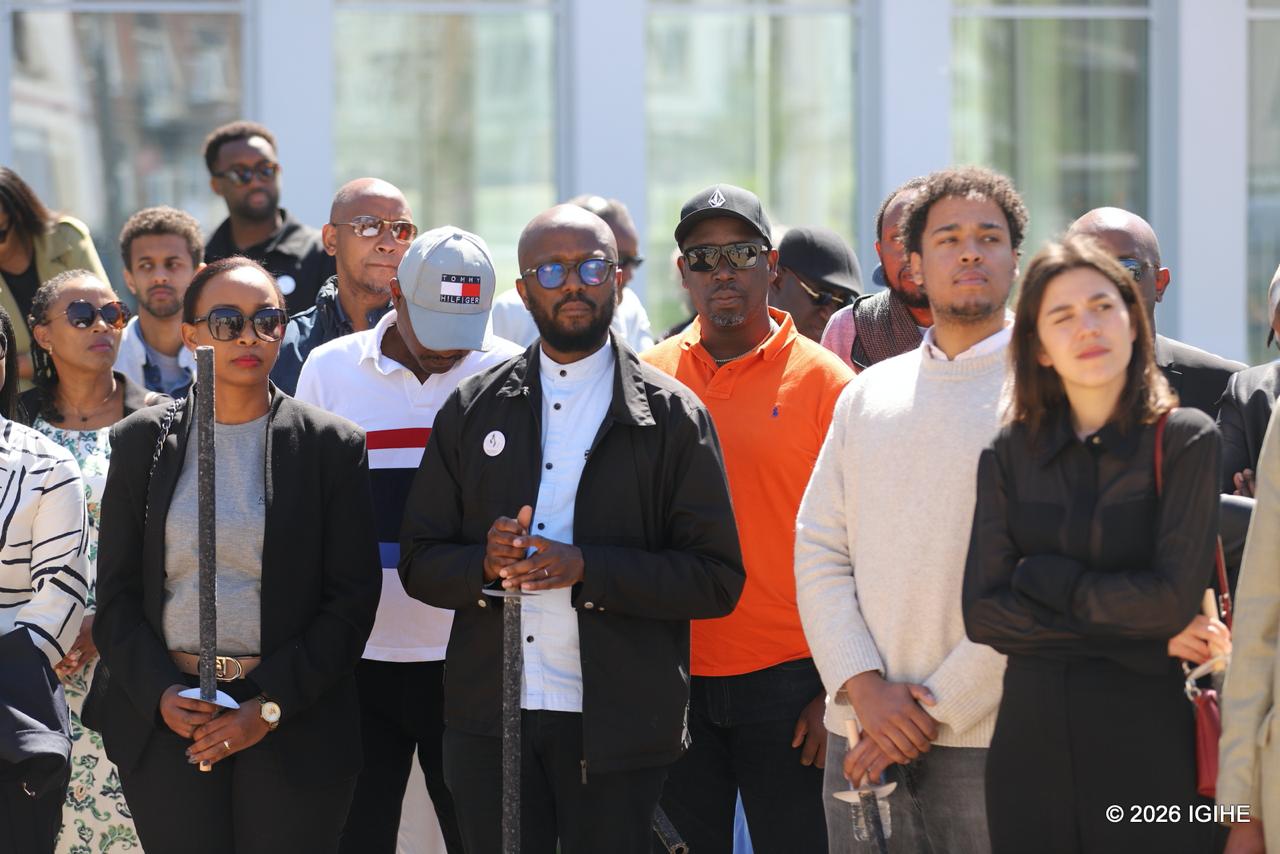
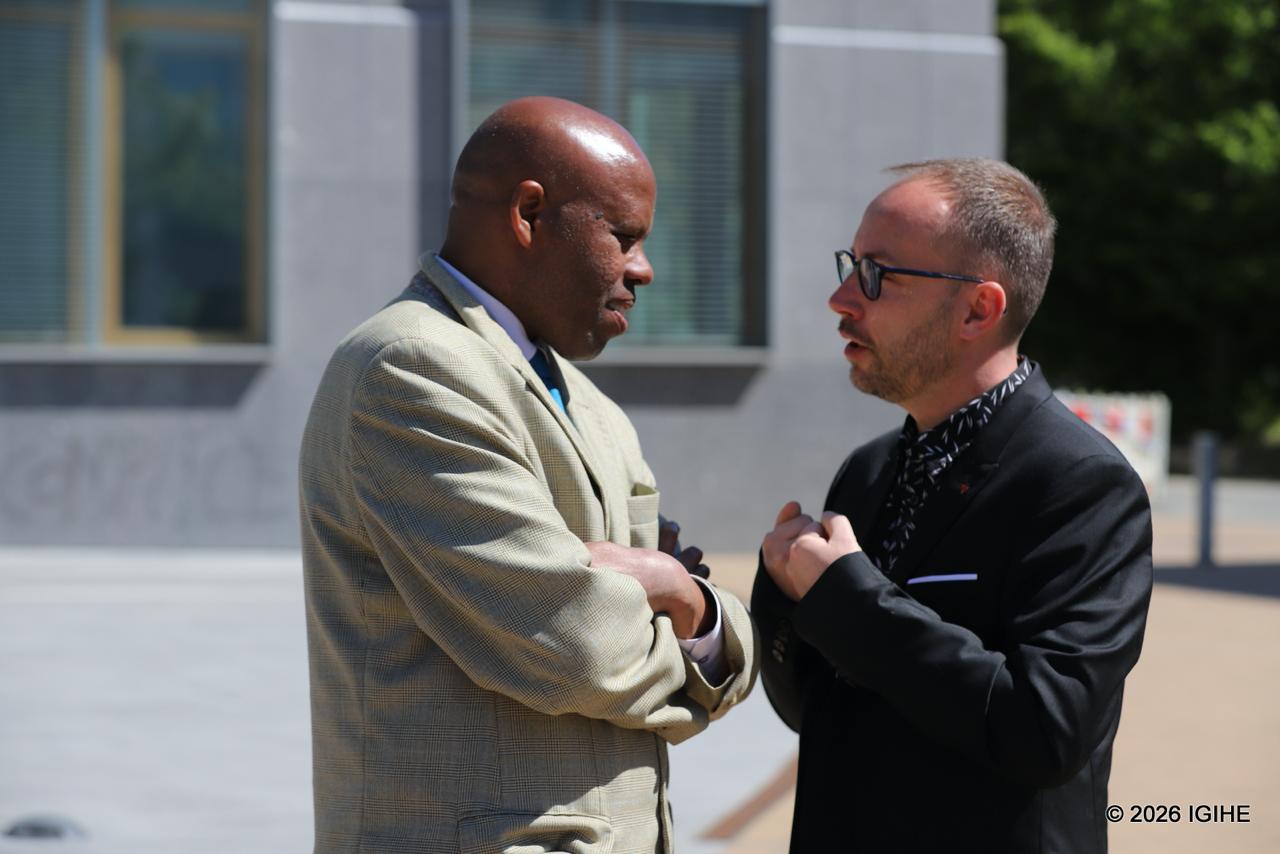
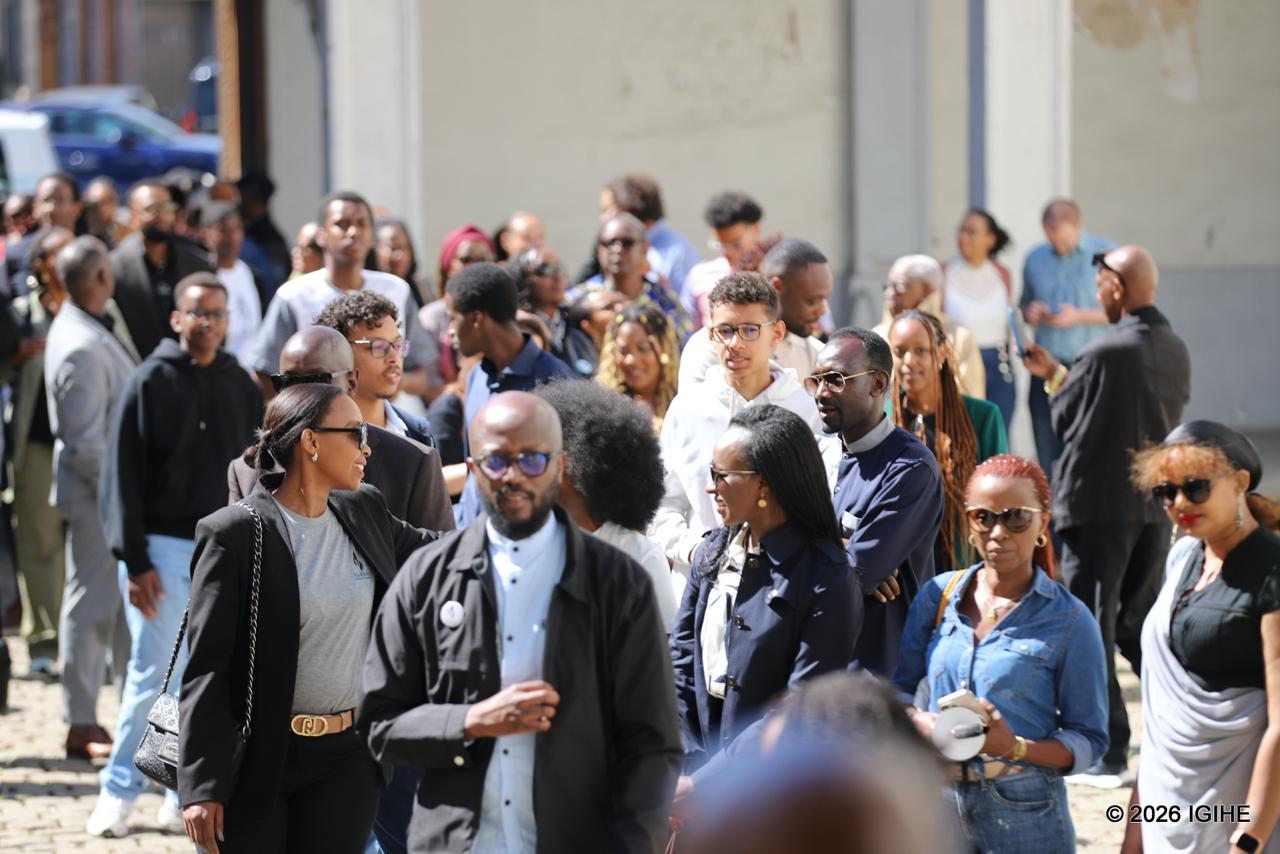
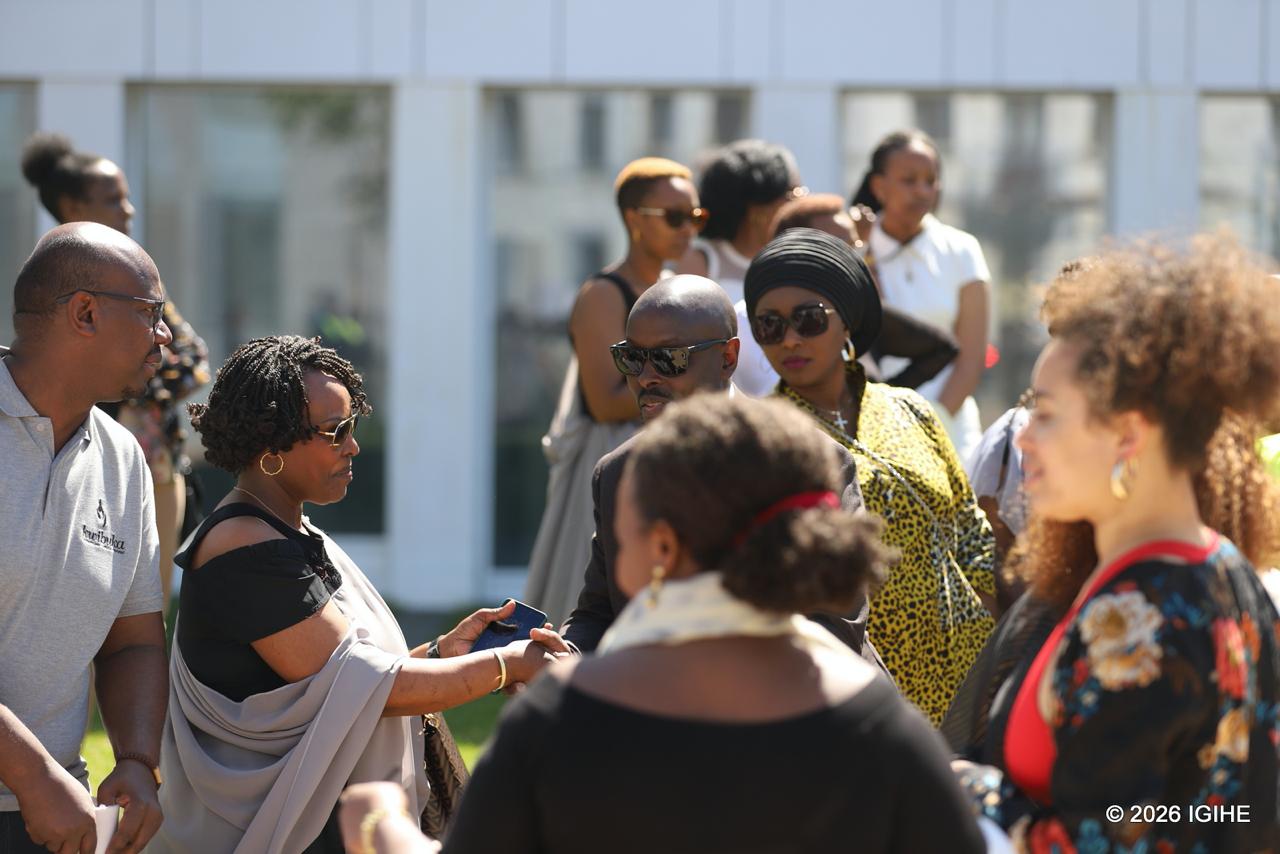
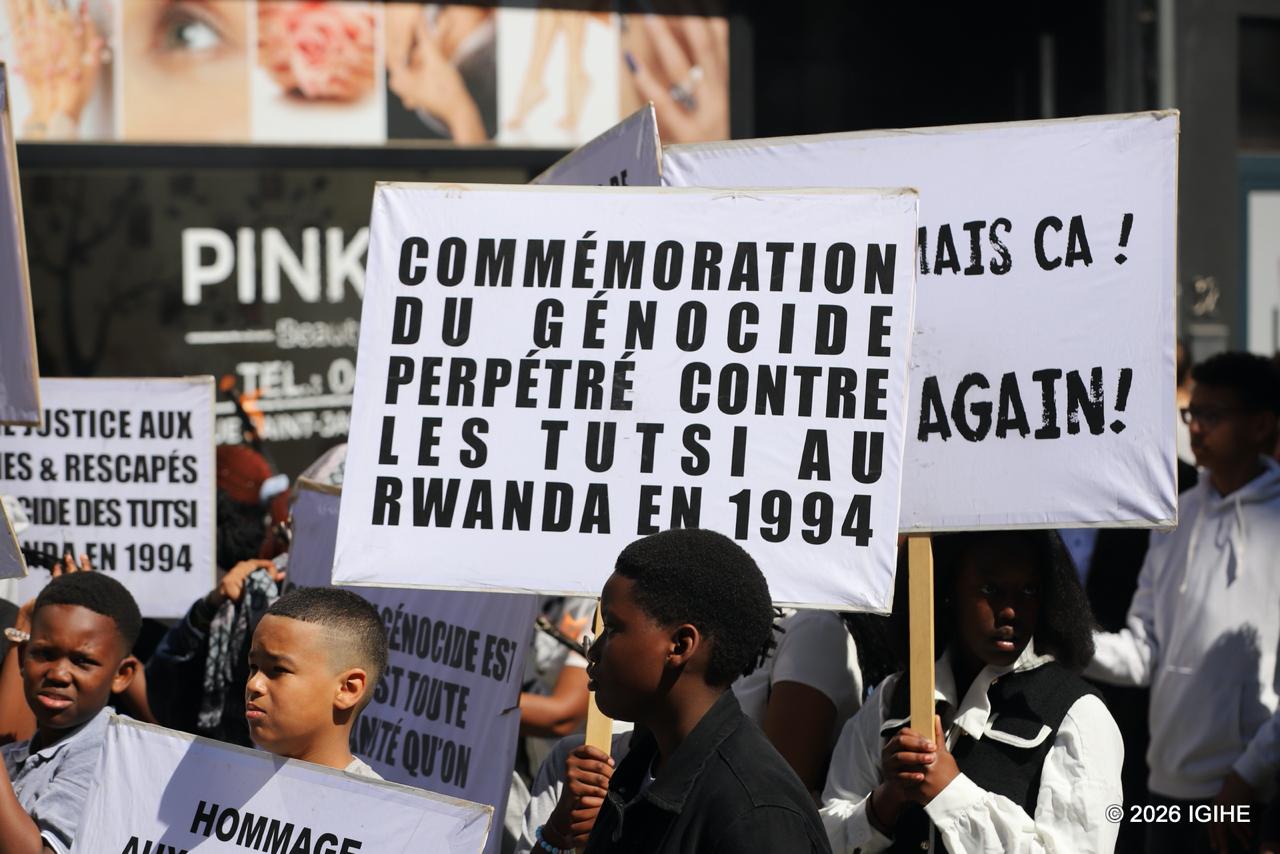
The remembrance activities brought together Bralirwa Plc management and staff, families of former employees who were killed during the genocide, as well as officials from various institutions.
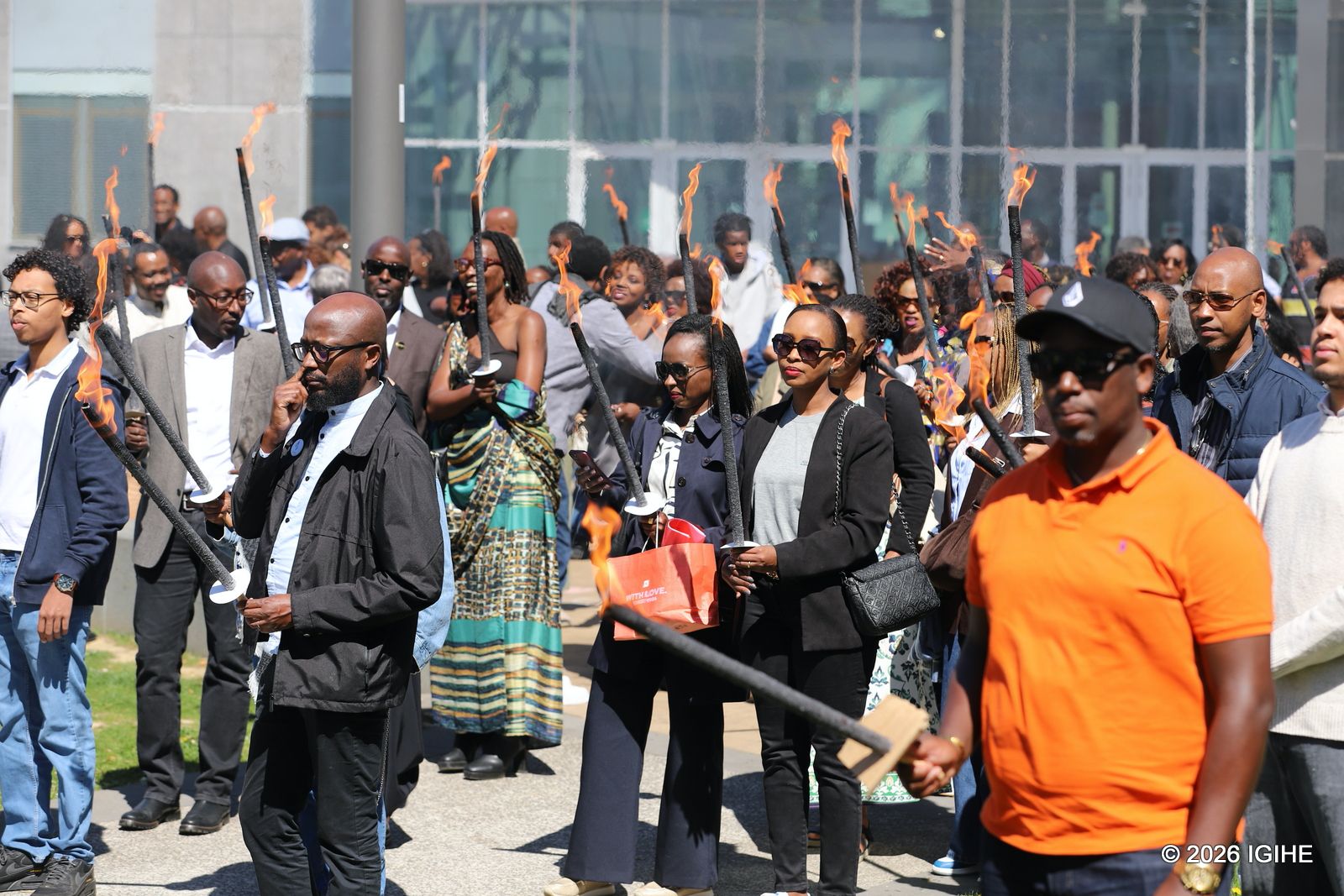
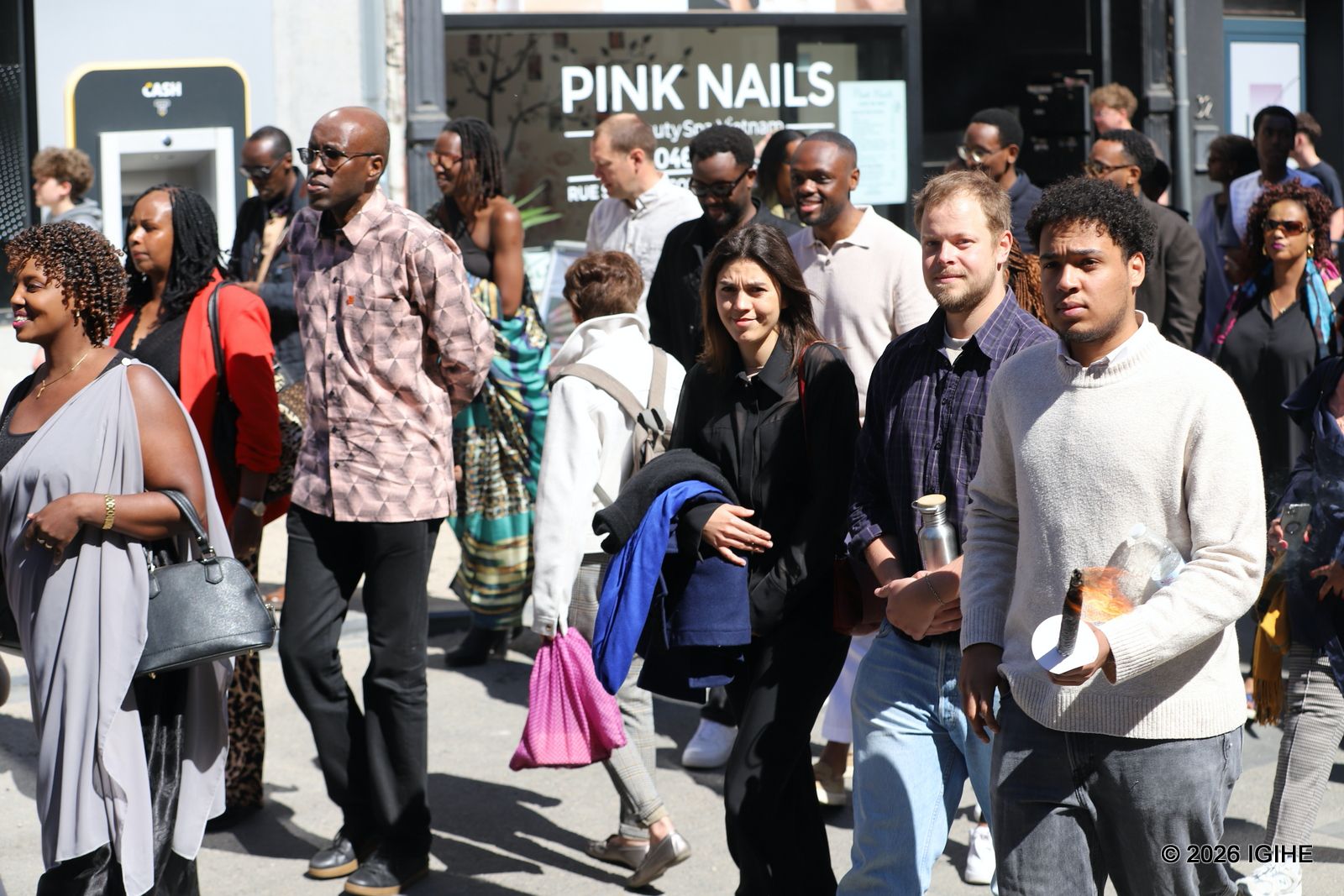
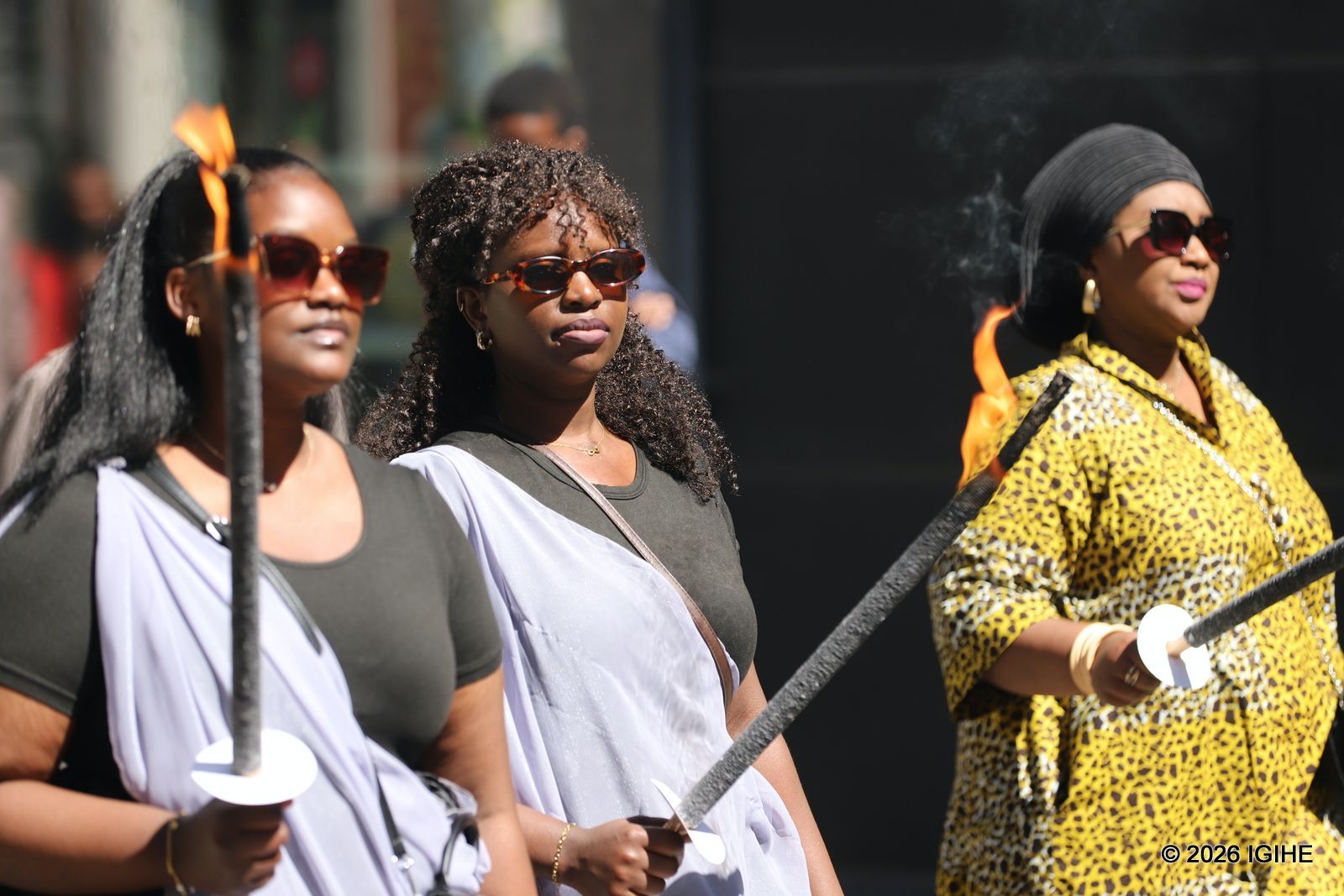
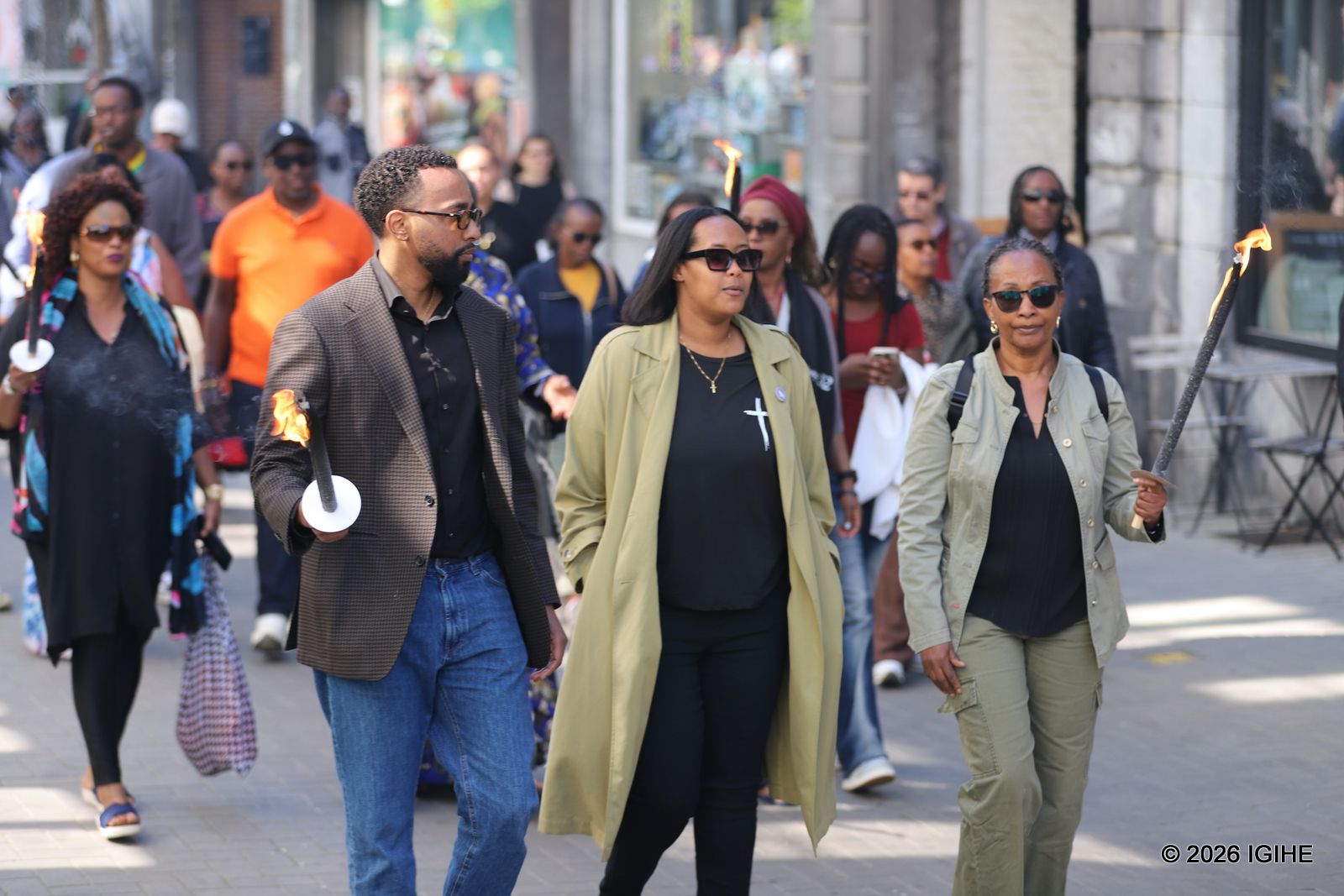
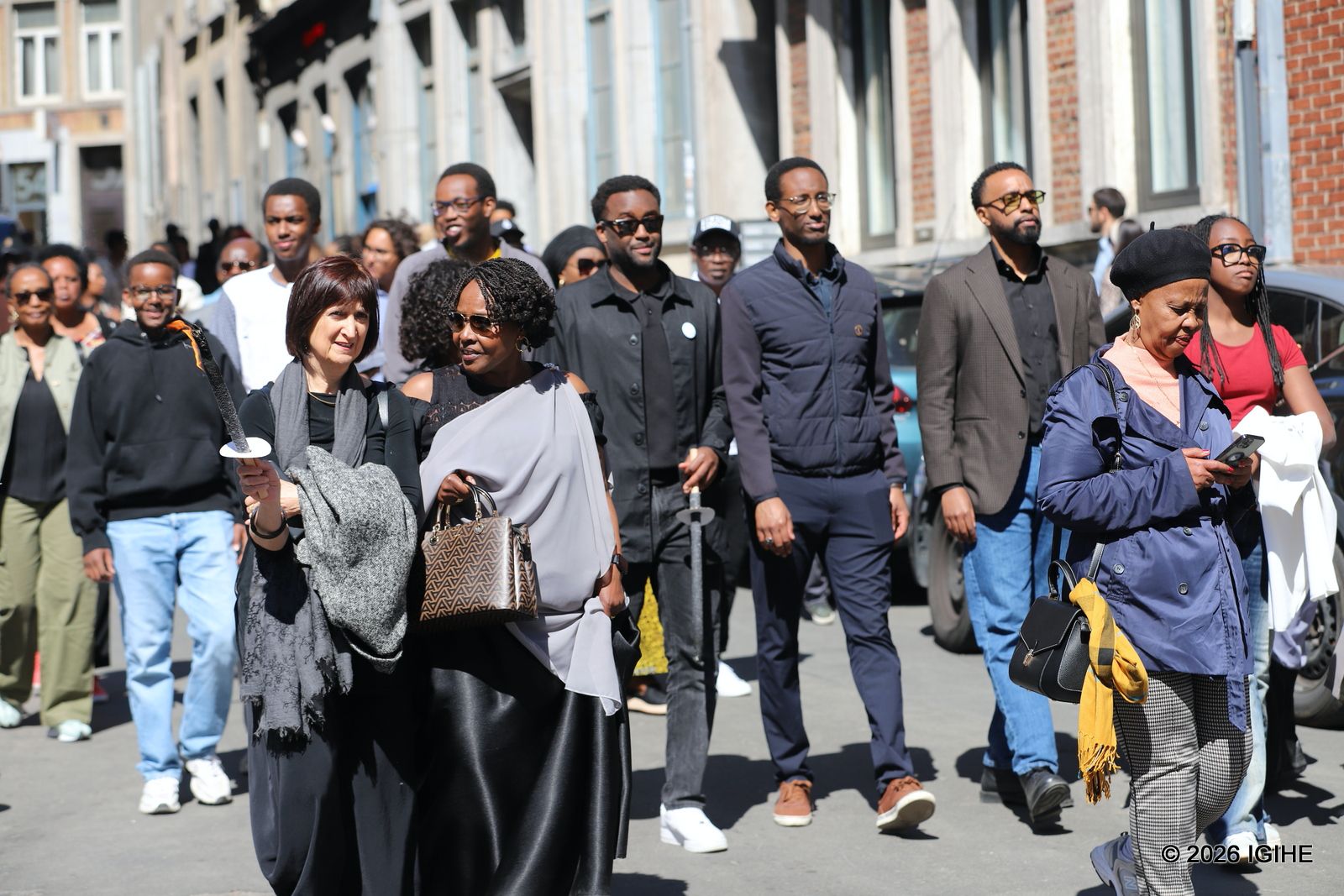
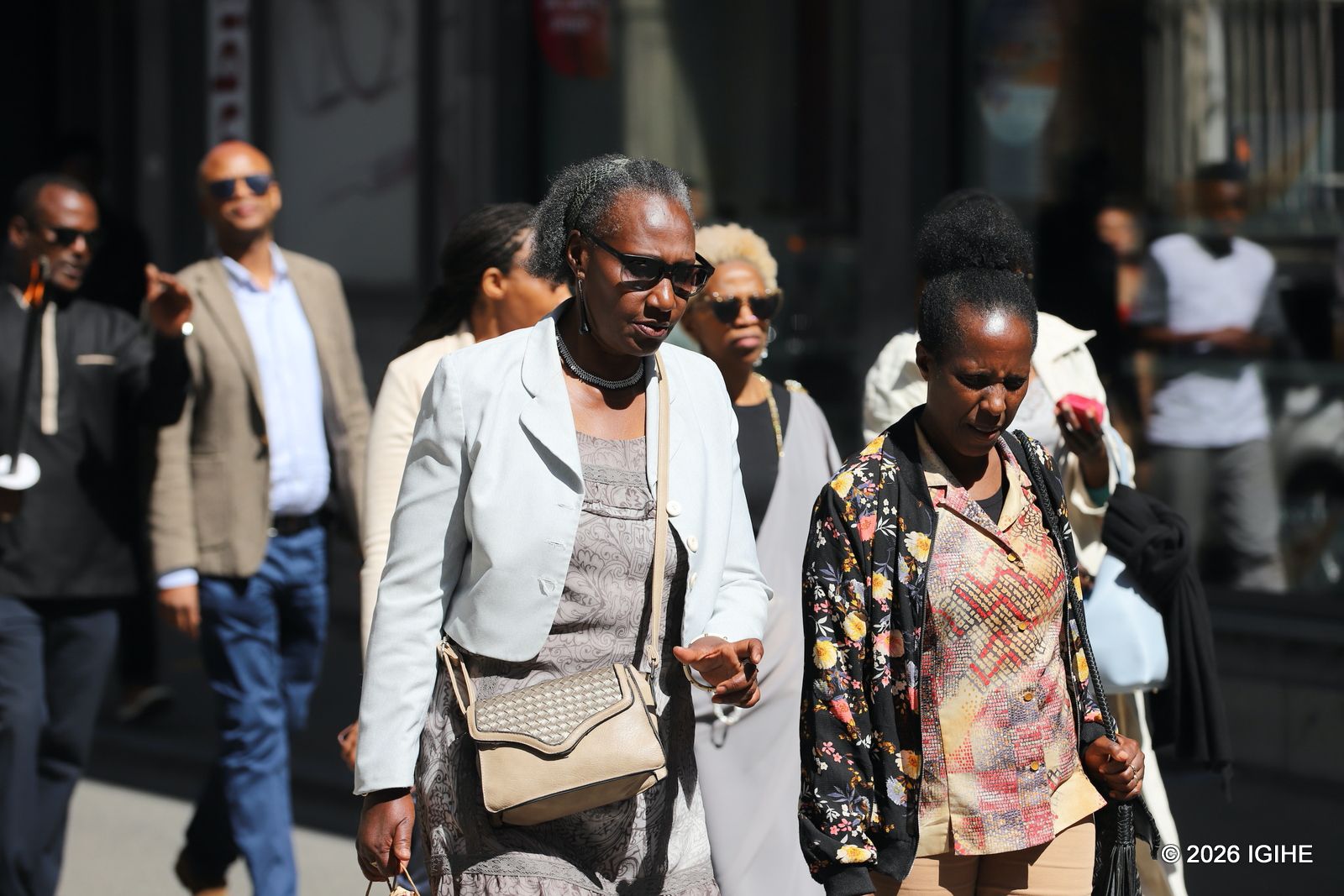
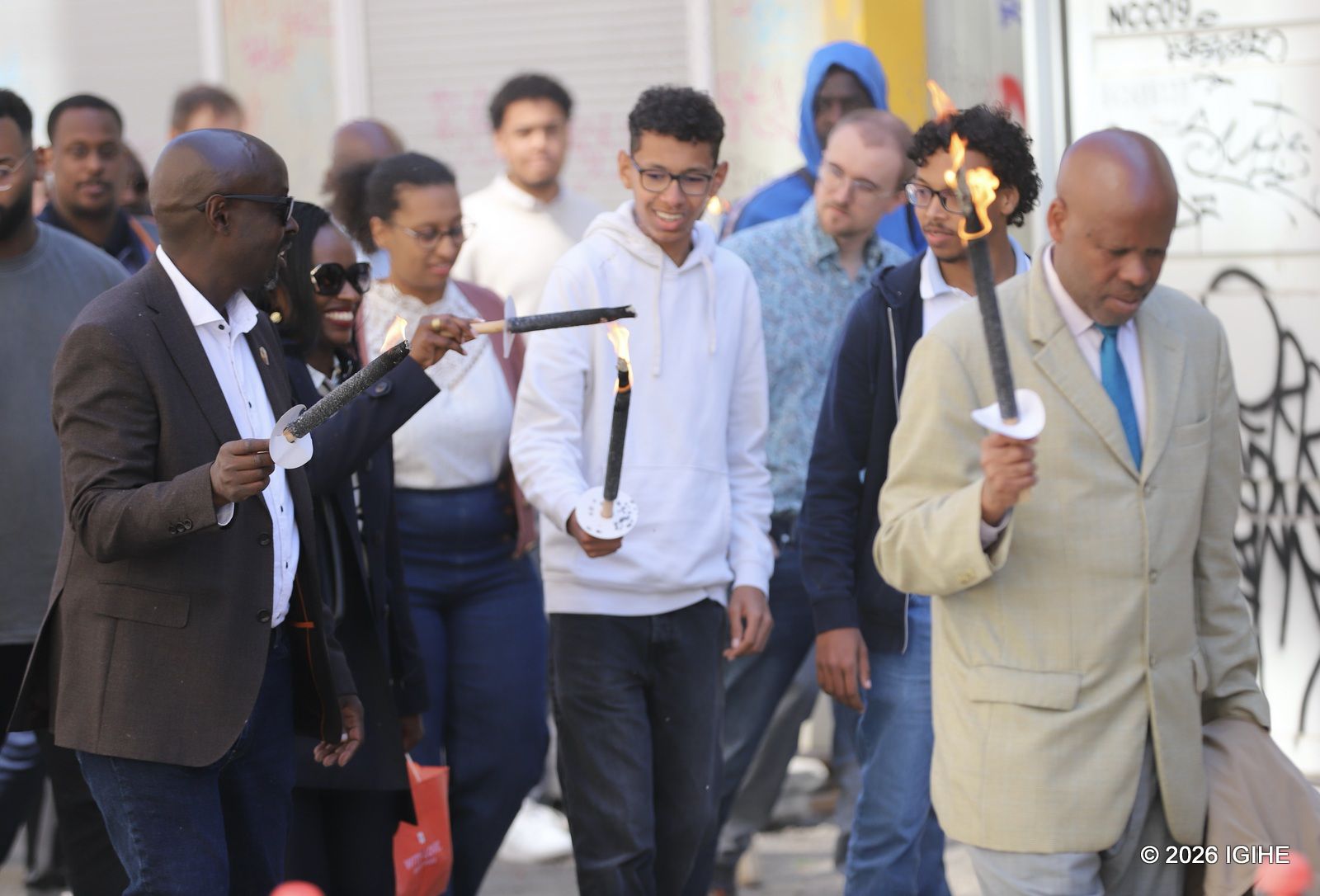
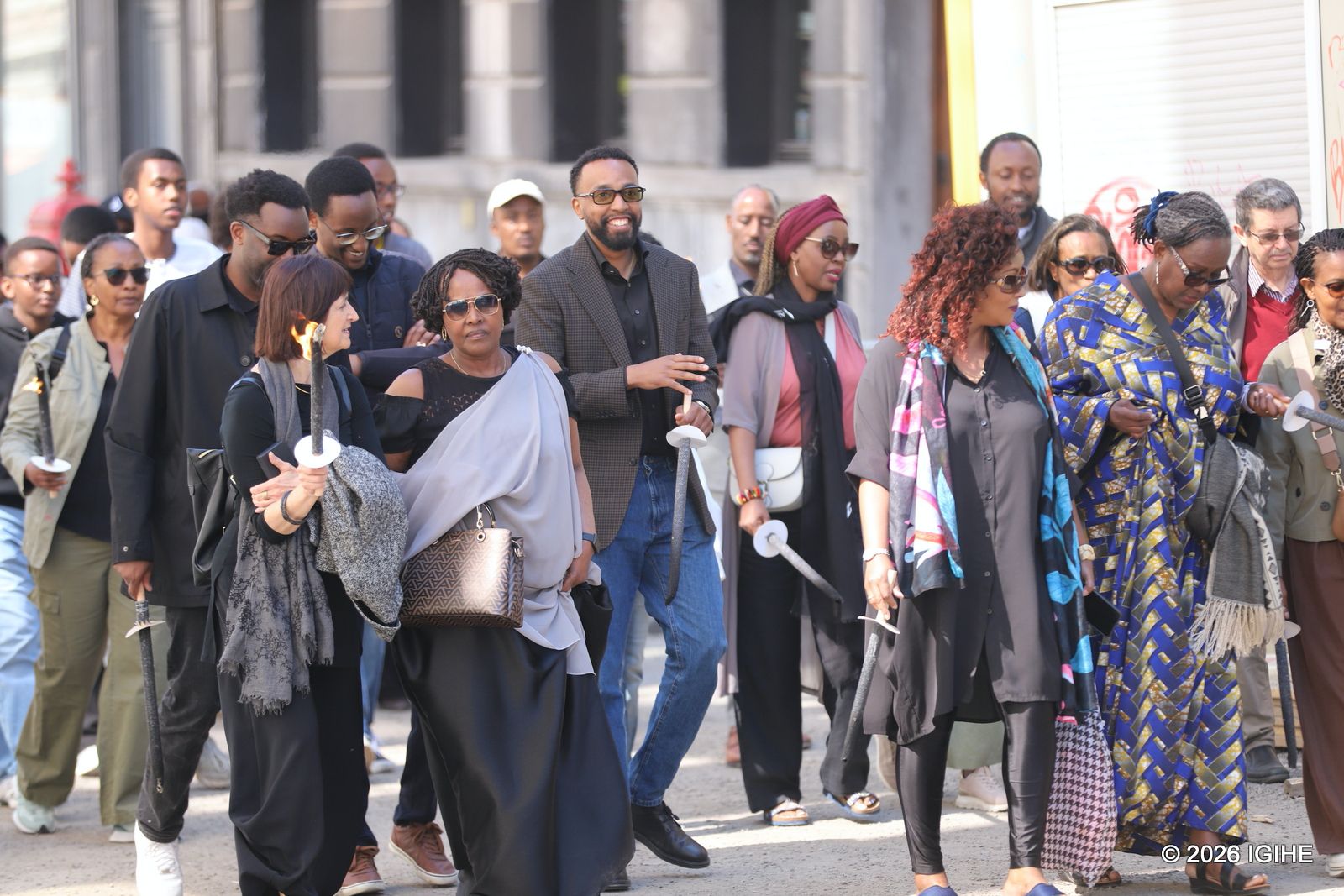
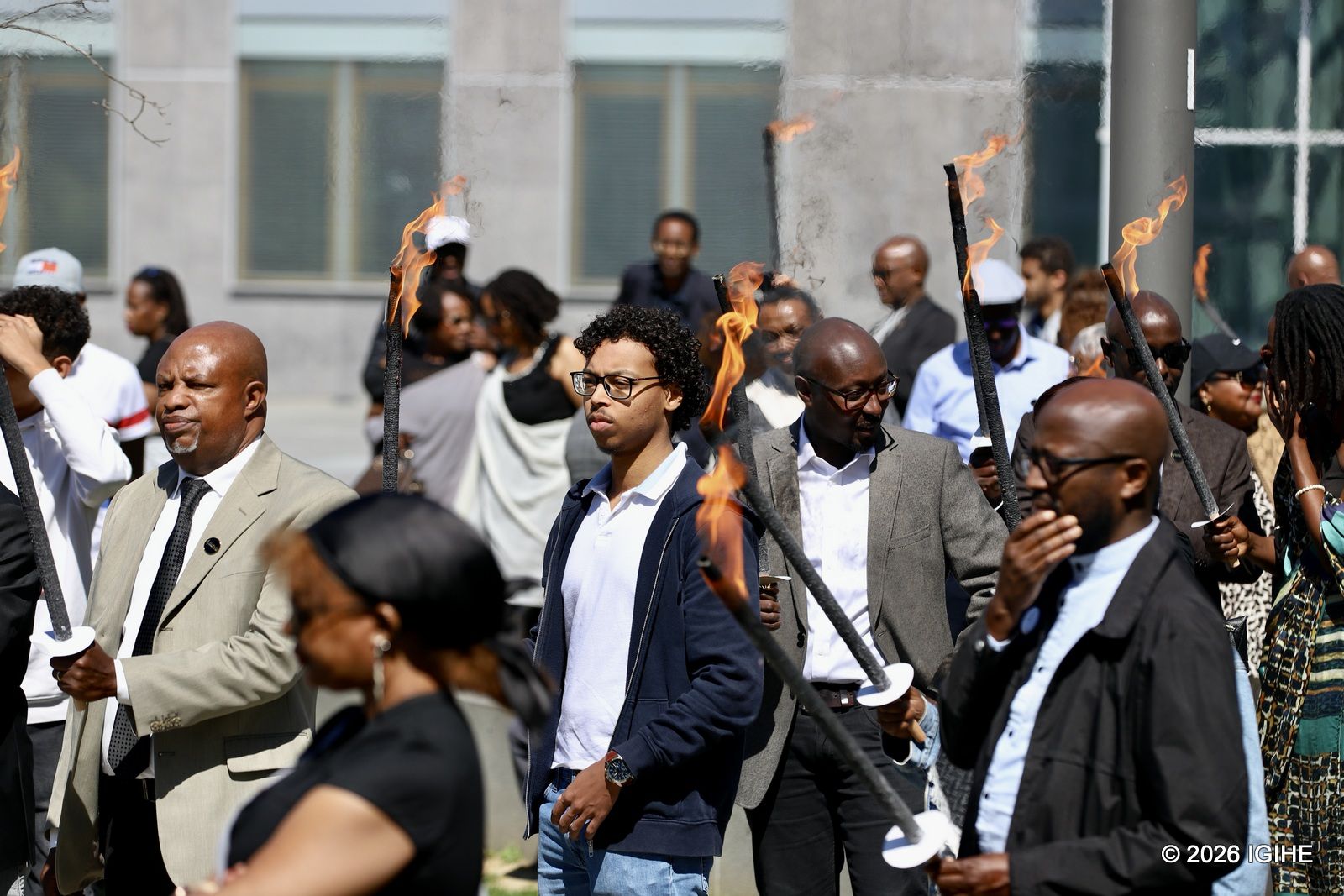
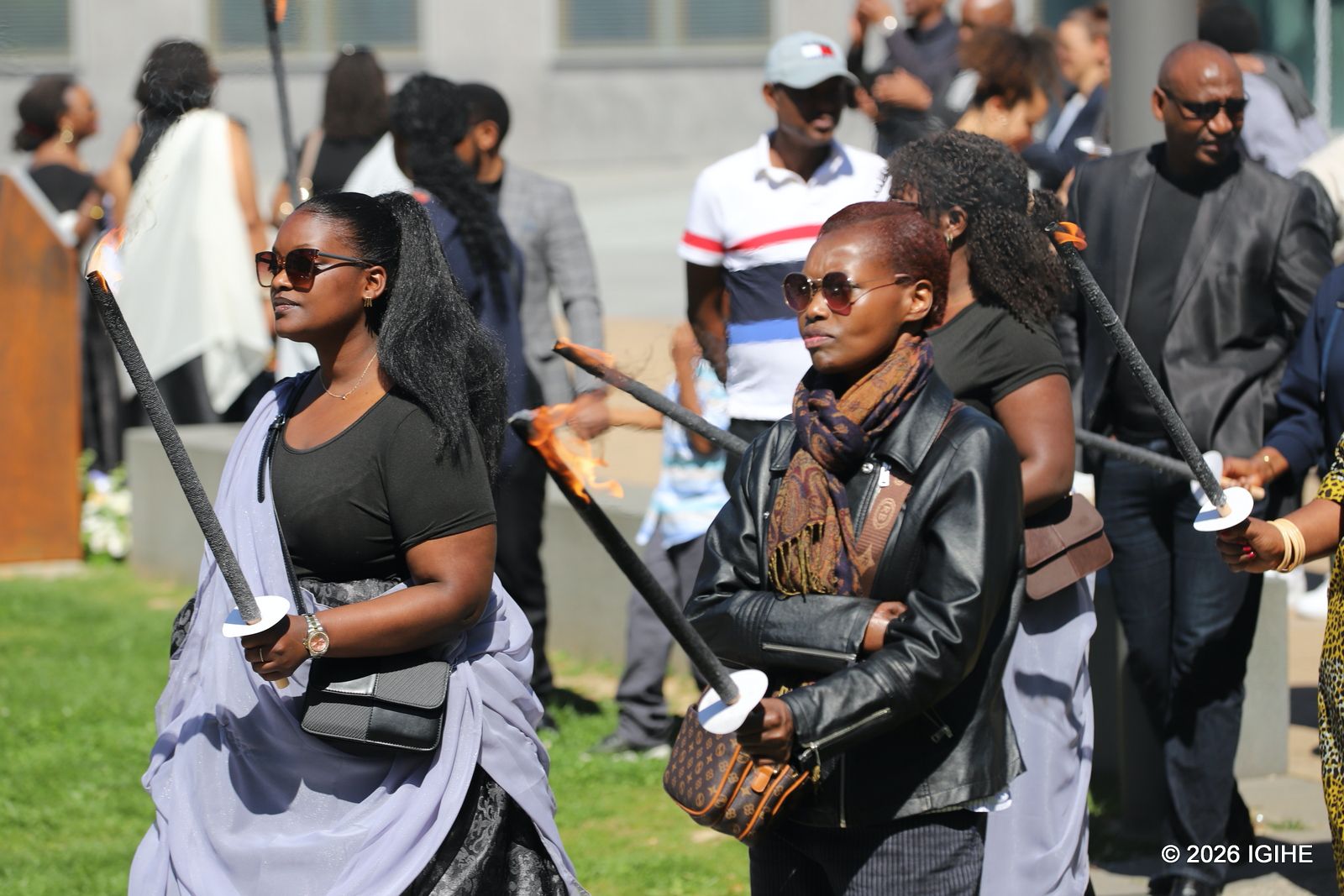
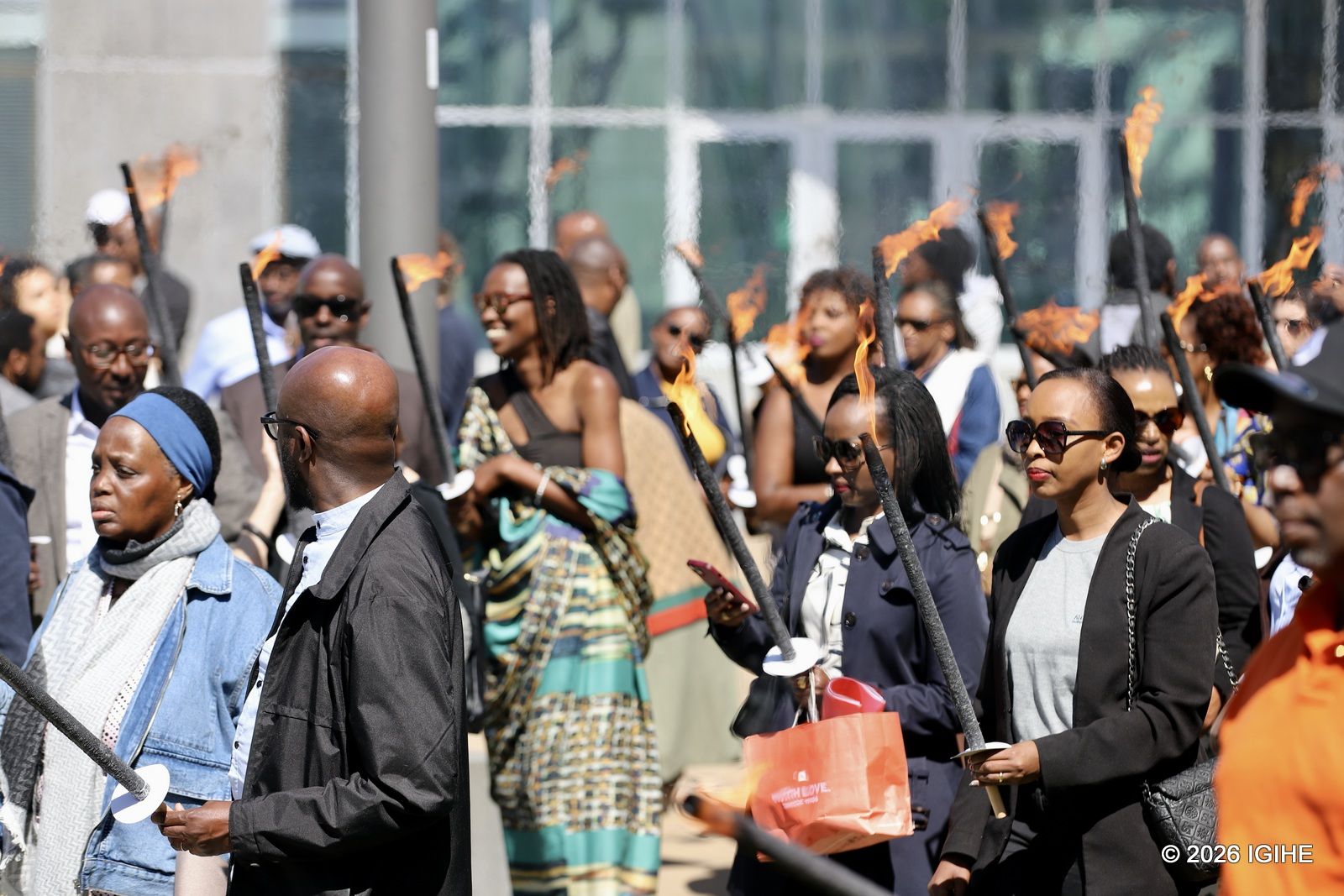
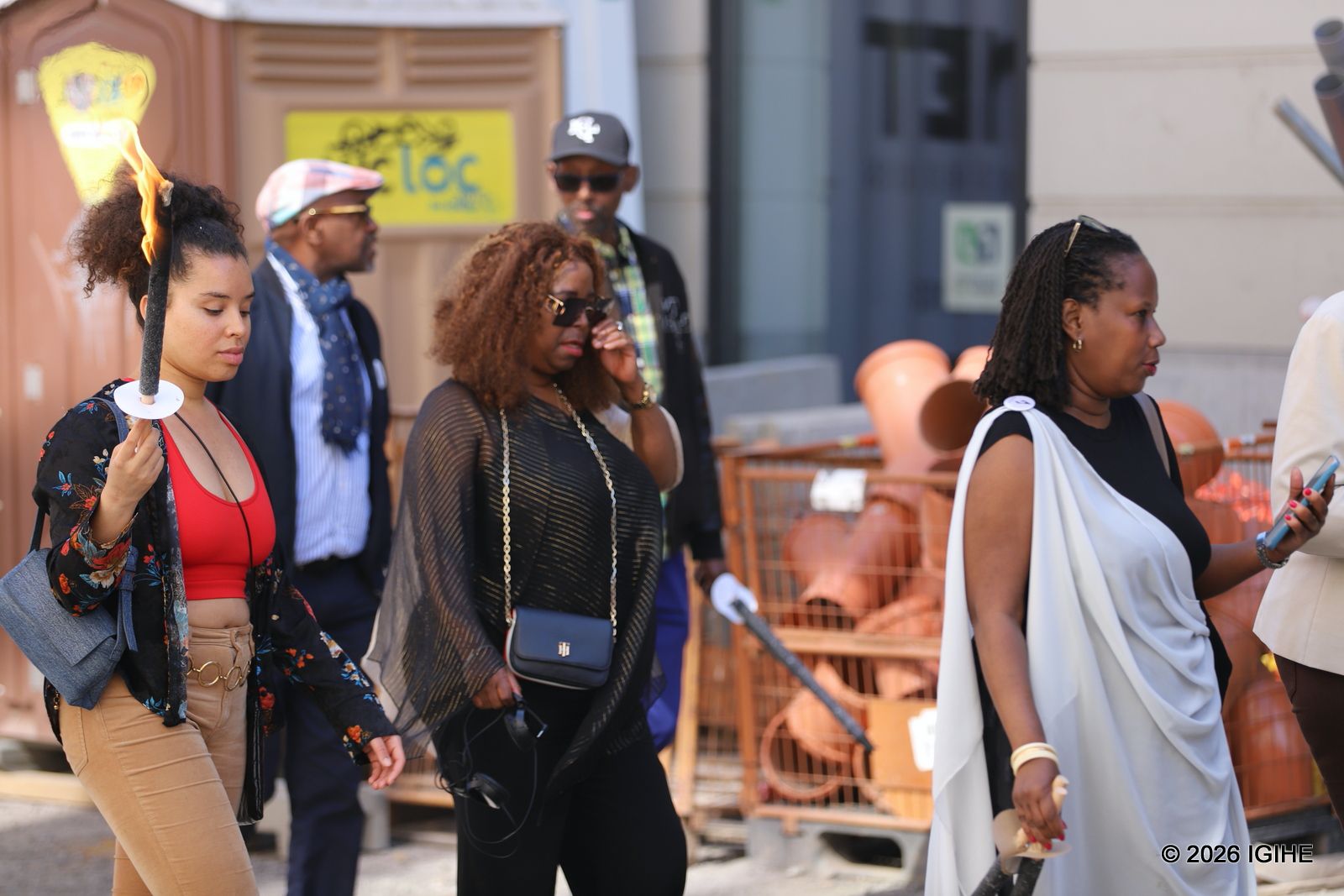
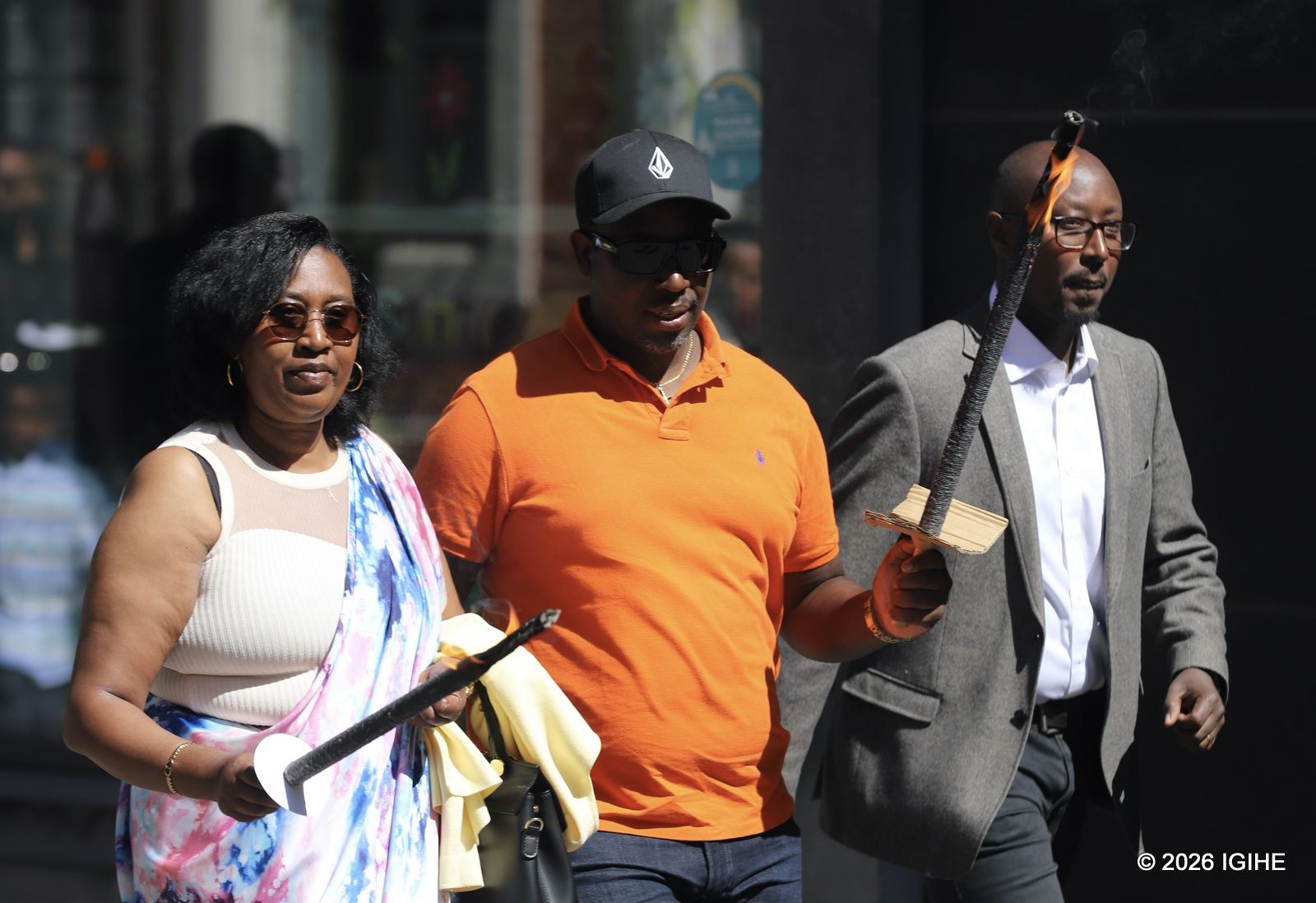
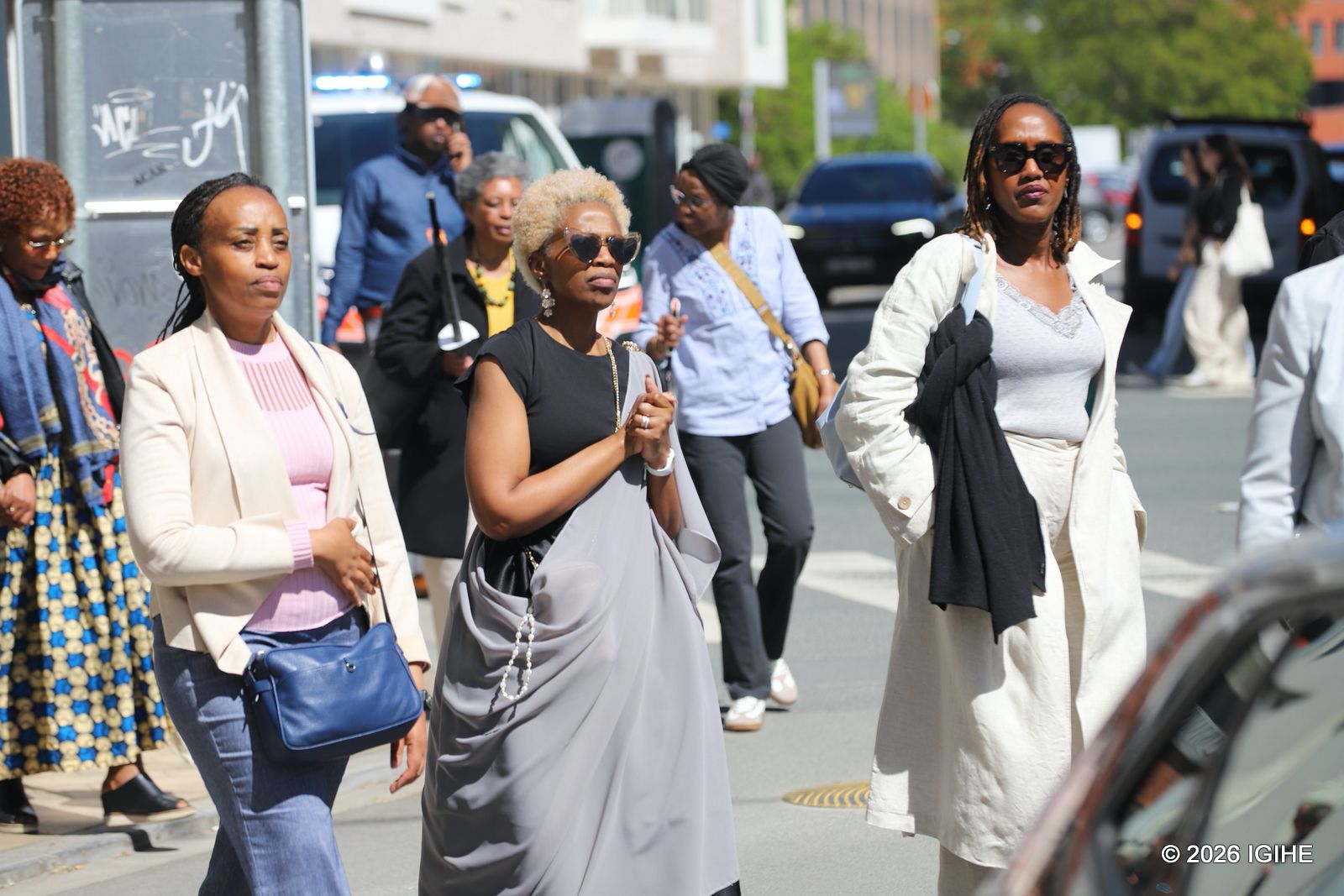
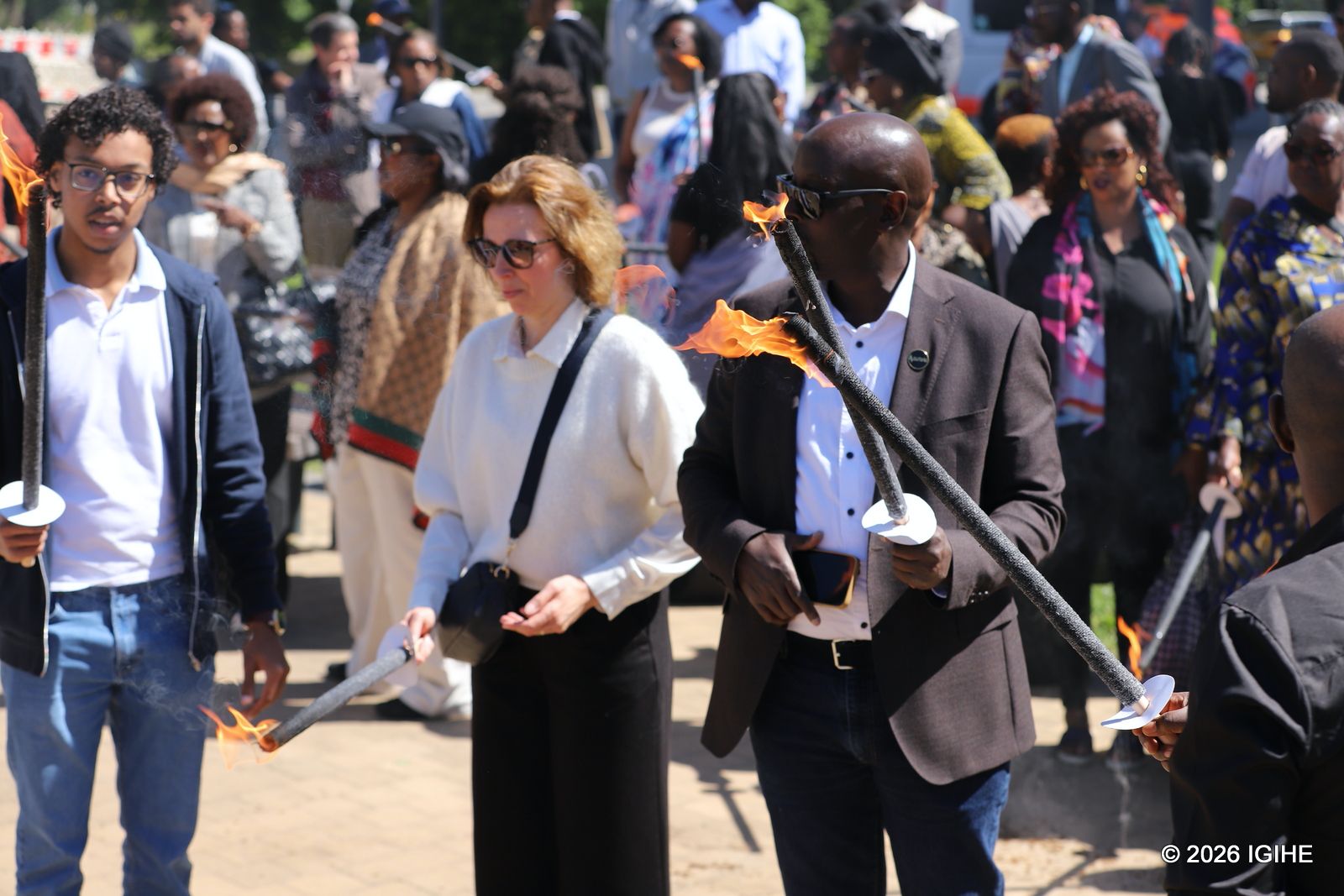
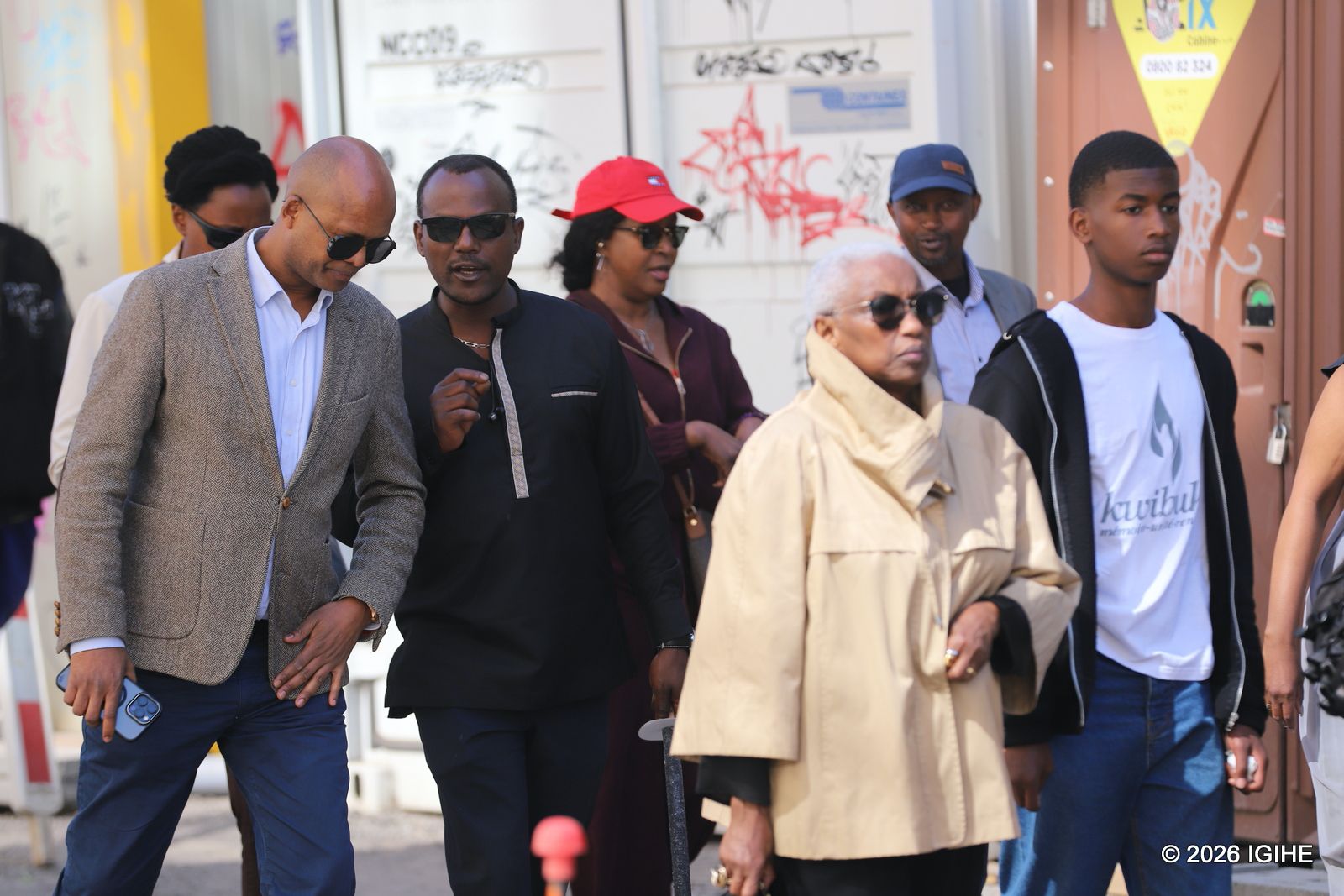
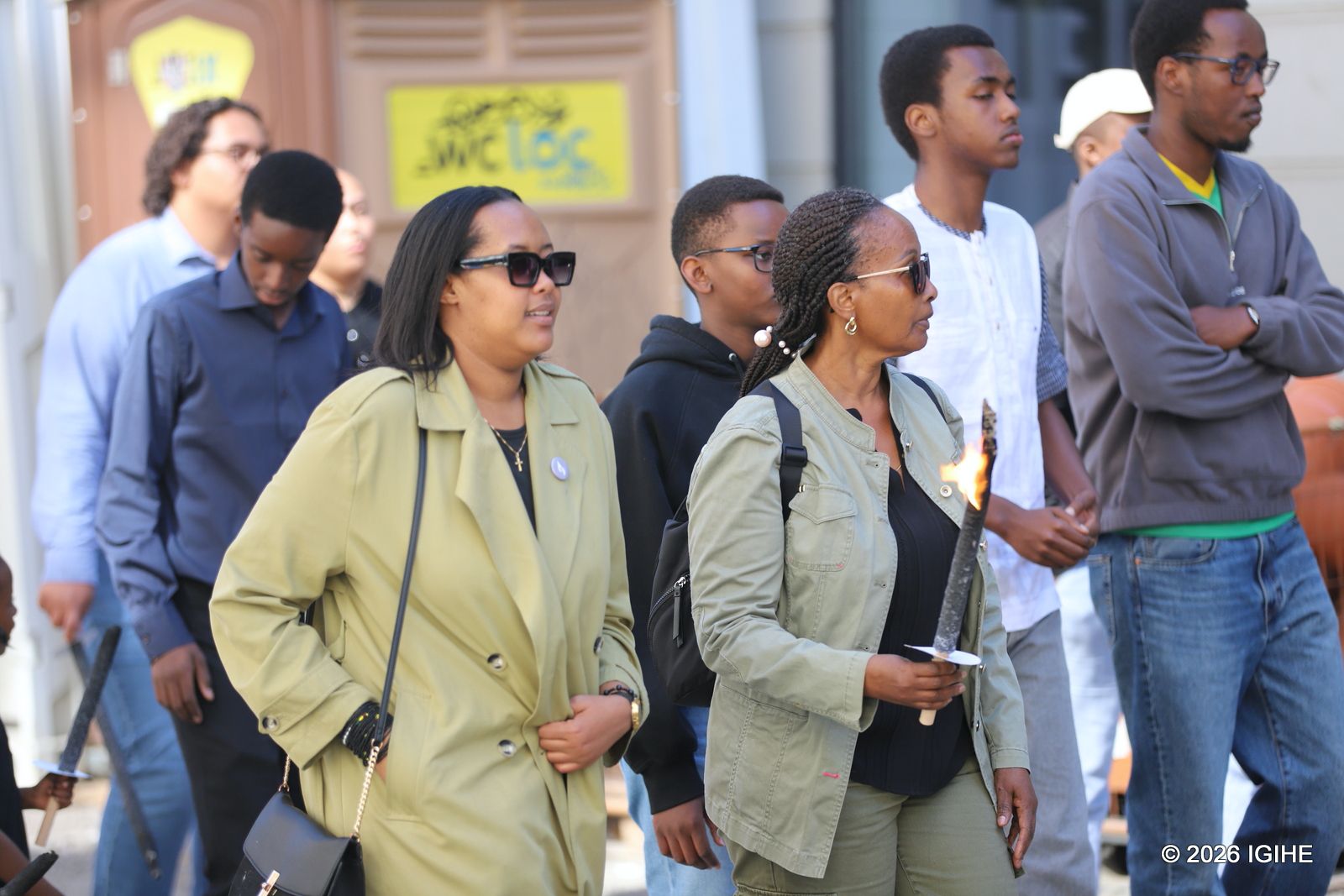
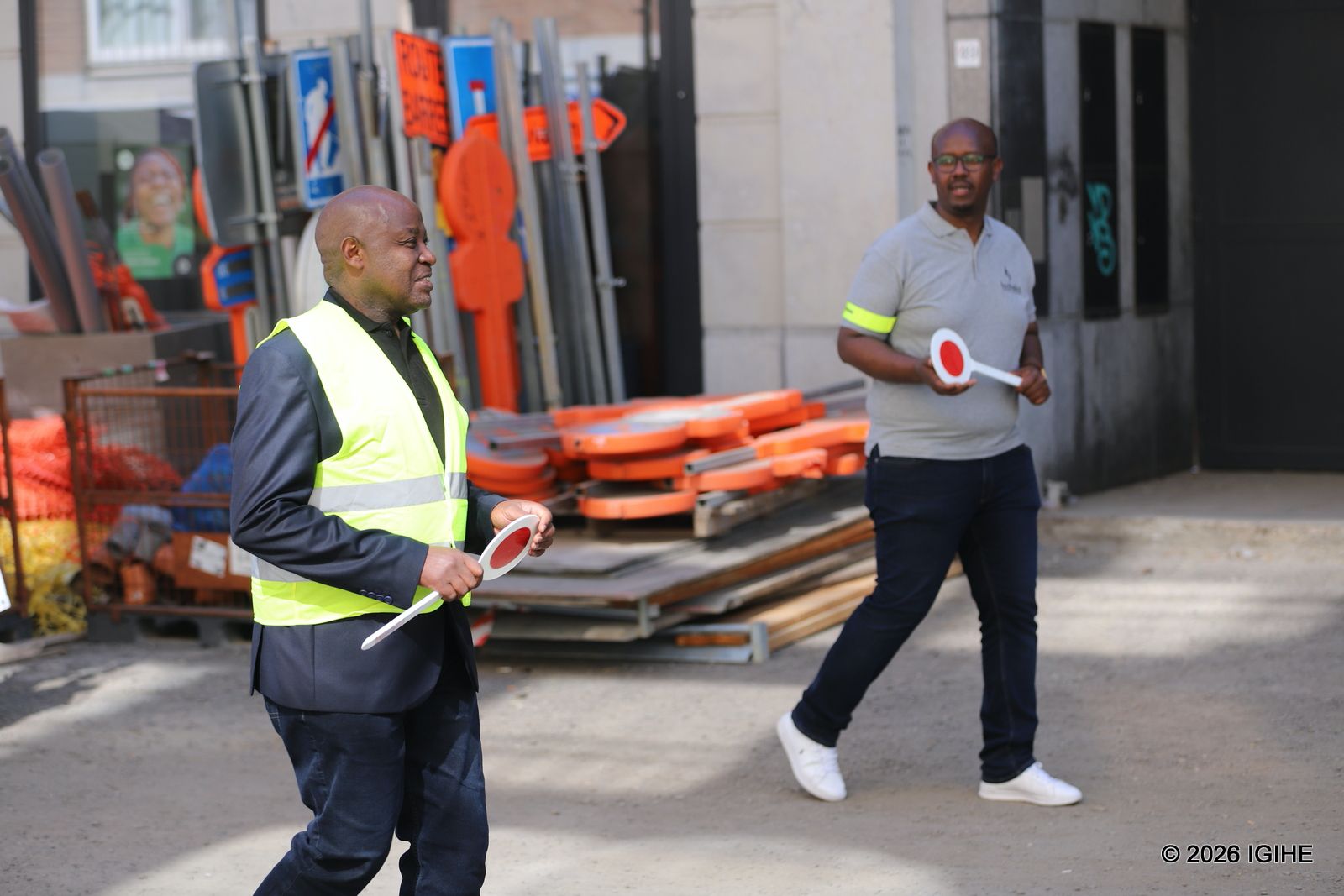
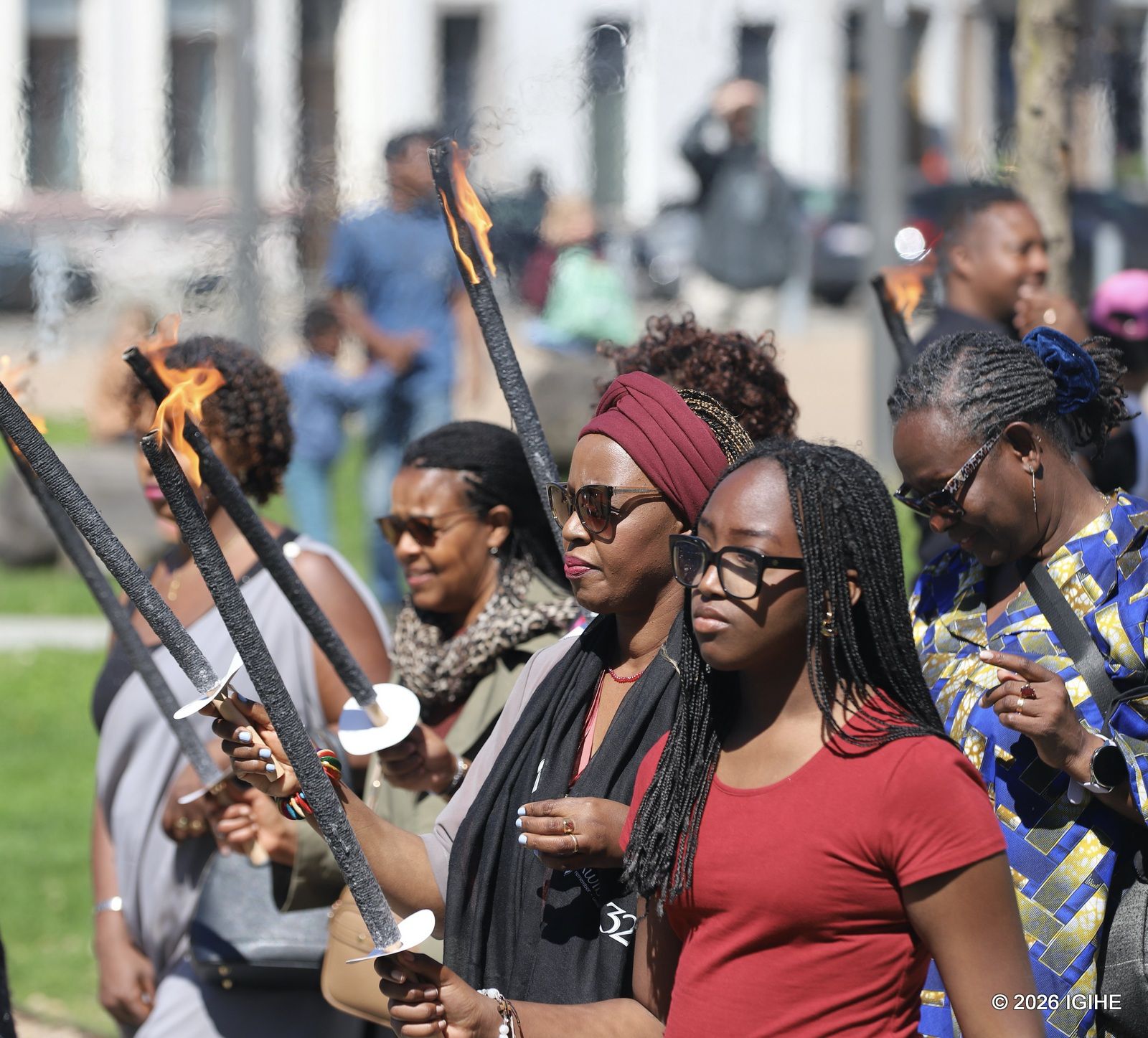
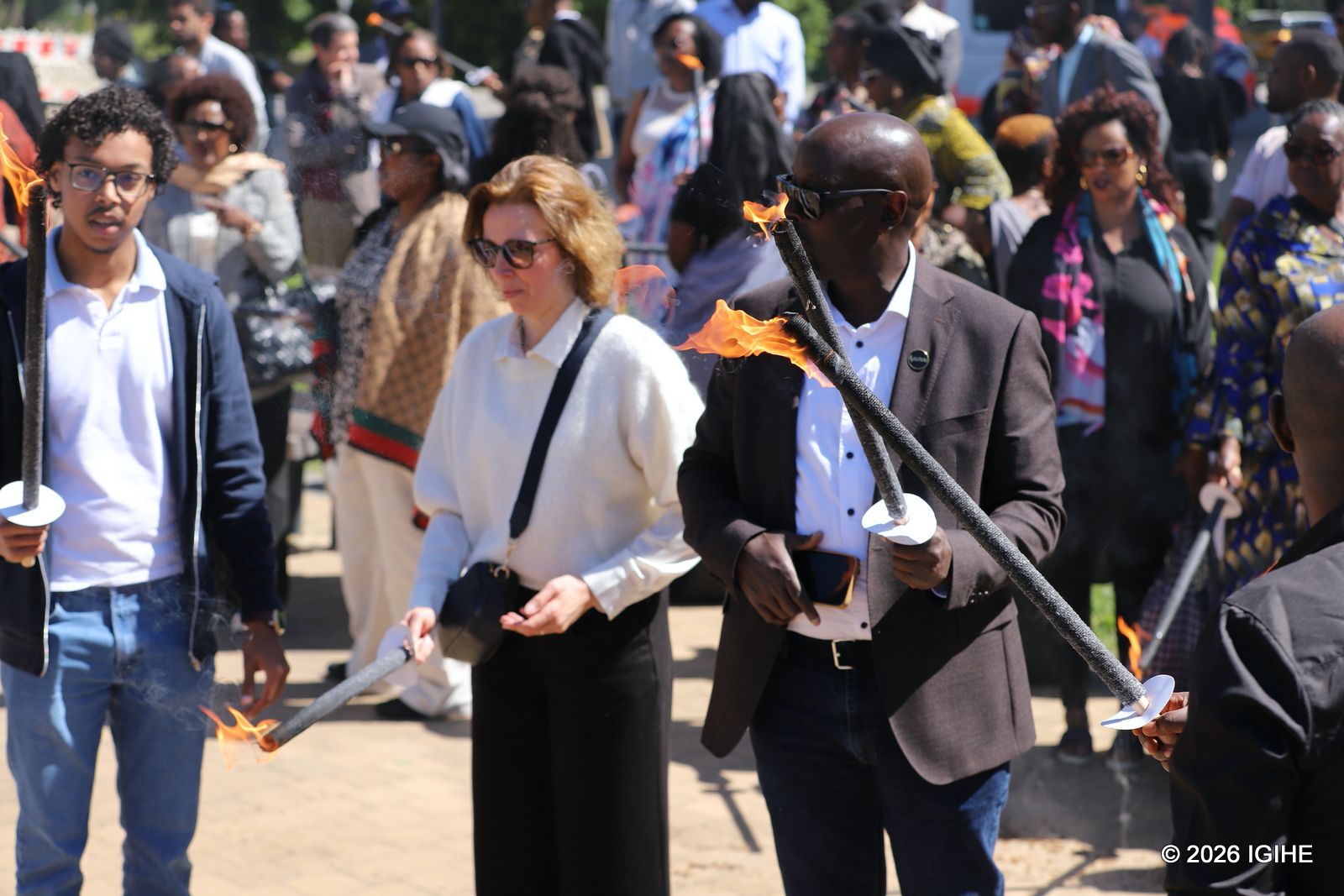
The commemoration began with remembrance walks, followed by tributes to the genocide victims.
During the commemoration at the Gisenyi Genocide Memorial in Rubavu District, the Mayor of Rubavu District, Prosper Mulindwa, emphasized that remembrance must be reflected in concrete actions and go hand in hand with a commitment to ensure that such atrocities never happen again.
He called on individuals and institutions to actively contribute to preventing divisions in society.
The mayor also commended Bralirwa Plc, stating that its involvement in remembrance activities is a valuable contribution to Rwanda’s efforts to preserve the memory of the Genocide against the Tutsi.
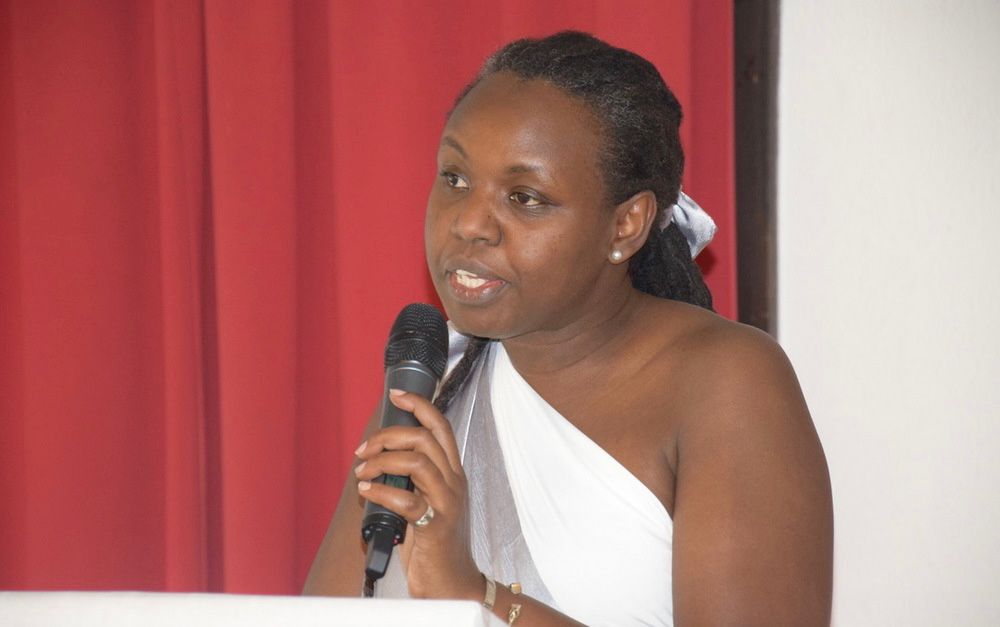
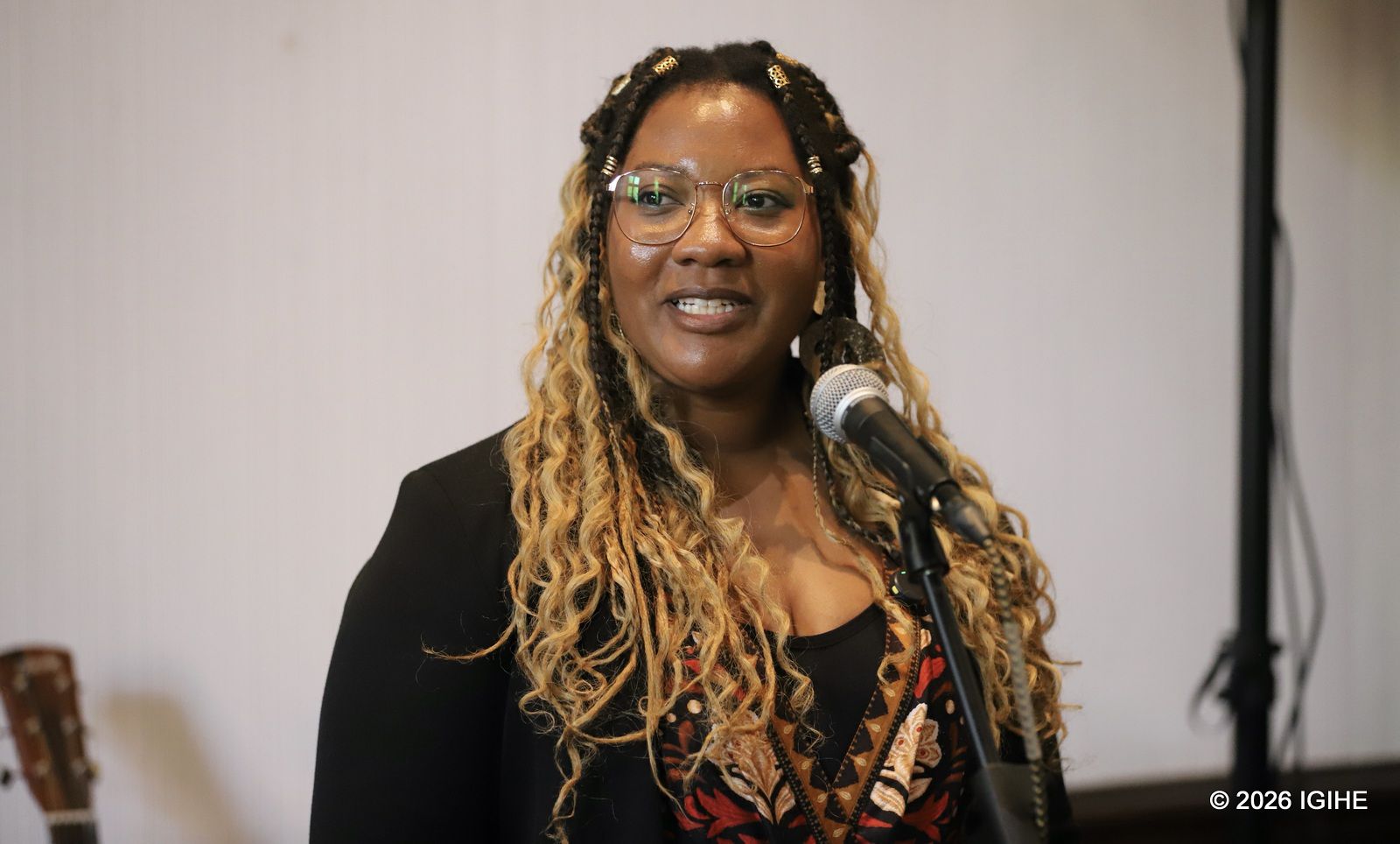
The Managing Director of Bralirwa Plc, Ethel Emma-Uche, expressed condolences to the families of former employees who were killed simply because of their identity.
“We remember our employees who were among those killed during the 1994 Genocide against the Tutsi. We honor their lives and extend our heartfelt condolences to their families and friends during this period of remembrance,” she said.
She added that Bralirwa Plc has now committed to promoting an inclusive workplace culture based on equality, respect, and care for all employees.
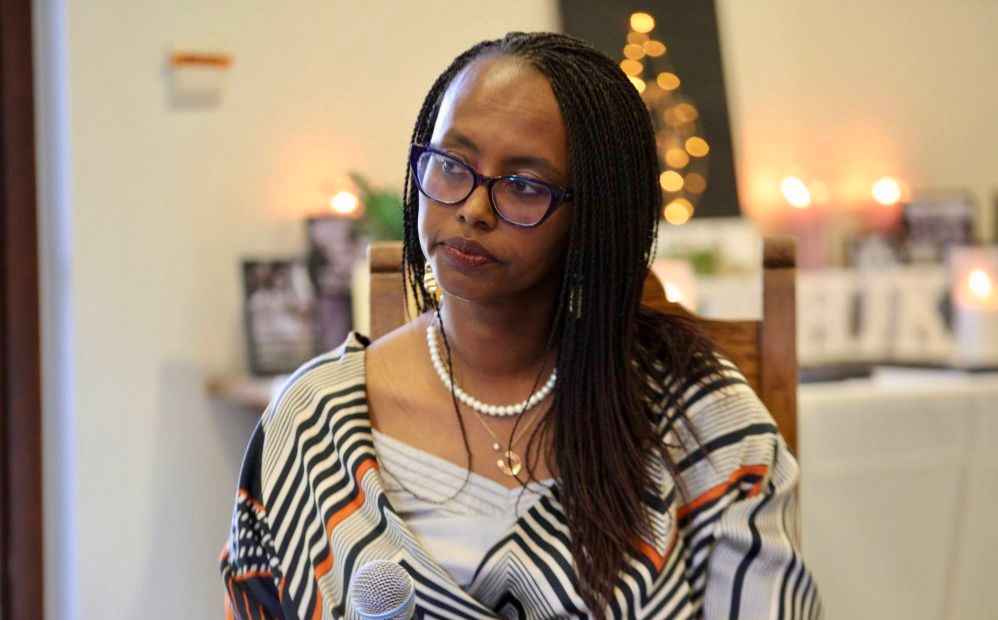
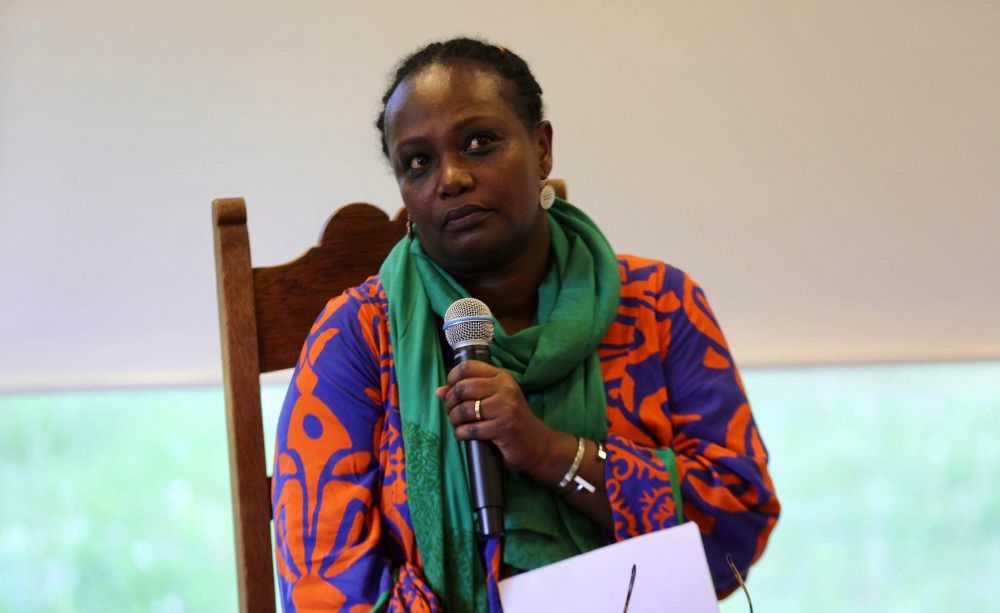
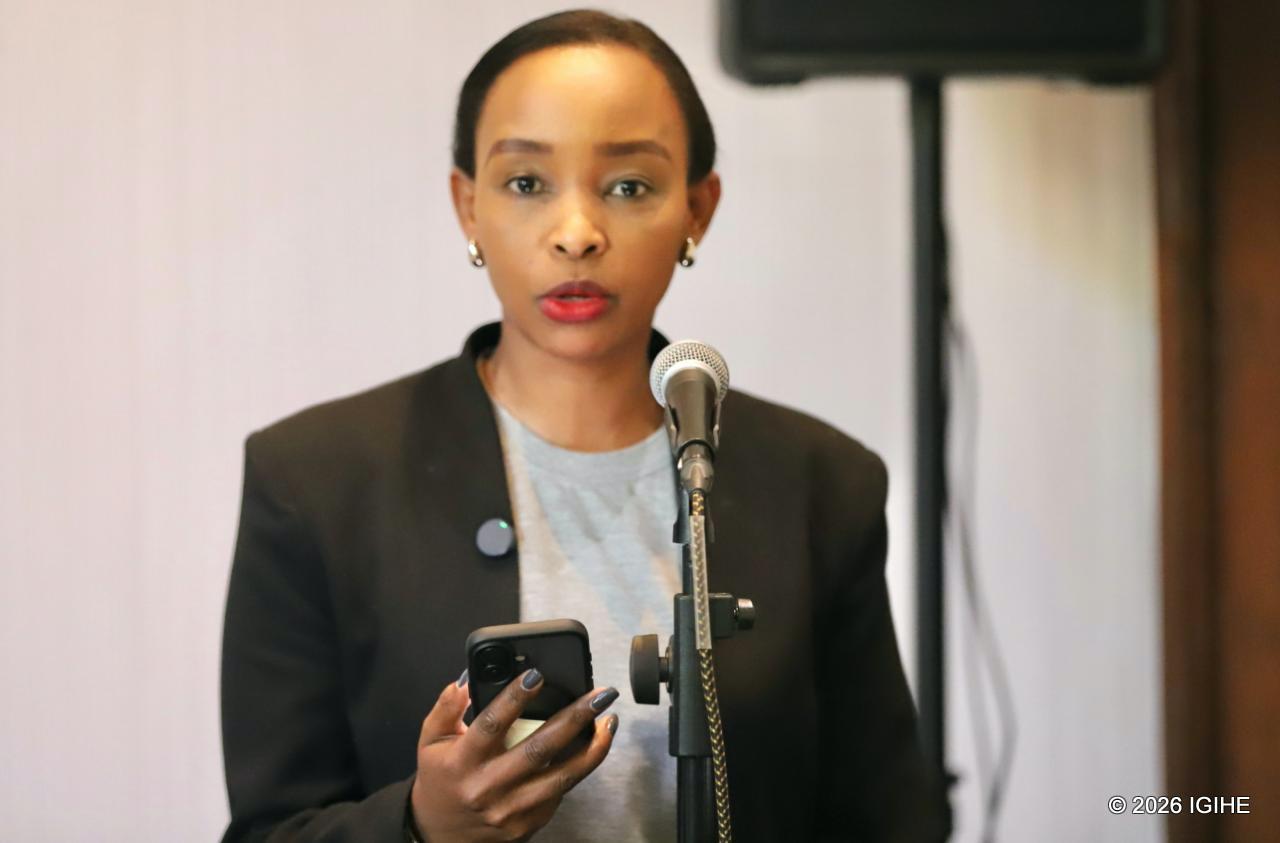
The Executive Director of the Memory and Genocide Prevention Department at the Ministry of National Unity and Civic Engagement, Veneranda Ingabire, highlighted that commemoration activities play a crucial role in healing the wounds of genocide, preventing its recurrence, and providing lessons for a better future.
The Executive Director of the Memory and Genocide Prevention Department at the Ministry of National Unity and Civic Engagement, Veneranda Ingabire, noted that remembrance plays a key role in healing wounds.Rubavu District Mayor Prosper Mulindwa emphasized that remembrance must be accompanied by a commitment to ensure such atrocities never happen again.Ibuka Executive Secretary Ahishakiye Naphtal delivered a presentation during the commemoration event.Bralirwa Plc Managing Director Ethel Emma-Uche expressed condolences to families of former employees killed because of their identity.Bralirwa Plc leadership paid tribute to former employees who were killed during the Genocide against the Tutsi.Bralirwa management and staff visited the Nyanza Genocide Memorial in Kicukiro District.Bralirwa employees took part in a remembrance walk to honor victims of the Genocide against the Tutsi.
The commitment was made on April 17, 2026, during a visit to the Nyanza Genocide Memorial in Kicukiro, where the staff paid tribute to the victims of the 1994 Genocide against the Tutsi laid to rest at the site.
During the visit, employees were taken through the detailed history of the memorial, from the departure of Belgian peacekeepers at the former ETO Kicukiro site to the tragic events that led to the killing of civilians who had sought refuge there in Nyanza.
QT Holding Ltd is an IT solutions company that oversees two subsidiaries: QT Global Software Ltd, which develops software solutions, and RSwitch Ltd, which provides electronic financial transaction services.
The Chief Executive Officer of QT Holding Ltd, Robert Kainamura, said the visit served as a reminder of Rwanda’s painful history, the difficult role played by the Rwandan Patriotic Army in ending the genocide, and the country’s broader journey toward self-reliance.
He noted that the memorial highlights how Rwandans were abandoned by those who were supposed to protect them, stressing the importance of self-reliance and resilience.
“This memorial reminds us that our people were abandoned by those who were meant to protect them, despite having the capacity to stop the mass killings,” he said. “It teaches us the importance of self-reliance.”
He added that this lesson aligns with the company’s mission to develop homegrown technological solutions in areas such as healthcare systems, asset management, and cybersecurity, emphasizing that 99 percent of the company’s workforce is Rwandan.
Kainamura further stressed the importance of exposing young employees to the country’s history to ensure that the lessons of the past are preserved and that such atrocities never happen again.
An employee at RSwitch, Rebecca Uwamahoro, said the visit reinforced her responsibility as a young person to confront genocide denial and distortion, especially on social media platforms.
“As young people, it is our responsibility to come to memorial sites like this, learn and understand the history, and then actively challenge those who deny or distort the Genocide against the Tutsi using social media platforms,” she said. “We must speak the truth, present evidence, and help educate those who have not yet had the opportunity to visit such places.”
The management of RSwitch emphasized that the workforce is largely composed of young professionals, and encouraged them not to underestimate their role in shaping national discourse, noting that many members of the Rwandan Patriotic Army who ended the genocide were also young people.
As part of the commemoration, QT Holding staff also laid wreaths and paid respects at the mass graves at the Nyanza Genocide Memorial, where more than 105,000 victims are buried.
QT Holding Ltd CEO Robert Kainamura noted that the Nyanza Genocide Memorial reminds Rwandans of the importance of self-reliance.QT Holding Ltd staff paid tribute and laid wreaths at the mass graves of over 105,000 victims buried at the Nyanza Genocide Memorial.After visiting the Nyanza Genocide Memorial, QT Holding staff continued with commemoration talks and lit a flame of hope. After the memorial visit, participants held discussions reflecting on the purpose of the visit.QT Holding staff paid respects at the graves of more than 105,000 victims buried at the Nyanza Genocide Memorial.QT Holding staff learned about the history behind the Nyanza Genocide Memorial.
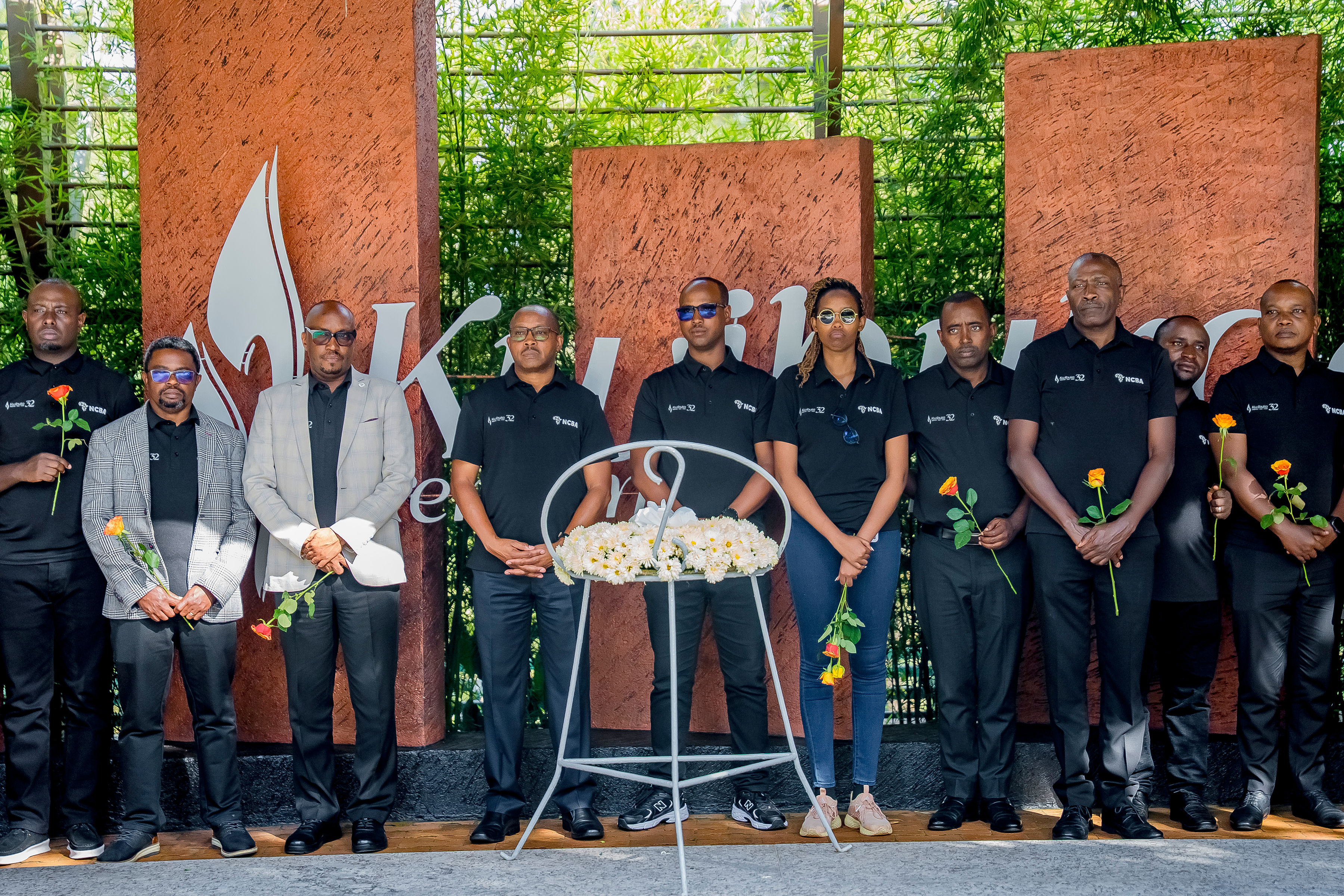
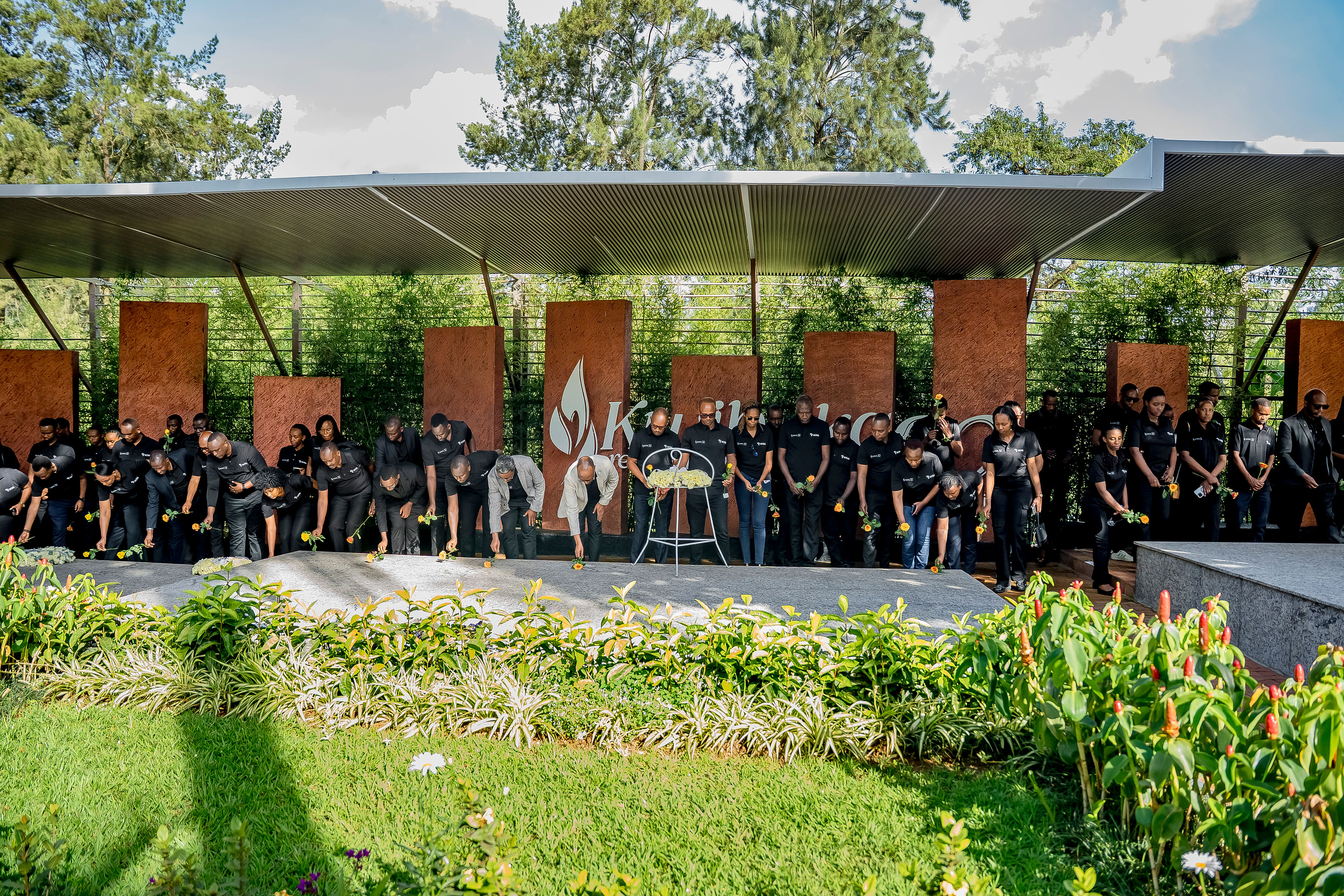
The commemoration brought together NCBA staff and leadership at the Kigali Genocide Memorial in Gisozi, where they paid tribute to more than 250,000 victims laid to rest at the site. Gisozi serves not only as a place of remembrance, but also as a centre for learning.
Staff were guided through the memorial, reflecting on the events that led to 1994, the devastating loss of over one million lives, and the country’s journey of rebuilding through unity, accountability, and resilience. They also listened to a deeply moving testimony from a survivor, alongside a detailed narration of the events before, during, and after the Genocide against the Tutsi.
Speaking during the commemoration, Managing Director Maurice Toroitich emphasized the importance of remembrance as a shared responsibility across generations.
“We are part of a generation that must actively protect what this country has rebuilt—a generation that must reject division, not just in moments of crisis, but in the small, everyday interactions where respect, dignity, and unity are either upheld or eroded,” he said.
The history session was led by Maj (Rtd) Jean Marie Vianney Ruhamiriza, the bank’s Security Manager, who walked the team through Rwanda’s history—from the seeds of division sown before independence, to the organised planning and execution of the genocide, and the denial that persists even today.
“That is why ‘Never Again’ is not just a statement for today. It is a daily commitment to stand against anything or anyone that seeks to rewrite history, deny the genocide, or sow new seeds of division,” he noted.
Beyond the memorial visit, NCBA Bank Rwanda has committed to extending its commemoration through tangible support initiatives aimed at restoring dignity and strengthening resilience among survivors.
As in previous years, the bank will provide livestock to support sustainable livelihoods and economic independence for genocide survivors in Musanze and Rubavu.
Through continued support to survivors and a sustained commitment to unity, the NCBA remains dedicated to playing its part in safeguarding Rwanda’s progress and ensuring that the lessons of the past continue to guide the future.
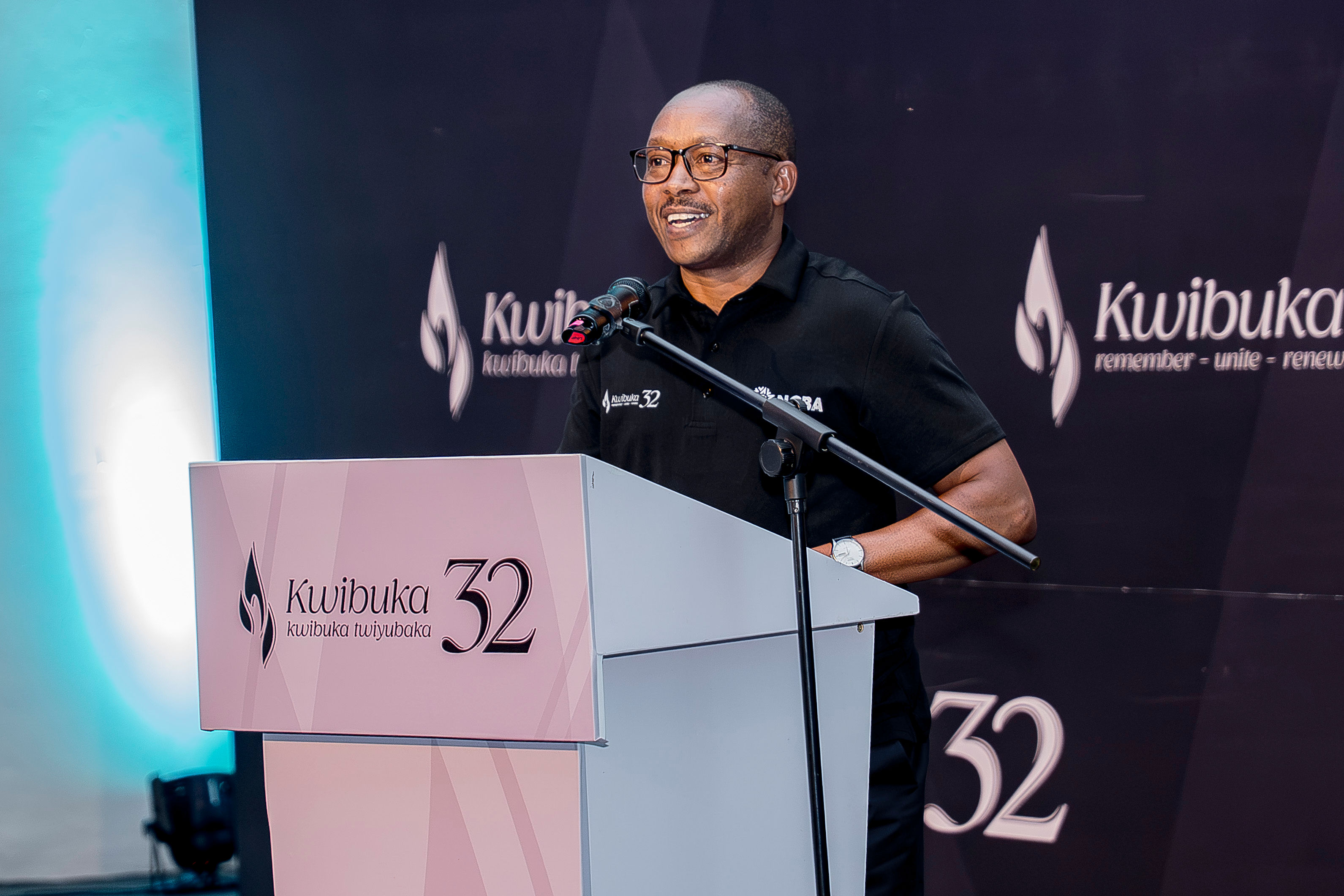
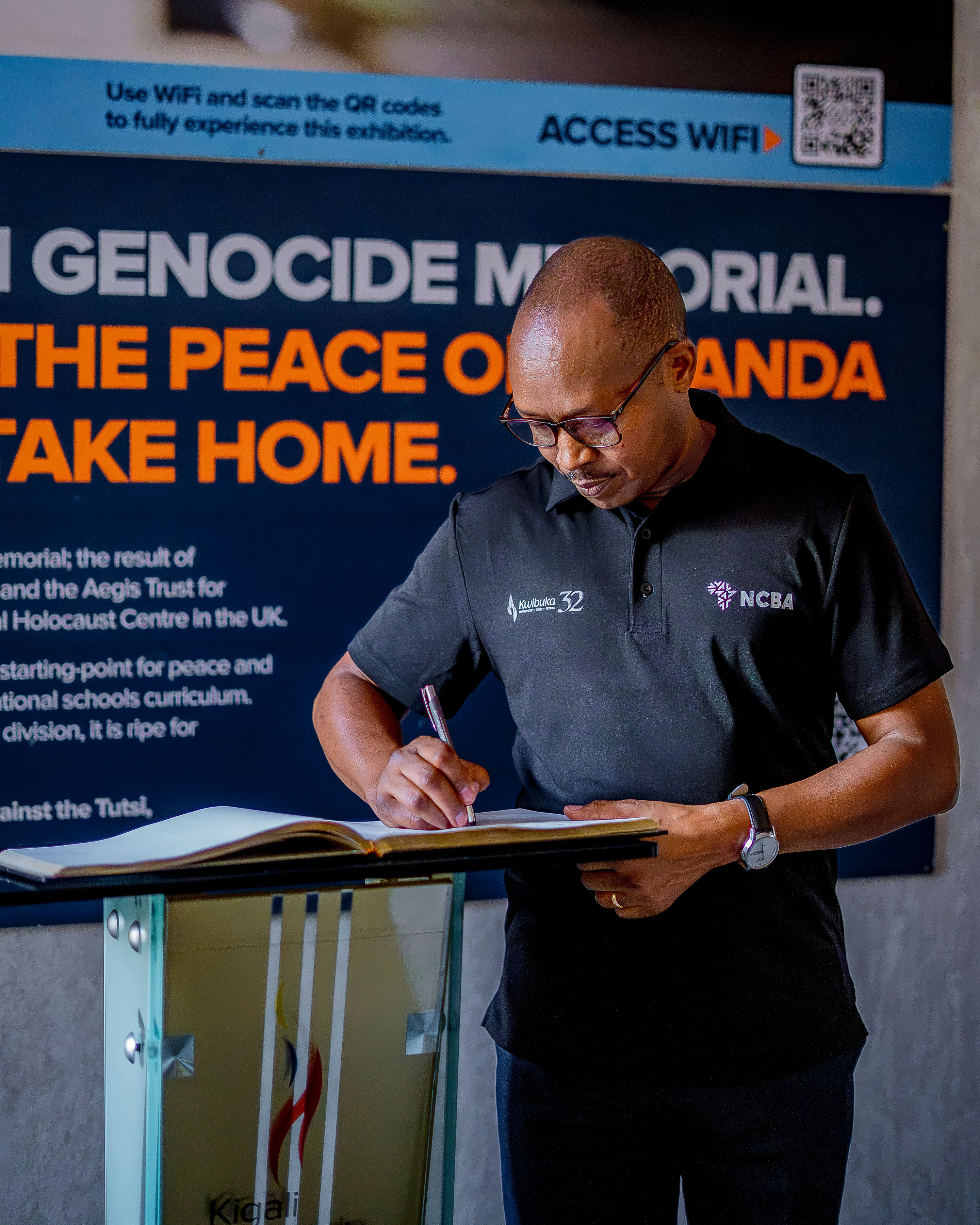
The institution reaffirmed its dedication to safeguarding Rwanda’s progress and preserving the lessons of history.Employees paid tribute to more than 250,000 victims laid to rest at the Kigali Genocide Memorial.Staff were guided through historical reflections on the events leading to and following the 1994 Genocide against the Tutsi.NCBA Managing Director Maurice Toroitich emphasized the importance of remembrance as a shared responsibility.NCBA Managing Director signing the guest book at Kigali Genocide Memorial.
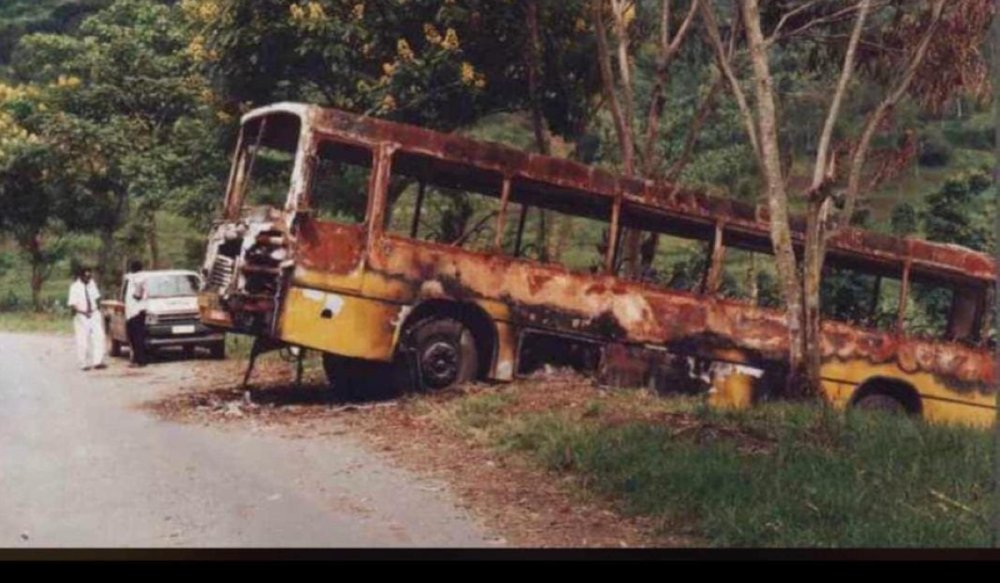
The attack bore similarities to the Nyange school massacre of March 19, 1997. Passengers were ordered to separate themselves along ethnic lines—Hutu on one side and Tutsi on the other—but they refused, insisting that they were all Rwandans.
The assailants, armed with guns and traditional weapons, first shot at the bus tires, forcing it to stop. They then boarded and again demanded that passengers divide themselves. In unison, the victims responded, “We are Rwandans.”
The attackers opened fire. Even after the shooting, they repeated their demand, but the response remained the same. Enraged, they poured petrol over the bus, which was carrying about 74 people, and set it ablaze. Some victims died inside the burning vehicle, while others who tried to escape were killed outside. Only a few survived.
The incident occurred in Gitsimbi, then part of Nyamyumba Commune, now Nyamyumba Sector in Rubavu District, early in the morning as workers were heading to their jobs.
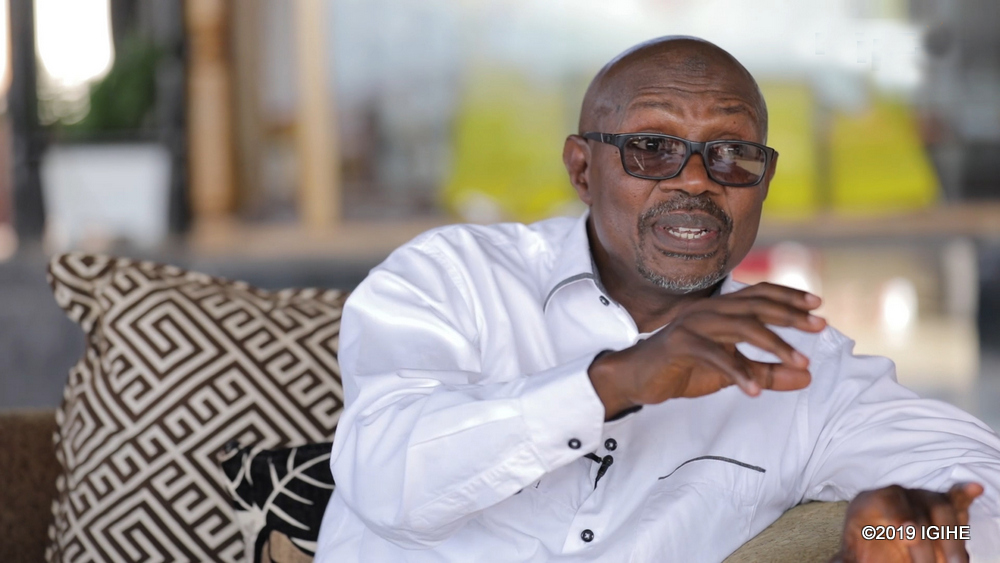
At the time, Rwanda’s current ambassador to Indonesia, Sheikh Abdul Karim Harerimana, was serving as Minister of Internal Security. In an interview with IGIHE, he recounted how he learned of the attack and the atmosphere it created in the former Gisenyi Prefecture.
He said he was informed of the attack that same morning by the then-prefect of Gisenyi. Shortly after gunfire was heard, Rwanda’s security forces were deployed to respond.
“The army was immediately alerted and intervened,” he recalled. “The prefect was on the ground and informed them. I set off to follow up on what had happened, assess the situation, and comfort the population.”
While on his way to the scene, he instructed the prefect to coordinate with the military to confront the attackers and assist victims.
At the time, infiltrator attacks were frequent in several regions, including Ruhengeri, Kigali Ngari, and Byumba, and occasionally reached Gitarama. Harerimana noted that although some planned attacks were thwarted thanks to intelligence, others occurred without prior warning.
He explained that in this particular case, authorities had no prior intelligence, partly because infiltrators from groups such as PALIR and ALIR had local collaborators, especially in Gisenyi, who provided them with information.
“We did not know about it in advance,” he said. “Had we known, we would have prevented it, as we often did. There were many collaborators in Gisenyi who worked closely with these groups and shared information about our forces.”
However, he noted that the brutality of the attack became a turning point. Residents who had previously cooperated with infiltrators were shocked by the violence and began to distance themselves, eventually providing information to authorities.
“People saw with their own eyes what had happened,” he said. “The victims were ordinary residents of Gisenyi. That is when people realized that those they had been hiding were actually the ones responsible for such atrocities.”
Following the attack, cooperation between citizens and security institutions improved, which contributed to efforts to dismantle infiltrator networks.
Harerimana described the scene upon arrival as tense and frightening. Fighting was still ongoing, with security forces exchanging fire with the attackers while some people tried to extinguish the burning bus.
Civilians watched in fear, some taking cover as the confrontation unfolded. He noted that several infiltrators were killed, some captured alive, while others managed to escape.
He recalled addressing residents afterward, reassuring them that the government’s responsibility was to protect them and condemning those responsible for the violence.
“We told them that those causing insecurity were known—the infiltrators,” he said. “We visited the site, the town, and hospitals, and also held a meeting in Gisenyi. Gradually, confidence began to return.”
He also revealed that before this shift, some residents used coded language and indirect communication to collaborate with infiltrators, making it difficult for authorities to gather intelligence.
According to Harerimana, the attack illustrated how extremist agendas could drive perpetrators to commit acts of violence without regard for human life, believing they could blame the government.
He explained that the attackers targeted known residents with the intention of spreading fear and undermining confidence in state protection, while also attempting to create the impression that the government was responsible.
He added that individuals captured during such operations were not mistreated. Instead, they were sensitized and, in some cases, reintegrated, with some later joining national security forces.
At the time, Paul Kagame — then Vice President and Minister of Defence —had instructed that captured fighters be treated humanely and not harmed, a directive that guided how they were handled after arrest.
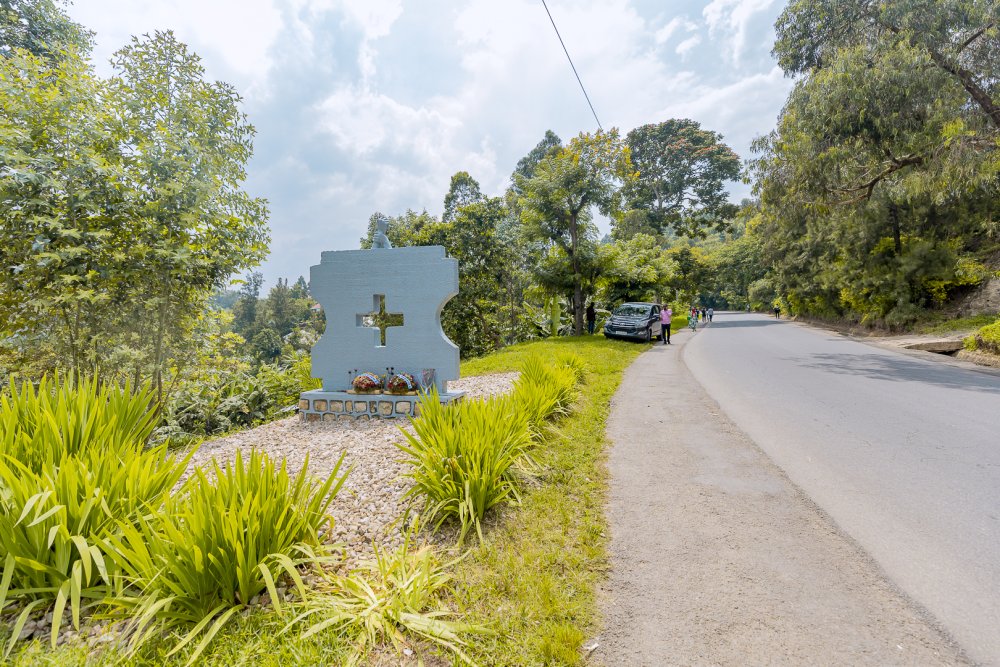
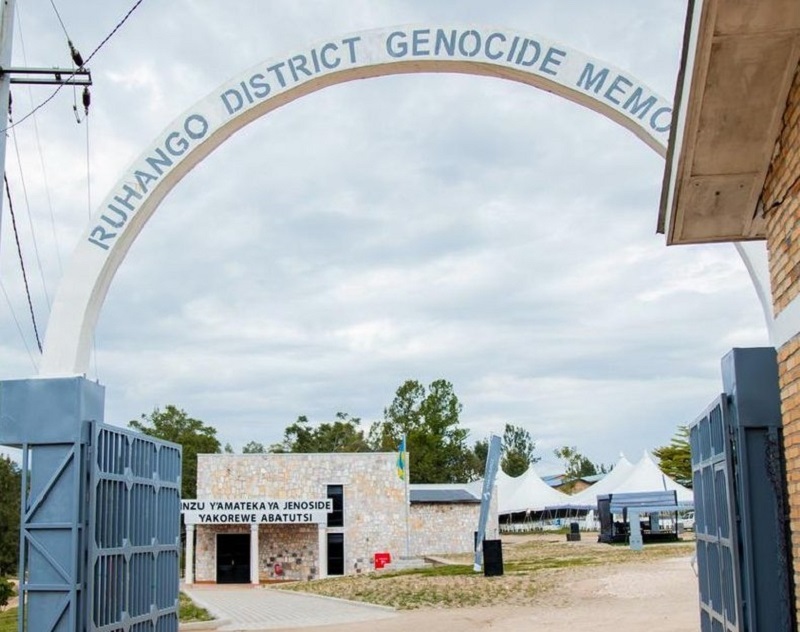
Sheikh Abdul Karim Harerimana was the Minister of Internal Security at the time of the attack.The infiltrators set fire to a bus carrying Bralirwa workers, burning it down and killing many passengers.A memorial has been established at the site where the attack took place.
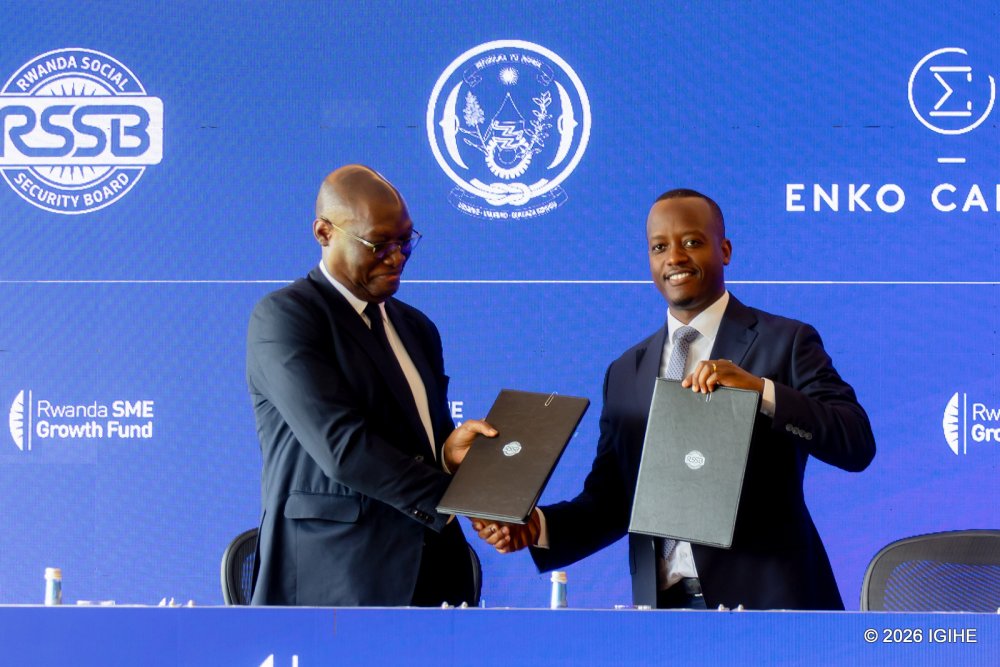
The fund, named the Rwanda SME Growth Fund, is a joint initiative between the Rwanda Social Security Board (RSSB) and Enko Capital. It was officially unveiled in Kigali on April 27, 2026, following the signing of a partnership agreement between the two institutions.
Under this arrangement, RSSB will provide the capital, while Enko Capital will be responsible for evaluating investment proposals and managing the fund’s portfolio.
The fund begins with an initial capital of $30 million (over Rwf 43 billion), with plans to expand to $100 million in the coming years. In addition to this investment, RSSB has set aside an extra Rwf 3 billion to support operational activities, including deploying skilled professionals to assist companies receiving funding.
This additional support is intended to help businesses address capacity gaps—for instance, by enabling them to recruit essential staff needed during expansion phases.
Unlike traditional financing mechanisms, the Rwanda SME Growth Fund will not offer grants or loans. Instead, it will take equity stakes in eligible businesses. Companies with viable and scalable projects will receive capital in exchange for a shareholding structure, where part of the ownership is transferred to the fund for a defined period of between five and ten years.
The Director General of RSSB, Rugemanshuro Regis, said the fund is designed to accelerate the growth of private SMEs. He noted that RSSB is also seeking additional partners to help raise the fund’s total value to $100 million.
He explained that many local industries operate below capacity, often between 40% and 50%, despite producing goods in high demand. He attributed this to the high cost and limited accessibility of bank loans, which the fund aims to address.
According to him, many entrepreneurs lack sufficient collateral to meet bank requirements, making it difficult to secure financing. As a result, businesses remain under-capitalized, limiting their production capacity and contributing to increased imports.
Businesses seeking funding will be required to submit detailed information about their operations and investment needs to Enko Capital.
Each company will be eligible to receive between $500,000 and $5 million from the fund.
RSSB indicated that after a period of five to ten years, the fund will exit its investment by selling its shares either back to the company or to other investors, depending on the growth achieved.
Co-Founder and Managing Partner at Enko Capital, Cyrille Nkontichou, emphasized that access to affordable capital remains a major challenge for SMEs, particularly due to high borrowing costs and strict lending conditions.
He noted that many SMEs lack collateral and require longer repayment periods, which often do not align with the terms offered by financial institutions. In this context, the Rwanda SME Growth Fund presents a more flexible and sustainable financing solution.
Nkontichou added that Enko Capital already operates in several African countries, managing assets worth approximately $1.7 billion. He described the firm’s expansion into Rwanda as a strategic opportunity, not only to implement this fund but also to tap into the country’s growing investment landscape.
According to the Ministry of Trade and Industry, SMEs account for 98% of all businesses in Rwanda and employ around 2.5 million people, highlighting their critical role in the country’s economy.
The fund was officially unveiled in Kigali on April 27, 2026, following the signing of a partnership agreement between the two institutions. The fund was unveiled in Kigali through a partnership between RSSB and Enko Capital.The Director General of RSSB, Rugemanshuro Regis, said the fund is designed to accelerate the growth of private SMEs.Co-Founder and Managing Partner at Enko Capital, Cyrille Nkontichou, emphasized that access to affordable capital remains a major challenge for SMEs, particularly due to high borrowing costs and strict lending conditions.
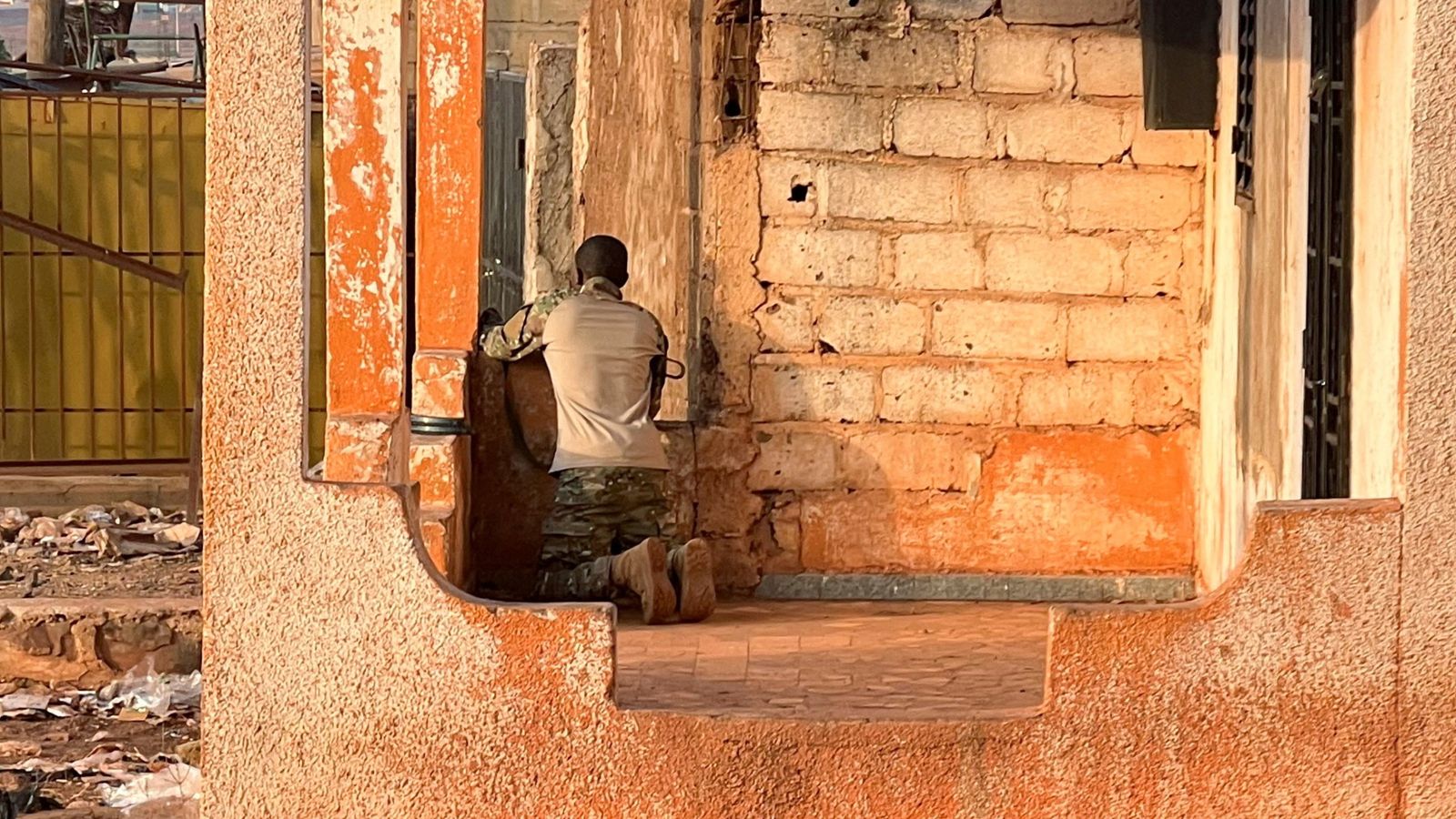
Speaking at a press briefing, Maiga said Mali was plunged into mourning by simultaneous attacks in several localities, which killed Defense Minister Sadio Camara, along with other civilian and military victims, and left others wounded.
The attackers sought to spread fear and doubt, undermine national cohesion and weaken Mali’s determination, he said, noting that these objectives have failed.
Maiga said that under the leadership of the transitional president and supreme commander of the armed forces, Mali’s military has delivered a “forceful response,” neutralizing hundreds of terrorists across the country.
The asymmetric nature of terrorist threats requires Mali to continuously adapt its security arrangements, he said, adding that lessons must be drawn from the April 25 attacks, with effective measures reinforced and necessary adjustments made to enhance security.
Mali’s transitional government has declared a two-day national mourning period starting Monday in honor of Camara, who was killed on Saturday in the attacks.
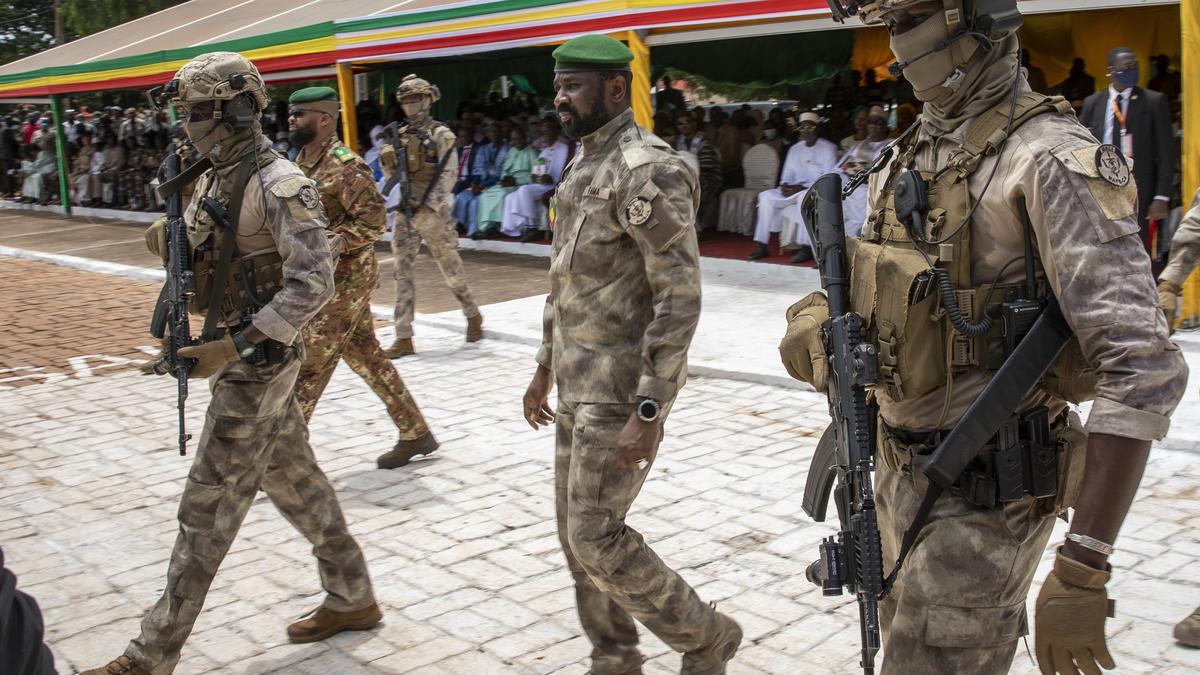
A Malian soldier takes up a position during the attack on the Kati base. Pic: Reuters
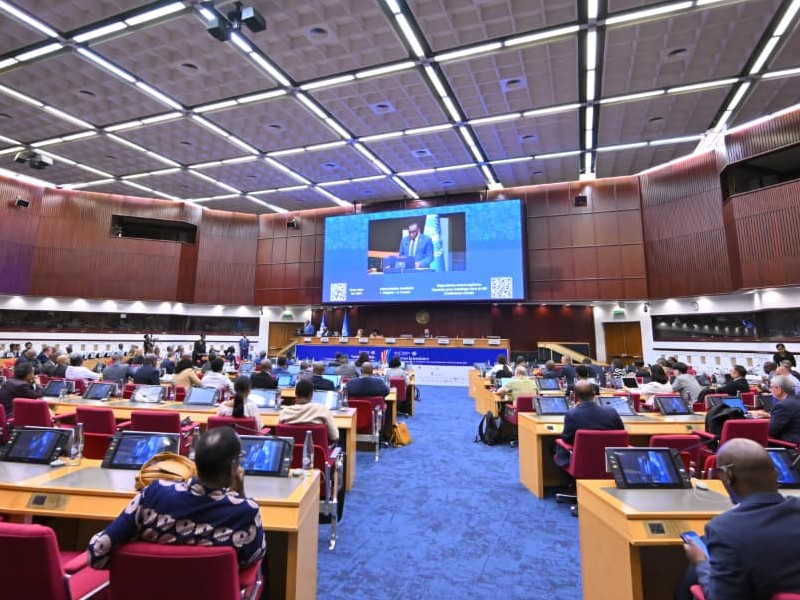
They made the call during the eighth African Science, Technology and Innovation (STI) Forum, held by the United Nations Economic Commission for Africa (UNECA) from Sunday to Monday in the Ethiopian capital of Addis Ababa.
Ugandan Minister of Science, Technology and Innovation Monica Musenero Masanza stressed the need for concerted continental efforts on STI as a central pillar to Africa’s socio-economic transformation, industrialization, value addition, and job creation.
“There is no question that STI is an essential ingredient for our nations and continent to move forward,” said Masanza. “We need to work jointly to scale practical projects. Africa does not lack ideas and strategies. Africa lacks execution at scale.”
The forum brought together African ministers responsible for STI, representatives of the African Union and various United Nations agencies, as well as private sector leaders and academia.
Noting that Africa continues to face significant digital and innovation gaps despite the opportunities presented by emerging technologies, UNECA Executive Secretary Claver Gatete emphasized that Africa must act with “urgency, coordination and ambition” to harness STI as drivers of economic transformation, inclusion and sustainable development.
“For Africa, the margin for delay has disappeared. The cost of inaction is rising. The choices we make today will determine whether we catch the next wave of global transformation, or miss it entirely,” Gatete said.
Gatete outlined five strategic priorities for Africa to turn innovation into a broad-based transformation, which include aligning STI with Africa’s economic transformation agenda, accelerating investment in digital public infrastructure, building future-ready skills at scale, deepening regional and continental coordination, as well as securing reliable, affordable and sustainable energy to power Africa’s digital transformation.
The forum brought together African ministers responsible for STI, representatives of the African Union and various United Nations agencies, as well as private sector leaders and academia.
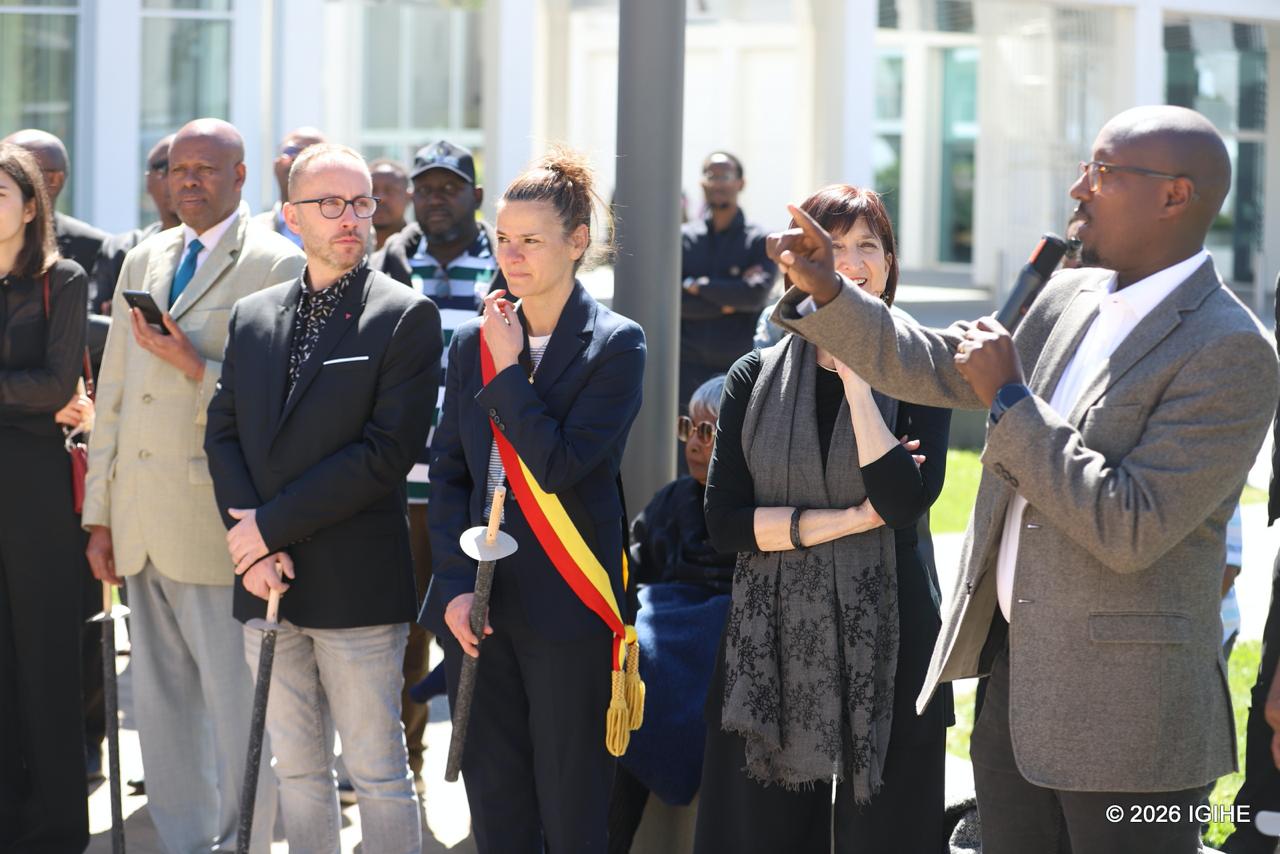
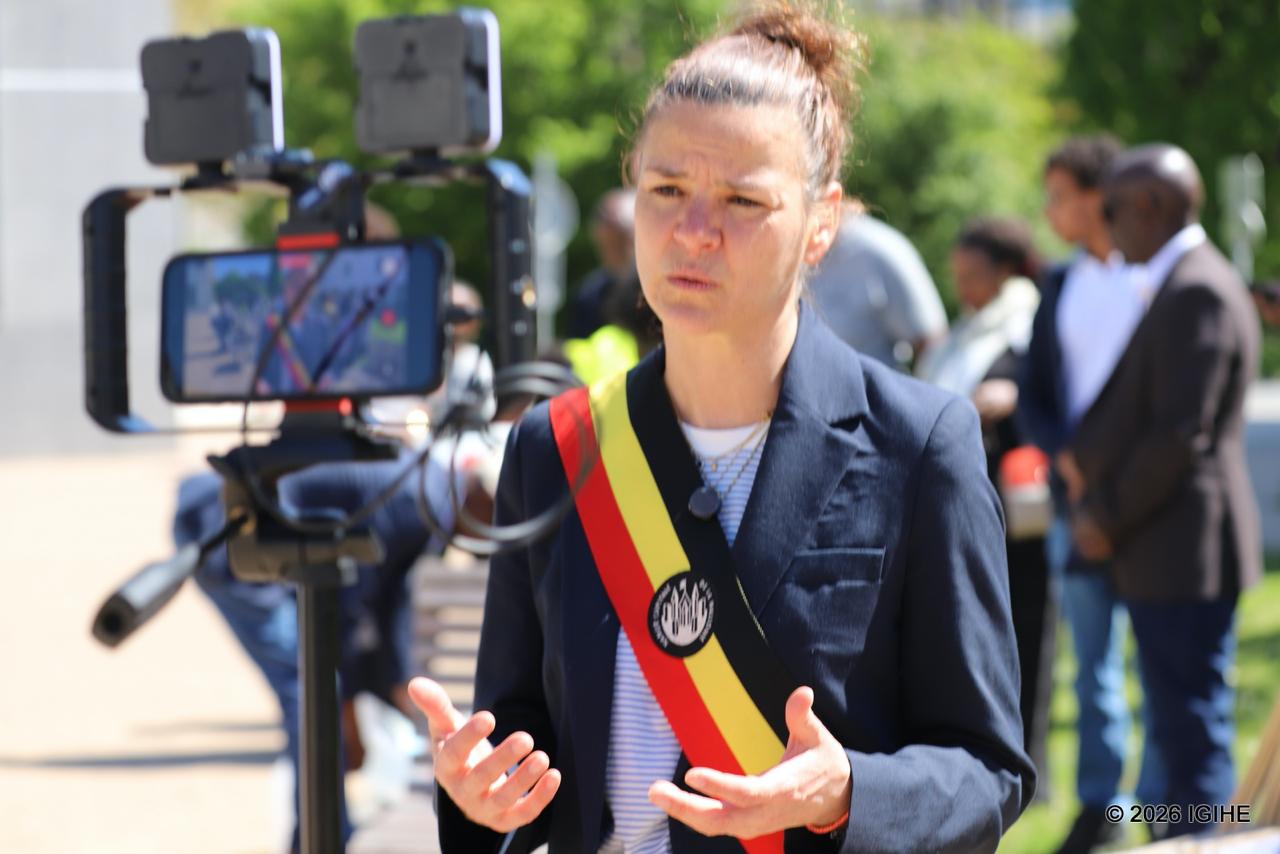
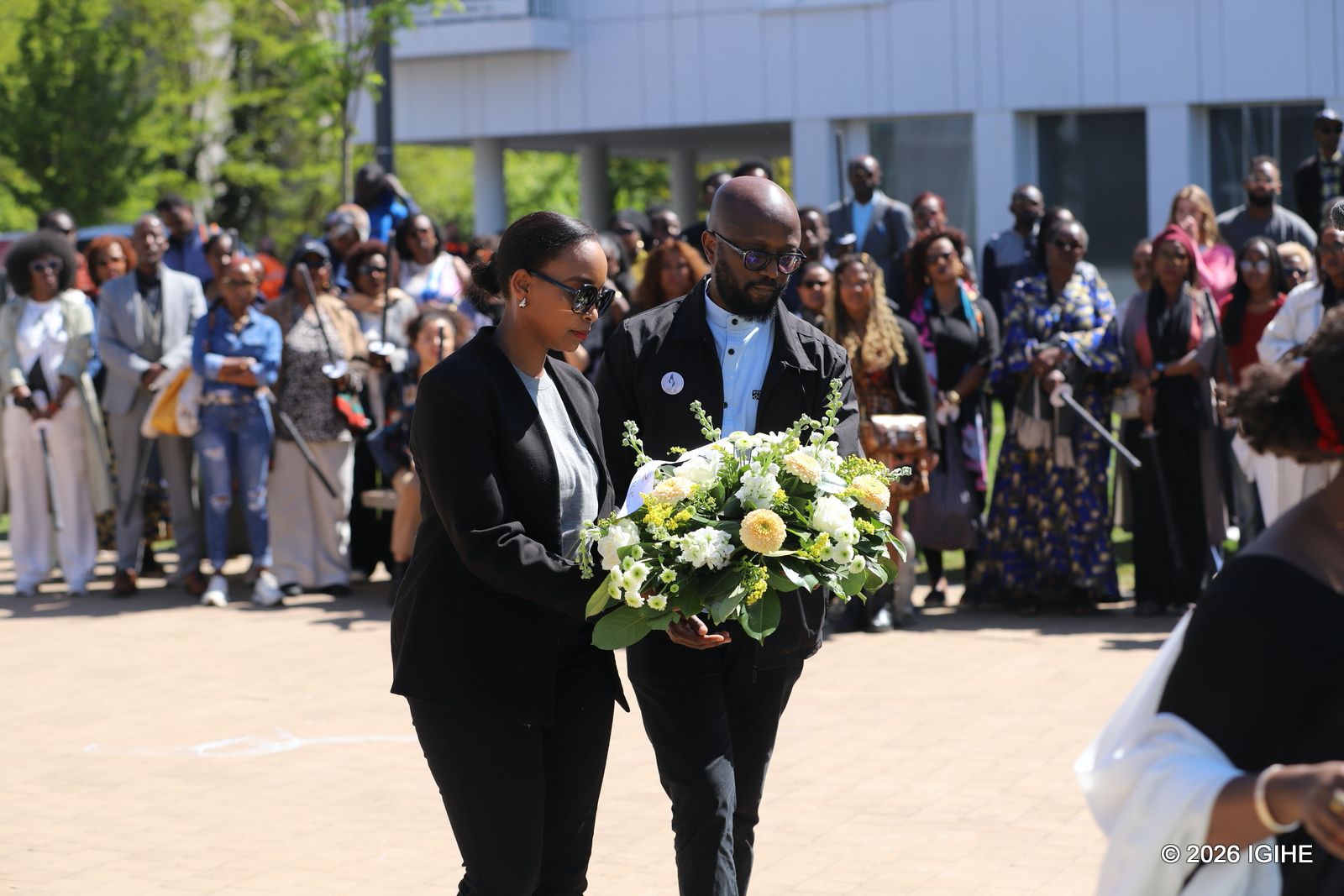
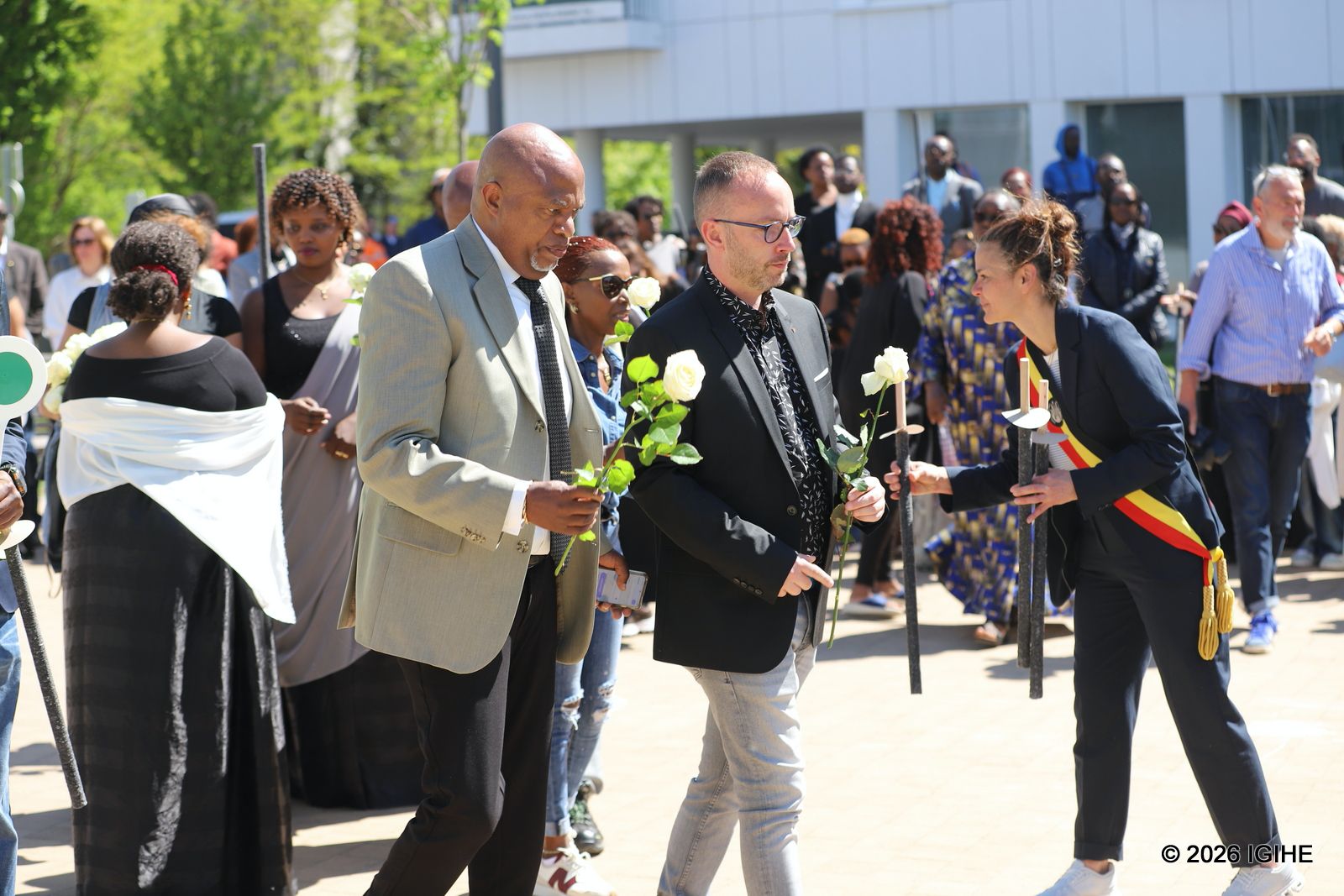
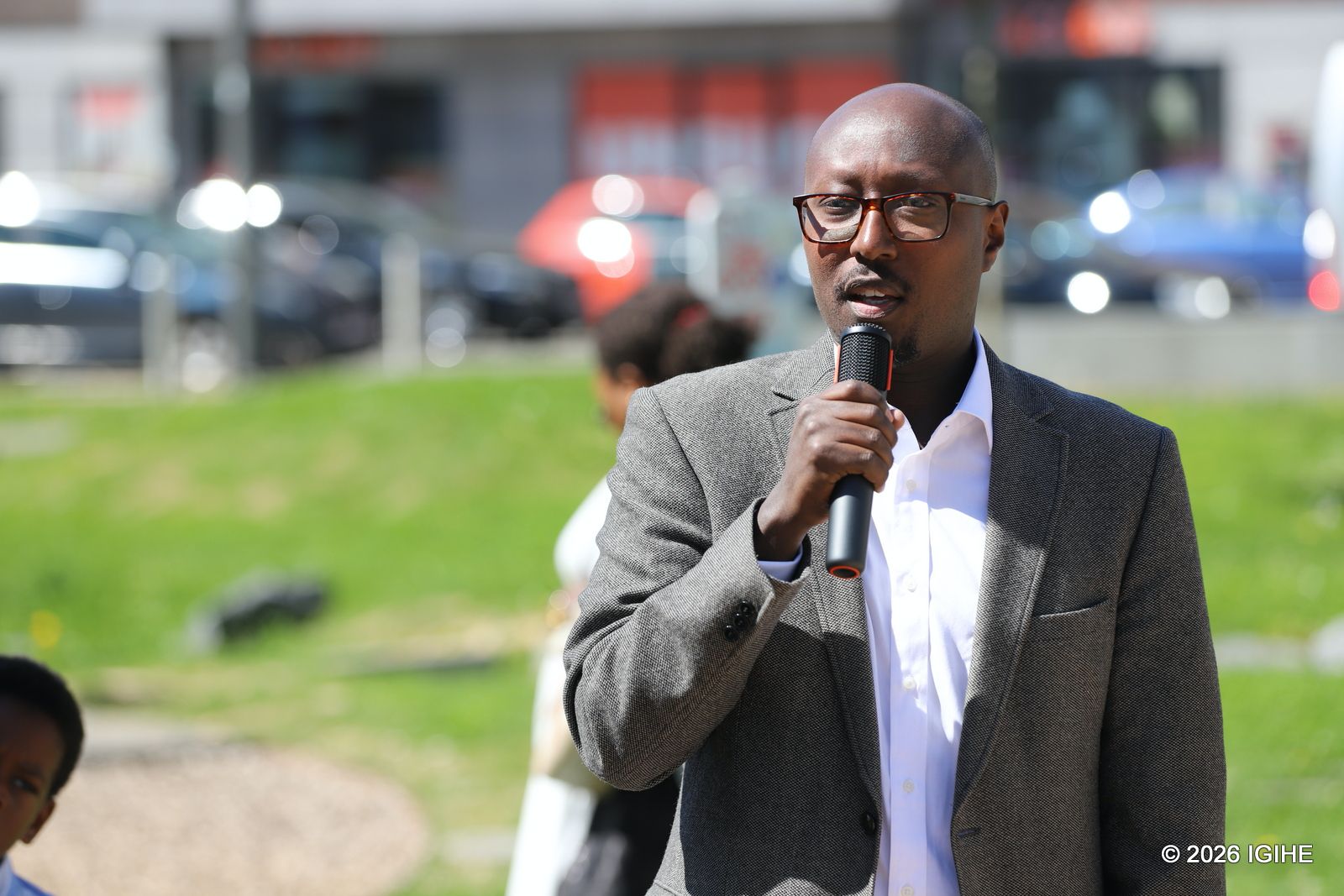
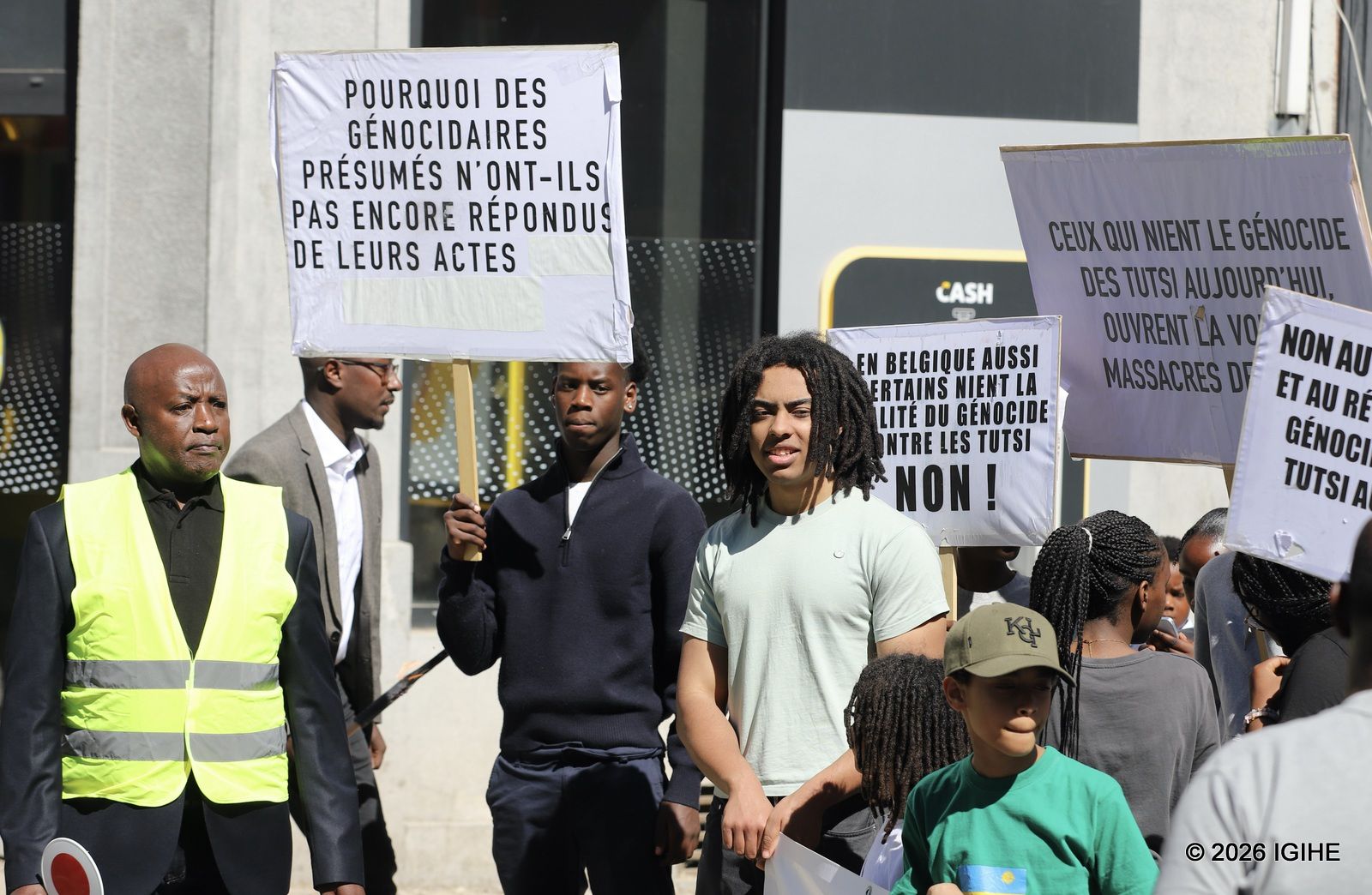
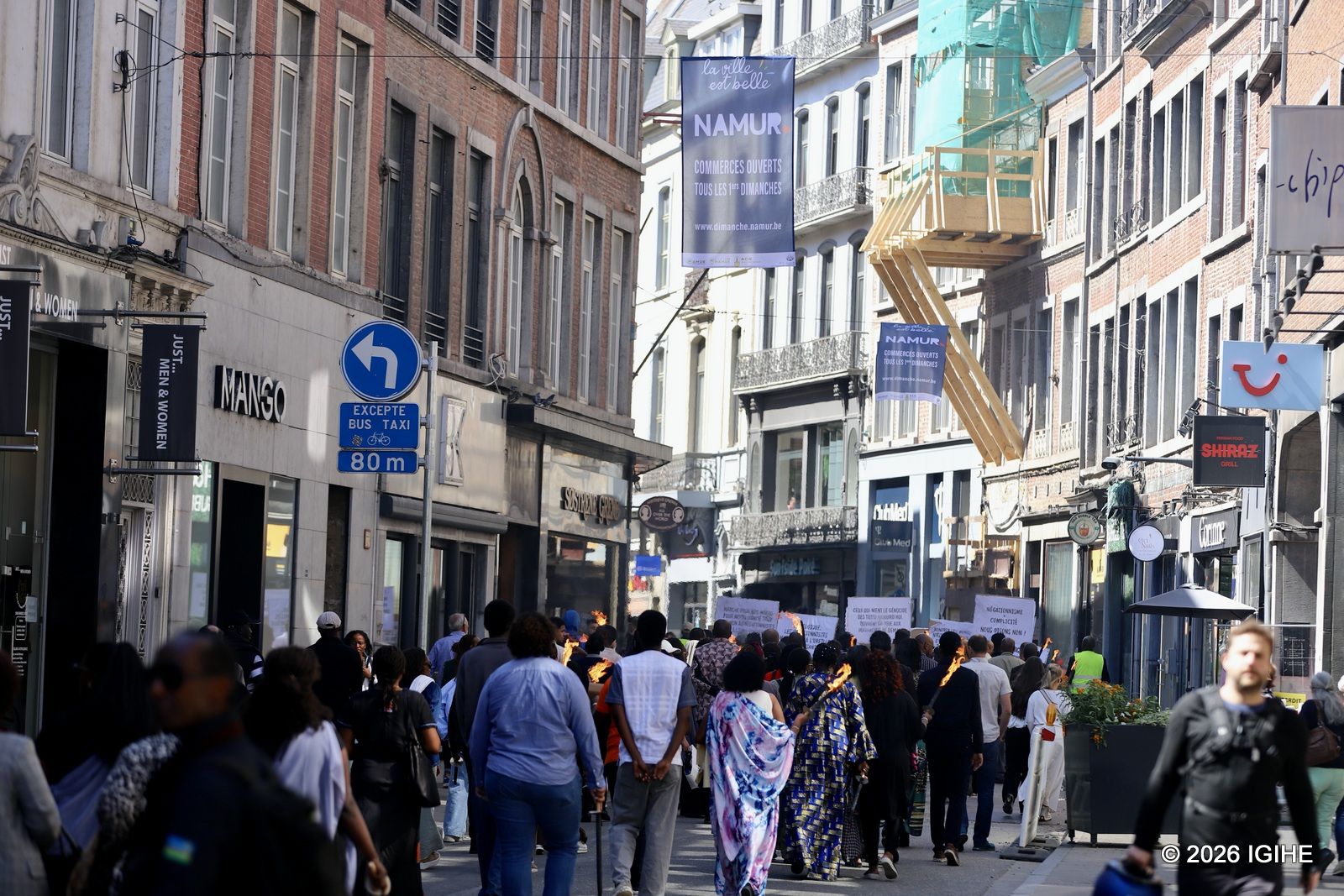
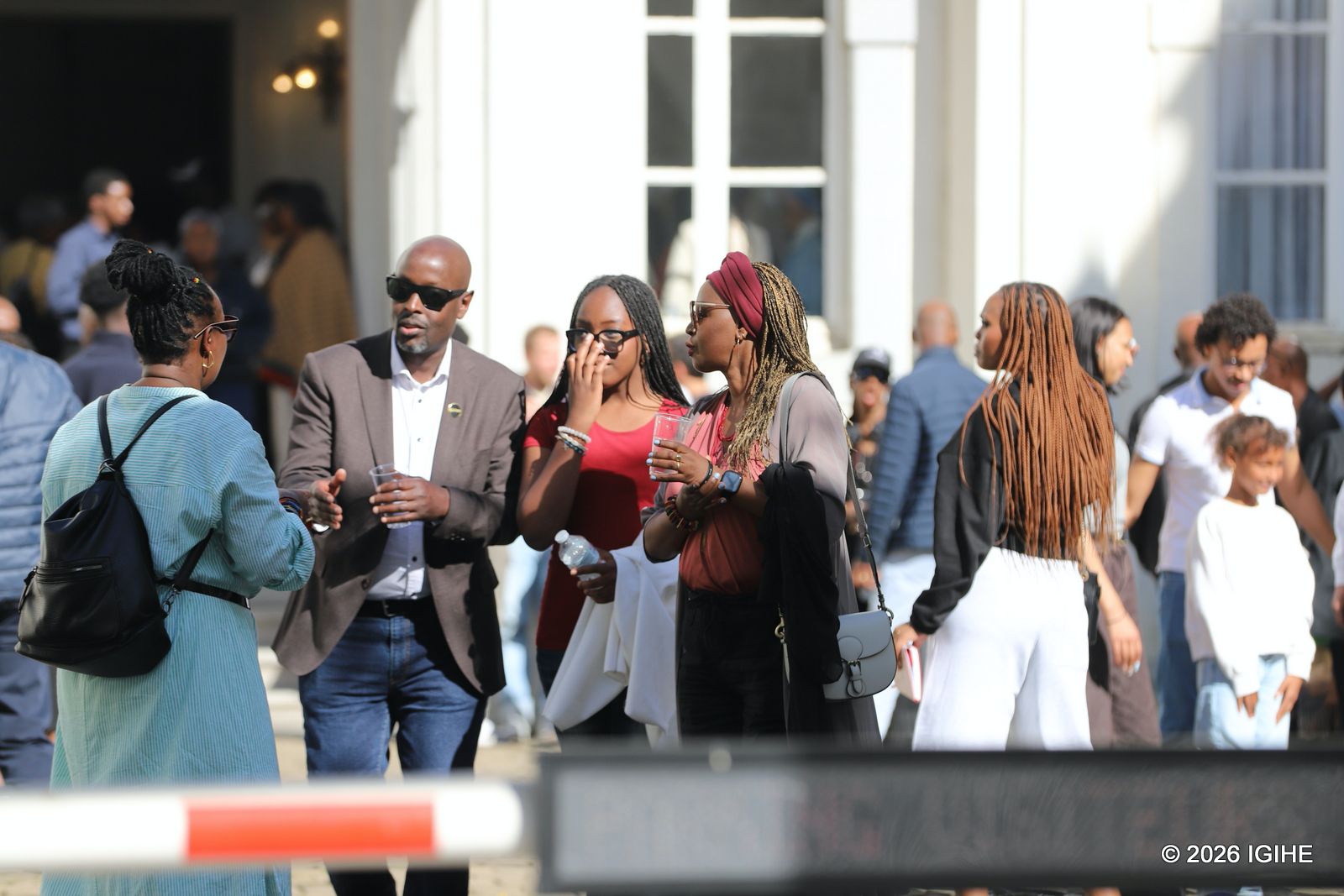
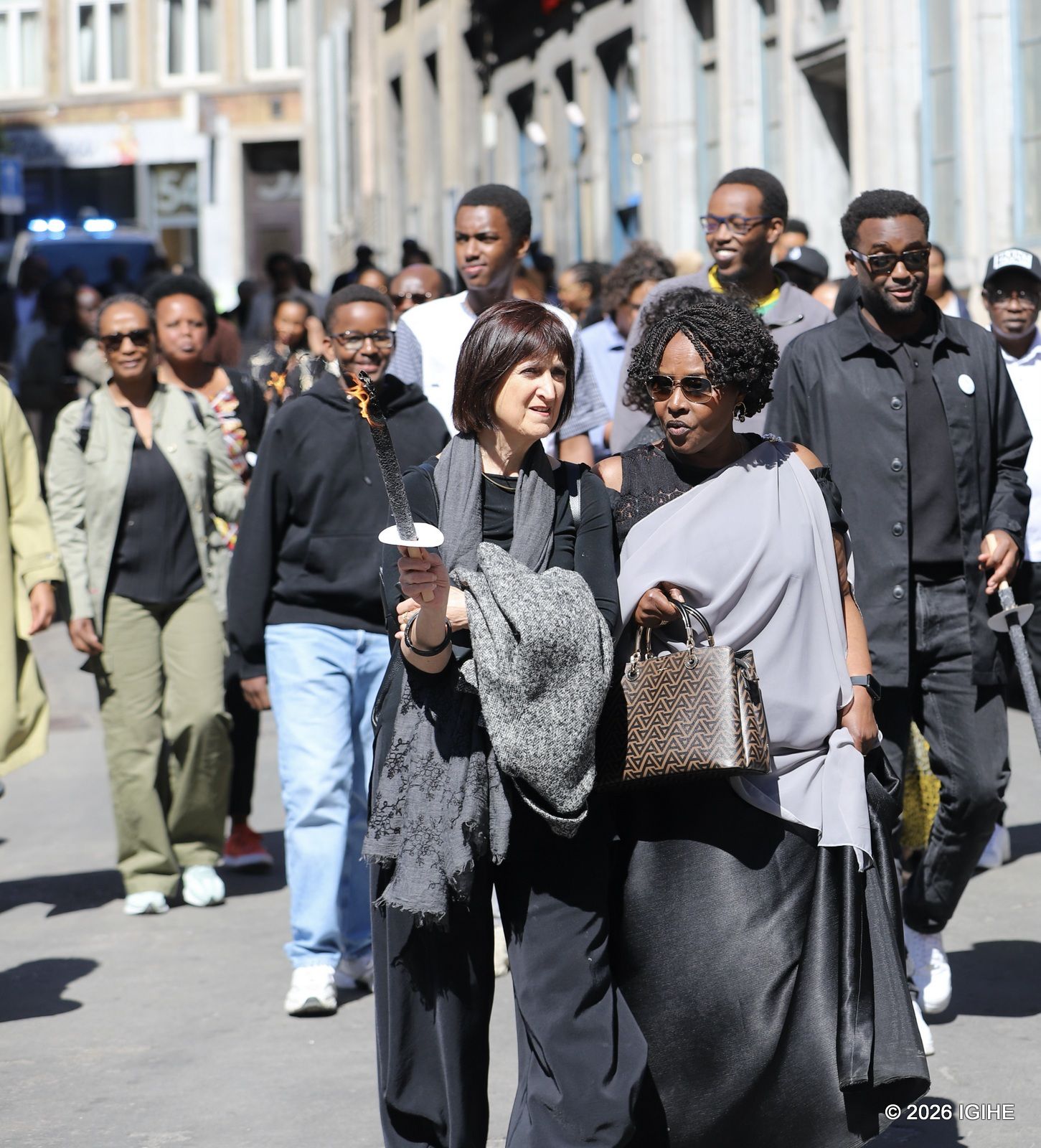
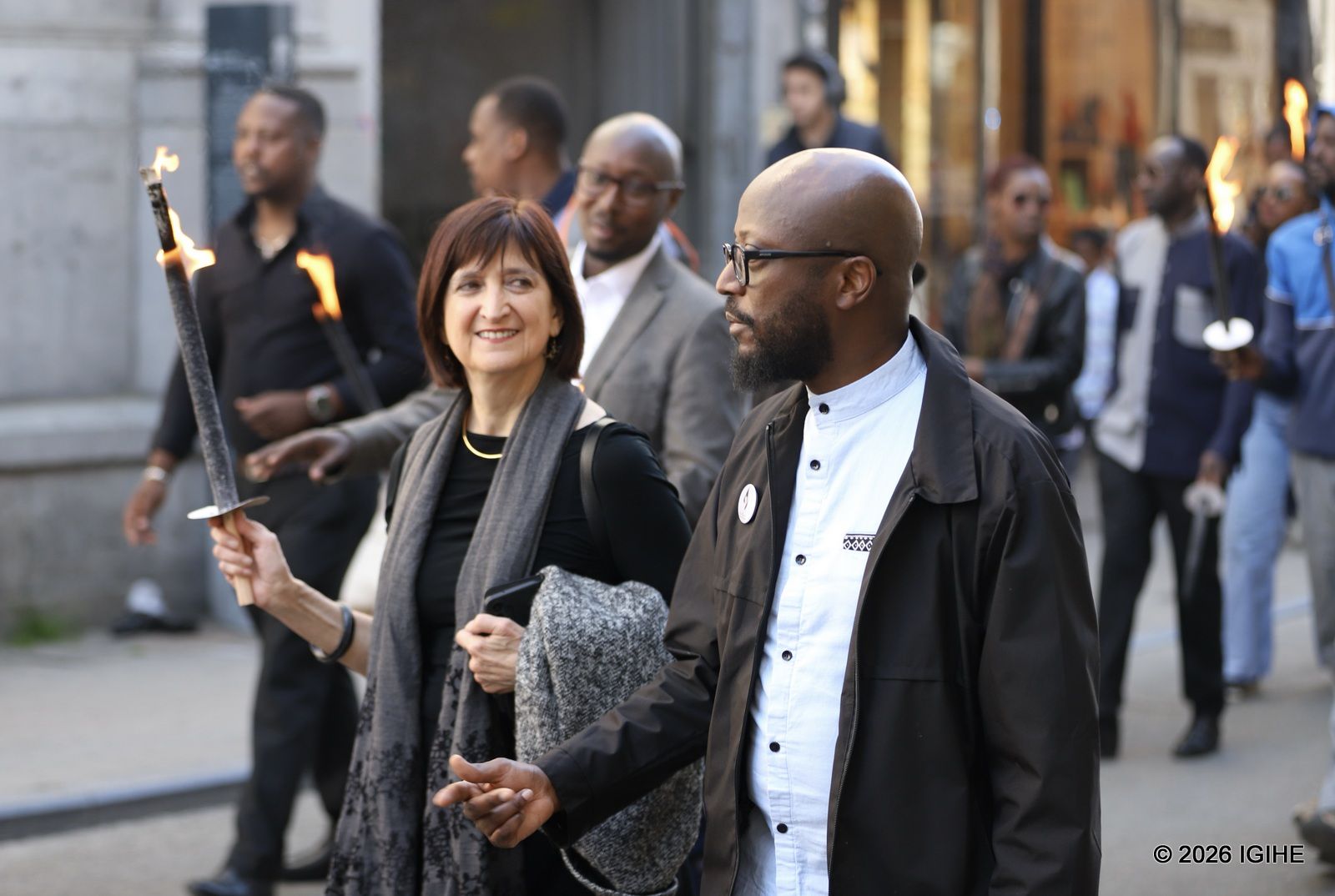
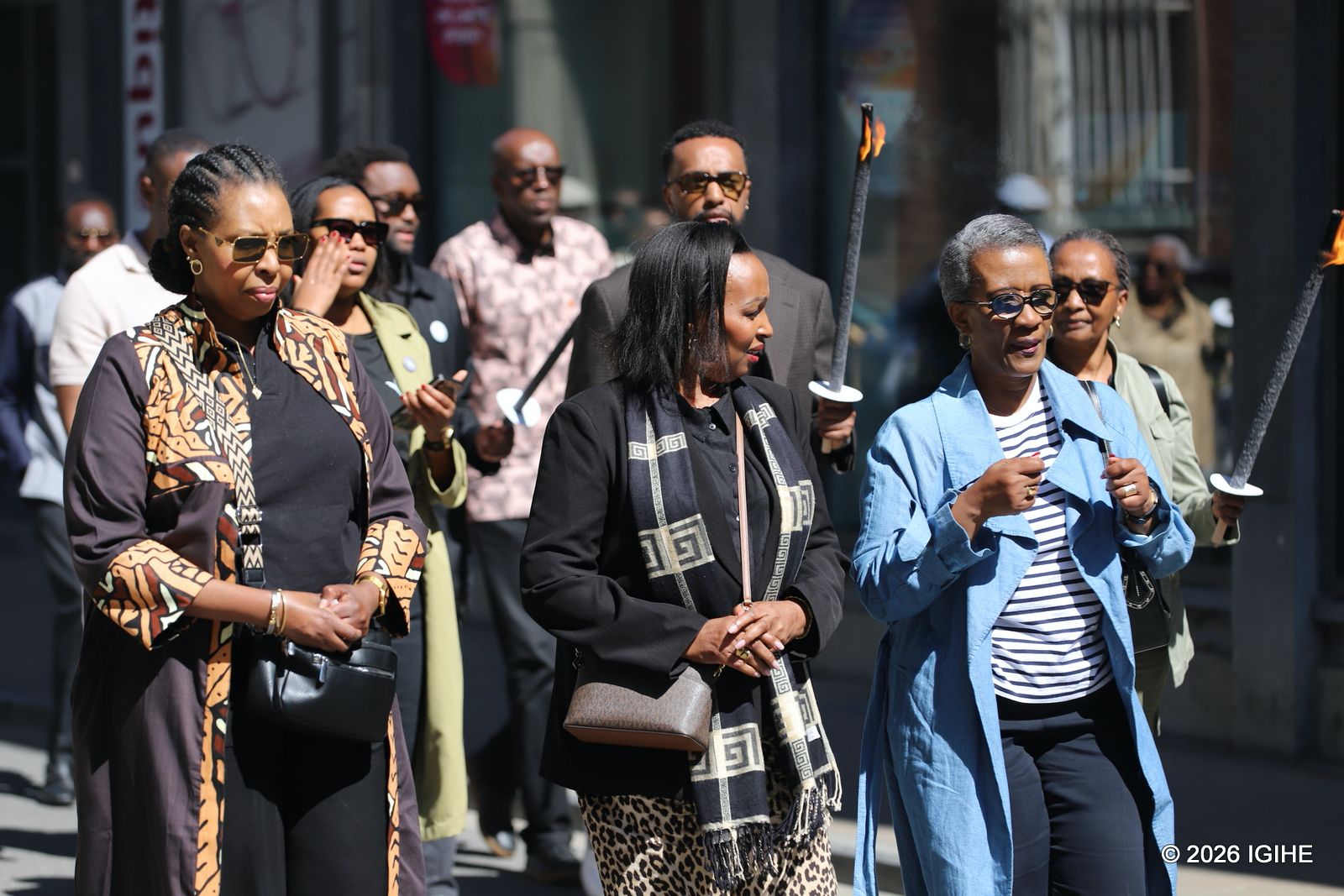
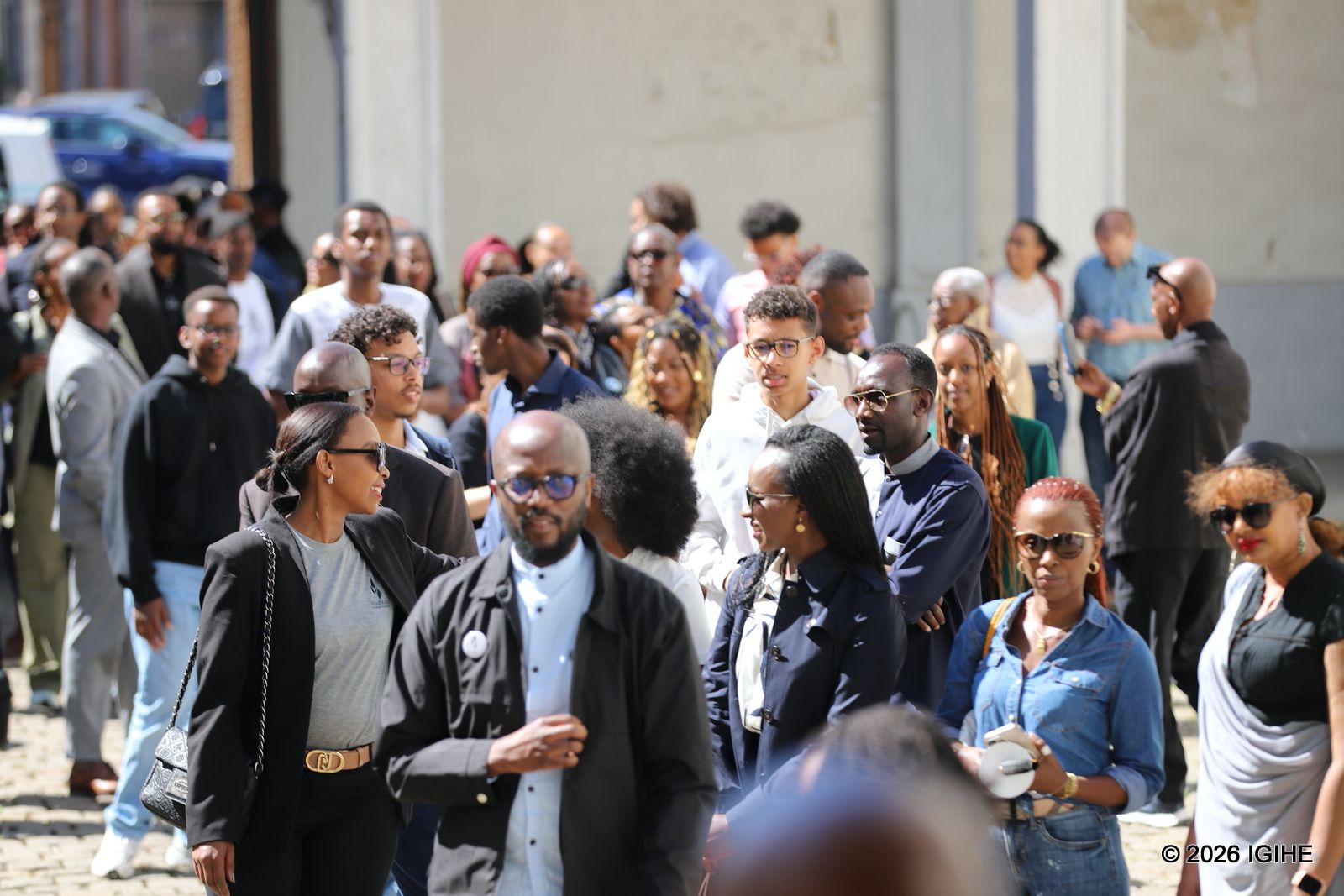
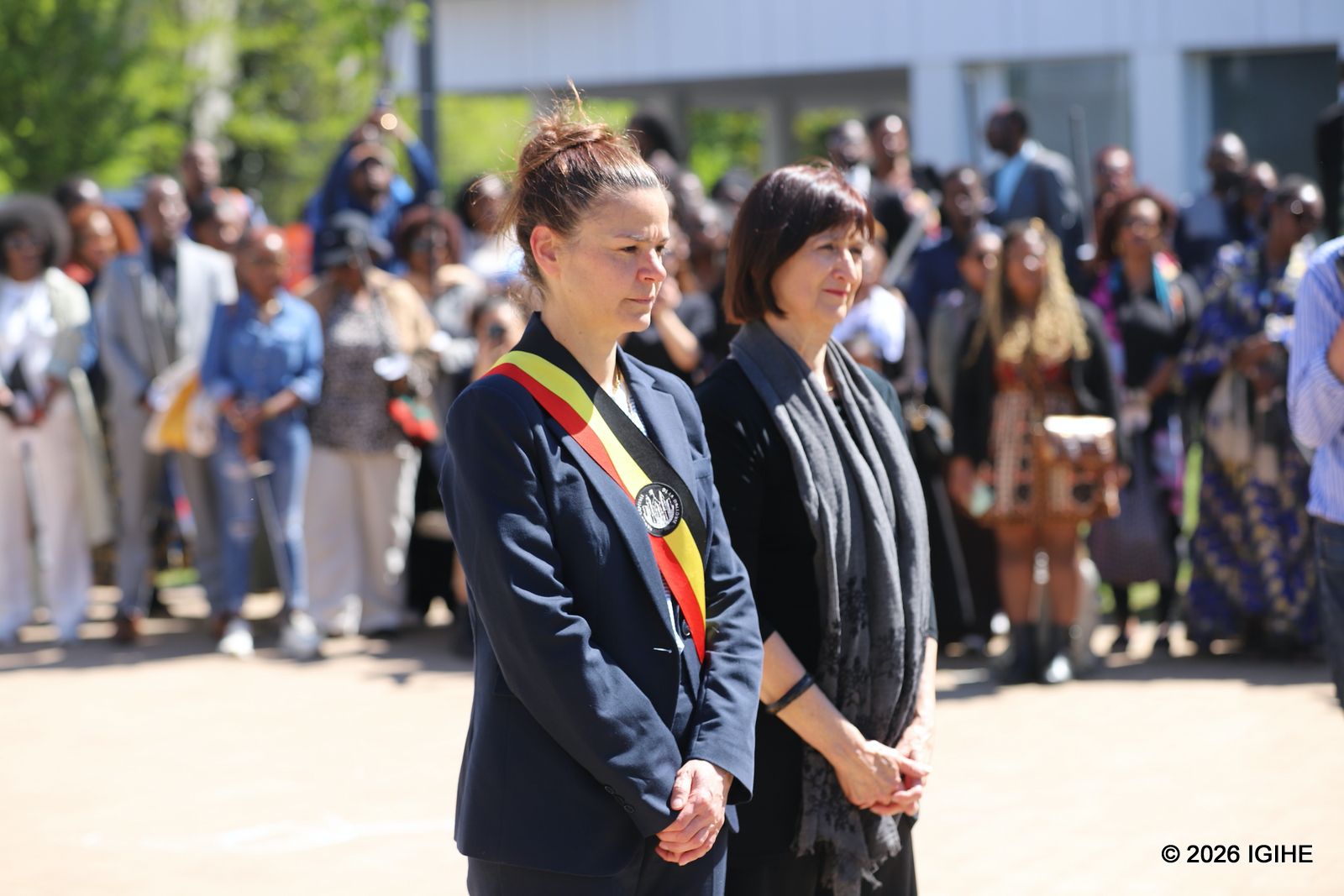
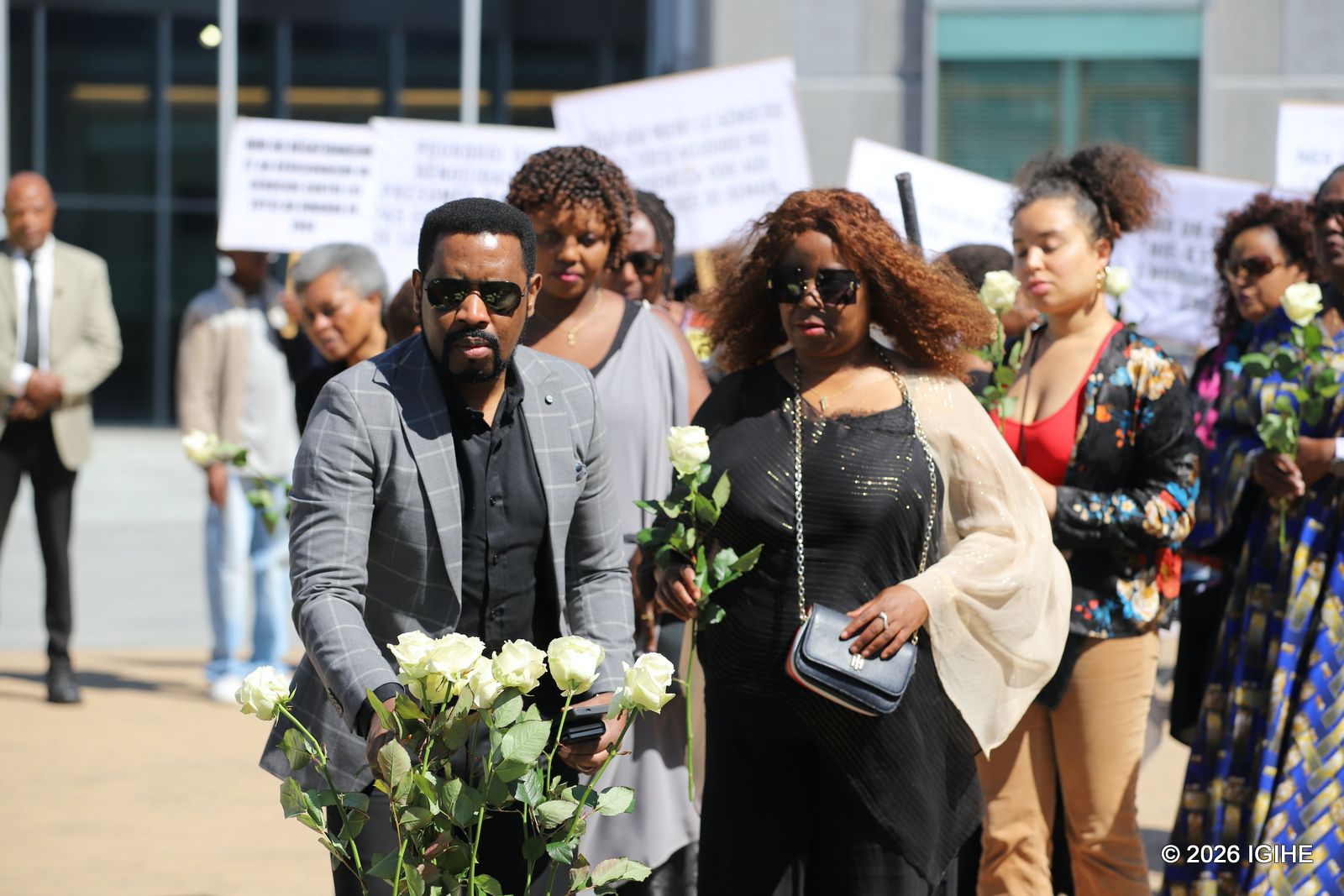
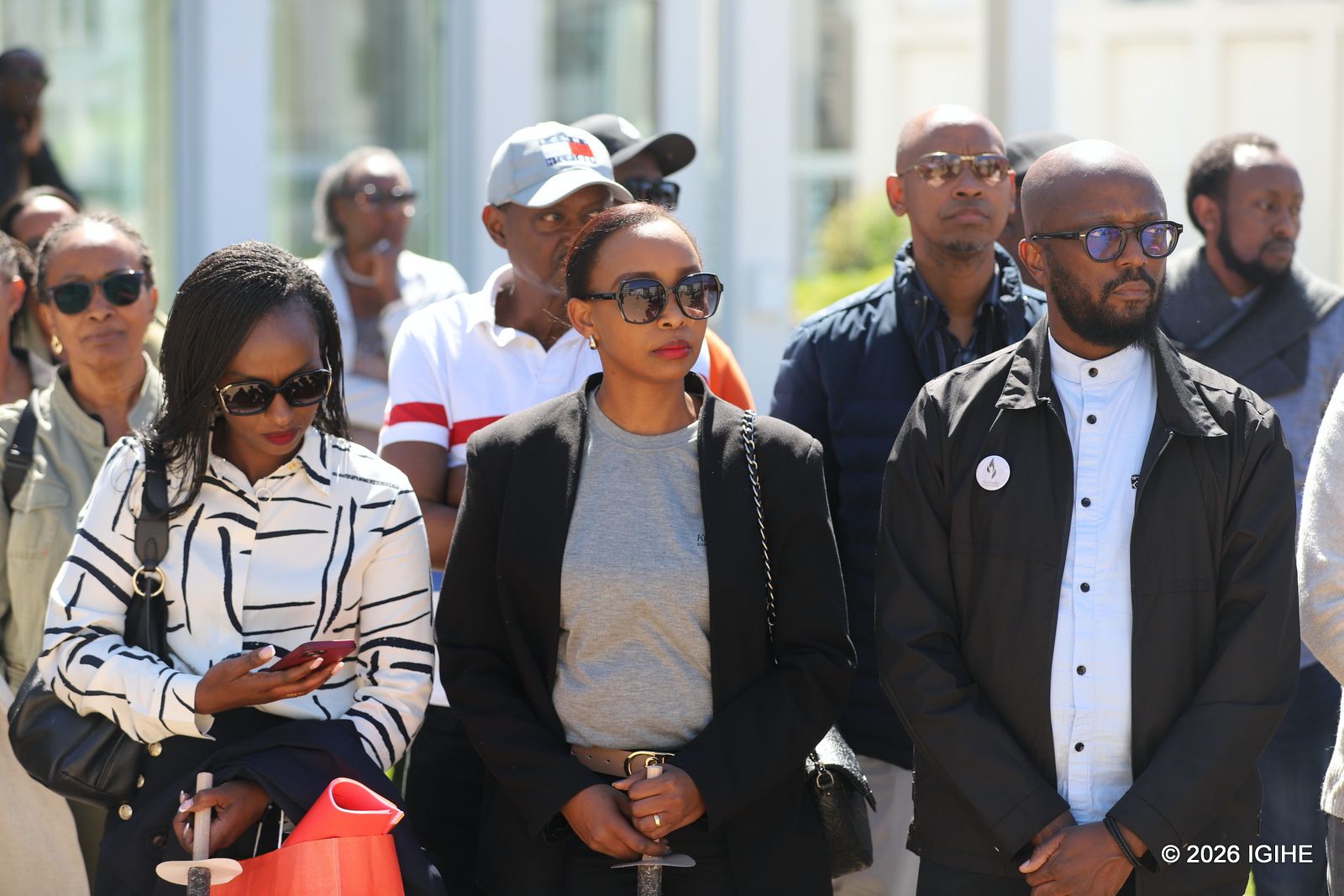
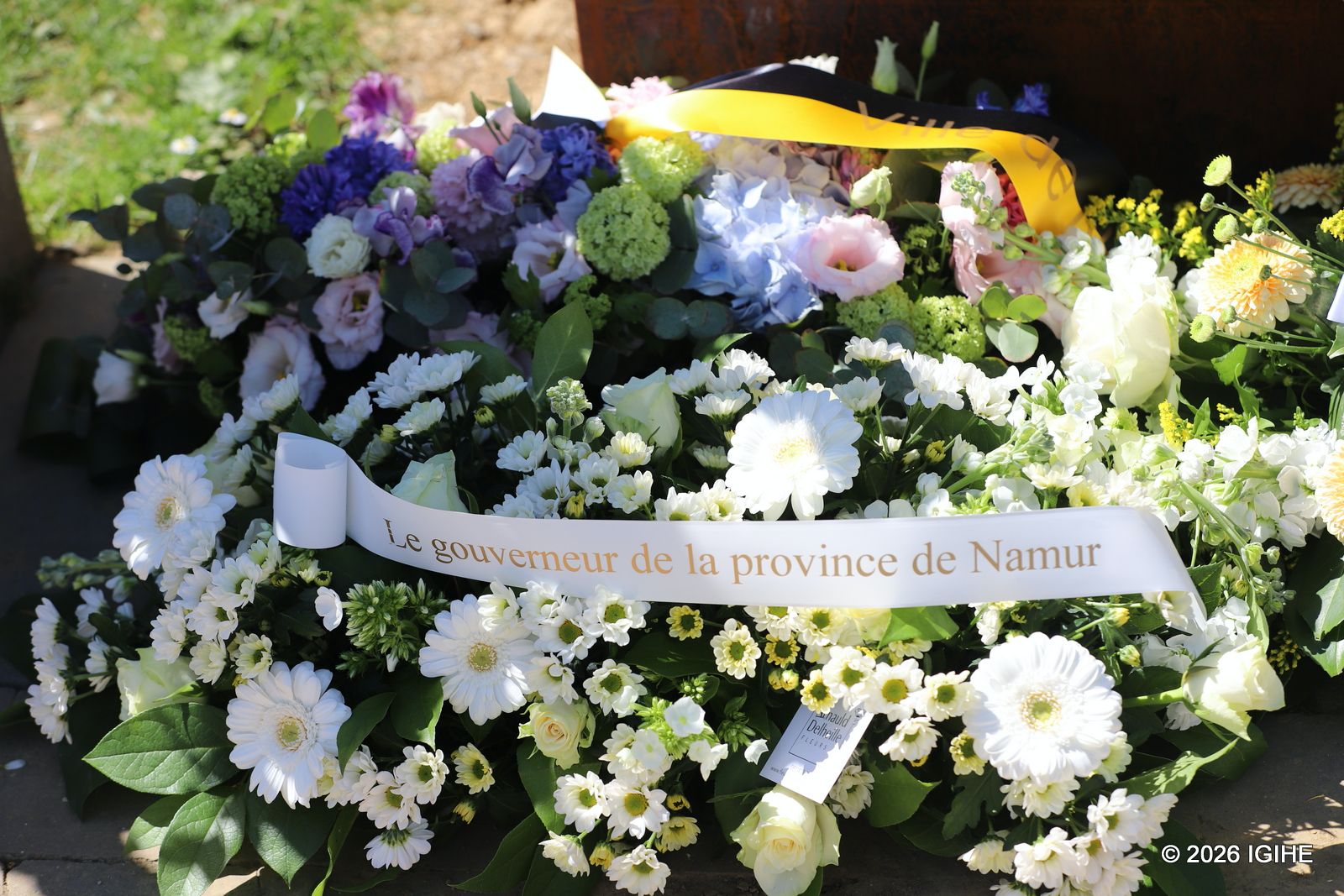
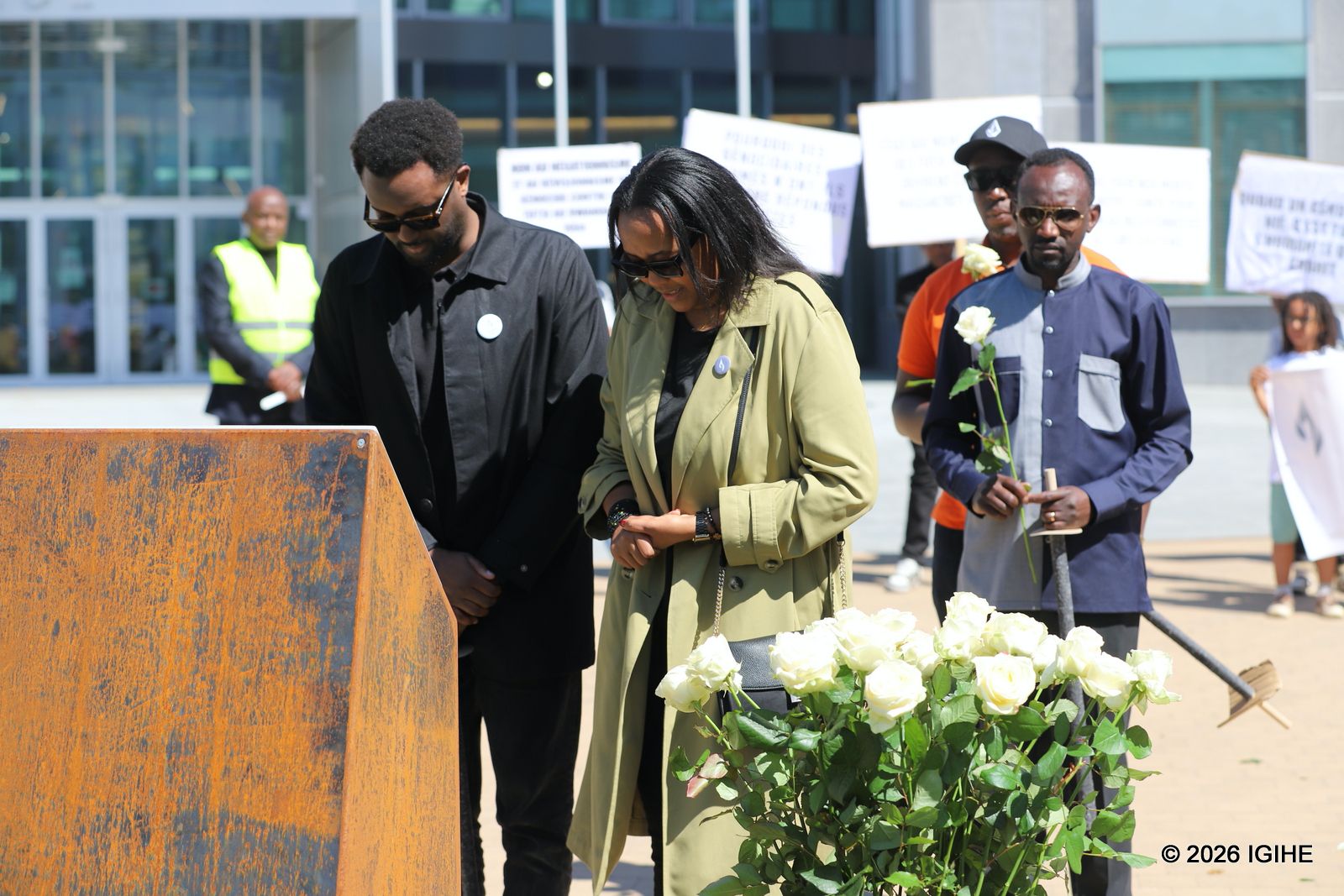
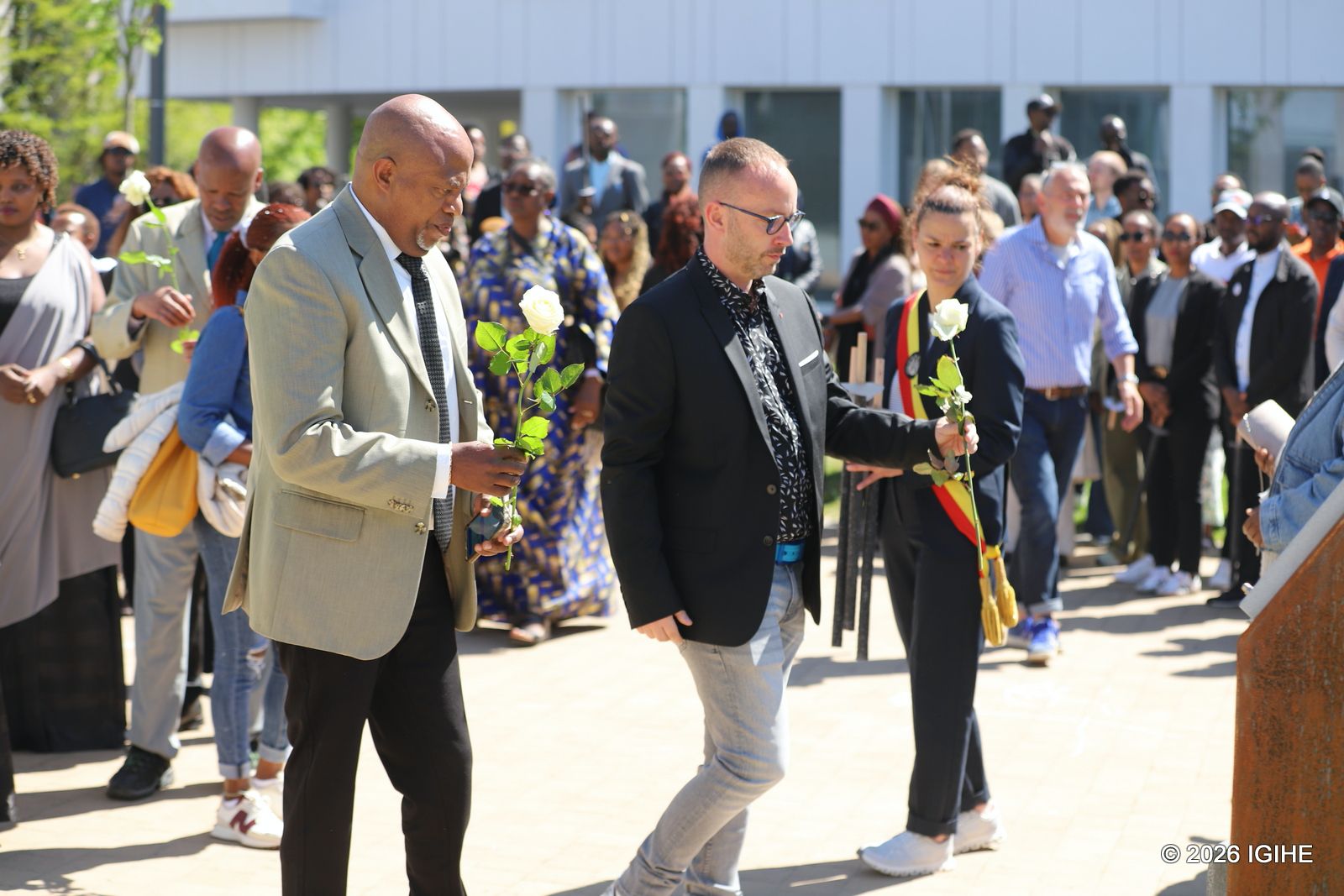
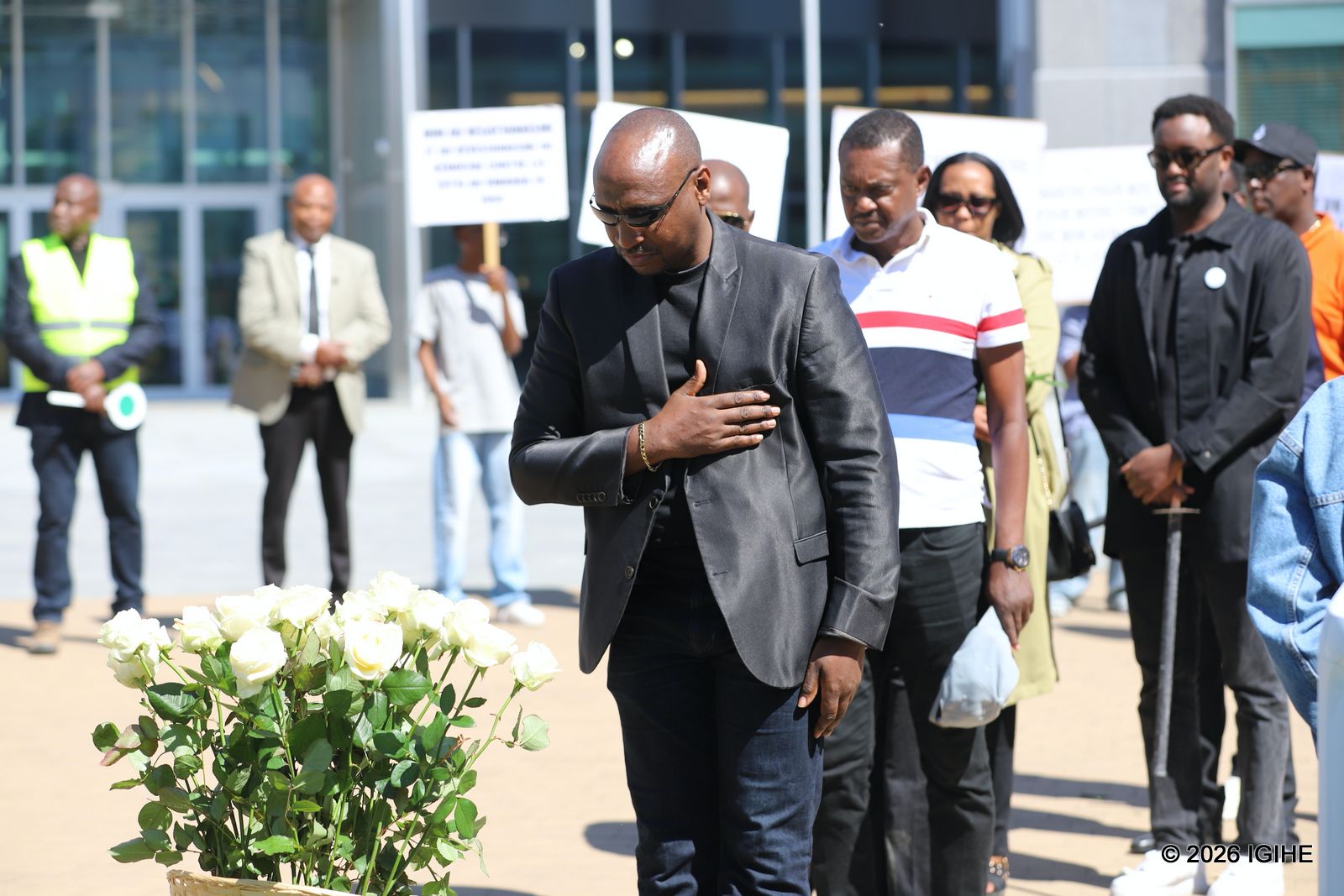
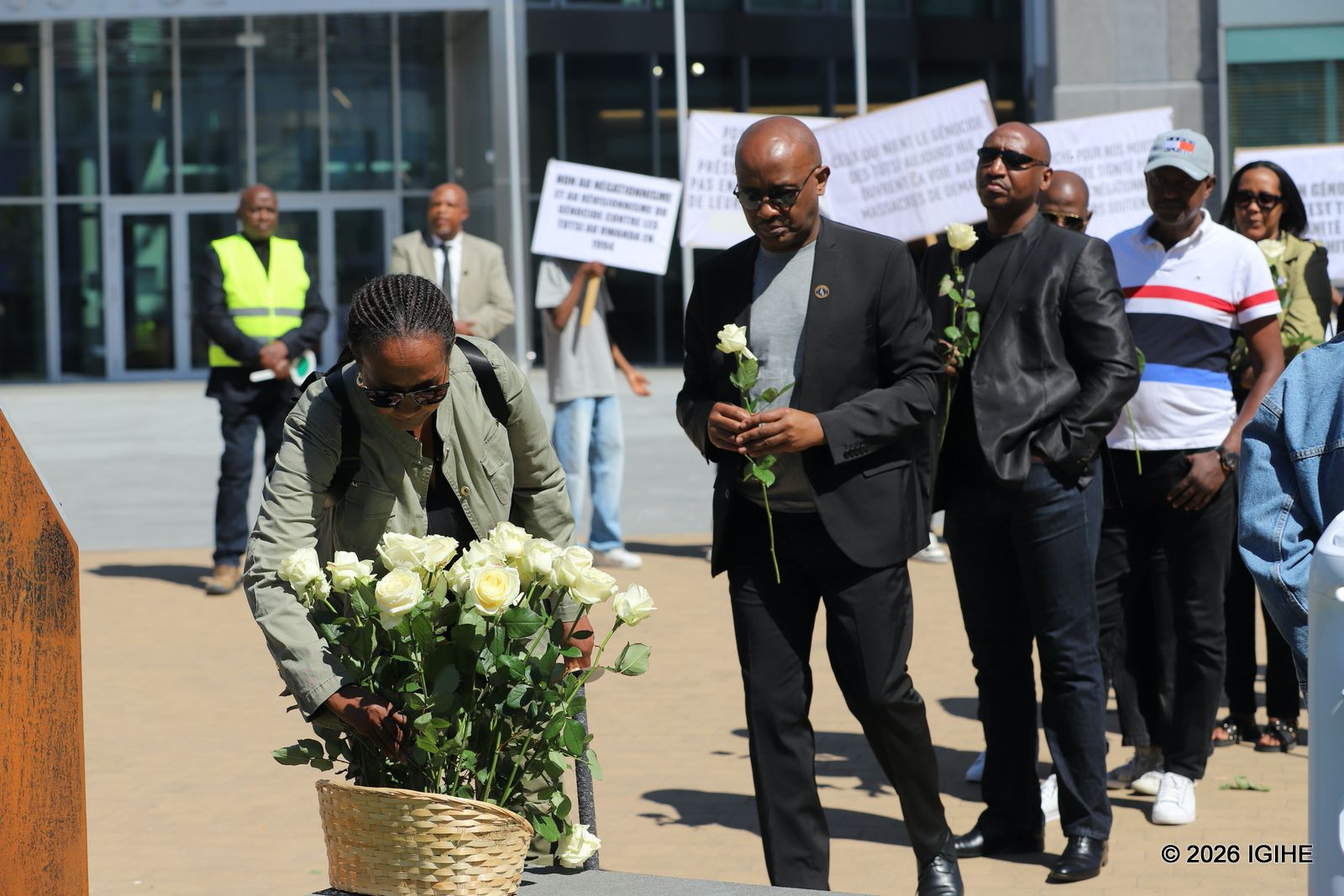
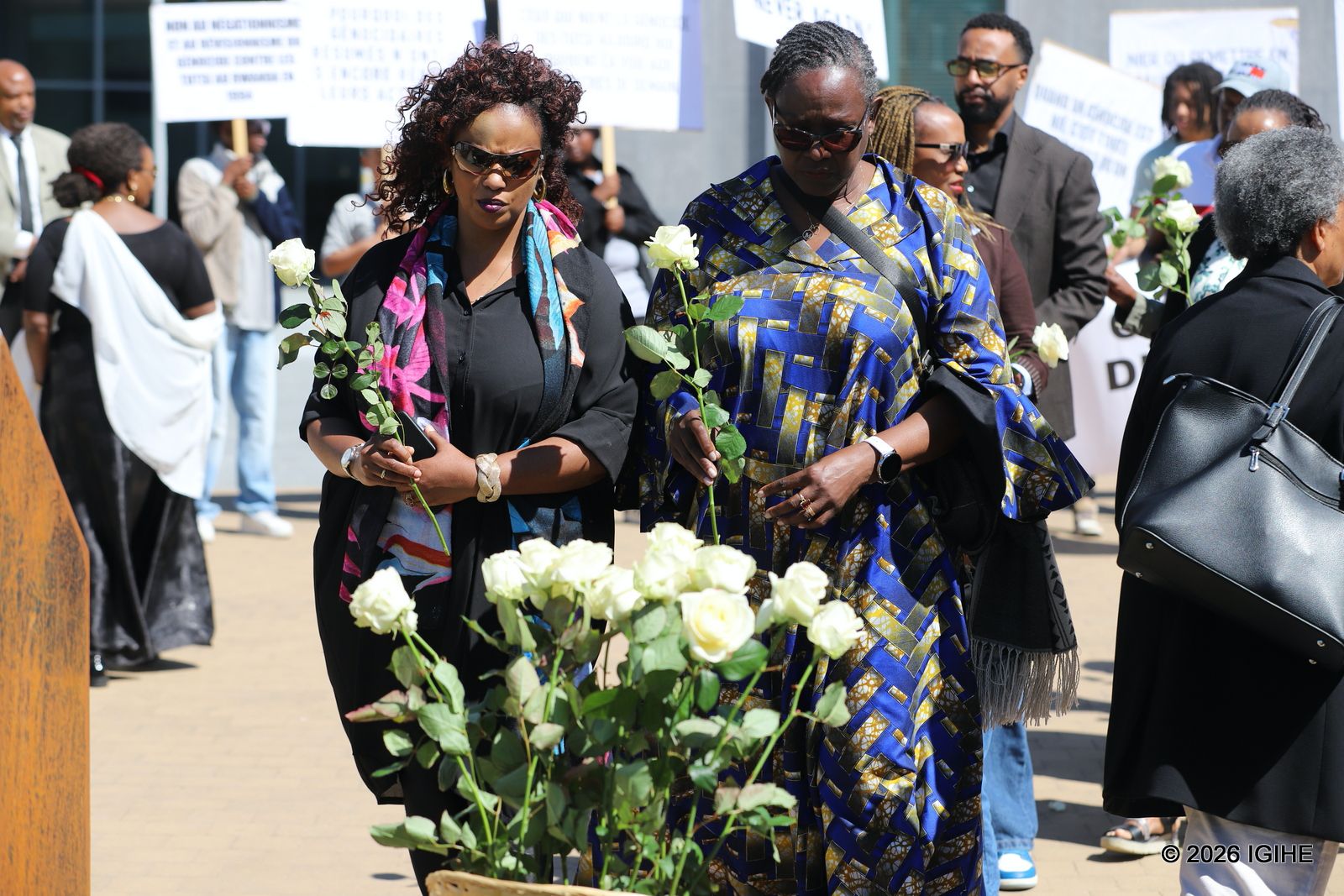
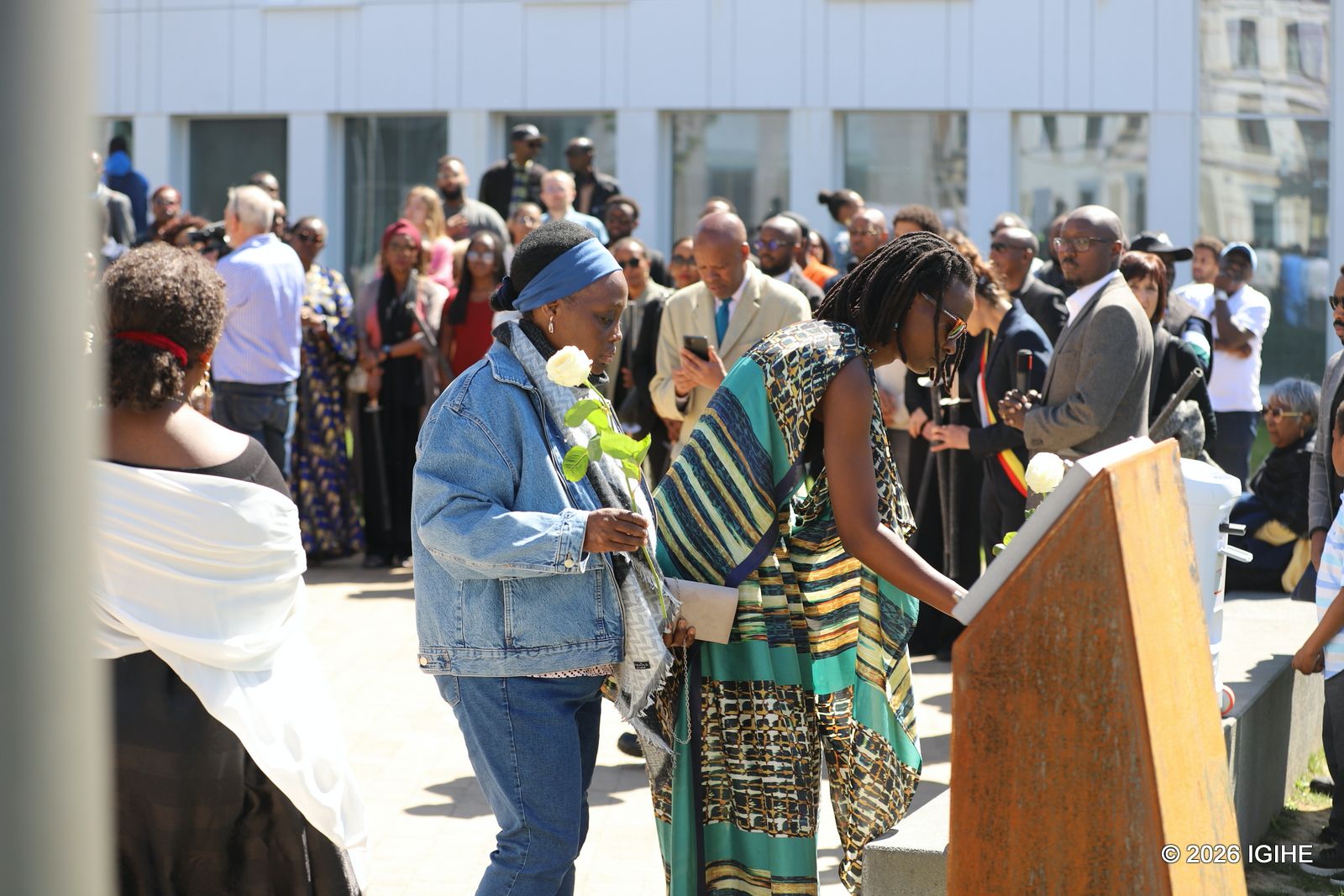
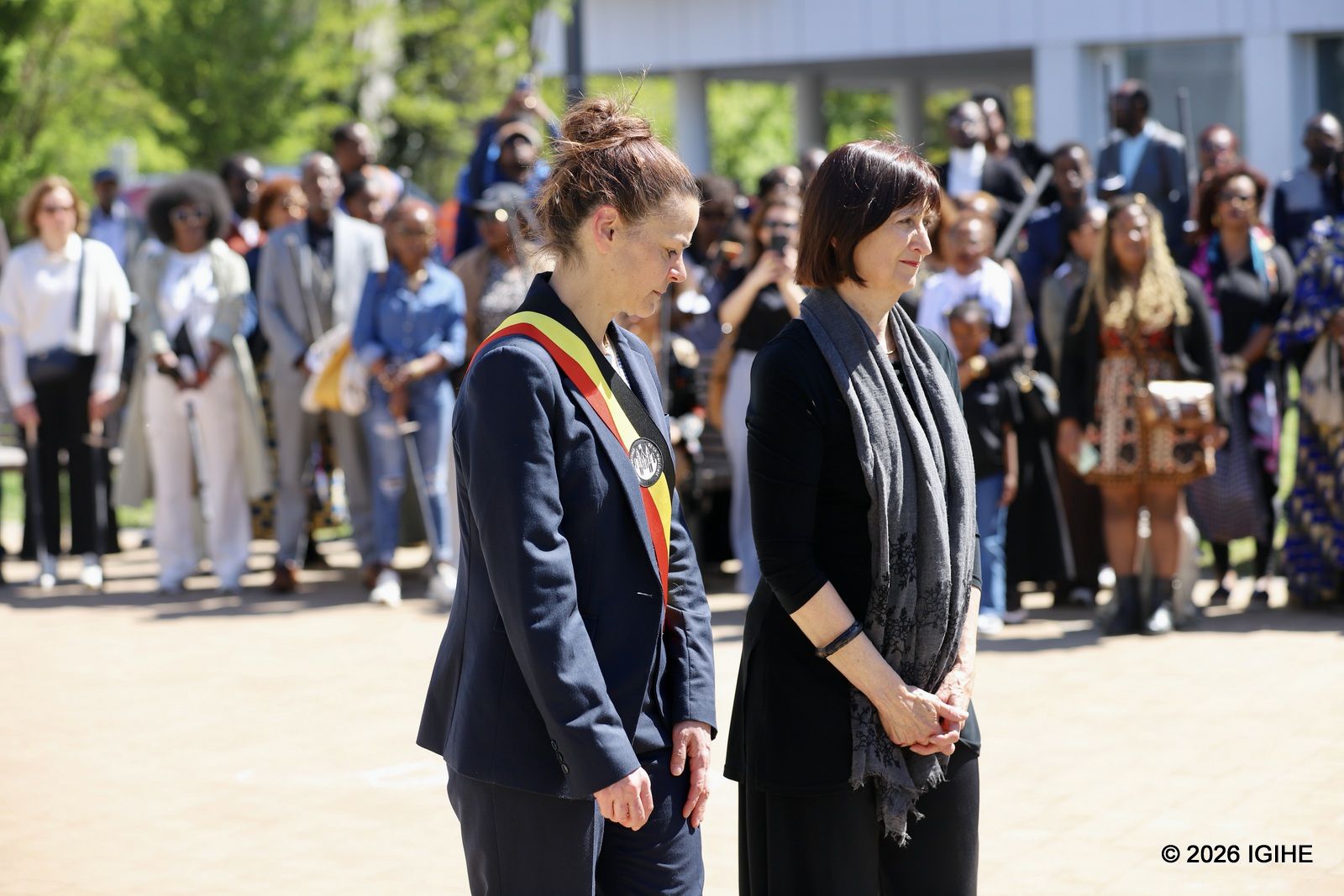
The event brought together, among others, the Acting Mayor of Namur, Charlotte Bazlaire, Claire Kayirangwa, representative of Ibuka-Memory and Justice-Belgium, Gakuba Ernest, President of the Rwandan diaspora in Belgium, as well as Karugarama Lionel, President of the Rwandan diaspora section in Namur, who also coordinated the ceremony.
The President of “Les Territoires de la Mémoire,” Michaël Bisschops, who came from the Liège region, also took part in the commemoration, alongside representatives of various associations active in Belgium.
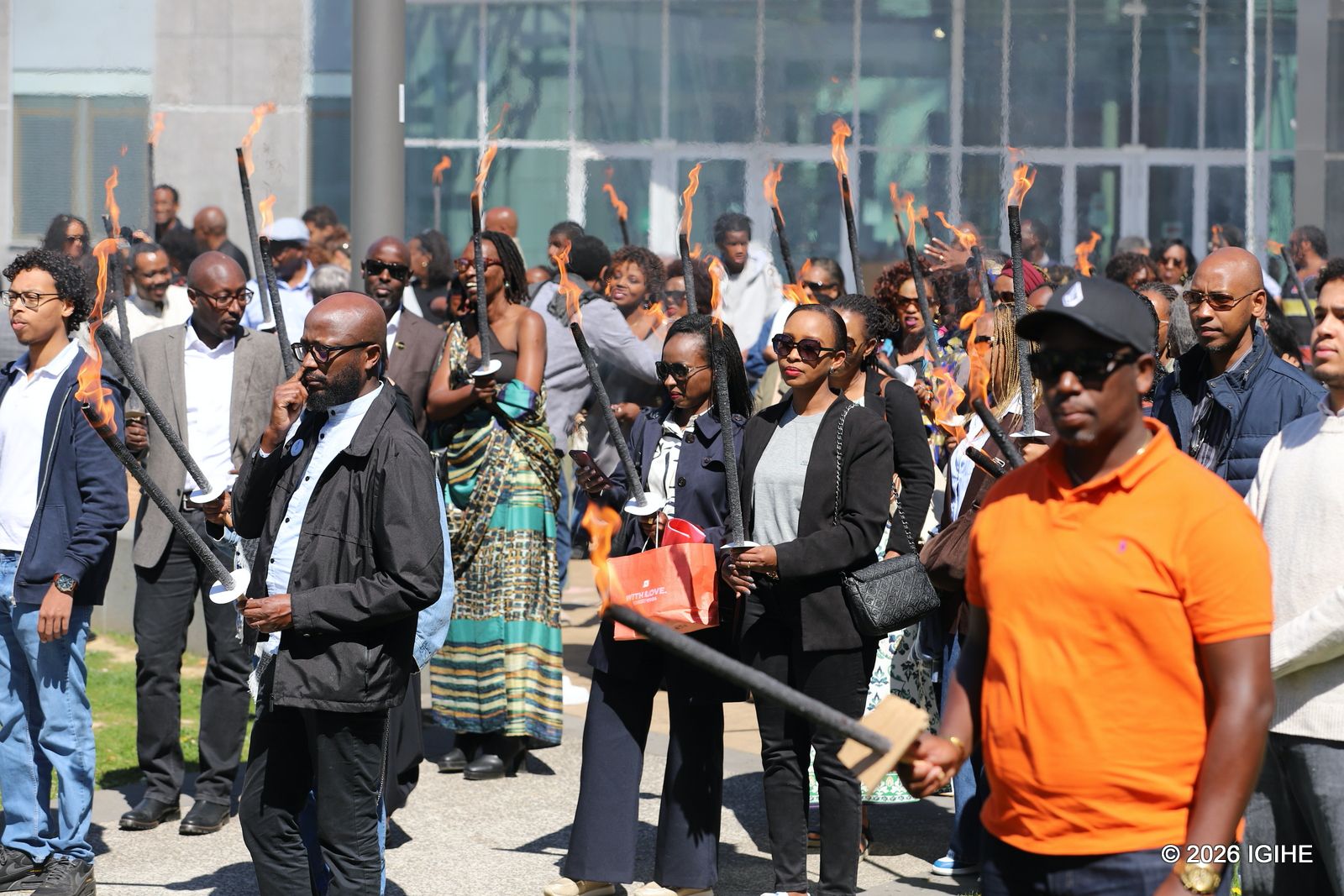
The commemoration held in Namur is part of a series of similar events organized in several cities, including Brussels, Liège, and Bruges.
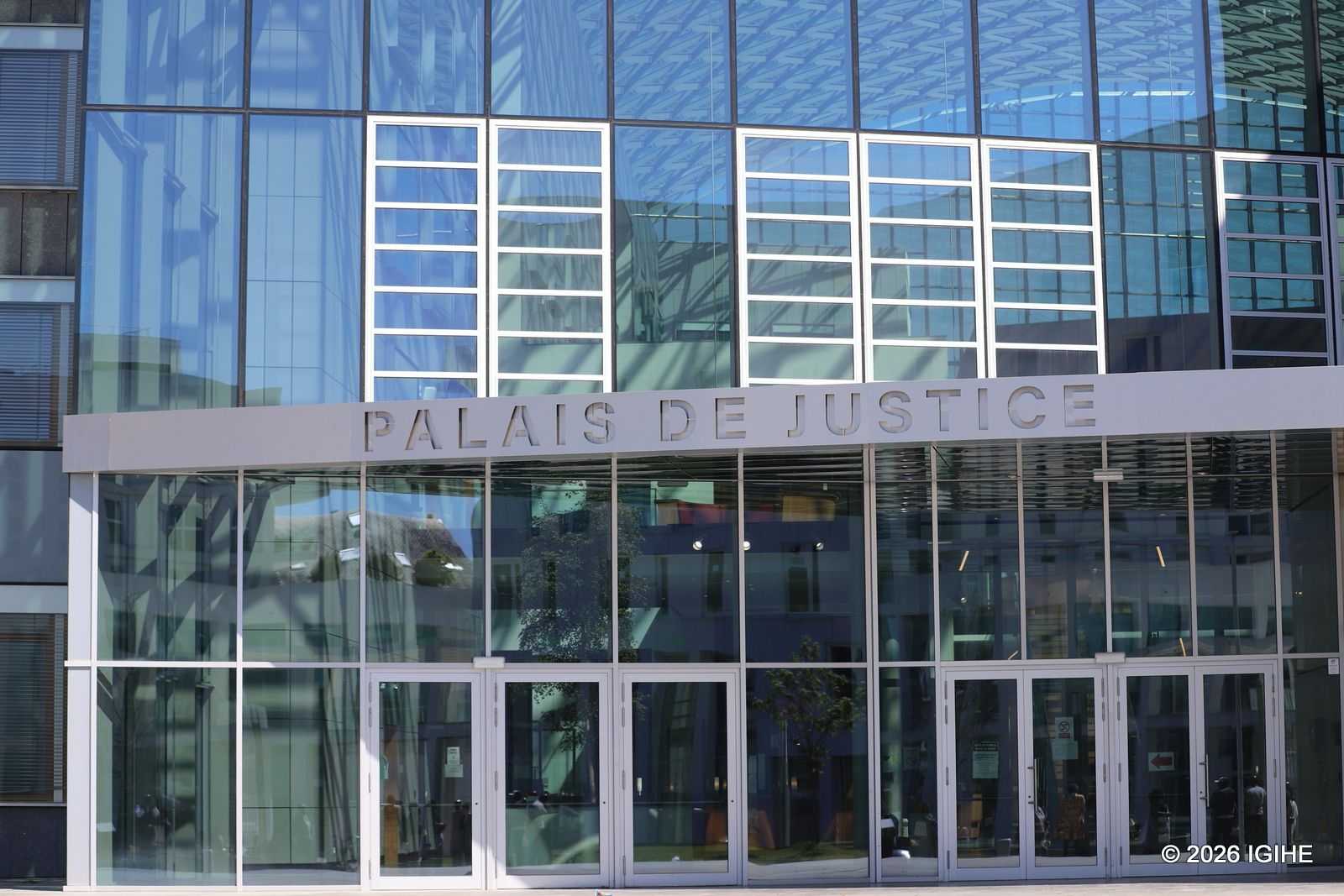
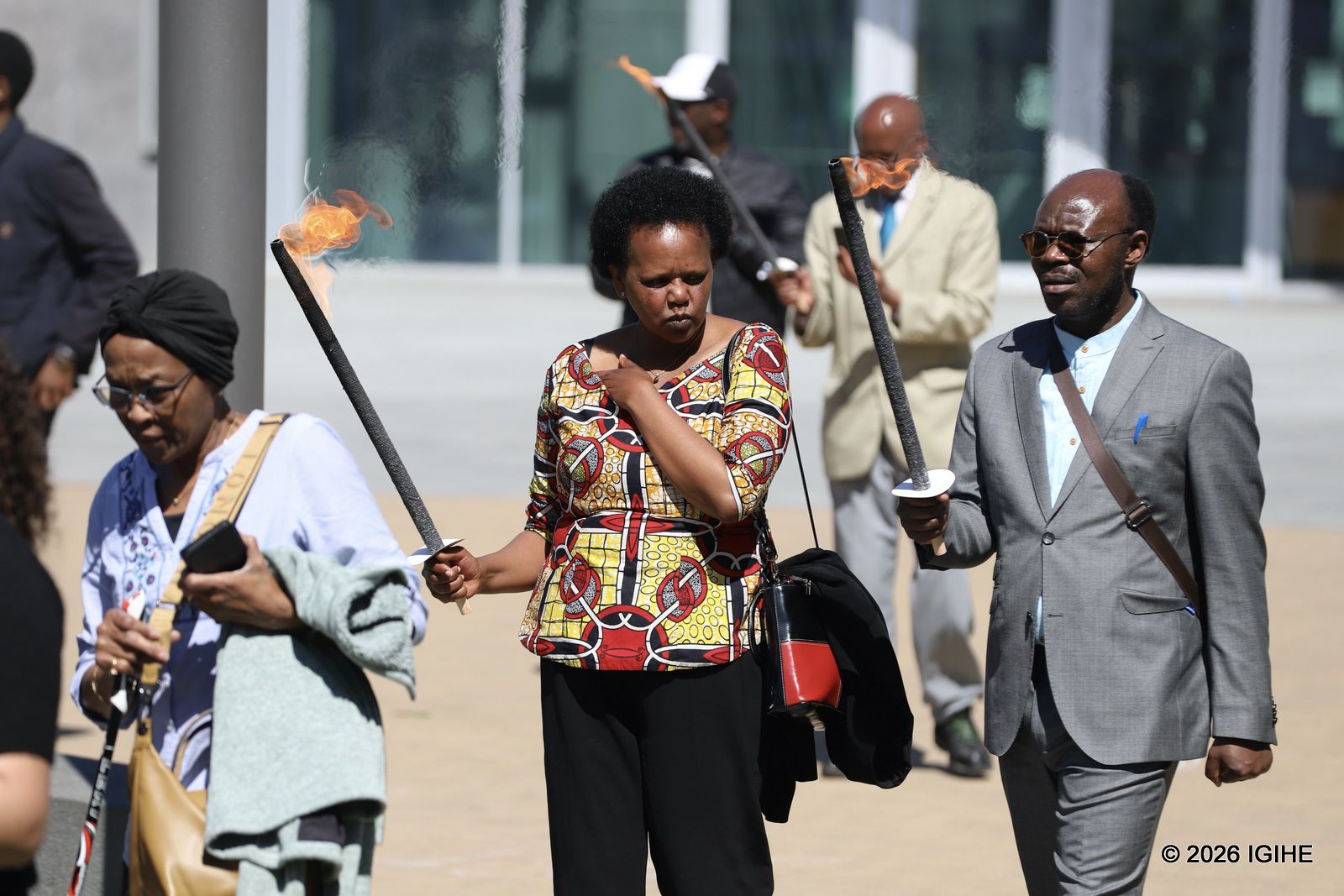
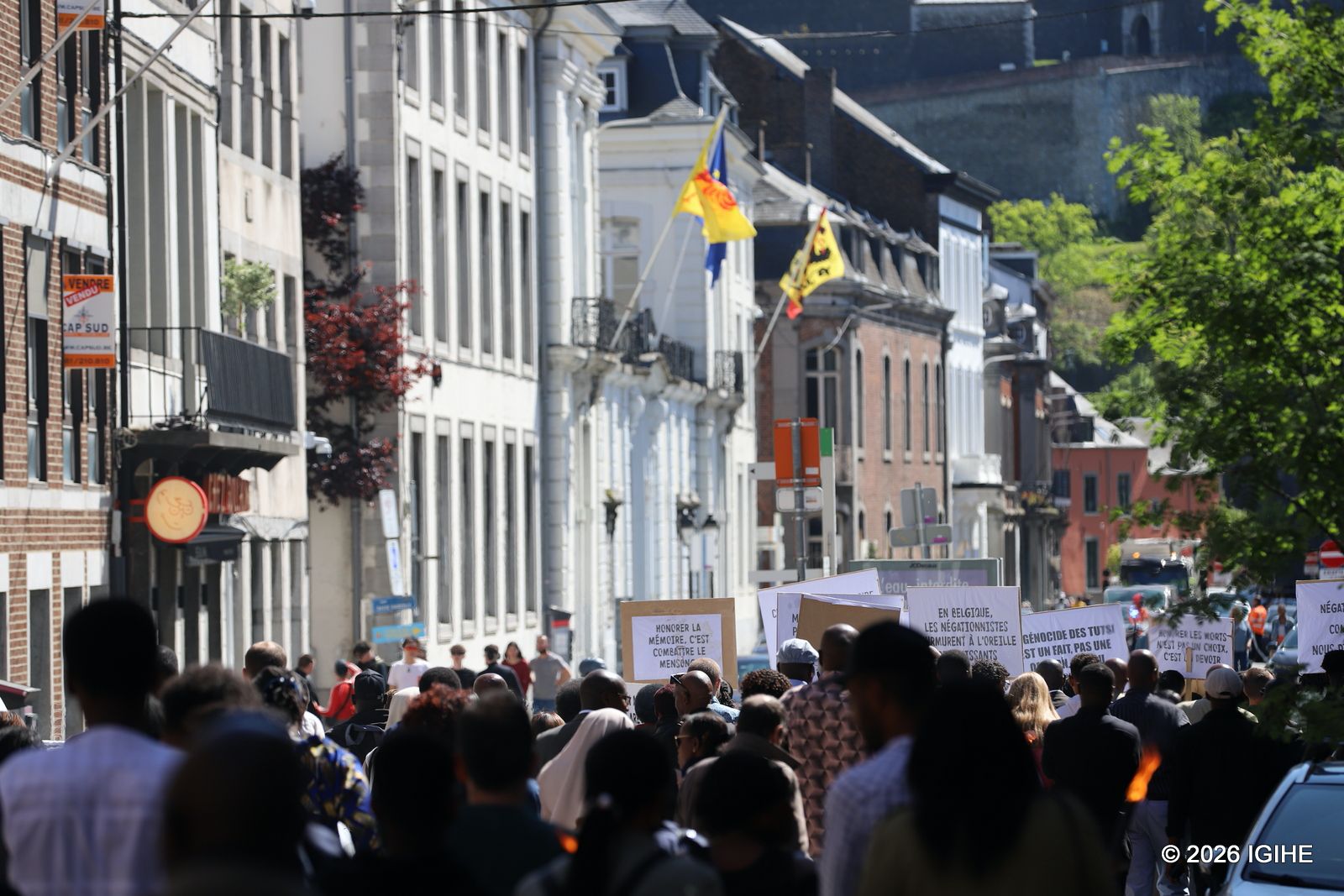
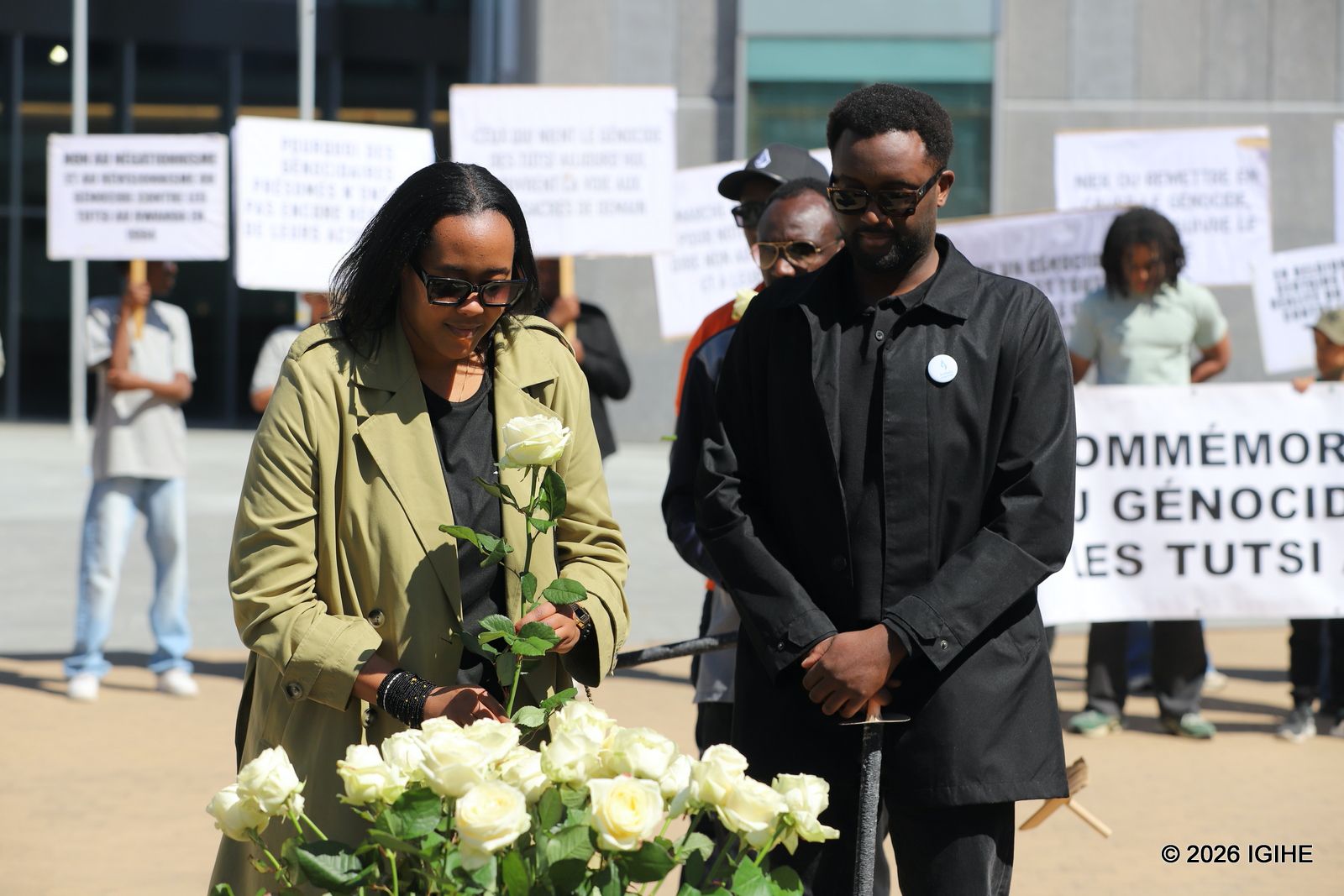
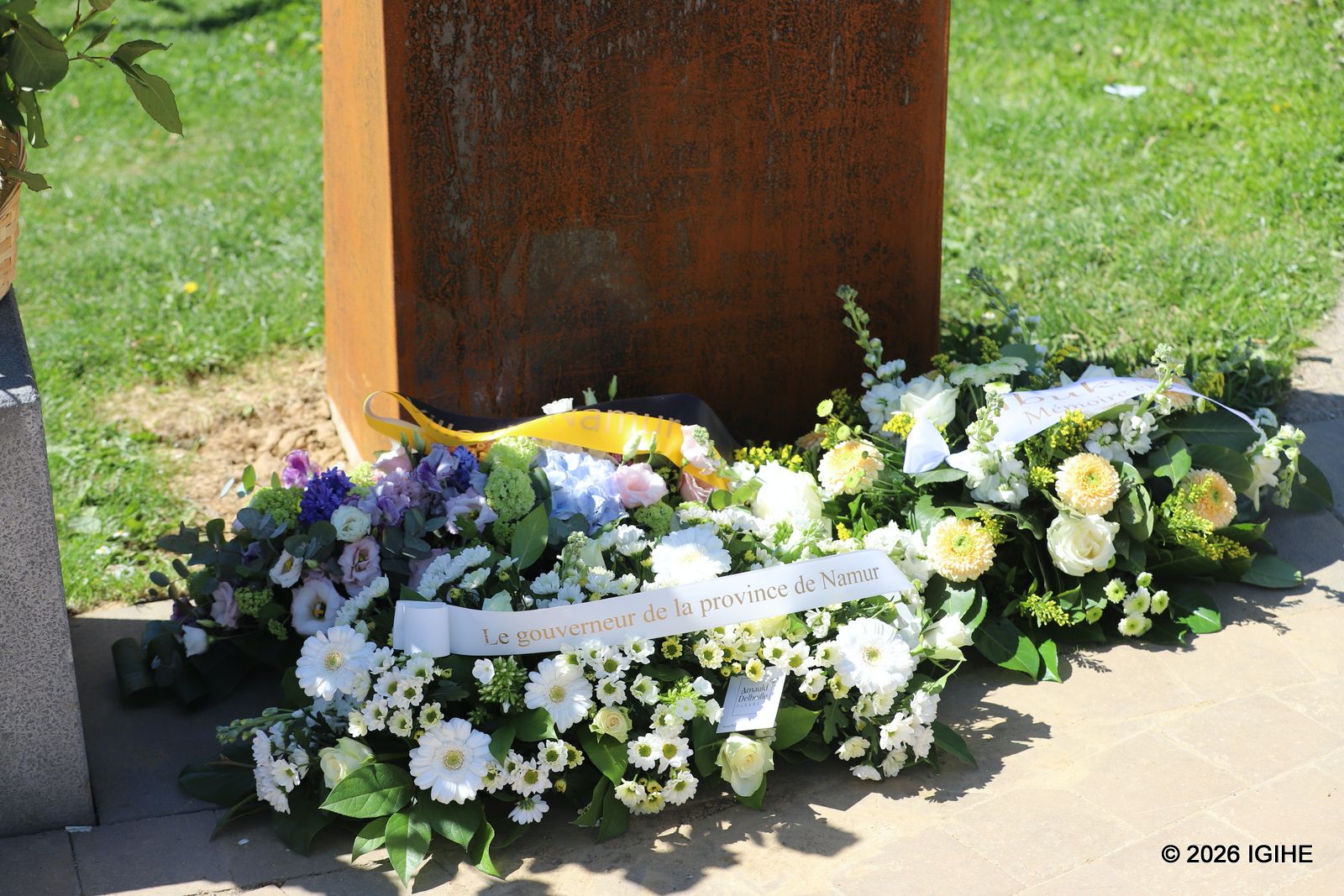
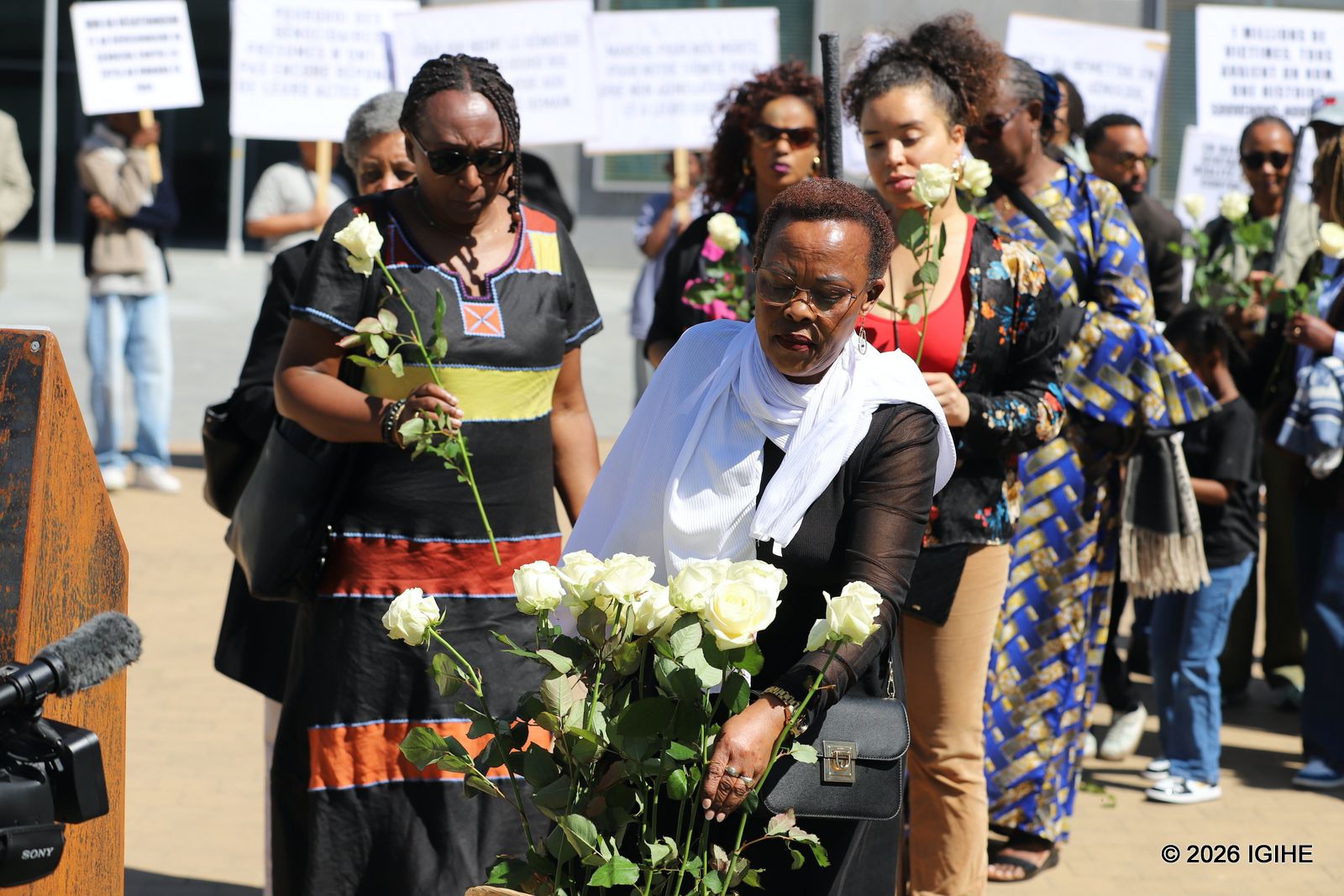
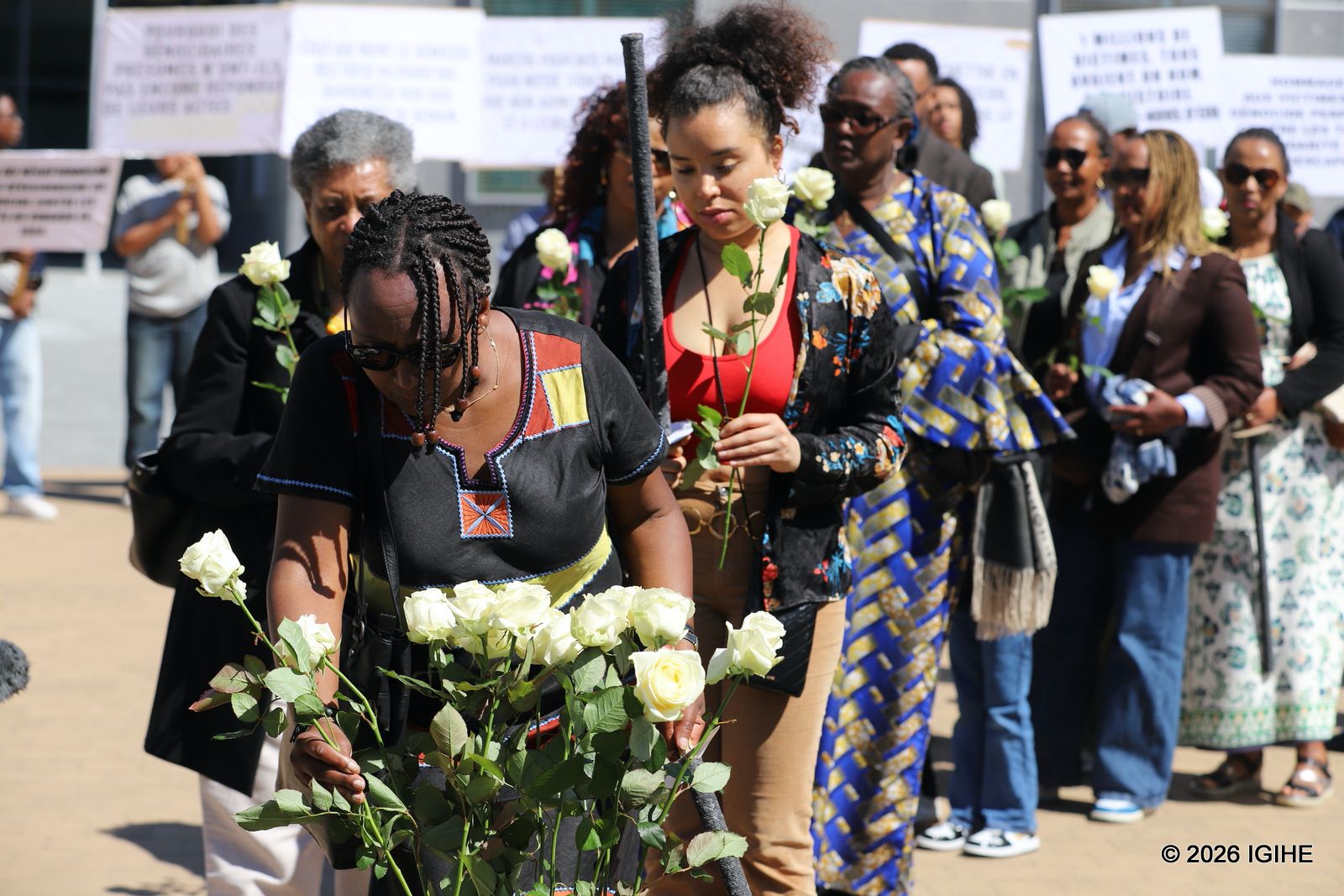
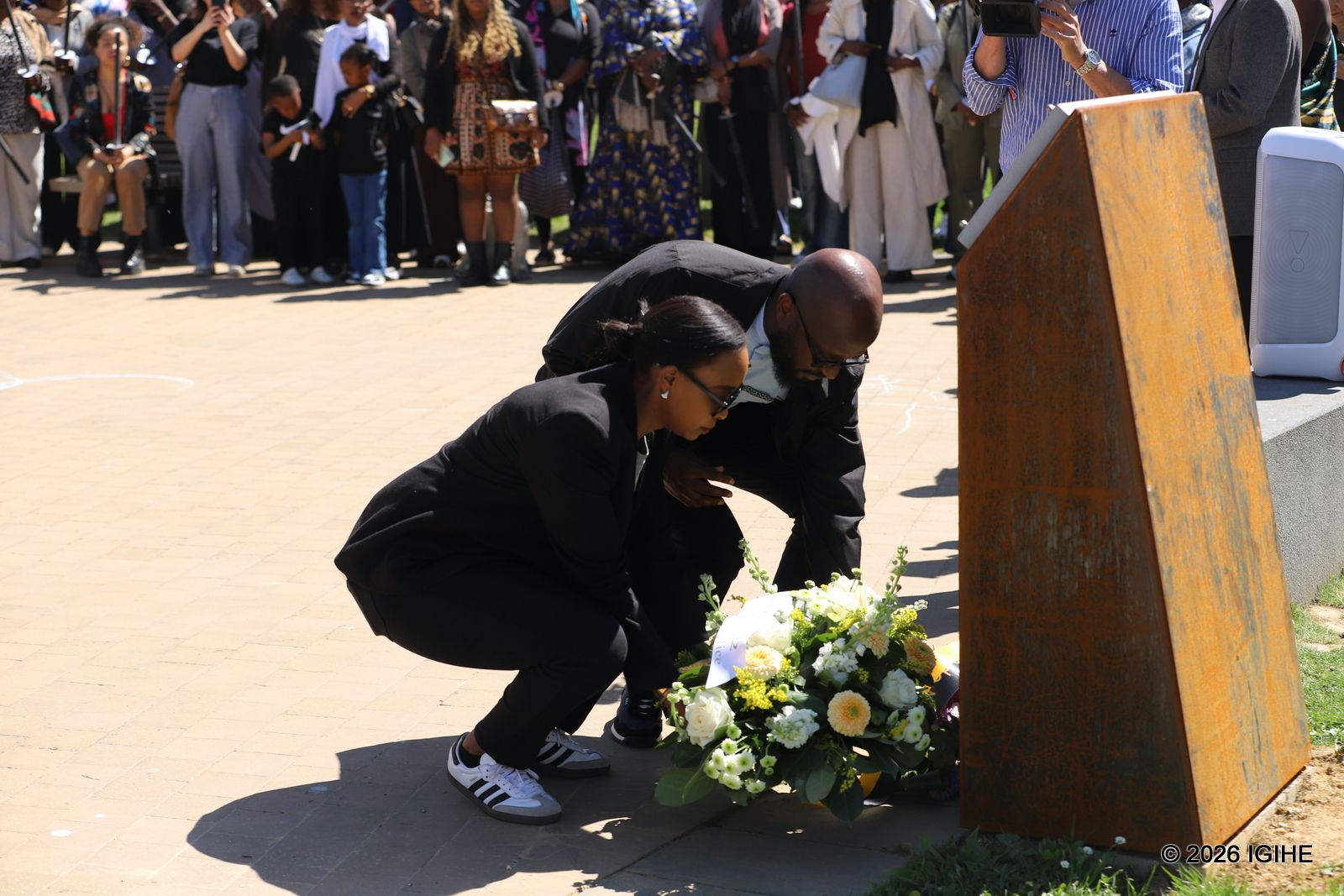
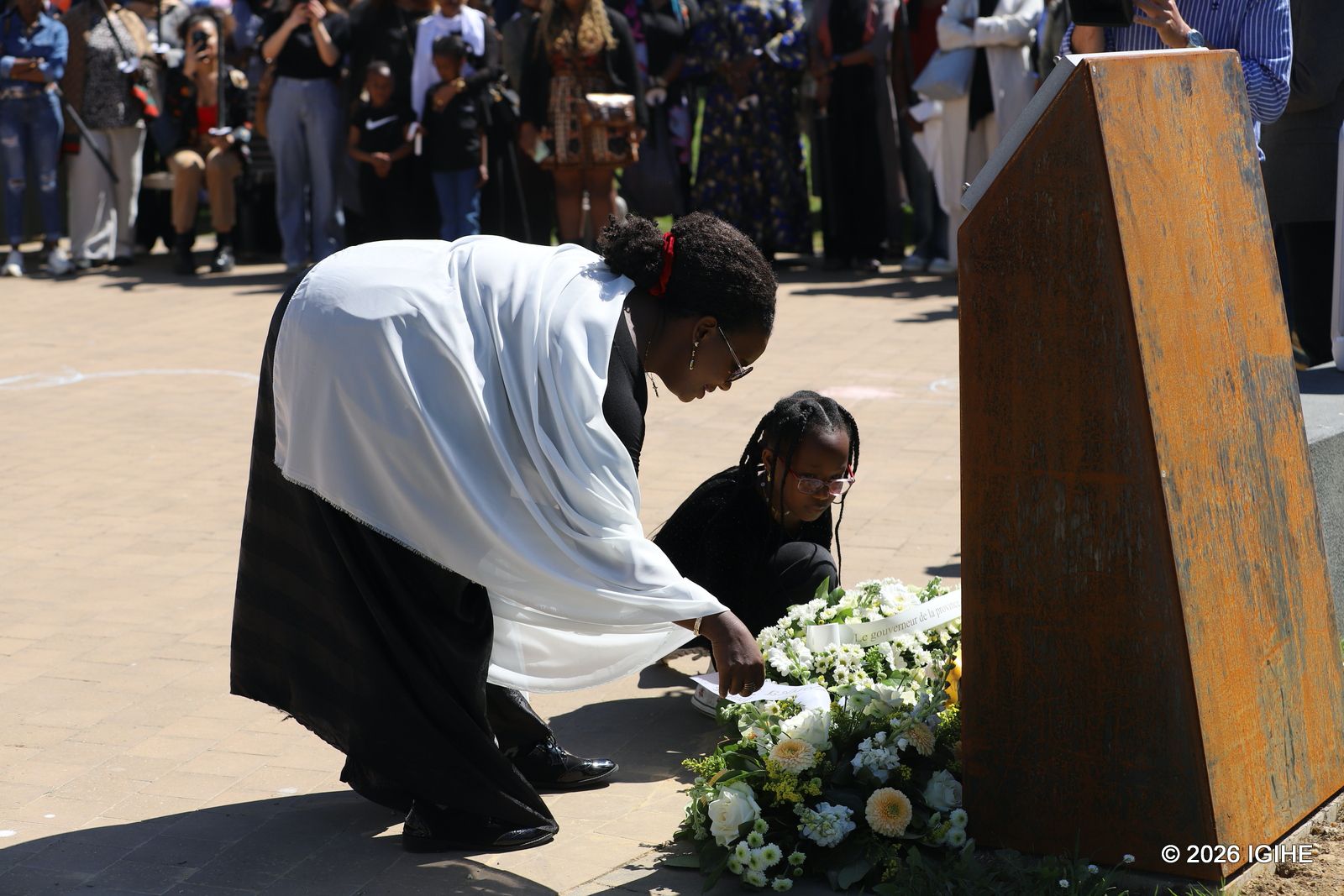
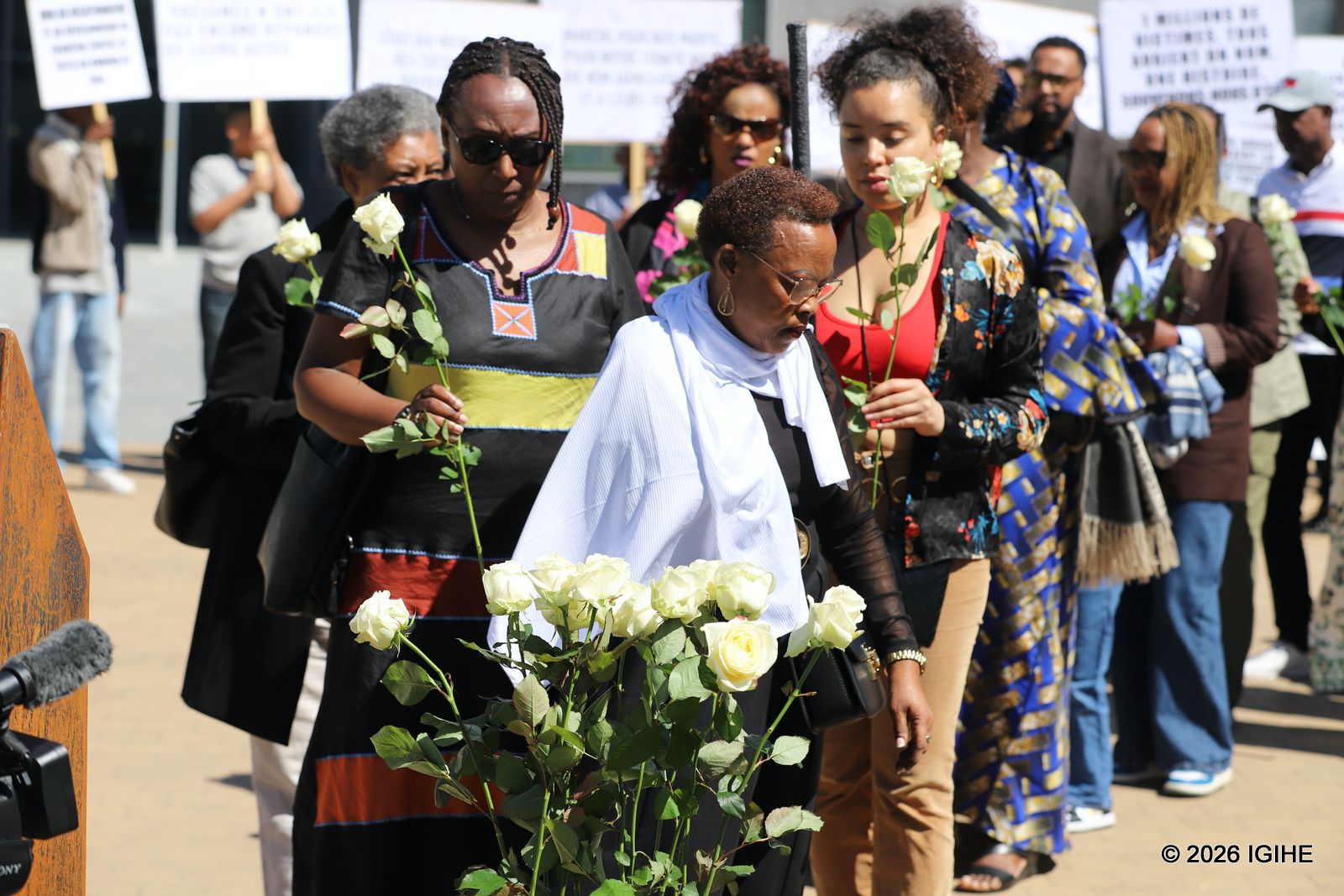
The event began at the memorial dedicated to the victims of the Genocide against the Tutsi, located in front of the Namur Courthouse. The memorial was relocated from the MusAfrica museum to make it more visible to the public, particularly in front of the Courthouse, thus allowing for better transmission of memory.
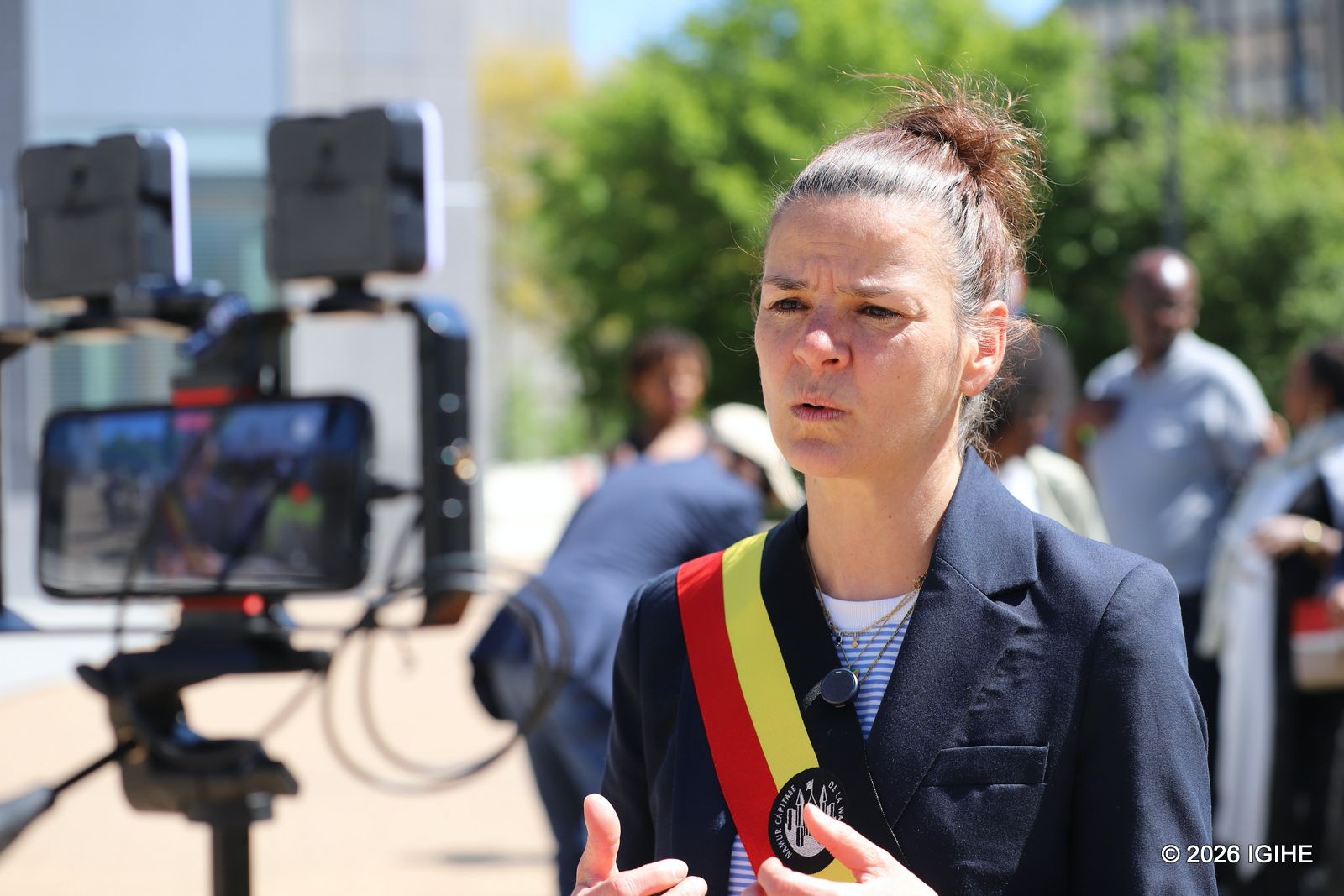
Speaking to IGIHE, the Acting Mayor of Namur, Charlotte Bazlaire honored victims of the genocide and called for collective efforts to prevent reoccurrence.
“It is an honor to be here representing the City of Namur during this 32nd commemoration. I am thinking of all those who were affected, in one way or another, by this tragedy.
“Thirty-two years later, the wounds are still present. I am here to remind people that in 1994, extreme brutality took place in Rwanda, and to raise awareness in today’s world about the importance of preventing the divisions that can lead to genocide,” she said.
Bazlaire added that her participation reflects a duty of remembrance, aimed at preventing any trivialization or forgetting of these tragic events.
She also welcomed the relocation of the memorial in front of the Courthouse, highlighting the symbolic importance of its visible location.
Claire Kayirangwa, representative of Ibuka-Memory and Justice-Belgium, thanked the organizers and participants, including friends of Rwanda.
“Your presence shows your commitment to ensuring that this history is never forgotten and that such a tragedy never happens again anywhere in the world. You have also come to support survivors and honor the memory of their loved ones,” she noted.
Speaking at the event, Michaël Bisschops, President of “Les Territoires de la Mémoire,” stressed that remaining silent in the face of such crimes is equivalent to a second killing.
“Keeping silent in the face of such barbarity is like killing a second time, as it allows it to happen again. Genocide does not begin with weapons, but with words that dehumanize people. Today is therefore a day to speak out, because we do not have the right to remain silent,” he said.
He emphasized that his presence from Liège reflected his commitment to preserving this memory and supporting survivors.
Akoeley Bernard, advisor at the CPAS of Namur, said she was only seven years old in 1994 and learned about these events through television.
“I could not understand how a human being could commit such acts. I felt a lot of anger and sadness, wondering why journalists were showing these images without being able to save the victims.”
She added that she later realized it was not only the media, but the entire world that had abandoned the Tutsi.
Akoeley also stressed that this tragedy is part of Belgium’s history, due to divisions inherited from the colonial period that contributed to the genocide.
Dorothée Klein, President of the CPAS of Namur, stressed the importance of the commemoration held in the city of Namur to honor victims of the 1994 Genocide against the Tutsi.
She noted that the gathering served as a moment to honor the memory of more than one million people who were killed, explaining that entire families were destroyed while others were displaced and scattered across the world. According to her, such acts of remembrance are essential to ensure that similar tragedies are never repeated.
Klein emphasized that even though the events took place far from Belgium, it remains important for communities in Namur to remember and share testimonies. She underlined that silence is not an option in the face of such crimes, as forgetting would amount to a second injustice against the victims.
“Although words fall short in the face of such atrocities, silence is not an option,” she said. “We must continue to speak and to remember, so that the victims are not lost to oblivion a second time.”
Klein further warned that genocide does not happen suddenly, but develops gradually when discrimination becomes normalized and tolerated.
She called for continued vigilance, stressing that societies must actively resist all forms of exclusion and dehumanization to prevent history from repeating itself.
The event also featured testimony from Claire Ruyuki, a survivor of the genocide, who spoke about the loss of her family members and shared a letter her father had written to her, encouraging her to continue her education and remain strong.
“Today, I am alive and I have children. They are my greatest treasure. Testifying is essential,” she said.
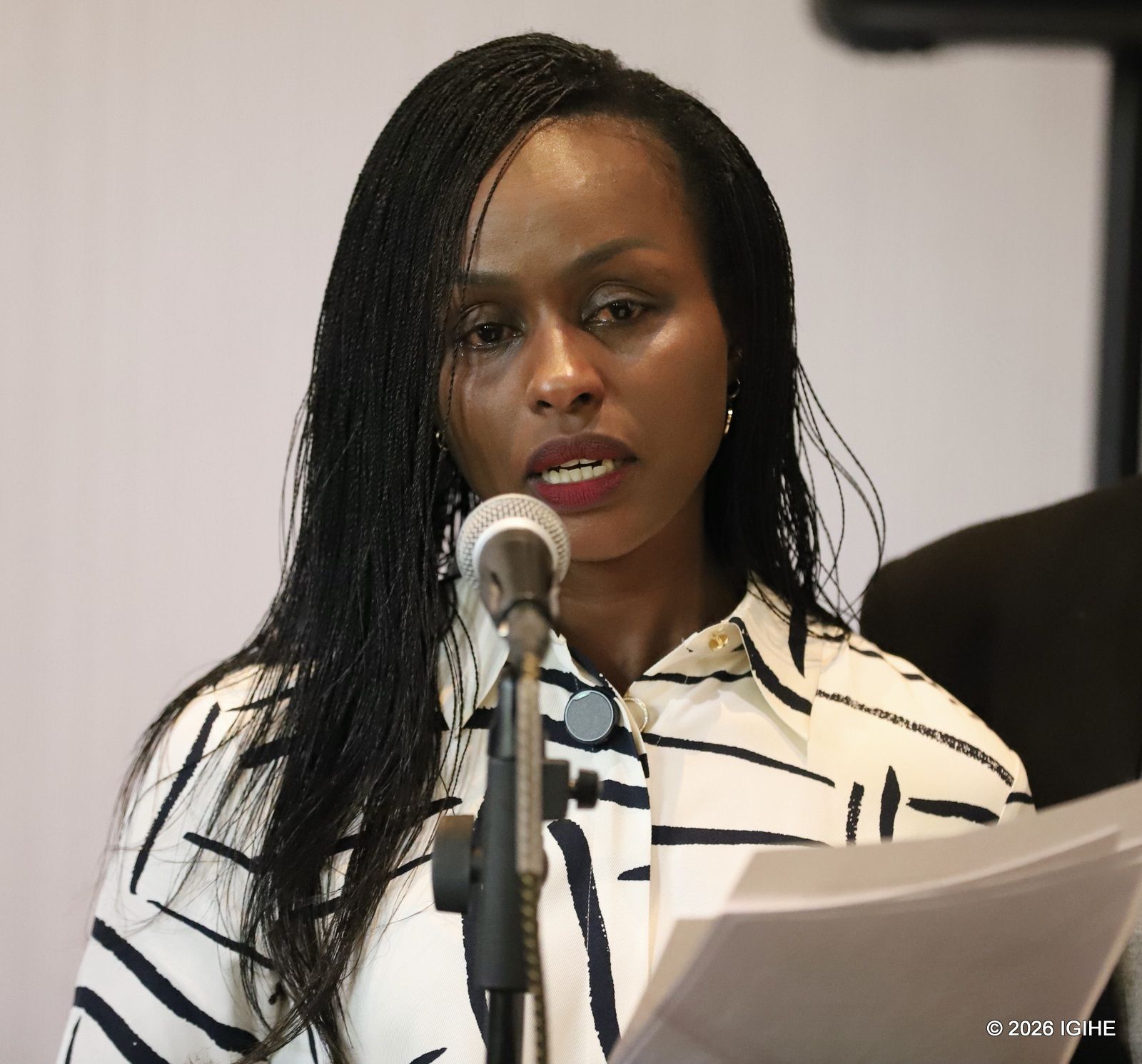
The day continued with an evening commemoration, including the screening of a testimony about the life of a genocide survivor, Providence Rwayitare, followed by a discussion with psychologists Annick Umutoni Rwampungu and Jacqueline Rwagatare.
Finally, a remembrance vigil led by Miheto Tatien allowed participants to view photos of genocide victims and reflect on their lives to honor their memory.
The next commemorations in the coming weeks will take place in Louvain-la-Neuve, Mons, Antwerp, Tournai, Charleroi and Leuven.
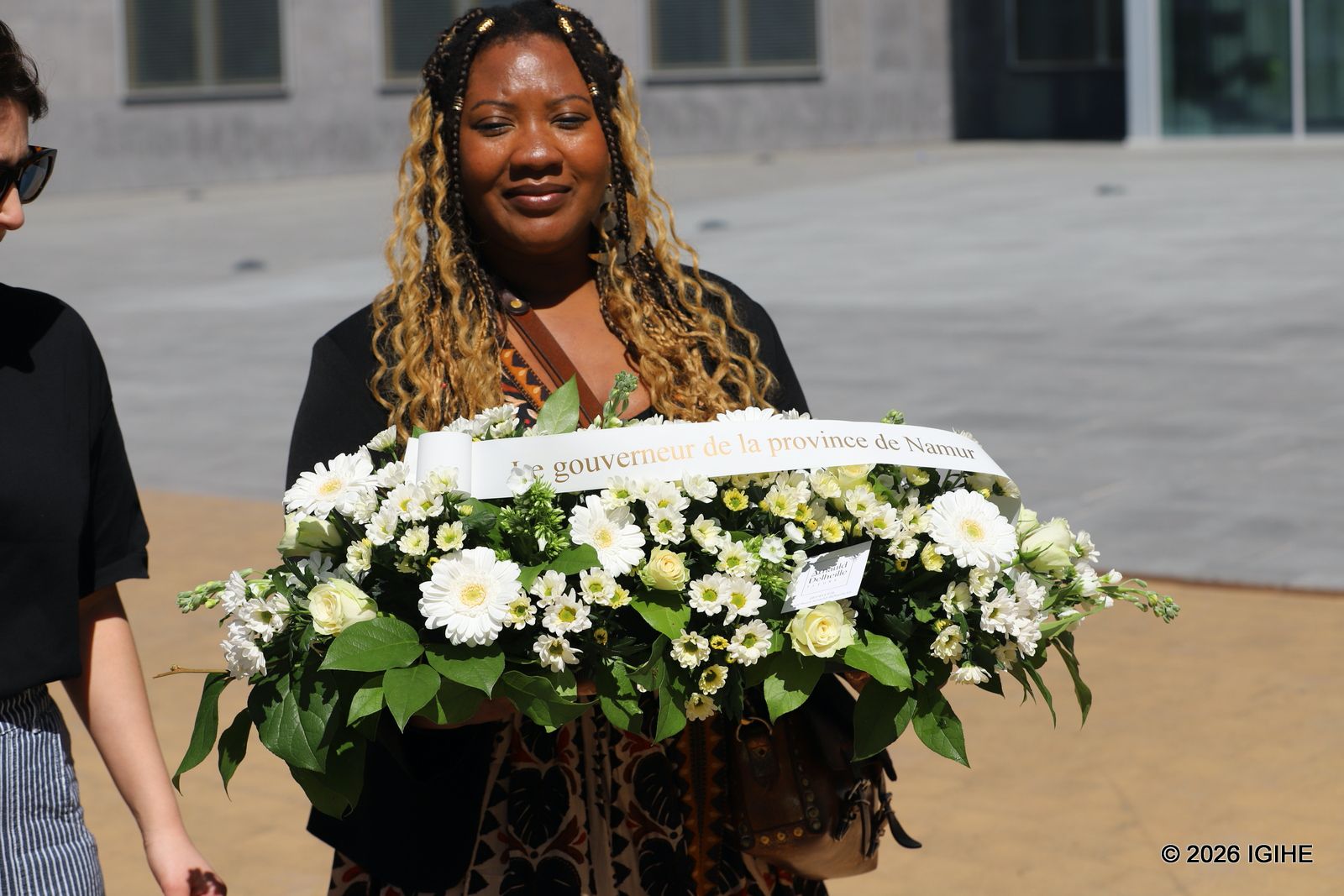
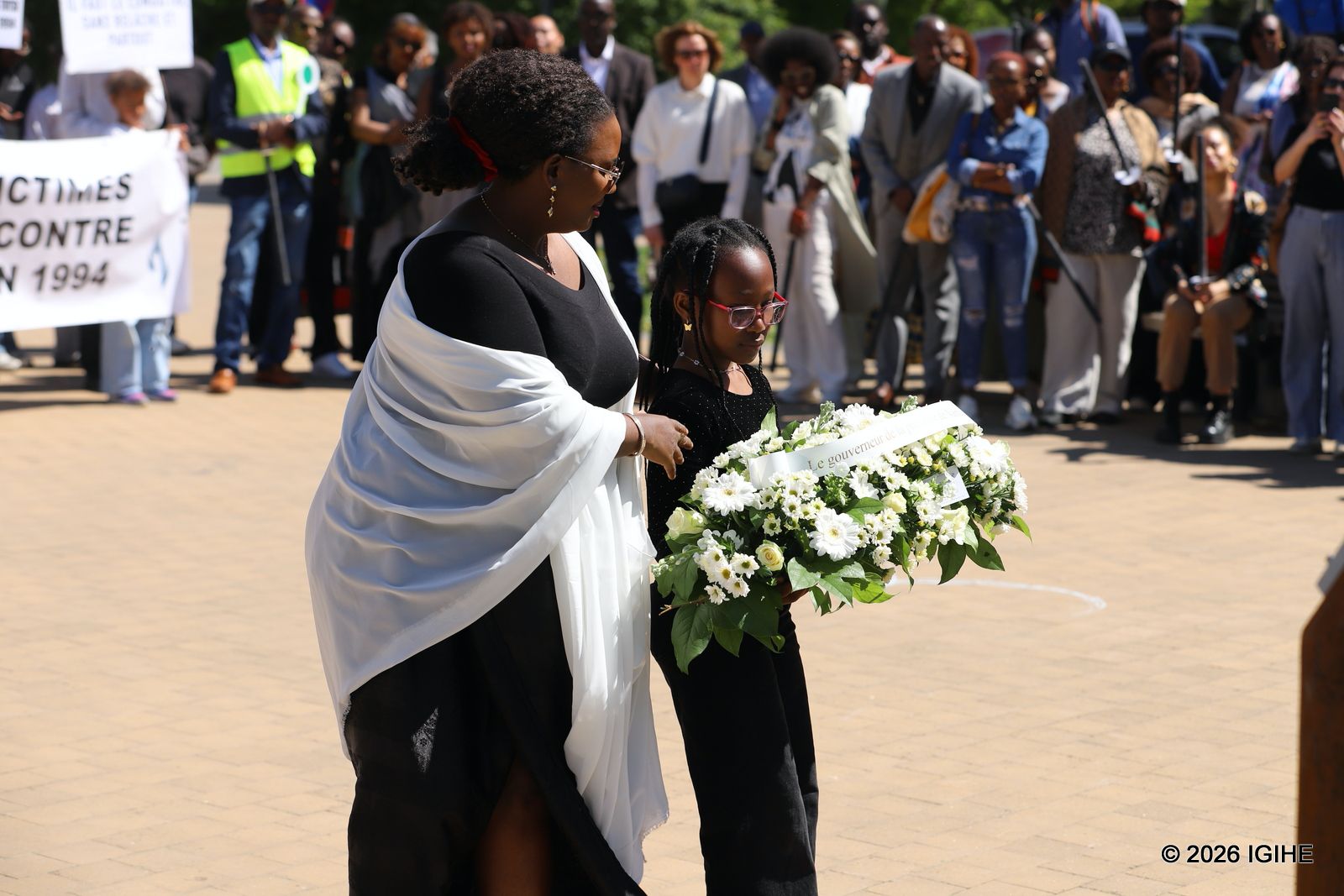
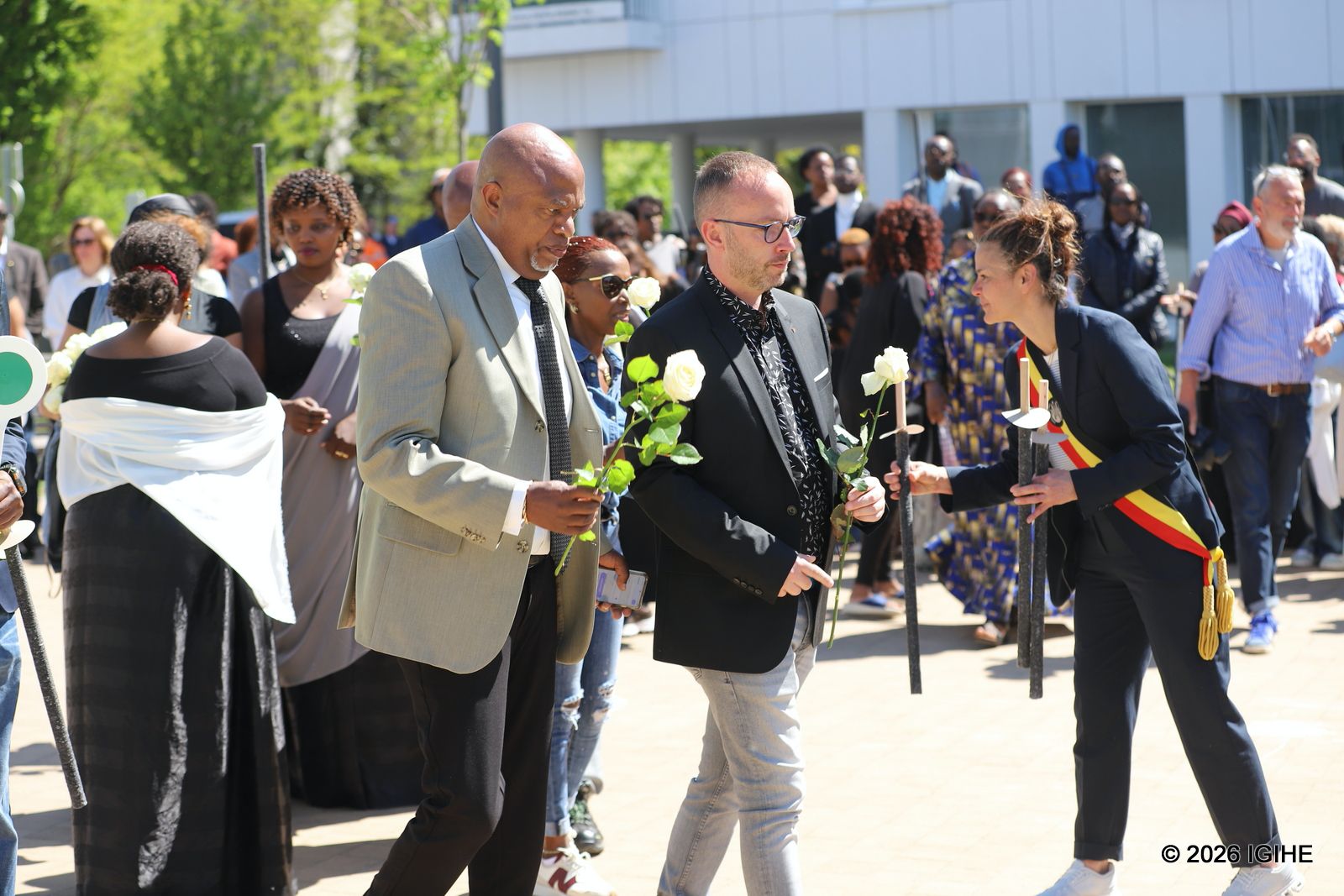
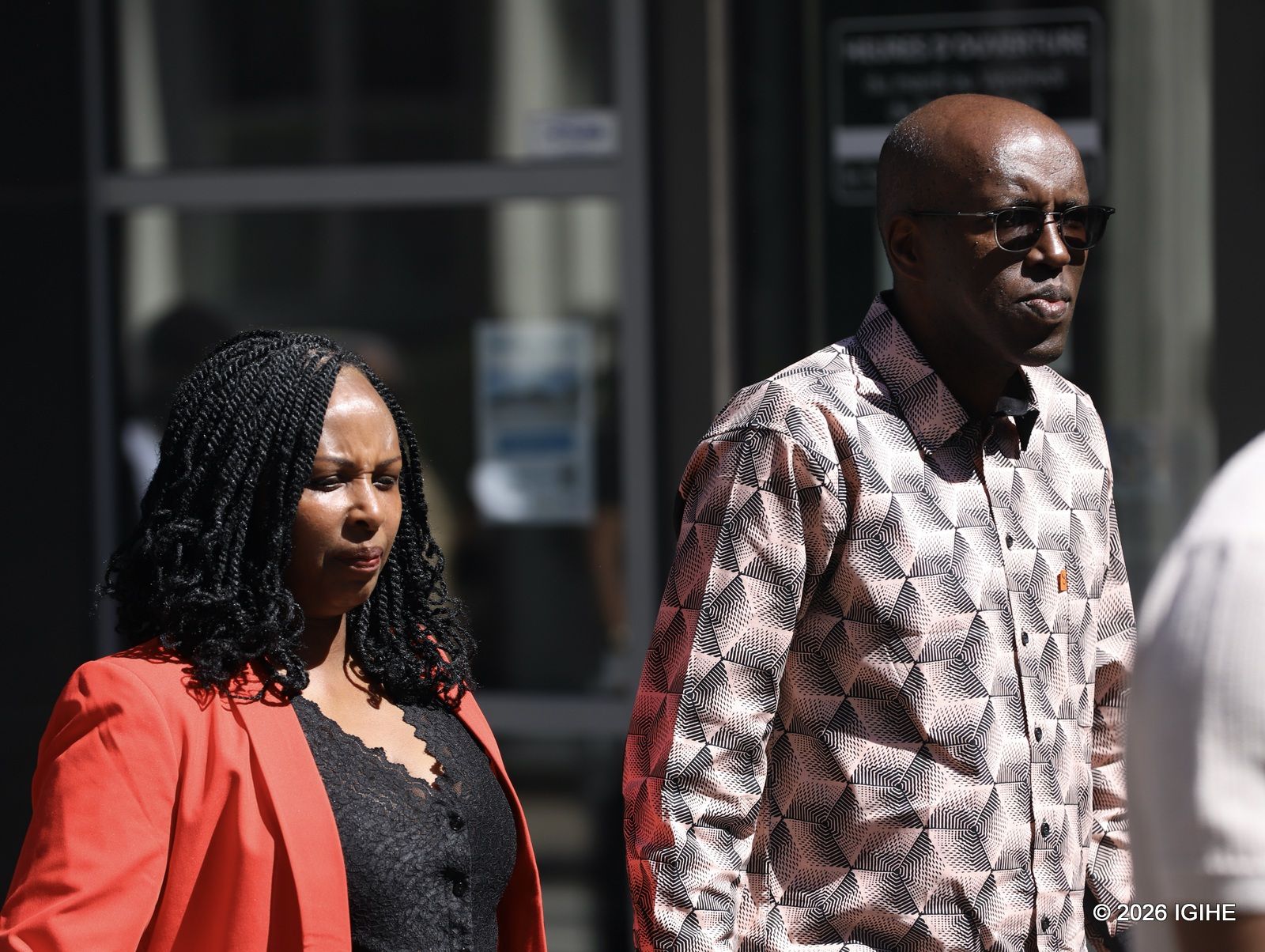
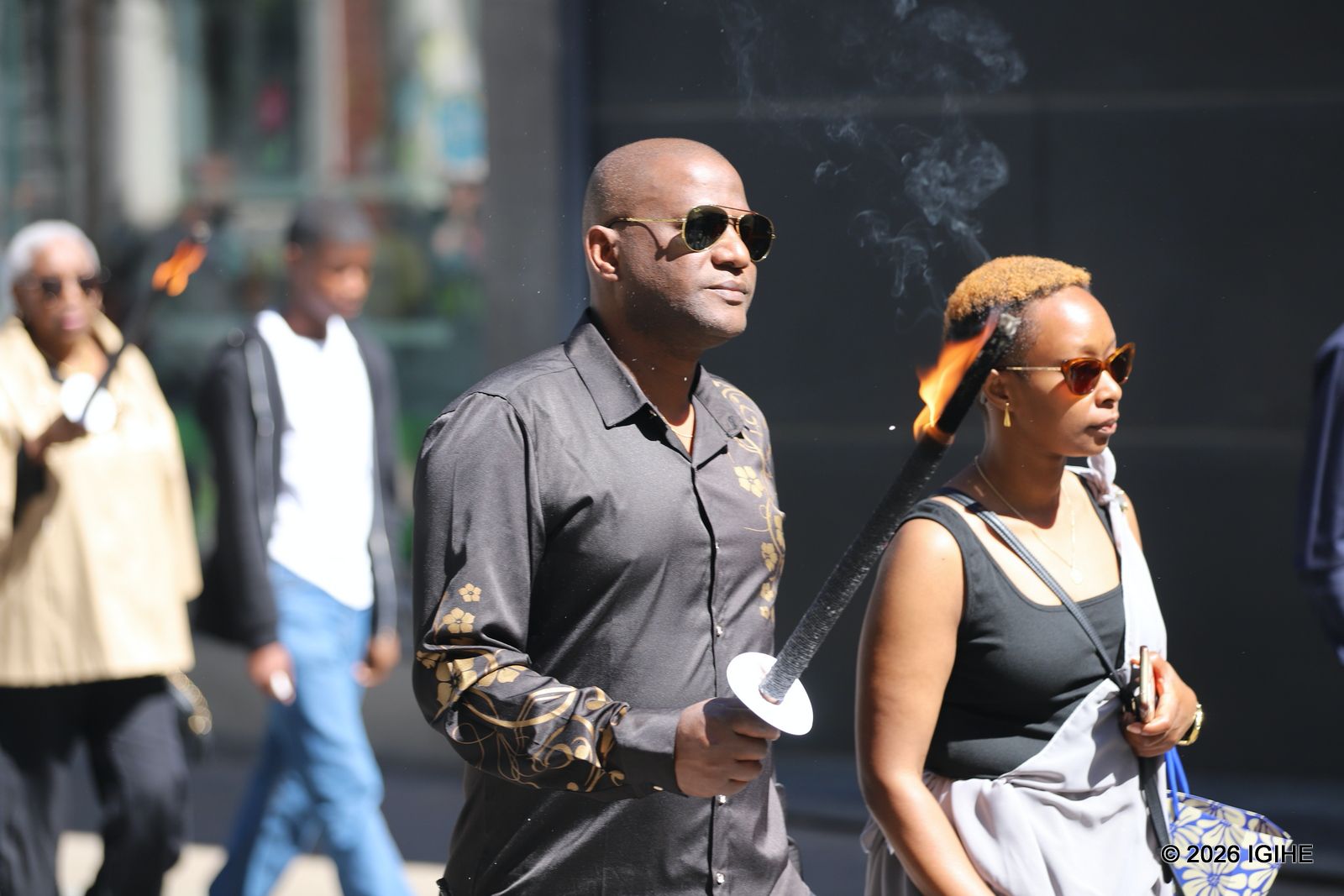
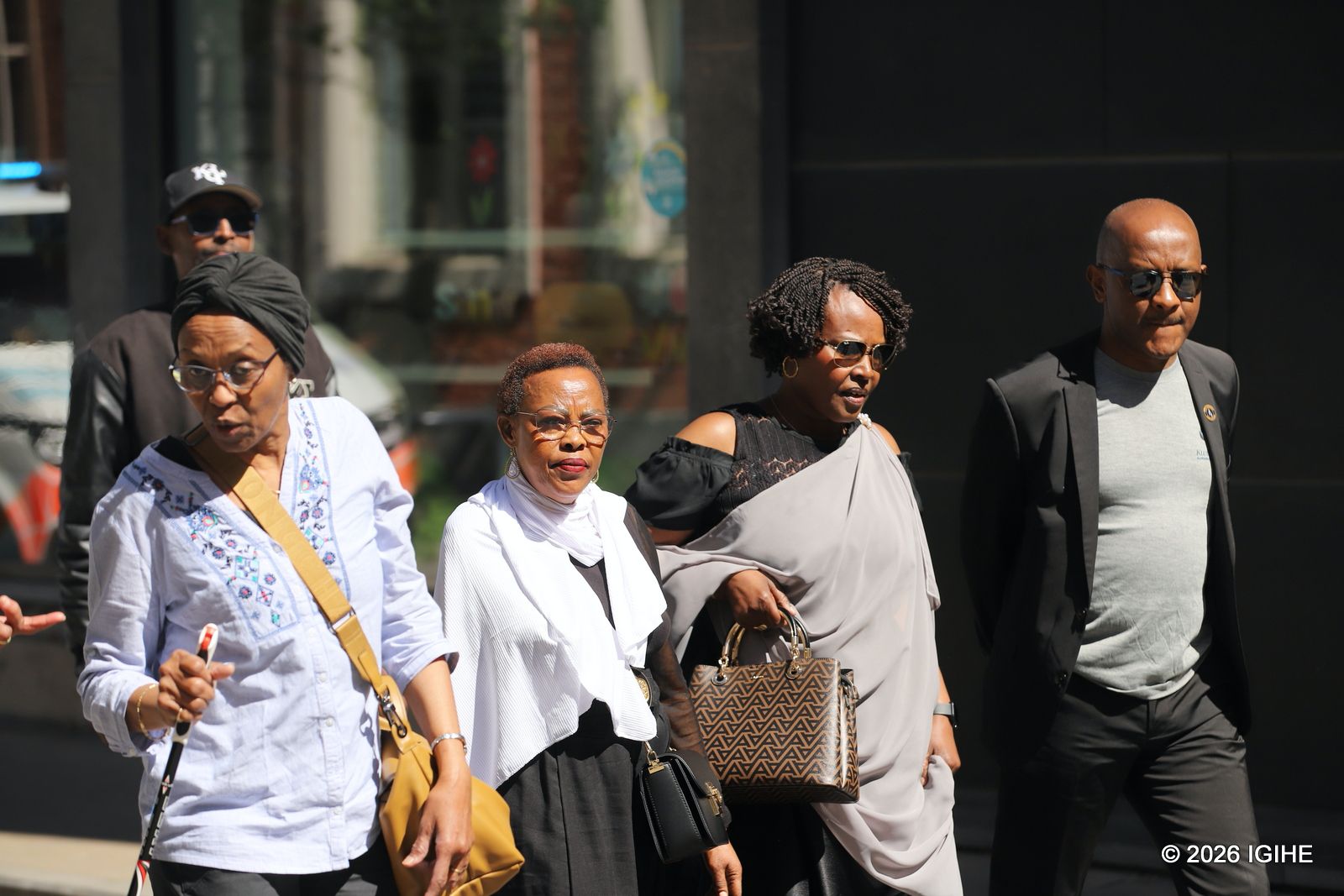
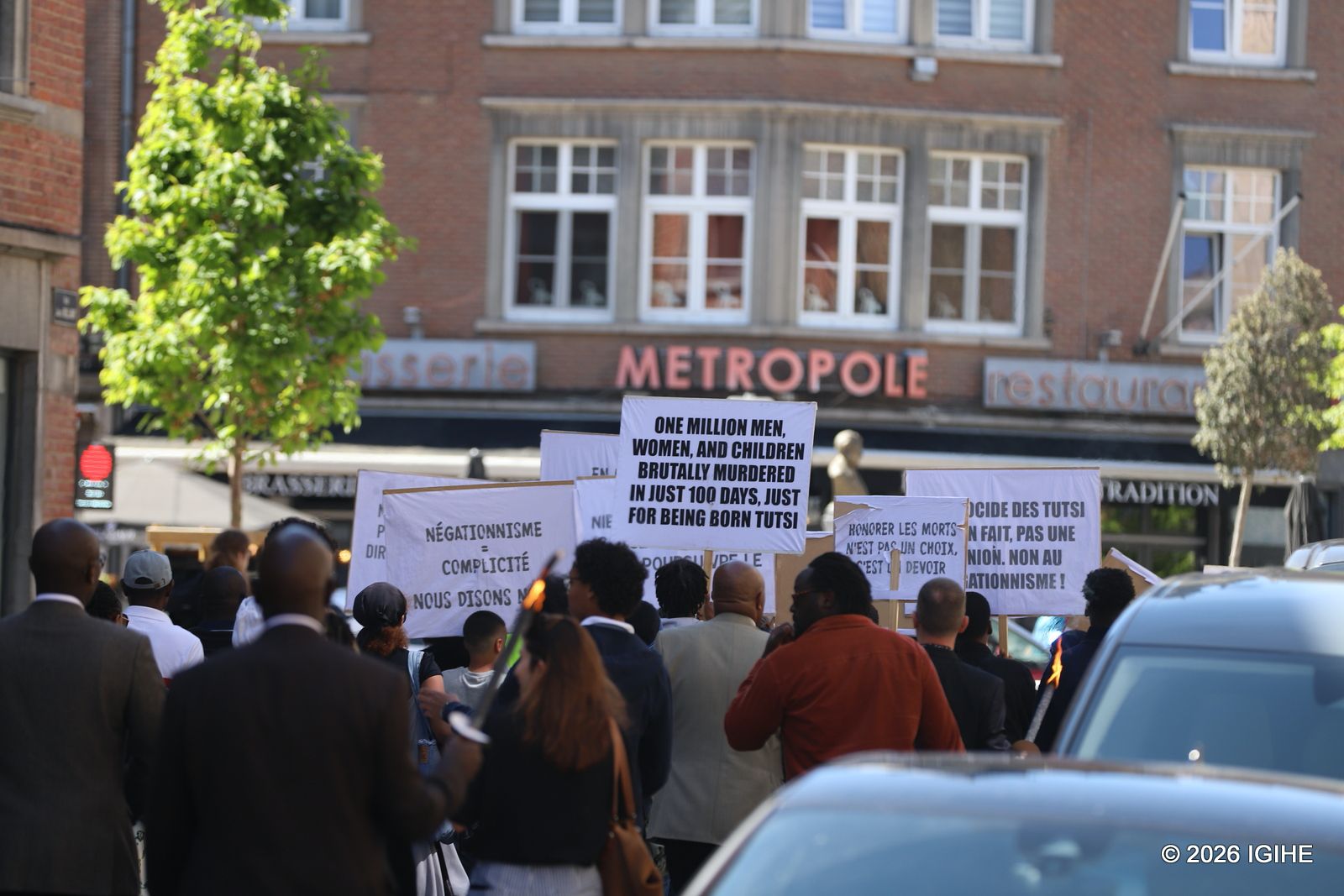
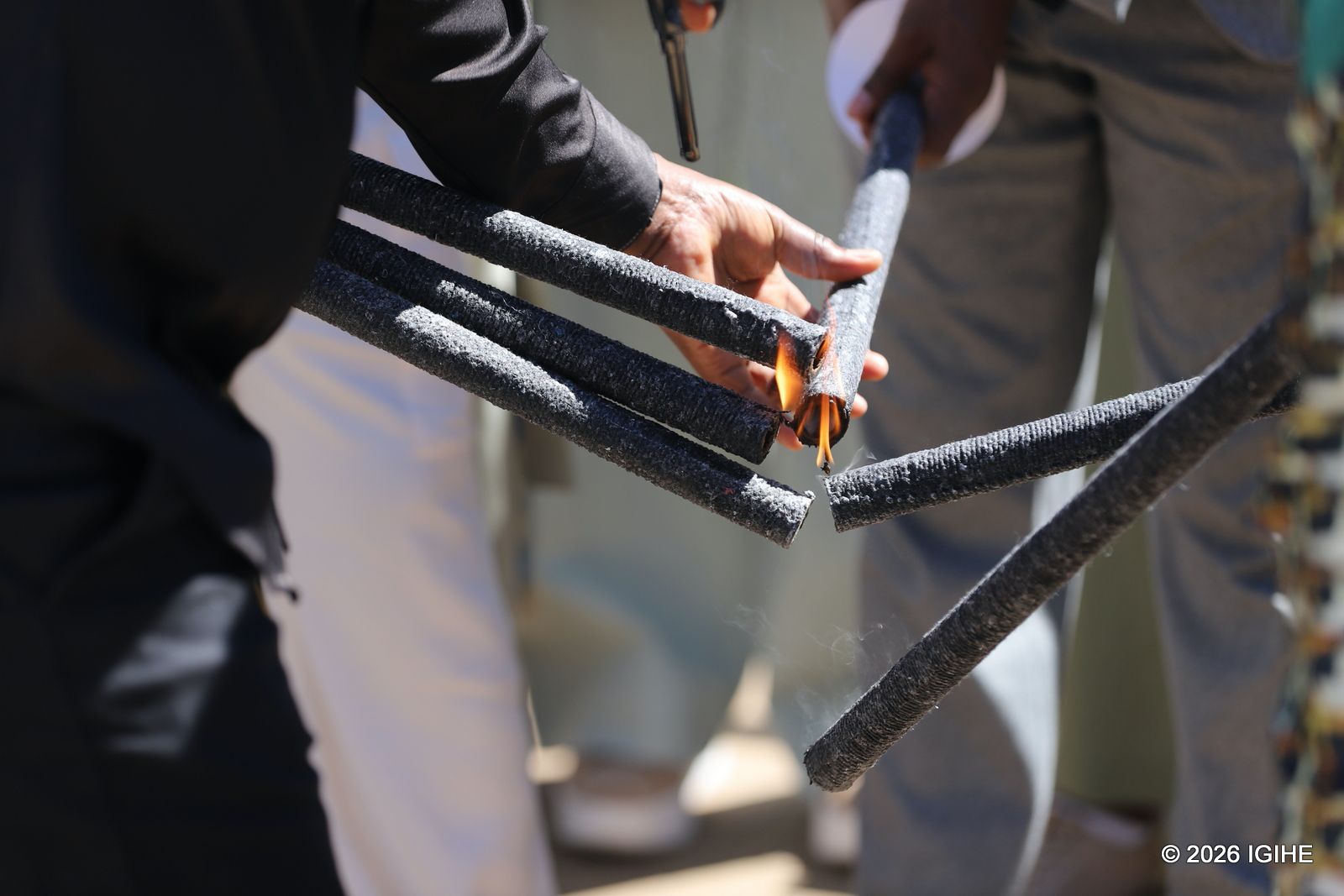
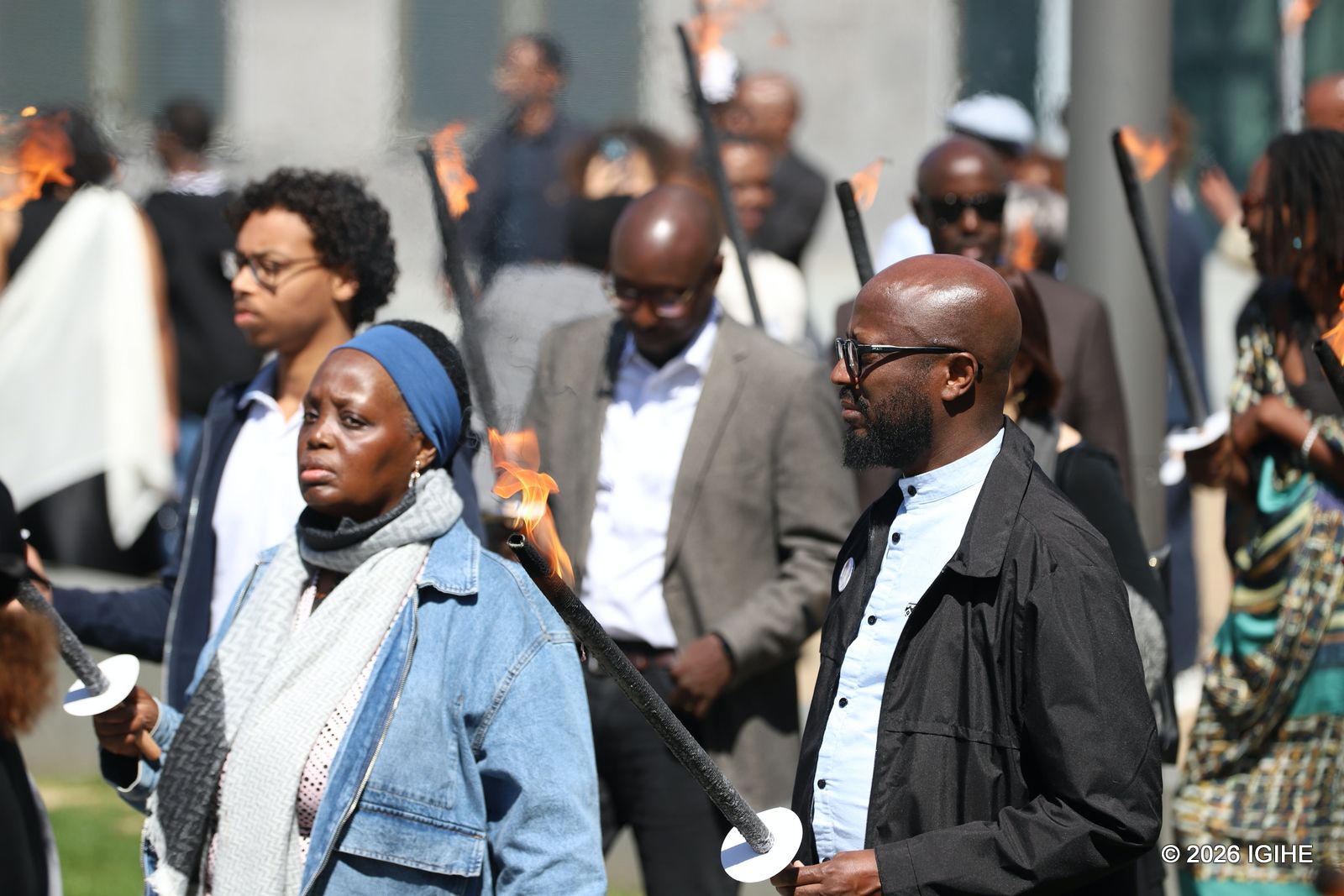
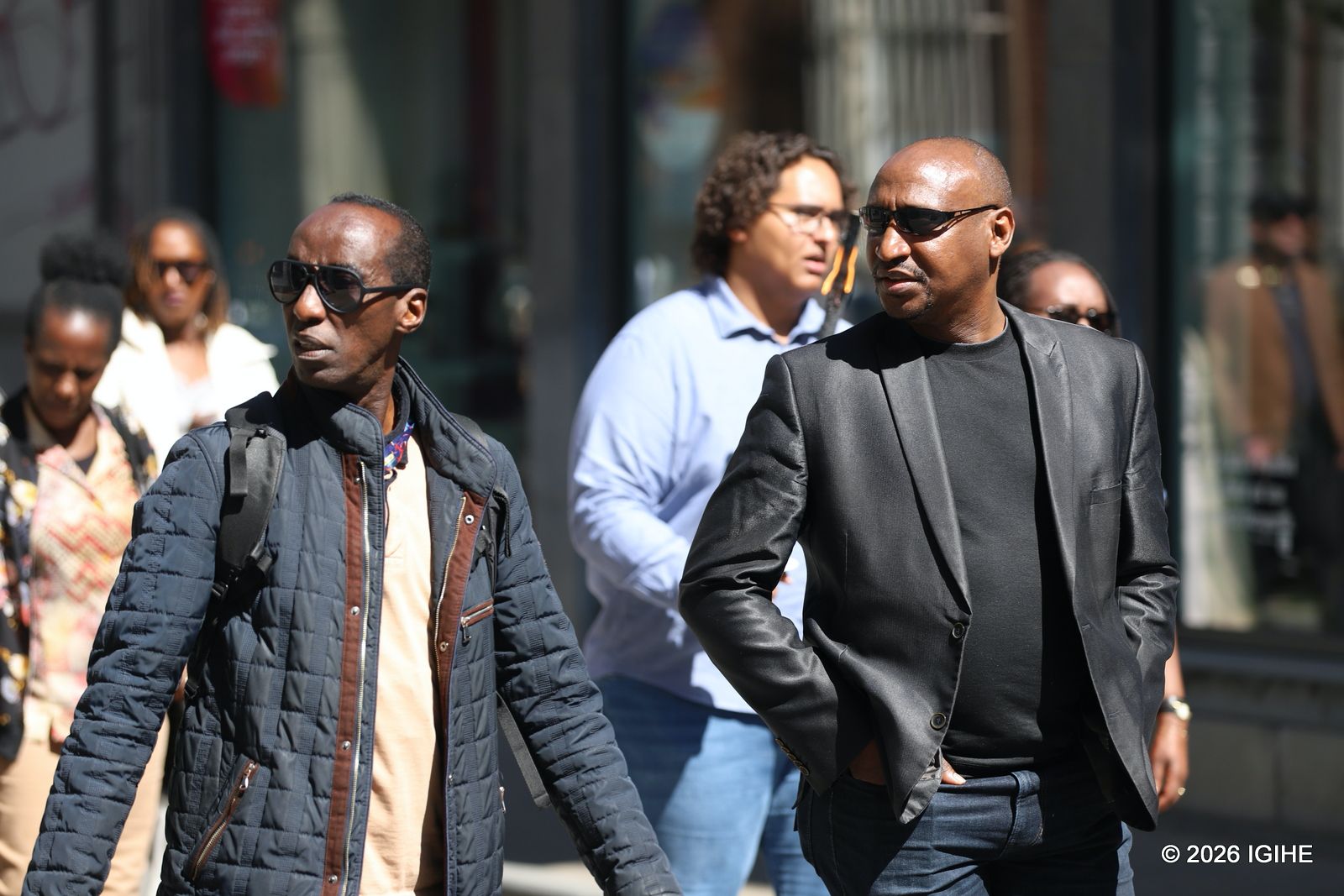
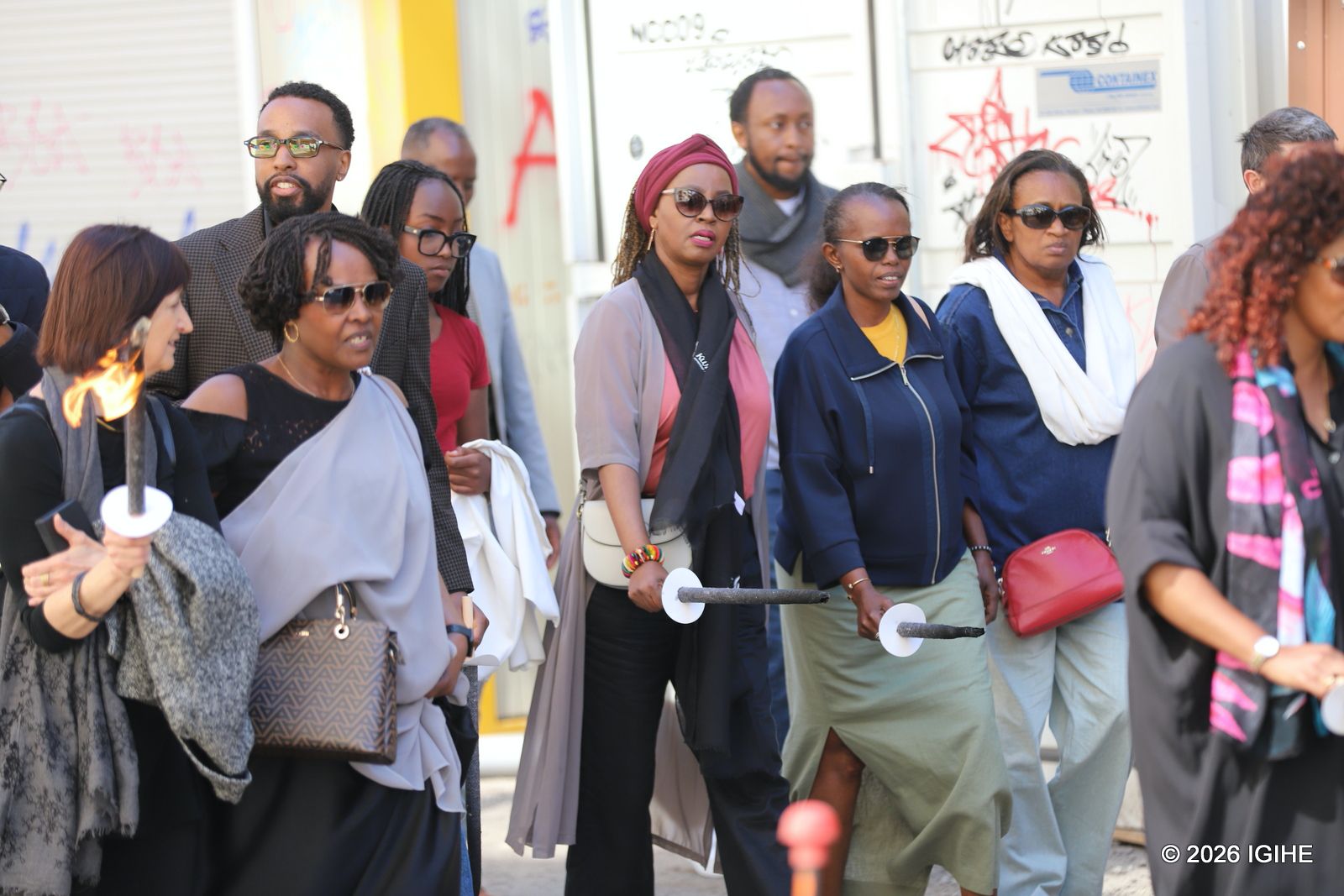
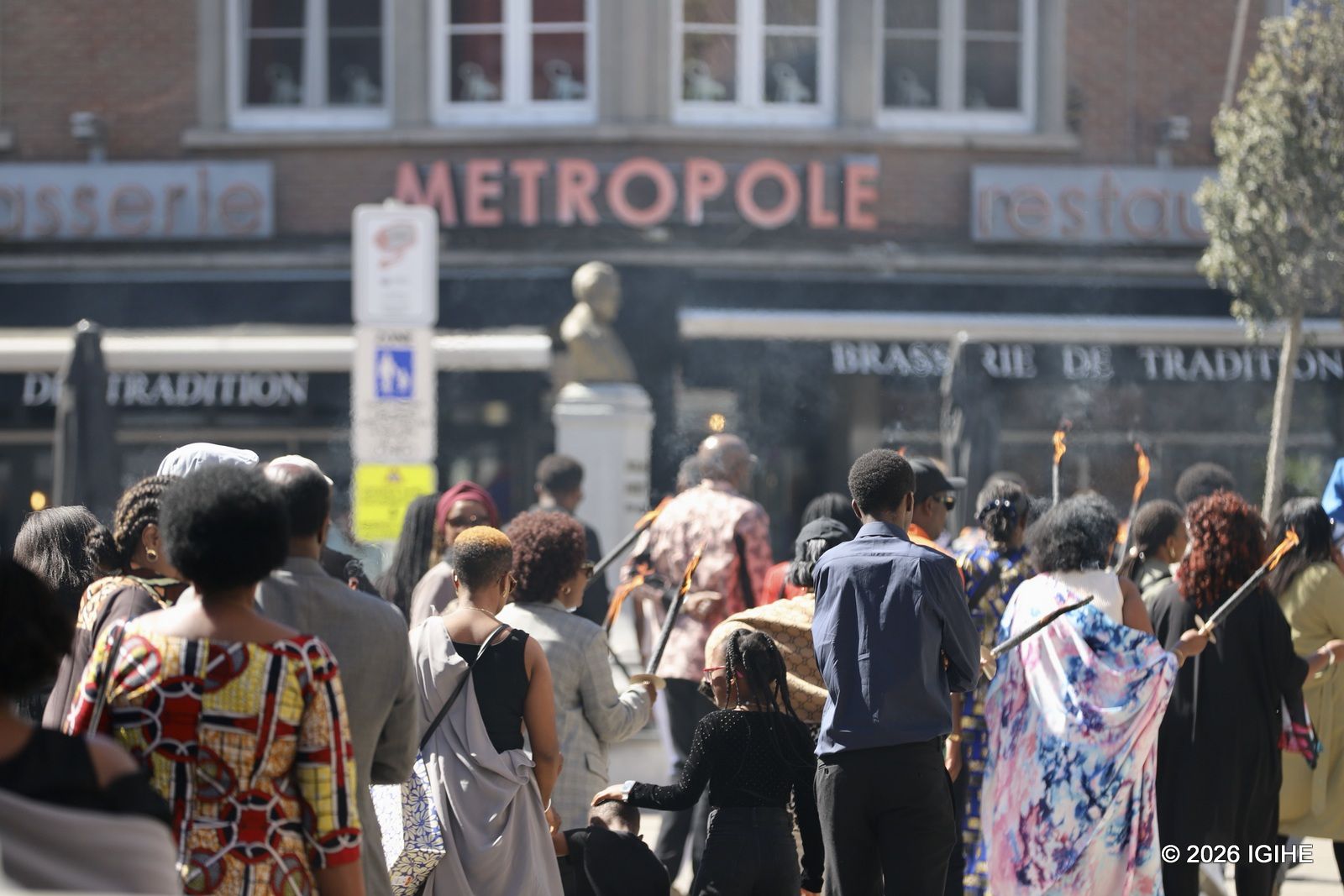
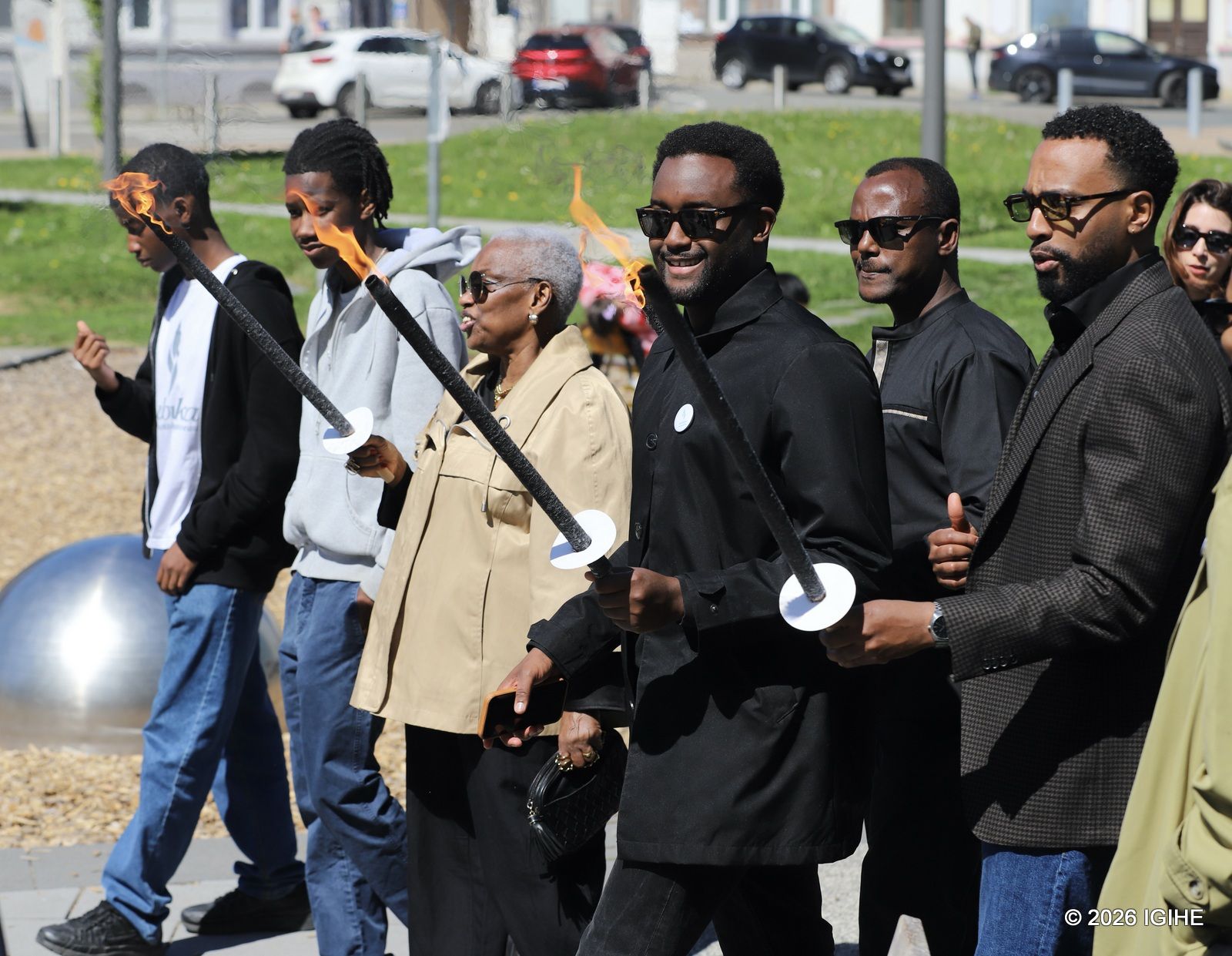
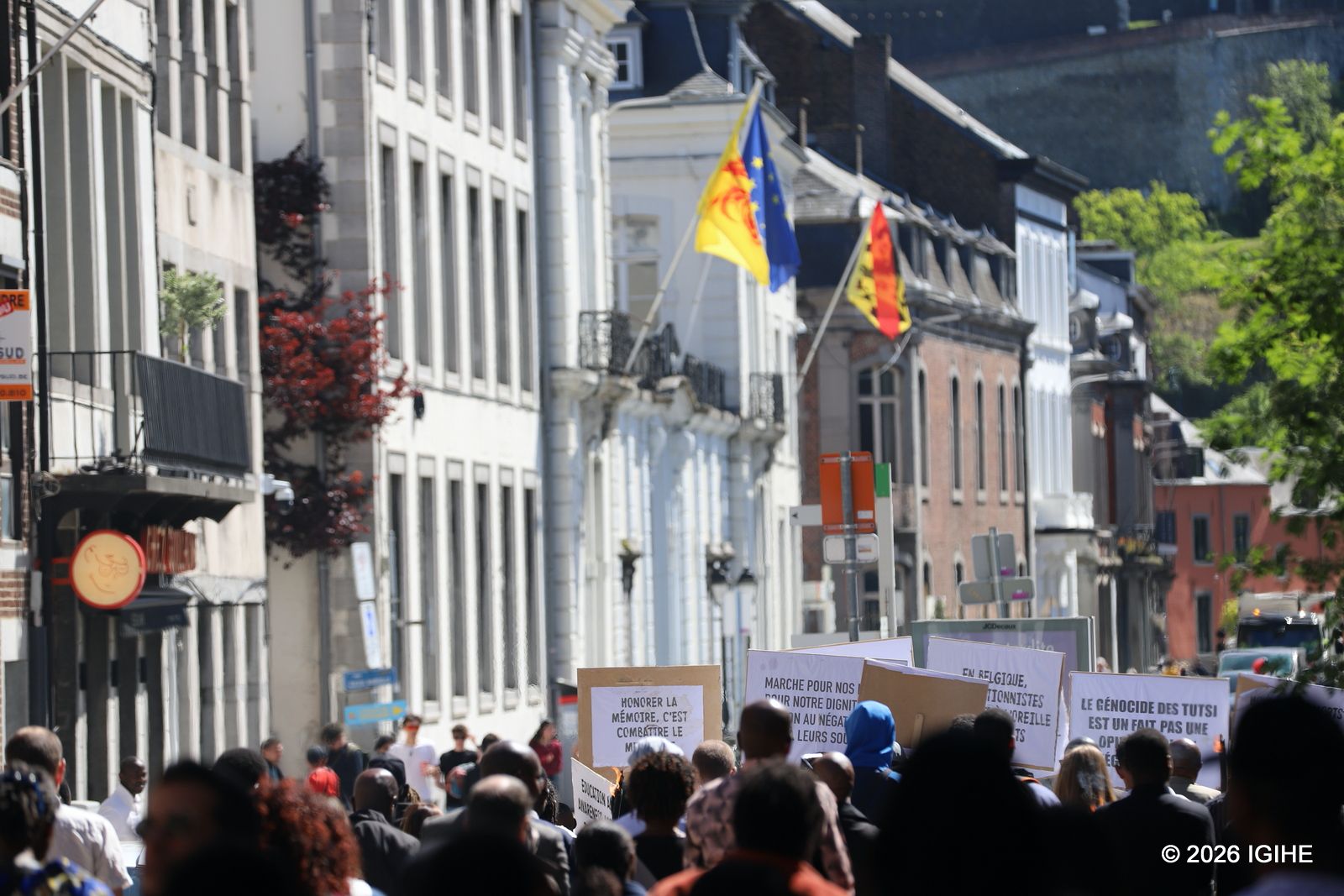
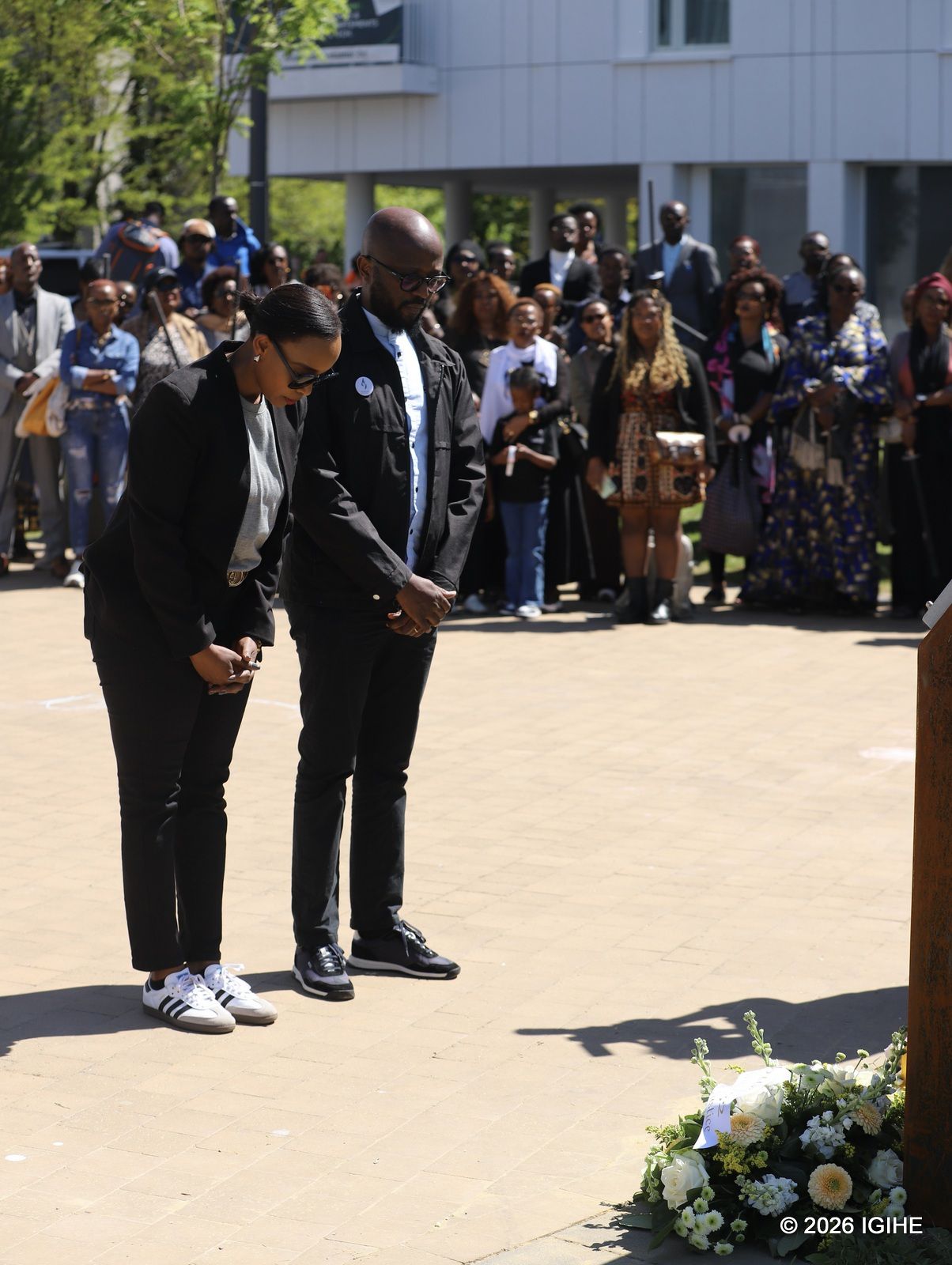
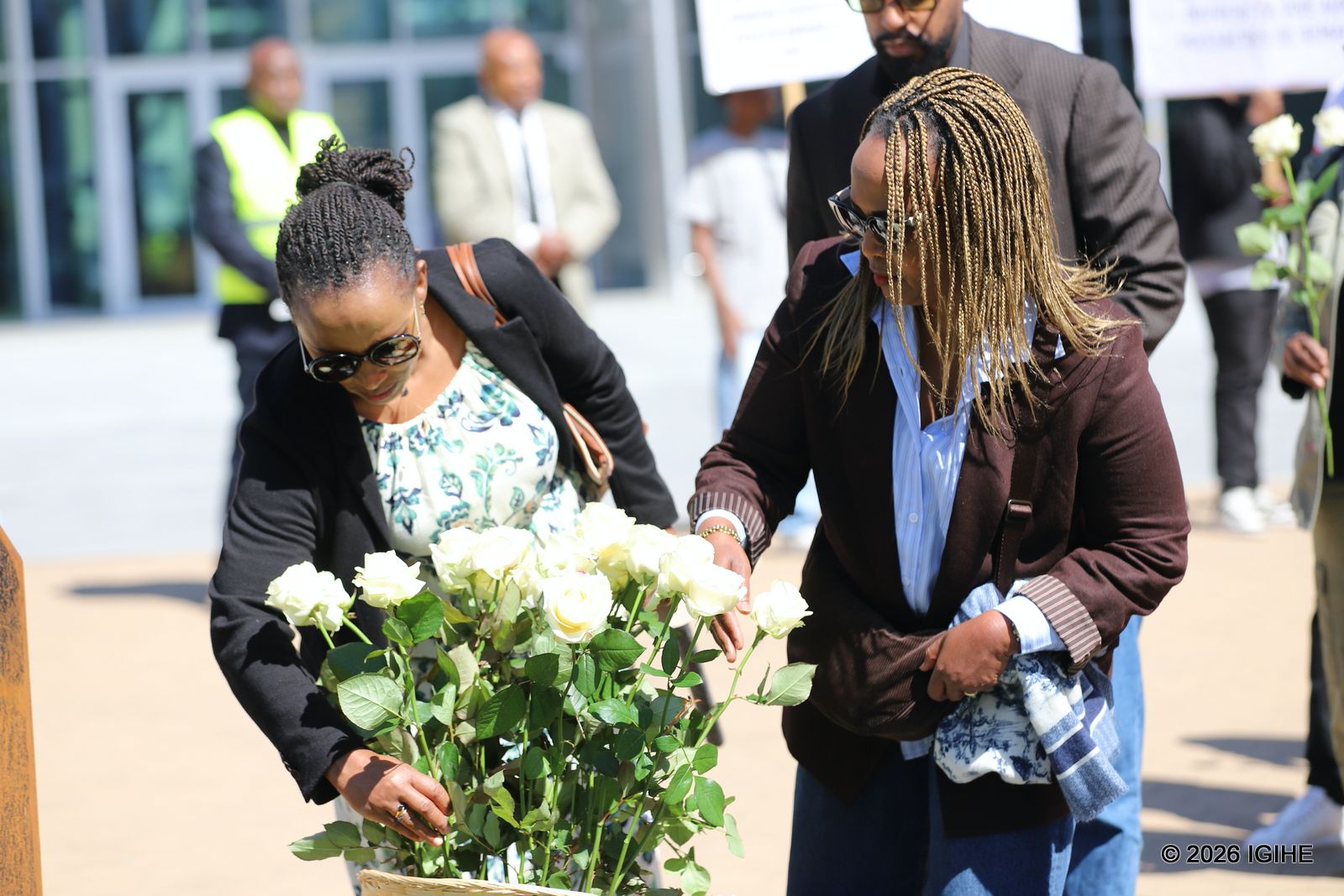
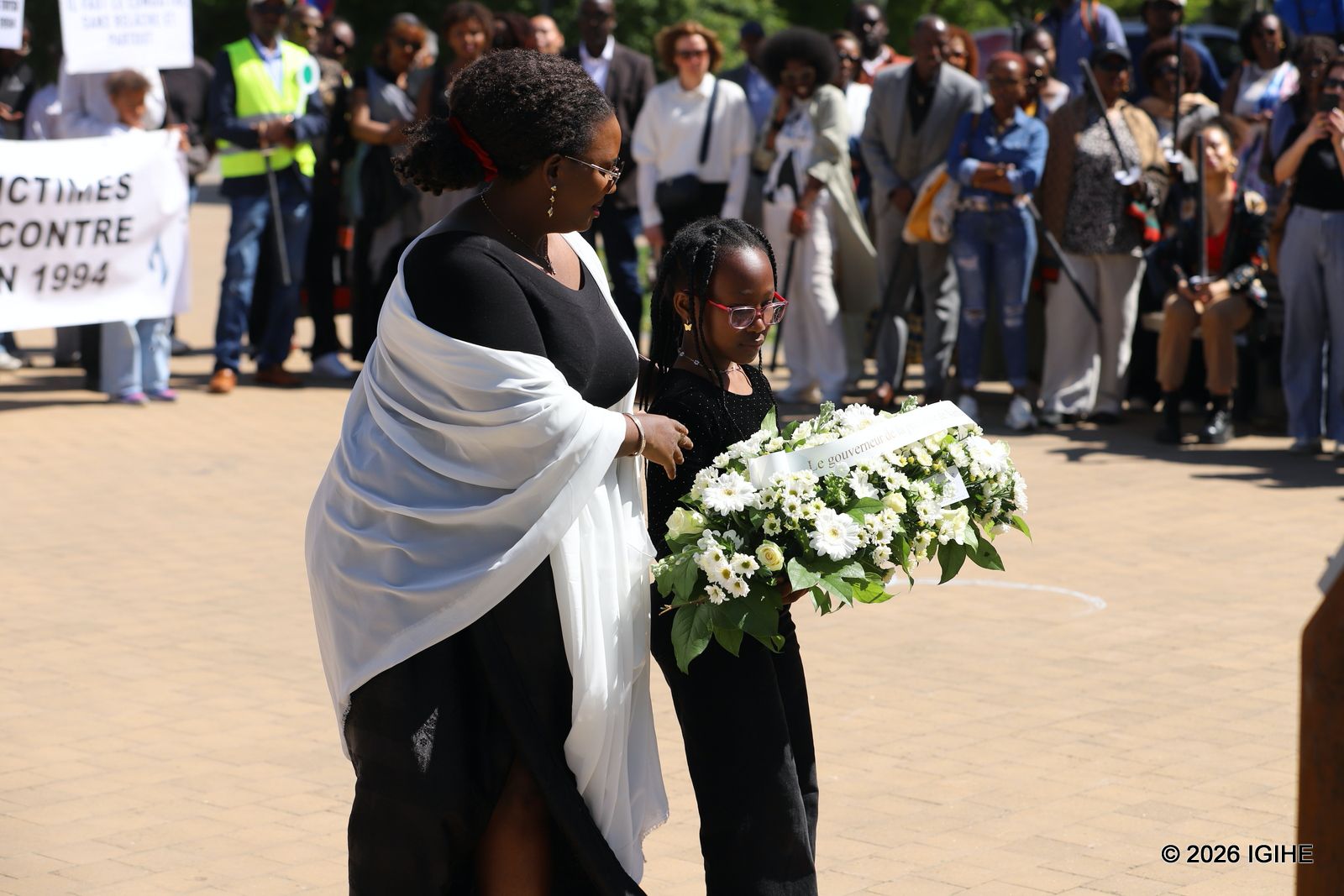
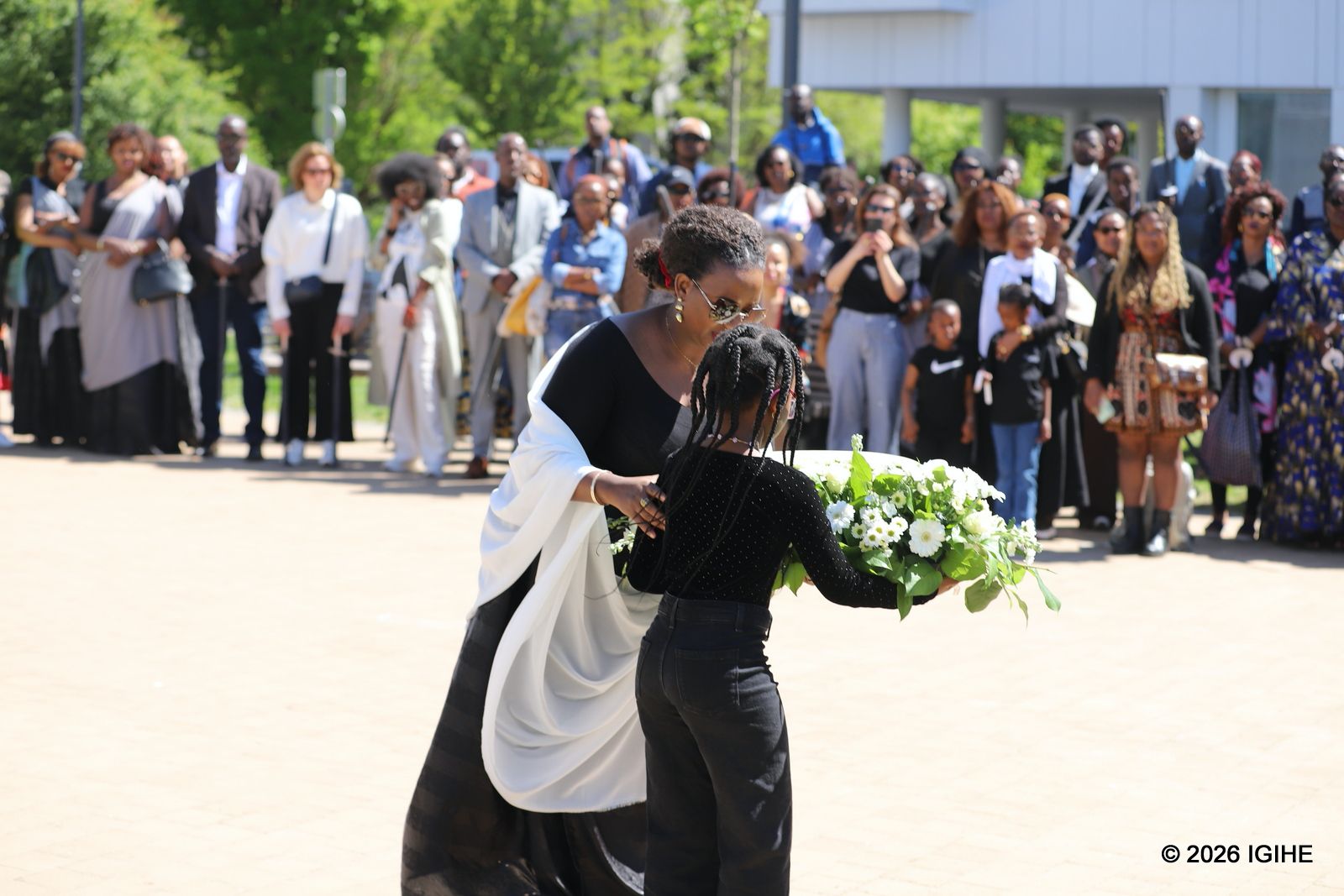
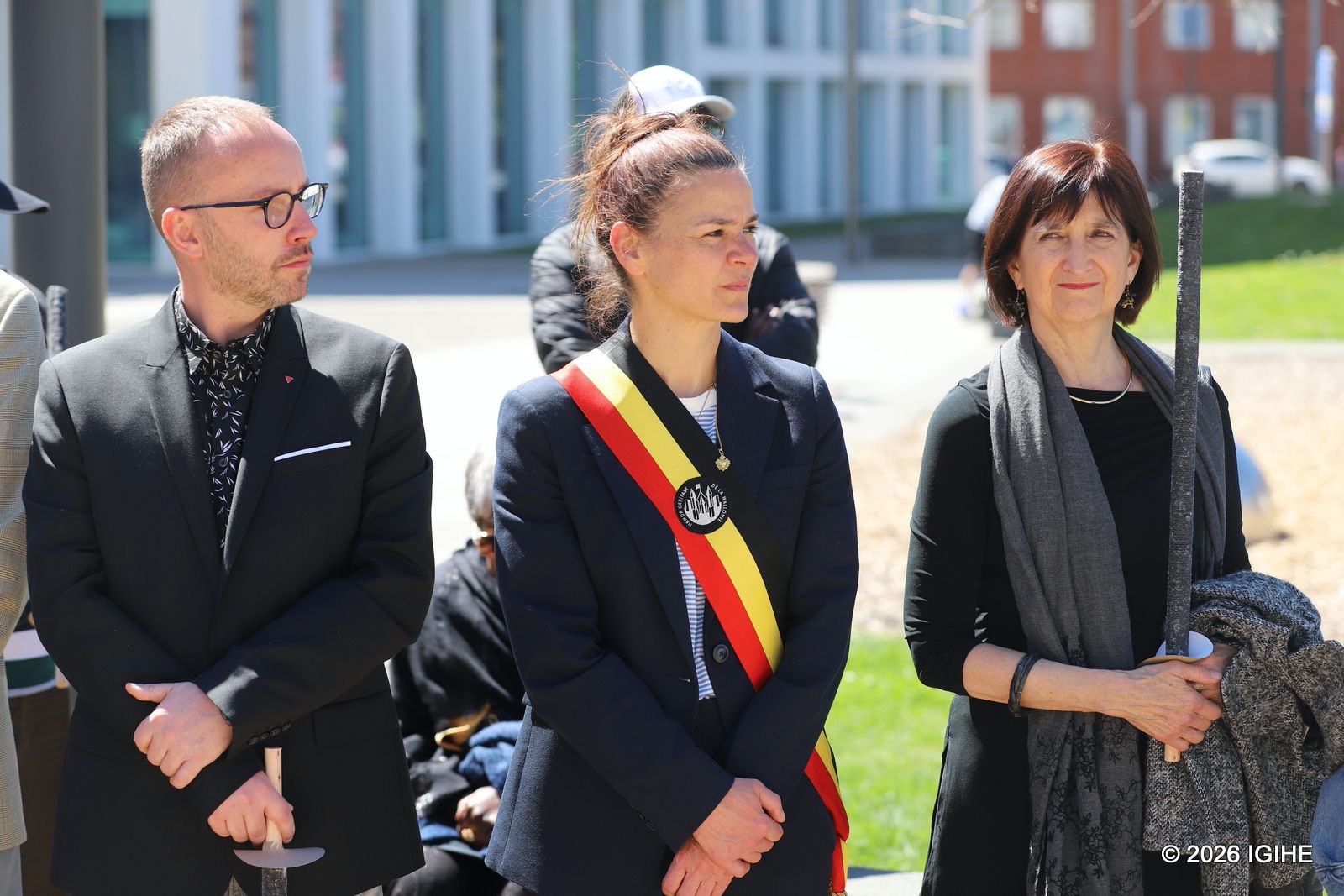
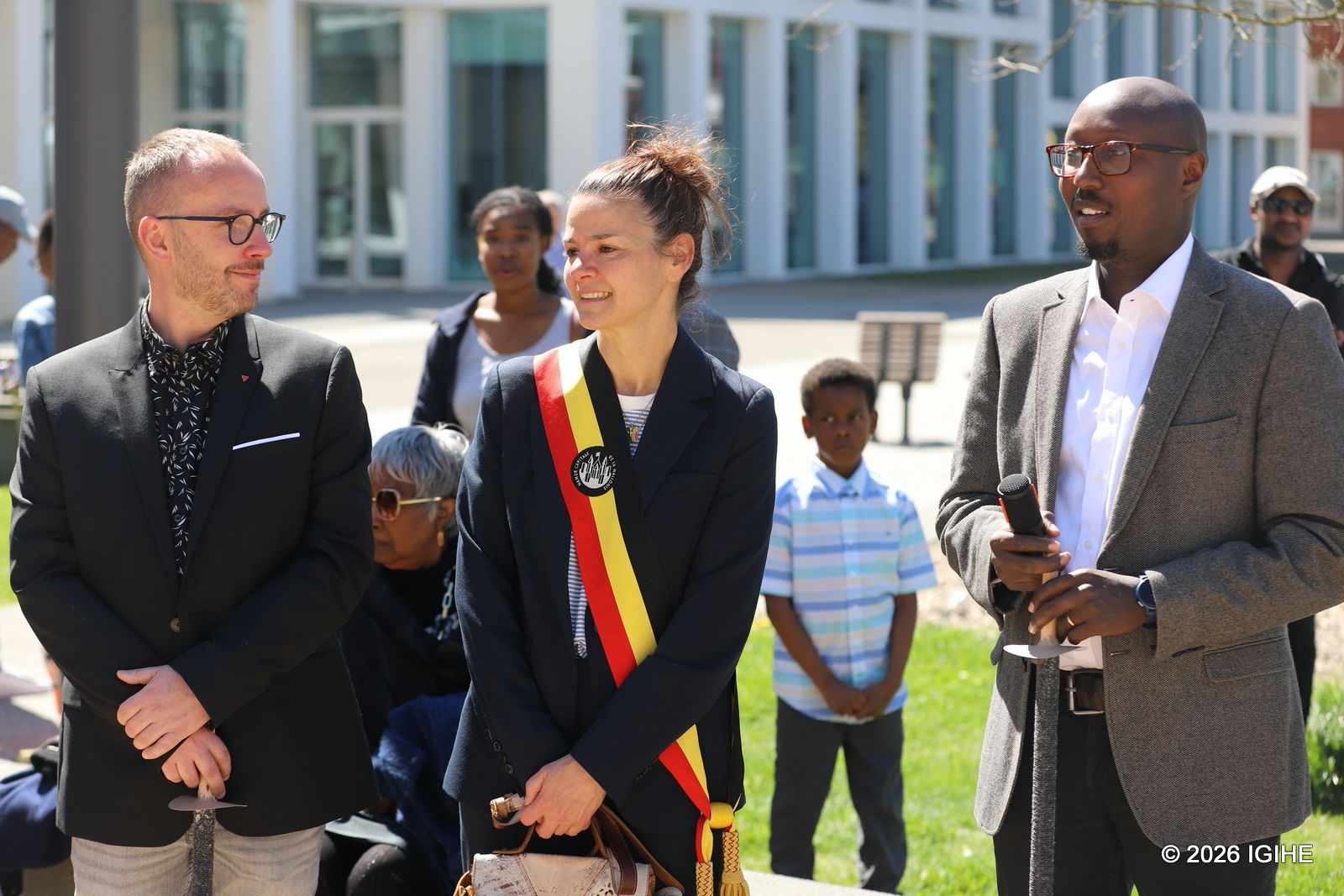
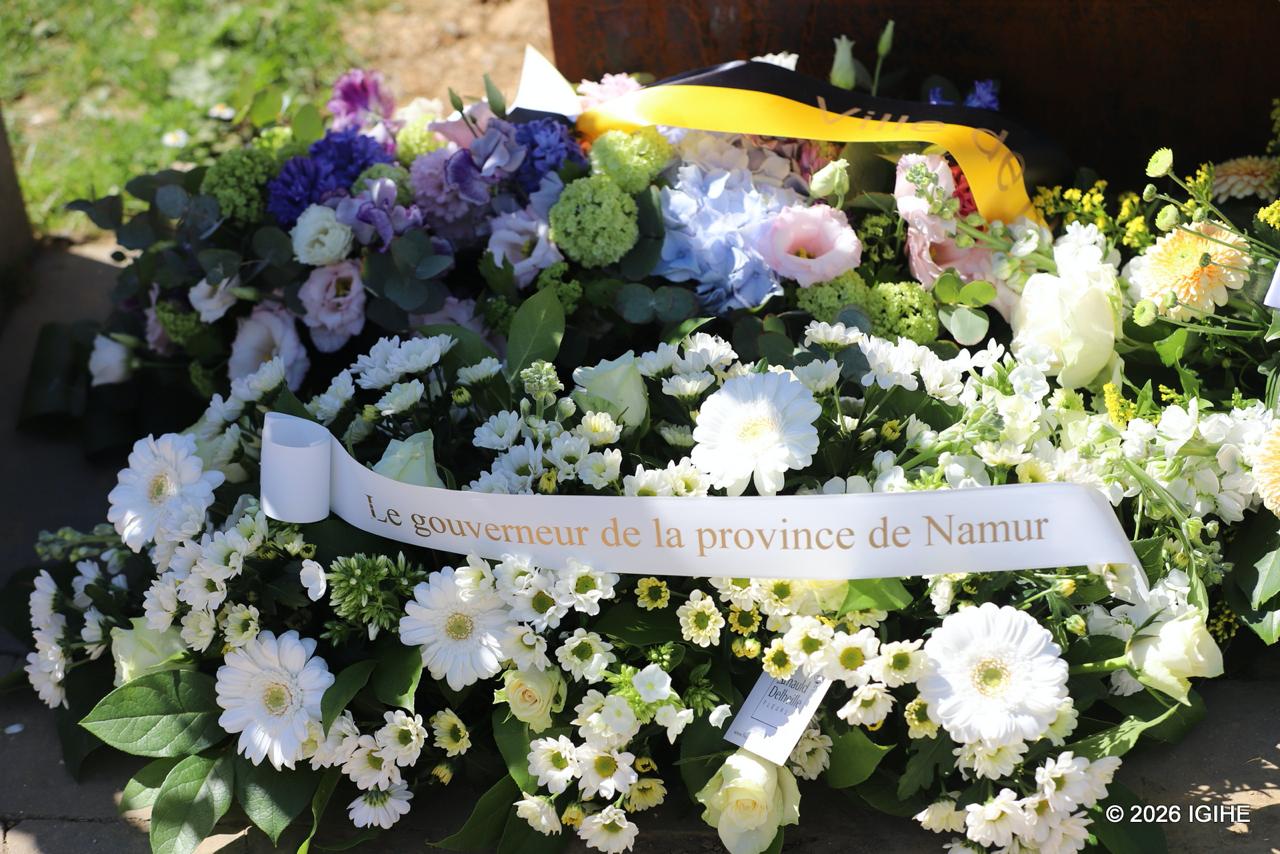
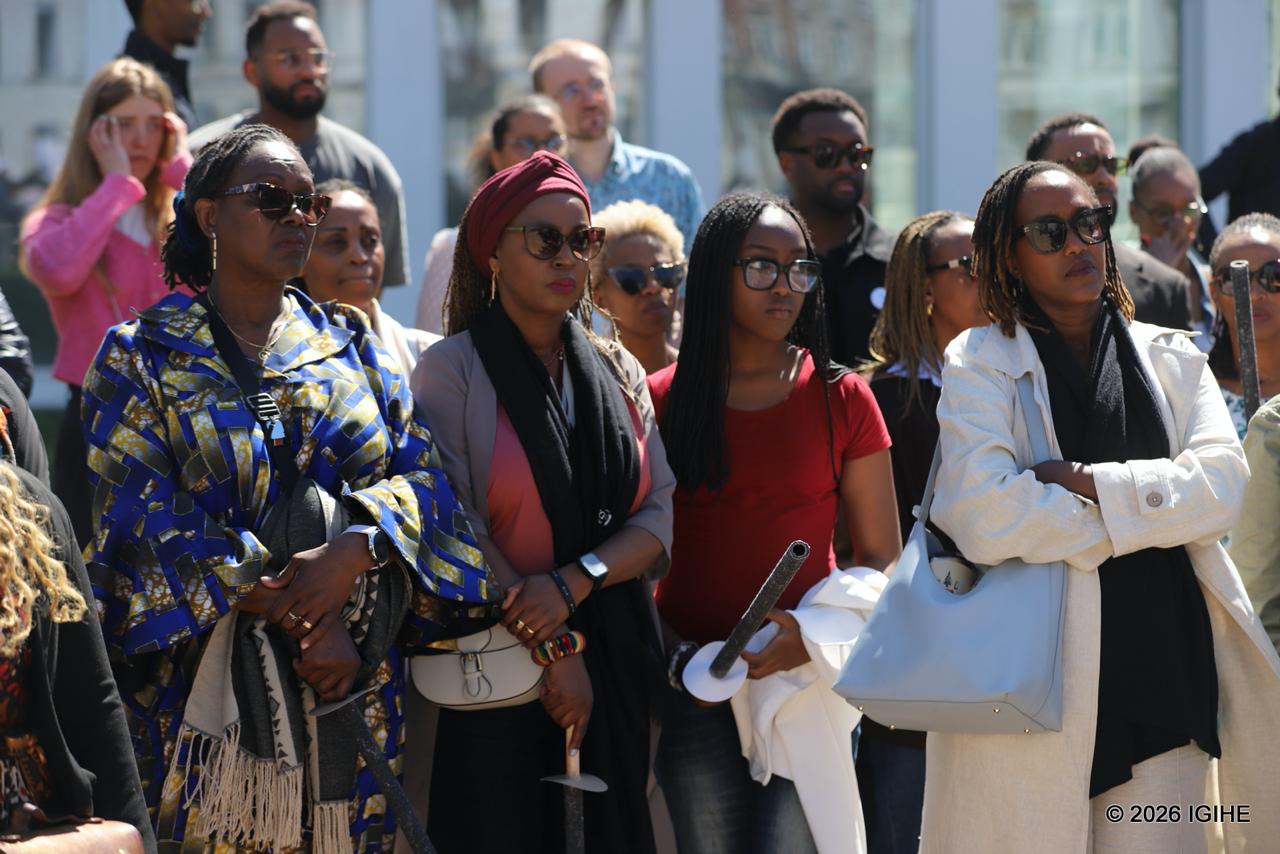
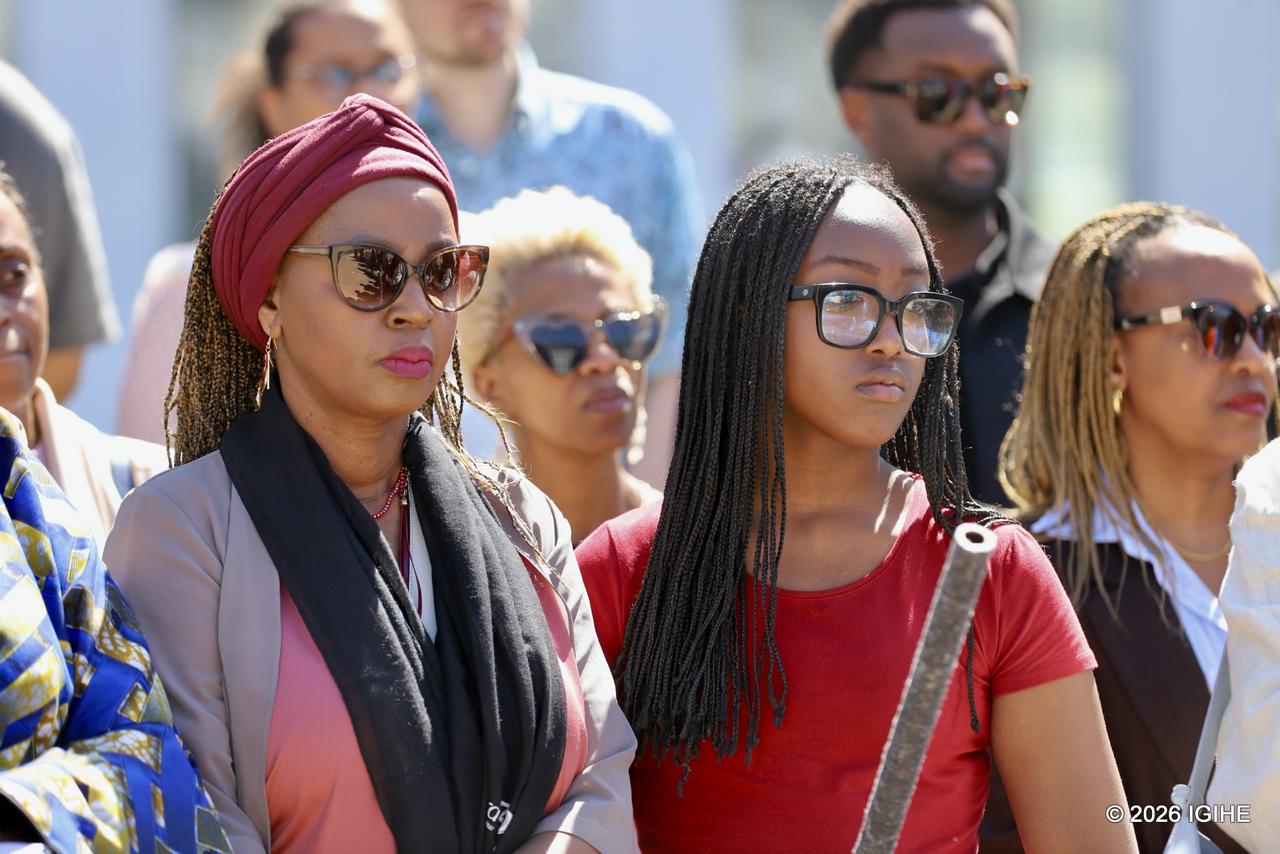
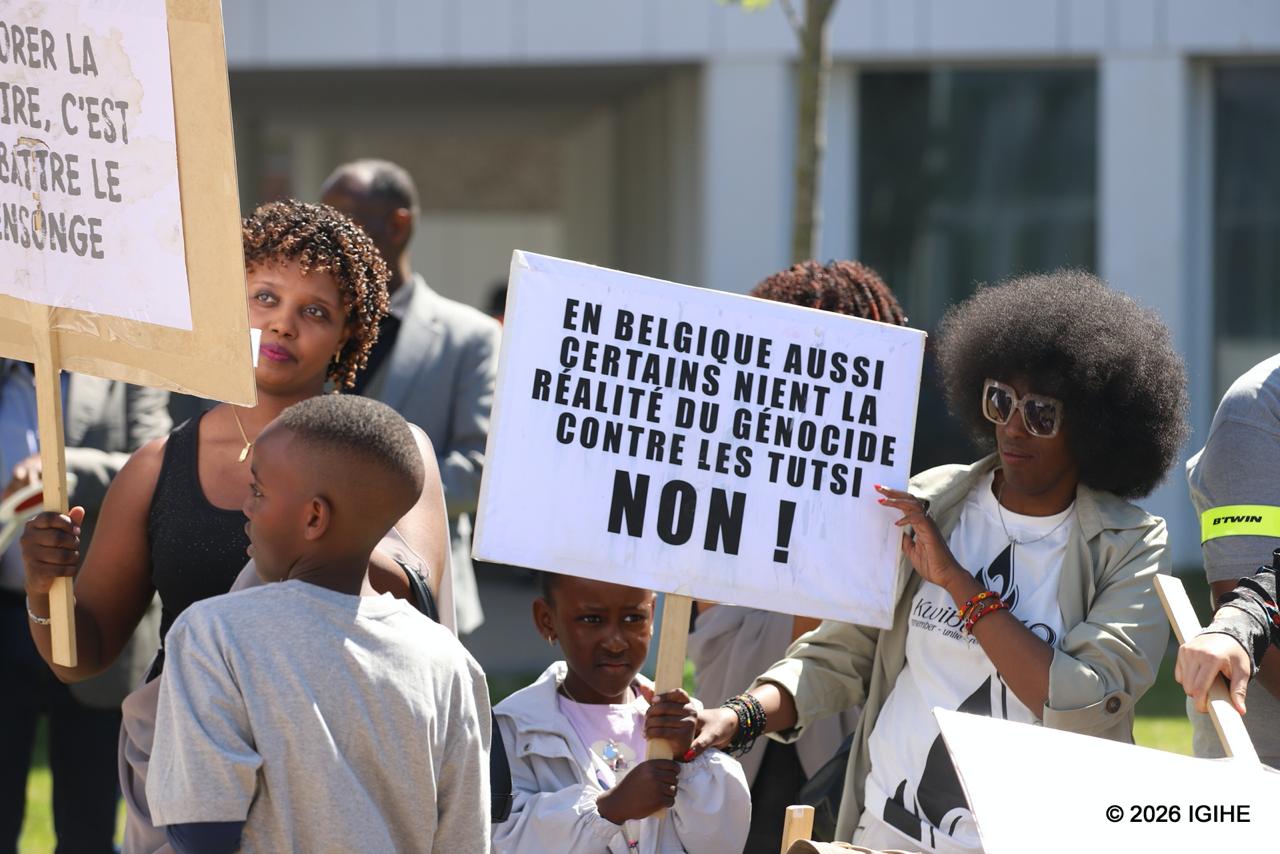
The ceremony in Namur began at the memorial dedicated to the victims of the Genocide against the Tutsi, located in front of the Namur Courthouse (Palais de Justice de Namur), where the remembrance walk known as the “torchlight march” (« marche aux flambeaux ») also started.The event featured a commemorative evening during which a short film depicting the life of a survivor of the Genocide against the Tutsi, Rwayitare Providence, was screened.Umutoni Rwampungu Annick also attended the eventJacqueline Rwagatare also took part in commemoration talks. The Acting Mayor of the City of Namur, Charlotte Bazlaire, speaking to IGIHE in front of the Namur Courthouse, where a memorial dedicated to the victims of the Genocide against the Tutsi in Rwanda is located.Claire Kayirangwa, representing Ibuka–Memory and Justice Belgium, and Gakuba Ernest, head of the Rwandan diaspora in Belgium, lay wreaths at the memorial in Namur.Michaël Bisschops, president of Les Territoires de la Mémoire, and Miheto Tatien pay tribute to the victims of the Genocide against the Tutsi in Rwanda.The memorial dedicated to the victims of the Genocide against the Tutsi is located in front of the Namur Courthouse.Karugarama Lionel, head of the Rwandan diaspora section in Namur, led the ceremony.Akoeley Bernard, advisor at the CPAS of the City of Namur, paid tribute to the victims of the Genocide against the Tutsi in Rwanda.The children, represented by one of their peers, paid tribute to the victims of the Genocide against the Tutsi.Claire Ruyuki, a survivor of the Genocide against the Tutsi shared her testimony. Marie-Emilie Gaju and her father, Jean-François Cahay, performed commemorative songs during the ceremony honoring the victims of the Genocide against the Tutsi in Namur.Karugarama Lionel, head of the Rwandan diaspora section in Namur, led the ceremony.Claire Kayirangwa, representing Ibuka–Memory and Justice Belgium, and Gakuba Ernest, head of the Rwandan diaspora in Belgium, lay wreaths at the memorial in Namur.Michaël Bisschops, president of Les Territoires de la Mémoire, and Miheto Tatien pay tribute to the victims of the Genocide against the Tutsi in Rwanda.Akoeley Bernard, advisor at the CPAS of the City of Namur, paid tribute to the victims of the Genocide against the Tutsi in Rwanda.The children, represented by one of their peers, paid tribute to the victims of the Genocide against the Tutsi.The memorial dedicated to the victims of the Genocide against the Tutsi is located in front of the Namur Courthouse.The Acting Mayor of the City of Namur, Charlotte Bazlaire, speaking to IGIHE in front of the Namur Courthouse, where a memorial dedicated to the victims of the Genocide against the Tutsi in Rwanda is located.
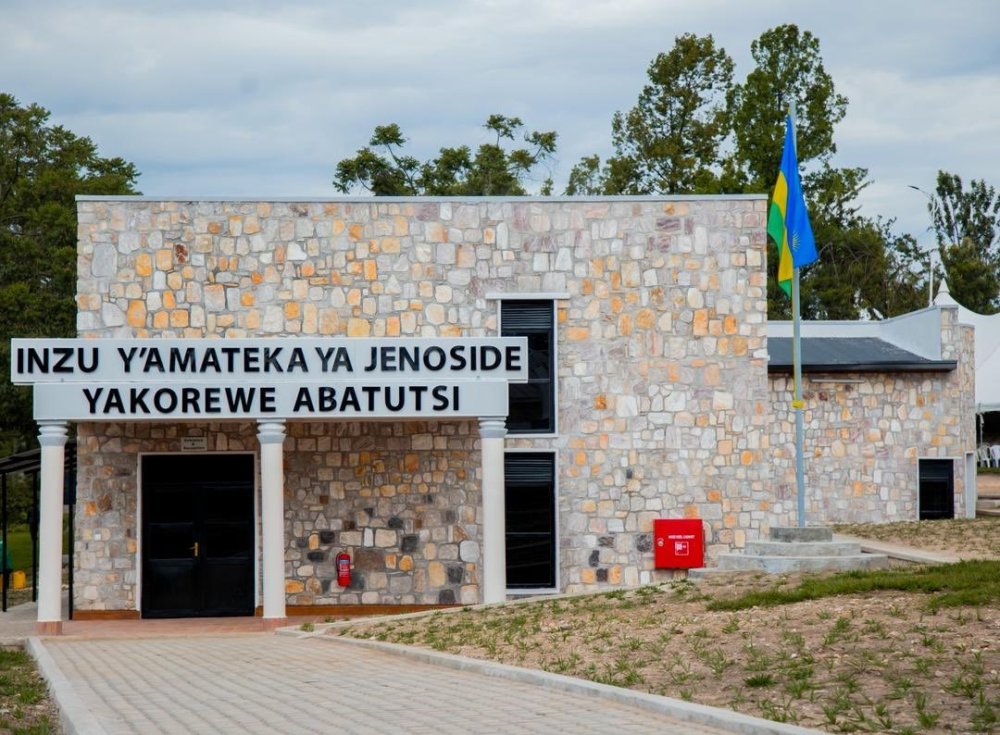
On April 26, 2026, during the commemoration of the Genocide against the Tutsi in former Commune Ntongwe (current Ruhango District and neighboring areas), survivors welcomed the completion of the center, saying it will help provide a clearer understanding of what happened in the area.
They noted that the building will highlight the brutality of the killings, how Tutsi in the region attempted to defend themselves, how the Genocide was stopped, and how survivors have since rebuilt their lives.
For survivors, the memories remain deeply painful. Innocent Munyawera, who was the only survivor in a family of ten, said the violence in the area was so extreme that it made him question humanity itself. Speaking about events in Kinazi, he referred to accounts that some perpetrators from Burundi committed extreme acts of brutality, including killing victims and eating their hearts.
“When we talk about Kinazi, we refer to what happened here, including the fact that Tutsi were killed and their hearts were eaten by some Burundians,” he said. “This is part of our history. But those who did this, even if they appeared human outwardly, were not human in their actions.”
Munyawera called for the names of all individuals involved in the killings, whether prosecuted or not, to be included in the “Dark Room,” including Burundians who participated in the violence.
He said: “We have many Interahamwe militia who betrayed us, and we also have Burundians who betrayed us. Some were tried, others were not, but we feel that in this Dark Room, their names should be included because their hearts were dark. It should be as if they are confined there for a certain time because of what they did.”
Representatives of genocide survivors association in the area confirmed that the “Dark Room” will include names and photographs of individuals identified as having played major roles in the killings, with the aim of using the space for education, especially for younger generations.
They said the section will include Kagabo Charles, former mayor of Ntongwe Commune; Burundian refugees; sector leaders from the 13 sectors that made up the commune; and Nsabimana Jacques, also known as “Pirato,” who led the CDR party in Ntongwe.
It will also include Placide Koloni, former sub-prefect of Ruhango; soldiers including Hitabatuma Rukeragabiro; Kanyandekwe Zephanie, a councilor of Kareba Sector; Kageruka Aristarque; Ntintanguranwa; and traders Munyentama Simon and his brother Nahayo Florent.
Speaking about Nsabimana Jacques, survivors recalled his role in preparations for the Genocide: “We have previously spoken about Nsabimana Jacques during a commemoration evening, where it was discussed that a pit near CND was dug as part of genocide preparations. He was the one who instructed that it be dug while he was head of Rutabo A school, claiming it was a school latrine. But in reality, it was part of genocide preparation. He had it dug around 1992, and it later became a place where our people were dumped.”
“All those perpetrators will be placed in this Dark Room. They will be confined there,” Munyurangabo added.
He further explained that although some Burundians who came from Ntega and Marangara were considered refugees and stayed in Nyagahama camp, their presence in the area was not related to asylum, but part of what he described as a coordinated plan under the government of Juvénal Habyarimana to implement the Genocide against the Tutsi.
“The Burundians came and carried out population surveys, identifying where Tutsi lived. They set up different roadblocks and gradually began targeting people until the Genocide plan was fully put into action.”
The genocide history center is part of the wider Ruhango Genocide Memorial, where the remains of 63,293 victims of the Genocide against the Tutsi are buried. On April 26, 35 recently retrieved remains were given a dignified burial, as survivors renewed calls for continued efforts to locate and properly bury all remaining victims.
This building has a lower section known as the “Dark Room,” where records of key perpetrators involved in the Genocide against the Tutsi will be placed.The Genocide against the Tutsi history center is located at Ruhango Genocide Memorial.
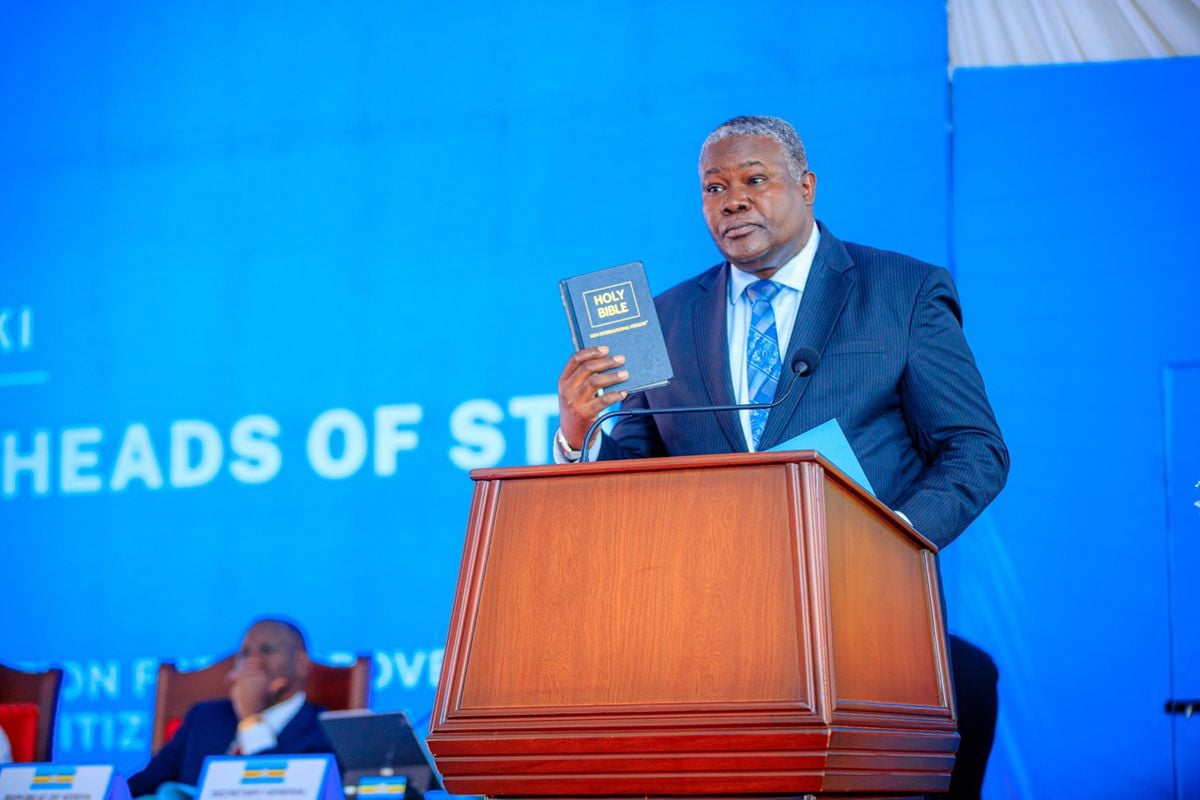
Mbundi took over leadership at the EAC headquarters in Arusha from outgoing Secretary General Veronica Nduva of Kenya, following his appointment by heads of state during the 25th EAC Summit held on March 7. He will serve a five-year term ending in 2031.
Speaking after the handover ceremony, Mbundi said ensuring timely financial contributions from member states will be his immediate priority.
Mbundi also pledged to tackle non-tariff barriers that continue to constrain intra-regional trade, noting that their removal would boost competitiveness and facilitate cross-border commerce.
Beyond financial reforms, he outlined plans to enhance trade, improve the business environment, and reduce transport costs across the region, calling for climate-resilient infrastructure, particularly in road development, to address growing environmental challenges.
Mbundi took over leadership at the EAC headquarters in Arusha from outgoing Secretary General Veronica Nduva of Kenya, following his appointment by heads of state during the 25th EAC Summit held on March 7. He will serve a five-year term ending in 2031.