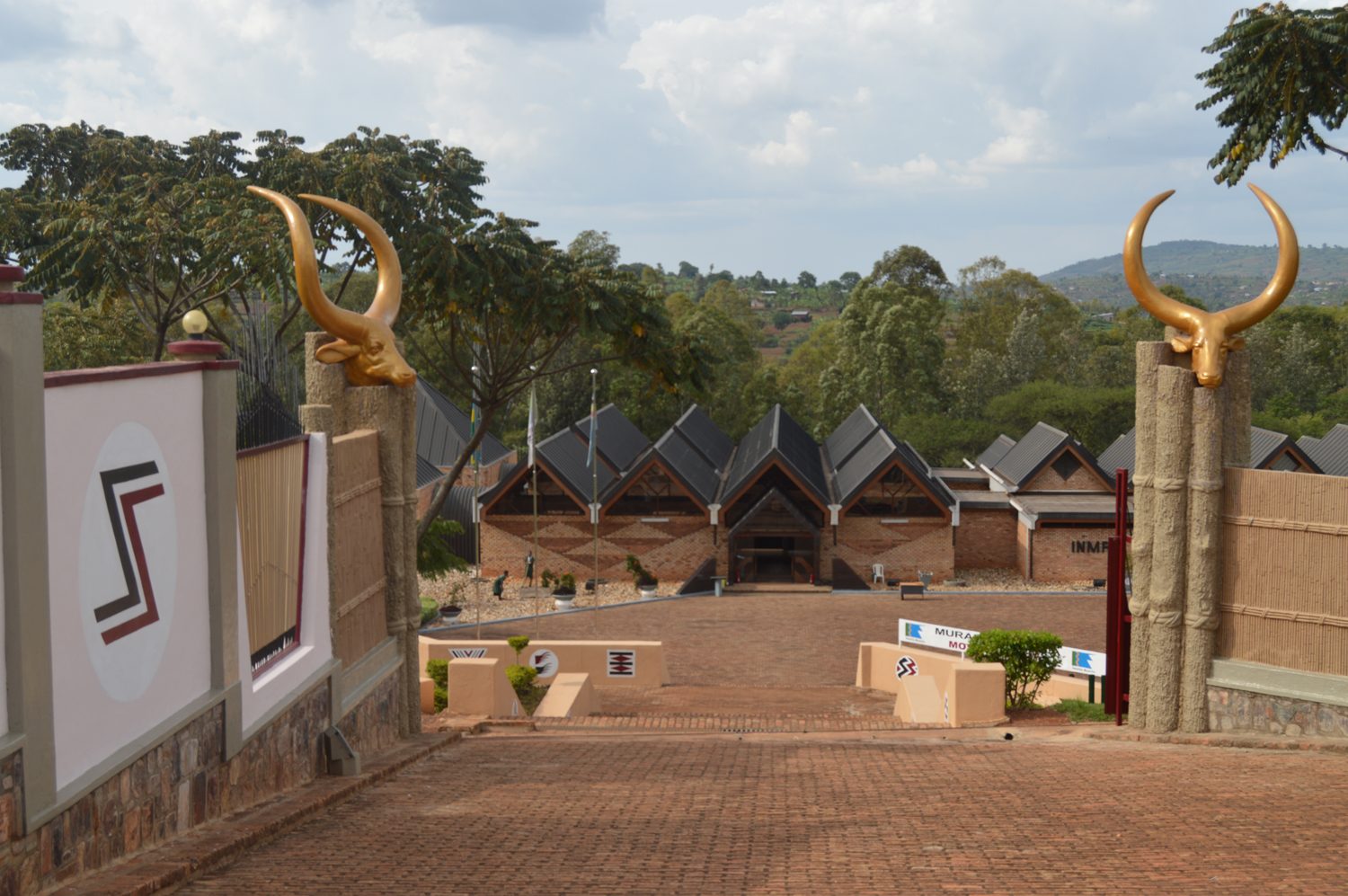
Located in Huye’s academic heartland, the museum doesn’t overwhelm; it gently guides. A gift from Belgium’s King Baudouin in the late 1980s, it has grown into one of Africa’s finest ethnographic collections and remains a cornerstone of the Institute of National Museums of Rwanda.
Inside, Rwanda unfolds not through dates and timelines, but through the textures of daily life. The journey begins with the land itself, geology and geography that shaped how communities lived and thrived.
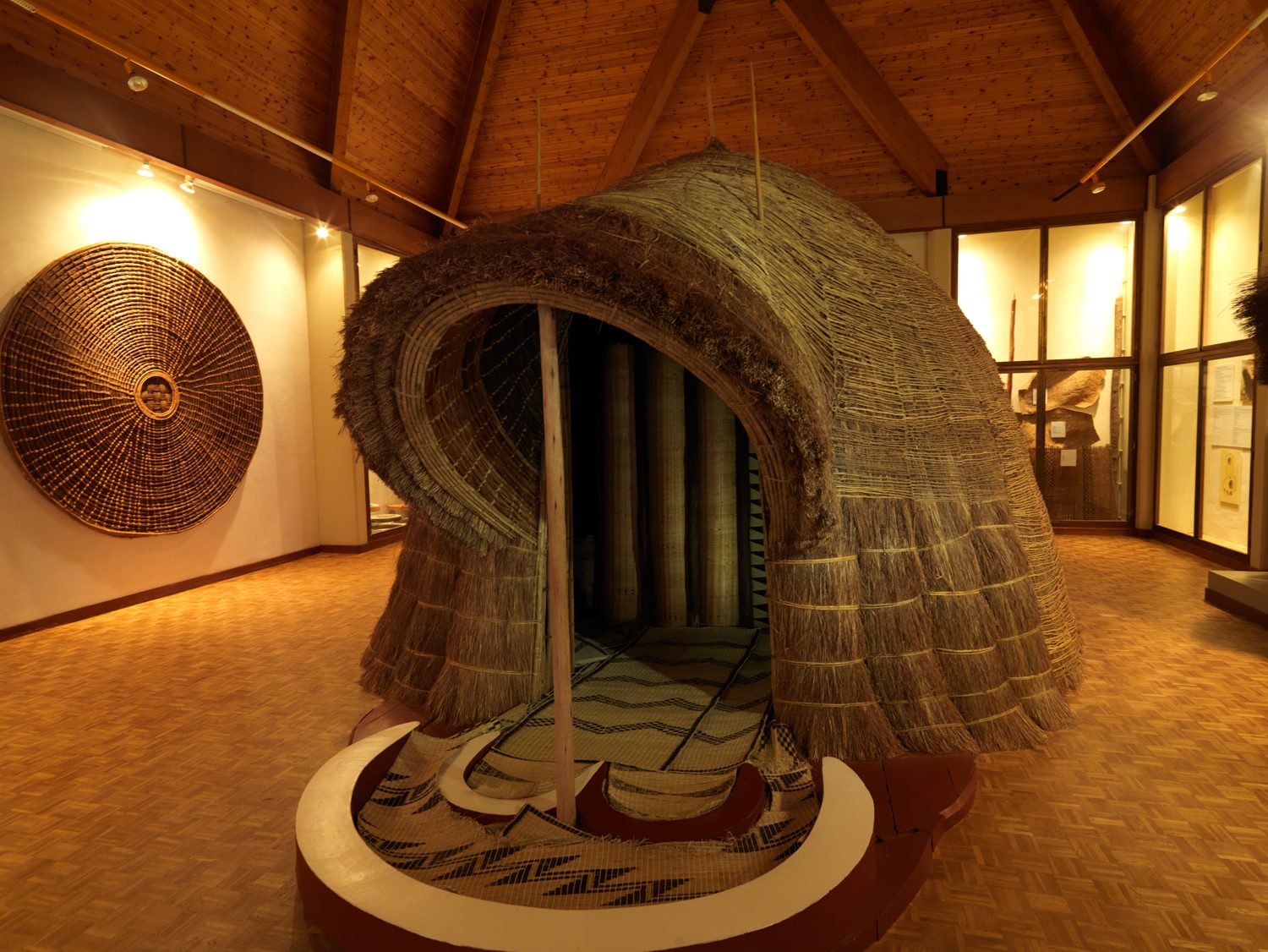
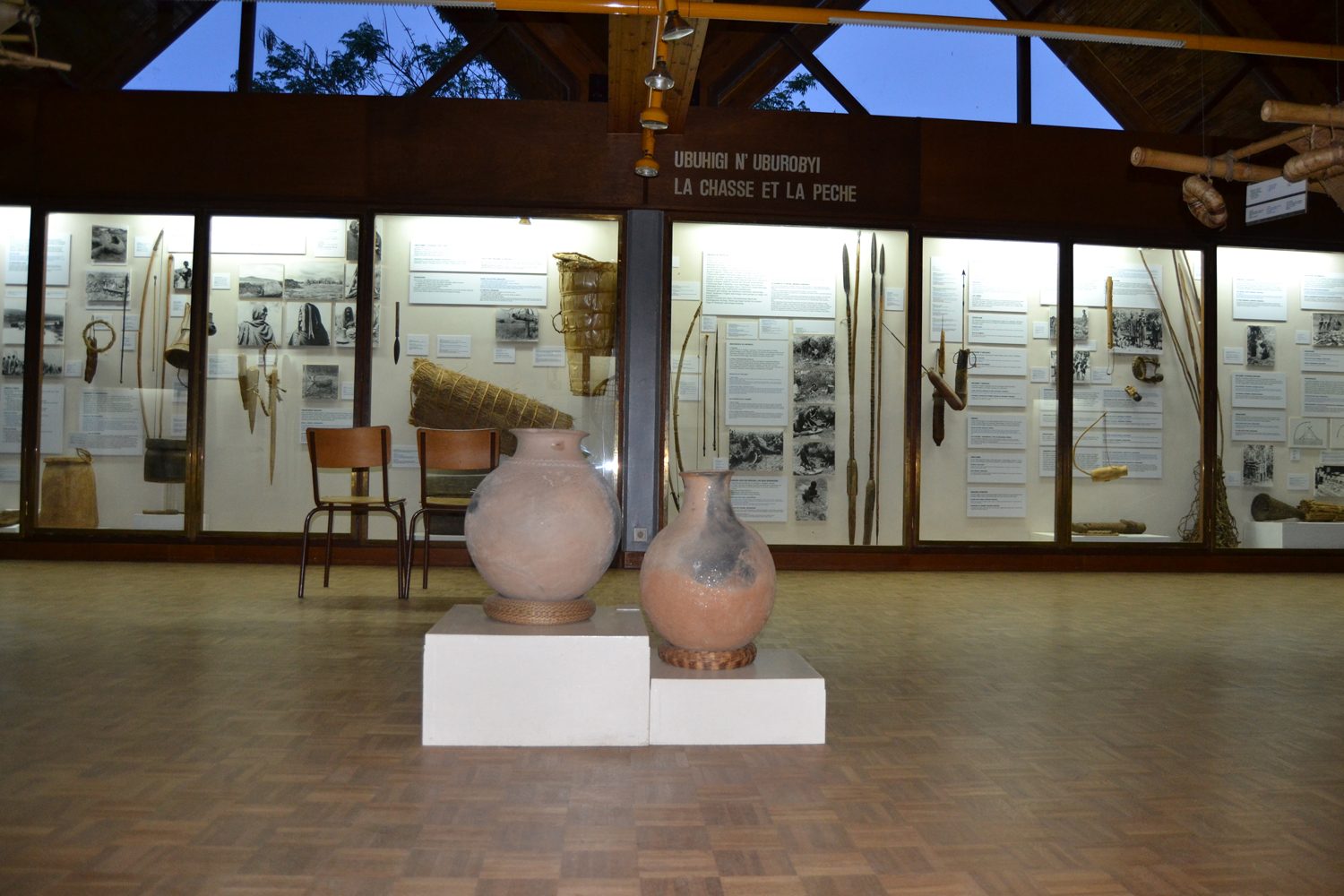
From there, visitors move through galleries filled with objects that once defined survival and creativity: farming tools worn smooth by use, finely woven baskets, elegant pottery, and woodwork that balances function with artistry.
There is a quiet poetry in the details. Traditional clothing reveals social identity; architectural models show how communities built harmony with their environment. One gallery explores the deep cultural significance of cattle, symbols of prosperity, social ties, and heritage that still resonate today. That living tradition continues nearby at the King’s Palace Museum, where descendants of the royal herd remain a powerful cultural link.
The final spaces shift from objects to meaning. Here, visitors encounter oral traditions, poetry, belief systems, and cosmology; the unseen threads that bind generations. It feels less like a museum room and more like listening to elders recount the foundations of a nation.
Outside, a vibrant craft centre brings continuity to the experience, showcasing artisans who carry tradition forward with contemporary expression.
For travelers exploring Rwanda beyond scenery, the Ethnographic Museum offers something deeper: context. It reveals how beauty, resilience, and identity are woven together, not only in landscapes, but in memory, craftsmanship, and living culture.
The Ethnographic Museum is located in Huye District. The Ethnographic Museum offers a glimpse into Rwanda’s cultural heritage. At the museum, visitors move through galleries filled with objects that once defined survival and creativity.
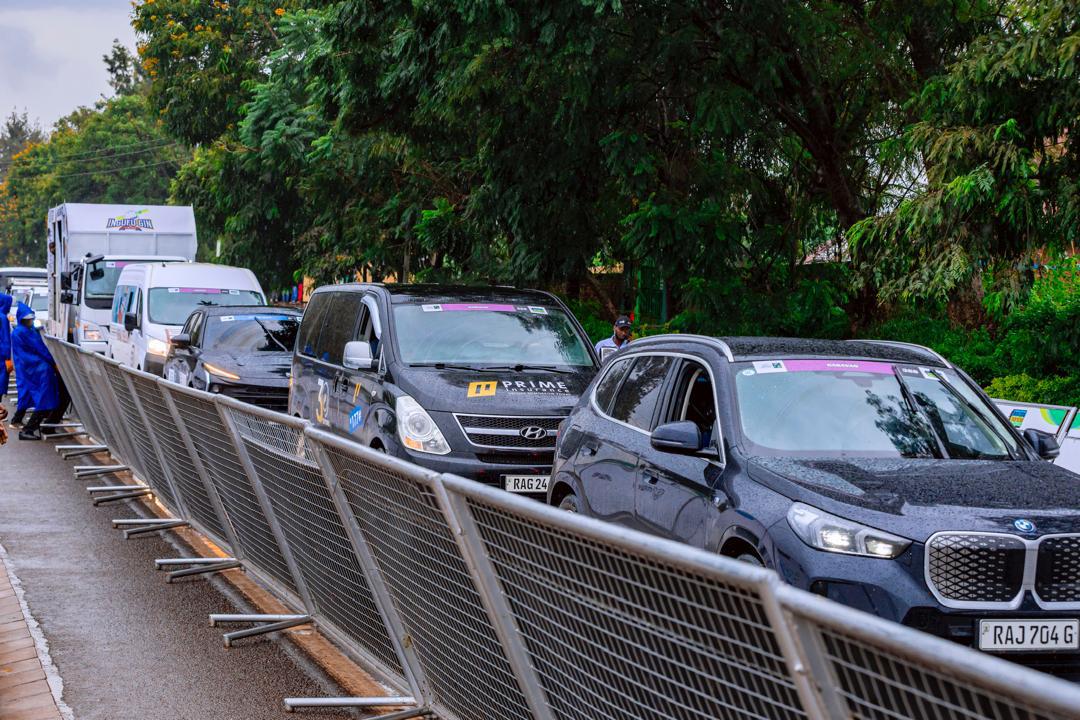
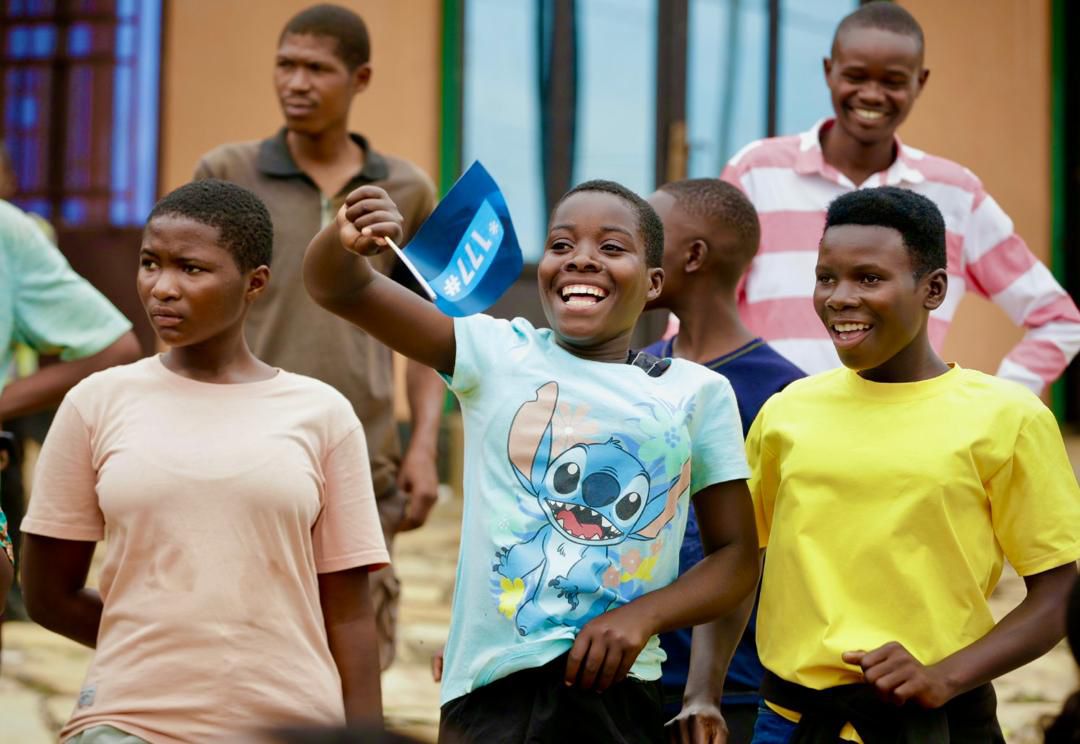
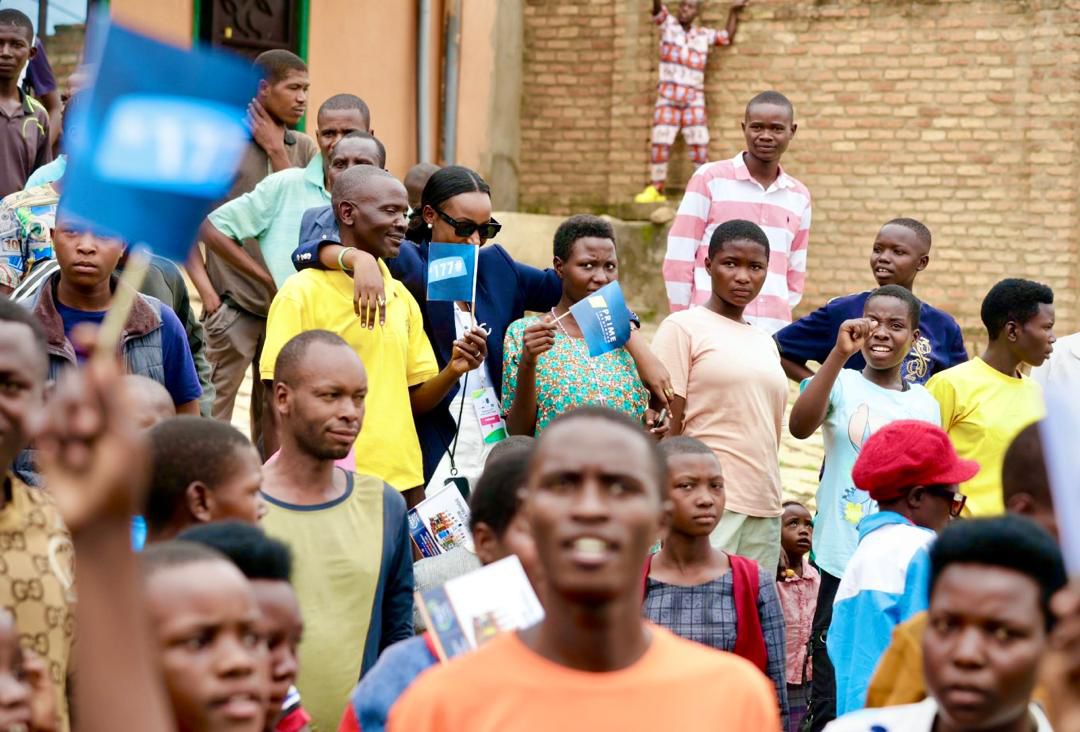
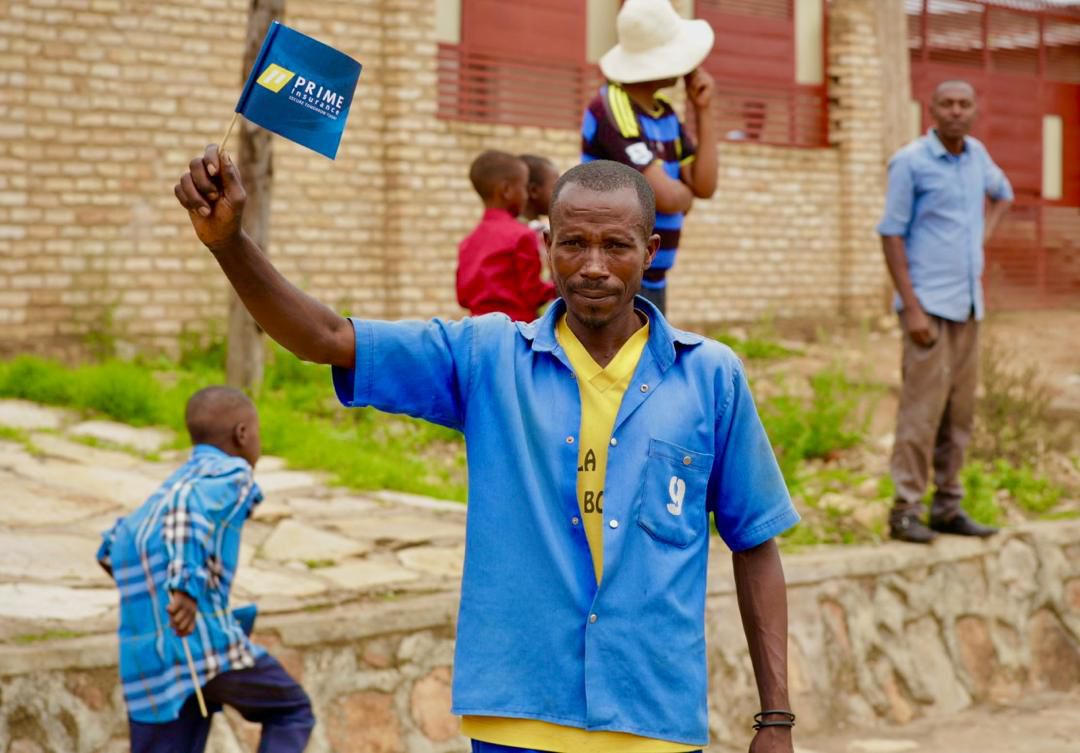
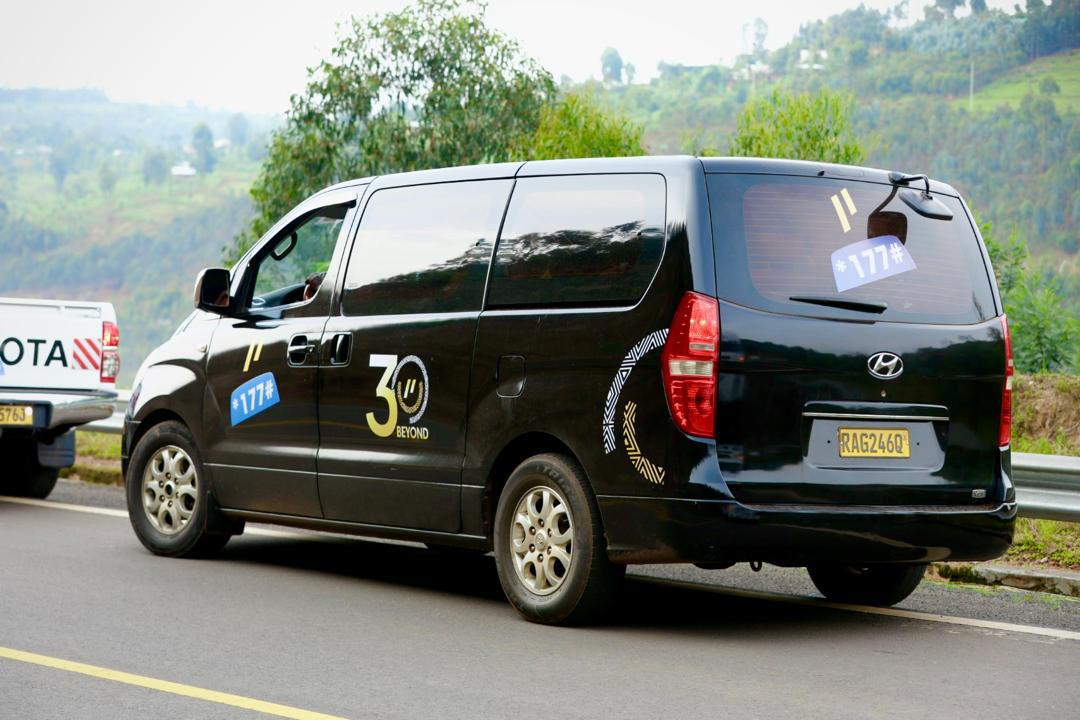
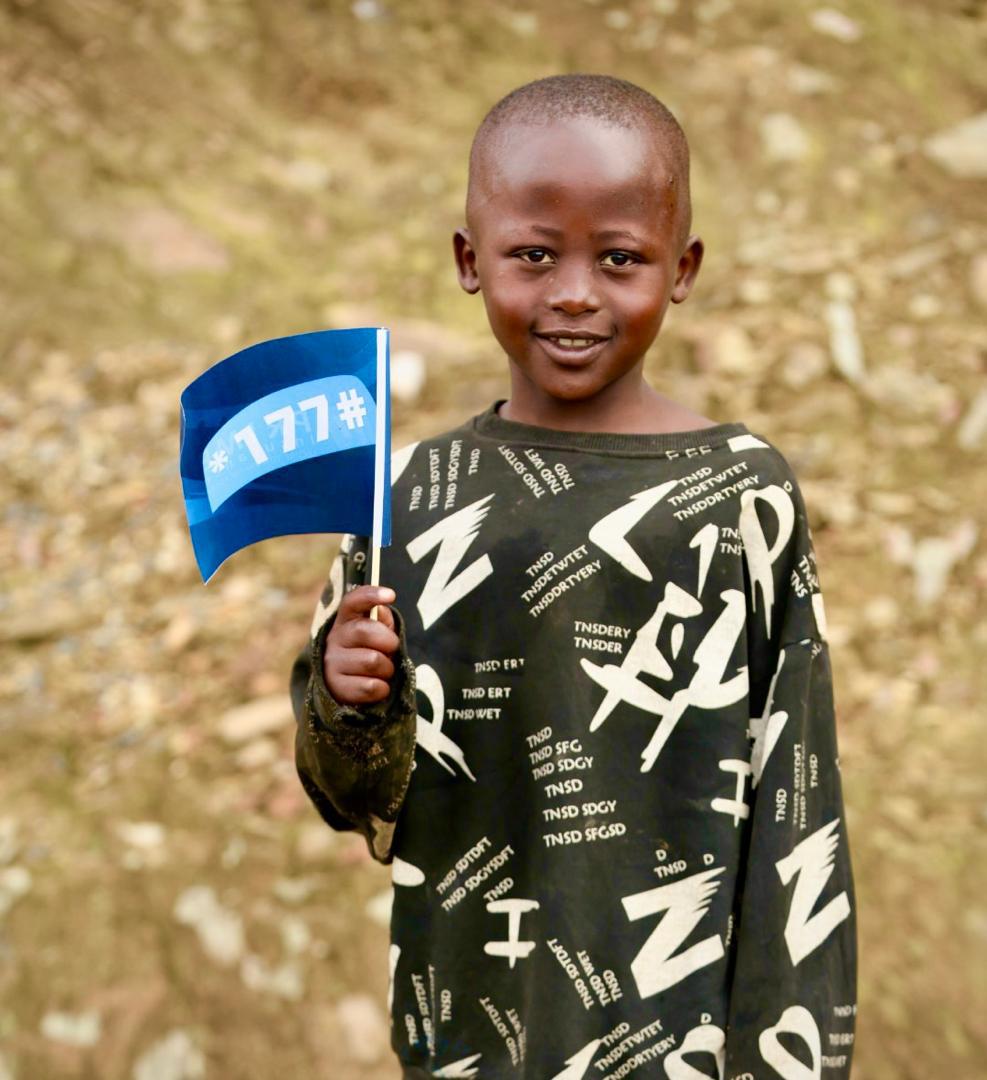
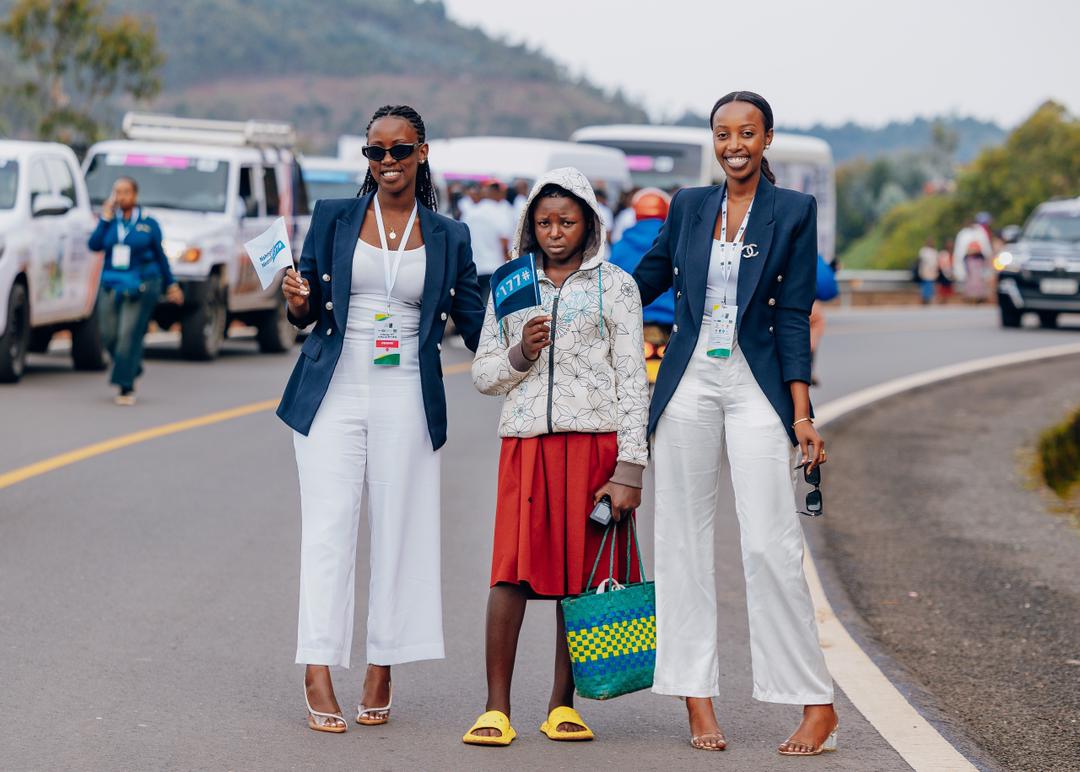
As Rwanda’s premier cycling event once again unites communities across the country, Prime Insurance remains committed not only to sport, but to youth empowerment, resilience, and long-term protection.
Eastern Province
During Stage One in the Eastern Province, Prime Insurance’s Commercial Director, Mike Byusa, called upon residents to safeguard their hard-earned investments, particularly property, through comprehensive property insurance solutions.
He emphasized that as families and entrepreneurs continue to build homes, businesses, and assets, protecting them is essential to ensuring sustainable progress.
Huye: 30 Years of progress and protection
As Prime Insurance celebrates its 30-year milestone, the company reflected on its journey alongside post-genocide Rwanda.
Over the past three decades, the country’s resilience and visionary leadership under President Paul Kagame have driven remarkable national transformation. Mike Byusa linked Prime’s 30-year journey to Rwanda’s broader story of renewal and growth.
While celebrating progress, he emphasized the responsibility to protect what has been achieved and inspire a young generation to carry the legacy forward.
“Beyond celebrating 30 years, our focus is on safeguarding the future. We must protect what has been achieved while inspiring young Rwandans to dream bigger and go further,” he noted.
Recognising loyalty and comprehensive protection in Huye
In Huye, Prime Insurance also recognised loyal clients originating from the region. Among them is Horizon Express, one of the country’s leading public transport companies, widely praised for its excellent service along the Huye–Kigali route.
Horizon Express entrusts Prime Insurance with its Motor Insurance portfolio as well as Medical Insurance cover for its employees — ensuring protection for both its fleet and its workforce.
Prime also highlighted the journey of Mr. Téléspore, an entrepreneur in the dining and entertainment industry who operates one of Kigali’s renowned restaurants, Burrows.
Initially insuring his motor vehicles with Prime, Mr. Téléspore, following engagement with Prime’s advisory teams, expanded his coverage to include Public Liability Insurance, Fire Insurance, and Medical Insurance.
This comprehensive protection now safeguards his growing business, its assets, employees, and customers.
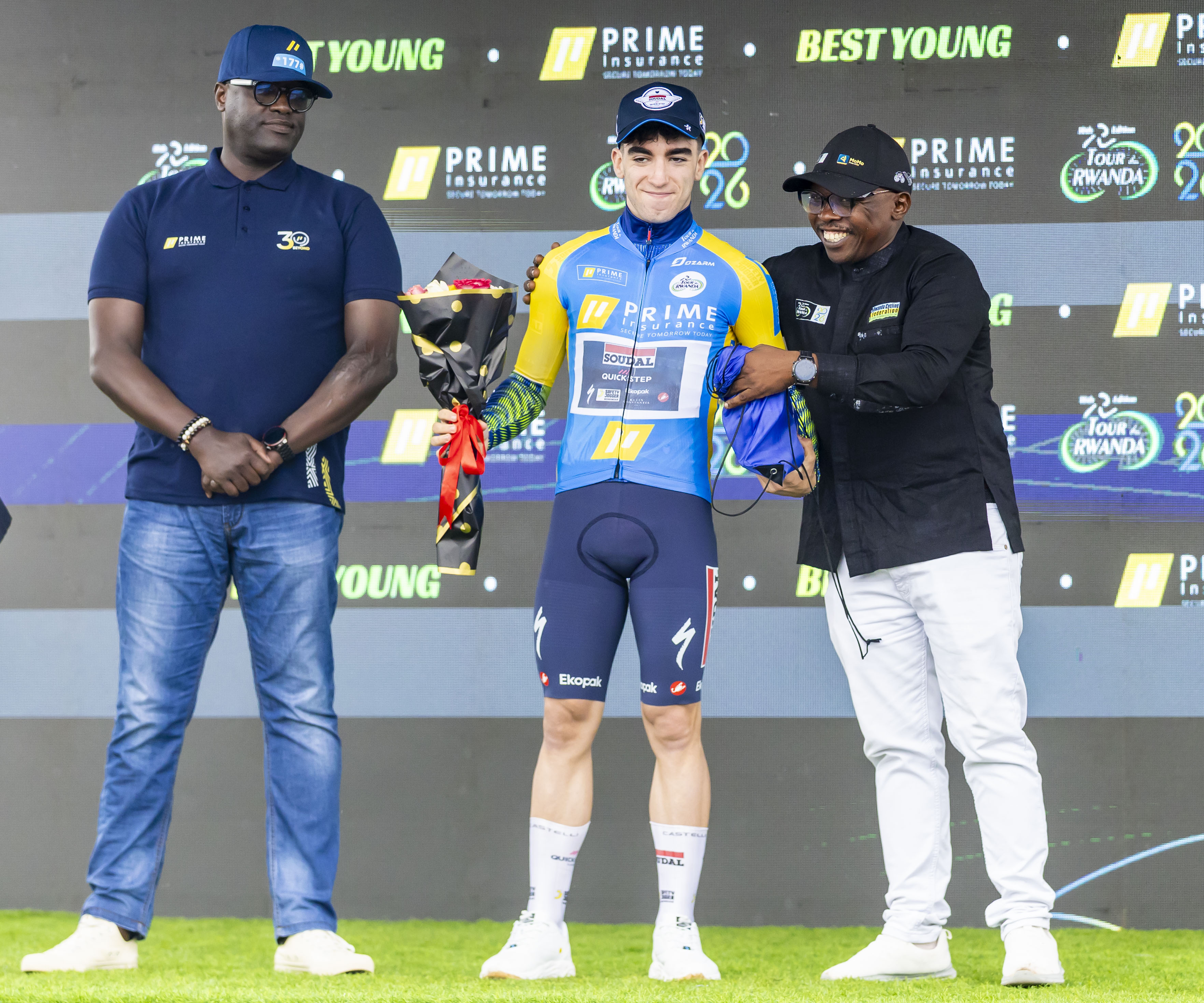
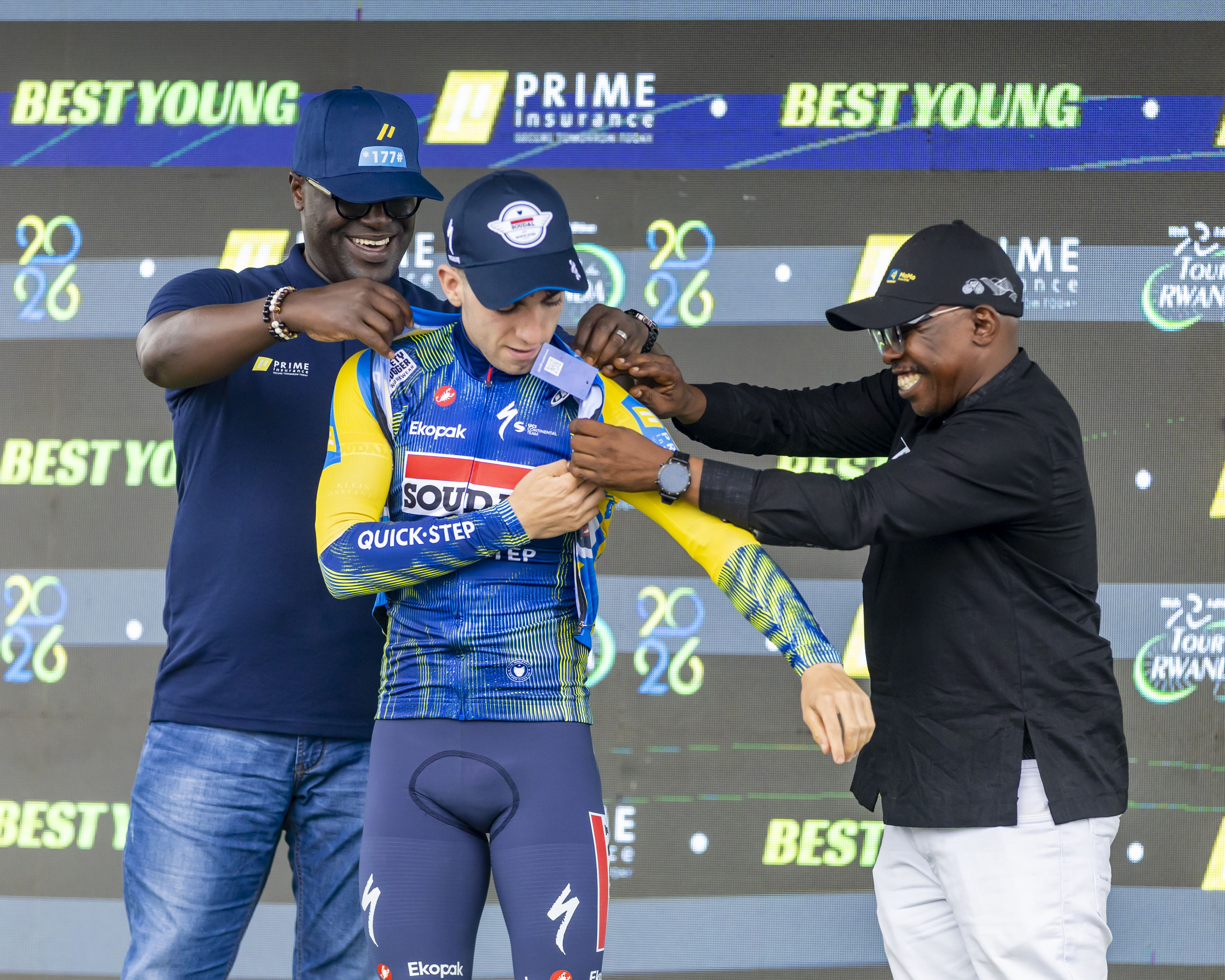
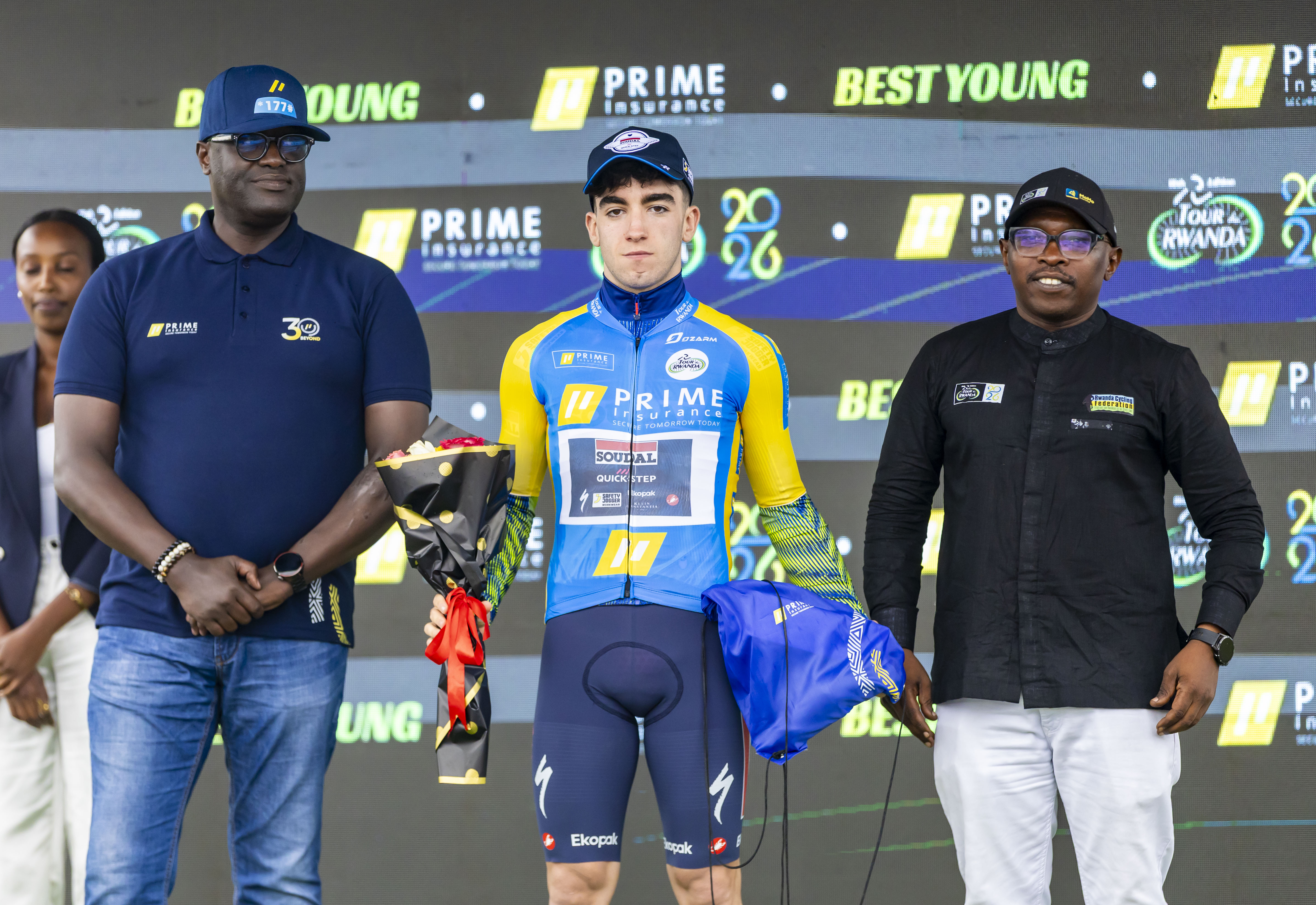
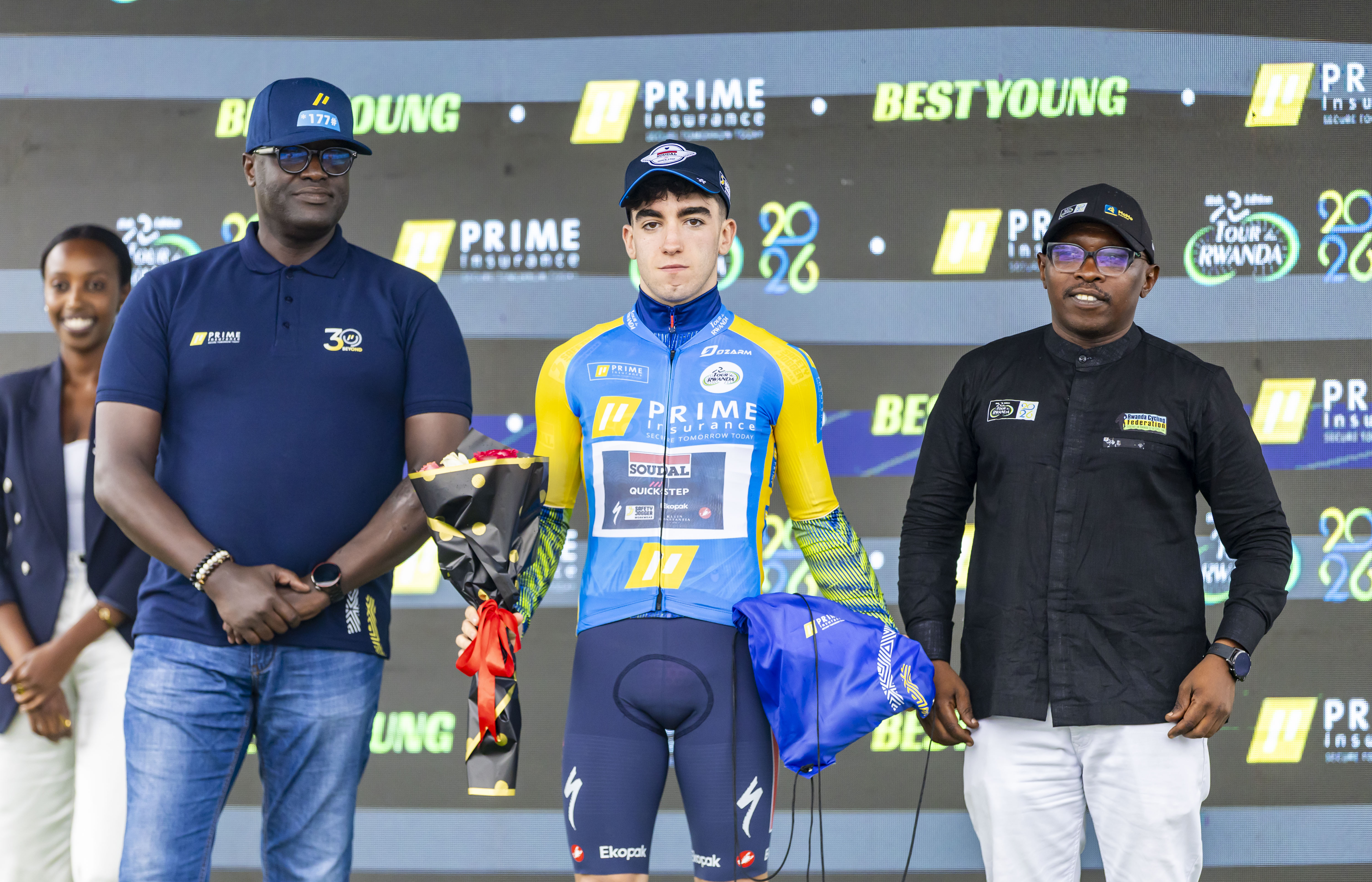
In a symbolic gesture of partnership and community, Mr. Téléspore was invited to award the youngest rider of the stage, reinforcing the message that empowering youth is a shared responsibility.
Through its continued partnership with Tour du Rwanda, Prime Insurance champions youth, resilience, and protection, values that mirror both the spirit of cycling and Rwanda’s extraordinary journey.
As the race continues across the country, the message remains clear: protect the progress achieved and inspire the next generation to build even further.
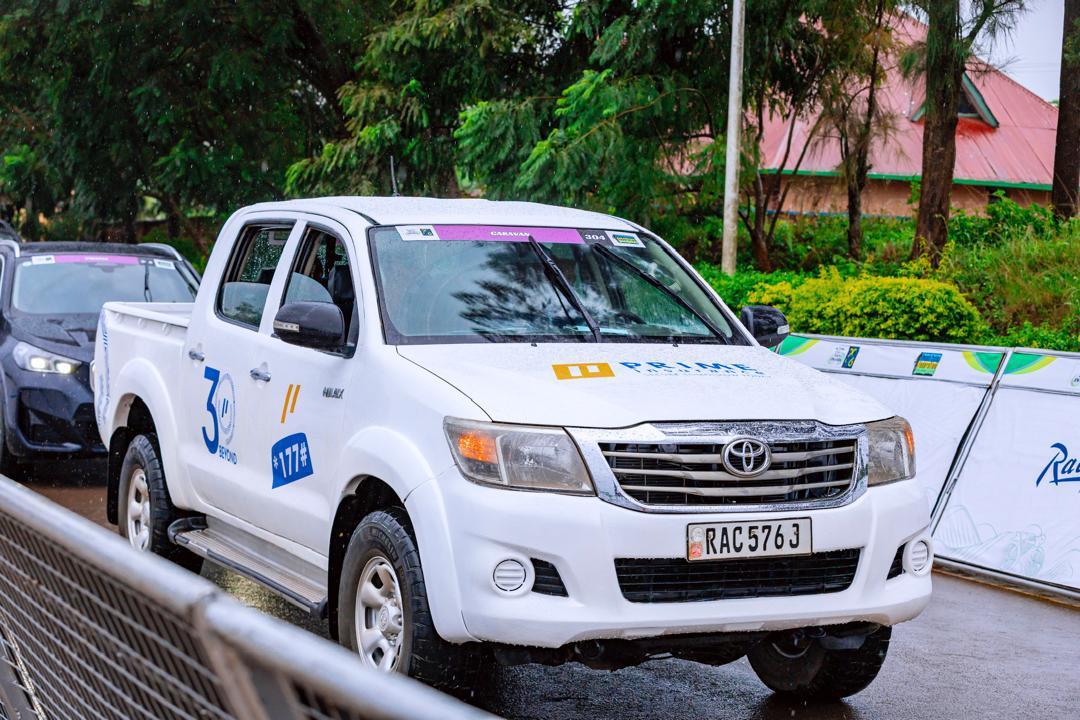
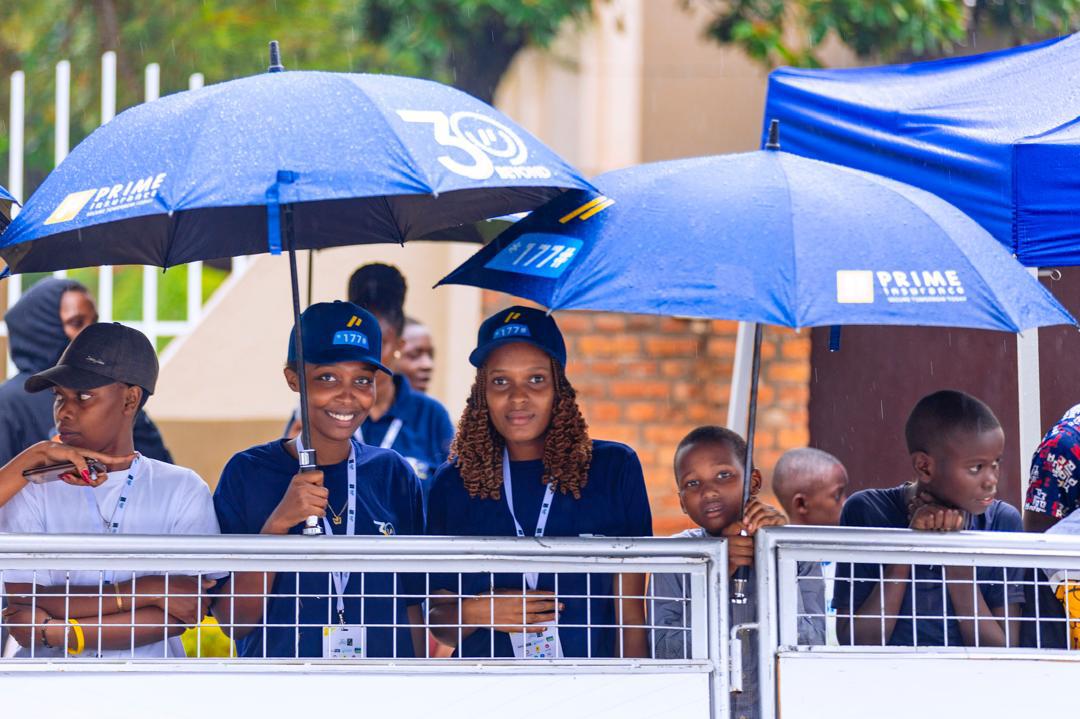
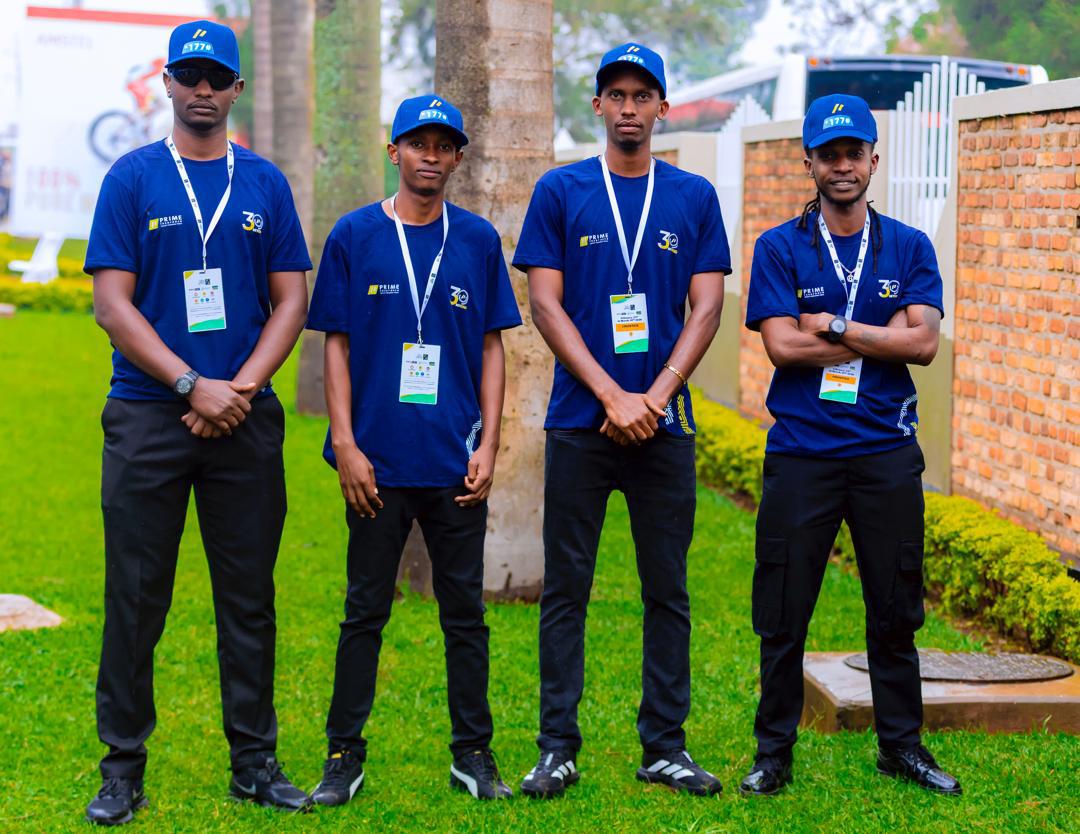
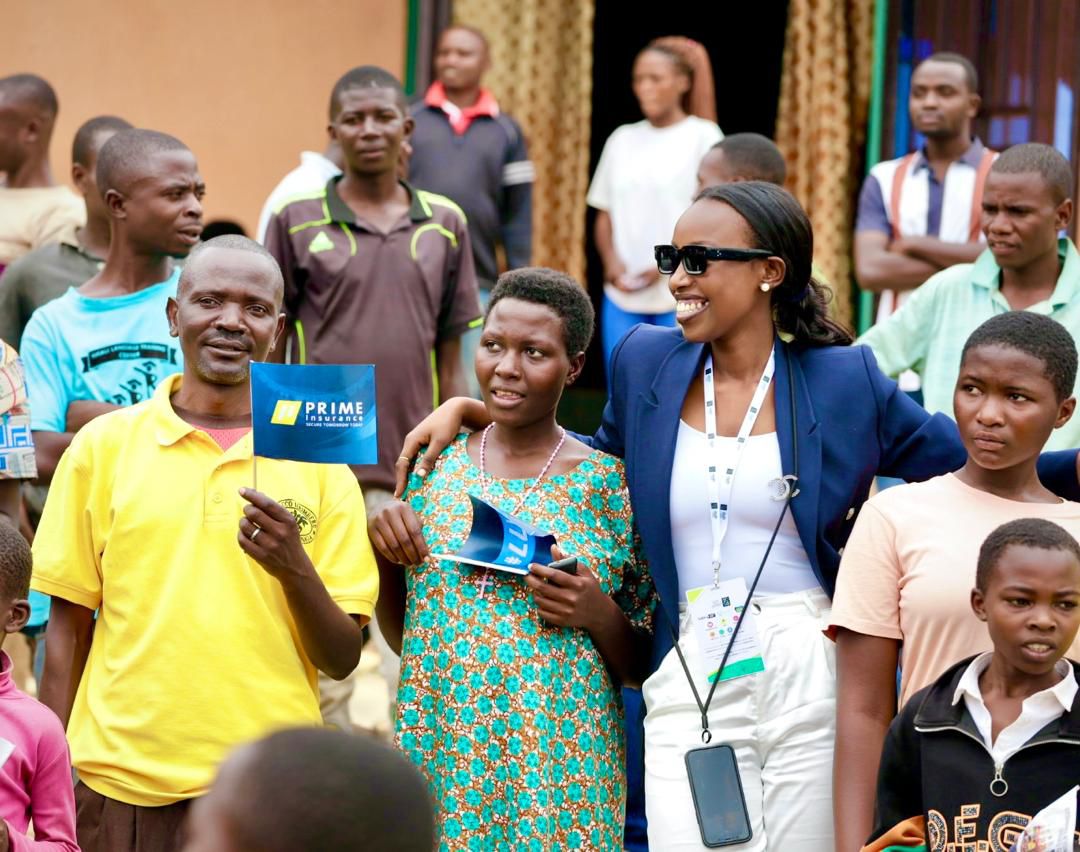
Prime Insurance awarded the youngest rider of the stage as racers headed for Huye.For the ninth consecutive year, Prime Insurance Ltd has proudly continued its cherished tradition at the prestigious Tour du Rwanda.
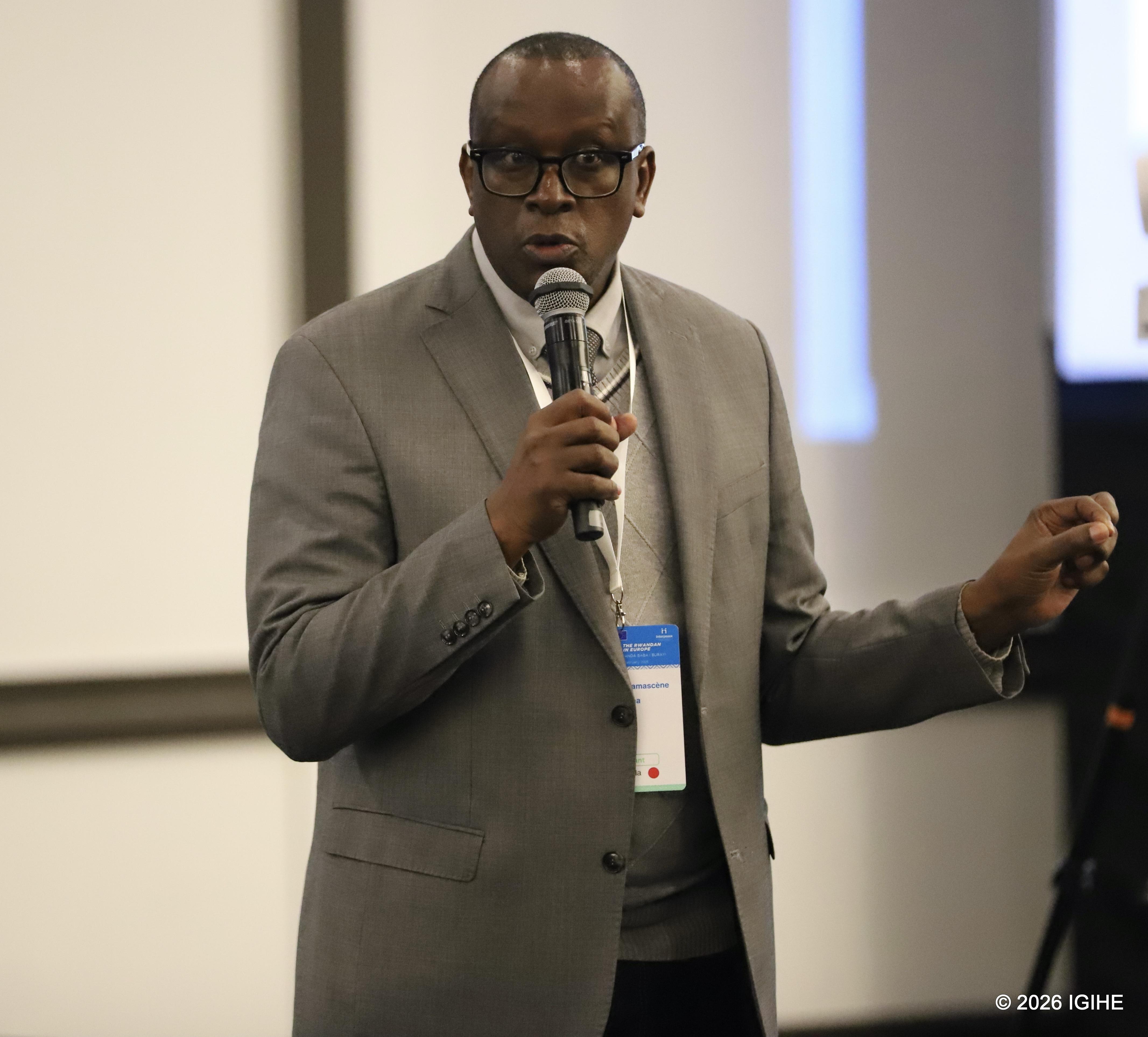
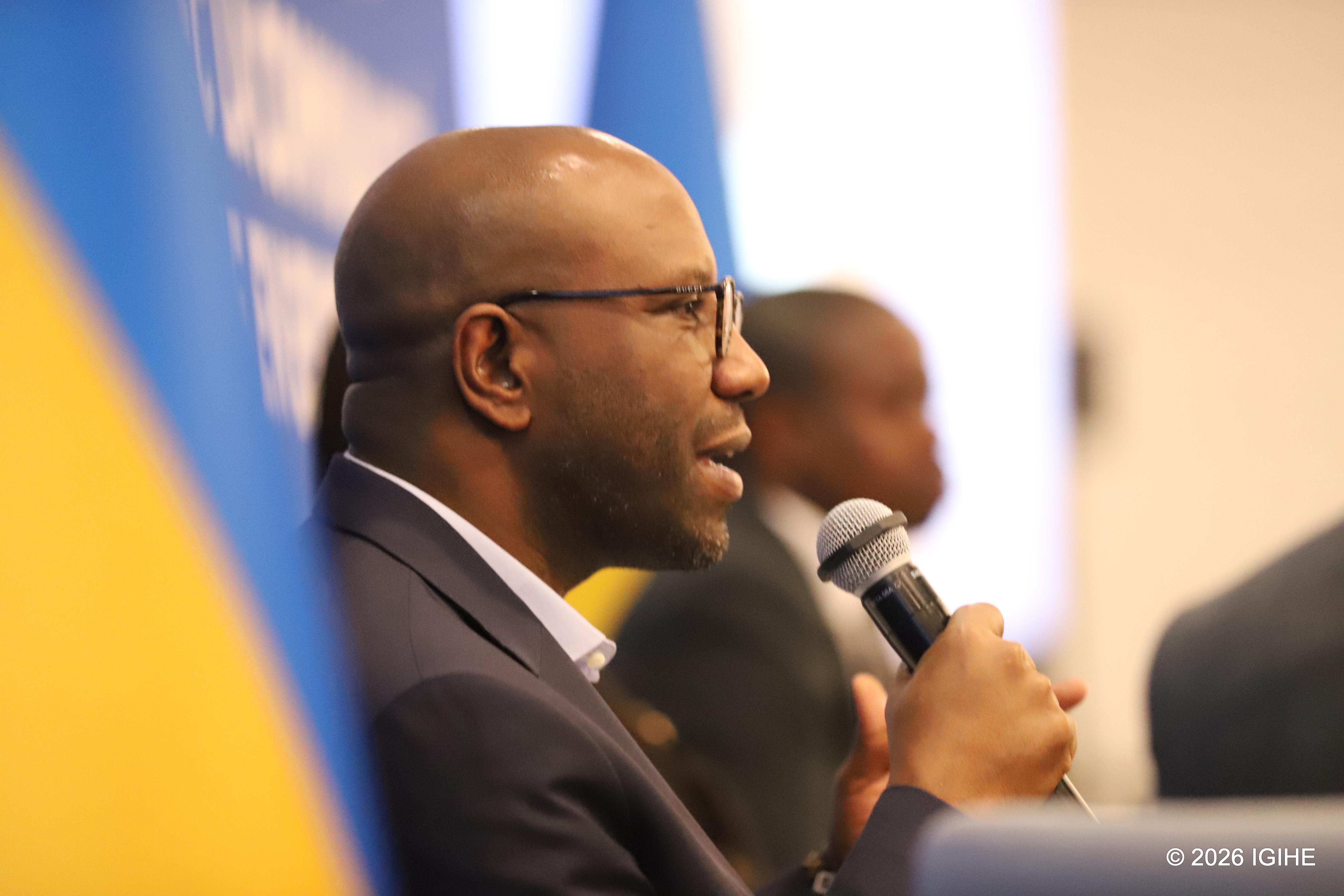
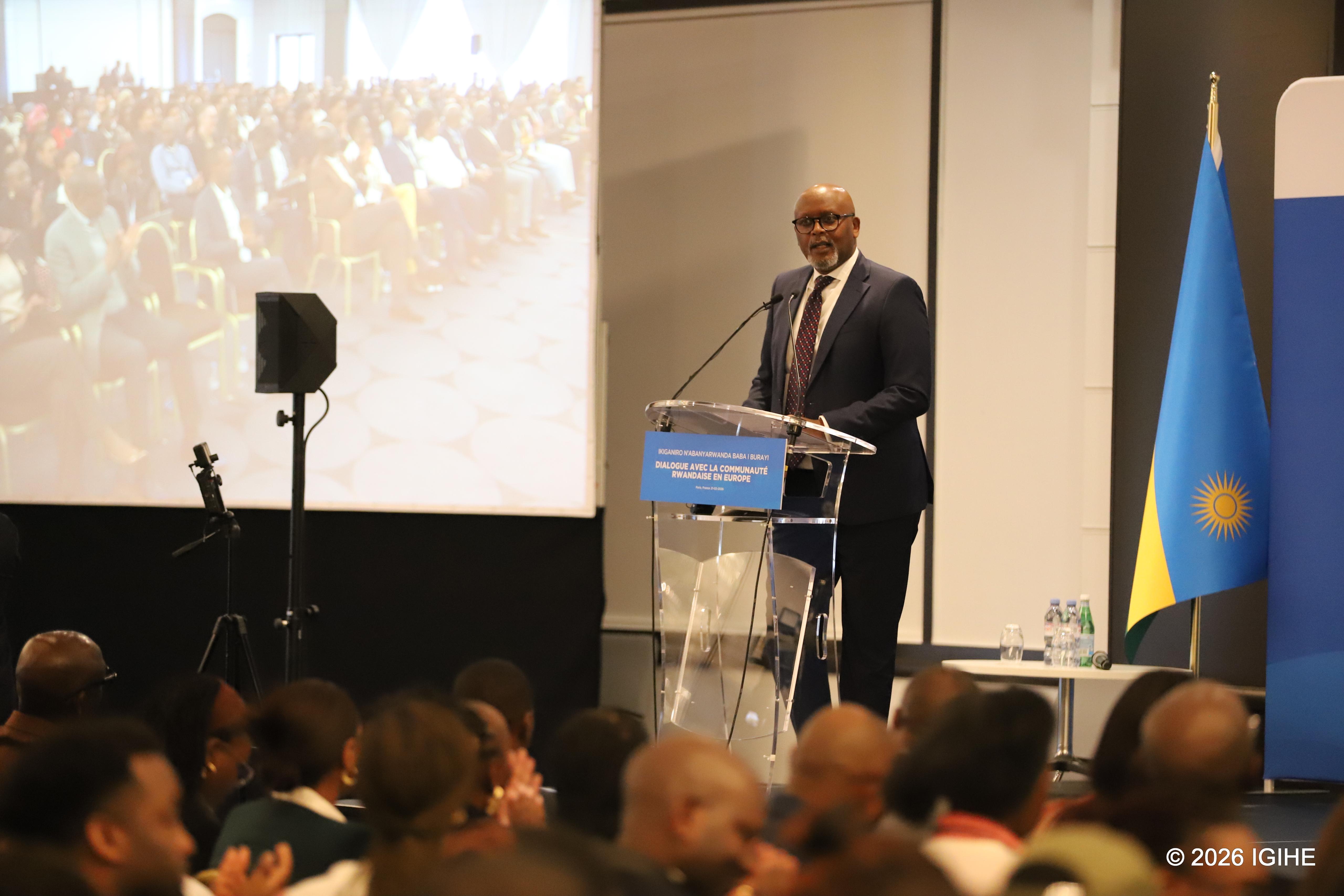
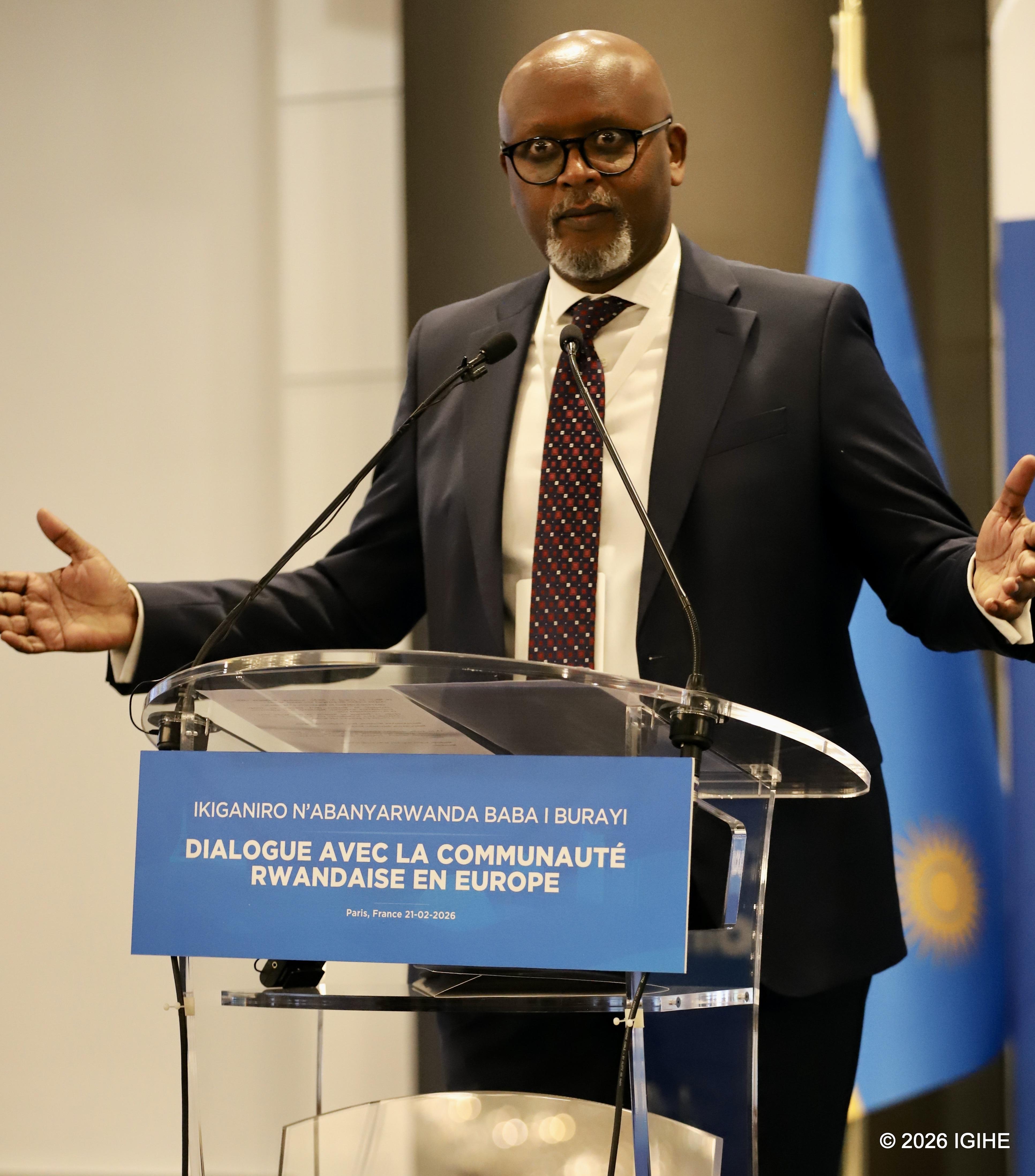
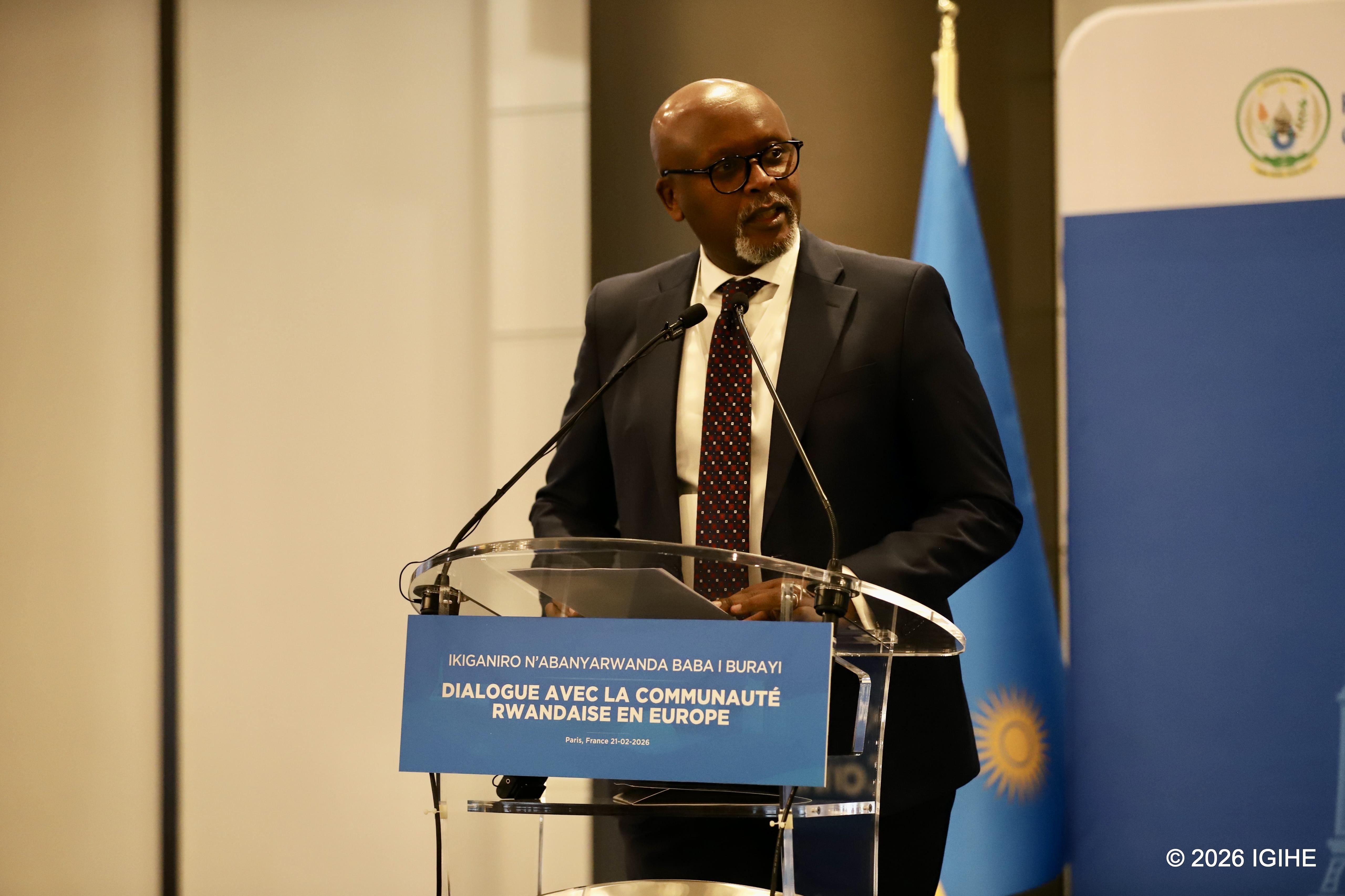
“Hatred does not dwell in me and will never define me; I document historical facts that are irreversible,” said Dr. Bizimana.
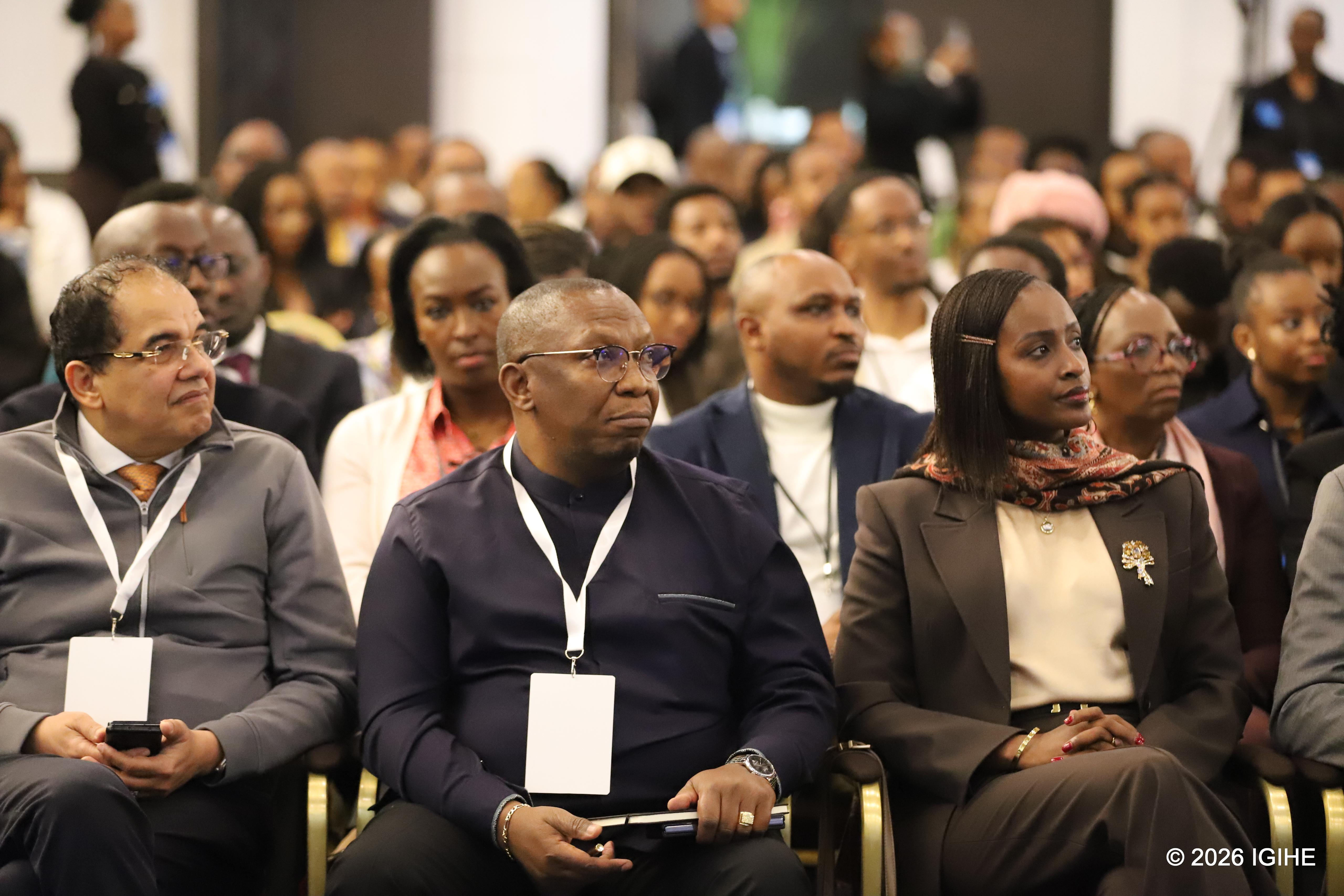
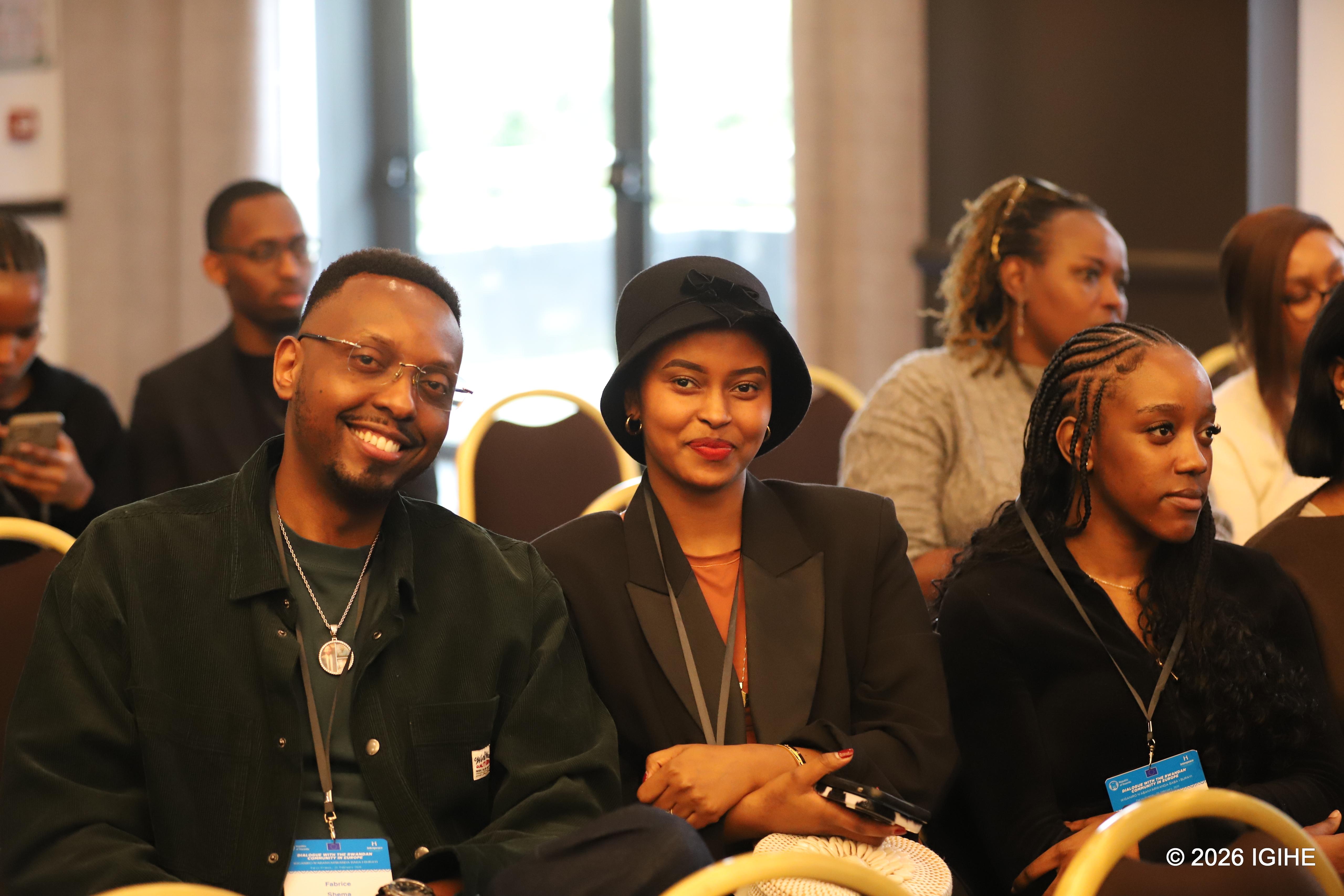
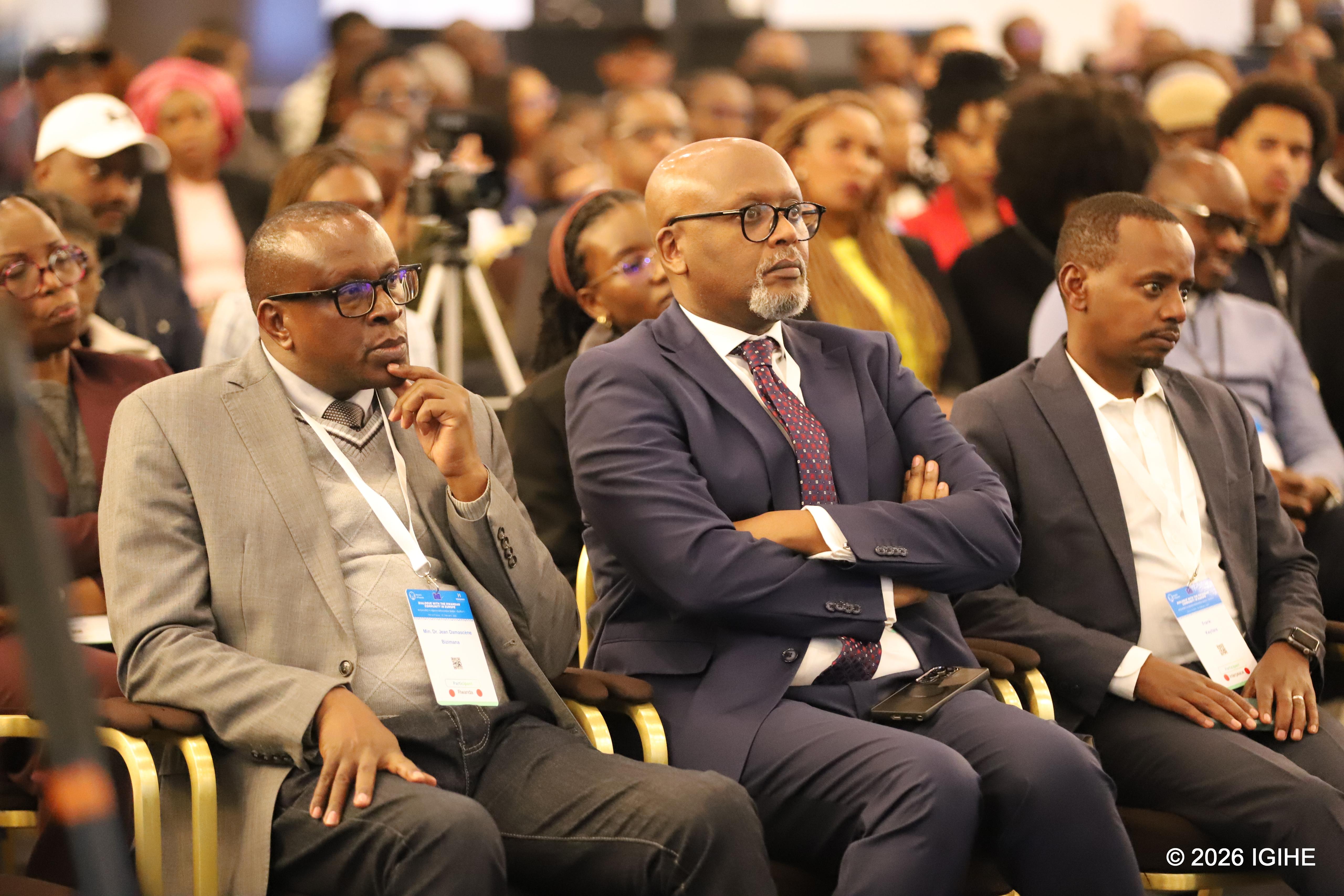
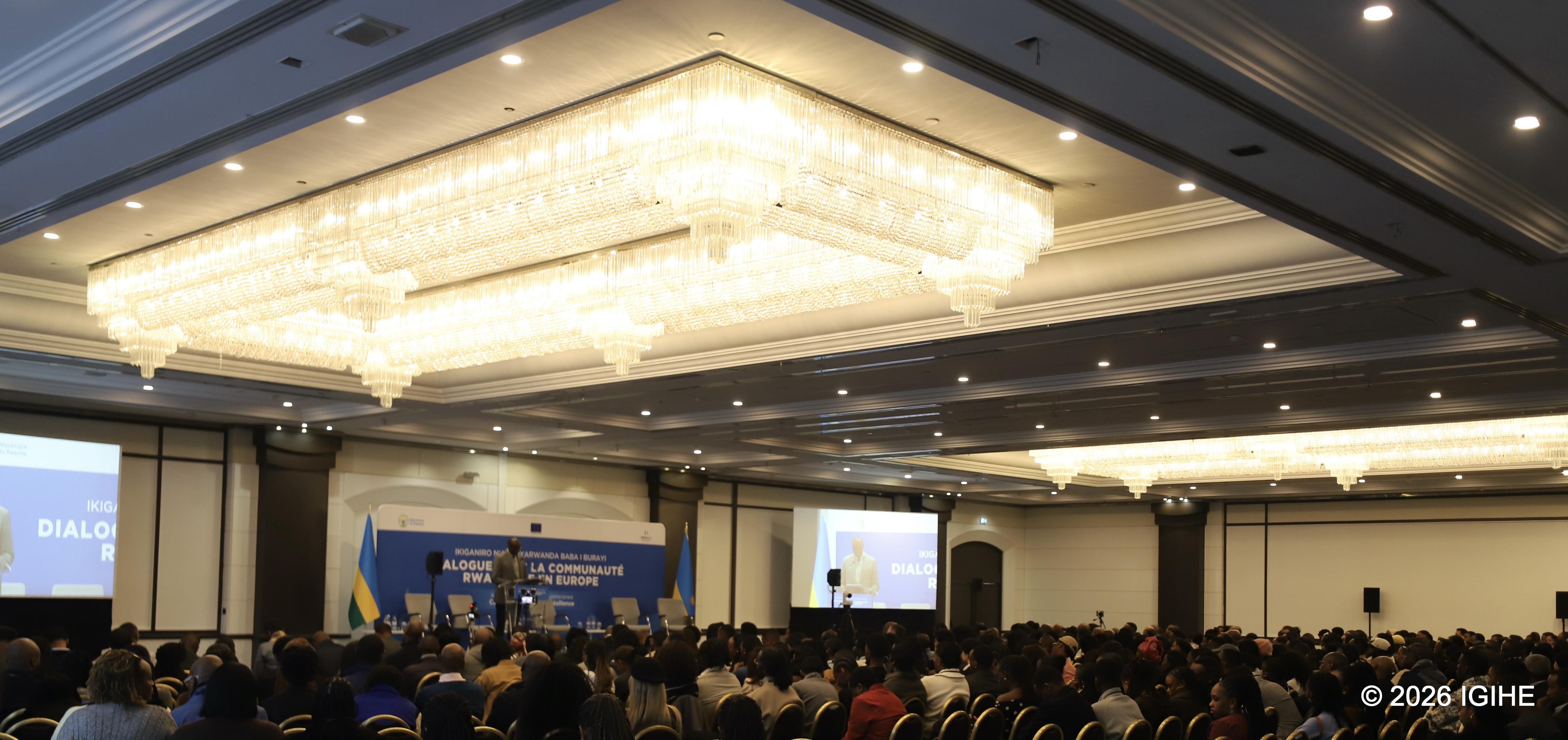
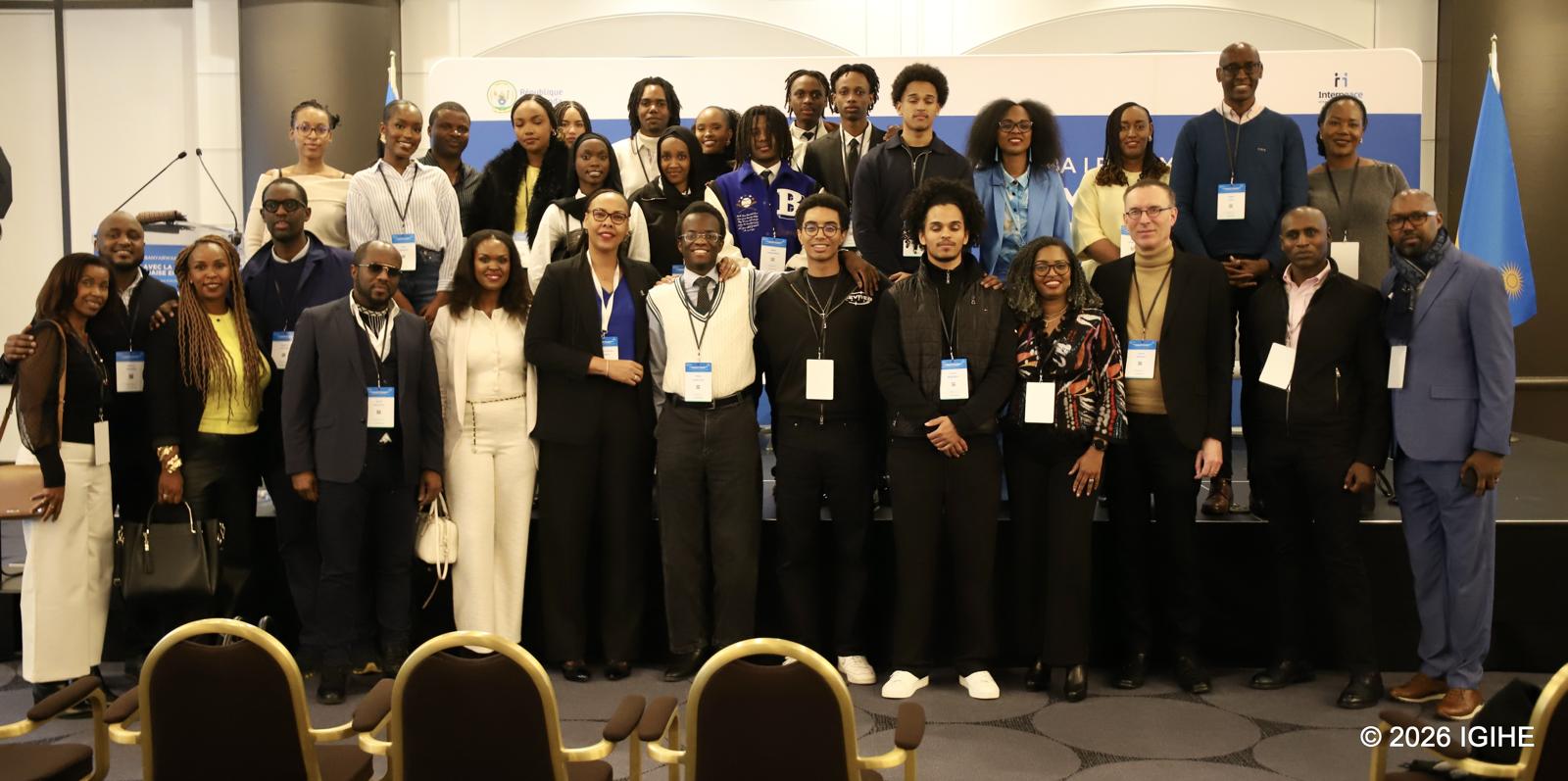
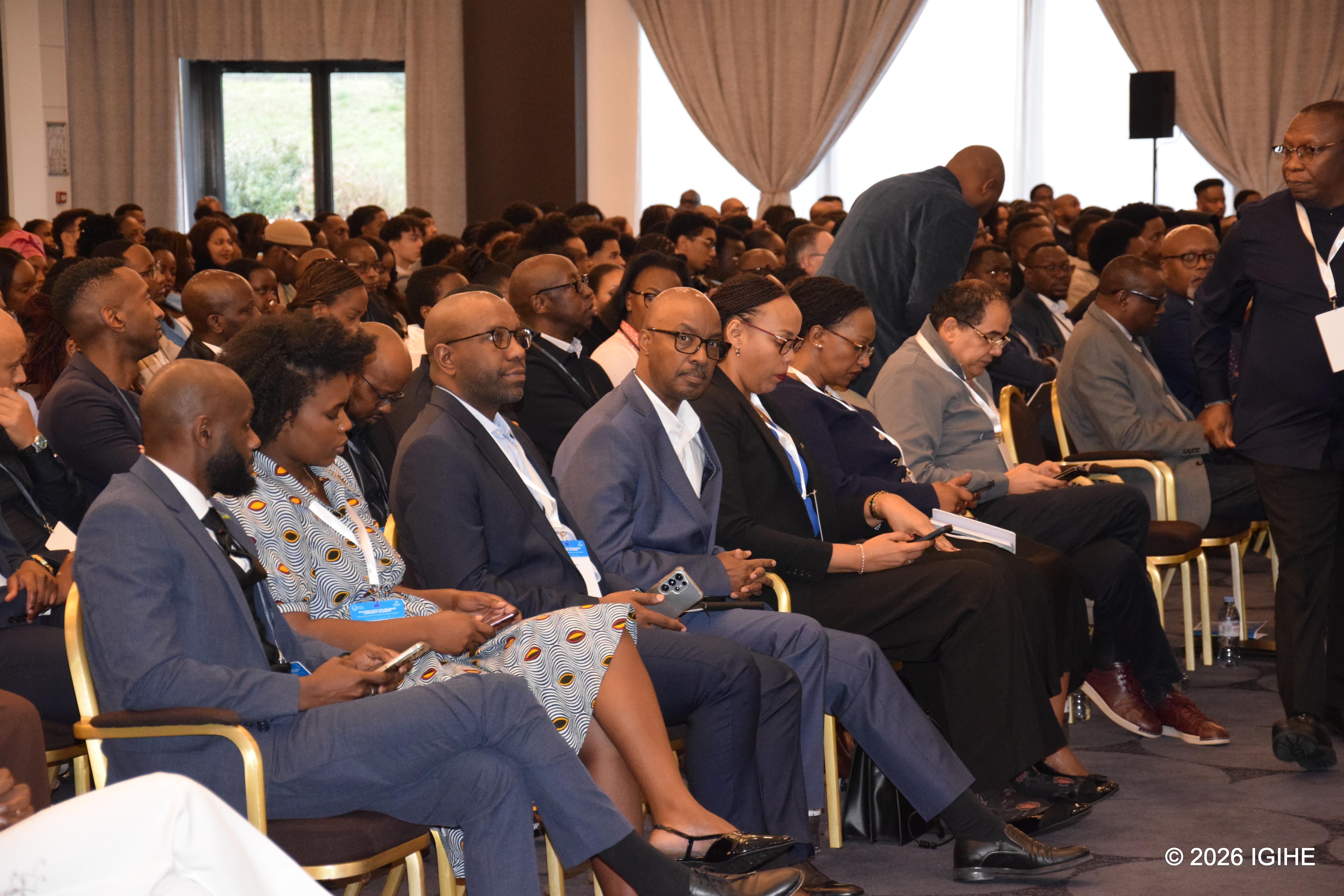
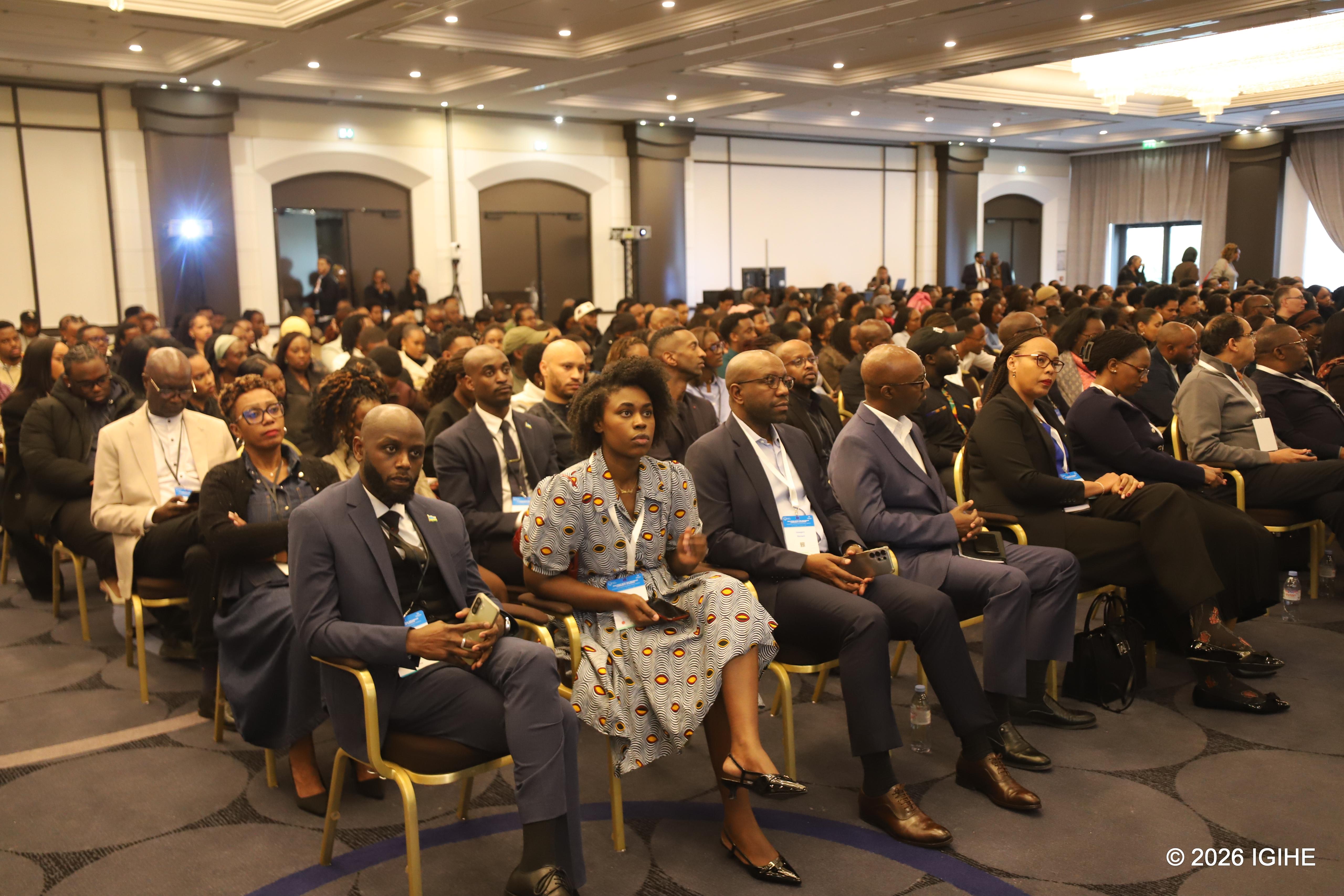
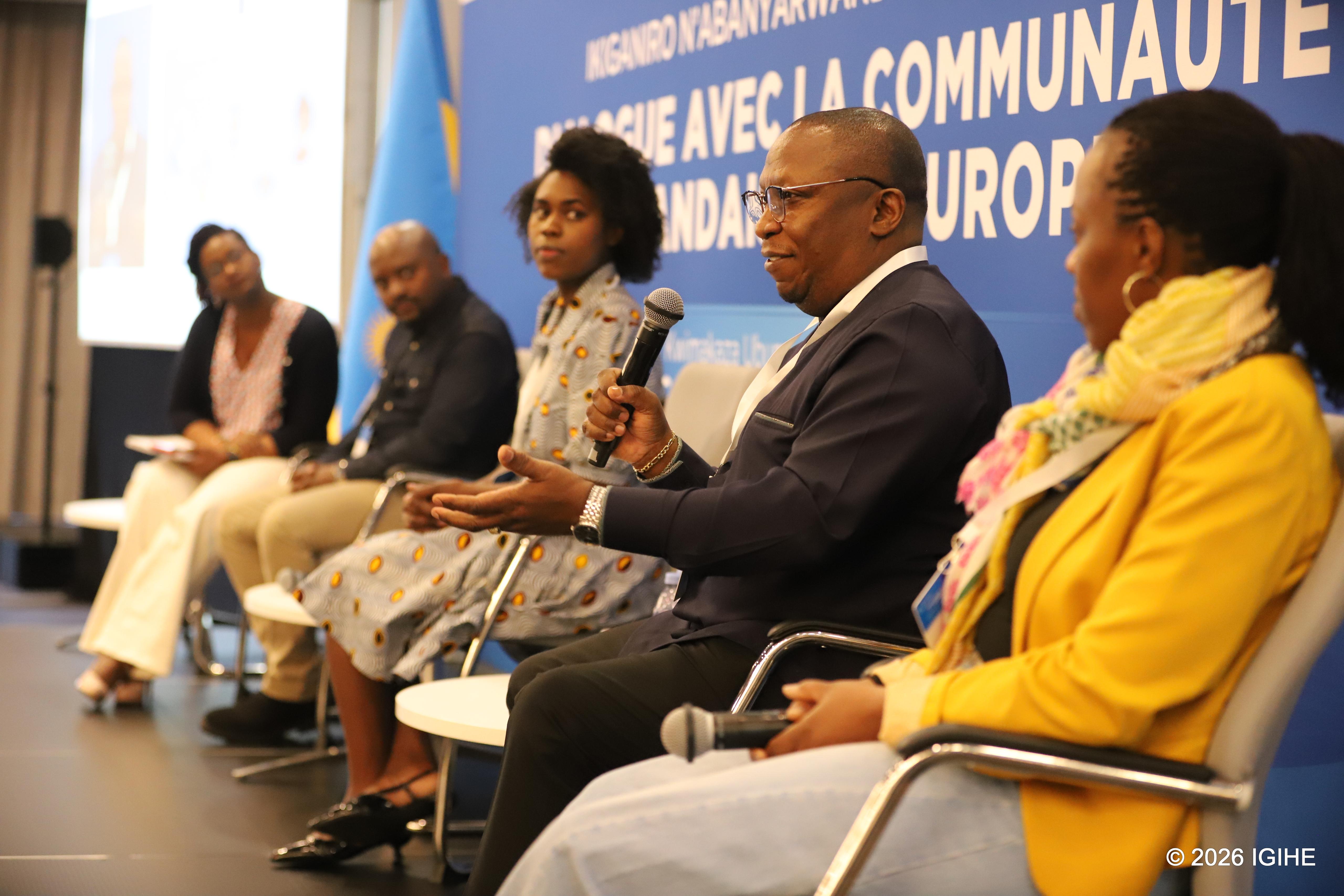
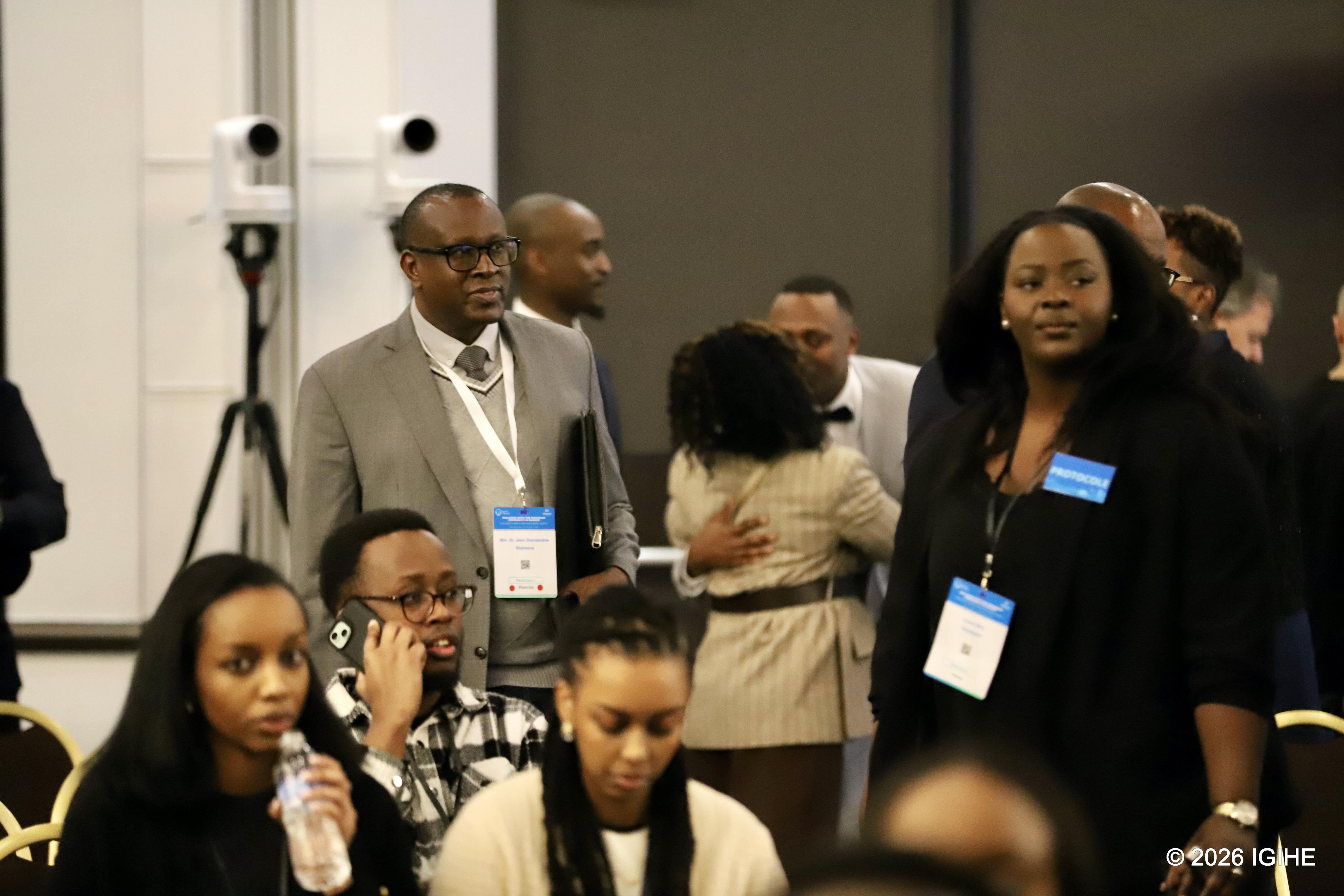
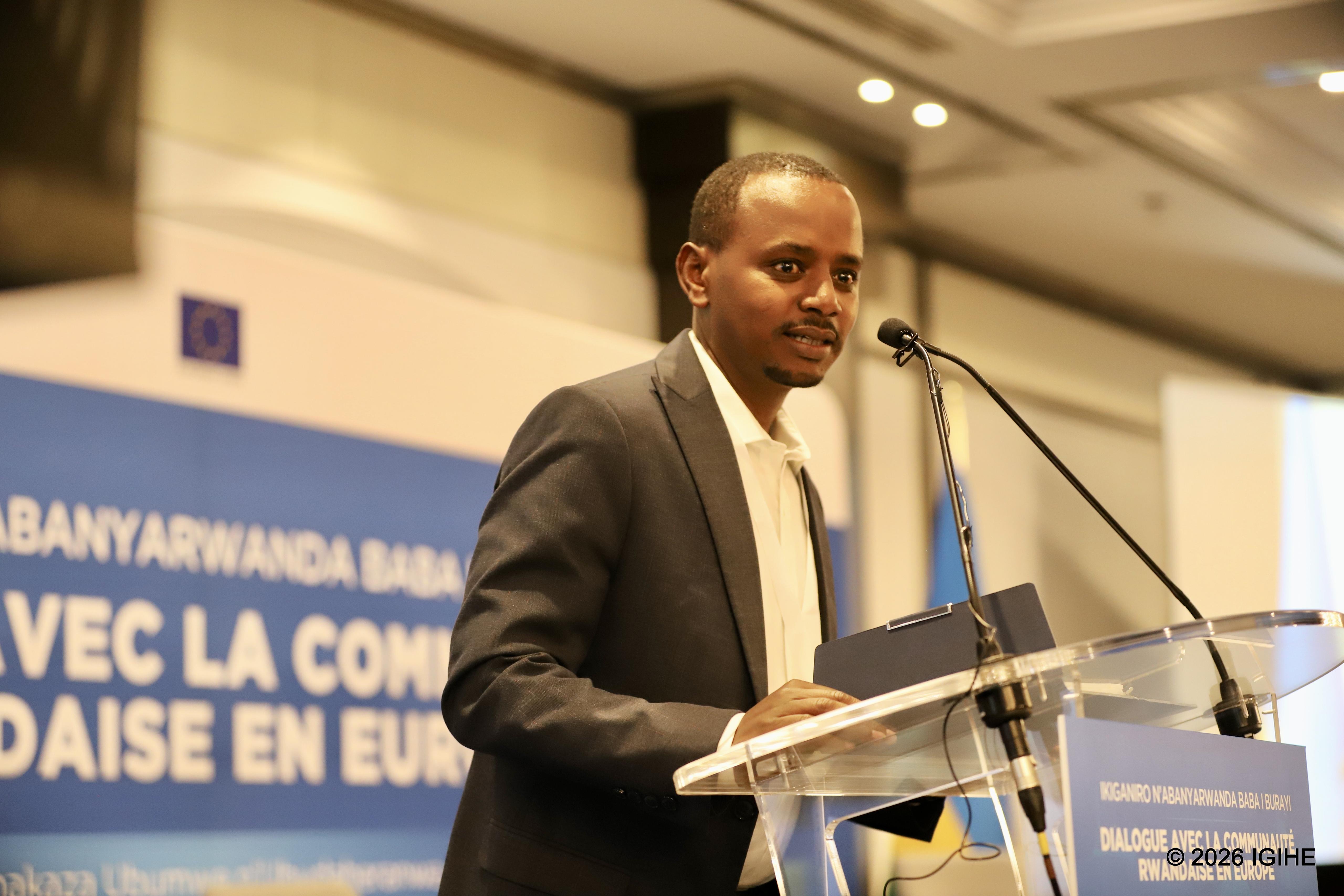
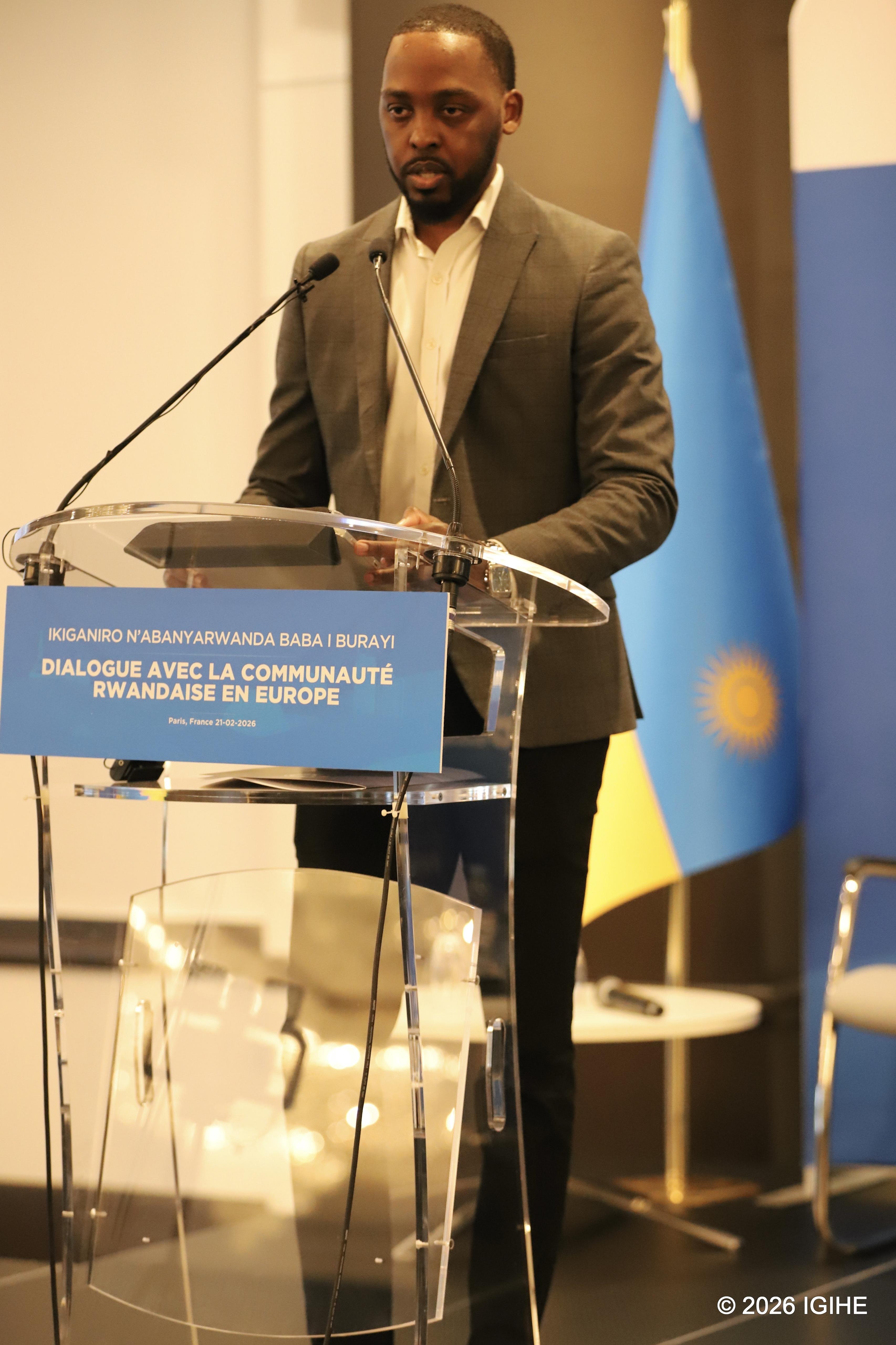
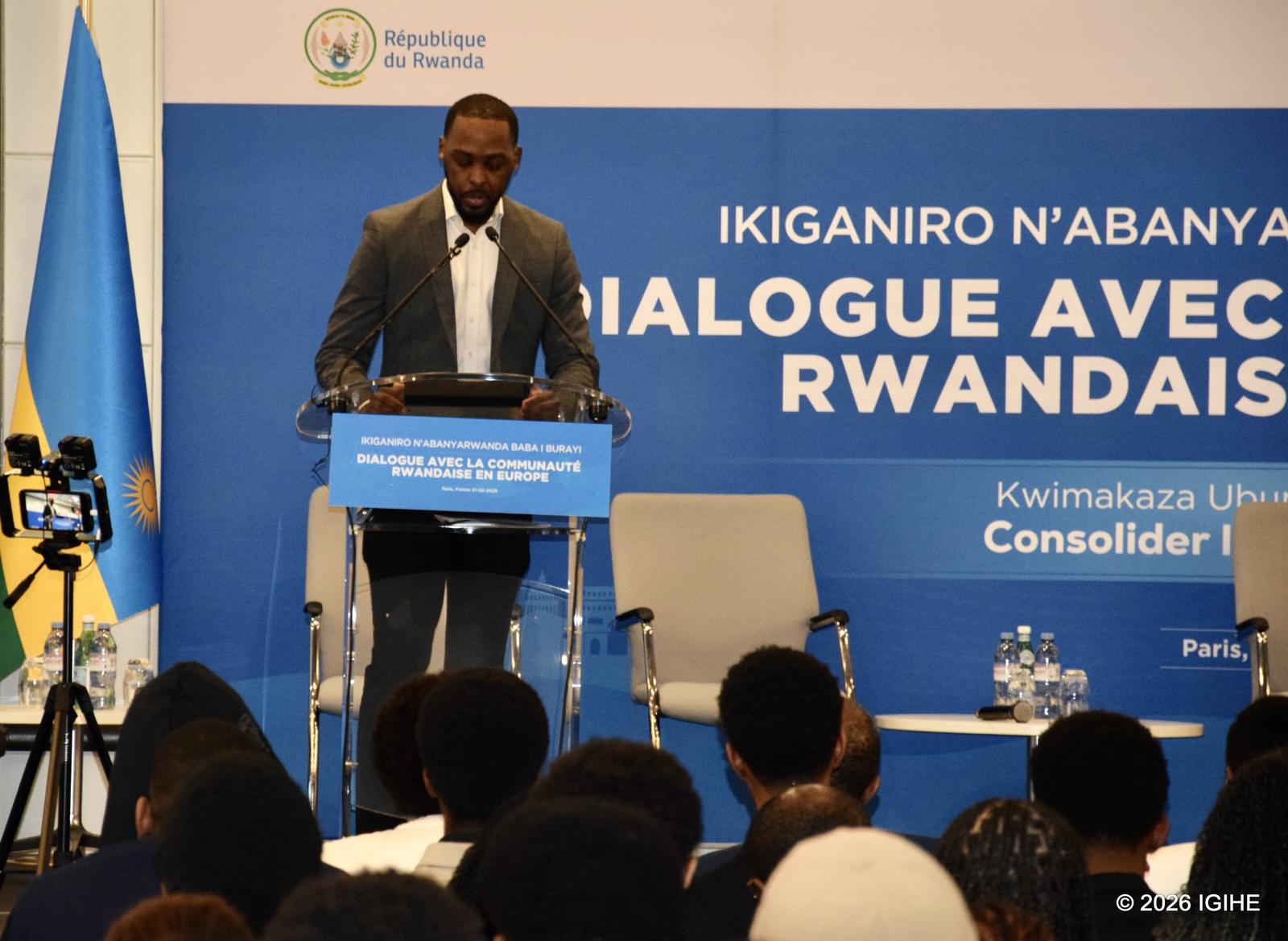
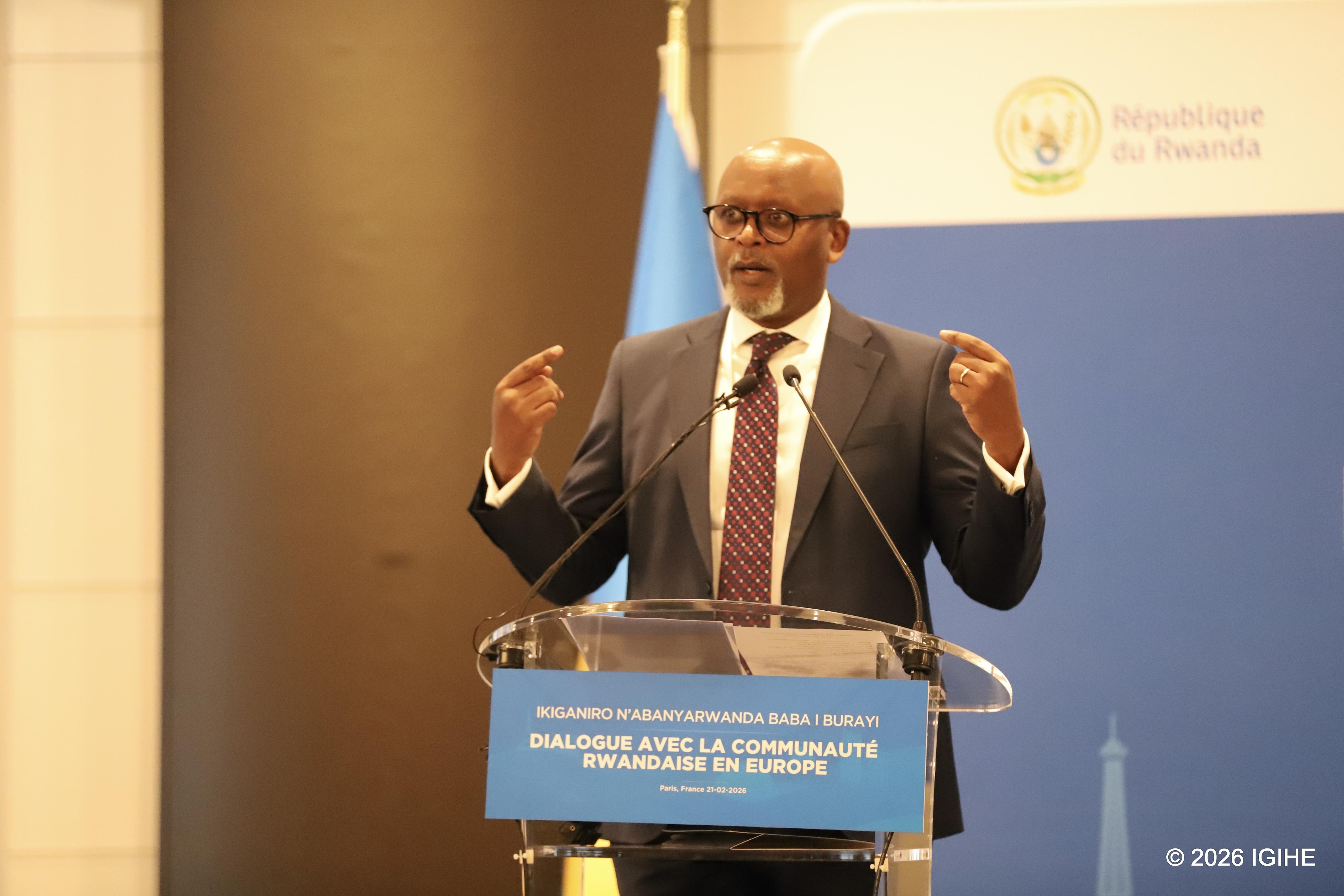
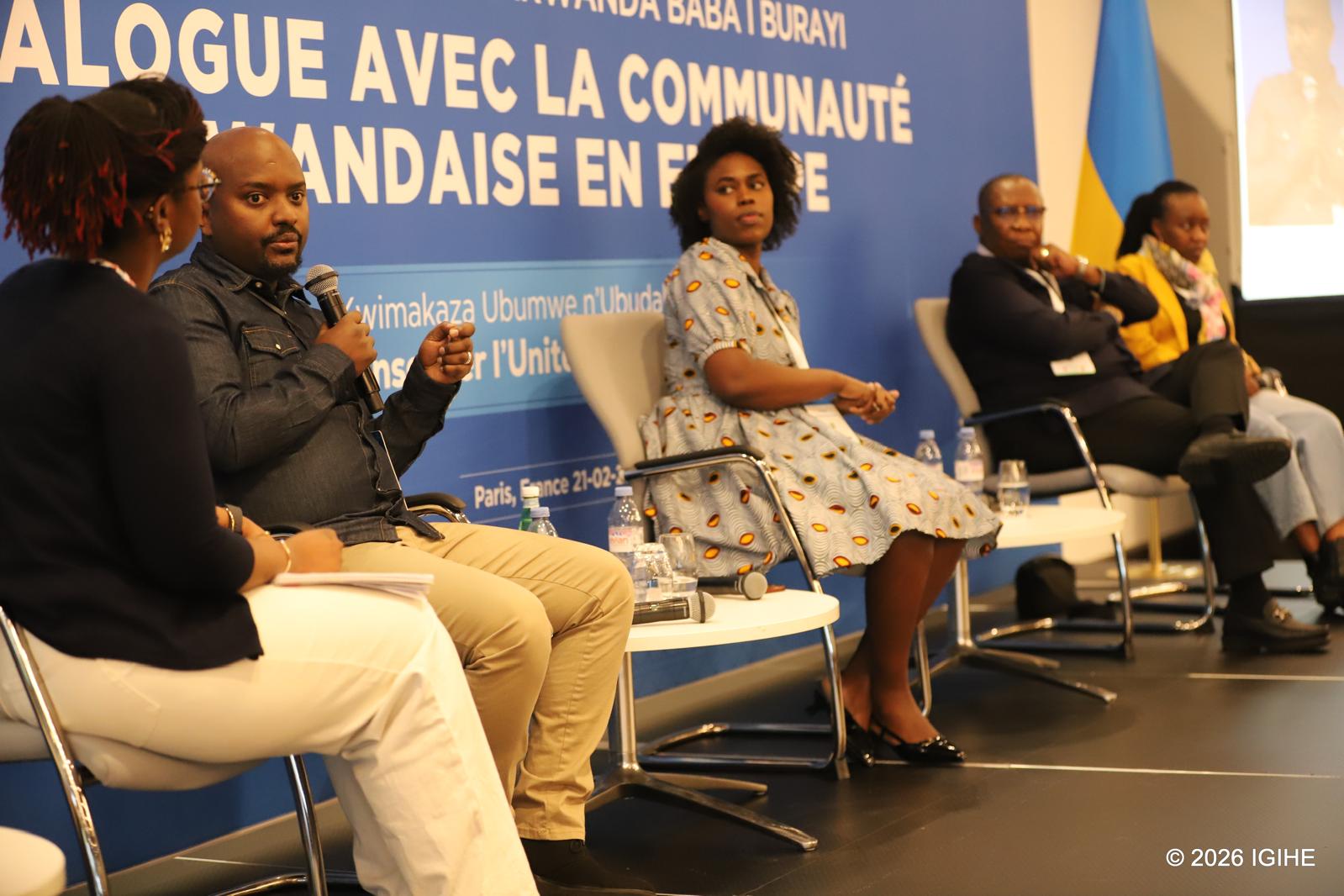
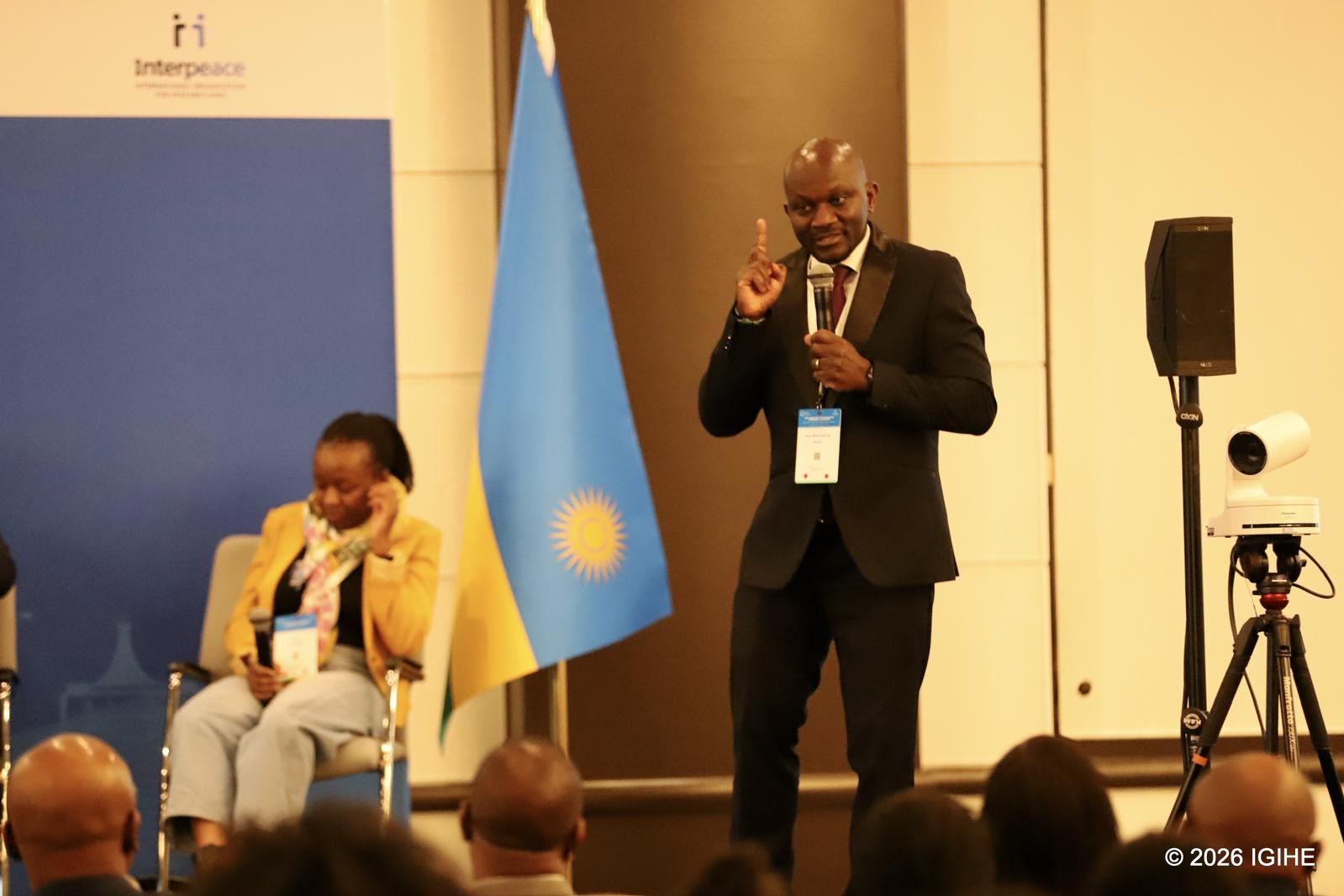
He made these remarks on Saturday in Paris during a socio-cultural meeting organized by the Ministry of National Unity and Civic Engagement, in collaboration with the Rwandan Embassy in France and Interpeace, which brought together the Rwandan diaspora in Europe.
The minister explained that his statement was in response to social media attacks by individuals dissatisfied with the current Rwandan revolution, spreading false information that could mislead young Rwandans living in Europe and elsewhere in the world.
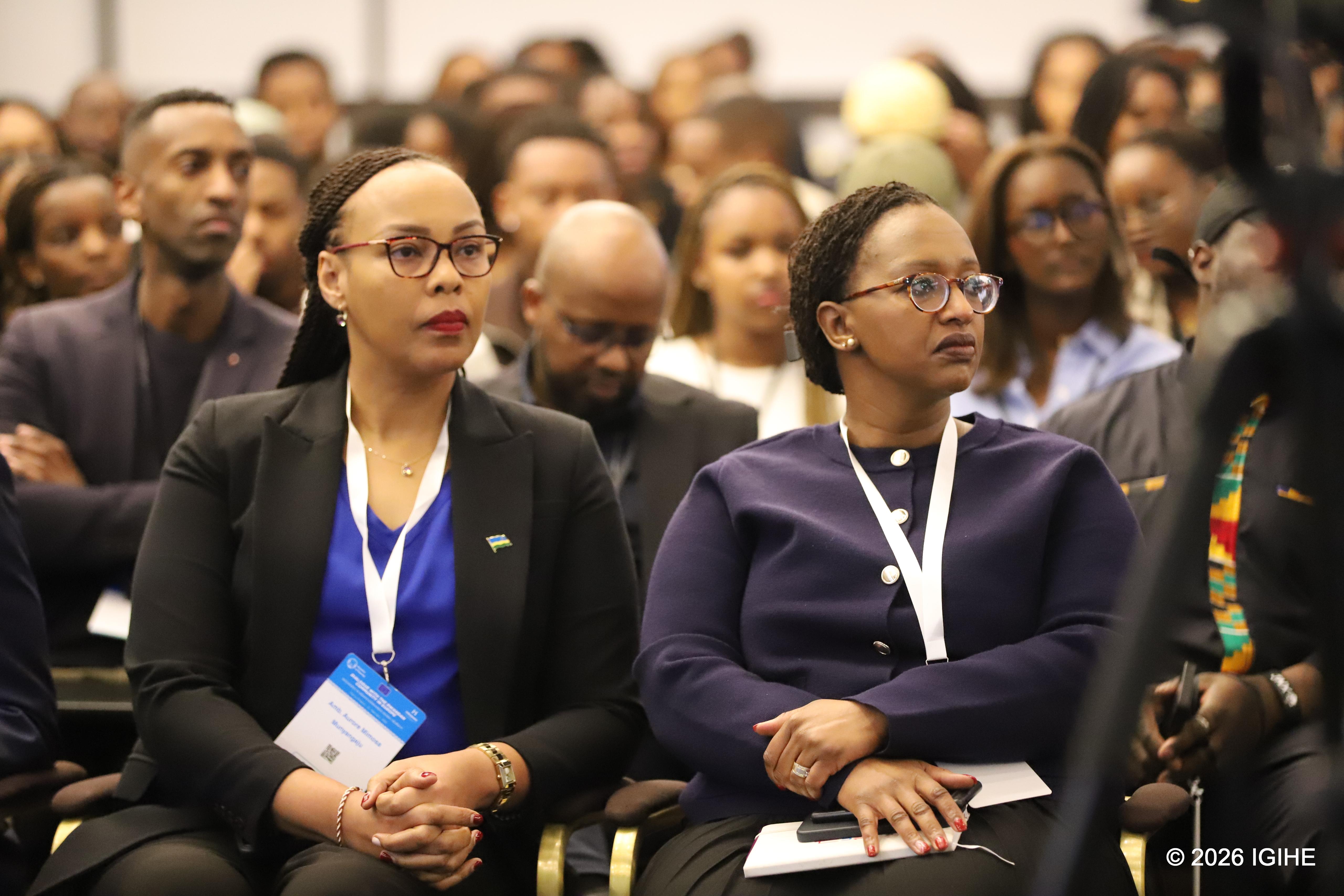
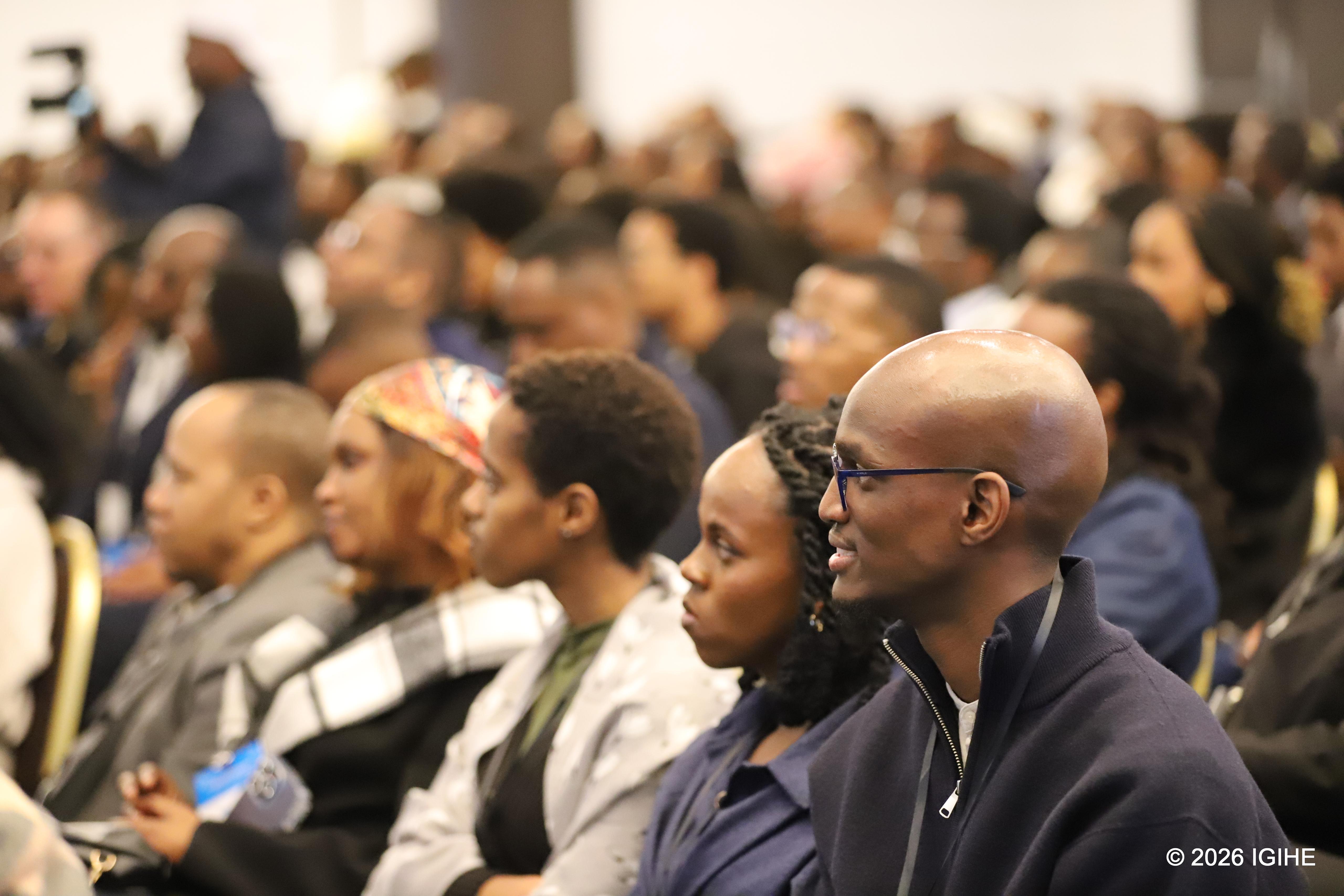
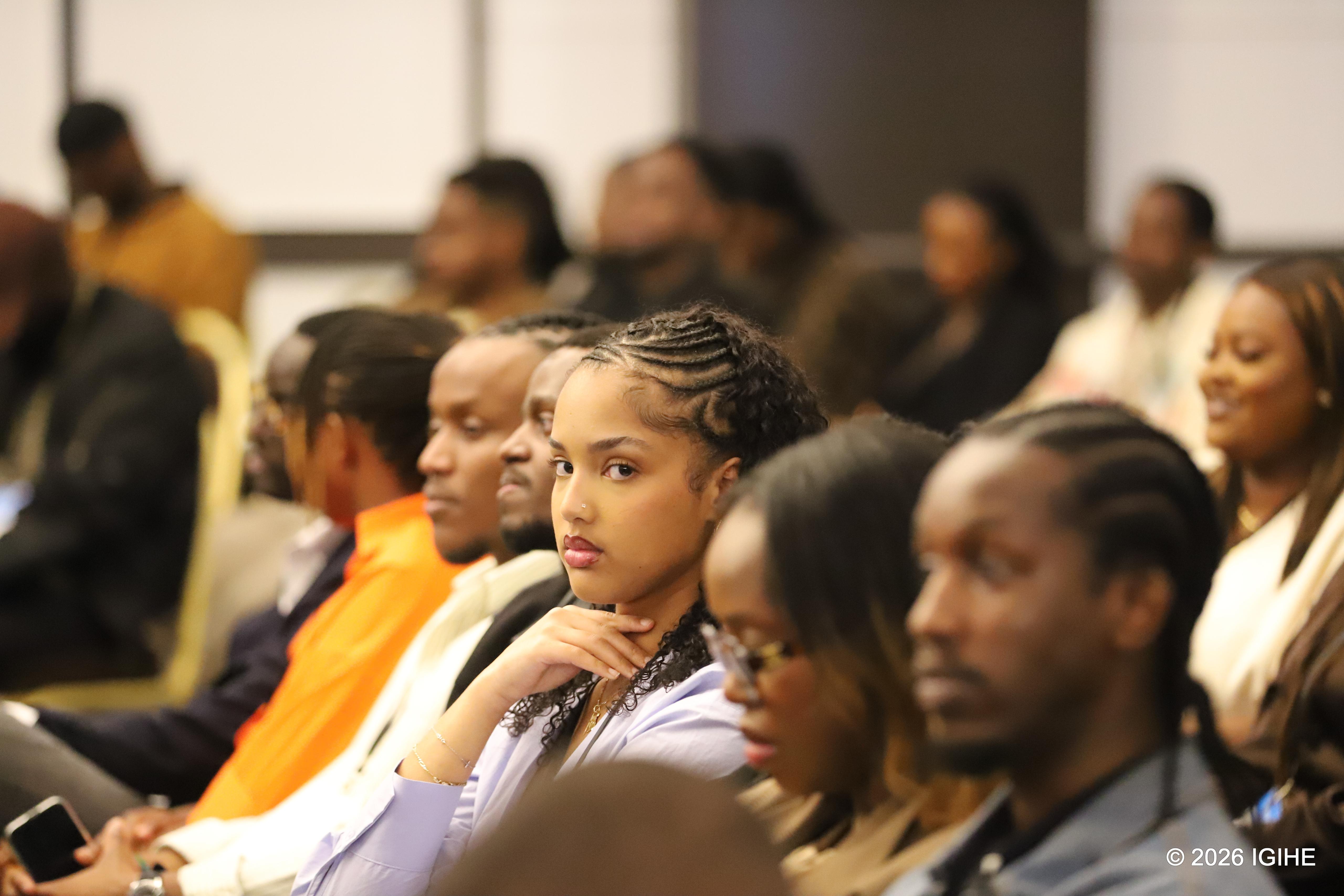
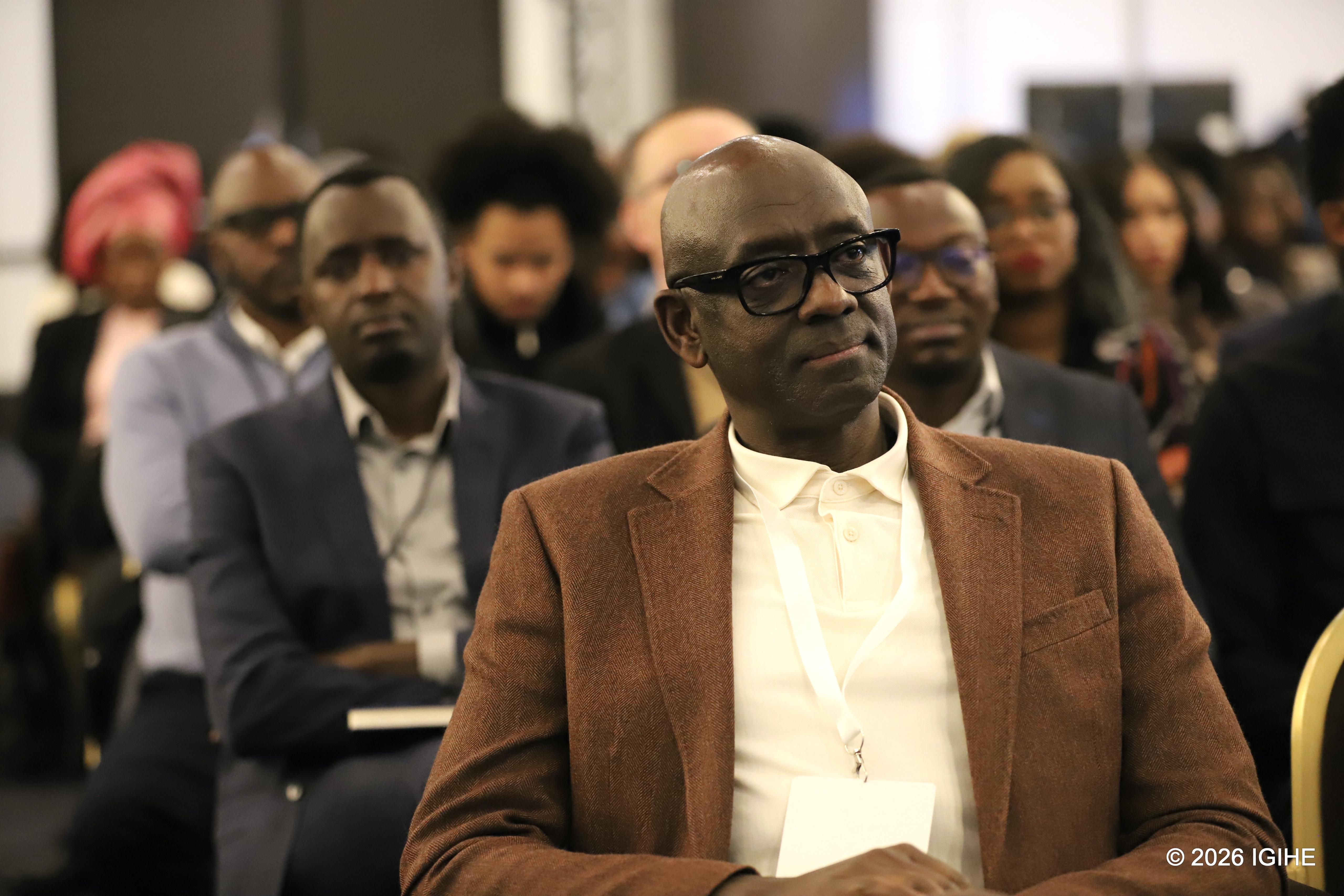
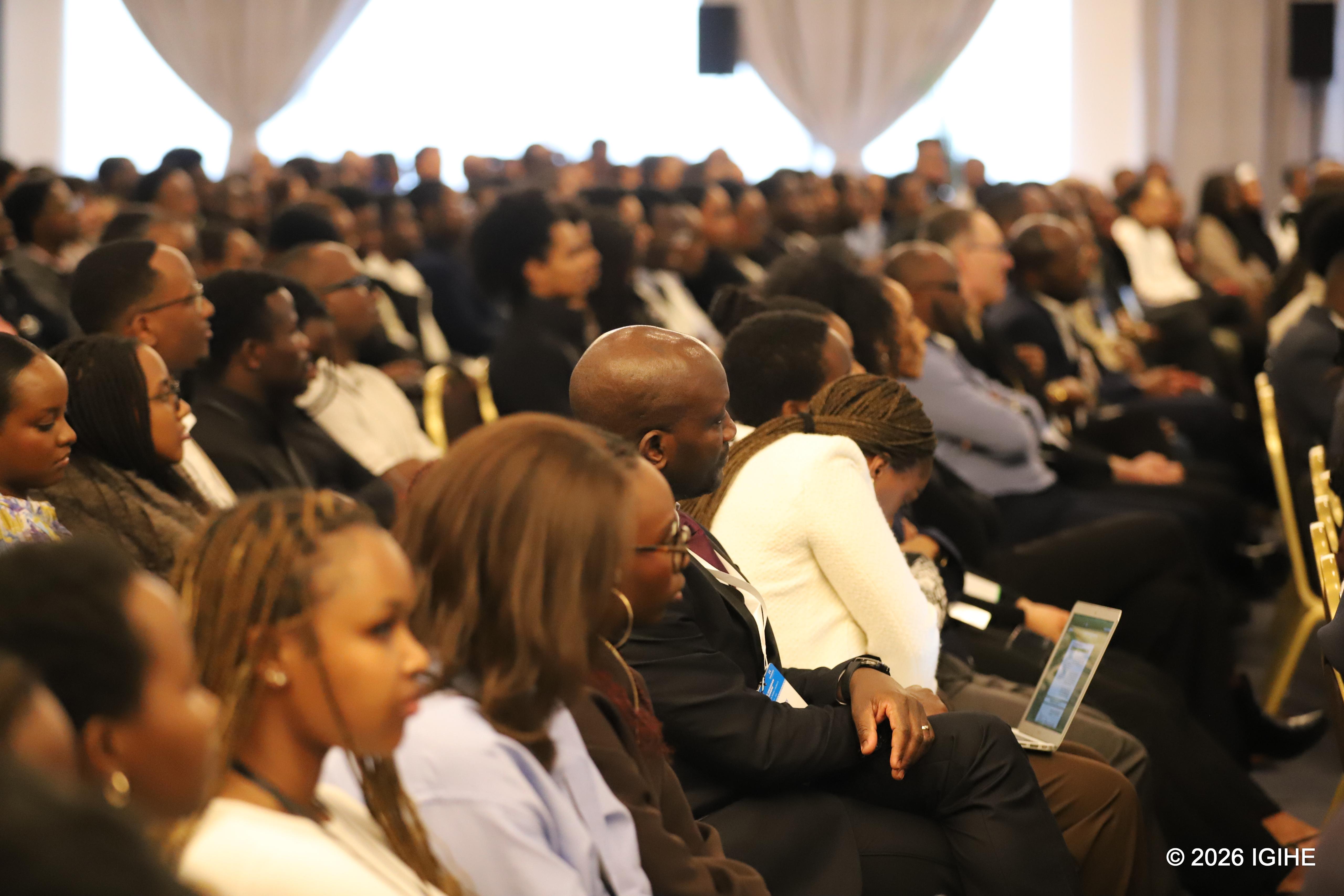
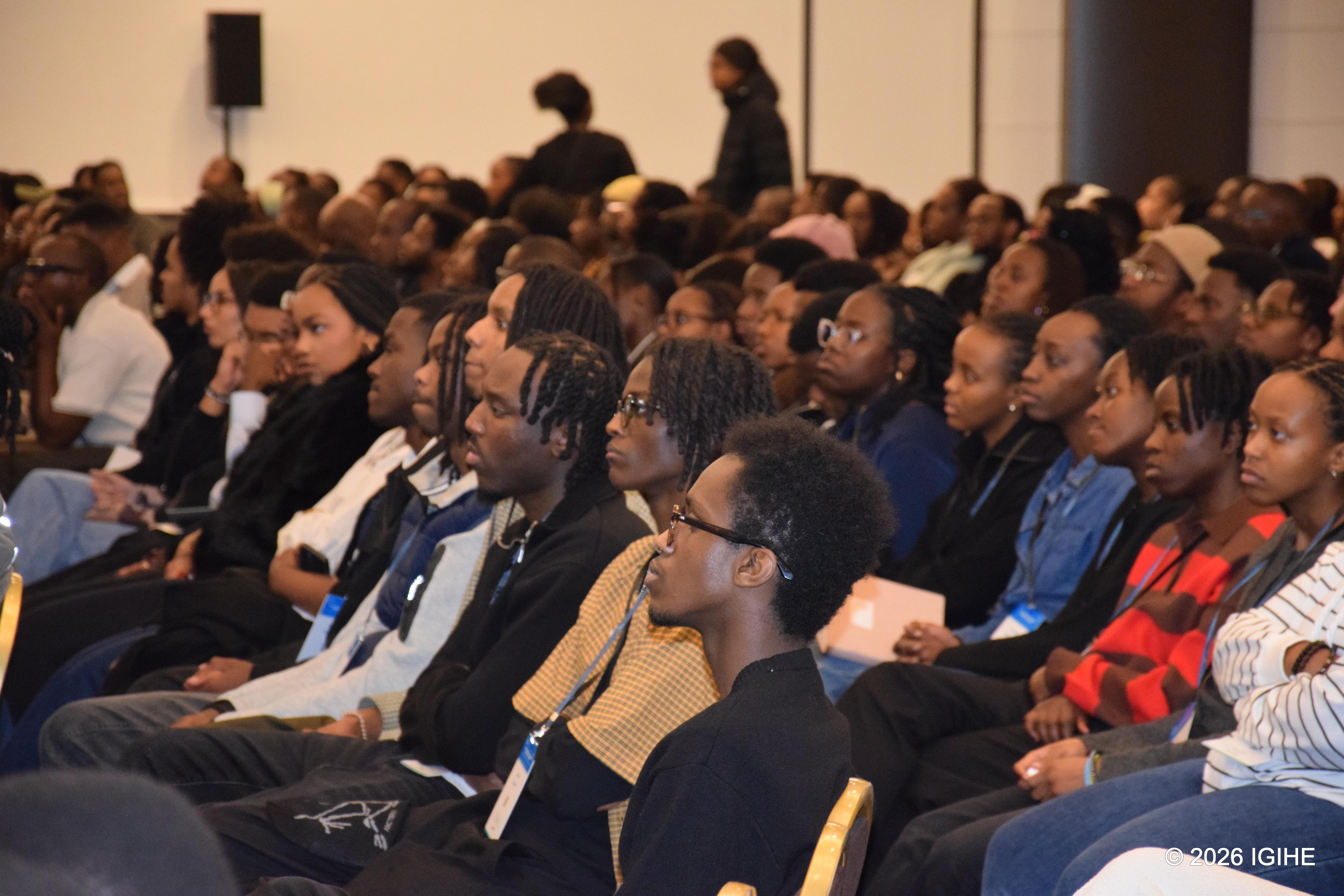
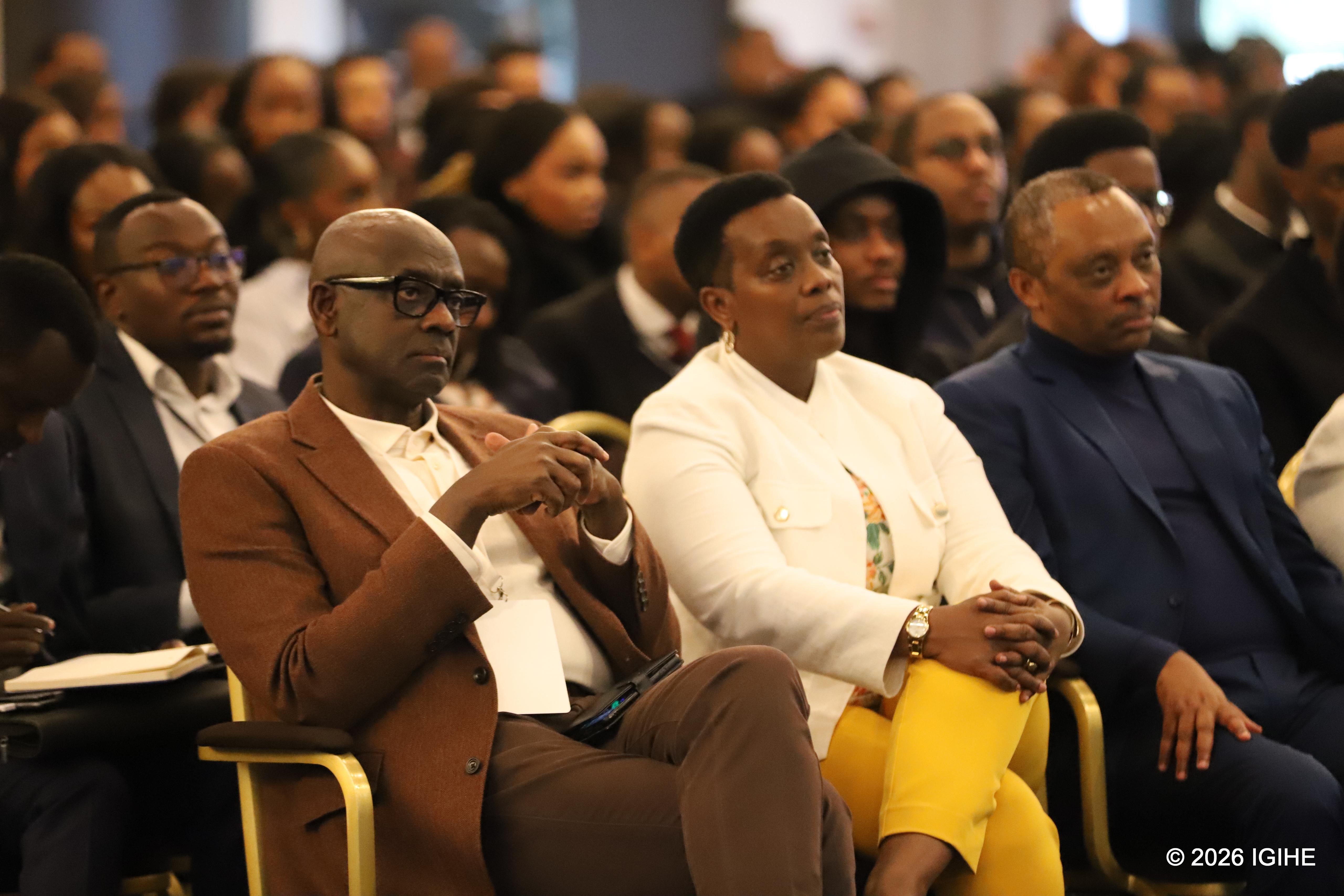
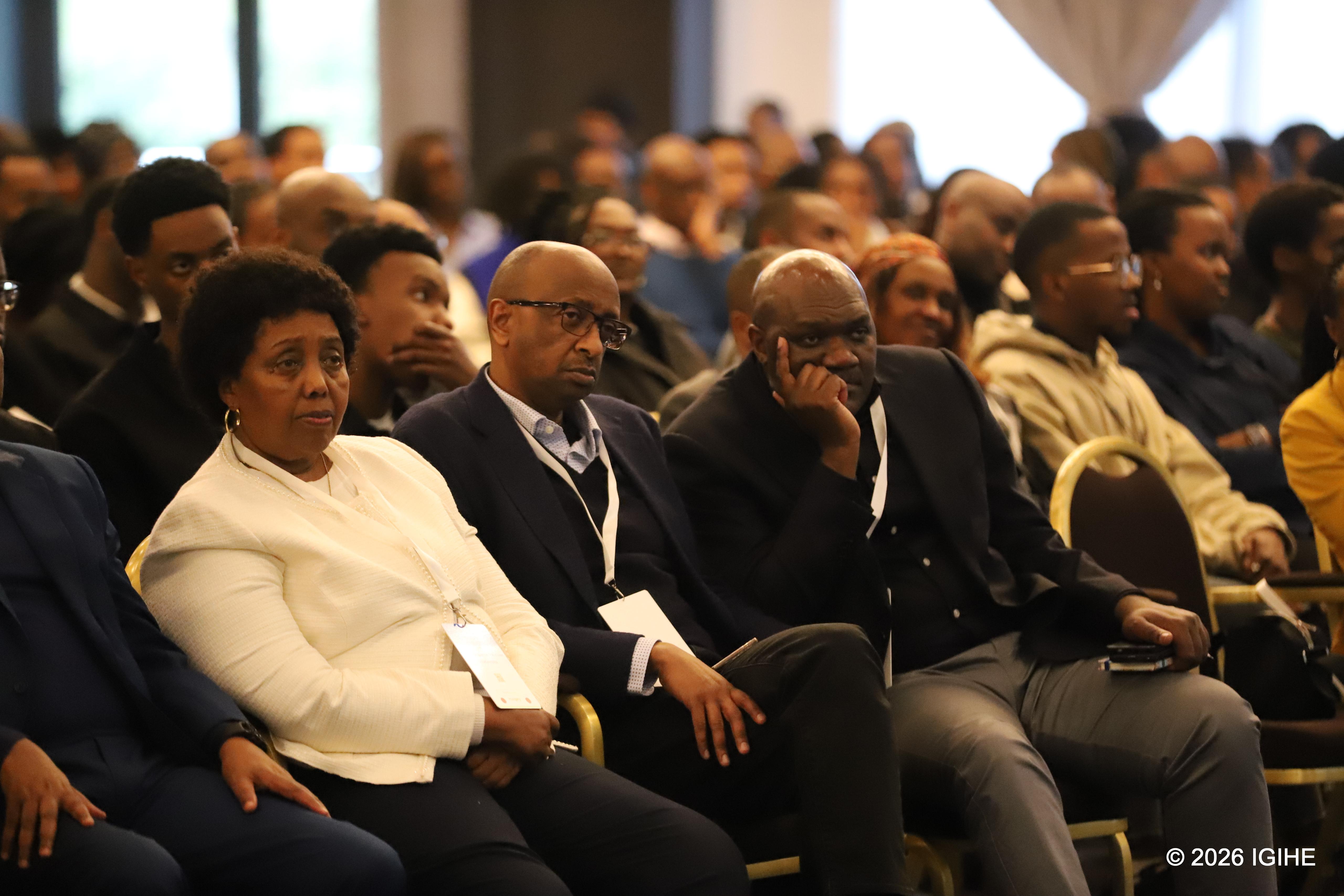
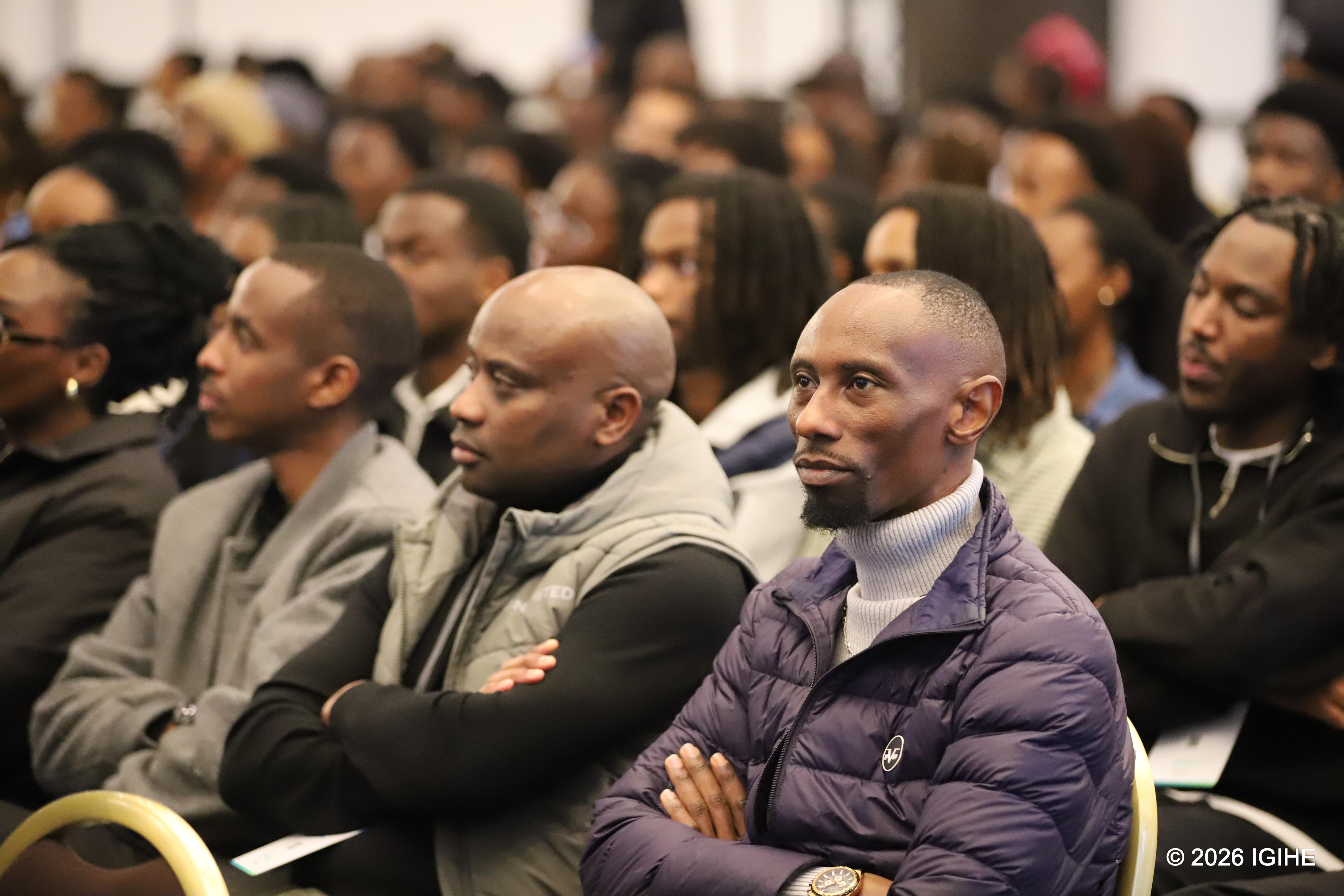
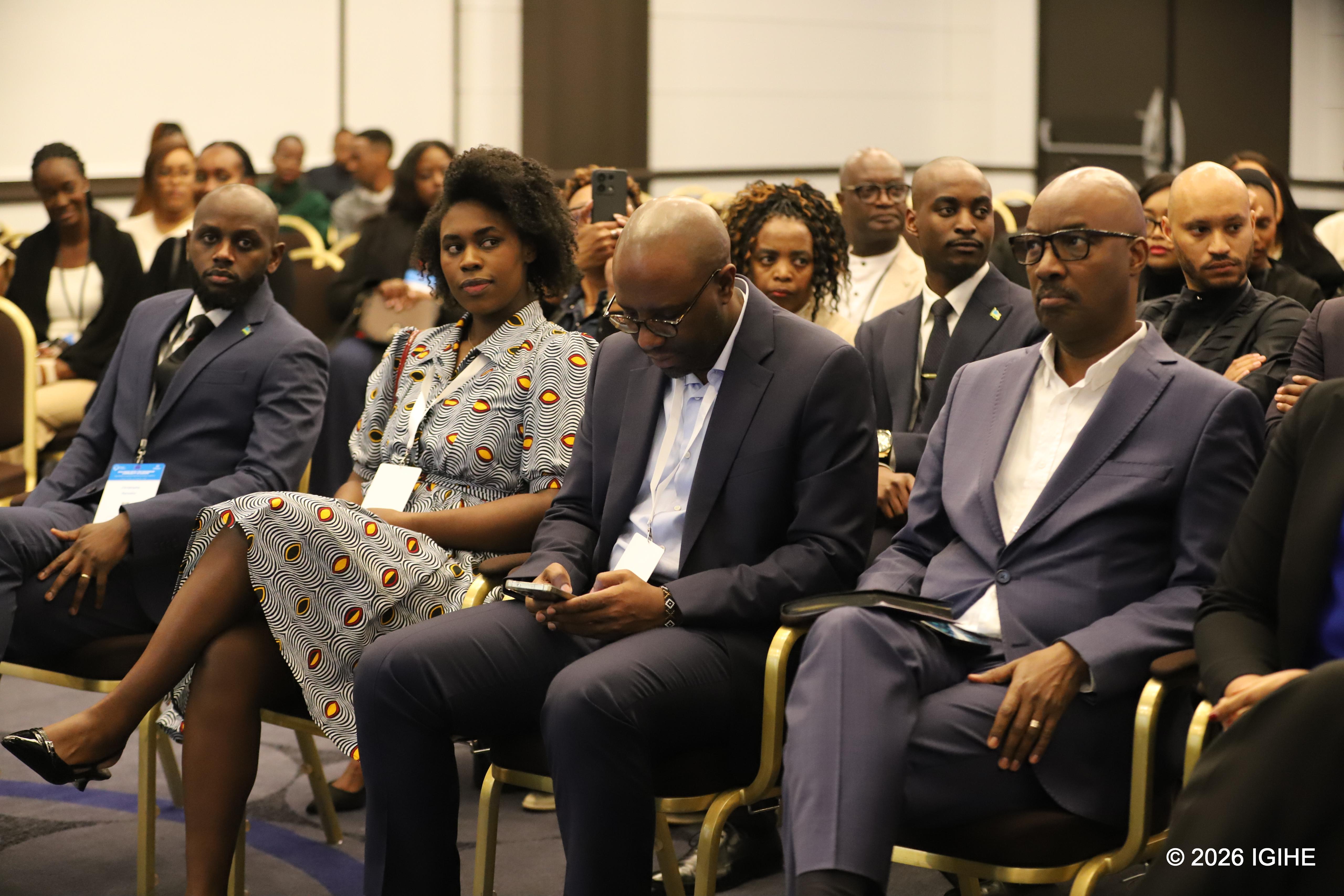
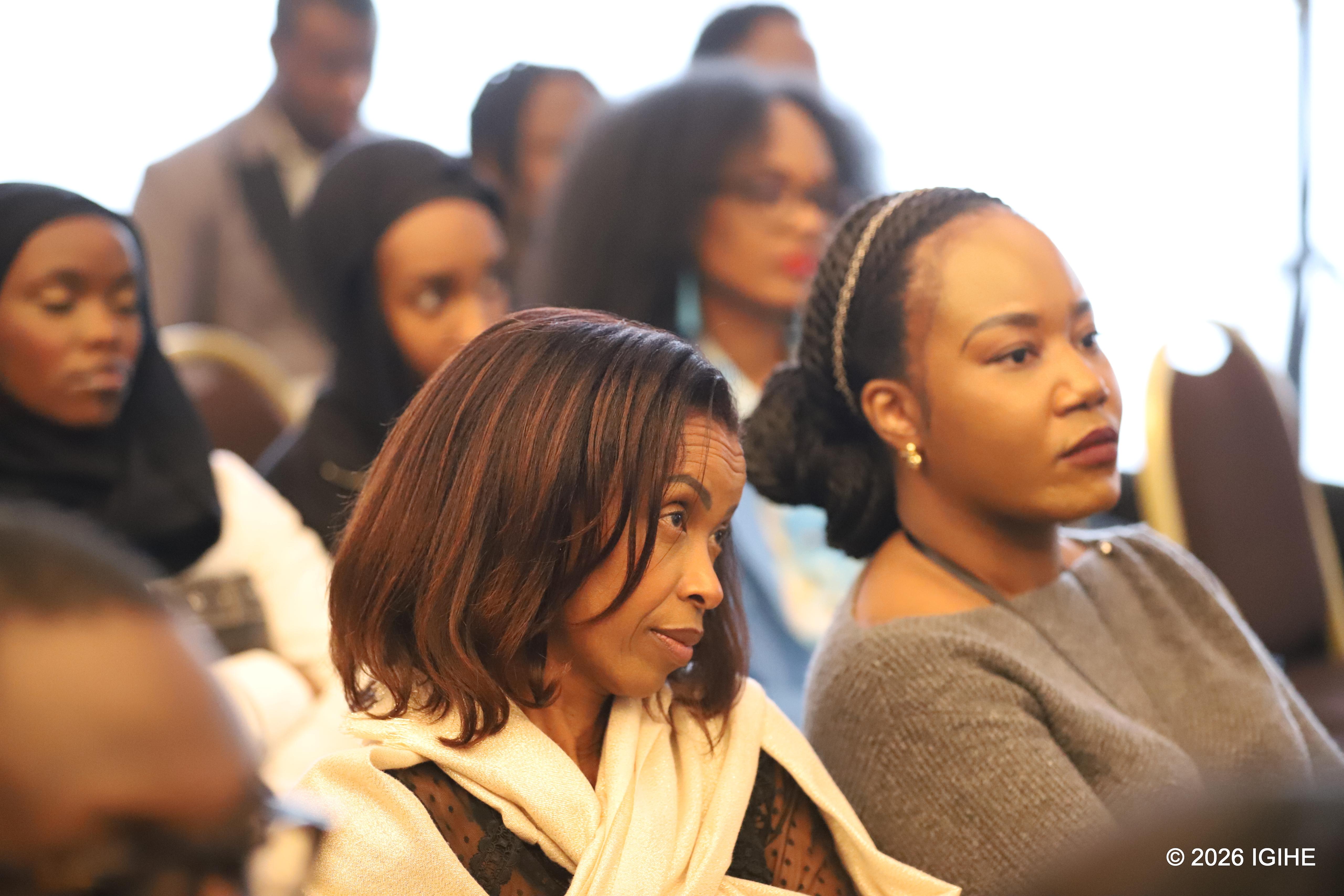
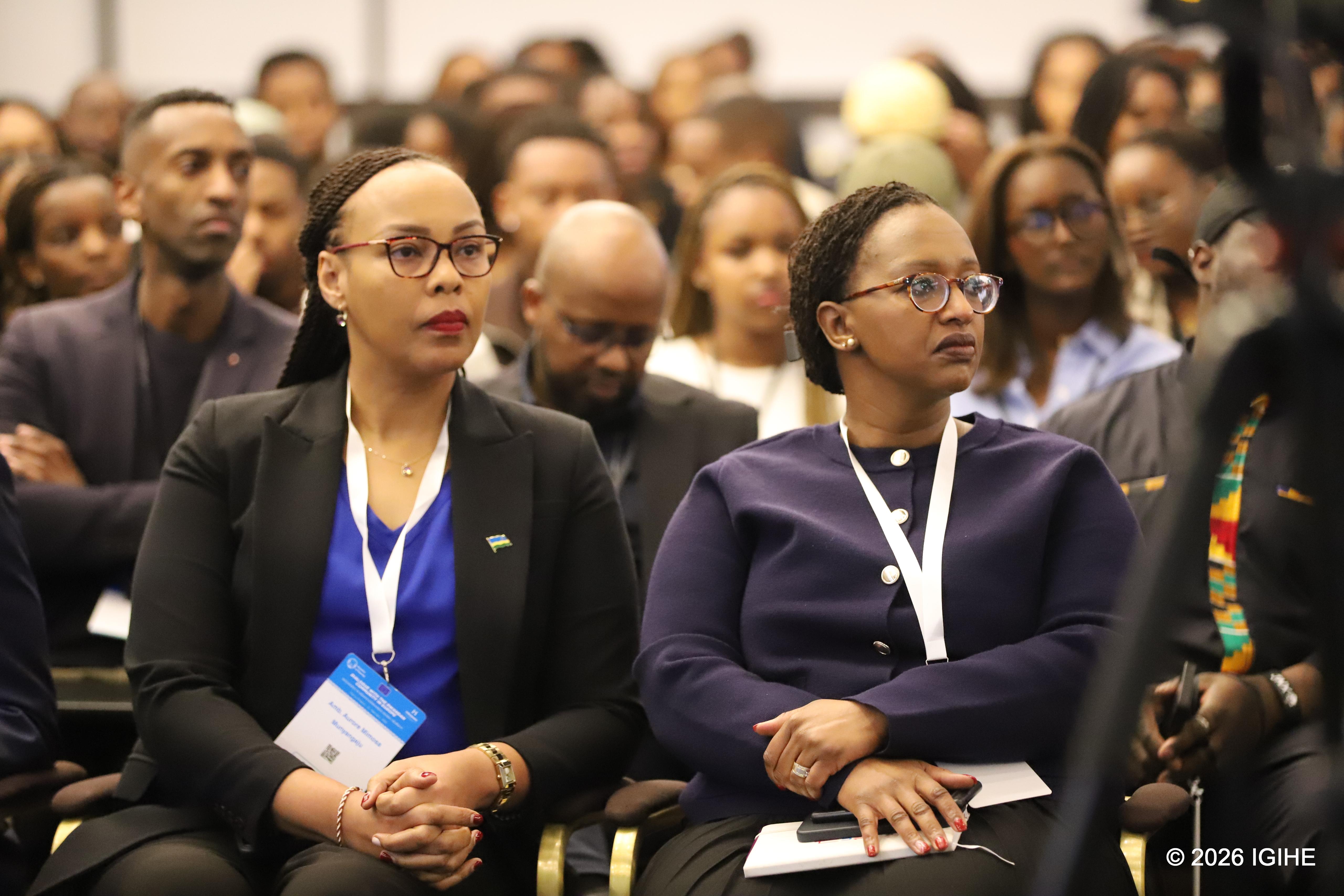
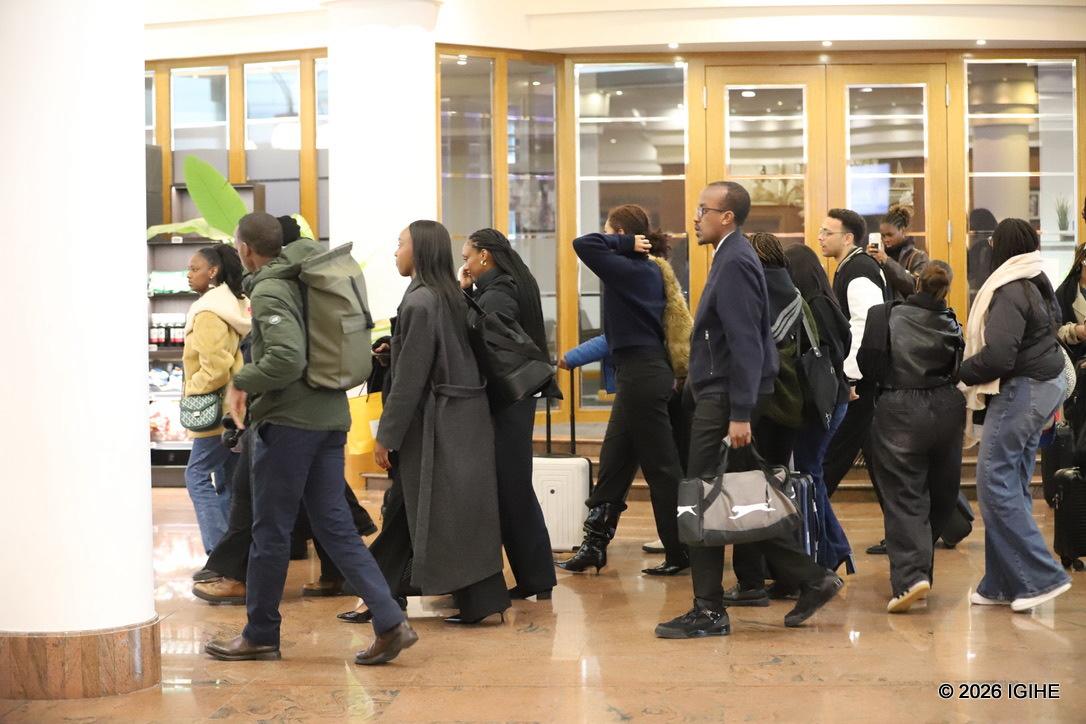
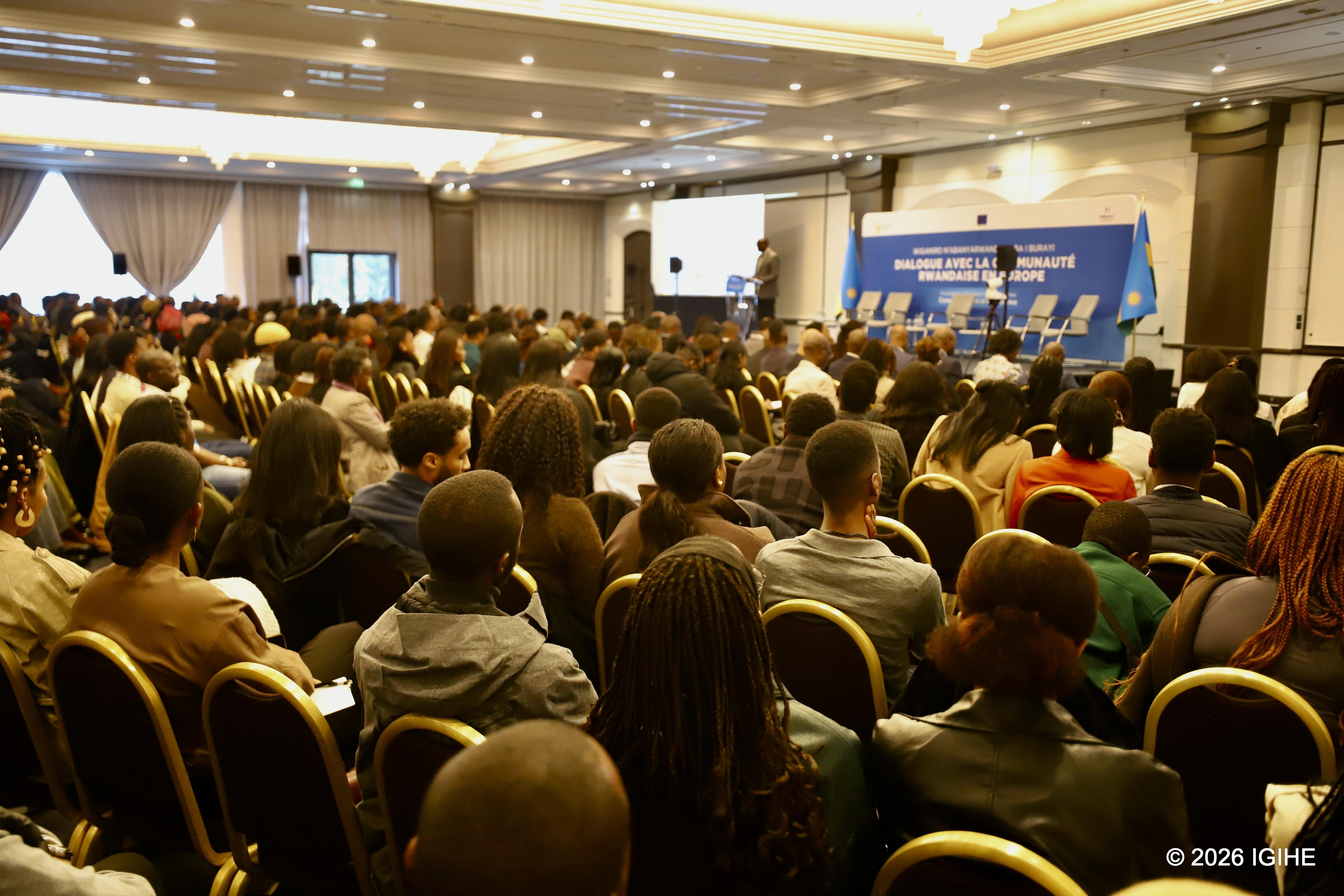
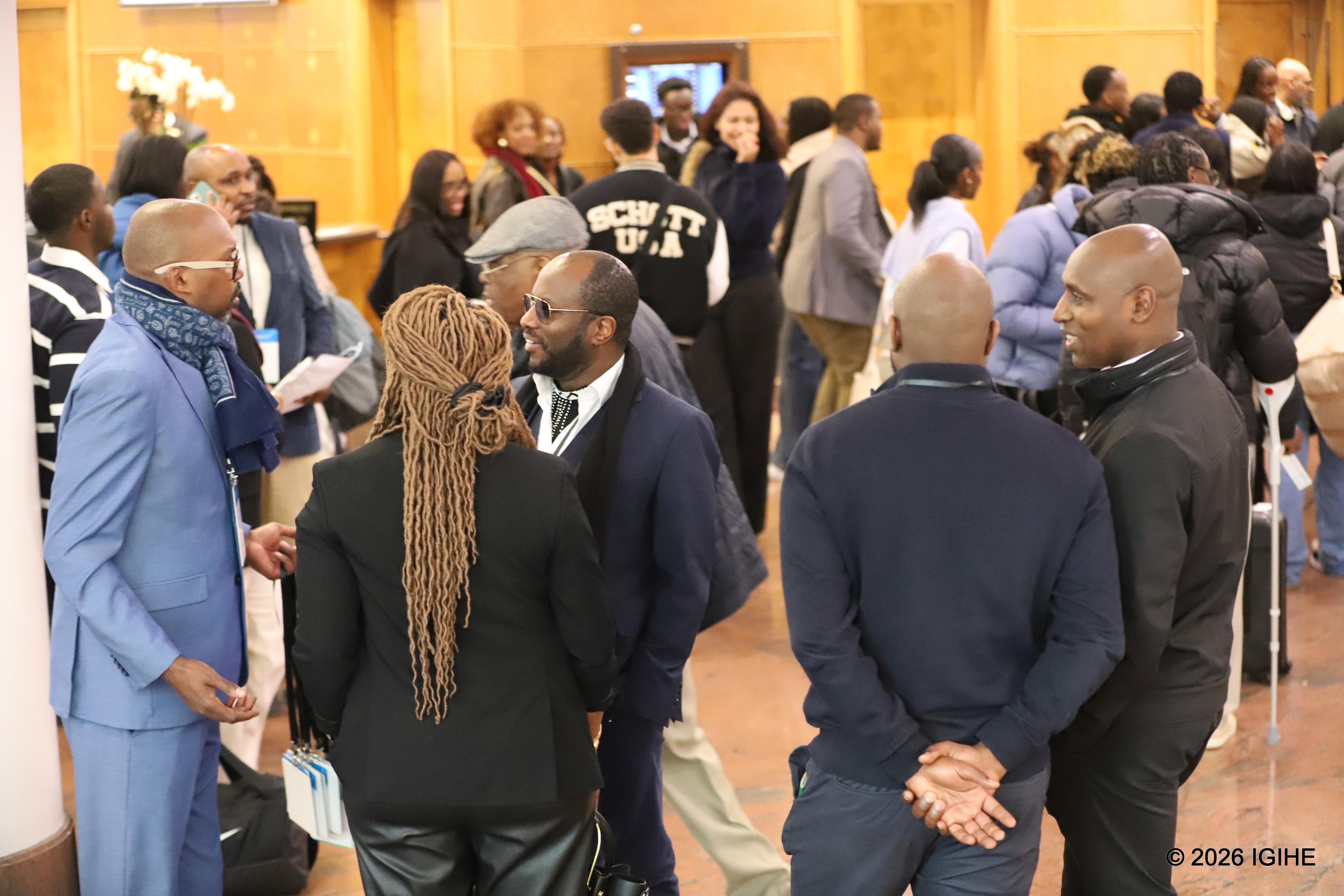
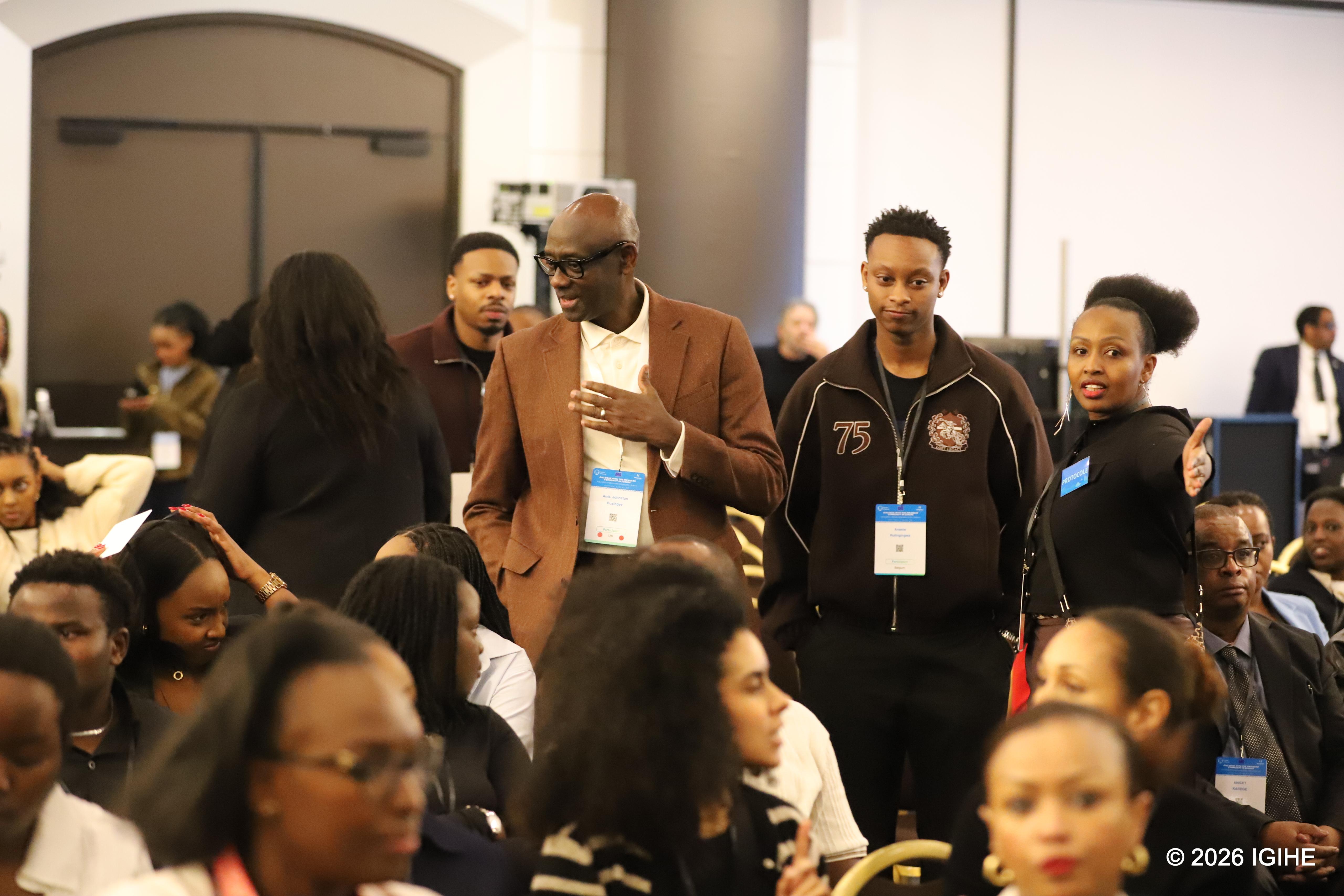
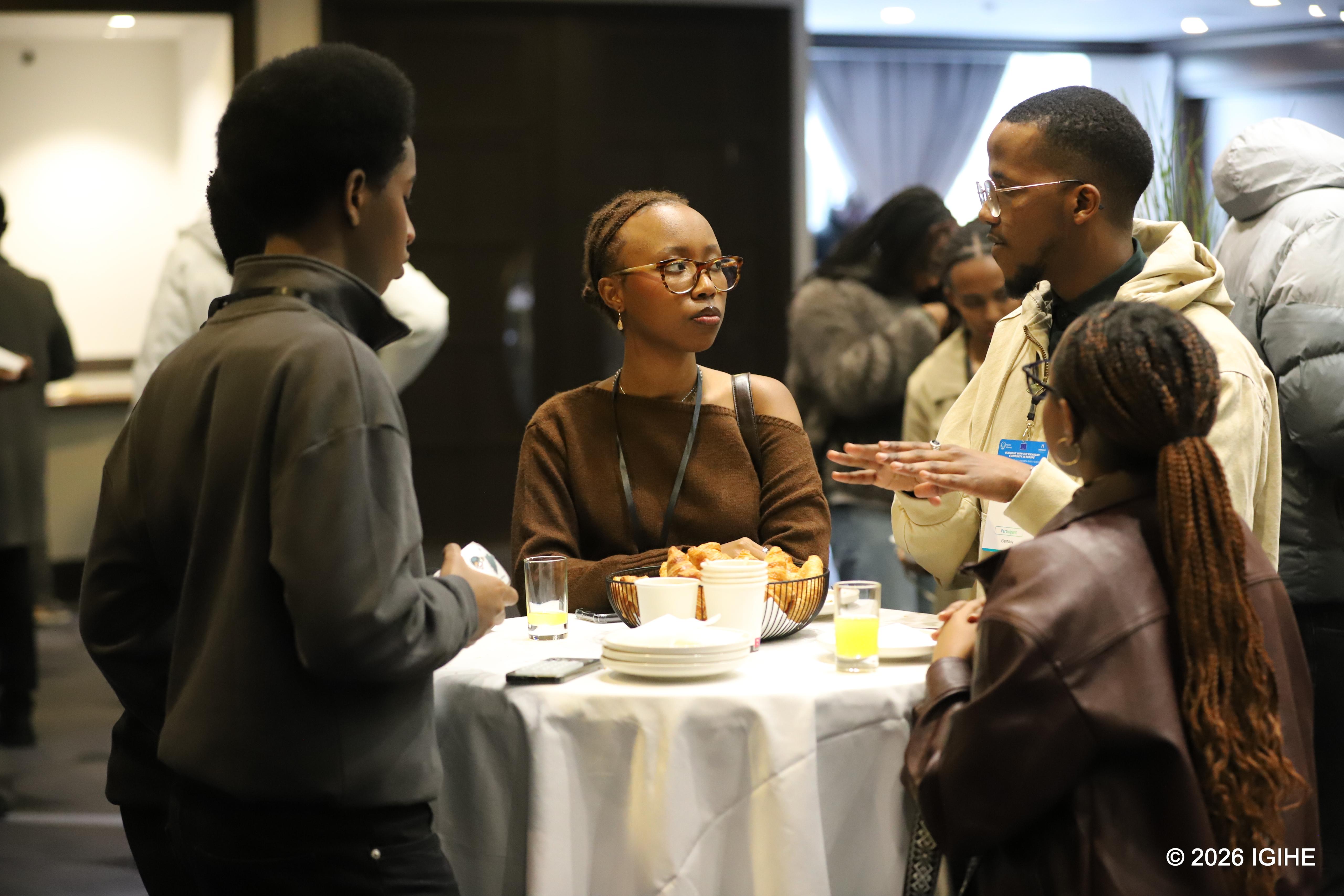
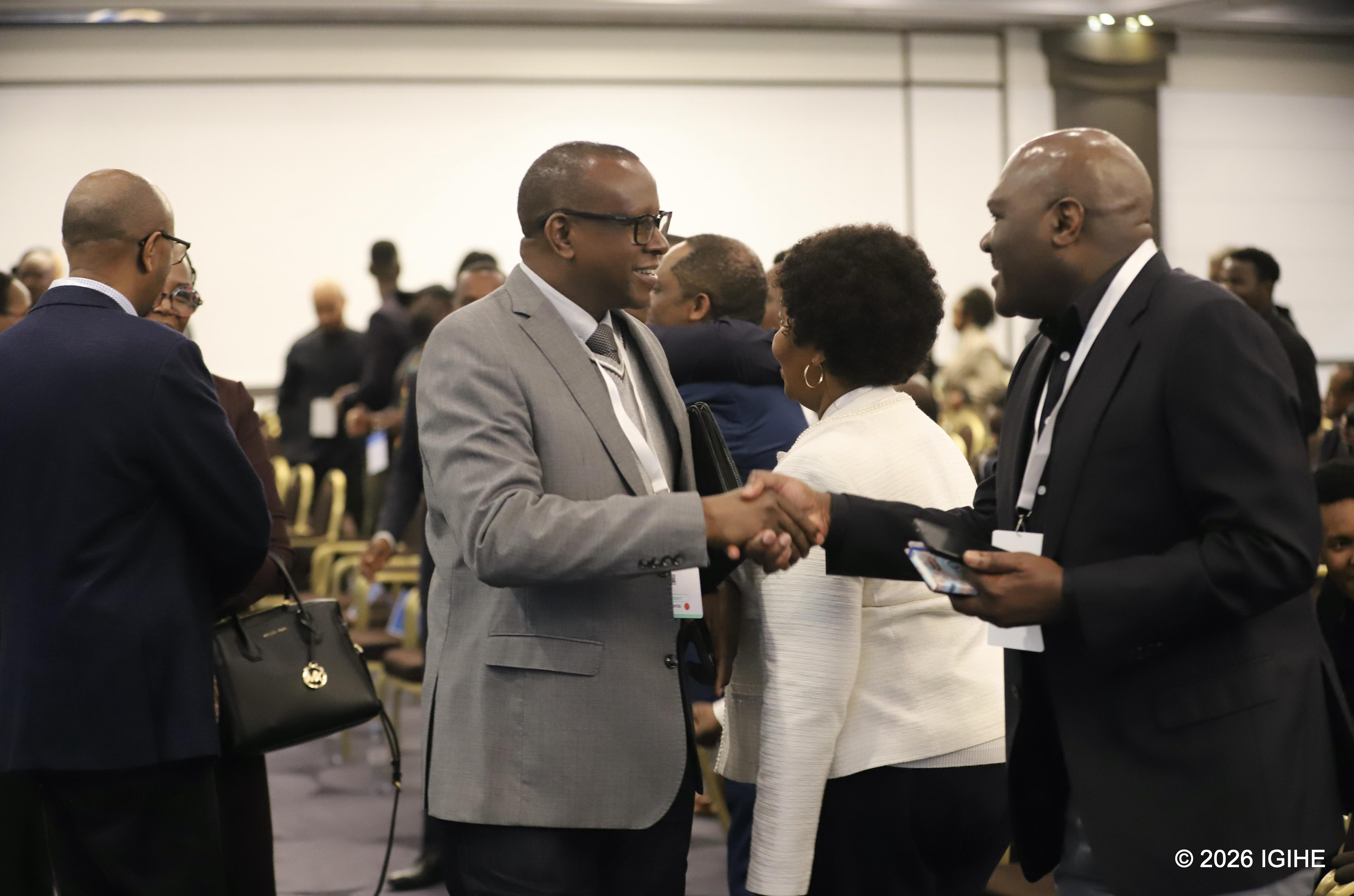
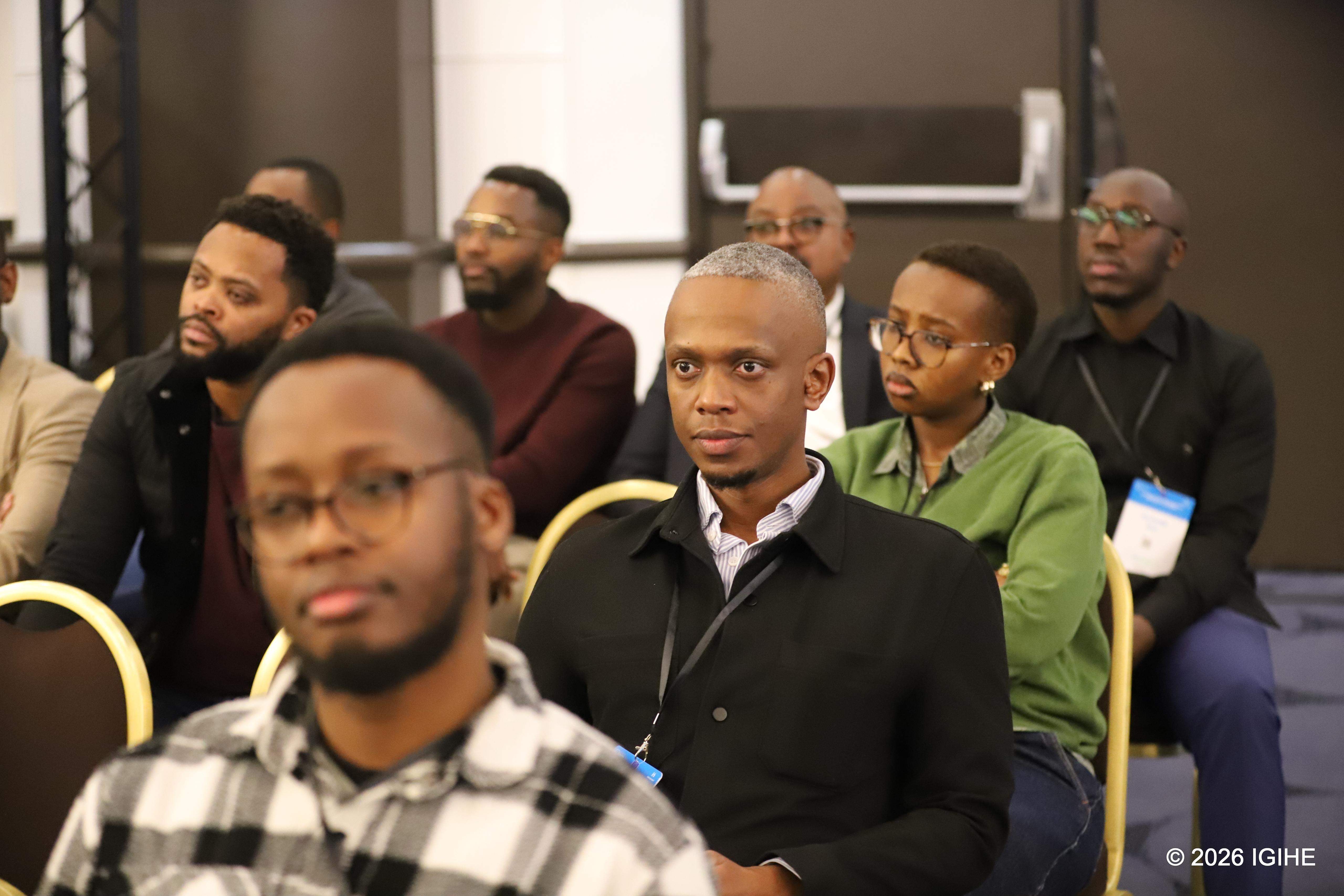
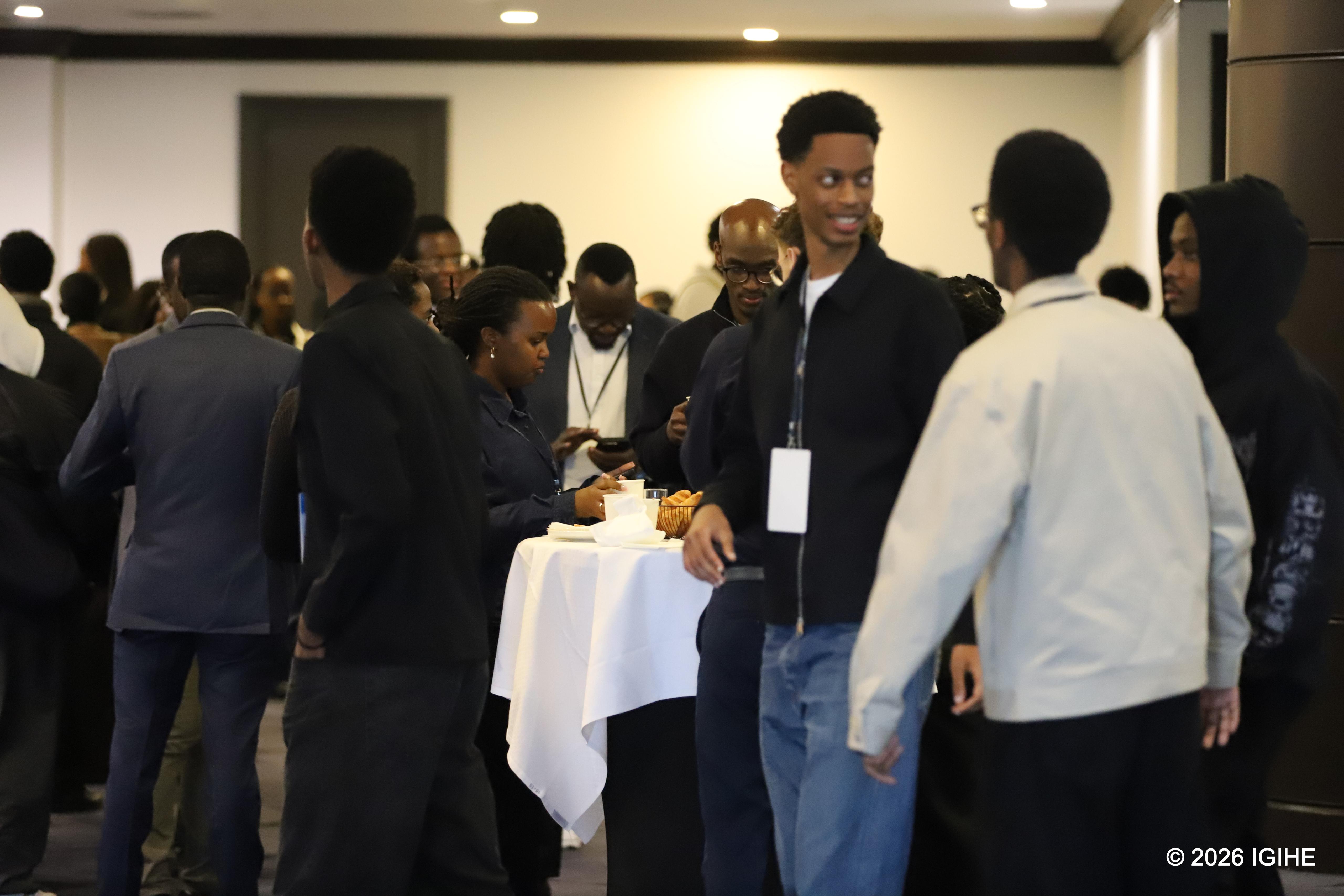
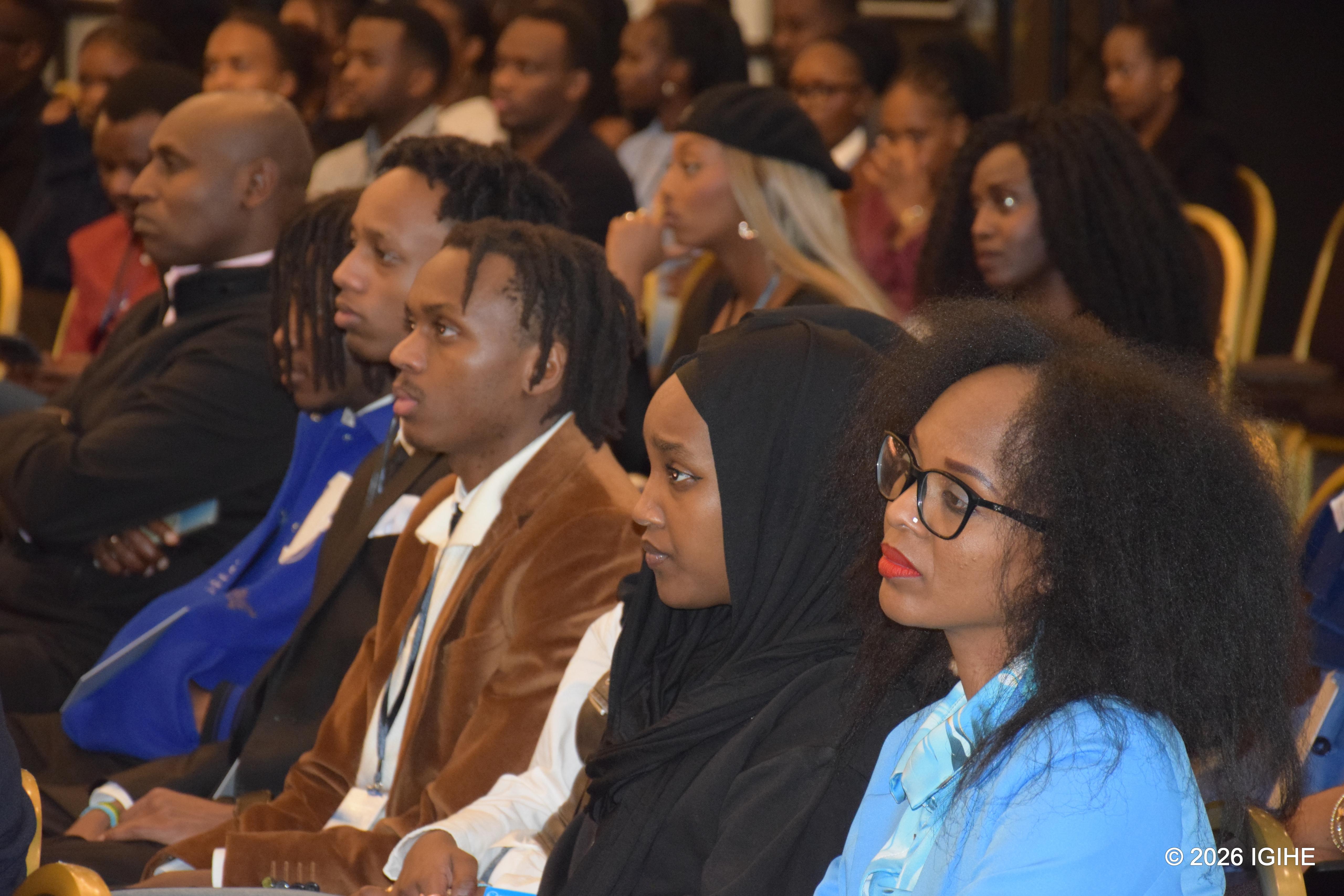
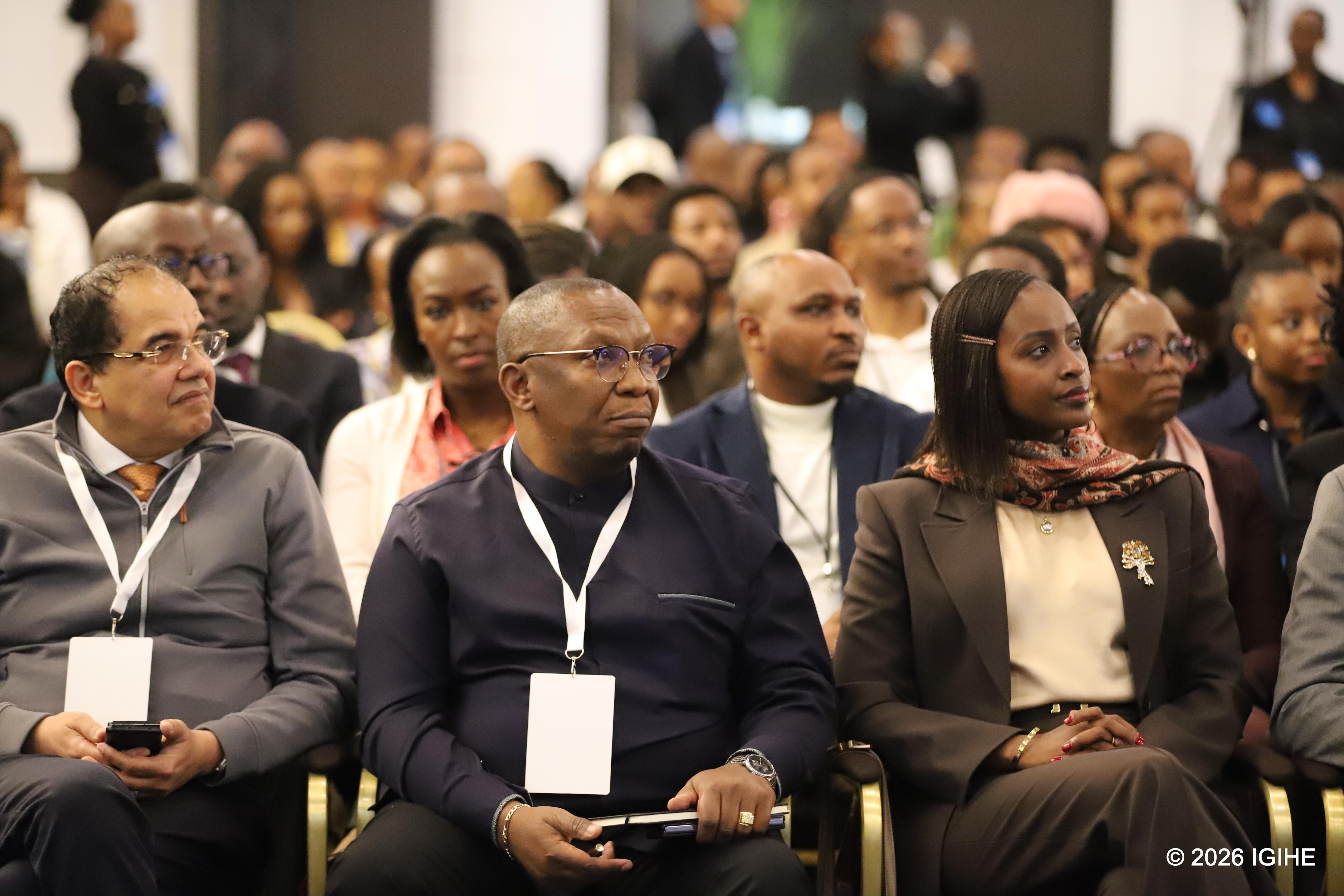
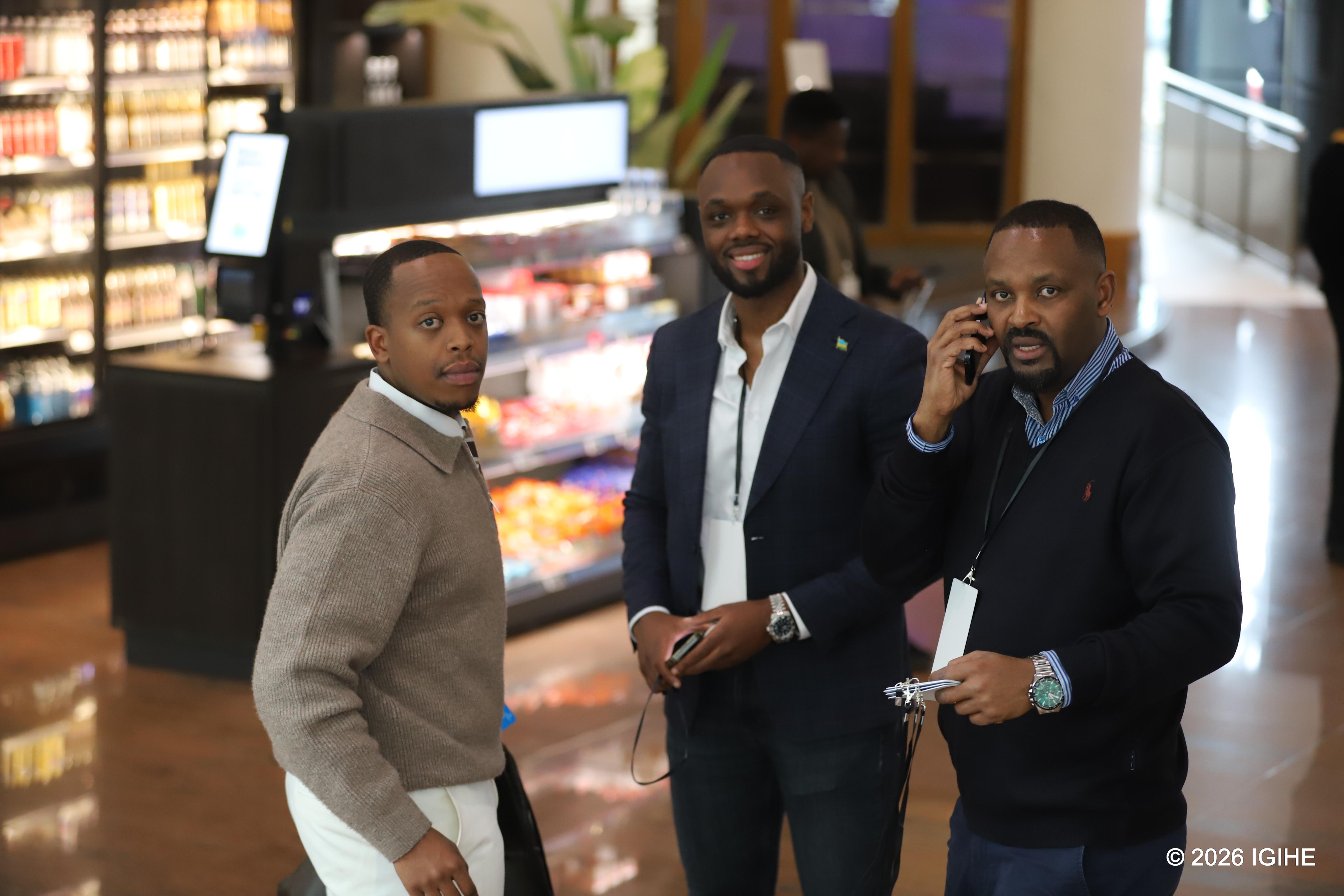
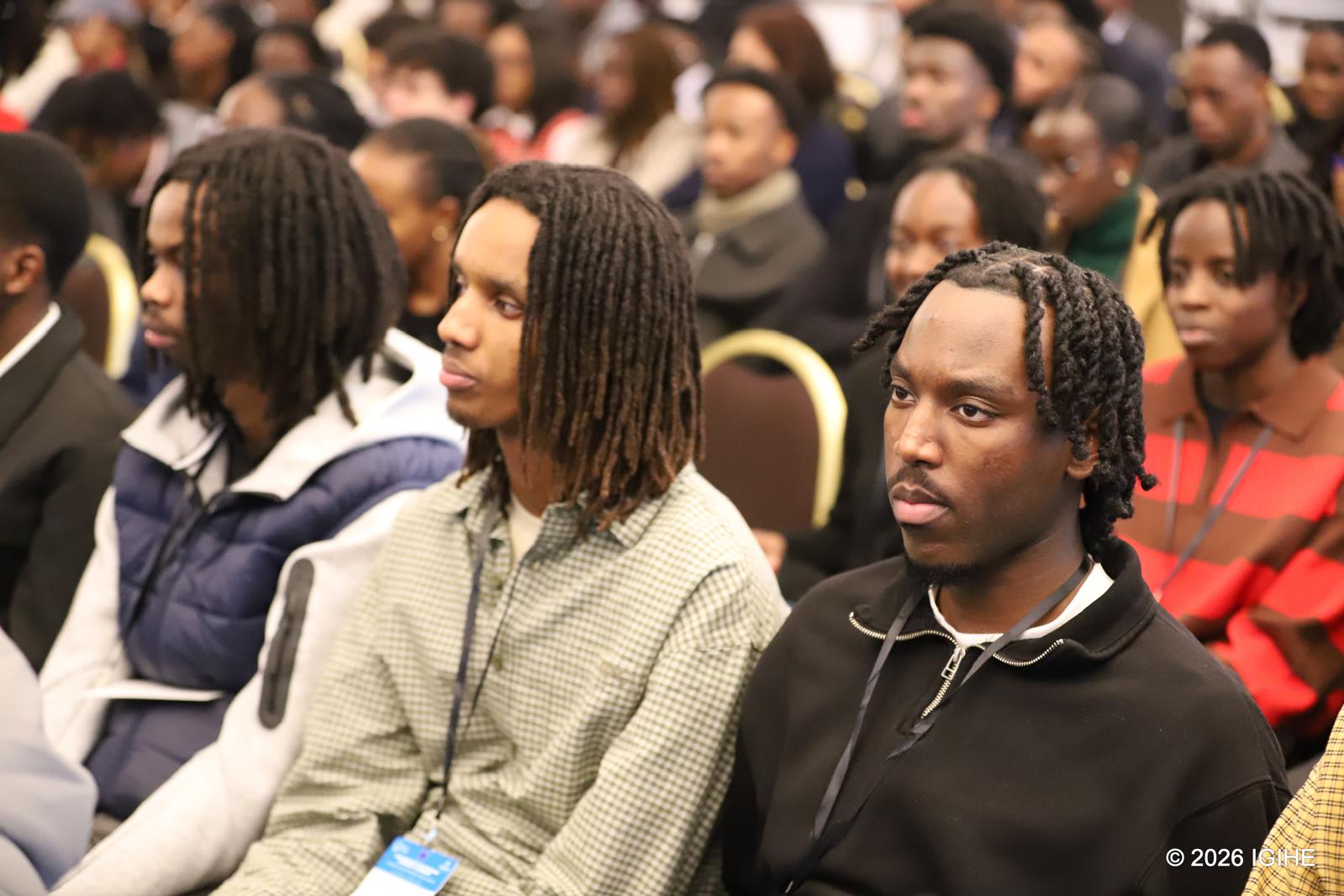
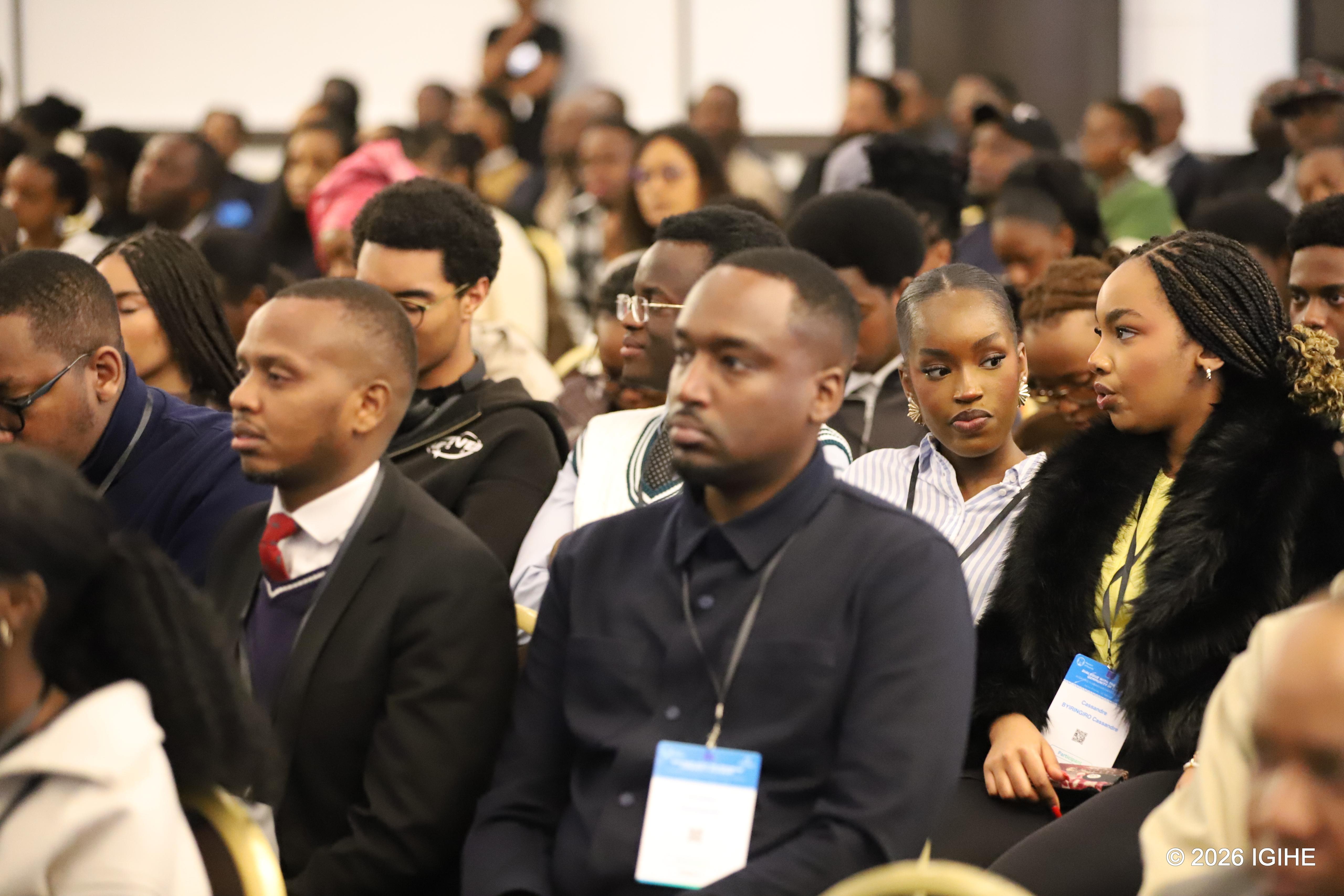
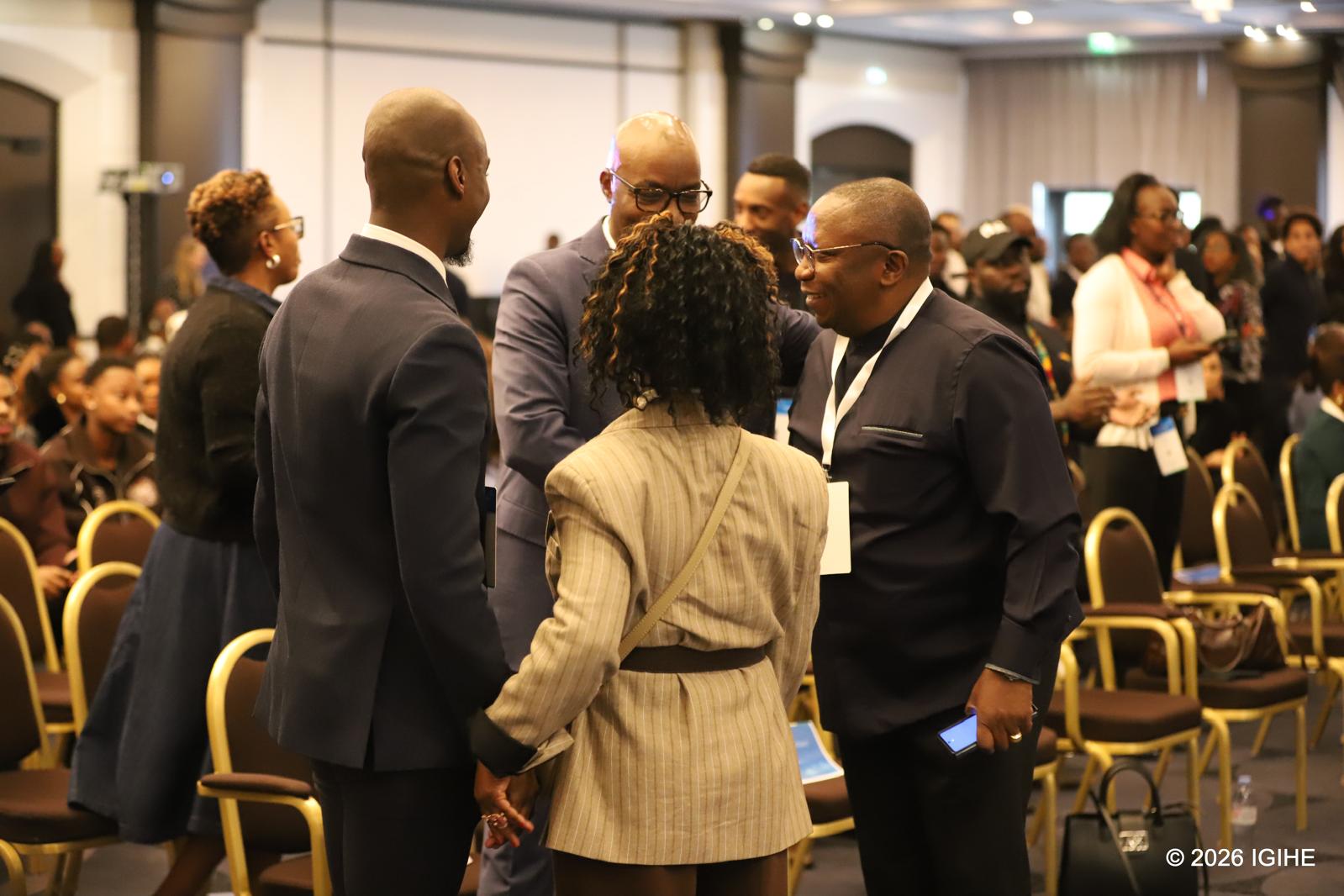
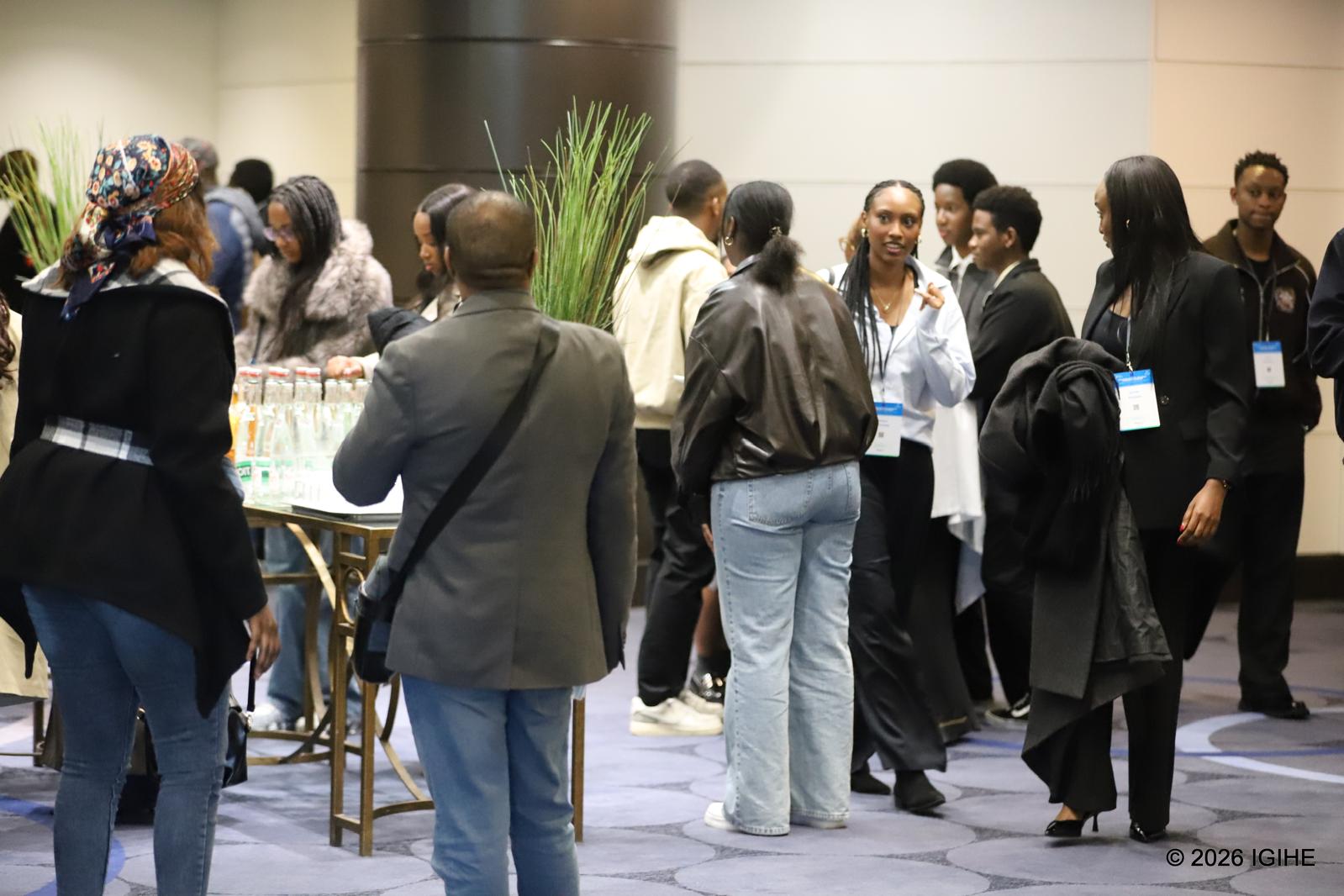
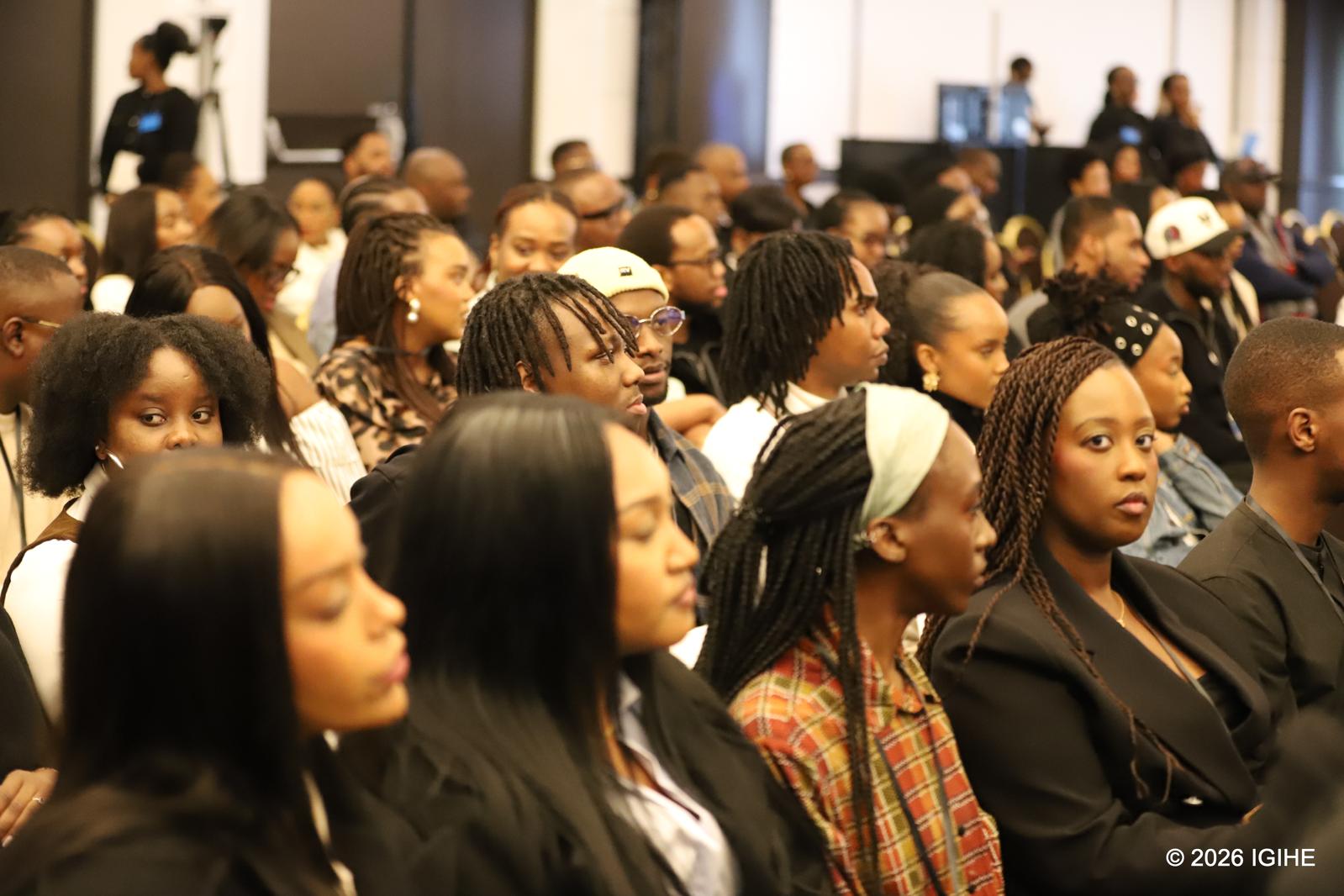
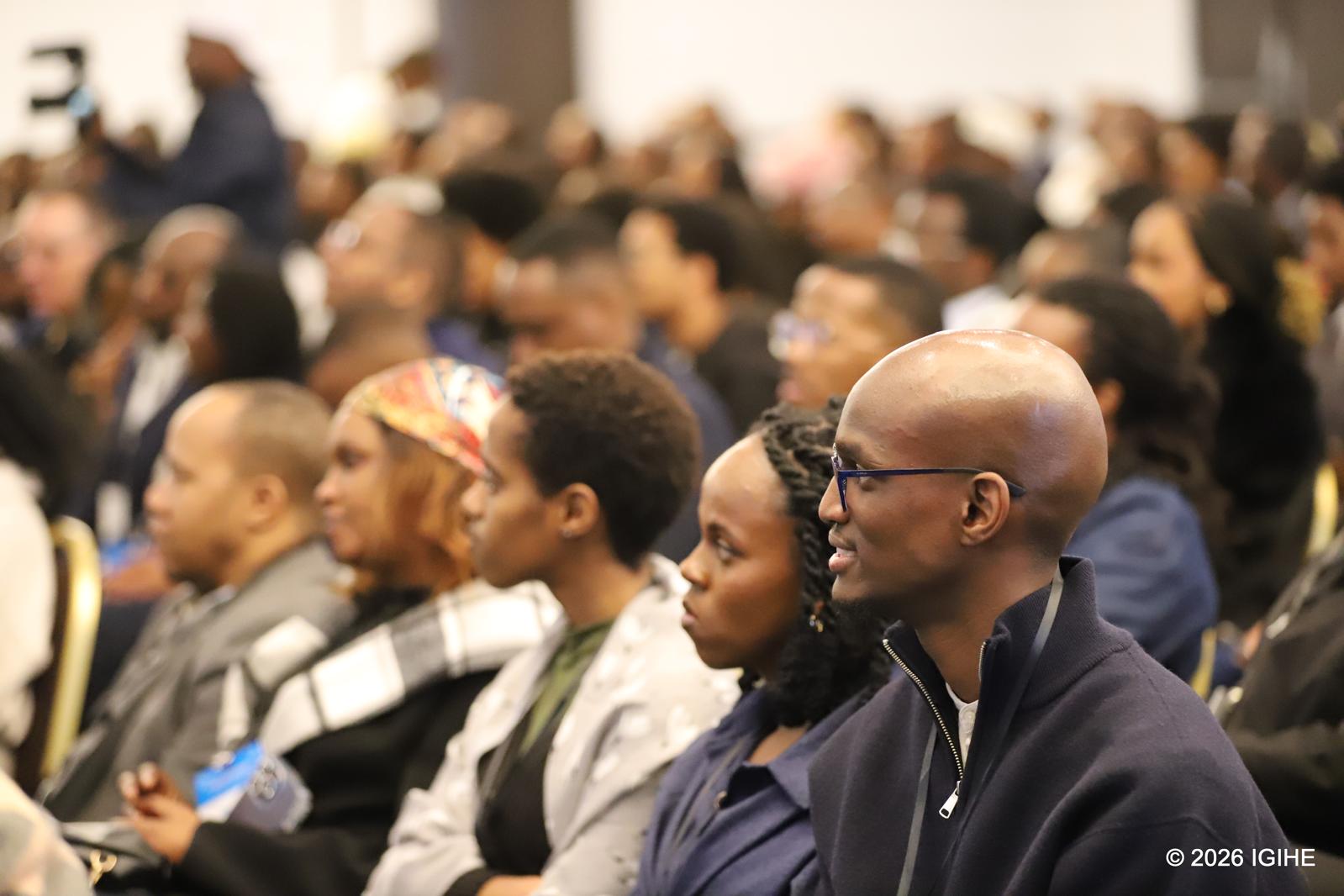
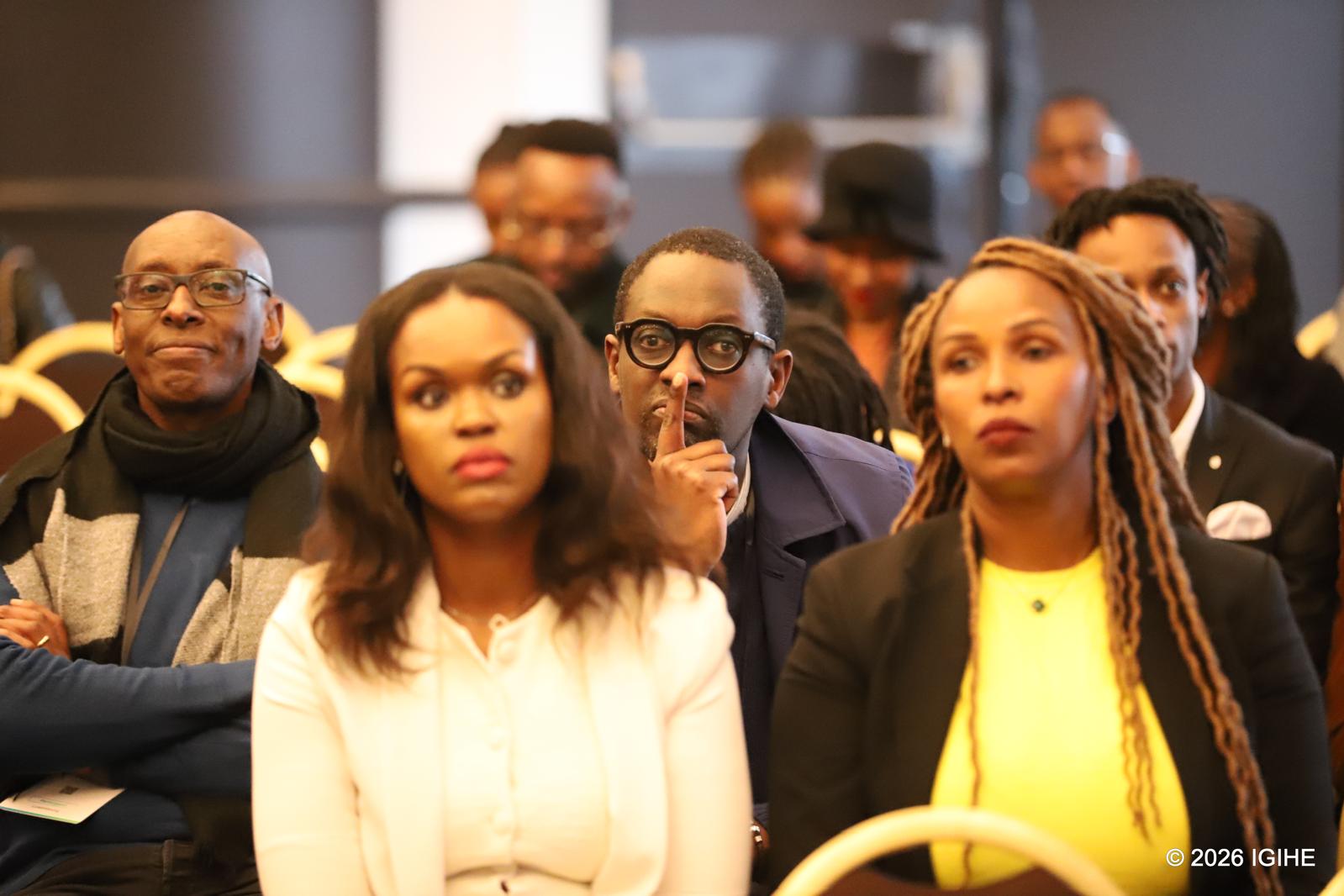
The event gathered over 500 Rwandans, focusing on strengthening national unity and resilience among the diaspora, particularly the younger generation born or raised outside Rwanda.
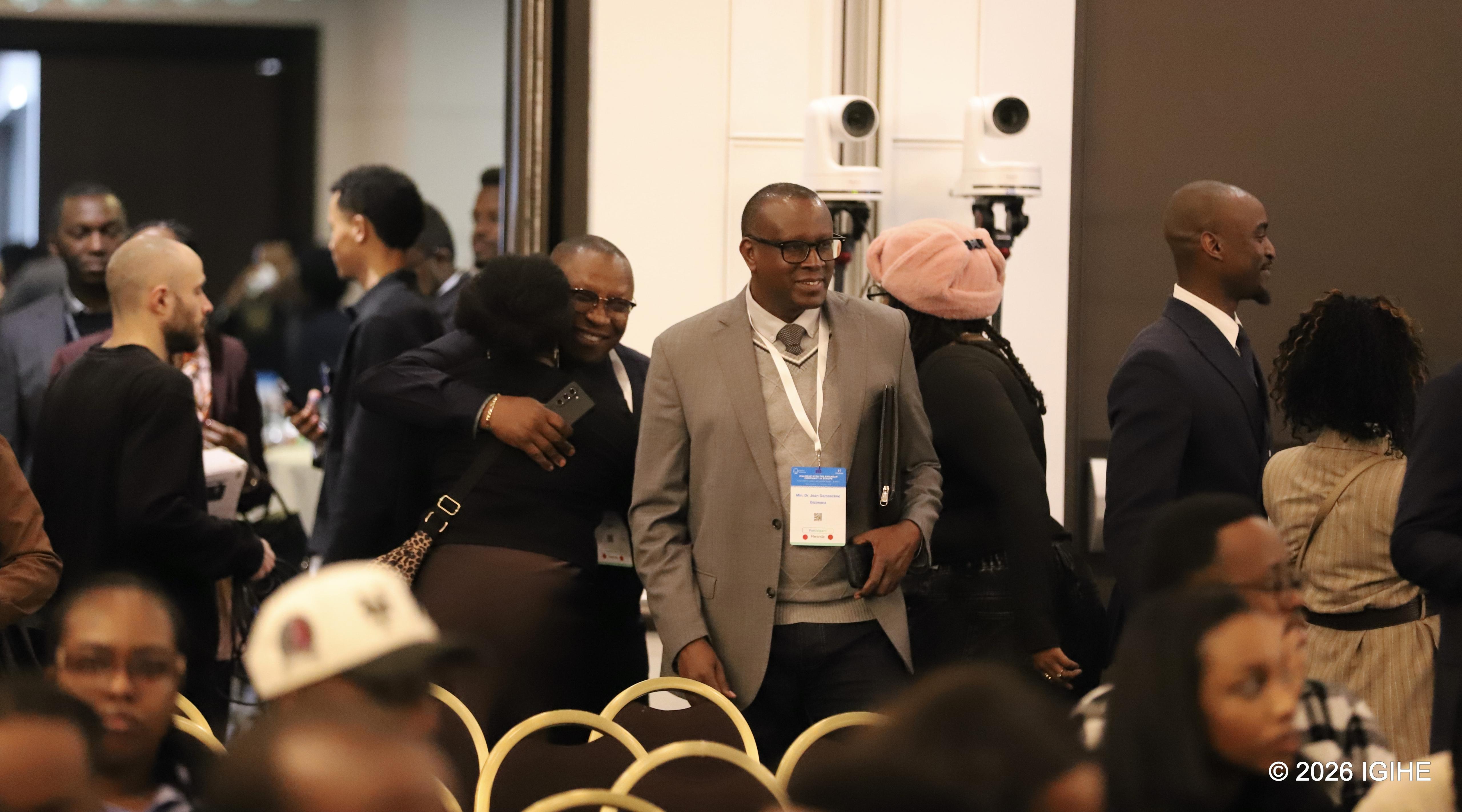
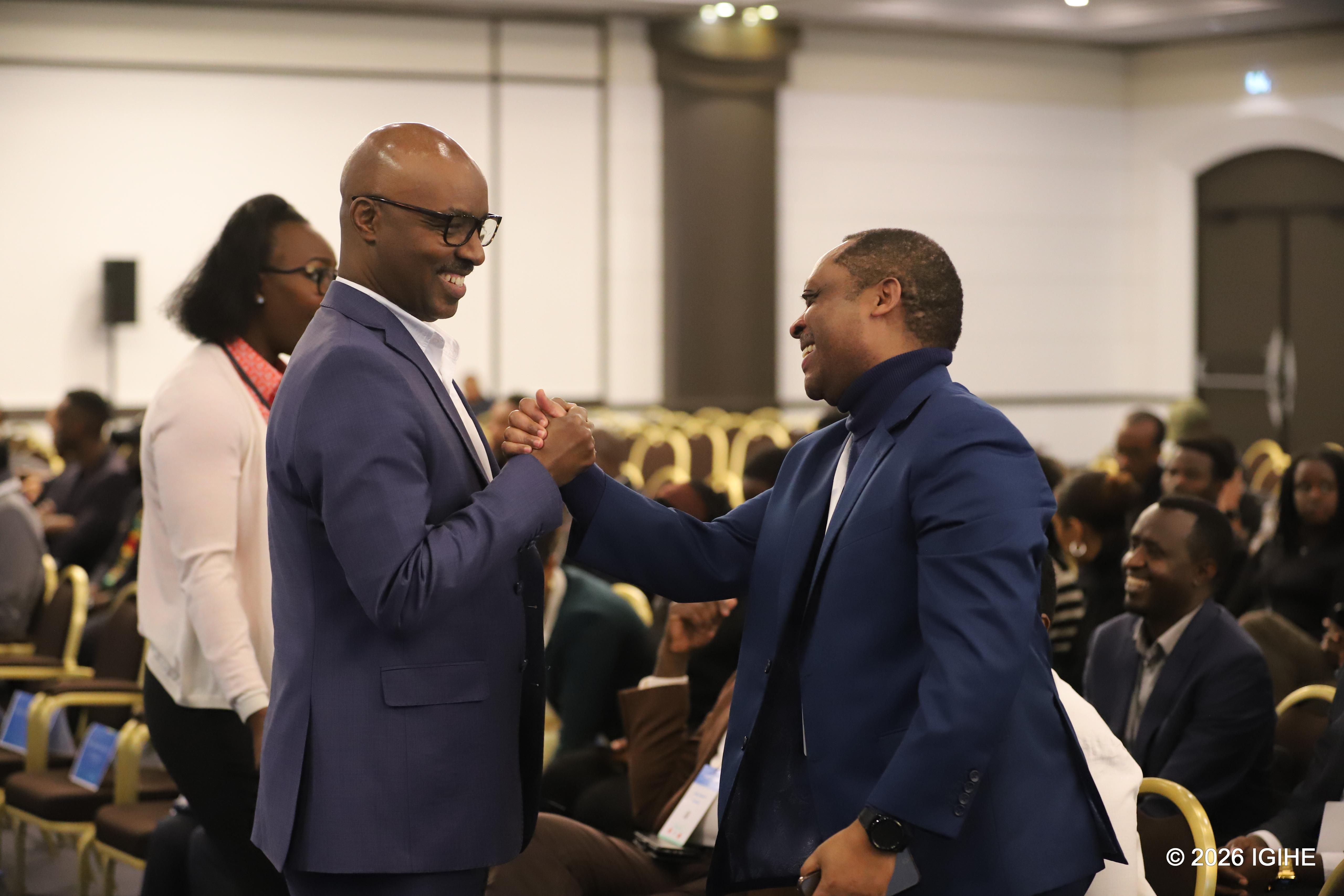
Dr. Bizimana thanked participants for attending, describing the gathering as a moment that united Rwandans through their shared love for the homeland.
Through this dialogue, a strong message was delivered to younger generations: preserve the Kinyarwanda language, understand history, and strengthen ties with the homeland.
The meeting provided an intergenerational space where testimonies, exchanges, and knowledge transmission help build collective memory.
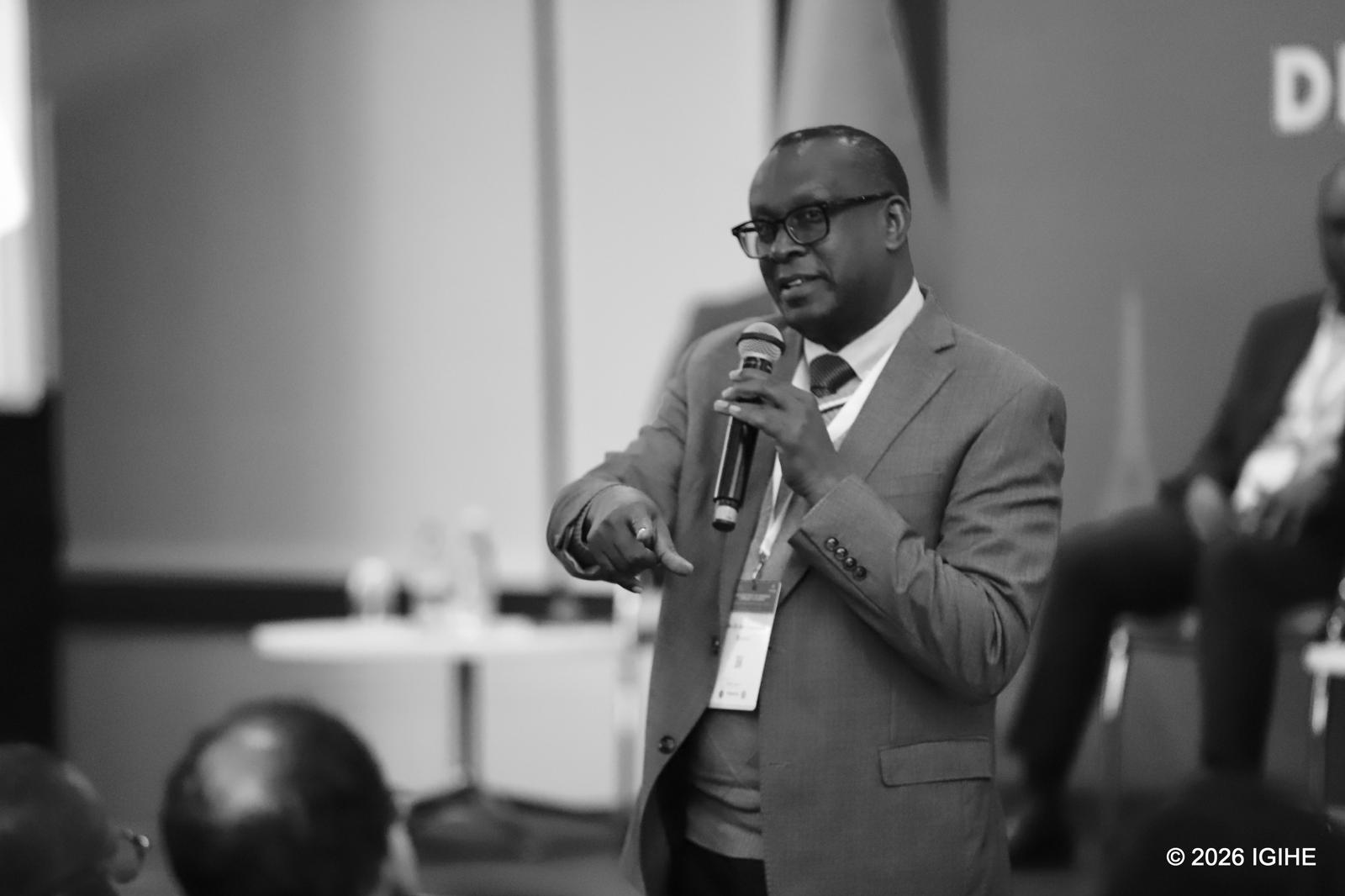
Minister Bizimana has urged Rwandans abroad to uphold truth The event gathered over 500 RwandansDr. Bizimana described the gathering as a moment that united Rwandans through their shared love for the homeland.
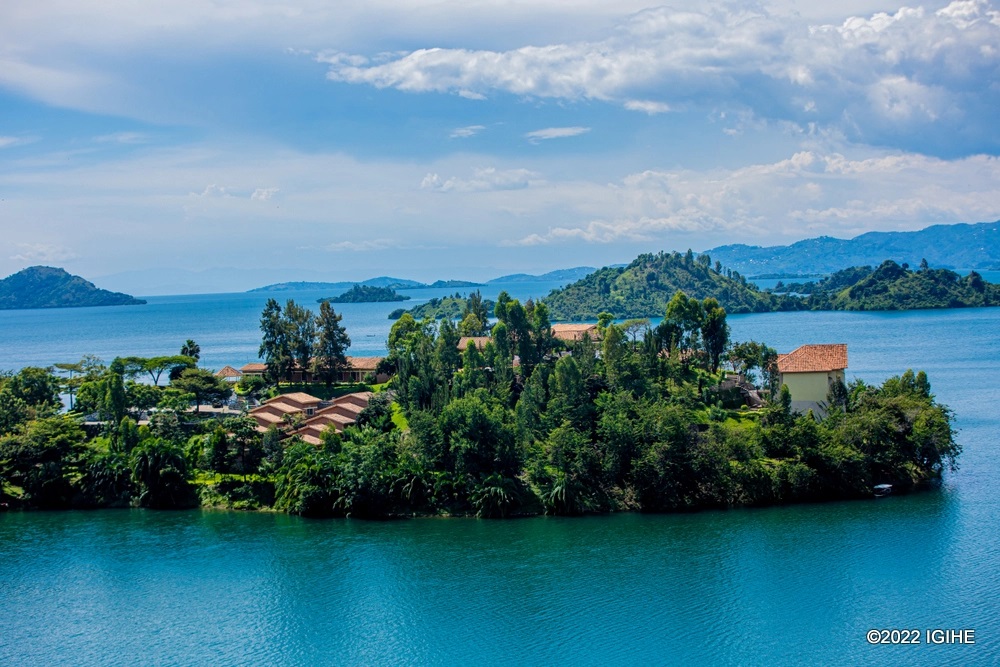
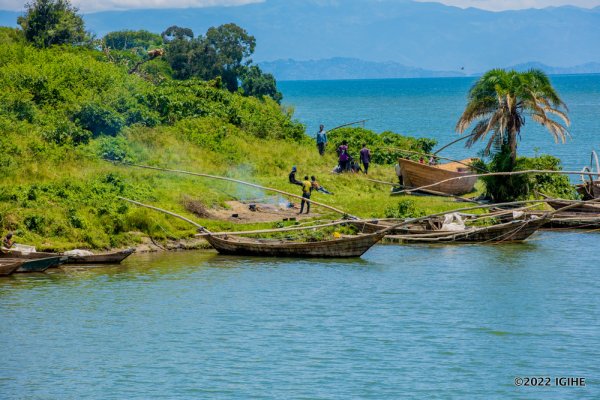
Mornings drift lazily here, as fishermen push wooden boats into the lake, their voices echoing across the water, while the air carries the fresh scent of water, pine, and earth.
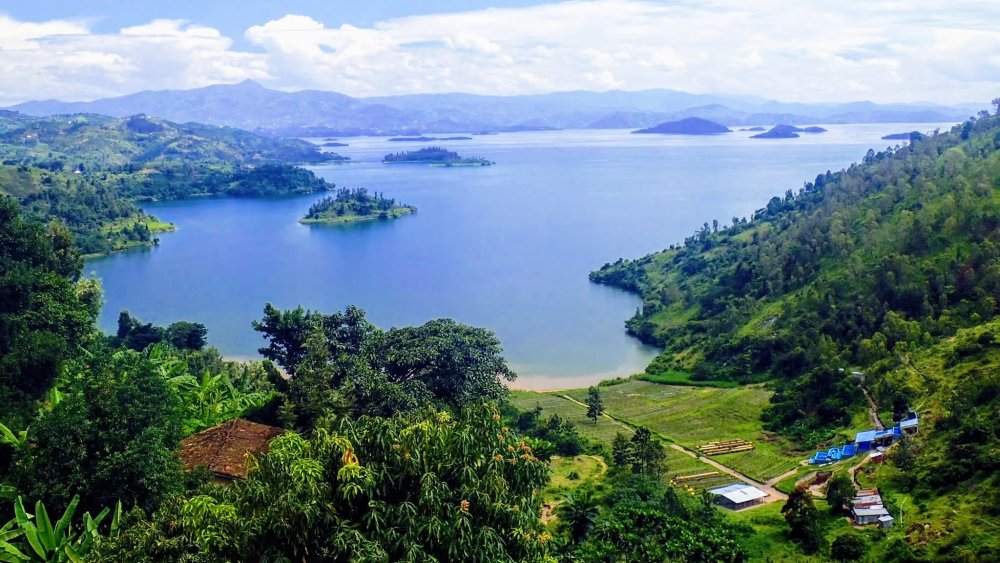
Along the shores, small villages hum to life. Hidden trails, sandy beaches, and secret corners invite discovery. Whether you seek tranquil mornings, vibrant sunsets, flavorful local cuisine, or lakeside adventures, Lake Kivu, spanning 2,700 km², offers experiences that linger long after you leave, and always tempt you to return. With a maximum depth of 485 meters, it is Rwanda’s largest lake and the sixth largest in Africa.
In the north, the lakeside town of Rubavu, once known as Gisenyi, invites travelers to pause and savor life by the water. Its colonial-era mansions and vibrant bars line the shore, where sundowners can be enjoyed against the backdrop of fishermen paddling in harmony. A short drive from Volcanoes National Park, it is also the perfect retreat after gorilla trekking, offering both relaxation and lakeside charm.
Halfway along the lake, Karongi presents a serene beachside escape. Pine and eucalyptus-covered hills cascade down to the sparkling water, where dawn and dusk bring the hauntingly beautiful songs of local fishermen. Here, travelers can taste traditional Rwandan dishes such as grilled tilapia or fresh tropical fruits, and experience cultural performances that celebrate the region’s rich heritage.
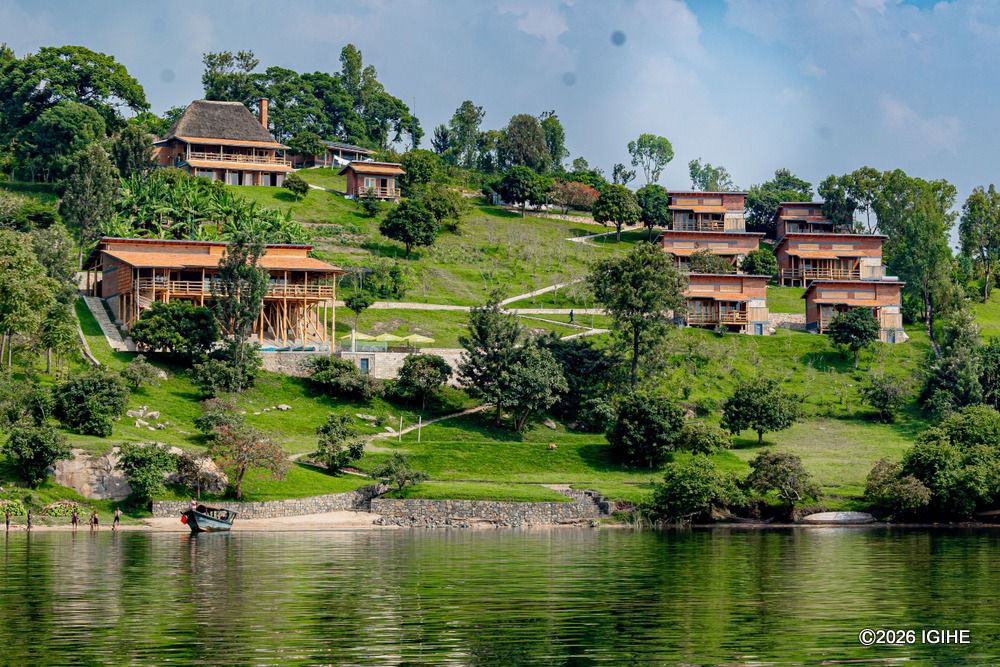
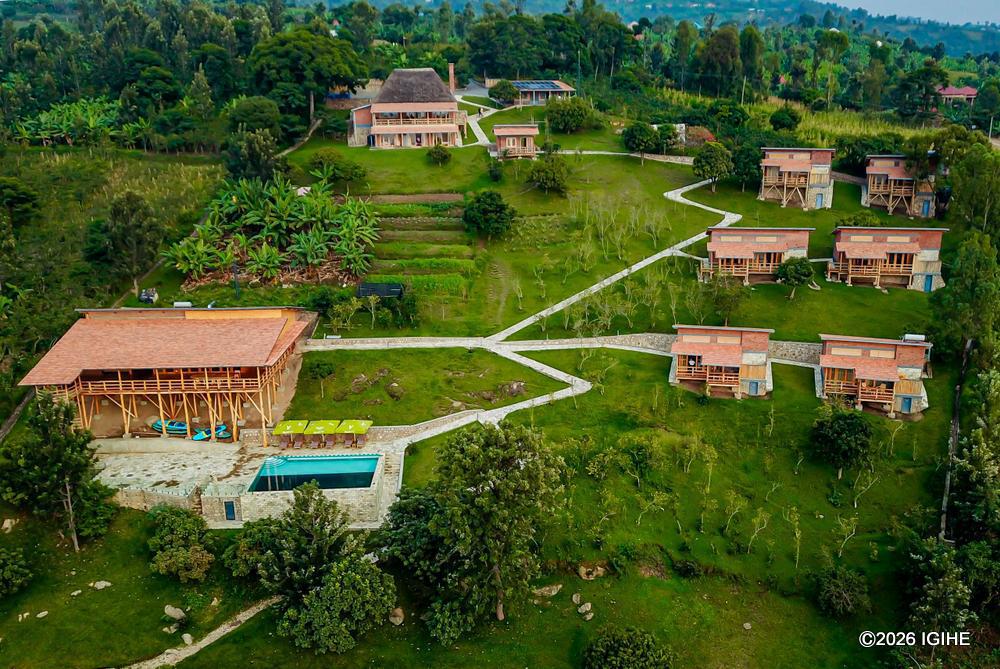
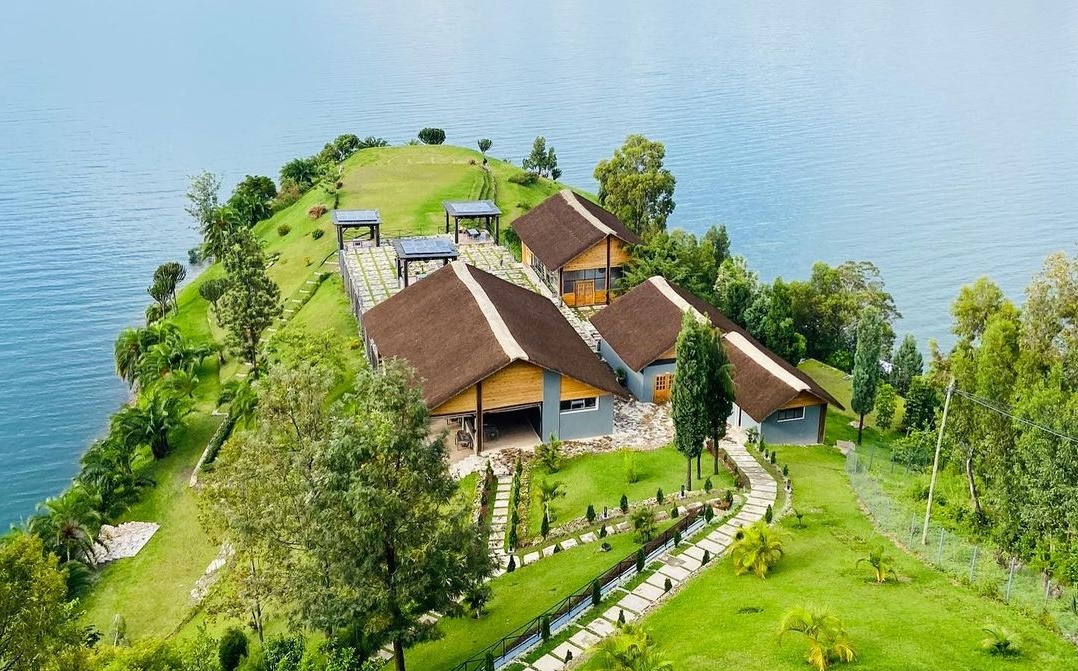
For those drawn to adventure, Lake Kivu is a playground. Kayak across its placid waters, explore enchanting islands like Napoleon and Amahoro, or take to the legendary Congo Nile Trail—a 227-kilometre journey weaving along terraced hills, eucalyptus-lined paths, and panoramic viewpoints. Along the lakeshore, hospitality ranges from cozy guesthouses to luxury lodges among other facilities, all accompanied by the warmth and friendliness of Rwandan hosts.
Whether it’s the soft morning songs, the taste of local cuisine, or the thrill of exploring hidden corners of the lake, Lake Kivu unfolds like a secret gem waiting to be discovered.
Along the lakeshore, hospitality ranges from cozy guesthouses to luxury lodges among other facilities. With a maximum depth of 485 meters, Lake Kivuis Rwanda’s largest lake and the sixth largest in Africa..Lake Kivu, spanning 2,700 km², offers experiences that linger long after you leave.Mornings drift lazily at Lake Kivu as fishermen push wooden boats into the lake
As Rwanda’s creative economy continues to grow, the platform addresses long-standing barriers including low visibility, fragmented networks, unpaid opportunities, and lack of trusted professional infrastructure.
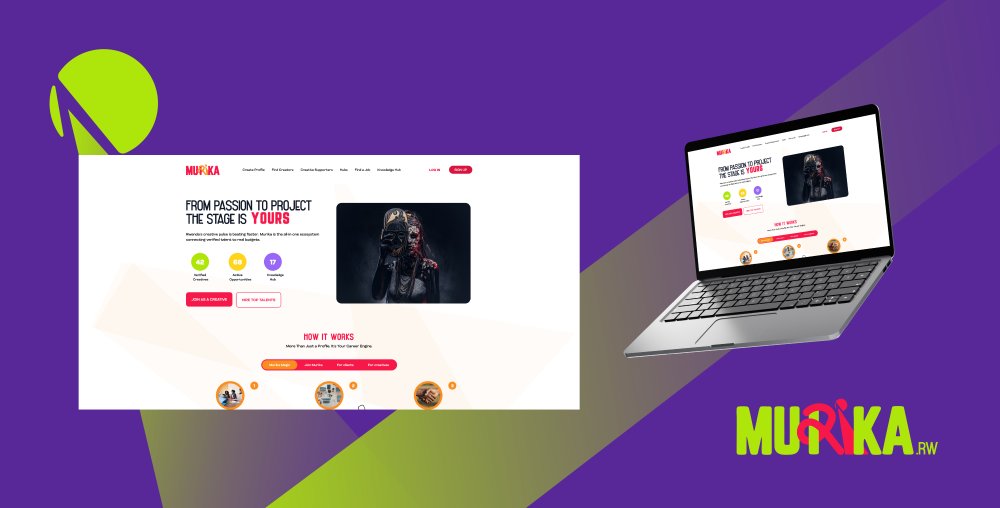
Developed in partnership with the Ministry of Youth and Arts, L’Espace, KinaRwanda, and the Swiss Agency for Development and Cooperation (SDC), MURIKA represents an important step in building long-term digital infrastructure for Rwanda’s creative economy.
Supporting professional growth and opportunities
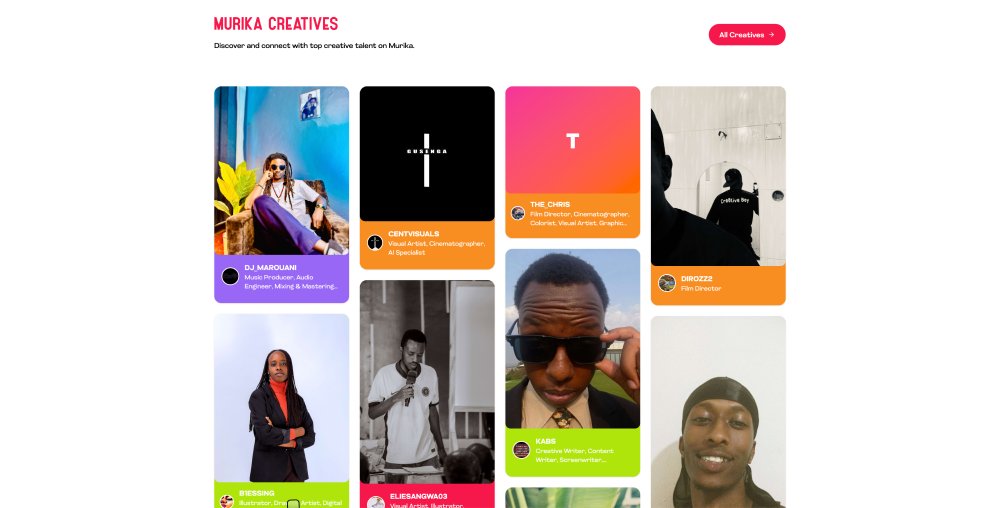
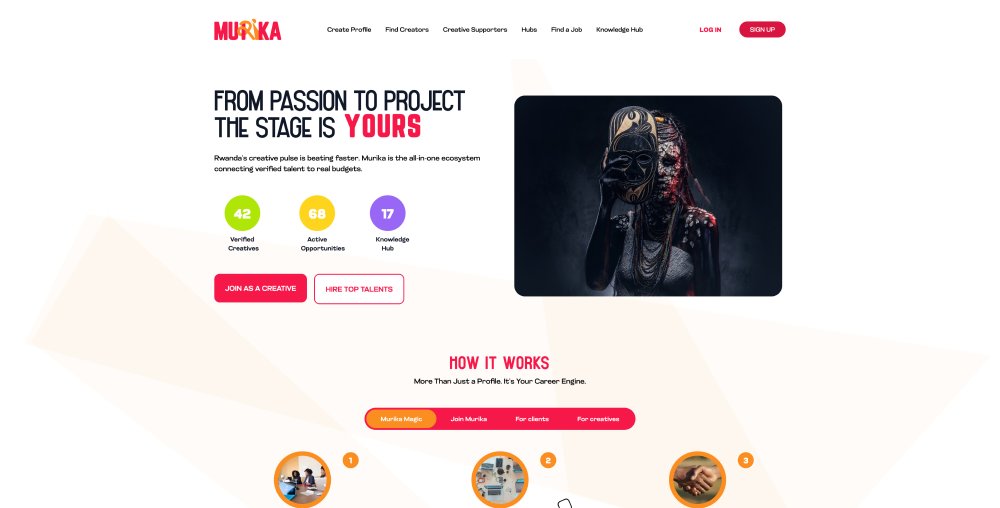
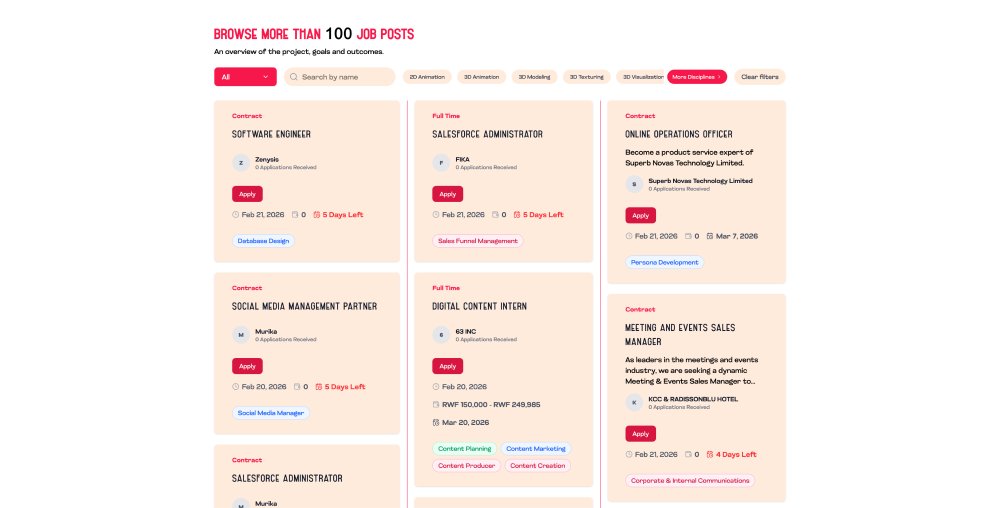
Built as a structured ecosystem rather than a social network, MURIKA brings together verified creative profiles, professional portfolios, transparent opportunity listings, collaboration spaces, and practical industry resources.
The platform enables creatives to showcase their work professionally, connect with clients and collaborators, and access knowledge on pricing, intellectual property, contracts, and career development.
By creating trusted professional infrastructure, MURIKA helps move creative work from informal activity to sustainable, income-generating careers.
Malik Shaffy, Managing Director of KinaRwanda, welcomed the platform as an important development for the industry.
“For a long time, talent has been everywhere, but opportunities and visibility haven’t been organized. MURIKA changes that. It gives creatives a place to be seen, trusted, and get paid. It gives clients a direct path to verified talent, and this is how we grow a creative economy that pays,” he said.
Creative professionals also say the platform will help strengthen the industry.
David Sindambiwe, a Rwandan visual creative said, “MURIKA creates a professional space where my fellow creatives and I can showcase our work and connect with real opportunities. The resources will also help us build structure, trust, and visibility, which are essential for us to grow sustainable careers in our industry.”
Now live
The platform is currently in its beta phase, allowing creatives, clients, and institutions to join, explore features, and provide feedback to help refine the platform.
MURIKA is now open to creatives, clients, institutions, and partners across Rwanda, via http://www.murika.rw/
The platform addresses long-standing barriers including low visibility. The platform was developed in partnership with the Ministry of Youth and Arts, L’Espace, KinaRwanda, and the Swiss Agency for Development and Cooperation (SDC). MURIKA brings together verified creative profiles, professional portfolios, transparent opportunity listings, collaboration spaces, and practical industry resources.The platform enables creatives to showcase their work professionally.
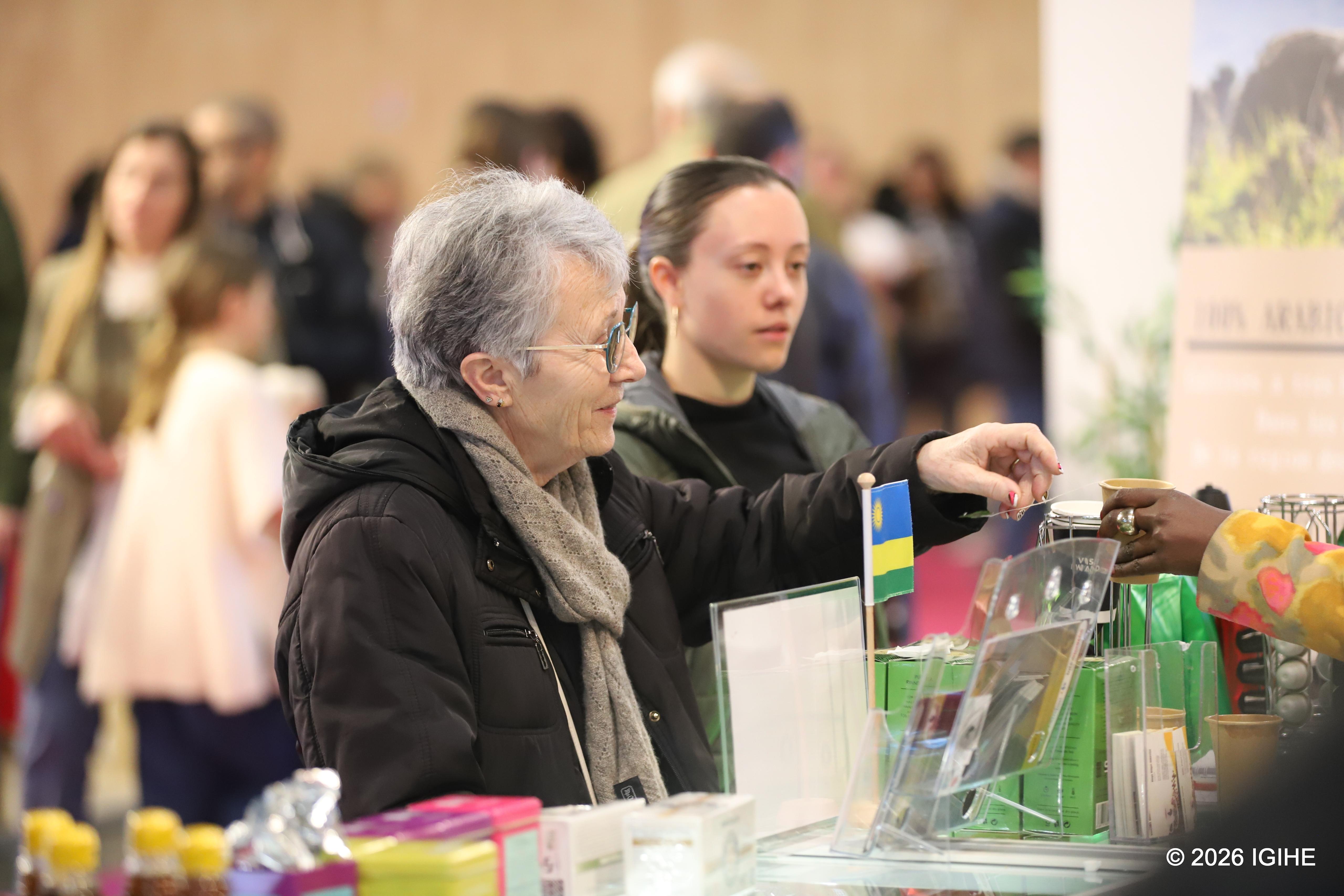
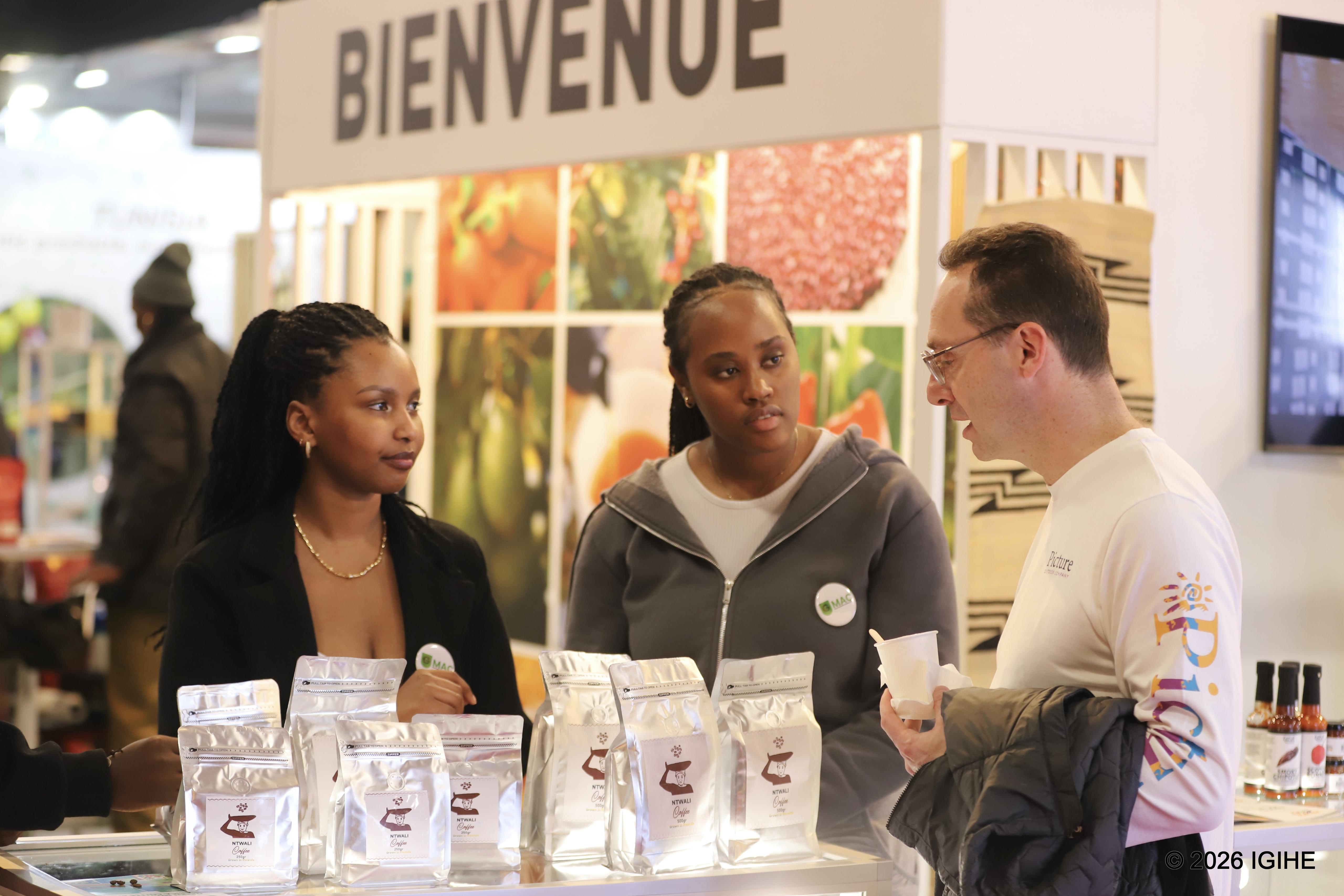
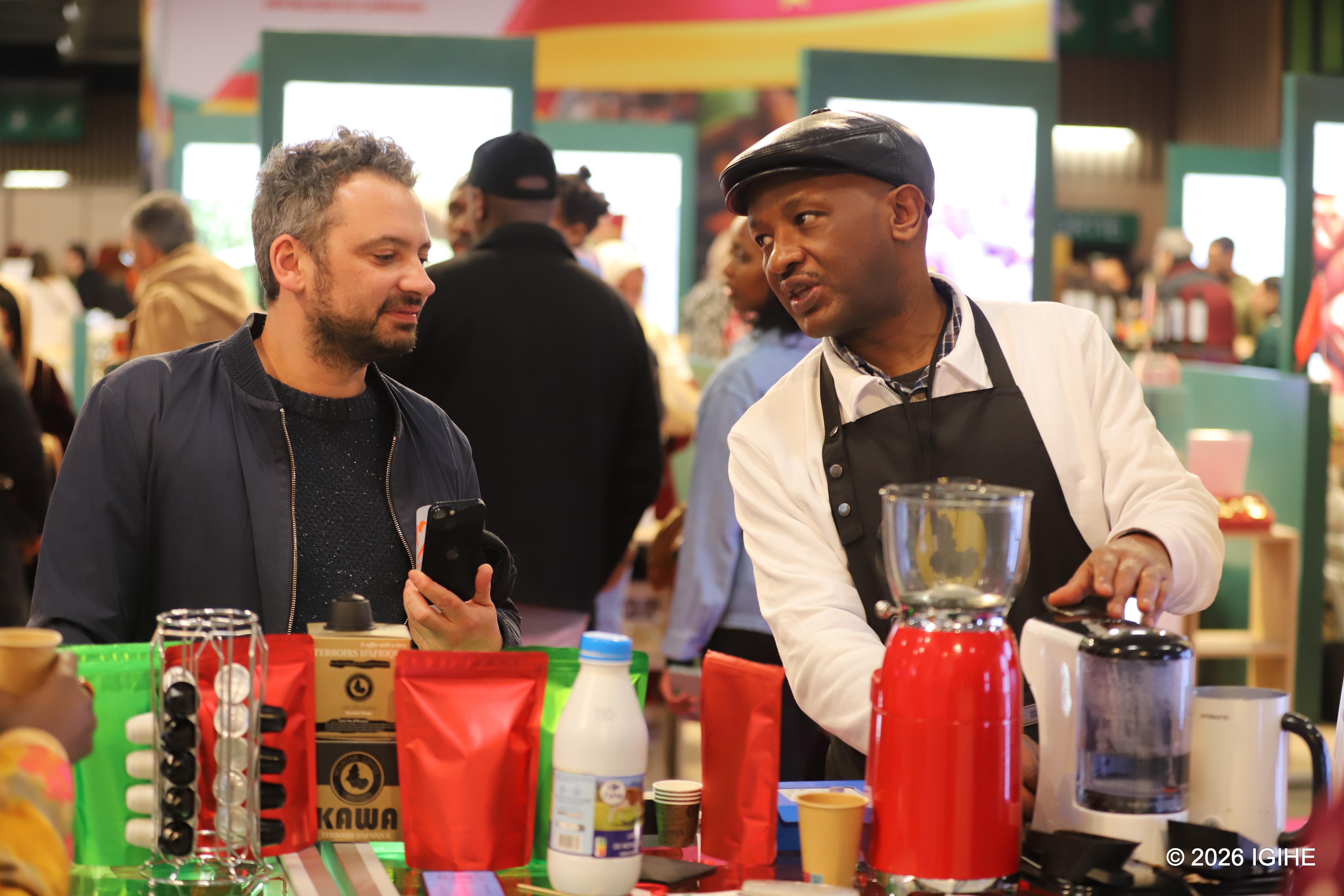
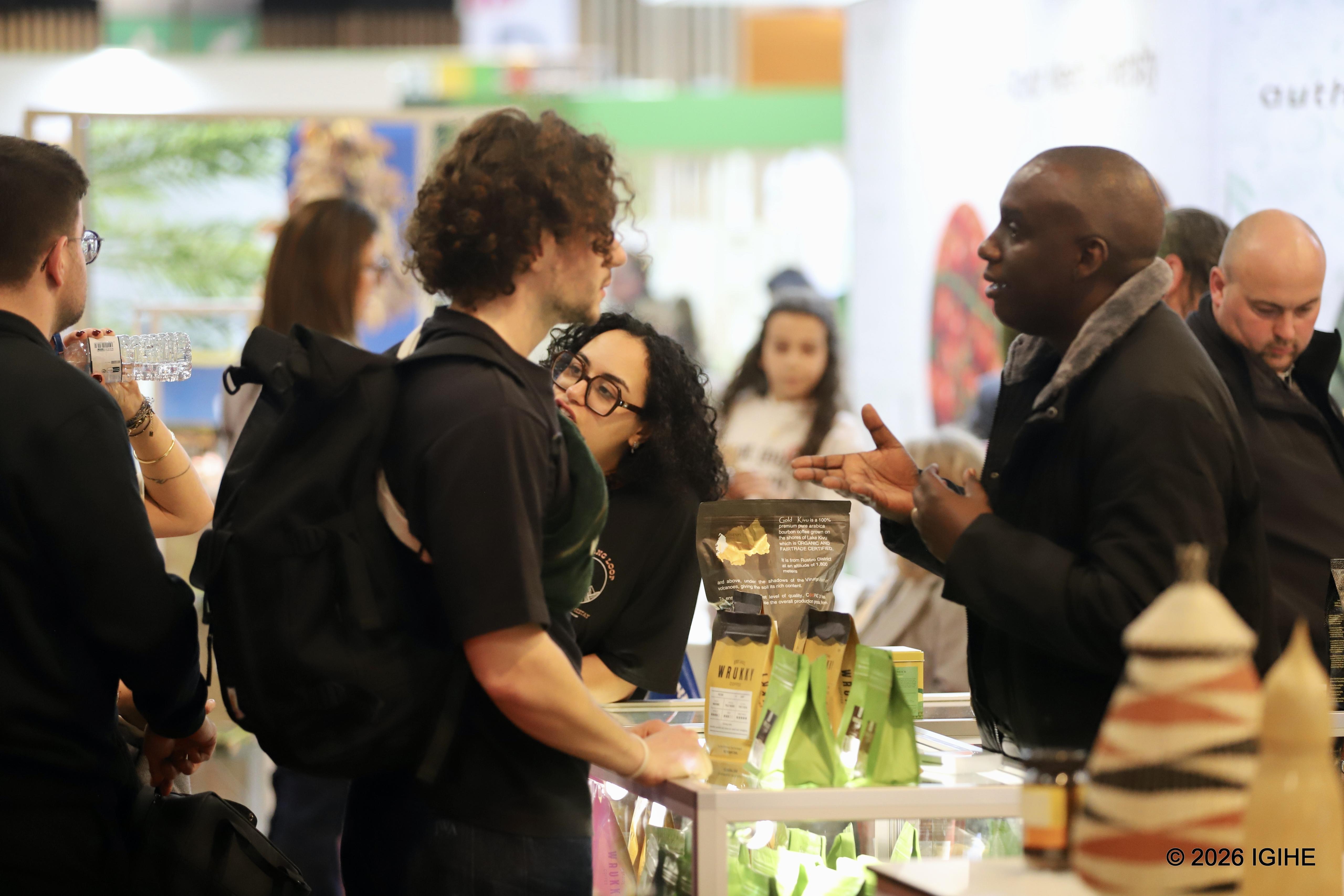
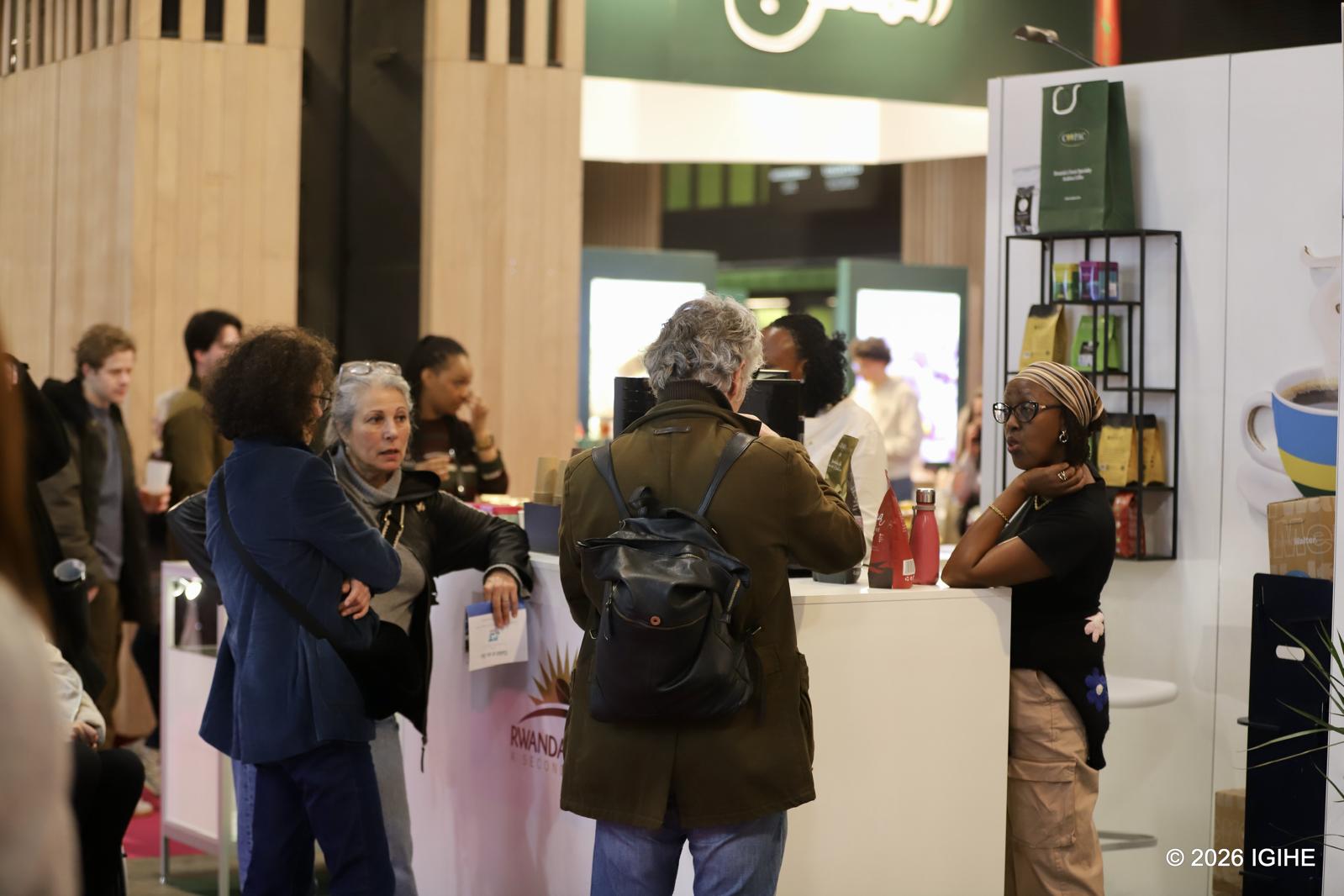
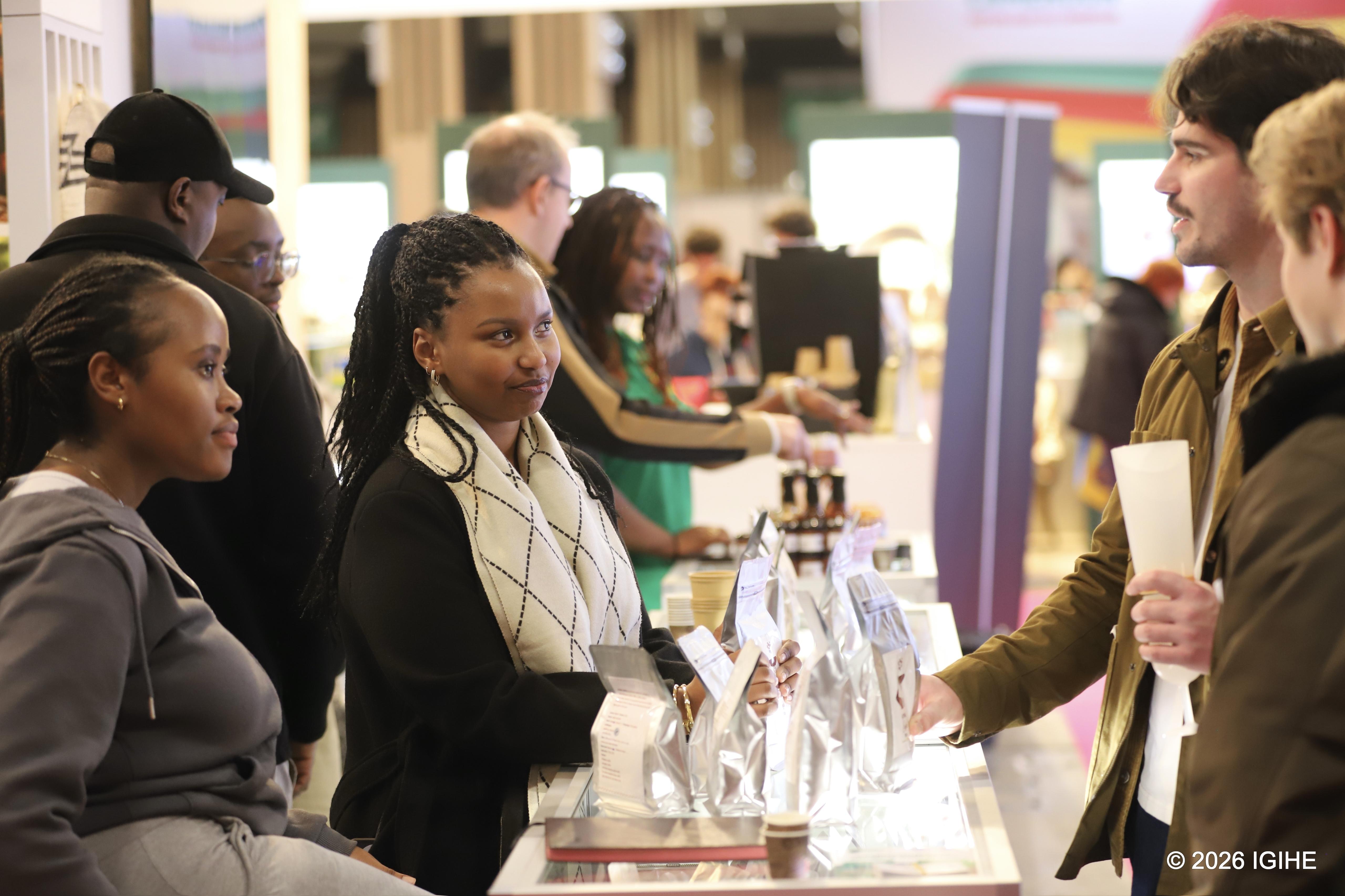
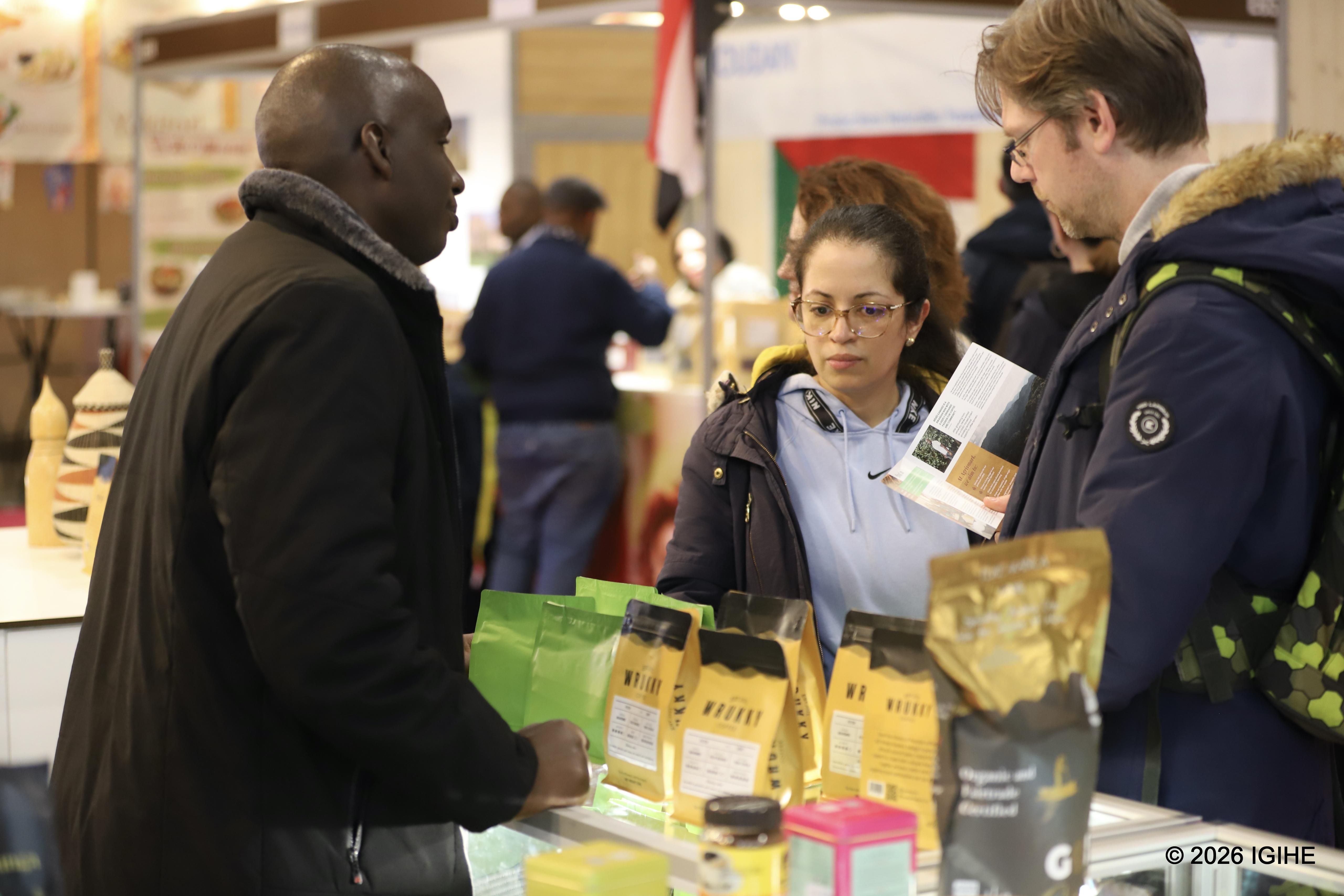
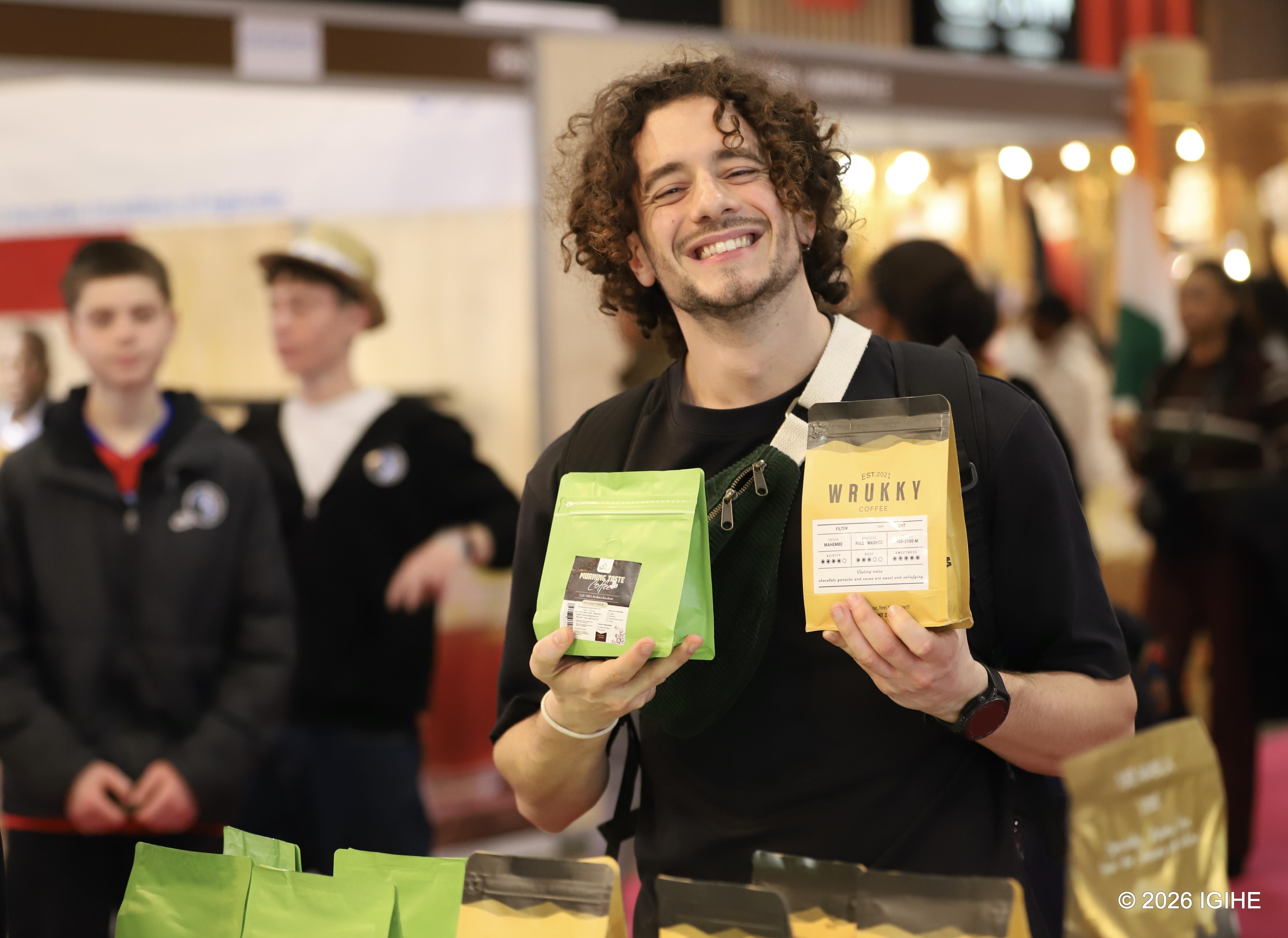
Hosted at the Paris Expo–Porte de Versailles, the exhibition runs from late February to early March each year, showcasing agricultural and livestock products, related value chains, farming technologies, partnerships, and innovation.
The 2026 edition opened on Saturday, February 21, and was officially inaugurated by French President Emmanuel Macron.
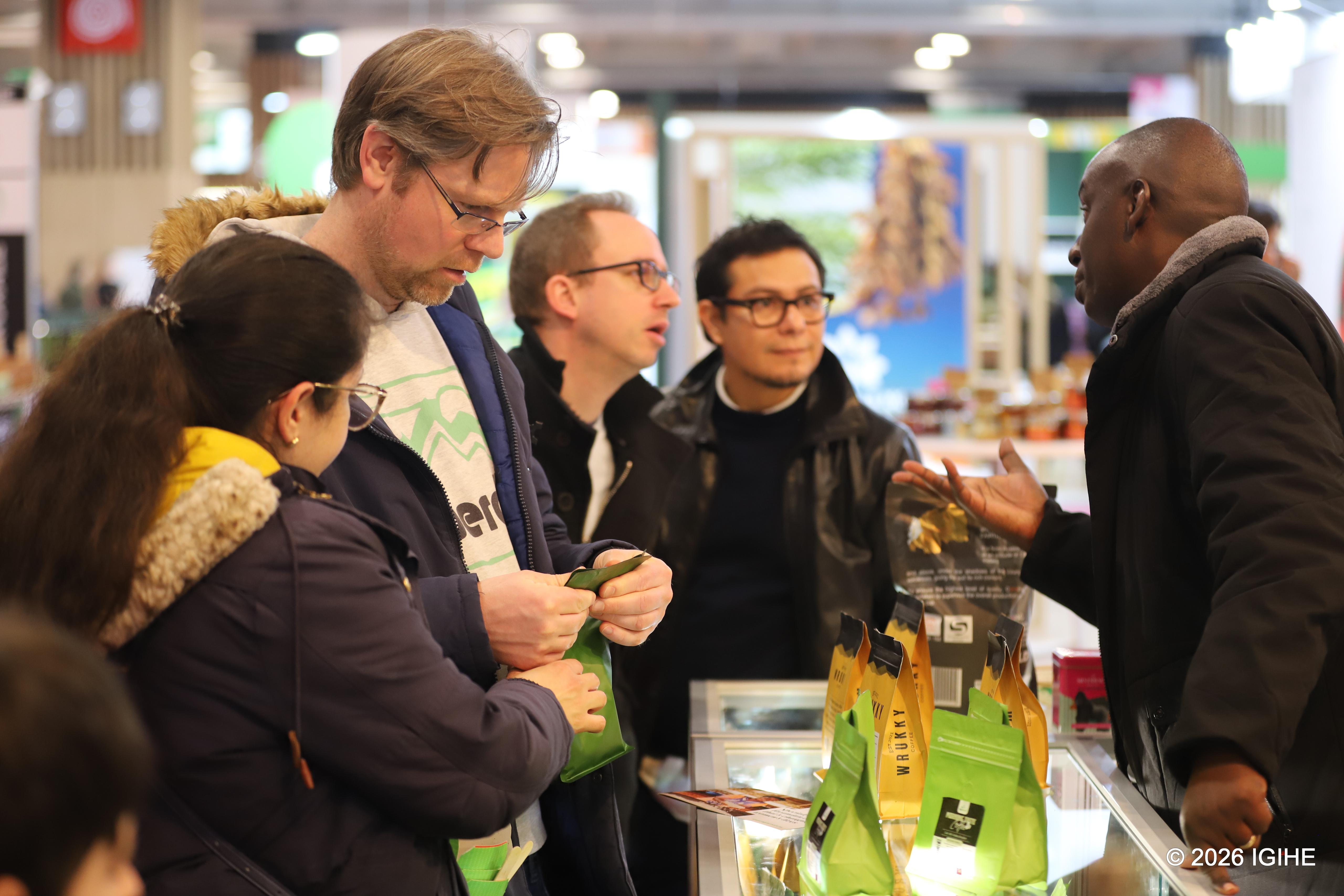
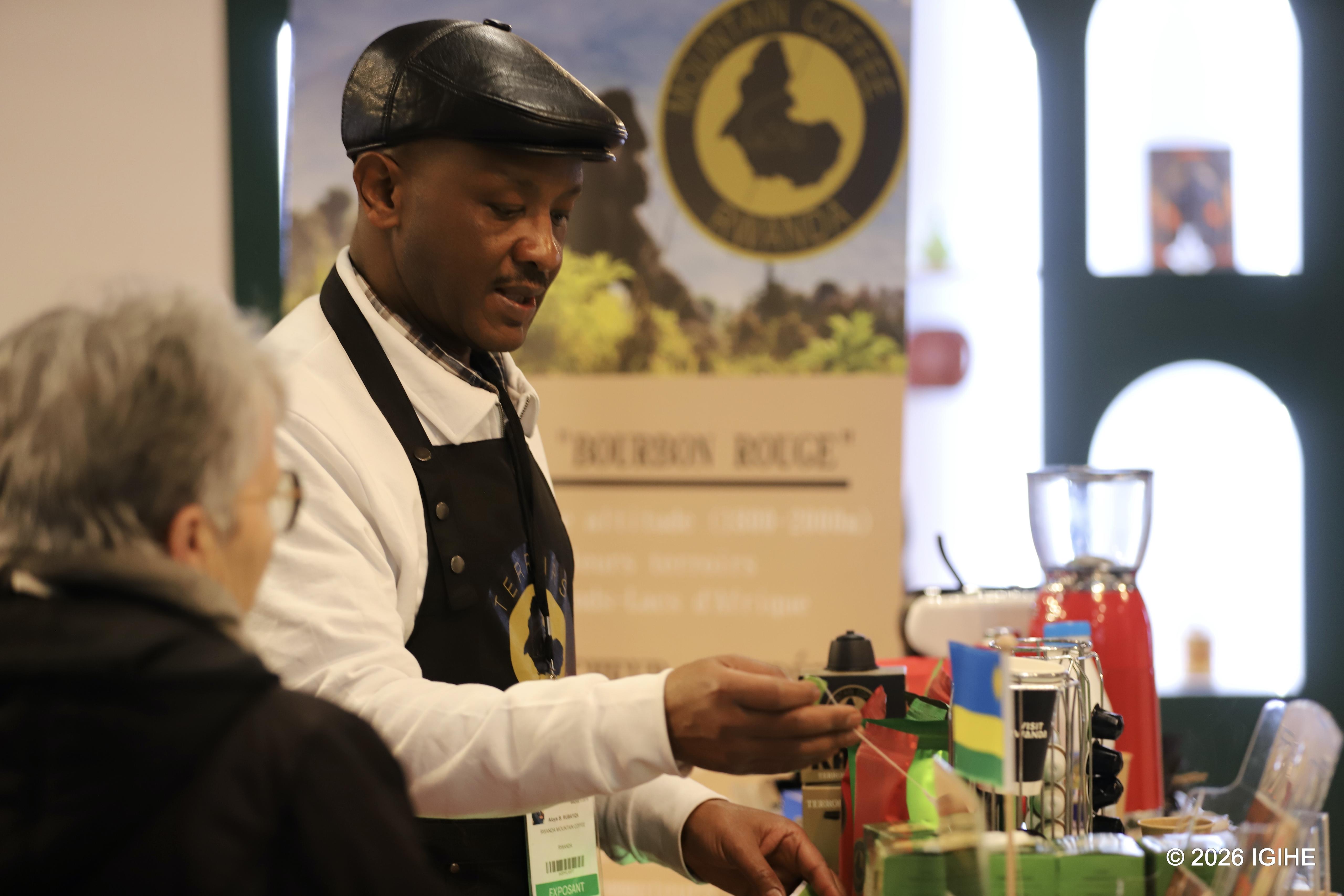
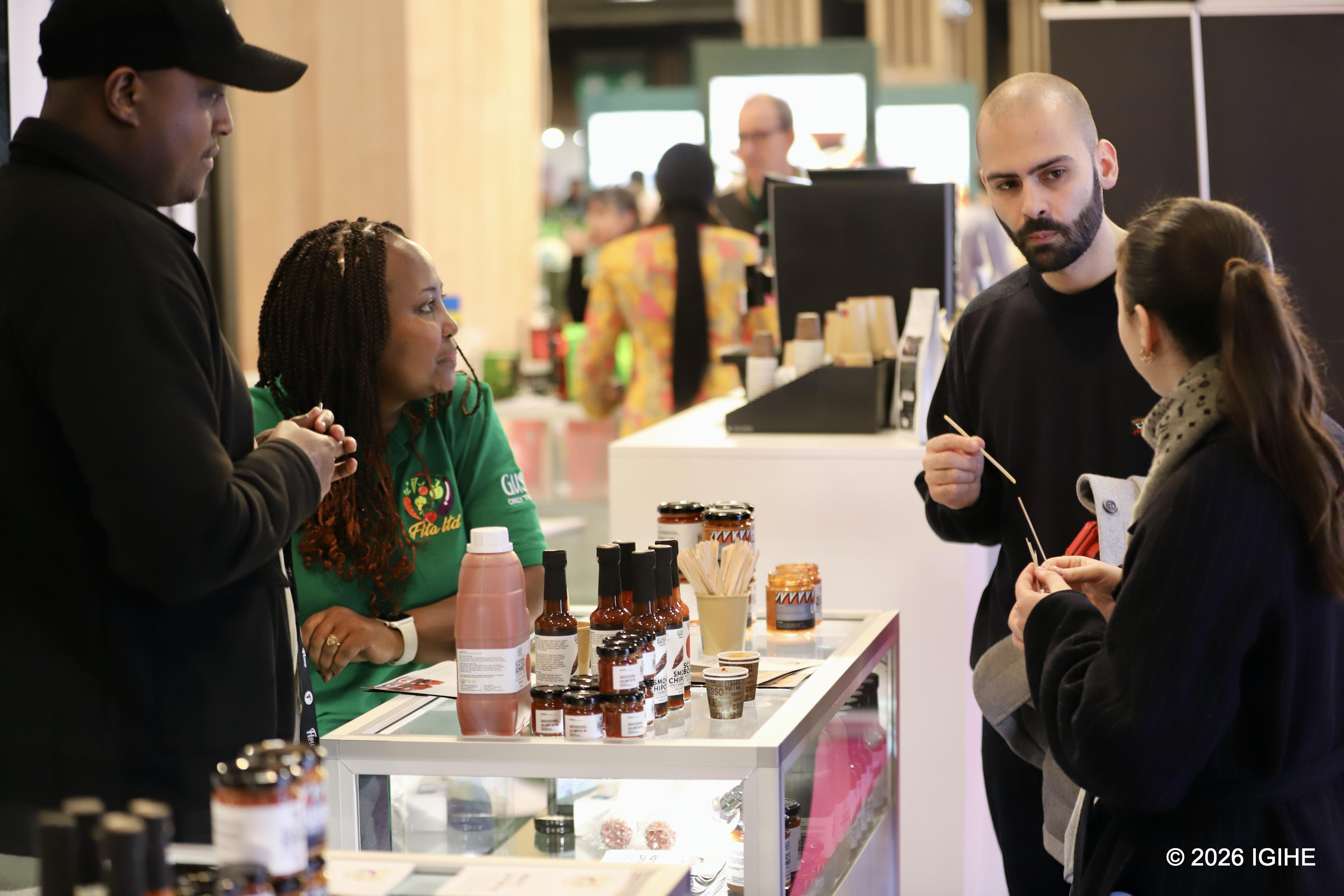
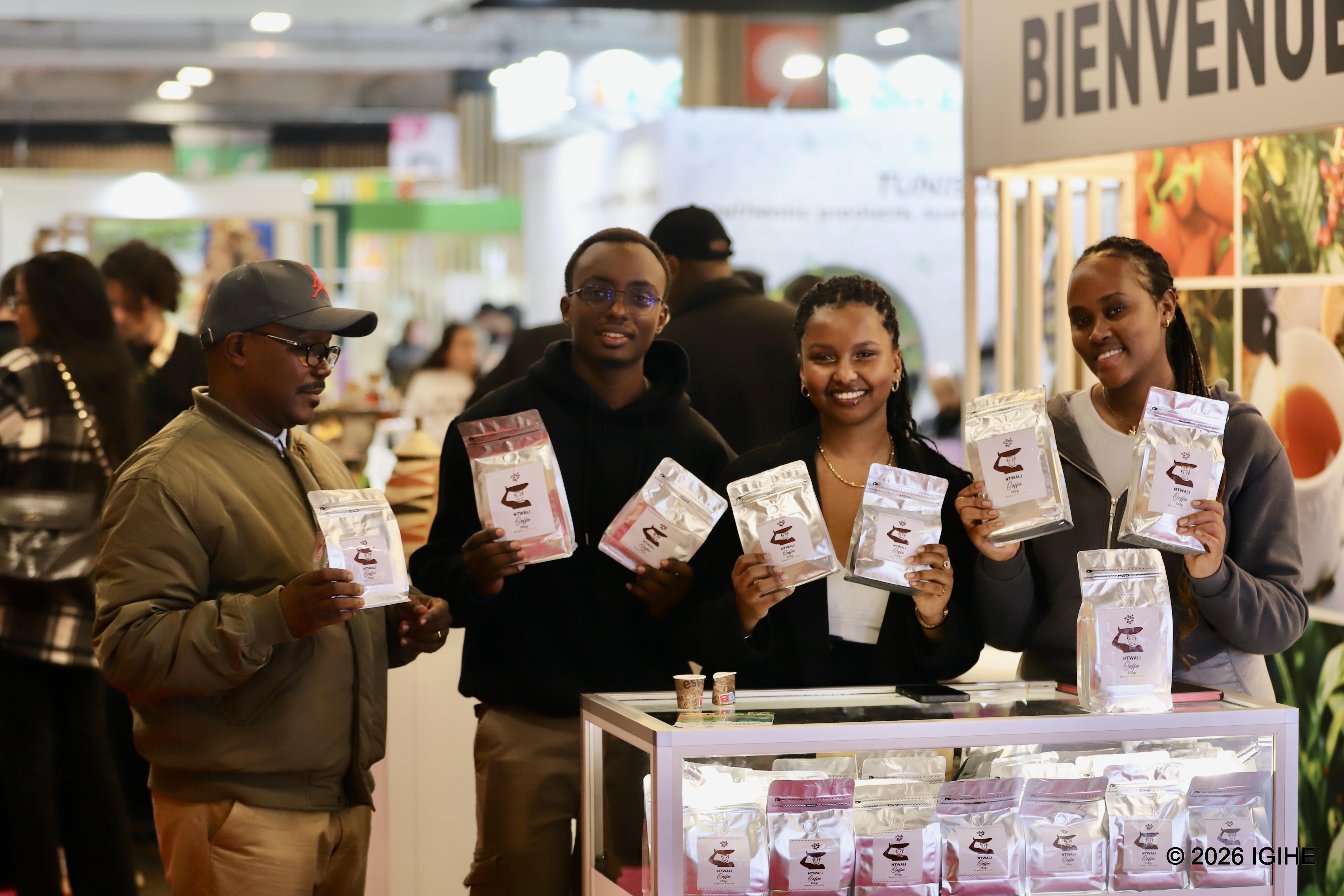
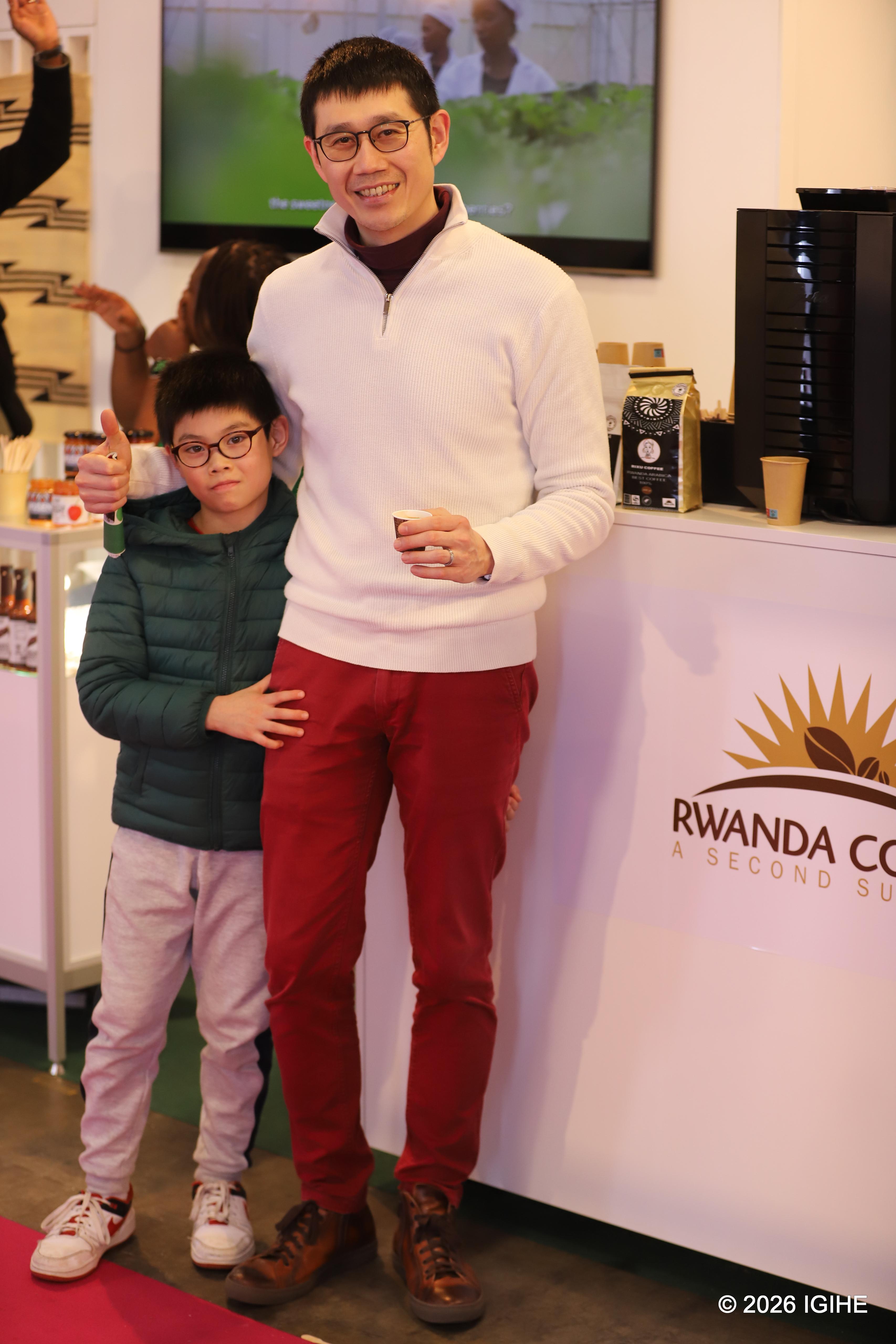
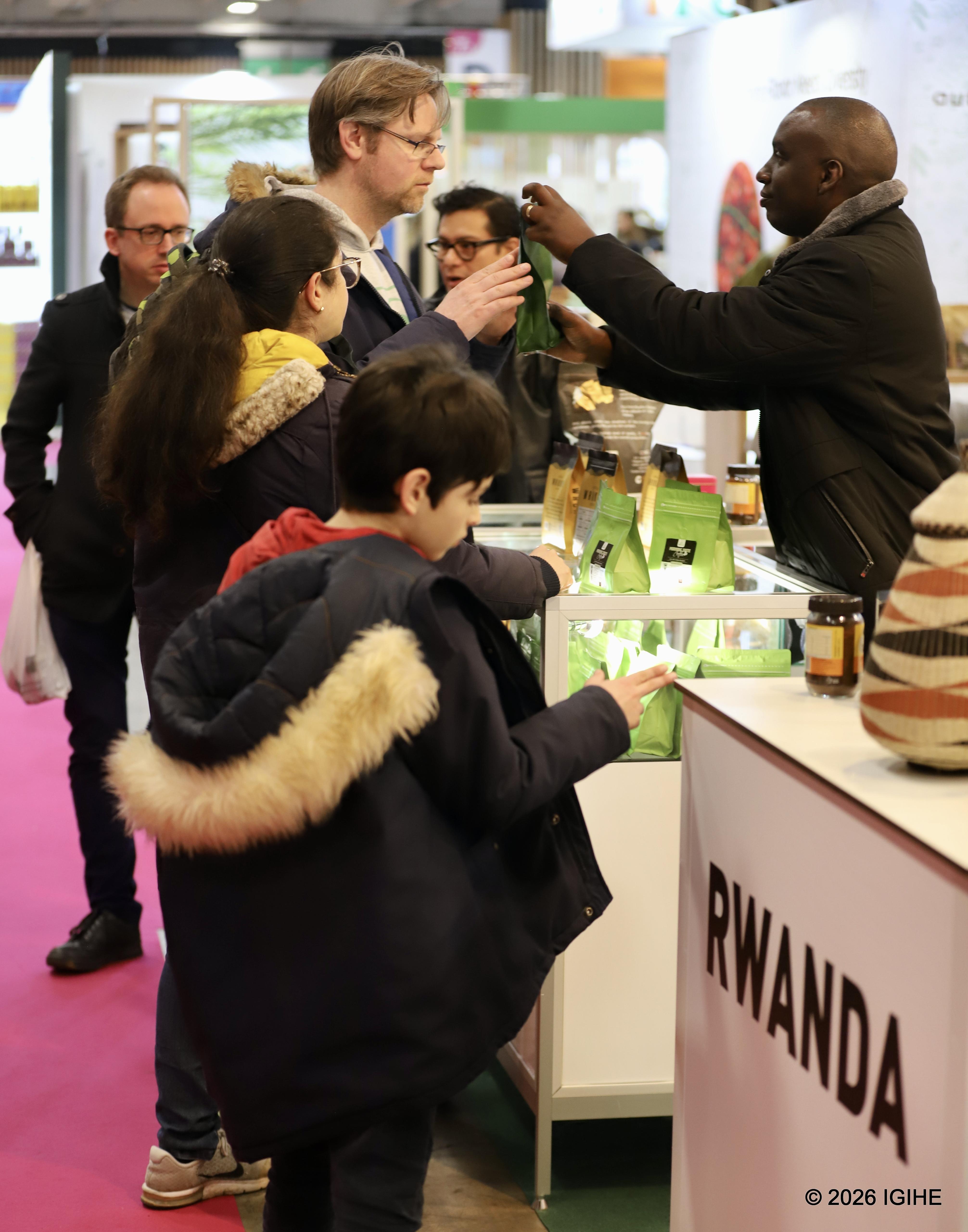
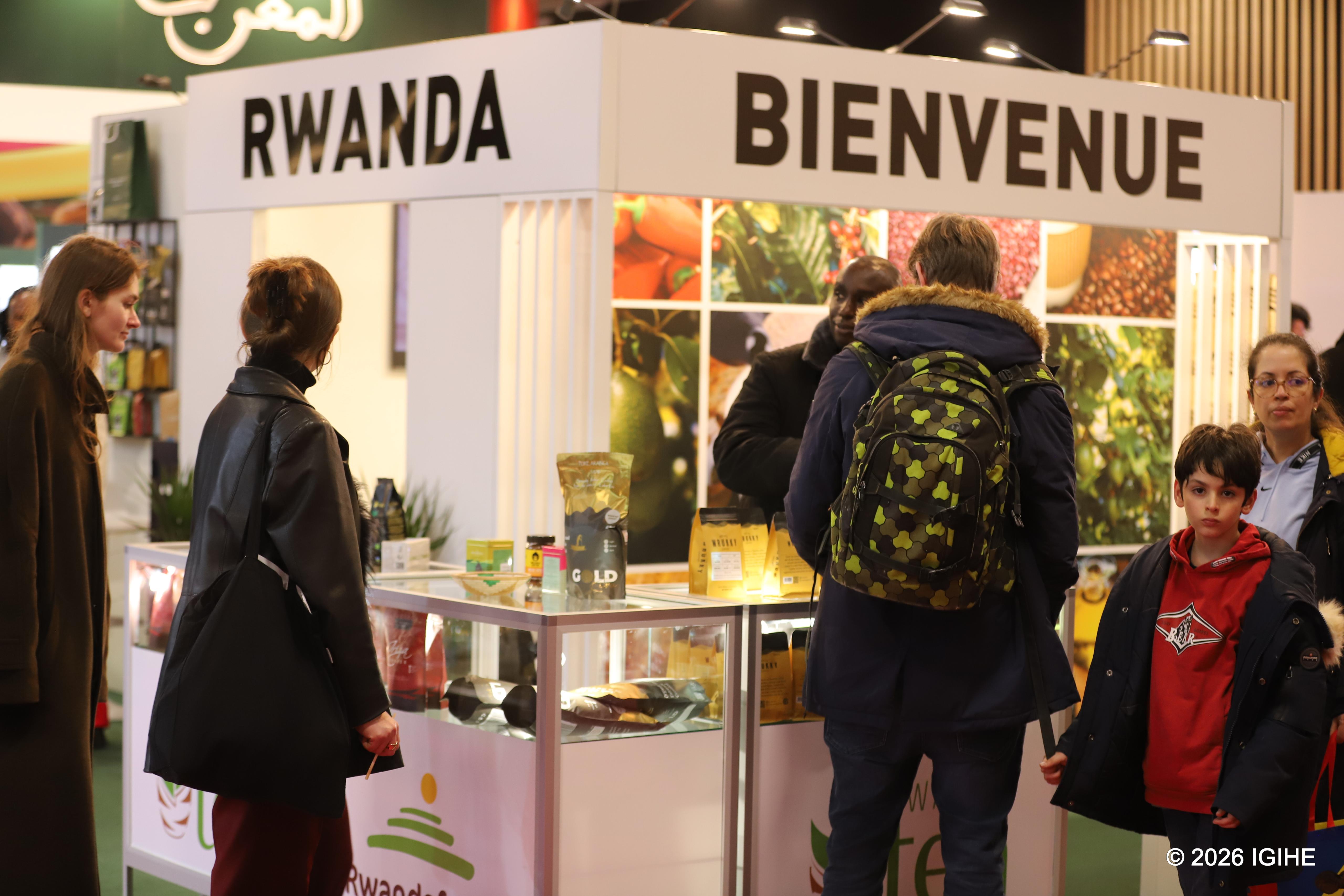
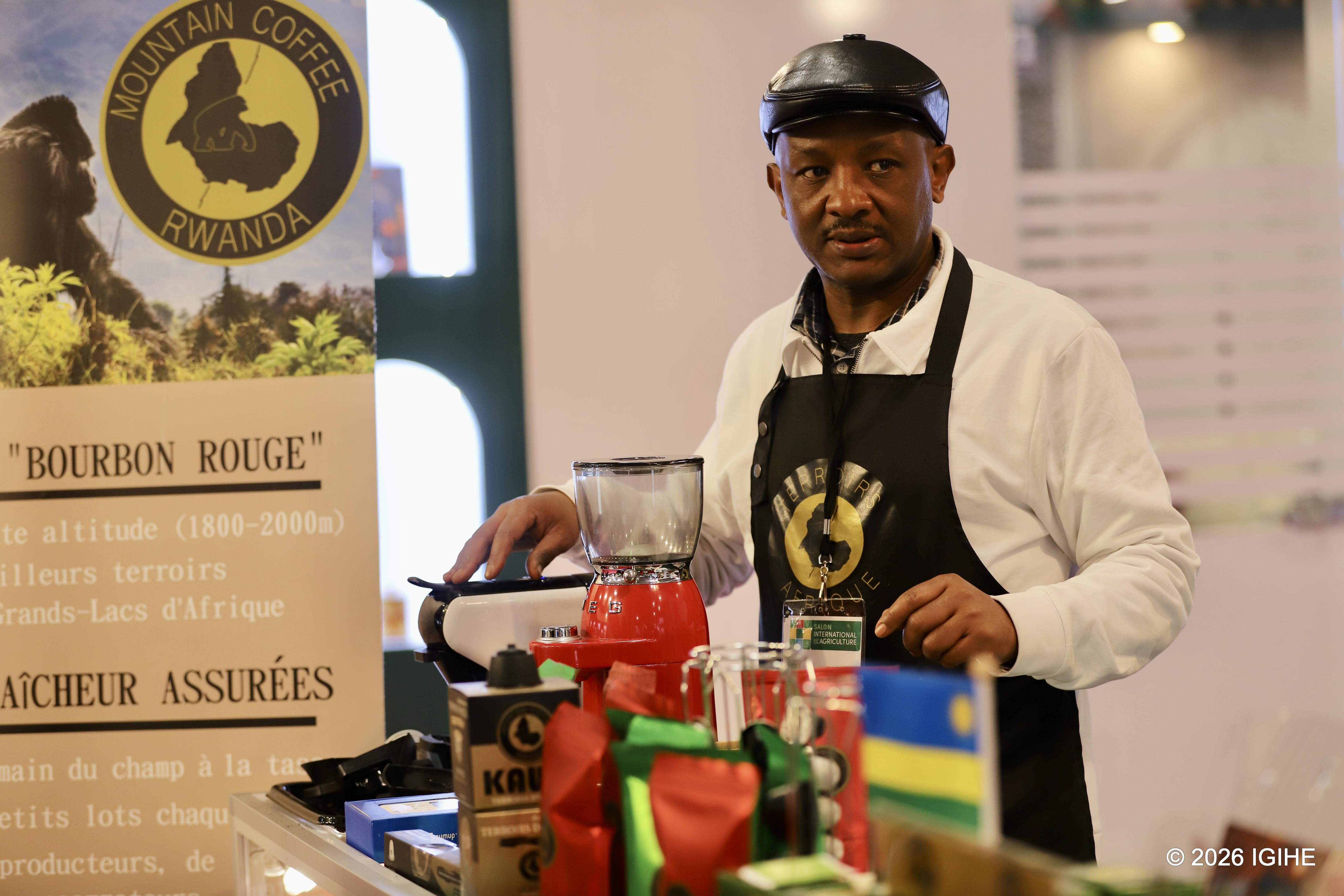
Rwanda is exhibiting at Stand 7, highlighting its progress in developing export-oriented agricultural and livestock products. The country is represented by the National Agricultural Export Development Board (NAEB) and the Embassy of Rwanda in France.
The event provides a platform for traders, farmers, entrepreneurs, and investors to exchange expertise and build partnerships to advance the agriculture and livestock sectors.
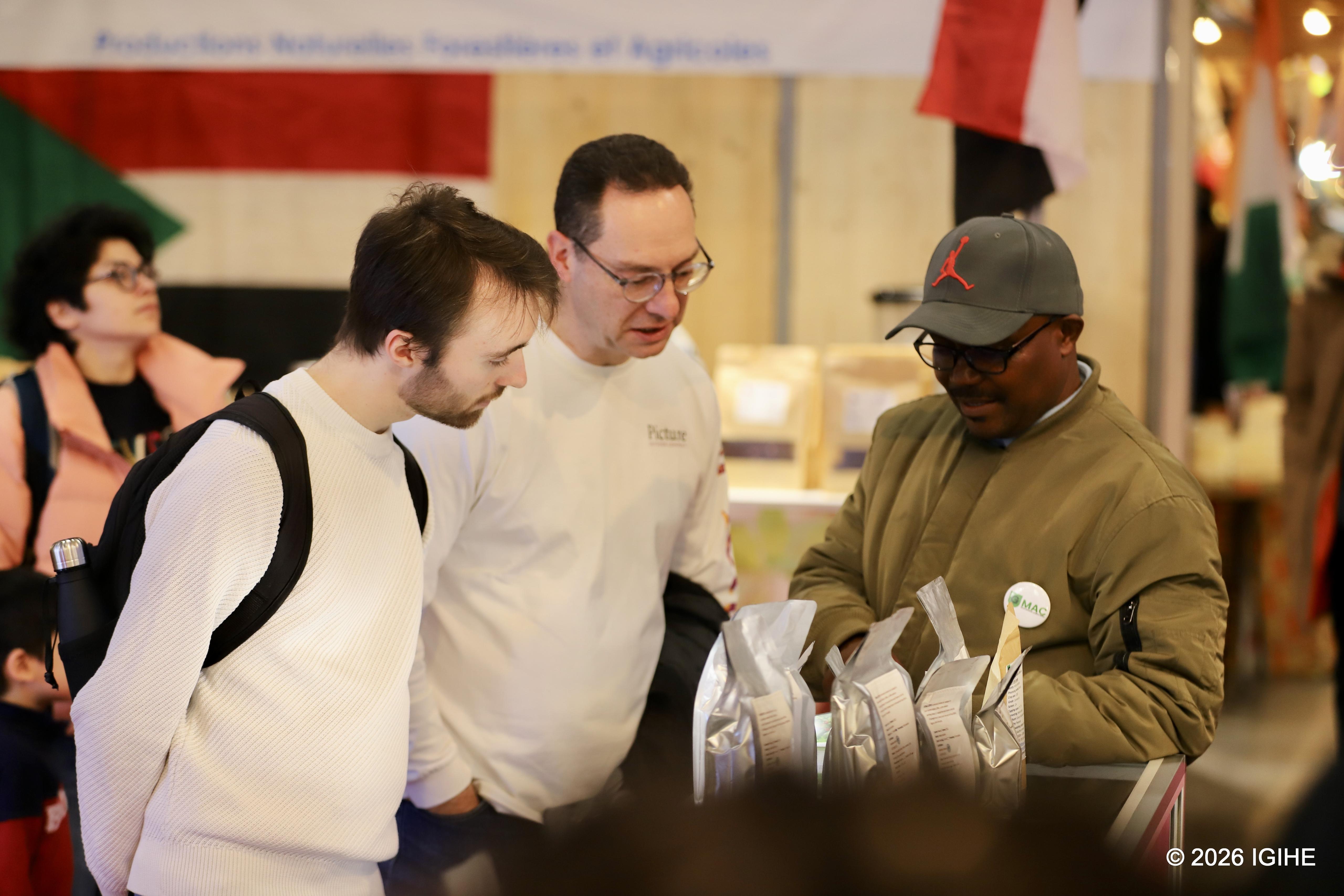
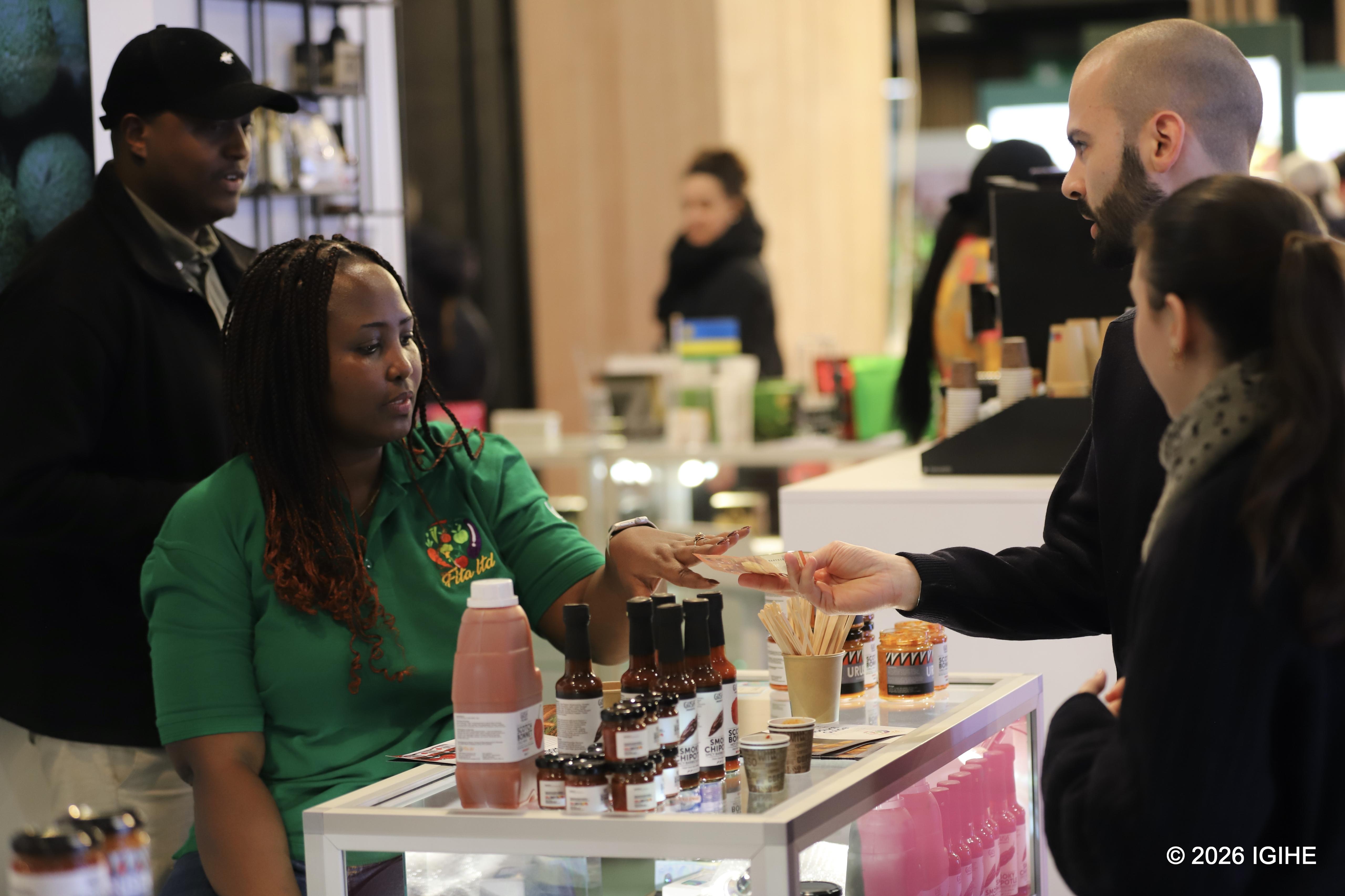
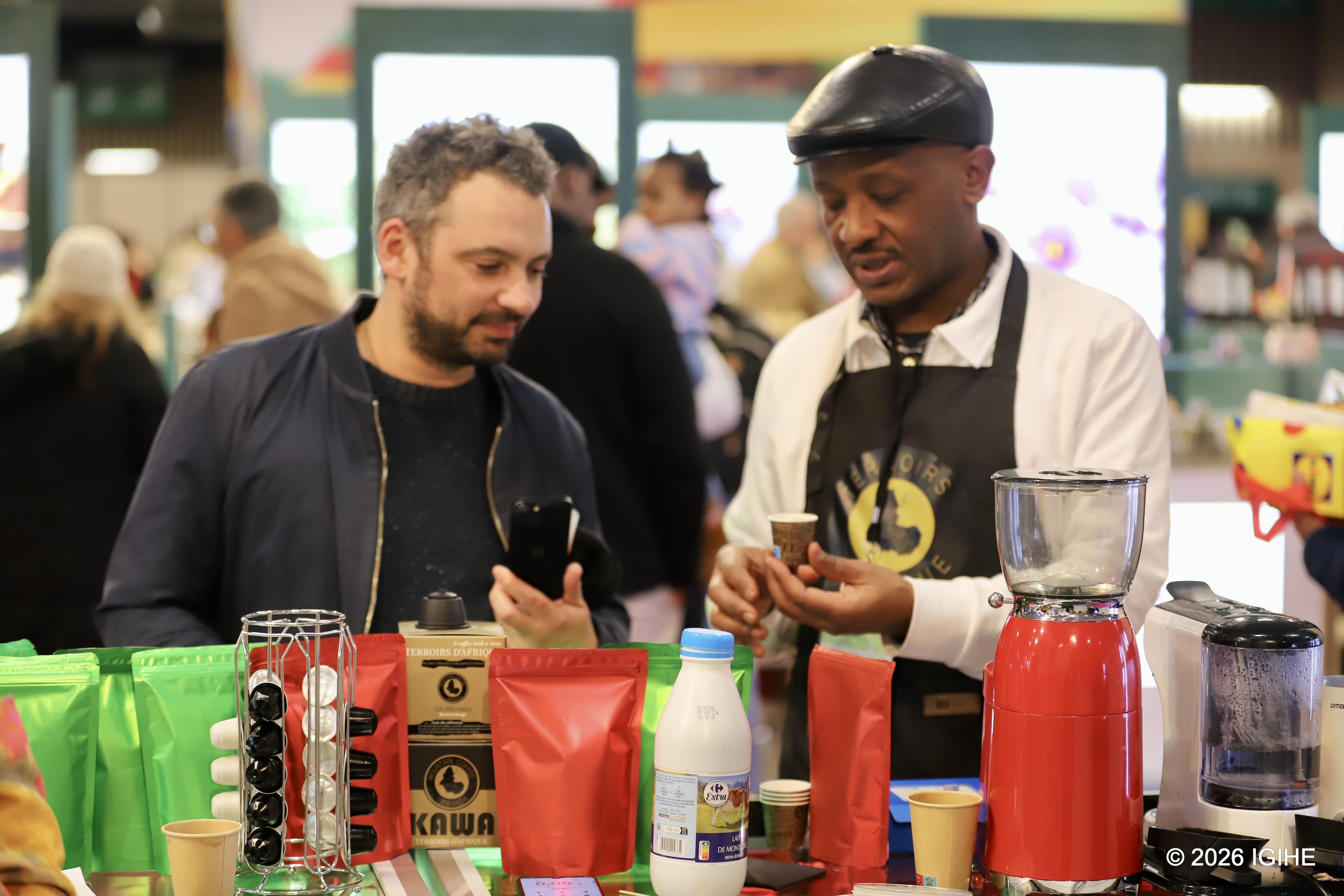
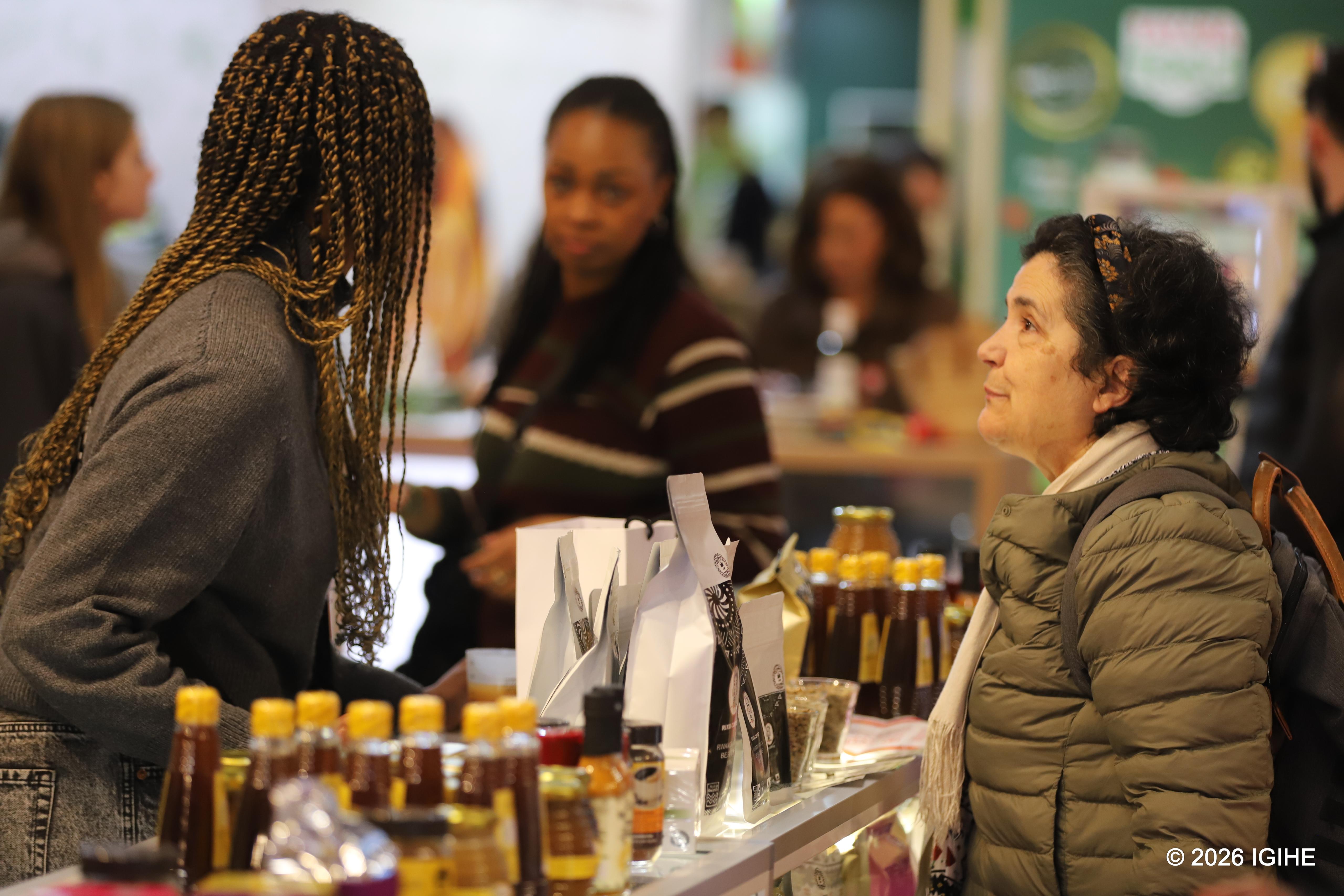
Fifteen Rwandan companies are participating, showcasing products such as coffee, tea, honey, and other value-added goods. The participation reflects Rwanda’s continued investment in strengthening agricultural value chains and expanding access to international markets.
Agricultural and livestock exports remain a key driver of Rwanda’s economy. In December 2025, the Ministry of Agriculture and Animal Resources announced that exports from the sector had generated more than $893.1 million in revenue.
Under the Second National Strategy for Transformation (NST2), Rwanda aims to increase annual foreign exchange earnings from agricultural and livestock exports to $1.5 billion by 2029.
Rwanda is taking part in international agriculture and livestock exhibition for the fith time. Rwanda is showcasing products including coffee, tea, honey and others.Rwanda is exhibiting at Stand 7, where it is highlighting the country’s continued progress in developing export-oriented agricultural produce. The 2026 edition of the trade fair opened on Saturday, February 21. Rwanda is represented by 15 companies.
In a video statement posted after a meeting of the country’s Energy Security Council, Szijjarto said Hungary would oppose the sanctions package at Monday’s EU foreign ministers’ meeting in Brussels and maintain its position until oil transit to Hungary resumes.
“As long as the Ukrainians do not restart oil transport to Hungary, we will not let go of decisions that are important to them,” he said.
He noted that Ukraine’s decision earlier this week not to restart shipments was “political blackmail” aimed at creating fuel supply disruptions and driving up petrol prices ahead of Hungary’s parliamentary elections.
According to the minister, Hungary has countered the situation by releasing part of its strategic crude reserves and securing replacement supplies via maritime routes.
Szijjarto recalled that Hungary has halted diesel exports to Ukraine, which he said accounted for around 10 percent of Ukraine’s diesel imports, and has also moved to block a planned 90-billion-euro EU loan for Ukraine.
In a separate social media post on Sunday, Prime Minister Viktor Orban said Hungary would not “stand idly by” while the Druzhba pipeline remains blocked. “We will ensure Hungary’s fuel supply and take appropriate countermeasures until shipments are restarted by Ukraine,” Orban wrote.
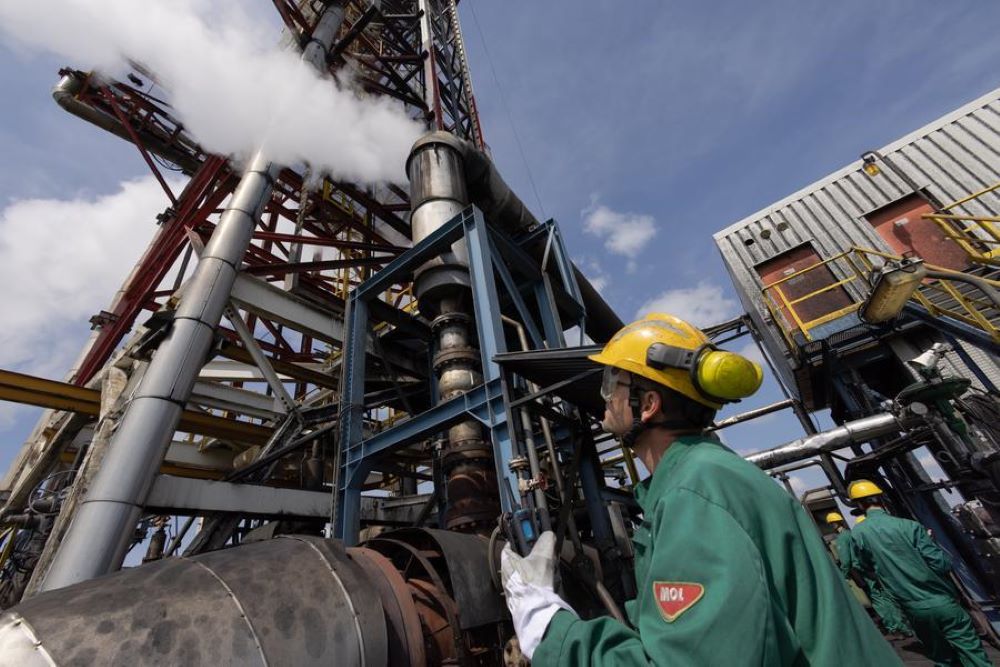
The Druzhba pipeline, which transports Russian oil to Central Europe via Ukraine, has faced repeated disruptions since last year amid the ongoing conflict between Russia and Ukraine. Hungary stated that although there are currently “no practical or technical obstacles,” Ukraine has decided not to restart crude deliveries.
A worker operates machinery at the Danube Refinery in Szazhalombatta, Hungary, May 24, 2022.
Barrot said in an interview with French media that the U.S. Embassy in France had commented on the tragedy, which he described as concerning “the national community,” prompting France to call in the ambassador.
Earlier on Friday, the U.S. Embassy said on X account that “violent left-wing extremism is on the rise, and its role in Quentin Deranque’s death demonstrates the threat it poses to public safety,” adding that it would continue to monitor the situation and hoped those responsible for the violence would be brought to justice.
According to French media, the incident followed the death of Deranque, a far-right activist who was seriously injured during a clash between radical groups during a conference given by a member of French hard-left party La France Insoumise in Lyon on Feb. 12.
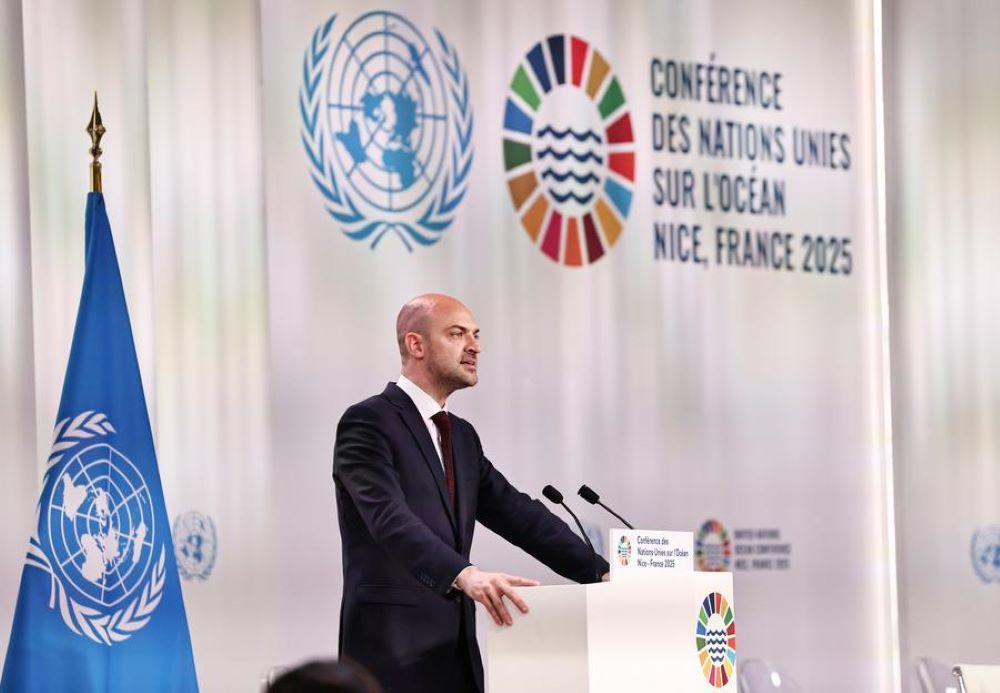
French Foreign Minister Jean-Noel Barrot addresses the audience during a plenary session on the second day of the third United Nations Ocean Conference (UNOC3) in Nice, France, June 10, 2025.
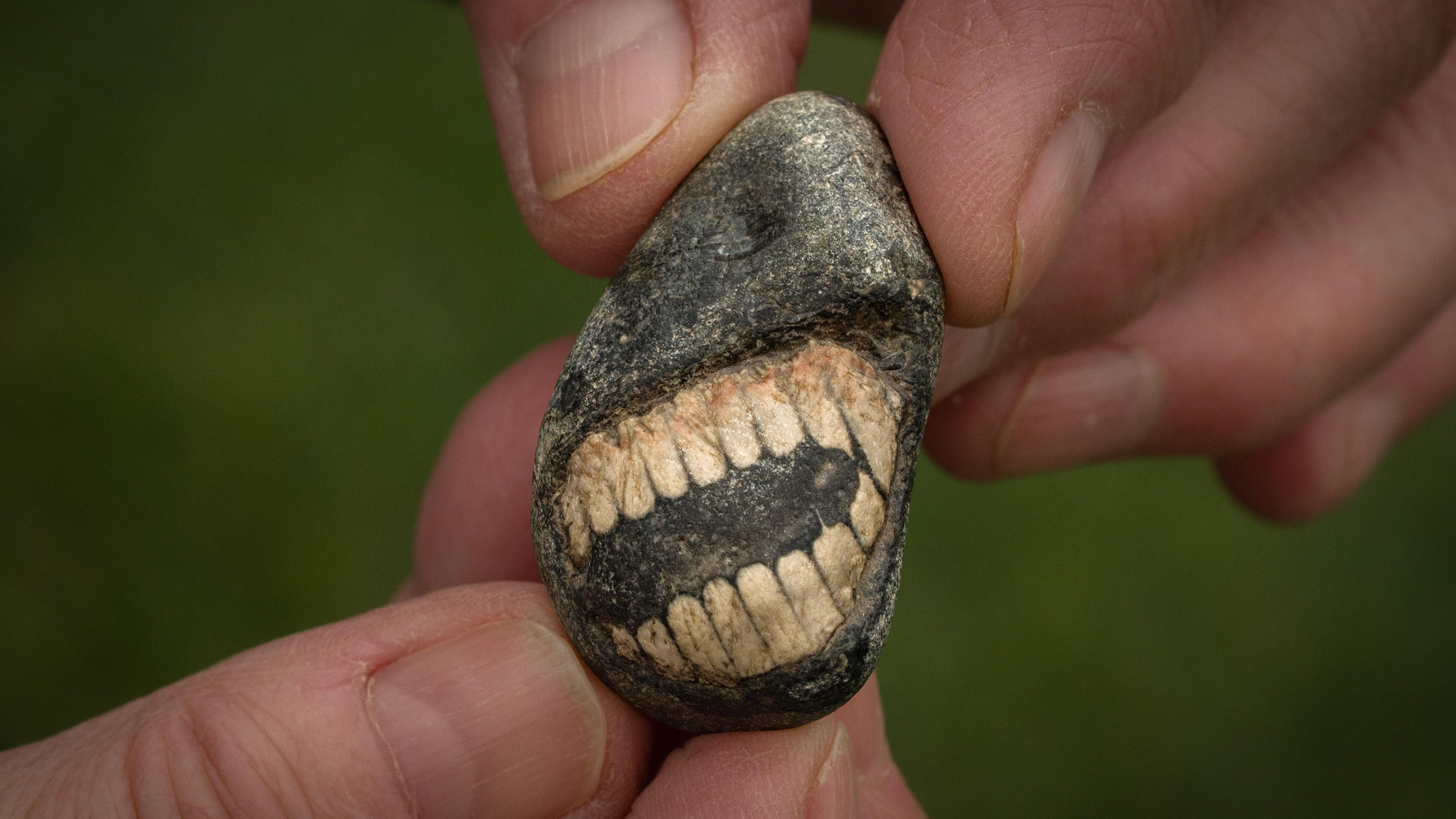
According to BBC, Clark, who visits Northumberland annually with her husband Gerard to hunt for the island’s famed “Cuddy’s beads,” took the fossil home and shared it on a Facebook fossil identification group. Thousands of likes and comments later, experts confirmed that she had uncovered a significant specimen: part of a crinoid, an ancient marine animal.
Crinoids, sometimes called “sea lilies,” first appeared over 500 million years ago during the Cambrian period. They have a flexible stem anchored to the seabed, with branching arms at the top. The stem is made of small discs called ossicles, which, when connected, form a columnal — the part Christine discovered .
Dr Jan Hennissen, senior paleontologist at the British Geological Survey (BGS), explained that the stem had split lengthwise and curved, giving it its “mouth-like” appearance. He added that it likely originated from the Alston Formation, a dark limestone approximately 350 million years old.
Holy Island’s fossils hold a rich history: centuries ago, locals believed the crinoid discs were “Cuddy’s beads,” created by St Cuthbert to impart spiritual blessings. While crinoid fossils are common along the Northumberland coast, complete specimens are rare, making Christine’s find particularly remarkable.
Though she has received offers to buy it, Clark plans to keep the fossil, enjoying the amusement it brings to visitors and fellow fossil enthusiasts alike.
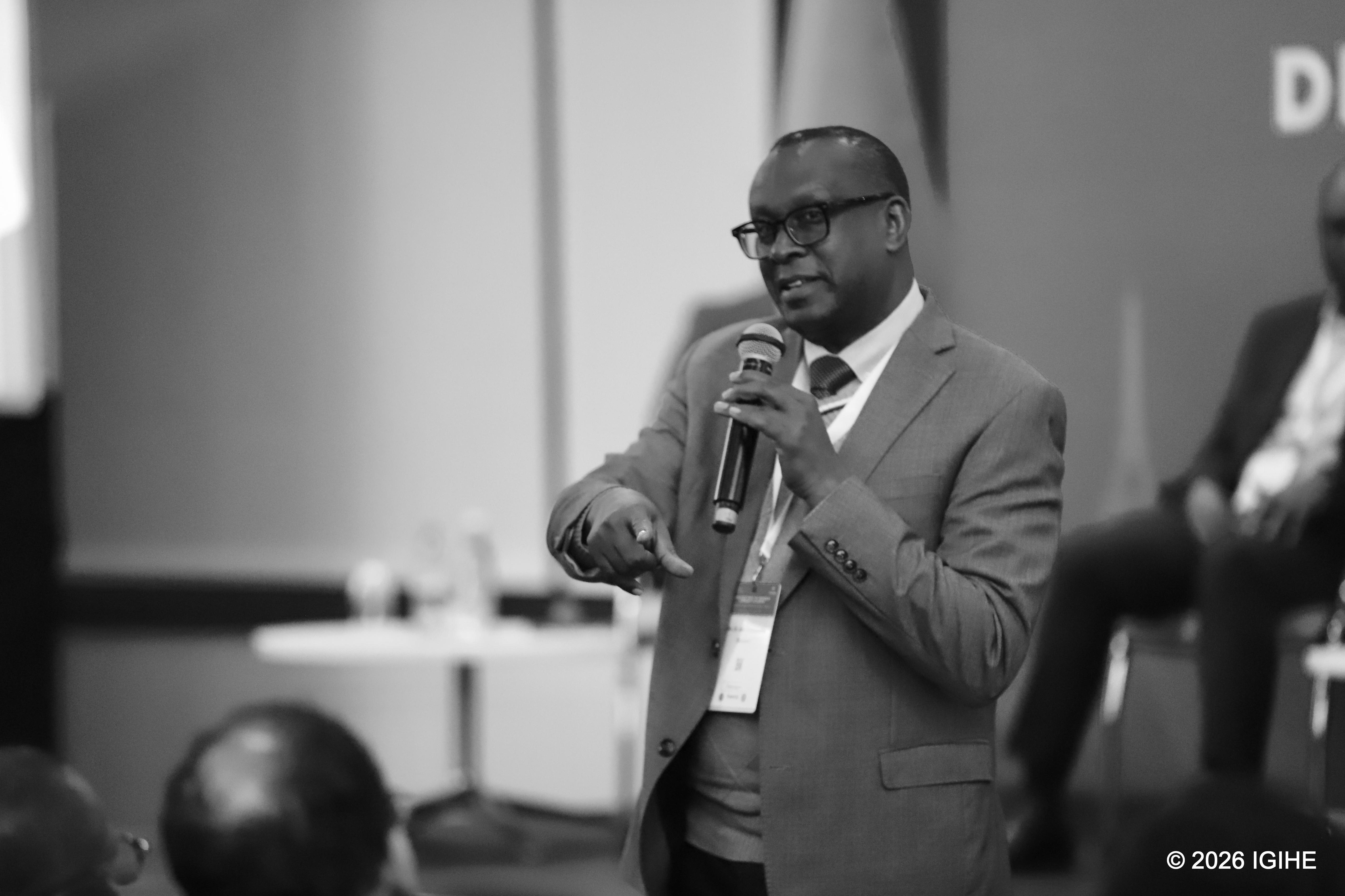
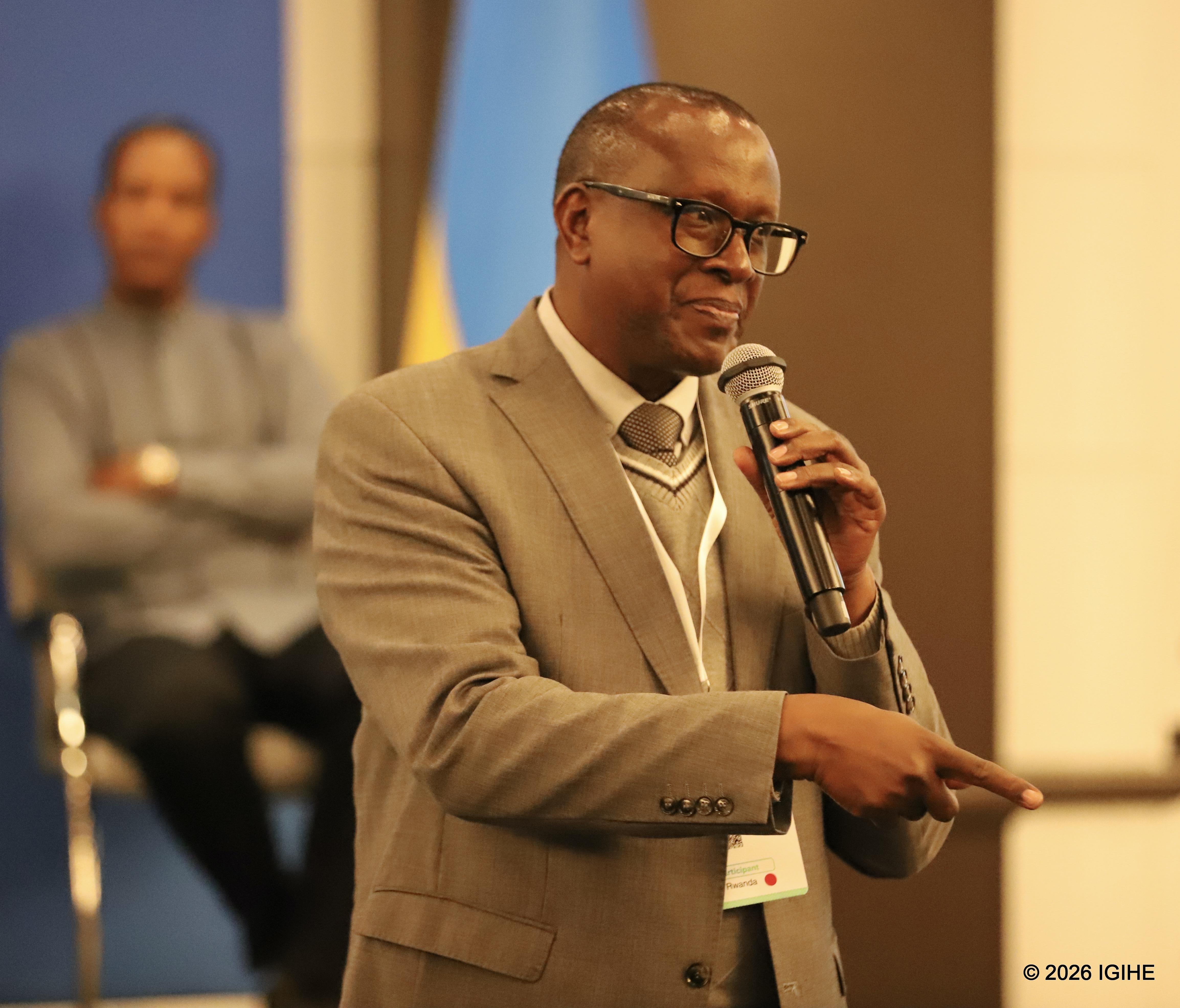
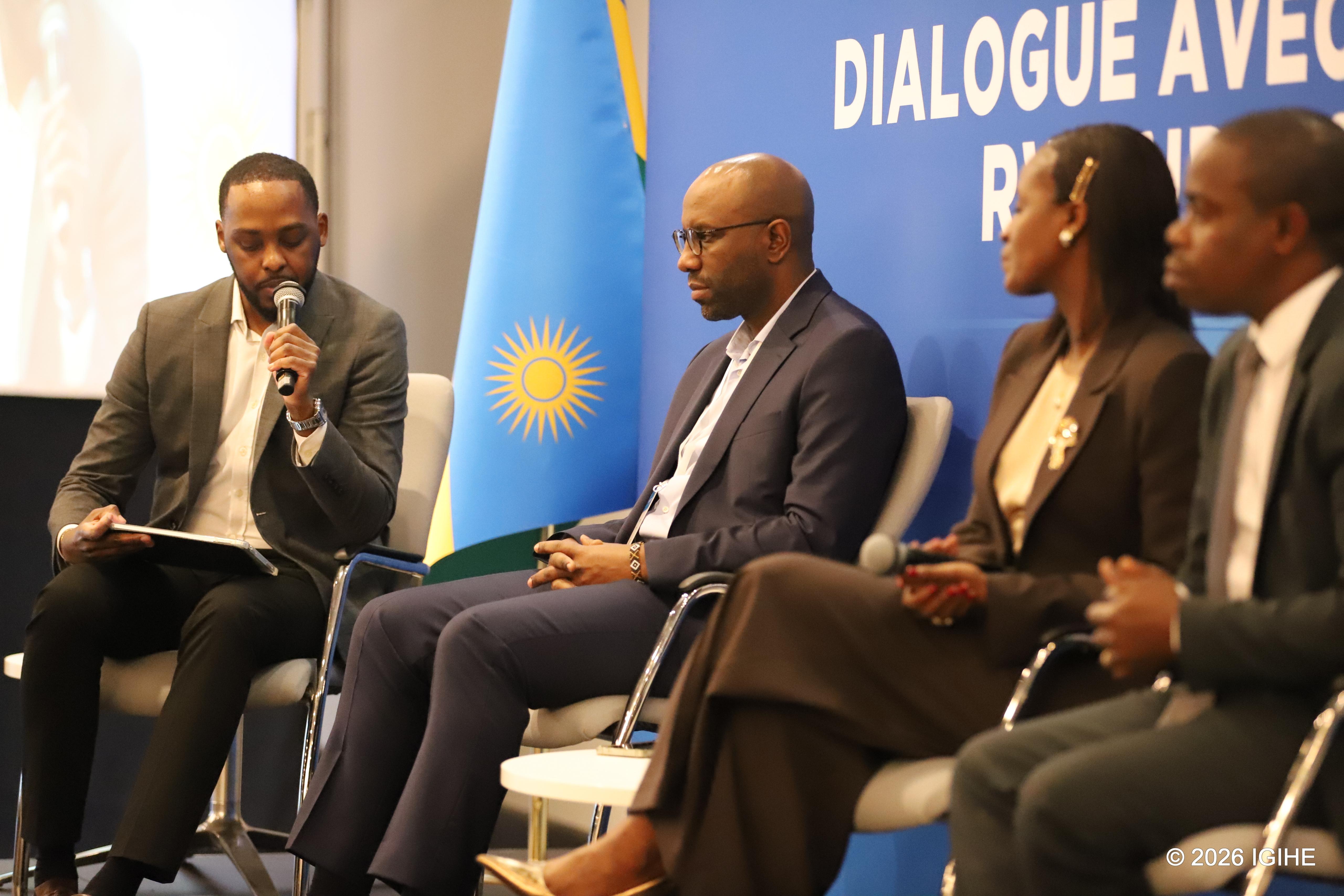
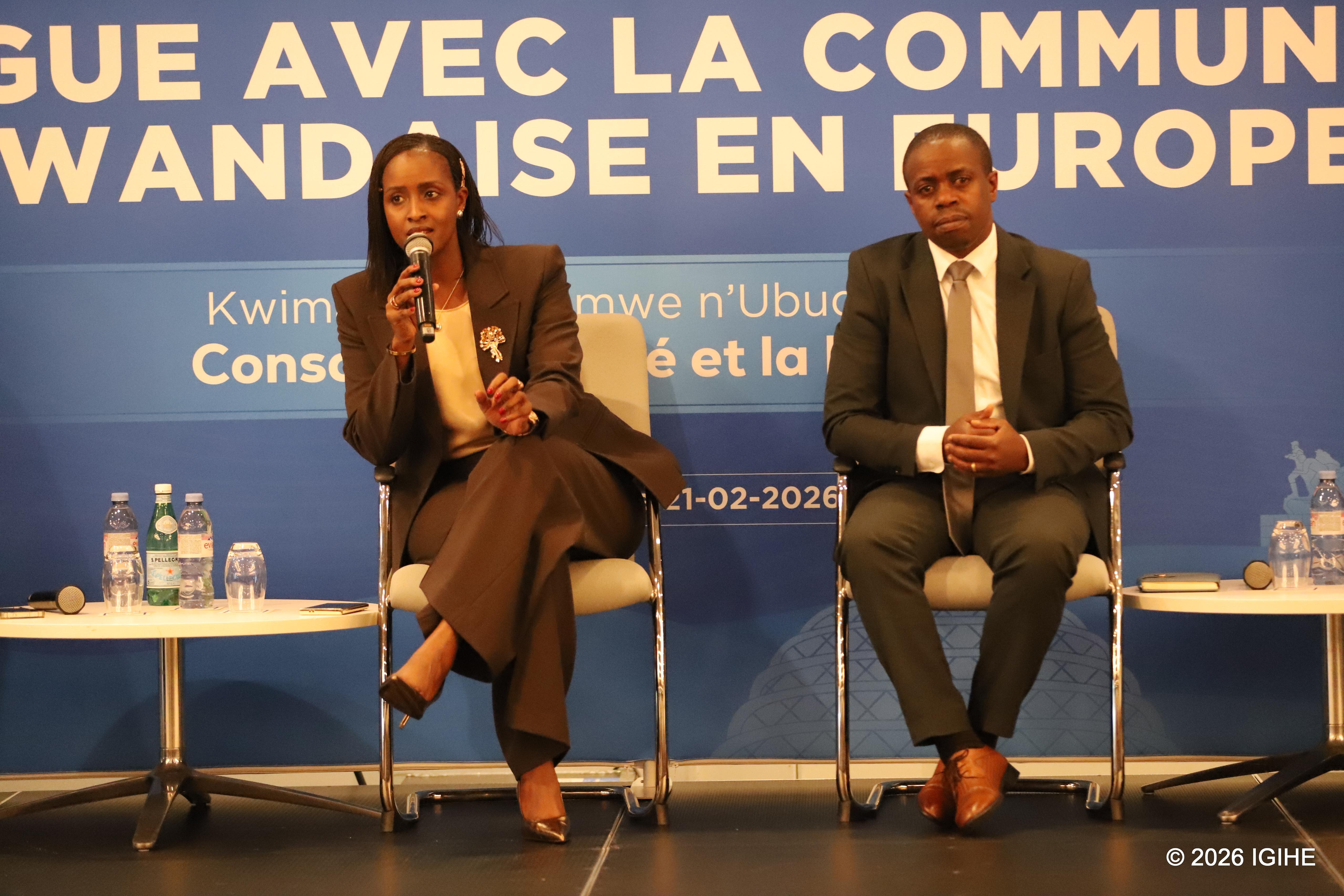
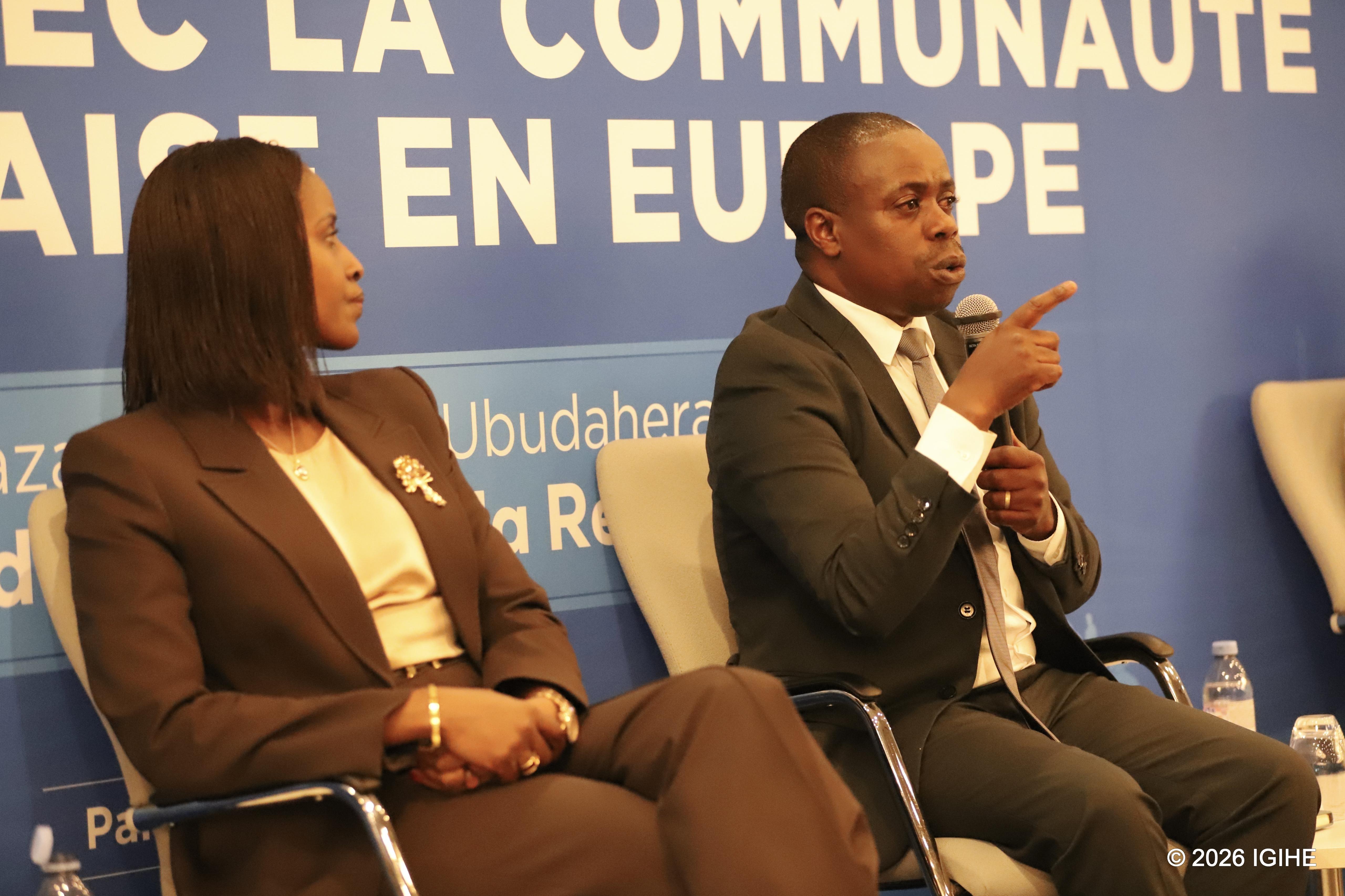
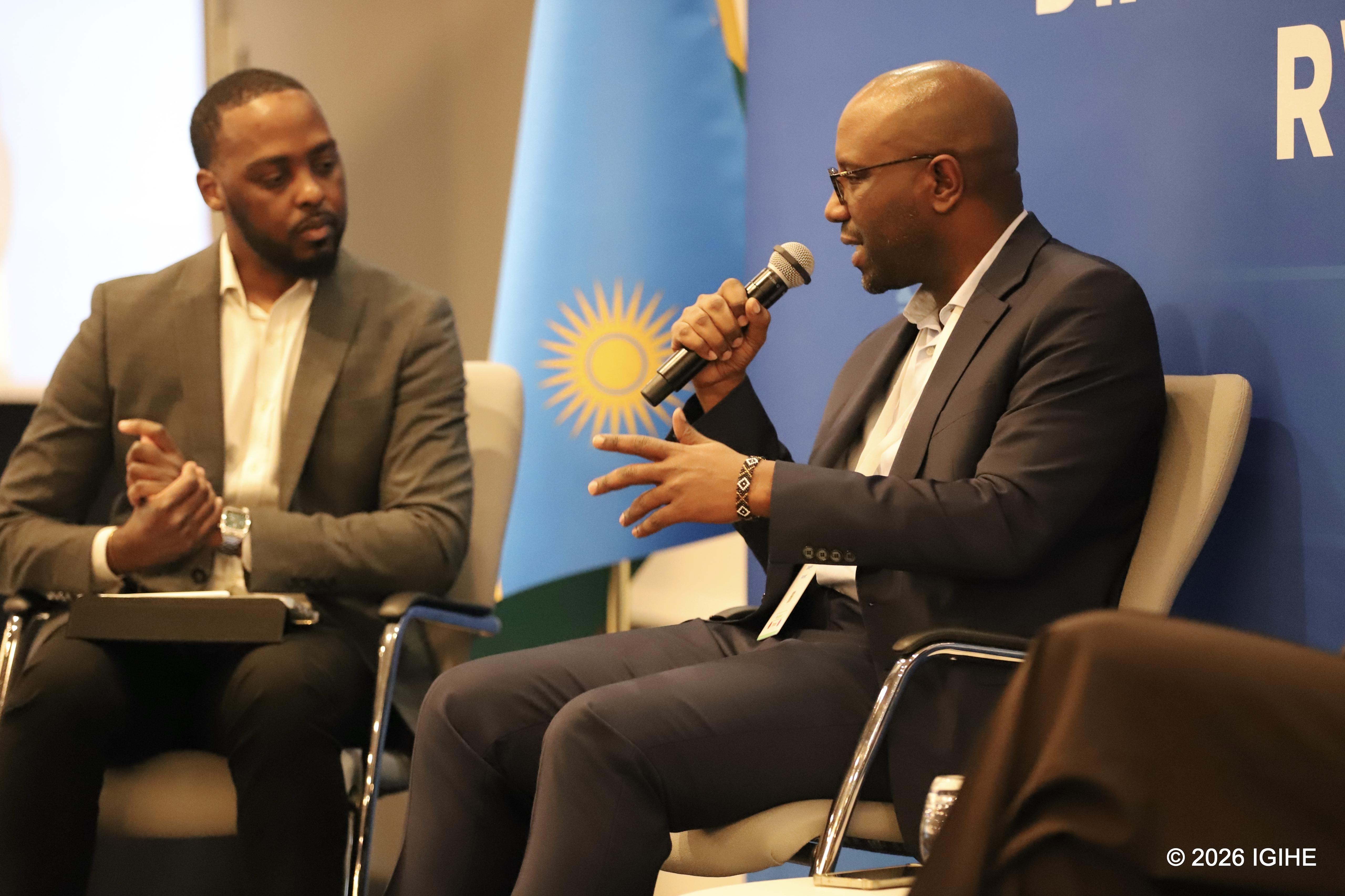
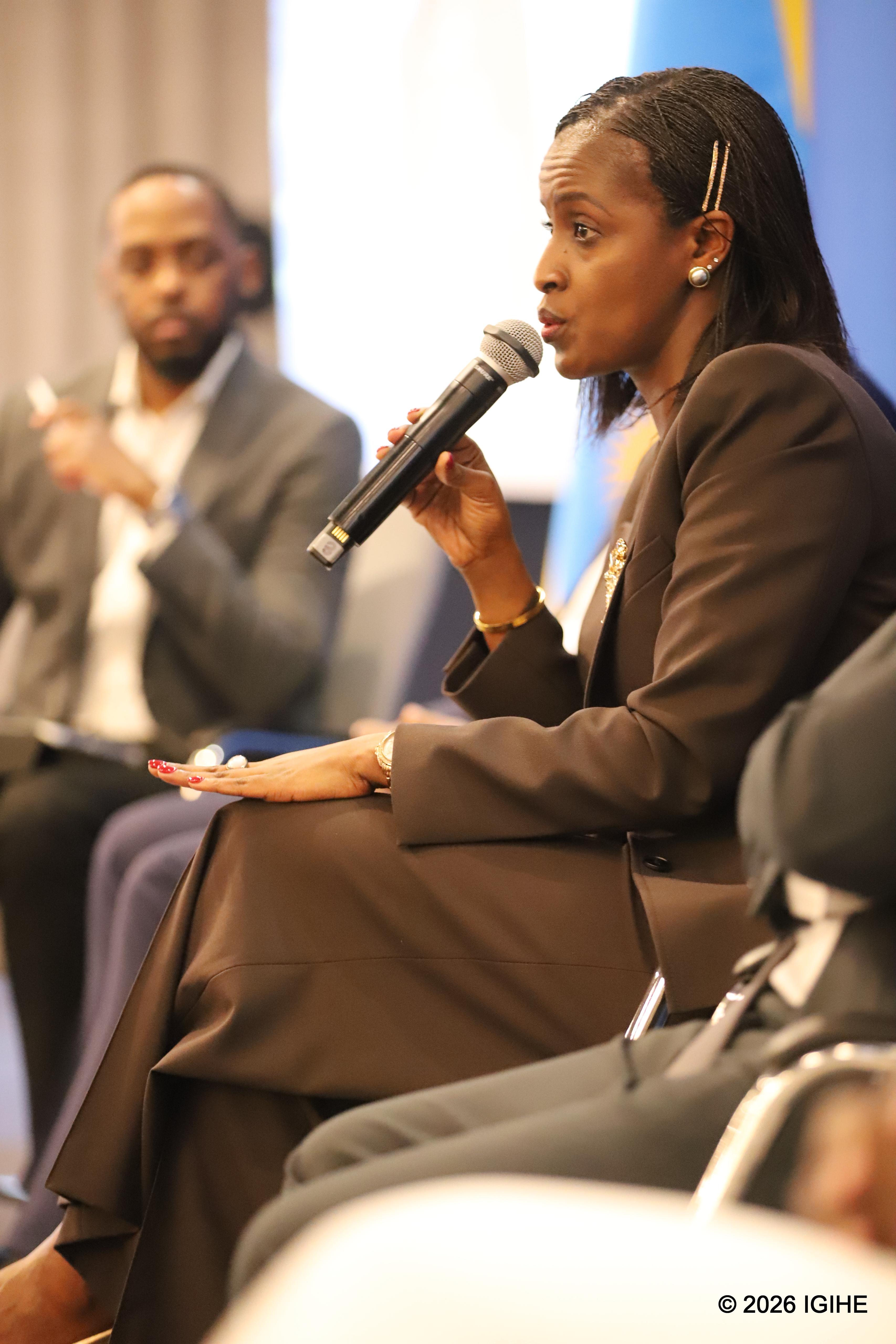
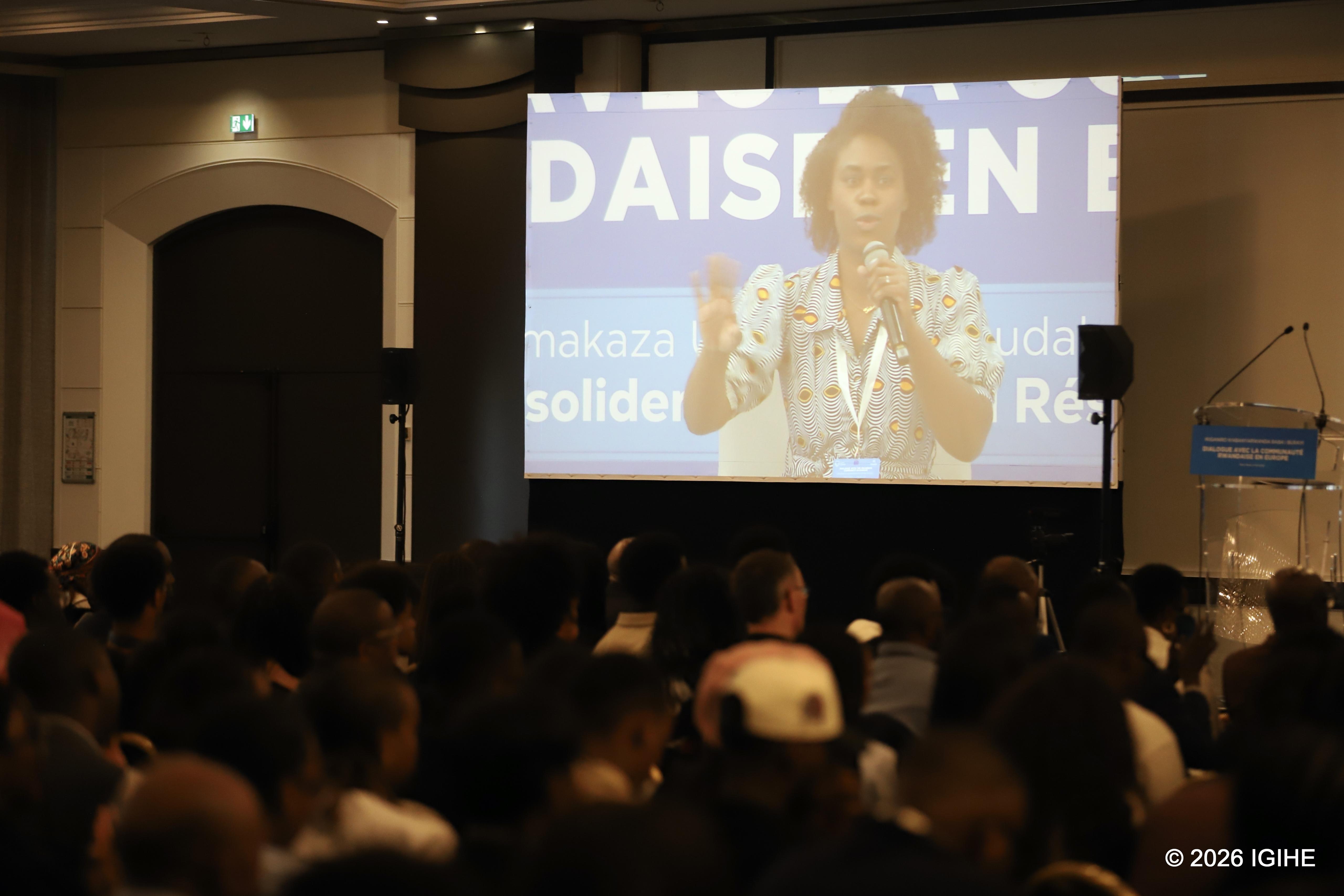
Speaking at the event, Rwanda’s Minister of National Unity and Civic Engagement, Dr. Jean-Damascène Bizimana, delivered a strong message directed to younger generations: preserve the language, understand history, and strengthen ties with the motherland.
Through testimonies, discussions, and collective reflections, the meeting emerged as a valuable platform for intergenerational dialogue and transmission.
Kinyarwanda language, a foundation of unity
From the outset of his remarks, the speaker chose to speak in French, accompanied by interpretation into Kinyarwanda to ensure inclusivity among participants. A summary was also provided for those not fully fluent in either language.
This linguistic choice became the starting point for a clear call to action: encouraging the learning of Kinyarwanda within the diaspora. “We are fortunate to share a single national language that facilitates communication and strengthens our identity,” he emphasized, urging Rwandan communities abroad to develop local initiatives for cultural and linguistic transmission.
Youth at the heart of discussions
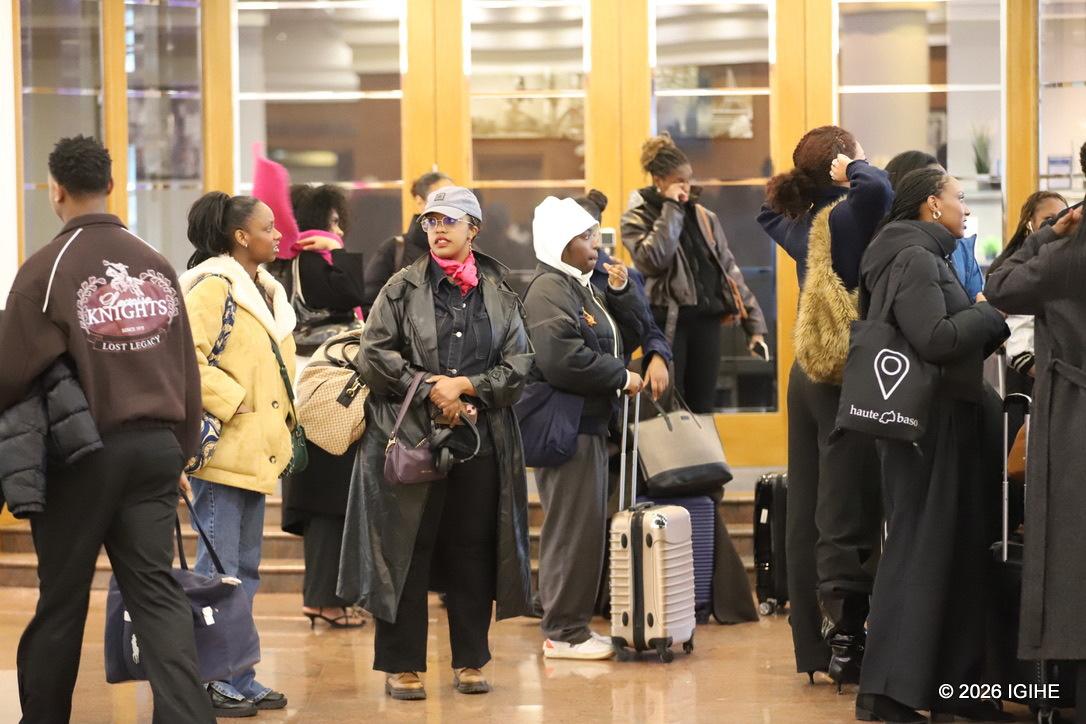
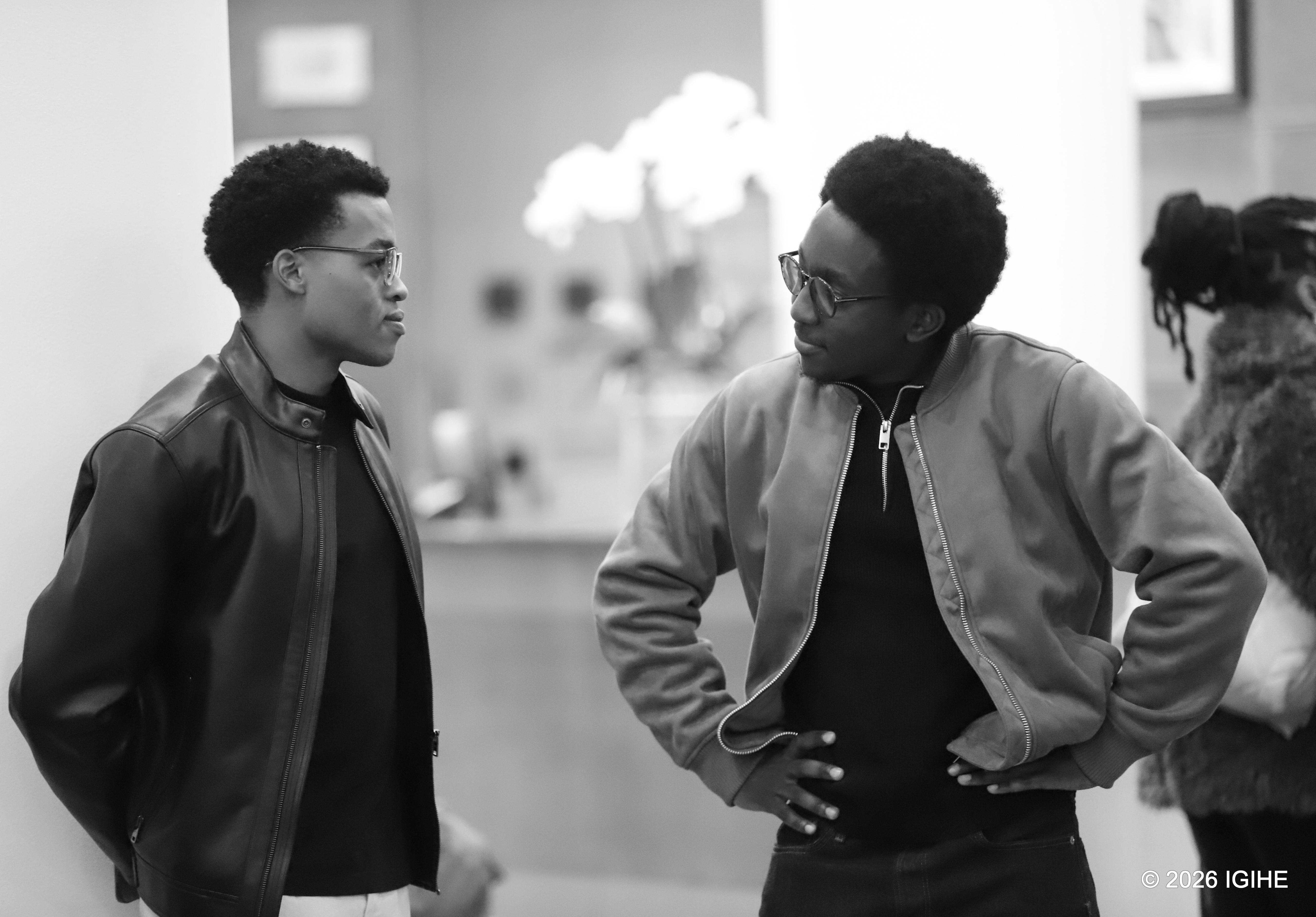
The strong presence of young people born or raised in the diaspora was a defining feature of the gathering. For the delegation from Rwanda, this reality represents a source of optimism. Although geographically distant from the country, these young individuals remain an essential link in cultural and national continuity.
The event also responded to a request expressed by diaspora youth eager to engage directly with representatives from Rwanda in order to better understand the country’s contemporary realities and share their aspirations.
Understanding history to build the future
Discussions also explored memory and historical issues, recalling Rwanda’s complex past and the profound human consequences of the 1994 Genocide against the Tutsi.
Within this context, the speaker stressed the importance of critical inquiry among younger generations, particularly in response to the wide range of narratives circulating on social media. The objective, he explained, is not to impose a particular perspective but to promote informed understanding grounded in facts, testimonies, and direct exchanges.
Dialogue and sharing experiences
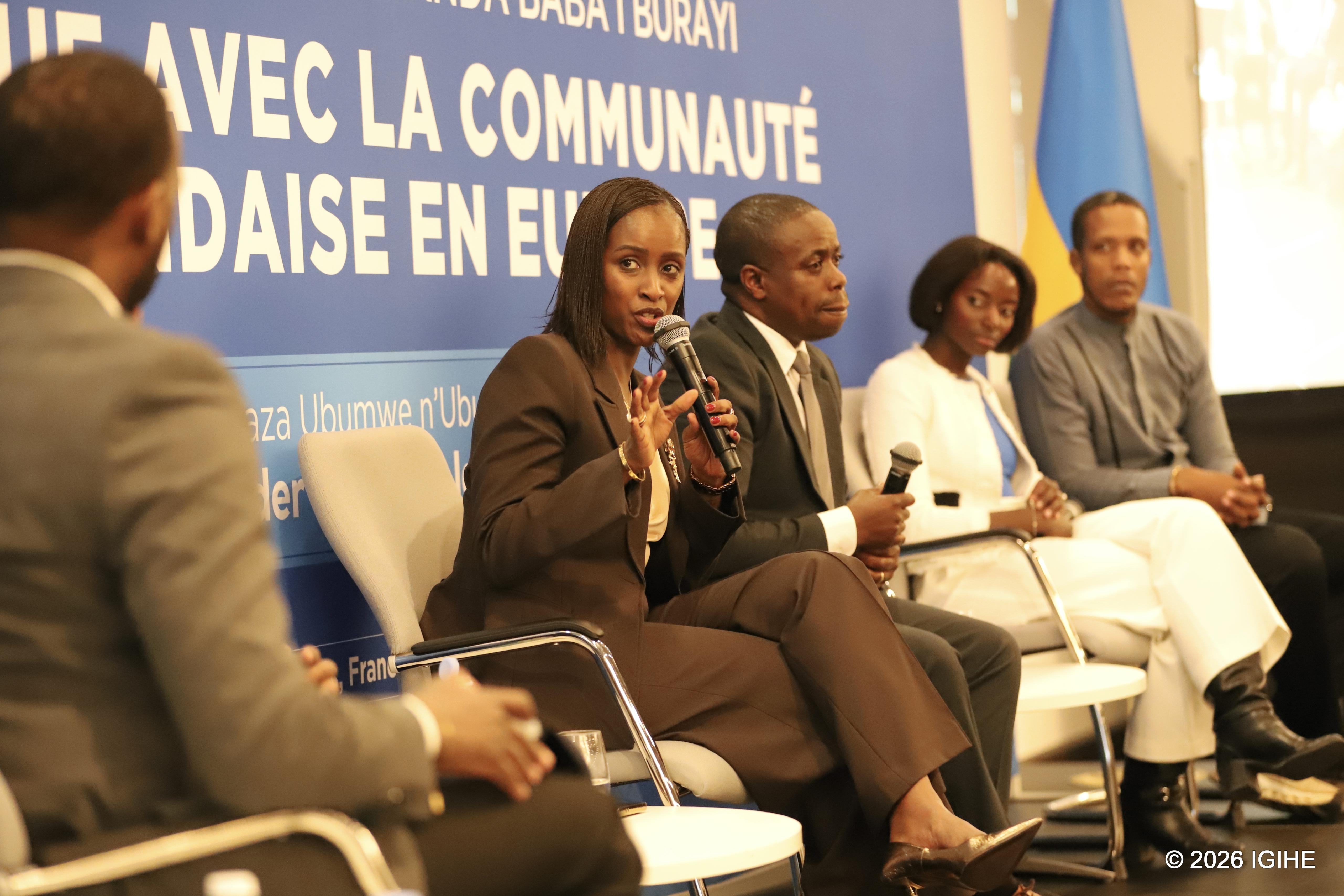
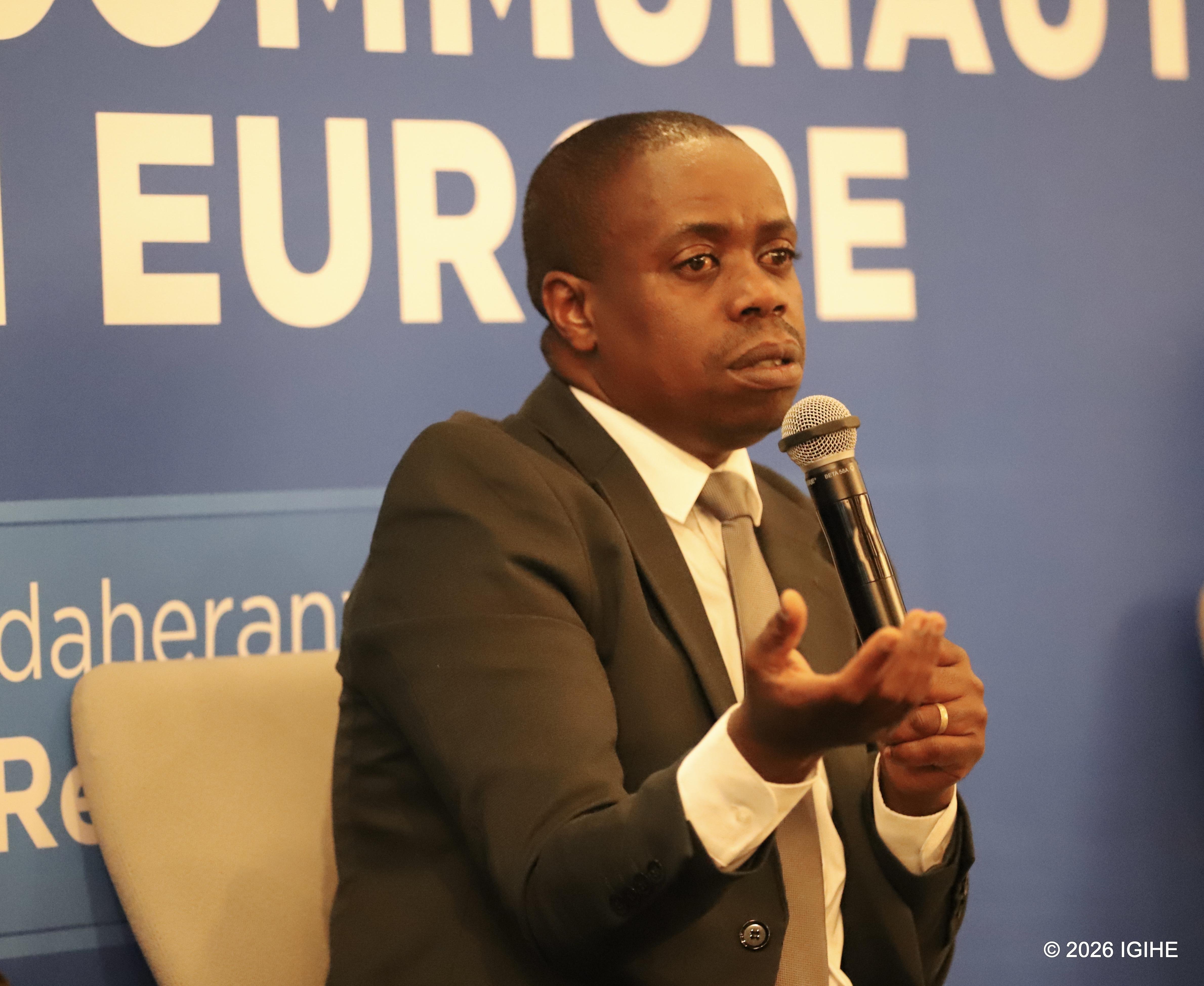
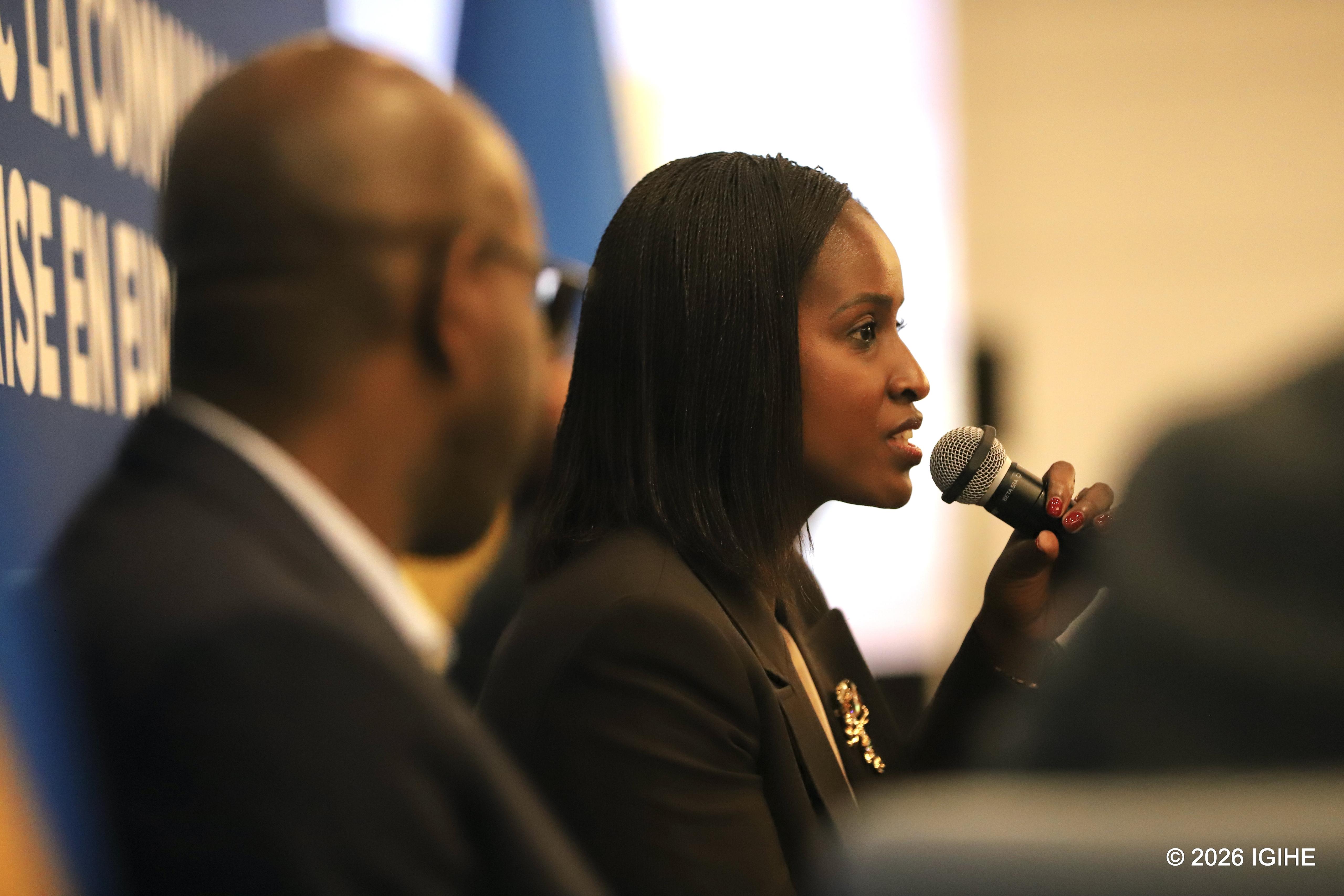
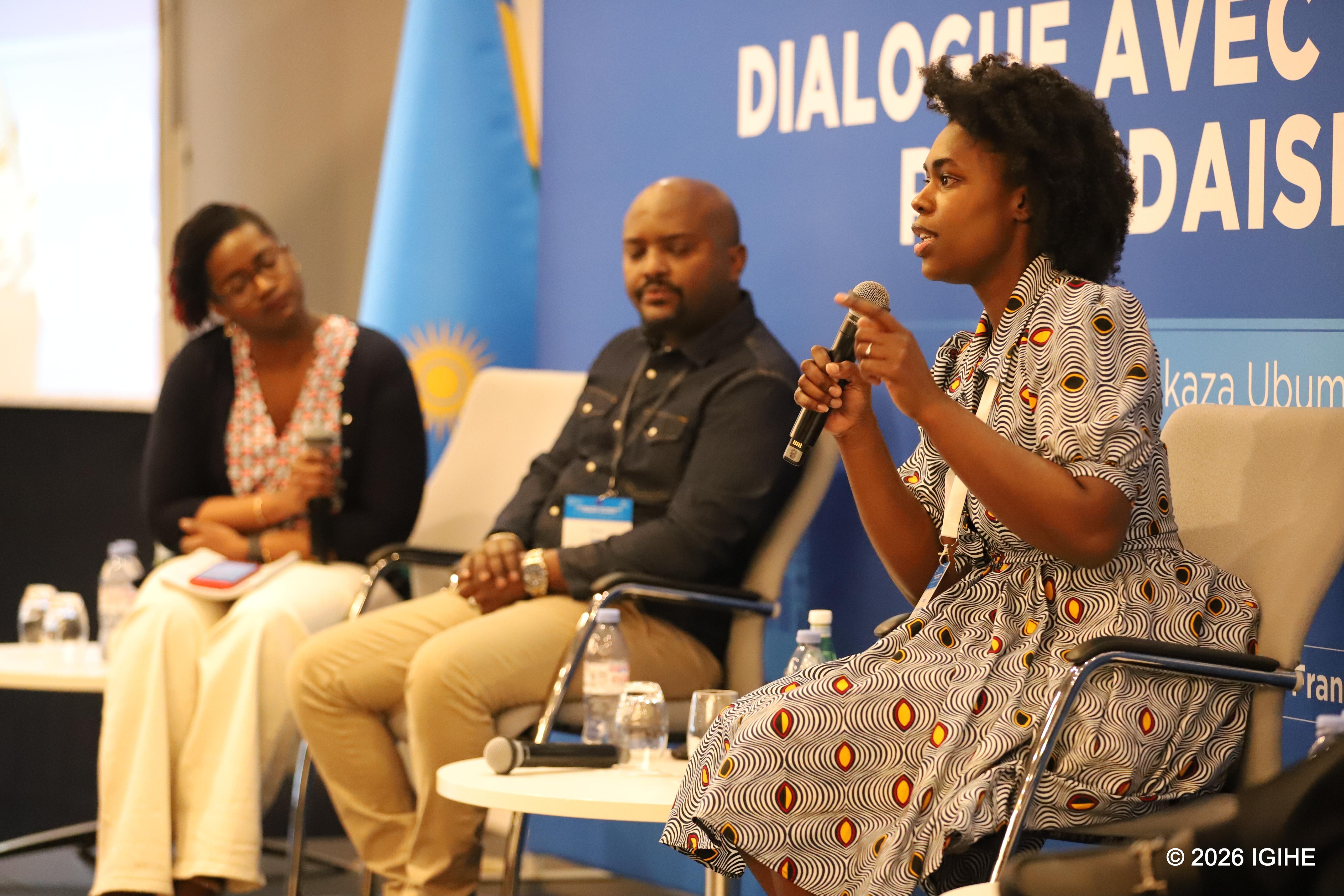
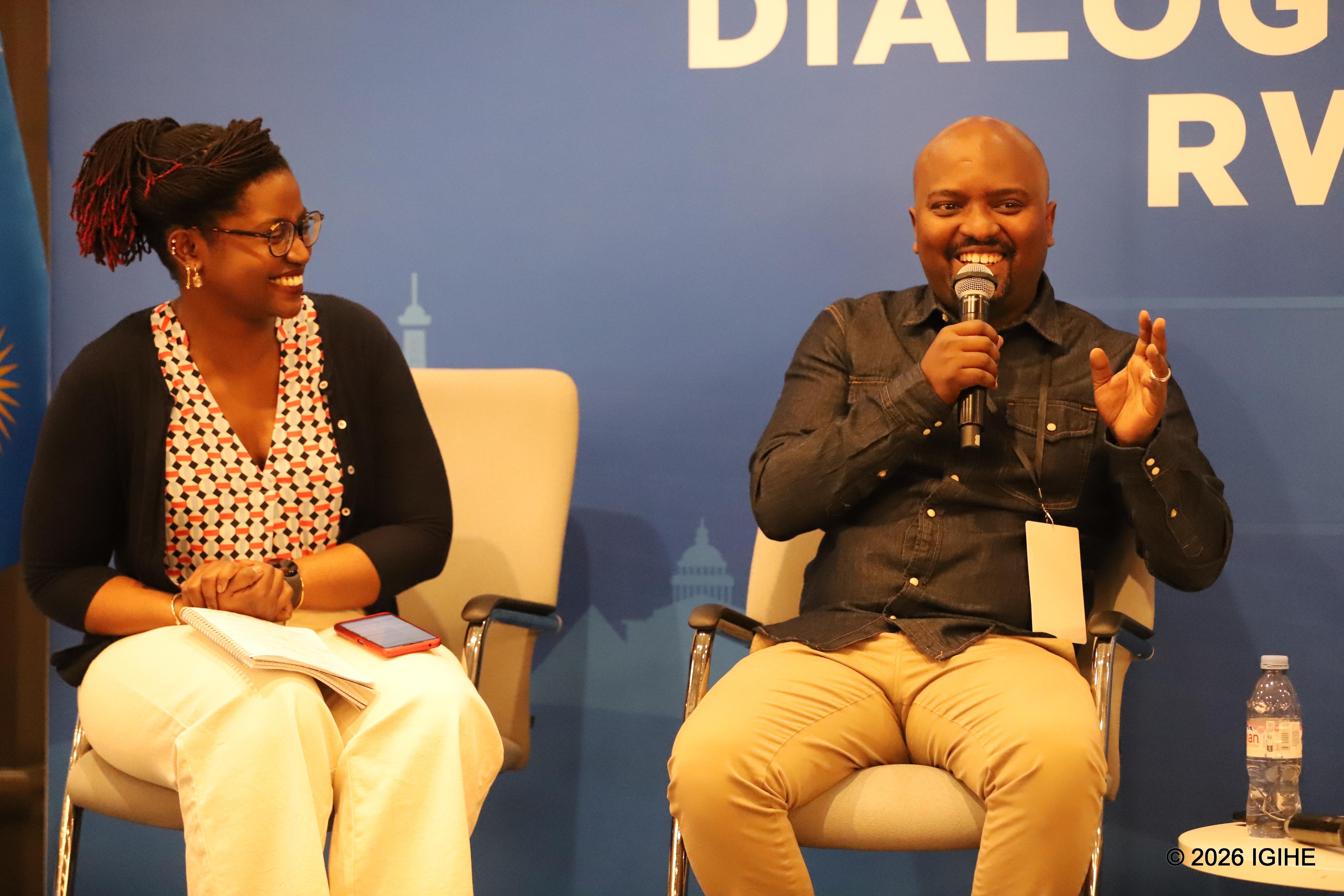
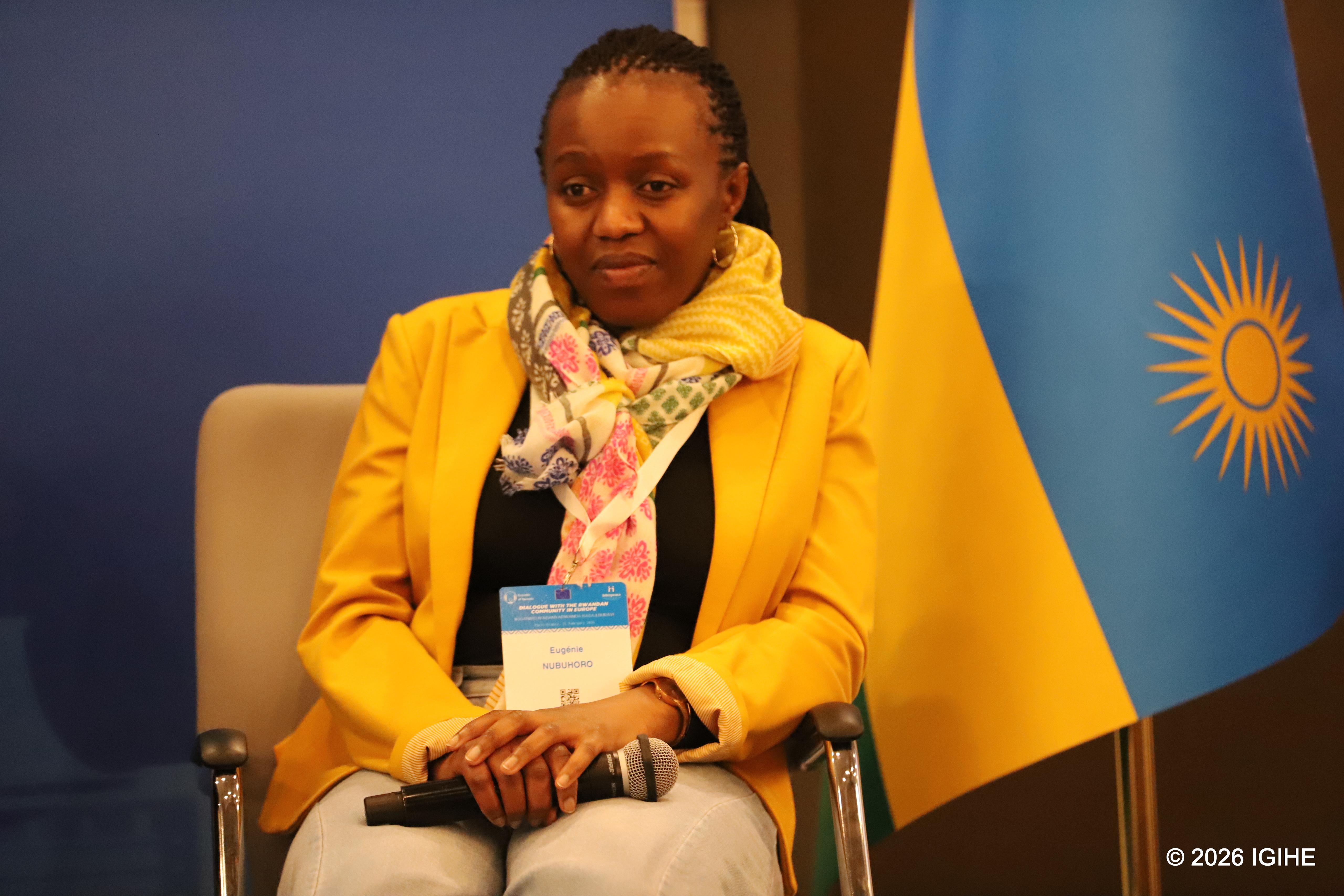
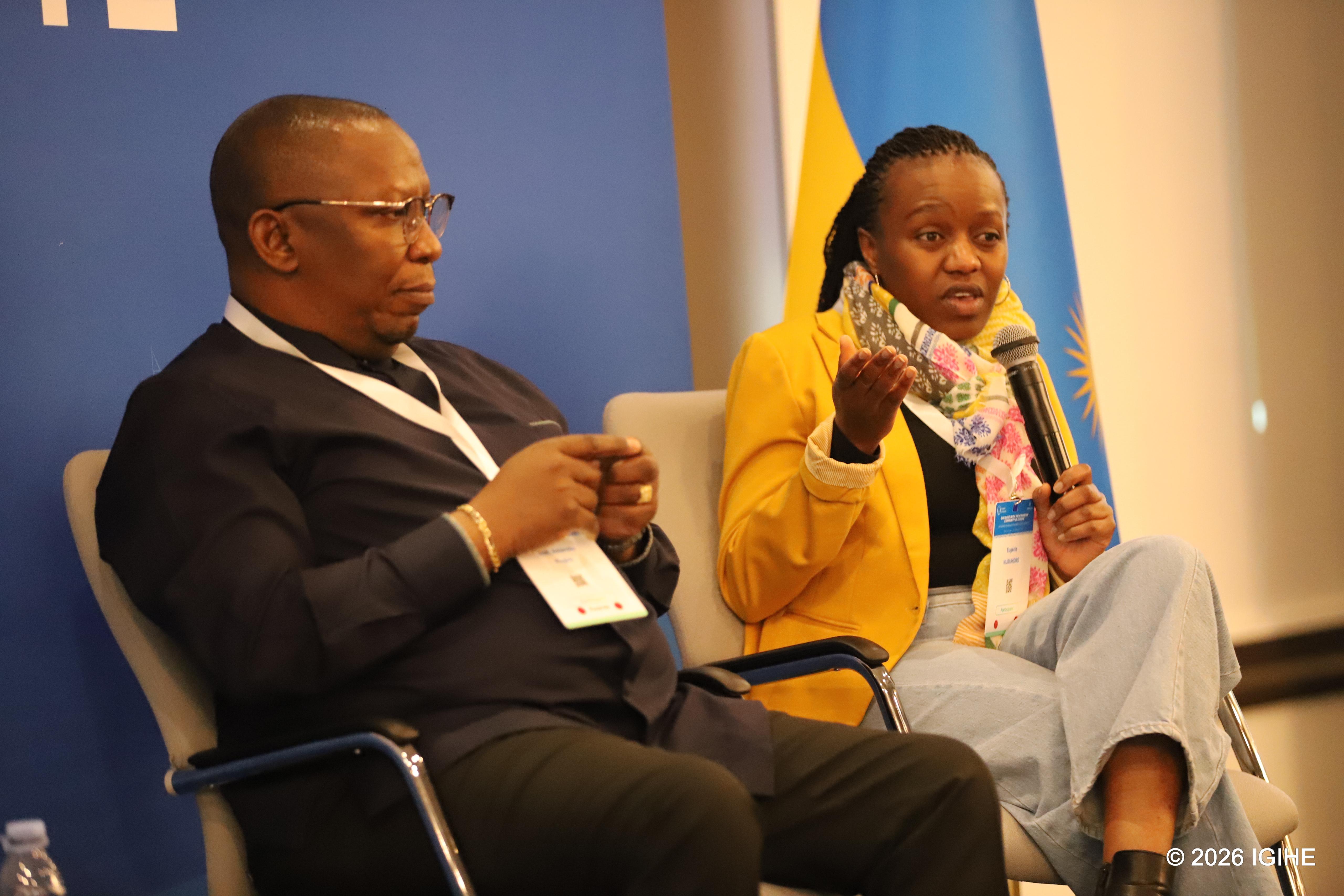
One of the gathering’s key strengths lay in the diversity of speakers. Panelists from varied professional backgrounds and life experiences shared stories closely aligned with those of many diaspora youth.
This practical approach aimed to provide concrete responses to questions surrounding identity, belonging, opportunities, and the different ways individuals can engage while living abroad.
Maintaining ties with the motherland
Beyond historical reflections, the meeting highlighted Rwanda’s transformations over recent decades and the opportunities available to the diaspora, particularly in economic, cultural, and social initiatives.
The central message to young participants was clear and motivating: geographical distance should not be a barrier to engagement. Communication technologies, travel, and cooperation programs now offer multiple pathways to maintain active connections with the country.
A call for unity and transmission
In closing, the remarks turned toward the future, encouraging young Rwandans abroad to take pride in their identity and contribute, in their own ways, to Rwanda’s global presence.
Learning the language, understanding history, and participating in community initiatives were presented as key drivers for strengthening unity and intergenerational solidarity.
Marked by fraternity and dialogue, the gathering illustrates a shared determination to deepen ties between Rwanda and its diaspora, underpinned by a common conviction: unity remains the cornerstone of a peaceful and hopeful collective future.