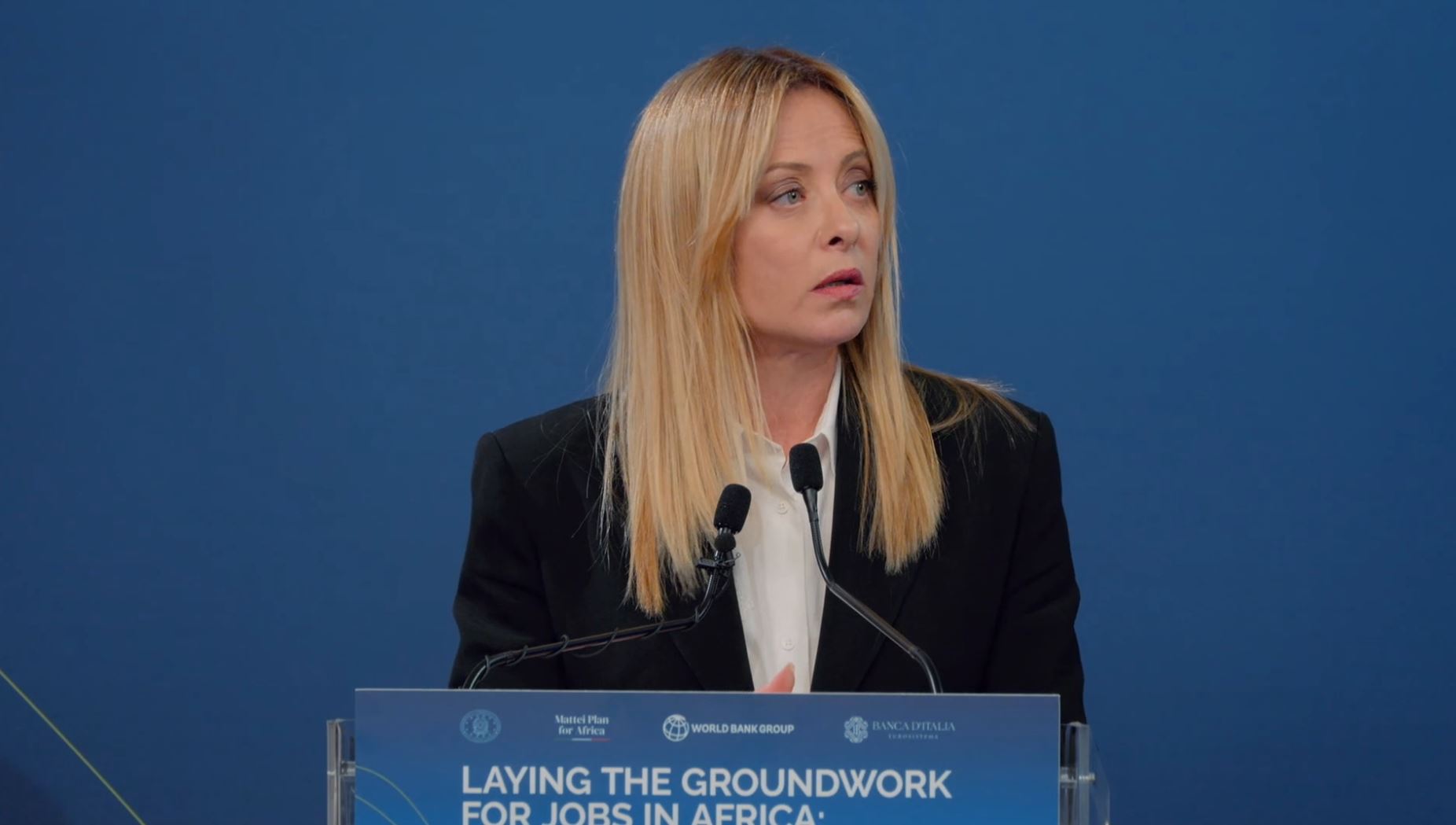
Meloni revealed the planned expansion while speaking at the conference “Laying the groundwork for jobs in Africa” held at the Bank of Italy on Wednesday, where she outlined Italy’s broader strategy for economic partnership with African countries.
“The Matte Plan has involved 14 countries, and in 2026, we will extend it to another 4: Congo, Rwanda, Gabon, and Zambia,” Meloni said.
The Mattei Plan is a strategic initiative launched by the Italian government to promote what it describes as a “non-predatory” and equal partnership with African nations.
The programme focuses on key sectors such as energy, infrastructure, education, health, and agriculture.
Backed by more than €1.2 billion in funding, the plan aims to boost development in partner countries while also helping to address the root causes of irregular migration toward Europe.
Meloni also stressed that the success of cooperation with Africa should be judged by practical results.
“We believe that the effectiveness of cooperation is measured not by good intentions but by the concrete results it achieves in terms of jobs created, businesses supported, and investments mobilized.
“This is our approach, and we believe it should also be the approach Europe and the West adopt toward Africa: less fragmentation, more coordination, less rhetoric, more construction projects, fewer promises, more innovative and concrete financial instruments, less charity, more development,” she noted.
Currently, the initiative involves 14 partner countries. The initial pilot group includes Algeria, the Democratic Republic of Congo, Egypt, Ethiopia, Kenya, Côte d’Ivoire, Morocco, Mozambique, and Tunisia.
Additional partners later added to the programme are Angola, Ghana, Senegal, Mauritania, and Tanzania.
Italian Prime Minister Giorgia Meloni announced a plan to extend the ‘Mattei Plan’ to more African countries.
The agreement was simultaneouly signed on Thursday, March 5, 2026, in Addis Ababa by Dr Jean Kaseya, Director General of Africa CDC, and in Tokyo by Professor Dr. Norihiro Kokudo, President of JIHS.
According to a statement released by Africa CDC, the agreement establishes a framework for enhanced cooperation to address emerging and re-emerging public health threats and to strengthen pandemic prevention, preparedness, and response.
The partnership will promote closer collaboration in infectious disease surveillance and early warning systems, laboratory and research capacity, and coordinated responses to public health emergencies.
It will also support workforce development through structured training programs, institutional exchanges, and technical collaboration aimed at strengthening resilient public health institutions.
“Health threats cross borders, and preparedness depends on strong partnerships,” said Dr Jean Kaseya, Director General of Africa CDC. “This cooperation with JIHS will strengthen scientific collaboration, reinforce public health institutions and workforce capacity, and accelerate our ability to prevent, detect, and respond to outbreaks.”
The collaboration will also advance One Health and climate-resilient approaches to address zoonotic diseases, antimicrobial resistance, and other emerging risks.
“JIHS was established as an integrated national institution combining infectious disease intelligence, research and development, clinical expertise, and international cooperation,” said Professor Dr. Norihiro Kokudo, President of JIHS. “Through this partnership with Africa CDC, we look forward to expanding joint research, strengthening workforce development, and building practical collaboration that contributes to regional and global health security.”
The cooperation reflects a shared commitment to strengthening science-based preparedness and fostering mutual learning between institutions, researchers, clinicians, and public health professionals from Africa and Japan.
It also supports Africa CDC’s Strategic Plan (2023–2027) and theAfrica Health Security and Sovereignty (AHSS) Agenda. The partners will operationalize the agreement through a Joint Action Plan that will define priority activities, timelines, and implementation mechanisms.
The agreement was signed in Addis Ababa by Dr. Jean Kaseya, Director General of Africa CDC, and in Tokyo by Professor Dr. Norihiro Kokudo, President of JIHS.
According to BBC, the five-minute film, launching on Thursday, was filmed on a rewilded farm at the Westacre Estate near King’s Lynn in Norfolk.
Written by Norfolk playwright Emma-Louise Howell, the script was created in collaboration with young farmers. It explores why people often talk about the weather but avoid discussions about climate change.
Howell said the farmers she spoke to are directly affected by shifting climates, adjusting daily to changes rather than seeing it as a distant concept.
The film features young Norfolk actor Hemi Grimsby, Ben Mansfield of Primeval, and Florence Wright from The Flash. Environmental group Climate Majority Project hopes it will help pupils and teachers speak “honestly and sensitively” about climate issues.
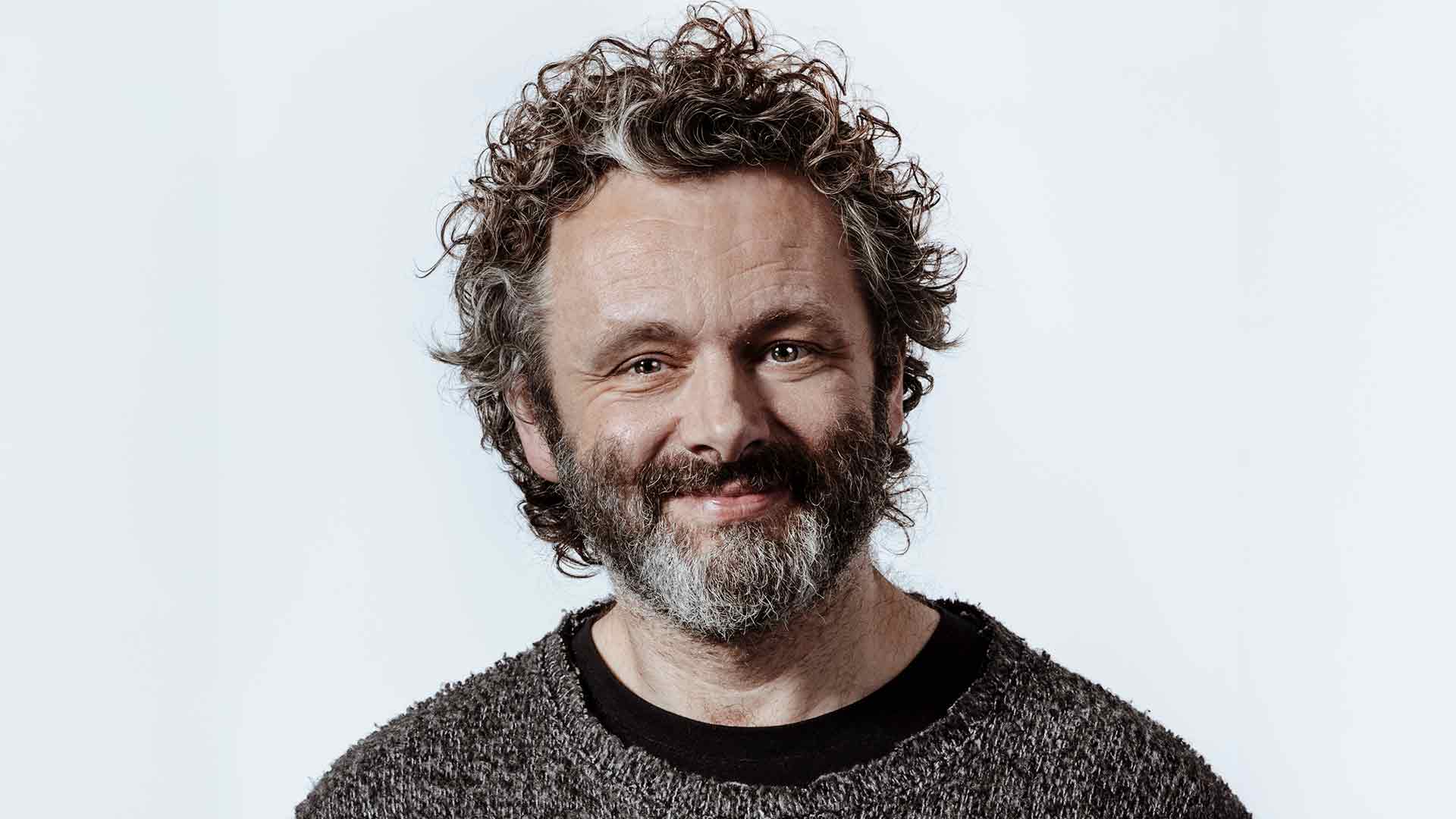
Howell described working with Sheen, known for Good Omens and The Twilight Saga, as a dream come true.
Director Harry Tomlin added that the Norfolk landscape provided the perfect backdrop, presenting the story through a child’s perspective in a gritty folk-horror style.
He said the film offers an accessible, engaging way to start climate conversations without feeling didactic or patronising.
Renowned Actor born in Newport, Wales, Michael Sheen has narrated a new short film.
The discoveries, including the tiny Eosteus chongqingensis and the predatory Megamastax amblyodus (the largest early vertebrate found so far, before the Devonian), reveal critical stages in the evolution of nearly all modern vertebrates.
Published in Nature on March 4, 2026, the studies resolve long-standing questions about the early evolution of bony fishes, the ancestors of 98% of living vertebrates, including humans.
Fossils unearthed in southern China provide a rare view of the ancestral anatomy that underpins modern fish and, eventually, terrestrial vertebrates.
Eosteus, measuring just three centimeters, combines features of modern bony fish with traits seen in extinct cartilaginous fish and armored placoderms.
Its “mosaic” anatomy places it at the base of the bony fish lineage, just before the major split into ray-finned and lobe-finned fishes.
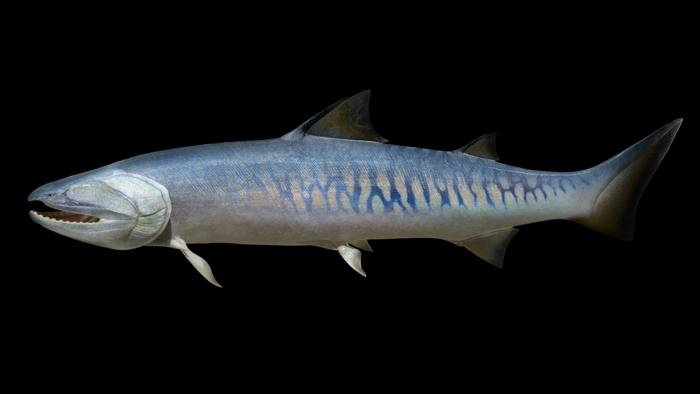
Meanwhile, Megamastax, over one meter long and dating roughly 423 million years ago, was the largest known vertebrate of the Silurian period, an era marked by the recovery from ice age extinctions, stabilized warm climates, and high sea levels.
High-resolution CT scans revealed complex tooth cushions in its jaws, solving a decades-old mystery about isolated fossil teeth and demonstrating that early vertebrates could reach substantial sizes, supporting sophisticated predator-prey ecosystems long before the so-called “Age of Fishes.”
Together, these findings position southern China as a cradle of early vertebrate evolution, mapping the emergence of jaws, teeth, and complex anatomy that paved the way for the vertebrate lineage leading to humans.
Life reconstruction of the biggest Silurian vertebrate Megamastax amblyodus. Credit Image by NICE PaleoVislab, IVPP
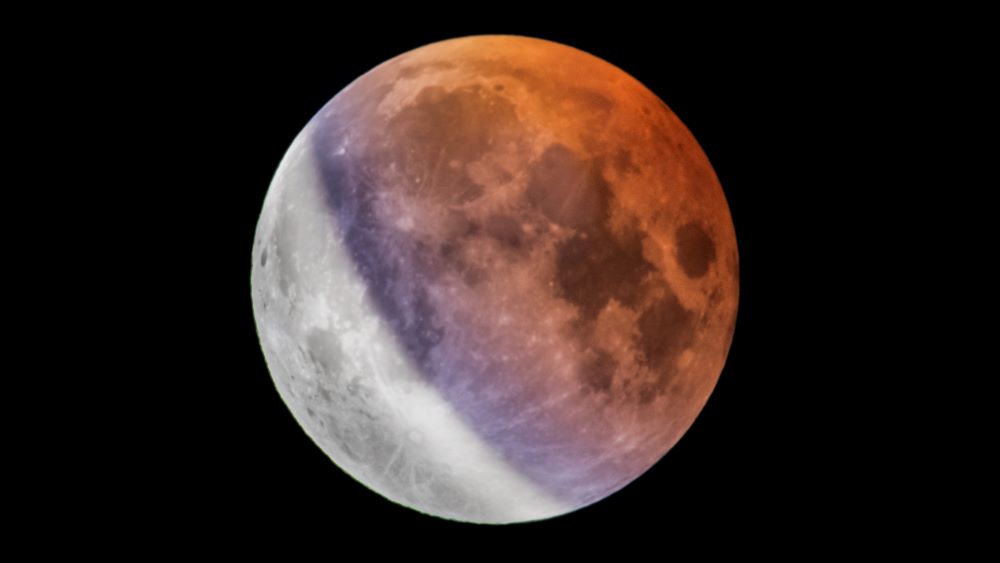
While many photographers captured the darkened lunar surface, astrophotographer Mike Shaw of Arroyo Grande, California, revealed a rare phenomenon: a thin, bluish concentric band along the moon’s edge during the partial phases.
Shaw’s image, a high-dynamic-range blend of seven photographs taken between 12:30 and 6:30 a.m., shows both the central red shadow and the delicate blue band.
On Instagram, he described the band as light passing through Earth’s upper stratosphere, where ozone absorbs red light but allows blue light to shine, contrasting with the red-orange light filtered through the lower atmosphere.
During totality, when the moon fully enters Earth’s umbra, sunlight refracted through every sunrise and sunset on the planet illuminates the lunar surface, giving it the fiery hue. The blue band, visible just before and after totality, is far rarer and highlights the interaction of sunlight with the stratosphere.
According to Forbes, Shaw carefully monitored weather and cloud cover in the days leading up to the eclipse, capturing the phenomenon without needing to travel far.
“The vivid, fiery red eclipsed moon appears suspended in space, and seems close enough you could pluck it out of the sky,” he said.
The next total lunar eclipse visible globally is expected to occur on December 31, 2028, with another visible from North America on June 26, 2029. A partial eclipse on August 27, 2026, will also offer photographers a chance to capture the elusive blue band.
A high-dynamic range blend of seven images of the “blood moon” total lunar eclipse on March 3, 2026, from a scenic spot along California’s Central Coast by astrophotographer Mike Shaw.
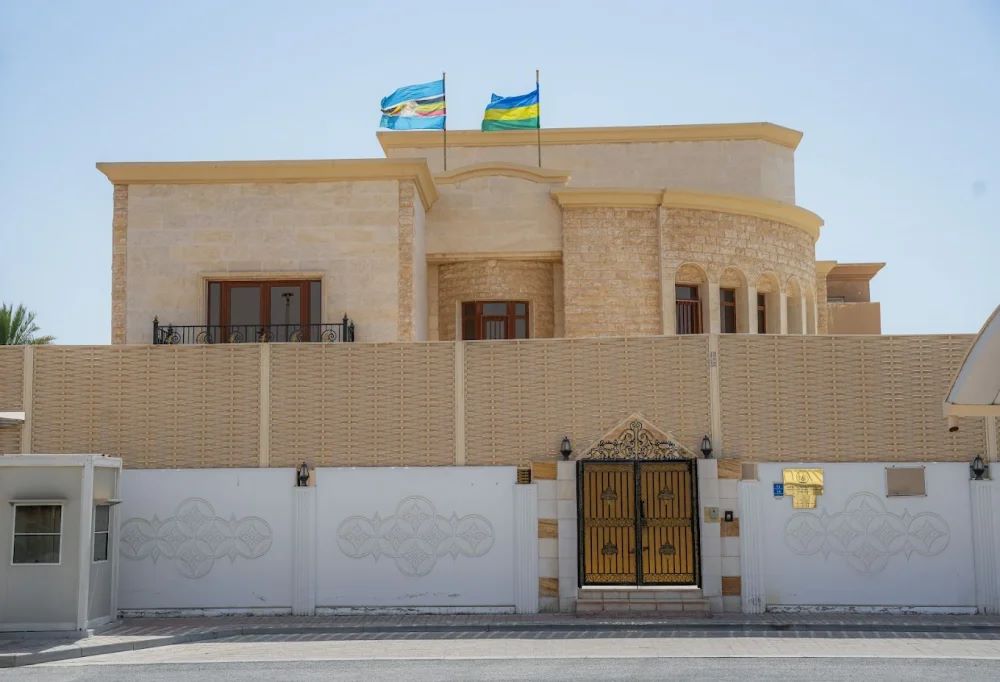
The decision was communicated in an announcement issued on March 4, 2026, by the Rwandan embassy in Doha.
“Due to the current security situation, the Embassy of Rwanda in Doha is currently operating online until further notice,” reads the notice.
The embassy reaffirmed full commitment to continue providing assistance to all those who require its services remotely.
The move comes as Iran continues to launch attacks on Qatar, which hosts a major United States military base.
The rising tensions follow strikes launched by the United States and Israel against Iran on February 28, 2026, escalating tensions across the Middle East.
In retaliation, Iran began targeting countries in the region that cooperate with the United States, including Qatar.
As a result of the attacks, several institutions in Qatar have temporarily suspended operations, including the national carrier, Qatar Airways.
Rwandan Embassy in Qatar has moved services online.
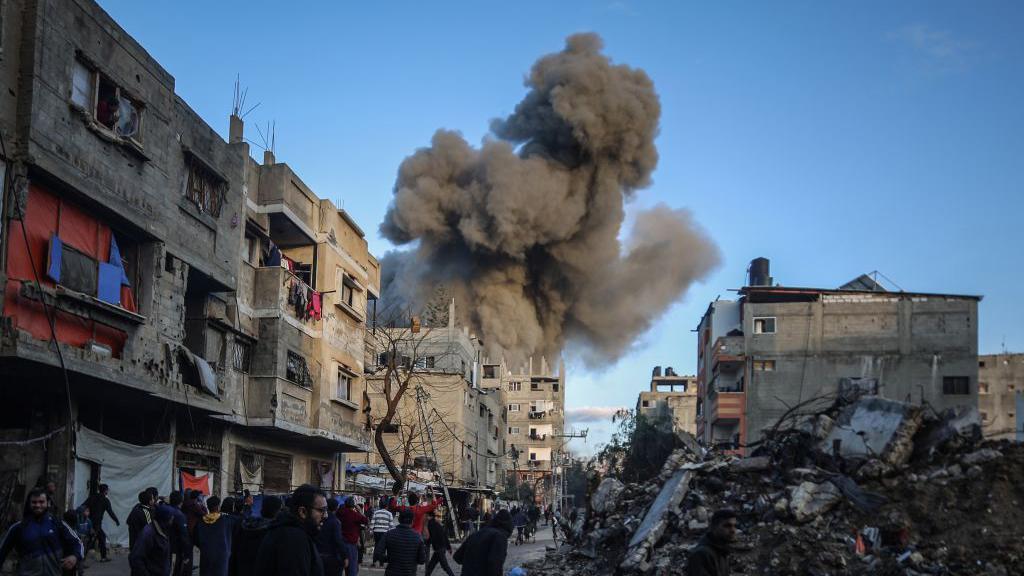
The National News Agency reported that the victims included senior Hamas official Wassim Atallah al-Ali and his wife after an Israeli drone targeted their home in the camp.
One of al-Ali’s daughters was also injured and transferred to the hospital inside the camp for treatment.
Hezbollah on Monday fired missiles and drones toward Israel in retaliation for the killing of Iran’s Supreme Leader Ali Khamenei in a joint U.S.-Israeli strike and for repeated Israeli attacks on Lebanon.
Israel has responded with massive airstrikes on Hezbollah targets and deployed ground forces into southern Lebanon.
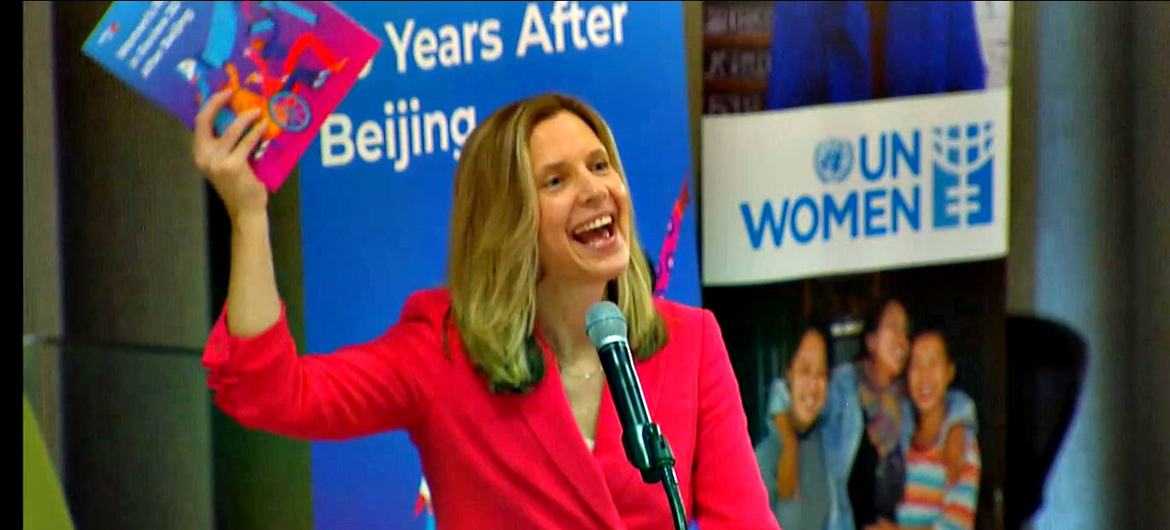
There’s also the shrinking of civic space as well as increasingly organized pushback on gender equality and the regression of women’s rights, said Sarah Hendriks, UN Women’s director of the Policy, Programme and Intergovernmental Support Division, on the global launch of the UN secretary-general’s report, “Ensuring and Strengthening Access to Justice for All Women and Girls,” ahead of International Women’s Day 2026 and the 70th Session of the Commission on the Status of Women, which is scheduled for March 9-19.
Hendriks warned that there are women who choose not to report the violence they experience, because they fear that they won’t be believed; there are women who are paid less than their male counterparts in the very same work in places where the law does not actually require equal pay; and there are girls who don’t have birth registration, face heightened risk of child marriage, and face heightened risk of trafficking.
“No country in the world has achieved full legal equality between women and men,” she said.
According to the secretary-general’s report, globally, women have 64 percent of the legal rights of men, as discriminatory legal frameworks continue to prevail; 54 percent of countries lack consent-based legal definitions of rape, while 72 percent allow child marriage in all or some circumstances; and in 44 percent of countries, the law does not mandate equal remuneration for work of equal value, meaning women can still legally be paid less for the same work.
While progress is possible as 87 percent of countries have enacted domestic violence legislation, and more than 40 countries have strengthened constitutional protections for women and girls over the past decade, discriminatory social norms — stigma, victim-blaming, fear, and community pressure — continue to silence survivors and obstruct justice, allowing even the most extreme forms of violence, including femicide, to go unpunished.
Women’s access to justice is also prevented by everyday realities such as cost, time, language, and a deep lack of trust in the very institutions meant to protect them, the report showed.
In a press release, UN Women’s Executive Director Sima Bahous said that “when women and girls are denied justice, the damage goes far beyond any single case. Public trust erodes, institutions lose legitimacy, and the rule of law itself is weakened. A justice system that fails half the population cannot claim to uphold justice at all.”
“Now is the moment to stand up, show up, and speak up for rights, for justice, and for action – so that every woman and girl can live safely, speak freely, and live equally,” Bahous stressed.
According to the release, as backlash against longstanding commitments on gender equality intensifies, violations of the rights of women and girls are accelerating, fueled by a global culture of impunity, spanning from courts to online spaces to conflict.
As technology outpaces regulation, women and girls face growing digital violence in a climate of impunity where perpetrators are rarely held accountable. And in conflicts, rape continues to be used as a weapon of war, with reported cases of sexual violence rising by 87 percent in just two years.
In the release, UN Women calls for urgent and decisive action: end impunity, defend the rule of law, and deliver equality — in law, in practice, and in every sphere of life — for all women and girls.
Sarah Hendriks, director of UN Women’s policy, programme and intergovernmental division, at the launch of the Beijing+30 Action Agenda.
Burundi, the current chair of the African Union, has nominated Macky Sall, former president of Senegal, while Costa Rica has put forward Rebeca Grynspan, economist and former vice president of Costa Rica, for the post.
With the new nominations, there are currently four candidates vying for the position. The other two candidates are former Chilean president Michelle Bachelet, nominated by Chile, Brazil and Mexico, and Rafael Grossi, the current director general of the International Atomic Energy Agency, nominated by Argentina.
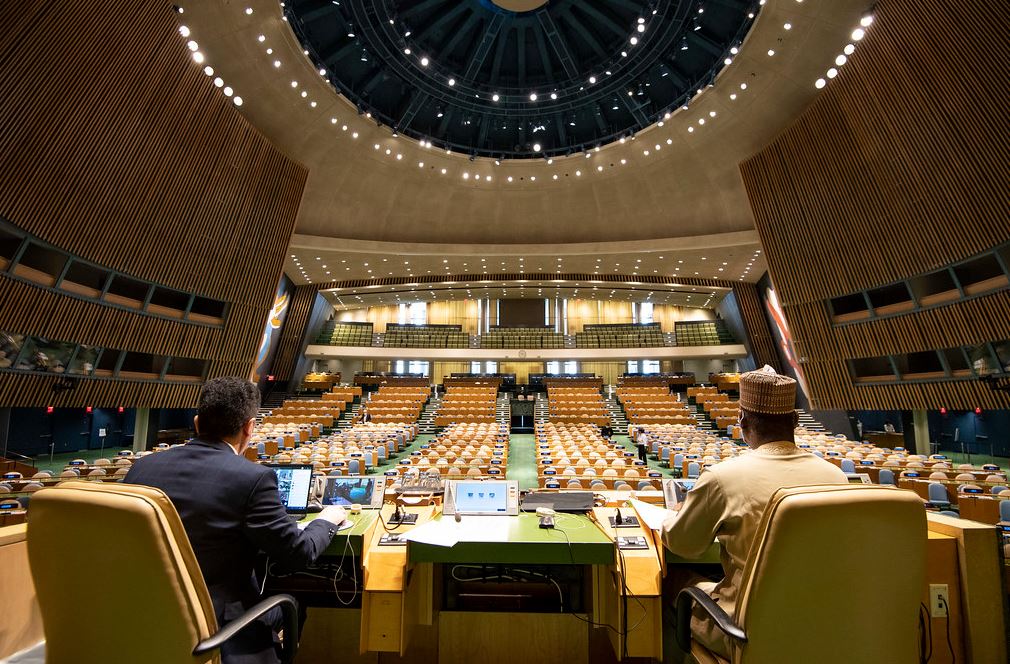
In a letter to UN member states on Wednesday, UNGA President Annalena Baerbock revealed the modalities of the interactive dialogues with the candidates, scheduled for the week of April 20.
The dialogues will be structured around the three pillars of the United Nations, namely peace and security, human rights and development. Each candidate will present their vision, followed by questions and engagement from member states, according to the letter.
Nominations must be submitted in advance of the interactive dialogues, and no later than April 1, for candidates to be eligible to participate, the letter added.
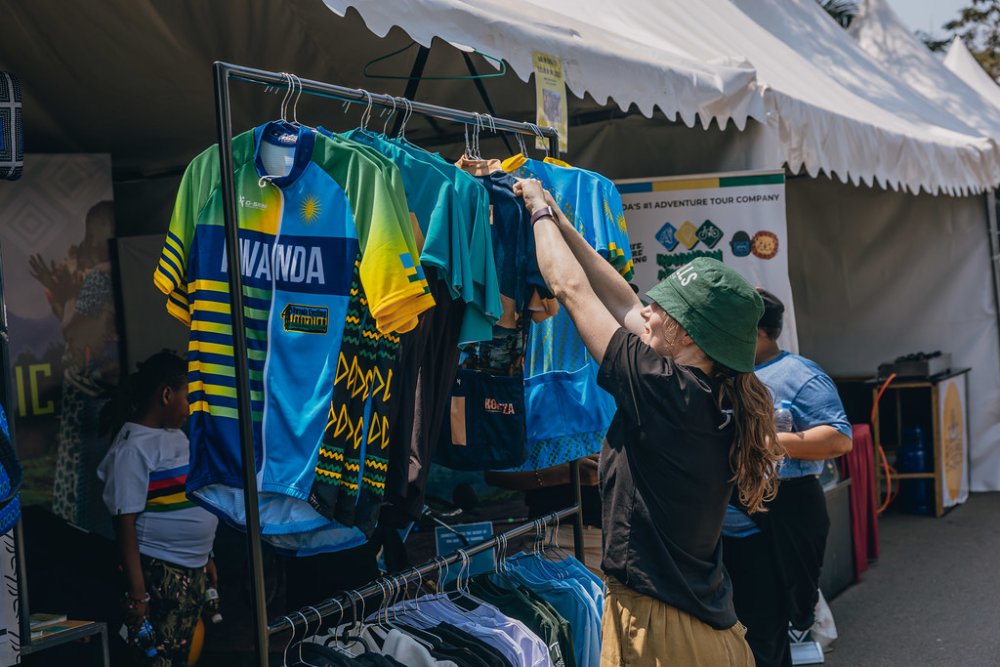
The report examines how much international visitors spend from the time they arrive in Rwanda until they depart, covering expenses such as accommodation, food, shopping, and other services.
In recent years, Rwanda has opened several high-end hotels capable of hosting international conferences that bring together thousands of participants from across the world to discuss different issues.
The country has also invested heavily in healthcare infrastructure, with existing facilities being expanded to increase capacity.
In the fourth quarter of 2025 alone, more than 1,400 people entered Rwanda specifically seeking medical services.
Among the most sought-after services are cancer treatment offered at Butaro Cancer Center of Excellence and specialized procedures such as heart surgery available in Kigali.
Sports infrastructure has also contributed to the inflow of international visitors. The recently completed Amahoro Stadium now hosts international matches organized by the Confederation of African Football (CAF) and FIFA.
During the 2025/2026 football season, Amahoro Stadium has hosted several continental matches after Al-Hilal SC reached the quarter-finals of the CAF Champions League.
The matches have attracted many foreign fans and officials to Rwanda, who in turn spend on services and goods during their stay.
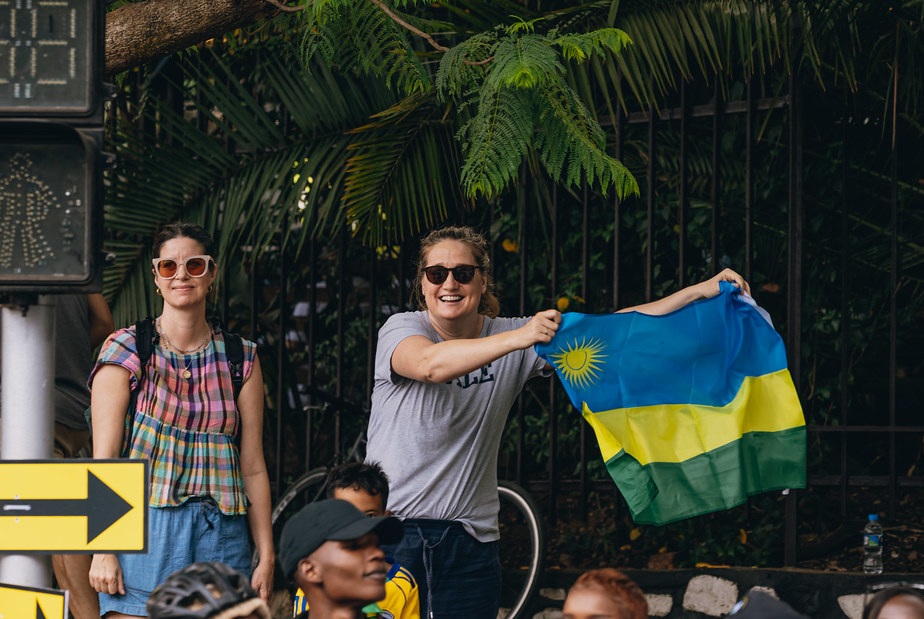
In addition to football, Rwanda continues to host other international sporting events including cycling, handball, volleyball, and basketball competitions, as well as entertainment concerts that bring visitors from across the world to the “Land of a Thousand Hills.”
According to the Travel Expenditure Survey included in the fourth-quarter report, visitors who came to see Rwanda’s mountain gorillas were the biggest spenders during the period.
Data was collected from travelers passing through 11 border points, including Rusumo, Kagitumba, Buziba, Gatuna, Cyanika, Rusizi I, Rusizi II, Bugarama, La Corniche, and Kigali International Airport.
Information for foreign visitors was gathered at exit points, while data for Rwandans traveling abroad was collected when they re-entered the country.
In the fourth quarter of 2025, international visitors spent more than $161.5 million in Rwanda on shopping, accommodation, and other services.
Tourists traveling for holidays alone spent $65 million during the quarter, while revenue generated from gorilla tourism accounted for 71.4% of total tourism earnings.
NISR data also indicates that visitors from North America spent the most on shopping and purchasing goods in Rwanda, totaling $40.8 million.
Foreign travelers entering Rwanda by land spent about $24.9 million, with the majority traveling to visit friends and relatives, accounting for $11.3 million.
Strong performance in 2025
The report further shows that international visitors spent $130.7 million in the first quarter of 2025, $121.7 million in the second quarter, $190.6 million in the third quarter, and $161.5 million in the fourth quarter.
Leisure travelers made up the largest share of spending, accounting for 41.1% of total tourism revenue. They were followed by visitors traveling to see friends and relatives, while those visiting Rwanda for business and investment opportunities contributed 16.2% of the spending.
Meanwhile, Rwandans traveling abroad spent $83.7 million in the first quarter, $89.3 million in the second quarter, $90.1 million in the third quarter, and $95.9 million in the fourth quarter of 2025.
Rwandans who traveled abroad for business purposes accounted for the largest share of spending, representing 35.7% of the total. Those visiting friends and relatives spent 28.3%, while travelers seeking education-related services accounted for 23.1%.
A 2024/25 report from the Ministry of Trade and Industry shows that 1.15 million visitors entered Rwanda, including 37% who came for gorilla tourism, 24% visiting friends and relatives, and 17% traveling for business.
In the fourth quarter of 2025, international visitors spent more than $161.5 million in Rwanda on shopping, accommodation, and other services.