“We leave because there’s no reason for us to do this,” Trump told reporters at the White House.
“All I have to do is leave Iran, and we’ll be doing that very soon, and they’ll become tumbling down,” Trump said when asked about his plan for lowering gas prices.
The U.S. president, facing mounting pressure from energy market volatility and investor concerns over a prolonged conflict, has issued a number of conflicting remarks on the timeline of the war since the U.S. and Israel launched massive attacks on Iran on Feb. 28.
Trump said the U.S. and Iran are negotiating, and it’s possible that the war will come to an end sooner if the two countries reach a deal.
“It’s possible that we’ll have a deal because they want to make a deal. They want to make a deal more than I want to make a deal. But in a fairly short period of time, we’ll be finished,” Trump said.
“Now we have a group of people that’s very — that are very different. They’re much more reasonable,” Trump added.
Trump reiterated that it will be up to other countries to reopen the Strait of Hormuz and secure the crucial global energy waterway.
“If France or some other country wants to get oil or gas, you go up through the strait and — the Hormuz Strait — they’ll go right up there and they’ll be able to fend for themselves,” Trump said.
Trump said the U.S. and Iran are negotiating, and it’s possible that the war will come to an end sooner if the two countries reach a deal.
Flydubai said Iranian nationals holding a UAE “Golden Visa” are exempt from the restriction.
The restriction comes amid growing strains between Iran and Gulf nations.
On Wednesday morning, loud explosions from intercepted missiles were heard across Dubai. Authorities in the emirate of Fujairah reported that one person was killed after debris from an intercepted drone fell on a farm in the Al-Rifa’a area.
As part of the celebrations, BRALIRWA organized an event that brought together all female employees of the company.
The gathering aimed to recognize their achievements, provide a platform for sharing experiences, and reflect on the company’s journey toward advancing gender equality in the workplace.
More than just a celebration, the event served as an opportunity to highlight BRALIRWA’s ongoing efforts to create a workplace where women feel valued, supported, and empowered to lead.
The event also featured discussions on health and well-being, alongside testimonies from women who participated in the company’s nine-month leadership and career development program known as “Lift Her Up.”
In recent years, BRALIRWA has recorded notable progress in increasing women’s representation in leadership roles, reflecting its commitment to gender-balanced management. Currently, women make up 65% of the company’s leadership, up from 37%.
The company has also prioritized career advancement, with women accounting for 38% of all employee promotions in the past year. This demonstrates that BRALIRWA not only employs women but actively supports their professional growth and advancement.
BRALIRWA’s Human Resources Director, Laetitia Uwera, said the progress made reflects the company’s people-centered approach.
“Inclusion and gender equality are not just values; they are pillars of sustainable growth. We are proud of the progress we have made so far.
“When our employees feel supported and empowered, they perform better and drive meaningful change. Inclusion is integral to how we operate, as it fosters innovation, growth, and capability development. We remain committed to strengthening these efforts to build a workplace that supports women and all employees,” she said.
BRALIRWA Plc Managing Director, Ethel Emma-Uche, emphasized that fostering an inclusive work environment benefits not only employees but also the business.
“To effectively meet the needs of our diverse consumers, it is essential that our workforce reflects that diversity. This allows us to remain relevant and continue innovating. When people with different perspectives come together, we make better decisions in producing our beverages and delivering value to customers across the country.
While we are proud of the progress achieved, we will continue working to ensure BRALIRWA remains a place where everyone has the opportunity to grow and thrive,” she said.
Among other initiatives, BRALIRWA has extended parental leave to support working families. Maternity leave has been increased to over four months (18 weeks), while paternity leave has been extended from 14 to 28 days.
The company also continues to invest in future talent through programs that support women and youth. These include internship opportunities for recent graduates within the HEINEKEN network, as well as initiatives like the Women Interactive Network (WIN), which offers mentorship and leadership training for women.
BRALIRWA’s efforts in promoting gender equality have also received international recognition. In 2025, the company was awarded a Gold Medal in the HEINEKEN Gender Playbook Assessment, underscoring its strong commitment to advancing inclusion and equality in the workplace.
The event served as an opportunity to highlight BRALIRWA’s ongoing efforts to create a workplace where women feel valuedAs part of the celebrations, BRALIRWA organized an event that brought together all female employees of the company. BRALIRWA Plc Managing Director, Ethel Emma-Uche, emphasized that fostering an inclusive work environment benefits not only employees but also the business. BRALIRWA’s Human Resources Director, Laetitia Uwera, said the progress made reflects the company’s people-centered approach.Beverage manufacturer, BRALIRWA Plc has marked Women’s Month by celebrating the impact of its inclusive policies.
The accident occurred in Mkiwa Village in Ikungi District when a bus traveling from Dodoma to Mwanza hit a pothole in the middle of the road, causing a front tire to burst and the driver to lose control.
Singida Regional Police Commander Amon Kakwale confirmed the incident, saying officers at the scene were instructed to secure passengers’ belongings and establish the identities of the deceased and injured.
Ikungi District Commissioner Thomas Apson said the injured and the bodies of the deceased were taken to Manyoni District Hospital and Singida Regional Referral Hospital for treatment and further procedures.
According to Bwire James, Manyoni district hospital medical officer, the facility received all 55 injured victims — 34 men and 21 women — along with six bodies of those who died at the scene.
This photo taken on Feb. 24, 2024 shows a road accident site in the Ngaramtoni suburb of Arusha, northern Tanzania.
The total value of the losses may exceed the cumulative regional GDP growth achieved in 2025, said the report from the United Nations Development Programme (UNDP).
Coupled with an estimated rise in unemployment of up to 4 percentage points or 3.6 million jobs lost, more than the total jobs created in the region in 2025, these reversals will push up to 4 million people into poverty, according to the report titled “Military Escalation in the Middle East: Economic and Social Implications for the Arab States Region.”
The assessment exposes the concerning reality of structural vulnerabilities characteristic to the region, which enable a short-lived military escalation to generate profound and widespread socioeconomic impacts that may persist over a long term, it said.
The findings highlight that impacts are not uniform, varying significantly across the region due to the structural characteristics of its main subregions.
Across the region, human development as measured by the Human Development Index is expected to decline by approximately 0.2 to 0.4 percent, corresponding to a setback of roughly half a year to nearly one year of human development progress, according to the report.
“This crisis rings alarm bells for countries of the region to fundamentally reevaluate their strategic choices of fiscal, sectoral, and social policies, representing an important turning point in the development trajectory of the region,” Abdallah Al Dardari, UN assistant secretary-general and director of the Regional Bureau for Arab States in UNDP, said in a press release.
“Our findings underline the pressing need to strengthen regional collaboration to diversify economies — beyond reliance on growth driven by hydrocarbons, and to expand production bases, secure trade and logistics systems, and broaden economic partnerships, to reduce exposure to shocks and conflicts,” he said.
The assessment employs Computable General Equilibrium modeling to capture the magnitude of disruptions caused by a four-week conflict, and models its effects through key transmission channels, including increased trade costs, temporary productivity losses and localized capital destruction.
It conducted five simulation scenarios, representing escalating levels of conflict scenarios, ranging from a “moderate disruption,” where trade costs increase by tenfold, to an “extreme disruption and energy shock,” where trade costs increase a hundred-fold, intensified by a stop of hydrocarbon production.
This photo shows a damaged building after joint U.S.-Israeli strikes in Tehran, Iran on March 29, 2026.
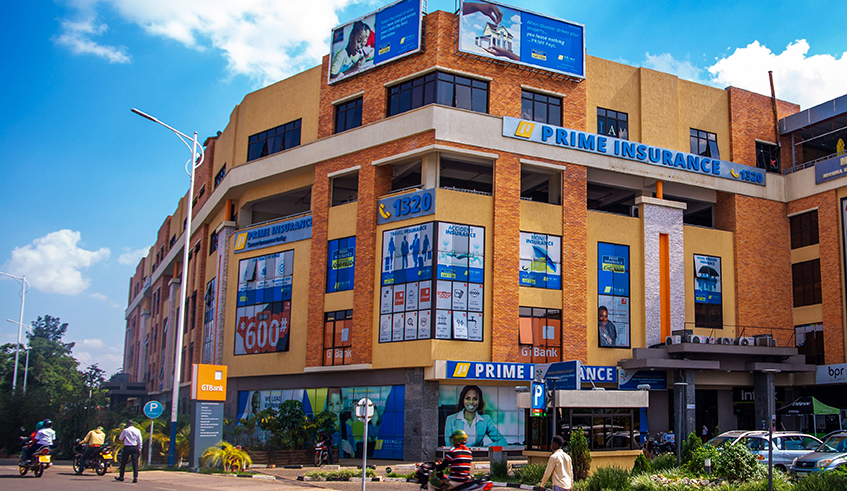
According to the company’s financial statement, insurance revenue for 2025 reached Rwf24.23 billion, up from Rwf22.33 billion in 2024, driven by increased underwriting activities. Profit before tax rose to Rwf 7.03 billion, while net profit after tax stood at Rwf4.92 billion, compared to Frw 4.42 billion in the previous year.
The company’s balance sheet also reflected a stronger financial position, with total assets rising to Rwf43.94 billion from Rwf38.19 billion, and total equity increasing to Rwf20.15 billion. Insurance liabilities accounted for Rwf 16.21 billion, while cash and cash equivalents amounted to Rwf 2.67 billion, underscoring improved liquidity.
The 2025 results demonstrate Prime Insurance’s sustained profitability, operational efficiency, and compliance with the IFRS 17 Insurance Contracts standard. The company also reported growth in its investment portfolio, supporting long-term stability.
Camille Karamaga, Chairman of the Board expressed satisfaction with the results, highlighting disciplined underwriting, prudent financial management, and a strengthened capital base.
“The company remains well-capitalized, financially sound, and strategically positioned to continue delivering sustainable growth and value to its shareholders and policyholders,” he stated.
Prime Insurance has also declared a dividend payout of Rwf1.5 billion, signaling a commitment to shareholder value creation.
Looking ahead, Prime Insurance has affirmed commitment to expand market share across Rwanda, enhance customer-centric insurance solutions, drive innovation and digital transformation, strengthen property and medical insurance offerings, and build strategic partnerships across sectors.
More details about the financial statement can be accessed here
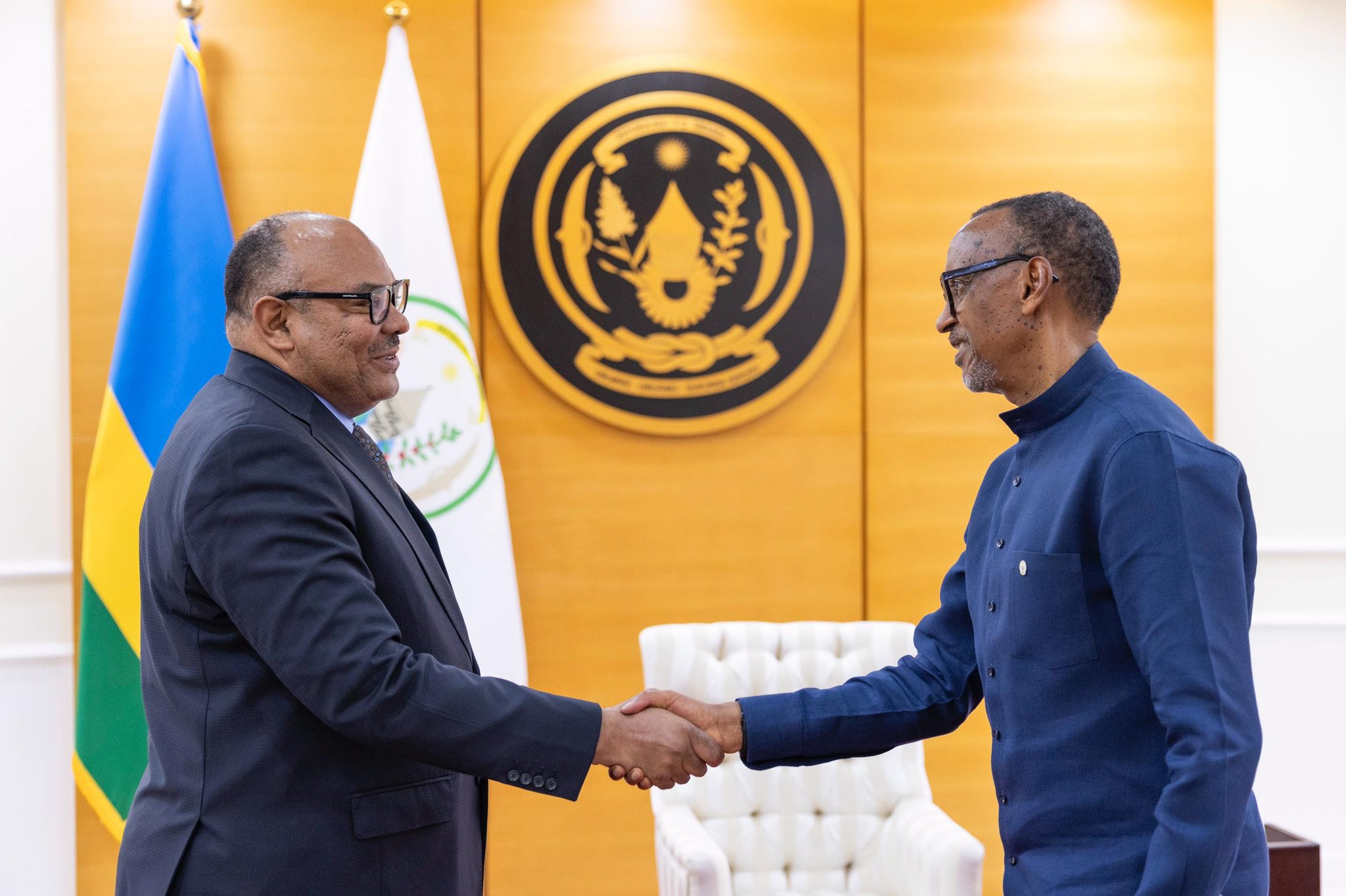
According to the Office of Rwanda’s President, their discussions held on March 31, 2026, centered on deepening the already strong bilateral ties between Rwanda and Tanzania.
Rwanda and Tanzania maintain a robust partnership in areas such as technology and communications.
The two countries also have existing cooperation agreements covering media, education, ICT, and internet infrastructure among others.
In July 2025, Rwanda and Tanzania on Saturday signed two memoranda of understanding to facilitate cooperation in agriculture and the establishment of a Tanzania Ports Liaison Office in Kigali, the capital of Rwanda.
The agreements were signed by Rwanda’s Minister of Foreign Affairs and International Cooperation Olivier Nduhungirehe and Tanzanian counterpart Mahmoud Thabit Kombo during a ministerial session of the 16th Joint Permanent Commission (JPC) between the two countries in Kigali.
Trade also forms a cornerstone of the Rwanda-Tanzania partnership, with Rwandans regularly using the port of Dar es Salaam and Rwandan goods frequently exported to Tanzania.
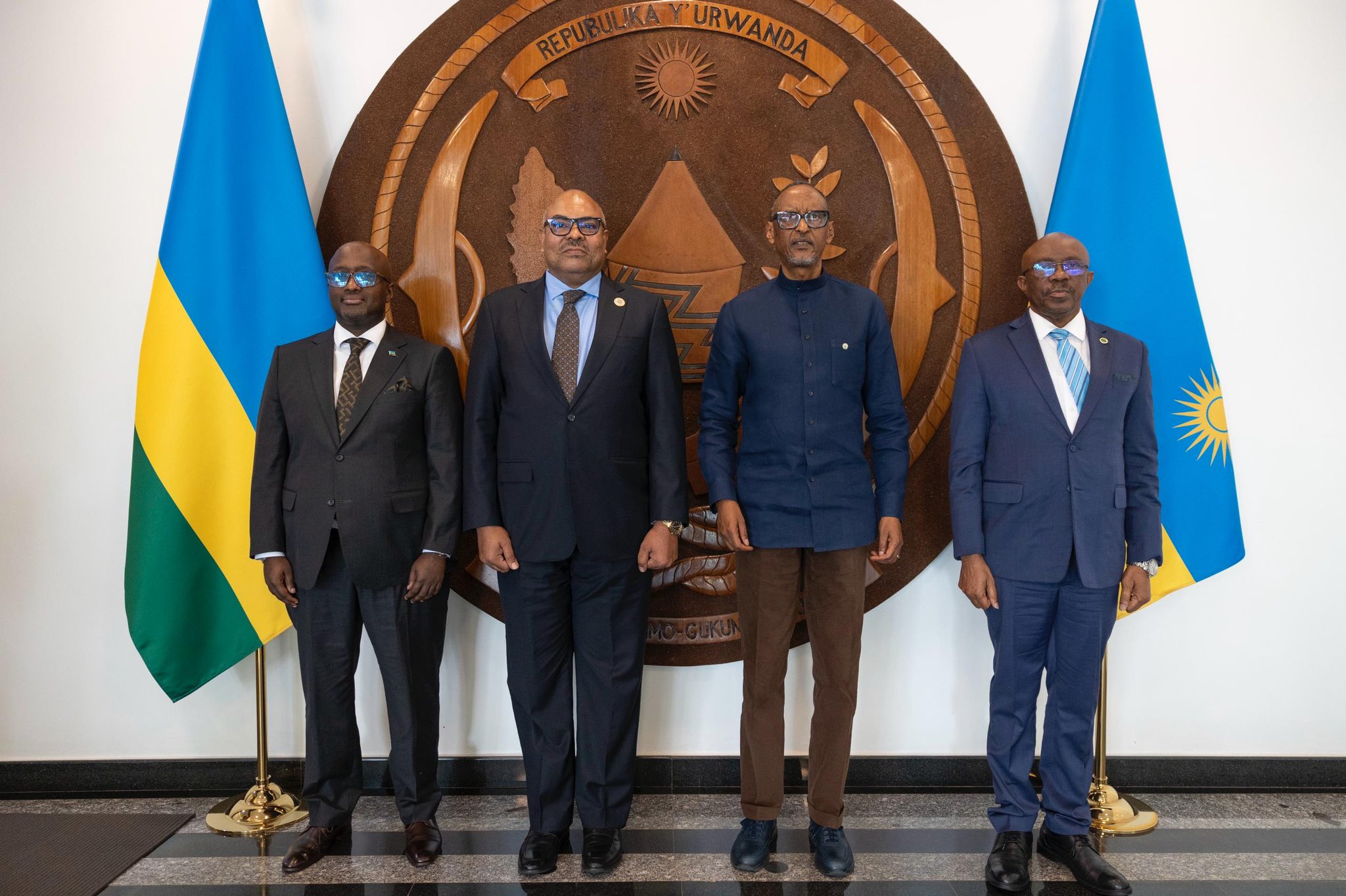
Tanzania’s Minister of Foreign Affairs and East African Cooperation, Mahamoud Thabit Kombo was hosted at Urugwiro Village along with his delegation. President Paul Kagame on March 31, 2026 received Tanzania’s Minister of Foreign Affairs and East African Cooperation, Mahamoud Thabit Kombo, at his office in Village Urugwiro.
The Burundian coach joins from Kiyovu Sports FC, where he delivered impressive performances this season despite the club facing financial difficulties.
With only a few months remaining on his contract, Haringingo makes the switch following Rayon Sports’ decision to part ways with Bruno Ferry, who was dismissed after just three months in charge.
Rayon Sports’ leadership has set clear ambitions of winning the league title, last secured in 2019 or lifting at least one domestic trophy this season.
The team is currently preparing for the resumption of the Rwanda Premier League, with a Matchday 26 fixture against Gicumbi FC scheduled for Saturday at 6:00 PM at Kigali Pelé Stadium.
Haringingo previously coached Rayon Sports in 2023, when he led the club to victory in the Rwandan Peace Cup. He takes over a side currently sitting fourth in the league standings with 42 points.
Francis Haringingo Christian has rejoined Rayon Sports FC as head coach. Haringingo previously coached Rayon Sports in 2023, when he led the club to victory in the Rwandan Peace Cup.
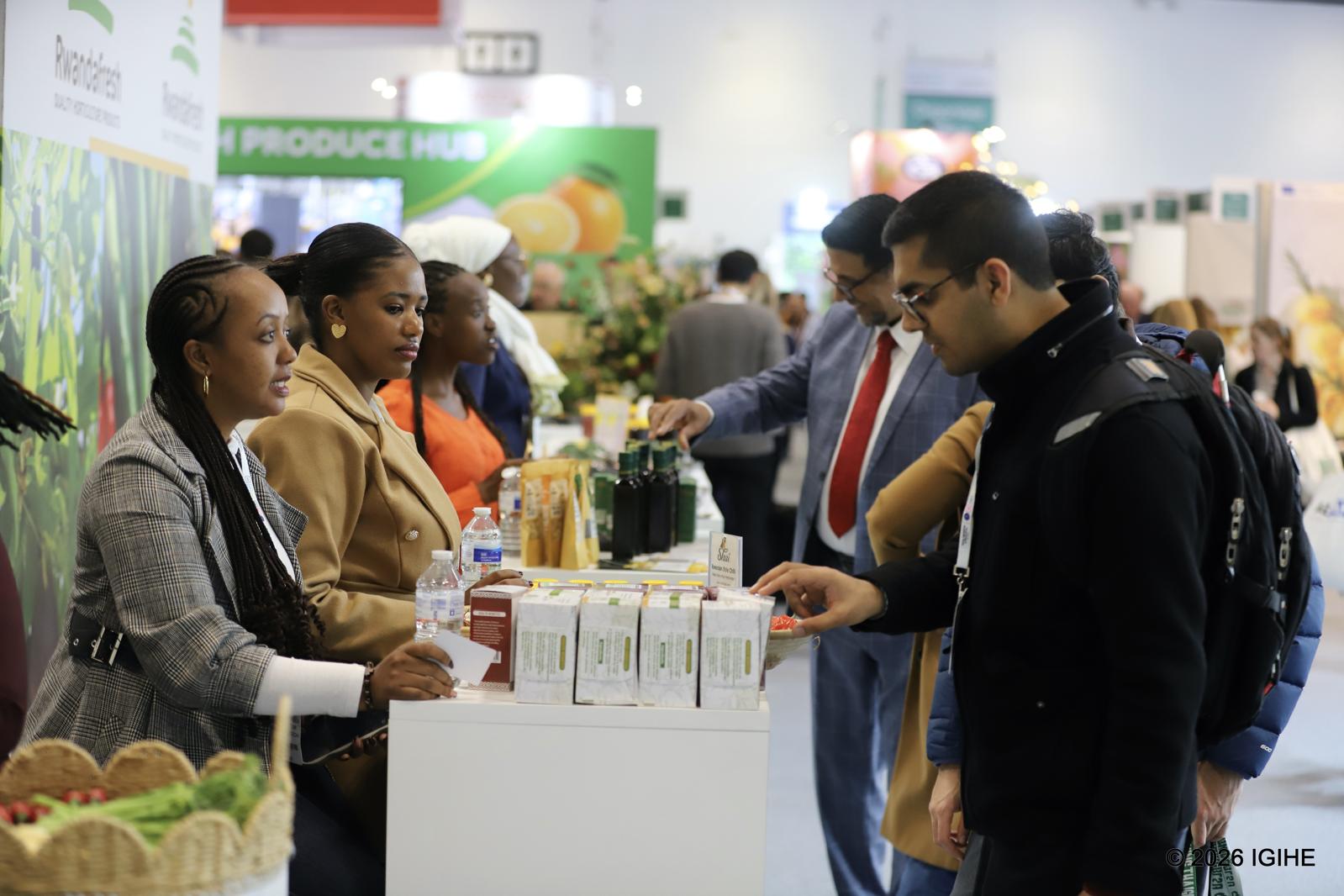
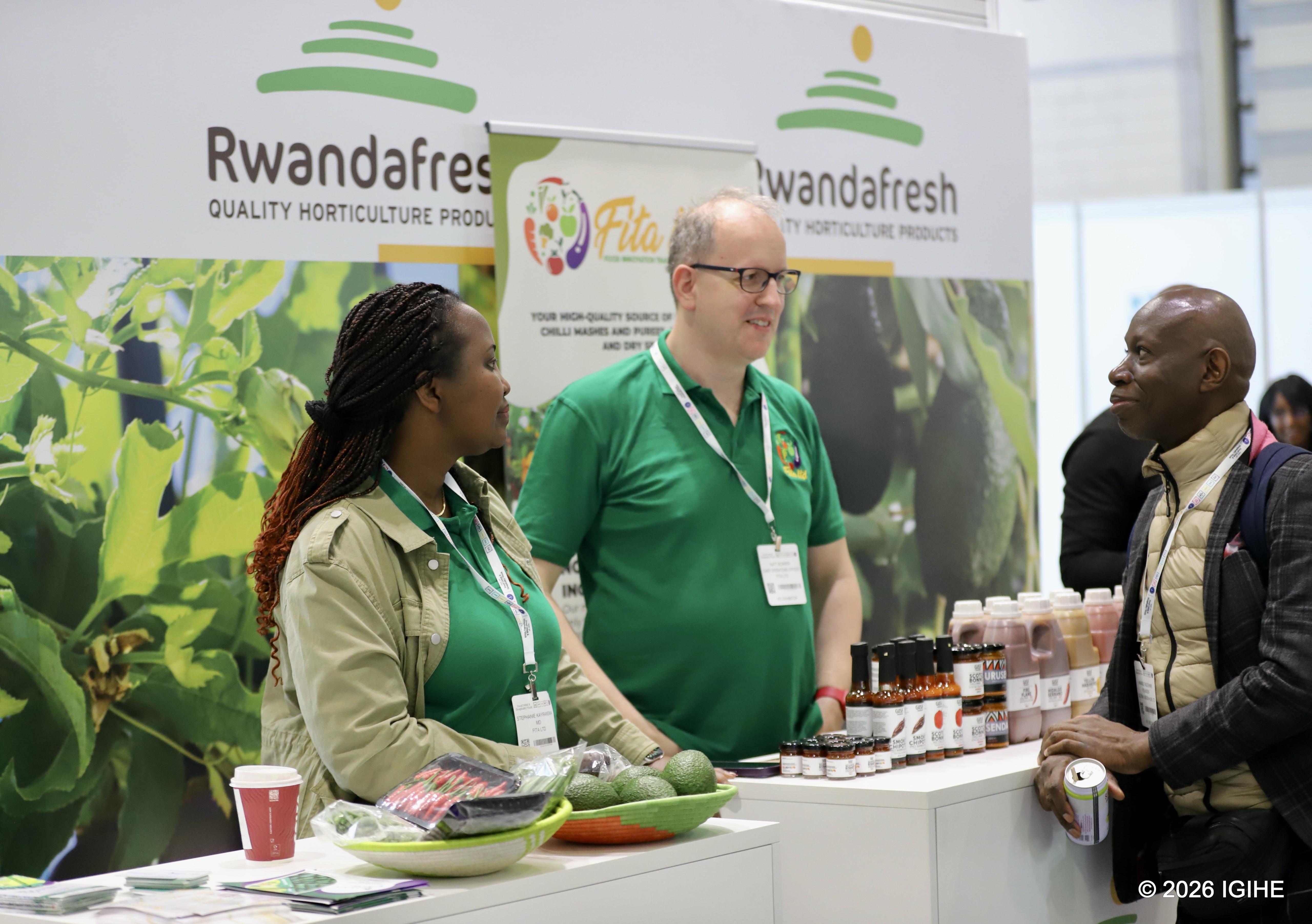
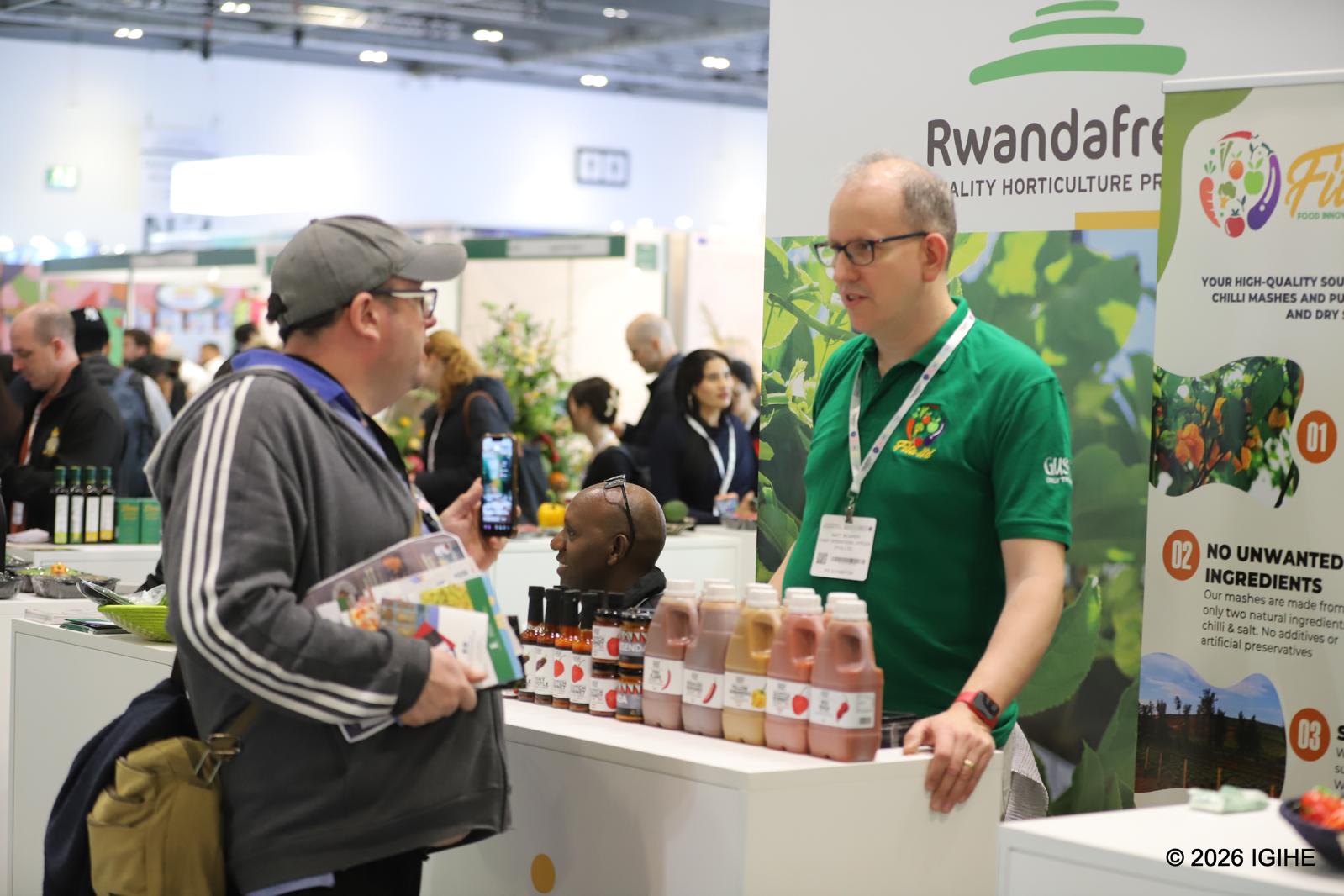
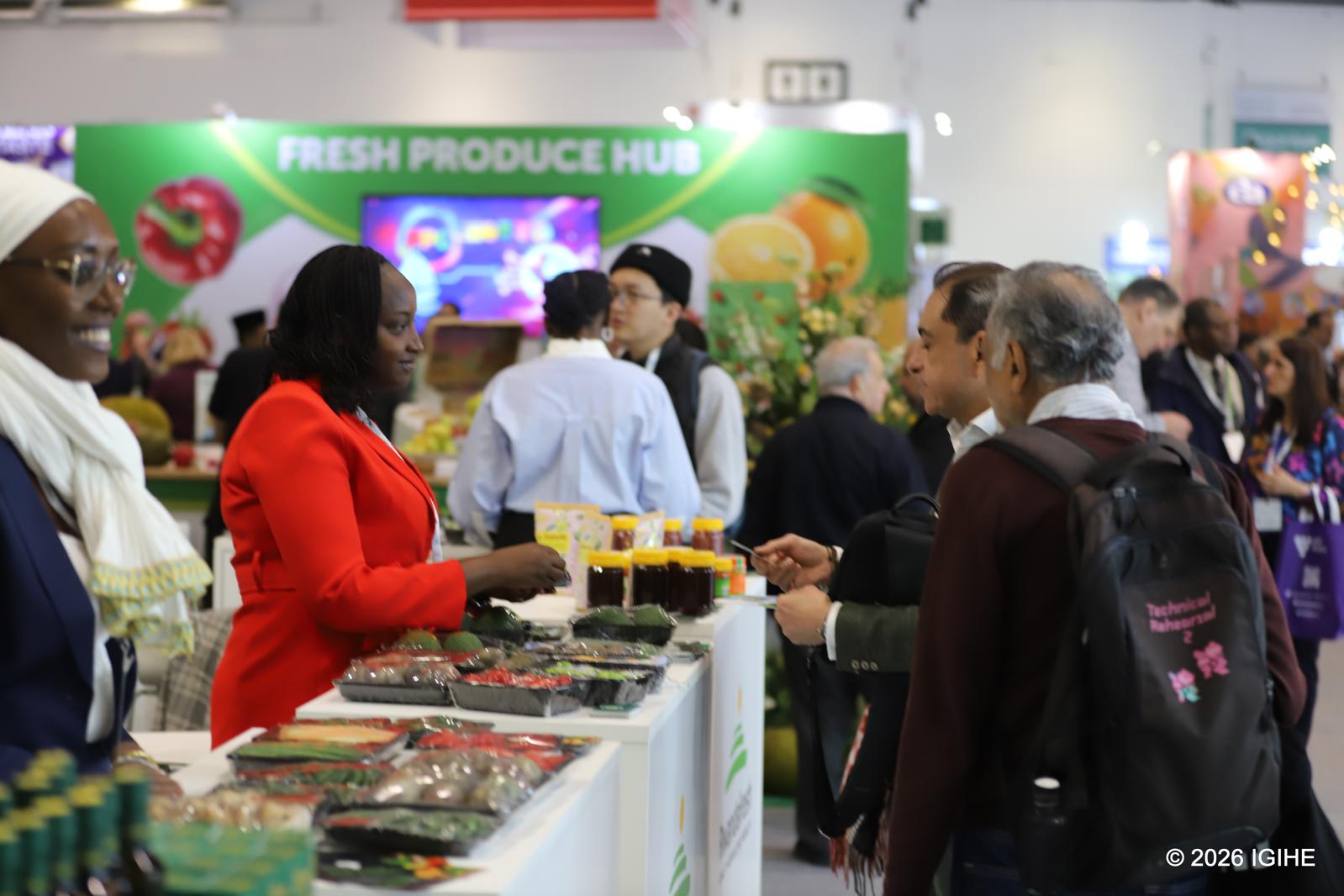
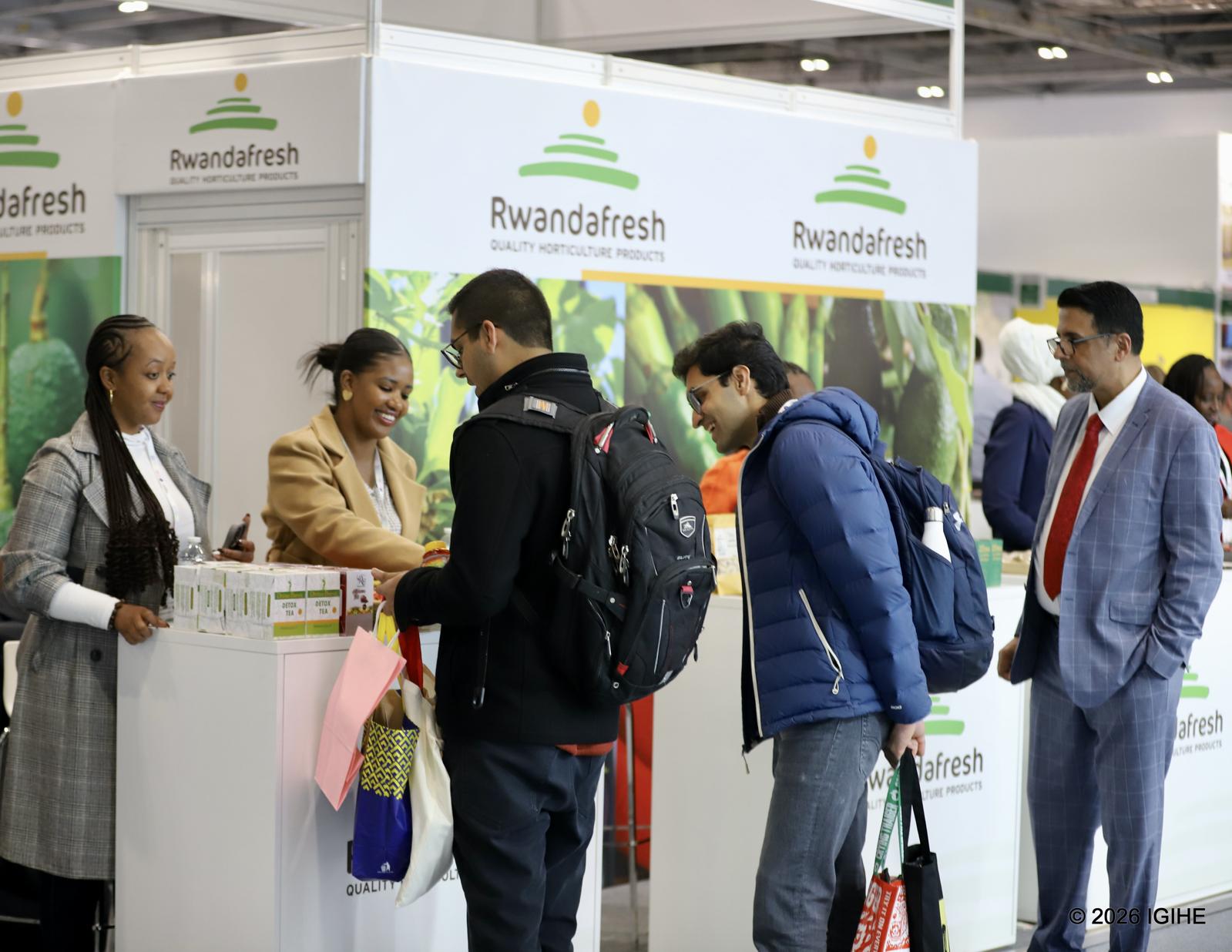
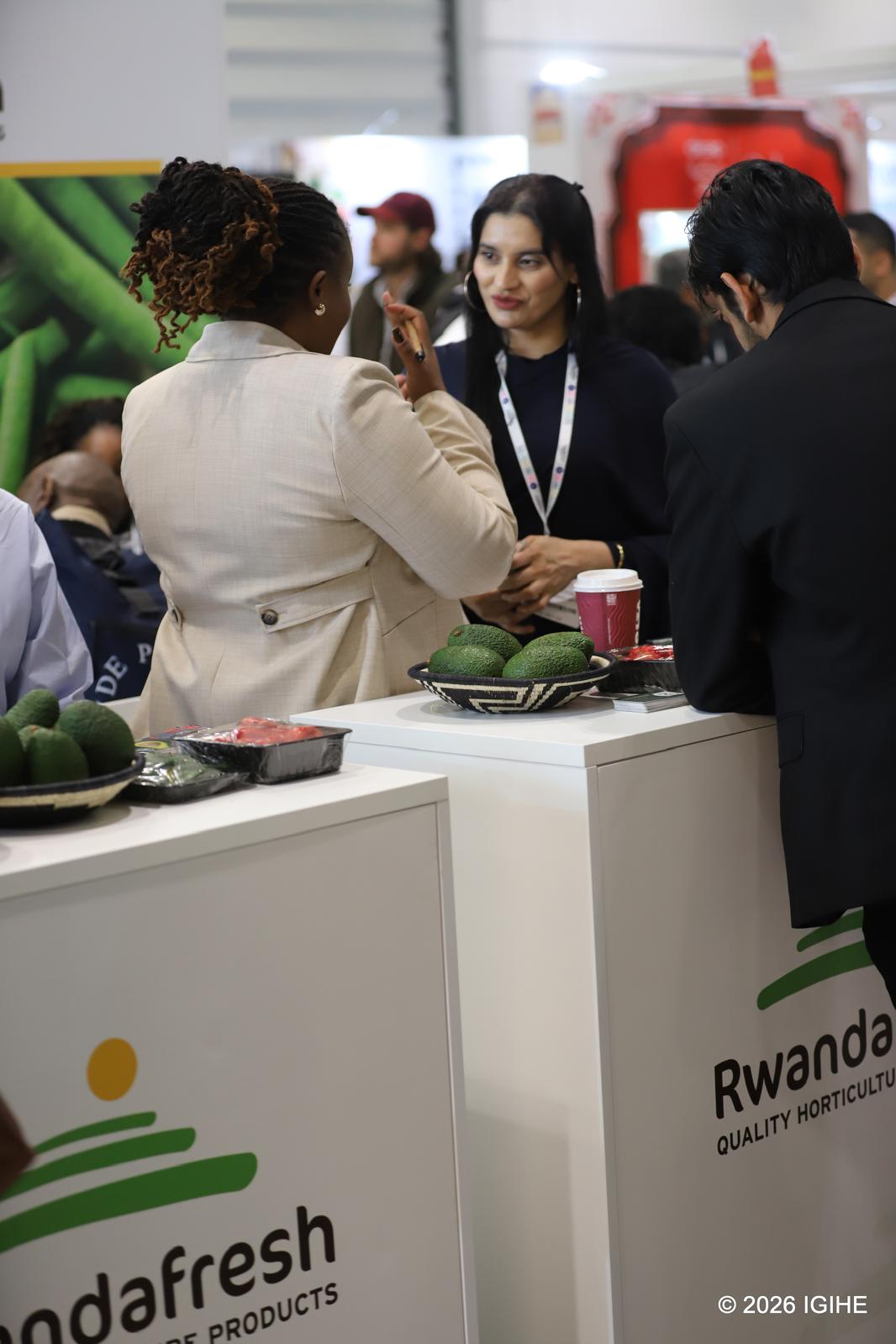
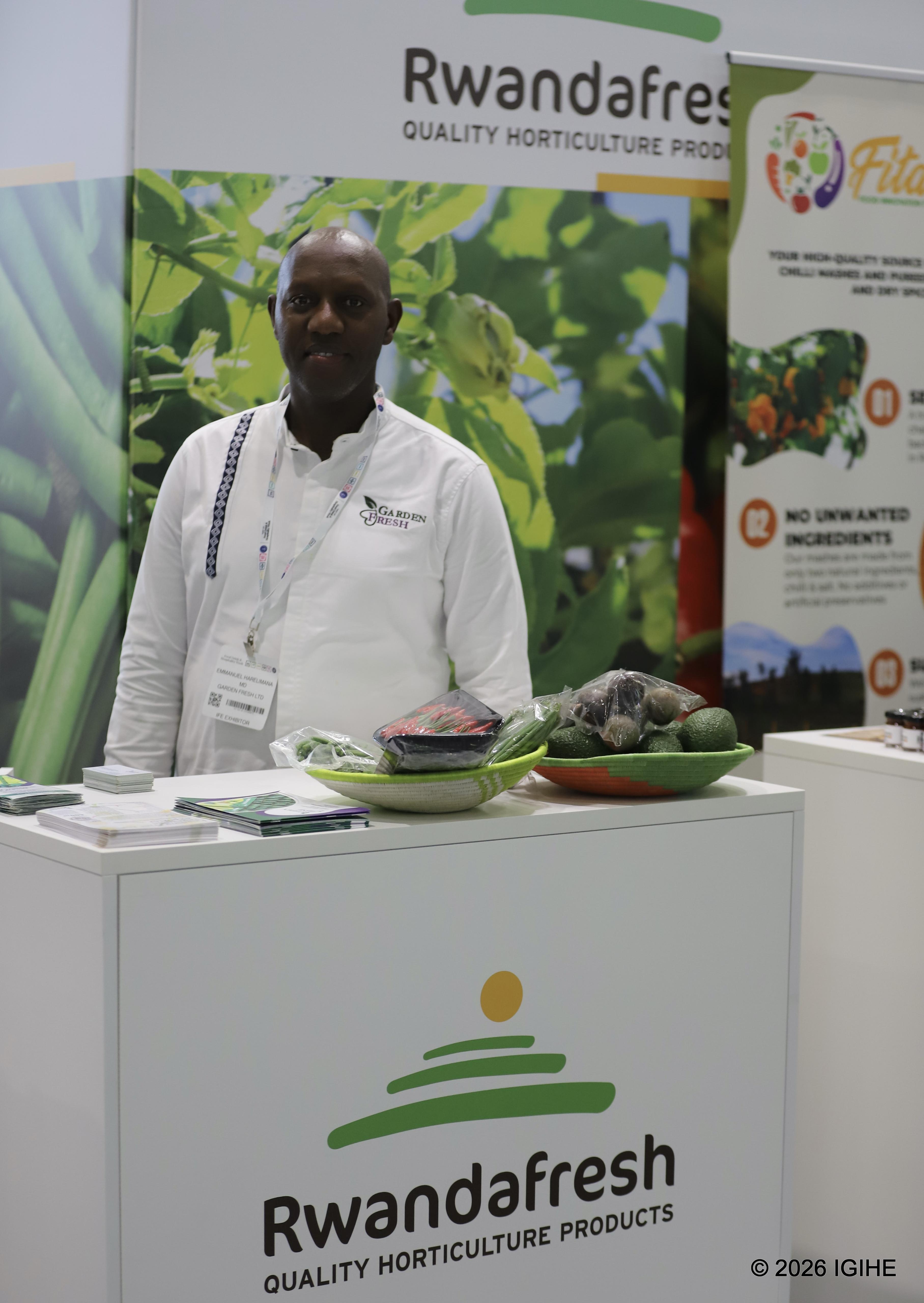
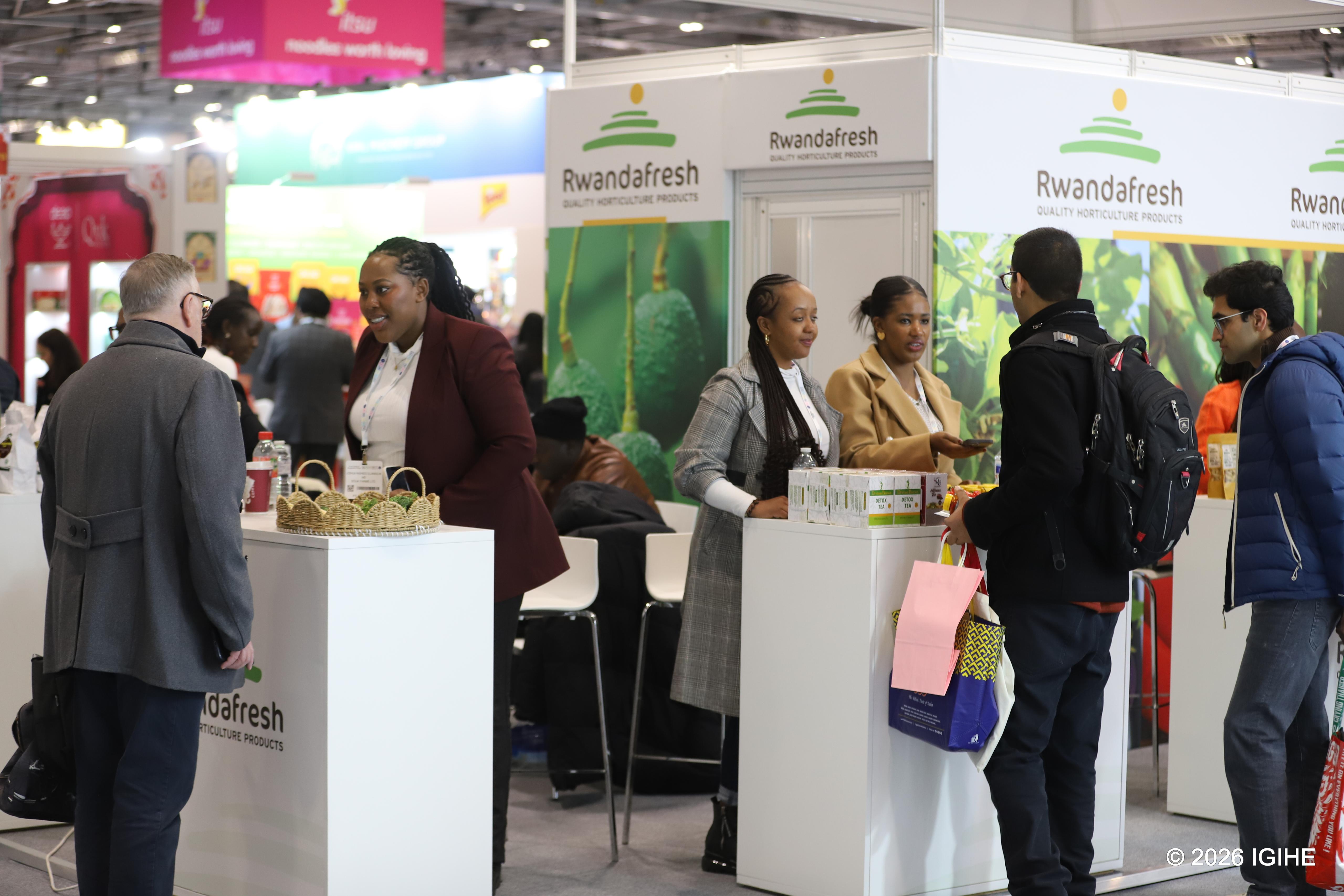
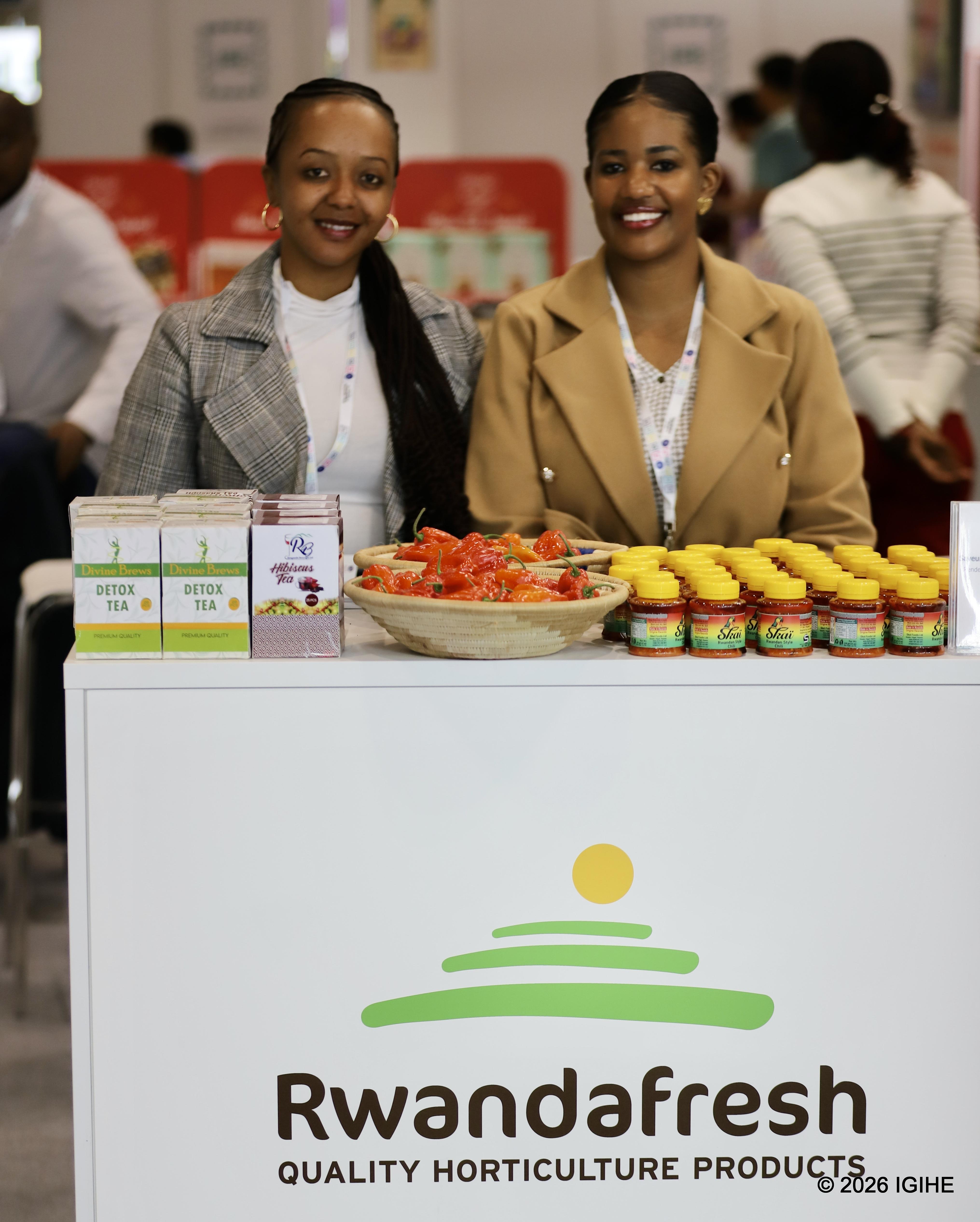
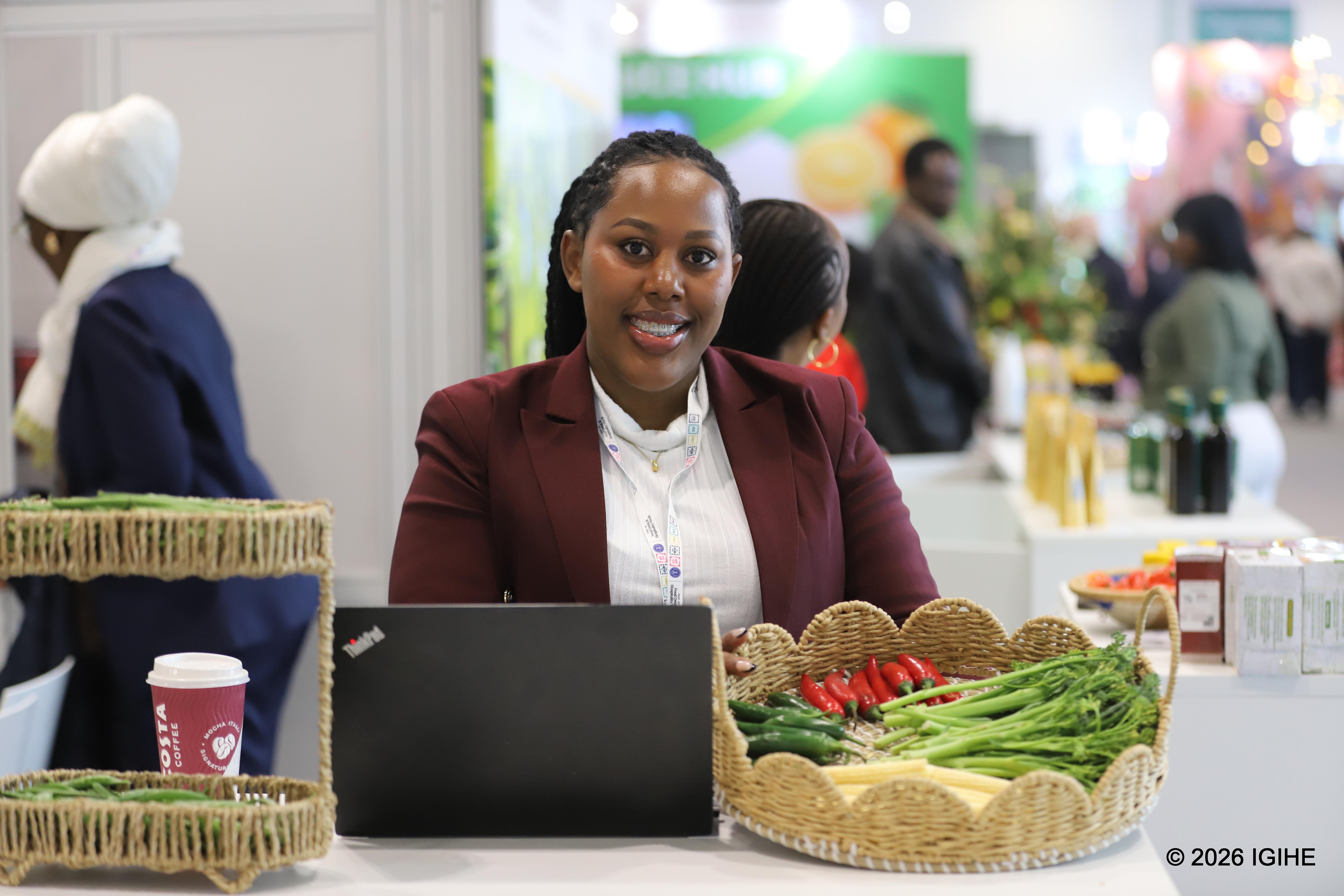
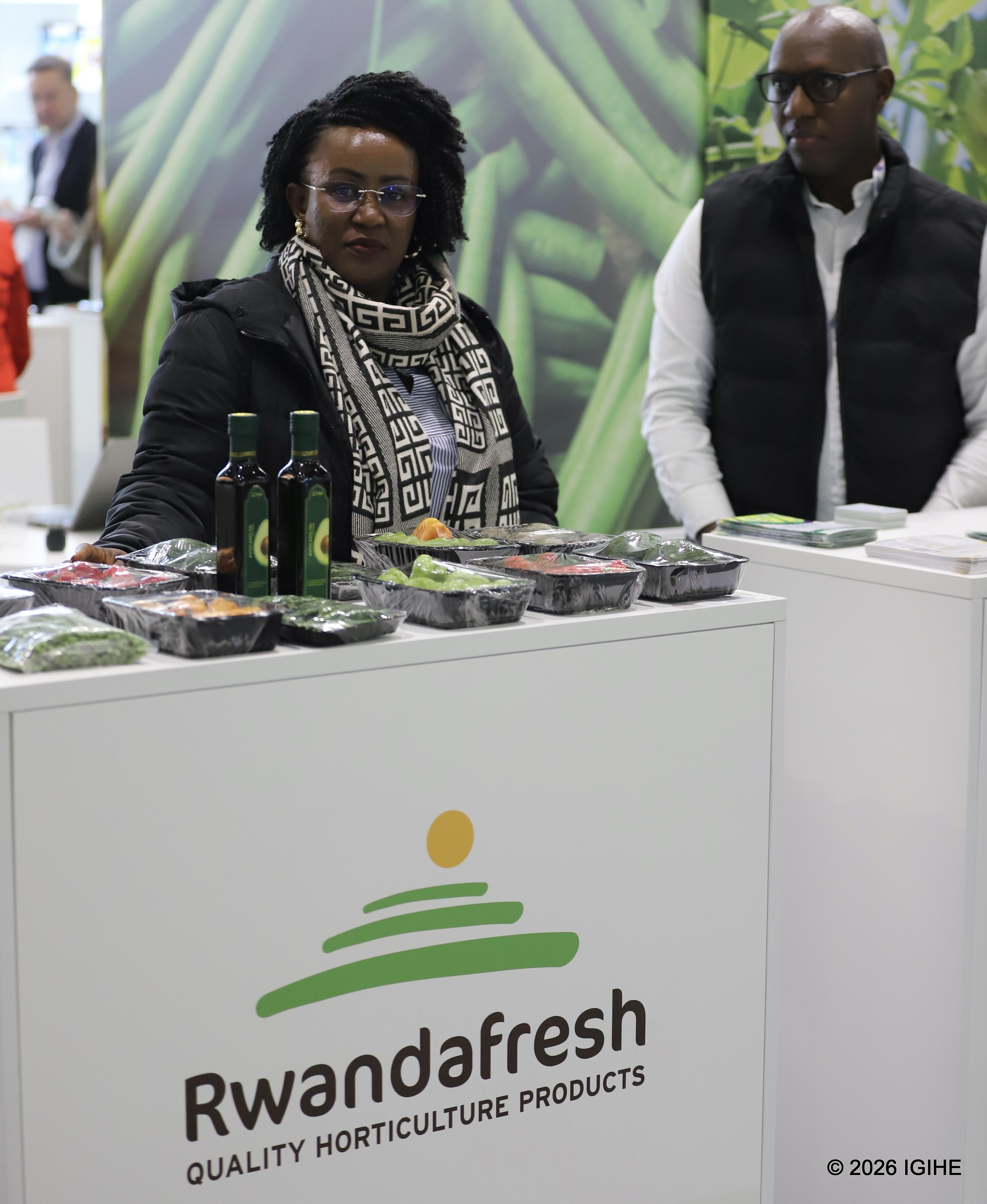
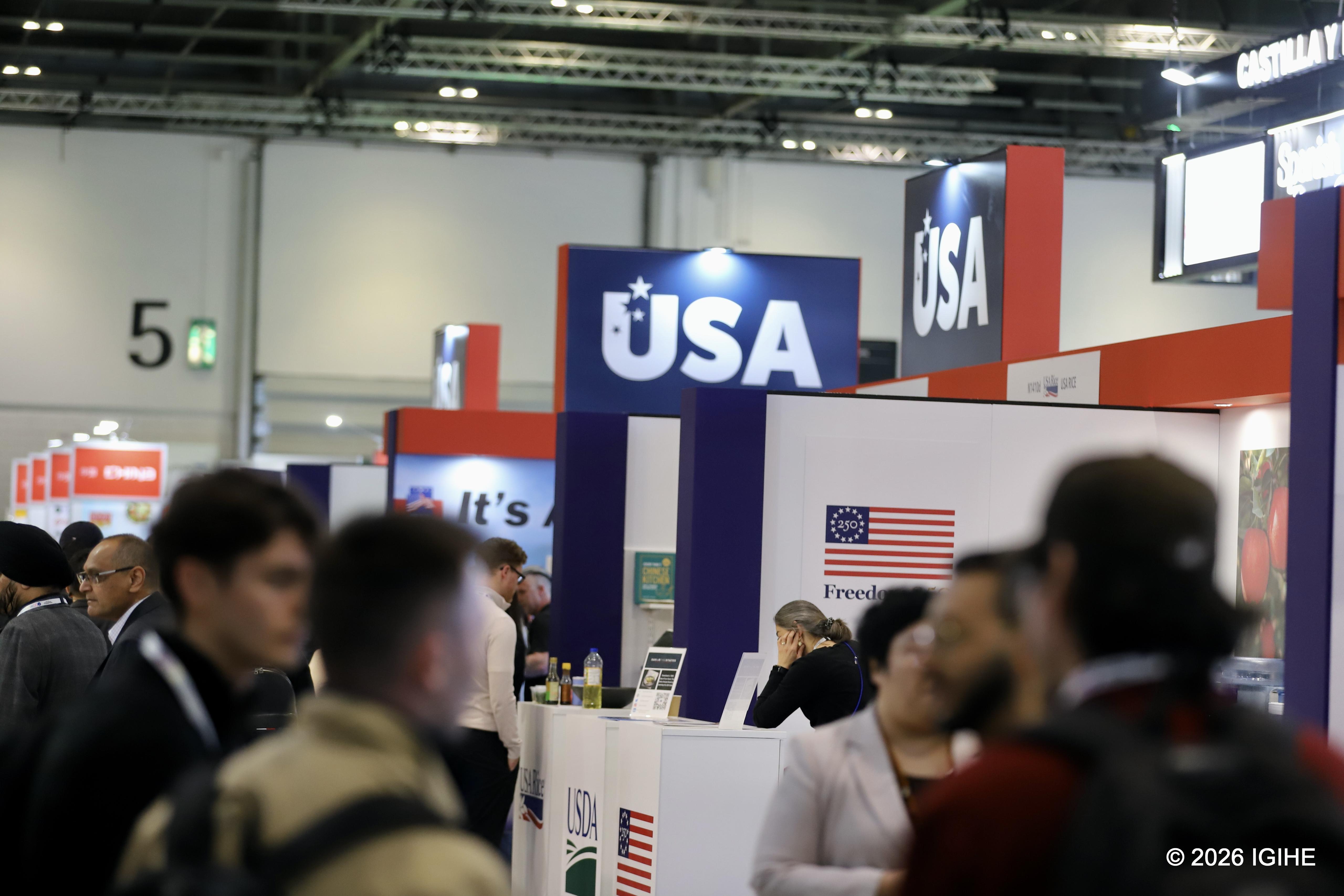
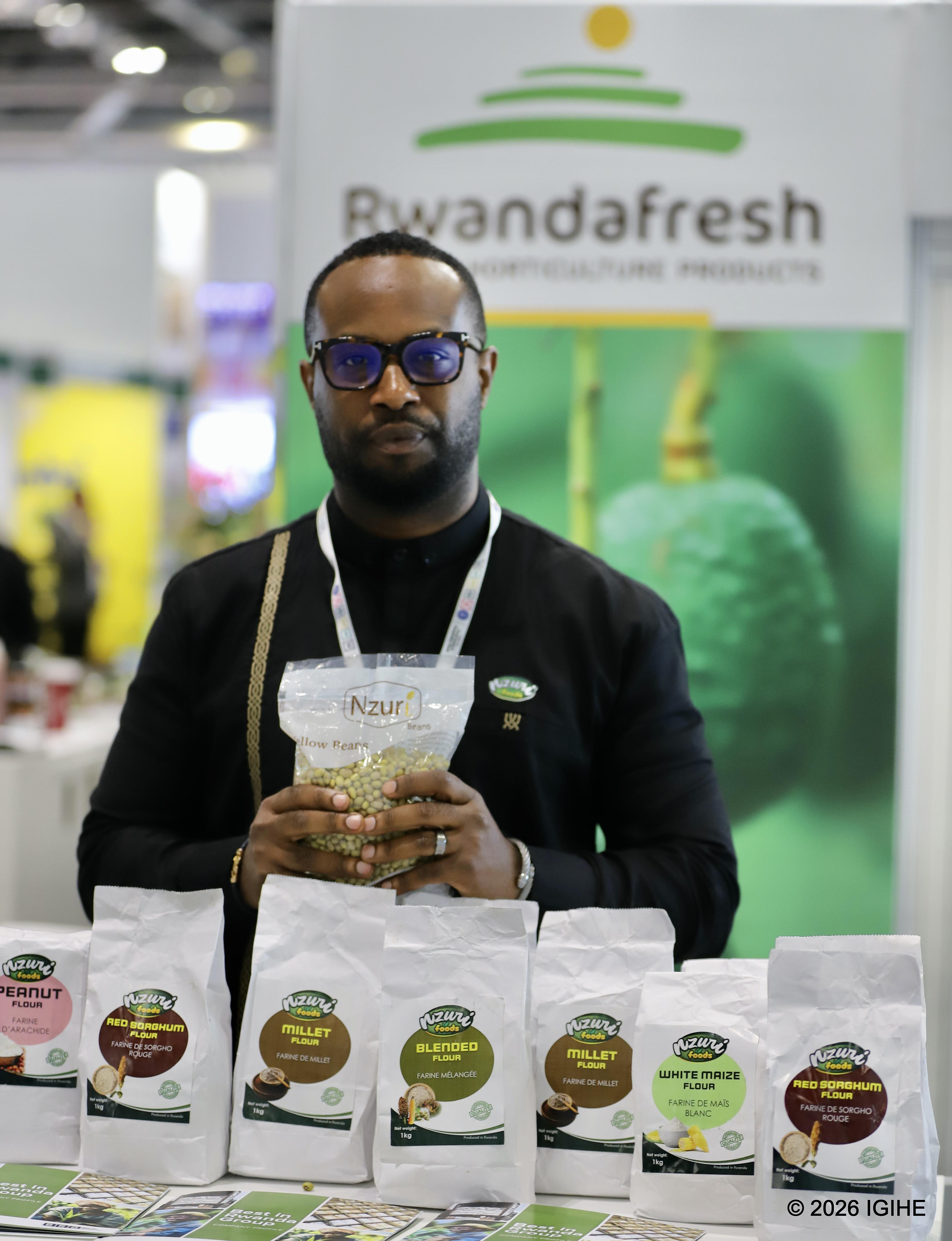
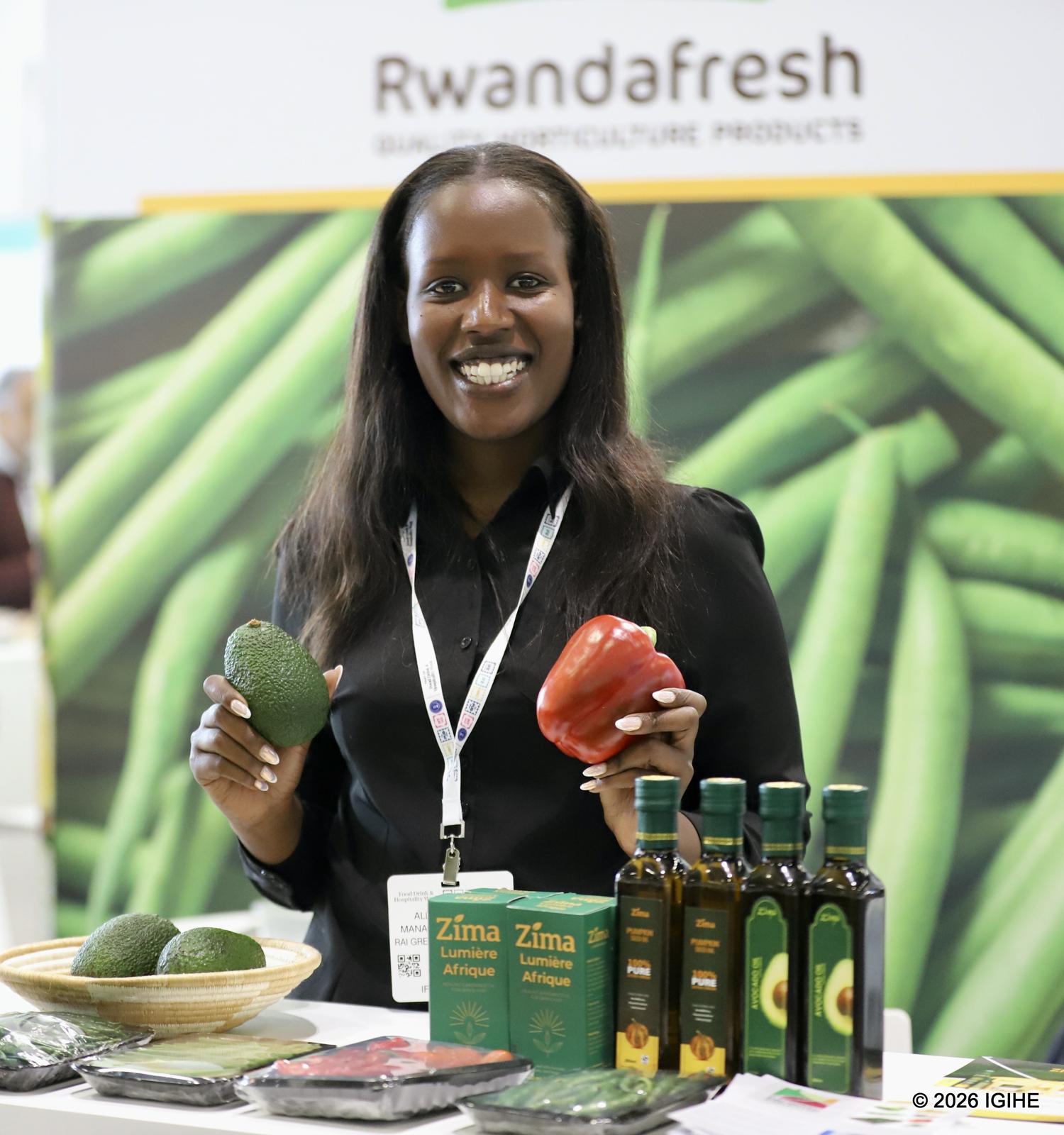
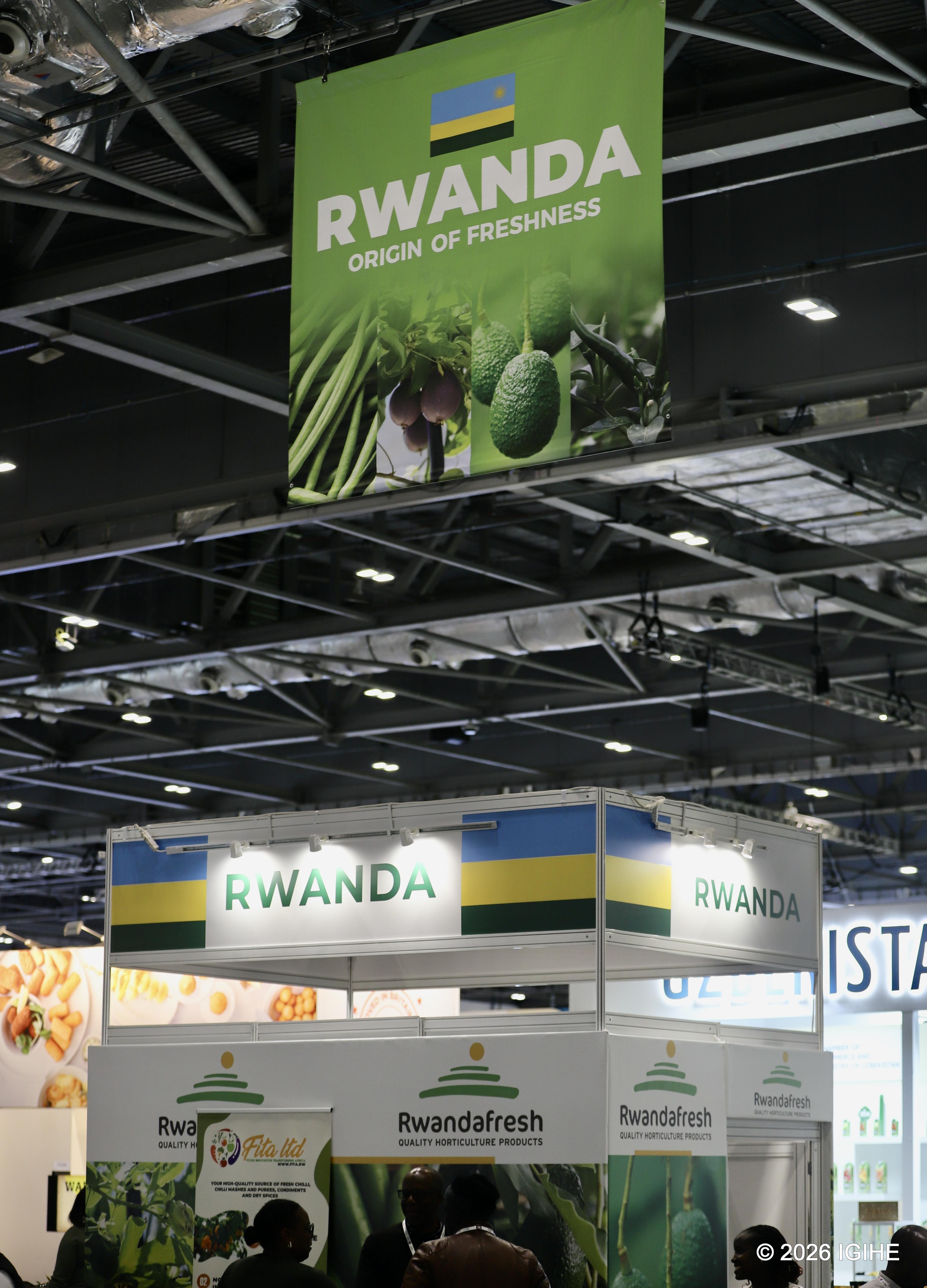
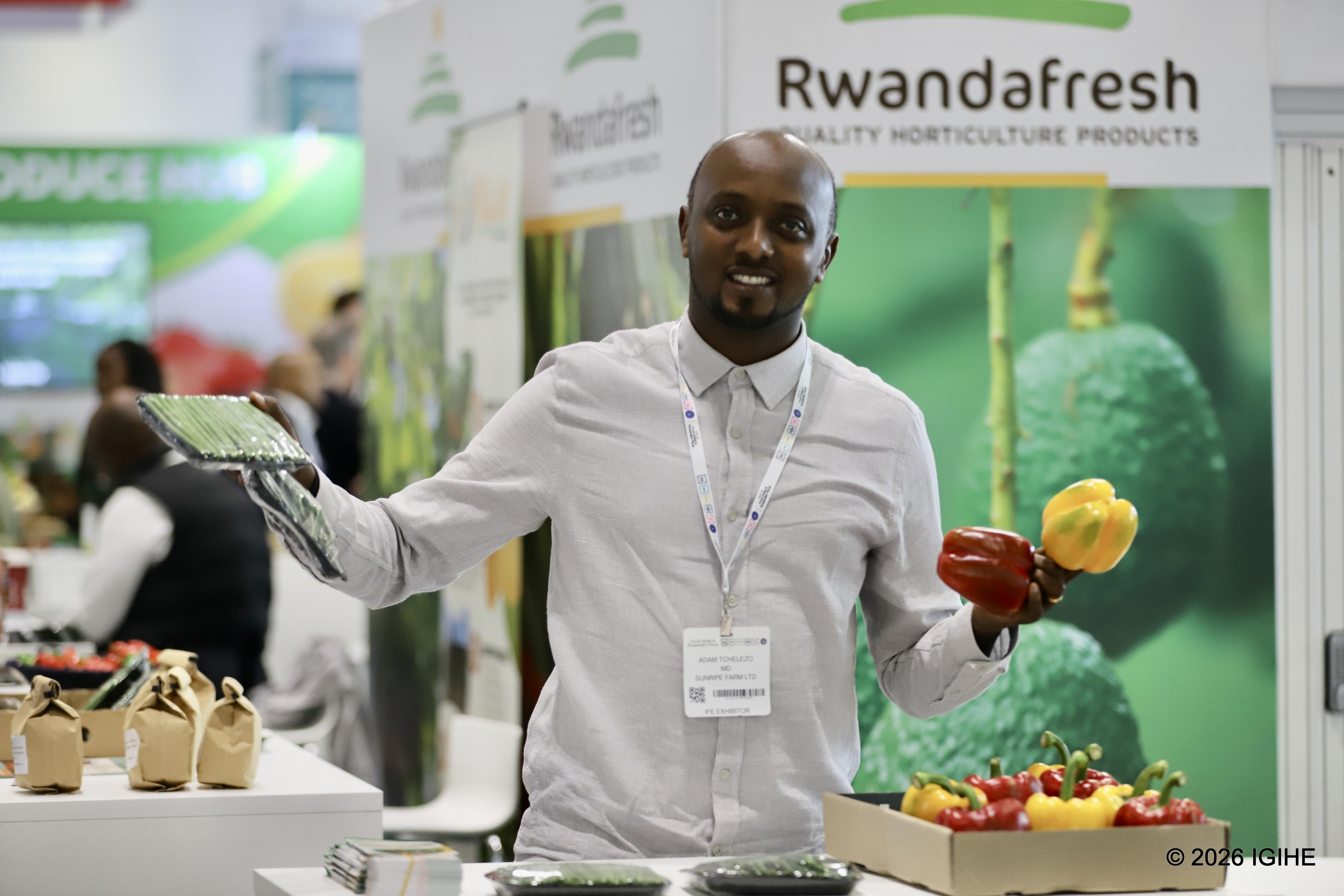
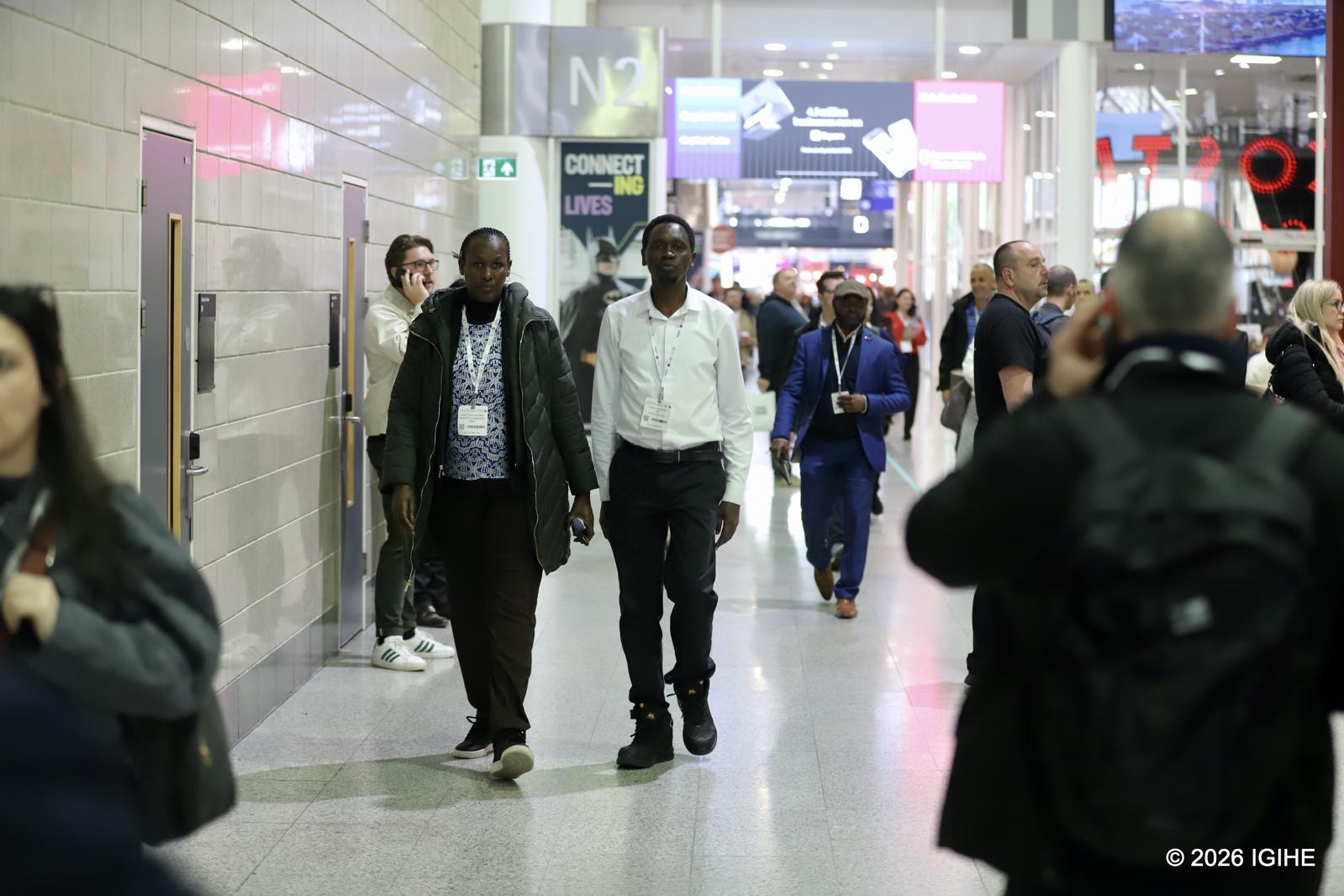
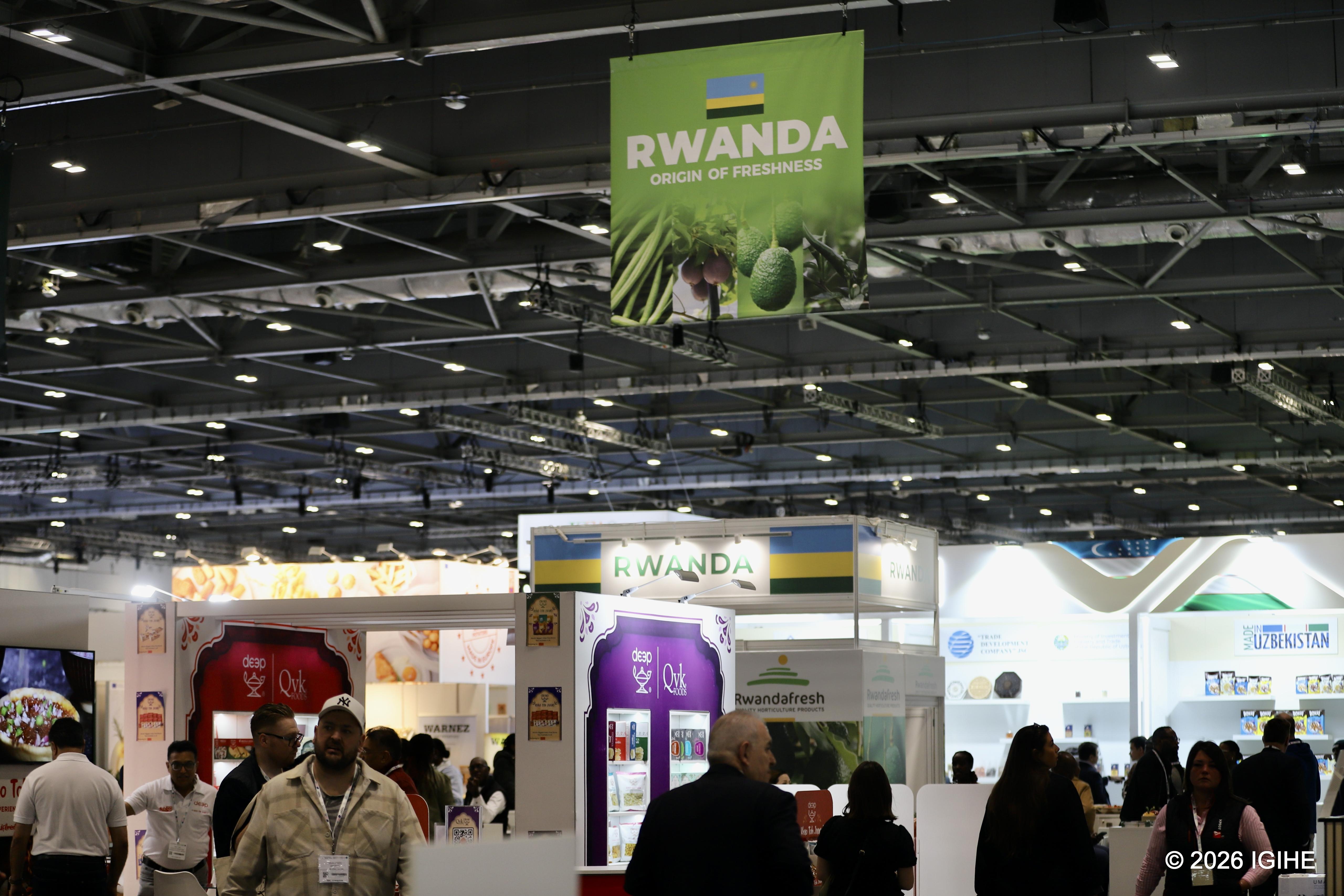
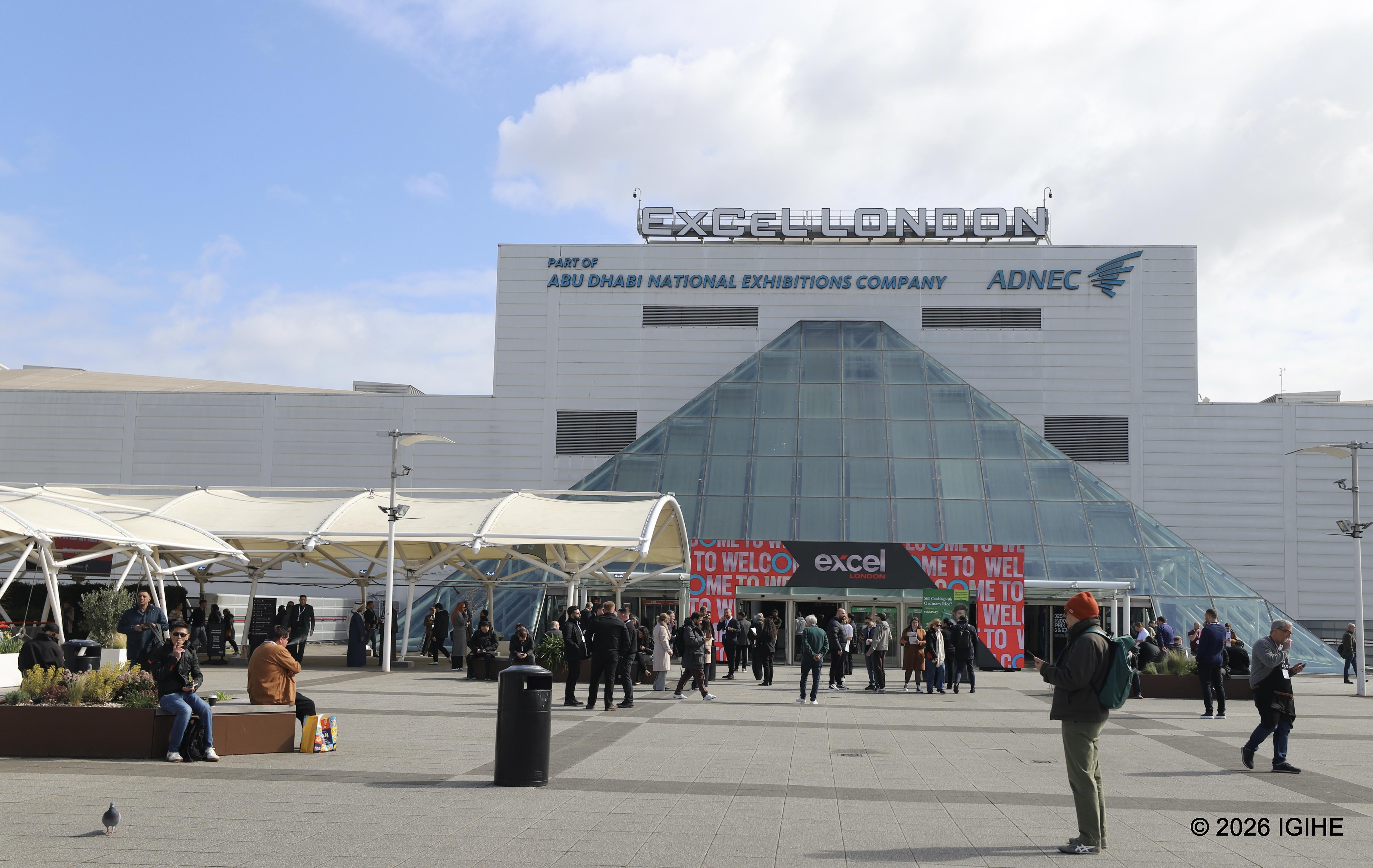
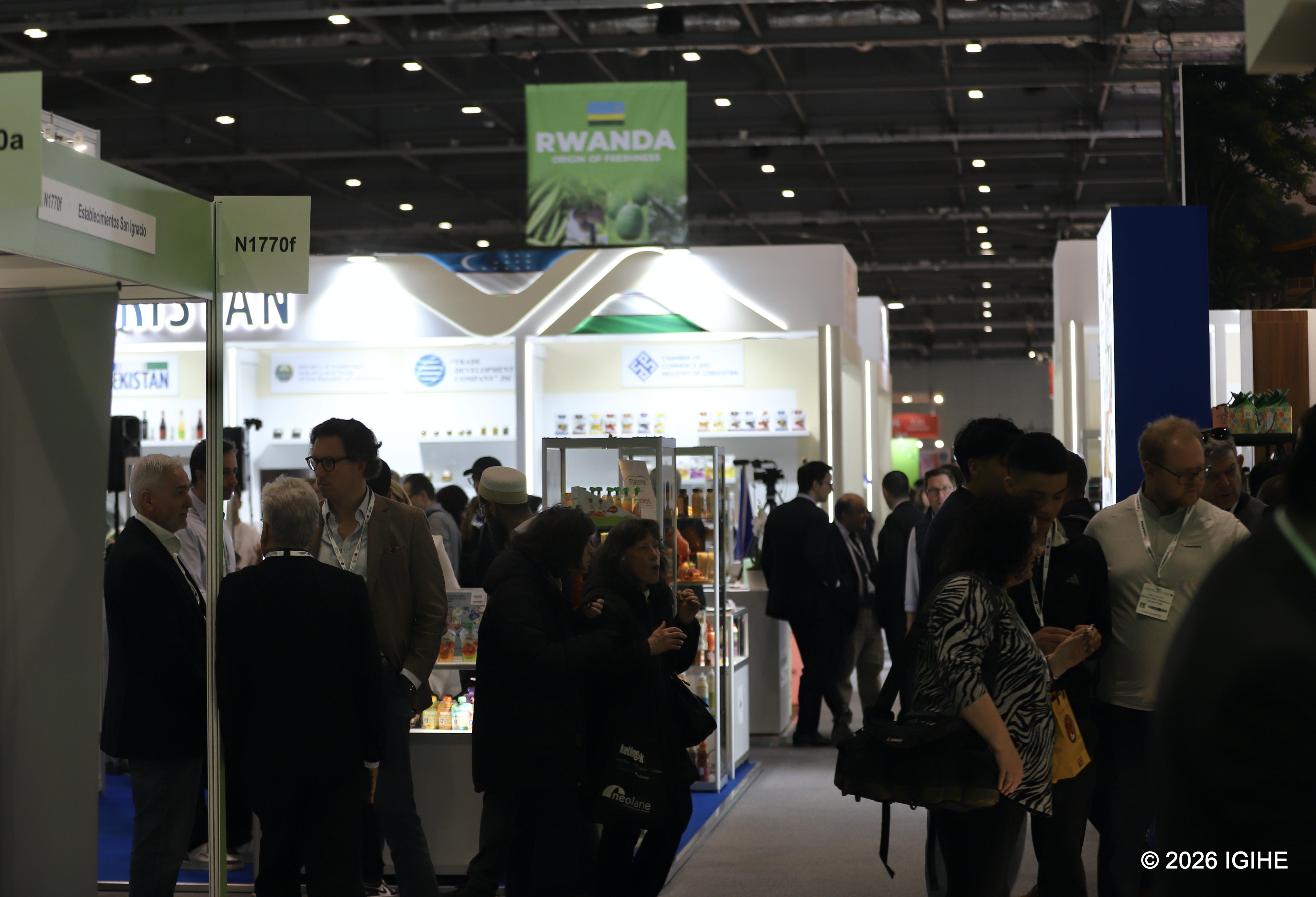
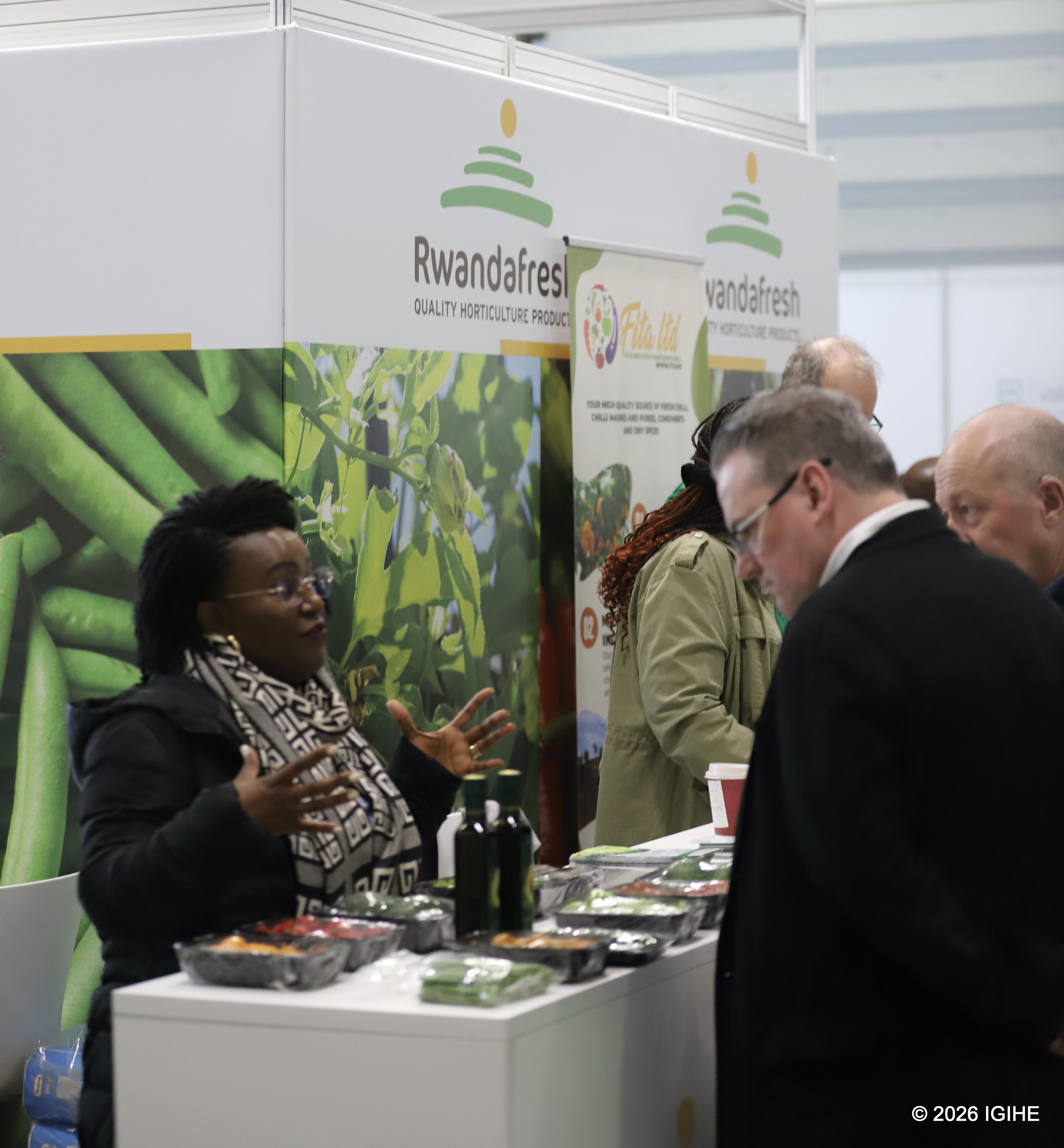
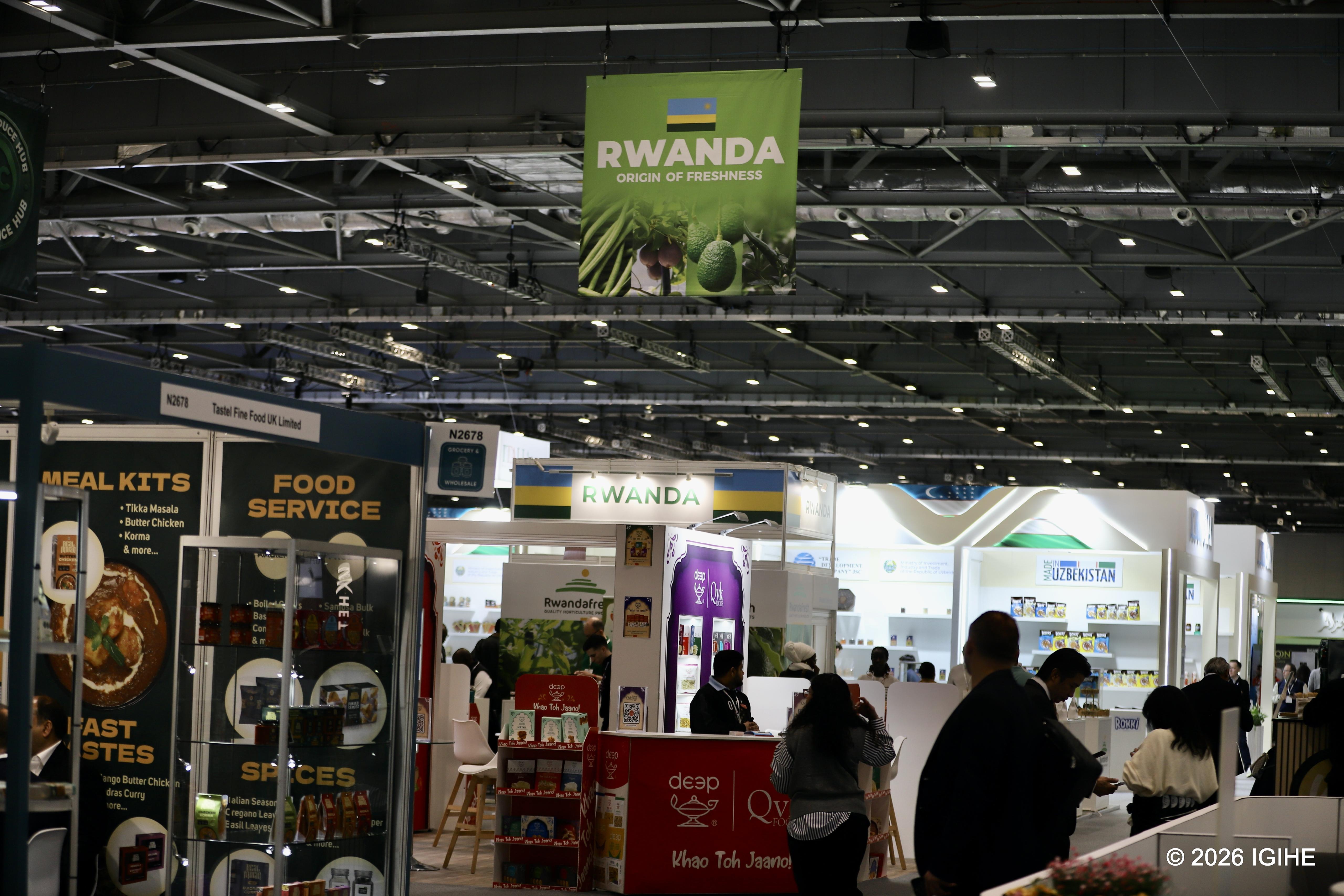
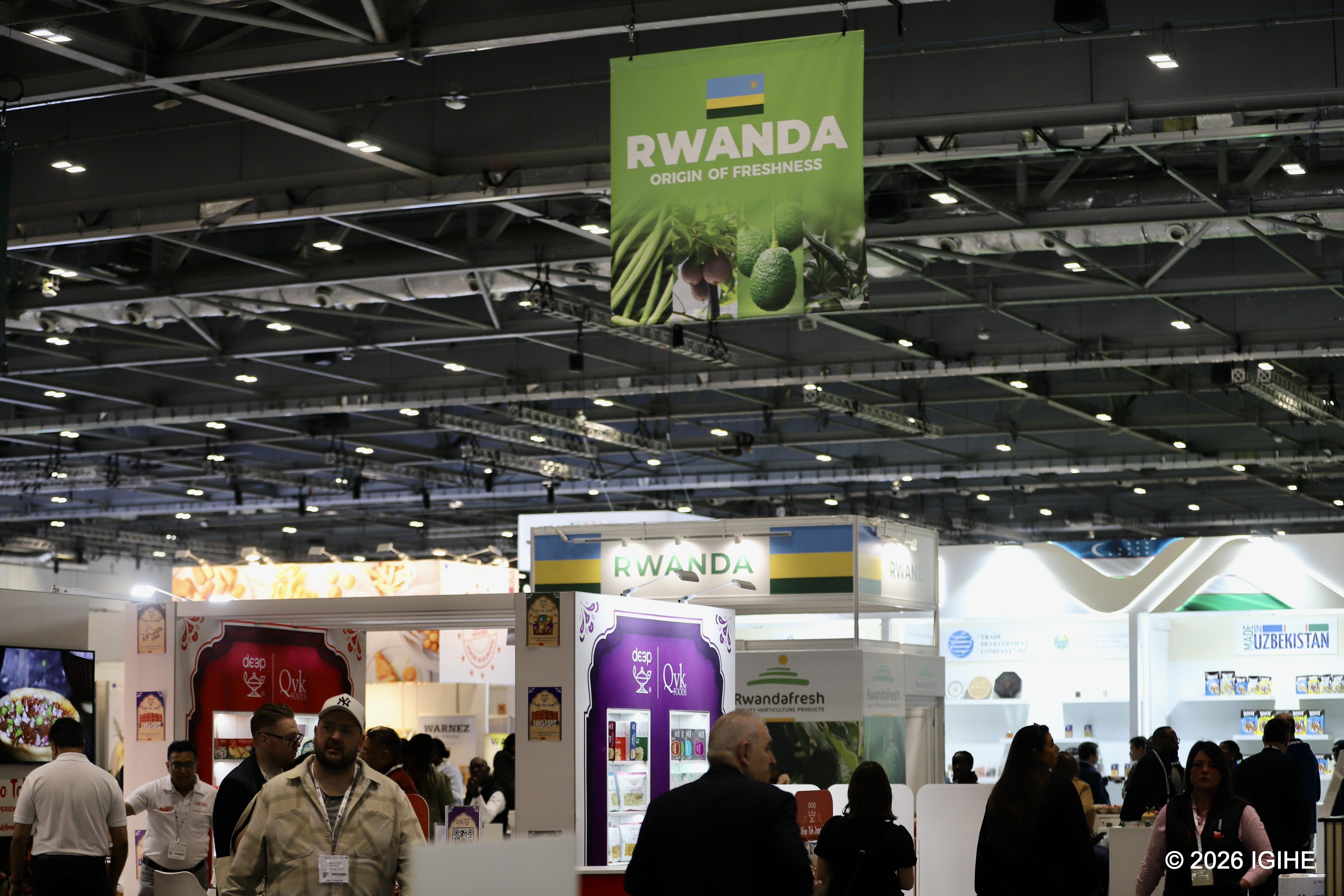
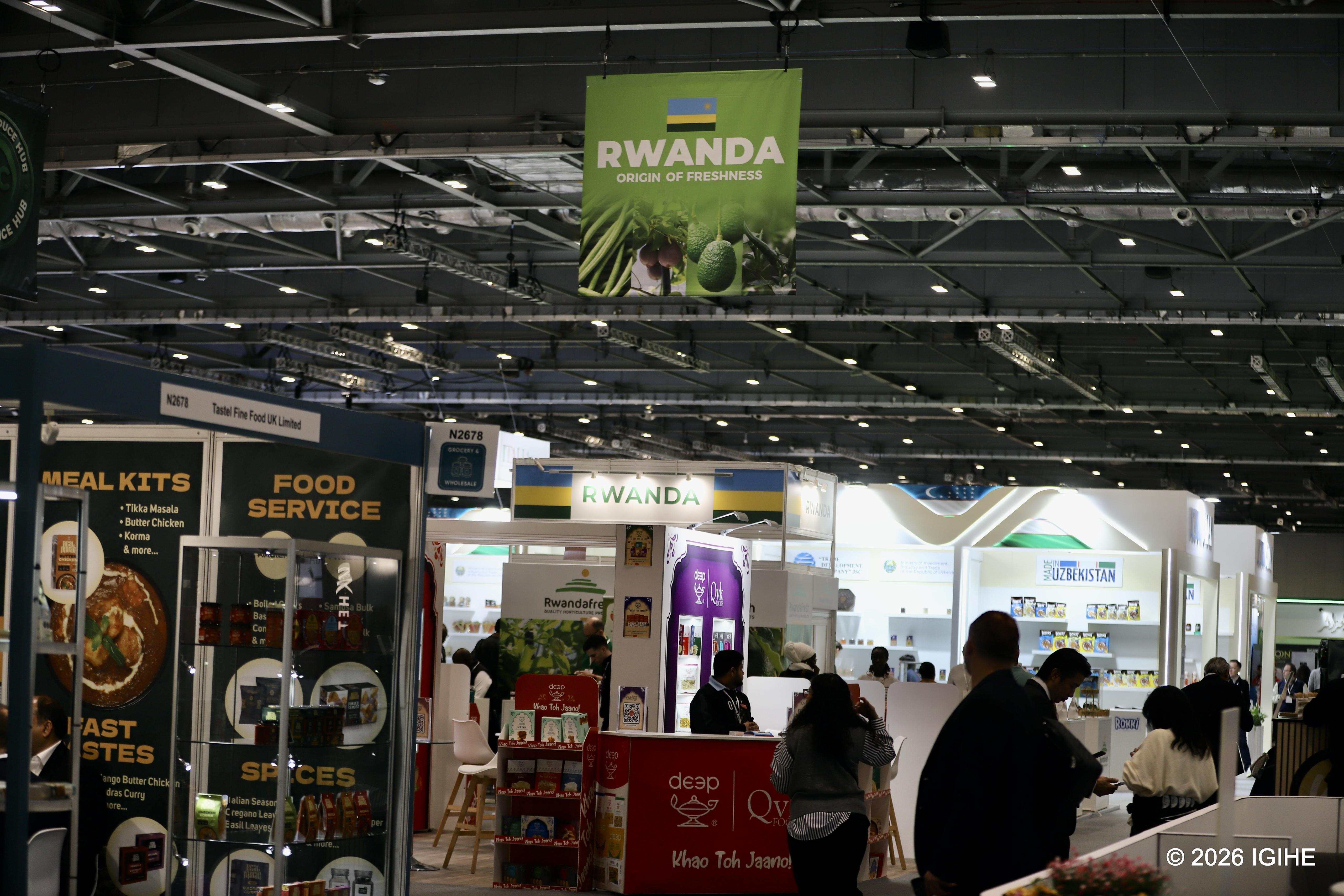
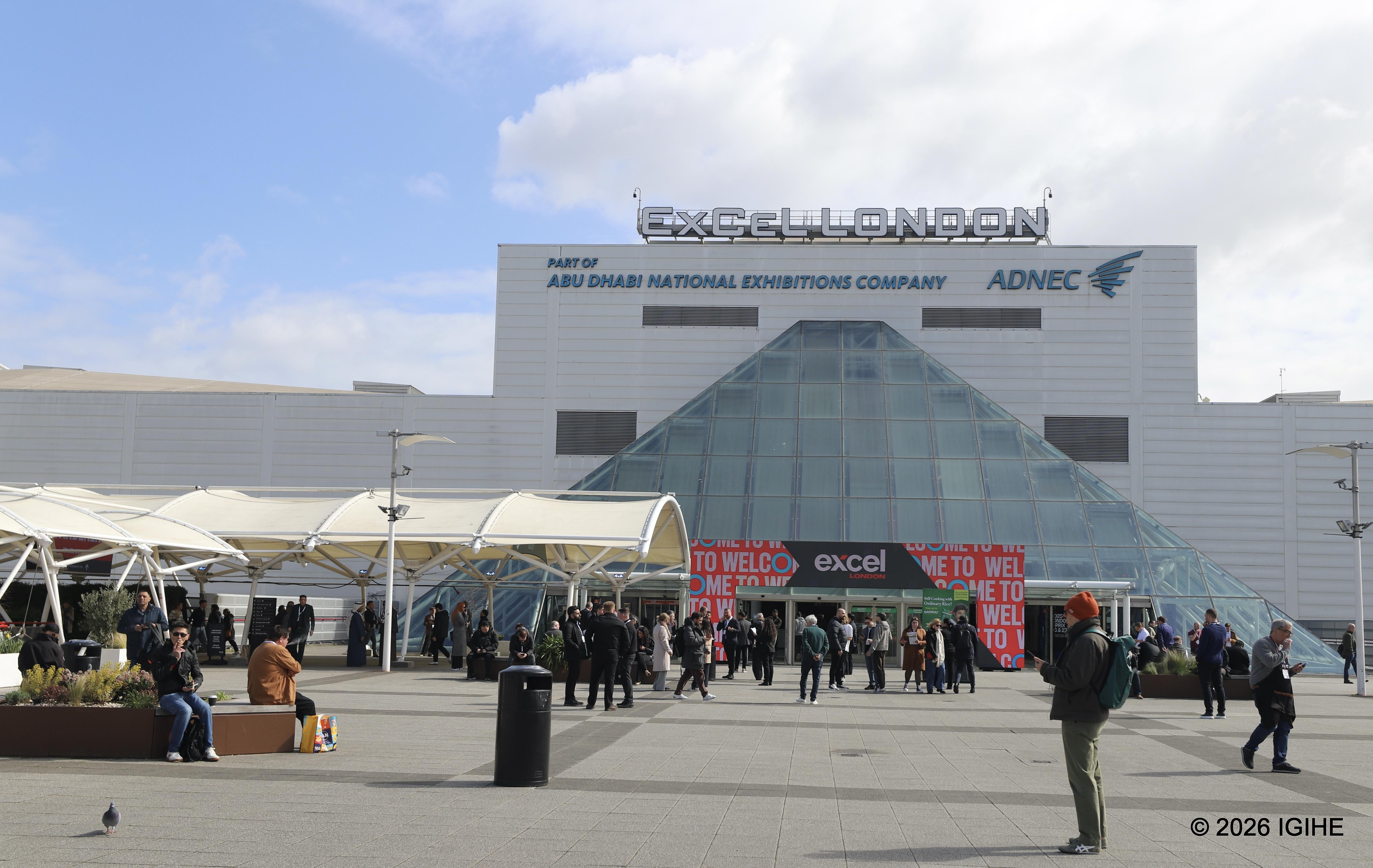
This exhibition taking place in London, United Kingdom, officially opened on March 30, 2026, and runs through April 1, 2026, at the ExCeL London exhibition centre.
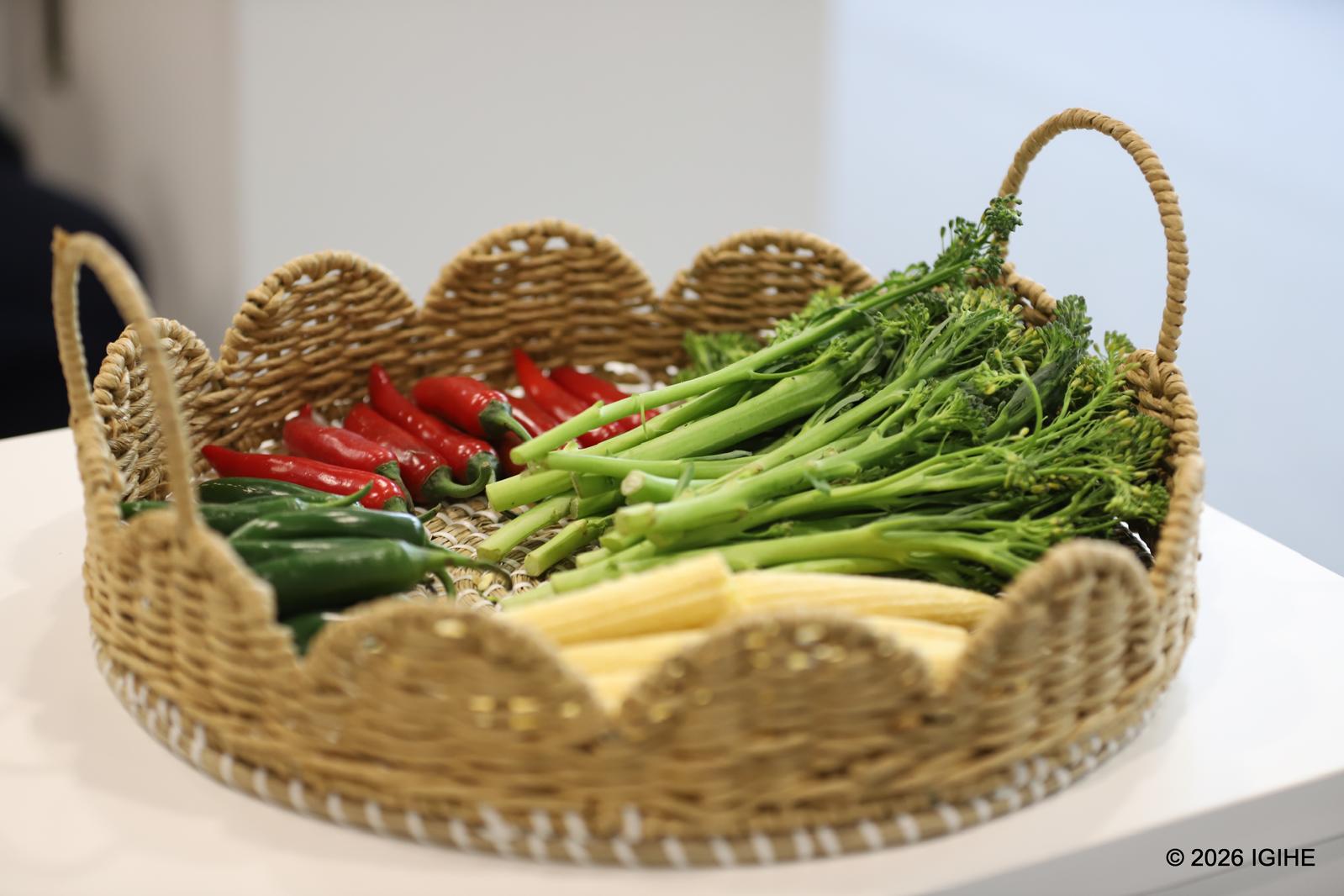
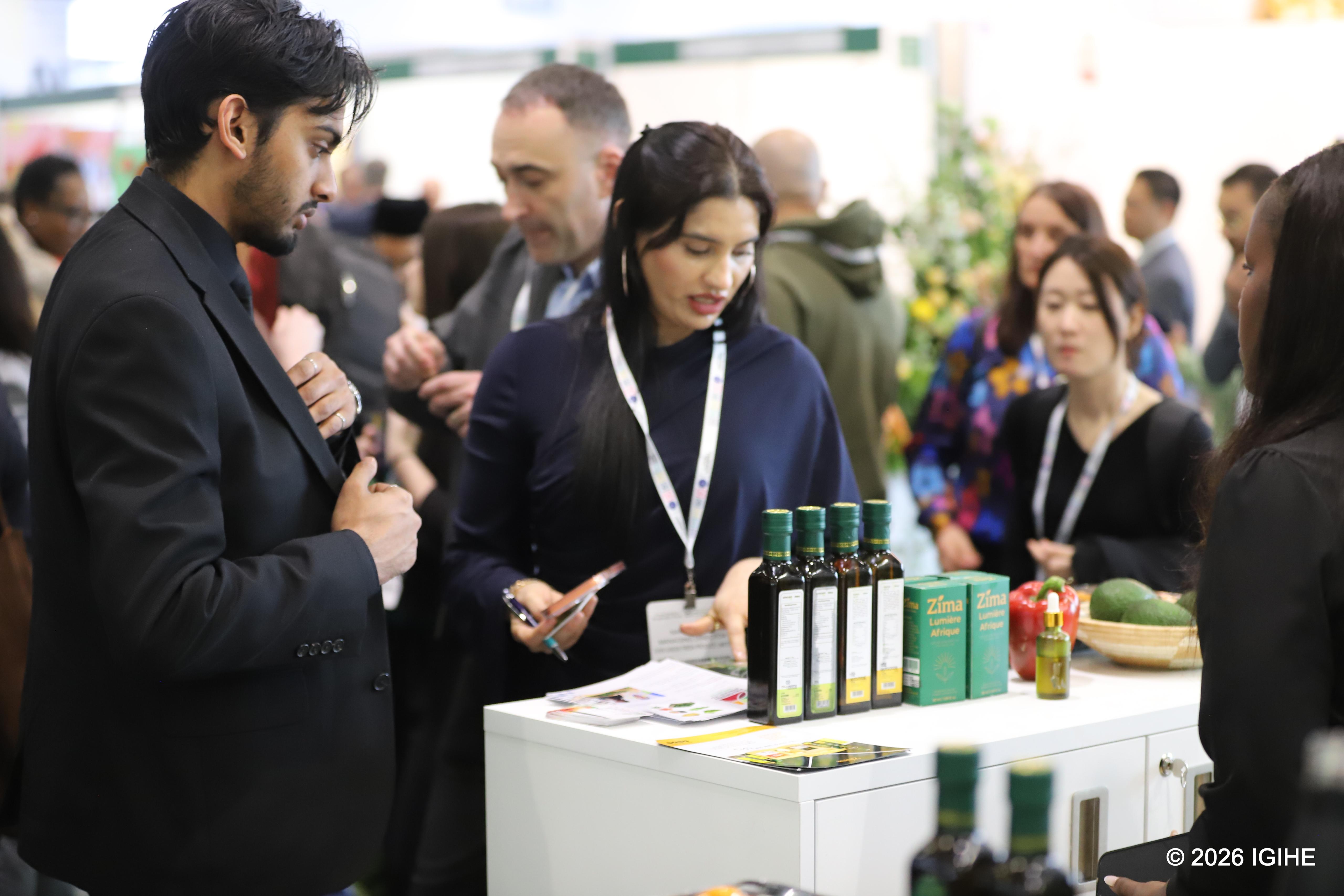
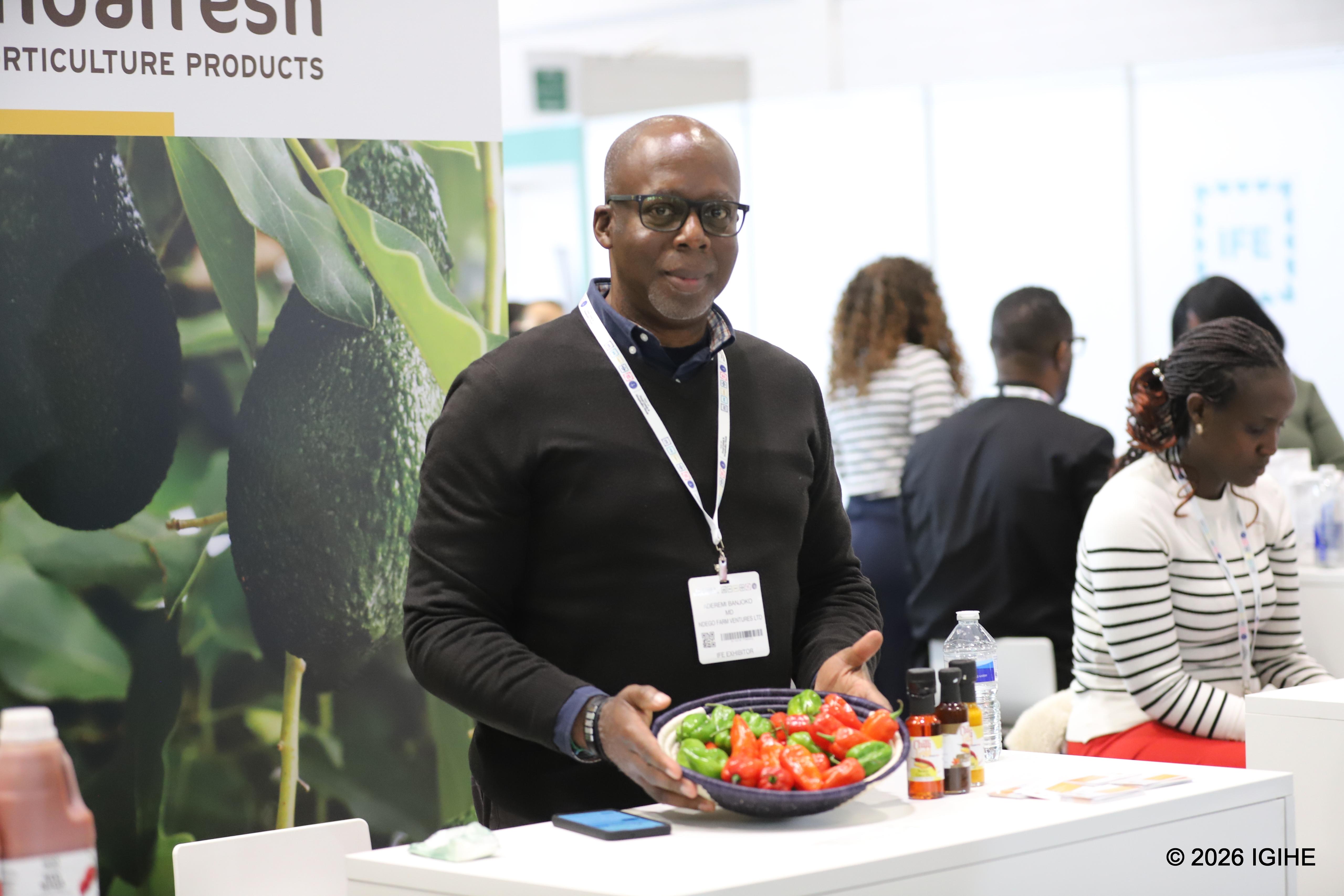
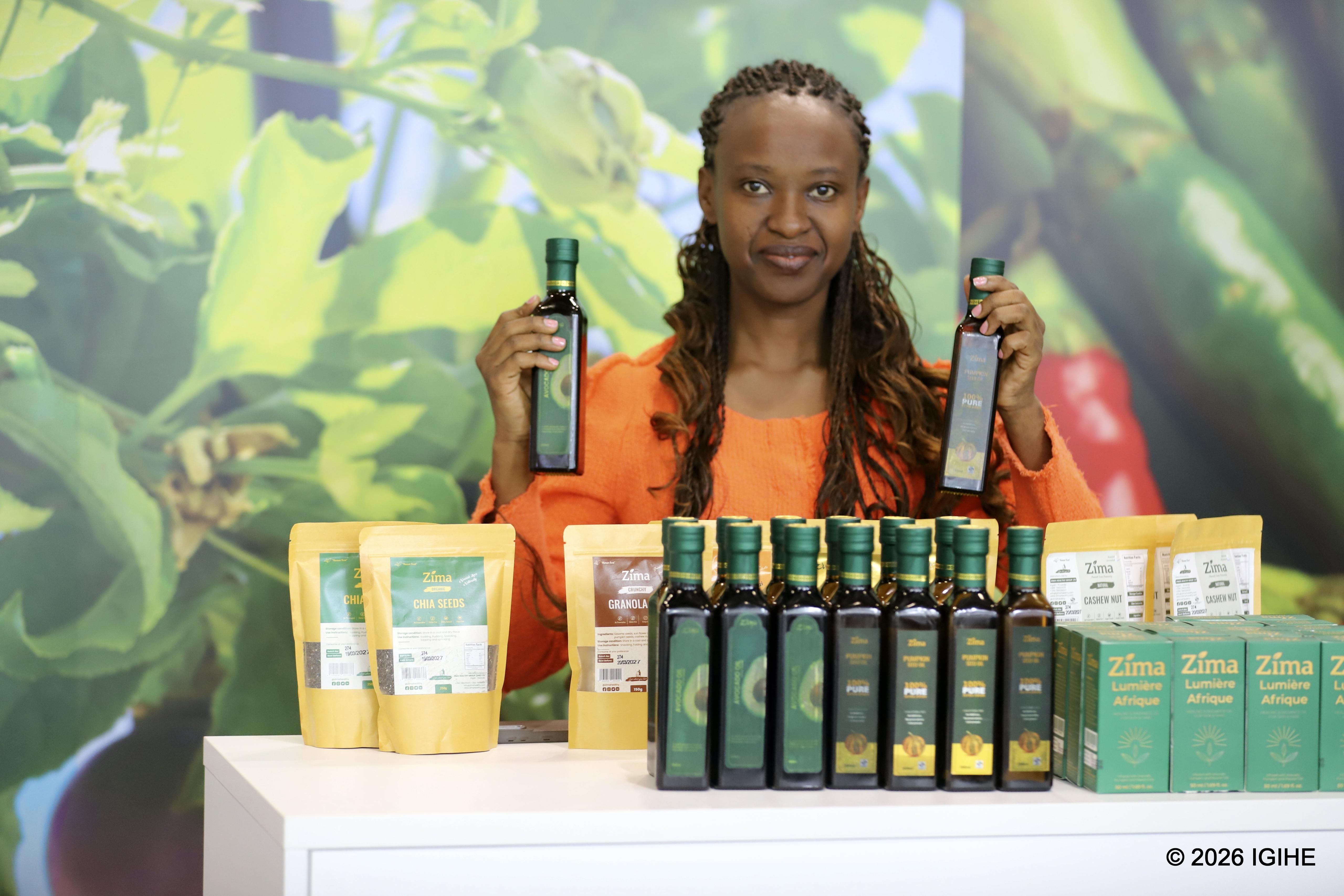
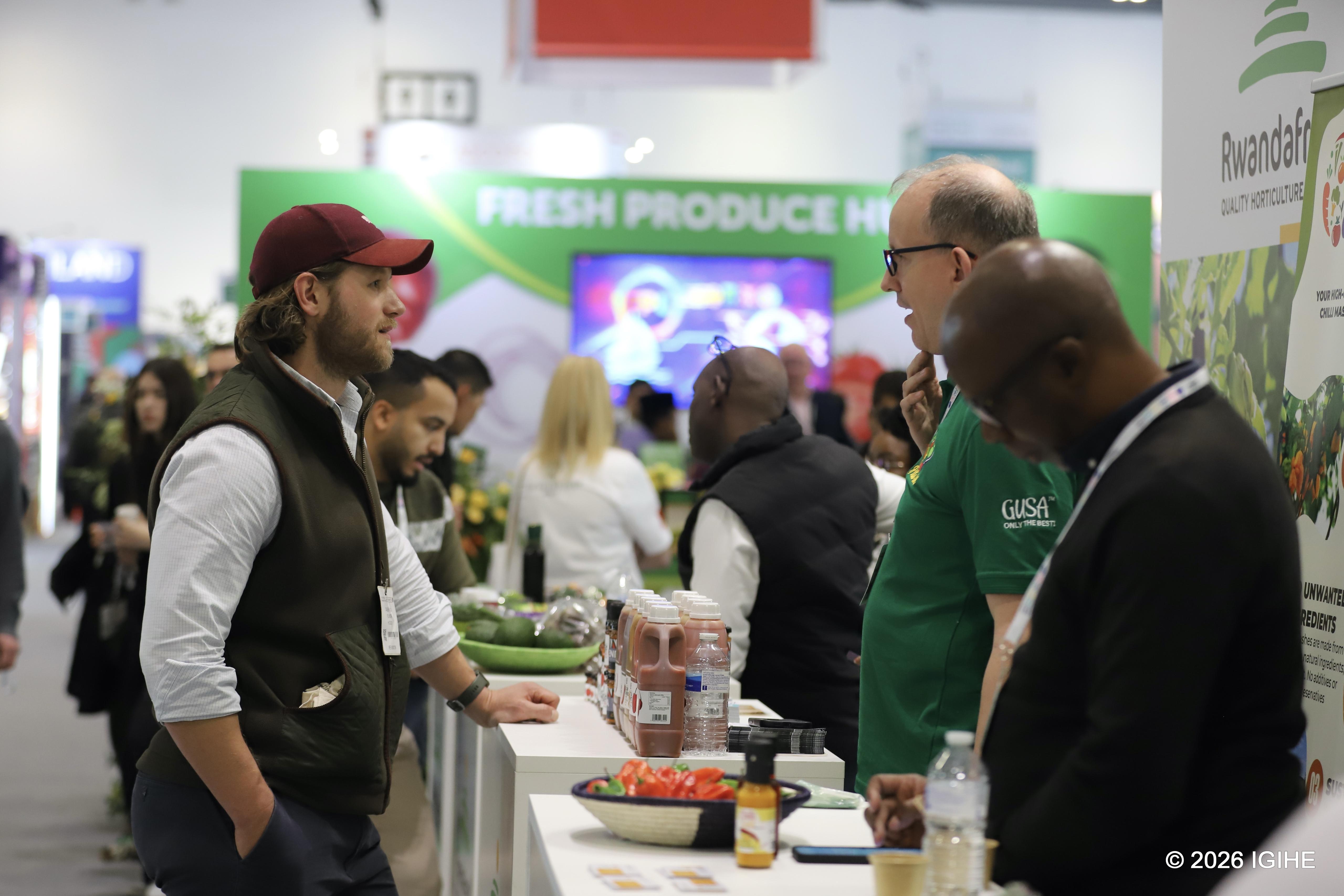
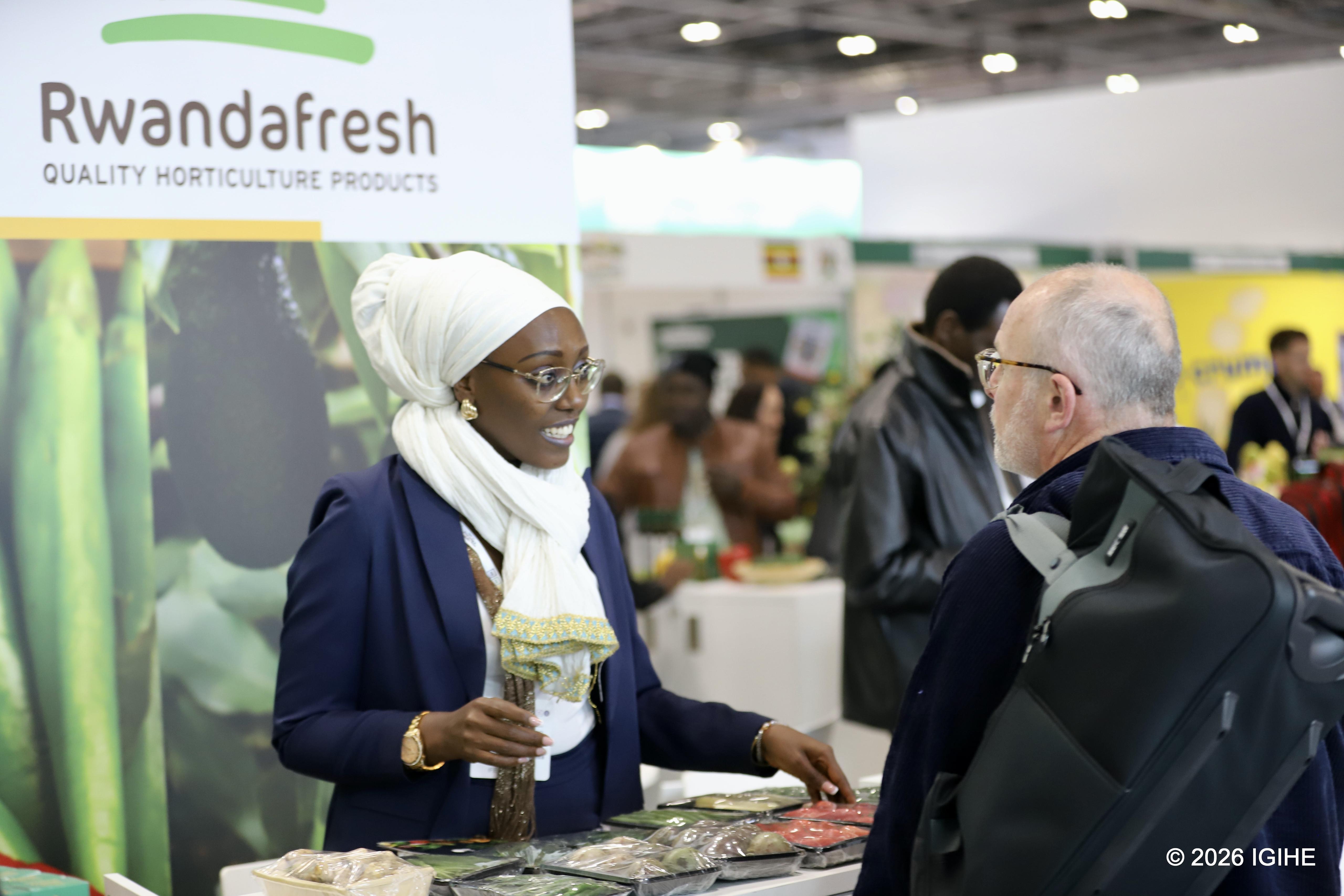
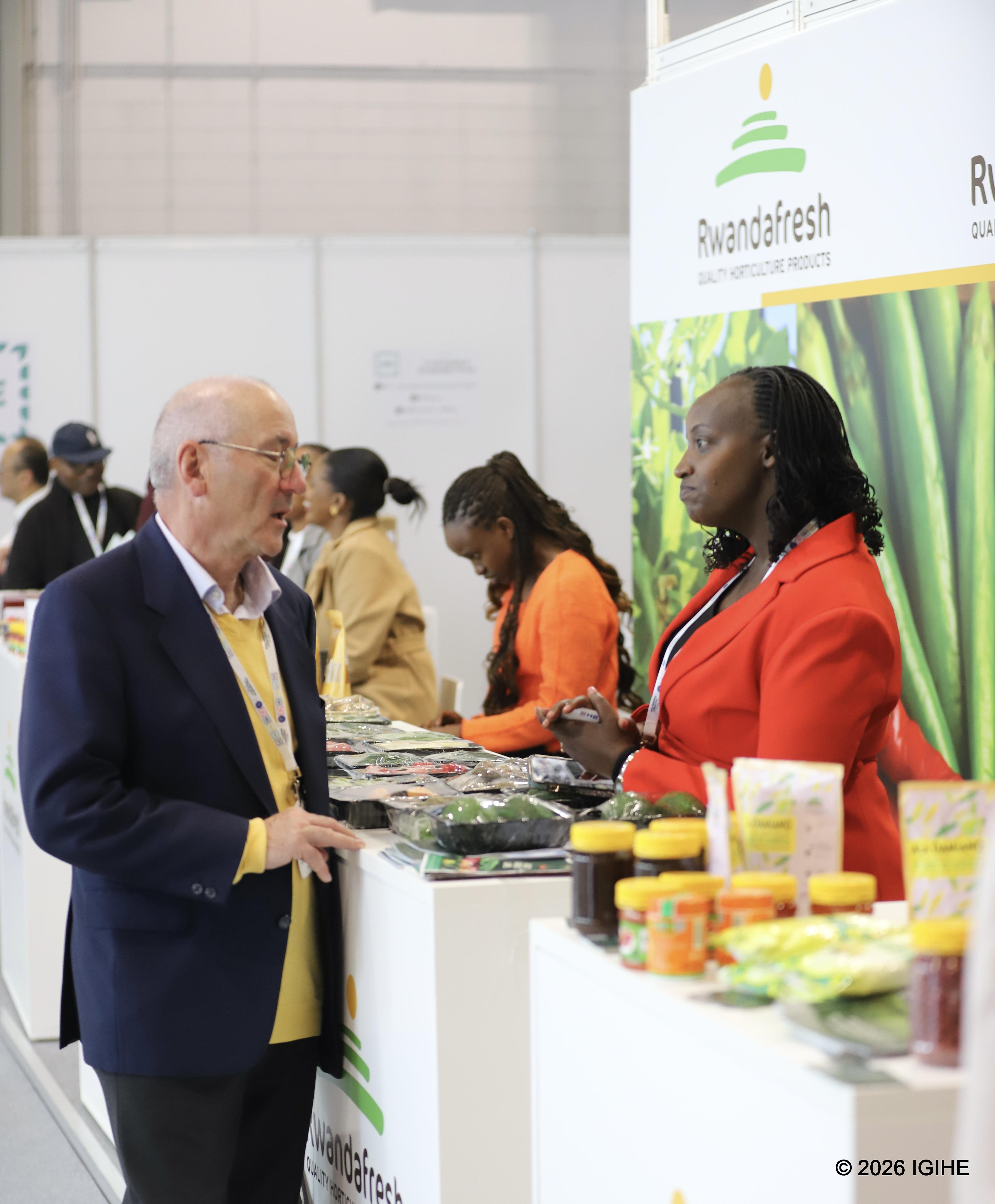
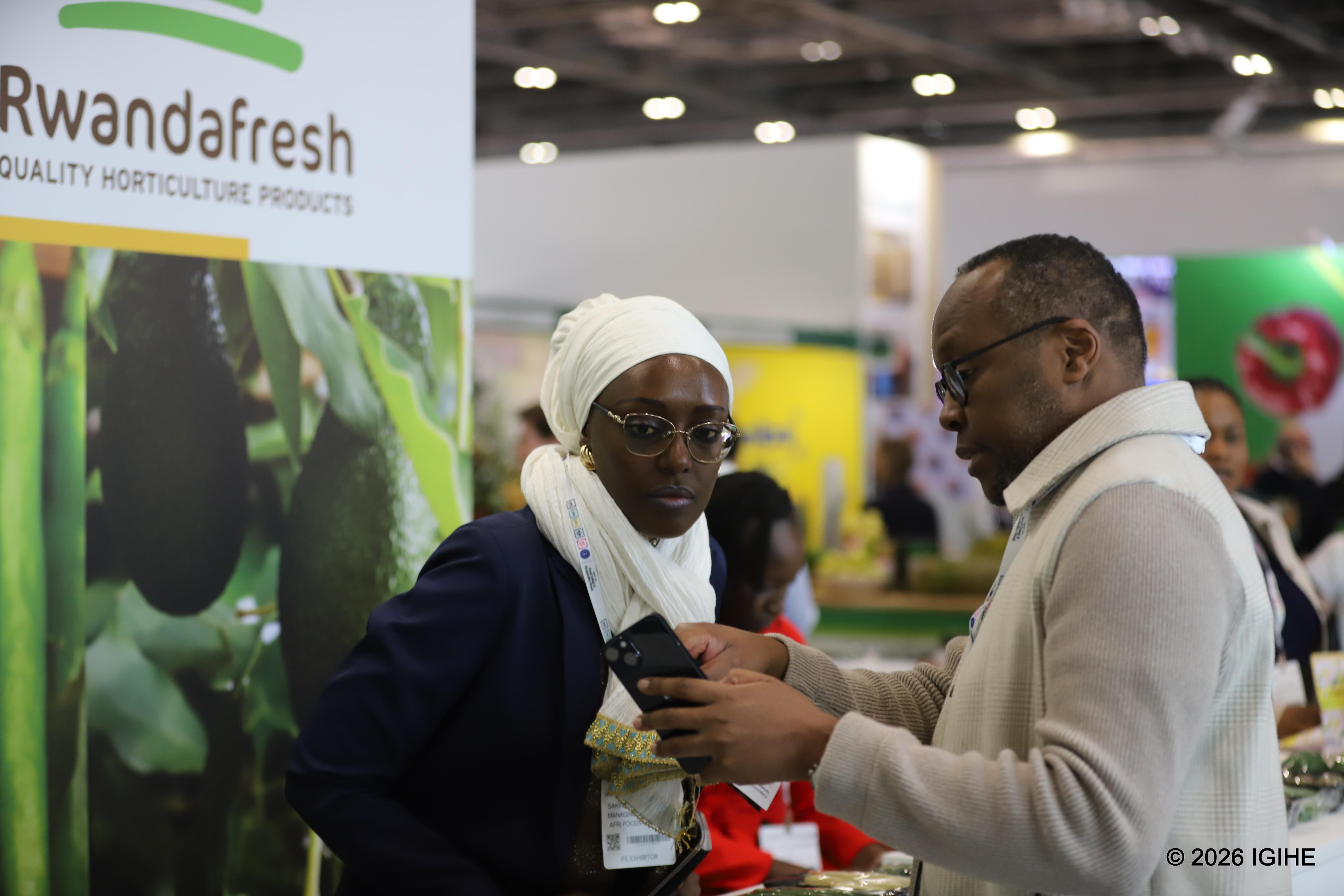
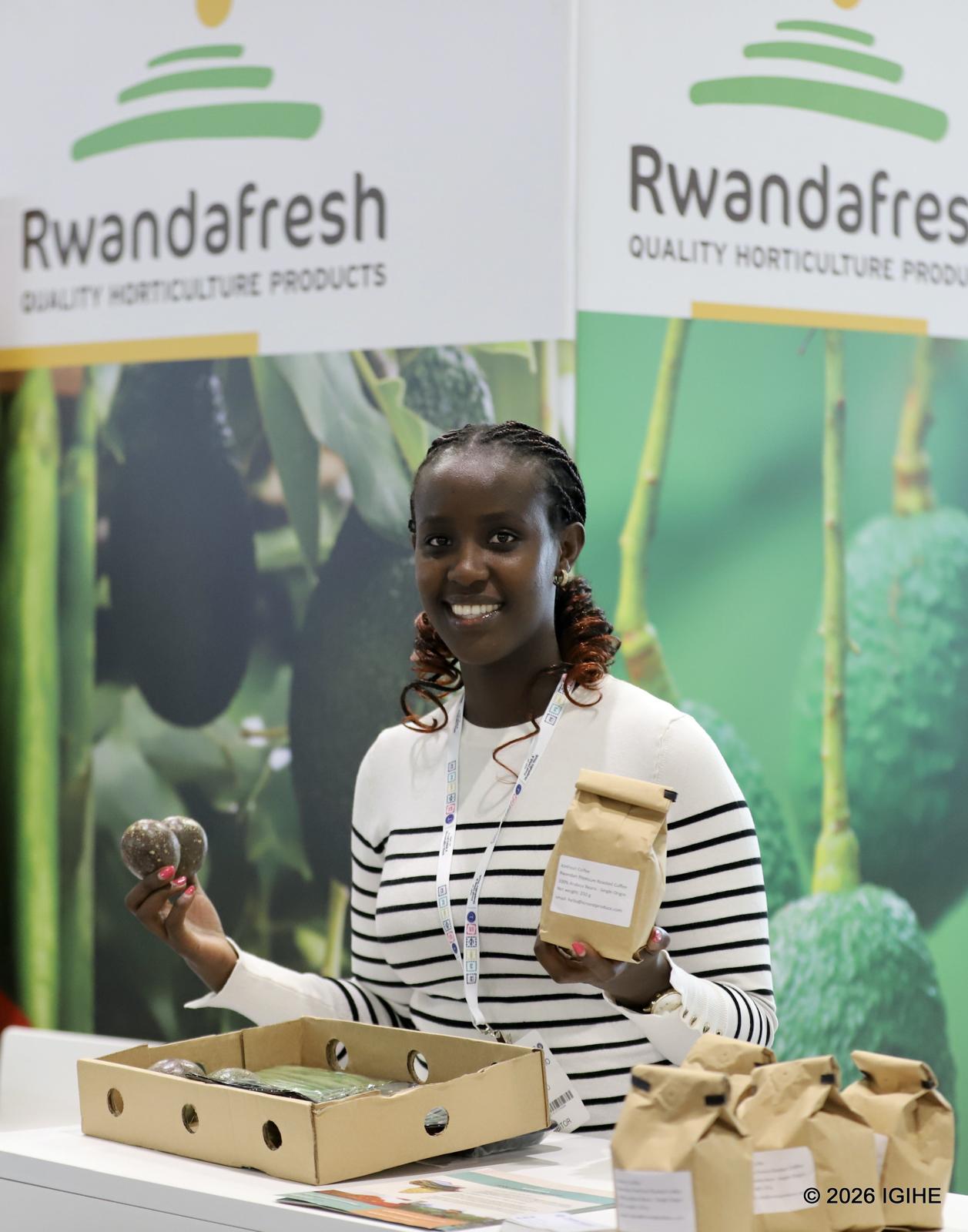
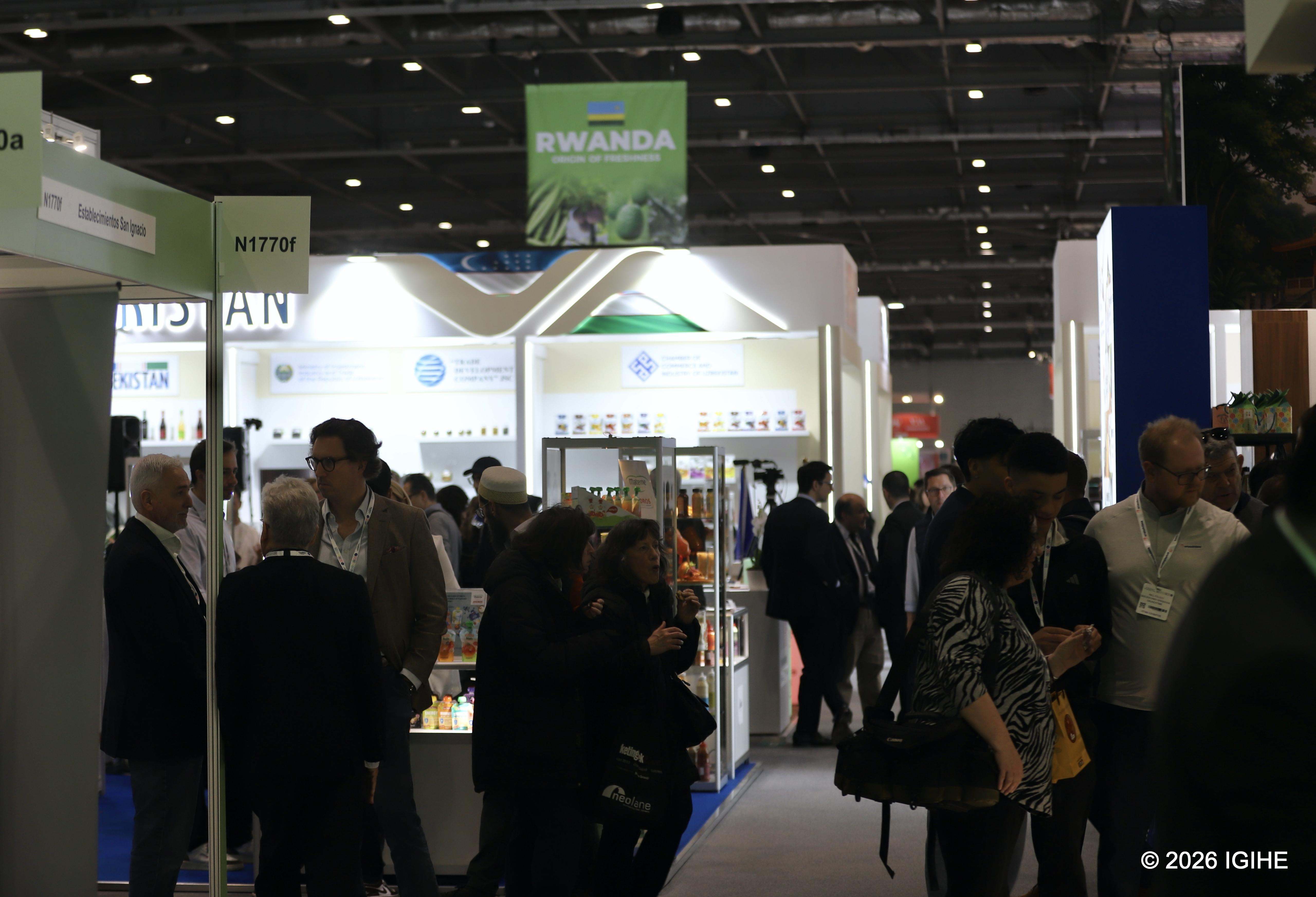
At the trade fair, a delegation from Rwandan companies is showcasing a range of locally produced goods and engaging directly with international partners.
Rwanda’s participation is coordinated by the Embassy of Rwanda in the United Kingdom, in collaboration with NAEB.
The event aims to support Rwanda’s ambition to boost agricultural exports, strengthen its presence on the international stage as a competitive food-processing nation, and attract new buyers for Rwandan products.
IFE brings together thousands of professionals each year from the food, beverage, and hospitality sectors across all continents. For Rwanda, this is not only an opportunity for visibility but also a strategic platform to increase exports, build new partnerships, and showcase the quality of its products to the global market.
This participation comes at a time when the Middle East, previously a key export market for Rwanda’s agricultural products, is facing instability due to ongoing conflict. Exploring new markets in Europe could help Rwanda mitigate the potential impact of these disruptions and sustain its export growth.
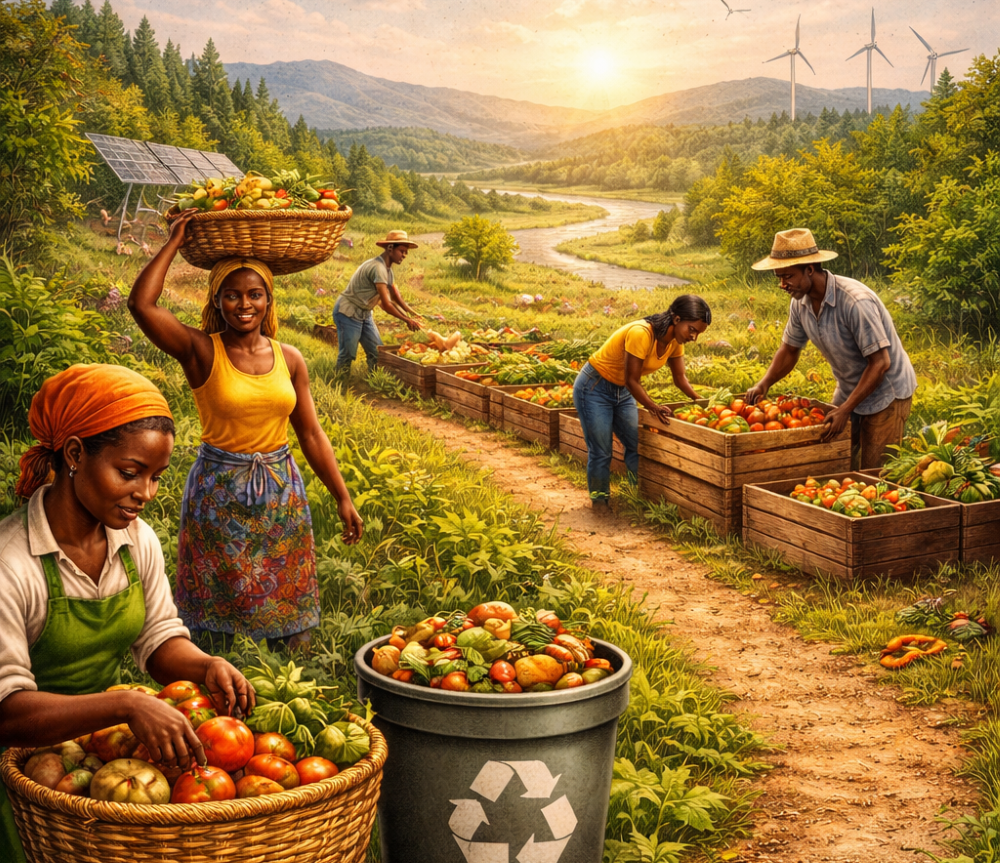
More than one billion tonnes of food, equivalent to 19 percent of all food available to consumers, are wasted, while 13 percent is lost before arriving at retail outlets, according to a joint statement from the United Nations Environment Program (UNEP) and the United Nations Human Settlements Program (UN-Habitat).
About 60 percent of food waste happens within households, followed by food service at 28 percent and retail at 12 percent, with households alone wasting over one billion meals daily, according to the UN agencies.
Inger Andersen, UNEP executive director, noted that food loss and waste cost the global economy one trillion U.S. dollars annually, while combating the challenge is key to taming the climate crisis, desertification, and water scarcity.
“Reducing food waste makes economic sense, delivers methane cuts, supports food security, and helps build a circular, zero-waste, zero-emissions future,” Andersen said.
Food loss and waste generate 8 to 10 percent of global greenhouse gas emissions, nearly five times the emissions from the aviation industry, with food waste alone accounting for up to 14 percent of global methane emissions, according to the statement.
Anaclaudia Rossbach, UN-Habitat executive director, noted that urban centers have been at the forefront of integrating food systems, water services, waste management, and recovering surplus food to foster circularity.
Rossbach added that informal workers, waste pickers, and community water managers are providing solutions to the food waste crisis in cities, helping to create circular systems that save money, cut emissions, and generate jobs.