The ceremony took place at Kintele Stadium in the northern suburbs of Brazzaville, the capital city, in the presence of several African heads of state.
In his inaugural address, Sassou Nguesso pledged to implement his development programme, titled “Accelerating the March Toward Development,” with a focus on economic diversification and modernization, agricultural mechanization, infrastructure development, education, youth training, and improvements to the health system.
He said peace, stability and infrastructure development would be the priorities of his new mandate.
The president also called on Congolese citizens to promote Pan-Africanism and strengthen regional integration, while reaffirming his support for initiatives aimed at advancing Africa’s economic development.
President of the Republic of the Congo Denis Sassou Nguesso takes the oath of office during his inauguration ceremony at Kintele Stadium in the northern suburbs of Brazzaville, the Republic of the Congo, April 16, 2026.
Wadagni secured victory in the first round of voting held on April 12, defeating his moderate opposition rival, former culture minister Paul Hounkpe, who obtained 5.73 percent of the vote.
The Constitutional Court, Benin’s highest authority on electoral disputes, said Wadagni and his running mate Mariam Chabi Talata won 4,575,449 votes, while Hounkpe and Rock Judicael Hounwanou received 278,297 votes. Talata will serve as vice president.
The court said that more than 7.89 million voters were registered nationwide, with over 4.85 million casting ballots, representing a turnout rate of 63.57 percent.
Preliminary results released on Monday by the Autonomous National Electoral Commission had already indicated a decisive lead for Wadagni, who secured 94.05 percent of the vote.
Wadagni, 49, previously worked at Deloitte before entering government after Patrice Talon’s election in 2016. He has since served as minister of economy and finance, was reappointed in 2021, and later promoted to senior minister, playing a central role in implementing Talon’s economic policies.
Under Benin’s electoral code, the president and vice president are elected by direct universal suffrage for a seven-year term.
Romuald Wadagni has won Benin’s presidential election with 94.27 percent of valid votes.
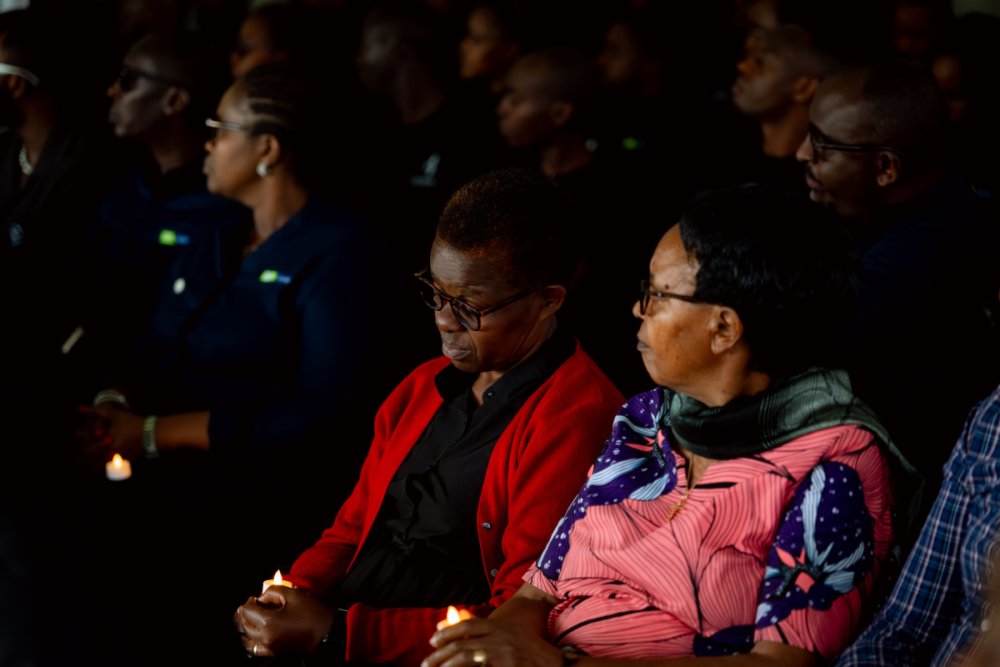
The commemoration event began at the bank’s head office in Kigali, where management and staff laid wreaths at a memorial bearing the names of the 33 employees who lost their lives in the 1994 Genocide against the Tutsi.
After paying tribute to the victims, BPR Bank leadership and employees proceeded to Nyanza Genocide Memorial, where they honoured the victims buried there and received a historical briefing on the events that took place in the area during the genocide.
They were taken through the specific history of Kicukiro in 1994, particularly at the former ETO Kicukiro, where many Tutsi had sought refuge.
On April 11, 1994, United Nations peacekeeping forces (UNAMIR) abandoned more than 3,000 Tutsi who had taken shelter at ETO Kicukiro, withdrawing and leaving them vulnerable to attacks by Interahamwe militias and government forces, who subsequently killed them.
Speaking during the commemoration, BPR Bank Rwanda Managing Director Patience Mutesi said remembering the Genocide against the Tutsi is a responsibility for all employees, as it is a way of honouring the victims.
“Commemoration is our collective duty and a commitment to honour the victims of the Genocide against the Tutsi, while continuing to protect the truth so that future generations never forget,” she said.
IBUKA Vice President Blaise Ndizihiwe called on young people, especially artists and workers, to take responsibility in remembering the genocide and to actively confront those who continue to deny or distort its history.
“Young people often remain silent and do not openly acknowledge that the genocide happened, or assume others will speak about it. No one will tell our history for us. Preserving our history is not the responsibility of IBUKA alone, but of all of us,” he said.
Families of BPR employees who were killed during the Genocide against the Tutsi took part in the commemoration event.BPR Bank Rwanda management and staff were briefed on the history preserved at the Nyanza Genocide Memorial.BPR Bank management laid wreaths at the memorial site of former employees who were killed during the Genocide against the Tutsi.BPR Bank staff paid tribute to their colleagues who were killed during the Genocide against the Tutsi.IBUKA Vice President Blaise Ndizihiwe told the youth and artists that commemorating the Genocide against the Tutsi also comes with the responsibility of confronting those who continue to deny or distort its history. BPR Bank Rwanda Managing Director Patience Mutesi said that commemorating the Genocide against the Tutsi is a duty of the bank’s employees, as it is a way of honouring the victims. Artists Marina and Kevin Kade laid wreaths at a memorial bearing the names of former BPR Bank employees who were killed in Genocide against the Tutsi. Relatives of former BPR employees also attended the commemoration event.
According to the World Travel & Tourism Council (WTTC), the sector performed strongly worldwide in 2025, with global growth reaching 4.1 percent. However, the story was very different for North America, which was the slowest-growing region globally, rising just 1.0%, and by only 0.9% in the U.S.
Despite an increase of 80 million international travelers globally, fewer chose the United States. Visitor numbers to the country dropped by 5.5 percent compared to 2024, while international spending declined by 4.6 percent to $176 billion.
Still, the U.S. remains dominant, contributing $2.63 trillion to global GDP and supporting 20.4 million jobs in 2025. Domestic travel spending also stayed strong, reaching $1.54 trillion.
WTTC President and CEO Gloria Guevara said, “The United States remains the largest Travel & Tourism market in the world and has an amazing foundation. To avoid losing its leadership position the U.S. must invest in promoting its attractiveness… change perception and position the U.S. as a welcoming destination.”
The report highlights a major opportunity ahead, as the U.S. prepares to co-host global football events in 2026, expected to attract about 1.24 million international visitors.
Meanwhile, countries in Asia-Pacific, led by China, are rapidly expanding. China’s tourism sector grew by 9.9 percent, contributing $1.75 trillion to GDP.
Jason Wynn noted, “the U.S. Travel & Tourism sector continues to demonstrate remarkable resilience… With the U.S. set to host a series of global events through 2028, we have an extraordinary opportunity to welcome new visitors.”
WTTC says future growth will depend on stronger promotion, investment, and improving the country’s global image.
The United States remained the largest Travel & Tourism market in the world in 2025 but is losing market share according to the World Travel & Tourism Council’s (WTTC) latest Economic Impact Research.
The platform, called Carrot Intelligence, uses one of the largest private datasets in the field, covering information from 195 countries.
Unlike many AI systems that rely on general data, this platform is built from real clinical and financial records gathered over the past decade.
Carrot says this allows it to offer more personalized support based on each individual’s medical history, location, and personal goals.
The company has already supported millions of users and processed over $1 billion in claims, forming the backbone of the new system. According to Carrot’s founder and CEO, Tammy Sun, the goal is to ensure AI in healthcare is reliable, evidence-based, and focused on real outcomes.
Carrot Intelligence is behind several new tools, including a program aimed at reducing high-risk pregnancies and a system that detects errors and fraud in medical billing.
The platform can also step in earlier, helping people explore less invasive fertility options before turning to treatments like In Vitro Fertilization (IVF).
In a recent survey, 89 percent of women said they would prefer alternatives to IVF, highlighting the need for earlier guidance. The platform responds by offering timely advice tailored to each stage of a person’s journey.
Importantly, Carrot says human clinicians remain in control of care decisions, with AI supporting rather than replacing them.
Carrot has introduced a new artificial intelligence platform designed to improve how people access and experience care.
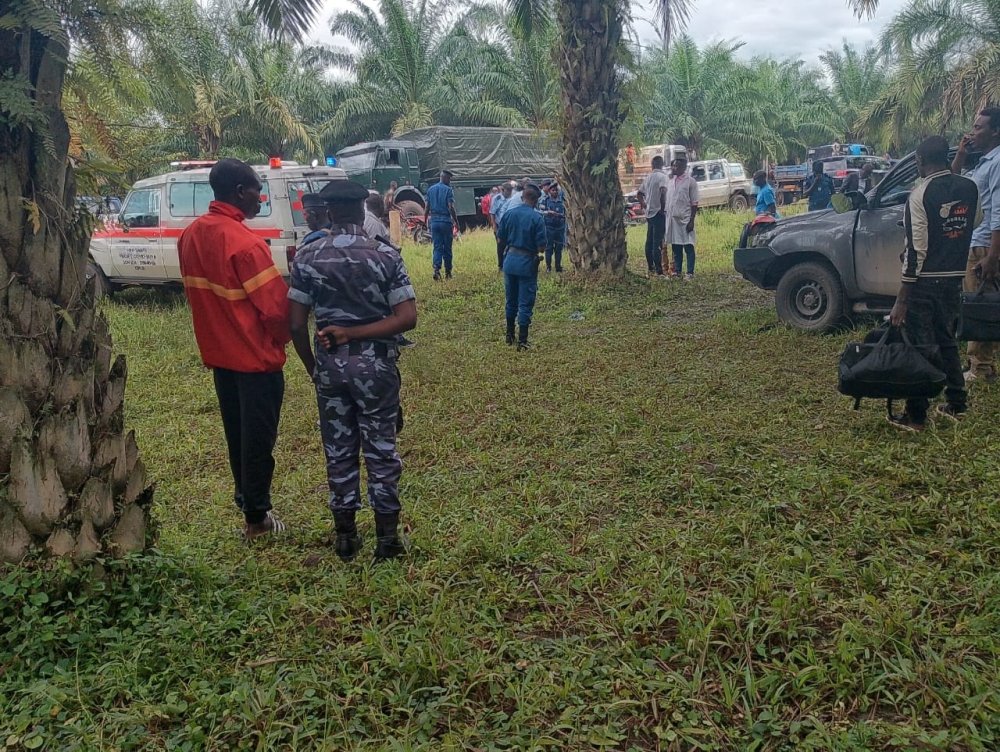
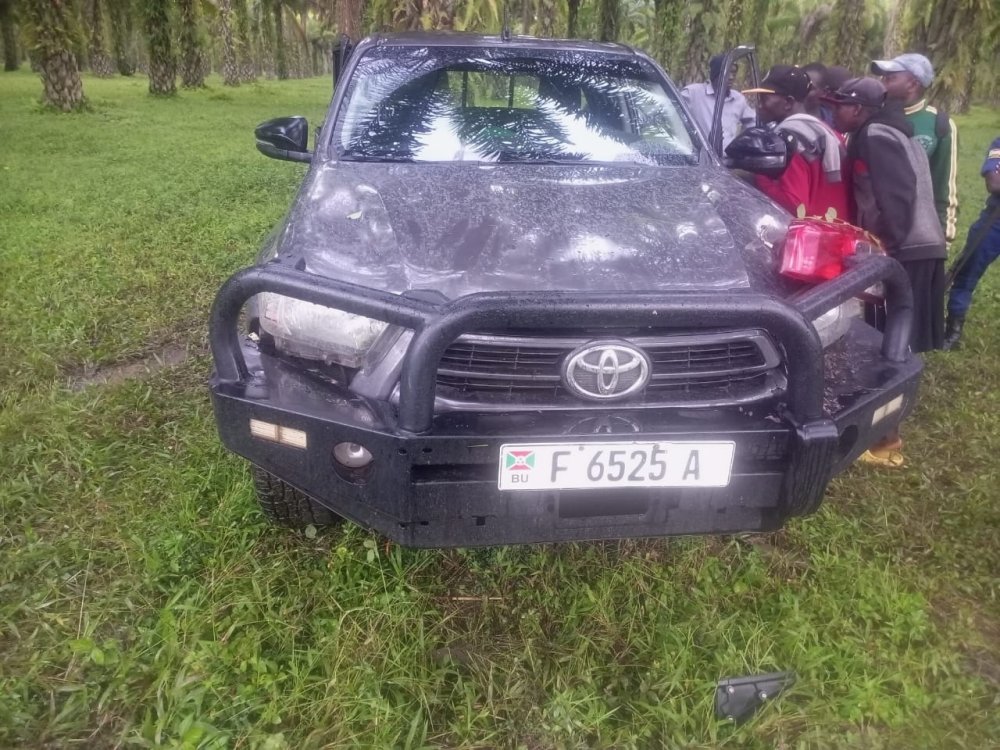
Reports indicate that residents of Kivoga, a neighborhood in Bujumbura, noticed a car parked off the road in a palm grove at around 8:00 a.m. on Thursday. When they moved closer to check, they found him dead inside the vehicle.
People who recognized him confirmed he was Minister Bugaga and promptly alerted security authorities, who have since opened an investigation into the circumstances surrounding his death.
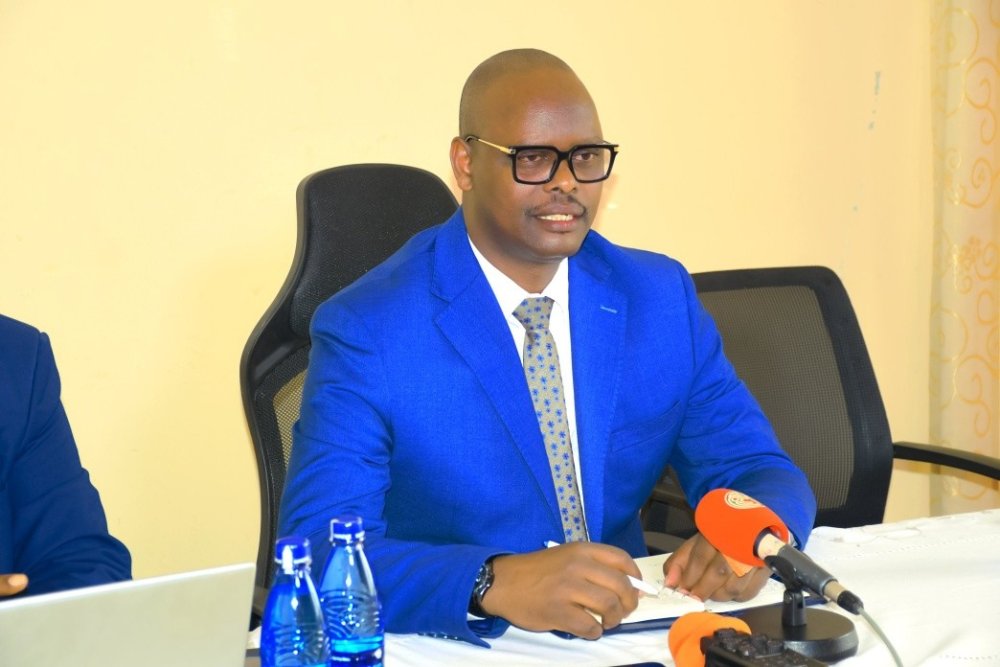
The spokesperson for the Burundian government, Jérôme Niyonzima, confirmed Bugaga’s death but told the media that more details would be released later.
Security personnel, including soldiers and police officers, arrived at the scene where Bugaga was found before taking it to hospital.
Preliminary investigation reports indicate that before his death, Bugaga was not accompanied by his security detail, raising concerns about the circumstances surrounding his death.
Bugaga was widely known for his earlier career as a journalist with the national broadcaster, RTNB. He also held various positions, including roles in the Senate and the National Independent Electoral Commission (CENI).
He was appointed Minister of Communication and Media in early August 2025.
Gabby Bugaga had been serving as Burundi’s Minister of Communication and Media since August 2025.His vehicle was found parked in a palm plantation near the roadside, raising suspicion among nearby residents.Security forces have since arrived in the Kivoga area to begin investigations into the circumstances surrounding his death.Bugaga was found dead in his vehicle.
Zimbabwean President Emmerson Mnangagwa presided over the handover ceremony at State House, attended by South African Minister of Sport, Arts and Culture Gayton McKenzie, and Zimbabwean government officials.
Mnangagwa hailed the repatriation as a triumph of Pan-African solidarity and a decisive step toward addressing historical colonial injustices. He emphasized that reclaiming such artifacts is essential for restoring the nation’s cultural identity and rectifying the “salient testament” of past plunder.
“For far too long, this vital piece of our national soul and dignity resided in a foreign land… My government will continue to ensure that Zimbabwe’s rich heritage is freed from the hostage in foreign museums, public spaces and private galleries,” the president said.
For his part, McKenzie described the return as a significant historical milestone, expressing his hope that the eight ancestors would finally find peace in their native soil and that the day’s events would help in the long journey of restoring Zimbabwe’s national wholeness.
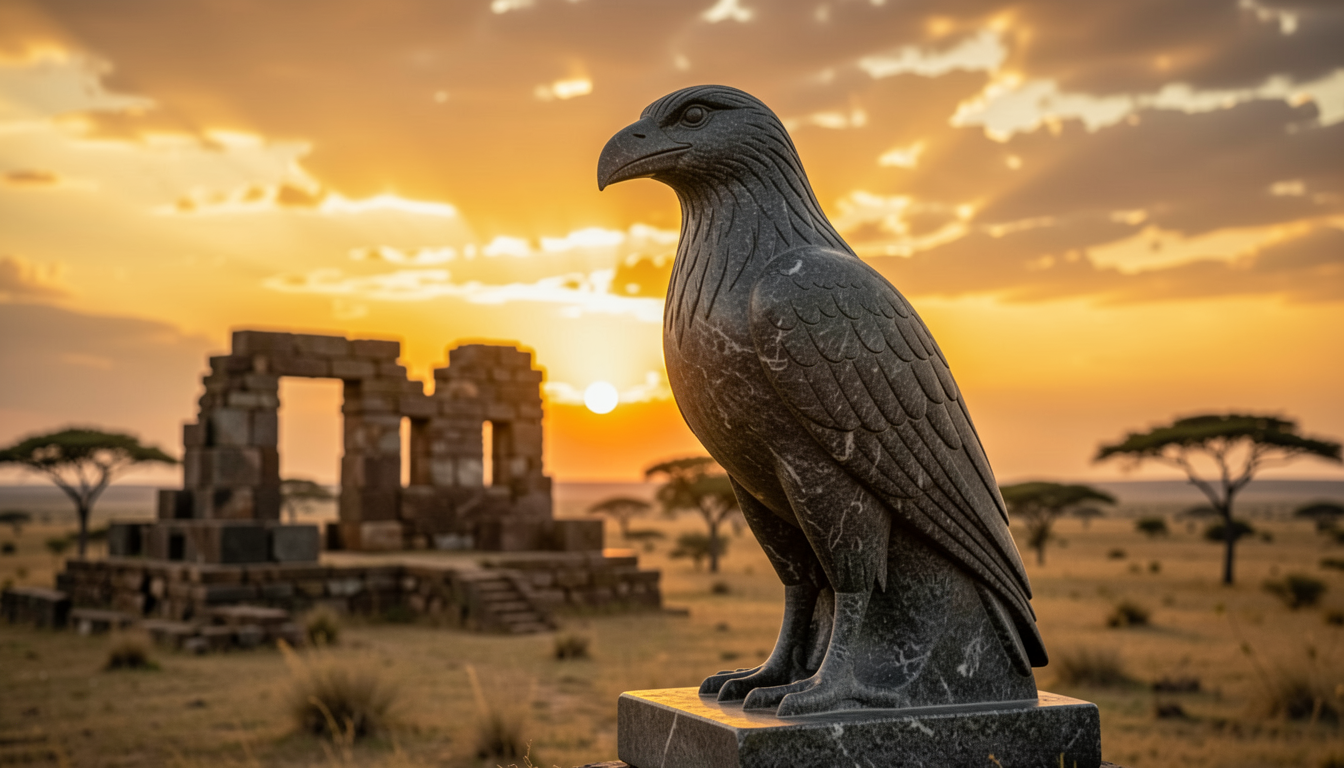
The Zimbabwe Bird, known in the Shona language as Chapungu, is a national emblem and symbol associated with the country’s cultural and historical identity, and is featured in the national flag, coat of arms and currency.
Carved from soapstone, this specific artifact was the first of eight carvings looted from the ruins of Great Zimbabwe — the Iron Age capital located in the country’s southeast — and later sold to Cecil John Rhodes, then the prime minister of the Cape Colony, in the 1890s.
The eight ancestral human remains were collected from Zimbabwe — then known as Southern Rhodesia — during the late 19th and early 20th centuries. They were acquired by colonial officials, medical practitioners and researchers, and donated to what became the Iziko South African Museum as scientific specimens.
Zimbabwe on Wednesday welcomed the return of a centuries-old “Zimbabwe Bird” stone sculpture and eight ancestral remains from South Africa.
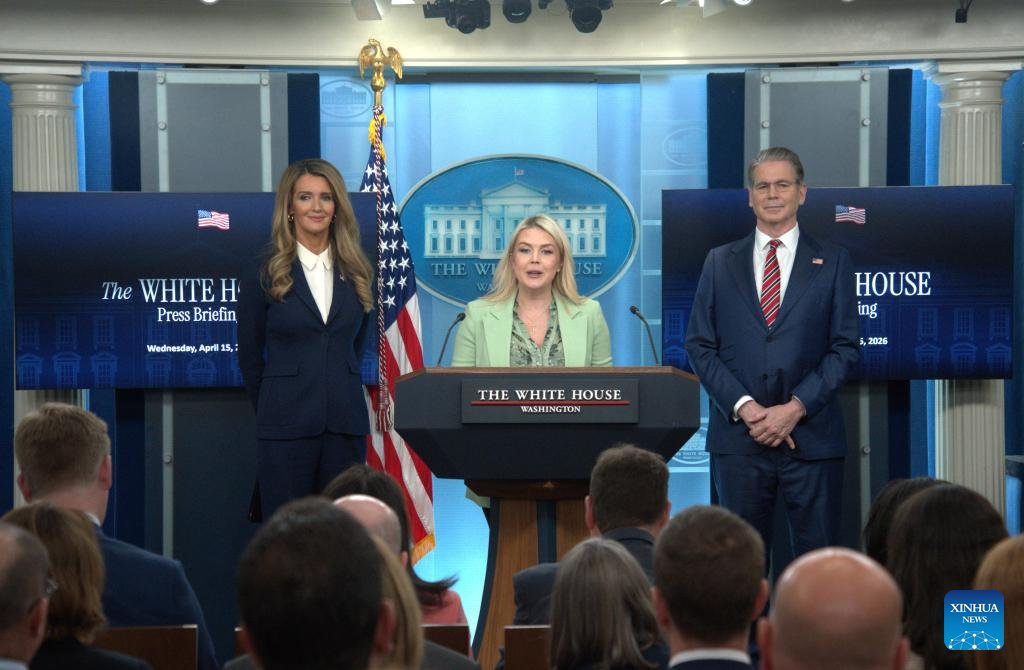
Leavitt said at a White House press briefing that the Trump administration is optimistic the continued negotiations could yield a deal to end the weeks-long war.
“We feel good about the prospects of a deal,” she said.
Leavitt also did not confirm when talks with Iran would resume, but said if there were talks, they would continue to be held in Pakistan following stalled talks in Islamabad over the weekend.
U.S. President Donald Trump said Tuesday that fresh U.S.-Iran talks “could be happening over next two days” in Pakistan. Also, he said earlier on Wednesday that the U.S.-Israeli war with Iran is “very close to being over,” without providing a clear timeline.
The two-week ceasefire is set to expire next week.
White House Press Secretary Karoline Leavitt speaks during a White House press briefing in Washington, D.C., the United States, April 15, 2026. Leavitt said Wednesday an extension of the current U.S. ceasefire with Iran is “not true at this moment.”
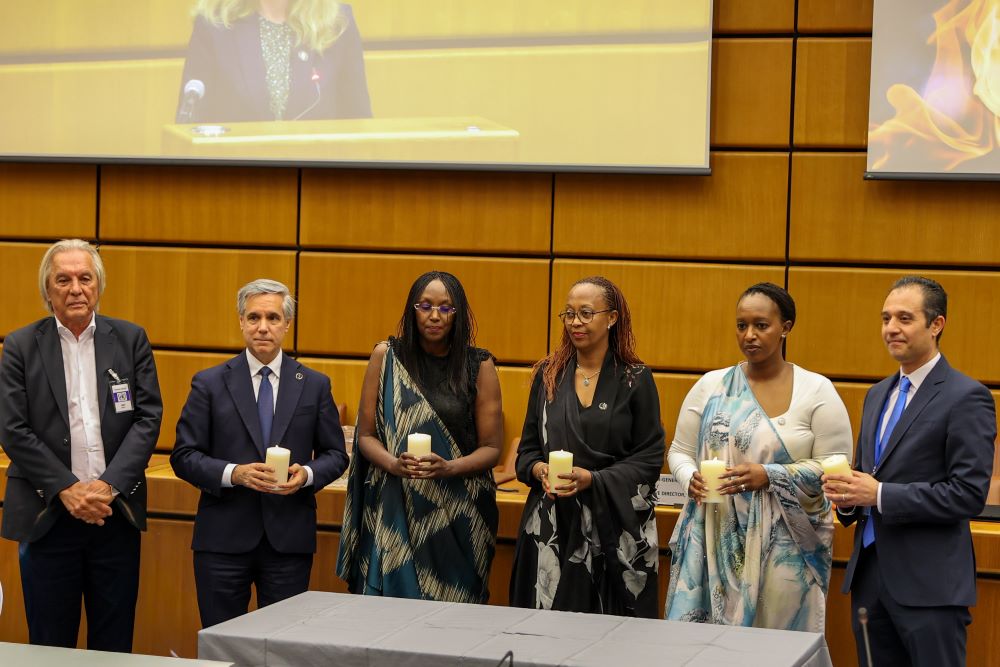
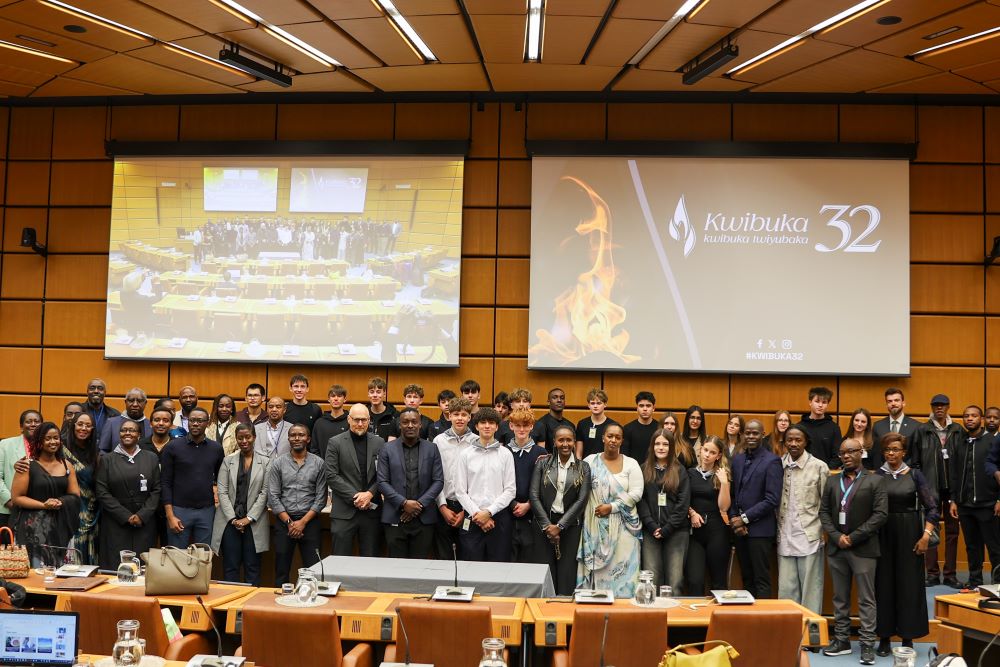
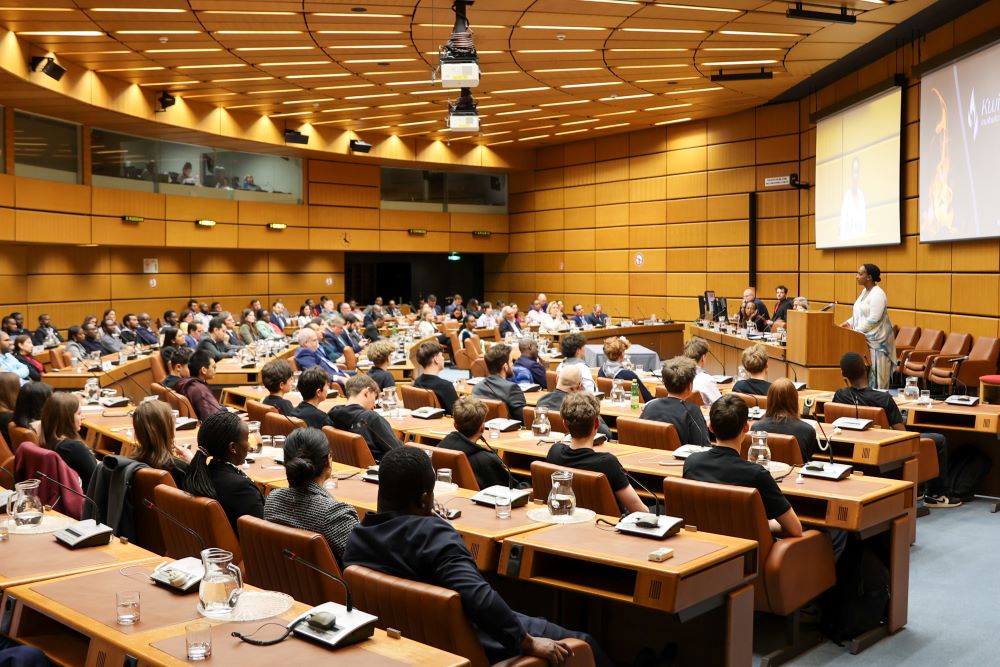
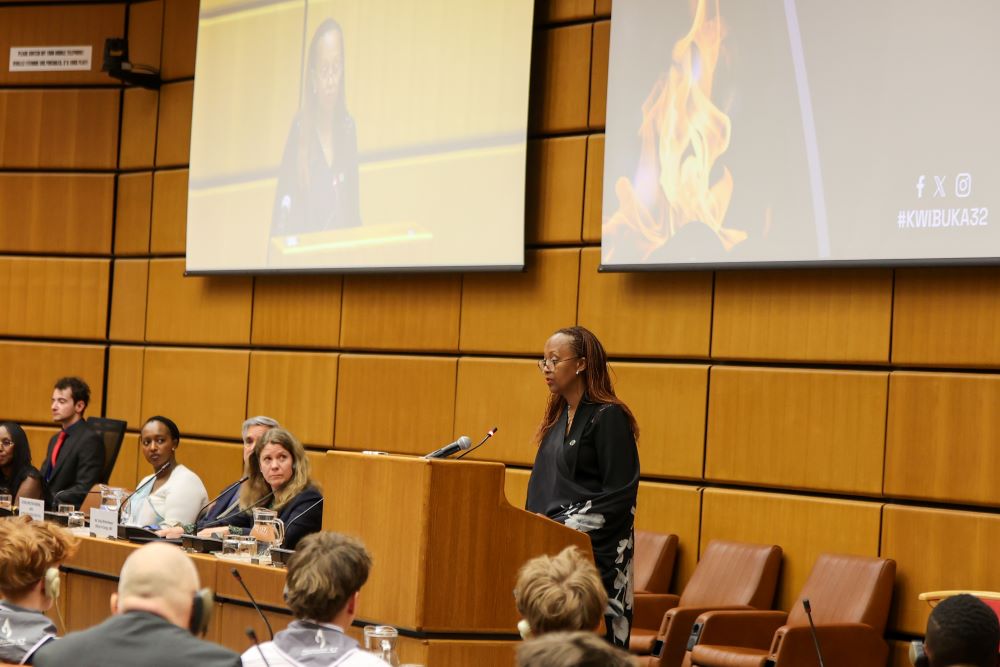
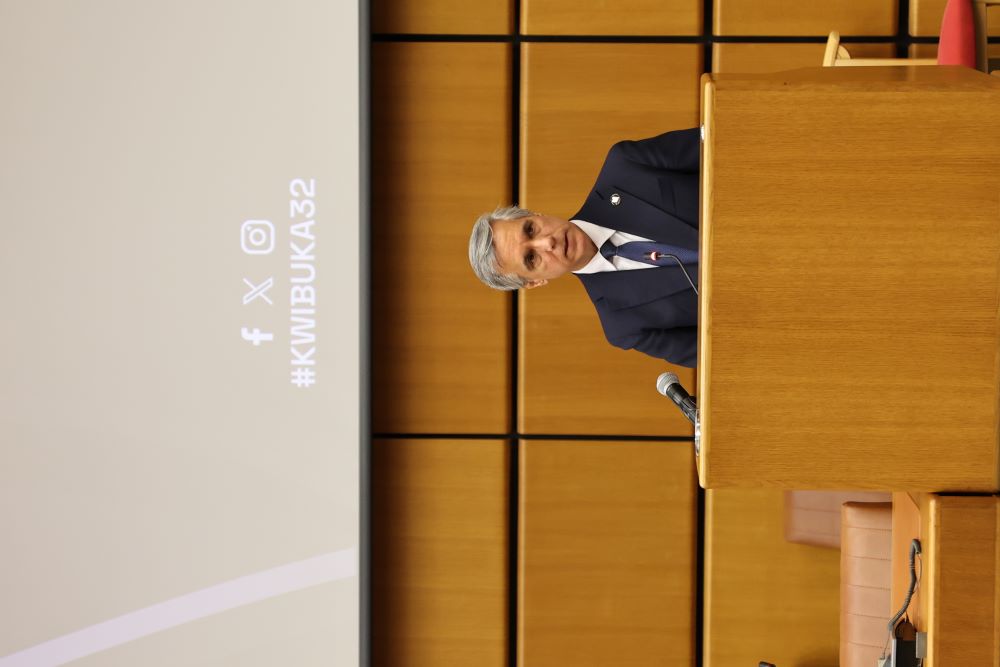
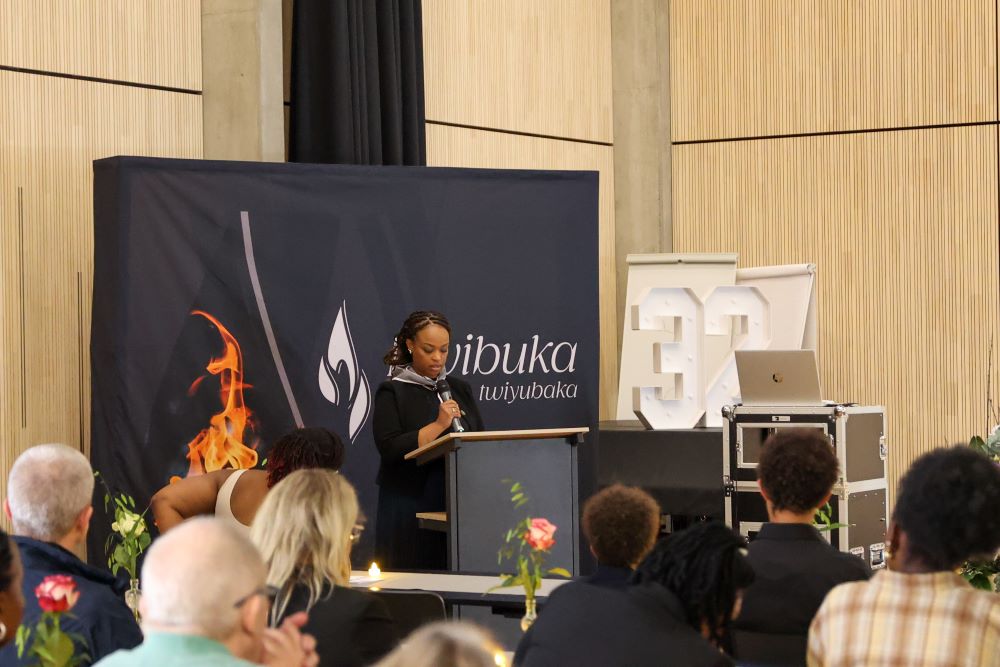
The commemoration began on April 9 at the United Nations Office at Vienna, where the message of the UN Secretary-General was delivered, emphasizing the need to strengthen shared values and institutions to prevent future atrocities.
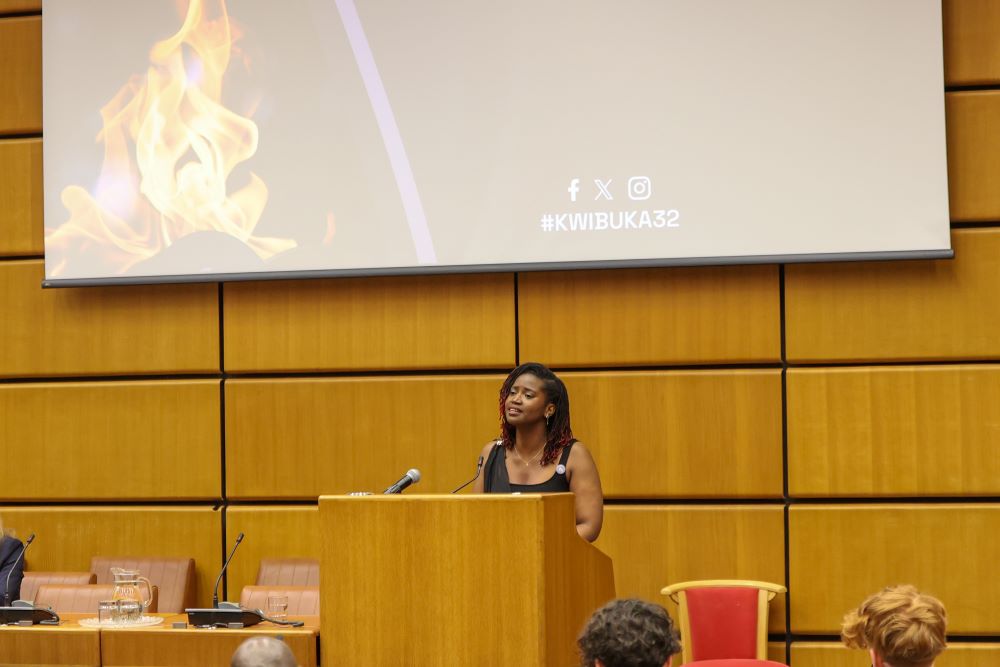
A key moment of the ceremony was the testimony of genocide survivor Yvonne Buhikare, whose account drawn from her book “Ils vont nous tuer” highlighted the importance of preserving memory and confronting historical truth.
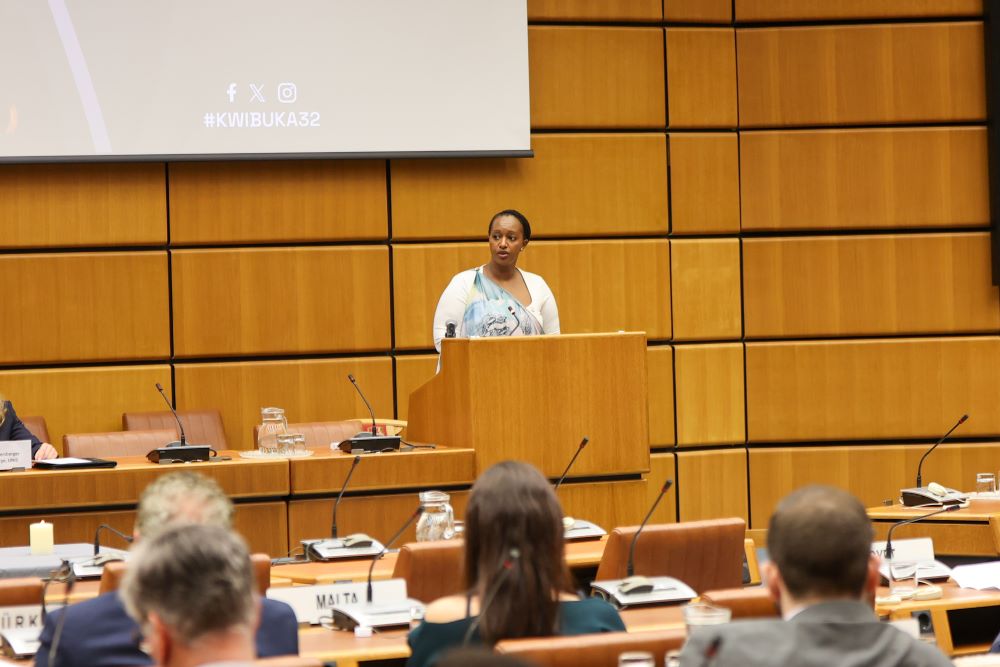
Rwanda’s Ambassador to Austria, Urujeni Bakuramutsa, stressed that the genocide was not spontaneous but carefully planned, warning that such crimes begin with hate speech, dehumanization and the normalization of violence.
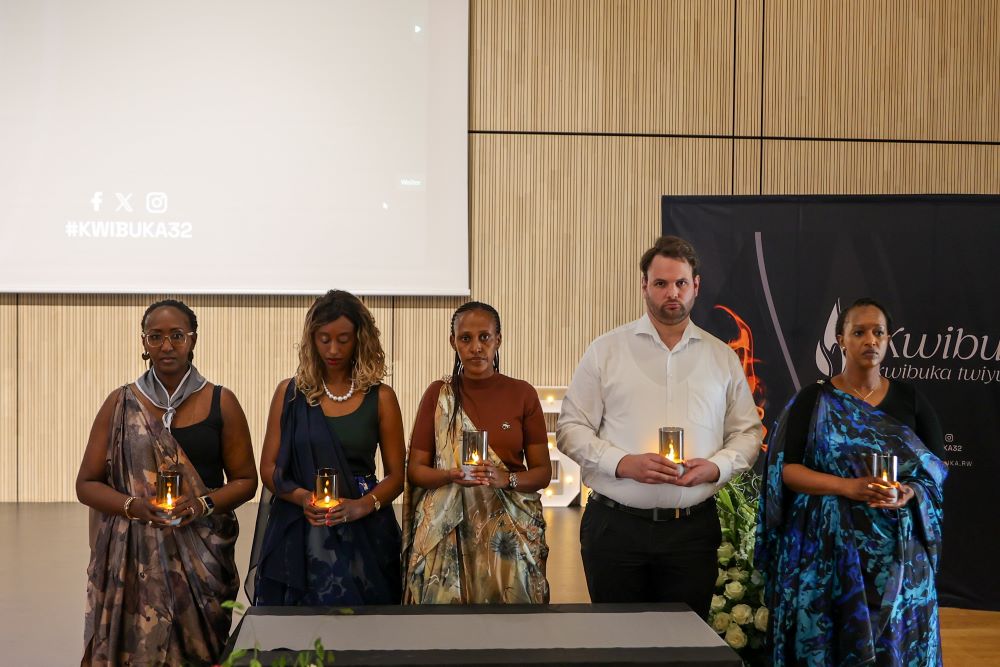
The commemoration continued on April 11 in Innsbruck, Tyrol, in an event organized by the Rwandan community in Austria, with participation from local authorities and residents.
The event featured remarks from community leaders, representatives of survivors and local officials, reaffirming a shared commitment to remembrance and prevention.
A powerful testimony by survivor Marie Kresbach Kabera, underscored resilience and the importance of ensuring that such atrocities never happen again.
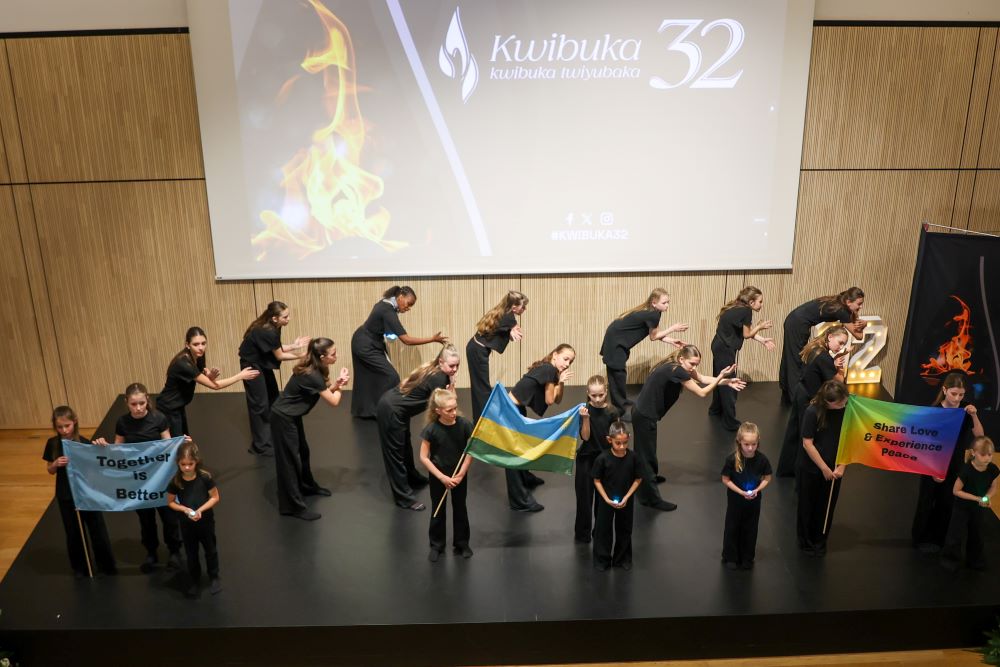
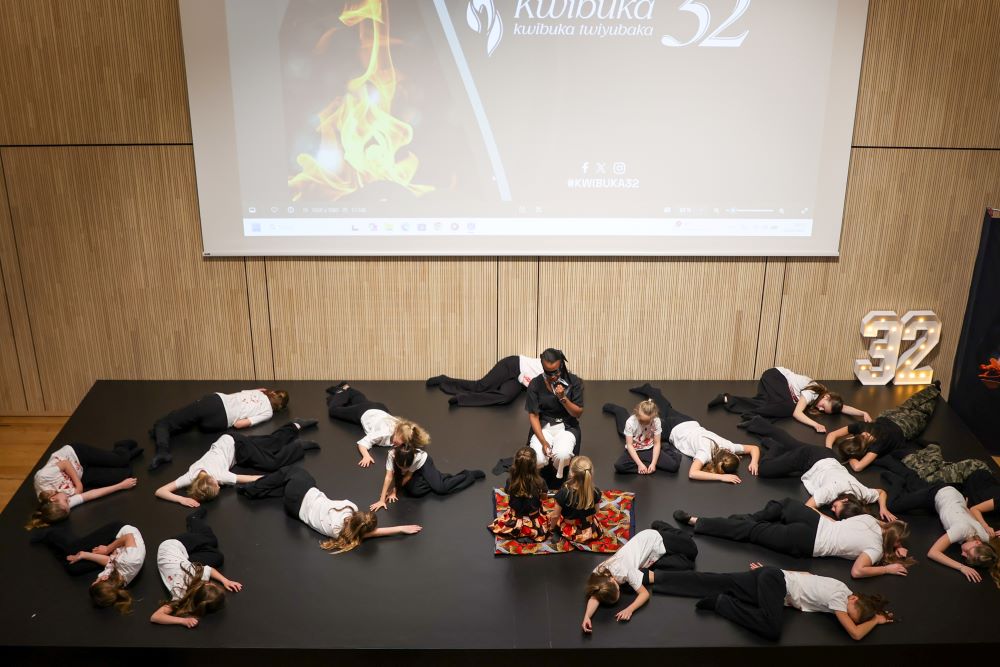
The programme also included performances by children, poetry and musical tributes, reflecting intergenerational engagement in preserving memory.
Amb. Bakuramutsa welcomed the first-ever commemoration of Genocide against the Tutsi in Tyrol and commended the City of Innsbruck’s initiative to establish a memorial in honour of the victims.
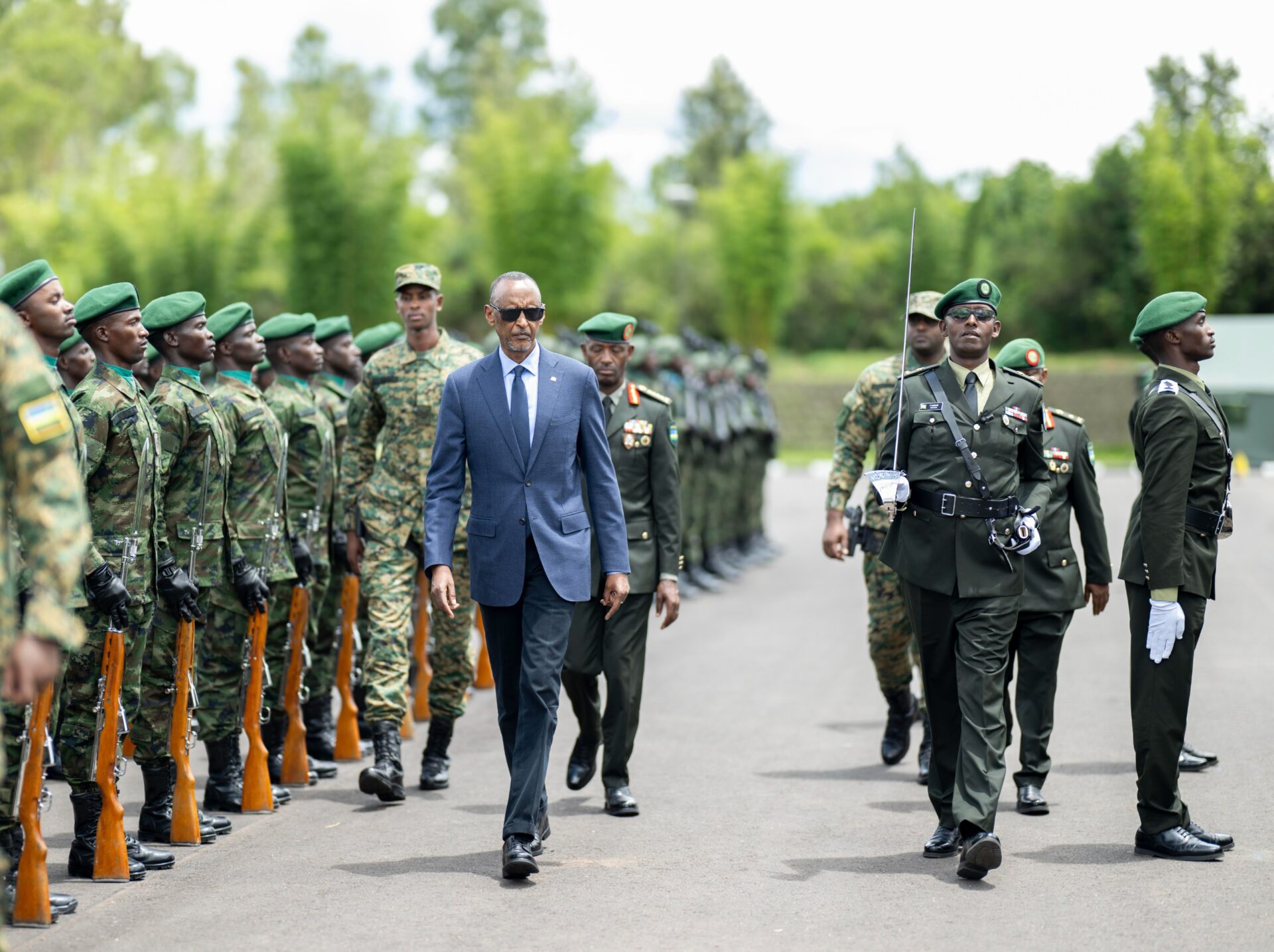
The law provides that the President of the Republic, who is also the Commander-in-Chief of the Rwanda Defence Force, is the Chancellor of the university.
NDU-R brings together military colleges, police training institutions, and academies of the National Intelligence and Security Service (NISS) under one integrated system. The university is jointly overseen by the Ministry of Defence and the Ministry of Education.
It is headquartered in Kigali, although a presidential order may relocate it elsewhere in the country if necessary.
Integrated defence and security institution
The National Defence University–Rwanda includes several constituent institutions such as the National Defence College–Rwanda (NDC-R), Defence College of Health Sciences (DCHS), Defence Institute of Sciences and Technology (DIST), and the Institute for Defence and Strategic Studies (IDSS), all based in Kigali.
Other institutions include the National Intelligence Academy (NIA) in Bugesera District, the Rwanda Defence Force Command and Staff College (RDFCSC) in Musanze District, the National Police College (NPC) in Musanze, and the Rwanda Military Academy (RMA) in Bugesera.
The university is mandated to provide advanced education, training, and research for personnel in defence and security organs, senior government officials involved in national security, and international partners, with the aim of strengthening strategic thinking through high-level academic instruction and research.
Governance structure
The law states that the Chancellor of NDU-R is the President of the Republic and Commander-in-Chief of the Rwanda Defence Force. In this role, the Chancellor provides broad strategic guidance to ensure the university fulfills its mission and presides over graduation ceremonies for the conferment of degrees, certificates, medals, and honorary distinctions, or may designate a representative to perform these duties.
The governance structure also includes a Board of Governors composed of seven external members appointed by presidential order, including a Chairperson and Vice-Chairperson. Members are required to have expertise in national defence and security, higher education teaching and management, institutional administration, research and innovation, or other fields relevant to national development.
The Board further includes the Vice-Chancellor of NDU-R, who serves as rapporteur; the Commandant of the National Defence College–Rwanda; one representative of teaching and research staff elected by peers; one dean elected by peers; the head of quality assurance; and one student representative from the National Defence College–Rwanda.
At least 30% of the Board members must be women, and except for ex officio members, others serve a four-year term renewable once.
Executive and academic leadership
The Executive Organ responsible for daily operations is led by the Vice-Chancellor, assisted by deputy vice-chancellors in charge of academic affairs and research, as well as planning, administration, and finance. A further deputy vice-chancellor may be appointed by presidential order if necessary. Members of the Executive Organ serve five-year renewable terms, with at least 30% female representation.
The university also has an academic governance structure that includes institutional leaders, deans, heads of departments, research and innovation coordinators, quality assurance officers, and student representatives.
Except for ex officio members, other members serve renewable two-year terms, while student representatives serve one academic year.
A student of NDU-R is defined as any person formally admitted and registered to pursue studies under regular or specialized programmes offered by the university, with admission requirements determined by internal regulations.
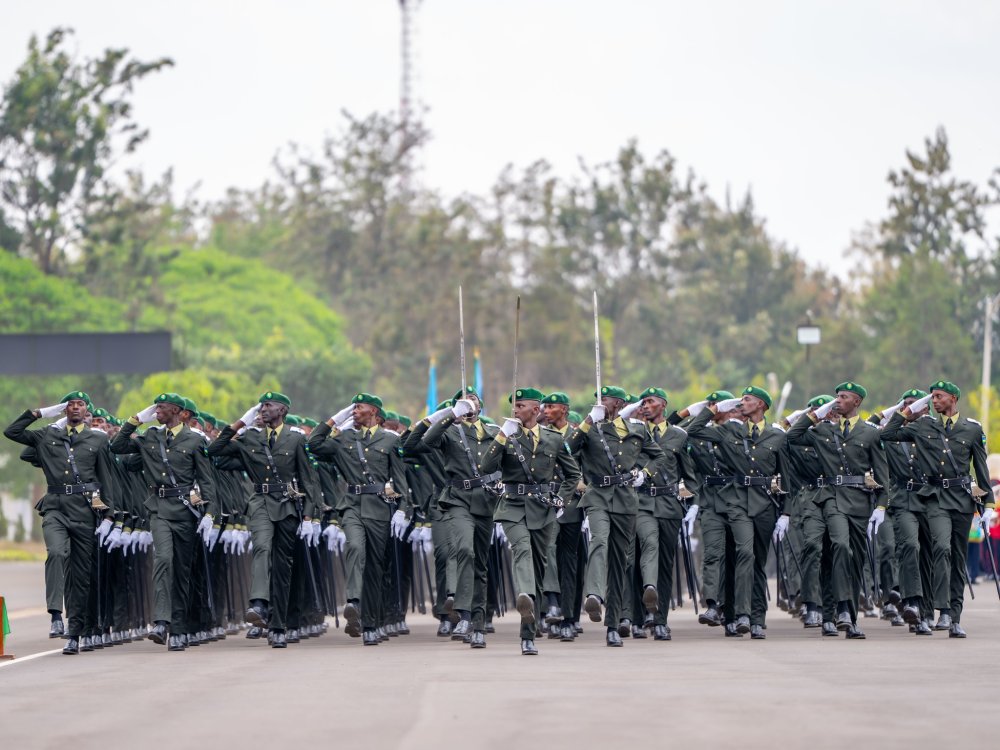
The university is mandated to provide advanced education, training, and research for personnel in defence and security organs.The law provides that the President of the Republic, who is also the Commander-in-Chief of the Rwanda Defence Force, is the Chancellor of the National Defence University–Rwanda (NDU-R).