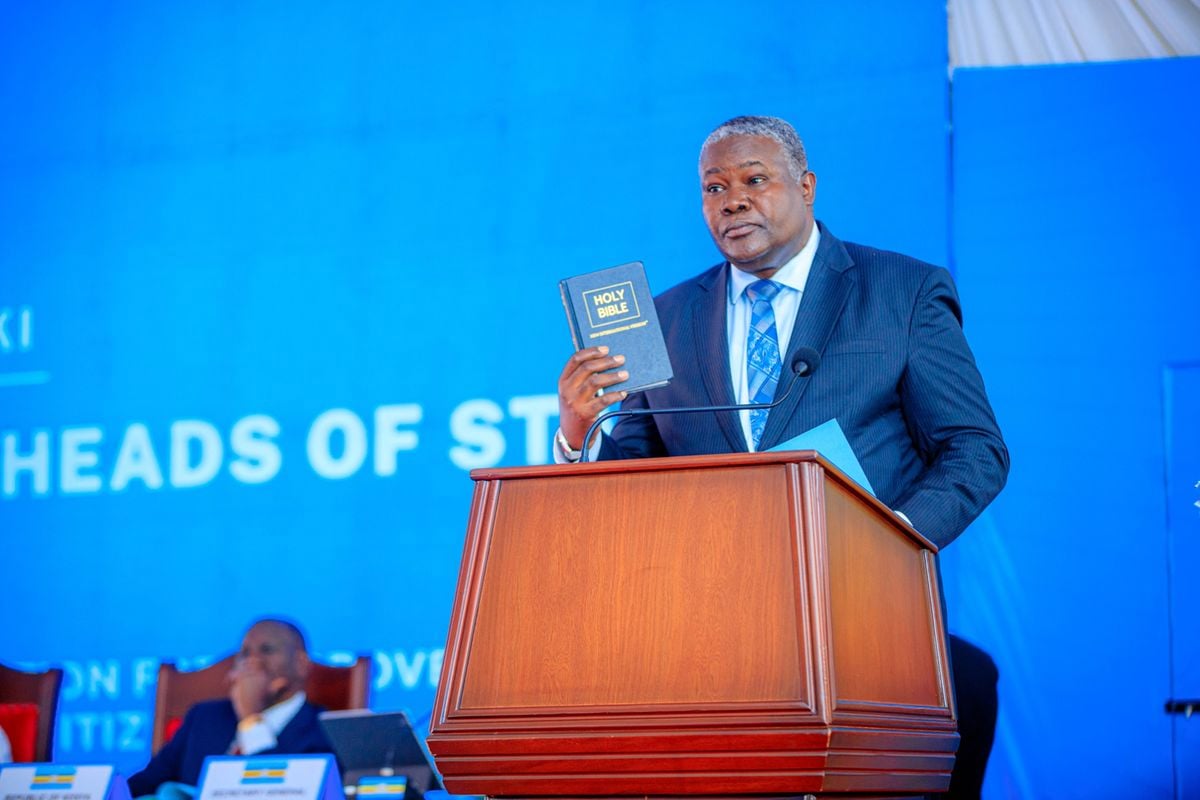
Mbundi took over leadership at the EAC headquarters in Arusha from outgoing Secretary General Veronica Nduva of Kenya, following his appointment by heads of state during the 25th EAC Summit held on March 7. He will serve a five-year term ending in 2031.
Speaking after the handover ceremony, Mbundi said ensuring timely financial contributions from member states will be his immediate priority.
Mbundi also pledged to tackle non-tariff barriers that continue to constrain intra-regional trade, noting that their removal would boost competitiveness and facilitate cross-border commerce.
Beyond financial reforms, he outlined plans to enhance trade, improve the business environment, and reduce transport costs across the region, calling for climate-resilient infrastructure, particularly in road development, to address growing environmental challenges.
Mbundi took over leadership at the EAC headquarters in Arusha from outgoing Secretary General Veronica Nduva of Kenya, following his appointment by heads of state during the 25th EAC Summit held on March 7. He will serve a five-year term ending in 2031.
He made the remarks during a media discussion focused on ongoing changes in public transport across the city.
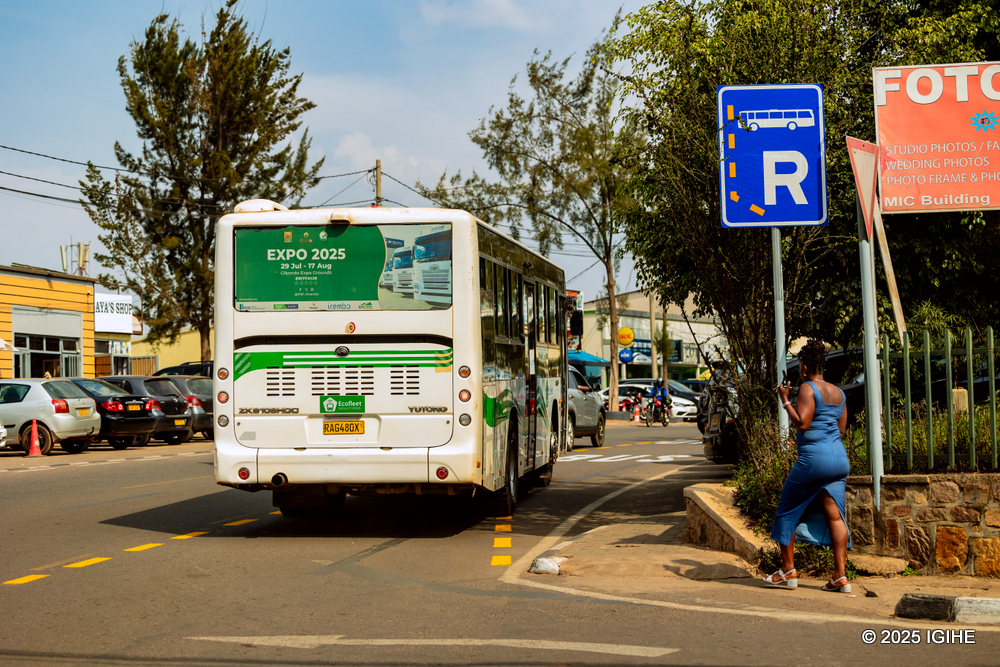
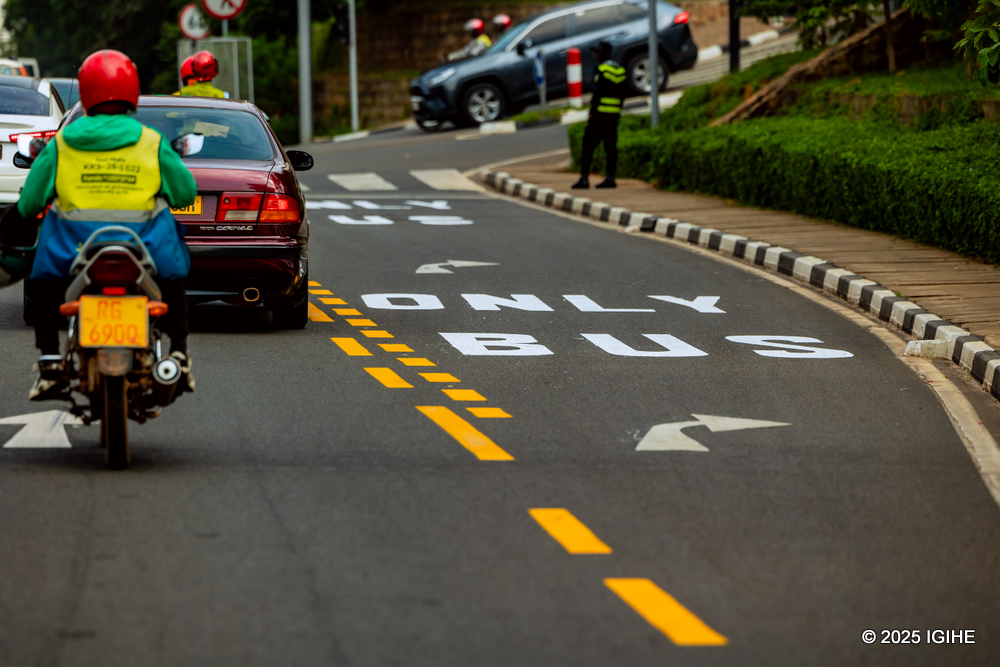
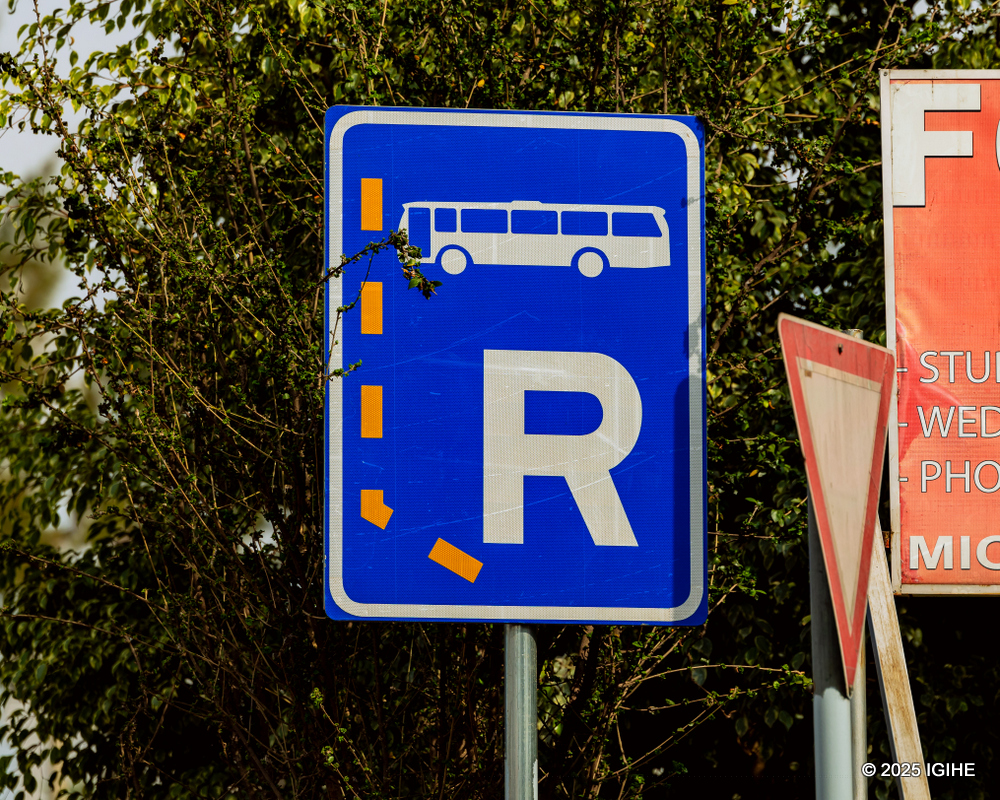
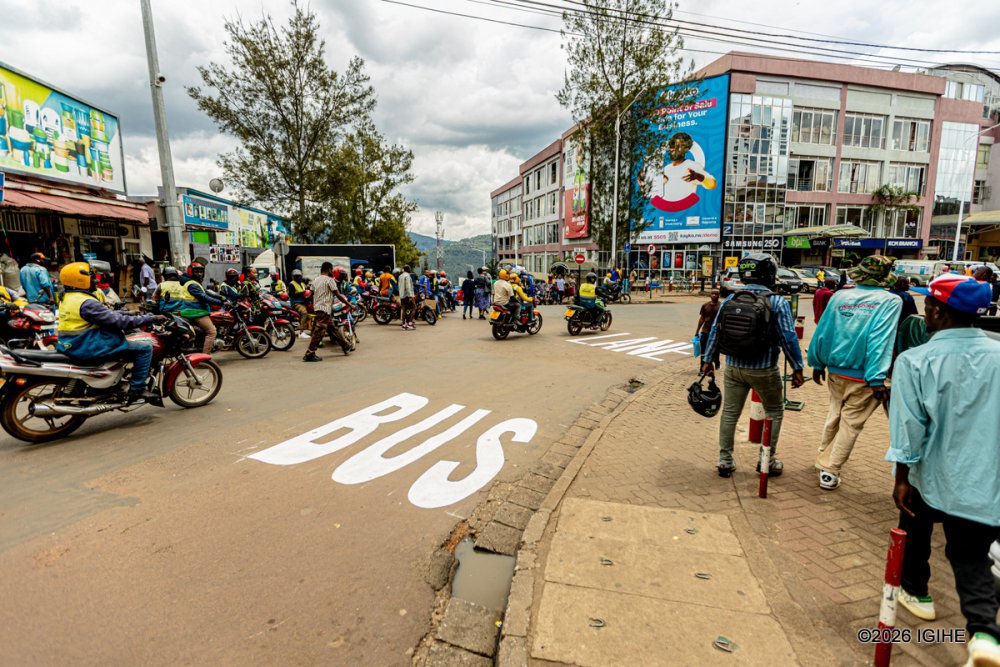
Currently, the City of Kigali has introduced dedicated bus lanes for public transport, while encouraging private car owners to opt for buses instead.
This move aims to improve fuel efficiency amid ongoing tensions in the Middle East, reduce traffic congestion, and speed up travel.
However, one of the major concerns raised by commuters is the lack of reliable, real-time information about buses. Many passengers spend long periods waiting at bus stops, sometimes only for buses to arrive already full.
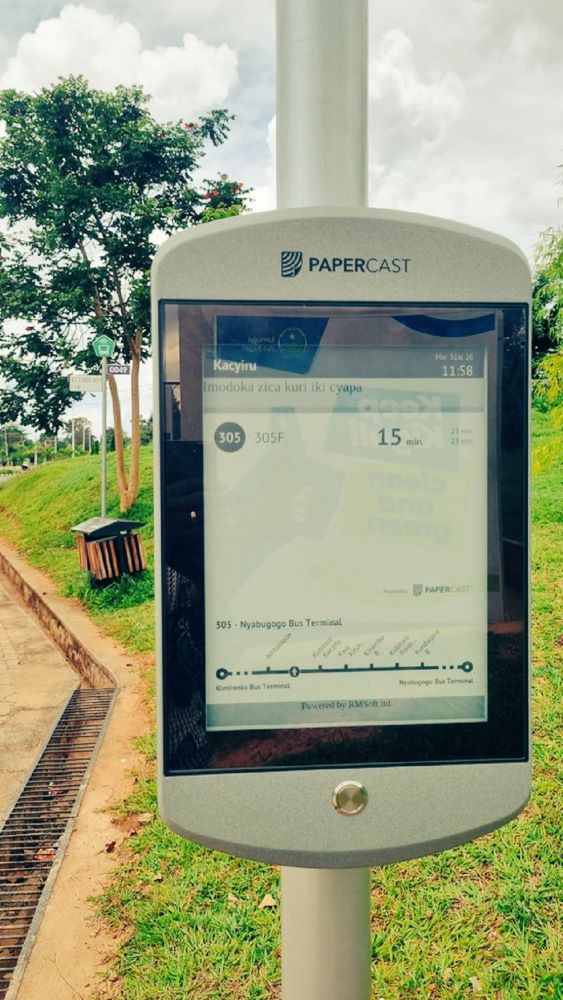
To address this, the new technology is expected to provide accurate, real-time updates on bus locations and available seats.
Rukera explained that although the system is already in use, it has not yet been officially launched as it is still undergoing testing.
“We have started using this technology, but we have not yet introduced it to the public because it is still being tested. As you know, with technology, you first test it thoroughly before presenting it,” he said.
He added that out of the 320 buses currently operating in Kigali, the system can already track their locations and monitor how they are being driven.
The next step is to integrate artificial intelligence capable of counting passengers on board and providing real-time updates.
Rukera also revealed that on routes such as Rwandex toward Sonatubes and Kacyiru, some bus stops are already equipped with smart displays showing estimated arrival times and passenger capacity.
“This is a project we have been working on for about six months. We started with existing systems that allow us to track bus movements and schedules, as well as monitor drivers. Our goal is to extend this information to passengers, not only at bus stops but also to those at home through a mobile application,” he explained.
He further noted that Rwanda is collaborating with the navigation platform Waze, allowing even those without the dedicated app to access nearby bus stop information via the internet, making it easier to plan their journeys.
Transport analyst Prof. Egide Karuranga, who also participated in the discussion, emphasized that adopting such technology will significantly improve public transport services.
He explained that passengers will be able to check, for example, if a bus scheduled for noon is delayed until 12:15, see that it will arrive in five minutes, and know whether seats are available before it arrives.
Karuranga added that such systems could also be expanded to better serve vulnerable groups, such as pregnant women and people with disabilities, by helping them decide whether to board a bus or wait for one with available seating.
He also pointed out the need to reduce the number of pedestrian crossings that cause buses to stop frequently, noting that this contributes to delays and increases the risk of accidents.
“Public transport is essential because it supports all aspects of sustainable development, from the economy to technology,” he said.
Karuranga further highlighted that traffic congestion, largely driven by the use of private cars, has a significant economic cost. He estimated that if a person spends one hour in traffic daily, it amounts to about 320 hours per year, equivalent to roughly 40 working days lost. When multiplied across many people, this has a serious impact on the national economy.
Kigali City spokesperson Emma Claudine Ntirenganya also encouraged residents to embrace public transport, noting that while it is not mandatory to leave private cars at home, doing so benefits both individuals and the country.
“When you choose to take a bus and leave your car at home, it is not just a personal benefit; it also serves the national interest, especially in these times, because it helps extend the country’s fuel reserves,” she said.
The ongoing efforts reflect Rwanda’s broader push to modernize public transport and promote more efficient, sustainable urban mobility in Kigali.
Rwanda has rolled out smart technology to help passengers track bus movements in real timeKigali residents are encouraged to use public busesDedicated bus lanes expected to improve traffic flow and public transport efficiencySome parking spaces for private cars have been removed to promote the use of busesSignposts indicating bus-only lanes have been installed in several areas.
While many of these projects have traditionally been driven by experienced investors, a growing number of young entrepreneurs are stepping into the real estate sector, answering national calls to play a more active role in development.
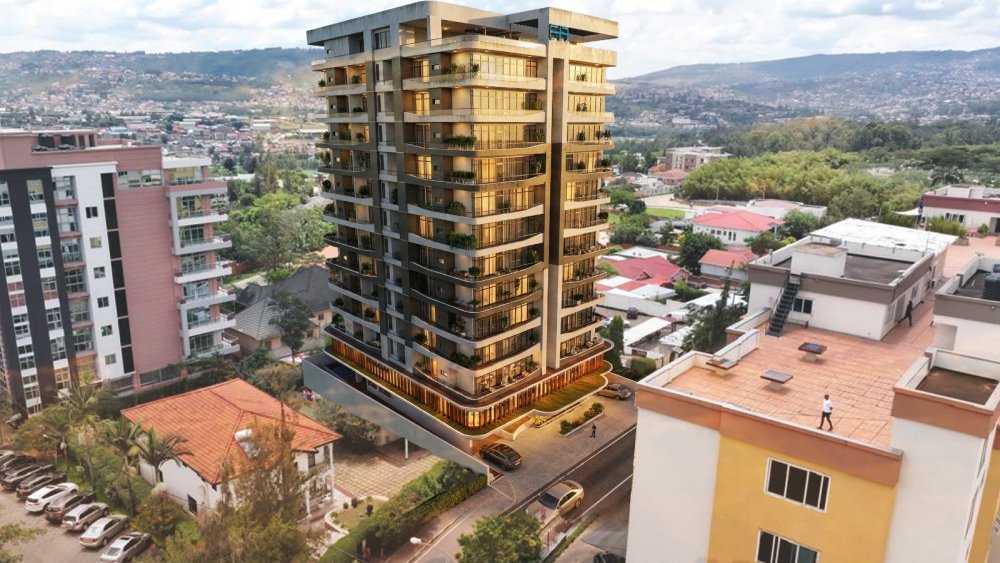
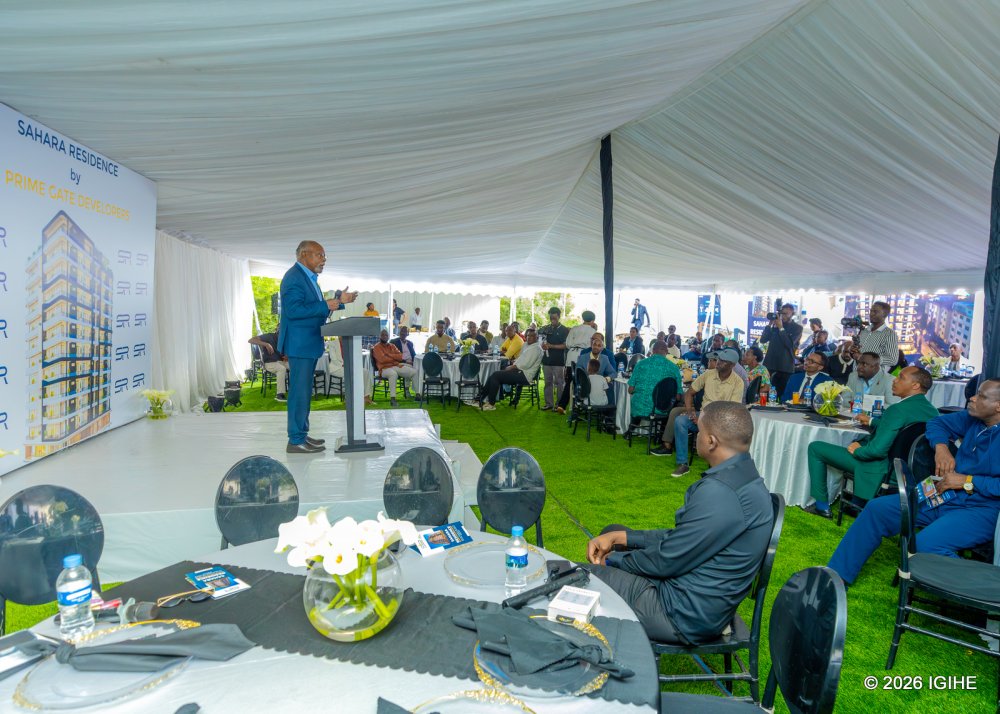
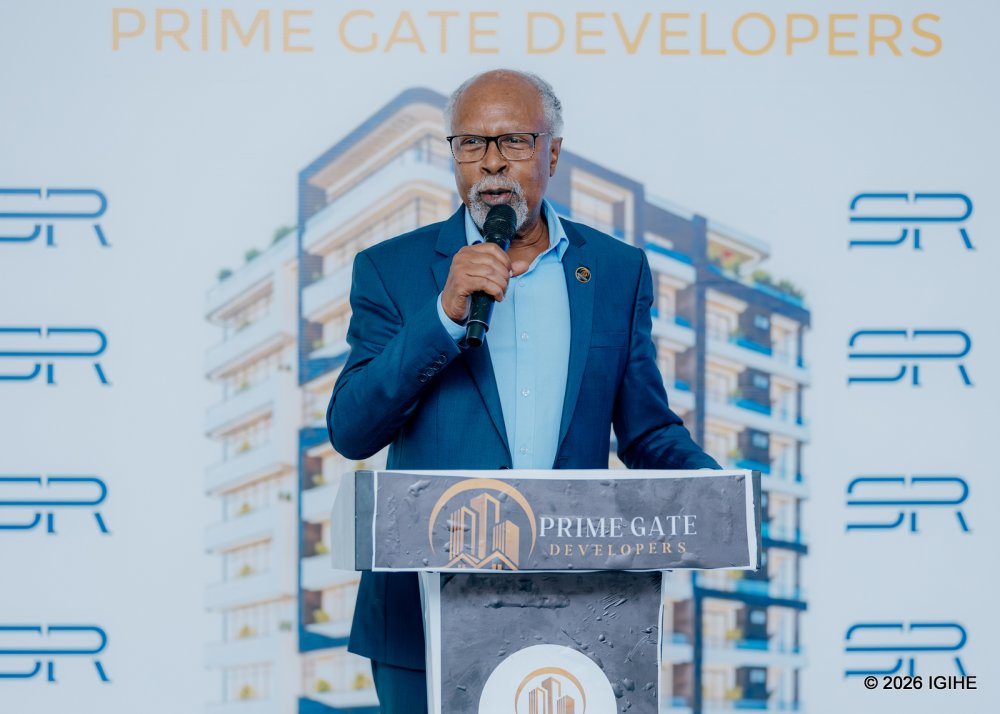
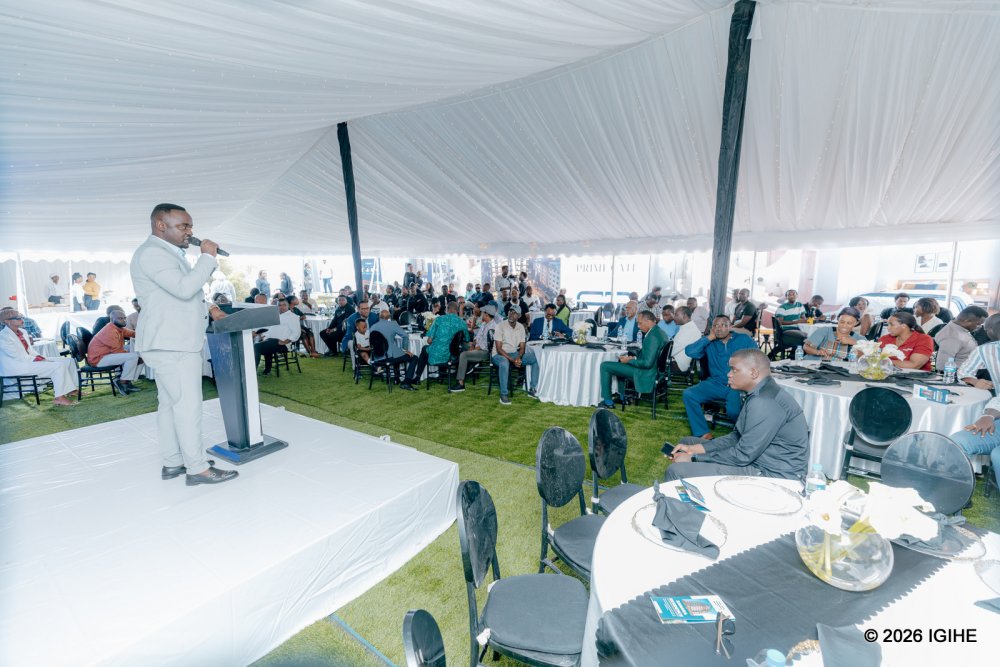
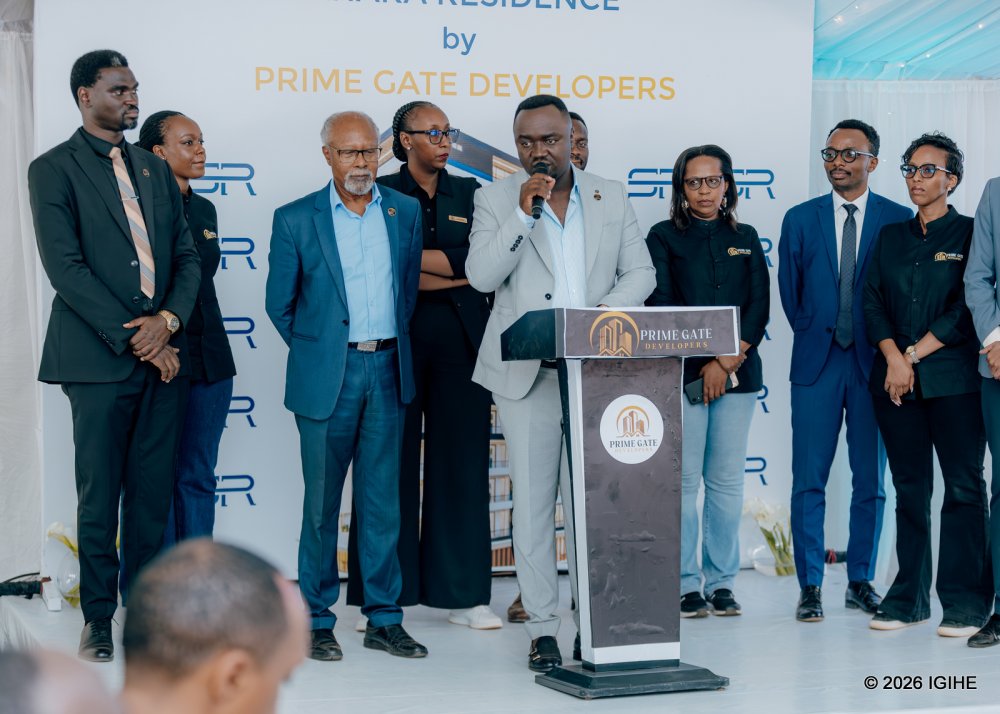
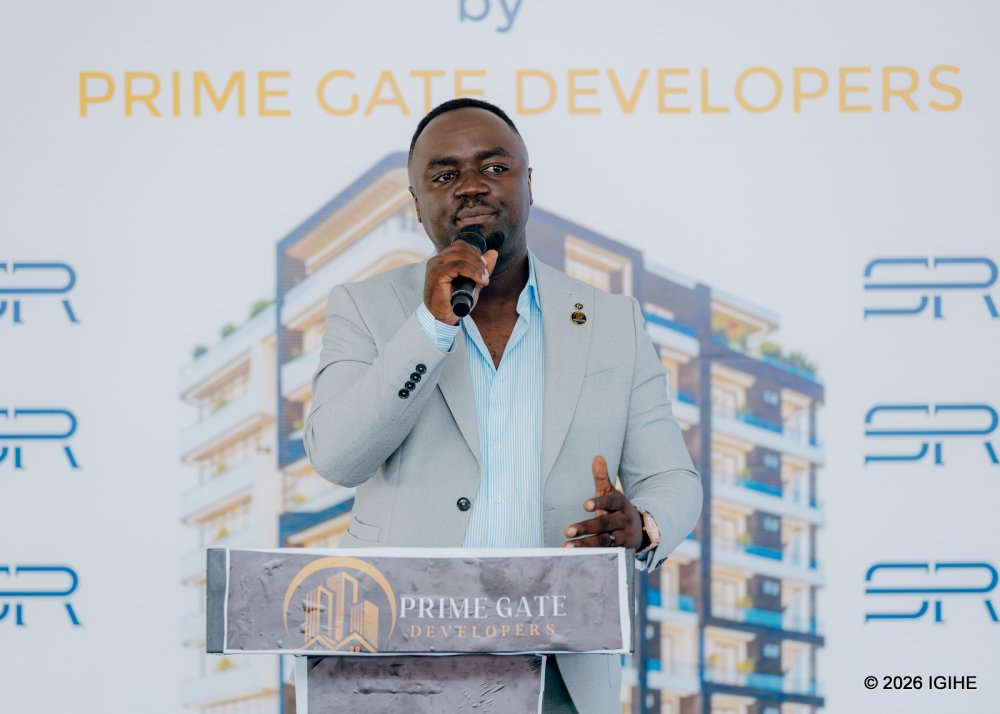
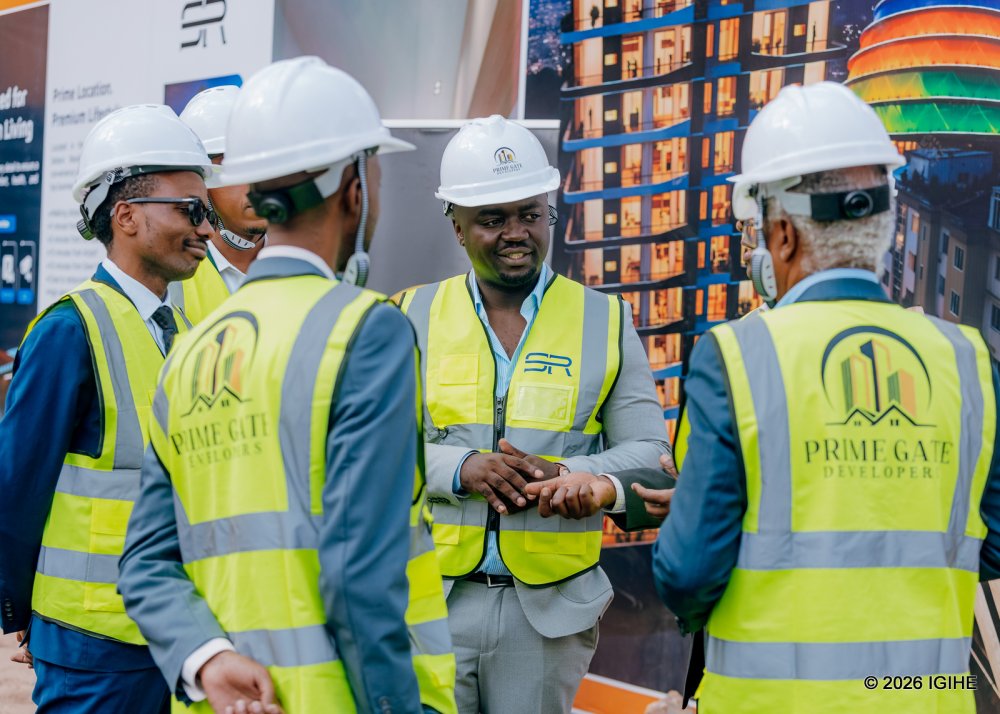
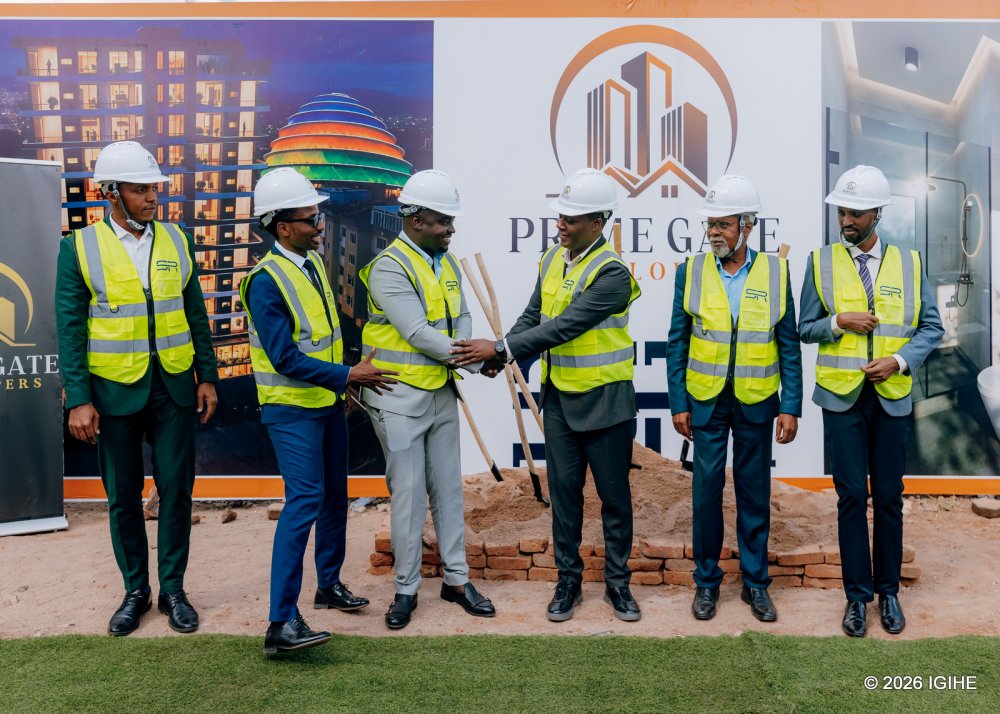
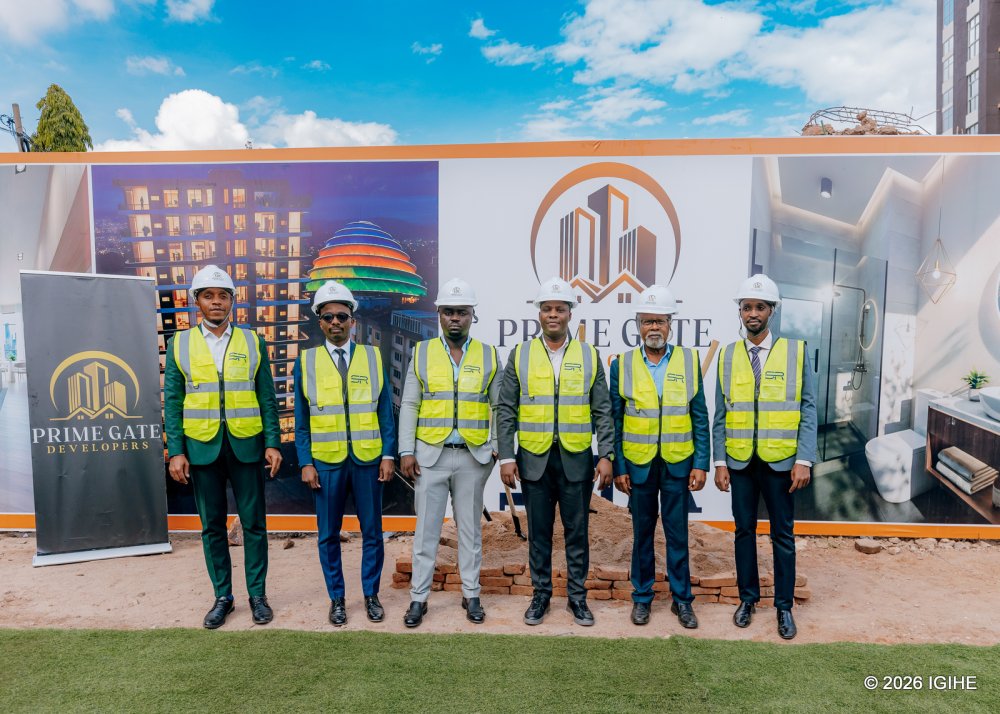
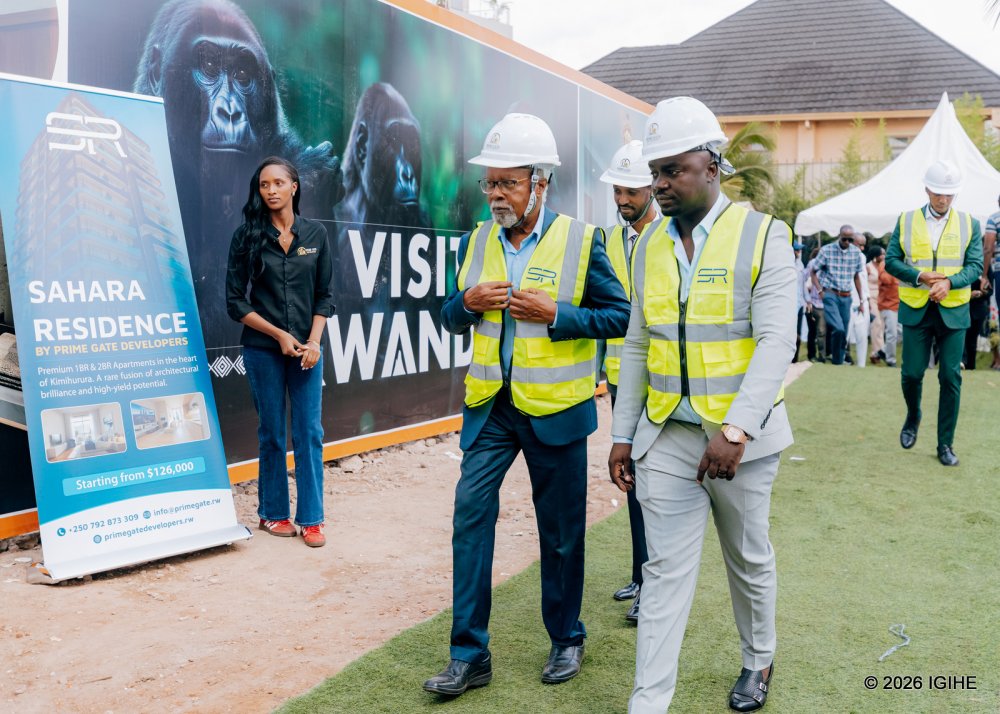
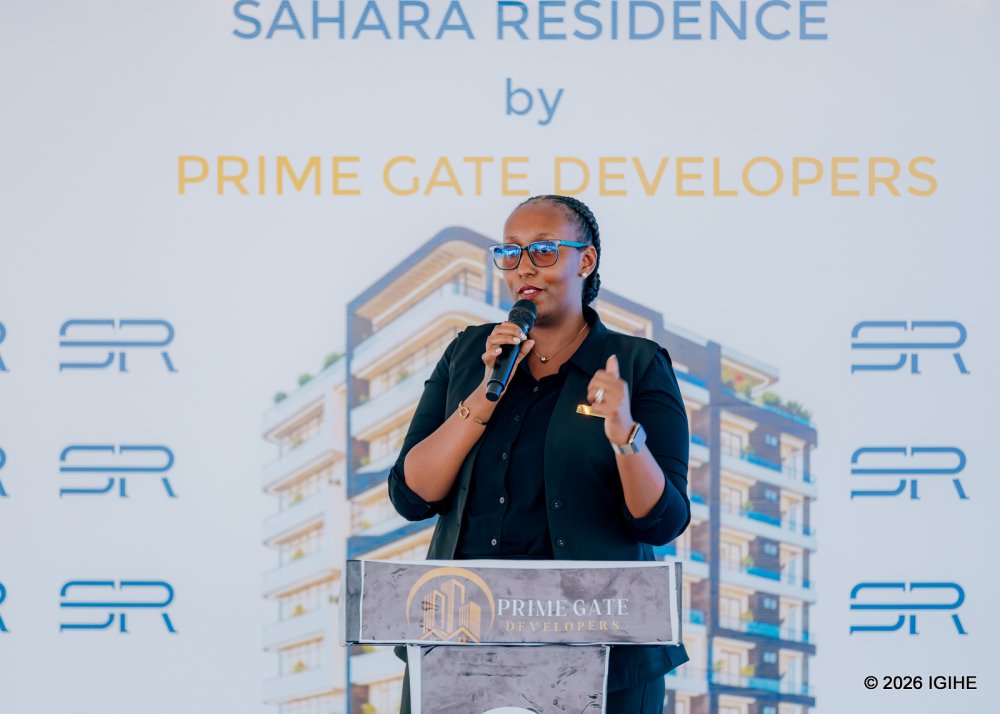
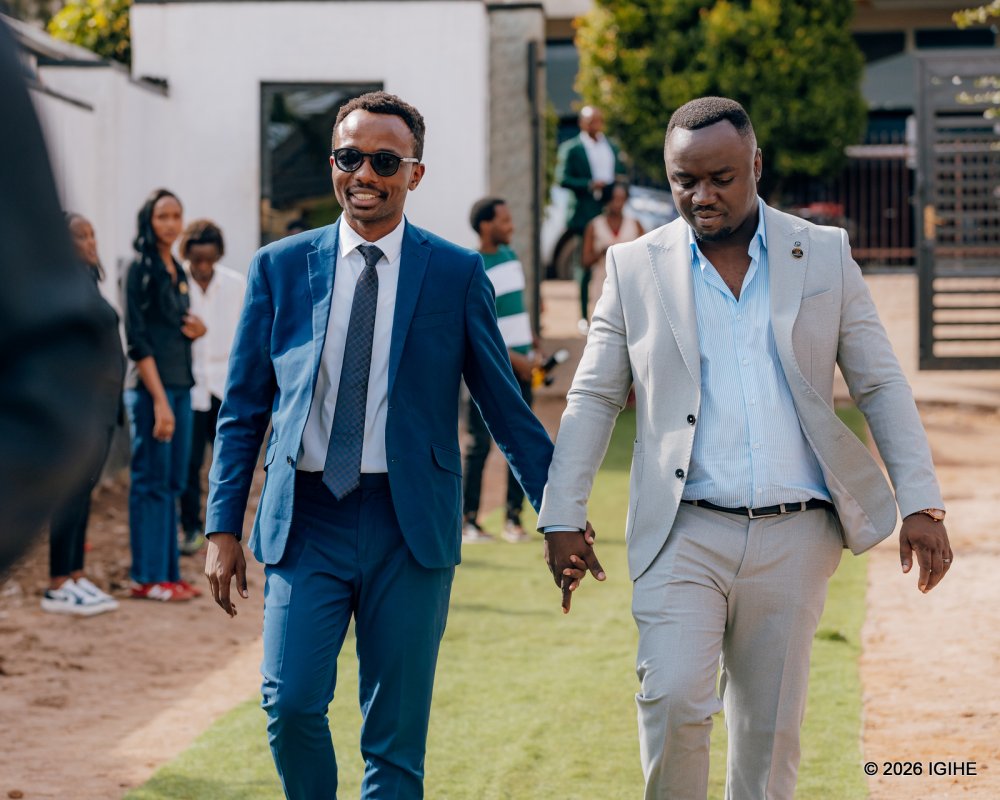
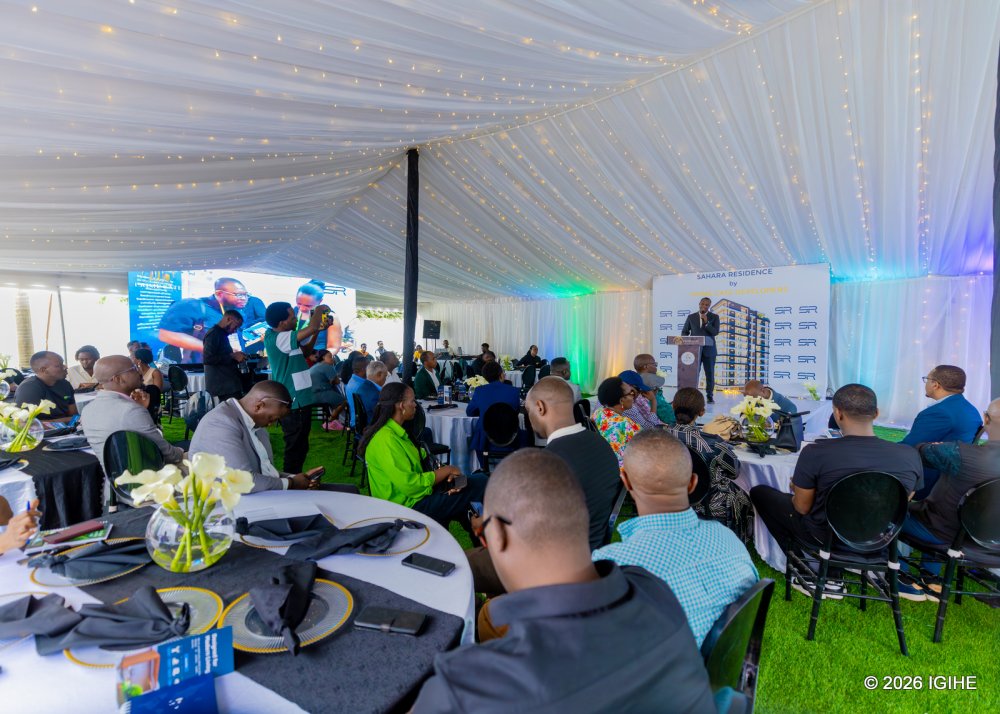
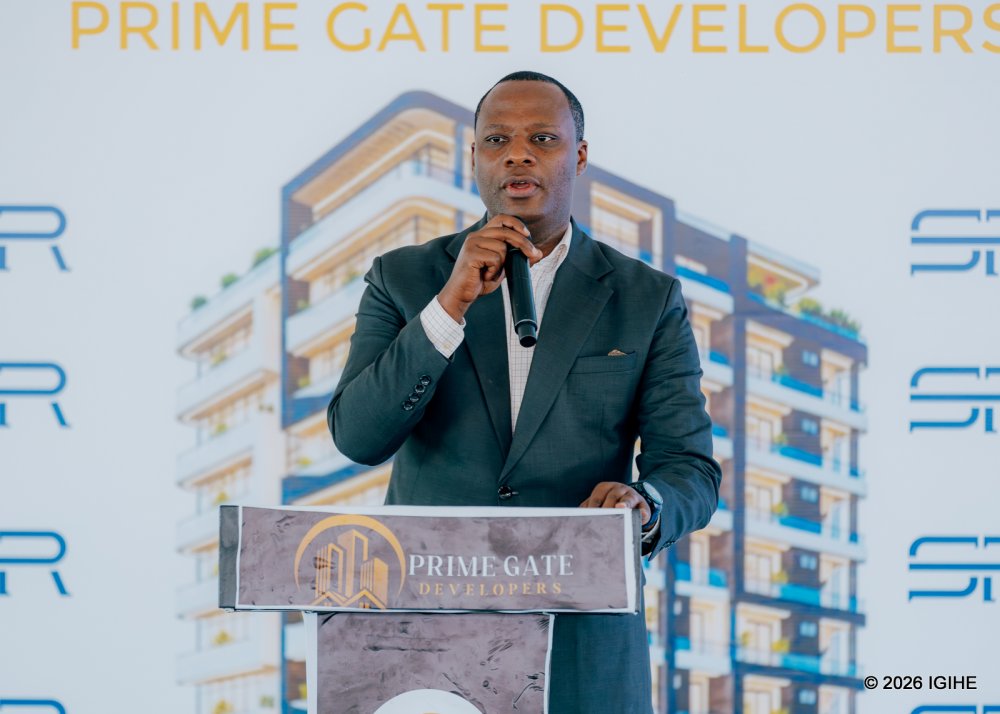
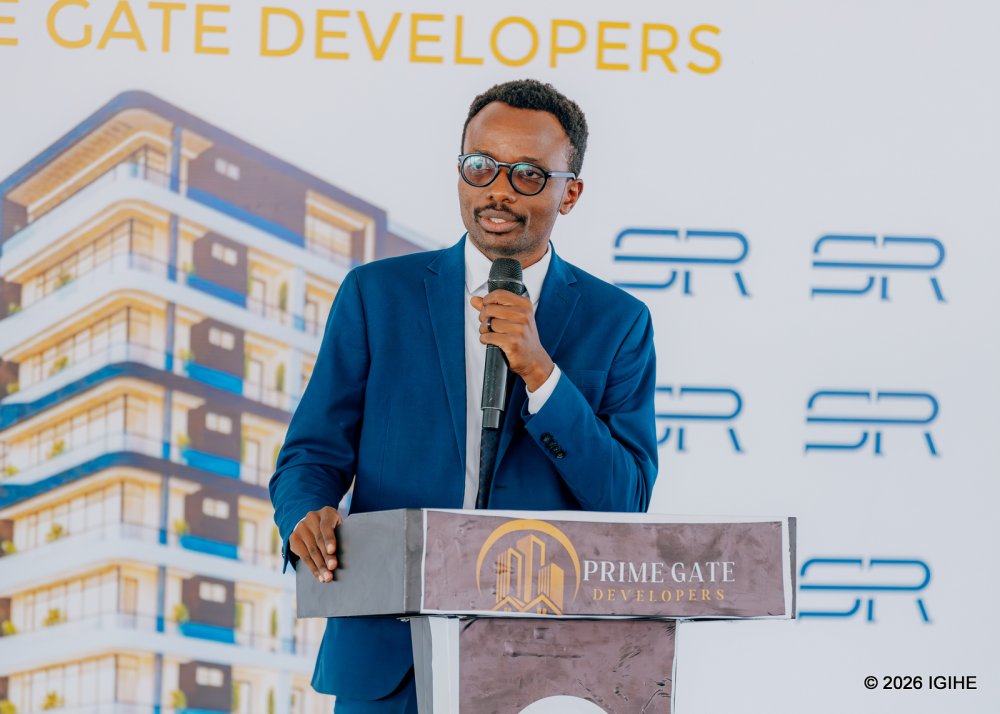
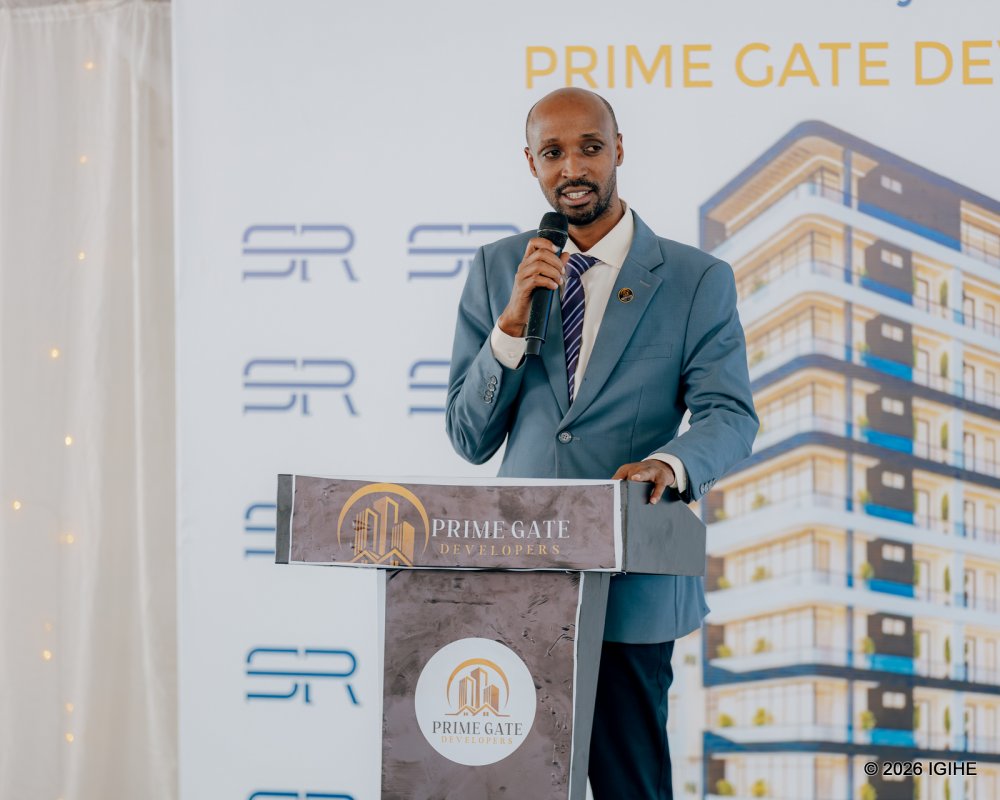
Among them is Prime Gate Developers, a company represented by engineer Delphin Tuyishime. Working with a team of young professionals, the firm has launched an ambitious housing project known as Sahara Residence.
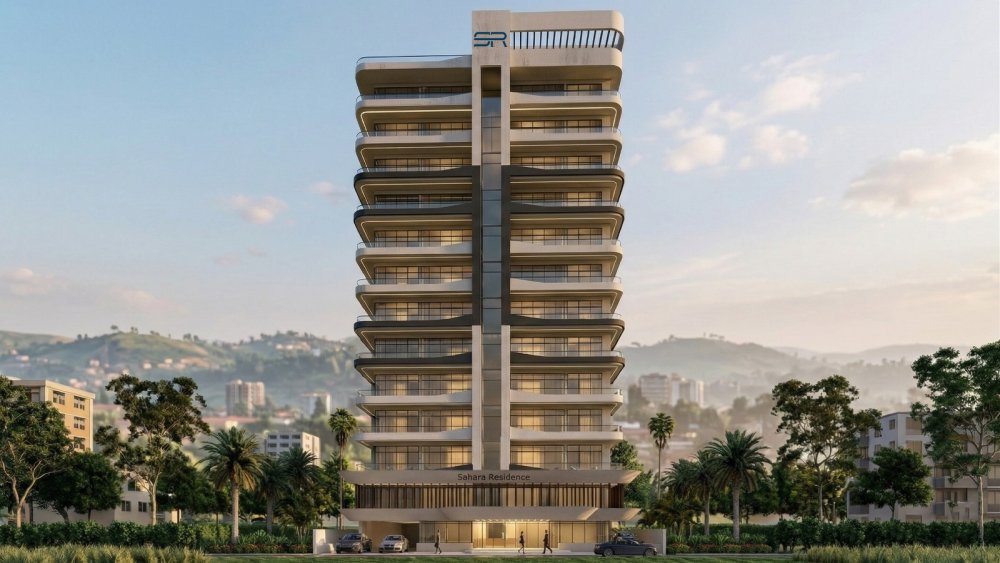
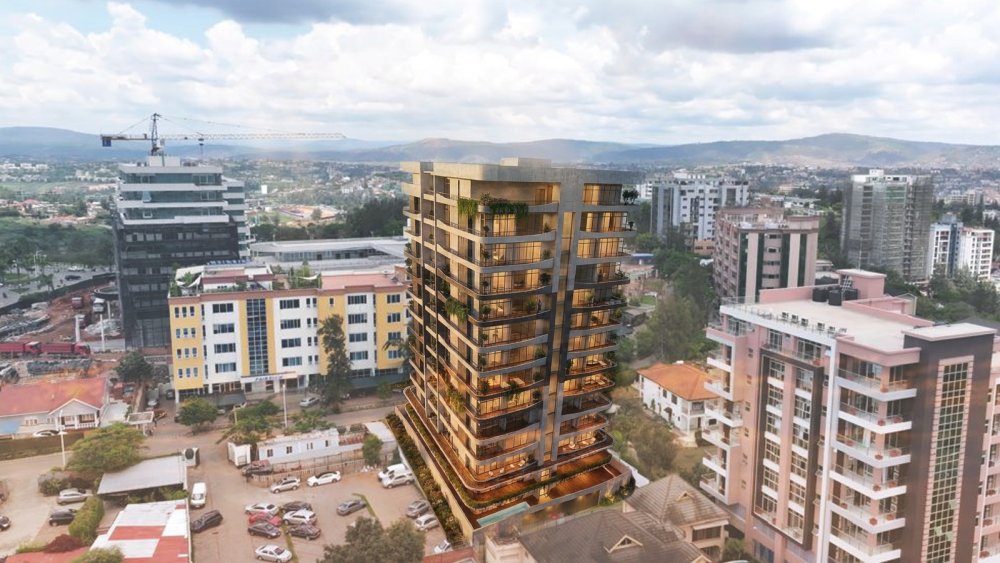
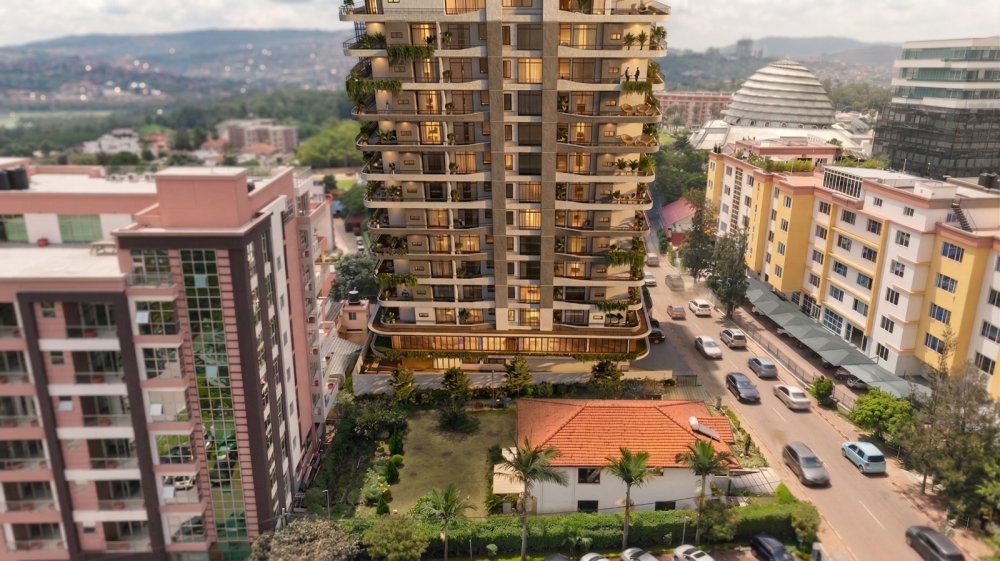
The 12-storey building is being constructed near Lemigo Hotel, just five minutes from Amahoro Stadium and about 10 minutes from the city centre.
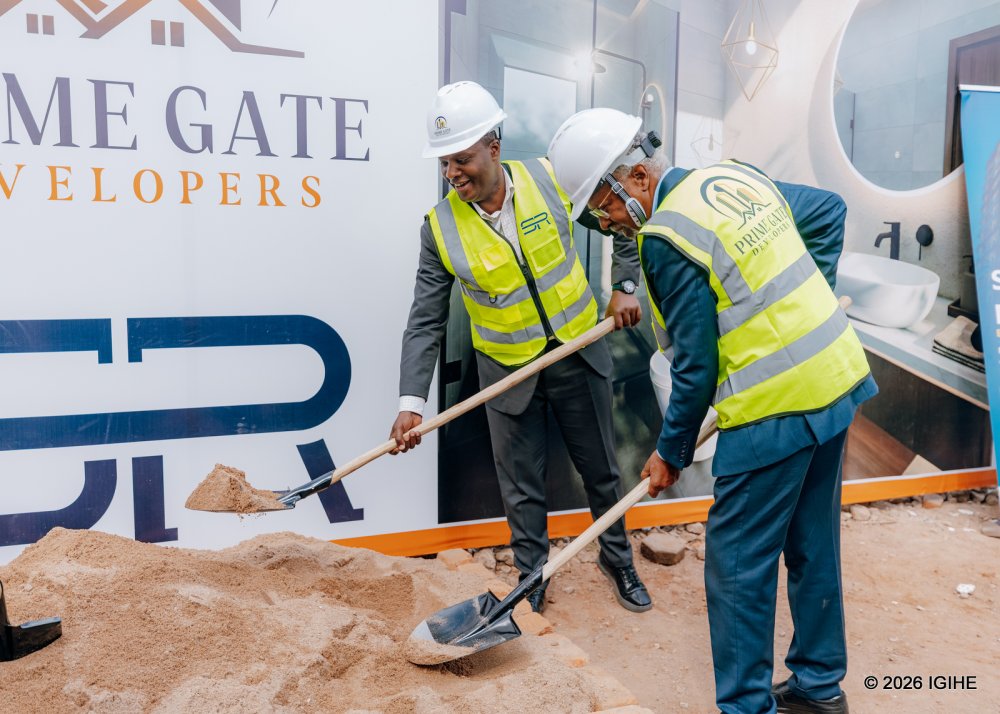
Tuyishime, who chairs the company’s board, partnered with Augustin Kabandana and investor Gerard Mpyisi to bring the project to life. Construction officially began on April 25, 2026.
Explaining what inspired the idea, Tuyishime pointed to the role locals often play in projects initiated by foreign investors.
“I noticed that foreigners come here to invest, and we are the ones implementing their projects. In the end, they benefit from ideas that originate from us,” he said.
He added that his experience in Dubai, where the housing sector is highly developed, pushed him to think about applying similar concepts back home.
“Having seen how advanced real estate is in Dubai, I told myself we should be doing the same in our country. That’s when I reached out to partners and we began working on how to make this project a reality,” he explained.
For Gerard Mpyisi, the project was not immediately convincing. “To be honest, when they first presented the idea to me, I thought it was impossible,” he said. “I challenged them to go and secure all the required construction permits, and within a short time, they came back with everything ready.”
He revealed that the land where the building is being constructed had originally been reserved for his family, but they eventually agreed to repurpose it.
“My family didn’t understand it at first when I told them the property would be redeveloped. But when I showed them what was planned here, they accepted without hesitation. In two years, you will see an outstanding building on this site,” he said.
Prime Gate Developers currently employs more than 40 young professionals under the age of 30, working in areas such as architectural design, marketing, and technology. The company is led by CEO Dr. Egide Igabe, who previously played a role in introducing electric public transport during his time at Volcano Express.
The Rwanda Housing Authority (RHA) has welcomed the initiative, describing it as aligned with national housing priorities.
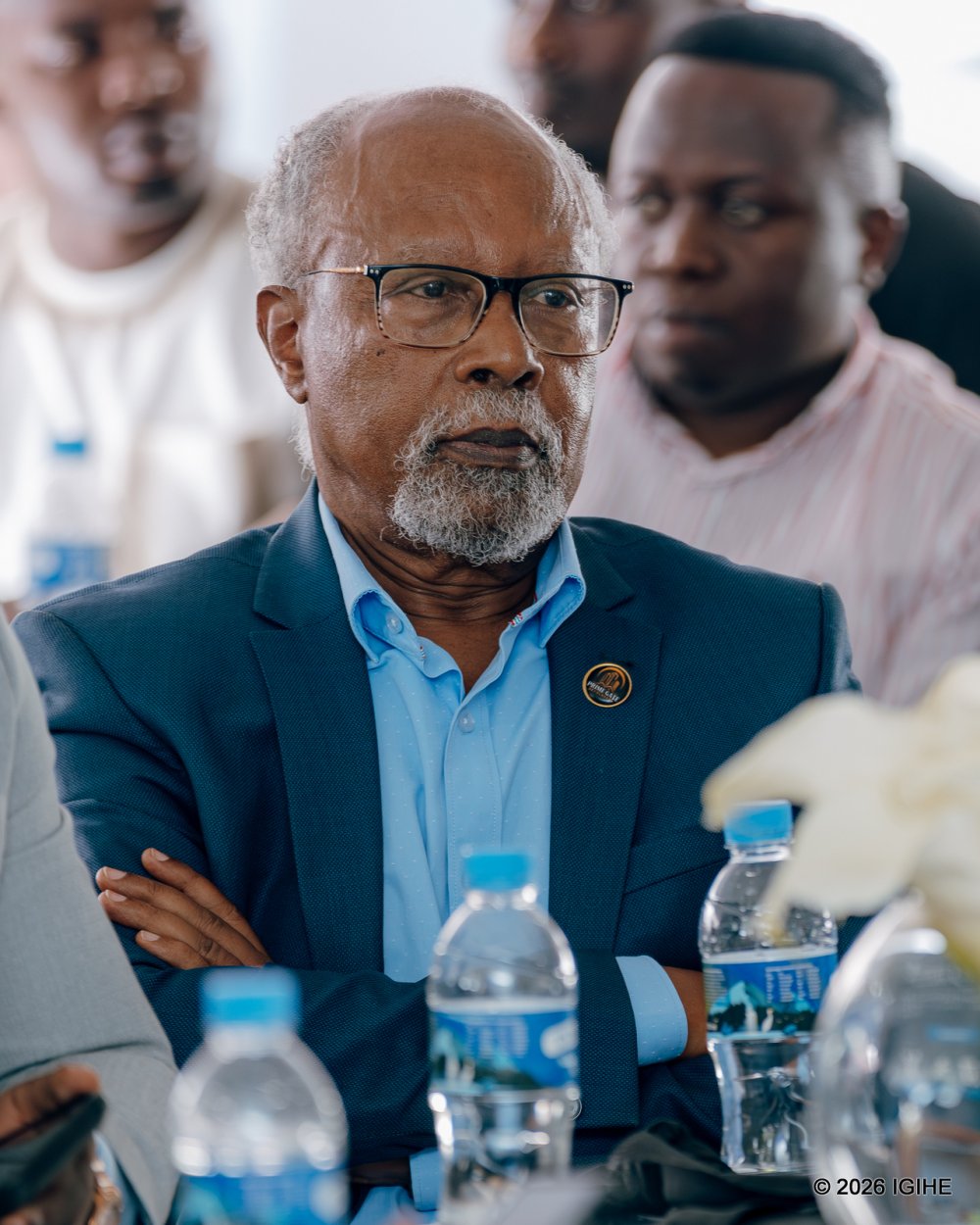
“We need more investors like Prime Gate Developers, especially those focusing on residential housing,” said RHA Director General Alphonse Rukaburandekwe. “Under NST2, we are required to build over 500,000 housing units. As RHA, we are committed to working with investors to ensure Rwandans have access to quality, well-regulated housing.”
Residents of Sahara Residence will enjoy views of different parts of Kigali.
What Sahara Residence will offer
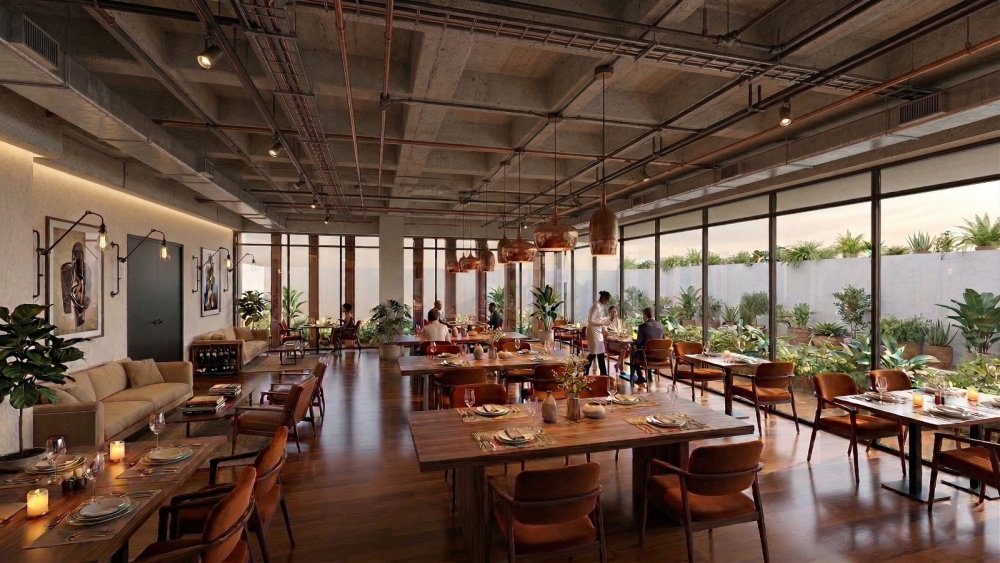
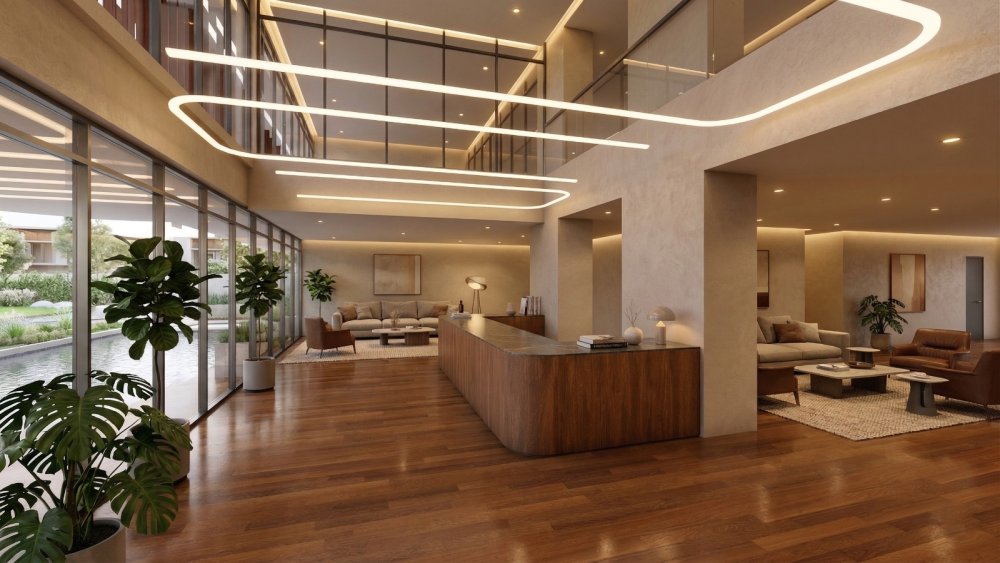
Sahara Residence is designed as a mixed-use development. The ground floor and first level will accommodate commercial spaces, including restaurants, offices, and retail outlets.
Located in Kimihurura, the building sits close to the Kigali Convention Centre, one of the city’s key business hubs.
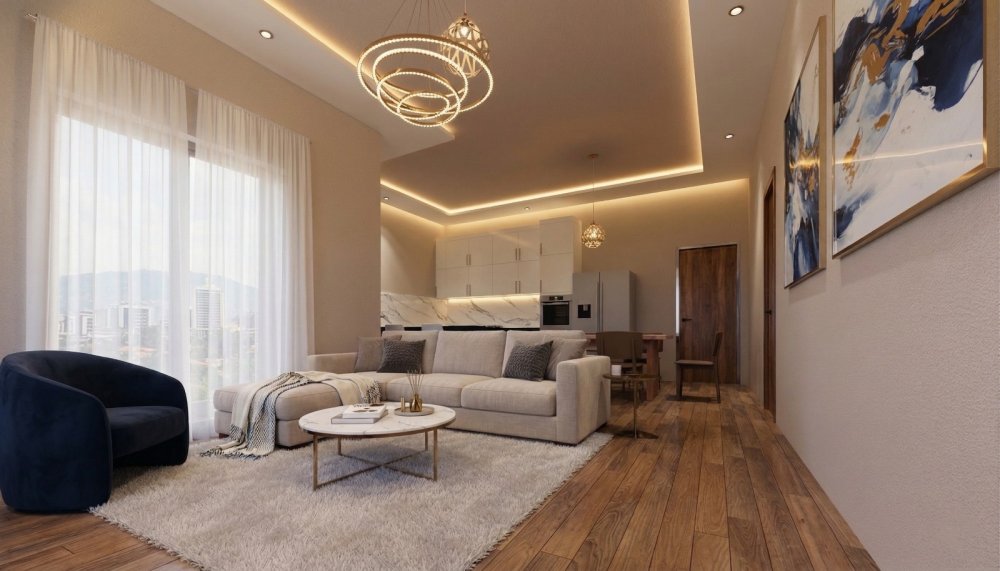
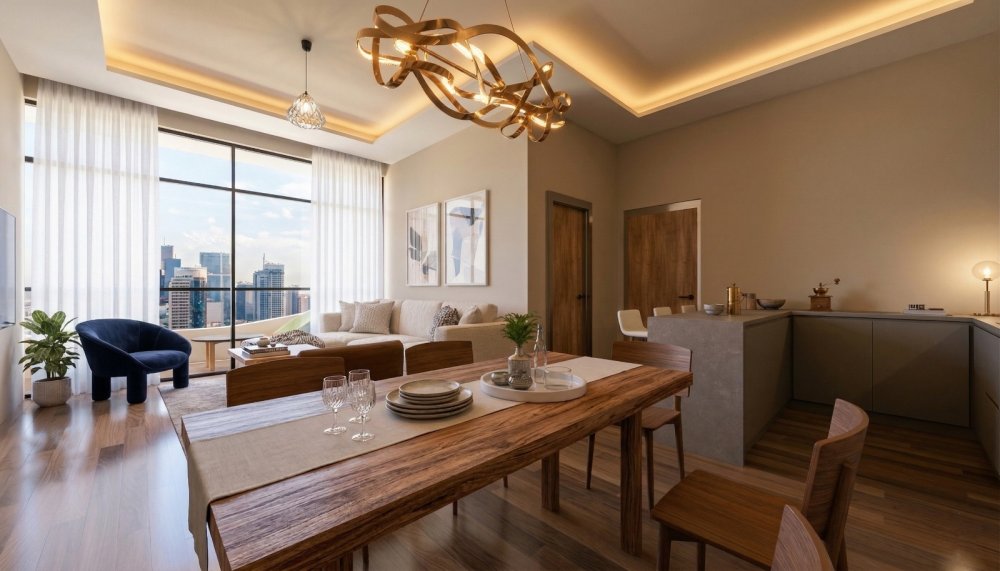
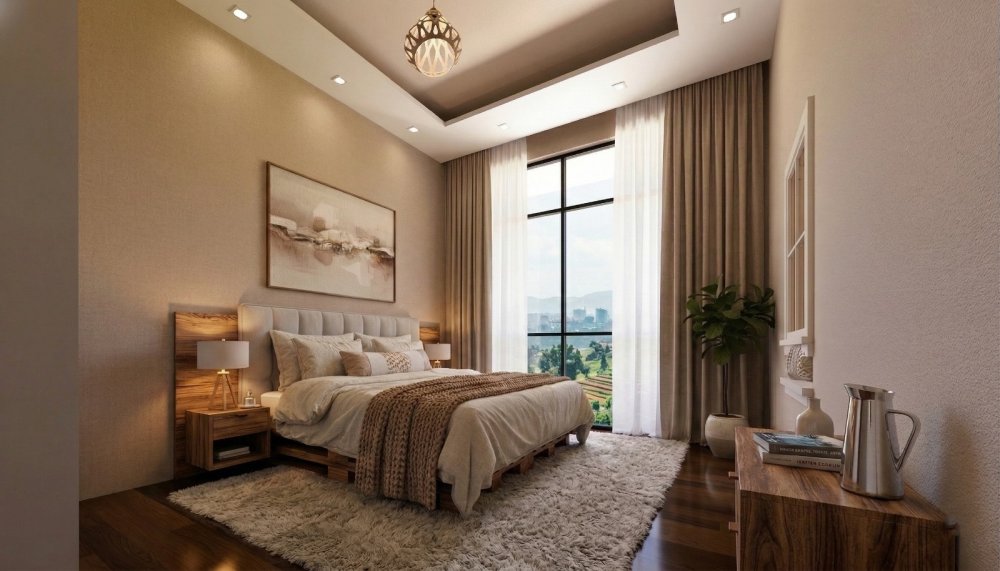
From the second to the 12th floor, the building will feature modern apartments equipped with essential amenities, including spacious living areas, fitted kitchens, and en-suite bedrooms.
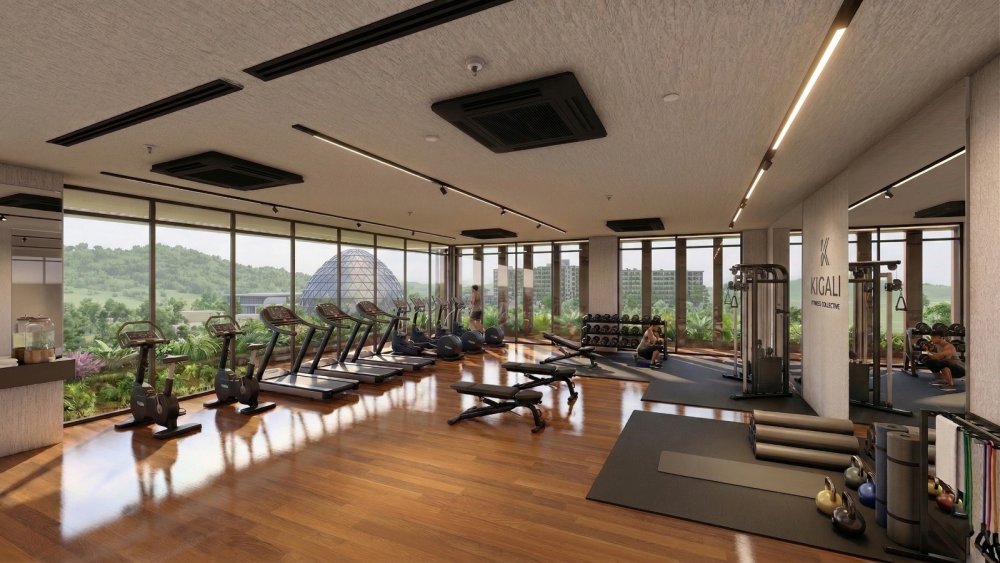
Residents will also have access to a swimming pool, a fully equipped gym, and ample parking. In total, the development includes 111 units, with 101 available for sale. About 70% have already been purchased, with the remaining units expected to be sold within a month.
Investment in the property starts at $126,000. Buyers can make an initial payment of between 20% and 30%, with the remaining balance payable in installments of 1%.
According to the developers, the project offers an annual return on investment ranging between 12% and 18%, positioning it as both a residential and investment opportunity.
The company says its team remains available to provide guidance and detailed information to interested investors through its official channels.
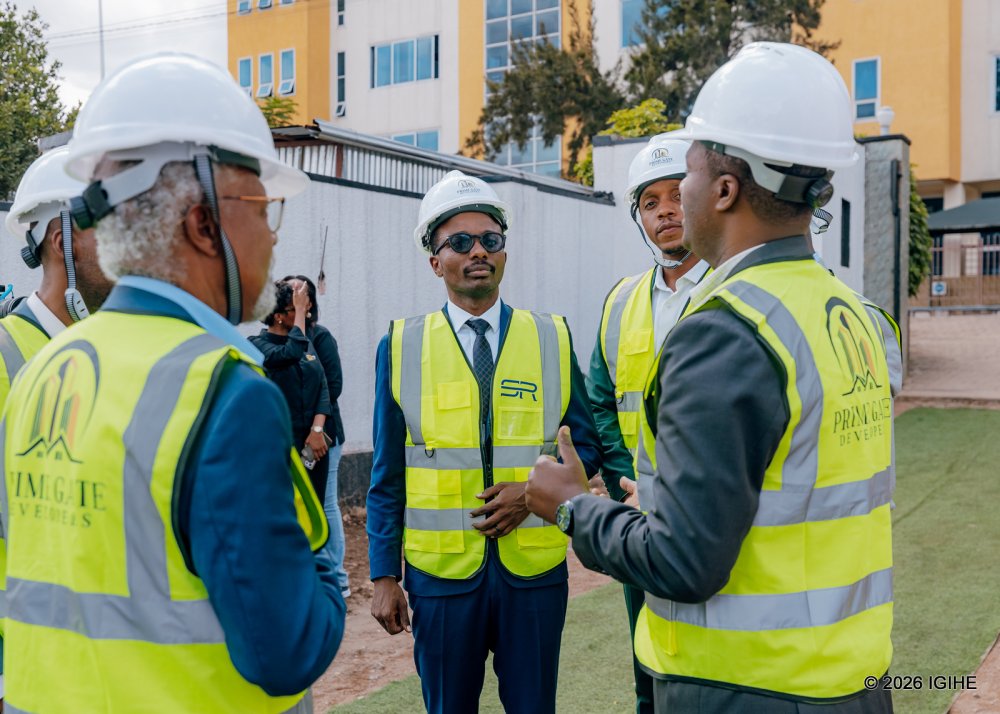
Sahara Residence will have 12 floors.Sahara Residence will be among the high-rise buildings in Kigali. Residents of Sahara Residence will enjoy views of different parts of Kigali.Prime Gate Developers is set to construct a building that will enhance Kigali’s skyline.Each apartment in Sahara Residence will have a spacious living room.The apartments include a designated dining area.The residential units will come fully equipped with essential amenities.Early buyers will have the opportunity to customize the interior design of their units.One-bedroom units will include modern beds.A ground-floor area in Sahara Residence is designated for a restaurant. Sahara Residence will feature a fully equipped gym.There is dedicated space for various business activities.The lower section is reserved for restaurants and other commercial activities.Gerard Mpyisi is among the key partners in the construction of Sahara Residence and other projects by Prime Gate Developers.Gerard Mpyisi said the determination shown by the youth convinced him to support them. Prime Gate Developers has several projects aimed at transforming housing in Kigali. Eng. Delphin Tuyishime emphasized the need for Rwandans to invest in real estate Prime Gate Developers aims to build residential housing in different parts of Kigali. Gerard Mpyisi said the project has been thoroughly planned and will be completed within a short time.
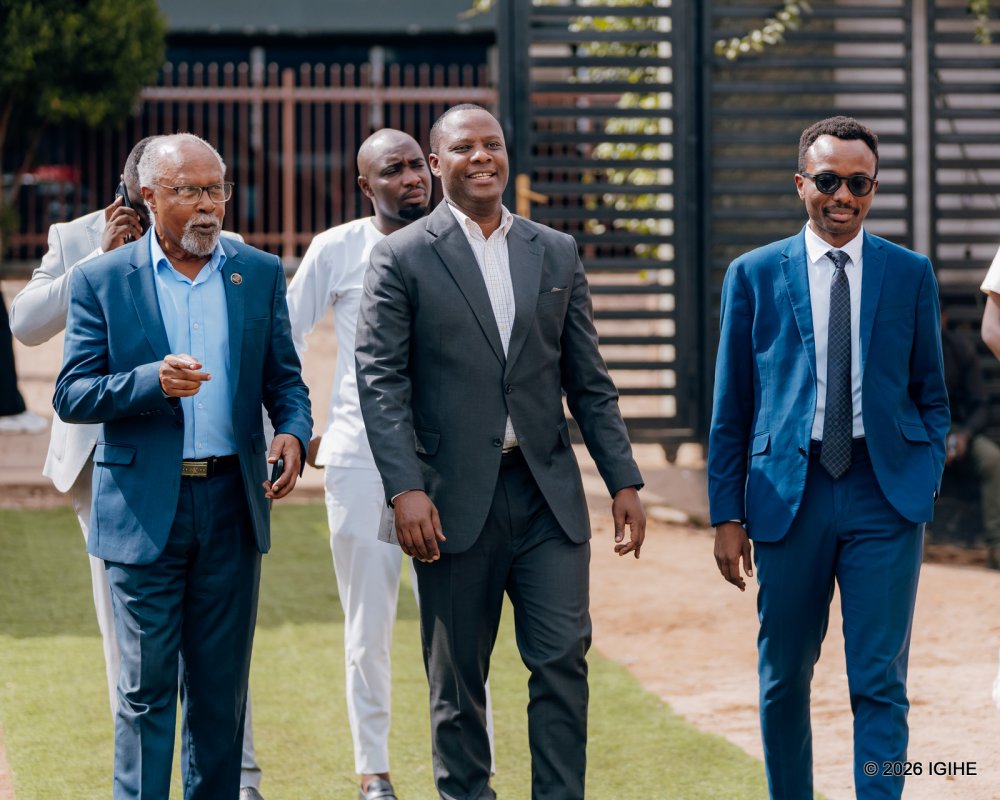
Alphonse Rukaburandekwe shared details about the standards for modern building design. Construction of Sahara Residence is expected to take two years. Sahara Residence is expected to contribute to the NST2 development programme.Gerard Mpyisi and Alphonse Rukaburandekwe launched the construction of Sahara Residence.Eng. Delphin Tuyishime presented the construction idea to Gerard Mpyisi.Flavia Bwiza is the head of sales and marketing at Prime Gate Developers.Chairman Eng. Delphin Tuyishime and CEO Dr. Egide Igabe of Prime Gate Developers.Investors in Sahara Residence are promised attractive and timely returns.Alphonse Rukaburandekwe pledged support to Prime Gate Developers.Dr. Egide Igabe assured partners of transparent operations. RHA Director General Alphonse Rukaburandekwe, Prime Gate Developers CEO Egide Igabe, and investor Gerard Mpyisi, a key partner in the project. The site for Sahara Residence has already been prepared for construction.Augustin Kabandana is a member of the Board of Prime Gate Developers.
For the Bank of Kigali, this partnership is part of a broader commitment to supporting Rwandans in every walk of life. Having previously backed sports such as basketball and cycling, the bank now turns to football, becoming “Banki ya Ruhago”, a bank for the nation’s most followed game, as the next frontier for impact.
This moment builds on the steady progress made by the Rwanda Premier League in recent years to raise the profile of local football.
The launch of the BK Pro League represents the next phase, focused on strengthening the league’s financial base, supporting clubs, and deepening the connection between football and its fans.
As Rwanda’s premier division competition, comprising 18 clubs, the BK Pro League is set to elevate standards across the board through supporting clubs and players on and off the pitch.
At the heart of the partnership is a commitment to financial inclusion. For many players who have historically operated outside formal banking systems, this marks a shift. Through access to tailored financial solutions and support, players will be better equipped to build a lasting financial security beyond their careers.
Fans, too, will benefit from a more connected and engaging game with enhanced matchday experiences which will bring them closer to the clubs and players that define Rwanda’s football.
Speaking on the partnership, the Chairman of Rwanda Premier League, Yussufu Mudaheranwa said: “This partnership marks an important milestone for the Rwanda Premier League. We have been building towards a stronger, more competitive league, and this collaboration with Bank of Kigali allows us to accelerate that progress, supporting our clubs, strengthening the league’s foundations, and creating a better environment for players and fans alike.”
Speaking at the launch, Dr. Diane Karusisi, the CEO of Bank of Kigali, said: “We are not just putting our name on a league. We are investing in the future of the Rwandan football ecosystem, and through it, in the future of Rwanda. As a bank for Rwandans, we are committed to supporting them in every journey, including sport. By extending this commitment to football, we aim to promote financial empowerment and create opportunities for players, clubs, and communities alike.”
The President of FERWAFA, Fabrice Shema Ngoga also noted the broader impact of such collaborations on the football ecosystem: “Strategic partnerships such as this are key to advancing football development in Rwanda. We welcome Bank of Kigali’s commitment and believe this collaboration will contribute positively to the growth of the game at all levels.”
With a shared vision, the BK Pro League sets the stage for a stronger, more competitive future, one where football continues to grow, unite, inspire and create opportunity across Rwanda.
The President of FERWAFA, Fabrice Shema Ngoga noted the broader impact of such collaborations on the football ecosystem.The launch of the BK Pro League represents the next phase, focused on strengthening the league’s financial base, supporting clubs, and deepening the connection between football and its fans. For the Bank of Kigali, the partnership is part of a broader commitment to supporting Rwandans in every walk of life.
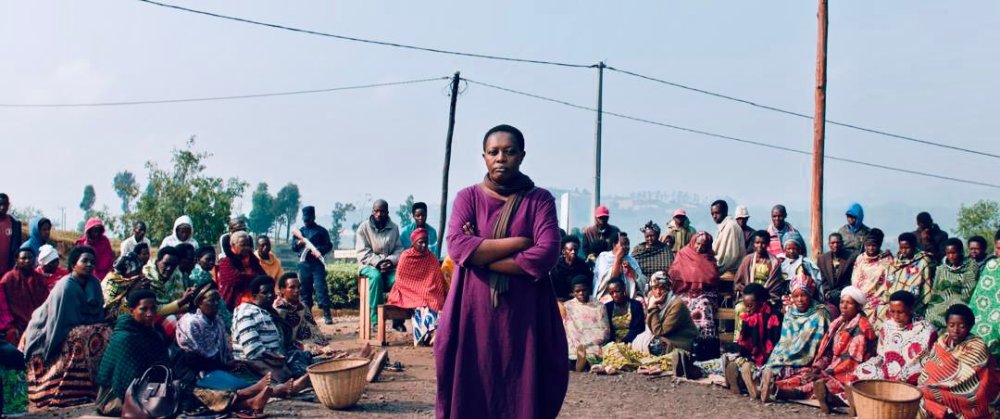
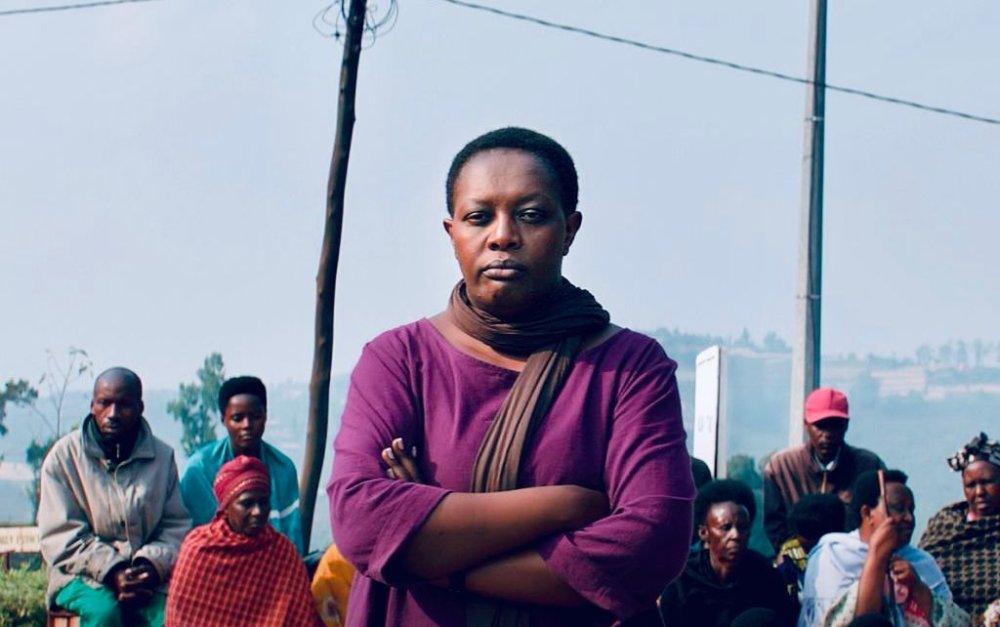
The film Ben’Imana has been selected for the 2026 Cannes Film Festival, specifically in the prestigious “Un Certain Regard” section, dedicated to distinctive storytelling and emerging voices in world cinema.
Written by Rwandan filmmaker Marie-Clémentine Dusabejambo, the film stands among the most accomplished productions made in Rwanda to reach this level.
In a brief interview with IGIHE, she expressed her excitement:
“It is a great joy because, for the first time in the history of Rwandan cinema, a film made entirely in Rwanda has reached the level of Cannes. It is a project I have worked on for a long time, I have grown with it over the past 10 years before its release.”
This marks the first time a film directed by a Rwandan woman has been selected in the festival’s official lineup, offering strong hope for the continued growth of Rwanda’s film industry.
The film tells the story of Veneranda, a survivor of the Genocide against the Tutsi, who struggles to rebuild her life while coping with deep trauma from her past.
Through this narrative, the filmmaker explores powerful themes such as memory, resilience, and intergenerational transmission.
The selection of Ben’Imana in the “Un Certain Regard” section reflects the festival’s continued interest in original stories from countries whose film industries are still emerging.
This section is well known for discovering new talent and showcasing films that bring fresh social and cultural perspectives.
Beyond being selected, Ben’Imana will also open the “Un Certain Regard” section.
A delegation of 12 people from Rwanda will represent the film on May 19 — a key moment at Cannes, during the iconic red carpet ceremony known in French as the “montée des marches,” followed by the film’s official premiere before an audience of international press and leading figures in global cinema.
Ben’Imana also carries a strong pan-African dimension. It is co-produced by Gabonese producer Samantha Biffot, alongside Rwandan and international partners.
This collaboration highlights the growing strength of African film cooperation.
Beyond its artistic value, the film’s selection confirms the rise of an ambitious Rwandan cinema, one capable of telling universal stories while remaining deeply rooted in its own history and truth.
Marie-Clémentine Dusabejambo, director of the film Ben’Imana.The cinematography of Ben’Imana was handled by Mostafa El Kashef
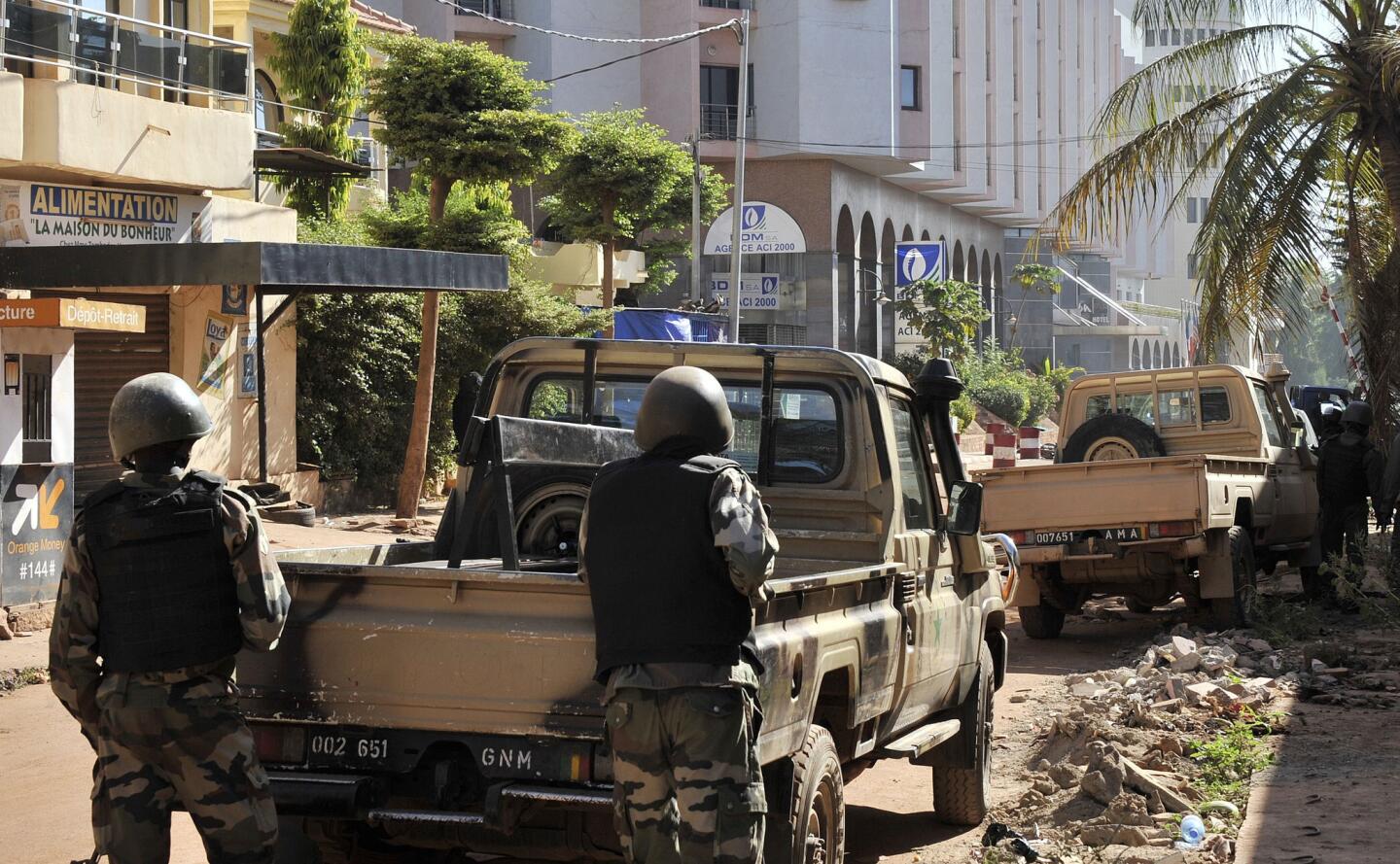
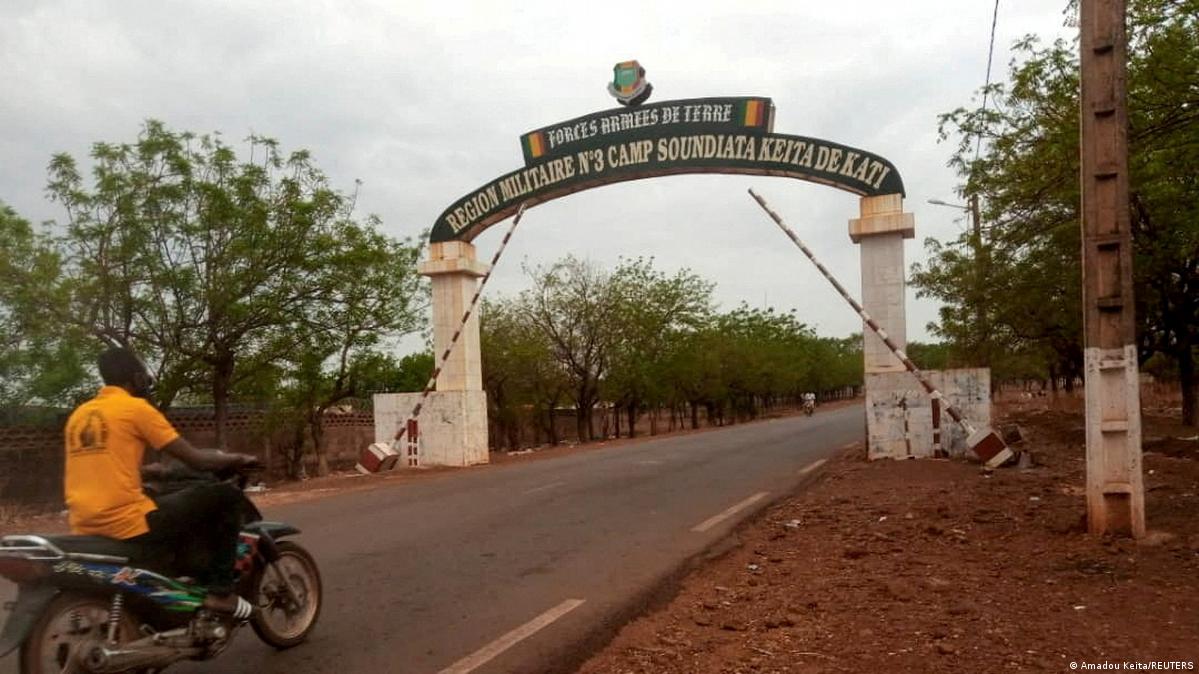
Reports said detonations were also heard in Mopti, Gao, Sevare, and Kidal. Earlier in Kati, a garrison town in Mali’s Koulikoro Region near the capital, two powerful explosions were heard between 5:00 a.m. (0500 GMT) and 5:30 a.m. (0530 GMT), waking up some residents in Bamako.
“A deafening noise woke up our whole neighborhood early this morning,” a resident of Kati told Xinhua. Local sources said detonations were still being heard in some areas, while residents were staying indoors amid fear and uncertainty.
According to a security source, the incidents were believed to be coordinated attacks targeting positions of the Malian Armed Forces. The situation remained unclear, and no official statement or casualty report was immediately available.
Strong explosions and gunfire were reported early Saturday in several cities in Mali, including Kati and areas of Bamako, local sources said.
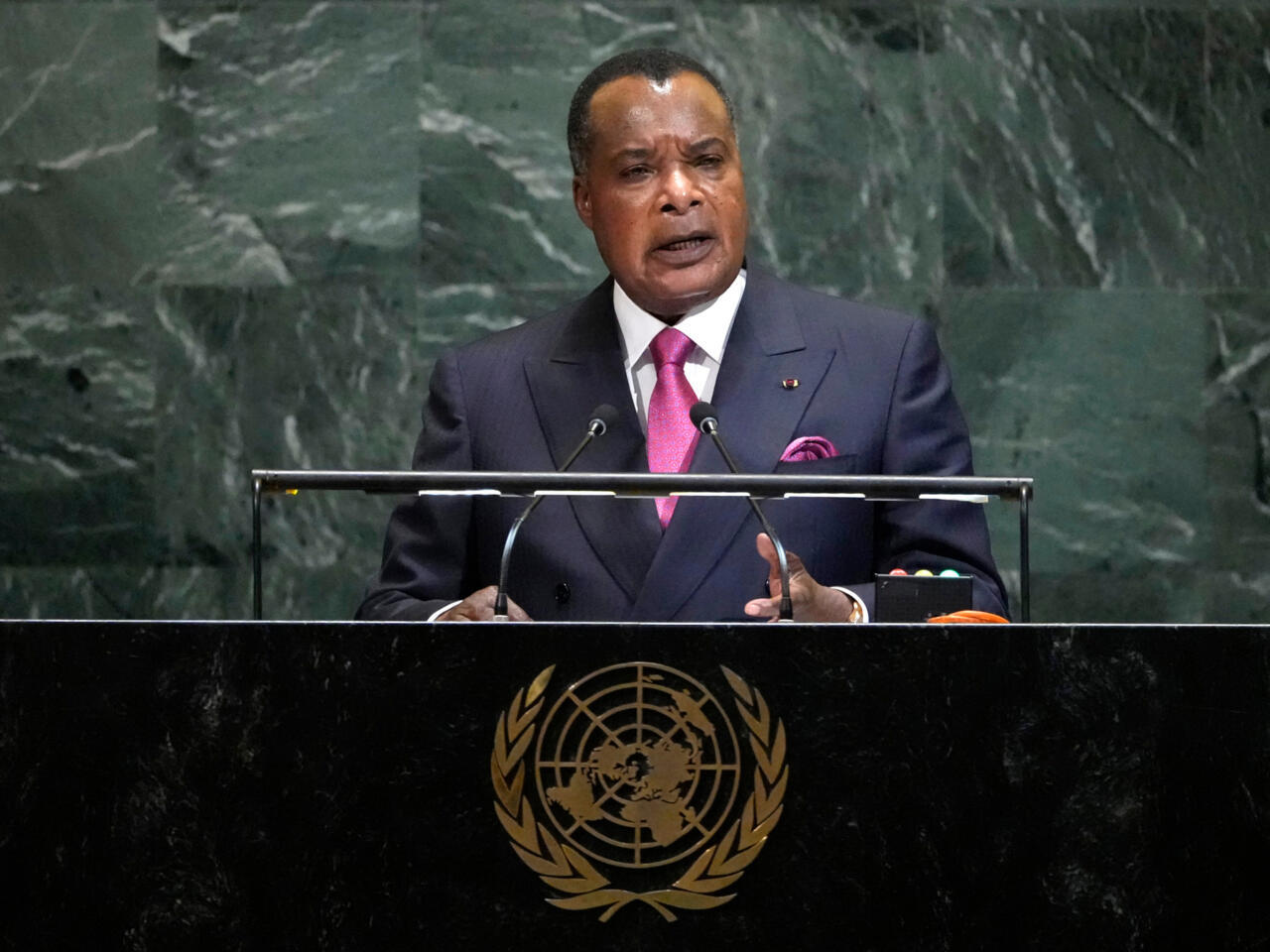
According to the statement, in addition to Prime Minister Anatole Collinet Makosso, who was reappointed earlier by President Denis Sassou Nguesso, the new government comprises one deputy prime minister, three ministers of state and 37 ministers.
Among them, Jean-Jacques Bouya, former minister of state for territorial planning and major works, was appointed deputy prime minister in charge of infrastructure development and territorial planning.
Pierre Oba, former minister of state for mines and geology, was appointed minister of state at the presidency in charge of political affairs. Former Minister of State for Trade, Supply and Consumption Claude Alphonse Nsilou was appointed minister of state for construction, urban planning and housing, while former Minister of State for Land Affairs and State Property Management Pierre Mabiala was appointed minister of state for civil service, labor and social dialogue.
In the presidential election held on March 15, Sassou Nguesso won re-election with 94.9 percent of the vote. According to the Constitution, the president is required to appoint a new prime minister to form a government.
Former Prime Minister Makosso and his government submitted their resignation on April 17, which was accepted by the president. On April 23, the presidency announced Makosso’s reappointment as prime minister, tasking him with forming a new government.
In the presidential election held on March 15, Sassou Nguesso won re-election with 94.9 percent of the vote.
Speaking during a dinner debate at the 2026 World Policy Conference (WPC) in Chantilly, France on Friday evening, Kagame highlighted that the world has never truly offered a fair and stable order, particularly for Africa and the Global South.
He explained that even during periods when the global order appeared stable, deep imbalances persisted.
“There have always been inequalities. There have always been points of conflict,” Kagame said. He added that it has long been taken for granted “that what happens in the global south will always be dependent on and determined by the global north.”
Kagame described the prevailing structure as one in which major powers act freely when their interests are threatened, while smaller and middle powers face blame, punishment, or criticism.
“The smaller powers, the smaller countries, the middle powers, are just supposed to pull the line. Simple,” he stated.
He noted that Africa has been affected by this imbalance “anyway, all along” and not only during times of visible crisis.
“It has been affected even when things look stable globally, under this structure where it is do as I say and as I tell you, and that’s it. Otherwise, there will be consequences,” Kagame observed.
Turning to the question of legitimacy in the international system, he asked: “Who decides what is wrong, who decides what is right, and on what basis? Is it just that you have the power, therefore you will decide what is wrong and what is right?”
Kagame acknowledged that the old order was “a work in progress” but stressed that today’s fragmentation has exposed its weaknesses.
He warned that the ongoing conflict in the Middle East carries serious risks for the wider world, including Africa.
“The situation is very bad. And the big powers need to quickly find a solution. Otherwise, it generates into a bigger problem for the whole world,” he said, pointing to rising oil, food, and fertilizer prices “affecting millions, hundreds of millions of people.”
The Head of State also spoke about Africa’s own path forward. He encouraged the continent to look inward, saying: “The continent needs to look at what it has, almost everything. The people, the other resources, and the good cultures that can be drawn from a lot of knowledge and practices that make people proud of who they are.”
He added that Rwanda’s reconstruction showed the value of starting with internal efforts: “We looked within and found the efforts to rebuild our country, even if we had to be partners with different people and we got a lot of support, but we had to start with ourselves.”
Kagame emphasized that everyone, including small countries, should have space to contribute.
“Everyone should have some space to express themselves and contribute what is good for everyone and for the rest of the world,” he said.
On regional issues, including efforts to address tensions in Eastern DR Congo, Kagame called for patience and depth.
“The problems cannot be addressed overnight. Crisis cannot be overcome in such a short time,” he remarked. “But there is a need to look at the root causes of everything and then give time to dialogue for people to find a win-win kind of solution.”
Founded in 2008, the WPC aims to contribute to improving global governance; examining, discussing, and proposing constructive solutions to major regional and international challenges, in a climate of trust and a spirit of tolerance.
This year’s meeting (18th edition) is held from April 24–26, 2026, at Domaine Les Fontaines in Chantilly, France under the theme, “Between Fragmentation and Interdependence: Rethinking Global Governance.”
It addresses major issues like global trade, AI, and conflicts in Europe and the Middle East.
President Kagame has questioned who defines right and wrong in an imbalanced international system.
The latest monthly Global Seasonal Climate Update from the WMO signals a clear shift in the Equatorial Pacific: sea-surface temperatures are rising rapidly, pointing to a likely return of El Nino conditions as early as May-July 2026.
Forecasts indicate there is a “nearly global dominance of above-normal land surface temperatures” in the upcoming three-month period, and regional variations in rainfall patterns.
“After a period of neutral conditions at the start of the year, climate models are now strongly aligned, and there is high confidence in the onset of El Nino, followed by further intensification in the months that follow,” said Wilfran Moufouma Okia, chief of climate prediction at WMO in the press release.
The WMO explains that El Nino is characterized by a warming of ocean surface temperatures in the central and eastern Equatorial Pacific. It typically occurs every two to seven years and lasts around nine to twelve months.
El Nino events affect temperature and rainfall patterns in different regions, and typically have a warming effect on the global climate. Thus, 2024 was the hottest year on record because of the combination of the powerful 2023-2024 El Nino and human-induced climate change from greenhouse gas emissions.
There is no evidence that climate change increases the frequency or intensity of El Nino events. But it can amplify associated impacts because a warmer ocean and atmosphere increases the availability of energy and moisture for extreme weather events such as heatwaves and heavy rainfall.
Each El Nino event is unique in terms of its evolution, spatial pattern and impacts. However, it is typically associated with increased rainfall in parts of southern South America, the southern United States, the Horn of Africa and central Asia, and drought over Australia, Indonesia, and parts of southern Asia.
During the Boreal summer, El Nino’s warm water can fuel hurricanes in the central/eastern Pacific Ocean, while it hinders hurricane formation in the Atlantic Basin.
Forecasts indicate there is a “nearly global dominance of above-normal land surface temperatures” in the upcoming three-month period, and regional variations in rainfall patterns.
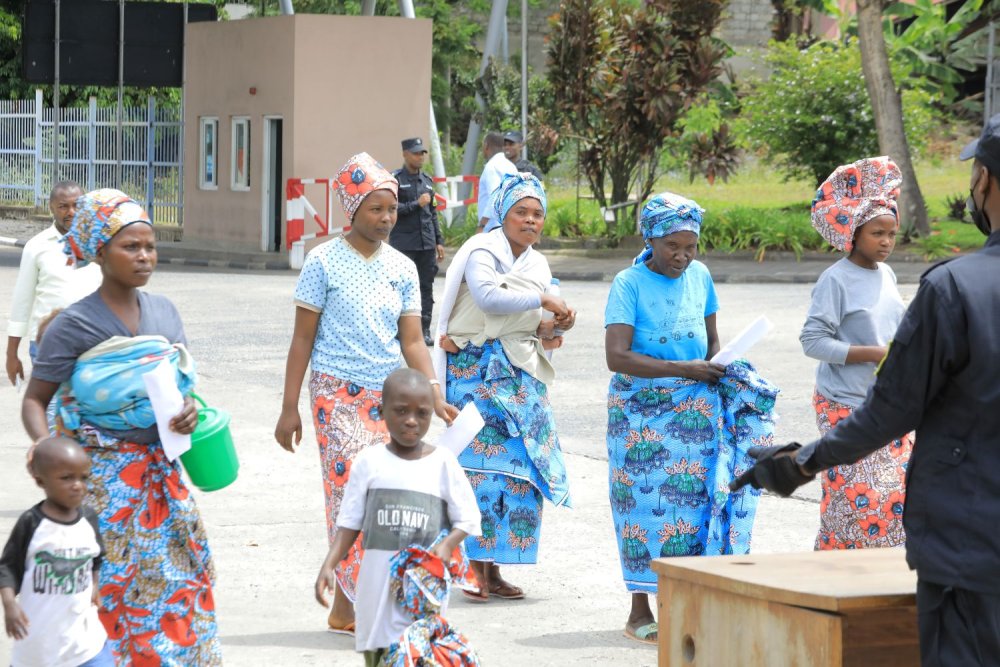
The ministry further indicates that between 1994 and 2025, a total of 3,503,173 Rwandans had already returned from various countries, mainly those neighbouring Rwanda.
In 2025 alone, Rwanda received 6,043 returnees from the Democratic Republic of Congo.
Since January 2026, an additional 2,153 Rwandans had returned before the latest group of returnees.
The latter comprises 317 Rwandans including 15 men, 76 women, and 226 children who returned home on April 24, 2026. They were received and transported to Kijote Transit Camp in Nyabihu District for temporary support and processing.
The returnees had been staying at a temporary camp in Goma after leaving different areas in eastern DRC, where they say they had been held captive by FDLR.
The Vice Mayor of Rubavu District in charge of economic development, Déogratias Nzabonimpa, told IGIHE that the returnees represent a valuable addition of human resources to the country.
“The country has gained back the people it had lost. Their continued return weakens the enemy that had held them captive, as these are productive citizens. We also continue working with them to encourage those still in the forests to return home,” he said.
He also urged the returnees to remain committed to Rwanda and to encourage others still abroad or in hiding to come back and contribute to national development.
He assured them of government support to help them reintegrate into normal life, including basic assistance. Returnees aged 18 and above will receive $188, while those below 18 will receive $113, in addition to basic food support valued at 45,000 Rwandan francs per person.
Rwanda received 6,043 returnees from the Democratic Republic of Congo in 2025.