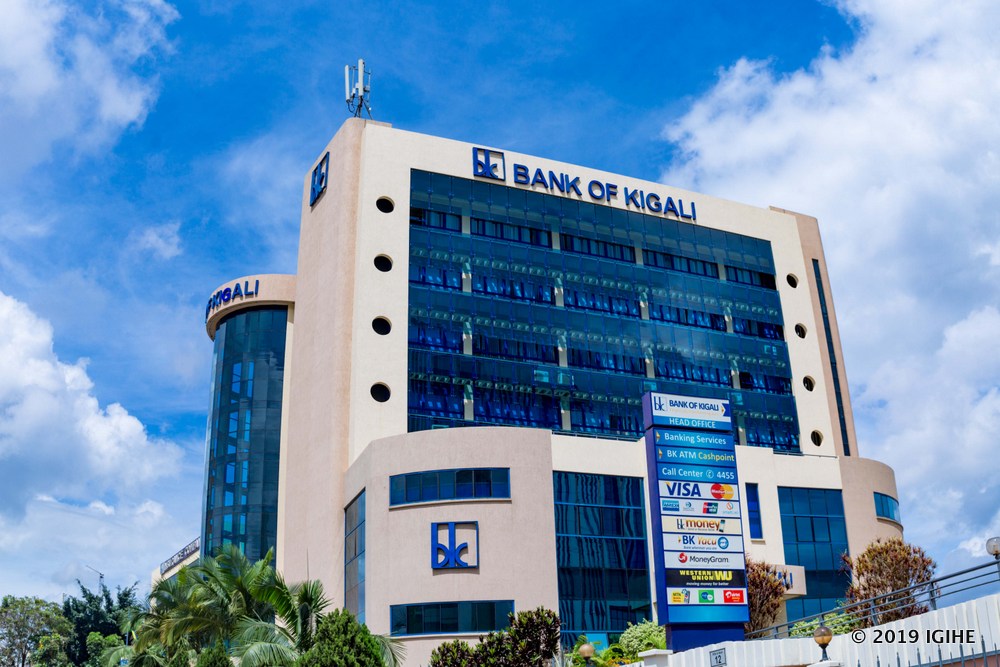
Launched in 1992, Euromoney Awards for Excellence are one of the most prestigious and respected awards in global banking, rewarding financial institutions for their achievements, innovations and performance over the last 12 months.
A team of experts analyses profitability, the ability to demonstrate growth, relative outperformance compared with peers and the ability to adapt to changing market conditions.
The recognition reflects BK’s commitment to keep providing world class services to clients.
The lender, which boasts 424,000 retail customers and 36,700 corporate clients, posted a 35% year-on-year increase in net profit to Rw5.8 billion (US$5.7 million) in 2021, driven by a 20.8% rise in interest income and double-digit growth across all key performance metrics.
The bank also recorded a 41.4% growth in non-interest income to Rw4.2 billion, as trade and economic growth picked up.
Among others; pre-tax profit jumped 44.4% year on year in the first quarter of 2022, with assets up 22.4% and deposits rising 21.7%. Total assets stood at Rwf1.7 trillion at the end of last year, up 22.3% from the same period a year earlier.
Bank of Kigali also got busy on the digital front during the awards period where it launched a revamped and upgraded online platform – including enhanced security features – that caters to diaspora clients.
The lender provides a more seamless customer experience and the ability to buy foreign currency and process bulk payments.
Commenting on the development; the CEO of Bank of Kigali, Dr. Diane Karusisi said: “We are constantly working towards providing top notch financial services to our customers and winning this award shows that our efforts do not go unnoticed. We will continue to innovate and bring forth fast, easy and efficient channels of transacting. Soon we shall be launching one of a kind new BK mobile app for our customers.”
Bank of Kigali also migrated to a new core banking system, with the Temenos 24 platform helping the bank break free from legacy constraints and accelerate its digital transformation. It’s all part of an ambitious plan to double its roster of retail and small and medium-sized enterprise clients to more than one million by the end of 2022.
Bank of Kigali also won similar award in 2013, 2015 and 2021.
This year, Euromoney received a record number of submissions from banks in regional and country awards programme that covers more than 50 regional awards and best bank awards in 100 countries.
The summit is scheduled between Thursday 21st and Friday 22nd July 2022.
During a High Level Retreat on the Common Market, the Heads of State are expected to, among other things: take stock of the progress of implementation of the EAC Common Market Protocol; adopt strategic measures to unlock the lags and bottlenecks in establishment of the Common Market; agree on a roadmap for the full realization of the Common Market, and; identify key areas where Development Partners can contribute to the attainment of the Common Market.
At their 22nd Ordinary Meeting, the EAC Heads of State will, among other things: consider the Report of the Council to the Summit; assent to Bills passed by the East African Legislative Assembly; consider the report of the High-level Summit Retreat on the EAC Common Market, and; appoint Judges to the East African Court of Justice.
The tension arose from reciprocal accusations that followed the resurgence of M23 rebel group. DRC accused Rwanda of supporting M23 in the fighting with Congolese Army (FARDC).
Meanwhile, Rwanda accused DRC of collaboration with the Democratic Forces for the Liberation of Rwanda (FDLR), a terrorist group comprised of masterminds of the 1994 Genocide against the Tutsi.
The collaboration led to provocations where FARDC and FDLR shelled rockets on Rwandan territory which injured civilians and destroyed houses.
Rwanda also accused DRC of kidnapping its soldiers in collaboration with FDLR but they were later released.
Since the fighting with M23 erupted, Rwanda has repeatedly rejected the allegations highlighting that it has no interests in destabilizing the neighbouring country.
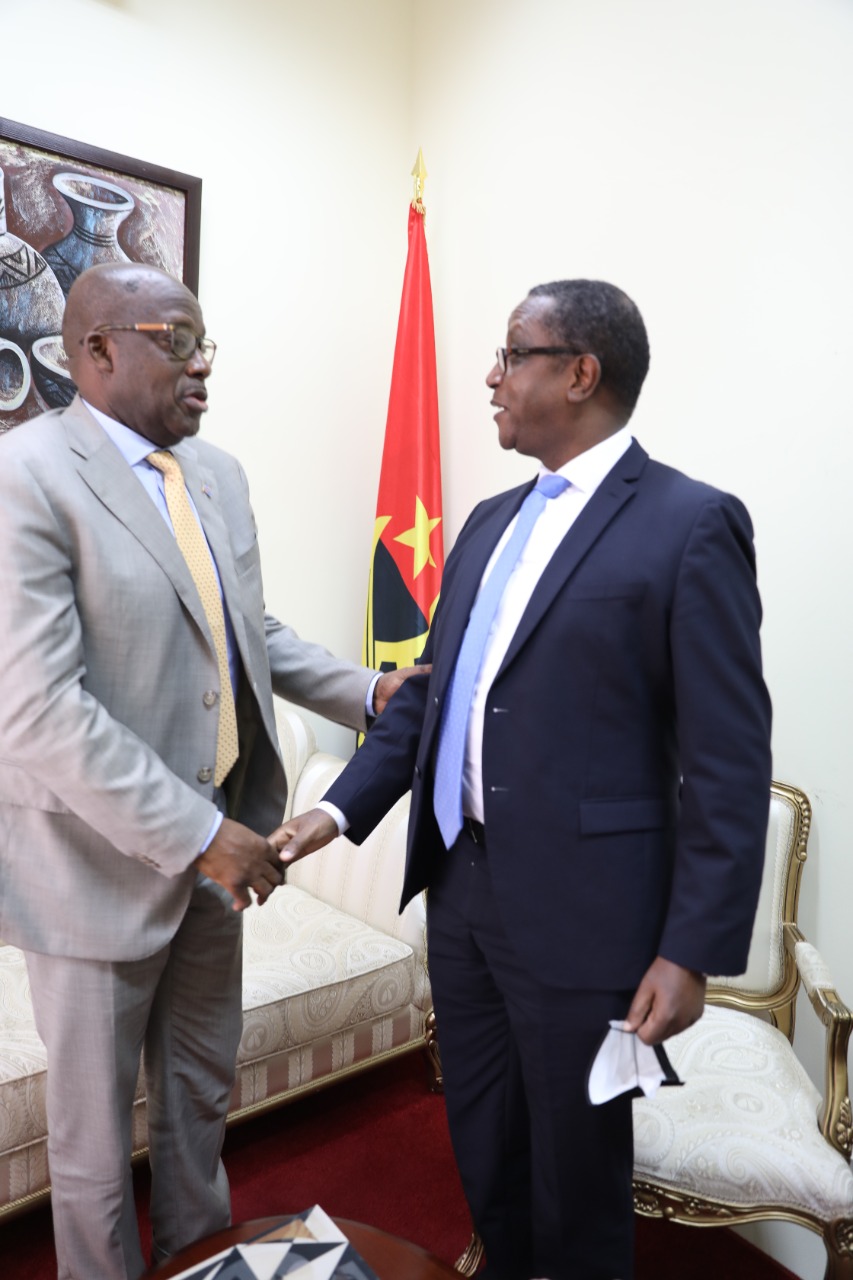
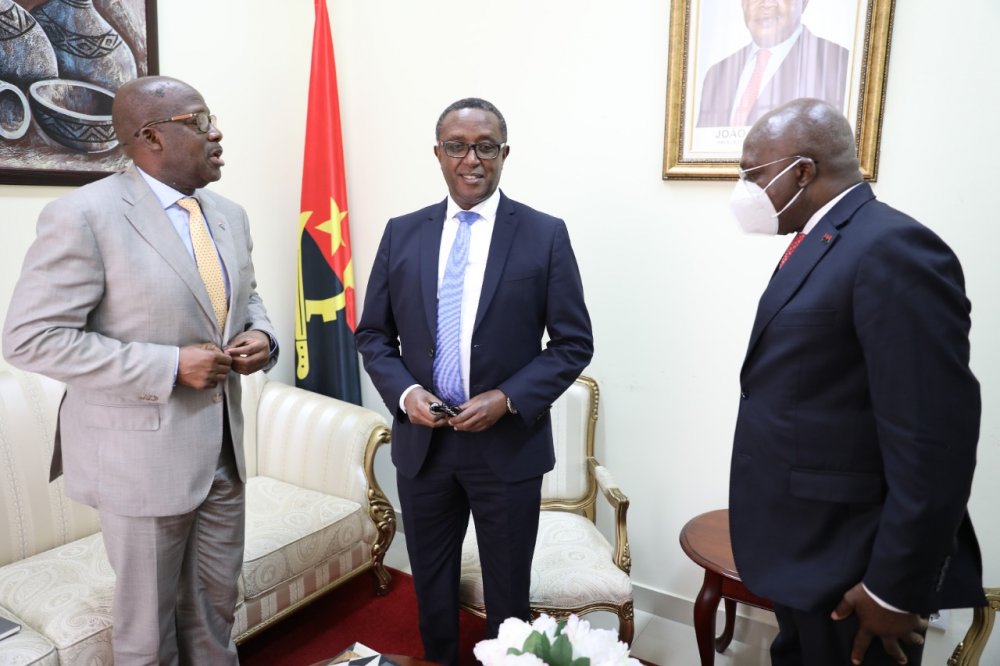
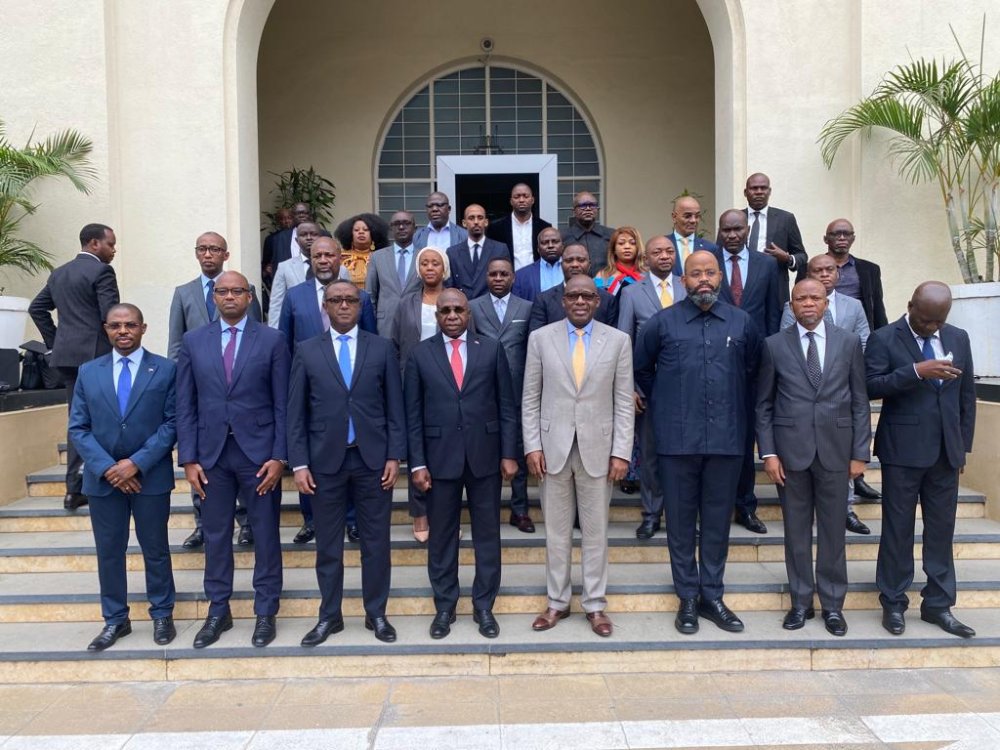
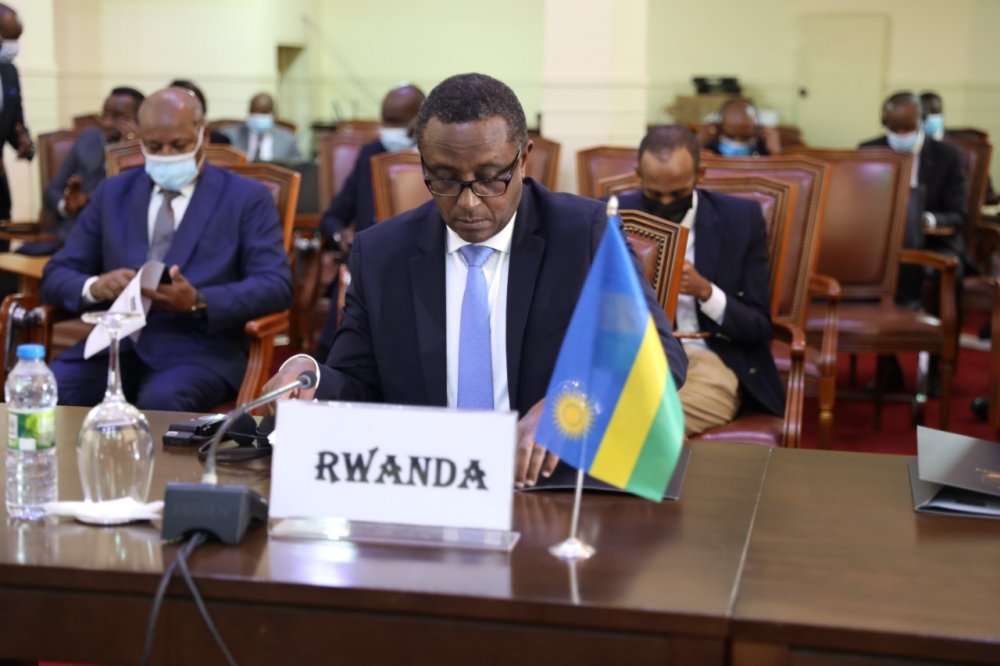
The meeting of a Joint Permanent Commission between Rwanda and DRC started on Wednesday 20th July 2022 to seek a solution on the tension with the mediation of Angola.
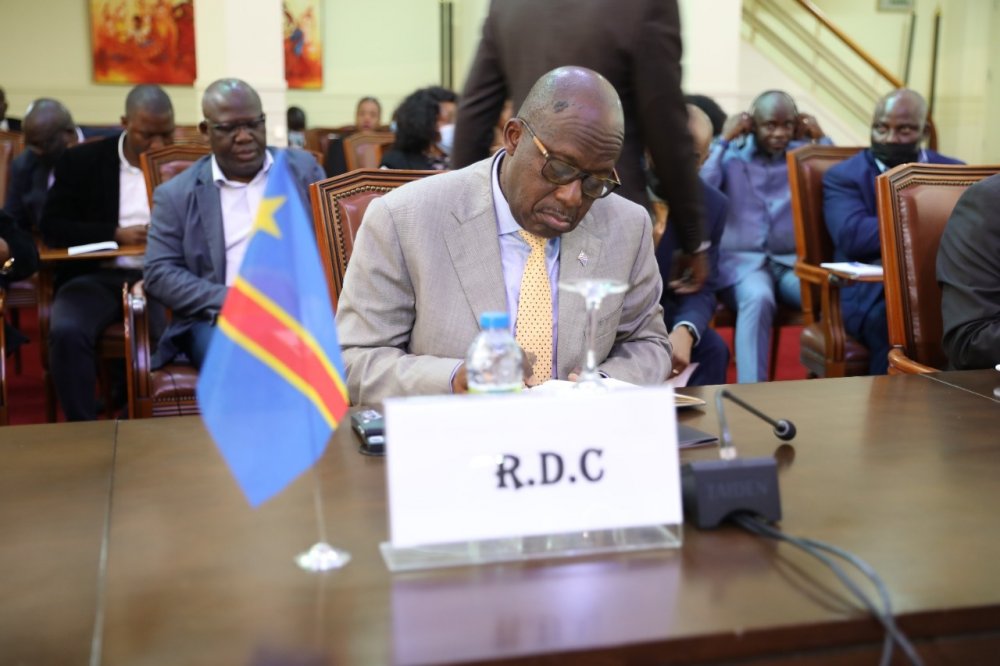
Rwanda’s envoys are led by the Minister of Foreign Affairs, Dr. Vincent Biruta while DRC is represented by the Minister of Foreign Affairs, Christophe Lutundula.
Also part of Rwanda’s delegation is Colonel François-Régis Gatarayiha, the Deputy Head of Defence Intelligence and Director of Technology; Rwanda’s Ambassador to Angola, Wellars Gasamagera and the Director General for Africa at the Ministry of Foreign Affairs, Shakilla Umutoni.
Establishing the joint commission is part of resolutions of the recent tripartite summit which brought together the Heads of State of Rwanda, DRC and Angola held in Luanda on 6th July 2022.
The commission had to meet the following week but was postponed due to the mourning declared by Angola over the death of former President Eduardo Dos Santos.
Angolan Minister of Foreign Affairs, Amb. Tete Antonio has expressed delight to see the meeting happening.
“Very happy to have my brothers Ministers Christophe Lutundula [DRC] and Vincent Biruta [Rwanda] who are in Luanda for Joint Permanent Commission DRC-Rwanda in the framework of the implementation of the Road Map, moving forward for the Africa we want,” he tweeted.
Recent discussions between both countries on the mediation of Angola also saw concerned parties setting a roadmap to accelerate efforts meant to achieve durable peace.
However, concerned countries have released contradictory statements following the summit. DRC’s Presidency initially released resolutions with clauses in favour of its allegations.
Later on, Rwanda and Angola released resolutions of the roadmap detailing responsibilities of each country concerned with the issues of DRC to promote peace in the region and eastern DRC.
At the time, Rwanda’s Minister of Foreign Affairs, Dr. Vincent Biruta requested the DRC to avoid distorting resolutions of the tripartite summit.
“The Luanda tripartite meeting outcome is a roadmap with clear objectives and activities to be implemented by various parties/partners. No agreement or ceasefire was signed. Misinformation/populism are undermining the overall objective of achieving peace in DRC and the region,” Minister Biruta tweeted.
DRC announced that immediate ceasefire and withdrawal of M23 from all captured areas were among resolutions of the summit.
Meanwhile, the issues that Rwanda indicated at the summit have been clearly pointed out for over 20 years. These include assurance of security at its borders and fighting the Democratic Forces for the Liberation of Rwanda (FDLR), a terrorist group intending to threaten Rwanda.
Rwanda maintained that the terrorist group should not receive any form of support to attack Rwanda where DRC is urged not to allow FDLR to shell Rwandan territory.
The roadmap on activities to restore relations between Rwanda and DRC stresses the need to defeat FDLR and its splinter groups while more efforts have to be geared towards fighting hate speech and offensive language in the region by all parties.
The splinter groups include CNRD- FLN, RUD-Urunana, FPPH-Abajyarugamba believed to be at the origin of tensions between Rwanda and DRC and play a major role in the insecurity of the DRC.
Creating the necessary conditions for the return of refugees is among outlined priorities as per released roadmap. Rwanda, DRC, ICGLR and the United Nations High Commissioner for Refugees will be in charge of implementation.
On the issue of M23, the summit resolved that all activities on the rebel group must be based on Nairobi Process.
It was also resolved that an ad-hoc verification mechanism led by an Officer General of the Republic of Angola has to be created to verify the reciprocal accusations of the DRC and Rwanda concerning the support to M23 and the collaboration with the FDLR.
The team is to be supported by the Expanded Joint Verification Mechanism (EJVM) while ICGLR will seek MONUSCO’s support in security and logistical matters.
The EJVM is a mechanism of the International Conference of the Great Lakes Region (ICGLR) composed of military officers from the 12 member countries that is charged with monitoring and verification of border violations between DRC and neighbouring countries.
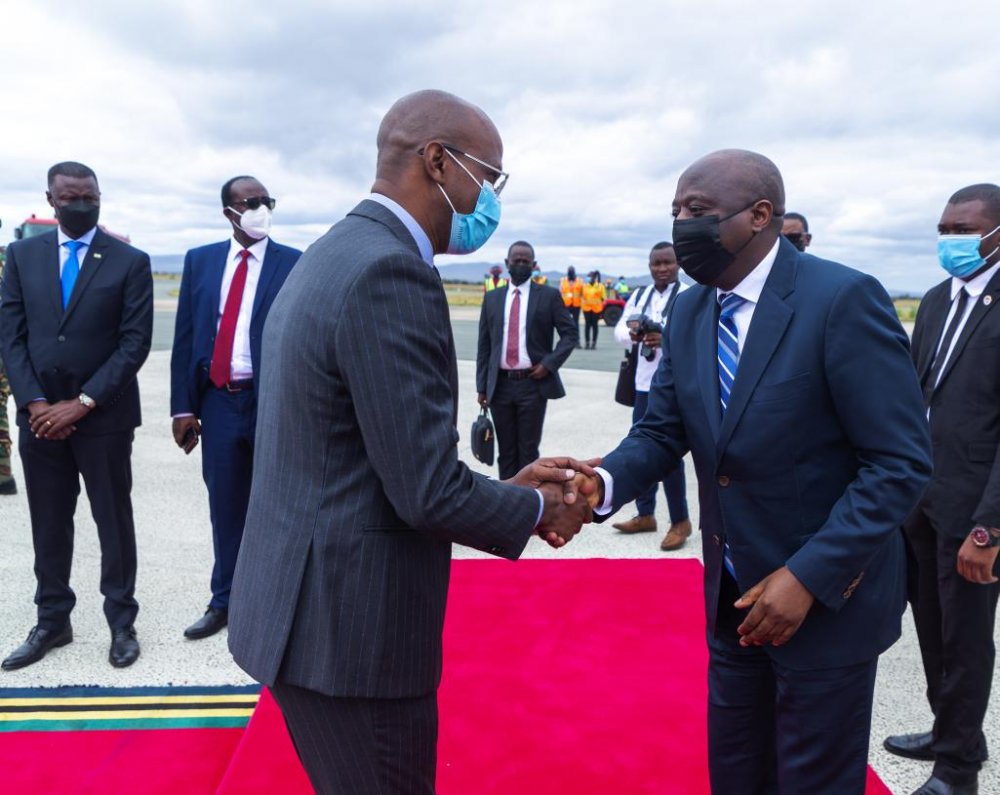
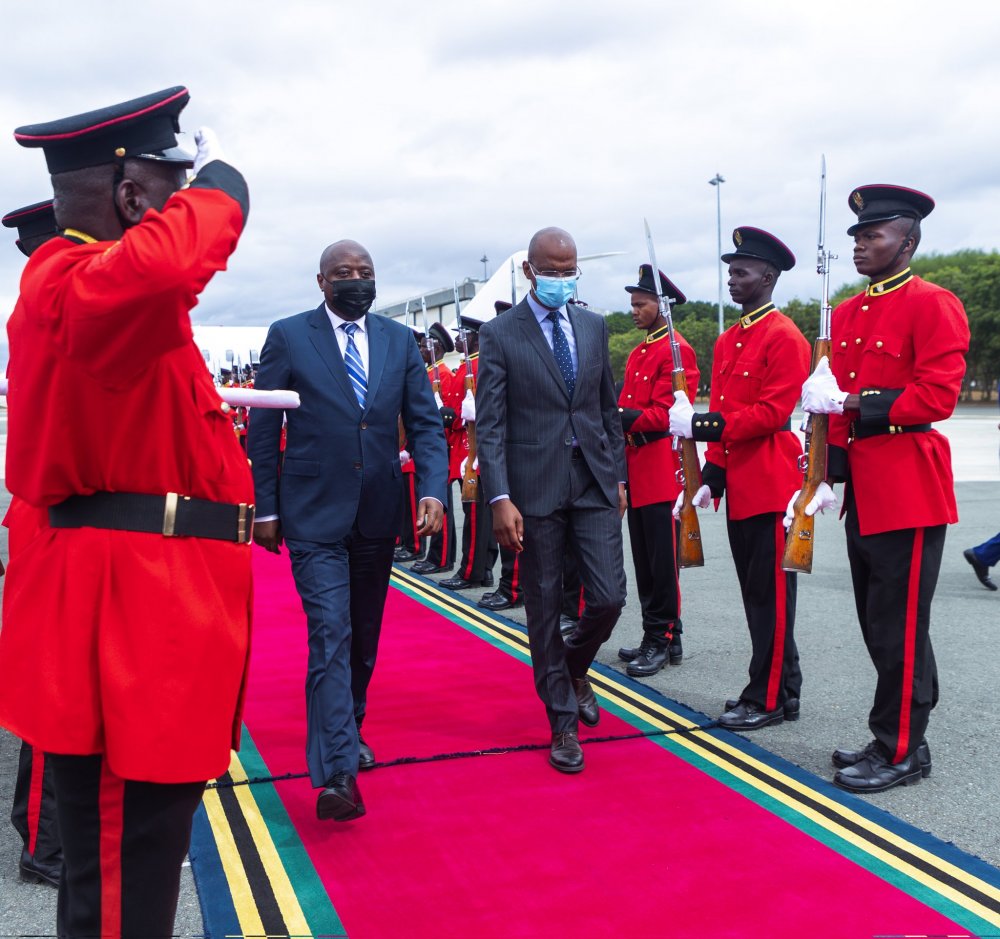
The commission meets ahead of the 22nd Ordinary Summit of Heads of State from the East African Community (EAC) expected on 22nd July 2022 in Tanzania for discussions on issues including security in eastern DRC.
The regional bloc is also under the process of deploying joint troops to fight armed groups in DRC.
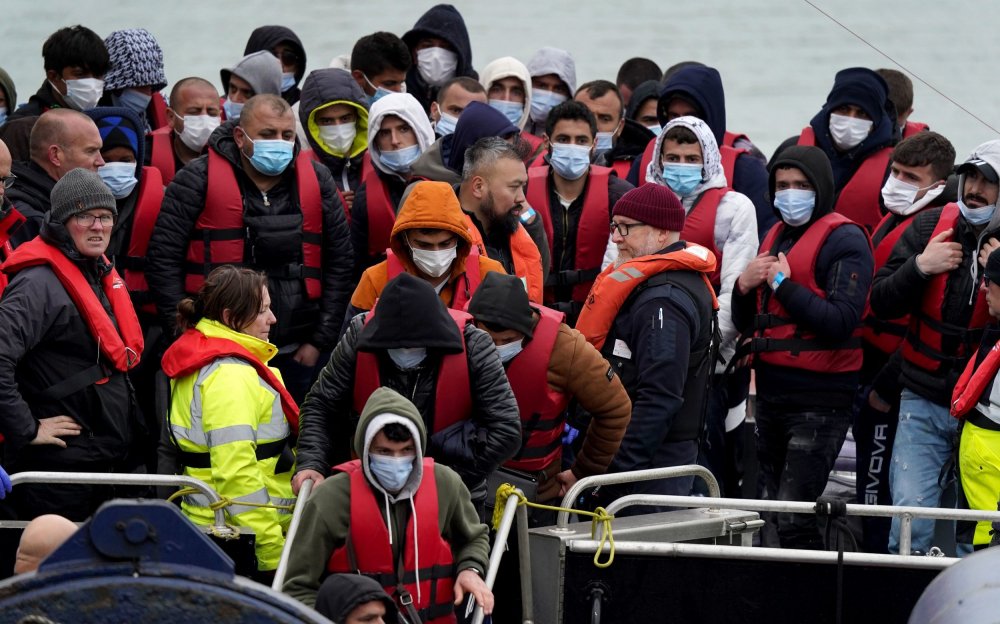
The documents include one written by the former British High Commissioner to Rwanda, Jo Lomas expressing concerns that the migrants might be recruited to conduct armed operations in neighbouring countries once they arrive in Rwanda.
The documents were submitted to court by lawyers from charities overseeing interests of individual asylum seekers from countries including Iraq, Sudan, Syria and Albania.
Their first flight to Rwanda was expected on 14th June 2022 but was cancelled at last minute after an intervention from the European Court of Human Rights (ECtHR).
The documents presented to the UK High Court feature concerns of different people about the partnership to send asylum seekers to Rwanda.
An extract from the documents indicate that on 10th February 2021, the former UK High Commissioner to Rwanda, Jo Lomas said ‘the UK should not do a deal with Rwanda because the African country had been accused of recruiting refugees to conduct armed operations in neighbouring countries’.
Eight days after the disclosures, more extracts read, Rwanda was identified as one of 14 countries assessed as presenting substantial issues in relation to asylum systems and human rights and received an amber/red rating from the government owing to significant human rights concerns.
Among others; a Foreign, Commonwealth and Development Office memo dated 20th May 2021, urged the Prime Minister not to get involved with the Rwanda deal ‘owing to significant human rights concerns’.
Another document submitted to the court is a detailed internal memo that appears to be dated 12th April 2022, the day before a memorandum of understanding was signed between UK and Rwanda. The latter stated that the “fraud risk is very high” in the deal because UK was paying so much money upfront to Rwanda.
A document from the day the memorandum was signed stated that the first group of asylum seekers due to be flown to Rwanda could “test” Rwanda’s refugee determination processes.
When the UK government conducted an independent assessment of Rwanda’s human rights record, extracts from the documents indicate, the Home Office showed it to Rwanda to comment on the final draft and allowed officials to suggest amendments.
The names of officials who made the comments were not mentioned in the documents. This created confusion among some people who attributed the concerns of UK High Commissioner to Rwanda to the current envoy, Omar Daair representing his country to Rwanda.
Omar Daair has via Twitter handle provided clarifications that he had not yet been appointed to Rwanda by the time concerns attributed to the UK High Commissioner were raised.
“There have been media stories regarding our partnership with Rwanda and documents written in February and May 2021. I became High Commissioner in July 2021. Regardless, it is normal for UK officials to brief Ministers during the course of policy development,” he tweeted.
“Ministers have repeatedly stated that Rwanda is a fundamentally safe and secure country with a track record of supporting asylum seekers. The UK government remains committed to delivering this policy to break the business model of criminal gangs and save lives,” added Omar.
It is expected that the next move will be informed by court’s decision.
The incident took place in Rugoberi Village, Gitega Cell of Gitesi Sector in Karongi District.
Details about his death emerged on Wednesday 20th July 2022 around 12:00 noon when a daughter of the old man entered their house and found the father hanging.
It is suspected that the man committed suicide after his wife and children had left home.
The Executive Secretary of Gitesi Sector, Vianney Nsanganira has told IGIHE that Rwanda Investigation Bureau arrived at the scene whereafter the body was taken for postmortem.
He revealed that they are waiting for autopsy report to confirm whether he was killed or committed suicide.
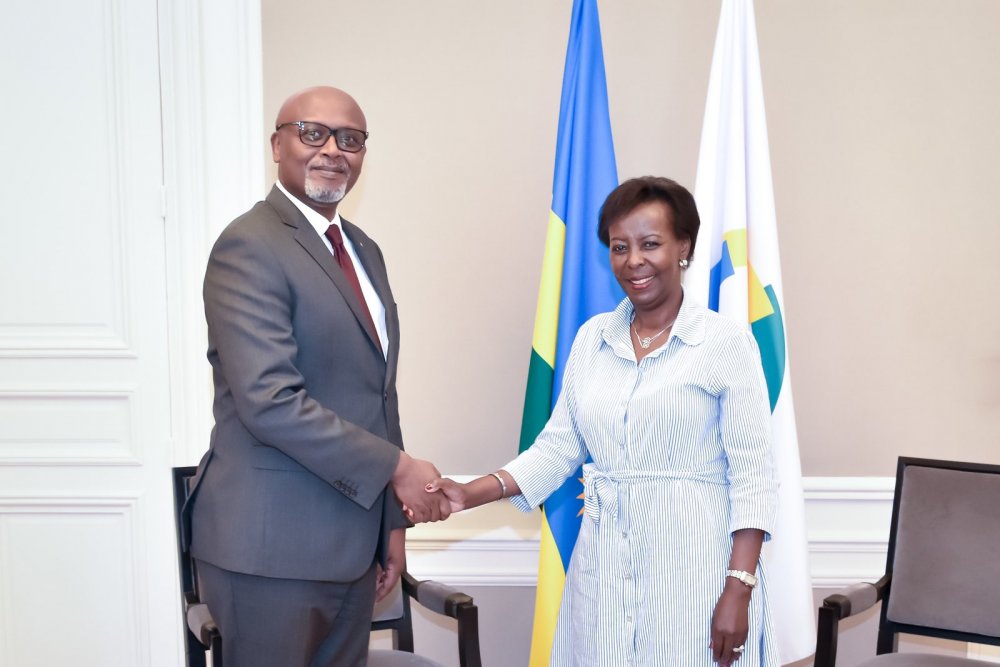
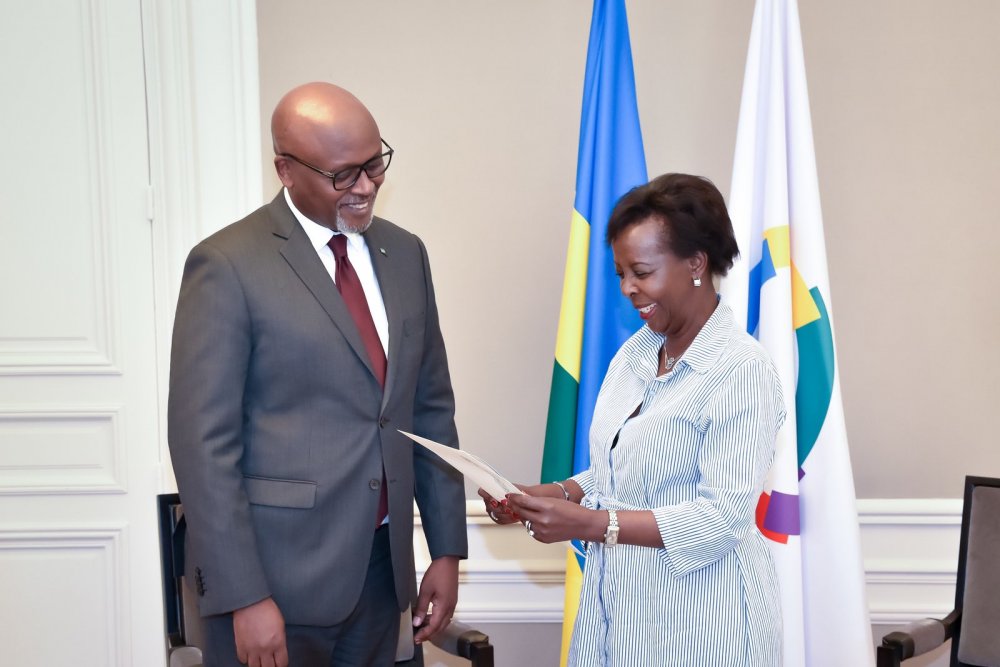
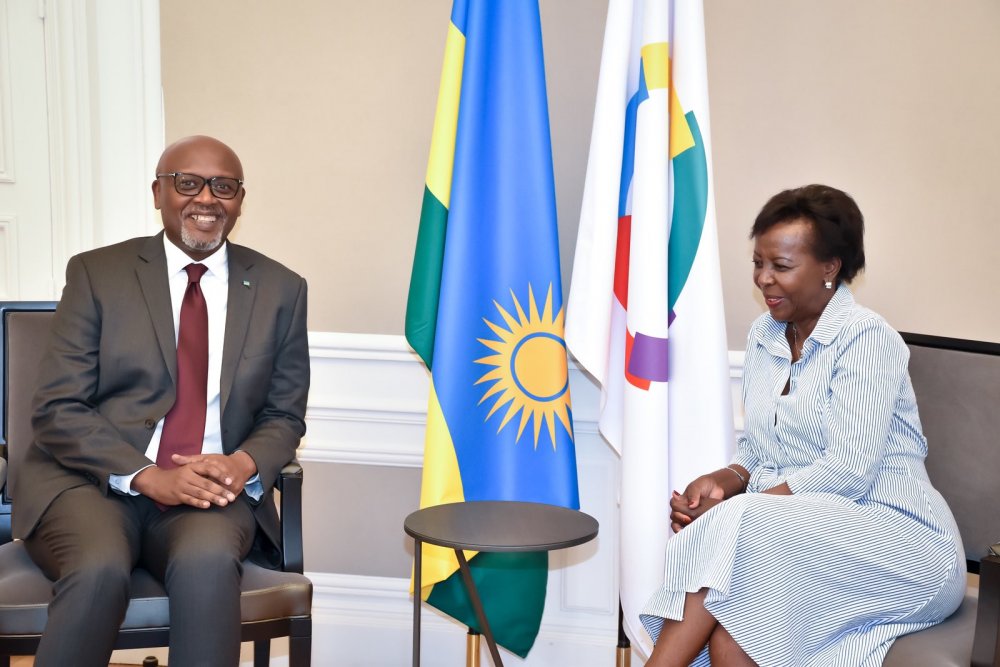
Amb. Nkulikiyimfura presented the letters of credence to OIF Secretary-General, Louise Mushikiwabo on 19th July 2022.
Nkulikiyimfura was appointed Rwanda’s ambassador to France in April 2022 replacing François Xavier Ngarambe. Prior to the this appointment, he was representing Rwanda’s interests in Qatar.
Louise Mushikiwabo was elected as the Secretary-General of OIF in 2018, replacing Canadian, Michaelle Jean.
After presenting credentials, OIF has via Twitter account revealed that Amb. Nkulikiyimfura and Mushikiwabo held talks revolving around reinforcing cooperation between OIF and Rwanda, particularly the “mobility project” aimed at enhancing French language teaching among its member states.
The project which started with countries including Rwanda, Ghana and Guinea is expected to reach 10 countries.
In April this year, Rwanda received 45 French language teachers following the first batch of 25 teachers sent by OIF.
The recent teachers sent to Rwanda are from Gabon, Ivory Coast, the Democratic Republic of Congo (DRC), Guinea, Mali, Senegal, Bénin, Togo, Cameroun, Burundi, Burkina Faso and France.
The recent report of OIF show that there were 300 million French speakers around the world in 2018 expected to increase to 700 million in 2060.
On 19th July 2022, Amb. Nkulikiyimfura also presented credentials to the Director-General of the United Nations Educational, Scientific and Cultural Organization (UNESCO) to represent Rwanda.
Their discussions focused on the importance of tangible and intangible world heritage and the education of young girls.
Emmanuel Niyirora, 38, and Eric Ntagungira, 35, were intercepted in Shwemu Village, Gisa Cell in Rugerero Sector, transporting four bundles of cannabis on a motorcycle registration number RC 476A, which was also impounded.
Their arrest came five days after another drug dealer was also arrested in Rubavu transporting about 1,000 pellets of cannabis to his clients in Rugerero sector.
Superintendent of Police (SP) Bonaventure Twizere Karekezi, the Western region Police spokesperson, said the suspects were arrested due to a tip-off by local residents.
“The Rwanda National Police Anti-Narcotics Unit (ANU) had prior credible information from residents in Kageshi, Busasamana Sector about two people riding on the same motorcycle, transporting narcotics, which they had trafficked into Rwanda from Democratic Republic of Congo (DRC),” SP Karekezi said.
He added: “Police conducted an operation and intercepted the two drug dealers, who were using Byahi-Rugerero route, with the four bundles containing combined 6,000 pellets of cannabis.”
The two men were allegedly heading to Nyanza District apparently to supply their clients there.
SP Karekezi issued a stern warning against drug traffickers and local retailers.
“There is increased cooperation and collaboration with the public to break drug supply chains, this and many other previous successful operations, are the results of this strong community policing,” SP Karekezi said.
The suspects and exhibits were handed over to RIB at Gisenyi station for further investigations.
Article 3 of the Ministerial order nº 001/moh/2019 of 04/03/2019 establishing the list of narcotic drugs and their categorisation classifies cannabis in the category of very severe narcotics.
Article 263 of the law No. 68/2018 of 30/08/2018 determining offences and penalties in general states that any person who, unlawfully produces, transforms, transports, stores, gives to another or who sells narcotic drugs and psychotropic substances, commits an offence.
In case of “very severe narcotic drugs” the offender is liable to between 20 years and life imprisonment and a fine of between Rwf20 million and Rwf30 million.
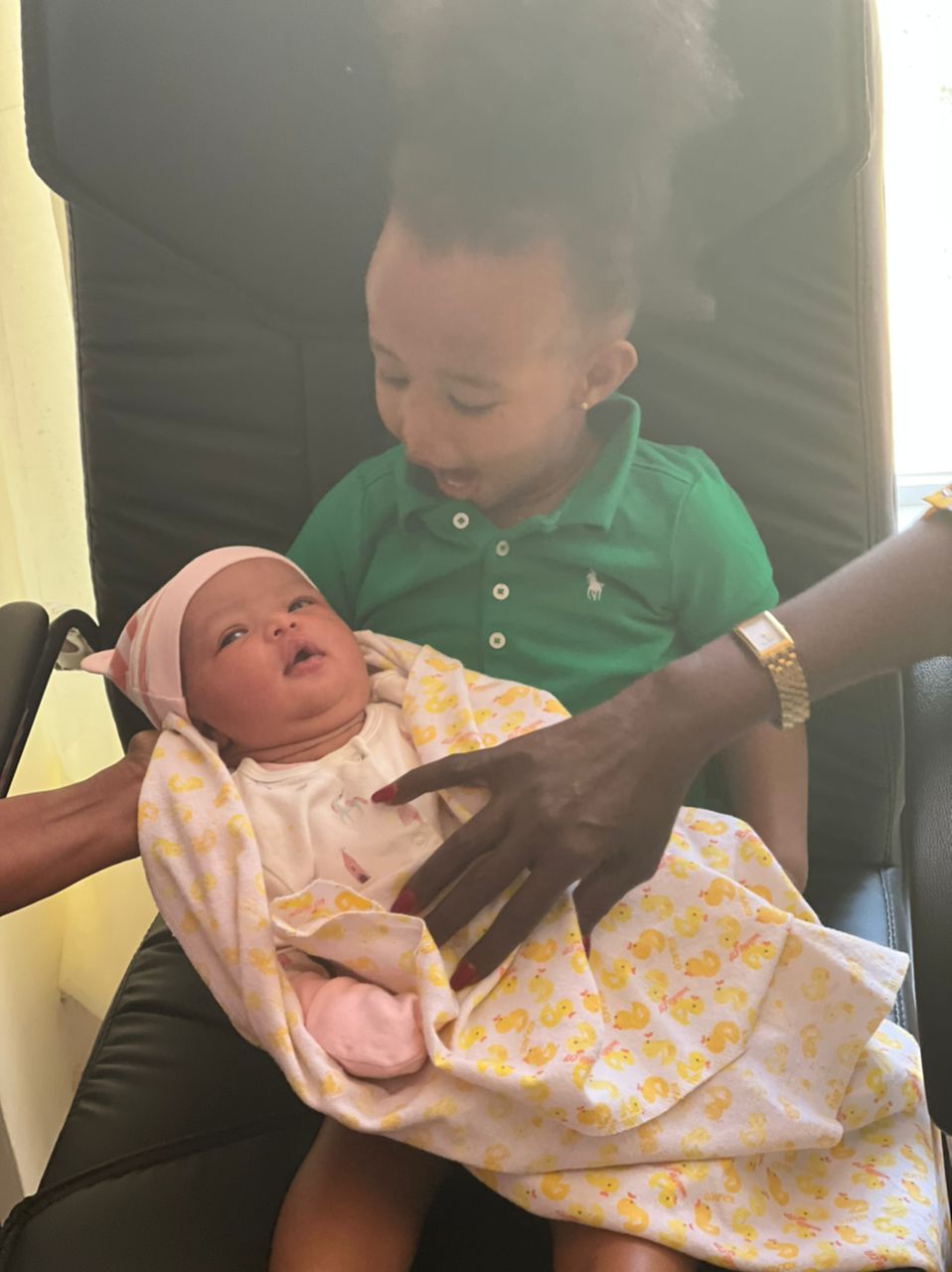
Kagame posted the message on Twitter along with a photo of his granddaughter holding the newly born baby.
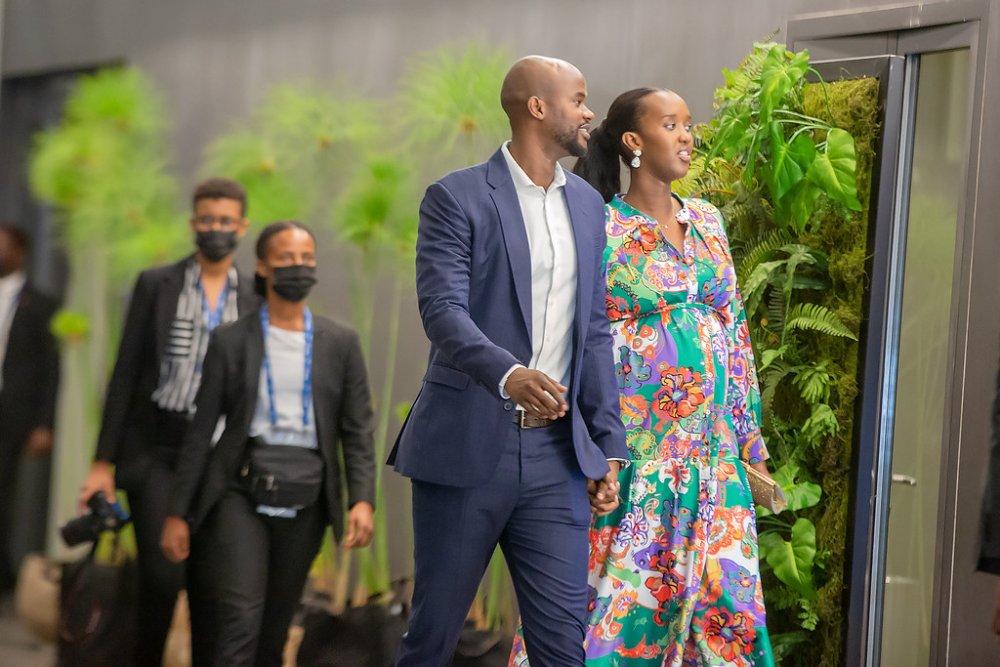
Ange Kagame was married to Ndengeyingoma in July 2019. The couple was blessed with the first child born on 19th July 2020.
Last year, Ange Kagame joined the ‘Parenting Month’ campaign in Rwanda by sharing tips for parents on how to boost their babies’ brain development through play.
The month-long campaign was launched on 1st June 2021, by the Ministry of Gender and Family Promotion, the United Nations Children Fund (UNICEF) Rwanda, and other partners to promote positive parenting.
In the video released last year by UNICEF Rwanda; Ange Kagame, talked about how a baby’s brain develops most in the first 1,000 days at a pace never repeated again.
The video explains the various techniques such as ‘serve and return’ that parents can use to strengthen their bond with their babies while ensuring their holistic development.
At the time, Ange Kagame highlighted the role of both parents, male and female in the overall development of their baby.
In the earliest years of life, a child’s brain develops at an astounding speed of more than 1 million new neural connections every second.
This period offers once-in-a-lifetime opportunity to shape a child’s ability to learn, grow, form healthy relationships, and contribute fully to society in adulthood.
Parents are the key providers of health, nutrition, stimulation, opportunities for early learning, and protection that babies need for healthy brain development. Another area where parents can contribute significantly to a child’s development is by playing with the baby.
This helps babies learn and build crucial life skills – from problem-solving to expressing ideas – and strengthening the bond between child and parent.
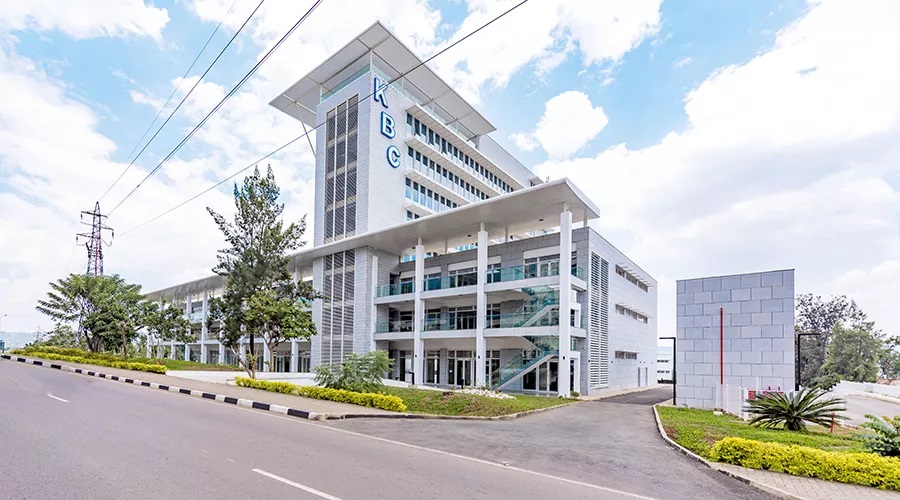
The building opposite Kigali Convention Centre was refurbished and reopened four years ago.
It is located in a Kimihurura Gateway, an area reserved for different businesses, hotels and entertainment activities.
The statement announcing the auction reads that bidders of the the building worth Rwf23.8 billion, must present a surety worth Rwf1.19 billion.
The Managing Director of KBC, David Mporanyi told IGIHE that the business complex was completed at a tune of Rwf21 billion of which 48% of the funds was provided by the investor while 52% was a bank loan.
The auction is open from 17th July 2022 to 24th July 2024.
KBC is a household name of a commercial building that existed since 2003. The building underwent a major facelift since 2016.
It houses different companies including La Planète Club, Chicken Tonight, Sony and Brioche.
Other businesses in the KBC include supermarkets, banks, clothes’ stores, pharmacies and restaurants among others.
The building has 13,477 square meters reserved for retail spaces, 4,000 for office and more than 200 parking spaces.
It was constructed by a Chinese construction firm dubbed Beijing Construction Engineering Group (BCEG) while its design was conceptualized by a Belgian company, CERAU.
ERF2 was introduced following the successful completion of ERF1 which was launched on 8th June 2020 with a value of 100 billion Rwandan Francs that was distributed across the various sectors that make up the economy.
The Development Bank of Rwanda (BRD) Plc and the Business Development Fund (BDF) are the custodians of the ERF2 whose main purpose is to support economic recovery through increased access to finance for businesses affected by the COVID-19 pandemic; with BRD overseeing the lending part while BDF will be in charge of the credit guarantee part.
ERF 2, through BRD, will provide funding to critical sectors of manufacturing that champion innovation, create employment opportunities, and prioritize Made in Rwanda, such as construction materials, agro-processing, textiles, and light manufacturing. The fund is also expected to provide working capital loans to businesses that demonstrate a negative impact of COVID-19 on their operations, proven by at least a 20% reduction in sales for the past 12 months compared to pre-COVID-19.
Additionally, the fund will allocate working capital for micro businesses, guarantee schemes of a higher percentage for special categories such as youth, women, and people living with disabilities, and provide a refinancing window for eligible sectors.
{{HATANA}}
HATANA, translated to “be relentless” in English, is the brand name for this fund at BRD to encourage businesses to keep thriving and reviving their businesses. It targets firms that have persisted and remained operational despite the numerous setbacks caused by the effects of Covid-19 pandemic.
As a custodian of HATANA (ERF 2) fund, BRD emphasizes the spirit of resilience that the Bank sees in Rwandans throughout Rwanda’s transformative history.
HATANA is a five-year strategic project that will help reduce the current trade deficit by enabling more investments for exports and import substitution in promotion of ‘Made in Rwanda’ products.
The lending is being done directly through BRD and through on-lending to participating financial institutions (PFIs). Terms and conditions apply.
{{Performance to date}}
Since the launch, BRD has so far disbursed close to Rwf41 billion to various commercial banks and companies which has been invested into the economy particularly in the manufacturing sector; and an additional Rwf75 billion has been approved and currently fulfilling all documentation required.
The HATANA (ERF2) fund is currently accessible through different banks including; NCBA, BPR Bank, RIM, Bank of Kigali (BK), Equity Bank, GT Bank and I&M Bank.
Further information about applying, eligibility and more can be accessed via hatana.brd.rw/.