“On behalf of the Government and People of Rwanda, I congratulate our Brothers and Sisters, the People of Kenya, for conducting peaceful elections on 9 August 2022. I also congratulate H.E. Dr William Samoei Ruto, the President-Elect,” President Kagame revealed in a tweet.
“The Government of Rwanda attaches great importance to the good relationship and cooperation between Kenya and Rwanda,” he added.
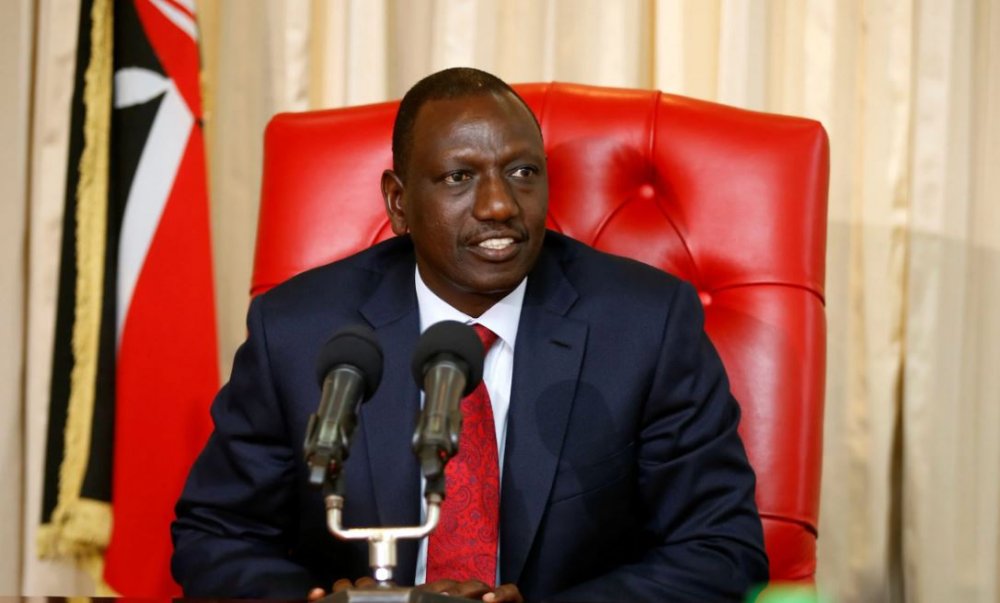
President Kagame’s message follows congratulations from the Government of Rwanda sent to the Kenyan President-Elect, William Samoei Ruto whose victory over rivals was announced on Monday 15th August 2022.
William Ruto who previously served as the Deputy President has been elected as the country’s fifth President after Independence.
Kenya’s Presidential elections in Kenya took place on 9th August 2022.
Results from Kenya’s Independent Electoral and Boundaries Commission (IEBC) released on Monday, show that Ruto won with 50.49% of the vote, narrowly defeating veteran opposition leader and former Prime Minister Raila Odinga who secured 48.85 of votes. The latter was contesting his fifth election.
Following the election outcomes, Rwanda’s Ministry of Foreign Affairs and International Cooperation has sent a message of congratulation to Kenya.
“The Government and people of the Republic of Rwanda express hearty congratulations to the Government and people of the Republic of Kenya on the successful general elections held on 9th August 2022,” reads part of the message.
“The Government of Rwanda further wished to congratulate His Excellency William Samoei Ruto on being elected as the new President of the Republic of Kenya. The Government of Rwanda attaches great importance to the cooperation between Kenya and Rwanda and wishes to take this opportunity to reaffirm its commitment to further strengthen the bod of friendship that exists between the two countries,” adds the message.
Other regional countries including Tanzania, Uganda and Burundi have also welcomed the newly elected president and assured him of smooth cooperation.
According to CNN, the election results announcement was delayed for more than two hours past the constitutional deadline and the country’s electoral commission was split, after four officials disowned the results from Kenya’s Independent Electoral and Boundaries Commission (IEBC).
It is said that the opposing officials staged a press conference of their own at another venue disputing the official results. The IEBC’s vice chair Juliana Cherera was among those who disagreed with the results ‘but provided no evidence of irregularities’.
Earlier Monday, Ruto’s rival Odinga’s coalition also rejected the election results before they had even been announced by Kenya’s Independent Electoral and Boundaries Commission (IEBC).
The national tallying center briefly descended into chaos shortly after Odinga’s coalition rejected the results, with fighting breaking out and chairs being thrown in the building.
Ruto thanked the people of Kenya for voting him as the next leader of the country in his first speech after being announced the winner of the election.
“In this election, there are no losers. The people of Kenya have won because we have raised the political bar. The people of Kenya are the biggest winners,” he said.
He expressed his “gratitude” to Kenyan citizens “who refused to be boxed into tribal cocoons.”
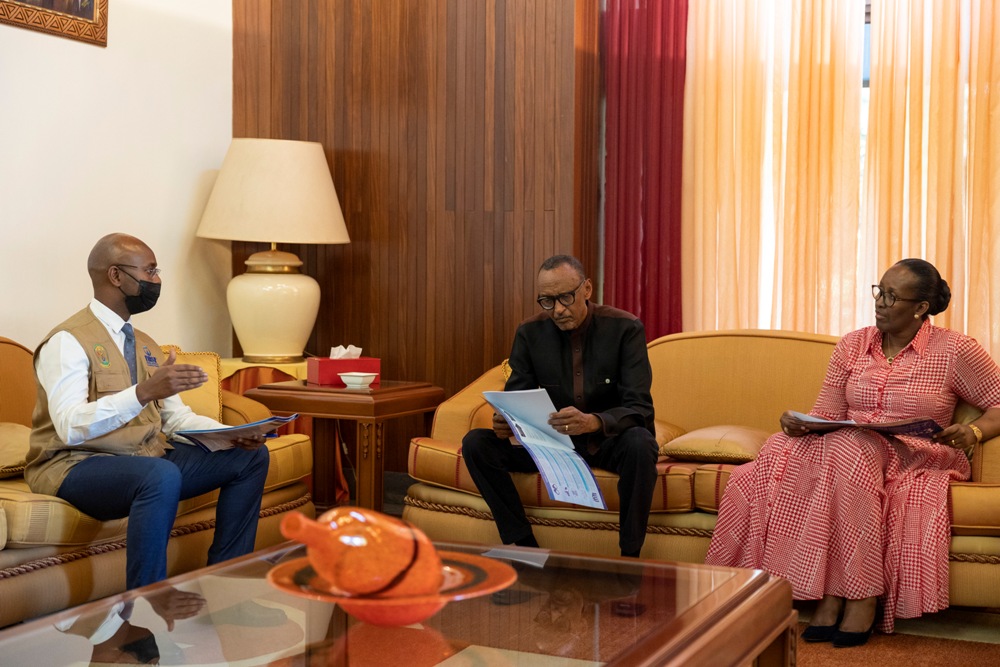
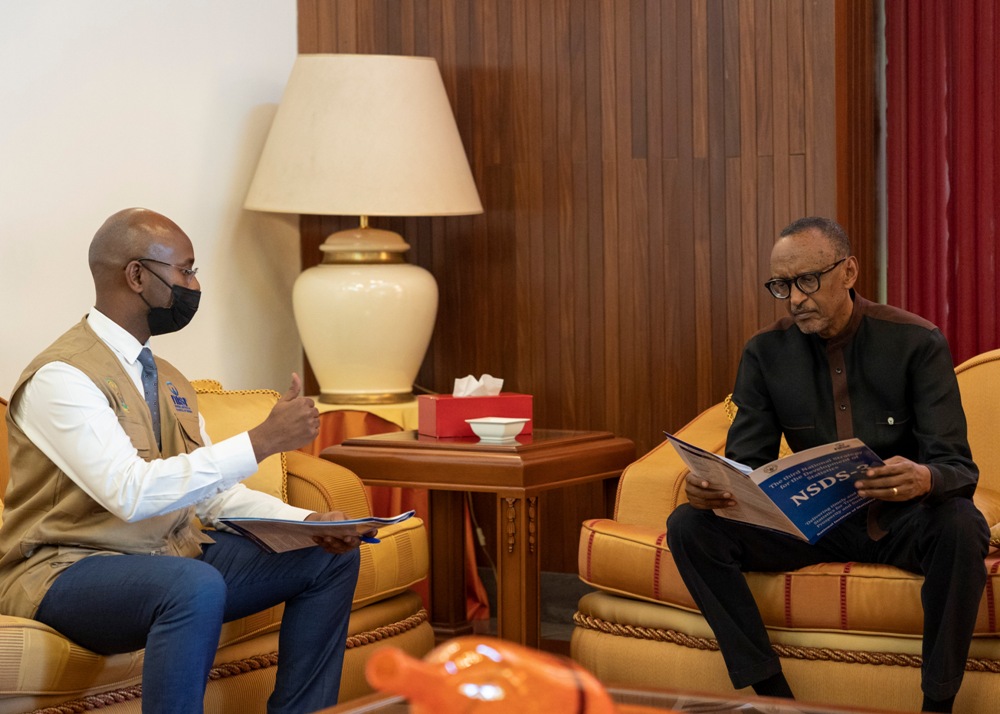
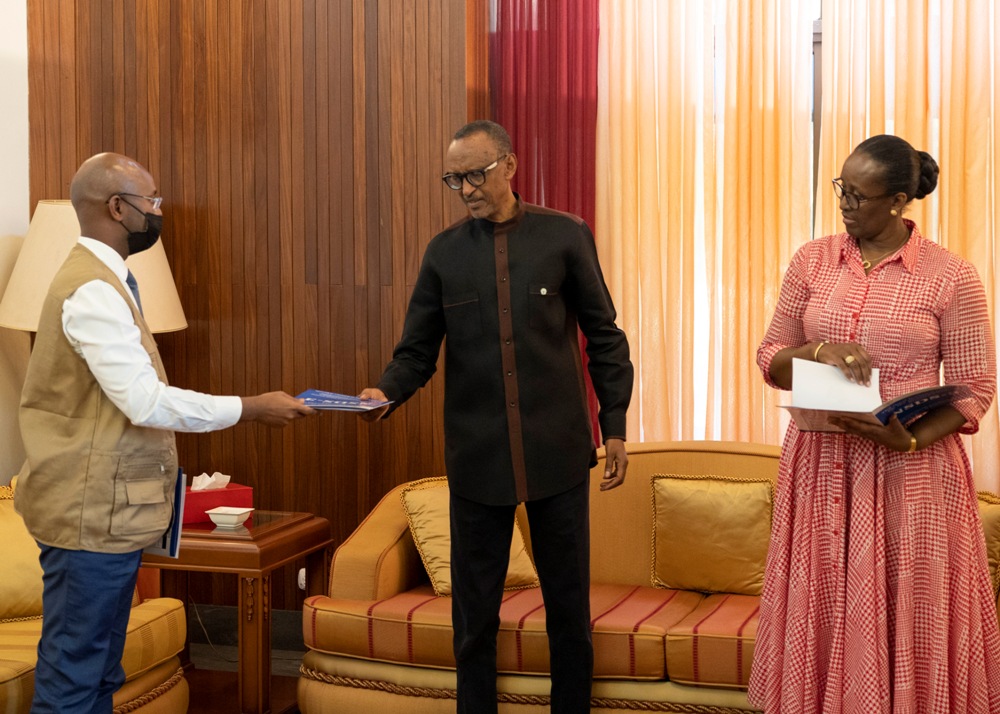
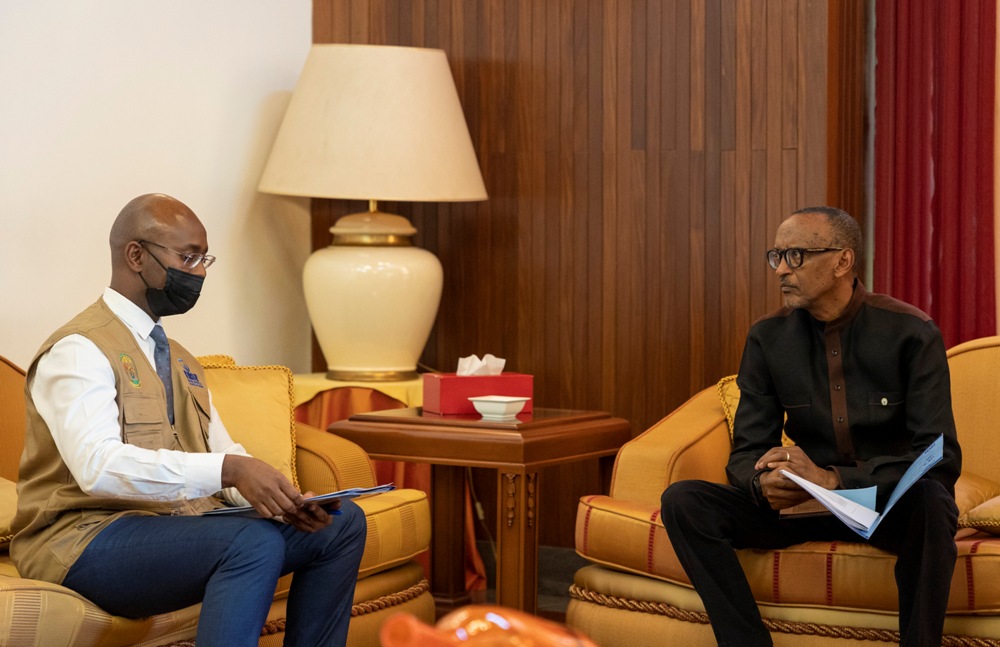
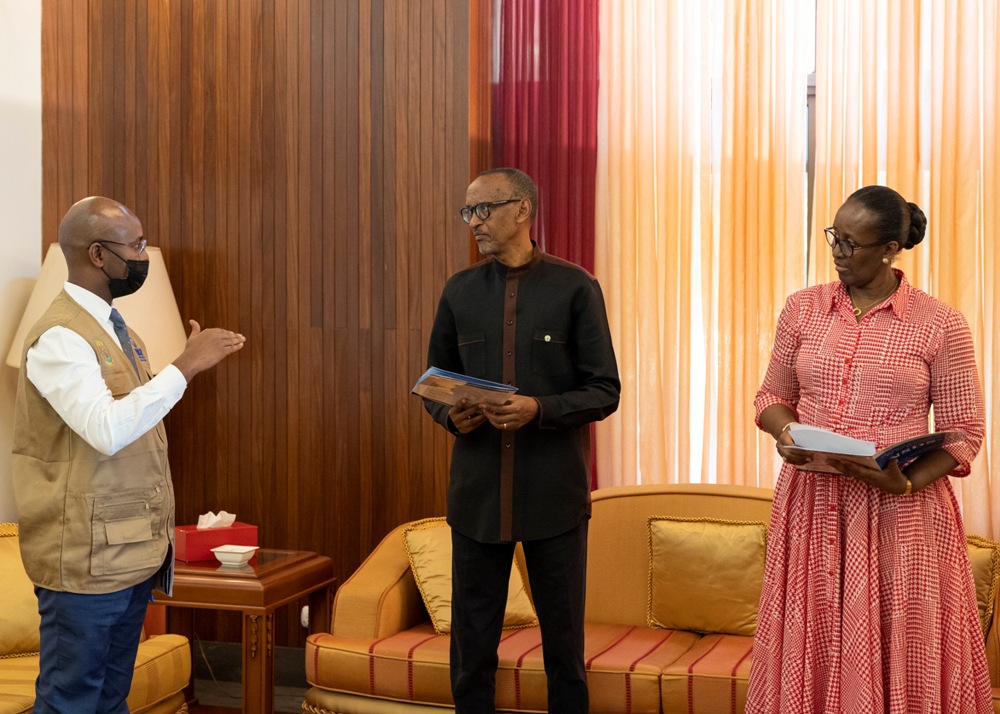
As Rwanda’s Presidency revealed, ‘President Kagame and First Lady Jeannette Kagame were enumerated as the National Institute of Statistics (NISR) started to conduct the fifth Population and Housing Census’. Details about the first family were recorded by Yusuf Murangwa, the Director General of NISR.
A photo posted on Twitter along with the message shows President Kagame and Mrs Jeannette Kagame seated along with an enumerator registering the first family’s details.
Murangwa also enumerated President Kagame as the census took place for the fourth time.
At the time, he revealed that Kagame gave him enough time to record information about his family.
Murangwa said that the census has to last between 30 and 45 minutes.
The fifth Population and Housing Census concerns every Rwandan and all foreigners and guests present at home during the night of census.
The night of census is the night of 15th leading to 16th August 2022.
All the answers during the census to be carried out from 16th to 30th August 2022 will be based on records of census night. That is why Rwandans are urged to take note of the census night date and remember to answer the questions accurately during enumeration.
Outcomes of the census will feature multiple aspects and characteristics of Rwanda’s population including demographic, social, economic and cultural characteristics.
Others include population structure and trends of fertility, mortality and migration, population projections, economic activities, housing characteristics, and indicators for particular groups of the population such as female, children, youth, elderly, and disabled persons
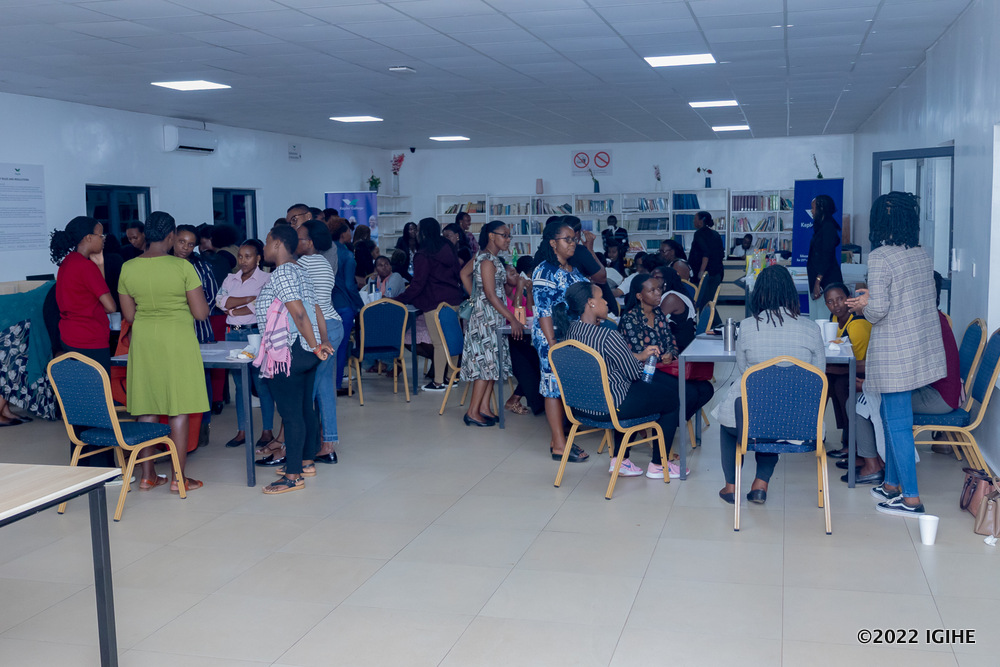
The development is part of initiatives meant to promote inclusive access to employment where Kepler seeks to increase the number of female employees from the current 34% to 50%.
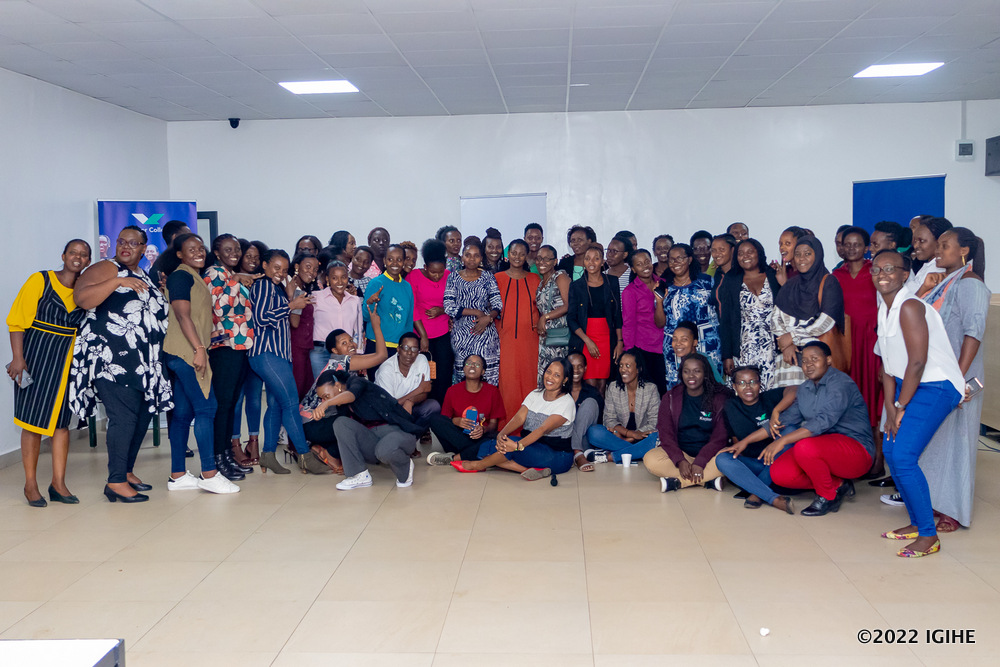
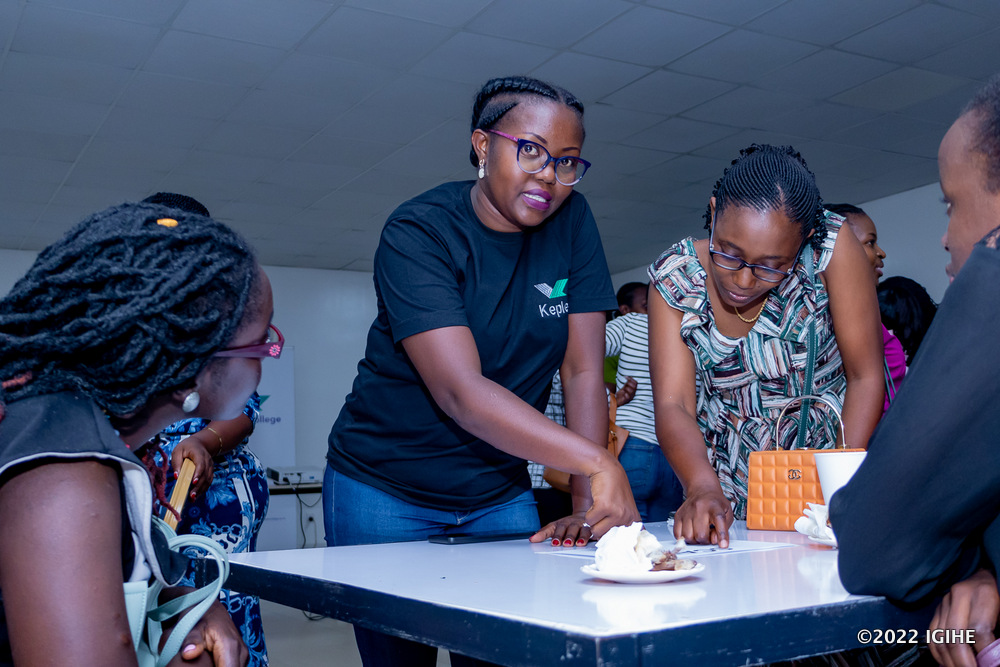
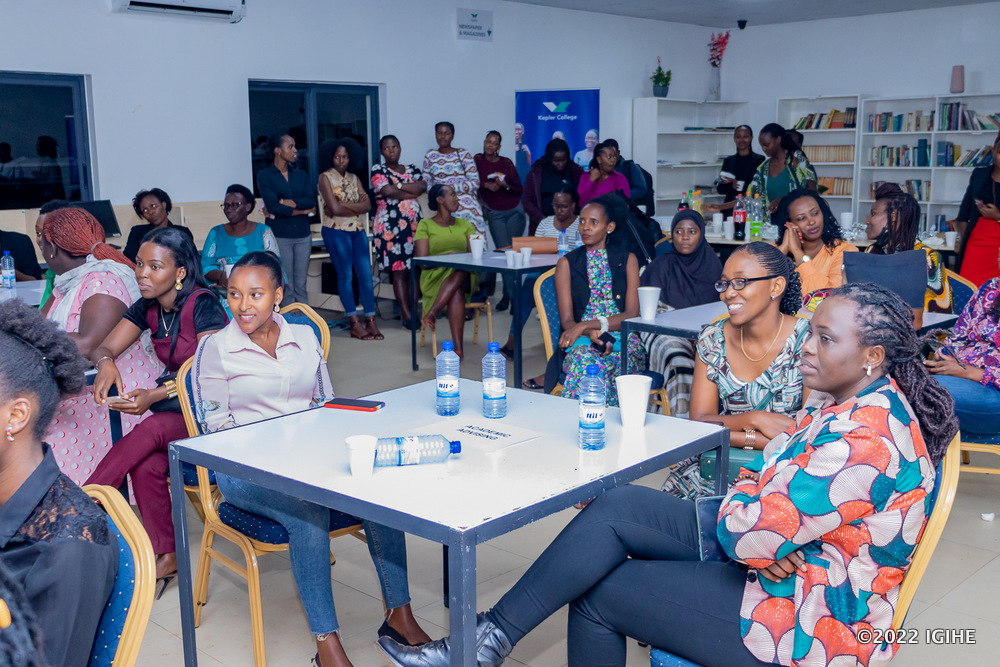
The plan was announced recently on Friday 12th August 2022 as Kepler organized ‘Women Networking Event’ which brought together women from public institutions, private sector and non-governmental organizations.
Participants of the event held in Kinyinya of Kigali City were taken through the organizational structure of Kepler, enlightened on its activities and available opportunities particularly for women.
Jane Kayihunga, the Human Resource Manager at Kepler said that the College employs people from different countries and announced plan to increase the number of women.
“Considering to our projections, we identified a gender gap at our college. Even though we don’t have job offers currently, we have organized this event to remind women from different corners to be standby to tap into future opportunities after learning about Kepler and its activities,” she said.
Olive Mulinda, a participant of the event from a telecommunication company revealed that she was excited to learn from Kepler’s activities.
“I already knew the institution but had no idea about partners and support extended to different people. I am now well informed and ready to link up with the college for future opportunities,” she said.
Gaelle Ishimwe, another participant from a mining company expressed delight for linking up and exchanging ideas with experts with different backgrounds.
“The major purpose was to learn about Kepler’s activities but we also learnt from other women’s experiences. It is a big institution with interesting activities. The women’s networking event is of critical significance,” she noted.
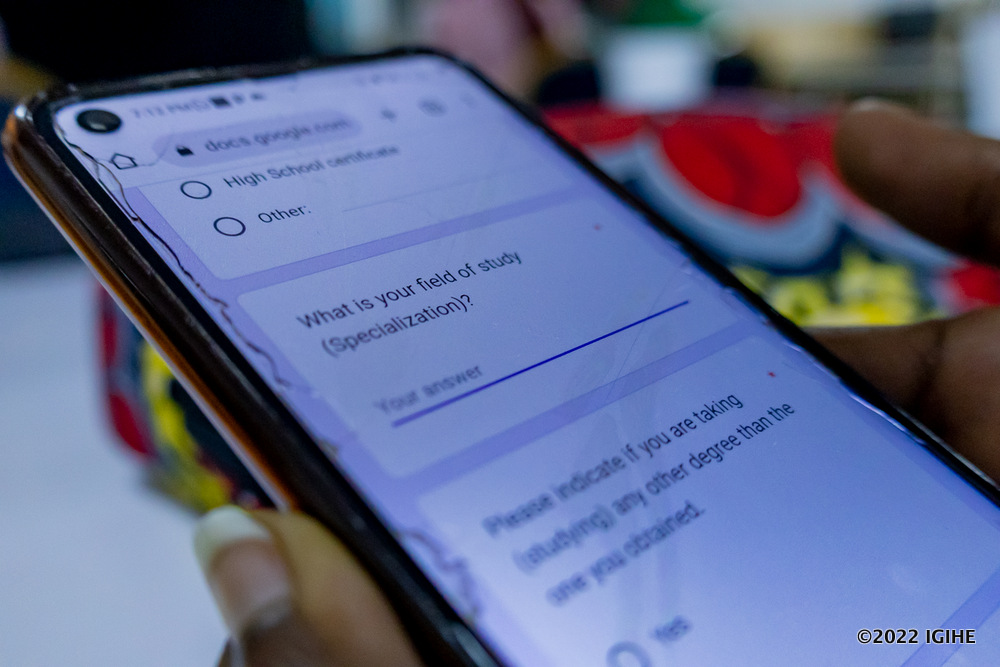
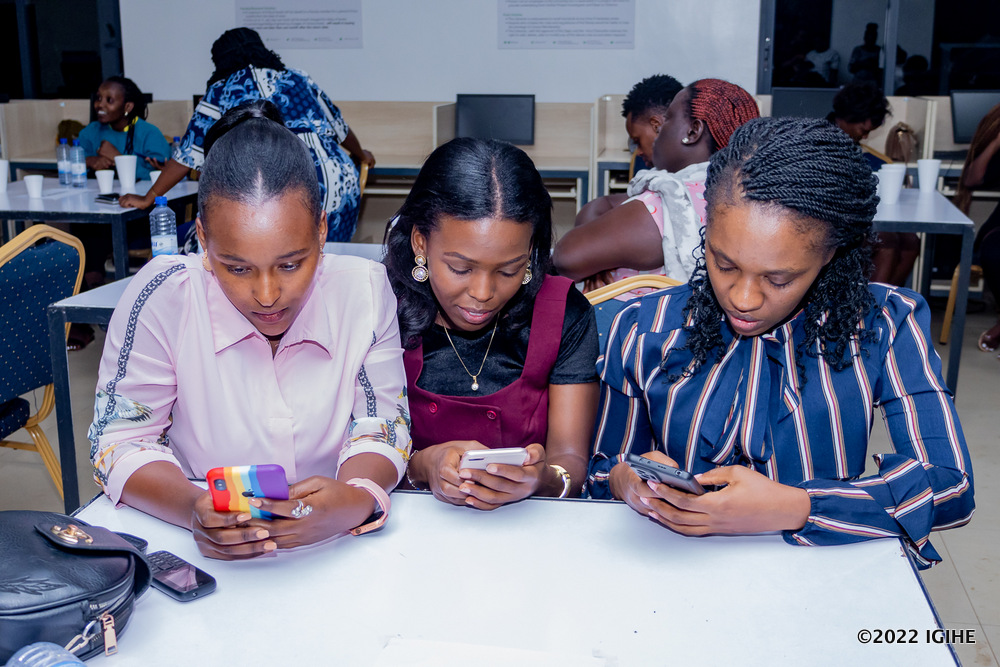
As the event draw to a close, a platform for participants was created to easily access information regarding available opportunities at Kepler.
Kepler began operations in Rwanda in 2004 as Orphans of Rwanda and later changed its name to Generation Rwanda in 2008. It used to help brilliant children from vulnerable families to attend higher education at institutions operating inside the country.
In 2013, it launched partnership with Southern New Hampshire University (SNHU) from the United States of America (USA) where students have been attending online classes.
In 2015, Kepler inaugurated a branch in Kiziba refugee camp in Western province with a view to help Congolese refugees access higher education.
In 2021, Kepler unveiled partnership with Rwanda Polytechnic for a program meant to equip graduates with soft skills polishing their competences at the labour market. The program was also launched at Kepler’s campus in Ethiopia.
In April 2022, Kepler College was accredited as a fully-fledged higher education institution in Rwanda to offer project management degree.
30% of 662 graduates from Kepler come from vulnerable families. The college targets to have enrolled 25,000 students by 2025.
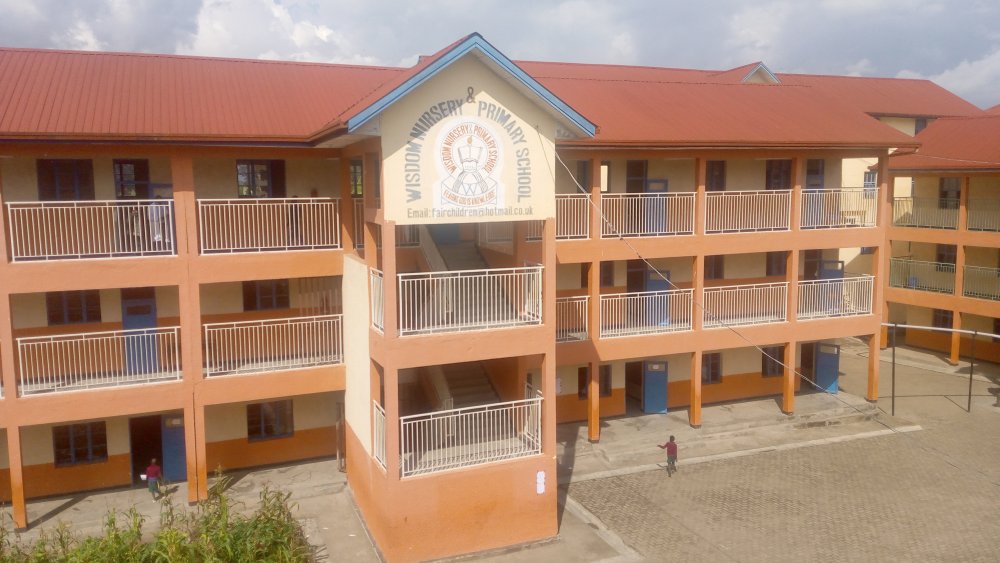
The school is registering interested learners to attend classes from nursery to upper secondary.
The school strives to educate students, train them to live by good moral conduct, and equip them with relevant skills to deal with some of problems facing the society.
The Dean of Studies at Wisdom School, Evariste Bizimana has disclosed that they closely monitor students’ conduct and facilitate them to practice acquired knowledge to exhibit excellent performance.
“Rwanda’s curriculum recommends the combination of Theoretical courses and Practice sessions. We go an extra mile to explore applicability of acquired skills through different activities. This capacitates them to become future entrepreneurs,” he said.
“We educate students and equip them with skills helping them to become future entrepreneurs and contribute to national development in their respective capacities. A parent bringing a child to this school rests assured of her/his better future. It is shocking to see a secondary school graduate working as a mason-helper, spending almost all the times watching television or wandering yet he/she should have pursued vocational courses to create jobs,” added Bizimana.
The Director of Wisdom School, Elie Nduwayesu commended parents who got their children registered at the school and urged others not to miss the opportunity of educating children at a school credited for excellence.
“First of all, we thank parents who brought their children to this school. I am convinced that they have witnessed Wisdom School’s pursuit for excellence. We encourage others to get their children registered. Our ultimate aim is to educate a student who can adapt to different societies across the world and be part of desired transformations,” he noted.
The management of Wisdom School has also disclosed that it received positive feedback from parents who appreciated its quality education and requested for expansion.
It is against this backdrop Wisdom School plans to launch new branches in Rwamagana, Kayonza, Gatsibo and Nyagatare District in Eastern Province as well as Ngororero, Karongi, Nyamasheke and Rusizi in Western Province.
Wisdom School is a private school located in Musanze District with more branches in Rubavu, Nyabihu and Burera districts.
The school’s graduates have been exhibiting excellent performance since 2012 where it has released 1416 students who continued studies in public schools while others were sent to pursue education overseas.
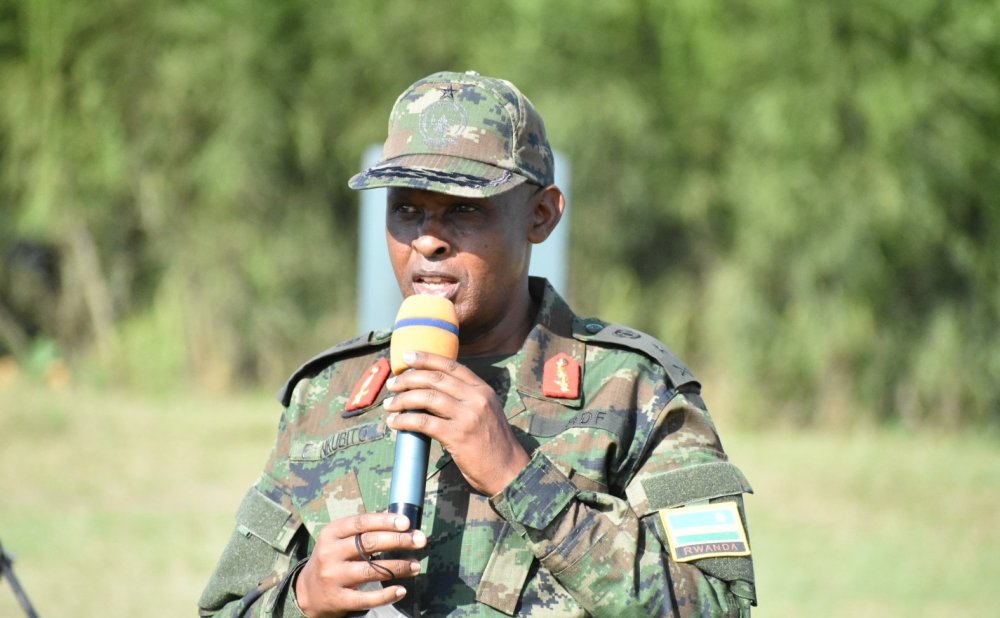
RDF has through a statement released today announced that the promotion takes immediate effect.
Brig Gen Nkubito has been serving as the commander of RDF forces in Eastern Province and Kigali City.
Brig Gen Nkubito is promoted at a time when sources indicate that he is set to be appointed as the Joint Force Commander of Rwandan Security Forces fighting terrorists in Mozambique.
The duties are currently assumed by Maj Gen Innocent Kabandana, who deputizes Mozambican Chief of Staff in the fight against terrorists.
It is said that he will be working with Brig Gen Frank Mutembe expected to replace the Task Force Battle Group Commander, Brig Gen Pascal Muhizi.
Brig Gen Nkubito once served as the Commander of RDF Division in Northern Province and Rwanda’s Senior Representative in United Nations Mission in South Sudan (UNMISS) and Sector Juba Commander.
The flash floods triggered by heavy rains on Sunday evening killed 13 persons in Shinwari district and four others in the neighboring Siagurd district, the official said.
Several more villagers have gone missing, the official said.
The exact number of casualties and property damages have yet to be determined, the official said.
More than 200 people have been killed and scores of others injured due to torrential rains and flooding in Afghanistan over the past months.
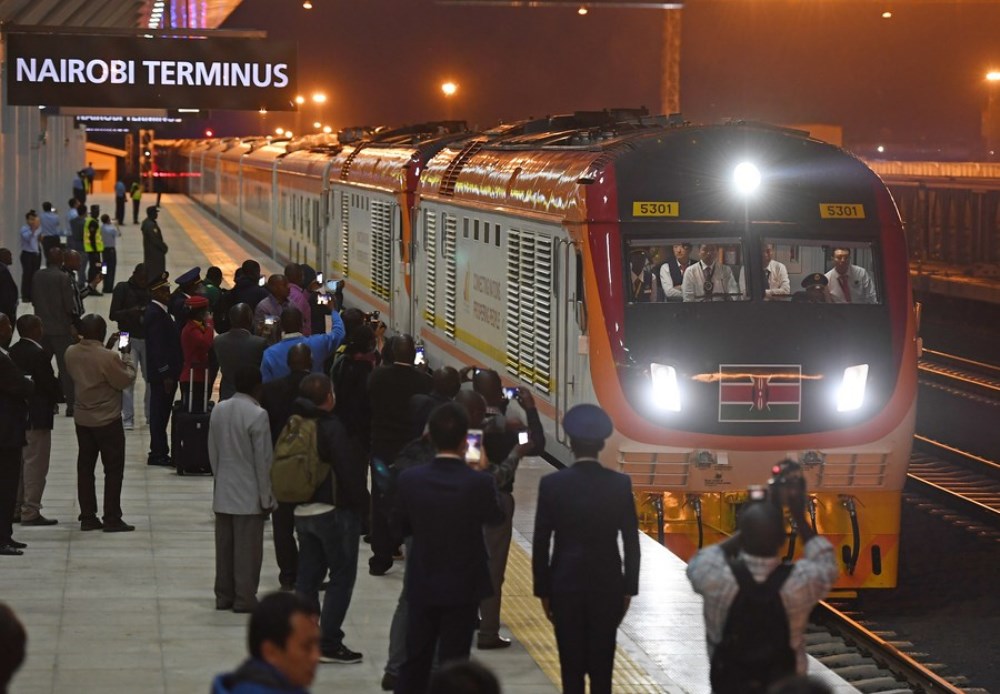
Since 2018, time spent on the 328-km journey has been reduced to four hours thanks to the Mombasa-Nairobi Standard Gauge Railway (SGR) passenger train service launched in May 2017.
Financed mainly by China and constructed by China Road and Bridge Corporation, the 480-km railway connecting Mombasa, the largest port in East Africa, and Kenya’s capital city of Nairobi is a flagship project under the China-proposed Belt and Road Initiative, and is Kenya’s largest infrastructure project since its independence in 1963.
Mghoi said the efficient, reliable and affordable mobility, which the SGR has always guaranteed her whenever she travels to meet new clients, has boosted her career.
The SGR is “an extremely good experience in the last few years,” James Macharia, Kenya’s cabinet secretary for transport, infrastructure, housing and urban development, told Xinhua. “We can expect a lot more profitable operations going forward.”
As a strategic infrastructure project, the SGR is aiding the realization of Kenya’s two flagship socio-economic transformation blueprints — the Vision 2030 and the Big Four Agenda, said Philip Mainga, managing director of Kenya Railways Corporation.
{{Less time on road, more opportunities}}
With the SGR, Mghoi is able to reach her destination on time and negotiate for a potential business opportunity with ease. She said the punctuality has helped her cement trust and confidence with her clients.
Mghoi belongs to a growing army of Kenyan skilled labor force, entrepreneurs and tourists who have embraced the SGR service.
The Mombasa-Nairobi SGR and the additional 120-km Nairobi-Naivasha SGR have also facilitated the hauling of bulk cargoes to the hinterlands.
With the SGR freight service, it takes eight hours to transport bulk cargoes like raw materials from the Mombasa port to an inland container depot in Nairobi, as opposed to around two days using the century-old Meter Gauge Railway constructed by British colonialists, said Edward Opiyo, terminal manager at Nairobi Freight Terminals Limited, a logistics firm.
As logistics firms are now able to transport bulk cargoes in a speedy, cheaper, efficient and environmentally-friendly manner, they have built a cordial relationship with major clients, Opiyo said.
Transit hours and the cost of hauling bulk cargoes to neighboring landlocked countries have also been reduced, injecting fresh vitality into regional supply chains, he said.
The SGR has enhanced Kenya’s trade with neighboring countries and offered an economic lifeline to member states of the East African Community, said Mainga.
In the last five years, the modern railway has transported 20 million tons of cargoes and about 8 million passengers, elevating Kenya’s status as a regional manufacturing, trade and logistics hub, he noted.
“I must say we are lucky. We are doing more exports and diversification of goods than before. We are seeing a dynamic change due to what the SGR is doing in terms of exports,” he said.
The Mombasa-Nairobi SGR is projected to contribute 2-3 percent to Kenya’s GDP, said Mainga, adding that the railway has become a dominant player in Kenya’s pursuit of inclusive growth, as it has revolutionized transportation of passengers and bulk cargoes, stimulated commerce and investments and fostered job creation for local youth.
{{Mutual understanding, respect, trust }}
Mainga said the SGR is also benefiting local people as skills transfer has reached 80-90 percent.
“Now our people are able to run the operations, to drive their locomotives, to carry on with signal work, to repair and maintain our wagons,” he said.
Recruited in 2017 by the SGR operator Afristar Railway Operation Company, Harrison Kinyanjui, a 26-year-old economics major, has received rigorous training on railway operation and management from Chinese tutors, and progressed quickly to become the first Kenyan to work at the SGR dispatch center in Nairobi.
Currently the assistant superintendent of the center, Kinyanjui said their work is to organize train operations using a centralized traffic control system in the center, which is “the brain and heart for all SGR train operations.”
“The Chinese experts have taught us very well. They now have the confidence to leave us to work independently, and we are very, very proud that we came here not knowing anything about train dispatching, but we are now very competent,” he said.
“You see the Kenyan government and the Chinese government work together. We want to thank both governments for the support they have given us,” said Mainga.
As Afristar has been committed to prioritizing safe operation, boosting movement of passengers and goods and enhancing localization, the SGR’s socio-economic outcomes have gained trust and recognition by the Kenyan government and people, Li Jiuping, general manager of Afristar, told Xinhua.
“To create high-performing Sino-Kenyan teams, Afristar fosters cross-cultural working relationships and promotes mutual understanding, respect and trust,” Li said.
Ugandan President Yoweri Museveni is the first visiting head of state to travel by Kenya’s SGR in March 2019. He said the enhanced efficiency in handling cargoes has been beneficial to the economies of both Kenya and Uganda, and to other countries that depend on the Mombasa port for import and export, including Rwanda, Burundi, South Sudan and the Democratic Republic of Congo.
Within the framework of the Forum on China-Africa Cooperation, the SGR is among many China-Kenya infrastructure cooperation projects which are leading the Sino-Africa cooperation, Chinese Ambassador to Kenya Zhou Pingjian told Xinhua.
{{Eco-protection priority}}
Before the SGR project started, there had been fears that the railway could harm biodiversity, as it would snake through the Tsavo National Park, Kenya’s oldest and largest wildlife sanctuary, home to iconic species such as elephants, giraffes and zebras.
To ensure their safety, the SGR contractor built electric fences on both sides of the track, and wide underpasses at short intervals to facilitate their movement.
Besides wildlife, mangrove forests are well protected, too. Ali Mohamed, a 44-year-old resident of a serene village overlooking a mangrove swamp on the northwestern edges of Mombasa, said that besides regulating coastal weather, the installation of overpasses and culverts has ensured that there was minimal disturbance to the mangrove forest, which is an important fish breeding site.
“I visited the SGR when its construction started and witnessed restoration of the previously degraded sections of the mangrove forest in our locality,” said Mohamed, also founder of Bidii Creek Conservancy, a Mombasa-based green lobby.
The SGR has provided best practices on blending conservation with infrastructure development, he said.
Five years since its launch, the SGR has earned accolades from local officials and conservationists for prioritizing ecological protection along its corridor.
Nancy Githaiga, country director for Kenya at Nairobi-based African Wildlife Foundation, said wildlife protection measures initiated by the SGR contractor should inform future efforts to develop mega infrastructure projects while safeguarding integrity of biodiversity hotspots in Kenya.
Green ethos has been placed at the center of SGR operations, bringing benefits to local communities in terms of clean air and tranquil landscapes, said Mainga.
The design and execution of the project adhered to local environmental protection laws, ensuring a healthy relationship between the contractor and local communities, said Cosmas Makewa, station master at the Mombasa SGR Terminus.
Unlike trucks, SGR trains plying along the corridor have not been emitting smoke to the atmosphere, boosting Kenya’s quest for improved air quality, said Makewa.
The SGR project highlighted the viability of China’s vision of ecological civilization, according to Leopold Omondi, a campaigner with Nairobi-based green lobby Pan African Climate Justice Alliance.
The Fuso vehicle, registration number RAD 296U, was intercepted in Mpara Village, Cyome Cell, Gatumba Sector on Sunday, August 14.
Two people on board; the driver, Emmanuel Mpagaritswenimana, 26, and one Cleophas Ndutiye, 40, the alleged rightful owner of the minerals, have been arrested in connection with smuggling and illegal mineral trade.
Lithium metal is mainly used to make rechargeable batteries for mobile phones, laptops, digital cameras and electric vehicles.
Chief Inspector of Police (CIP) Mucyo Rukundo, the Western Region Political and Education Officer (RPCEO), said that Police mounted a checkpoint in Mpara following information that illegal mineral dealers had loaded tonnes of minerals in a vehicle, which they would smuggle to Kigali.
“The Fuso vehicle was stopped at a checkpoint in Mpara where Ndutiye and his driver Mpagaritswenimana, were arrested with 6.6 tonnes of lithium. The vehicle and minerals were impounded to Gatumba Police station where the two suspects were also handed over to RIB for further investigations,” CIP Rukundo said.
He warned against such unlawful acts and thanked the public for working with the Police against illegal mining and related trade.
Article 54 of law N° 58/2018 of 13/08/2018 on mining and quarry operations provides that any person who undertakes mineral or quarry exploration, exploitation, processing or trading without a licence, commits an offence.
Upon conviction, he or she is liable to imprisonment for a term of not less than two months and not more than six months and a fine of not less than Rwf1 million and not more than Rwf5 million or only one of these penalties.
The court also orders confiscation of any seized minerals or quarry in storage, trading or processing without a licence.
In article 199 of the East African Community Management Act, which is also applicable in Rwanda, smuggled goods and vehicle used, are auctioned.
{{Tax fraud }}
A taxpayer, who commits fraud, is also subject to an administrative fine of one hundred percent (100%) of the evaded tax and a likely imprisonment of between six months and two years
Ruto won with 50.49% of the vote, narrowly defeating veteran opposition leader and former Prime Minister Raila Odinga, who was contesting his fifth election.
He will become Kenya’s fifth President since independence, winning the seat on his first attempt. Ruto’s party, the Kenya First coalition, has won a majority of seats in Kenya’s senate, the second highest in the National Assembly.
The results announcement was delayed for more than two hours past the constitutional deadline and the country’s electoral commission was split, after four officials disowned the commission’s chairman Wafula Chebukati’s results.
The opposing officials staged a press conference of their own at another venue disputing the official results. The IEBC’s vice chair Juliana Cherera was among those who disagreed with the results but provided no evidence of irregularities.
Earlier Monday, Ruto’s rival Odinga’s coalition also rejected the election results before they had even been announced by Kenya’s Independent Electoral and Boundaries Commission (IEBC).
Odinga’s chief agent Saitabao Kanchory told the press outside the national election center in Nairobi that they had not yet been able to cross check the final result with their own tally.
“Once we see them, we want to verify them, when we verify them, we will be able to know and to tell the Kenyan people, because a result that is not verifiable is not a result.” Kanchory told reporters awaiting the results announcement.
The national tallying center briefly descended into chaos shortly after Odinga’s coalition rejected the results, with fighting breaking out and chairs being thrown in the building.
{{‘It’s not over till it’s over’}}
Ruto thanked the people of Kenya for voting him as the next leader of the country in his first speech after being announced the winner of the election.
“In this election, there are no losers. The people of Kenya have won because we have raised the political bar. The people of Kenya are the biggest winners,” he said.
He expressed his “gratitude” to Kenyan citizens “who refused to be boxed into tribal cocoons.”
He also thanked his competitor and veteran opposition leader Raila Odinga, and said: “We dwelled on issues and tried to sell an agenda to the people of Kenya during the campaign.”
“It was God that brought us here … my team and I will make sure that the sacrifices made by many Kenyans is not in vain …I will run a transparent, open, democratic government and I will work with the opposition to the extent that they provide oversight over my administration,” he added.
There was a divided response to the presidential election results in Kenya on Monday evening. In Eldoret, live pictures from Ruto’s hometown showed large crowds celebrating and cheering his win.
But in Kisumu, Odinga’s stronghold, protests erupted. Live images showed scores protesting the election results, tires on fire and smoke billowing in the air.
Odinga’s running mate Martha Karua also took to Twitter following the results announcement and said: “It is not over till it is over.”
{{The ‘hustler-in-chief’}}
Analysts had predicted a win for Odinga, given his performance in opinion polls and the support he enjoyed from outgoing President Uhuru Kenyatta.
But Ruto’s populist “man-of-the-people” approach, which rejected political dynasties and played on anti-elite sentiment in the country, endeared him to voters.
He was able to transcend Kenya’s traditionally dynastic politics to beat Odinga, the son of Kenya’s first vice president.
During the campaign, Ruto described himself as the “hustler-in-chief,” citing his humble beginnings as a chicken seller who fought his way up to the top of Kenyan politics.
Political analyst Herman Manyora told CNN ahead of the election that “Ruto has excited the youths … almost in a euphoric sense.”
Ruto, a former teacher who holds a doctorate in plant ecology from the University of Nairobi, has pledged to prioritize Kenya’s economy and “uplift ordinary citizens” as President.
He will come under pressure to provide solutions to Kenya’s pressing economic problems, including growing debt, high food and fuel prices, and mass youth unemployment.
Ruto has a long and varied history in Kenyan politics and was also tried alongside President Kenyatta in 2013 at the International Criminal Court in the Netherlands for alleged crimes against humanity following deadly violence in the 2007 elections. However, the charges were later thrown out.
More reasons include lack of water and electricity in some cells as well as regulations requiring the owner of such facilities to be a qualified health care professional without other employment.
The State Minister in the Ministry of Health, Dr. Tharcisse Mpunga has revealed that the government considers three ways in which the issue is set to be addressed.
“Health posts are located in unfavourable locations. We will increase healthcare personnel at health centers so that they can be able to run the facilities,” Dr. Mpunga said.
He made the revelations during a recent tour to inspect the quality of offered services at health centers and hospitals in Western Province to.
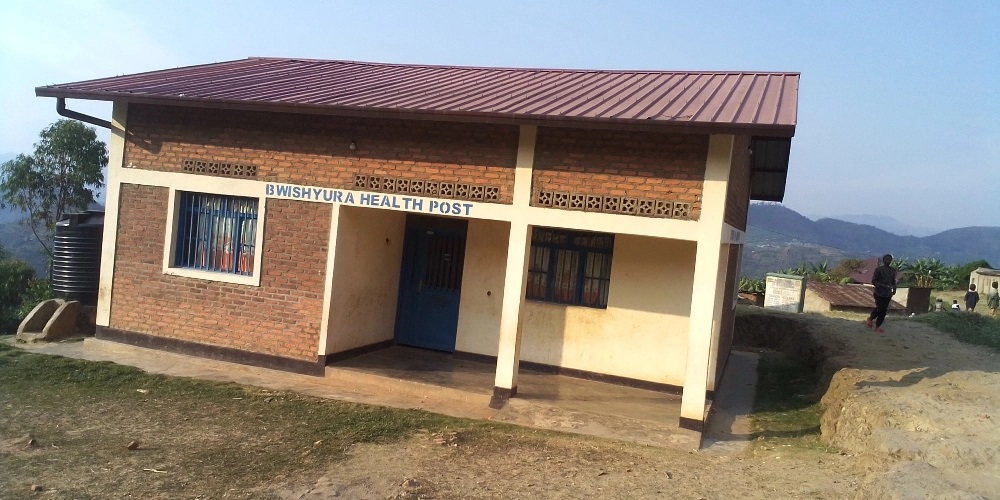
As Dr. Mpunga interacted with healthcare professionals in Karongi District, details emerged that 41 out of targeted 88 health posts have been already constructed.
Of these, 16 health posts are not operational. It is said that some entrepreneurs ran the facilities for a while and halted operations.
Dr. Mpunga further disclosed that the country mulls introducing new services at health posts to attend to mothers giving birth, patients with dental problems and offer eye care as well.
He underscored that offering the new services at the health posts will encourage entrepreneurs not to withdraw their interests in such businesses given that they will have an increased number of patients to attend to.
The new services have been already introduced at 37 health centers expected to be extended to more facilities countrywide.
Lastly, the Ministry of Health has revised regulations determining the functioning of health posts where individuals without healthcare background can run such facilities.
“We have eased restrictions and allowed anyone with enough funds to invest in health posts. We are optimistic that the issue of idle health posts will be solved through the three ways,” he said.
Rwanda has over 1700 health posts, over 500 health centers, 47 district hospitals and 5 referral hospitals.