Concreting, brick laying and plastering. The robots, capable of doing various kinds of construction and maintenance work, have greatly improved the quality and efficiency of construction.
Up to July 2022, 30 types of the robots with different functions have been put into commercial use in more than 550 projects in 28 provinces and regions across China.
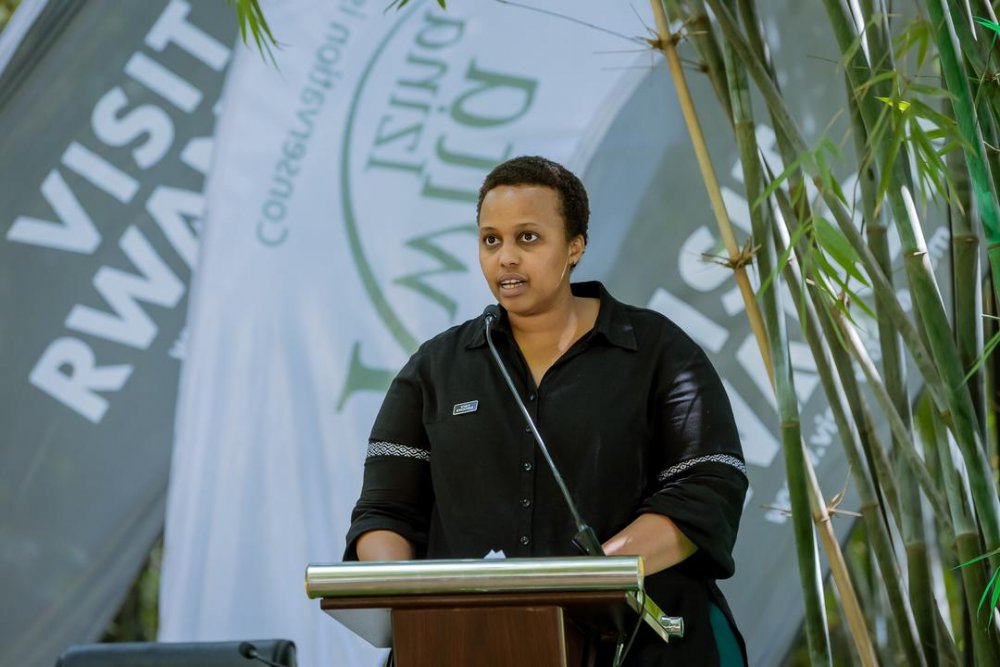
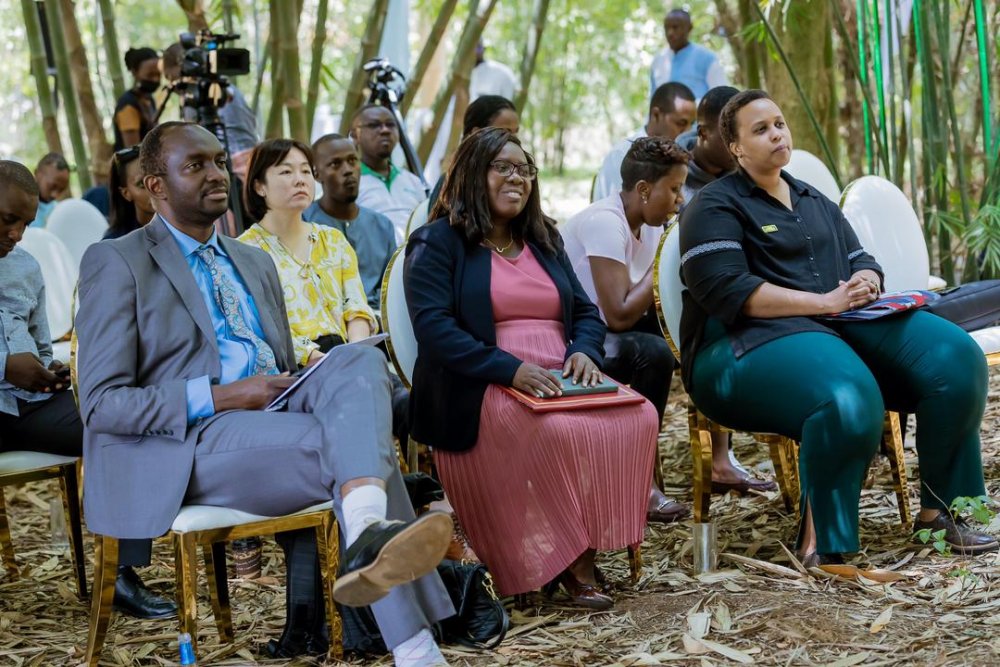
Speaking at the unveiling of the roadmap for activities aligning with preparations of the annual baby gorilla naming ceremony known as ‘Kwita Izina’; the Chief Tourism Officer at RDB, Ariella Kageruka has said that the increase in conferences hosted in Rwanda goes hand in hand with higher number of participants.
“The COVID-19 pandemic has shaken tourism where revenues dropped by more than 70%. However, current figures give us optimism for recovery. Last year’s revenues increased by 25% compared to the previous year from us$131 million to US$164 million,” she stated.
Kageruka explained that Rwanda continued to host several events and conferences including Basketball Africa League (BAL), the Commonwealth Heads of Government Meeting (CHOGM) and Ironman competition held recently in Rubavu.
“These aforementioned events and others attracted a large number of participants and generated millions to national economy. Particularly, CHOGM generated US$17 million to our economy,” she said.
The meeting which took place between 20th and 26th June 2022, brought together over 4000 participants.
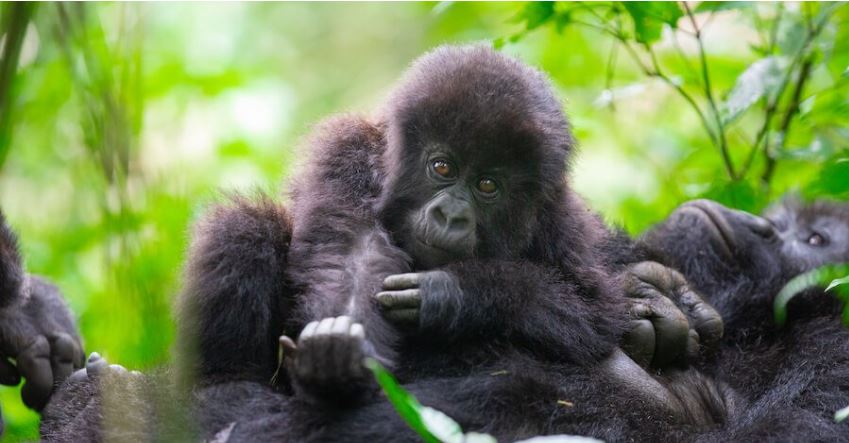
The baby gorillas were born between August 2021 and July 2022 in Kinigi Sector of Musanze District in Northern Province.
The ceremony known as ‘Kwita Izina’ will coincide with the inauguration of different development projects for residents in the outskirts of Virunga National Park where the species dwell.
The annual baby gorilla naming ceremony attracts various participants including Rwandans, sports personalities, members of the diplomatic corps, foreign dignitaries, philanthropists and conservation enthusiasts from across the world among others.
The Chief Tourism Officer at RDB, Ariella Kageruka has said that Kwita Izina is a fruit of Rwanda’s efforts to promote conservation and tourism whose revenues have increased steadily.
This follows the drop by 70% owing to effects of COVID-19 pandemic.
Last year, Rwanda registered an increase by 25% in tourism revenues reaching US$164 million up from US$131 million of 2020.
In 2019, the country generated US$498 million from tourism.
Kwita Izina will be held at a time when the world continues to recover from effects of COVID-19.
The ceremony will bring together high profile personalities whose names will be announced effective from next week.
The Governor of Northern Province, Dancille Nyirarugero has disclosed that residents in the foothills of Virunga National Park appreciate fruitful conservation efforts of gorillas and biodiversity.
Since 2005, Nyirarugero said, the residents have benefitted from Rwf3 billion allocated for different infrastructures including schools and health facilities among others.
“Organizing the Kwita Izina annual ceremony in Northern Province induces pride to residents. It is also an opportunity to receive visitors from different walks of life,” she noted.
Nyirarugero also highlighted that the event to be held next month evidences economic recovery following the ease of COVID-19 related restrictions.
A total of 354 baby mountain gorillas have been named since the ceremony was launched in 2005.
It is set to be held in-person for the first time after the emergence of COVID-19.
Individuals who participated in similar ceremony virtually are expected to visit the baby gorillas named over the past two years.
Upon arrival, Buravan’s body was received by relatives and taken to a mortuary pending burial arrangements.
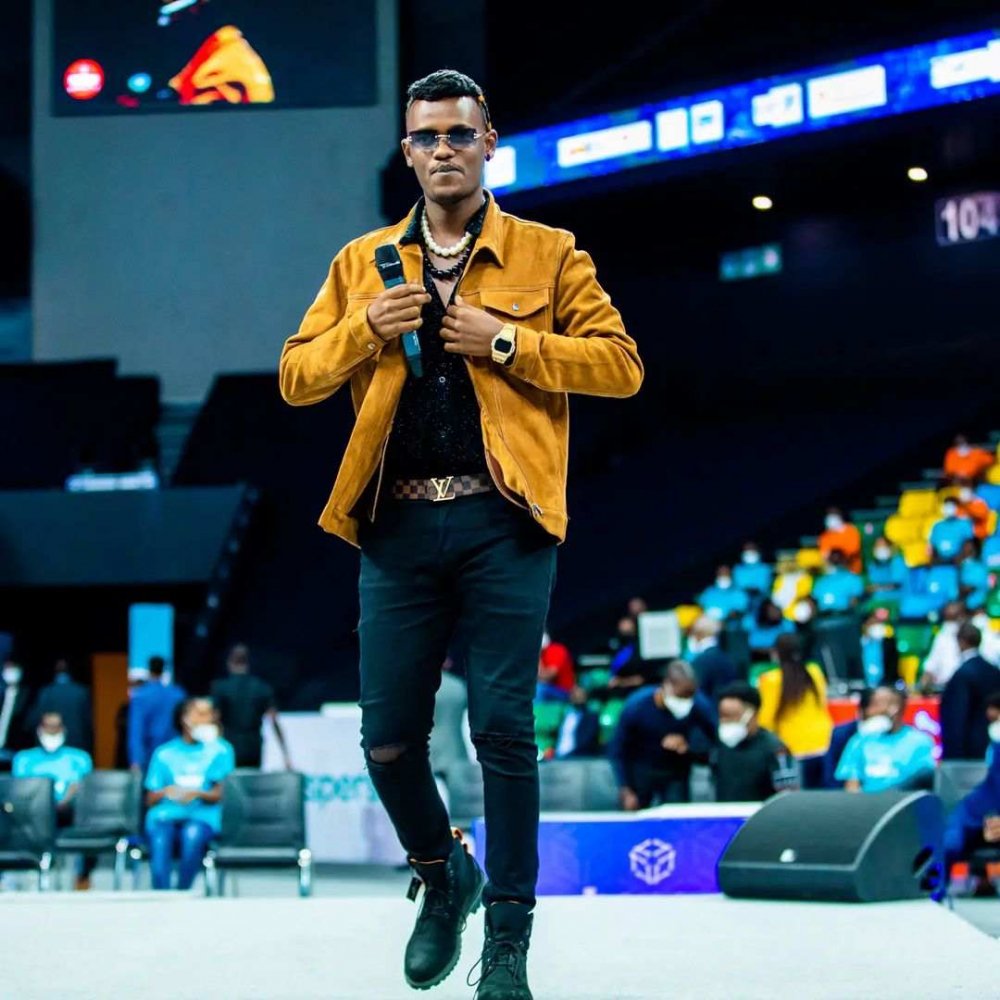
Yvan Buravan,27, breathed the last on in the wee hours of Wednesday 17th August 2022 succumbing to pancreatic cancer. He died in India where he had travelled for treatment.
His death shocked relatives, fans and Rwandans in general. Following his demise, people including officials and fellow artistes took to social media to mourn the death of the young artiste who is also the winner of Prix Découvertes RFI 2018 contest, an annual competition involving artistes from across Africa.
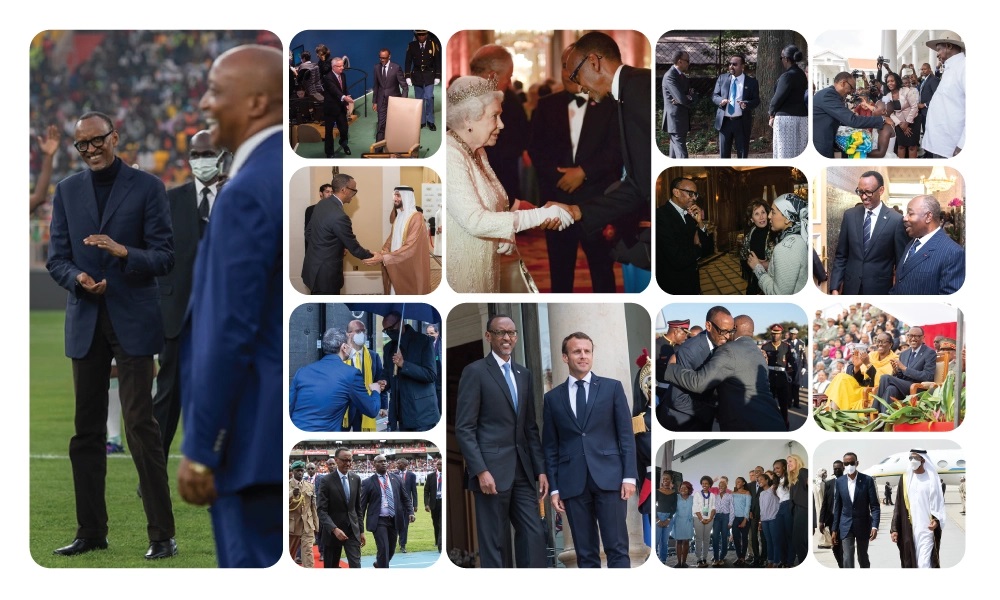
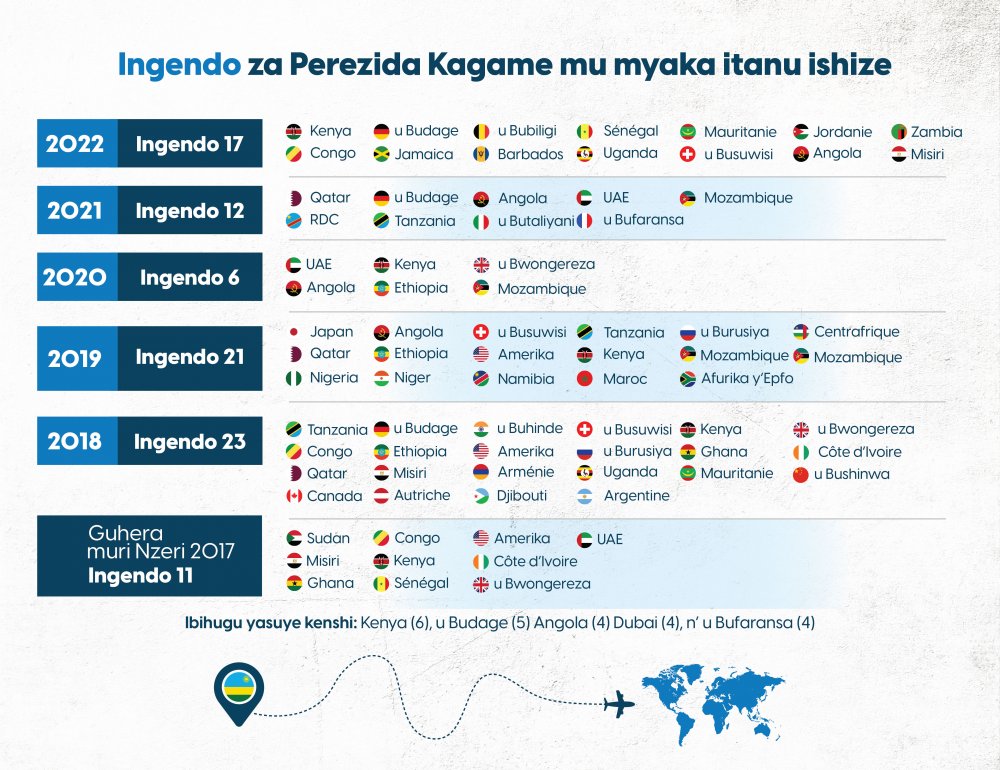
Of these, Kenya is among the most visited where where he traveled six times. The visits are obvious given that Kenya is a neighbouring country while both countries belong to the East African Community (EAC). Besides, Kenya has been acting as a mediator on tensions between Rwanda and the Democratic Republic of Congo (DRC).
President Kagame arrived in Kenya for the first time on 28th November 2017 to attend the inauguration of President Uhuru Kenyatta for the second term.
The Head of State also visited Germany five times among which he attended Rwanda Day held in Bonn in 2019.
Among others, Kagame held four visits to Angola, majority of which linked to dialogues to mend relations between Rwanda and Uganda. The Head of State also travelled to the United Arab Emirates (UAE) four times.
France is among other countries where Kagame held four visits since 2017. The first was held on 23rd May 2018 when he held a two-day visit to Paris, the capital of France.
At the time, he met with French President, Emmanuel Macron at Palais de l’Élysée where both leaders discussed various bilateral relations topics.
After inauguration, Kagame held the first visit in the United States of America (USA) on 17th September 2017.
At the time, the Head of State delivered a talk at the Nantucket Project, an annual conference held in Massachusetts. On the next day, he met with members of his Advisory Council in New York. All these activities were held on the sidelines of the 72nd General Assembly of the United Nations which was attending.
Kagame later visited the United Kingdom on 18th October 2017 where he attended an international conference bringing together young leaders who received lecturers on governance.
He held the first African visit to Congo Brazaville on 19th October 2017. At the time, he was attending the International Conference on the Great Lakes Region (ICGLR) Heads of State Summit.
President Kagame arrived in UAE for the first time on 1st November 2017 to attend Africa Global Business Forum held in Dubai.
In 2022, Kagame held 17 visits in countries including Kenya, Germany, Belgium, Senegal, Mauritania, Jordan, Egypt, Zambia, Congo, Jamaica, Barbados, Uganda, Switzerland and Angola.
As efforts to contain the spread of COVID-19 started yielding fruits in 2021, President Kagame visited countries including Angola, France, DRC, Germany, Mozambique, UAE, Qatar, Japan and Tanzania.
Meanwhile, the Head of State held visits in six countries in 2020. These include UAE, Mozambique, the United Kingdom, Ethiopia and Kenya.
In 2019, Kagame made 21 visits to different countries across the world namely; Japan, Qatar, Angola, Ethiopia, Switzerland, USA, Tanzania, Kenya, Dubai, Germany, Egypt, France, South Africa, Niger, Nigeria, the United Kingdom, Mozambique, Namibia, Central African Republic, Morocco and Russia.
In 2018, President Kagame made 23 visits to countries including Tanzania, Switzerland, Ethiopia, Germany, India, UK, USA, Congo Brazaville, Switzerland, France, Russia, Ghana, Kenya, Djibouti, South Africa, Mauritania, China, Armenia, Qatar, Egypt, Uganda, Argentina, Canada, Jordan, Austria and Ivory Coast.
From September 2017, the Head of State held 11 visits to countries including Sudan, Ghana, Egyot, Ivory Coast, Kenya, Senegal, UK, Congo Brazzaville, USA and Dubai.
Regarding citizen outreach programs inside the country, President Kagame visited 13 districts including Rubavu, Musanze, Muhanga, Kicukiro, Karongi, Nyamasheke, Rutsiro, Burera, Huye, Nyamagabe, Nyarugenge, Nyabihu and Nyagatare.
The first was on 28th October 2017 as he attended a monthly community work and officiated the inauguration of cricket Stadium.
For the past two years, President Kagame attended different meetings virtually due to COVID-19 related restrictions.
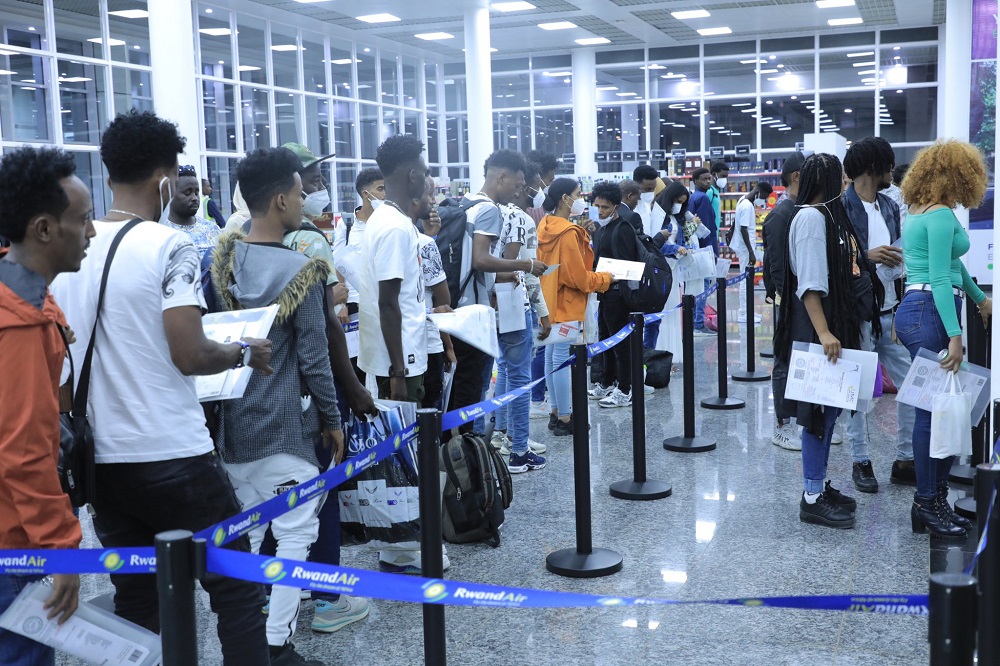
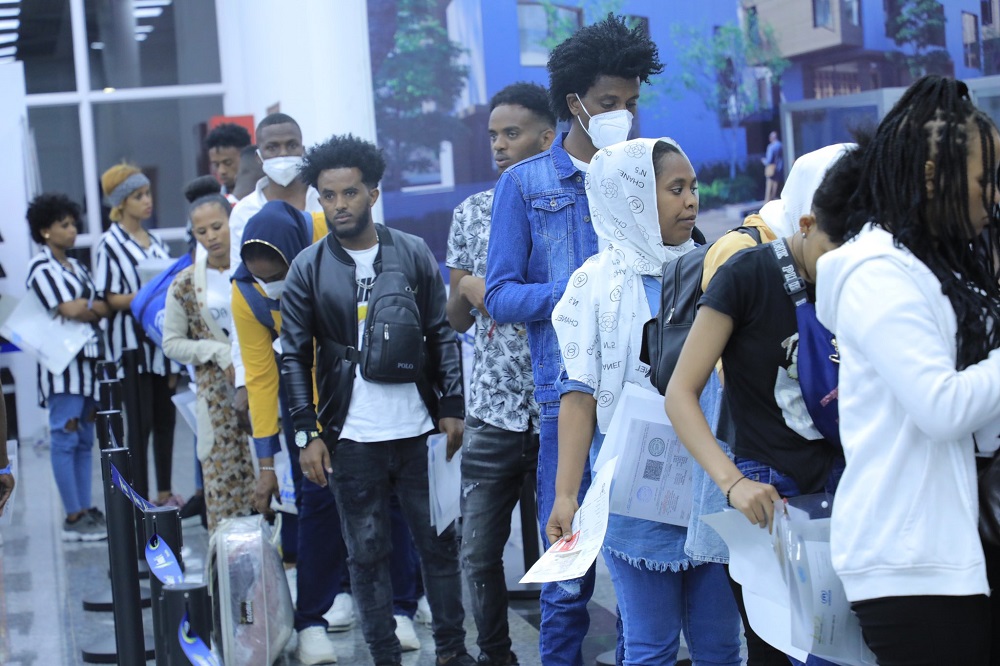
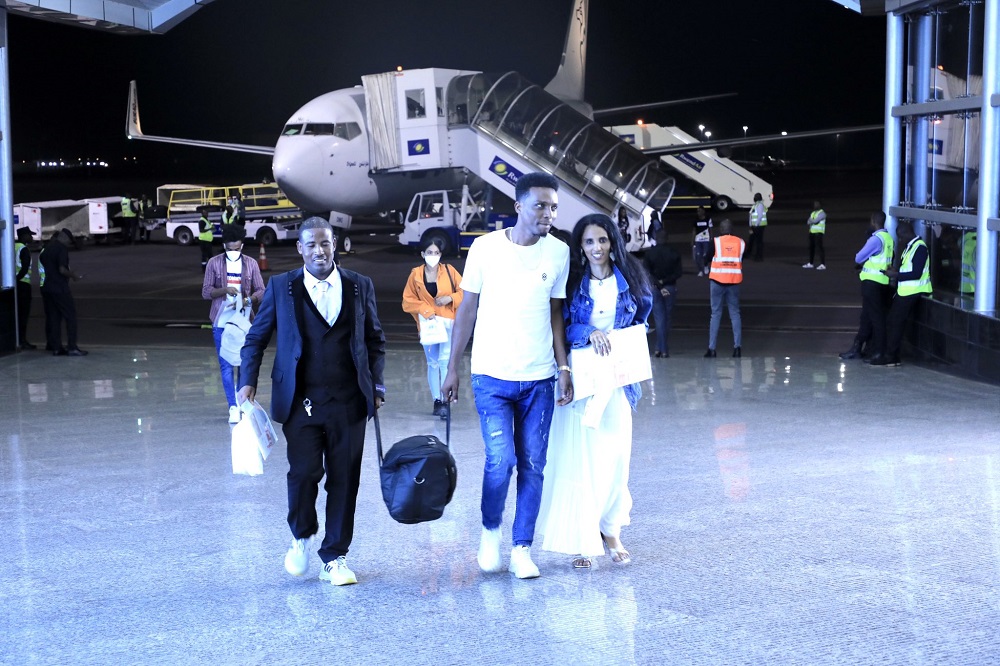
They arrived at Kigali International Airport in the evening of Thursday 18th August 2022 from where they were taken to Gashora Emergency Transit Mechanism located in Bugesera District.
Upon arrival at the airport around 8:48 p.m, the refugees and asylum seekers were received by officials from the Ministry of Emergency Management (MINEMA) and the United Nations High Commissioner for Refugees UNHCR.
The 10th batch is composed of 68 Eritreans, 33 Sudanese, 1 South Sudanese and 1 Ethiopian.
According to MINEMA, Gashora Emergency Transit Mechanism has been accommodating 421 refugees and asylum seekers evacuated before.
Rwanda signed agreements to host refugees stranded in Libya on 10th September 2019 with the African Union (AU) and UNHCR.
The country made the commitment to host refugees from Libya in 2017 following revelations that thousands of people from across Africa were stranded in the country after their failure to reach Europe and subjected to slavery.
Rwanda committed to receiving 500 refugees at the head first of whom a group of 66 African refugees and asylum-seekers from Libya arrived in Rwanda at the end of September 2019 in the first batch aboard the airplane of Buraq Air.
on 14th October 2021; Rwanda, the African Union and UNHCR and the UN Refugee Agency signed the First Addendum and extension to the Memorandum of Understanding (MOU) dated 10th September 2019 between Rwanda, the AU, and UNHCR establishing an Emergency Transit Mechanism (ETM) from the State of Libya to the Republic of Rwanda.
This addendum which took immediate effect will ensure that the established ETM in Gashora, Rwanda continues until 31st December 2023, and increases its capacity from the initial 500 to 700 persons at anyone time.
Under this agreement, the Government of Rwanda will continue to receive and provide protection to refugees and asylum-seekers, as well as others identified as particularly vulnerable and at-risk, who are currently being held in detention centres in Libya.
They will be transferred to safety in Rwanda on a voluntary basis. While some may benefit from resettlement to third countries, others will be helped to return to countries where asylum had previously been granted, or to return to their home countries if it is safe to do so. Some may be given permission to remain in Rwanda subject to agreement by the competent authorities.
“Their allegation against China is simply untenable,” Wang said in response to the accusation made by U.S. Secretary of State Antony Blinken during his visit to Africa.
Wang said developing countries mainly borrow from commercial and multilateral lenders. According to the World Bank’s International Debt Statistics, by the end of 2020, commercial and multilateral creditors accounted for 40 percent and 34 percent respectively for the public external debt of 82 low-income and lower middle-income countries.
Bilateral official creditors took up 26 percent and China less than 10 percent, said Wang.
He said that, in recent years, developing countries have mainly borrowed their new debts from Western commercial creditors and multilateral institutions. According to World Bank statistics, between 2015 and 2020, commercial, multilateral and bilateral official debts accounted for 42 percent, 35 percent and 23 percent respectively of the 475.2-billion-dollar new public external debt of low-income and lower middle-income countries.
Most of the commercial debts, or 39 percent of the total new debts, are financed by sovereign bonds in the international financial market. A research by Eurodad on 31 key indebted countries found that 95 percent of the countries’ sovereign bonds were held by Western financial institutions, Wang said.
He stressed that the developing countries’ medium- to long-term debt payment mainly flowed to Western commercial creditors and multilateral institutions.
According to World Bank estimates, low-income and lower middle-income countries have to make 940 billion U.S. dollars worth of principal and interest repayments in the next seven years, including 356.6 billion U.S. dollars to Western commercial creditors and 273 billion U.S. dollars to multilateral institutions, 67 percent of the total payments due. Only 14 percent of their total payments, or 130.8 billion U.S. dollars, will go to the Chinese government and commercial institutions.
They will have to pay, more than 300 billion U.S. dollars to sovereign bond holders, most of which are Western financial institutions, who are clearly the biggest source of debt service pressure for the borrowing countries, said Wang.
He said that it is much more expensive to borrow from Western commercial creditors than from China. Take Africa as an example, according to the estimates of the UK’s Debt Justice based on World Bank data, the interest rates of China’s official and commercial loans to African countries are lower than the interest rate (of 5 percent) on commercial loans from other countries. They are also far lower than the interest rates (of 4-10 percent) on the 10-year government bonds, according to the numbers disclosed by the African Development Bank.
Besides, the sovereign loans provided by China come with a fixed interest rate, while Western commercial creditors often apply fluctuating interest rate. As the U.S. dollar enters its rate hike cycle, the debtor countries are facing growing pressure on repayment, Wang said.
The spokesperson pointed out that Western commercial creditors and multilateral institutions have been absent from the global debt relief and service suspension effort.
China has been implementing the G20 Debt Service Suspension Initiative and the biggest contributor to the effort. By contrast, Western commercial creditors and multilateral institutions, who hold the biggest share of debts, claimed they need to maintain their credit rating and have thus refused to be part of the effort and failed to make proportionate contributions to relieving the debt burden of developing countries, Wang added.
“When certain politicians and media in the U.S. and some other Western countries hype up the so-called ‘Chinese debt trap’ despite those facts, their real aim is to create a narrative trap to sow discord between China and other developing countries, impede their cooperation and disrupt the growth of developing countries,” Wang said.
“But the developing countries and people with insight from the rest of the international community will not fall for this,” he said.
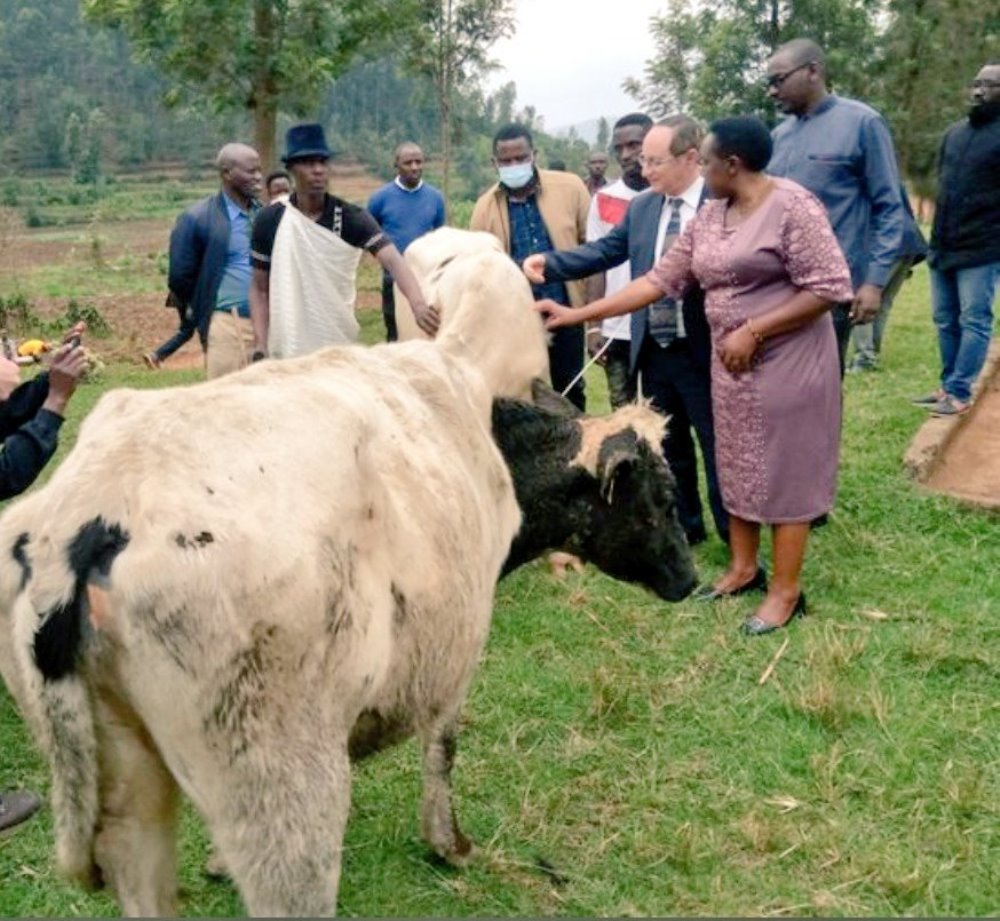
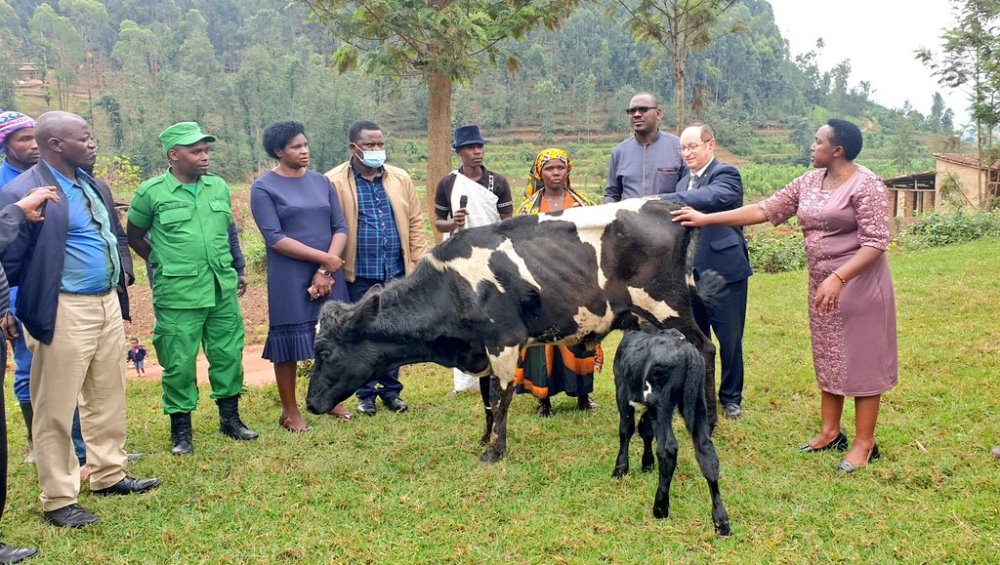
This comes to support Girinka Program also known as ‘One Cow Per Poor Family’.
The program initiated in 2016 by the Government of Rwanda, seeks to among other things, tackle poverty and malnutrition by giving cows to the poorest families in the community.
While handing-over the cows, Ambassador of Israel to Rwanda, Dr. Ron Adam applauded the good and special relations between Israel and Rwanda, and went on to say that the initiative of donating cows aims at improving the welfare of the most vulnerable.
“The State of Israel is happy to support this good program of Girinka, initiated by the Government of Rwanda. Burera is the fourth District where we have donated 20 cows respectively, and we are glad that these cows are helping beneficiaries to improve their standards of living,” he said.
He added: “This is a good and sustainable way of eradicating poverty among the less privileged, because the benefits of these cows are cross-cutting. Moreover, many other families end up benefitting as well.”
According to Girinka Program, a poor family receives a heifer, raises it and when she gives birth, the first female calf is given to another poor family and the process continues.
So far, the Embassy of Israel in Rwanda has donated a total of 80 cows in four districts, namely Nyamasheke, Gisagara, Rulindo and Burera districts.
Meanwhile, according to Marie Chantal Uwanyirigira, the Mayor of Burera District, the 20 cows come to complement to existing government efforts to improve citizens’ social welfare.
“We appreciate this support from Israel. This complements different initiatives we have put in place to eradicate poverty and fight malnutrition among children. We shall make sure that the beneficiaries take good care of the cows, and give first female calves to their neighbors who are also in need of them,” she explained.
Burera District is one of the districts whose economy mainly relies on agriculture. So far, under the Girinka Program, around 18,000 families in Burera district received cows.
{{Beneficiaries hail the support}}
Yvonne Dukuzumuremyi, a mother of two children who is among the 20 families that benefitted from the donation, appreciated the support.
“I am very grateful for this cow. Going forward, my two children will get milk whenever they want, and I will also have manure and therefore increase my harvest,” she said.
This was also emphasized by one Emmanuel Mfukuye, a father of five.
He said: “I was struggling to pay health insurance and school fees for my children, but with this cow I will get milk for my family and sell part of it to get money that will help me and my family to make a better living.”
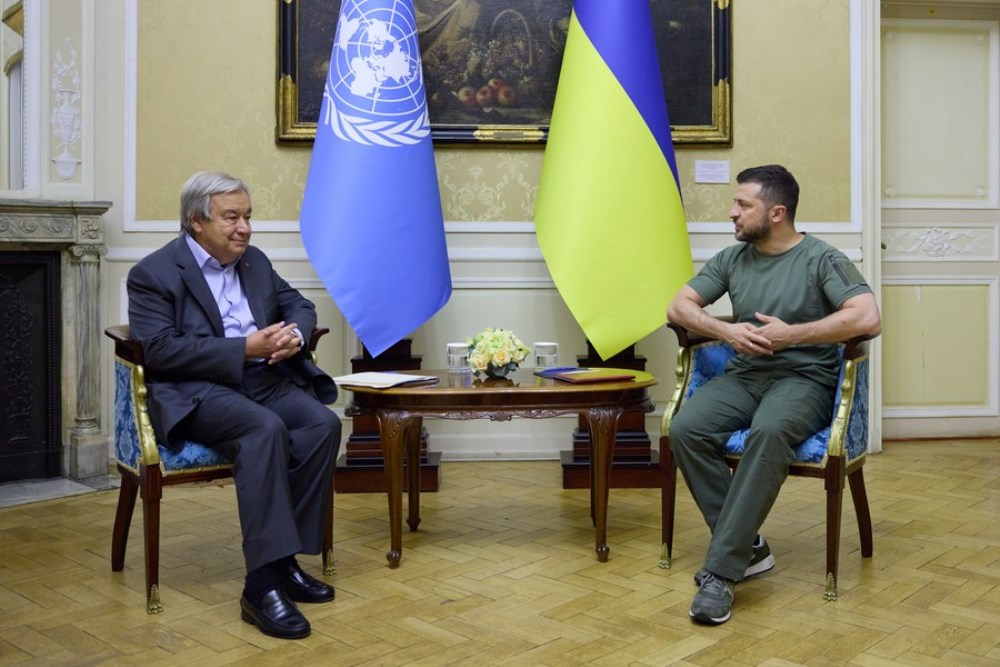
At the meeting in Ukraine’s western city of Lviv, Zelensky hailed the UN’s positive role in resuming grain exports from Ukraine and stressed Kiev’s readiness to guarantee global food security.
Zelensky and Guterres agreed to continue the coordination on the grain initiative implementation and emphasized the importance of increasing the number of vessels exporting foodstuffs from Ukraine.
The parties also talked about the UN’s role in ensuring security at the Zaporizhzhia NPP and stressed the need for the demilitarization of the plant.
Another topic of the discussion was the release of Ukrainian military personnel and medics taken captive during the Russia-Ukraine conflict.
Guterres arrived in Ukraine on Wednesday. Later on Thursday, Zelensky and Guterres are set to hold a tripartite meeting with Turkish President Recep Tayyip Erdogan.
On July 22, Ukraine signed a deal with Türkiye and the UN in Istanbul to resume food and fertilizer shipments from Ukrainian ports to international markets via the Black Sea. The same agreement was signed by Russia.
Last week, Ukraine and Russia exchanged accusations over a strike on the Zaporizhzhia plant, which is one of the largest atomic power complexes in Europe and generates a quarter of Ukraine’s total electricity.
On Aug. 11, Ukraine called for an international mission under the leadership of the International Atomic Energy Agency (IAEA), involving UN experts, to visit the plant to assess the threats to nuclear safety.