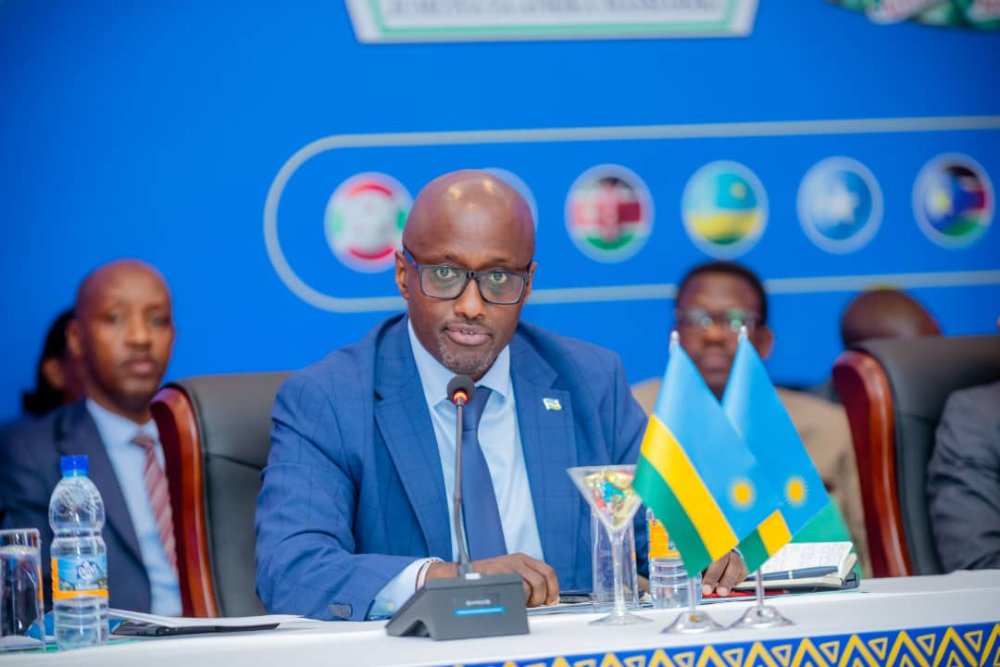
The Forum, running from October 9 through 10, builds on the success of its inaugural edition in 2023, and focuses on advancing global connectivity amid growing geopolitical and economic challenges.
It brings together high-level representatives from governments, financial institutions, the private sector, and civil society to explore innovative strategies for scaling up Global Gateway investments in partner countries.
As he delivered his speech, Tshisekedi took the stage and reiterated the familiar narrative, accusing Rwanda of supporting the M23 rebel group, a claim Rwanda denied repeatedly.
He called on Rwanda to give the order for the M23 troops, which he claimed were backed by Rwanda, to halt the escalation.
Tshisekedi also stated that his country has never been belligerent towards its neighbors, despite his repeated threats to invade Rwanda, bombard Kigali, and overthrow Rwanda’s leadership, threats that can be validated through multiple reports.
Following a post on X by Patrick Muyaya, which included excerpts from Tshisekedi’s speech, Minister Nduhungirehe reminded them of the truth, refuting the narrative and exposing the lies and distortions of fact.
In response, Nduhungirehe stated, “No, you are wrong on all counts. The only person who can stop this escalation is President Tshisekedi, and HE ALONE.”
Amb. Nduhungirehe went on to address Tshisekedi’s claims, alluding to specifically his public threats of war.
“He can do so by ceasing to display his belligerent attitude, particularly his public threats of invading Rwanda or bombing Kigali, not to mention his disgraceful insults against President Kagame,” Amb. Nduhungirehe asserted, highlighting Tshisekedi’s repeated threats.
The Minister continued, accusing the DRC president of supporting the FDLR genocidaires, a militia responsible for Genocide against the Tutsi in Rwanda.
“He can do so by stopping his support for the FDLR genocidaires, expelling them from his army, and neutralizing them, as required by the Washington Peace Agreement,” Amb. Nduhungirehe declared.
He also criticized the DRC government for its involvement with armed militias, specifically the Wazalendo militia, and the daily bombings by Tshisekedi’s fighter jets and attack drones in eastern DRC, including on Banyamulenge villages and densely populated areas.
The Minister further accused Tshisekedi of deploying foreign mercenaries and violating international agreements.
“He can do so by stopping the use of Burundian soldiers and mercenaries, formerly Romanians and now Colombians,” Amb. Nduhungirehe added, pointing out violations of a 1977 OAU resolution and a 1989 UN Convention.
Amb. Nduhungirehe also condemned Tshisekedi’s use of international platforms for political maneuvering.
“Finally, he can do so by stopping this ridiculous political farce of exploiting a platform at an important economic partnership summit to launch accusations and lies,” the Minister concluded.
Rwanda-DRC diplomatic relations have faced setbacks since the resurgence of the M23 rebel group in 2021, which highlighted the rights of marginalized Congolese Tutsi and Banyamulenge communities.
Since then, the DRC has accused Rwanda of supporting the M23, an accusation Kigali vehemently denies, urging the DRC to address its own issues rather than blame its neighbor.
Various mediation efforts have been underway, including a peace deal signed in Washington and an M23-DRC dialogue facilitated by Qatar.
However, the DRC has been criticized for shifting its stance and lacking the willingness to implement resolutions, hindering lasting peace in eastern DRC.
This includes the recent last-minute blockage of the Regional Economic Integration Framework, which was not signed at Tshisekedi’s request in Washington.
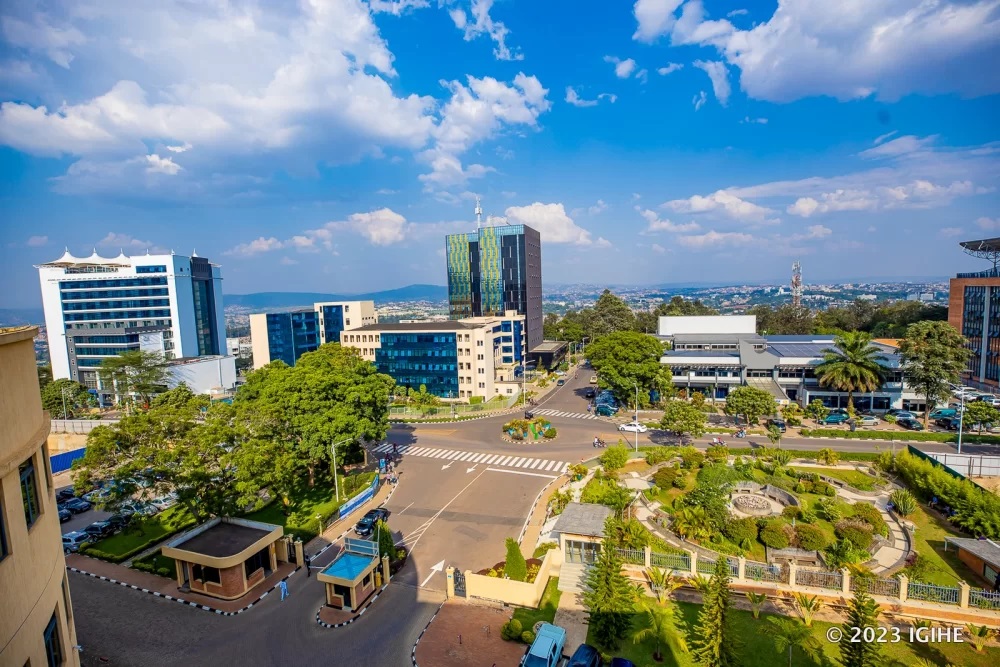
Vision 2020 set ambitious targets to reduce poverty, boost economic growth, and build infrastructure, leading to significant progress in healthcare, education, governance, and economic stability.
Now, Rwanda is looking to the future with Vision 2050, which aims to transform the nation into a high-income economy by mid-century, ensuring prosperity and opportunity for all. Let’s explore 10 key aspects of Rwanda’s Vision 2050.
{{1. A vision for prosperity and high living standards}}
At the heart of Vision 2050 is Rwanda’s goal to become an upper-middle-income country by 2035 and a high-income nation by 2050.
Between 1998 and 1999, the country set a target to increase GDP per capita from USD 250 per year to USD 900 by 2020.
The current roadmap targets an ambitious GDP per capita of USD 4,036 by 2035 and USD 12,476 by 2050.
To reach these targets, the needed GDP growth rates (annual average) are at least 12% during 2018-2035 and 10% from 2036 to 2050.
This economic growth is expected to provide Rwandans with better living standards, including universal access to quality education, healthcare, and modern infrastructure.
{{2. Human development as a key pillar }}
Human development is a central pillar of Vision 2050, aiming to harness the economic potential of Rwanda’s growing workforce. By 2050, the working-age population is expected to increase to 65.7%, up from 61% in 2017.
To realize the benefits of this demographic dividend, the Vision focuses on key priorities: ensuring universal access to high-quality healthcare and education, transforming the workforce for greater productivity, and promoting skills development.
These investments are crucial for fostering a healthy, educated, and skilled labor force, which will be essential for driving Rwanda’s economic transformation and achieving long-term prosperity.
{{3. Economic growth through competitiveness and innovation}}
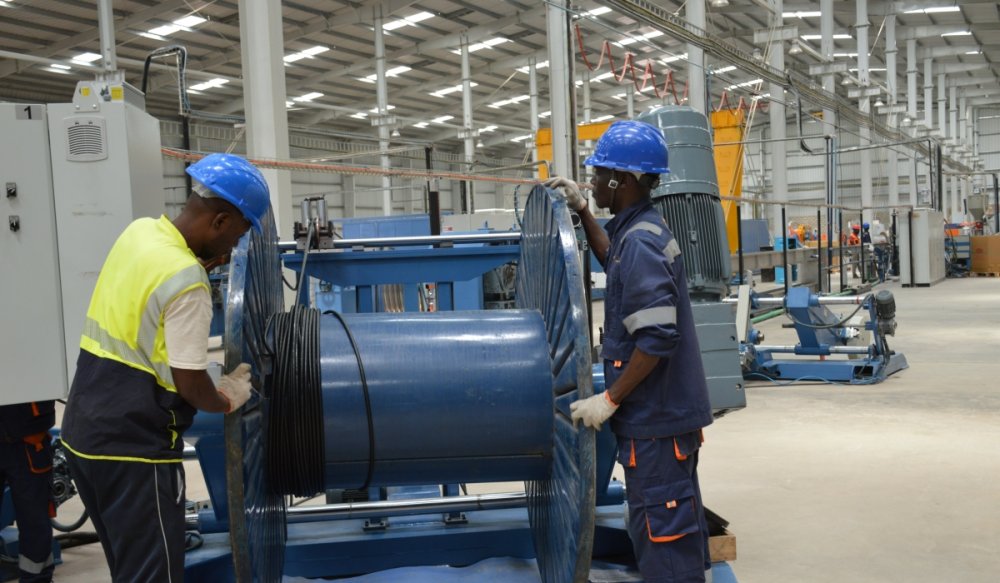
Rwanda is committed to enhancing its global competitiveness by developing a diversified economy.
By 2035, Rwanda plans to be among the top 10 countries for ease of doing business, rank among the top 20 economies in competitiveness by 2035 and top 10 in 2050.
This vision includes specific priorities which focus on creating a diversified economy built upon future industries.
It emphasizes developing competitive manufacturing, supported by a regional logistics hub, and driving transformative growth through modern and innovative services sectors.
The vision also prioritizes export-oriented knowledge services and high-end sustainable tourism, while ensuring universal access to financial services for all, among others.
{{4. Agriculture for wealth creation}}
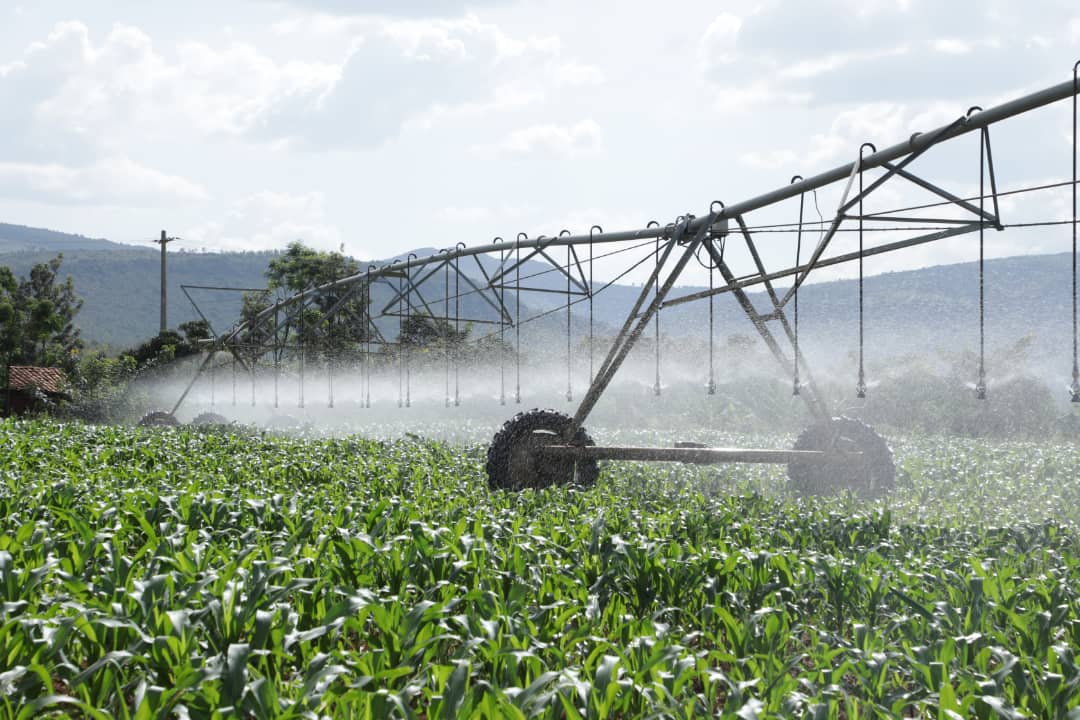
In 2024, agriculture contributed 24 percent to GDP and employed over 43 percent of the population as at March 2025. As agriculture remains a key sector, Vision 2050 focuses on transforming the sector to generate wealth and reduce poverty.
By increasing the use of modern farming technologies, ensuring market-oriented agriculture, and enhancing climate resilience, Rwanda will integrate its agricultural products into global value chains.
This shift will lead to higher productivity and greater economic opportunities for both men and women in agriculture.
{{5. Urbanization and smart cities for growth}}
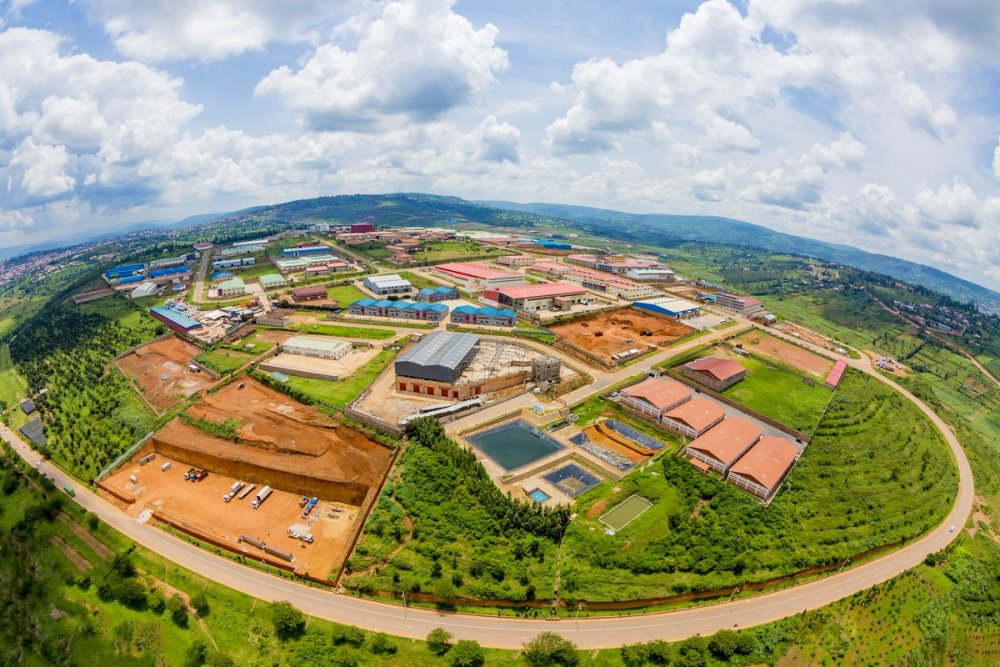
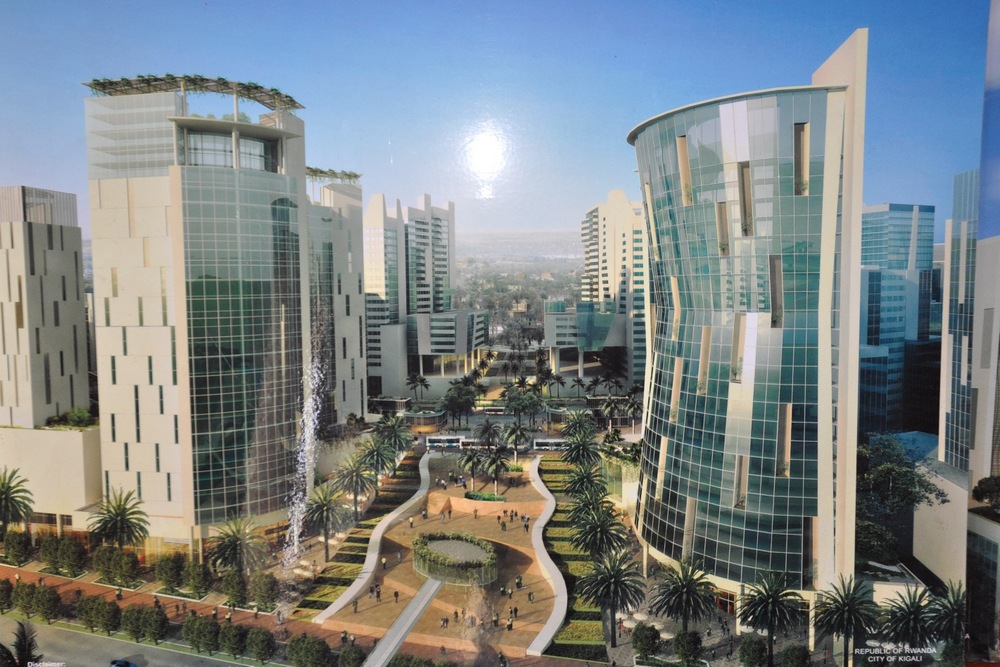
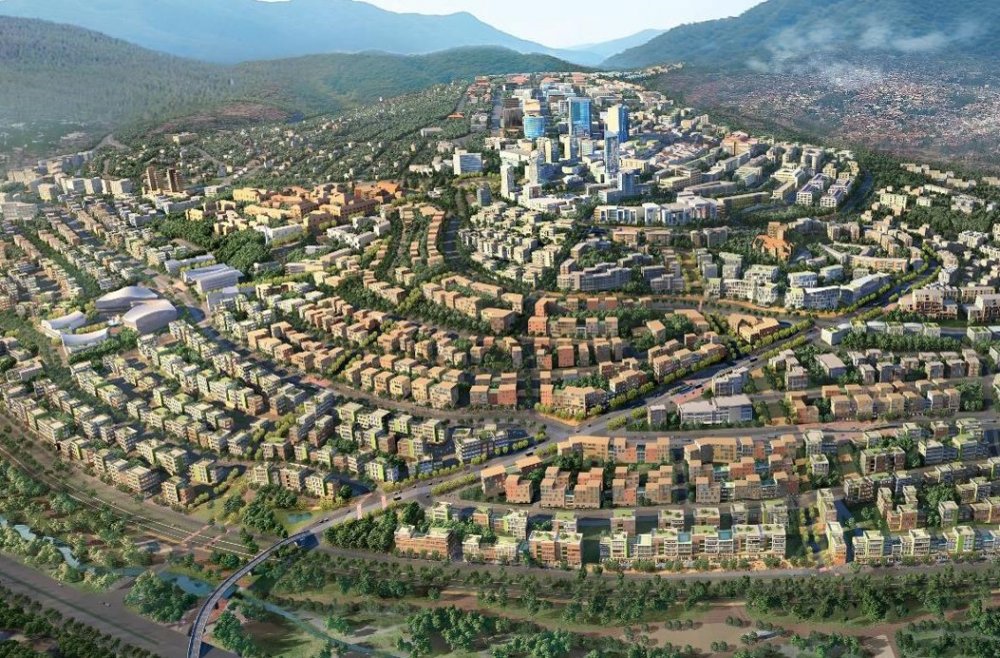
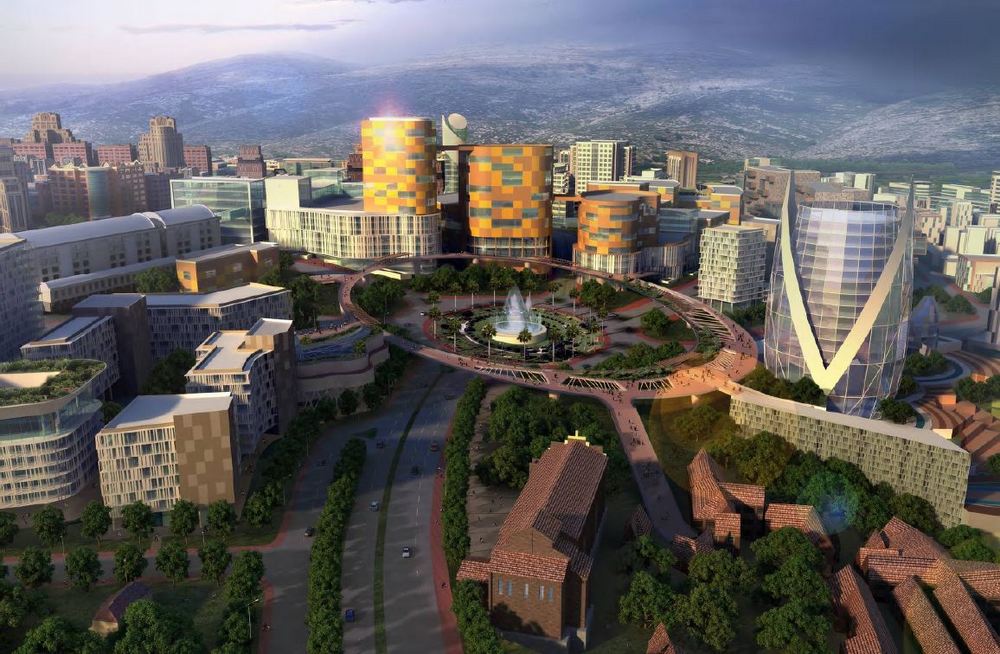
Urbanization is a central aspect of Rwanda’s future development. By 2050, 70% of the population is projected to live in urban areas, with Kigali and six secondary cities serving as hubs of socioeconomic activity.
Rural settlements will grow in a clustered and densified way with the necessary basic infrastructure, services and facilities.
Rural households settled in integrated planned settlements will increase from 67.2% (EICV5 2016/17) to 80% by 2024 and 100% by 2035. This will be maintained throughout 2050.
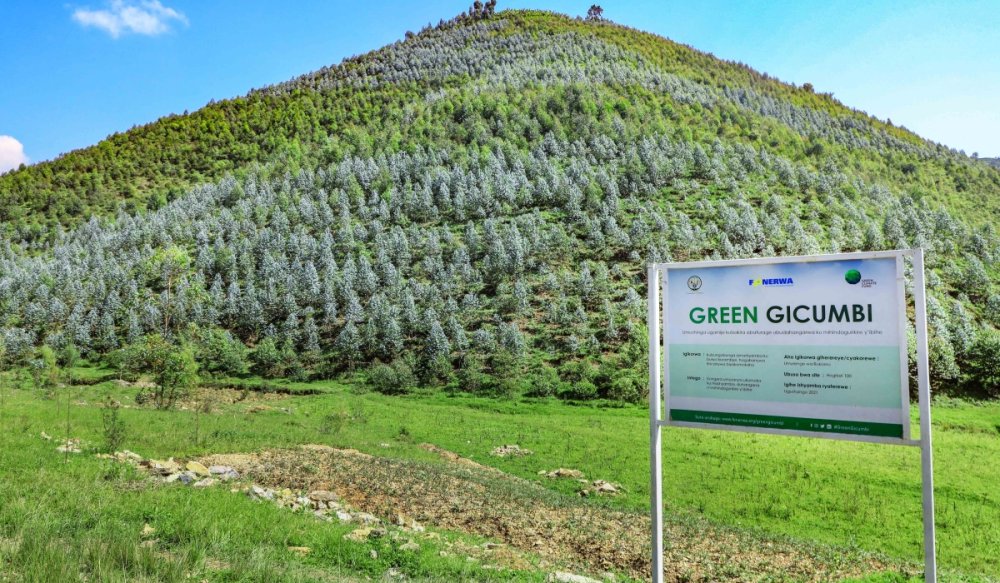
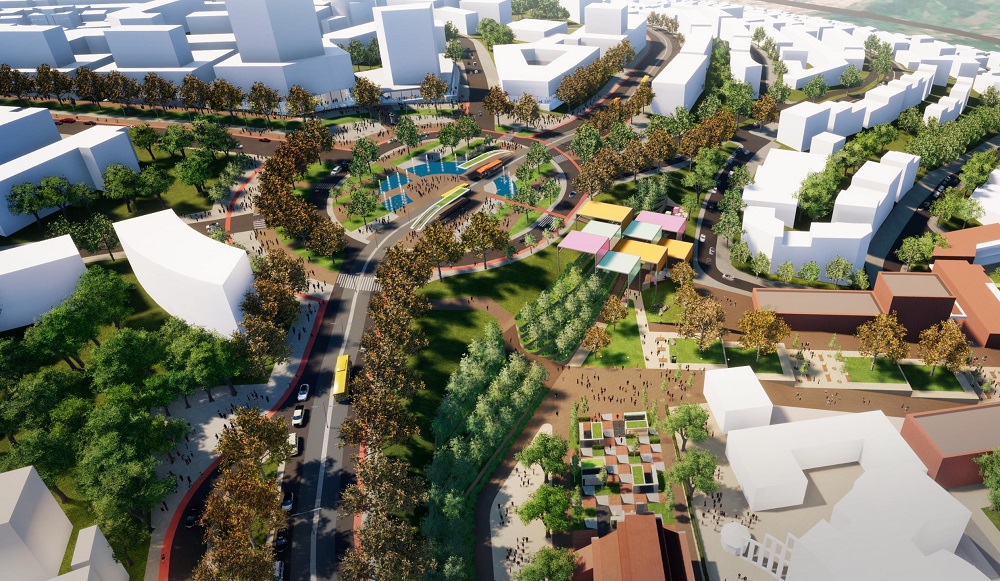
Overall, the country will embrace smart and green cities that are energy-efficient and designed to thrive in a sustainable urban ecosystem.
{{6. A modern and accountable governance system}}
Vision 2050 emphasizes the importance of accountable institutions and effective governance.
The vision outlines the continued development of citizen-centered reforms, where local innovations and home-grown solutions will remain central to the country’s development.
Institutions will be modernized, ensuring efficiency and transparency in public service delivery, reinforcing Rwanda’s progress towards socioeconomic transformation.
{{7. A green growth and climate resilience path}}
Sustainability is key in Vision 2050. The plan includes a Green Growth and Climate Resilience Strategy (GGCRS) aimed at achieving a carbon-neutral and climate-resilient economy.
Rwanda will focus on efficient use of natural resources while ensuring the country’s climate adaptation strategies are strong enough to cope with challenges posed by global warming.
By protecting the environment, Rwanda will achieve long-term ecological sustainability alongside its economic growth.
{{8. Energy sustainability for the future}}
Energy access will play a crucial role in Rwanda’s economic expansion. Access to electricity stood at 72% in 2024 from 34% in 2017. By 2050, 100% of the population is expected to have access to electricity, with renewable energy making up at least 60% of the power generation mix.
Increased energy consumption is expected as Rwanda’s economy grows, but this will be managed sustainably to ensure energy supply meets demand without compromising environmental goals.
{{9. Life expectancy }}
Rwanda’s Vision 2050 sets ambitious targets for improving the health and well-being of its citizens, with life expectancy being a central indicator of success.
As of 2020, life expectancy in Rwanda stood at 67.8 years. However, Vision 2050 aims for significant improvement, projecting 71.7 years by 2035 and 73 years by 2050.
This is a reflection of the country’s focus on enhancing healthcare, access to medical services, and overall living standards.
Compared to regional averages, Rwanda’s current life expectancy is strong, particularly when compared to neighbors like Uganda (63 years).
{{10. Population growth and reduced unemployment }}
The country’s population, projected to grow at a slower rate, is expected to reach 1.4% by 2050, down from 2.5% in 2019, with a growing proportion of the workforce entering the productive age group.
Rwanda’s last national census in 2022 reported a population of 13.2 million, up from 10.5 million recorded in 2012. As of July 2025, Rwanda’s population had reached 14.1 million. In 2050, the population is expected to reach 22 million in 2022.
Besides, by 2050, Rwanda aims to significantly reduce unemployment, targeting an unemployment rate of 5%, down from 15.2% in 2019.
This will be driven by investments in education, skills development, and private sector growth.
Achieving Vision 2050 will not happen overnight, and a rigorous implementation framework is in place to ensure that progress is monitored and adjusted regularly.
The vision includes five-year reviews, starting with the National Strategy for Transformation (NST1), which serves to bridge the Vision 2020 and Vision 2050, to assess how the goals are being met and identify necessary adjustments.
The elaboration of Vision 2050 has taken into consideration the global and regional development agendas, to ensure harmonization of targets and indicators.
Those include: The Sustainable Development Goals (SDGs), African Union (AU) Agenda 2063, East African Community (EAC) Vision 2050, and the Paris Agreement on climate change among other instruments.
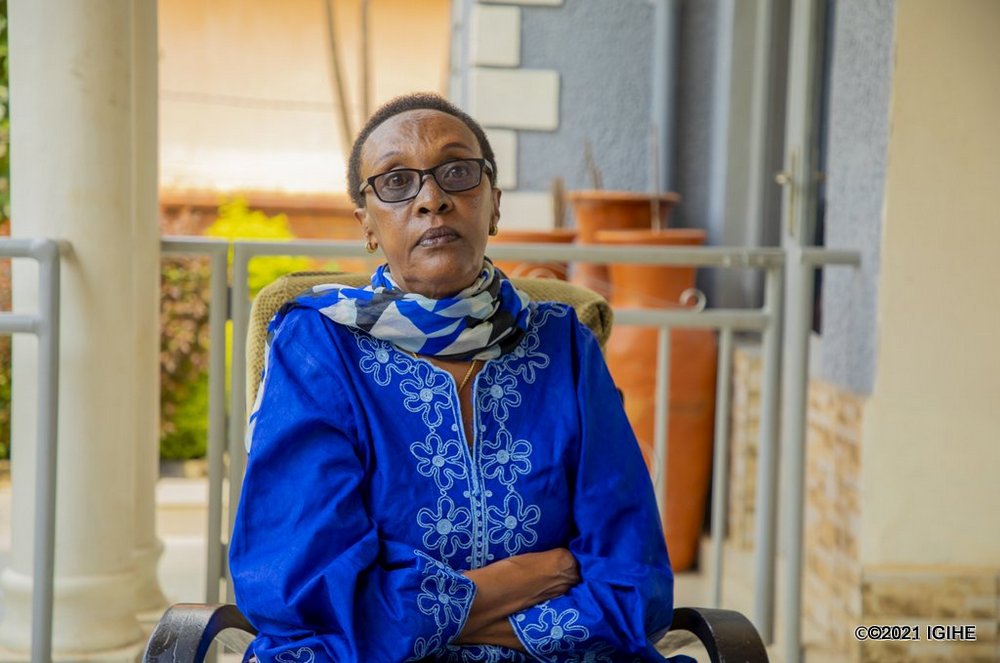
Her passing was confirmed by family members and colleagues at Transparency International Rwanda.
{{Early life}}
In various interviews with IGIHE, Ingabire shared that she was deeply affected by the traumatic experiences of her childhood, particularly the hardship of living as a refugee.
These experiences fueled her passion for fighting injustice and corruption.
As a young girl, Ingabire realized that her family’s home in Burundi was not truly theirs. This revelation sparked her determination to return to her homeland, Rwanda, and contribute to its development with all her strength and knowledge.
Although she grew up in Burundi, where her family had sought refuge, she always dreamed of returning to Rwanda. She had grown weary of the life of persecution and lack of full rights, a situation she faced as a refugee.
Ingabire attended primary and secondary school in Burundi and pursued university studies in other countries before returning to Rwanda.
She held a Master’s Degree in Gender Studies and Human Rights (University of Pretoria – South Africa), a Bachelor’s Degree in Journalism and Communication (Université de Lille – France), and a Diploma in Law and Human Rights from Institut de Droits de l’Homme de Strasbourg, France.
{{Career}}
Ingabire is one of the founding members of Transparency International Rwanda, established in 2004. In 2015, she was elected for the second term as the organization’s chairperson.
In an interview with IGIHE, she stated, “Before joining Transparency International Rwanda, I worked at many institutions, but my focus was always on women’s rights and advocating for sustainable development.”
“I worked at ORINFOR for many years, and also in various print media outlets, as well as with organizations such as Pro Femmes Twese Hamwe, IBUKA, and other women’s rights groups.”
Ingabire was known for her outspoken nature, often condemning wrongdoings publicly, which occasionally led to people labeling her as an antagonist. However, she once stated that those who saw her in that light were misunderstanding her.
She said, “It’s true that people often misunderstand me because of my work, which requires making tough decisions. But in reality, I am just a simple person who is humble and approachable. I have no quarrels or grudges against anyone. I’ve never fought anyone since I was born.”
Throughout her life, Ingabire lived by three core principles: prayer, respect, and perseverance.
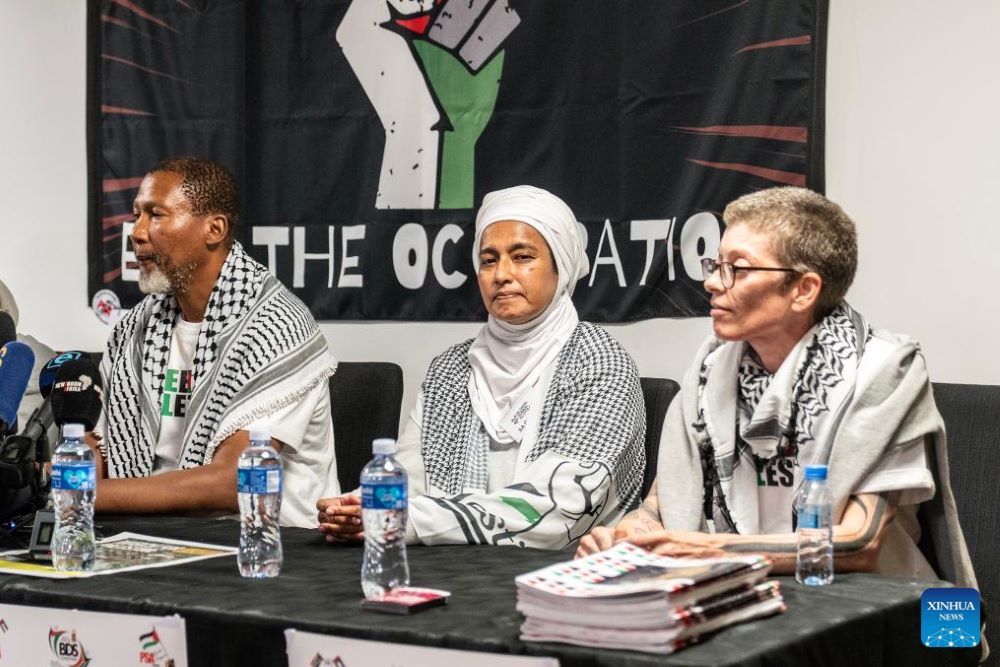
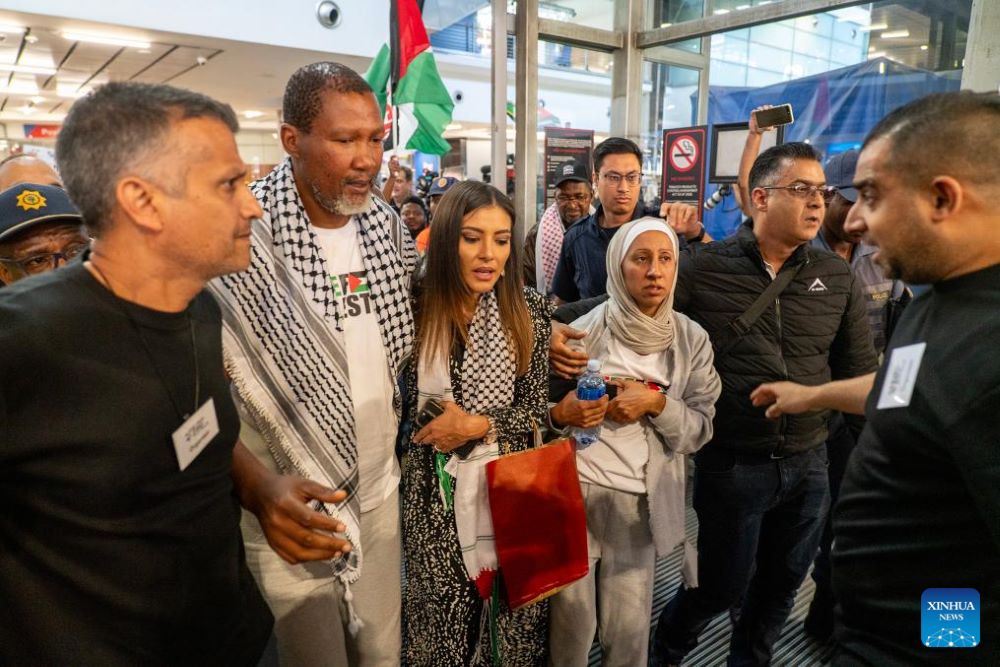
The group, which included Mandla Mandela, grandson of late former President Nelson Mandela, was greeted by hundreds of supporters waving Palestinian flags and holding placards reading “Children need love, not bombs.” They arrived in Jordan on Tuesday before returning home.
Addressing a press briefing at OR Tambo International Airport, Mandela appeared emotional as he recounted their long and difficult journey, saying that the focus should remain on the people of Palestine, who have endured atrocities under the Israeli government for years.
“Ours was a humanitarian mission to break the blockade and end the siege and get aid to Gaza,” he said, noting that there was no violence accompanying their actions.
Mandela said that the Israeli government intercepted dozens of their boats in international waters, calling it a violation of international law and human rights
During six days of detention, Mandela said they were subjected to dehumanizing conditions, including being denied food and the opportunity to shower.
Following their arrest, he said they were handcuffed with wires tied tightly behind their backs and “paraded.” “We were taken to detention and denied food, but it’s nothing compared to what Palestinians have been subjected to,” Mandela noted.
Israel imposed a blockade on Gaza in 2007 after Hamas seized control of the enclave. The restrictions were further tightened following Hamas’s cross-border assault into southern Israel in October 2023.
In response to the blockade, activists from around the world established the Global Sumud Flotilla to deliver humanitarian aid and medical supplies to the people of Gaza.
The flotilla, made up of nearly 50 civilian boats carrying about 500 activists from multiple countries, had spent time in the waters before being detained by the Israeli authorities.
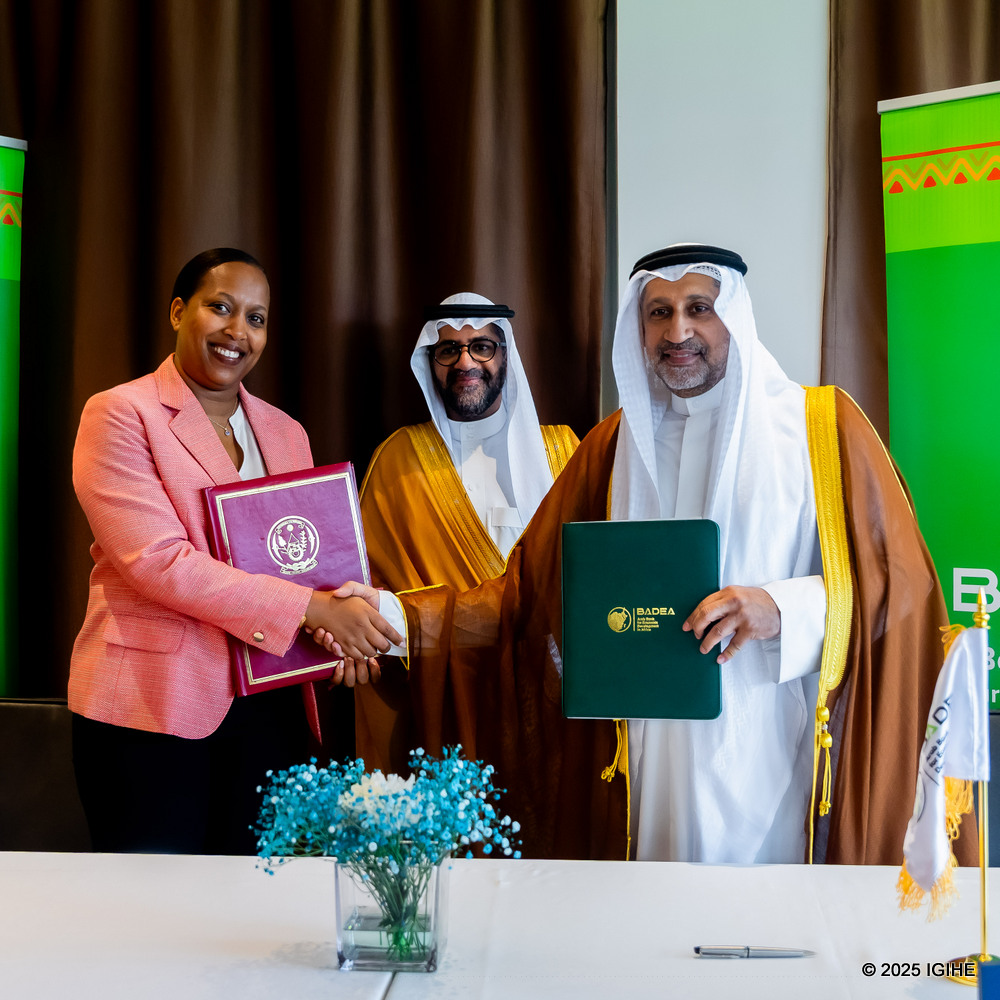
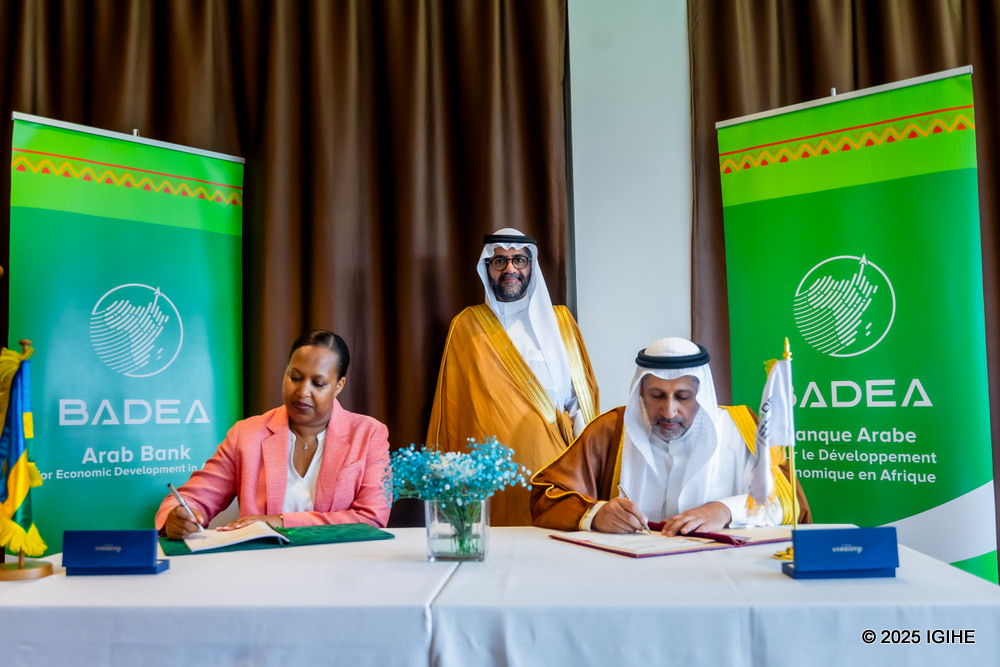
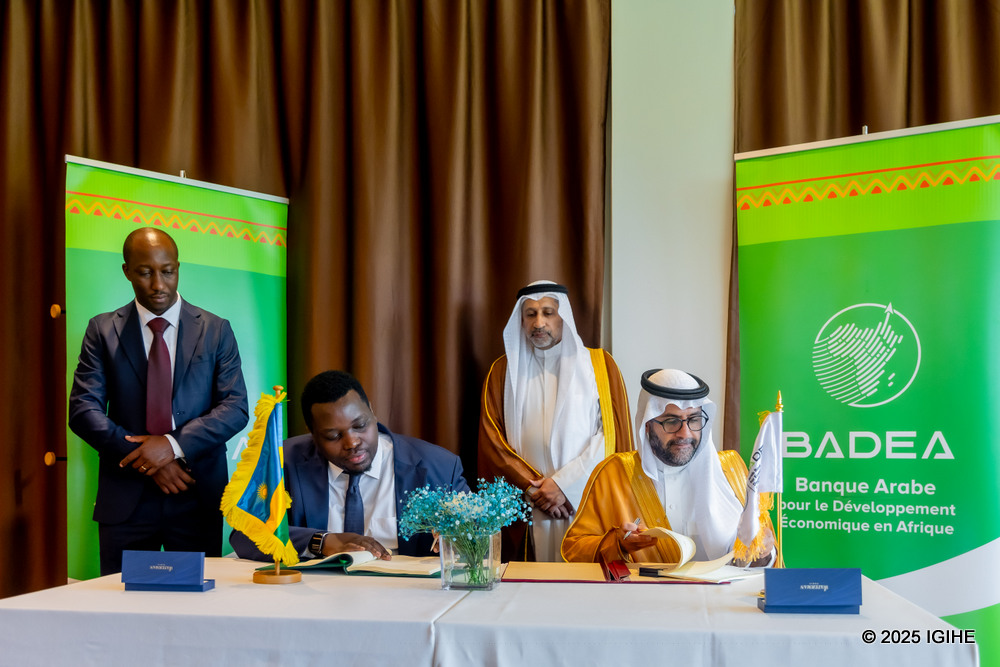
The first is a US $20 million (approximately Frw 29 billion) loan to expand the Karenge Water Project’s transmission and distribution systems.
This project is a critical step towards Rwanda’s goal of achieving 100% access to clean water and sanitation by 2029.
It will directly increase safe water access for households in Kigali and Rwamagana districts, enhance the water sector’s resilience to climate change, and improve the standard of living for citizens.
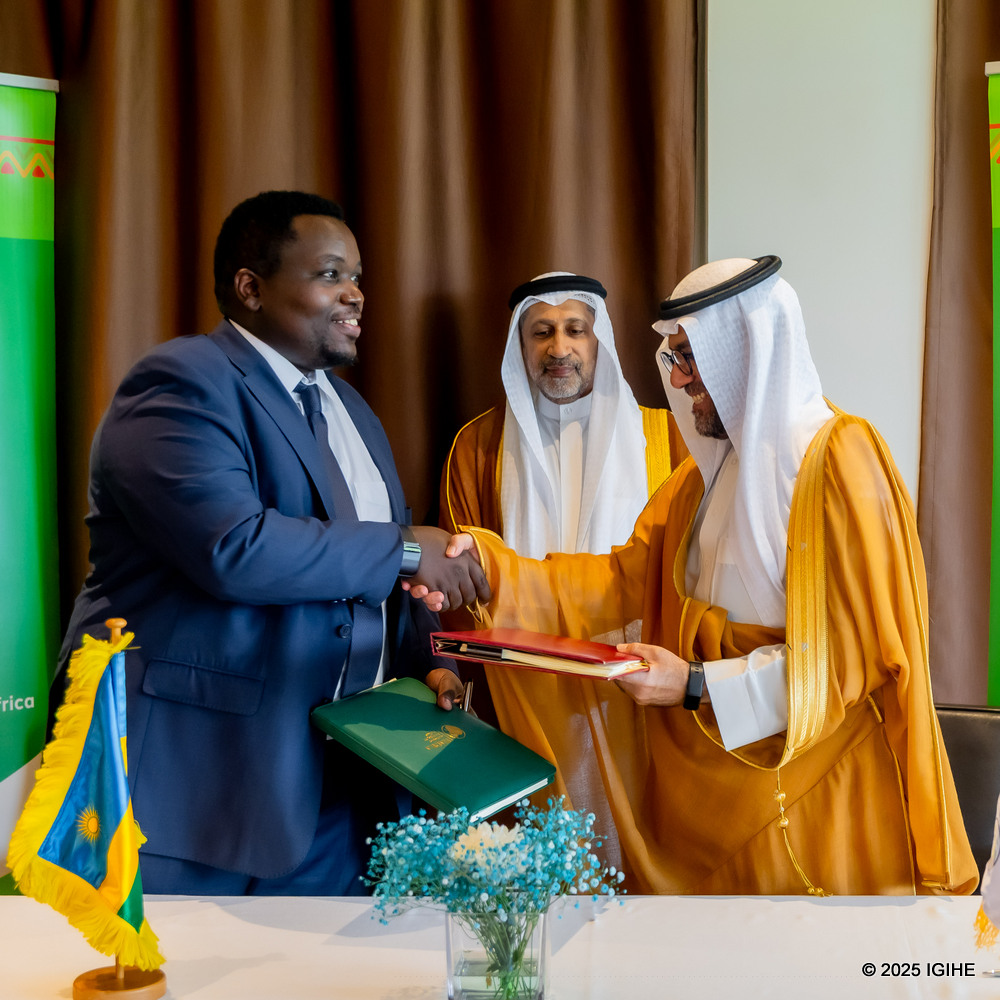
A second agreement provides a US $25 million line of credit to the Development Bank of Rwanda (BRD) to bolster private sector and Small and Medium Enterprise (SME) development. This financing is a key driver for job creation and economic growth.
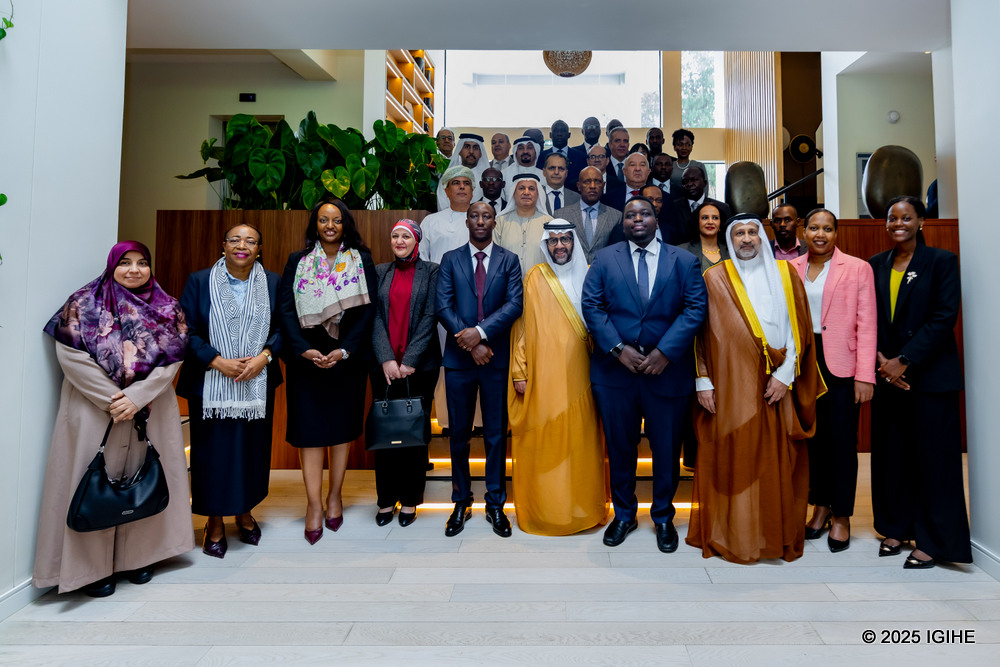
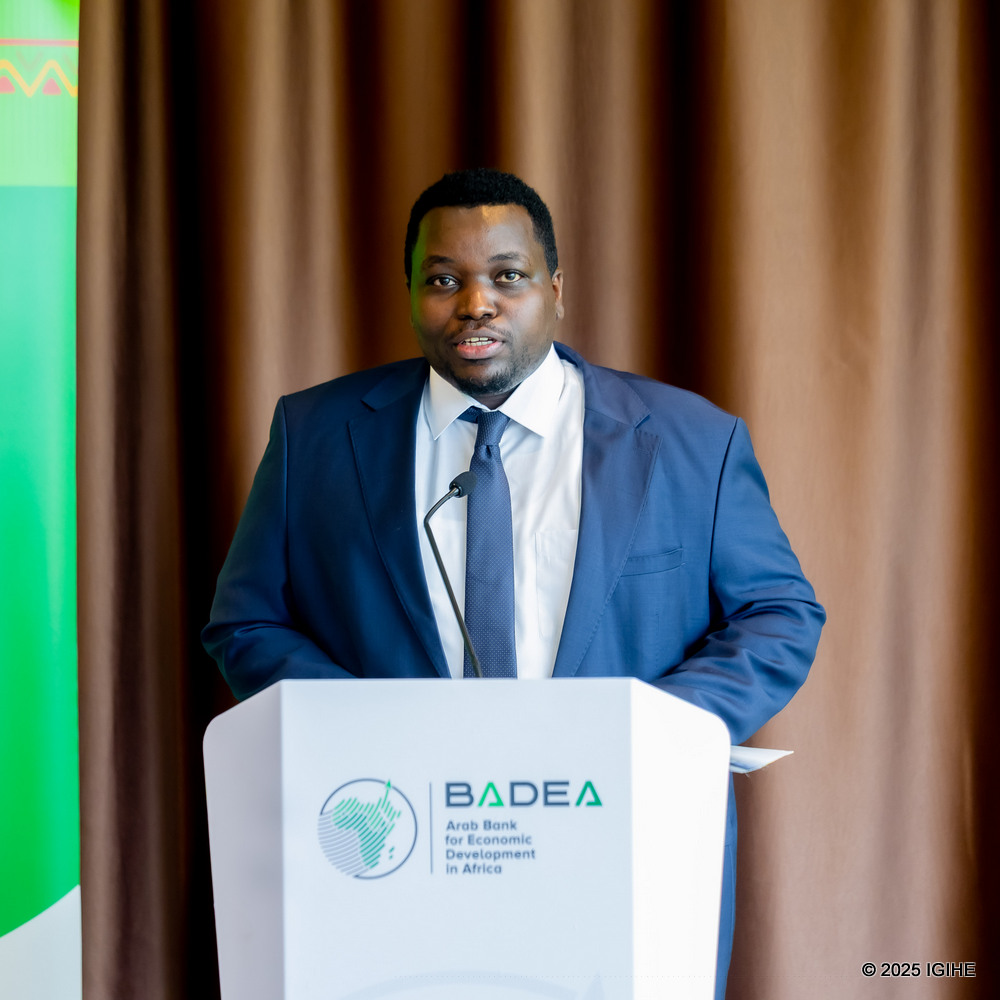
Godfrey Kabera, Minister of State for National Treasury highlighted that these agreements reinforce the five-decade partnership between Rwanda and BADEA, a collaboration that has been instrumental in driving development across the country’s economy.
“We look forward to scaling up this partnership through new approaches and highly scalable funding for strategic projects,” he stated.
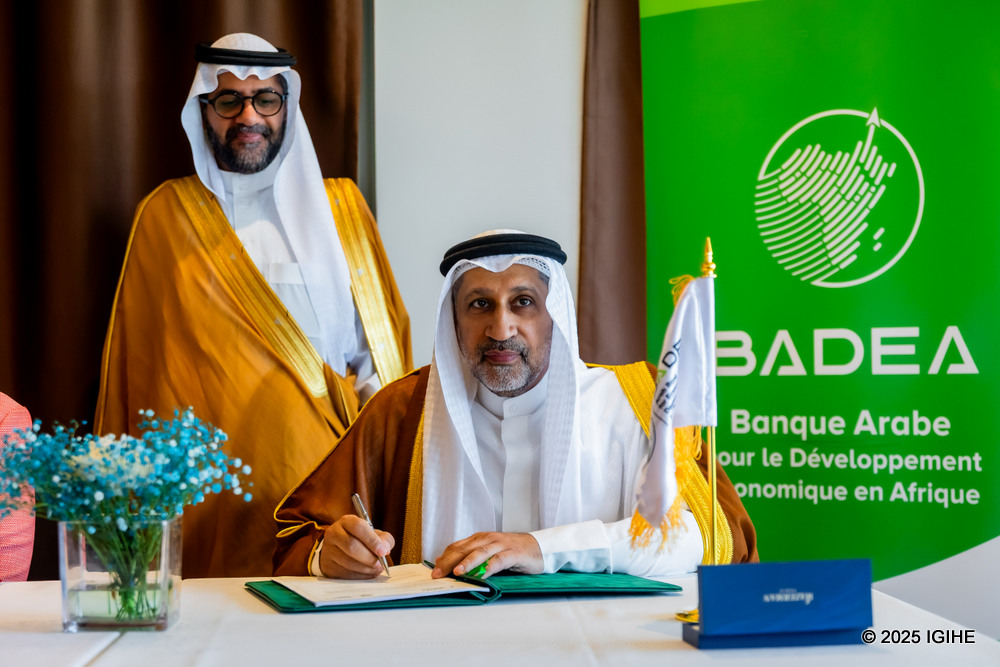
Commenting on the development, Dr. Fahad Al-Dossari, Chairman of BADEA’s Board of Directors, said: “Today marks a new milestone in our long-standing partnership. We are pleased to support Rwanda’s sustainable development goals with $20 million to enhance clean water access and a further $25 million to accelerate the private sector’s role as an engine of growth and job creation.”
The CEO of BRD, Sayinzoga Kampeta Picthette, stated that the loan provided will help support small and medium-sized enterprises (SMEs) in accessing low-interest loans and increasing exports.
On the other hand, the CEO of WASAC Group, Asaph Kabasha, mentioned that the expansion work on the Karenge plant in Rwamagana has begun and is already 18% complete.
The plant is expected to increase its capacity to process 48,000 cubic meters of water, up from the current 12,000 cubic meters. This will contribute to addressing water shortage issues in Kigali and the Eastern Province.
Rwanda’s cooperation with BADEA dates back to 1974. To date, BADEA’s portfolio in Rwanda is estimated at over US $300 million, financing key sectors such as agriculture, energy, water, and transport, which are vital to achieving the objectives of Rwanda’s National Strategy for Transformation (NST2) and Vision 2050.
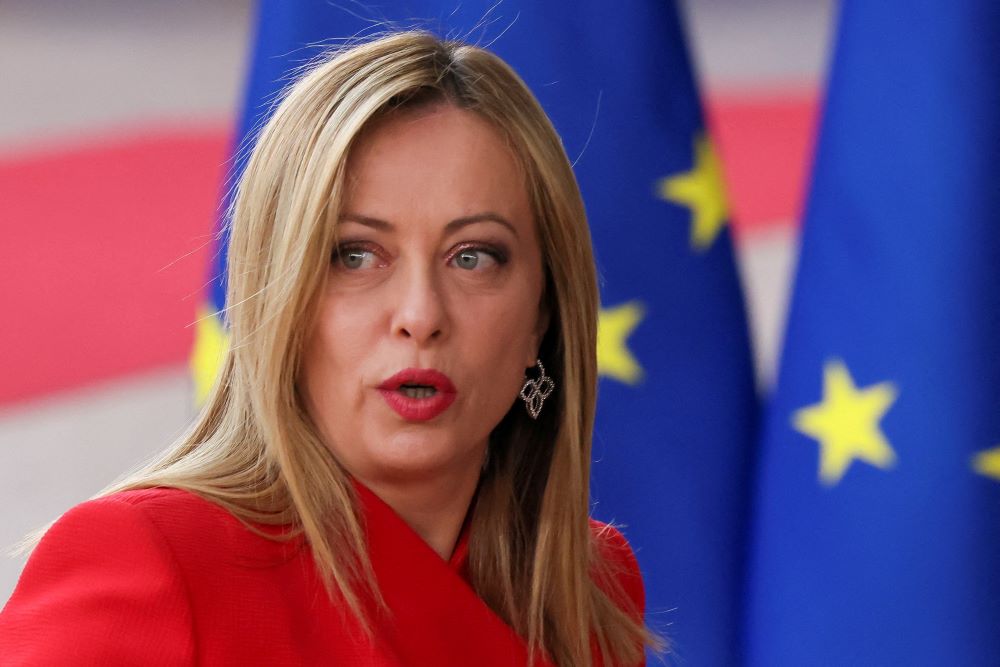
The complaint, filed on October 1, 2025, was signed by about 50 individuals, including law professors, lawyers, and public figures. They argue that Italy’s provision of arms to Israel has contributed to the ongoing genocide and war crimes against the Palestinian people.
Meloni first addressed the complaint in an interview with Italy’s state television company, RAI, where she confirmed that Defence Minister Guido Crosetto and Foreign Minister Antonio Tajani were also named in the legal action.
She speculated that Roberto Cingolani, head of Italy’s aerospace and weapons company Leonardo, could also be implicated due to his role in supplying military equipment to Israel.
The complaint asserts that by supporting Israel, particularly through the supply of lethal weapons, the Italian government has become complicit in the genocide and serious war crimes being committed in Gaza.
“By supporting the Israeli government, particularly through the supply of lethal weapons, the Italian government has become complicit in the ongoing genocide and the extremely serious war crimes and crimes against humanity committed against the Palestinian people,” authors of the filing wrote.
The Palestinian advocacy group behind the complaint is urging the ICC to investigate whether Italy’s actions meet the legal criteria for genocide, a serious accusation that could have significant legal and political consequences.
The group argues that Italy’s support for Israel’s military operations exacerbates the humanitarian crisis in Gaza and has directly contributed to civilian casualties.
This case comes amid growing international scrutiny of Israel’s actions in Gaza, where accusations of war crimes and genocide have been leveled by multiple human rights organizations and international bodies.
According to Aljazeera, domestic protests have already erupted, with critics calling for Italy to cease its military support for Israel and to reconsider its stance on the conflict.
Labor unions and human rights groups have also joined the calls for accountability, urging the government to stop the supply of arms to Israel and to advocate for Palestinian rights on the international stage.
The ICC is yet to confirm whether it will formally open an investigation.
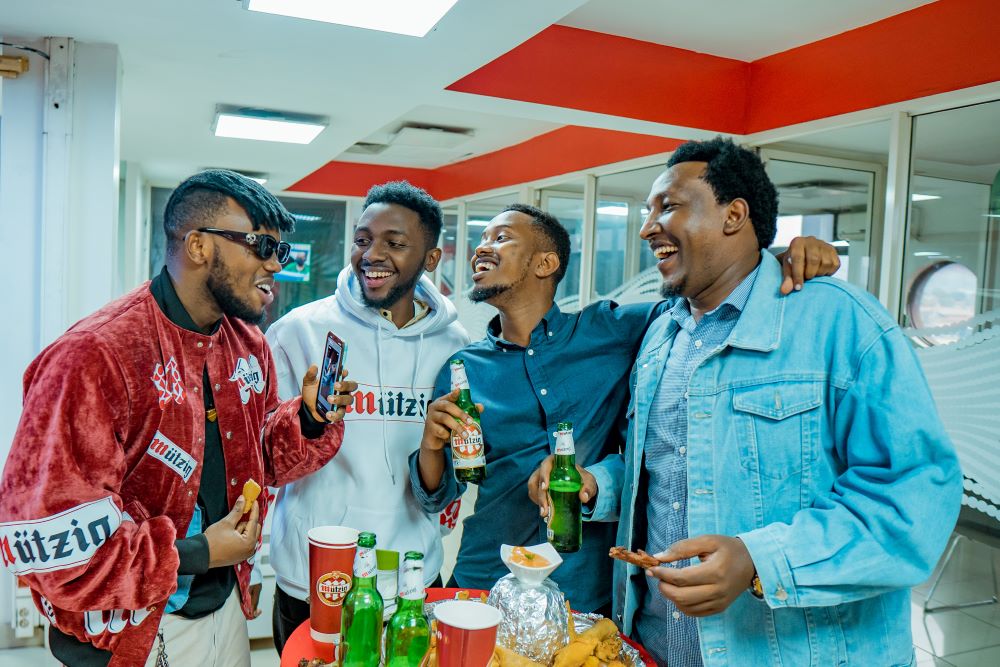
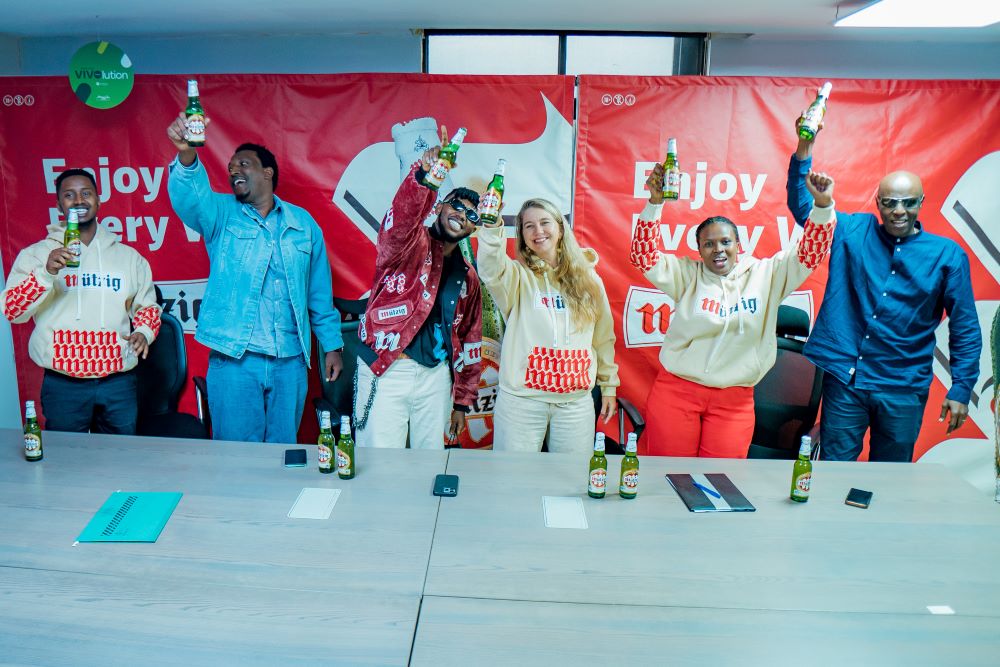
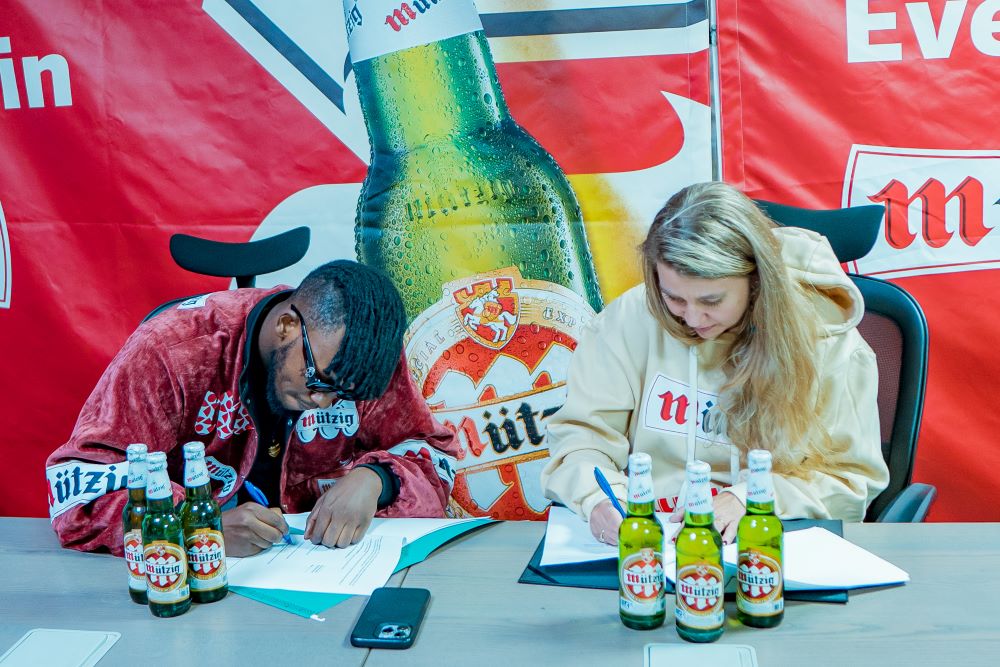
This partnership marks an exciting new chapter for Mützig as it continues to deepen its connection with bold, ambitious consumers across Rwanda.
With its bold positioning that celebrates “the wins — big or small,” Mützig stands for progress, confidence, and living boldly.
Chriss Eazy perfectly embodies this spirit — his journey from humble beginnings to becoming one of Rwanda’s most celebrated artists mirrors Mützig’s belief that every achievement, no matter the size, deserves to be celebrated.
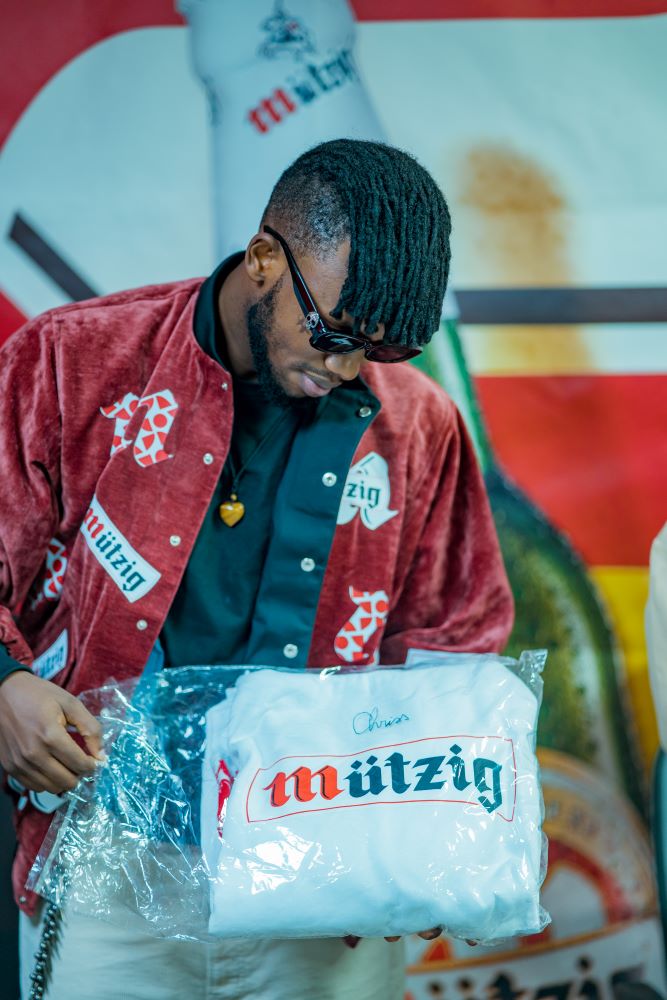
As the official brand ambassador, Chriss Eazy will play a key role in upcoming campaigns, events, and activations, bringing the Mützig experience to life through music, culture, and shared celebration.
“We are excited to welcome Chriss Eazy to the Mützig family,” said the Mützig Brand Manager. “His passion, drive, and originality align perfectly with Mützig’s values. This partnership is about more than endorsement – it’s about inspiring Rwandans to keep celebrating their progress, big or small.”
“It’s an honor to represent Mützig – a brand that celebrates growth, confidence, and bold living. Together, we’re going to create moments that uplift and connect people. I can’t wait for what’s ahead.”
{{About Mützig}}
Mützig is a beer brand committed to delivering high-quality products and memorable experiences to consumers.
With a reputation for celebrating progression, Mützig continues to lead in the beverage industry and foster meaningful connections with its audience.
For more information or media inquiries, Mützig encourages individuals to visit their social media platforms on [Instagram->https://www.instagram.com/mutzigrwanda/?utm_source=ig_web_button_share_sheet&igsh=Y2YyNWQzNDVqdXB3#] and [Facebook->https://www.facebook.com/mutzigrwanda/about?_rdc=1&_rdr#].
The brand invites everyone to join in welcoming Chriss Eazy to the Mützig family and looks forward to sharing exciting collaborations in the future.
In his address during a police graduation ceremony in eastern Cairo, President Sisi invited US President Donald Trump to attend the signing ceremony of the ceasefire agreement, should the talks reach a successful conclusion.
Sisi stated, “I invite US President Donald Trump to attend the signing of the ceasefire agreement in Egypt if it is reached. It would be wonderful to have you here.”
According to media reports, the talks have seen high-level involvement, with US envoy Steve Witkoff, Trump’s son-in-law Jared Kushner, and Qatari Prime Minister Sheikh Mohammed bin Abdulrahman actively participating.
Turkish intelligence chief Ibrahim Kalin and Israeli Strategic Affairs Minister Ron Dermer are also expected to join the negotiations.
On September 29, Trump unveiled a 20-point proposal that includes the release of Israeli captives in exchange for Palestinian prisoners, a ceasefire, the disarmament of Hamas, and the rebuilding of Gaza. Hamas has agreed to the plan in principle.
The ongoing conflict has devastated Gaza, with over 67,000 Palestinians, primarily women and children, killed since October 2023.
According to the WTO’s latest Global Trade Outlook and Statistics report, global GDP is projected to grow by 2.7 percent in 2025 and 2.6 percent in 2026.
The report said the volume of world merchandise trade, as measured by the average of exports and imports, expanded by 4.9 percent year-on-year in the first half of this year.
The WTO attributed the strong performance to several factors, including frontloading of imports in North America ahead of expected higher U.S. tariffs, disinflation and supportive fiscal policies, solid growth in emerging markets, and a surge in trade of AI-related goods.
Trade among developing economies also saw a notable rise. The value of South-South trade climbed 8 percent year-on-year in the first half of 2025, outpacing the 6 percent growth in overall global trade value.
AI-related goods, including semiconductors, servers, and telecommunications equipment, played a particularly significant role, accounting for nearly half of total trade growth during the same six-month period. The trade value of such products surged 20 percent year-on-year.
At a press conference, WTO Director-General Ngozi Okonjo-Iweala said that despite the “stiff headwinds” from the U.S. unilateral actions and unprecedented rise in trade policy uncertainty, trade has shown resilience. She stressed that such resilience underscores that there is a core in the multilateral trading system that continues to work well.
The report said the main downside risk to the outlook is the spread of trade-restrictive measures and policy uncertainty to more economies and sectors.
It warned that rising import prices and slower trade shipments could signal higher inflation later this year, as inventories decline in sectors heavily affected by tariffs.
According to the report, trade performance varies widely across regions. Asia and Africa are expected to record the fastest export growth in 2025, while Europe will likely see slower growth and North America will face declining exports.
The report also noted that the growth of services exports, though indirectly affected by tariffs, is set to slow from 6.8 percent in 2024 to 4.6 percent in 2025, and further to 4.4 percent in 2026.
Europe is projected to lead services export growth in 2025, followed by Asia, the Middle East, and the Commonwealth of Independent States (CIS), it added.