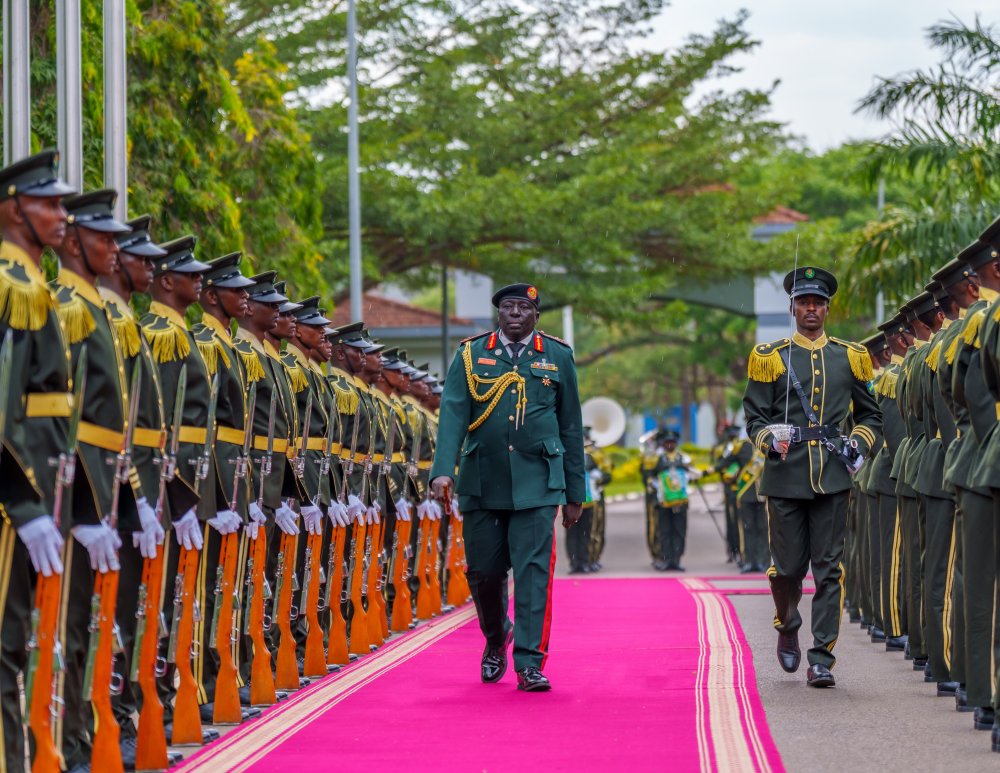
The purpose of the visit is to strengthen the existing defence cooperation between the Gambia Armed Forces and the Rwanda Defence Force (RDF).
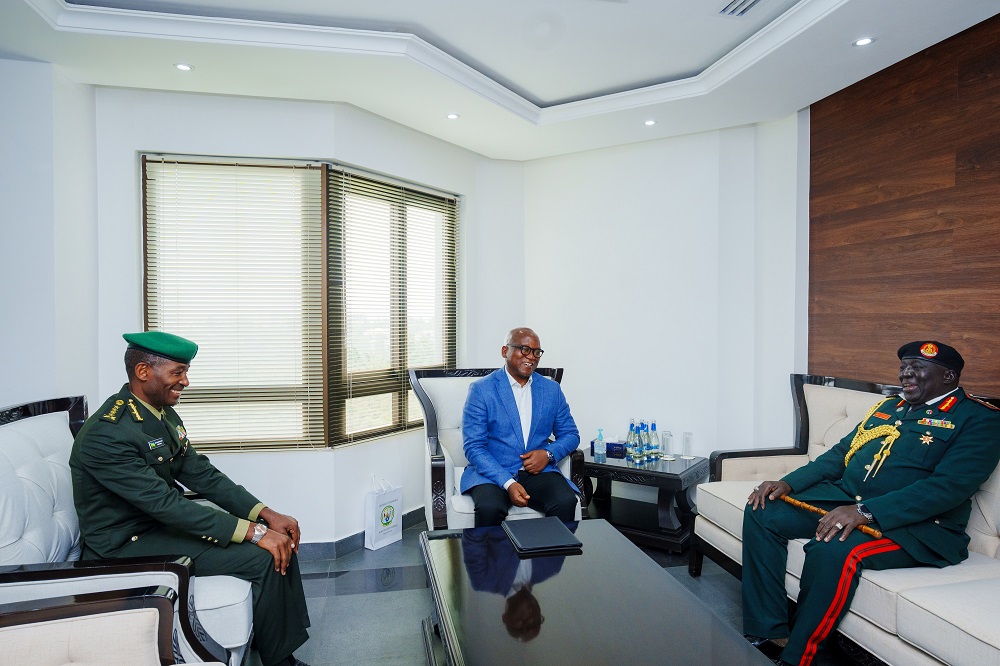
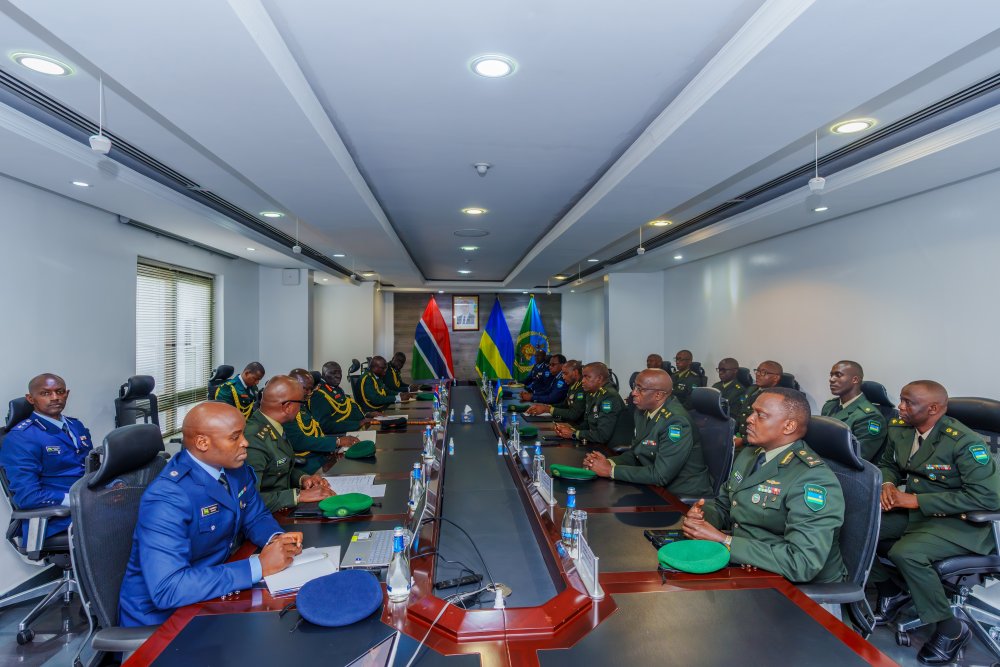
As part of his visit, Lieutenant General Cham visited RDF Headquarters on Monday, October 13, where he held meetings with the Minister of Defence, Juvenal Marizamunda, and the Chief of Defence Staff of the RDF, General MK Mubarakh.
During the meeting, Lieutenant General Cham was briefed on regional security dynamics and Rwanda’s contributions to peace and security in Africa.
He also visited the Kigali Genocide Memorial, where he paid respect to the victims of the 1994 Genocide against the Tutsi. Additionally, he toured the Campaign against Genocide Museum.
Throughout his visit, the Chief of Defence Staff of the Gambia Armed Forces will also visit institutions affiliated with the Ministry of Defence and the Rwanda Defence Force.
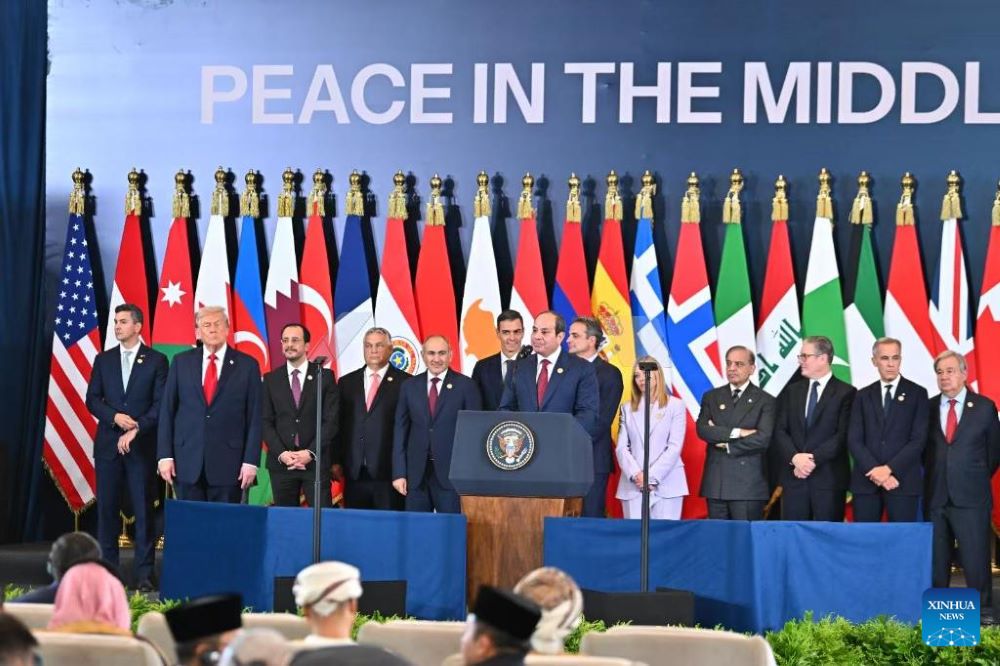
Gathering leaders from more than 20 countries as well as regional and international organizations, the summit is co-chaired by Egyptian President Abdel Fattah al-Sisi and his U.S. counterpart, Donald Trump.
The summit will discuss ending the war in the Gaza Strip, enhancing efforts to bring peace and stability to the Middle East, and ushering in a new phase of regional security and stability, according to the Egyptian presidency.
The ceasefire deal between Israel and Hamas entered into effect on Friday, following three days of intensive negotiations in Sharm el-Sheikh between the two sides mediated by Egypt, Qatar, Türkiye and the United States.
The first phase of the plan includes Israeli troop withdrawals from Gaza City, Rafah, Khan Younis, and the north, and the opening of five crossings for aid, and the exchange of hostages and prisoners.
Hamas announced earlier in the day that it had handed over all 20 of the remaining live hostages, who were captured during the attack on southern Israel on Oct. 7, 2023.
Meanwhile, Israeli authorities have begun releasing nearly 2,000 Palestinian prisoners as part of the exchange deal.
More than two years of Israeli military operations have devastated Gaza, killing over 67,000 people and triggering famine, according to Gaza’s health authorities and UN-backed food experts.
Sarkozy was notified of the conditions of his incarceration at the request of the National Financial Prosecutor’s Office (PNF). For reasons of security and discretion, details regarding the arrangements will not be made public.
According to a source close to the case cited by BFMTV, Sarkozy is expected to serve his sentence at La Sante Prison in Paris. The interval before Oct. 21 will allow him time to organize his personal and professional affairs.
Once in custody, his defense team will be able to file a request for release before the Court of Appeals, which will have two months to issue a ruling.
On Sept. 25, the Paris Criminal Court sentenced Sarkozy to five years in prison for criminal conspiracy related to alleged Libyan financing of his 2007 campaign. Although he has appealed, the judges ordered that the sentence be enforced immediately, citing the “exceptional seriousness” of the offenses.
Sarkozy will become the first former French president in contemporary history to serve a prison sentence.
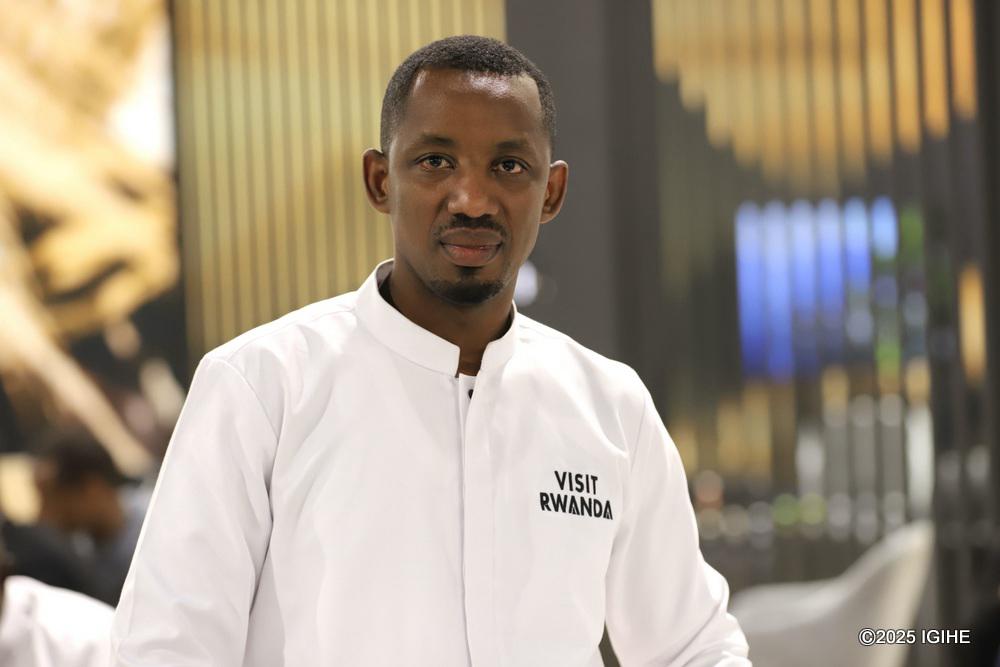
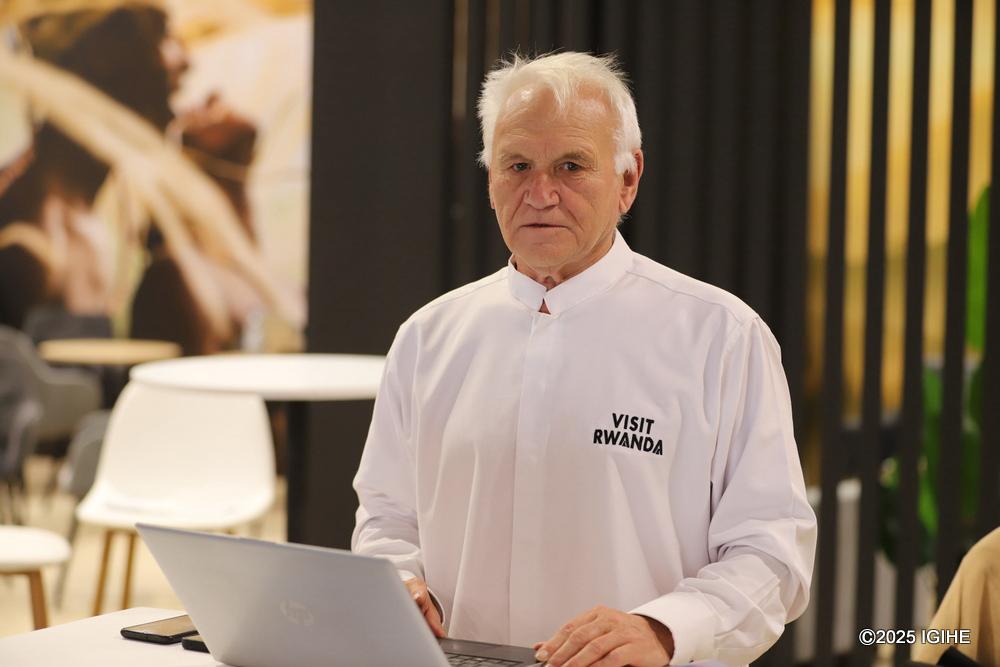
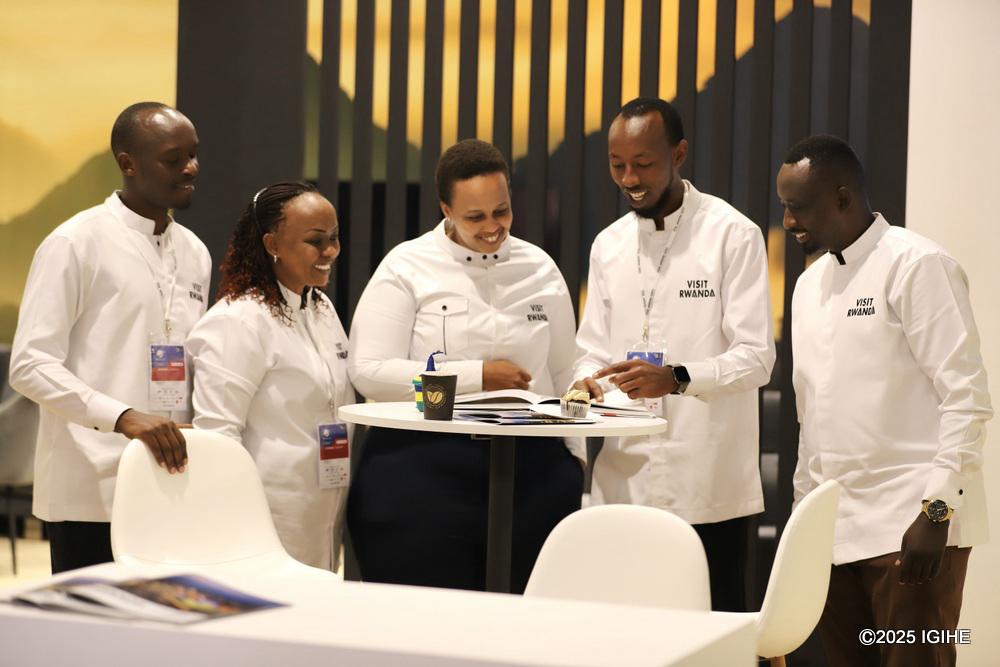
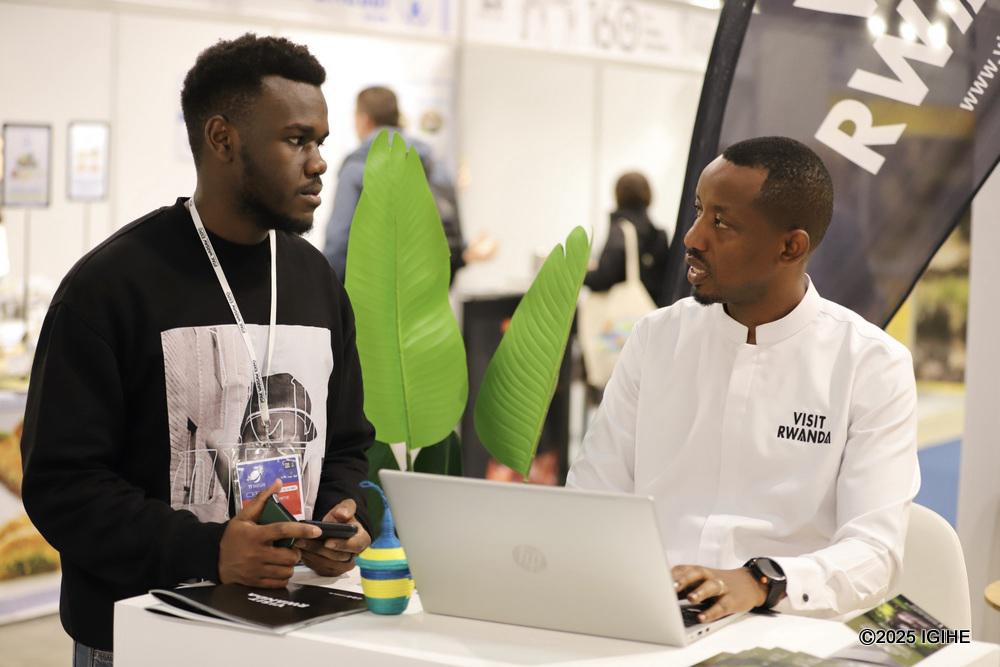
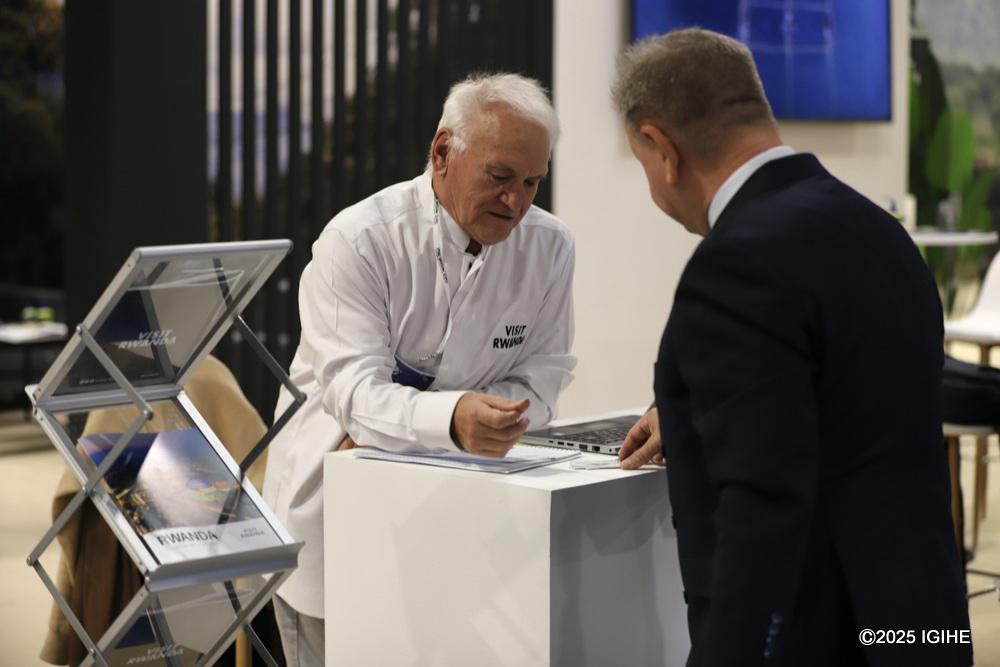
The fair, which ran from October 10 to 12, was officially inaugurated by the Polish Minister of Tourism and Sports.
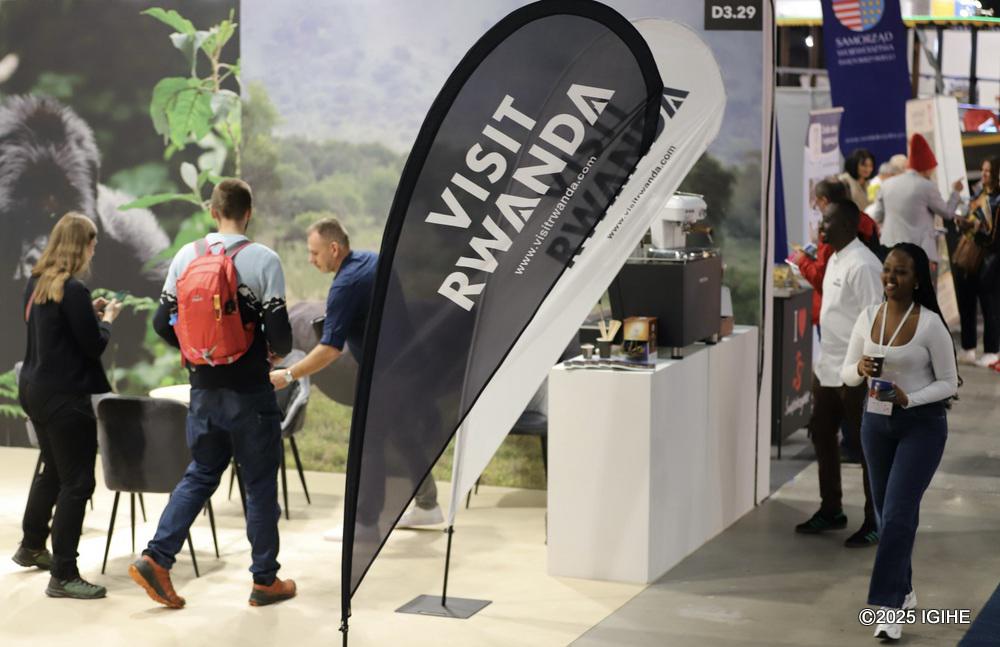
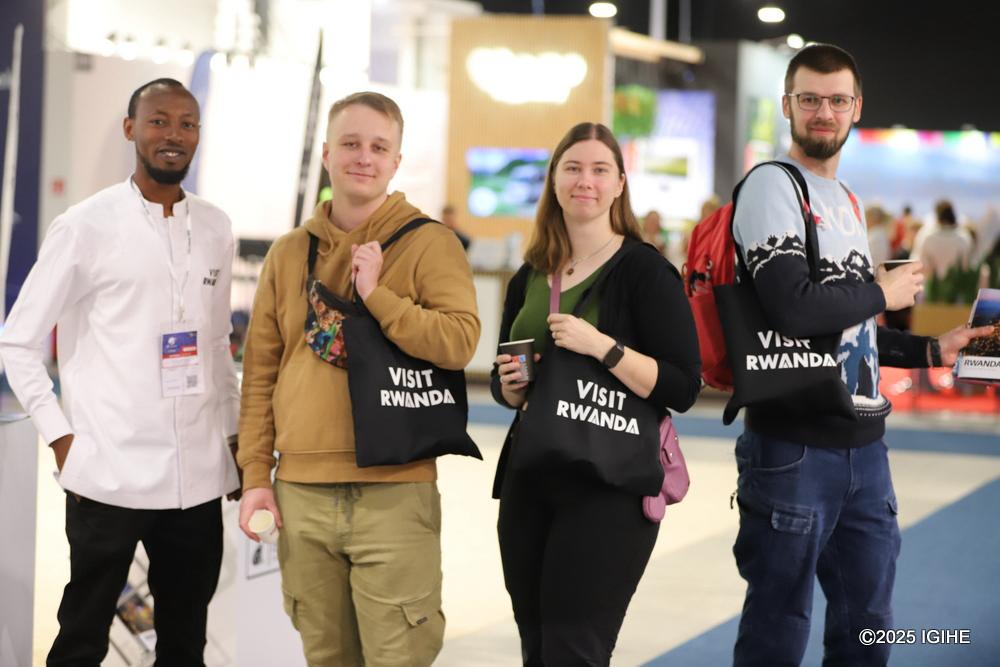
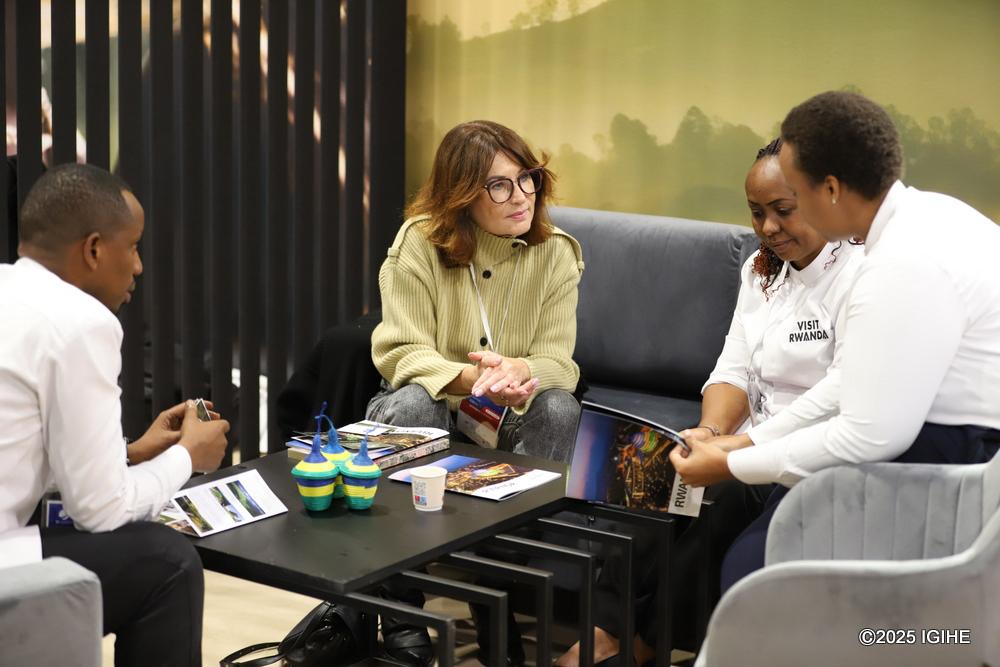
Through the Rwanda Development Board (RDB), Rwandan companies joined global participants in showcasing the country’s diverse tourism offerings.
Godfrey Rurangwa, Business Operations Manager at Makario Safaris, expressed that the fair provided an invaluable opportunity to build connections and learn from industry peers.
“We were able to engage with counterparts in the sector, exchange ideas about potential collaborations, and discuss ways to mutually promote our platforms in both Rwanda and Poland. This is a great starting point to attract tourists from Poland and the region,” he said.
Rurangwa also expressed his gratitude to the Rwanda Development Board (RDB) and the Rwandan Embassy in Poland for their logistical and institutional support.
Similarly, Walter Marcel, representing Mapendano Voyages, also thanked the RDB for facilitating participation.
He noted that the fair was an excellent platform to highlight Rwanda’s attractions, including Nyungwe, Akagera National Park (home to the Big Five), and the gorillas in Virunga National Park.
“It is a privilege for us to be present at TT Warsaw 2025. Rwanda is a country of remarkable beauty, with stunning landscapes, safety, and cleanliness, it deserves to be visited more,” he said.
For Marcel, the fair provided a unique opportunity to directly engage with visitors and Polish tourism professionals, dispelling misconceptions and offering concrete reasons for future travelers to choose Rwanda.
Both Rurangwa and Marcel stressed shared goals, such as strengthening commercial ties between agencies, exchanging digital promotion tools, and creating offers tailored to the European market.
Participants from Rwanda believe TT Warsaw 2025 has laid the foundation for the sustainable development of tourism between Rwanda and Poland.
Aimable Rutagarama, Chairman of the Chamber of Tourism, explained that the fair provided a valuable opportunity to tap into new markets and showcase Rwanda’s attractions to the world, positioning the country as a gateway to the region.
The fair, which brought together key players from the global travel and tourism industry, proved to be an ideal platform for showcasing Rwanda’s tourism offerings.
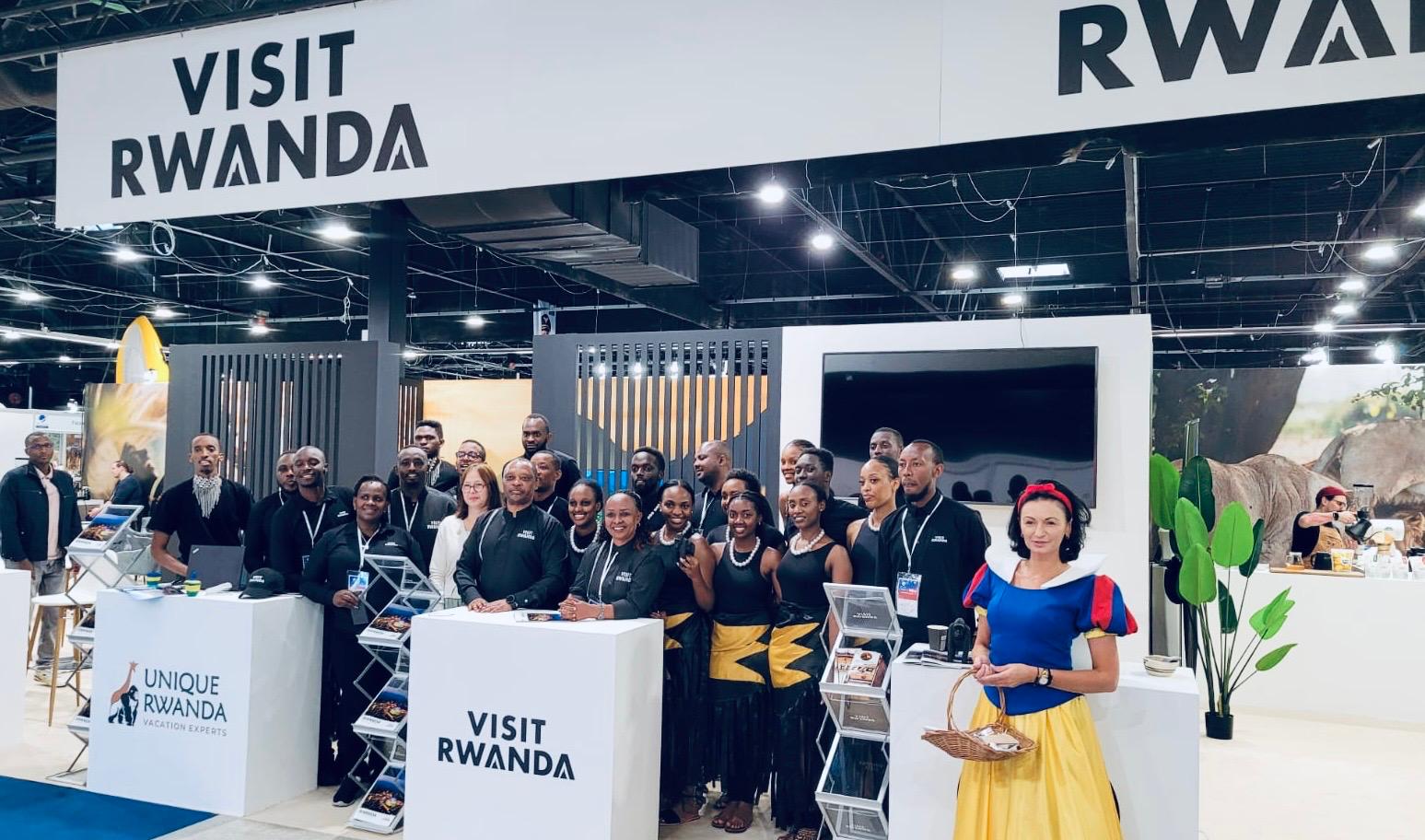
This marked Rwanda’s first appearance as a main partner of the event, and the country’s stand generated significant interest.
Represented by the Rwanda Development Board (RDB), Rwanda had a prominent space where engaging visuals highlighted the diverse tourist attractions the country has to offer.
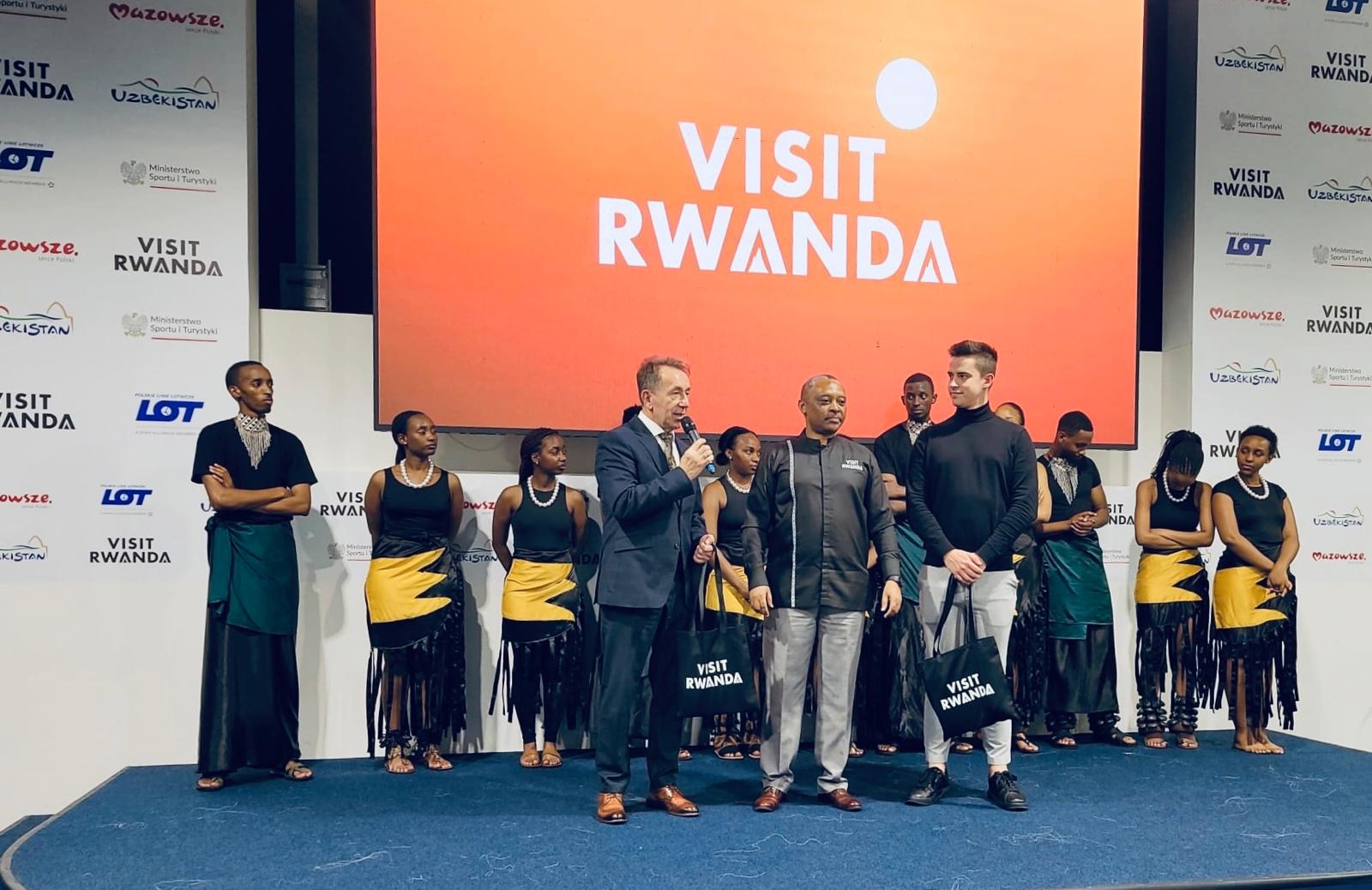
The opening ceremony, which was presided over by the Polish Minister of Tourism and Sports, was attended by Rwanda’s Ambassador to Poland, Prof. Anastase Shyaka.
Amb. Shyaka praised the growing bilateral relations between the two countries and expressed his gratitude to the organizers for the unprecedented partnership.
He also emphasized the significance of the Visit Rwanda brand, noting its powerful appeal to tourists from around the globe.
Taking advantage of this visibility, Amb. Shyaka invited TT Warsaw 2025 attendees and visitors to plan a trip to Rwanda and experience the country’s rich cultural and natural offerings firsthand.
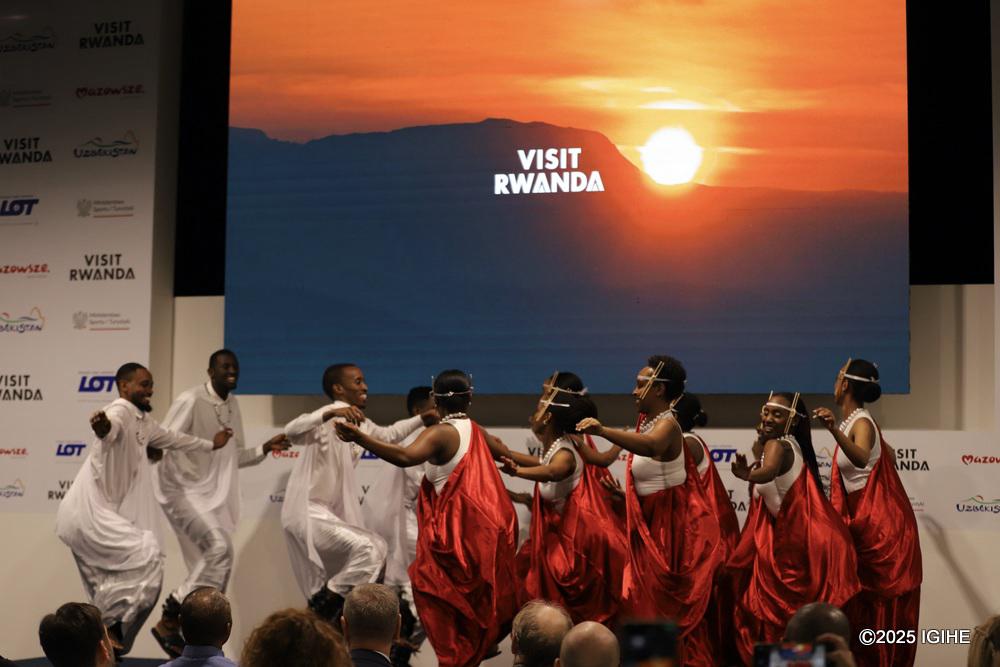
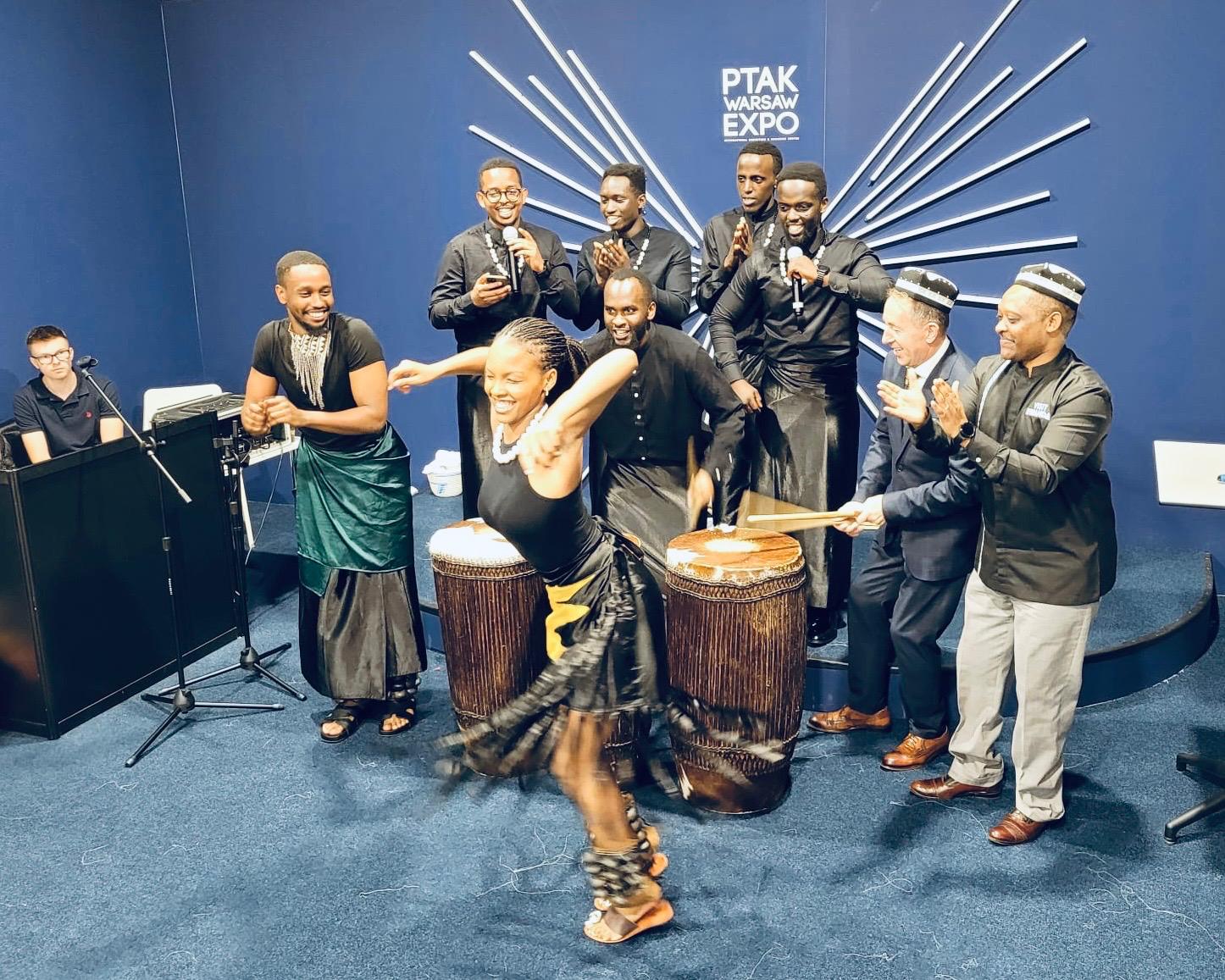
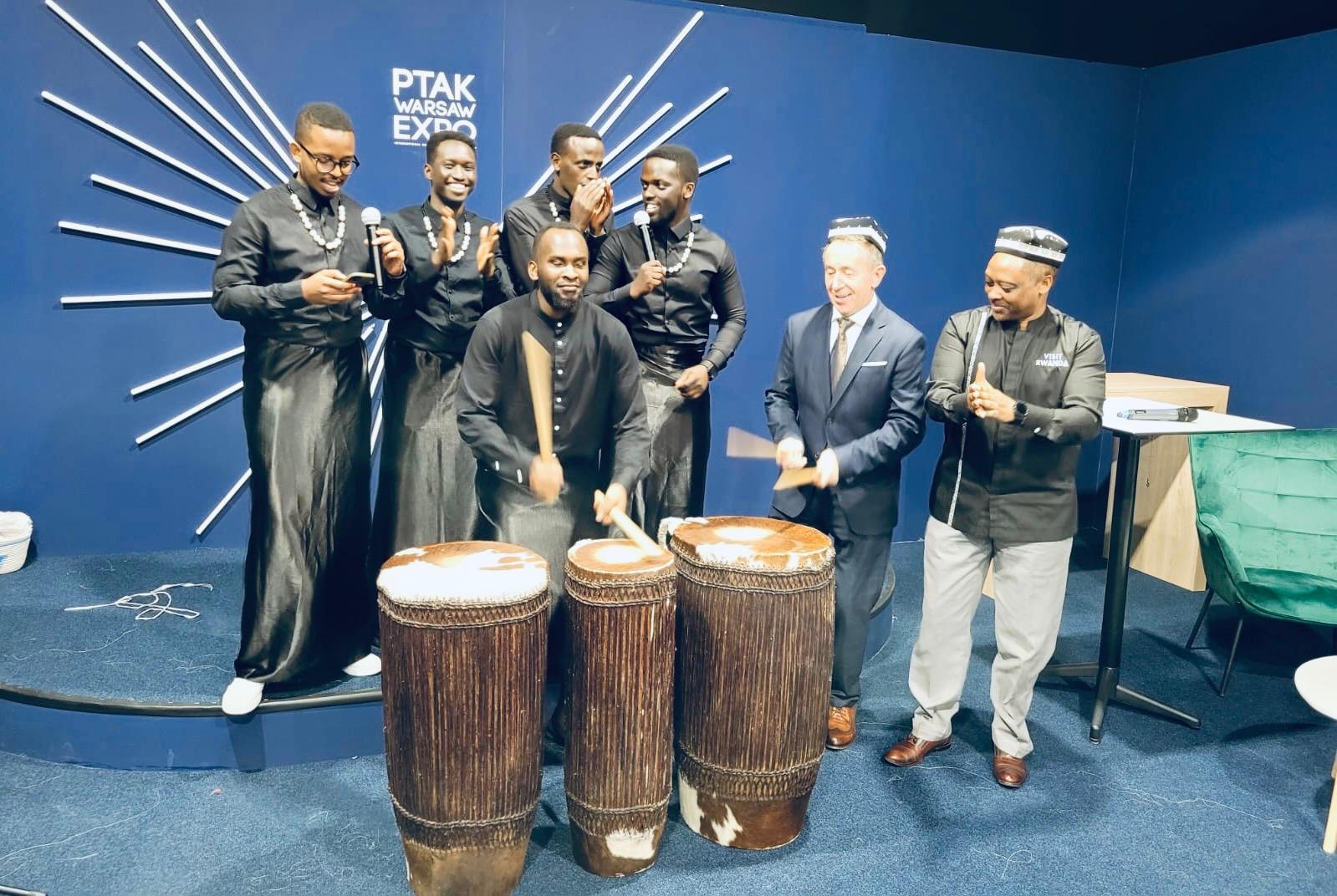
The closing ceremony of the fair was marked by a celebration of Rwanda’s cultural heritage, with a spotlight on the Visit Rwanda brand and lively Rwandan dance performances.
In an interview with IGIHE, Amb. Shyaka thanked organizers, and all tourism sector players, including eight Rwandan companies present at the fair.
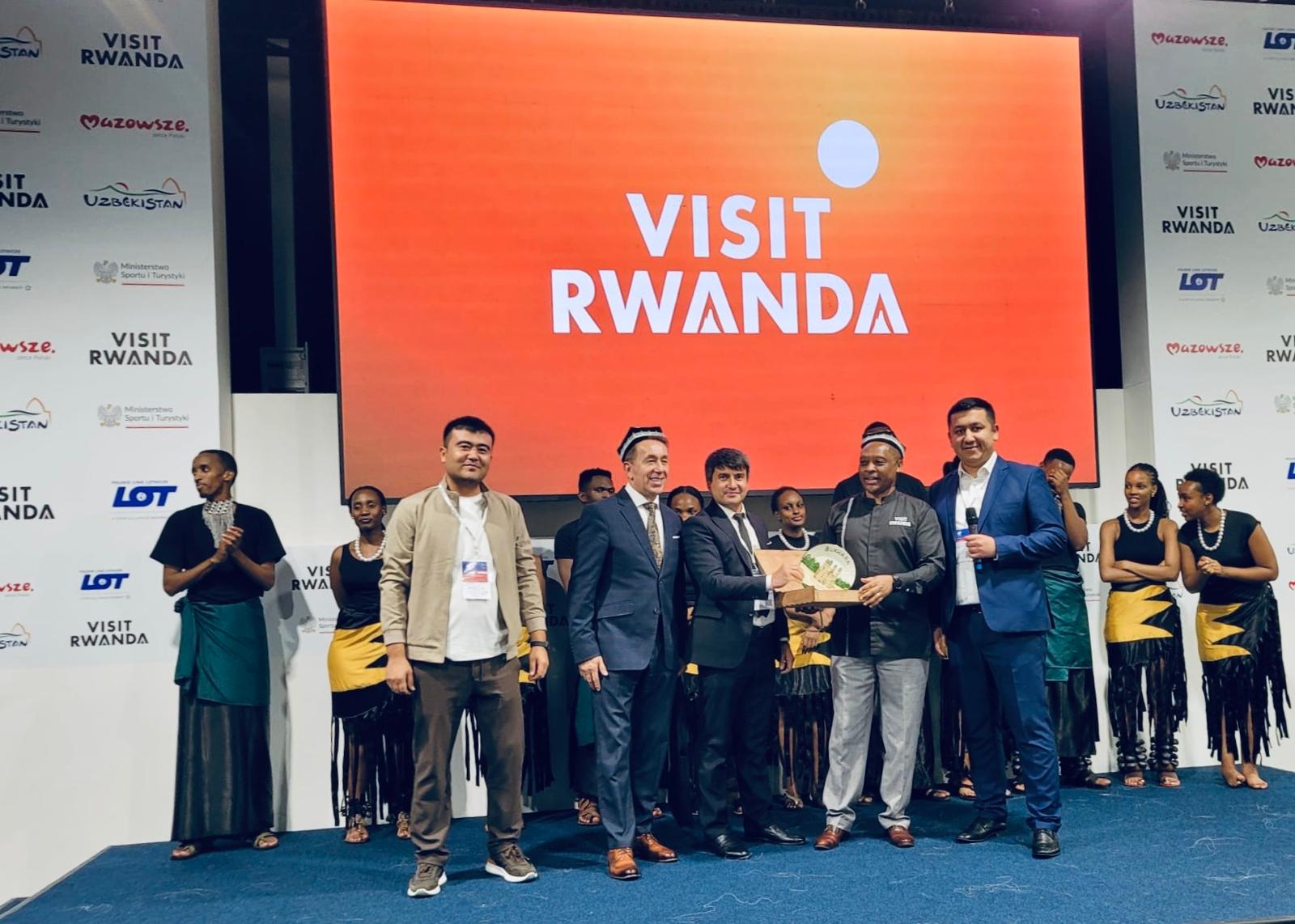
Kazimierz Cwikla, vice‑president of Ptak Warsaw Expo, largest exhibition center in Poland, hailed Rwanda for an exemplary collaboration and promised continued collaboration.
Throughout the event, Itorero Icyeza ballet captivated attendees with performances showcasing Rwanda’s cultural beauty through songs and traditional dance.
Rwanda was specially recognized as one of the event’s main partners and for its excellence at the trade show. The country was also awarded a certificate and medal of recognition for quality and innovation by PTAK Warsaw Expo.
During his remarks at the Global Gateway Forum in Brussels, Belgium, on Thursday, October 9, 2025, Tshisekedi stated that ending the conflict in eastern DRC rests between him and President Kagame. He also called on the Rwandan President to order AFC/M23 to cease hostilities.
Rwanda strongly rejected Tshisekedi’s remarks reminding him that the issue of AFC/M23 is under his jurisdiction.
Speaking to RBA on Sunday, Minister Nduhungirehe condemned Tshisekedi’s actions as political theatre.
“Tshisekedi should stop playing this game and instead sit down, read and implement signed agreements. There are the Washington agreements regarding the elimination of FDLR [terrorist group formed by individuals responsible for the 1994 Genocide against the Tutsi] and removal of defensive measures. This was discussed in Washington recently, and we agreed that October 1st was the starting date for the 90-day plan,” he said.
He emphasized that the issue of AFC/M23 must be addressed through the Doha talks, where the group has been engaged in dialogue with the DRC government.
“On the other hand, there are the Doha talks where AFC/M23 engage with the DRC government to discuss the underlying reasons for the situation in Eastern Congo between the Congolese people. They are seeking a long-term solution. This means all the issues concerning M23 must be addressed in Doha.”
Regarding Tshisekedi’s comments asking President Kagame to instruct AFC/M23 to cease hostilities, Amb. Nduhungirehe said, “President Tshisekedi should not come to Brussels and stir things up, telling President Kagame to instruct M23 to withdraw its troops. That is an attempt to mislead the public. He should sit down and implement the Washington agreements and expedite the Doha agreements, as he is the one delaying them due to issues he does not accept or act upon.”
Last week, Bertrand Bisimwa, the deputy coordinator of AFC/M23 responsible for political affairs, told President Tshisekedi that President Paul Kagame has no connection to the group and suggested that President Tshisekedi should reconcile with the group by fulfilling his promises.
M23 fighters resumed fighting in 2021 in response to Kinshasa’s failure to address grievances, including the marginalization of the Congolese and Tutsi communities.
Key appointments include Laurent Nunez as minister of the interior, Jean-Pierre Farandou as minister of labor, Monique Barbut as minister of ecological transition, Edouard Geffray as minister of national education, and Catherine Vautrin as minister of defense.
Roland Lescure was reappointed as finance minister. Jean-Noel Barrot remains in office as minister of foreign affairs, while Gerald Darmanin has retained his post at the Ministry of Justice.
Lecornu met with President Emmanuel Macron at the Elysee Palace earlier in the evening, according to local media reports. Lecornu proposed “a mix of civil society figures with experience and young parliamentarians” for the second edition of his government.
Lecornu had resigned on Monday, less than a month after his initial appointment and just one day after announcing part of his first cabinet. He was reappointed as prime minister on Friday amid ongoing political tensions.
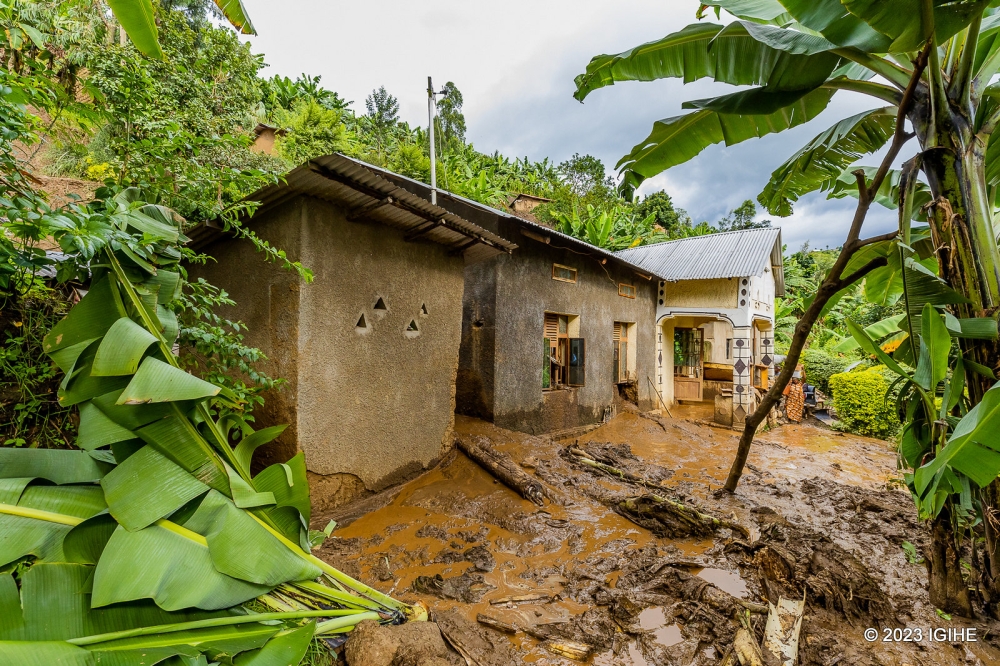
After the deadly floods and landslides of May 2023, which killed 131 people and displaced more than 51,000, Rwanda began reshaping how it handles climate emergencies.
The 2024 Disaster Risk Hotspots Assessment Report revealed 326 danger zones, with 41 percent categorized as high or very high risk.
These areas put at risk around 31,238 people and more than 70 critical facilities such as schools, roads, and power lines.
The Ministry in charge of Emergency Management (MINEMA) is using that data to plan ahead. Through its Relocation and Mitigation Plan, the government intends to move over 6,000 families from the most exposed zones and strengthen slopes that threaten homes and infrastructure.
Districts such as Gakenke, Rubavu, and Nyabihu now rely on daily rainfall alerts from Meteo Rwanda to warn residents early.
This is part of a broader anticipatory action approach, pre-positioning equipment, setting up temporary shelters, and releasing funds before disasters happen. Officials say acting early has already helped avoid heavy losses during recent rain seasons.
Rwanda’s topography divides its climate almost in half. To the west, heavy rainfall and steep terrain make landslides and floods an annual reality.
Data from the Vulnerability Assessment and Climate Risks in Rwanda (2024) show that between 2016 and 2023, landslides killed 449 people and floods 259.
The hardest-hit areas include the highlands of Rubavu, Rutsiro, and Ngororero, where annual rainfall can exceed 1,800 millimetres.
Meanwhile, in the east, drought remains the main threat. Districts such as Nyagatare, Kayonza, Kirehe, and Bugesera receive less than 900 millimetres of rain each year.
Temperatures have already risen by 1.4°C since 1981, and projections show an increase of up to 2.2°C by 2050. In 2023, parts of Eastern Province lost as much as 60 percent of their maize and bean harvests due to delayed rainfall and long dry spells.
Adaptation in the western highlands focuses on keeping the hills stable. Reforestation, terracing, and the construction of drainage systems are underway. Engineers are also using gabion walls and vegetation to hold soil in place and prevent slope failures.
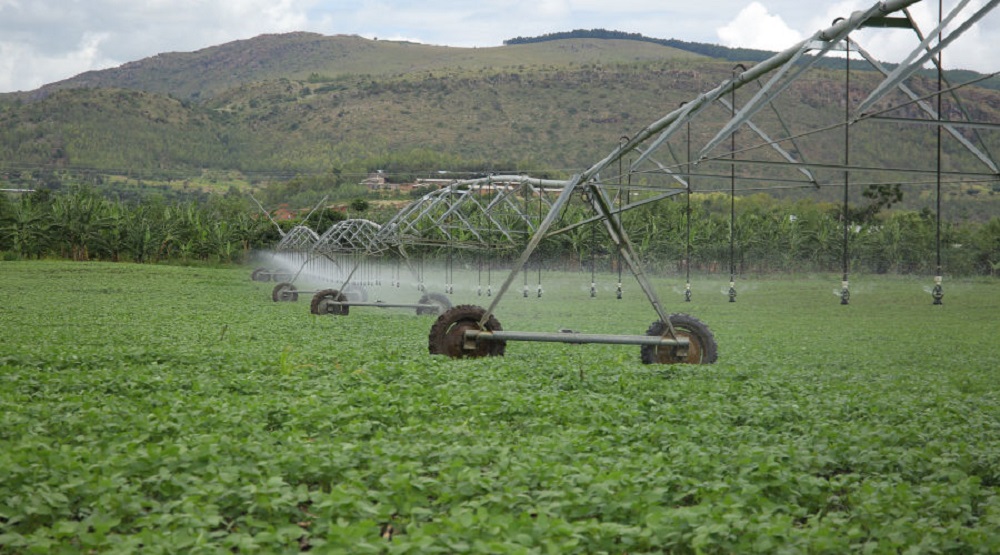
In the east, attention is on managing scarce water. Irrigation schemes under the Land Husbandry, Water Harvesting and Hillside Irrigation (LWH) project are helping small farmers store and use water more efficiently. Boreholes and solar-powered pumps have been added to ensure crops survive during dry seasons.
District disaster plans now match each region’s dominant risk, slope stabilization in the west, and irrigation and water storage in the east. Together, these strategies show a country adapting to both extremes.
Floods in the west disrupt national food supply chains, while drought in the east puts pressure on prices and household incomes. Rwanda’s planners now treat disaster management as a nationwide effort, linking local early-warning systems with national climate policies.
As the Disaster Risk Hotspots Assessment Report concludes, the country’s vulnerability may be geographical, but its resilience depends on coordination. Whether facing floods or drought, Rwanda’s strategy is built on a single principle: anticipate, adapt, and act early.
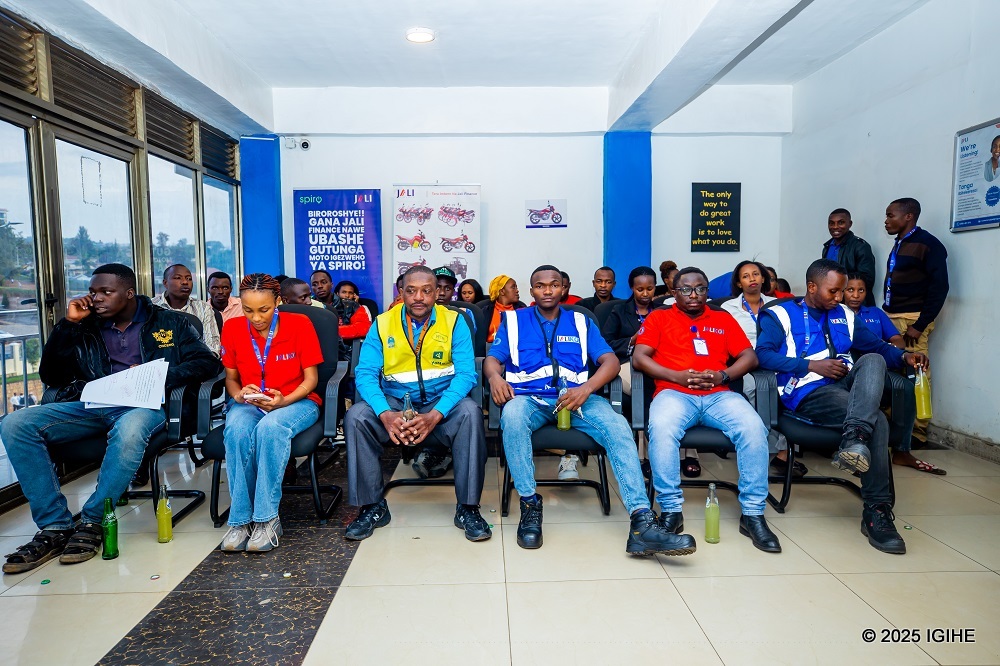
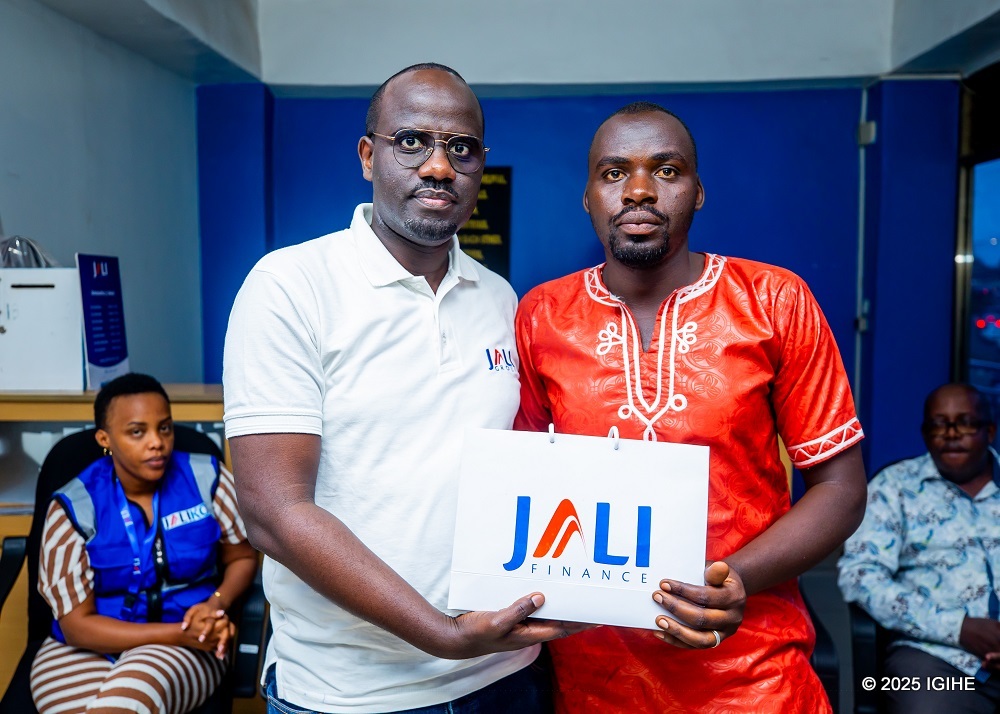
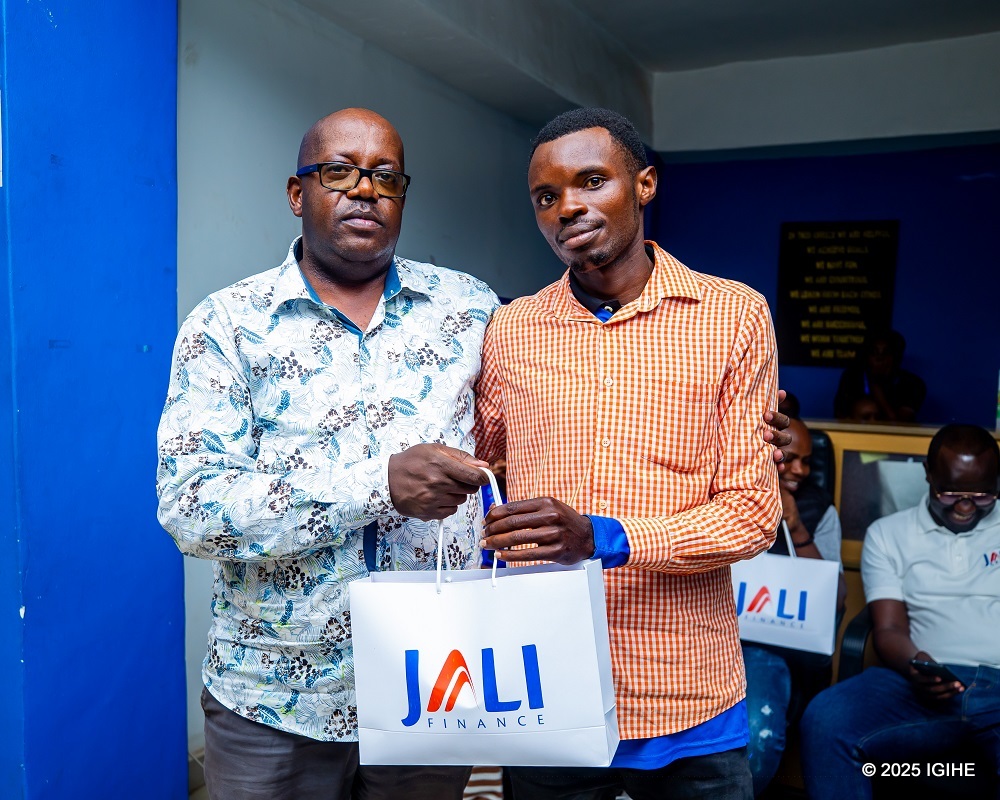
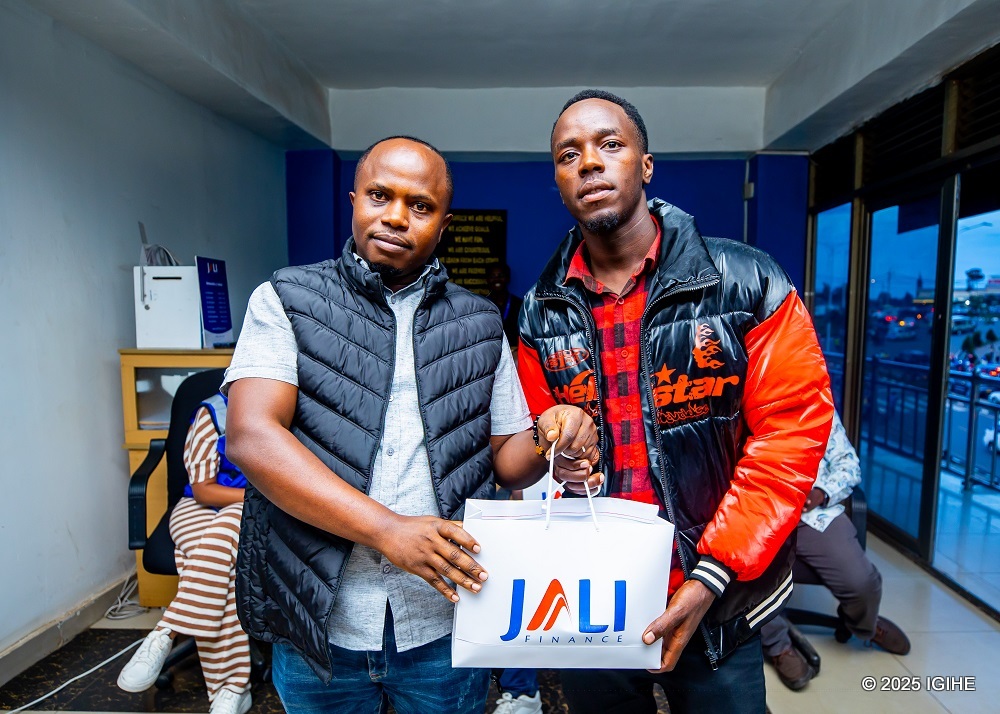
The recognition took place on October 10, 2025, at Jali Finance’s branch in Sonatube, Kigali, during an event marking Customer Appreciation Week.
The celebration also aimed to honor and motivate riders who uphold their contracts by making timely payments for the motorcycles financed through Jali Finance.
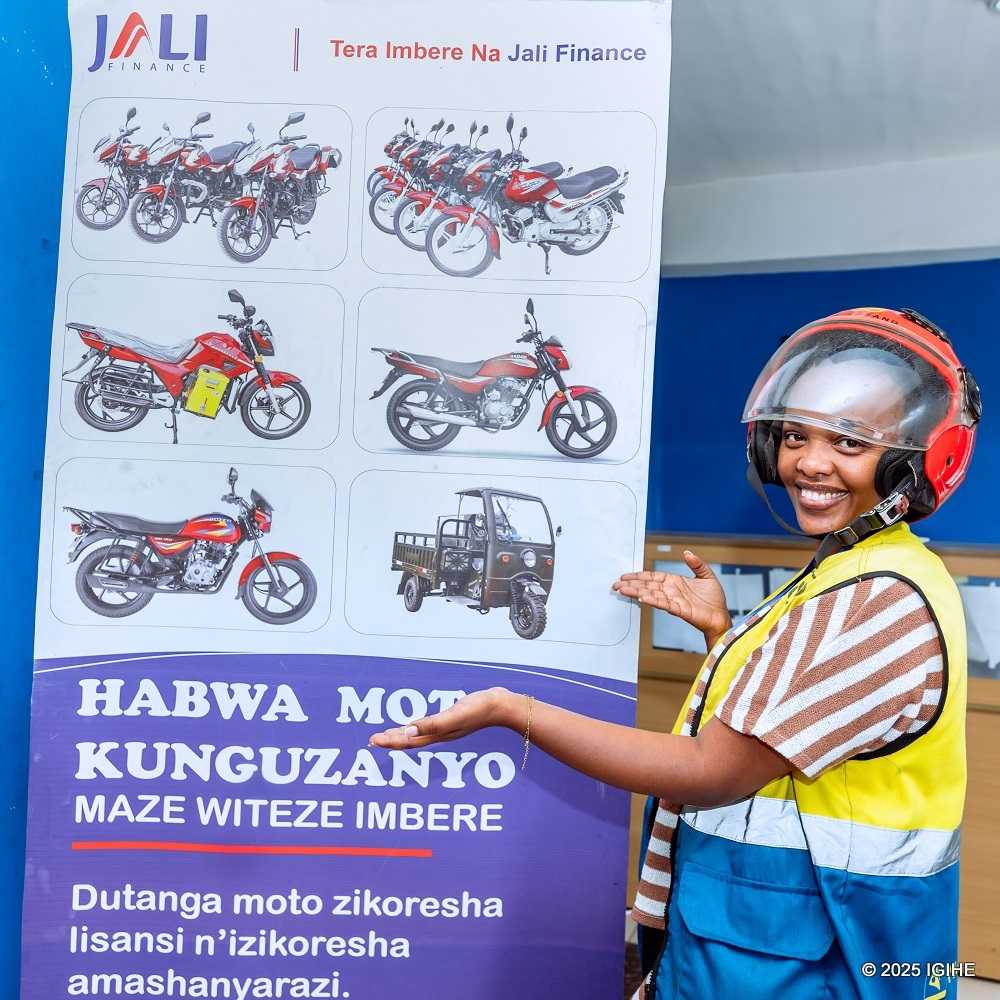
Jali Finance partners with various motorcycle dealerships to enable riders to acquire bikes without collateral. Under the arrangement, riders contribute Frw 35,000 per week as repayment.
To qualify, applicants must hold a valid motorcycle driving license, provide proof of residence, have two guarantors, and be free of any outstanding loans from other financial institutions.
For example, to acquire a motorcycle worth Frw 2 million, a rider is required to make an initial payment of Frw 150,000 or less and continue repaying over a period of two years without providing any collateral.
Beyond financing, Jali Finance also supports motorcyclists in cases of traffic fines, allowing riders to reimburse the amount gradually.
One of the beneficiaries, Vedaste Karangwa, expressed gratitude for the program, saying it helped him rebuild his livelihood after losing his previous motorcycles.
He attributed such opportunities to Rwanda’s visionary leadership under President Paul Kagame, emphasizing how government-driven initiatives continue to empower ordinary citizens.
“Let us thank our Head of State, President Paul Kagame, because we owe all this progress to his leadership,” Karangwa said. “This development is a result of good governance, unity, and peace. I had two motorcycles but lost them under difficult circumstances. When I approached Jali Finance for help, they supported me. I had almost lost hope, but they helped me start again.”
Another rider, Eric Ndagijimana, a father of two, shared that Jali Finance helped him upgrade from a small passenger motorcycle to a larger cargo-carrying one, which significantly improved his income.
With the additional earnings, he has been able to support his family and pay school fees for his child.
Ismaël Gasana, a 24-year-old rider, narrated how his life changed after owning a motorcycle through Jali Finance. Previously, he worked using bikes owned by others, which made it difficult to save or plan for the future, as the owners could take the motorcycles back at any time.
“I used to ride other people’s motorcycles, and it was always unstable. They could repossess them any day,” he said. “But now I have my own motorcycle, and I no longer worry. I can work freely and plan ahead.”
Jali Finance Ltd’s Chief Executive Officer, Félix Nkundimana, said the company dedicated this customer week to appreciating riders who honor their commitments and repay responsibly.
He noted that the recognition reflects the institution’s respect for integrity and professionalism among riders, many of whom demonstrate discipline on the road and a genuine desire for progress.
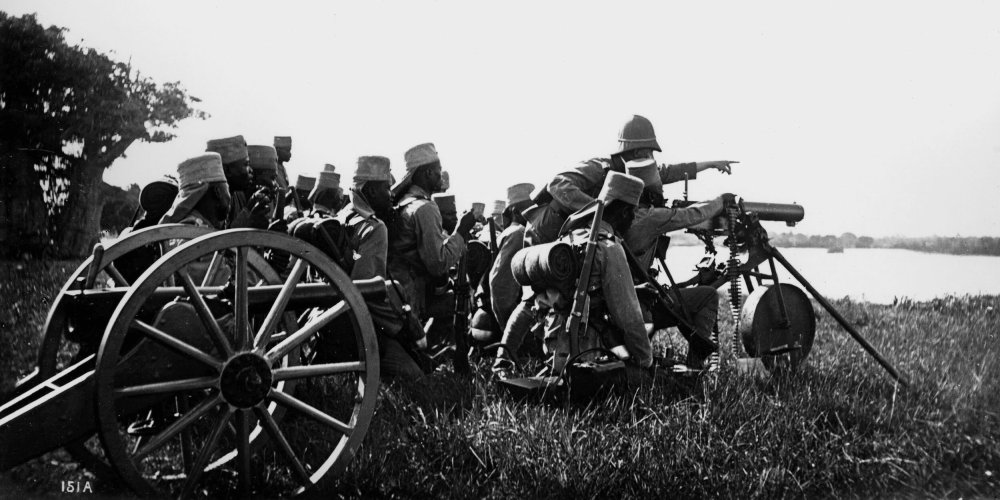
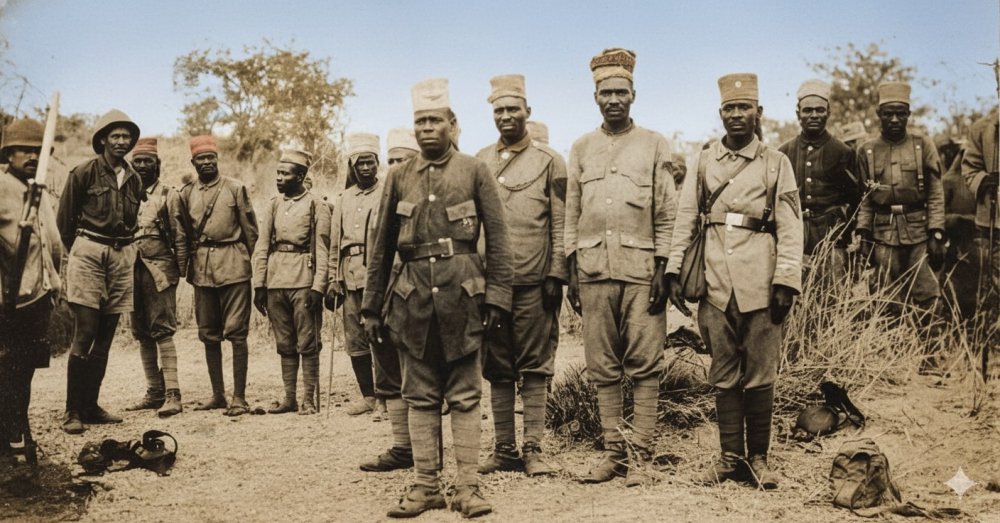
According to a book dubbed ‘The History of Rwanda’ co-authored by Paul Rutayisire and Deo Byanafashe, the roots of the conflict in Rwanda stretch back to September 24, 1914, when German forces, led by Captain Wintgens, attacked Ijwi Island and began consolidating their control over the strategic areas surrounding Lake Kivu.
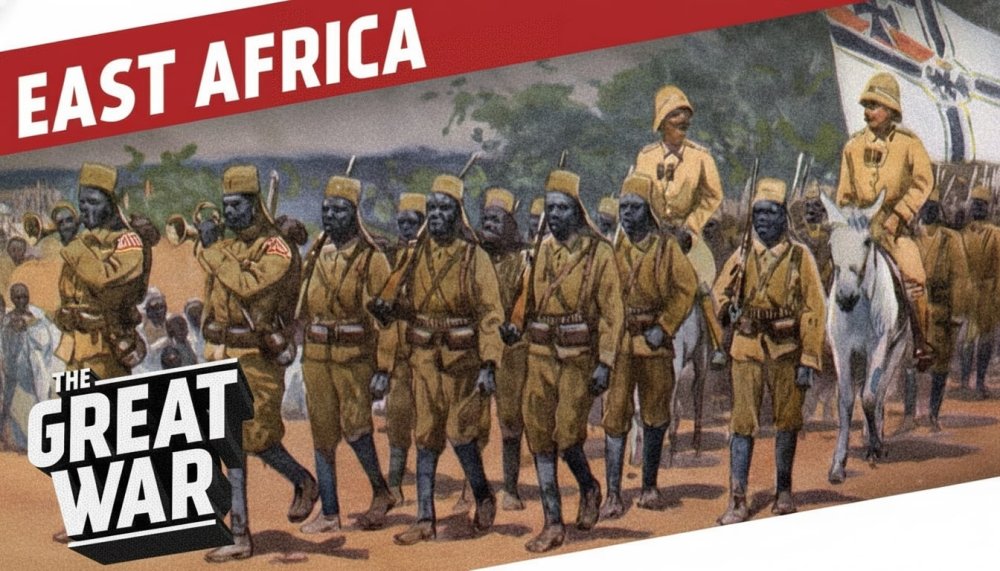
At this time, Rwanda, under German colonial rule since 1897, was already experiencing the strain of European dominance. With a population of fewer than 50,000 German soldiers across the whole of East Africa, including Rwanda, the Germans faced a daunting challenge to maintain control.
Although Germany lacked the military numbers to secure long-term dominance, their disciplined forces had managed to hold Rwanda, employing guerilla tactics to repel Belgian and British forces.
Rwanda’s central location was critical for the Germans, especially in terms of access to vital trade routes and strategic areas around Lake Kivu. However, Belgium had its own plans for the region. As the Belgians eyed the German-occupied territories in East Africa, the country sought to use Rwanda as a stepping stone for further colonial expansion.
Belgium, having already seized German-controlled Burundi, began advancing toward Rwanda in 1915. Despite the Germans’ smaller numbers, their soldiers and local allies fought fiercely to defend their hold over the country.
King Musinga, although caught in a difficult position, supported the German forces, supplying warriors and essential resources to resist the Belgian advances.
The conflict escalated in 1916 when Belgian forces launched a decisive offensive on Rwanda. On April 28, 1916, Colonel Molitor of the Belgian military led his troops to capture key strategic locations, including Gatsibo, which marked the beginning of their march towards Kigali.
The Belgians, now bolstered by British forces from Uganda, quickly closed in on the German-held capital. German forces, realizing they could no longer defend Kigali, began their retreat.
By May 5, 1916, the last German soldiers left Kigali, making their way towards the neighboring regions of Save and Burundi. The Belgian troops, after a fierce but brief skirmish, entered Kigali on May 9, 1916, taking full control of the city and marking the end of German rule in Rwanda.
The German withdrawal was driven by the fear of being completely surrounded by advancing Belgian and British forces.
German Captain Wintgens, the commander in charge of the retreat, also led his troops through the rugged terrain of Rwanda’s hills towards Nyundo and beyond, seeking refuge in the neighboring forests and eventually making their way out of the region.
This retreat signified the final collapse of German authority in Rwanda and the beginning of Belgium’s colonial rule.
Under the Belgian mandate, Rwanda was governed more directly than under the Germans, and the local population would soon feel the effects of this shift. The Belgians established a more rigid political and social order, imposing taxes and forcing labor to support their colonial economy.
King Musinga, though initially hopeful that his relations with the Germans could be rebuilt, found himself under the scrutiny of the new Belgian colonial authorities.
Belgium’s takeover introduced policies that would permanently alter the governance structure of Rwanda. Unlike the Germans, who had worked through local leaders, the Belgians dismantled Rwanda’s traditional power structures, replacing them with direct colonial control.
The consequences of this change were not immediately felt, but the seeds of resistance were sown. The exploitation of Rwanda’s resources, particularly forced labor and the imposition of taxes, led to tensions between the Rwandan people and their new rulers.
King Musinga, who had tried to maintain a delicate balance during German rule, now found himself caught between appeasing the Belgians and retaining some semblance of power for his people.
Rwanda gained its independence from Belgium on July 1, 1962. This followed the dissolution of the monarchy and the abolition of the Kingdom of Rwanda in 1961.
However, Belgium’s approach to governance in Rwanda, had sparked ethnic divisionism that culminated to the 1994 Genocide against the Tutsi halted by the Rwanda Patriotic Army.