“The Queen died peacefully at Balmoral this afternoon,” Buckingham Palace said in a statement.
“The King and The Queen Consort will remain at Balmoral this evening and will return to London tomorrow,” it added, indicating her son, Prince Charles, has now become Britain’s new King.
Earlier in the day, Buckingham Palace said the monarch was under medical supervision due to doctors’ concerns over her health. The royal family members soon rushed to Scotland to be at her side following the announcement.
“The death of my beloved Mother, Her Majesty The Queen, is a moment of the greatest sadness for me and all members of my family,” King Charles said in a statement.
“We mourn profoundly the passing of a cherished Sovereign and a much-loved Mother. I know her loss will be deeply felt throughout the country, the Realms and the Commonwealth, and by countless people around the world,” it added.
Queen Elizabeth II died two days after she appointed Liz Truss as Britain’s new prime minister, succeeding Boris Johnson.
The monarch made fewer public appearances in recent months due to mobility issues after recovering from COVID-19 in February. During the four-day nationwide celebration in early June to mark her 70 years on the throne, she made two brief appearances only on the balcony of Buckingham Palace.
After the announcement of the Queen’s death, thousands of people gathered outside Buckingham Palace in London despite the rain to pay tribute. Local media said Britain will enter an official 10-day period of mourning beginning Friday. There has been an outpouring of condolences from politicians and governments following the Queen’s passing.
“Queen Elizabeth II was the rock on which modern Britain was built. Our country has grown and flourished under her reign. In the difficult days ahead, we will come together with our friends across the United Kingdom, the Commonwealth and the world to celebrate her extraordinary lifetime of service. It is a day of great loss, but Queen Elizabeth II leaves a great legacy,” Truss said in a statement.
“We mourn the death of Queen Elizabeth II. she was a role model and inspiration for millions, also in Germany. Her commitment to German-British reconciliation after the horrors of World War II will remain unforgotten,” German Chancellor Olaf Scholz tweeted.
“Queen Elizabeth II has just passed away. An Elizabethan era is coming to an end. The United Kingdom forever bears the seal of the one who embodied it for seventy years with unalterable strength and moral authority. France pays tribute to the woman who marked the history of her country, our continent and her century,” France’s Elysee Palace said in a statement.
Born on April 21, 1926, Elizabeth II was proclaimed Queen after the death of her father, King George VI, on Feb. 6, 1952. She was formally crowned the monarch of the United Kingdom on June 2, 1953.
She was considered “a beacon of hope” for the nation as she used her annual Christmas speeches, televised since 1957, to rally the nation in times of hardship.
In total, the Queen greeted 15 prime ministers during her long reign, including Winston Churchill, her first, and Truss, her last.
Her husband, Prince Philip, died at the age of 99 in April 2021.
The Queen traveled to China in 1986, the first British monarch in history to do so.

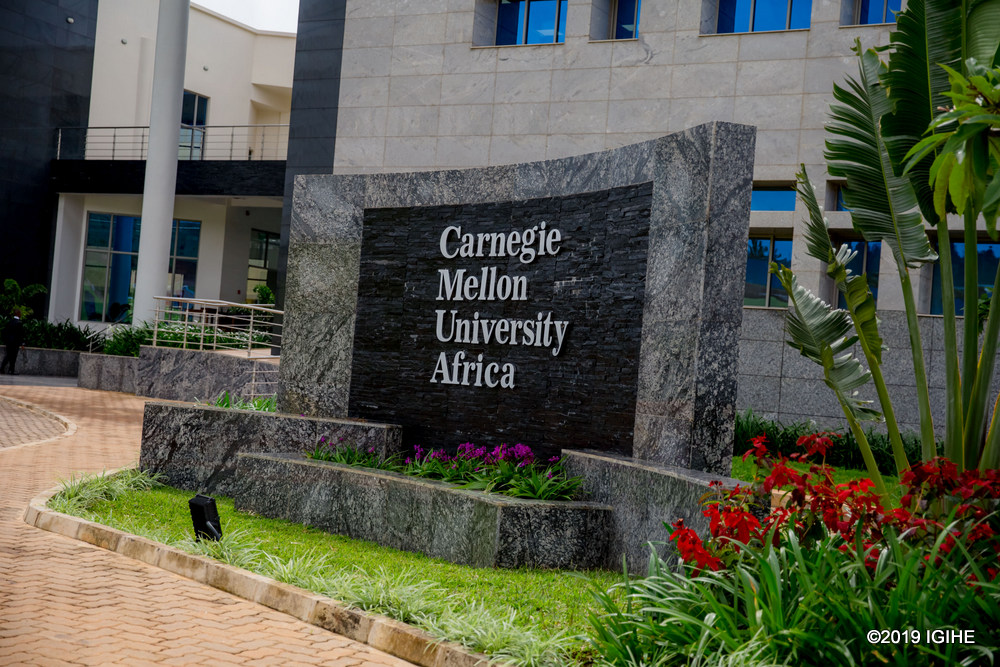
The US$275.7 million partnership with the Mastercard Foundation will significantly expand advanced engineering and technology education at CMU-Africa in Kigali. The investment from the Foundation includes a US$175M endowment to perpetually fund CMU-Africa. It also includes US$100.7M to establish CMU-Africa’s Center for the Inclusive Digital Transformation of Africa.
Specifically, through this historic partnership with the Mastercard Foundation, CMU-Africa will:
-* Expand instructional capacity, including introducing a new degree in engineering artificial intelligence, and online learning programs.
-* Grow the annual cohort of students enrolling in CMU-Africa by more than 33%.
-* Provide additional financial assistance to more CMU-Africa students, including increased support for the Mastercard Foundation Scholars Program at CMU-Africa.
-* The partnership will provide direct scholarship support to a total of 300 students.
-* Ensure programs recruit and provide opportunities for marginalized groups, including women, people with disabilities, and displaced people.
-* Pilot programs for English language immersion to help prepare undergraduate students from other African universities for graduate study.
The new partnership will also strengthen Africa’s research, entrepreneurship, and innovation ecosystem more broadly by:
-* Establishing a network of higher education institutions in Africa that will work with the private sector and governments to create the conditions for inclusive digital transformation.
-* Supporting up to 10 African universities to deliver high-quality engineering and technology education.
-* Increasing digital knowledge creation to drive technology development and job-creating innovation through training, seed funding, and collaboration opportunities for researchers at CMU-Africa and other partner universities.
Directly involving faculty and staff from CMU-Pittsburgh in CMU-Africa activities to innovate in education and help create the knowledge needed to drive the inclusive digital transformation of Africa in fields that include agriculture, health, and finance, among others.
Through these various pillars of the partnership, a total of 10,000 young people will gain the skills to compete in the global marketplace, innovate, design new tools that solve regional and global challenges, and bring those tools to market.
Carnegie Mellon is the only U.S. research university with master’s degree programs and full-time faculty, staff, and operations on the continent. CMU-Africa was established in 2011 through a partnership between Carnegie Mellon University and the Government of Rwanda. Through the strategic collaboration and generous support of the Government of Rwanda and the Rwandan people, CMU-Africa has built a strong educational platform that serves the continent.
“The key to creating opportunities for promising African students from all socioeconomic backgrounds is access to education in the high-tech fields that are driving the economies of the future,” said Farnam Jahanian, the president of Carnegie Mellon University. “We are grateful to the Mastercard Foundation for their partnership with CMU over the past six years to help empower the next generation of Africa’s leaders, and we are delighted to be expanding our partnership even further. With this new collaboration, we will accelerate our shared mission and provide life-changing educational and career experiences for students across the continent.”
Africa has the youngest and fastest-growing population in the world. By 2030, there will be 375 million young people in the job market in Africa, and that number is expected to grow to more than a billion people within the next few decades. Young people in Africa represent the workforce of tomorrow and can serve as a force for Africa’s transformation if they have the skills and knowledge to participate in and build the economies of the future.
“Mastercard Foundation Scholars and graduates from this program will be at the forefront of creating technologies and companies that will generate jobs and enhance Africa’s economic competitiveness. We are excited that this initiative will strengthen the role of African universities in developing the continent’s scientists, innovators, and problem-solvers as well as generating knowledge that will benefit society more broadly,” said Reeta Roy, the president and CEO of the Mastercard Foundation.
The new initiative builds on a previous partnership between the Mastercard Foundation and Carnegie Mellon University, as well as a successful 10-year partnership between the Government of Rwanda and CMU-Africa that has connected 561 young people from 21 African countries to world-class training—including 125 students supported through the Mastercard Foundation Scholars Program.
“The strategic partnership with Carnegie Mellon University is one of the Government of Rwanda’s key investments to support the development of a critical mass of skills in science and technology, particularly in ICT, required by the knowledge economy and to help accelerate Rwanda’s and the region’s socioeconomic transformation. We express our sincere appreciation to the Mastercard Foundation for their significant support, which will help Rwanda realize its vision for the future in establishing the Regional Center of Excellence in Rwanda (CMU-Africa) and ensure the sustainability of the program. The Regional Center of Excellence, coupled with other important strategies will help ensure that we are part of, and benefit from, the global digital revolution,” said Valentine Uwamariya, Rwanda’s Minister of Education.
CMU-Africa offers graduate degrees in information technology, electrical and computer engineering, and engineering artificial intelligence through Carnegie Mellon’s top-ranked College of Engineering, with the same standards, curricula, and requirements as its Pittsburgh campus. As of spring 2022, the program enrolled over 230 students representing 21 African countries.
“The Mastercard Foundation’s support will enable us to accelerate our Africa strategy, which is uniquely defined to prepare higher education students to meet the complex needs of the digital future along with the research and entrepreneurship necessary to compete in the global economy,” said William Sanders, dean of the College of Engineering.
CMU-Africa’s impact includes a close to 90% employment rate within the first year of graduation. Its alumni have founded or joined startup companies, are pursuing their Ph.D.’s in top doctoral programs in the U.S. and Europe, and are serving in government information offices, including within the Government of Rwanda and the World Bank.
“The Mastercard Foundation has been a critical partner in the growth of CMU-Africa as we help meet the growing demand for high-quality technical talent who will accelerate development on the continent,” said Allen Robinson, director of CMU-Africa and associate dean for international programs in Africa. “This new, extraordinary phase of our relationship will exponentially magnify our ability to build a pan-African network that positively impacts the future of young people across the continent.”
{{About the Mastercard Foundation}}
The Mastercard Foundation works with visionary organizations to enable young people in Africa and in Indigenous communities in Canada to access dignified and fulfilling work. It is one of the largest, private foundations in the world with a mission to advance learning and promote financial inclusion to create an inclusive and equitable world. The Foundation was created by Mastercard in 2006 as an independent organization with its own Board of Directors and management.
{{About Carnegie Mellon University}}
[{{Carnegie Mellon}}->http://cmu.edu/] is a private, internationally ranked research university with acclaimed programs spanning the sciences, engineering, technology, business, public policy, humanities, and the arts. Its diverse community of scholars, researchers, creators, and innovators is driven to make real-world impacts that benefit people across the globe.
The incident occurred on Wednesday 7th September 2022 around 9:00 a.m.
IGIHE has learnt that Usanase drowned as she went to swim along with other children.
The child hailing from Cyabakamyi Sector but has been on a visit to her aunt in Rwabicuma Sector in the same district.
Nyanza District Vice Mayor in Charge of Social Affairs, Nadine Kayitesi has confirmed her death and urged parents to monitor their children’s movements to avoid incidents putting their lives at risk.
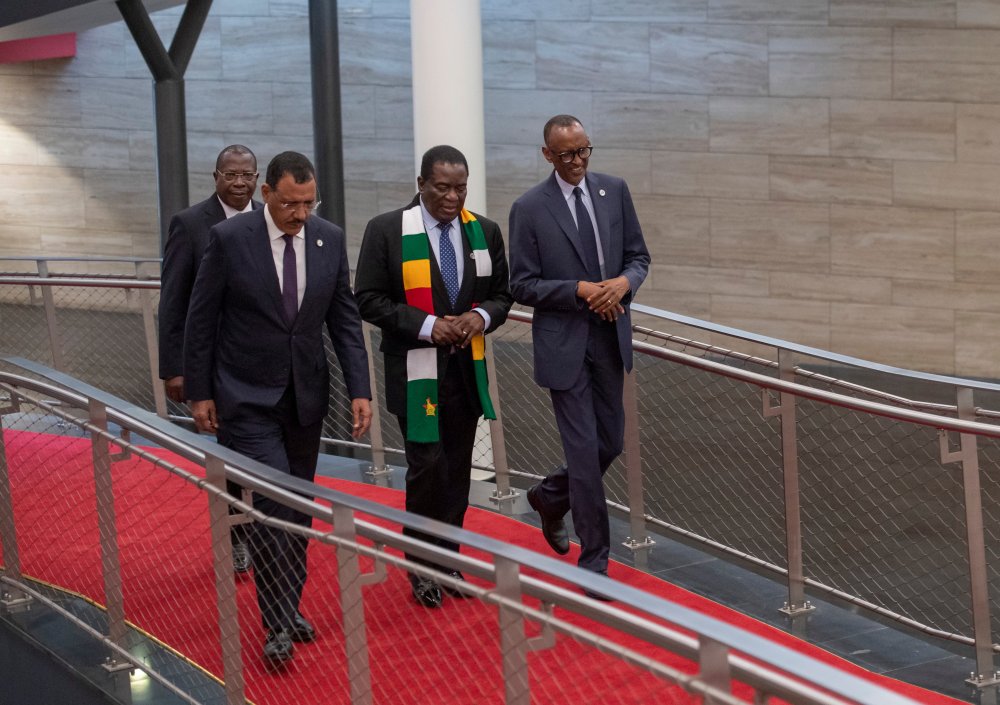
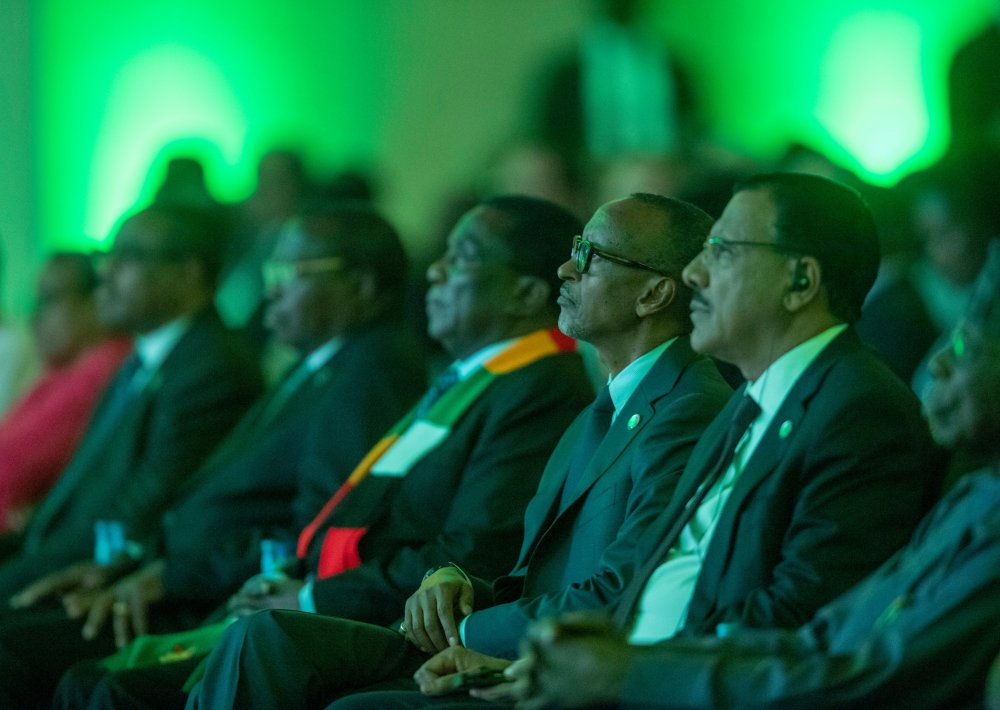
The summit brought together different leaders including the President of Zimbabwe, Emmerson Dambudzo Mnangagwa; the President of Niger, Mohamed Bazoum and the Vice President of Tanzania.
The former Prime Minister of Ethiopia, Hailemariam Dessalegn and the former Nigerian President, Olusegun Obasanjo are among other dignitaries who attended the summit.
Speaking at the summit on Wednesday 7th September 2022, President Kagame highlighted that the continent has an obligation to ensure families have nutritious food on tables every day, at the same time enabling farmers to earn more income and growing agribusiness and create new service jobs off the farm.
“Above all, it is about ensuring that Africa is more resilient in the face of unexpected shocks but we are off-track in achieving our agreed targets, under the Comprehensive African Agricultural Development Program [CAADP] and the Malabo Declaration, as well as the Sustainable Development Goals,” he said.
The Head of State highlighted that the COVID-19 pandemic, ongoing conflicts and global supply chain and energy crisis are all placing unusual strain on ‘our food systems’.
He said that the crisis is a serious one where dealing with issues surrounding it requires a sense of urgency. The Head of State also indicated that people need to put everything in perspective and ask themselves how they got to the point.
According to the President, this helps to look back and possibly see where people fell short and try to correct mistakes as fast as they can.
“I am saying this with a sense that most of the things are known, whether it is about building capacities to meet the challenges of the food systems and make sure our people don’t get hungry. Second, food is important in many ways. Nothing else can be done by anybody unless we are fed. It is about life, the fuel for human beings to live and be able to do what they want to do,” he said.
“But associated with that most interesting thing, is that it is also a business. It benefits from skills, knowledge, technology […] if this is the case, why can’t we therefore do what we need to do to bring all these things together so that in Africa, we stop being challenged or running into all kinds of shocks just because a crisis hit somewhere else,” added Kagame.
Considering the Ukraine-Russia crisis, the President said that the whole Africa suffers because it can no longer get wheat and fertilizers among other things.
He maintained that people should learn from such issues given that lessons have existed for a long time.
“If we can learn these lessons and quickly act to prevent such things happening, I think in Africa there are many toolkits we have in our hands that can apply to protect ourselves from these shocks that come up every other time from different continent when we can deal with the situation ourselves,” noted Kagame.
The President of Zimbabwe, Emmerson Mnangagwa said that his country has been under Western sanctions for the last 20 years which affected its capacity certain essential commodities.
He explained that Zimbabwe has been importing wheat for bread from Ukraine while fertilizers were imported from Russia.
Normally, Zimbabwe would grow wheat and keep in reserve quantities that could be used for three months in the country but recently introduced a new model enabling the country to achieve food sufficiency. It is with this regard, the president disclosed that the last agricultural season has seen Zimbabwe producing wheat supply for 13 months where the crisis for wheat importation from Ukraine does not currently affect his country.
As Mnangagwa said, the country has adopted another model to mitigate climate change and introduced a program to build dams to facilitate irrigation in all provinces of Zimbabwe.
He said that his country targets 360,000 hectares of land under irrigation and expressed optimism that the exercise will have been completed by the next season to be self-sufficient whether there is drought or not.
The Vice President of Tanzania, Philip Mpango said that his country is fortunately self-sufficient in food and exports to the region but pointed out issues related to post-harvest losses standing at 30% of all agricultural yields.
He also revealed that his country was also affected by multiple crises including the COVID-19 pandemic and the war in Ukraine among others.
“Our GDP collapsed from an annual growth of 7% down to 4.8% currently,” Mpango said.
To mitigate the effects that occasioned economic downfall, Tanzania oil seeds including sunflower.
Mpango went on to explain that the country urges its people to opt for substitutes including yams, potatoes and cassava instead of sticking to wheat.
The country also decided to increase its budgetary allocations to agriculture from an average of around US$125 to US$404 million.
President Kagame also talked about climate change noting that the African continent contributed the least to the crisis. He however stressed that it should not stop people from taking needed action to mitigate related effects.
“If you look at what is happening in each of our countries, regions and beyond, rain is being affected, different problems around that and therefore, it affects food systems and food security,” he observed.
“We have to make investments ourselves, to begin with even our limited resources. For example, we have to invest smartly in data systems so that we are at least informed as far as certain elements are concerned that contribute to the crisis and then know how to deal or treat different regions of our countries or continent,” stated Kagame.
Zimbabwean President also highlighted that Africa has all the resources to develop countries with regards to food security and fertilizers.
“Africa has the resources to modernize our countries, industrialize and mechanize them. All what is needed is cooperation, integration and the sharing of our experiences and resources. If we do that, we will succeed,” he affirmed.
The President of Niger, Mohamed Bazoum said that the African continent needs to prioritize investment in technology to access climate change data, and produce needed fertilizers to become food sufficient and develop strong education sector to meet its aspirations.
The Secretary-General of commonwealth, Patricia Scotland said that the organization is comprised of 56 countries with 2.5 billion people of whom 60% are aged below 30. The combined GDP of the countries also stands at US$13,000 billion.
She stressed that collaboration between countries is key to address the issue of food insufficiency affecting their people.
Dr. Agnes Kalibata, the president of Alliance for a Green Revolution in Africa (AGRA) said that many people are unable to feed their children with balanced diet.
The good diet can cost US$4 (over Rwf4000) yet the poverty line in Africa is at US$1.9.
“This means that a huge part of our populations can’t afford a healthy diet,” she noted.
Dessalegn who serves as AGRA’s Board Chair revealed that the African continent has bold targets to eradicate poverty, hunger, enable access to quality education, gender equality and access to safe water among others by 2030.
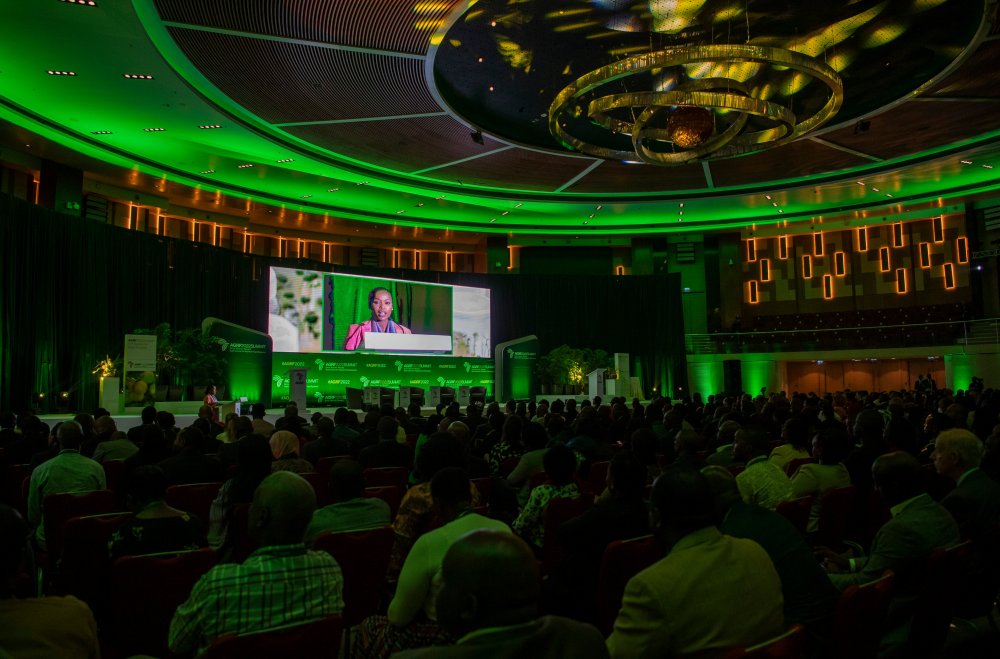
Organized under the theme ‘Grow, Nourish, Reward — Bold Actions for Resilient Food Systems’, the AGRF 2022 Summit is taking place in Kigali from 5th to 9th September 2022.
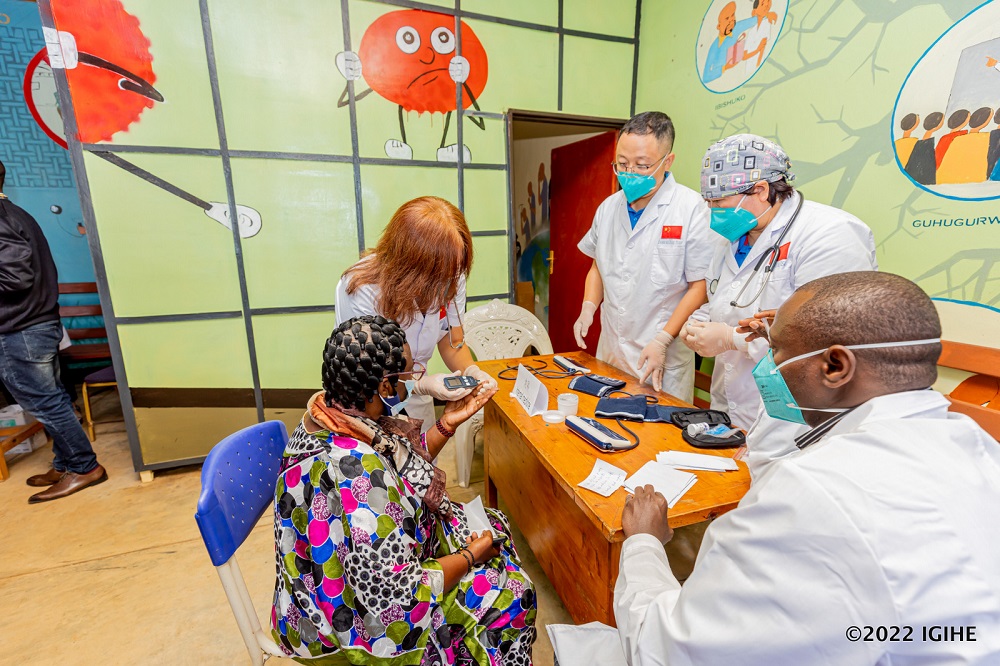
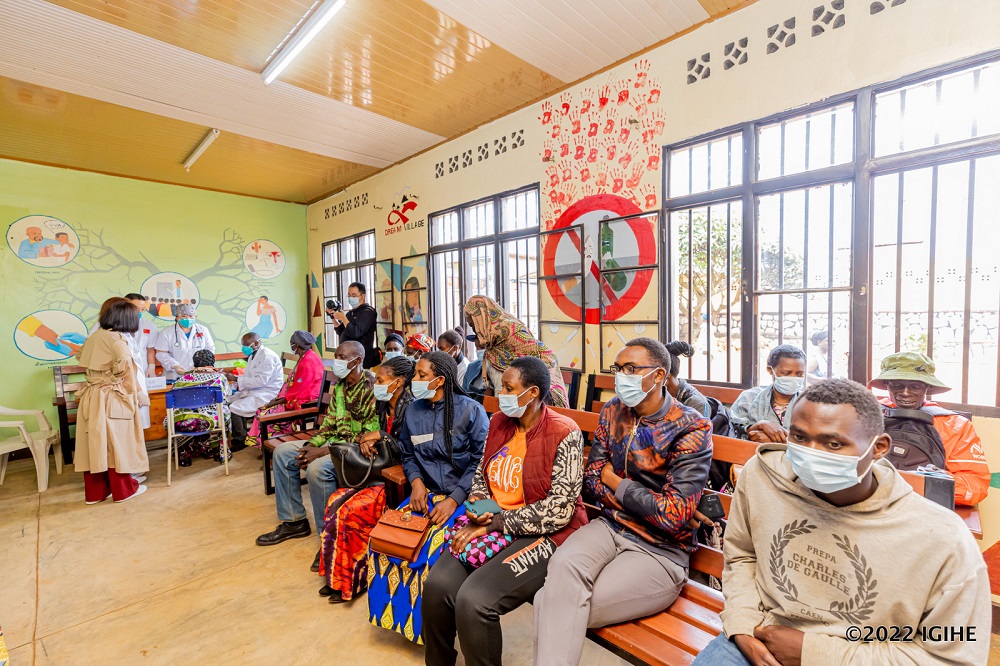
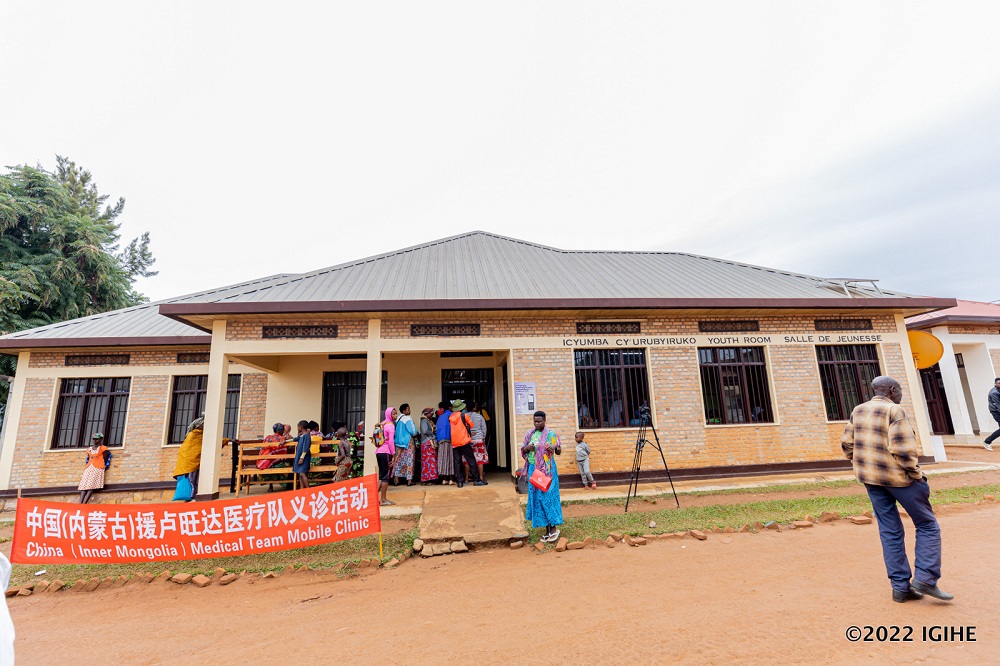
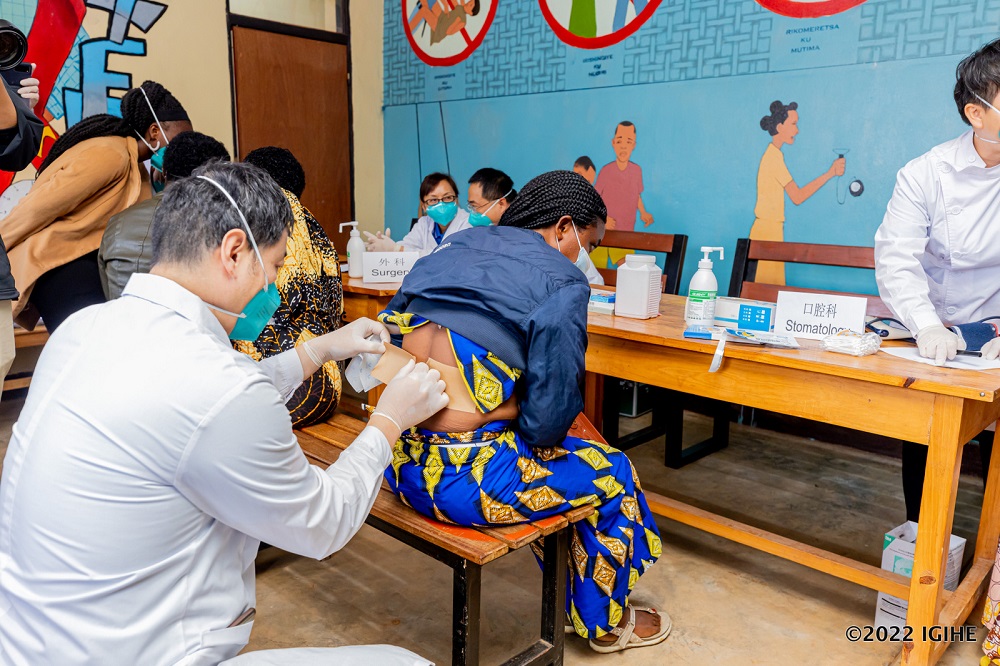
Since 1982, the Chinese government has sent 22 medical teams to Rwanda with a total of 273 members. This year marks the 40th anniversary of China Medical Team in Rwanda. The 22nd China Medical Team has 15 members including 11 doctors, 1 nurse, 1 translator and 2 chefs.
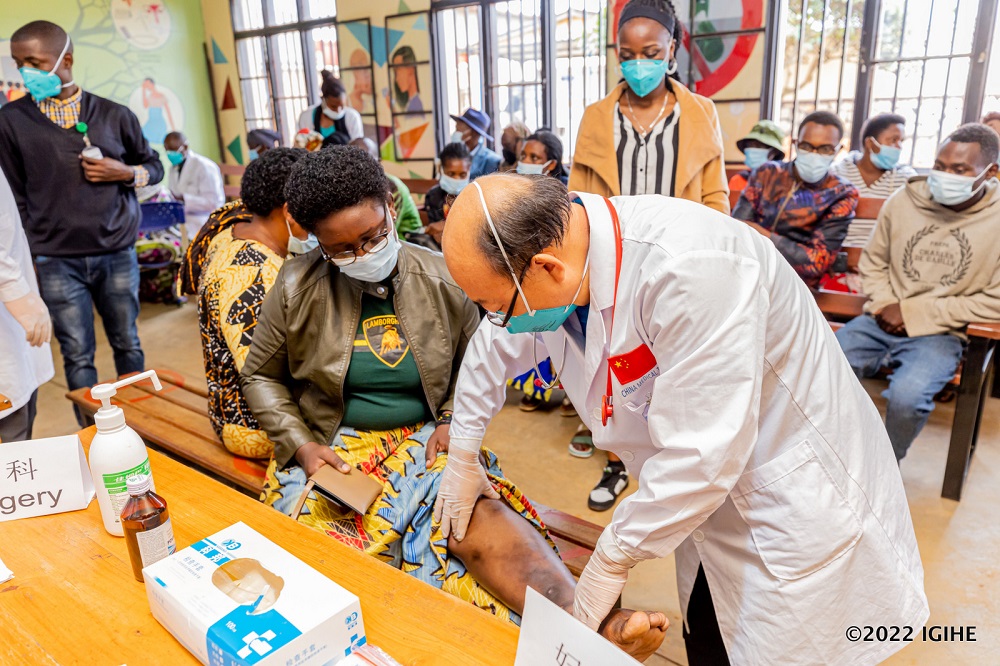
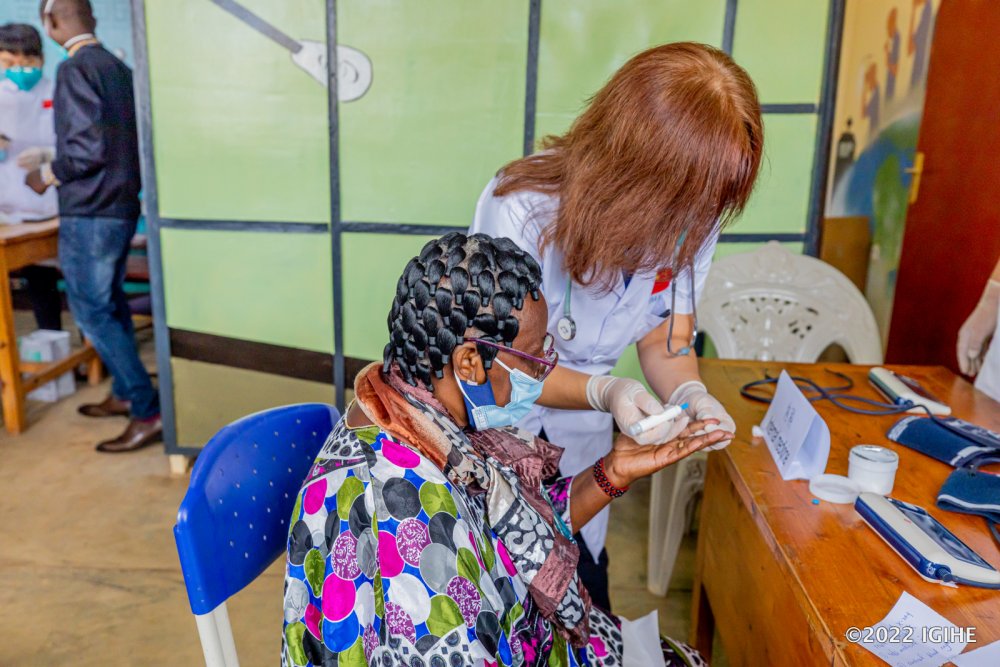
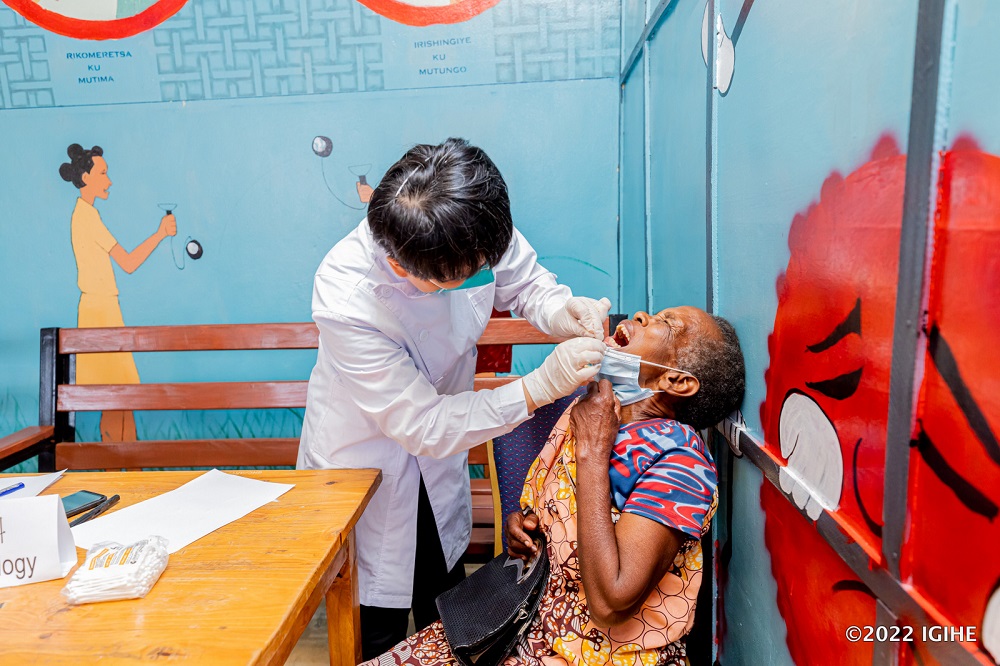
This year’s medical outreach is conducted between 6th to 8th September 2022 at Gahanga Health Center in Kicukiro District of Kigali City.
In cooperation with local medical staff, the Chinese medical team is expected to complete the diagnosis and treatment of more than 300 patients and provide local people with services such as health consultation, ultrasound examination, dental examination, electrocardiogram examination and Chinese Acupuncture.
Dr. Peng Jikui, the Chinese team leader has explained that the medical outreach program is part of his country’s pledge to help Africans access medical services easily.
“We are celebrating 40-year anniversary since China started sending specialist medical doctors to Rwanda. We do not only provide free medical services in Rwanda but also in other African countries. This is the strategy under which our country pledged to contribute to health services,” he said.
Dr. Peng revealed that the majority of patients attended to have been diagnosed with non-communicable diseases where they are making possible efforts to treat them. He expressed optimism that the patients will recover soon in consideration of prescribed medicines.
The Head of Gahanga Health Center, Jean Marie Vianney Barinzi commended the specialist doctors for their intervention to improve and offer new services at the facility.
“We expect a lot from these Chinese medical doctors because they have different specialties. They have also given us medicaments and medical equipment expected to help us improve services,” he noted.
“Normally, we receive a large number of patients at the health center. They would spend long time waiting for appointments. Besides, they also get transferred to referral hospitals for appointments with specialist doctors to get advanced services. This would take long and incur much expense on transport,” added Barinzi.
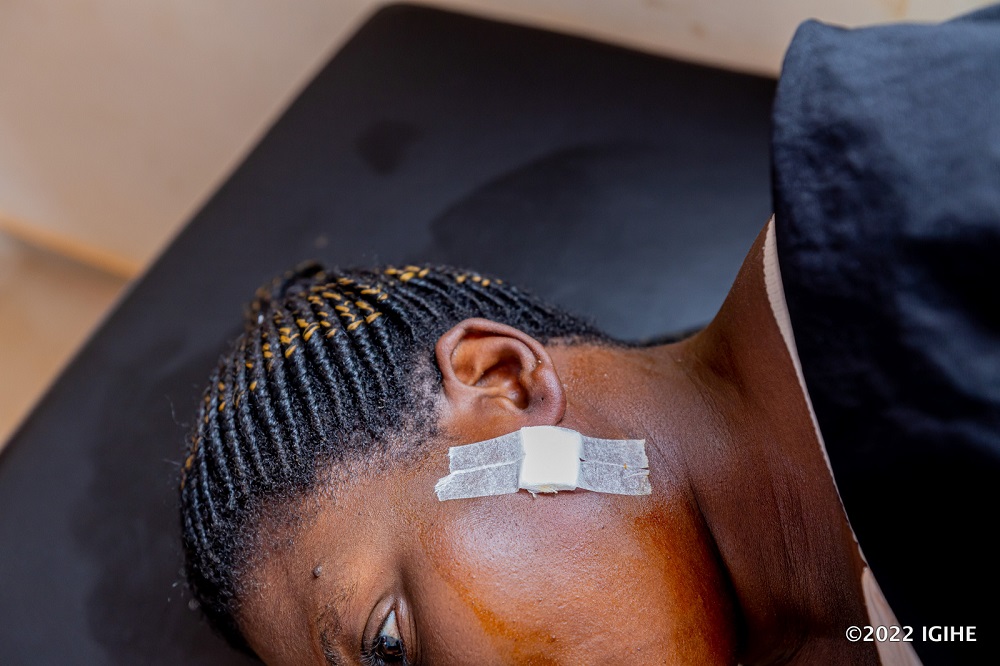
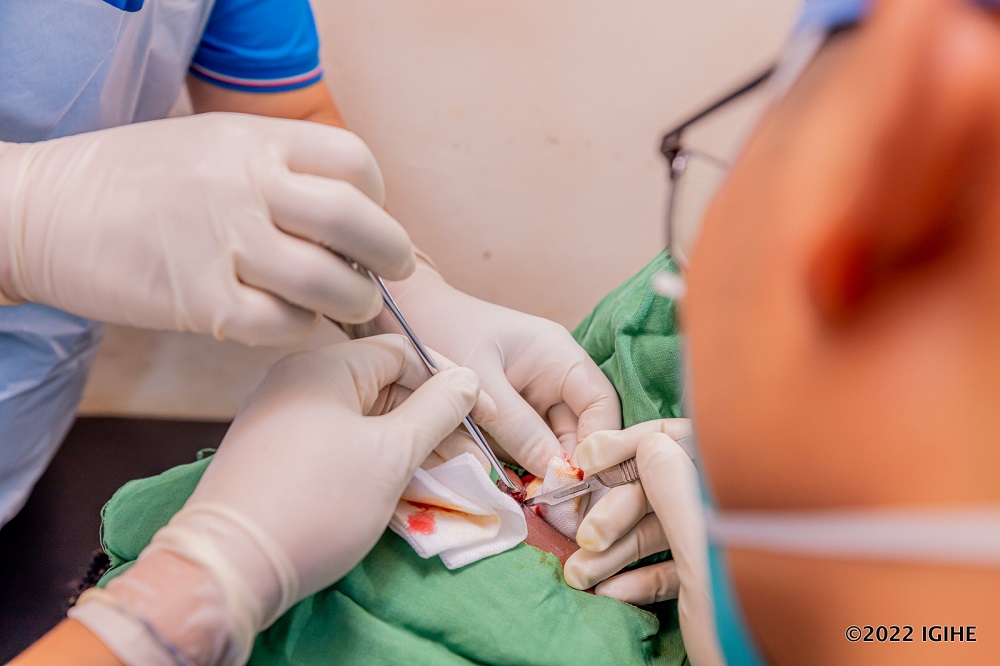
Espérance Mukangwije is among beneficiaries who underwent minor surgery. She was treated as soon as he arrived at the health center, thanks to the partnership between Rwanda and China.
Maniragaba, another patient who received free medical treatment was excited with quality services received for free.
“I was surprised to receive such services for free without requirements for community based health insurance or other payments. It is extremely exciting. I am optimistic that received prescriptions will undoubtedly help me to recover,” she said.
Other beneficiaries expressed delight for receiving free medical services without delays or transfers to hospitals.

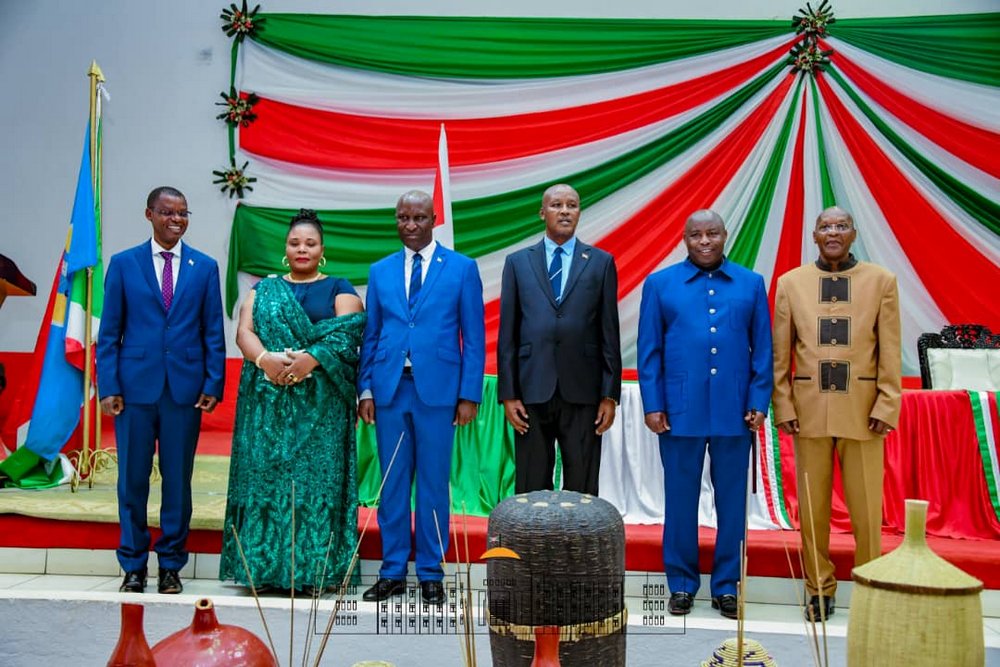
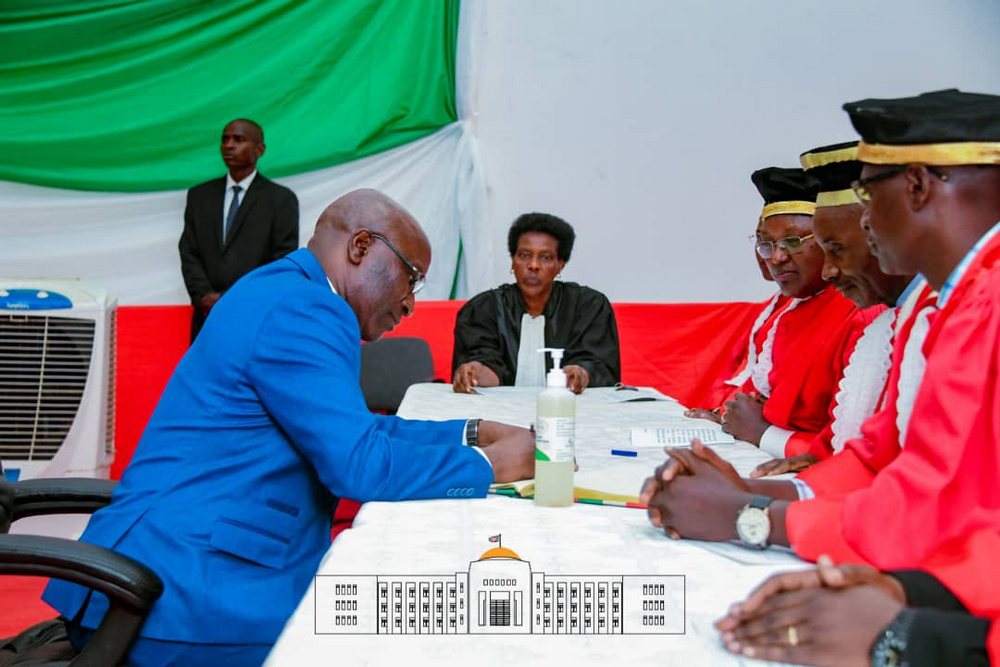
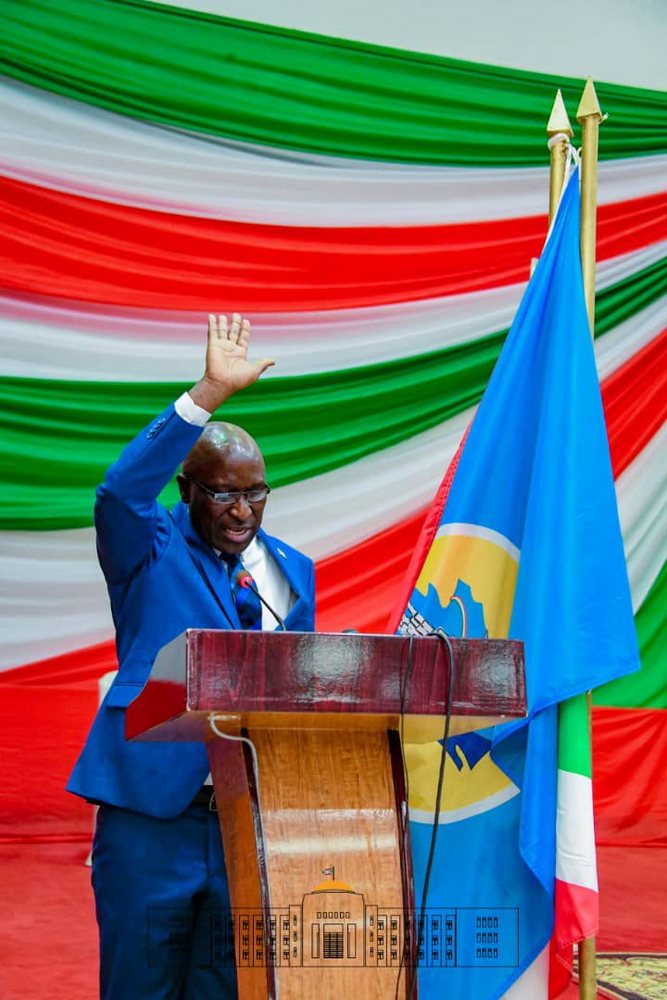
One hundred and thirteen deputies who attended the plenary session unanimously passed Ndirakobuca’s candidature which was a unique one.
The candidature of Gervais Ndirakobuca was sent by Burundian President Evariste Ndayishimiye who later in the day signed a decree appointing Gervais Ndirakobuca as the Prime Minister.
Before this, Gervais Ndirakobuca was the minister for Interior, Community Development and Public Security since June 2020.
He replaces Alain Guillaume Bunyoni who was accused of undermining the activities of the government.
Bunyoni was Burundi’s Prime Minister since June 2020.
“The Progress on the Sustainable Development Goals (SDG): The Gender Snapshot 2022” shows that global challenges, such as the COVID-19 pandemic and its aftermath, violent conflict, climate change, and the backlash against women’s sexual and reproductive health and rights “are further exacerbating gender disparities.”
The new report, launched by UN Women and the UN Department of Economic and Social Affairs (UN DESA), highlights that, at the current pace of progress, SDG 5 – achieving gender equality – will not be met by 2030.
Sima Bahous, UN Women Executive Director, said: “This is a tipping point for women’s rights and gender equality as we approach the half-way mark to 2030. It is critical that we rally now to invest in women and girls to reclaim and accelerate progress.”
“The data show undeniable regressions in their lives made worse by the global crises – in incomes, safety, education and health. The longer we take to reverse this trend, the more it will cost us all.”
“Cascading global crises are putting the achievement of the SDGs in jeopardy, with the world’s most vulnerable population groups disproportionately impacted, in particular women and girls,” said Maria-Francesca Spatolisano, Assistant Secretary-General for Policy Coordination and Inter-Agency Affairs of UN DESA.
“Gender equality is a foundation for achieving all SDGs and it should be at the heart of building back better,” she added.
Without swift action, according to the report, legal systems that do not ban violence against women, do not protect women’s rights in marriage and family, for instance denying women their right to pass on their nationality to their children, or to inherit, do not provide them with equal pay and benefits at work, do not guarantee their equal rights to own and control land, “may continue to exist for generations to come.”
At the current rate of progress, the report estimates that it will take up to 286 years to close gaps in legal protection and remove discriminatory laws, 140 years for women to be represented equally in positions of power and leadership in the workplace, and at least 40 years to achieve equal representation in national parliaments.
To eradicate child marriage by 2030, progress must be 17 times faster than progress of the last decade, with girls from the poorest rural households and in conflict-affected areas expected to suffer the most.
The report also points to a worrisome reversal on the reduction of poverty, and rising prices are likely to exacerbate this trend.
By the end of 2022, around 383 million women and girls will live in extreme poverty compared to 368 million men and boys. Many more will have insufficient income to meet basic needs such as food, clothing and adequate shelter in most parts of the world. If current trends continue, in sub-Saharan Africa, more women and girls will live in extreme poverty by 2030 than today.
On the Ukraine crisis, the report says that it is further worsening food insecurity and hunger, especially among women and children, limiting supplies of wheat, fertilizer and fuel, and propelling inflation.
In 2021, about 38 percent of female-headed households in crisis-affected areas experienced moderate or severe food insecurity, compared to 20 percent of male-headed households.
Further facts and figures highlighted in the report include:
In 2020, school and preschool closures required 672 billion hours of additional unpaid childcare globally. Assuming the gender divide in care work remained the same as before the pandemic, women would have shouldered 512 billion of those hours.
Globally, women lost an estimated 800 billion U.S. dollars in income in 2020 due to the pandemic, and despite a rebound, their participation in labor markets is projected to be lower in 2022 than it was pre-pandemic (50.8 percent, compared to 51.8 percent in 2019).
There are now more women and girls who are forcibly displaced than ever before: some 44 million women and girls by the end of 2021.
Today, over 1.2 billion women and girls of reproductive age (15-49) live in countries and areas with some restriction on access to safe abortion.
Ahead of the Transforming Education Summit taking place on the margins of the UN General Assembly, the report points out that achieving universal girls’ education, while not enough by itself, would improve such an outlook significantly. Each additional year of schooling can boost a girl’s earnings as an adult by up to 20 percent with further impacts on poverty reduction, better maternal health, lower child mortality, greater HIV prevention and reduced violence against women.
The report showcases that cooperation, partnerships and investments in the gender equality agenda, including through increased global and national funding, are essential to correct the course and place gender equality back on track.

The taikonauts — Chen Dong, Liu Yang and Cai Xuzhe, who are on a six-month stay in orbit, shared with the African youth their life and scientific work in the space station.
The main venue of the event, titled “Talk with Taikonauts,” was held at the headquarters of the African Union in Addis Ababa, while students from Algeria, Egypt, Ethiopia, Namibia, Nigeria, Senegal, Somalia and South Africa joined the dialogue at sub-venues.
Emily Nangacovie, a science student from Namibia, had an opportunity to ask questions as to what research they have conducted in their mission.
In response, Cai said that they have been “focusing on studying the impact of long-term exposure to zero-gravity on astronauts’ health and corresponding protection measures, looking at astronauts’ behaviour and capabilities and delving into the application of traditional medicine in space.”
“And (we) also do experiments on variable gravity science, life and ecology science, biotechnology science, physics of fluids and combustion science,” Cai added.
“These experimental research projects will provide support for astronauts to live a healthy life and work with a high efficiency in the space station and lay the groundwork for future exploration into deep space,” he explained.
Chen, another taikonaut, said they will “carry out extravehicular activities, on-orbit equipment maintenance, space application experiments, space medical experiments, and on-station lectures, among other tasks.”
Yang Jun, Charge d’affaires of the Chinese Embassy in Namibia, said China will help train Namibian technicians on space technology and will conduct space research jointly with Namibia.
Last year three Chinese taikonauts on a Shenzhou-12 spaceship carried a Namibian national flag into space, while two taikonauts, Cheng and Liu, visited Namibia in 2019.
“We can see how fruitful China-Namibia space cooperation is,” Yang said, adding that the task of developing space technology rests on the shoulders of the youth in the world.
Passant Sayed Khalil, an Egyptian youth who teaches Chinese at Cairo University, asked Liu about how challenging it was for her to become China’s first female astronaut and how she achieved her dream.
“In fact, in every walk of life, there are outstanding females dedicated to their positions. As long as we cherish our dreams, we will have power. As long as we aim high and work hard, we can unleash the potential of our intelligence and realize our dreams,” Liu replied, thanking her family for supporting her in achieving her dream.
Khalil, who has visited China three times, said she has been inspired by Liu who brings her hope that “women can accomplish a lot of things at the same time.”
“The talk is actually very impressive,” Khalil told Xinhua. “If we have a goal in our life, we have to do our best and work hard until we reach it.”
The event in Cairo showed presentation videos on China’s development in space and the efforts made by the China Manned Space Agency to achieve the current accomplishments.
Sherif Mohamed Sedky, CEO of the Egyptian Space Agency, hailed the advancement of China in the field of space and highlighted China’s contribution to Egypt’s progress in the area.
“We work together in designing and carrying out satellites and we prepare together special labs for testing and assembling satellites. So there is big cooperation between Egypt and China in the space field,” Sedky told Xinhua.
“Egypt benefits a lot from this cooperation, through the exchange of expertise and the large laboratories that are currently being established in Egypt in light of the Egyptian-Chinese cooperation,” he added, noting that such an event is an inspiring experience for Egyptian youth.
Zhang Tao, Charge d’affaires of the Embassy of China in Egypt, said that the event is not only a cultural exchange activity but also a scientific and technological exchange and experiment between China and Africa.
“Exploring space is a common dream of mankind. Egypt is an important African country and its youth are looking forward to more opportunities to explore the mysteries of space. I think this event will help Egyptian young people to further understand the development of China’s aerospace technology,” Zhang told Xinhua.
“China is willing to continue to work with Egypt to promote China-Africa space cooperation and make new positive contributions to deepen China-Egypt strategic cooperation,” Zhang said.
