The coltan concession is owned by DUMAC mining company.
All the suspects are part of the group of illegal miners in Rubona, who were at the time found in the concession, according to Superintendent of Police (SP) Hamdun Twizeyimana, the Police spokesperson for the Eastern region.
“Security guards at the site called the Police after they saw the group entering the concession at about 6:30pm. Police arrested them at the scene with with 11.5kgs of coltan,” SP Twizeyimana said.
They were handed over to RIB at Rubona station for further investigations.
Article 54 of the law N° 58/2018 of 13/08/2018 on mining and quarry operations, states that; any person, who undertakes mineral or quarry exploration, exploitation, processing or trading without a licence, commits an offence.
Upon conviction, the offender is liable to imprisonment for a term of between two and six months and a fine of not less than Rwf1 million and not more than Rwf5 million or only one of these penalties.
The court also orders confiscation of any seized minerals or quarry in storage, trading or processing without a license
SP Twizeyimana warned against illegal mining activities adding that such practices, in some cases, lead to loss of lives.
“These people go into concessions especially at night, they have no protection gears and at times they hardly have any idea on the status of the concession. Some concessions were closed for security reasons and dangerous to go in. Again, these unlawful practices are not environmental friendly, cause landslides and loss of lives, ” SP Twizeyimana explained.
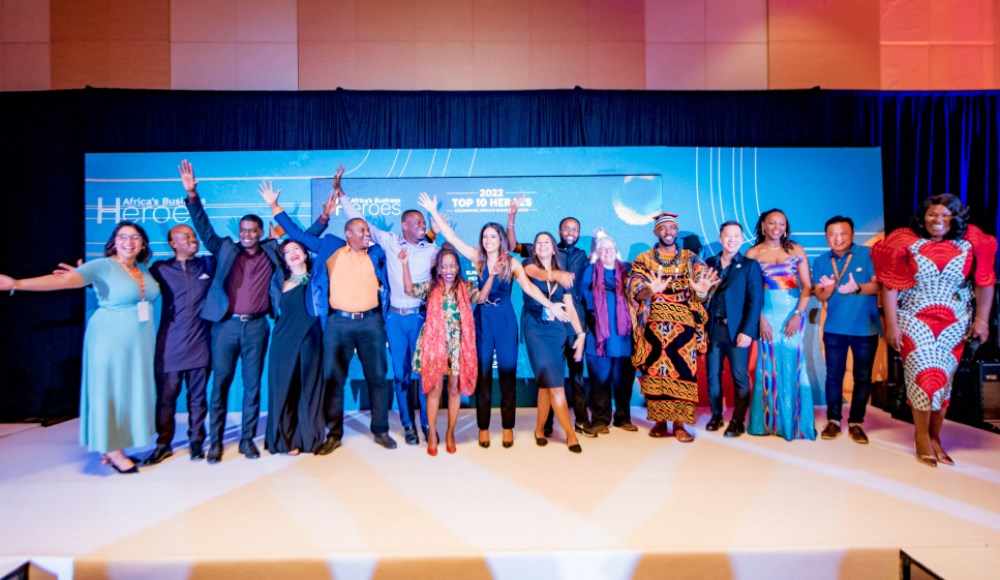
The top 10 finalists include Mr. Flavien Kouatcha Simo, Managing Partner of Save Our Agriculture Sarl (Cameroon); Ms. Amena Elsaie, Co-Founder of Helm Consulting (Egypt); Ms. Nadia Gamal El Din, Founder and CEO of Rahet Bally (Egypt); Mr. Amadou Daffe, CEO and Co-Founder of Gebeya Inc. (Ethiopia) and Mr. Prince Agbata, Co-Founder and CEO of Coliba Waste Management Services Limited (Ghana).
Others include Mr. Tesh Mbaabu, Co-Founder and CEO of Marketforce Technologies (Kenya); Rwandan Francine Munyaneza, Founder of Munyax Eco; Ms. Shona Mcdonald, Founder and Executive Director of Shonaquip Social Enterprise (South Africa); Ms. Elmarie Pereira, Chief Operations Executive, Co-Founder & Acting CEO of Memeza Shout (PTY) Ltd (South Africa) and Tanzanian Mr. Elia Timotheo, Founder and CEO of East Africa Fruits Co.
The result was announced at a Gala Dinner on October 1 to an audience of around 100 attendees from all over the African continent, consisting of current and past ABH participants, judges, investors and other key stakeholders in Africa’s entrepreneurial landscape.
These top 10 finalists will take the stage at the competition’s grand finale in November 2022 for their final pitch to win a share of a US$1.5 million prize pool. The winner of the first prize will walk home with a US$300,000 grant to fuel their further business growth.
The 10 entrepreneurs were selected through multiple stages of interviews and evaluation from over 21,000 applications across all 54 African nations. They hail from eight African countries including Cameron, Egypt, Ethiopia, Ghana, Kenya, Rwanda, South Africa and Tanzania. Their start-ups have been drawn from a wide variety of industries including agriculture, consulting, energy, environmental protection, healthcare, information & communication technology (ICT), and retail.
These outstanding entrepreneurs share a common trait of having a deep commitment to creating a positive impact on their communities, such as empowering disadvantaged groups, increasing access to digital commerce for businesses in Africa and leveraging technology to improve agricultural efficiency for small-holder farmers.
“ABH remains steadfast in its efforts to identify, support and shine a spotlight on African entrepreneurs that are driving positive growth for their communities. Now in the fourth year of the ABH competition, we are impressed with the increasing diversity of our participants and the impact they are making especially in supporting post-pandemic economic recovery. These top 10 finalists are sources of inspiration for other entrepreneurs in Africa,” says Jason Pau, Executive Director of International Programs, Jack Ma Foundation. “We wish all of them the very best of luck for the final pitch in November.”
“Entrepreneurship is a huge driver for social and economic development in Africa. The ABH Prize Competition provides a platform for outstanding start-ups to showcase targeted solutions that tackle problems in an impactful, competitive, sustainable and value-adding way. This year’s Heroes – as with other years – continued to demonstrate the resilience, passion, imagination, and traction that we need in our entrepreneurs here in Africa,” says Birame Sock, Founder and Chief Executive Officer of Kwely Inc, one of the judges in the semi-finale round.
Along with the unveiling of the top 10 finalists in this year’s competition, ABH has also announced its launch of a local team in Kigali to better serve and engage its growing African entrepreneur community of over 100,000 members.
“As ABH enters its fourth year, we are humbled by the incredible support from African entrepreneurs and key stakeholders which has made it possible for our ABH community to reach its current scale,” says Zahra Baitie-Boateng, Head of Partnerships & Programs at Africa’s Business Heroes Prize Competition.
“Now with our base in Kigali, a city brimming with vitality and innovation, we are closer than ever to the African entrepreneurs that we serve and better positioned to help create a cohesive local start-up community leveraging our global network and experience. We are particularly excited to be based at Norrsken House, which is home to a vibrant ecosystem of incubators, accelerators and start-ups. We believe being a part of Norrsken will help strengthen our efforts to collaborate with key stakeholders in Africa’s entrepreneurial ecosystem.”
The ABH Prize Competition aims to identify, support and empower entrepreneurial talent from across Africa. The official competition slogan “It’s African Time” is a bold call to action to all African entrepreneurs who are challenging stereotypes associated with “African time” – creating local impact and building a better, more inclusive future through their businesses.
{{About Africa’s Business Heroes}}
The Africa’s Business Heroes Prize Competition is a philanthropic initiative sponsored by the Jack Ma Foundation and Alibaba Philanthropy. It aims to support and inspire the next generation of African entrepreneurs across all sectors who are building a more sustainable and inclusive economy for the future of the continent.
Over a 10-year period, ABH will recognize 100 African entrepreneurs and commit to allocating grant funding, training programs, and support for the development of an entrepreneurial ecosystem.
Each year, the ABH Prize Competition and show feature 10 finalists as they pitch their business to win a share of US$1.5 million in grant money.
Jack Ma, founder of Alibaba Group and the Jack Ma Foundation, created the prize after he made his first trip to Africa in 2017 and was inspired by the energy and entrepreneurial potential of the young people he met with there.
{{Profile of top ten finalists}}
{{Flavien Kouatcha Simo, Managing Partner of Save Our Agriculture Sarl }}
{ {{Industry: Agriculture}} }
Kouatcha, a Cameroonian engineer by training, runs an agricultural company that designs and manufactures aquaponic units for individuals and professionals wishing to produce large-volume organic food as close as possible to sales areas.
Their system is a solution to climate change, the land challenge of young African farmers, and the increased use of agricultural chemicals.
{{Amena Elsaie, Co-Founder of Helm Consulting}}
{ {{Industry: Consulting}} }
Amena is a multiple award-winning entrepreneur. Created in 2014, Helm supports more than 4,000 persons with disabilities and promotes their social inclusion, serving more than 200 entities and working with top-notch experts from 16 countries.
In addition to sponsorships and grants, Helm is the first provider of localized and customized inclusion solutions in the region, awarded multiple times as innovative global best practices and successful business models by Zero project, JICA and Rise Egypt among others.
{{Nadia Gamal El Din, Founder and CEO of Rahet Bally}}
{ {{Industry: Healthcare}} }
Gamal studied finance at the American University in Cairo, after which she started her professional career as an assistant brand manager at Procter & Gamble.
She became a mother at the age of 24 and realized there was a huge market gap when it comes to supporting new moms. Consequently, in 2015, she founded Rahet Bally, an all-inclusive platform to support Egyptian mothers financially, physically, emotionally and intellectually, both online and in person, on top of Rahet Bally Discount App for Moms, Rahet Bally Mama Fitness Programs, the Cloud by Rahet Bally, and Mumerz.com.
{{Amadou Daffe, CEO and Co-Founder of Gebeya Inc.}}
{ {{Industry: ICT}} }
Gebeya.com is a Pan-African freelance talent marketplace that identifies the best of African talent and matches them with cutting-edge projects from selective customers with a goal of solving one of Africa’s biggest challenges: employment.
Their tech-driven marketplace connects remote African tech talent with employers globally. The continent needs to generate 12 million new jobs every year to keep unemployment at bay. Start-ups, SMBs and corporations in industries like telecommunications and transportation rely on Gebeya to be a one-stop shop for talent capable of building new products and services to scale up their businesses.
{{Prince Agbata, Co-Founder and CEO of Coliba Waste Management Services Limited}}
{ {{Industry: Environmental Protection}} }
Coliba is an award-winning and leading Ghanaian plastic waste recycling company operating in Ghana and Côte d’Ivoire. Prince co-founded Coliba to address the issue of plastic pollution and to promote environmental sustainability.
Plastic waste is a serious problem in West Africa, and Prince decided to tackle this issue after losing his best friend in a flood disaster caused by plastic pollution. Coliba collects, sorts and recycles plastic and metal garbage. This initiative employs over 110 workers.
{{Tesh Mbaabu, Co-Founder and CEO of Marketforce Technologies}}
Industry: Retail
Tesh is an African serial technology entrepreneur who lives to blend commerce and technology. MarketForce is a B2B commerce platform that empowers over 200,000 neighbourhood merchants across five African markets to source, order and pay for inventory, access financing and earn more by reselling financial services in their communities.
{{Francine Munyaneza, Founder of Munyax Eco }}
{{Industry: Energy}}
Growing up as a refugee, Francine had no access to electricity. She founded Munyax Eco to solve Africa’s recurring problem – lack of access to electricity – and Rwanda’s energy challenges in rural and urban areas by providing solar equipment adapted and tested for the African continent.
Francine is well known for her gender-oriented recruitment and sales strategy which is to bring women into the fight against climate change while empowering them economically. To date, over 10,000 people across Rwanda, DRC and Burundi have access to clean energy, thanks to Munyax Eco’s women-led and focused solutions.
{{Shona Mcdonald, Founder and Executive Director of Shonaquip Social Enterprise}}
{ {{Industry: Healthcare}} }
Shona founded her company to address the challenges of children with mobile disabilities living in peri-urban and rural areas of South Africa. Shonaquip’s range of tailor-made mobility products and health services can be assembled and maintained even in conditions with limited resources.
Their inclusive early childhood education training, social services, advocacy and research directly impacts nearly 20,000 individuals with disabilities and their families annually.
{{Elmarie Pereira, Chief Operations Executive, Co-Founder & Acting CEO of Memeza Shout (PTY) Ltd }}
{ {{Industry: ICT}} }
Elmarie is on a mission to make South Africa safer. Memeza is an ICT social enterprise providing affordable innovative safety technology and monitoring services to lower-income communities who do not have access to private security, as well as assisting government and corporates with specialized community-based project deployment services.
To date, Memeza has created over 2,700 income opportunities for youth, and reduced GBV by 67% in low-income communities focusing on solving social ills.
{{Elia Timotheo, Founder and CEO of East Africa Fruits Co.}}
{ {{Industry: Agriculture}} }
Elia has grown East Africa Fruits Co into the largest food distributor or aggregator in Tanzania by modernizing systems never implemented in East Africa before.
By distributing fresh produce directly from farms to Business to Business (B2B) customers, they ensure no brokerages and less waste.
The software resolves market inefficiencies by pairing crops with market demand, boosting efficiency, and yielding 60% more earnings for farmers as they tackle Africa’s 4-billion-dollar problem of post-harvest food wastage.
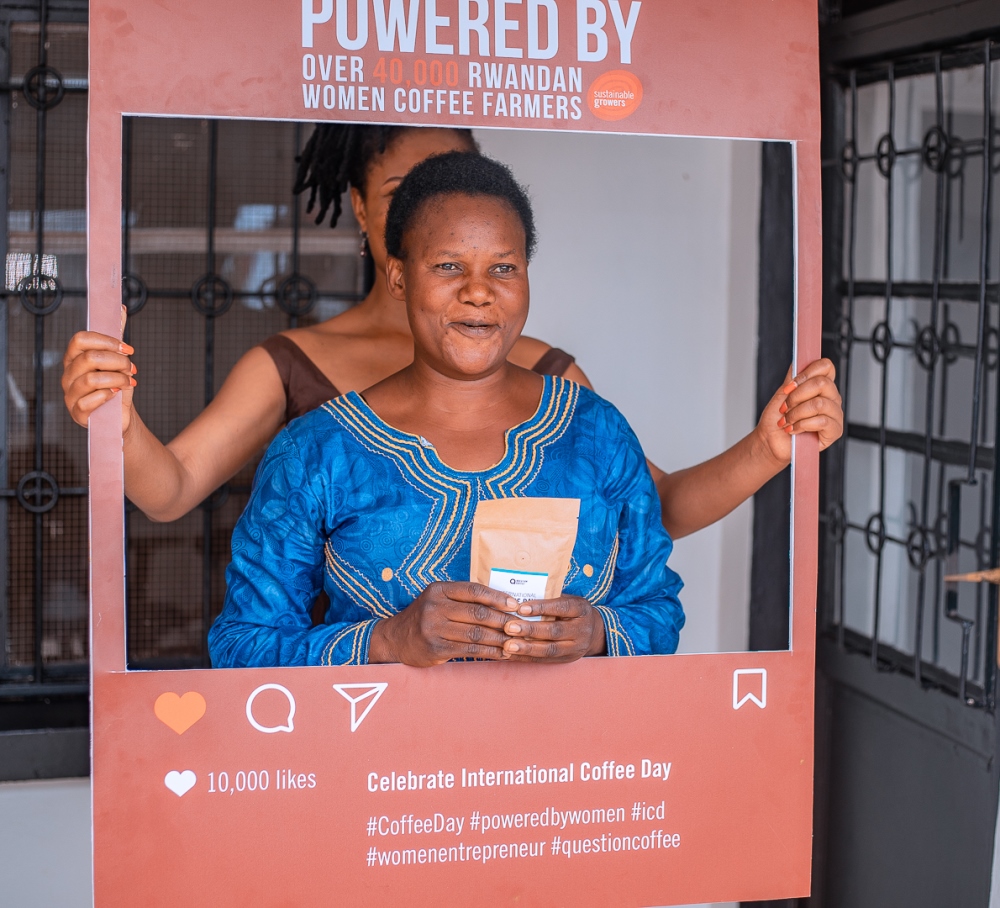
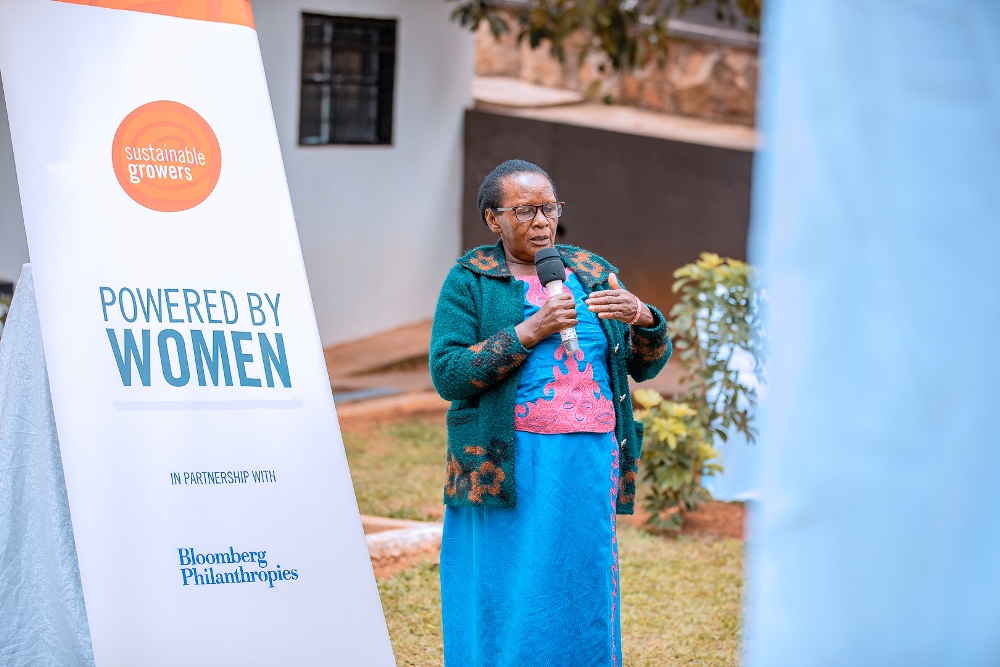
Sustainable Growers Rwanda (SG-R) is a local non-profit. The organization is offering training to low-income female coffee farmers to improve their livelihood.
SG-R equips the female farmers with mulching and timely application of fertilizers and pesticides.
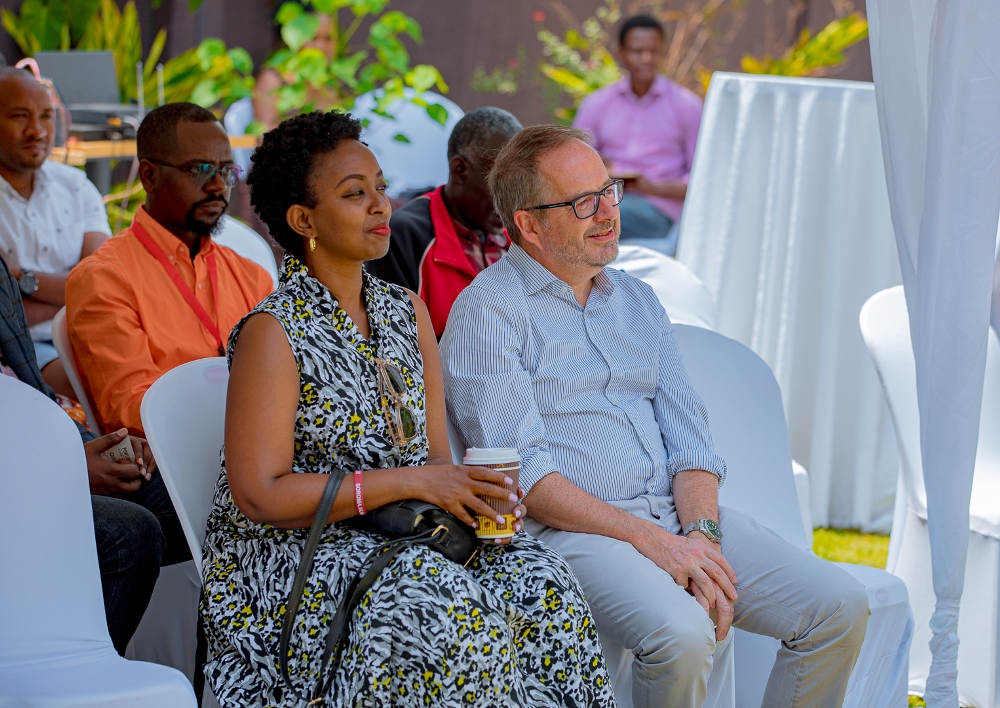
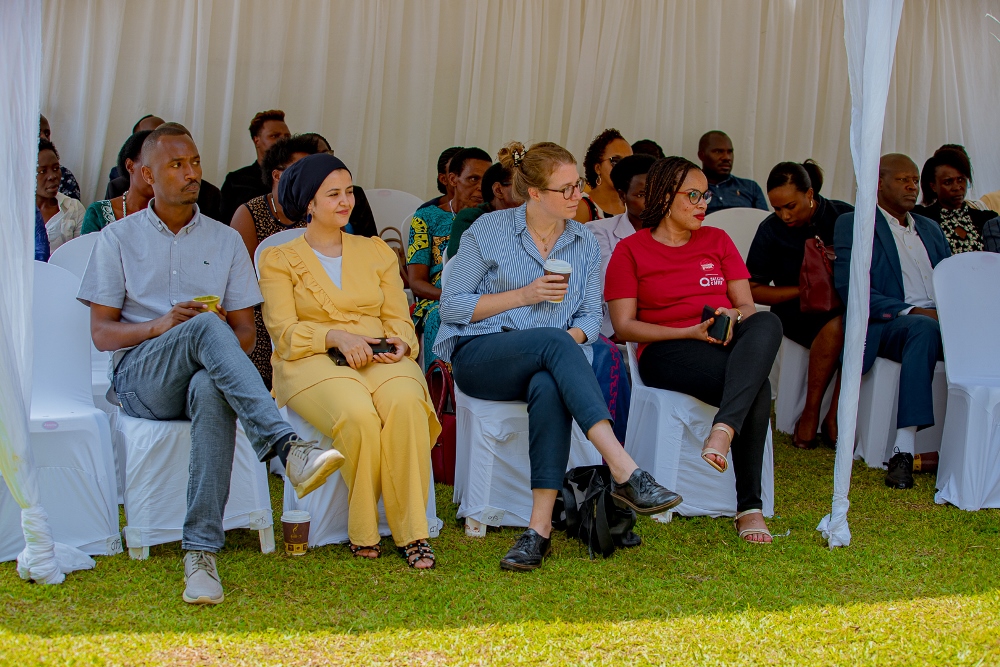
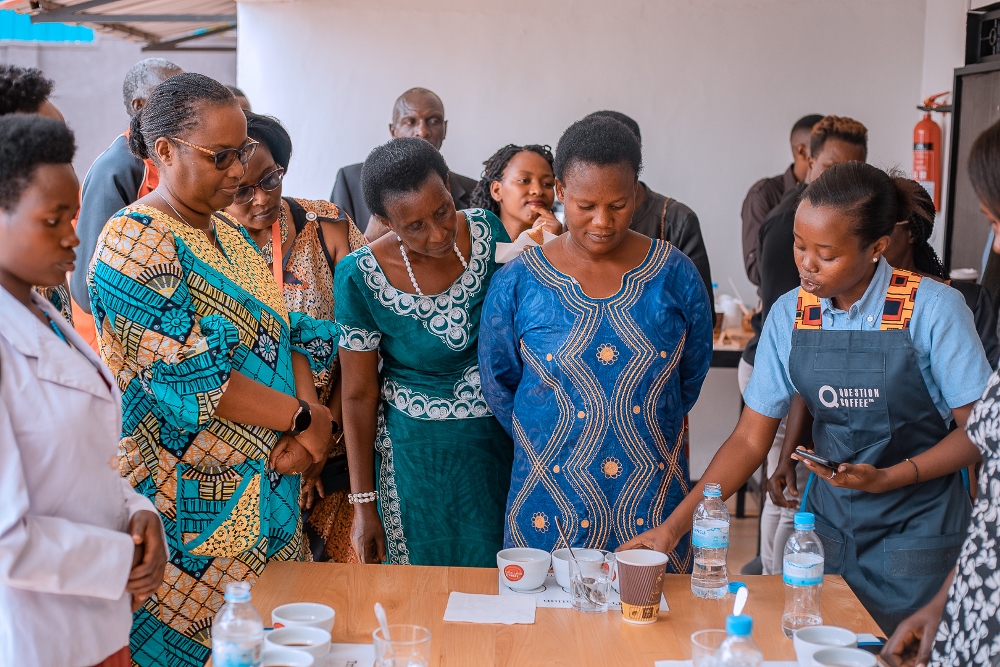
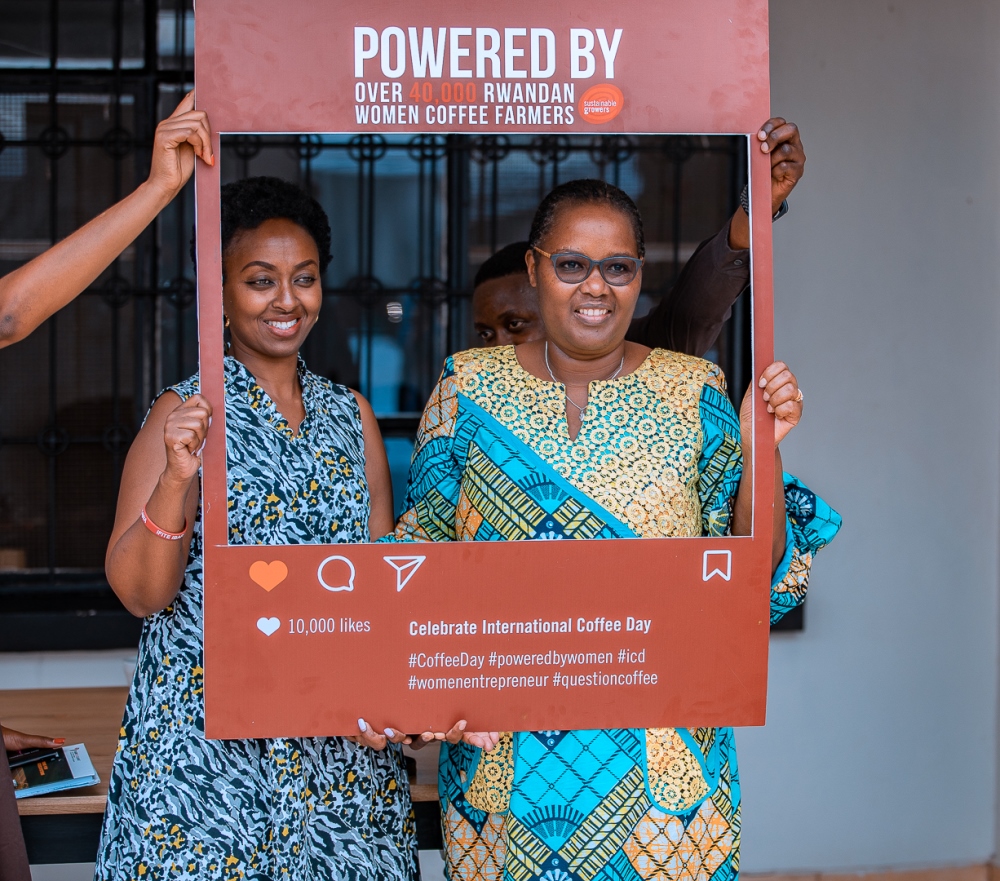
On 1st October 2022, SG-R joined the rest of the world to celebrate the International Coffee Day held at Question Coffee in Kiyovu Cell, Nyarugenge District.
The ceremony brought together stakeholders in the agribusiness sector, from across the continent and beyond as well as women growing coffee across the country.
Some of women growing coffee attest that they have been equipped with best farming techniques that have helped them improve quality, thanks to trainings offered by Sustainable Growers Rwanda.
Esther Mukangango from Rusenge Sector, Nyaruguru District is a member of Nyampinga Cooperative. She explained that livelihoods have improved remarkably following trainings offered by Sustainable Growers Rwanda.
“Our cooperative had ambitions to grow faster but could not materialize due to limited resources. The situation had not improved until Sustainable Growers Rwanda intervened and trained us on best coffee farming techniques that we have attained considerable progress,” she said.
Mukangango has revealed that Nyampinga’s coffee is currently supplied to different countries worldwide.
Dative Mukasine, the president of Gashonga Coffee Cooperative in Rusizi District said that Sustainable Growers has inspired them to drink coffee.
Sustainable Growers started operations in Rwanda in 2013. It has so far offered trainings to over 50,000 coffee farmers in Rwanda, the Democratic Republic of Congo (DRC) and Tanzania.
They were equipped with techniques for best farming, processing and commercialization of their produce.
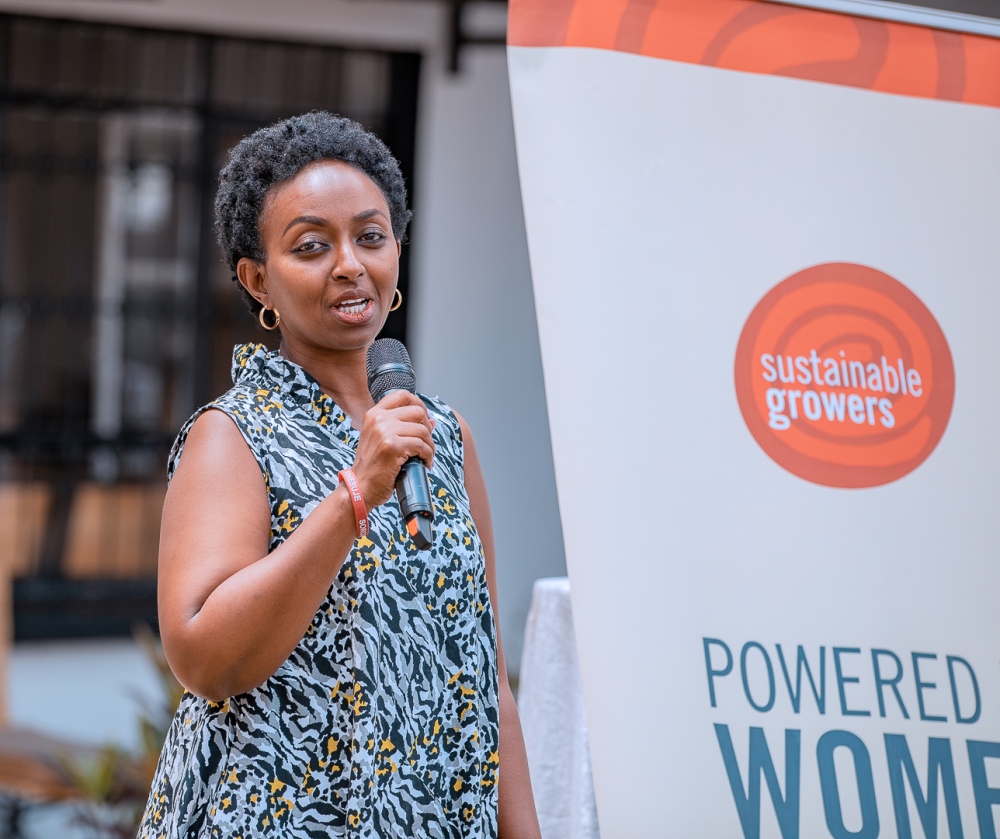
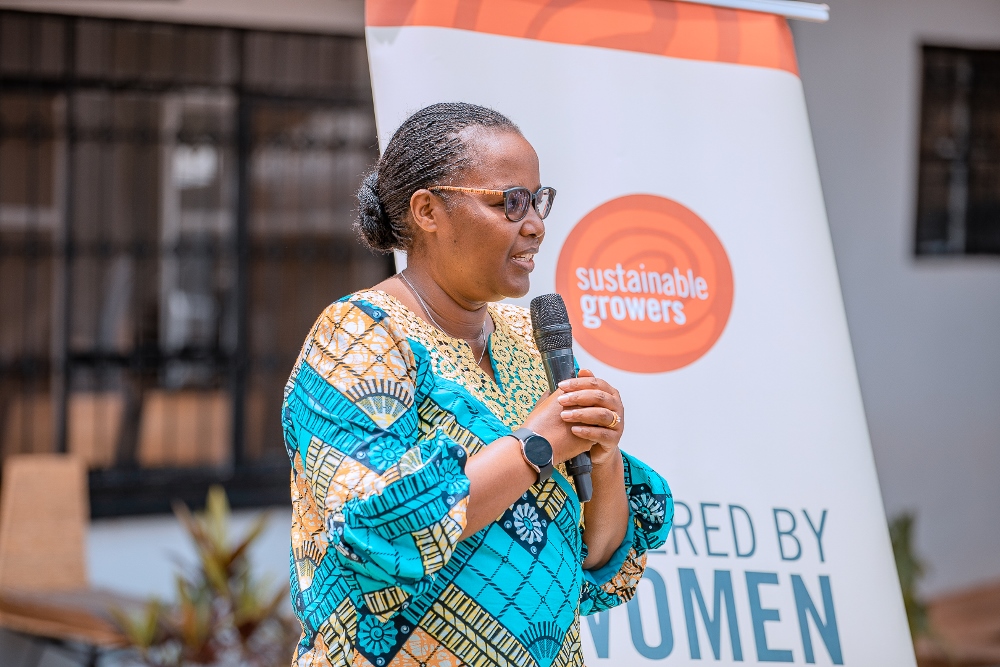
The Executive Director of Sustainable Growers Rwanda, Christine Condo said that the organization is committed to working with all partners to achieve development goals together through empowering women to play an active role in improving their families’ wellbeing and contribute to national economy at large.
Minister Mukeshimana commended the organization and farmers for their contribution to national development through coffee farming.
“Rwanda is among countries that gained repute for producing quality coffee. I thank this organization for continued efforts to uplift women in development,” she said.
Dr. Mukeshimana also revealed that Rwanda makes possible efforts to increase unit price gradually to improve farmers’ living standards.
The official also told participants that coffee is among commodities generating huge returns from exports.
Last week, Rwanda exported 434 tons of coffee which generated US$3,314,427. The main destinations for Rwanda’s coffee last week include Switzerland, the United Kingdom, the United States and New Zealand.
Sustainable Growers works with six coffee farming cooperatives from different districts including; Nyampinga from Nyaruguru, Gashonga from Rusizi, KOAKAA from Nyamasheke, Twongere Umusaruro wa Kawa from Kayonza, Mayogi from Gicumbi and Abahingakawa from Gakenke District.
With Bloomberg Philanthropies’ generous support, Sustainable Growers, home of Question Coffee, has provided agricultural training, coffee processing, and market-based skills to over 50,000 women farmers across Rwanda, the Democratic Republic of Congo, and Tanzania, bringing them up through the coffee value chain. Sustainable Growers’ effective training, trade, and public-private partnership model promoting the economic inclusion of women farmers and producers was recently selected by Expo 2020 Dubai among 50 Global Best Practice Programs that align with the advancement of the United Nations Sustainable Development Goals.
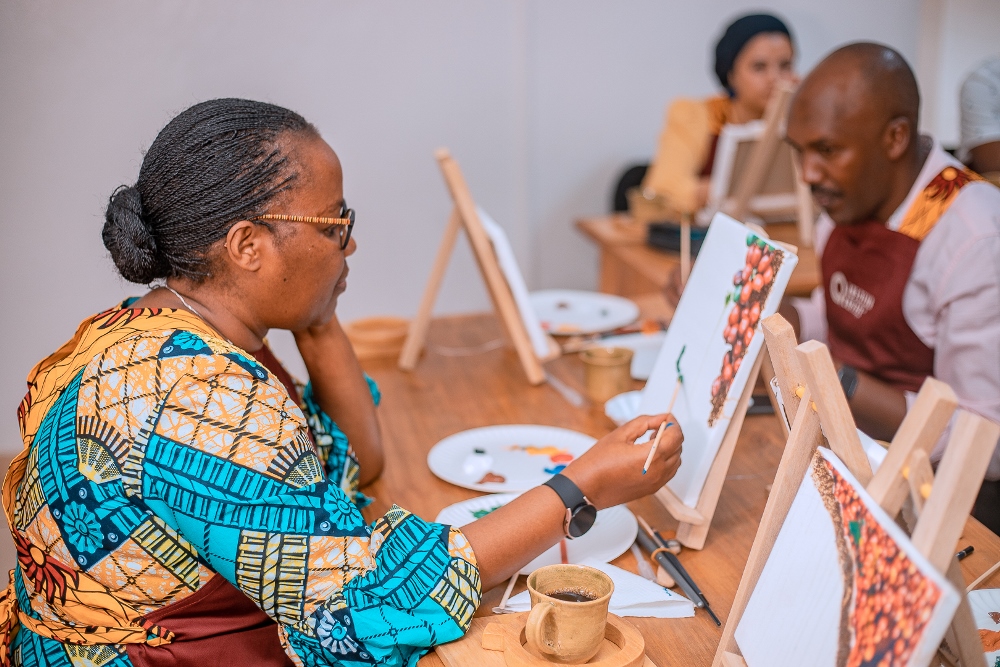
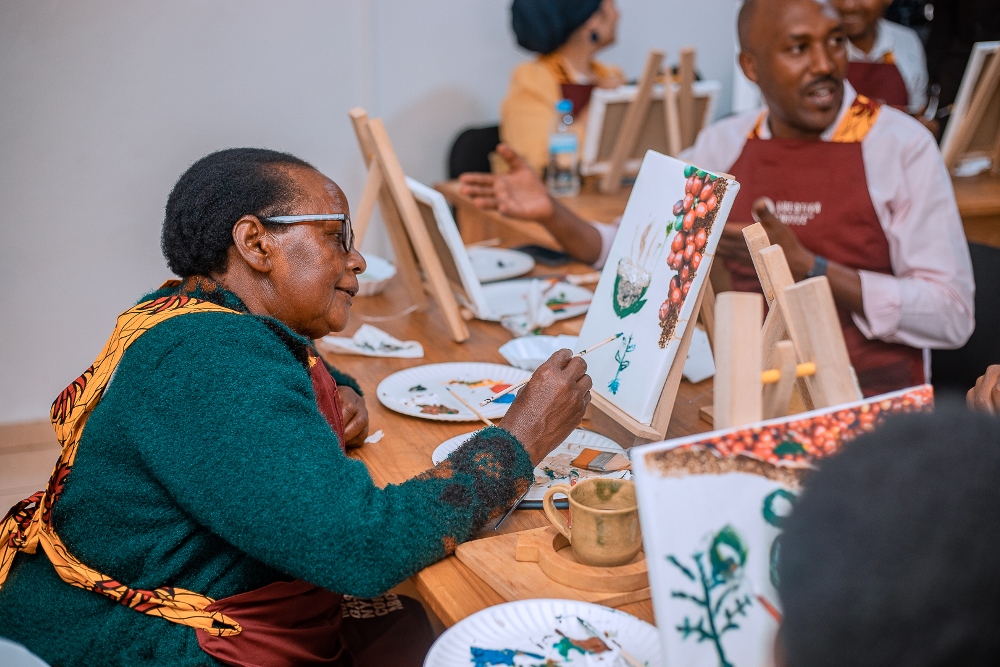
Further promoting the visibility and economic inclusion of women coffee farmers and producers, Sustainable Growers’ Question Coffee Café & Training Center in Kigali allows customers to learn from “Seed to Sip” and experience Question Coffee, the sustainably grown coffee produced enrollees of the training program. In addition, customers can further their Question Coffee experience by booking women-led coffee farm treks on TripAdvisor, where they can learn the “Seed to Sip” process from producers firsthand. To date, Question Coffee has expanded its market to corporate brands and hotels around the world including the Marriott Hotel, Serena Hotel, Singita Hotel, RwandAir, and Rwanda’s National Parks, thus boosting women’s coffee visibility and sales locally and internationally.
Mrs. Christine Condo, Executive Director of Sustainable Growers said: “Sustainable Growers is committed to working hand in hand with coffee stakeholders to achieve inclusive and sustainable development to unlock women coffee farmers’ potential and allow them to contribute to their families’ wellbeing and play a significant role in the country’s economy at large.”
On this International Coffee Day, Sustainable Growers recognizes coffee farmers and producers as well as supporters, partners, and customers’ contribution to the economic independence of women and their families. To learn more about Sustainable Growers, visit sustainablegrowers.org
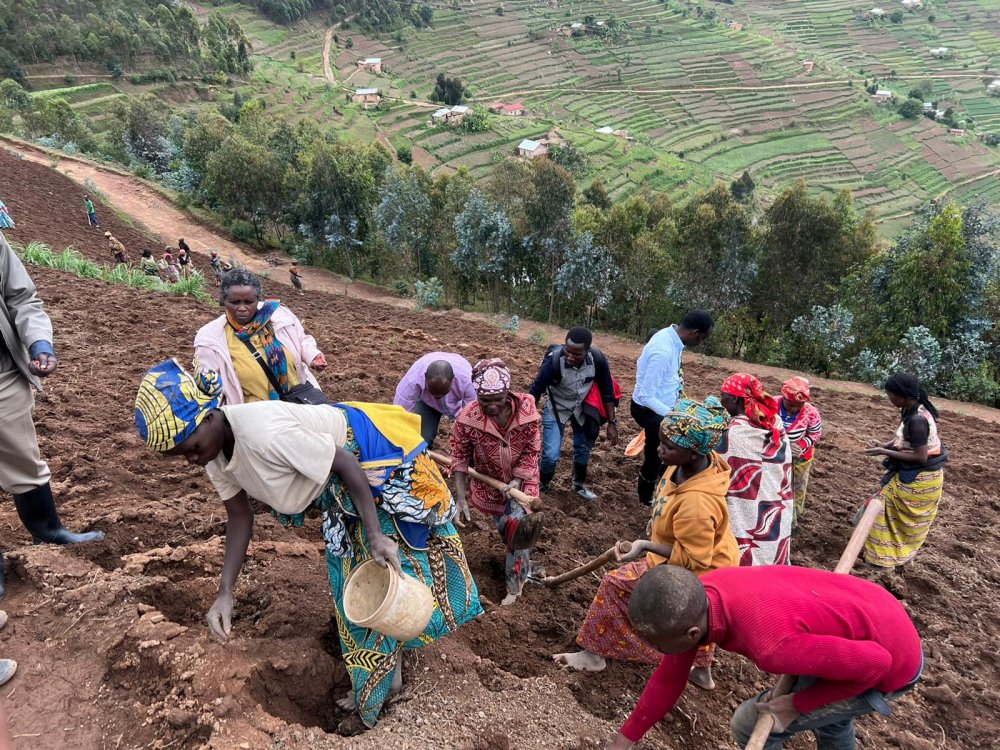
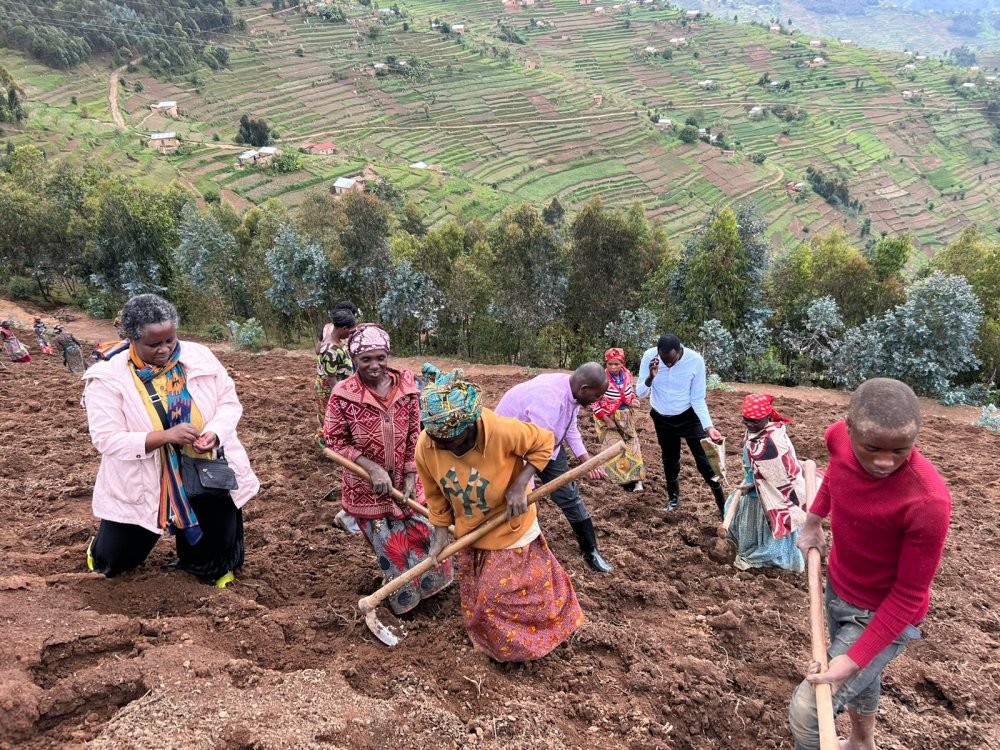
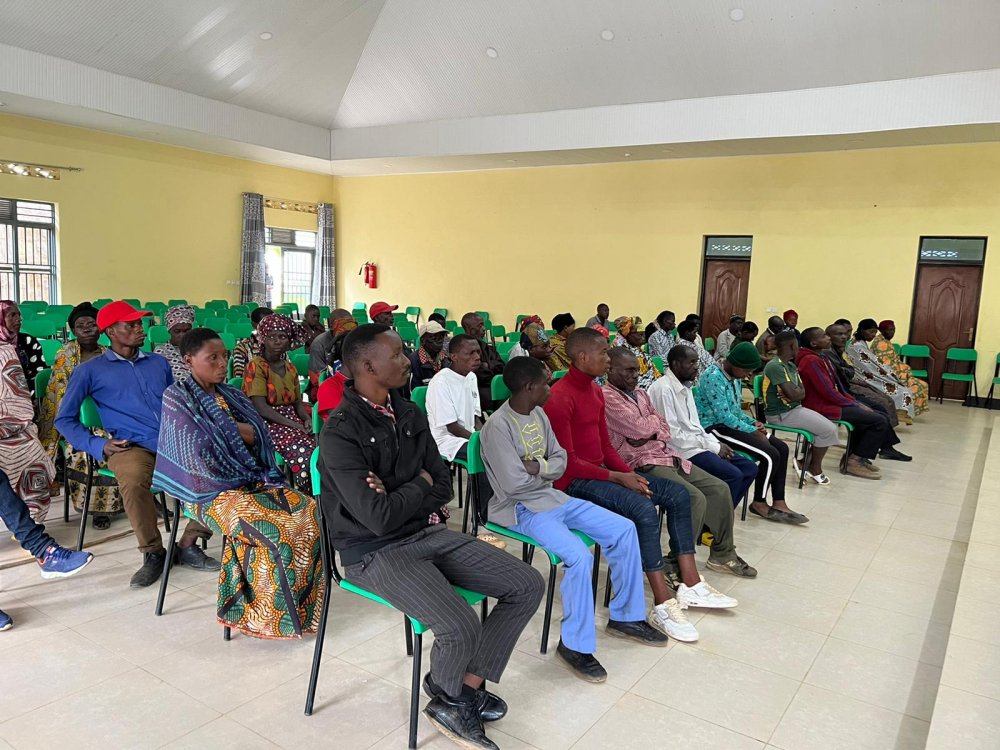
Today, there is a different story to tell. A case in point is the group of 25 families of historically marginalized people in Nyamiyaga Cell, Miyove Sector of Gicumbi District requesting their new status to be considered and be referred to as people on the development journey instead of historically marginalized people.
The progress testified to IGIHE journalist as he visited the families is attributed, in no small part, to the support of the Government of Rwanda and partners.
Their mindsets have changed, so is their wellbeing. They no longer depend on begging but have become hard working people with big aspirations for a brighter future.
Like other members of the society, they wake up every morning for different economic activities and apply acquired vocational skills to generate income.
Children attend schools, stunting has reduced, they are no longer associated with poor hygiene and live in houses connected to electricity.
André Masurubu is among historically marginalized people whose living standards have significantly improved.
He currently serves as the head of village sub-unit (Isibo) in Nyamiyaga Village.
Masurubu says that their lives have been transformed that they should no longer be labelled as historically marginalized but rather be called people on the journey to development.
“We used to live in very small houses in poor conditions. Our legs would not fit in the house as we slept overnight putting us at risk of being devoured by stray animals. We have received decent shelters, we sleep in safe and comfortable places, we have access to electricity and our children can revise studies overnight,” he said.
Masurubu said that the transformations were mainly driven by change of mindsets, because they used to receive similar support and destroy houses to sell some materials or use doors as firewood.
The changes resulted from relentless joint efforts by the government and partners who stayed closer to historically marginalized people day to day.
NPO Think About Education in Rwanda (NPO TER), a non-profit organization from Japan which mainly provides educational opportunities is among partners who played a significant role to change the lives of historically marginalized people in Miyove.
Elisabeth Twizeyimana, a mentor from NPO TER says that the 25 families under their supervision no longer have issues related to poor hygiene and malnutrition.
“It was a tiresome journey that required much effort to change their mindsets, and convince them to practice agriculture. Today, they have received land to cultivate and exploit them conveniently where they harvest and store seeds for the next agriculture season,” she noted.
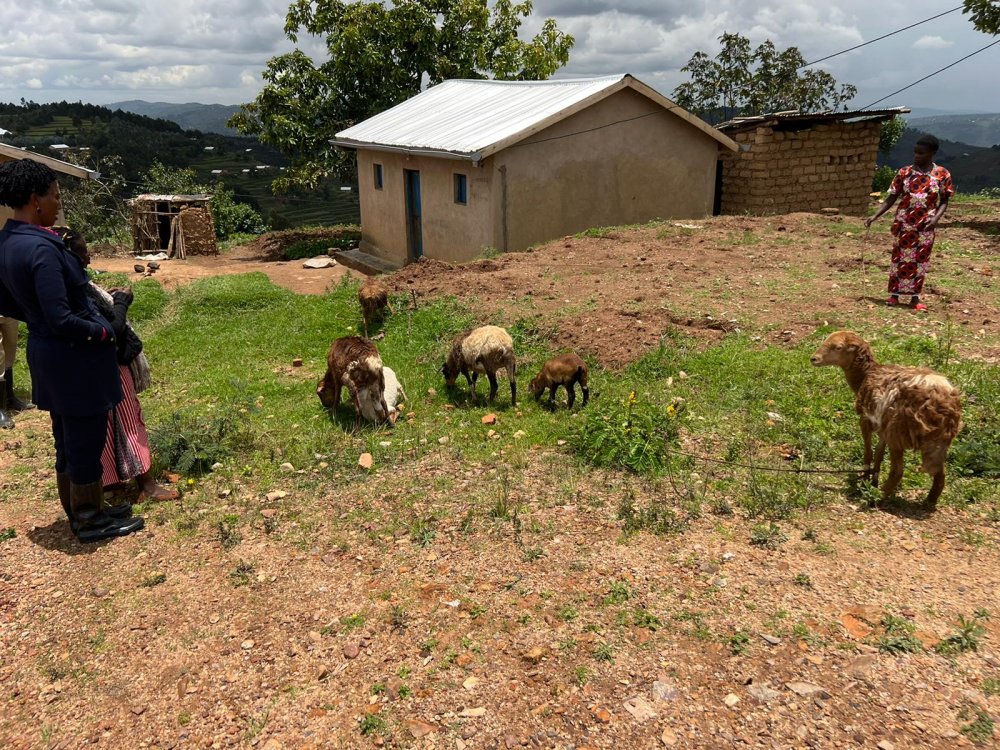
According to Twizeyimana, historically marginalized people have been enlightened on the benefits of working together in groups, where they have helped them to buy small livestock that also serve as a source of compost to fertilize their gardens.
The transformations are also highlighted by Marie Louise Towari, the founder and president of NPO TER.
Towari explained that she first arrived at the village of historically marginalized people six years ago where he was moved by a child she saw begging.
This inspired her to mobilize partners to give special attention to this segment of the population.
Towari linked up with Rotary Club and worked together to usher the historically marginalized people into prosperity.
“I liaised with Rotary Club to take care of them together. We mobilized funds which we used to support historically marginalized people in Miyove. We have stayed closer to them within six years and the transformations are self-evident. As you can see, they are clean in smart dresses and no longer have the habit of begging,” she said.
Amb. Zephyr Mutanguha who represented Rotary Club Kigali Virunga said that beneficiaries received arable fields and enlightened them on the relevance of being actively involved in their development journey to become self-reliant and stop begging.
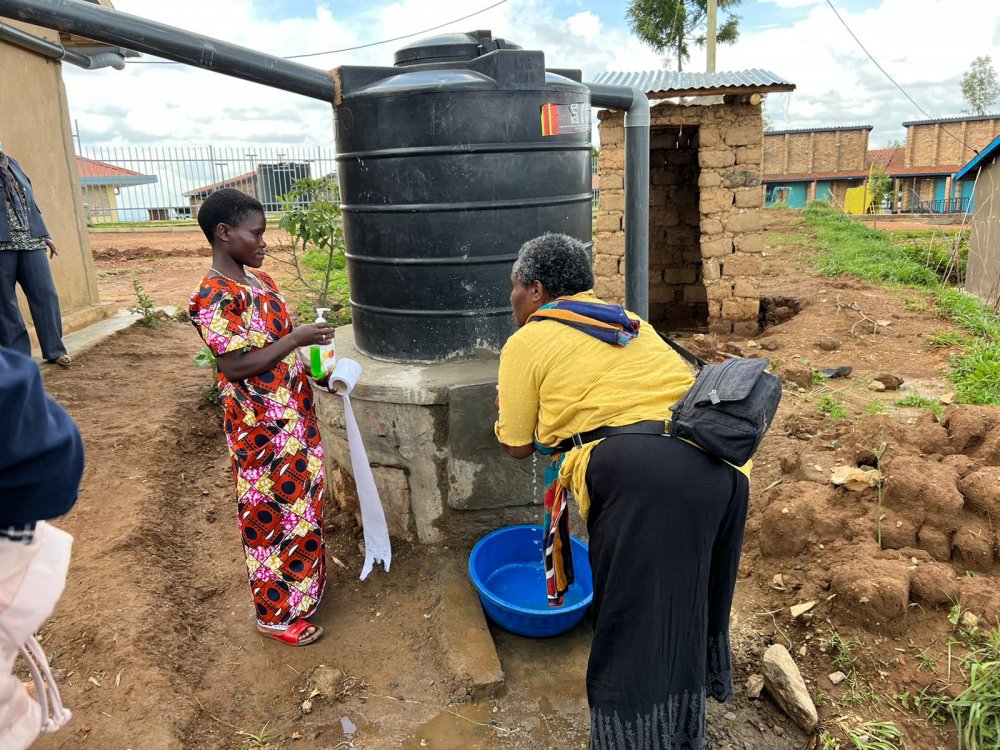
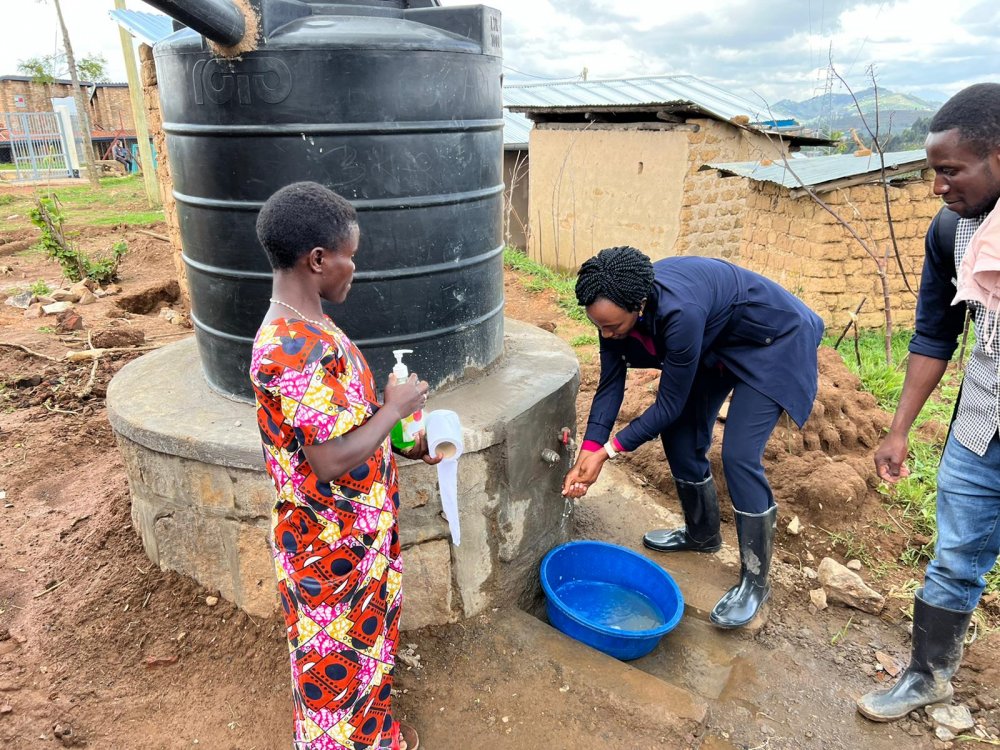
“Rotary Club conducts mobilization all over the world and provides support to vulnerable families. We are here to inspect water tanks given to them recently and inaugurate electricity infrastructures they had requested. This has a great influence on their mindsets as they rest assured that development is not a miracle to their families,” he affirmed.
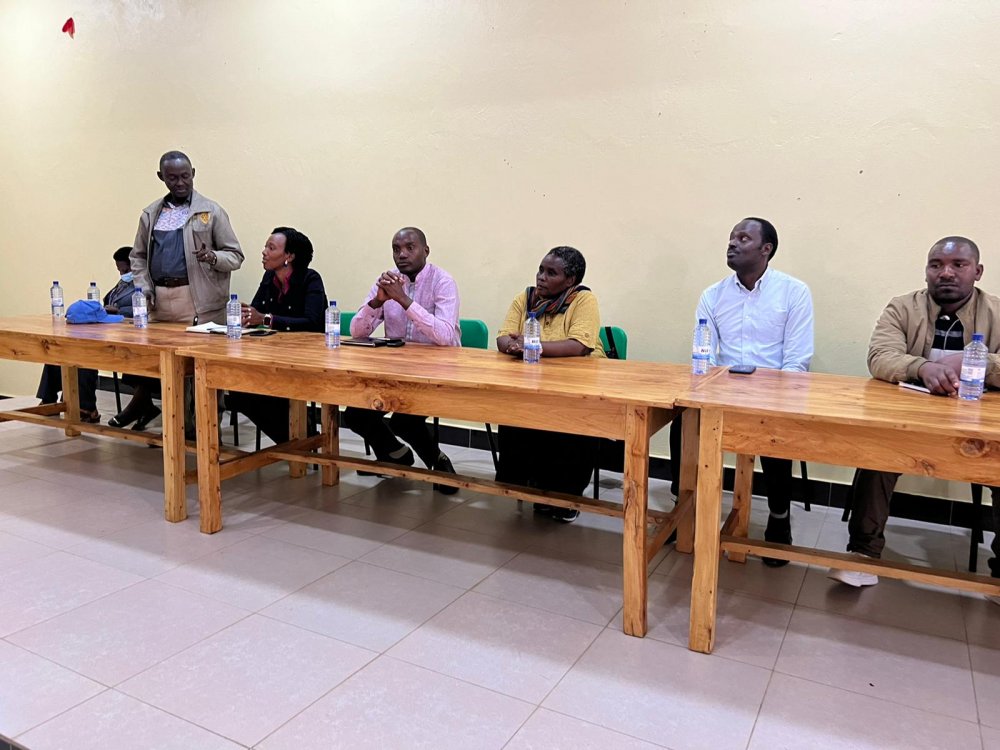
Gicumbi Vice Mayor for Economic Affairs, Parfaite Uwera thanked partners for taking care of historically marginalized people in Miyove Sector noting that the remaining work is to consolidate gains and continue mobilizations to change their mindsets.
“We will stay closer to them because it is our daily responsibility to ensure they lead a decent life like other segments of the population,” she said.
The historically marginalized people in Miyove have been equipped with different vocational skills including sewing and making soaps. This helps them to wear smart clothes and maintain hygiene at home, among other things.
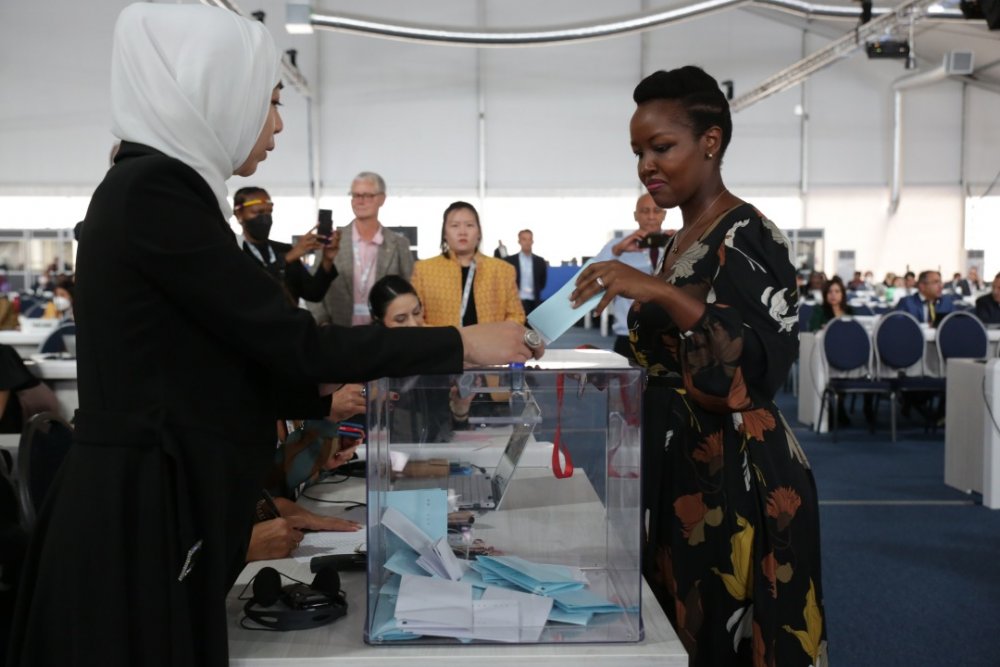
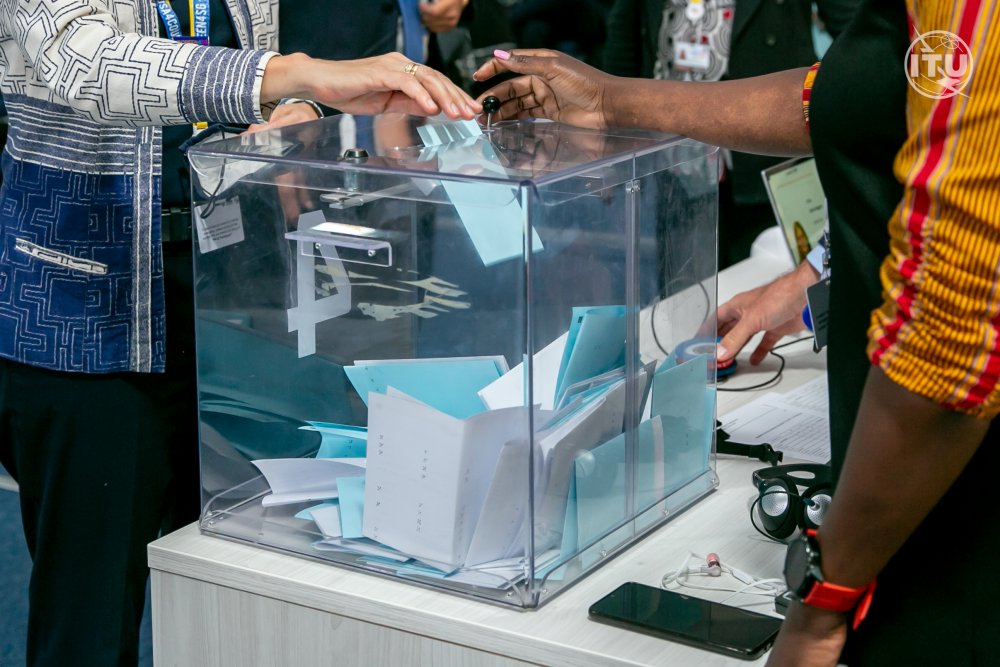
Rwanda’s membership to the council was extended following elections held at the ITU Plenipotentiary Conference in Bucharest, Romania from 26th September to 14th October 2022.
ITU is the United Nations specialized agency for information and communication technologies (ICTs).
The Plenipotentiary Conference is ITU’s highest policy-making body and meets once every four years to set the Union’s general policies, adopt the four-year strategic and financial plans, and elect the senior management team of the organization, the Member States of the Council, and the members of the Radio Regulations Board.
ITU was founded in 1865 to facilitate international connectivity in communications networks.
Rwanda was first elected in 2010, re-elected in 2014 and 2018.
This year’s voting started Monday morning at the ITU Plenipotentiary Conference.
ITU holds elections every four years for its five top officials and for two key elected bodies.
In the final stage of the election process, ITU’s Member States competed for places on the 48-seat Council and the 12-seat Radio Regulations Board.
Seats on both bodies are allocated among five administrative regions.
{{ITU Council Member States elected for 2023-2026}}
The Region A includes The Americas (9 seats)-Argentina, Brazil, Mexico, Bahamas, Canada, Cuba, United States, Paraguay and El Salvador.
Region B comprises Western Europe (8 seats) – Italy, United Kingdom, Sweden, Switzerland, Spain, France, Germany and Türkiye.
Members of the region C include; Eastern Europe and Northern Asia (5 seats)- Romania, Azerbaijan, Poland, Bulgaria and Czech Republic.
Region D comprises Africa (13 seats) – Kenya, Ghana, Egypt, Tanzania, Algeria, Morocco, Senegal, Nigeria, Tunisia, Mauritius, Rwanda, Uganda and South Africa.
Region E includes Asia and Australasia (13 seats) – United Arab Emirates; India, Indonesia, Thailand, Malaysia, Japan, Kuwait, Philippines, Saudi Arabia, Australia, Korea, Bahrain and China.
Rwanda was among 17 countries vying for 13 seats in the ITU Council in region D.
The country won the seat with 131 votes.
ITU is the United Nations specialized agency for information and communication technologies driving innovation in ICTs together with 193 Member States and a membership of over 900 companies, universities, and international and regional organizations.
Established over 150 years ago, ITU is the intergovernmental body responsible for coordinating the shared global use of the radio spectrum, promoting international cooperation in assigning satellite orbits, improving communication infrastructure in the developing world, and establishing the worldwide standards that foster seamless interconnection of a vast range of communications systems.
The Fuso vehicle, registration number RAF 260W, was intercepted on Monday September 3, at about 5am, in Musongati Cell of Nyarusange Sector.
Superintendent of Police (SP) Theobald Kanamugire, the Police spokesperson for the Southern region, said that the driver identified as Jean D’Amour Ndagijimana, 44, was also arrested.
Two other people, who were on board, fled during the operation.
Among the goods seized include 140 bales of second-hand clothes, five bales of used shoes; seven bales of traditional fabrics commonly known as kitenge, 220 rolls of substandard electric cables, 176 pieces of salsa and 25 tins of powdered milk.
The goods were smuggled into Rwanda from the Democratic Republic of Congo (DRC), through Lake Kivu.
“There was credible information that quantities of goods were smuggled into Rwanda from DRC, through Lake Kivu in Nyamasheke District, and an operation was commenced to trace the whereabouts of the goods until the vehicle transporting the goods was intercepted in Muhanga District en-route to Kigali,” SP Kanamugire said.
The goods were handed over to Rwanda Revenue Authority (RRA).
Last week, Police in Muhanga District also impounded a bus, which was transporting 1074kgs of smuggled second-hand clothes.
Meanwhile, the arrested driver claimed that the goods belong to one Jean Claude Hakizimana, who is yet to be arrested.
He added that the owner of the goods was to pay him Frw200,000 upon delivering the goods to the final destination in Kimisagara, Nyarugenge District.
In May this year, Ndagijimana was also arrested in Nyamasheke District transporting smuggled goods to Kigali.
Article 199 of the East African Community Management Act, which is applicable in Rwanda, provides that seized smuggled goods be auctioned.
A vehicle intercepted transporting smuggled goods is also auctioned and the driver slapped a fine of US$5000.
{{Fraud}}
A taxpayer, who commits fraud, is subjected to an administrative fine of one hundred percent (100%) of the evaded tax and a likely imprisonment of between six months and two years.
Vincent Mfashijwenimana, 24, and Diane Niyonsenga, 25, were arrested red-handed with the narcotics in Kamashashi Village, Kabuga II Cell in Rusororo Sector.
Chief Inspector of Police (CIP) Sylvestre Twajamahoro, the Police spokesperson for the City of Kigali, said that the duo was suspected to be drug dealers for a while, supplying different cannabis retailers in Kigali.
“There was information that Mfashijwenimana was trafficking cannabis into Rwanda from Tanzania, and was working with Niyonsenga to supply their clients in Kigali and Bugesera District,” CIP Twajamahoro said.
He added: “On Sunday October 2, at about 1pm, a resident of Kamashashi Village called the Police to report Niyonsenga, who he suspected to be transporting cannabis in a bag.
Niyonsenga was immediately taken into custody after she was found in possession of 3kgs of cannabis. Niyonsenga led Police officers to her supplier, Mfashijwenimana, who was also found with other 3kgs of cannabis.”
They were handed over to RIB at Rusororo station for further investigations.
CIP Twajamahoro commended the resident, who facilitated the arrest of the two suppliers of cannabis.
The Ministerial order nº 001/MoH/2019 of 04/03/2019 establishing the list of narcotic drugs and their categorisation classifies cannabis in the category of “very severe narcotics.’’
Article 263 of law No. 68/2018 of 30/08/2018 determining offenses and penalties in general states that any person, who unlawfully produces, transforms, transports, stores, gives to another or who sells narcotic drugs and psychotropic substances, commits an offence.
Upon conviction for very severe narcotics, the offender faces between 20 years and life imprisonment, and a fine of between Rwf20 million and Rwf30 million.
The incident occurred in Bunyereri Village, Kiziho Cell in the morning of Monday 3rd October 2022.
The Executive Secretary of Nyakabuye Sector, Innocent Kimonyo has told IGIHE that they learnt about the accident around 5:45 a.m upon information provided by a resident.
The ambulance was moving from Mibilizi Hospital to Nyakibingo Health Center in Butare Sector.
People onboard the ambulance include three medical doctors, a three-year old child born to one of them, a domestic worker who looked after the child and the driver who survived with serious injuries.
“Five people have died. Only the driver survived the accident with serious injuries and is admitted at Mibilizi Hospital,” said Kimonyo.
Sources reveal that the ambulance swerved off the road and overturned until it reached a marshland at the hill’s base.