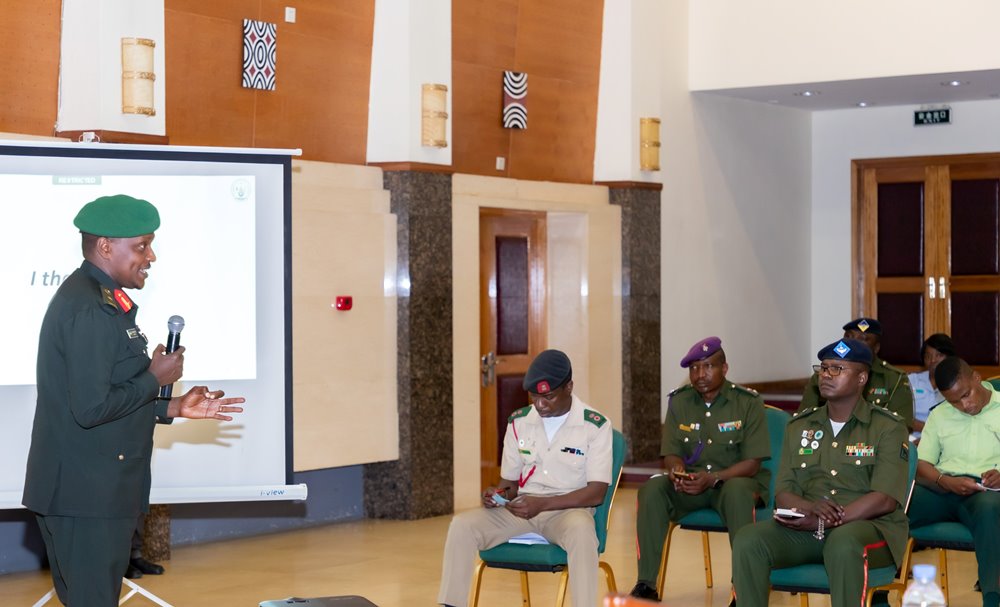
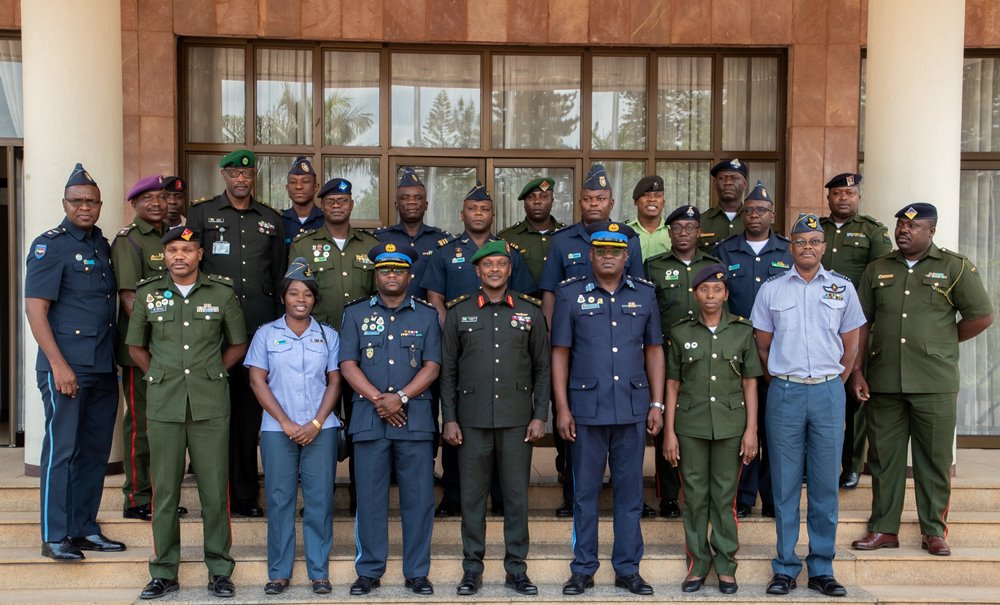
The Head of delegation, Colonel Edmond Mbilika says that the student officers who are on one week education expedition will visit several key Government organisations with the aim to cover all aspects on “Expanding roles of the military in the global security environment” as their theme states for this year.
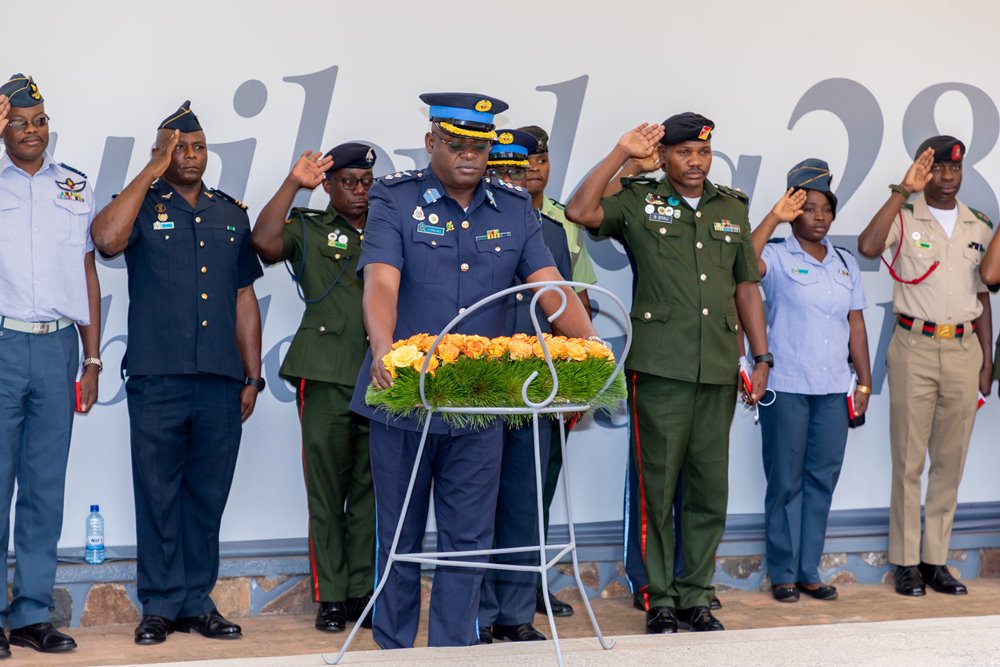
Members of the delegation has so far visited the Kigali Genocide Memorial, Campaign against Genocide Museum and RDF Command and Staff College in Nyakinama, Musanze.
They also visited RDF headquarters for a brief on RDF transformation journey since the end of the liberation struggle in 1994.
They will also visit Zigama CSS, Military Medical Insurance, Horizon Ltd and Rwanda Military Hospital before departing back.
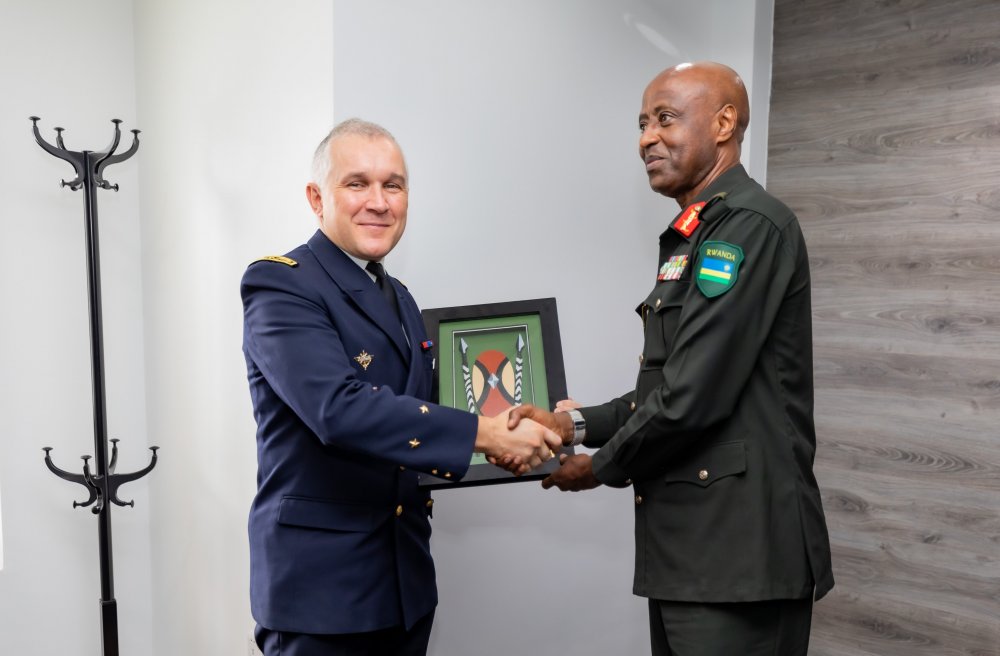
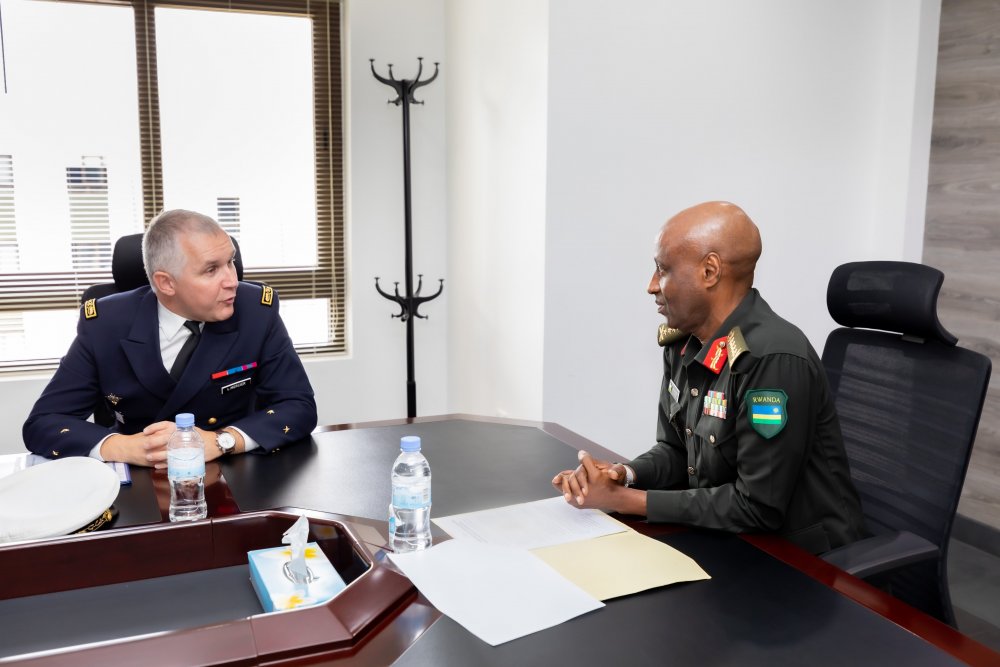
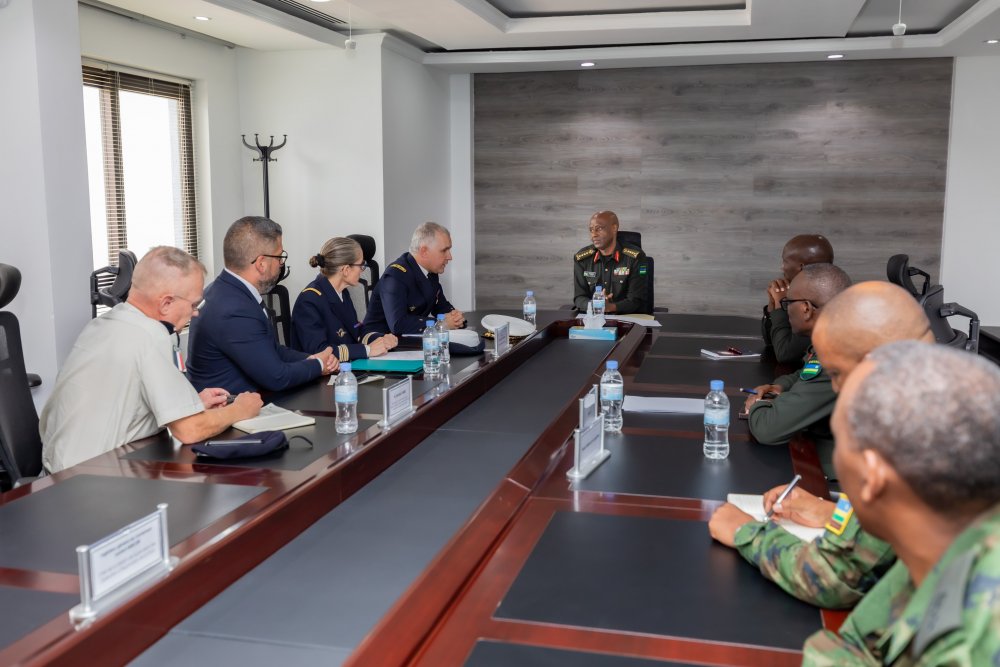
The Ministry of Defence has revealed that Gen Kazura met with Maj Gen Mercier on Wednesday but did not mention topics of discussions.
The military inspectorate is affiliated to the Ministry of Defence in France. It has, among other things, the duties of helping the military to build professionalism, equip troops with skills to confront future threats, and reinforce foreign cooperation.
It was established in 1961 by Gen Charles de Gaulle.
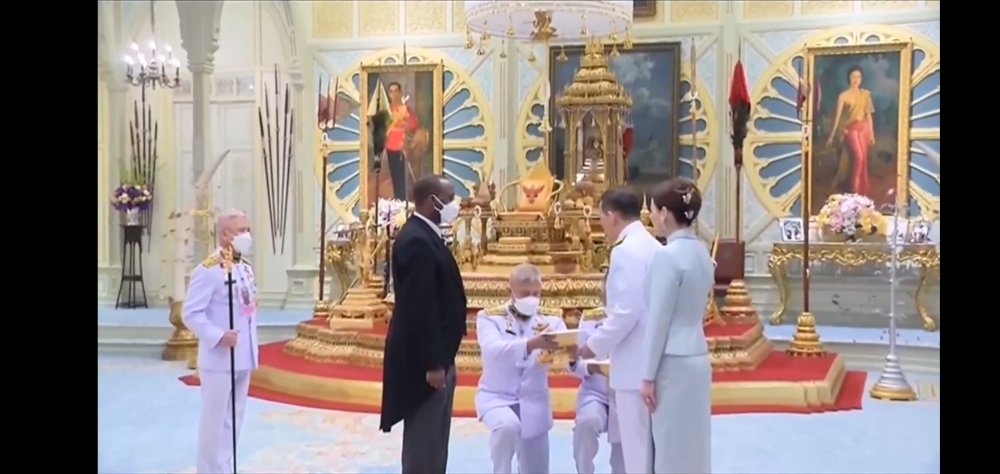
Vajiralongkorn has been the monarch of Thailand since May 2019. He is the only son born to King Bhumibol Adulyadej and Queen Sirikit.
Following the death of his father on 13th October 2016, he requested time to mourn his parent before ascending to the throne. He accepted to rule the country in the night of 1st May 2019.
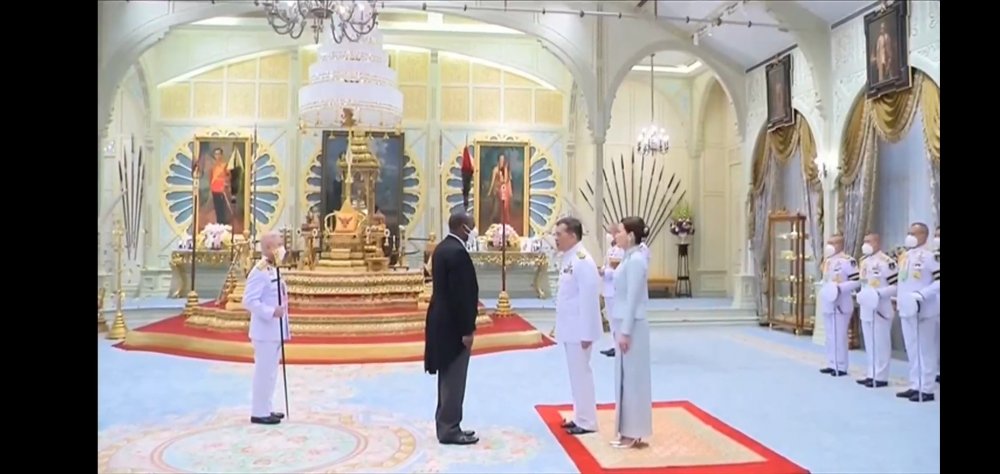
Amb. Rwamucyo has expressed delight for presenting letters of credence to the King of Thailand and pledged to further strengthen the bond of friendship between both countries.
He also oversees Rwanda’s interests in other countries including Japan, Malaysia and Philippines with residence in Tokyo, the capital of Japan.
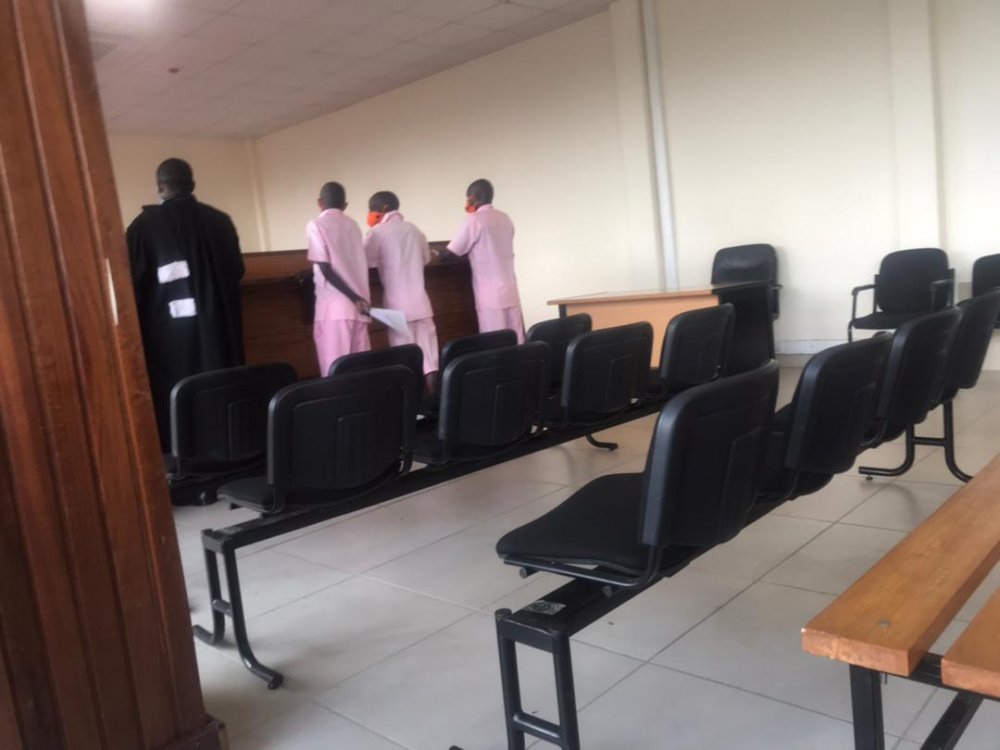
The journalists include Jean Damascène Mutuyimana, Jean Baptiste Nshimiyimana and Schadrack Niyonsenga who were arrested in October 2018.
The High Court has said that the Prosecution did not present tangible evidences pinning them and ordered their immediate release.
“It was revealed that the Prosecution did not present tangible evidences on inciting public insurrection, and of spreading false information with intention to create hostile international opinion against Rwanda. None of them happened,” Jean Paul Ibambe, the defense lawyer of the three journalists has told IGIHE.
The Prosecution’s allegations are based on stories published on the journalists’ YouTube channel on attacks of FLN to Rwanda in 2018.
Ibambe has said that the journalists told the court that the attacks occurred where there are individuals convicted of involvement.
They have been detained for four years. Ibambe said that the trio has rights to appeal for compensation noting that their acquittal is what matters the most.
According to the World Bank’s latest Africa’s Pulse, a biannual analysis of the near-term regional macroeconomic outlook, economic growth in Sub-Saharan Africa (SSA) is set to decelerate from 4.1% in 2021 to 3.3% in 2022, a downward revision of 0.3 percentage points since April’s Pulse forecast, mainly as a result of a slowdown in global growth, including flagging demand from China for commodities produced in Africa.
The war in Ukraine is exacerbating already high inflation and weighing on economic activity by depressing both business investments and household consumption. As of July 2022, 29 of 33 countries in SSA with available information had inflation rates over 5% while 17 countries had double-digit inflation.
“These trends compromise poverty reduction efforts that were already set back by the impact of the COVID-19 pandemic,” said Andrew Dabalen, World Bank Chief Economist for Africa. “What is most worrisome is the impact of high food prices on people struggling to feed their families, threatening long-term human development. This calls for urgent action from policymakers to restore macro-economic stability and support the poorest households while reorienting their food and agriculture spending to achieve future resilience.”
Elevated food prices are causing hardships with severe consequences in one of the world’s most food-insecure regions. Hunger has sharply increased in SSA in recent years driven by economic shocks, violence and conflict, and extreme weather. More than one in five people in Africa suffer from hunger and an estimated 140 million people faced acute food insecurity in 2022, up from 120 million people in 2021, according to the Global Report on Food Crises 2022 Mid-Year Update.
The interconnected crises come at a time when the fiscal space required to mount effective government responses is all but gone. In many countries, public savings have been depleted by earlier programs to counter the economic fallout of the COVID-19 pandemic, though resource-rich countries in some cases have benefited from high commodity prices and managed to improve their balance sheet.
Debt is projected to stay elevated at 58.6% of GDP in 2022 in SSA. African governments spent 16.5% of their revenues servicing external debt in 2021, up from less than 5% in 2010. Eight out of 38 IDA-eligible countries in the region are in debt distress, and 14 are at high risk of joining them. At the same time, high commercial borrowing costs make it difficult for countries to borrow on national and international markets, while tightening global financial conditions are weakening currencies and increasing African countries’ external borrowing costs.
This challenging environment makes it essential to improve the efficiency of existing resources and to optimize taxes. In the agriculture and food sector, for example, governments have the opportunity to protect human capital and climate-proof food production by re-orienting their public spending away from poorly targeted subsidies toward nutrition-sensitive social protection programs, irrigation works, and research and development known to have high returns.
For example, one dollar invested in agricultural research yields, on average, benefits equivalent to $10, while gains from investments in irrigation are also potentially high in SSA. Such reprioritization maintains the level of spending in a critical sector, while raising productivity, building resilience to climate change, and achieving food security for all. Creating a better environment for agribusiness and facilitating intra-regional food trade could also increase long-term food security in a region that is highly dependent on food imports.
The IAWPA is a global leader in the pursuit of world Peace and the achievement of the United Nations Sustainable Development Goals SDG programme all over the world.
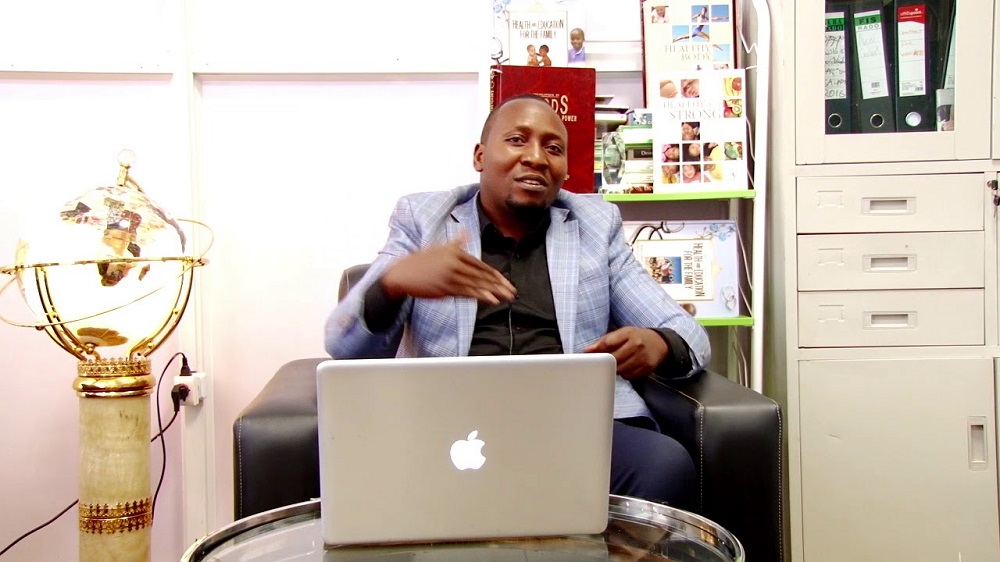
Dr. Habumugisha was recently awarded for his outstanding work to promote peace during a ceremony held on 19th August 2022 in Lagos City, Nigeria.
It was bestowed to him for helping people in Rwanda and beyond access health information and therapy through television and different conferences.
Speaking to IGIHE, Dr. Habumugisha said that it is a great honor to receive this award.
He revealed that it induced pride and encouraged him to keep running his activities within the country and abroad with the aim of changing people’s lives by educating them to prevent diseases and adopt a healthy lifestyle.
“I have been very excited with the award because I have been already promoting such initiatives,” Dr. Habumugisha said.
He explained that the duties given to him to establish IAWPA in the country will lead to many projects helping people to uplift livelihoods.
“Restoring peace does not only refer to ending wars but fighting against hunger and poverty. Every country that works with this organization benefits from different projects aligning with the good cause,” he noted.
Dr. Habumugisha has been involved in many activities promoting healthcare.
He maintains that the number of smartphone owners are gradually increasing in Africa where health institutions should take advantage of this opportunity to develop digital platforms to help people access information they need.
Dr. Habumugisha says that initiatives like his digital platform dubbed ’Muganga Online’ which helps people access health information would be more meaningful for people to access some services without necessity for regular visits to health centers.
He explained that the appointment is a great opportunity because he will represent Rwanda in different parts of the world and share this experience with others, hence improving the country’s visibility.
“There are people who have not yet learnt about the beauty and resilience of Rwanda. This is an opportune moment to do that,” Dr. Habumugisha asserted.
He pledged to continue rising the Rwanda’s flag high given that it has a far-sighted leadership promoting good governance.
Currently, Dr Habumugisha is an entrepreneur and founder of Goodrich Life Care, a company that provides nutritional therapy, reflexology and hydrotherapy.
He founded Goodrich TV which provides health advice and information. It is an addition to ‘Muganga Online’ platform which helps people access health information.
The situation in the country had worsened since October 2017 when armed extremists launched an insurgency in the Cabo Delgado Province of Mozambique.
Mozambique Defence Armed Forces battled the extremists but many civilians were killed and displaced by the fighting.
Before Rwandan troop’s intervention, terrorists had killed 3000 civilians while more than 800,000 were displaced. The insecurity had also put to halt all development projects in the area controlled by insurgents.
The joint operations between Rwandan and Mozambican troops yielded big where different regions were seized from rebels.
Rwandan Security Forces in Cabo Delgado are mainly renowned for bravery to quell terrorists but there many more areas in which they have intervened to ensure protected citizens have sound health.
In Rwanda, security forces are not only responsible for maintaining security and order but also involved in other areas of national development like health, education and construction among others.
This aspect was also considered during the deployment of troops in Cabo Delgado.
They were deployed along with colleagues from the medical regiment so that the Mozambicans in the war-torn areas, get medical care quickly.
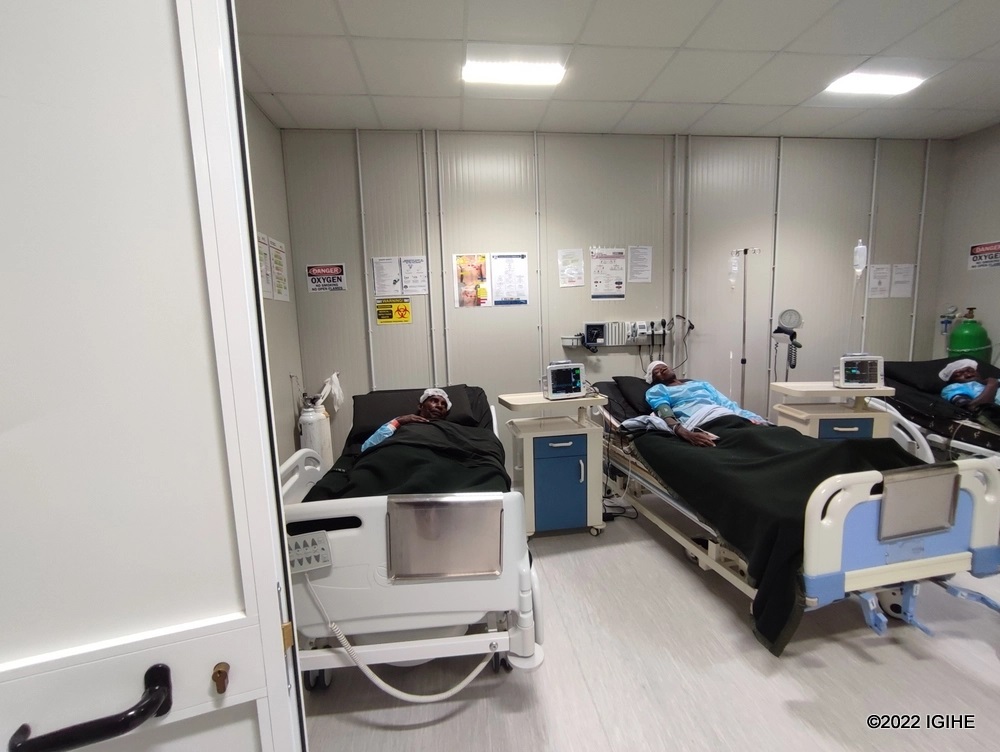
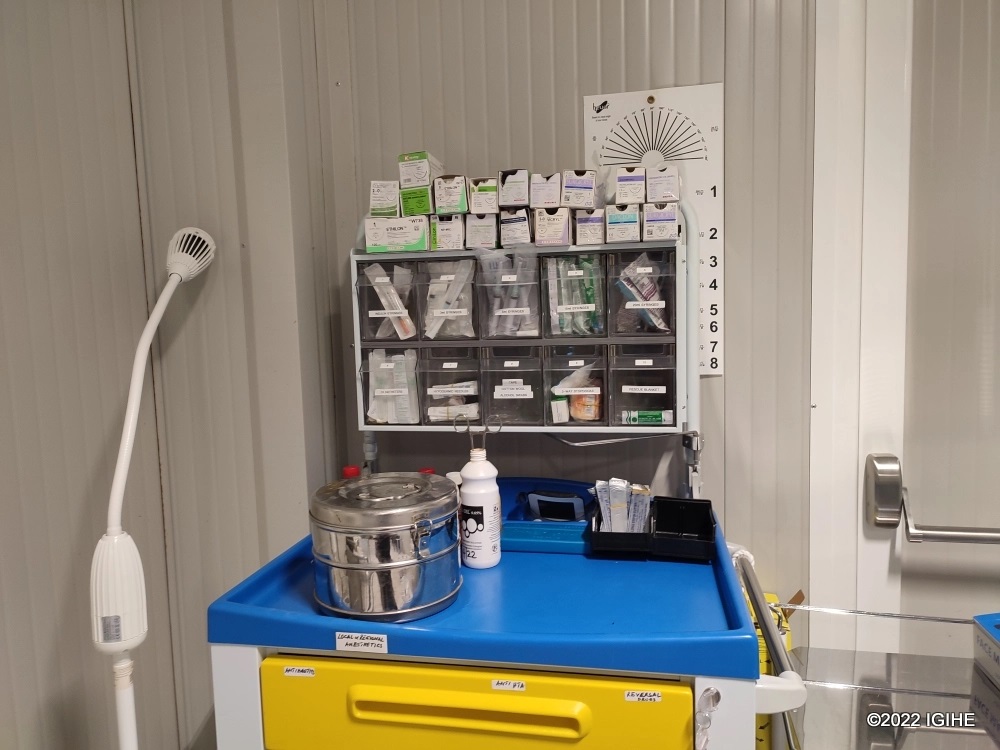
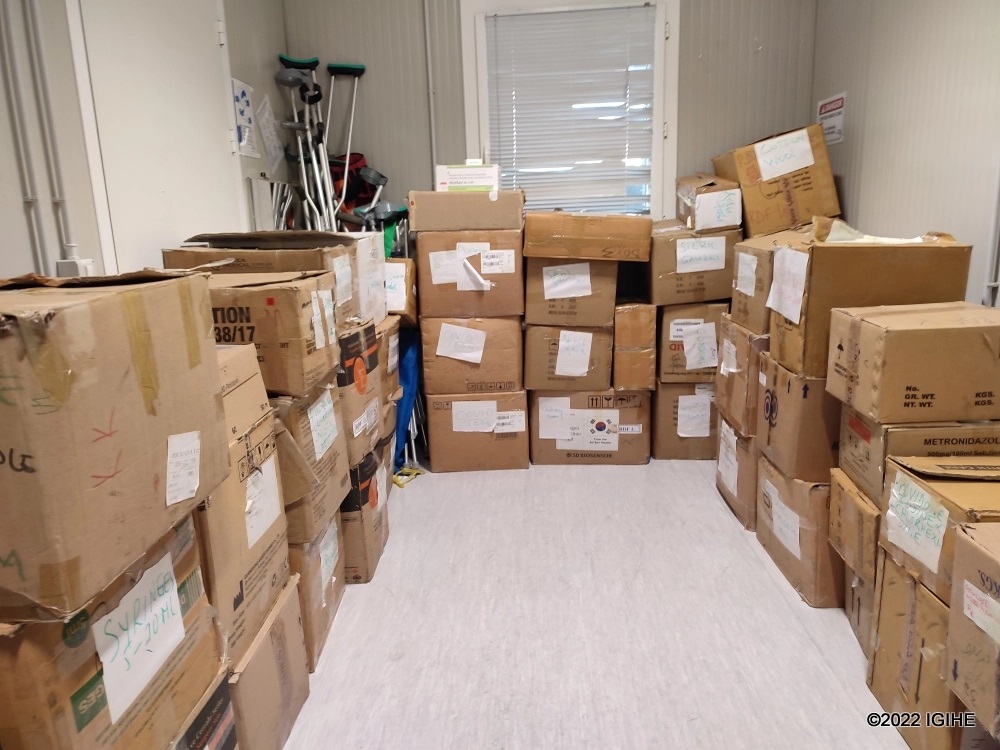
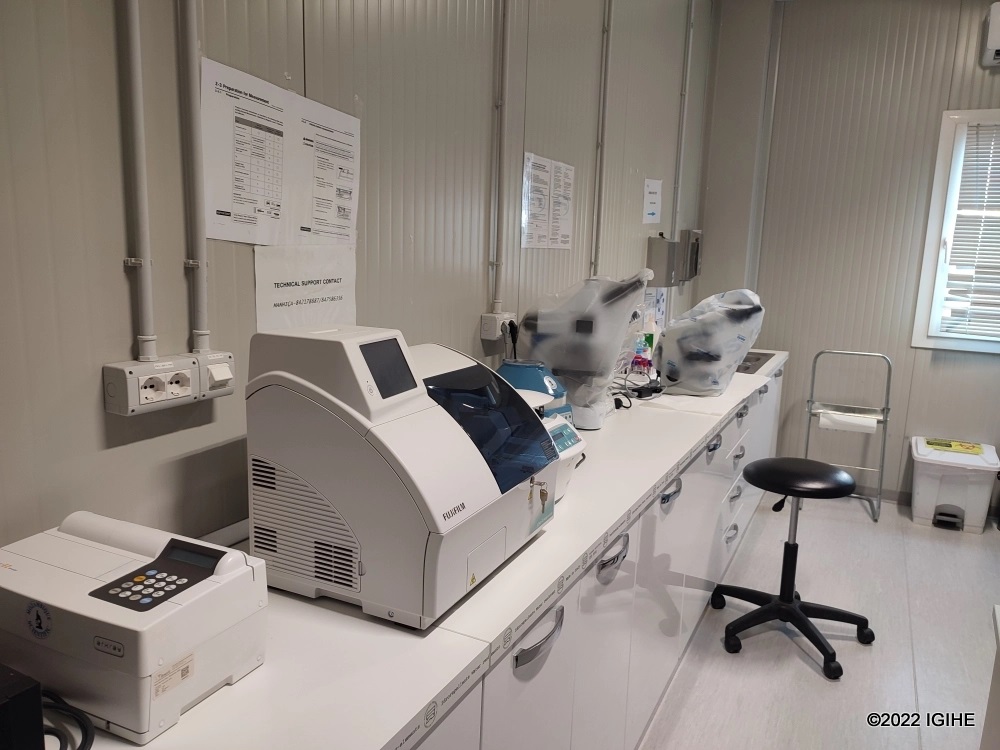
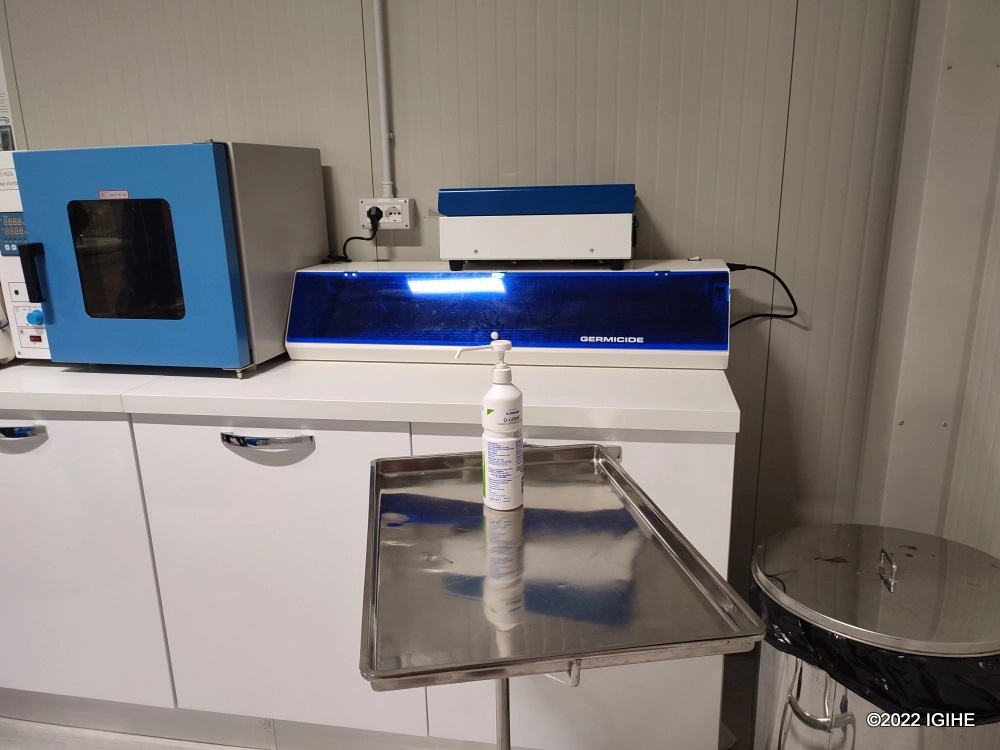
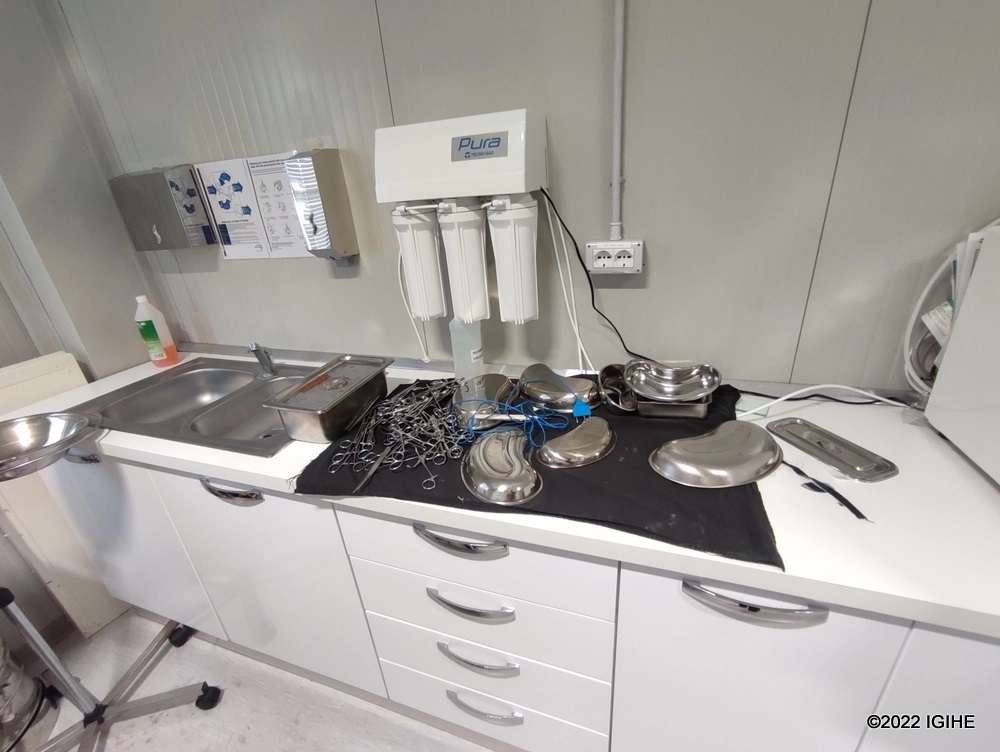
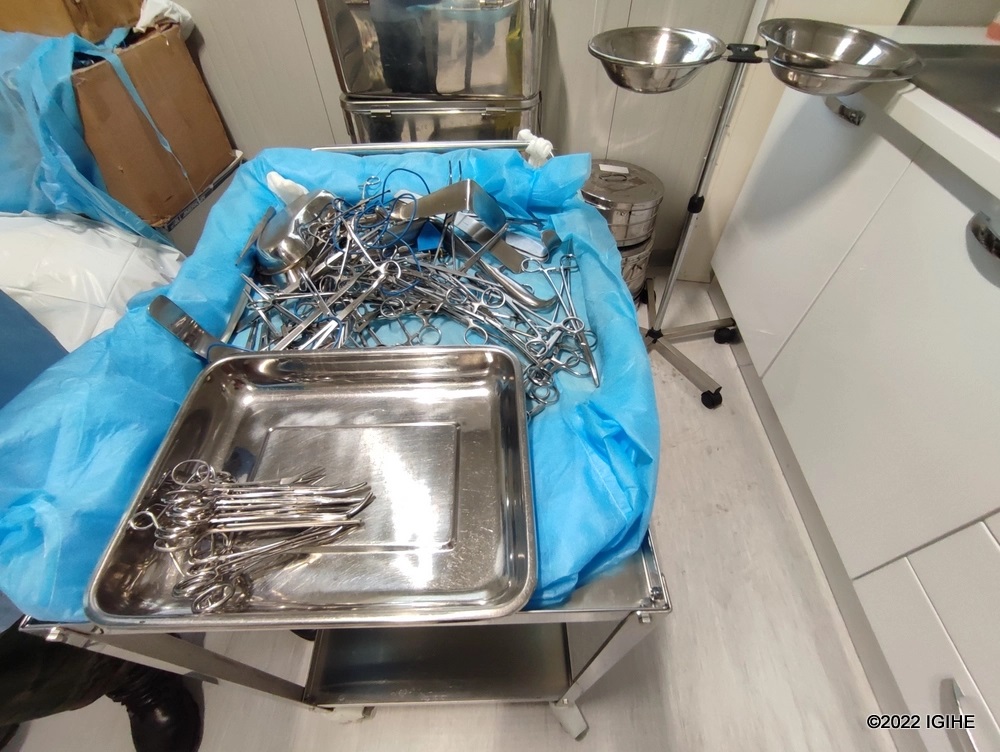
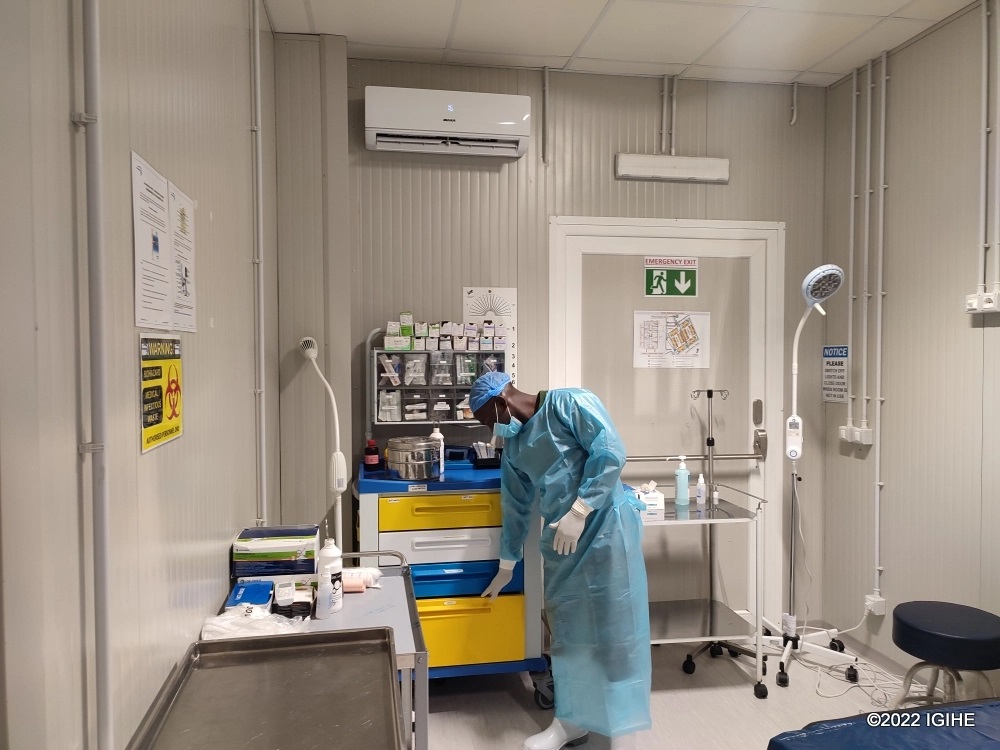
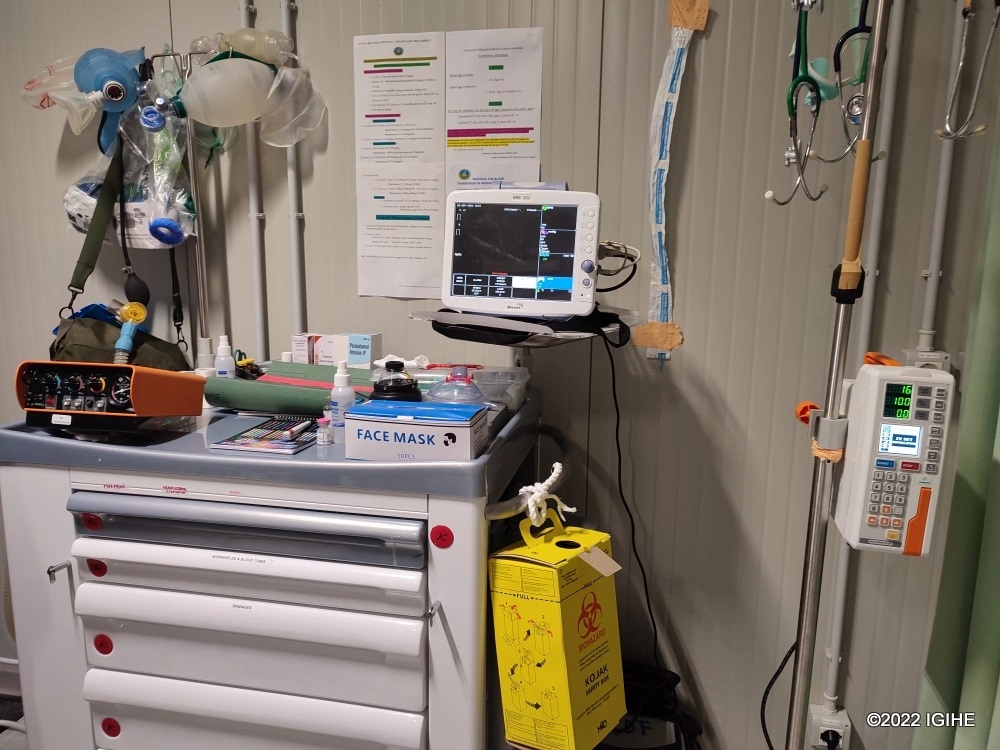
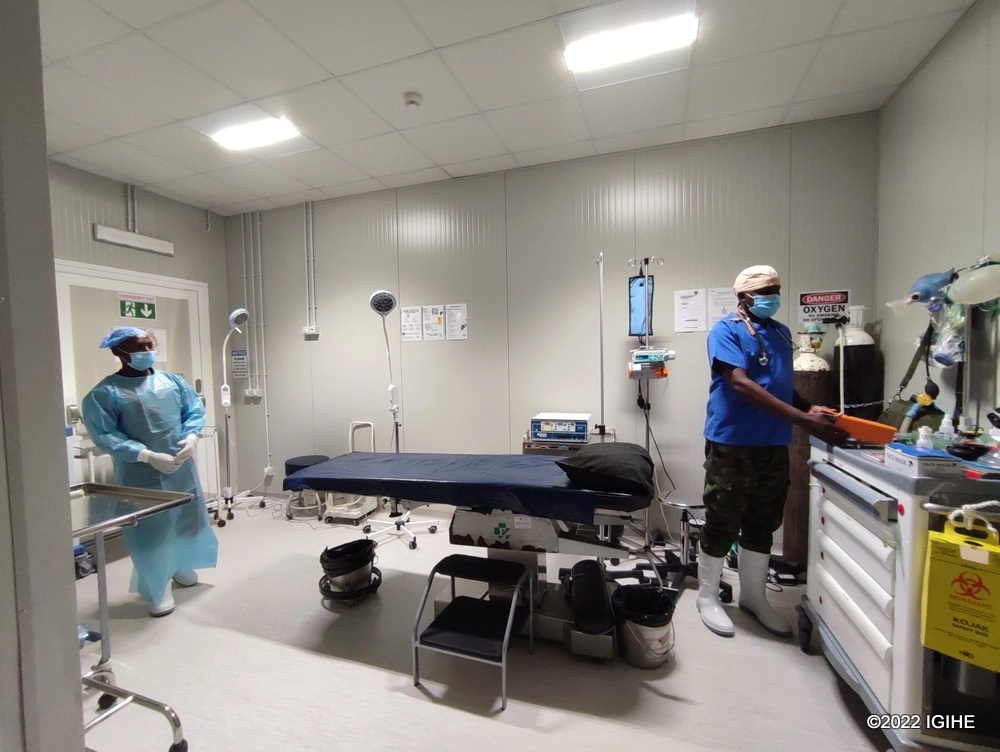
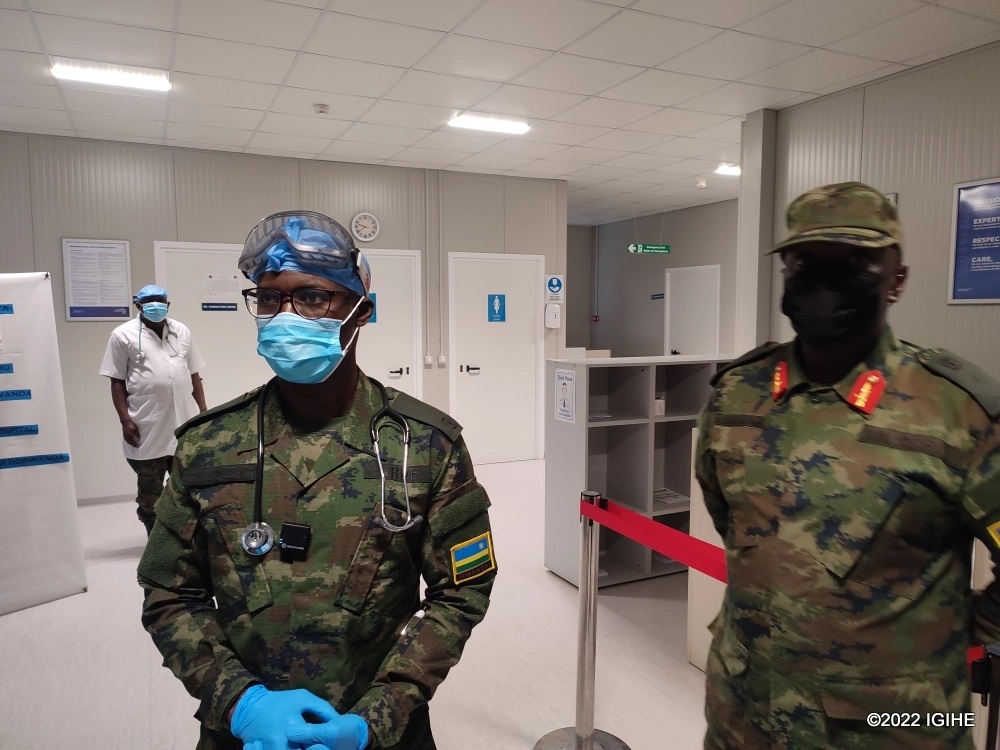
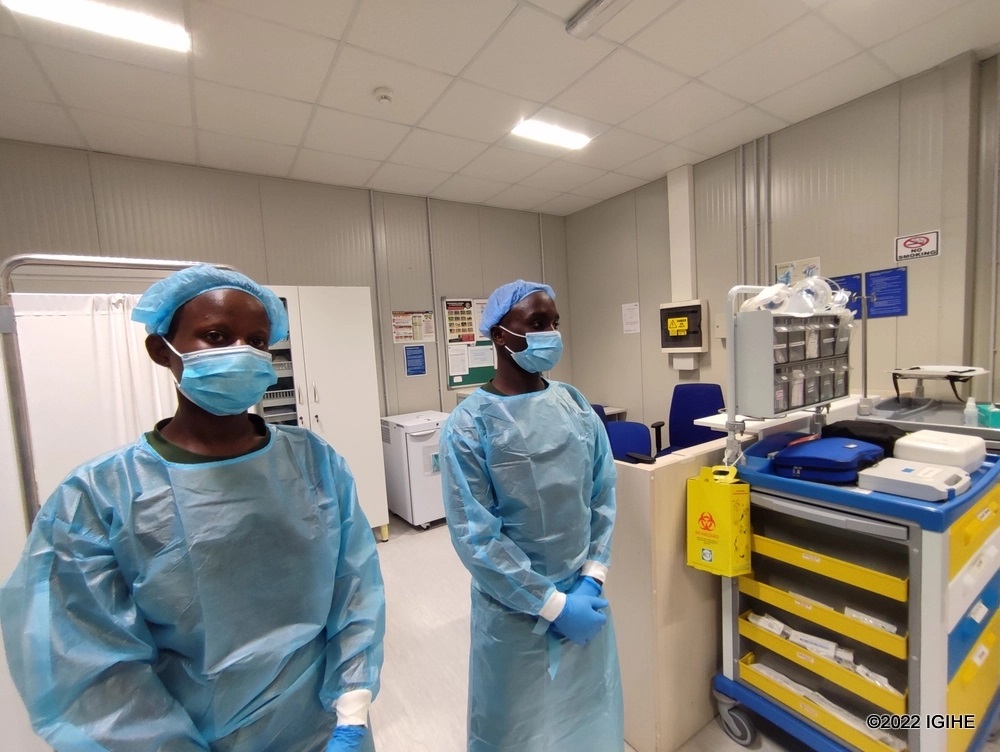
IGIHE recently visited the field hospital of Rwanda Security Forces in Cabo Delgado, which serves as the referral health facility in the area for Rwandan, Mozambican troops and civilians as well.
It offers all the services one would access at a Rwandan hospitals including examination, medication, surgery, laboratories, a sickbay and more.
Major Dr. Jean Paul Shumbusho, the Head of Medical Services in Rwanda Security Forces deployed in Cabo Delgado, spoke to IGIHE a day after they started providing medical care to residents living far from the hospital.
Dr. Shumbusho said that they frequently conduct medical outreach programs because Cabo Delgado is a large province with a limited number of health facilities.
“We draw special emphasis on areas where most of the population has already returned but are still far from the roads and towns where they cannot access healthcare easily.
Those are the ones we often target to reduce long and exhausting daily walks and provide basic care as much as we can. Those who have not been treated are facilitated to reach the main hospital so that they can be properly treated,” he noted.
The Rwandan Security Forces offer treatment for free while the Government of Rwanda caters for the cost of equipment and medicines.
“We treat the people for free from the time we receive them, give them medicines, feed and clothe them until they go home, all free of charge. The cost is high but not as much as a person’s life,” said Dr. Shumbusho.
The hospital receives between 250 and 400 patients per month, excluding those treated in medical outreach activities. Among those treated, at least 35 underwent surgery.
Dr. Shumbusho said that Malaria comes first among the diseases affecting the residents of Cabo Delgado.
It can be linked to the fact that it is a province of mostly tropical forests, with low land near the sea.
“Malaria is the first disease that we frequently treat here. It is severe malaria that kills some patients if they do not get treatment on time, especially young children and pregnant women. That is why we focus on providing them with medicine, and educate them on prevention,” revealed Dr. Shumbusho.
As a war-tone area for four years, malnutrition-related diseases especially among young children are among the most common ones. It also stems from the fact that there is not much sanitation infrastructure in place.
Dr. Shumbusho said war-related diseases including trauma, emotional and physical injuries are among major problems.
“There are still many injuries, there are still many incidents related to explosive remnants of war and many people without this protection,”
{{Men are affected by orchitis}}
Dr. Shumbusho said that the majority of patients getting surgery are men who are suffering from orchitis, due to the nature of the area where they live.
Orchitis is the leakage of fluid between the two skins that cover the testicles. When there is water between them, whether it is more or less, it is called orchitis.
“We mostly conduct surgery for male reproductive health related diseases because they live in an area with several water bodies. There are parasitic worms that enter people’s bodies and reside in the men’s private parts because they don’t wear shoes or other protections. Those are the ones that require surgery the most. About 50% of the men coming to this facility suffer from such conditions,” affirmed Dr. Shumbusho.
The healthcare services provided by the Rwandan Security Forces to the residents of Cabo Delgado have been extremely appreciated that some mothers requested that their children be given Rwandan names after delivery.
“There are children we gave Rwandan names at the request of their parents as an appreciation to medical assistance offered to them. These include Ntwali, Mahirwe and Nkotanyi among others,” revealed Dr. Shumbusho.
Apart from treating patients, Rwandan Security Forces also provide support to other health facilities with shortage of medicines in Cabo Delgado.
The day was a major breakthrough in the history of Rwanda and a major setback for the government of the then President Juvenal Habyarimana who had been stubborn, saying that the country is so full that it cannot find a place to settle its people who are in exile.
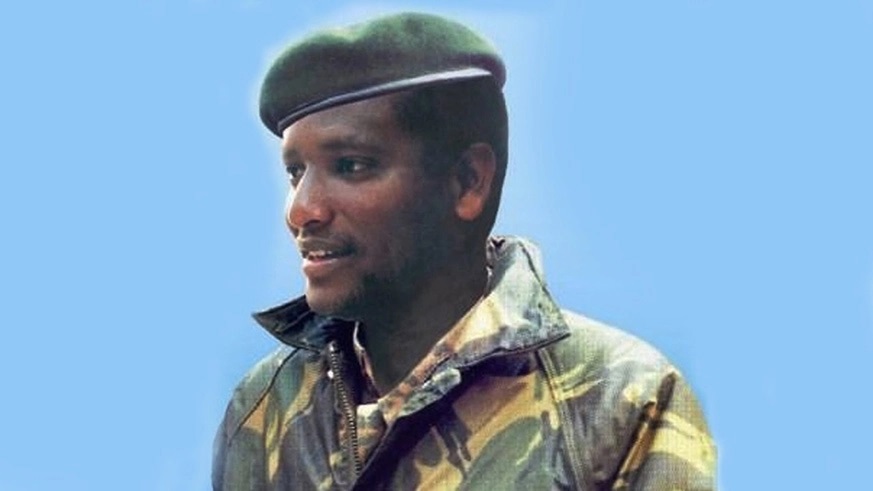
This date had been eagerly awaited by the young men and women, members of RPA Inkotanyi who had already observed that the process of negotiations was no longer possible where the remaining alternative was to wage a war.
In the history of RPA and Rwanda in general, the date of October 1 had no special meaning before 1990, although the RPF Inkotanyi and its forces did not accidentally choose it.
A journalist identified as Stephen Kinzer wrote a book titled ‘A Thousand Hills: Rwanda’s Rebirth and the Man Who Dreamed It’ in which he shows what choosing that date meant a lot at that time.
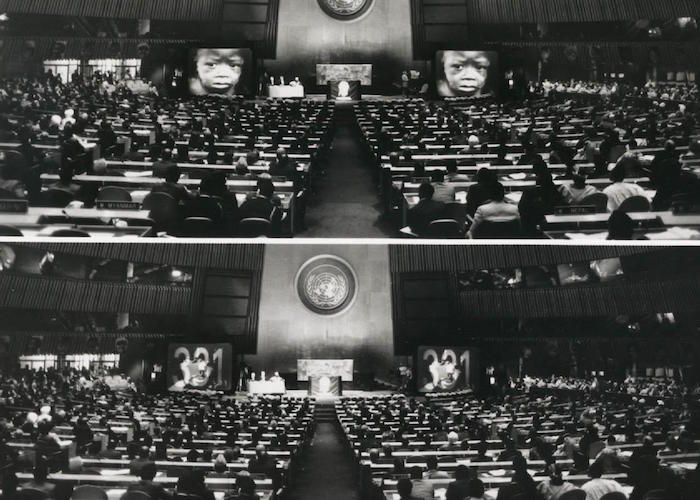
From Saturday 29th and Sunday 30th September 1990, a World Summit for Children was underway at the headquarters of the United Nations (UN) in New York in the United States of America.
President Habyarimana and Yoweri Museveni of Uganda were among the 71 heads of state and government who attended the conference.
The RPF Inkotanyi knew very well that both leaders would still be in YSA on October 1, 1990.
Kinzer says that it was difficult on the Rwandan side for the army to get enough instructions to fight the attackers, as it would happen when the President is in the country.
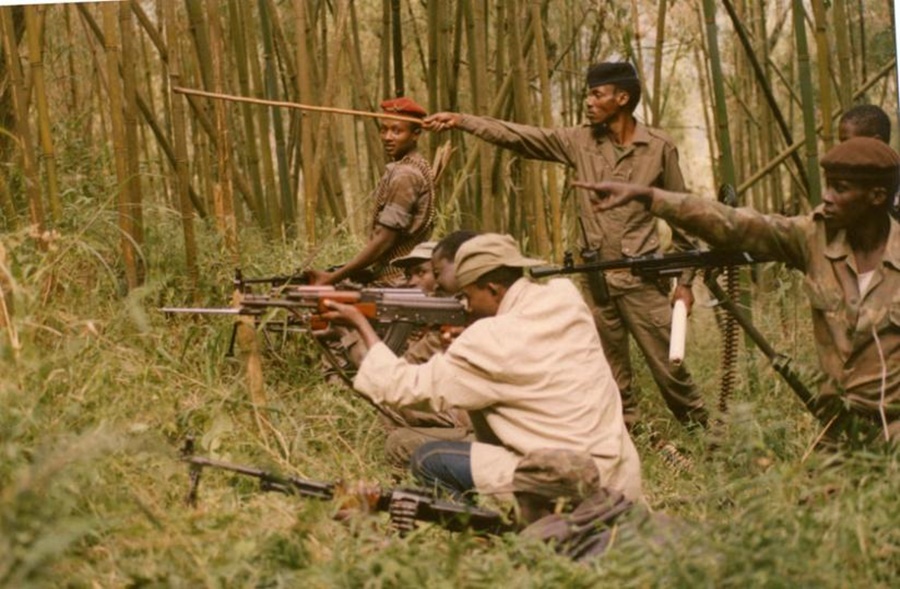
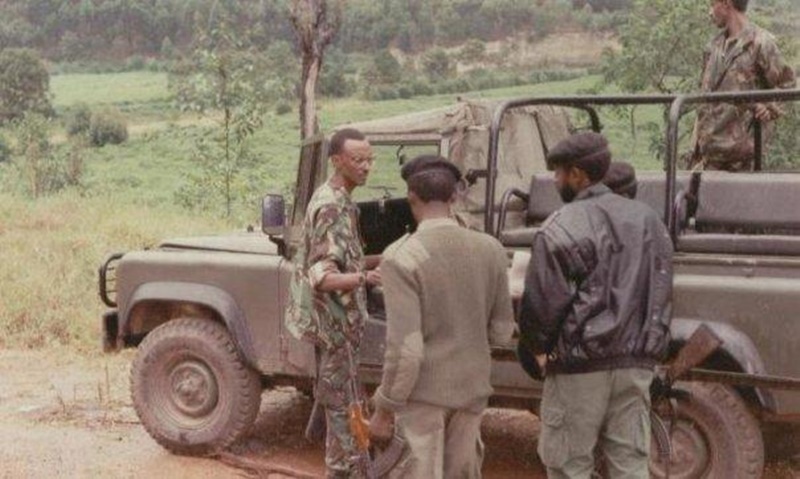
Most of the RPA troops who started the fight, were already enrolled in the Ugandan Army led by Major General Gisa Fred Rwigema. They were deployed in different parts of Uganda but had to come together to be able to plot an attack to Rwanda.
Rwigema, who was the Deputy Commander of the Ugandan Army, could not find any other way to move soldiers from one base to another, without taking advantage of Museveni’s foreign visit.
This was facilitated by the fact that Uganda celebrates Independence Day on October 9. This means, some soldiers had to be withdrawn from some of the camps early, to prepare for the Independence Day parade.
During those dates, it was easy for the commanders of the RPA forces to move with the forces hailing from Rwanda, who were able to gather together without being discovered by other commander in the Ugandan forces as it was done under the guise of Independence Day preparations.
Kinzer said that Maj Gen Fred Rwigema informed Museveni about the transfer of troops.
Since Museveni was in New York, Kinzer explained that no other soldier would dare to ask him how he brought together two thousand soldiers from Rwanda in one place.
Following the organization, Rwigema sent soldiers to areas near the border of Rwanda to prepare for battle.
Starting from September 30, trucks full of soldiers began moving to Ankole District in Southern Uganda, close to the border with Rwanda.
The soldiers came with a lot of weapons mainly those they had looted from the Ugandan weapons’ store.
At around 4:00 a.m. in on October 1, after making possible arrangements, the soldiers were ordered to cross Kagitumba border.
It didn’t take long to capture the area that was guarded by a few state soldiers.
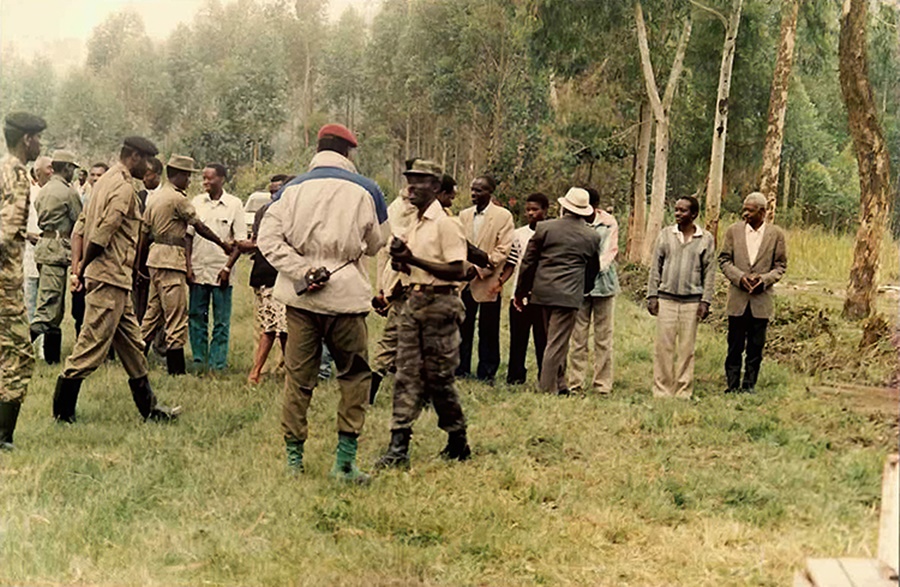
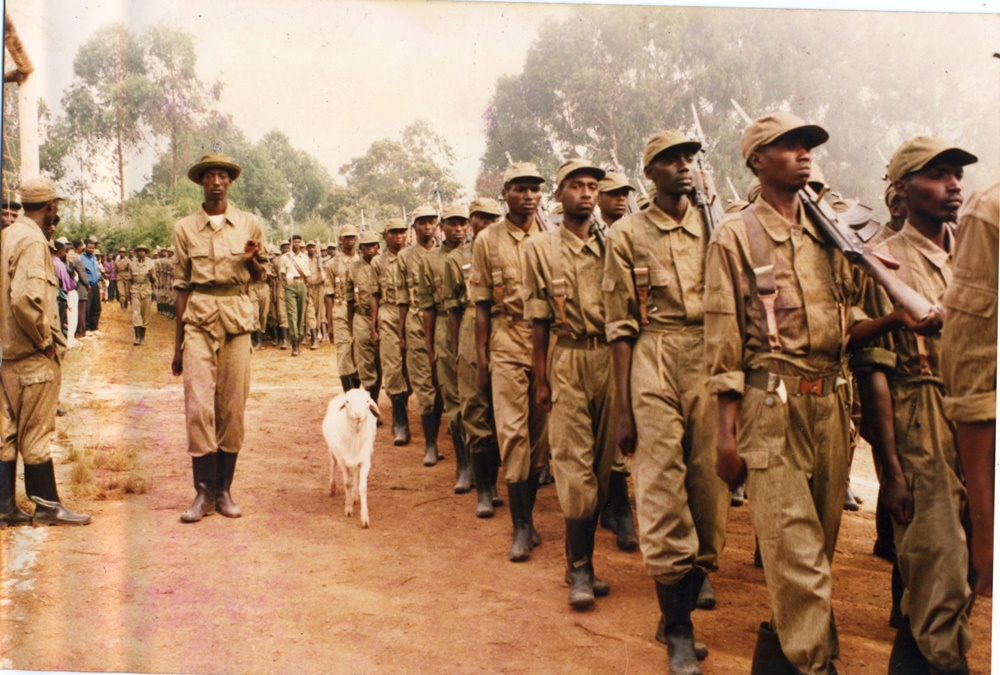
This date was the beginning of a four-year struggle, which stopped the 1994 Genocide against the Tutsi on July 4, 1994. At this time, the genocidaire government was defeated and the process of building a new Rwanda began.
FDLR is a terrorist group comprised of remnant masterminds of the 1994 Genocide against the Tutsi.
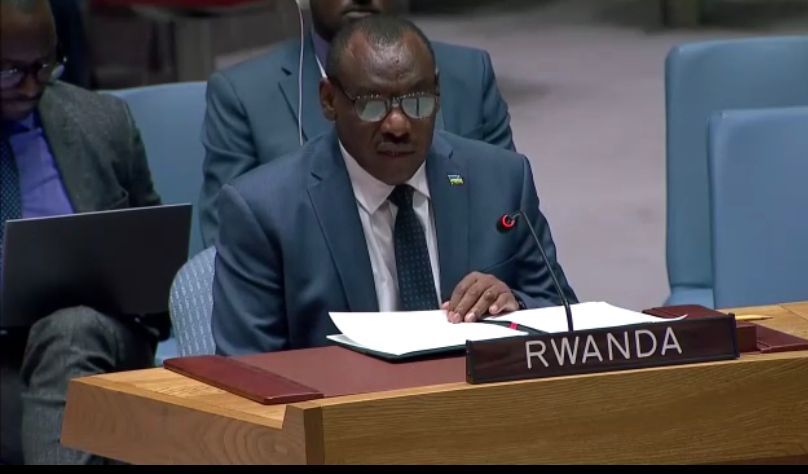
Amb. Gatete voiced the concern on Friday to the UN Security Council, after receiving a report on the activities of the United Nations Organization Stabilization Mission in the Democratic Republic of Congo (MONUSCO).
He said that one of the factors that continue to cause insecurity in Congo and the region, includes the FDLR and other groups affiliated to it.
Amb. Gatete added that the concern lies in the way the Congolese Army (FARDC) came to the fore cooperating with the FDLR instead of fighting.
He revealed that it is unfortunate to hear that the FARDC and its affiliates are working with the FARDC yet such situations often lead to groups regrouping, recruiting new fighters and launching cross-border attacks.
Amb. Gatete underscored that FARDC should stop cooperating with armed and sanctioned groups like the FDLR.
He said that the FDLR should not be considered as a simple group yet there are evidences of the attacks it plotted to Rwanda recently that have caused a lot of damage.
Amb. Gatete gave the example of three attacks that have taken place this year, with the help of the Congolese Army.
The fact that the FDLR is in DRC, he said, is not something that should be taken lightly.
Amb. Gatete expressed concerns that a group guided by Genocide ideology should not be judged by the number of its members, because it can attack Rwandan territory, cause damages and kill people regardless of the size.
Based on these attacks recently plotted attacks, he highlighted that FDLR and its affiliated groups are clearly a serious problem to Rwanda’s security.
The President of the DRC, Felix Tshisekedi, recently told the UN General Assembly that the FDLR is an excuse because it is made up of people struggling to find means of survival that they ‘cannot threaten the security of Rwanda’.
However, he said that the group killed the Italian Ambassador to Congo last year.
Amb Gatete also blamed speeches of some Congolese leaders, who drag Rwanda in the country’s problems to dodge their involvement.
He said that such acts fuel hate speeches against Kinyarwanda-speaking people and exacerbated the situation in eastern DRC.
Gatete also said that the way Congo externalize its problems is a serious concern noting that accepting its responsibility is one of the ways to find a solution.
He underscored that Rwanda will continue to do what it sees fit and protect its people and sovereignty.
Congo has been accusing Rwanda of contributing to the insecurity in the eastern part by supporting the M23 rebel group.
Rwanda has repeatedly rejected these accusations, saying that M23 problems that should be solved internally because the members of that group are Congolese, demanding rights in their country.
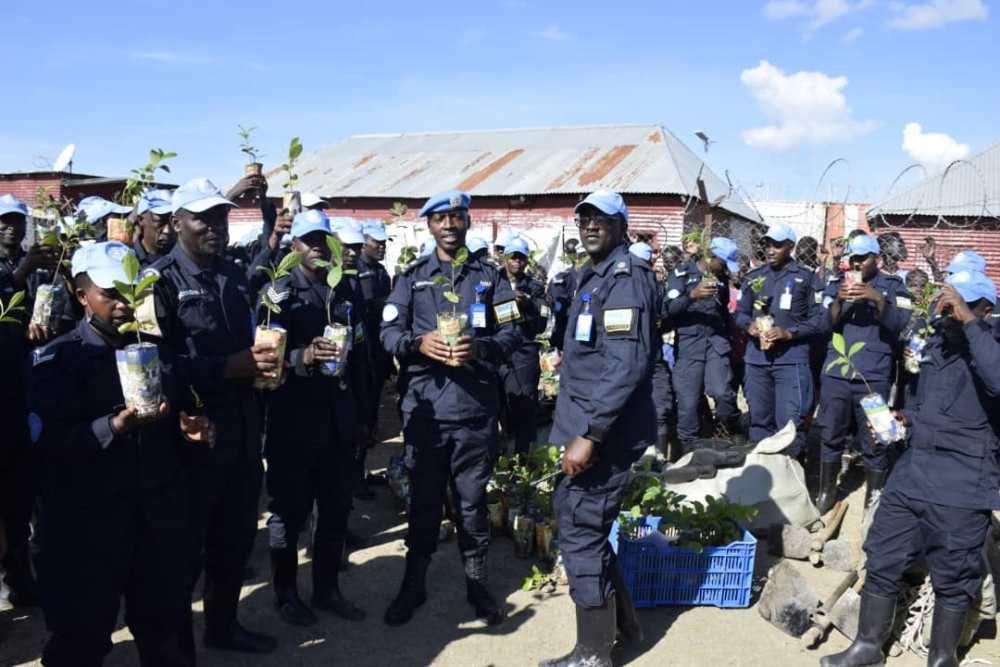
They also donated 100 gumboots to the local youth, who form the Community Watch Group.
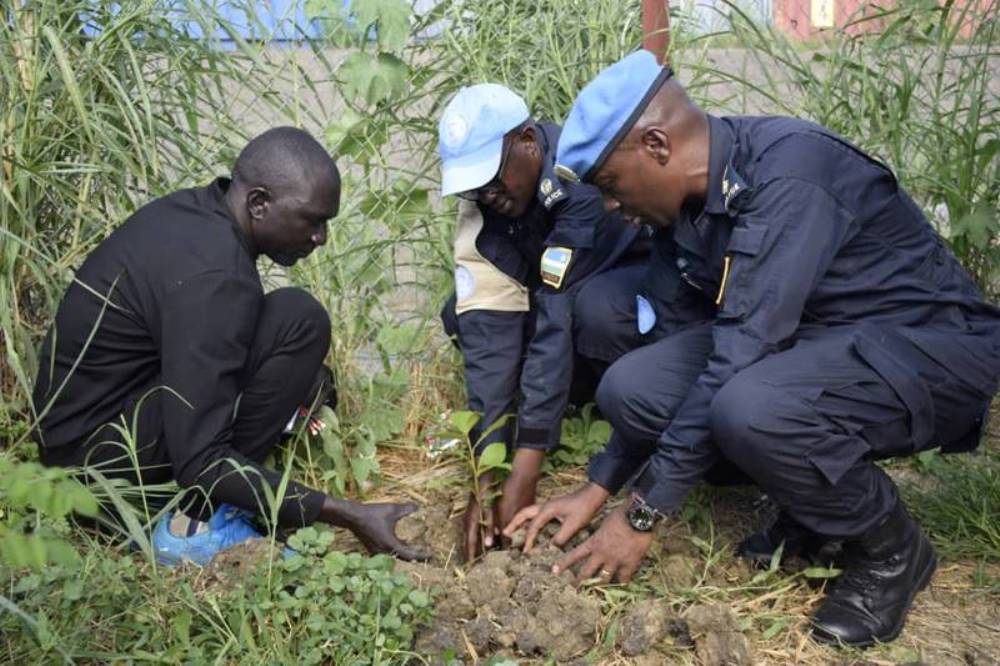
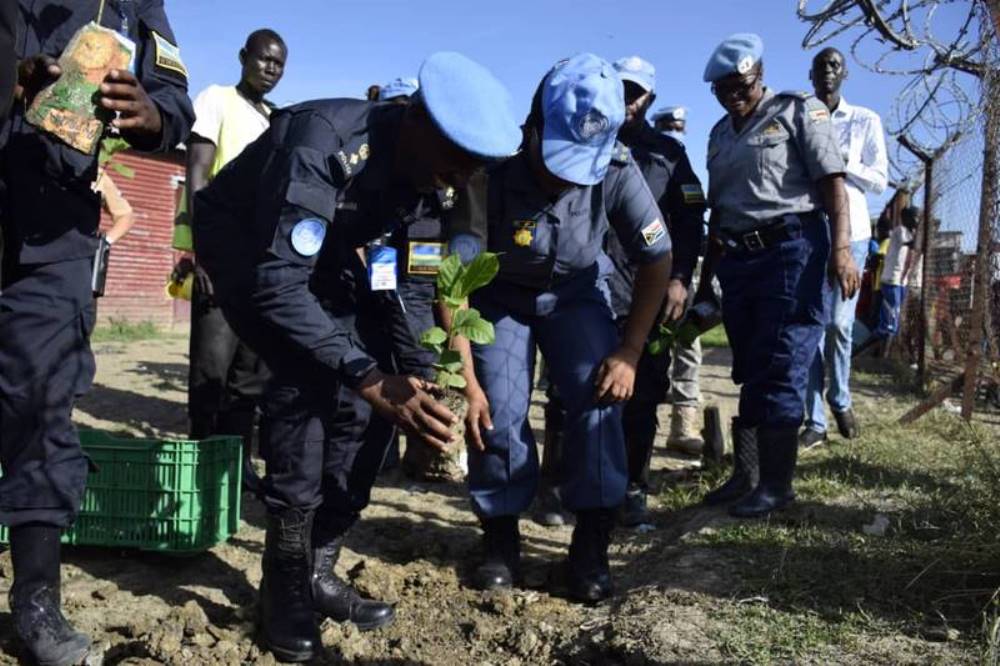
The peacekeepers include Rwanda Formed Police Unit (RWAFPU1-7) contingent of 240 officers, and Rwandan Individual Police Officers (IPO) deployed in Malakal. They were also joined by South Sudanese in the communal work.
The trees were planted around the Protection of Civilian (PoC) camp, which hosts over 59,000 internally displaced persons. The camp is under the protection of the Rwanda Formed Police Unit.
The exercise to plant trees aimed at encouraging the locals in environmental protection and community policing programmes.
The youth group works with the Rwandan peacekeepers inside the IDP camp to address the safety and security challenges.
Brig. Gen. Monica Sebili Monsekiang, the Protection of Civilian Coordinator (POCC) for Malakal, thanked the Rwandan peacekeepers for ensuring security of those displaced by violent conflicts, and for their efforts to support them through various initiatives.
“These people feel safe because you are here to ensure that day and night. You played a crucial part when this camp experienced an influx of over 15000 people displaced by conflicts.
More to that, such environmental protection and community policing initiatives add value to the work of the UN here in South Sudan,” Brig. Gen. Monsekiang said.
She urged the residents to protect the planted trees, plant more trees and to encourage others to protect the environment.
The RWAFPU1-7 contingent commander, Senior Superintendent of Police (SSP) Prudence Ngendahimana thanked the local residents for their support and partnership in security matters.
He particularly thanked the Community Watch Group for their proactive activities to work with the Rwandan peacekeepers to make the people safe.
The PoC chairman, Yoawnes Kimo Deng appreciated the Rwandan peacekeepers for introducing the tree planting initiative.
“This is the first time that trees have been planted around our camp, and it’s a lesson learnt that we will continue to engage in together with our young people, who help us in various matters, including solving conflicts,” Deng said.
He added that some of the trees planted will provide herbs for traditional medicine.