Emmanuel Ainebyoona, a spokesperson for the Ministry of Health, in a statement issued in Kampala, the capital of Uganda, said the number of dead since the virus was first reported in the country on Sept. 20 now stands at 17.
Ainebyoona said as of Oct. 9, the cumulative number of confirmed cases was 48 after four new confirmed cases were registered in the last 48 hours. Of the 48 confirmed cases, nine are health workers. The cumulative number of recoveries is 14 people.
Earlier Monday, Ainebyoona confirmed that a team of senior World Health Organization (WHO) officials was in the country to discuss support for the Ebola response. According to the WHO, the senior officials will also attend the High-Level Emergency Ministerial Meeting on Cross Border Collaboration for Preparedness and Response to Ebola Virus Disease scheduled for Oct. 12.
The two UN agencies, in a joint statement issued in the Kenyan capital, Nairobi, to mark World Mental Health Day confirmed commitment to joint action to make mental health a priority.
Mohamed M. Fall, UNICEF regional director for eastern and southern Africa, said the impact of violence or humanitarian crises is not limited to economic impact, noting that the invisible wounds suffered by communities must also be at the heart of the interventions. “The psychological distress in which hundreds of thousands of children and parents live across the continent has a dramatic impact on individuals and by extension on the well-being and development of societies,” Fall said.
The UN agencies said children and adolescents are particularly vulnerable, adding that Africa has one of the highest numbers of children and adolescents globally. They said the last 12 months have seen families and communities under growing strain as a result of the impact of climate shocks, global inflation and economic hardship.
Ethiopia, Kenya and Somalia are facing extreme droughts, while in the Sahel area, armed groups have stepped up exactions on communities, leading to massive displacement, the UN agencies said.
WHO Regional Director for Africa Matshidiso Moeti said mental health is integral to wholesome health and well-being. “The greatest challenge to adequate mental health service provision in Africa is the chronically low investments by governments. It’s time for a radical change,” Moeti said.
The UN agencies said the serious gaps that exist in mental health care in the region are a result of historic under-investment in mental health promotion, prevention and care.
The two agencies in 2020 agreed on a ten-year partnership on mental health, which seeks to address some of the main challenges to mental health and limitations in access to support.
Joint initiatives are underway in Nigeria, South Sudan, Ethiopia, Zimbabwe, and Mozambique, with both agencies working with governments to scale up mental health and psychosocial support services across sectors, according to the UN agencies.
According to the UN, responses to mental health need to encompass support beyond the area of specialized mental health services, including child and family services, education, protection, violence prevention, community support, housing and social protection.
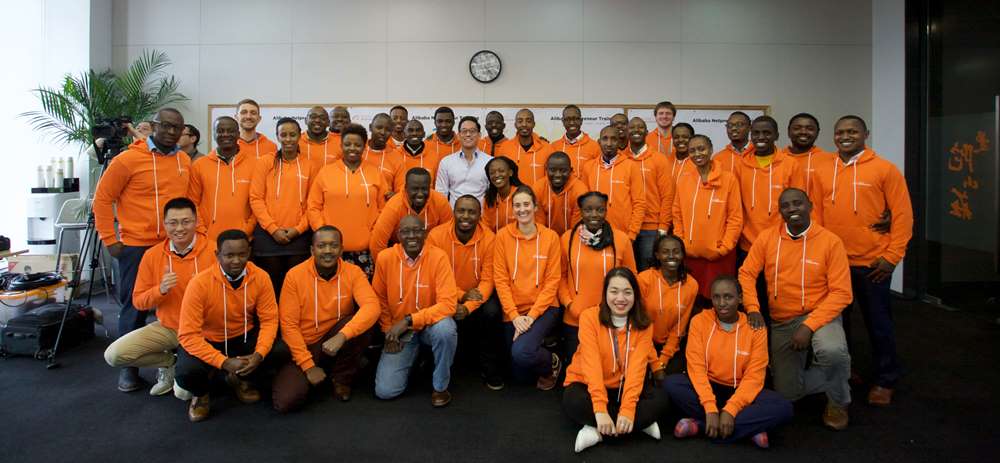
Scheduled to run from 11th October to 10th November, the training seeks to equip entrepreneurs and business leaders across different sectors with tangible and actionable steps they can take to advance in the digital economy.
Its launch comes after the success of the first and second classes, which graduated a total of 33 Rwandan participants in 2019 and 2021.
Following a rigorous selection process, the final candidates will embark on a series of online classes where they will delve into approaches to harnessing technology to grow their businesses within the local economy. All participants are founders of their respective start-ups from industries such as agriculture, education, information & communication technology (ICT), and trading.
“We are delighted to be able to continue advancing our vision of sharing the positive impact of the digital economy with entrepreneurs and enrolling our third cohort of Rwandan participants. With companies taking to online channels to keep their business afloat during the pandemic, digitalization is no longer a foreign concept to consumers and entrepreneurs.
We hope this edition of our Alibaba Netpreneur Training will help entrepreneurs in Rwanda develop long-term, savvy digital strategies that will open up more opportunities for them,” said Dan Liu, Senior Advisor at Alibaba Global Initiatives.
The Alibaba Netpreneur Training program is conducted online in English by certified Alibaba trainers and business leaders who have had experience leading their own digital businesses to success.
Participants can deepen their knowledge and understanding of: the digital economy in China and the latest trends and practices shaping its development; the journey of select traditional businesses that have successfully gone through digital transformation, the evolution of Alibaba’s business, including the role of digital technology in supporting the growth of companies in its ecosystem.
They will also be taken through frameworks and approaches for building a successful and innovative business in today’s digital world.
Participants who complete the program will receive an e-certificate and will be eligible to join the AGI entrepreneur community. The community comprises a diverse mix of passionate and successful like-minded entrepreneurs, and provides unmatched opportunities to network, collaborate and learn.
Outstanding participants will also have the opportunity to participate in a one-week offline immersion program at Alibaba’s headquarters in Hangzhou, China, subject to fulfilling the online course criteria.
The Alibaba Netpreneur Training Program is part of Alibaba’s initiatives to help promote economic development in Rwanda. In 2018, the first eWTP (electronic world trade platform) hub in Africa was launched in Rwanda following the signing of three Memoranda of Understanding (MoU) between the Rwandan Government and Alibaba Group.
Key initiatives under the collaboration include helping Rwandan small and medium-sized businesses (SMEs) sell their products to Chinese consumers and providing capacity building to support Rwanda’s digital economy.
The Alibaba Netpreneur Training Program was first introduced in 2019 and has successfully trained close to 1,500 entrepreneurs in Africa, Europe, Latin America as well as South and Southeast Asia since its inception.
{{About Alibaba Group}}
Alibaba Group’s mission is to make it easy to do business anywhere. The company aims to build the future infrastructure of commerce. It envisions that its customers will meet, work and live at Alibaba, and that it will be a good company that lasts at least 102 years.
{{About Alibaba Global Initiatives}}
Alibaba Global Initiatives (AGI) inspires and supports entrepreneurs, youth and women globally by sharing the positive impact of the digital economy in promoting inclusive development.
Its programs encourage entrepreneurs to share and use digital economy tools to create a positive social impact and to collaborate with each other as well as the public sector to make a larger impact.
To date, there are close to 1,900 digital entrepreneurs and business leaders from more than 60 countries and regions trained directly by AGI, who have subsequently shared their learnings with other members of their own communities.
{{About the Rwanda Development Board}}
Rwanda Development Board (RDB)’s mission is to fast track economic development in Rwanda by enabling private sector growth with a vision of transforming Rwanda into a dynamic global hub for business, investment and innovation.
The Center provides advanced training on Peace Support Operations.
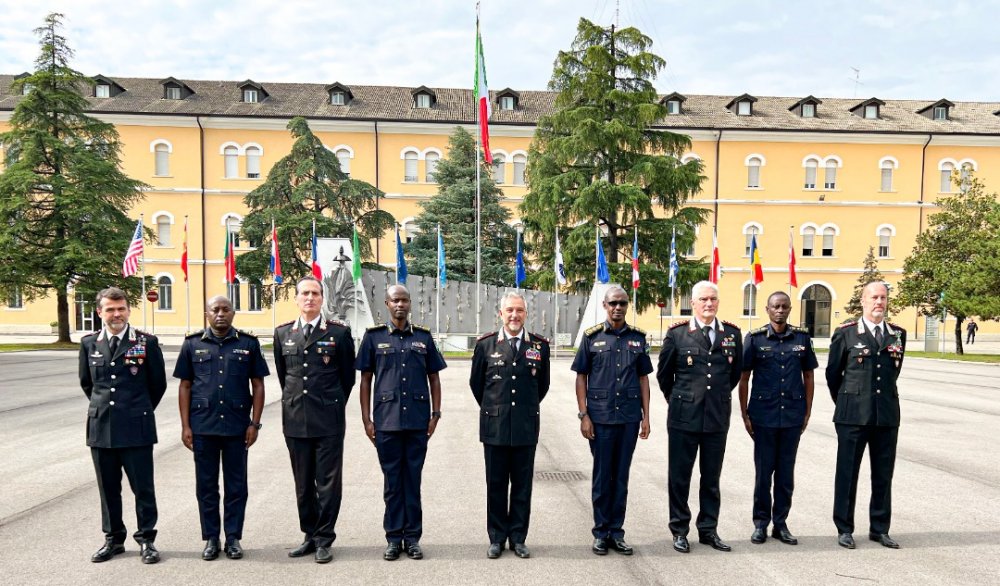
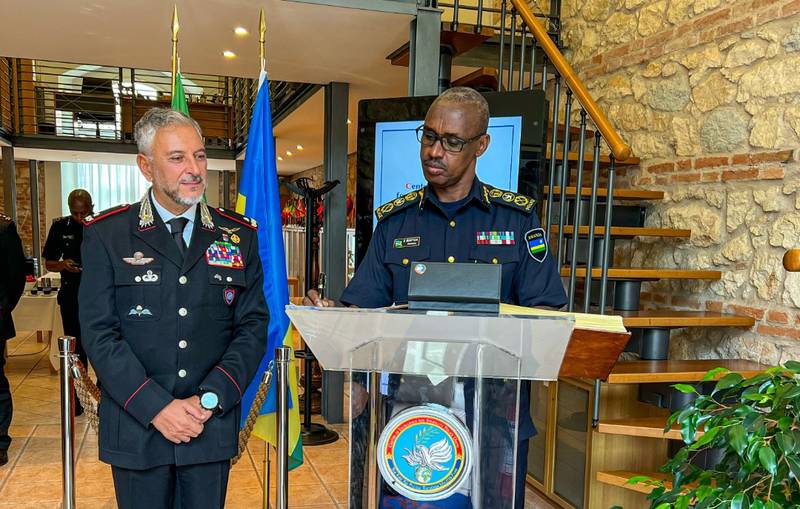
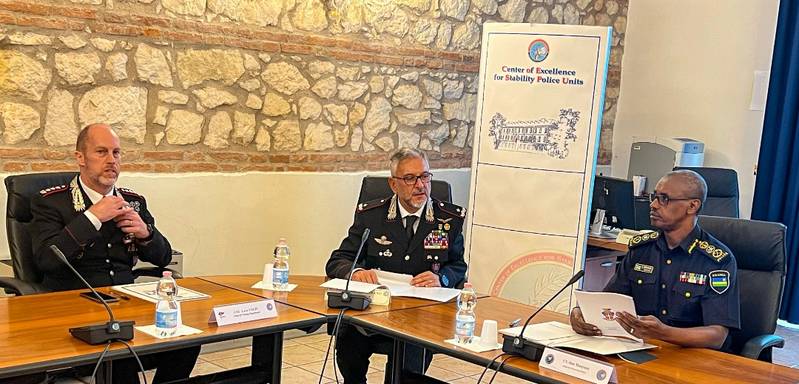
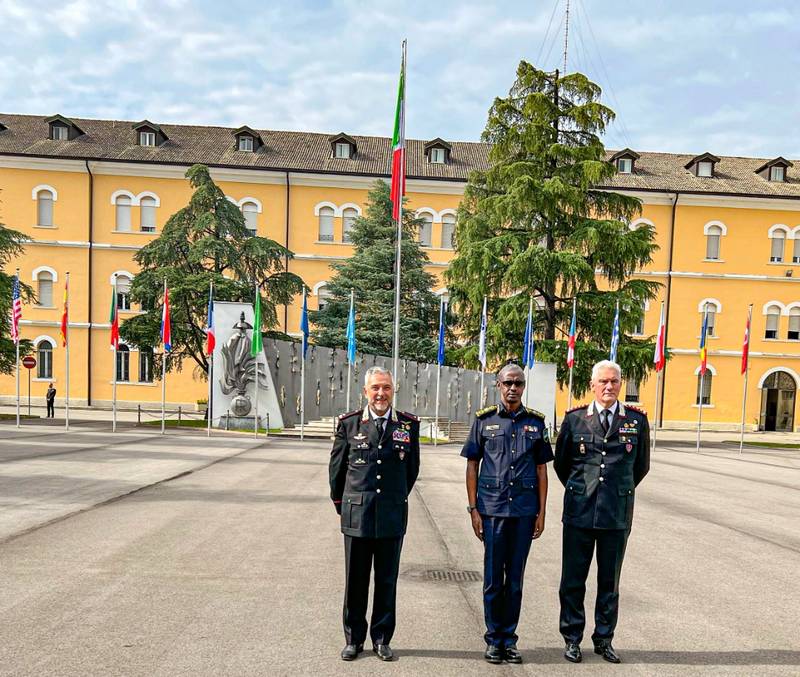
IGP Munyuza and his delegation were received by the Deputy General Commander of the Italian Carabinieri, Lt. Gen. Maurizio Detalamo Mezzavilla and the Director of CoESPU, Brig Gen Giovanni Pietro Barbano.
At the CoESPU, IGP Munyuza was given presentations on the Center’s mission to train peacekeepers.
The week-long visit to Italy at the invitation of the General Commander of the Italian Carabinieri, is guided by the cooperation agreement signed between Rwanda National Police (RNP) and Carabiniere in 2017.
IGP Munyuza thanked CoESPU for working with RNP to train Rwandan Police officers, including Training of Trainers and UN pre-deployment courses.
The CoESPU has so far trained more than 400 RNP officers in peace support operation courses, conducted in Rwanda and Vicenza, Italy.
Brig. Gen. Barbano commended RNP leadership for “good cooperation with CoESPU.”
RNP and CoESPU are exploring ways to introduce peace support operation courses at the Peace Support Operations Training Centre in Gishari, Rwamagana District.
Under this partnership framework between RNP and CoESPU, some peace support operation courses conducted in Italy will be conducted in Rwanda, drawing participants from across the globe.
Last Thursday, October 6, IGP Munyuza and the General Commander of the Italian Arma dei Carabinieri, Lt Gen Teo Luzi, held a bilateral meeting in Rome and discussed matters related to strengthening the existing cooperation in various policing areas.
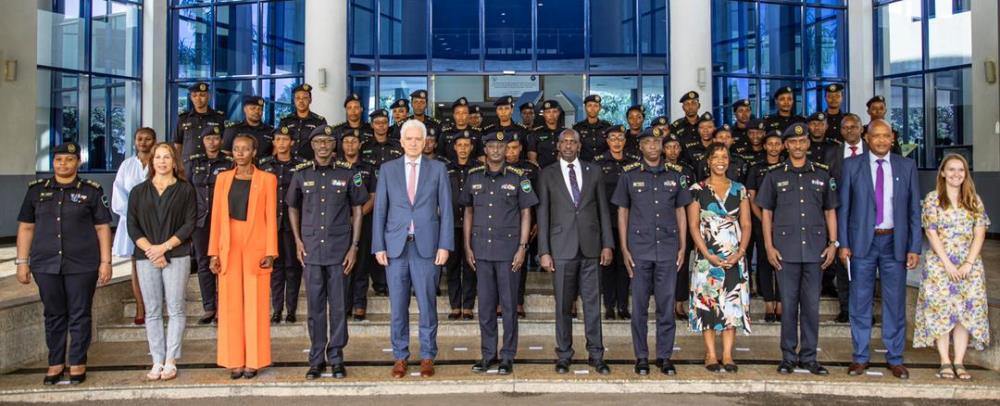
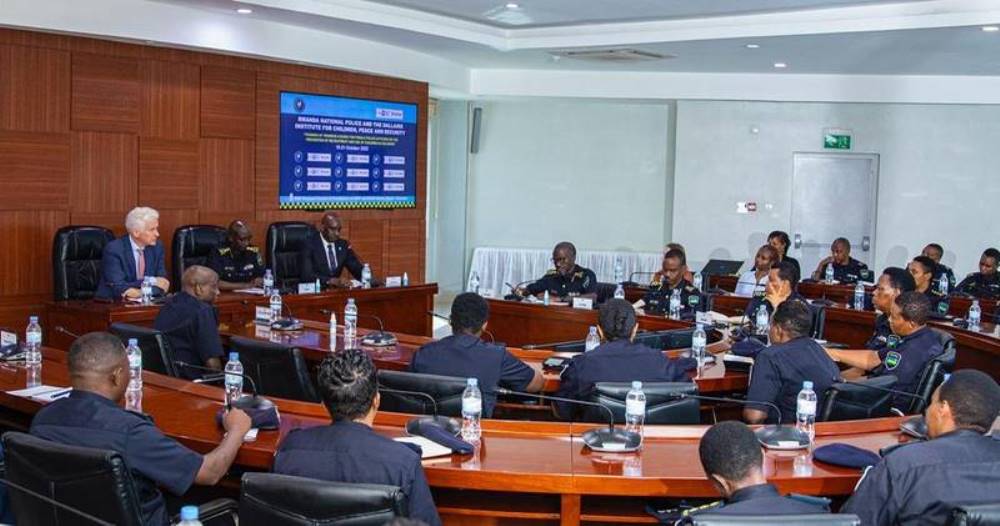
The course conducted by Rwanda National Police (RNP) in partnership with the Dallaire Institute for Children Peace and Security, was officially opened by the Deputy Inspector General of Police (DIGP) Felix Namuhoranye, at the RNP General Headquarters Kacyiru.
It was also attended by the Germany ambassador to Rwanda, Dr. Thomas Kurz.
DIGP Namuhoranye said that the course is very important to gain knowledge and skills to prevent the recruitment and use of children as soldiers in armed conflicts.
He added that the Dallaire Institute for Children Peace and Security is one of the RNP major stakeholders in capacity building programmes especially in pre-deployment training for peace support operations units.
“In line with the implemention of the UN Security Council Resolution 1325, the Kigali Principles on the protection of civilians in peace operations, and the Vancouver principles mostly on the role of female police officers in prevention of recruitment and use of children as soldiers in armed conflicts; Rwanda National Police has significantly increased its numbers, especially of female police officers, in peacekeeping operations,” DIGP Namuhoranye said.
The UNSCR Resolution 1325 urges all actors to increase the participation of women in conflict resolution, peacekeeping and incorporate gender balance perspectives in all United Nations peace and security efforts.
The RNP and Dallaire Institute for Children Peace and Security signed a Memorandum of Understanding in December 2019.
Since then, DIGP Namuhoranye said, one of the major achievements has been a steady increase of capacity of female officers ready for deployment in peacekeeping missions.
He reiterated the protective service rendered by Rwanda Formed Police Units to the the vulnerable groups in host nations, mostly in IDP camps where children face risk of all sorts of violence and abuse, including forced recruitment into armed forces.
Rwanda is one of the leading contributors of female Police officers to peace support operations, and currently maintains a female-dominated Formed Police Unit (FPU) contingent under the UN Mission in South Sudan (UNMISS).
“This TOT will enable participants to transfer the knowledge and skills gained to other officers of the force… to ensure sustainability of the training,” DIGP Namuhoranye said.
“The knowledge and skills will certainly increase the capacity of trainees and subsequently impact positively on the vulnerable communities in conflict areas where children face the risk of by being forcibly used in armed conflicts,” he added.
Amb. Kurz noted that despite the efforts realized, the African child remains threatened by conflict and the risk to be recruited and used as soldiers among other possible grave violations.
“This training reminds us that women police officers, when empowered, have an important voice in the protection of children and have the power to create sustainable peace in communities,” Amb. Kurz said.
He commended the Government of Rwanda and RNP in particular, for supporting the peace and security agenda both domestically and regionally.
This, he added, has created a significant platform where female police officers are empowered to fit into their daily duties and giving them space to share experiences and design new localized strategies to respond to the needs of children.
Maj. Gen (rtd) Ferdinand Safari, the Director of Dallaire Institute for Children Peace and Security, said that the training is based on the fundamental techniques of preventing recruitment and the use of children as soldiers in armed conflicts.
He added that the ToT will provide an interactive forum for the trainees to share, explore and discuss concepts and issues related to the recruitment and use of children as soldiers.
This pool of trainers, he explained, can be deployed to support training in other Sub-Saharan Africa.
“Security sector actors are often the first point of contact with children in the context of armed violence. We can create a more comprehensive international response that allows us to take a preventive approach to contribute to a peaceful and more sustainable security,” Safari said.
The Dallaire Institute, whose African Centre of Excellence is based in Rwanda, has since its establishment in 2007, trained more than 15,000 people from more than 100 countries across the globe.
Gen (rtd) Romeo Dallaire is a Canadian, who commanded the UN peacekeeping force that was deployed in Rwanda during the 1994 Genocide against the Tutsi.
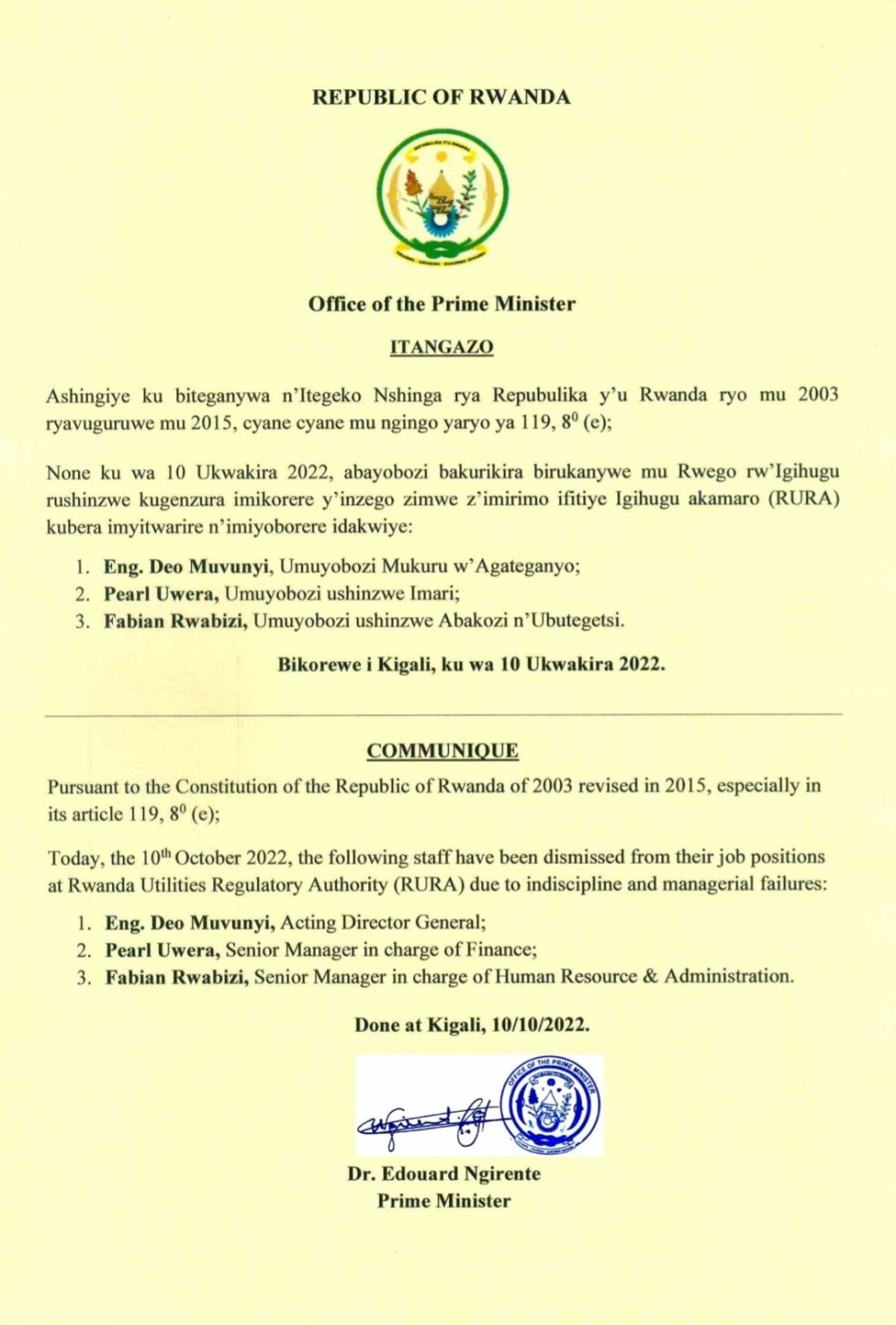
Their dismissal has been announced through a communiqué released by the Office of Prime Minister, Dr. Edouard Ngirente on Monday 10th October 2022.
The sacked executives include the Acting Director General, Eng. Deo Muvunyi; Pearl Uwera, Senior Manager in Charge of Finance and Fabian Rwabizi, Senior Manager in Charge of Human Resource and Administration.
Eng. Muvunyi was named the Acting Director General of RURA replacing Dr. Nsabimana who had been appointed as the Minister of Infrastructure.
Eng. Muvunyi was appointed to the position on 16th February this year.
Prior to that, he had been serving as the Senior Manager in charge of Transport Planning and Industry Development at RURA since 2004.
Eng. Muvunyi studied Civil Engineering at the former Kigali Institution of Science and Technology (KIST), now University of Rwanda (UR) – College of Science and Technology and obtained a Masters from the University of Technology, Malaysia
According to the state-owned media, the militants were planning to block the road between Beledweyne and Bulaburde district and stage an attack but the forces received intelligence in time and foiled the attack.
“Their intention was to block the road between Bula-burde and Beledweyne towns. But they made a miscalculation, and ended up in fire,” the Somali news agency reported.
The Somali forces backed by pro-government militia have liberated more than 40 villages and killed over 500 al-Shabab militants in the past three weeks in operations in central Somalia.
The militant group has lost ground to the Somali government and African Union troops in recent months but still controls some territory in southern and central Somalia.
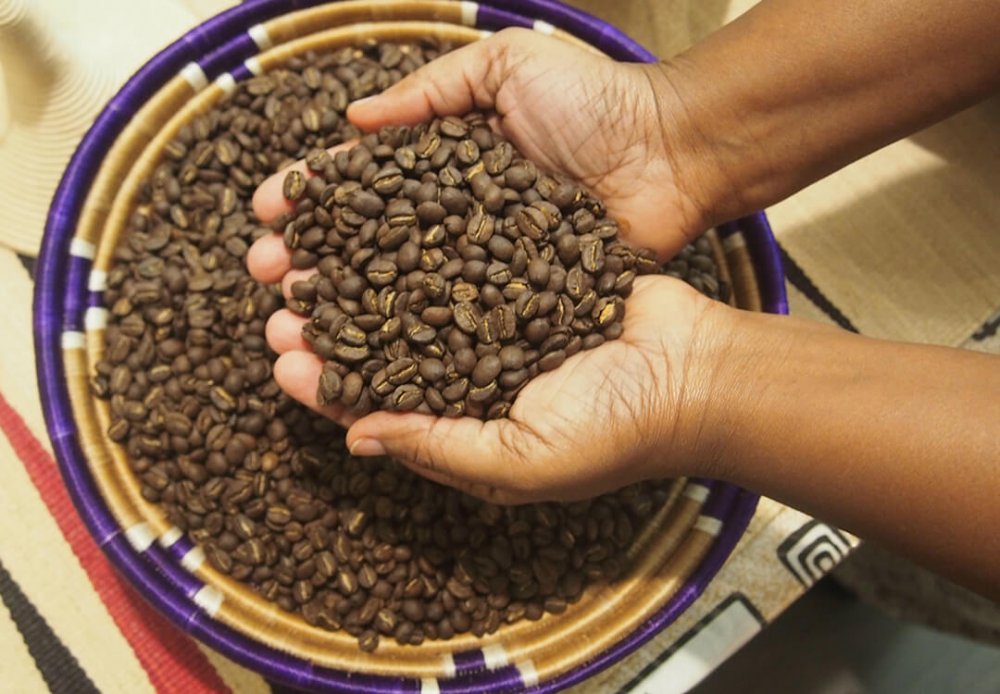
The average price was set at US$6.1/kg with major destinations being the United States of America (USA), the United Kingdom (UK), New Zealand, Belgium, and South Korea.
The revenues increased from coffee exports is relatively high compared to previous weeks where Rwanda earned US$4,089,844 from coffee exported in the week which ended on 26th September and US$3,314,427$ from the week that which ended on 3rd October this year.
Coffee export volumes also varied from 702 tons, 432 tons and 1465 tons respectively over the past three weeks.
Last week’s coffee was however sold at a lower price compared to the unit price of US$7.6/Kg in the previous week.
The National Agricultural Export Development Board (NAEB) has attributed the increase in coffee exports and revenues to expanded markets.
In the same week, Rwanda generated US$897,407$ from 311.7 tons of tea. Main destinations include Pakistan, the United Kingdom and Kazakhstan.
The country also earned US$679,252 from 487 tons of horticultural exports (fruits, vegetables and flowers) with the main countries of destination including the Netherlands, the United Kingdom, the United Arab Emirates (UAE) and DRC.
Meanwhile, animal products, cereals and flour generated US$239,771; US$1,013,591 while roots and tubers generated US$236,156.
Just a day after Police intercepted a drug dealer in Nyamagabe District with 13kgs of cannabis, two other suppliers were arrested in Nyarugenge District on Saturday, October 8, with 30kgs of cannabis.
The duo of Jean Claude Bigabiro, 38, and Bertin Nditurende, 39, was intercepted at Cercle Sportif in Kiyovu, Nyarugenge Sector.
They were transporting a sack of narcotics on a motorcycle TVS, registration number RC 180X, which was also impounded.
Chief Inspector of Police (CIP) Sylvestre Twajamahoro, the Police spokesperson for the City of Kigali, said that Nditurende is the alleged rightful owner of the narcotics while Bigabiro is a taxi-moto operator suspected of working with drug dealers to transport them and their narcotics.
“A responsive person called the Police reporting two people traveling on the same motorcycle with a luggage, which he suspected to be cannabis. The duo was intercepted and arrested at Cercle sportif after they were found in possession of cannabis packed in a sack of cement, weighing 30kgs,” CIP Twajamahoro said.
Law enforcement organs are still searching for two other people, who allegedly transported the narcotics from Rubavu, met Bigabiro and Nditurende in Nzove, Kanyinya Sector of Nyarugenge District.
There is also another member of the ring still at large, whom the arrested duo was at the time going to supply in Remera Sector, Gasabo District.
CIP Twajamahoro thanked those who facilitated the Police with credible information on the criminal act.
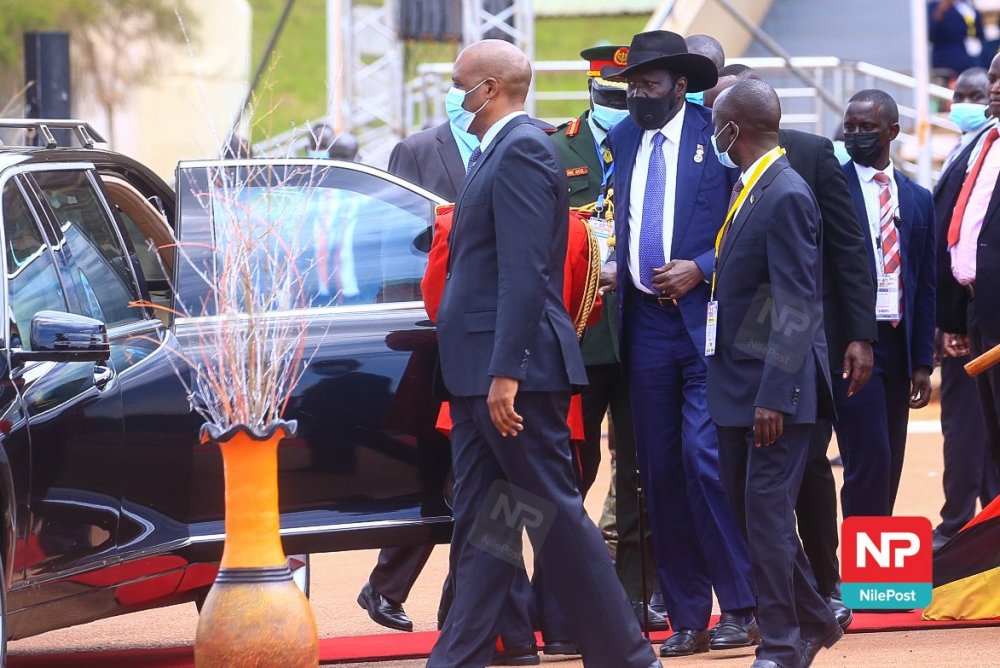
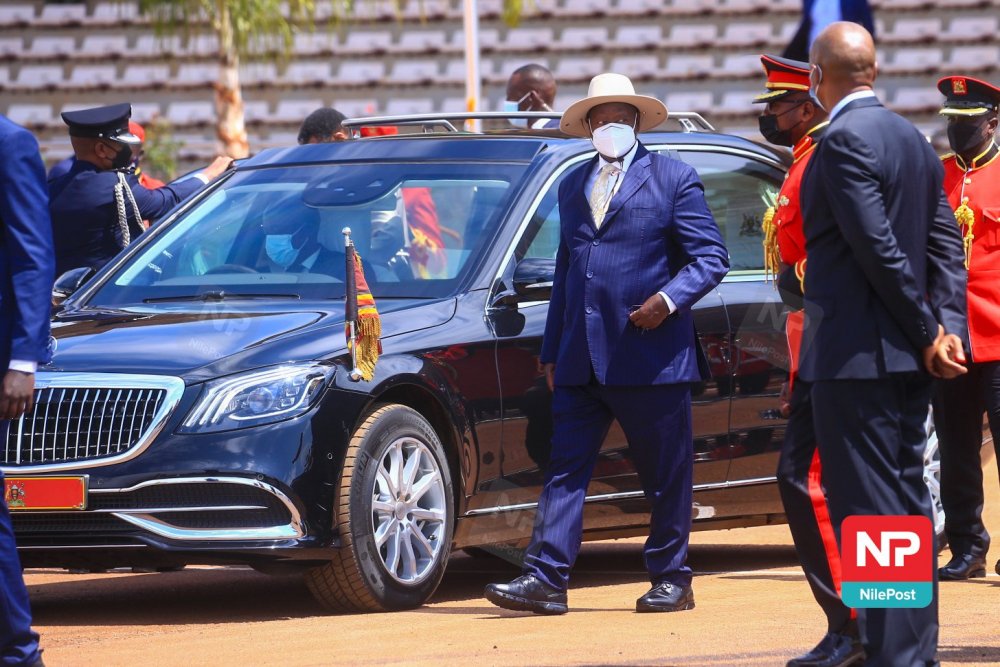
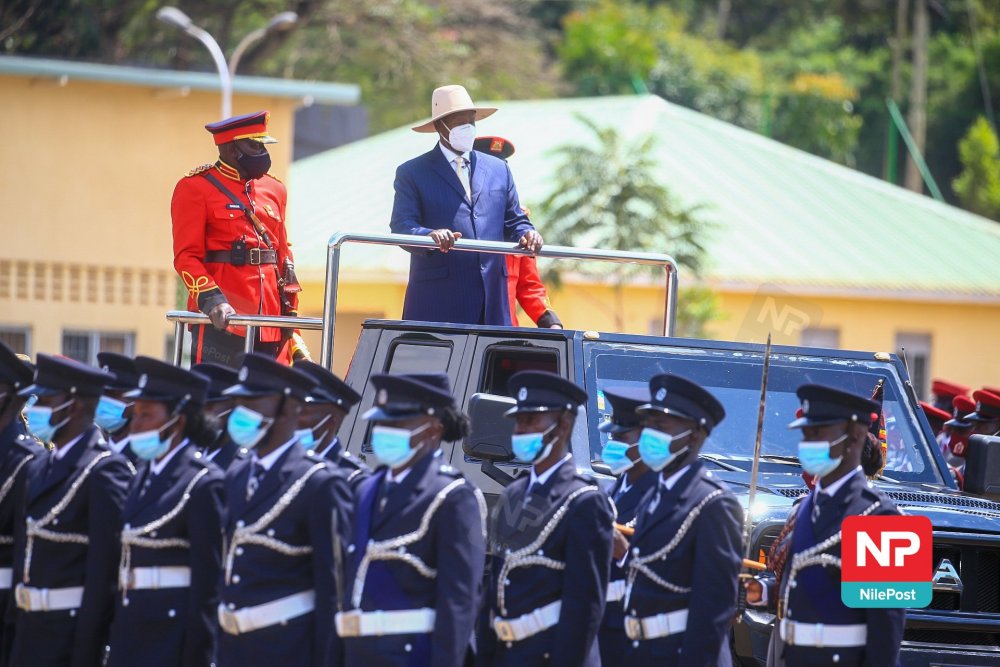
The day celebrated on 9th October, marks the moment when Uganda gained independence from the United Kingdom. On this day in 1962, the British government named Uganda a free state among the international community.
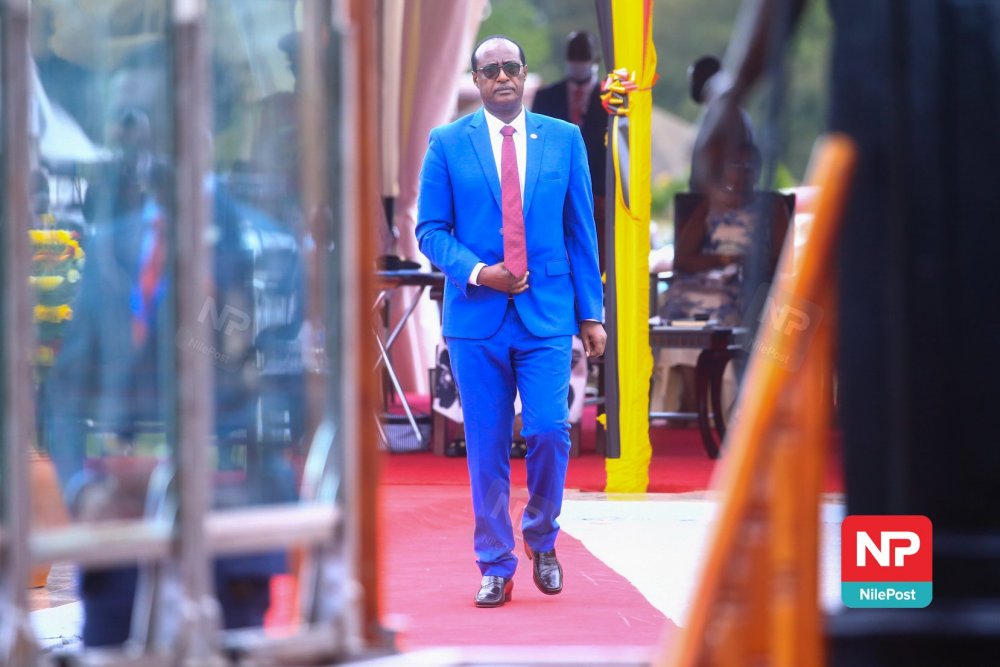
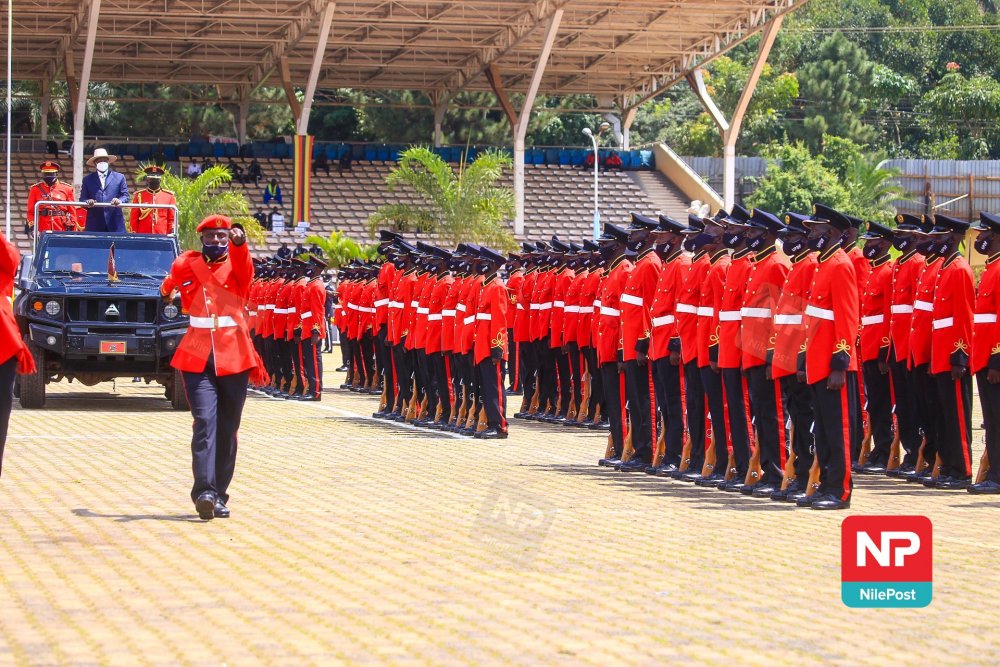
The ceremony took place at Kololo Ceremonial Grounds in Kampala, the capital of Uganda.
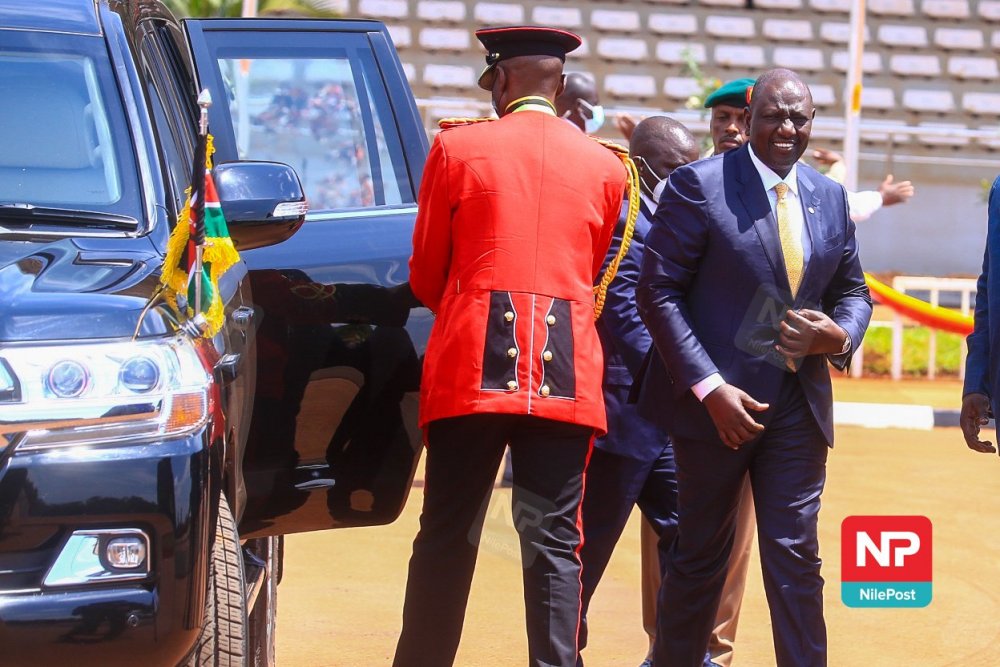
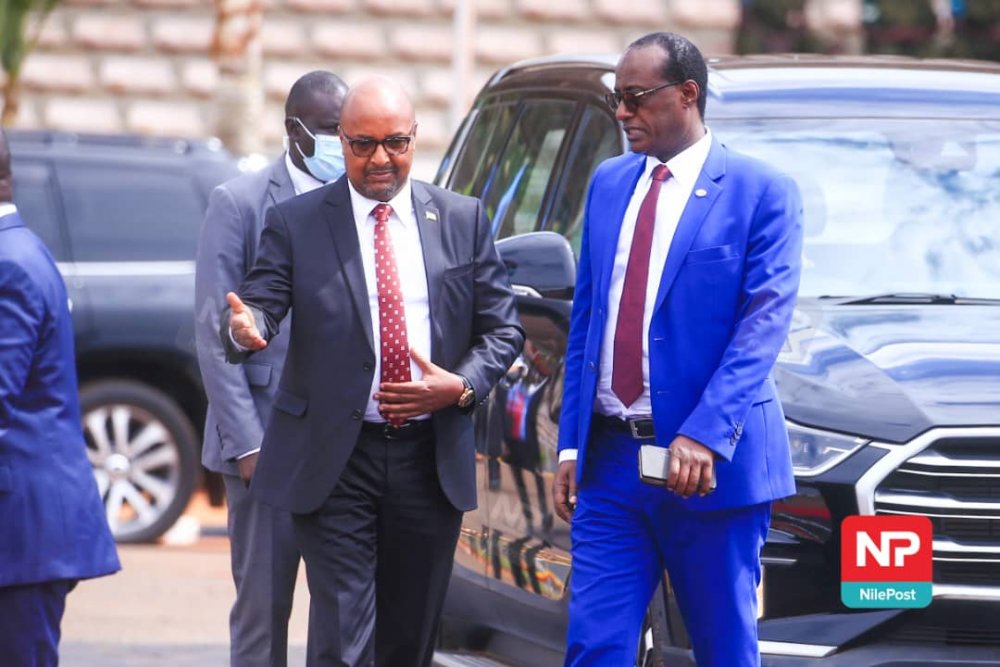
It was also attended by heads of state including the President of Kenya, William Ruto; Evariste Ndayishimiye of Burundi; Ali Hassan of Zanzibar; Hassan Sheikh Mohamud of Somalia and Salva Kiir Mayardit of South Sudan.
The Democratic Republic of Congo (DRC) was represented by the Deputy Prime Minister in Charge of Public Service, Jean-Pierre Lihau Ebua.
Minister Nshuti attended the ceremony along with Rwanda’s Ambassador to Uganda, Col Joseph Rutabana.
He presented greetings from President Kagame and Rwandans, congratulated Ugandans upon reaching the independence milestone and assured Ugandans of stronger cooperation to meet both countries’ shared vision.
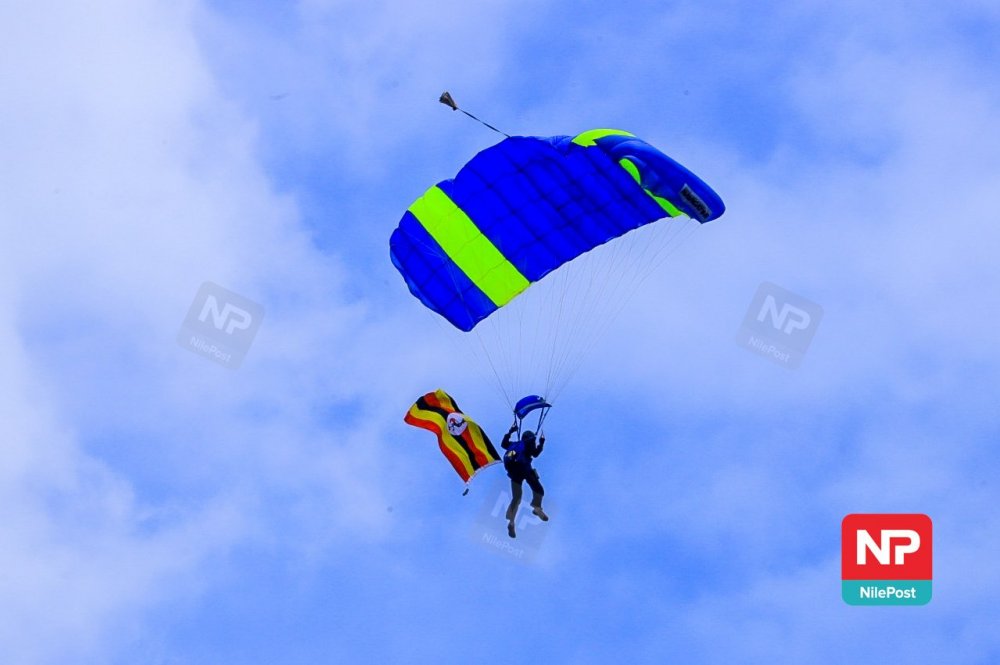
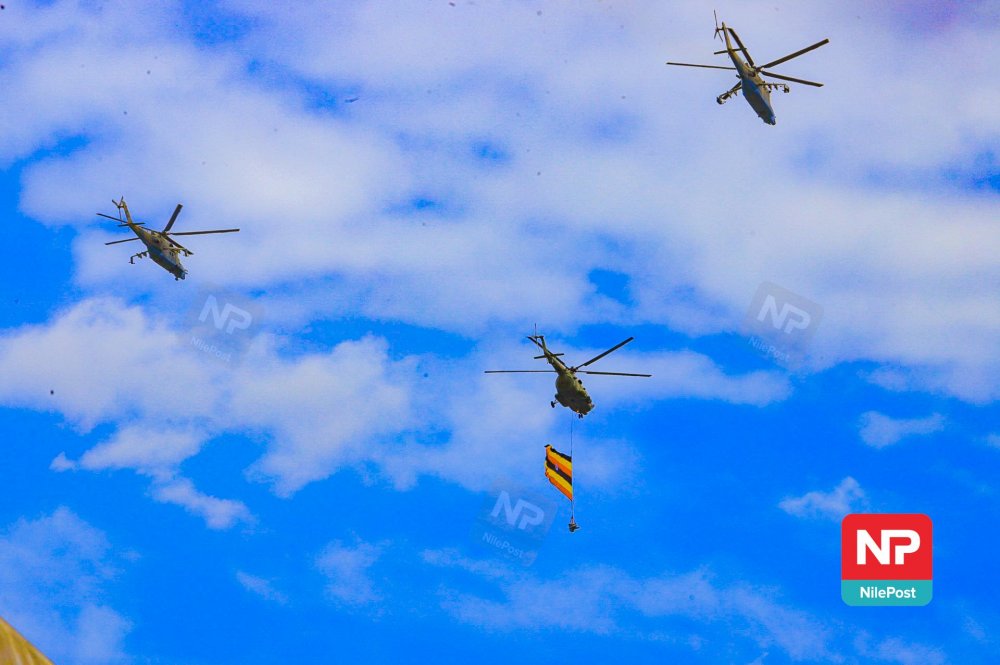
The ceremony was also marked by military parade among other activities showcasing Uganda’s identity.