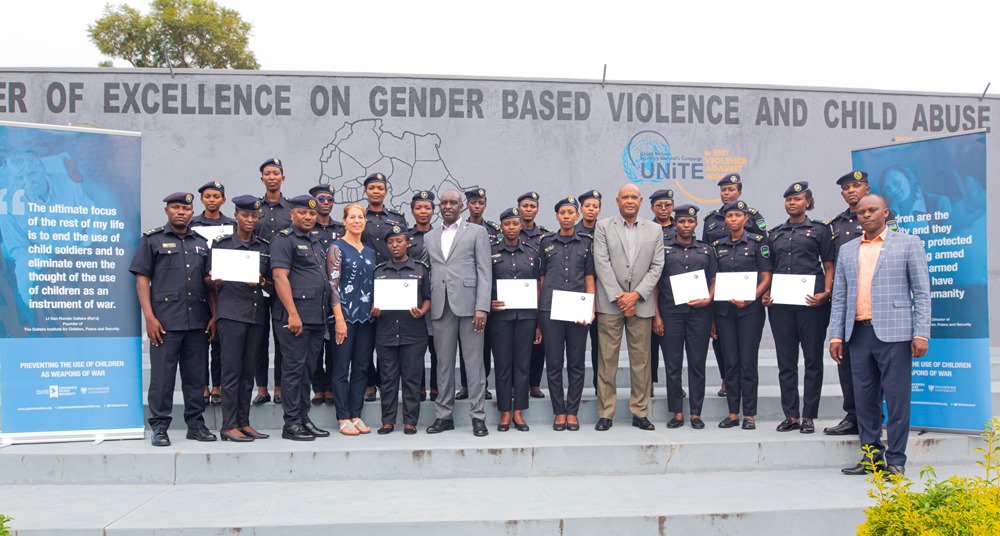
The training held at the Rwanda National Police (RNP) Regional Center of Excellence on Gender Based Violence and Child Abuse was conducted in partnership with the Dallaire Institute for Children Peace and Security.
In his closing remarks, the Director of the Dallaire Institute, African Center of Excellence, Maj Gen (rtd) Ferdinand Safari thanked the RNP for facilitating and coordinating the training.
He commended the existing good partnership and prioritizing child protection.
Safari thanked the RNP female officers for their hard work and commitment demonstrated during the two-week course.
Many other professional development courses, he said, will follow to further strengthen their knowledge.
He further urged them to spread the message and to put the acquired knowledge to good use to better protect children in their daily operations.
Over the past week, over 195 bicycles were impounded in Kigali alone after riders were found in various life-threatening practices on roads.
These include riding while drunk, hitch-hiking or holding onto vehicles on steep slope, parking in prohibited and dangerous areas, and transporting more than one passenger.
Other violations include overloading luggage, operating past 6pm, violating one way traffic, transporting unlawful goods such as narcotic drugs and psychotropic substances; those who are not registered in any cooperative and operating illegally as well as pickpocketing and snatching passengers’ valuables.
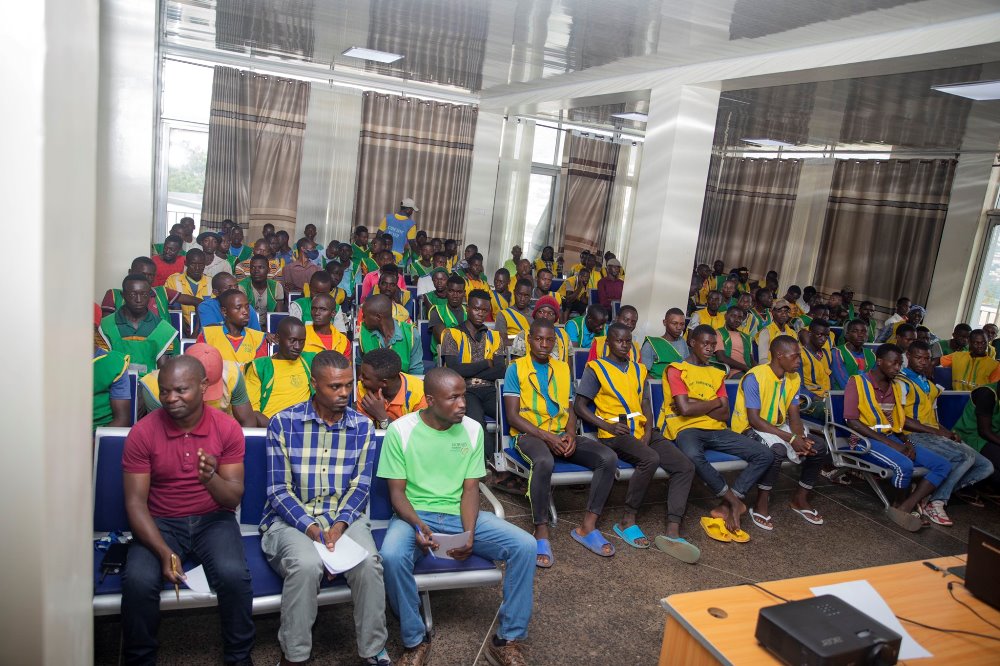
Now, RNP has this Friday engaged thousands of cyclists across the country in a bid to influence behavioral change to prevent these reckless riding and criminal behaviors.
The cyclists also received their bicycles after educating them on safer road usage.
“We cannot allow you to be a danger to your lives and other road users.
In the night of 19th alone, we lost three cyclists in separate accidents; in Gatsata, Giti kinyoni and Muhima. We cannot allow such to continue,” Commissioner of Police (CP) John Bosco Kabera, the RNP spokesperson, told hundreds of cyclists at Muhima, Nyarugenge District.
He warned them against turning their bicycles into a truck to transport heavy items like timber, large sacks and iron bars.
“No one is stopping you from making a living, but you must do it in accordance with the road safety standards, in the manner that makes you safe. Most of you are still young, you have a better life ride safely,” CP Kabera advised.
Police, he emphasized, is there to ensure the safety of all people, including cyclists.
“Your country wants you safe. Your families and friends wants you safe. What we are doing here today and elsewhere across the country is for your safety. Ride safe, be safe and operate on safer roads and environment.
By 6pm, you are supposed to be off the road…be good ambassadors of safety.
Today, you are commercial cyclists, tomorrow you will take another step to taxi-moto, but that will only be possible when you are alive and safe.”
CP Kabera advised them against unsafe parking and lane changes, reckless turning, using cell phones when riding and hitch-hiking.
He further urged them to always report their colleagues, who also engage in criminal activities like snatching passengers valuables, transporting illegal goods or working with criminals such as thieves and drug dealers.
Cyclists also raised issues related to their colleagues, who operate illegally and engage in criminal as well as road safety violations.
Others include their unjust security personnel, who solicit money from them.
CP Kabera assured them that RNP and other relevant institutions will work together to address their concerns.
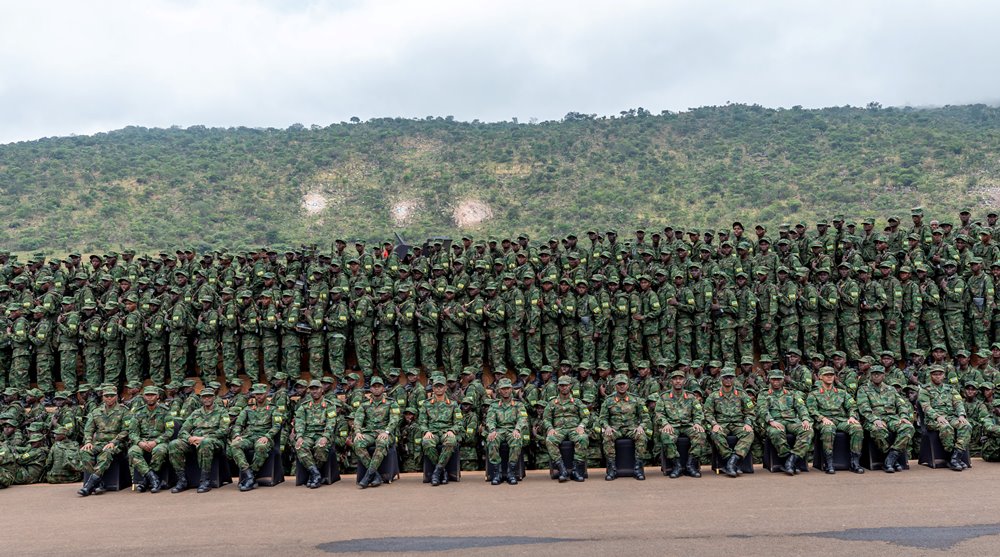
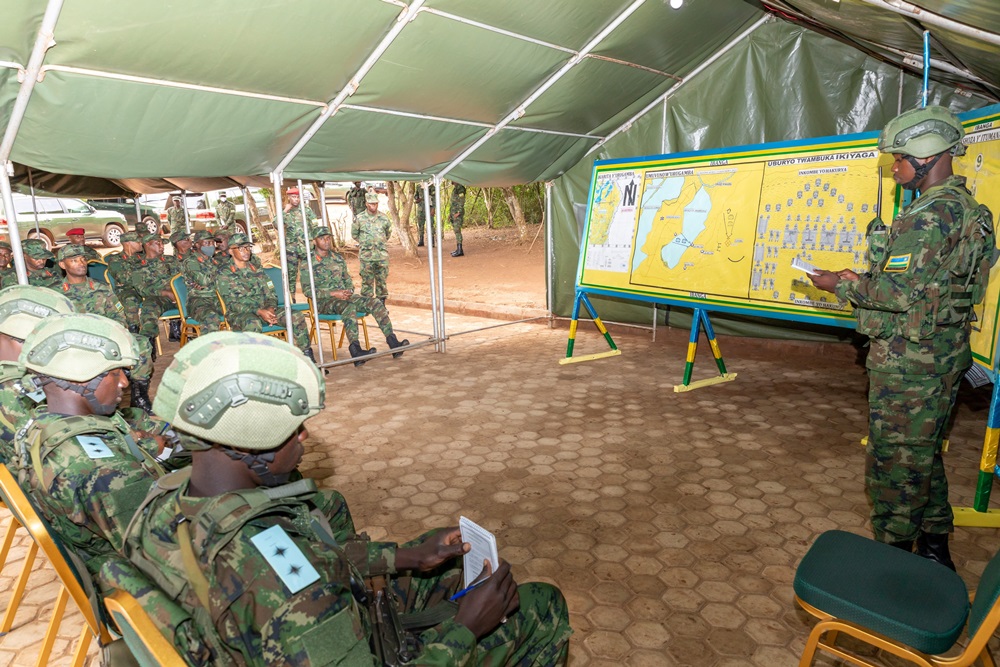
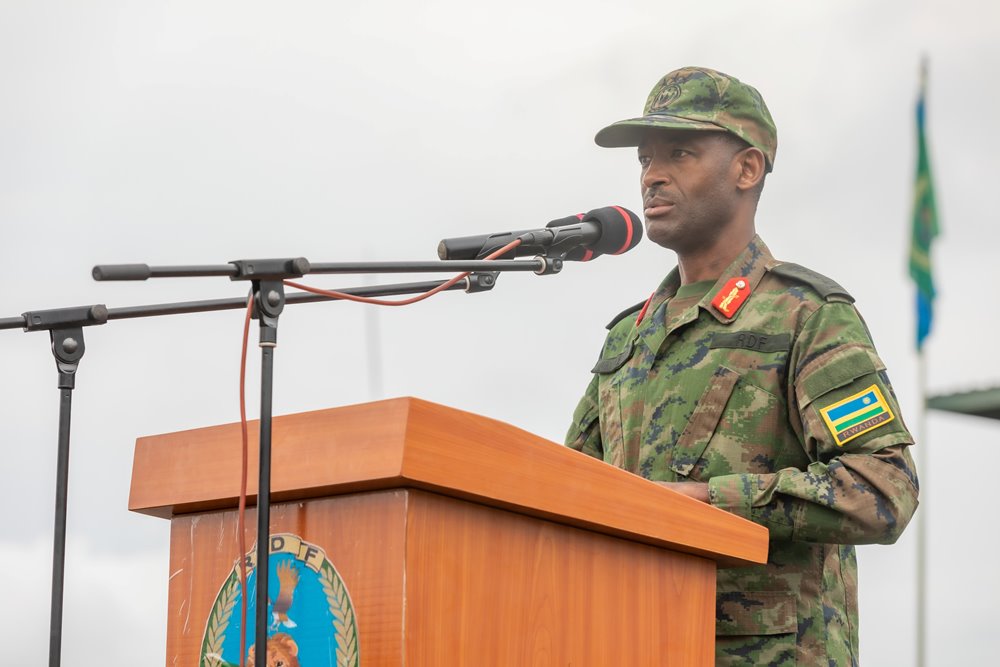
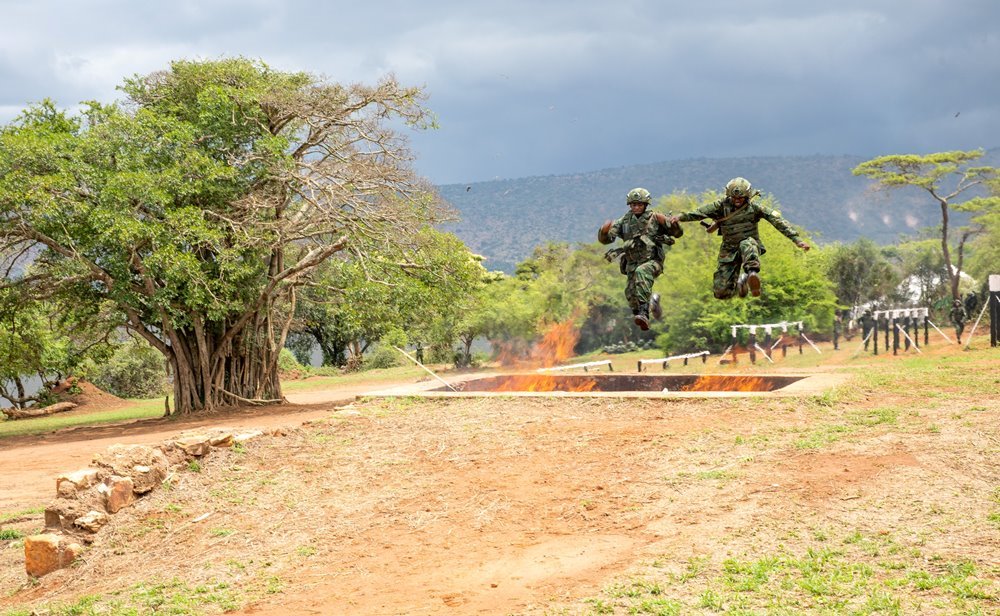
During a pass out ceremony held on Friday 21st October 2022, the newly trained soldiers demonstrated to the RDF leadership the skills at arms and tactical drills acquired during the year-long military training.
The enrolment ceremony was presided over by the RDF Army Chief of Staff, Lt Gen Mubarakh Muganga on behalf the Chief Defence Staff Gen Jean Bosco Kazura.
In his remarks, the Army Chief of Staff thanked the young soldiers for the good choice made to join the RDF family to protect the country and its people.
He welcomed the graduates and urged them to observe RDF values including patriotism, discipline and commitment. “I urge you to always be the best in all tasks given to you and to learn from your predecessors,” he said.
He reminded them that the success of RDF has and will always be built on exceptional discipline.
During the ceremony, different awards were presented to recognise the best performers during one-year training.
Pte Byiringiro Egide received the overall best student award followed by Pte Gisingizo Aime Bruno and Pte Habumugisha Benon.
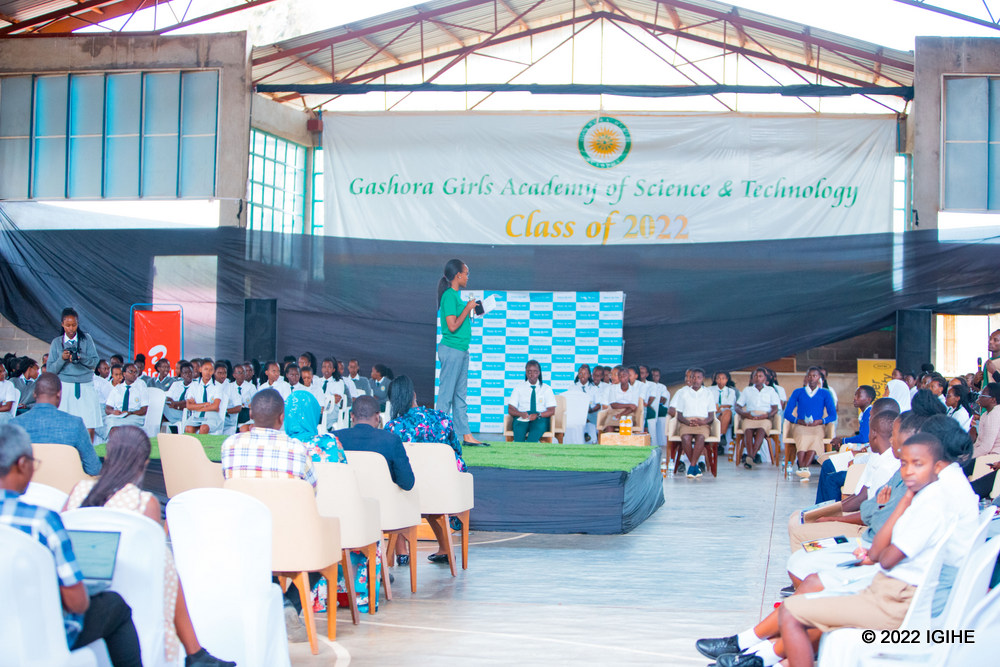
The campaign conducted on Thursday 20th October 2022 at Gashora Girls Academy also attracted students from neighboring schools including Groupe Scolaire Dihiro and New Explorers Girls Academy.
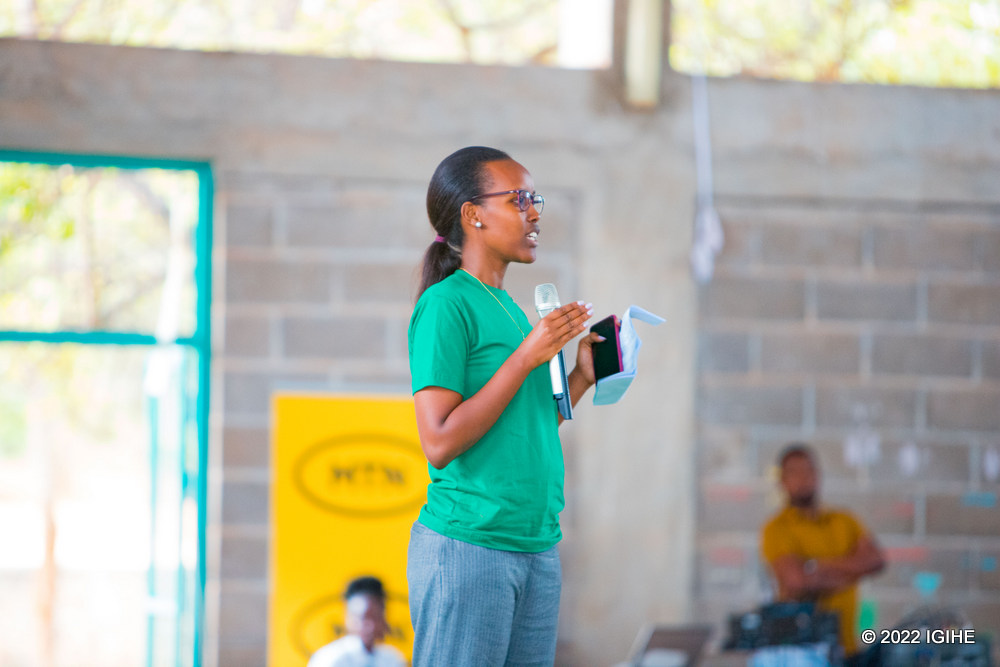
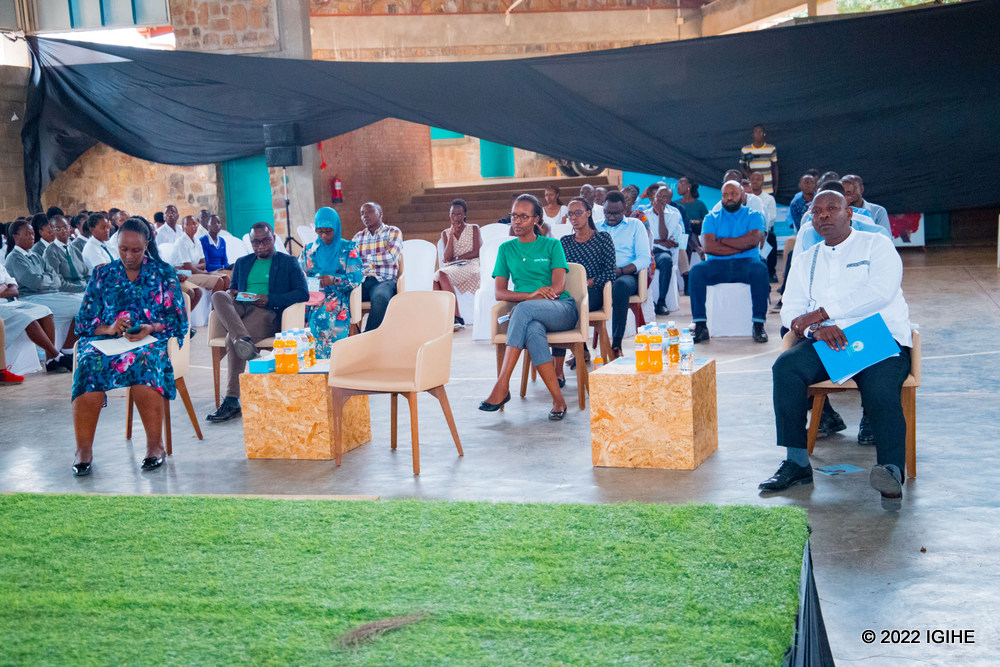
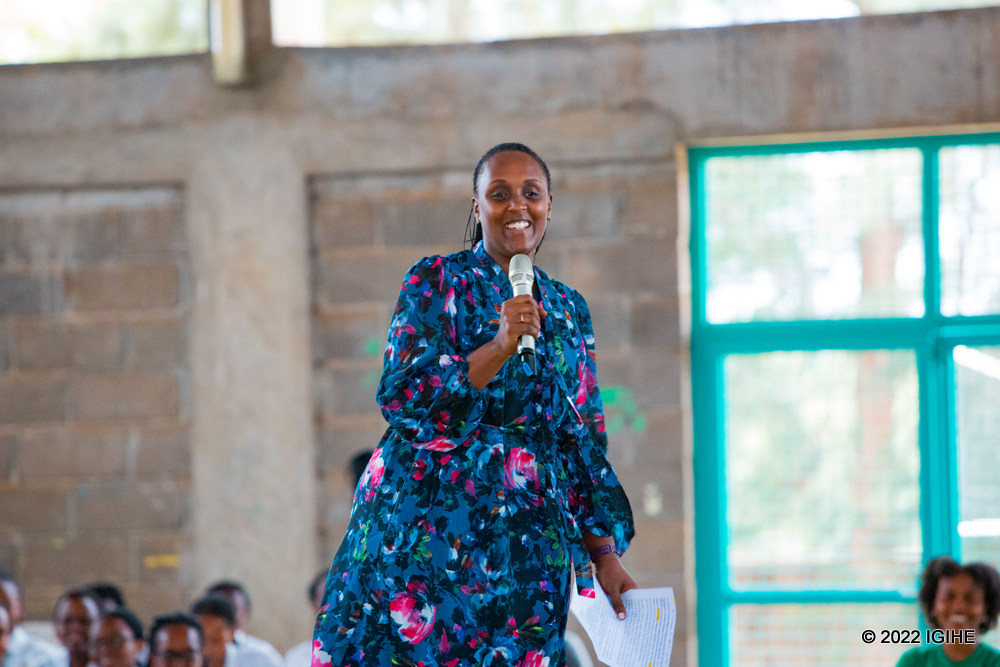
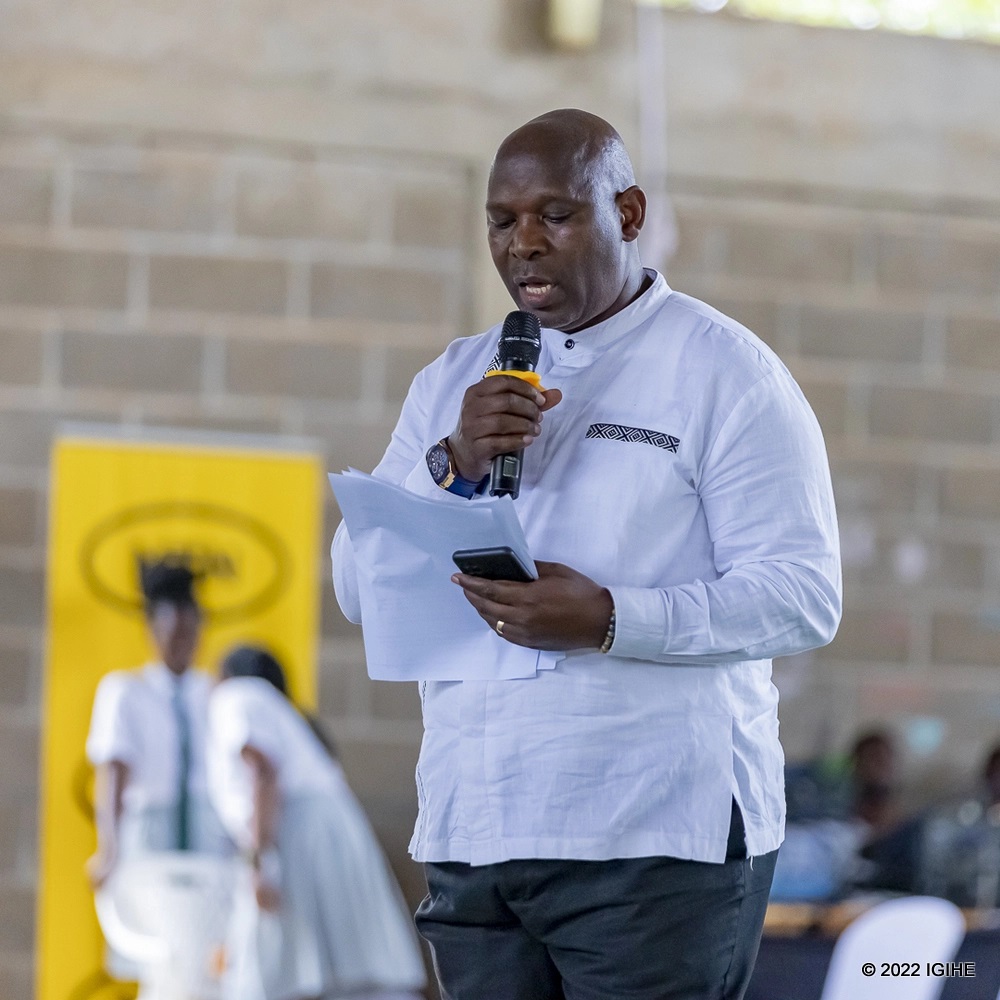
Paul Mutabazi from Rwanda Computer Security Incident Response Team (Rw-CSIRT) at NCSA urged students to be cautious lest they end up being dragged into activities exposing them to risks. He also requested them to protect themselves and their online data.
“The more you use electronic gadgets, the higher you have the risks of being exposed to hackers attempting to defraud you or access your online data to be used for unlawful activities,” said Mutabazi.
He advised students not to share their passwords with anyone, avoid sharing personal information and using public internet.
Students were also reminded to always lock their devices, sign out all social media accounts before going offline.
The CEO of NCSA, Col David Kanamugire has emphasized that children should be enlightened on online safety or be protected against exposure to harmful content and other threats.
Also present at the event was Christophe Nsengiyaremye, the Director General of Education Sector Planning, Monitoring and Evaluation at the Ministry of Education who urged parents and teachers to educate students on pros and cons of technology.
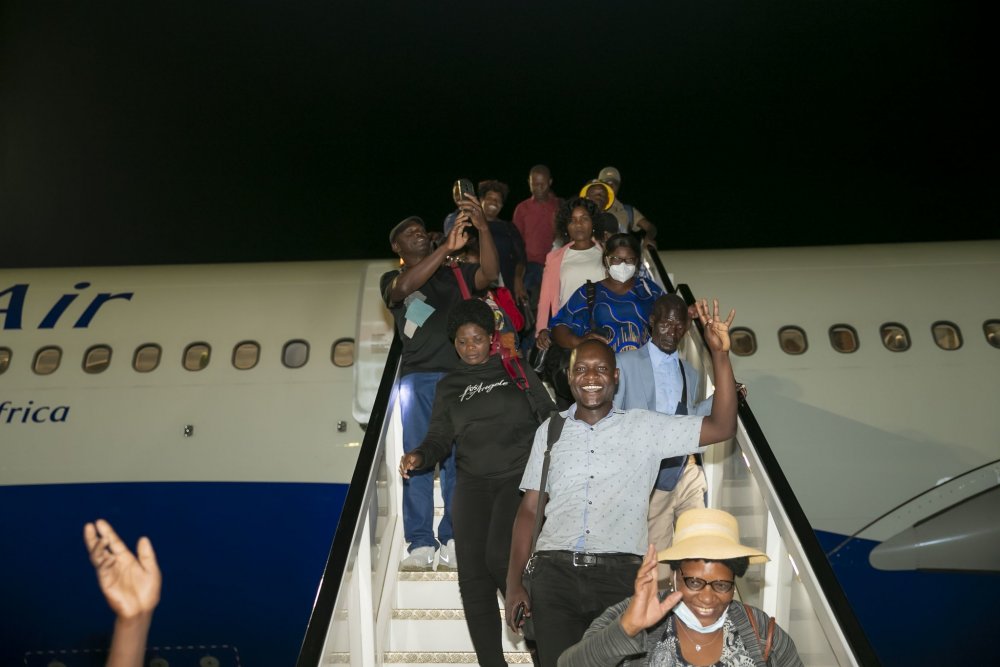
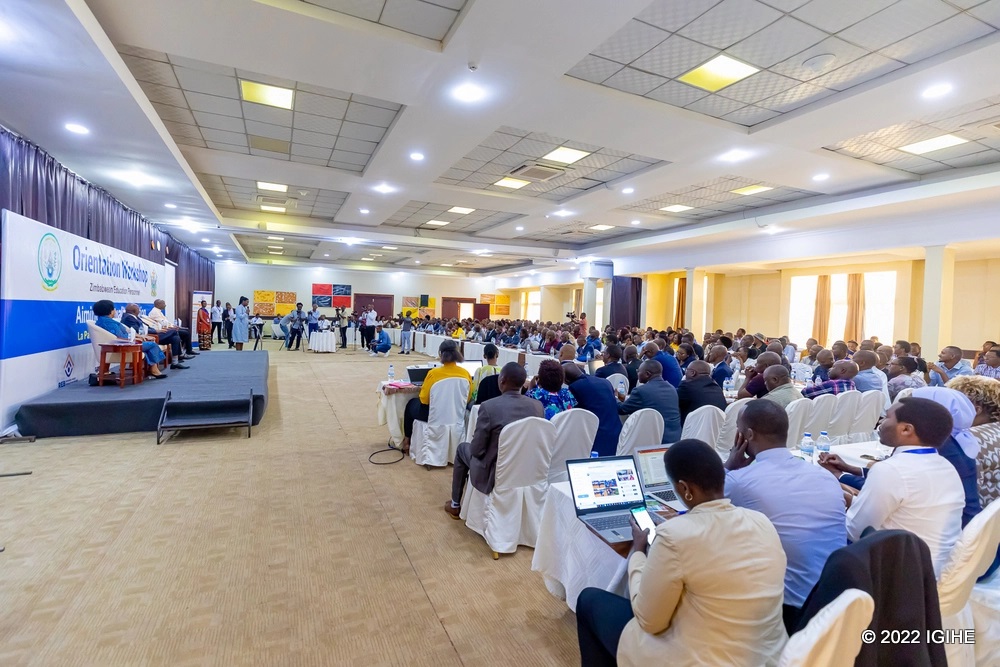
The educators who arrived in Kigali in the evening of Wednesday 19th October 2022 include 135 to be deployed in Teachers Training Colleges (TTCs). Others will be deployed to Technical and Vocational Education and Training (TVET), three Integrated Polytechnic Regional Centres (IPRCs) while some will teach in the University of Rwanda – College of Medicine and Health Sciences (UR-CMHS).
They were recruited after passing job entry exams and accepting to work in Rwanda.
Those Zimbabweans are allowed to stay in Rwanda with their families. They will spend three days for induction during which they will be taught about Rwanda’s history, visit Kigali Genocide Memorial and other places.
The new educators are expected to start their jobs on Monday next week.
Speaking at the ceremony to officially welcome the foreign teachers; the Minister of State in charge of ICT and TVET, Claudette Irere said that they will first be taken through Rwanda’s history values, home-grown solutions and get more information about their new job.
She reminded them that the country expects a lot from them to promote quality education.
Irere explained that they were recruited as experienced teachers who will also assist or train Rwandan counterparts.
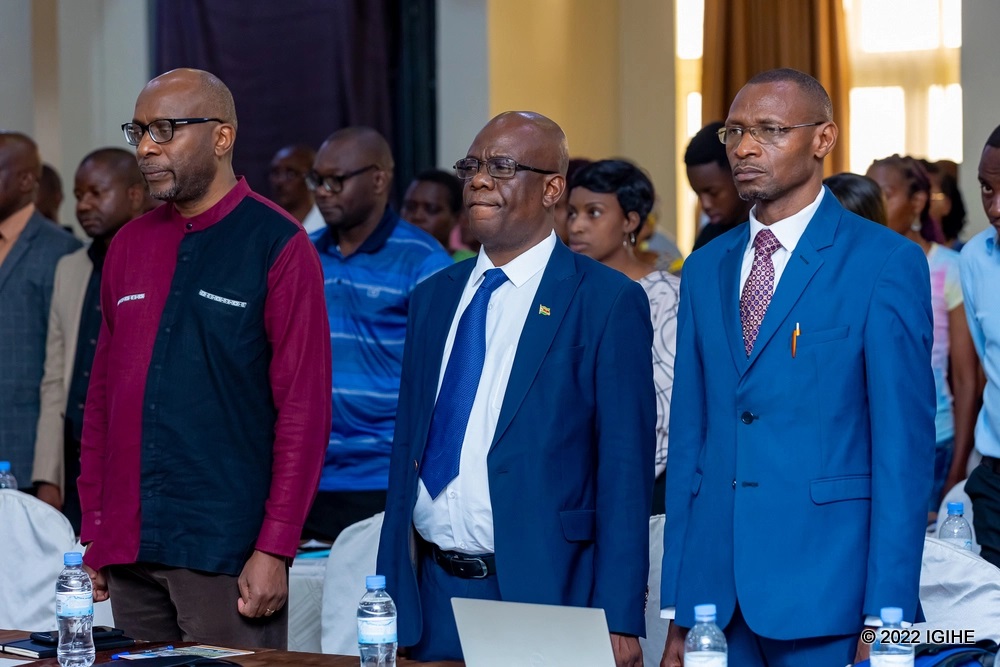
The Ambassador of Zimbawe to Rwanda, Prof. Charity Manyeruke said that the successful recruitment of teachers from Zimbabwe is a fruit of vibrant relations between both countries.
Zimbabwe opened an embassy in Rwanda in 2019 and Rwanda opened embassy in the country in the same year.
Prof. Manyeruke thanked both countries’ heads of state for being far sighted. He explained that Zimbawe has undergone several reforms to promote the education sector for far too long noting that fruits of these efforts are self-evident.
He highlighted that Rwanda and Zimbabwe have so far signed 22 agreements in different areas including energy, exchange of knowledge and employees from different sectors, an addition to existing trade cooperation.
Prof. Manyeruke underscored that the collaboration between Rwanda and Zimbawe aligns with provisions of the African Continental Free Trade Area, to remove employment barriers among African countries.
The Ministry of Education has revealed that the government will pay the teachers’ salaries and provide accommodation nearby their workplace in the first three months.
It is expected that they will have been familiar with the country during this time, whereafter they can rent selected accommodations or build own houses depending on available means.
Family members who came to Rwanda with the teachers can also apply for jobs matching with their qualifications in Rwanda.
Their employment contract will last for two years but can be renewed in consideration of different aspects including their performance.
Some of these teachers have told IGIHE that they are excited to work in Rwanda as a country of their dreams with an inspiring development journey and visionary leadership.
“On my side, I have to say that my dreams have come true. I come here as an experienced English teacher where I will be mentoring fellow teachers,” said Zendile Ndlovu.
Of these teachers comprising 96 men and 58 women; six will be assigned to TVET schools, 11 will be deployed to IPRC as three serve as lecturers at the University of Rwanda.
Both events will take place alongside each other at the Kigali Convention Centre in Kigali, Rwanda, between 25 and 26 October 2022. Different heads of state are expected to deliver the opening keynote.
Other speakers include, Sanda Ojiambo, Assistant Secretary-General of the United Nations Global Compact (UNGC); Mark Kramer, Senior Lecturer, Harvard Business School and Co-Founder of the Shared Value Initiative; Dr. Edem Adzogenu, Co-Chair of the AfroChampions Initiative; Jeremy Awori, CEO of Absa Kenya; Maria Cristina Papetti, Head of Global Sustainability, Infrastructure and Networks at Enel Group; and Lacina Koné, Director-General and CEO of Smart Africa.
This partnership with GSMA heralds a first for Africa and the global Shared Value community. The event will gather major players across sectors to explore innovation, technology, and collaboration opportunities to find solutions for the digital inclusion challenges that Africa face.
Both in-person events will feature programmes that will examine where the future of connectivity on the African continent is heading. “We are co-creating the global future on the African continent and this gathering in Kigali in October is possibly one of the most important conventions of leadership and executives since the launch of the UN Sustainable Development Goals in 2015,” says Tiekie Barnard, SVAI CEO and Founder. “The connection between social progress and business success is increasingly clear, and companies must team up with governments, NGOs and yes, even competitors, to fully capture the economic benefits of creating shared value as a collective.”
The Africa Shared Value Leadership Summit’s unifying theme ‘One Africa, One Voice’ underscores this need for organisations to work together across borders and industries to benefit all Africans in a sustainable way. Business and other leaders will delve into questions such as the role of technology to address climate risks in a just way; how business can accelerate digital inclusion in Africa, particularly for disproportionately affected groups such as rural populations and women; how we ensure that digital connectivity and shared value become the drivers of Africa’s growth, as well as the role of shared value thinking and digital innovation to boost intra-Africa Trade.
“The African Union’s 2020-2030 Digital Transformation Strategy aspires to universal digital access and a single pan-African digital market by 2030. Achieving this would create a profound impact on the continent.
For instance, the World Bank estimates that a 10% increase in mobile internet penetration could translate to a 2.5% increase in gross domestic product (GDP) on the African continent,” says Barnard.
“When Africa wins, the world wins, and now more than ever, it has become imperative to develop meaningful and effective partnerships for development between the public and private sectors. This Summit creates a unique opportunity and platform where leadership, as a collective, can discuss and provide input and solutions on how we can accelerate Africa’s growth through affordable, and accessible connectivity for all.”
Technology holds the power to evermore change Africa’s future and address many of the continent’s systemic challenges. Yet the digital divide across Africa remains stark. Fewer than one-third of Africans have access to broadband connectivity. Of the 25 least-connected countries in the world, 21 are located in Africa. Three hundred million Africans live more than 50 kilometres from a fibre or cable broadband connection. At just 36%, Africa’s internet penetration compares poorly with the 62.5% global average, according to Statista’s latest global internet penetration rate.
“While digital innovation creates exciting new opportunities, it can exclude those who lack access to the digital economy. Creating a healthy and inclusive digital economy will require new thinking to generate safeguards against the many risks inherent in the application of technology, while channelling resources to areas of innovation that generate the greatest social impact on the continent,” says Barnard.
The Summit will host experts from across the industry for two days of networking, learning and collaboration. Sponsors include Abbott, Absa Bank Kenya, Old Mutual, Visa and the United Nations Global Compact (UNGC).
“The support of our sponsors – purpose-led companies that are committed to driving sustainability on the continent – has allowed us to plan an event that will be entirely different from years past. We would like to invite interested parties to register and join us in Kigali to connect, interact, and explore solutions to bridge the digital divide and fuel Africa’s growth,” says Barnard.
All registered delegates will have full access to both events for the duration of the Summit. There is also an option to attend the Summit virtually, via livestream, which includes access to the combined keynote addresses by some of the continent’s business luminaries.
“We have not yet cracked the code on mobilising the full power of business to drive social impact and profit on the African continent. While there is no silver bullet, the power of Shared Value is evident and there is a vast realm where Shared Value can be applied to drive a new wave of productivity and innovation on the continent that we call home. The time for change is now,” Barnard concludes.
The Summit is taking place both virtually (online) and in-person and there’s no cost to attend. Visit the Summit website, www.AfricaSharedValueSummit.com, to learn more and click [{{here }} ->https://evolve.eventoptions.co.za/files/HTML/asvls22-home.html]to secure your place.
{{About SVAI }}
The Shared Value Africa Initiative (SVAI) is a non-profit Pan-African advocacy, training and membership organisation, and the regional partner of the global Shared Value Initiative. SVAI has regional networks in India, Hong Kong, Australia, North and South America and Europe.
Shared Value is a business management concept, developed by economists and Harvard Business School Professors Michael Porter and Mark Kramer. It advocates for companies to focus on purpose as their driving force; profitably addressing societal and environmental challenges through the core business. This creates organisations that simultaneously contribute to a just society and a more sustainable environment.
The global Shared Value Initiative is a network for thought leaders who are aligned and committed to the principle of Creating Shared Value and who are bringing about sustainable change and influencing others to do the same.
{{About GSMA }}
The GSMA is a global organisation unifying the mobile ecosystem to discover, develop and deliver innovation foundational to positive business environments and societal change. Our vision is to unlock the full power of connectivity so that people, industry, and society thrive.
Representing mobile operators and organisations across the mobile ecosystem and adjacent industries, the GSMA delivers for its members across three broad pillars: Industry Services and Solutions, Connectivity for Good, and Outreach.
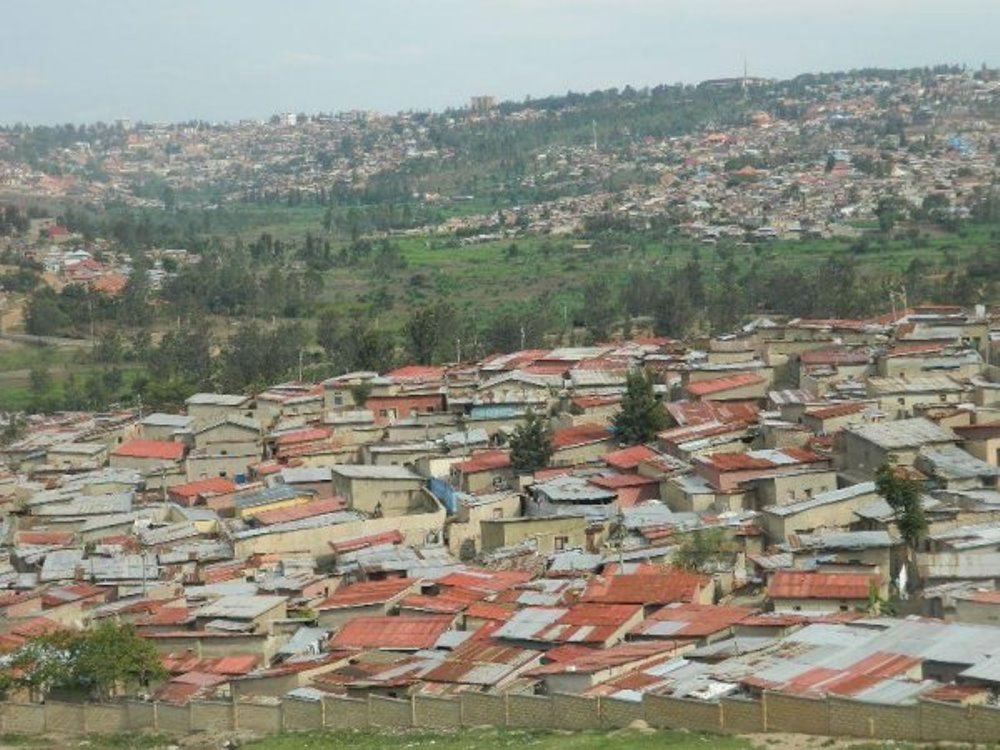
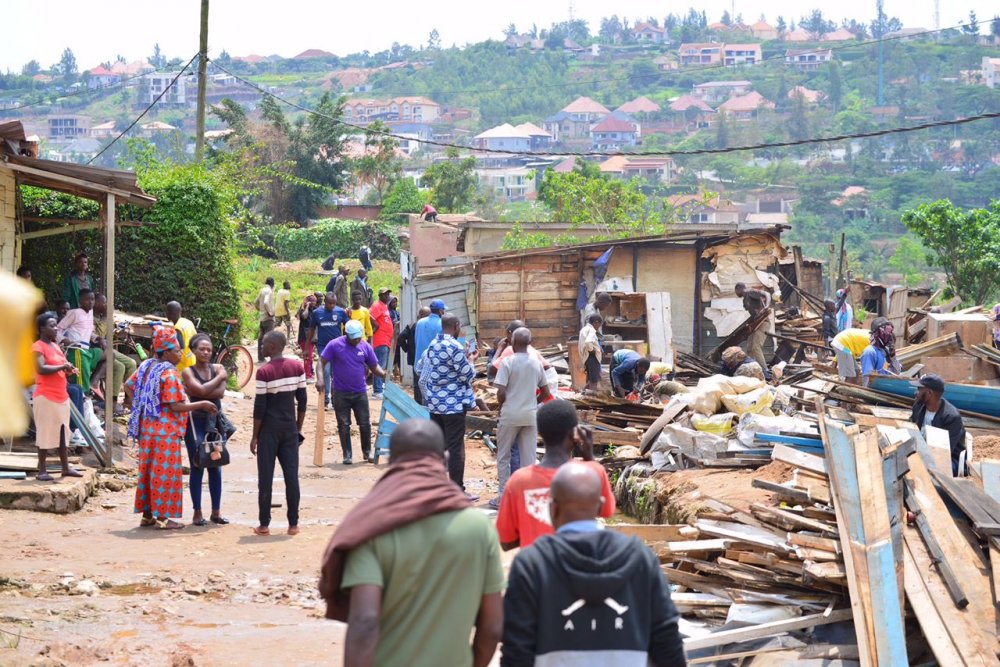
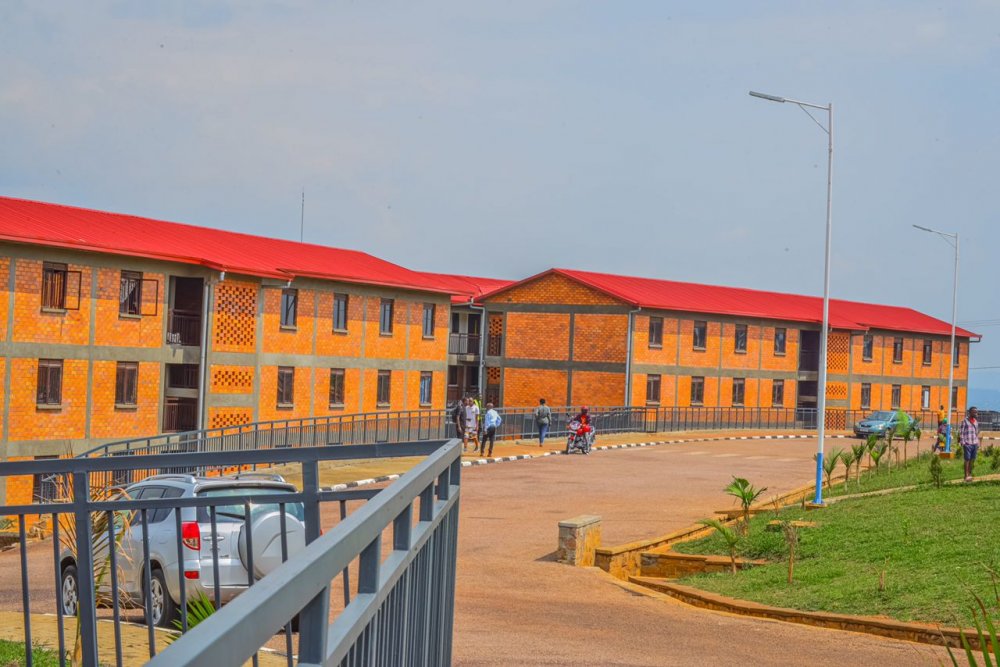
The mass relocation of residents from Kangondo and Kibiraro slums located in Remera Sector to Busanza modern estate built in Kicukiro District by the Government of Rwanda began in September this year.
The government explains that the relocation is in public interests to move citizens from hazardous zones to safe places.
The Deputy Government Spokesperson, Alain Mukuralinda has told IGIHE that 1130 families comprised of 5,402 members have been relocated to Busanza estate.
Each family resettled in the model village was given a house with the value estimated between Rwf14 to 35 million.
Residents with properties valued below than Rwf14 million also received similar shelters.
However, families whose properties were worth more than Rwf35 million did not receive houses but were given monetary compensation.
Mukuralinda explained that 45 out of 53 families have been compensated under this expropriation model but eight more have not yet received payments due to unsettled issues.
“There are two people who approved their properties’ valuation but established that they had been presented as collaterals. We are still waiting for banks to release original documents of their properties. As of today, six residents have not yet signed a document detailing how their properties were valued,” he said.
Mukuralinda further revealed that there are two people living abroad, one residing in Ivory Coast while another one resides in Canada. As he said, they approved the valuation of their properties via email but funds have not yet been disbursed.
He explained that their money will be kept in the national coffers until they will designate representatives approved by respective embassies or come to Rwanda to pick the money themselves.
Among others, three former Kangondo residents rejected the valuation of their properties awaiting the court’s decision while another one is waiting for a revised valuation as per current prices in 2022.
Mukuralinda has told IGIHE that 89.7% of available houses in Busanza estate have been given to resettled residents while 130 more remain unoccupied.
Before the relocation, 114 residents had filed a lawsuit claiming for monetary compensation instead of houses.
Mukuralinda explained four of them agreed the compensation model through negotiations with the City of Kigali, ten accepted cash payments as their properties were worth over Rwf35 million while two refused cash and are awaiting court’s decision on 11th November 2022.
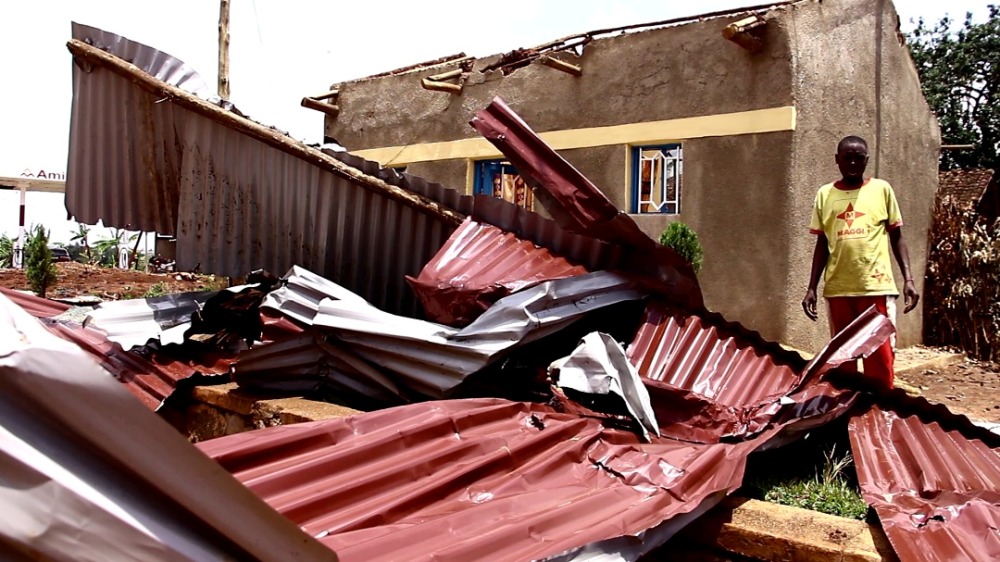
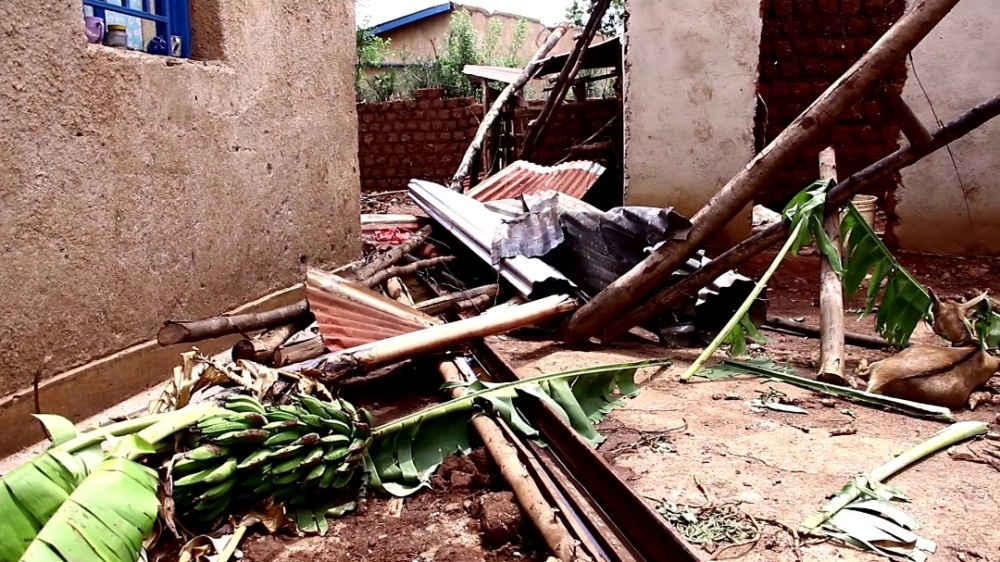
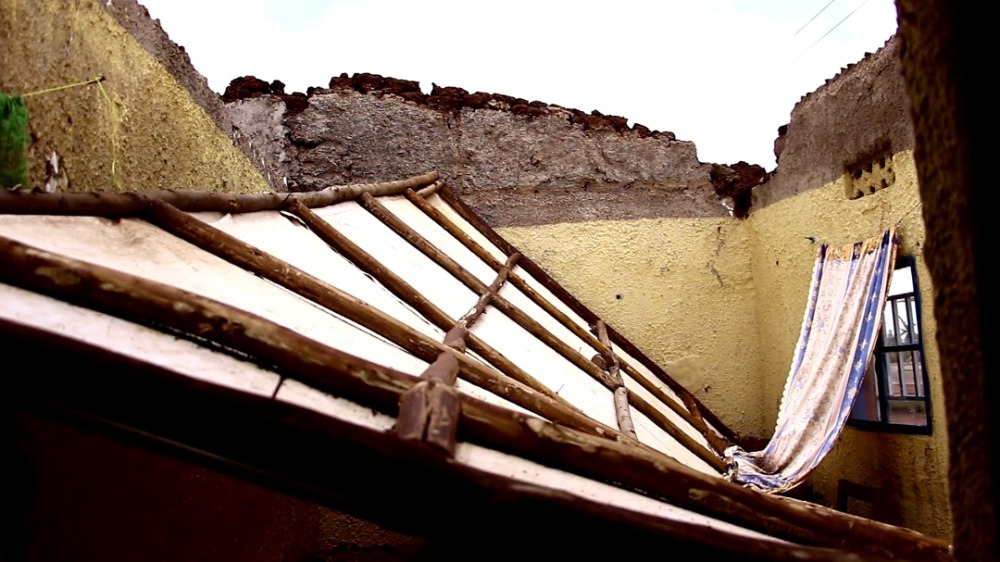
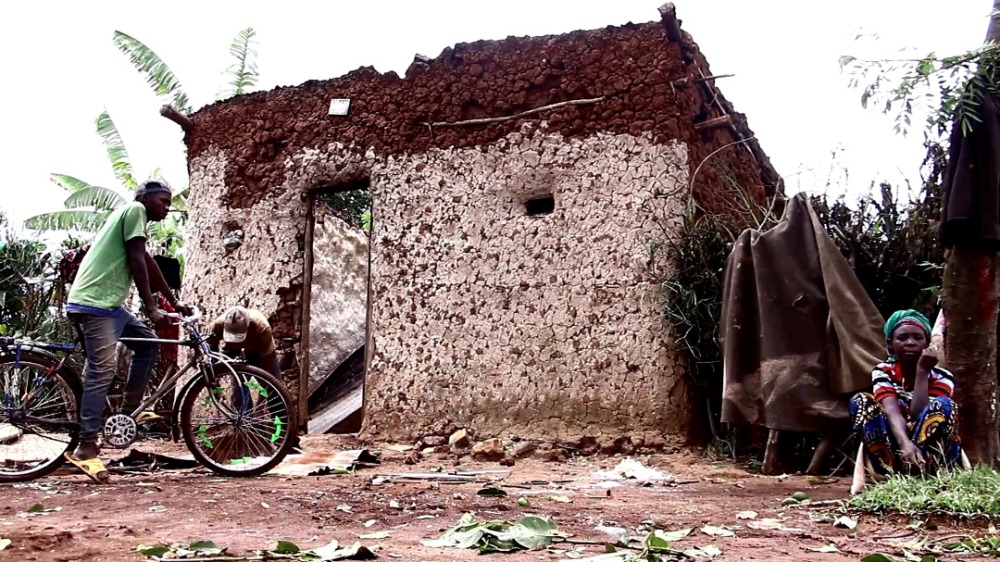
The incident which occurred on Wednesday 19th October 2022 also saw the roofing of 11 classrooms and a kitchen at Groupe Scolaire Munazi in Save sector blew away and three children injured.
An assessment of damages conducted on Thursday indicated that the rain and wind destroyed 59 houses, equipment and ravaged crops.
The Mayor of Gisagara District, Jérôme Rutaburingoga has told IGIHE that the assessment of damages is ongoing.
“59 houses belonging to 39 families have been destroyed. Affected residents have received emergency assistance and are accommodated by neighours,” he said.
Received items include blankets and soaps among others.
Students at the destroyed school have been given temporary classrooms at a nearby facilities and received school kits including notebooks and pens.
Rutaburingoga said that they are making possible efforts to renovate classrooms and assured residents that the district is working closely with the Ministry of Emergency Management to find shelters.
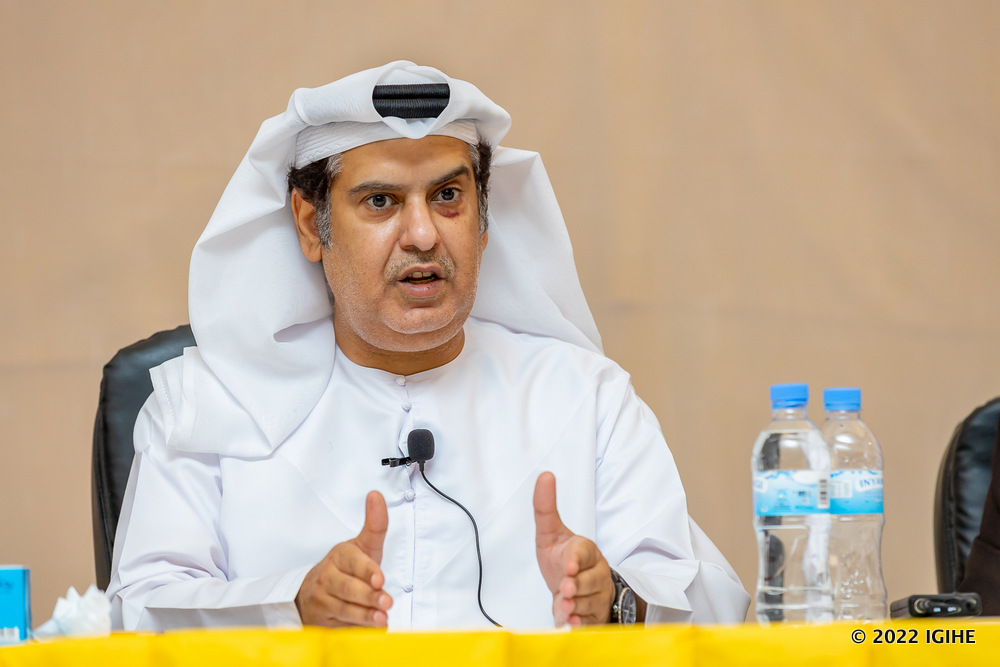
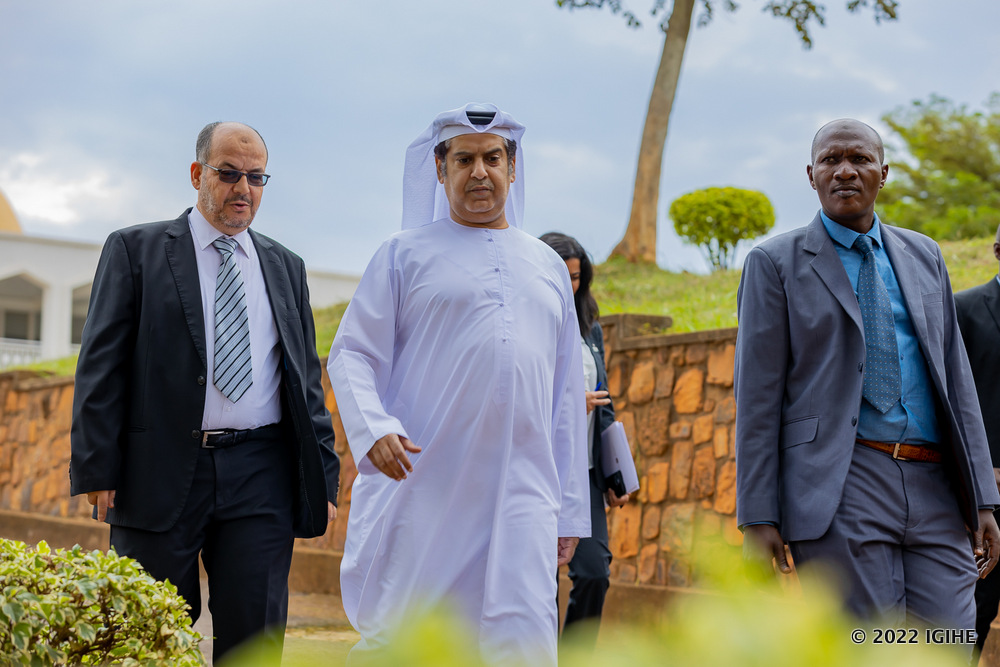
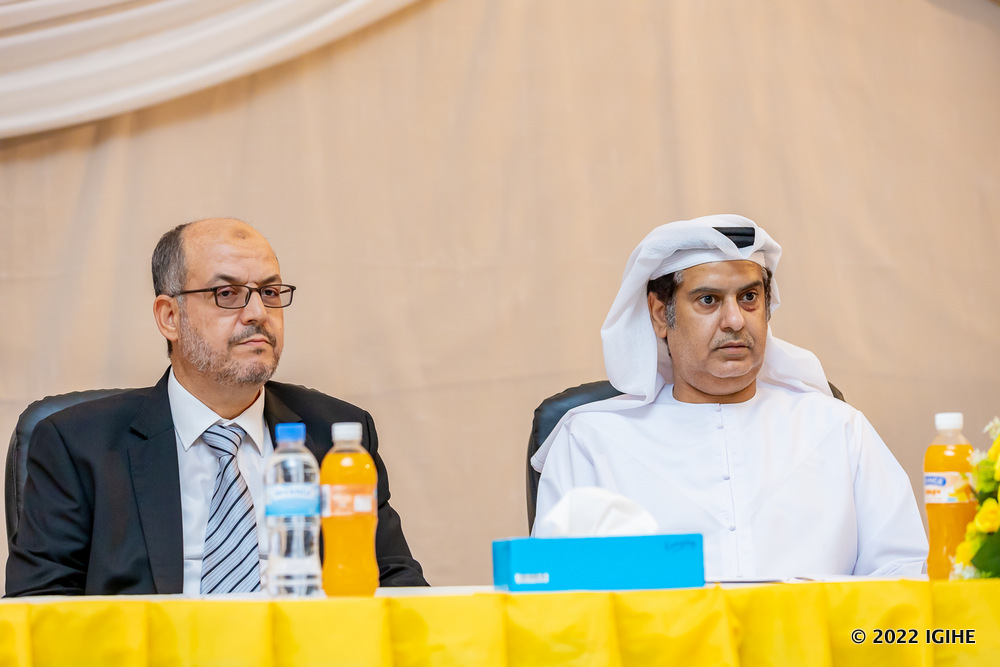
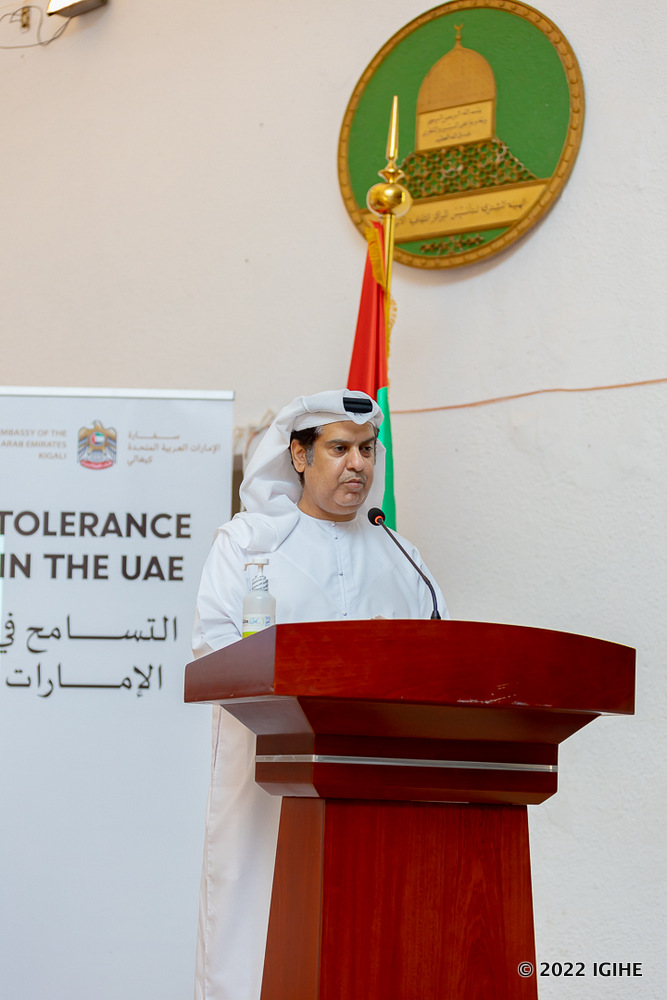
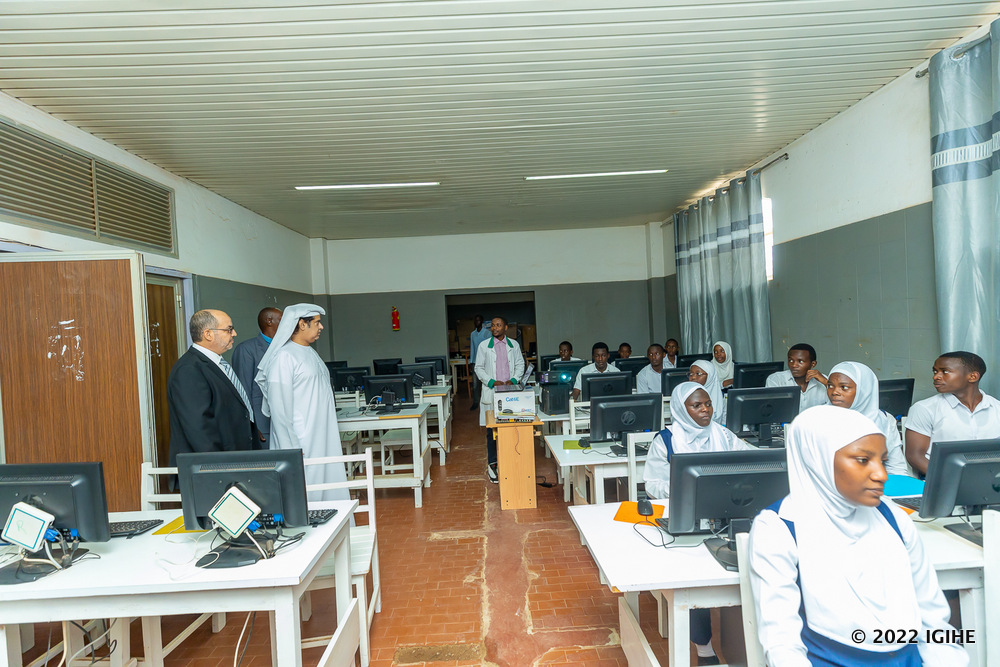
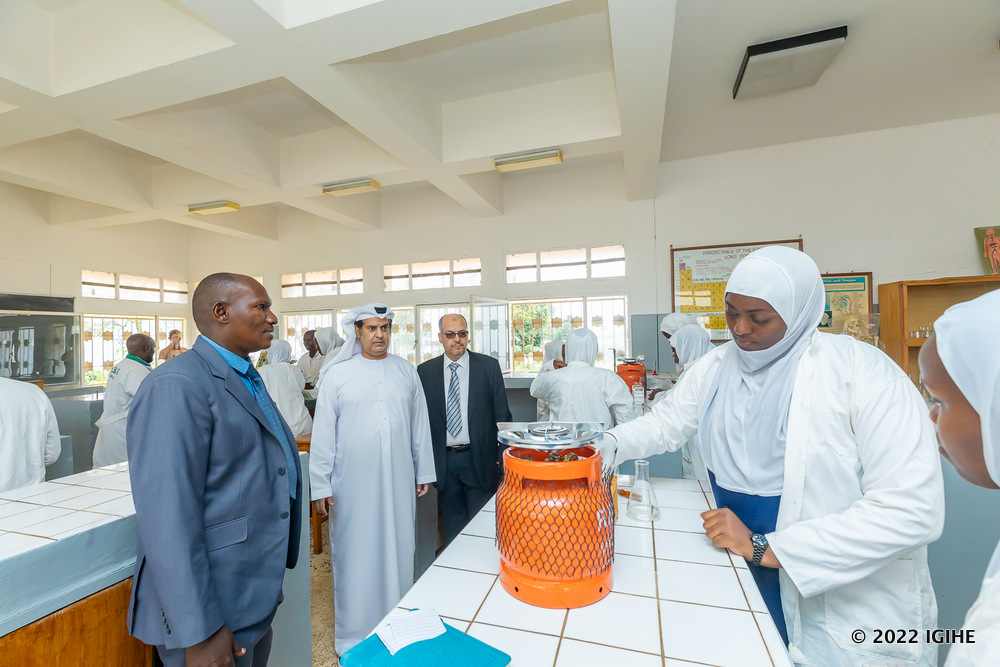
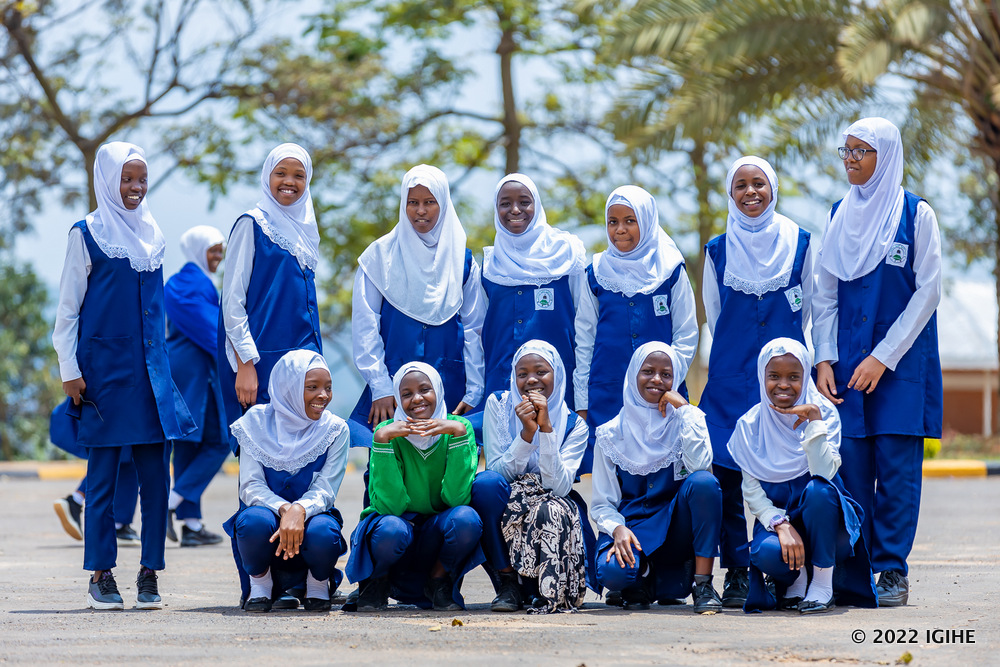
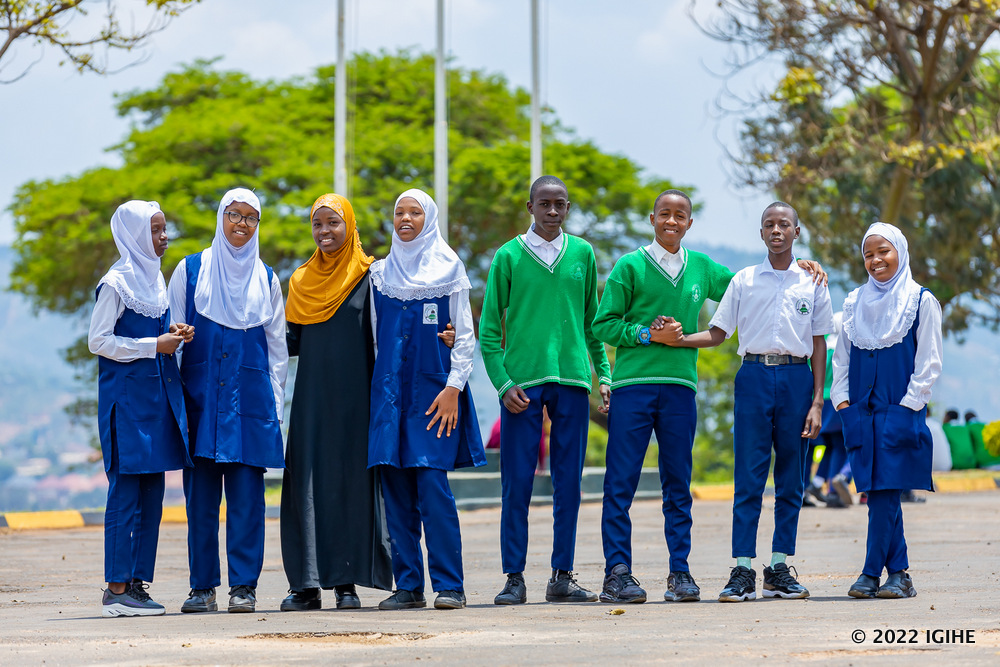
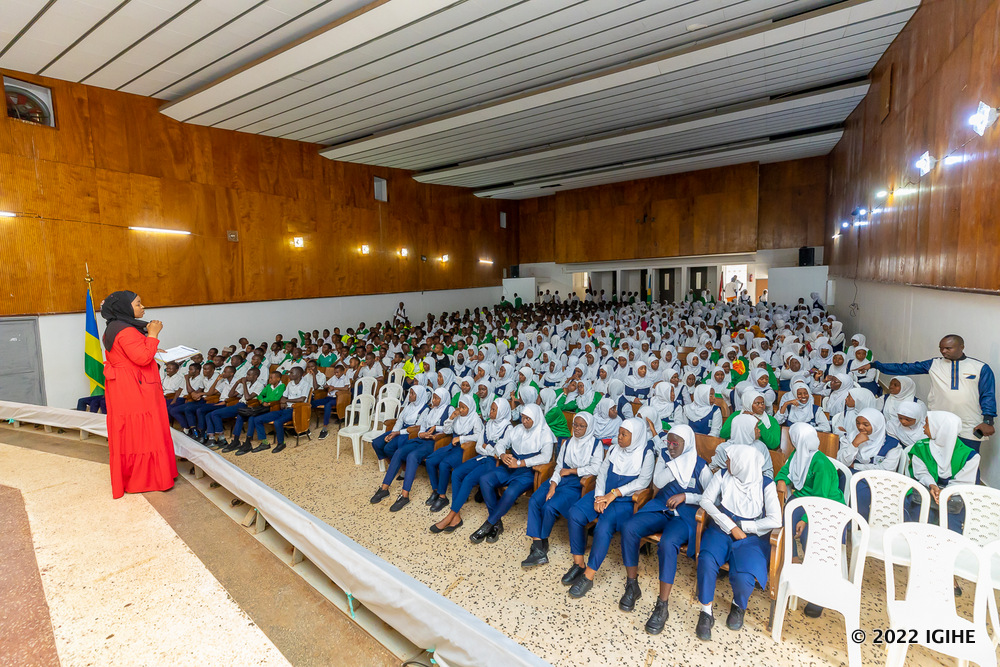
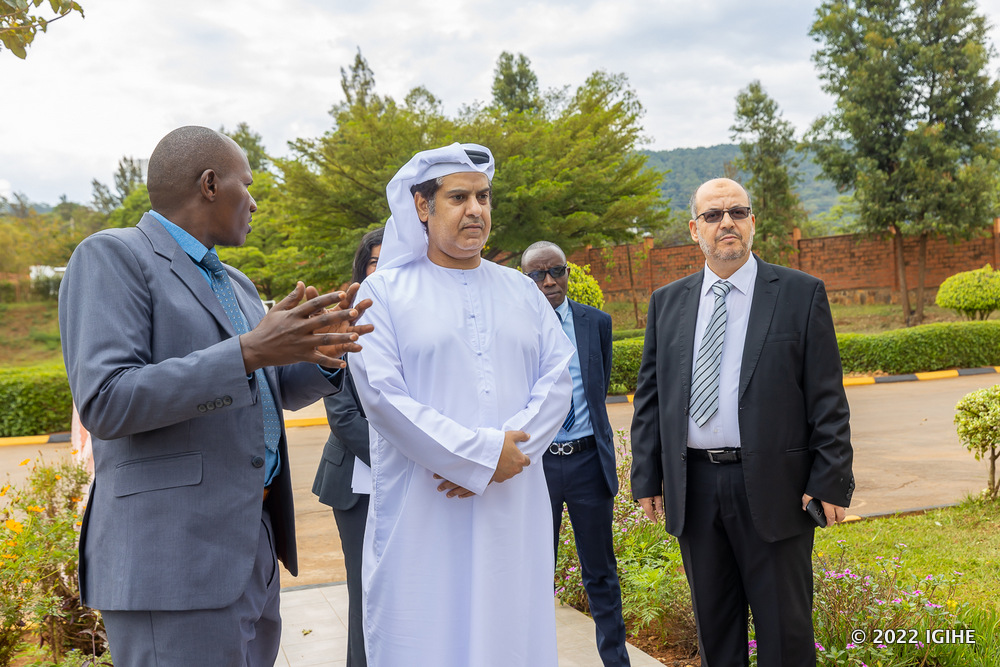
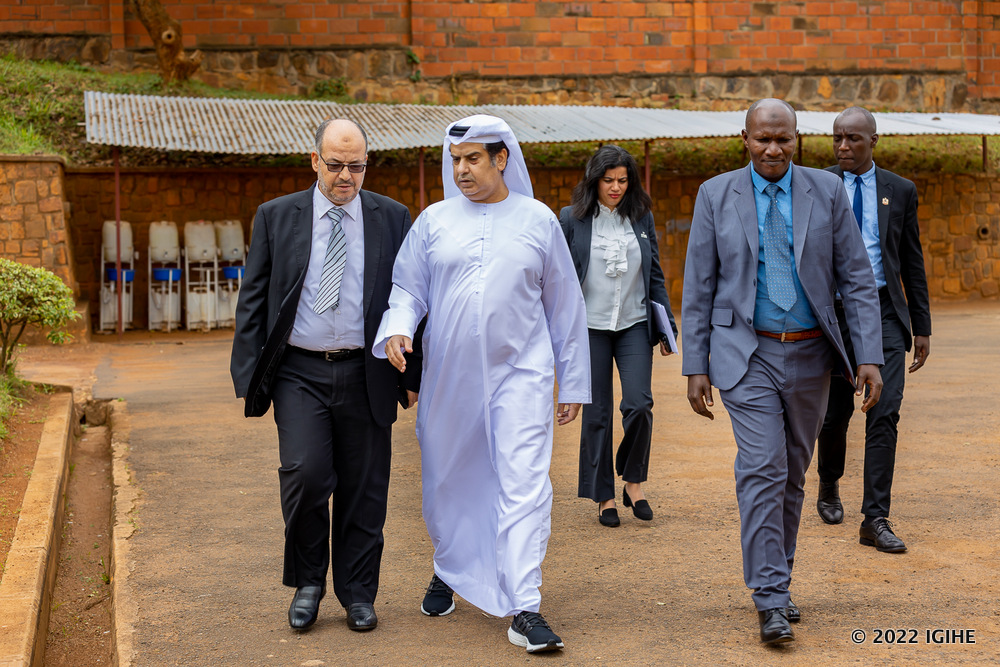
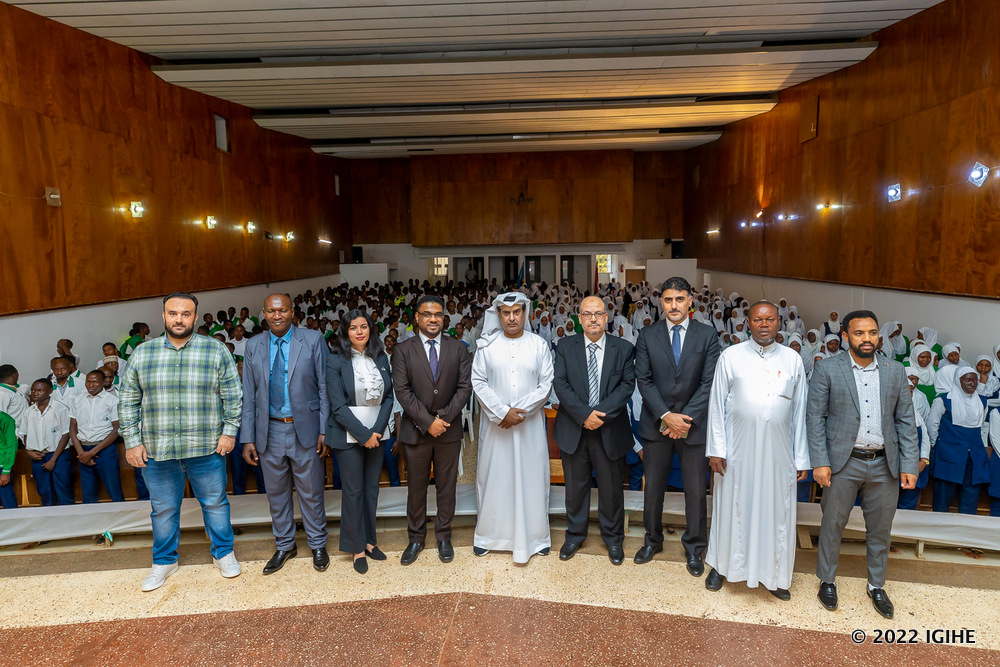
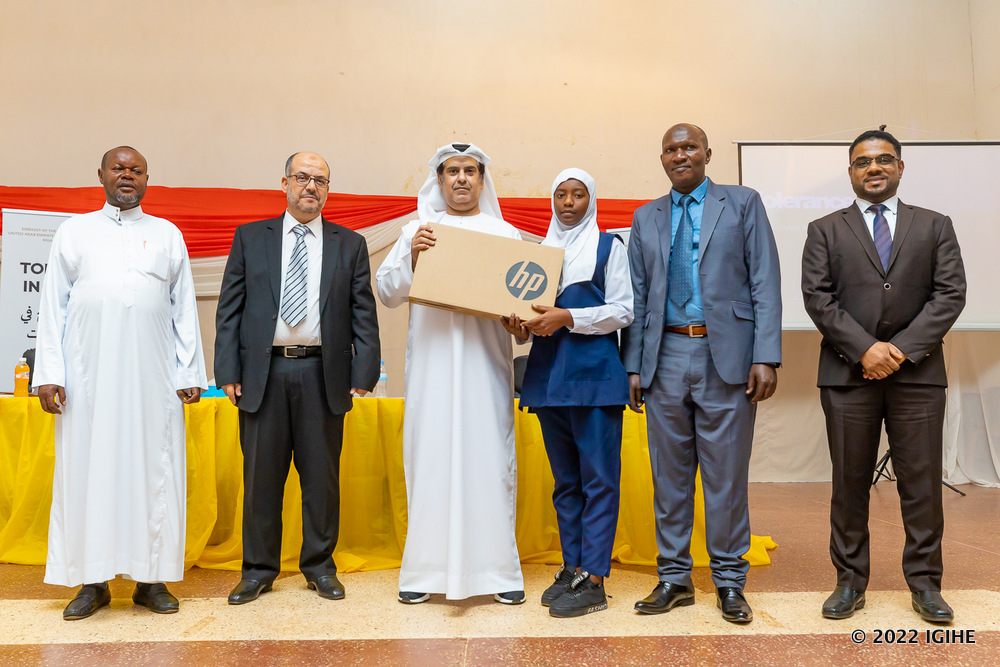
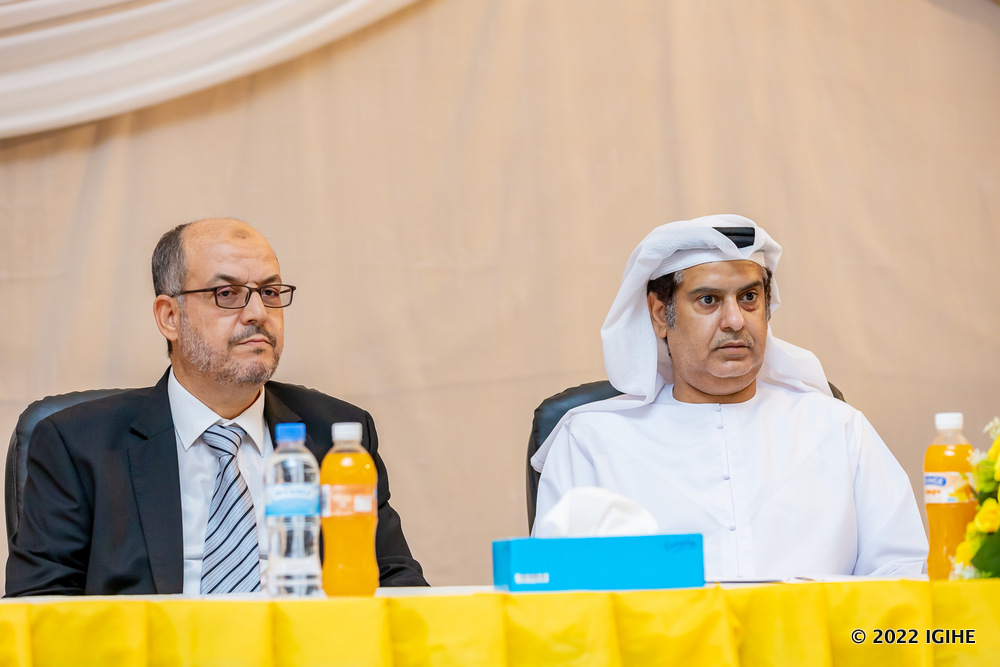
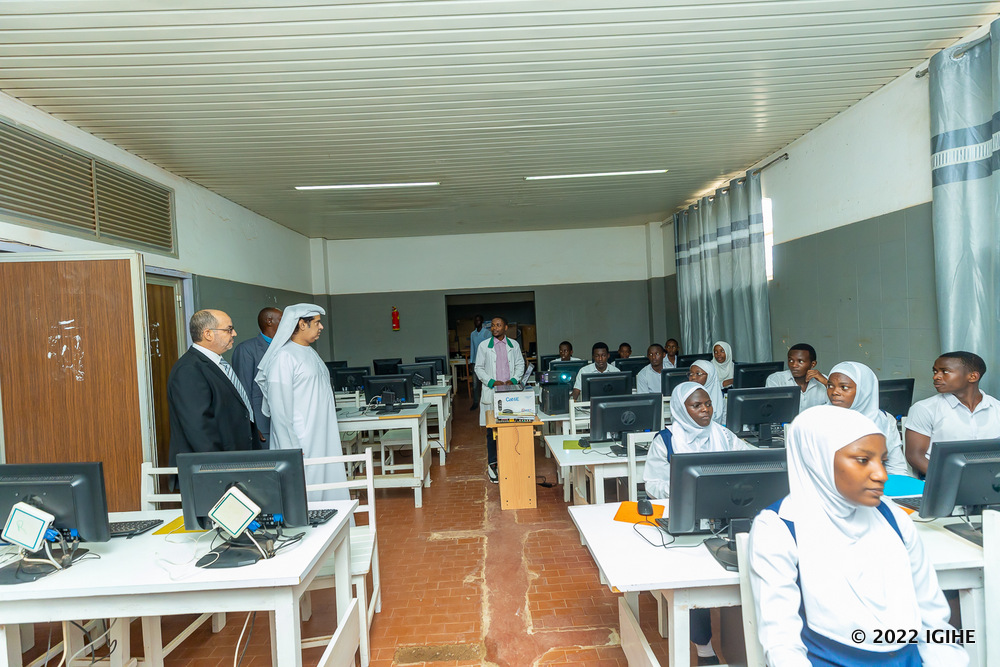
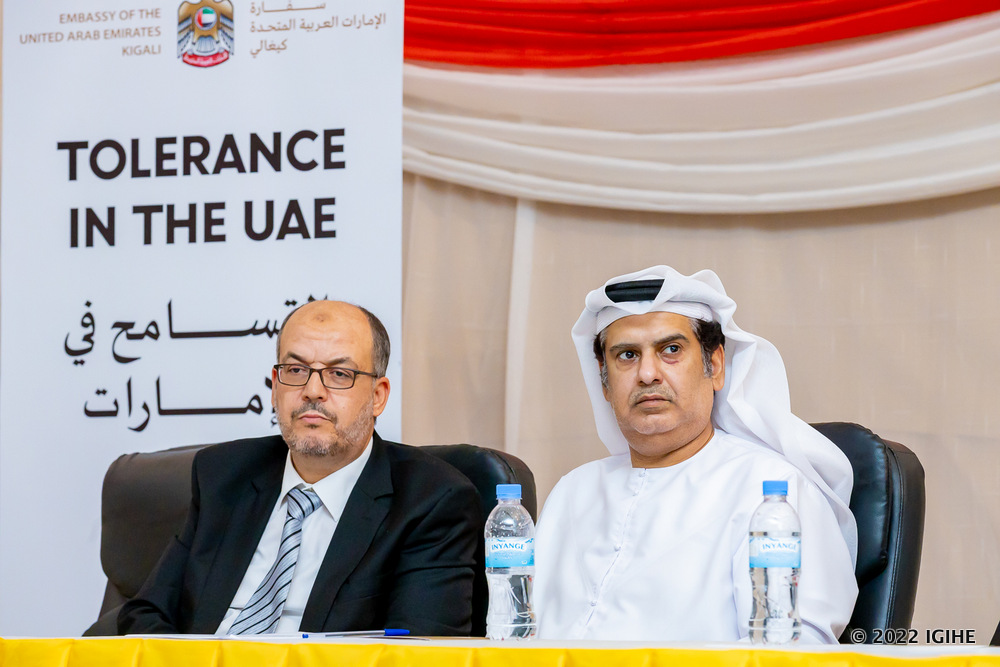
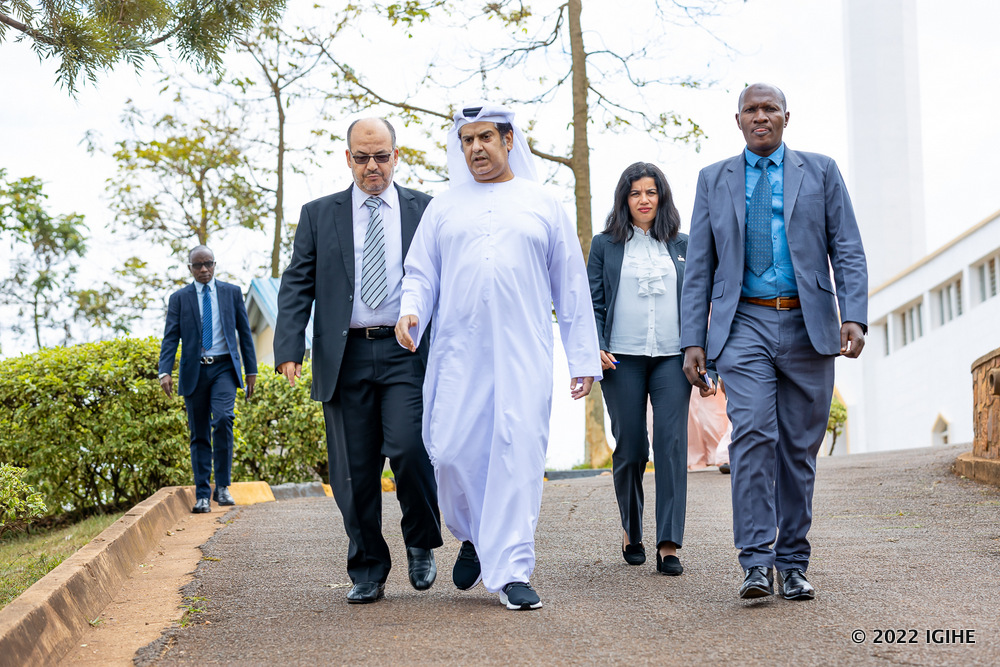
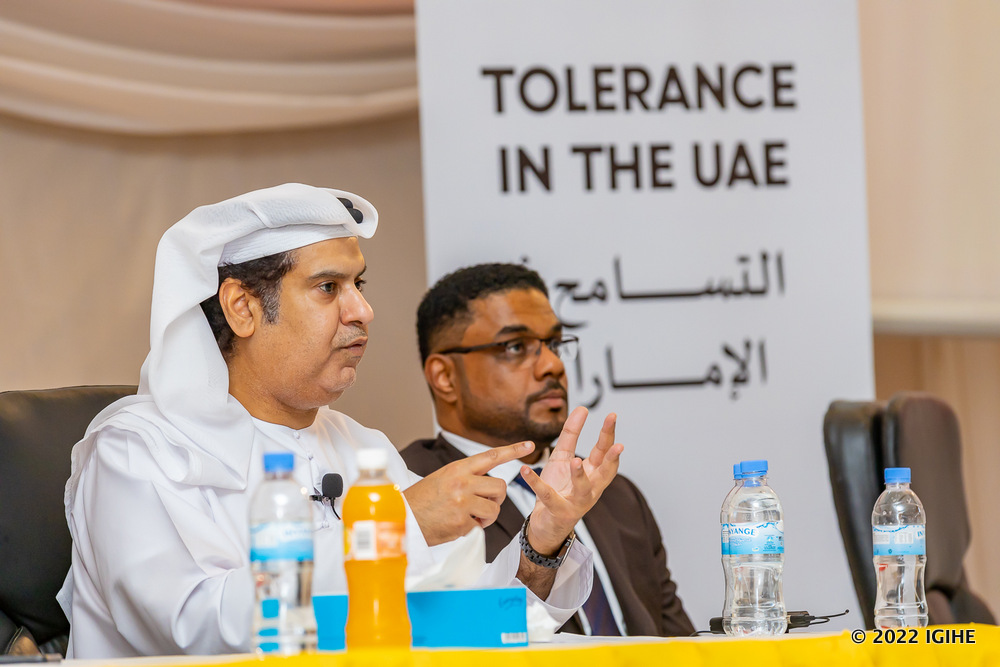
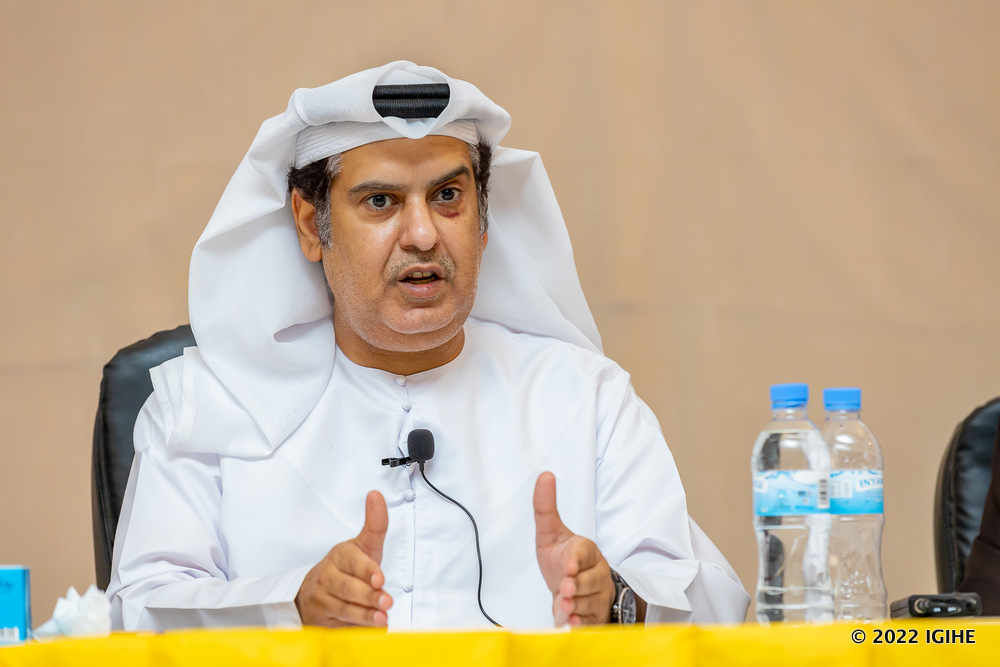
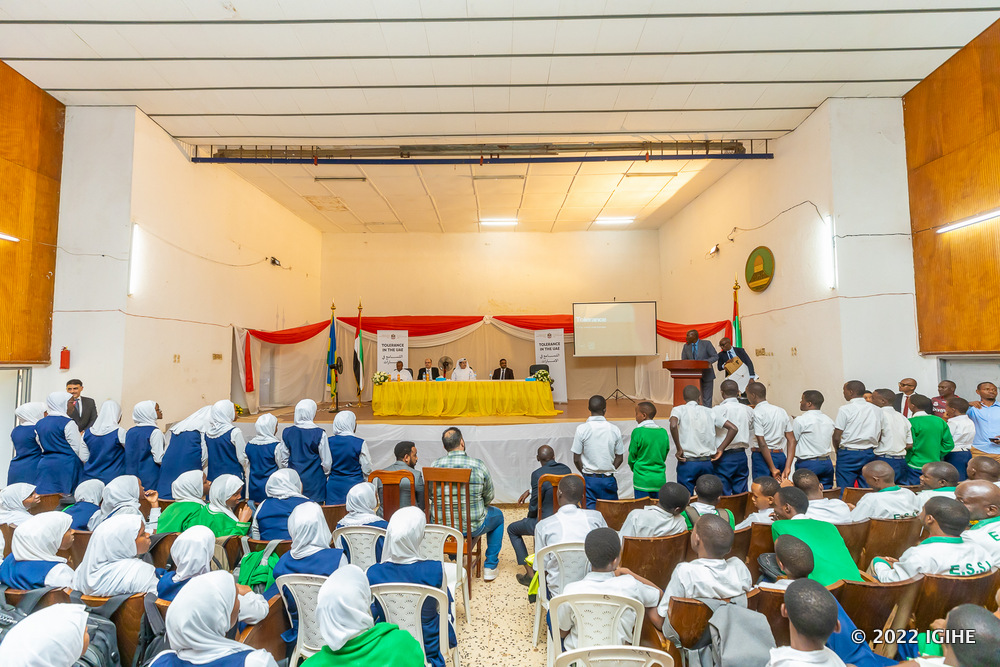
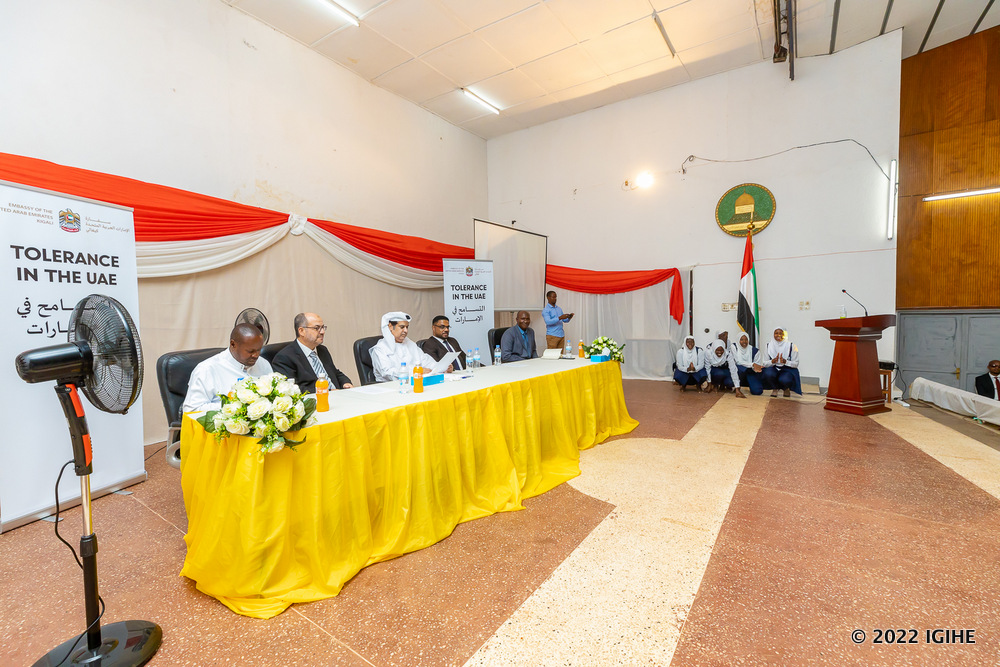
The envoy made the call on Thursday as he visited the Islamic Cultural Center which is home to ESSI in Nyamirambo Sector, Nyarugenge District of Kigali City.
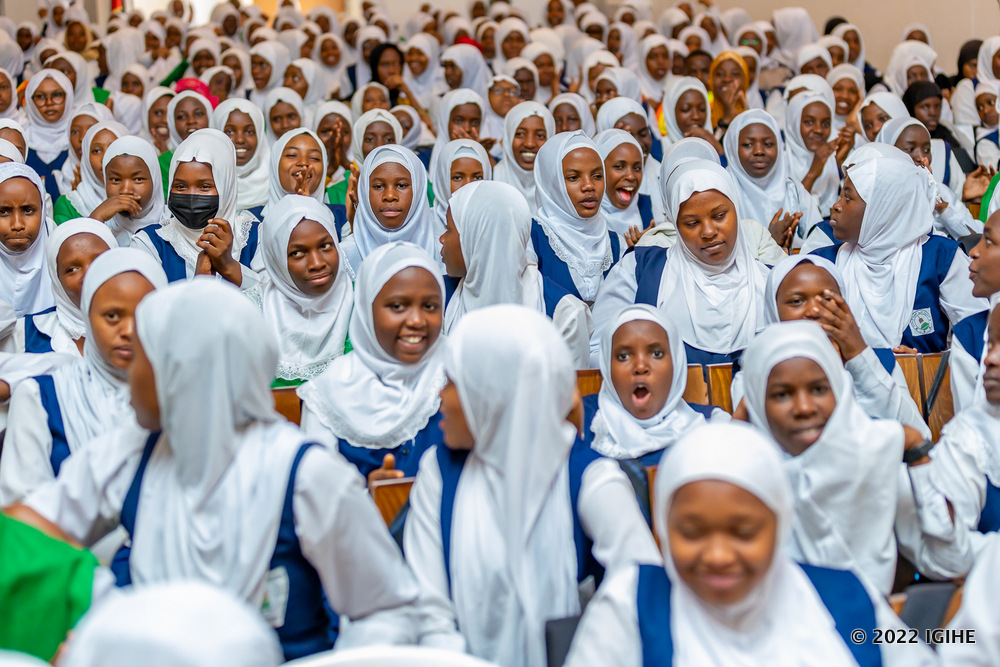
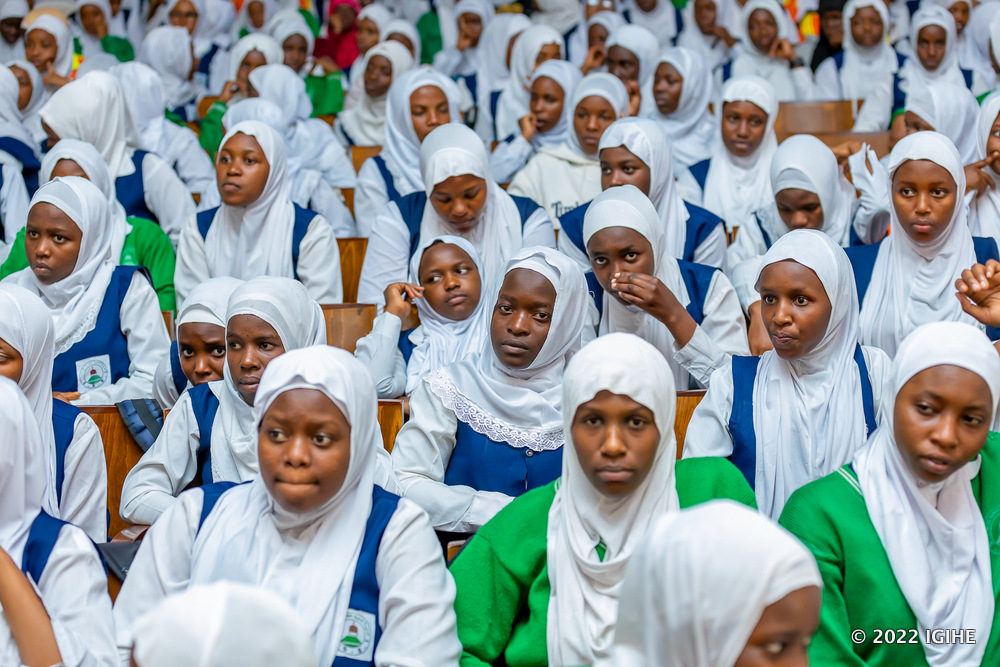
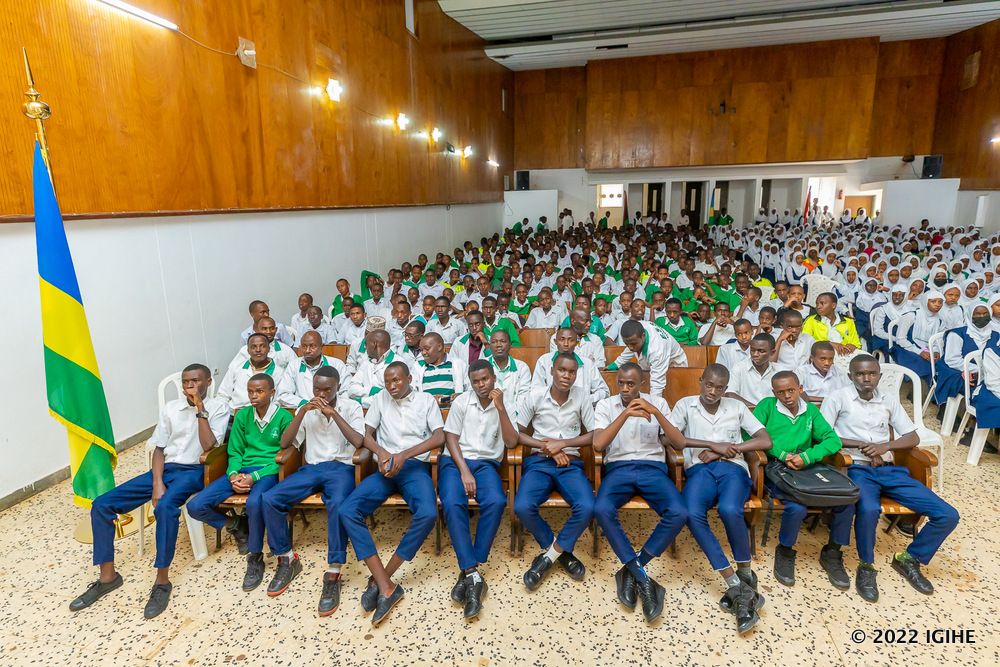
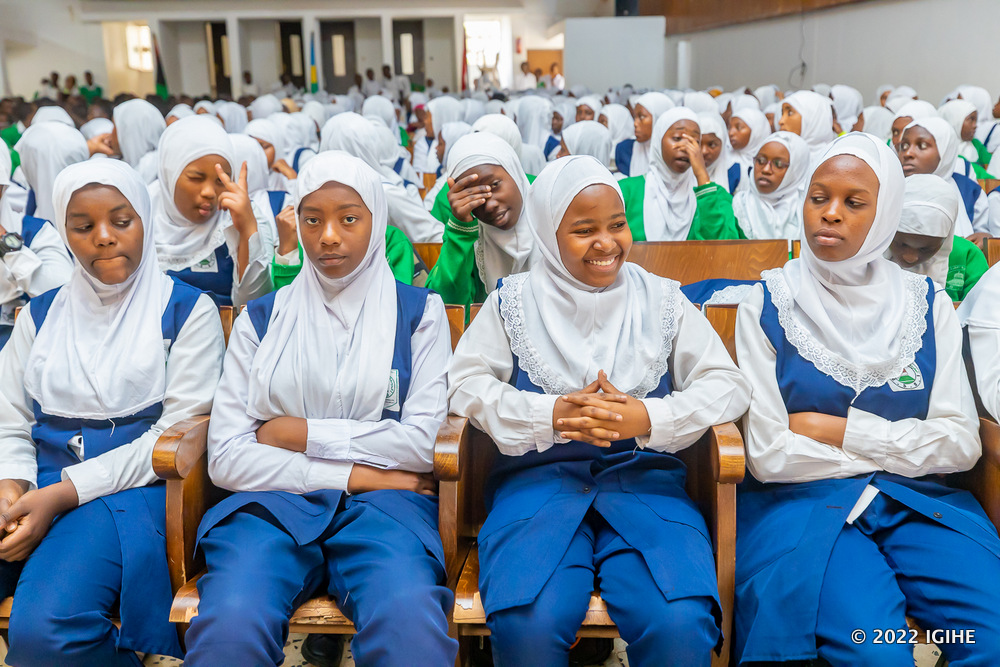
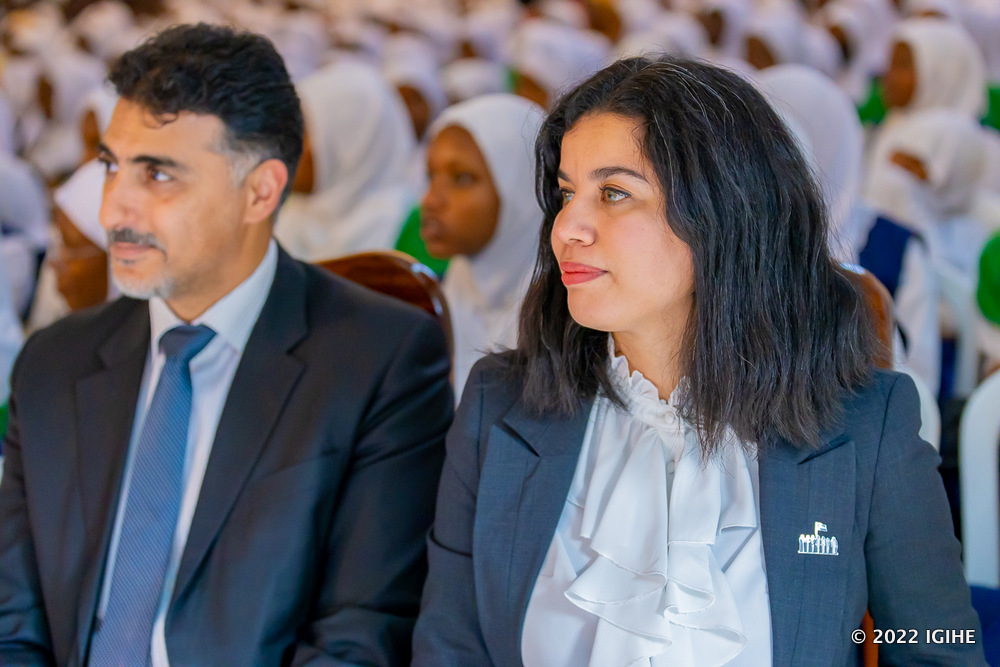
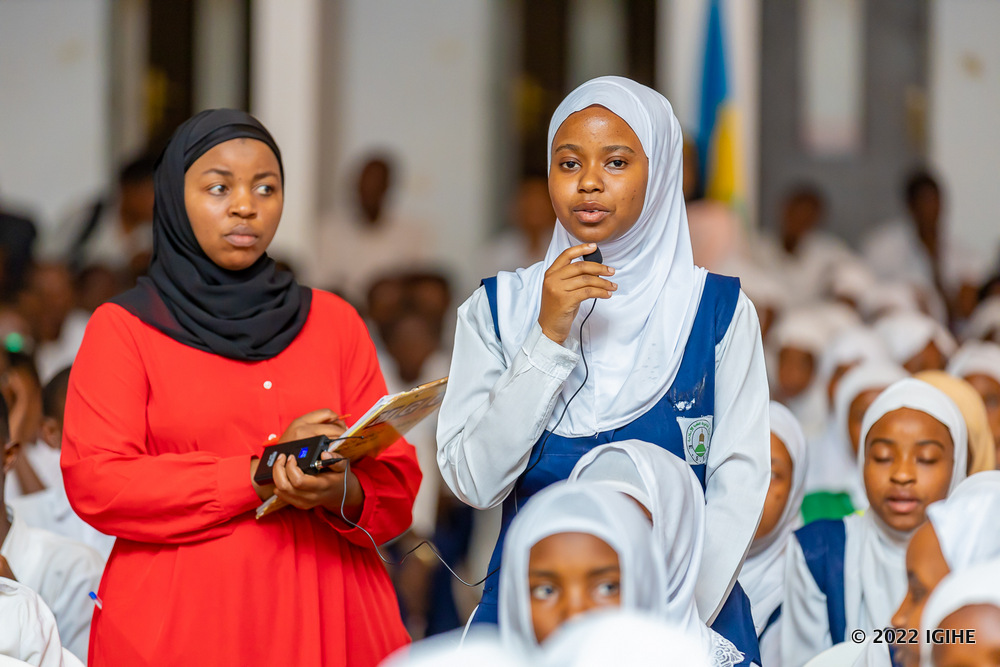
During his visit to the center, Amb. Alqahtani toured different facilities including a computer lab and science laboratory among others before interacting with students, teachers and taking them through the UAE’s legacy of tolerance, acceptance and coexistence between people of different faiths.
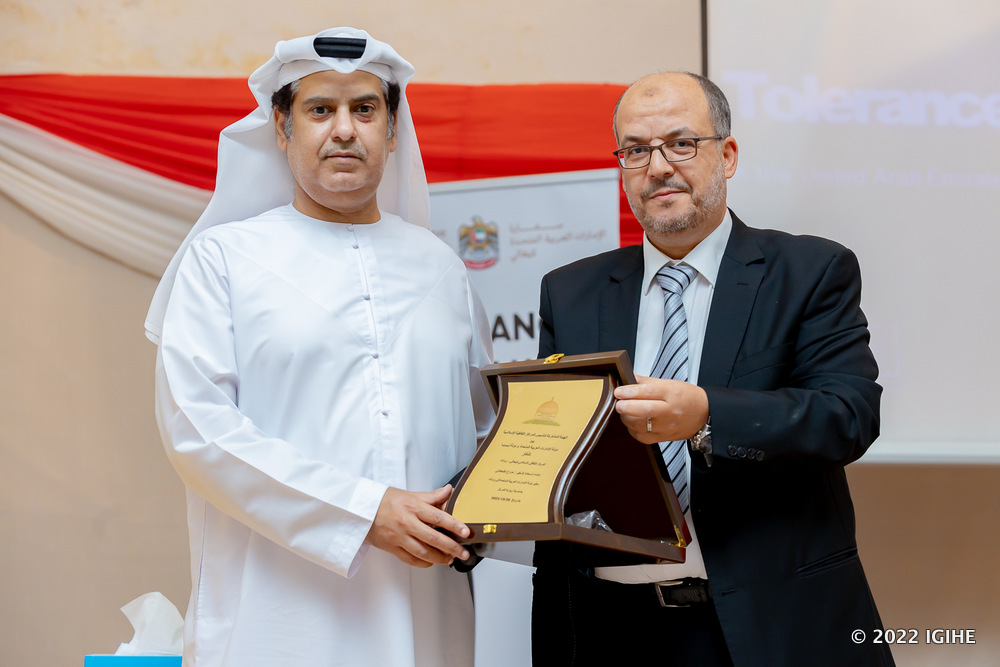
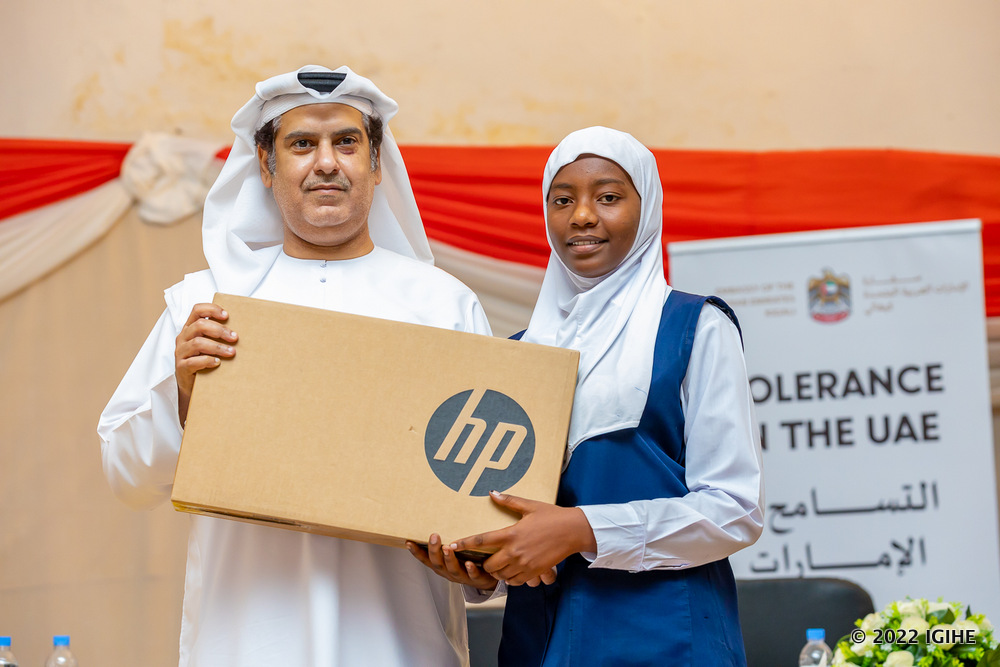
UAE Ambassador also awarded the best performing student from Senior 5 with a laptop at the event.
Amb. Alqahtani echoed the definition of tolerance where it is ‘the virtue that makes peace possible and contributes to the replacement of the culture of war by a culture of peace’.
The latter goes hand in hand with recognizing the universal human rights and fundamental freedoms.
“The practice of tolerance does not mean abandonment or weakening of one’s convictions. It means that one is free to adhere to one’s own convictions and accept that others adhere to theirs,” he said.
As Amb. Alqahtani explained, his country inherits the legacy of tolerance from the founding father of the UAE, Sheikh Zayed Bin Sultan Al Nahyan who ‘was tolerant and called all people to be tolerant themselves, to accept others and coexist with them regardless of color, religion or beliefs’.
The ambassador highlighted that religious diversity should not spark misunderstandings but rather a bridge uniting people to live in harmony.
He referred to his country’s case where it promotes peace, cultural diversity and coexistence despite the presence of over 200 nationalities living in harmony with every major religious denomination represented.
Despite the fact that Islam dominates in his country, Alqahtani disclosed that other religious denominations are granted freedom they deserve highlighting that such culture should spread across the world.
The diplomat also hinted at the historical visit of Pope Francis (head of the Roman Catholic Church and spiritual leader to 1.2 billion devotees) on February 4th, 2019 to Abu Dhabi, the capital of UAE becoming the first pontiff ever to visit the Arabian Peninsula.
During his momentous visit, Pope Francis met with the Grand Imam Sheikh of al-Azhar Dr. Ahmed al-Tayyib. At the occasion, the two religious leaders signed the ‘Document on Human Fraternity for World Peace and Living Together’ at the Founder’s Memorial in Abu Dhabi.
The Document of Human Fraternity calls for an end to the use of religion as justification for war, violence and harm and opposes extremism in all forms.
This historic document presents a series of guidelines which denounce violence in the name of religion and urge the adoption of a culture of dialogue and mutual cooperation as a code of conduct and reciprocal understanding.
{{The Abrahamic House of Fraternity}}
Amb. Alqahtani said that the Abrahamic religions including; Judaism, Christianity and Islam are united by the belief in one God and all three share in a history connected to the patriarch Abraham.
He stressed the need to promote dialogue and shared his country’s efforts to support the cause.
Amb. Alqahtani revealed that UAE has proposed a dedicated space for inter-faith dialogue.
The UAE unveiled plans for the Abrahamic House of Fraternity on September 20th 2019 in New York alongside the UN General Assembly.
“The Abrahamic Family House will be an interfaith complex currently in development in Abu Dhabi, a representation of the Document of Human Fraternity which will feature a church, a mosque, a synagogue and a secular welcome center on one shared site. Currently, in development, the project’s anticipated completion date has been set for this year,” he said.
Amb. Alqahtani further revealed that the Abrahamic House of Fraternity will feature each of the three houses of faith namely; a mosque, a church and a synagogue, which will stand at the same height to symbolize equality. The design will highlight the often overlooked similarities between the three faiths and their corresponding architectural traditions.
It will act as a place for religious worship as well as a space for exhibitions, programs, conferences and inter-faith dialogue initiatives.
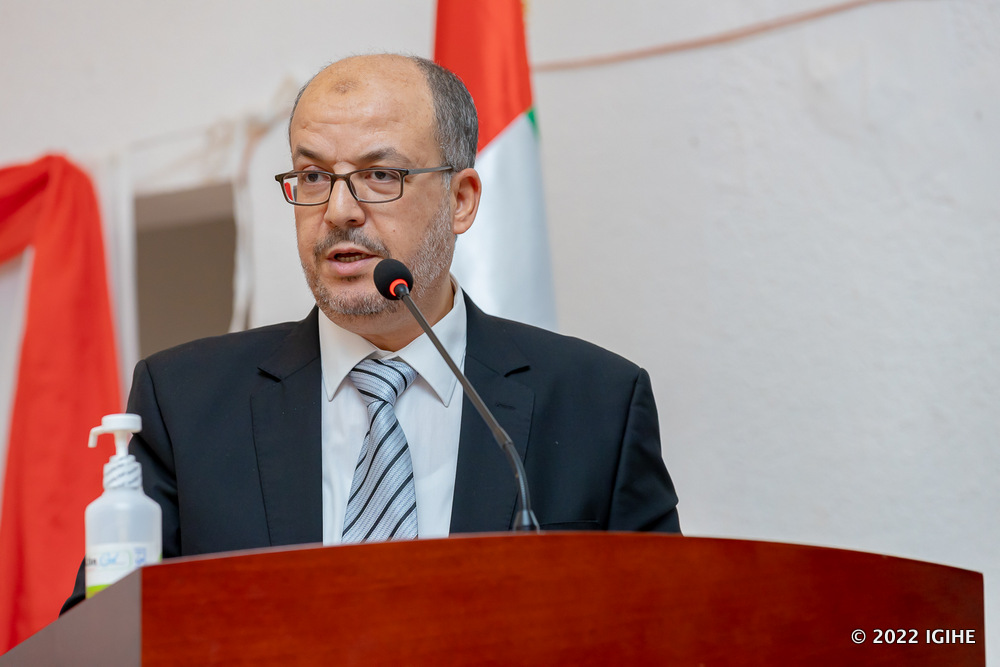
Abdellatif Aouid, the Director General of the Islamic Cultural Center thanked Amb. Alqahtani for the visit and commended UAE for the support extended to the center.
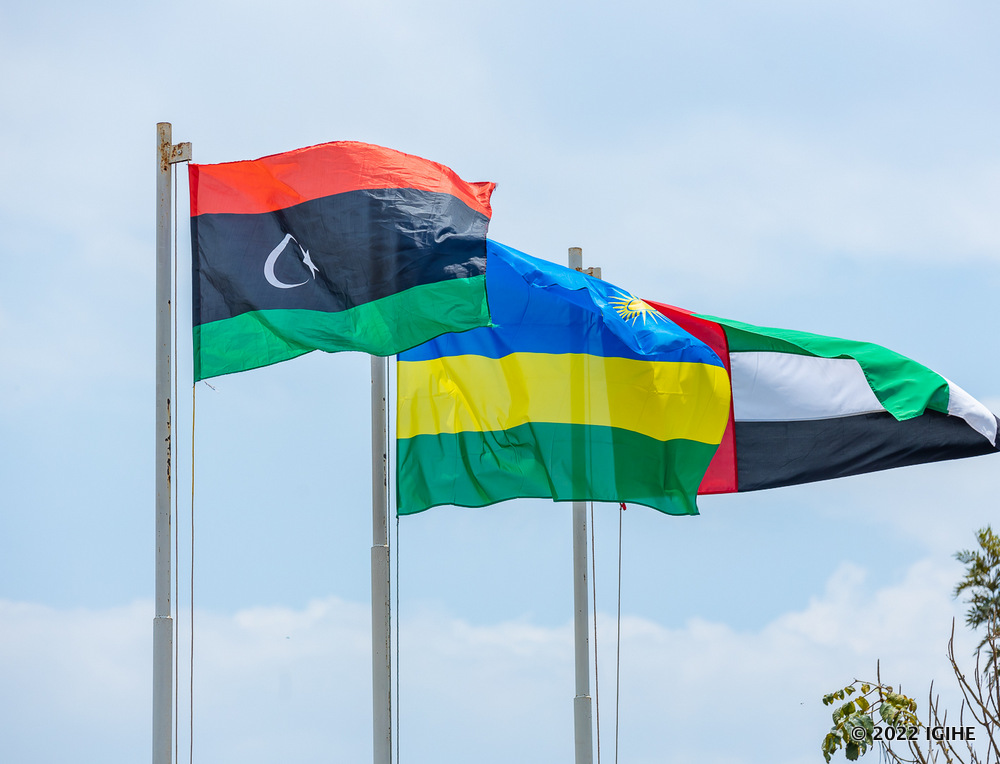
He highlighted that the Islamic Cultural Center is a fruit of collaboration between Libya, UAE and the Government of Rwanda adding that the ESSI also promotes values of tolerance where it recruits teachers and enrolls students without any kind of discrimination.
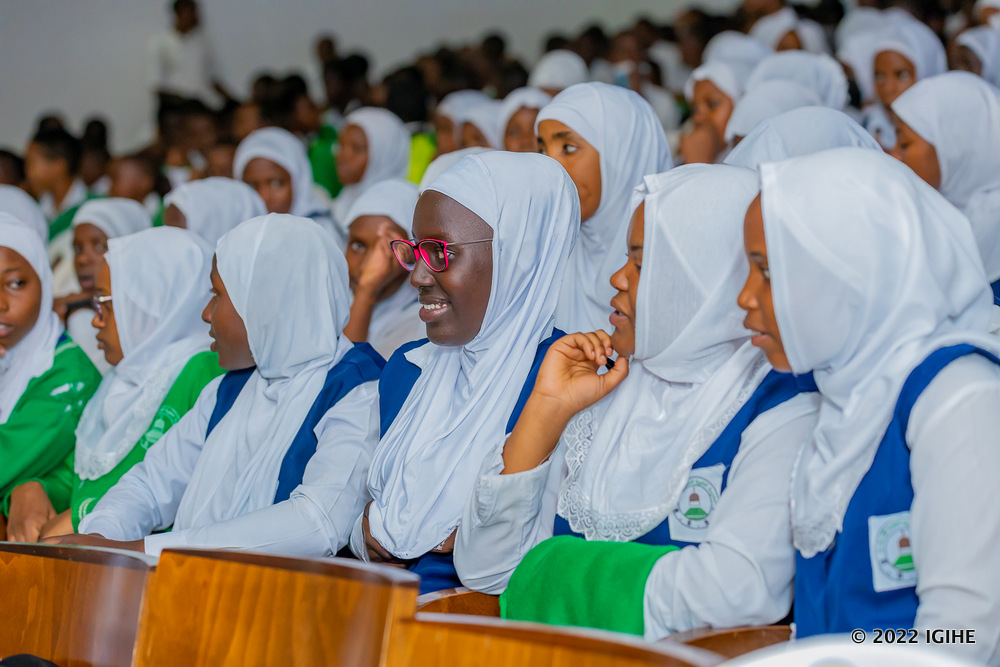
Students also commended the envoy for delivering an inspiring talk and pledged to be characterized by tolerance in daily lives.
Togo became the 56th member of the Commonwealth on 25 June 2022 following approval from Commonwealth leaders during the Commonwealth Heads of Government Meeting (CHOGM) in Kigali, Rwanda.
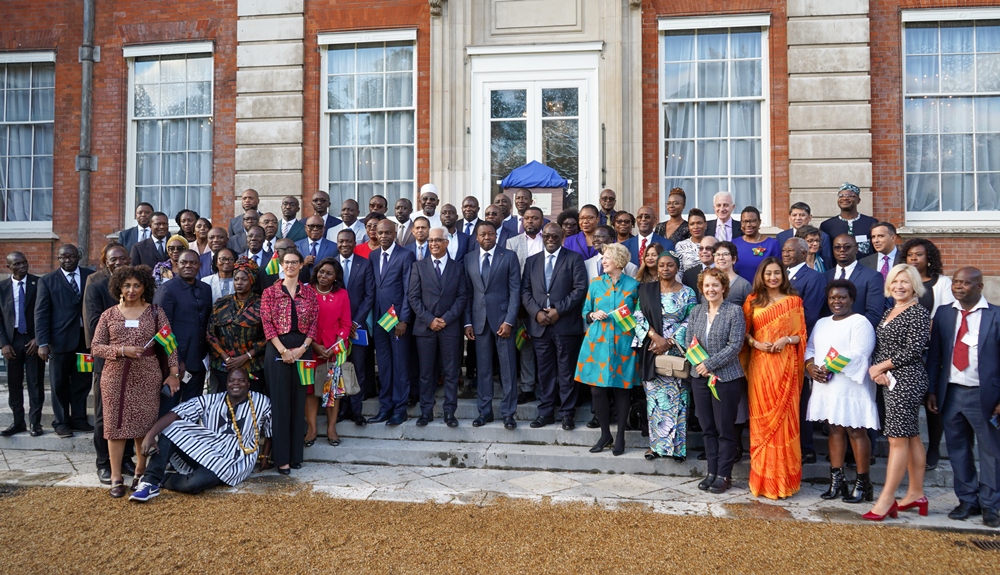
As the tradition goes, a special flag-raising ceremony was held on Thursday 20th October 2022 in the presence of the Commonwealth Deputy Secretary-General, Dr. Arjoon Suddhoo, and the President of the Togolese Republic, Faure Gnassingbé. They were joined by guests including high commissioners, senior government officials, the Togolese diaspora, and the media.
In remarks welcoming Togo to the association, the Commonwealth Deputy Secretary-General said: “Togo’s journey into the Commonwealth has been a long time in the making. We walked the journey for many years, as the Commonwealth provided guidance to Togo’s efforts and commitments to embody the values of the Commonwealth Charter.
“Togo has shown commitment to meeting institutional and governance reforms. The Government of Togo has demonstrated clear action in developing its economy and infrastructure; in providing a conducive business climate and stability to attract tourism and investment.
“Today, we welcome [Togo] into our family home, where we work every day to deepen our bonds and abilities to conquer the challenges we face – together. Welcome to a special group of nations which are committed to doing their best to uphold shared values and to help one another.
“Long live Togo and Long Live the Commonwealth!”
President Gnassingbé on his part said: “It is my great pleasure to address this honourable audience on this highly symbolic occasion and to express the joy and pride of the people of Togo as we gather here today to raise our flag among those of the great Commonwealth of Nations family.
“As we celebrate this remarkable milestone, I would like to solemnly ask each one of you to bear witness to Togo’s renewed pledge to the values of peace, democracy, and development, which are the core values of the family we are joining.
“Our stepping into the Commonwealth family is an incredible booster towards progressing together and leaving no one behind.
“It is my wish that the new dawn we are setting today will unveil an era of fruitful cooperation, economic growth, sustainable development as well as social and cultural fulfilment for all of us.”
The flag of Togo was then ceremoniously raised on the roof of Marlborough House to the tune of Togo’s national anthem with guests looking on in awe.
By joining the Commonwealth, Togo’s Embassy in London now officially becomes a High Commission. To mark the occasion, a plaque commemorating the move was unveiled.
As an institution uniting 2.5 billion people from Africa, Asia, the Americas, Europe and the Pacific, the Commonwealth is unique. Membership to the Commonwealth means joining a community of mutually supportive independent and sovereign states, aided by more than 80 accredited organisations such as the Commonwealth Parliamentary Association and the Commonwealth Education Trust, that bring their expertise and the strength of their networks to support all our member countries in their development and aspirational goals.
Members can also access a variety of training and technical assistance resources and benefit from more than 50 strategic partnerships with renowned organisations such as the United Nations, the African Development Bank, and the World Trade Organization, to create the conditions for people across the Commonwealth to flourish.
Togo will now also be able to take part in major Commonwealth summits and ministerials which bring together government leaders, from developed and developing nations, to help amplify collective action on global challenges.