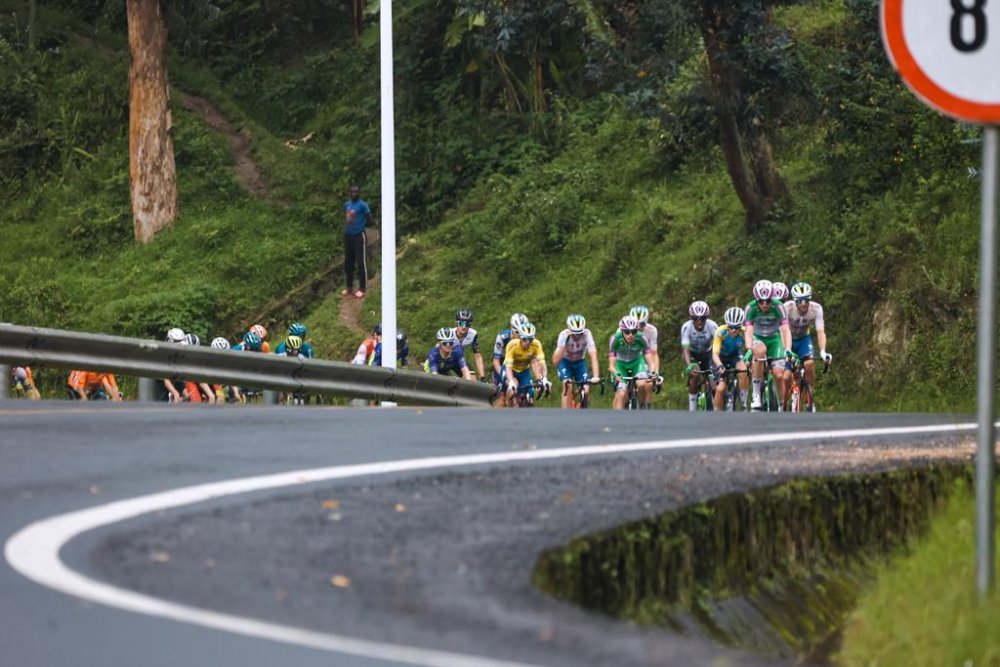
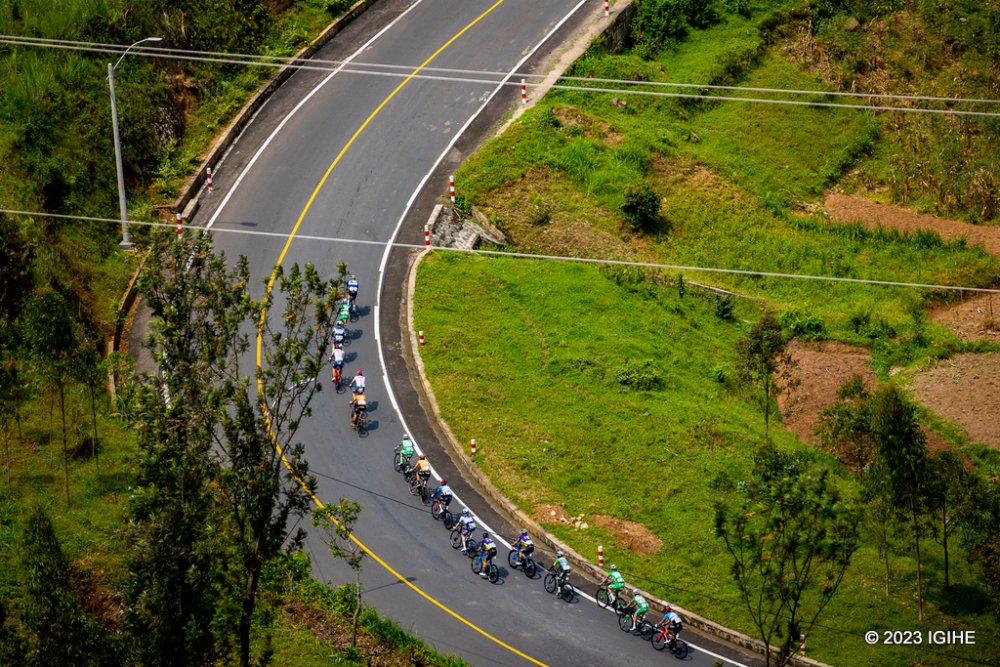
Lecerf William Junior riding for Soudal Quick Step has taken the yellow jersey.
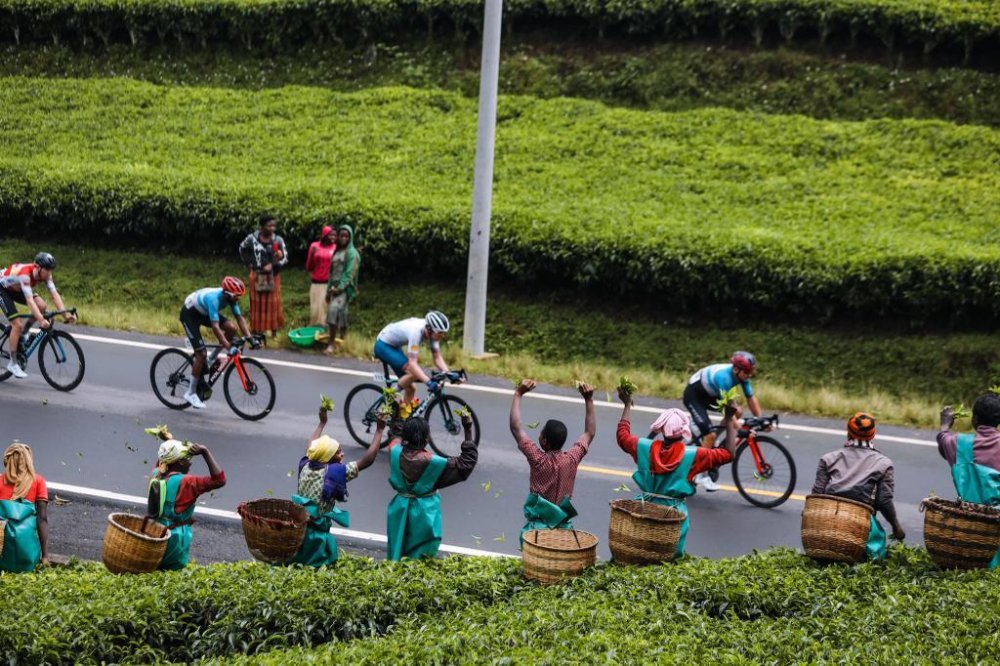
It was the toughest race compared to previous stages due to a large number of bends and surfaces slopping upwards.
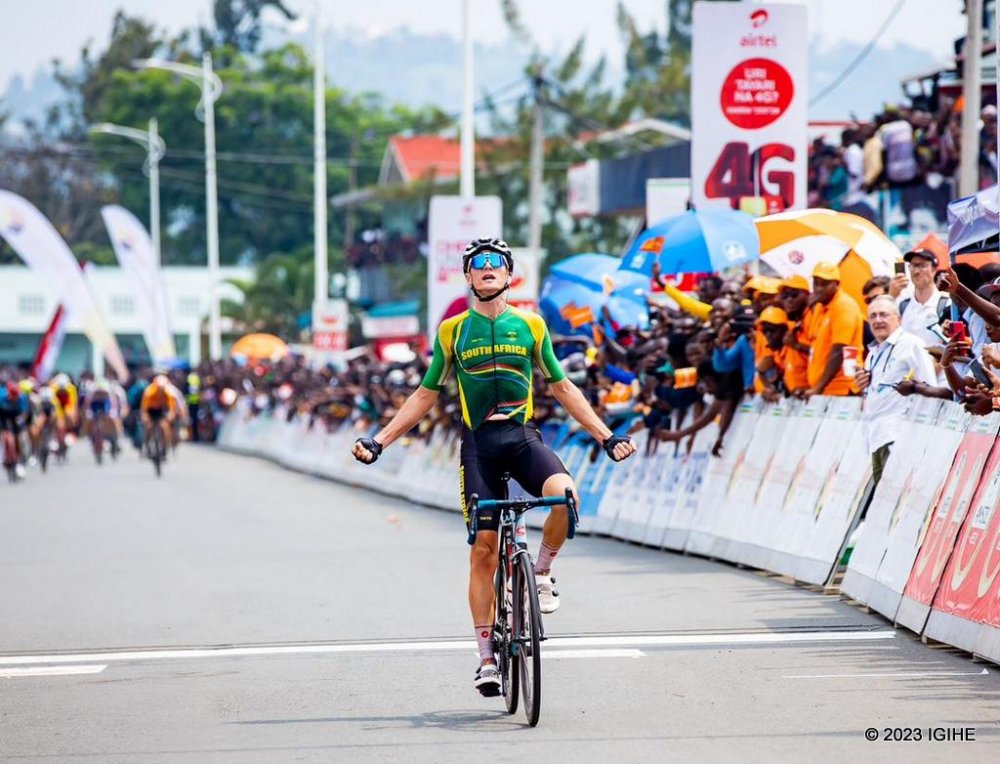
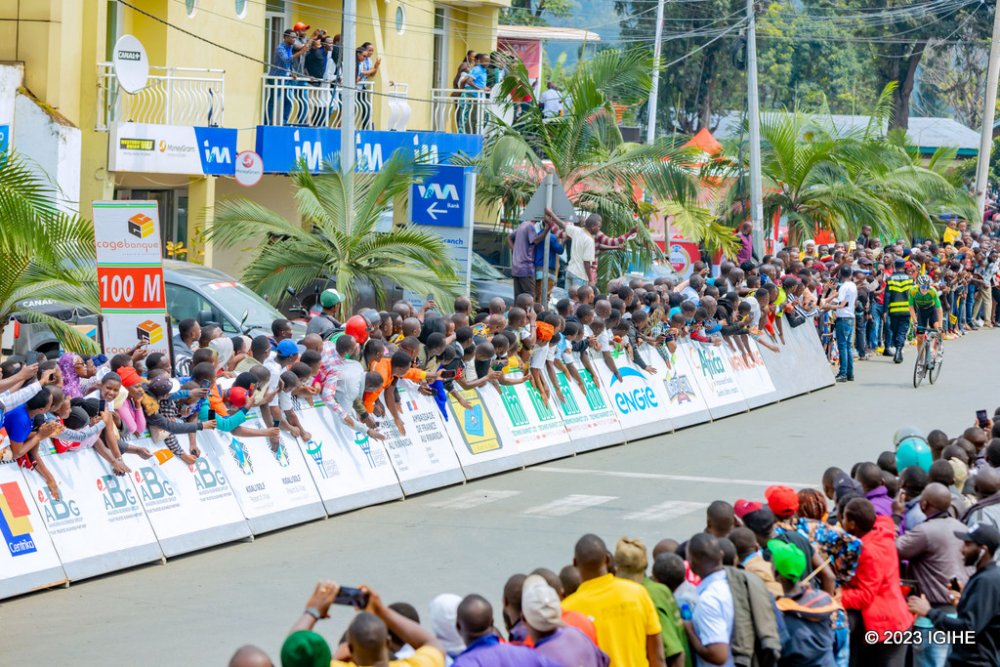
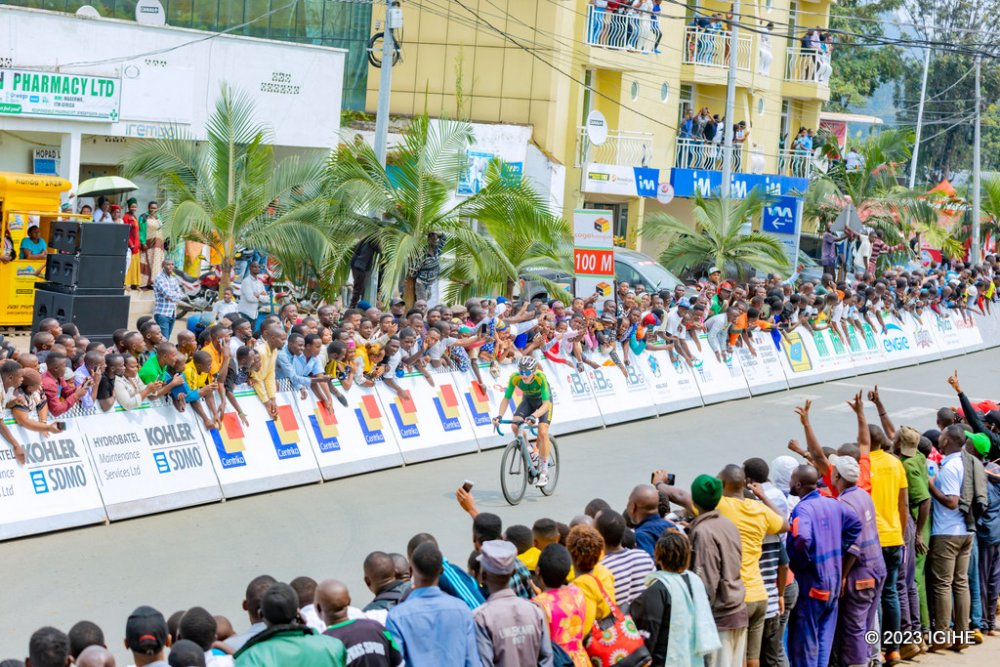
Callum Ormiston who made a break away from the peloton in 25 kilometers continued to lead the race until he crossed the finishing line before Rubavu Market.
He was followed by Italian Walter Calzoni riding for Q36 who arrived six seconds behind along with others including Eyob Metkel (3), Lecerf Junior (4) and Eric Muhoza who arrived in the 11th place.
Eritrean Henok Mulueberhane concluded the race in the 16th place and was 19 seconds behind the stage winner.
Belgian Lecerf William Junior riding Soudal Quick Step took the yellow jersey after clocking 19 hours 40 minutes and 50 seconds. He is 2 seconds before Budiak Anatolii riding for Terengganu Polygon.
Rwandan Eric Muhoza riding for Bike Aid has taken the 7th place on the general classification and is 11 seconds behind the yellow jersey holder.
Callum Ormiston who won today’s stage took the 19th place on the general classification. He is 21 seconds behind the yellow jersey.
Tour du Rwanda 2023 will continue on Friday with the sixth stage where riders will follow a track from Rubavu to Gicumbi District covering 157 kilometers.
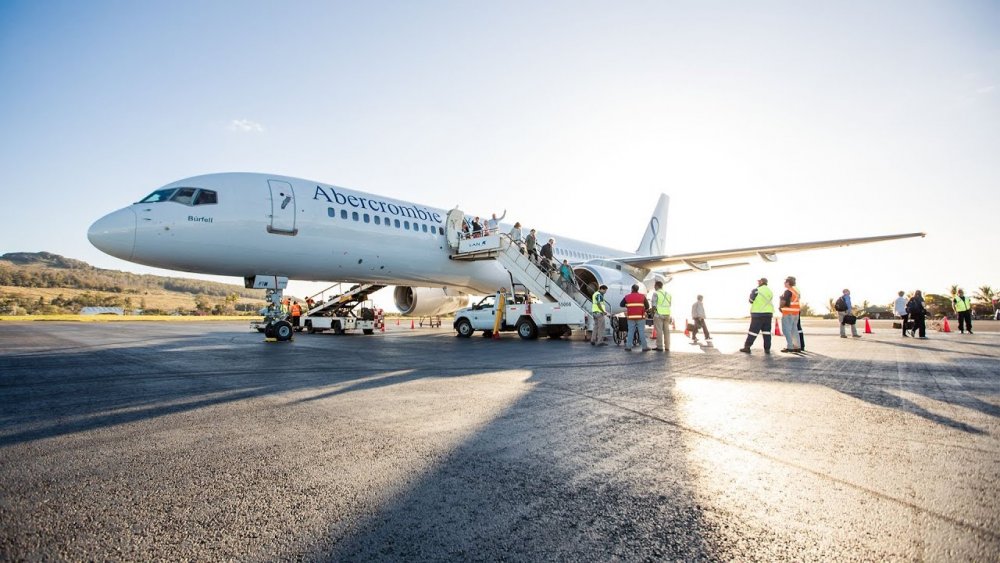
The plane was carrying over 60 high-end tourists eager to explore the attractive beauty of the African continent.
Abercrombie & Kent is an award winning luxury travel company, offering luxury vacations, private tours and small group adventures worldwide.
The tourists spent four days in Rwanda as the country was recently added to the list of its top global destinations.
Calling them high-end tourists does not come by accident. Each of them pays around US$200,000 to join tourists travelling around the world for 30 days to enjoy unique destinations on their luxury vacations arranged by Abercrombie & Kent.
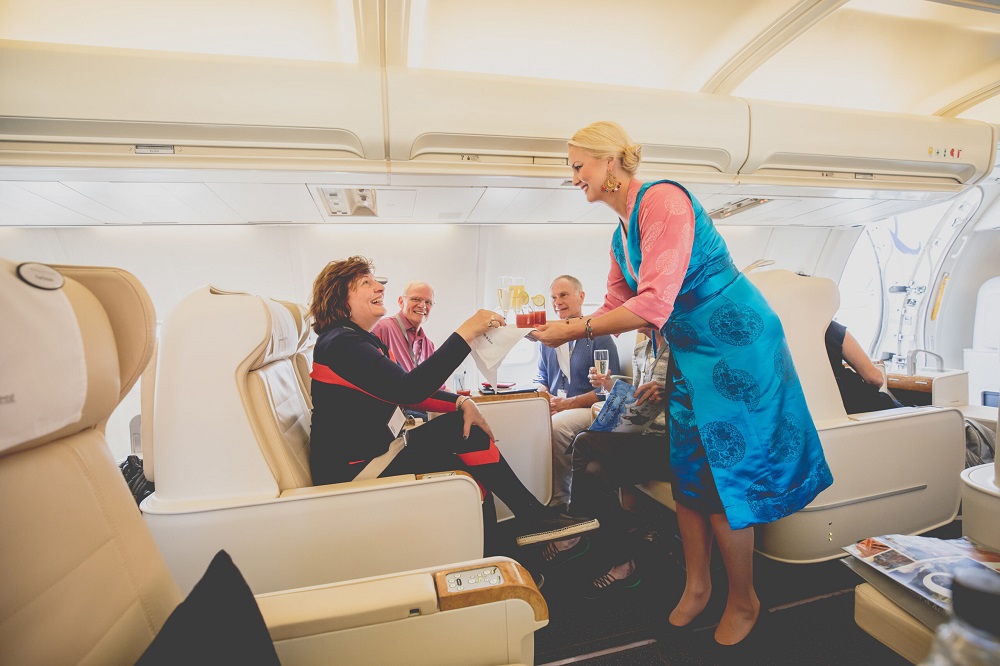
Making the payments, give tourists the chance to travel to different destinations around the world including three African countries. They also visit Rwanda onboard a large Boeing 757 plane customized into a private jet to secure enough space and provide comfort for passengers onboard.
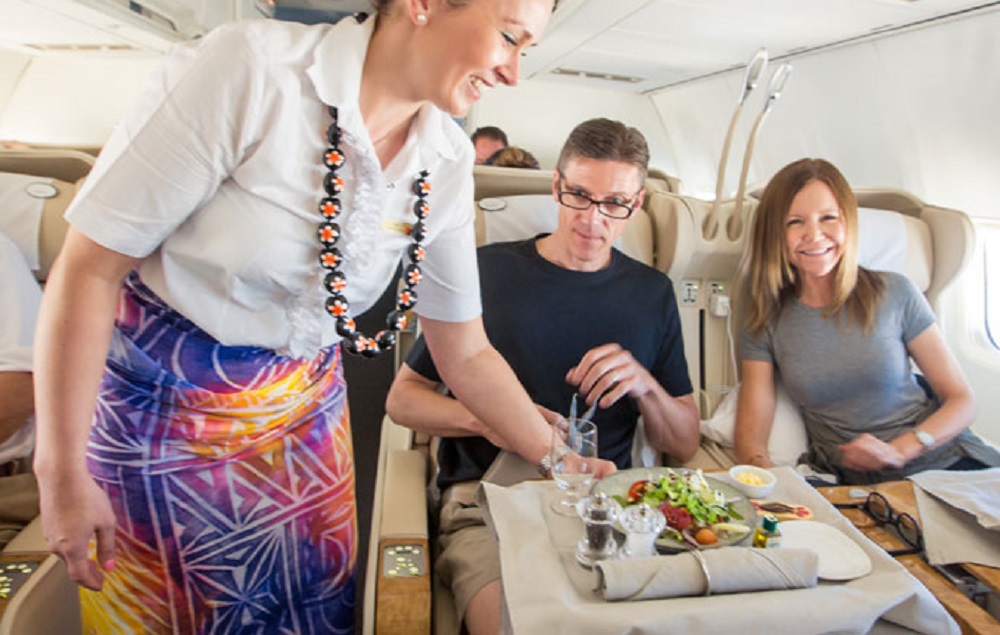
Tourists receive special treatment be it in terms of culinary experiences and other services needed during their flight.
While Boeing 757 is normally designed to carry between 200 and 295 passengers, Abercrombie & Kent’s plane was customized to host 60 people onboard with seats resembling the ones of ‘business class’.
The jet flies with a doctor specialized in different diseases and a Michelin Chef.
As they arrived at Kigali International Airport in Rwanda, the tourists were driven off to Musanze in Northern Province where they spent four days.
It was an opportunity for them to trek Volcanoes to see rare mountain gorilla species and monkeys, visited a research center which carries the name of Diana Fossey, a celebrated gorilla conservationist who died in 1985 and various markets in Kinigi and Musanze.
They spent three nights at luxury hotels in Musanze where the price for accommodation does not go below US$4000 (over Rwf4.3 million) per day.
The expenses exclude shopped items, payments to tourist guides and land-based transportation where those with the least expenses did not spend below Rwf20 million within four days.
Their coming to Rwanda is a fruit of the country’s efforts to market its tourism offerings through Visit Rwanda campaign and signed partnerships with prominent teams in Europe like Arsenal and FC and Paris Saint Germain.
The campaign went hand in hand with the development of infrastructure including hotels that accommodated tourists brought by Abercrombie & Kent.
Abercrombie & Kent always sends tourists to safe countries, rich in touristic attractions and promising to put tourists’ satisfaction to a high-table position.
Rwanda is on CNN’s list of top destinations in 2023.
During an exclusive interview with IGIHE; Paul Muvunyi, the Chairman and Director for Abercrombie & Kentin Rwanda thanked the Government of Rwanda for expended efforts to promote tourism.
Muvunyi has been a key player in the tourism sector for over 20 years.
“The arrival of the tourists through Abercrombie & Kent is a testament that the broad agenda and vision of our country are yielding good results and beneficial to many,” he said.
Muvunyi explained that tourism sector would not have attained the current progress, hadn’t it been the country’s infrastructure development, security and good leadership.
He disclosed that they work with Rwanda Development Board (RDB) along the journey to enrich tourists’ experiences from their arrival at the airport until their return.
Muvunyi has however observed that more need to be done to increase tourism offerings luring tourists to prolong their stay.
He said that they are making possible effort to convince high-end tourists to visit Rwanda regularly and extend their sojourn to explore various attractions.
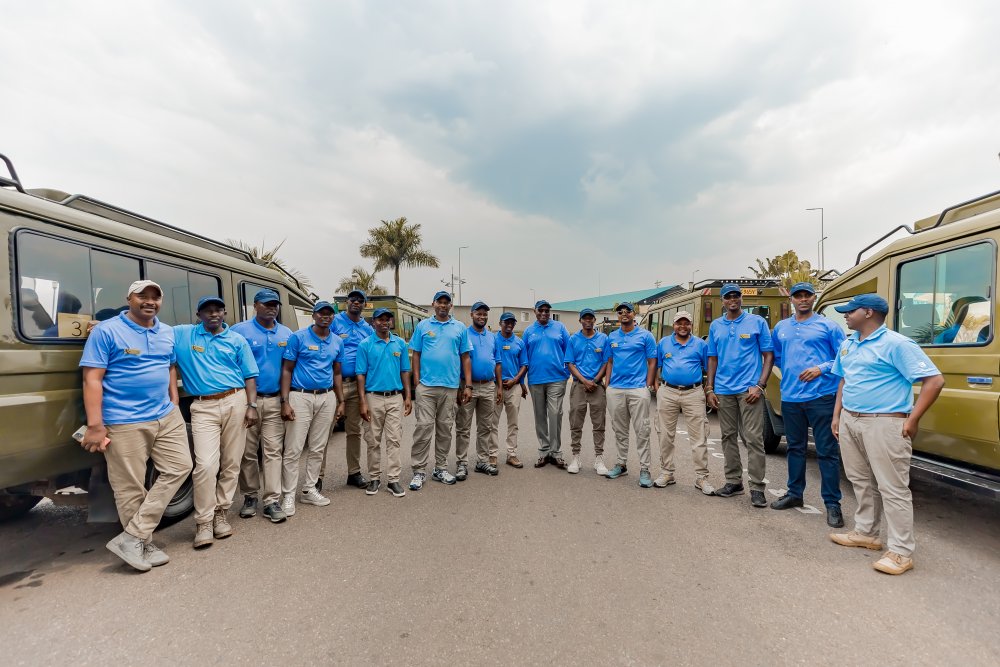
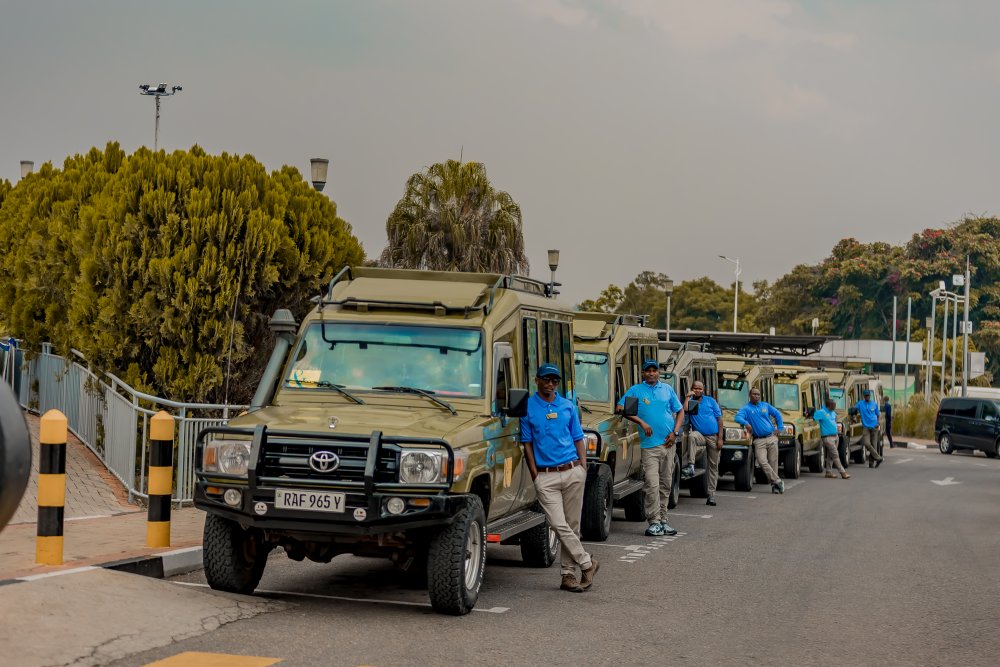
The tourists brought by Abercrombie & Kent spent most of their time in Rwanda with Tour Guides.
Jean Paul Kabalisa, who was part of them, has told IGIHE that it requires enough preparations to make their sojourn memorable.
“It requires updates on their itinerary to do what suits their plans in the right time,” he said.
Kabalisa revealed that tourists brought by Abercrombie & Kent receive excellent services as the case for the recent cohort where the majority was comprised of guests in advanced age.
Abercrombie & Kent luxury travel company was founded by Geoffrey Kent and his parents Valerie and Colonel John Kent in 1962.
It delivers luxury travel experiences in more than 100 countries across the world with branches in over 50 countries and employees 2500 dedicated travel experts.
Abercrombie & Kent’s latest branch was opened in Rwanda.
“The Juncao technology has considerably improved our farmers’ lives. It brings mushrooms that are edible in our households, helping us alleviate poverty and improve household nutrition,” Kamana told Xinhua on the sidelines of an African regional workshop on applications of Juncao technology, in Kigali, the capital of Rwanda, on Tuesday.
He said several small and medium-sized enterprises are involved in the cultivation of mushrooms using Juncao technology which has boosted household income.
Poor families that are engaged in the cultivation of mushrooms using Juncao technology are able to generate income from mushroom sales, which has enabled them to pay school fees for their children and access household medical care, Kamana noted.
“The technology is environmentally friendly, it helps protect our environment and it can be practiced on a small plot of land or even indoors. It is not complicated and this makes it highly beneficial to our communities,” Kamana added.
Mediatrice Hatungimana, a scientist in the Rwanda Agriculture and Animal Resources Development Board, highly praised Juncao technology as an innovation that improves household nutrition and income generation among Rwandan farmers who cultivate mushrooms using the technology.
“The technology plays a very big role in nutrition and economic purposes. In Rwanda, we are focusing on reducing malnutrition levels. Mushroom farming is key to reducing malnutrition,” she told Xinhua.
“Through this technology, people can increase mushroom yield, take surplus to markets and get income for their household needs. People can become rich from this type of farming technology,” she emphasized.
Hatungimana said that Rwandan farmers who are engaged in Juncao mushroom technology farming appreciate the governments of Rwanda and China for introducing the technology in Rwanda and the bilateral cooperation existing between the two countries.
The four-day workshop has brought together over 100 participants including officials, experts in Juncao technology, farmers’ representatives, representatives from the UN, civil society organizations, and the private sector, among others.
Chief Inspector of Police (CIP) Sylvestre Twajamahoro, the Police spokesperson for the City of Kigali, said that the suspect was arrested red-handed collecting money from unwitting people.
“The suspect, who was reported by concerned members of the public, was arrested in Gakoni village, Nyabugogo cell in Kigali Sector, Nyarugenge District where he was compiling a list of people, whom he made to believe that there is a Police promotion for those seeking either provisional or definitive driver’s license.
Each of those who fell for his trick, paid him Rwf3000 to be put on the said list. In total, he had already collected Rwf196,900 from victims,” CIP Twajamahoro said.
The suspect was handed over to RIB at Rwezamenyo station.
Article 174 of the same law states that; any person who, by deception, obtains another person’s property, whole or part of his/her finance by use of false names or qualifications, or who offers positive promises or who threatens of future misfortunes, commits an offence.
Upon conviction, he/she is liable to imprisonment for a term of not less than two years and not more than three years, and a fine of not less that Rwf3 million and not more than Rwf5 million.
CIP Twajamahoro appealed to those seeking a driver’s license to always go through proper channels and to report those who attempt to defraud them with “impossible promises.”
“There is no such a thing like promotion in driving tests; anyone telling you that is either lying or wants to defraud you. In such circumstances, always report such people,” CIP Twajamahoro emphasized.
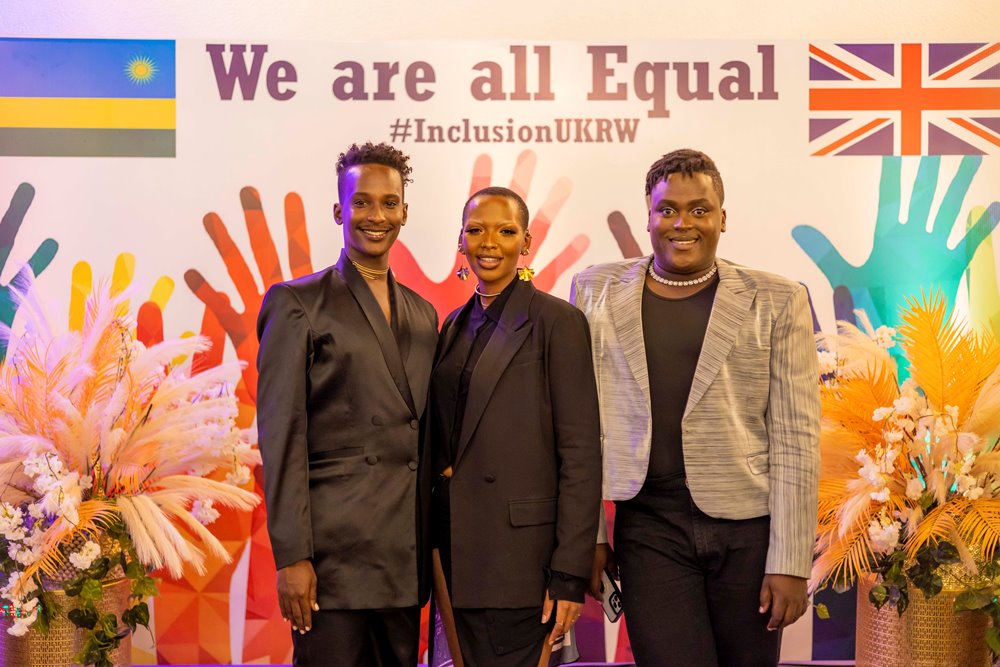
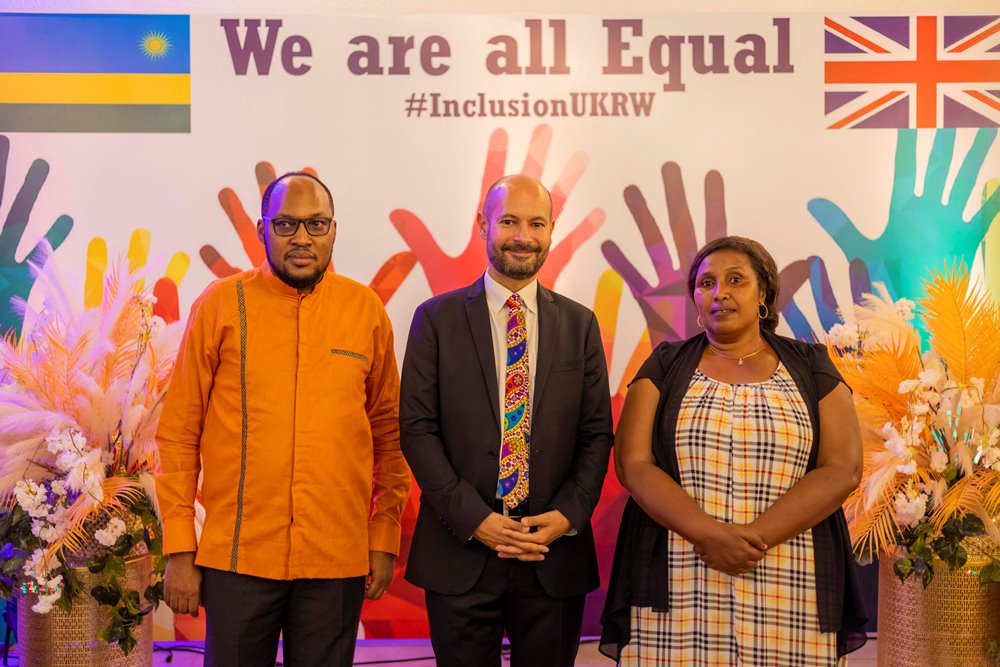
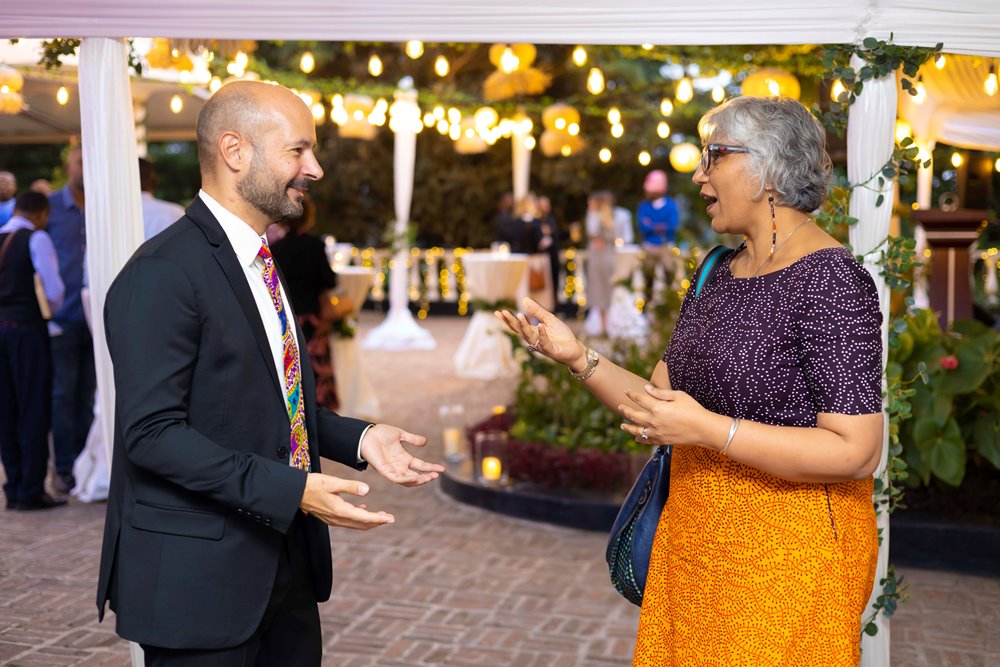
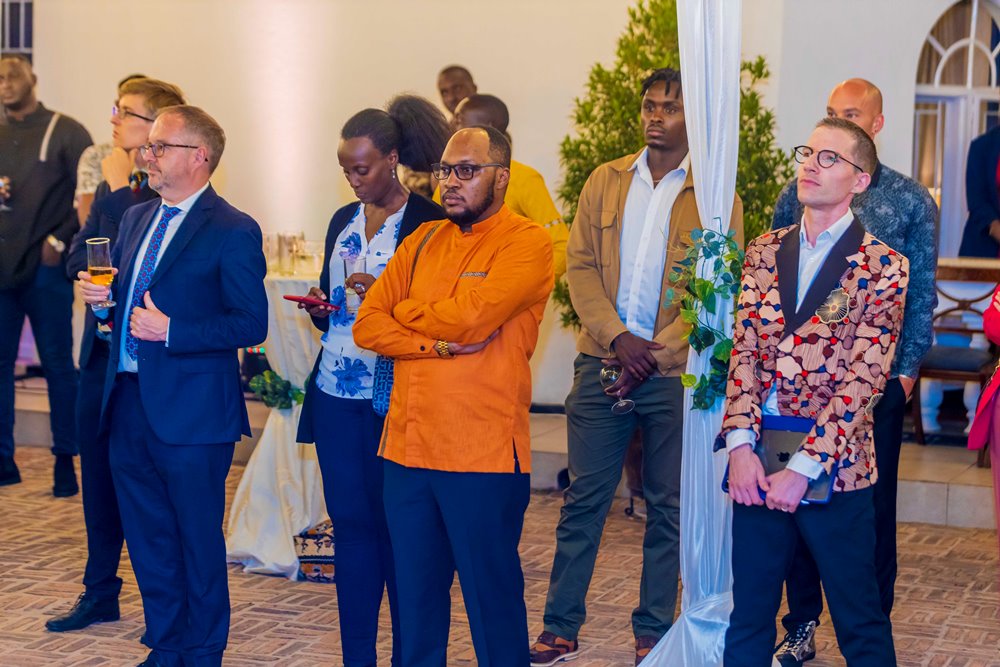
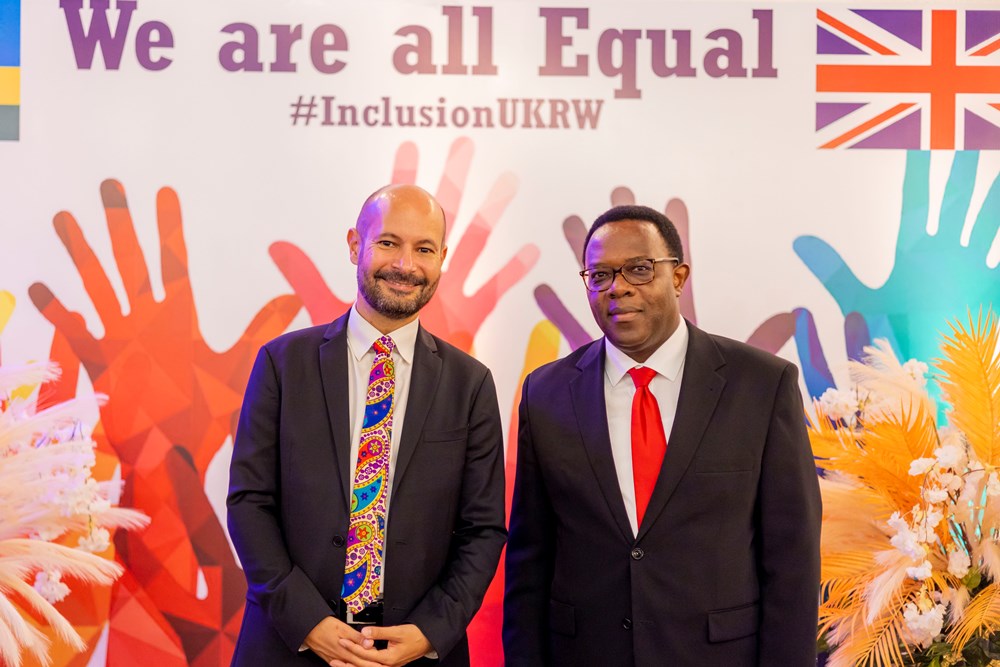
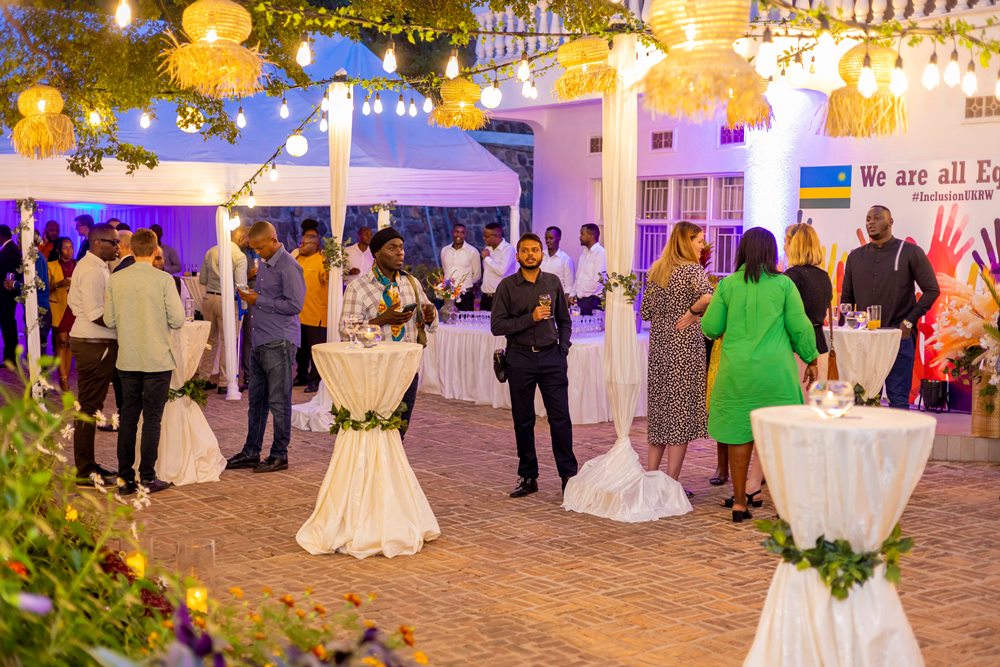
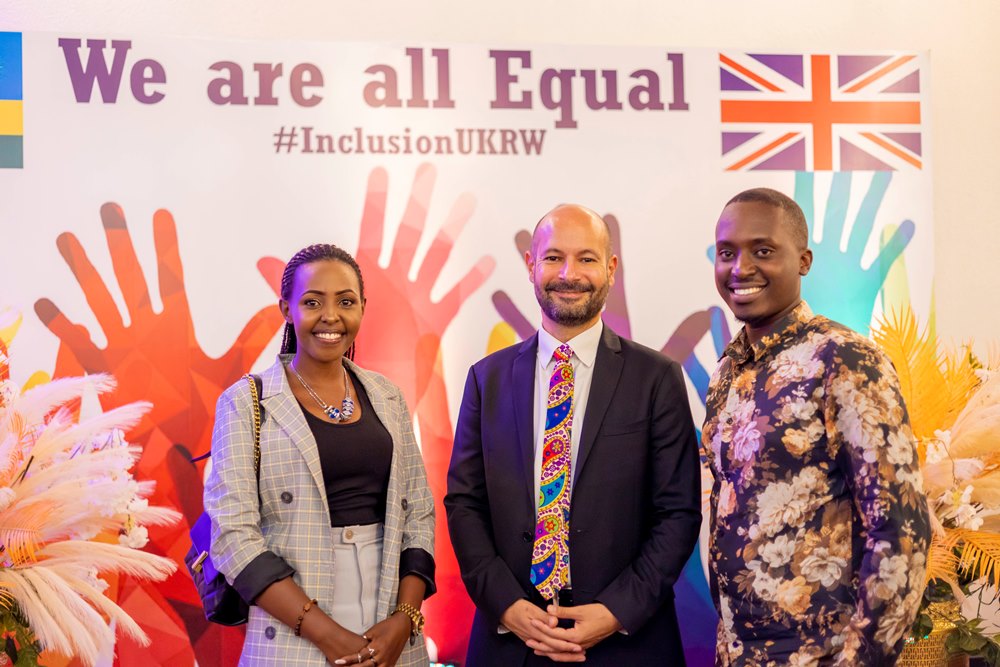
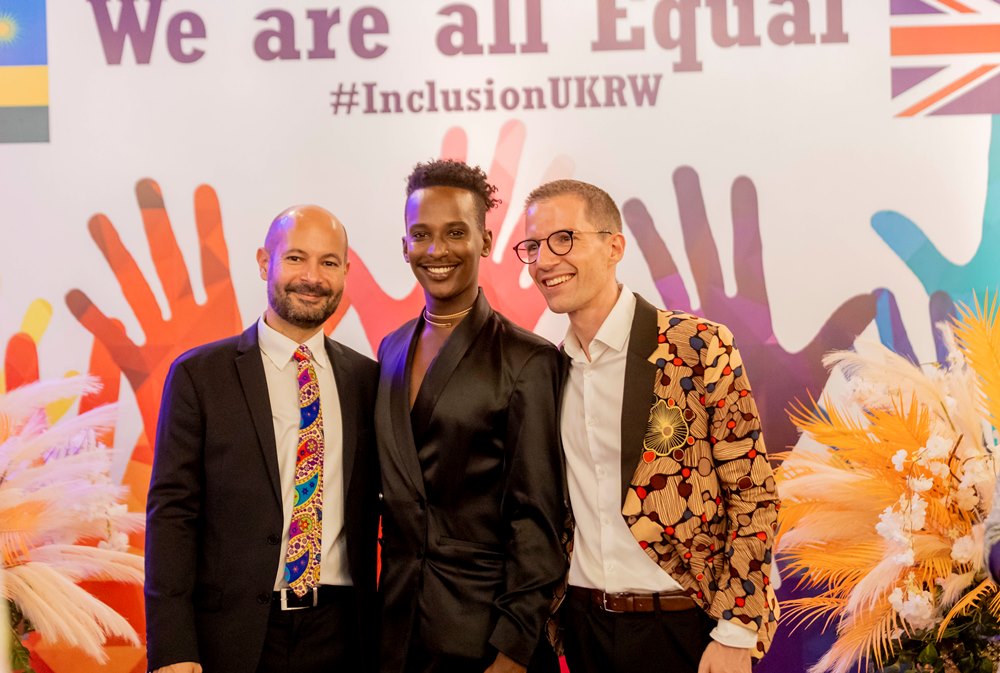
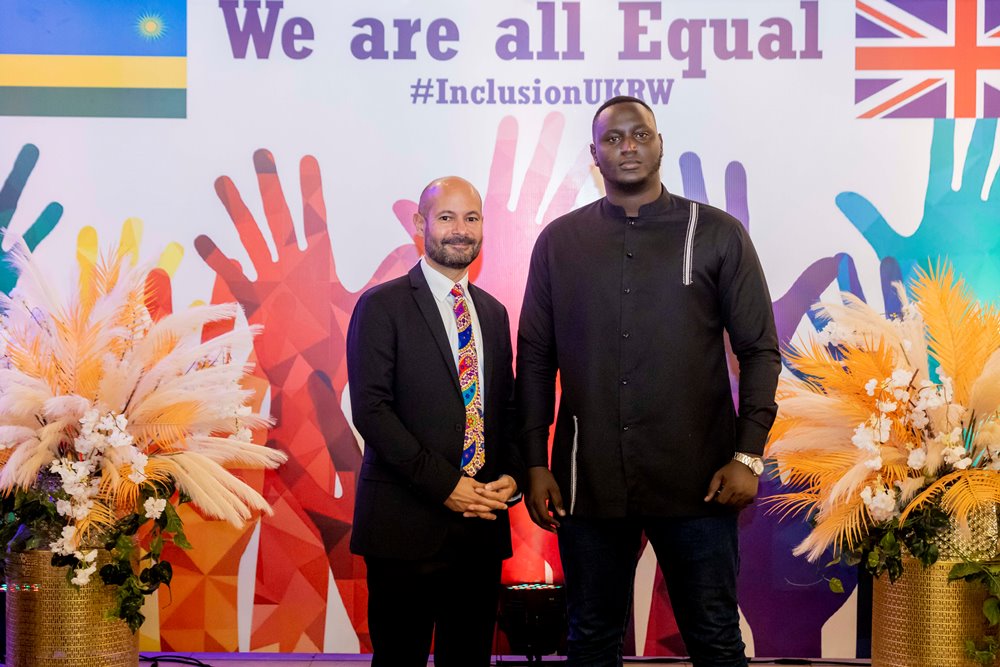
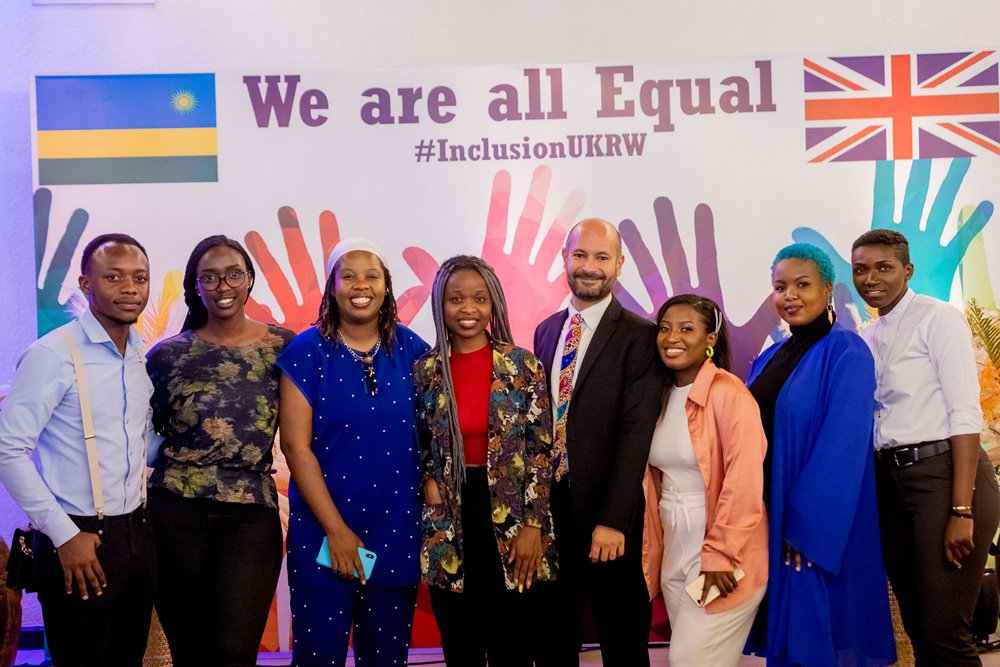
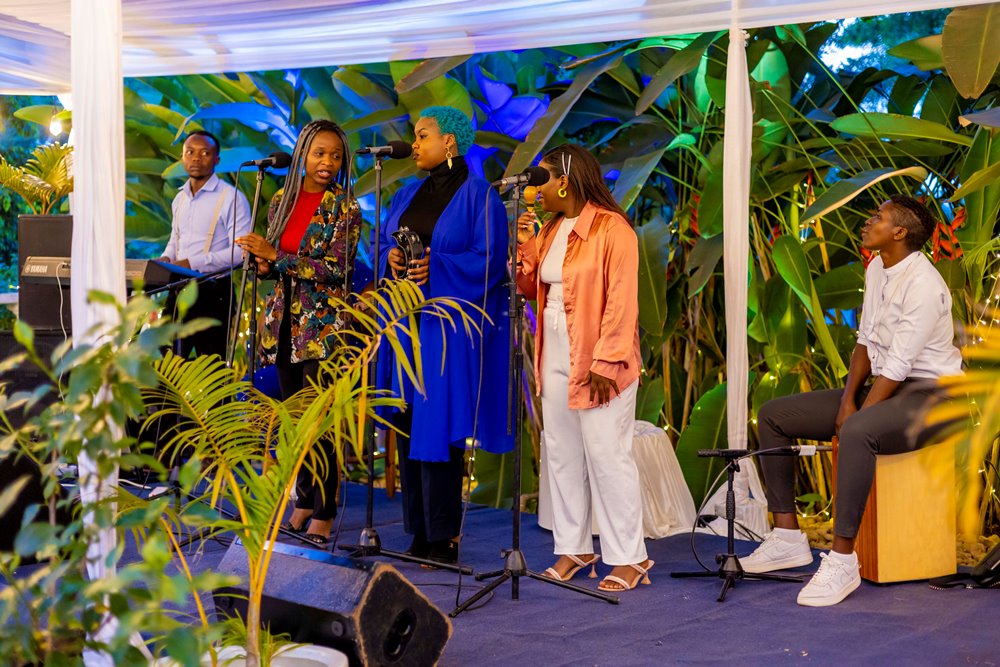
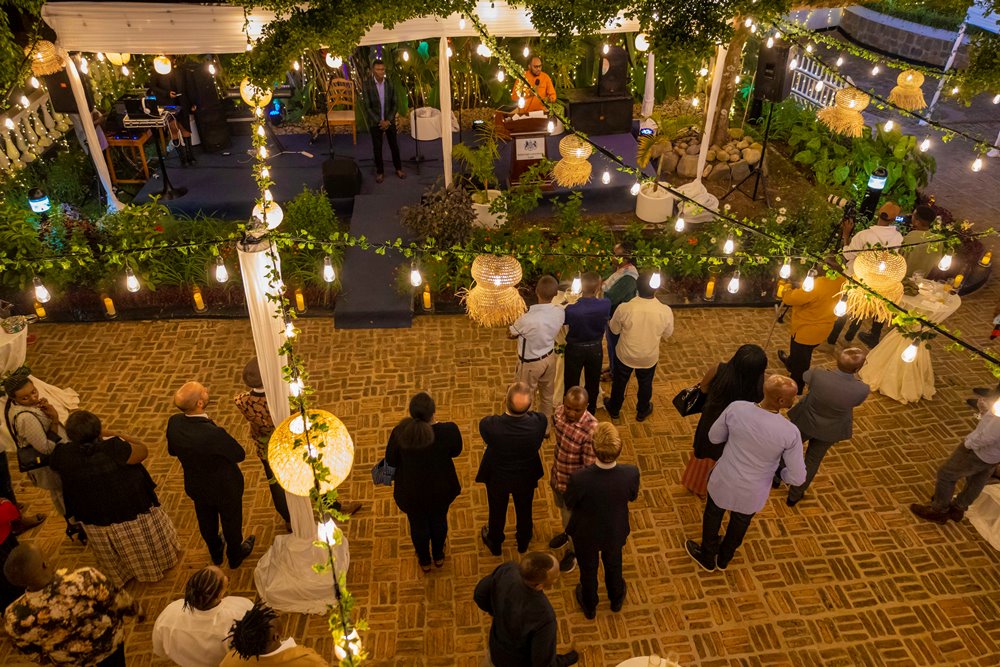
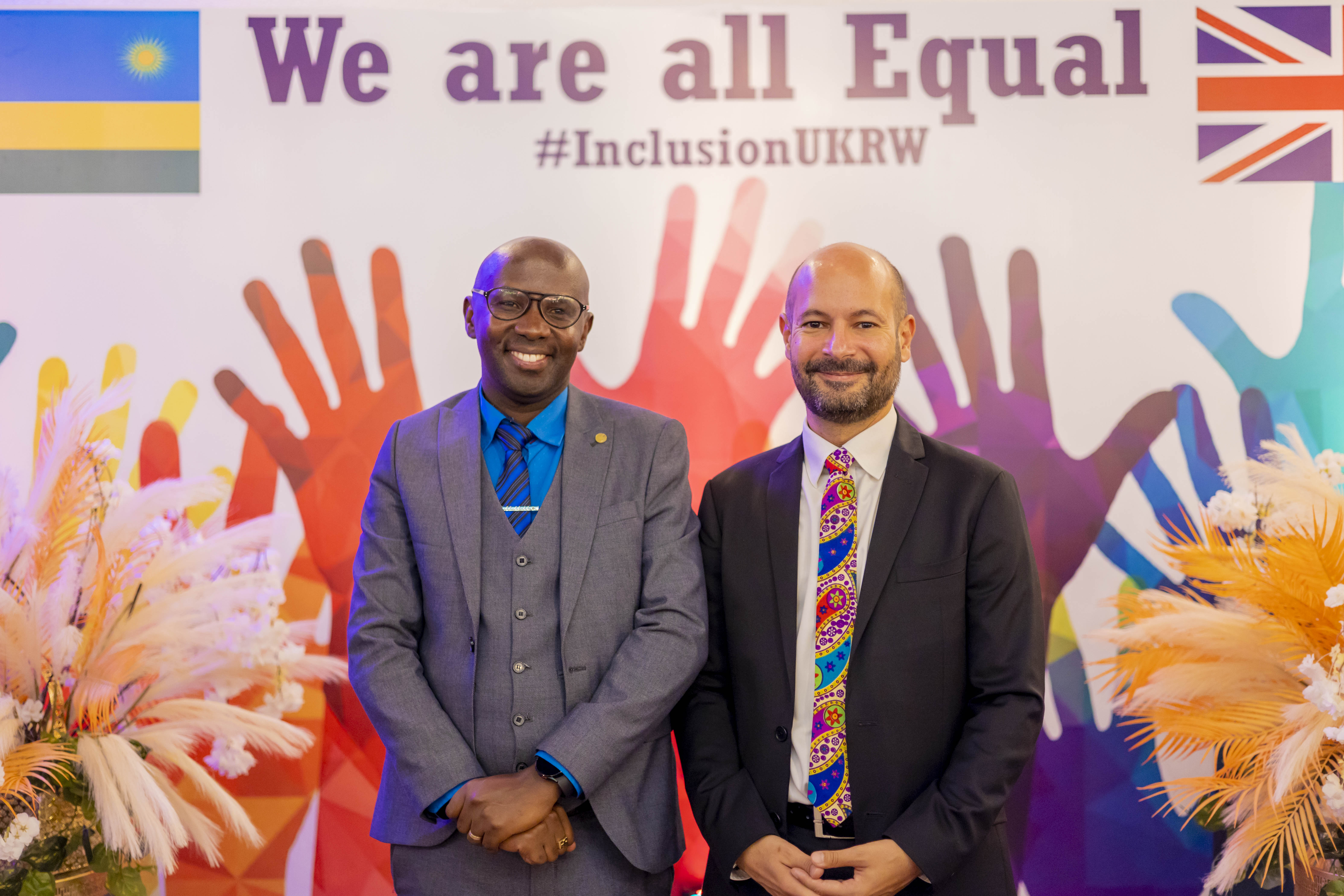
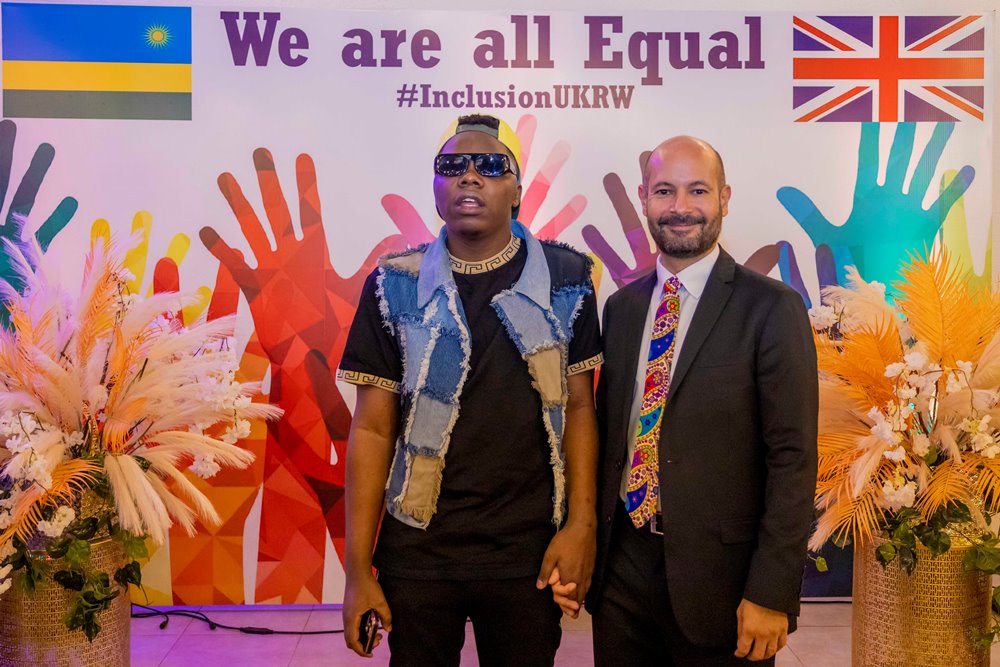
High Commissioner Daair conveyed the message on Monday 20th February 2023 during a ceremony to celebrate the ‘World Day of Social Justice’ organized by the British High Commission in Rwanda.
The World Day of Social Justice is an international day recognizing the need to promote social justice, which includes efforts to tackle issues such as poverty, exclusion, gender inequality, unemployment, human rights, and social protections.
The day provides a platform for raising awareness of social justice issues worldwide.
Globally millions are still prohibited from living a fair life and through no fault of their own, are deprived of basic rights.
This year’s World Day of Social Justice was celebrated under the theme: ‘overcoming barriers and unleashing opportunities for social justice’.
The event was organized by the British High Commission to raise awareness of social injustice and help foster solidarity. It brought together diverse communities from government, civil society including women’s, people with disabilities, youth, and LGBT+ organizations, trade unions, media and international partners who are committed to creating a just, equitable and fair society.
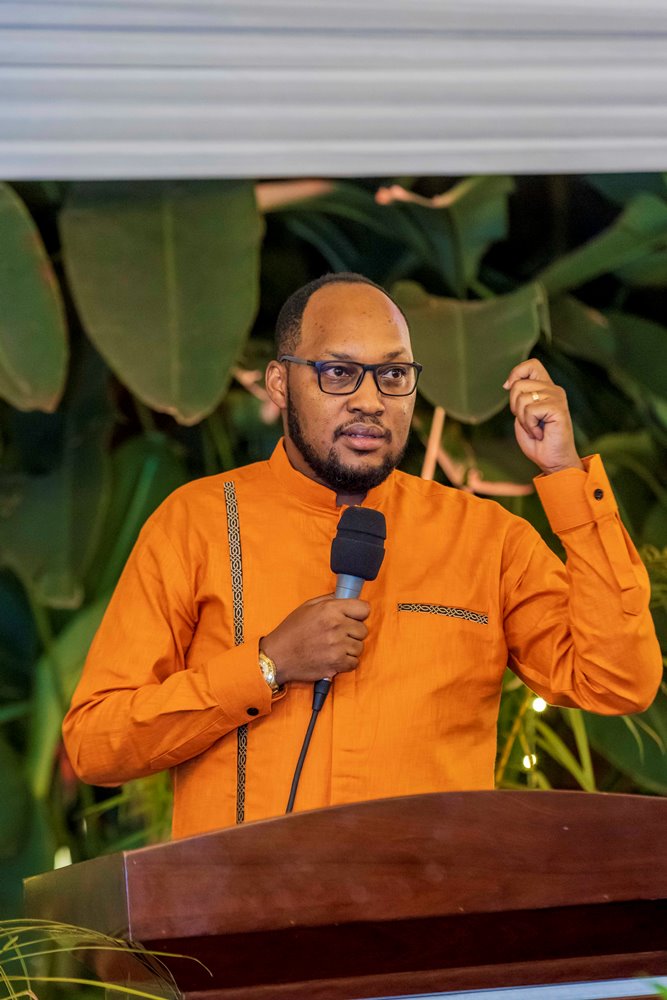
As he addressed participants of the event, the British High Commissioner Daair said that to make progress societies need a common understanding of the barriers that exist to social justice, and a collective effort to overcome them.
“It is together that we can make a difference. That is why inclusion matters,” he noted.
High Commissioner Daair recalled that Rwanda’s constitution is explicit that all forms of discrimination are outlawed. While the government has set out positive commitments to equality for all Rwandans, he called upon civil society, international partners and government alike to make concerted efforts to ensure social justice is a reality for everyone.
He underscored that differences are among characteristics of society and stressed the need to take advantage of them for peaceful coexistence.
“If you look at the person next to you, you might spot some differences. Some might have a disability, [or] may be from the lesbian, gay, bisexual, and transgender [LGBT] community. You might see differences of gender, colour, culture or religion but all of those differences fall into insignificances against what we have in common,” Daair said.
He highlighted that people are stronger when they work together and reminded the public that there is much more that unites people than what divides them.
“Let us celebrate the beautiful diversity of Rwanda, the diversity of life, and let us commit to ourselves and to each other to contributing to Rwanda’s journey to be more inclusive, to be equal and to be just,” he stated.
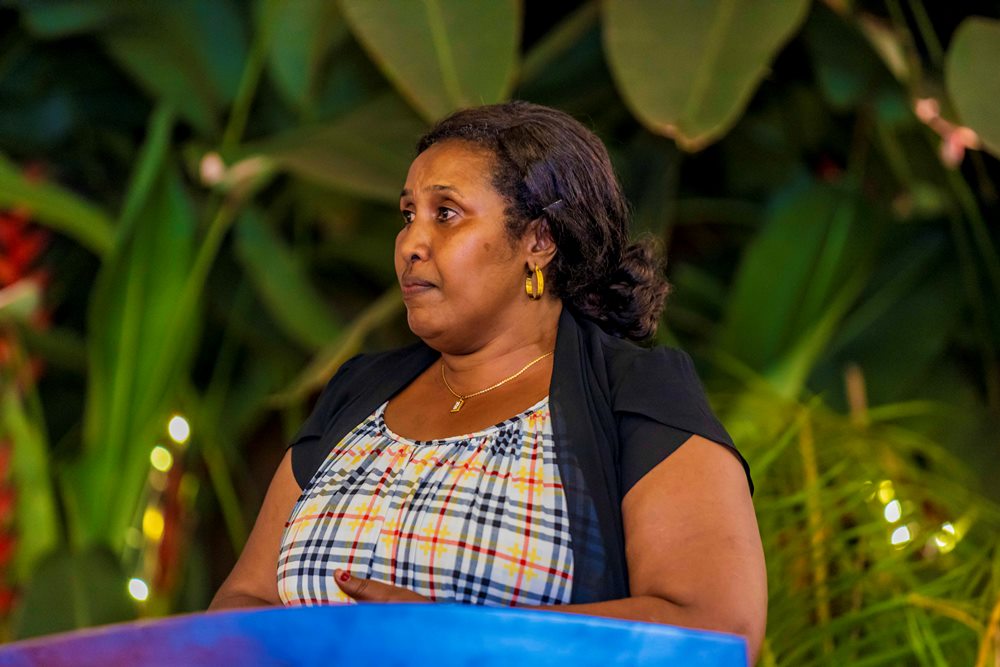
Pelagie Muhorakeye, the Chairperson of Rwanda National Association of Deaf Women (RNADW) reiterated the significance of striving for an inclusive society noting that it helps different groups of marginalized people to receive the attention they deserve as they receive services whether from local government institutions, health facilities and other places.
“People should be reminded that people with special needs have to enjoy equal rights and access to opportunities. There are international laws established to protect rights of people with disabilities and others with special needs. We conduct awareness advocacy for such groups of people in rural areas and other places, so that they can also contribute to national development,” she said.
To ensure an inclusive society, Muhorakeye disclosed, the organization offers trainings in districts of intervention to enlighten people with disabilities on their rights, offer trainings on sign languages, meet with communities to ensure pejorative names are avoided and provide other kinds of support so that people with disabilities can feel comfortable and enjoy a dignified life in the society.
She outlined some of the challenges faced by deaf people where there are no interpreters in churches, yet they also need to be nurtured spiritually.
Muhorakeye observed that promoting an inclusive society would be the key towards addressing such barriers.
Dr. Nkurunziza Joseph Ryarasa, the co-founder and Executive Director of Never Again Rwanda, a peace building and social justice organization, thanked the British High Commission for organizing such an event to appreciate diversity and hailed the government for pushing tolerance.
He underlined that social justice is paramount for development and stability and urged the public to join hands to make sure that no one is left behind.
“There is no doubt that it is essential to have inclusive and sustainable socio-economic development programs to make sure that we have social justice within our societies,” affirmed Dr. Nkurunziza.
He also stressed the need to stick to four interrelated principles of social justice namely; parity, access, participation, and rights.
“If one of those principles is not respected, it would lead to frustration within the society and deprivation of opportunities,” Dr. Nkurunziza said.
The conference convened key government stakeholders, GBS private sector employers, development partners, and new potential GBS investors to discuss the growth of Rwanda’s GBS sector and the opportunities for investment in the country.
During the conference, the government highlighted insightful investment opportunities and incentives in place to support current investors to operate and thrive in the ecosystem and potential operators to explore investment opportunities.
“We have an incredible success story in the sector with a fast-growing, low-risk, business-friendly & modern economy ready to favour investments. We partner with institutions like Harambee to identify, train and match talent for the Global Business Services employers, and we hope that a lot of the work we have done is enough to welcome more investors in our country,” said Pacific Tuyishime, Head of Investment at Rwanda Development Board.
A diverse set of employers already operating in Rwanda attended the conference including Tek Experts, CCI, Deriv, Objectivity, Amalitech, Zatec, and Code of Africa. A panel discussion with investors in the sector highlighted the ease of doing business in Rwanda and the various experiences employers have had during set up until now.
“The GBS employer conference has showcased the fast growing GBS industry and all the components that have led to its success, a key element of which has been strong and growing youth talent. We’re confident that the conference will result in new GBS investors deciding to open their business in Rwanda and contribute to the growing number of high-quality jobs available for young Rwandans,” said Hannah Adams, Harambee Youth Employment Accelerator’s Country Director.
Rwanda is quickly becoming a preferred Global Business Services destination, with a young workforce with bi-lingual talent offerings ready to support service delivery far and wide. The strong ecosystem of training partners in Rwanda ensure a growing talent pool of young people with the skills and work behaviours in demand in the industry.
“Rwanda has demonstrated strong efforts to position the country as an emerging destination for the GBS sector, which has seen impressive growth over the past years. Since 2021, 14 new companies have invested in the sector, creating over 500 new jobs. This brings the total workforce in the GBS sector to over 1,000, with many more job openings in the coming months and years. This is truly remarkable,” said Martin Kraft, Country Director of GIZ Rwanda.
Skilled talent, paired with a range of incentives by the Government of Rwanda for investors to establish and operate their businesses in the Global Business Services sector, has created an ideal location for expansion for GBS companies.
“If you are planning to invest in Rwanda, you don’t need to worry about the infrastructure. You only need to invest in the talent pool. If we don’t work with the right skill, it will die out,” said Gary Bennett, Country Director at Tek Experts.
The availability of world-class office space, quick business registration, high-speed internet connectivity, and consistent economic growth are key elements attracting investment into the country and enabling investors to set up operations conveniently.
Today, Rwanda is ranked the 2nd easiest place to do business in Africa and 38th globally.
The recently released special country report and Tek Experts case study portrays the available investment opportunities and an employer’s experience on why Rwanda is an ideal destination for business.
{{What is Global Business Services?}}
Global Business Services (GBS) is a business service delivery model that entails shared services, outsourcing, and centres of excellence to serve multiple business units. Scope can include finance, IT, human resources, procurement, as well as other functions, and can be delivered onshore or offshore.
The fight against terrorism financing is very crucial in the fight against terrorism; it leads to terrorists’ lack of funds, which limits their ability to prepare and carry out attacks. Terrorists or terrorist groups need fund for equipment, travel, accommodation and trainings to plan and execute their terrorist acts. Denying them access to fund limits their ability to carry their terrorist acts. Therefore, the successful fight against financing terrorism is one of the most effective ways to deter terrorism.
{{What is Financing of terrorism?}}
According to International Standards (Financial Action Task Force -FATF Recommendations, the interpretive notes and its Glossary), Financing of terrorism is an offense committed by any person who wilfully provides, collects funds or other assets by any means directly or indirectly, with the unlawfully intention that they should be used or in the knowledge that they are to be used, in full or in part, to carry out or attempt to carry out terrorist acts, by terrorist organisations or by individual terrorists.
The definition of terrorism financing under Rwandan Law is tailored to FATF definition.
In accordance with the Article 3 (3º) of Law Nº 75/2019 of 29/01/2020 on prevention and punishment of money laundering, financing of terrorism and financing of proliferation of weapons of mass destruction as amended to date, terrorism financing is:
– an act committed by a natural or legal person who by any means provides, collects or manages any property or funds whether from legitimate or illegitimate source, directly or indirectly, or attempts to do so, with the intention that they should be used or in the knowledge that they are to be used in whole or in part to carry out a terrorist act, or by a terrorist or by a terrorist organization;
– offering advice, financing of teaching or training in order to acquire skills and knowledge knowing that they may be used, or intended to be used for terrorism act and the financing of travelling of individuals who travel to States other than their States or their States of residence for the purpose of the perpetration, planning or preparation of, or participation in terrorist acts, or the providing or receiving of terrorist training.
{{From the definitions above the following should be noted:}}
– Financing of terrorism includes the financing of terrorist act, the financing of terrorists or the financing of terrorist organisations;
– It can be committed by an individual or a legal person;
– It extends to the provision or collection of fund or any other asset whether from legitimate or illegitimate source;
– Financing of terrorism is committed even if the fund or asset collected or provided is not linked to a specific terrorist act;
– Any support to a terrorist, knowing that he is a terrorist is a terrorism financing act;
– Any support for individual to travel for the purpose of preparation, planning or participation in terrorist acts is terrorism financing act;
– Terrorism financing extends also to the offering of advice or training to acquire the knowledge or skills that may be used or intended to be used for terrorism act.
{{Mechanisms to counter the financing of terrorism }}
Different approaches are used to tackle the financing of terrorism including legal, institutional and coordination frameworks. However, terrorists or terrorists’ organisations constantly adapt the ways of raising and moving fund to be able to used them without being caught. To effectively fight against terrorism financing, existing approaches should be kept updated.
The success of counter-financing terrorism requires an effective coordination framework, involvement of all key players from both public and private, public support in reporting any suspected terrorist or terrorist financing activity, enhanced inter-agency cooperation, strengthened international collaboration, control of movement of cash cross border or within the country, deterrent sanctions, strengthened relevant institutions as well as effective sharing of information to mention some.
The public, media and civil society are key actors by reporting suspected financing terrorism behaviour or activities. Hence, they are called upon to play their role and inform relevant authorities any suspicious related to financing terrorism without delay. Individuals are also advised to perform a due diligence before getting involved in any untrusted program or project.
{{Terrorism financing punishment in Rwanda}}
Article 30 of the Law Nº 75/2019 of 29/01/2020 on prevention and punishment of money laundering, financing of terrorism and financing of proliferation of weapons of mass destruction states that a person who carries out acts of terrorism financing or who is involved in an association aiming at committing one of the acts of financing terrorism commits an offence.
Upon conviction, he or she is liable to imprisonment for a term of not less than twenty (20) years but not more than twenty-five (25) years and a fine of Rwandan francs of three (3) to five (5) times the amount of money given; the same penalties apply to a person who knowingly makes an agreement or has interest in it in order to acquire funds or any other assets, or enables another person to acquire money or support, knowing or having reasonable grounds to believe that they can be used for terrorist purpose.
The Financing of terrorism is a felony offense and its punishment is made up of both imprisonment and fine.
{{Terrorism financing risks in Rwanda}}
The National Risk Assessment conducted in 2017/2018 revealed that Terrorism financing’s risk in Rwanda is Medium Low; according to Global Terrorism Index 2017, Rwanda was ranked 81th (from the countries with highest to lowest risk), 21st in Africa and lowest risk in EAC countries.
According to the aforementioned information, terrorism or terrorism financing acts are not alarming. However, Rwanda must always be vigilant because the country is not an island, it operates in international community where terrorism or terrorism financing risks exist.
{{What is required for an effective Counter-terrorism financing national program}}
The fight against terrorism financing requires a synergy between and among all stakeholders at international, regional and national level. An effective fight against terrorism relies on a comprehensive approach against terrorism financing which requires the use of the whole society approach where all key actors and the public work together to ensure that terrorists or terrorists groups find no means to operate their terrorism acts. An effective implementation of counter-financing of terrorism measures is key.
Moreover, the use of digital tools and systems should be promoted in order to track any fund raised in relation to terrorism financing and its movement.
Terrorists must be denied the opportunities of raising, storing, moving or using funds or any other assets.