With over 8.79 million ballots, Tinubu secured the highest number of the total votes cast during the election, Mahmood Yakubu, chairman of the Independent National Electoral Commission, said.
The 70-year-old president-elect defeated his closest rival, former Vice President Atiku Abubakar, candidate of the main opposition Peoples Democratic Party.
Abubakar got over 6.98 million votes and was closely trailed by Peter Obi, candidate of the Labor Party, who secured about 6.1 million votes.
The election was one of the most hotly contested in the country’s history, with Tinubu losing Lagos, his stronghold in the country’s southwest region, to Obi.
Tinubu, who served as a former Lagos State governor and senator, had been eyeing the presidency for years to build a strong political structure with a vast network of supporters nationwide.
The fake bills in the denominations of Rwf5,000 were recovered from the suspect, who was arrested in Ndago market in Mubuga cell, Kibeho sector where he was trying to buy clothes.
Chief Inspector of Police (CIP) Emmanuel Habiyaremye, the Police spokesperson for the Southern region, said that the suspect, who was handed over to RIB at Kibeho station, was arrested at about 4p.m.
“Police was called in by the would-be victim selling clothes at Ndago market whom the suspect was trying to defraud with the fake bills,” CIP Habiyaremye said.
He further explained that suspect was attempting to pay Frw61,000 for the clothes he had bought from the would-be victim, but the seller noticed that all the 13 bills in the denominations of Rwf5,000 were fake, prompting him to call the police.
“The suspect was arrested at the scene, searched and found in possession of counterfeits totalling to Rwf680,000, all bills with the same serial number,” said CIP Habiyaremye.
Investigations are still underway to arrest all those connected to this counterfeit, he added.
Article 269 of law No 68/2018 determining offenses and penalties in general, states that any person, who fraudulently counterfeits, falsifies or alters coins or bank notes which are legal tender in Rwanda or abroad, notes issued by the Treasury with its stamp or brand, either banknotes or alike that have legal tender in Rwanda or abroad, or one who introduces or issues in Rwanda such effects or notes with knowledge that they are forged or falsified, commits an offence.
Upon conviction, he/she is liable to imprisonment for a term of not less than five years and not more than seven years.
Since 2017, the Government of Rwanda in collaboration with relevant partners introduced the use of cooking gas at the camp, replacing charcoal and firewood.
Mahama is located at the border between Rwanda and Tanzania, at the banks of Akagera River, a tributary to Lake Victoria.
It is a place that knows little rainfall due to its landscape and scarcity of forests.
By 2022, 67% of 120 000 refugees accommodated in Rwanda were using cooking gas.
Mahama and Mugombwa, are the first refugee camps that adopted the use of gas since 2017, to reduce people’s dependency on firewood and charcoal, thus protecting environment.
According to Ministry of Emergency (MINEMA), every household in the camp used to spend Rwf36,000 (US$36) per month to cater for firewood or charcoal.
Concessa Mumararungu fled to Rwanda from Burundi and has been living in Mahama Camp since 2015. She now lives in the camp with her five children who are all students.
“There is a difference between how we used to live in 2015 and now. With cooking gas, we eat on time. It came as a solution to us,” she says while cooking food for her children who have gone to school.
“Once they come back home, I will have finished cooking. They no longer get late, cooking gas helps a lot,” she adds.
According to the Government of Rwanda, 380 hectares were down every week by 2017 in search of charcoal and firewood.
The target is to narrow down the number of those who rely on charcoal and firewood to 42% by 2024 from 67 % in 2017.
“It was difficult to get enough firewood to serve all camps in the country due to the high demand, as well as coping with the government’s policy to preserve our environment,” says Karayenzi Kevin, the Mugombwa Camp Manager adding that gas reduced conflicts between refugees and local population.
The Government of Rwanda together with other partners like the United Nations High commission for refugees (UNCHR) cater for related cost so that refugees get cooking gas timely.
The gas allocated to one family, varies depending on the number of members.
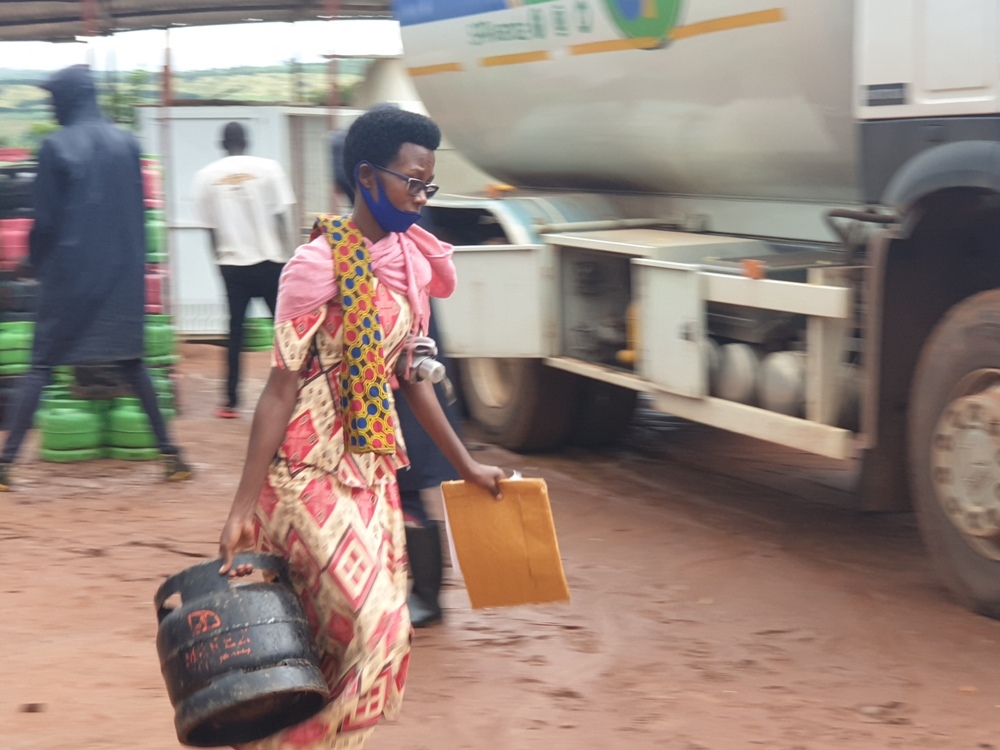
Laetitita Kamahoro from Mahama Camp was returning from gas refilling station inside the camp, carrying her gas cylinder.
The amount of gas she had would last for 21 days.
“It has been three years since I started cooking using gas. It takes few minutes to have food ready. Whenever I want to cook, I do it instantly,” she says.
“For example, it is raining today but I don’t have any worries. I am cooking inside which would not be the case if I were cooking with firewood” she added.
The effort to reduce dependency of charcoal and firewood in Rwandan refugee camps, went hand in hand with planting more trees around the camps.
Cyriaque Rugengamanzi, is a volunteer in charge of environment in Mahama camp.
His tasks include planting trees around the camp which used to be like a desert.
“The trees you see all around, we are the one who planted them. Before, we were prone to heavy winds which would destroy our homes. The situation has changed that we no longer experience heavy winds and we get rain timely,” he narrated.
The Ministry of Emergency also noted the reduction of conflicts between refugees around the camps and the local population.
Pierre Niragira who has spent seven years in Mahama camp recalls the disputes that used to be between refugees and Kirehe residents, due to search of firewood.
“After we started using cooking gas, conflicts have reduced between refugees and surrounding local population. We would go outside the camp to fetch firewood and be in fight with residents. Such issue no longer exists,” he recalls.
In Mahama alone, phasing out the use of firewood went hand in hand with planting more than 250 000 trees, with target of reaching more than 400,000 trees in next five years.
The use of firewood and charcoal are also linked to health problems especially, respiratory diseases.
In 2019, Ministry of Health in Rwanda announced that every year, more than three million Rwandans suffer from respiratory problems of which 13 per cent is caused by air pollution.
The Ministry said that such diseases are mostly caused by cooking with firewood, charcoal, petrol, fuel and ambient air pollution.
Rwanda accomodates more than 120,000 refugees from neighbouring countries such as the Democratic Republic of Congo and Burundi.
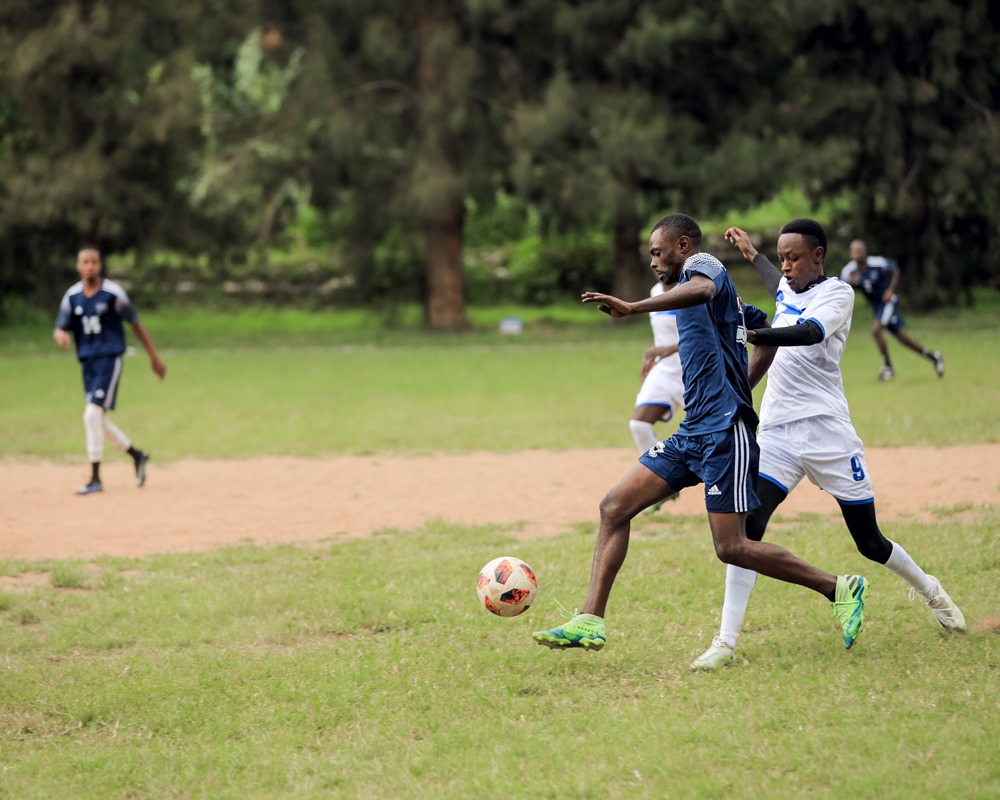
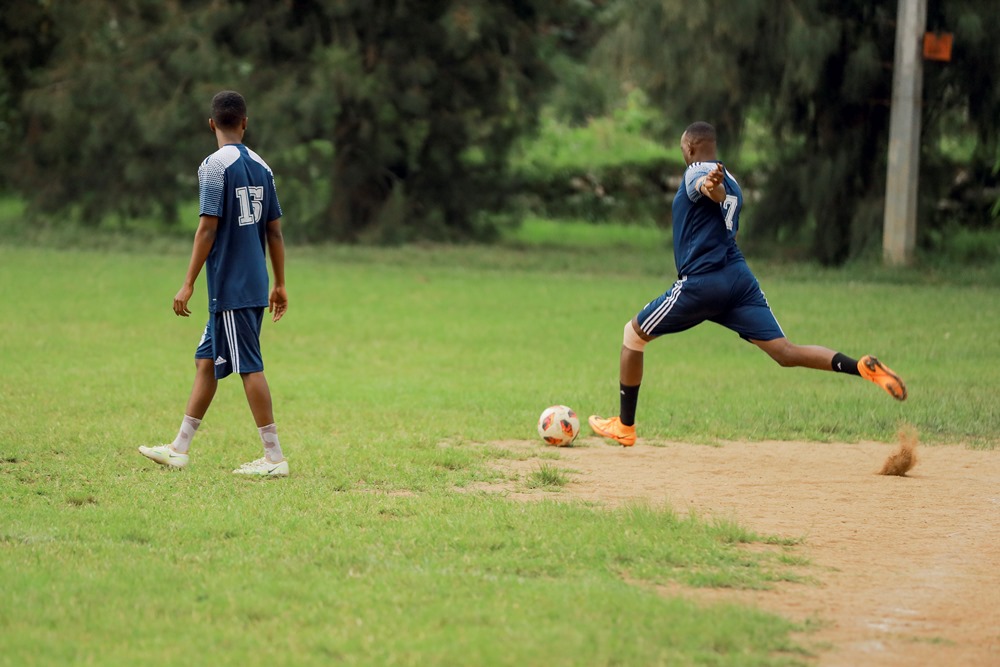
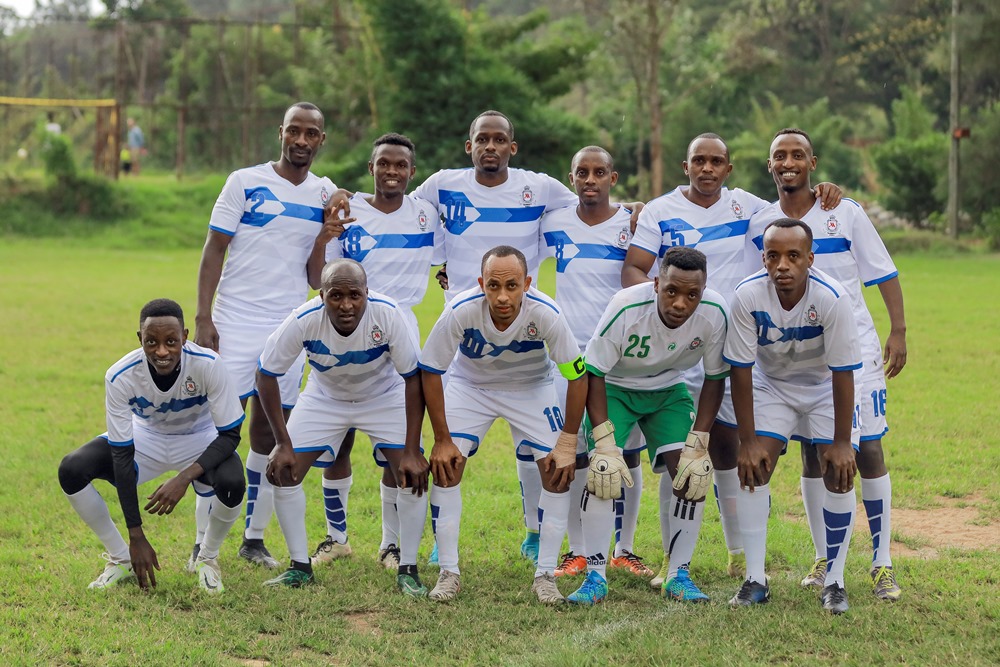
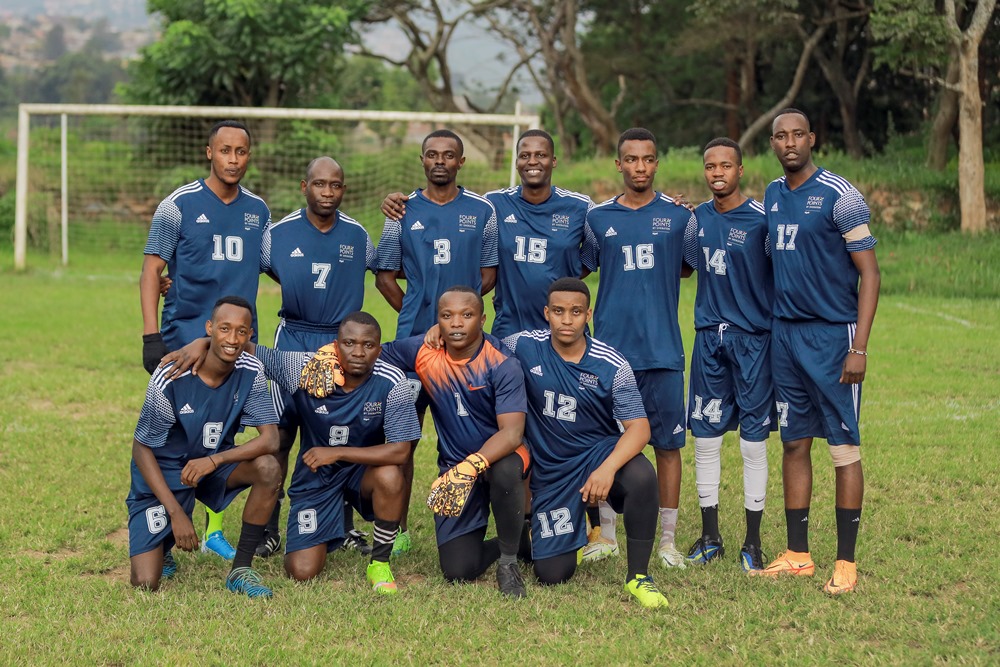
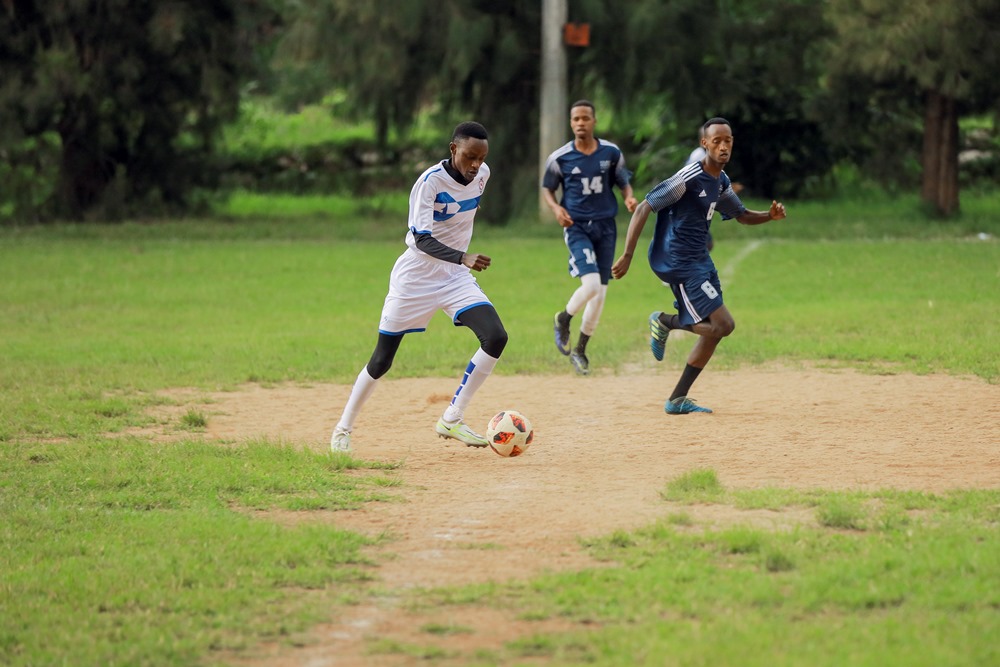
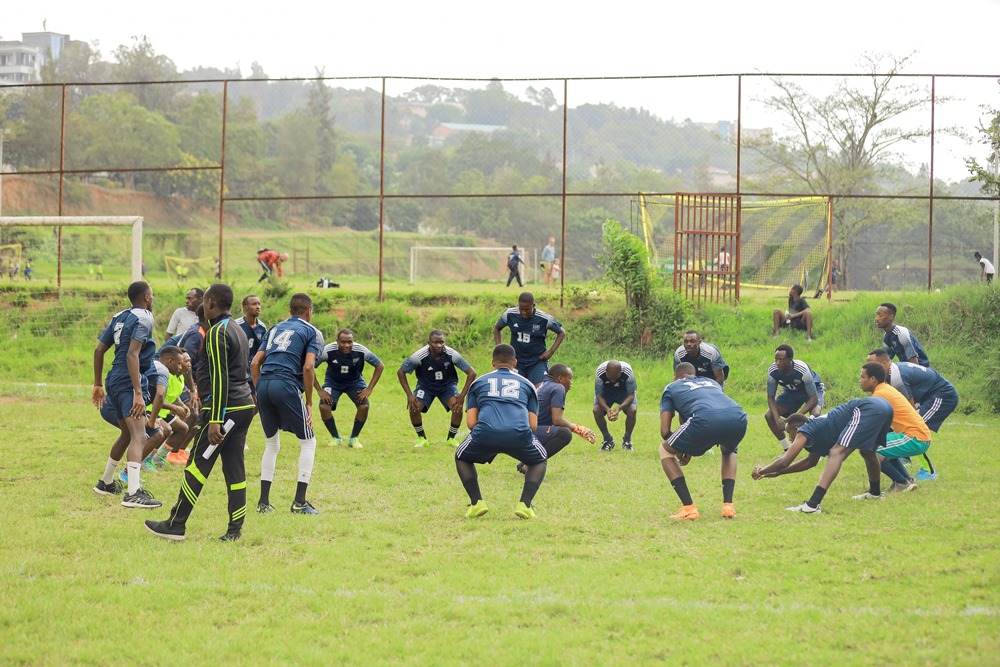
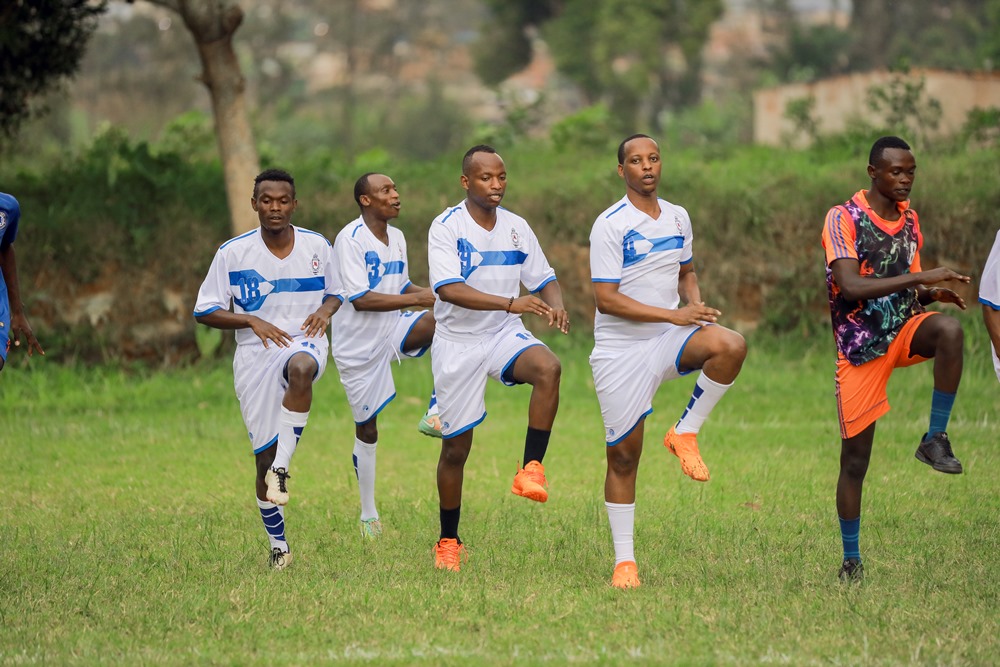
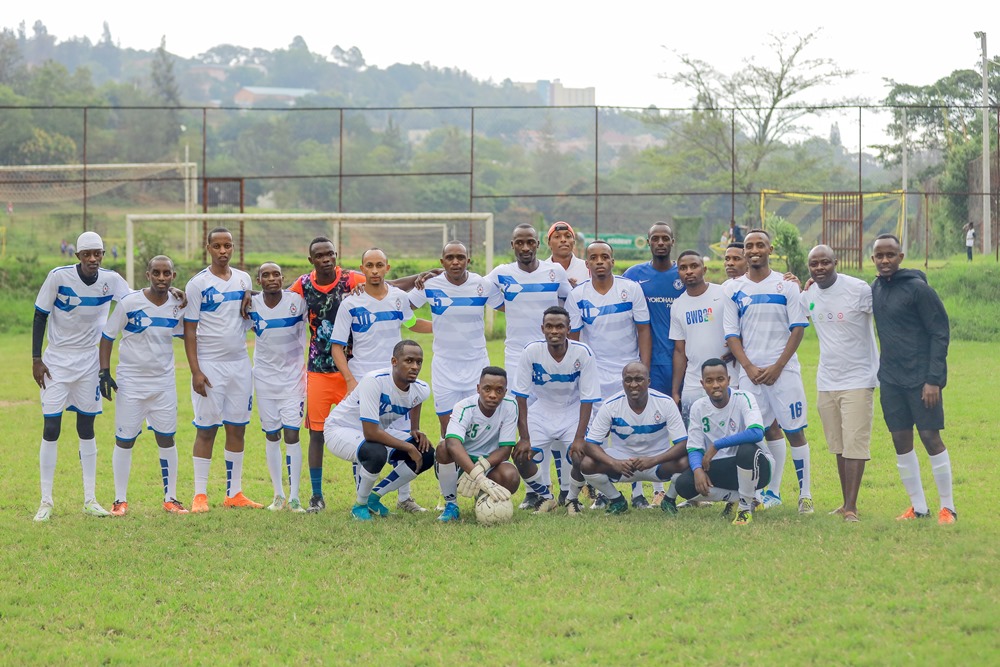
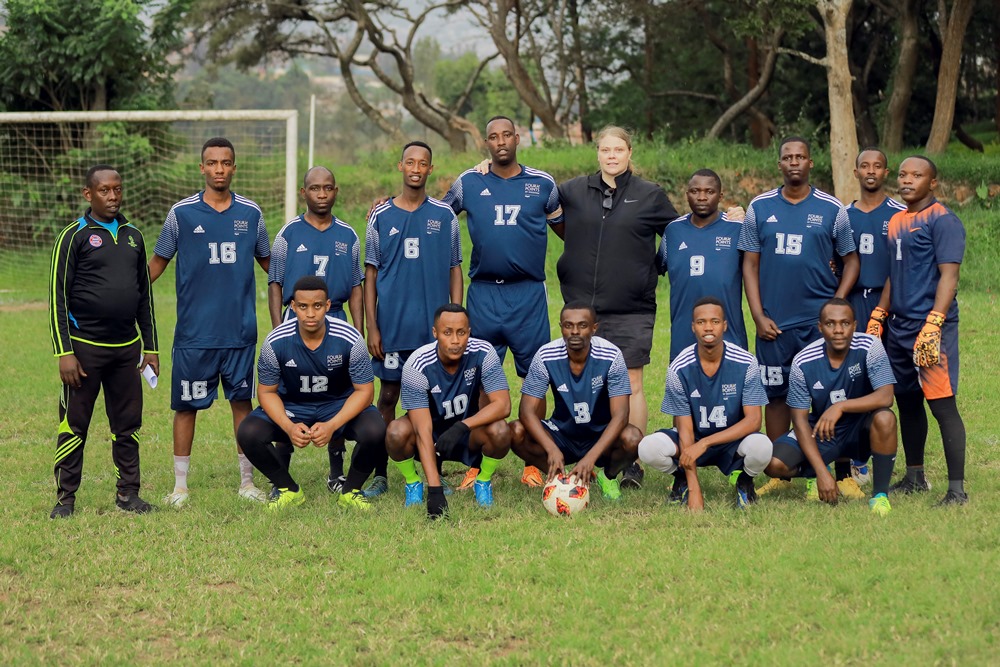
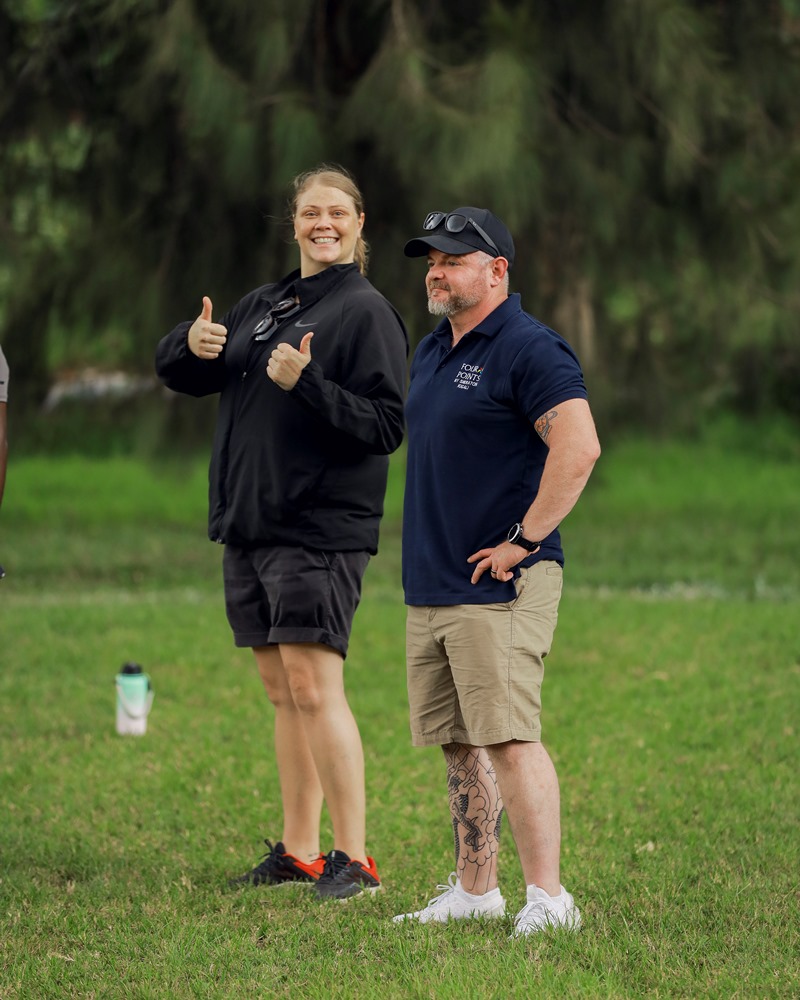
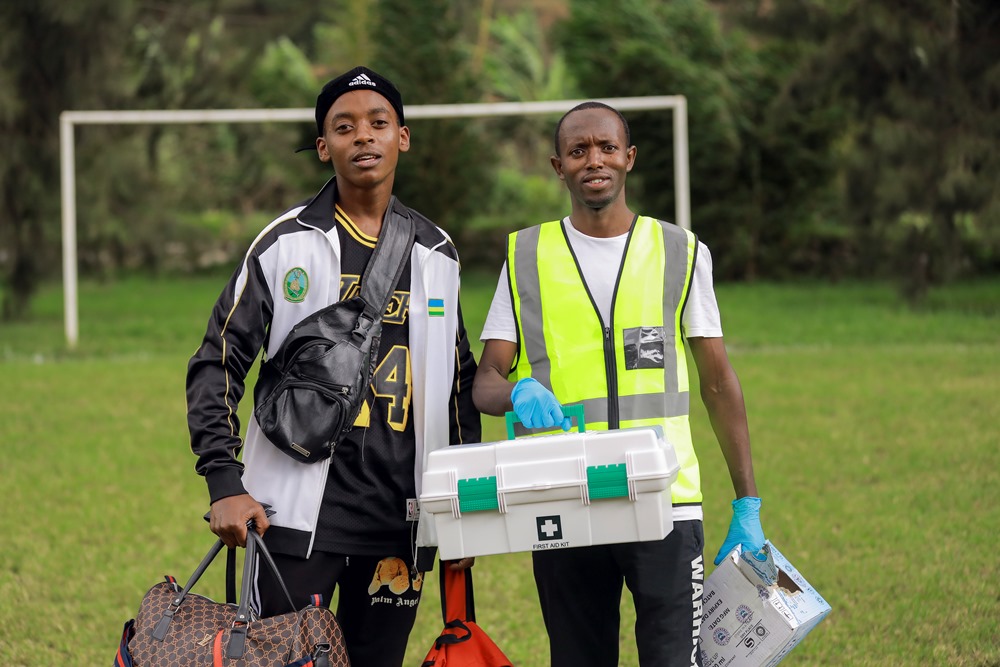
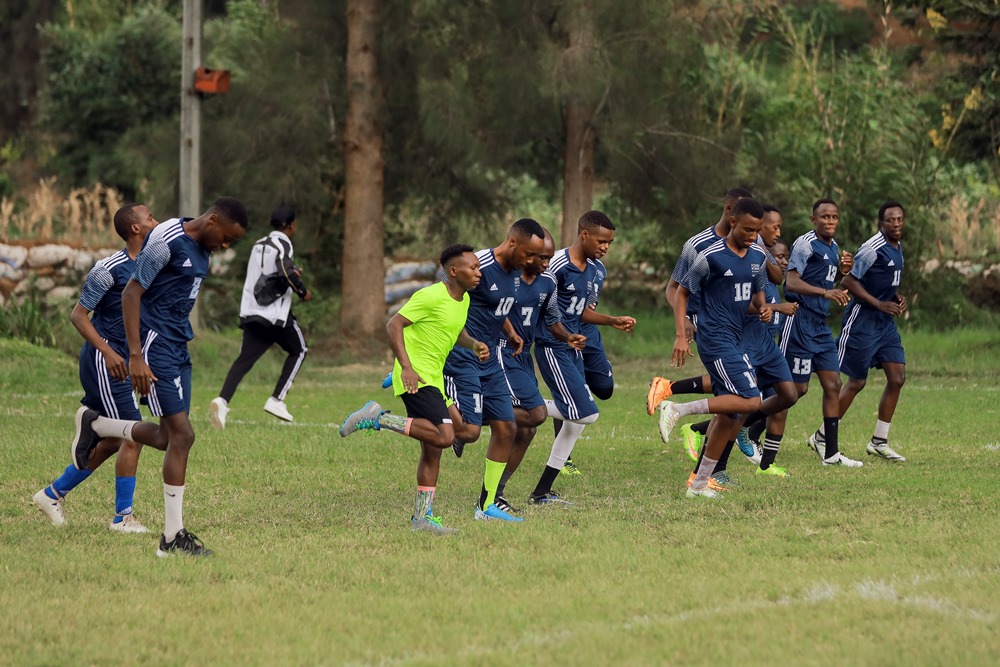
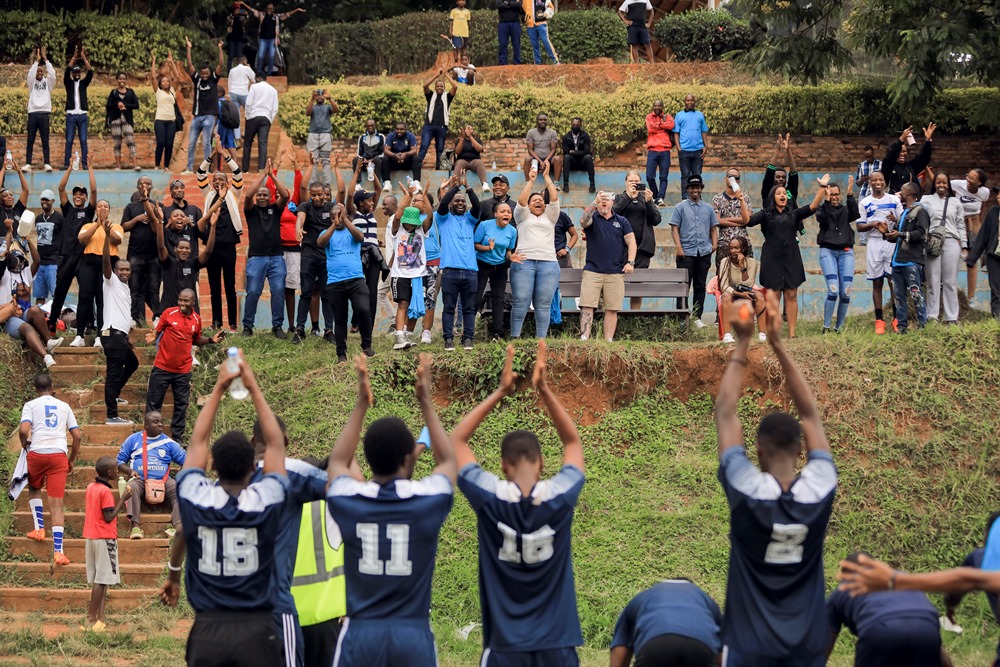
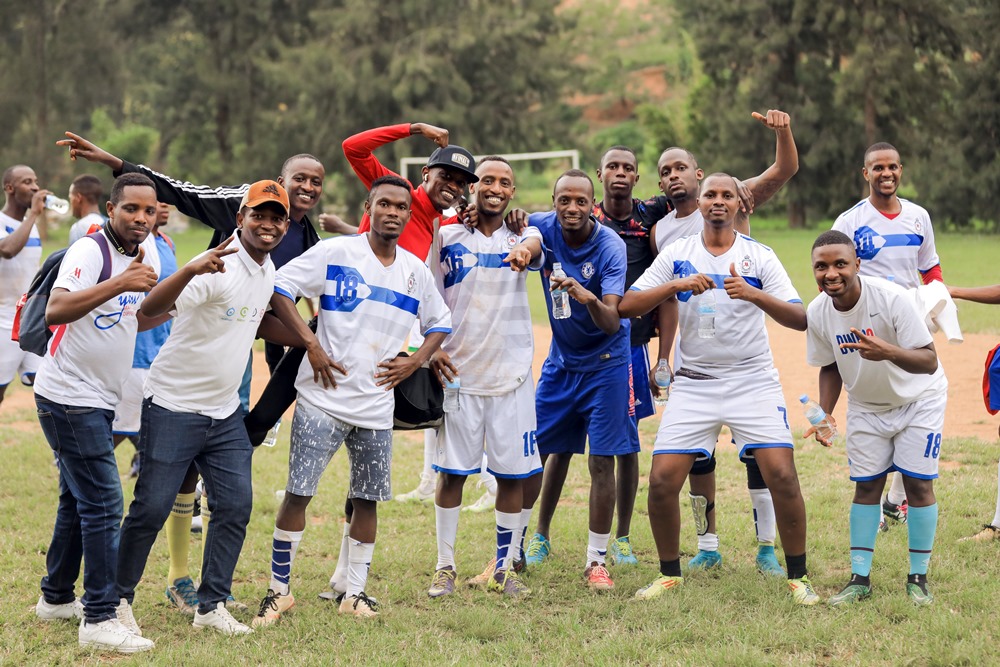
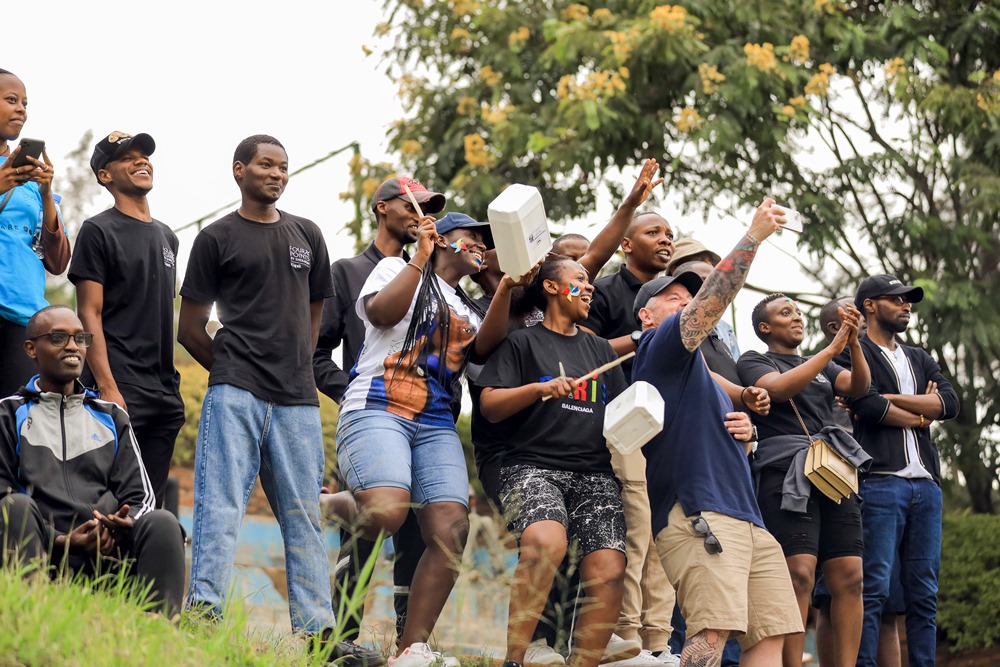
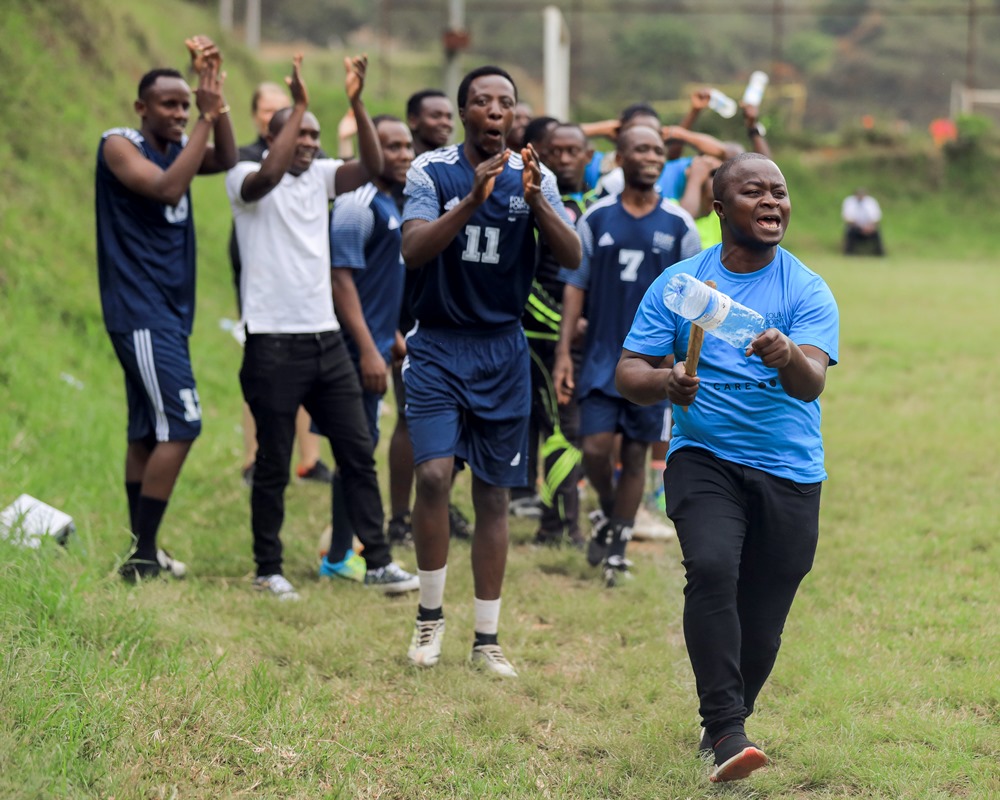
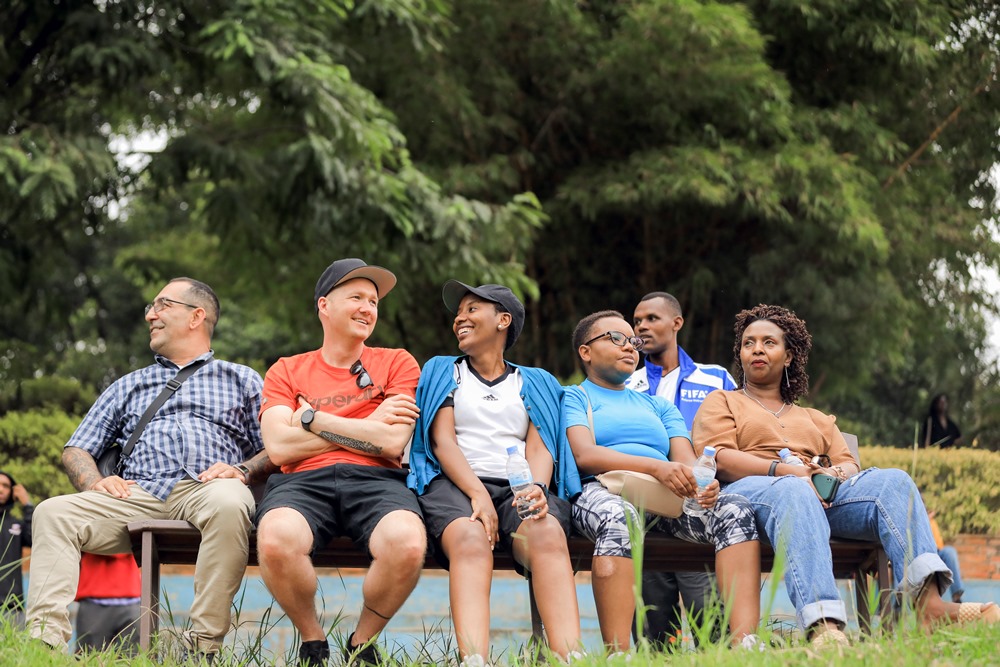
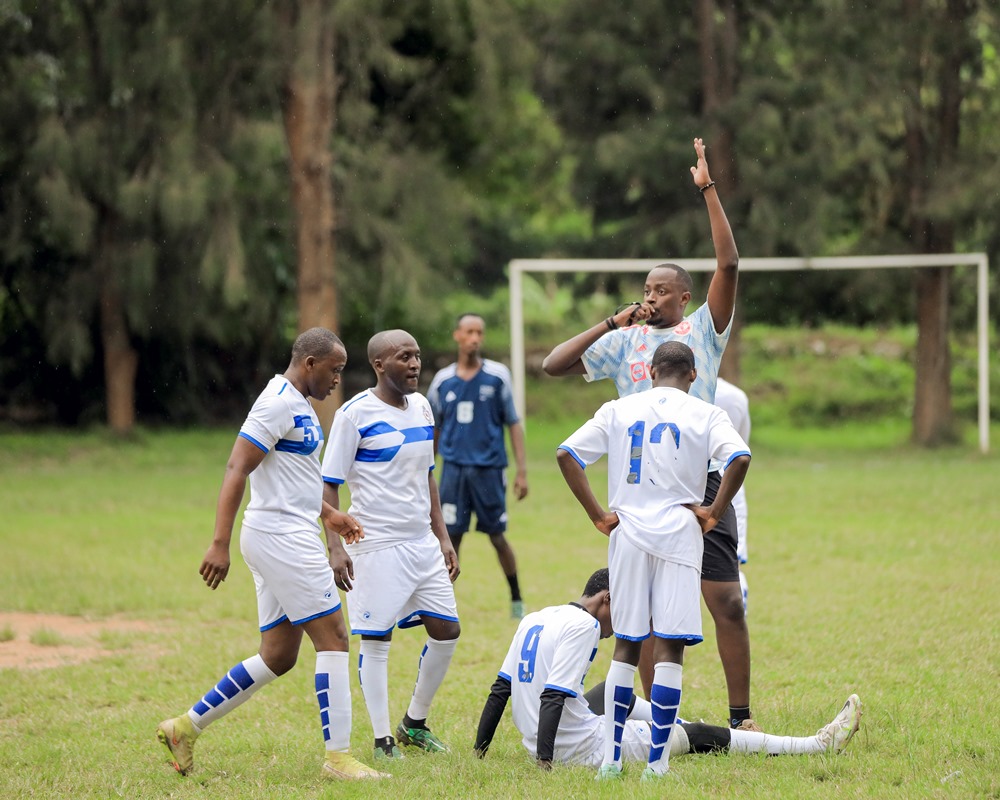
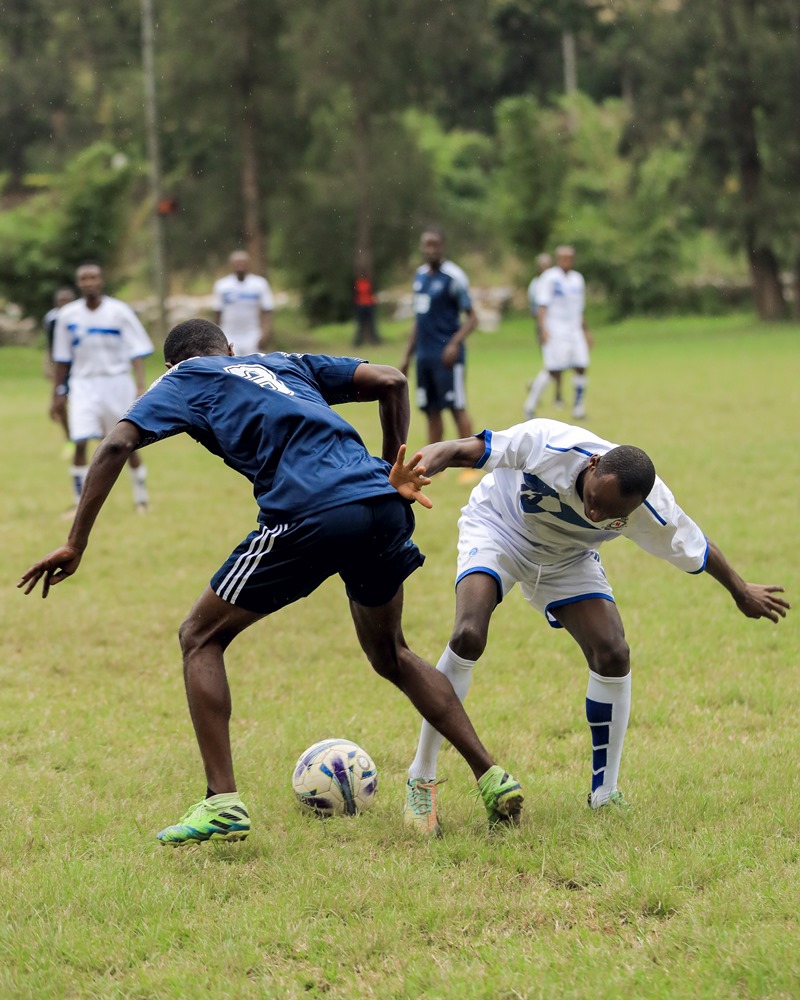
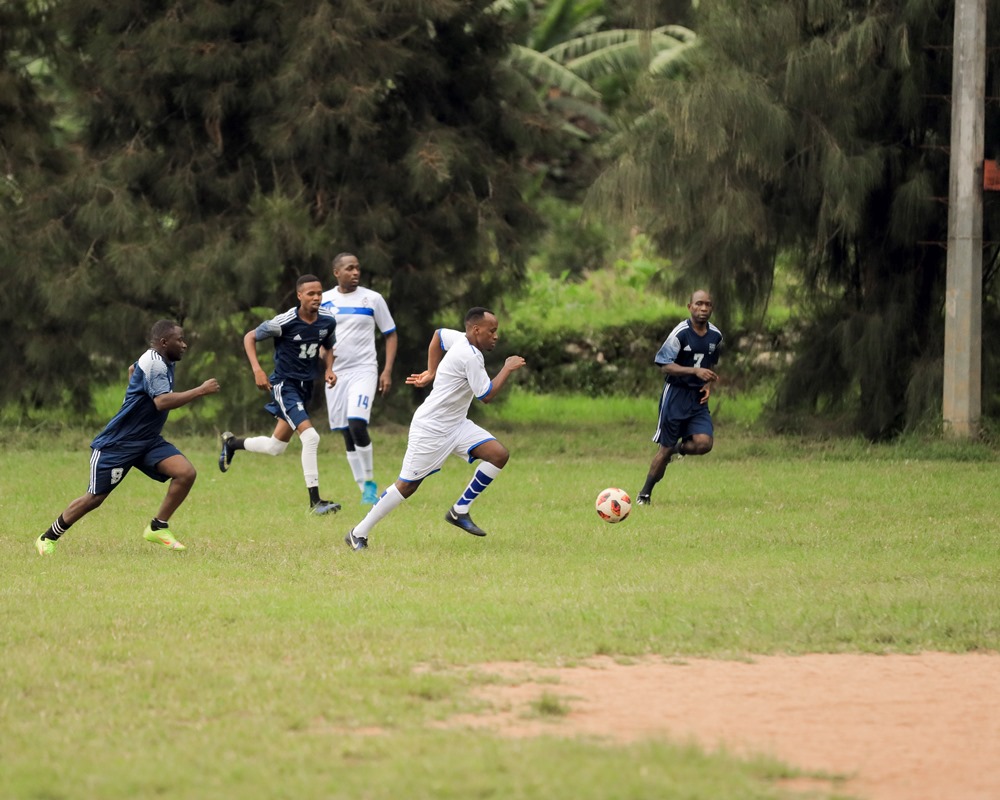
It is in that regard, this Saturday 25 February 2023, Kigali Marriott Hotel and Four Points by Sheraton met on a football pitch at Cercle Sportif, Rugunga.
The soccer was a draw 1/1.
Four Points by Sheraton fans were convinced before the game starts that it was with no doubts they would overtake the match because they are the “fresh blood” of Marriott compared to their big sister, Kigali Marriott Hotel. Despite both teams’ efforts, the first half of the game ended with no scores.
Back from halftime, both teams came back stronger with a lively period; and the Four Point by Sheraton team players opened the score through Kwizera Isaac.
The Four Points goal became a wake-up call from the side of Kigali Marriott Hotel, just before the end of the second half, a player of Kigali Marriott Hotel, with action initiated from the left ended up equalizing through Bienvenu Muhoza.
With the high vibrations of energies of fans on both sides who were supporting their teams from the first to last minutes, the score remained there; drew 1 goal everywhere between the two teams, with the hope of supporters of both teams to have a second, return match.
We are looking forward to Round 2!
{ {{Nicole Ingabire Munyangabe is the Cluster Director of Human Resources at Kigali Marriot Hotel. }} }
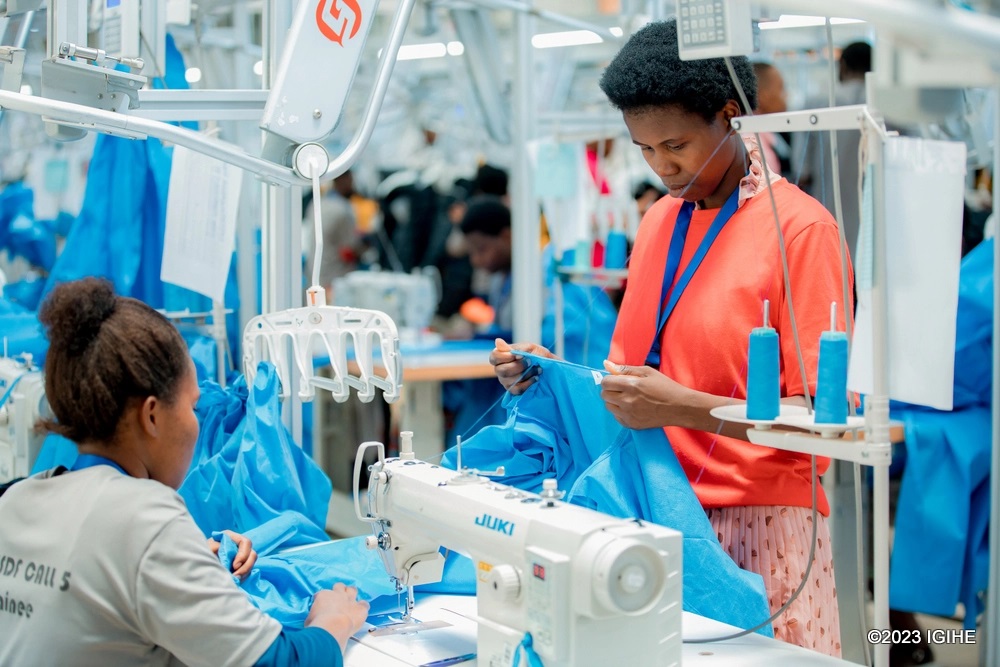
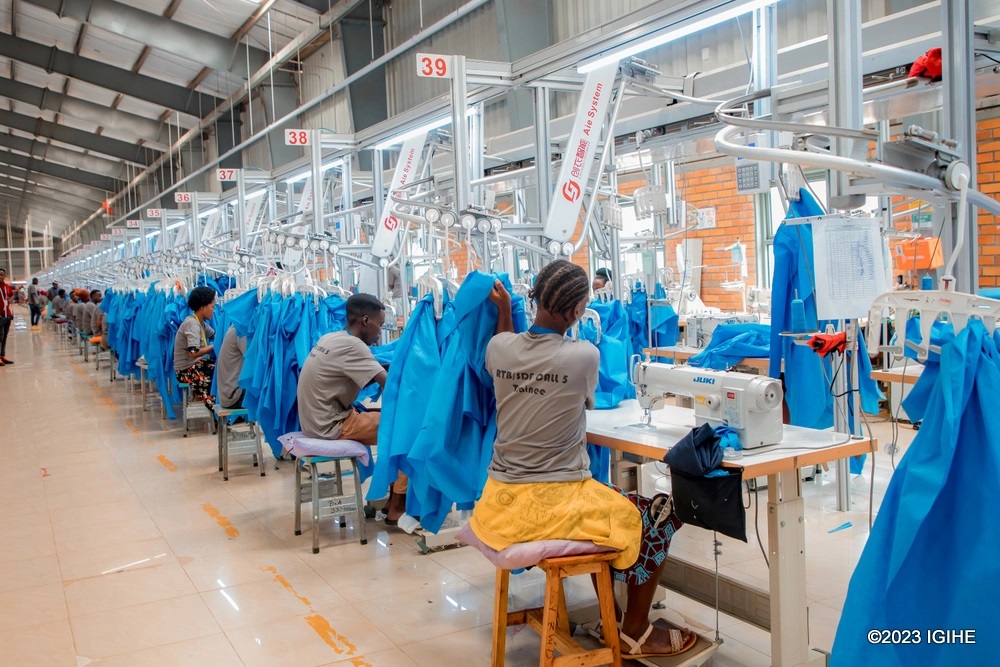
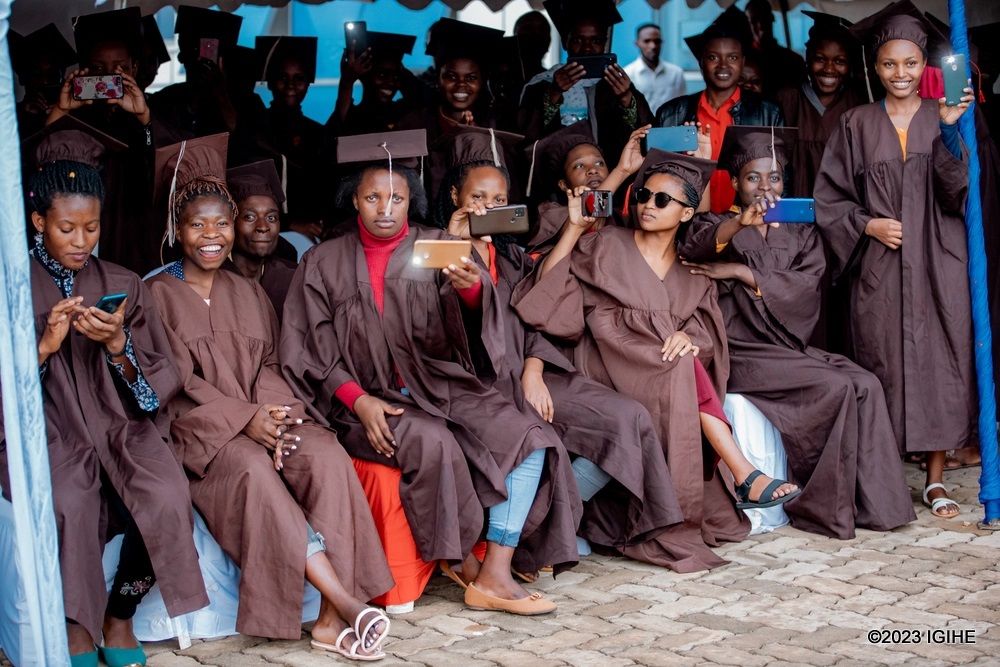
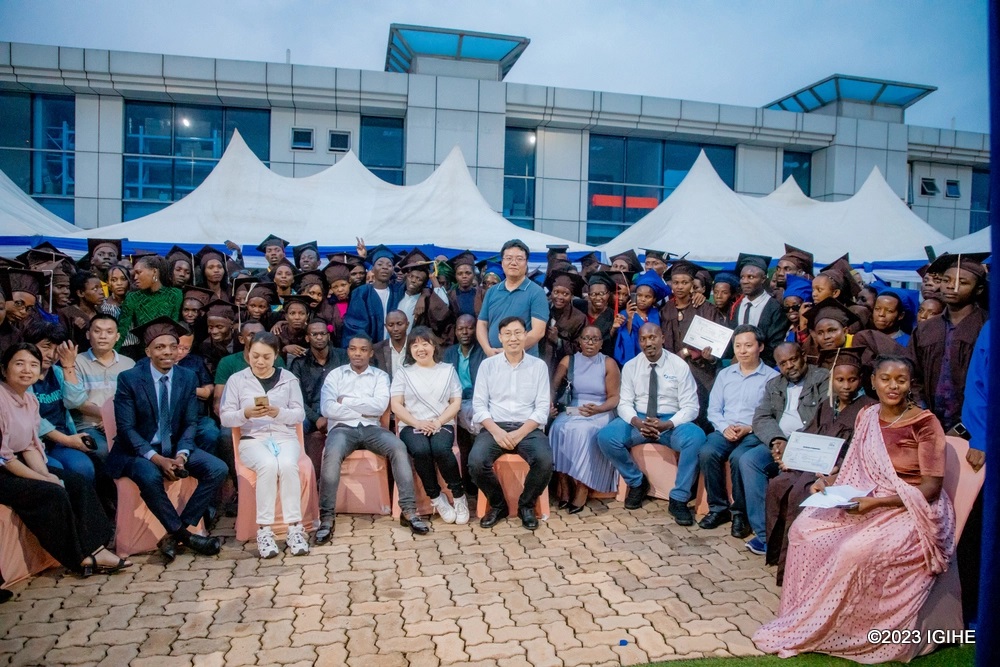
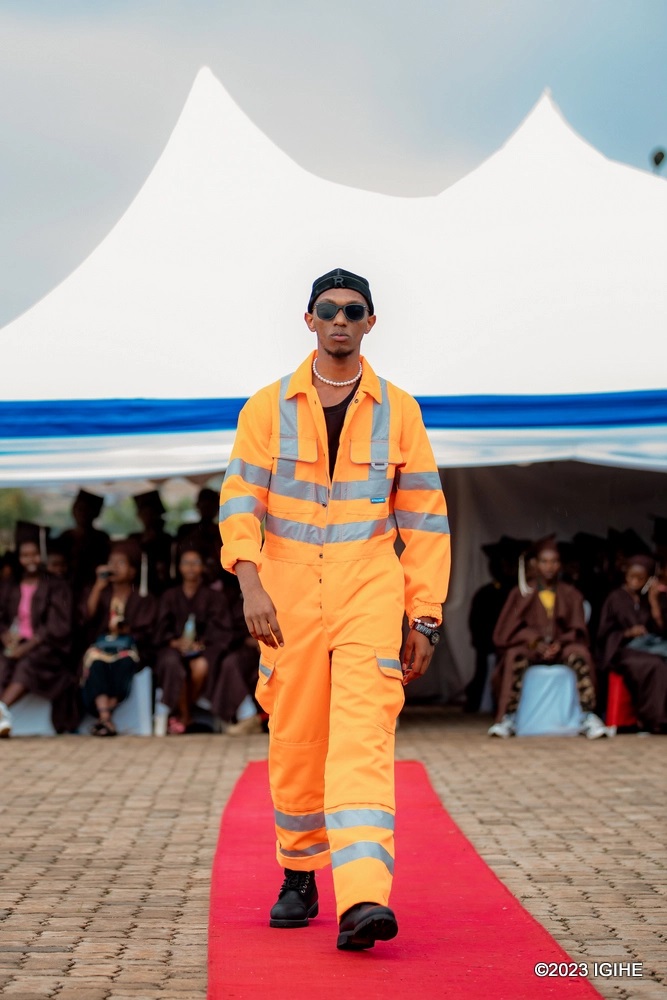
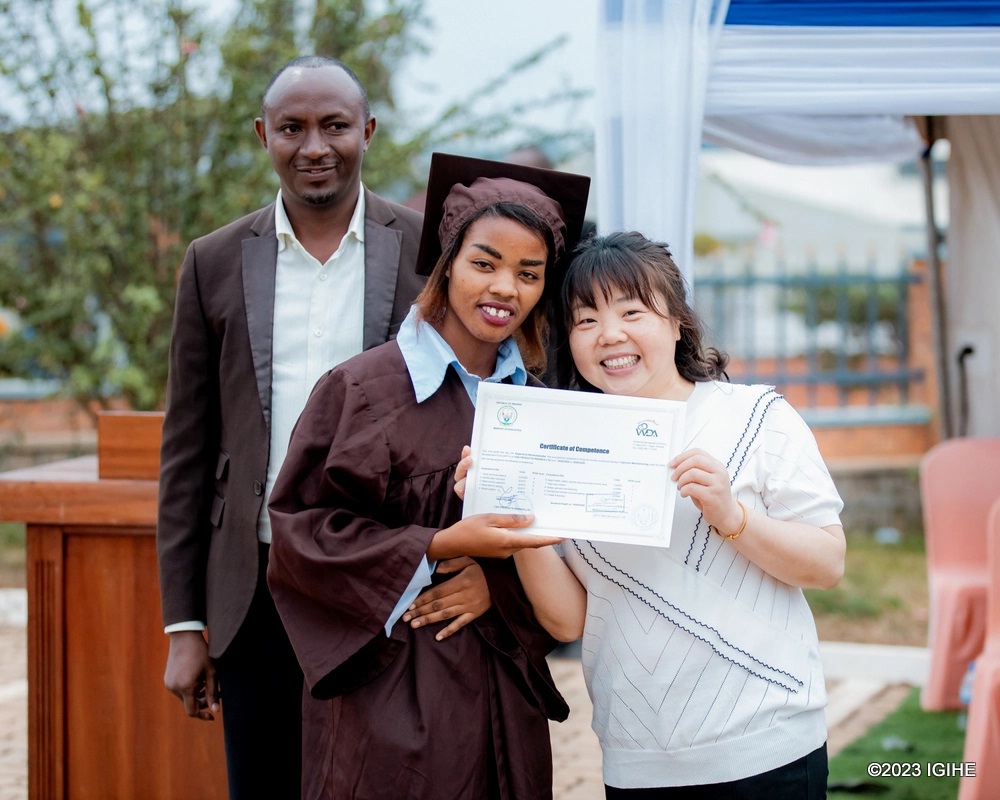
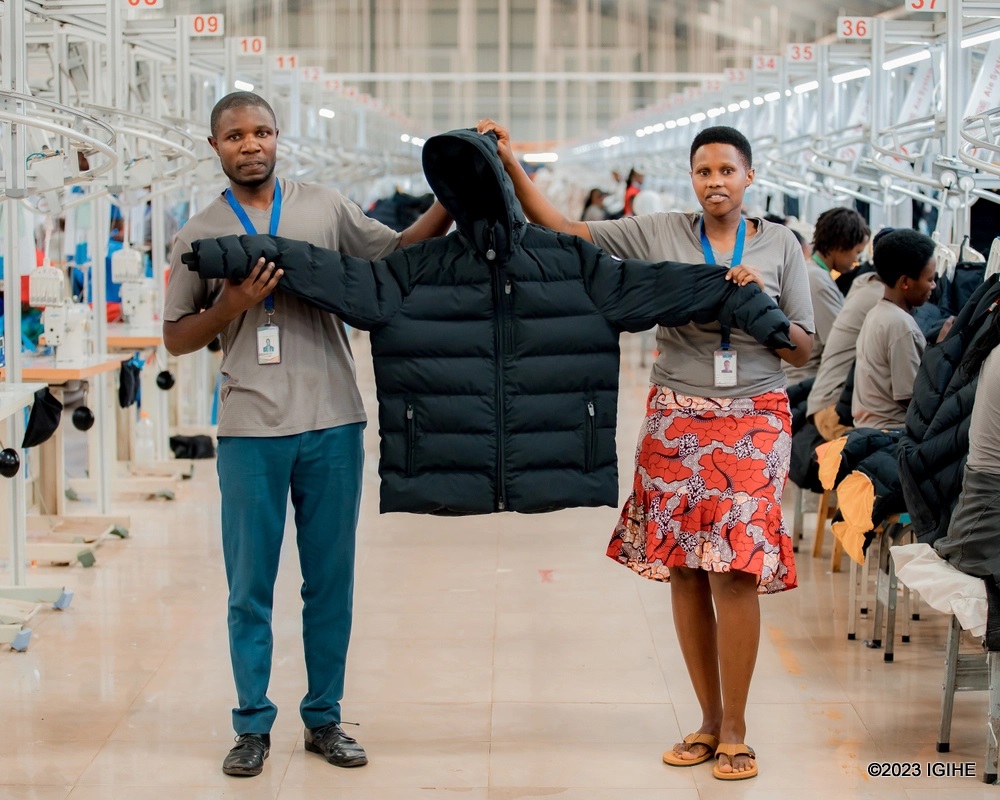
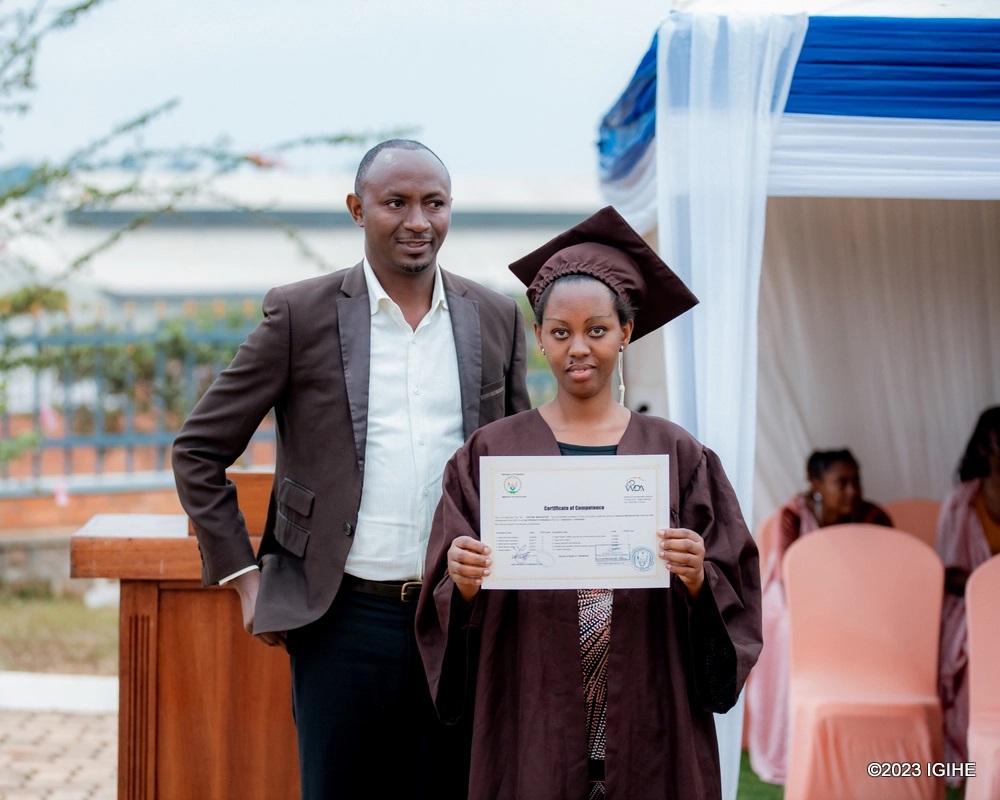
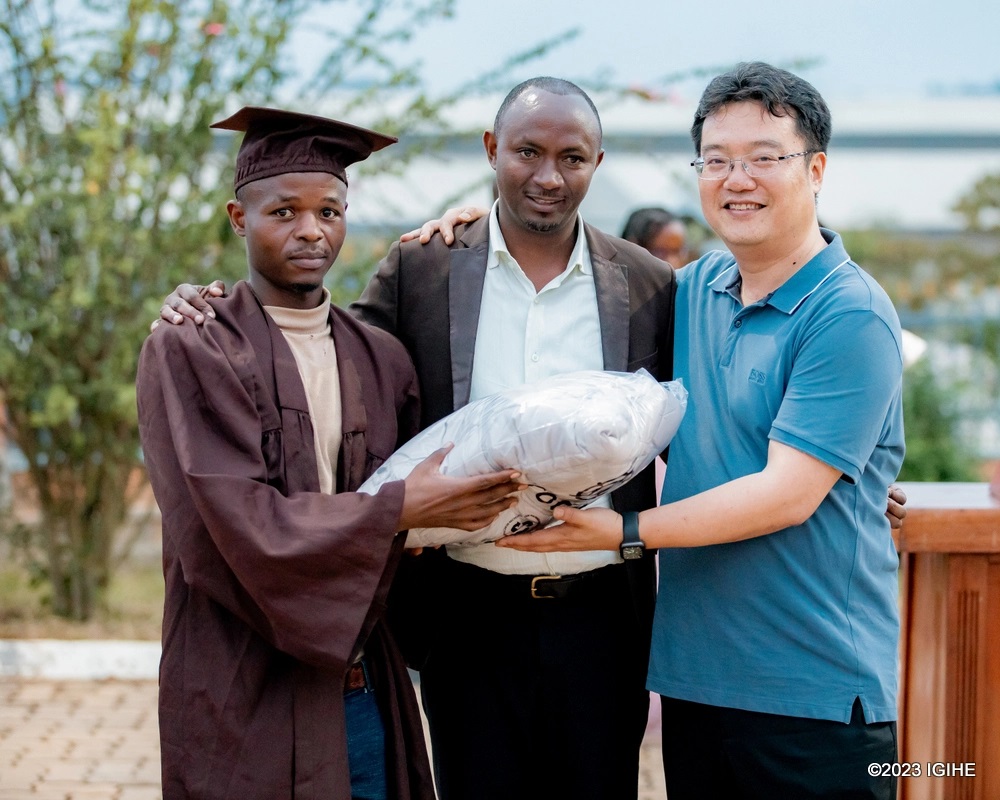
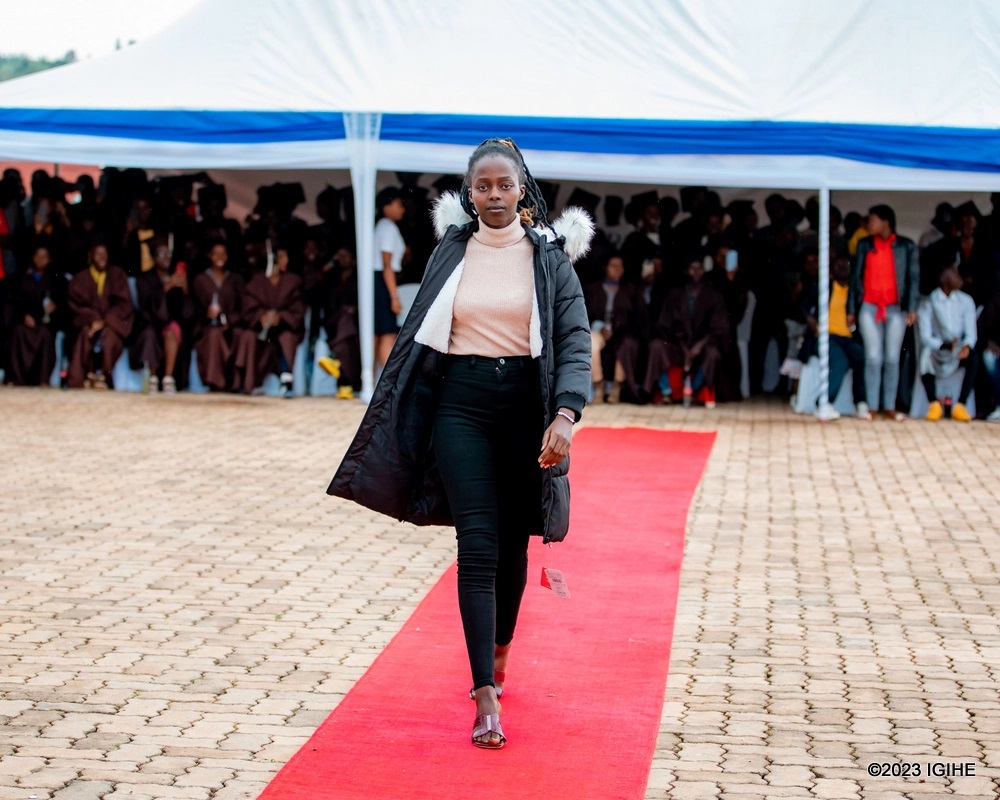
The new employees trained in tailoring include those from vulnerable families, teen mothers and other needy members of the society.
The six-month training falls under ‘Igira Ku Murimo’ (Workplace Learning Support Programme) introduced by Rwanda Vocational Education and Training (TVET) Board on the funding of the World Bank. So far, over 25,000 beneficiaries have been trained.
Beneficiaries have told IGIHE that they are ready to take advantage of the training and job opportunities to contribute to individual growth and national development.
“It is not easy but commitment is paramount to achieve great things. We have ability to do what people with all parts of body can do. I was among trained individuals and exhibited good performance. My thanks go to the President of the Republic for having taken us out of isolation. I am hired by the plant but I have aspirations to grow and start my own business,” said Olive Mukanzabakurana, one of recruited employees living with disability.
Her colleague, Zachée Ntakiyimana said that skills acquired from the training offered by C&D Rwanda Ltd will help her lead decent life.
“They started training me from scratch because I had no prior background in tailoring. Today, I can make garments of all types. I am convinced that acquired skills are critical to improve livelihoods and help individuals create own businesses. I was jobless before but I believe this is the beginning of desired transformations,” she said.
An employee who spoke on behalf of colleagues also disclosed that acquired skills will help beneficiaries a great deal and thanked the Government of Rwanda for having introduced the Workplace Learning Support Programme and the management of C&D for giving them the opportunity.
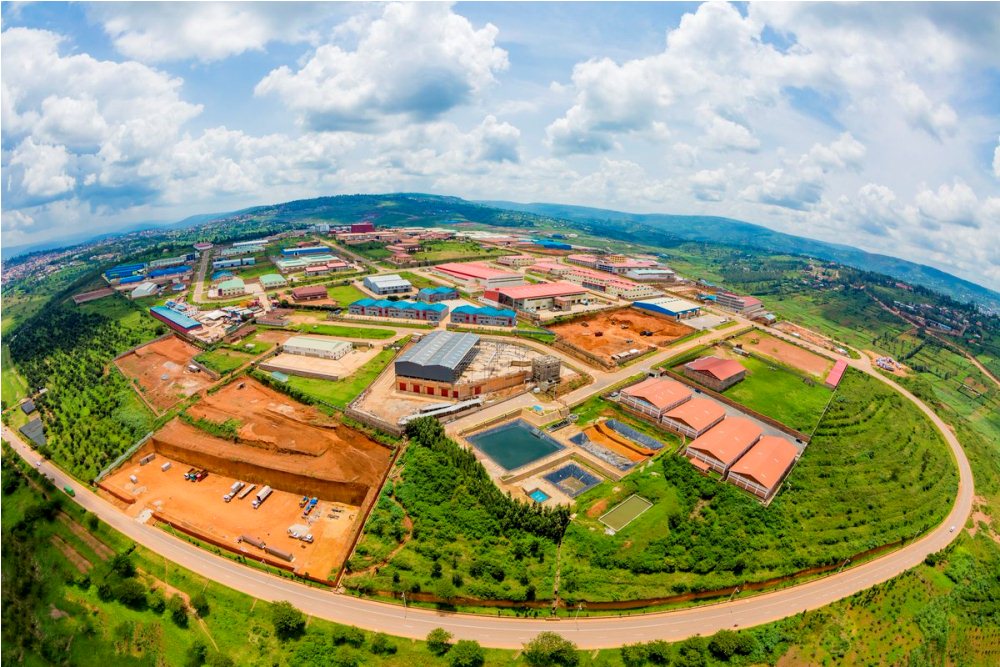
The owner of C&D based in Kigali Special Economic Zone in Masoro, Gordon Gu told IGIHE that he is committed to continue supporting Made in Rwanda policy.
He explained that the company employs over 4,000 workers with a target to provide job opportunities to more than 7000 Rwandans to support national programmes meant to create new jobs.
Gordon Gu revealed that 90% of the company’s products are mainly exported to Europe and reiterated commitment to continue supporting Made in Rwanda.
He urged new employees to work hard to sustain the plant’s activities and make a great impact to Rwandans.
Jean Damascène Renzaho, an official from Rwanda TVET Board in charge of capacity building said that the Workplace Learning Support Programme is yielding good results since it was introduced three years ago.
He requested the private sector to support the programme as it contributes to skills development among the youth.
Rwanda targets to enroll 60% of students in TVET schools and provide jobs to 86% within six months of graduation by 2024.
The programme was initially expected to end in 2022.
Premier Ngirente made the disclosure on the first day of National Dialogue Council (Umushyikirano) on 27th February 2023.
Umushyikirano is convened every year to assess the state of the nation and Rwandans’ unity.
The previous meeting was held in 2019 but was suspended in the following years due to COVID-19 related restrictions.
Premier Ngirente has said that the previous meeting came up with 12 resolutions that had to be implemented within one year but highlighted that they were adjusted due to the emergence of the pandemic.
He explained that the economy continued to thrive during COVID-19 owing to instituted measures.
Dr. Ngirente said that the Economic Recovery Fund was established in 2021 where a total of US$350 million was injected in two phases.
The first phase saw over Rwf101 billion allocated to different sectors of the economy to facilitate business recovery.
Hotels, trade, transport and agriculture are among other sectors that benefitted from the funding.
“Rwf48 billion have been disbursed in the second phase and the program is ongoing. The funds are aimed at helping members of the private sector to recover from effects of COVID-19 and expand their investments,” noted Dr. Ngirente.
He also reminded participants that the government established the ‘Manufacture and Build to Recover’ programme.
The latter seeks to develop industries with a view to reduce imports.
“This programme had to end in 2022 but we agreed, last month, to extend it by two years,” he said.
The Manufacture and Build to Recover Program aims to fast track private sector investments in manufacturing and construction.
It is expected to play a big role in reducing the cost of setting up industries of key essential products as well facilitating the expansion of small and medium industries.
This programme worth US$1.8 billion is expected to provide over 36,000 job opportunities.
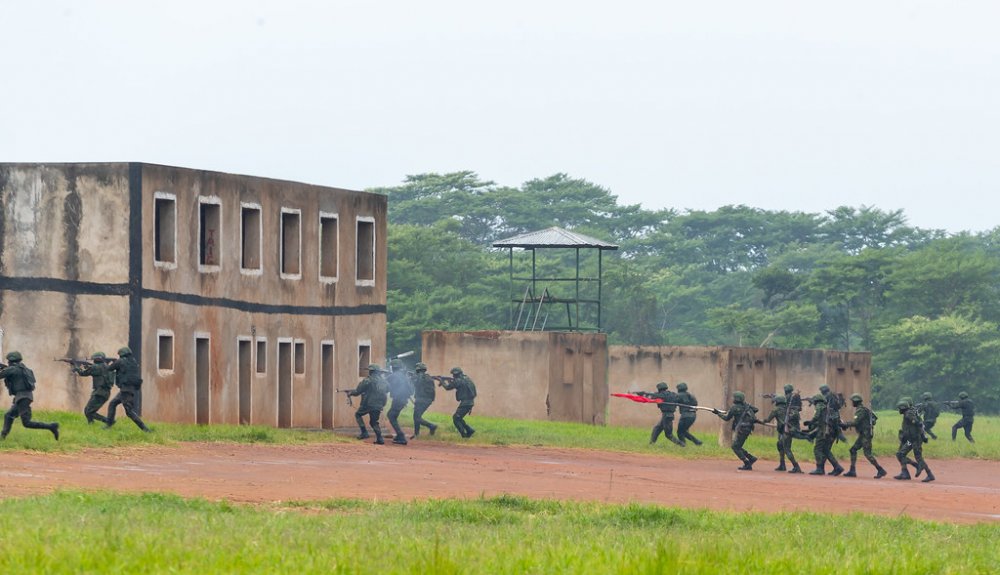
Rwanda has also emphasized that border security has been reinforced where its soldiers are standby to defend territorial integrity.
The statement released on Monday 27th February 2023, reads that Rwanda hails the outcomes of the recent meetings held during the African Union Summit in Addis Ababa, on the situation in Eastern DRC.
Rwanda has stated that taken resolutions complement existing ones adopted by regional mechanisms including Luanda and Nairobi processes with a view to find a solution to DR Congo’s problems through dialogues.
The decisions were endorsed by other international organizations including the United Nations (UN), European Union (EU) and US.
On 22nd February 2022, the United States released a statement commending the progress on restoring security in eastern DRC but accused Rwanda of supporting M23, asked the country to halt it and withdraw troops from Congo.
Rwanda has through a released statement insisted that the United States ‘appears consistently out of step with the decisions of the regional processes, and risks undermining them, by continuing to endorse the DRC Government’s false narrative blaming Rwanda for the crisis’.
“The repeated failure by the international community to condemn the DRC Government for the preservation of the FDLR encourages DRC to continue arming and fighting alongside this genocidal militia, which has conducted cross-border attacks in Rwanda while embedded with the Congolese army [FARDC],” reads part of the statement.
“This constitutes a direct and serious threat to Rwanda’s security. The FDLR is not a benign or inconsequential force, and the ultimate goal of its partnership with FARDC is to attack Rwanda,” adds the statement.
{{Congolese soldiers and mercenaries at common border area}}
Recent resolutions reached through meetings of regional heads of state demand concerned parties in eastern DRC to lay arms down to facilitate proper implementation.
Despite the resolutions, Rwanda has revealed, DRC defied the regional decisions.
“DRC has opted for continued military escalation in recent months, in defiance of regional decisions. In the context of increasingly bellicose statements by DRC civilian and military leaders, the DRC is deploying new hardware capabilities and foreign mercenaries in the common border area,” reads the statement.
Rwanda has said that it can’t idly sit by amidst its security threats targeting the country.
“Given Rwanda’s legitimate security concerns, defensive and preventive mechanisms have accordingly been reinforced to guard against violations of our airspace and borders. These contingencies are ready to act to prevent any cross-border threat, proportionately to its magnitude, origin, and nature. We will not allow any spill-over into Rwanda from any armed group, and total security for our territory and our people will be ensured,” Rwanda has affirmed.
The country has also expressed commitment to work within regional frameworks to contribute to stability in the region but insisted that it ‘cannot accept for its security concerns to be trivialized and ignored’.
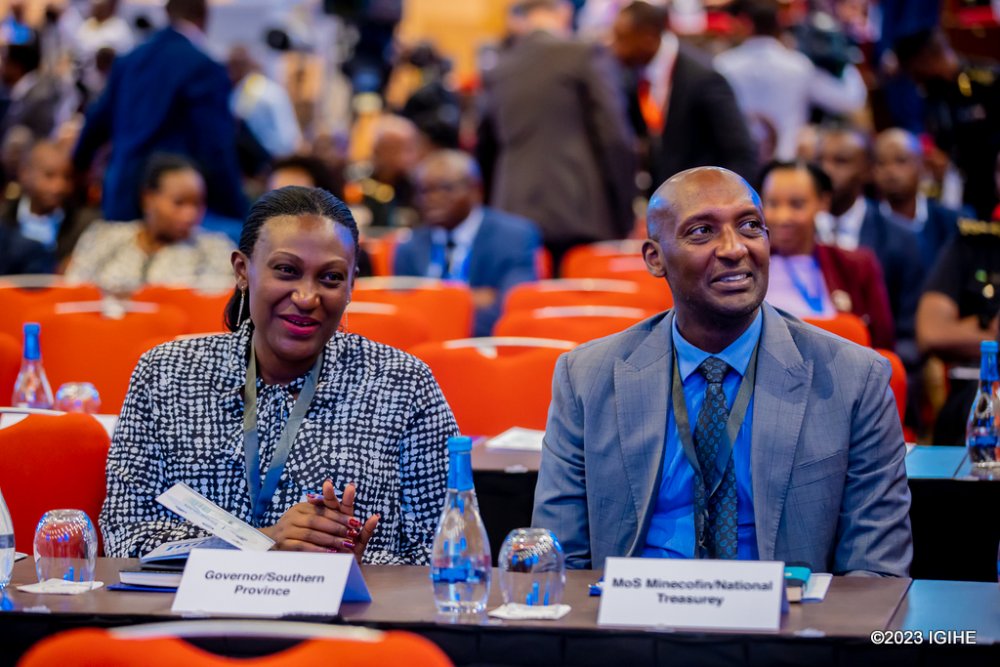
Patricie Uwase, Minister of State in the Ministry of Infrastructure made the revelation on the first day of the 18th National Dialogue Council (Umushyikirano) held at Kigali Convention Centre.
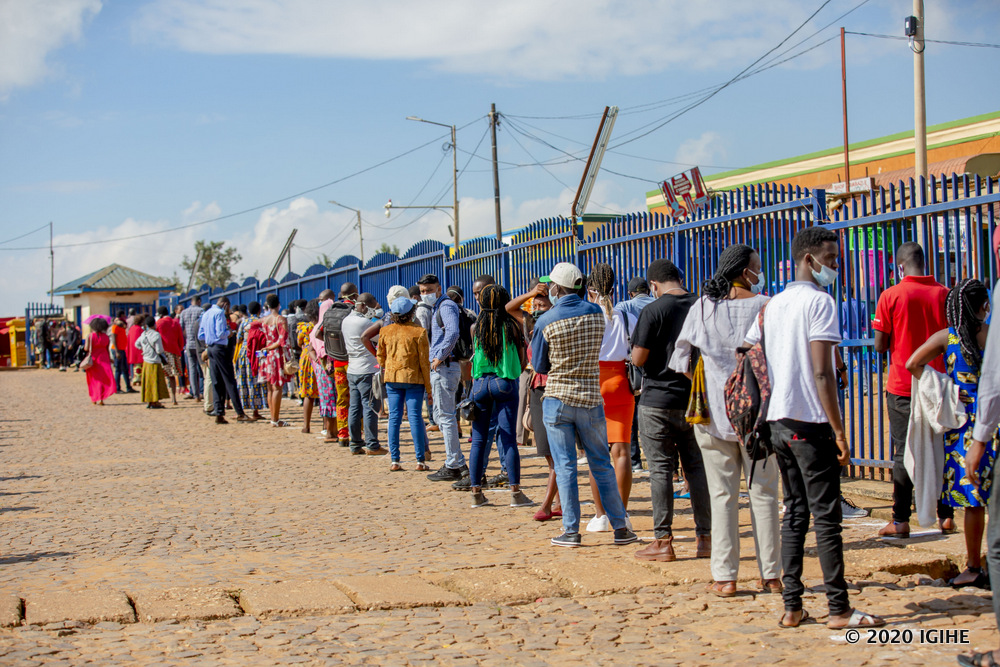
She explained that the issue of public transport has worsened in Kigali due to transport companies struggling to replace old buses. This has resulted in passengers’ long queues at bus terminals.
“In the near future, we will have introduced over 300 more buses in Kigali City,” said Uwase.
She disclosed that plans to buy new vehicles are in advanced stages.
“Considering the long time passengers spend waiting for buses, it won’t take long to address the issue because we have started negotiating suppliers and have already secured the budget through collaboration with the Ministry of Finance.
We have the money. The remaining thing is to place an order and have the buses used by transport companies upon delivery,” she noted.
“It will be done in no more than three months because placing orders and shipment take time. However, this plan is under consideration and its finalization is in the offing,” added Uwase.
The introduction of new buses will be done through partnership between the government and private sector.
Uwase has also highlighted that there are other alternatives being considered to address woes in public transport upcountry.
In January 2023, President Paul Kagame requested relevant institutions to address citizens’ problems including long dwelling-time for passengers using public transport buses.
He was officiating the swearing-in of new Senate President, Dr. Kalinda François Xavier.
At the time, the Head of State said that the issue needs to be solved durably.
Passengers have been expressing frustration over the delay of buses at bus terminals as it affects their work.
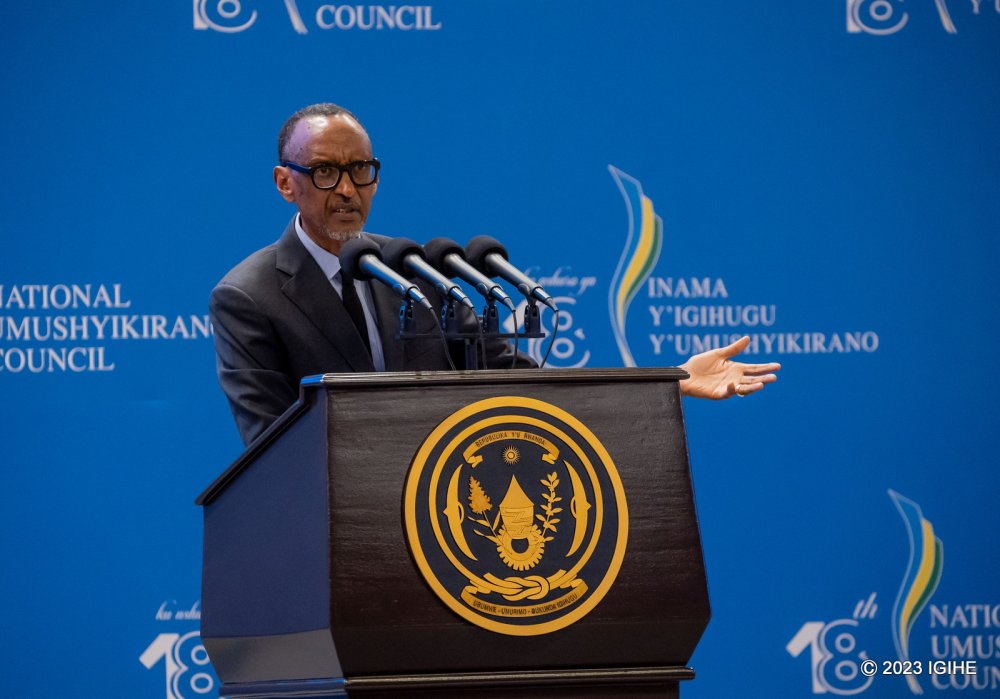
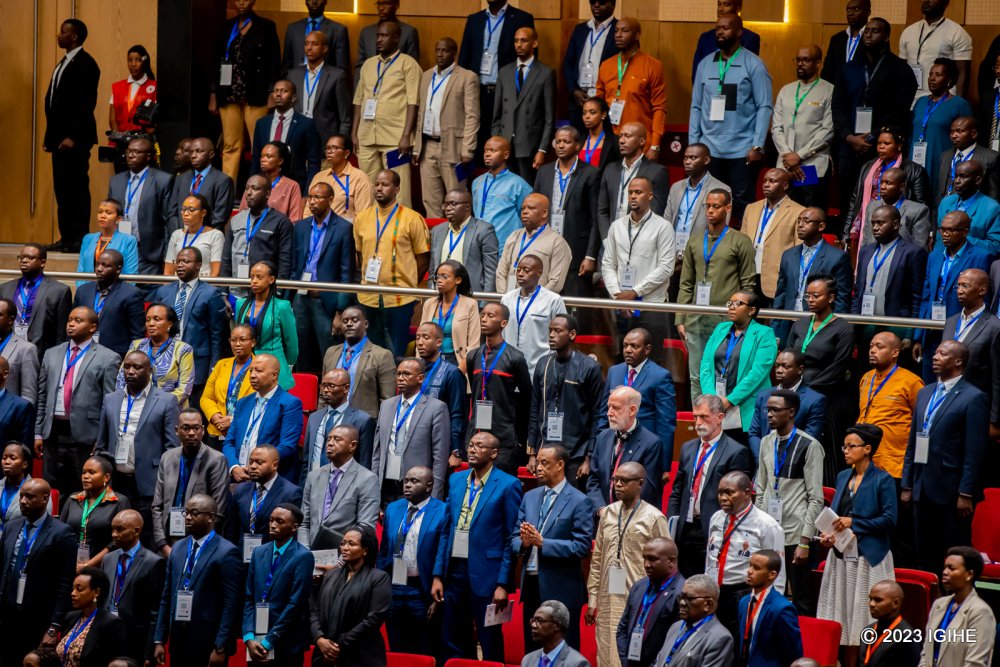
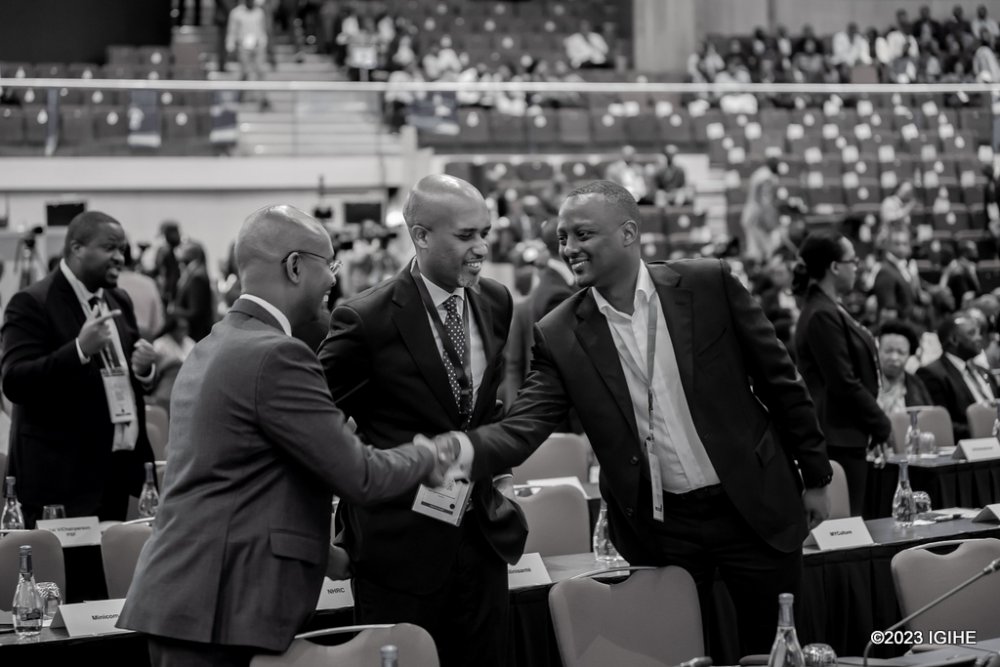
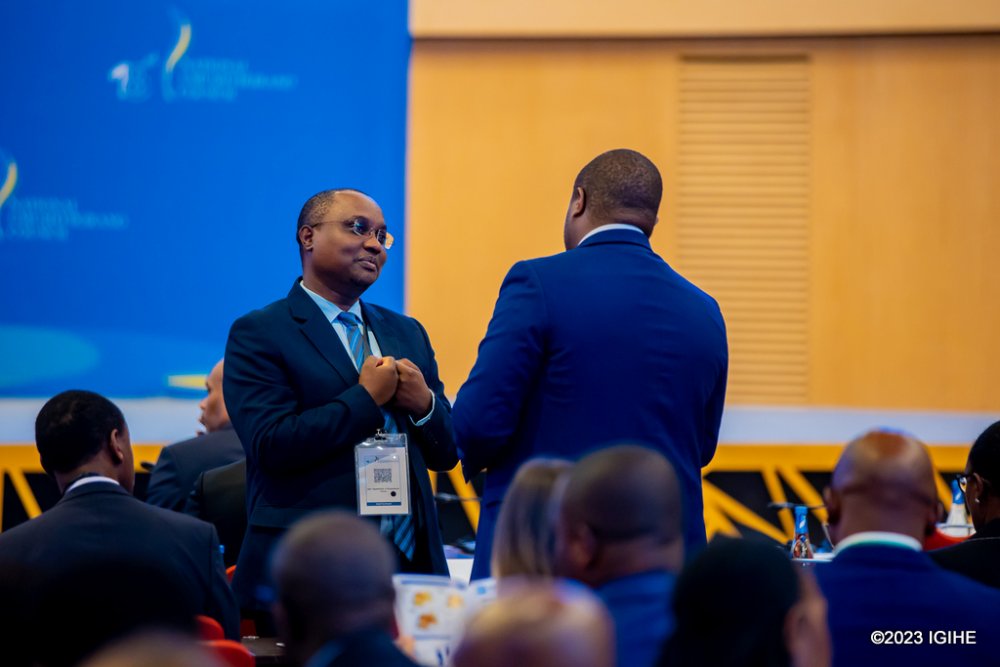
The Head of State made the disclosure as he officiated the opening of the 18th National Dialogue Council (Umushyikirano) at Kigali Convention Centre. The meeting brought together over 1500 participants while others followed it virtually from different sites countrywide.
He reminisced on primitive mindsets of people who always tend to lean on aid like weak people, sick or people with other problems noting that no one should be proud of it.
“I am not sure if there is a Rwandan proud of reliance on assistance forever. Until when they will continue giving us the aid? […] We should not be living this way,” he said Kagame.
He explained that there is no dignity in persistent reliance on aid and reminded that the beneficiary ends up being disappointed.
“They support you and get slapped in return. They get on your wick until they teach you cultures, how to behave and end up in a situation where Rwandans seem to have no culture because of the aid,” noted Kagame.
The President has also reminded leaders to represent citizens’ interests instead of prioritizing personal gains.
Umushyikirano is Kinyarwanda’s equivalent of ‘dialogue’. During the dialogue, participants exchange ideas, share experiences, peer review and question each other. Today Umushyikirano is known as the National Dialogue Council.
As part of efforts to reconstruct Rwanda and nurture a shared national identity, the Government of Rwanda drew on aspects of Rwandan culture and traditional practices to enrich and adapt its development programs to the country’s needs and context.
The result is a set of Home Grown Solutions – culturally owned practices translated into sustainable development programs. One of these Home Grown Solutions is Umushyikirano.
Governed by the Rwandan Constitution (Article 168), Umushyikirano is a forum where participants debate issues relating to the state of the nation, the state of local government and national unity.
The statistics show that Rwandans increased by 2.3% by the time the population census was conducted. Of these, 48.5% are men while 51.5% are women.
The increase corresponds to birth control methods that saw the fertility rate per woman falling to 3.6 births in 2022 from 4.0 in 2012, 5.9 in 2002, 6.9 in 1991 and 8.6 in 1978.
As per released figures, the fertility rate for a rural woman stands at 3.8 births and 3.2 for an urban woman.
The first census conducted in 1978, put the Rwandan population at about 4.8 million. The second census was conducted in 1991, with the population rising to 7.1 million. The population growth rate between 1978 and 1991 was 3.1 per cent.
The third census, in 2002, indicated that the population had grown to 8.1 million.
The previous one, which put the population at 10.5 million, was done in 2012.
They reside in 3,312,743 households with each comprised of 4 members.
Considering the source of income, 2.2 households (69%) depend on agriculture.
Meanwhile; 72.1% Rwandans live in rural areas while 27.9% dwell in urban areas.
The Eastern Province has the largest number of population representing 26.9% (3,563,145), followed by the Southern Province with 3,002,699 (22.7%), Western Province with 2,896,484 representing 21.9%, Northern Province with 2,038,511 (15.4%) while Kigali City has 1,745,555 representing 13.2%.
The census also indicated that the number of youth aged below 30 reduced from 70.3 in 2012 to 65.3% in 2022. The number is also projected to fall to 54.3% in 2050.
Meanwhile, the population aged between 16 and 64 increased from 53.4% in 2012 to 56/0% in 2022. The number is expected to go up to 61.4% in 2050.