A vehicle and motorcycle, which were being used to transport the liquors were also impounded during the operation conducted by the department of Anti-Smuggling and Organized Crime (ASOC), on Monday, April 10, at Kinamba, Kacyiru Sector of Gasabo District.
The seized goods include 30 boxes of Drostdy wine and 112 bottles of assorted spirits including Jameson, Remy Martin, Veuve, Baileys, Tequilas and Hennessy.
The RNP spokesperson, Commissioner of Police (CP) John Bosco Kabera said that those arrested include the owner of the goods as well as the driver and motorcyclist, whom he had hired to transport them.
“This was a response to information about liquors that were smuggled into Rwanda from the Democratic Republic of Congo (DRC), and clandestinely transported to Kigali,” CP Kabera said.
Police, he added, first arrested two people; the alleged owner of the goods and driver, at about 7p.m, while transporting 20 boxes of Drostdy wine.
“During the search at the home of the alleged rightful owner in Gisozi sector, Police recovered other boxes of Drostdy, 112 bottles of assorted wines and spirits, and arrested a taxi-moto operator at the same home as he brought two boxes of Drostdy wine,” CP Kabera said.
He warned against such acts of smuggling and fraud and commended the role of the public in fighting such economic crimes.
Under the East African Community Management Act, which is applicable in Rwanda, seized smuggled goods under article 199, are auctioned.
Automobiles used in smuggling are also auctioned and the driver slapped a fine of US$5,000.
Article 87 of the law on tax procedures provides an imprisonment of between 2 and 5 years, for tax evasion.
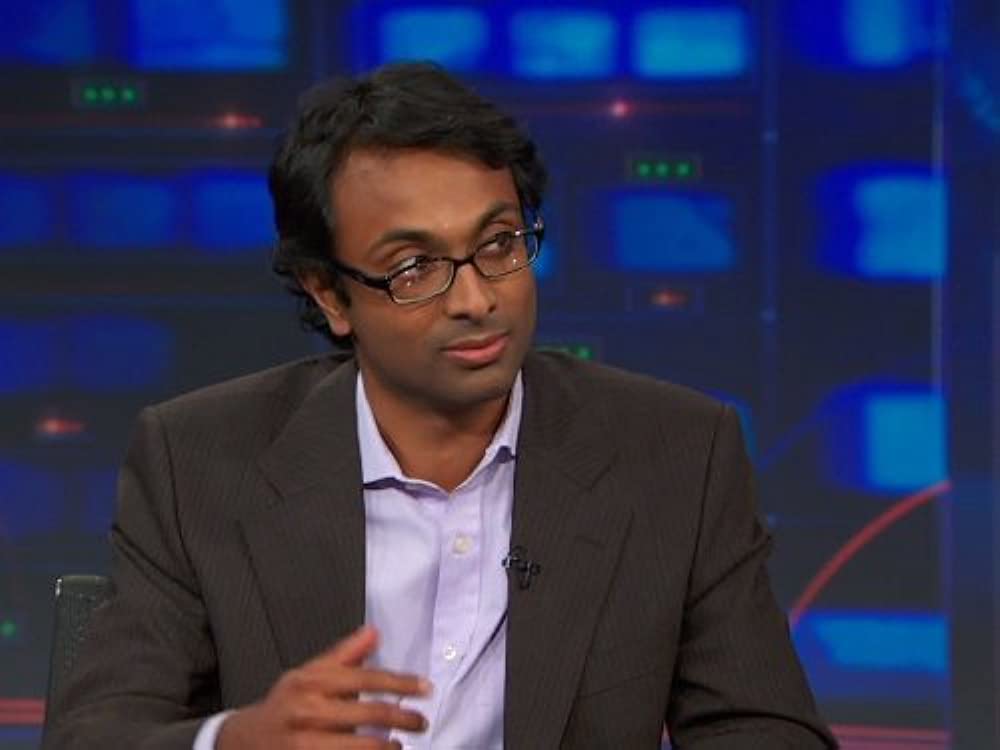
The article in question is an opinion piece crafted by Anjan Sundaram, a journalist renowned for working with Rwandan dissidents.
It was published on Tuesday 11th April 2023 with a title that goes ‘He’s a Brutal Dictator, and One of the West’s Best Friend’.
Anjan Sundaram gained fame for his book titled’ “Bad News: Last Journalists in a Dictatorship” where he says that Rwanda there is no press freedom.
The book faced criticism from individuals who claimed that the author had misrepresented their testimonies.
Sundaram frequently appears in talk shows hosted by Rwandan dissidents, many of whom are affiliated with the RNC led by Kayumba Nyamwasa. It is said that the terrorist group pays him to speak ill of Rwanda.
In his opinion piece published in The New York Times which often runs articles tarnishing Rwanda’s image, Sundaram said that President Paul Kagame has throughout his leadership ‘shut down the free press and clamped down on dissent’.
He also went on to state that President Kagame is one of the best friends of Europeans where he gets floor to deliver speeches and appreciated by Western leaders.
Sundaram expressed concerns over Rwanda’s development, as well as its selection as a host for international events and the presence of plants like Volkswagen, which assembles cars in the country.
The man hailing from India, further said that President Kagame has cast himself as the hero who ended Genocide yet he is accused of “sparking” it and ‘doing little to prevent it.
He stated that the United Kingdom should not send migrants and asylum seekers in the country claiming that ‘it seems to be a reward for dictatorship’.
Stephanie Nyombayire, the Press Secretary for the Office of the Presidency has via Twitter handle rebuked The New York Times for providing space to Sundaram to publish an article reopening the wounds of Genocide survivors.
“As survivors share their painful testimonies, as the country remembers the Genocide against the Tutsi, The New York Times found it fit to publish a piece blaming the victims for causing it and “not doing enough” to stop it,” she tweeted.
Nyombayire said that the 1994 Genocide against the Tutsi was a result of bad leadership and supporters ‘who turned revisionists and apologists today’.
“Welcome to the club Anjan, you can take your seat alongside the latter. The RPA/RPF put an end to the Genocide against the Tutsi. NO ONE else,” she noted.
Nyombayire explained that Rwanda’s development ambitions do not need approval by Westerners.
“Contrary to popular NYT belief, our utmost national ambition is not western approval or any other euphemism for ‘Africans need supervision’. If you care to know, it is actually transforming the lives of citizens, with actions, not articles,” she added.
Nyombayire ended his message with an extract from the speeches of President Kagame where he said: “Nobody will ever decide for us how to live our lives.”
The grenade was found on Monday, April 10, 2023, during the ongoing rehabilitation and expansion of Bigogwe Genocide Memorial.
It is said that worked noticed it while flattening the ground but there were no reported casualties or injuries resulting from the discovery.
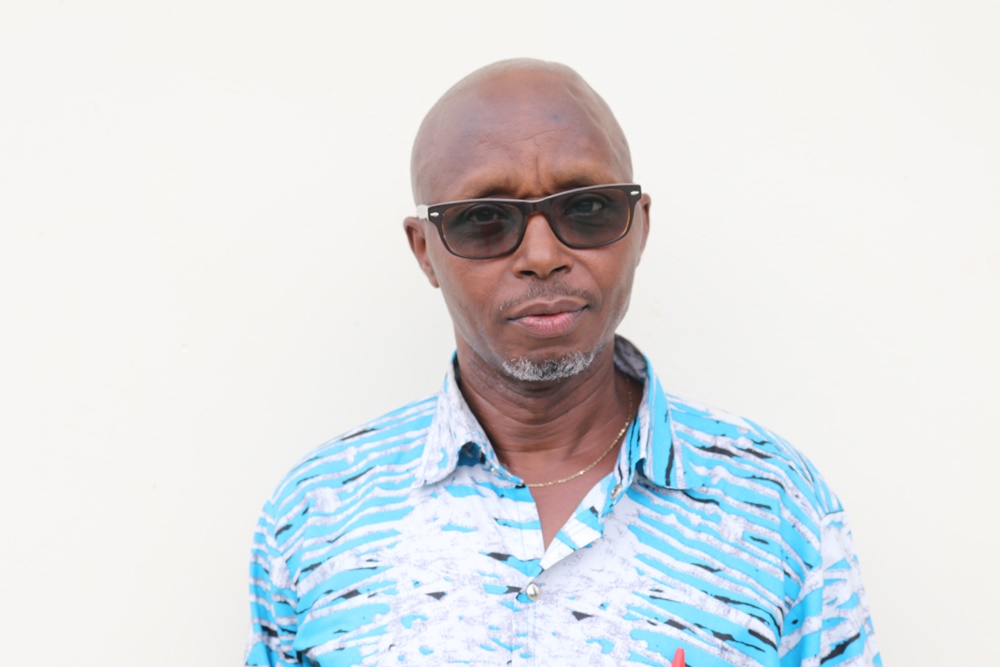
Faustin Nkurunziza, the executive secretary of Kanzenze Sector, has confirmed this information to IGIHE.
After being alerted, security authorities promptly defused the grenade before evacuating it.
It was established that the grenade was an obsolete weapon dating back to the infiltrators’ incursions between 1995-1996, following the Liberation Struggle.
Nkurunziza has further stated that the area was previously used for training of ex-FAR soldiers from the Bigogwe camp.
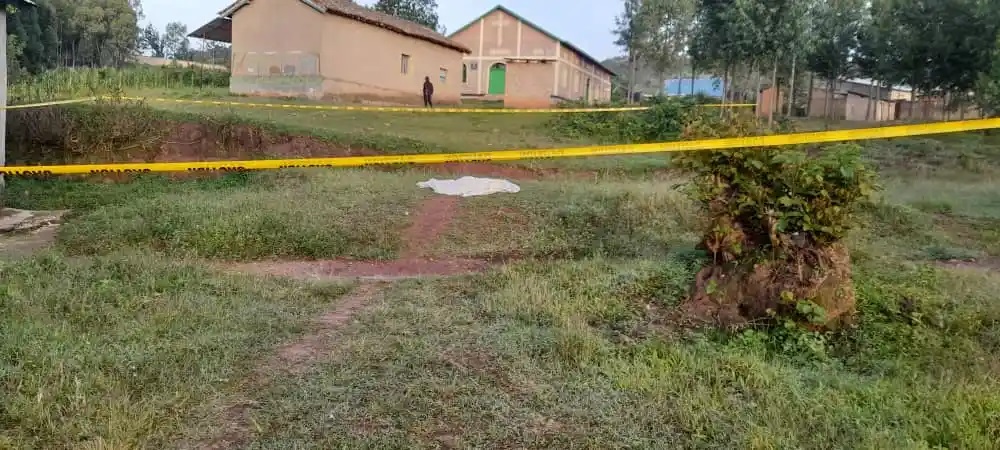
Dusabe allegedly attempted to confront the police on the way to the location where he killed Dr. Muhirwa.
Witnesses claim that Dusabe was shot dead while attempting to forcibly take a gun from one of the policemen who were guarding him.
According to the executive secretary of Cyeza Sector, Eraste Gakwerere, Dusabe had previously admitted to killing Dr. Muhirwa and was shoot dead going to show law enforcement officials the location where the crime was committed.
The big stick used to kill the university lecturer was taken by RIB for further investigation, while Dusabe’s body was taken to Kabgayi Hospital for postmortem examination.
Dr. Muhirwe was reported dead on 3rd April 2023.
Preliminary investigations suggest that disputes between Dr. Muhirwa and Lambert Minani, who had lost a pharmacy tender to Muhirwa, may have motivated the killing.
Dusabe had allegedly been hired by Minani to commit the murder and had received an advance payment of Rwf70,000.
Gakwereren has urged residents to avoid confrontations with law enforcement officials and provide information on individuals who may pose a threat to public safety.
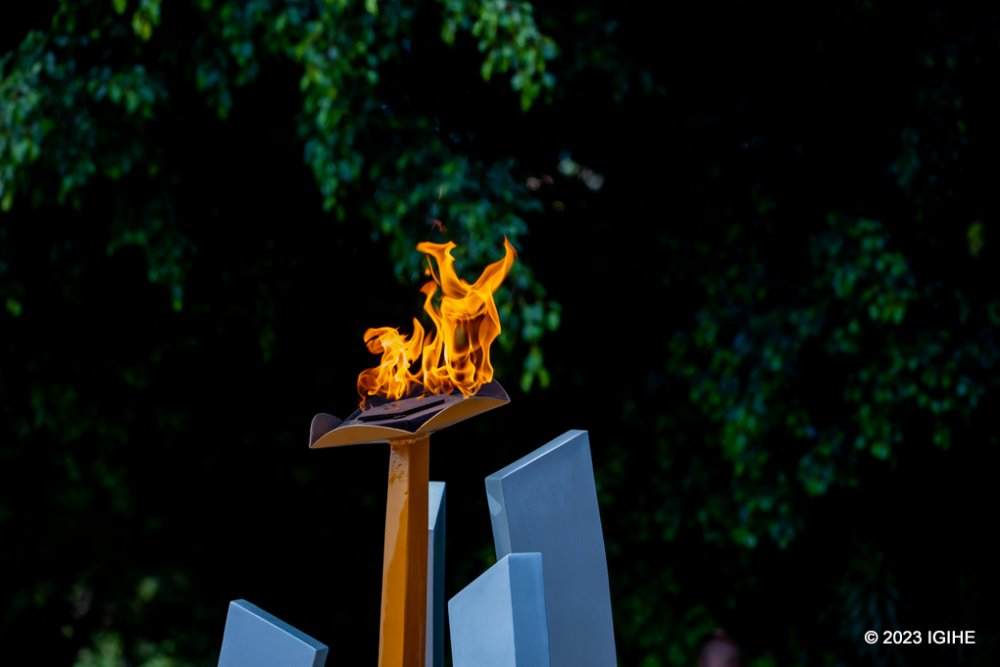
The national mourning week in Rwanda begins on April 7th, and the flame remains lit for the next 100 days, symbolizing the period that the genocide lasted.
This time is meant to express solidarity with Rwandans, but unfortunately, some individuals persist in their refusal to change their attitudes and repeatedly reopen the wounds of survivors, particularly during the commemoration period.
In terms of those who continue to cause harm, certain European countries and the United States have made statements that distort the truth and fail to recognize the proper appellation of the 1994 Genocide against the Tutsi, as approved by the United Nations (UN).
Political experts argue that the continued use of an incorrect appellation by the US and the United Kingdom demonstrates extreme contempt and reflects their stubbornness.
As Rwanda began commemorating the Genocide against the Tutsi for the 29th time last week, some partner countries shared messages of comfort with the Rwandan people.
However, the US Secretary of State, Antony Blinken, sparked controversy with a tweet that paid tribute to others killed for distancing themselves from the genocidal government.
“The U.S. stands with Rwanda during Kwibuka 29 in remembering the Tutsi victims of genocide. We also mourn the others who were murdered for their opposition to a genocidal regime. Let us recommit to preventing the horror of genocide from occurring again,” he tweeted.
The message sparked mixed reactions among social media users who criticized Secretary of State Blinken for drawing a comparison between Tutsis who were targeted and killed based on their innate identity, and those who were killed for denouncing the genocide plans.
Assistant Secretary of State for African Affairs, Mary Catherine “Molly” Phee, also made remarks that undermined the the 1994 Genocide against the Tutsi in her commemoration message to Rwandans living in the US.
“On this solemn day, we remember the lives lost during 100 days of unspeakable violence. We grieve for the hundreds of thousands of Tutsi victims – men, women, and children – who were targets of genocidal violence because of their ethnicity. We also remember the Hutu, Twa, and others who were murdered due to their opposition to a genocidal regime. We stand with the survivors who witnessed these terrible crimes and still mourn the loss of their loved ones,” she said.
Rwanda insists that those who cannot acknowledge the correct appellation for the 1994 Genocide against the Tutsi should refrain from sharing messages that distort historical facts.
According to Nkusi Juvenal, a political expert and senator in Rwanda’s Upper Chamber of Parliament, the country continues to encounter chauvinistic attitudes, which he views as contemptuous behavior.
“The US’s attitude towards Rwanda is a gesture of extreme contempt towards us. The US practices chauvinistic politics all over the world. Changing their attitude seems unlikely,” stated political expert Nkusi Juvenal.
Similarly, Tito Rutaremara, another political expert, explained that the US’s stance is not surprising as it has been maintained for a long time.
He added, “It is not surprising that the US and the United Kingdom were the only countries to abstain from voting in favor of the proper appellation of the 1994 Genocide against the Tutsi, despite Tutsis being the only people targeted and killed based solely on their innate identity. Their reasons for sticking to their stance remain unclear, but they should try to understand it.”
Tom Ndahiro, a researcher on the Genocide, explained that neglecting to mention victims who were targeted for extermination is like killing them twice because it shows a lack of desire to keep their memory alive.
He added, “This mixture of mentioning something else is one of the factors that fuel Genocide denial and trivialization.”
Ndahiro criticized countries that claim to understand Rwanda’s challenges but still provide leeway for statements that trivialize the 1994 Genocide against the Tutsi, insisting that they should acknowledge historical reality.
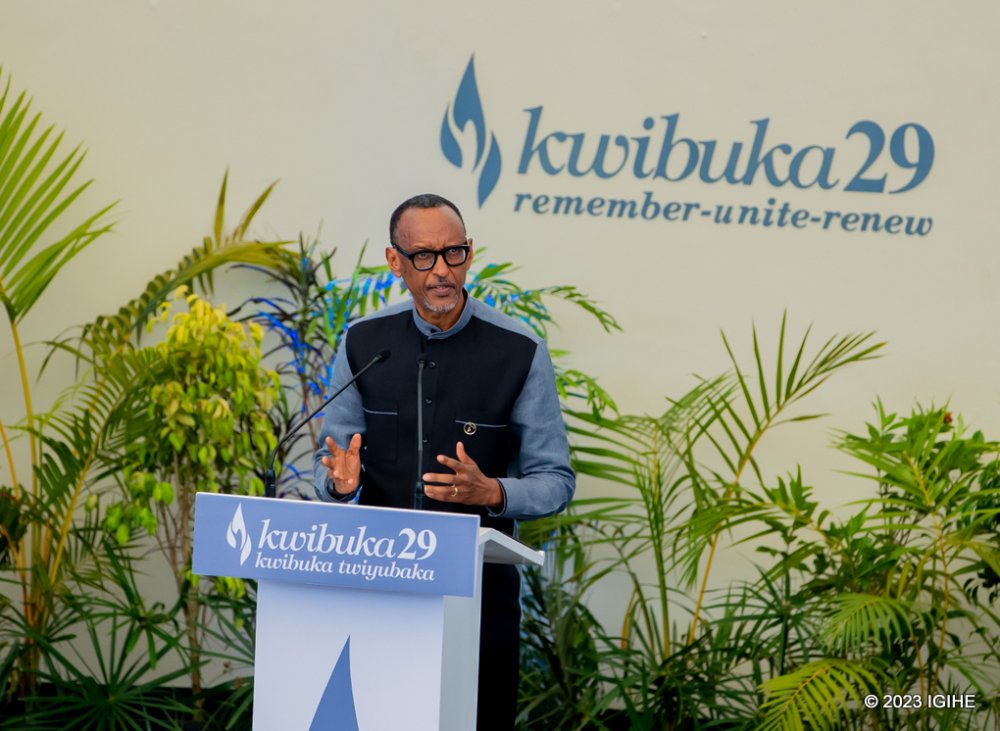
As he presided over the ceremony marking the beginning of commemoration week on 7th April 2023, President Paul Kagame said that people with intentions to run away from historical facts won’t find a hiding place.
“You can run but can’t hide. There is no hiding place for you from these very facts of our history. So even those who have their time to say whatever they want to say, they will say it. Maybe they will do many things based on that as well. But the fact is, they cannot find a place to hide,” he said last week.
“And some of those who try to distort the facts of our history, it’s just because they cannot be ashamed. But we have our lives to live, all of us, and nobody, I want to say nobody, will ever decide for us how to live our lives. We have strength, incredible strength, coming from this history that informs us, that tells us that you should never, never, allow anybody else to dictate to you how you live your life. And that is Rwanda today,” added Kagame.
During his visit to Rwanda last year, Blinken was asked why the United States refused to adopt the official definition of the 1994 Genocide against the Tutsi, but his response was evasive.
Blinken stated that the US has been clear about recognizing the Genocide and added that he had visited ‘the memorial’ a few hours earlier to understand the suffering of ‘so many people’.
He also stated that the US would continue working with the United Nations to properly recognize this dark period in history and would do everything in their power to ensure that it is never repeated.
On an annual basis, the prices of food and non-alcoholic beverages increased by 41.3 percent, while alcoholic beverages, tobacco, and narcotics increased by 23.6 percent.
Transport increased by 12 percent annually but remained stable on a monthly basis.
According to National Institute of Statistics of Rwanda (NISR), The prices of local products increased by 20.8 percent year on year and 2.2 percent month on month. Meanwhile, the prices of imported products increased by 14.8 percent year on year and 0.6 percent month on month.
The prices of fresh products increased by 53 percent year on year and 5.3 percent month on month. The prices of energy increased by 7.3 percent annually and 0.8 percent monthly.
Meanwhile, rural CPI increased by 39.5 percent on annual basis and increased by 4.3 percent on monthly basis.
The general index, excluding fresh products and energy, increased by 12.2 percent annually and 0.8 percent monthly.
Leaders including the Permanent Secretary in the Ministry of Local Government (MINALOC), Dusengimana Emmanuel, the Board Chairman of Corps Africa/Rwanda, Robert Bafakulera, and Country Director of Corps Africa, Agasaro Eustochie Sezibera, among other partners, attended the ceremony.
Corps Africa recruits university graduates and trains them before deploying them to rural areas to work with residents on different development projects, such as building kitchen gardens and fertilizing fields.
After two months of volunteer activities, they team up with residents to identify projects that can solve the society’s problems and pitch them to partners for funding. Recently pitched projects include the construction of playgrounds, storage for crops in Huye District, agriculture of vegetables in Nyamagabe, making good use of stones in Musanze District, among others.
These projects were presented to partners, including Rotari Club, BK Foundation, MINALOC, Crystal Connect Foundation, and others, who appreciated them and requested CorpsAfrica/Rwanda to liaise with them to negotiate funding.
According to the Country Director of CorpsAfrica Rwanda, Agasaro Estochie Sezibera, the projects are entrenched in the government’s programs, such as donation of livestock, fighting malnutrition, enhancing subscriptions for community-based health insurance, and planting trees, among others.
Currently, volunteers operate in 48 villages from eight districts, including Nyamagabe, Huye, Gisagara, Ngororero, Bugesera, Gicumbi, Rulindo, and Musanze.
The success of volunteers has prompted CorpsAfrica to consider introducing these activities across the country.
The fourth cohort of volunteers consisted of 48 from Rwanda and four from foreign countries where the organization has branches, including Morocco, Malawi, and Senegal. Since CorpsAfrica began activities in Rwanda in August 2018, it has worked with volunteers in four phases.
The Permanent Secretary in MINALOC, Dusengimana Samuel, thanked CorpsAfrica for initiatives to put citizens at the center, noting that they want to work with the organization to increase the number of young people with constructive ideas.
The Chairman of the Board, Robert Bafakulera, urged university graduates to use the knowledge acquired through this program to accelerate national development.
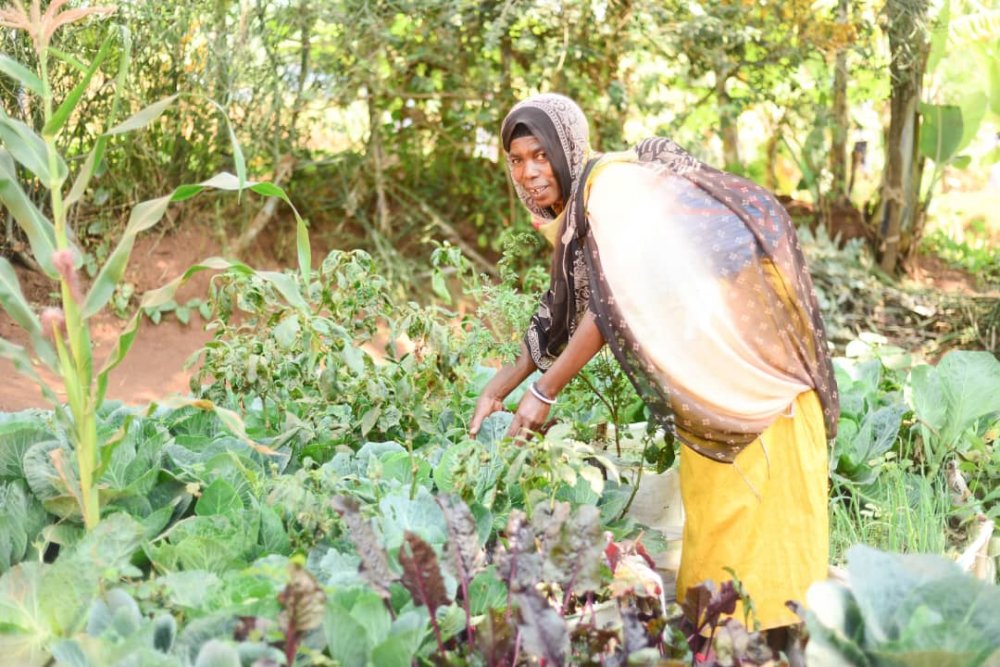
Corps Africa, in collaboration with Musange sector in Nyamagabe, is implementing a project dubbed ‘Umurima wanjye Initiative’ that will see 20,000 kitchen gardens built in the area.
More projects completed in the same period of time include the construction of 14 water kiosks, 14 Early Childhood Development Centers, a TVET school, and a sewing cooperative was established. The youth volunteers also supported citizens to embrace advanced farming of vegetables on four hectares.
Additionally, there was the establishment of 3 Karate clubs as a way to deal with mental health and enhance socialization.
Other completed activities include training on technology, electricity, literacy programs for elders, while citizens saved over Rwf21 million.
Over 307 children were helped to get rid of malnutrition, 142b children were returned to school, while citizens in areas of interventions increased subscriptions for Mutuelle de Santé to 99.3% from 73%.
The media was used as a tool by bad leadership that prepared for the 1994 Genocide against the Tutsi, with many media houses affiliated with political parties or founded by businesspeople with close links to the then-leadership.
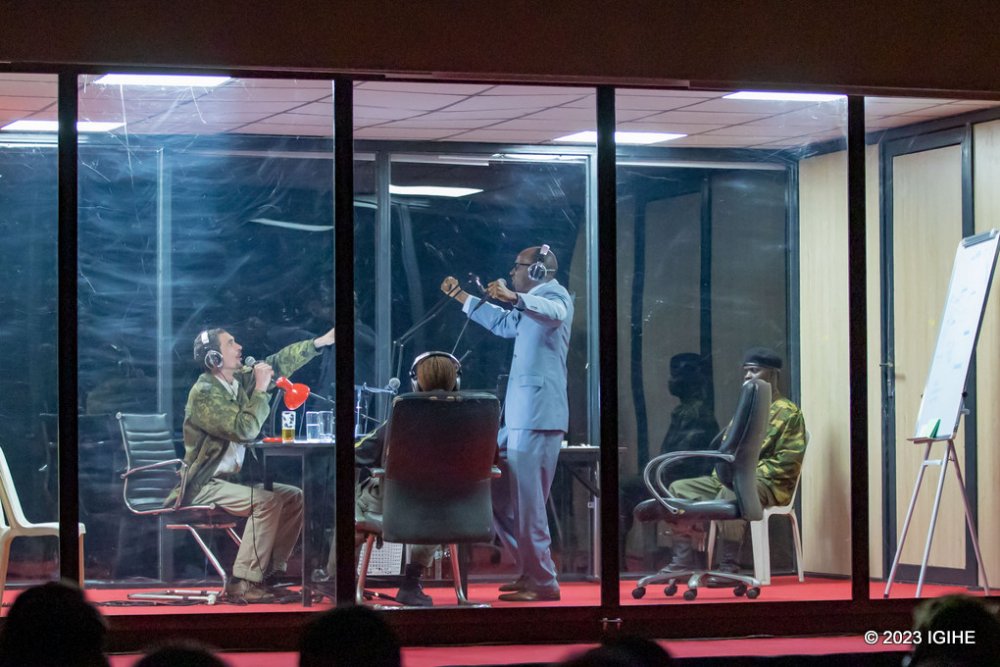
The involvement of media houses, particularly RTLM, during the 1994 Genocide against the Tutsi in Rwanda is depicted in the theatre play “Hate Radio,” which was first played in Rwanda at Kigali Convention Centre on April 8th, 2023, and attended by First Lady Jeannette Kagame and other leaders.
The Minister of National Unity and Civic Engagement, Dr. Bizimana Jean Damascène said that RTLM played a big role in fueling killings of Tutsis.
“Using the media to spread incite hatred did not begin with RTLM. It had been planned for long. Political parties founded in Rwanda in 1959 initiated media houses spreading hatred. RTLM has traceable roots, other media houses where it drew inspiration.”
He pointed out an example of APOROSOMA, a political party that established a media house dubbed “Ijwi rya Rubanda Rugufi” translated as ‘The Voice for Ordinary Citizens’ in 1959. At the time, Parmehutu party also founded a media house called ‘Jyambere’.
“These media houses worked together to teach people that the country is for Hutus, running publications that Tutsis would be killed. It was put that way since 1959.”
The third edition of Jyambere newspaper published on 27th November 1959, featured a statement that read: “Tutsis will be exterminated if they continue to live in the neighbourhood of Hutus.”
Dr. Bizimana said that “Jyambere” made the publication two weeks after killings of Tutsis from 1st November 1959.
Another edition of “Ijwi rya Rubanda Rugufi” that belonged to APROSOMA was issued on 27th September 1959 where the Chief Editor, Gitera Joseph published what he termed as ‘Ten commandments of Hutus’.
At the time, APROSOMA urged citizens to stand united, vote for Hutu leaders instead of Tutsis or Hutus with friendship with Tutsis as they would be enemies.
Minister Bizimana said that Jyambere newspaper was re-launched in 1991 by MDR political party after approving the pluralism of political parties.
Jyambere continued its manipulation agenda along with other newspapers including “Kangura” founded in July 1991 and Power founded by Karamira in November 1993 among others.
Minister Bizimana said that all these newspapers had a shared agenda to mobilize the killings of Tutsis.
On 9th February 1991, Kangura run a publication that read: ‘Let us know Inkotanyi and supporters of RPF and exterminate them’.
The 54th edition of Kangura issued in February 1994, also run an article stating that ‘spies for the enemy are well known’.
Other newspapers including Kinyamateka and Isibo said to be against the regime of Habyarimana later changed their editorial line and run content fueling hatred and ethnic discrimination.
The sixth edition of Isibo newspaper issued on 10th January 1991, also featured an article with a title ‘A Tutsi in this era of Inkotanyi’. It published what was termed as guidelines to be respected every day.
Of the five commandments of Hutus, one encouraged Hutus to ‘Inspect a Tutsi that refuse to change attitudes lest she/he taints others’.
“It is clear that Isibo was mobilizing for killings of Tutsis as requested by the then government,” noted Minister Bizimana.
The fifth commandment for Tutsis read that ‘A patriotic Tutsi has to help the leadership to detect stubborn relatives, who conceal cruelty and cunning’.
As Dr. Bizimana said, Isibo concluded saying that ‘the machette of 1959 awakened many Tutsis where anyone against the advice wants the country to be stuck in a war’.
“The statement written in 1991 mobilized for more killings of Tutsis as it had happened in 1959,” he noted.
Kinyamateka newspaper also offered space for publication inciting hatred even though it was not among hate media.
The 1338th edition in 1991, indicated that the country was blessed ‘because the war brought the unity of Hutus’.
Kinyamateka also referred to Tutsis and Inkotanyi as enemies of Rwanda.
{{The intervention of Habyarimana and Kabuga in establishment of RTLM}}
Radio Télévision Libre des Mille Collines (RTLM) was established on 8th July 1993 but was mainly involved in the mobilization of killings of Tutsis between April and July 1994.
It was initially nicknamed ‘Radiyo Rutwitsi’ and had studios at the current Kigali CarFree Zone. The radio used its popularity to incite hatred.
It was founded by a group led by Dr. Ferdinand Nahimana, one of experts in the country at the time.
Nahimana drafted the first piece determining the establishment of RTLM.
The committee that initiated the idea was led by businessman, Kabuga Félicien.
Other members of the committee included Serugendo Joseph, Ephrem Ntezabera, Jean Bosco Barayagwiza while Juvénal Habyarimana was the first honorary shareholder of RTLM.
Minister Bizimana disclosed that Habyarimana booked shares worth Rwf1 million at the time.
Other shareholders include Kabuga, Basabose Philippe and other top government officials.
“This proves that RTLM was state-owned,” said Minister Bizimana.
It is said that RTLM worked closely with The Rwanda Information Office (ORINFOR) where many journalists were recruited from ORINFOR.
These include Habimana Kantano, Noheli Hitimana, Joël Hakizimana and Gaspard Gahigi among others.
“It shows us that Genocide was possible because it was supported by the government. The media was one of used tools,” noted Minister Bizimana.
Calling Tutsis cockroaches that would be killed was among words inciting hatred and fueling ethnic divisionism that were aired on RTLM.
Such words triggered mixed reactions during Arusha peace accords where politicians against the regime of Habyarimana demanded the shutdown of the radio.
At the time, Dr. Nahimana who headed the radio explained that it was established to be on the defensive of Radiyo Muhabura of RPF –Inkotanyi, but was a contradiction of the radio’s editorial line.
Following the shooting down of Habyarimana’s airplane on 6th April 1994, RTLM encouraged Hutus to kill Tutsis accusing them of being behind the incident.
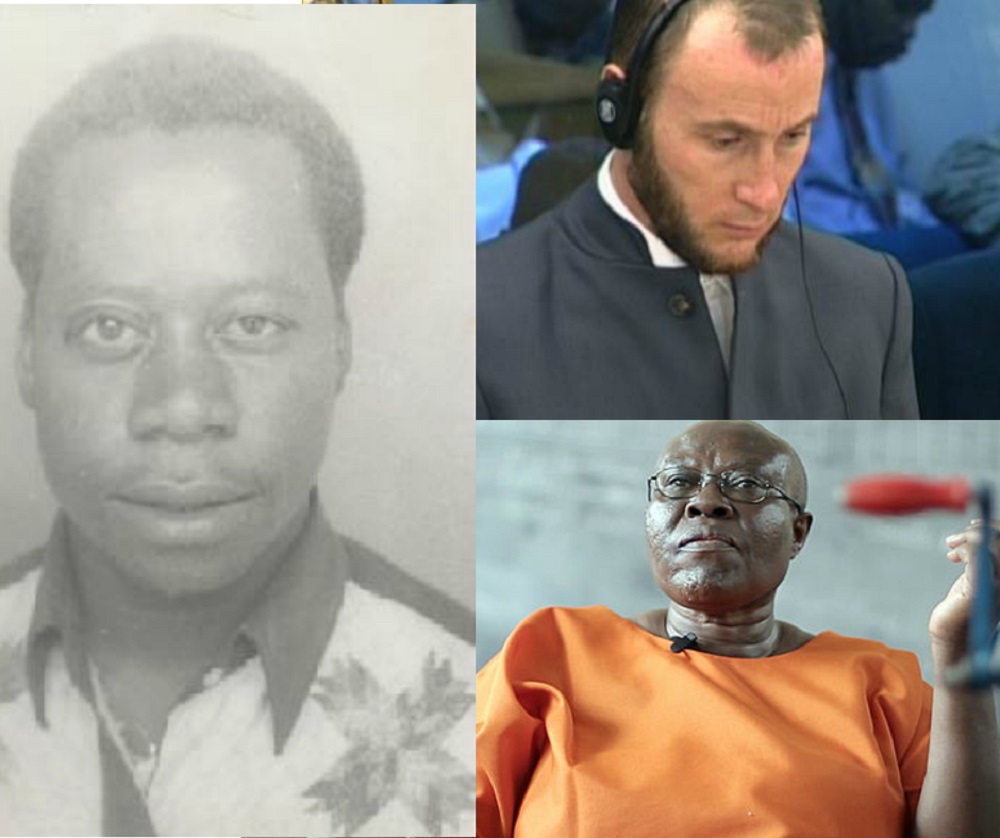
Other journalists popular at RTLM include Valérie Bemeriki. She was handed life sentence for her role in the 1994 Genocide against the Tutsi.
As Rwanda began the 29th commemoration on 7th April 2023, different countries , individuals and international organizations joined Rwandans to honour slain victims.
The Genocide against the Tutsi which lasted for 100 days left over 1 million victims killed over their innate personality.
The messages mainly revolved around standing in solidarity with Rwandans , and reaffirming commitment to prevent reoccurrence of the dark history.
On 23rd March 2018, The United Nations General Assembly adopted a resolution that changed the designation of April 7 to “the International Day of Reflection on the 1994 Genocide against the Tutsi in Rwanda” from the name of “the International Day of Reflection on the Genocide in Rwanda” that had been used since December 2004.
However, there are individuals and countries that refuse to use the right appellation for the 1994 Genocide against the Tutsi.
In a message posted on his Twitter handle, President Kagame thanked those who stood in solidarity with Rwanda noting that this mourning period should be an opportunity to reflect on what happened and know the truth.
“We appreciate leaders and friends from across the world who sent messages of solidarity during this period. Even for those who want to find their own words for what our country went through, KWIBUKA is an opportunity to reflect and keep getting closer to the TRUTH. Important to move in right direction,” he tweeted on Sunday.
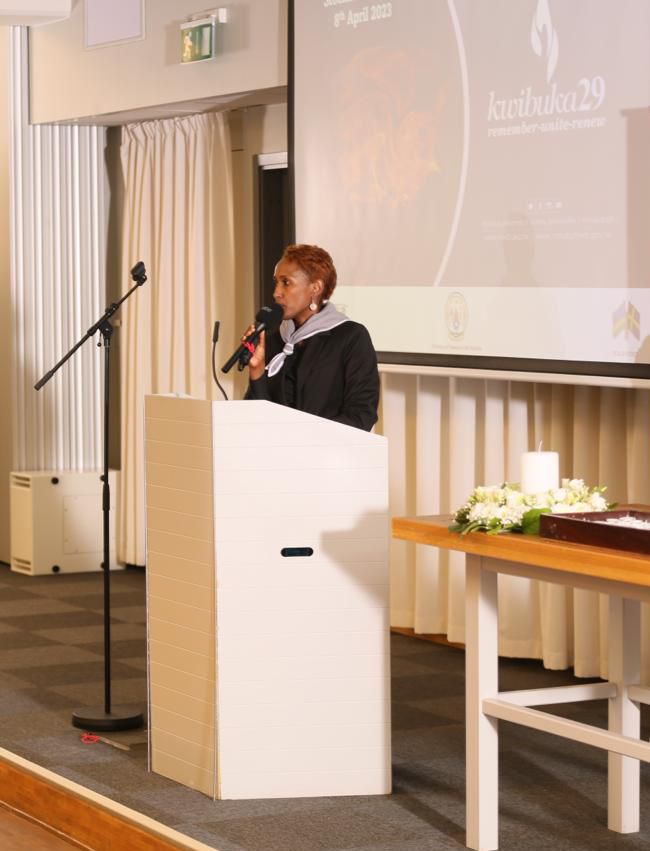
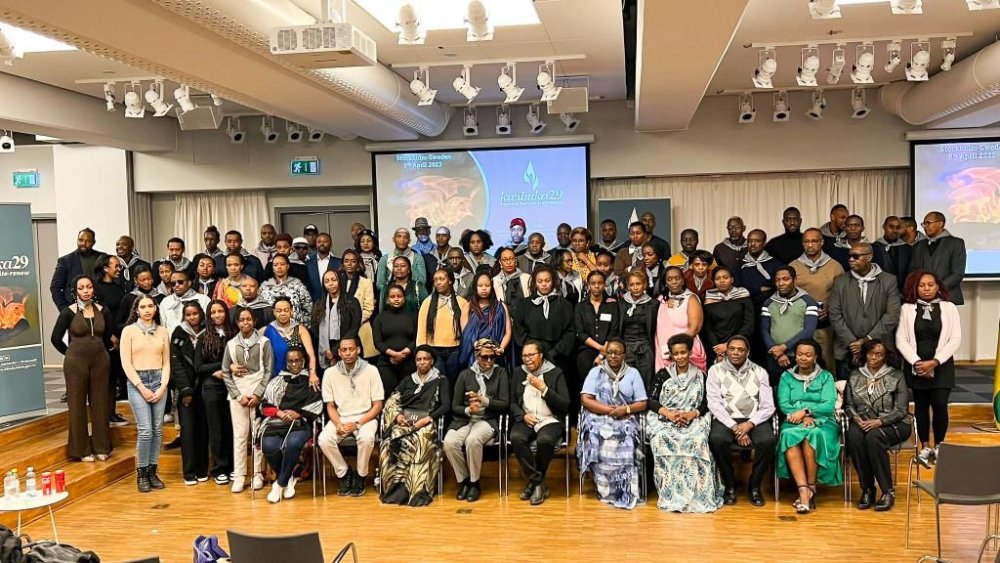
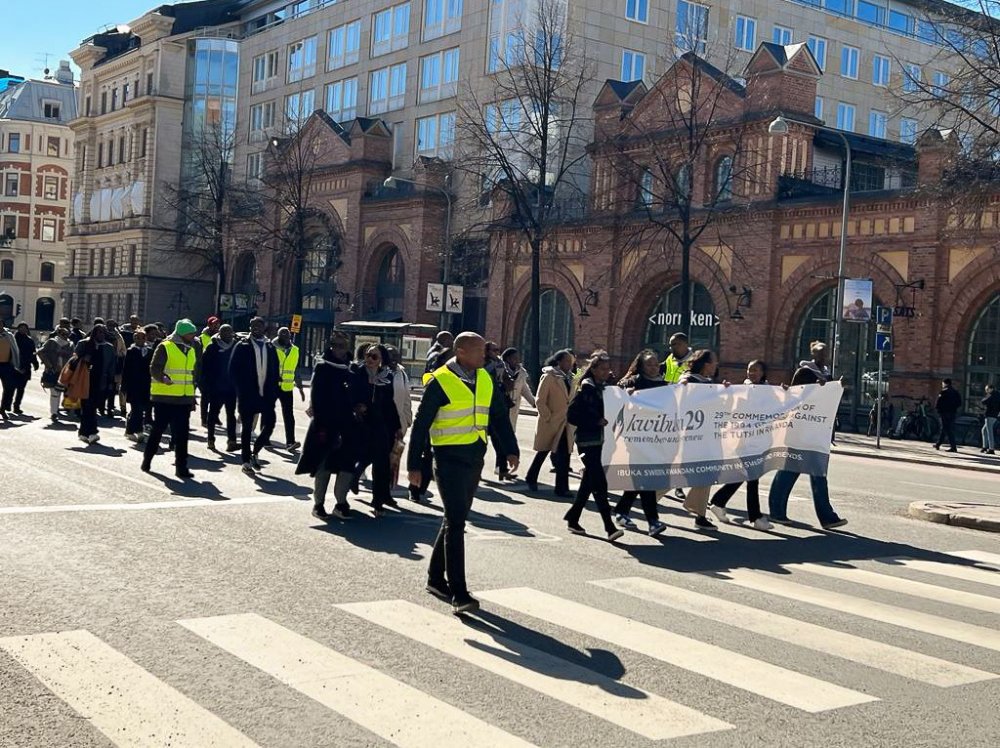
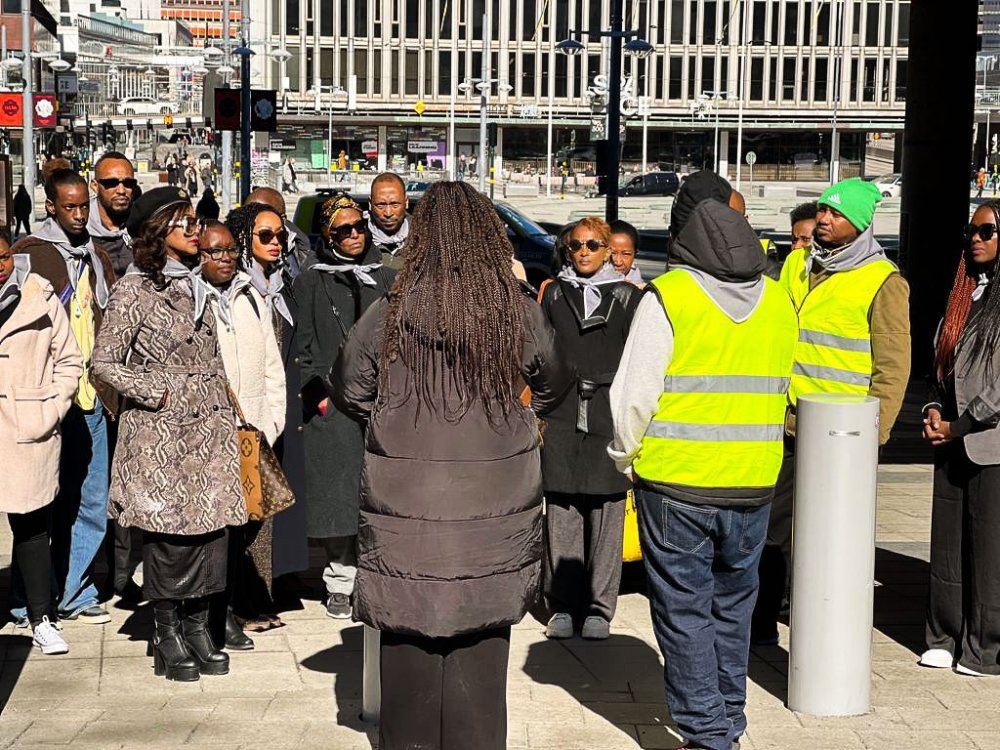
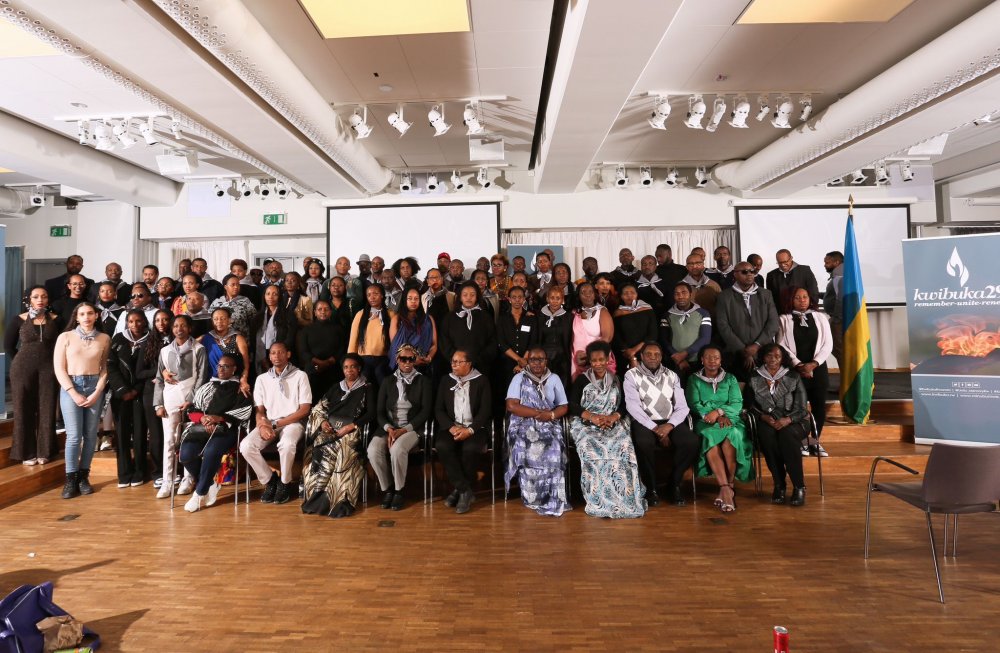
The event held as Rwanda commemorates Genocide against the Tutsi for the 29th time, was organized by Ibuka-Sweden in partnership with Rwanda’s embassy in Nordic countries and the Rwandan diaspora in Sweden.
Josine Kanamugire, the President of Ibuka Sweden, expressed her gratitude to the organizers of the event.
“We always remember because our relatives memories are engraved on our hearts and we must restore their dignity, strive bring to public attention Genocide history, avoid reoccurrence and trivialization,” she said.
“What we see and hear in the neighbouring country committed against Rwandophones, reminds us what we went through before our relatives were killed.
We spent years experiencing oppression and torture with the silence of the international community. That is why we should not overlook and sit idly amidst actions fuelling genocide,” added Kanamugire.
At the event, Muheto shared her testimony of persecution and how she and her family fled from Rulindo to Kigali in 1992, where they were living when the Genocide against the Tutsi occurred. Other testimonies were also delivered through poems and works of art.
A group of women survivors spoke about their experiences of torture and the loss of their loved ones during the genocide. They praised the Inkotanyi soldiers for rescuing them and giving them hope for a new life after the tragedy.
The Rwandan embassy in Nordic countries provided comfort and support to the Rwandan community, encouraging them to avoid despair and stand united in healing each other’s wounds.
The embassy reminded Rwandans to be proud of their country, which values everyone regardless of their innate characteristics, and to strive for a prosperous and safe future for all generations.