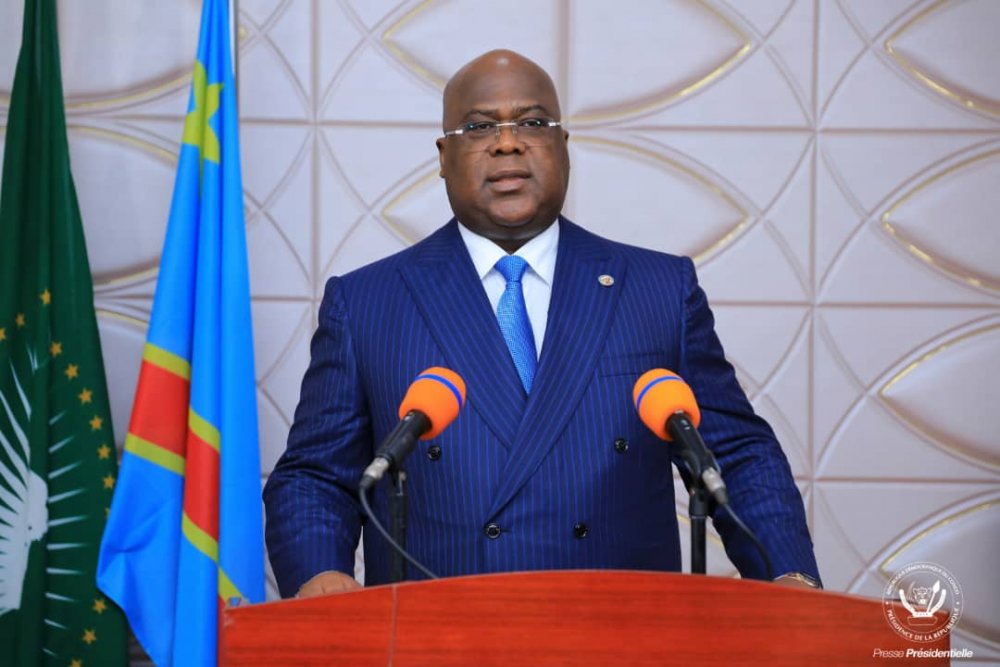
Tshisekedi disclosed his position during a press conference with Swiss counterpart Alain Berset.
He added that the M23 fighters are gradually vacating areas under their control and that the rebels will handover weapons at MONUSCO’s base before being transported to Kindu Town for rehabilitation.
However, Tshisekedi ruled out any dialogues with M23, as the Congolese Parliament had decided against negotiating with armed groups.
In response, M23 spokesman Lawrence Kanyuka took to Twitter to state that “there will be no cantonment, disarmament, and demobilization” until there is “Direct Political Dialogue” between the rebel group and the Kinshasa Government.
Meanwhile, M23 President Bertrand Bisimwa accused Tshisekedi of sabotaging the peace process initiated by the East African Community.
Bisimwa alleged that Tshisekedi’s refusal to hold talks with M23 and separate the group from armed groups like FDLR went against the EAC’s resolutions.
Tshisekedi also addressed allegations that Rwanda had accused DRC of collaborating with the genocidal group FDLR, stating that the group posed no problems.
However, a UN expert report released last year indicated that FDLR formed a coalition with Congolese Army (FARDC) in attacks against M23.
The report also claimed that the DRC government supplied the group with weapons, ammunition, uniforms, and medicaments.
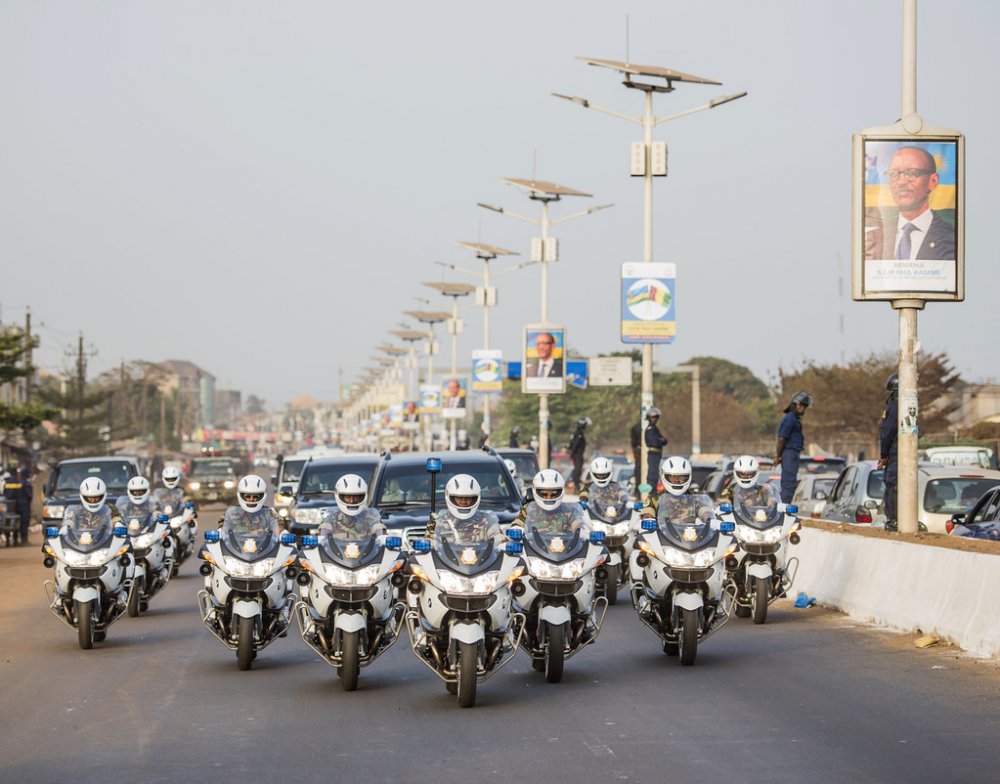
According to Guinean Presidency, President Kagame’s visit comes in response to an invitation from his Guinean counterpart, Colonel Mamadi Doumbouya.
The aim of the visit is to deepen existing relations and strengthen cooperation in areas such as economy, security, agriculture, mining, and culture.
Both heads of state are also expected to engage in private discussions focused on enhancing bilateral relations.
In October 2022, President Kagame received Ousmane Gaoual Diallo, the Minister of ICT of the Republic of Guinea, who delivered a message from Colonel Mamadi Doumbouya.
President Kagame last visited Guinea in April 2017 to attend the African Union Summit, having also visited the country in March 2016.
During his 2016 visit, Kagame was warmly received in Conakry and awarded the Grand Croix, the highest honor that can be bestowed upon an individual by the Guinean government.
The Republic of Guinea-Conakry, located in West Africa, has its capital in Conakry. As of 2013, the country’s population was approximately 13.5 million.
Cases of theft, sometimes violent, including house break-ins, pick-pocketing, snatching people’s belongings and ambushing people during wee hours, have been reported in different parts of the country.
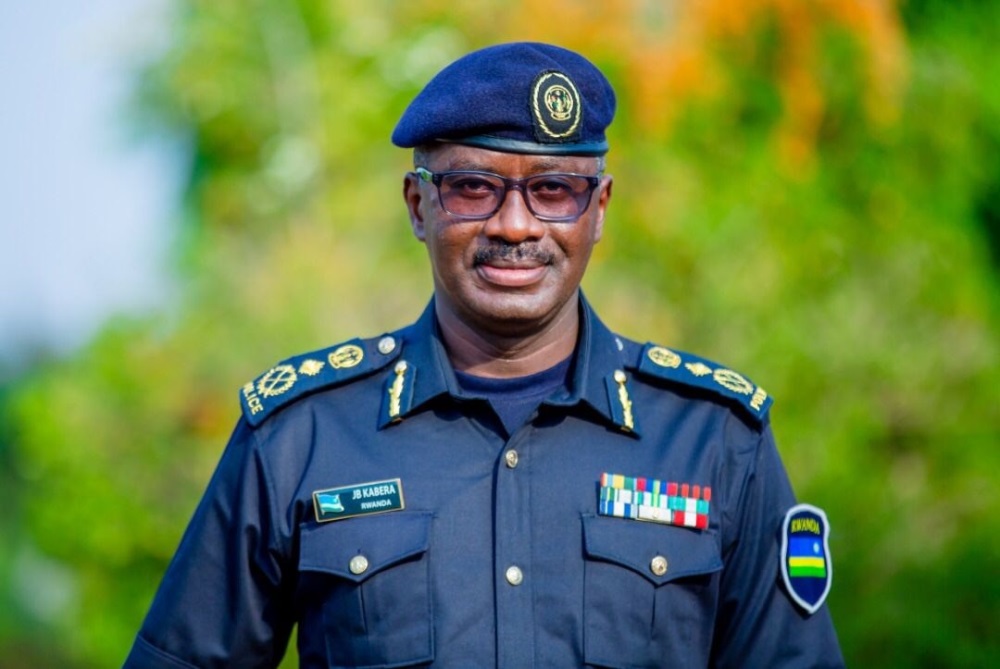
The RNP spokesperson, Commissioner of Police (CP) John Bosco Kabera said that operations against theft have been strengthened, and that some of those connected to these criminal activities have been arrested.
He called for collaboration and swift information sharing on individuals and rings suspected to be connected to these criminalities.
“We reassure the public that the issue of theft is being addressed and the Police has increased its operations against it as well as all acts of lawlessness. It is the duty of the RNP to ensure the safety of people and their property,” CP Kabera said.
He, however, called upon the public to always report lawlessness in real time at the nearest Police station or on the RNP communication and social media platforms, to facilitate timely response.
Some cases of theft, added, are reported on social media platforms after days; and appealed for timely and detailed information sharing.
This he said, helps the Police to respond immediately to arrest the suspected criminals and to recover what is stolen.
CP Kabera advised those involved in lawlessness to refrain and rather engage in legal businesses instead of languishing in prison for something avoidable.
Article 166 of law determining offences and penalties in general states that; any person convicted of theft is liable to imprisonment for a term of not less than one (1) year and not more than two (2) years and a fine of not less than Rwf1 million and not more than Rwf2 million, community service in a period of six (6) months or only one of these penalties.
In article 167, the penalty for theft doubles if the offender committed the crime through burglary, climbing or possession of keys other than the owner; the theft is carried out during the night or the theft is carried out by more than one (1) person.
Article 168 provides an imprisonment of between five and seven years and a fine of between Rwf3 million and Rwf5 million for any person convicted violent theft.
Foreign trade has improved over the past three months. After dropping 7 percent year on year in January due to the Spring Festival holiday, it recovered to an expansion of 8 percent in February before surging 15.5 percent in March.
The first-quarter growth rate accelerated by 2.6 percentage points from the pace recorded in the fourth quarter of last year, according to the General Administration of Customs (GAC).
“China’s foreign trade has displayed resilience in the first quarter. The steady growth laid a foundation for promoting stability and improving the quality of foreign trade throughout the year,” said Lyu Daliang, an official with the GAC.
In the first three months, exports grew 8.4 percent year on year to 5.65 trillion yuan (about 823 billion U.S. dollars) while imports rose 0.2 percent to 4.24 trillion yuan, bringing the total trade to 9.89 trillion yuan.
During this period, the Association of Southeast Asian Nations (ASEAN) remained China’s largest trade partner. China’s trade with ASEAN countries rose 16.1 percent year on year, 11.3 percentage points higher than the country’s overall trade growth rate.
Trade with countries along the Belt and Road jumped 16.8 percent year on year, while that with other members of the Regional Comprehensive Economic Partnership grew 7.3 percent during this period.
New drivers are taking hold, as China saw a 66.9-percent increase in the exports of three green products, namely solar batteries, lithium-ion batteries, and electric vehicles. These three products contributed 2 percentage points to the overall export growth in the first quarter.
“The recovering trend is expected to continue as China’s overall economic operation improves,” said Lyu, adding that China’s sound economic fundamentals remain unchanged.
However, Lyu warned of difficulties and challenges in the sector, including global inflation, weakening external demand, and global uncertainties from protectionism and geopolitical risks.
According to a State Council meeting held last week, China will make more efforts to implement a policy mix to maintain the stability of foreign trade and help enterprises secure orders and expand the market.
The country will find ways to stabilize exports to developed economies and guide companies to continue their exploration of markets in developing countries, as well as regional markets such as the ASEAN, the meeting said.
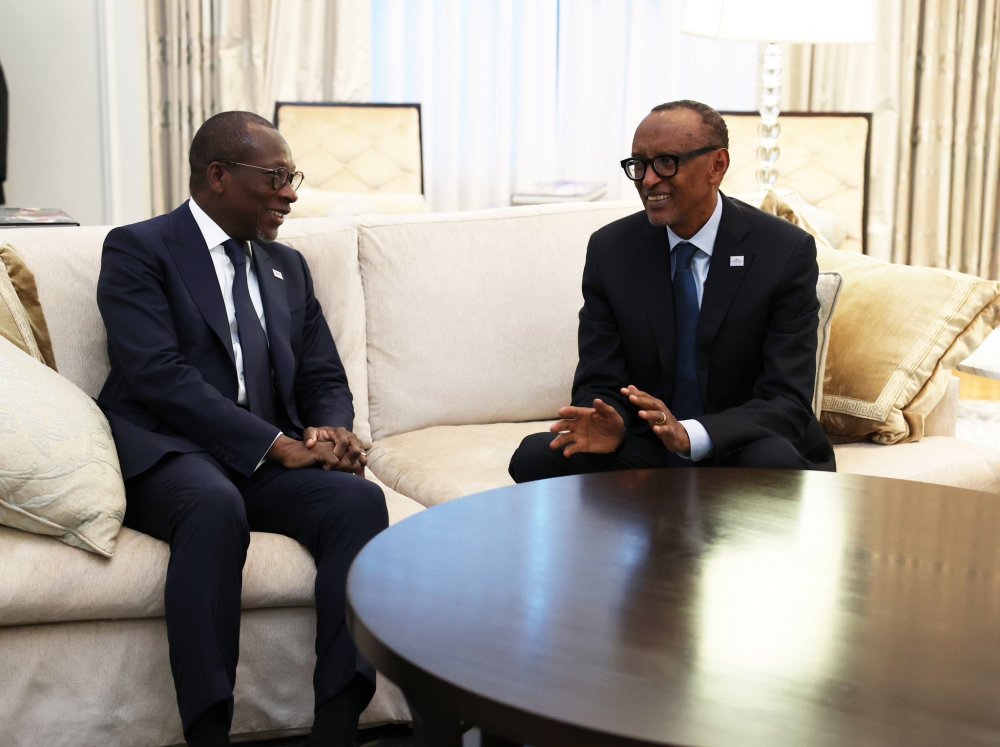
The visit to begin on 14th April 2023, aims to further strengthen bilateral cooperation, particularly in trade, investment, expertise exchange, tourism, and other sectors.
During his stay, President Kagame will be received by his counterpart of Benin President Patrice Talon, at the Palais de la Marina on April 15. The leaders will engage in a tête-à-tête, followed by a working session with members of both delegations. The meeting will pave the way for the signing of several bilateral agreements, culminating in a joint press briefing.
The communique indicates that the two leaders will likely discuss topics such as the facilitation of free movement of goods and people, air transport between Kigali and Cotonou, the textile industry, and the fight against terrorism during their face-to-face meeting with media representatives.
Rwanda and Benin share a history of strong bilateral relations and have collaborated in various areas, including information and communication technology (ICT), urban development, administration, and air transport, among others. The Benin Presidency highlighted that these agreements have allowed experts from both countries to work together to improve the well-being of their respective populations.
As part of his visit, President Kagame is scheduled to visit the Development Agency of Sèmè City, the International City of Innovation and Knowledge, on April 15. There, he will meet and interact with young entrepreneurs, students, and start-ups, further fostering the exchange of knowledge and ideas between the two nations.
In addition, President Kagame is expected to tour the Place de l’Amazone and the monument at Les Jardins de Mathieu, showcasing the cultural and historical ties between Rwanda and Benin.
This state visit signifies the commitment of both Rwanda and Benin to work together in various fields to promote mutual growth and development.
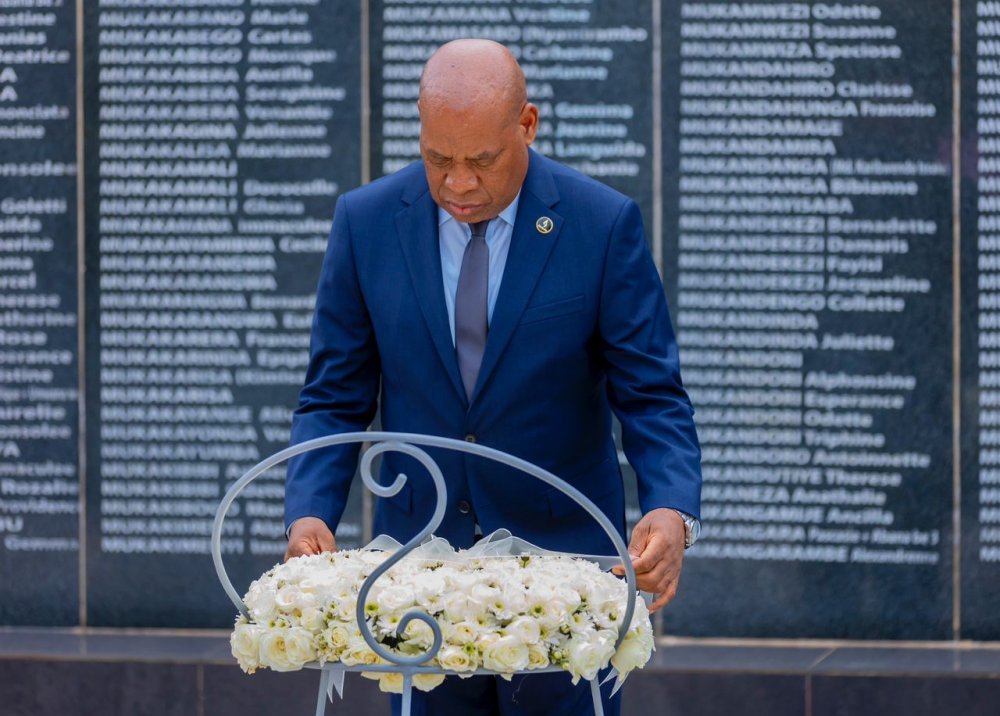
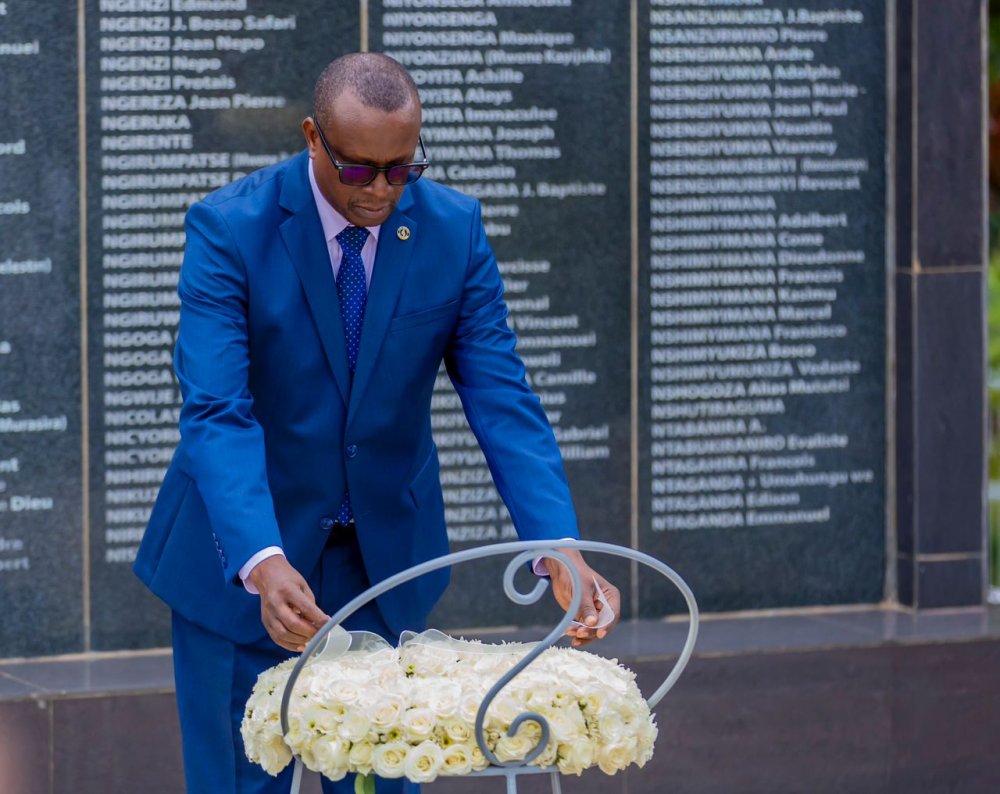
Commemorating activities will last for 100 days symbolizing the period that the Genocide lasted.
The day is dedicated to remembering politicians who opposed the former regime’s plans to exterminate Tutsis.
Dr. Kalinda commended countries using international law to prosecute genocide suspects and urged others to follow suit.
He noted that some countries have not yet understood their role in fighting genocide and its ideology, citing nations that shield genocide fugitives.
In 2021, the Prosecution revealed that the Democratic Republic of Congo (DRC) had received the most arrest warrants for genocide fugitives (408) in Africa.
Uganda received 277 warrants, while Ghana and Benin received a smaller number.
Despite this, some African countries have not made progress in trying these suspects.
In total, over 1,000 arrest warrants have been sent to various countries, including European nations.
Dr. Kalinda also addressed the issue of genocide denial and trivialization, identifying the Democratic Forces for the Liberation of Rwanda (FDLR) as key drivers of this ideology.
He urged everyone, particularly the youth, to combat genocide ideology and work together for peace in Rwanda.
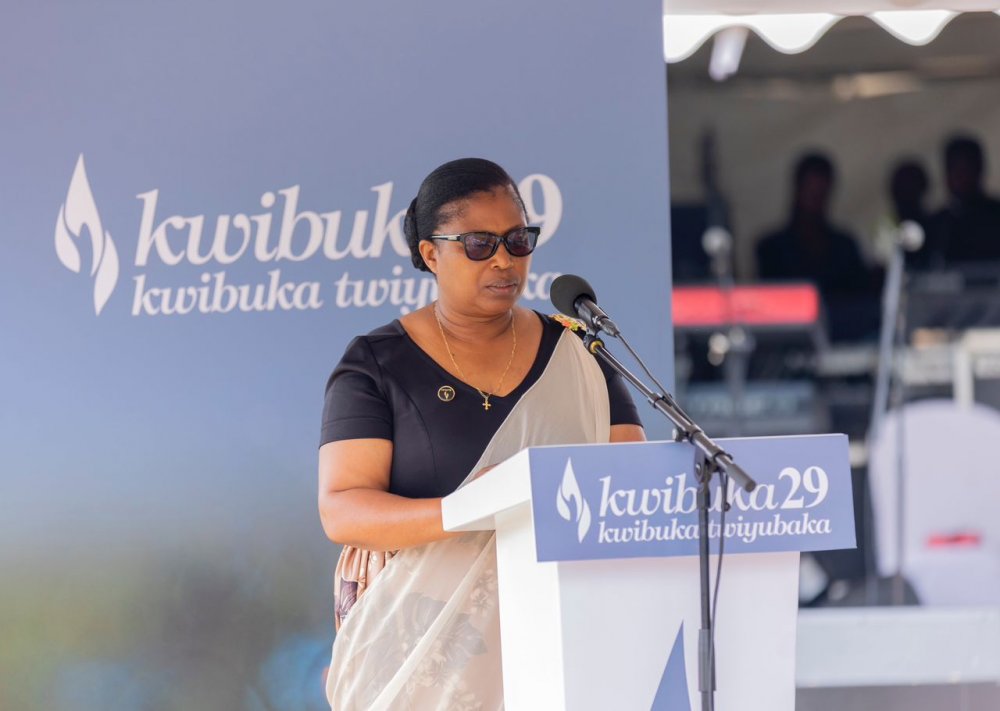
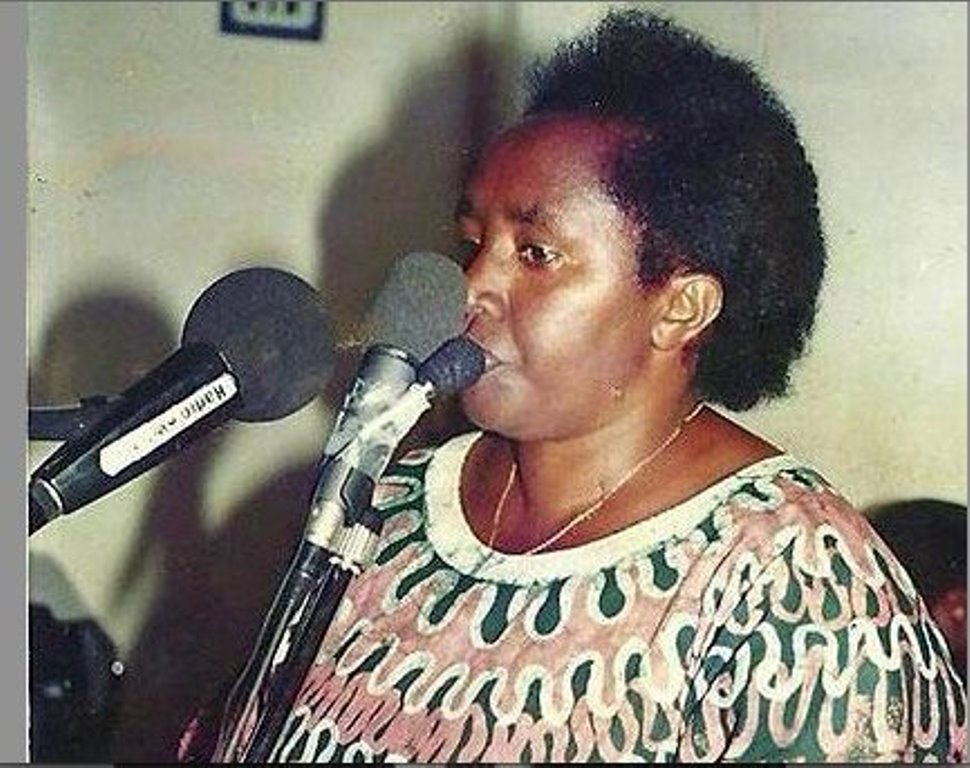
Elisabeth Mukamana, Spokesperson of the Political Parties Forum, honored the politicians who were killed for their bravery and commitment to a non-discriminatory country.
She criticized the genocidal government and called on current political parties to promote humanity and unity among members.
Dr. Bizimana Jean Damascène, Minister of National Unity and Civic Engagement (MINUBUMWE), emphasized that the 1994 Genocide against the Tutsi was the result of decades of harmful politics and condemned politicians seeking to spread ethnic division and undermine Rwandan unity.
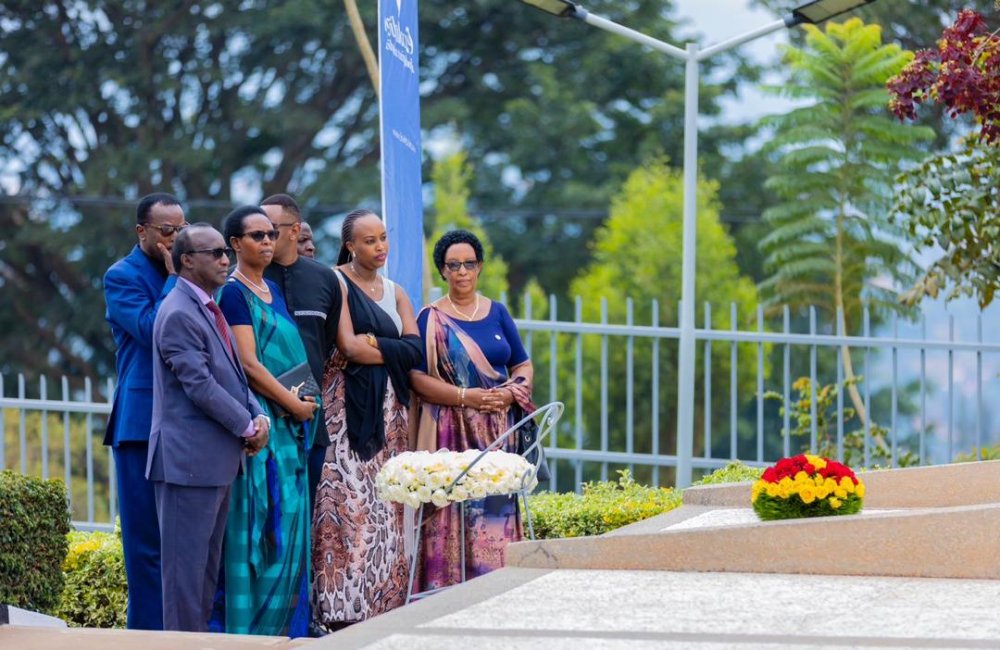
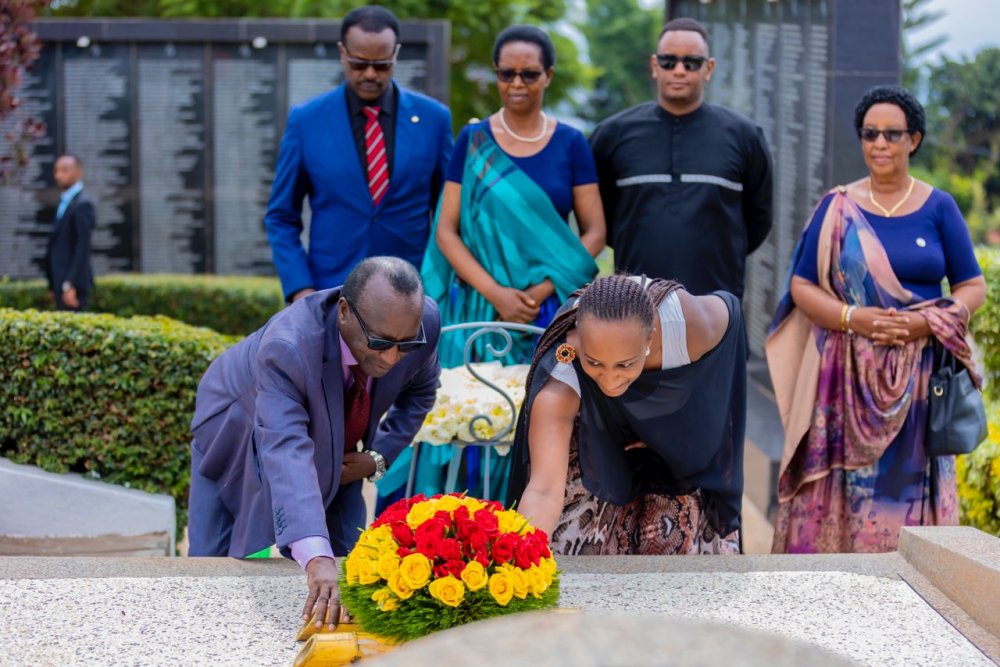
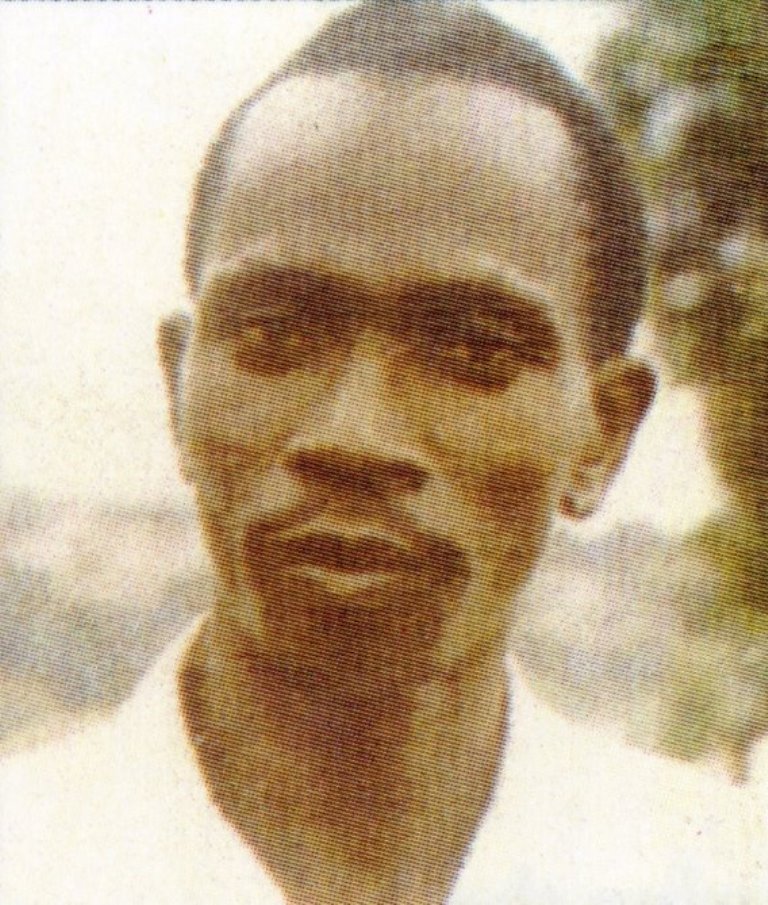
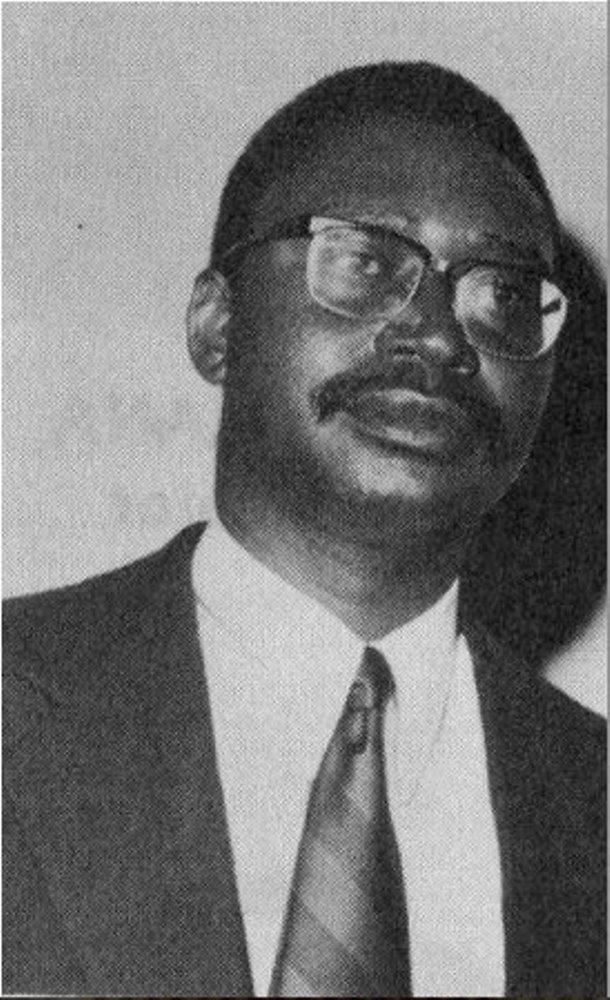
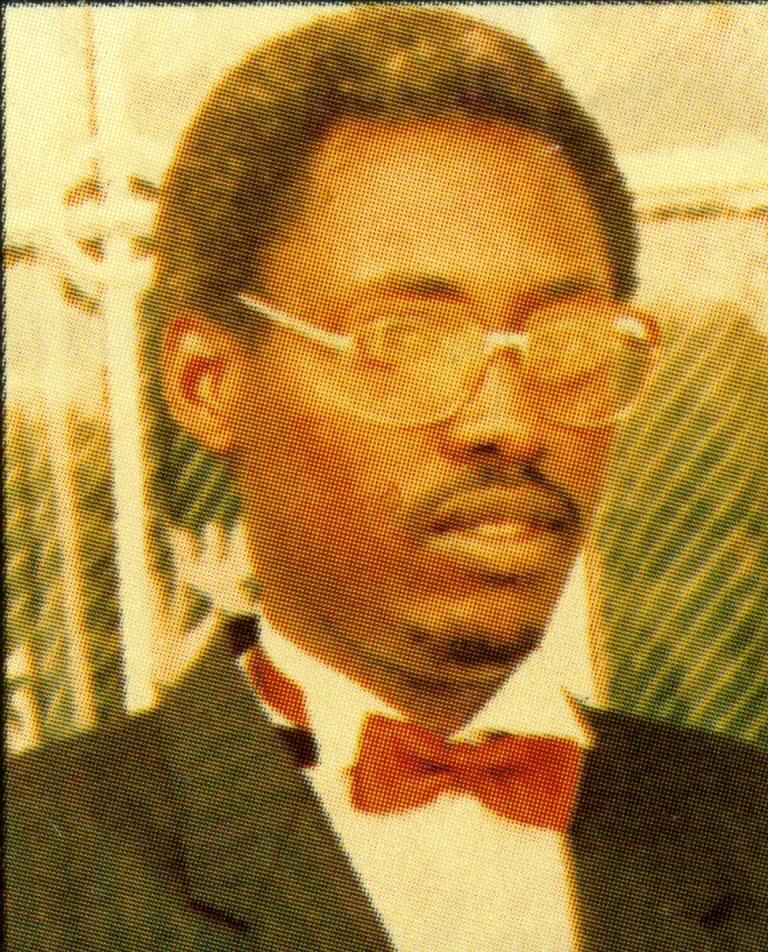
Politicians laid to rest at Rebero include Landouard Ndasingwa (PL), Charles Kayiranga (PL), Jean de la Croix Rutaremara (PL), Augustin Rwayitare (PL), Aloys Niyoyita (PL), Venantie Kabageni (PL), Andre Kameya (PL), Frederic Nzamurambaho (former president of PSD and Minister of Agriculture), Felicien Ngango (PSD), Jean Baptiste Mushimiyimana (PSD), Faustin Rucogoza (MDR) and Joseph Kavaruganda, the former President of Supreme Court.
They are appreciated for their commitment to resist evil and fighting against the execution of the Genocide which took lives of over 1 million victims.
These politicians laid at Rebero Genocide Memorial in Kigali City were members of political parties that opposed the vision of the former regime of President Juvenal Habyarimana and his ruling party dubbed Revolutionary National Movement for Development (MRND).
They opposed discrimination and strived for unity until they were killed on 7th April 1994 as the Genocide began.
These include Joseph Kavaruganda, Landouard Ndasingwa, Venantie Kabageni, Charles Kayiranga, Jean de la Croix Rutaremara, Augustin Rwayitare and Aloys Niyoyita among others.
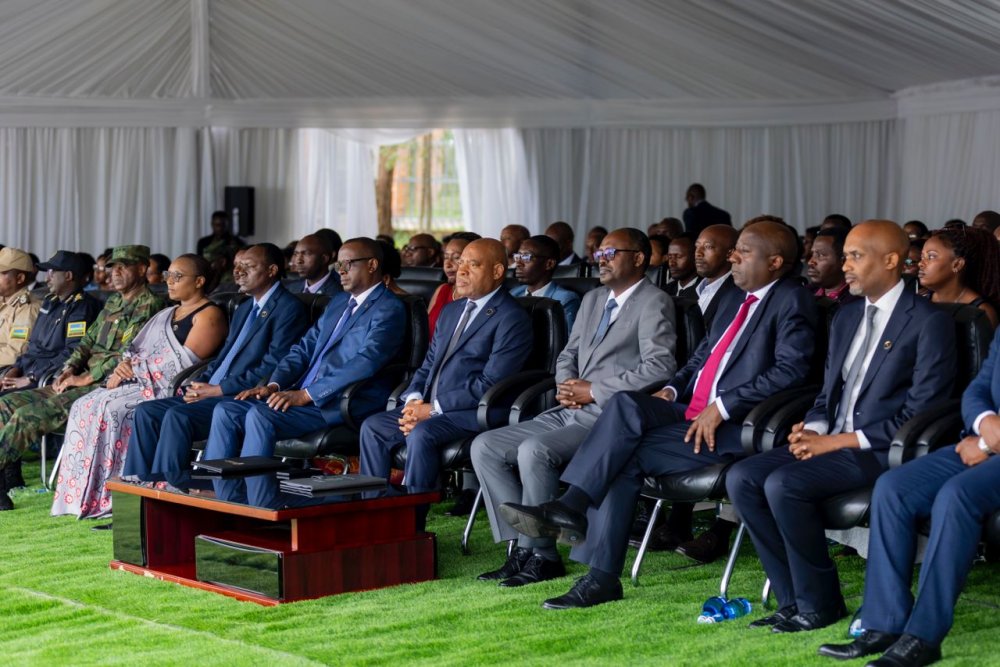
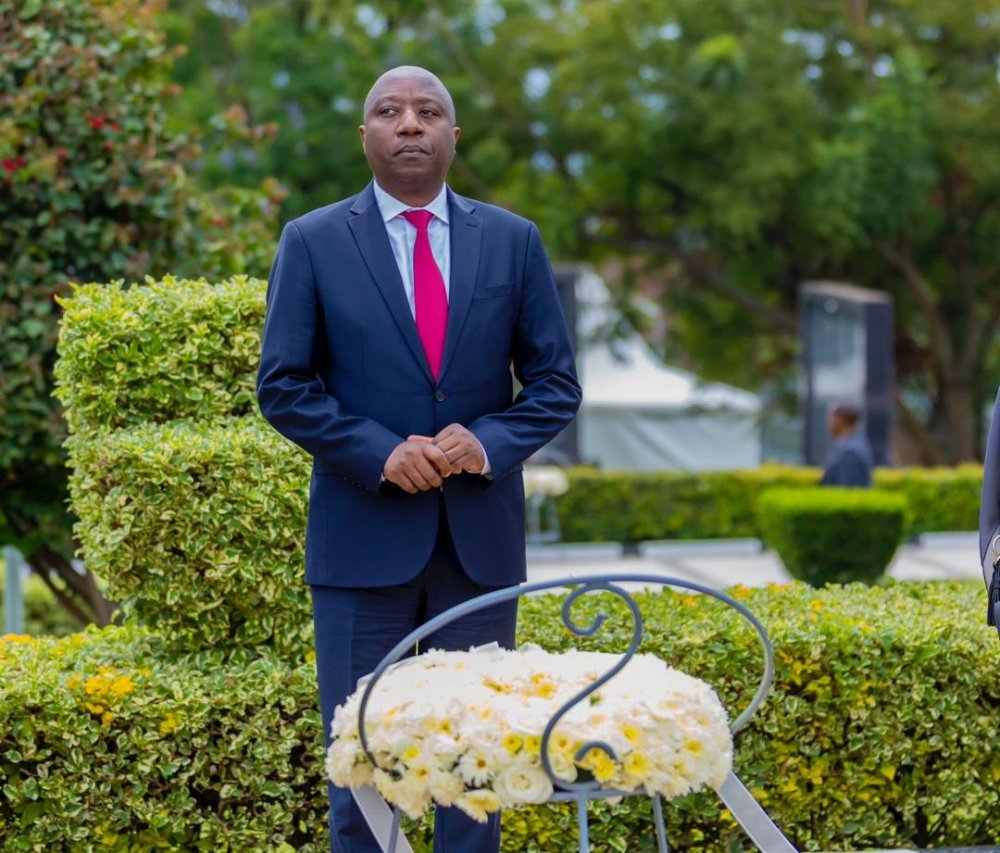
Rwanda will end the mourning week for the 29th anniversary of the 1994 Genocide against the Tutsi on Wednesday, April 13th, 2023, which coincides with the commemoration of fallen politicians.
However, commemoration activities will last for 100 days symbolizing the period that the Genocide lasted.
{{Below are profiles of the fallen politicians:}}
{{Joseph Kavaruganda}} was the President of the Constitutional Court. He opposed Genocide ideology until his last breath.
Kavaruganda who was also responsible for receiving the oath of Head of State; was killed on 7th April lest he would tamper with installation of the interim Government on the next day.
{{Landouard Ndasingwa}} was the President of Liberal Party (PL). The man renowned as Lando, his wife and two children were killed on 7th April 1994 in Remera by forces of the then Republican Guard.
{{André Kameya}} was a member of PL and journalist. He was killed in June 1994. His wife and children had been killed in April the same year. Kameya worked with Kinyamateka, ORINFOR and also served as the Chief Editor of the journal of the Ministry of Justice.
He was murdered after launching a newspaper dubbed Rwanda Rushya.
{{Frédéric Nzamurambaho}} was the President of Social Democratic Party (PSD) and Minister of Justice. He was shot dead on 7th April 1994 at his home by forces of the then Republican Guard.
{{Felicien Ngango}} was the Vice President of PSD. He was killed over defending unity among Rwandans without ethnic divisions. He was among politicians to be appointed in the Government following Arusha accords.
{{Faustin Rucogoza}} was a member of Republican Democratic Movement (MDR) and Minister of Information. He was killed along his wife on 7th April 1994. In 1993, Rucogoza had denounced hate speeches by Radio Television Libre des Mille Collines (RTLM) and issued a warning against the broadcaster.
{{Venantie Kabageni}} was a member of PL. He was killed at the beginning of Genocide against the Tutsi over his beliefs that opposed bad leadership of Habyarimana’s regime.
{{Augustin Rwayitare}} was a member of PL. He was killed during the 1994 Genocide against the Tutsi over opposing the Government which sowed hatred among Rwandans.
{{Jean de La Croix Rutaremara}} was also a politician whose vision was against ethnic discrimination fuelled by the former government.
{{Jean Baptiste Mushimiyimana}} was a member of PSD. He was killed for being an opposition figure of Habyarimana’s regime.
{{Charles Kayiranga}} was a politician and member of PL. He was killed in the Genocide over promoting democratic leadership.
{{Aloys Niyoyita}} was a politician from PL. He was killed for opposing the bad leadership of Habyarimana.
The majority of killed politicians were from PL deemed to belong to Tutsis.
They also opposed its president Justin Mugenzi who had been convinced by MRND and decided to form PL- POWER.
These politicians are an addition to the former Prime Minister, Agathe Uwilingiyimana buried at the Heroes’ Square in Remera. She is also remembered on the same date.
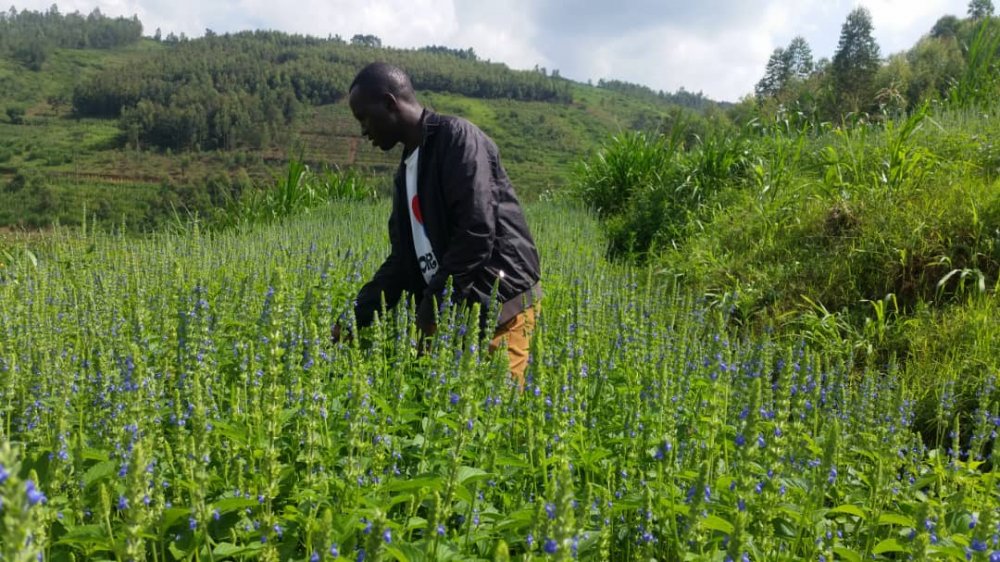
According to sources, a kilogram of Chia Seeds cost Rwf90,000, and a hectare was planted with 2 kilograms that yielded 1000 kilograms. Upon harvest, a farmer used to receive Rwf3,000 per kilogramme. The returns on this investment were quite impressive, with a single hectare yielding a harvest worth Rwf3 million in just three months.
However, the failure of Akens and Kernels Ltd to pay farmers for their produce has left many Chia Seeds farmers in debt and at risk of losing their properties.
Investing in Chia Seeds was considered a profitable venture, with a single hectare yielding a harvest worth Rwf3 million in just three months.
The total investment made by a farmer was Rwf1,574,000, which included Rwf180,000 for seeds, Rwf 200,000 for farm maintenance, Rwf 300,000 for land rent (to tenants), as well as expenses for fertilizer, weeding, planting, and harvesting. This meant that a farmer would generate a profit of Rw1,574,000 in three months per hectare.
However, the happiness of the Chia Seeds farmers did not last long because the company that bought their produce, Akens and Kernels Ltd, failed to pay them and secure a market for their last produce. This has left many farmers in debt and struggling to make ends meet.
Affected farmers include those grouped in Chia Seeds Farmers’ Cooperative in Ngoma District. They hoped to sell 450 tons of Chia Seeds at the end of last year, but not a single kilogram was sold.
This issue is in addition to another major debt worth Rwf248 million that Akens and Kernels Ltd owed them in 2021. The cooperative has 558 members, but 195 did not receive payments, leaving them in a dire financial situation.
Some farmers were hit particularly hard and were forced to sell their produce to unlicensed buyers at a giveaway price between Rwf500 and Rwf800 per kilogramme, despite the previous promise of Rwf3000 per kilogramme upon harvesting time.
In the meantime, Akens and Kernels Ltd entered into agreements with over 3800 farmers to invest in Chia Seeds, but the situation has turned sour, as they claim debts worth over Rwf27 billion.
{{A drop into the sea}}
The issues facing Chia Seeds farmers have come to public attention after several meetings aimed at finding a solution failed to yield any results. The affected farmers come from 17 districts and have not received payments after supplying their produce to Akens and Kernels Ltd.
The Ministry of Local Government (MINALOC), which was among the institutions that encouraged farmers to grow Chia Seeds as a cash crop, acknowledged the problem.
MINALOC revealed via Twitter handle that 950 farmers are owed payments worth Rwf1.3 billion, based on presented delivery notes.
The message further stated that from 30th March 2023, farmers started receiving their money at the agreed-upon price as per current market prices. MINALOC explained that farmers from 11 districts with complete delivery notes have already received payments, and the program is ongoing.
However, the President of the Committee of Chia Seeds farmers at the national level, Emmy Nsengiyumva, has told IGIHE that only selected farmers have received payments, and not all farmers claiming payments owed by Akens and Kernels Ltd.
He noted that there are over 3000 farmers who invested in Akens and Kernels Ltd through agreements, and ‘the payments made so far are like a drop in the sea’.
Nsengiyumva disclosed that only farmers who had a delivery note were paid, including individuals and other cooperative members.
He further explained that there was no thorough consideration of proprietors, especially for those who invested in large tracts of land.
The produce in the store, which was supplied to Akens and Kernels Ltd by over 3800 farmers, was sold, but the money was only distributed among farmers with delivery notes from the company.
However, the issue of farmers who invested in Akens and Kernels Ltd by providing money for the company to grow the crop on the land provided by the government remains unsolved.
{{Rwf27 billion in debts claimed by Chia Seeds farmers}}
Over 3,800 farmers are demanding payment from Akens and Kernels Ltd, with a total claim of over Rwf27 billion, which includes the capital they invested in Chia Seeds cultivation across more than 8,000 hectares of land.
The government provided over 1,000 hectares of land to Akens and Kernels Ltd, including 200 in Rulindo, 800 in Gisagara, 100 in Nyanza, and 50 in Kirehe district in Mahama, among other locations.
However, the farmers who invested in these lands were not able to recoup their investments, as the crop was not fully exploited.
Investments made by various individuals and entities in Akens and Kernels Ltd total more than Rwf17 billion, excluding profit. These investors were supposed to receive returns from the produce that was taken to the Dubai market, but to date, they have not received any payments.
Nsengiyumva has criticized the government’s handling of the situation, stating that instead of following up on the arrears, the Ministry of Local Government (MINALOC) sold the produce in store to pay farmers.
Nsengiyumva explained that the main problem relates to Akens and Kernels Ltd failing to cultivate as promised, despite the encouragement provided by various institutions in charge of agriculture and MINALOC.
He emphasized that not all individuals should be victims of the mismanagement of Akens and Kernels Ltd, and that ‘these institutions must ensure it is held accountable’.
{{Fear for dissolution without payment of debts}}
The future of Akens and Kernels Ltd remains uncertain as an audit revealed that the company is unaccountable for Rwf17 billion, including Rwf860 million from produce sold in Dubai. As a result, the Rwanda Development Board (RDB) filed a lawsuit to dissolve the company.
A court case is scheduled for 20th April 2023, IGIHE has learnt.
Nsengiyumva believes that Akens and Kernels Ltd should be held accountable for the money that farmers invested in the business. He fears that the dissolution of the company would leave the farmers with no place to ask for their property.
Nsengiyumva affirms that if the company goes bankrupt, the government should intervene and help the farmers since it accepted Chia Seeds as a cash crop.
Farmers are demanding that the government impound the tractors and other assets of Akens and Kernels Ltd to pay their debts.
This problem has had a significant impact on farmers, with some of them losing their properties and others suffering from mental health issues due to the financial losses.
The gesture proves her stand on Rwanda and stubbornness to change attitudes towards the country that recently released her father, who had been convicted of terrorism charges.
The development was reached after Rwanda and the United States were in talks for the release of Paul Rusesabagina, and Kanimba had previously moderated her criticisms towards the Rwandan government.
However, Kanimba’s recent actions suggest that she has chosen to continue her political struggle despite her father’s release through presidential pardon.
It is important to note that Sundaram’s book, “Bad News: Last Journalists in a Dictatorship”, has been criticized for its inaccuracies and questionable sources.
Additionally, Rwanda has accused Sundaram of being funded by subversive groups, including RNC terrorist group of Kayumba Nyamwasa, to produce his defamatory writings.
Before Rusesabagina’s release, President Paul Kagame emphasized that the policy of forgiveness and mercy was the foundation of its implementation, and that clemency was granted even to some perpetrators of the 1994 Genocide against the Tutsi in 1994.
Rwanda has also started talks with the United States, mediated by Qatar, to restore good relations between the two countries.
Despite these efforts, Kanimba appears to have chosen to ignore her father’s clemency and continue to attack Rwanda.
It should be noted, however, that Rusesabagina pledged to live peacefully in the United States without interference in Rwanda’s politics in his letter requesting presidential pardon.
It is possible that Kanimba has taken up the mantle of her father’s political struggle in his absence.
It is important to approach these allegations with caution and skepticism, given the controversial nature of the sources and claims being made.
The country had experienced a decline of -3.4% in 2020 due to the impact of the COVID-19 pandemic. In 2021, the economy rebounded strongly with a growth rate of 10.9%, followed by a growth rate of 6.8% in 2022.
The report highlights the challenging global economic conditions, including the COVID-19 pandemic, the cost-of-living crisis, and geopolitical tensions such as Russia’s invasion of Ukraine, which are likely to affect the global growth rate.
As a result, the global growth rate is projected to slow down from 6.0% in 2021 to 3.2% in 2022 and 2.7% in 2023.
However, the IMF report states that inflationary pressures are expected to ease in Rwanda, with the Consumer Price Index expected to reduce from 13.9% in 2022 to 8.2% by the end of 2023 and 5.0% in 2024.
This is good news for the country, as high inflation can have a negative impact on economic growth and the standard of living of the people.
While Rwanda’s economy is expected to experience a slowdown in growth compared to the previous year, the country’s projected growth rate of 6.2% in 2023 is still relatively strong and reflects the country’s resilience in the face of economic challenges.