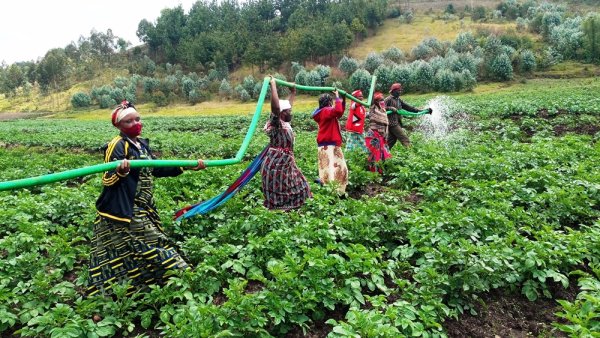
Speaking at a forum in the Kenyan capital of Nairobi, the scientists acknowledged Africa’s growing hunger crisis, stressing that a durable solution hinged on transiting to climate-smart food production methods.
Yan Zhuang, the director of the International Cooperation Program at the Chinese Academy of Sciences, said combating the climate crisis and other ecological threats in Africa will place the continent on a path to long-term food security, adding that greater South-South cooperation is imperative to boost climate response in Africa and hasten the realization of UN 2030 Sustainable Development Goal 2 on eradicating hunger in the continent.
About 100 Chinese and African scientists are attending the third conference on climate, ecosystems, and livelihoods taking place in Nairobi to discuss innovative ways to enhance food and nutrition security in Africa.
Convened by the United Nations Environment Programme-International Ecosystem Management Program (UNEP-IEMP), a joint venture between the UNEP and the Chinese Academy of Sciences, the two-day forum will also discuss environmental sustainability as a building block for Africa’s ability to feed its citizens in the future.
Aggie Konde, vice president of Program Innovation & Deliver at the Nairobi-based Alliance for Green Revolution in Africa (AGRA), said there was an urgency to climate-proof agricultural systems in the continent, regenerate soil and boost crop yield at the smallholder level. Konde noted that 20 percent of Africa’s population, or 282 million people, are food insecure and undernourished, and stressed that scaling up climate adaptation finance and habitat restoration would be key to sustainable food production.
Speedy action on the triple planetary crises of climate change, biodiversity loss, and pollution will be a prerequisite to strengthening the resilience of Africa’s food systems, said Susan Gardner, the director of the UNEP’s Ecosystems Division.
According to Gardner, greater uptake of nature-positive farming methods will not only guarantee food security in Africa but also hasten the continent’s transition to a greener and more resilient future.
Clemens Breisinger, Kenya country program leader and senior research fellow at the Washington DC-based International Food Policy Research Institute (IFPRI), said establishing resilient agri-food systems in Africa in the face of climate change, pandemic disruptions, and conflicts should be anchored on policy reforms, improved governance and building the capacity of smallholder farmers.
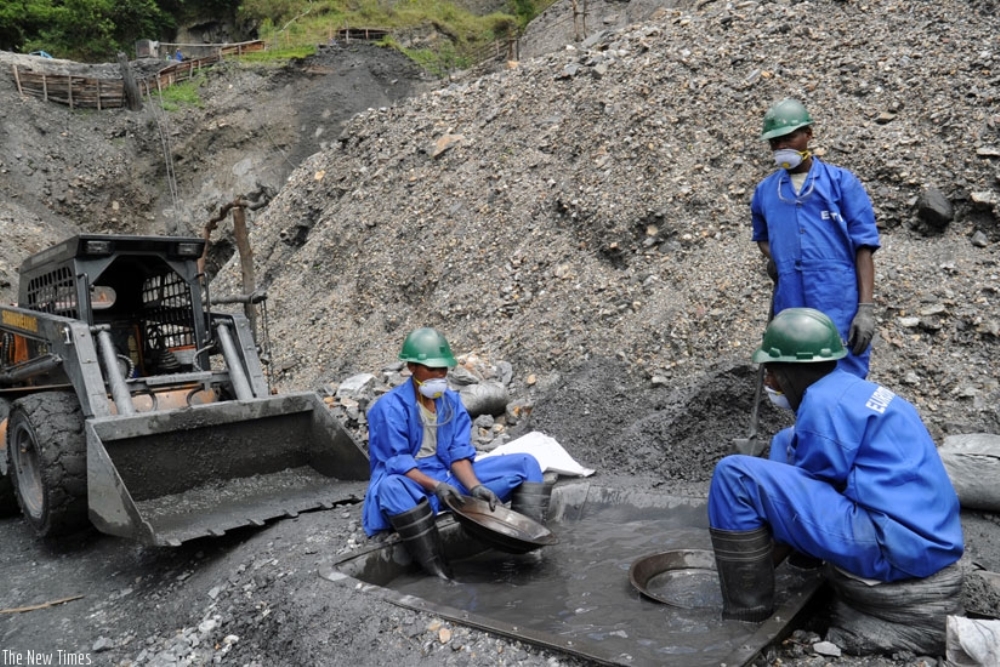
The project launch, officiated by EU Director-General for International Partnerships, Mr. Koen Doens; RMB CEO, Amb. Yamina Karitanyi and GIZ Rwanda Country Director, Mr. Martin Kraft on 26th June 2023 at the EU-Rwanda Business Forum in Kigali, signifies a significant milestone towards strengthening entrepreneurship, improving the business environment, and enhancing investment attractiveness in Rwanda’s mining sector.
The project is jointly funded by the European Union and the German Federal Ministry for Economic Cooperation and Development (BMZ) and will be implemented by GIZ in cooperation with RMB.
Aligned with the Sustainable Development Goals (SDGs), it aims to enhance compliance with international minerals sourcing standards, support sector digitalization, strengthen technical and vocational education and training (TVET) skills in the mining sector, and improve the application of international social and environmental protection standards.
“This partnership will support Rwanda’s commitment to sustainable and responsible practices in mining, enhance ongoing efforts towards the sector’s professionalisation, compliance and digitalization,” said Amb. Yamina Karitanyi, the Chief Executive Officer of Rwanda Mines, Petroleum and Gas Board.
Belen Calvo Uyarra, Ambassador of the European Union to Rwanda expressed delight to witness the launch of the project jointly funded by the European Union and the BMZ to support sustainable development of the mining sector in Rwanda.
She highlighted that the multi-donor action aims to strengthen the contribution of the mining sector to economic and social development through a holistic, complementary, and demand-oriented capacity development approach.
“The mining sector in Rwanda has outstanding growth potential. The EU-Rwanda Business Forum seeks to mobilise European investors for consolidating the artisanal mining sector and setting up modern value-additive processing and exploration. Team Europe is here to support Rwanda’s ambition to develop domestic industry into a regional hub for mineral services and promote scale and sustainability,” noted Amb. Uyarra.
The European Union has been actively engaged in Rwanda, advocating for sustainable development and supporting initiatives that promote economic growth and create opportunities for its citizens. GIZ, commissioned by BMZ, brings its expertise and experience to drive impactful interventions and foster sustainable practices. This collaborative effort between the EU, Germany, and RMB aims to bolster Rwanda’s contribution to the regional, continental and global mining industry.
Organized in partnership with the EU Delegation to Rwanda, the two-day event features plenary sessions on Rwanda’s business environment and investment opportunities with a focus on sectors with growth potential including agribusiness, mining, health and pharmaceuticals, financial and digital services, and the green economy.
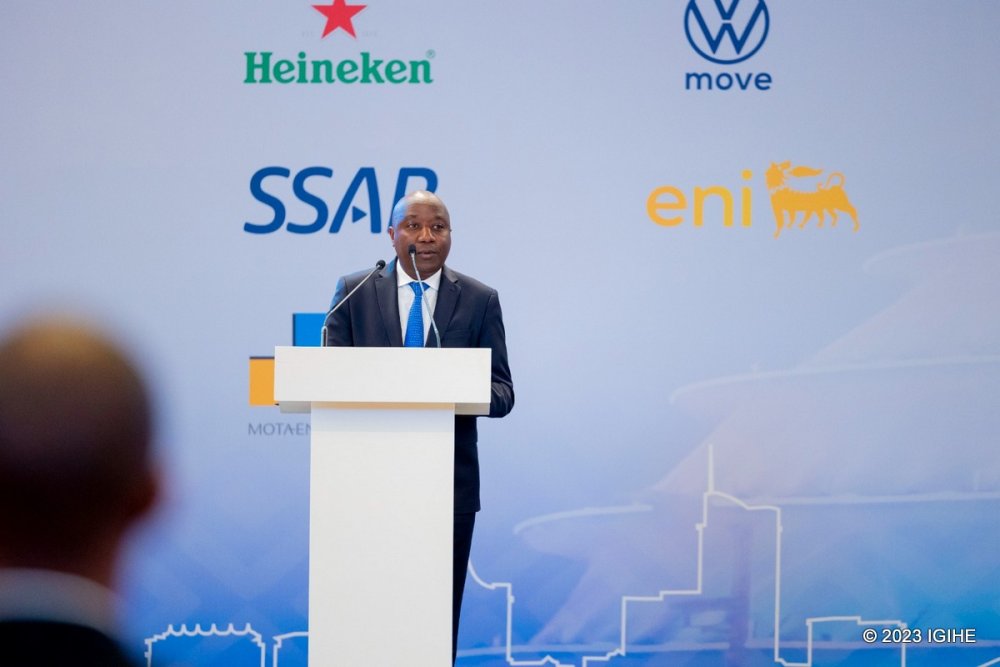
The forum was officially opened by Prime Minister of Rwanda, Dr. Édouard Ngirente who commended the impact of investments from Europe.
“Over the years, we have seen investments, with the EU as the largest source, yield tangible results in Rwanda. Between 2018 and 2022, investments worth over US$ 870 million were registered in Rwanda. These investments are transforming the lives of our people through job creation and empowering the private sector, which is a key driver of economic growth,” he said.
On his part, Koen Doens, EU Director General for International Partnerships said that the global supply chain is reliant on a limited number of countries, which makes it very fragile when challenges happen.
“This is why we are looking at diversification and see Africa presenting huge opportunities to address these challenges. Rwanda has put in place the right regulatory environment and is attracting investments. The Government has positioned itself on a number of critical issues as a regional hub and do hope that this forum creates the right dynamic to move forward as soon as possible,” he noted.
Clare Akamanzi, Chief Executive Officer, Rwanda Development Board underscored that the forum offers an important platform that allows policymakers, investors and partners to have meaningful and productive exchanges.
“We want to tell our story. A story of a country on the move. A country with a track record of beating the odds to create value for its people. A country that desires partnerships such as with the EU private sector for mutual benefit. A country that is truly open for business and means business,” she said.
The Ambassador of the EU Delegation in Rwanda, Belen Calvo Uyarra also remarked: “And a tip to the European Businesses here present: RDB is your entry point for investing in Rwanda, and we hope you will soon experience the same fruitful cooperation we maintain with them.”
The event also offers opportunities to set up structured B2B and B2G networking meetings.
In addition, development finance institutions are showcasing the opportunities linked to the European Fund for Sustainable Development (EFSD+), a financing tool of the EU’s Global Gateway investment mobilization framework for partner countries.
On the first day of the forum, I&M Bank Rwanda, the European Commission, the European Union Delegation and FMO signed a US$ 10 million NASIRA Risk Sharing Facility that will help to support the growth and development of micro, small and medium enterprises in Rwanda.
It is no brainer that this philosophy has inspired the Government of Rwanda to prioritize sports as a crucial element in fostering unity and achieving socio-economic development.
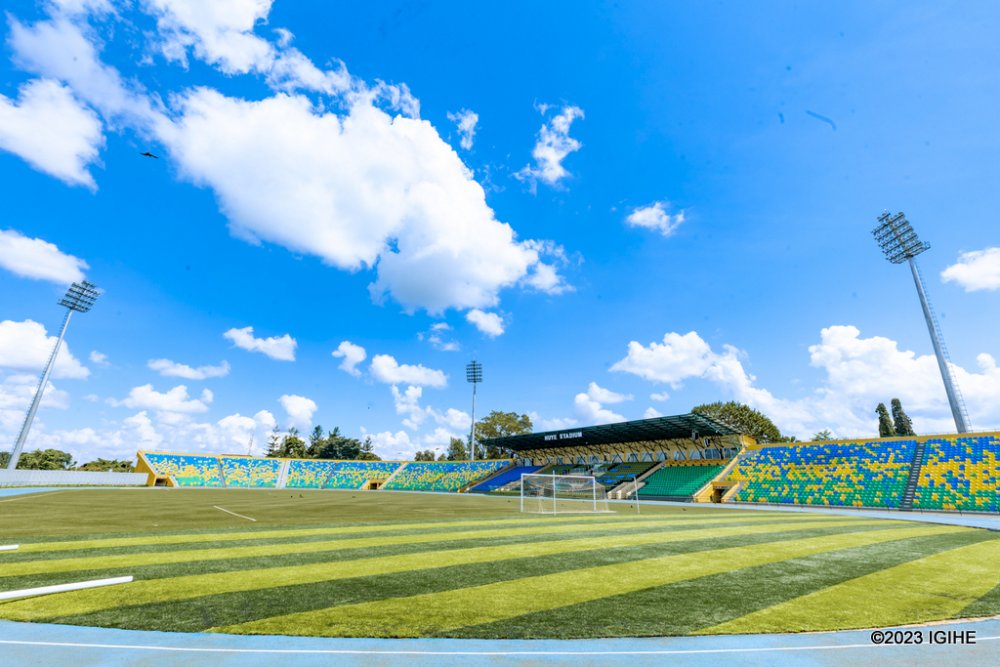
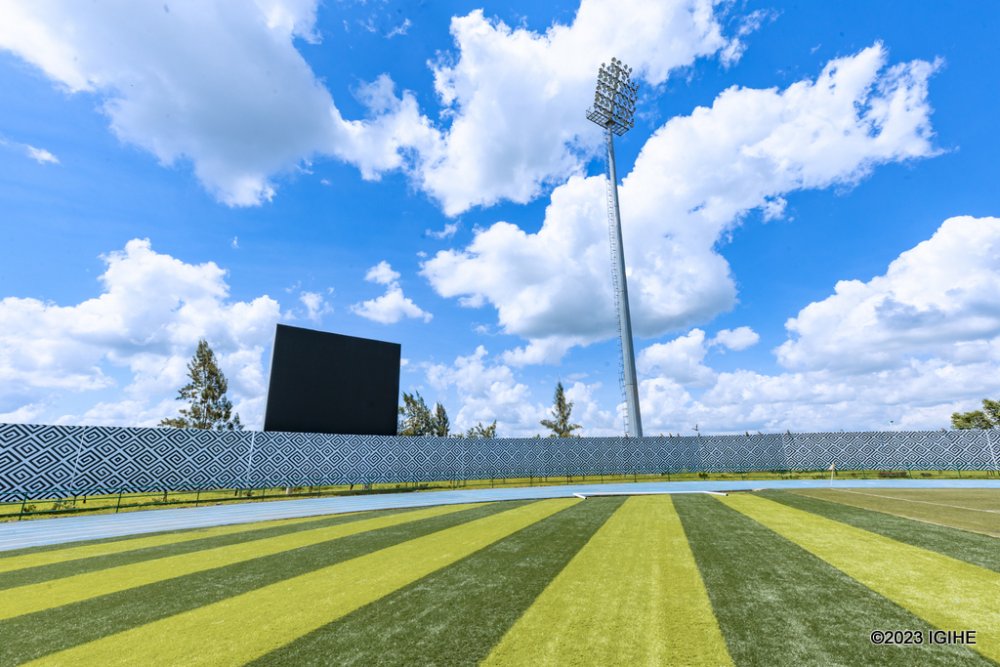
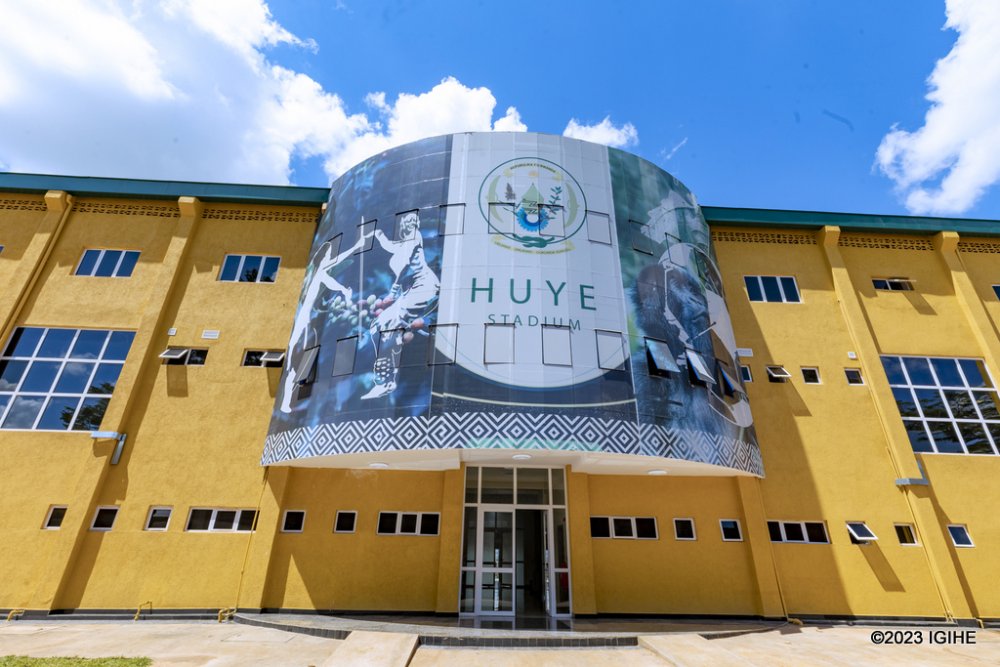
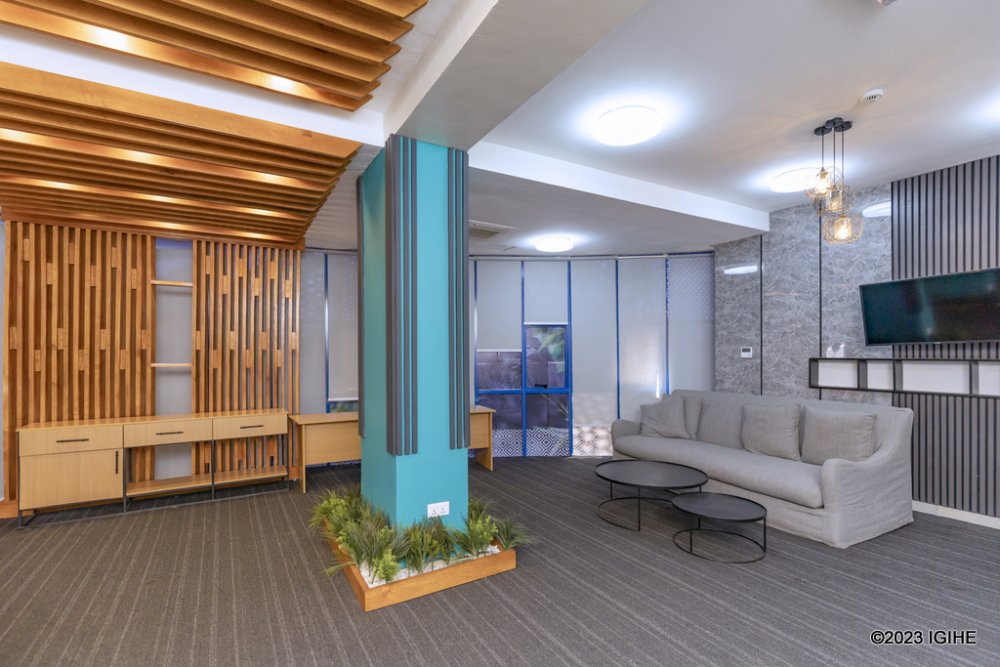
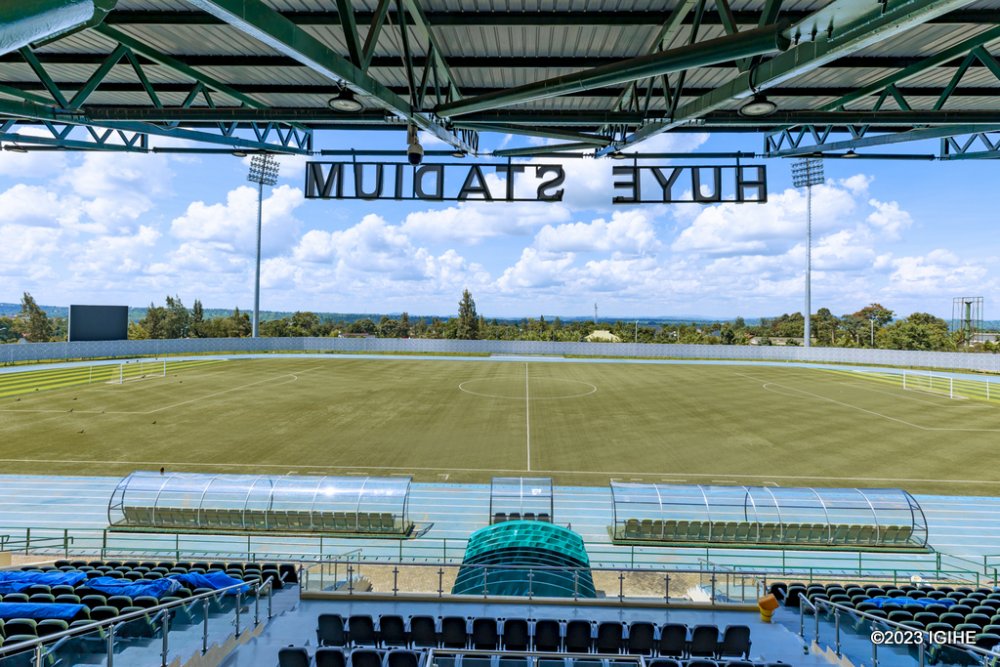
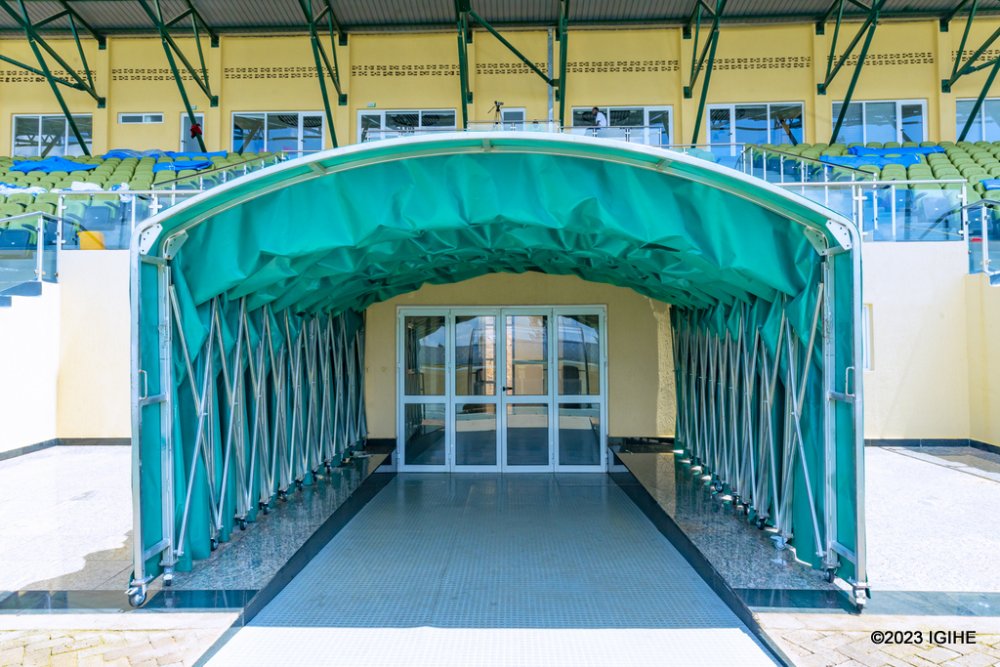
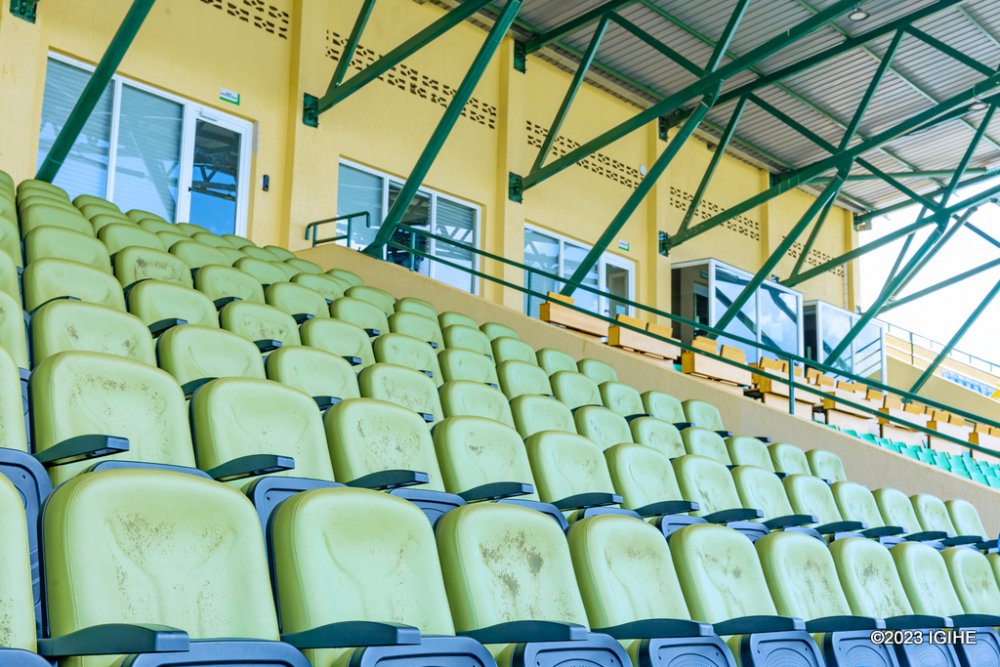
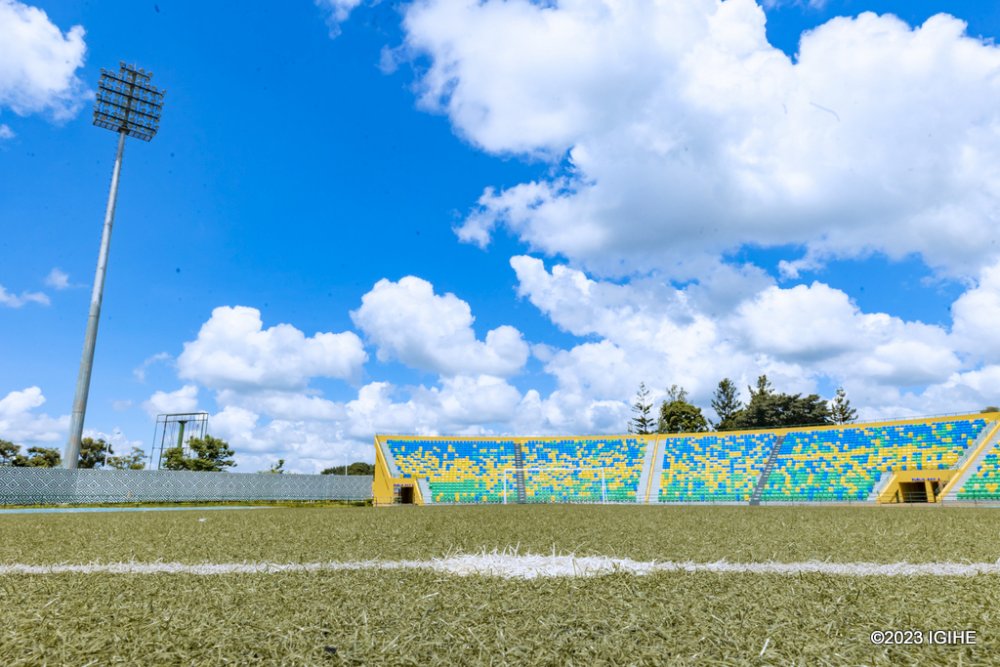
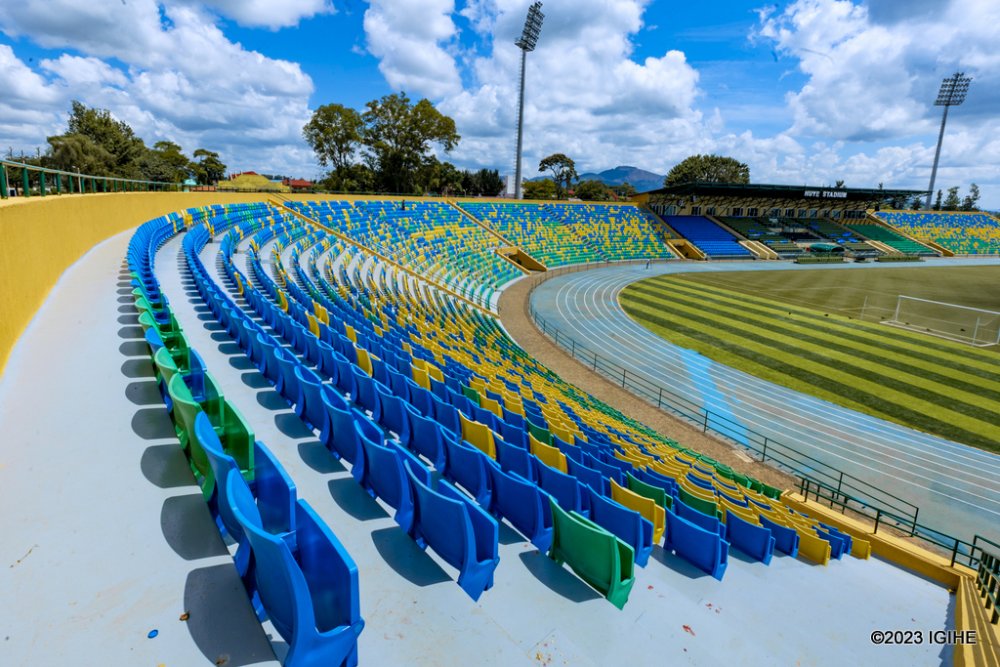
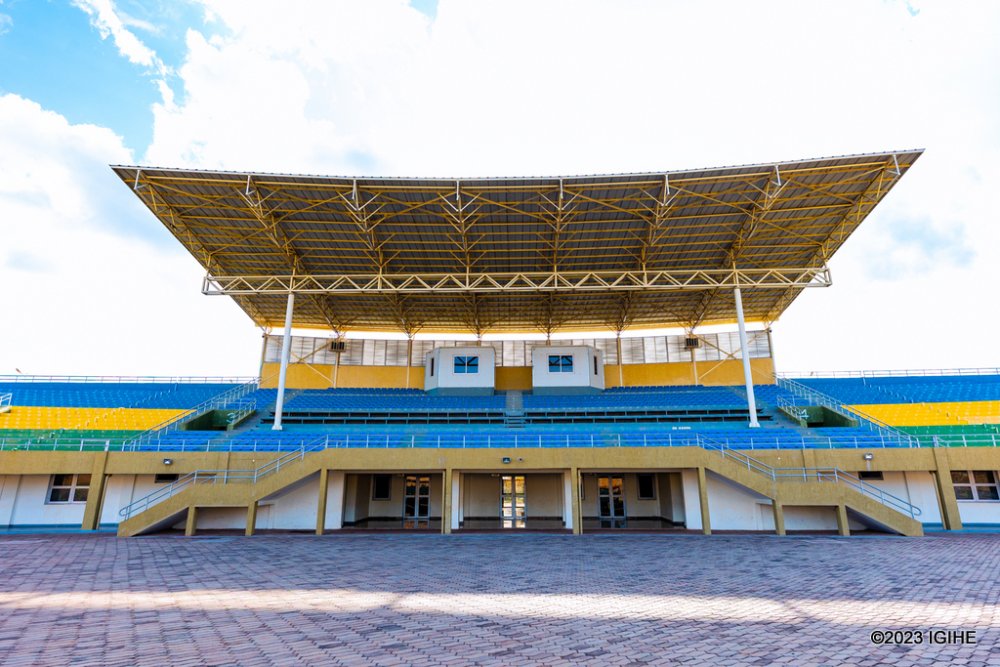
However, the realization of this vision is contingent upon the availability of proper sports infrastructure. Recognizing this, the government has allocated significant resources to develop state-of-the-art facilities, bringing joy to countless Rwandans, particularly those in Nyagatare, Ngoma, Bugesera, and Huye.
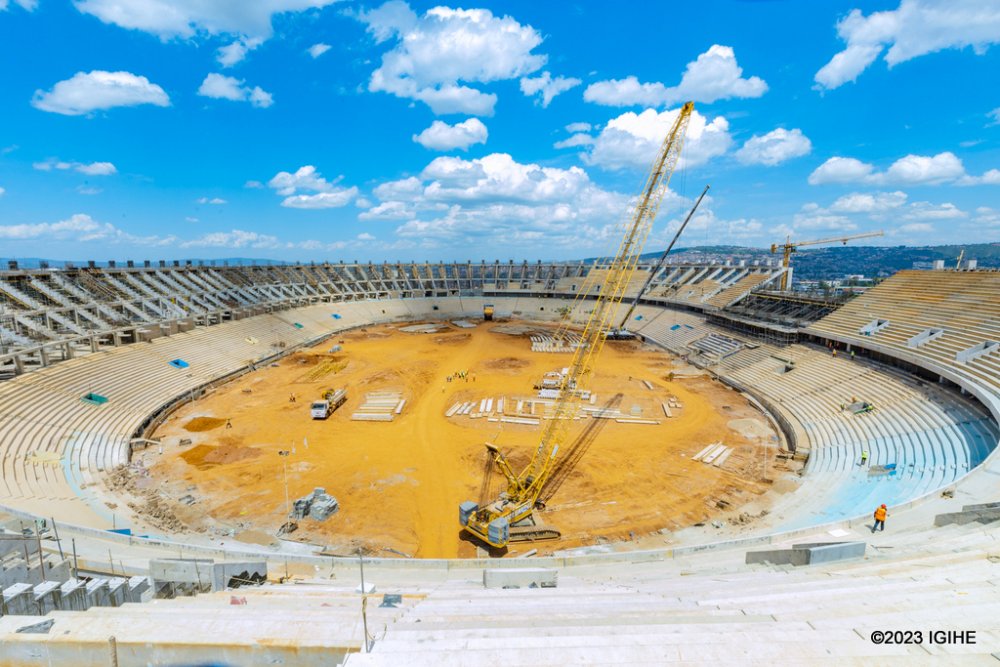
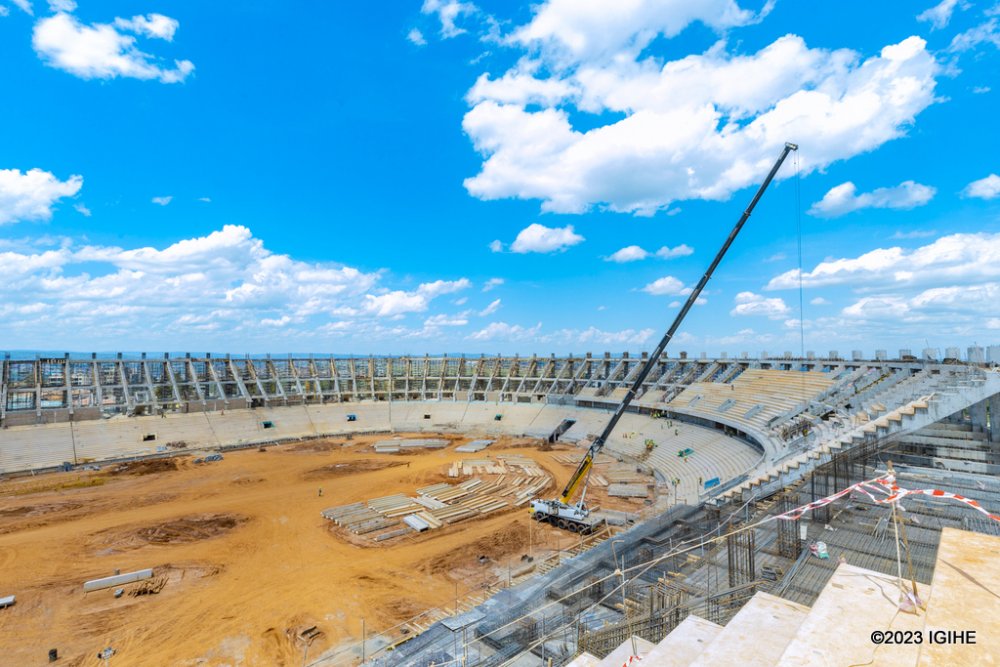
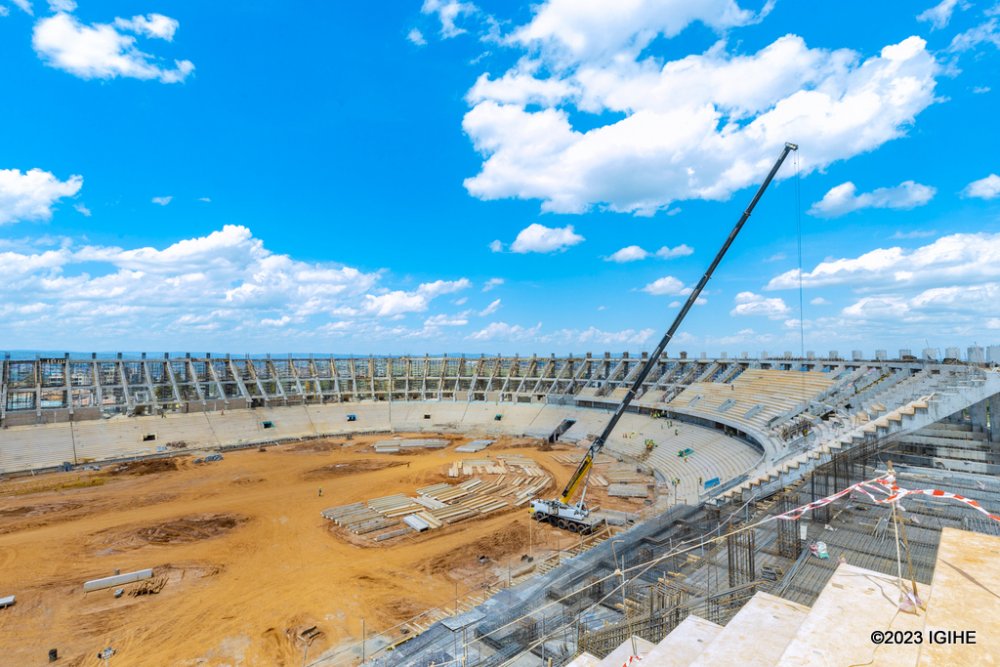
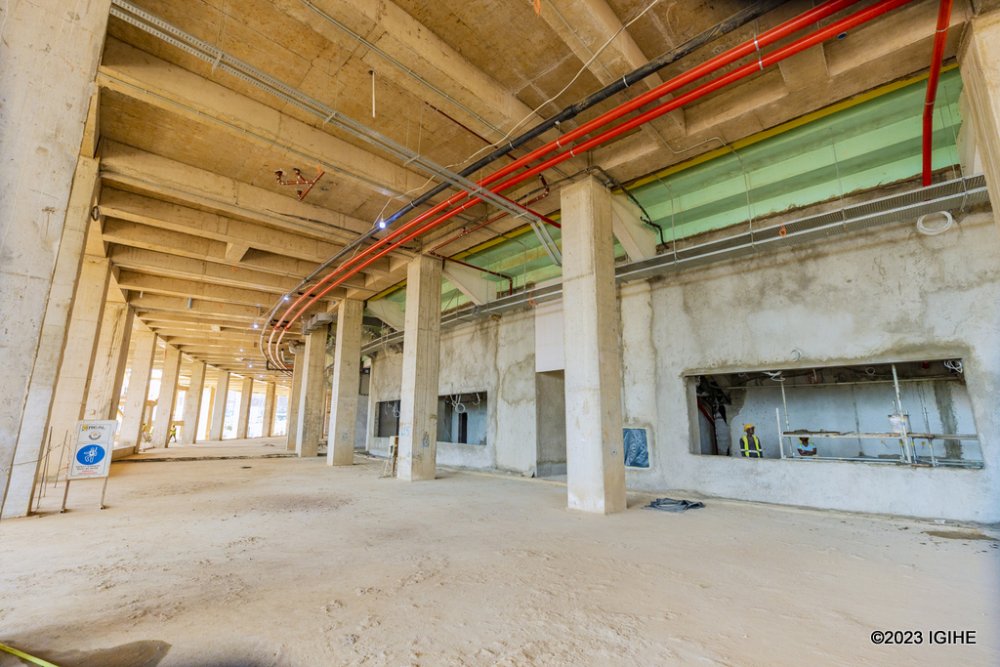
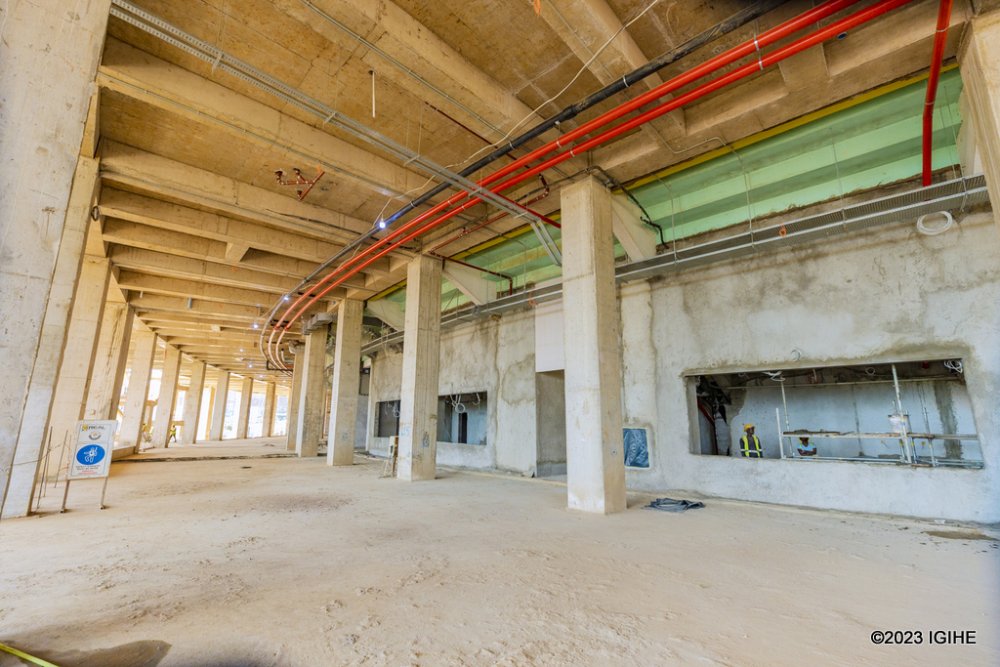
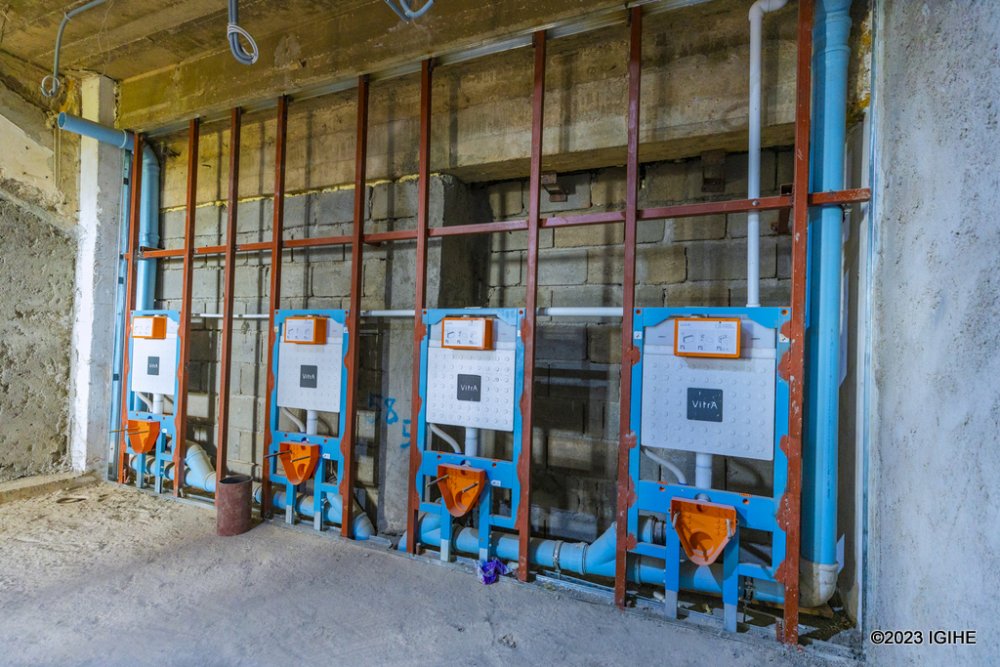
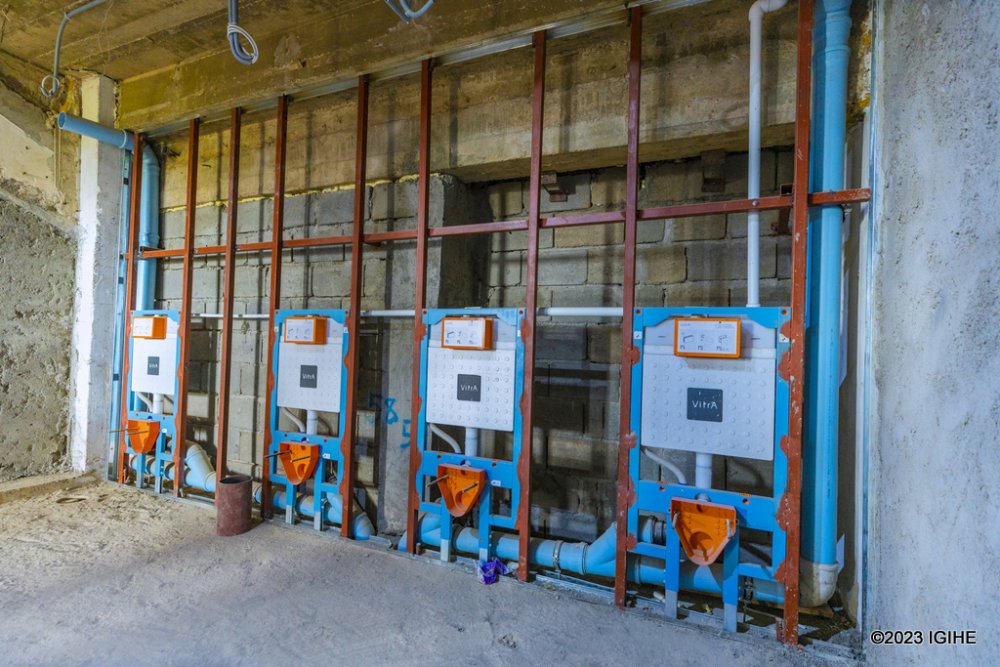
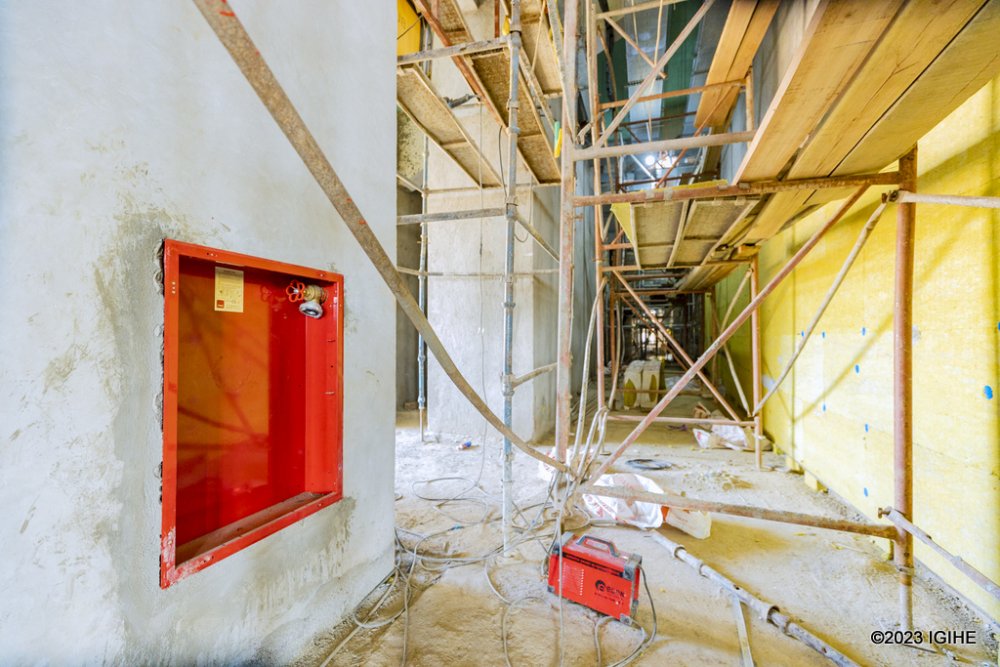
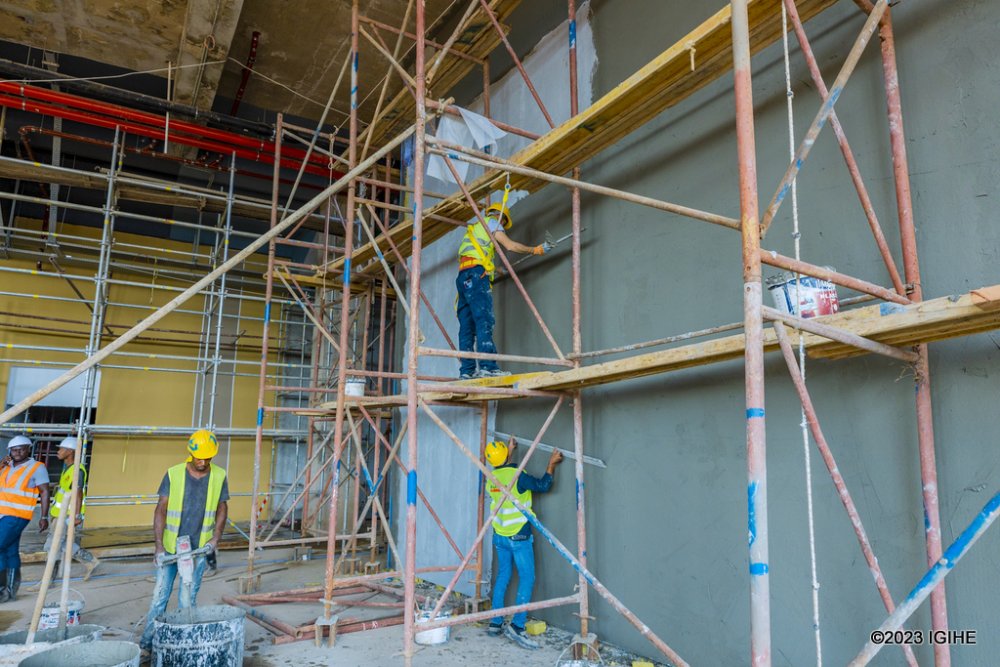
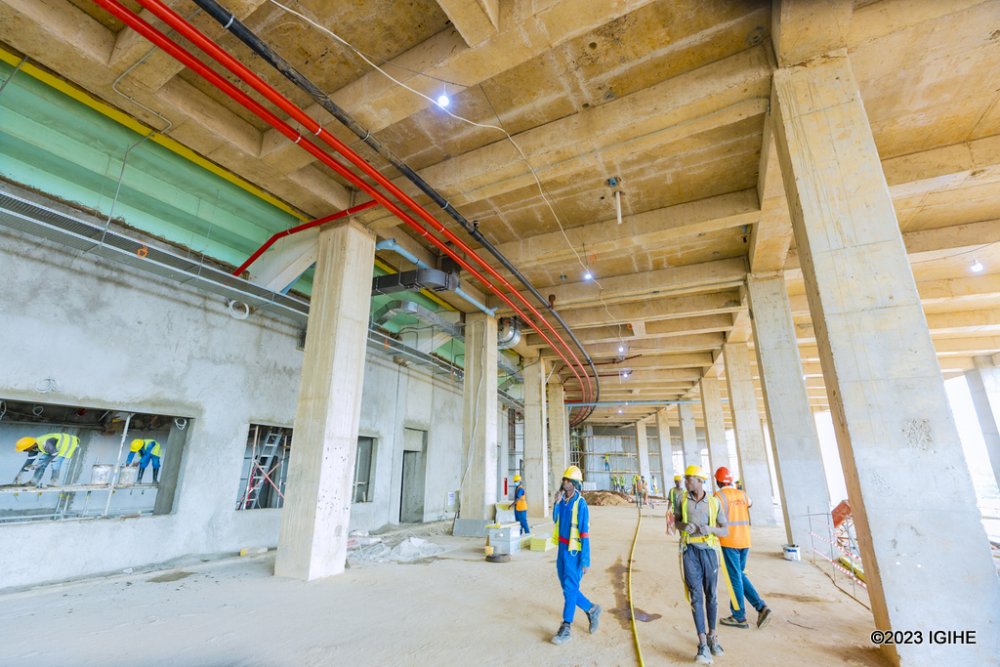
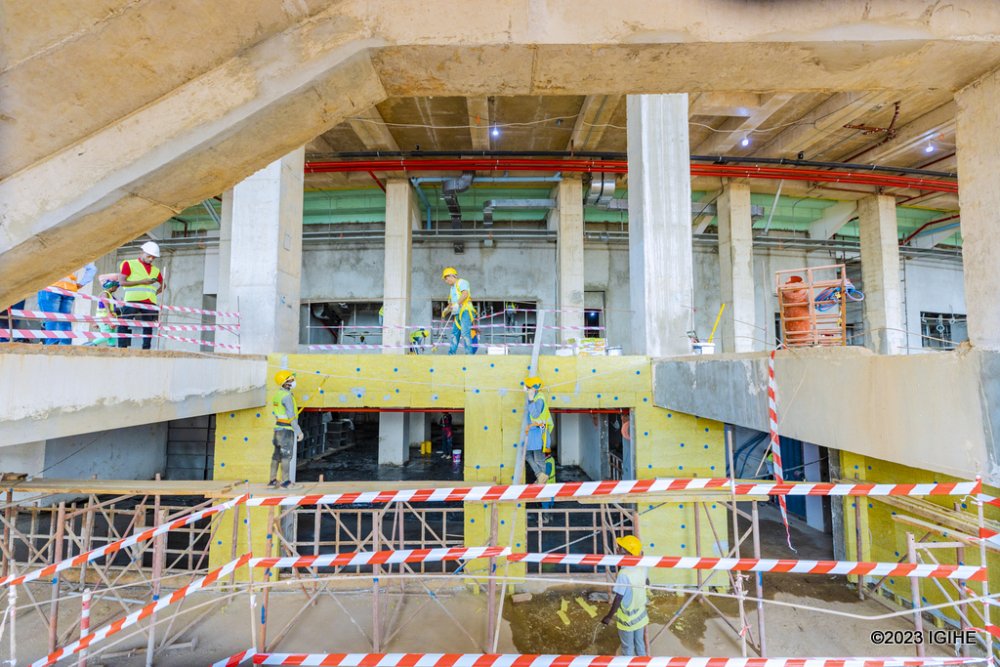
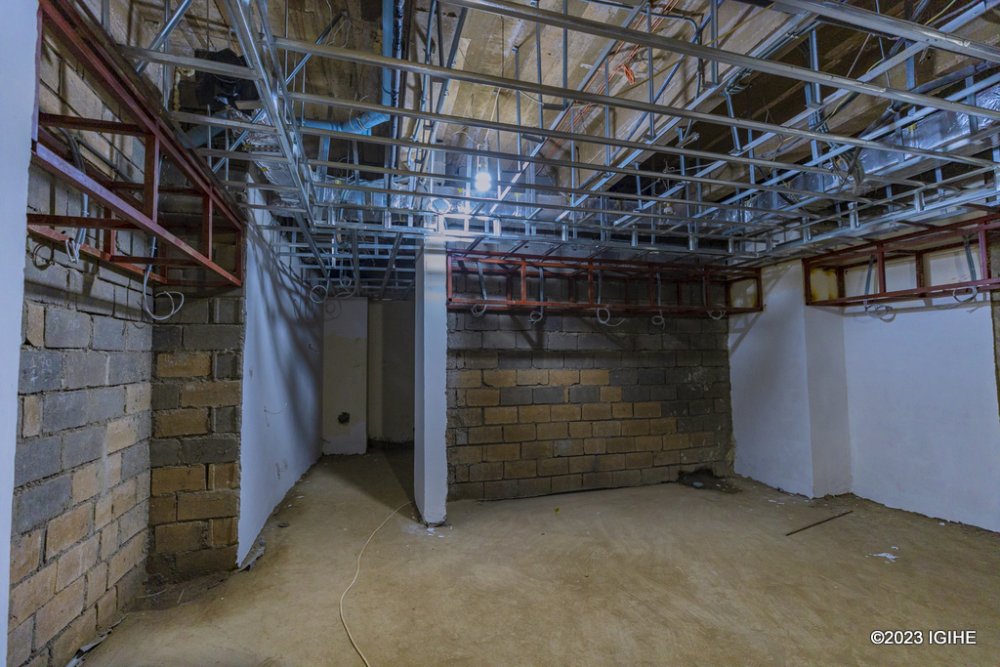
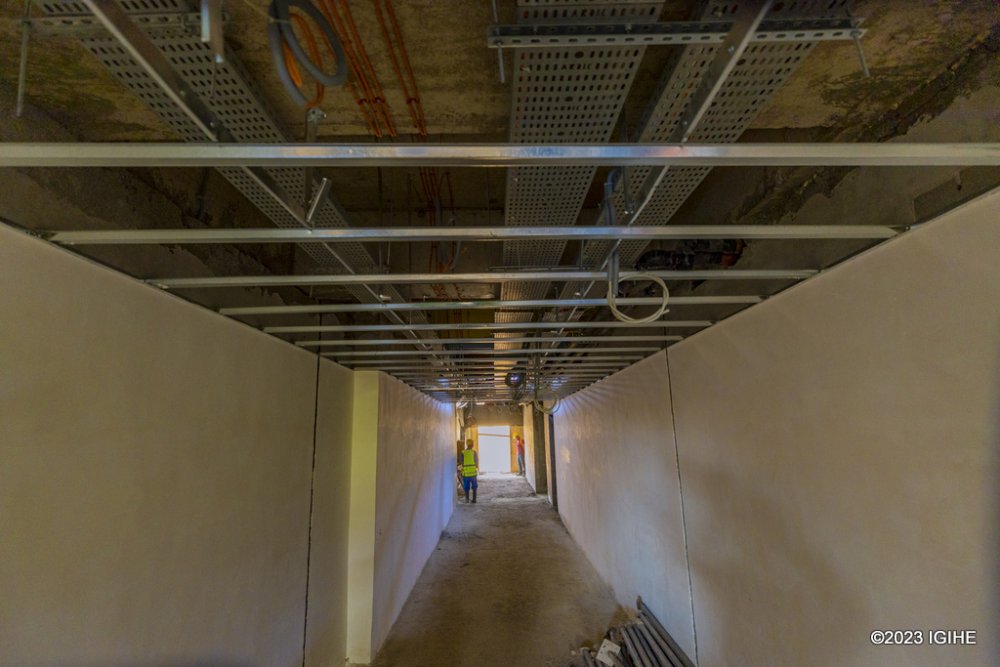
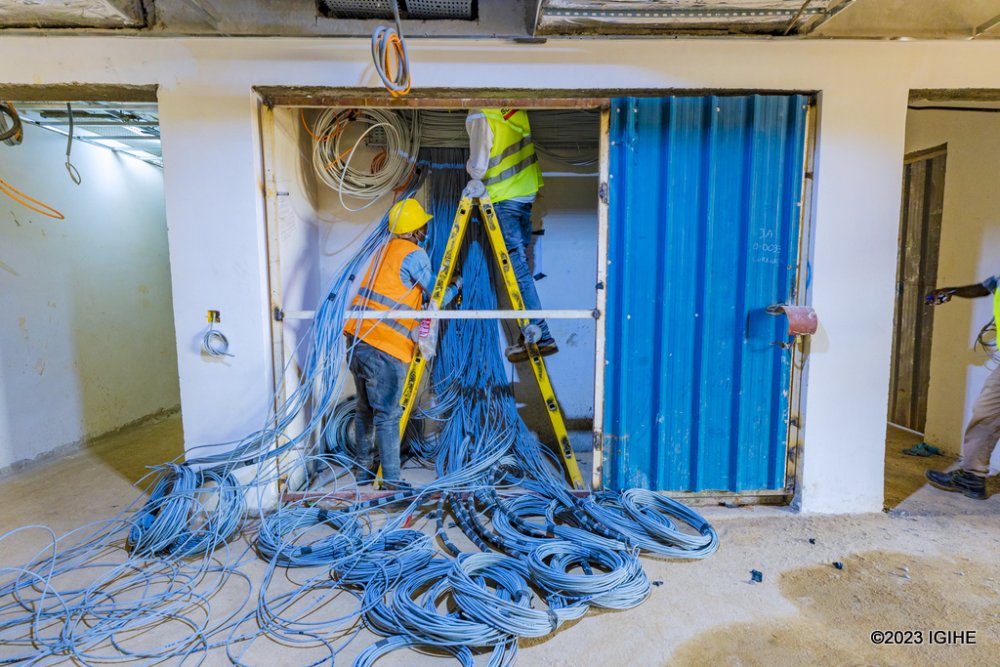
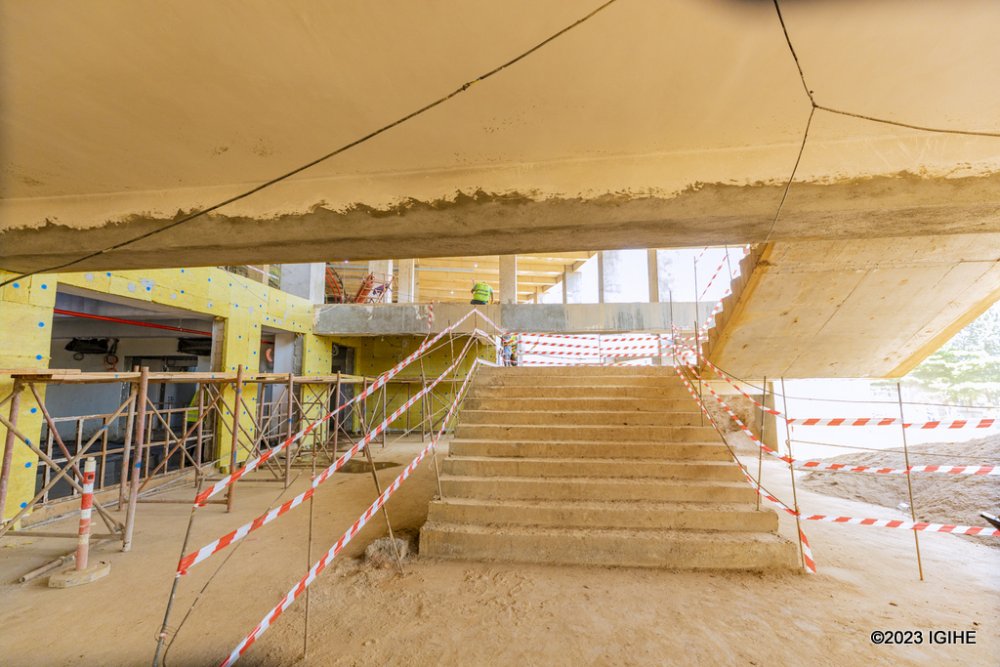
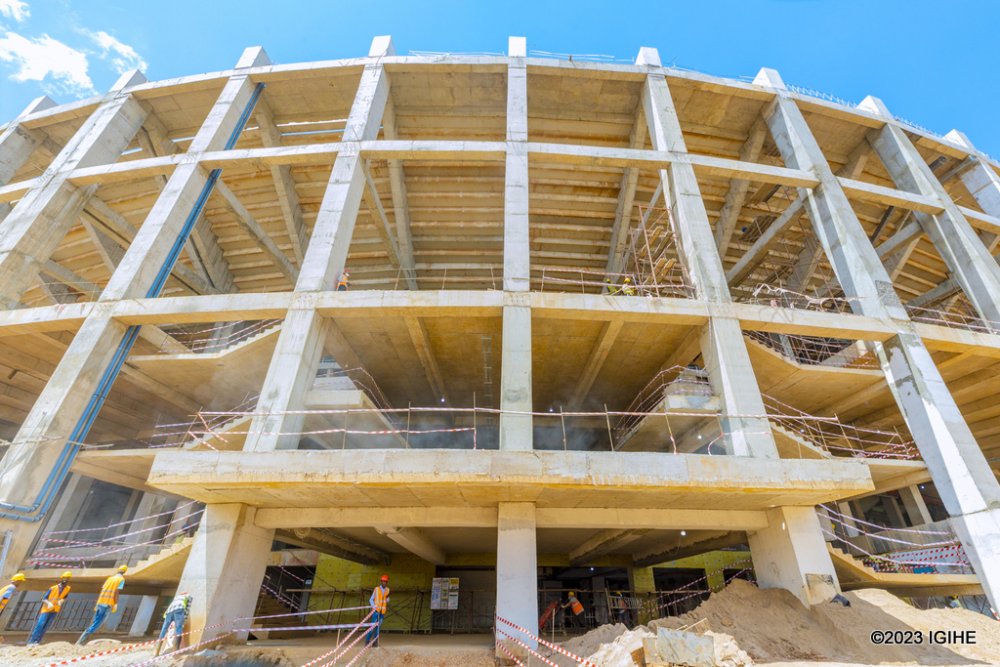
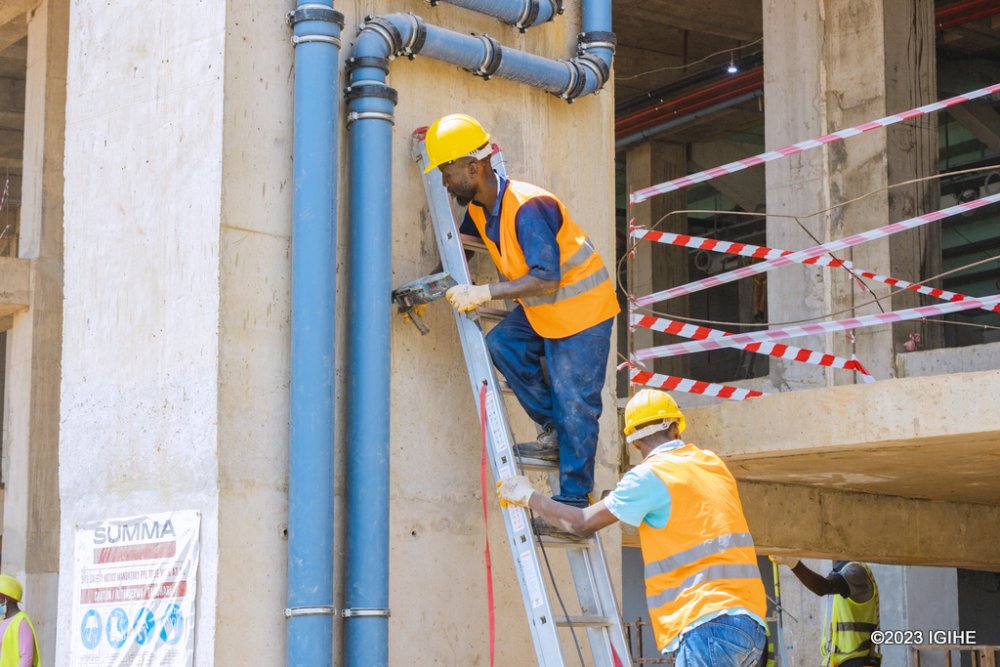
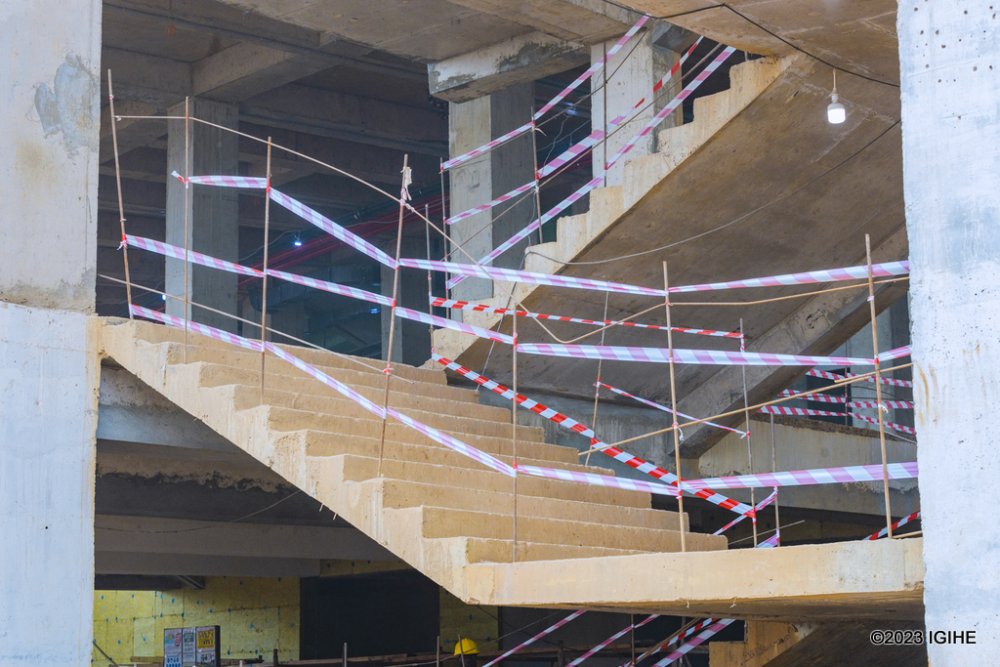
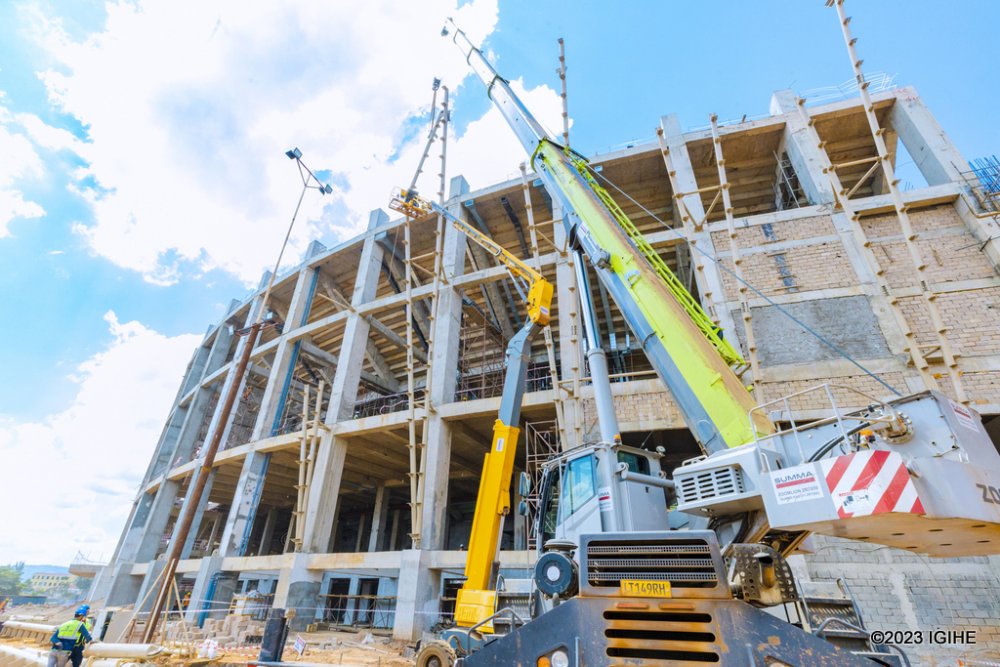
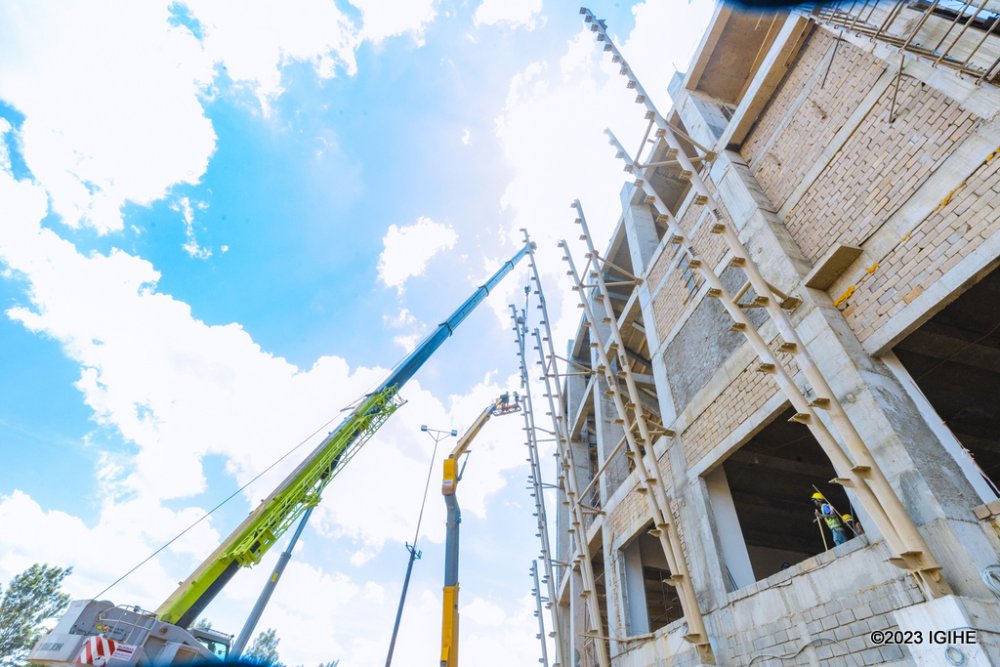
The government’s commitment to sports infrastructure development is exemplified by the ambitious expansion project of the Amahoro Stadium in Remera, Kigali City. With an expected completion date in 2024, this endeavor will require an investment exceeding Rwf160 billion.
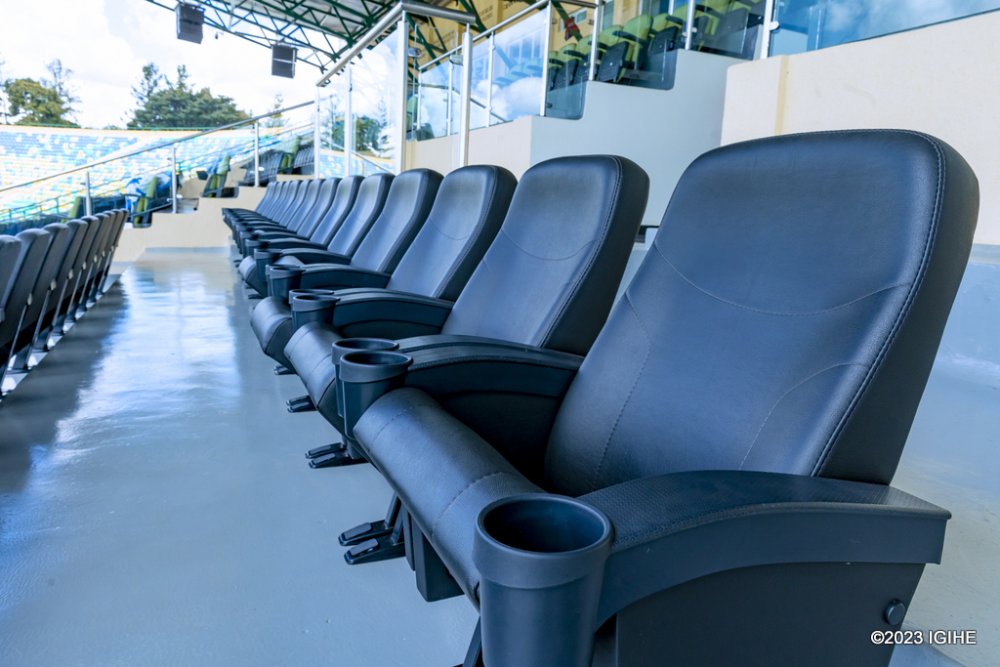
Once finished, the stadium’s capacity will increase from 25,000 to 45,000 seats, making it the largest in the country. Moreover, the upgraded facility is designed to host not only international football matches but also concerts and public events.
The expansion of the Amahoro Stadium aims to significantly enhance the comfort and overall experience for spectators, contributing to the growth of sports and entertainment in the country. This investment in infrastructure underscores Rwanda’s commitment to providing world-class facilities for both its citizens and visitors.
While the entire facility will be roofed, FIFA regulations stipulate that the playing field must remain open to sunlight to preserve the grass. Additionally, the stadium will be equipped to host rugby matches, further diversifying the range of sporting events it can accommodate.
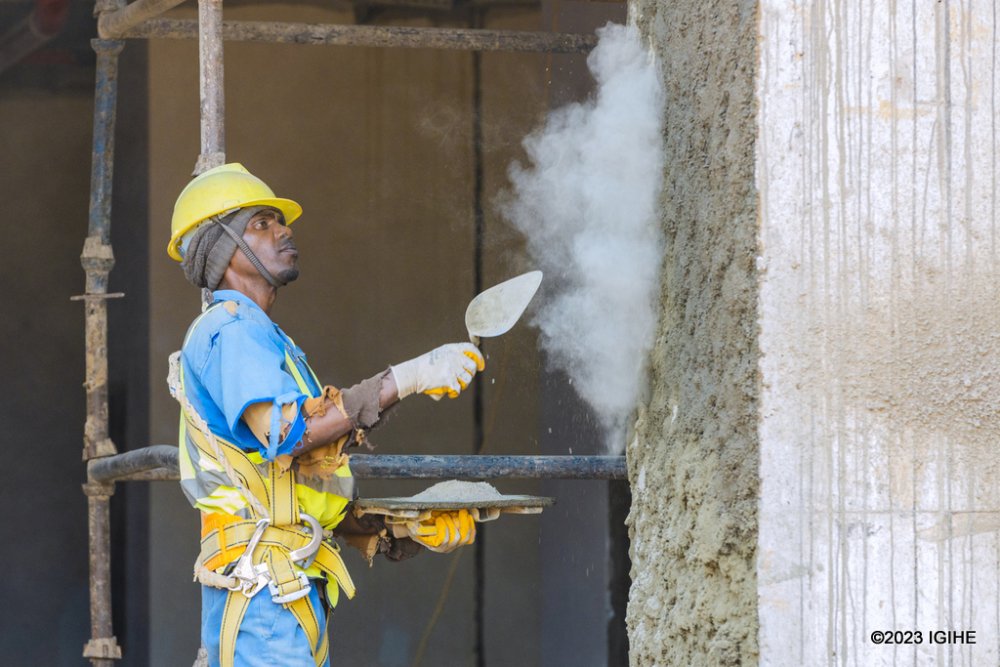
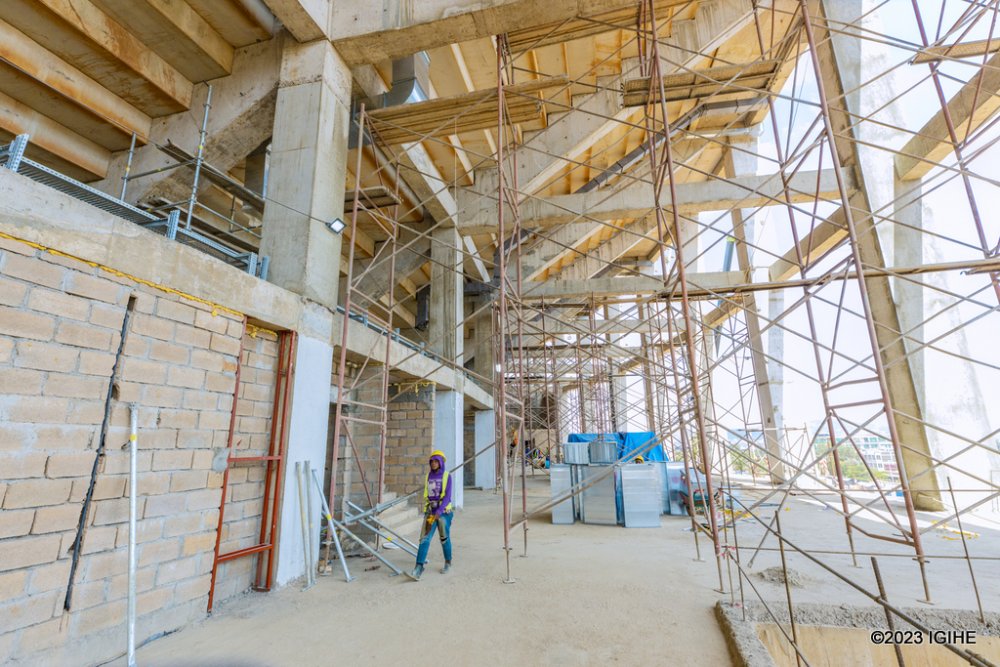
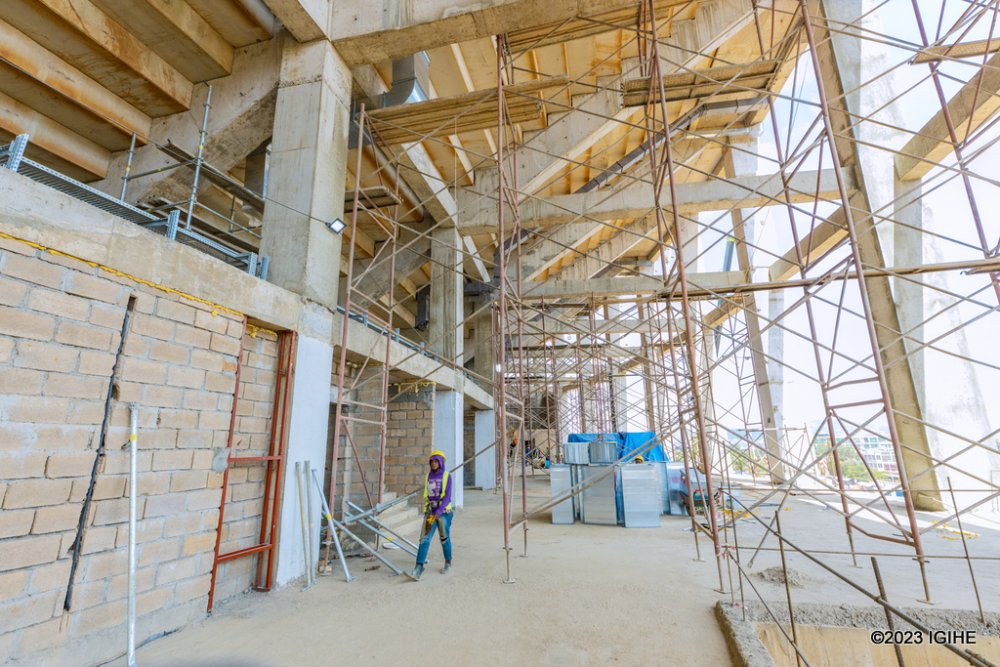
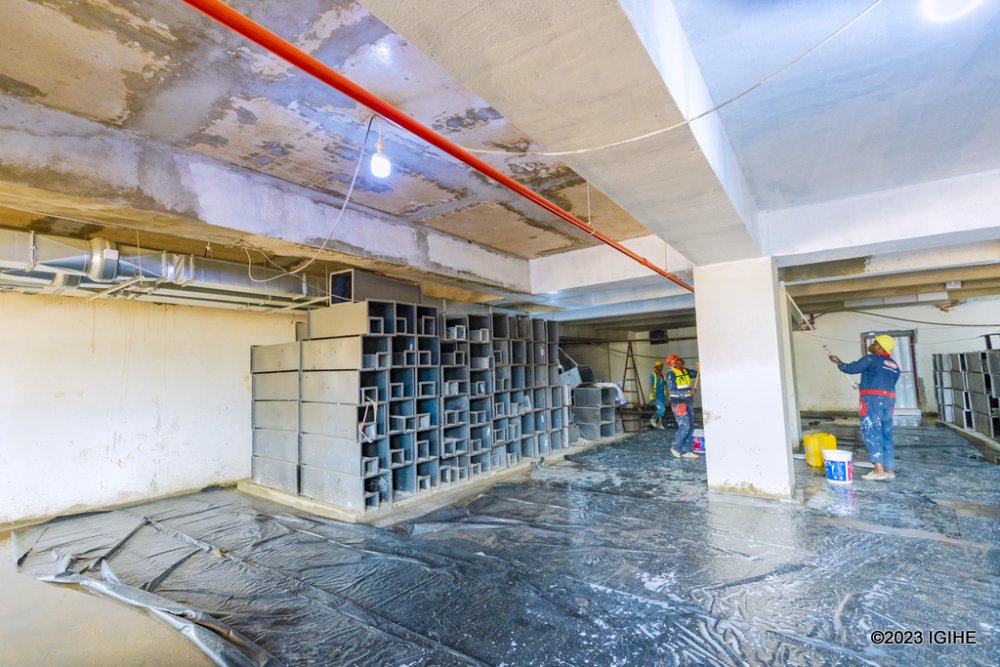
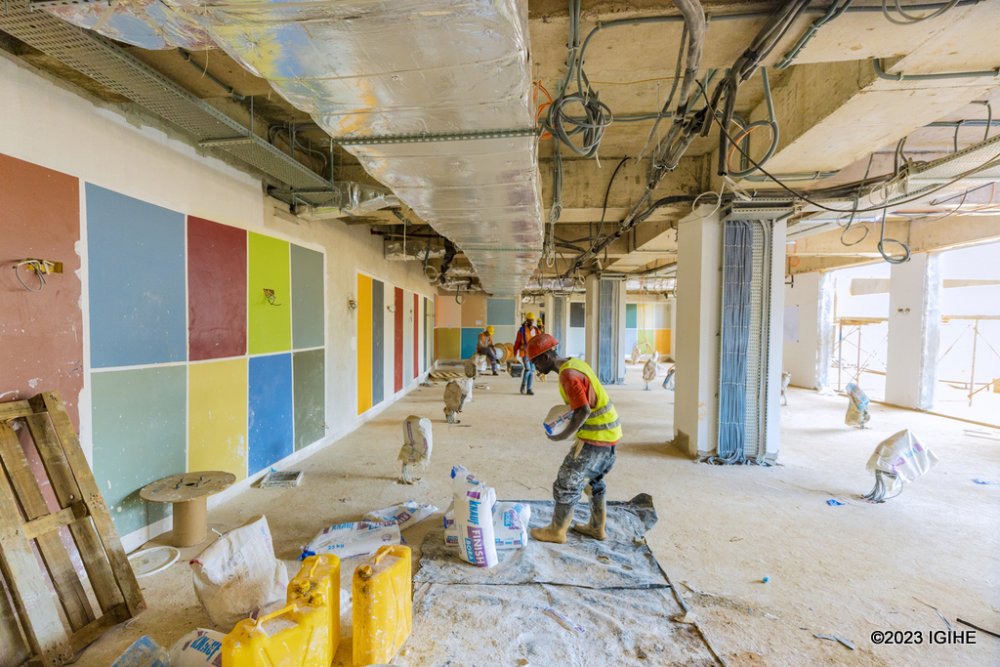
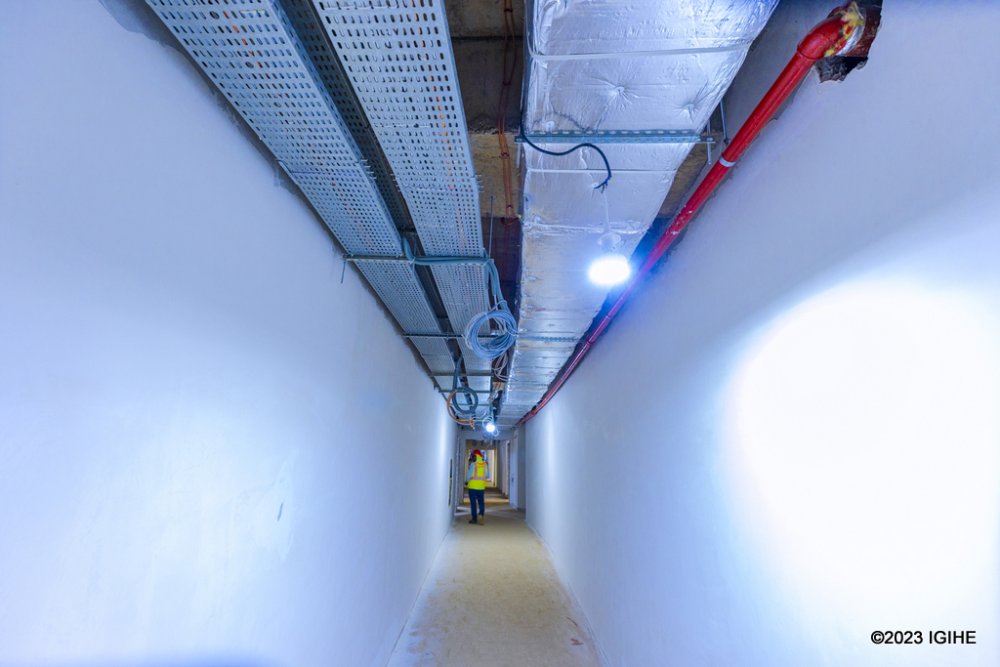
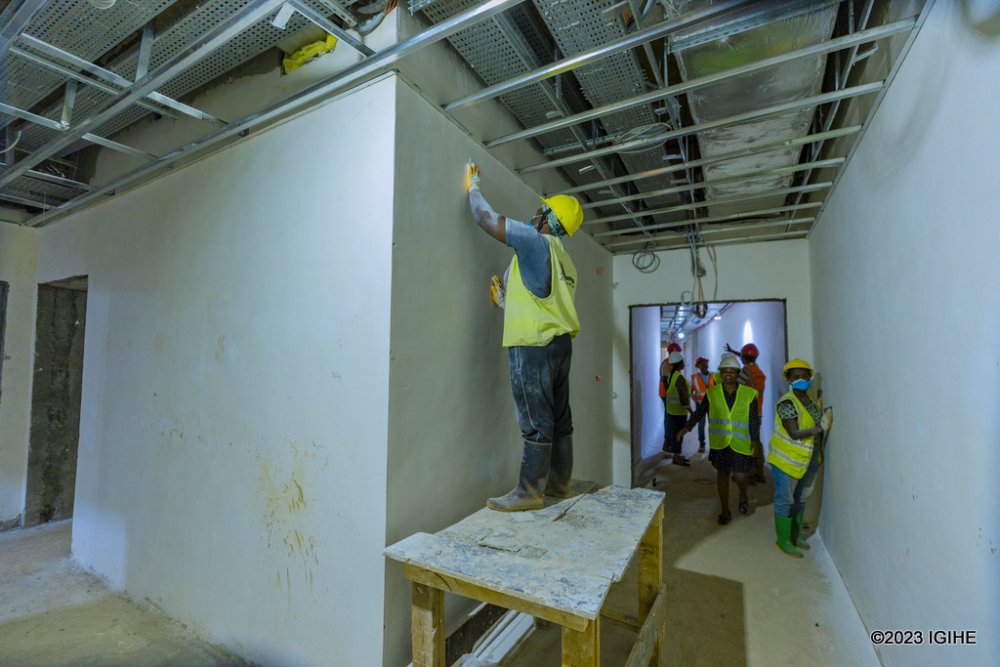
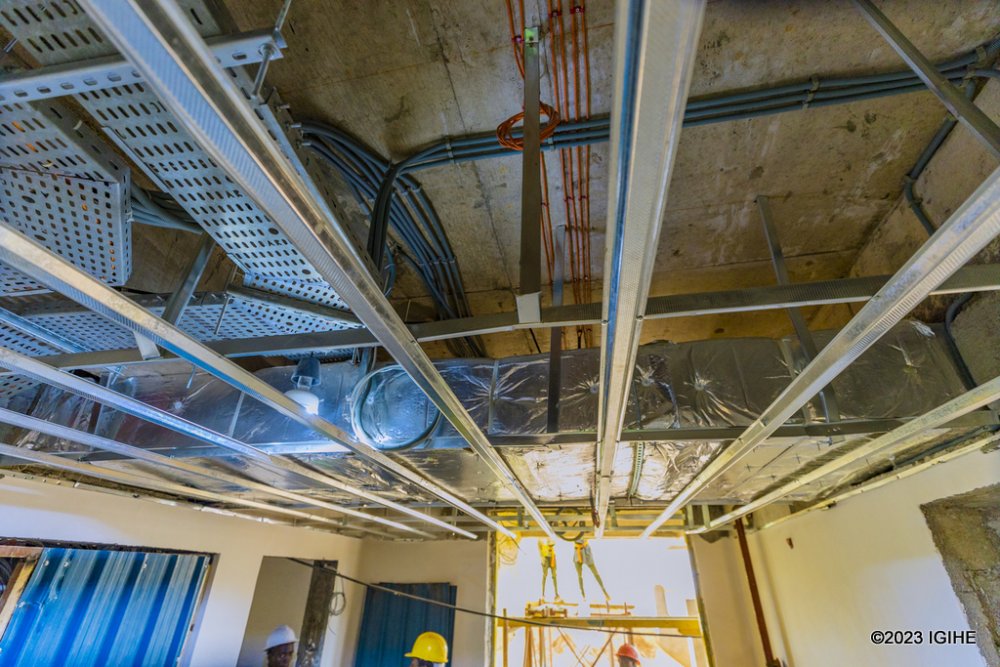
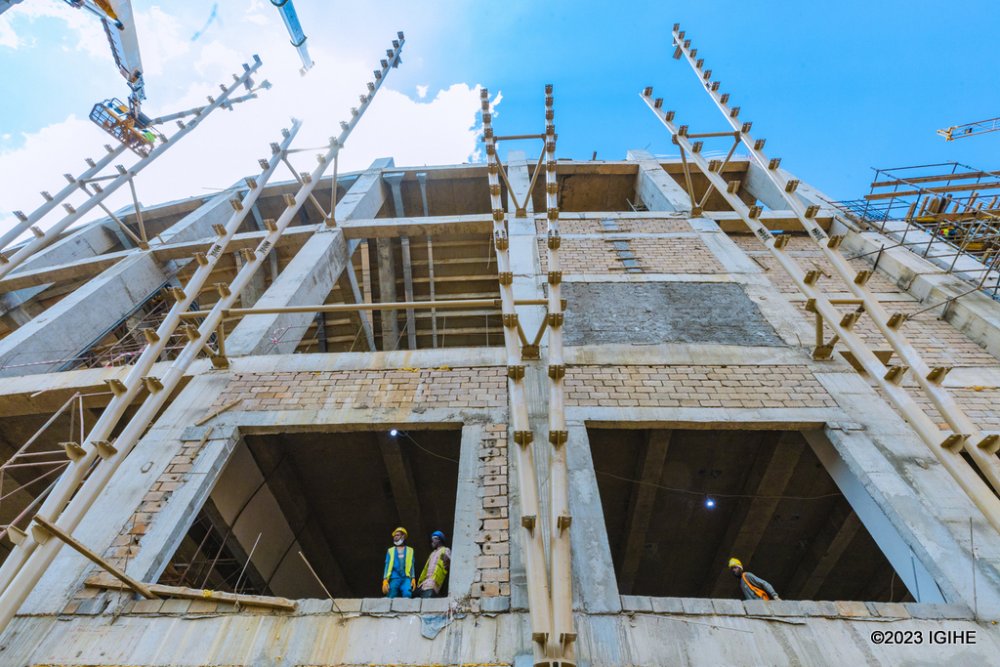
The Rwanda Housing Authority (RHA), responsible for the construction of public infrastructure, reports that the renovation of Amahoro Stadium has surpassed 27% completion, with an optimistic outlook for its timely conclusion next year.
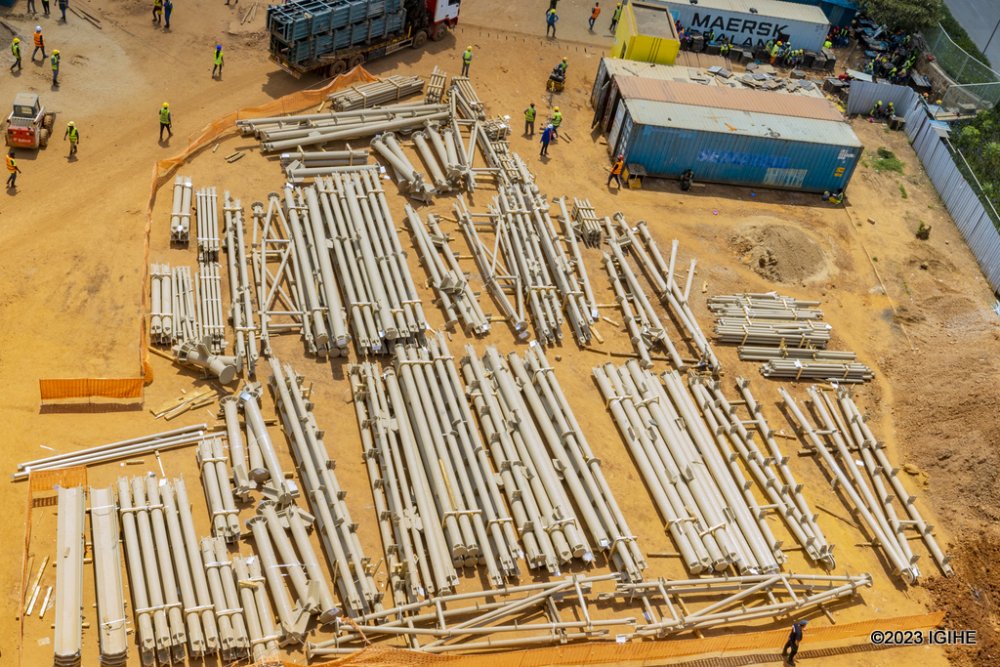
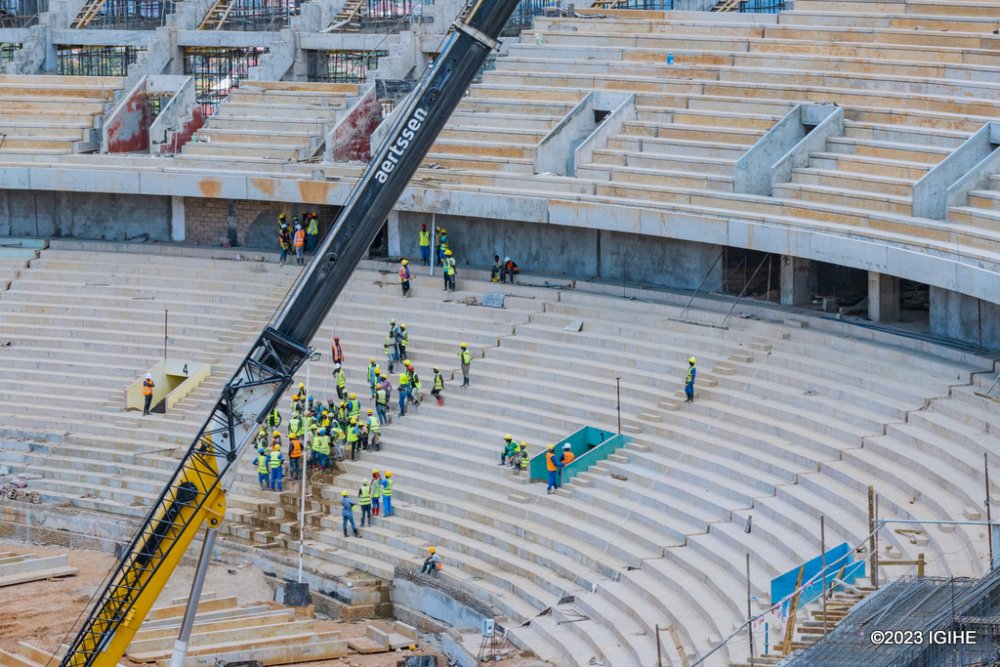
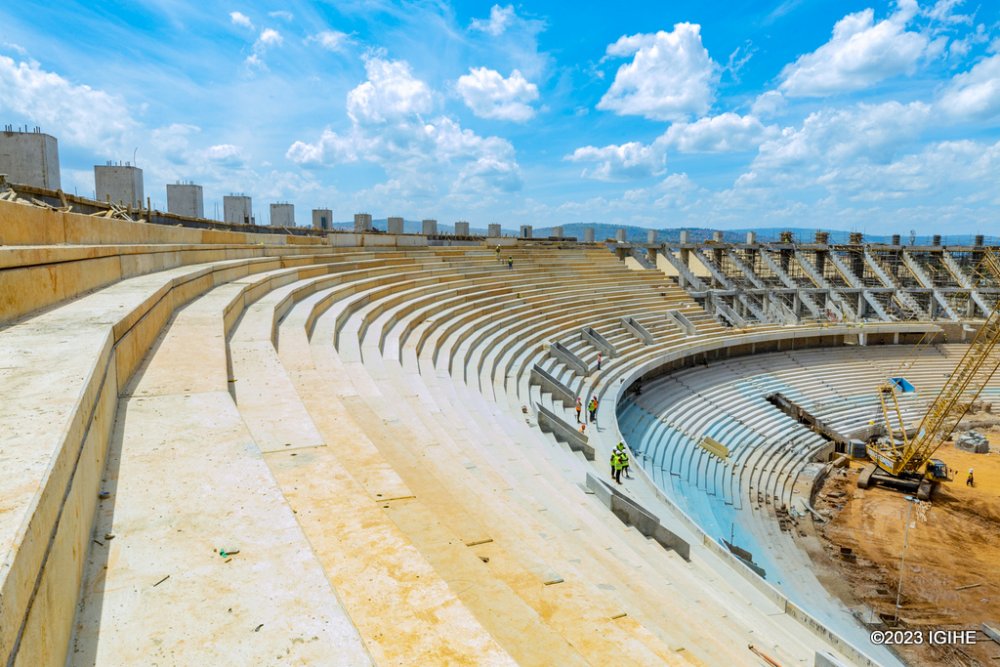
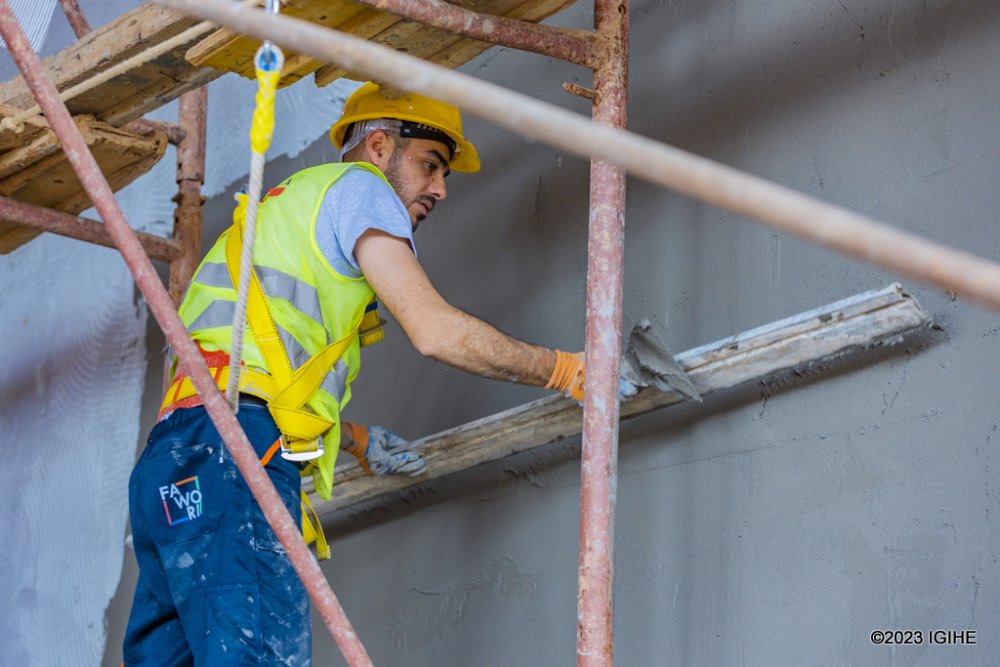
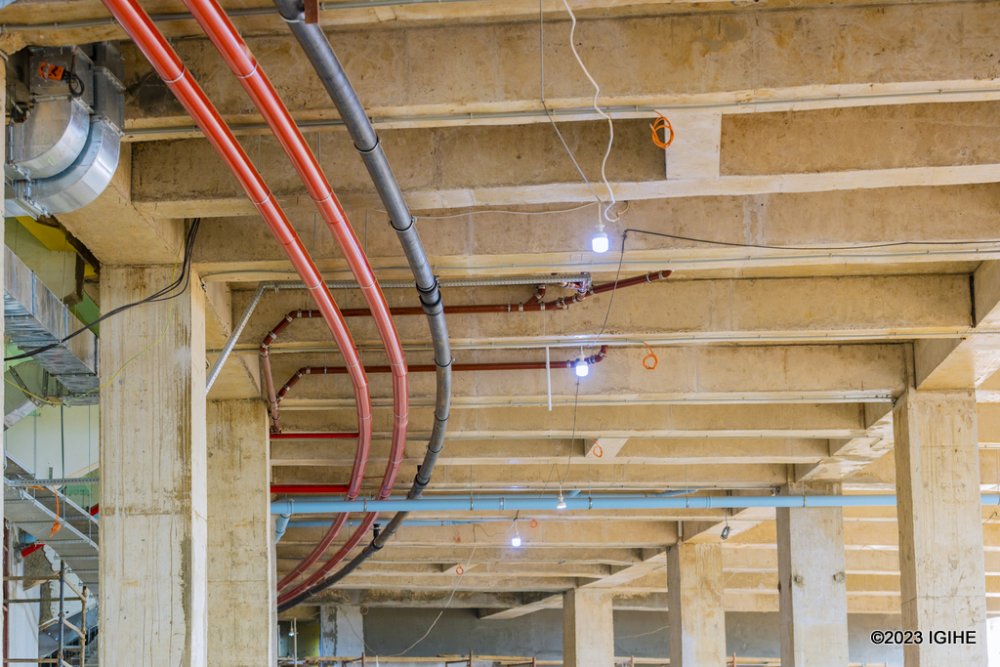
Notably, the raft foundation and assembly of steel structures have been completed, and the refurbishment of the spectator seating section is currently underway.
The RHA management assures that the project is progressing smoothly, stating, “As you have seen, we have started raising steel columns on the stadium’s peripheries. These columns will hold the ceiling, and related works are expected to commence soon.”
{{Citizens upbeat over modern stadiums }}
Citizens are enthusiastic about modern stadiums and recognize their positive impact on local development.
During the 2017 presidential campaigns, citizens across the country advocated for the construction of stadiums. Responding to their request, President Kagame approved the construction of stadiums in Nyagatare, Ngoma, and Bugesera, a project that commenced in 2018. These stadiums have been in use since 2020.
Nyagatare Stadium required an investment of Rwf9.5 billion, Ngoma Stadium cost Rwf9.3 billion, and Bugesera Stadium was built with an investment of Rwf9.5 billion.
Residents attest that these stadiums have had a profoundly positive effect on their communities, attracting a greater flow of people who engage in various activities.
Vestine Nyirakamana, a trader near Ngoma Stadium, emphasizes the facility’s role in boosting sporting and entertainment activities in the area.
She enthusiastically remarks, “The completion of this stadium has brought immense joy to the residents. As businesspeople, we have seen increased foot traffic, resulting in higher profits from food and beverage sales. Before the construction of the stadium, our businesses faced challenging times, but now we experience peak customer flows, particularly during matches involving top-tier teams. On such occasions, daily earnings can reach between Rwf50,000 and Rwf60,000, compared to the usual Rwf20,000.”
Another trader, Aisha Munganyinka, adds, “We observe a significant surge in customers, especially when professional teams play at the stadium. She further elaborates, “In such situations, we register a high influx of customers, especially when teams from the top division are playing.”
Eric Itangishaka ‘Dihno’, the Team Manager of Bugesera FC, grew up in Nyamata with a passion for football. He recalls playing on poor playgrounds during his childhood.
Reflecting on the impact of having a stadium, he says, “As someone who was born here, the memories of lawnless playgrounds come to mind when I think about the development of sports.
When there is a stadium like this, children as young as five years old come to play.
But without a stadium, it would be difficult as a parent to let your child play on a soil-covered playground. You worry about the risk of injury if there are stones on the pitch. Conversely, when you know they are playing in a stadium, you can let children play freely without such concerns.”
Farouk Sejuuko Ssentongo, also known as ‘Ruhinda Farouk,’ has been a player for Bugesera FC since 2017. He vividly remembers the challenges of playing on lawnless playgrounds and expresses gratitude to the Government of Rwanda for building the stadium.
Ssentongo appealed for similar infrastructure to be established in other districts, stating, “It was very difficult to play on lawnless playgrounds. We used to train on such fields and occasionally visited teams with turf-covered playgrounds. We thank the Government of Rwanda for constructing this stadium and request support to create similar infrastructure in other districts.
The stadium has had a tremendous impact on the development of our district and football in general. We can now play and entertain fans without the risk of injuries. Previously, we faced restrictions, including limitations on the types of shoes we could use while playing. But now, we can enjoy the game with greater comfort and freedom.”
{{Officials speak out }}
Government officials highlight the wider benefits of these stadiums beyond hosting matches.
They serve as versatile venues for campaigns, public meetings, religious gatherings, and other events, fostering economic and social development. Economists emphasize that such infrastructure plays a pivotal role in transforming the mindset of the local population.
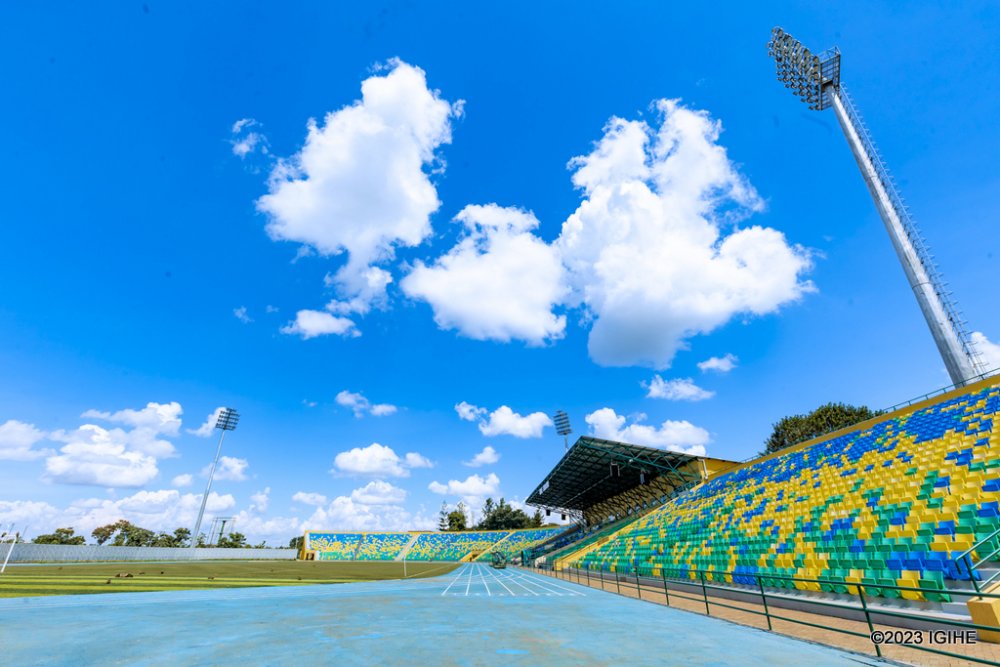
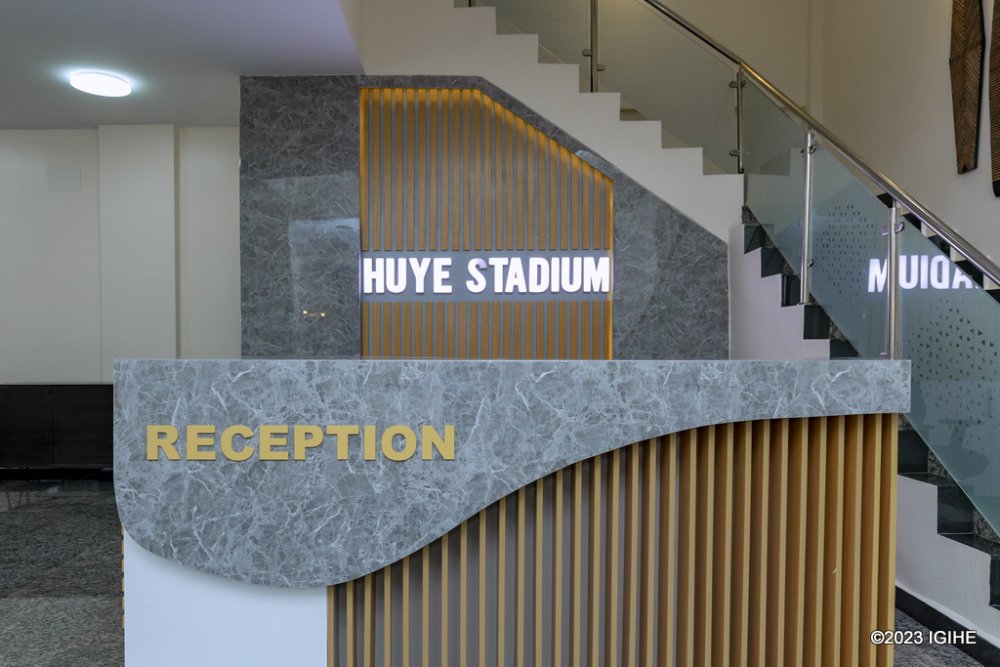
Ange Sebutege, the Mayor of Huye District, acknowledges the significant impact of the stadium on the town’s development.
She remarks, “The stadium is one of the infrastructures that have accelerated the development of Huye town. It has created job opportunities for our people. We are grateful for this gift from the Head of State, as it brings joy to sports and propels us towards development.
Moreover, the stadium has garnered international recognition, hosting international matches. With the infrastructure in place, foreigners can easily access accommodations, witnessing that Rwanda’s development extends beyond the city of Kigali. Additionally, we have seen increased private sector investments in hotels. Undoubtedly, the stadium has stimulated investment in our district.”
Richard Mutabazi, the Mayor of Bugesera District, highlights several advantages resulting from improved access to infrastructure, including enhanced professionalism and the ability to attract visitors.
He explains, “One notable advantage is that we receive visitors. In the past, when planning matches with prominent teams, we would often face complaints when our stadium didn’t meet their requirements. There were instances when we were compelled to play in Kigali, despite being the host team. During the renovation of the Kigali Stadium, Bugesera hosted many matches, generating revenue for the district. Additionally, local businesses experienced an influx of customers during these events.”
The positive impact of stadiums extends to Nyagatare as well. In addition to the benefits enjoyed by the Sunrise FC team, the city of Nyagatare continues to reap the advantages of being in close proximity to the stadium. Recently, the stadium hosted a match between Kiyovu Sports and Sunrise FC, with Kiyovu emerging victorious with a score of 1-0.
In addition to hosting matches, the stadium has served as the venue for graduation ceremonies of over 10,000 graduates from the University of Rwanda and East African University Rwanda.
Mayor Stephen Gasana of Nyagatare District shares the significance of having a suitable venue, stating, “Out of those 13,000 graduates, approximately 2,000 may be from Nyagatare, while the remaining 10,000 come from different parts of the country. They chose to come here because we had a place where we could host them. Prior to their arrival, we held numerous meetings with traders and the private sector to prepare for their visit.”
“Although we didn’t tally the exact numbers, the stadium was packed during the match between Sunrise and Kiyovu Sports, with a substantial number of cars parked in the vicinity. When visitors come, they explore the town, make purchases, and contribute to the local economy,” he added.
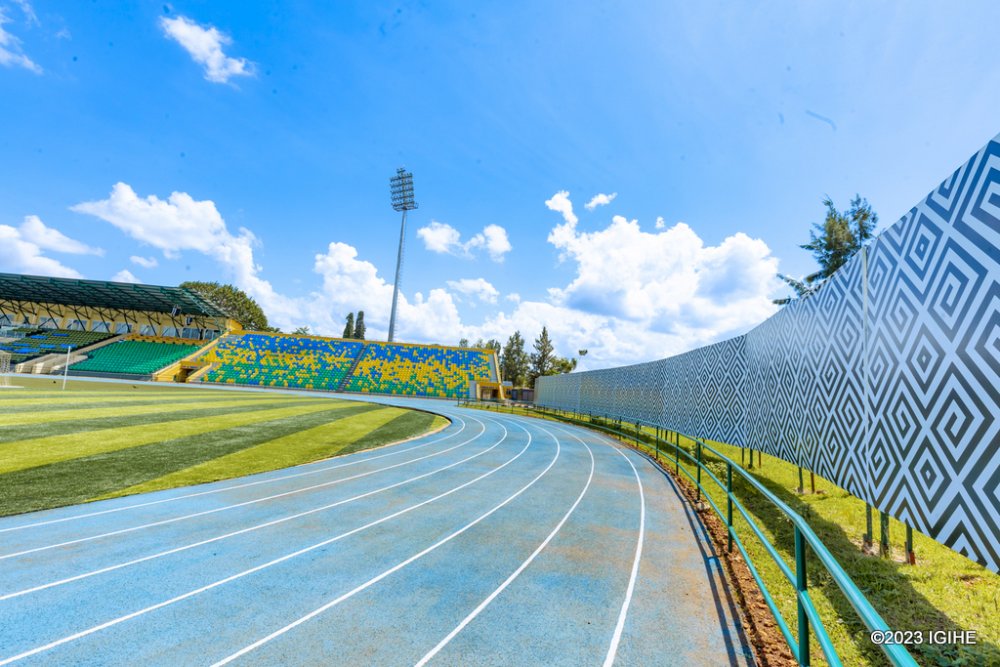
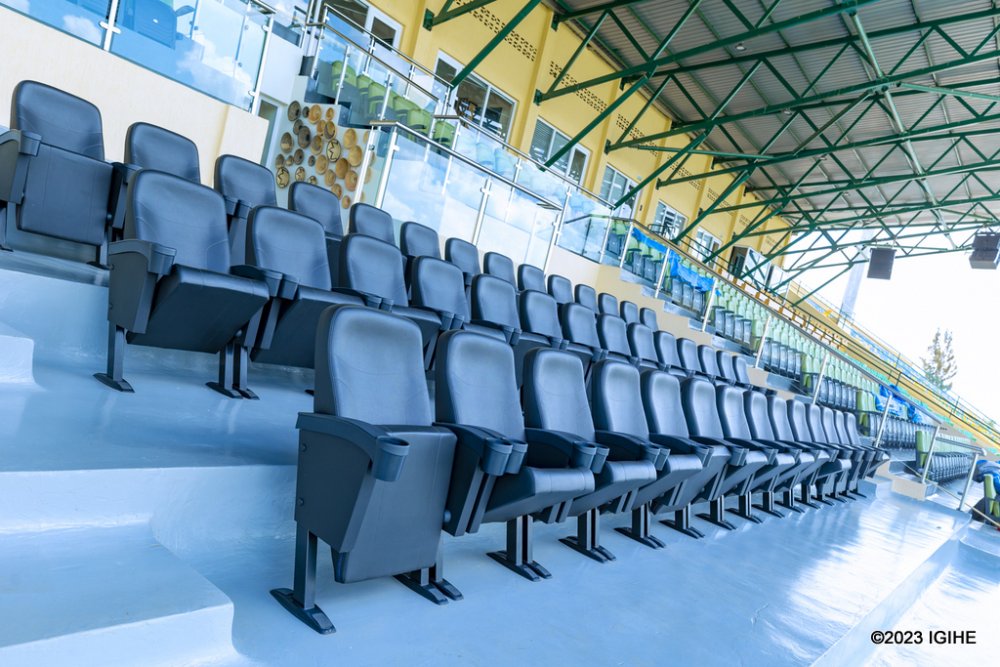
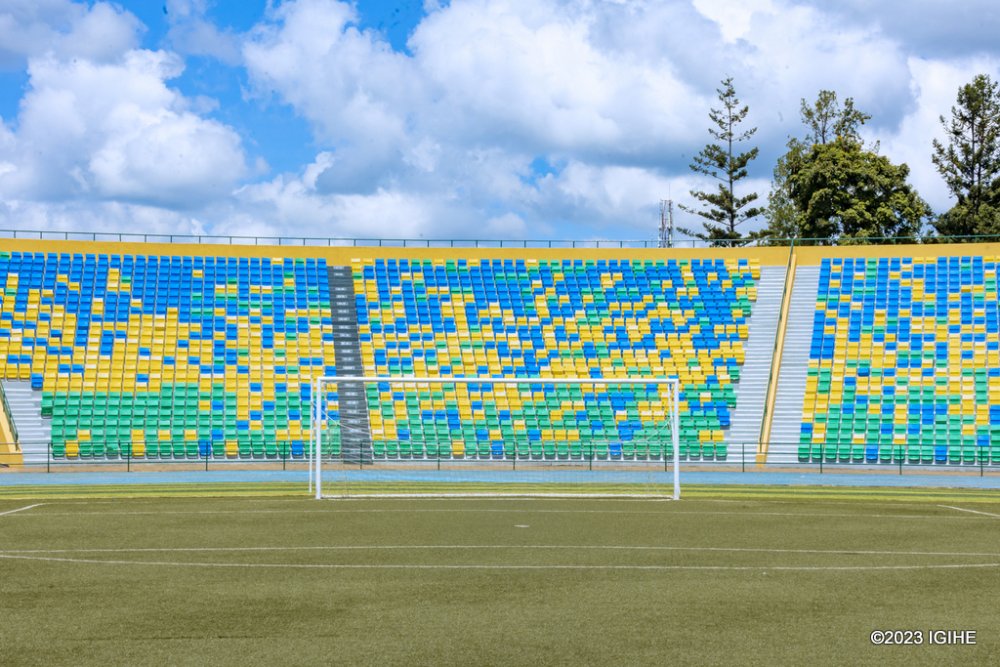
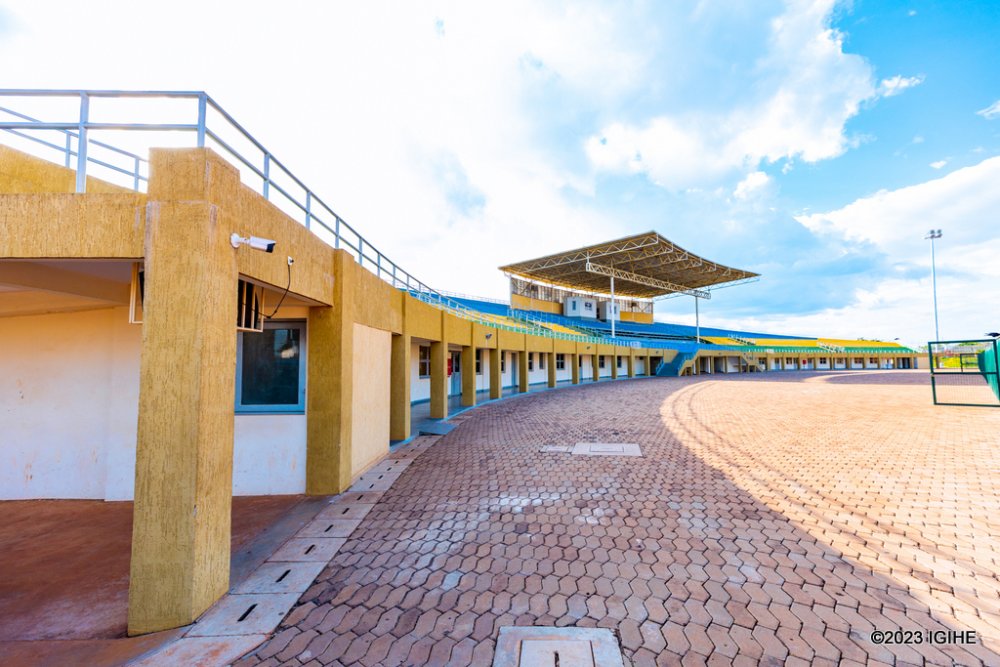
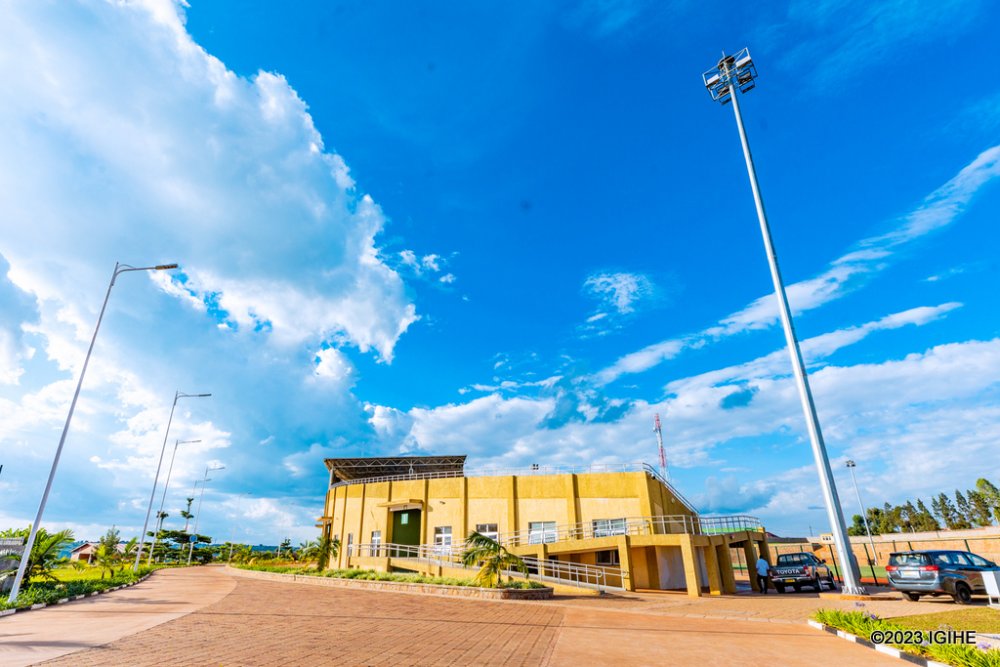
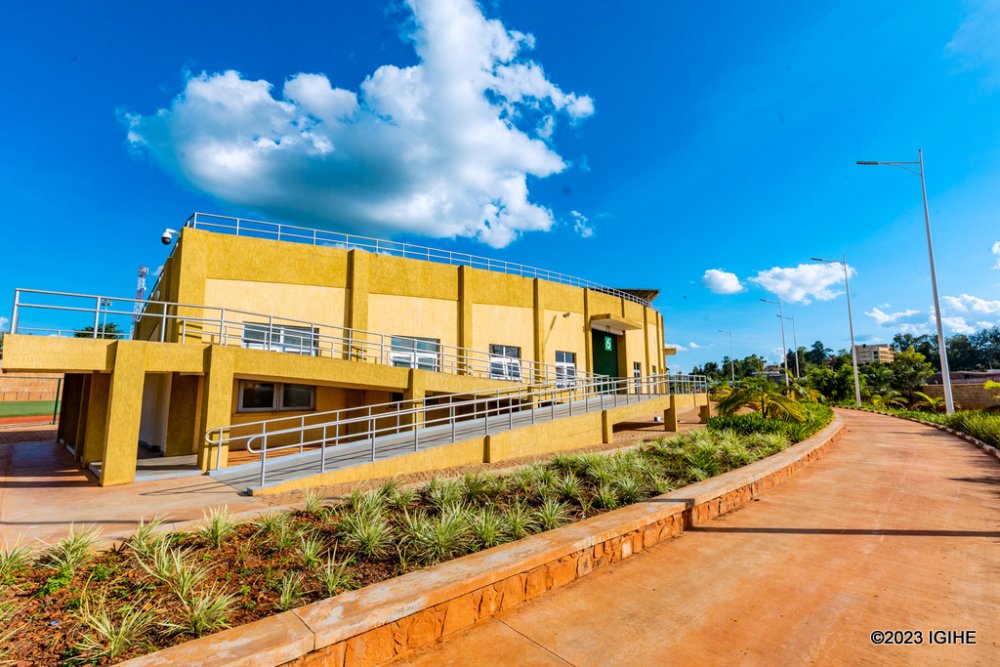
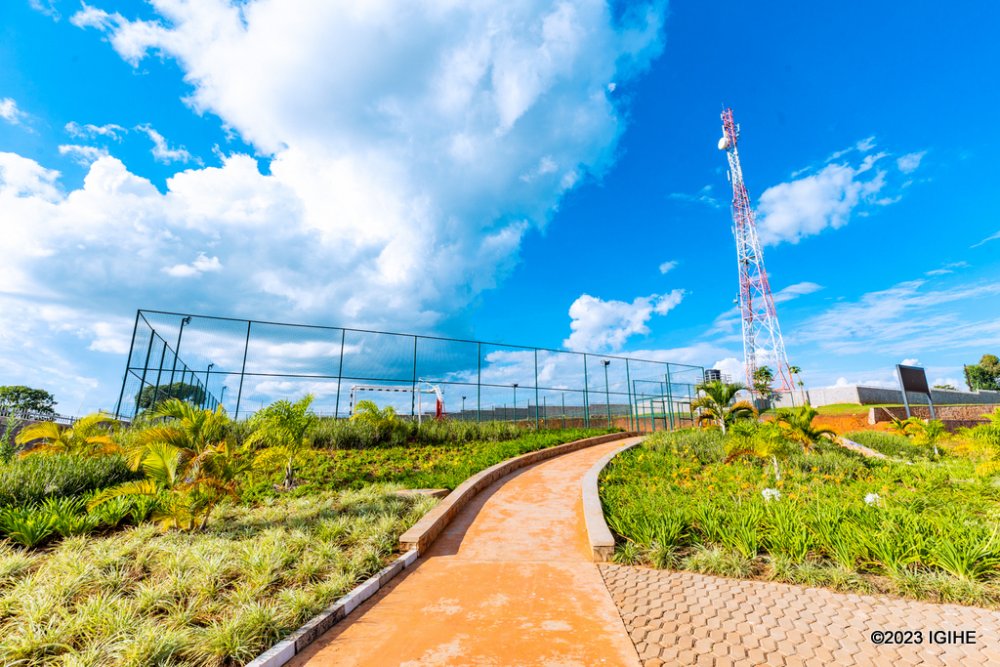
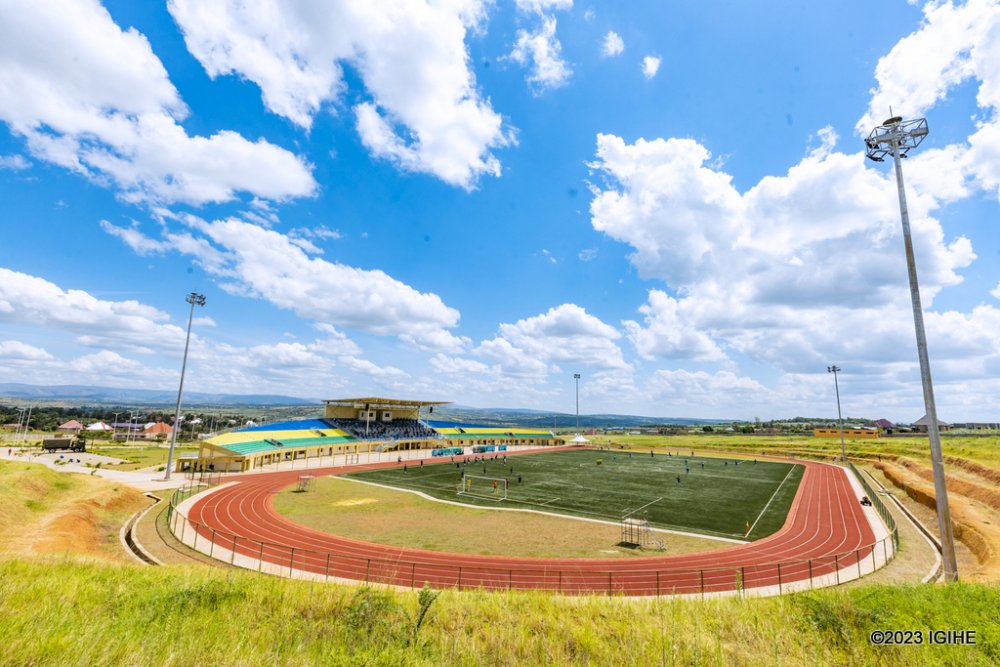
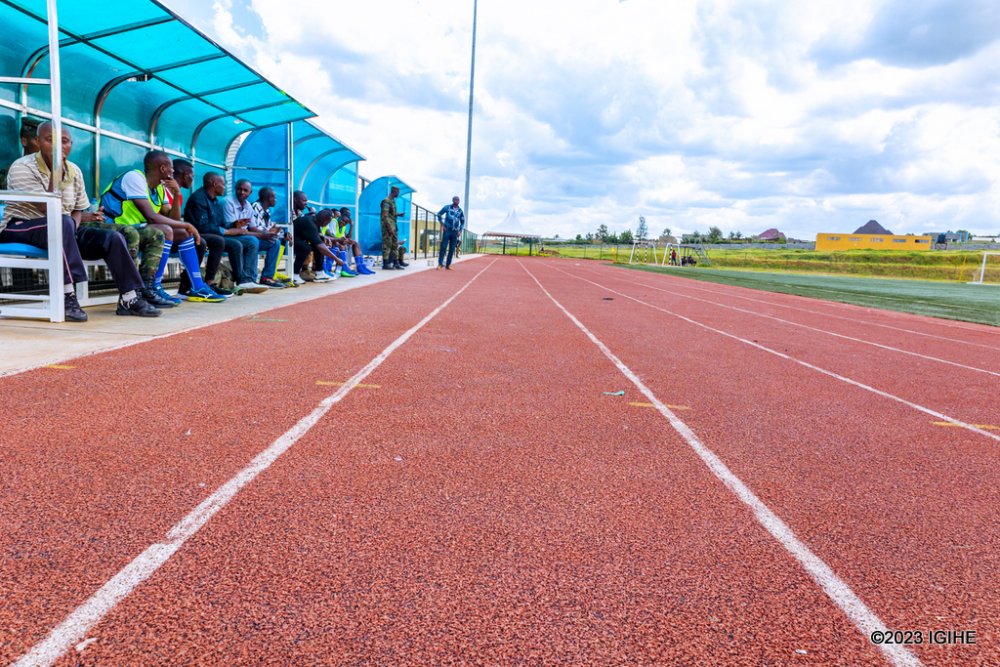
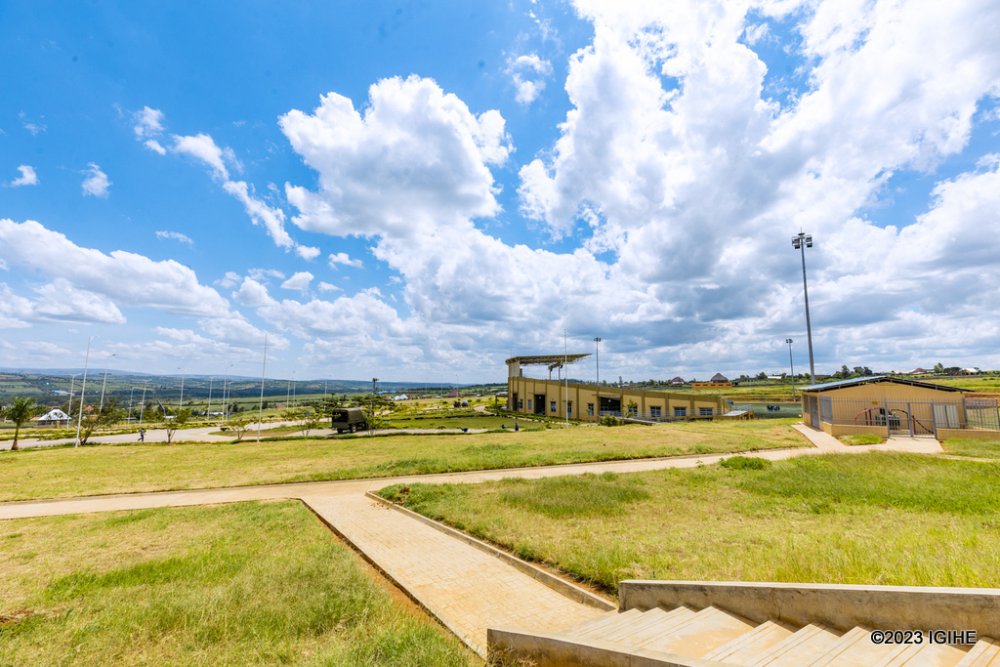
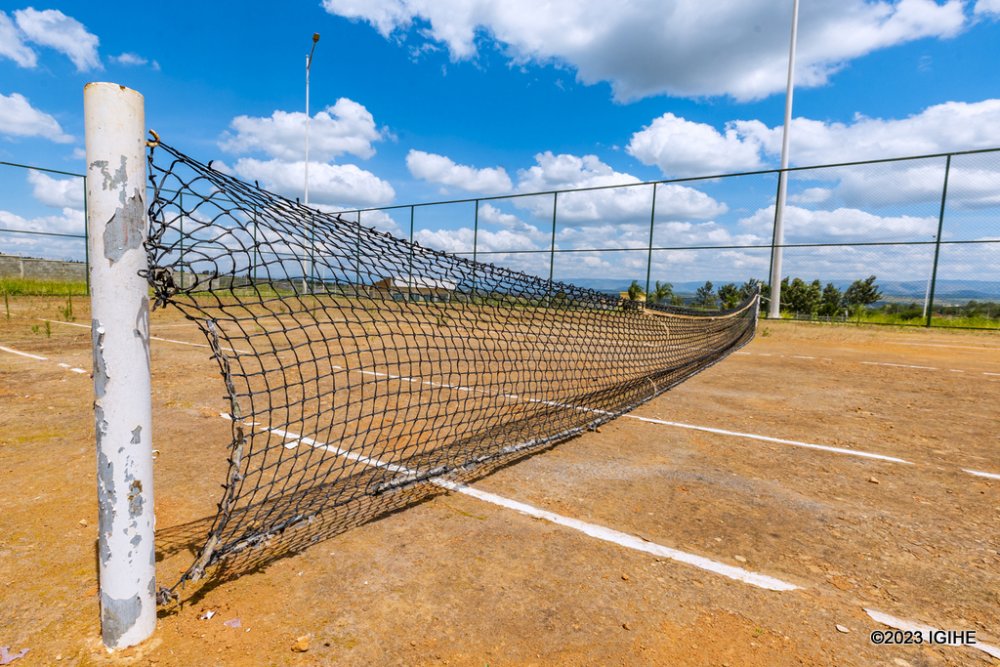
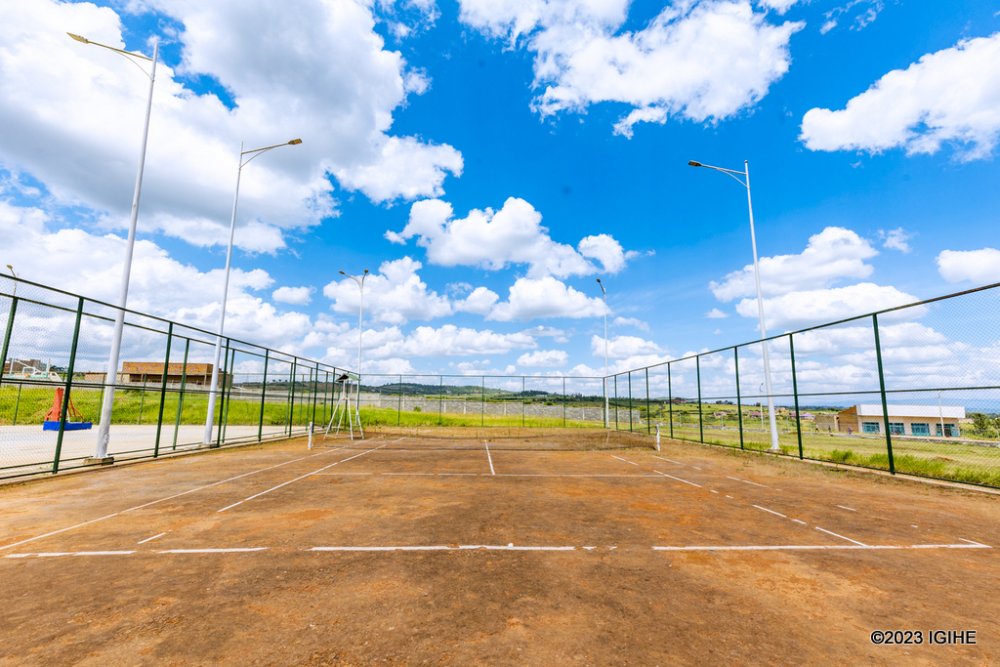
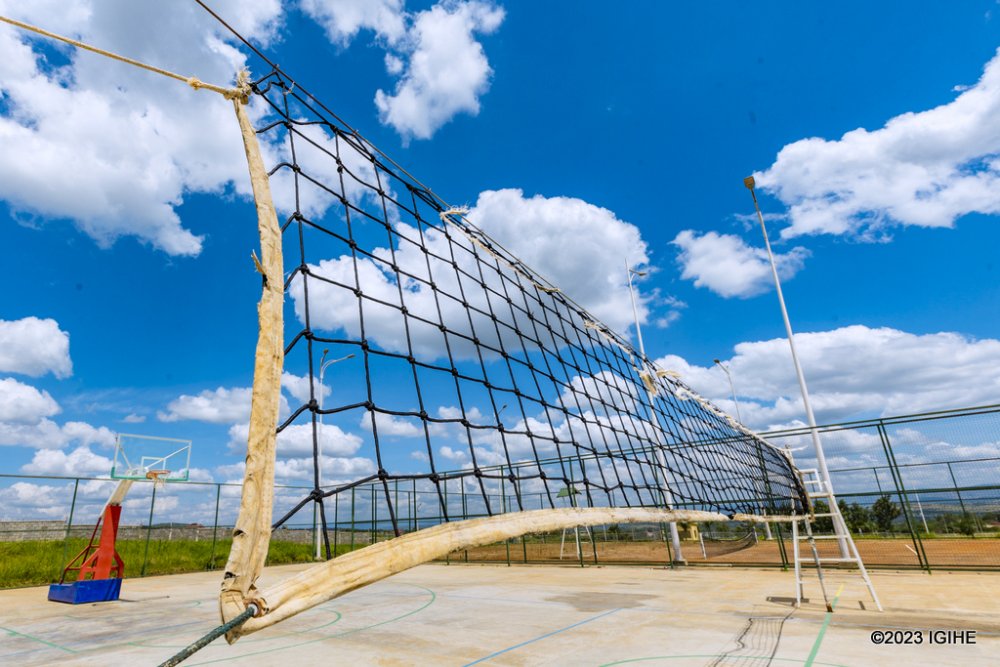
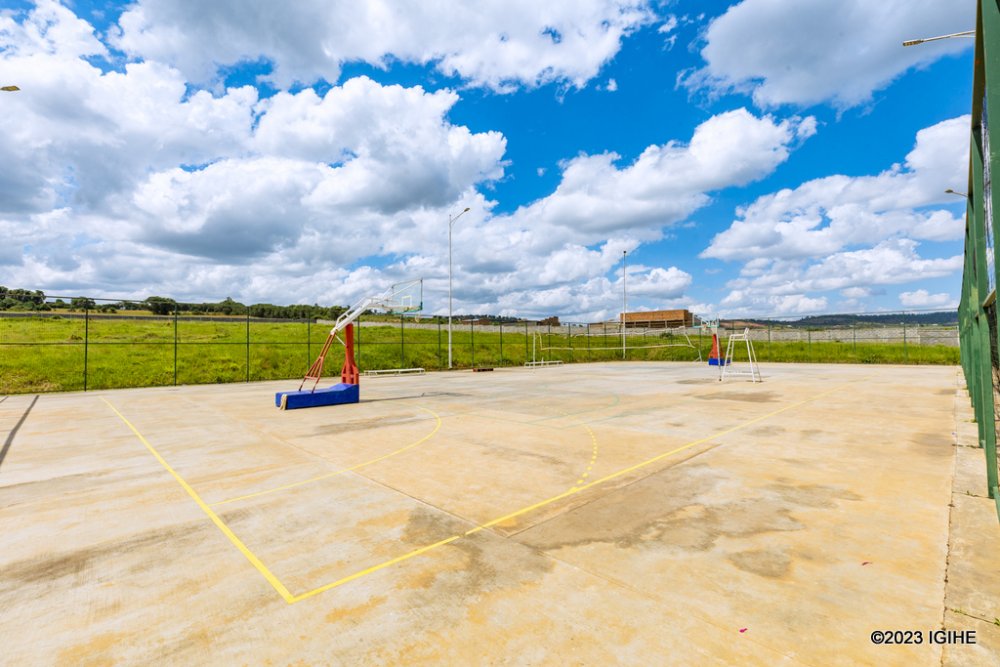
Decentralized stadiums, a promise fulfilled by President Kagame to citizens, have been built in Nyagatare, Bugesera, and Ngoma districts. Each stadium has a capacity to accommodate 4,000 people in both roofed and unroofed seating areas. The football playground of Nyagatare Stadium features a turf surface and includes additional facilities such as basketball, volleyball, and tennis courts. Furthermore, athletes can utilize the stadium’s running track for training and competitions.
These stadiums are part of a larger development plan, which includes complementary projects such as hotels, roads, and electricity infrastructure. The construction of such facilities not only provides economic opportunities but also transforms the mindset of the local population. By investing in sports infrastructure, Rwanda aims to create a thriving environment that nurtures talent, fosters unity, and attracts visitors from both domestic and international spheres.
The journey towards comprehensive sports infrastructure continues in Rwanda, with the expansion of the Amahoro Stadium serving as a testament to the country’s dedication to providing world-class facilities. With the completion of these stadiums, Rwandans are empowered to pursue their sporting aspirations and embrace the transformative power of sports in their lives.
{{Amahoro Stadium is undergoing major renovation works}}
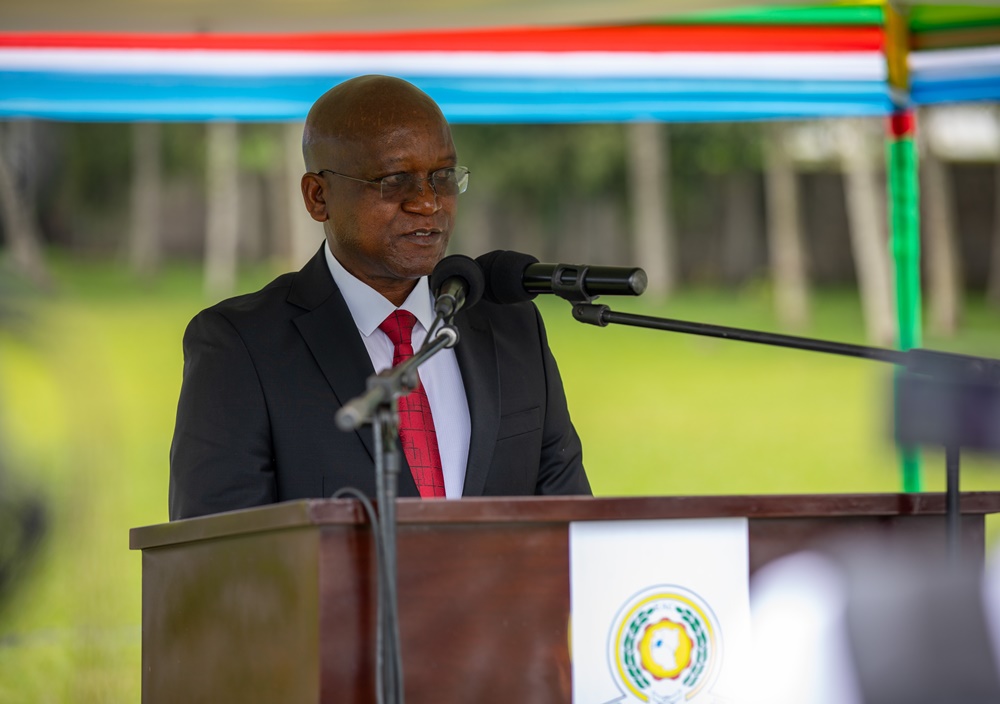
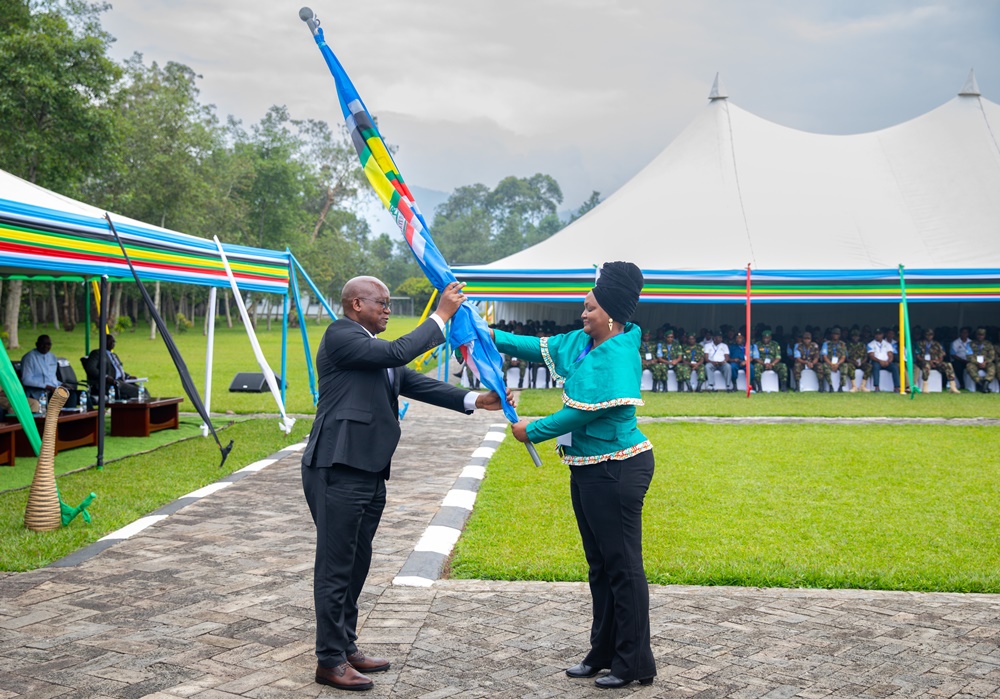
While officiating the closing ceremony, Minister of Defence of the Republic of Rwanda, Juvénal Marizamunda said that the exercise has reinforced the notion that through collaboration and mutual support, partner states can overcome any obstacle that threatens the stability and security of our region.
“By engaging in integrated exercises, we have not only honed our operational efficiency but also forged strong bonds of trust and friendship among our military, police and civilian personnel. The problem of ensuring common security has been a matter of concern for all ages but the twenty-first century has defied all the benchmarks as we knew them,” said Marizamunda.
He added that the exercise serves as a testament to partner states’ shared determination to enhance interoperability and consolidate their collective security response mechanisms and procedures.
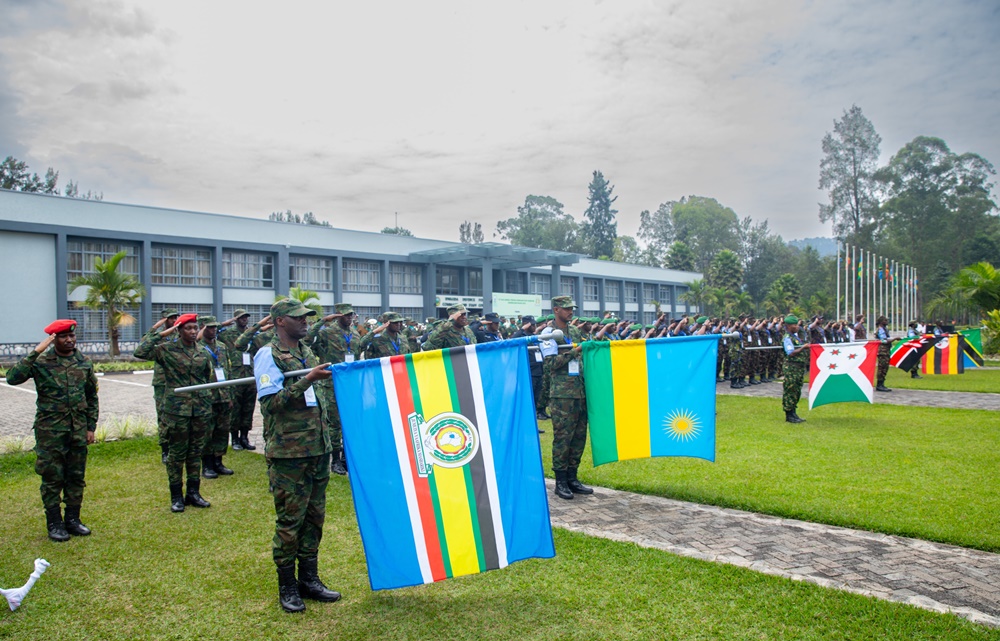
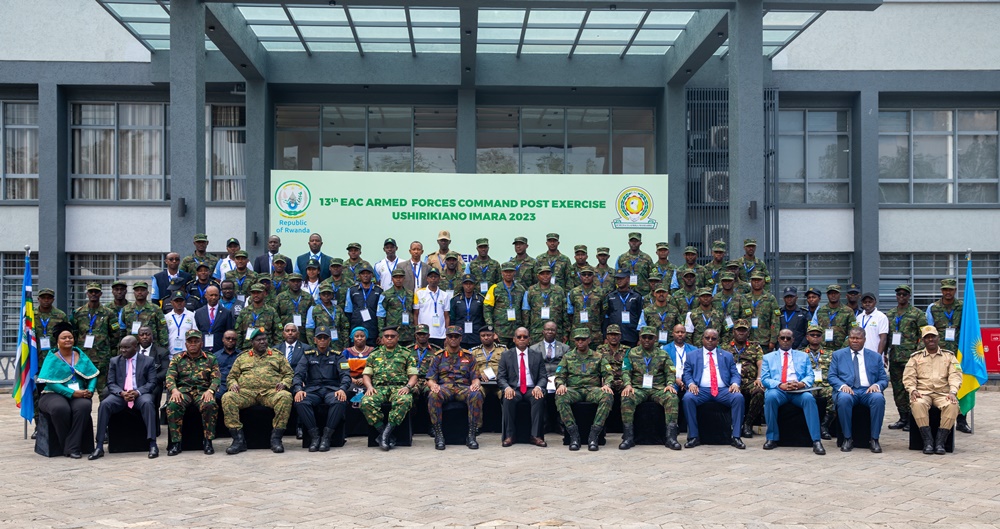
The exercise aims at enhancing interoperability in joint planning and conduct of operations, practicing EAC Standard Operating Procedures at operational and tactical levels and promoting EAC integration agenda and its awareness among the key objectives.
Five contingents from Burundi, Kenya, Tanzania, Uganda and Rwanda (which is the host) brought together over 600 army, police and civilian participants.
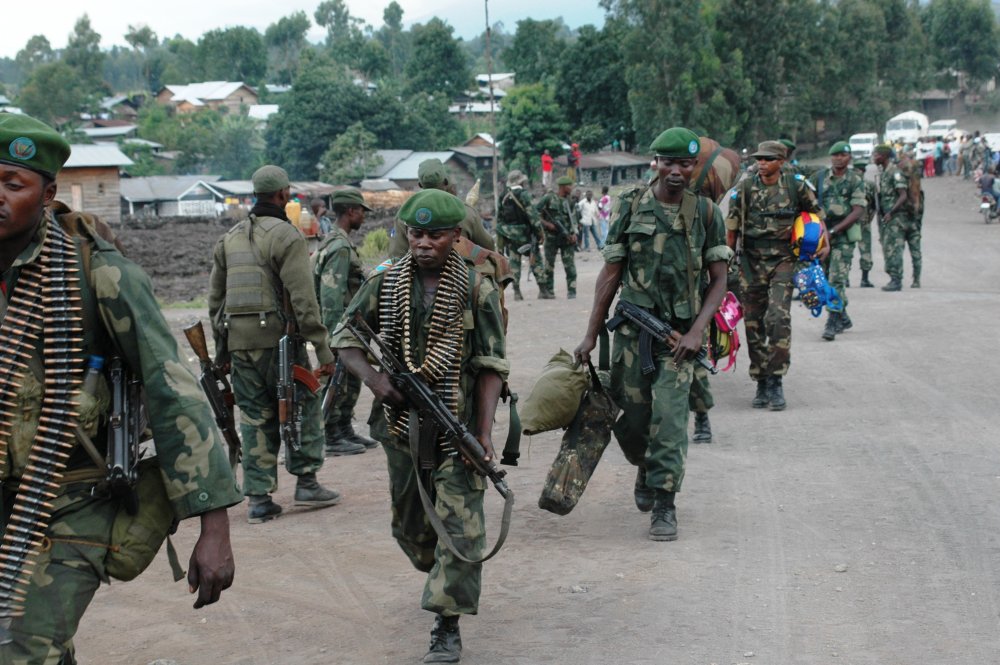
Critics have questioned the DRC’s response to the situation, pointing out that the country has failed to address its internal problems and instead shifted blame to neighboring Rwanda. In the midst of the fighting with M23, Congo accused Rwanda of backing the rebel group, which subsequently captured different areas and later handed them over to regional forces as part of established mechanisms to restore peace.
Rwanda has consistently refuted these allegations and urged the DRC’s leaders to find a solution without externalizing their problems. However, it appears that the DRC has turned a deaf ear to these pleas, further exacerbating the situation by forming a coalition with the Democratic Forces for the Liberation of Rwanda (FDLR), a terrorist group comprised of individuals responsible for the 1994 Genocide against the Tutsi in Rwanda.
The violence perpetrated by this coalition has escalated, leading to targeted killings of members from Congolese Tutsi communities. In addition to the violence against specific ethnic groups, there have been reports of provocations such as bombs being shelled on Rwanda’s territory.
The ongoing collaboration between FARDC and FDLR is a grave concern and a threat to regional security, undermining the efforts made to address the crisis. Despite the hostile environment for independent media in North Kivu, two courageous journalists, Adeline Umutoni and Marc Hoogsteyns from the Kivu Press Agency, managed to enter the tense area and gather invaluable testimonies. These testimonies shed light on an unprecedented collaboration between the FDLR and the FARDC, revealing an even more sinister reality.
19-year-old Lambert Habumugisha testified to the terror instilled by these armed groups, stating, “I lived with my chief ‘Fayida’. We worked for all the present soldiers. If you are suspected of working with M23, they behead you overnight and decimate your entire family.” He also revealed that the FARDC facilitated the strengthening of FDLR military operations through new recruits and the supply of arms.
The situation is further complicated by multiple alliances, particularly between the FDLR, FARDC, and Nyatura. Civilians, who are the primary victims of these conflicts, suffer significant losses, particularly due to the forced recruitment of young individuals by the armed forces.
Hakizimana Rukundo, 20, a former FDLR member, shared his experience of being recruited, stating, “My parents and I fled to Congo to survive. As soon as we arrived, the FDLR recruited us. We cooperated with the FARDC.”
According to Théoneste Ndayambaje,20, another former FDLR member, the forced recruitments are justified by the FDLR as a necessity to protect themselves against external threats, particularly the rebel group M23. “They told us to ensure our security, to make sure no Tutsi lives here,” he reported.
The lives of civilians are disrupted by this violence, as they are subjected to taxation in the form of food or material goods by the FDLR, FARDC, and Nyatura, with the M23 being presented as the common enemy. In the face of this constant struggle for power, North Kivu resembles a complex chessboard where civilians pay the heaviest price.
Dr. Jason Stearns, Director of the Congo Research Group (GEC) and former member of the United Nations Group of Experts on Congo, affirms that the FDLR has maintained a devastating presence in North Kivu for decades. Their genocidal ideology and brutal military tactics have left indelible scars on the region.
Amanda Thomas-Johnson, a researcher at the Center for Conflict, Freedom, and Security Studies, underscores the persistent threat posed by the FDLR to Rwanda and the DRC.
Their ongoing presence continues to destabilize the North Kivu region and poses a significant obstacle to achieving peace and security.
According to the United Nations, over 6,000 people have lost their lives since tensions escalated in North Kivu. The majority of the victims are innocent civilians trapped in the clutches of this endless conflict.
International cooperation and support, coupled with a comprehensive approach that addresses the root causes of the conflict, are essential for achieving lasting peace in eastern DRC.
Besides, the atrocities committed in North Kivu demand urgent attention and concerted action.
In order to prepare children for the dynamic labor market and equip them with essential technological skills, it is crucial to foster their growth in multiple areas. Additionally, engaging children in extracurricular courses can contribute to their brain development and overall skill set.
Recognizing this need, Active Labs has introduced online robotics courses and physical classes for children. These courses not only provide valuable technological knowledge but also act as a shield against harmful internet content and other distractions that can lead children astray.
Located in the north of Morocco, Active Labs has emerged as a game changer in the field of robotics and programming. Salma Maroufi, the Marketing and Sales Manager at Active Labs, highlighted the center’s offerings during a recent interview with IGIHE. She mentioned that Active Labs provides classes for children aged 7 to 16, where they engage in robotics, coding, and 3D modeling.
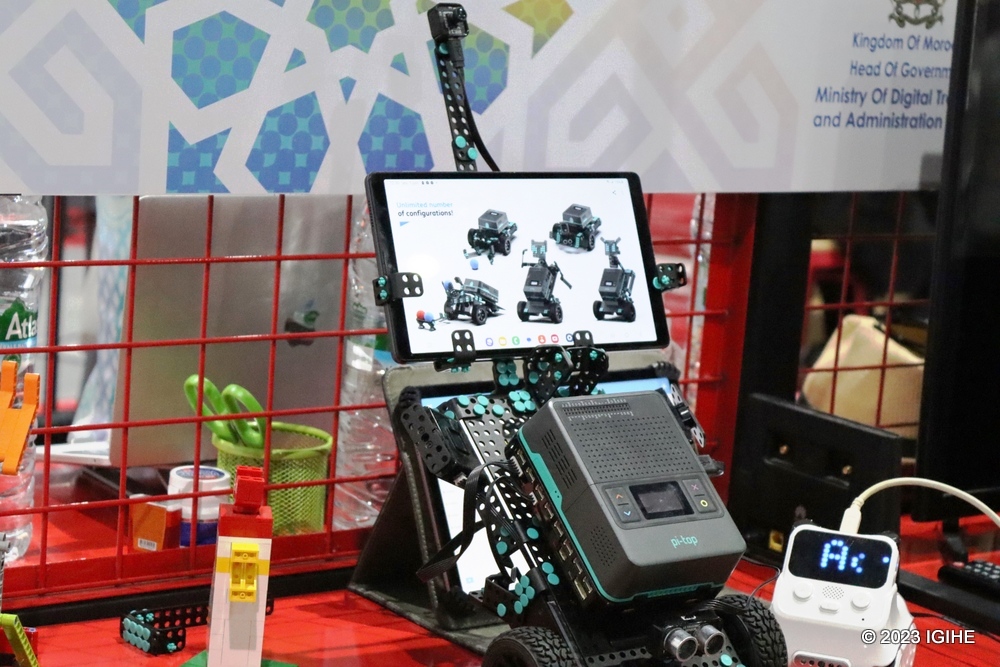
“The children work with various robots, learning how to program them using tools like PyTab. They also delve into coding with programming languages such as Python, HTML, CSS, and JavaScript,” stated Maroufi. She further explained that the center offers both on-site and online classes, allowing children to explore the world of technology from the comfort of their homes while enjoying the educational and interactive experience.
Maroufi emphasized that the primary goal of Active Labs is to encourage children to utilize their time effectively by engaging in technology-driven learning experiences, rather than aimlessly scrolling through social media or spending excessive time gaming. By meeting other children and having fun while learning, children can enhance their educational journey. Active Labs also collaborates with schools, providing classes and spreading their educational impact even further.
Active Labs caters to children of all skill levels, ranging from beginners to advanced learners. Maroufi expressed the center’s commitment to lifelong learning, stating, “We have beginner and advanced classes. Children can start as beginners, and the following year, they can progress to the advanced level. Some children have stayed with us for four years, experiencing an annual level up and an advanced program. With the rapid advancements in AI and technology, there is always something new to learn.”
Maroufi proudly shared the achievements of some of the center’s trained children, who have excelled in international robotics competitions.
“We participated in the first LEGO League Challenge, an international robotics competition, where one of our teams presented an innovative project. They created a robot capable of detecting the emotions of special needs children. Through a connected app, parents receive notifications about their child’s emotional state. This outstanding project earned them second place internationally,” Maroufi explained.
The center not only nurtures young talent but also provides a platform for children to explore their own ideas and unleash their imagination. Active Labs encourages children to turn their concepts into reality and supports them throughout the process.
In terms of fees, Maroufi revealed that Active Labs charges approximately $360 per year for each child enrolled in their training programs. Additionally, they offer a three-month program to provide parents with various options.
“For our online classes, such as the Python course, we offer 12 sessions, one per week, totaling three months of training. The fee for this program is 144 euros, which is quite affordable. We coordinate with a group of seven children and provide an animated coaching session through a platform called Work Adventure. It’s similar to Zoom but offers a more engaging and interactive experience,” Maroufi added.
Active Labs was founded in 2016 with a focus on robotics, but their online courses were launched just three months ago.
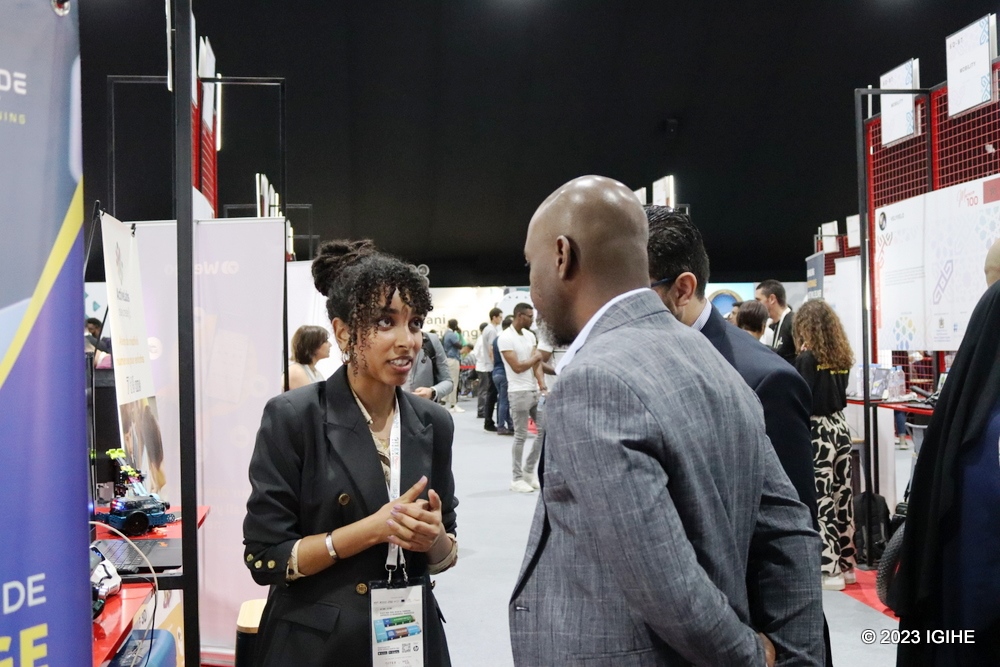
It was among tech startups that showcased their innovations on the sidelines of the inaugural GITEX Africa Summit held recently in Morocco.
Looking ahead, Maroufi envisions a future where an increasing number of children join Active Labs to enjoy the fun, educational, and beneficial experiences it offers. She anticipates a surge in registrations and a thriving learning atmosphere, as children enthusiastically embrace the opportunities provided by the center’s diverse technologies.
As the world becomes increasingly reliant on innovative technologies, Active Labs serves as a catalyst for change, inspiring more tech startups to introduce innovations that can transform not only the African continent but also the world at large.
Qu was a loyal statesman and a patriotic poet in Chu, a major state in the Warring States Period (475 B.C.-221 B.C.). He was unjustly exiled by the king of Chu, who disregarded Qu’s policy advice. Heartbroken by the news of rivaling forces seizing Chu’s capital, Qu eventually chose to end his life, by plunging himself into the river of Miluo clutching a heavy stone.
Hearing Qu’s tragic death, local people rushed to boats to search for his body. Over time, this practice evolved into a millennia-old tradition of dragon boat racing in memory of the poet.
Throughout his lifetime, Qu wrote a great number of poems expressing his love and concern for his country and people. Perhaps his most famous line is “Long as the way is, I will keep on searching high and low,” which embodies the poet’s ceaseless spirit of exploration.
The famous verse has been recited by generations of Chinese people, including President Xi Jinping, who is also general secretary of the Communist Party of China (CPC) Central Committee and chairman of the Central Military Commission.
In 2016, Xi quoted the line in his address at a ceremony marking the 95th founding anniversary of the CPC, calling on all Party members to preserve the Party’s tradition of struggle and have the courage to change and innovate in the continuing test of history.
This is an example of the president’s quoting of Qu’s impassioned verses, which have inspired the entire Party and Chinese people of all ethnic groups to put the ancient poet’s legacy into action and brave challenges through reform and innovation.
The sense of mission and the endeavors to surmount all difficulties for achieving the goal can be seen in various fields.
For example, regarding China’s reform, Xi called on people to “act with courage while moving forward with steady steps,” to push reform forward on the right track.
In the battle against poverty, the Chinese leader led the Party and the people to forge ahead against all odds and manage to lift the remaining 98.99 million rural poor people out of poverty in about eight years.
To tackle the bottlenecks in scientific and technological innovation, Xi called for making breakthroughs in core technologies in key fields. Through a decade of efforts, China ranked 11th overall in the Global Innovation Index 2022, moving up 23 places from its ranking in the 2012 edition of the index.
On the economic front, Xi has led the country in taking the initiative to shift from high-speed to high-quality development. And his exploration of the country’s economic development has paid off. In 2022, China’s per capita GDP was 12,741 U.S. dollars, nearing the level of high-income countries.
“The spirit of Qu Yuan not only exerts a profound influence on China’s past, but also exemplifies great value for the country’s present,” said Zheng Jiaming, a professor at the College of History and Culture at Hunan Normal University. “It is also universal and can last forever.”
Xi also invoked Qu’s words when addressing a global audience. At the CPC and World Political Parties Summit in 2021, he said that with national rejuvenation and the progress of humanity in mind, the CPC will lead all the Chinese to “search high and low” and work with determination to create an even better future for all.
“The Ministry of Foreign Affairs welcomes the statement by the spokesperson of the UN High Commissioner for Human Rights in Geneva, which directly condemned the rebel militia regarding its atrocities in West Darfur State,” the ministry said in a statement.
The ministry called on international and regional organizations to exert more pressure on the RSF by “condemning the violations it committed against the Sudanese people.”
On Saturday, the Office of the High Commissioner for Human Rights (OHCHR) issued a statement calling for immediate action to end the killing of civilians who were fleeing El Geneina, the capital city of West Darfur State.
The statement said horrifying accounts of RSF-backed armed “Arab” militia killing people were heard from those fleeing El Geneina into Adre in Chad.
The OHCHR urged immediate action to halt the “wanton killings,” adding that “people fleeing El Geneina must be guaranteed safe passage and humanitarian agencies allowed access to the area to collect the remains of those killed.”
The statement calls on the RSF leadership to “immediately, unequivocally condemn and stop the killing of people fleeing El Geneina, and other violence and hate speech against them on the basis of their ethnicity.”
According to the Sudanese Doctors Syndicate, more than 1,000 people were killed in El Geneina in attacks by armed militias.
Sudan has been witnessing deadly armed clashes between the Sudanese Armed Forces and the RSF in Khartoum and other areas since April 15, which left over 3,000 people dead and more than 6,000 injured, according to the Sudanese Health Ministry.
About 2.5 million people have been displaced inside and outside of Sudan, according to an OHCHR update on Wednesday.
The police and witnesses said the attackers raided the villages around 7:30 p.m. on Saturday, dragged the victims from their houses, and tied their hands and legs with ropes behind their backs before executing them.
According to the police report, the victims of the Saturday night attack on Salama and Juhudi villages are all men, including a student. Witnesses said the student had come home for a half-term break.
The police said a group of over 30 men in military regalia, armed with guns, machetes, and knives, struck early in the evening. They then ordered those present to lie down and not to raise the alarm as they led women to different rooms and later let them free.
The attackers killed the five men and stole some food items, chicken, and goats before setting a store ablaze. “The assailants disappeared toward the forest,” the police said.
Lamu County Commissioner Louis Rono said security teams rushed to the scene moments later, but no arrests were made.
Lamu County has been in the spotlight for some years due to increased scathing attacks by al-Shabaab militants that have left hordes of security officers and civilians dead.