The Bahamas, an archipelago in the Caribbean Sea, covers a land area of 13,878 km² and has a coastline of 3,542 km. To put it in perspective, this land area is approximately 112% of the area of Sydney. The Bahamas is the 28th largest country in the Americas and ranks 161st worldwide in terms of area.
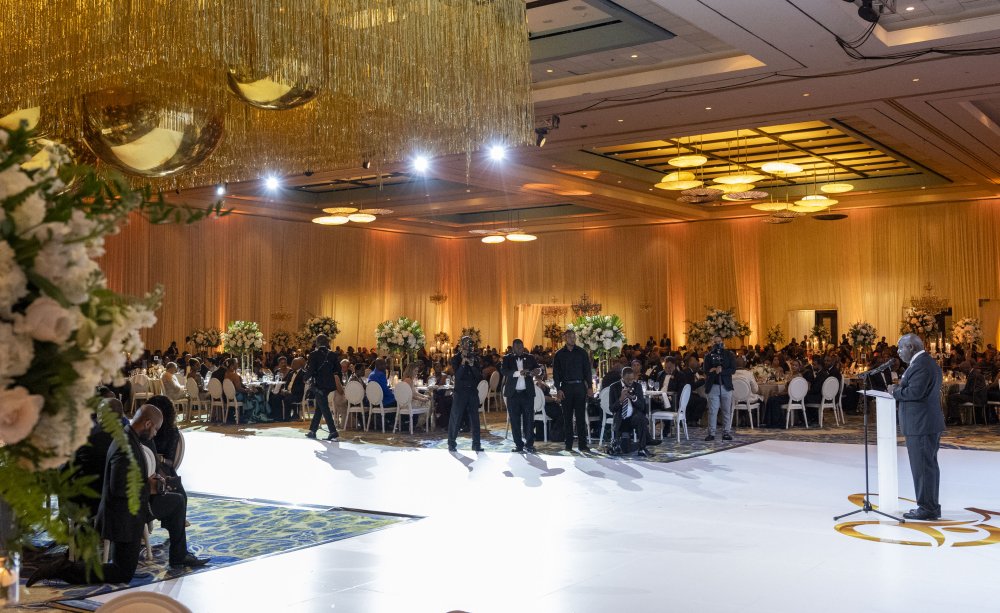
On July 10th, 1973, after 300 years of being a colony, the Bahamas peacefully transitioned to nationhood by becoming an independent nation. Since then, July 10th has been observed as a national holiday across the archipelago and in Bahamian foreign missions.
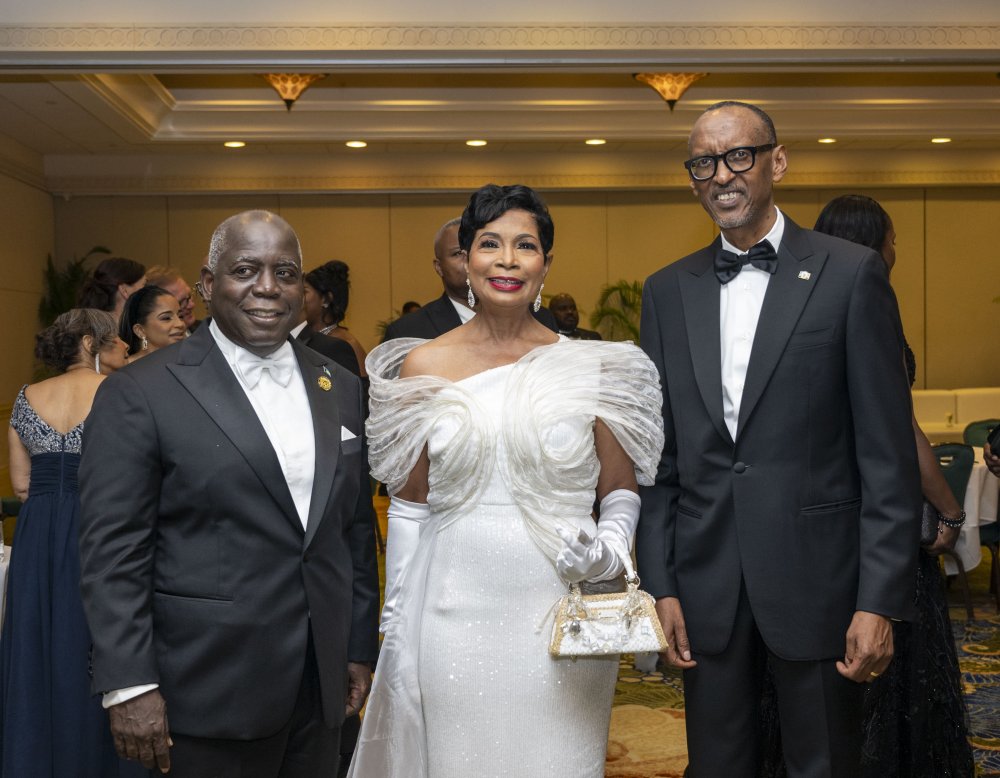
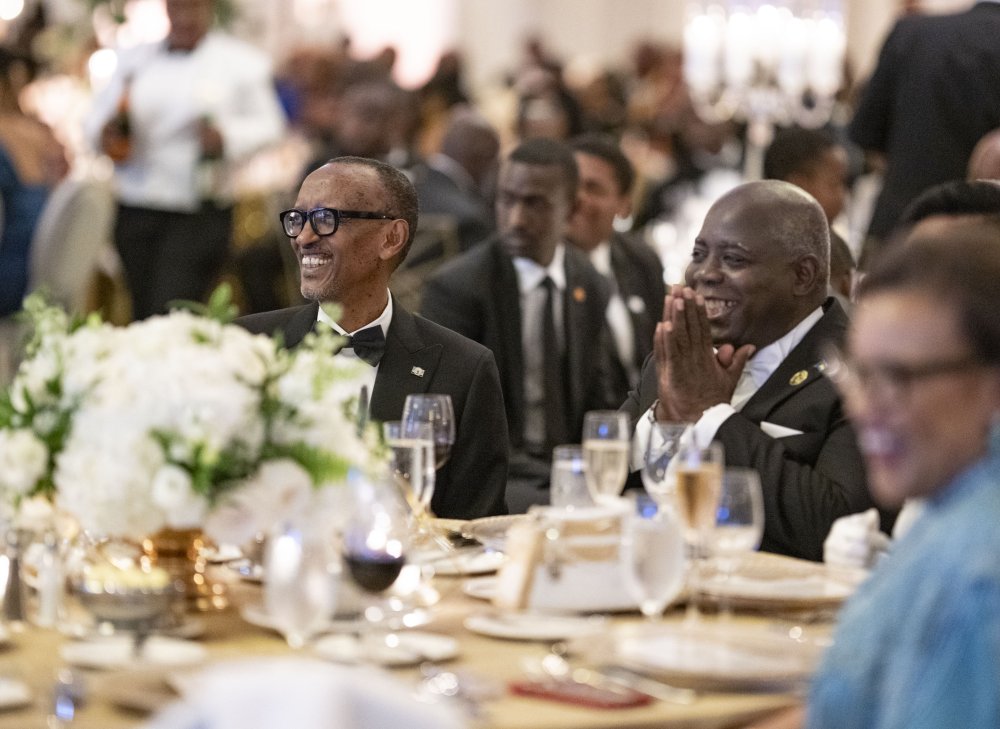
Before gaining independence, the Bahamas was a British colony and is currently a member country of the Commonwealth, to which Rwanda has also been a member since 2009. President Kagame’s visit to the Caribbean countries followed his attendance at the 45th Regular Meeting of the Conference of Heads of Government of the Caribbean Community (CARICOM) in Trinidad and Tobago.
During his visit, President Kagame engaged in various meetings and discussions. On July 5th, he held talks with Prime Minister Mia Amor Mottley of Barbados, discussing the progress made in operationalizing key areas of cooperation agreed upon during President Kagame’s previous visit to Barbados last year.
President Kagame also met with Prime Minister Dr. Ariel Henry of Haiti to discuss potential solutions for addressing the security challenges impeding Haiti’s progress, particularly in the aftermath of the murder of President Jovenel Moïse in 2021.
Among others, President Kagame had a meeting with Prime Minister Andrew Holness of Jamaica to review the progress of bilateral agreements signed during his visit to Jamaica in April of the previous year.
As a special guest, President Kagame joined Caribbean leaders in Port of Spain for a dinner hosted by Prime Minister Dr. Keith Rowley of Trinidad and Tobago at the Diplomatic Center, located at the Prime Minister’s residence.
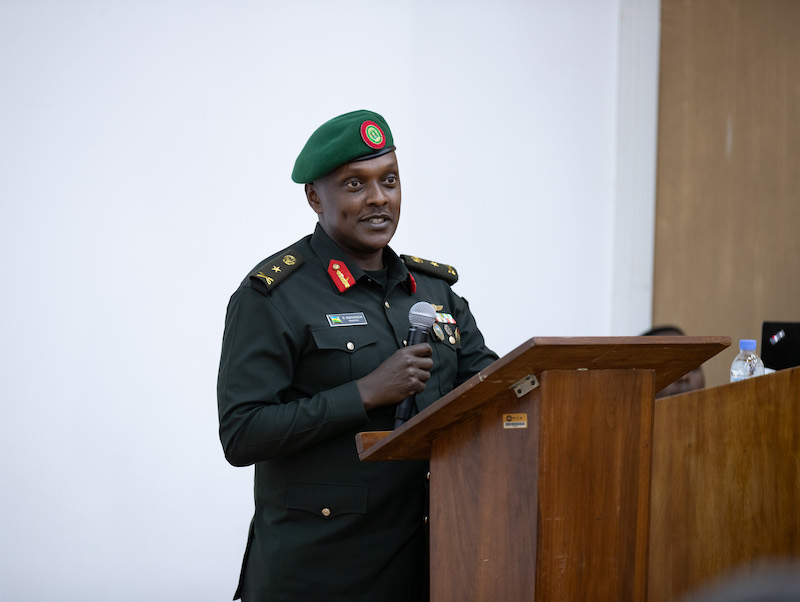
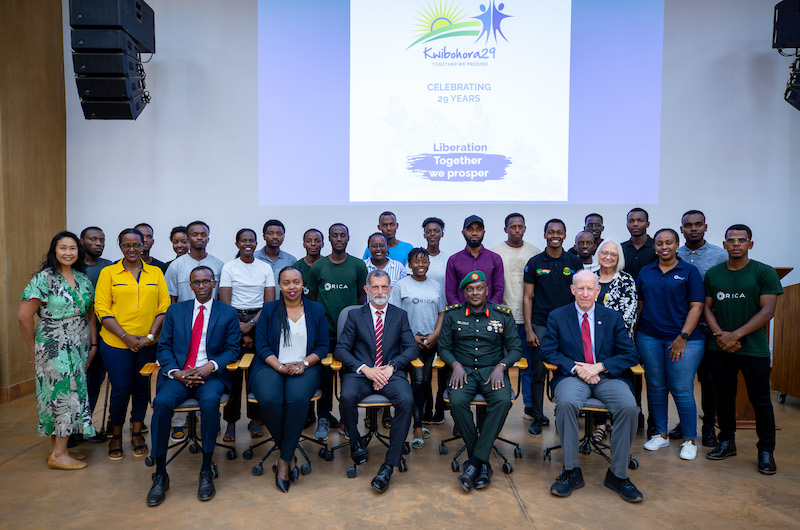
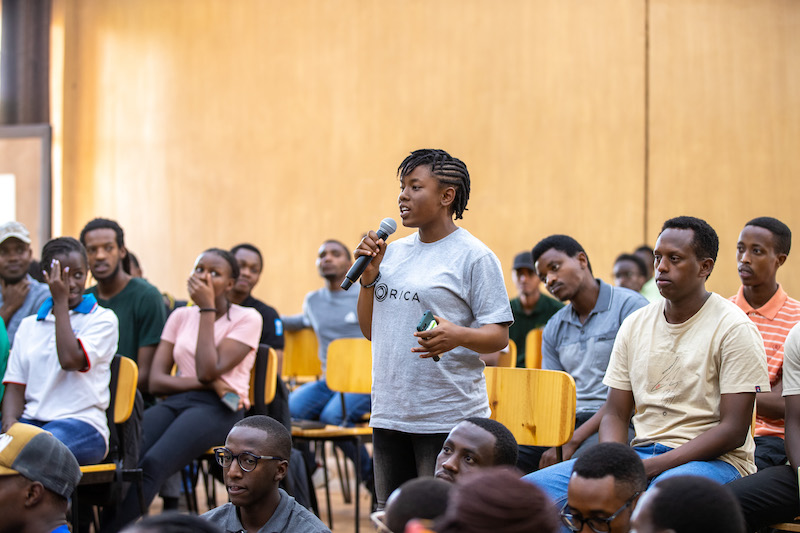
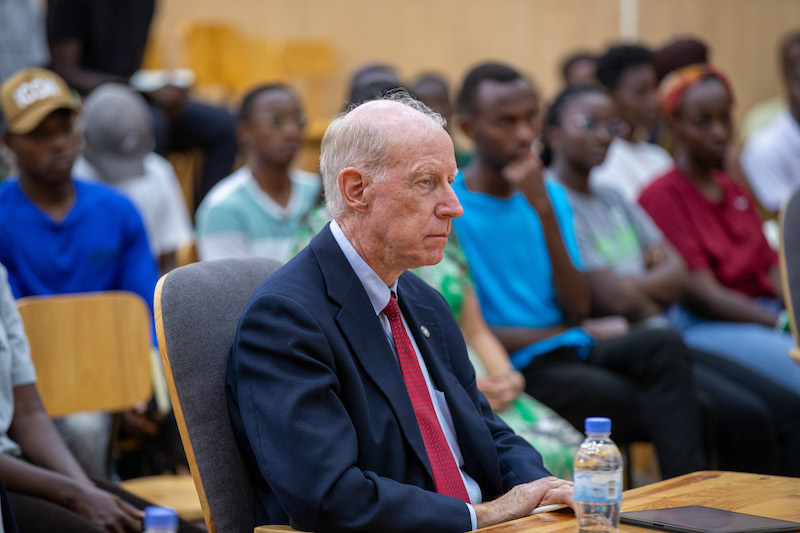
A lecture titled “RPA’s Role in Liberating the Country in 1994: How can today’s youth sustain what has been achieved”, was provided to this community as Rwanda celebrates the 29th Liberation Day.
Brig Gen Rwivanga stressed the need for continued dedication, hard work, and a sense of shared responsibility among the youth to maintain the progress already achieved. He urged the students to be active participants in shaping the future of Rwanda, reminding them that their actions today would lay the foundation for a prosperous and peaceful tomorrow.
“I can tell you that the battles that we fight, the wars that we win, the victories that we register; are mainly undertaken by the youth. Be it in the jungles of Cabo Delgado, the deserts of Darfur, the green bushes of South Sudan, the youth are the architects of this peace and security. Therefore, make no mistake; you are not a degraded youth as many tend to think. You must get out of that line and stay in a good line,” said Brig Gen Rwivanga.
The Rwanda Institute for Conservation Agriculture (RICA) is an innovative higher education institution established by The Howard G. Buffett Foundation in partnership with the Government of Rwanda.
RICA combines research, education, and extension to train Rwanda’s next generation of leaders in agriculture, while supporting Rwanda’s national priorities for agricultural development.
Mohamed El-Amine Souef, the special representative of the Chairperson of the AU Commission for Somalia and head of ATMIS, said the AU mission remains committed to ensuring an efficient and effective transition process that would not compromise the security of Somalis.
“The objective of the drawdown was to facilitate the gradual transfer of security responsibilities to the Somali Security Forces,” Souef said in a statement issued in Mogadishu, the capital of Somalia, on Friday.
He said the ATMIS is dedicated to security in Somalia and is looking forward to the next phase of a Somali-led offensive which will further degrade al-Shabab, reinforce stabilization and liberate more communities.
The ATMIS on June 30 completed handing over seven military bases and withdrawal of 2,000 troops in compliance with UN Security Council Resolutions 2628 and 2670 that require ATMIS to gradually hand over security responsibilities to Somali security forces.
The mission will withdraw another 3,000 troops by September and the Somalian forces are set to take over the overall security responsibilities from the ATMIS by Dec. 31, 2024.
After completing their undergraduate degrees in clinical medicine at Changsha Medical University’s Faculty of International Education, they will both enroll in graduate studies at Central South University this autumn.
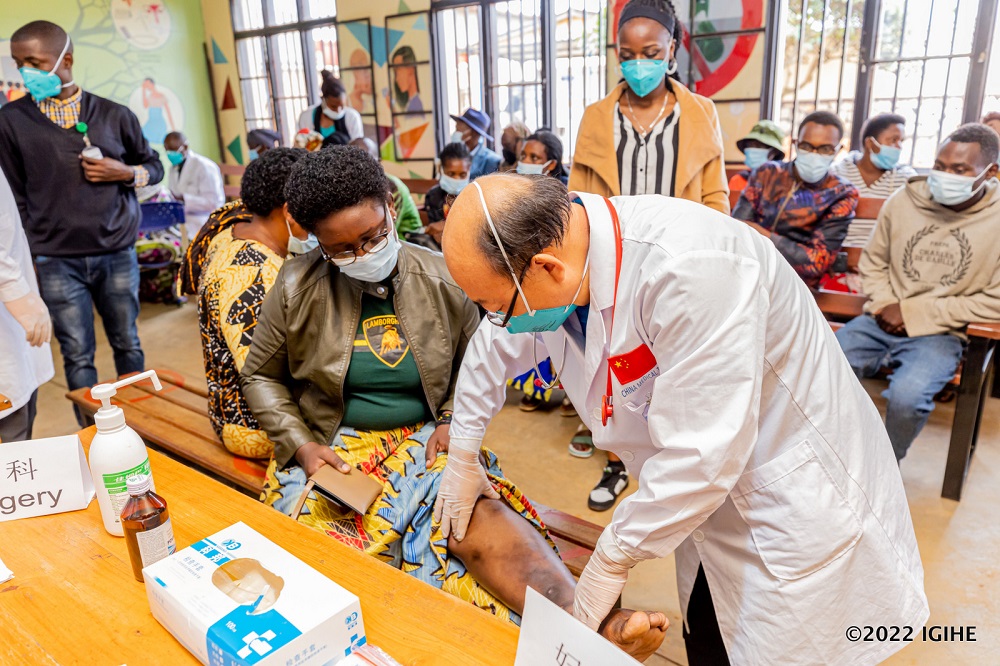
At the undergraduate level, the faculty offers courses in traditional Chinese medicine, such as acupuncture and moxibustion, massage and other Chinese medicine courses specifically designed for international students. For their final internship, Kayitare and Uwitonze spent a year at the Fourth Hospital in Changsha, where they rotated through 13 departments.
The course and internship introduced them to a whole new field of medicine. Kayitare recalls a 45-year-old patient with kidney stone, who underwent acupuncture treatment because he didn’t want to undergo surgery. After only three times of treatments, his pain eased considerably and, as the stones were relatively small, the hospital just advised him to drink more water and exercise before sending him home.
“I’ve seen many patients achieve effective relief from their illnesses by adopting traditional Chinese medicine or a combination of Chinese and Western medicine. This led me to take a close interest in it,” Kayitare said, adding that he intends to return to Rwanda and open a Chinese acupuncture clinic after completing his graduate studies.
Aspiring to become a surgeon since childhood, Uwitonze has witnessed the complementary nature of traditional Chinese and Western medicine.
Uwitonze remembered that a diabetic patient, who was in a serious condition, received a joint consultation by an endocrinologist and a traditional Chinese doctor. The doctors suggested taking Western medicine as a complement to traditional Chinese medicine. With several treatments and careful observation, the patient’s blood sugar levels were well controlled and the discomfort was greatly alleviated.
In recent years, traditional Chinese medicine has brought more “Chinese solutions” and “Chinese contributions” to medical care in Africa and around the world.
In 2020, the largest acupuncture center in Southern Africa was established in Zimbabwe’s capital Harare with the help of China’s Hunan province. In 2022, the first series of training courses for Zimbabwean acupuncture talent was organized, and Chinese patent medicines entered Zimbabwe.
Many African students, at the same time, came to China to study traditional Chinese medicine, and have chosen to return to their home countries to work in the medical sector.
After nine-year study at Guangxi Medical University in southwest China, Gopaul Roodrajeetsing returned home and became a neurosurgeon at Victoria Hospital in Mauritius. In 2018, he established the clinic “l’Acu care pain & rehab center” in the central city of Ebene, and offers Chinese medical treatment to patients while disseminating the concept of Chinese medical treatment.
According to Roodrajeetsing, a combination of Chinese and Western medicine leads to better therapeutic results. “Western medicine treats the symptoms, while Chinese medicine treats the root cause. Western medicine can eliminate the disease quickly, but after eliminating the obvious symptoms, Chinese medicine plays an important role in helping the patient return to normal life as quickly as possible and improve their quality of life.”
In recent years, as traditional Chinese medicine has become increasingly recognized by the African public, cupping, massage and acupuncture have become popular among Africans.
“Chinese medicine and Western medicine are not opposites, they complete each other. To be a good doctor, you need to know both Western and traditional Chinese medicine, and learn how to combine them to serve patients better,” said Uwitonze.
Unlike before, when the campaign was only held in City of Kigali under the auspice “keep Kigali clean, green and safe”; this time around, it brought a new particular aspect of fighting stunting and extended to all 416 sectors of Rwanda to instill a responsive culture of human security, which combines hygiene, sanitation, community policing, promoting healthy eating especially among children to fight stunting, and fighting alcohol consumption among children.
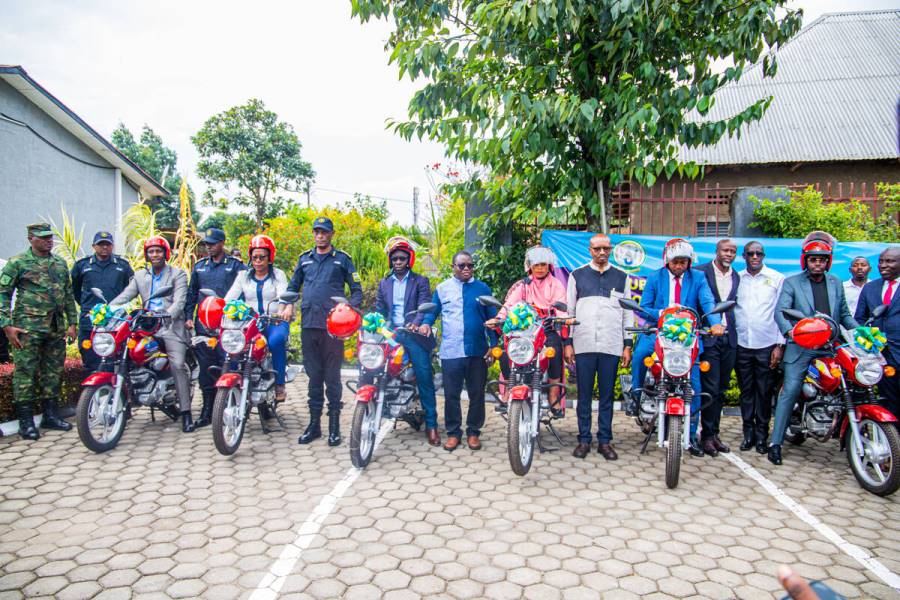
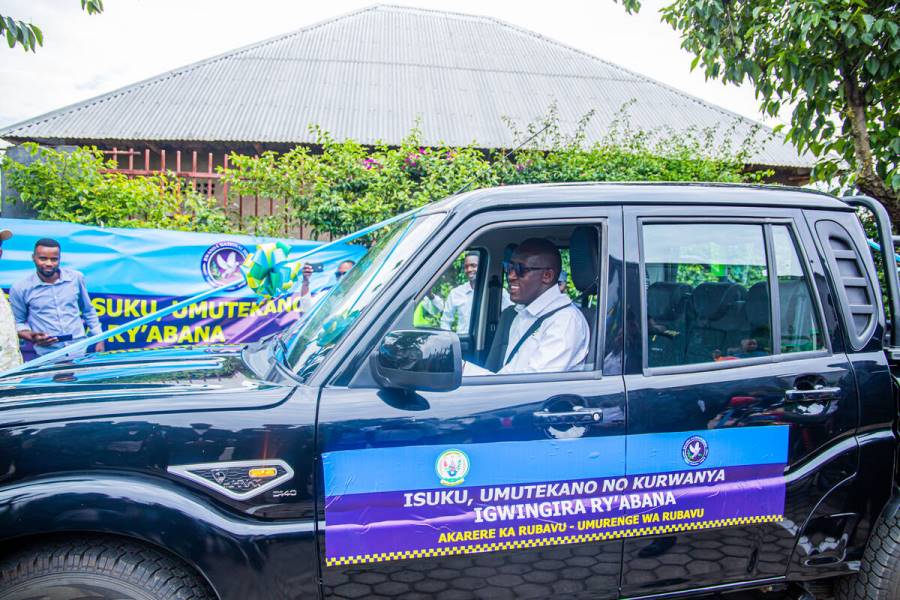
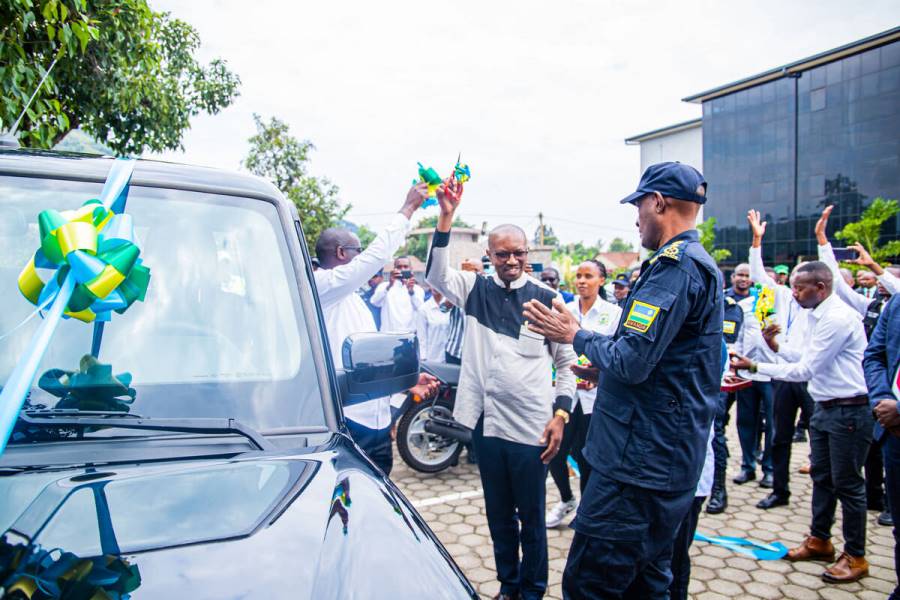
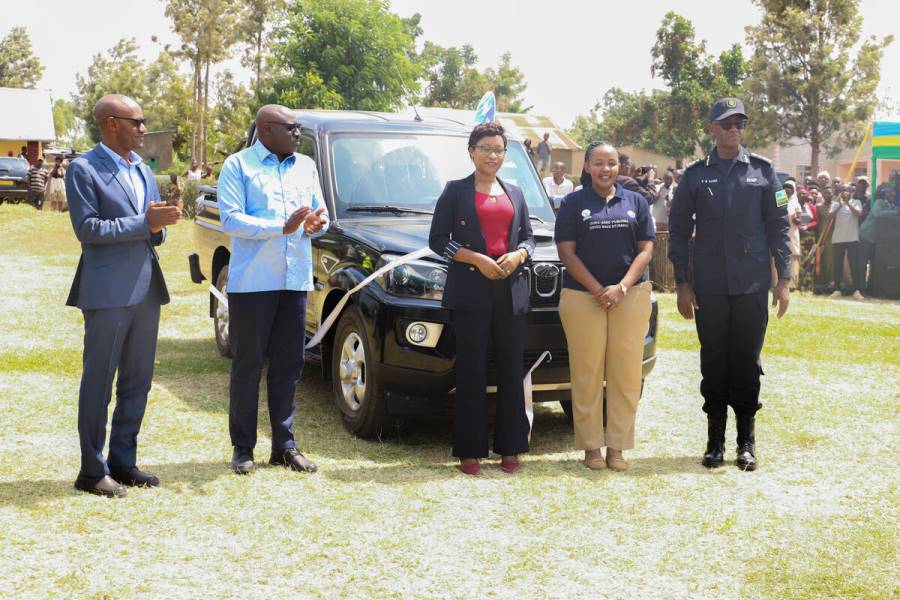
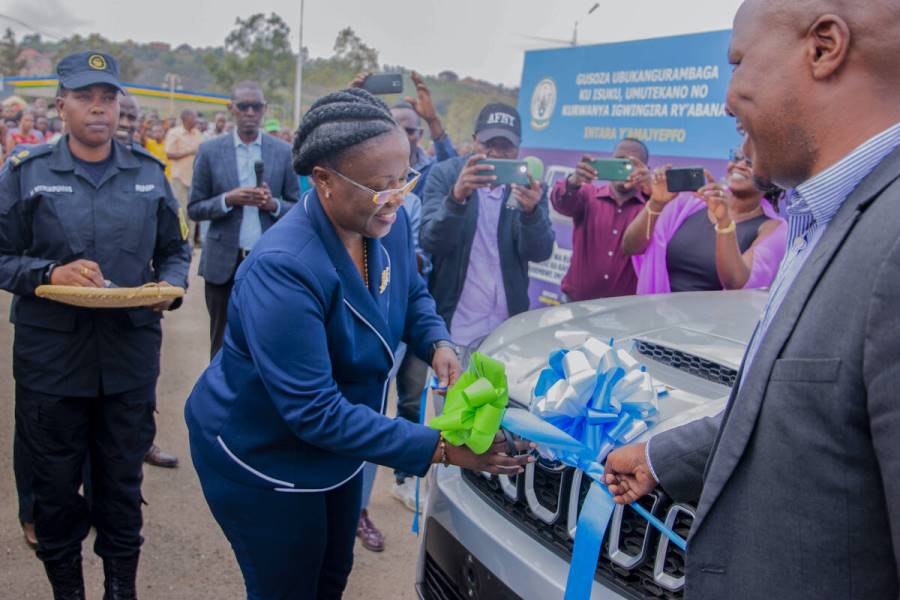
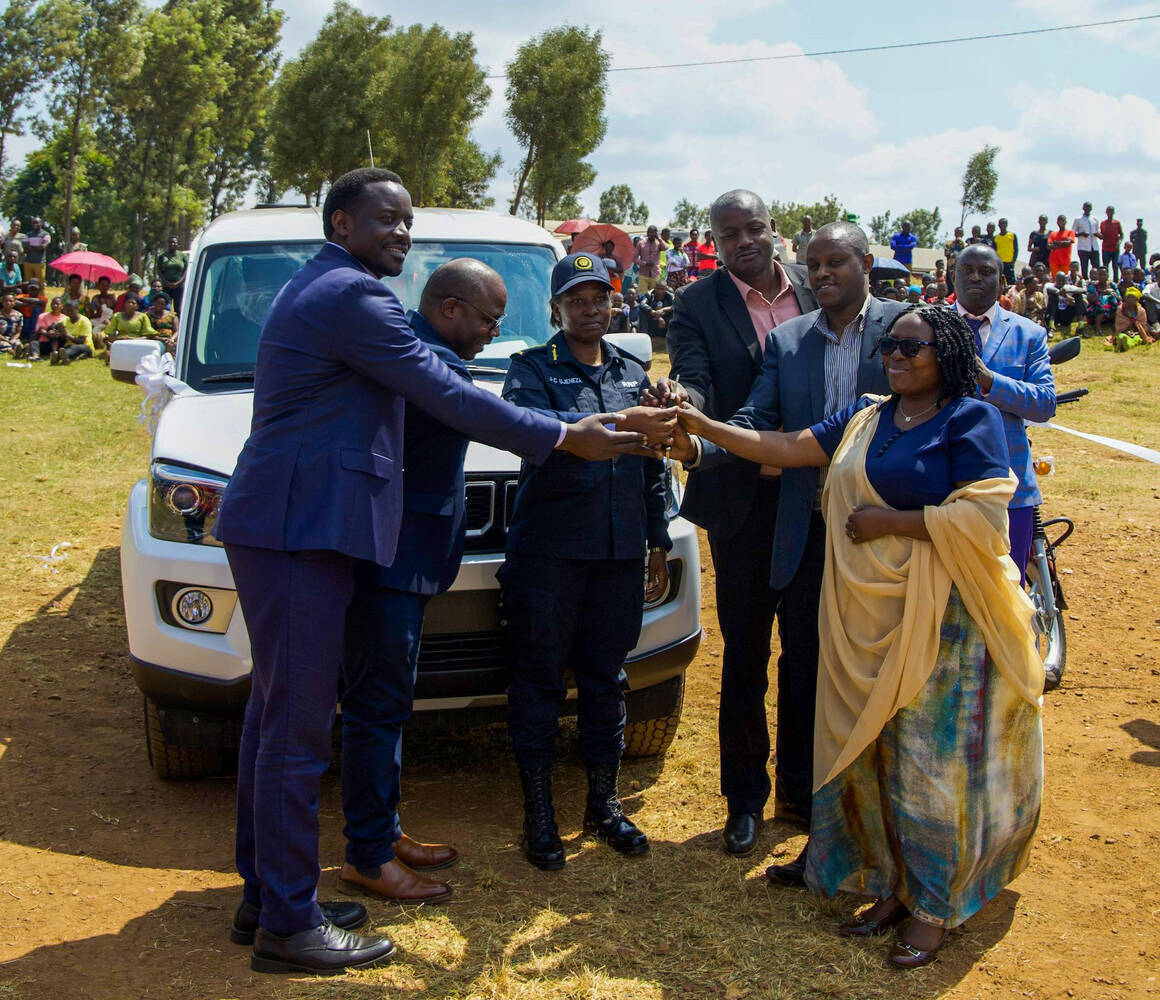
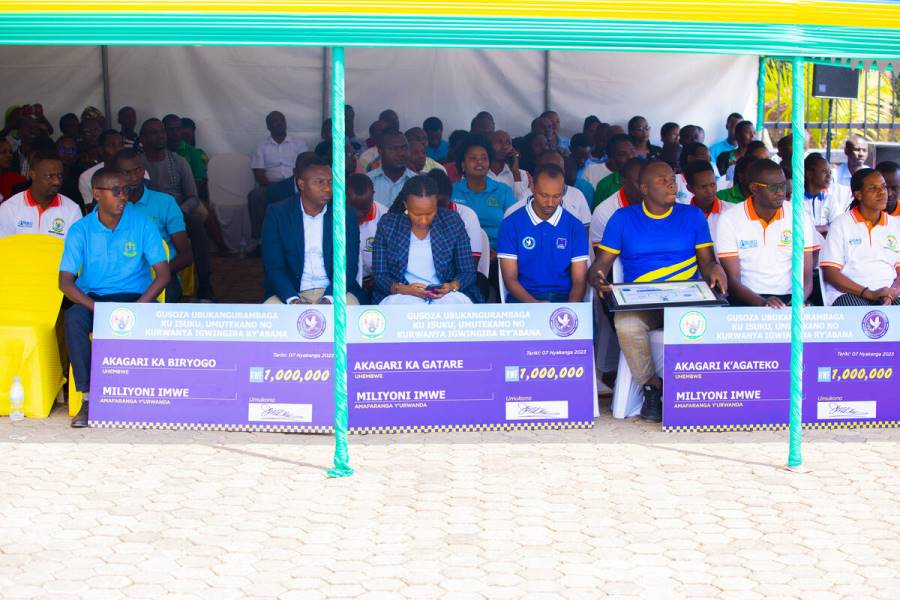
Five sectors–one in each province–which emerged the overall performers, were given a pick-up vehicle worth Frw26 million, each.
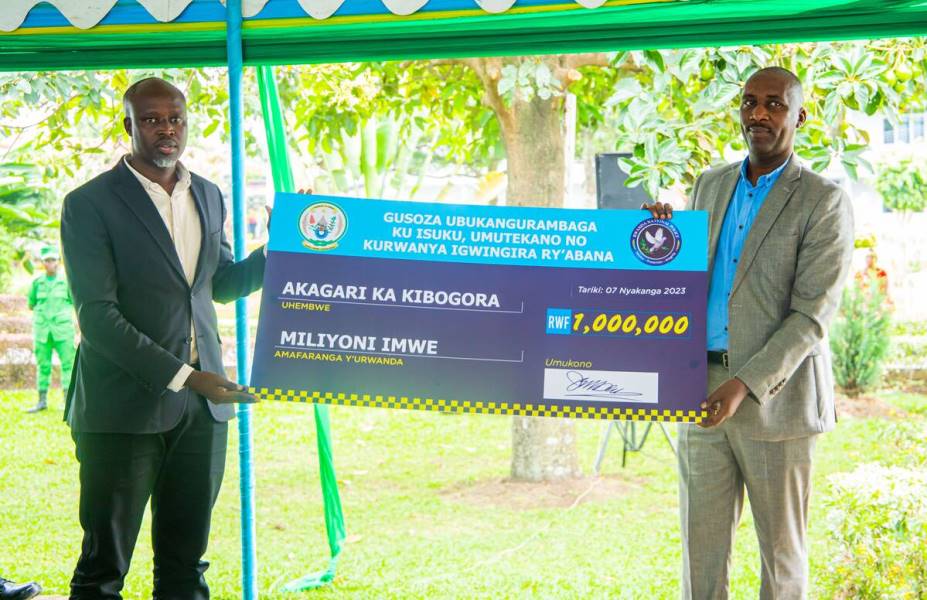
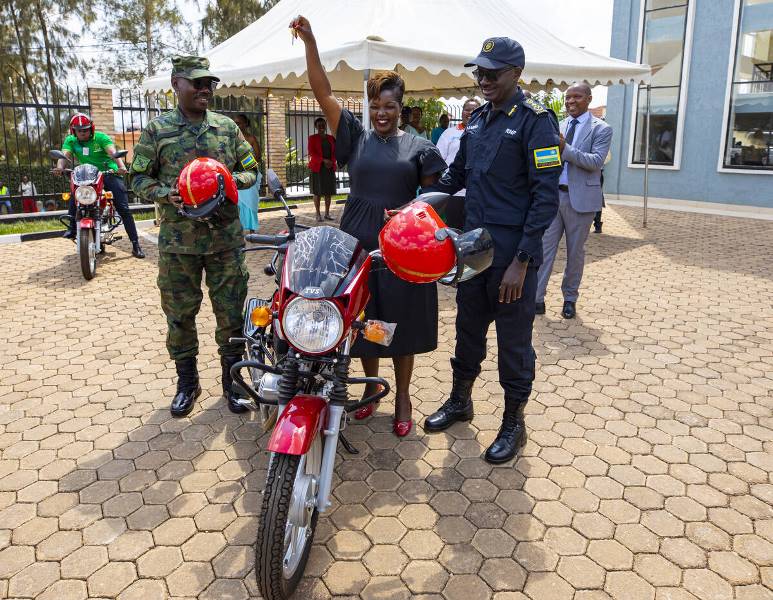
Other 25 sectors received a motorcycle, each, while 30 cells, one from every district, received Frw1 million.
Best performing districts received a trophy and certificate. They are Gasabo, Ngoma; Gakenke, Rusizi and Muhanga.
The best overall sectors, which received a vehicle, are Kinyinya in Gasabo District, Karangazi in Nyagatare District, Bukure in Gicumbi District, Rubavu in Rubavu District, and Runda in Kamonyi District.
The Minister of Health, Dr. Sabin Nsanzimana, while addressing hundreds of residents of Gasabo District in Kinyinya sector, said that this campaign plays an important role in fighting all forms of malnutrition and diseases resulting from lack of hygiene.
“To improve the wellbeing of Rwandans and their security, we have to address challenges related to diseases caused by poor hygiene and sanitation, including stunting.
We call upon other public and private institutions to work with Rwanda National Police in these human security activities to collectively improve the lives of Rwandans,” Dr. Nsanzimana said.
He added: “Sanitation and hygiene activities play an important role in maintaining the safety of the people in terms of health security because diseases caused by poor hygiene such as chorela and others, when they attack a certain part of the population, it mean they are not safe.”
The minister also tackled on the prevalent issue of excessive alcohol consumption, which is harmful to people’s health and expecting mothers in particular.
He warned against serving alcoholic beverages to minors, which is punishable by law.
Inspector General of Police (IGP) Felix Namuhoranye thanked all partners in this campaign, particularly the National Child Development Agency (NCDA).
“The competitive security and hygiene campaign started in City of Kigali but because of its impact, it was rolled out across the country to fight stunting, make hygiene and sanitation a culture and to strengthen community policing in preventing crimes,” IGP Namuhoranye said.
He urged the winners to use the vehicles and motorcycles effectively to further enhance cooperation in maintaining the good culture of cleanliness and safety.
Security, IGP Namuhoranye added, is a yardstick for progress. “Without security there is no progress. Let’s be an eye for each other, prevent crime from happening and share information in real time.”
He further urged the youth not to be consumed by alcoholism and other malpractices but rather focus on activities that improve their lives.
The closing of the security and hygiene campaign coincided with the end of the community policing football tournament in City of Kigali.
Nyarugenge youth volunteers won the tournament, Gasabo taxi-moto operators and Traffic Police came second and third, respectively.
In Rubavu District, the Minister of Interior, Alfred Gasana, urged local leaders and residents to sustain what has been achieved as their collective primary responsibility.
“Where you see that there is something that needs to be added to successfully achieve the main goal of this campaign, play your part, especially what is within your capabilities. Relevant institutions and the government is always ready to support you where needed,” Minister Gasana said.
The Minister of Gender and Family Promotion, Jeannette Bayisenge, while addressing residents of Nyagatare District, urged them to maintain the spirit.
“Your efforts will not only earn you rewards, but you will all continue to contribute to the promotion of safety, sanitation and hygiene and the fight against malnutrition, and obesity,” Minister Bayisenge said.
The closing of the health and security campaign in the Southern Province was held in Kamonyi District where the Minister of Environment, Dr. Jeanne d’Arc Mujawamariya told residents carry on with the campaign to fight stunting, promote hygiene and sanitation, and to work with security organs in crime prevention.
In Gicumbi District, the Minister of Local Government, Jean Claude Musabyimana echoed the same message and urged residents to be central in health and security matters.
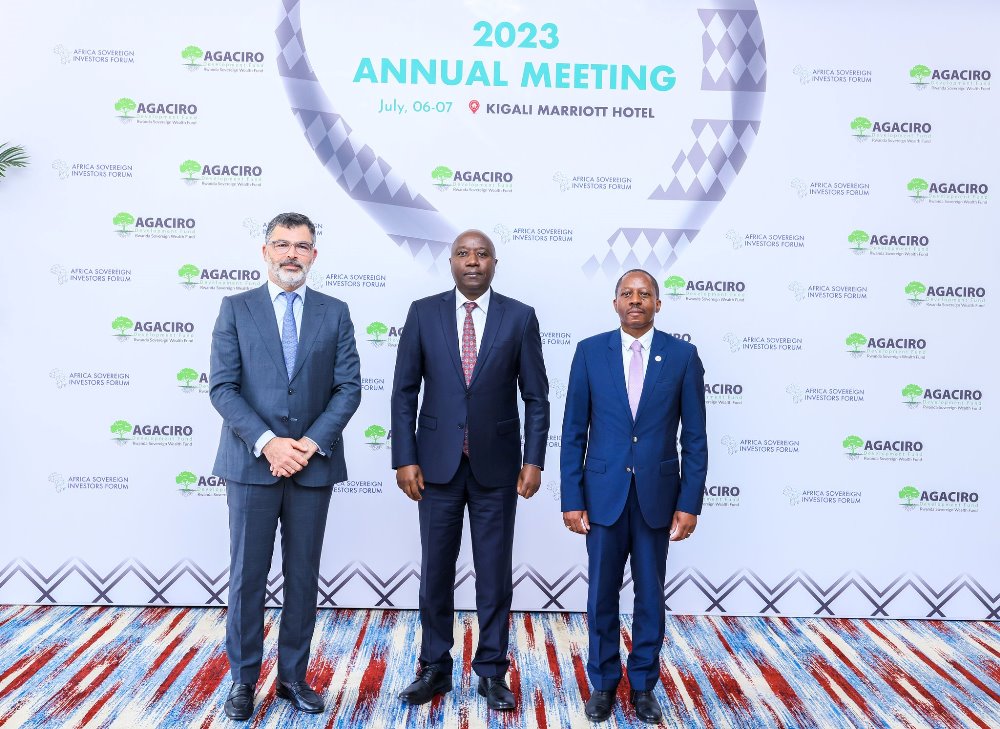
The event, held from July 6 to 7, gathered various authorities in the sovereign wealth funds ecosystem, alongside government officials and stakeholders, to evaluate challenges and explore development opportunities across all sectors of the African economy.
Under the theme of “Strategic partnerships: driving Africa’s resilience and sustainable development,” the forum highlighted the importance of collaboration and co-investment in unlocking Africa’s potential.
As he addressed participants, Premier Ngirente expressed gratitude towards sovereign investors in Africa for their decision to strengthen institutional cooperation through ASIF and acknowledged their close collaboration in organizing the annual meeting in Kigali.
Notably, the Africa Sovereign Investors Forum was launched in Rabat in June the previous year as an African initiative to foster partnership for co-investment.
The Prime Minister emphasized the significance of sovereign wealth funds as a growing part of global investment institutions. He commended the establishment of more African Sovereign Wealth Funds, recognizing their importance for the continent’s future.
With at least 30 sovereign wealth funds in Africa collectively valued at $100 billion, these funds have the potential to play a crucial role in developing an efficient and diversified economy that generates equitable wealth for future generations.
Premier Ngirente has applauded the expansion of ASIF and congratulated Ethiopia and Mauritius for joining the forum. He encouraged other African countries to establish their Sovereign Wealth Funds and become members of ASIF, fostering a journey of partnership and co-investment for the benefit of Africa as a whole.
While Africa is rich in resources and development potential, the Prime Minister stressed the need to move beyond theories and implement strategies that leverage Africa’s own resources for development.
He highlighted the importance of transforming African resources into wealth that benefits the African people. Co-investment among African Sovereign Wealth Funds should aim to add value to services and products, promoting self-reliance and economic growth.
To ensure effective co-investment, Premier Ngirente emphasized the importance of endorsing best practices and principles of Sovereign Wealth Funds, including independency, transparency, and accountability. He expressed confidence that ASIF would continue to uphold these principles among its members through appropriate legal structures and legislation.
In conclusion, the Prime Minister expressed anticipation for future meetings to celebrate the achievements resulting from the exchanges, ideas, and networking at the ASIF Annual Meeting.
While the forum may have concluded, the work is far from over. The Prime Minister called upon ASIF members to continue working together to mobilize capital and investment, ultimately achieving sustainable and inclusive development across the African continent.
With the official closure of the 2nd Annual Meeting of the Africa Sovereign Investors Forum (ASIF), Prime Minister Dr. Ngirente expressed his gratitude to all participants and wished them safe travels back home.
The forum’s success signals the growing commitment and dedication to strengthening partnerships for Africa’s resilience and sustainable development through co-investment and collaboration.
Despite the increase in cases of genocide ideology within a year, the report highlights a 32.5% decline in such cases during the 100 days of commemoration over the past five years, from 277 cases recorded since 2019.
Out of the 234 individuals involved in these cases in 2023, 10.7% were found to have played a role during the Genocide against the Tutsi, while 88.5% were not accused of any involvement in the Genocide. Additionally, 0.8% of individuals investigated have relatives who played a role in the Genocide, with 78.2% being men and 21.8% women.
In terms of age distribution, 38.8% of individuals investigated for this crime fall within the 30-43 age bracket, 24.8% are aged between 44-57, 18.8% are in the age group of 16-29, and 17.5% comprise individuals aged above 58.
Rwamagana ranks highest among other districts in terms of having a large number of residents accused of genocide ideology and related crimes, followed by Gasabo District. Rusizi comes in fourth with 12 cases, followed by Nyarugenge and Gatsibo with 11 and 10 cases respectively.
Bugesera and Kamonyi each have 9 cases. Ruhango District is in 8th place, followed by Huye with seven individuals. Kicukiro District is ranked 10th with 7 people accused.
Dr. Murangira B. Thierry, the spokesperson of RIB, attributes the increase in cases this year to heightened awareness among people about the consequences of concealing information, thanks to sensitization campaigns.
Dr. Murangira emphasizes that eradicating the genocide ideology is a collective responsibility. RIB also issues a warning to parents, urging them not to instill destructive ideologies in their children, as it may hinder the progress achieved in unity and reconciliation among Rwandans.
Among others, RIB advises social media users to exercise responsible behavior online and avoid using these platforms to spread hatred. Violators who exceed the limits will face legal consequences.
According to the Rwanda Reconciliation Barometer 2020, unity and reconciliation among Rwandans have significantly improved since the 1994 Genocide against the Tutsis, reaching 94.7% compared to 92.5% in 2015 and 82.3% in 2010.
Gen Makenga and his lieutenants are currently based in Rutshuru and Jomba forests in DRC.
The statement from Gen Makenga comes at a time when the Congolese Army (FARDC) is actively preparing for attacks against the rebel group.
According to sources, the FDLR terrorist group, collaborating with FARDC, has been deploying its combatants closer to M23 strongholds in areas designated for the deployment of the East African Community Regional Force (EACRF).
Gen Makenga has through a video aired on Sabyinyo News YouTube channel on 6th July 2023 ,criticized the Congolese government’s proposal to disarm the M23 rebels and relocate their combatants into cantonments, considering it a deceptive move that overlooks crucial factors.
He cited the EAC Heads of State summit held in February of this year as an example, where specific resolutions concerning M23 and the government were issued but later disregarded by the DRC.
“Among these resolutions were ceasefire, the withdrawal of M23, and dialogues between the government and M23. In accordance with our respect and trust in the EAC heads of state, M23 complied with the resolutions on our side and now awaits dialogues to address the root causes of the conflict. The cantonment proposal does not concern us anyway,” Gen Makenga explained.
A soldier identified as Lt Col Alfred Musubao Muriro, belonging to M23, recently appeared in a video released by the Kivu Press Agency, briefing his soldiers to remain vigilant as FDLR fighters continue to encroach upon their base.
While acknowledging that war is not the optimal solution, Lt Col Muriro emphasized the necessity for the rebels to defend themselves by any means against potential attacks. He further expressed their ongoing appeal to the government to engage in dialogue to find a peaceful resolution to existing problems, despite the government’s inclination towards war.
Meanwhile, the DRC government asserts its readiness to fight against the M23 rebel group with the goal of reclaiming all regions previously captured by the rebels.
Gen Makenga responded by stating that M23 will maintain a calm approach if the DRC chooses a peaceful process, but did not rule out the possibility of war if that is the path chosen by the DRC.
“M23 is here. When they finish their comedies, M23 will assume its responsibility. We desire peace and are peaceful. We will abide by their decision. If they desire peace, we will achieve it together. If they choose war, we will fight. That is our stance,” declared Gen Makenga.
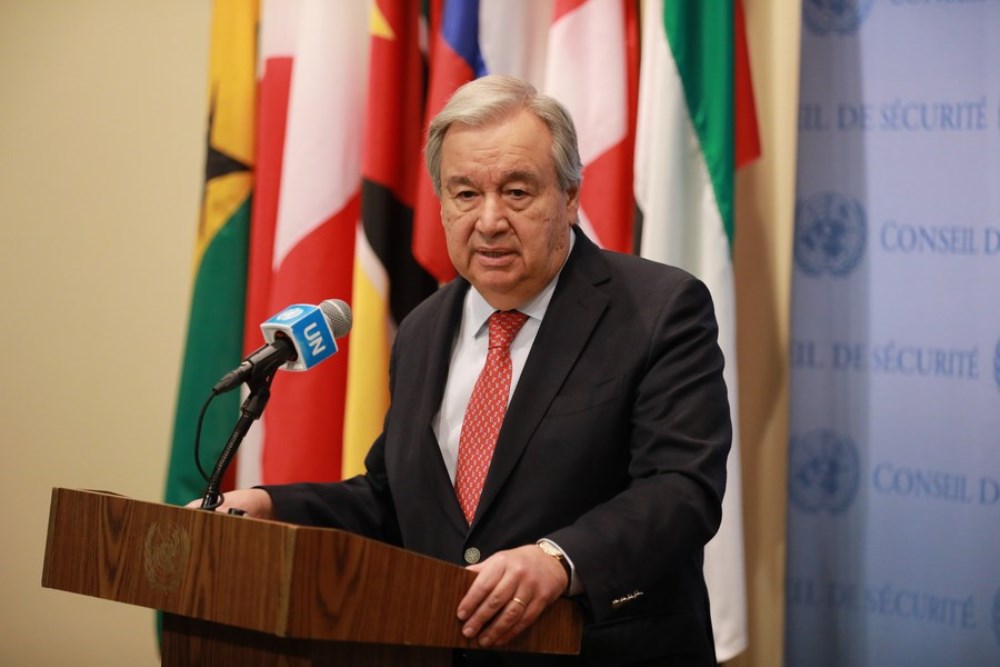
“The people of Haiti need action to address urgent humanitarian needs,” Guterres told reporters at the UN headquarters.
According to the UN chief, the UN humanitarian response plan, which requires 720 million U.S. dollars to help more than 3 million people in Haiti, is only 23 percent funded.
“I appeal to the world to extend a lifeline of support and fill that financial gap without delay,” he said.
Guterres, who recently visited Port-au-Prince, the Haitian capital, described the situation in Haiti as “largely a forgotten crisis despite its severity.”
“The Haitian people are trapped in a living nightmare. Humanitarian conditions are beyond appalling,” he said, adding that brutal gangs have a stranglehold on the people of Haiti.
Guterres called on UN Security Council members and relevant potential contributing countries to “act now” to create the conditions for the deployment of a multinational force to assist the Haitian National Police.
He also urged all social and political actors in Haiti to accelerate their efforts toward a desperately needed political solution.
Conditions are desperate, but solutions are possible in Haiti, Guterres said, underscoring the need to take simultaneous actions.
“We cannot forget the Haitian people. The world must step up,” he said.
One remarkable example of this progress can be witnessed in Munini, a district in Nyaruguru.
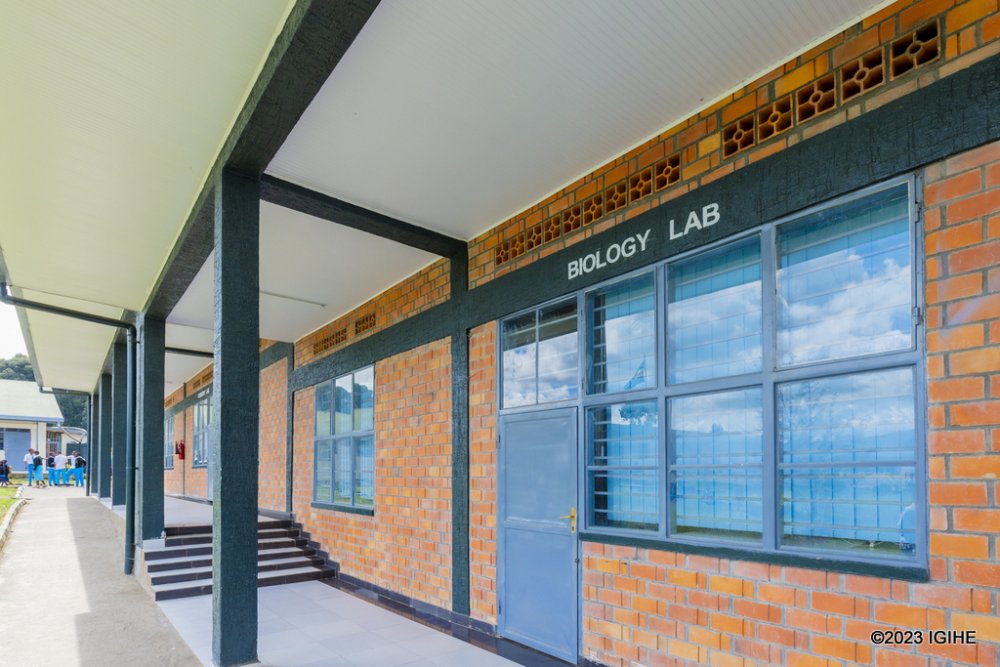
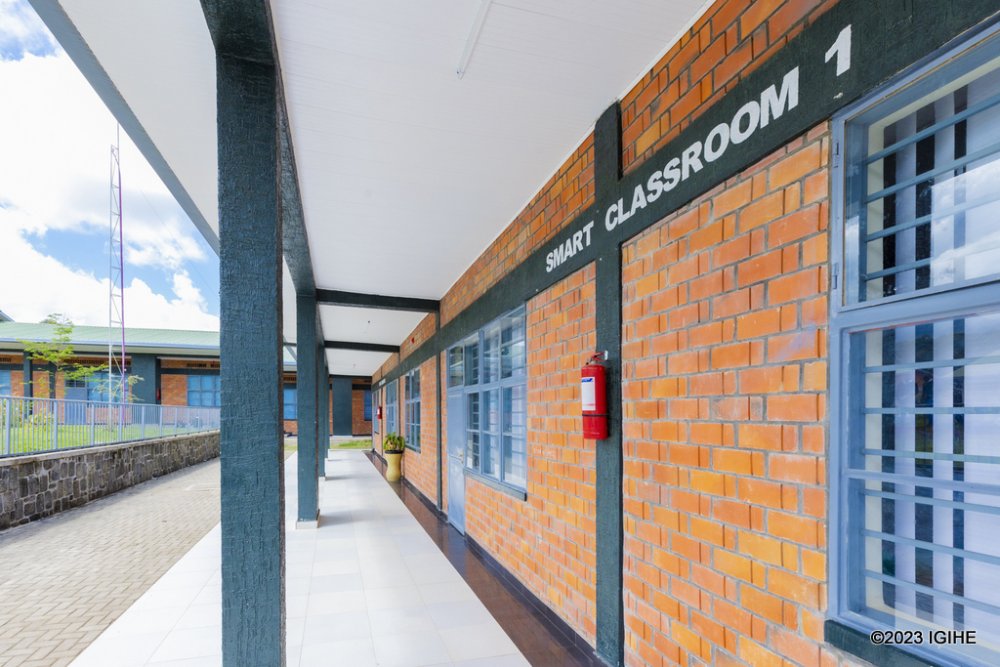
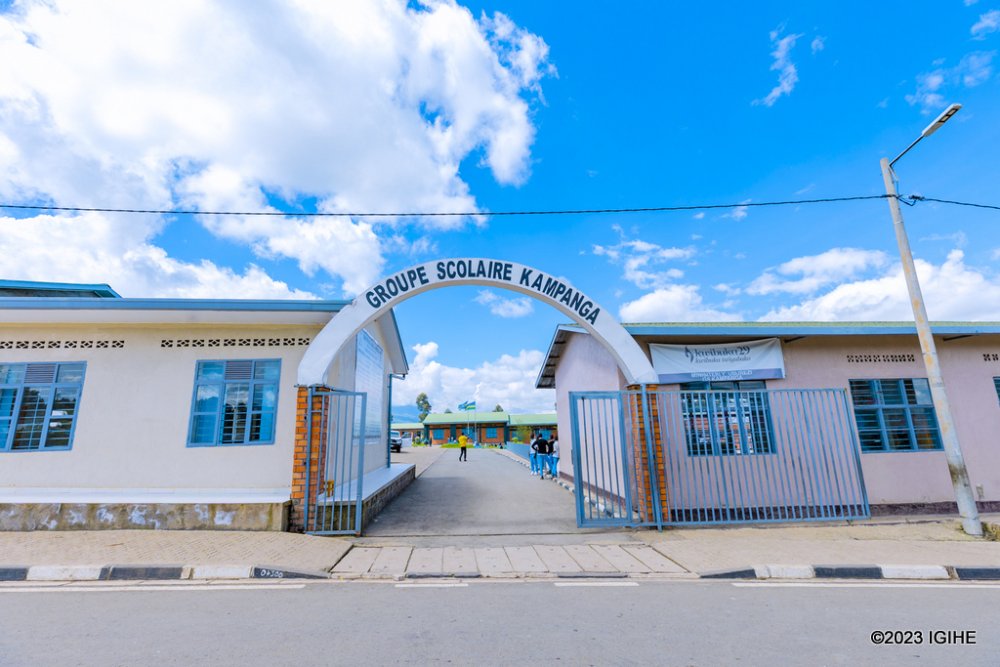
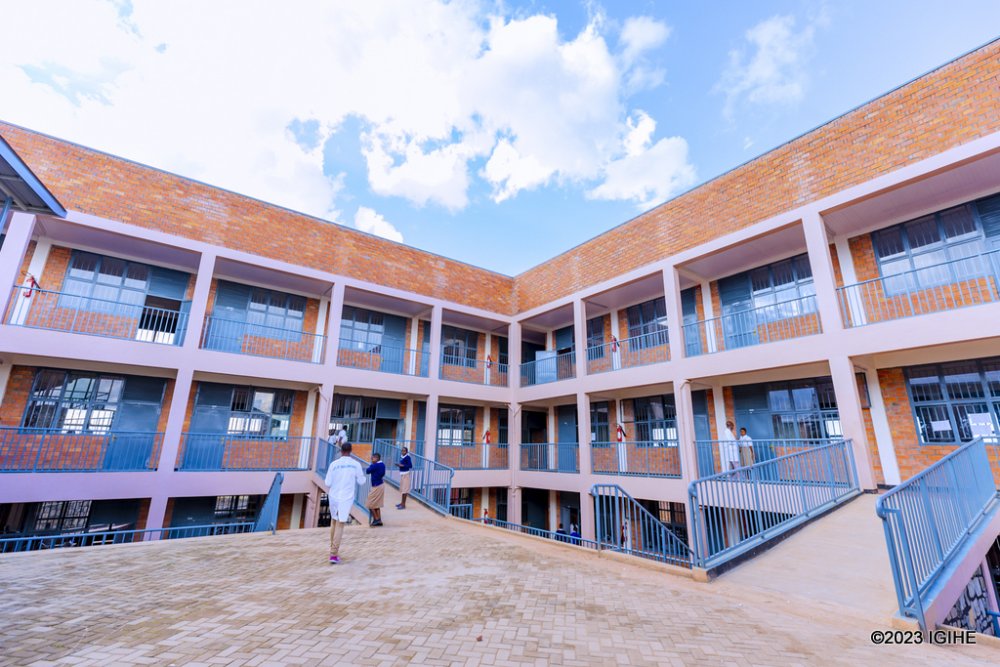
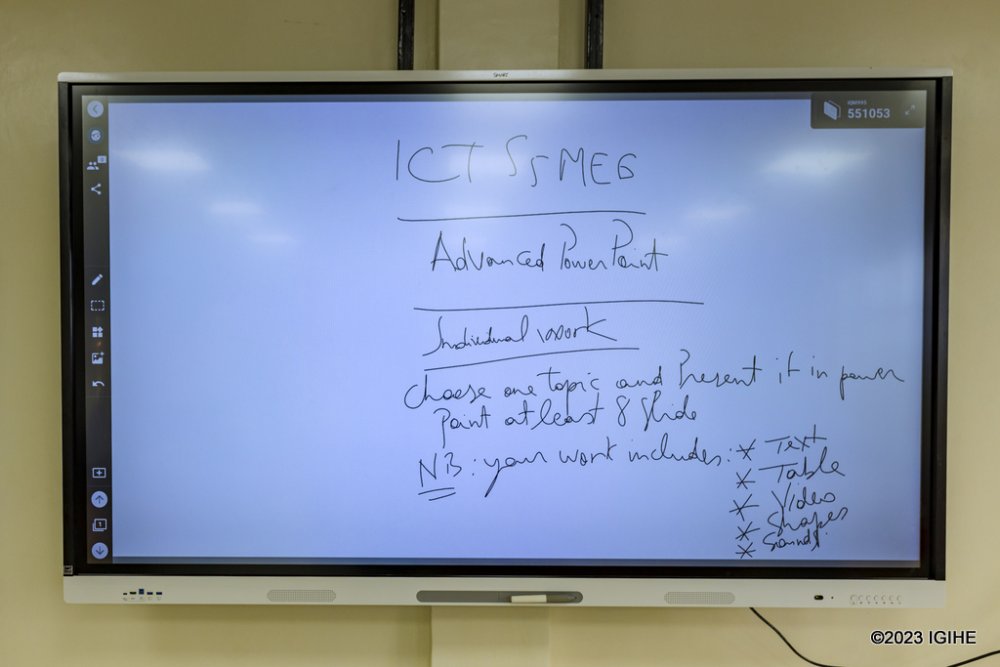
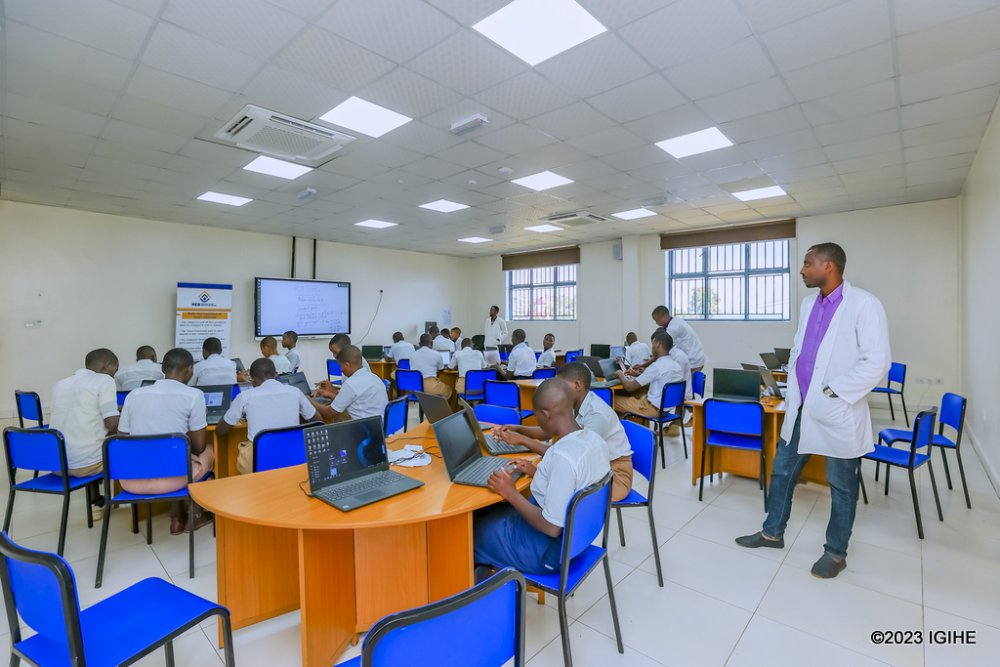
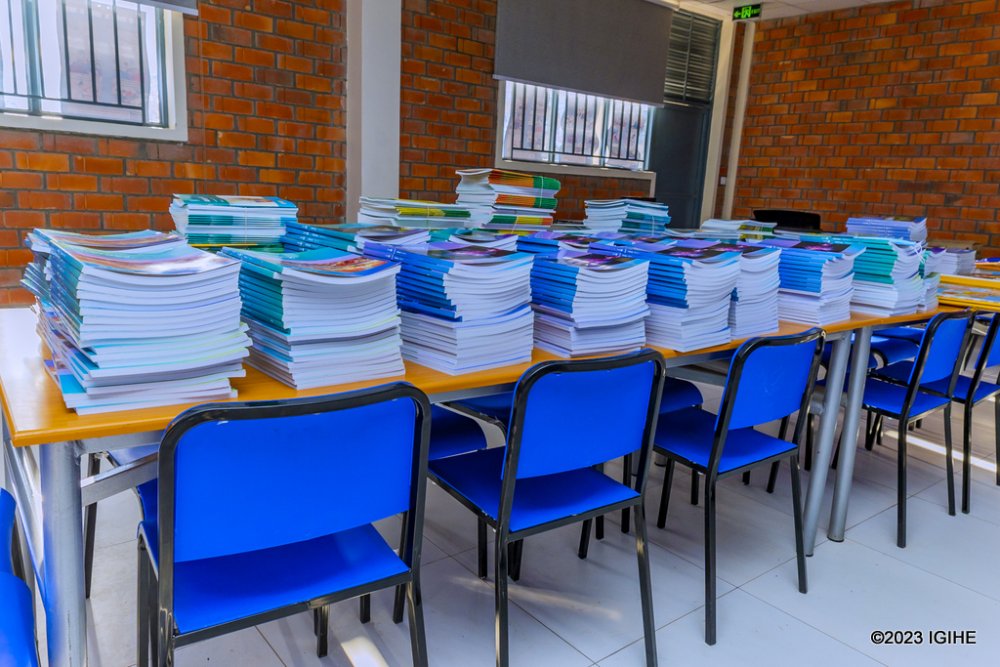
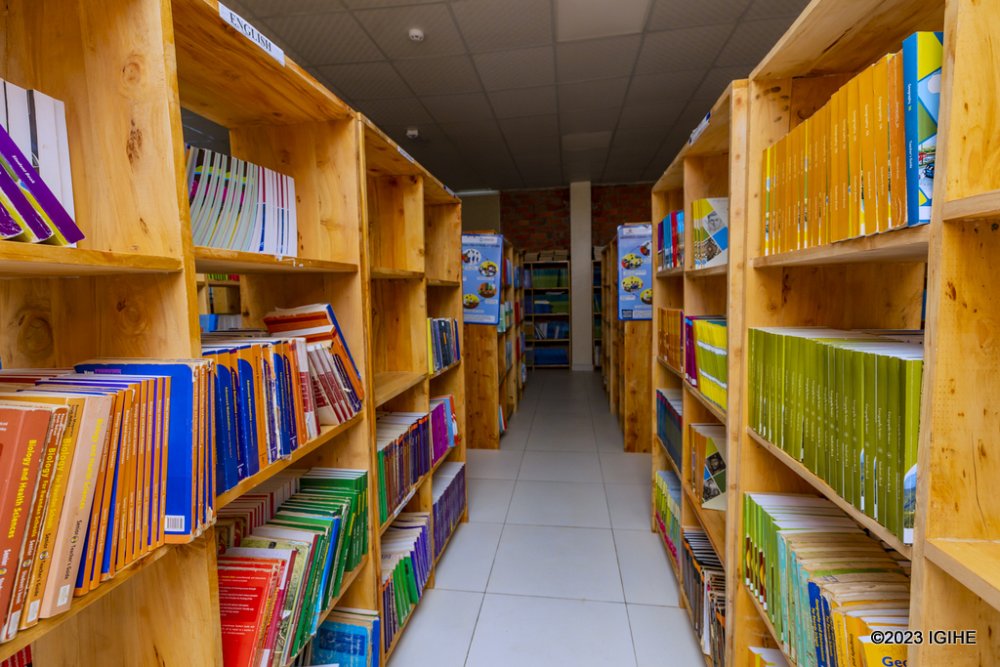
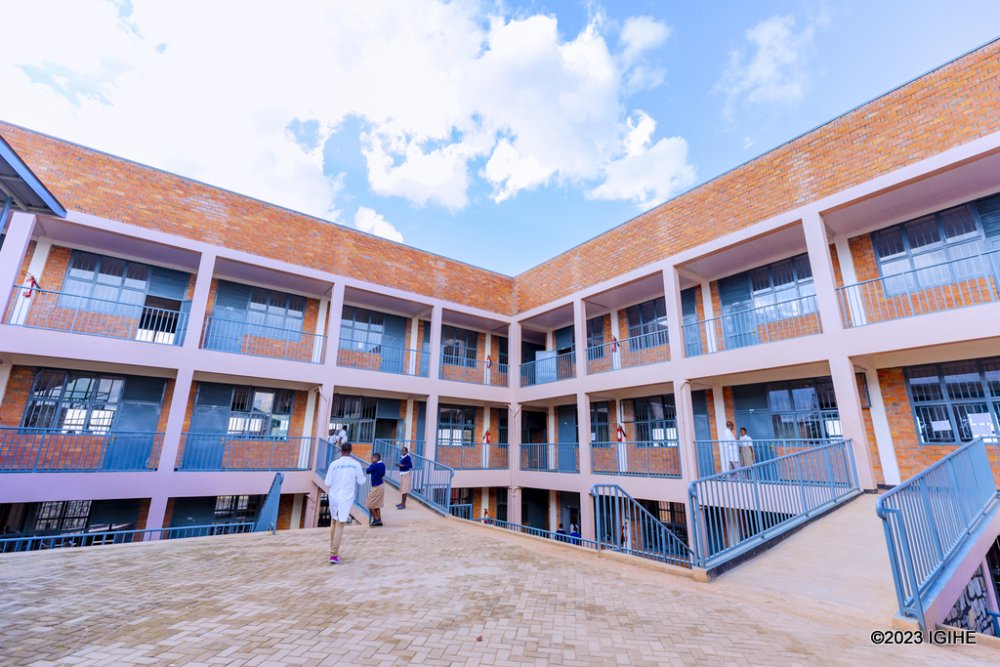
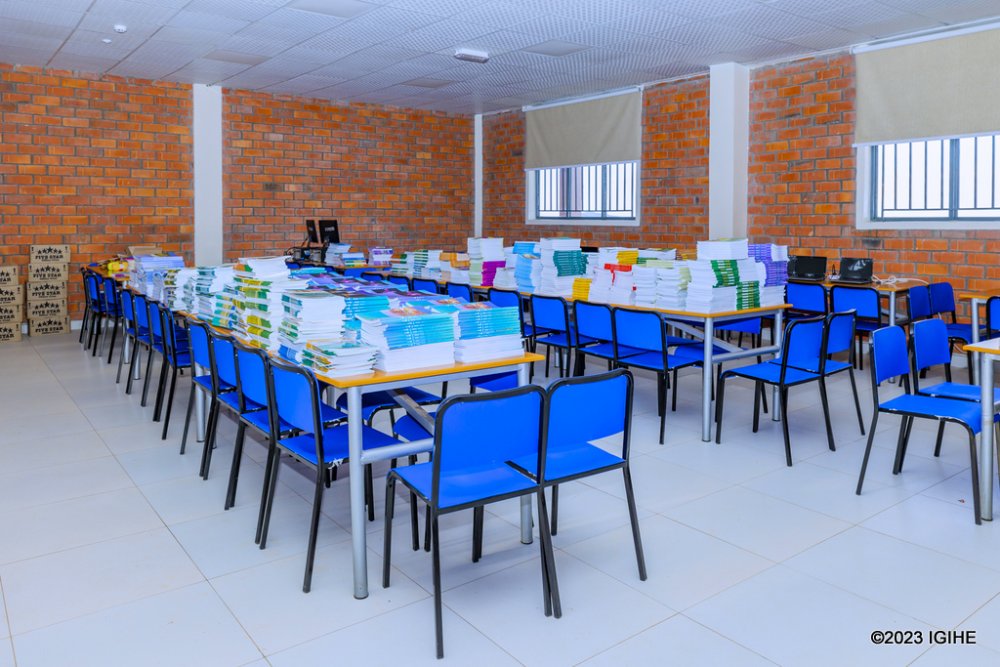
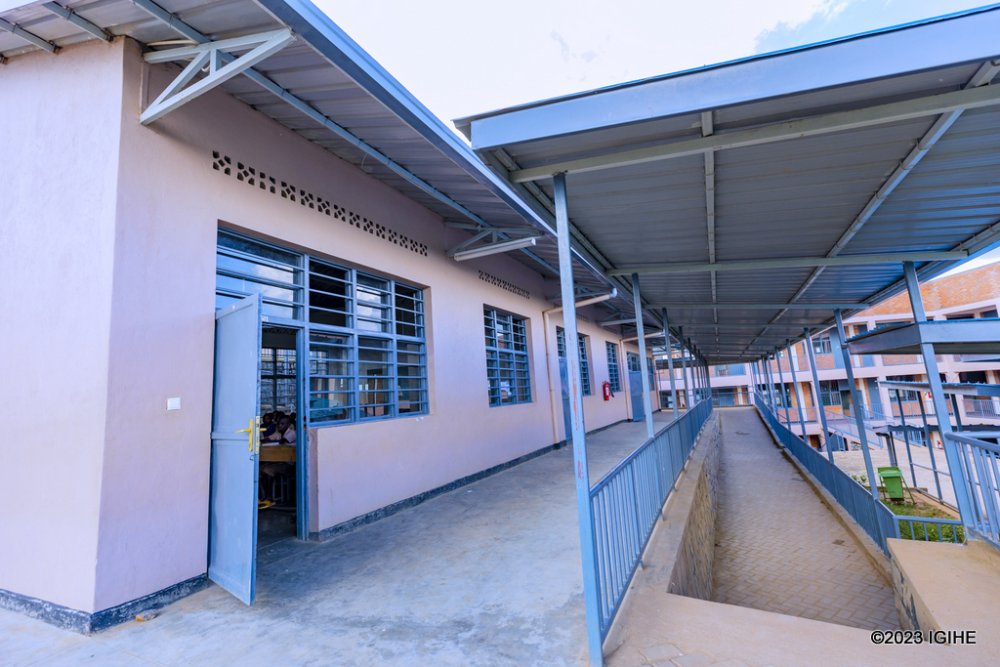
Recently, G.S. St Jean Munini, a modern school, was inaugurated by Prime Minister Dr. Edouard Ngirente during the celebration of Rwanda’s 28th Liberation Anniversary on July 4th, 2023. This state-of-the-art educational facility boasts 47 classrooms, advanced laboratories, a well-stocked library, and a Smart Classroom equipped with computers and internet access to facilitate online learning for students.
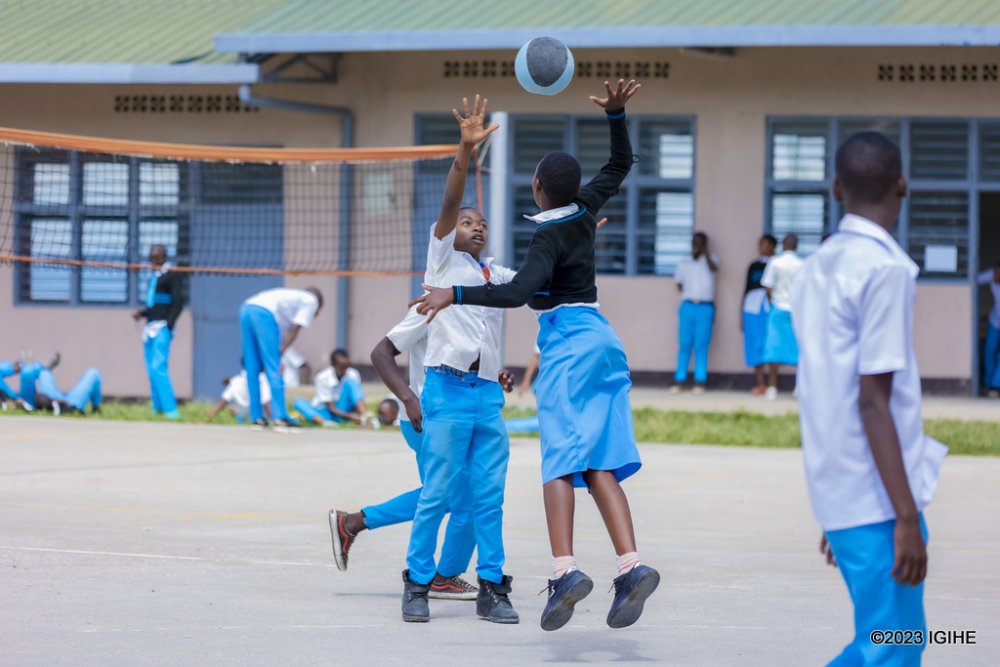
Moreover, the school includes a kitchen, a spacious refectory accommodating up to 1000 people, a playground, and a comprehensive range of school supplies. Among others, the Munini Early Childhood Development Center and three kindergarten classrooms cater to the educational needs of the youngest learners in the community.
The head teacher of G.S. St Jean Munini has highlighted the importance of having well-equipped schools and facilities, stating that they greatly enhance students’ learning experiences. Through hands-on experiments and visual aids, students gain a deeper understanding of theoretical concepts and witness their practical applications in real life.
Students themselves expressed their appreciation for the modern facilities. Léonie Niyodusenga, a fifth-year secondary school student specializing in Mathematics, Chemistry, and Biology (MCB) emphasized the significance of laboratories in enhancing their understanding of complex subjects.
With the aid of projectors and visual demonstrations, intricate concepts, such as the human body’s functions, become more accessible and easier to comprehend.
Emmanuel Mbabazi, a student studying Mathematics, Economics, and Geography (MEG), lauded the Smart Classroom available at the school for its invaluable assistance. With access to various technological resources and comprehensive research opportunities, students can explore subjects more deeply and develop practical skills that benefit them both in school and in real-life situations.
{{TVET schools}}
Rwanda’s commitment to establishing a knowledge-based economy is reflected in the government’s vision for 2035 and 2050. By these milestones, Rwandans are projected to earn a minimum of $4,000 and $12,000 per year, respectively. Ensuring high-quality education and improved medical services are pivotal to achieving these ambitious development goals.
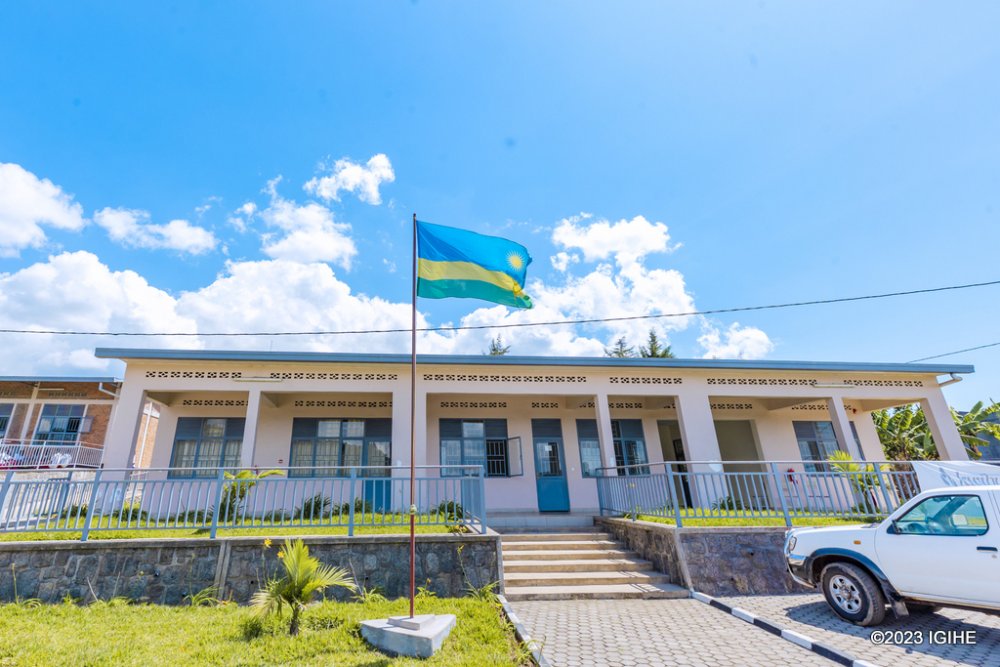
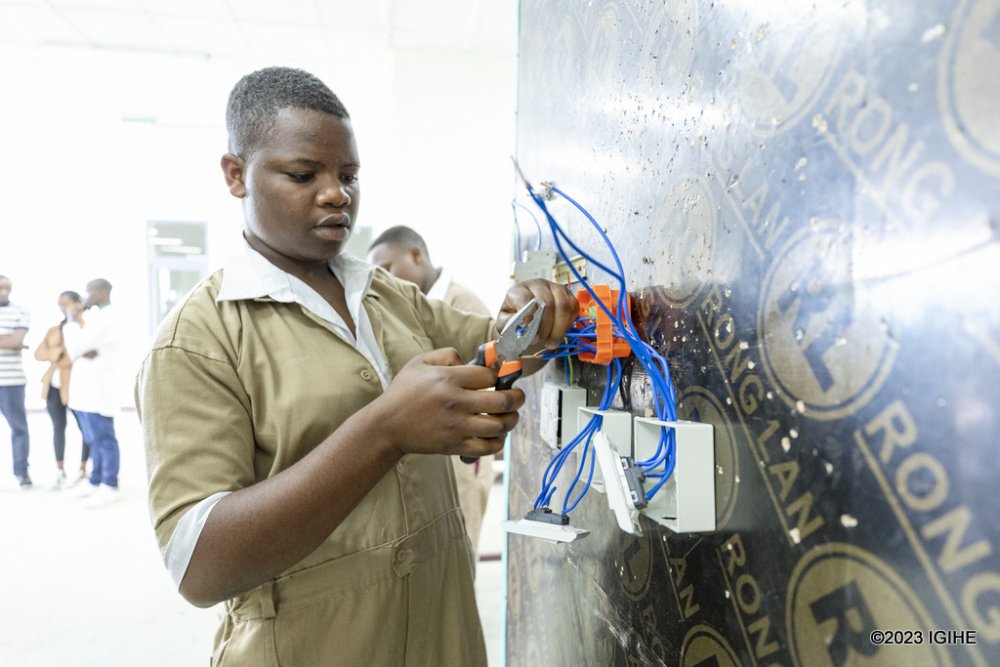
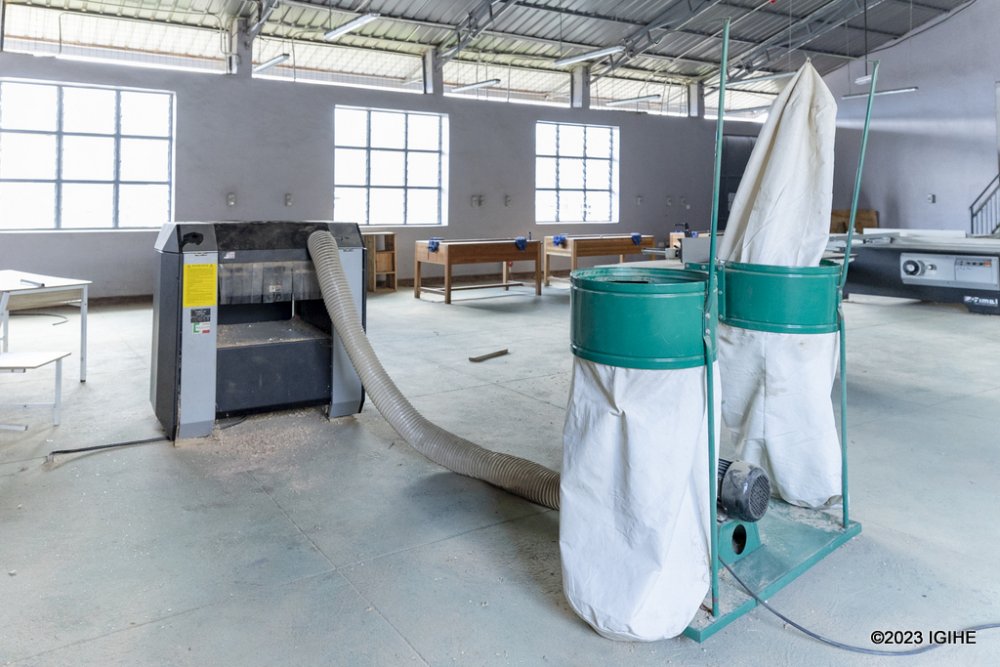
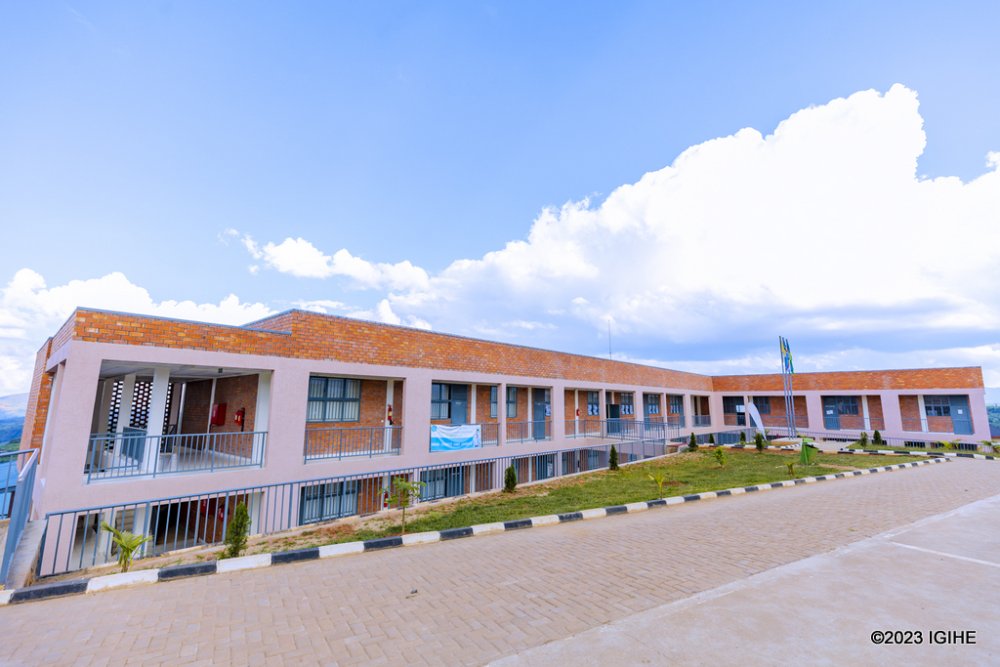
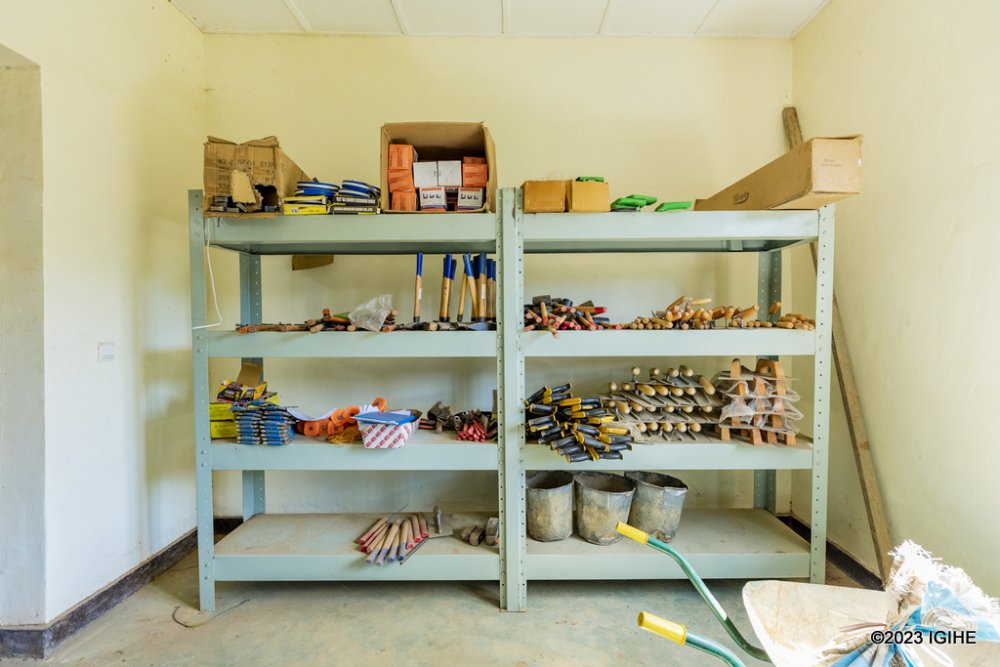
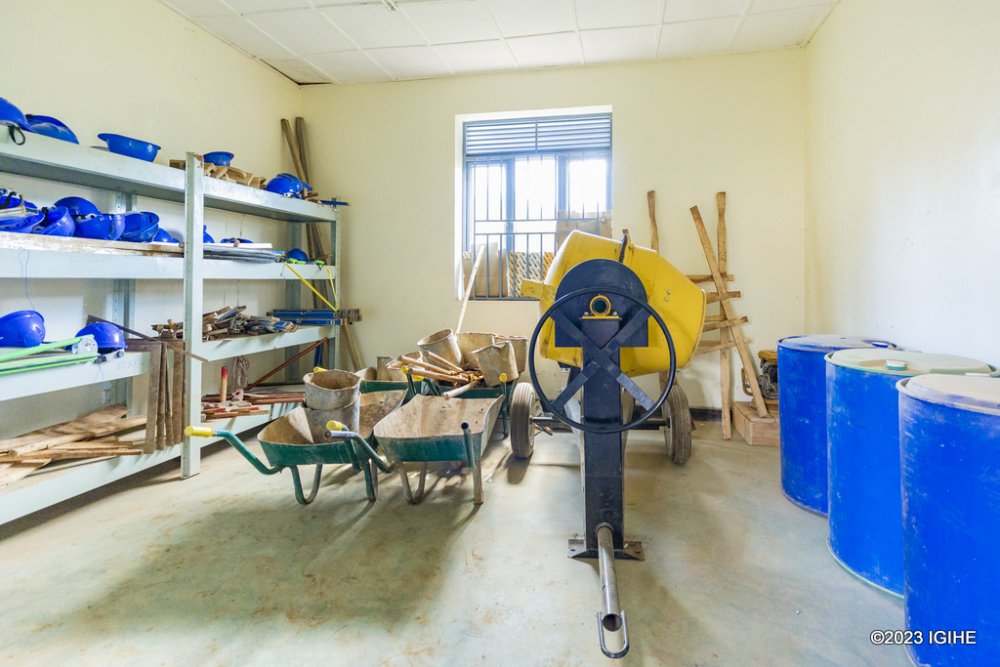
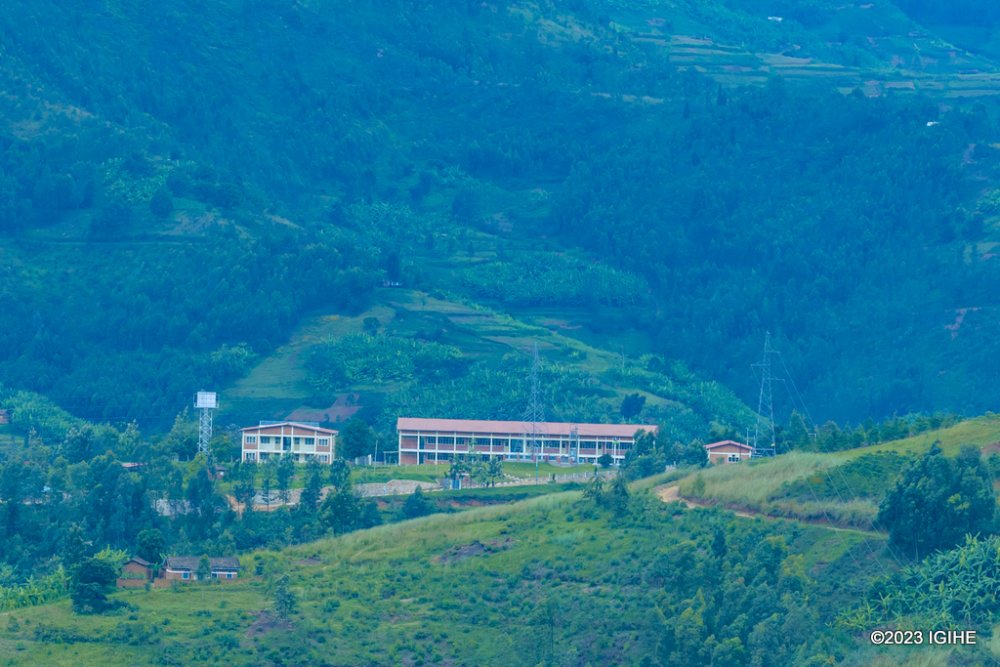
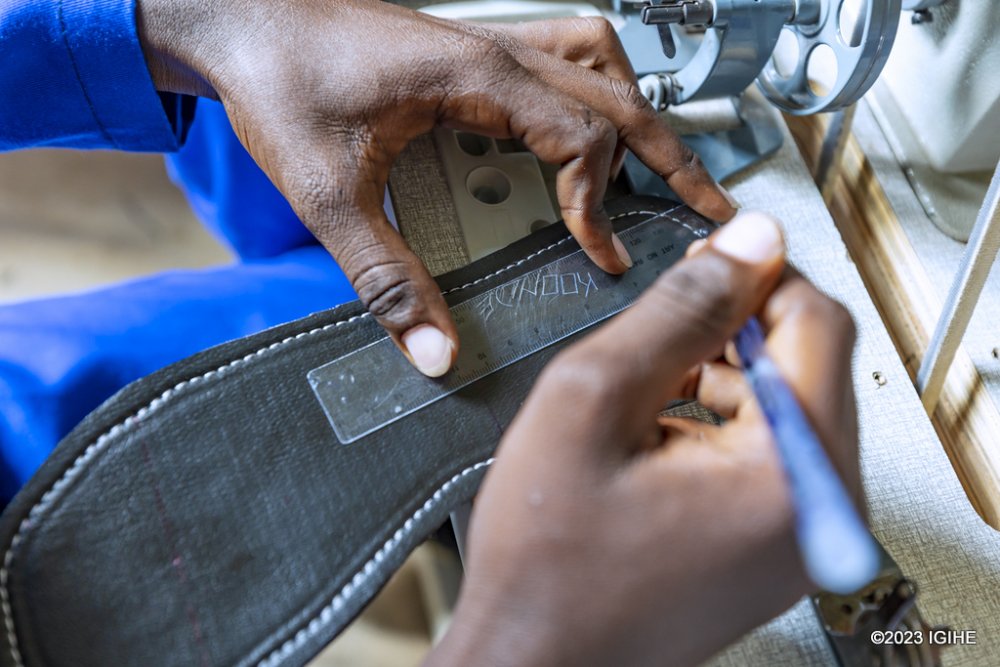
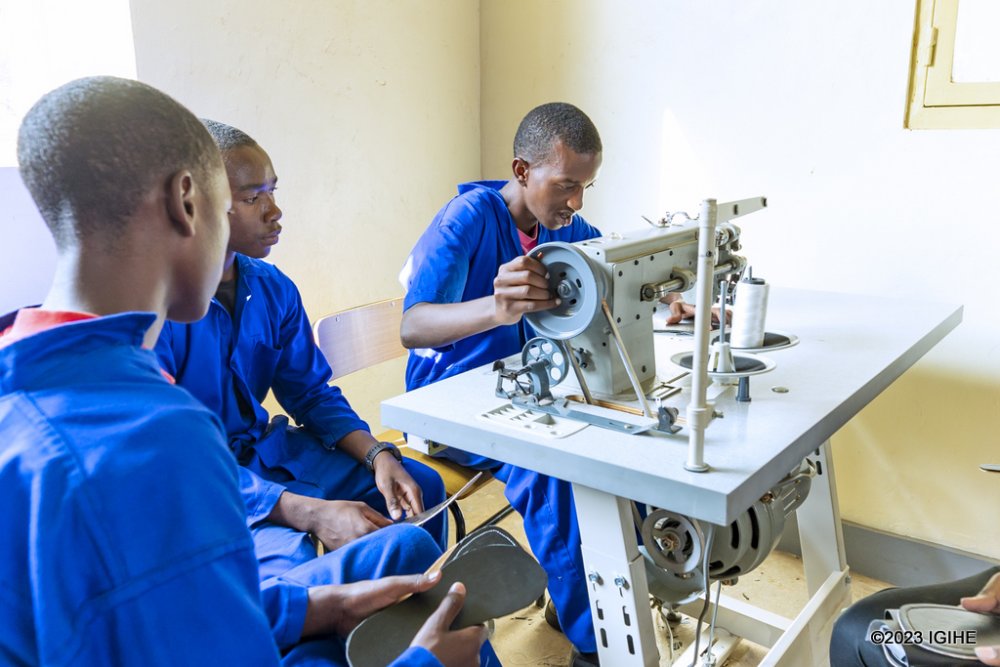
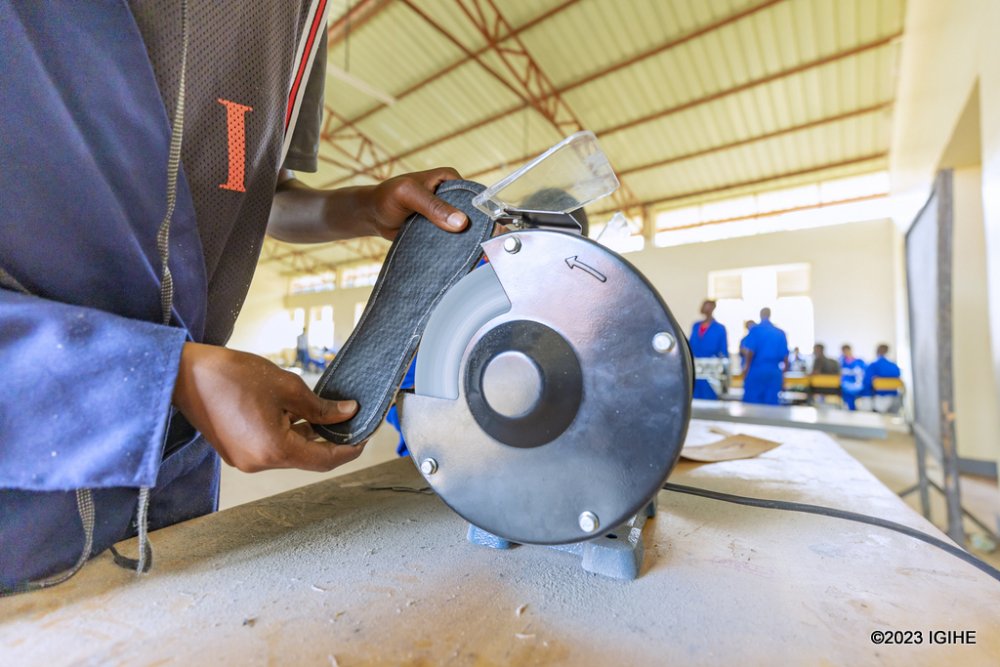
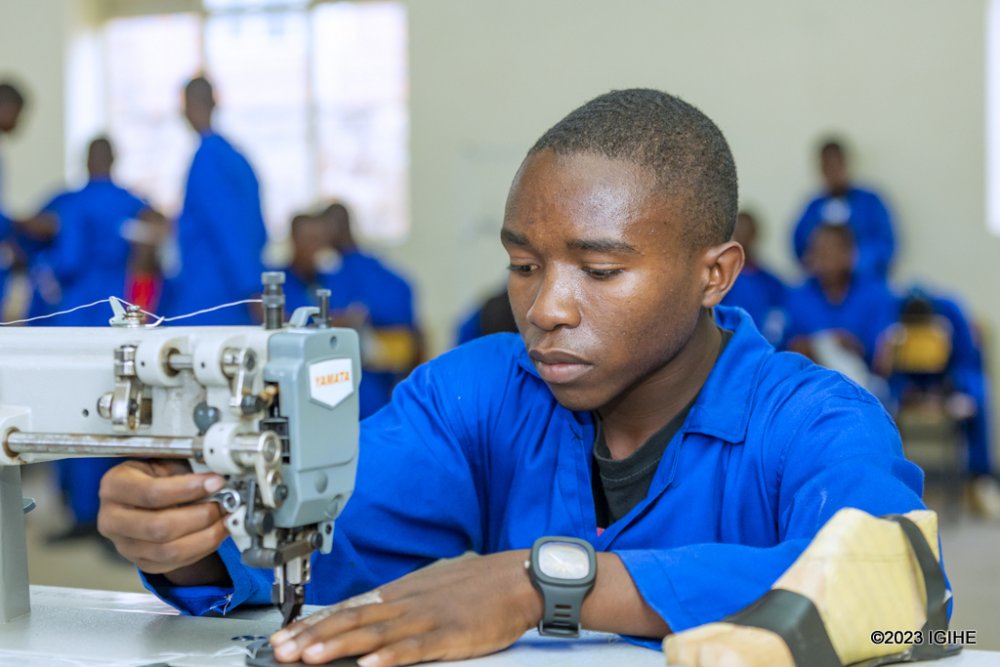
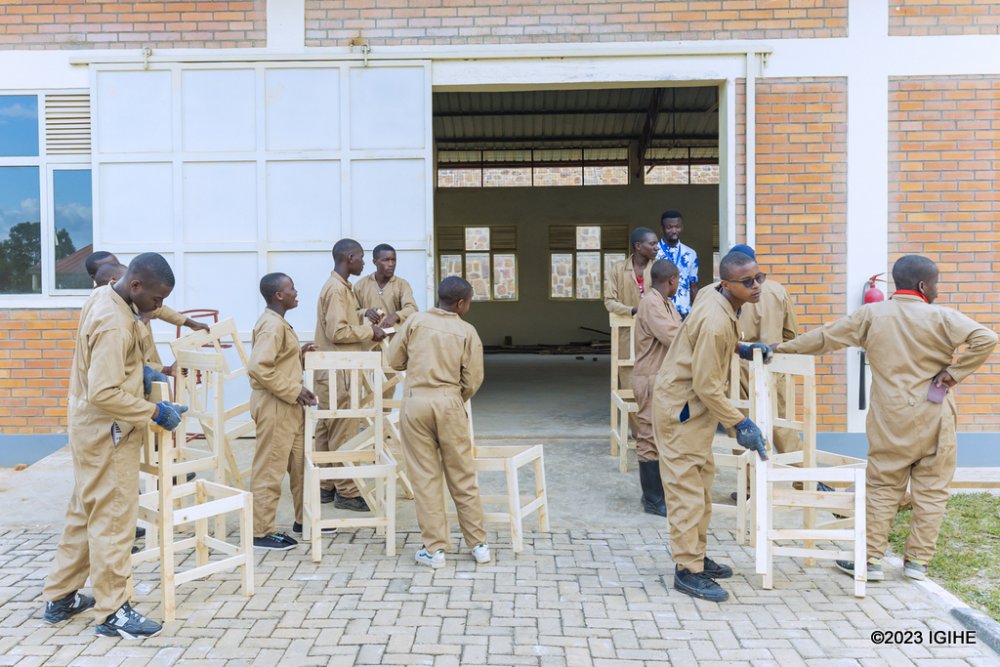
To this end, the government has undertaken the construction of Technical and Vocational Education and Training (TVET) schools across the country monitored by the Rwanda Housing Authority (RHA). These schools provide vocational skills training and other courses previously requiring individuals to cross the border into Uganda for education.
Located near the Rwanda-Uganda borders, Shonga Technical School in Tabagwe Sector and Cyanika Technical Secondary School in Burera District stand as prime examples of this initiative’s success.
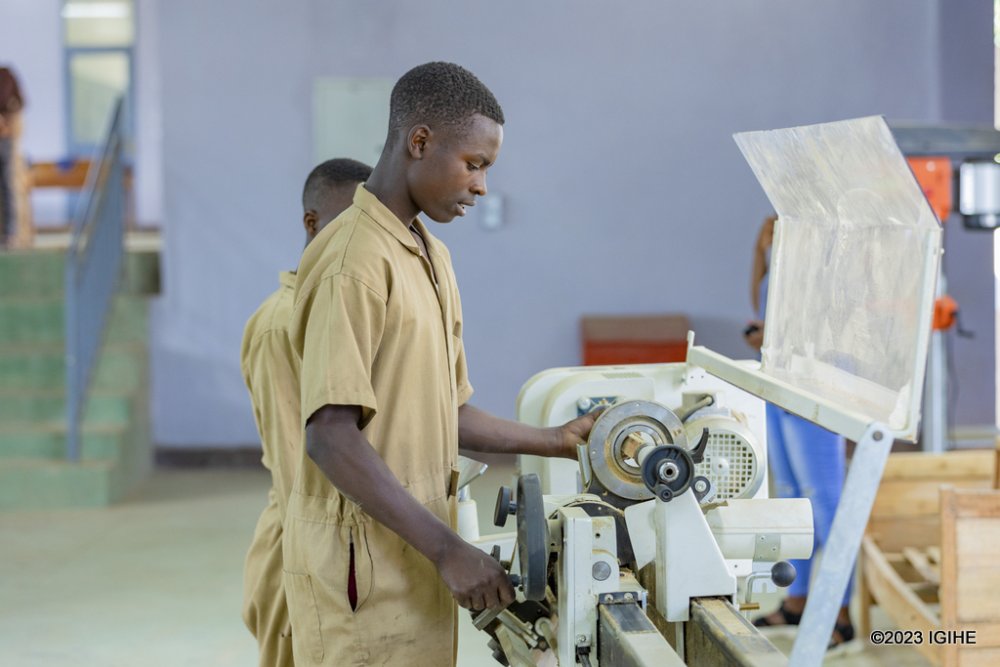
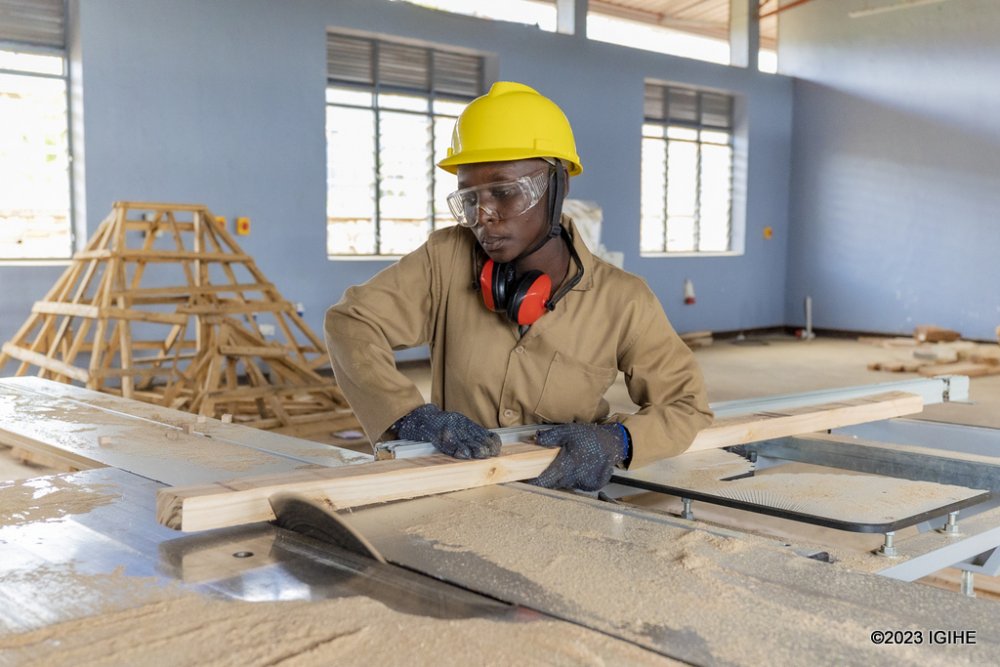
These schools inaugurated two years ago offer courses in carpentry, electricity, construction, and more. The Dean of Studies at Cyanika TSS, Jean Baptiste Hitimana, acknowledged the significant positive impact of these schools, as students no longer need to travel across borders to pursue their education.
Verien Hakorimana , head of Shonga TVET, highlighted that the establishment of the school was a response to the local community’s request, ensuring accessibility for youth who previously lacked access to vocational education. He proudly shared the success stories of graduates who secured decent jobs, indicating the schools’ positive influence on both personal and professional development.
Students studying at these TVET schools exemplify the transformative power of modern education.
Thierry Ndatimana, a Construction student at Shonga TSS, expressed gratitude for the school’s presence in their rural area, highlighting the caring leadership that strives to provide opportunities for all Rwandan children.
Julienne Uwineza, a senior five student in Carpentry at Cyanika TSS, emphasized that studying carpentry as a girl was not only fulfilling but also a pathway to personal growth and empowerment. She encouraged her fellow girls to embrace carpentry and prepare for a future filled with possibilities.
These examples of progress are not limited to specific districts. Throughout the country, numerous schools have been constructed, bringing educational infrastructure closer to Rwandans. The government’s unwavering commitment to education and its role in building a prosperous future is evident in these initiatives.
With each milestone achieved, Rwanda continues to prove that transformation and progress are possible even in the face of immense challenges.
By investing in education, infrastructure, and vocational training, the country paves the way for a brighter future, where every Rwandan can pursue their dreams, contribute to their community, and realize their full potential.