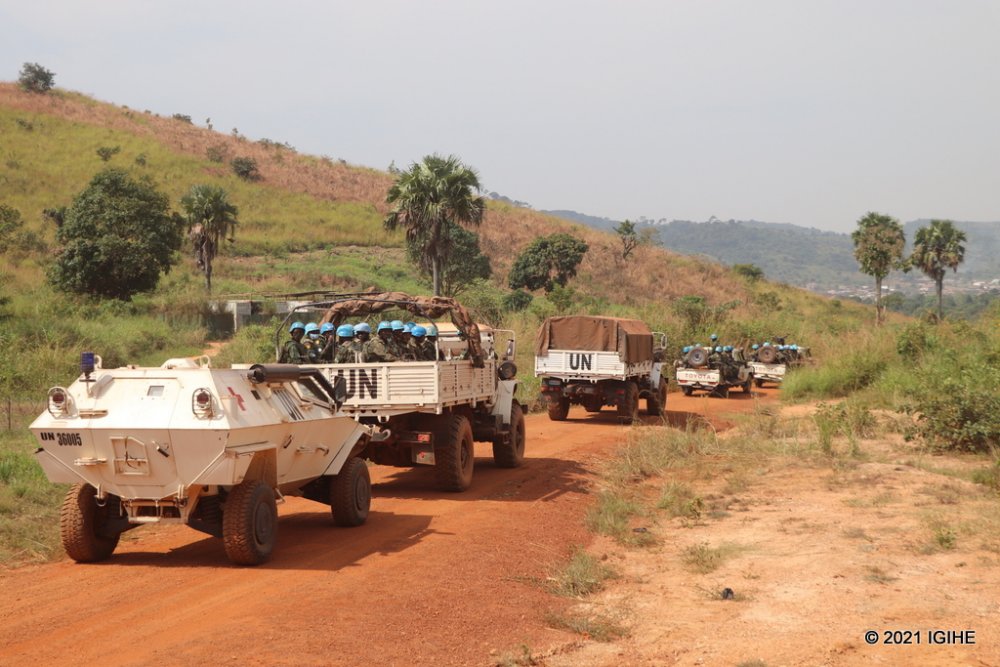
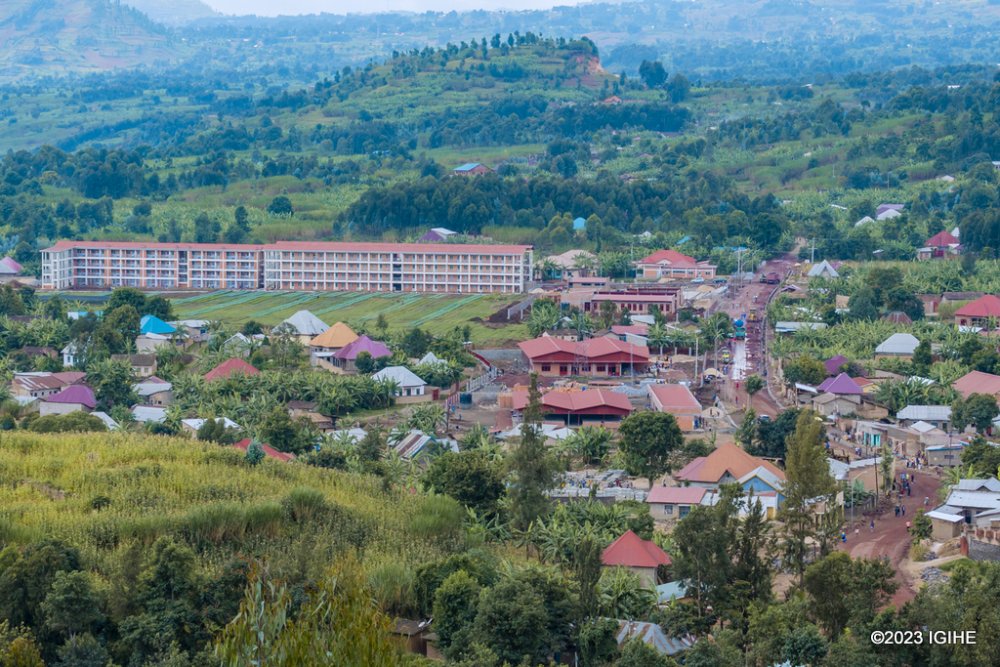
The incident occurred approximately three kilometers away from the town of Sam-Ouandja in the north-east region of the country.
At the time of the incident, the peacekeepers were on patrol, providing a protective presence in the vicinity of Sam-Ouandja, located in the Haute Kotto Prefecture. In response to the attack, sources reveal, the peacekeepers returned fire where they killed three attackers and captured one.
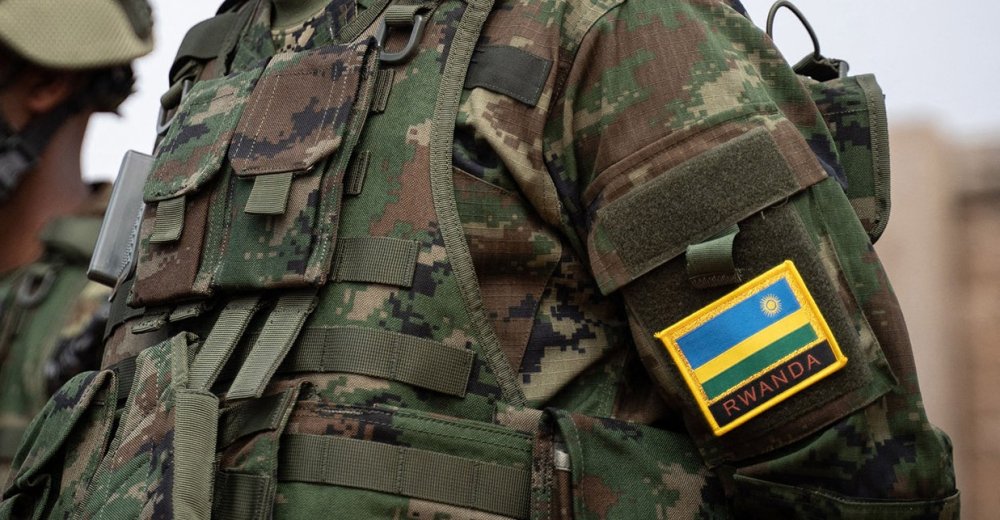
RDF has through released a statement mourning the demise of a Rwandan peacekeeper and reiterated commitment to continue protecting civilians.
“The Rwanda Defence Force is deeply saddened by the death of a Rwandan peacekeeper serving under the United Nations Multidimensional Integrated Stabilization Mission in the Central African Republic (MINUSCA), following an attack on MINUSCA patrol on 10 July 2023 by armed elements, near Sam- Ouandja, Haute- Kotto Province, North Eastern, CAR,” reads part of the statement.
“The RDF firmly condemns the attack and expresses its heartfelt condolences to the family and friends of the fallen peacekeeper. RDF peacekeepers remain committed to the protection of civilians within the mandate of MINUSCA, and the other peacekeeping missions under which our troops serve,” adds the statement.
The head of the UN mission, Valentine Rugwabiza has condemned the attack and assured that peacekeepers would maintain their presence in Sam-Ouandja.
Stephane Dujarric, the spokesperson of the United Nations Secretary-General, has also expressed profound condolences to the fallen peacekeeper’s family, colleagues, as well as the people and government of Rwanda.
At the time of the incident, the peacekeepers were on patrol, providing a protective presence in the vicinity of Sam-Ouandja, located in the Haute Kotto Prefecture. In response to the attack, the peacekeepers engaged in defensive action, where they killed three attackers and captured one.
They had been deployed in the area on July 5th of this year, following a previous attack that resulted in the loss of civilian lives.
Valentine Rugwabiza, the head of the UN mission, strongly condemned the attack and assured that peacekeepers would maintain their presence in Sam-Ouandja. The mission is also working closely with local authorities to facilitate the deployment of national forces to the area.
MINUSCA has called upon the authorities in the Central African Republic (CAR) to make every possible effort to identify the attackers involved in the incident so they can be brought to justice.
The United Nations Secretary-General, Antonio Guterres’ spokesperson, Stephane Dujarric, expressed profound condolences to the fallen peacekeeper’s family, colleagues, as well as the people and government of Rwanda.
The Rwanda Defence Force (RDF) also mourned the loss of the Rwandan peacekeeper and reaffirmed its commitment to the ongoing protection of civilians.
UN data indicates that in 2022 alone, a total of 32 troops and police officers from various UN peacekeeping missions lost their lives across the globe, including four in the Central African Republic.
From 1st July 2018 to 30th June 2019, a total of 198 men sought DNA paternity tests to determine the biological fatherhood of children.
These statistics highlight a nearly four-fold increase in demand for DNA paternity tests in Rwanda.
Typically, forensic laboratories employ DNA tests to determine the circumstances surrounding a crime or investigate family patterns. DNA tests can be conducted for the sake of justice or upon an individual’s request.
In addition to the RFL, other institutions such as the Rwanda Investigation Bureau (RIB), the army, the directorate of immigration and emigration, or the national identity agency can request DNA tests for specific reasons. The accuracy rate of DNA tests in ascertaining biological relationships is said to be 99.99%.
One of the reasons behind the surge in men seeking DNA test services is attributed to the mobilization efforts carried out by the RFL to raise awareness and encourage Rwandans to utilize their services, including DNA tests.
However, it is essential to note that DNA paternity tests can only be conducted with the consent of both the father and mother.
In Rwanda, an individual who wishes to undergo DNA testing without urgency is required to pay Rwf89,010, and the results are typically released within seven days. Consequently, the test for both the father and child to determine paternity costs Rwf178,020.
For those seeking expedited results within 24 hours, the cost rises to Rwf285,290, with Rwf142,645 allocated to the father’s test and the same amount for the child.
Despite the increasing demand for DNA paternity tests, concerns have been raised by children’s rights activists regarding the potential risks to the children involved, especially when negative results are disclosed.
Evariste Murwanashyaka, the head of programs at CLADHO (an umbrella organization of human rights organizations in Rwanda aimed at defending, protecting, and promoting human rights and social justice) and National Child Rights Observer, emphasizes the importance of considering children’s rights and avoiding any harm to their well-being.
In the event of negative results, he advises that decisions should be made with the best interests of the children in mind, ensuring they receive appropriate protection.
Murwanashyaka emphasizes the need to avoid humiliating children, and if divorce becomes the preferred option, it should be pursued through a legal process that minimizes any negative impact on the children.
He cautions against men who receive negative DNA paternity test results from divulging the information on social media, posting pictures of the child, disclosing it to society, or subjecting the child to oppression.
Similar concerns have been observed in countries like Uganda, where men who receive negative results have been known to abandon their responsibilities towards the child. The police in Uganda have warned against leaking the identification of the child, as it can potentially destabilize them.
Italian Prime Minister Giorgia Meloni has conveyed the decision to her Libyan counterpart Abdul-Hamed Dbeibah, the Libyan government said in a statement.
The decision marks a significant improvement in relations between Italy and Libya and is expected to have a positive impact on air travel and aviation cooperation between the two Mediterranean countries, analysts said.
Flights between the two countries are scheduled to resume in September, according to the statement.
Libya’s civil aviation industry was significantly affected by the country’s instability and conflict since the fall of the late leader Muammar Gaddafi’s regime in 2011.
An emergency message was sent from the plane, a four-to-six-seater Cessna-type aircraft, at around 5 pm local time on Sunday, shortly after it took off. The plane’s remains were found after two hours of searching near Saudahnjukar.
All people on board, including two passengers and a pilot, died in the crash. The cause of the accident is under investigation.
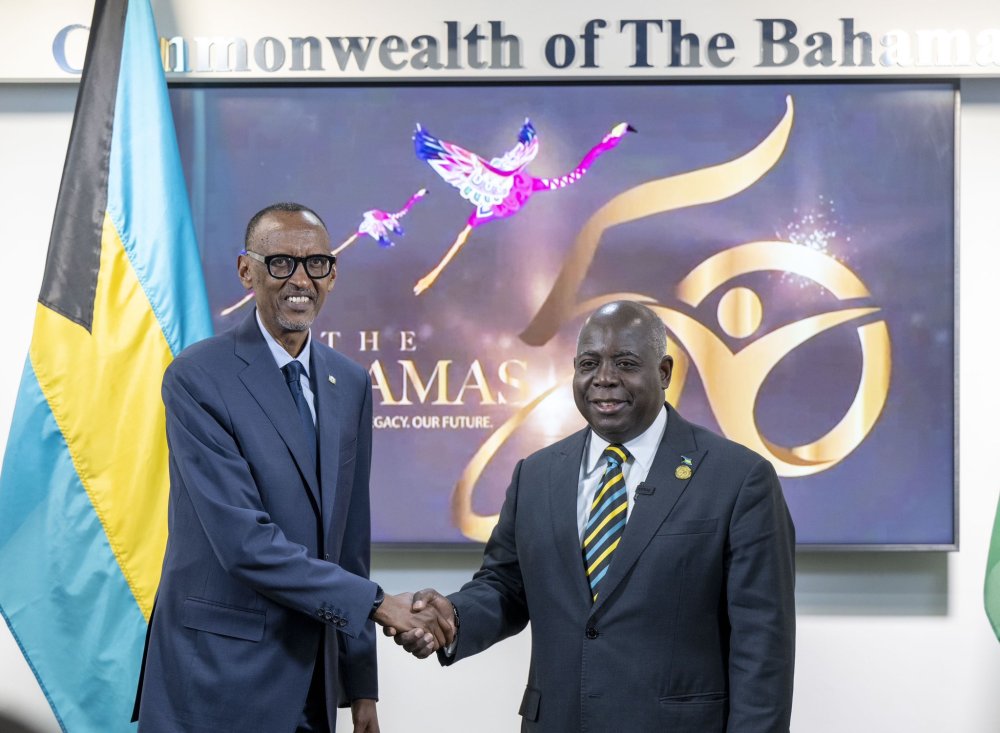
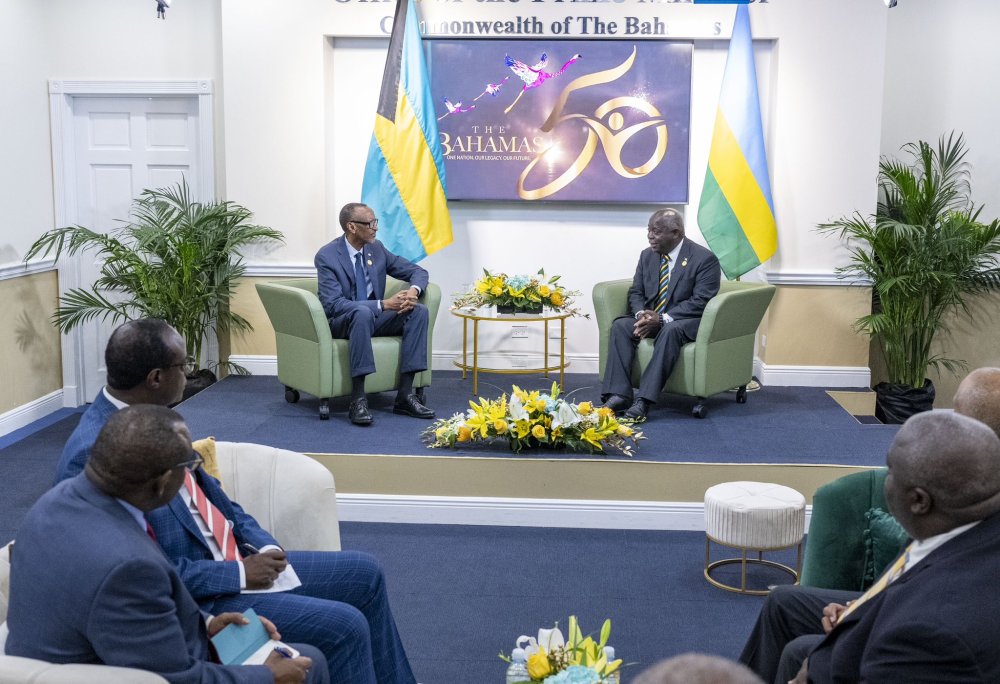
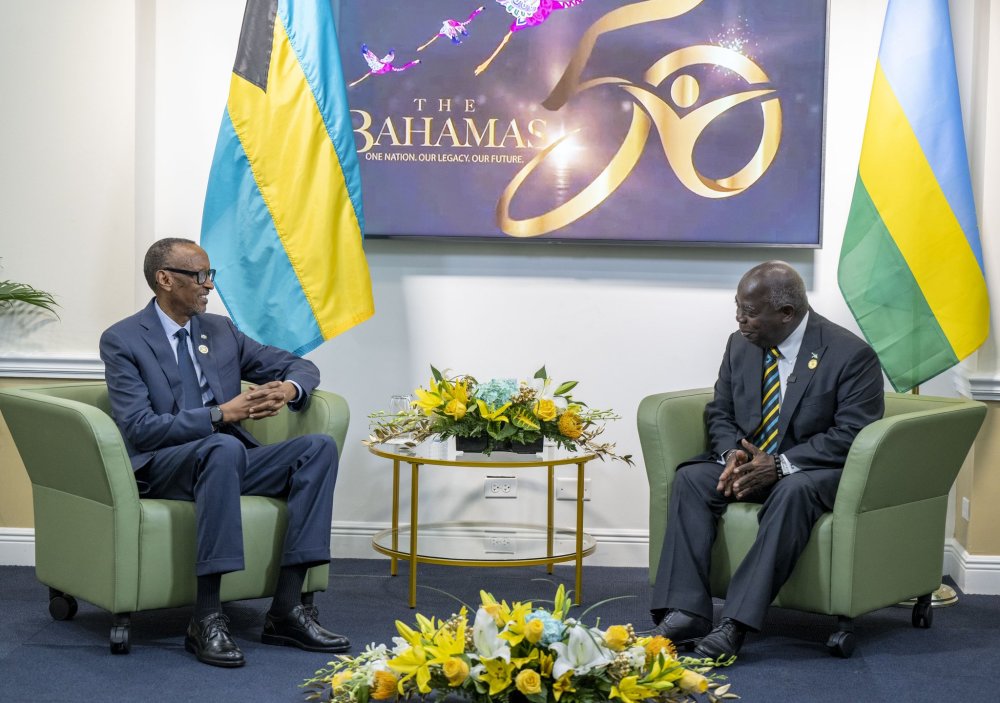
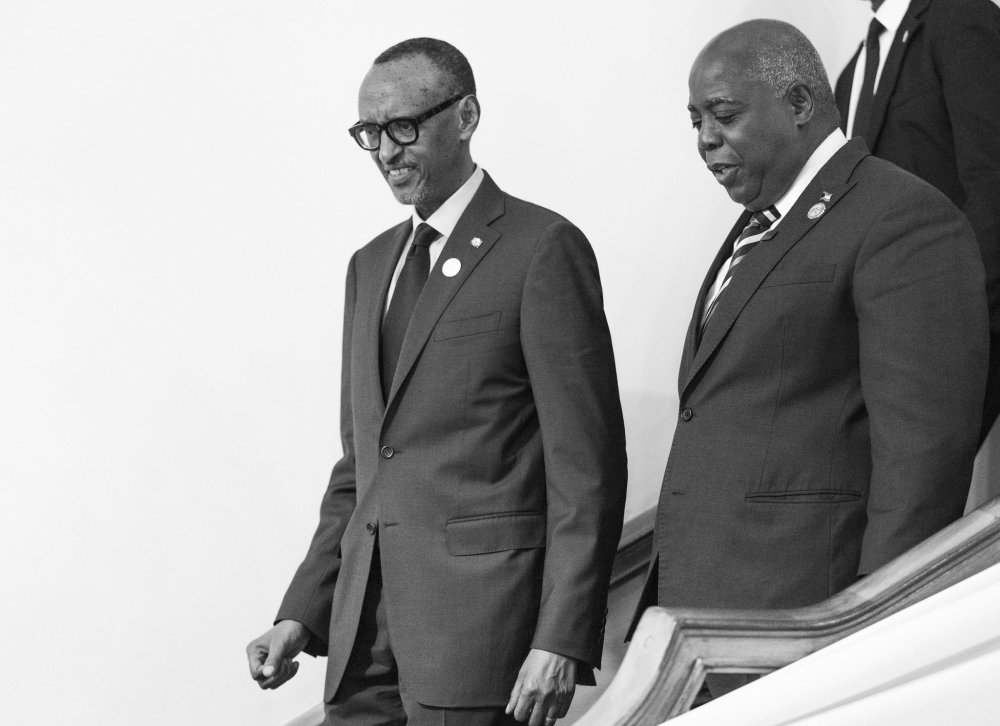
The discussions between the two leaders focused on enhancing collaboration and strengthening ties between the Bahamas and Rwanda, building upon the existing relationship between the two nations.
President Kagame was accompanied by Prof. Manasseh Nshuti, Rwanda’s State Minister for EAC Affairs, and Claver Gatete, Rwanda’s Ambassador to the United Nations, as part of his delegation.
The Bahamas, situated in the Caribbean Sea, is an archipelago covering a land area of 13,878 km² and featuring a coastline of 3,542 km. To provide a sense of scale, this land area is roughly 112% of the size of Sydney. Geographically, the Bahamas holds significant importance, ranking as the 28th largest country in the Americas and 161st worldwide in terms of area.
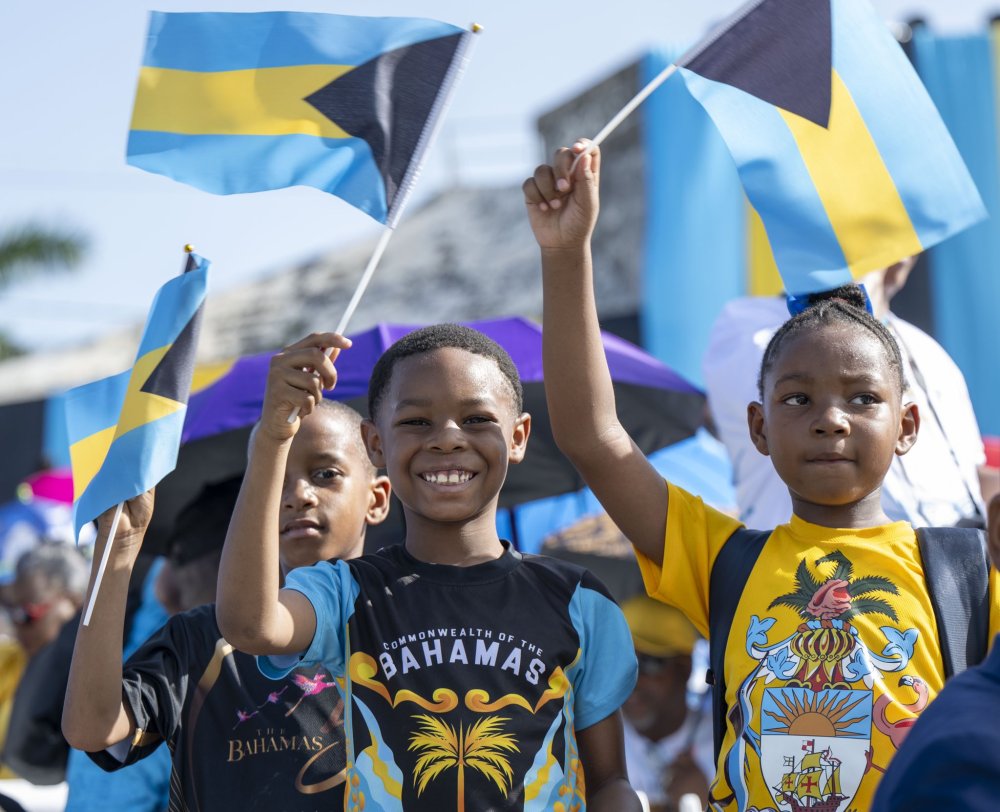
On July 10th, 1973, after 300 years of being a colony, the Bahamas peacefully gained independence and transitioned to nationhood.
Since then, July 10th has been celebrated as a national holiday throughout the archipelago and in Bahamian foreign missions. Previously a British colony, the Bahamas is currently a member of the Commonwealth, just like Rwanda, which joined the Commonwealth in 2009.
It is worth noting that Rwandans are not required to apply for visa for entry into the Bahamas.
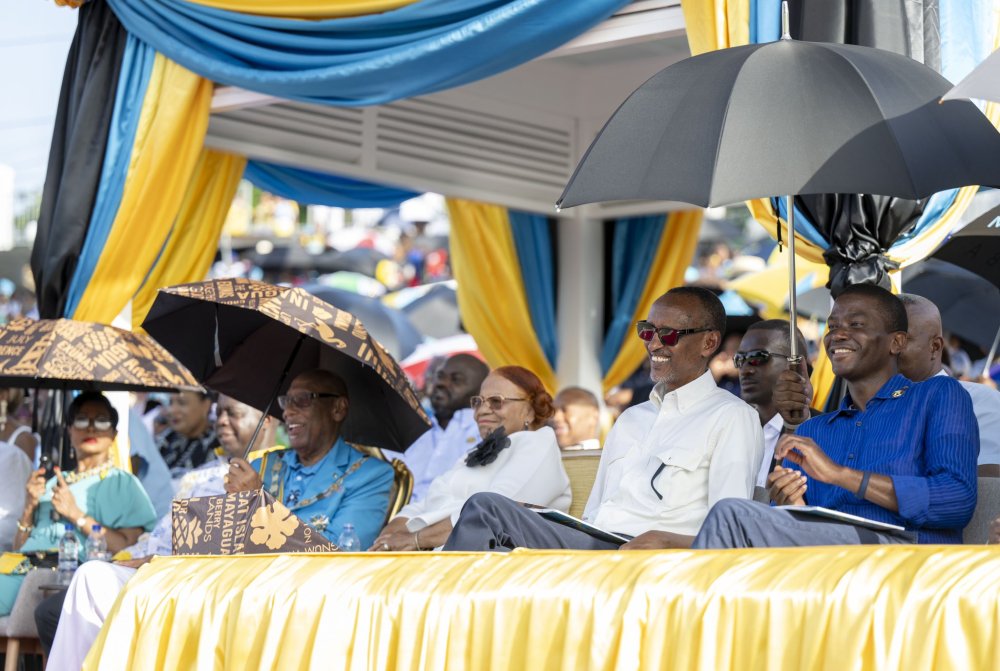
On Monday, President Kagame received the order as he attended the 50th Independence anniversary celebration of the Bahamas, which was attended by leaders from various Caribbean countries.
The distinguished honor was bestowed upon him by the country’s Governor General, Sir Cornelius Smith, and Prime Minister Philip Davis.
In his gratitude, President Kagame expressed appreciation to the Prime Minister of the Bahamas for extending an invitation to attend the Golden Jubilee of Independence celebration. He lauded the Bahamas as a symbol of stability and prosperity in the region, serving as an exemplar for smaller island developing states worldwide.
During his visit, President Kagame emphasized the significance of nurturing the existing relations between the Bahamas and Rwanda, as well as fostering closer ties between the Caribbean and Africa.
He emphasized the undeniable common history shared by the two regions, unaffected by the vast ocean that separates them. President Kagame acknowledged that these strong bonds form a solid foundation for building robust and extensive cooperation to tackle the challenges faced by countries like theirs.
President Kagame humbly accepted the order as a testament to the growing friendship between their nations and expressed his deepest appreciation for the honor bestowed upon him. He acknowledged the value of this recognition in strengthening the bonds between Rwanda and the Bahamas.
The Bahamas, an archipelago located in the Caribbean Sea, spans a land area of 13,878 km² with a coastline of 3,542 km. To provide a sense of scale, this land area is roughly 112% of the size of Sydney.
Ranking as the 28th largest country in the Americas and 161st worldwide in terms of area, the Bahamas holds significant geographical importance.
On July 10th, 1973, after 300 years of being a colony, the Bahamas peacefully transitioned to nationhood by gaining independence. Since then, July 10th has been celebrated as a national holiday throughout the archipelago and in Bahamian foreign missions. Prior to gaining independence, the Bahamas served as a British colony and currently holds membership in the Commonwealth, of which Rwanda has been a member since 2009.
President Kagame’s visit to Caribbean countries followed his attendance at the 45th Regular Meeting of the Conference of Heads of Government of the Caribbean Community (CARICOM) held in Trinidad and Tobago, further solidifying Rwanda’s engagement with the Caribbean region.
Somalia’s Defense Minister Abdulkadir Mohamed Nur said the latest onslaught by joint forces’ managed to neutralize the al-Shabab militants who were reorganizing in readiness for an attack against soft targets.
Nur did not comment on whether there were casualties on the side of the army that has intensified the airstrikes and ground operations against the al-Qaeda-linked militants in their stronghold of central and southern Somalia.
The latest military onslaught against al-Shabab was conducted a day after the defense minister bid farewell to thousands of troops who completed training and were ready to join the operation against armed groups.
Promoting decent settlements has been a top priority for the Government of Rwanda since 2010 when the Integrated Development Program (IDP) Model Village initiative was launched as part of the sustainable development agenda.
The program commenced with the construction of Rweru Model Village, which was inaugurated in 2016. This government-led initiative provided free housing to residents along with other essential infrastructure.
In general, the villages built in Rwanda fall into three categories: Model Villages inaugurated every July 4th, villages built by districts or special projects, and public housing (Auto Created IDP).
According to the Rwanda Housing Authority (RHA), 253 model villages have been constructed thus far as part of the program to improve housing conditions across the country, accommodating approximately 30,000 families. The IDP Model Villages alone house around 1,000 families.
The construction of these villages has amounted to a cost of more than Rwf101.724 billion.
Notable examples include the Rugerero Model Village in Rubavu District, which was recently inaugurated on July 4, 2023, during Rwanda’s 29th Liberation Anniversary. This village comprises 120 houses, with an investment of Rwf16 billion.
Another remarkable village is Rweru Village in Bugesera, which consists of 104 houses and was completed at a cost exceeding Rwf2.2 billion.
In 2017, Vunga Corridor Model Village was also completed in Nyabihu District. With 108 housing units, the village required an investment of over Rwf19.8 billion.
The years that followed witnessed the completion of Horezo Model Village in Muhanga and Kanyenyeri in Ngororero, both surpassing a cost of Rwf4.7 billion.
In 2019, Karama Model Village in Nyarugenge was completed at a tune of more than Rwf8.8 billion, offering 240 houses.
The year 2020 marked the completion of Gishuro Model Village in Nyagatare, costing Rwf13.3 billion and comprising 64 houses.
In 2021, Kinigi Model Village was finalized in Musanze District, constructed at a cost of over Rwf25.6 billion and featuring 144 housing units.
Lastly, in 2022, Munini and Cyivugiza Model Village were inaugurated in Nyaruguru. These villages, which cost Rwf21.8 billion and encompass 152 housing units, signify a significant step towards improving housing infrastructure.
Beneficiaries receive essential equipment and amenities upon settling in these model villages. Families are provided with a house boasting three bedrooms, a living room, a dining room, an indoor kitchen with cooking gas, two bathrooms, a toilet, and an outdoor kitchen using charcoal.
Besides, there is a separate section for those allocated one-room houses, complete with a living room, a kitchen with gas, a bathroom, and a toilet. Each house also includes a back porch in the yard, featuring washing and drying areas, a small kitchen, a place to wash dishes, and a seating area for socializing.
The villages boast a shared porch that leads to each individual house. Although residents have their own bathrooms, public toilets and facilities are also available.
Each house is equipped with its own water and electricity meter. In front of the houses, beautiful gardens with fruit and ornamental trees provide a refreshing ambiance.
Upon settlement, each family receives basic furniture, including mattresses, beds, chairs, and televisions.
These model villages also offer additional facilities such as a multipurpose hall, a health post, and a well-equipped Early Childhood Development Center (ECD). The outdoor garden within the ECD area is equipped with recreational facilities and toys.
Sports enthusiasts can enjoy basketball and volleyball courts, featuring stadium-like seating areas. Sections dedicated to cattle farming, poultry, horticultural farming, and fodder cultivation are also available.
{{Lives transformed by the model villages}}
Residents living in these villages have experienced remarkable transformations in their lives.
Mukeshimana Espérance from Kinigi Model Village shared her experience, stating, “Where we used to live, darkness prevailed. However, upon arriving in the village, progress was evident, and we were able to develop ourselves.”
“We now have access to schools, clinics, and improved road infrastructure. Previously, we faced difficulties when it rained. We have also benefitted from projects such as livestock farming, including poultry,” she added.
Mukeshimana expressed gratitude for being settled in the village, as it has opened her eyes and allowed her to work towards personal development. The authorities have approached them with advice on how to improve their lives.
Ndongozi Didas from Gishuro Model Village shared his story, saying, “I was born in this country but did not grow up here. We were brought by the RPF Inkotanyi, which realized that our former shelters were inadequate. They helped us build sturdy houses, provided accommodation, and land for farming. Now we are strong and without any problems.”
He further explained the positive changes in their lives, stating, “Previously, lacking a place to stay caused us great trouble. Life has changed for the better. Earlier, we had to travel long distances for medical treatment, but now we have a health facility right here in the village. We have schools, access to water and electricity, and we can watch the news on TV. Most importantly, we feel safe and secure.”
Retired Private Kabayiza Innocent, who fought during the liberation struggle, shared his perspective on the transformation brought about by settling in Gishuro Village. He recounted, “Life was unsatisfactory; owning land and a house like the ones we live in now was a dream. We had no place to stay, and people wandered, struggling to make a living. However, after receiving these houses, everything changed.”
Kabayiza expressed his gratitude, highlighting the abundance of resources provided to them. He said, “Upon arrival, they gave us a house, land, cows, chickens, pineapples, mangoes, and even agricultural land to cultivate. I don’t pay rent; I sleep in my own house and wake up to farm the land they provided. We now have access to water, both inside and outside our homes, as well as electricity. In fact, we have everything, and life has changed.”
Gasana Stephen, the Mayor of Nyagatare District, emphasized how settling people in these villages facilitates infrastructure development. He stated, “Beneficiaries living in these villages receive basic necessities and enjoy a better quality of life. They are provided with cattle that can be monitored collectively.”
Regarding settlement, Gasana added, “Considering the limited area they reside in, there are 74 families in Gishuro Village. It serves as an excellent example of providing good housing to the needy, and it also teaches a valuable lesson to anyone suggesting that they live with others.”
The Mayor of Musanze District, Ramuli Janvier, expressed that the model villages have significantly improved the lives of the residents.
“Prior to relocating to the villages, the people were living in homes that did not reflect the value we aspire for Rwandan citizens. The first important change is that these villages provide suitable living spaces, transforming their lives. Secondly, along with the houses, we provide them with furniture, beds, televisions, stoves, and gas,” he emphasized.
He further explained that all these improvements have brought about a remarkable change in their lifestyle compared to their previous living conditions. Ramuli added, “Moreover, it is worth noting that many of the houses they previously inhabited lacked basic infrastructure, such as water and electricity.”
Mayor Ramuli highlighted that the villages offer the residents the opportunity to raise cows and chickens, and the presence of a furniture workshop center enables the villagers to find employment. Additionally, the local children studying vocational skills can now find suitable employment or apply their acquired knowledge within the community.
RHA urges residents settled in model villages, as well as those who have gained access to improved infrastructure, to maintain and uphold these facilities properly, as they are essential for their journey towards prosperity.