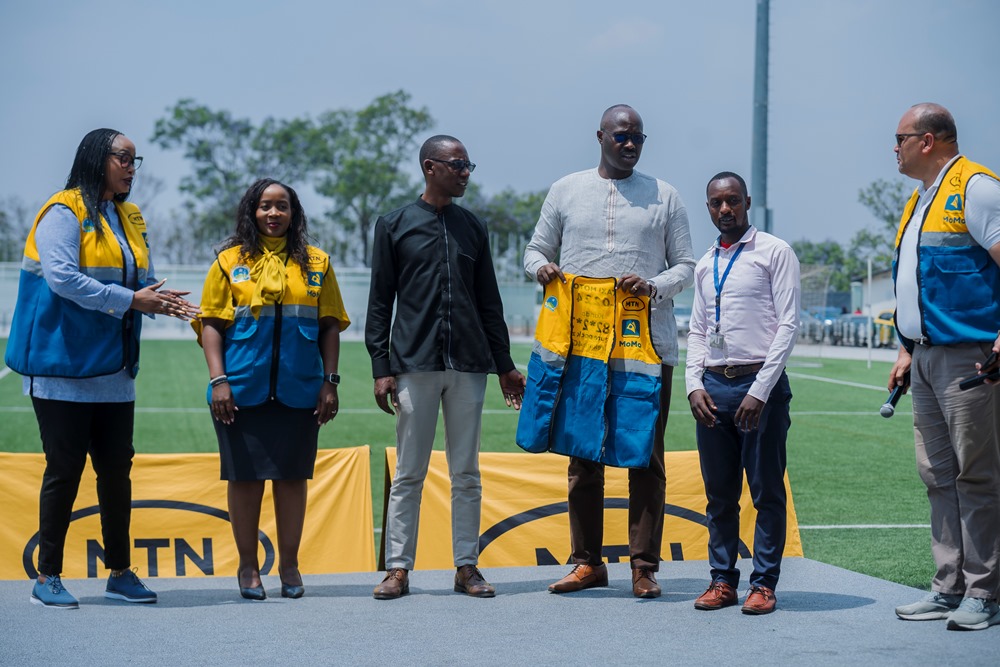
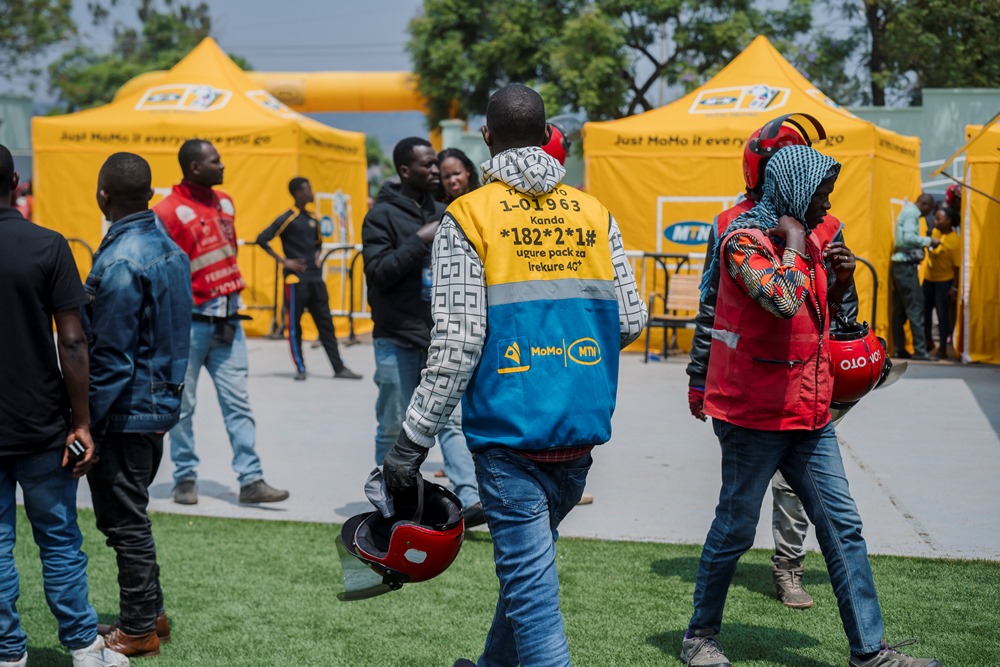
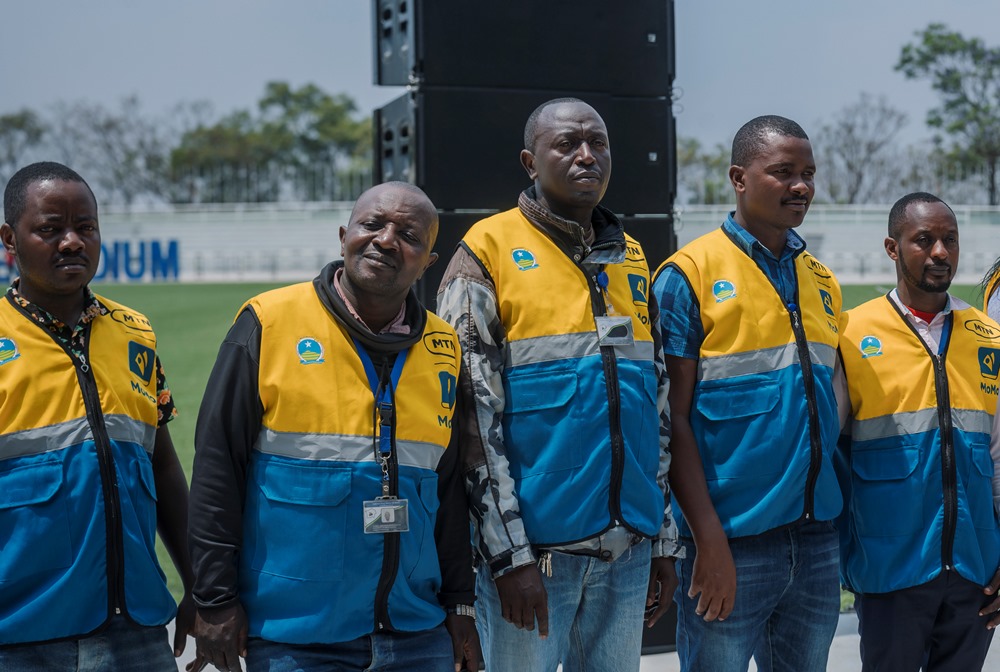
The branding partnership will include a range of benefits that will be rolled out in stages. In the initial phases, motorcyclists will receive MoMoPay codes/QR codes, which will equip them to offer passengers hassle-free payment options, ultimately elevating the overall customer experience. Furthermore, they will have the opportunity to become MTN agents, selling airtime and earning commissions which will provide them with a new income stream. In the subsequent phase of this partnership, motorcyclists will enjoy personalized rates for services like MoKash, Mobile Money Rwanda’s microfinancing service, as well as access to the Macye Macye service, MTN’s Device financing programme, among others.
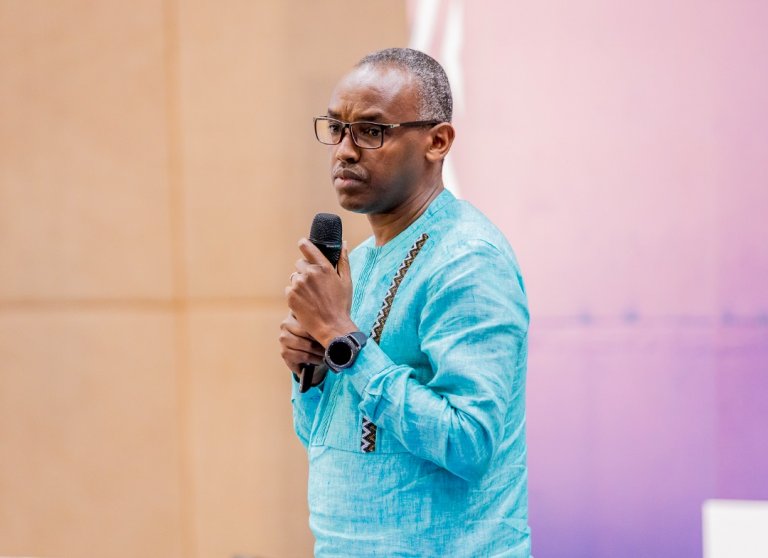
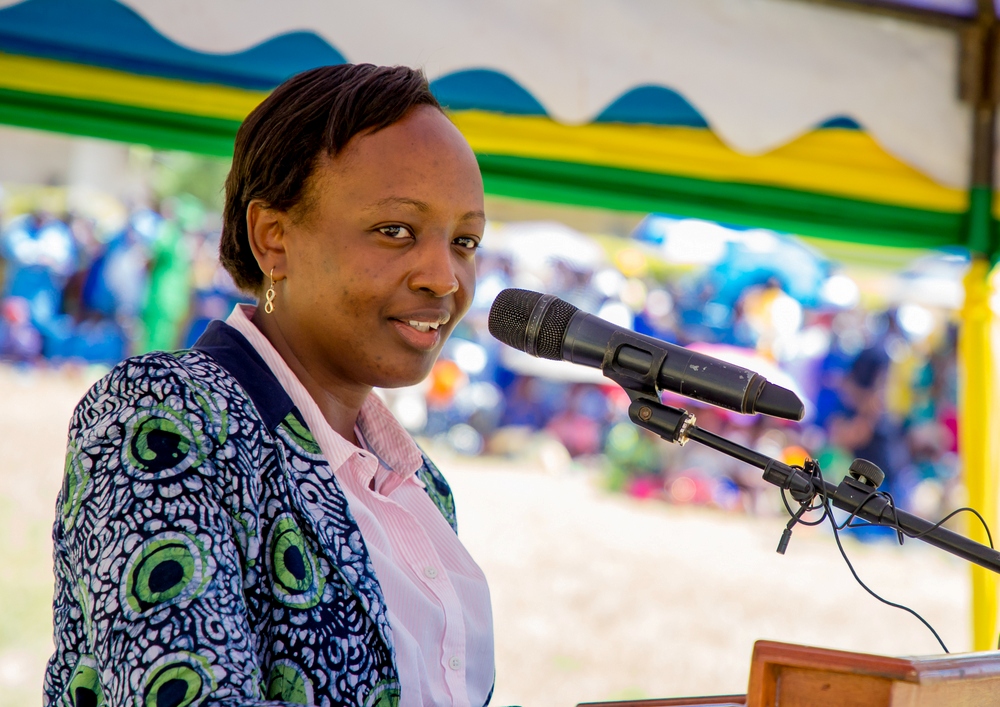
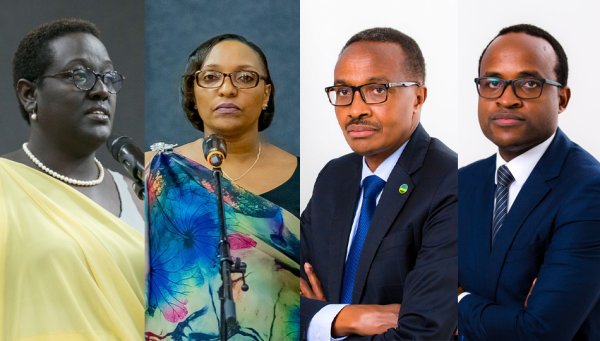
Chantal Kagame, Mobile Money Rwanda Limited Chief Executive Officer emphasized, “We would like to extend our gratitude to City of Kigali for this partnership. The rebranding of Kigali motorcyclists with our distinct branded jackets signifies not just a shift in attire, but a transformative leap towards enriching urban mobility and embracing contemporary solutions. By utilizing MoMoPay, motorcyclists not only support the country’s cashless agenda but also champion and advance digital payment solutions. With their help, Rwanda will see traditional cash payments in the mobility sector become a thing of the past.”
Each branded jacket will bear the motorist’s identity number, ensuring easy identification, and feature a dedicated USSD code for the seamless purchase of MTN “Irekure” bundles, further empowering commuters with convenient and affordable mobile services.
Today marks a remarkable milestone in our journey towards a more connected and innovative urban landscape. This initiative not only reflects our commitment to innovation but also reinforces our dedication to extending convenience and adding value to the lives of our communities.
By equipping these riders with the tools to offer telecommunication services and convenient digital financial transactions, we’re fostering a dynamic ecosystem that bridges technology and everyday life. Our goal is to empower motorists to improve their livelihoods as well as to enhance accessibility while creating new avenues for our valued customers to engage with our services effortlessly,” commented Mapula Bodibe, MTN Rwanda Chief Executive Officer.
{{About MTN Rwandacell}}
MTN Rwandacell Plc (MTN Rwanda) is the market leader in mobile telecommunications in Rwanda. Since 1998, The telecom has continuously invested in expanding and modernising its network.
MTN Rwanda offers various services to subscribers, including innovative propositions such as personalised voice and data offers with MTN Irekure. The company is also the front runner in mobile financial services in Rwanda with Mobile Money, MoMoPay and MoKash Loans and Savings.
{{About Mobile Money Rwanda Ltd}}
Mobile Money Rwanda Ltd is MTN Rwanda’s FinTech subsidiary, established on 27 April 2021 to provide and manage Mobile Money services in Rwanda. The company has about 4.5 milllion subscribers over 65,000 Mobile Money agents and over 230,000 MoMoPay merchants across the country. The penetration of Mobile Money has seen a continuous rise with the enhancement of existing offerings such as MoMoPay, MoMo eTicketing as a digital user-friendly ticketing solution, Tap&Go payments for bus services, Bill Payments, International & regional Remittances, Bulk Payments, Electricity purchase, Payment of Government services, Bank Push & Pull, MoKash Loans & Savings, and more.
Residing in the tight-knit Valencia Hills neighborhood, he became a beloved figure, renowned for hosting joyous holiday gatherings, coaching youth sports teams, and adorning the streets with Halloween delights for children.
Ewert’s love for the Violin developed as he grew up. His grandfather and father both played the Violin and so does all his children. Ewerts says it is a very important instrument to his family.
His journey has been a testament to the power of music, resilience, and compassion. From his family’s musical heritage, Ewert’s melodies have touched hearts and transcended boundaries.
Through adversity, he emerged stronger, fueled by the love of his family and the desire to make a positive impact on the world.
Beyond his exceptional musical talent, Ewert was known for his philanthropic endeavors and missionary work. His legacy continues to resonate, a testament to the transformative power of compassion and artistry.
Ewert’s journey as a violinist led him to Hollywood, where he played a pivotal role in shaping the soundtracks of over a thousand movies and some of these include ‘Black Panther’ , ‘The Notebook’ and ‘Titanic’.
The world-famous Hollywood, California, is renowned for its role in the entertainment industry and is home to many famed celebrities and personalities.
In an exclusive interview with IGIHE during his recent visit to Rwanda, Ewert recalled his Hollywood experiences and shared nostalgic memories.
“The opportunity to play music in Hollywood is a rare and wonderful experience,” he recalls, remembering his time working on the iconic film “Jurassic Park” with the celebrated composer, John Williams.
Through his work, Ewert has witnessed the universal power of music to connect with people, transcending backgrounds and languages. As Ewert plays his violin, he crafts a symphony of hope and inspiration, uniting people from diverse backgrounds.
As the conversation shifts to the impactful movie “Black Panther,” Ewert’s excitement is evident.
“We were all waiting and waiting and waiting for a black hero. And we got the Black Panther,” he exclaims, acknowledging the movie’s significance in representing a black superhero on the big screen.
He also recognizes the film’s exploration of sensitive historical themes, particularly those related to slavery. Ewert believes in the importance of using film to address such issues and hopes for more inclusive storytelling in the future.
In 2005, tragedy struck Ewert’s life when a fire engulfed his home during Christmas, leaving him, his son Michael, and his father Hugh with severe burns. It took him 6 months to play again.
Reflecting on this challenging period, Ewert shares: “After my big fire, my big fall in my life, my mother was so sad. She had no joy. Until she heard this music. So, may I play it for you?” His experience during recovery deepened his appreciation for life and family, strengthening his resolve to find higher purpose and meaning.
After surviving the fire, Ewert embarked on a new chapter in his life, embracing new opportunities with a sense of purpose.
“I have also been to the country of Peru, and I recommend it. They also have a jungle, and it’s very beautiful. I played my violin there many times,” he says, underscoring his belief in using his violin to bring hope and joy to people across cultures and countries.
“Music has taught me in my life. You play for the pleasure of the other person,” Ewert imparts his wisdom, believing that music is meant to be shared and cherished.
His passion for music is deeply intertwined with his desire to give back to others. “You make something beautiful to give to another person, and this is my joy in life. I have the violin, and I try to play nice and sweet for you,” he explains, infusing his music with emotion and compassion.
From Hollywood’s grand stages to the heart of Rwanda, Ewart’s unwavering passion for music and his boundless compassion continue to resonate, leaving an enduring legacy for generations to come.
Ewert leaves a message for everyone to always find a way forward irrespective of any setbacks.
“In life we will fall down and get up. Always look back, reflect on the past, rise and move forward. No one should be discouraged by setbacks, we should move forward in life because the Future is Bright,” he enthuses.
In this pursuit of success, while securing funding remains undeniably significant, the roles of innovation and astutely identifying market demands cannot be understated. This collective effort underscores the urgency of creating more avenues for growth and employment.
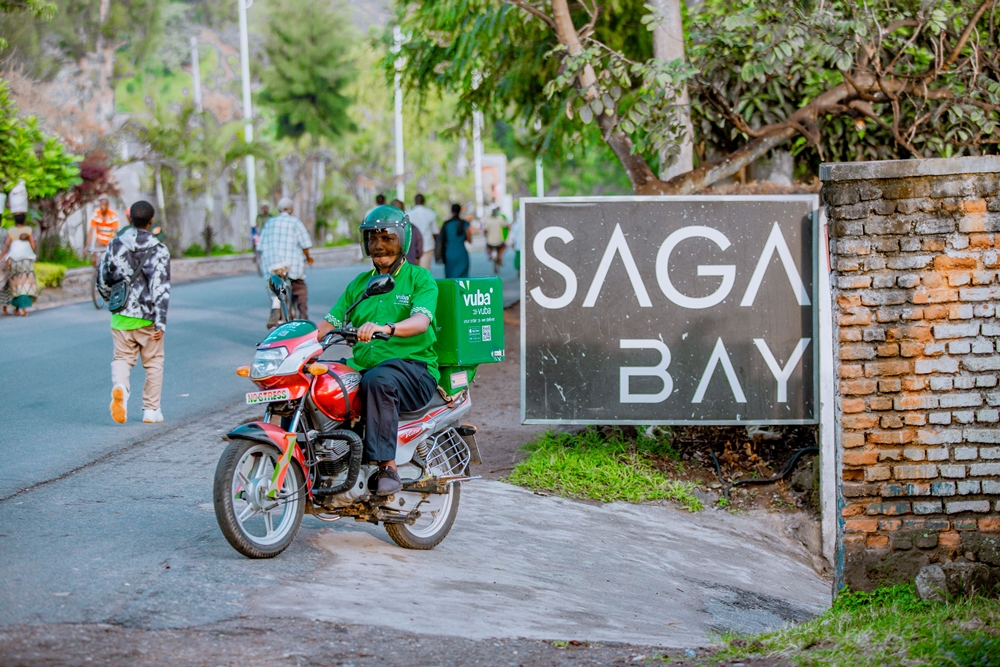
Among the examples of such endeavors, Vuba Vuba Ltd, a startup that emerged with a purpose, encapsulates the transformative power of innovative ideas.
The company, operating within the domain of food delivery services via a robust e-commerce platform, has emerged as a disruptor. The fruits of their labor are becoming evident, epitomized by their recent distinction as one of the top 20 finalists in this year’s prestigious [Africa’s Business Heroes (ABH)->https://africabusinessheroes.org/en/] competition.
ABH, a cornerstone initiative now in its fifth consecutive year, embodies the promise of surmounting challenges and propelling the continent toward greater heights. This ambitious Prize Competition, championed by the Jack Ma Foundation and Alibaba Philanthropy, resonates as a philanthropic beacon.
It aspires to support and ignite the ambitions of the next generation of African entrepreneurs across a spectrum of industries. The ultimate vision is to cultivate an economy that is both sustainable and inclusive, nurturing the continent’s future.
Rwanda’s unwavering participation in ABH since its inception in 2019 has yielded tangible results. Four Rwandan entrepreneurs have achieved coveted positions among the top 10 winners in the years 2019, 2021, and 2022, respectively.
Cumulatively, Rwanda’s triumphs have translated into a substantial grant amounting to over US$385,000, a testament to the program’s profound impact. This accomplishment serves as an inspiring precedent, illuminating the path for more Rwandan startups, as well as those from other nations, to seize the forthcoming five editions of ABH. The rewards that stem from active participation hold the potential to accelerate the growth trajectory of their enterprises.
The current year witnesses a remarkable surge in submissions to ABH, a testimony to the burgeoning entrepreneurial zeal across Africa. Amidst a staggering pool of 27,267 applications hailing from all 54 African countries, the CEO & Co-Founder of Vuba Vuba Africa Ltd, Albert Munyabugingo, stands tall. Alongside the remaining top 20 entrepreneurs, he has emerged from this competitive crucible. Among these contenders, Rwanda claims representation through a single entrepreneur within the ABH Top 20.
As the journey advances, these 20 visionary entrepreneurs inch closer to the pivotal moment when they will present their exceptional business propositions to global luminaries in Kigali this early September. The pitching session will ascertain the elite top 10, who will collectively share the substantial grant of US$1.5 million.
In an exclusive interview with IGIHE, Munyabugingo elaborated on his brainchild’s nuances, its potential impact on Africa’s entrepreneurship ecosystem, and the expedition that has earned him a spot among the top 20.
{{Excerpts: }}
{{1. Could you provide a brief overview of your company’s mission and the innovative solution it offers to the community?}}
{{Munyabugingo:}} [Vuba Vuba->https://www.vubavuba.rw/] is an e-commerce mobile app that provides a convenient solution currently for residents in Kigali, Musanze and Rubavu to order meals and daily essentials for delivery to their homes or offices in less than an hour.
{{2. Poverty reduction through entrepreneurship is a crucial goal, especially in African countries. How does Vuba Vuba Africa Ltd contribute to this goal, and what inspired you to start this venture?}}
Vuba Vuba contributes to poverty reduction through empowering entrepreneurs at an entry level in Rwanda to scale.
For instance, we work with more than 10 start-ups registered as restaurant businesses in Rwanda with no space for dining. They just cook and deliver through Vuba Vuba.
Since its launch in January 2020, Vuba Vuba has a team of 31 full-time employees, 100 delivery riders, and 50 casual workers.
Together, they have facilitated the delivery of more than 1,000,000 orders, maintaining an impressive daily average of 1,000 deliveries.
I co-founded Vuba Vuba Africa Ltd in January 2020 with my colleague Innocent Kaneza.
We wanted to build a strong local tech solution for e-commerce. The inspiration to start an e-commerce mobile app was to fill in the gap that was left on the market after Jumia exited the Rwandan market in 2019.
We believed we are the best fit for it and to build a strong local tech solution for e-commerce, we decided to retain Jumia’s former employees who had been left jobless. Last week we launched a new version of the app that we are very excited about as it speaks to growth.
{{3. Vuba Vuba Africa Ltd operates in the agri-food sector. Could you delve into the specific ways your company addresses challenges in delivery services and contributes to national development?}}
Vuba Vuba collaborates with fresh produce sellers to bridge the gap for clients facing time or distance challenges. Our services enhance access to fresh produce, empowering local businesses to reach a wider customer base. We are also working on connecting farmers with our partner restaurants directly.
{{4. Innovation plays a pivotal role in today’s business landscape. How do you foster a culture of innovation within your company, and what role has it played in your success?}}
At Vuba Vuba, we drive growth by incentivizing staff contributions. Our inclusive recruitment seeks innovative minds to tackle challenges head-on, fostering creativity and driving solutions for our business. From Junior positions, we allow sharing of ideas on how to tackle growth challenges.
{{5. You were recently selected as one of the top 20 entrepreneurs by the Jack Ma Foundation’s Africa’s Business Heroes initiative. Could you share your initial reaction when you found out you were among the top 20 out of over 27,000 applicants from across Africa?}}
The email came in late at night and it’s the first thing I saw in the morning; you can imagine the smile on my face since then. This is a huge milestone being selected to be supported by one of the world’s greatest pioneers of e-commerce, a sector in which I am.
{{6. How was the journey of participating in Africa’s Business Heroes? }}
Africa’s Business Heroes (ABH) is one of the biggest platforms one would love to be part of. To me, it is the first with so many giants in the entrepreneurship ecosystem in Africa and beyond. I have learnt more so far, have connected with great minds and even looking to continue doing so as we want to expand Vuba Vuba to more African countries.
{{7. The upcoming ABH event in Kigali sounds exciting. Can you please tell us about your expectations for pitching your business idea to global business legends and the potential impact winning the grant could have on Vuba Vuba Africa Ltd?}}
As we approach the pitching session, we are diligently preparing day and night, with the goal of winning the prize that would fuel our growth strategies. This encompasses broadening the range of products and services we provide, as well as extending our solution to reach a wider audience across the African continent.
{{8. Rwanda has been consistently successful in the ABH initiative, with several entrepreneurs emerging among top winners. What factors do you think have contributed to Rwanda’s success, and how can other aspiring entrepreneurs learn from this experience?}}
Rwanda as a country, has created a very promising environment with incentives for innovation and entrepreneurship generally for local and international companies looking at having Rwanda as their first market of operations as well as expansion. Vuba Vuba is a practical example of such companies. I have not had any business outside of Rwanda but from different conversations, Rwanda really works.
{{9. The entrepreneurial spirit in Africa seems to be growing rapidly. What advice would you give to young entrepreneurs who are looking to make a positive impact through their business ideas, especially considering the current economic challenges?}}
My advice to upcoming entrepreneurs is quite simple: build an impactful solution, spend time defining your processes, adapt your processes to your market, speak to your users/customers to understand their needs because I believe – as ABH’s theme states it, {{IT’S AFRICA’S TIME }} and we will have enough customers for different products if they are well designed for the market. If this works well, I strongly believe investment will follow you.
{{10. Lastly, for other entrepreneurs who might be considering participating in future editions of Africa’s Business Heroes, what key takeaways or insights would you like to share from your own experience?}}
My experience with ABH is that the application is long for a very good reason. It gives you time to go back to your business’ basics and understand them even deeper. From any sector you might be operating in, not necessarily tech, this is a very good platform for mentorship, meeting the right investors and connecting with fellow founders.
While applying, be real, do not fake numbers, [the ABH application->https://africabusinessheroes.org/en/] opens every year for another 5 years ahead from now.
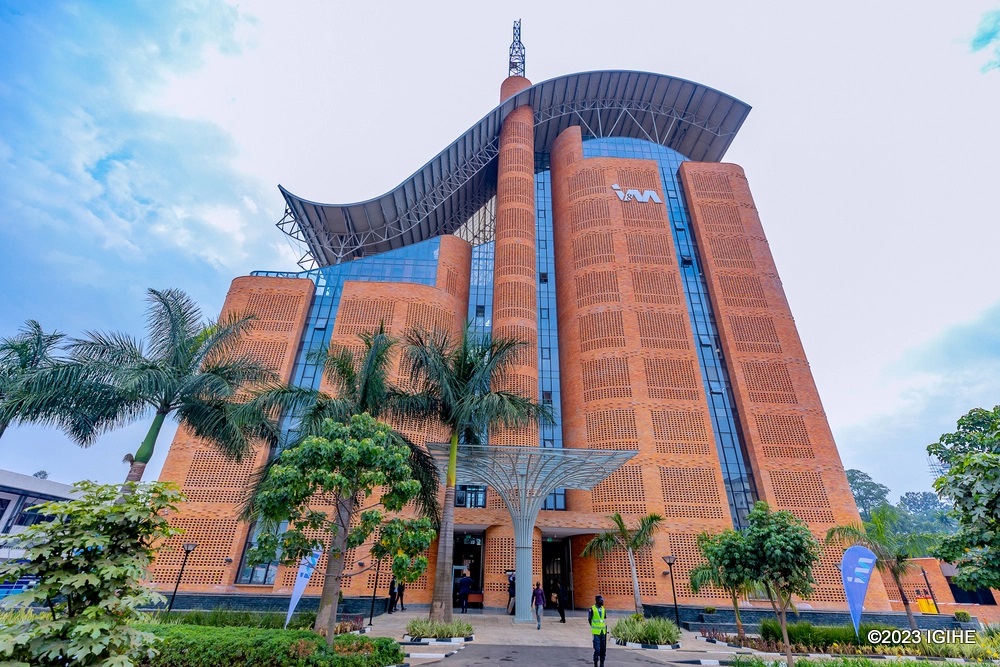
The CEO of I&M Bank, Benjamin Mutimura credits the bank’s diverse business model, resilient balance sheet, and commitment to customer service for these results despite challenging macroeconomic conditions.
Net revenue reached Rwf21.5 billion, with a 4% increase in net interest income due to loan and investment growth. Fees and commissions rose by 22%, driven by digital adoption and an expanding customer base.
Foreign exchange revenue surged by 59%, while operating expenses grew by 26%, attributed to technological investments and inflation. The Non-Performing Loans ratio remained stable at 3.62%, demonstrating an improved loan book quality.
Total deposits increased by 10%, with MSME deposits growing by an impressive 36%. Around 72% of customer deposits were in current and savings accounts. To enhance MSME focus, I&M Bank formed a strategic alliance with FMO, a Dutch development bank, to establish the NASIRA Portfolio Guarantee for smallholders, youth, and women entrepreneurs.
Mutimura emphasized the bank’s commitment to economic recovery, innovation, digital solutions, and strong customer relationships.
Trade between China and Africa rose 7.4 percent year on year to 1.14 trillion yuan (about 158.36 billion U.S. dollars) during the January-July period, data from the General Administration of Customs showed.
China has remained Africa’s largest trading partner over the past decade. Bilateral trade totaled 1.87 trillion yuan in 2022, up 14.8 percent year on year, customs data showed.
Preliminary reports indicated that approximately 10,000 families, about 50,000 people, fled their homes, the United Nations Office for the Coordination of Humanitarian Affairs (OCHA) said in its latest update.
It noted that a Turkish Hospital in Nyala that treats the wounded, which is already understaffed, is reportedly struggling to cope with the influx of wounded people.
The OCHA added that there were concerns that the continued fighting will exacerbate the already precarious humanitarian situation and heighten the health, nutrition, sanitation and food security needs of the vulnerable.
According to the UN, an estimated 401,000 people live in Nyala, and about 95,000 needed humanitarian assistance even before the conflict.
Sudan has been witnessing deadly armed clashes between the SAF and the RSF in Khartoum and other areas since April 15, which left over 3,000 people killed and more than 6,000 injured, according to the Sudanese Health Ministry.
More than 4 million people have fled from their homes — 3.2 million people were displaced internally and close to 900,000 have crossed the border into Chad, Egypt, South Sudan and other countries, according to the latest UN estimates.
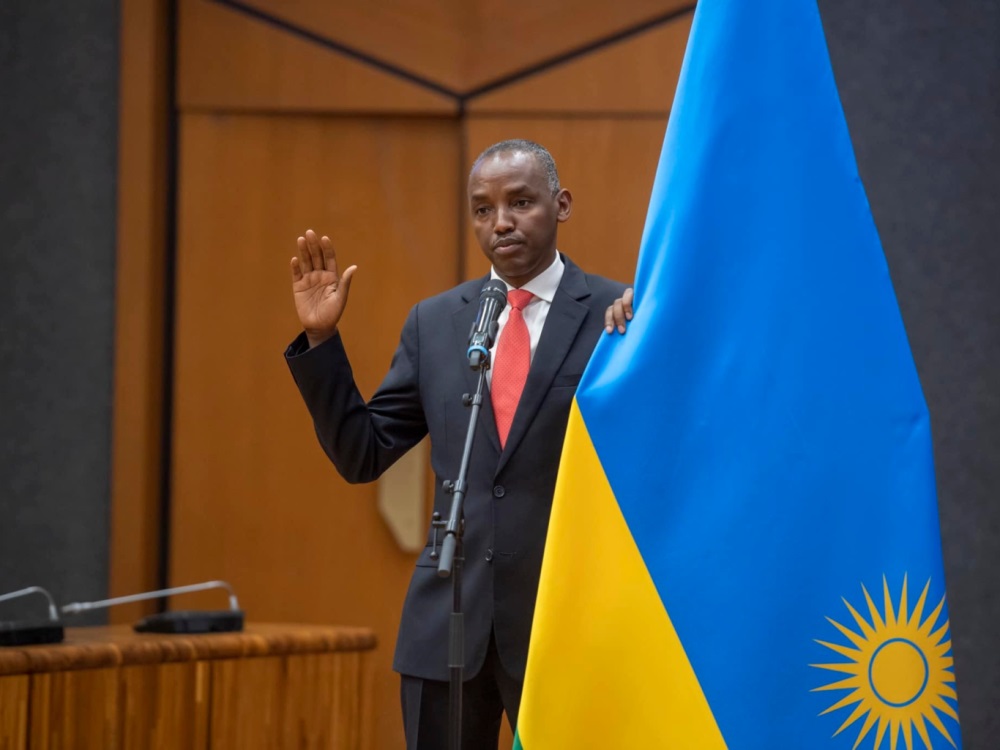
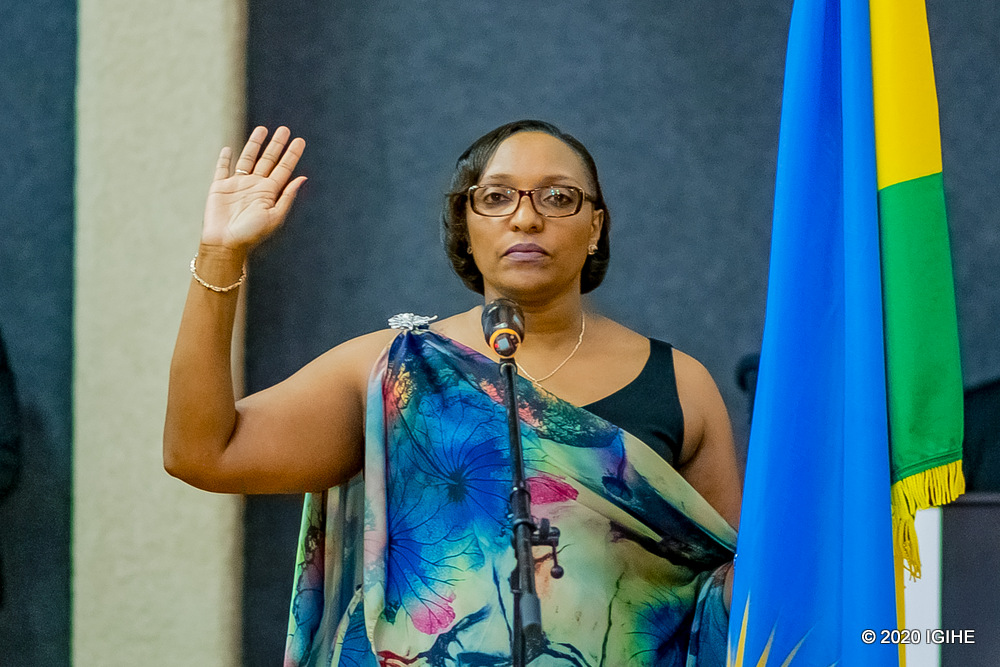
A statement issued by the Office of the Prime Minister confirmed that the responsibilities previously entrusted to the now-disbanded ministry will be transferred to the Ministry of Finance and Economic Planning (Minecofin). This move aims to streamline administrative functions and ensure a more cohesive approach to economic management.
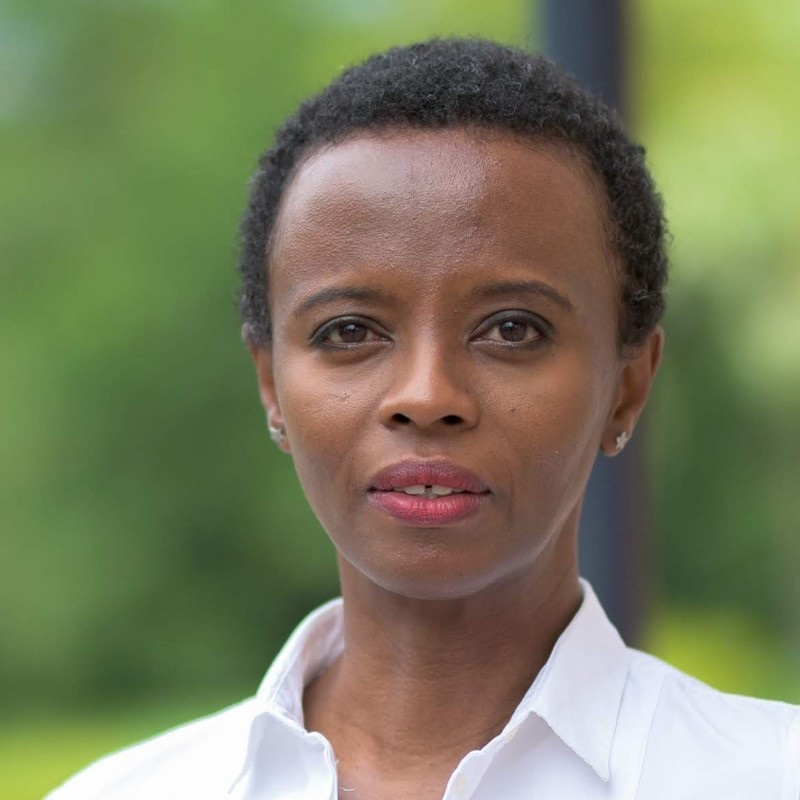
Assuming the role of Minister of State in charge of Public Investment and Resource Mobilization within Minecofin is Jeanine Munyeshuli. She takes over the duties previously overseen by Eric Rwigamba. Rwigamba, on the other hand, has been appointed as the Minister of State for Agriculture and Animal Resources.
Before her current appointment, Munyeshuli held the position of Chief Strategy Officer at the University of Global Health Equity. With a background as an economist and a Yoga teacher, she also holds a Master’s Degree in Econometrics and Statistics from the University of Geneva, Switzerland. Munyeshuli’s diverse experience, both in academia and governance, makes her a fitting choice for the challenging role of steering public investment strategies.
At the inception of the now-defunct ministry, experts acclaimed its formation, recognizing its potential to mitigate losses incurred from government investments. Additionally, the ministry was anticipated to strengthen oversight mechanisms, thereby enhancing efficiency and optimizing results.
The role of Minister of State in charge of Public Investment and Resource Mobilization came with a range of pivotal responsibilities. These encompassed identifying prospects for government investments, closely monitoring the performance of existing government investments in various enterprises, and executing privatization of public investments where deemed advantageous.
As the nation enters this new phase of economic governance with the restructuring of ministerial roles, it remains to be seen how this adjustment will impact the management of public investments and the overall trajectory of the Rwandan economy.
The narcotics were disposed of on Tuesday, August 22, in a public exercise held in Kamembe Sector, Cyangugu Cell, Karambo Village.
Superintendent of Police (SP) Bonaventure Twizere Karekezi, the Police spokesperson for the Western region, said that the successful operations were largely facilitated by the public through information exchange.
“The 14000kgs of cannabis disposed of on Tuesday were seized from different traffickers and local dealers, mainly in Rusizi District in operations conducted over the past two years. Some narcotics were being transported by taxi-moto operators and public vehicles along Rusiz-Kigali highway.
Others were being transported on bicycles as well as traffickers who were attempting to sneak big quantities of cannabis into Rwanda from DR Congo through Lake Kivu and other porous border points,” said SP Karekezi.
He added that many drug dealers as well as motorists and cyclists, who facilitate the dealers, were also arrested in the process with some of them serving their sentences while others are still under investigations.
SP Karekezi said that the public destruction of cannabis in Rusizi also provided an opportunity to sensitize motorcyclists, cyclists and the youth in particular on dangers of dealing and a using drugs, both health and legal repercussions,” SP Karekezi said.
Cannabis is listed among very severe drugs under the Ministerial order No 001/MoH/2019 of 04/03/2019 establishing the list of narcotic drugs and their categorisation.
The penalty for dealing in very severe drugs, under article 263 of the law determining offences and penalties in general ranges between 20 years and life imprisonment, and a fine of Rwf20 million to Rwf30 million.
The spokesperson commended the role of the public in fighting criminality and drug related crimes in particular, and called for strengthened partnership and sharing of information on drug dealers.
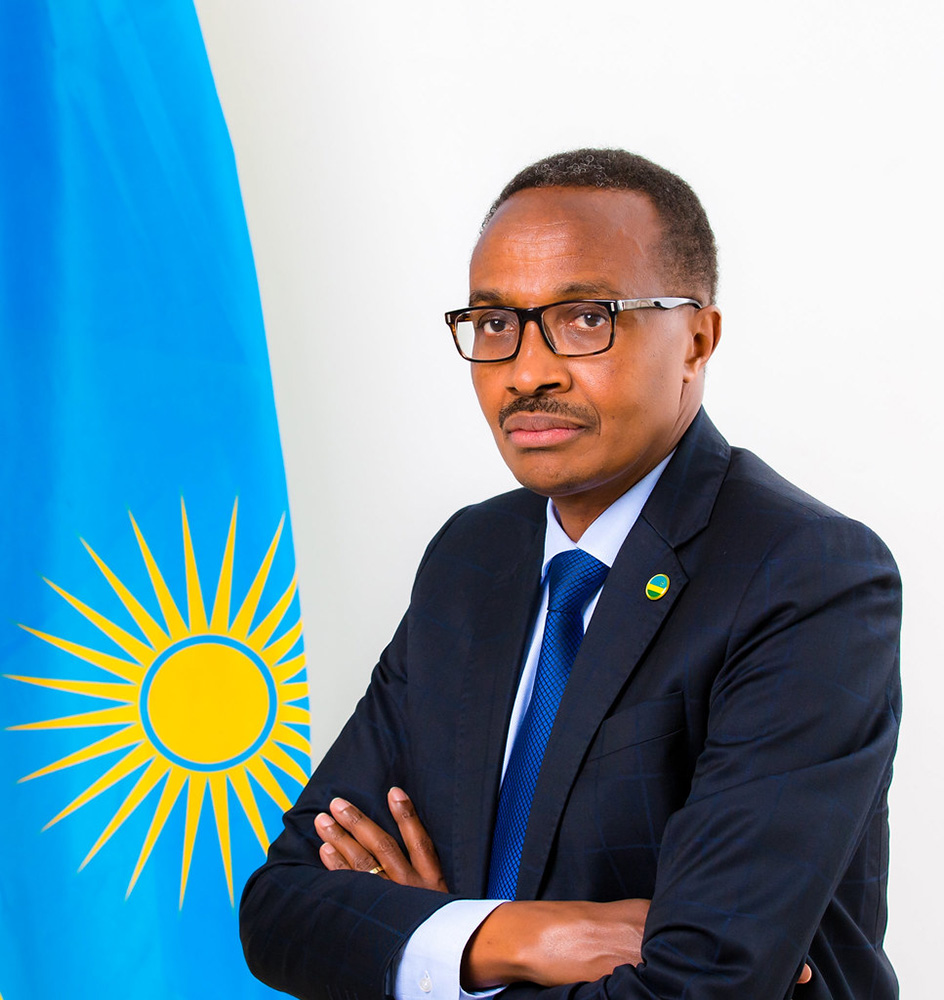
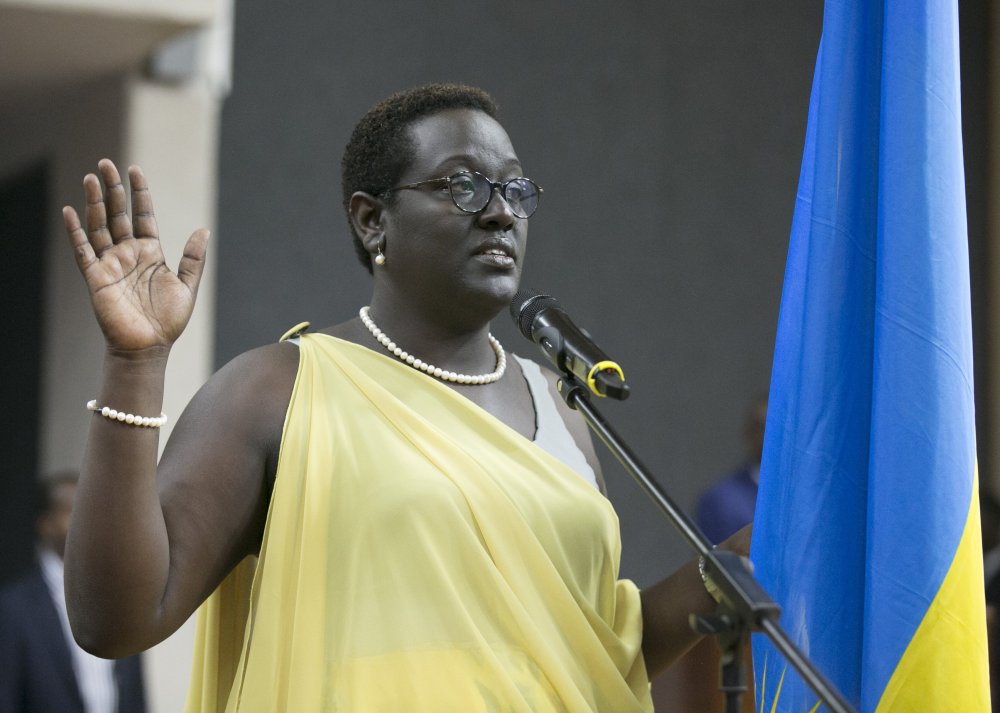
Minister Uwamariya takes over her new role from Prof. Jeannette Bayisenge, who has been designated as the Minister of Public Service and Labour (MIFOTRA), replacing Fanfan Rwanyindo.
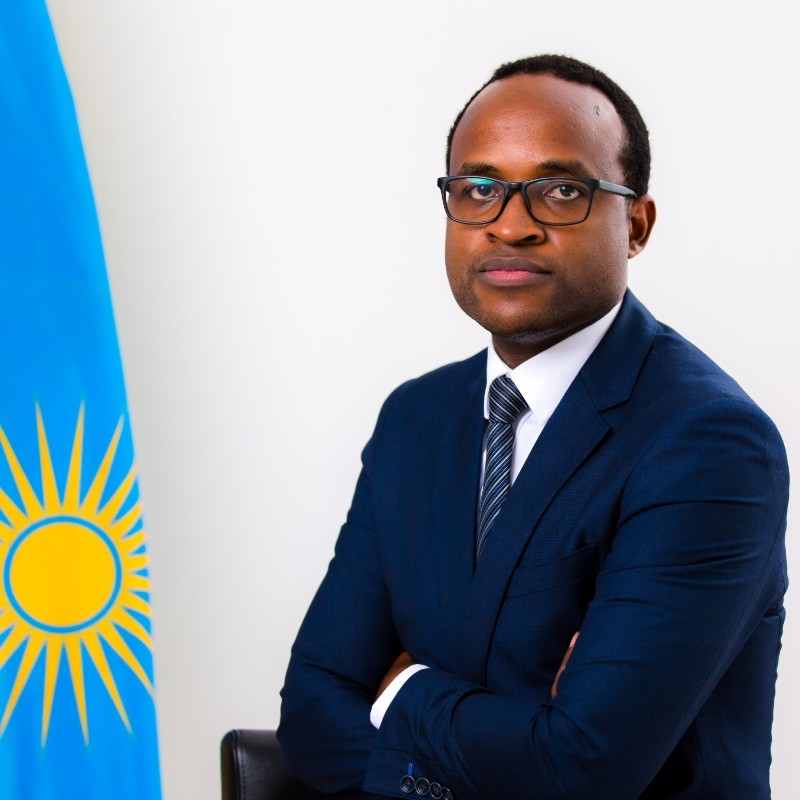
In this reshuffle, Gaspard Twagirayezu assumes the position of Minister of Education. Prior to this appointment, he fulfilled the role of State Minister in charge of Primary and Secondary Education.
Furthermore, as part of these adjustments, Claudette Irere steps into the role of the new Minister of State for Education. She previously held the position of State Minister in charge of ICT & TVET within the same ministry since 2020.
In light of these changes, Maj. Gen. Albert Murasira has been designated as the Minister of Emergency Management, taking over from Solange Kayisire. Murasira brings with him prior experience, having previously held the position of Minister of Defence.
Kayisire will be assuming her new responsibilities as the Minister of State for Local Government, succeeding Assumpta Ingabire in this role.
Concurrently, Sandrine Umutoni, previously the Director General of the Imbuto Foundation, has been appointed as the Minister of State for Youth.
In another capacity, Claudine Uwera has been appointed as the new Minister of State for Environment, while Jeanine Munyeshuli will take on the position of Minister of State for Public Investment and Resource Mobilization at the Ministry of Economic Planning and Finance.
Additional changes encompass the appointment of Eric Rwigamba as the Minister of State for Agriculture and Animal Resources. Rwigamba previously held the portfolio of Minister of Public Investments and Privatisation, a role that has been transferred to the finance ministry.
The recent adjustments also involve the appointment of Maj. Gen. (Rtd) Charles Rudakubana as the proposed Ambassador to Angola, and Margaret Nyagahura as the proposed Ambassador to Hungary.
Assumpta Ingabire is now positioned as the Director General of the National Child Development Agency, succeeding Nadine Gatsinzi Umutoni, who assumes a new role as the Chief Gender Monitor of the Gender Monitoring Office.
Peter Mathuki, the secretary general of the intergovernmental organization, told journalists that the talks will be the final stage before Somalia can join the EAC.
“We will deliver the report of the negotiations to the council of ministers as well as the summit of the heads of states of the EAC before the end of the year,” he said.
The EAC member states include Burundi, Kenya, Rwanda, South Sudan, Tanzania, the Democratic Republic of the Congo (DRC), and Uganda.
On Jan. 25, the EAC sent a team of technical experts to Somalia to verify and assess the preparedness of Somalia to join the regional bloc as the eighth member.
Mohamud Abdirahman Sheikh Farah, Somali minister of Planning, Investment and Economic Development, said that his country is keen to join the EAC because it already enjoys close socioeconomic ties with all members of the trading bloc. “We have also received a positive reception from the heads of state of all the EAC members,” Farah said.
Rebecca Miano, cabinet secretary in Kenya’s Ministry for EAC, Arid and Semi-Arid Lands, and Regional Development, said that the EAC verification team has confirmed that Somalia meets the basic requirements of the EAC Treaty for admission of foreign countries into the economic bloc.
Miano noted that during the negotiations, the EAC will highlight to the Somali delegation, the benefits, obligations, and commitments of partner states under the EAC Treaty which will be the basis for the negotiations in good faith by both teams.