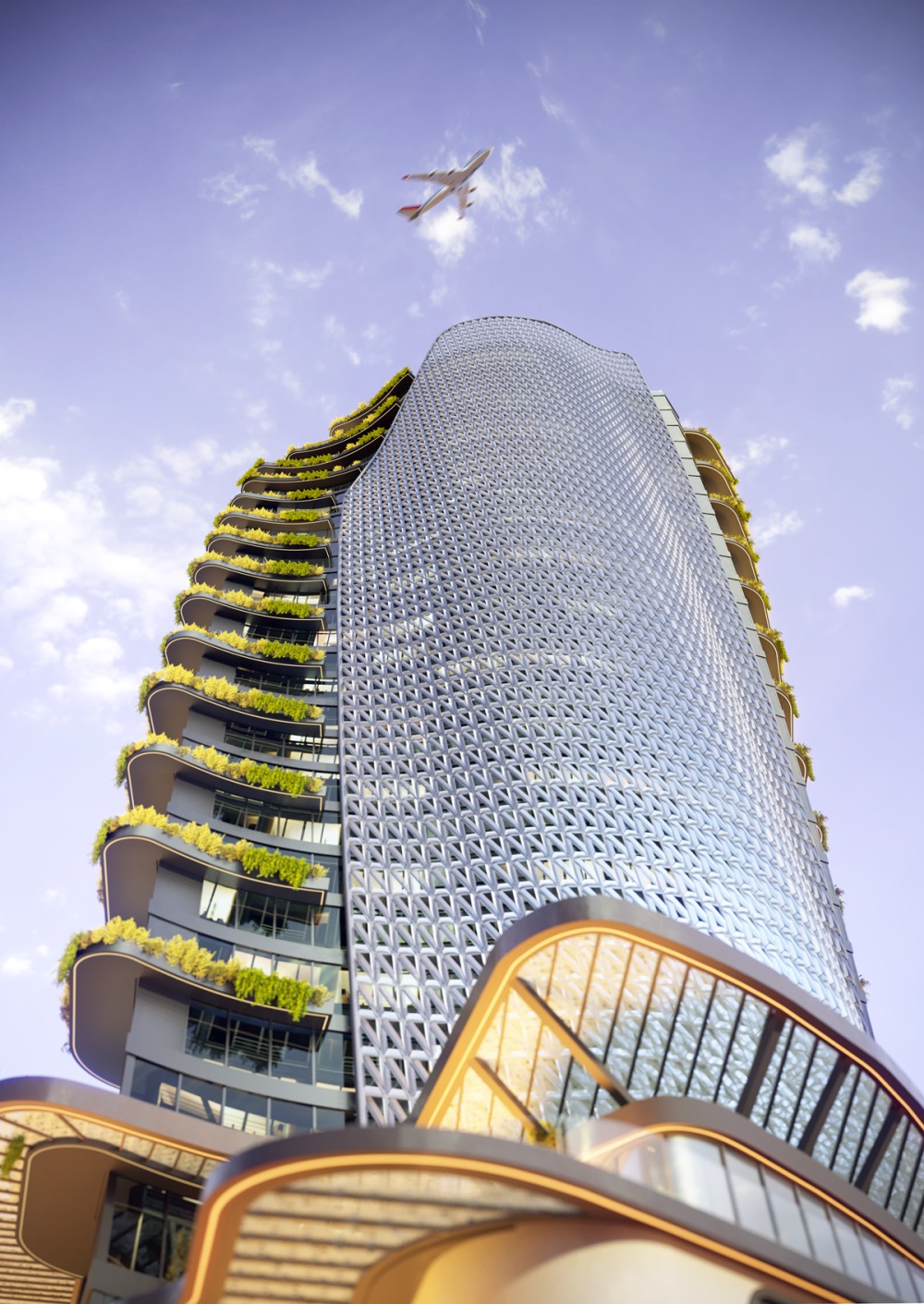
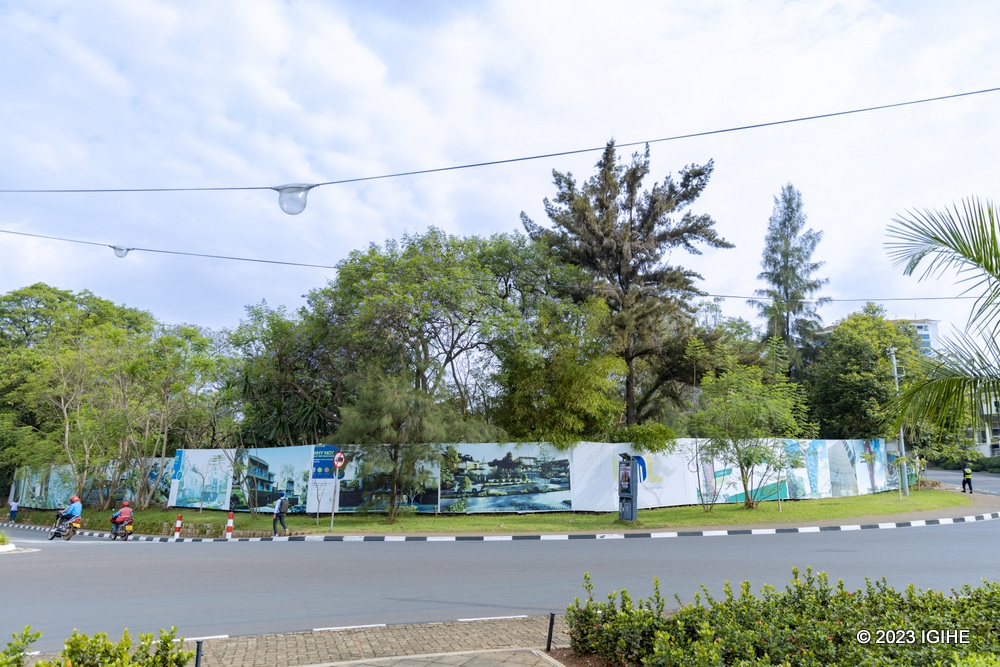
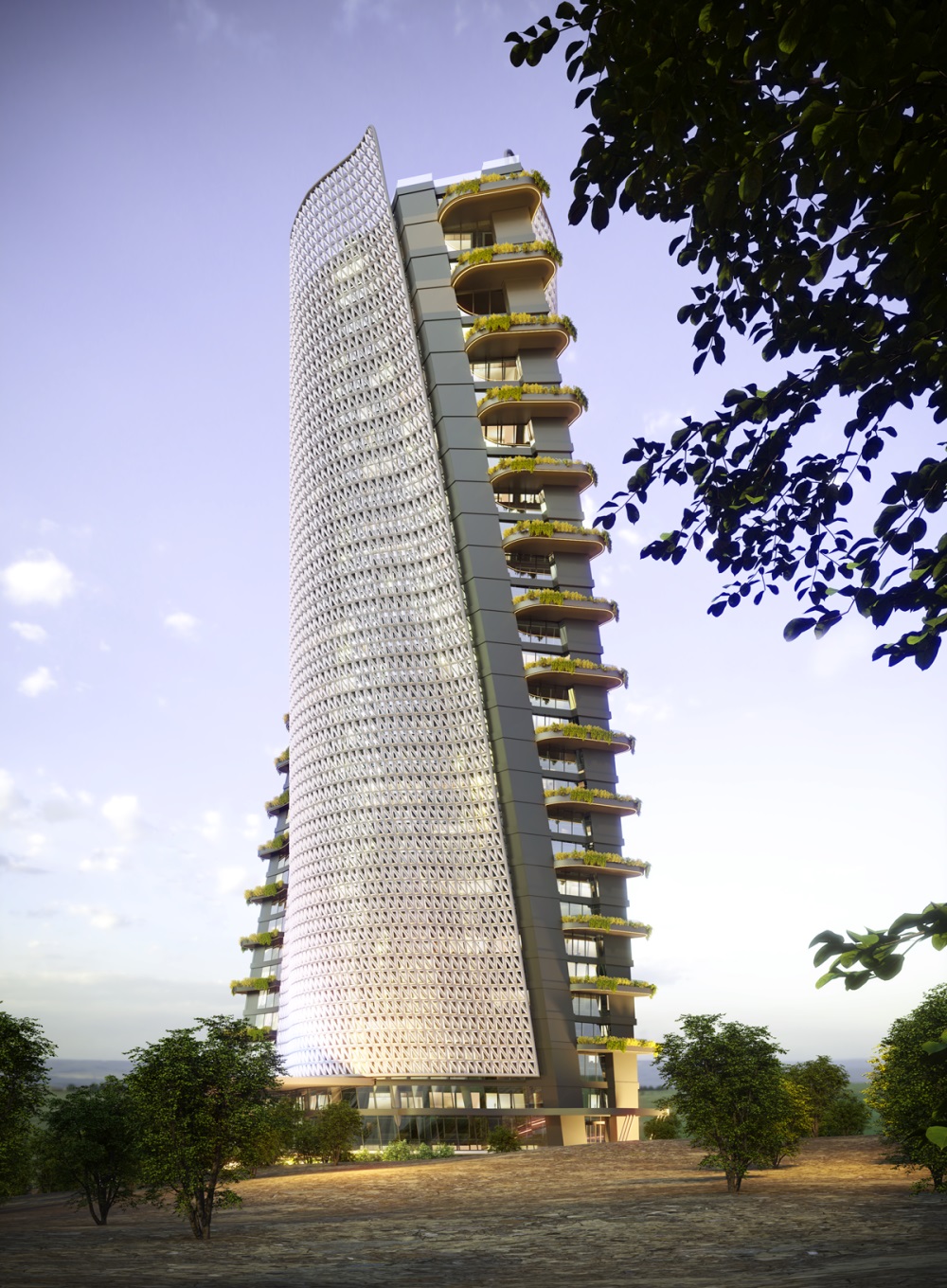
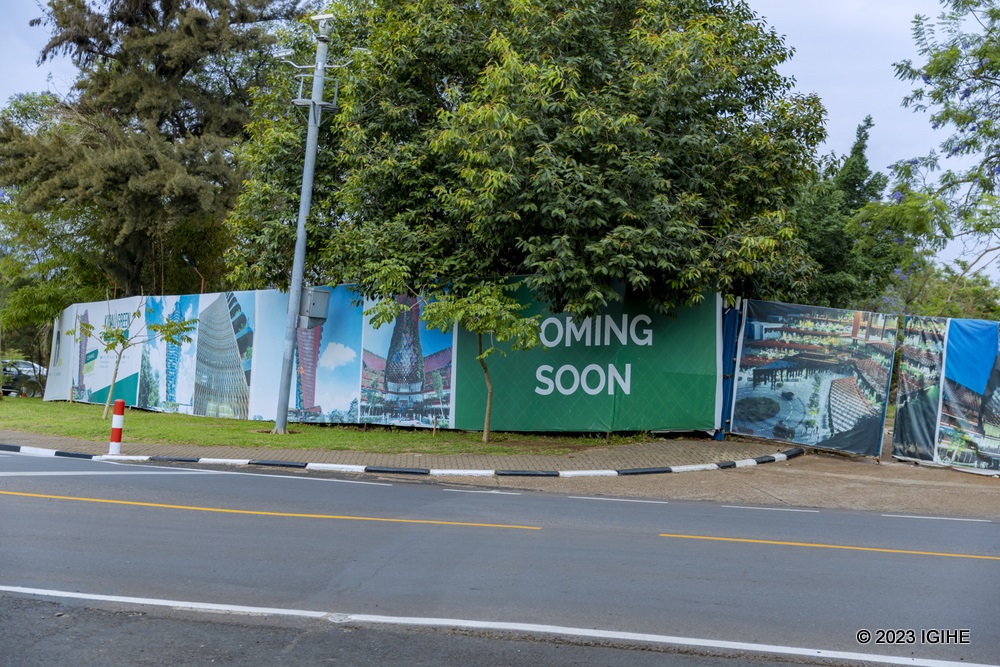
This visionary project is spearheaded by the Rwanda Social Security Board (RSSB) and is aptly named the Kigali Green Complex (KGC). Located at the former premises of the French cultural center near the main roundabout in Kigali City, along the road leading to Payage, KGC aims to redefine the city’s skyline.
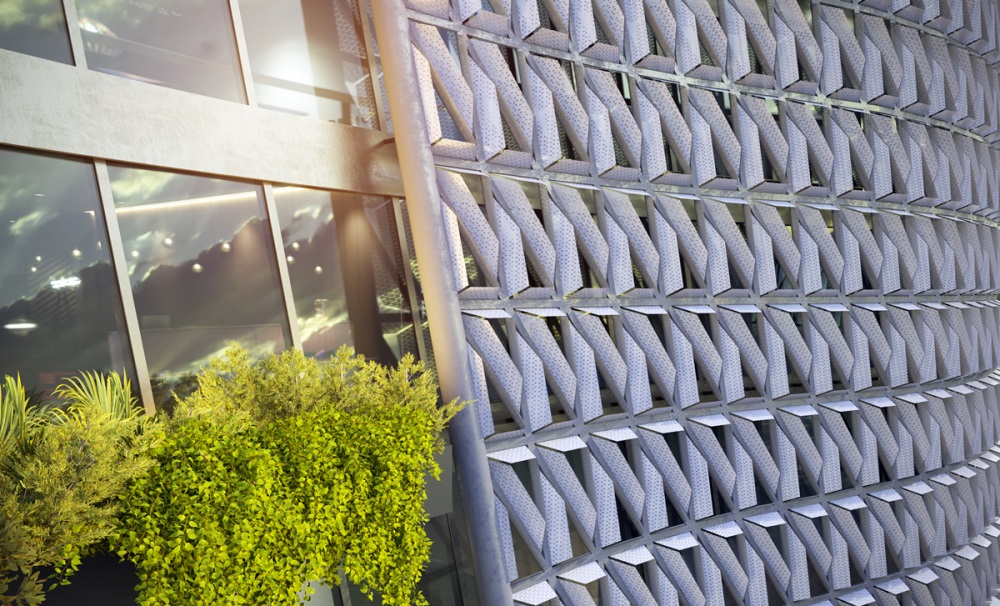
KGC is slated to be a remarkable green building, soaring to 29 storeys in height. During a press conference held on September 14th, 2023, the Director General of RSSB, Regis Rugemanshuro, shared his enthusiasm for the project, describing it as an extraordinary addition to the city.
“KGC will be a towering symbol of modernity, boasting eco-friendly features that align with contemporary standards,” noted Rugemanshuro.
As of now, the preliminary planning phase has been completed, and a tender has been issued, inviting construction companies to submit their proposals. Rugemanshuro expressed confidence that the project would likely commence in October, with an estimated completion timeline of 2.5 to three years.
While the exact budget for KGC remains undisclosed due to ongoing negotiations with the construction company, Rugemanshuro stressed that the project aligns seamlessly with Rwanda’s vision of becoming a hub for various services, including technology, economics, health, and sports. He further anticipated that the new skyscraper would attract increased investment to the country.
Upon its completion, KGC is poised to claim the title of Rwanda’s tallest building, surpassing the KCT, Grand Pension Plaza (20 storeys), and Makuza Peace Plaza (15 storeys). On a broader scale, in Africa, the list of tall buildings is currently led by the Carlton Centre in Johannesburg, South Africa, comprising an impressive 56 storeys and towering at a height of 227 meters.
Globally, the reigning champion in the skyscraper race is the Burj Khalifa, located in the United Arab Emirates (UAE), which has maintained its top spot for the past 13 years. This iconic structure stands at an astounding height of 828 meters, boasting a staggering 163 storeys.
As for RSSB, its total assets are estimated at an impressive Rwf2065 billion, equivalent to a remarkable 15% of Rwanda’s GDP, demonstrating its significant role in the country’s economic landscape.
This bloc, originally formed in 1964 by 77 countries from the global South, aimed ‘to articulate and promote their collective economic interests and enhance their joint negotiating capacity’.
It’s worth noting that the G77 has since expanded to include 134 members, with China listed on the bloc’s website, despite China’s claim that it is not a full member.
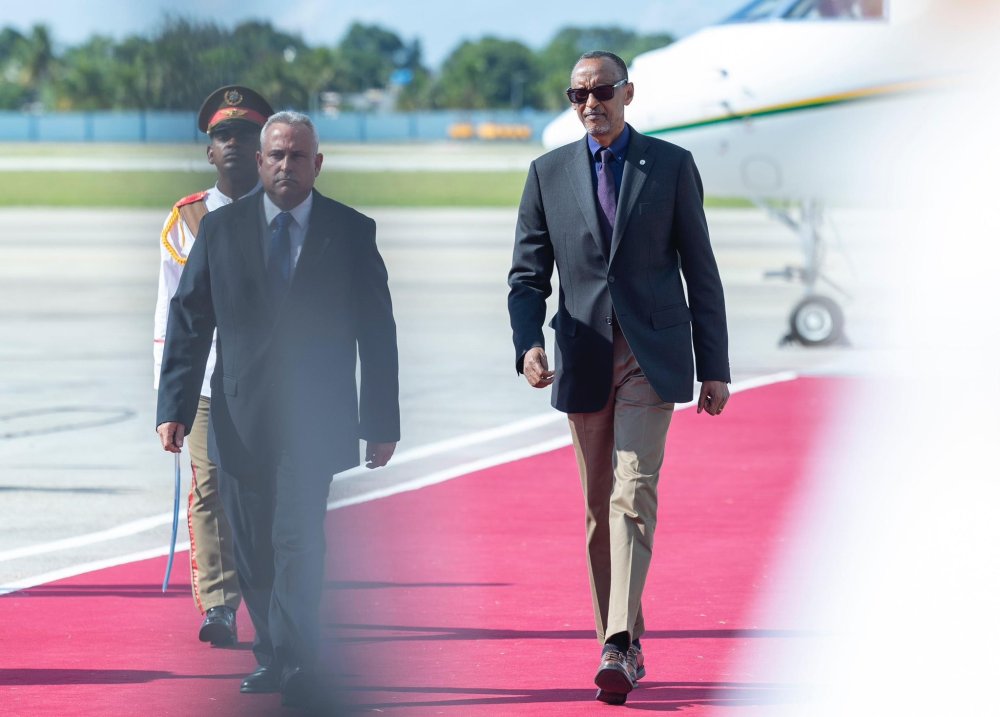
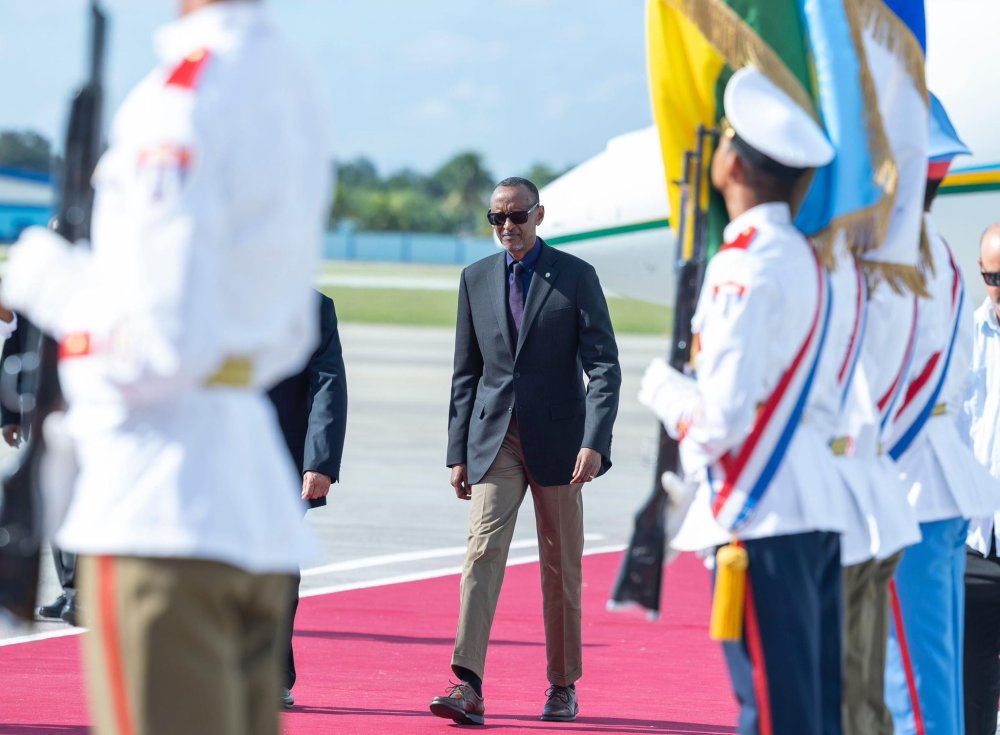
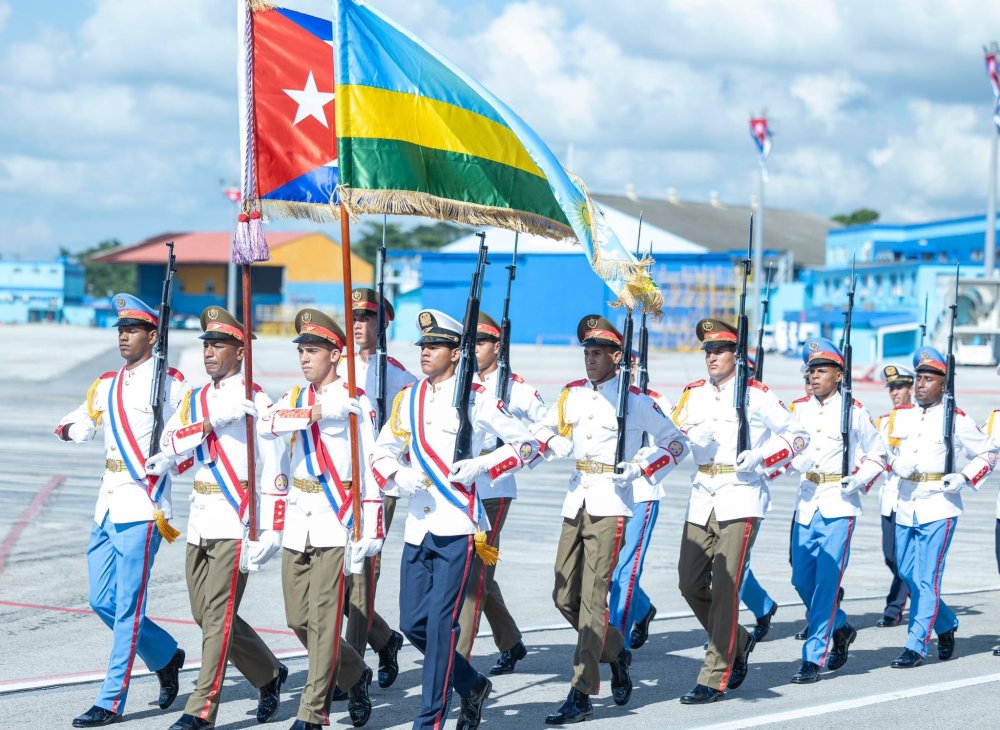
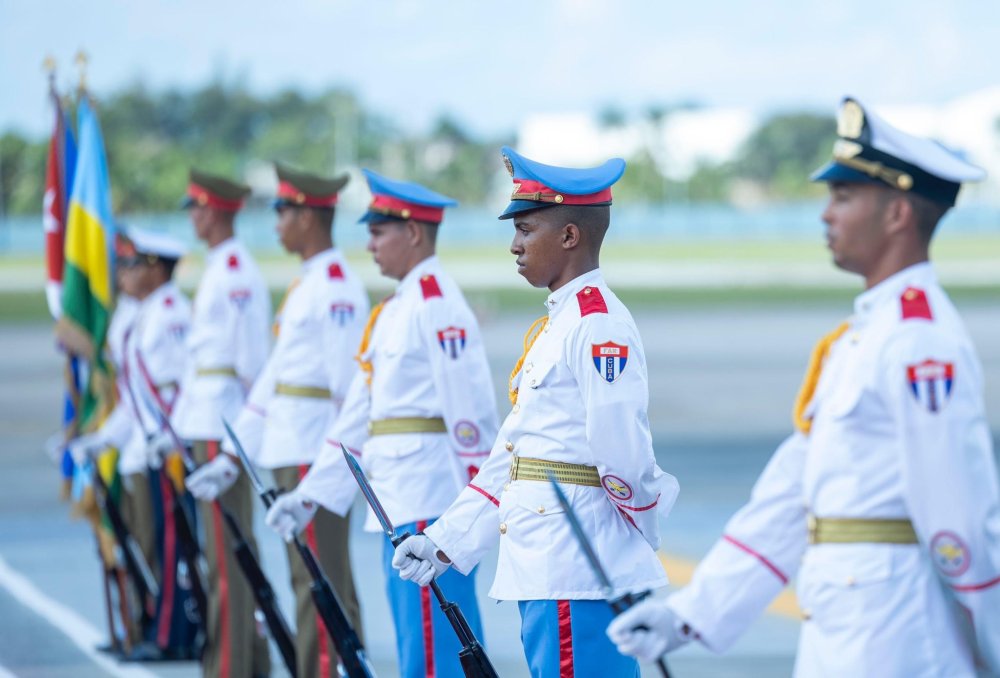
The summit is set to host over 30 heads of state and government representing nations from Africa, Asia, and Latin America.
Bruno Rodriguez, the Foreign Minister of Cuba, briefed reporters on Wednesday, expressing the expectation that the summit will conclude on Saturday with a statement emphasizing the fundamental right to development within an international order increasingly characterized by exclusivity, injustice, and exploitation.
He further mentioned that a draft of the closing statement highlights the numerous challenges facing developing nations and includes a call for the establishment of a new global economic order.
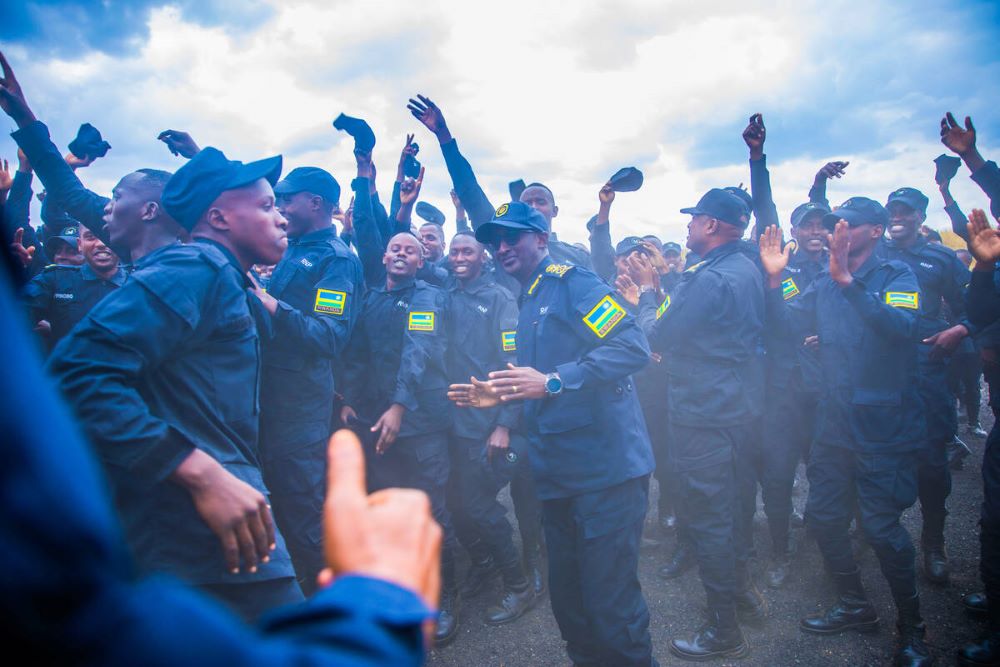
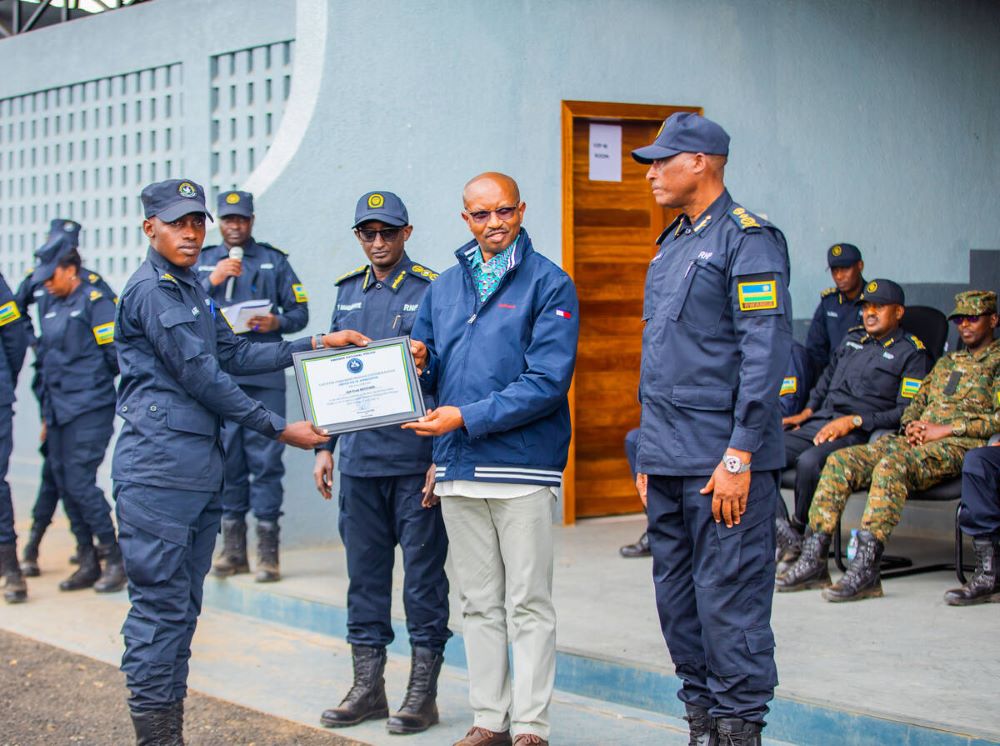
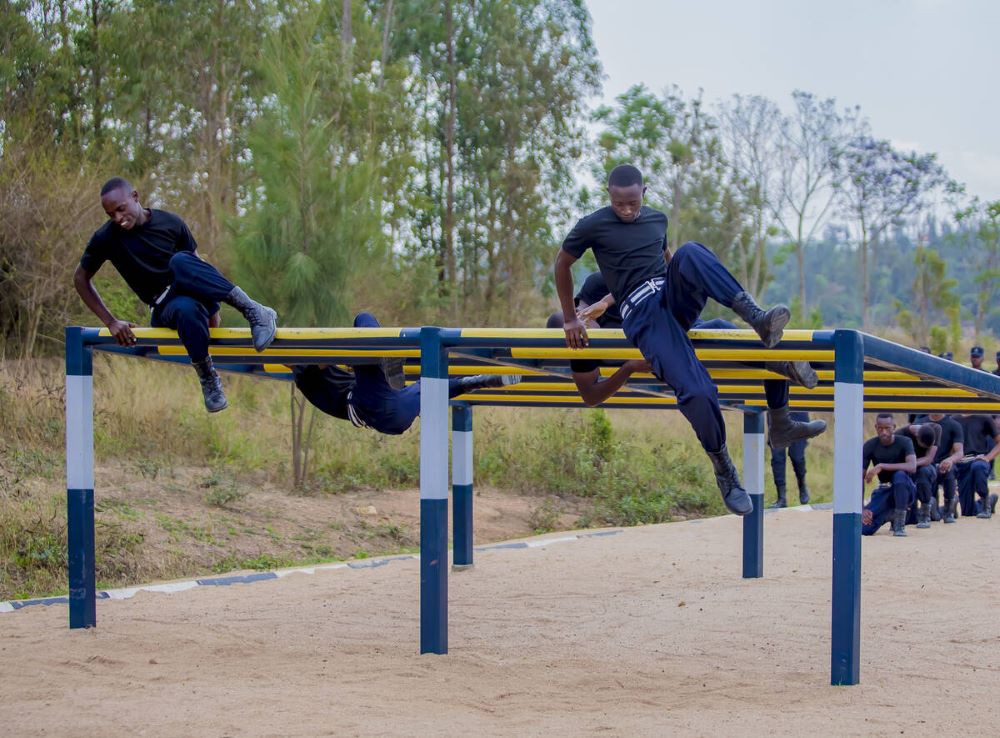
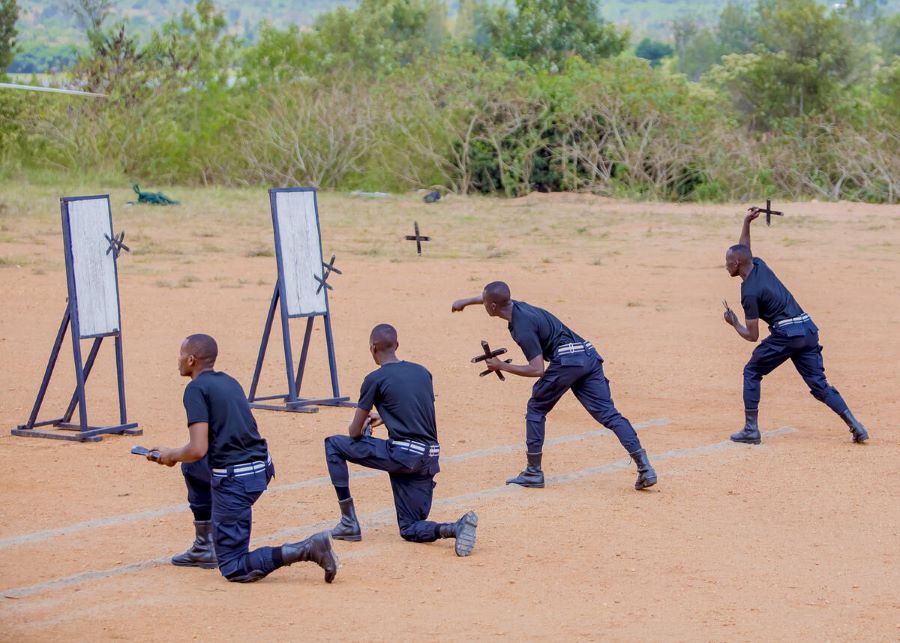
The pass-out of the 11th intake was also attended by the Inspector General of Police (IGP) Felix Namuhoranye.
Minister Gasana reiterated the impact of quality training and professionalism on the safety and security of people and their property.
Quality training, he added, falls within the visionary guidance of President Paul Kagame to build a professional Police force.
He thanked the trainees for the commitment and resilience adding that discipline is pivotal to service excellence.
“When you use the skills unprofessionally, you cause insecurity instead of providing security; the leadership and Rwandans cannot tolerate that. Understand what you stand and trained for, and live by those security values to make people in Rwanda safe,” Minister Gasana said.
IGP Namuhoranye said that more related course will be conducted as well as further face-lifting of the training centre to ensure precision in training.
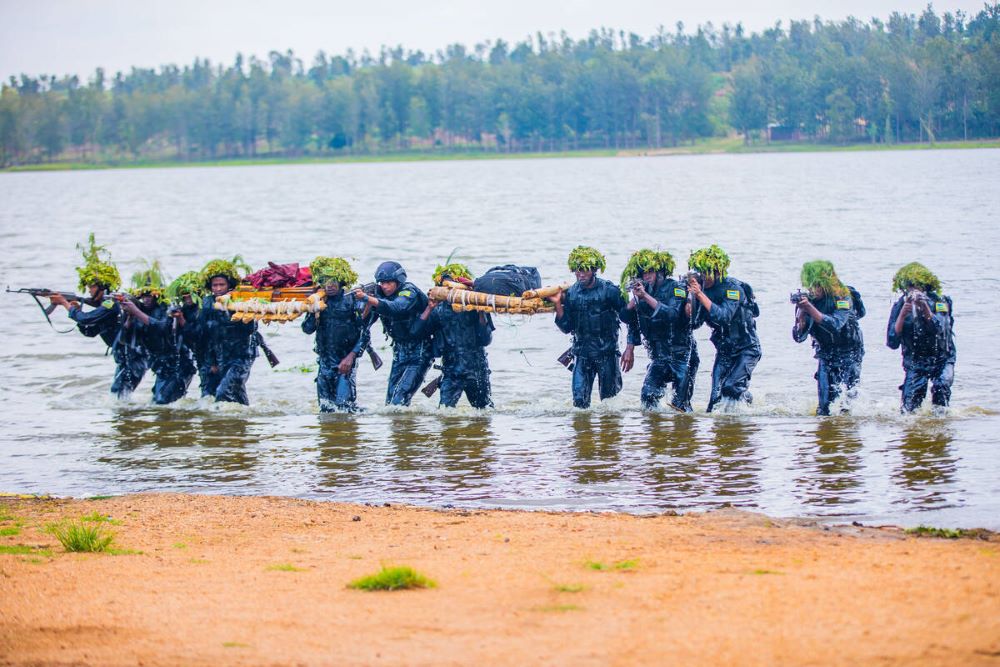
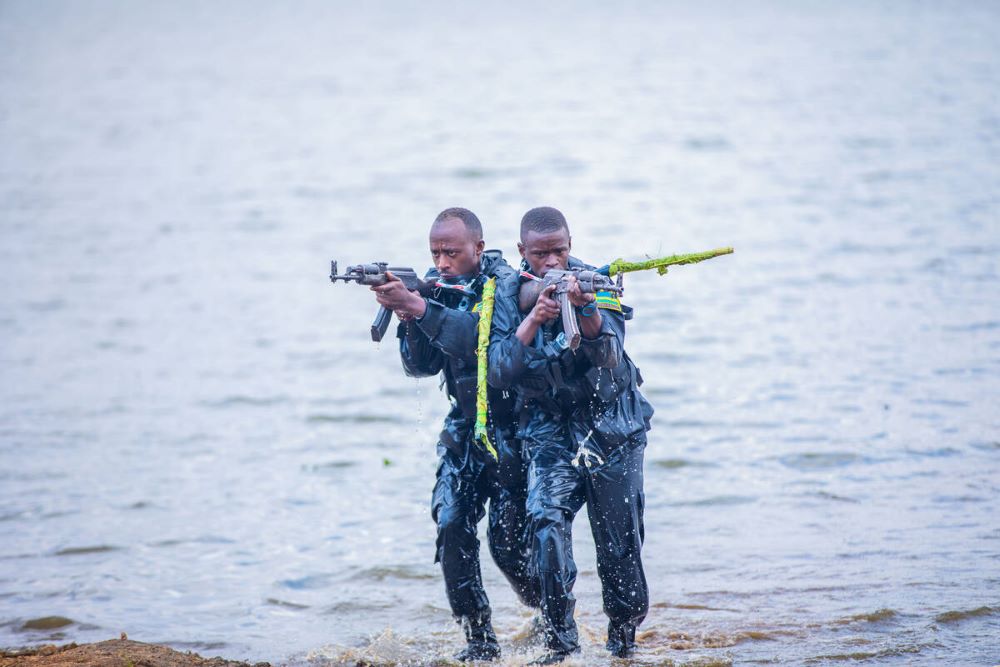
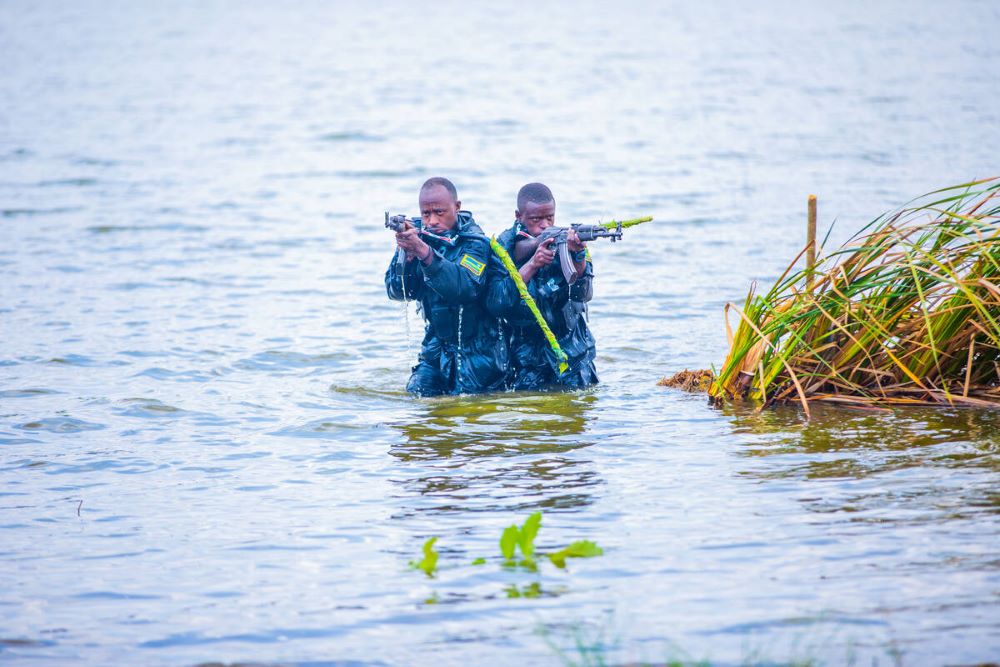
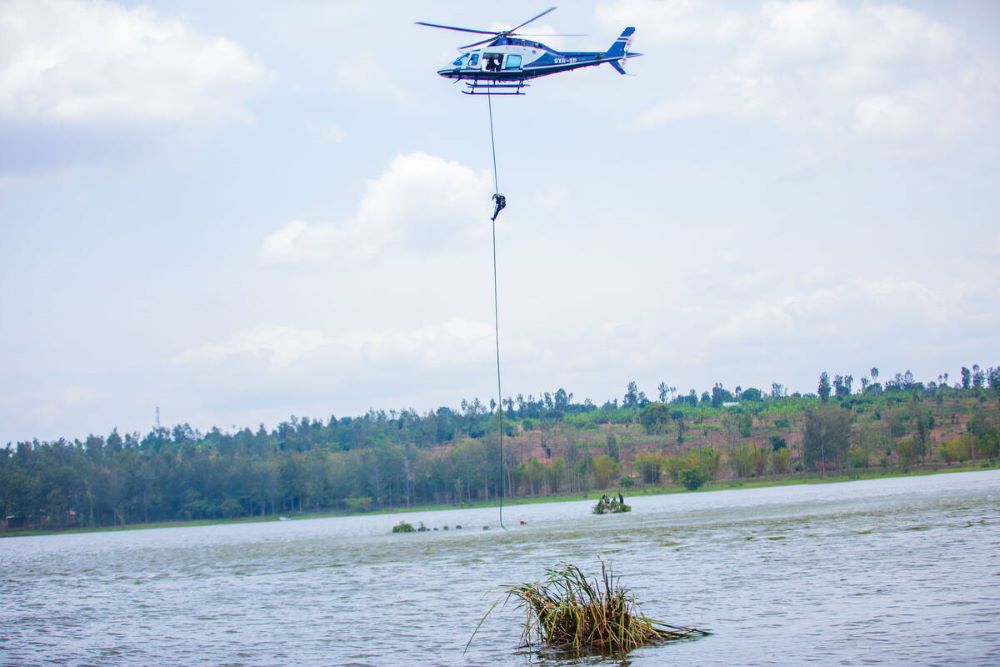
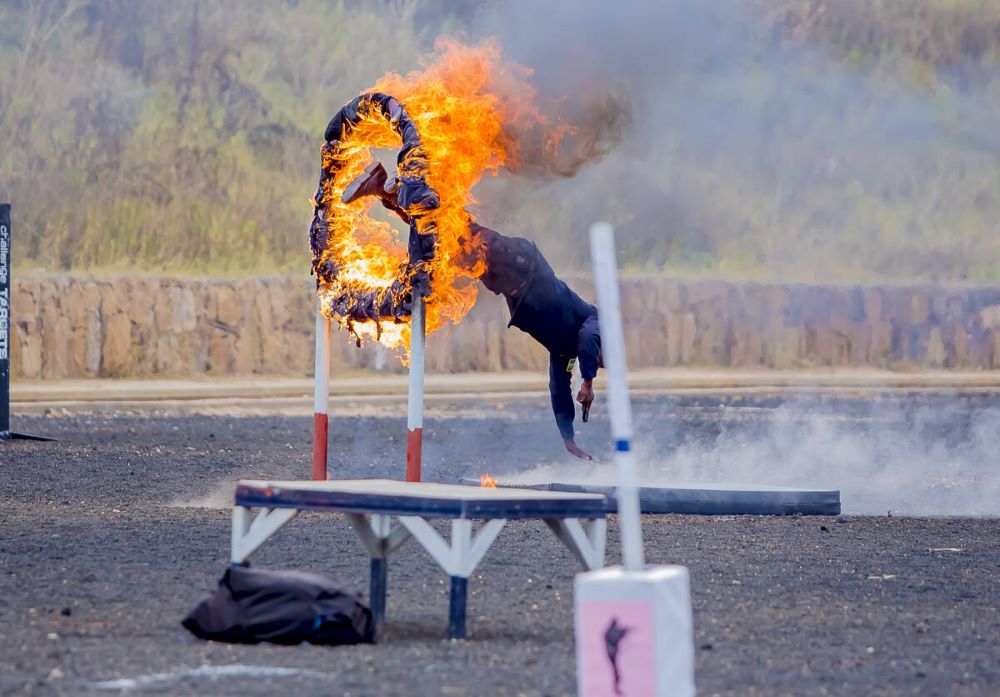
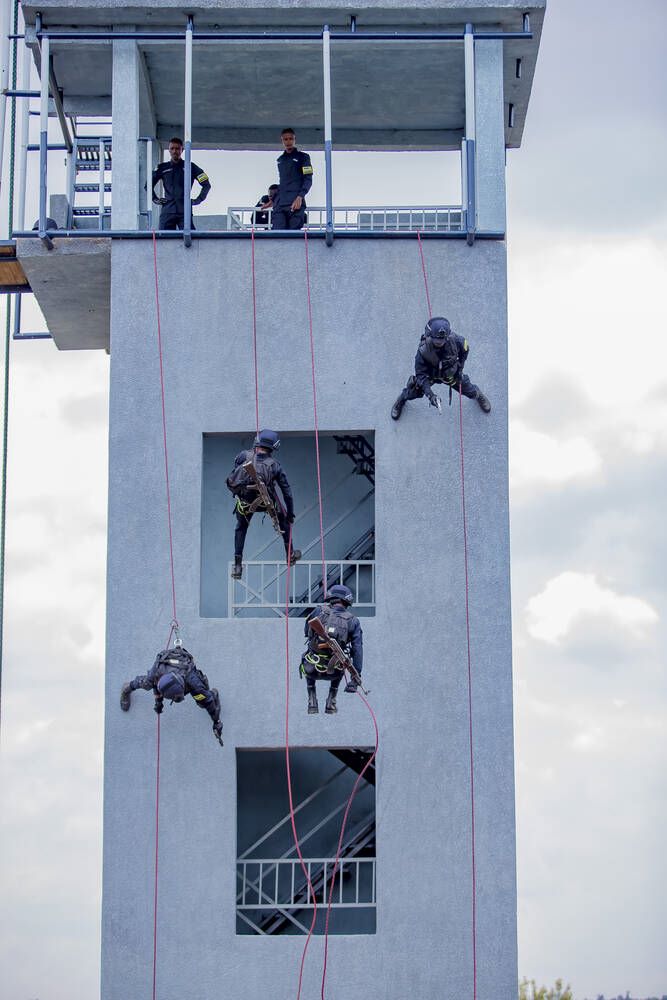
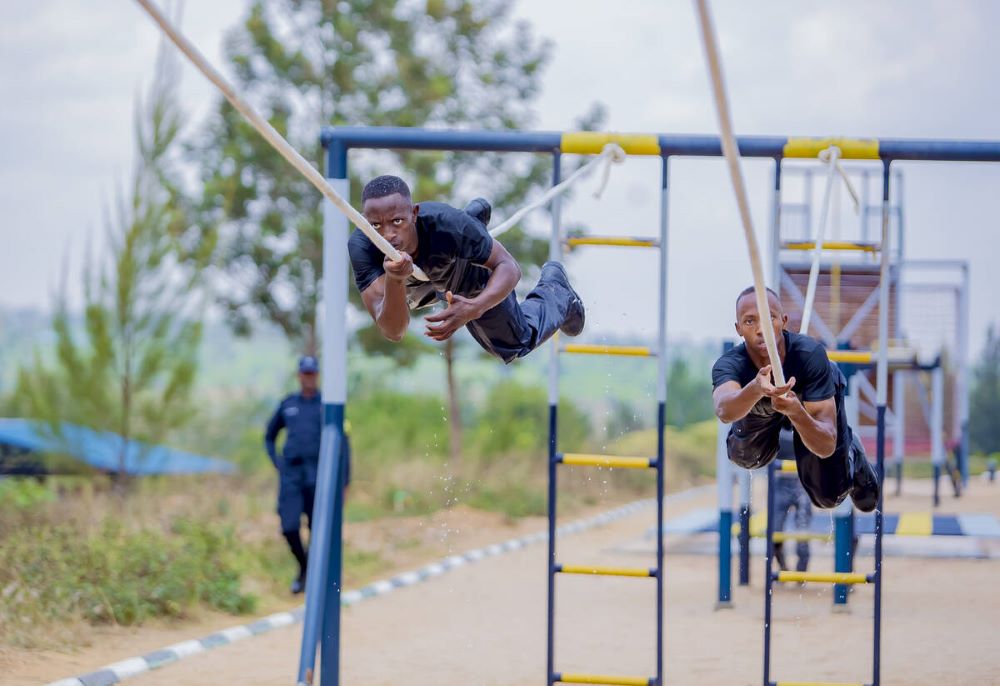
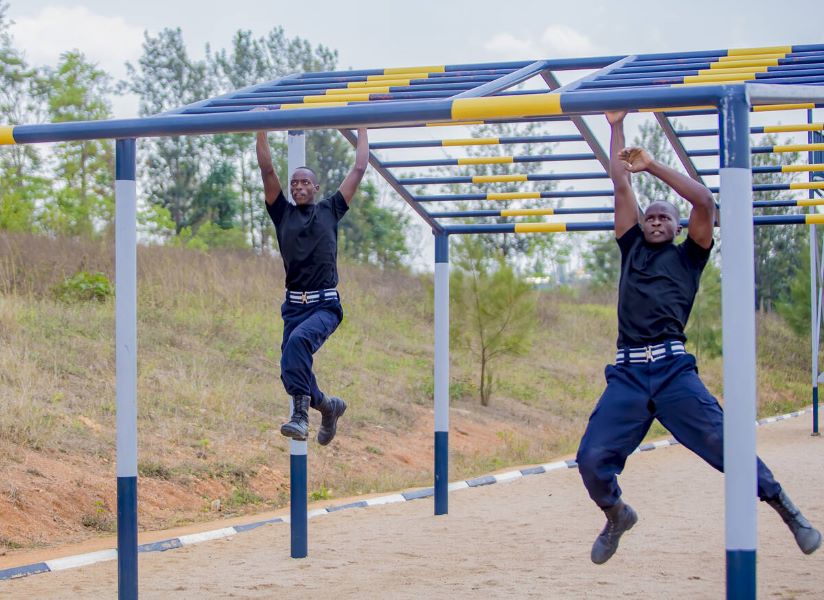
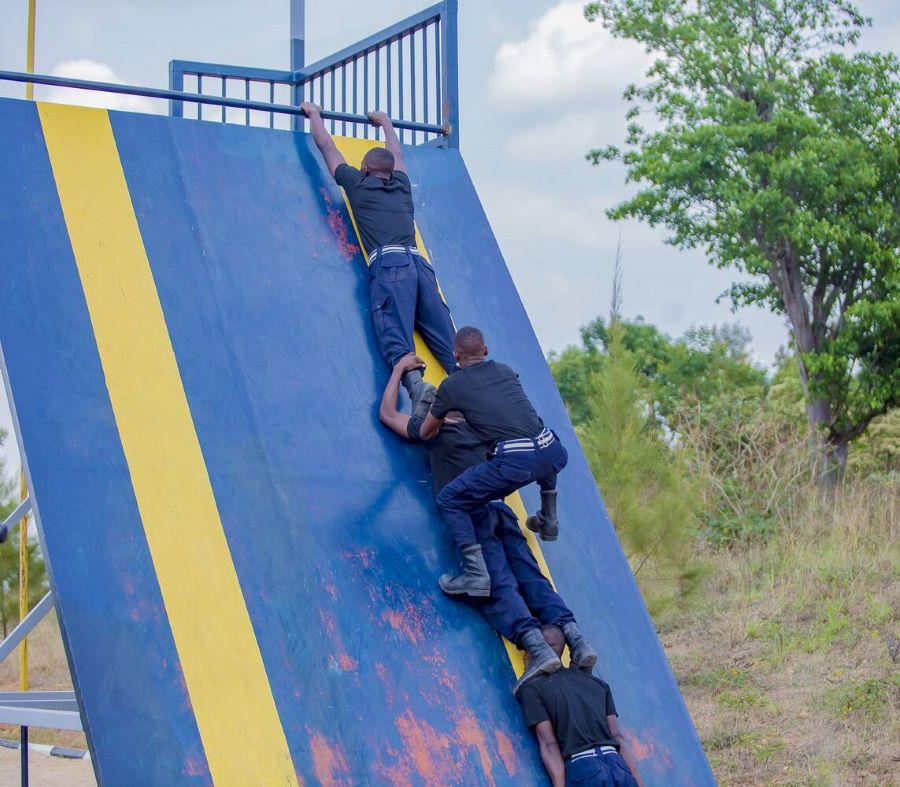
The pass-out was characterized by demonstrations in martial arts, obstacle and water crossing, and airborne rescue operations, among others.
Stress makes it hard for us to relax and can come with a range of emotions, including anxiety and irritability. When stressed, we may find it difficult to concentrate. We may experience headaches or other body pains, an upset stomach or trouble sleeping. We may find we lose our appetite or eat more than usual. Chronic stress can worsen pre-existing health problems and may increase our use of alcohol, tobacco and other substances.
Stressful situations can also cause or exacerbate mental health conditions, most commonly anxiety and depression, which require access to health care. When we suffer from a mental health condition, it may be because our symptoms of stress have become persistent and have started affecting our daily functioning, including at work or school.
Everyone reacts differently to stressful situations. Coping styles and symptoms of stress vary from person to person.
Yes, it is natural to feel stressed in challenging situations such as job interviews, school exams, unrealistic workloads, an insecure job, or conflict with family, friends or colleagues. For many people stress reduces over time as the situation improves or as they learn to cope emotionally with the situation.
Stress tends to be widespread during events such as major economic crises, disease outbreaks, natural disasters, war, and community violence.
Most of us manage stress well and continue to function. If we have difficulties coping with stress, we should seek help from a trusted health-care provider or from another trusted person in our community.
{{Learn stress management}}
Equip people with practical skills to cope with stress. A few minutes each day are enough to practice the guide’s self-help techniques. The guide can be used alone or with its accompanying audio exercises.
{{Keep a daily routine}}
Having a daily schedule can help us use our time efficiently and feel more in control. Set time for regular meals, time with family members, exercise, daily chores and other recreational activities.
{{Get plenty of sleep}}
Getting enough sleep is important for both body and mind. Sleep repairs, relaxes and rejuvenates our body and can help reverse the effect of stress.
{{Good sleep habits (also known as sleep hygiene) include:}}
{ {{Being consistent.}} } Go to bed at the same time each night and get up at the same time each morning, including on the weekends.
{ {{Making your sleeping area quiet, dark, relaxing and at a comfortable temperature.}} }
Limit your use of electronic devices, such as TVs, computers and smartphones, before sleeping.
Avoid large meals, caffeine and alcohol before bedtime.
{ {{Getting some exercise. }} } Be physically active during the day can help you fall asleep more easily at night.
{{Connect with others }}
Keep in touch with family and friends and share your concerns and feelings with people you trust. Connecting with others can lift our mood and help us feel less stressed.
{{Eat healthy}}
What we eat and drink can affect our health. Try to eat a balanced diet and to eat at regular intervals. Drink enough fluids. Eat lots of fresh fruits and vegetables if you can.
{{Exercise regularly }}
Regular daily exercise can help to reduce stress. This can include walking, as well as more intensive exercise.
Health is an important part of life that requires caution once one knows the value of it.
The wellbeing of every individual is an important aspect of the development of the community at large. Start Today.
The meeting, scheduled for 18 September, reflects the Commonwealth Secretariat’s holistic approach towards ethical and responsible use of AI, in collaboration with global technology firms and world-leading research institutions and universities.
The CAIC, which was launched earlier this year, will deliver on the mandate set out by the 2022 Commonwealth Heads of Government Meeting (CHOGM) on equipping citizens with the skills needed to fully benefit from digital innovation and opportunities in cyberspace. In line with 2023 as the Commonwealth Year of Youth, it will also focus on engaging young people under the age of 30, who make up 60 percent of the combined population of the Commonwealth.
The CAIC Steering Committee, chaired by Rwanda and co-chaired by NVIDIA, the Commonwealth Secretariat and the Commonwealth Scientific and Industrial Research Organisation (CSIRO), will drive collaboration with private sector and research partners to build on progress achieved during the Commonwealth Secretary-General’s visit to Silicon Valley in April, 2023. This visit had seen the launch of this consortium of global companies, start-ups, universities and non-profits willing to work together to bridge the digital and AI gaps and empower citizens, with a focus on small states.
The CAIC Steering Committee currently includes Champion Countries Rwanda, Antigua and Barbuda, Bangladesh, Gambia, Mauritius, and Trinidad and Tobago.
Commonwealth Secretary-General, Patricia Scotland has said that it is a crucial but exciting time for the Commonwealth, as it looks towards refining a clear vision and action plan to guide the bloc’s approach to leveraging emerging technology for the benefit of all member nations and delivering meaningful and impactful outcomes.
“The creation of the CAIC, the establishment of a very committed Steering Committee, along with ongoing collaborations with tech partners and Research institutions, all signify the collective commitment to foster sustainable and inclusive AI advancements in the Commonwealth,” she stated.
The upcoming meeting will endorse a comprehensive AI action plan and will seek support from Champion Countries on the implementation of AI in four critical areas: Research and Innovation, Policy, Capacity Building and Infrastructure. Youth and Gender Empowerment are also cross-cutting themes. The focus would be to identify impactful projects for delivery across Commonwealth member states.
Discussions will also cover pressing global challenges, explore national AI strategies, and seize opportunities across various sectors, including healthcare, education, governance, climate change and sustainable development. Outcomes of the meeting will lay the groundwork for key deliverables ahead of the Commonwealth Heads of Government Meeting (CHOGM) to be held in 2024 in Samoa.
The CAIC includes world-leading organisations such as NVIDIA, the University of California (UC) Berkeley, Microsoft, Deloitte, HP, DeepMind, Digital Catapult UK and the United Nations Satellite Centre, as well as leading universities from across the Commonwealth. The CAIC is supported by Australia’s National AI Centre (coordinated by CSIRO), the Bank of Mauritius and Digital Affairs Malta.
This collaborative approach is part of the ongoing work of the Commonwealth Connectivity Agenda (Physical Connectivity cluster), leveraging digital infrastructure and bridging the digital divide in small states. Led by The Gambia, the cluster supports Commonwealth countries in implementing the Agreed Principles on Sustainable Investment in Digital Infrastructure.
The CAIC seeks to fulfil the values and principles of the Commonwealth Charter, particularly those related to recognising the needs of small states, ensuring the importance of young people in the Commonwealth, recognising the needs of vulnerable states, promoting gender equality and advancing sustainable development.
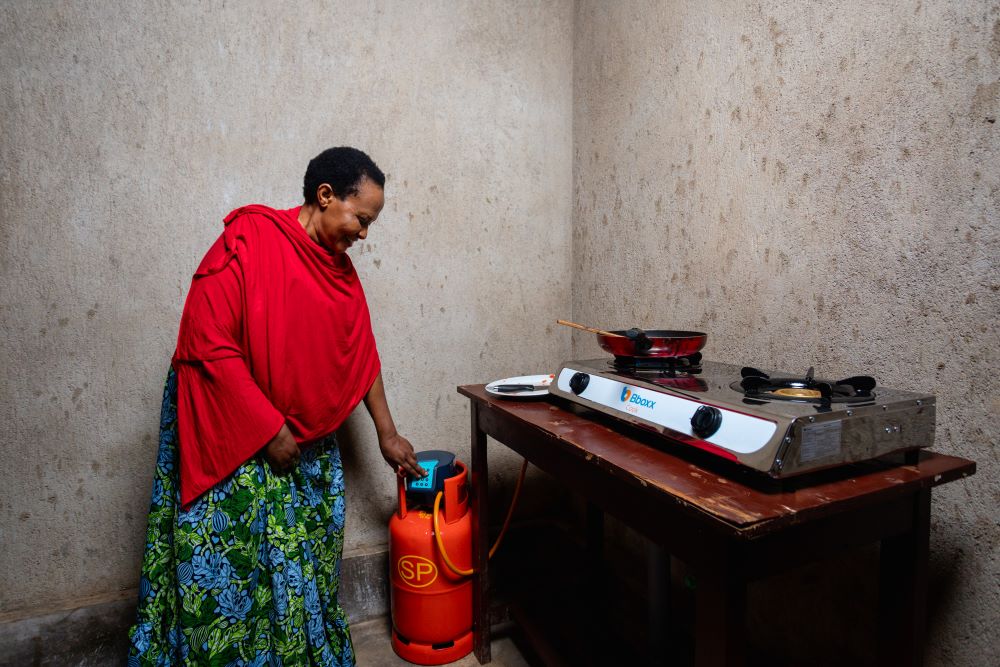
-* {Bboxx’s specialized approach involves distributing “Bboxx Cook” branded stoves and offering Pay-As-You-Cook access to SP branded cylinder users, highlighting Bboxx’s role as a go-to partner for LPG companies.
-* This collaboration addresses the urgent need for clean cooking solutions, enhancing the quality of life for Rwandan households and addressing 5 of the UN’s Sustainable Development Goals while advancing economic growth.}
Kigali, Thursday 14th September 2023 – Bboxx, a data-driven super platform and champion of economic empowerment in Africa, has joined forces with SP, the foremost Oil Marketing Company in Rwanda, to extend clean cooking solutions to households across Rwanda. This pioneering partnership is set to eliminate the use of environmentally harmful charcoal, offering households cleaner and more efficient alternatives while catalyzing economic empowerment and accelerating the energy transition.
Globally, 2.4 billion people lack access to clean cooking, with traditional methods like wood and charcoal posing severe health risks, leading to 2.5 million premature deaths annually, predominantly from cooking smoke, and disproportionately affecting women. In addition, traditional fuels are responsible for vast carbon emissions and up to 30% of global deforestation, while clean cooking solutions provide a more sustainable and environmentally-friendly alternative.
SP’s extensive experience in the energy sector, with a track record of over a decade in supporting the energy transition in Rwanda, makes them an ideal partner for this endeavour. SP’s expertise in providing Liquified Petroleum Gas (LPG) and its extensive distribution network of 60 petrol stations and six cylinder filling plants across Rwanda ensure reliable and accessible product availability.
Renowned for its specialization in last-mile distribution, Bboxx will be instrumental in delivering tangible change. Armed with its fully integrated operating system, Bboxx Pulse®, the company will facilitate the widespread adoption of clean cooking solutions. Bboxx will offer Pay-As-You-Cook options for Bboxx Cook branded stoves and SP branded cylinders, underscoring their capacity to act as the ultimate last-mile partner for LPG companies.
SP’s unwavering commitment to the energy transition is evident through its ownership and operation of a 65,000 m3 petroleum storage terminal in Rusororo, coupled with continued investments in clean energy infrastructure. This aligns harmoniously with Bboxx’s mission to propel growth and create new markets through their data-driven approach. At the heart of this collaboration lies the replacement of traditional charcoal with LPG, ultimately enhancing the quality of life for Rwandan households.
This holistic approach addresses the urgent need for clean cooking solutions, ameliorating the reliance on ecologically detrimental biomass fuels.
John Uwizeye, Managing Directorof Bboxx Rwanda, said: “Our partnership with SP signifies a transformative juncture in Rwanda’s journey towards sustainable energy and enhanced livelihoods.”
Yves Legrux, CEO of SP Rwanda, said: “By amalgamating SP’s robust supply network with Bboxx’s technological ingenuity, we are poised to accelerate the adoption of clean cooking solutions, simultaneously fostering economic growth.“
{{More on clean cooking}}
Globally, one third of the global population – 2.4 billion people – still do not have access to clean cooking . Traditional cooking methods such as wood and charcoal create cancer-causing by-products and carbon monoxide in the smoke, leading to long-term health effects and sapping resources from healthcare systems — and women are the ones who suffer most. 2.5 million deaths occur prematurely each year due to household air pollution, mostly from cooking smoke .
By moving away from traditional cooking fuels, women are improving the health of their families. They’re also saving time: in many societies, women and girls bear the primary responsibility for cooking and gathering fuel, often spending hours each day on these tasks. Clean cooking solutions – such as liquified petroleum gas (LPG) – free precious time each week, creating greater opportunities for education and productive economic activities.
Wood and charcoal also contribute significantly to carbon emissions and deforestation – charcoal and wood respectively have a 50% and 74% larger carbon footprint than LPG , and as much as 30% of global deforestation is used for charcoal production. Clean cooking solutions reduce these impacts, helping mitigate some of the biggest sources of emission, pollution, and deforestation in the developing world.
{{Sustainable Development Goals addressed by this partnership:}}
• SDG 3: Good Health and Well-being
• SDG 5: Gender Equality
• SDG 7: Affordable and Clean Energy
• SDG 13: Climate Action
• SDG 15: Life on Land
`
{{About SP (Société Pétrolière): }}
SP is the leading Oil Marketing Company in Rwanda operating a network of over 60 petrol stations and supplying petroleum products to commercial and industrial customers in the country. SP is also the owner and operator of a 65 000 m3 petroleum storage terminal in Rusororo.
In addition, SP has been supporting energy transition in Rwanda for over 10 years by supplying Liquified Petroleum Gas. SP has six cylinder’s filling plants across the country in order to ensure product availability at all times throughout the country. SP also enjoys the largest cylinder pool in the market.
SP will continue investing in the energie transition in the coming months and years.
{{About Bboxx: }}
Bboxx is a data-driven super platform, transforming lives and unlocking potential by connecting consumers and deploying innovative products across Africa.
Bboxx is championing the economic empowerment of Africa, accelerating the transition to the digital economy and creating new markets. It has built Bboxx Pulse®, a fully integrated operating system, and combined it with an extensive on-the-ground network to connect customers with clean energy, clean cooking, smartphones, e-mobility and selected financial products – many for the first time.
Bboxx is connecting both underserved rural communities and aspiring urban ones with a highly convenient and affordable way to access life-changing solutions, through last mile logistics and data-powered innovative financing methods. It offers services on a pay-as-you-go basis to households, businesses, and communities, enabling African consumers to unlock their potential.
Bboxx builds strategic partnerships with investors, utilities providers, global companies, and governments to accelerate growth and provide a wide range of products to consumers in Africa. The company’s partners are seizing a massive market opportunity by plugging into Bboxx – developed through green tech and big data and designed for scale.
Following the successful acquisition of solar energy frontrunner PEG Africa in 2022, Bboxx is now positively impacting the lives of more than 3.5 million people in 10 operating markets, directly contributing to 11 of the 17 United Nations Sustainable Development Goals. Bboxx and its group of companies is one of the largest networks in Africa, with over 4,000 staff across Africa and offices in the UK and Asia.
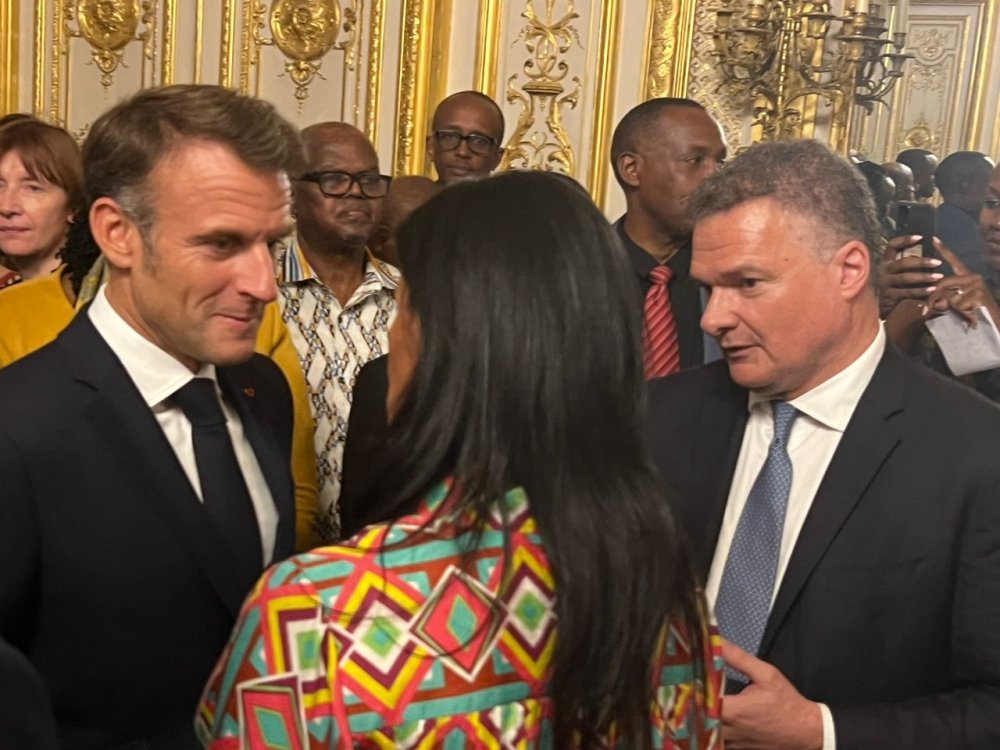
The discussions in Paris drew the participation of various organizations dedicated to fighting the Genocide against the Tutsi.
These deliberations followed similar meetings in Rwanda in September of the previous year and the release of the ‘Duclert Report,’ which examined France’s role during the 1994 Genocide against the Tutsi.
This comprehensive report, presented to President Macron on March 26, 2021, was authored by a committee of French historians led by Professor Vincent Duclert. The findings of this report unequivocally pointed to France’s “heavy and overwhelming responsibilities” in the tragic events that culminated in the loss of over 1 million lives during the 1994 Genocide against the Tutsi.
In response to the report’s findings, French politicians and historians called for a more in-depth investigation into the Genocide against the Tutsi, with a specific focus on France’s role, its planning, execution, and the subsequent consequences.
Researchers emphasized the critical importance of countering any attempts to trivialize the Genocide against the Tutsi through rigorous academic inquiry.
During the conference, Dr. Emmanuel Ugirashebuja, Rwanda’s Minister of Justice, lauded the resolutions outlined in the Duclert Report.
These resolutions contributed to the improvement of bilateral relations between the two nations by acknowledging France’s responsibility during the Genocide.
Dr. Philbert Gakwenzire, President of Ibuka, an umbrella organization representing survivors of the 1994 Genocide against the Tutsi, highlighted the conference’s broad range of topics, including historical aspects. It was evident that there was a compelling need to initiate research aimed at uncovering the truth surrounding the events of the Genocide.
Dr. Gakwenzire further disclosed that one of the conference’s outcomes involved discussions concerning the establishment of a research center dedicated to the Genocide against the Tutsi at the University of Rwanda.
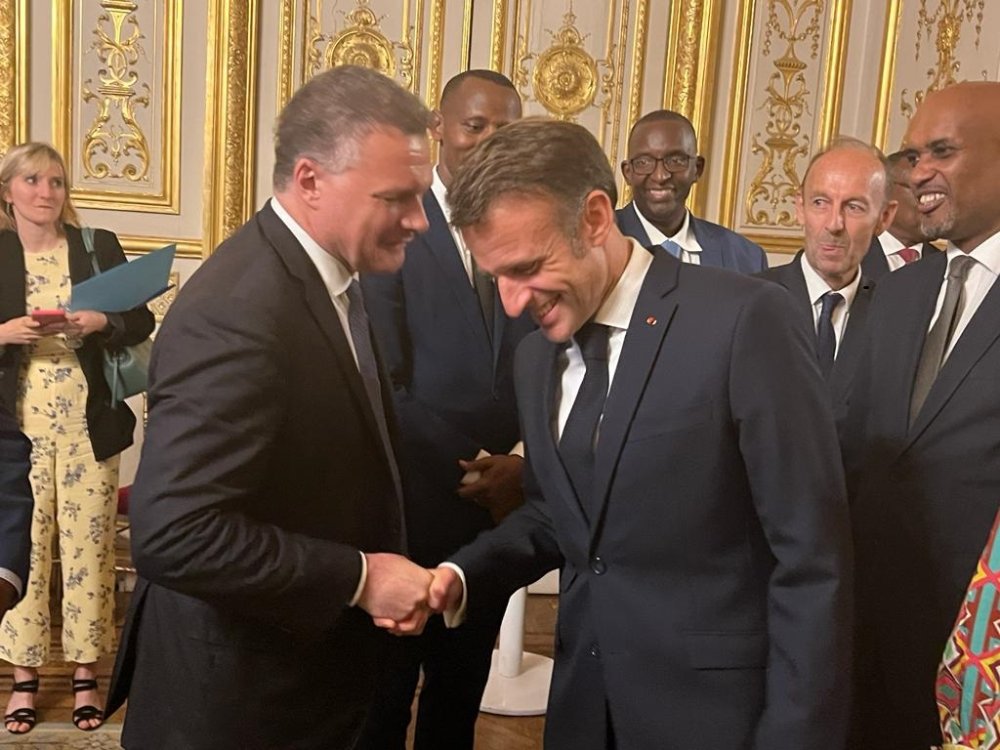
President Macron has consistently striven to mend relations with Rwanda after assuming office, acknowledging the importance of normalizing diplomatic ties between the two nations.
During his visit to Rwanda in May 2021, he admitted his country’s responsibility during Genocide against the Tutsi.
Macron admitted to French guilt over its role during Genocide against Tutsi as he visited Kigali Genocide Memorial located in Gisozi where more than 250,000 victims are laid to rest.
“Standing here today, with humility and respect, by your side, I have come to recognize our responsibilities,” said Macron.
He said that France had a duty to admit the “suffering it inflicted on the Rwandan people by too long valuing silence over the examination of the truth.”
However, data released by the United Nations Educational, Scientific and Cultural Organization (UNESCO) in 2023 reveals that approximately half of Sub-Saharan African countries continue to experience a 10% dropout rate in primary schools, with the rate increasing to 50% in secondary schools.
Rwanda stands out as a country that has made substantial progress toward achieving universal access to education through its nine-year and 12-year basic programs, initiated since 2009. Under these programs, education is provided free of charge. Statistics indicate that the percentage of individuals who have attended at least secondary school education increased from 5.9% in the past to 10.8% in 2012, and further surged to 15.1% by 2022.
The Citizen Budget Guide, published by the Ministry of Finance and Economic Planning (MINECOFIN) recently, highlights that the recruitment of new teachers last year was aimed at enhancing the pool of qualified personnel within the education sector. A total of 13,953 teachers and 1,758 head teachers were hired and assigned to their respective positions.
Figures from the Ministry of Education (MINEDUC) for the school year 2021/2022 indicate that there were 125,621 school employees, comprising 64,414 men (representing 51.3%) and 61,207 women (equivalent to 48.7%), including both teachers and head teachers. Out of this total, 45,849 were employed in public schools, while 61,463 worked in semi-public institutions.
In May 2023, MINEDUC informed parliamentarians of the need for an additional 8,000 teachers in the upcoming 2023/2024 academic year. The ministry also highlighted a requirement of Rwf484.5 million to cover teachers’ salaries across different districts and Kigali City.
The agreement with Rwanda Polytechnic is aimed at exploring the potential development of joint undergraduate and postgraduate degree programmes.
It may help identify joint funding opportunities, lead to exchange programmes for staff and students and allow other activities such as work experience placements, field trips and guest lectures.
As part of the collaboration, a joint task team will be established for the purpose of identifying skills gaps in the region and assessing the potential for programmes to address the identified gaps.
The other MOU, with the European Business Chamber of Rwanda (EBCR) and The African Leadership University, is designed to provide opportunities for internships, placements or jobs with member companies under the Chamber.
EBCR is a network of 150 institutions, investors, businesses, organisations, entrepreneurs and individuals active in Rwanda while ALU is a university established to educate the next generation of ethical and entrepreneurial leaders, through its innovative programmes.
Commenting on the development, Professor Silas Lwakabamba, Managing Director of Coventry University’s Africa Hub said: “We were thrilled to open Coventry University’s Africa Hub in Rwanda, our goal is to build exciting new collaborations, develop research opportunities and enable the spreading of best practices.”
“Our MOUs with Rwanda Polytechnic, the European Business Chamber of Rwanda and The African Leadership University will open up more opportunities for staff and students, while helping to address skills gaps to help boost economies in the region. Coventry University’s aim is to provide job-ready graduates with the competencies to enhance their communities and our collaboration with Rwanda Polytechnic helps us to do that,” he added.
Opened in Kigali in 2021, Coventry University’s Africa Hub aims to establish strategic collaborations with organisations in the region, helping to support their global aspirations. It is part of the university’s network of Global Hubs, which includes hub bases in Dubai, Singapore, China and Brussels.
“Warplanes launched intensive strikes targeting residential areas, including the Al-Sad Al-Ali, Al-Riyadh, and Texas neighborhoods” earlier in the day, an eyewitness told Xinhua by phone.
“An air strike also targeted the popular Al-Malaja market in Nyala,” the eyewitness said.
The eyewitness said about 40 civilians were killed in the airstrikes.
The Al-Wohda health center in Nyala received “a large number” of trauma patients, some of whom were already dead when rushed there while some others died after arrival, a medical cadre at the center told Xinhua.
He said the number of fatalities could further increase.
Also on Wednesday, the paramilitary Rapid Support Forces (RSF) issued a statement accusing the Sudanese Armed Forces (SAF) of targetting civilians in air raids in the state capital, killing 40 people and injuring hundreds.
The RSF further said that the search is still continuing for bodies under the rubble.
A comment could not be obtained yet from the office of the SAF spokesman.
Sudan has been witnessing deadly clashes between the SAF and the paramilitary Rapid Support Forces (RSF) in Khartoum and other areas since April 15, resulting in at least 3,000 deaths and more than 6,000 injuries, according to the Sudanese Health Ministry.