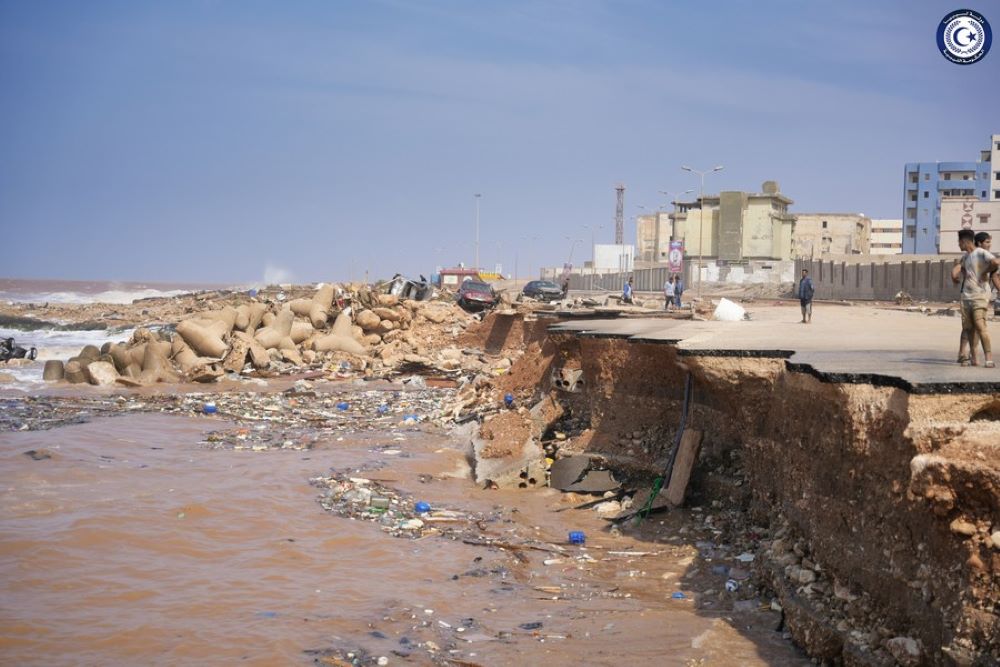
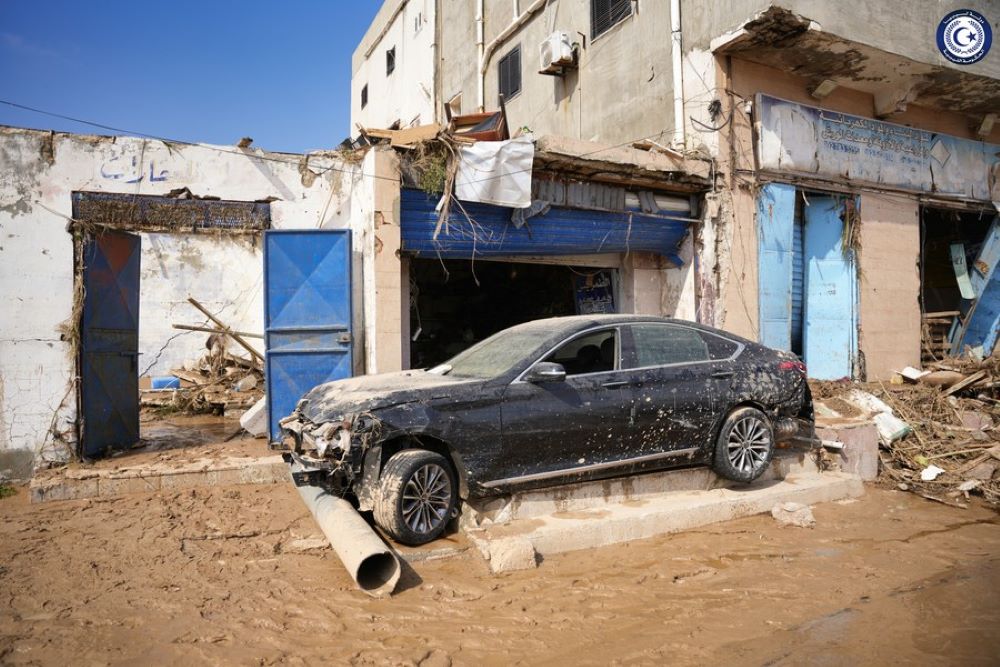
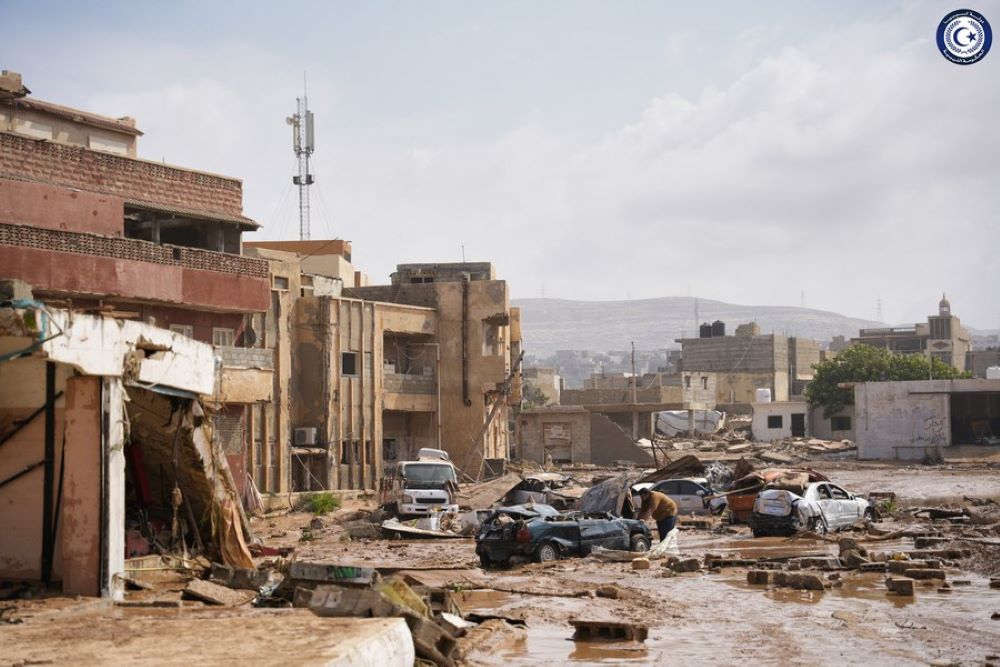
Abdoulaye Bathily made the remarks in a meeting with President of the Libyan Presidency Council Mohamed Menfi in the capital Tripoli, during which he expressed condolences on behalf of the UN after deadly floods swept the city of Derna and other areas, Bathily wrote in a post on X, formerly known as Twitter.
The UN envoy said he emphasized the need for transparency and accountability in the use of resources during the recovery and reconstruction process and proposed the establishment of an inclusive mechanism to oversee the recovery efforts.
Bathily also underlined the urgency for Libya to have unified and legitimate institutions to respond effectively to all challenges facing the country.
On Sept. 10, Mediterranean storm Daniel triggered the worst floods in Libya in decades, which have so far claimed at least 5,500 lives and left another 10,000 missing, according to official statistics.
Oil-rich Libya has been divided for years between rival administrations in the east and west after the fall of the late leader Muammar Gaddafi in 2011.
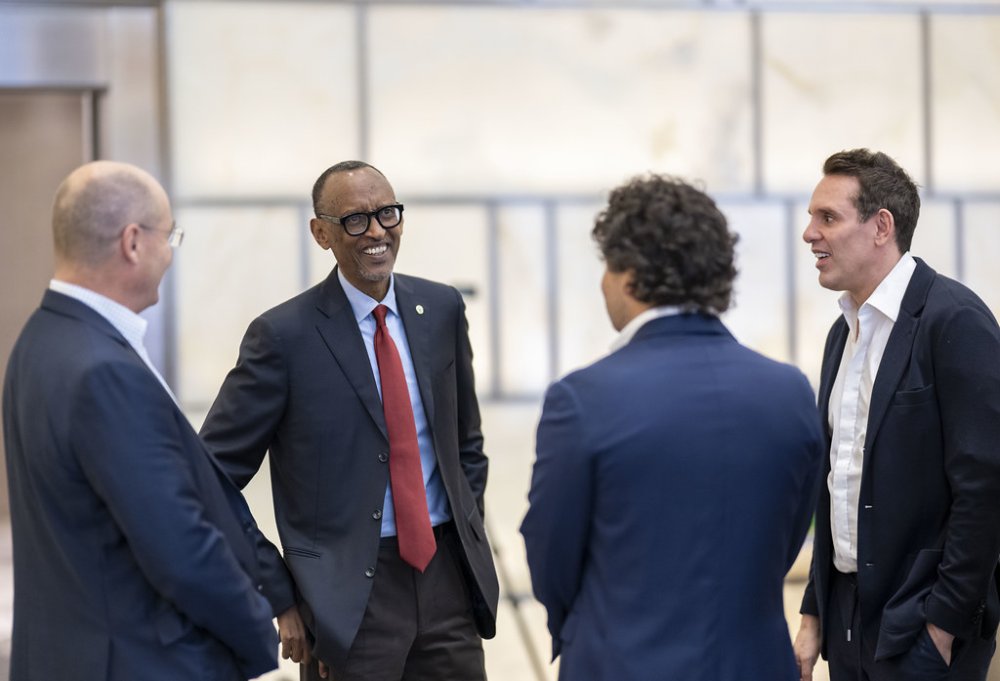
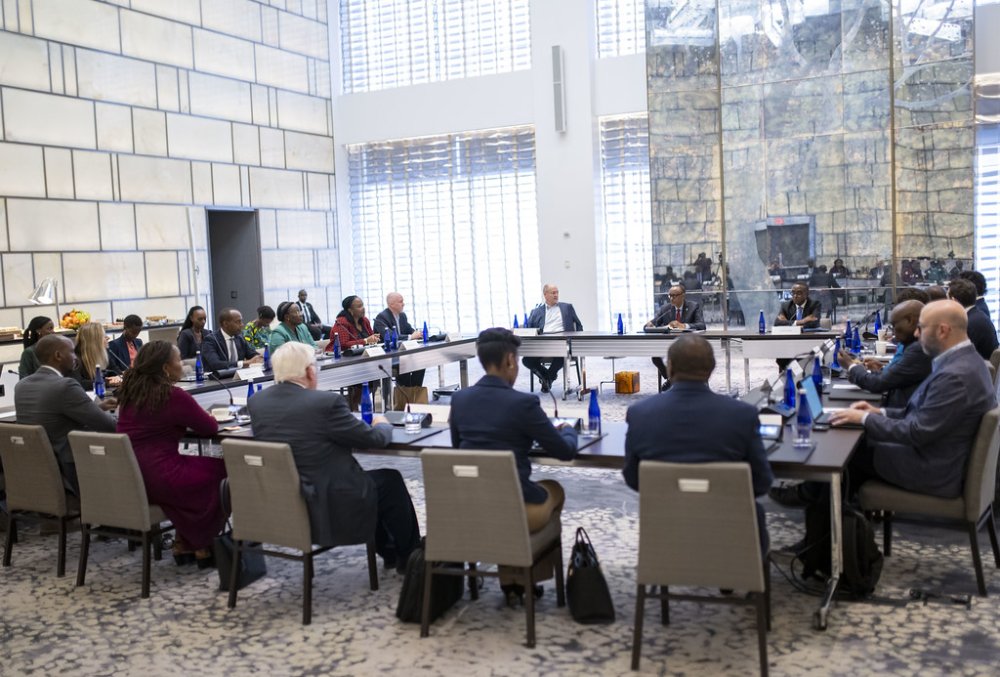
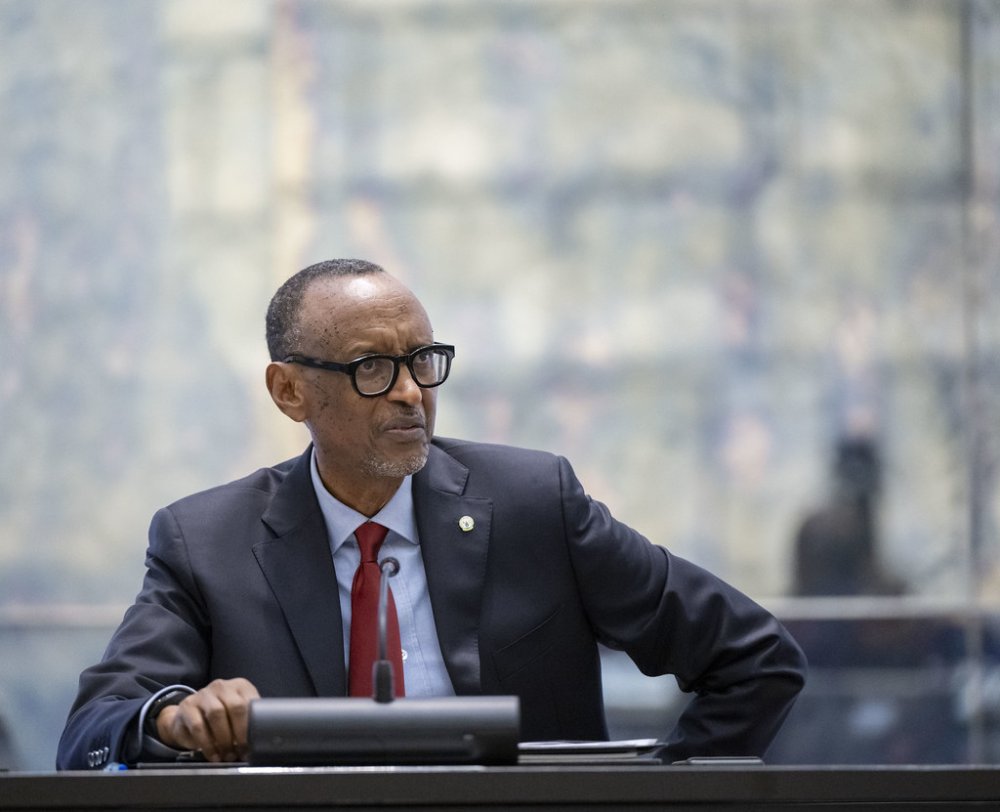
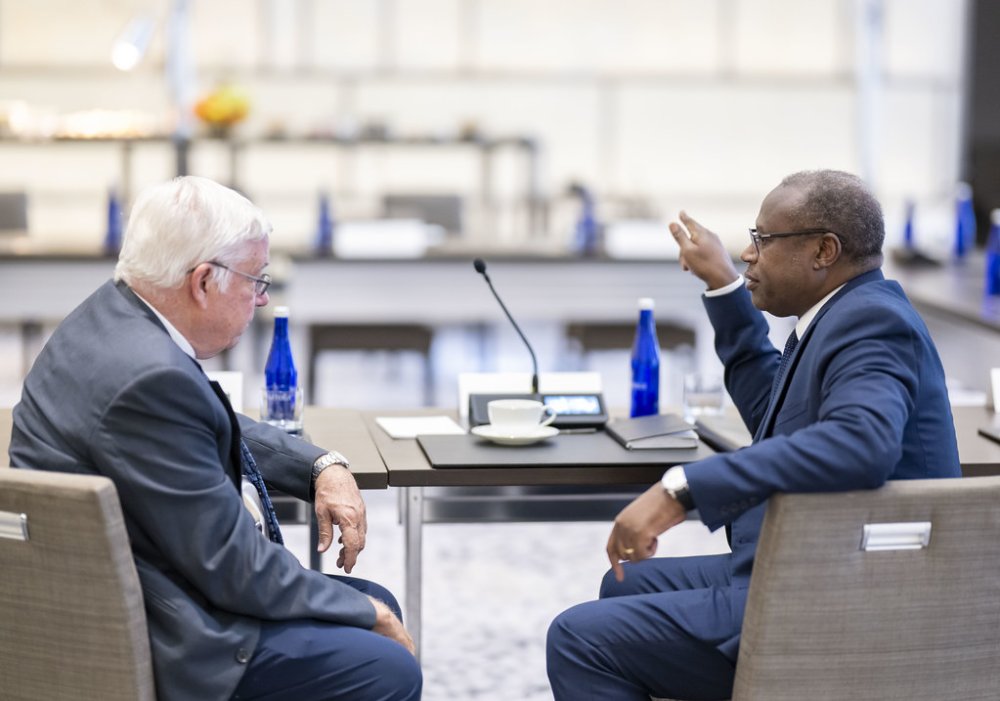
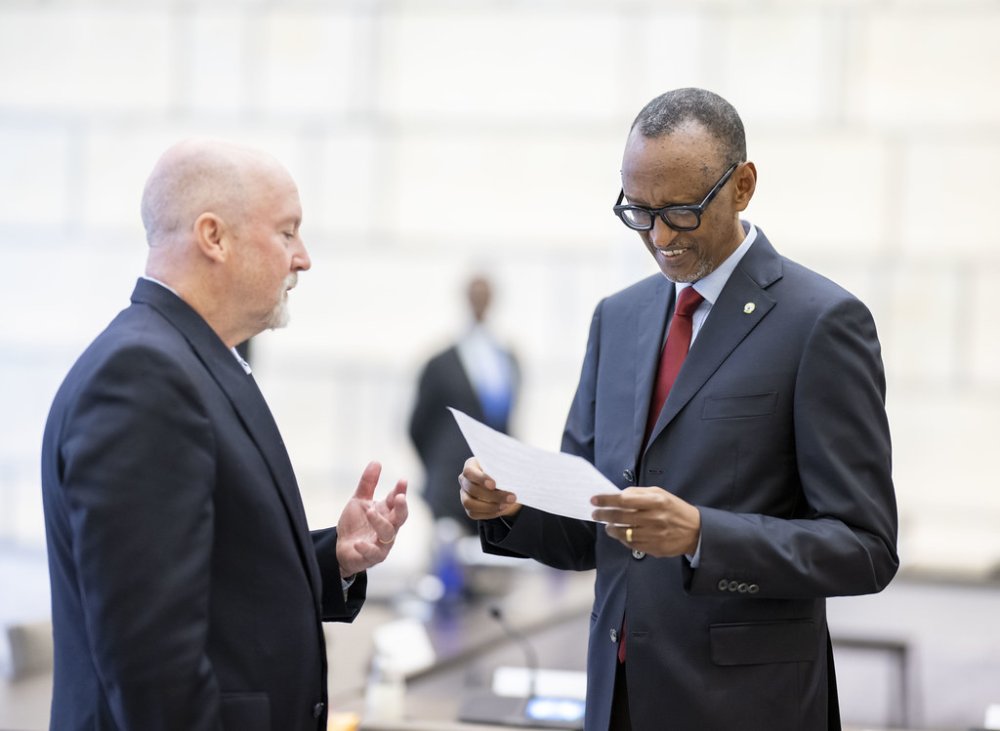
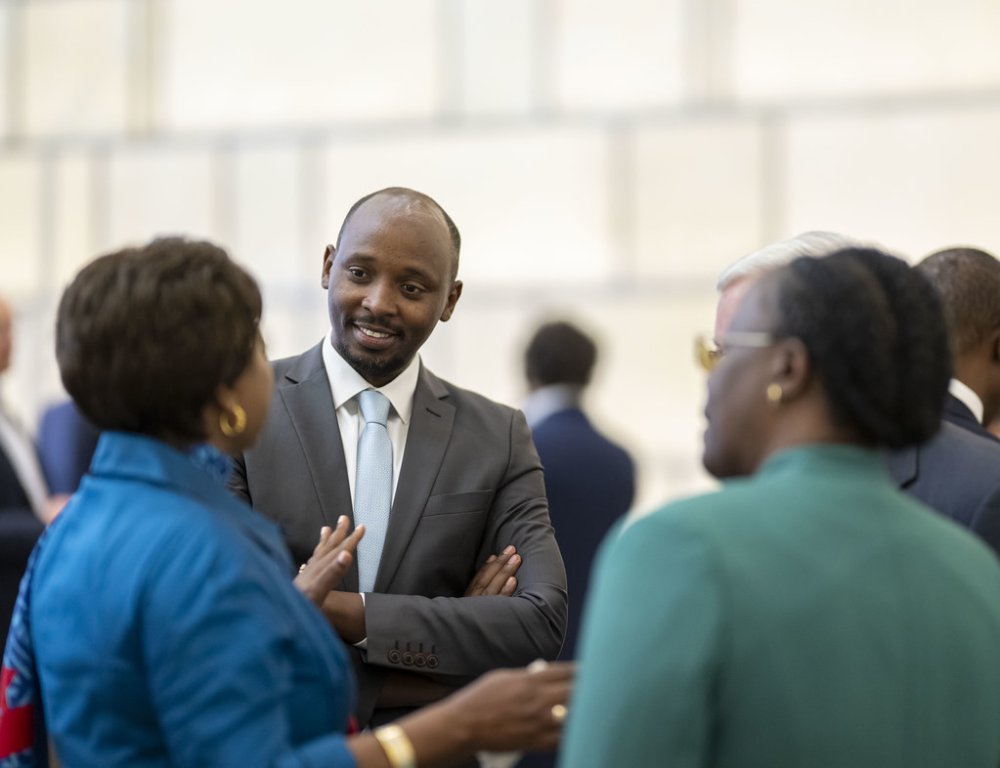
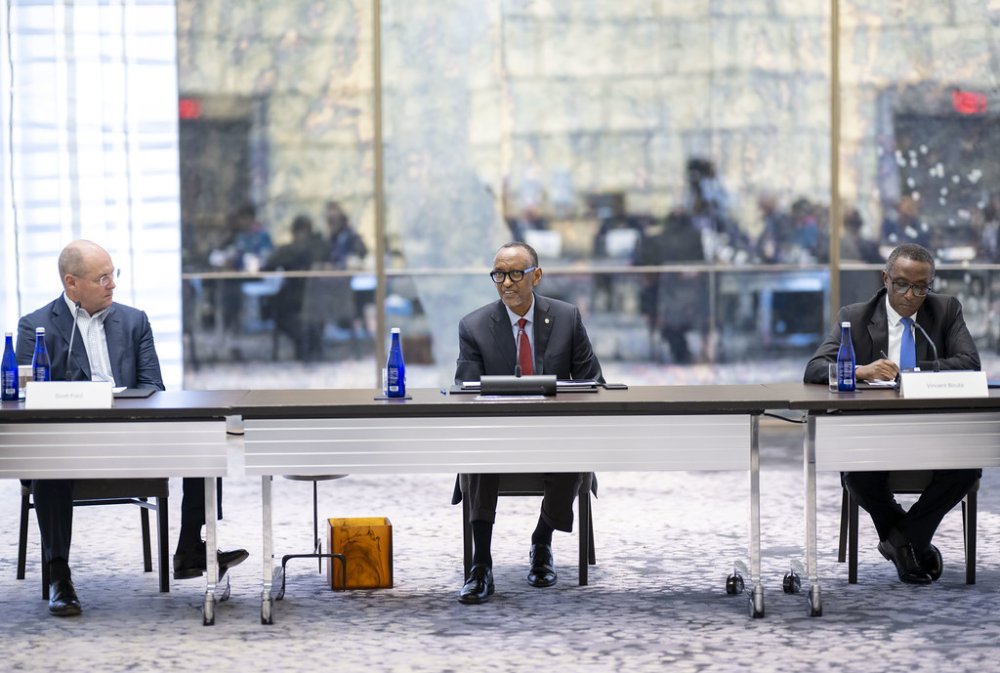
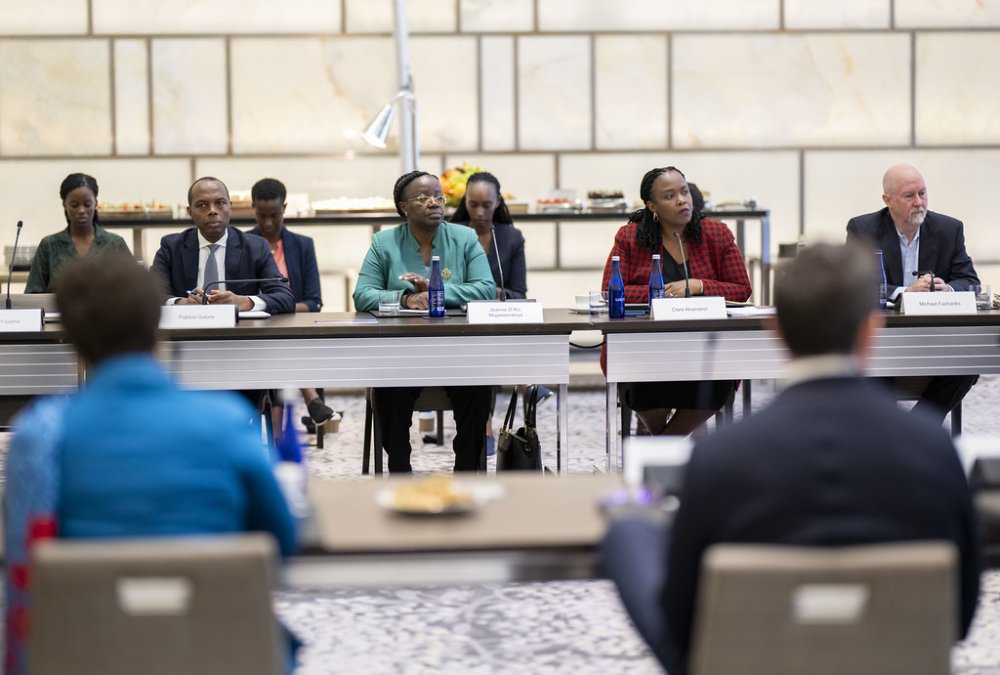
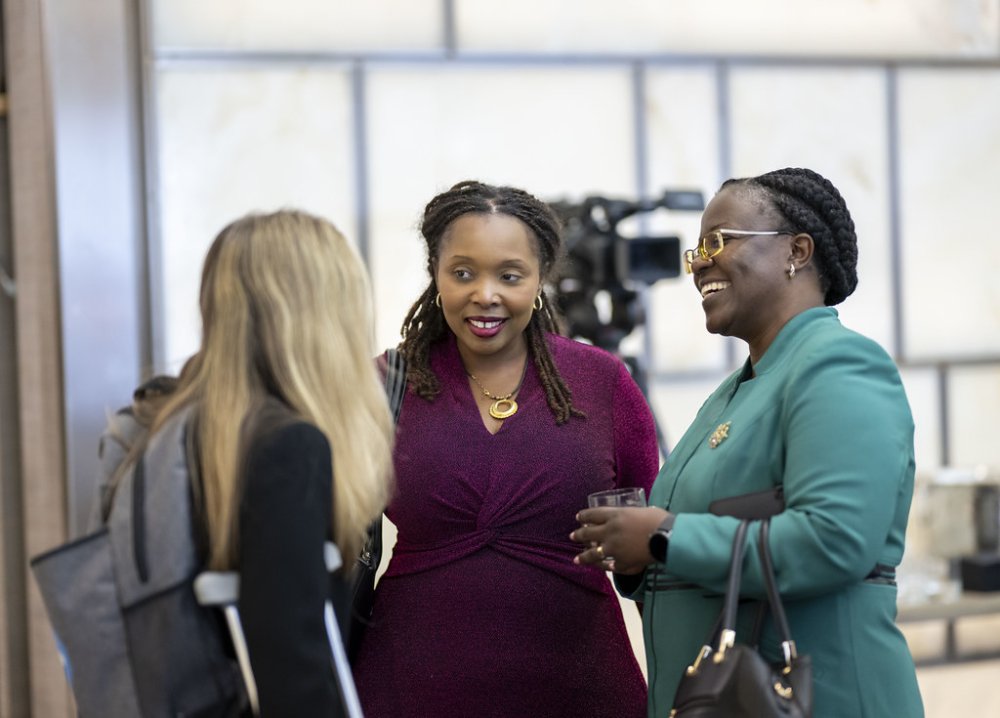
Rwanda’s Presidency has revealed that the Head of State chaired the council on Sunday 17th September 2023 on his visit to New York in the United States of America (USA) where he went to attend the United Nations (UN) General Assembly.
The meeting discussed innovative and practical solutions towards sustaining Rwanda’s socio-economic progress, as well as regional and global issues of importance to the country.
The meeting was attended by Michael Fairbanks, an economic expert who served as a lecturer at Harvard Business School; the CEO of Rwanda Development Board (RDB), Clare Akamanzi; Minister of Environment, Dr. Mujawamariya Jeanne D’Arc and Senior Economic Advisor to the President, Francis Gatare among others.
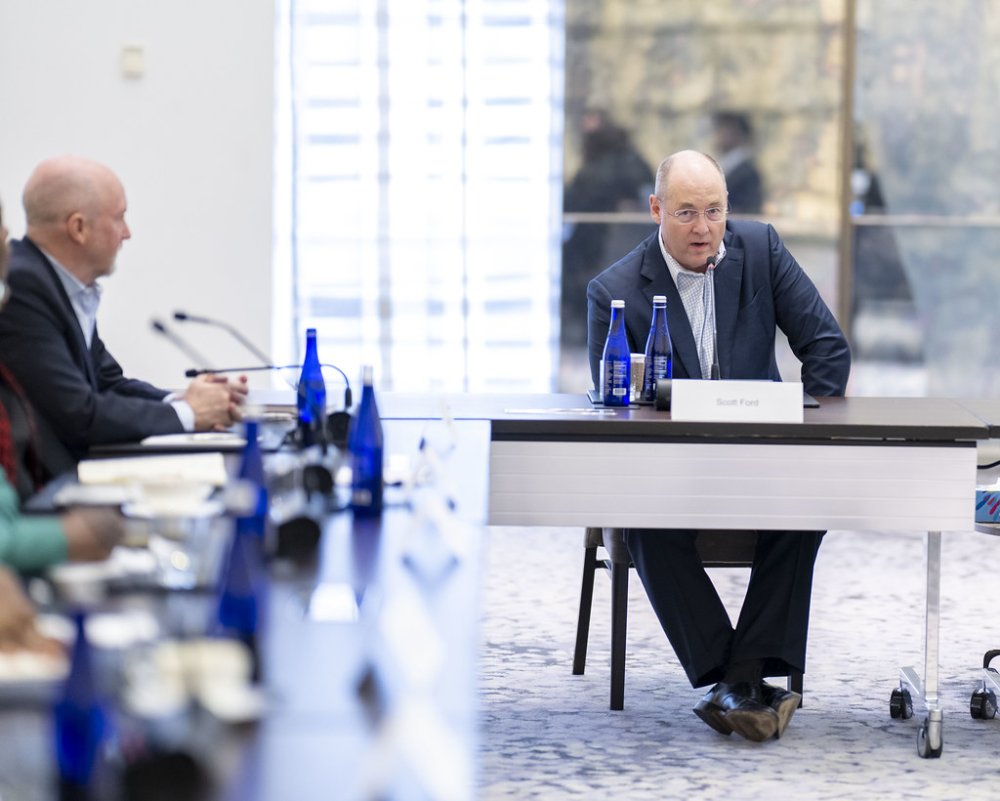
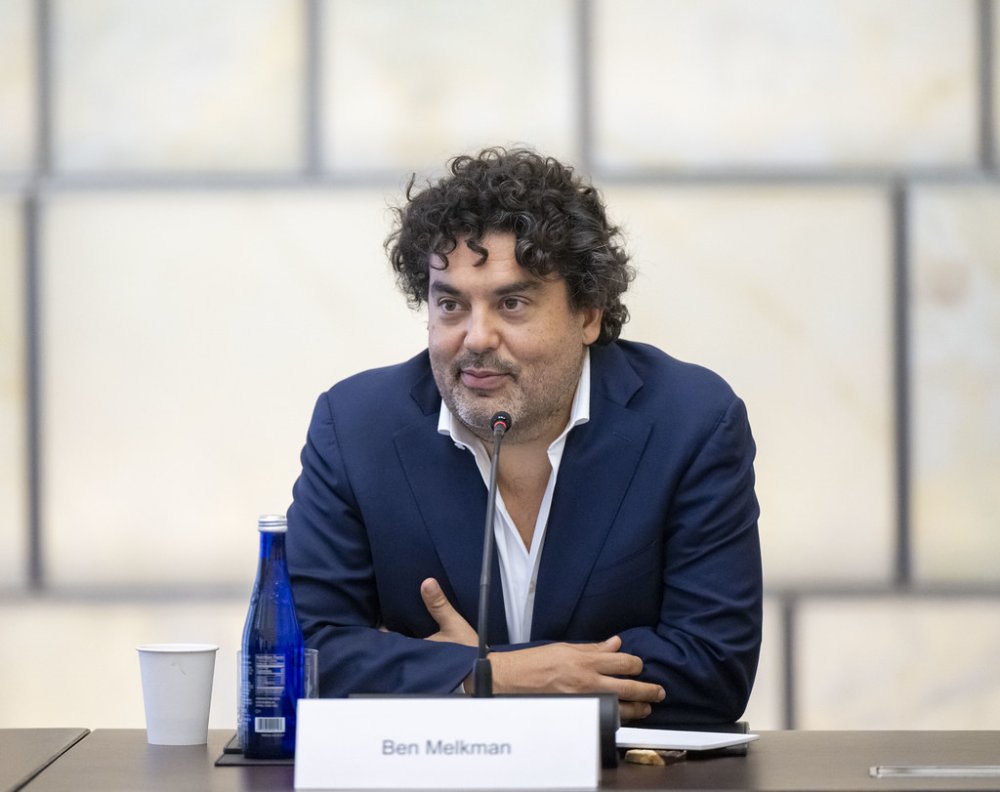
Other participants include Scott T. Ford, founder of Westrock LLC who also serves as Board Chairperson of Agaciro Development Fund; Minister of Foreign Affairs, Dr. Vincent Biruta and Ben Melkman, an economic expert.
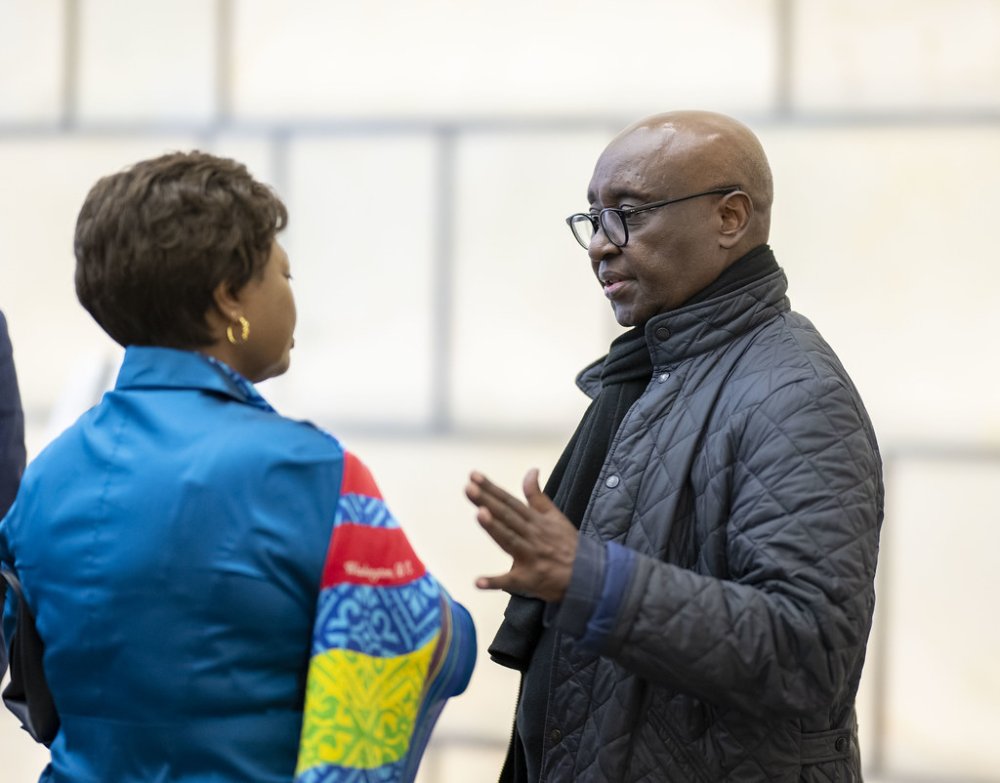
Dr. Donald Kaberuka; Dr Uzziel Ndagijimana, Minister of Finance and Economic planning, and university lecturer, Dr. Eliane Ubalijoro were among other prominent figures that attended the meeting.
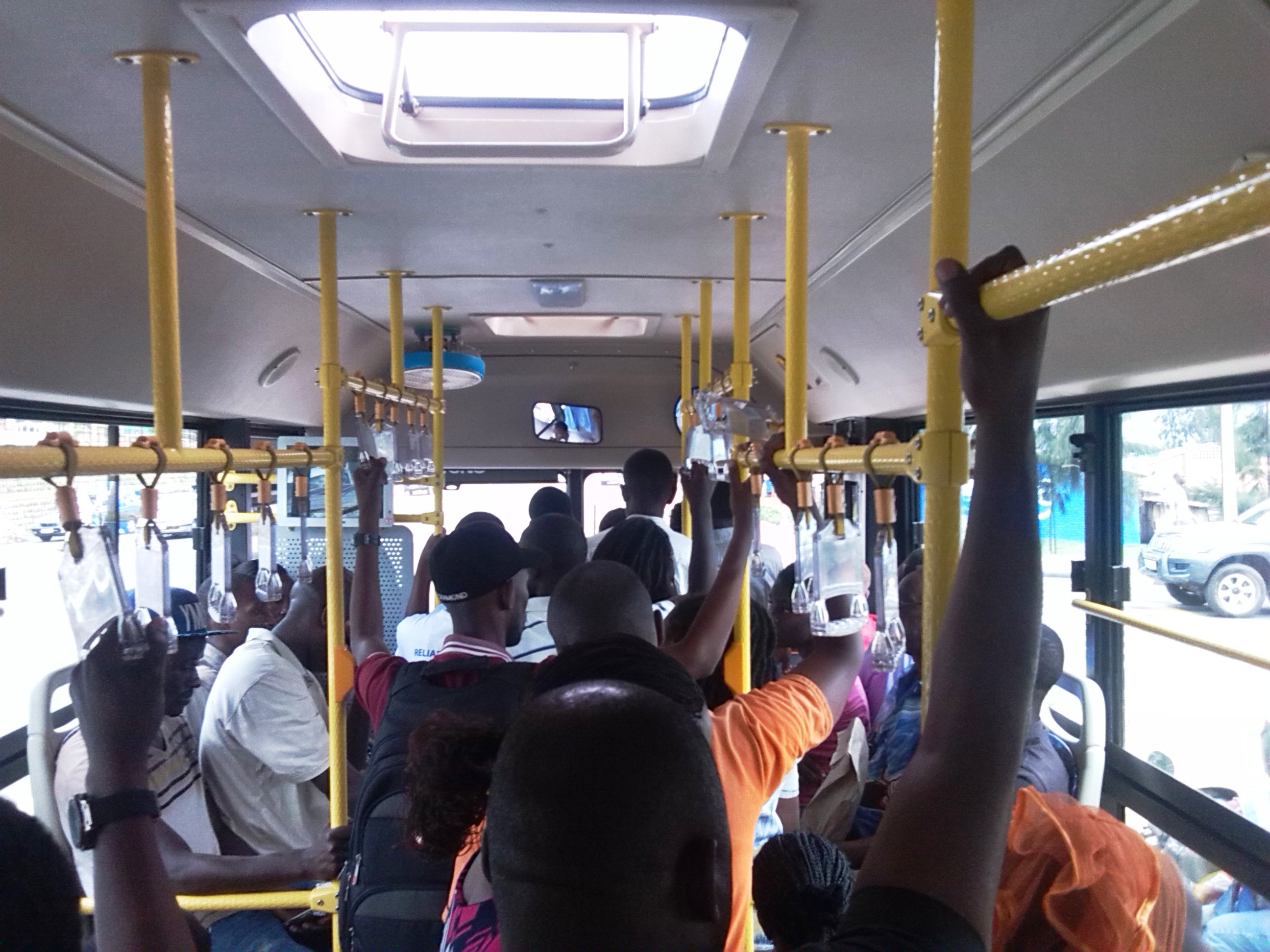
One of the most visible and concerning issues facing Kigali’s public transport system is the overcrowding of buses. Commuters, particularly during peak hours, often find themselves crammed into buses beyond their intended capacity. This phenomenon not only poses serious safety risks but also leads to a host of other problems.
According to the Rwanda Regulatory Authority (RURA), and Rwanda National Police, only 70 passengers are allowed on board in larger buses, whereas only 18 are allowed on smaller ones.
However, there are times when in these larger buses the limit is exceeded by dozens of passengers.
The issue is mainly observed in larger buses during morning and evening hours when people are rushing to or from work. Among the buses that were mentioned include those owned by Jali Transport, Royal Express, Volcano, and Kigali Bus Services (KBS).
We managed to talk to 50 passengers from 5 different bus parks around the city. Thirty of them were totally against overcrowding inside buses, eight weren’t in support of it but believed it’s better than waiting for too long in queues.
Twelve were totally in support of overcrowding of passengers and argued that it should be encouraged.
“We are very uncomfortable with being overcrowded inside buses. Most times, it encourages theft because we are too many and so close to each other that you can’t avoid human contact, making it too hard to realize when someone snatches something out of your pocket. We hope that this issue can be addressed as soon as possible,” said Isaac Nkurunziza, 54.
For Stephanie Mukamusoni, the foremost concern associated with overcrowding in buses is passenger safety.
“Packed buses can become breeding grounds for accidents, especially on Kigali’s narrow and congested roads,” he said.
{{Other passengers’ standpoints: }}
{ {{Juliene Bisa:}} }
“Passengers may struggle to find a secure foothold or seat, making them vulnerable to falls and injuries when the bus stops abruptly or swerves to avoid obstacles. In case of emergencies, such as fires or accidents, an overcrowded bus can make evacuations more challenging, putting lives at risk.”
{ {{Ntambara Michael:}} }
“Overcrowding also has adverse health implications, especially for vulnerable people like older individuals, young toddlers, and pregnant mothers. In addition, the close proximity of passengers increases the risk of the spread of infectious diseases. Poor ventilation in crowded buses can further exacerbate this risk.”
{ {{Laurrette:}} }
“Overpacked buses are less efficient and often experience delays in boarding and disembarking passengers. This inefficiency impacts the overall quality of the public transport system, discouraging its use and forcing some commuters to seek alternative, often less sustainable, modes of transportation. Furthermore, overcrowding leads to discomfort and stress for passengers, making their daily commutes unpleasant experiences.”
{ {{Mukimbiri:}} }
“I totally agree with the drivers who try to board as many passengers as possible. It’s so rude to leave people on the way, and I believe overcrowding buses allows queues to move so fast.”
{ {{Janet:}} }
“I think overcrowding of passengers is bad; however, it’s a good way to address the problem of long lines in the parks.”
{{Drivers’ take}}
One of the bus drivers with over a decade of experience emphasized that passengers encourage drivers to overcrowd.
“As drivers, we want to ensure a safe and comfortable journey for passengers. However, overcrowding is often inevitable when people beg you not to leave them behind. We often have to allow passengers on board when the bus is already full, but this isn’t ideal for anyone,” he said.
Another driver noted that the overcrowding problem is exacerbated by several factors, including a growing population, limited investment in public transport infrastructure, and the lack of alternative transportation options for many residents.
“We need more buses on the road to accommodate the increasing number of commuters. Additionally, investing in dedicated bus lanes and bus rapid transit systems can help ease congestion and improve the overall experience for passengers,” he added.
Drivers also highlighted the safety concerns associated with overcrowding: “Overcrowding can lead to accidents. When the bus is packed beyond its capacity, it becomes difficult to provide safe conditions for passengers whose safety should be a top priority,” said another driver.
The management of Royal Express noted that they strictly encourage their drivers to follow the guidelines.
“There is a limit of passengers allowed on our buses and that number is decided by the Rwanda Utilities Regulatory Agency (RURA) and Rwandan Police, whoever goes against it, there are penalties involved, and our company is no exception.”
They also revealed that “any passenger who may face any problem inside their buses will be compensated, and if it’s as a result of the driver’s mistakes, then they will be held accountable”.
We also tried to ask for a comment from officials from Jali Transport, Kigali Bus Services, Volcano, and RURA, but none of them has commented on the issue by far.
According to the Rwanda Regulatory Authority (RURA), the regulations N° 010/R/TL-TPT/TRANS/RURA/2021 OF 14/12/2021 governing public transport bus services provide the following fines to buses that mistreat passengers:
Exceeding the number of authorized passengers attracts Rwf30,000 fine per extra passenger and that money is paid by the driver not the company.
The fine for mix luggage with passengers is Rwf 100,000 for multi-stops, intercity, cross-border company, competitive licensees, and Rwf 50,000 for one-person company licensee.
Meanwhile, failure to respond to the passenger complaints attracts Rwf50,000 for multi-stops, intercity, cross-border company, competitive licensees, and Rwf20,000 for one-person company licensee.
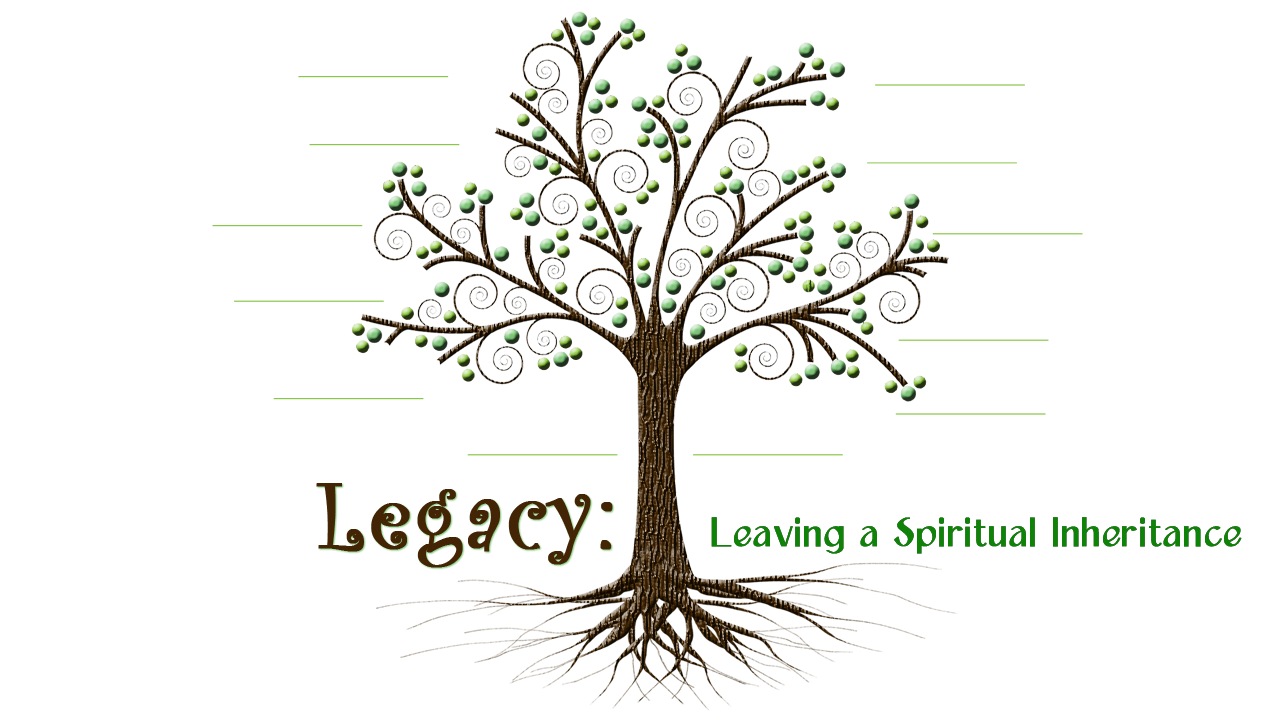
“Inheritance” is almost exclusively used to deal with physical or monetary goods, features, or character traits; you can inherit your father’s estate, you can inherit your mother’s good looks, you can inherit your grandfather’s business sense.
“Legacy” can be used in that same sense, but it can also have a much broader sense to refer to a situation that is set up for for the benefit of the descendents, “Our parents’ legacy was not simply that they bequeathed us ten million dollars each, but that with that money in trust, we felt free to explore, experiment, and take risks that we would not have been able to, had we not had that safety net available.”
“Inheritance” is generally from the viewpoint of the receiver, while “legacy” is from the viewpoint of the giver: My inheritance was my father’s legacy
“Inheritance” is often associated with material possessions, properties, and assets passed down from one generation to the next. It is a viewpoint largely concerned with what the receiver obtains from their ancestors.
{{ Here’s how some interviewees perceive legacy:}}
According to an editor in his early 30s, Inheritance, comprises properties and assets bequeathed from someone. It is the tangible wealth that one inherits while Legacy is about good deeds that an individual will be remembered for.
Diane Mukahirwa, a journalist in her early 20s: Diane concurs, emphasizing that inheritance consists of material things like museums, furniture, money, gifts, or support for a better future, usually from one’s family.
Ntwali Bruno, a receptionist in a law firm, reiterates the materialistic aspect of inheritance, referring to cash, houses, and businesses. He points out that these assets are typically handed down within the family.
Muhozi Fulgence, School Director, and Senior in Sociology adds depth to the definition by suggesting that inheritance can include intangible assets, such as values, morals, and ethics, passed from one generation to the next.
On the other hand, “legacy” encompasses a broader sense of what is left behind by an individual or generation, with a focus on the societal impact and values instilled
For Josepha Mafubo, a copywriter, legacy extends beyond material possessions and refers to what we leave behind for society and the environment. It’s about the impact we have on the world.
Ritah Queen, an undergraduate in Marketing associates legacy with the admiration of one’s character, emphasizing that it involves leaving behind something inspiring.
Umutoni, an operations specialist, also highlights that legacy is about leaving achievements, dreams, and skills that inspire others.
Chris Teta, a Content Curator in his early 20s sees legacy as tied to one’s reputation and societal contributions. It’s about how an individual presents themselves to society and the impact they make.
{{Differentiating Inheritance and Legacy}}
While inheritance is primarily materialistic and focuses on the transfer of tangible assets within families, legacy transcends the material realm. It encompasses intangible assets like values, morals, ethics, and societal contributions. Moreover, inheritance is often seen from the receiver’s perspective, while legacy is about the giver’s impact on society and the values they leave behind.
Legacy can be positive or negative, depending on the influence an individual or generation has on their community. It can be seen in the enduring impact of philosophers, singers, and other famous individuals who have left their mark on history. In contrast, inheritance typically deals with the distribution of material wealth and assets, but it can also involve the passing down of non-material blessings and values.
As we navigate the diverse thoughts and perspectives of Rwandan citizens on inheritance and legacy, it becomes evident that these concepts are deeply ingrained in our society and culture. They shape our understanding of wealth, values, and societal impact. While inheritance primarily deals with material possessions and assets passed down within families, legacy encompasses a broader sense of societal impact and the values individuals or generations leave behind.
Understanding these distinctions is essential for reflecting on our own lives and the legacies we hope to leave behind. In the end, the meaning of inheritance and legacy is a matter of personal interpretation and cultural context, making it a topic that continues to challenge and engage society’s collective consciousness.
Different people, different minds, different perspectives, age groups, backgrounds and experience have a vast understanding on the aspect of Legacy and Inheritance. As you can see from these different views, it is a topic that is challenging and has challenged society for quite some time. Jump and with us as we dive into differentiating these two and give your own thought. We are yet to know what is what. My guess is as good as yours
Commissioner of Police (CP) Bruce Munyambo, Commissioner for Community Policing, presided over the graduation of the 10 Police Marine officers and 17 game rangers from Akagera National Park.
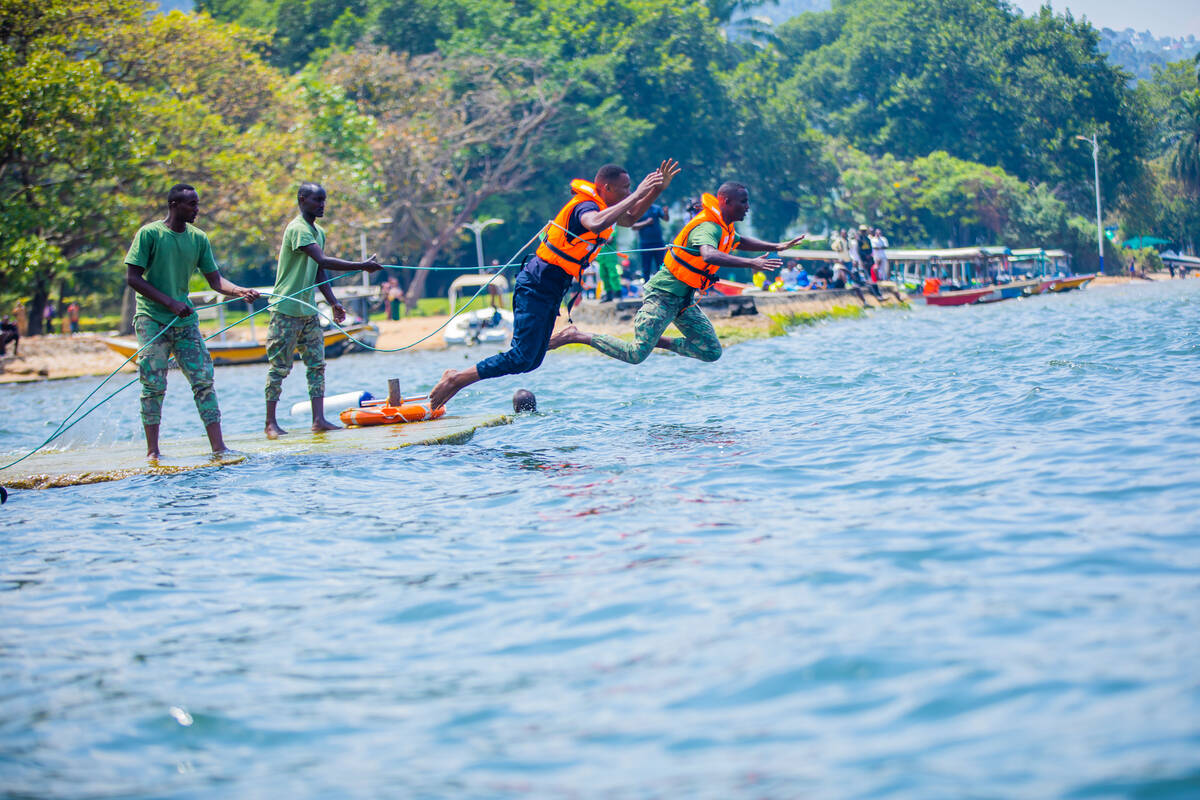
It is the first batch of park rangers trained in maritime to reinforce operations against environmental and other crimes in Akagera National Park.
The course focused on provision of First Aid, water survival and rescue, swimming techniques, engine familiarisation and maintenance, boat assembling and disassembling, seamanship and navigation.
CP Munyambo thanked the trainees for successfully completing the demanding training and urged them to put the acquired skills to effective use.
He embarked on the role of Police marine unit fight and prevent crimes, and to ensure the safety of economic and social activities in and around water bodies.
CP Munyambo reiterated Rwanda National Police’s commitment to build the capacity of the marine force to strengthen its operations.
Police Marine is a Rwanda National Police (RNP) unit assigned with various responsibilities which include; ensuring safety and security of water bodies in Rwanda, and raising public awareness against maritime crimes and to prevent loss of lives resulting largely from unlawful and reckless use of water bodies.
Assistant Commissioner of Police (ACP) Elias Mwesigye, the Commanding Officer for Police Marine Unit, said that this is the initial stage for new officers joining the marine unit.
It was organized by Rwanda National Police in partnership with Rwanda Development Board (RDB).
ACP Mwesigye said that equipping maritime skills to Akagera game rangers is because the national park has inland lakes that require rangers to have basic skills to respond where necessary.
The Chief Park Warden of Volcanoes National Park, Prosper Uwingeri, who represented RDB, commended the existing partnership between the two institutions to train the recruited park rangers and other related training programmes.
His arrest has been officially confirmed by the Rwanda Investigation Bureau (RIB).
“It is true that Prof. Harelimana has been arrested,” Dr. Murangira B. Thierry, the spokesperson for RIB has told IGIHE.
Prof. Harelimana had assumed the duties since 2018 prior to his removal on 28th January 2023.
RIB Spokesperson has revealed that his arrest is based on an investigation done about him for some time in relation to offences he suspected of having committed while he was leading the institution.
Prof. Harelimana is suspected of crimes including flouting public tender procedures and abuse of public resources.
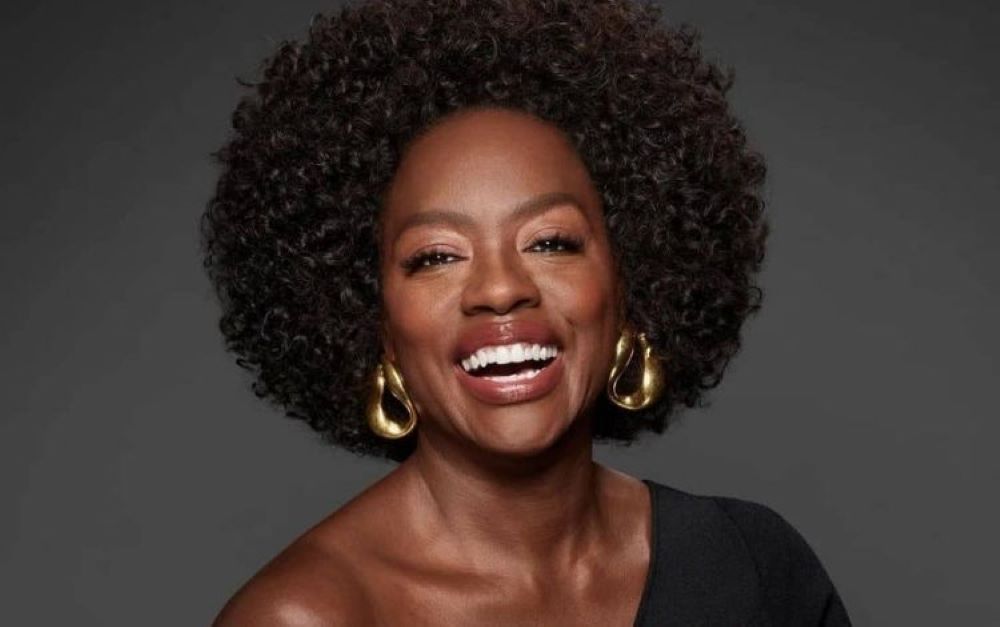
Davis was raised in Central Falls, Rhode Island, where her father found work as a horse groom at nearby racetracks and her mother took on domestic and factory jobs. Their income was frequently insufficient to support the family, and they endured grim rat-infested apartments and occasional food shortages. As a child, Davis began acting in school productions and theater competitions. She enrolled at Rhode Island College, where she majored in theater and graduated in 1988.
Davis proceeded to the Young People’s School for the Performing Arts in Rhode Island on scholarship before attending the Juilliard School, from which she graduated in 1994.
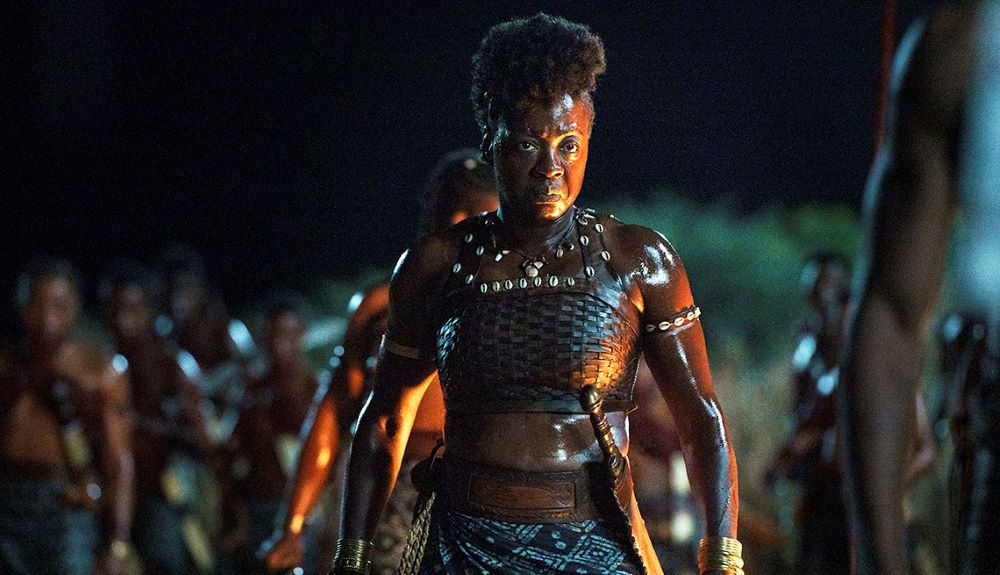
She has been marked in different Movies like ‘The woman King’, ‘How to get away with Murder’ , ‘The Help’ , ‘doubt’ , ‘Fences’, ‘The Hunger’ and ‘Air’.
She did not stop there as she went beyond and wrote a book titled {{‘Finding Me’}}.
In her book, you will meet a little girl named Viola who ran from her past until she made a life-changing decision to stop running forever.
“This is my story, from a crumbling apartment in Central Falls, Rhode Island, to the stage in New York City, and beyond. This is the path I took to finding my purpose but also my voice in a world that didn’t always see me.”
As She wrote ‘Finding Me’, her eyes were open to the truth of how our stories are often not given close examination.
“We are forced to reinvent them to fit into a crazy, competitive, judgmental world. So I wrote this for anyone running through life untethered, desperate and clawing their way through murky memories, trying to get to some form of self-love. For anyone who needs reminding that a life worth living can only be born from radical honesty and the courage to shed facades and be . . . you.
Finding Me is a deep reflection, a promise, and a love letter of sorts to self. My hope is that my story will inspire you to light up your own life with creative expression and rediscover who you were before the world put a label on you.”
{{Awards and recognition}}
Davis’s list of accolades reads like a testament to her exceptional abilities. With numerous awards and nominations in her illustrious career, she stands as a true role model for emerging talents. Her collection of honors includes a Primetime Emmy Award, two Screen Actors Guild Awards for television, two Tony Awards, and three Drama Desk Awards for her theater performances.
In the world of film, she has achieved the pinnacle, securing an Academy Award, a British Academy Film Award, a Golden Globe Award, three Critics’ Choice Movie Awards, and four Screen Actors Guild Awards, a record she shares with Renée Zellweger.
{{Breaking barriers}}
Davis’s remarkable achievements extend beyond the accolades. She has carved her path as a trailblazer in an industry that often presents challenges to people of color, especially women.
Davis’s four Academy Award nominations make her the most nominated black actress in history, a testament to her resilience and talent.
{{The power of representation}}
Davis has consistently chosen roles that challenge societal norms and shed light on important issues. Her portrayal of Aibileen Clark in the film “The Help” is a prime example. The movie, set in the racially segregated 1960s America, explores the harrowing experiences of Black women working as maids in white households.
While the film has faced criticism for its approach, Davis’s performance, along with those of other Black actors like Octavia Spencer, shines as a beacon of strength and resilience.
Davis herself has acknowledged the film’s flaws, particularly its focus on a white protagonist’s perspective, which can be seen as a “white savior” narrative.
Despite this, her portrayal of Aibileen Clark serves as a powerful reminder of the resilience and strength of Black women during challenging times. It is a performance that inspires young women to use their voices to challenge injustice and discrimination.
{{Inspiration for young women}}
Davis’s journey from modest beginnings to becoming one of the few performers to achieve the coveted EGOT status (Emmy, Grammy, Oscar, Tony) is nothing short of awe-inspiring. Her dedication to her craft, her fearlessness in tackling complex and important roles, and her commitment to speaking out on issues of representation and social justice make her a beacon of hope and empowerment for young women everywhere.
Aspiring actresses and women looking to break into the entertainment industry can draw inspiration from Viola Davis’s incredible career. She has shown that talent, hard work, and a commitment to meaningful storytelling can overcome even the most significant obstacles.
Davis is not just an actress; she is a symbol of empowerment, a reminder that women, particularly women of color, can achieve greatness in an industry that has historically been exclusive. Her legacy will continue to inspire generations of young women to pursue their dreams and make their voices heard, both on and off the screen.
In the midst of Hollywood’s evolving landscape, Viola Davis stands tall, reminding us all that the power of representation and the strength of character can change the world. Young women, take note: Viola Davis’s journey is a testament to the heights you can reach when you dare to dream and work relentlessly to make those dreams a reality.
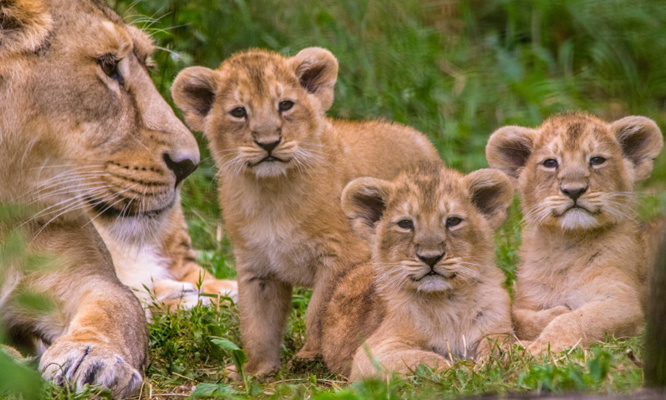
In this article, we will explore the fascinating world of lions, their unique characteristics, their conservation status, and the various challenges they face in the modern world.
{{The lion’s physical attributes}}
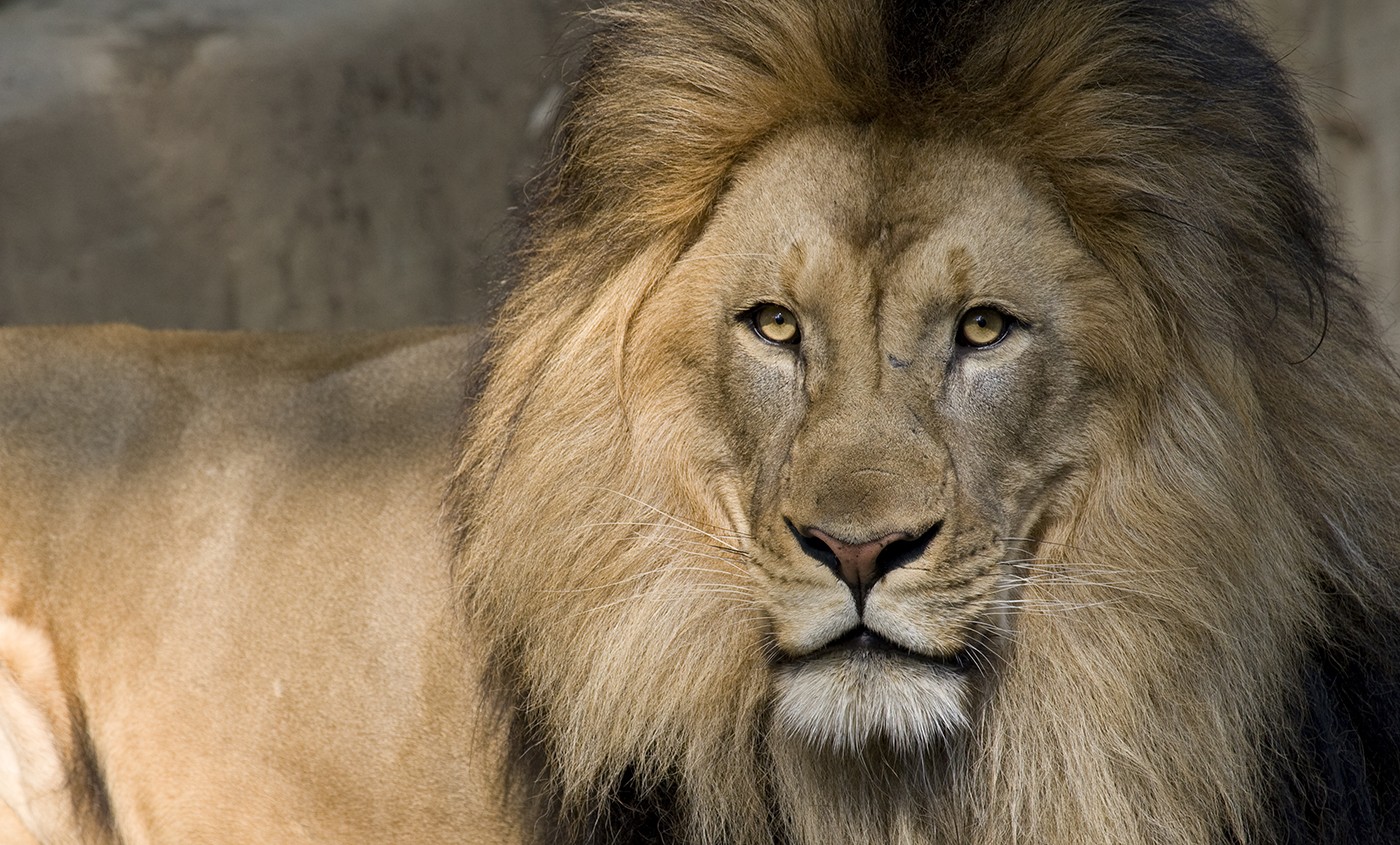
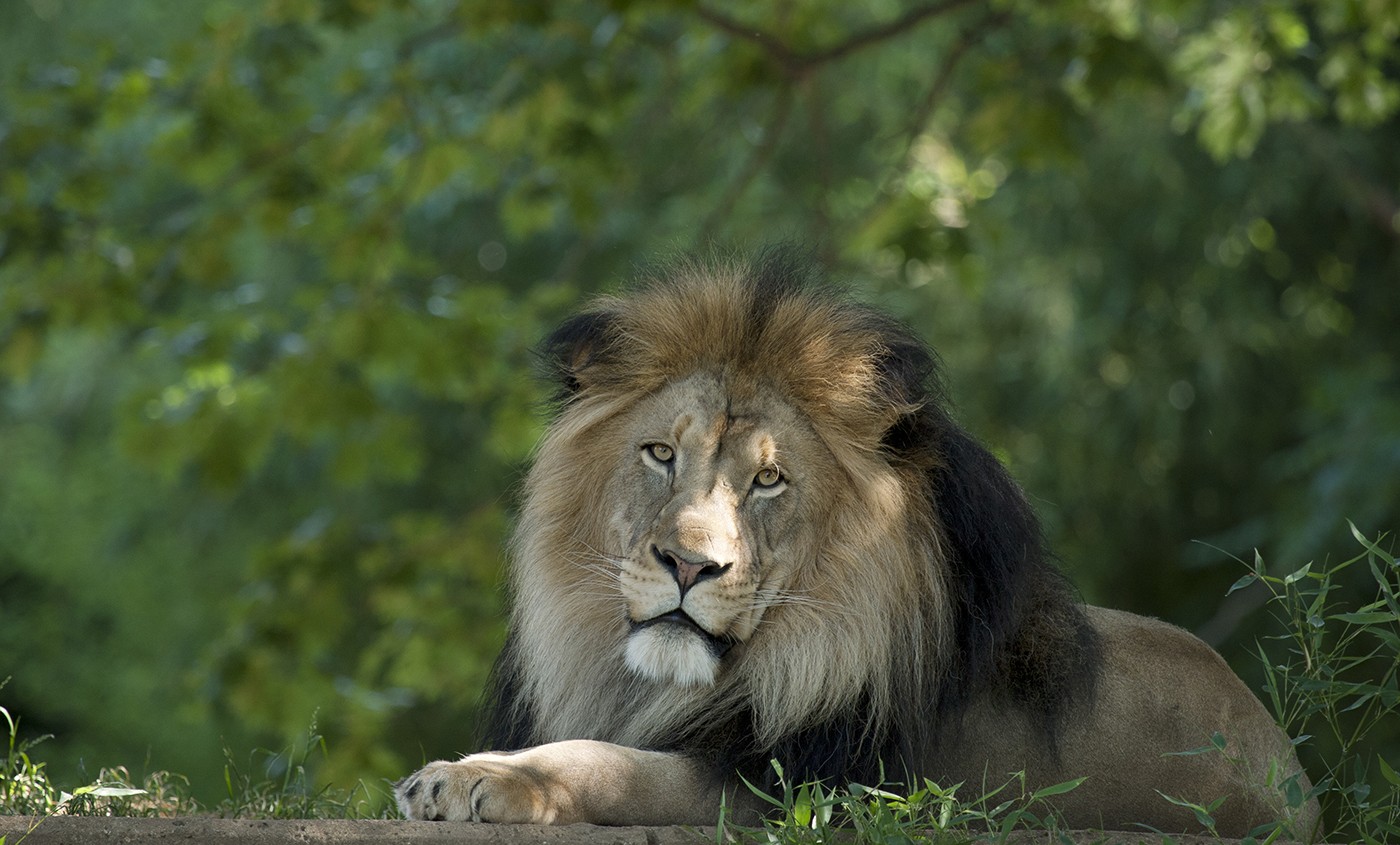
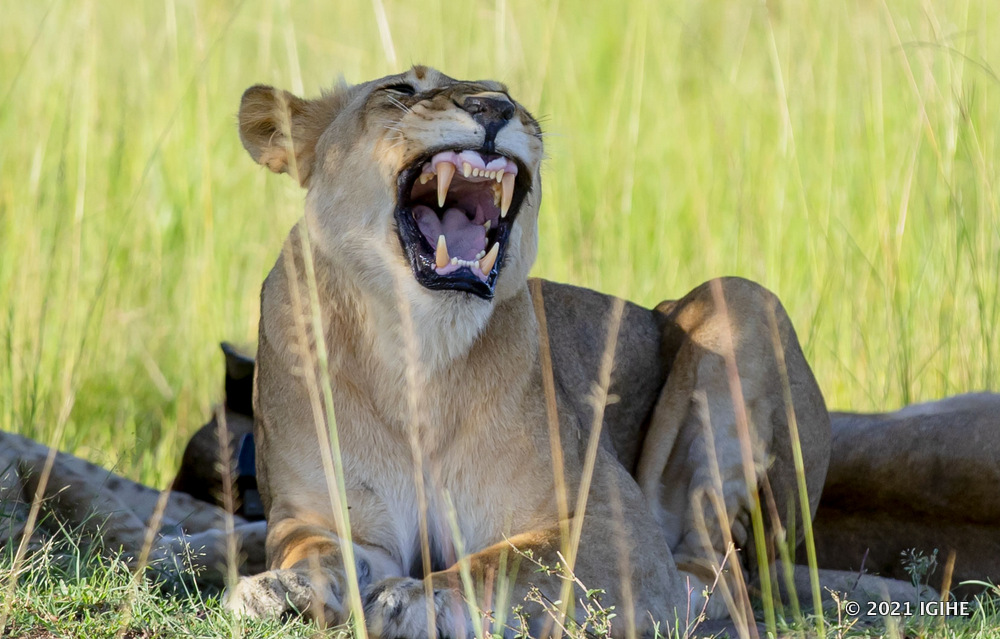
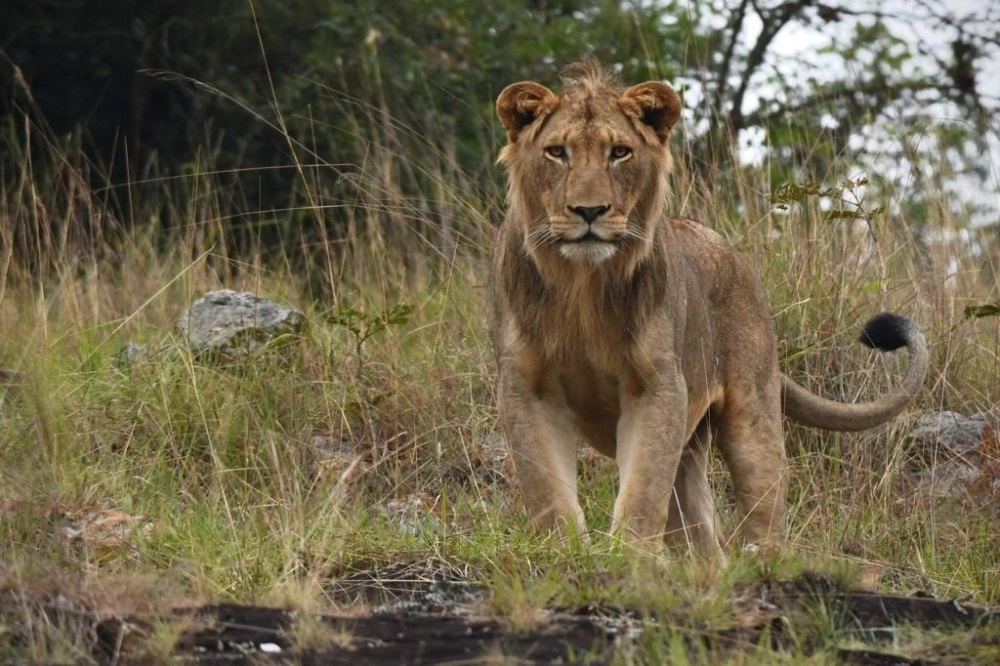
Lions possess a robust physique, characterized by a broad chest, a rounded head, and tufted ears. One of the lion’s most distinctive features is its magnificent mane, which is more pronounced in adult males. Male lions are larger than their female counterparts, with the mane serving both as a symbol of their maturity and as a means of appearing more intimidating to potential rivals.
Though there are mane less lions, one of the most notable characteristics of a lion is its mane. A lion’s mane typically begins to grow around its neck at about 1 year of age, and by the time it reaches 3 to 4 years old. It’s important to mention that the growth of a lion’s mane is influenced by the environment it is growing from.
{{Social structure: The pride}}
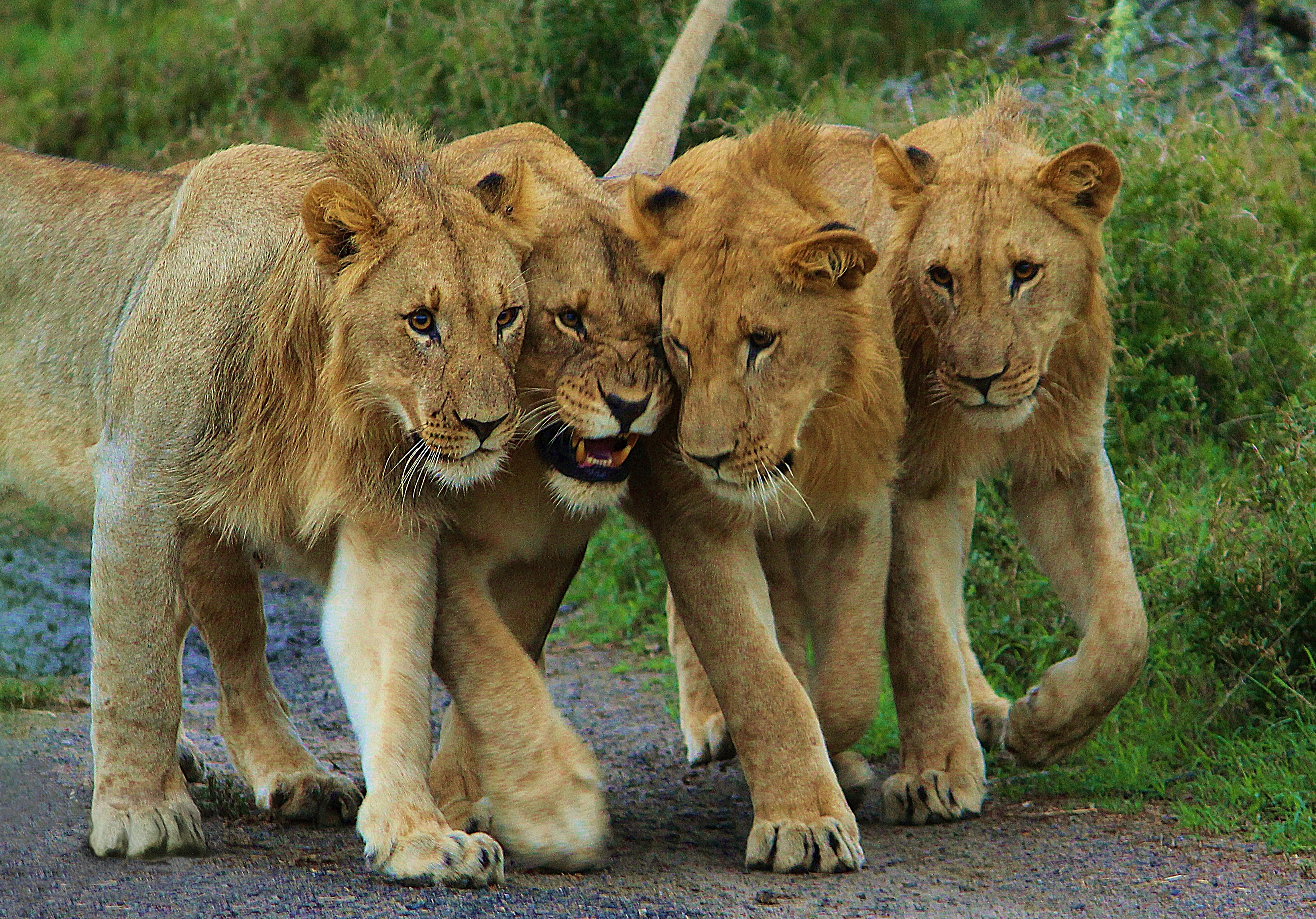
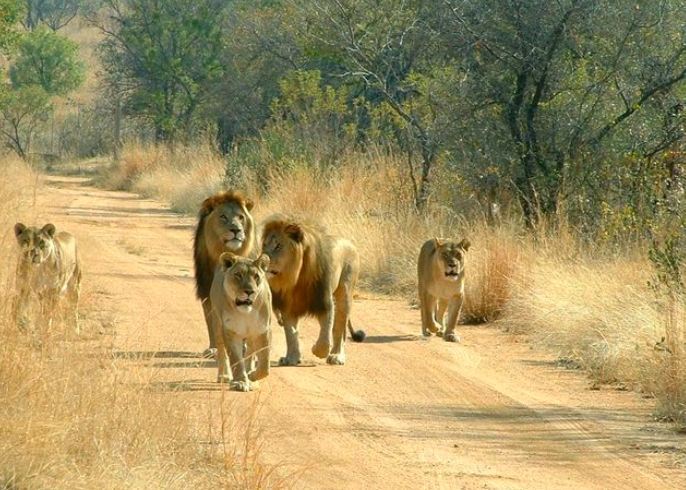
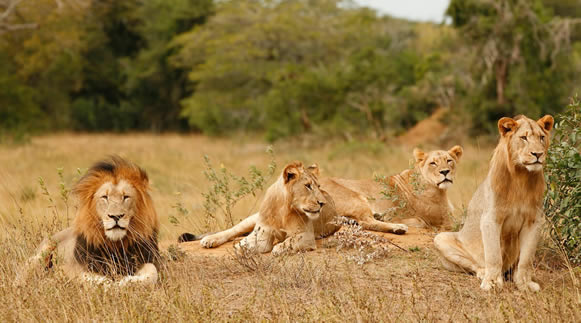
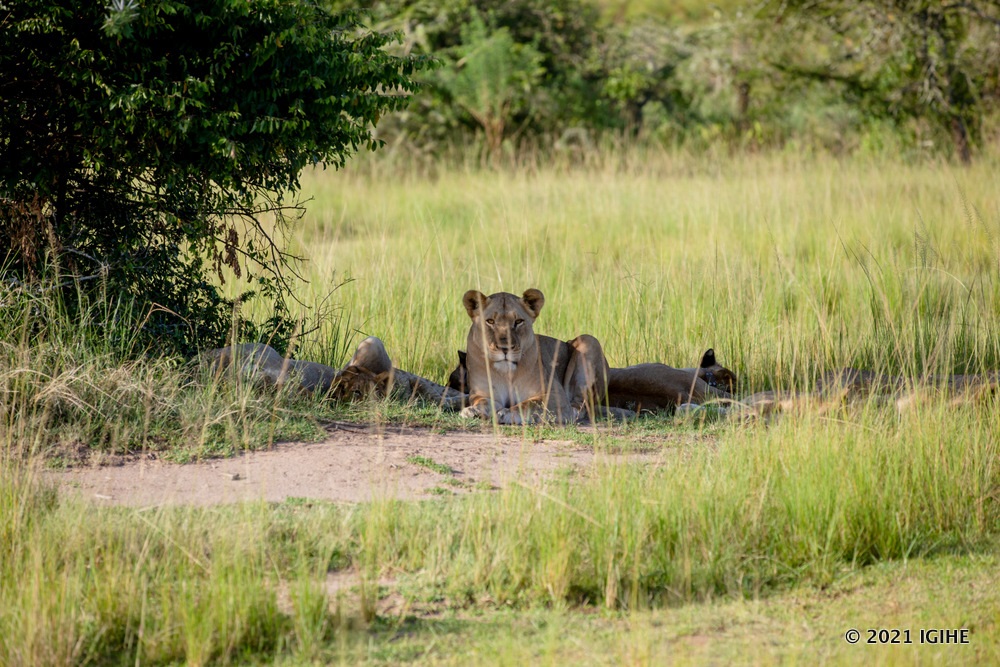
Lions have been recognised to be one of the most social creatures on the wildlife list of big cat family. These animals live in groups when compared to other big cats which live in solicit .A lion’s group also referred to as a pride consists of ten to fifteen lions and they are led by a dominant male lion who is responsible for protecting the group. The pride formation is also a mechanism for survival.
{{Habitat and behavior}}
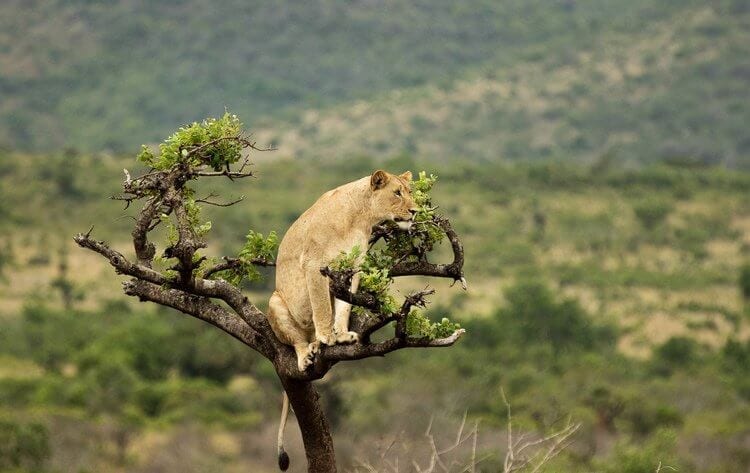
Lions inhabit diverse environments, including grasslands, savannas, and shrublands. They are typically diurnal, but when faced with threats, they adapt to nocturnal activity. Lions have a rich history, dating back to the Neolithic period when they roamed across Africa and Eurasia. However, due to habitat loss and conflicts with humans, their populations have dwindled and are now primarily found in sub-Saharan Africa and a small population in western India. The other behavior of a lion is that the lioness tends to hide its pregnancy or birth of the cub, and distincts itself from the pride.
{{Cultural significance}}
Lions hold a special place in human culture and history. They are widely recognized and revered, often depicted in sculptures, paintings, national flags, and contemporary media. Ancient civilizations, including Ancient Egypt, prominently featured lions in their art and mythology, reflecting the enduring fascination with these majestic creatures.
{{Subspecies: African and Asiatic lions}}
In the wild, two subspecies of lions exist: the African lion and the Asiatic lion. The latter is found in India’s Gir Forest. While they share many similarities, male Asiatic lions tend to have shorter, darker manes than their African counterparts, and both male and female Asiatic lions are generally smaller in size.
{{Diet and hunting}}
Lions are formidable hunters, capable of consuming up to 7 kg of prey in a single meal for the males and 5 kg for the females. Lionesses take on the role of hunting due to their lighter and faster nature.
They don’t engage in chewing their food but instead rely on their long canine teeth to seize and kill prey, using sharp rear teeth to tear it into manageable chunks. Lions are renowned for their strategic hunting behavior, as they often rely on scavengers and watchful vultures to guide them to a carcass.
They frequently choose to hunt at night or during storms to exploit their prey’s reduced sensory awareness, given their nocturnal nature. Not only do lionesses participate in hunting, but they also keep a vigilant eye on the lion while it eats, as the lion may be unable to protect the pride if it falls ill.
{{Roaring and communication}}
Lions are unique among the cat species in their ability to roar, which they use to protect their territory and deter rivals. Lion cubs may also join in with their attempts at roaring as they grow older. These roars can be heard from considerable distances, with volumes reaching up to 114 decibels.
{{Conservation status and threats}}
Despite their enduring popularity, lions face a grim reality in the wild. They are classified as Vulnerable on the IUCN Red List, with African lion populations declining by approximately 43% since the early 1990s. The primary threats to their survival include poaching, habitat loss, and fragmentation, as well as the impacts of climate change and diminishing prey availability. Trophy hunting and canned hunting also contribute to the decline of lion populations.
The lion, with its regal appearance and rich cultural significance, is a symbol of strength and majesty. However, these magnificent creatures are facing significant challenges in the wild.
Conservation efforts are essential to protect their dwindling populations and ensure that future generations can continue to marvel at the king of beasts in all its glory. It is our responsibility to raise awareness and take action to safeguard these iconic animals for generations to come.
“My family was completely surrounded by water. I lost contact with them. I was at the top of the stairs in the house before I could escape and save myself,” Abdul-Qaser told Xinhua.
Abdul-Qaser said that the floods began around 03:00 a.m. local time on Sunday morning (0100 GMT), hitting the outer walls of his house forcefully after two dams collapsed and the water swept away everything in its path and swallowed buildings.
The deadly floods, triggered by Mediterranean storm Daniel, have claimed the lives of at least 5,500 and injured over 7,000 others, Osama Ali, spokesman of the Emergency Department of Libya’s Ministry of Health told Xinhua Wednesday, adding that more than 10,000 people remain missing in the floods, mostly in Derna.
Ali confirmed that the death toll is likely to be much higher, as rescue teams continue efforts to recover bodies.
According to Xinhua correspondent in Derna, the floods destroyed more than a quarter of the city. In the densely populated central area, buildings were submerged or even completely removed from their original locations.
Nizar Al-Hunaid, an actor from Derna, said that he is suffering from enormous physical and emotional pain as he lost his wife and two children in the floods.
“The moment the dam exploded, water poured onto the roof of where I was. In an instant, I lost my family and found myself on the roof of a house four streets away from my own. Next to me were an Egyptian and a child who survived on a fraction of an air conditioner with shocked faces,” Al-Hunaid said.
“In a few seconds, this disaster destroyed everything,” he added.
Khalil Bushiha, a 30-year-old resident of Derna, described the situation in the city as catastrophic.
“I cannot describe what happened. My family and I somehow survived in our three-storey house, which was completely submerged in water before we were able to escape,” Bushiha told Xinhua in his hospital bed.
“Water started to drown the house. My mother and I went out to the street and the neighbors were screaming. Then, the floods threw us into an abandoned house about 200 meters away from our house. I carried my mother, who has leg problems, to the fourth floor until the water dissipated,” Bushiha recalled.
“I left her in that place and returned amid water rising to my shoulders. I passed by the body of a child and placed it on a nearby car. I went to the house of our only neighbor and found her body floating in the water,” he said.
“It’s a miracle that my family and I survived, but we lost many family and friends. We ask everyone to stand with Derna in this ordeal that the country has not experienced since the earthquake in the city of Al-Marj in the 1960s,” Bushiha added.
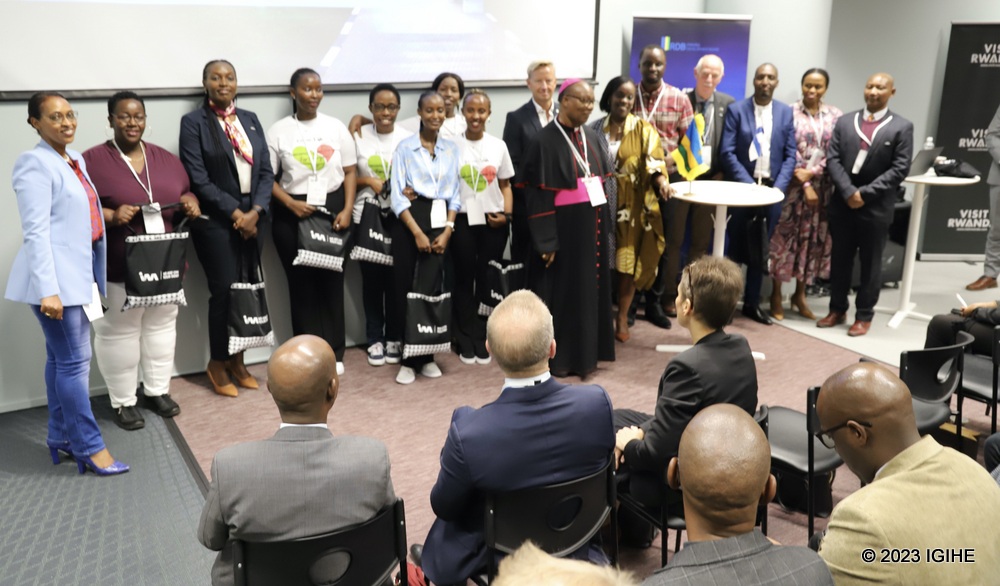
This collaborative effort is geared towards elevating the skills of Rwandan educators and students, ultimately fostering quality education within the Integrated Polytechnic Regional Centres (IPRCs).
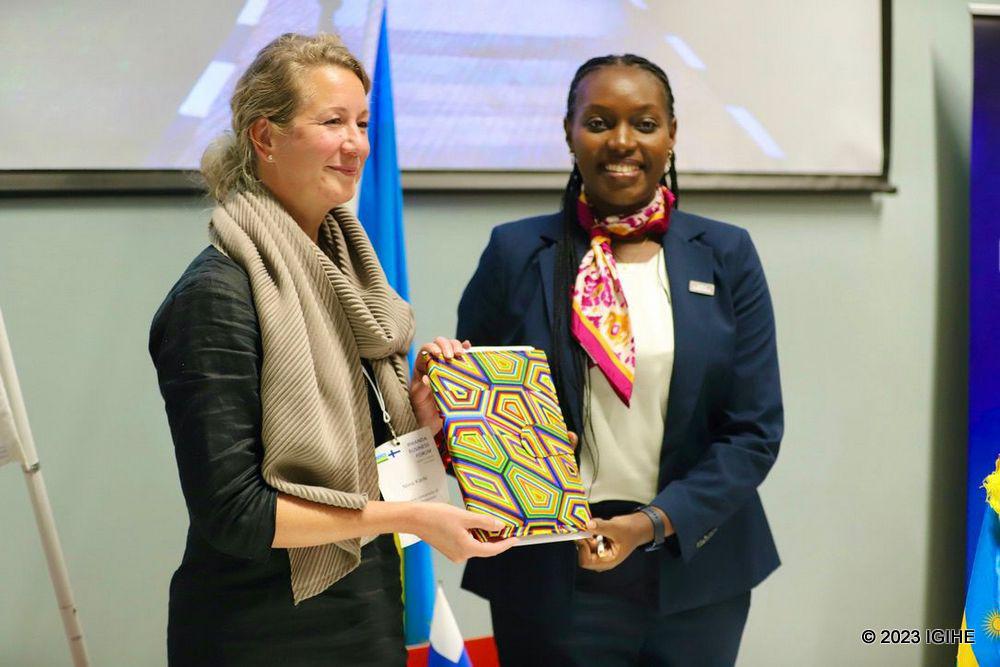
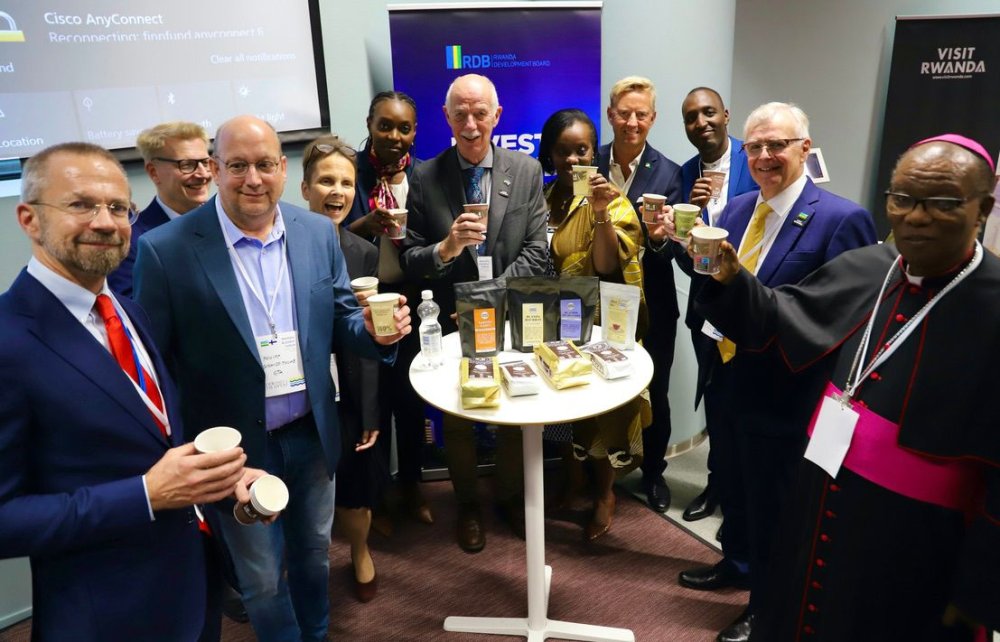
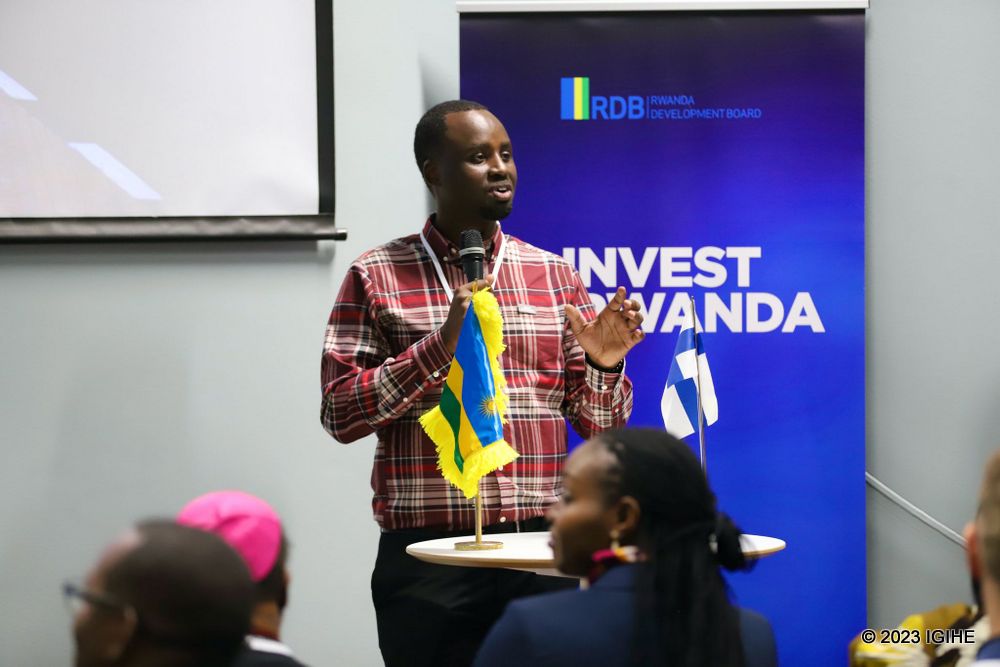
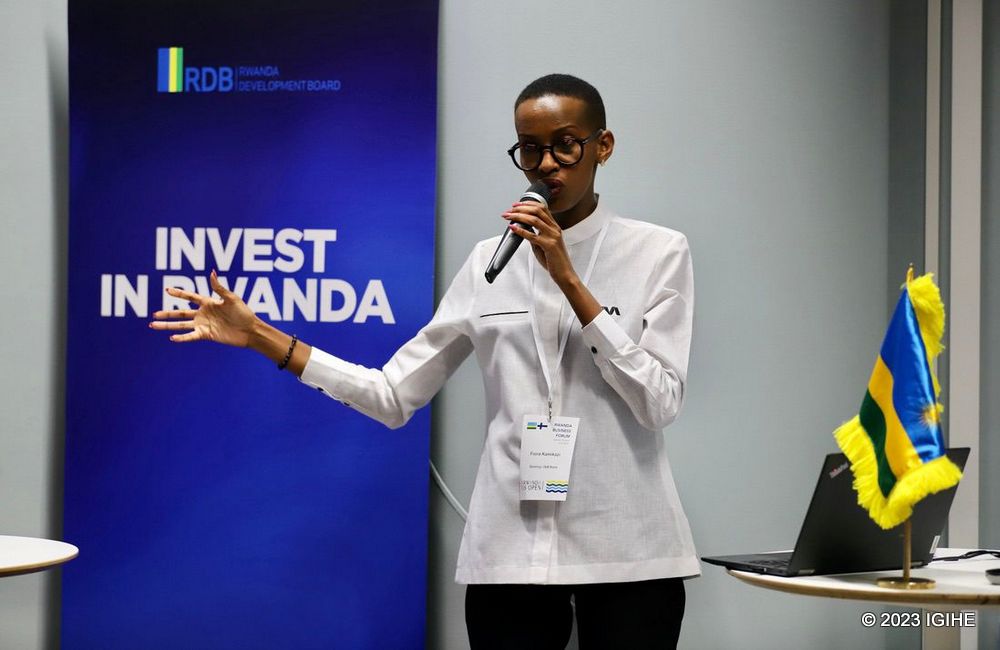
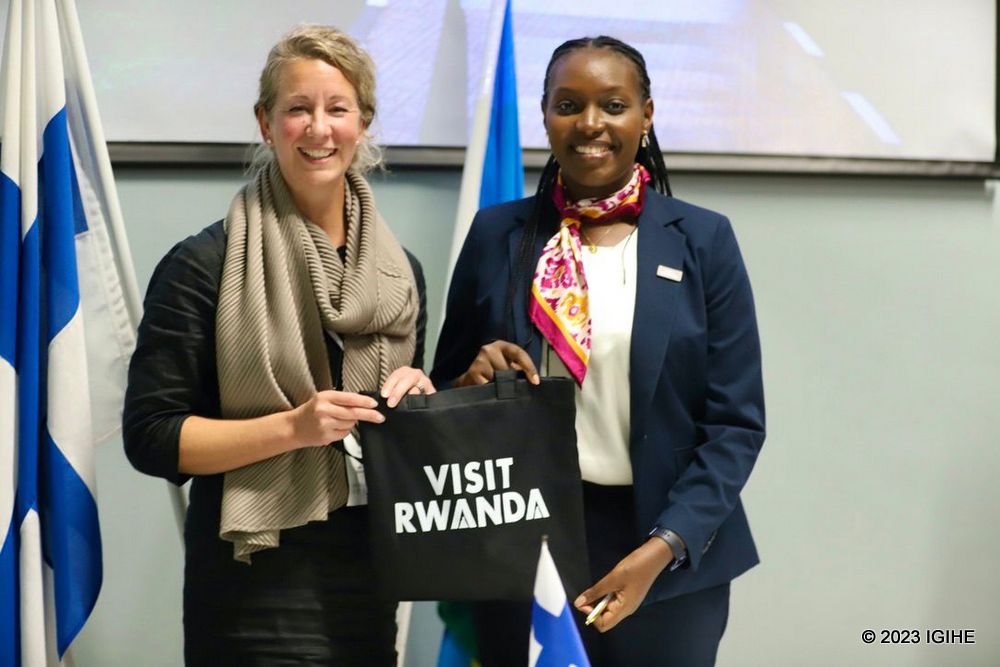
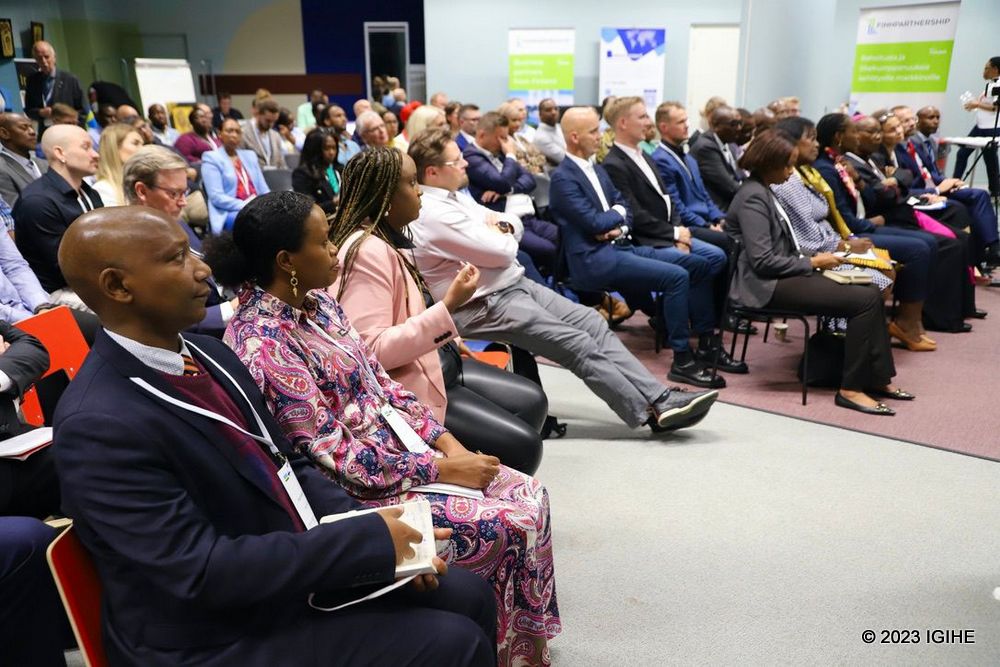
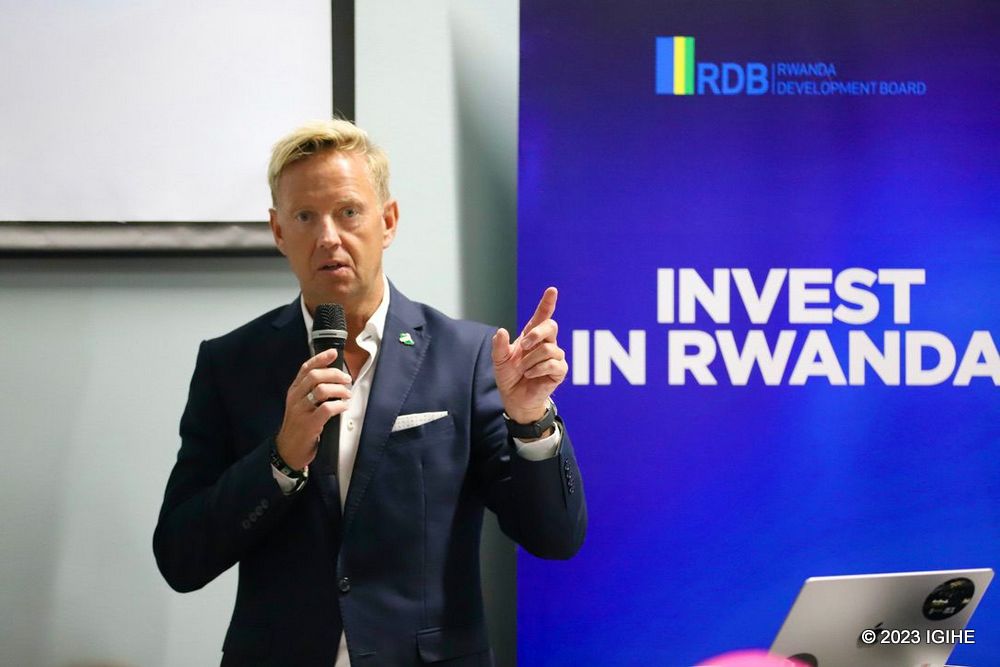
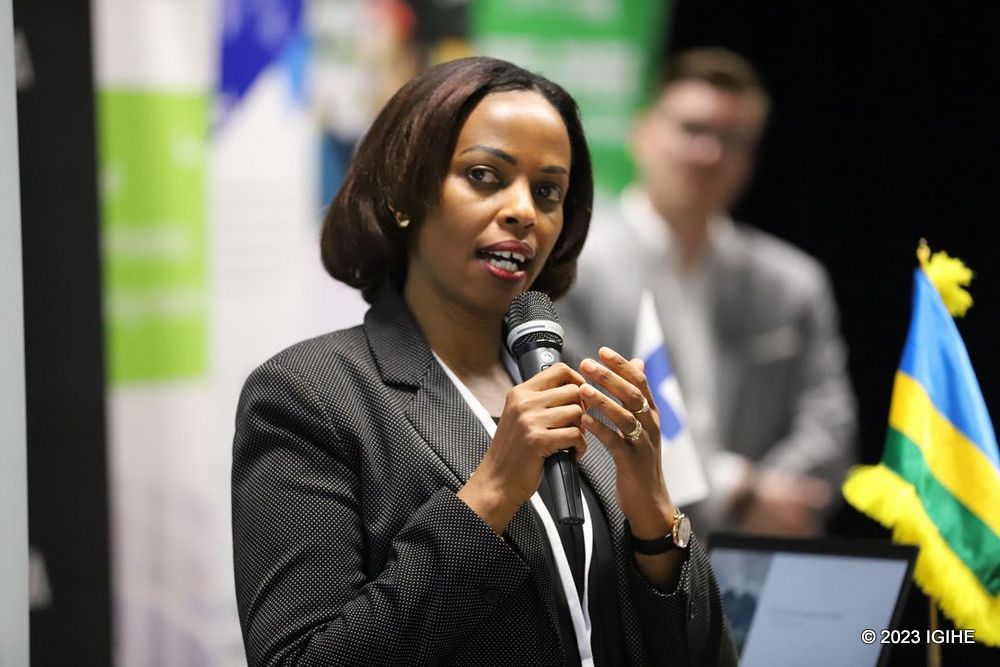
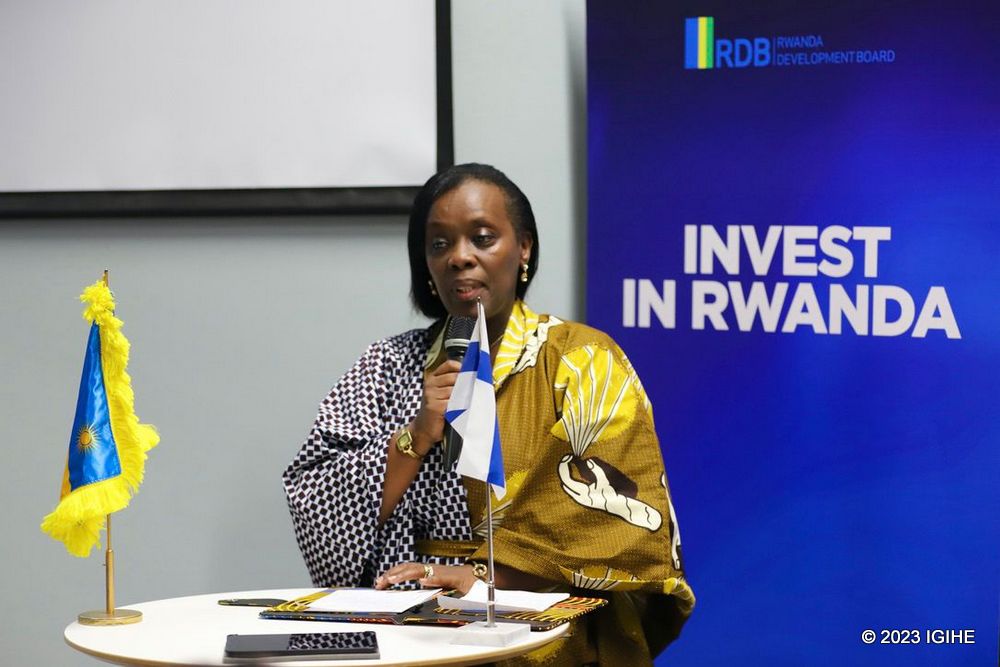
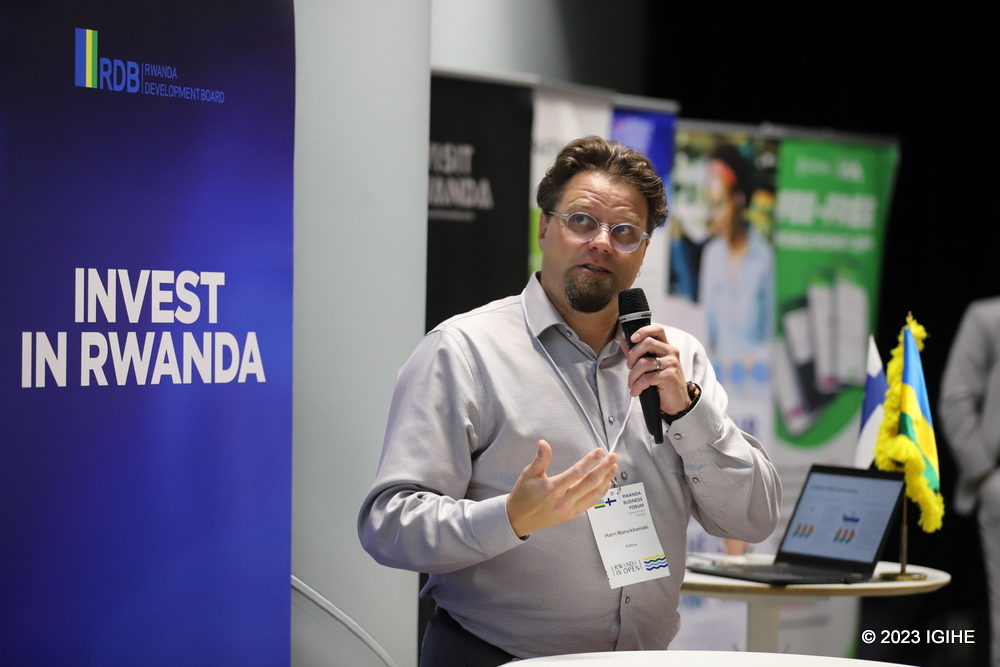
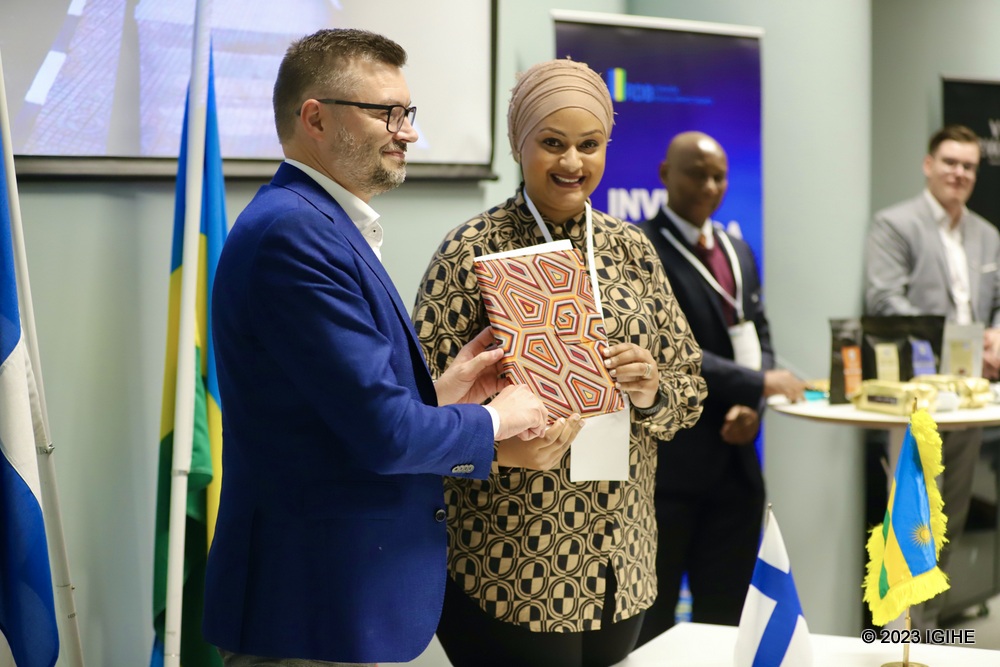
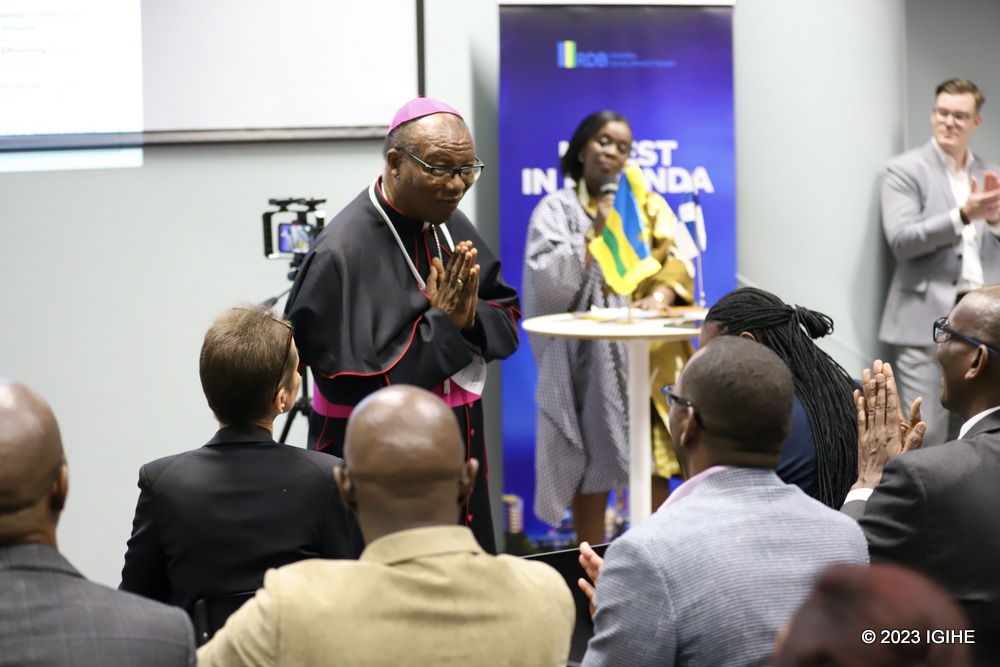
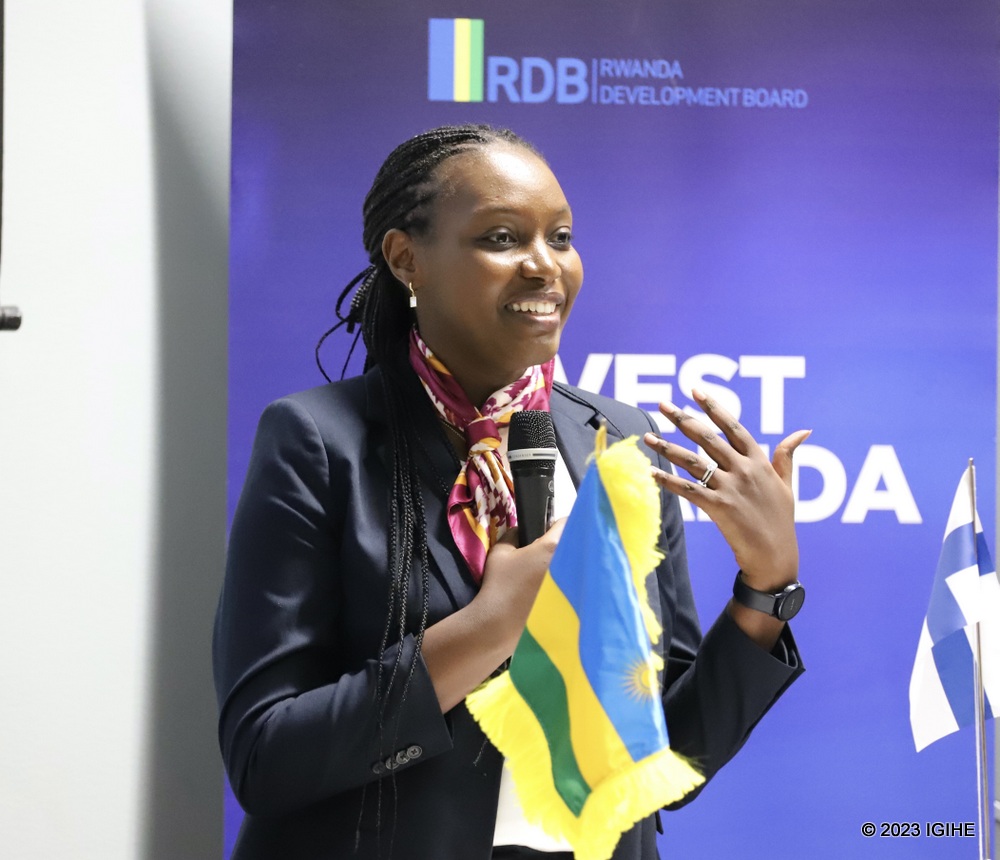
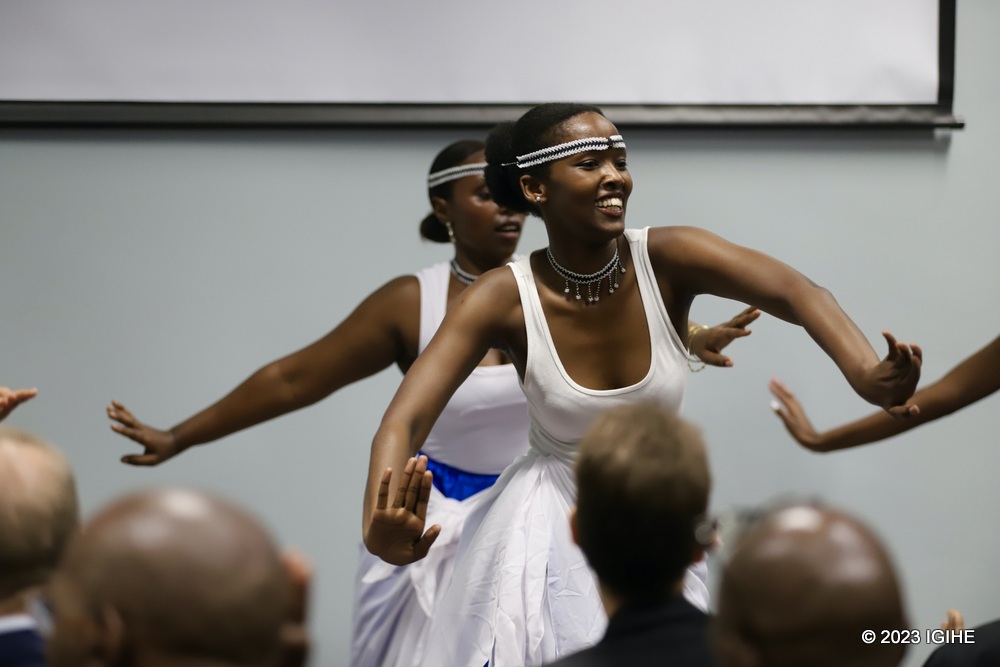
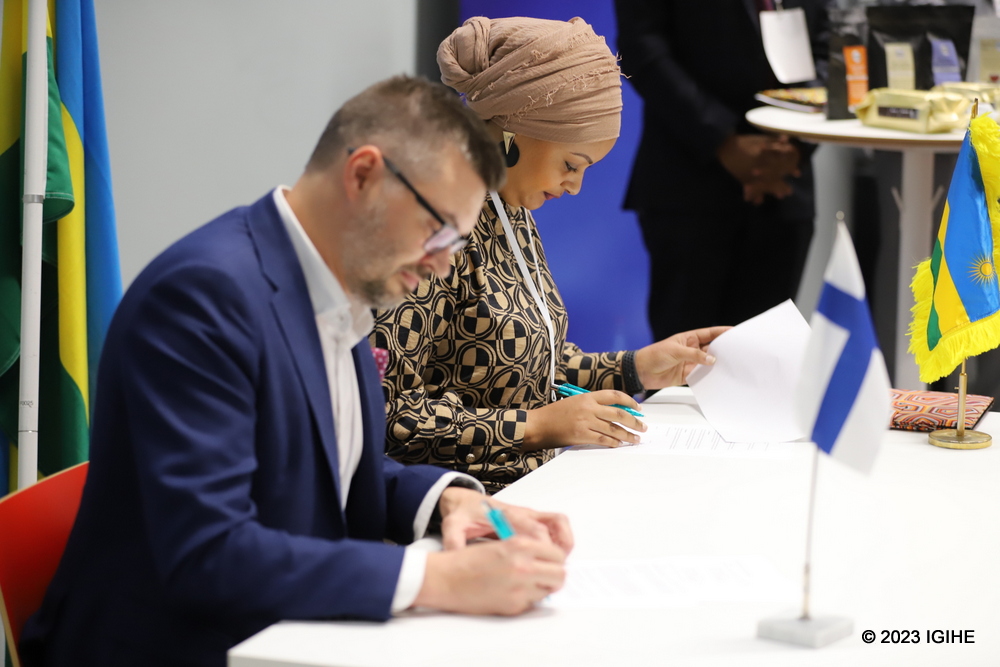
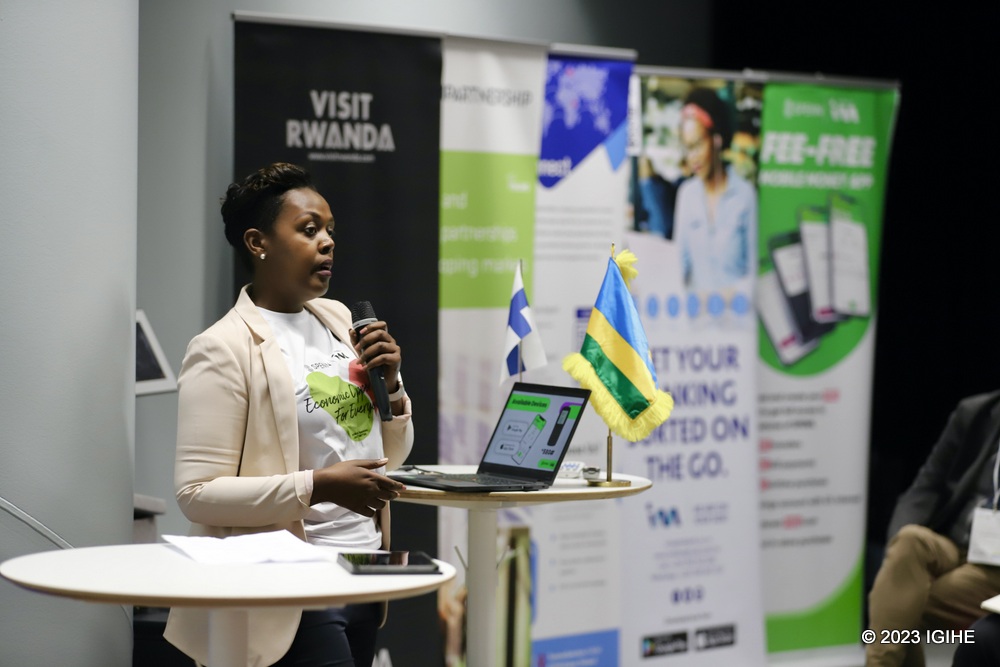
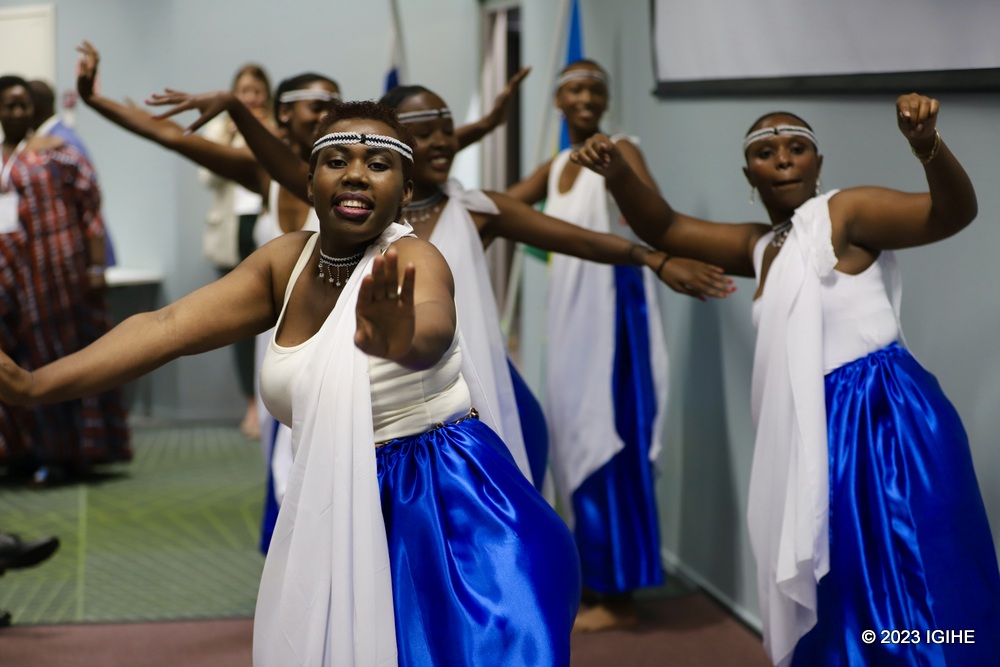
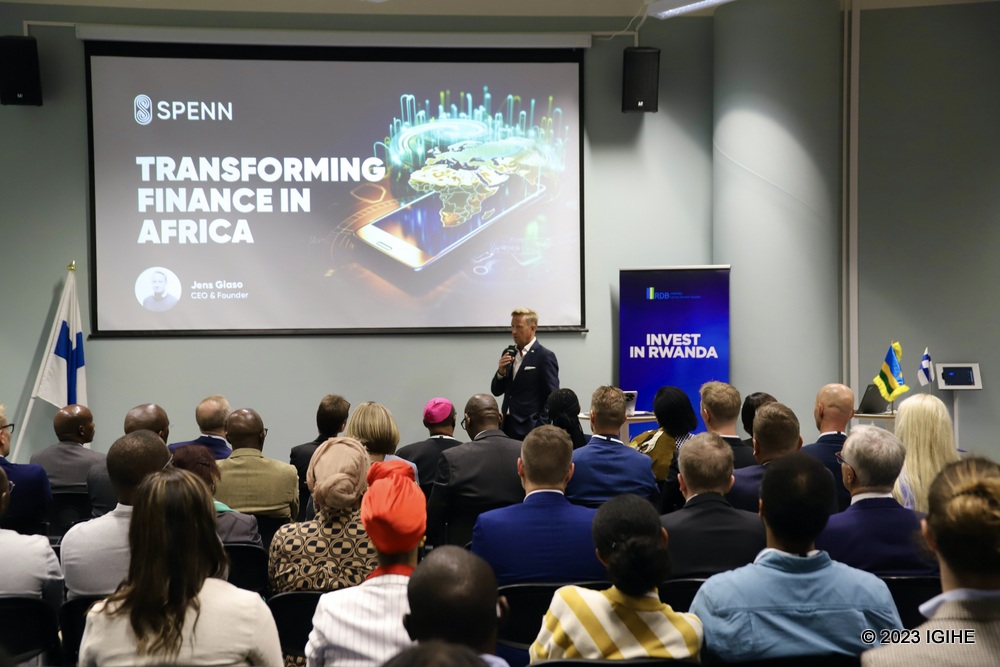
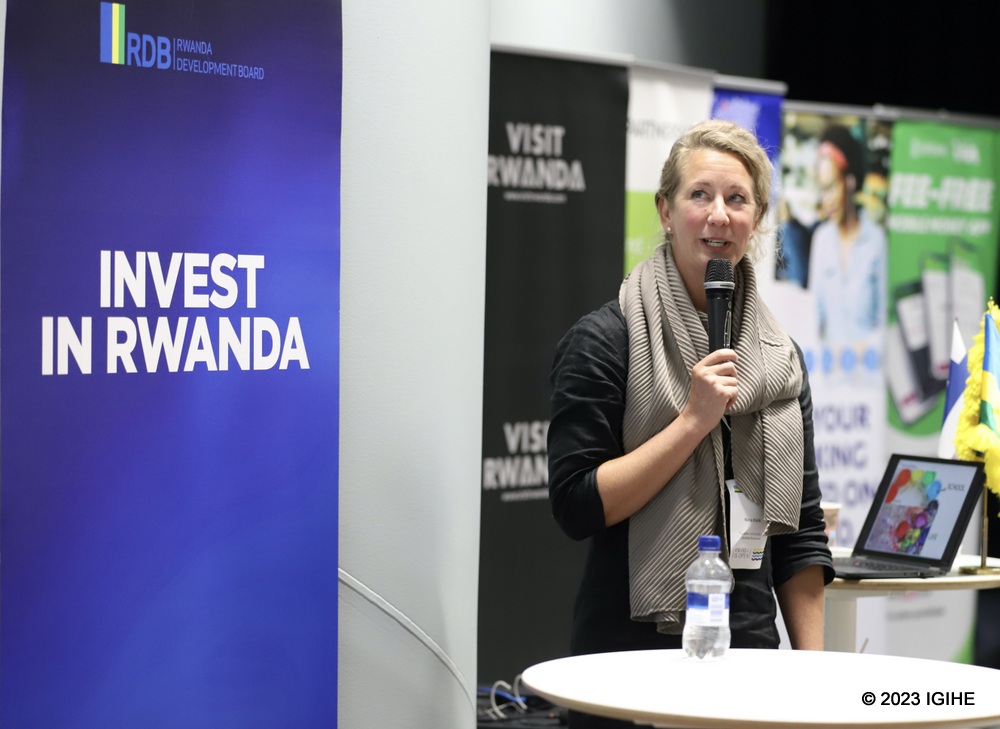
The agreement, inked by Claudette Irere, the State Minister in the Ministry of Education, and Ari Sivula, the Vice Chairperson of Tampere University of Applied Sciences, emerged from a Business Forum organized by Rwanda’s embassy in the Nordic countries, in collaboration with the Association of Rwandans living in Finland, Rwanda Development Board (RDB), and two Finnish companies namely; Finnpartnership and Hills Connect.
Finnpartnership is known for its support of projects in the fields of education and health, while Hills Connect is a company established by Rwandans who graduated and got employed in Finland.
Their shared mission is to attract Finnish investors to Rwanda and establish robust connections between Rwanda and Finnish universities. This concerted effort has already borne fruit with the participation of investors like Block Solutions Ltd and Aion Sigma.
Tampere University offers a diverse array of educational disciplines encompassing technology, health, social sciences, and trade. The recently signed agreement holds the promise of opening doors for Rwandan students to pursue studies in both Finland and Rwanda, with degrees recognized in both nations. Tampere University will also collaborate with vocational schools in Rwanda to enhance the quality of education.
Further bolstering the educational landscape in Rwanda, the State Minister in the Ministry of Education is expected to sign agreements with a company known as Finest Bay Area, founded by Finnish magnate Peter Besterbacka Vesterbacka, renowned as the ‘Mighty Eagle.’
These agreements are poised to pave the way for the establishment of the Education, Entrepreneurship, Entertainment (3E Campus) in Rwanda, aligning with the country’s ambitious vision. This venture into Africa by the company represents an addition to existing presence of other companies from Norway and Indonesia.
State Minister Claudette Irere emphasized that this initiative aligns seamlessly with Rwanda’s vision of job creation and leveraging technology to drive innovation. She expressed her belief that this company will create numerous opportunities for Rwandans, equipping them with international competencies.
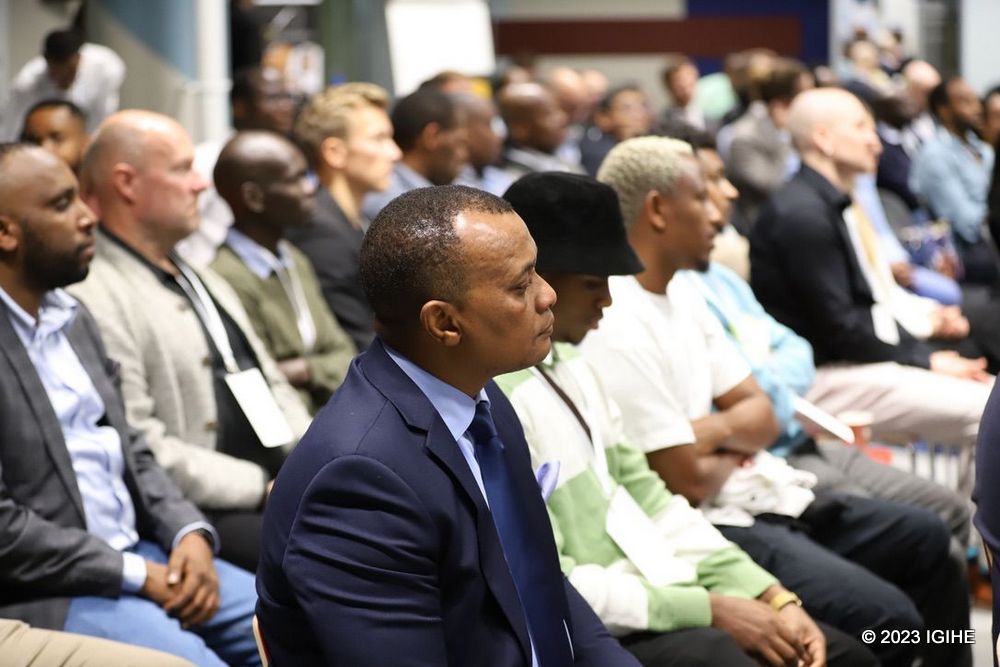
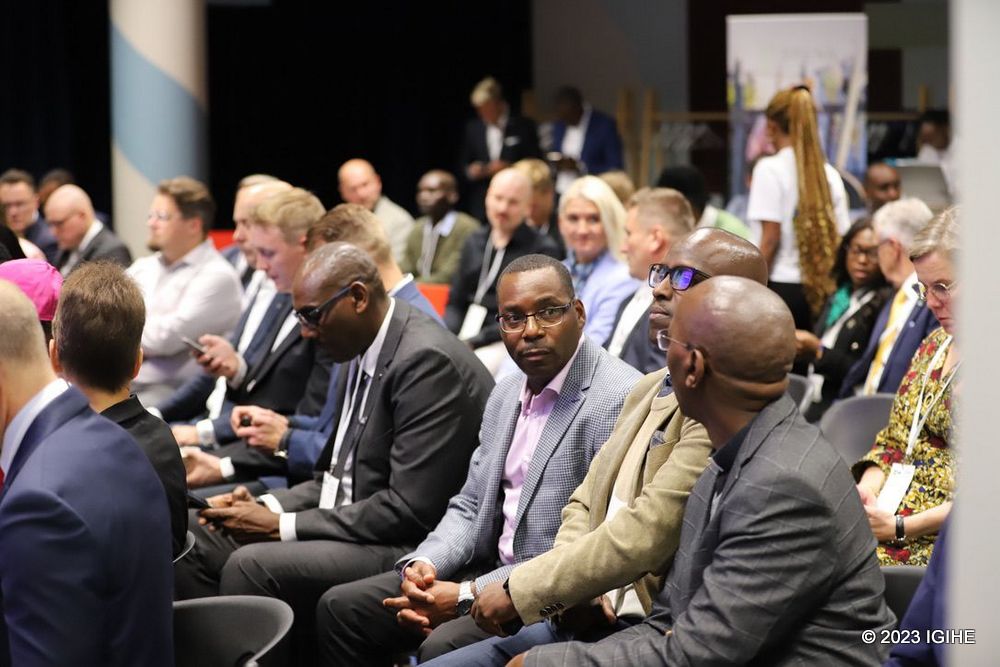
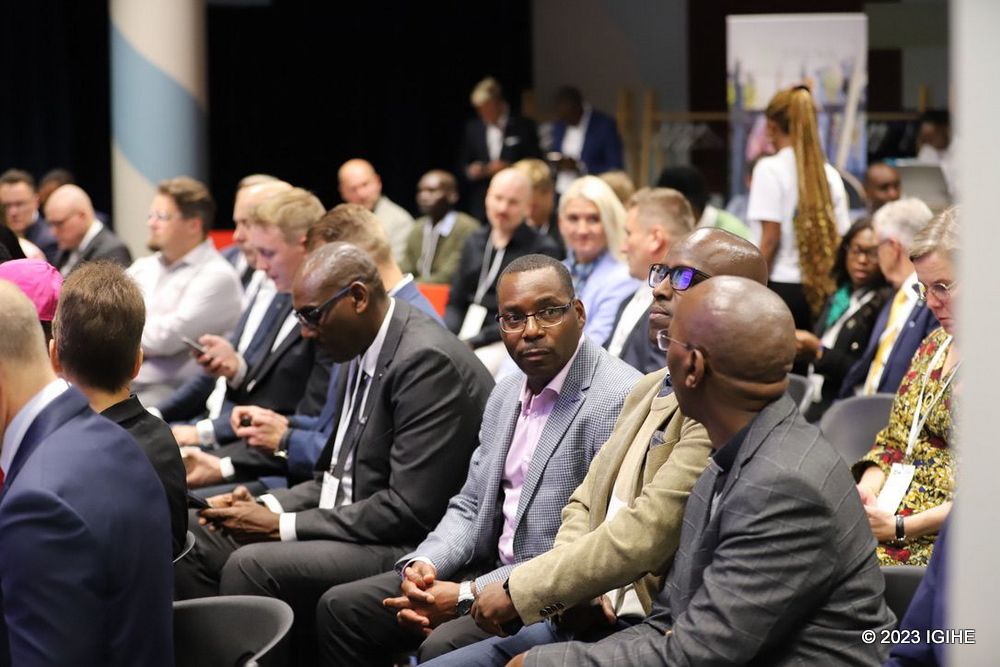
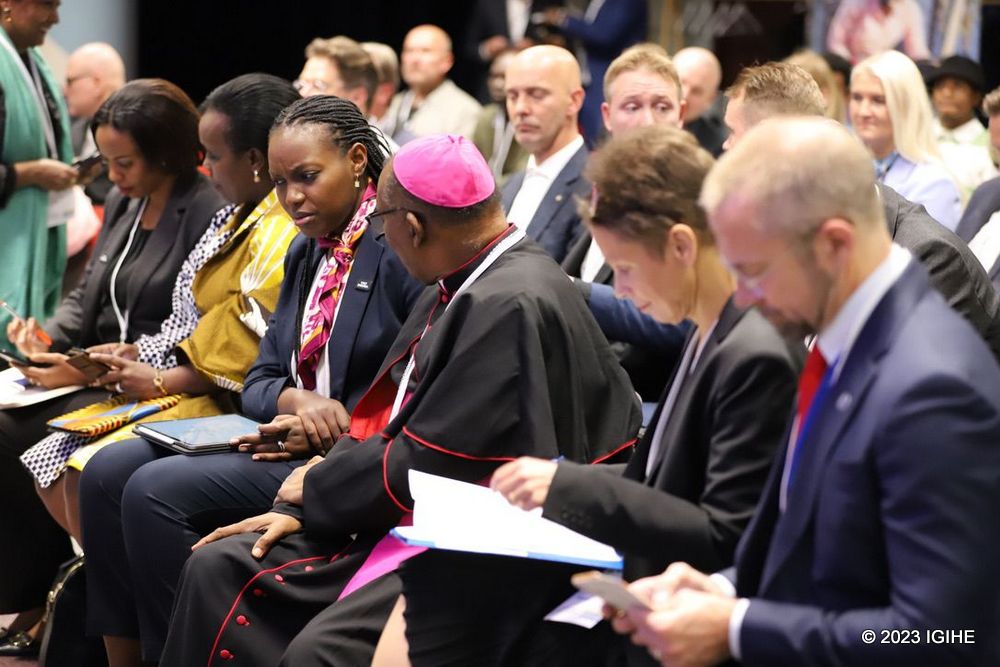
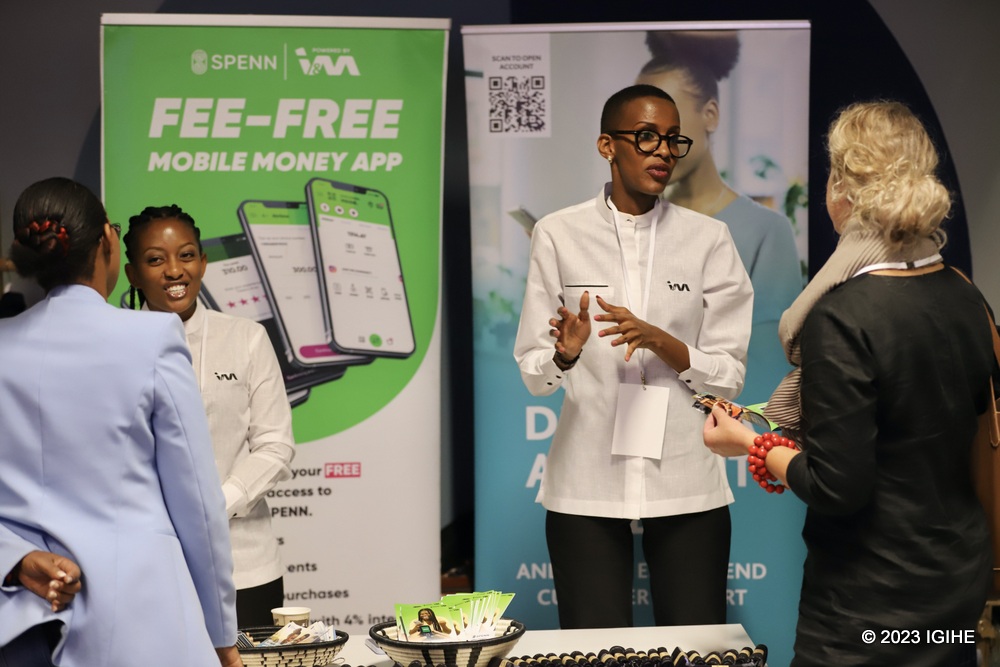
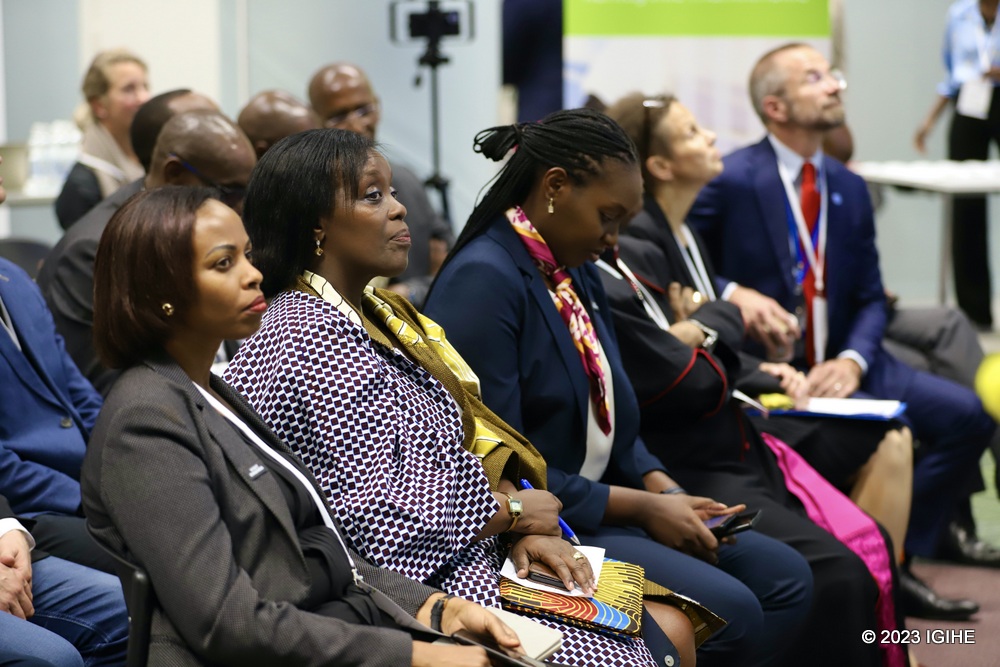
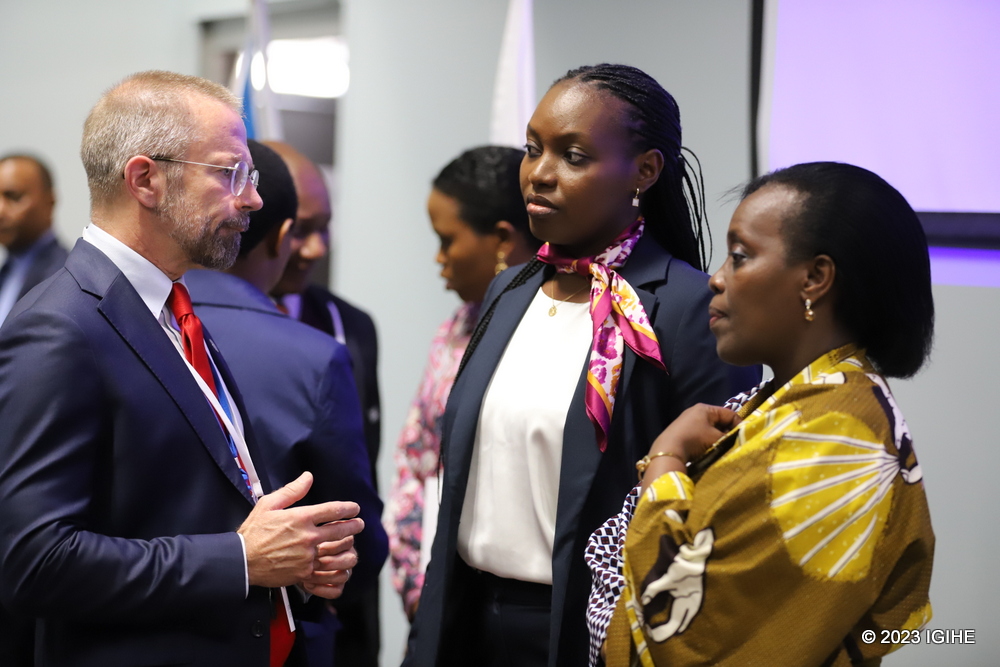
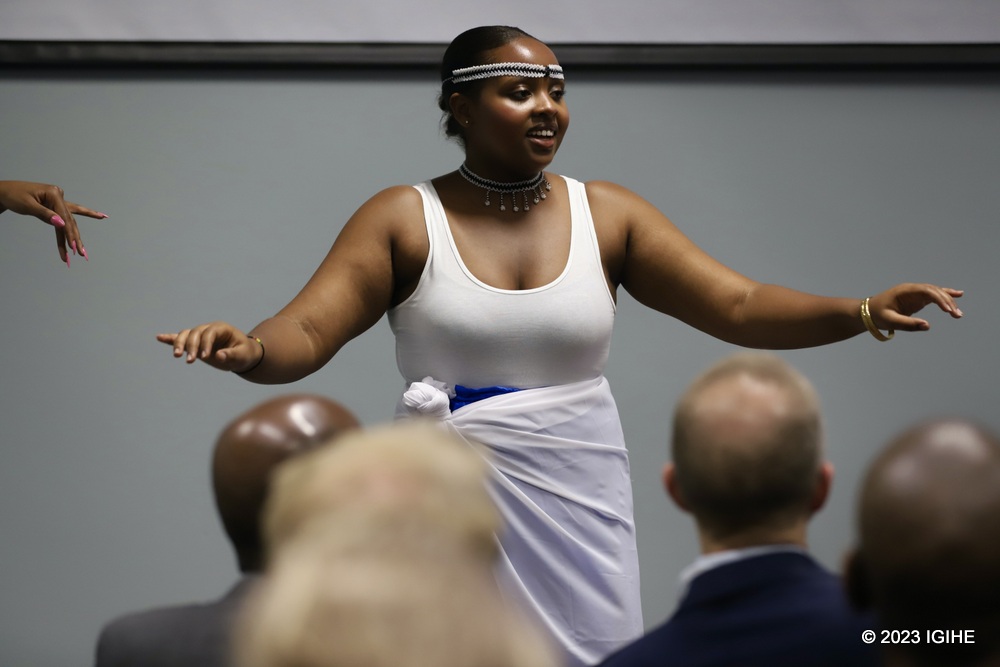
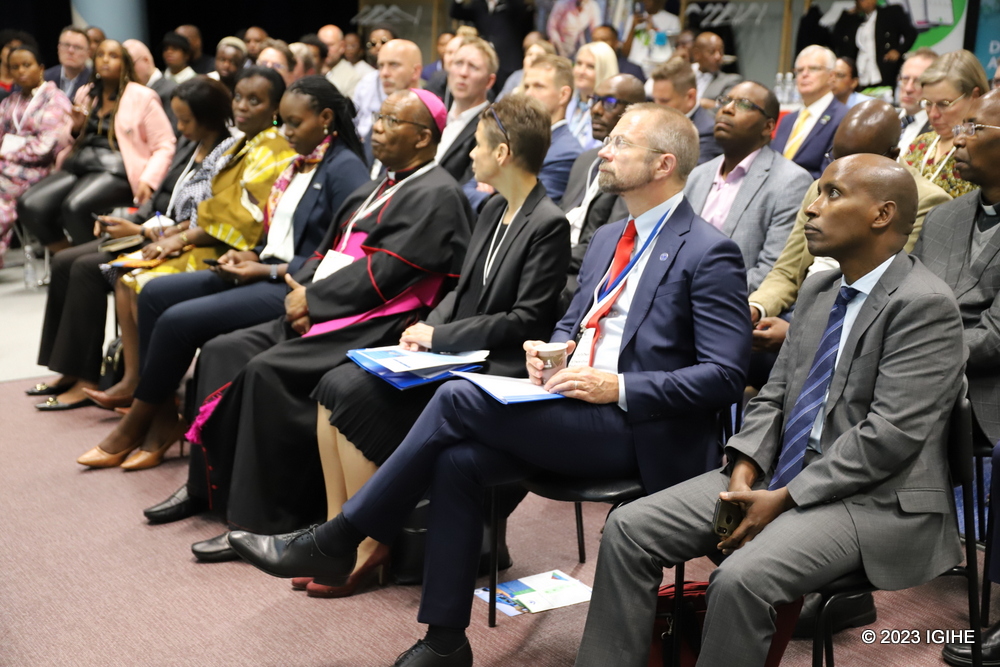
The meeting convened entrepreneurs and key figures from the fields of education, health, and information and communication technology (ICT).
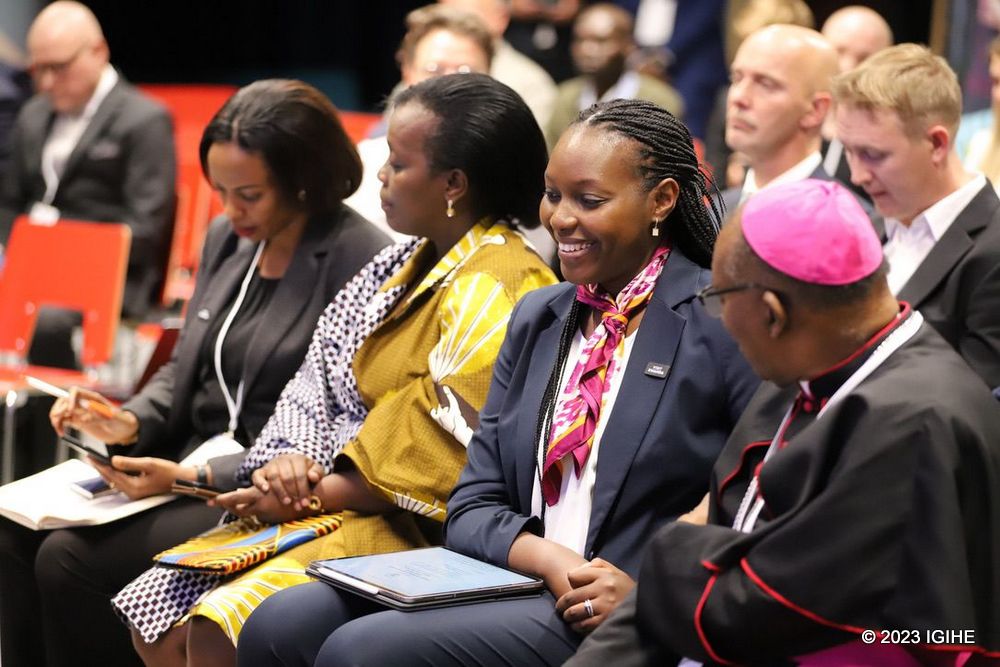
Notably, the Catholic University of Rwanda, represented by Bishop Philippe Rukamba, has also signed agreements with Finest Future, an initiative spearheaded by tycoon Peter Vesterbacka, aimed at teaching the Finnish language.
Interested Rwandans will receive virtual language instruction for one hour daily over an eight-month period. Upon successful completion, graduates will receive an automatic scholarship to pursue two-year vocational courses in Finland, entirely free of charge. Following these vocational courses, individuals will enjoy the privilege of continuing their education up to PhD studies, also at no cost.
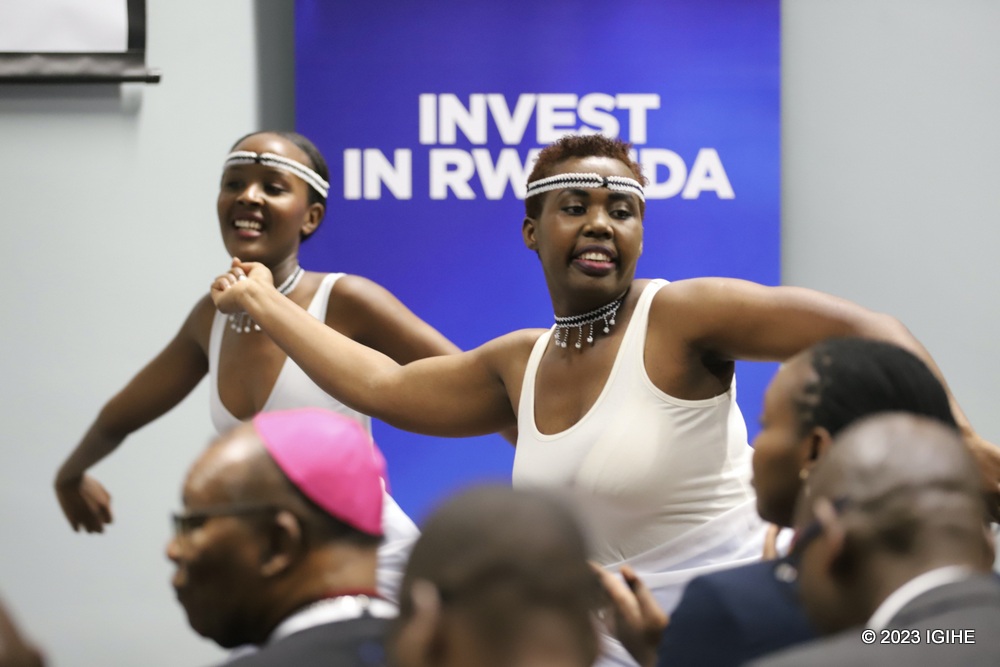
The meeting, known as ‘Slush,’ typically gathering over 2000 participants, is customarily hosted in Finland. The signed agreements also contemplate the possibility of hosting this impactful event in Rwanda, marking yet another significant milestone in the blossoming partnership between Rwanda and Finland in the realm of education and innovation.