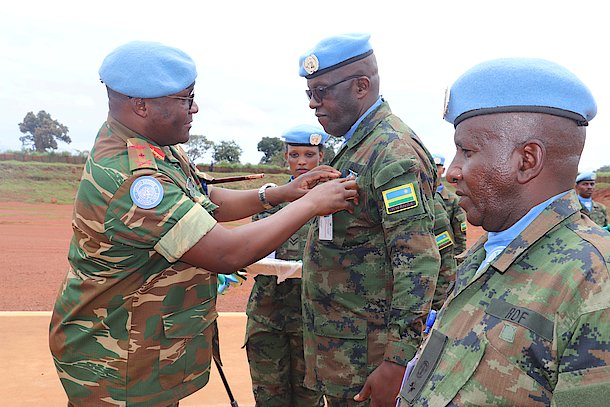
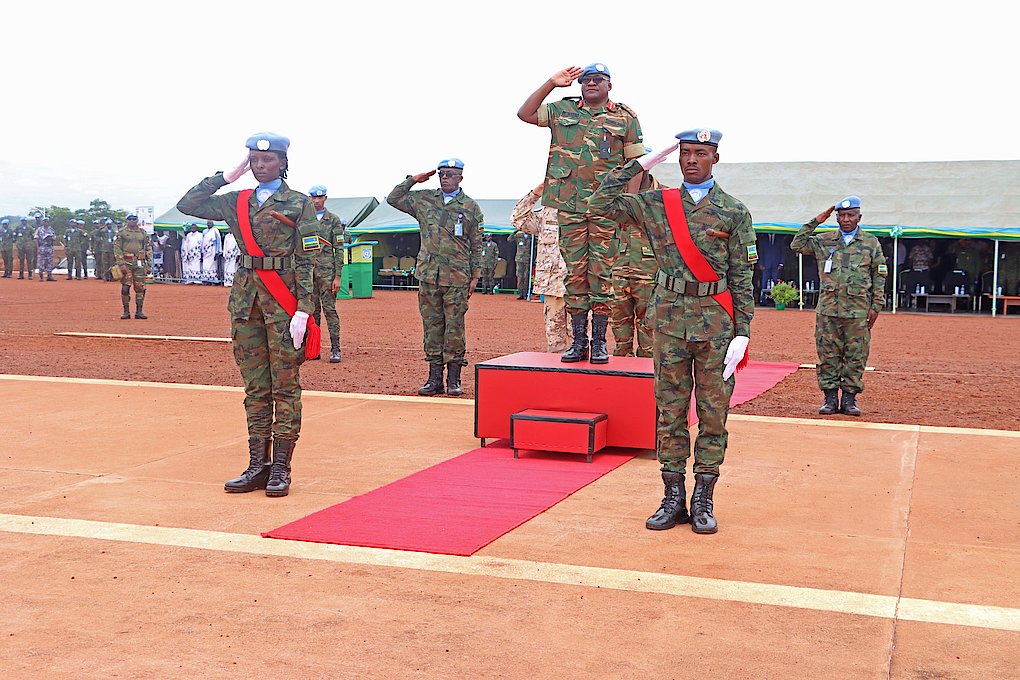
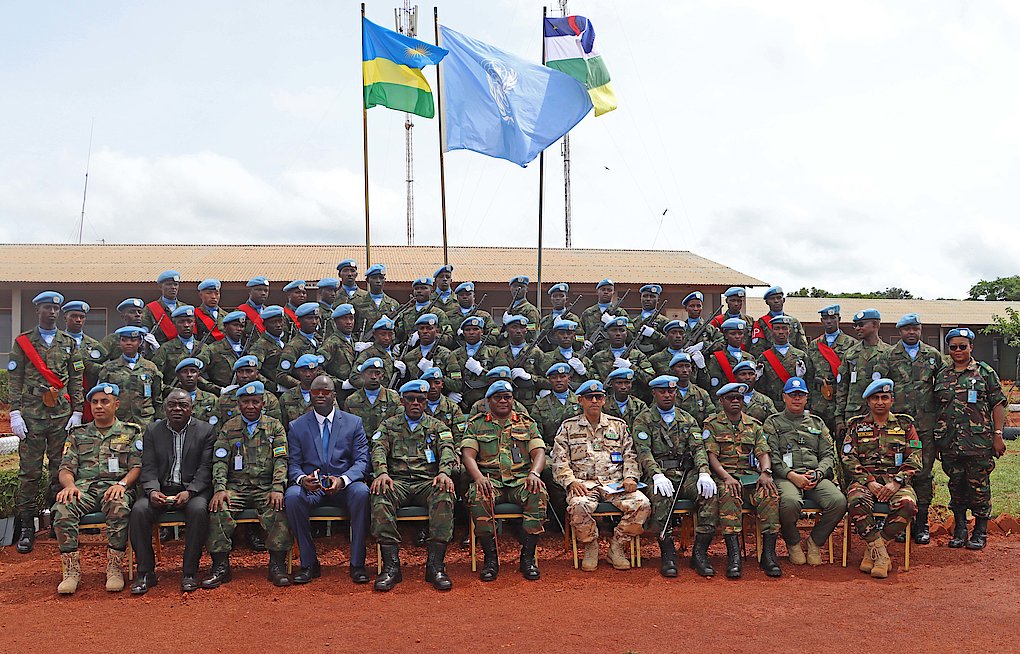
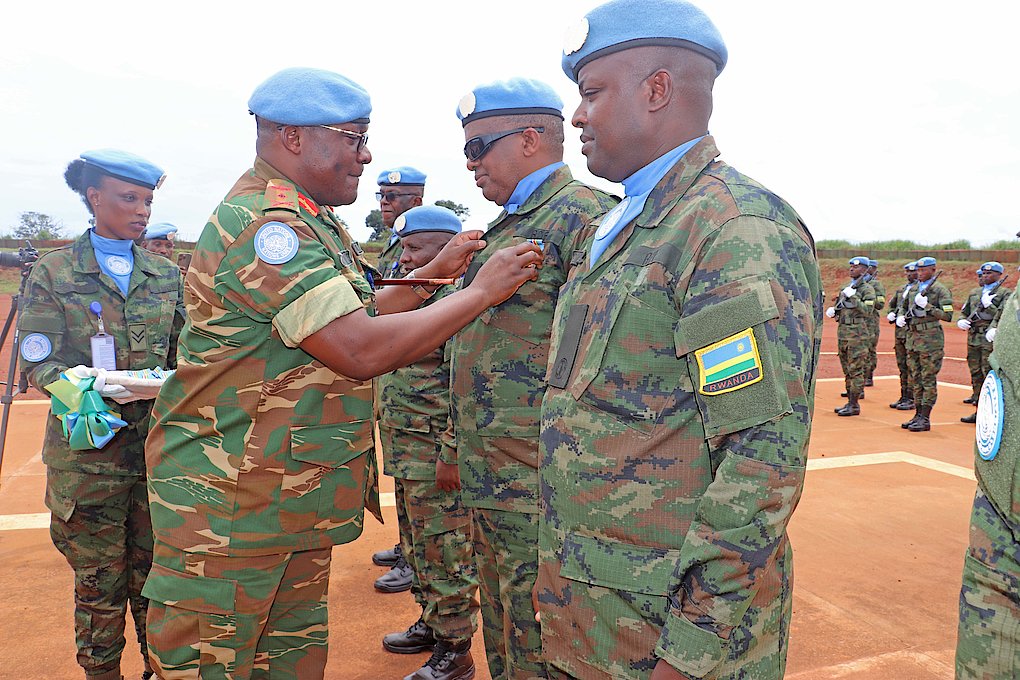
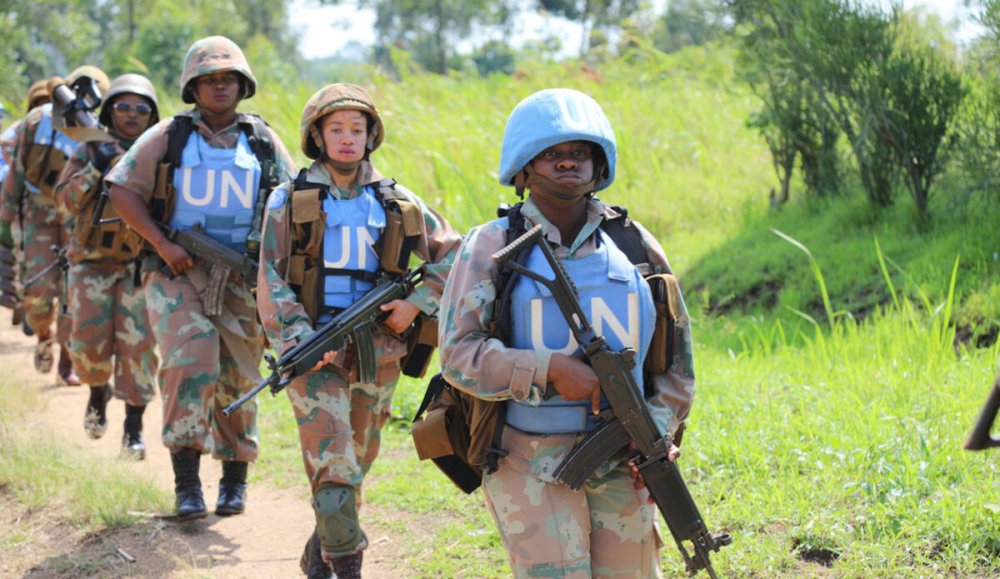
The event was held on 20th September 2023 at Bria, Sector East, Haute-Kotto Province, Central African Republic.
The ceremony was presided over by MINUSCA Force Commander, Lt Gen Humphrey Nyone who congratulated Rwandan peacekeepers for the good work done.
The senior contingent commander, Col Dr. Osee Robert Karangwa appreciated the good cooperation of the local leadership, the MINUSCA leadership and friendly forces.
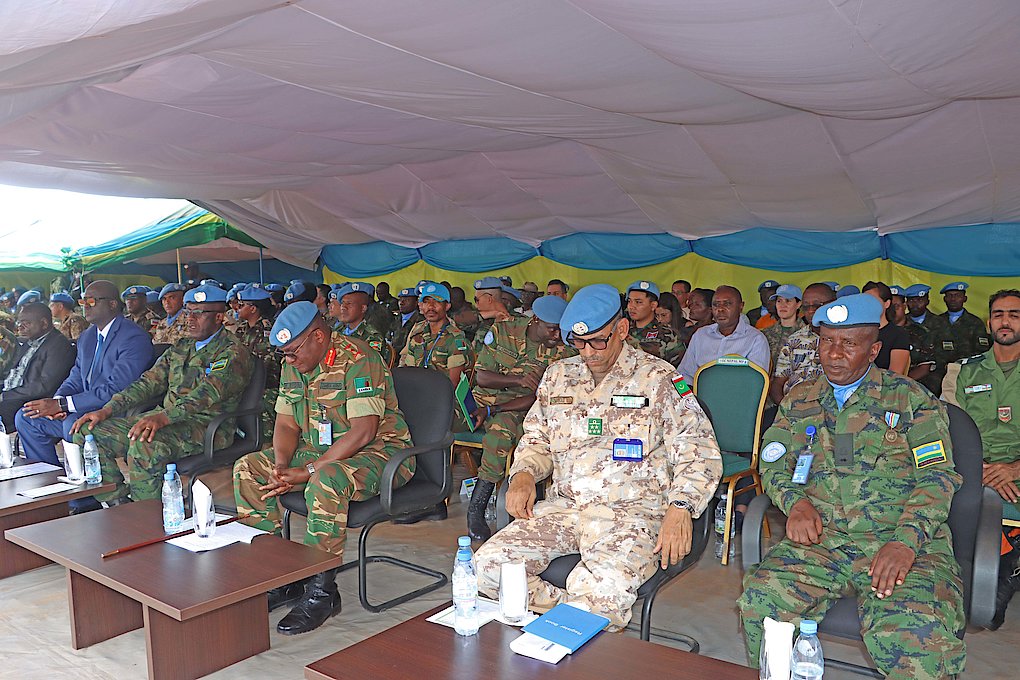
The ceremony was attended by Head Office Bria, Mr Dieng Bara with other Sector officials, local leadership and other MINUSCA contingents.
Rwanda and CAR maintain robust bilateral and multilateral cooperation, particularly in matters of security.
Rwanda has played a crucial role in stabilizing the Central African nation, with its forces serving as one of the largest contributors to MINUSCA since 2014.
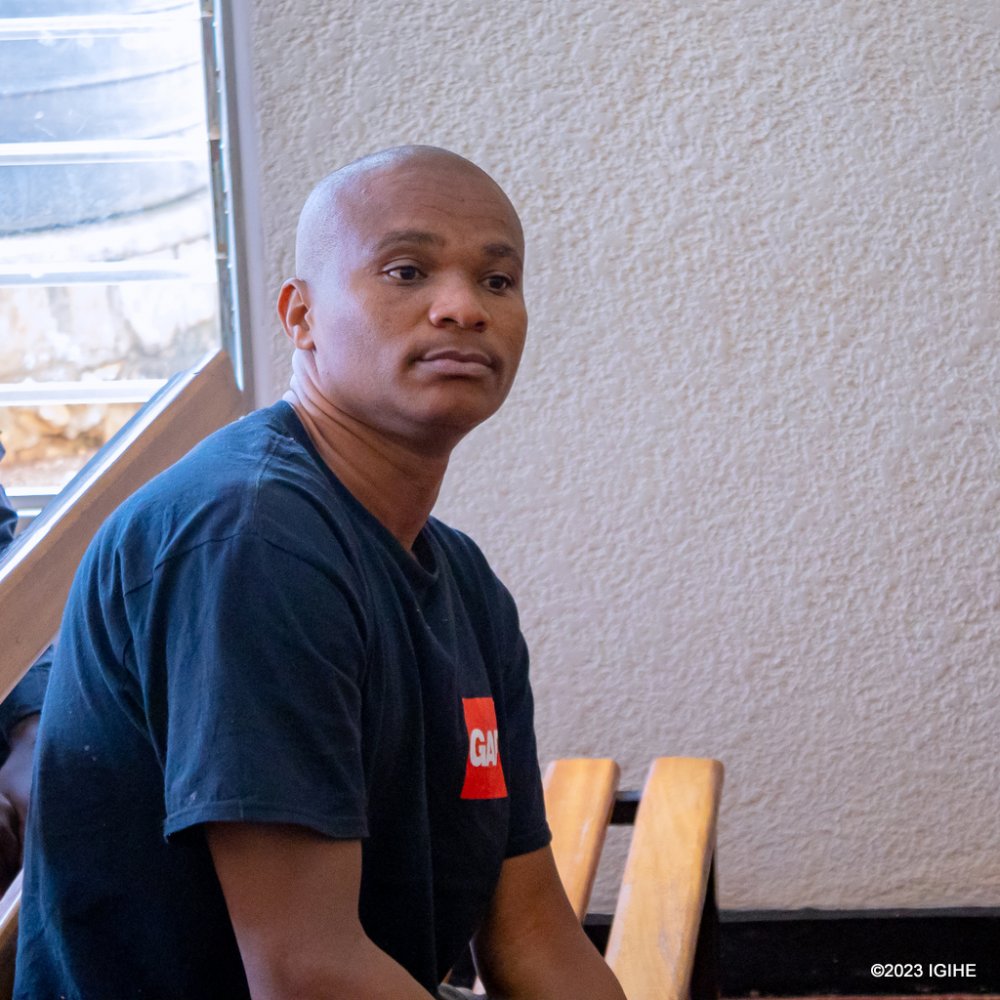
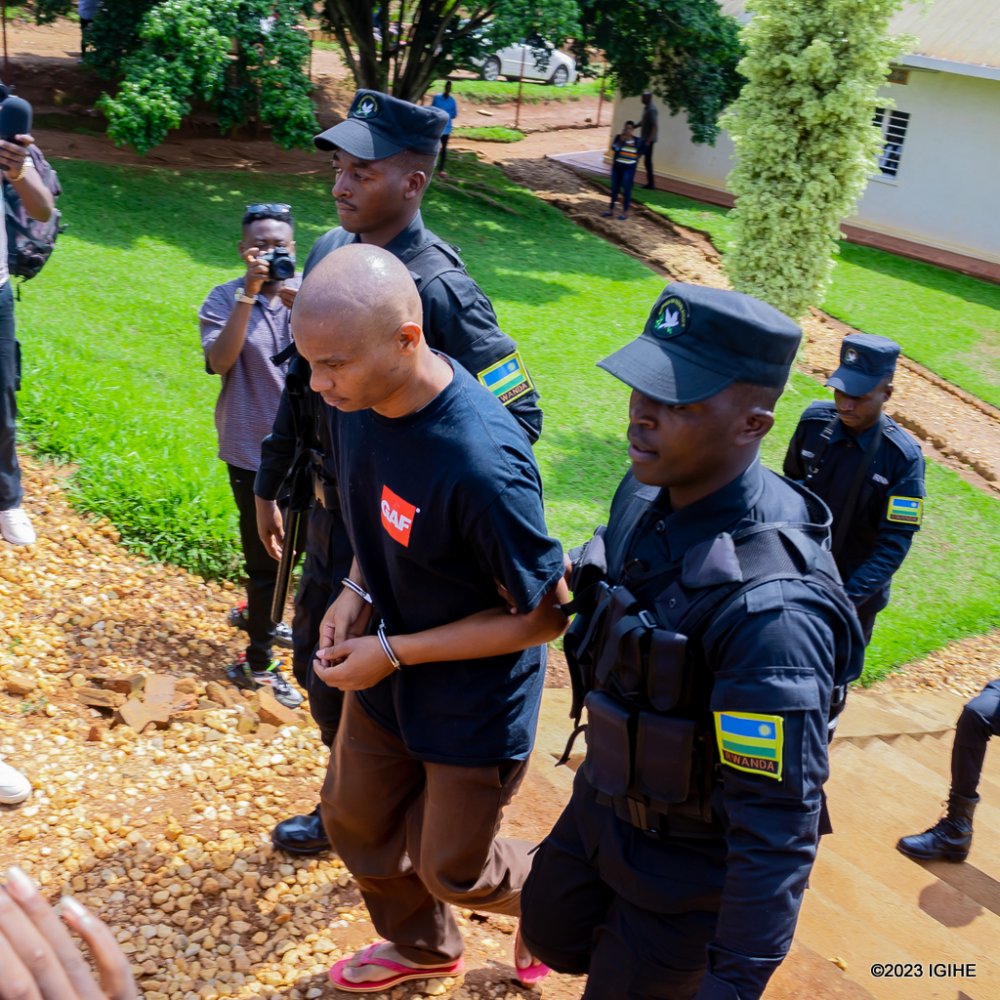
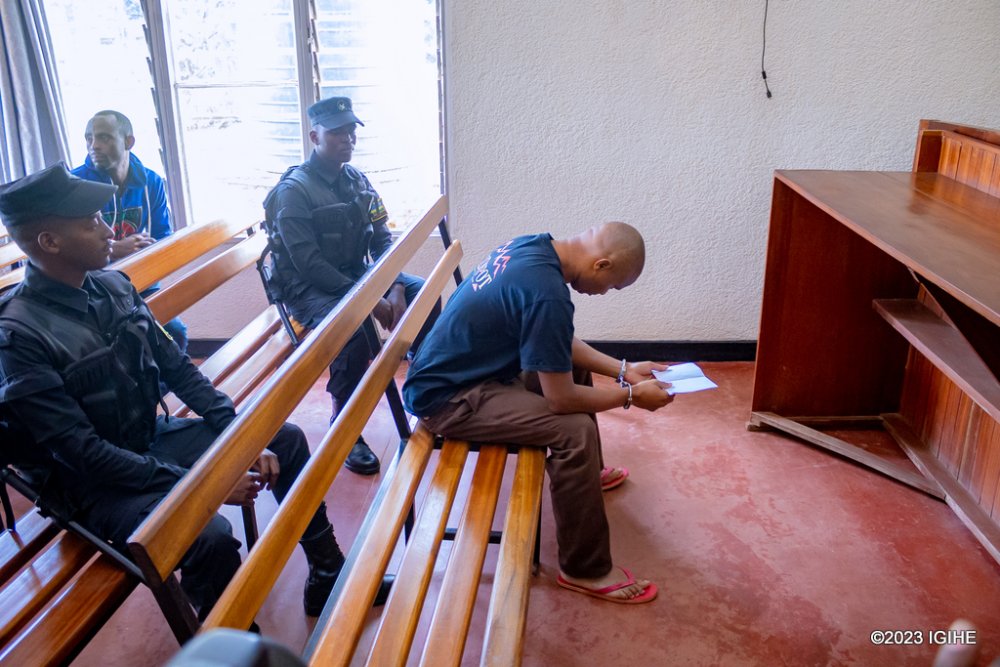
Kazungu who appeared before court on Thursday 21st September 2023, for bail or remand hearing without defence lawyer demanded judges to proceed with the hearing ‘in camera’ citing reason of having committed serious crimes which he didn’t want to be aired in the media.
“I have committed serious crimes that I plan to confess but would not like to be announced through the media nor be a leading guidance to my fellow criminals on the way to do it.
Reasons being, I request to be tried in camera is that I myself accepted the alleged crimes and intend to share the whole truth.”
When asked to comment on the request, the prosecution rejected it citing lack of convincing reasons.
The judge ruled that the hearing be held in public. Kazungu is facing charges including manslaughter, rape,use of threats , hiding of human body and mutilation.
He is also being charged with armed robbery, forgery, and cyber crimes.
During preliminary investigation, it was established that Kazungu kept 12 bodies of the victims in a pit and the remaining two are still under investigation to know their whereabouts.
On the other hand, during the interrogation, Kazungu admitted to have killed 14 individuals including 13 women and 1 man.
The prosecution has accused Kazungu of having brought 14 individuals he killed from different places including Remera, Kimironk,Kabuga, Masaka and Rusororo to his residence in Busanza, a suburb in Kanombe Sector of Kicukiro District where he allegedly killed them.
They claimed that after luring victims to his residence, he would immobilize them, tie their hands and feet, use threatening words and then torture them with objects such hammer, a pair of scissors and a pen.
The prosecution showed that prior to killing these people, Kazungu had extorted money and valuables from them, and he had also forced them to provide their bank account numbers to transfer money to his accounts and phones.
It was also determined that a few of the victims that Kazungu killed were forced to write papers that they had sold their houses and land plots to him before being killed and dumped in a pit in his kitchen.
The prosecution told the court that during interrogation, Kazungu said he did not recall the names of all the people he killed apart from 4 identified as Eliane, Mbabazi, Clementine, Francoise and Eric Turatsinze who he started using as his identity after killing him.
This man confessed on raping only one woman who later escaped and was rescued by the neighbours. The woman in question testified to the persecution that she was indeed raped.
He had tricked her on a phone call pretending to be someone she already knew. After being lured into his house, he started threatening her with death.
The court was informed that other individuals apprehended with Kazungu included a woman known as ‘Code20’ and another known as ‘Code33,’ both of whom revealed that Kazungu had forced them to withdraw money.
When asked the reasons behind his merciless killing and burying them, Kazungu claimed they had transmitted HIV intentionally.
Considering the charges, the prosecution requested a 30-day remand for Kazungu, as it was deemed necessary to protect society from his criminal activities.
When asked his thoughts on the prosecution’s request for the remand, Kazungu told the court that ‘the guard is yours to keep or have it pass through your fingers’.
Climate justice requires that climate action is consistent with existing human rights agreements, obligations, standards and principles. Those who have contributed the least to climate change unjustly and disproportionately suffer its harms. They must be meaningful participants in and primary beneficiaries of climate action, and they must have access to effective remedies.
At the half-time point of the 2030 Agenda, the science is clear – the planet is far off track from meeting its climate goals. This undermines global efforts to tackle hunger, poverty and ill-health, improve access to clean water and energy and many other aspects of sustainable development, according to a new multi-agency report coordinated by the World Meteorological Organization (WMO).
Only 15% of the Sustainable Development Goals (SDGs) are on track, says the United in Science report, which makes a systematic examination of the impact of climate change and extreme weather on the goals.
It illustrates how weather, climate and water-related sciences can advance aims such as food and water security, clean energy, better health, sustainable oceans and resilient cities.
As per Fifth Report of the Intergovernmental Panel on Climate Change, climate change is caused by anthropogenic emissions of greenhouse gasses. Among other impacts, climate change negatively affects people’s rights to health, housing, water and food.
These negative impacts will increase exponentially according to the degree of climate change that ultimately takes place and will disproportionately affect individuals, groups and peoples in vulnerable situations including, women, children, older persons, indigenous peoples, minorities, migrants, rural workers, persons with disabilities and the poor.
Therefore, states are urged to act to limit anthropogenic emissions of greenhouse gasses (e.g. mitigate climate change), including through regulatory measures, in order to prevent to the greatest extent possible the current and future negative human rights impacts of climate change.
{{States obligation on climate change }}
To mitigate climate change and to prevent its negative human rights impact; states have an obligation to respect, protect, fulfill and promote all human rights for all persons without discrimination. Failure to take affirmative measures to prevent human rights harms caused by climate change, including foreseeable long-term harms, breaches this obligation.
States must build adaptive capacities in vulnerable communities, including by recognizing the manner in which factors such as discrimination, and disparities in education and health affect climate vulnerability, and by devoting adequate resources to the realization of the economic, social and cultural rights of all persons, particularly those facing the greatest risks.
To ensure that all persons have the necessary capacity to adapt to climate change; states must ensure that appropriate adaptation measures are taken to protect and fulfill the rights of all persons, particularly those most endangered by the negative impacts of climate change such as those living in vulnerable areas (e.g. small islands, riparian and low-lying coastal zones, arid regions, and the poles).
{{International cooperation:}} The UN Charter, the International Covenant on Economic, Social and Cultural Rights, and other human rights instruments impose upon States the duty to cooperate to ensure the realization of all human rights. Climate change is a human rights threat with causes and consequences that cross borders; thus, it requires a global response, underpinned by international solidarity. States should share resources, knowledge and technology in order to address climate change.
International assistance for climate change mitigation and adaptation should be additional to existing ODA commitments. Pursuant to relevant human rights principles, climate assistance should be adequate, effective and transparent, it should be administered through participatory, accountable and nondiscriminatory processes, and it should be targeted toward persons, groups, and peoples most in need. States should engage in cooperative efforts to respond to climate-related displacement and migration and to address climate-related conflicts and security risks.
{{Ensuring equity in climate action:}} The Rio Declaration on Environment and Development, the Vienna Declaration and Programme of Action, and ‘The Future We Want’ all call for the right to development, which is articulated in the UN Declaration on the Right to Development, to be fulfilled so as to meet equitably the developmental and environmental needs of present and future generations.
The UN Framework Convention on Climate Change calls for states to protect future generations and to take action on climate change ‘on the basis of equity and in accordance with their common but differentiated responsibilities and respective capabilities’.
While climate change affects people everywhere, those who have contributed the least to greenhouse gas emissions (i.e. the poor, children, and future generations) are those most affected.
Equity in climate action requires that efforts to mitigate and adapt to the impacts of climate change should benefit people in developing countries, indigenous peoples, people in vulnerable situations, and future generations.
According to the Rwanda Meteorology Agency Report, Rwanda has decided to pursue a green growth approach to development. The availability of regional and local scale climate change scenarios is critical for assessing climate change impacts and vulnerability in various socio-economic sectors and developing appropriate adaptation strategies.
Therefore, there is a need for standardized climate projections for Rwanda specific to its different agro-ecological zones and biophysical conditions or for guidance on which external climate information sources to use and how to use them.
The ENDF said in a press release that the fighters were killed in Rabdhure town in southwestern Somalia after they tried to attack an ENDF contingent that was present in that area.
The ENDF disclosed the militant group had tried to use 12 suicide bombers and three explosives-laden vehicles in the failed attack.
The Ethiopian army has previously foiled multiple al-Shabab attempts to infiltrate eastern Ethiopia to carry out cross-border attacks, read the statement.
Al-Shabab is a militant Islamic rebel group mainly operating in conflict-wracked Somalia but has also been implicated in terrorist attacks in several other East African countries.
Ethiopia has several thousand troops in Somalia as part of the African Union Transition Mission in Somalia (ATMIS) tasked with countering the al-Shabab threat.
In Africa over this period attacks were detected on 40,3% of ICS computers, placing it in first place among the other regions. The top industries under attack were energy (45,9%), engineering & integration (44%) and building automation (40%). All these attacks were blocked after detection.
ICS computers are used in oil & gas, energy, automotive manufacturing, building automation infrastructures and other spheres to perform a range of operational technology (OT) functions – from the workstations of engineers and operators to supervisory control and data acquisition (SCADA) servers and Human Machine Interface (HMI).
Cyberattacks on industrial computers are considered to be extremely dangerous as they may cause material losses and production downtime for the controlled production line and even the facility as a whole. Moreover, industrial enterprises put out of service can seriously undermine a region’s social welfare, ecology and macroeconomics.
An analysis of the most significant and targeted threats detected on ICS computers in selected countries of Africa in the first half of 2023 shows that the threat landscape can vary between countries and between industries due to the differences in the security maturity of different countries/industries and the current focus of threat actors. In South Africa in the first half of 2023 malware was detected and blocked on 29,1% of ICS computers, in Nigeria on 32,6%, in Kenya on 34,5% of machines.
There are different types of cyberthreats that OT-related computers face – malicious scripts, spy trojans, worms, ransomware, and others. In the first half of 2023 Africa had the highest percentage of ICS computers on which spyware was blocked (9,8%). The Middle East and Southeast Asia had similarly high percentages (8,3% and 8,1%). The global average stands at 6,1%.
Africa was also the region with the highest percentage of ICS computers (14,8%) on which attacks from denylisted Internet resources were blocked (these are web resources associated with distributing or controlling malware). The global average is 11,3%.
Viruses and worms spread across ICS networks by means of removable media, shared folders, infected files, such as backups, and network attacks on outdated software. The percentage of ICS computers on which worms were detected was very high in Africa (7% vs. 2,3% global average), making this region the leader by percentage of ICS computers on which threats were detected after removable devices were connected.
“Africa’s industrial landscape is diverse, ranging from large-scale mining operations to small-scale agriculture. This means that ICS cybersecurity solutions need to be adaptable to various sectors and technologies. In some regions, legacy ICS systems that lack modern security features are still in use. These systems are often more vulnerable to cyberthreats and require significant upgrades.
Lastly, some critical infrastructure in Africa is located in remote areas with limited connectivity, which can make it difficult to monitor and secure ICS assets effectively,” comments Evgeny Goncharov, Head of Kaspersky ICS CERT.
“By understanding these risks, organisations can make informed decisions, allocate resources wisely, and efficiently fortify their defenses. In doing so, they not only protect their bottom line but also contribute to a safer and more secure digital ecosystem for all.”
As he delivered a speech at the United Nations General Assembly, Tshisekedi emphasized the need for his country to regain control over its stability.
The mission, consisting of 15,000 peacekeepers, has struggled to address rebellions and protect civilians.
Originally scheduled for withdrawal in December 2024, DR Congo now seeks an earlier departure, starting this year.
While the US expressed concerns about a hasty exit, Tshisekedi stressed that maintaining Monusco was counterproductive amid growing tensions and protests against the mission.
The ongoing militia violence in eastern DR Congo has plagued the region for decades. The United Nations Organisation Stabilisation Mission in the Democratic Republic of the Congo (Monusco), in place since 1999, is one of the world’s largest and most expensive UN peacekeeping efforts, with an annual budget of around US$1 billion.
However, its effectiveness has been questioned by many in the DRC.
The vehicle, RAV4 registration number RAE 326Y, was intercepted on Wednesday, September 20, at about 05a.m, in Nshuri village, Gatengure cell of Tabagwe sector.
Two men, who were on board; the driver and the alleged owner of the polythene bags, were also arrested.
The suspects told the Police that they had smuggled the outlawed packaging products into Rwanda from Uganda, through a porous border point in Nyagatare District.
They added that they were at the time trafficking the non-biodegradable products to Kayonza District.
Superintendent of Police (SP) Hamdun Twizeyimana, the Police spokesperson for the Eastern region, said that the vehicle was intercepted during operations against smuggling.
“Police had information about smugglers and drug traffickers, who operate mainly at night.
The vehicle was stopped, searched and Police officers recovered boxes containing 540,000 pieces of polythene bags leading to the arrest of the two people on board,” SP Twizeyimana said.
He commended the role of the public in fighting smuggling and other unlawful acts, through information sharing.
Manufacturing, use, importation or sale of plastic carry bags and single-use plastic items are prohibited under article 3 of law N? 17/2019 of 10/08/2019 relating to the prohibition of manufacturing, importation, use, and sale of plastic carry bags and single-use plastic items in Rwanda.
In article 10, any person, who imports plastic carry bags and single-use plastic items is liable to the dispossession of those plastic carry bags and such items, and to an administrative fine equivalent to ten times the value of those plastic carry bags and single-use plastic items.
In article 11, a wholesaler of plastic carry bags and single use plastic items is liable to an administrative fine of Rwf700, 000 and dispossession of those plastic carry bags and such items.
In article 12, a retailer of plastic carry bags and single-use plastic items is liable to an administrative fine of Rwf300,000 and dispossession of those plastic carry bags and such items.
Culture shock can manifest when people transition to a new city or country, such as retiring abroad. It can also emerge during vacations, business trips, or educational pursuits, like studying abroad. For instance, international students embarking on a semester in a foreign land might grapple with cultural adjustments related to weather, local customs, language, cuisine, and values.
Although the timing of each person’s adjustment process varies, there are identifiable phases that most individuals undergo while adapting to a new environment. Culture shock can be taxing and lead to anxiety, yet it can be surmounted, fostering personal growth.
Culture shock unfolds when an individual leaves the familiarity of their home and steps into uncharted territory. The transition can be particularly intense when transitioning between vastly different settings, such as moving from a rural area to a bustling metropolis or relocating to another country. It typically doesn’t result from a single event; instead, it accumulates from a series of experiences, making it challenging to pinpoint.
The initial stage of culture shock is particularly intense and challenging to overcome. It’s crucial to bear in mind that this cultural adjustment gradually subsides as one becomes more acquainted with the place, its people, customs, cuisine, and language. Consequently, navigating the environment becomes easier, friendships are forged, and everything becomes more comfortable.
Individuals experiencing culture shock tend to progress through four distinct phases:
{{Culture shock typically comprises four stages:}} The honeymoon, frustration, adaptation, and acceptance stages. These phases encompass feelings of excitement, frustration, homesickness, adjustment, and ultimate acceptance. Not everyone goes through all four stages, and some may never reach the acceptance phase, leading to ongoing difficulties in adapting.
{{The Honeymoon Stage: }} Initially, people are excited about their new environment, perceiving it as an adventure. This phase may define the entire experience for those on a short stay but eventually fades for long-term residents.
{{The Frustration Stage:}} As the initial excitement wanes, irritation and disorientation may set in. Language barriers, cultural differences, and daily challenges can lead to frustration, fatigue, homesickness, and even withdrawal.
{{The Adaptation Stage:}} Gradually, individuals begin to feel more at home in their new surroundings, and the frustrations of the previous stage subside. While not everything may be fully understood, interpreting cultural cues becomes easier.
The Acceptance Stage: In this final phase, people can fully embrace and enjoy their new home. They develop self-confidence, adapt their behaviors, and appreciate the culture without necessarily understanding every nuance.
{{The Value of Culture Shock}}
Despite its negative connotation, culture shock is a normal and enriching experience that many individuals encounter when moving or traveling. Overcoming it can lead to personal growth and a positive overall experience.
For example, international students studying in Rwanda initially struggle with culture shock due to language barriers and unfamiliar customs. However, as they adapt, make friends, and learn cultural nuances, they experience personal growth and develop an appreciation for both their host culture and their own.
If you’ve traveled extensively or moved abroad, you’ve likely encountered culture shock at some point. The habits, customs, and practices of foreign places may initially bewilder you. However, keep in mind that culture shock can be overcome through open-mindedness and an eagerness to adapt to different ways of life.
It is Time to Embrace the Diversity in Cultures. So, Saddle up your horses and let go of adventure.
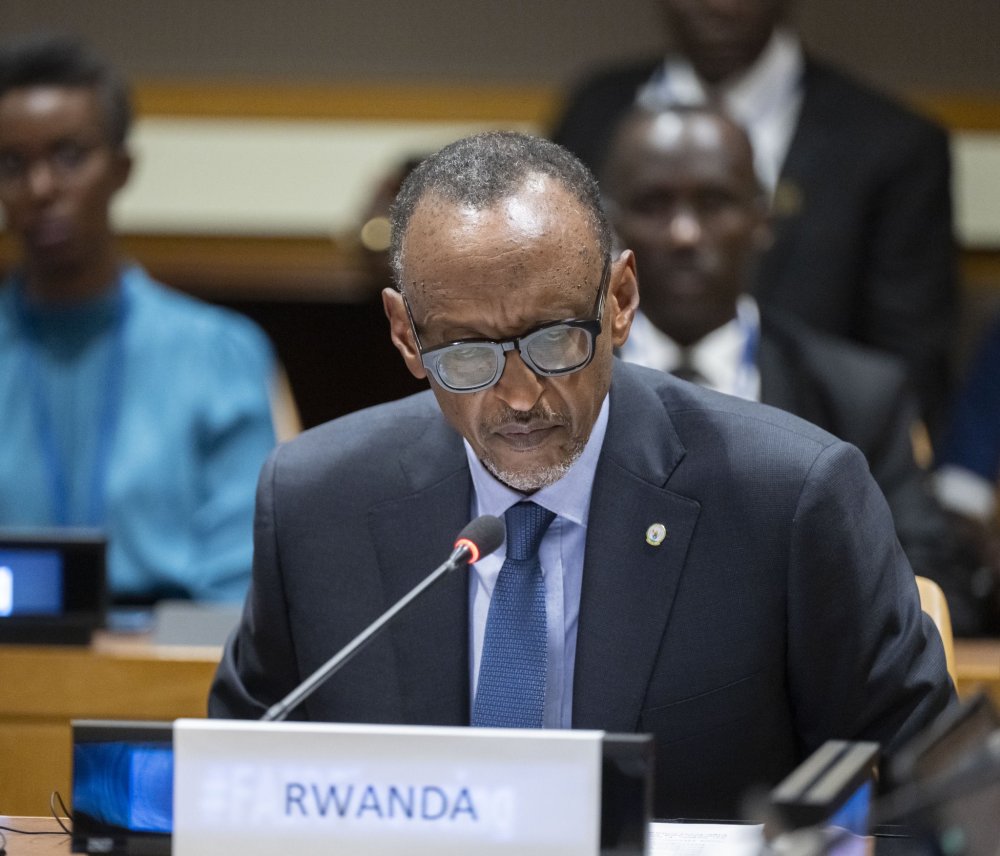
The announcement was made by President Paul Kagame as he addressed delegates at the 78th United Nations General Assembly in New York on 20, September, 2023.
In his speech, Kagame expressed concerns about the slow pace of developing countries towards the Sustainable Development Goals (SDGs) a thing he attributed to the debt crisis, as a result of ‘higher costs of borrowing’.
“The primary cause of this crisis is high interest rates in developed economies, at the same time, developing countries face exaggerated risk premiums for both currency and political risk, which are simply unjustified,” he explained.
Additionally, Kagame stressed the necessity for developing countries to be responsible and accountable for the quality of their financial governance and management of their natural resources.
Welcoming the proposals of the ‘Bridgetown Initiative’ and the ‘Paris Summit for a New Global Financing Pact’, Kagame hinted on Rwanda’s support for the second retrieval of the ‘Green Climate Fund’ to create a fiscal space for “vulnerable” nations to tackle climate change.
Furthermore, he pronounced the country’s commitment to providing a solution to conflicts in developing countries.
“We must not only cool down on climate, we must also cool down on conflict. Today, there is no sign of ongoing conflicts ending anytime soon. We do not even see hope from those with the most influence that an end is in sight.”
“Every year, migrants and refugees undertake dangerous journeys in search of a better future. Rwanda remains committed to working with partners, including the United Nations High Commissioner for Refugees, to contribute to a durable solution,” he stretched.
The United Nations General Assembly held in NewYork brought together world leaders with a goal to get the SDGs on track.
According to the UN secretary General-Antonio Guterres, the SDGs are, “a list of goals that carry hopes, dreams, rights and expectations of people everywhere, yet to date, only 15% of the targets are on track and many are going in reverse.”
“Instead of leaving no one behind, we are leaving the SDGs behind,” he stated, therefore calling on all excellencies available to come up with a rescue plan for the SDGs.
“I am deeply encouraged by the detailed and wide ranging drafts, political declaration and consideration here today, especially its commitment to improving developing countries’ access to the fuel required for SDG progress (finance), which includes at least 500 billion US dollars a year as stimuli to developing countries in addition to an effective debt relief mechanism”, added the UN Secretary-General.
UNESCO made this significant announcement on Wednesday, 19th September 2023, through its official X account, formerly Twitter.
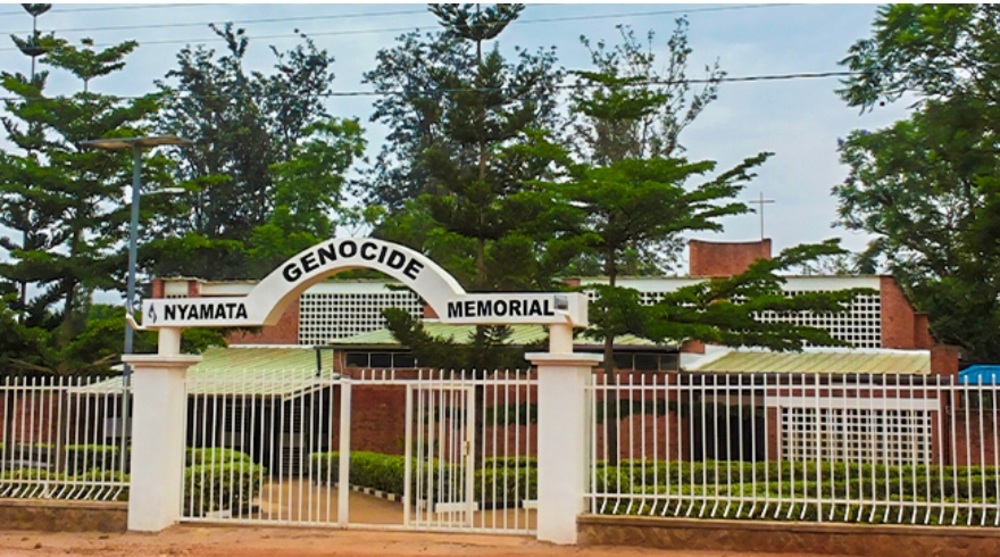
These memorials bear witness to one of the darkest tragedies on the African continent. They not only serve as places for families to reflect upon the victims but also as a universal reminder of the atrocities that humanity must never allow to recur.
Dr. Bizimana Jean Damascène, the Minister of National Unity and Civic Engagement, representing the Rwandan government during this momentous occasion, underscored the unique importance of this day for Rwanda and the global fight against genocide denial and revisionism related to the 1994 Genocide against the Tutsi in Rwanda.
He expressed gratitude to the countries supporting Rwanda, emphasizing how their assistance bolsters the battle against denial and its ideology.
“The historic inscription of the Bisesero, Gisozi, Murambi and Nyamata Sites on the World Heritage List increases international visibility, and also honours the memory of the victims they represent throughout the world. This recognition strengthens the fight against Genocide denial and will serve to educate present and future generations,” said Dr. Bizimana .
These four sites received approval shortly after Nyungwe National Park in the Southern Province was also granted UNESCO World Heritage status yesterday.
Other representatives noted that the inclusion of these memorials in the world heritage list could serve as an inspiration to other nations, particularly those affected by turmoil in Africa. The Rwandan government has committed to preserving and maintaining these memorials, with an annual budget allocated for this purpose.