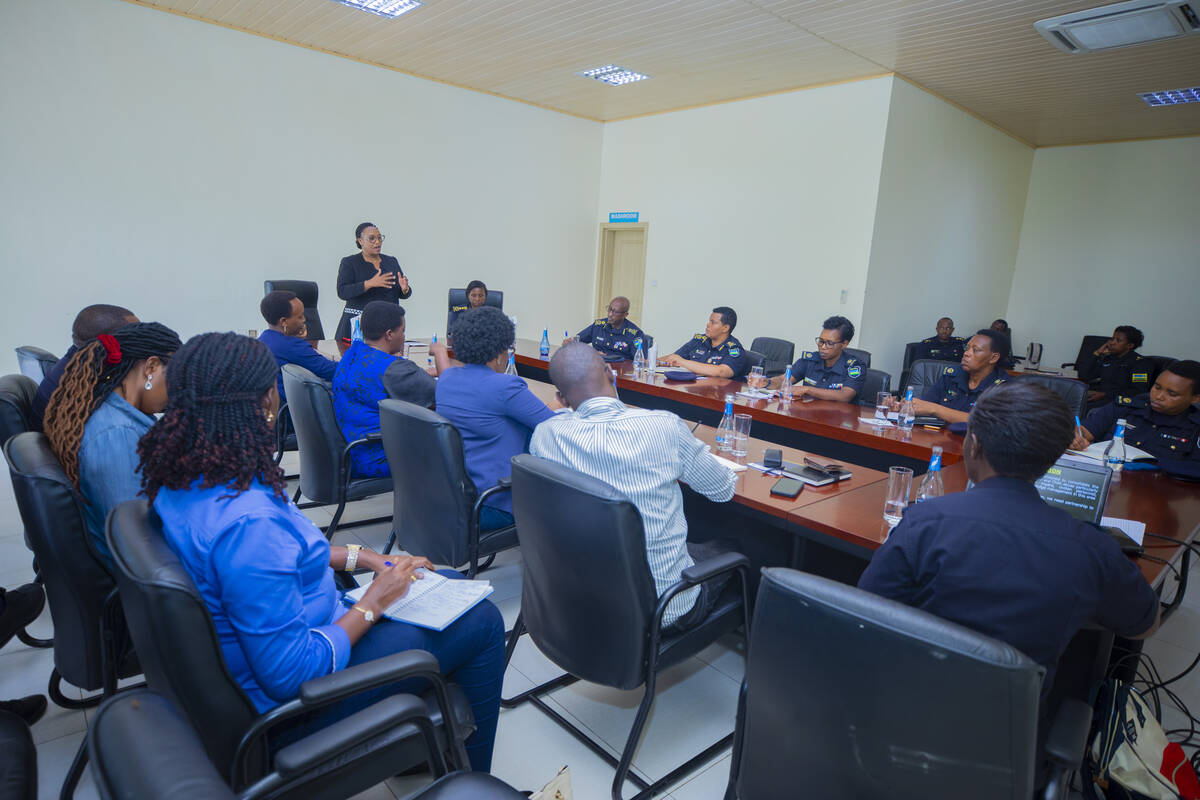
She was received at the Centre by the Deputy Inspector General of Police (DIGP) in charge of Administration and Personnel, Jeanne Chantal Ujeneza.
DIGP Ujeneza reiterated the RNP’s commitment to work with all entities and to ensure that the centre becomes a central hub in addressing gender based violence and child abuse issues, collectively.
Minister Uwamariya emphasized the importance of the Centre to create impact in gender and child abuse related matters.
“I came here to know how this Regional Centre of Excellence on GBV and Child Abuse operates, and how to ensure its sustainability through partnerships and having long term projects.
A lot has been done by this centre but we can do more better together as the Ministry, Gender Monitoring Office, the Police and other entities charged with gender and child abuse issues, through more research and availing more necessities to achieve its purpose,” Minister Uwamariya said.
The Minister emphasised on having a comprehensive working framework that will define all partnerships to enable the Center to sustain what has been achieved.
Launched by the government in November 2016, the Centre serves as a regional hub in addressing capacity issues in the gender sector.
It is the brain of the 2010 Kigali International Conference Declaration (KICD).
This was in response to the UNiTE global campaign to end violence against women and girls.
In 2017, it was adopted by the Eastern Africa Police Chiefs Cooperation Organization (EAPCCO) as the Regional Centre of Excellence on GBV and Child Abuse .
It hosts the Permanent Secretariat of KICD to coordinate security organs and law enforcement agencies in Africa in GBV and Child Abuse management.
It is a national training centre for stakeholders and partners in the area of gender, GBV and child protection.
It was established mainly to conduct research, build capacity of security organs and civilian personnel, promote regional initiatives and share good practices on ending Gender based Violence and Child Abuse.
It has since hosted international meetings and capacity building programmes for national and international law enforcement agencies, including Field Training Exercise (FTX) and Command Post Exercises (CPX) as well as training of about 700 nationals.
This funding is specifically designed to empower organizations and institutions to embark on practical initiatives, projects, and programs that bolster community resilience against the adverse effects of climate change.
This remarkable opportunity has been made possible thanks to the support of the Adaptation Fund’s Rwanda Subnational Adaptation Fund Enhanced Direct Access Project, currently being executed by the Ministry of Environment (MINEMA) in partnership with the Rwanda Green Fund.
Projects eligible for funding range from Climate Smart Agriculture, Sustainable Land-Use Management, Integrated Water Resource Management to Small-Scale Irrigation.
It’s imperative that proposed projects demonstrate sustainability beyond the conclusion of the funding, provide an exceptional return on investment, reach a substantial number of beneficiaries, advocate for gender and social inclusivity, and align with the Rwanda Green Fund’s Environmental and Social Management Framework.
The application window is now open and will remain so until 5:00 PM on Friday, October 20, 2023.
Applications can be submitted at www.greenfund.rw while prospective applicants are encouraged to reach out to application@greenfund.rw for any inquiries or clarifications.
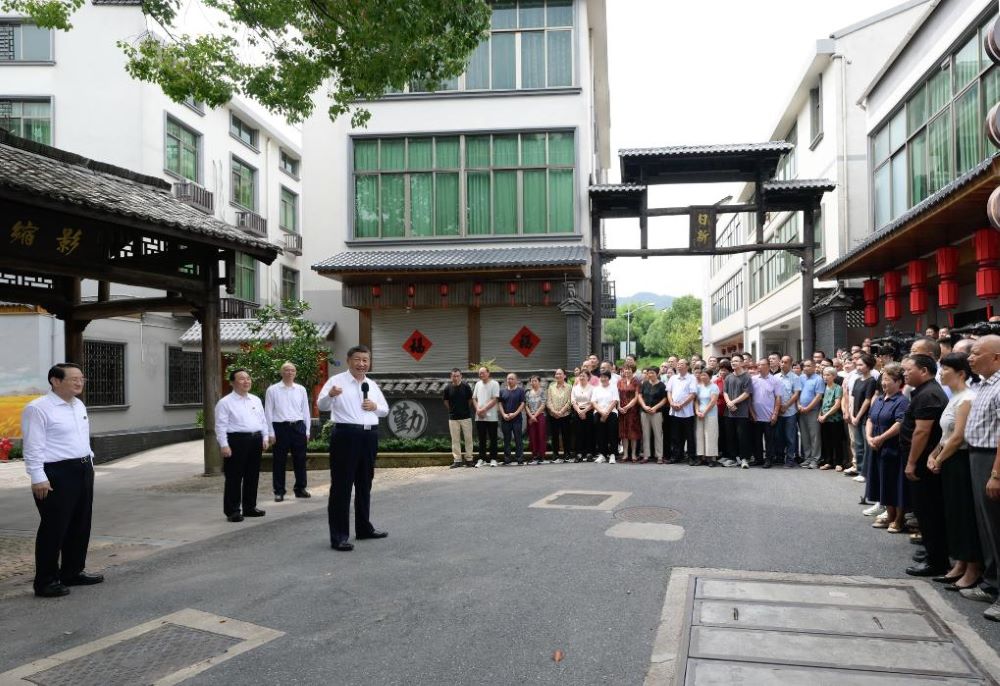
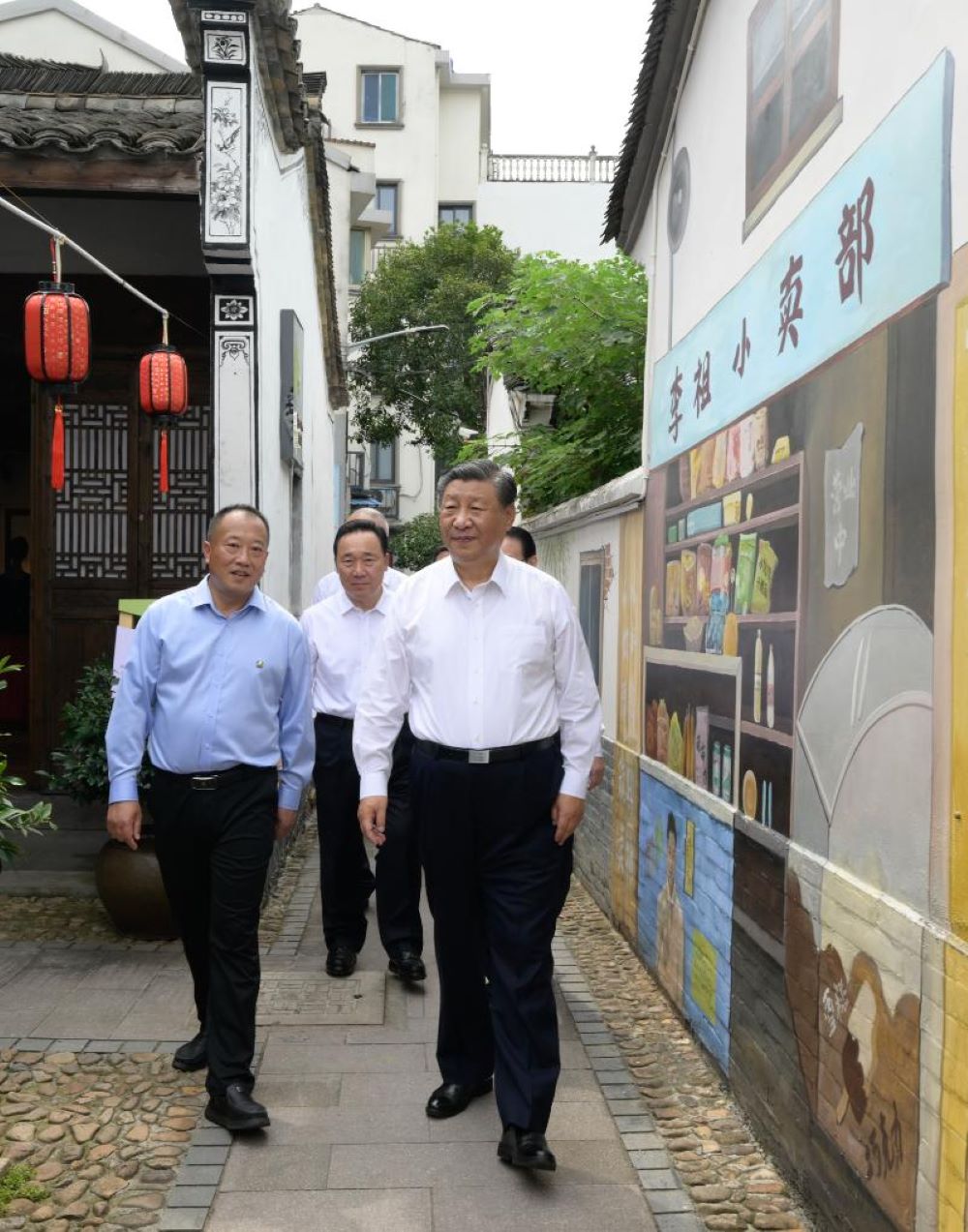
Xi visited a village and an international trade market in Yiwu City of Jinhua to learn about the development of local distinctive industries, and the efforts in promoting rural revitalization and boosting foreign trade and high-quality development.
Xi visited an exhibition hall featuring the “Fengqiao model” for promoting community-level governance to review the evolution of the dispute resolution mechanism and learn about its innovative development in the new era.
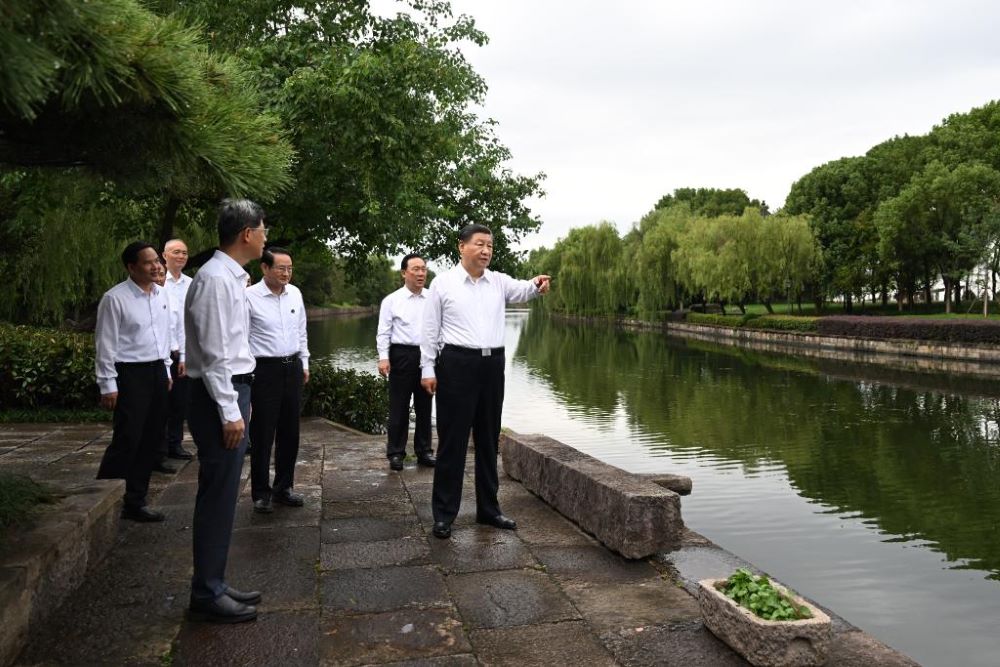
Xi also went to a canal culture park to learn about the history of ancient canals, the preservation of the Grand Canal, and the construction progress of a national cultural park featuring the Grand Canal.
This relocation effort is a proactive response to the heavy rains and landslides that tragically took the lives of 135 Rwandans earlier this year in May. These disasters also resulted in the destruction of 5,963 houses and infrastructure, including roads.
Kigali City Mayor, Pudence Rubingisa emphasized that the relocation process has been ongoing but stressed the urgency of expediting the resettlement of residents from high-risk zones.
He also urged residents to adhere to recommended proactive measures, especially considering the current heavy rainfall predictions.
As of now, a total of 4,230 families have been relocated since April and May. Rubingisa disclosed that an additional 2,809 families, primarily from Gisozi and Gatsata in Gasabo District, require immediate relocation.
The press conference was held the day following a rain-related disaster in Gisozi, where a house collapsed, resulting in the tragic loss of four family members.
Additionally, the heavy rain caused the roofs of six houses to be blown away.
Efforts are ongoing to more residents within Kigali to prevent further loss of lives.
In the lawsuit, Turner alleges that Jonas has committed the grievous act of refusing to return their children to their homeland, England, amidst their divorce proceedings. The couple shares a 3-year-old daughter named Willa, and their second daughter, born in July 2022, remains unnamed to the public being mentioned as D in the documents.
According to media reports, this tumultuous situation unfolded following a meeting between the estranged couple, which was intended to discuss the terms of their separation. Turner claims that the children were supposed to be returned to her care on a specific date, but Jonas has allegedly withheld their passports and adamantly refused to send them back to England.
Jonas, on the other hand, disputes these allegations and asserts that a Florida court has issued an order preventing either parent from relocating their children. He cites this legal order as his reason for not complying with Turner’s request to allow the children to return to England.
The tangled web of their divorce proceedings began when Jonas initiated the process by filing for divorce in Miami-Dade County court on September 5. In his filing, he sought “shared parental responsibilities” for their two daughters, as well as the enforcement of their prenuptial agreement, which was established in April 2019.
Interestingly, Turner claims that she first learned about Jonas’ divorce filing through the media, while Jonas’ representatives maintain that she was aware of his intentions. A crucial point of contention centers on where the children have been residing. Jonas insists they have been living with him in various locations throughout the United States, including Miami, a claim Turner vehemently disputes.
Turner’s lawsuit paints a different picture, alleging that the children have been residing in England since April 10, 2023. According to her filing, she and Jonas had made the decision to make England their “forever home” during discussions in December 2022. This decision prompted them to sell their mansion in Miami and search for new residences in the idyllic English countryside.
Furthermore, Turner’s work commitments, including filming a new drama series, influenced their choice to settle in England.
As Jonas embarked on a world tour with the Jonas Brothers recently, it was agreed that their daughters, Willa and her younger sibling, would stay with him. This decision was influenced by Jonas having more daytime availability to care for the children, given Turner’s demanding filming schedule. However, Turner expressed some hesitation over this temporary arrangement.
The divorce proceedings took a sudden and unexpected turn on August 15, leading to their four-year marriage coming to an abrupt end. Shockingly, Turner claims that she first learned of Jonas’ divorce filing from the media on September 1, further adding to the complexity of their dispute.
In a dramatic legal twist, Turner’s recent petition was filed under The Convention on the Civil Aspects of International Child Abduction and the International Child Abduction Remedies Act.
These legal frameworks address situations where children are internationally abducted from one parent. Additionally, Turner has indicated her intention to file a case in England, citing Jonas’ custody arrangement as a breach of her rights under English law.
Jonas’ representatives, however, contest these claims, denouncing the use of the term “abduction.” They argue that the children were not abducted and have been in Joe’s care by mutual agreement for the past three months. They suggest that Sophie’s legal actions are aimed at shifting the divorce proceedings to the UK and permanently removing the children from the U.S.
As the legal battle unfolds, the public watches with bated breath, hoping for an amicable resolution that prioritizes the well-being of the children caught in the middle of this tumultuous divorce.
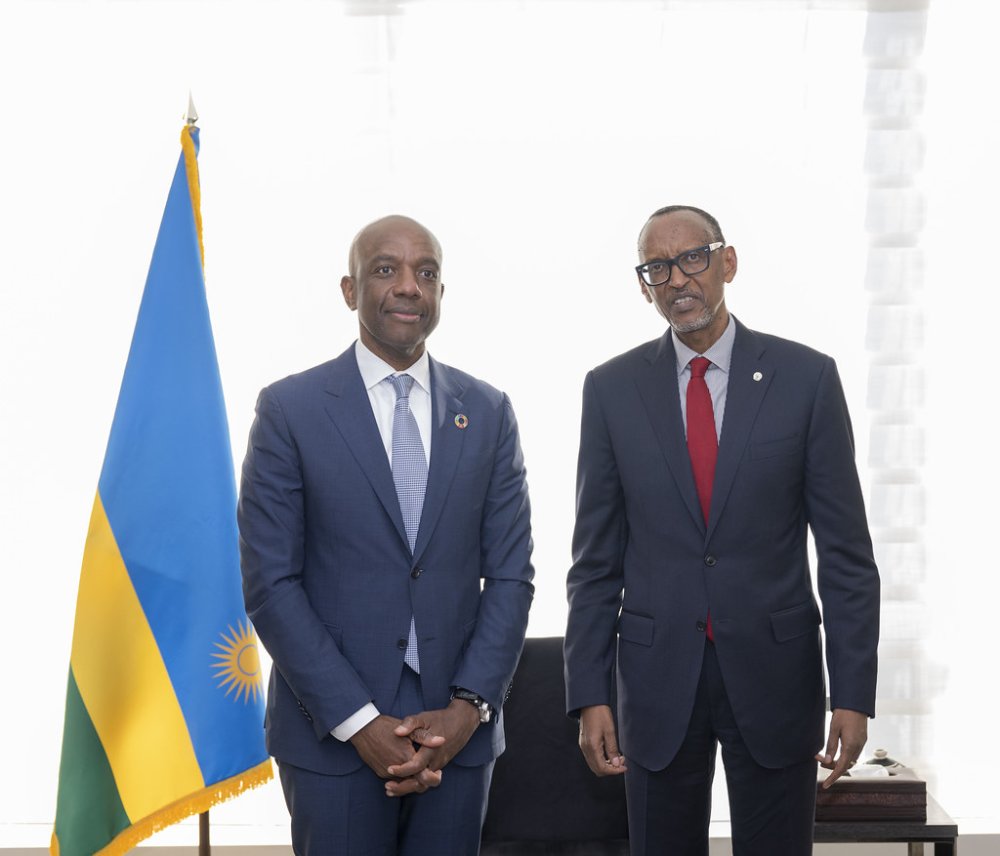
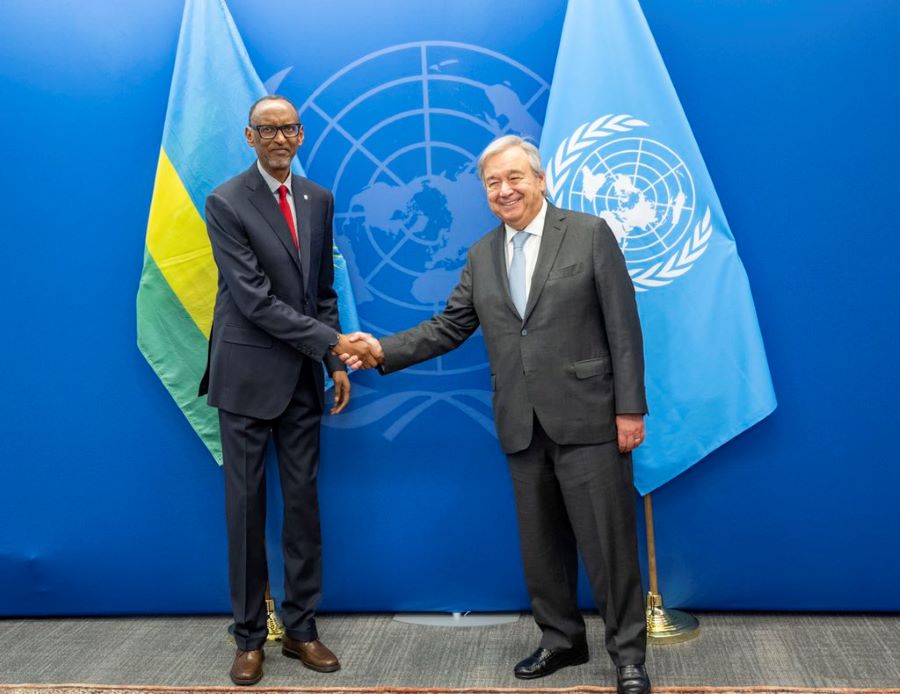
Discussions with Guterres revolved around productive cooperation with various UN agencies contributing to Rwanda’s progress. They also exchanged on the security situation in the region and on topics of continental and global impact.
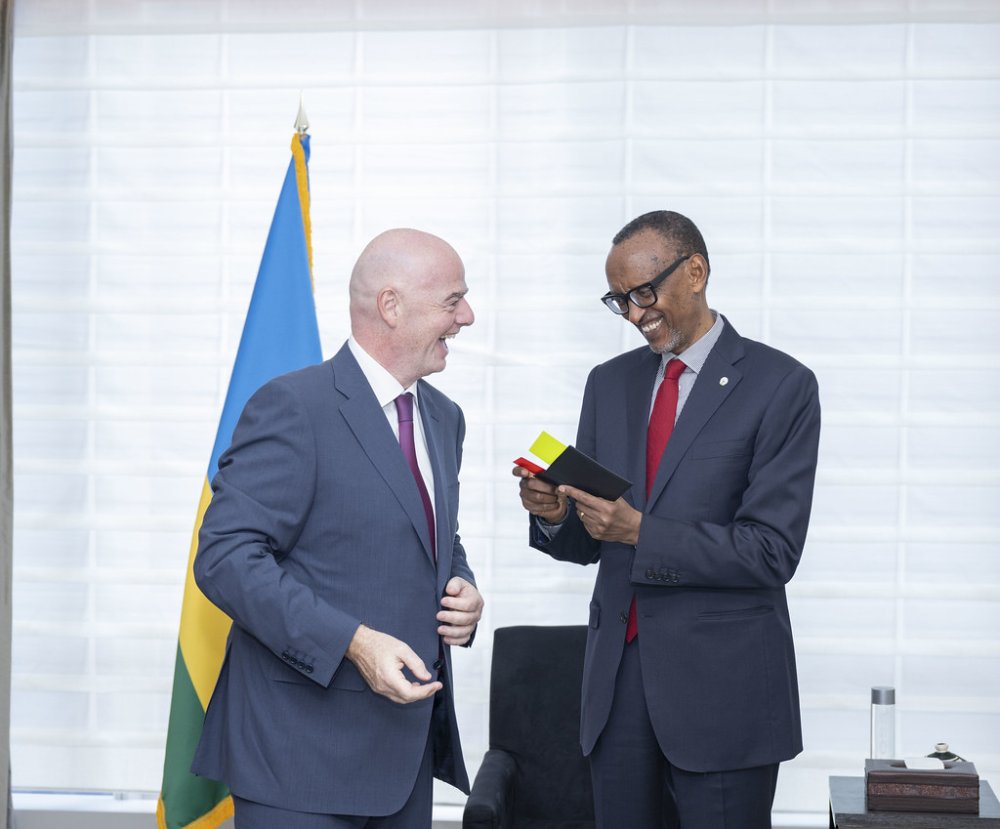
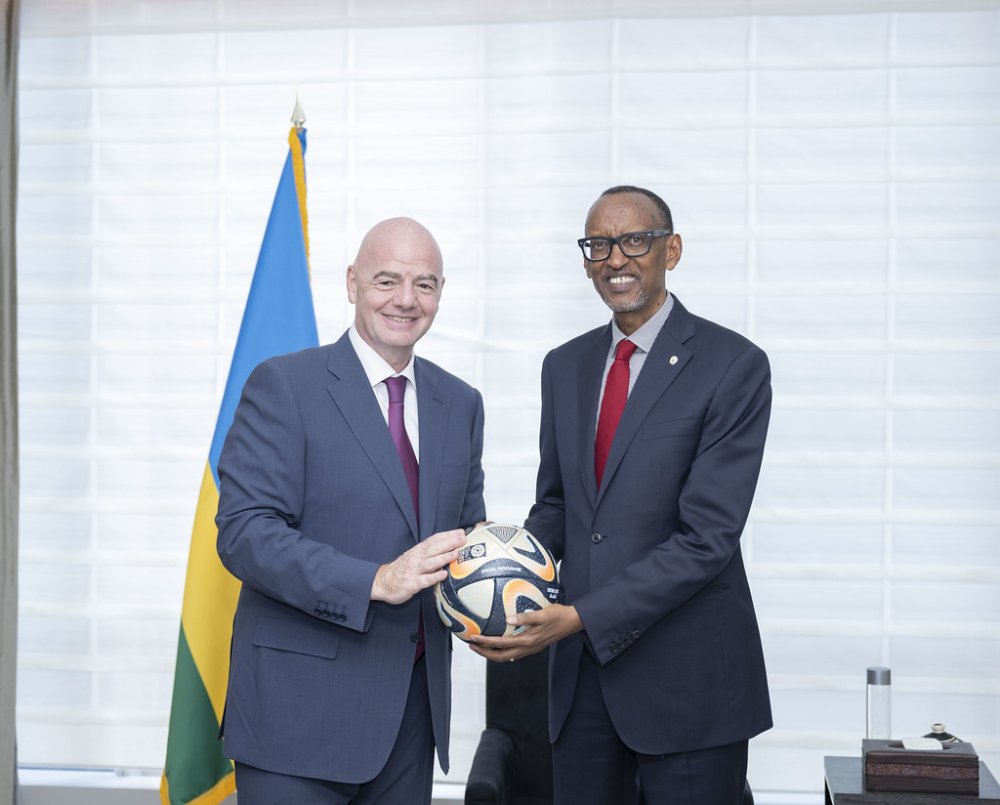
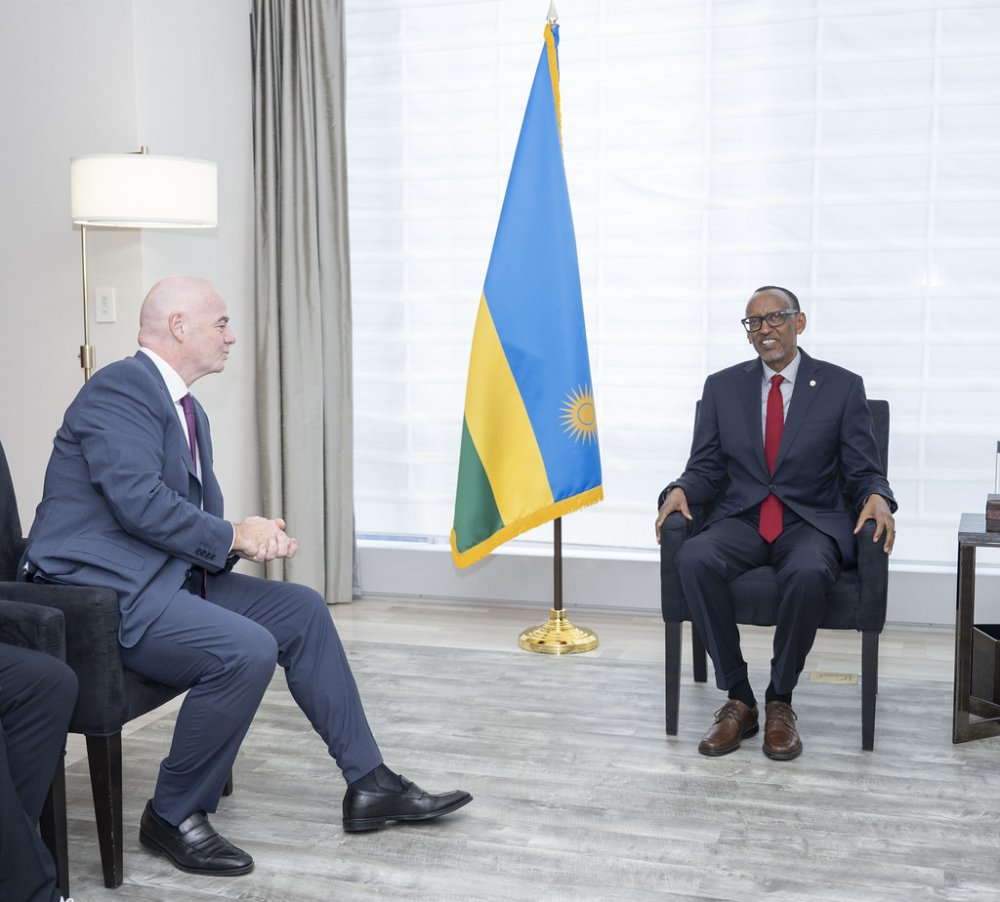
Meanwhile, Kagame and Infantino discussed FIFA’s partnership with Rwanda in football development.
Infantino was in Rwanda early this year during the 73rd FIFA Congress at BK Arena in Kigali.
Among others, Kagame held talks with James Manyika, Senior Vice President of Technology and Society at Google for a conversation on furthering partnerships towards harnessing the power of technology, such as Artificial Intelligence, to accelerate economic growth.
Google entered agreements with Rwanda aimed at helping the country to accelerate digital transformation. This initiative is in line with Rwanda’s ambition to drive inclusive economic development leveraging technology.
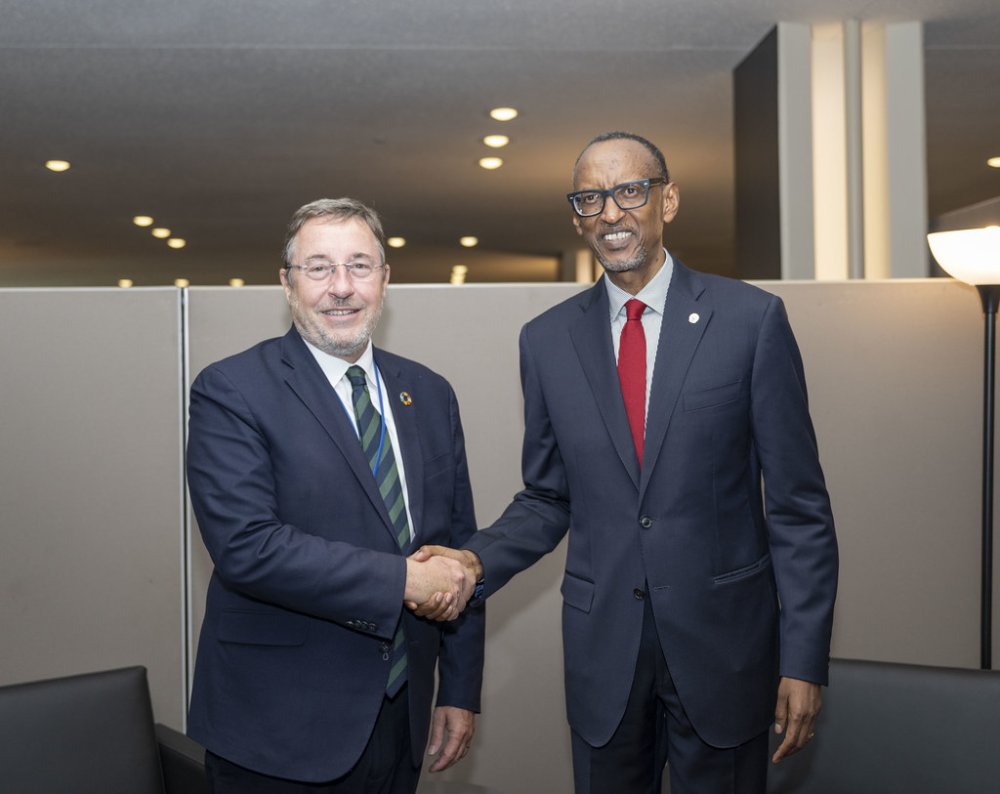
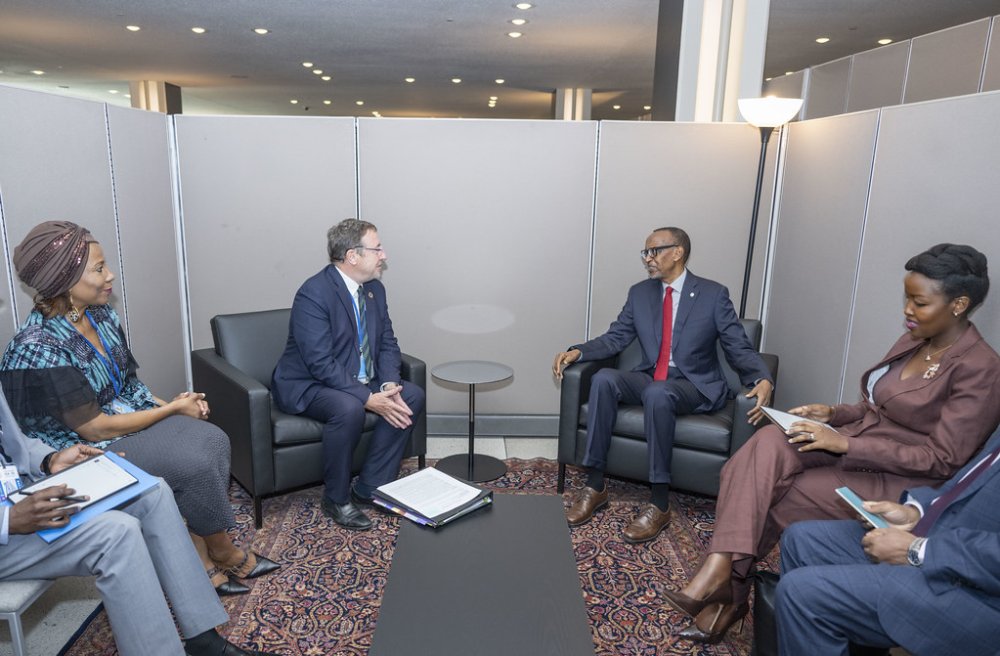
The President also met with Under-Secretary-General United Nations Development Programme (UNDP) Administrator, Achim Steine for a discussion on the status of implementation of the Sustainable Development Goals (SDGs), and the UNDP-Rwanda partnership, including the agency’s role in the country’s development.
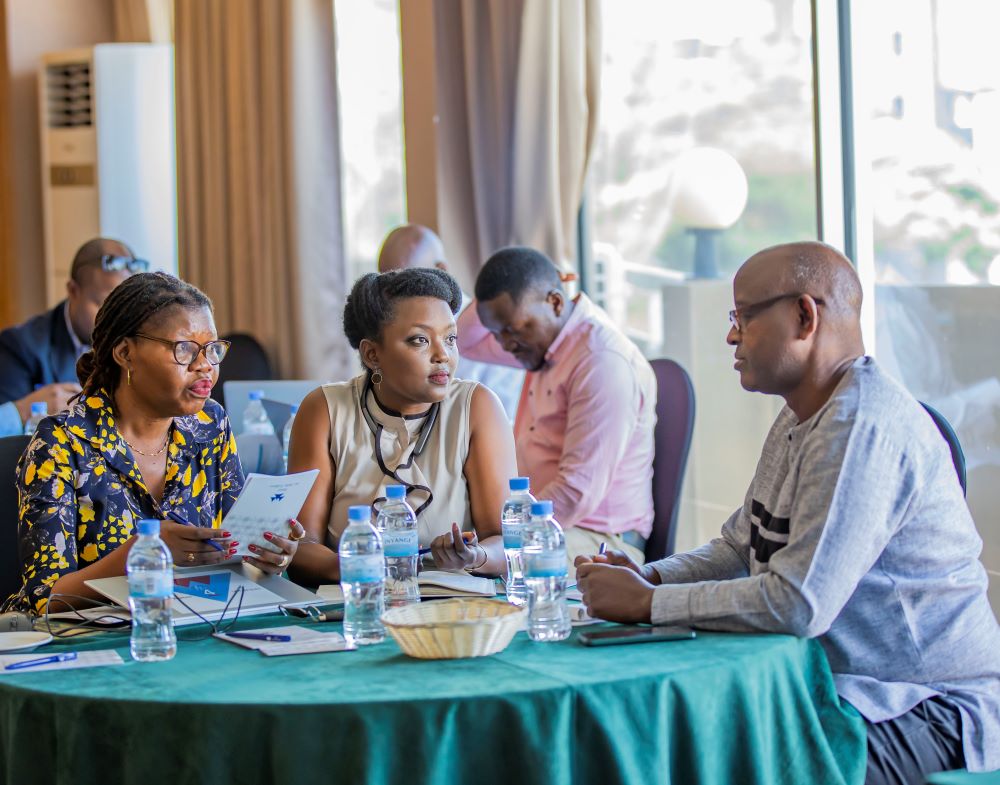
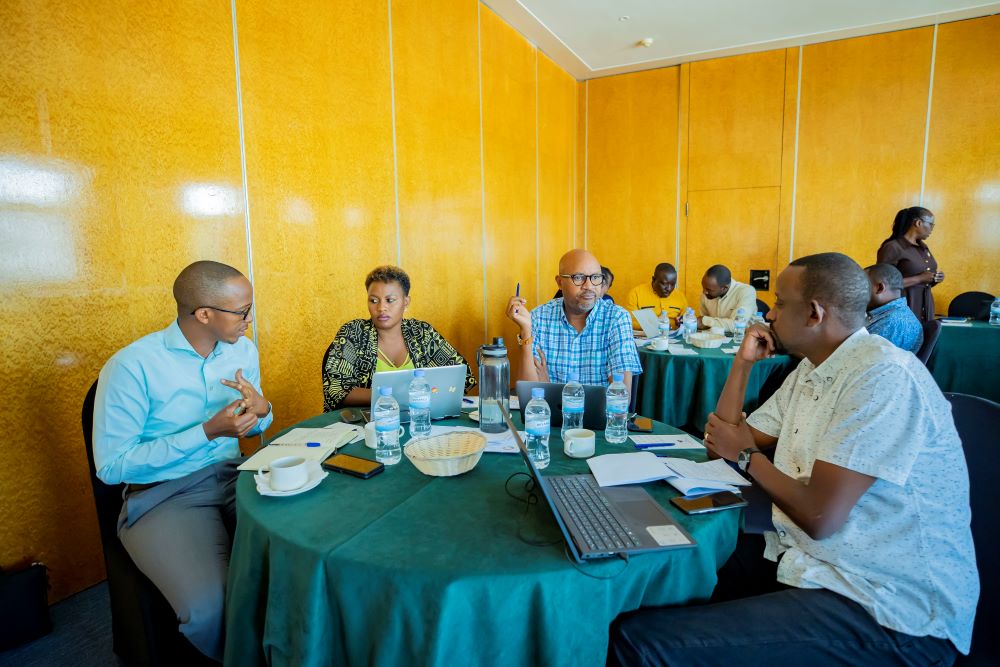
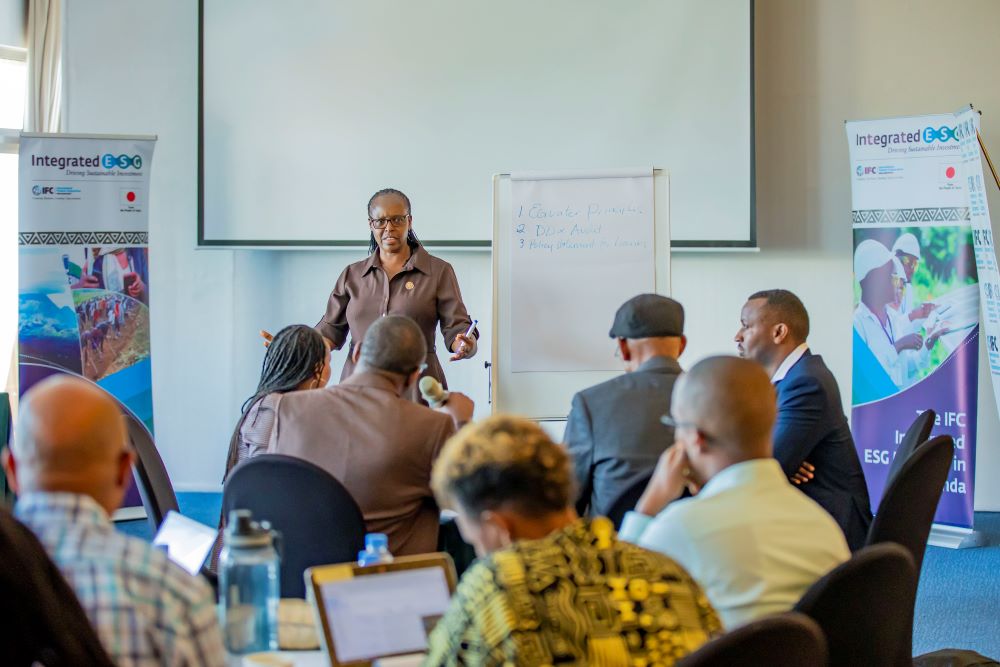
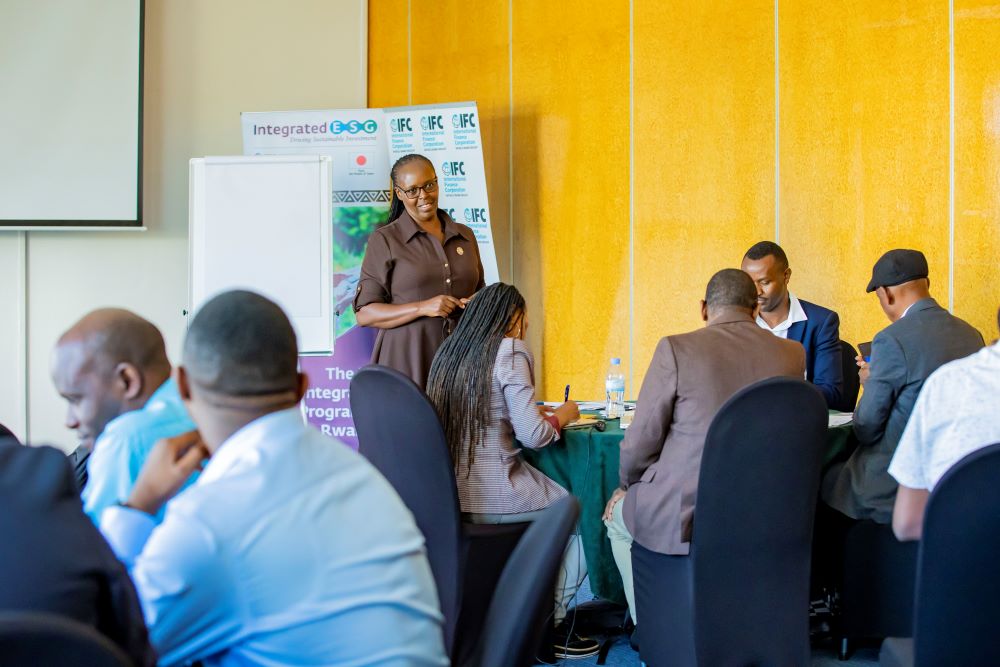
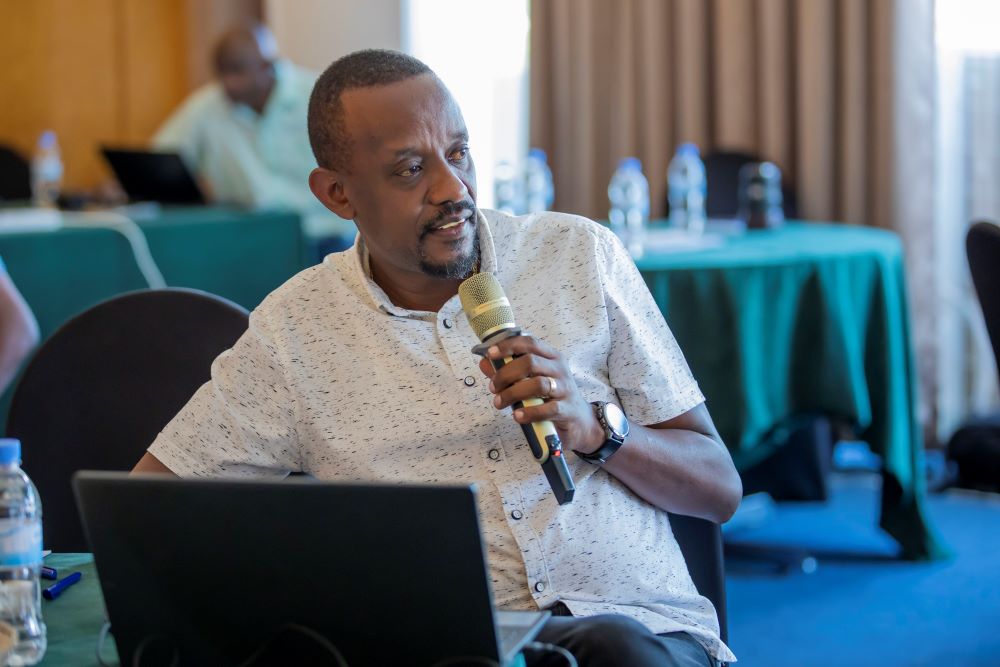
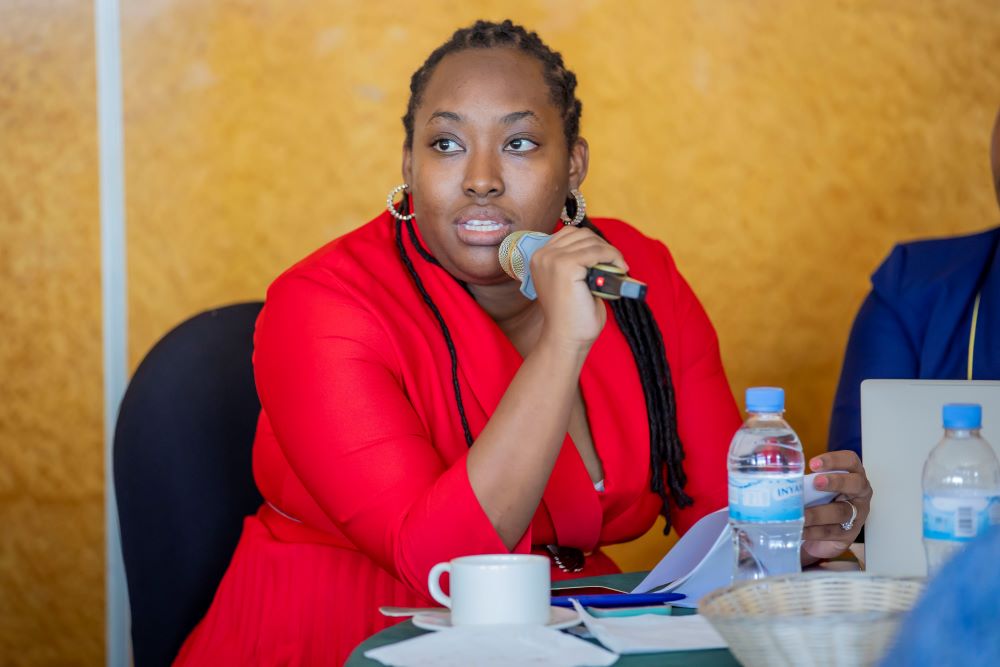
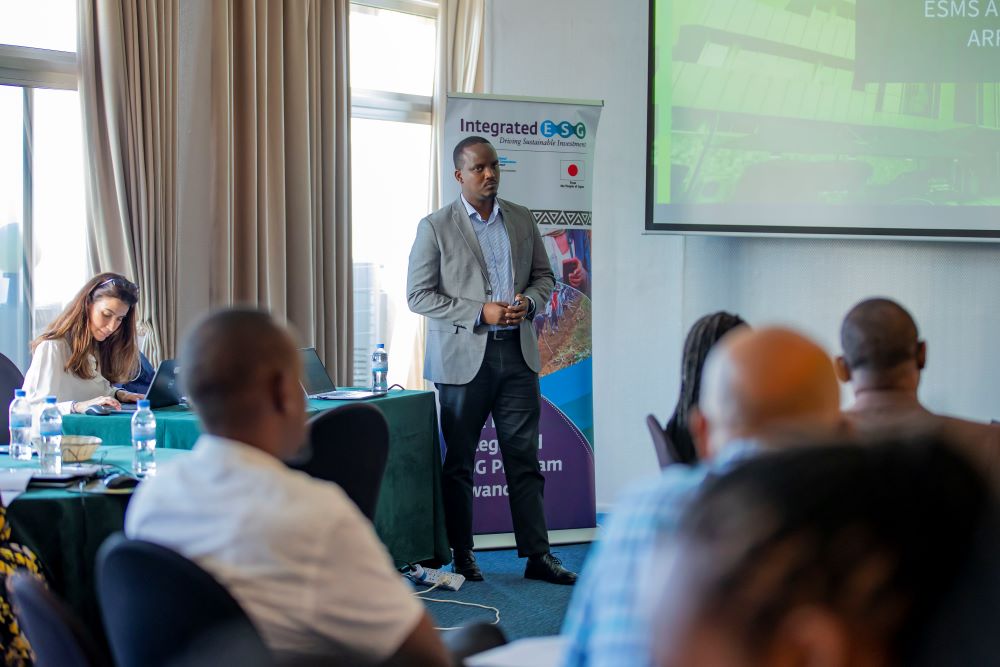
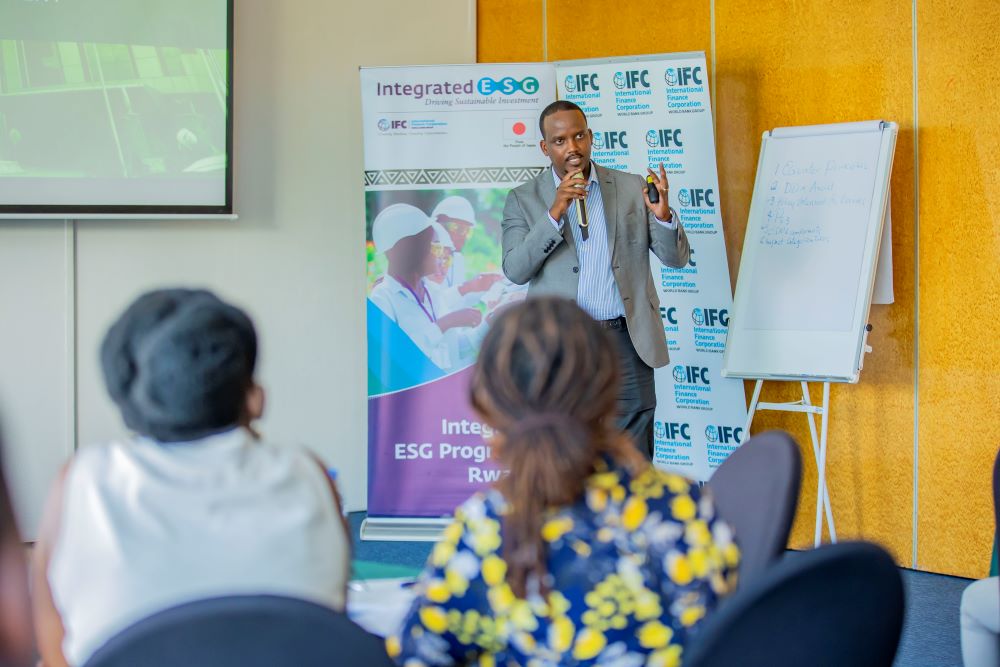
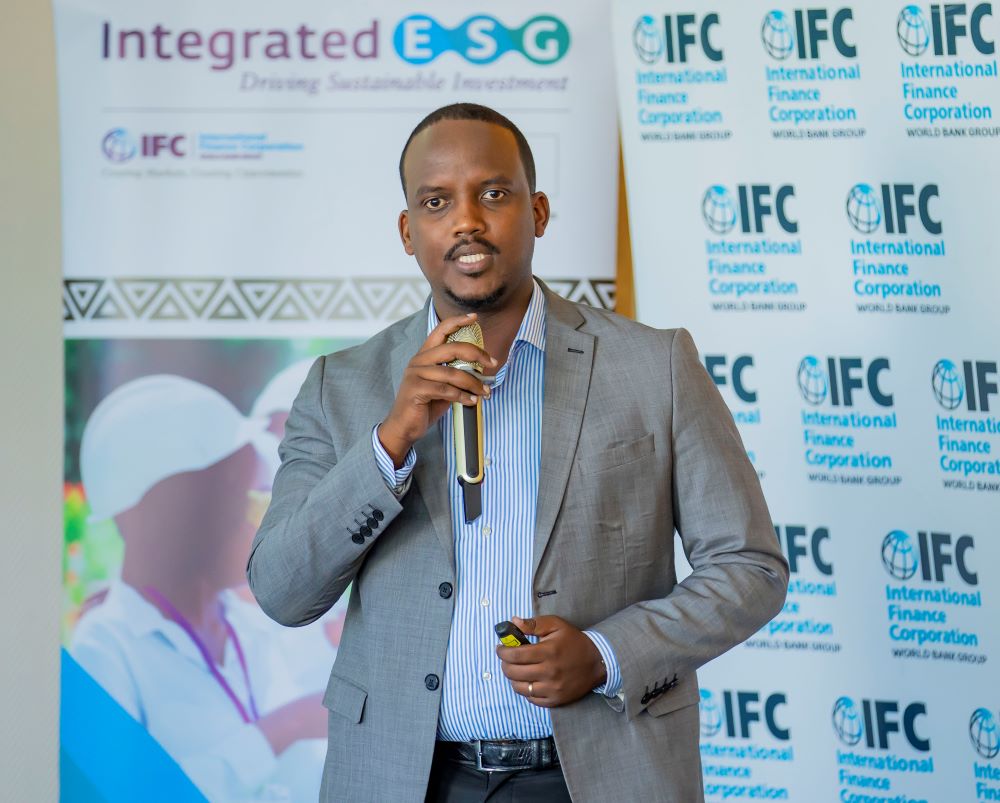
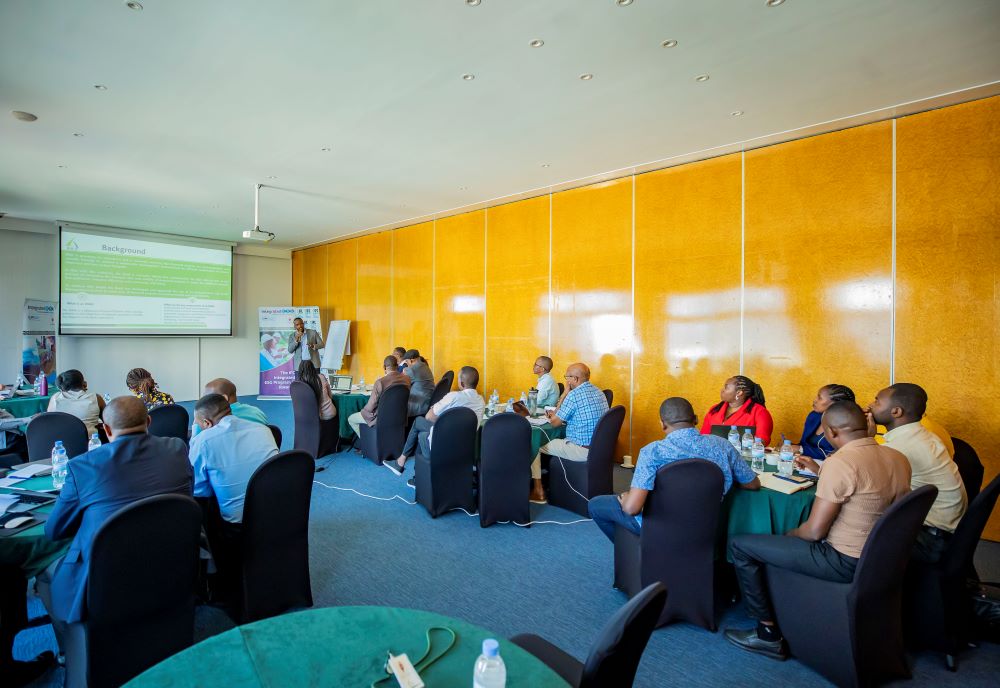
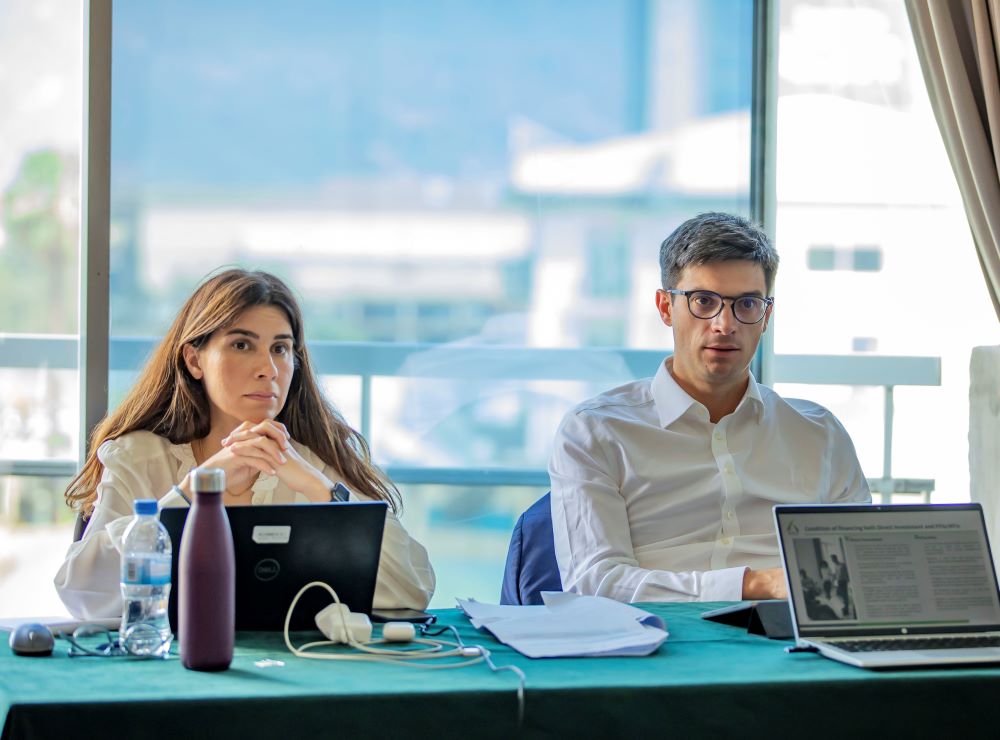
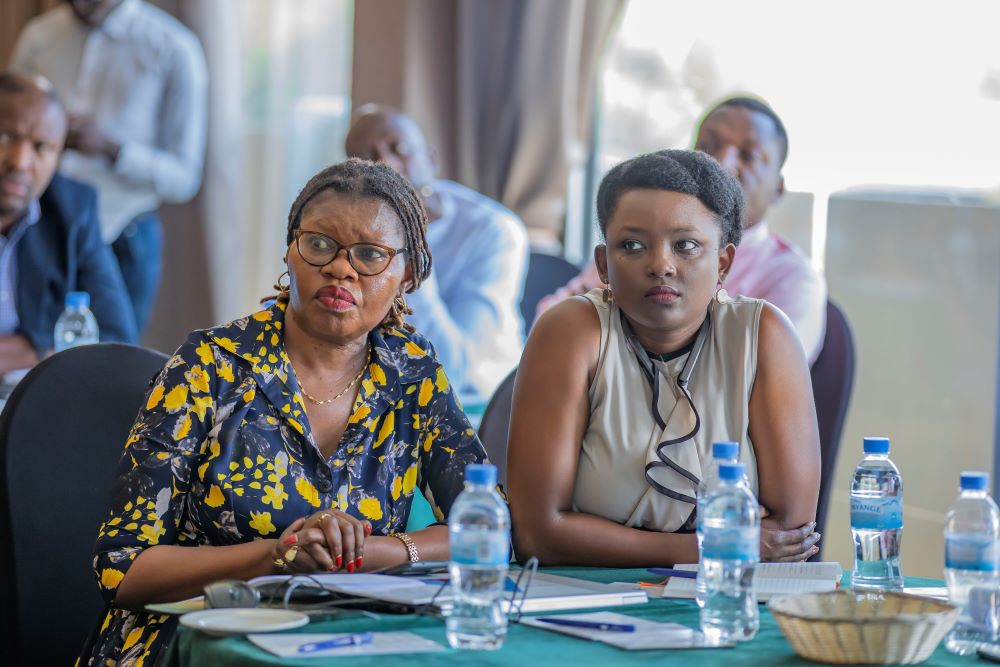
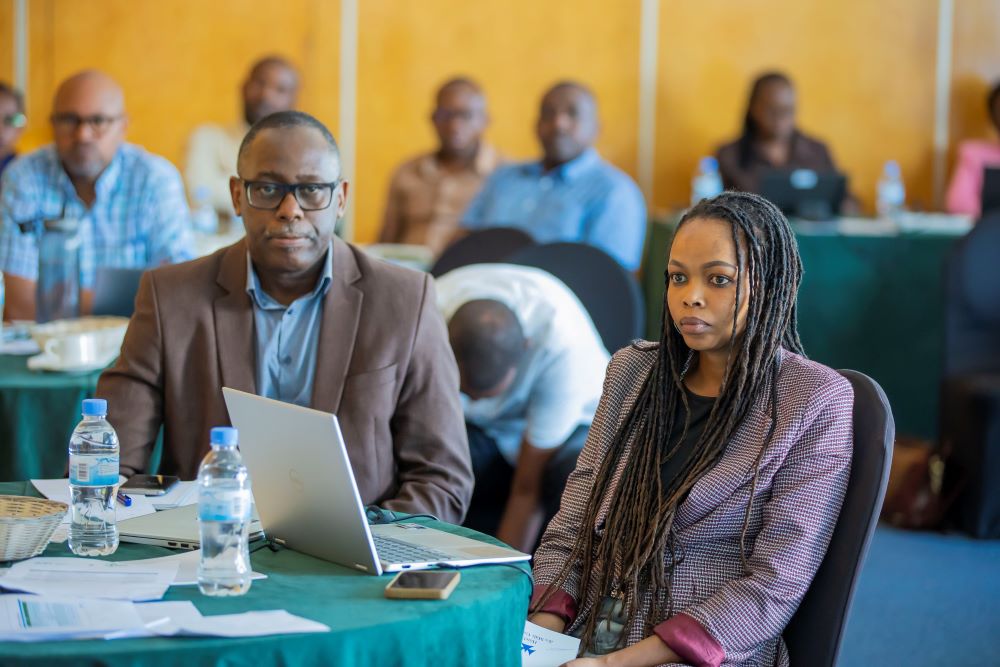
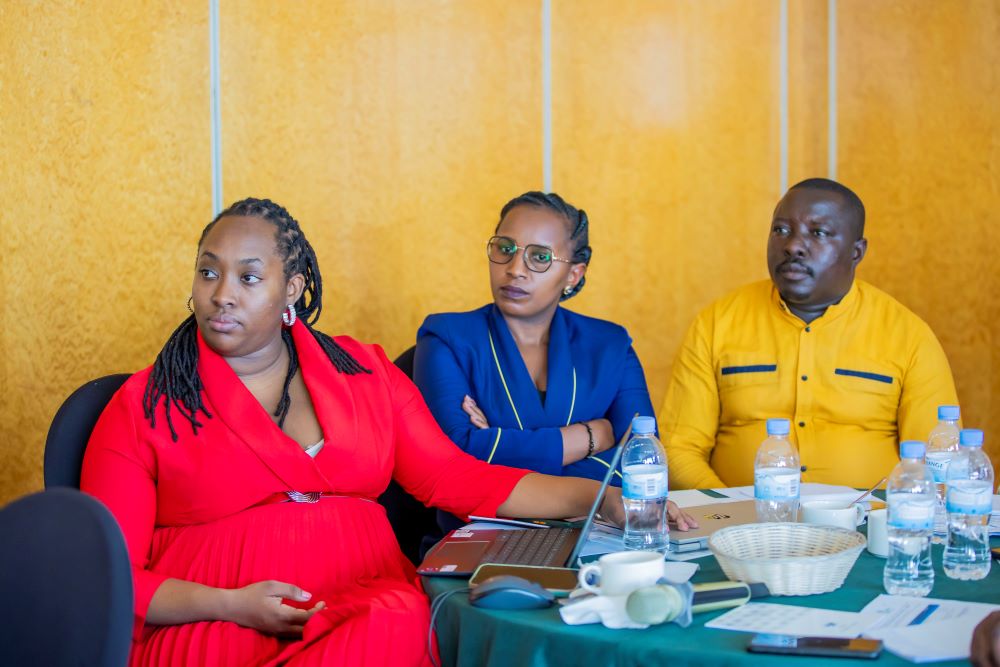
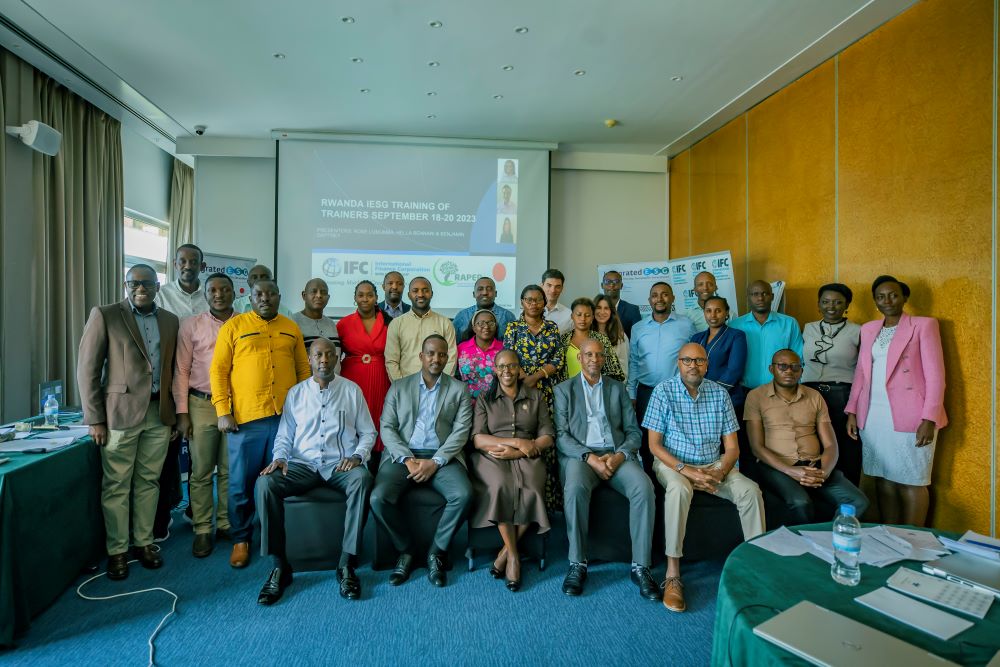
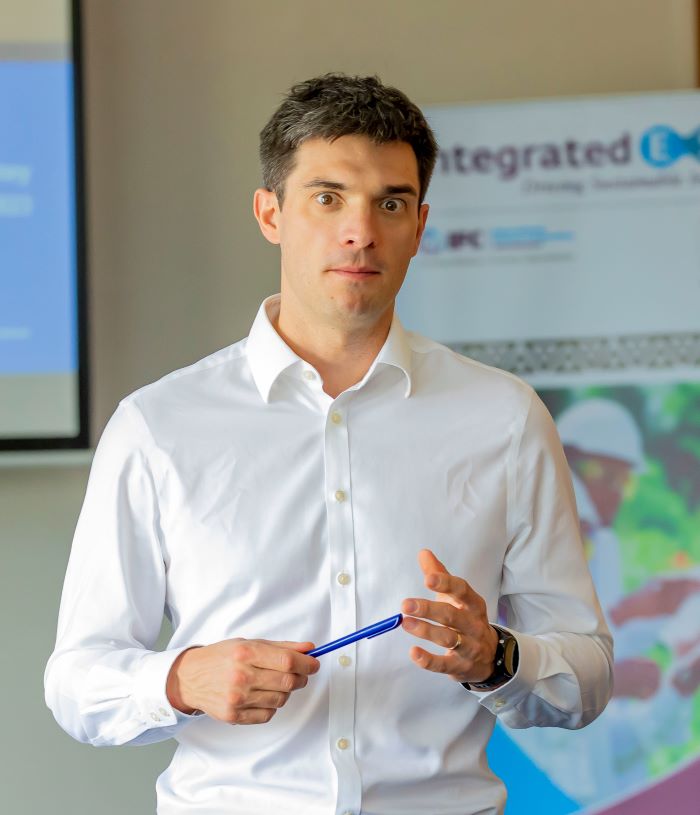
This concern came to light from 18th to 20th September, 2023, when members of the Rwanda Association of Professional Environmental Practitioners (RAPEP) received the first session of environmental protection training on Environmental and Social and Governance (ESG) from the International Finance Corporation (IFC).
The IFC, a firm dedicated to fostering business growth, recognizes the significance of addressing environmental concerns. The global community and organizations are increasingly united in their commitment to preventing human activities that exacerbate climate change and cause natural ecosystem degradation.
Leading institutions like the World Bank, in partnership with entities such as IFC, have pledged to prioritize sustainable practices when providing financial support to institutions worldwide. Under this framework, financial institutions will conduct thorough environmental and social analyses before granting loans. These assessments will gauge not only project feasibility but also their environmental impact and potential repercussions on local communities.
Moreover, given that both corporations and non-governmental organizations funnel their development assistance through the Development Bank of Rwanda (BRD), there is a growing consensus that this bank should serve as a role model.
BRD, since its cooperation with International Development entities, has been encouraged to demonstrate its project analysis techniques to ensure environmental and social integrity. In this pursuit, the adoption and effective implementation of a Environmental and Social Management Systems (ESMS) was achieved.
An ESMS empowers companies to conduct comprehensive environmental analyses for projects seeking loans and helps companies to integrate the rules and objectives promoting effective environmental and social management into core business operations, through a set of clearly defined, and repeatable processes.
In a forward-thinking move, even financial institutions seeking funding from BRD are now required to adopt and implement an ESMS, thereby extending the commitment to environmental and social protection across the financial sector.
Since the inception of this program in 2021, progress has been made, with seven banks, and 96 microfinance institutions having successfully adopted an ESMS into their operations. However, more efforts are needed to increase financial institutions ownership and full implementation of adopted Environmental and Social Management System.
BRD’s Environmental and Social Safeguard Specialist, Kanangire Ruti Rubis, highlights a critical issue: the lack of qualified personnel to effectively operate adopted ESMSs.
“We’ve assisted in establishing ESMSs, but the system itself requires skilled users to maximize its potential for environmental and social protection initiatives. This is a pressing challenge. While the system exists, our banks lack the trained personnel to wield it effectively,” remarked Kanangire.
In response to this persistent issue, BRD is urging financial institutions to appoint dedicated staff responsible for environmental and social analysis and provide them with essential training. However, despite these efforts, productivity remains low, with an average compliance rate of less than 50%.
{{The way forward}}
Recognizing the urgency of this matter, in March 2023, the IFC forged agreements with several institutions, including the Rwanda Banking Association (RBA), the Rwanda Capital Market (CMA), and RAPEP. These agreements were made possible through generous funding from the Japanese Government, amounting to over Rwf400 million.
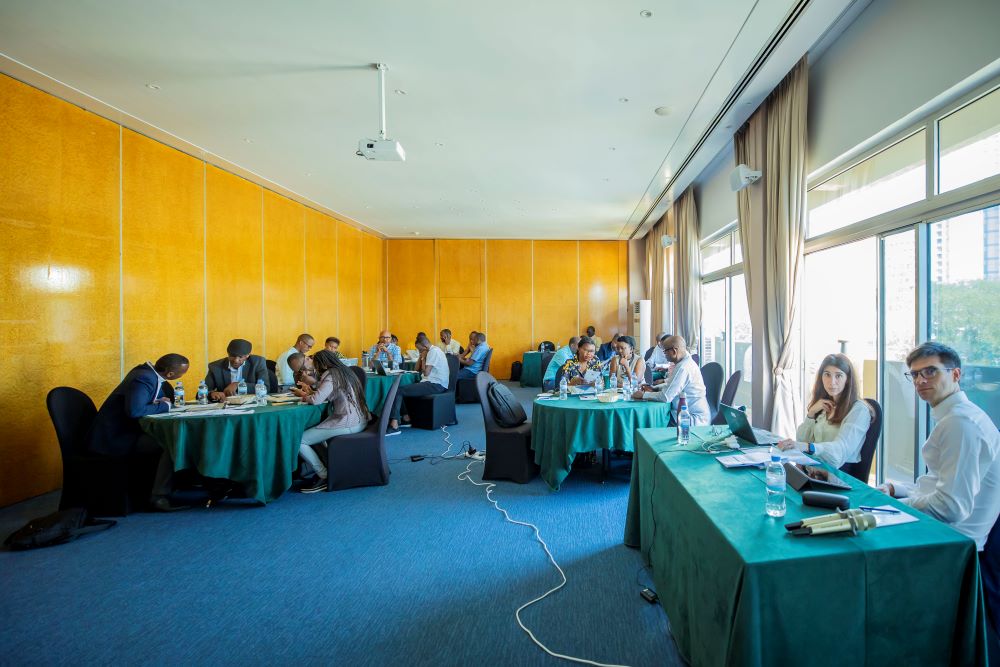
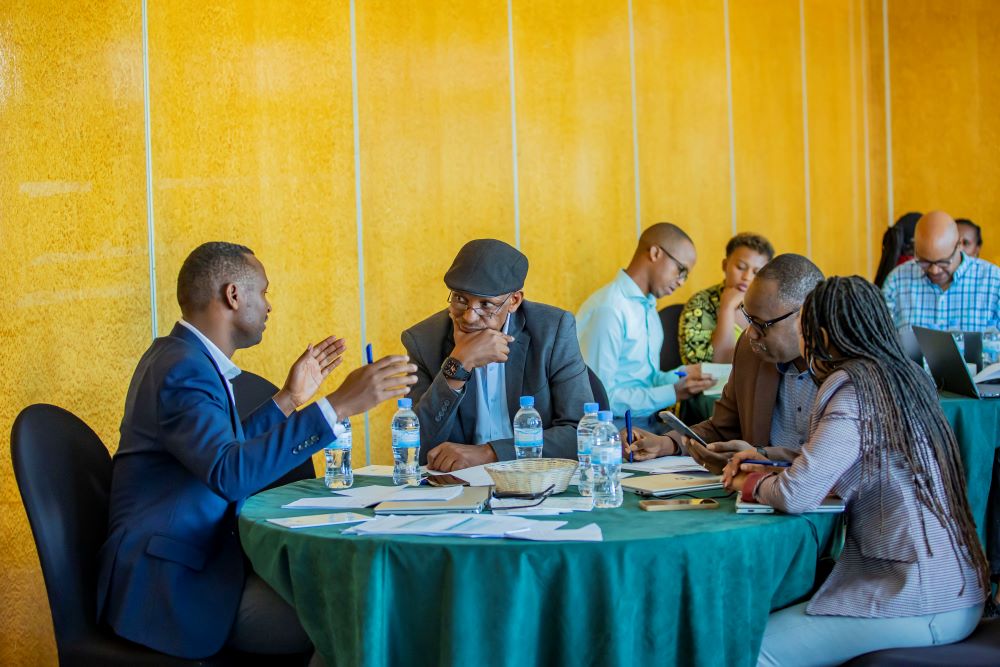
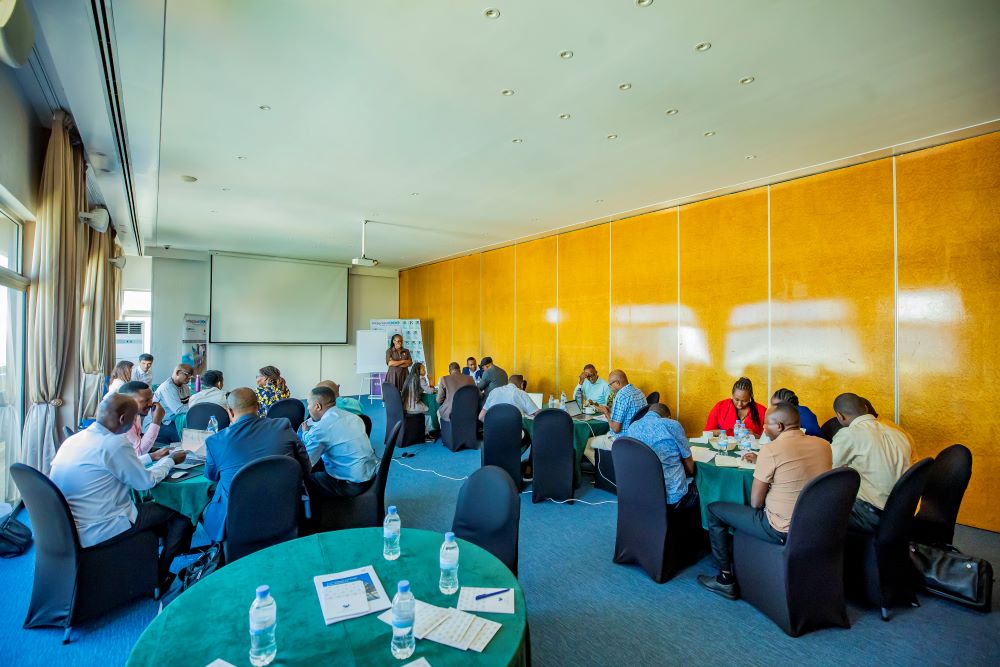
Beginning on September 18, 2023, IFC Rwanda and RAPEP jointly initiated specialized training for environmental experts. These experts will play a pivotal role in guiding financial institutions in the proper implementation of ESMS and associated environmental and social initiatives.
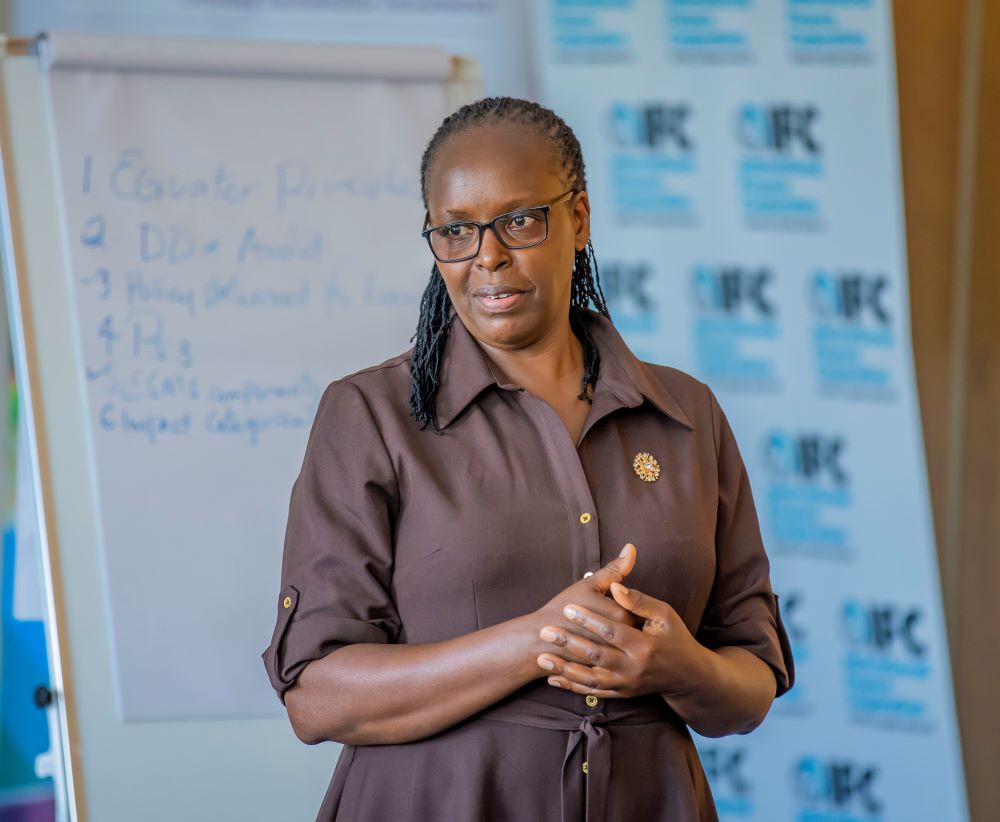
Rose Lumumba, Head of the Environmental Department at IFC Rwanda, emphasized the collaborative approach taken before signing these agreements.
She stated, “Climate change and Natural ecosystem protection is a global issue, and Rwanda has developed comprehensive plans to address it. Our collaboration with various companies aims to collectively combat this challenge.”
Richard Ngendahayo, Chairman of RAPEP, reiterated the importance of RAPEP building capacity of its experts, playing its role and concerted efforts in environmental and social preservation. “From project inception to completion, multiple agencies must unite to ensure proper environmental and social management. Our current focus is on fostering collaboration among various institutions to safeguard the environment comprehensively.”
Kanangire anticipates that following this training, banks will have two options for complying with key environmental and social requirements. They can either engage RAPEP members with expertise in environmental and social matters or hire permanent staffs with a professional background on Environmental and Social aspects to bridge the gap.
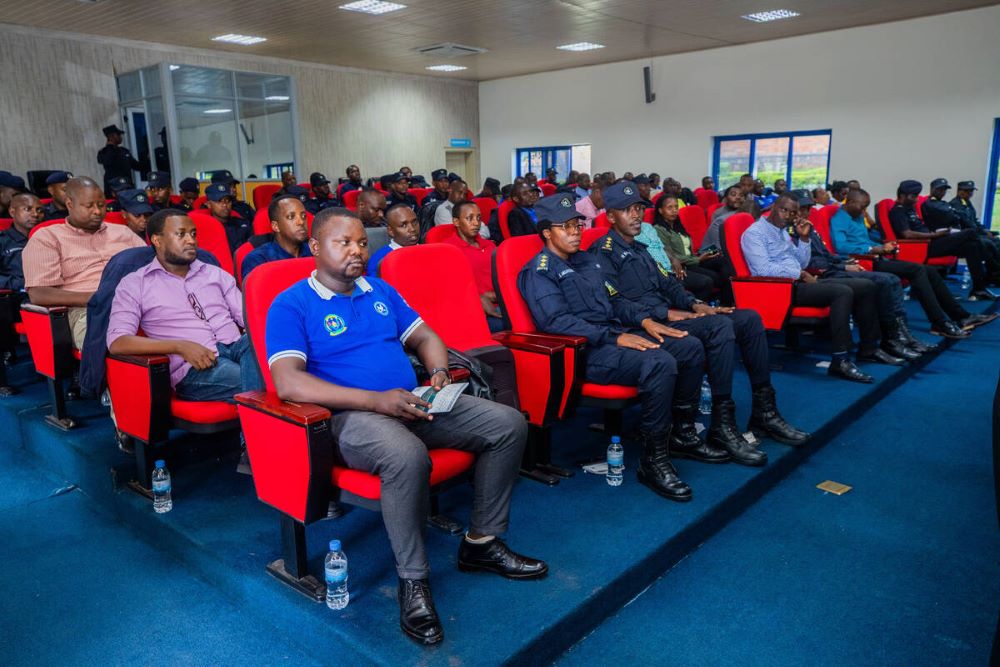
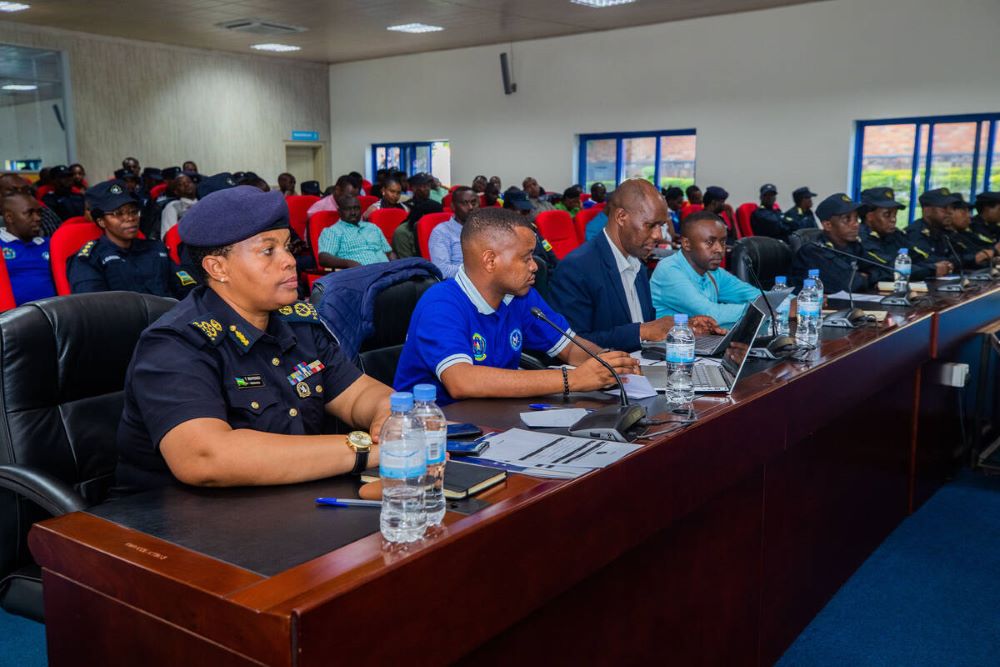
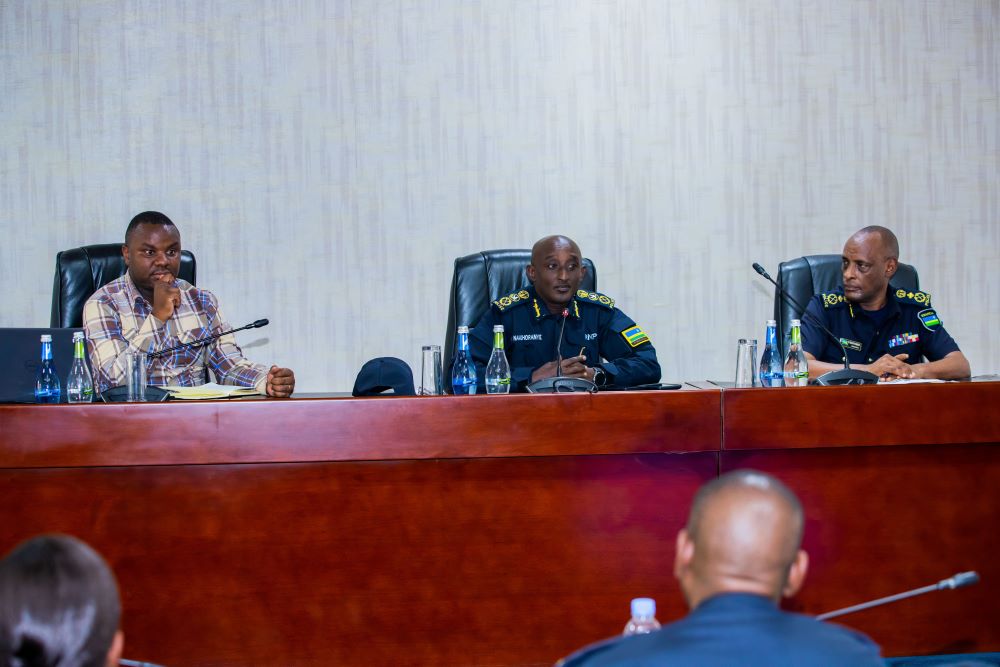
While addressing the RYVCP district coordinators on Thursday, September 21, at the Rwanda National Police (RNP) General Headquarters in Kacyiru, IGP Namuhoranye urged them to have an effective orientation in the implementation of the national security and development programmes.
“Have an effective strategy in your volunteerism work. Be proud to contribute to the security of your country without involving in crime but as the front face of crime prevention,” IGP Namuhoranye said.
He added: “It is not about the big number of youth volunteers but the impact of your actions in preventing and responding to disasters, anti-crime awareness and having a collective understanding and implementation of the national security and development agenda as a result-oriented group.”
He also hinted on effective planning, innovation, coordination, collaboration with grassroots leaders and other entities, and communication to unlock challenges affecting communities.
Formed in 2013, Rwanda Youth Volunteers in Community Policing with about 1.5 million members across the country, who engage in community development activities, including construction and renovation of houses for the disadvantaged families, roads, organic gardens, planting trees and supporting other human security activities.
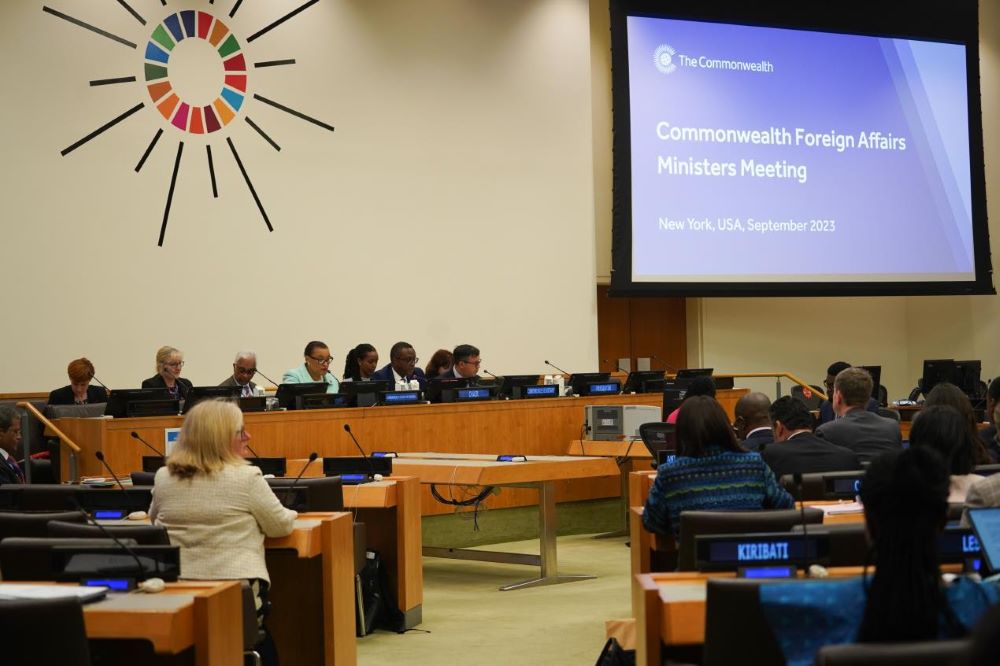
The meeting was chaired by Dr. Vincent Biruta, Minister of Foreign Affairs and International Cooperation of Rwanda, as Rwanda is the current Commonwealth Chair-in-Office.
In her report to ministers, Commonwealth Secretary-General, Patricia Scotland, underscored the unique nature of the challenges facing the world today.
She acknowledged the profound economic challenges exacerbated by the COVID-19 pandemic and the conflict in Ukraine, as well as the growing pressure on democratic processes and the escalating impacts of climate change.
Scotland emphasised that these crises are interconnected, amplifying social, political, and economic inequalities.
In her opening remarks, Scotland said: “I stress the importance of multilateralism in addressing these global challenges, even as it appears to be under strain. The reality of the world today is that it is more connected, more complex and yet more challenged than ever before.
We must work together or we suffer in isolation. The Commonwealth’s distinctive advantage in this regard, through its diverse membership, spanning Africa, Asia and the Pacific, the Caribbean, Europe, and North America offers a unique platform to defend shared values and advance common interests.”
Ministers heard from Hon Fiamē Naomi Mata’afa, Prime Minister and Minister for Foreign Affairs, Trade and Tourism, of Samoa about preparations for the next Commonwealth Heads of Government Meeting (CHOGM), taking place in Samoa in 2024.
She also announced the theme of CHOGM 2024 as “One Resilient Common Future: Transforming our Common Wealth”.
Ministers also heard a report on the Commonwealth Secretariat’s work and progress on implementing mandates from CHOGM2022. Ministers also received a report on the outcomes of the Commonwealth Ministerial Action Group (CMAG) which was held on Monday 18 September 2023 and on the resulting decision to partially suspend Gabon.
Among others, ministers requested the Secretary-General to persist with her Good Offices engagement to help the country return to democracy as soon as possible.
They also noted specific challenges in the territories of some member countries, namely Bangladesh, Belize, Cyprus and Guyana. The CFAMM 2023 serves as a vital platform for member states to reaffirm their commitment to the Commonwealth’s shared values and chart a path forward to address the world’s most pressing challenges.