The operations were conducted by the Rwanda National Police (RNP) Anti-Narcotics Unit (ANU).
One of the suspects identified as Jean Claude Bigirimana was arrested in Kigarama Sector, Kicukiro district with 801 pellets of cannabis.
According to Central region Police Spokesperson, Chief Inspector of Police (CIP) Marie-Gorette Umutesi, Bigirimana was arrested basing on information provided by area residents.
“The suspect had rented a house in Kigarama, which he was using as a narcotics store before selling to other retailers operating in Kicukiro and other parts of Kigali,” CIP Umutesi said.
Other 1,432 pellets of cannabis were being stored in a house in Gisozi Sector of Gasabo District, which was also rented by another suspected drug dealer.
The narcotics were concealed in a bag.
“The suspect, who is still at large, rented a house in Gisozi, slept in one night but never returned,” CIP Umutesi said.
“On Wednesday, one Vedaste Hakiziyaremye showed up saying that he had been sent by the person who had rented the house, to collect his belongings claiming that he had been arrested, but the landlord refused and told him to instead come with the owner or proof,” she added.
Instead, Hakiziyaremye came back later in the night, broke into the house in an attempt to steal the bag, which was in the house.
“He was apprehended by local residents as he attempted to flee with the bag, they searched it and found it contained pellets of cannabis, but he managed to escape from the residents.”
“The identities of the two suspects still at large are known and law enforcement officers are working together to trace and bring them to justice.”
CIP Umutesi commended the role of the public in identifying and reporting drug dealers.
“If everyone owns this fight in their communities, drug dealers will find no place to operate,” she said, calling for continued information sharing to break chains of supply.
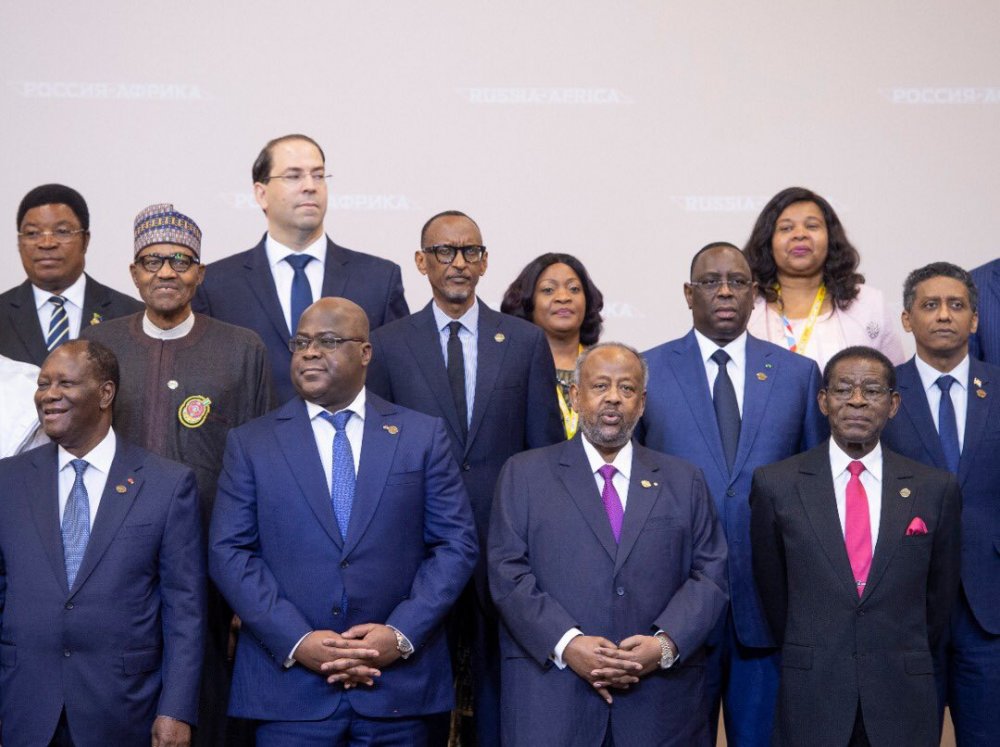
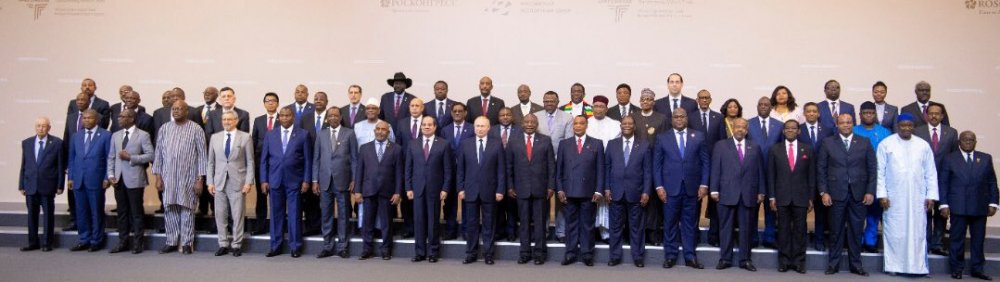
Kagame was delivering remarks in Sochi yesterday at the second day of Russia Africa Summit attended by other world leaders. The two-day summit brought together more than 3000 delegates from across Africa and Russia to discuss politics and business.
He said that the ties between Russia and Africa are long-standing as mentioned by many countries including Rwanda.
The President highlighted that the moment was particularly favorable because ‘Africa is at a turning point in many ways including in terms of both trade and technology’.
“The African Continental Free Trade Area is soon to be the world’s largest, creating new opportunities for African companies and for our investors and partners from around the world, Russia among them,” he said.
Kagame emphasized that there re greater cooperation opportunities between Africa and Russia in fields such as information technology, scientific research, and new sources of energy where Russia enjoys a reputation for excellence.
He, therefore, observed that the current situation is promising for growth of trade between Africa and Russia.
“Trade between Russia and Africa has the potential for significant growth in the years ahead. To speed up this trend, we expect to see more frequent contact between our respective business communities and other institutions going forward,” said Kagame.
“For our part, it is essential to maintain a conducive and predictable overall governance environment, with equal rights and opportunities for all players. Our focus should be on deriving practical results from our cooperation efforts, with clear mutual benefit. Doing so, would indeed represent an important contribution to building an equitable international order and a brighter future for all our peoples,” he added.
The two-day Russia—Africa Economic Forum held on 23–24 October 2019 attracted many politicians and business leaders at the Olympic Park Main Media Centre in Sochi.
The official event programme featured a plenary session, and a range of high-level roundtables and panel discussions, as well as a multitude of opportunities for business contacts.
The Forum is an important and much-anticipated milestone in laying foundations for the promotion and enhancement of trade and economic relations among the economies across the African continent and enabling the diversification and deepening of economic collaboration between Russia and Africa.
As he opened the Summit, the Russian president welcomed thousands of African leaders to discuss politics and business “worth billions of dollars” and promised to refrain from ’political or other’ influence.
The two-day event will see more than 3,000 delegates from across Russia and Africa to discuss an array of topics from nuclear energy to mineral extraction.
All 54 African states sent representatives to the meeting, including 43 heads of state or government.
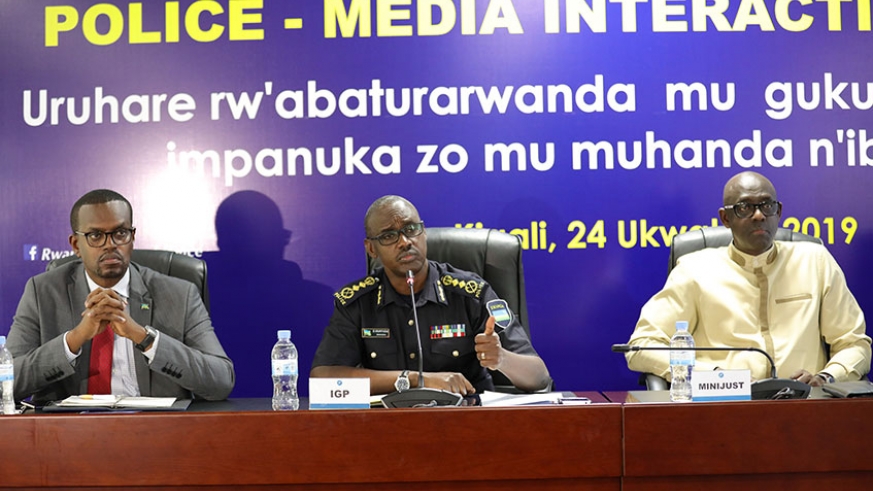
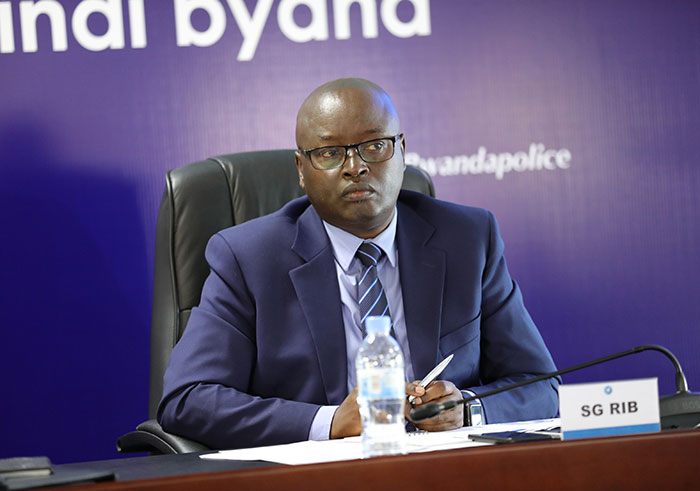
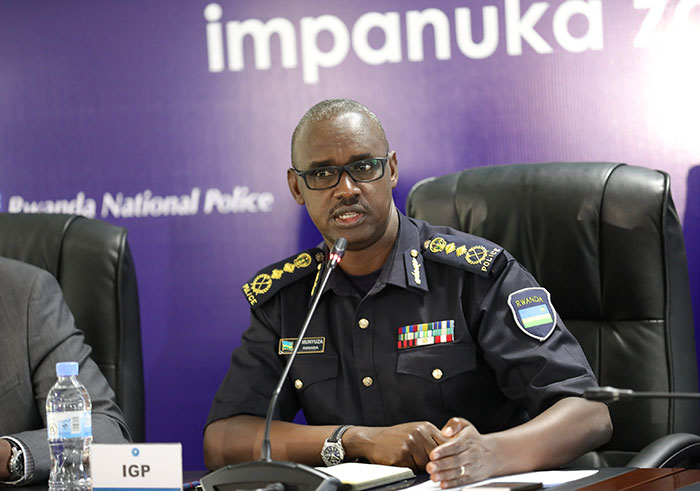
The figures were revealed yesterday at the Rwanda National Police (RNP) General Headquarters in Kacyiru during the Police-Media interaction session also attended by the Minister of Justice and Attorney General, Johnston Busingye, the Inspector General of Police (IGP) Dan Munyuza, Prosecutor General Jean Bosco Mutangana and the Secretary-General of Rwanda Investigation Bureau, Col. Jeannot Ruhunga.
The deputy commissioner for Traffic and Road Safety department, ACP Teddy Ruyenzi said they have upscaled traffic operations to ensure the safety of everyone on the roads.
He said that arresting drunk drivers reduced road accidents from 26 deaths in the first week of August 2019 to 7 in the last week.
Minister Busingye said that Rwanda is on course to achieving record road safety levels that government effort to save lives on the road will not be spared.
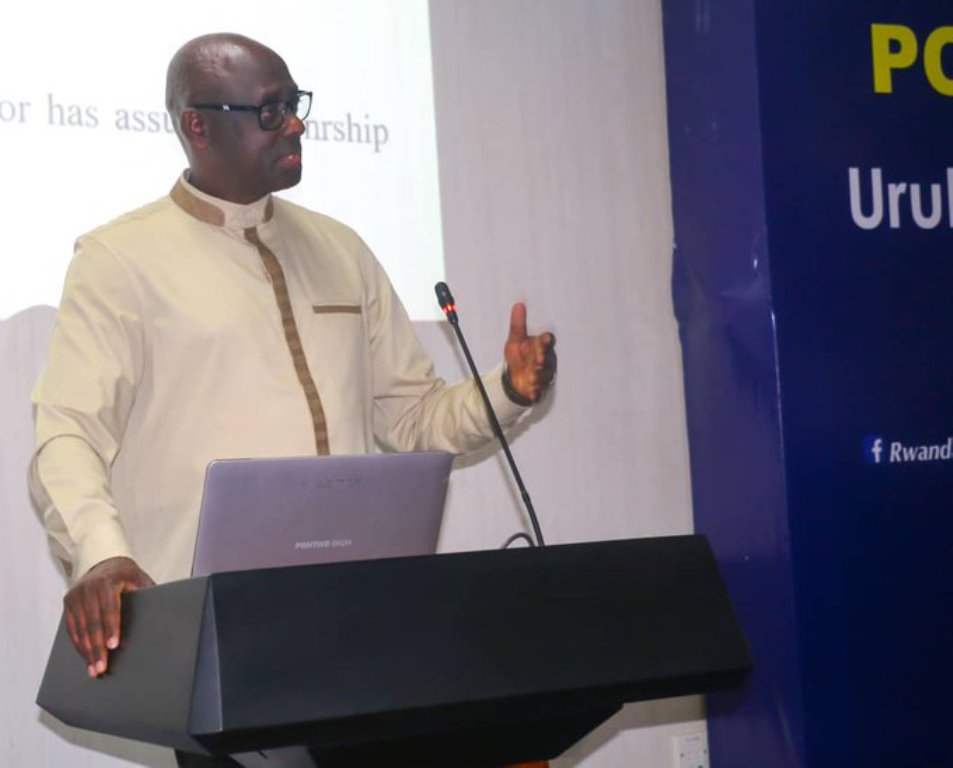
He said that the “road safety sector has assumed ownership” but added that “safety on road should be a choice.”
“We are on course to achieving an orderly, efficient and fast public transport sector and the strengthened road safety campaigns and operations are designed to achieve that target to guarantee safety for all,” Minister Busingye said.
“One fatal accident can go as far as affecting the family, community, business and the economy; it’s something that stands between poverty and development,” the Minister added.
He said the idea of this year-long campaign and operations should be widely welcomed and supported.
“A driver cannot do two things; it’s a complete profession that cannot be mixed with alcohol or using a phone when driving. We will not wither until people understand that this is a life-saving act,” emphasized Busingye noting that Rwanda should be a road safety by choice country that laws and regulations should come last.
“Speeding, zero alcoholic, skilled drivers and divided attention; all these are good and bad choices we make. We want drivers, who take safer choices without being forced. Prevention is a better choice rather than cure or post-mortem. The cost of unsafe roads is loss of lives, lifetime injuries, property, and financial loss. We should and will not get tired to prevent such,” he said.
Minister Busingye commended the role of the media for influencing change in road security calling it “phenomenon and building a safer community.”
IGP Munyuza explained that the 52-week campaign is also aimed at instilling the spirit of positive behaviors related to respecting set speed limits, preventing drunk-driving, protecting children against alcoholic drinks and drugs.
“We urge Rwandans to adopt this culture of not endangering children with alcohol and drugs; this is the responsibility of owners, managers and attendants in bars and entertainment spots to own this; the media fraternity to write against it; Rwandans to report people who abuse the rights of children,” IGP Munyuza said.
He further advised against public drunkenness, which is also against the law.
Prosecutor General, Jean Bosco Mutangana emphasized that the “law is clear against serving alcoholic drinks, public drunkenness and driving while drunk.”
He said that fatal and serious accidents caused by drunkenness can be treated as manslaughter and causing unintentional bodily harm, respectively.
Manslaughter, under article 111 of the penal code attracts imprisonment of between six months and two years, and a fine of Rwf500, 000 to Rwf2 million or only one of these penalties.
Causing unintentional bodily harm, on the other hand, is punishable under 118 with an imprisonment term of at least three months and not more than six months and a fine of up to Rwf1 million. The penalty can go up to two years’ imprisonment if it results in death.
Public drunkenness is also punishable under article 268 with imprisonment of between eight days and two months and a fine of between Rwf20, 000 and Rwf100, 000 or only one of the penalties.
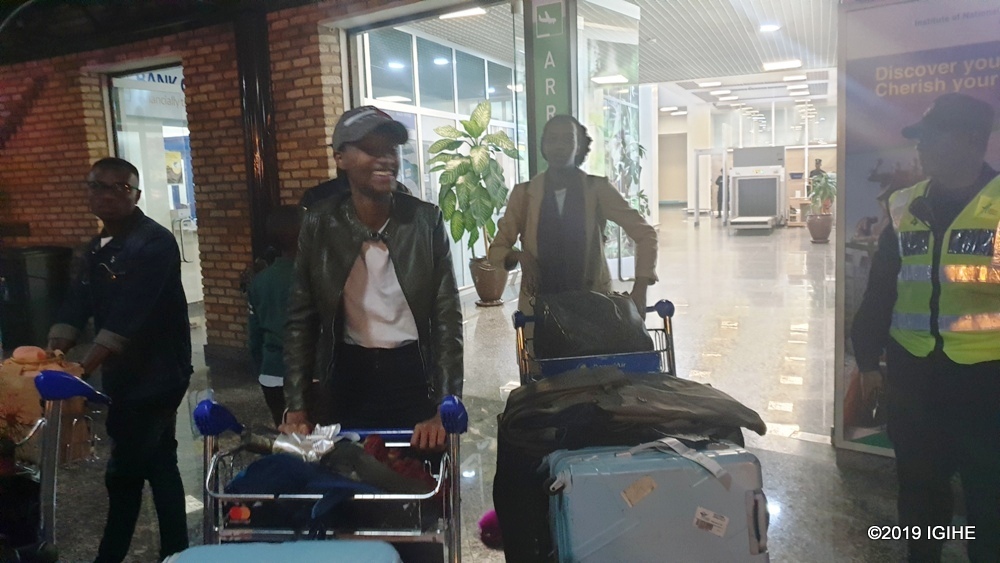
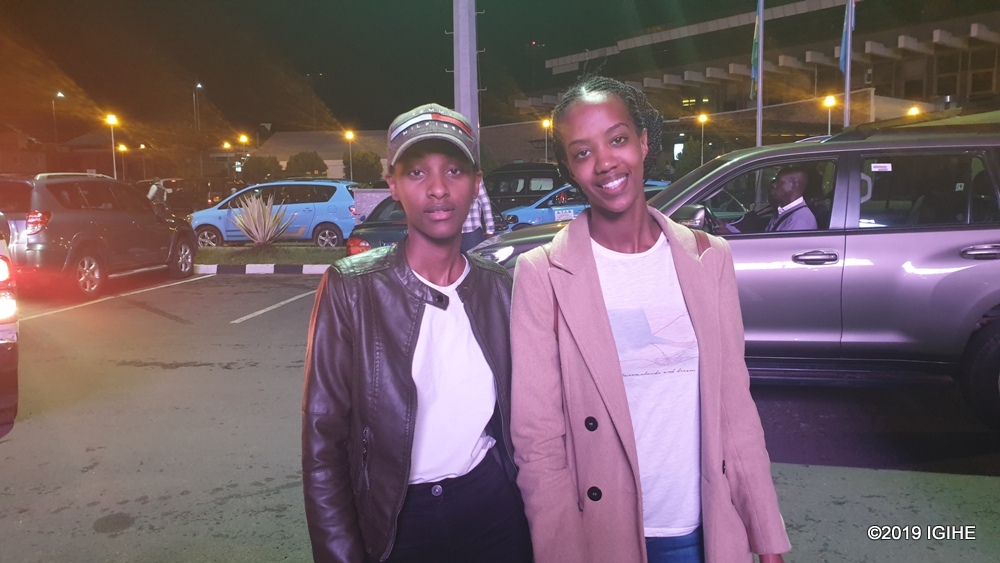
The trio was in Europe for a tour to hone their knowledge, learn from other cultures and explore ways of life.
They left for Europe early October to attend Rwanda Day held in Germany after which they toured different countries including France, Belgium, Netherlands and Germany.
They shared common views that they were blessed to attend Rwanda Day to learn from President Kagame’s inspirational advice.
“The talk delivered by President Paul Kagame was very great, inspiring and constructive that it inspired me to attend all editions of Rwanda Day, said Iradukunda Elsa.
The ladies also toured different tourist attractions in Europe and took advantage of this opportunity to meet with Miss Rwanda partners based in Europe.
They were hosted by different ambassadors representing including Rugira Amandin representing Rwanda in Belgium and Karabaranga Jean Pierre representing Rwanda in Netherlands.
Upon their arrival to Kigali, they revealed that their talks focused on activities advancing Rwanda’s development especially drawing attention on the youth.
He was arrested on 21st October 2019 around 2 pm for drunk driving.
Meddy has been released today from Remera Police station where he was detained.
He got out of the police station worn in a white pullover and a cape.
Meddy was immediately picked in a vehicle ‘Toyota Land Cruiser’.
Concerts organizers were among people who came to welcome the released artiste who brought a bouncer for Meddy’s security.
Drunken driving is an offense punishable with a fine of Rwf150, 000, 5 days imprisonment, confiscation of driver’s license and impounding the vehicle.
Currently living in the USA, Meddy came to Africa in August 2019 to grace a concert in Seychelles.
Early September 2019, he attended Kwita Izina Concert along with renowned musician Ne-Yo.
He later held a concert in Kenya before returning Seychelles for the second concert. He was among artistes that that concerted at Youth Connekt on 9th October along with Nigerian singer, Patoranking.
The Minister was addressing the media this Thursday at the Rwanda National Police (RNP) General Headquarters in Kacyiru on security status.
“We have experienced external infiltrations but what everyone should know is that attacking Rwanda is committing suicide; know that when you attack Rwanda you will not go back, those who decide to put down their weapons will get justice and those who resist will meet their fate, those who support and send people to attack us are also advised not to send people to die… our security and Rwandans, in general, are awake and they have proved that” Minister Busingye warned.
“We have the will and we will continue working with other countries to fight these terror attacks, our territory will not be used by anybody to destabilize our neighbors,” he added.
In December 2018, FLN fighters whose spokesperson Callixte a.k Sankara (currently detained in Rwanda) attacked Kitabi sector of Nyamagabe district where they burnt three vehicles killed two residents and left eight more injured.
At the time, Rwanda’s soldiers repelled them and killed three of the attackers while others fled to Burundi.
Recently, assailants raided residents in Kinigi sector of Musanze district during the night of 4th to 5th October 2019 where they killed 14 locals and injured more.
Following the attacks, security organs killed 19 of assailants and arrested 5.
Some of top commander rebel groups against Rwanda were killed while others were arrested by FARDC soldiers operations to wipe out rebel groups in DRC forests.
The top commander of FDLR, Gen Mudacumura was recently reported killed by FARDC soldiers while Rtd Major Mudathiru Habib and 24 co-accused members of P5 rebel group of Kayumba Nyamwasa were arrested and undergoing trial at Nyamirambo Military Tribunal.
The group comprises of members from Rwanda, Uganda, Burundi and one Tanzanian-born with Malawi nationality.
All the 25 suspects were charged with four counts, namely; being part of an unlawful military outfit, treason, forming an illegal military outfit, and conniving with foreign countries to destabilize Rwanda.
Col. Ruhunga said that RIB cannot be everywhere to prevent and fight crimes and appealed to the media to play a great role in preventive reporting but also reporting wrongdoers saying that it is a “collective responsibility of all Rwandans to ensure a safer and crime free country.”
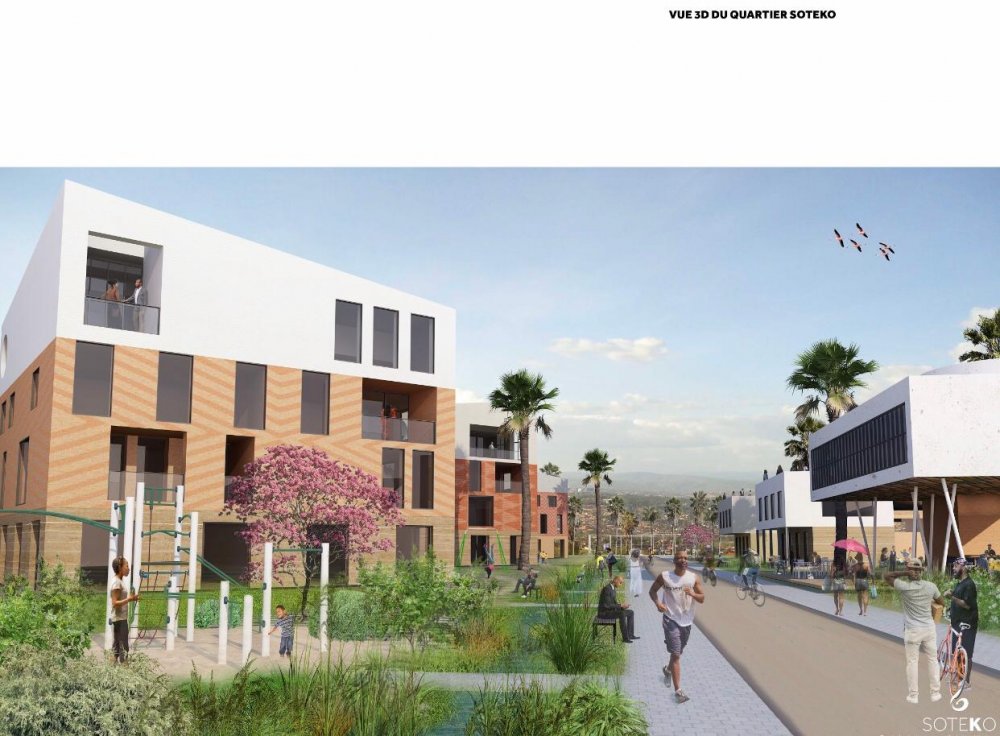
Considering Rwanda’s business friendly environment, Soteko has chosen Rwanda as the first country to start the smart city project with environment friendly buildings made with local durable materials.
IGIHE Belgium has caught up with the CEO Joël Buleli to talk more about the project.
{{Excerpts: }}
{{IGIHE: How can a Rwandan residing in the country understand the project? How can he or she afford the project from a financial point of view?}}
{{ Joël Buleli:}} One of Soteko’s main objectives is to facilitate access to affordable housing for as many people as possible. That is why we are in the process of setting up partnerships with local banks to provide loans at preferential rates to future owners. We are also exploring other possibilities for financial innovation, always with the aim of accompanying our future buyers.
One possibility is rent-to-own, which is a transaction that allows the tenant to acquire the property during the lease term. Another option is to group future homeowners in a co-operative that would make a group purchase of housing units. There are many leads and Soteko is exploring them all.
{{IGIHE: Why Rwanda? }}
{{Joël Buleli: }} As Soteko’s smart city concept became clearer, Rwanda became the obvious choice and the ideal country for the construction of our first pilot park. The country embodies Soteko’s values:
– Socially engaged: the government has put in place a clear legislative framework that encourages the construction of affordable housing. In addition, the city of Kigali has an urban planning plan that anticipates the challenges and opportunities that the city will face by 2050, thus promoting investment.
– Technologically integrated: Rwanda is a centre of innovation and a technological hub, as demonstrated by Kigali Innovation City. Innovative ideas and technological innovations are encouraged.
– Environmentally responsible: Rwanda is known for its “zero plastic bag” policy. But the ecological approach is even more advanced. The country wants to be truly exemplary in this regard.
So you can see that the Soteko adventure has not found a better place to start on the continent than Rwanda.
{{IGIHE: Why the diaspora? How does our project meet the expectations of the diaspora?}}
{{Joël Buleli:}} Soteko City was designed by integrating the needs of the diaspora. The founders themselves come from the pan-African diaspora and beyond – Burundi, Togo, Cameroon, Rwanda, Congo Kinshasa, Belgium, Iran – and are well aware of the problems they face when buying a property at home. It is by building individual houses for the diaspora that the Soteko concept emerged in the mind of Joël Buleli, CEO.
We have designed our accommodation so that it can be managed in complete serenity, on-site or remotely. A digital platform, available on a website and as an application, is being developed.
It will allow you to monitor your water and electricity consumption, pay your bills online, access maintenance and repair services and, for those who so wish, rent their property.
This digital service will be made available to residents and visitors as soon as the first homes are delivered, which should be available in the second half of 2021.
To work effectively on the ground, the Luxembourg-based parent company will create a subsidiary in Rwanda, 40 % of whose capital will be open to local investors and partners.
{{IGIHE: Speaking of deliveries, can you tell us where you stand?}}
{{Joël Buleli:}} We opened our pre-sales on August 30 and temporarily suspended them on September 25. At that time, we already had orders for 26% of the first construction phase, housing and shops combined.
We did this for the simple reason that after our meeting with different authorities and institutions in Kigali (RDB, RHA, RSSB, MINAFRA and the Mayor of Kigali) it was important for us to adjust some aspects of our concept. For example, we have decided to take into account the criteria for state intervention in the construction of truly affordable housing.
The file will be presented to the authorities on 28 October and we will resume pre-sales on 2 November. Note that we already have a waiting list of several future buyers in Europe and Rwanda.
We will try to respond as best we can to the first requests. Interested parties can contact us at our e-mail address info@sotekocity.com or by Whatsapp at the following number: +32484704204.
{{IGIHE: Exactly, can you tell us more about the purchase contract you have put in place for the sale of the first homes?}}
{{Joël Buleli:}} Always keeping in mind how important it is for our clients to facilitate and secure the purchase, we opted for a performance-based contract. At the signing, customers pay nothing.
Then, each time a pre-defined step is finalized, a corresponding payment is requested. There are 5 deadlines and the remaining 10% are paid when the keys are handed over. In short, the customer only pays for what is already done or built.
These include starting a business, dealing with construction permits, getting electricity, registering property, getting credit, protecting minority investors, paying taxes, trading across borders, enforcing contracts, and resolving insolvency.
Rwanda ranked second in Africa after Mauritius and maintained the first position in the East African Community. Rwanda is also the only low-income country in the top 50.
The 2020 report also saw Rwanda’s global ranking drop 9-positions to 38th from 29th last year, mainly caused by the World Bank’s sudden change in methodology.
The new methodology introduced the assessment of “an active stock exchange” which was added into the protecting minority investor’s indicator in January this year. According to the World Bank, for an economy to be seen as having an active stock market, it has to show at least 10 companies listed and trading equities.
The Rwanda Stock Exchange (RSE) was officially launched in 2011 and has had eight company listings since. This abrupt change led to a 100-point drop in the indicator scores on ‘protecting minority investors’ compared to last year’s report where Rwanda ranked 14th globally.
Commenting on this year’s report, Clare Akamanzi, CEO of the Rwanda Development Board said:
“We continue to make bold and ambitious steps to improve our business environment and further Rwanda’s vision of a private sector-led economic transformation. While we acknowledge this year’s Doing Business Report, we note with great disappointment the abrupt change in methodology which has affected Rwanda’s global rankings negatively. We will continue to engage the World Bank on this issue.”
On a positive note, Rwanda had reforms captured and reflected in 4 indicators which strongly impacted its regulatory business environment. These were:
1) In starting a business, Rwanda made starting a business easier by exempting newly formed small and medium-size enterprises from paying the trading license tax for their first two years of operation. This improved Rwanda’s ranking on the indicator from 51st in 2019 Doing Business Report to 35th globally in 2020.
2) In dealing with construction permits, Rwanda went up by 25-points from 106th last year to 81st globally. This was attributed to reducing the time to obtain a water and sewage connection. Rwanda also improved building quality control by requiring all construction professionals to obtain liability insurance on buildings once in use.
3) In the getting electricity indicator, Rwanda improved the reliability of power supply by upgrading its power grid infrastructure. This led to the indicator improving from 68th to 59th globally.
4) The enforcing contracts indicator saw highest jump from 78th to 32nd globally. This was largely due to the new small claims procedure and reduction of court fees.
First thing, you need to keep it simple. Why? Because the best stories share something profound and real about the human experience but do so very quietly. Take the popular six-word story for example: “For sale: baby shoes, never worn.”
There’s a lot of meaning and depth to this story but stated in simple terms. These words don’t directly give us context, but also gives a nuance that communicates the truth of our world. Cool, right?
Simple stories also do a great job drawing on emotion as opposed to getting caught up in anything else. Although it might be genius to present a product or service in a 60-second-thriller-full-of-combat-and-epic-moves, you’re likely to lose your main point in the chaos.
So what’s your story really about? If you can articulate that in one sentence, then you’re ready to tell a good story. You’ll soon be able to communicate with and connect with people in analogies and metaphors.
{You might wonder ‘Why not Use Words’? }
Video is a visual and aural medium. Non-verbal stories do wonders for people. So many wonders, you would not believe it. This not only draws viewers in but also gets to the emotional core of a story much quicker. These share something profound about life, without the need of saying much.
If you can find a way to tell your story without words, you’ll be much more successful in persuading your audience.
If you ever need the right, audio-visual company that would do wonders for you, Storykast – a video production and photography company that has years of experience in crafting visual stories of brands in marketing as well as in advertising, will perform the magic you still haven’t figured you need.
For more information, visit their website on {{[Storykast->http://storykast.rw] }} or contact them on 0788742908.
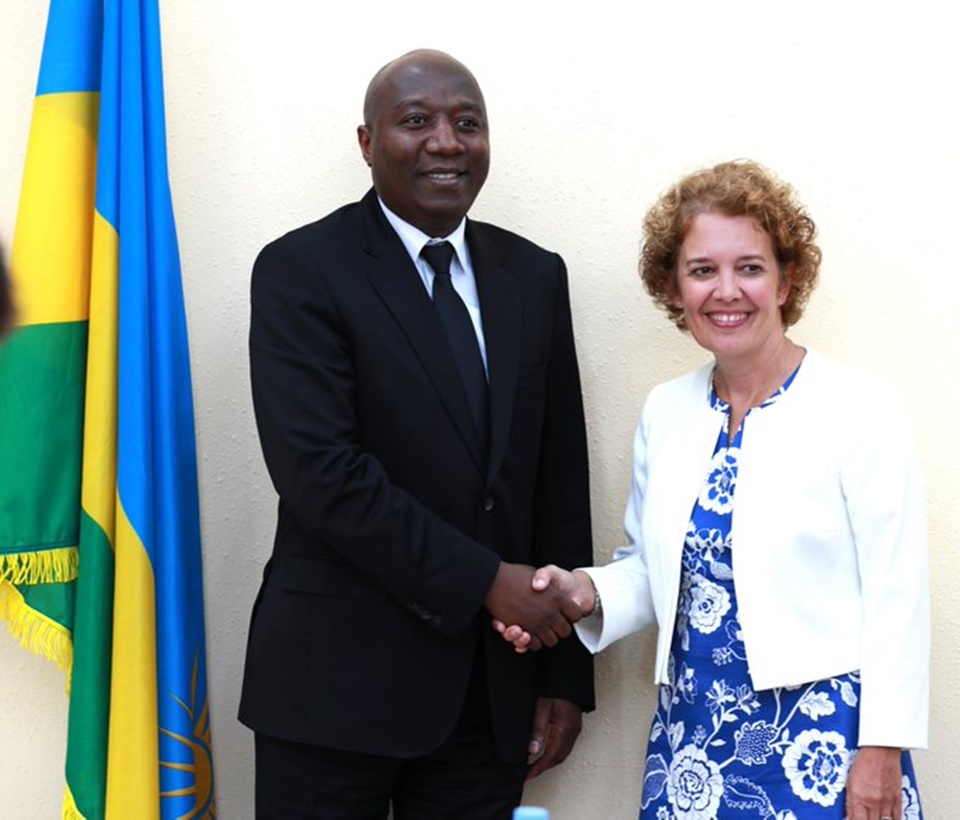
Ambassador Lomas was accompanied by the head of UK Department for International Development (DFID) Rwanda office, Sarah Metcalf.
Following the discussions, Lomas explained that the fruitful meeting aimed at improving Rwanda, UK partnership in national development.
“We have discussed how to fund Rwanda’s education sector, agriculture, social protection support, among others,” she said.
“We also discussed CHOGM due in Rwanda and how we envisage continued collaboration. We had fruitful discussions and promised Premier Ngirente, UK support to Rwanda,” added Lomas.
The Minister of Cabinet Affairs, in the Office of the Prime Minister, Marie Solange Kayisire said that Lomas’ visit reflects smooth relations rooted on mutual cooperation to private investors in agriculture and basic education among others.
“They have agreed to sustain programs aimed at achieving a knowledge-based economy. UK also has existing cooperation with Rwanda Revenue Authority in technical skills transfer,” she said.
Minister Kayisire also explained that both leaders discussed on preparations of the upcoming CHOGM2020 to take place in Rwanda.
“They usually follow up and support preparations of the meeting and provide support. They discussed how to sustain cooperation to make the meeting successful,” she said.
The 26th CHOGM in Kigali is expected to attract leaders from all 53 Commonwealth countries.
Leaders from all 53 Commonwealth countries are expected to attend.
Rwanda joined the Commonwealth in November 2009, becoming its 54th member.
The previous Commonwealth meeting took place in the United Kingdom.
The Government approved Rwf 20.1 billion budget for preparations of CHOGM2020 of which Rwf 10.8 will be utilized to upgrade the airplane’s parking at Kigali International Airport among other activities including Rwf 3.3 billion to renovate the road Nyabisindu-Nyarutarama and Kabeza-Alpha Palace.