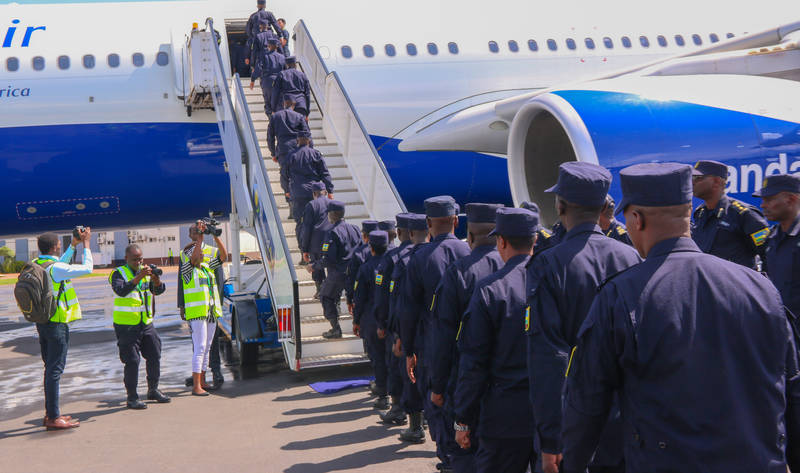
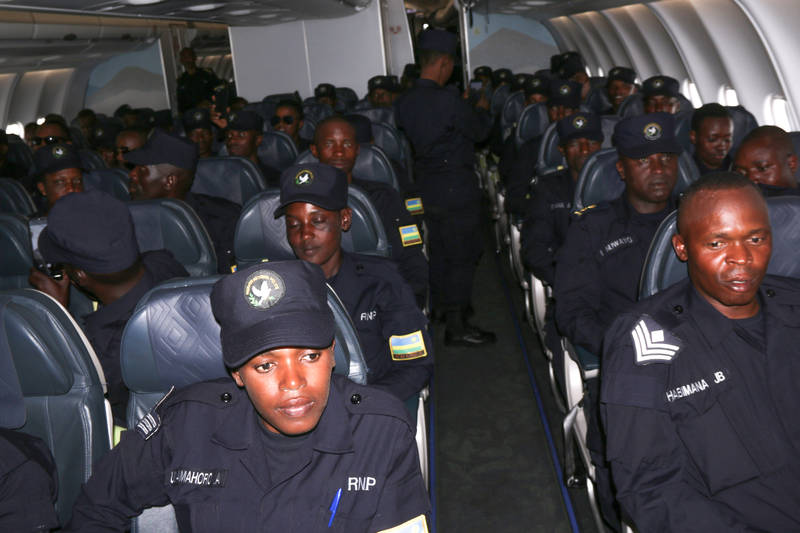
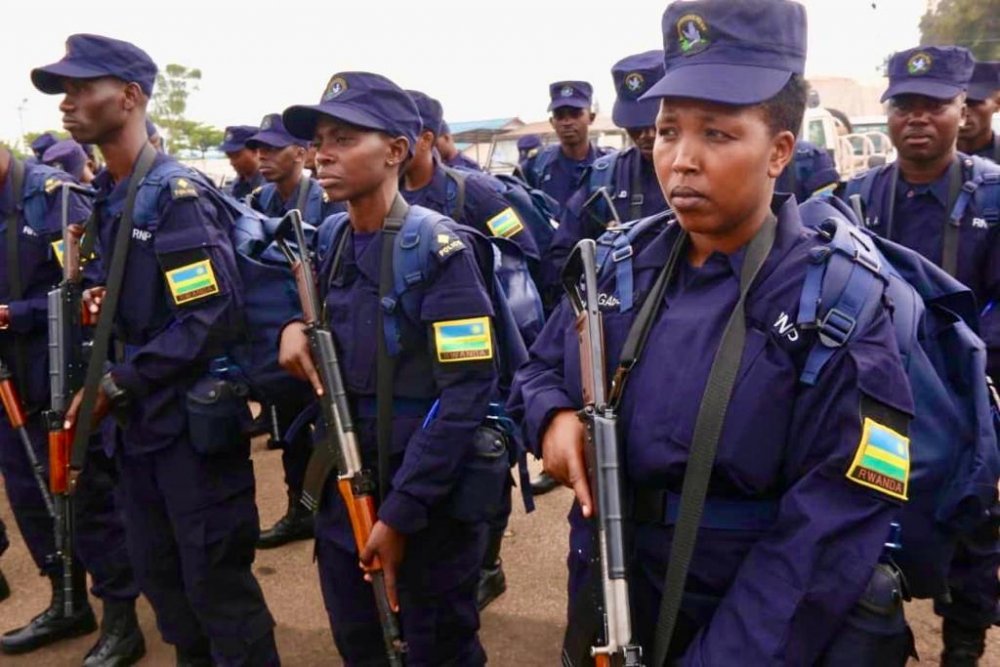
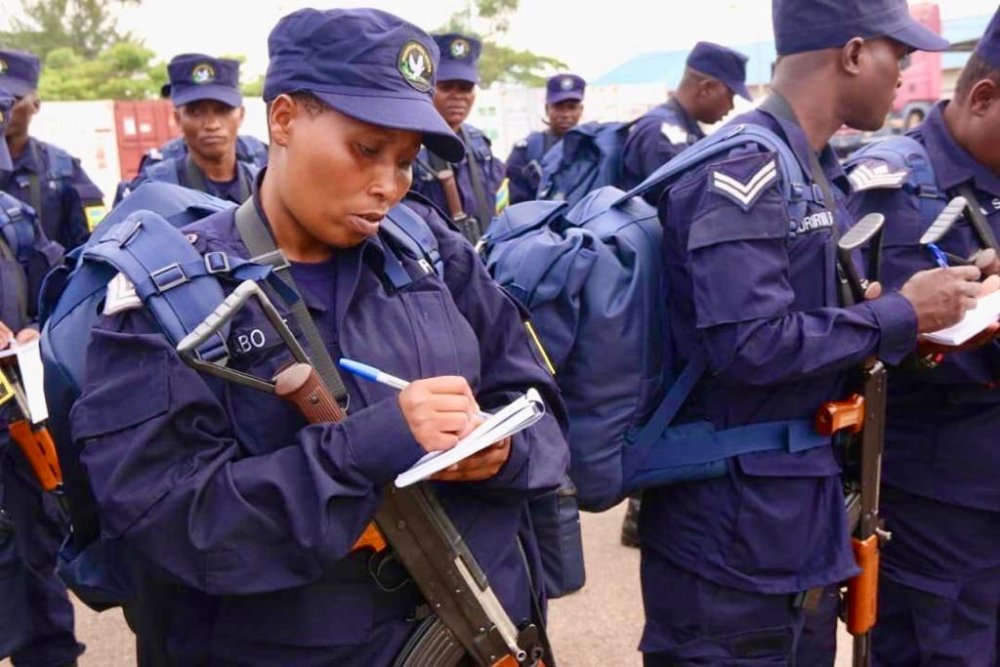
The contingents; FPU-1 and FPU-2 are commanded by Assistant Commissioner of Police (ACP) Uwimana Safari and (SSP) Antoine Munyampundu, respectively.
The contingent under ACP Safari will conduct its peacekeeping operations in the capital Bangui, while that under SSP Munyampundu will be based in Kaga Bandora, in the north of the capital.
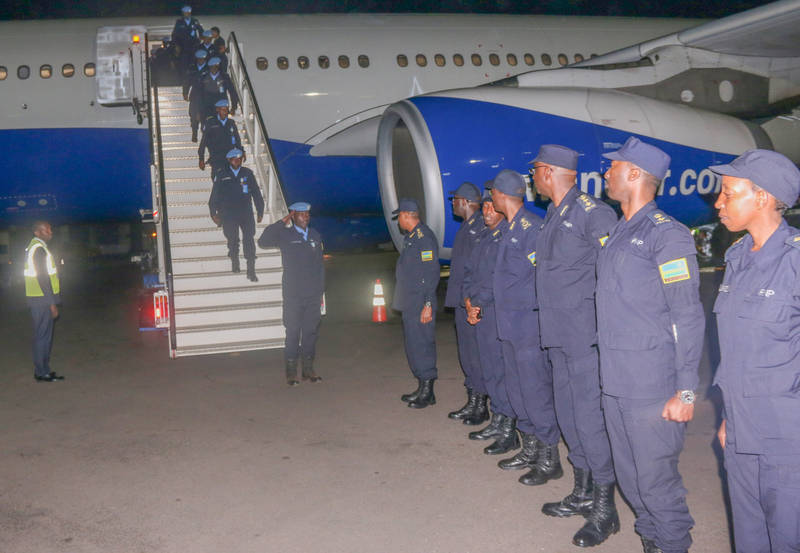
The deployed contingents replaced two others of the same number, which returned home later in the evening.
The returned FPU-1 was under the command of ACP Damas Gatare and FPU-2 commanded by Chief Superintendent of Police (CSP) Christian Safari.
Commissioner of Police (CP) Denis Basabose, presided over the departure and arrival of the contingents.
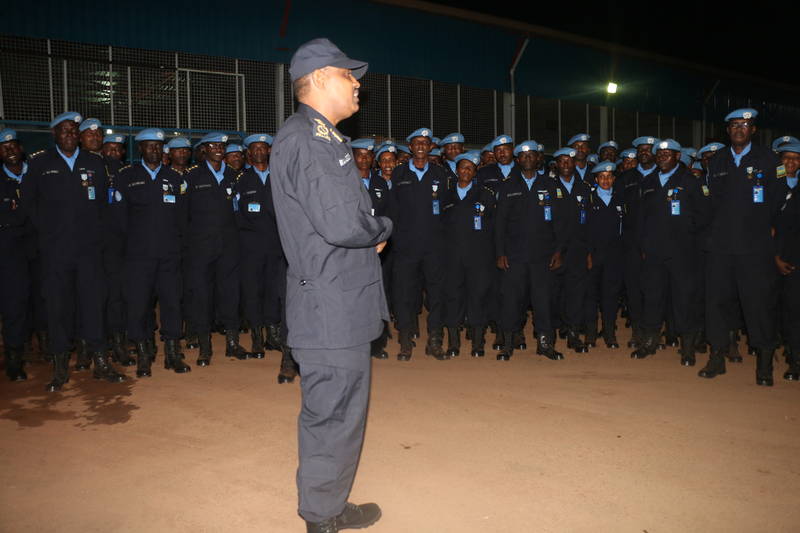
CP Basabose, while speaking to the returning contingent on arrival at KIA, thanked them for the good work and representing the country ably.
“You were given enough training prior to your deployment and it is good that you performed as expected; with discipline, teamwork, and professionalism; the awarded medals of service excellence define your good work of peacekeeping in the Central African Republic,” CP Basabose said.
He further urged them to use the acquired skills and experience from their completed mission, to serve the country.
While giving an overview of their one year peacekeeping mandate in CAR, SSP Alphonse Ngabonziza, who guided the contingents, said that the pre-deployment training helped them to overcome the challenging circumstances in the mission area.
He said that they successfully completed their mission thanks to the discipline, dedication, resilience, and professionalism exhibited by the officers as well as the good relations with the local population, which partly facilitated them to accomplish their duties.
“We are grateful to be back home. We are all safe, physically and mentally, ready to continue serving our country in other duties that we will be assigned,” he noted.
The contingents are charged with the protection of high profile officials, public order management, protection of internally displaced persons, key installations and infrastructures, patrols and escort duties, among others.
Rwanda is the second-largest police contributing country to the UN peacekeeping operations.
Twizeyimana was intercepted on Sunday in Remera Sector of Ngoma District with 100kgs of fertilizers. He was at the time smuggling the fertilizers on a motorcycle RC 169P, which was also impounded.
The suspect was buying the fertilizers from vulnerable beneficiaries in Kabarondo, Kayonza District and selling them to passion fruit farmers in Remera, Ngoma District, Chief Inspector of Police (CIP) Hamdun Twizeyimana, the Police spokesperson for the Eastern region, said.
“Police, which was in an operation to arrest distillers, sellers and traffickers of illicit brew in Remera, became suspicious and stopped Theoneste Twizeyimana, who was carrying consignments in sacks on the motorcycle,” the spokesperson said.
He added: “When they searched the sacks they found they were loaded with industrial fertilizers, which he buys from vulnerable beneficiaries in Kayonza and sells them at a higher price to passion fruit farmers in Ngoma.”
The fertilizer, which are given to farmers, contain nutrients that play a key role in agricultural productivity.
“Beneficiaries and business community are encouraged to prevent such illegal businesses that negatively effect the government agricultural programme, and report those who hamper the national development efforts.”
The Ministry of Agriculture said these fertilizers are meant for the farmers at a subsidized price to increase their production.
“Rwanda National Police (RNP) and Ministry of Agriculture are currently working together to ensure that all those involved in such illegal businesses are caught and brought to justice” he said.
CIP Twizeyimana warned that it’s illegal to buy fertilizers from beneficiaries and advised beneficiaries to use them to increase production and fight poverty.
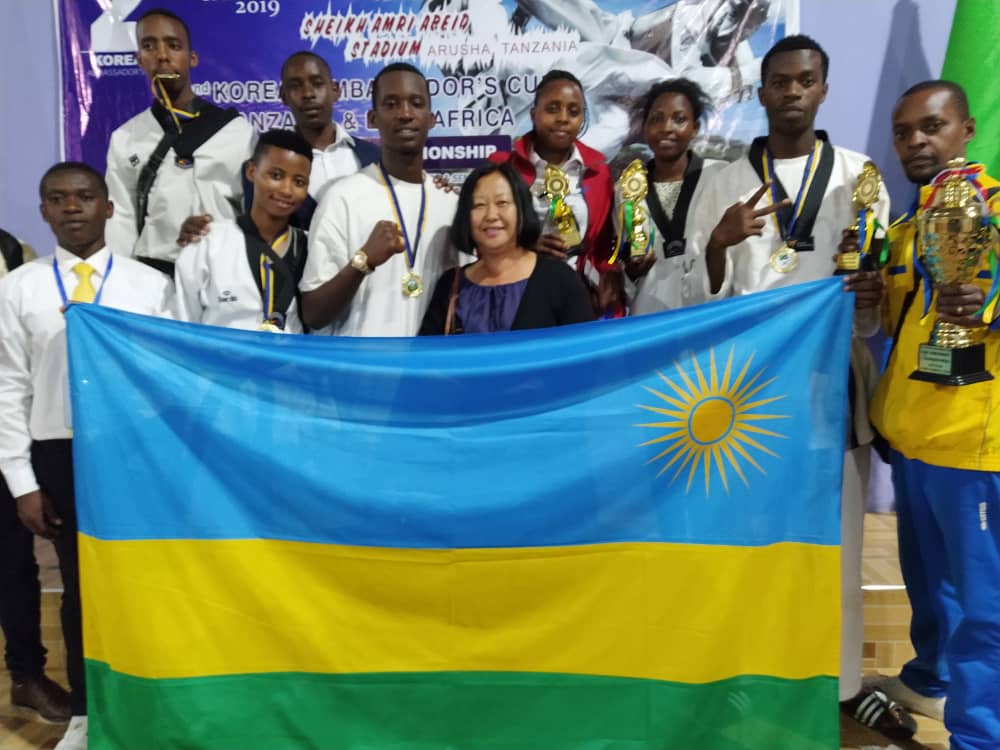
The ‘Korean Ambassador’s Cup 2019’ is an annual competition that was for this year organized by Tanzania Taekwondo Federation in partnership with the Embassy of Korea in Tanzania.
The annual Taekwondo competition, sponsored by the South Korean Embassy in Kigali, attracted several athletes from different clubs across the East African Community (EAC) and The Democratic Republic of Congo (DRC).
Rwanda won 5 gold medals from Uwababyeyi Delphine who plays in the ‘under 53kg’ category, Ndacyayisenga Aline who plays in the ‘Under 57kg’ category and Sekanyambo Jean-Paul who plays in the ‘Under 58kg’ category.
Munyakazi Vincent who plays in the ‘Under 74kg’ category and Mwemezi Cedric in the ‘Under 87kg’ also won gold medals while Kayitare Benoit in the ‘Under 63kg’ category won a silver medal.
In general, Rwanda won third place in the competition based on the addition of all medals won by individual players.
Rwandans also won the most valuable player (MVP) award in the women’s team from Uwababyeyi Delphine, the best trainer from Bagire Allain Irene and best referee from Mushambokazi Zura.
Concluding the competition, the Ambassador of Korea in Tanzania commended the contribution of Rwanda in the organization of the competition where Rwanda Taekwondo Federation lent scoring equipment for counting points during the competition and staff to operate them.
Rwanda Taekwondo Federation will land in Kigali on Tuesday, December 17th, 2019.
Taekwondo players will immediately return to their respective teams as they prepare for the annual ‘Gorilla Open Taekwondo Championships’ held in Kigali from December 20th to December 22nd, 2019.
The parents expressed the concern saying it is a challenge on teachers’ efficiency in evaluating performance of so many learners at once. In some classes, there are more than 60 students with 4 to 5 pupils sharing one bench.
Parents have demanded that more classrooms should be built to enable reduction of pupil-teacher ratio, saying that if nothing is done, pupils will continue to bear negative consequences.
Mukabucyana Valerie, one of the parents said that they are concerned about the inadequate learning environment of their children because it is clear that given the small classroom size, many will find it difficult to acquire knowledge with utmost efficiency.
“I once asked my daughter why she came home with no homework and she answered she was not able to write because she had nowhere to sit or stand in the classroom.”
Mazimpaka Evode whose child also goes to Musezero Primary School says that large class sizes do not only obscure the learning of their children but leaves them susceptible to diseases.
“In those conditions, I doubt anyone is capable of learning. Children are also at the risk of getting infected with diseases including skin and respiratory diseases. We have requested for intervention from the government because we see this as an urgent matter.”
The mayor of Musanze district, Mrs. Nuwumuremyi Jeannine says that the matter has been communicated and that new classrooms will be built starting early next year.
“A good education is a precious heritage and to ensure that it is assured for children in Musanze, the problem of overcrowded classrooms will soon be addressed. Starting next year, new classrooms will be constructed to accommodate smaller numbers for every class.”
Musanze District is among the top districts in Rwanda that face the problem of overcrowded and old classrooms but starting 2020, the district has in its plans to renovate and build new classrooms to enable teachers in structuring small learning teams and make an evaluation of child performance much easier.
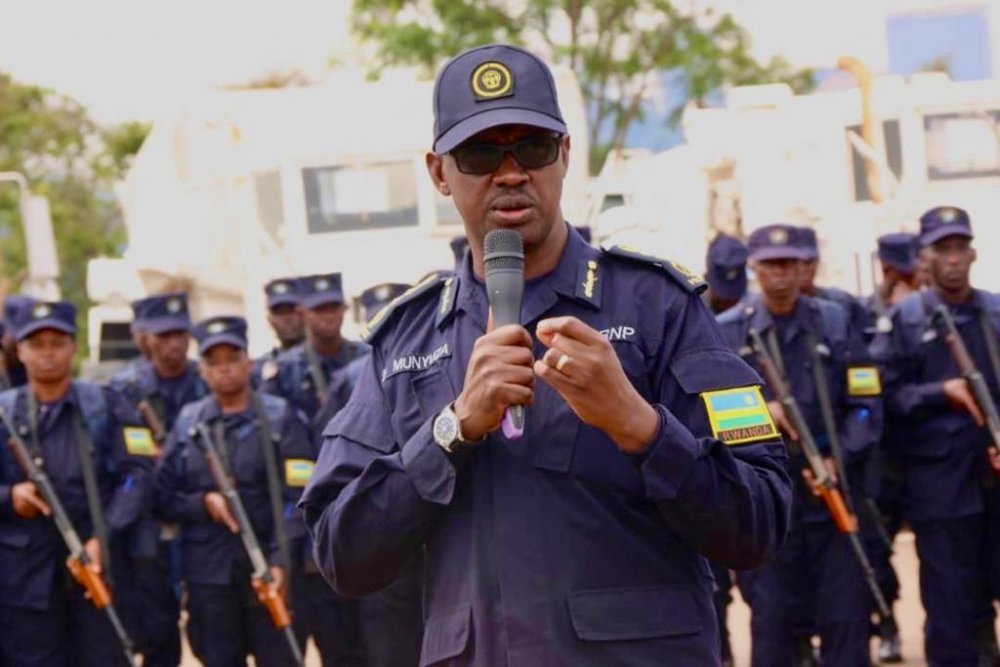
During his address, he said that he believes the police officers have acquired enough knowledge and skills to fulfill their mission in the Central African Republic.
“You all have to know that your actions in the country you will be deployed to, reflect the image of Rwanda. Before anyone talks with you, they will first spot the Rwandan flag on your uniforms. Make sure your actions reflect the impeccable image the Rwandan Police is renowned for.”
He said that the mission they have been given is not an easy one and that they need to make some sacrifices for their country. “Completing your mission will not only be a good record for you but for the country.”
He urged the police officers to show empathy and support those in need. He reminded them that even though they will be sent by the United Nations, they have other duties to fulfill for the country like supporting vulnerable communities and sensitizing citizens in the host country to develop a sense of independence rather than always waiting for their government to support them.
He also reminded police officers who have negative habits including drunkenness to behave and avoid staining the image of the country.
He called upon police officers to be strong and defend themselves and the citizens they will be charged with protecting in tense situations where the enemy will be threatening to assault them.
Deployed police officers are in two teams with one team of 140 led by ACP Uwimana Safari and it is the 6th cohort to be sent to the CAR while the second team is led by SSP Antoine Munyampundu and is the fifth cohort to be sent to the CAR.
The police officers will leave for the CAR today, December 16th, 2019 and will be replacing another cohort of 280 who were also divided into two teams.
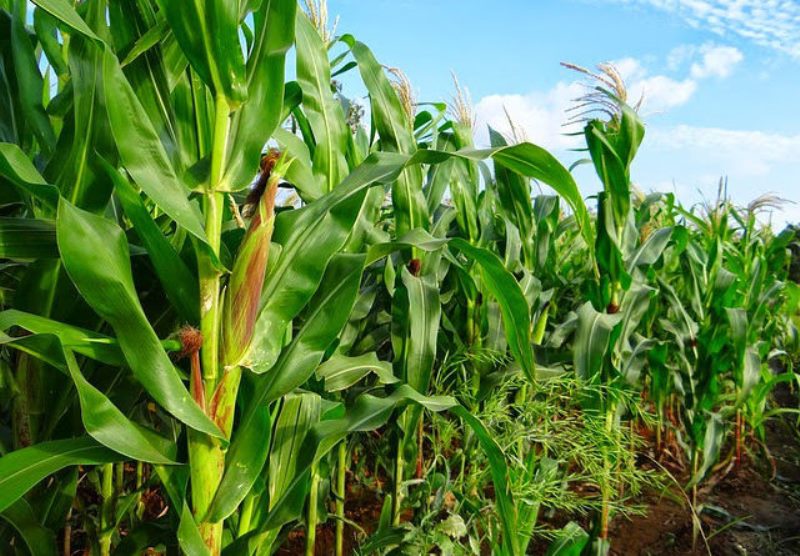
The decision comes after different methods of field preparation and seed invigoration were introduced where it is predicted that some crops seeds will stop being imported from abroad.
The announcement was made Friday, December 14th during the USAID-funded project ‘Feed the Future HingaWeze Project’ end of the year party.
Jean Claude Musabyimana, the Permanent Secretary in the Ministry of Agriculture says more seed preparation methods have been introduced for crops like maize, wheat, soybeans, Irish potatoes, beans, and sweet potatoes.
He added that the Government of Rwanda has been spending more than Rwf 4 billion every year to import wheat, soybean and 3000 tons of maize seeds.
“We have established enough facilities to allow farmers to grow maize locally and be able to prepare seeds on their own.”
Musabyimana says the new methods will solve the scarcity of seeds and reduce import costs.
A research conducted by Alliance for a Green Revolution in Africa (AGRA) in August, 2019 shows that the supply of maize seeds is on 73%, beans on 69%, wheat on 73% and soybeans on 78%.
Adequate seed preparation has increased from 3% to 12.5% for small-scale agriculture and by 53.1% for large-scale farming.
Musabyimana says that for now, the focus is seed preparation for small-scale farming but that more will be done to produce for large-scale farming. “I believe that in the next two agricultural seasons, we will not be importing seeds but this does not mean farmers have no right to import whenever they wish.”
He added that MINAGRI continuously supports institutions involved in seed preparation and distribution across the country and overlooks their activities to ensure all the necessary actions are taken.
“We have staff in charge of research to find the types of seeds appropriate to our lands and climate. Rwanda Agriculture Board (RAB) for example, focuses on overlooking farming practices across the country while private institutions do the rest.”
Daniel Gies, Chief of Party of the USAID Hinga Weze Activity said that the three-year project will support more than 530,000 farmers to increase their crop yield, improve diets for women and children and growing crop varieties which are resilient to climate change.
“So far, the project has increased crop yield by 50% for 26488 small-scale farmers. Regarding soil conservation, 818.9 hectares were terraced while 50 hectares of swamplands were prepared.”
A project performance report indicates that 238,480 farmers benefited from it where 60,113 hectares are being used for modern farming with an investment of US $1,102,689.
The report also shows that 36, 718 farmers were brought together in saving cooperatives consisting of 8775 families all enjoying healthy diets while 22,271 children under the age of 2 also have access to healthy diets.
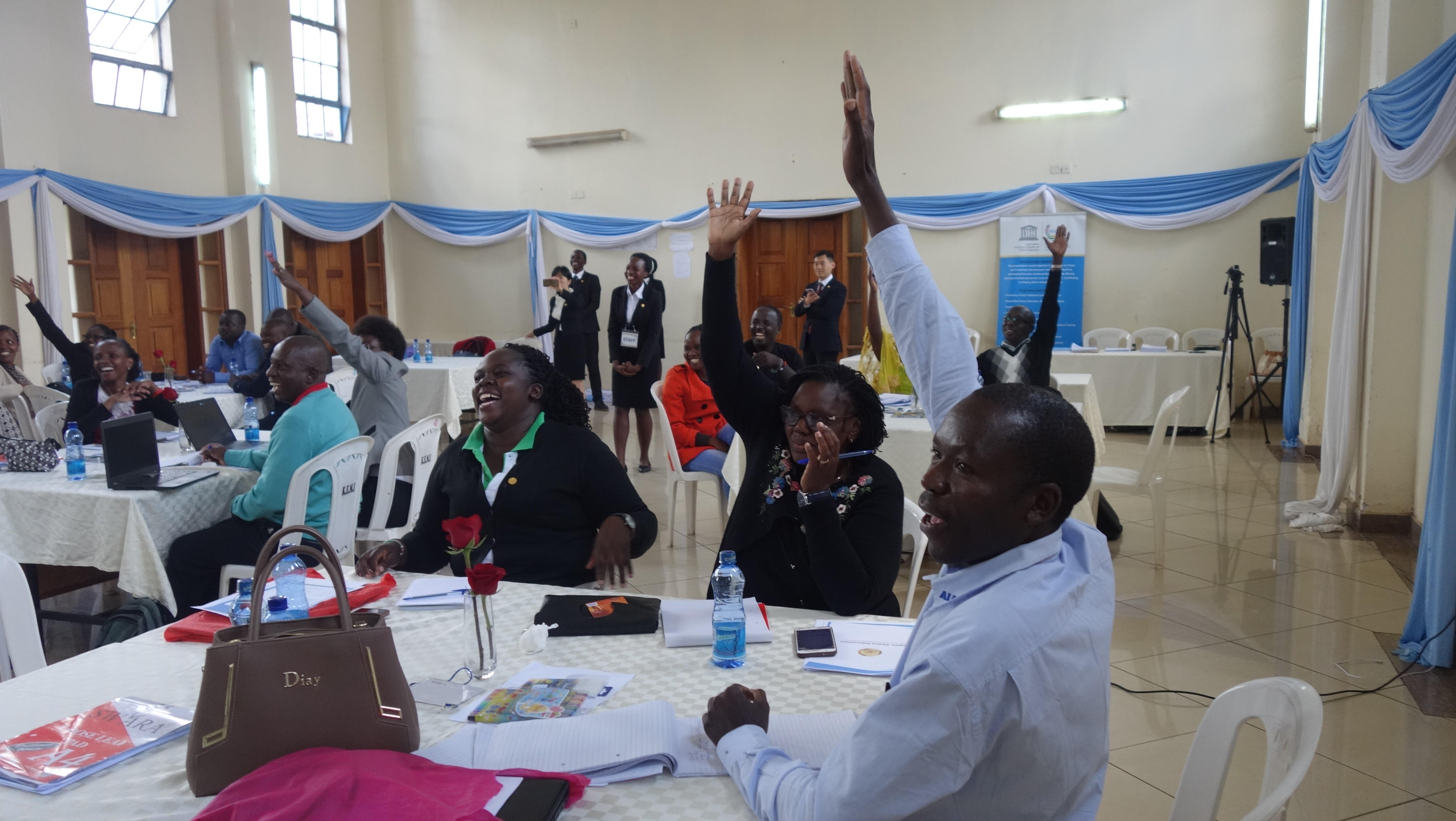
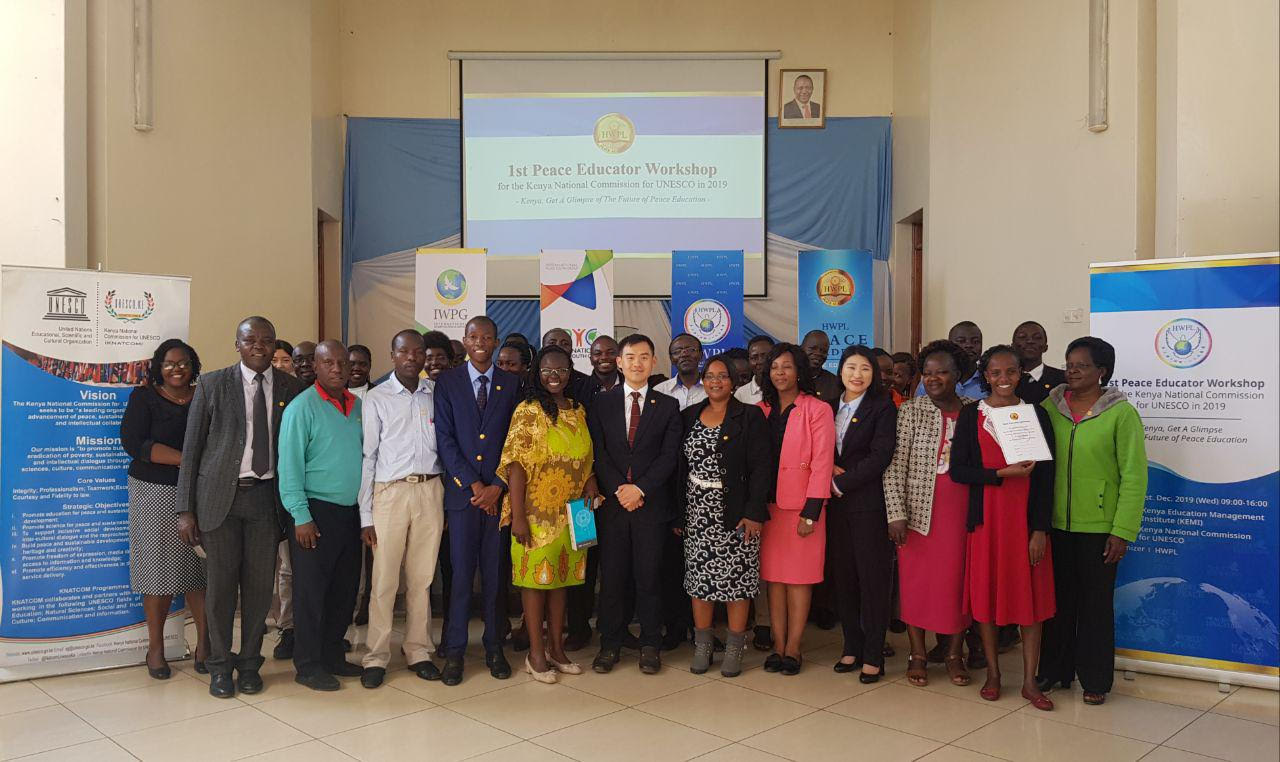
The workshop was devoted to enabling educators from UNESCO-associated schools experience and practice peace value education in the field through presentation sessions on peace education materials and pilot class.
HWPL says that peace education serves as a global platform with the aim of “leaving peace as a legacy to the future generations” by raising awareness of building peace from citizens and fostering a culture of peace to challenge the threat from war and violence.
Ms. Dorah Kitala, principal education officer of Ministry of Education said, “Peace education textbooks and the curricula are innovative. After the demonstration, I could feel that peace education is necessary for Kenya and would work with HWPL in the future.”
With the need for teaching values of peace to Kenyan students, 20 educators from UNESCO associated schools signed an agreement, which says they teach the right character for those who would carry the future of the country and to disperse peace education in Kenya.
HWPL has endorsed peace education in over 220 educational institutions globally and established a partnership with government agencies (ministry of education) to introduce peace education for students, including the Philippines, Sri Lanka, Iraq, and Guatemala. HWPL, KNATCOM and the Ministry of Education of Kenya are considering formalizing peace education activities throughout the country.
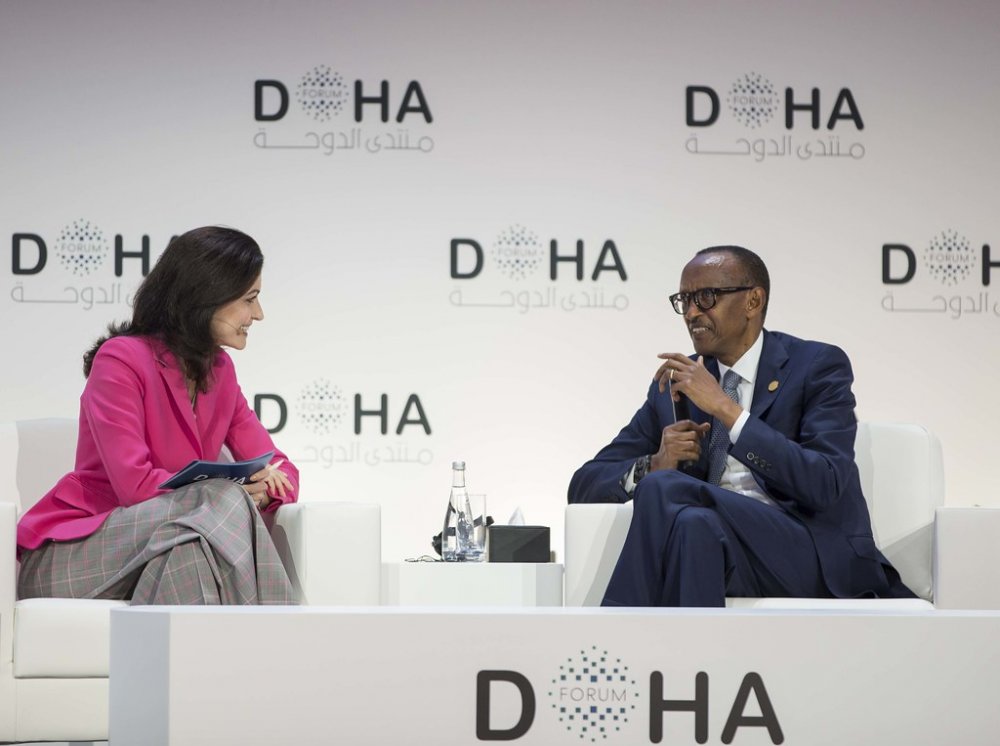
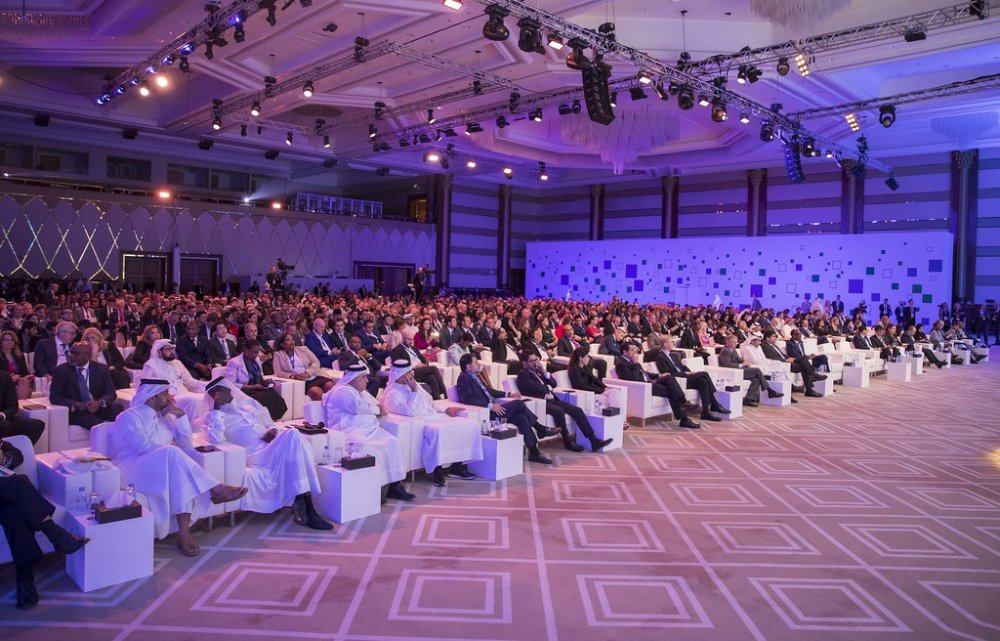
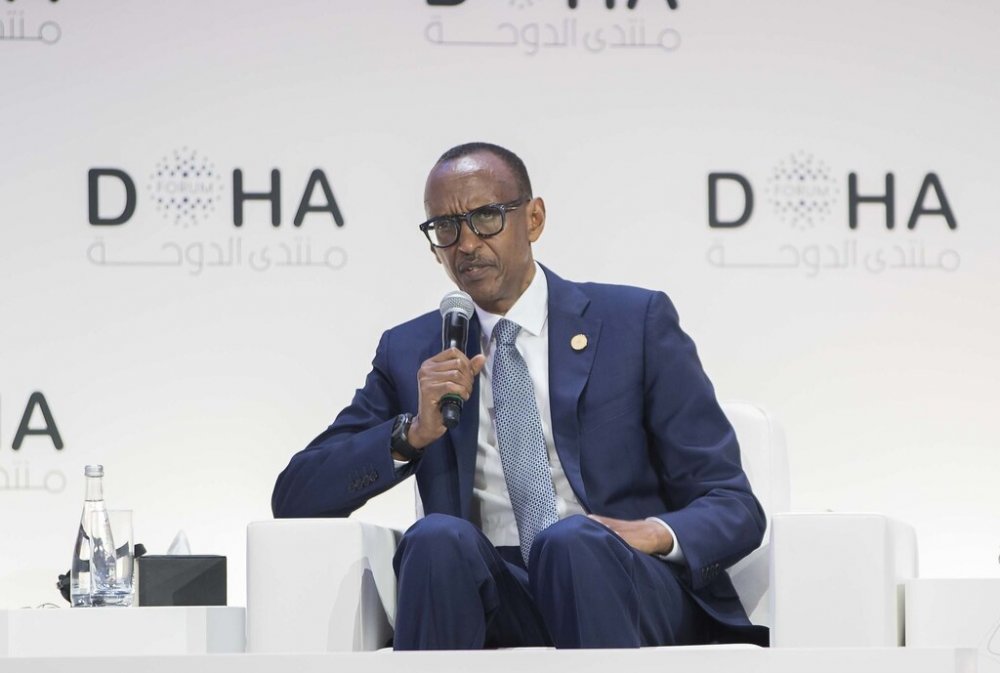
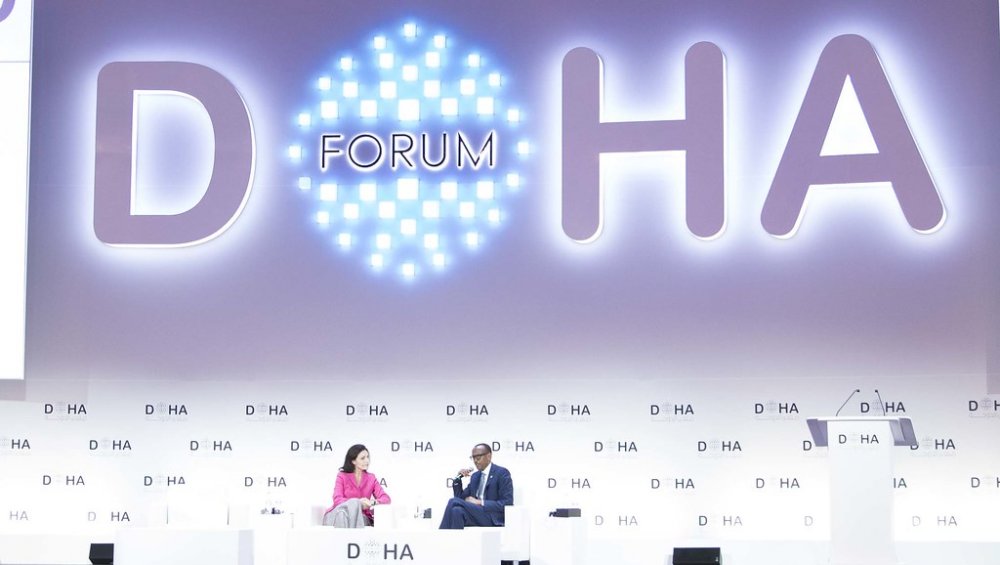
The meeting brought together different Heads of States including the Emir of Qatar, Sheikh Tamim Bin Hamad al Thani.
About how he feels after 19 years of leading Rwanda: “I still have the will and determination it takes to lead a country. I am proud of working hand in hand with Rwandans to develop our country as we rise from the ashes after the 1994 Genocide against Tutsi.”
He maintained that he is determined to promote the country in every field during his term in office as he was elected for a third term in 2017.
He was asked if he plans on running for president for a fourth term to which he replied: “I have not yet taken a final decision but there is a high probability I will not run again.”
He explained his decision saying that the country has reached so many milestones compared to 2017 when citizens asked for a constitutional amendment allowing his re-election. The amendment was approved by 98% of voters and allows him to compete for the top office until 2034.
About the current economic situation in Rwanda where the GDP grows by 7-8% every year, he was asked if that is not enough proof that what he was re-elected for has been achieved.
“We still have a long way to go and there are still some issues that need to be tackled. There cannot be a time where people say they have absolutely gotten what they needed.”
He added that Rwanda faced so many problems in a large part due to its dark history.
“The Genocide against Tutsi claimed more than a million lives and even though some foreign countries played a big part in that tragedy, I do not lie pointing fingers. I prefer focusing on what we, as Rwandans, can do to mend our country into what we want it to be.”
He said the genocide was mostly due to ethnic discrimination and hate ideologies that led to some people in the country feeling different from others and end up committing genocide.
President Kagame was asked what he thinks about presidents who overstay their term limits basing on cases like Zimbabwe, Angola, and Sudan among others.
He said that one cannot judge presidents who overstay their welcome without first analyzing what led to it and the procedures that were taken. He added that he was not in a place to find flaws in the leadership styles of other African presidents but that also isn’t the major problem Africa faces.
“Staying in power long after your term ends can be explained for some countries but not for others. It all depends on the country or if it is the will of citizens. Sometimes, presidents masquerade it into the will of the citizens but if it is really the case, it has to be respected.”
President Kagame said that democracy is not a one-size-fits-all government system.
Even though he did not point fingers or mention names, he stated countries where presidents overstayed their welcome and were met with outrage mostly due to the government system of those countries.
President Kagame said that he is willing to partner with other countries in different development activities but stated that interfering with African or Rwandan politics or dictating to heads of states on what to do is completely unacceptable.
“Dictating to us what we have to do cannot be tolerated.”
{{Relationships with DRC and Uganda}}
President Kagame talked about the current leadership in the Democratic Republic of Congo and said it is exemplary and puts forth good diplomatic relationships.
“There are so many efforts leaders of the Democratic Republic Congo have showed to maintain good relations with neighboring countries. There still are a few issues to be dealt with but we are confident, it will not take long to be resolved.”
About Uganda, he said that the ongoing conflict is unjustified. “In my opinion, the conflict is unfounded. It is not a fight about territories or borders or invasion. The problem can be solved and there are ongoing talks to brainstorm what can be done about the situation.”
President Kagame also talked about the problem of corruption that costs the African continent at least $50 billion a year and says that the vice can be eradicated through sensitization and complete intolerance against corruption.
“It is a problem of mentalities. If Africans join hands in combating corruption, it certainly won’t be a problem in the next years to come.”
President Kagame concluded the talk with highlights about the soon-to-be-launched African Continental Free Trade Area and the determination of African countries in ensuring the market will be put into force by 2020.
The AfCFTA will bring together all 55 member states of the African Union covering a market of more than 1.2 billion people, including a growing middle class, and a combined gross domestic product (GDP) of more than US$3.4 trillion.
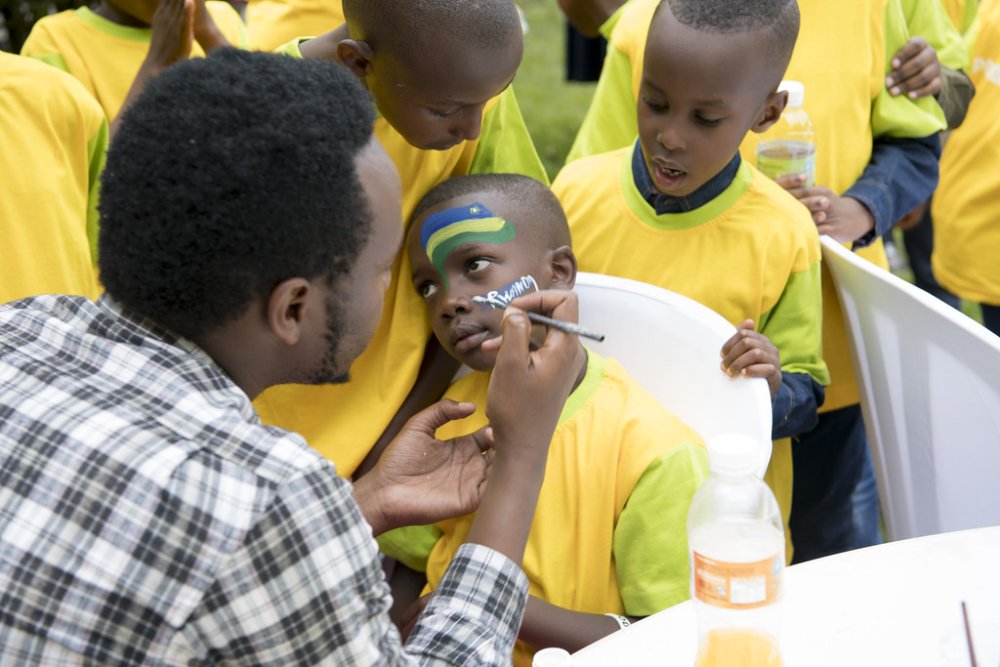
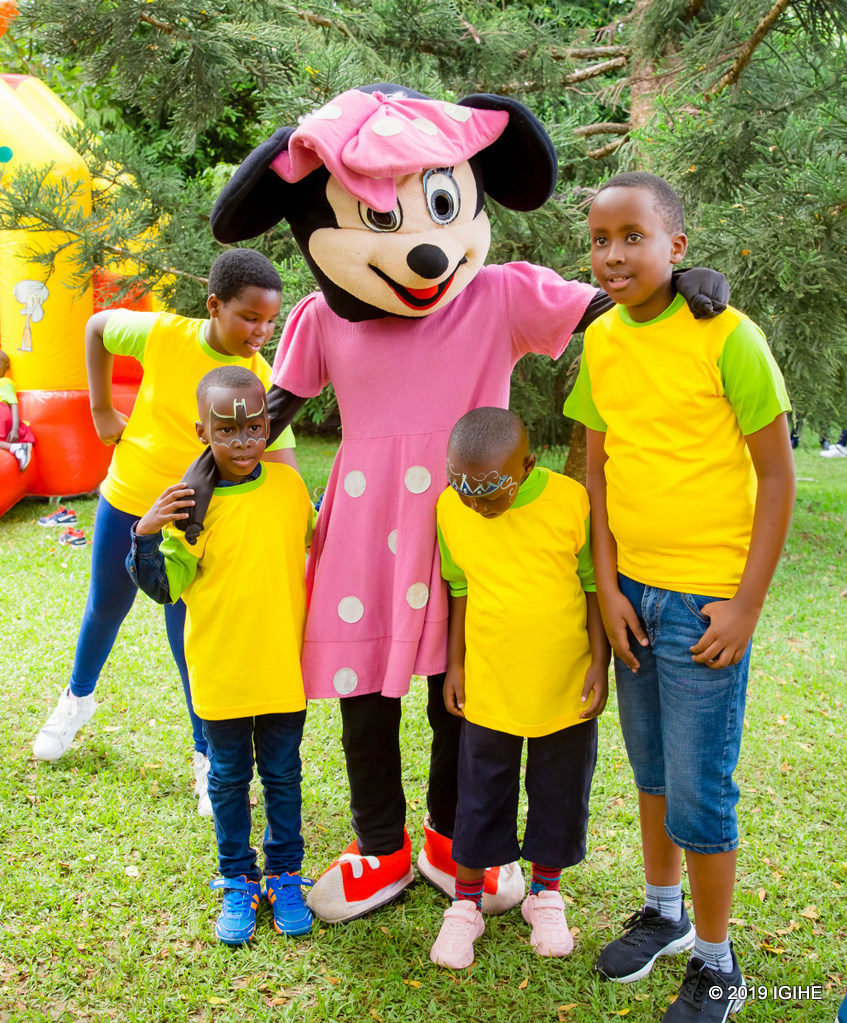
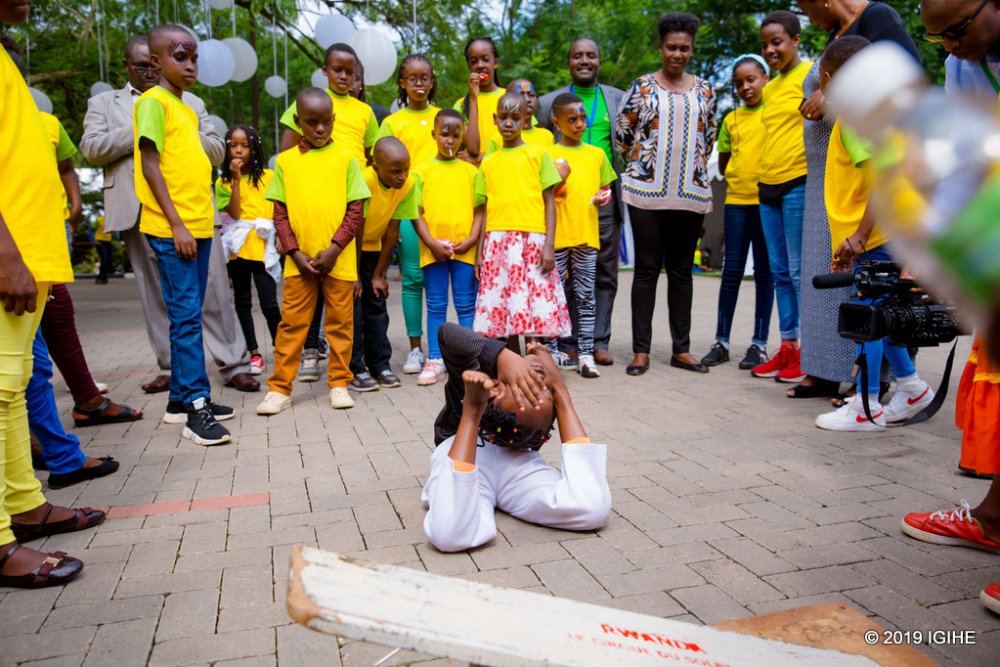
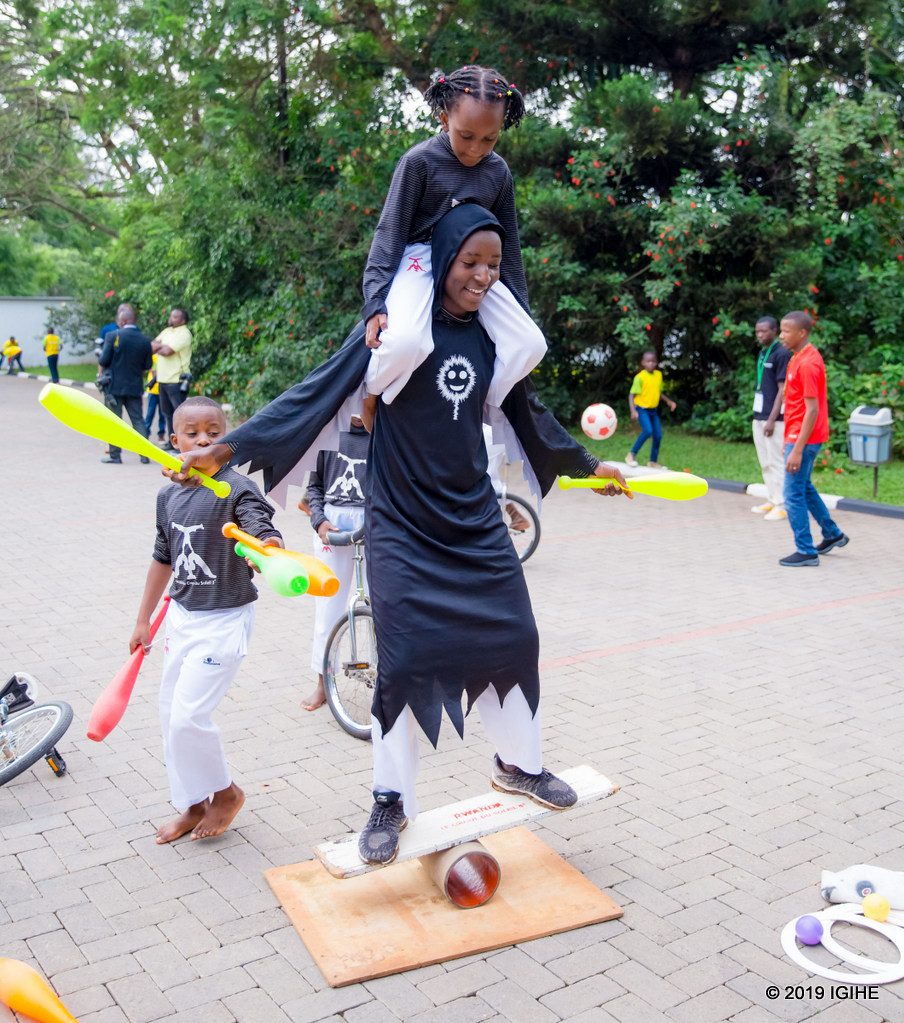
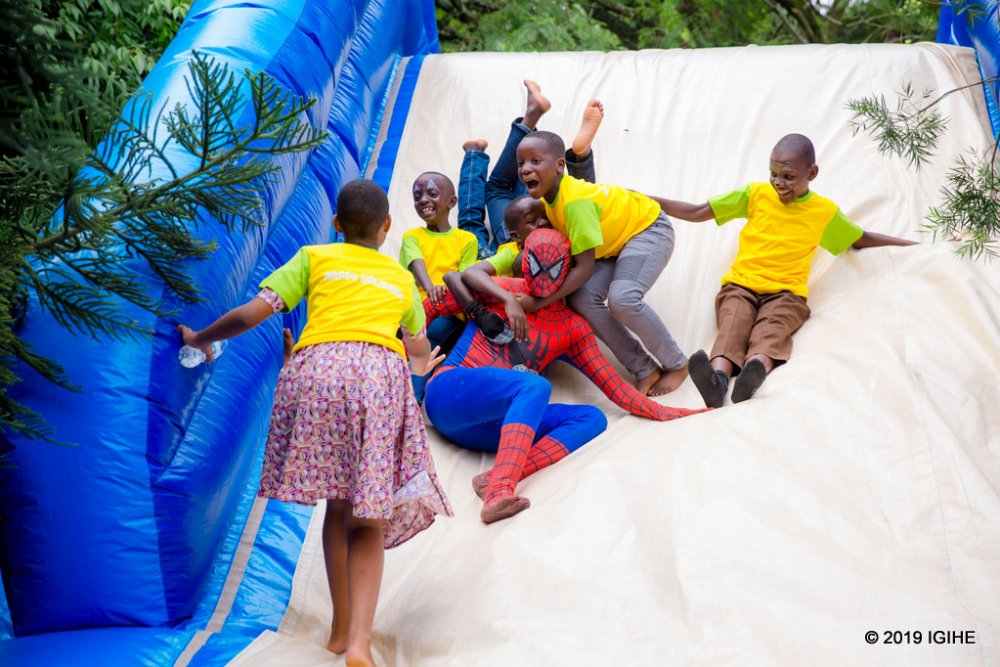
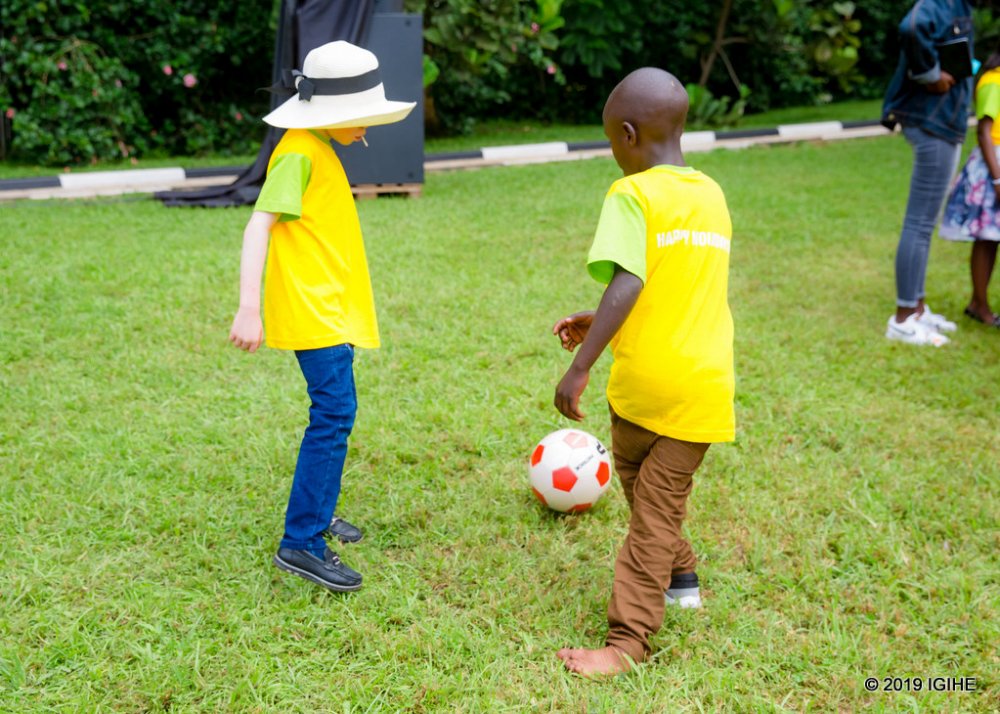
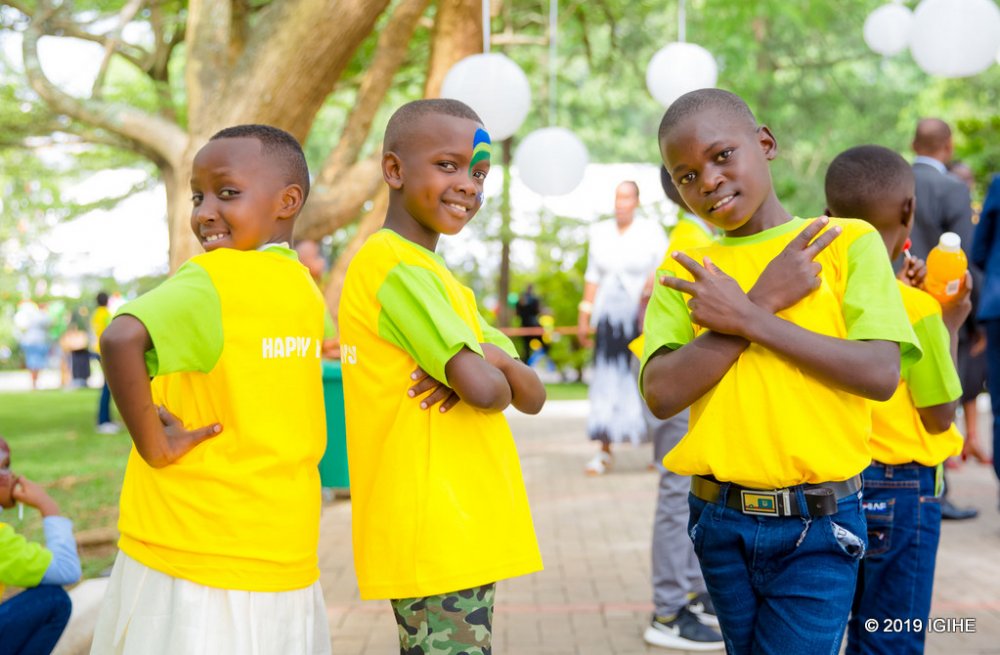
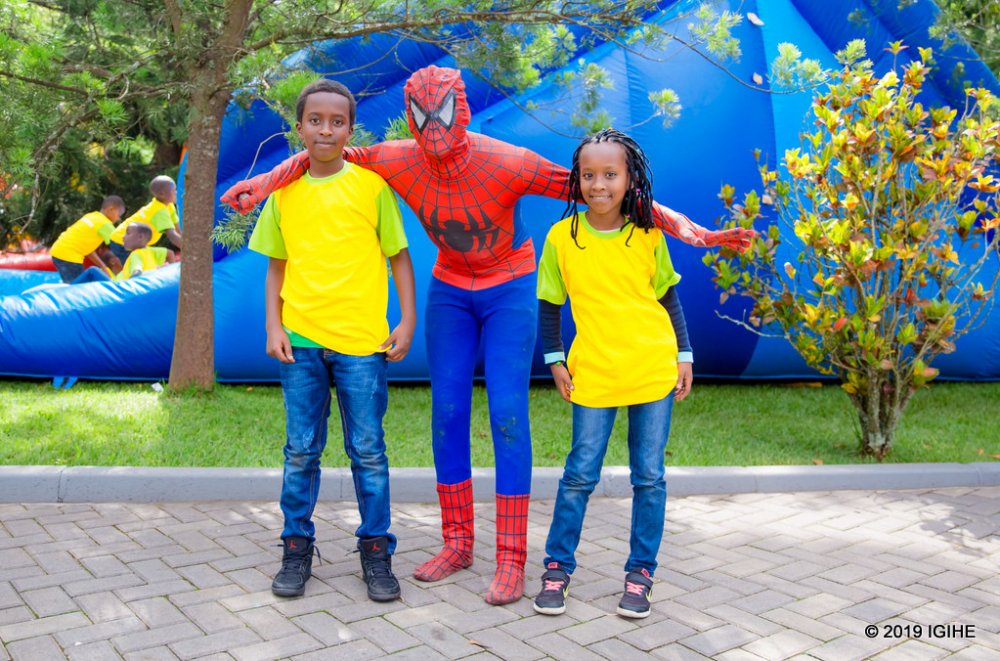
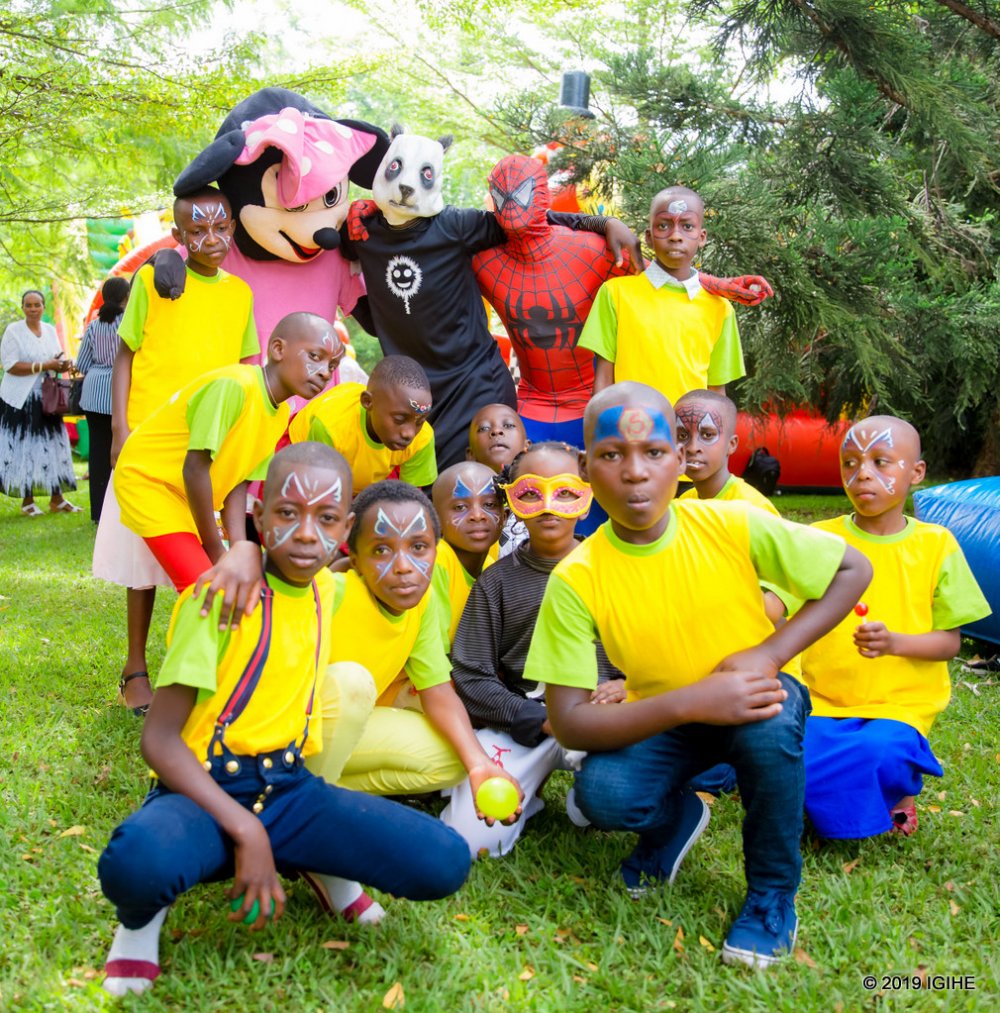
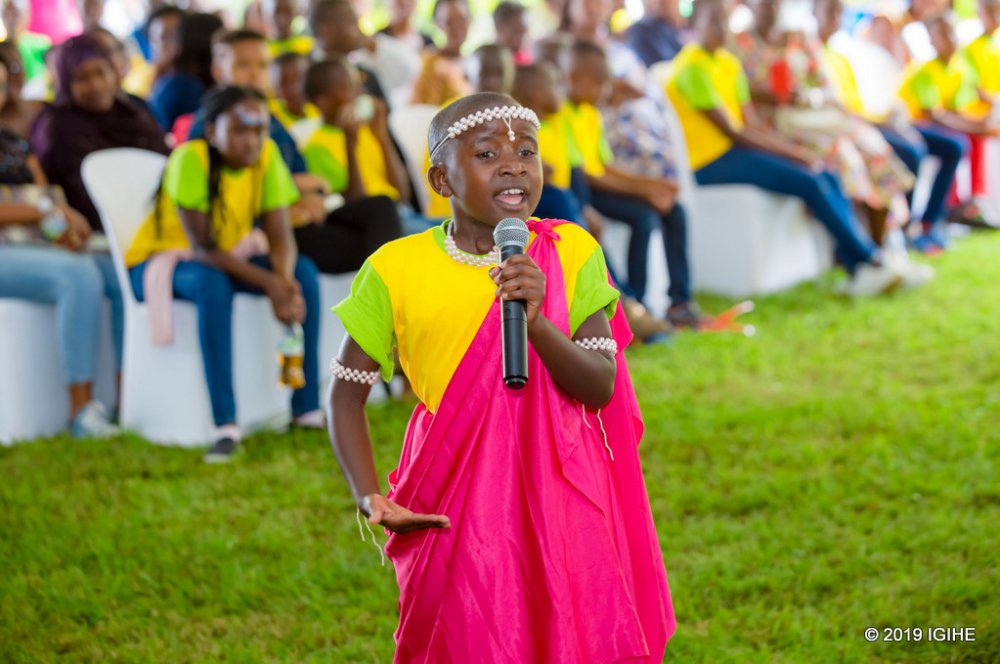
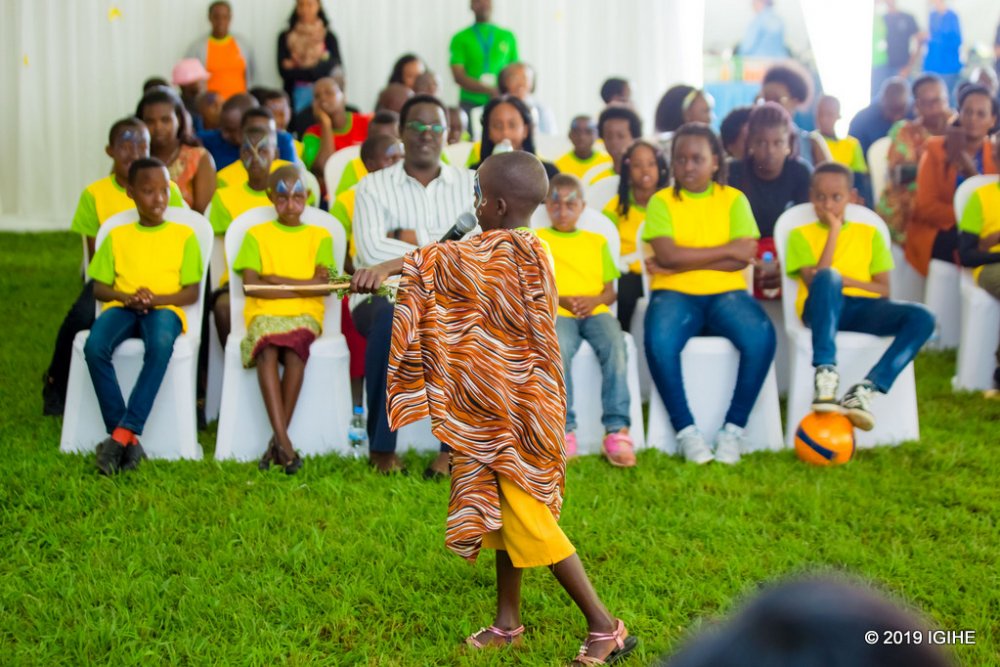
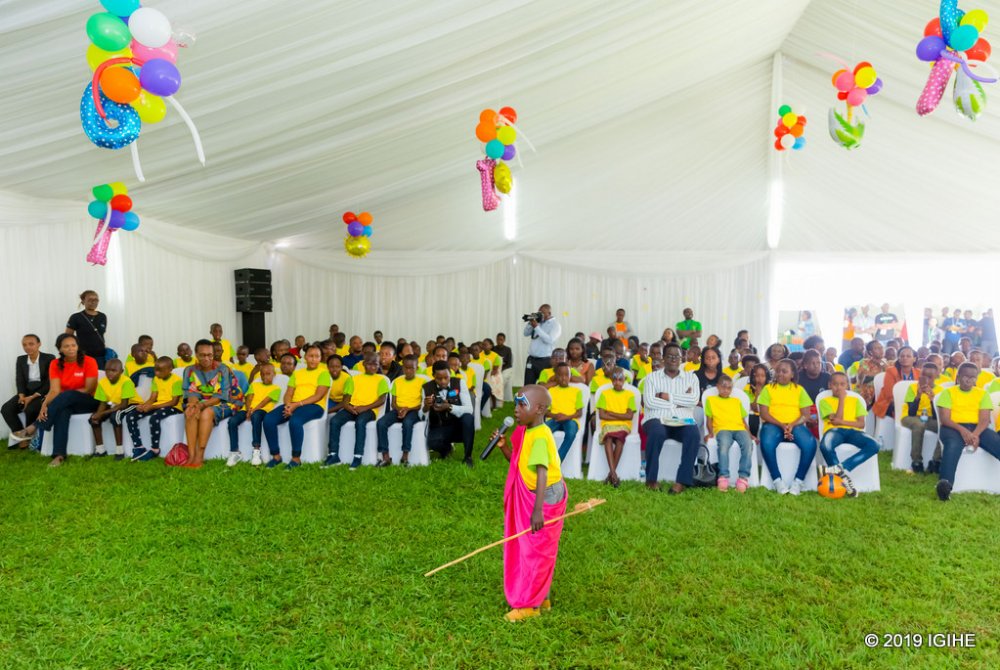
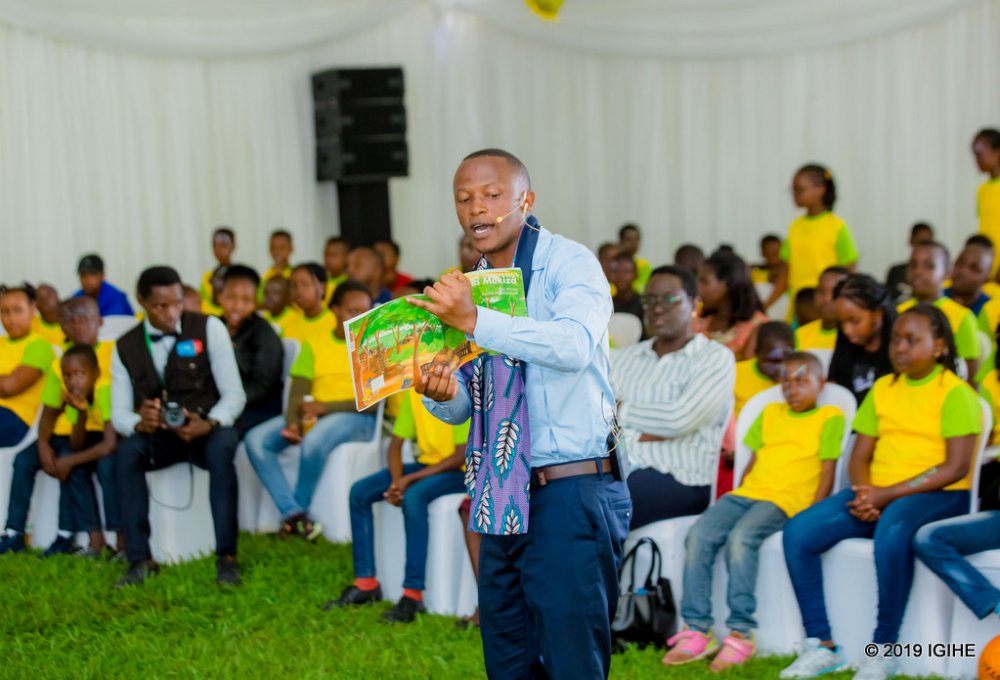
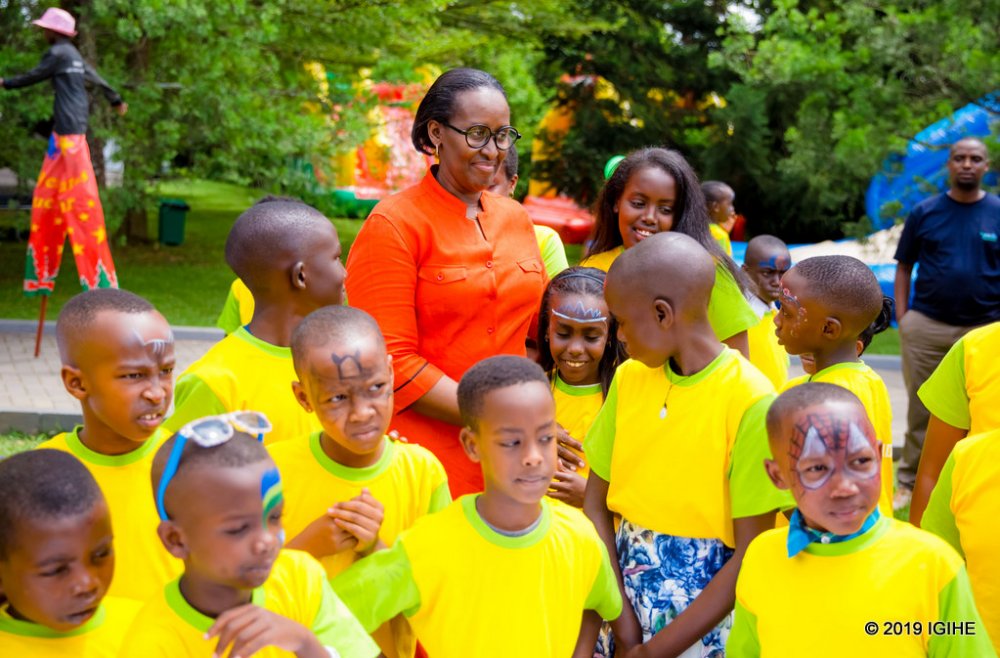
Children who attended the event came from 30 districts representing others in their regions. They were given time to play different games and have fun with their friends.
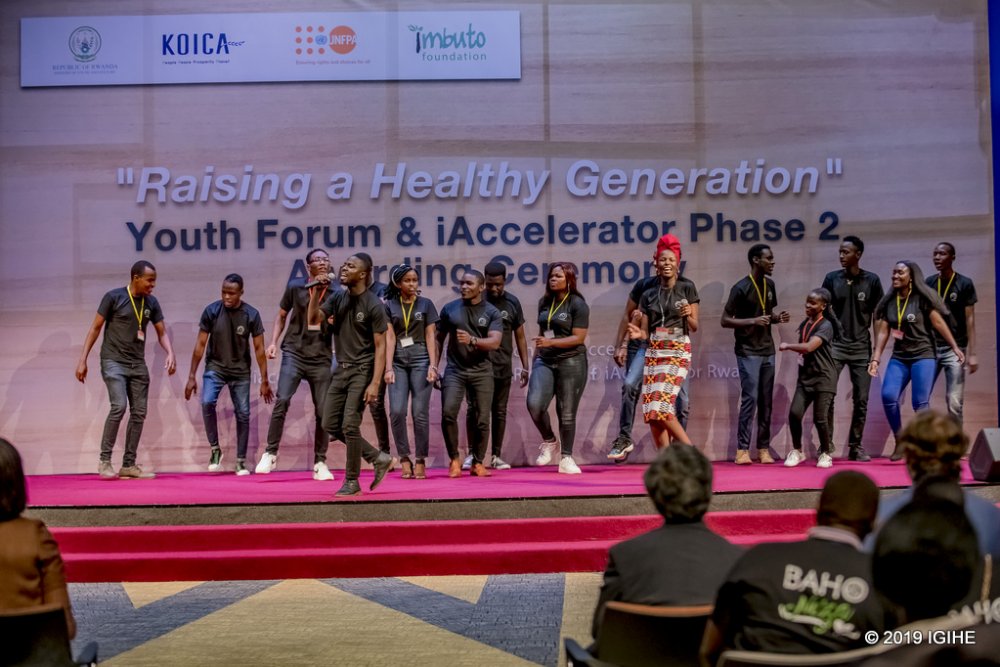
The event included talent shows where children showcased songs, poetry and pastoral poetry which showed that the Rwandan culture is ingrained even in the youth.
The performances focused on demonstrating the strides the Government of Rwanda has taken to promote the youth and the role of good leadership in the development of the country.
The children representatives gave speeches, beseeching others to have patriotism and preserve what has already been achieved by the country.
12-year-old Musoni Rugwiro Brillant advised his peers to develop a reading and writing culture because it is the root of knowledge. Earlier this year, Rugwiro participated in the National English Competitions where he emerged winner in the South Province.
“I achieved all this because I love reading and I believe in myself that I can achieve great things. I also listen to my parents’ advice and pray a lot because God comes above all else.”
Rugwiro who attends New Vision Primary School in Huye won second place in English competitions that took place in Dubai, United Arab Emirates.
He thanked the Government of Rwanda for establishing libraries and urged government representatives at the ceremony to provide more facilities to promote the reading culture.
During the ceremony, 10-year-old Rukundo Yasri who repaired a faulty WASAC pipe in Kigarama Sector, Kicukiro District also gave testimony of what compelled him to act in the way he did.
In 2017, Rukundo was pictured mending a faulty water pipe as he was accompanying his little brother to school.
“When I saw the leaking pipe, I remembered my dad telling me that I needed to mend everything that I saw was broken. While I was repairing it, a passerby took pictures of me and shared them on social media. Even if I did not do what I did for recognition, I was rewarded Rwf 1 million and a bicycle.”
He advises other children to preserve the infrastructures already in place.
Among the children who showcased their talent was 11-year-old Ishimwe Pacifique with the stage name ‘Gaso G’. He was a street kid who was later adopted by a foster family. In his songs, ‘Shine’, ‘Humura’ and ‘Family Time’, he talked about the need to protect children as they are the future of the country.
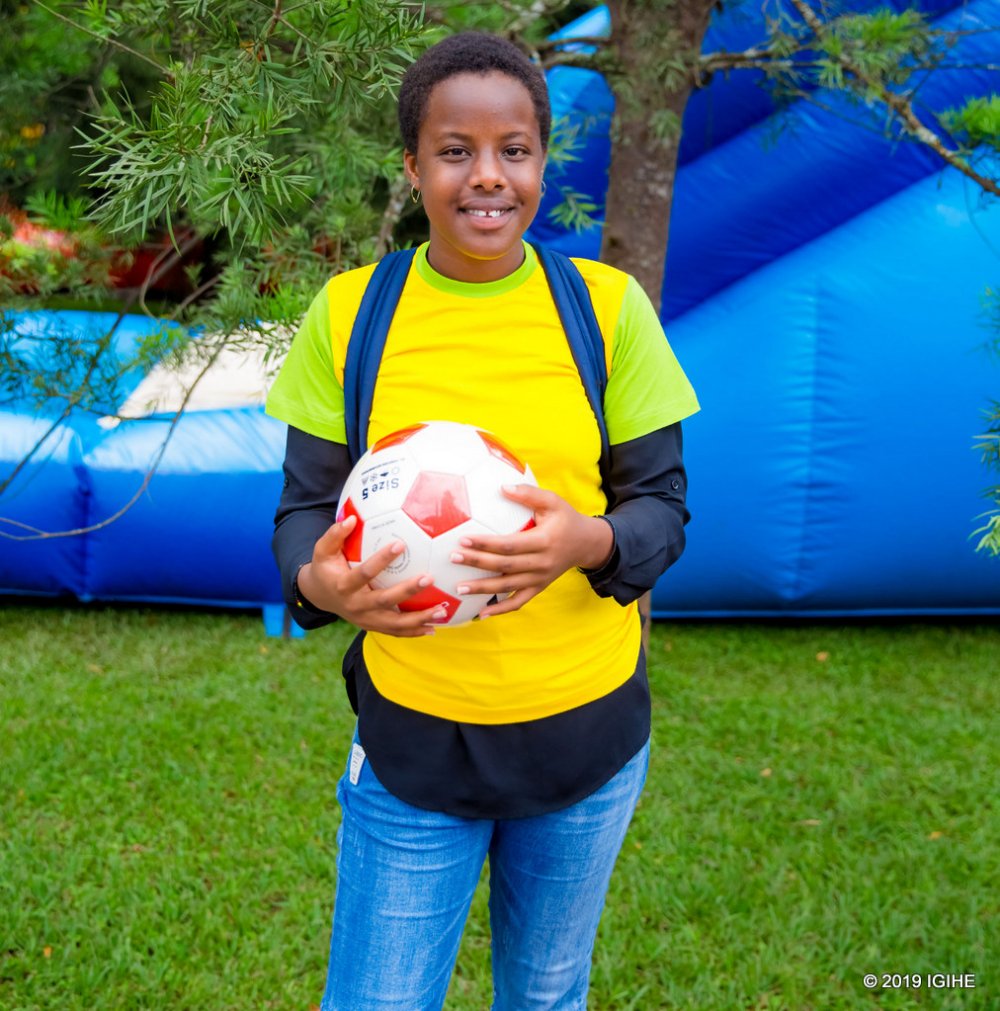
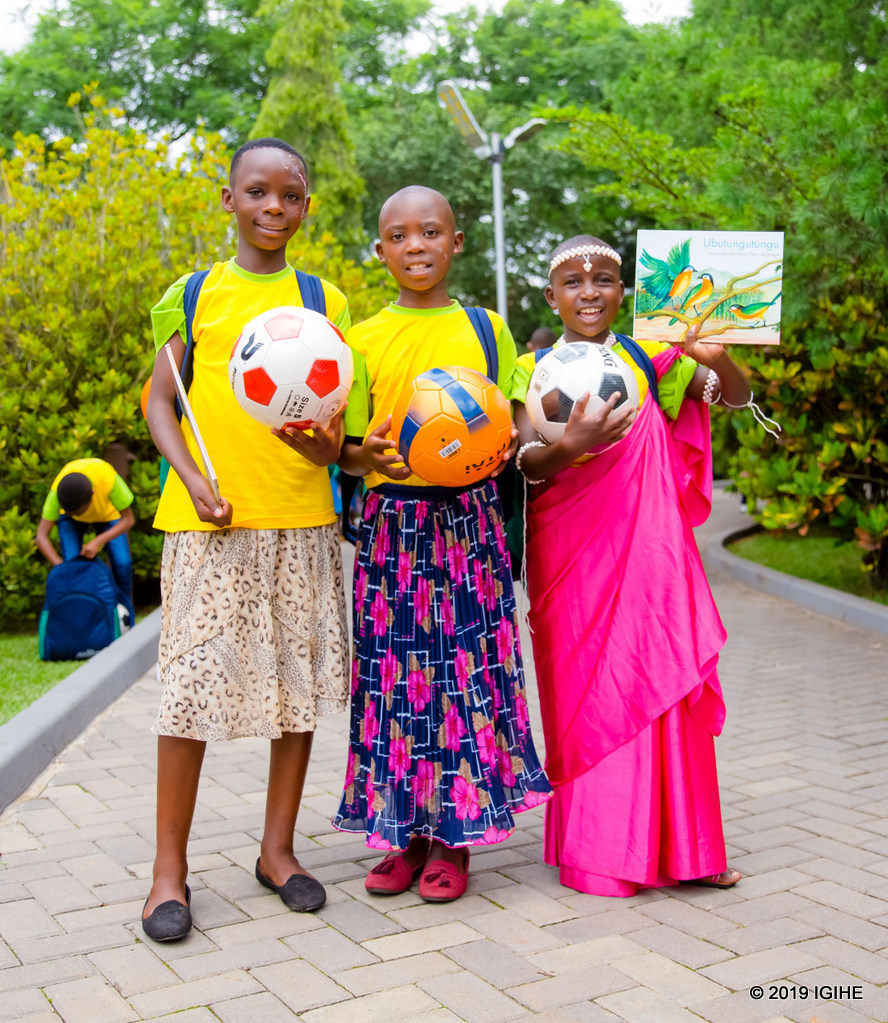
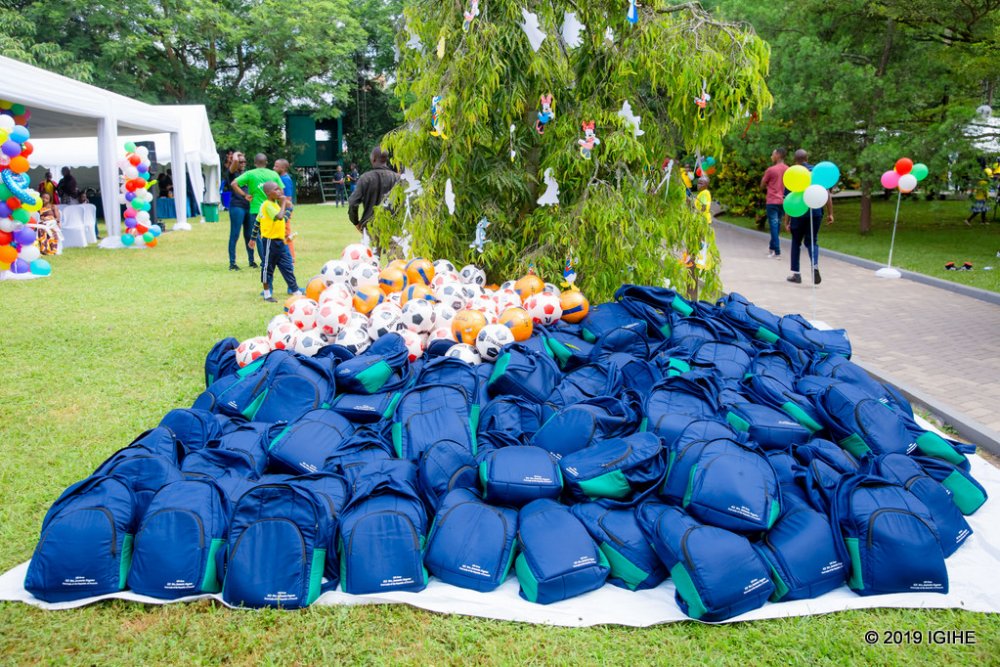
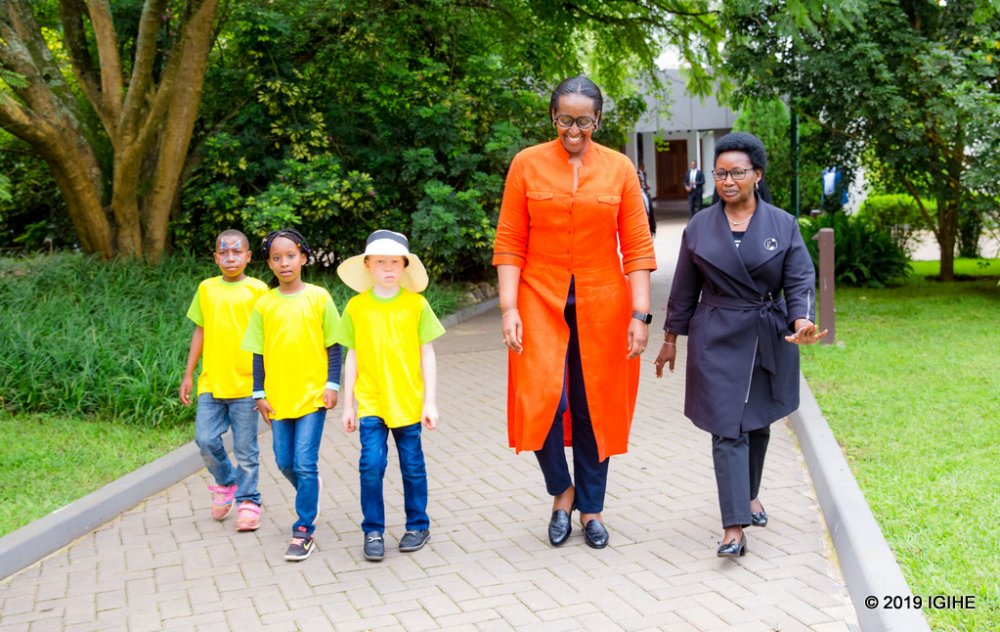
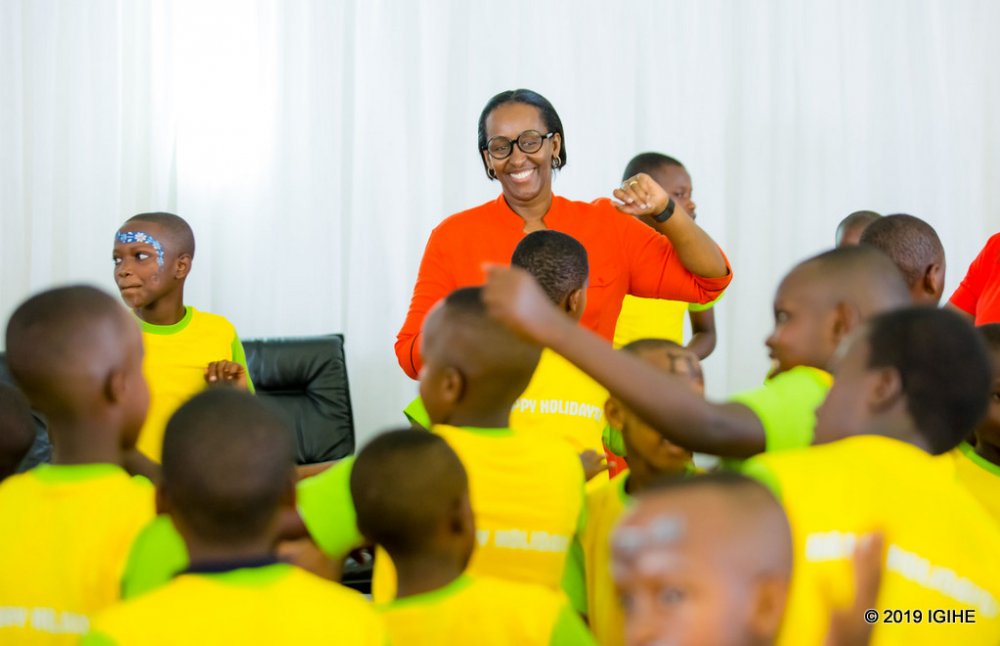
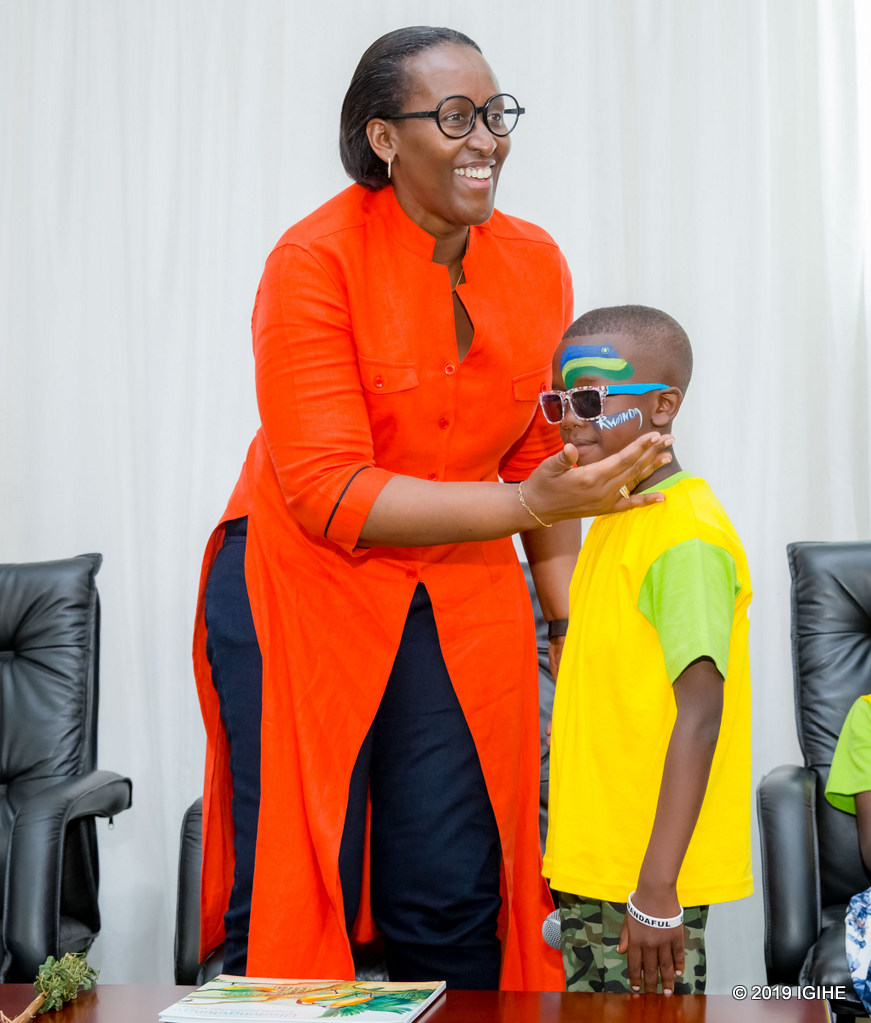
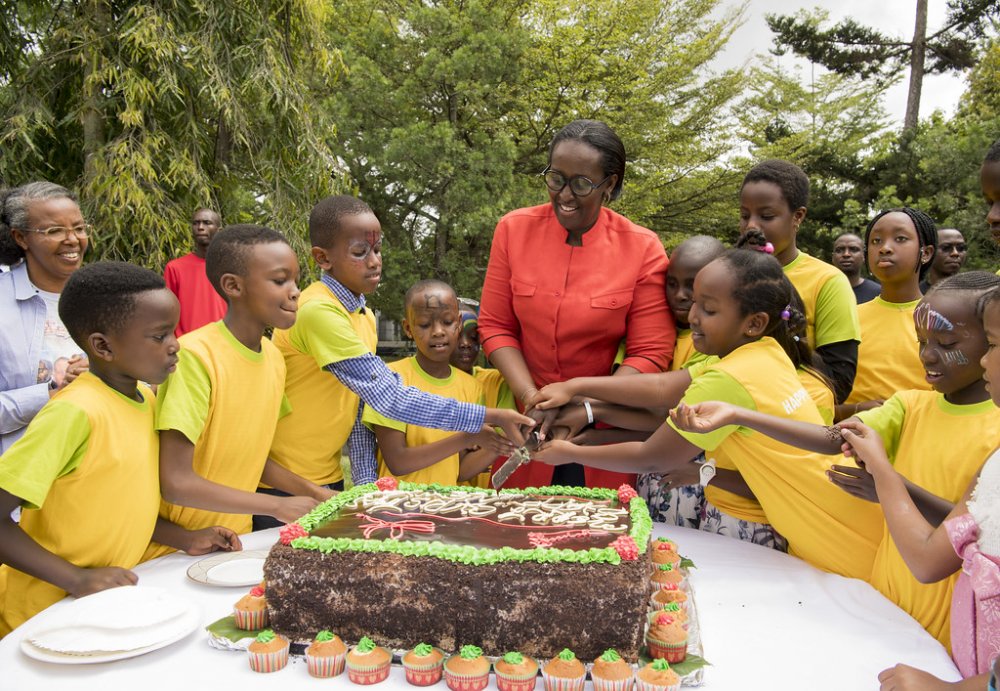
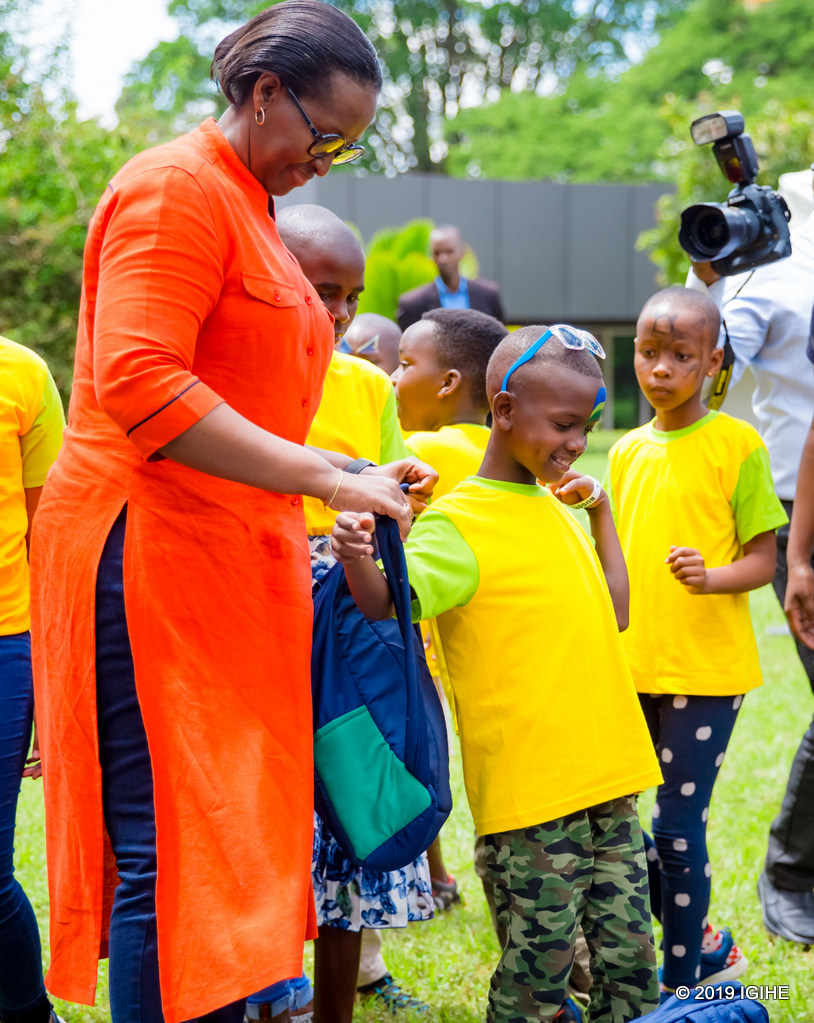
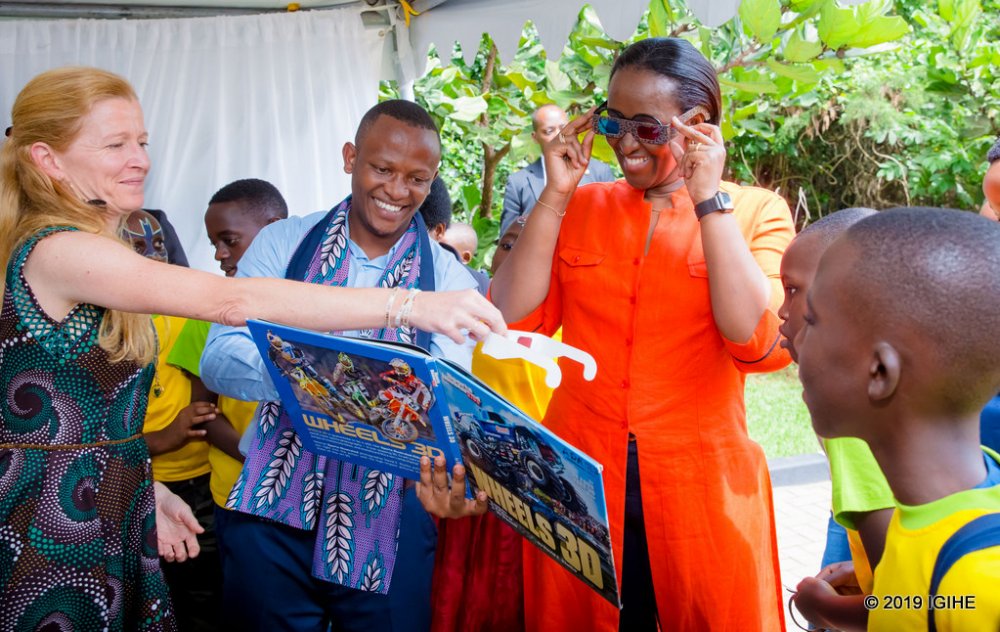
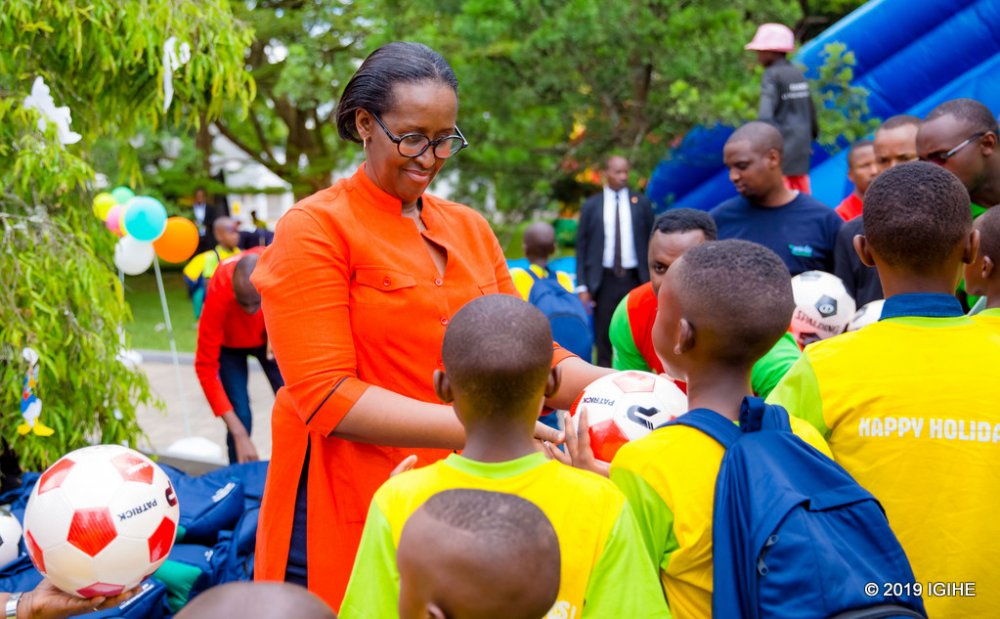
Towards the end of each year, First Lady Jeannette Kagame hosts children from around the country to wish and celebrate with them the festive season. After cutting the cake, the First Lady offered gifts to the children including backpacks, school materials, books and balls for use during the new academic year.
The children who attend the ceremony are selected according to their performance in school as well as those who come from disadvantaged families and handicapped children. During the ceremony, they also met with Imbuto Foundation officials and Unity Club Intwararumuri, an organization made up of former and current cabinet members and their spouses.
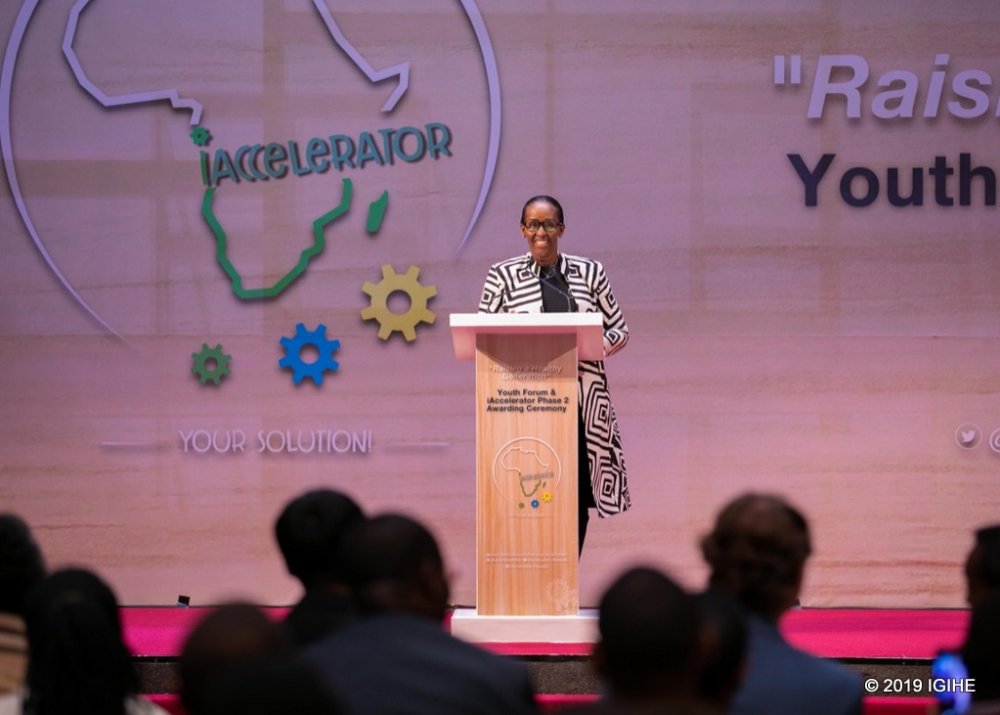
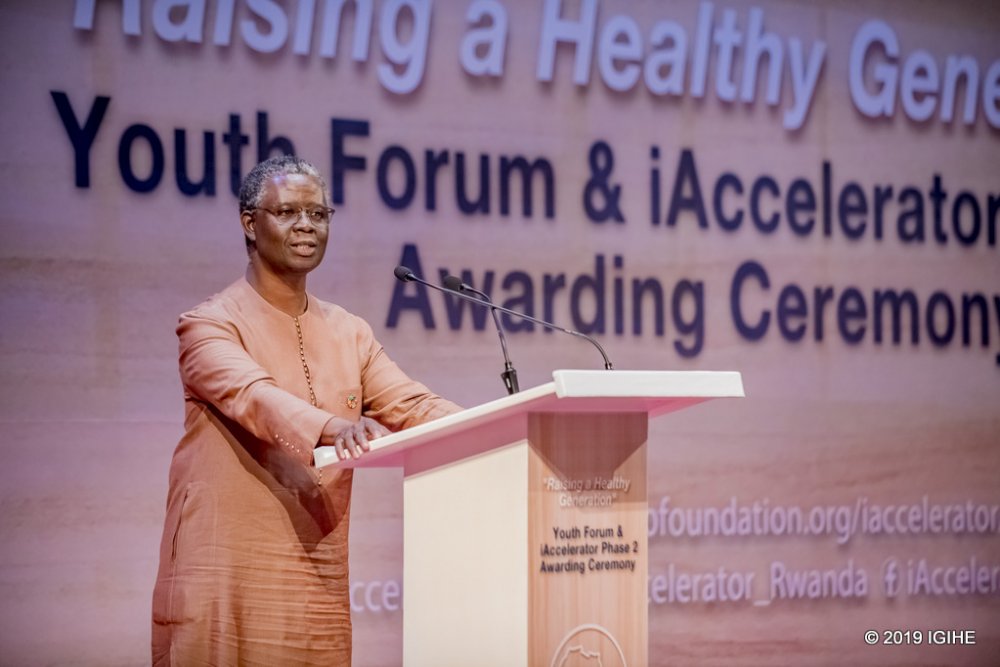
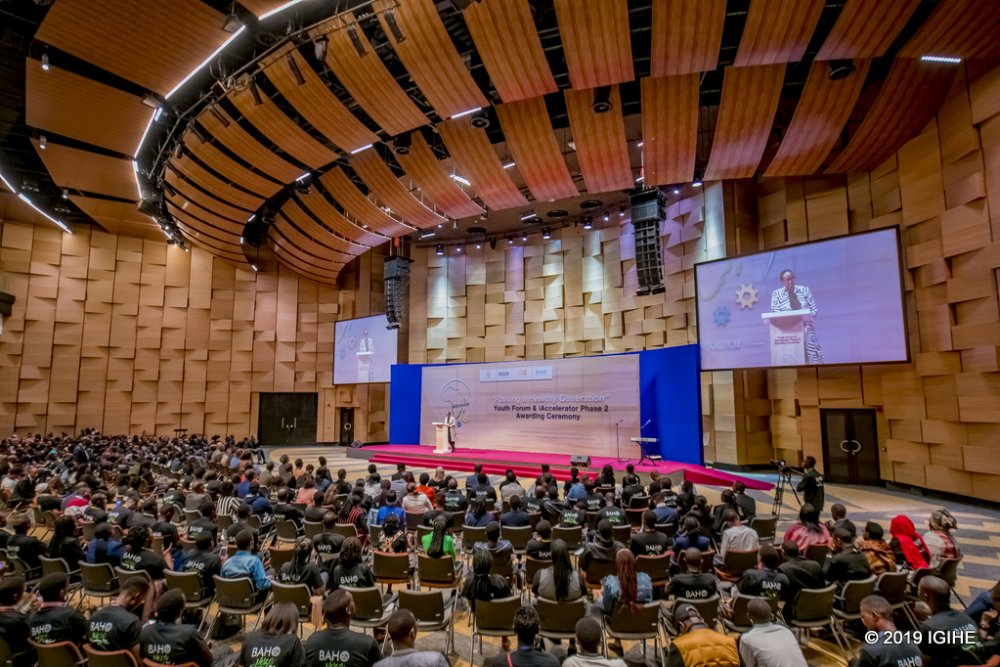
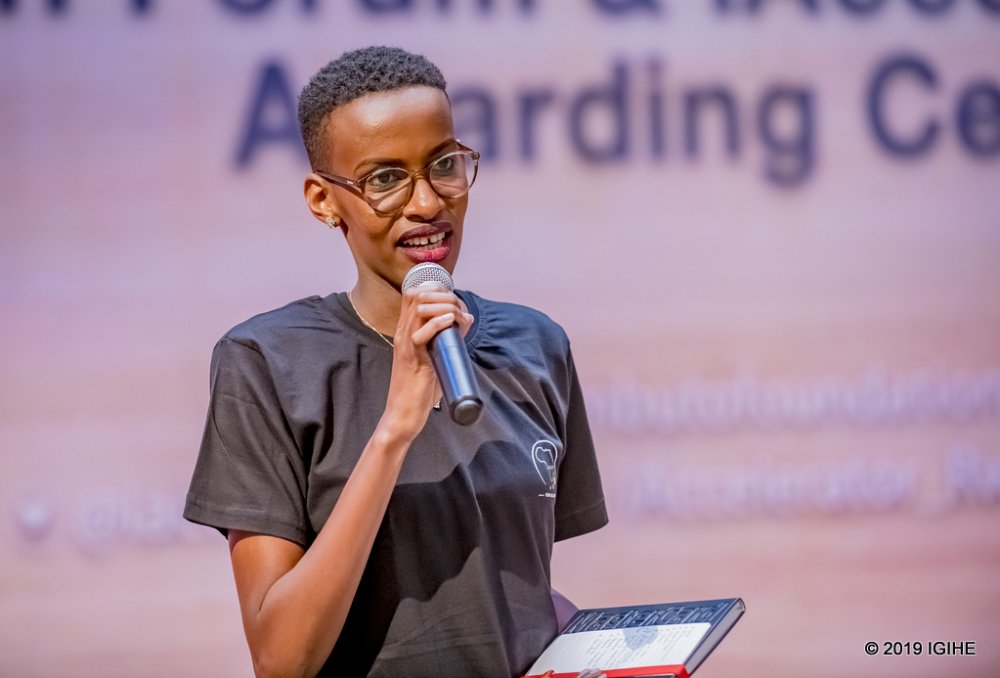
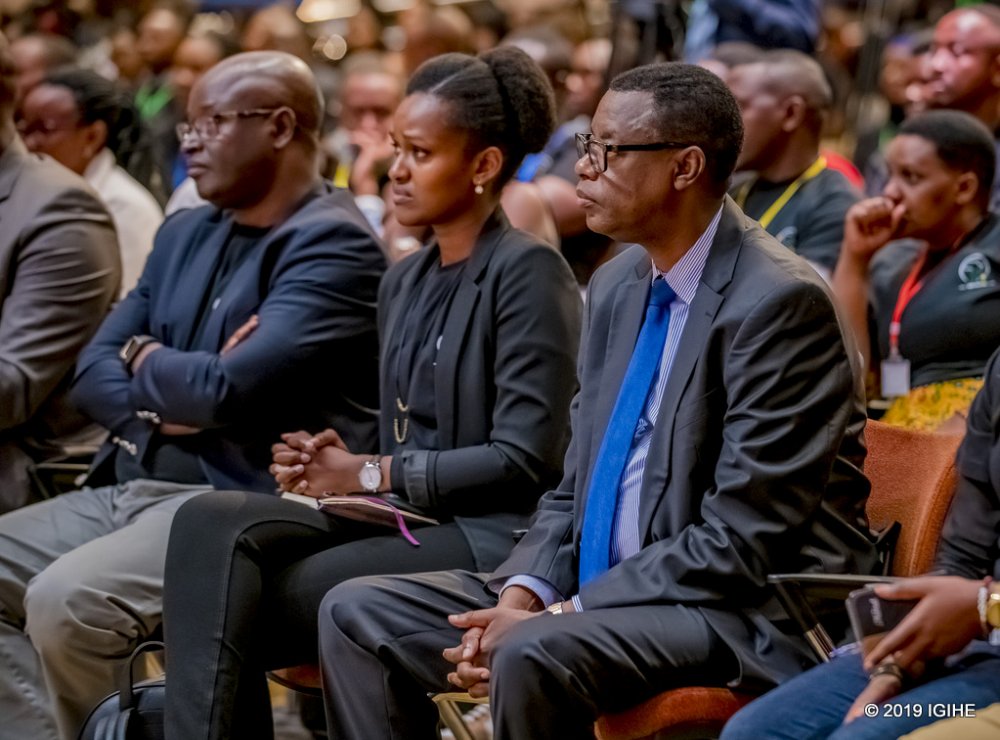
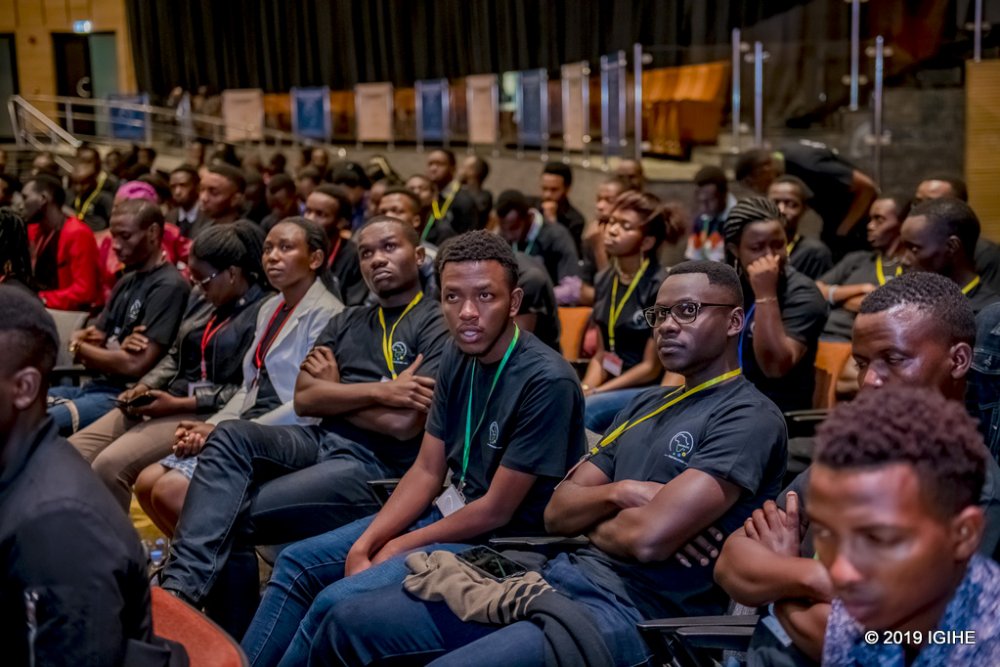
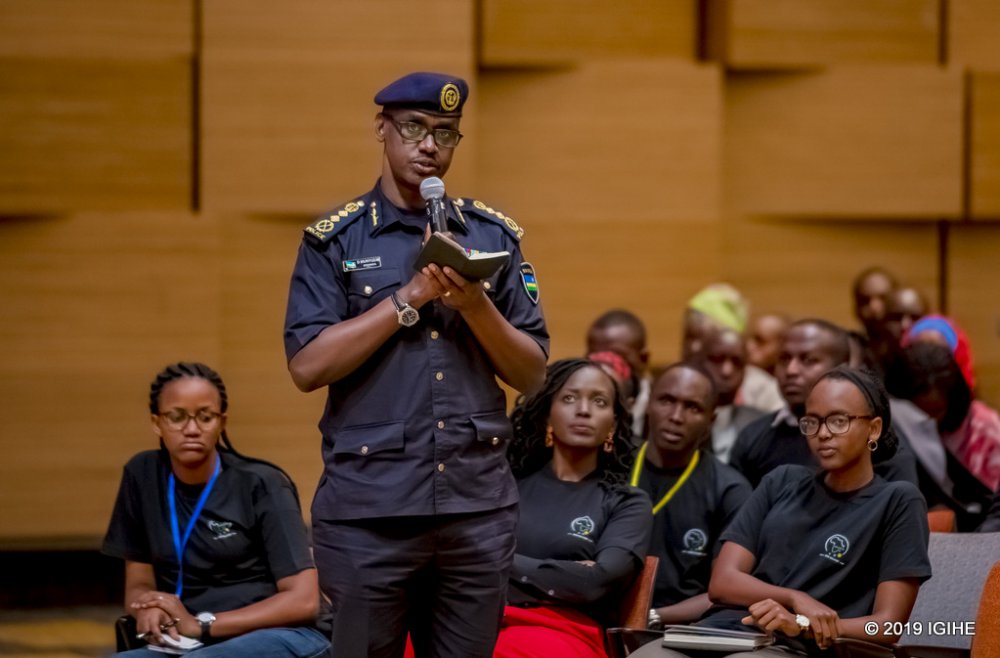
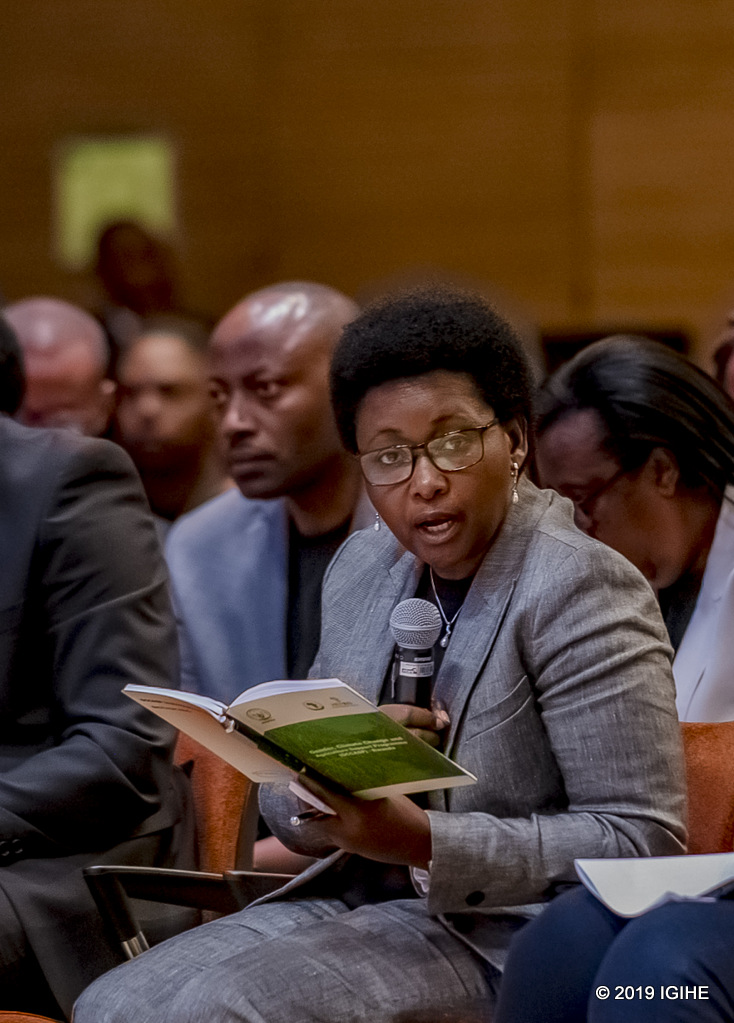
The First Lady was addressing about 600 youth from across the country who gathered for the “Youth Forum Series,” at Intare Conference Arena in Rusororo.
The meeting was organized by Imbuto Foundation of which the First Lady is the founder and Chairperson.
She remarked that challenges that the youth face, including drug abuse and teen pregnancies, need to be discussed collectively.
“Excessive use of drugs and teen pregnancies are both a public health concern and family’ challenge,” she said.
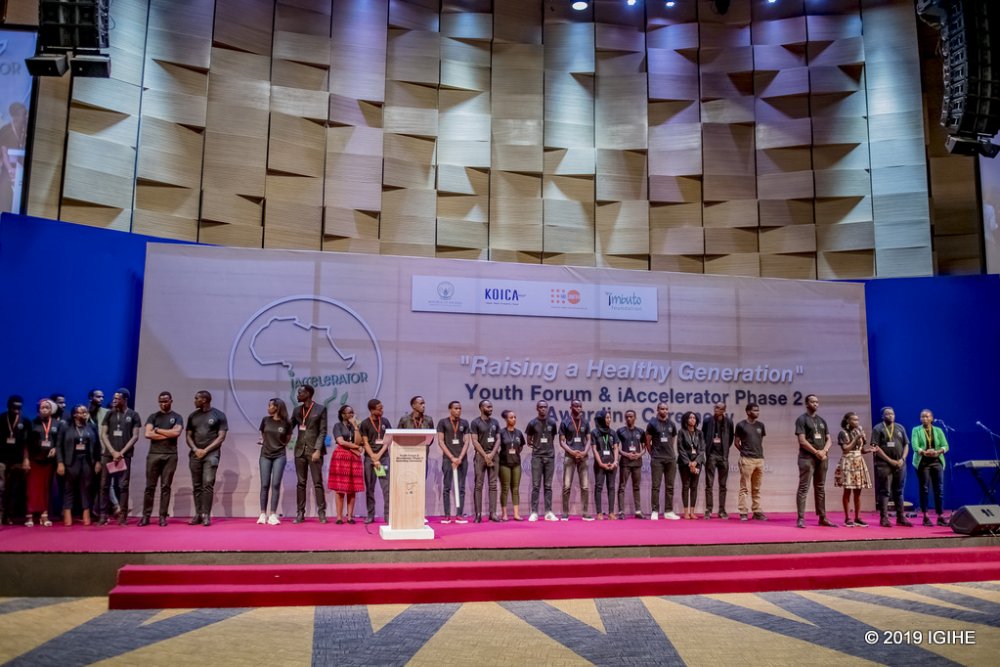
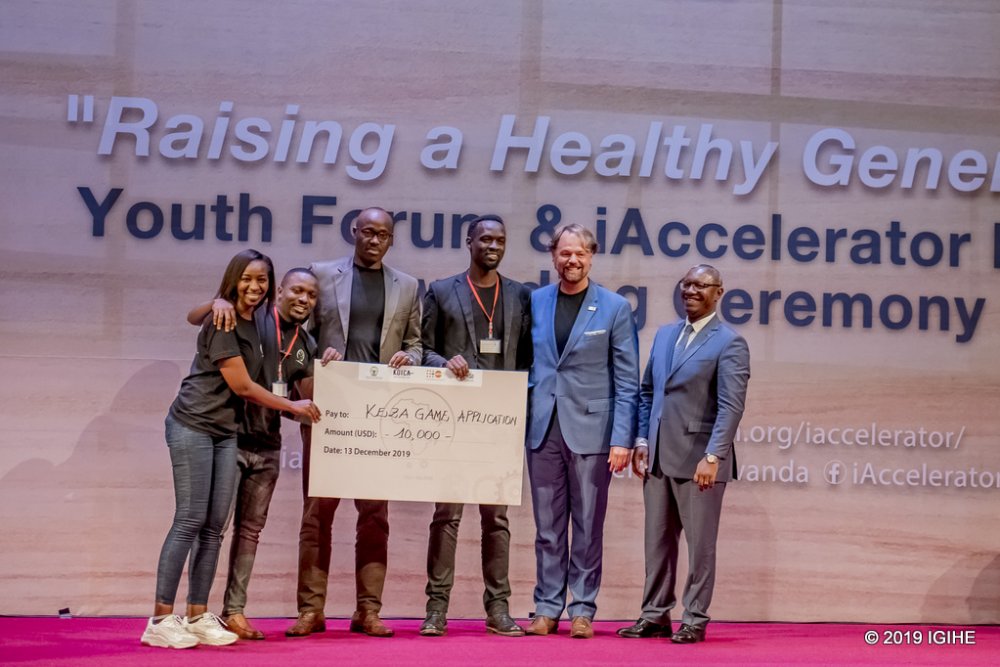
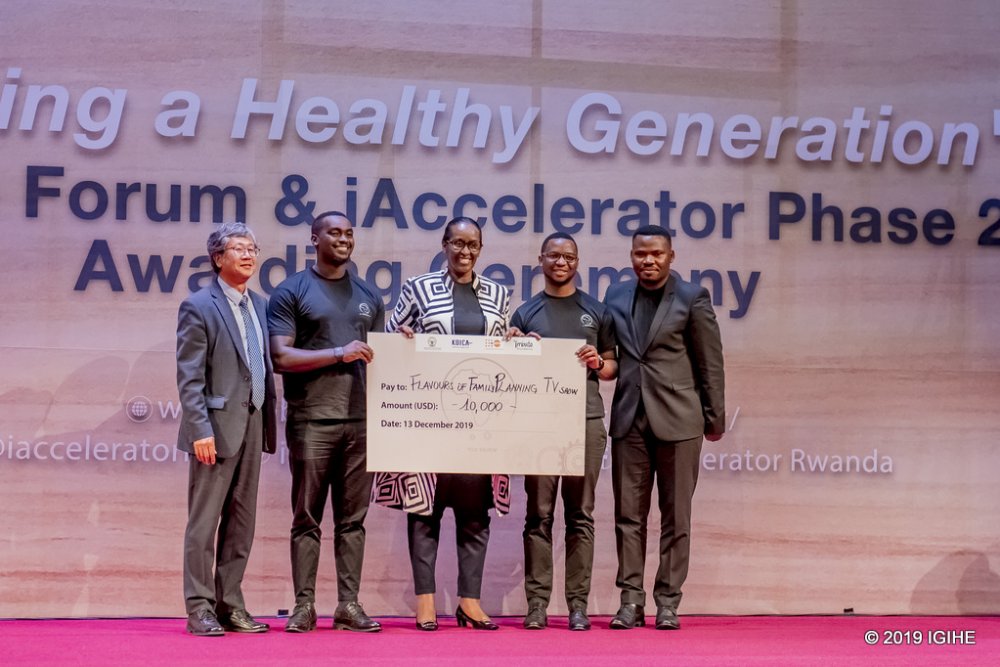
The forum was held in partnership with UNFPA, Korean International Cooperation Agency (KOICA) and the Ministry of Youth and Culture.
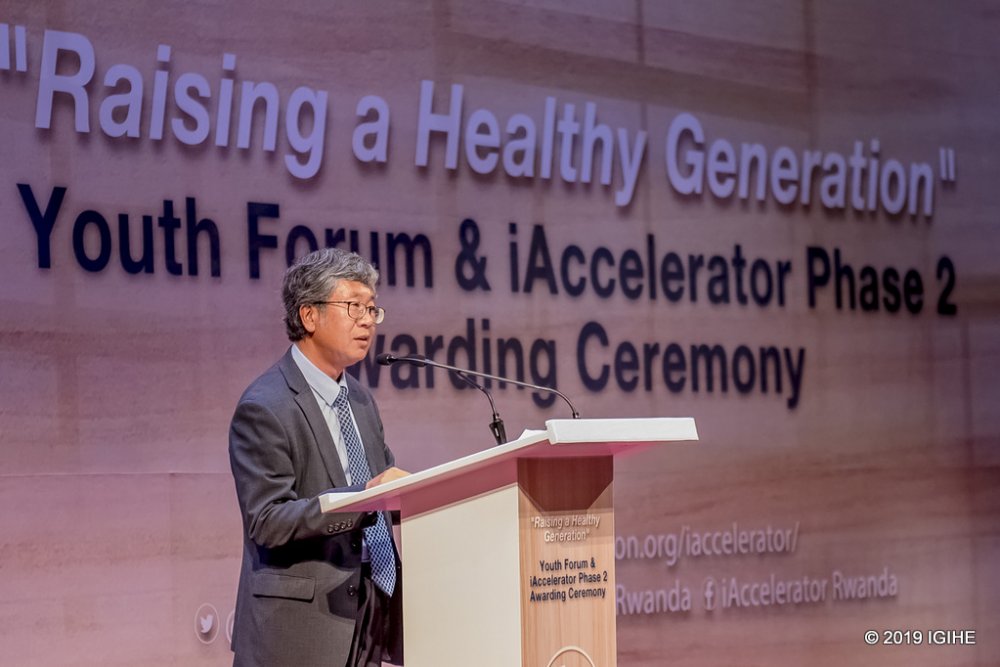
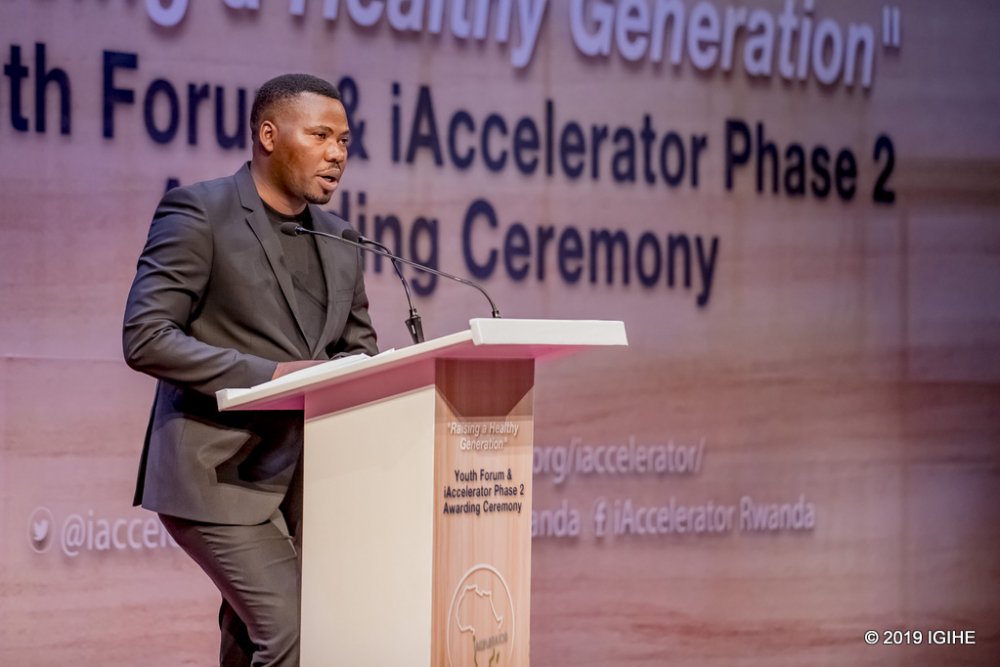
Under the theme; “Raising a Healthy Generation,” the forum was among others attended by UN Rwanda Resident Coordinator, Fode Ndiaye, who challenged Rwandan youth to grab opportunities available to them.
“You are lucky to have a caring government. Do not take that for granted. Use and create opportunities,” he said.
The State Minister in the Ministry of Youth and Culture, Edouard Bamporiki, in his remarks, also reminded the youth that patience and focus could help them achieve their dreams.
“Trends are temporary. Be patient and focus on your goals, it will eventually pay,” he said.
The forum also saw KOICA Country Director Lee Byung Hwa who emphasized a commitment to strengthen their efforts to partner in tackling drug abuse and teen pregnancies.
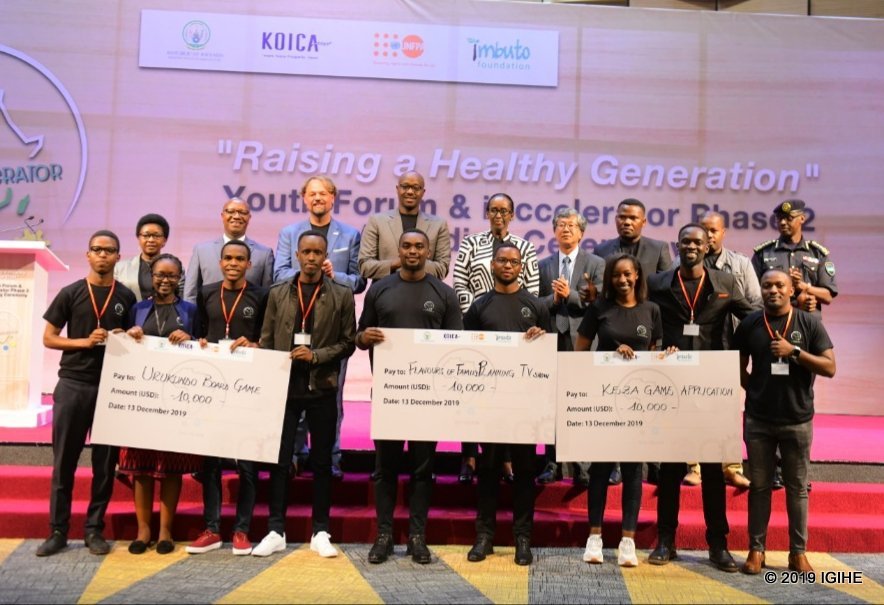
Seven hundred projects applied for the awards, 40 were chosen and 10 won to be shortlisted to three best projects. Winners were rewarded with USD 10,000 as seed capital to expand their projects.
Launched in 2016, Innovation Accelerator (iAccelerator) is a mentorship-driven acceleration programme, supporting young entrepreneurs with financial assistance and skills to generate innovative solutions in response to sexual and reproductive health challenges.
According to the national police, 70 percent of crimes committed in Rwanda are related to drug abuse. Over 17, 000 teenage girls were impregnated in 2019.