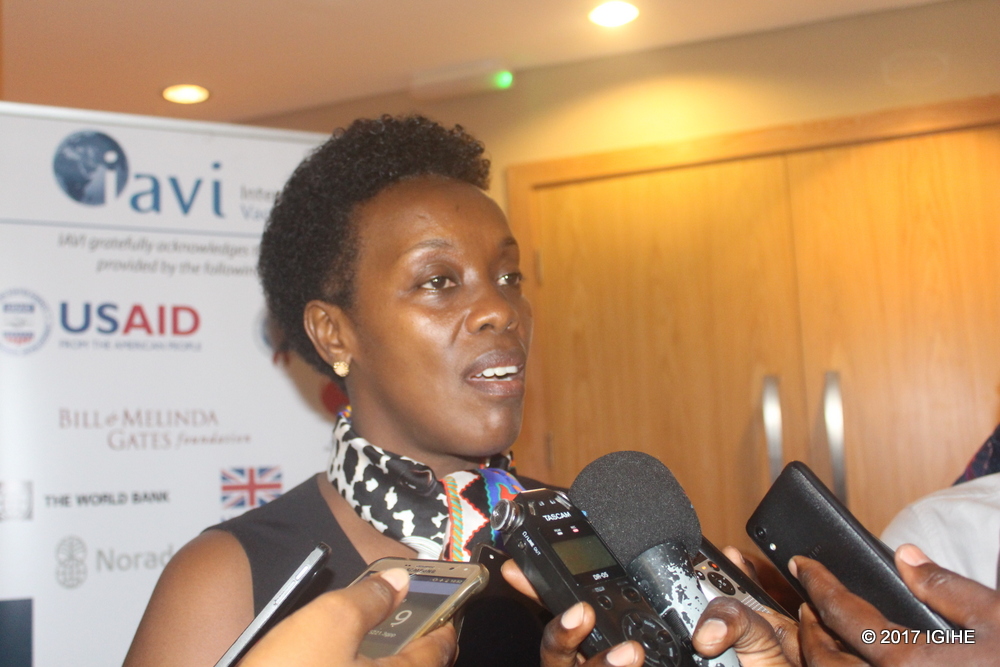
The First Lady was speaking during the Organisation of African First Ladies’ (OAFLA) high level meet the margins of the 72nd United Nations General Assembly, in New York.
Under the topic ‘Implementing the AU roadmap to harness the demographic dividend in Africa: Ending AIDS by 2030’, Jeannette Kagame reminded officials that they are called to reflect upon how to stay the course with clearly set objectives under the Sustainable Development Goals, and African Union roadmap, to fully eradicate HIV/AIDS.
“Indeed, from primarily affecting adults in great numbers, and leaving millions of orphans in its earlier years, AIDS is now robbing our continent of a powerful generation of young men and women, meant to be the driving force of its societies,” she said.
“Our ability to harness the demographic dividend of our continent heavily relies on the health, and wellbeing of our young people, and so we must strengthen all the actors of our health system, to realise the goal of ‘Start Free, Stay Free, AIDS Free’ by the year 2020” she added.
She said that in Rwanda a lot has been done in health sector, but added that “as a nation that believes in the lasting impact of empowering the youth, we cannot afford to become complacent. So we continue to reinforce these concerted efforts between all stakeholders of our healthcare chain”.
She urged all nations to stay firmly grounded in their commitment to give youth a strong health system and not hinder their abilities, to go beyond great expectations.
Speaking during the signing ceremony, Symbion Chief Executive Officer, Paul Hinks said that they were pleased with the cooperation with HGHL.
“We are going to invest $100 million in Symbion Energy’s projects in Rwanda. Activities will start in November 2017, this amount of money will help generate 22MW of electricity in 18 months” he said.
Hinks said that between 8 and 10MW will be generated before 2018 ends.
Currently only 25MW is produced from the lake.
He said that Rwanda is among countries that understand the potential of electricity in attracting private investors.
Lord Irvine Laidlaw, the HGHL Chairman said that they are excited to provide electricity by using particular resources.
“We are going to provide electricity in a fast-developing country in Africa, so we are proud to provide contribution in its development”
The Chief Executive Officer of the Rwanda Development Board, Clare Akamanzi commended the cooperation saying that they will spur development in Rwanda.
“We are very pleased with such partnership and we are committed to support investors.” she said.
In 2015, the government of Rwanda signed the deal with Symbion Group to generate 50MW of electricity from methane gas in Kivu Lake.
Just a few days ago, on 8 September, Nshimiyimana achieved what he considers a new milestone – he represented fellow school mentors at this year’s function to mark the National Literacy Day. During the high-level event, he shared his personal testimony of transformation and experience with hundreds of expert educationists, policy makers and development partners in education.
Nshimiyimana is one of the 148 in-service primary school teachers who will be graduating on the 27st September 2017, with a diploma in Continuous Professional Development (CPD), in early grade reading. The teacher trainees were drawn from several schools in different districts. The course is managed through the Rwanda Mentorship Community of Practice (MCOP), a program funded by USAID and implemented by FHI360. Supervised by the Rwanda Education Board (REB), the program aims to scale, institutionalize and replicate a model for supporting Rwanda’s school- based mentors.
As an inaugural course, the training program is built on the core priorities of Rwanda’s new curriculum, introduced in 2016 to revamp Rwandan education system by promoting literacy in the early grades. Indeed, the critical importance of literacy is presented in Vision 2020, with a literacy rate of 100% as one of the indicators of achieving the vision.
It is believed that using the mother tongue in early education has positive bearing on learning outcomes. To promote this, the CPD program, taken under the supervision of the College of Education of the National University of Rwanda (URCE), has offered trainees the foundational skills of teaching/reading Kinyarwanda. This is part of USAID’s partnership program with the Government of Rwanda to promote early grade literacy in Rwanda.
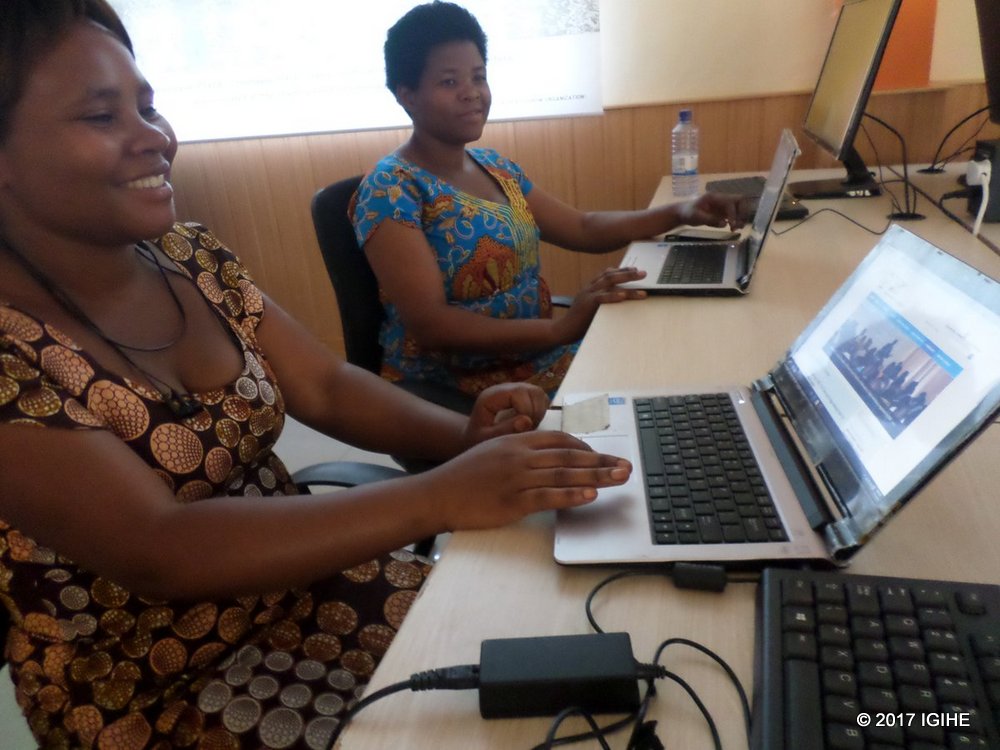
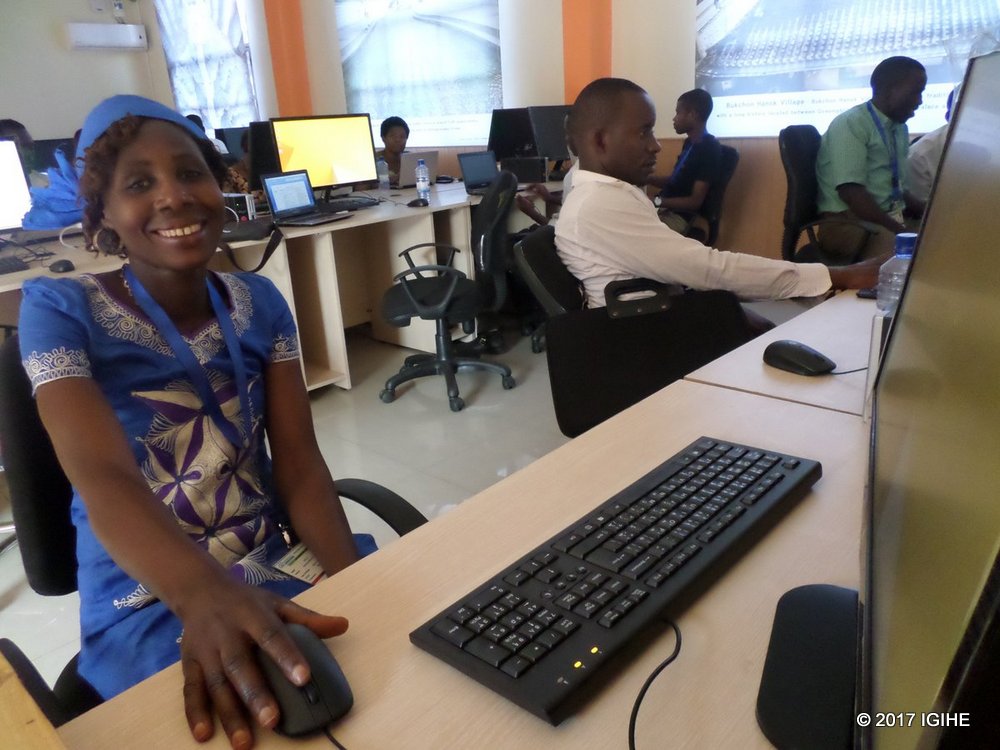
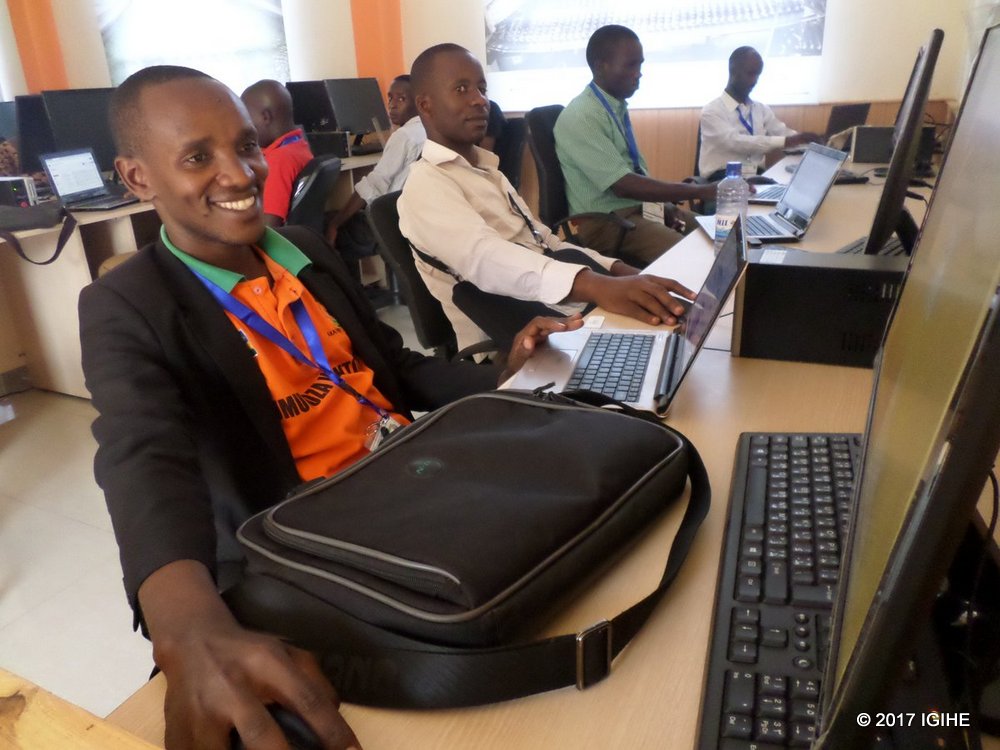
To give the trainees a unique online experience, the program piloted formal web-based courses in early grade reading instruction to improve Kinyarwanda-language reading instruction for P1-3 pre-and in-service teachers, leading to a Continuous Development Diploma in Foundation Reading in Kinyarwanda. The e-course was developed locally by FHI360 Rwanda, having the beneficiaries’ interest at heart – MCOP made sure it made the learning platform easy to use by users who are not too familiar with computers. As an interactive course, the training platform offers a variety of features that include a mix of video, audio, discussions groups moderated by URCE lecturers as well as in built online quizzes and exams. The course was developed under URCE academic rules and regulations.
In addition to the online course, MCOP developed and continues to moderate the Teachers Community of Practice (TCOP) platform which has been adopted and is now managed by REB through the National Educational Portal.
According to MCOP Chief of Party and FHI360 Director, Mrs. Eustochie Agasaro S, the online course not only provided the teachers with needed pedagogical skills, but also allowed them to access quality education from the comfort of their homes, at the same time giving them the opportunity to interact with their fellow teacher students through an online community of practice, under the moderation of skilled University of Rwanda College of education lecturers. The best of all, as she says, was that the course didn’t disrupt the teachers teaching calendar because they used their free time to follow the course.
The online platform also offers a variant of resources to facilitate training and learning: the trainees have access to 417 education resources to support teaching and are members of an online community that connects over 1,075 teachers in 1,000 schools and 416 Sector Education Officers in all 30 districts in Rwanda. These can access 15,985 topics and 48,887 posts and 452 online library resources.
What beneficiaries say
A good and relevant program is often tested in the skills, experience and testimonies of the trainees. As one of the graduates, Nshimiyimana already has an edge of a professional teacher. He says the experience has reignited his passion for teaching and helping others bytransferring the gained skills to fellow teachers.
As a champion mentor who guides other trainees, teacher Nshimiyimana says accessing reading materials on the platform helped to improve his reading skills.
To quote Cyprien: “access to the Teacher Community of Practice exposed me to the essentials of reading. “During one of the Meet the Expert sessions on TCOP, we discussed about reading as the foundation of all learning which I found interesting. After this discussion, I gained enough knowledge that I have since transferred to my students. I always emphasize sparing reading time during my classes on a weekly basis, which has helped to improve the results of my students”.
He also says skills from the course have helped young students turn into effective readers. “For example, I’ve facilitated teachers to start class library corners in their classrooms, something that has helped our students to develop the spirit of reading and improve on their vocabulary. The number of students borrowing books has also increased from 10% to about 60%, leading to better performance of students compared to the time before I was part of the online e-course diploma.
The same experience is shared by other trainees: Alex Mulisa from Rulindo District also described the online portal as a great resource for teachers. “The online library enables us to access supplementary readers and books. We also share experiences and best practices from different schools.
For Colette Mukaniyongomwa, a teacher at Sha Primary School in Kinyinya Sector, Kigali City, the experience has been rewarding in many ways. The online course offered skills that Colette utilizes while mentoring other teachers. “When I am teaching, some of my colleagues assist with the lessons and use them as model lessons. Even my head teacher requested me to train my colleagues during holidays,” she observed.
The acquired skills also facilitate Colette while revising for her ongoing university course.
The trained teachers are expected to introduce more teachers to the online resource portal and replicate the lessons in their respective schools and communities, thereby promoting early grade literacy in Rwanda.
He said that the distribution process is still underway and all schools will have gotten computers in five years
“The government has invested much effort and resources in ICT and working towards its inclusion in teaching and learning. We started by providing basic equipment, then after we will provide more facilities like internet to enable students use computers in research,” he said.
He said that the target is in line with the government’s ICT inclusion programme in service delivery
Munyakazi appreciated how the 100 computers at G.S Muhoza have contributed to the delivery of quality of education.
“This is a twelve-year-basic education school and students have access to ICT subjects which gives usassurance that quality education is not limited to city-based-schools, but in rural schools as well,” he said.
According to the Ministry of Education, a total of 20,000 computers have been distributed to 200 schools across the country.
You are in love and wonder where you can go with a lover to establish inerasable memories! You should discover romantic destinations in Europe and beyond to enjoy their streets, delightful sunsets and inimitable views. We have prepared for you 8 cities. Each of them will be an unforgettable place for a honeymoon or romantic weekend. Feel the love in the air!
{{
1. Paris, France}}
The city of Paris is ranked the first place in the list of the most romantic cities in the world. This city can be safely called the city of lovers because many couples are eager to spend their honeymoon in this city and look at local attractions — a bakery on the corner, a flower shop or second-hand shops. Visit museums and relax in cozy cafes. Paris is a city created for love. Plunge into the Parisian way of life, settling in a cozy apartment with a view on the roofs and discover the neighborhood every day.
{{2. Venice, Italy}}
Wonderful Venice often competes with Paris and takes second place among lovers. The city gives a lot of positive impressions. Lovers enjoy trips on a gondola and admire the palaces located on the embankments. You will feel like the main character of a romantic film in a luxurious and fabulous Venice. Be sure to ride a gondola and make a stop on Piazza San Marco, and then stroll through the cozy streets of the ancient city.
{{3. Edinburgh, Scotland
}}
The capital of Scotland is a real find for lovers of romance with a touch of antiquity. Local hotels located in ancient castles and mansions will bring a truly royal feeling. The Witchery by the Castle is one of the attractions of the city. This hotel will make you feel like a king and this is one of the most romantic destinations in the world.
{{4. New York, the USA}}
Many people dream of walking along Manhattan and even more people want to live there. This also can be called one of fun destinations for couples. There are many attractions, restaurants, and cafes with a great atmosphere. Central Park is one of the most popular places. There are so many beautiful fountains, bridges, and benches so you just have to make a romantic photo session. A very popular and romantic activity in the park is horse riding in an open cart. The main thing is to come to the Central Park when there are not a lot of visitors.
{{5. Rio de Janeiro, Brazil
}}
This is the center of Brazilian tourism. The city lives in the passionate rhythm of samba and splashes all its multi-color in the carnival period. If you are a person with hot blood and ready to plunge into the whirlpool of the extravaganza, Rio awaits you! Do you like white sand and azure waves? Welcome to the beaches of Copacabana and Ipanema. Here everything has a hot and temperamental feeling of love.
{{6. Vienna, Austria}}
Vienna is a city of ballroom dancing, classical music, beautiful parks, delicious pastries and fine wines. It is a great idea to spend a honeymoon in this wonderful city. The capital of Austria is the most romantic place for walking along the streets of the city. Vienna can be called one of the most romantic destinations.
{{7. Amsterdam, Netherlands}}
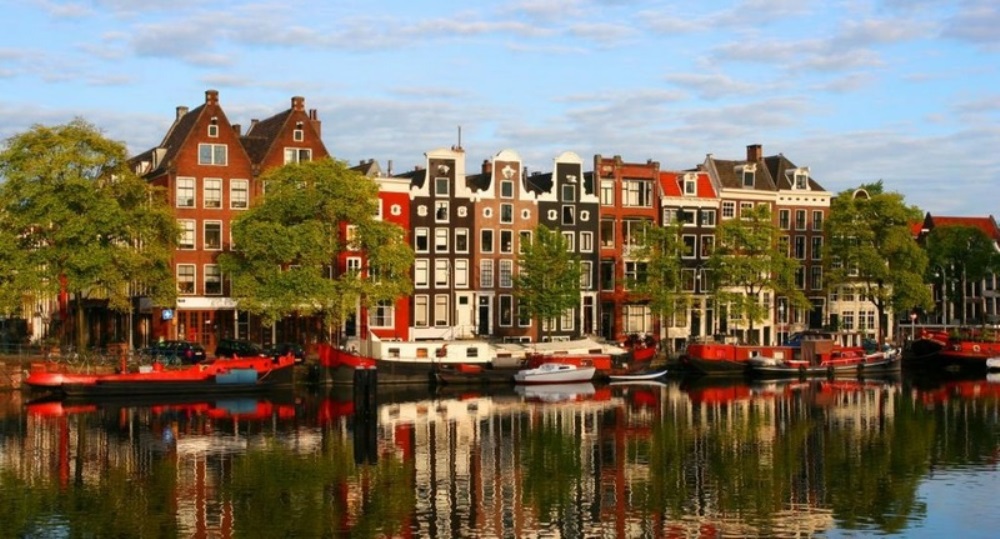
Cheerful and atmospheric Amsterdam is perfect for a romantic weekend. Its historical center will charm everyone thanks to the picturesque canals, small shops, and cozy streets. Be sure to look at the city from the boat!
{{
8. Barcelona, Spain}}
Barcelona is not only the most romantic city in Spain but also a vivid example of a combination of a large city with a seaside resort. You can visit all the famous monuments and museums during the day, and immerse yourself in the stormy nightlife with sunset.
The listed cities are a small part of the places where you can go on your honeymoon. Taking into account these beautiful and romantic places, you can easily go abroad and spend the best days of your life there.
{This information is kindly provided by the Best European Dating Site [Bridesdating.com->https://bridesdating.com/]
}
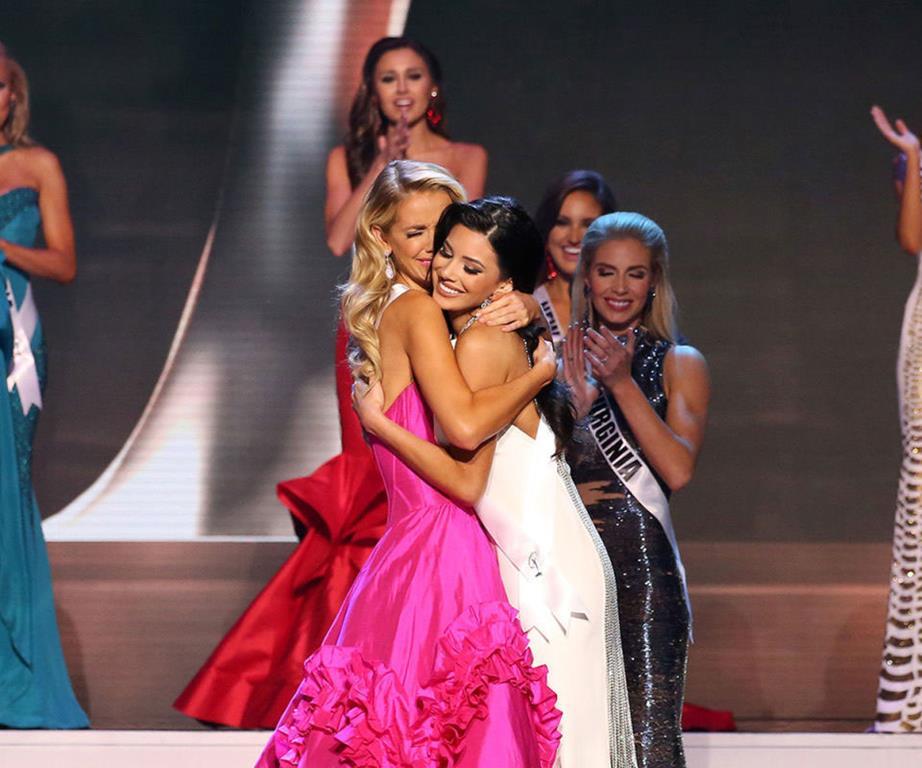
Beauty pageant hopeful Anita Green will become the first transgender person to ever compete in Miss Montana USA on Saturday – an accolade she’s fought for as part of her mission to re-educate society on what it means to be a beauty queen.
‘I can definitely tell you that when Trump was elected into office, I knew that I needed to step up and do this,’ the 26-year-old told Mic.
‘I was so nervous about this but I knew that I needed to compete. I wanted to be a positive role model in the community and instill a sense of hope within the trans community and give them some positive news,’ she added.
In 2012, Miss Universe finally allowed transgender contestants to compete.
Kylan Arianna Wenzel is the only other transgender beauty queen contestant to take part in a state pageant when she competed in Miss USA in California in 2013.
However, this isn’t the first time Green has made history.
People reports the beauty queen contestant became the first transgender delegate from Montana in 2016 when she was elected to cast her vote for Bernie Sanders at the Democratic National Convention.
Green currently works with adults with disabilities and is using her role in the beauty contest to help the LGBTQI community.
‘I hope that competing inspires other transgender people to feel confident in themselves, and to feel comfortable to be who they are and not be ashamed of their transgender status,’ she told the publication.
‘I really wanted to make sure that my progressive message was heard on a much wider scale,’ she said.
‘I think that the Miss Universe organisation is great for letting women have their voices heard. Women oftentimes have their voices suppressed, and I think that the Miss Universe organization gives women the opportunity to shine.’
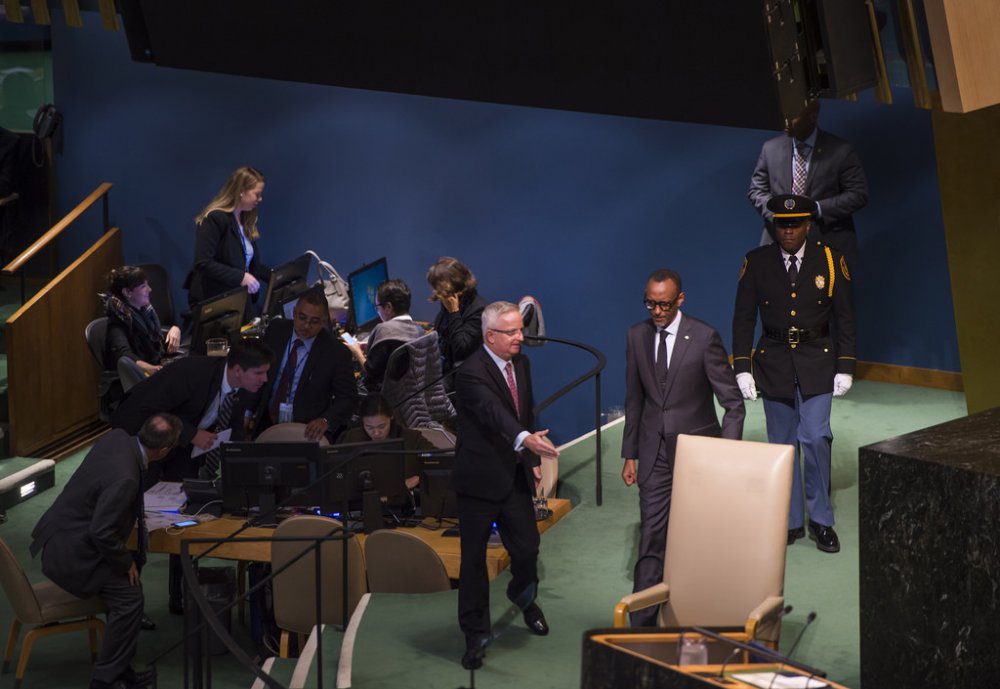
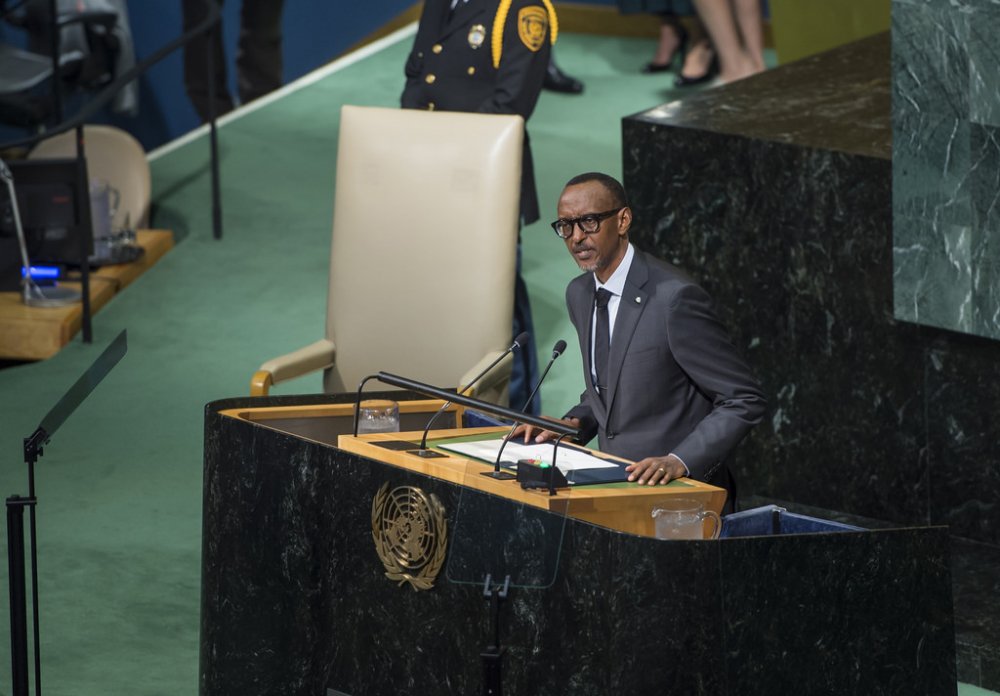
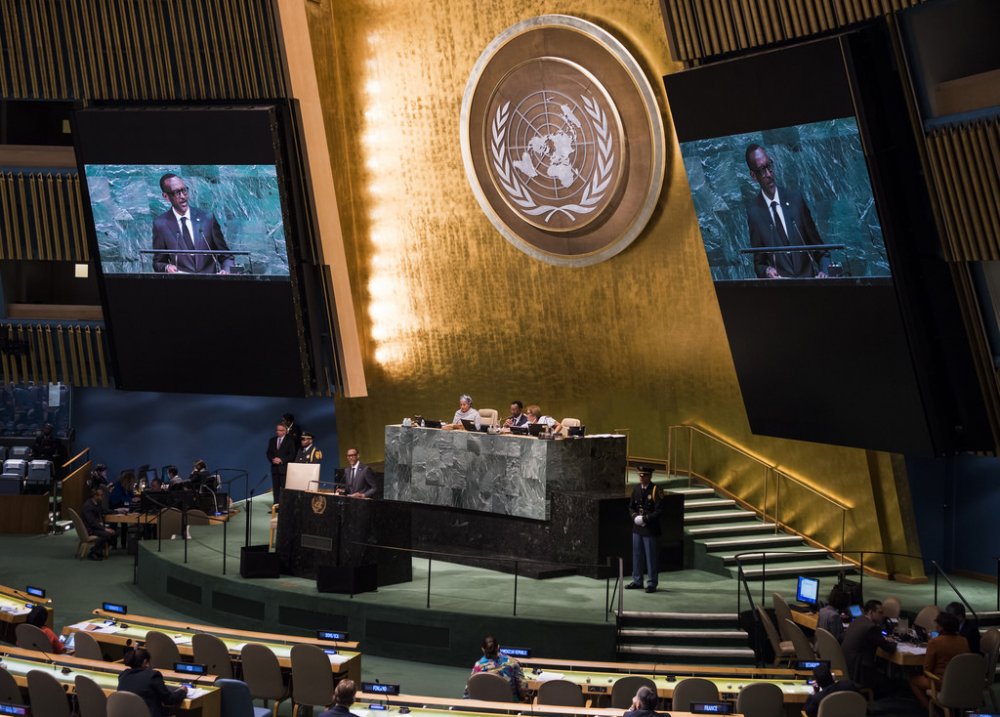
President Kagame appealed to the global family to offer their support to the UN Secretary General in his endeavor to transform the UN into an effective body that caters for all members’ interests.
“The Secretary General deserves our full support, to make the United Nations not only effective, but transformational. We have the tools and the mandates to address global challenges, from climate change, to peace-building, human equality and development. Where we fall short, is in getting things done.”
President Kagame pointed out that as it stands, the UN was not meeting members’ expectations
“Every year, the United Nations channels billions of dollars in humanitarian assistance. The United Nations provides a platform for major international agreements. The United Nations also sets the global agenda on key policy issues, from development, to women’s rights. These are signs of an organisation that is both relevant, and, in many cases, competent. And yet there is a sense, that the United Nations is not meeting our needs and expectations.”
On the reforms initiated by the UN Secretary General, especially in response to sexual exploitation and child abuse, President Kagame said:
“These steps go to the heart of the matter: The deficit of trust and accountability in the international system. To be truly effective at delivering a “decent life for all”, the United Nations must treat all the people it serves with impartiality and respect, and it must be a good steward of the funds entrusted to it. Abuse and waste are therefore not a mere public relations problem, but an existential challenge which must be tackled head-on.”
President Kagame observed that with these reforms, the UN and the AU would be able to work together better especially in the area of peacekeeping, where the two bodies are already involved and working hand in hand in several African countries.
President Kagame also called on the member countries to consider ratifying the Kigali Amendment to the Montreal Protocol, which he said would benefit individual countries in ending the use of dangerous gases and ultimately improve the global climate.
Under Projet San Francisco (PSF), a research project con HIV/AIDS in Rwanda, experts have said that the first phase on HIV/AIDS vaccine trial has shown there is hope for positive results.
Speaking in the meeting that brought together researchers on HIV/AIDS from across the World, the Projet San Francisco coordinator, Dr. Etienne Karita said that a step has been made to get the vaccine.
In Rwanda, research on HIV/AIDS vaccine started in 2005. One vaccine is tried on between 20 and 50 people to find out whether there is no impact it can bring on human health and whether the body can develop blood cells able to resist HIV/AIDS.
“It is done through different processes like testing its effects in the body and when there is no effect detected, then it’s tested to establish if it can protect against HIV/AIDS,” he told the media yesterday.
He said that the first phase on establishing whether it cannot cause side effects in the body went well.
“The first phase in laboratory has shown that this vaccine helps the body to develop blood cells that can fight HIV/AIDS; the next phase will be experimenting among the most high risk groups,” he said.
The Minister of Health, Dr. Diane Gashumba said that the meeting being held in Kigali is committed on coming up with discovering HIV/AIDS virus vaccine.
Statistics from the Ministry of Health shows that in Rwanda 3% of the populations is HIV/AIDS positive.
The move was announced on Wednesday by the state minister for TVET, Olivier Rwamukwaya during the launch of practical examinations for senior six leavers.
Speaking about the new approach, Rwamukwaya said that it will benefit students in getting diverse skills as well as having their certifications.
“Starting from next academic year, students will annually sit for national examinations and get certificates. This is in line with new curriculum that we started to implement in this academic year,” he said.
He said that from senior four, students are categorized to the extent that every student who completes one category has such skills that earn him a certificate and enable him compete on the labor market.
He said that in the new approach, students will be able to master a field in which they will get thorough knowledge and experience. The vice-head teacher in charge of academics at Saint–Joseph Integrated Technical Nyamirambo, Adrien Musabiyinema said that the feedback from construction company owners indicate that they are satisfied with the performance of TVET graduates.
“Most construction companies employ students who have graduated in this school; we receive positive feedback from owners of these companies that our students perform well,” he said.
A total of 21,935 are doing TVET exam countrywide, among who 9,948 are female.
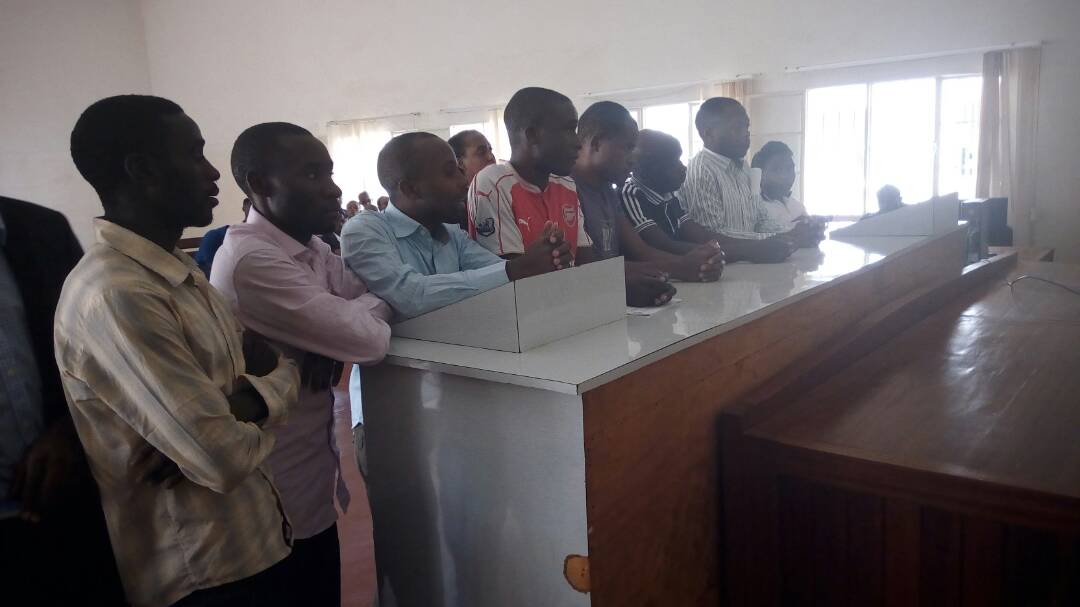
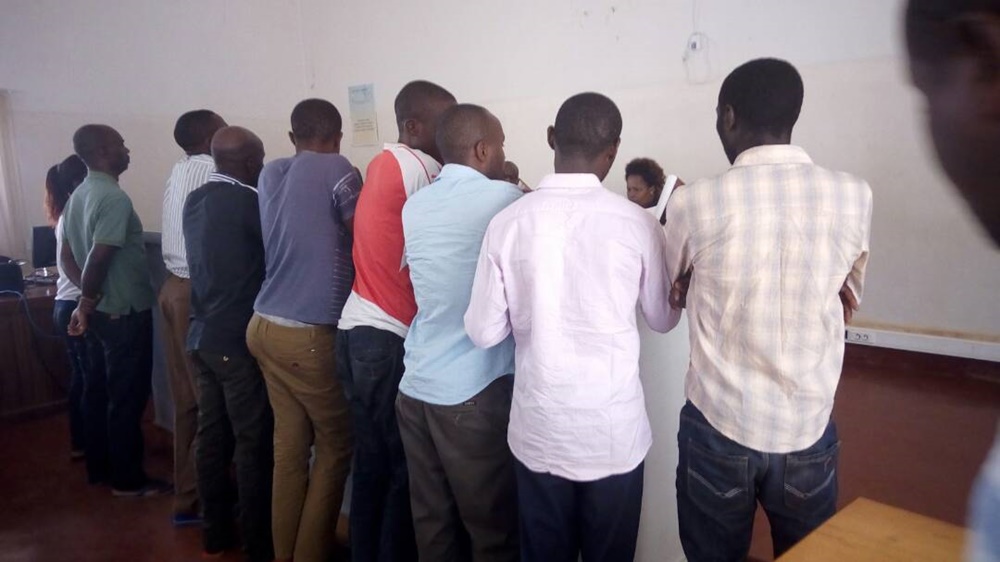
Among suspects are Boniface Twagirimana who says he is the Vice-president of FDU Inkingi, a political party that is not allowed to operate in the country and eight more accomplices.
Other suspects are Boniface Twagirimana, Papias Ndayisenga, Janvier Twagirayezu, Gratine Nsabiyaremye, Evode Mbarushimana, Leonille Gasengayire, Norbert Ufitamahoro, Fabien Twagirayezu and Erneste Nkiko.
All nine suspects were present in the court but four of them had no defense lawyers.
Eight of them denied the accusations, only Papias Ndayishimije pleaded guilty, saying he was apprehended when he was on his way to joining an armed group in the DRC. On 6th September, Police said that they apprehended seven people suspected of collaborating with armed groups working from a neighboring country.