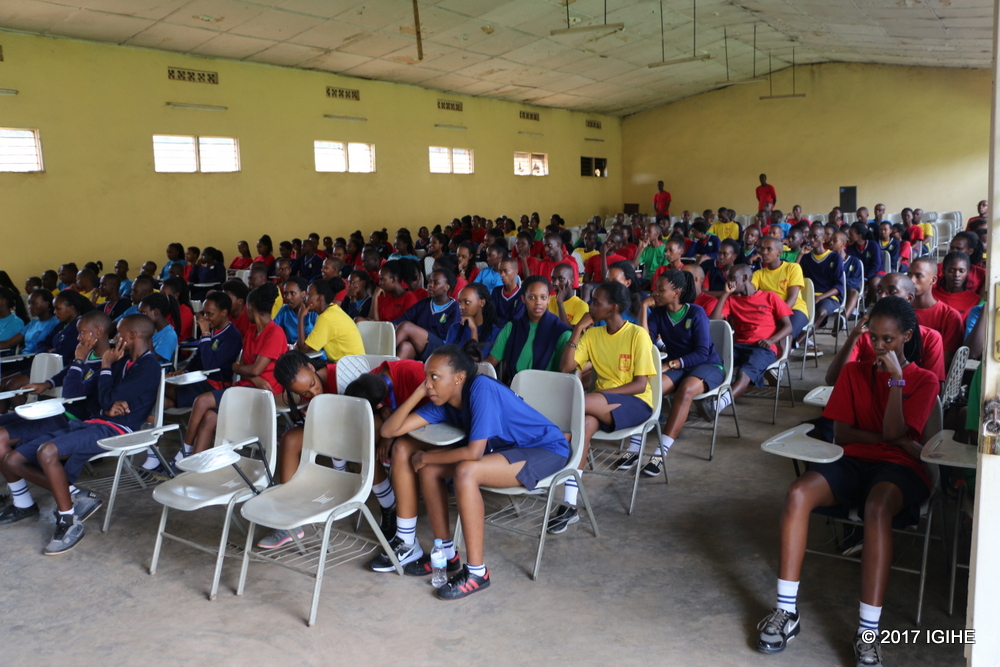
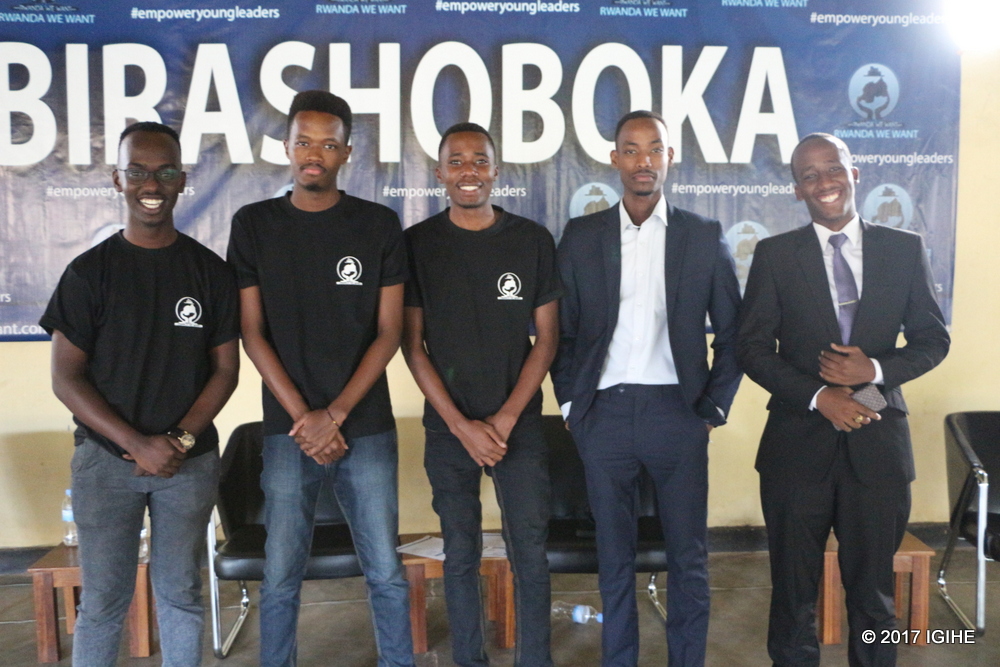
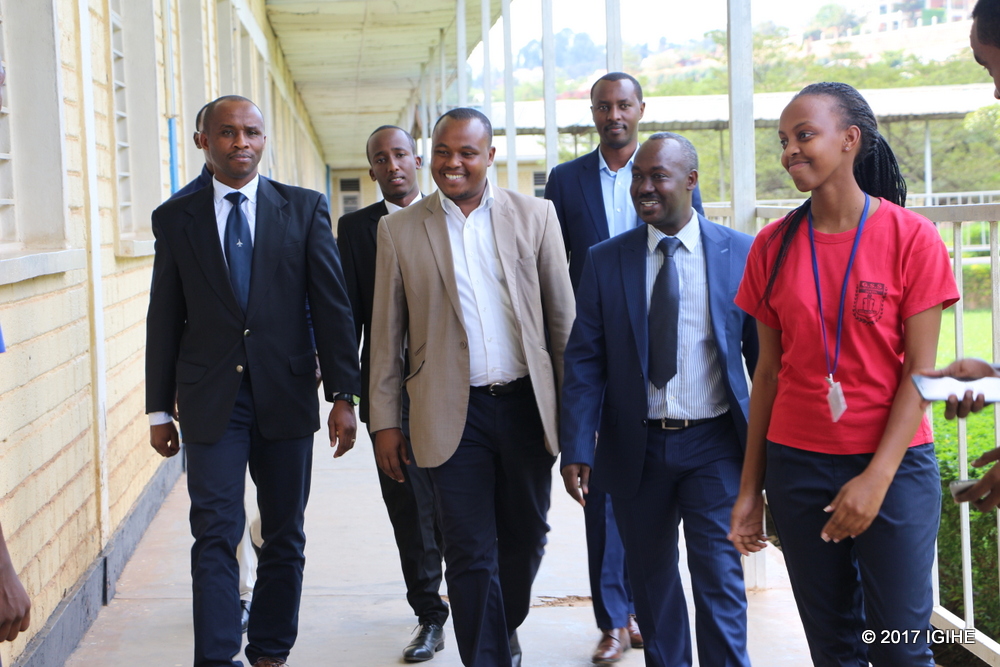
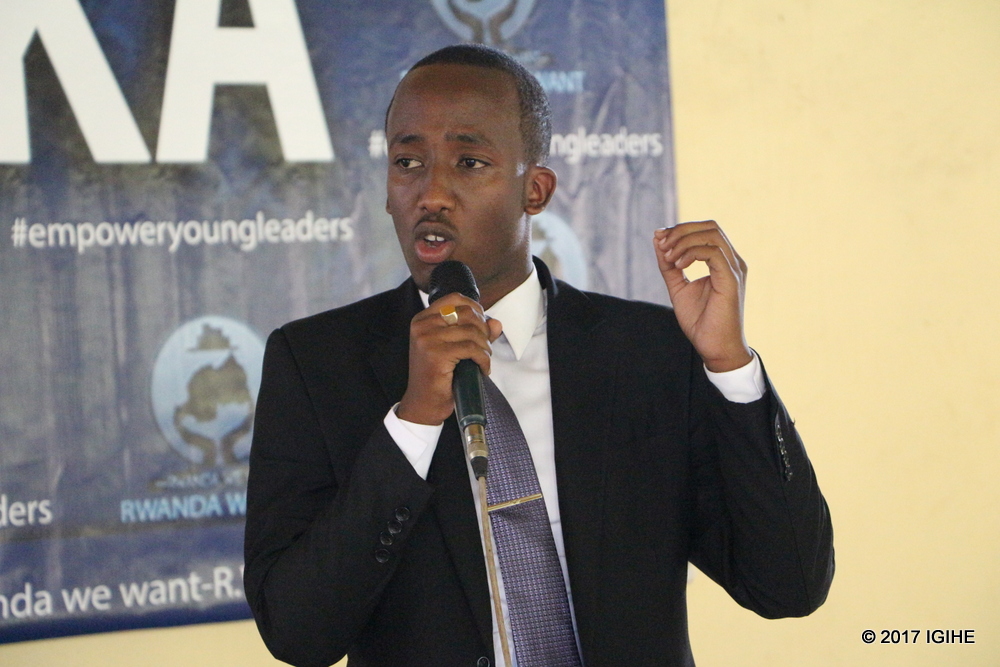
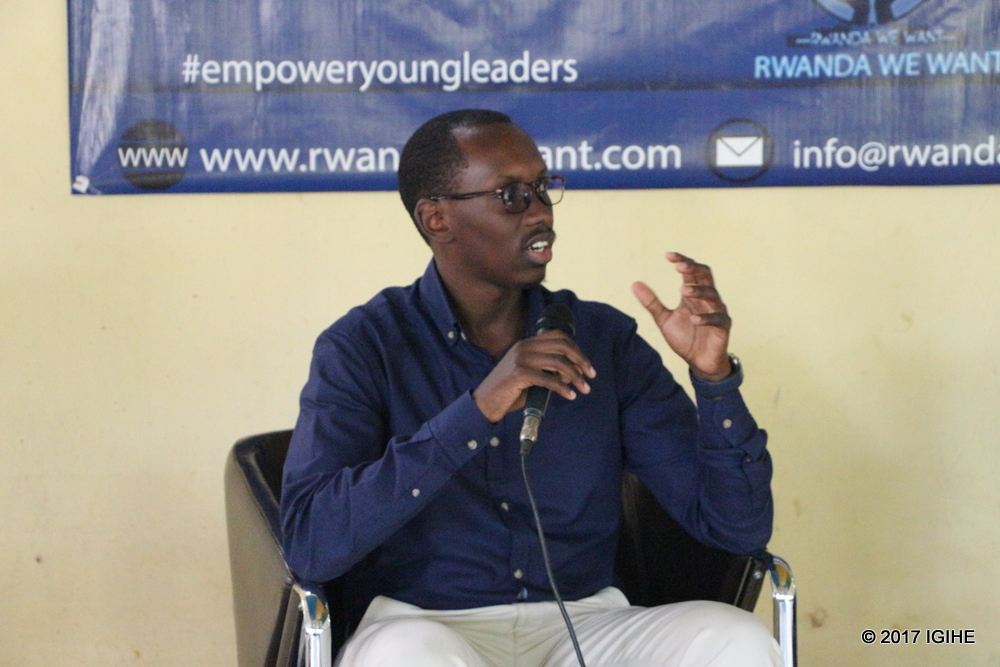
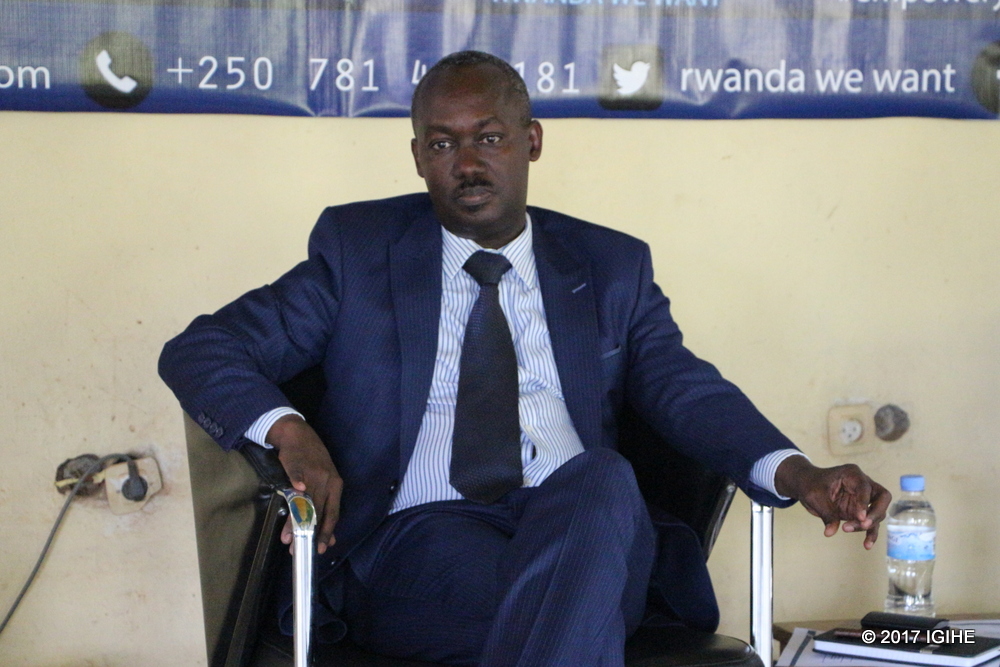
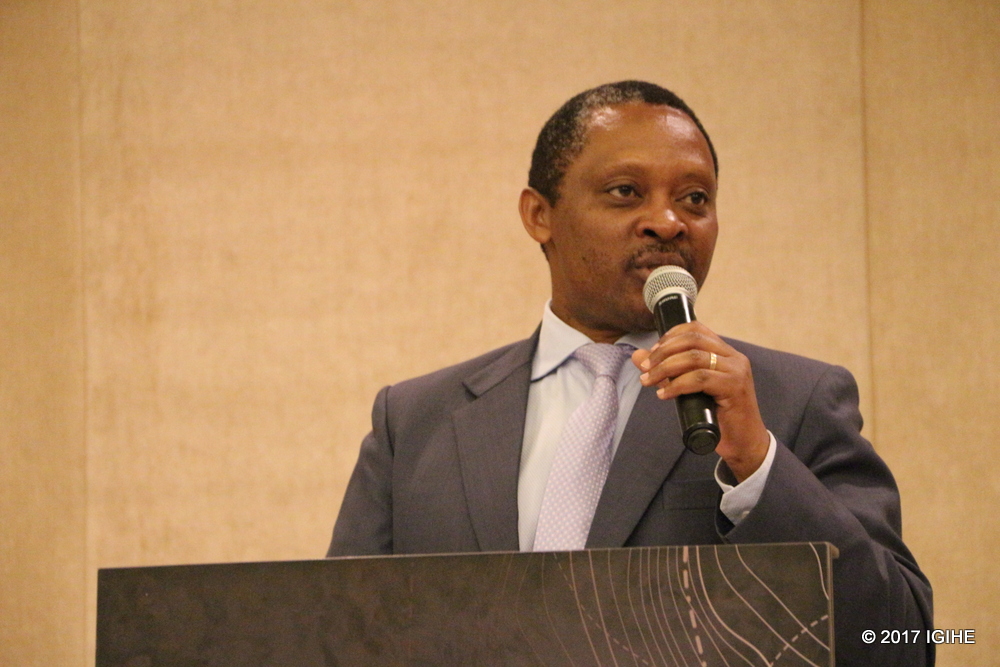
The advice was given during discussions that took place yesterday at Glory Secondary School organized by the Rwanda We Want (RWW), an organization that prepares youth to become future leaders, carried out under the theme ‘It Is Possible’.
The discussion brought together different individuals from different professions, careers and specializations.
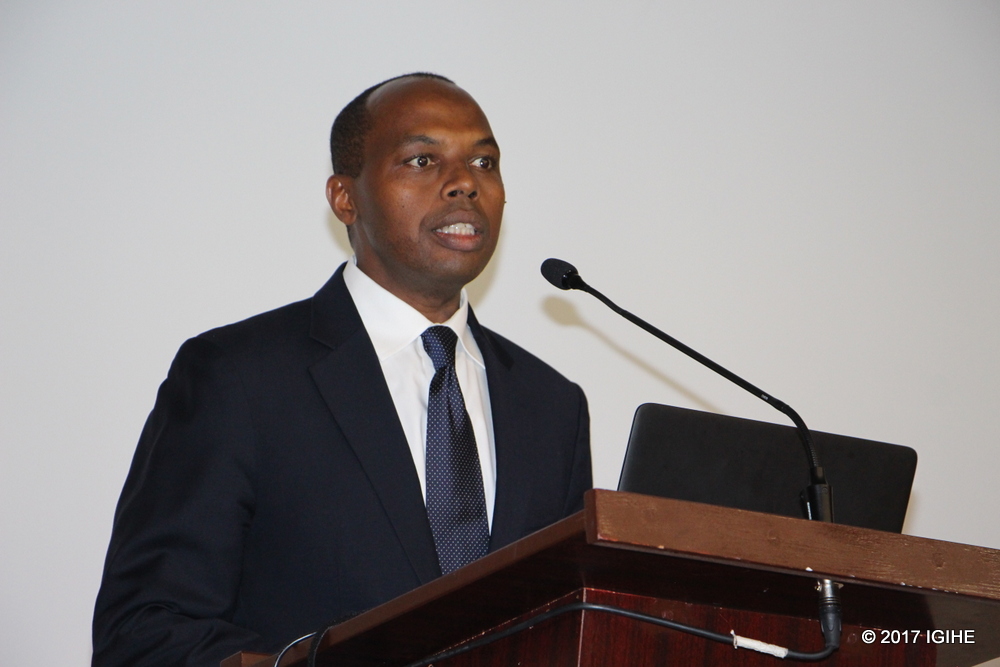
Speaking during the discussion, the Chief Executive Officer of AC Group, Patrick Buchana, urged youth to work hard and avoid giving up if they want to make it in life.
“If you want to succeed, you need to work hard with an unwavering zeal without surrendering but instead treasure determination, discipline seeking and taking heed to constructive advice,” he said.
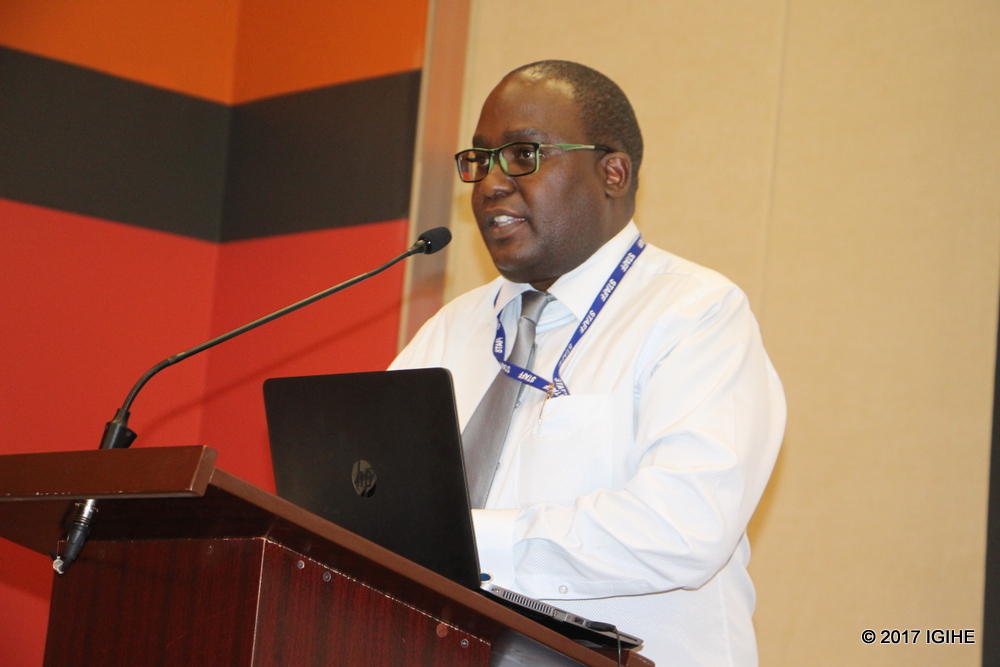
The Camellia Ltd CEO, Khalid Nshuti said that youth should think about big projects and work hard to make them happen.
“When you want to achieve tangible results, you should always strive to be a winner. You should think about new innovations to beat your competitors,” he said.
The Executive Chairperson and Founder of Rwanda We Want, Tristan Murenzi said that he organized the event to inculcate in youth the spirit of job creation. He said that he wanted to help the young generation to start preparing their future at an early age.
“Today, we aimed at linking youth with people who have built competitive enterprises that are sustainable and progressing. Through this discussion, the young people have been introduced to life and business soft skills, surmounting challenges and keeping an eye to the prize. This is a good approach to prepare future leaders,” he said.
Today Rwanda is hosting over 170,000 refugees from the Democratic Republic of Congo, Burundi and other countries, 80% of whom are living in six refugee camps managed by the Ministry of Disaster Management and Refugee Affairs (MIDIMAR) and UNHCR.
In these camps refugees are dependent upon humanitarian assistance, and it is hoped that the agreement to deliver aid in the form of cash will reduce dependency on aid but also contribute to host community economies and trade.
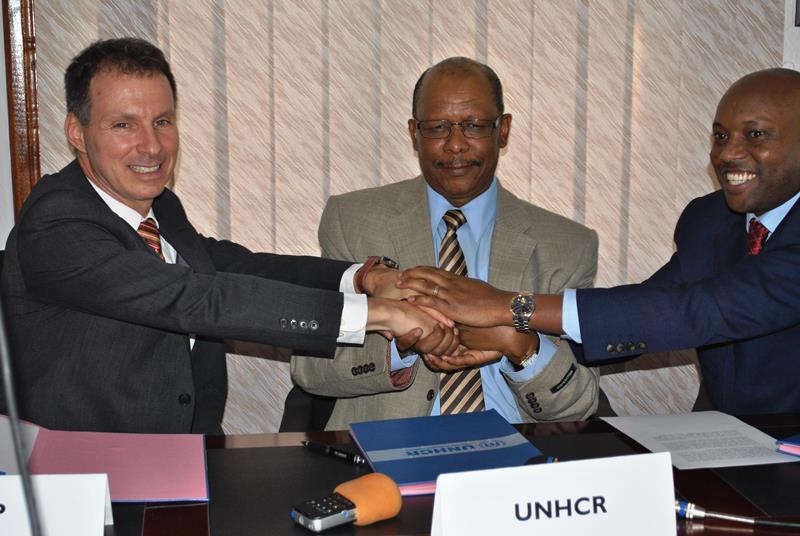
“Refugee camps in Rwanda are places where refugees have access to markets and services in the same way that Rwandans do. Providing refugees with cash will enable families to fulfill their needs in a more dignified manner by determining for themselves what their priorities are, and will also enable refugees to contribute to the growth of economy of the host communities, even more than they already do,” said UNHCR Representative in Rwanda Mr. Ahmed Baba Fall.
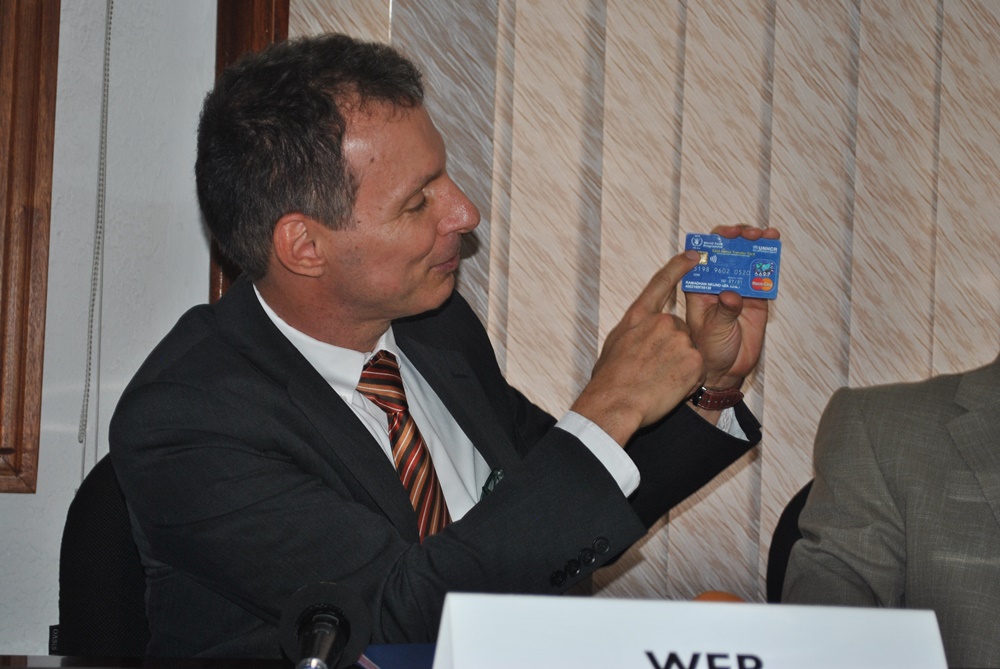
Together with partners, WFP Rwanda is already providing food assistance using cash based transfers (CBTs) to over 72,000 people in five camps hosting Congolese refugees.
CBTs were first introduced to Rwanda through a pilot in Gihembe refugee camp in January 2014 and then scaled up to other camps of Nyabiheke, Kigeme, Kiziba and latterly Mugombwa camp which received CBTs as of September 2017.
Until now, UNHCR has been providing refugees with in-kind support, providing shelter, water, sanitation facilities and distributing to all families kitchen sets, jerry cans, blankets, hygiene items and other supplies.
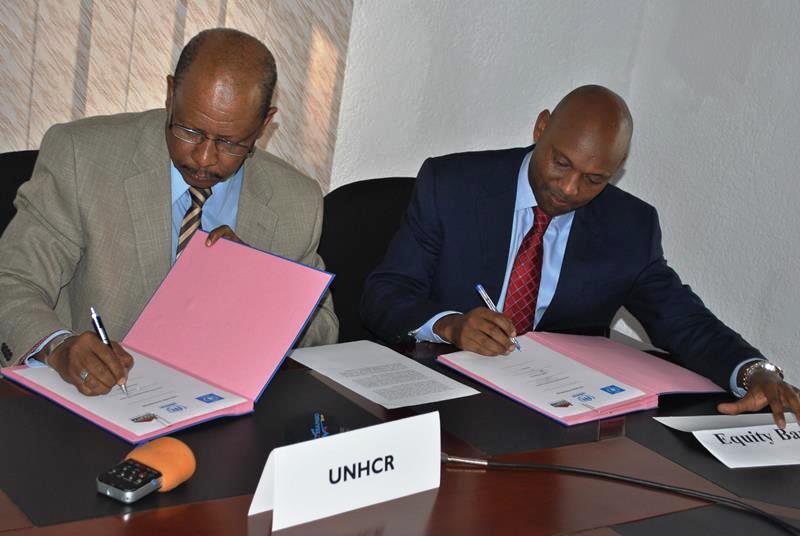
Through the new agreement, UNHCR will replace this in-kind support with cash, so that refugees can buy the items they need in the local markets. Under the new program UNHCR will provide cash for all refugees in Nyabiheke refugee camp, while in Kigeme and Gihembe UNHCR will provide cash only to those refugees who opt for it, while families who prefer to continue receiving in-kind support will have this choice.
Eventually, UNHCR aims to shift from in-kind support to cash throughout the refugee response operation.
“When refugees receive cash, it ensures they have the means to meet their basic needs, while enhancing dignity and choice in their respective refugee communities as well as boosting trade in the surrounding communities,” said Baba Fall.
Since 2015, WFP uses a multiple wallet credit card, which has been considered the best solution in terms of characteristics and potential opportunities vis-a-vis current and future CBT operations. The card was introduced and continues to be used in commercial partnership with Equity Bank.
It has multiple wallets, up to 9 maximum, and each wallet can be used by different agencies, such as UNHCR which is joining the platform through the agreement.
Through this programme, refugees will receive in monthly installments cash based on the market value of non-food Items distributed by UNHCR and household size. By receiving cash, refugees will also have opportunity to pursue livelihoods opportunities in line with the joint Government-UNHCR Strategy for Economic Inclusion of Refugees
Equity bank Rwanda came in agreement with WFP and UNHCR to provide solution of cash assistance by issuing multiple card wallet up to 9 maximum, and each wallet can be used by different agencies. Bank is embarked on technology using master card and BIO POS terminal.
The bank is participating in theprogramme of cash assistance as part of helping needy people by availing financial inclusion in 5 camps; Gihembe, Nyabiheke, Kigeme, Kiziba and Mugombwa.
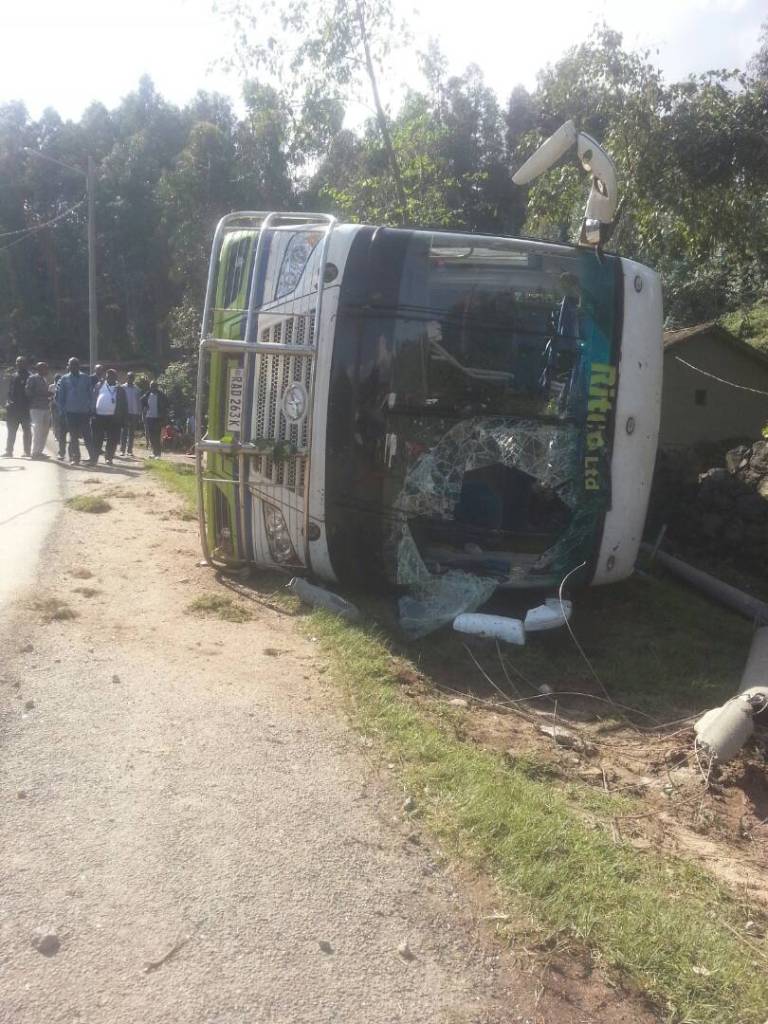
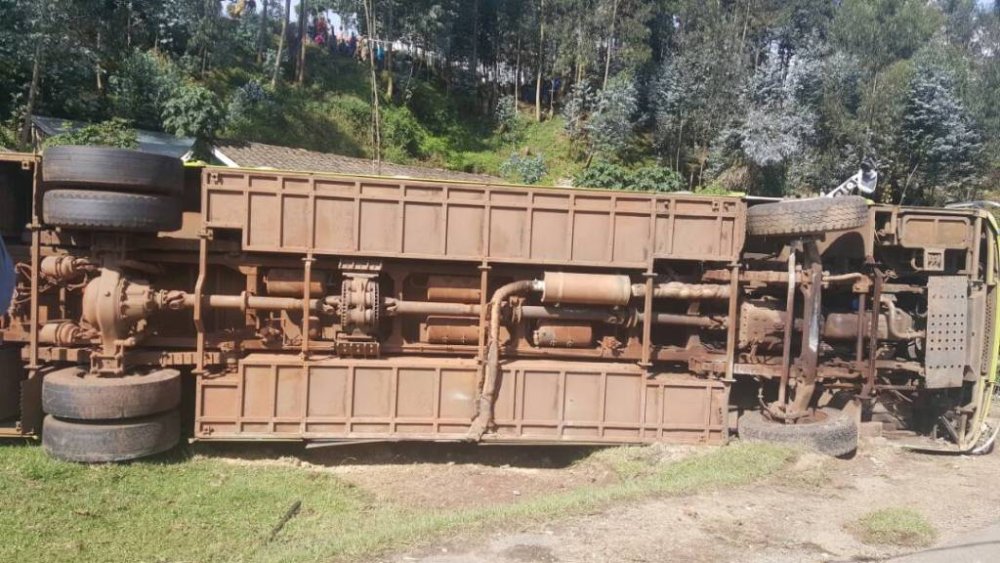
The spokesperson for traffic and road safety department, of Rwanda National Police CIP Emmanuel Kabanda, has confirmed the incident, death and number of survivors. Kabanda said that the driver failed to negotiate a corner in Jenda Sector of Nyabihu District.
“The information we have indicates that one person died. His body has been taken to Gisenyi hospital. The driver failed to negotiate a corner and the bus overturned,” he said.
He said that all injured were taken to Gisenyi Hospital for medical attention.
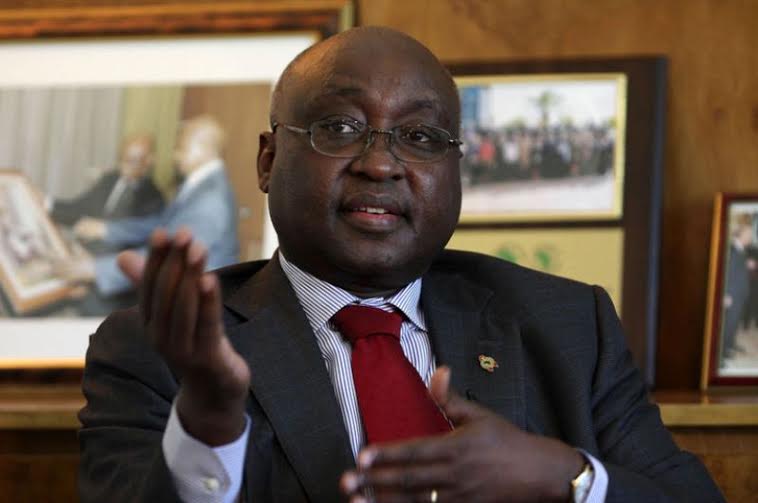
The panel chaired by Kaberuka includes two other members, Der Jiun Chia, the Assistant Managing Director of the Markets and Investment Group at the Monetary Authority of Singapore and Pernilla Meyersson, the acting chief of staff at the General Secretariat of the Sveriges Riksbank.
The panel’s evaluation will assess how successfully the IEO has met its goals to serve as a means to enhance the learning culture within the Fund, strengthen the Fund’s external credibility, and support the Executive Board’s institutional governance and oversight responsibilities. The evaluators have discretion in the conduct of their investigation within this broad contour.
When the IEO was established by the IMF Executive Board in 2001, it was envisaged that periodic external evaluations would be carried out to assess its effectiveness and to consider possible improvements to its structure, mandate, operational modalities, or Terms of Reference.
This would be the third evaluation of the IEO and is expected to be concluded by mid-2018. The first and second external evaluations were commissioned and discussed by the IMF Executive Board in 2006 and 2013 respectively.
The external evaluators will be holding their first round of discussions in Washington, D.C. during the 2017 Annual Meetings.
Kaberuka who is appointed to head the panel, currently is a “Special Envoy: Financing the African Union and the Peace Fund,” appointed in early 2017.
He was the seventh President of the African Development Bank and Chairman of the Board of Director 2005 to 2015.
Prior to joining the African Development Bank, Dr. Kaberuka was Finance Minister of Rwanda from 1997 to 2005 leading the economic team with the Government of Rwanda. In that capacity, he served as Governor for Rwanda for the International Monetary Fund and the World Bank.
The statement from UNICEF state “This grant from the IKEA Foundation will allow significant expansion of early childhood initiatives in Rwanda. In addition to expanding access to pre-primary education, programmes will include parenting sessions for caregivers, and improved nutrition and child protection services, allowing over 40,000 Rwandan children to have happier, healthier childhoods.”
Rwanda has always demonstrated commitment to ensuring universal primary education but access to pre-primary school and early childhood development (ECD) services is still low.
According to the Rwanda Demographic and Health Survey 2014-2015, only 13% of children between 3-6 years attend an organised early childhood education programme.
However, Ted Maly, UNICEF Representative in Rwanda, lauds Rwanda’s recent prioritisation of early childhood development in development plans like the National Strategy for Transformation and UNICEF Rwanda continues to be the main partner for developing and implementing ECD programmes.
“The Government of Rwanda has put words into action through investment in concrete ECD programmes, such as centre- and home-based child care, home visit, and early literacy,” said Maly in a statement.
At the global level, an ECD target was added to the Sustainable Development Goals in 2016, marking the milestone as the first explicit inclusion of ECD in global development goals.
“Evidence shows that 80% of a child’s brain develops between 0 to 3 years of age. Children need adequate care and stimulation in the early years so they don’t lose their development potential later in life,” Maly added.
Vivek Singh, Programme Manager for the IKEA Foundation, said “The IKEA Foundation believes all children have the right to a healthy start in life and a quality education, which starts with developing well in their early years. That’s why we are supporting this project with a grant of over €3.5 million.”
The IKEA Foundation is the philanthropic arm of INGKA Foundation, the owner of the IKEA Group of companies. It works with strategic partners applying innovative approaches to achieve large-scale results in four fundamental areas of a child’s life namely a place to call home, a healthy start in life, a quality education and a sustainable family income while helping these communities fight and cope with climate change.
The three year Euro 4.2 million (about Rwf4.2bilion) programme commenced in April 2017 and aims to strengthen the positive impact of Rwanda mining sector on national economic growth, as well as improving the incomes and livelihoods of mining communities.
It is being implemented by a consortium led by CARDNO Emerging Markets (UK) Ltd as the major coordinating body, supported by Projekt Consult on technical services, Pact World—an NGO that caters for social enhancement programmes and the Rwanda Women In/And Mining Organization (WIAMO), an NGO that focuses on gender issues.
Speaking at the official launch of the programme yesterday, the Chief Executive Officer of RMB, Francis Gatare said that through partners, the country is doing its best to increase mining productivity.
He said that in the past the mining sector was hampered by artisan mining practices, low and volatile prices of minerals at international markets.
Gatare said that the programme will help to address different challenges presented by lack of skilled personnel that have for long undermined development of the sector.
“Mining sector might have contributed enough to the development of the country but it was not possible due to less skilled practitioners and traditional tools,” he said adding that low investments were yet another challenge.
Gatare said that the country has invested huge resources to promote Rwanda’s minerals at the international market.
“Today, investors have realized this sector’s potential which is why we have entered this partnership to facilitate them along the process,” he added.
The team leader of Economic Growth at DFID Rwanda office, Kato Kimbugwe said that they have been supporting efforts around trade and other private sector development activities that support economic development in Rwanda.
“The decline in terms of global prices hit the industry very hard, but I think it also exposed the opportunity to reform the sector in such a way that when global mineral prices rebound, Rwanda will be in position to maximize the potential within the sector” he said.
“I think for us it is important to take a step in addressing particular sector that has thousands of people who are working in it. The market failure has not allowed these people to benefit from it but I think that coming in and working together with the government and understand where it wants to take the sector and assist them with technical support will help the sector restructuring in a way it will benefit a thousands of people” he explained.
RMB says that Rwanda earns $200 million from minerals exports but through the partnership the country will be able to earn $1.5 billion in 2024.
The award was handed to Ms Bella Nyirahuku, Marketing and Sales Manager at Rwanda Mountain Tea Ltd (RMT), the company that manages the Kitabi Tea Estate, and Mr Jean Mutabazi, the former Managing Director of Kitabi Tea Estate, on 27 September 2017 at Harrogate, in the UK.
Kitabi Tea Estate, one of the tea estates in which Rwanda Mountain Tea Ltd (RMT) has majority shares, is located in the Southern Province, approximately 175 kilometres away from Kigali city.
Ms Nyirahuku reported that ToH uses tea from Kitabi in its premium blend, Yorkshire Gold, which utilises top best tea from different origins.
“Taylors of Harrogate, with whom RMT has signed a forward contract that is renewable every two years, has been a privileged private buyer of our tea products since 2011. This client buys Kitabi tea at a premium price, in recognition of the superior quality of our production. Taylors of Harrogate gave Kitabi this award to commend the reliability of the tea estate to produce quality tea and to deliver it as per the buyer’s market requirements” she told IGIHE on Tuesday.
She commended Kitabi tea outgrowers’ outstanding performance, saying that the award is an encouragement for both the tea planters and factory staff members to continue producing quality tea and delivering it in accordance to best international standards.
“Kitabi tea farmers have made it their profession to grow tea because they know they benefit from the tea business. The award is a recognition of their efforts and proves their commitment to producing quality. It is of great importance to see a globally renowned firm putting our tea on their blend and awarding us the best supplier of the year award,” said Nyirahuku.
ToH also supports tea cooperatives in Kitabi area through various schemes including giving them tea farming skills and agricultural inputs, availing potable water from existing springs and assisting with life earning skills, among others.
From 2011 to August 2017, ToH bought privately 1,104 tonnes of Kitabi tea at premium price. ToH is committed to expanding its business with RMT by buying more tea from various tea estates under RMT management.
Kitabi tea has attracted global attention as a quality tea producer since 2011. It has earned regional and international prizes and is today counted among the best black CTC tea in the world.
Kitabi tea was awarded the best overall black CTC at the 2nd East African Tea Covention in 2013 and received two awards in 2015 for the best BP1 and the 2nd best PF1 at the North American Global Tea competition that took place in San Antonio, Texas, USA.
More recently, Kitabi tea scooped the award of the best Dust 1 tea producer at the Africa Tea Convention and Exhibition, held in Kenya in May 2017 where Rwandan factories scooped 11 out of 12 awards offered.
Of the requested amount, only 12 per cent funding has been received, making the Burundi situation one of the least funded refugee crises in the world.
“The chronic underfunding for the Burundi refugee situation has severely hampered reception capacities and the quality of protection rendered by host countries,” said Catherine Wiesner, UNHCR’s Regional Refugee Coordinator for Burundi at the launch of the revised inter-agency regional refugee response plan in Kenya.
According to Wiesner, refugees continue to live in overcrowded and congested camps, facing insecurity, deterioration of emergency shelters, shortages of water and food, and oversubscribed health and education services.
“Many refugee hosting areas are at risk of communicable diseases, including, malaria and acute watery diarrhea”, Wiesneradded.
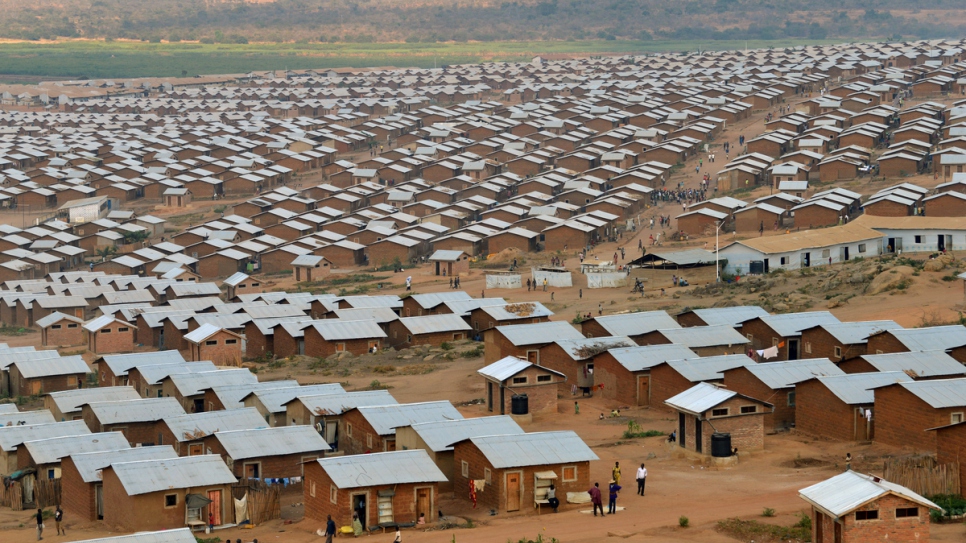
In Mahama, Burundian Refugee camp in Rwanda, the impact of the huge gap in funding is evident as UNHCR and aid agencies struggle to meet minimum standards for refugees.
“Funding is a major challenge in terms of being able to construct shelters and respond to all the needs of Burundian refugees,” says Janet Pima, UNHCR’s Protection Officer in Mahama.
“Because we keep on receiving new arrivals that means the needs are increasing every day,” Pima added
UNHCR says that in Rwanda, more than 85,000 refugees both in cities and in the camp. Such numbers place a huge strain on resources and Mahama camp is already at breaking point.
“We have around 54,000 refugees in the camp and the space we have has already been occupied by semi-permanent shelters,” Pima said.
“We don’t have any more space which is the main challenge we have for now. We will not be able to relocate any new arrivals until we have an extension of the camp” Pima added
According to Pima, new arrivals have to wait for weeks, sometimes months, before they can be relocated.
“UNHCR is negotiating with the Rwandan government and local communities that own the land around the camp. However, with every refugee that enters the country, more pressure is added to already strained resources,” Pima explained
Pima says that if they don’t get the space soon, refugees will be congested in the shelters or will have to remain in the reception centres for a long time
“We are appealing for more funding to help Burundian refugees,” Pima added.
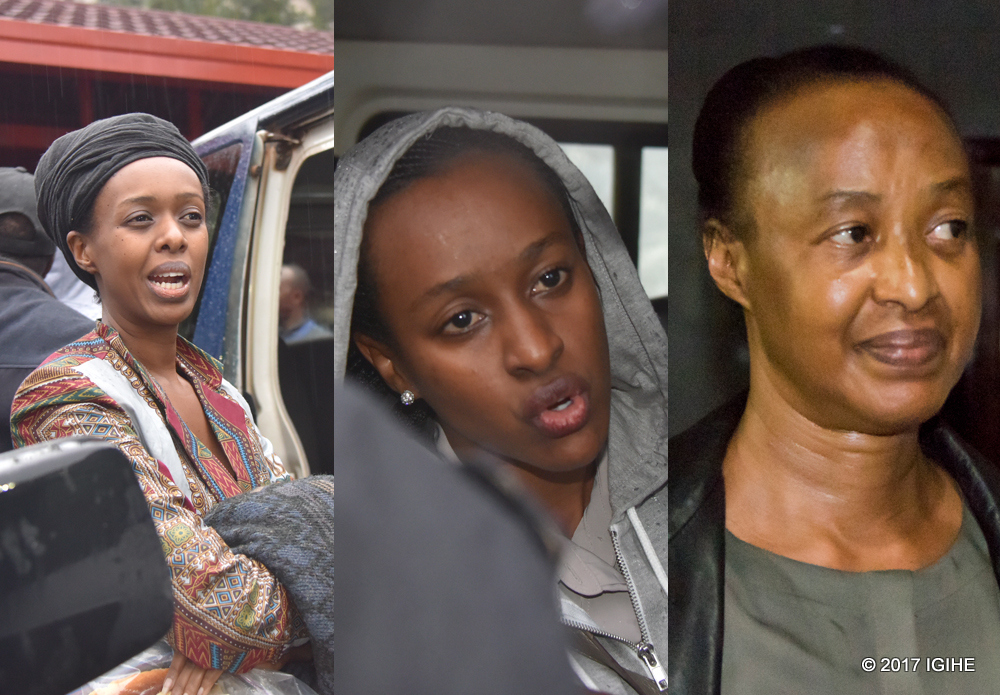
Provisional detention was requested for the trio whose charges include forgery of documents and signature counterfeiting by Diane, sectarian practices by Adeline Rwigara and inciting insurrection for all the three, a spokesman for the state prosecutor’s office, Faustin Nkusi, has told IGIHE.
“We received their case files on Friday. We have five days to assess them and decide on taking them to courts. So it is still under assessment process,” he said.
The allegations of tax evasion, which had been raised previously are not included on the new charge sheet.
Speaking after trio’s arrest, the Police Spokesperson, Theos Badege said that them on ere is enough evidence to pin them on machinating against state security.
“We have evidence on how they planned activities against state security,” Badege explained.
Shyaka was speaking during the consultative meeting on the role of religious organizations in family development which brought together different government institutions and representatives of faith-based organizations operating in the country aimed at exchanging views on strategies of increased collaboration among concerned institutions for family development.
He commended the role of churches in building moral fibers of communities but called for accelerated involvement in addressing family-related challenges including poverty and family-based violence.
According to RGB, society still faces problems like murder, divorce, family and community disputes and orphans without foster families among others which calls for interventions so they can be squarely addressed.
Bishop of Kibungo Catholic Diocese, Antoine Kambanda said that Catholic Church always teaches people on good societal norms, saying they will add more efforts to solve problems that still undermine welfare of families.
“Children always need families; the Catholic Church has introduced a commission focusing on addressing family challenges. We are coordinating different activities which will help strengthen the development of society,” he said.