Nyarugenge Intermediate court last month ruled that the duo should be remanded for 30 days so that they do not temper with evidence as investigations get underway.
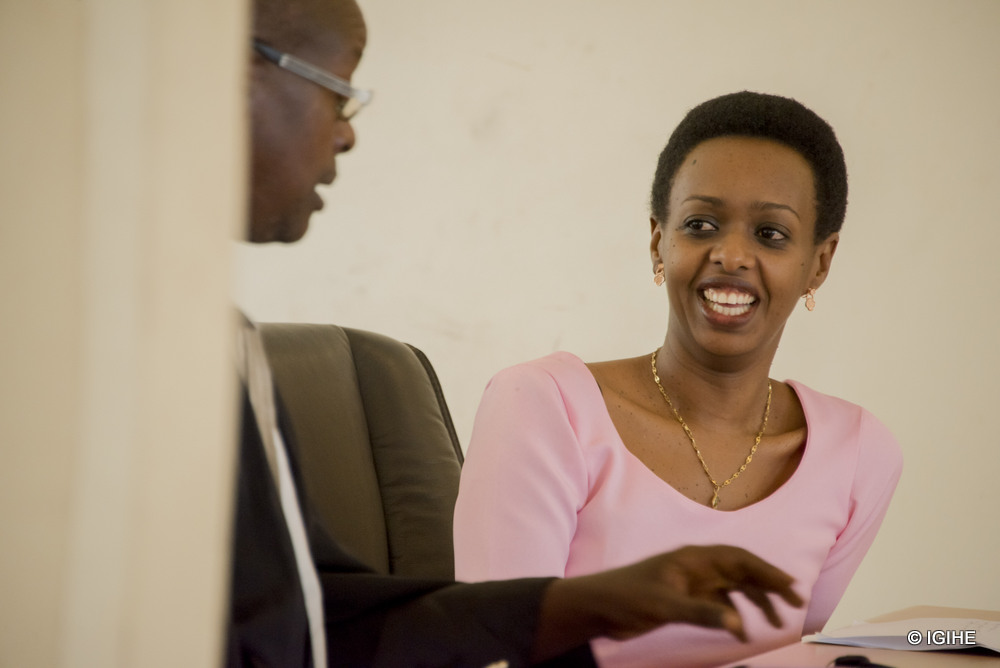
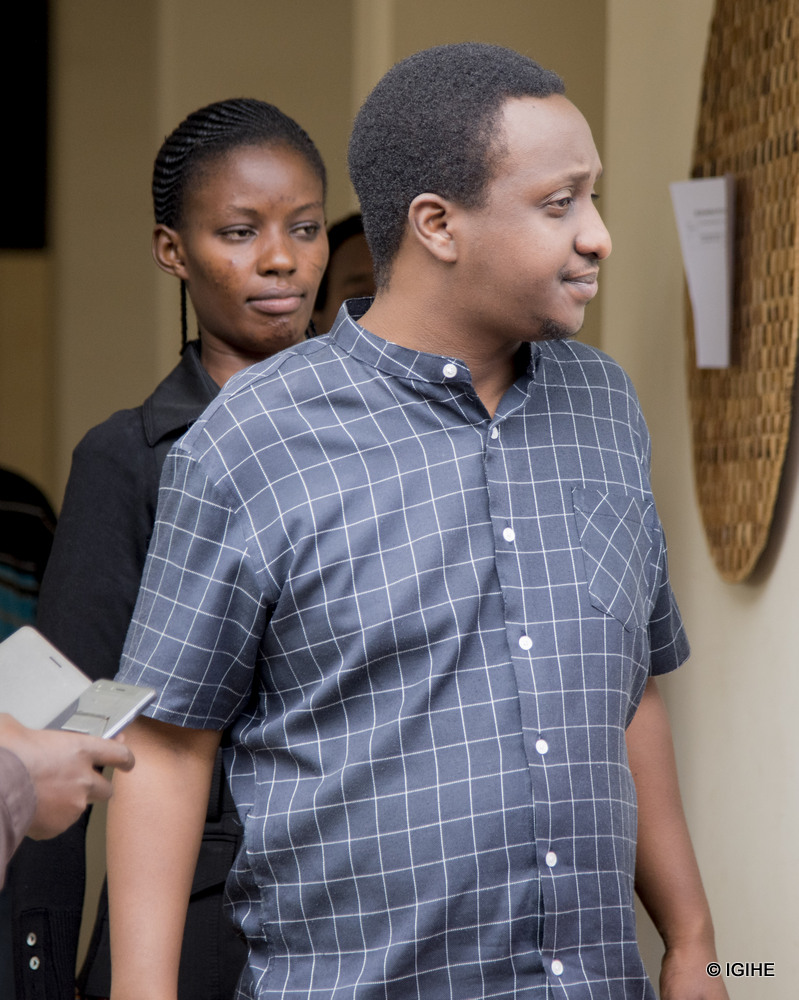
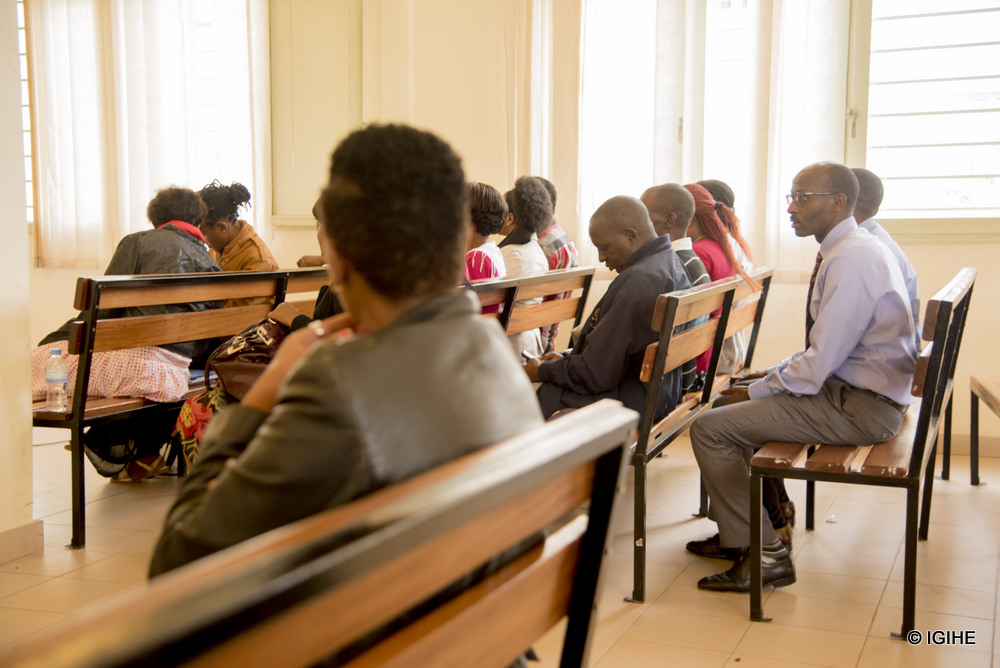
In today’s hearing, only Diane and her mother’s lawyer Gatera Gashabana appeared in the court as Mukangemanyi was reportedly sick.
Diane’s Lawyer Pierre Celestin Buhuru did not attend court. Prosecution was represented by Faustin Mukunzi and the National Public Prosecution Authority Spokesperson Faustin Nkusi.
Diane told the presiding judge that her lawyer had another hearing and requested court to stay the hearing.
Gashabana said that his client is sick and was unable to appear in court and also requested for adjournment of the hearing.
Prosecution doubted the reason for absence of Counsel Buhuru, saying that he should have communicated his absence through a letter to the presiding judge.
The presiding judge adjourned the hearing of both defendants.
The duo are accused of inciting public insurrection but Adeline Rwigara is separately facing divisionism charges as Diane Rwigara particularly faces forgery offenses.
Last month, Nyarugenge Intermediate Court granted bail to the co-accused Anne Rwigara saying that there was no evidence connecting her to accusations brought to the three family members including Diane and Adeline Rwigara.
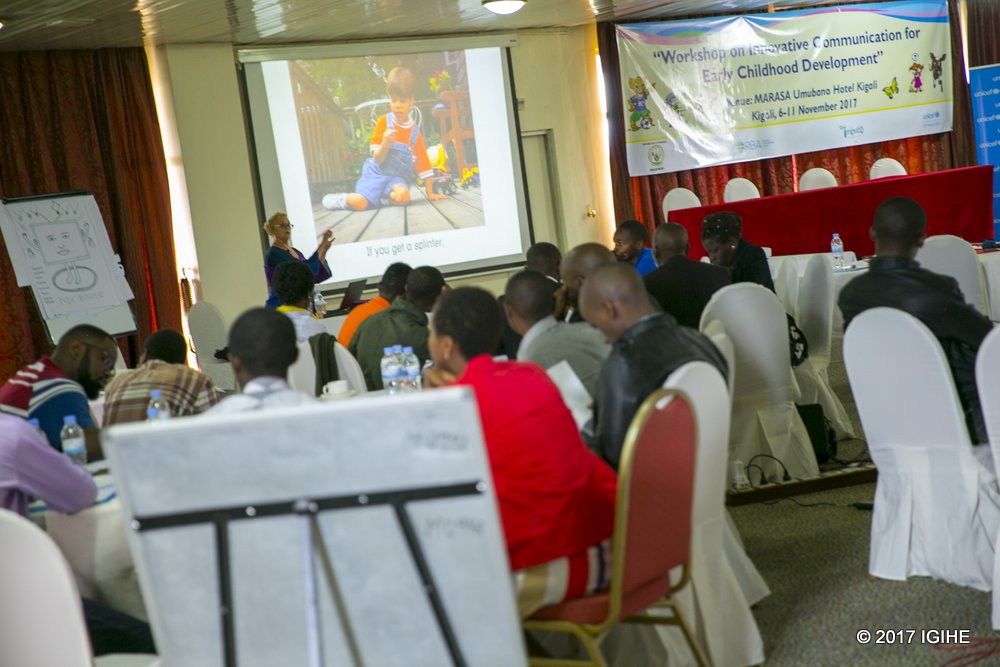
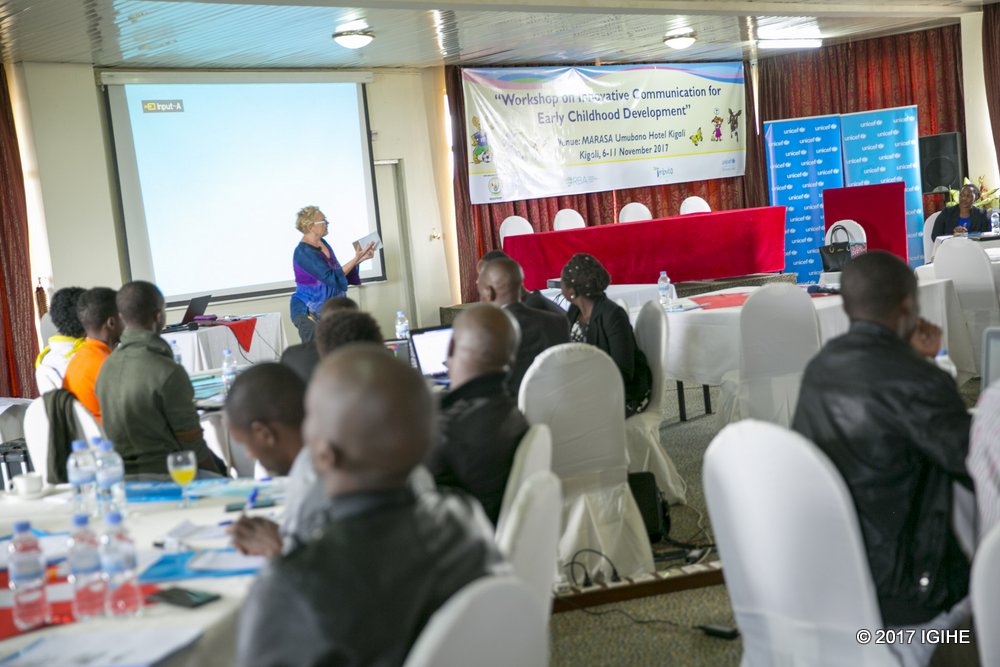
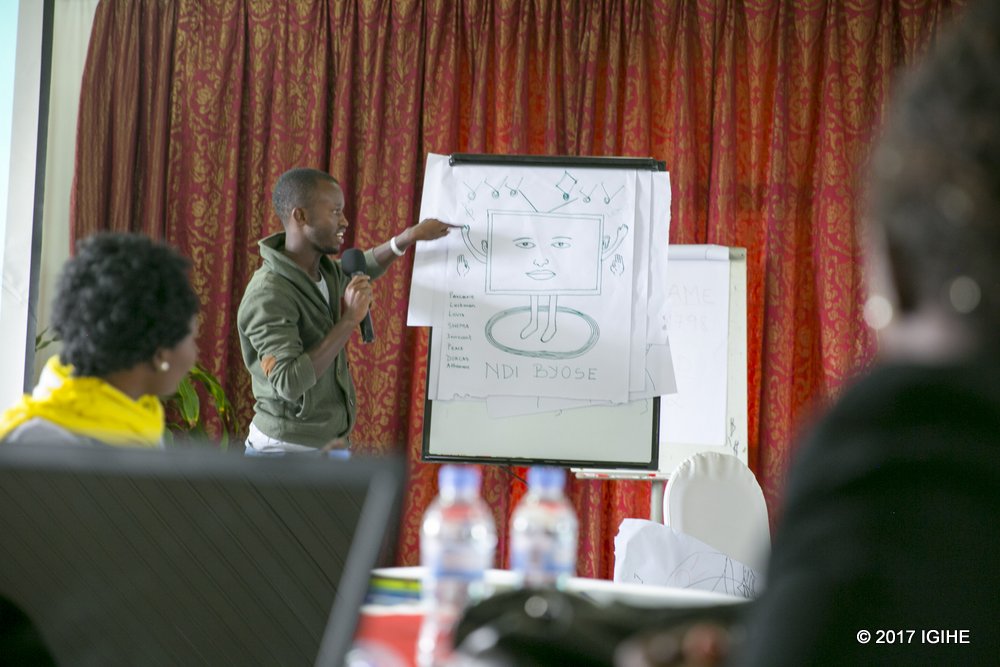
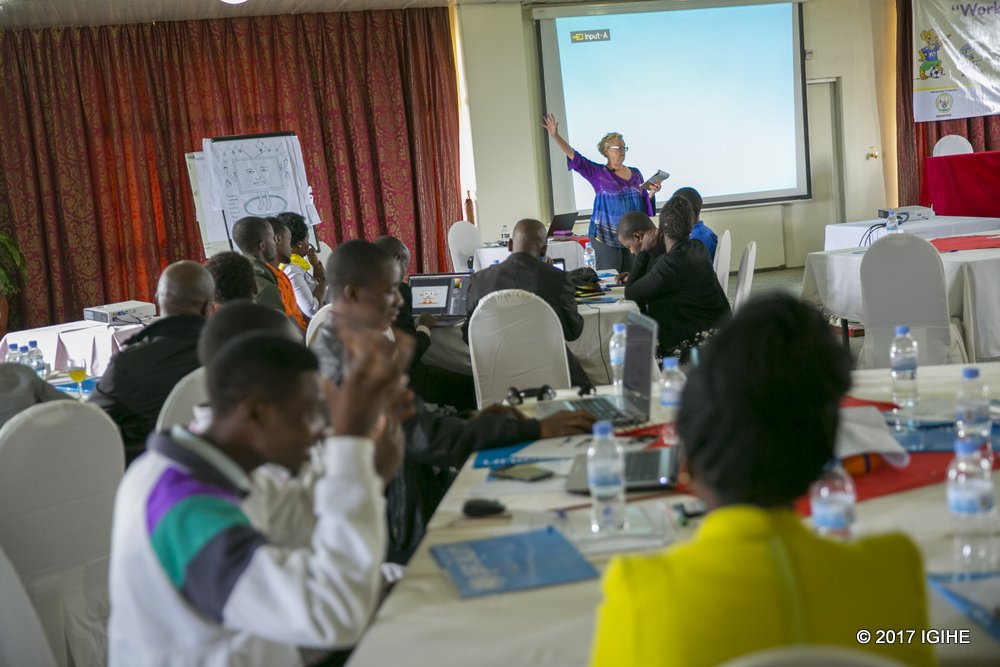
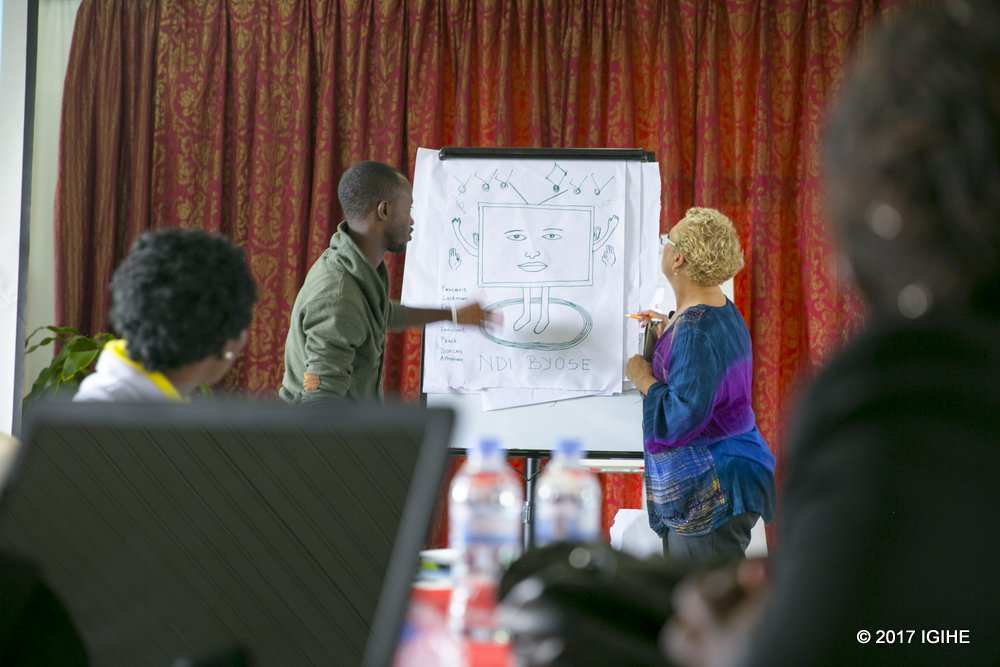
The long week workshop started on Monday will engage subject matter experts in early childhood development (ECD) and communication, academia, media, animators, illustrators, graphic designers, singers, and people with disabilities to create age-appropriate and child-friendly content and materials in their respective fields.
Early childhood development (ECD) is an important area of focus. Evidence shows that 80% of a child’s brain develops between the ages of 0 and 3 years.
The Government of Rwanda have demonstrated the commitment to ECD through a revision of the National ECD Policy, and ECD has been prioritised in development plans like the National Strategy for Transformation. UNICEF continues to be the Government’s main partner for developing and implementing ECD programmes.
Despite this commitment, there remains a lack of age-appropriate communication content and material for young children in Rwanda. This content, such as songs, illustrations, television and radio programmes, is critical for engaging children at a young age and encouraging early learning and discovery.
“Adequate stimulation in the early years of life is essential so children can achieve their full development potential,” said Dr. Anita Asiimwe, the National Coordinator for Early Childhood Development.
An important component of the workshop, and an on-going priority of UNICEF programming, is promoting inclusiveness for children with disabilities. Children and adults with disabilities will participate in the workshop in all aspects of production, sessions will be translated into sign language, and presentations given with closed captioning.
The workshop was planned as part of the anniversary celebrations for Itetero, Rwanda’s first radio programme for and by children.
In October 2015, UNICEF partnered with Rwanda Broadcasting Agency (RBA) and Imbuto Foundation to create Itetero, meaning “children’s nurturing space” in Kinyarwanda. Itetero now airs every week on Radio Rwanda, teaching children Rwandan cultural values and improving their cognitive development through stories and drama sketches.
Arthur Asiimwe, Director General of RBA, hopes that Itetero will serve as an excellent example during this week’s workshop of the child-friendly content UNICEF, RBA and MIGEPROF hope to see more of in the future.
“We are very proud of Iteteroand the positive engagement we have seen from our listeners so far,” he said.
“We are even planning to move Itetero television, which will engage even more children and their families.”
The six-day workshop will be fully interactive, with presentations and activities capitalising on the experience of partners such as Mashirika Creative and Performing Arts Group and Search for Common Ground. Workshop participants will create real examples of child-friendly communication materials as a catalyst for expanded projects and ideas.
“We commend the Government of Rwanda for their ongoing commitment to ECD, and we are proud to work with RBA as a leader in creating age-appropriate communication material for children,” said Ted Maly, UNICEF Representative.
“We are excited to see the materials and content produced as a result of this workshop,”Maly added.
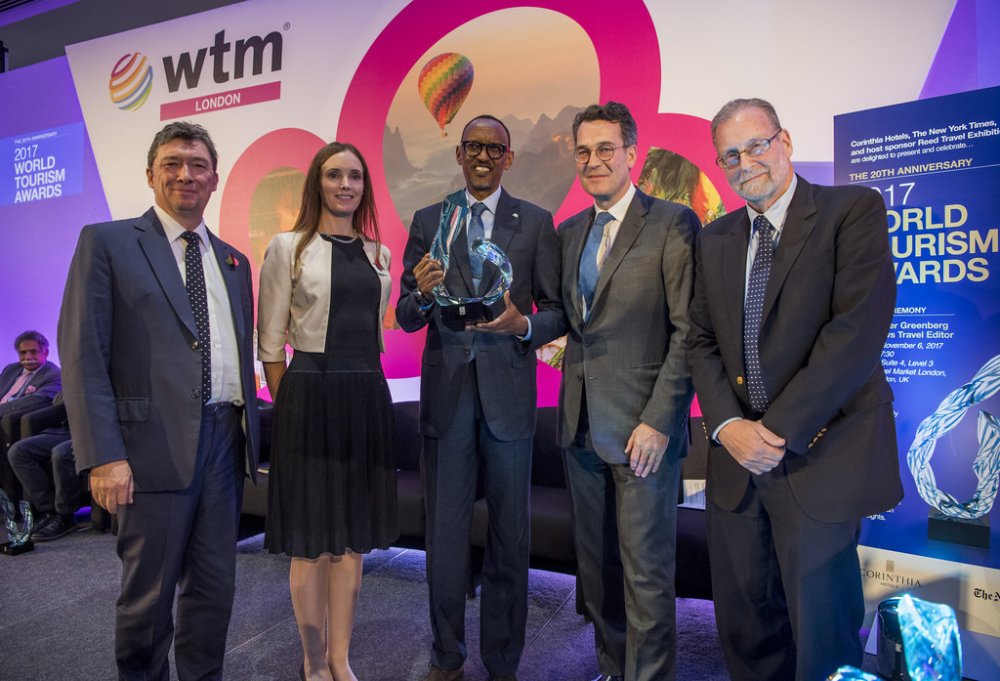
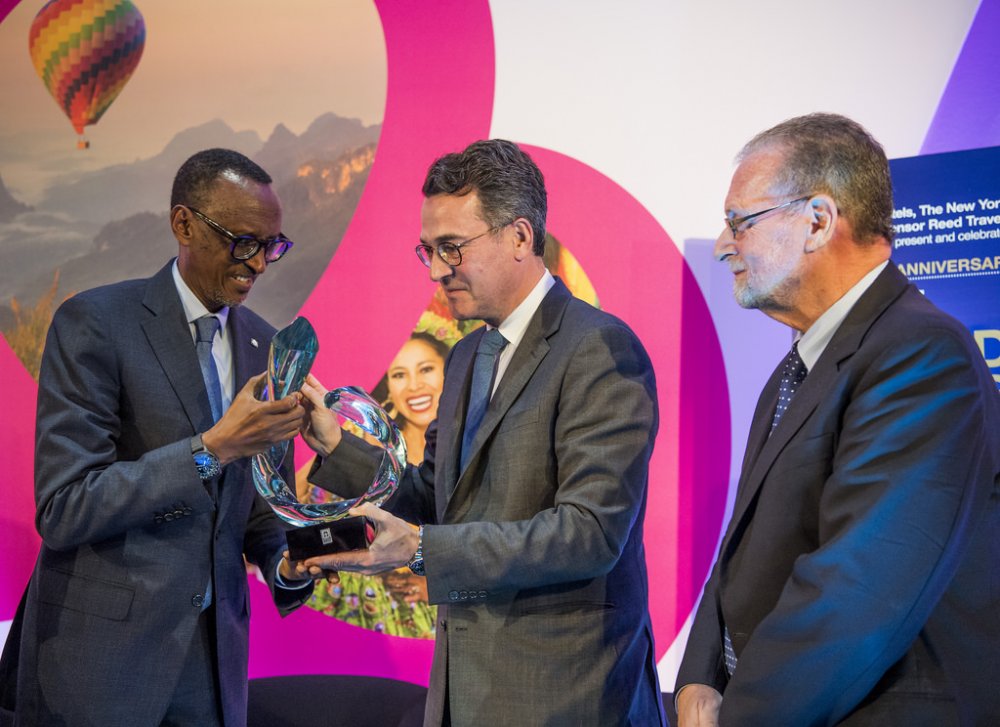
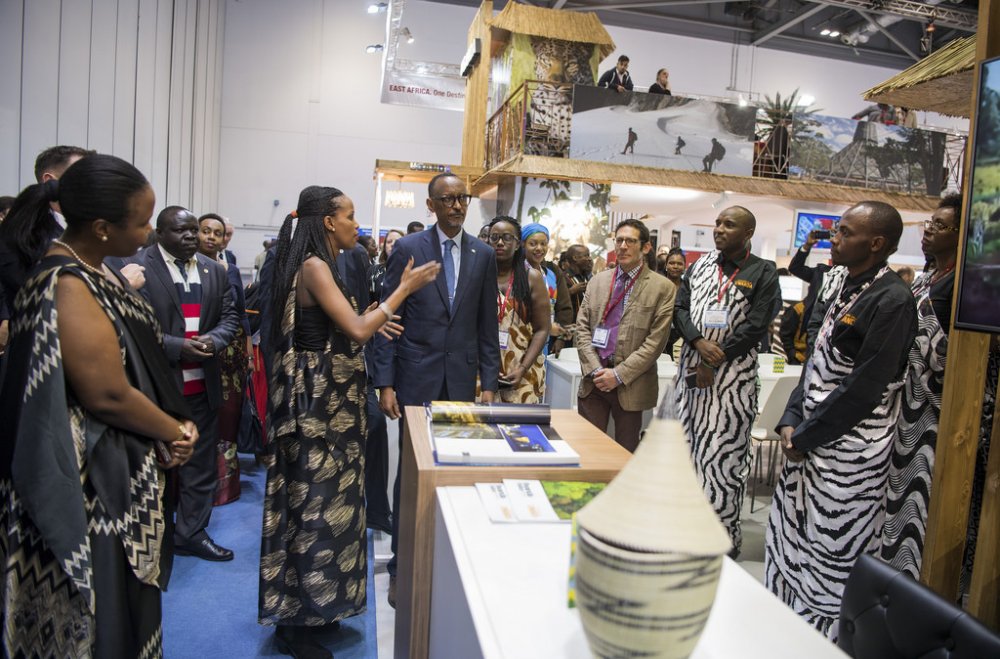
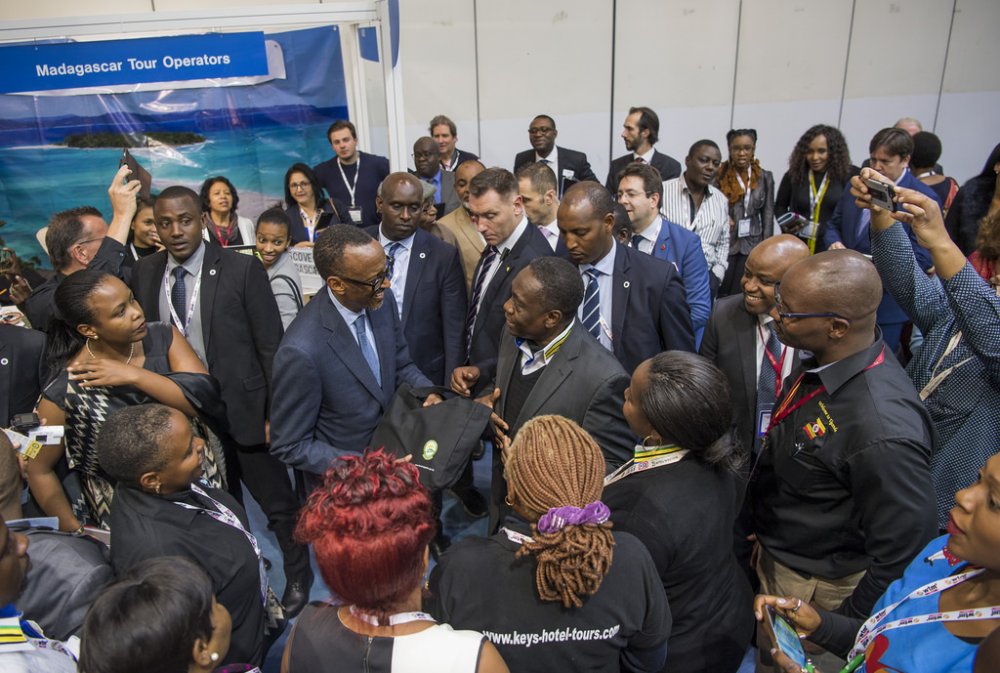
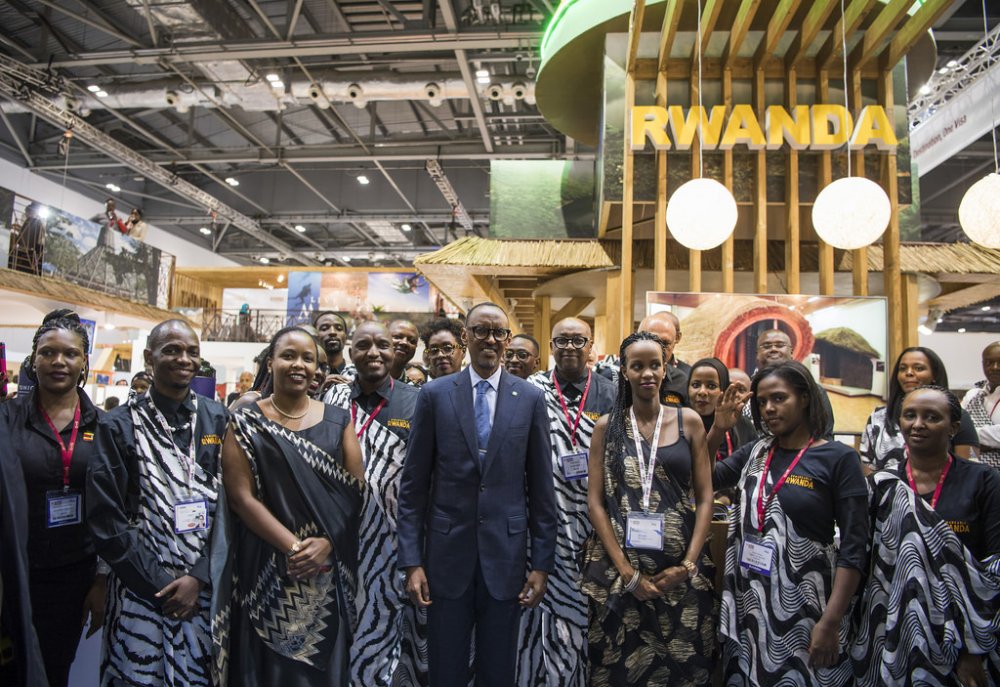
Kagame was speaking in London, England after receiving the World Tourism Award in recognition of his visionary leadership in sustainable wildlife conservation.
Kagame received the award yesterday during the official opening of ‘World Travel Market London’in London, England.
The three-day event that attracted industry professionals from across the globe was hosted by Reed Travel and co-sponsored by Corinthia Hotels United Airlines and The New York Times.
President Kagame said that Rwandans have been working hard to protect natural environment while building the infrastructure for visitors and citizens.
He said that growth in the industry has proven to be a driver of shared prosperity as they ensure that Rwandans benefit directly.
“These good results have been possible because Rwandans have made a mindset shift from dependence to dignity and self-reliance. This is why for example former poachers are today the most dedicated protectors of wildlife,” Kagame said.
He said that they are finding ways to multiply Rwandans connections with the rest of the world, adding that it is what the award he received represents.
“This is a story that is being repeated across the continent as Africans increasingly take charge of our future. It is getting easier to travel to Africa, RwandAir now flies to 24 destinations on the continent and beyond including London” he said.
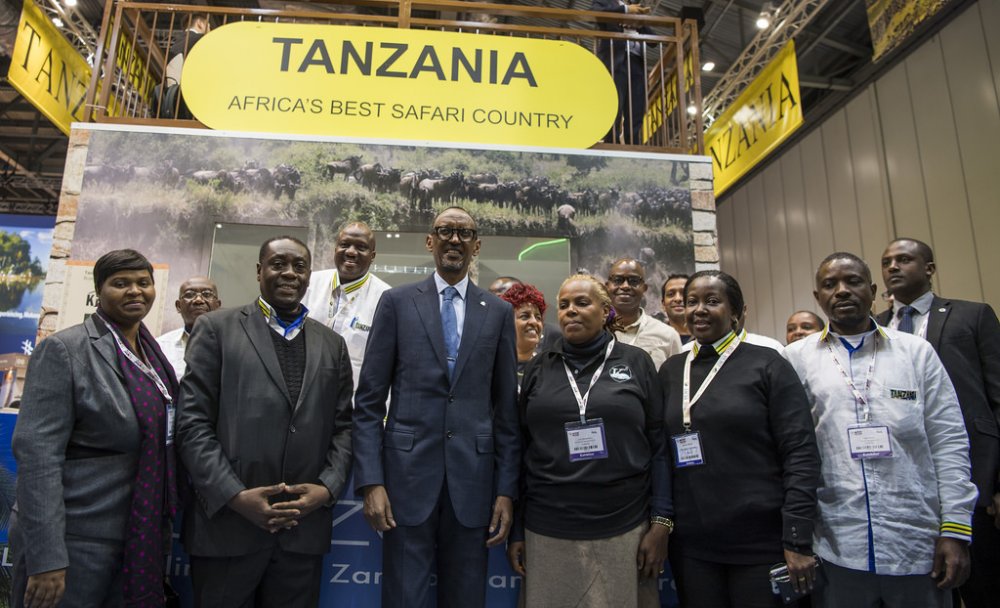
He said that Rwanda has been exhibiting at the World Tourism Market (WTM) for many years and have seen the impact as the UK is 2ndbiggest source of tourists to Rwanda.
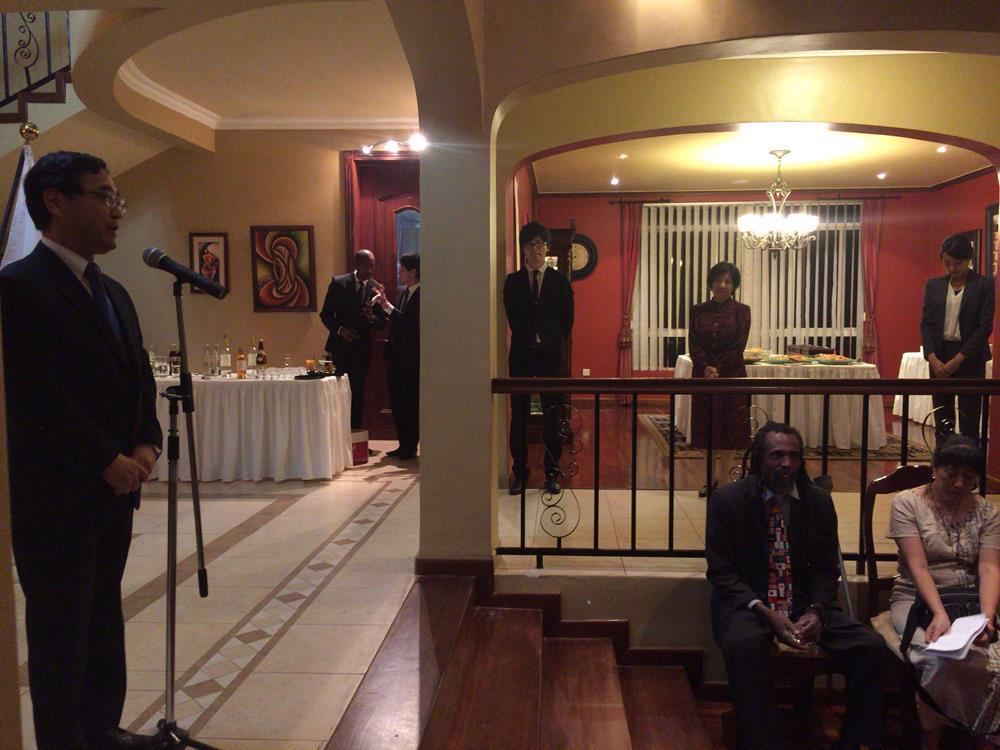
The award was presented on Monday in Kigali by the Ambassador of Japan in Rwanda, Takayuki Miyashita to Gatera Rudasingwa and Mami Yoshida Rudasingwa, the founders of Mulindi Japan One Love Project.
Speaking at the event, Takayuki said that it is a recognition of the project’s great job both in Rwanda and Japan.
“They are doing great job in the country, which is why we are recognizing them. They are producing artificial limbs and training Rwandan people in orthopedics studies” he said adding that they do all activities free of charge.
Speaking at the event, Mami Yoshida said that they were pleased to receive the Japanese Foreign Affairs Minister’s recognition.
“It is over 20 years since we started helping people with disabilities in Rwanda, a period that has been characterized by pleasant and bumpy experiences,” she said, adding that the project has got support from both Japan and Rwanda government.
Yoshida said that in collaboration with a Japanese company, they are considering to bring new technology of prosthetic-making. “If we could get this technology, we can make more prosthetics at low prices not only in Rwanda, but also all over Africa” she added.
MP Gaston Rusiha representing people with disabilities in parliament commended the project saying they were greatly contributing to the welfare of people with disabilities since they started operating in Rwanda.
We are willing to sleep less if it means getting richer, but this mentality is a result of nothing but ignorance. People who do not sleep as much as they should don’t know the importance of sufficient sleep and rest.
Sleeping for the prescribed 7 to 8 hours a night isn’t a waste of time, but a way of keeping your system running the right way. Sleep is designed to allow you rest after the stress of the day. When you don’t allow your body get that, you threaten its smooth running.
In a recent study, experts warn that skipping sleep impairs your brain function across the board. It slows your ability to process information and problem- solve, kills your creativity, and catapults your stress levels and emotional reactivity.
In a similar report from the University of Rochester, the importance of getting sufficient sleep is highlighted; it says that when you sleep, your brain goes to work, removing toxin proteins from its neurons that are by-products of neural activity when you are awake. Now, your brain can only remove them adequately only while you are asleep. So when you don’t get enough sleep, the toxic proteins remain in your brain cells wreaking havoc by impairing your ability to think.
Perhaps, the reason a lot of people don’t yet understand the weight of the problems that could be faced from sleeplessness is because sometimes, the symptoms do not immediately manifest themselves. In some instances, they show quickly enough, but other times, they take a while.
Either way, the dangers of not sleeping enough cannot be overlooked. If you’ve not been getting enough of it, you should have a rethink.
{{Source: elcrema.com}}
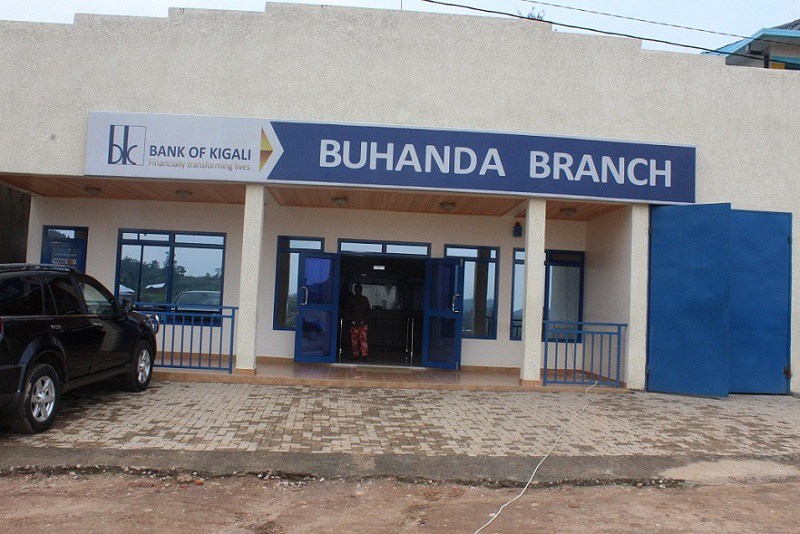
The attack took place on 24th October, 2017 when non-identified gunmen forcefully entered and shot the bank staff, injuring three and making off with an unspecified amount of money.
Following the attack, police launched investigations to ascertain the people behind the heist.
Speaking to IGIHE, the Southern Region Police Commander, Assistant Commissioner of Police (ACP) Gilbert Gumira said that seven suspects were arrested and their case files were handed to prosecution.
He said that none of suspects pleaded guilty but added that they will all face justice.
Gumira assured people on security in the region adding that BK operations have since resumed
During the attack, a bankstaff identified as Quesie Muhawenimana was shot dead while Branch Manager, Sylvain Rubayita; Assistant Branch Manager, Alphonse Muhayimana and Security Guard, Evariste Kagame were injured.
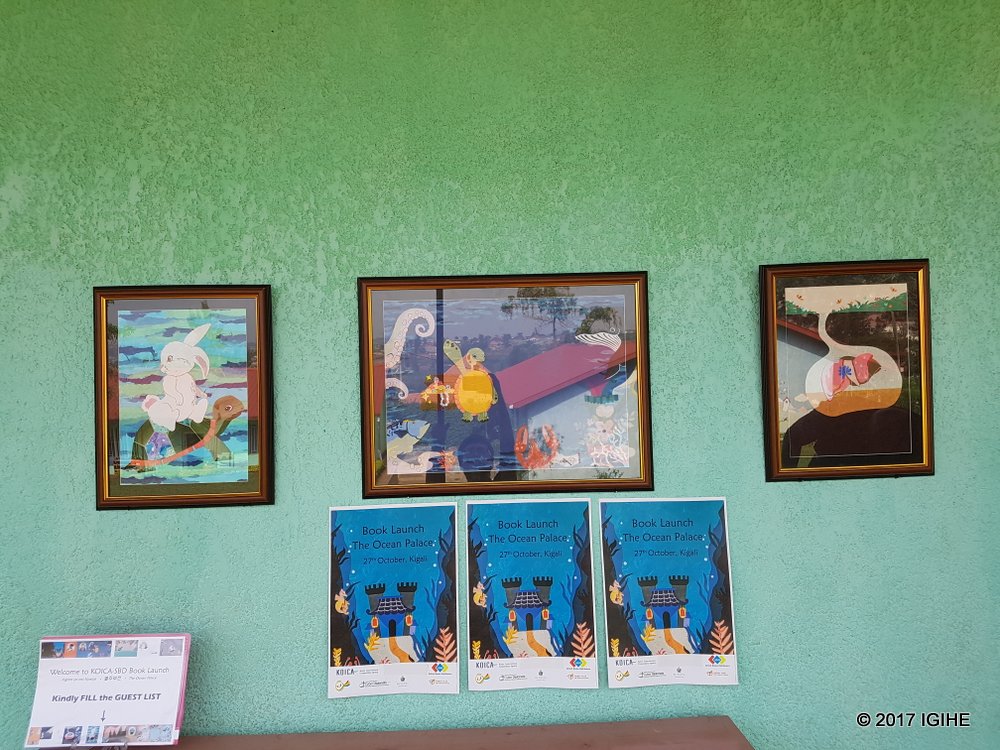
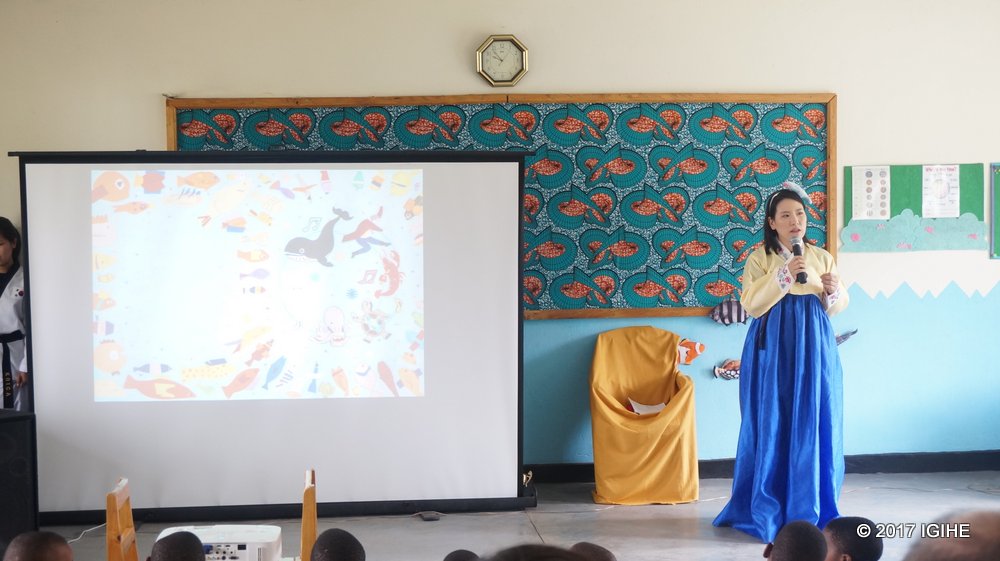
The Ocean Palace is based on a Korea’s traditional story, “The Ocean Palace” and modified to fit in the Rwandan context by Korea International Agency’s (KOICA) volunteers. It speaks of a dying Ocean king saved by an earnest turtle and a clever rabbit.
Written with wit and pathos, the book unveils the inevitable foibles of animals and exposes their human-like qualities and child-like innocence whereby a rabbit gives out a family elixir he treasures most for the sake of a desperate turtle that had planned to kidnap him and take his liver; just so that he could save his King who was mostly like a father to him.
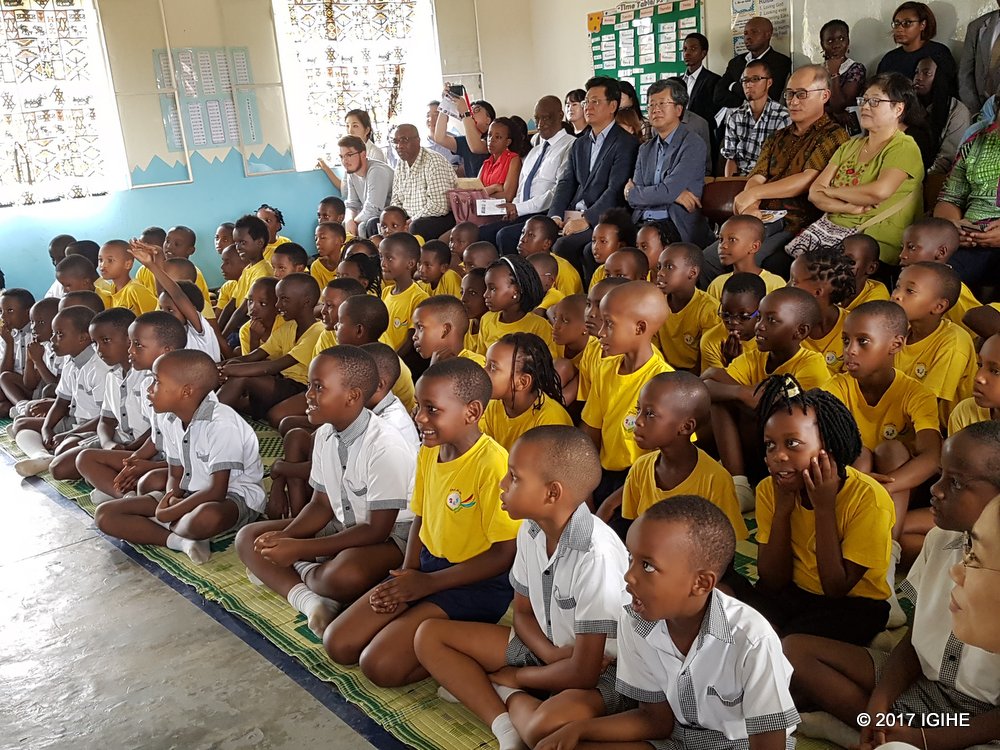
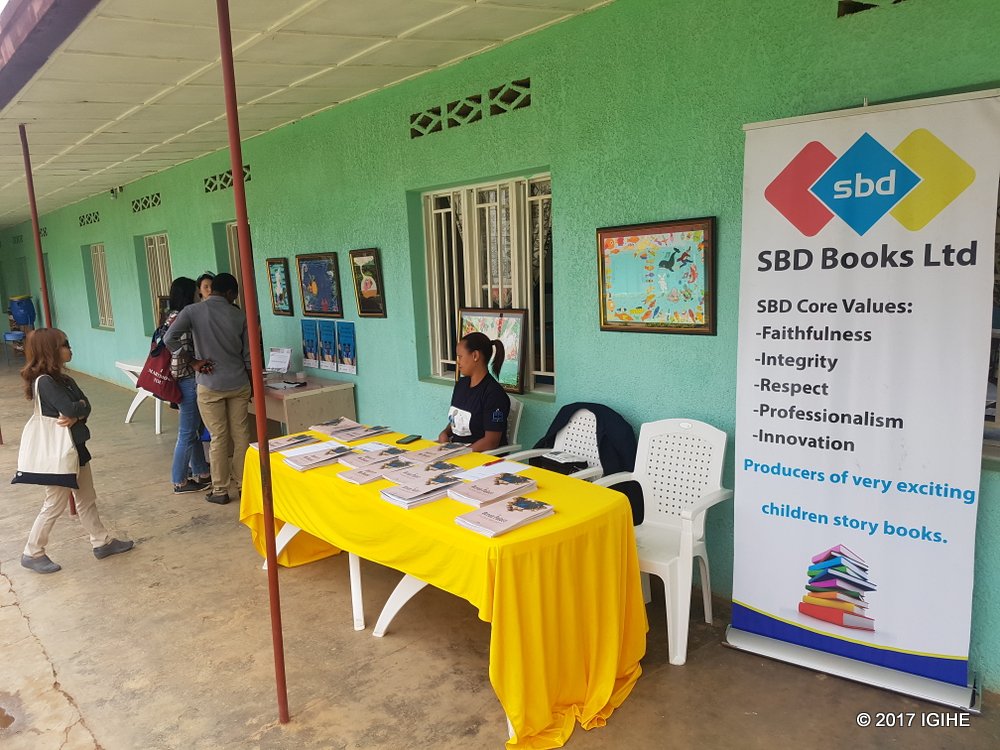
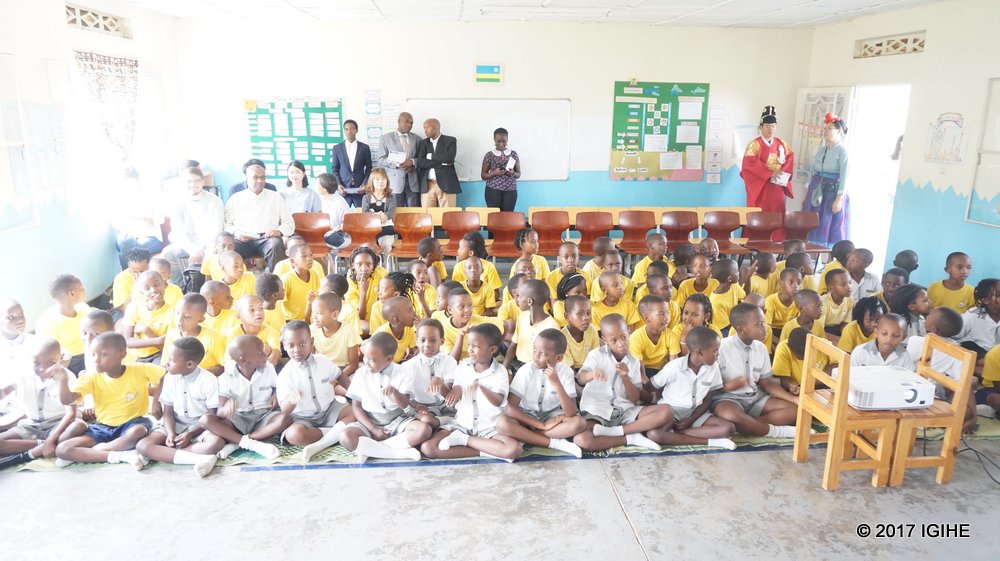
The Book launch took place on the 27th October, 2017 at 2&5 Christian Academy headquarters in Kigali. The event saw numerous publishers including SBD Books; who published the said very interesting book.
This book was developed as part of KOICA Volunteers’ project, “Korean Tale StorybookDevelopment program”. It was funded by KOICA and launched in partnership with Save the Children Rwanda, SBD Books and 2&5 Christian Academy.
This Korean fable pulsate with the rhythm of life and the seasons, transporting the reader to a wonderland where ants talk, a tortoise outwits an all-clever rabbit, a king is father to an ocean , and a rabbit saves a whole ocean palace.
Speaking at the launch, the Project leader, Marta Hye-limYoo, emphasized the exclusiveness of the project, saying that its objective was to empower Rwandans but at the same time empowering Koreans.
“At our arrival in Rwanda, last December, we realised that the reading culture was a bit scarce. We felt like we had to do something to make a change, we did a bit of research and with the help of KOICA volunteers, we decided to go with “The Ocean Palace”, a tale that is suitable to children as it speaks of great morals of valor,” she said
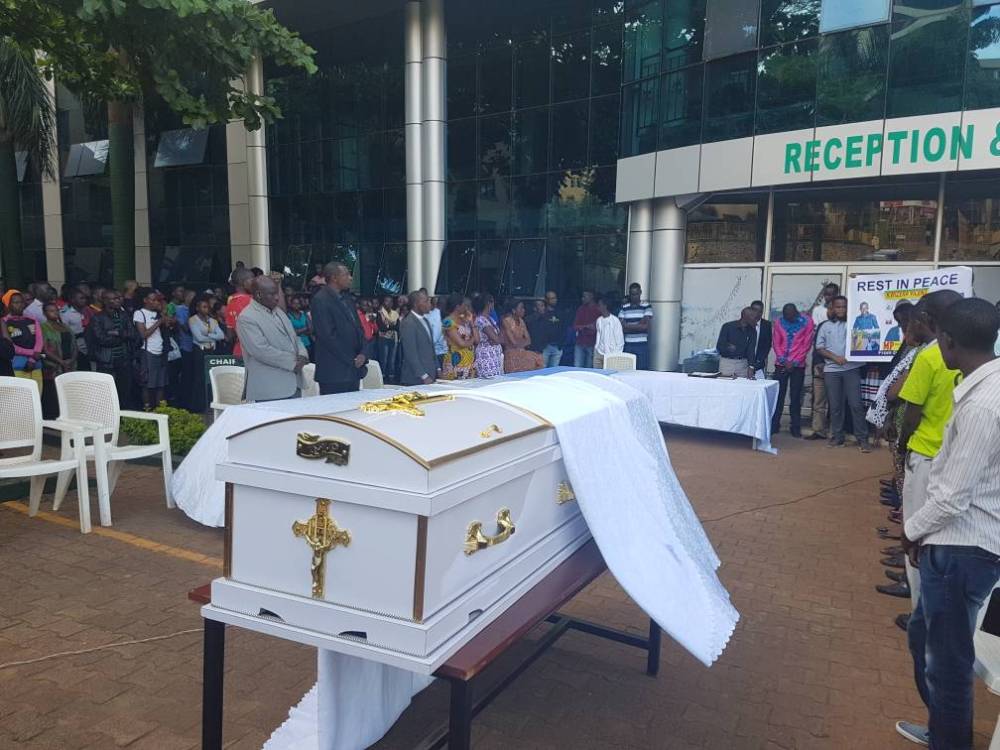
According to ChimpReports, a Uganda-based online news house, the accident happened Saturday evening when all six students were travelling from Nakasongola District to Kampala from a colleague’s wedding ceremony in Walusi-Migyera
Five of the students died on spot while others died on way to Nsambya Hospital.
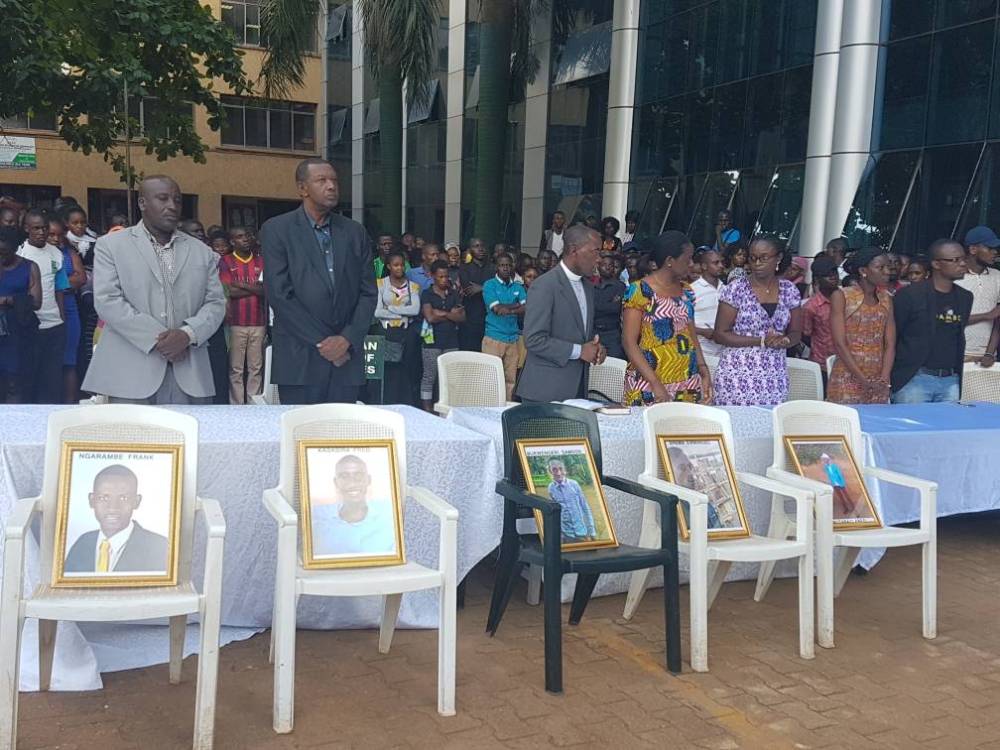
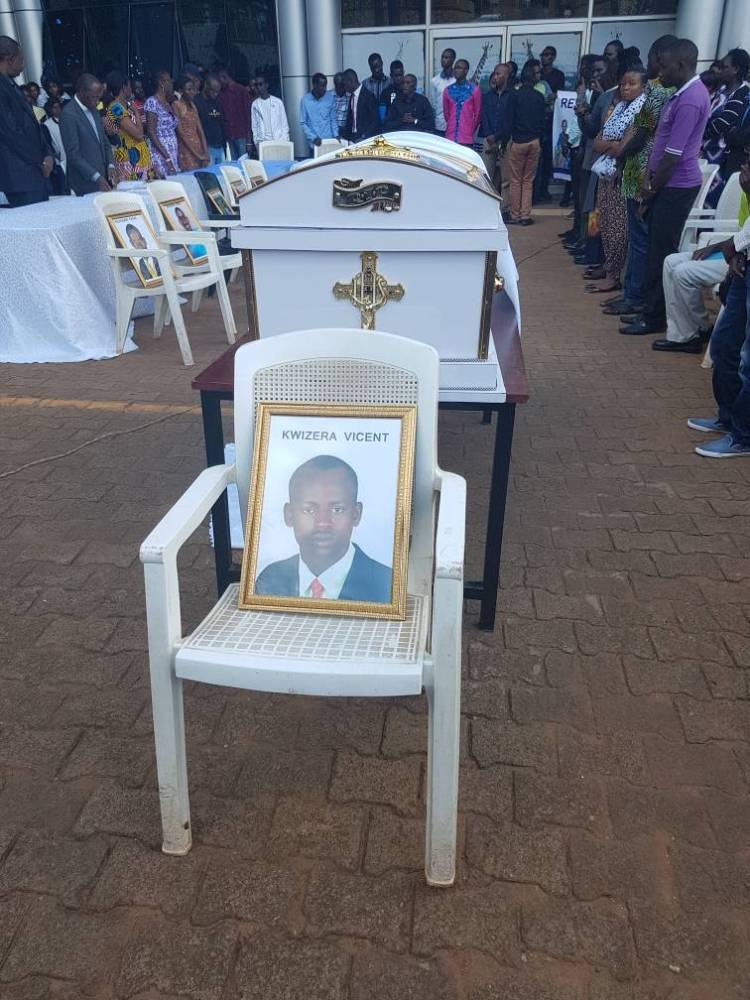
The deceased have been identified as Fred Mutabazi, Frank Nagarambe, Samson Makwenjere, Vincent Kwizera, Fred Kassasi and Emmanuel Shema.
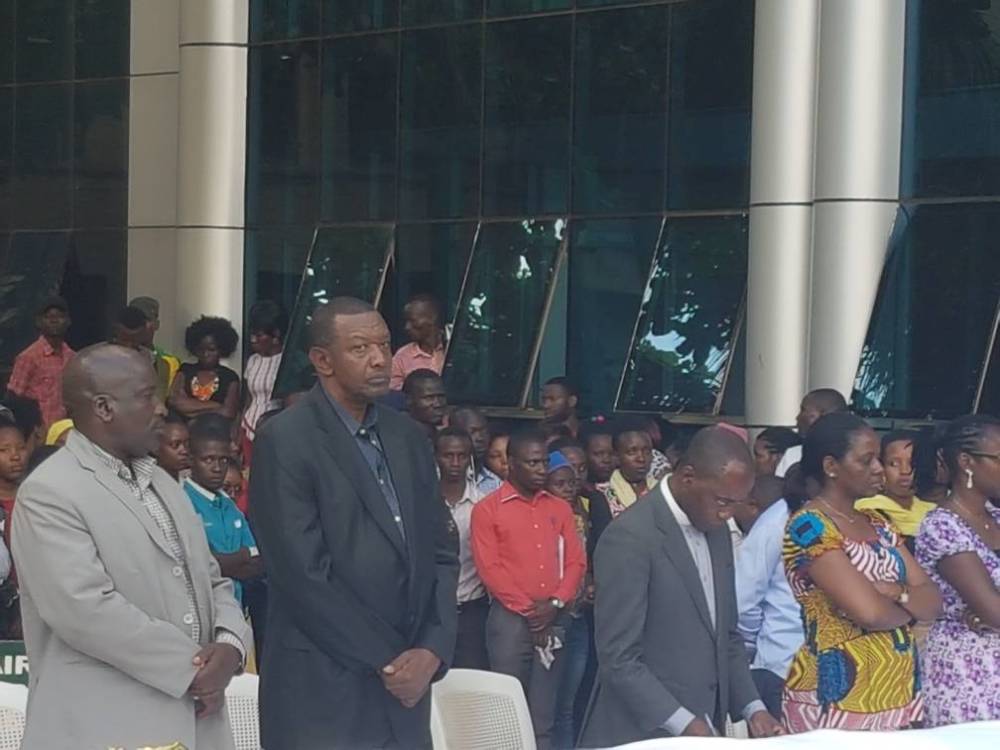
All six students were laid to rest on Sunday, in the presence of Rwandan Embassy diplomats in Uganda including Ambassador Frank Mugambage and KIU officials.
The forum taking place in Charm el-Cheikh City and is being attended by 3200 youth from 113 countries.
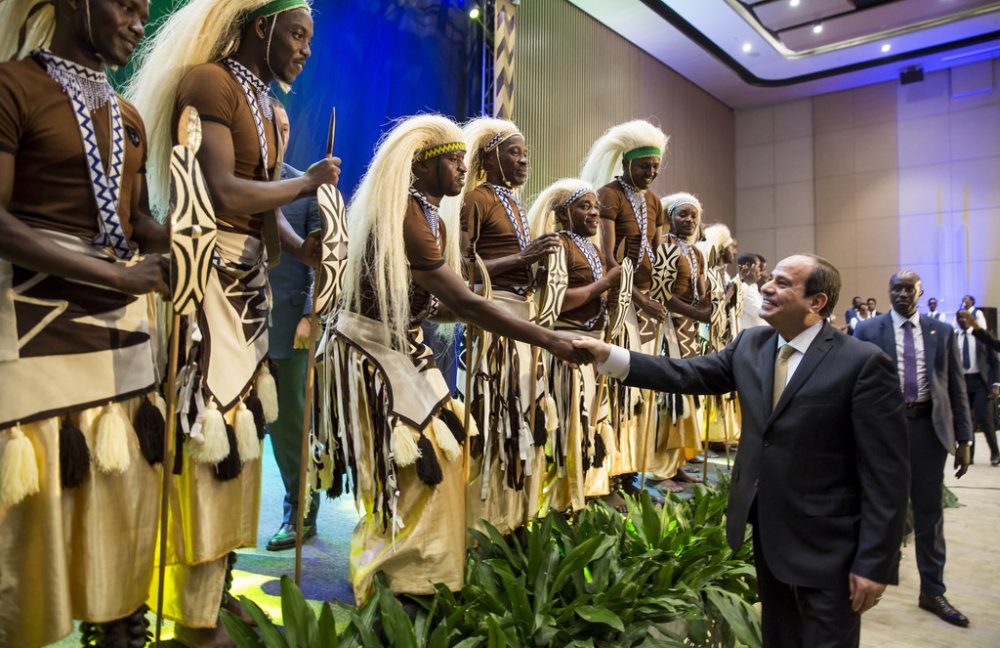
The ballet was invited to entertain the youth in the forum that started on Sunday.
The ambassador of Rwanda in Egypt, Sheikh Saleh Habimana wrote on his twitter that Urukerereza was invited by President Fattah
“Under the invitation of Egypt’s El Sisi, Urukerereza has arrived in Cairo; soon they will head to Sharm Sheikh where they will entertain youth forum,” the twit reads.
President Fattah was entertained by Urukerereza in August 2017 when he visited Rwanda and welcomed by President Paul Kagame at the Kigali Convention Center.
The average price is now at Rwf2,500 per kilogram. Government will start construction of a silk processing firm in Kigali Special Economic Zone this November. Government and Korean firm, HEworks Rwanda Silk, are giving incentives to sericulture farmers, giving the sectorguarantee for a reliable market that relieves farmers from the previous losses which saw mulberry trees, food for silkworm, grow into bushes around the country as the owners abandoned silkworm rearing.
Jean Pierre Bicamumpaka, coordinator of the 17-member Umuseke Cooperative, says they were discouraged from selling cocoons to UTEXRWA, Rwanda’s textile firm, which used to delay payments for six months. The new investor, HEworks Rwanda Silk, is paying them within a maximum of seven days from the day of supply.
“We have recently bought a land at Rwf1,150,000 with the support of Rwf850,000 from our district for planting more mulberry trees to enable us increase cocoon production to at least 250 kilograms per monthly cycle. We can produce cocoons six to eight cycles per year,” he told IGIHE from exhibition in Kayonza, last month.
“This business is turning into a goldmine; we are seeing a lot of benefits, easy to do and do it while doing other activities at the same time. In the next five years, we target to have huge production and machines to dry up the cocoons and sell at higher prices.”
Bicamumpaka said the investor is soon awarding farmers with contracts which can help them access the financing from financial institutions.
{{Potentials in sericulture}}
Sericulture is an agro-based sector involving rearing silkworms to produce cocoons and raw silk by reeling cocoons. Amid the developed countries’ rapid industrialisation, sericulture presents good opportunities for developing countries to produce raw material for the manufacturers in developed countries, according to Jean Marie Vianney Munyaneza, the manager for Diversification and Products Development at National Agricultural Exports Development Board (NAEB).
“Now a kilogram of silk yarn is at $70 up from $30 five years ago when China had good production of silk. So, we have a good market but as we focus on promoting Made in Rwanda products, this silk will also be important to support our local textile in the coming years,” he said.
To maximise the benefits, Munyaneza says the Government decided to build a silk firm worth Rwf1.5 billion and all is set to start construction by November to see it operational by next year with the high technology machinery by mainly the government and some by HEworks Rwanda Silk.
The firm will have the capacity of producing 100 tonnes of raw silk (silk yarn) annually. While only 10 tonnes of dry cocoons were recorded in 2016, production is expected to increase to around 35 tonnes by 2017 due to many efforts by the Government, farmers and HEworks Rwanda Silk, according to Munyaneza.
“We are targeting to produce 300 tonnes of dry cocoons annually from 2020. These tonnes will need good farmers and firms. We have an agreement with HEworks Rwanda Silk that will build another firm in Rwamagana District as the production increases. When we hit 300 tonnes target, we shall upgrade the Government’s firm to manufacture silk clothes starting from ties and scarves and leave cocoon reeling activities to Korean firm,” he says.
Munyaneza urged farmers to take advantage of the government’s current incentives in sericulture including free mulberry cuttings for planting, roofing materials for silkworm rearing houses, silkworm eggs, training of farmers and investor’s offer of Rwf15 per every mulberry tree that a farmer grows.
{{Rwanda’s silk among top quality}}
Dr Keewook Sohn, Managing Director for HEworks Rwanda Silk Ltd, says that Rwanda has favourable natural conditions such as temperature and rainfall that allow six to eight cycles of cocoon production per year while most countries never go beyond three cycles.
“We sent Rwanda’s silk to China to test the quality last year and was found to be of very high quality. Cocoon’s quality is ranked in the way 6A is the highest but is rare to find, then 5A, 4A, 3A, 2A, 1A to B, C, D… From 3A and above, the quality is high. Rwanda’s silk was ranked at 4A which is high quality,” he says.
Dr Sohn says to produce the highest quality does not only base on good silkworm rearing but also on technology of cocoon drying and reeling machines, adding that his company is going to bring the top quality machines and top quality technicians to produce the highest quality of raw silk from next year.
He says they target to reach 1,000 hectares of mulberry plantation by 2018 from the current 260 hectares around the country. The total income from one hectare’s minimum 750kg cocoon production stands at Rwf1,650,000 but is expected to keep increasing regularly to reach Rwf3 million by October 2022.
There are at least 3,200 farmers in 40 cooperatives practicing sericulture around the country and the number is quickly increasing due to the sector’s increasing benefits as cocoon prices have almost doubled from Rwf1,350 to Rwf2,500 per kilogram in the last three years.