Nsengiyumva was speaking yesterday in a post-cabinet conference, at the office of the Prime Minister which was detailing measures taken to deal with recent disasters caused by heavy rain and flooding.
The Cabinet Meeting on Wednesday resolved to strengthen efforts to mitigate natural disasters in the long term with special emphasis on environmental protection, infrastructure development and maintenance, organized settlement as well as improved agriculture practices.
Nsengiyumva said that the heavy rains damaged crops and claimed over 180 lives.
“We estimated the value of damaged properties and established that they are over Rwf4 billion, this is a serious problem to people who have been affected,” he said.
He said that the government will establish ways to support those whose crops were damaged and left in critical situation.
“We will support families through government’s disaster relief emergency’s fund, we have foods stuffs like maize and beans which we use to support them through the partnership with the Ministry of Disaster Management and Refugee Affairs and Districts. The fund currently has over 7000 metric tonnes of maize and over 4000 tonnes of beans,” he explained.
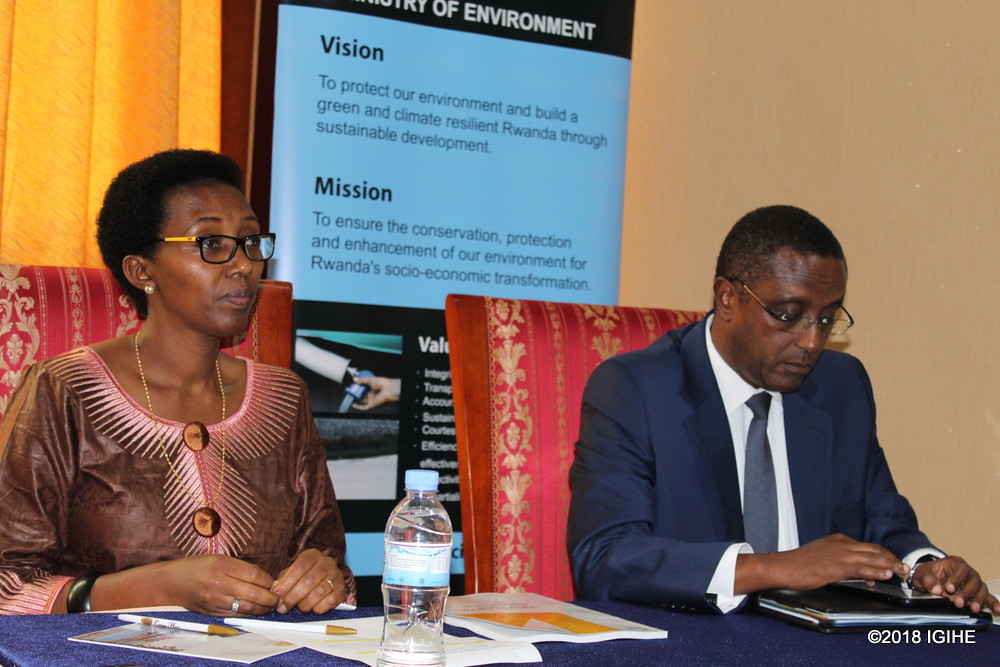
According to the Minister of Environment, Dr. Vincent Biruta, heavy rains continue until May 10th this year in some parts of the country and urged people to be aware of the weather forecast.
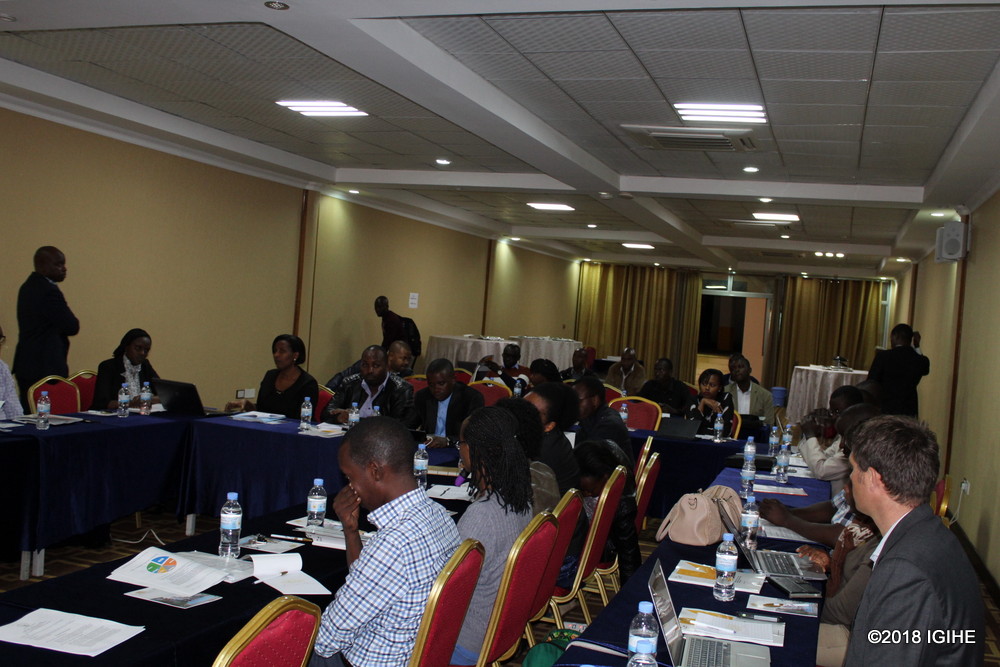
This was discussed during REMA’s launch of a study on Inventory of Sources of Air Pollution in Rwanda. The study looked at the current trends and situation of Air Pollution across the country, proposing a set of recommendations to beat pollution, calling for collective efforts to tackle the challenges brought by poor air quality.
The study indicates that vehicle emissions are the leading cause of air pollution in Kigali and other urban areas, where domestic biomass cook stoves from wood, charcoal and open fire burning in fields are the primary contributors to poor air quality in both residential and rural areas.
It also showed that 95,2% of the cars in Rwanda were at least ten years old, 56,6 % were made before 1999 and 77,2% were made before 2000.
The REMA Director General Eng. Collette Ruhamya, said that the government had put in place policies that guide public vehicles in Kigali but that worn-out cars and heavy-load vehicles that enhance poor air quality are still an issue yet to solve.
“If we had wider roads, then all those heavy-weight cars that emit pollutants would not have to pass in Kigali, because when they pass through the city in a great numbers, they pollute the atmosphere and skies”, she noted
“It is troubling that a three month study conducted in Kigali last year found that particulate matter concentrations in the city occasionally exceeded World Health Organisation guidelines”, Minister of Environment, Dr Biruta Vincent said
The Minister of Environment added that it was reassuring to note that the high concentrations of these pollutants, which were largely attributed to vehicle emissions, were greatly reduced during holidays and car-free days.
“This clearly demonstrates that we must continue to clean up our transport sector and look to new, cleaner technologies and innovative policy measures to reduce air pollution”, he added
Among the strategies and policy recommendations that were taken to address air pollution, it was agreed that cars would be given an age test, where new cars would be taxed at 20%, and old ones (above 10 years) would be taxed at 80%.
If the car is 10 years old and above, it will be taxed on 80%; between 9-10 years, it will be taxed on 75%; between 8-9 years, it will be taxed on 70%; between 7-8 years, it will be taxed on 65%, between 6-7 years, it will be taxed on 60%; between 5-6 years, the car will be taxed on 55%; between 4-5 years, the car will be taxed on 50%; between 3-4 years, it will be taxed on 40%; between 2-3 years, it will be taxed on 30 %, and the car between 1-2 years, will be taxed on 20%.
From the research made, 2,227 deaths were attributed to ambient air pollution in 2012 across the country, whereby the number of hospital admissions for acute respiratory infections in health centres increased from 1,682,321 in 2012 to 3,331,300 in 2015.
According to the police, the suspect identified as Pacifique Iradukunda was first stopped at Gatuna border after authorities suspected him of carrying the drugs.
“He fled leaving behind a vehicle with number plate UAQ 238 U, which he was driving and in which the drugs were recovered,” Chief Inspector of Police (CIP) Hamdun Twizeyimana, the Police spokesperson for the Northern region, said.
“Iradukunda later came back and tried to bribe a Revenue Protection Unit officer with Rwf200, 000 so as to release his impounded vehicle whereupon he was immediately arrested,” he added.
Khat is a drug composed of the leaves of a wild plant. Also called Catha edulis, it contains two mild stimulants; cathinone and cathine. It’s associated with an increased risk for a variety of medical complications, including dental disease and mouth cancers, heart problems, liver disease, sleep problems and reduced appetite.
The World Health Organization (WHO) classified khat in 1980 as a drug of abuse that can produce psychological dependence.
“In Rwanda, khat is a narcotic drug that is listed among the psychotropic substances and banned under the ministerial order nº20/35 of 09/6/2015 determining unauthorized drinks and other controlled substances classified as narcotic drugs, psychotropic substances and precursors,” CIP Twizeyimana said.
He went on to say that Iradukunda has been handed over to Rwanda Investigations Bureau (RIB) that is currently handling the case.
Article 594 of the penal code states that any person who unlawfully, makes, transforms, imports, or sells narcotic drugs and psychotropic substances shall be liable to a term of up to five years and a fine of up to Rwf5 million.
However, under the same article, if the act is committed internationally or across the border, the penalties shall be doubled.
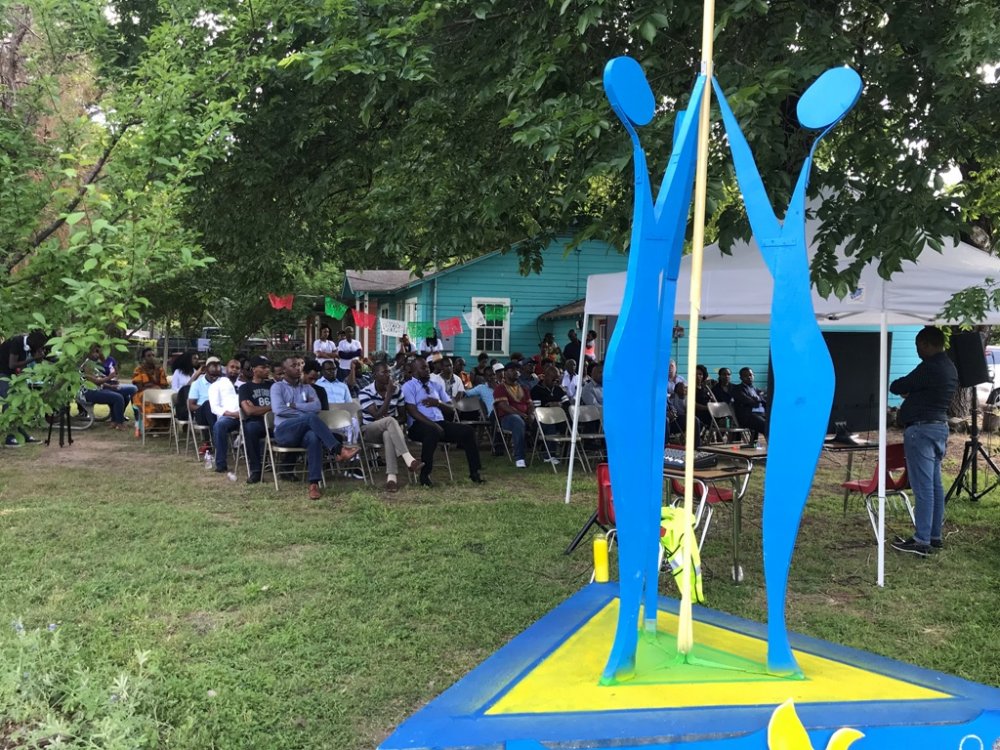
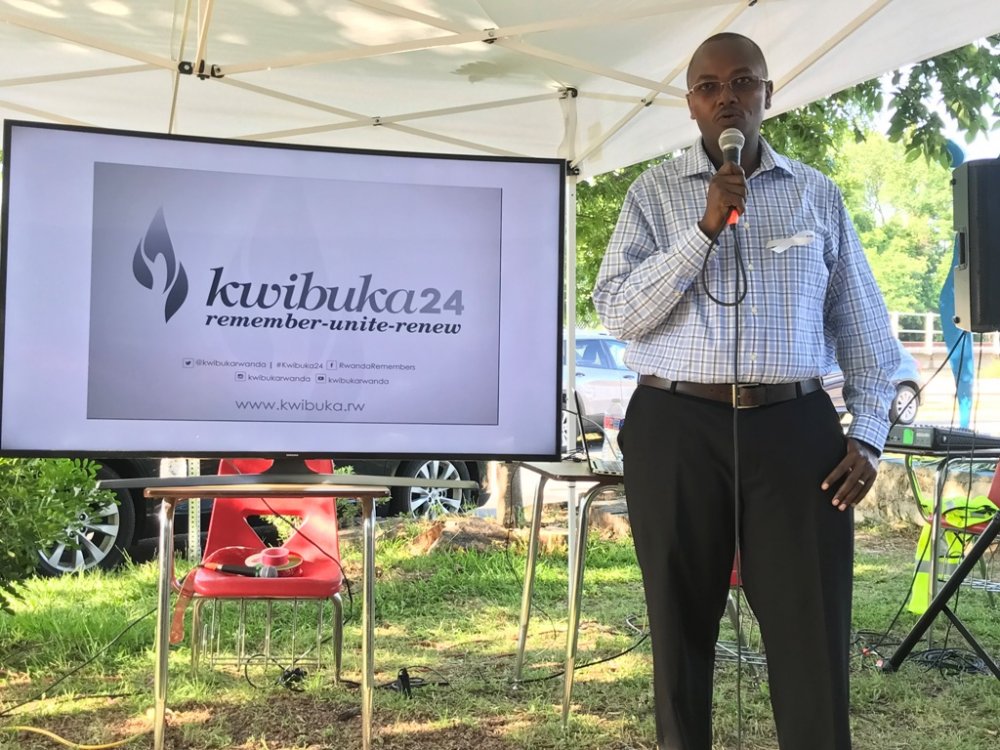
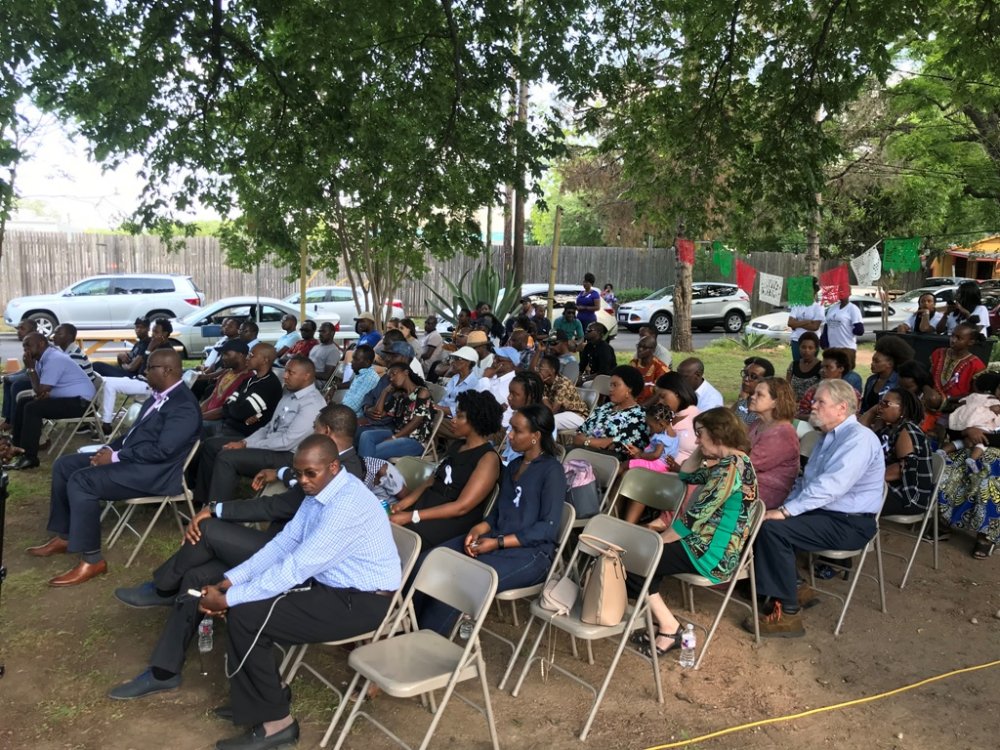
The event brought together over 300 people, including members of the Rwandan community in Texas, diplomats and government officials.
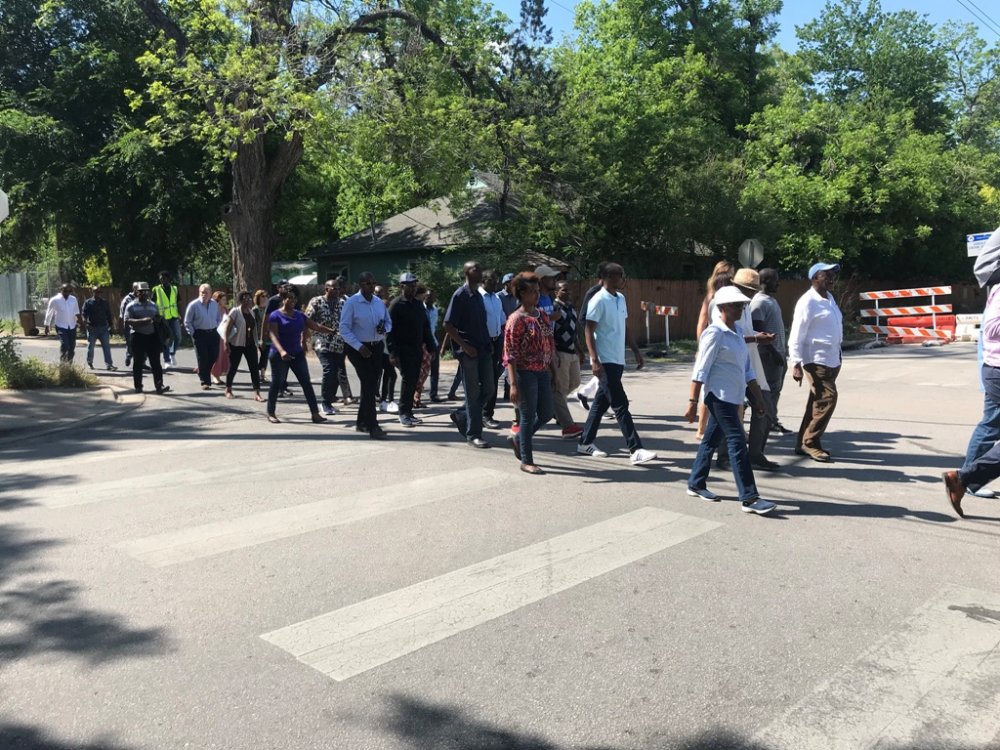
They observed the 24th commemoration of the genocide Against the Tutsi with a peaceful procession in memory of lost lives during the Genocide.
One of the speakers in the event, Ukwitegetse Olivier Pappy, said that the commemoration was a way of paying tribute to victims of the Genocide but also a way to say Never Again to the acts of the Genocide in Rwanda and anywhere else in the world.
The commemoration event followed the inauguration of a Memorial, that was constructed in Austin, in memory of fallen victims in the 1994 Genocide against Tutsis.
“It wasn’t easy to obtain all the necessities to obtain the permission to have a memorial built, but today we have beside us a memorial site dedicated to those we lost. This will also serve to guide the future generation against destructive policies.” He said
Ukwitegetse requested attendees to fight against Genocide ideologies in Rwanda and around the world.
Through twitter handle, MIDIMAR said that the refugee was injured by tear gas Police used to disperse protesting refugees.
“Today (Wednesday), one refugee from Kiziba camp succumbed to his injuries got when, together with some other refugees, he was trying to interfere with police patrols yesterday 1st May. A tear gas used to disperse the said refugees injured him,” the tweet reads.
The protests followed Monday suspension of refugee committee in the camp over what MIDIMAR said the committee had been mobilizing refugees to revolt against government officials and partner institutions, denying them access to the camp, and causing disorder among the refugees, thereby rendering the camp and its surroundings unsafe.
On Tuesday, Police arrested 23 refugees over violence by attacking Police officers conducting patrols in and around the camp.
According to Police, several refugees resorted to violence, throwing stones and attacking police officers with sharp objects which led to the arrest of these twenty-three.
MIDIMAR has said that after dissolution, the process of establishing an interim committee is underway.
“The Interim committee to be elected soon, will be derived from village and Religious leaders and other levels representing refugees,” MIDIMAR said in a tweet.
As Police patrols continue, MIDIMAR urged refugees not to interfere the Police.
“MIDIMAR calls upon refugees not to interfere Police patrols for their security.
Refugees are reminded that any person who interferes with restoring normalcy in camp are in violation of the law and will be held to account,” reads the tweet.
In February, Refugees in Kiziba demonstrated some marching out of the camp and camped at United Nations High Commissioner for Refugees (UNHCR) offices in Karongi protesting over reduced food rations.
According to Police, the protests turned violent and left five dead and others including police officers injured.
Philip Nibakure, 35, was arrested in Kanunga Village of Kabuga Cell, Masoro Sector with 62 kilogrammes of cassiterite, Chief Inspector of Police (CIP) Hamdun Twizeyimana, the Northern region Police spokesperson, said.
Cassiterite, a tin oxide mineral (SnO2) is the main ore of tin today used to produce tin cans for food containers, solder and polishing compounds.
“There was information that Nibakure was conducting illegal mineral business, and when Police went there they found him with 62 kilogrammes of cassiterite. He was immediately taken into custody,” CIP Twizeyimana said.
“He was at the time transporting the minerals to yet to be indentified location, but the case has been taken up by Rwanda Investigations Bureau (RIB). Investigations will trace the origin and where he was taking them, and anyone that could be connected to this illegal business,” he explained.
Rulindo is one of the districts with majority mining concessions especially in the sectors of Masoro, Murambi, Ntarabana and Shyorongi
“We received information from residents that someone was suspected to be possessing minerals whose source was not known, acting on the information we indeed uncovered the suspected had minerals whose legality could not be defended ” said CIP Twizeyimana.
CIP Twizeyimana referred to Article 1 of the Ministerial Regulations No001/Minifom/2011 relating to fighting smuggling in mineral trading that stipulates that nobody is allowed to purchase or sell minerals without commercial registration.
Speaking to IGIHE, the National Electoral Commission Executive Secretary, Munyaneza Charles, said that the body hasn’t yet received any Candidatures for those who wish to fill in the post, awaiting the next Monday deadline.
“ Nyamulinda resigned as Kigali City mayorship as well as the Gasabo District Council membership. There will be elections in Nduba sector, where a person will fill in the vacant place in the district council. This will be followed up with the establishment of the Committee”, he said
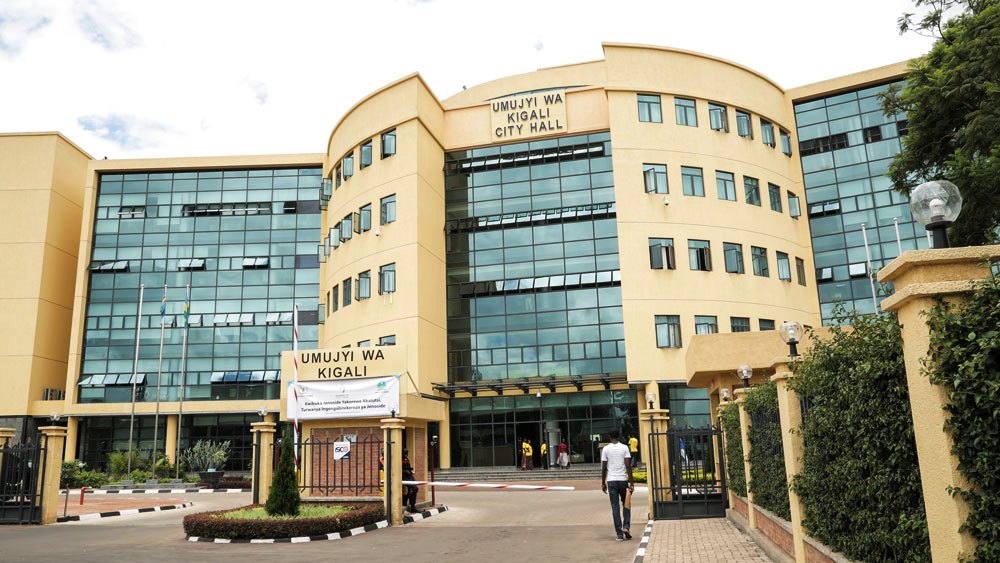
The City Council noted that it is aware of the gap and is working on terms of reference for the recruitment of a replacement in coming days.
Nyamulinda Pascal resigned his duties on April 10th, 2018, due citing personal reasons, just over a year in office.
Busabizwa Parfait who was Nyamulinda’s assistant is temporally acting in the interim capacity prior to the election of a new mayor.
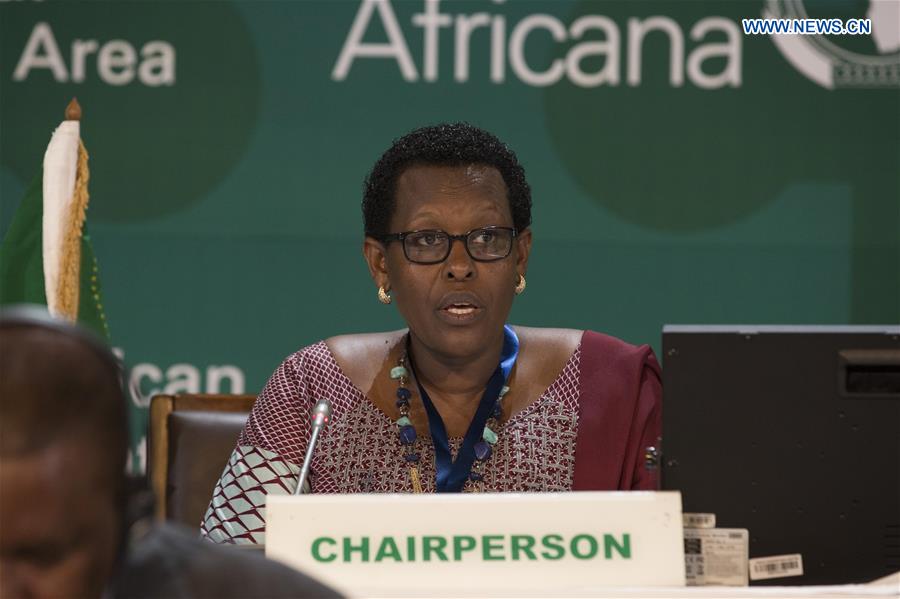
Some key Peace and Security priorities such as the protection of civilians in conflicting situations will be featured on the program of the AU Peace and Security Council during the month of May.
“Some of the peace and security priorities we have identified this month include: financing Africa’s peace through the AU peace fund; protection of civilians in conflict areas by encouraging more African countries to endorse the Kigali Principles on Protection of Civilians in conflict situations; addressing security impediments to free movement of people; as well as promoting and reporting the role of women in peace and security in Africa” said Tumukunde.
Rwanda will also preside over a Ministerial session on the security situation in the Sahel region. The objective is to ensure that there is harmonization and ownership of initiatives by African countries in the Sahel region. The session will also discuss security and migration in Africa.
The PSC is a vital organ of the African Union and is mandated to take decisions on matters of peace and security on the African continent. Last month, the PSC designated 7th April as the AU day of Commemoration of the 1994 Genocide against the Tutsi in Rwanda.
Each member of the Council holds the chairmanship on rotational basis for the month. Rwanda will take over from Nigeria, which chaired the PSC in April. Rwanda was re-election for another two years to the PSC in January 2018.
Visually impaired Cyriaque Sibomana, who lives in Nkumbure Cell of Tare Sector, told IGIHE last week that he is saddened by the delay to disburse loans whose 50% is a grant yet they dearly spent on projects preparation with the encouragement of Umurenge SACCO, a financial institution, through which the BDF loans are channeled.
“They invited us to prepare business projects which we submitted to SACCO towards the end of 2015. The year 2016 elapsed without their response. They came back in 2017 to select the best projects and disappeared again. It is now one year without giving us any update on the progress yet we spent a lot of money on the preparation of the projects,” said Sibomana whose project is among the selected for loans.
Francois Ruhashyampunzi, also visually impaired, shared similar concerns adding that he spent Rwf25,000 on preparing a project of selling sorghum which cost him and his family so heavily with the wife is blaming him on misusing the family resources.
“My project was selected among the 18 but the loans we applied for have not come for a year since the selection and about three years from the projects submission. Our SACCO leader tells us that they sent our projects to BDF branch which also sent them to their head office in Kigali. We were allowed loans amounting to Rwf300,000 of which 50% would be a grant,” he said.
“That Rwf25,000 we spent on the project’s preparation would have supported our child who is doing secondary school,” lamented Ruhashyampunzi.
{{BDF unaware, advises
}}
Livingstone Nkuusi, the BDF branches coordinator, said on Friday that he is unaware of that problem because BDF does not deal directly with beneficiaries.
“We deal with SACCOs’ refinancing, not beneficiaries. We have a product of the people with disabilities but it is SACCO which applies for loans on their behalf. When SACCO does that application, it doesn’t take long for beneficiaries to access loans. Maybe, their SACCO has not yet submitted in the application because we usually wait for SACCO’s application which we examine; if it meets the requirements, then we release the funds. We do not receive loan project proposals from beneficiaries,” he said.
Mr. Nkuusi added that SACCO might have not submitted the projects or they were rejected and advised expected beneficiaries to visit BDF branch in Nyamagabe for clarification on what happened to their projects.
BDF has a SACCO Refinancing Fund, among other products, which is designed to increasing SACCOs’ lending capacity to many people for poverty alleviation. The product started in the six poorest districts of Nyaruguru, Nyamasheke, Nyamagabe, Ruhango, Gisagara and Karongi but it is currently open to all Saccos in the country.
BDF statistics indicate that the product has so far benefited 26,620 people countrywide with the financing amounting to over Rwf150.4 billion
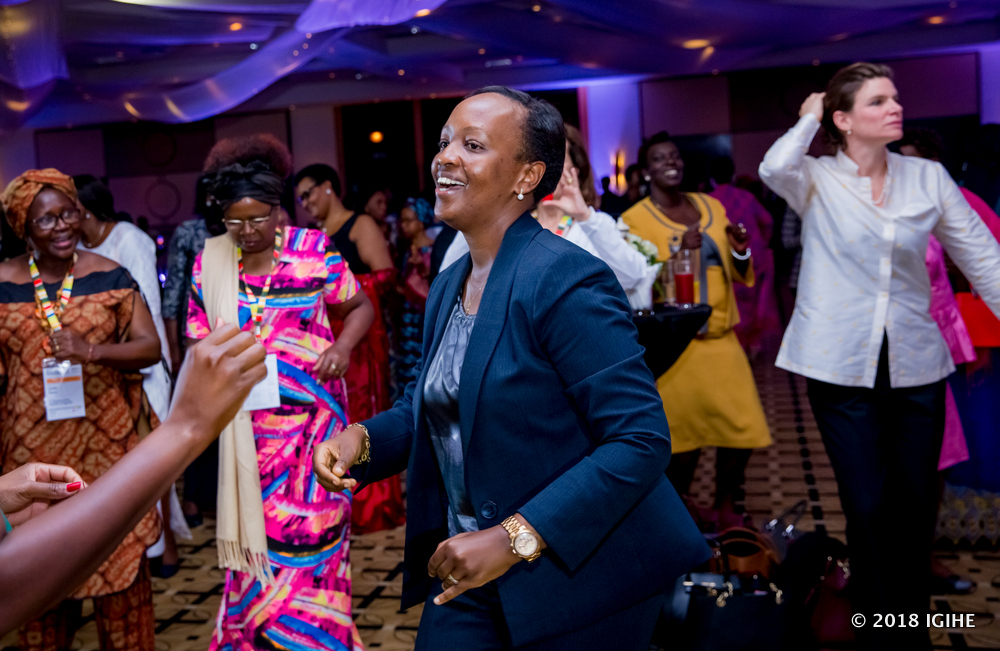
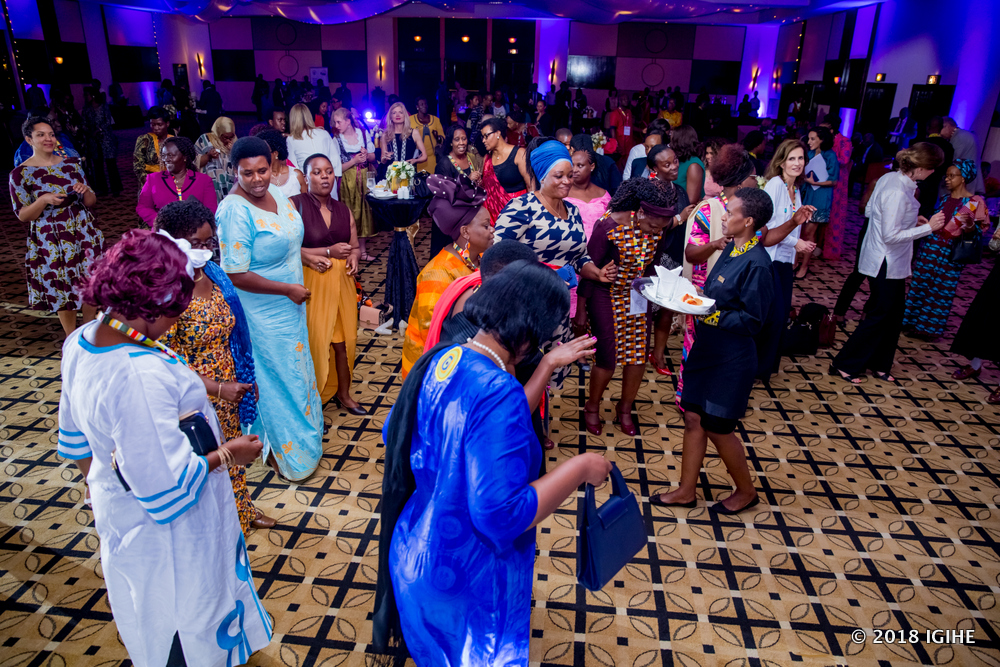
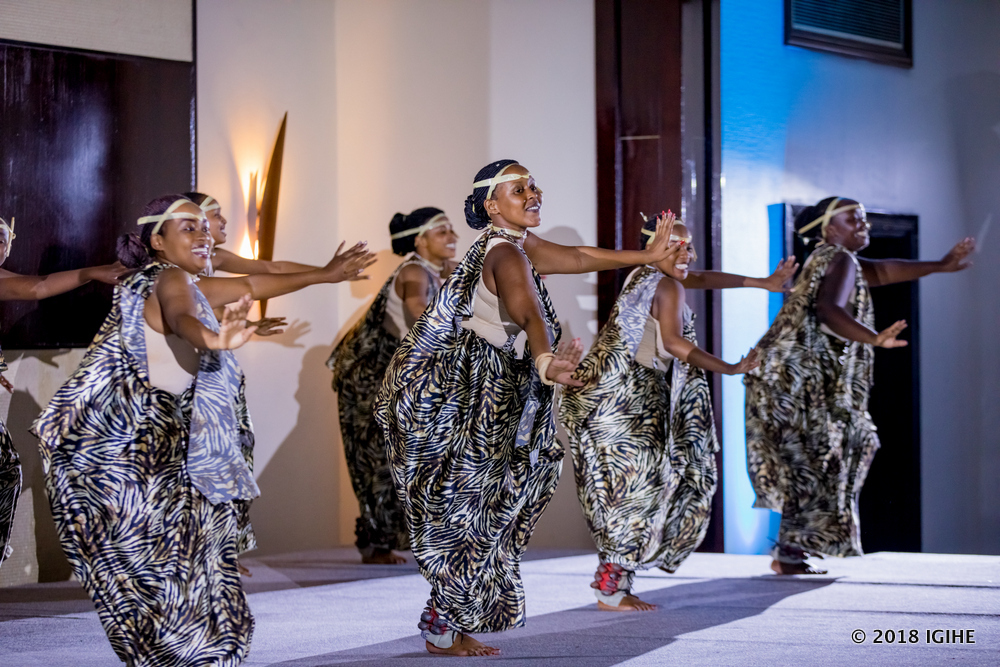
The office was opened yesterday in a cultural dinner that was hosted by Speaker of parliament, Donatille Mukabalisa.
Speaking at the event, Salvana Koch_Mehrin, the Founder and the President of the Women Political Leaders Global Forum said that they decided to open their offices in Rwanda because the country has advanced in programmes that promote women.
“The reason for choosing Rwanda is obvious; when you speak about women in politics, it has many women in parliament and other senior government positions. Women are also seen in other positions. Rwanda is a good example for Africa and the world to learn from,” she explained.
“In Rwanda 64% of the members of Parliament are women and so it’s the perfect place to base the WPL Office. Let’s work hard, dream big and support more women in politics to advance society” she added.
The office will coordinate all network’s activities in Africa.
Speaker Mukabalisa hailed the organization for opening the office in Rwanda.
“Your presence here means a lot to the relations of our countries and institutions we represent. I thank WPL for choosing to open Africa Office in Rwanda. We are pleased by your commitment in making governments understand the role and job of women in governance and politics,” she said.
“Rwanda is honoured and humbled to host the WPL office and is committed to make the initiative the success it can and should be. Let’s keep finding creative ways to accelerate equality for women everywhere,” she said.
The Women Political Leaders Global Forum is a global network of female politicians with a mission of increasing both the number and the influence of women in political leadership positions with headquarters in Reykjavik, Iceland.